By resurrecting the “Anglo-Saxon threat,” Putin’s Russia is using history as a weapon — turning old myths into modern geopolitics.
 Worldcrunch
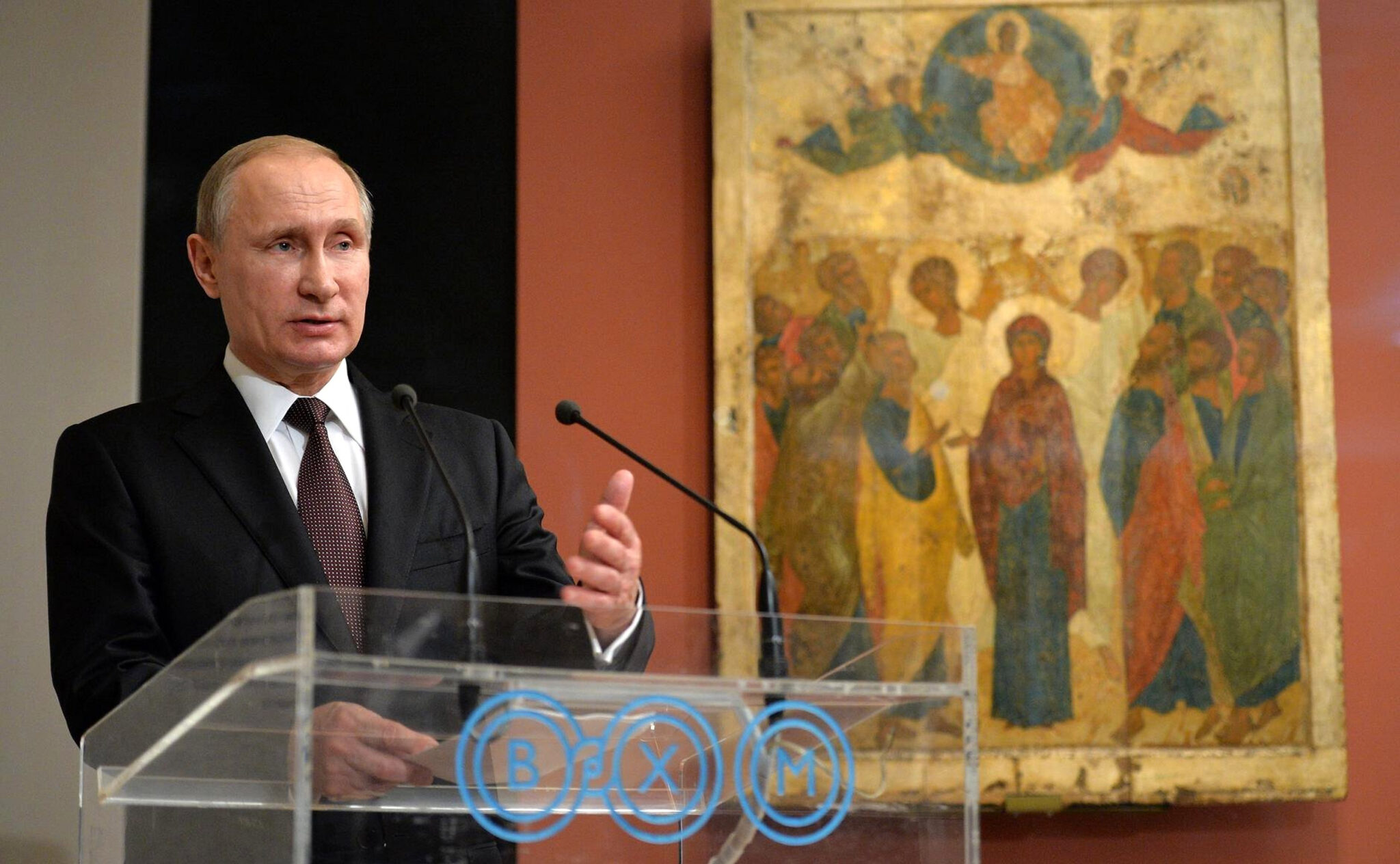
By resurrecting the “Anglo-Saxon threat,” Putin’s Russia is using history as a weapon — turning old myths into modern geopolitics.
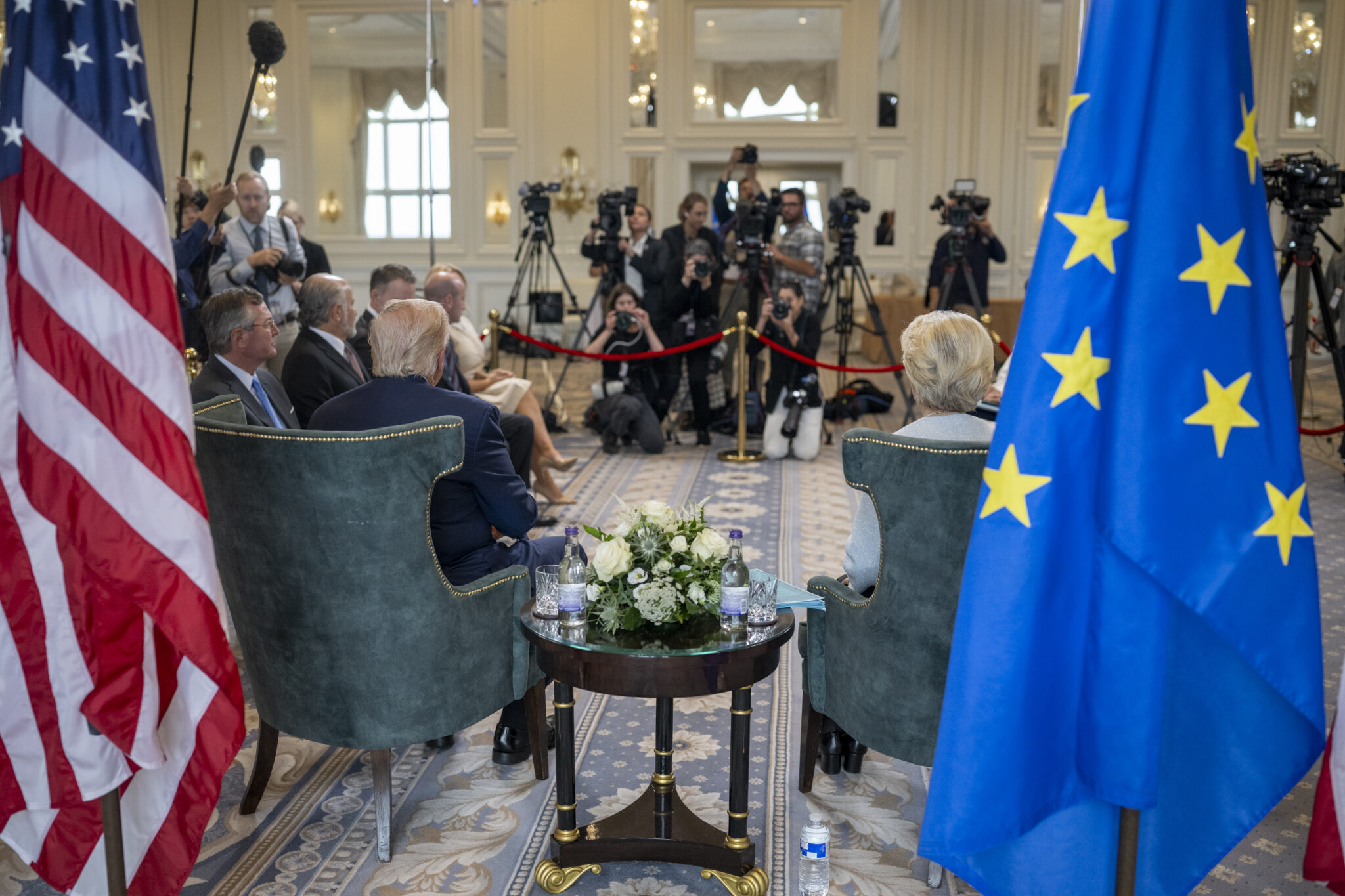
Trump’s approach to U.S.-EU trade relations prioritizes dominance and loyalty over partnership, leaving Europe with little choice but to comply to avoid severe economic fallout. Breaking free from U.S. leverage would require Europe to build a new global alliance, effectively acknowledging the end of the traditional transatlantic trade partnership.
A new phone, a fancy car, a full fridge: for a long time, politicians assumed that prosperity was all it took to keep democracies running. But that view of human nature is now having serious consequences.
Eight decades after the UN Charter was signed, the so-called rules-based order is looking pretty battered. Still, the fact that someone breaks a rule doesn’t make it invalid. Law and reality never fully align. Otherwise, we wouldn’t need law.
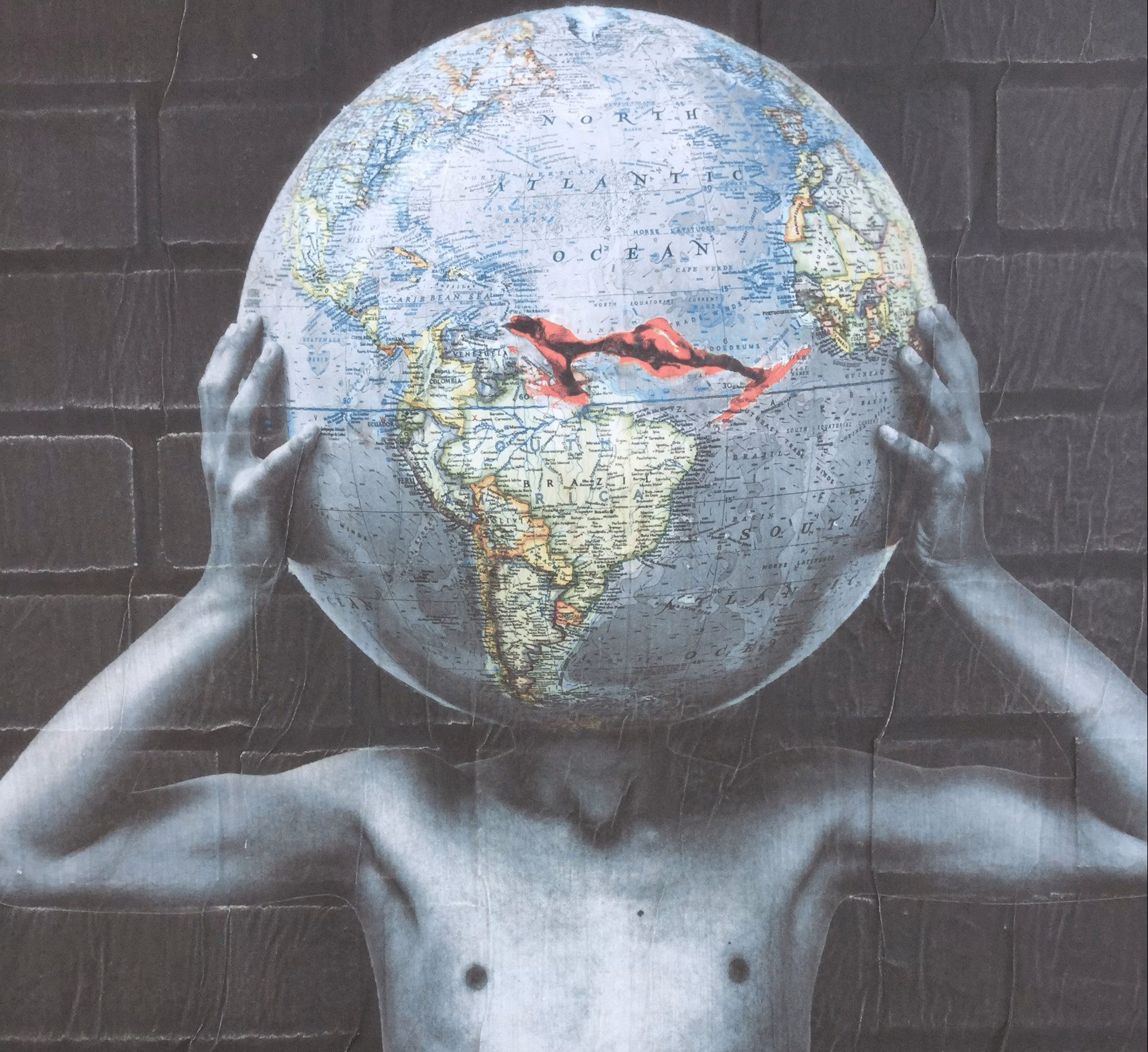
The West once promised freedom, justice and reason. But after centuries of global dominance, war crimes and broken ideals, its future hangs in the balance. As nationalism rises and China stakes its claim, is the West entering its final act — or just another turning point?
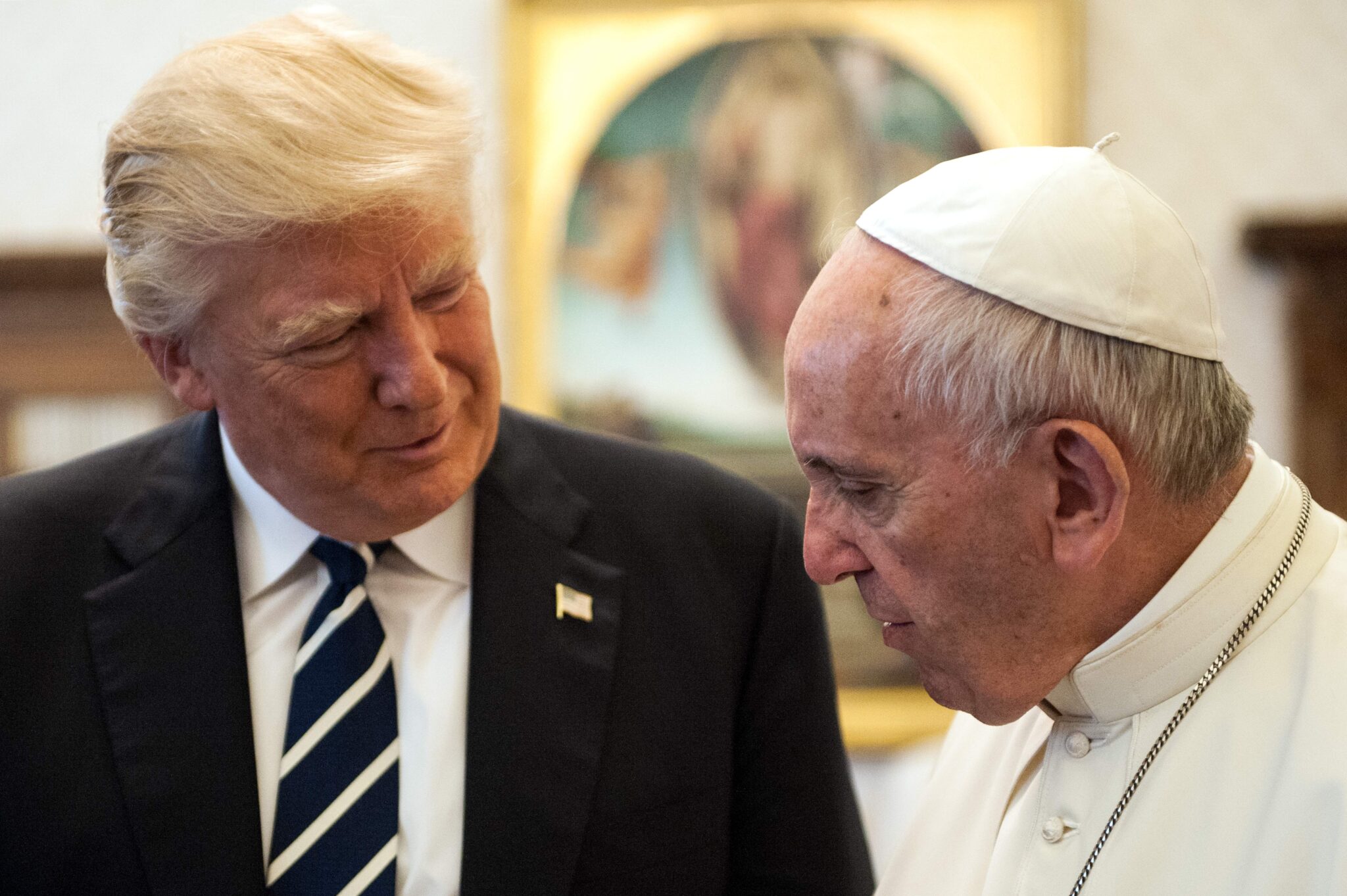
In the wake of Pope Francis’s death and Trump’s return to power, fears of civilizational decline abound. But Italian political analyst Gabriele Segre argues that apocalyptic narratives risk becoming self-fulfilling prophecies.
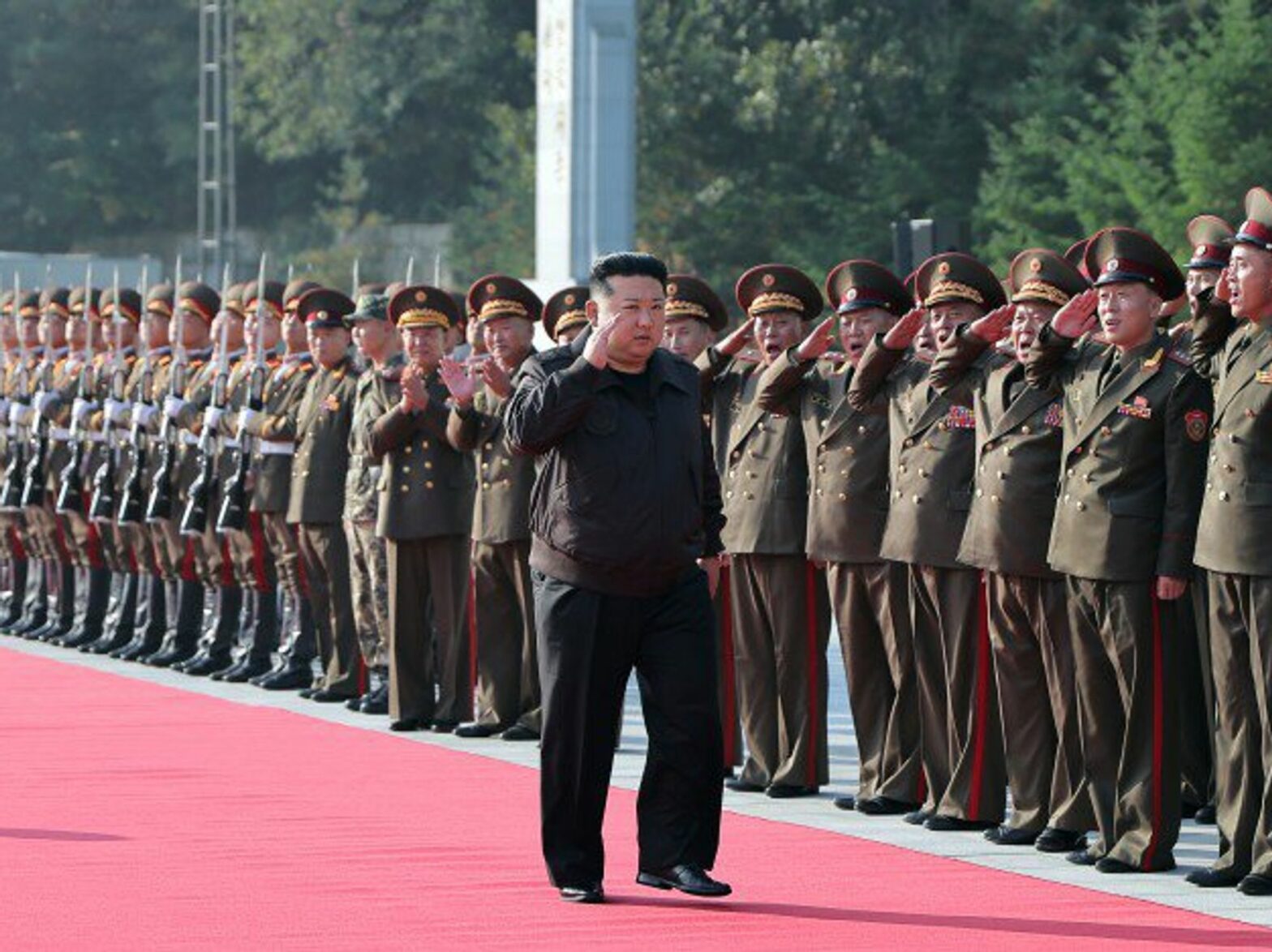
The United States’ confirmation of the presence of North Korean soldiers alongside the Russians in Ukraine has raised fears of an international escalation. All the more reason to fear that the current local or regional conflicts will gradually turn into global ones.
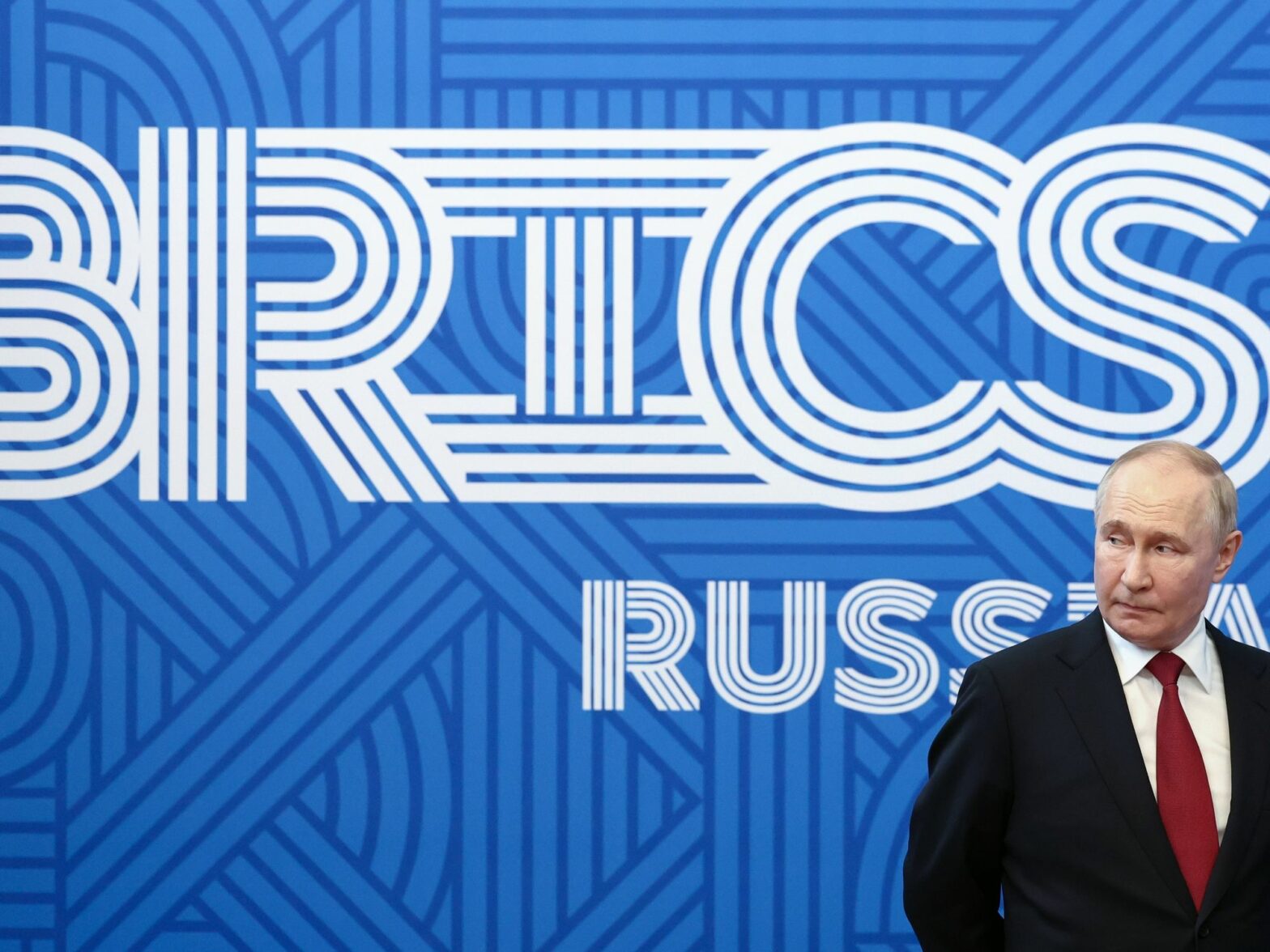
The BRICS Summit, which opens on Tuesday in Kazan, Russia, is an opportunity for Vladimir Putin to show that he is not isolated. But it is above all the power of attraction of this club of emerging countries that needs to be seen, in a world dominated by the West since 1945 and struggling to evolve.
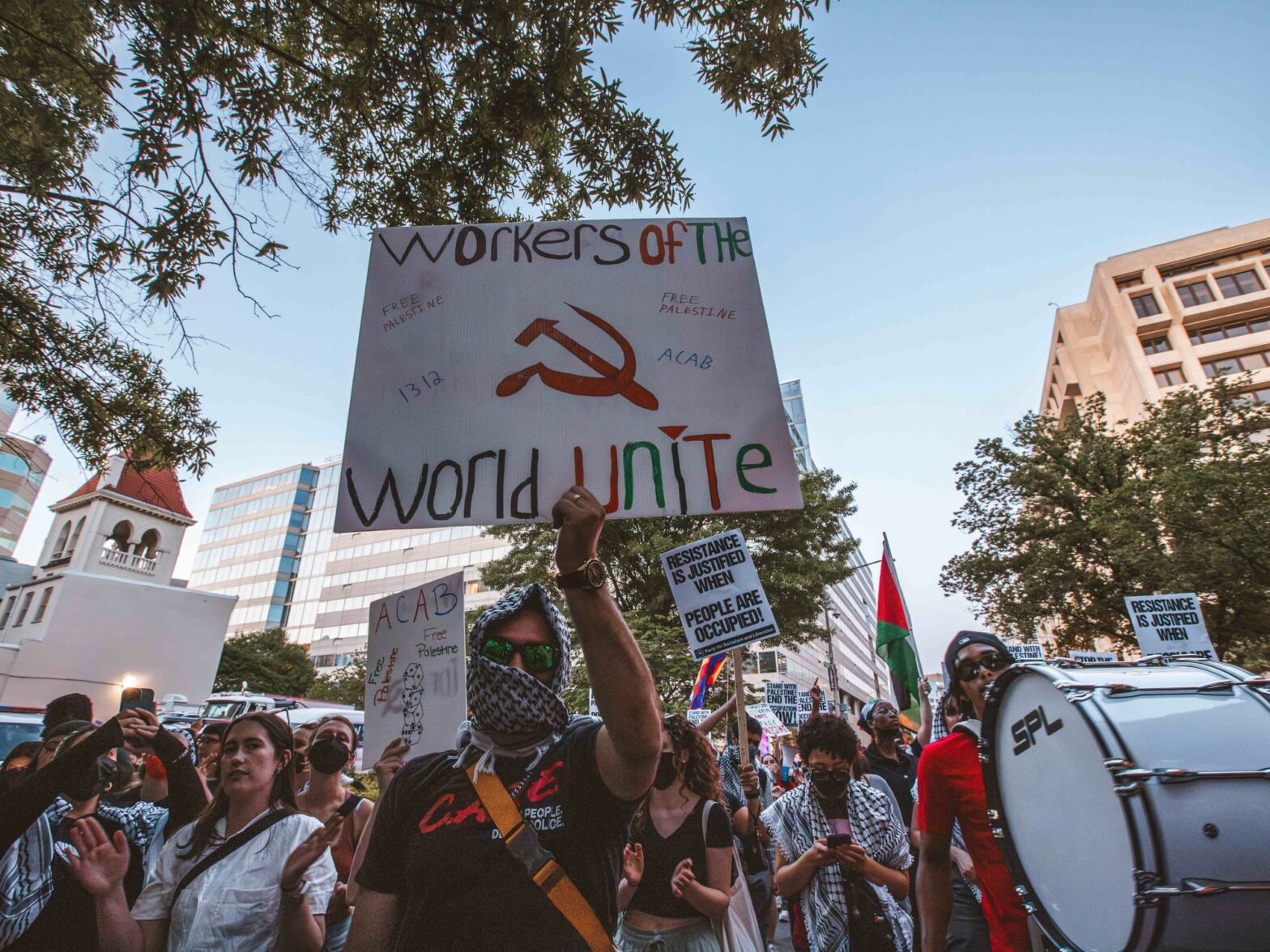
A confounding alliance between leftists, wokism and Islamic fanatics is the perfect smokescreen for an insidious enemy targeting the West’s liberal values. It’s happened before.
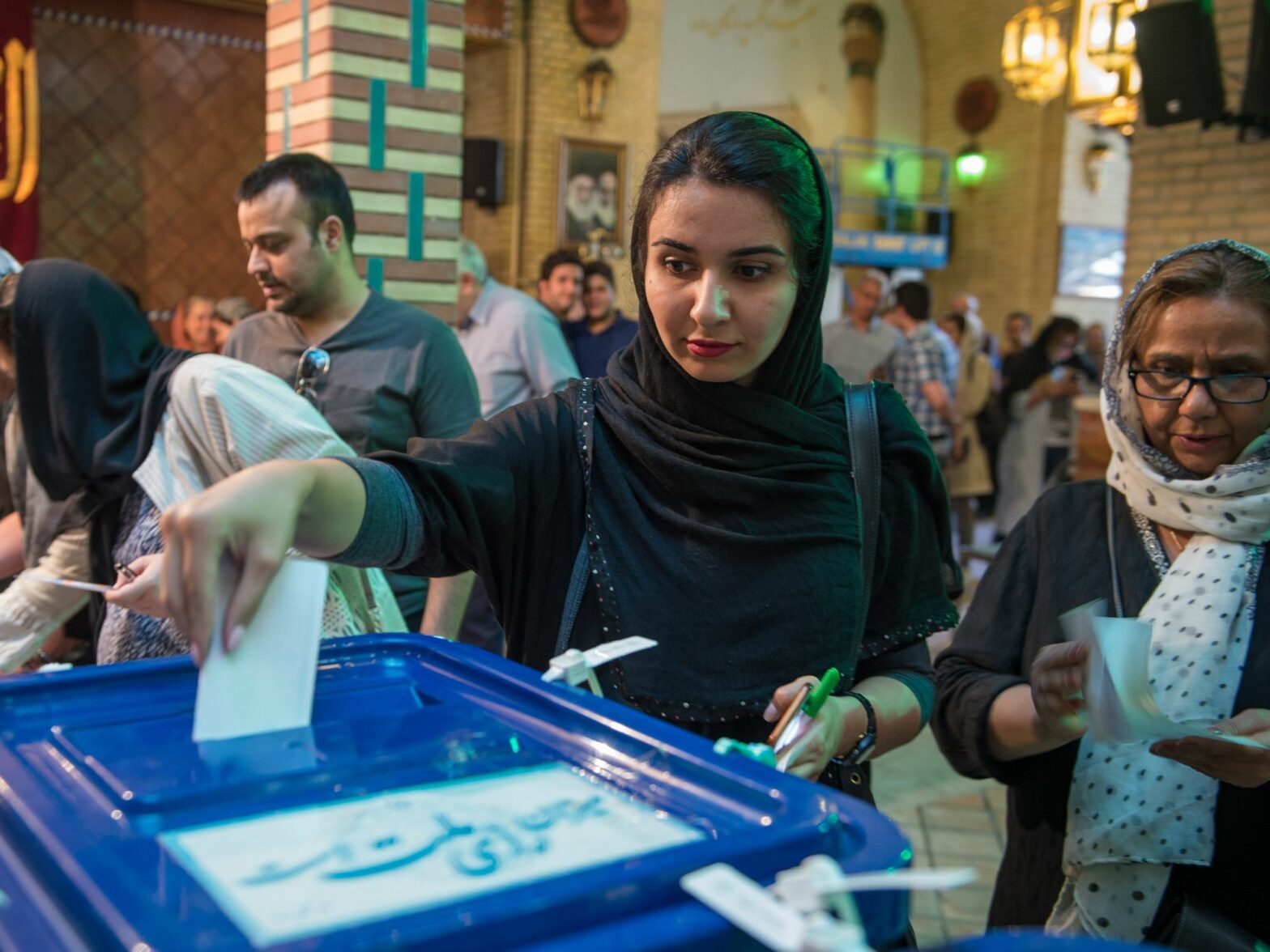
Iran’s regime has selected six candidates for the presidential elections due in late June, and possibly even a winner, just as millions of Iranians may have made their own choice, to no longer vote in a dictatorship.
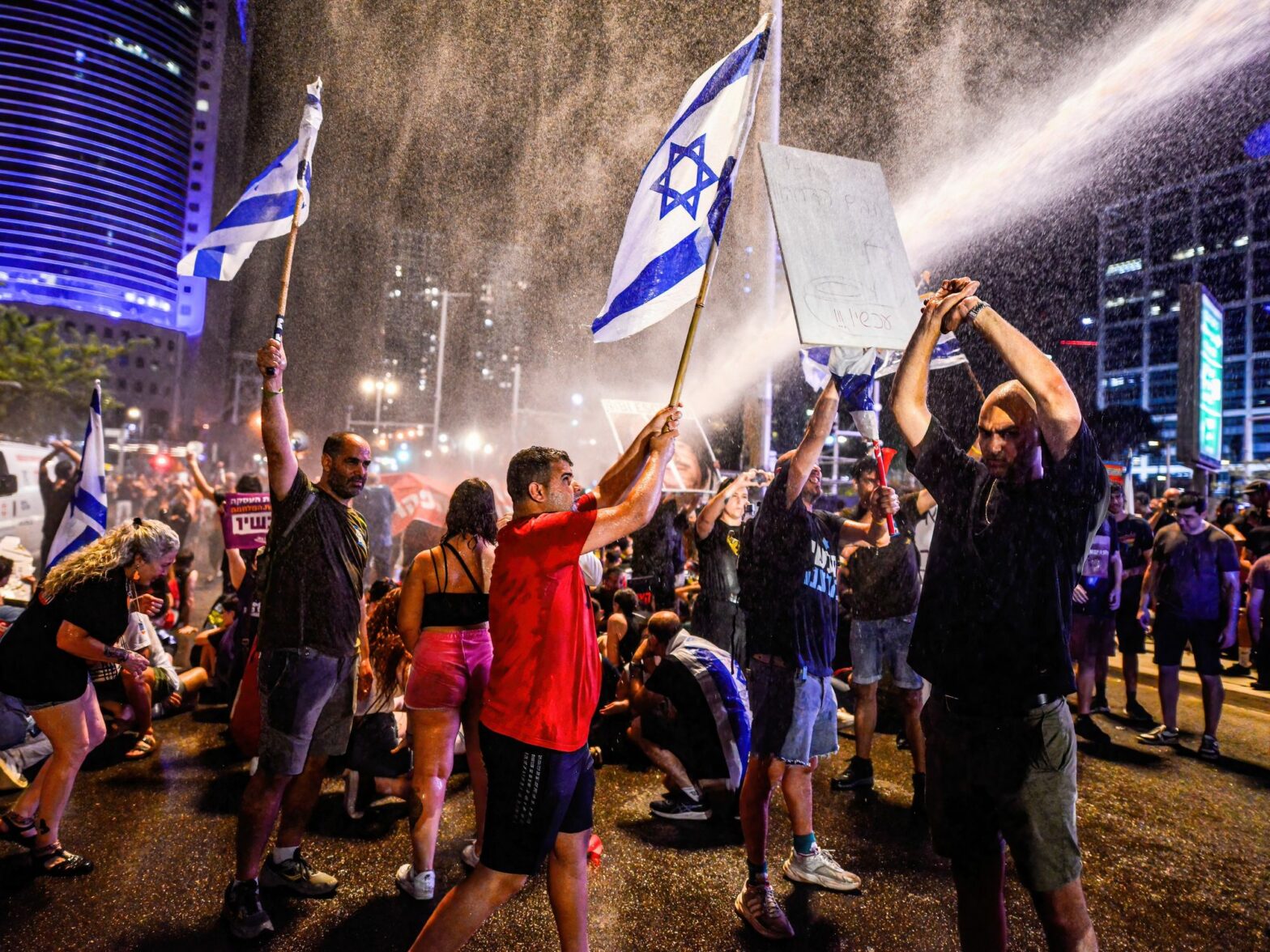
Hamas attack on Oct. 7 created a deep rift in the confidence of Israel’s citizens, in their country’s security, military and moral superiority. The Zionist project may never recover.
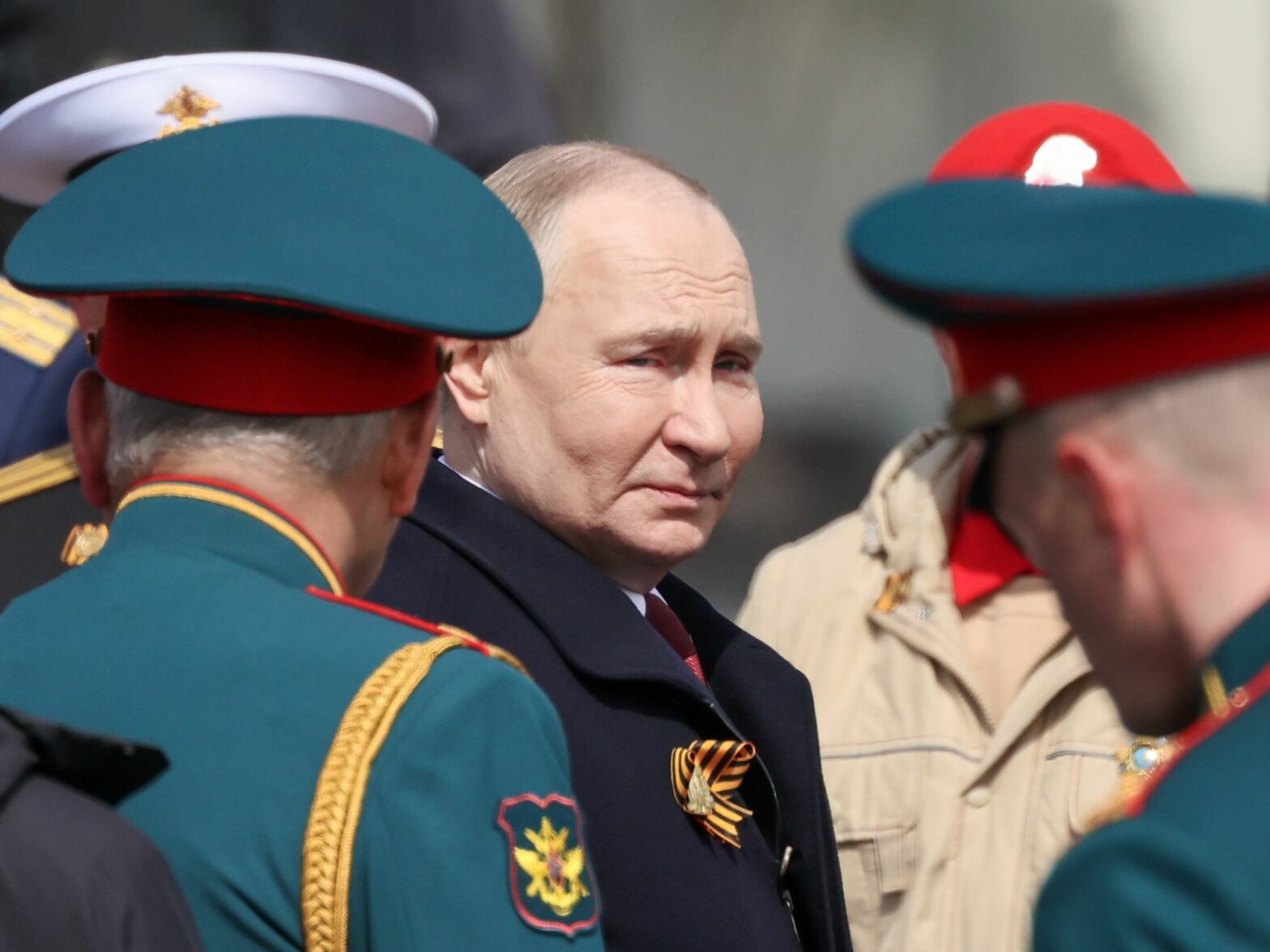
Over the past two weeks, Vladimir Putin has stated four times that Russia is ready for peace talks with Ukraine, but that those negotiations would be based on “current realities at the front,” by which he means maintaining occupied territories under his control.
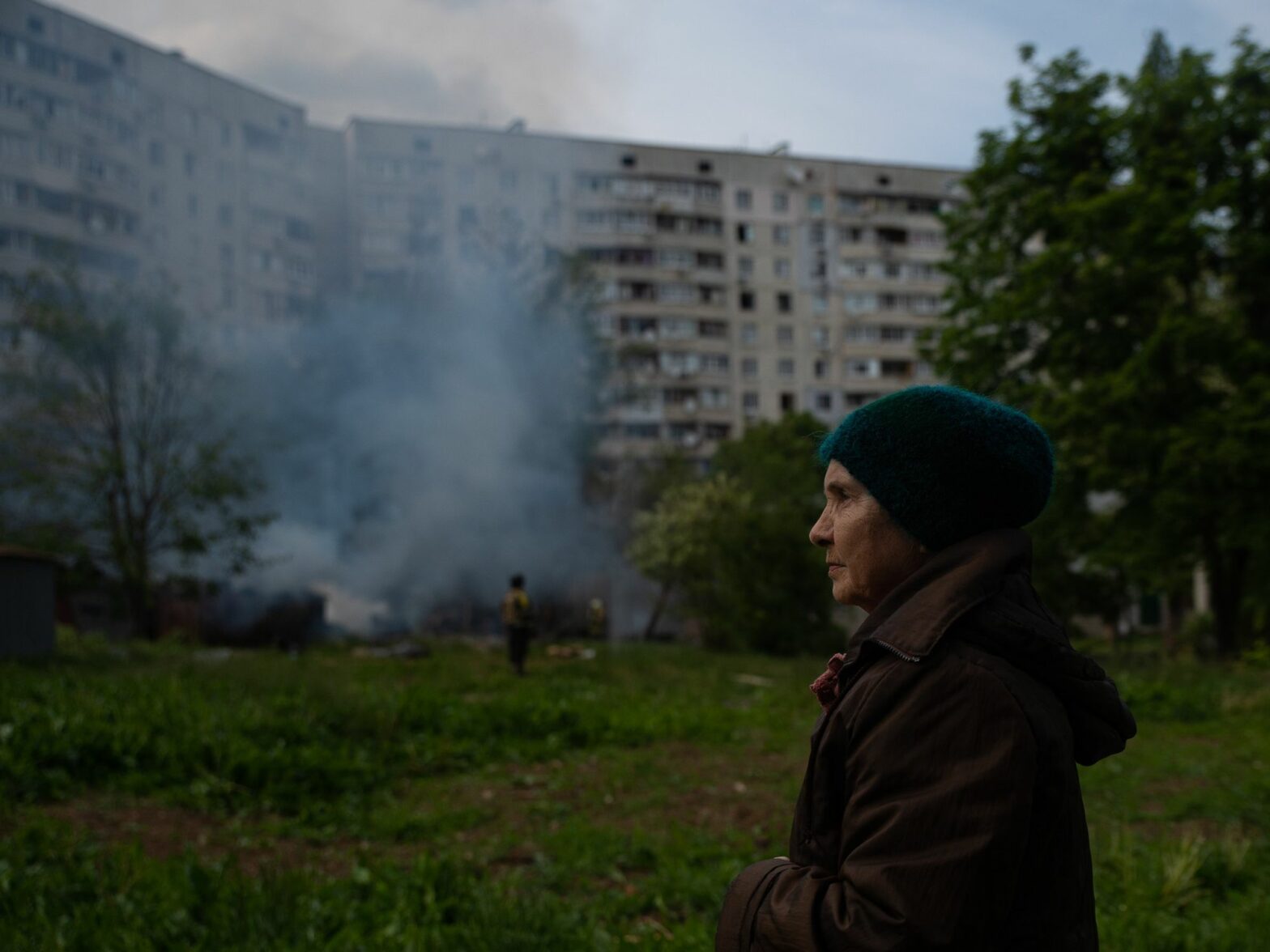
Russia is on the offensive, bombing the northern Ukrainian city of Kharkiv almost every day. Visiting the city over the weekend, President Zelensky again called for stronger, faster Western aid.
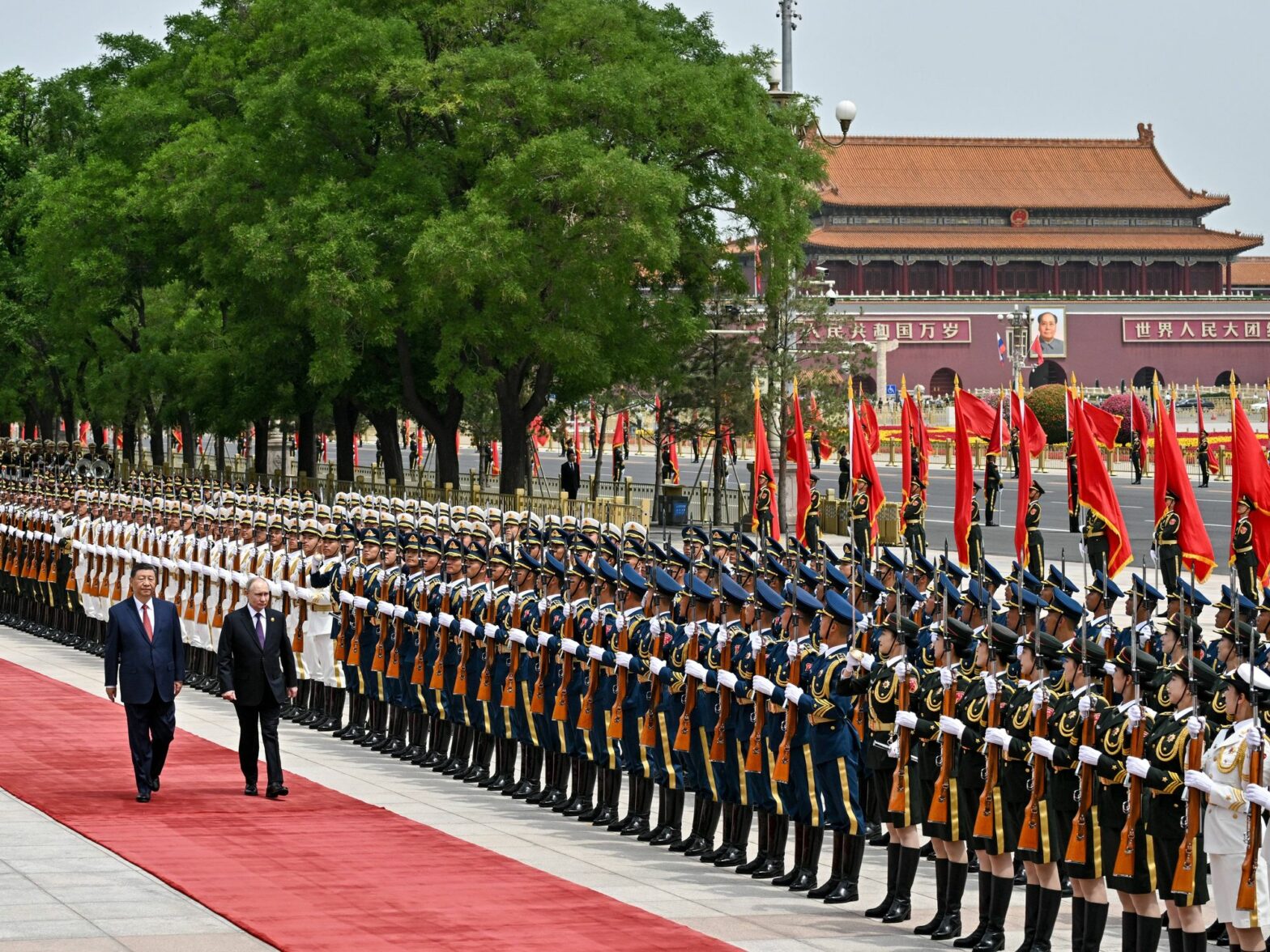
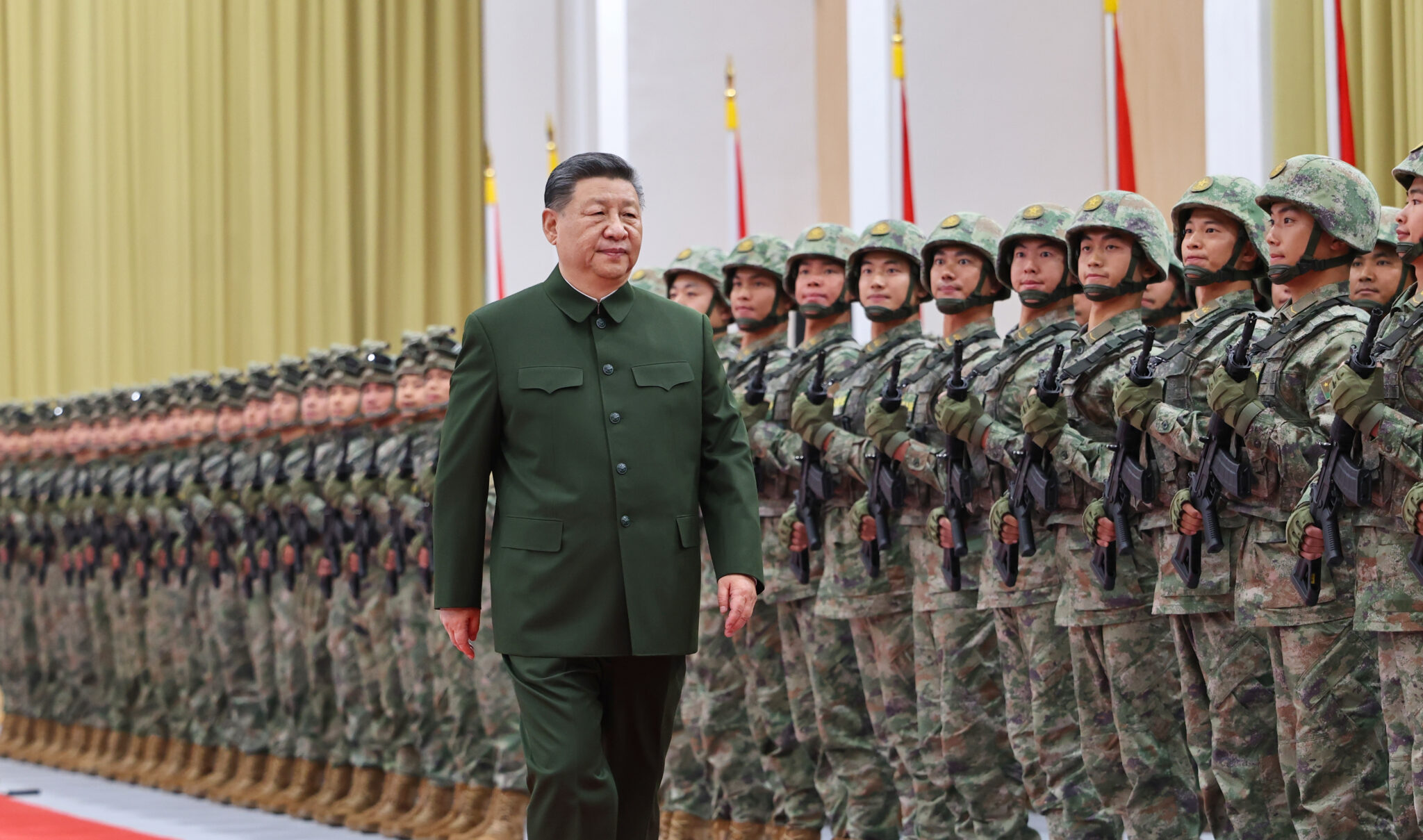
The Russian president is in Beijing on Thursday and Friday, his first foreign trip since his re-election. Beijing and Moscow have their differences, but share the same long-term objective of changing the international order.
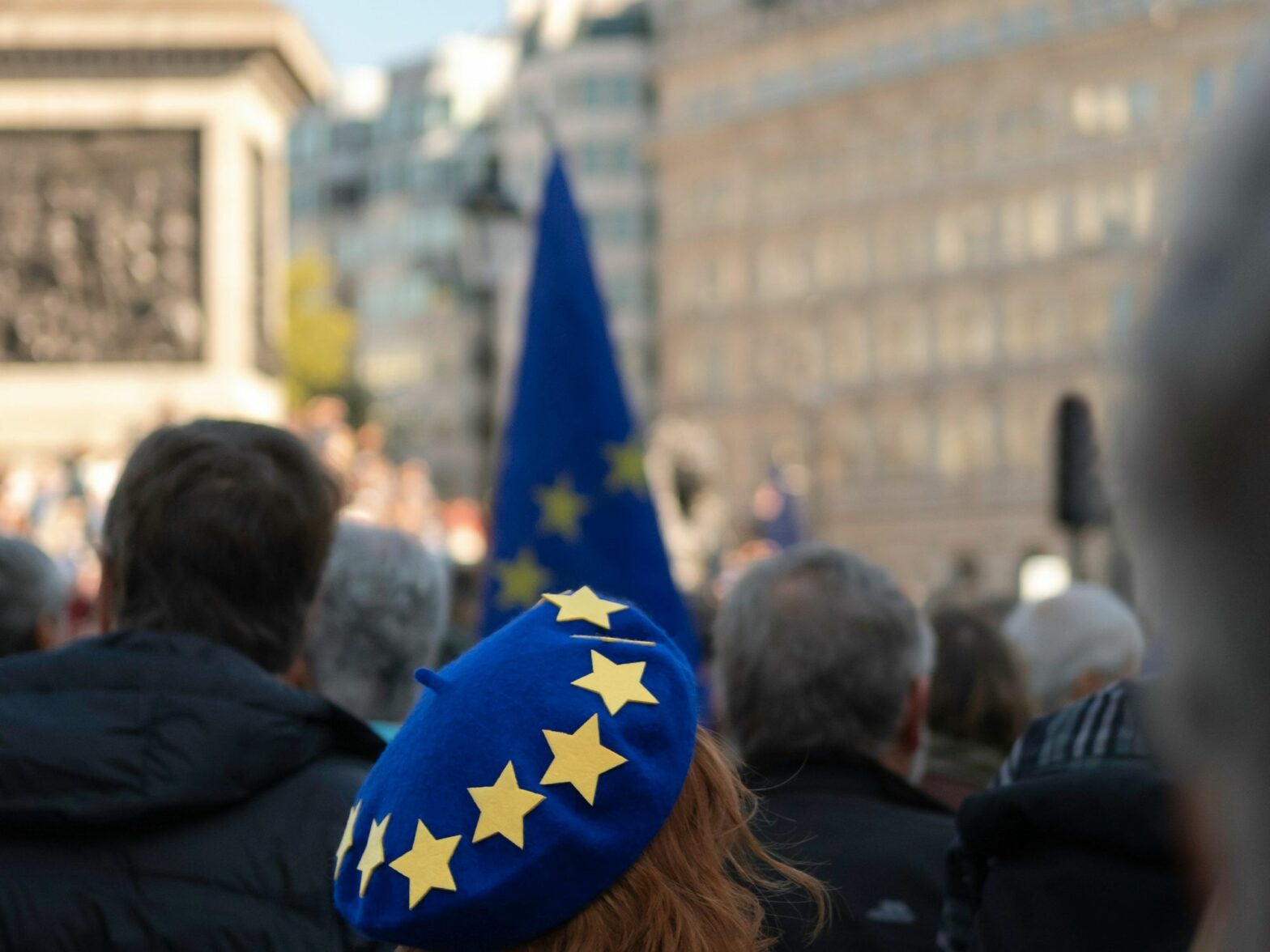
May 1 marks the 20th anniversary of the last large round of European enlargement, when 10 countries, mainly from the former Soviet bloc, joined the Union. Their economic successes, the war in Ukraine and their determined leaders have given these countries new weight in Brussels — and provide useful lessons, as the EU considers a new round of enlargement.
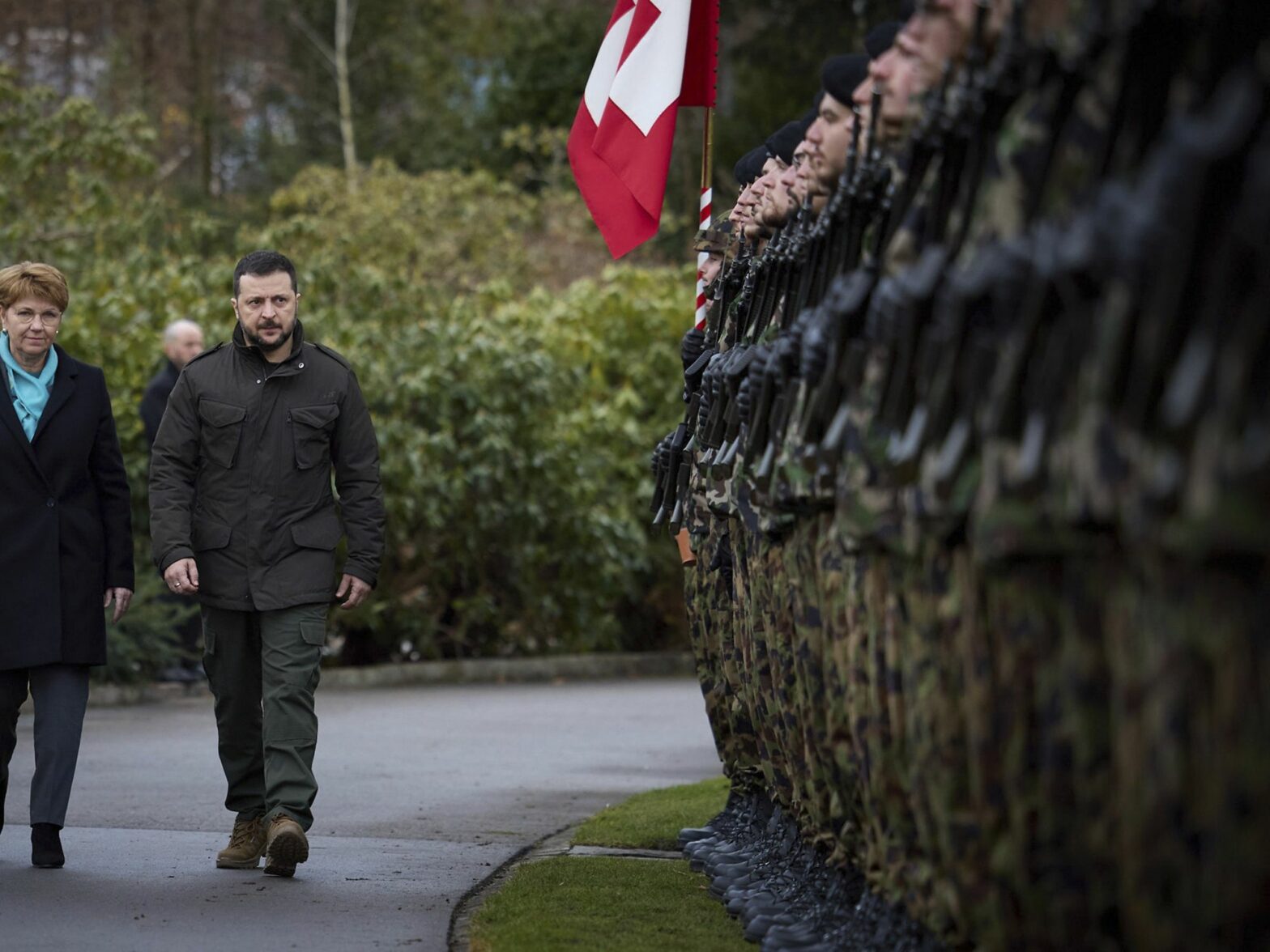
Switzerland announced, on April 10, that it would hold a peace conference on Ukraine in June. While some 100 countries are expected to attend, Russia will not. So what is behind these talks, and what can be expected from them?
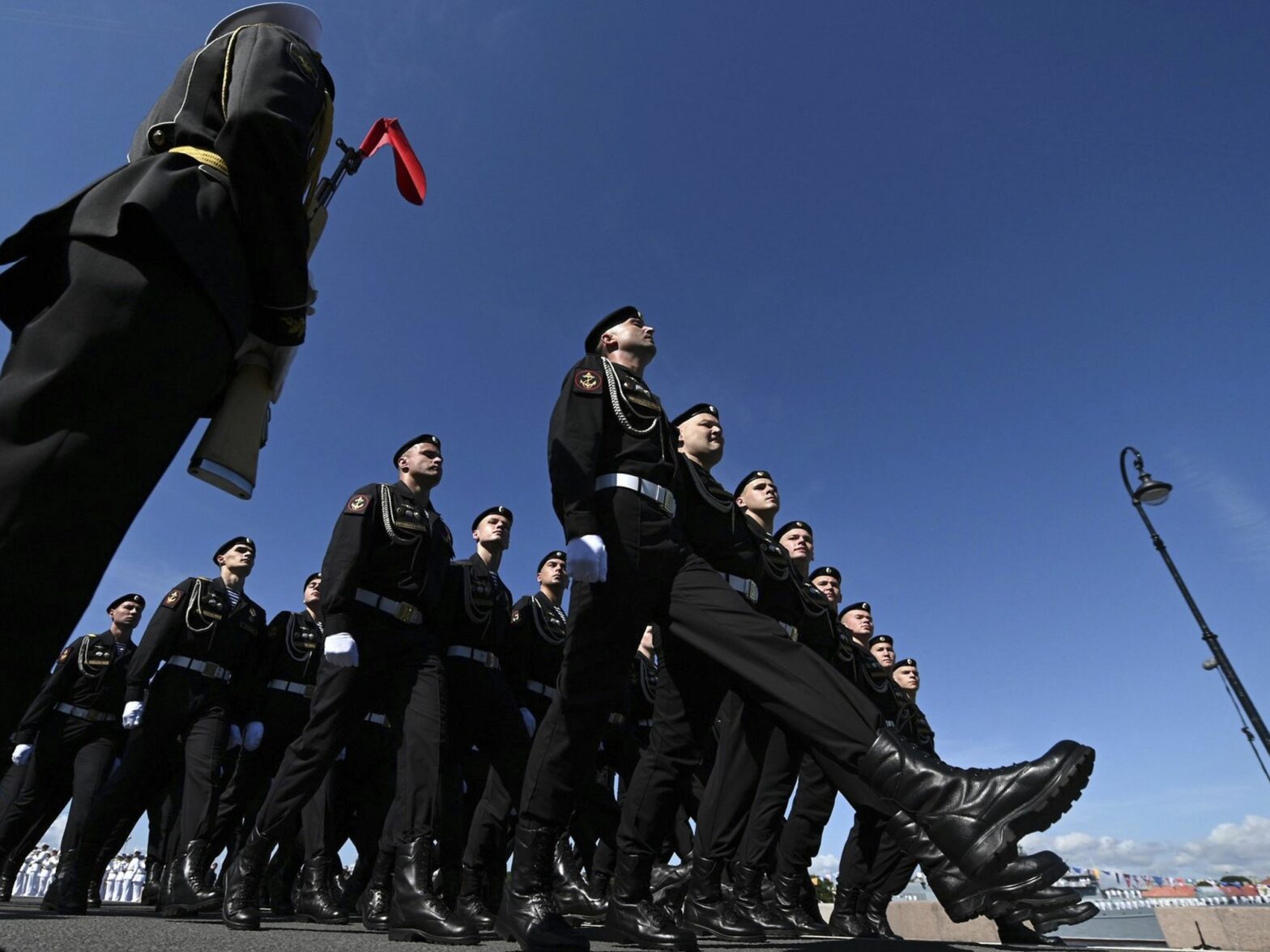
Russia is planning a large-scale offensive in Ukraine for the coming months. Putin wants to gain as much territory as possible, while Kyiv is waiting in vain for the West to provide more weapons. But the Ukrainian army is by no means as vulnerable as it seems.
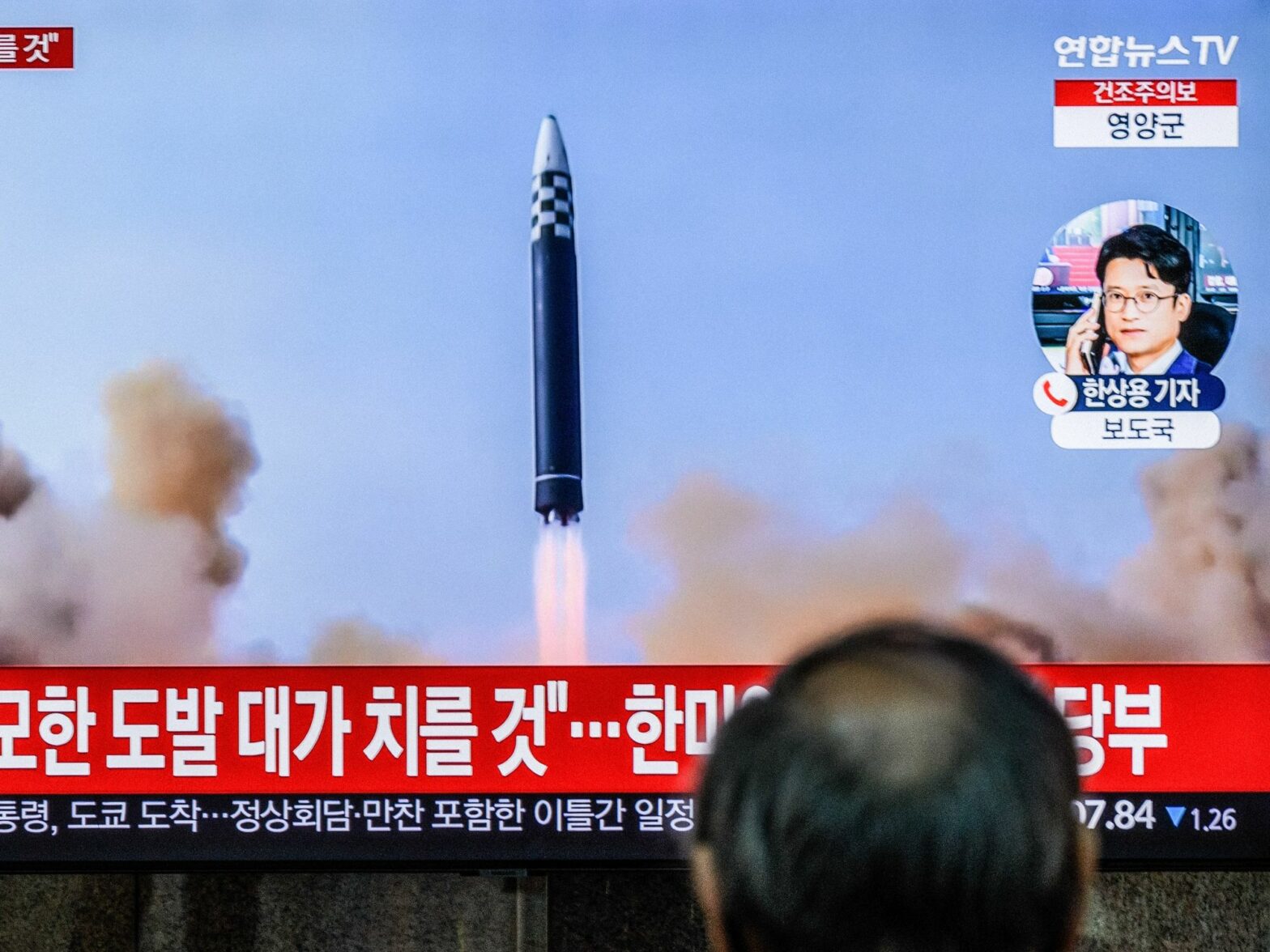
Moscow “killed” the body charged with overseeing the sanctions regime against North Korea — now Putin’s ally against Ukraine — dealing yet another blow to the edifice of global governance inherited from the post-war era.
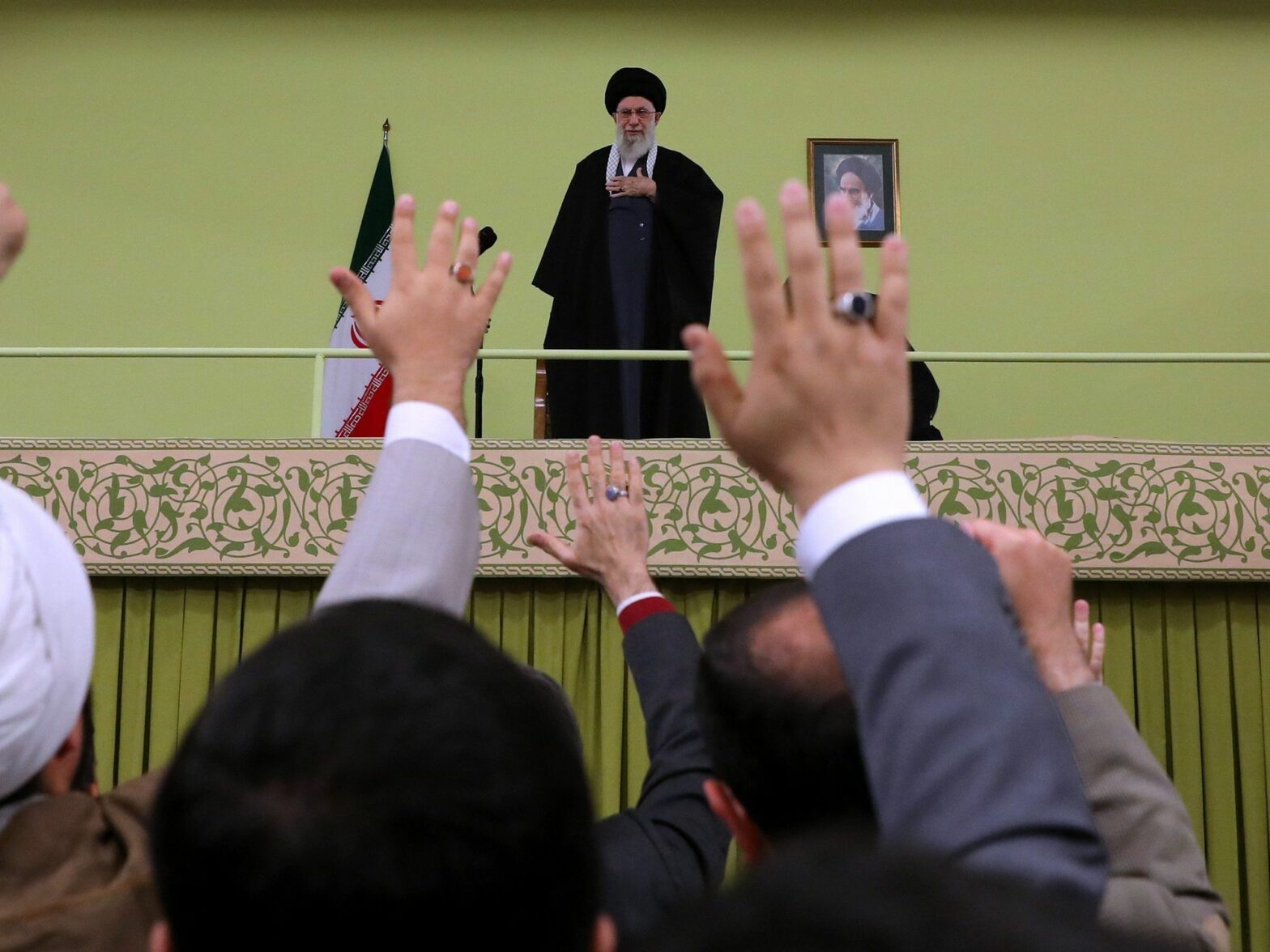
Iran’s Supreme Leader Ali Khamenei, now 84, has been in power since 1989. What will happen when he dies? His death may lead to a hybrid military-Islamic regime, with members of the Revolutionary Guards imposing a more pragmatic yet equally corrupt regime. It is time for the opposition to find a unified leader they can rally behind and that can help mobilize Iranians in the transition.
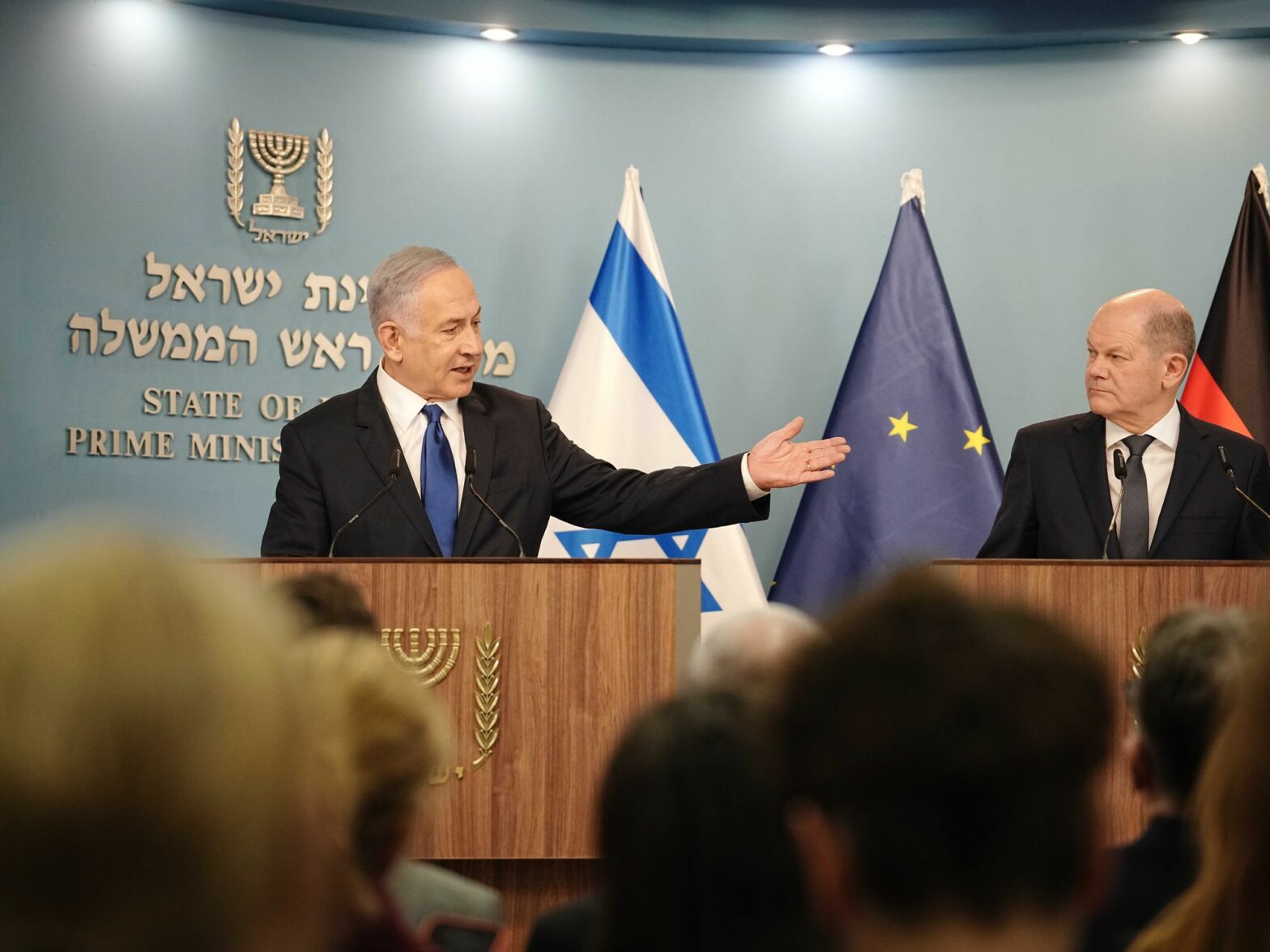
As Western leaders criticize Netanyahu and his war in Gaza, the Israeli Prime Minister apparently remains fully confident in forging ahead with a hardline that leaves a brutal human toll.

Discreet about its strategy, the Chinese company Temu is proving a fierce competitor to incumbent e-commerce brands, notably Amazon, by operating at a major loss. Some are worried whether its aim is to collect something more valuable: data on the habits of Westerners.
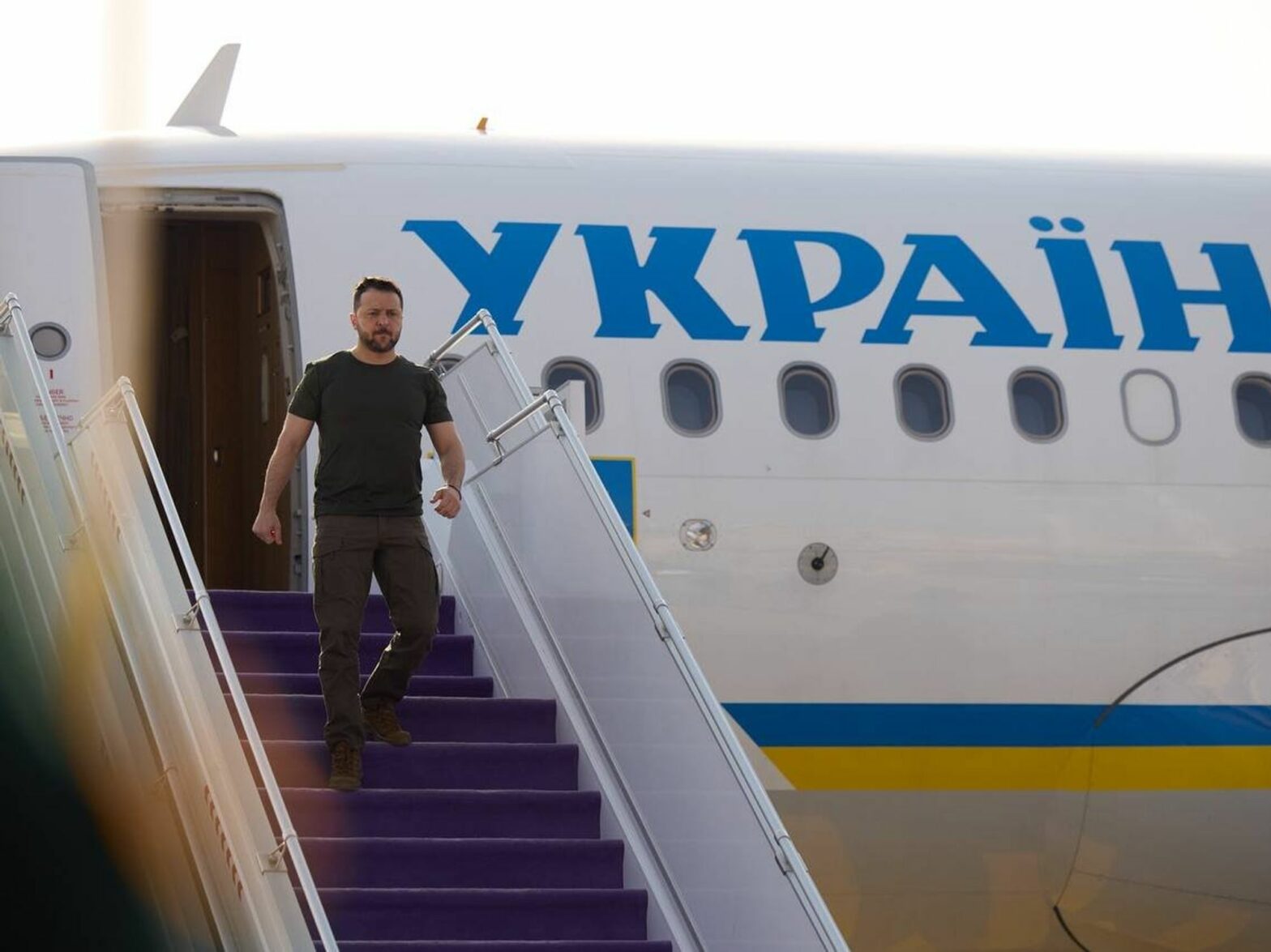
The fact that the Ukrainian army has been forced onto the defensive is mainly due to sluggish support from the West. However, there is another factor at play that is contributing to the dangerous situation: the leadership approach of President Zelensky is being increasingly called into question.
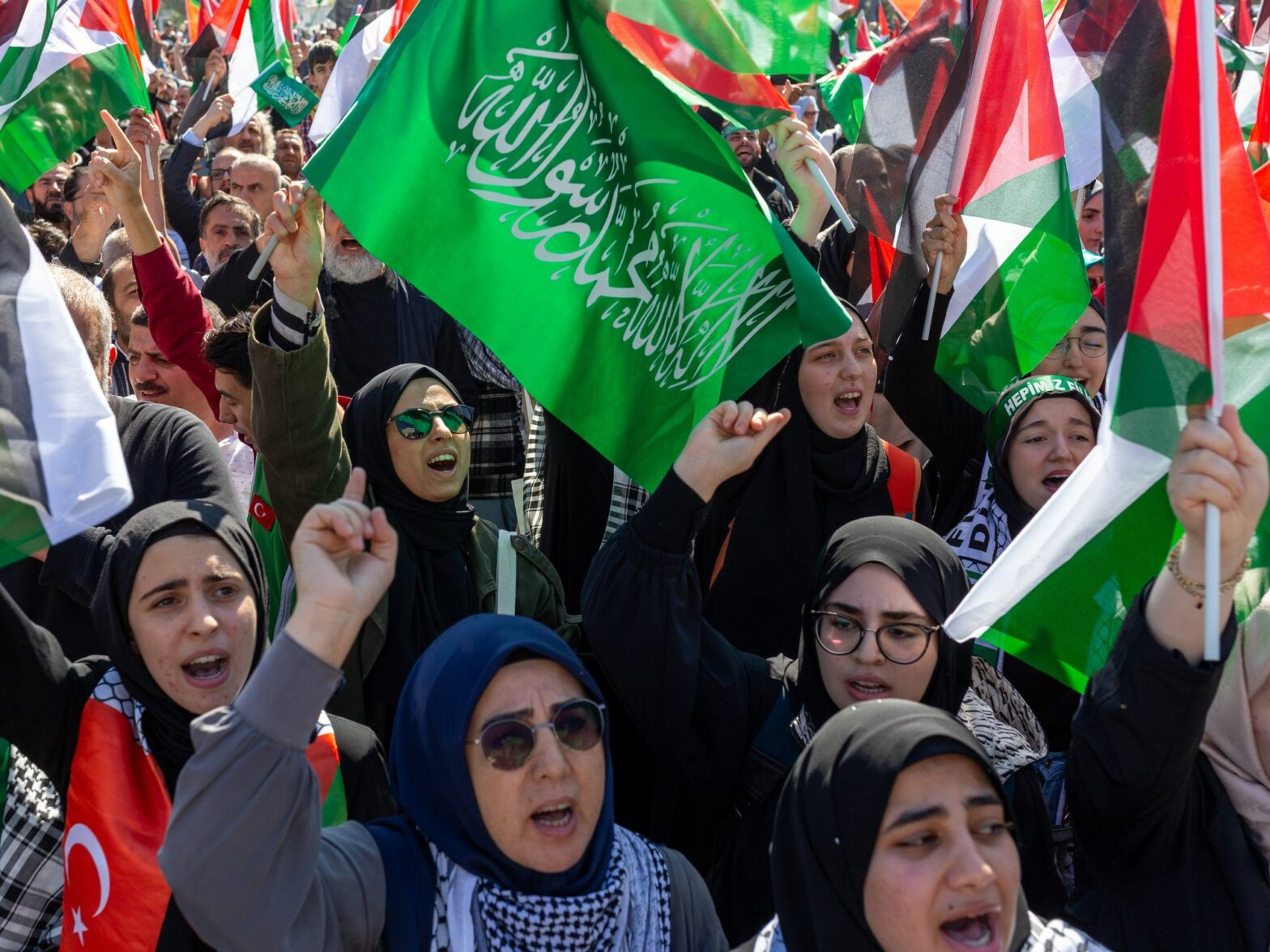
As Israel ramps up its attacks on Gaza, and support from the West continues, ordinary people in Turkey are falling into the trap of seeing the world as an inevitable showdown between East and West.
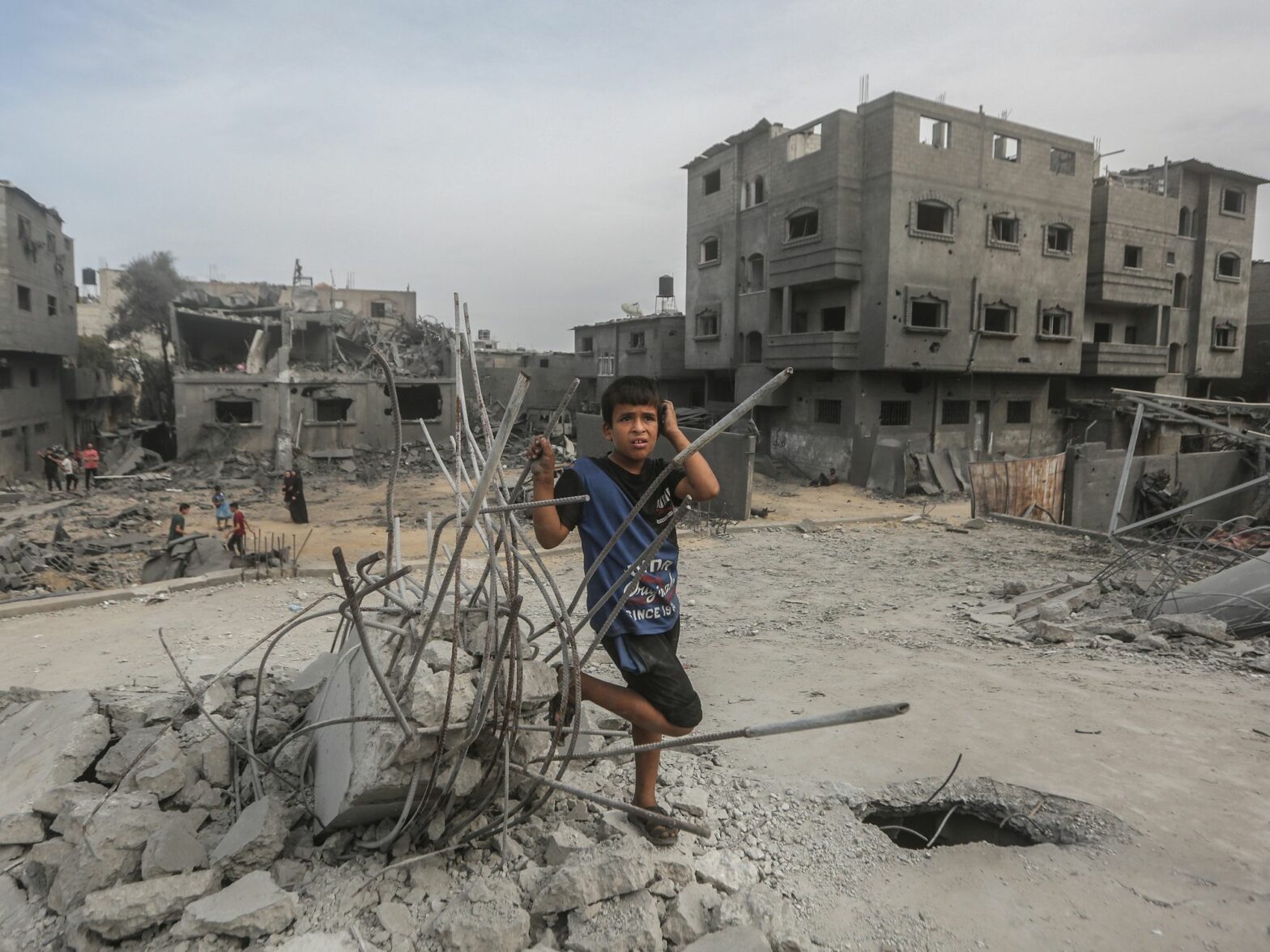
For the future of our world, neither the stakes in Ukraine nor Gaza should be underestimated. But understanding the limits of the comparison is important to trying to find a way out of each, says veteran French political scientist Dominique Moïsi.
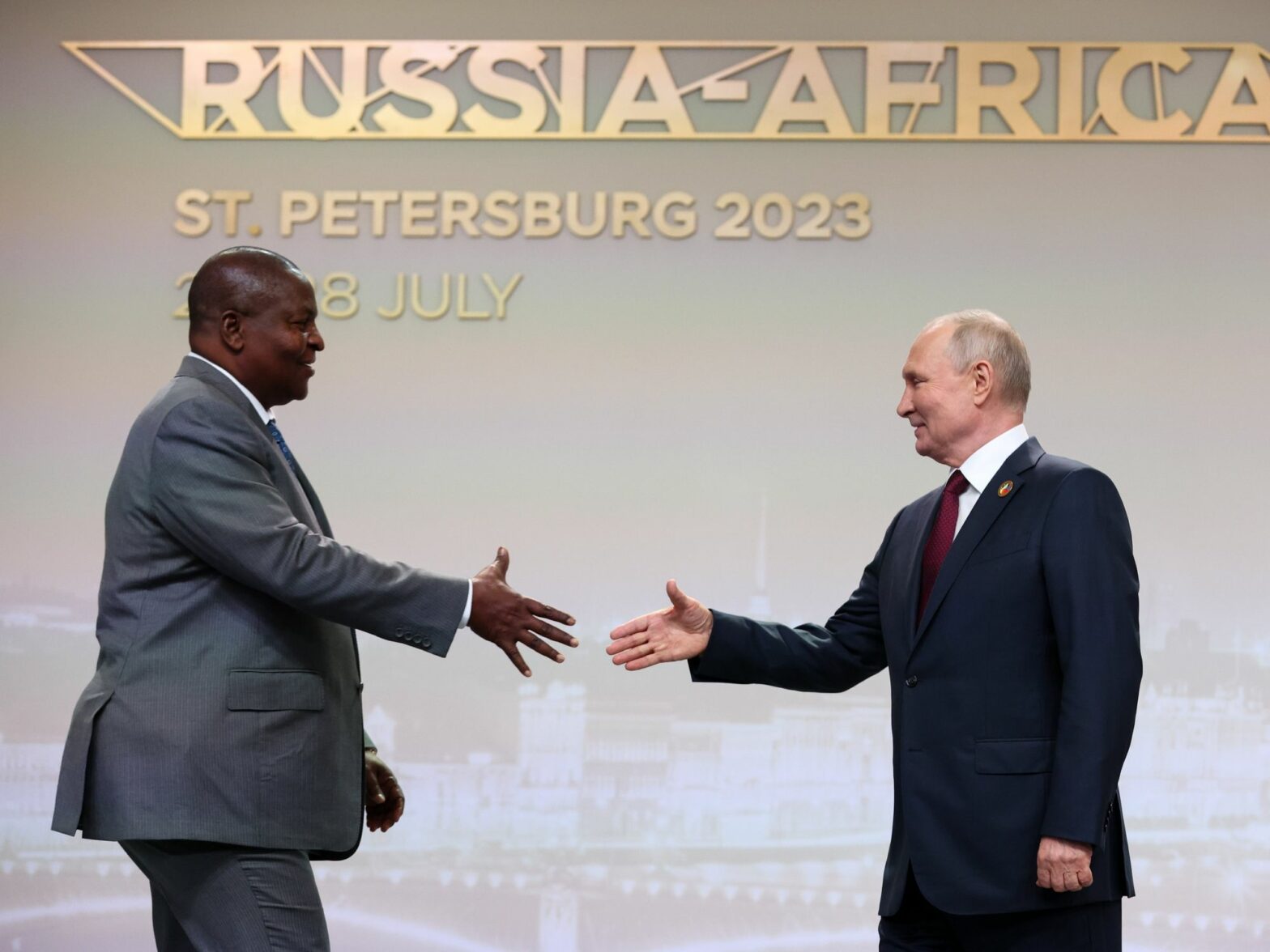
Russia has entered the race for influence in Africa over the past decade, largely on the shoulders of the Wagner Group and its founder, Yevgeny Prigozhin. What happens now is unclear, though Vladimir Putin won’t want to cede any ground to other world powers in the race for influence on the continent.
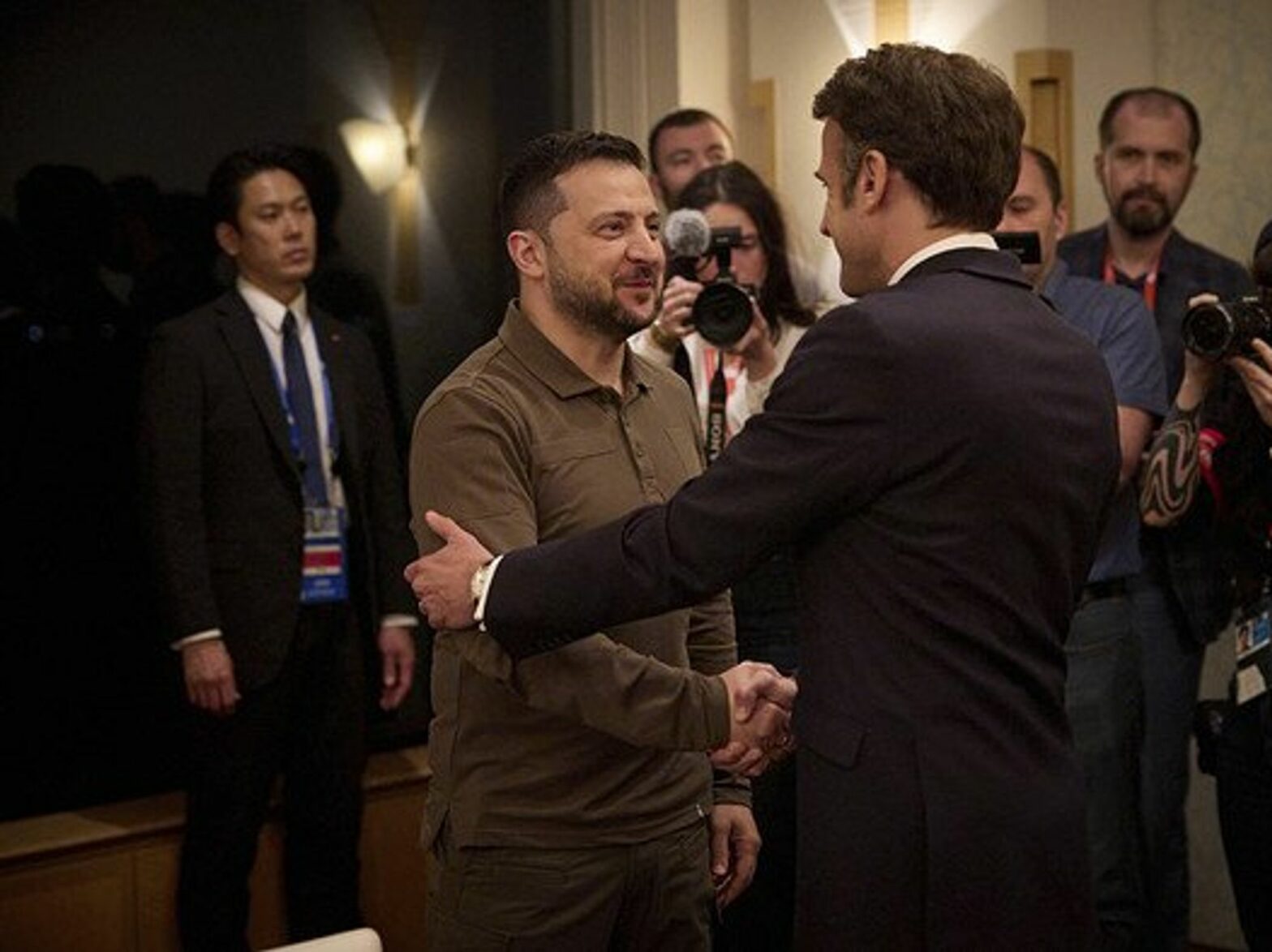
It’s undeniable that questions are being raised in the West about the cost of supporting Ukraine in its defense against Russia’s invasion. But no time soon will Western powers turn their backs on Kyiv. And the U.S. in particular has one big extra reason to work against a Russian victory: China.

There are currently supply bottlenecks for around 500 medicines, including the antibiotic penicillin. Every second box of the active ingredient in Europe comes directly or indirectly from one place: a factory in the Tyrolean town of Kundl, Austria. Die Welt takes a look at the factory and what’s causing the supply problems.
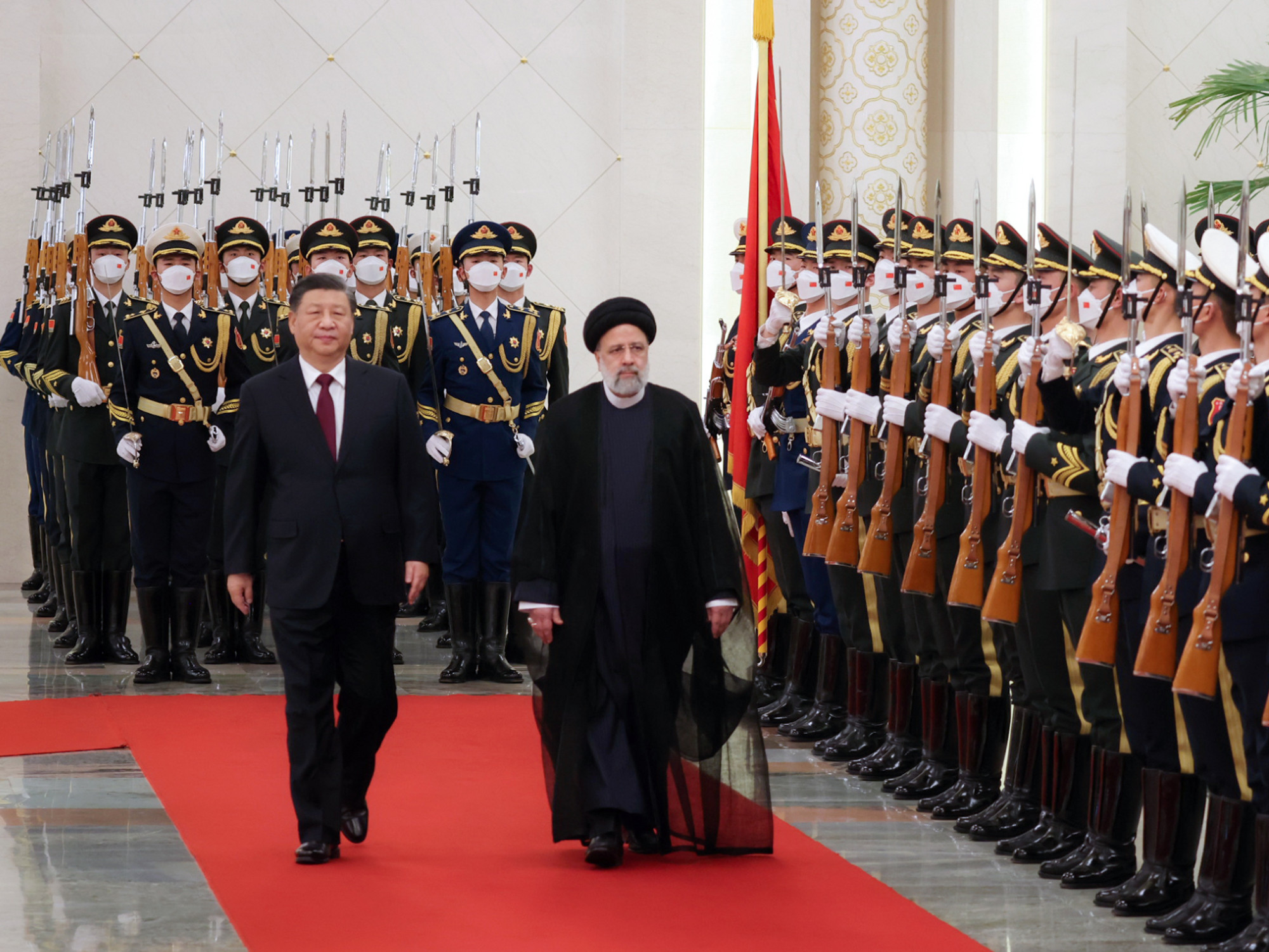
Iran can expect few real economic benefits from joining the China-dominated SCO, but its leaders hope China and Russia will help the regime tighten its grip at home.
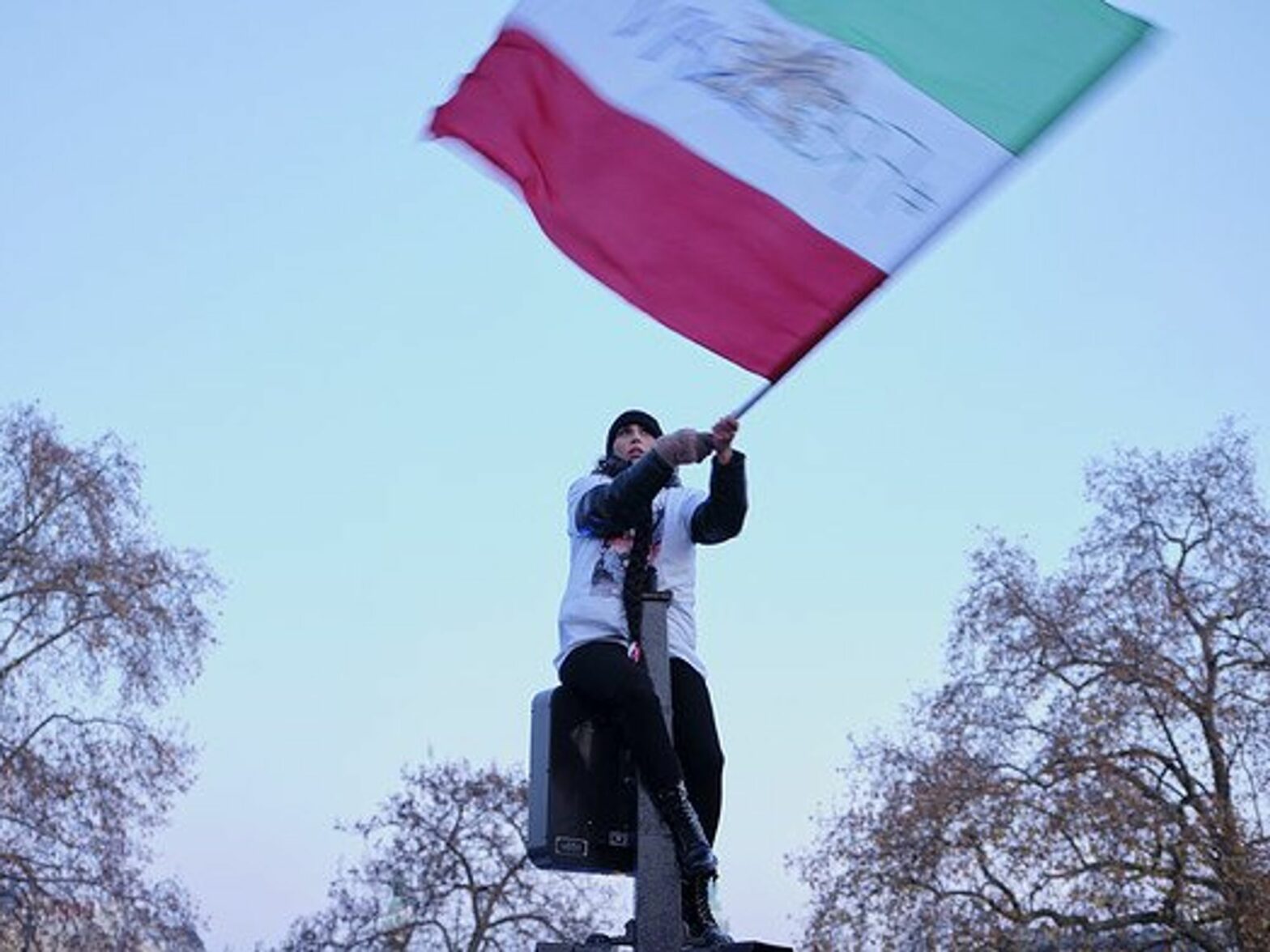
Mass protests which lasted for months in Iran last year galvanized Iranians at home and abroad, in a way not seen since the 1979 revolution. That unity must be maintained as political capital for the next time Iranians challenge the Islamic Republic.
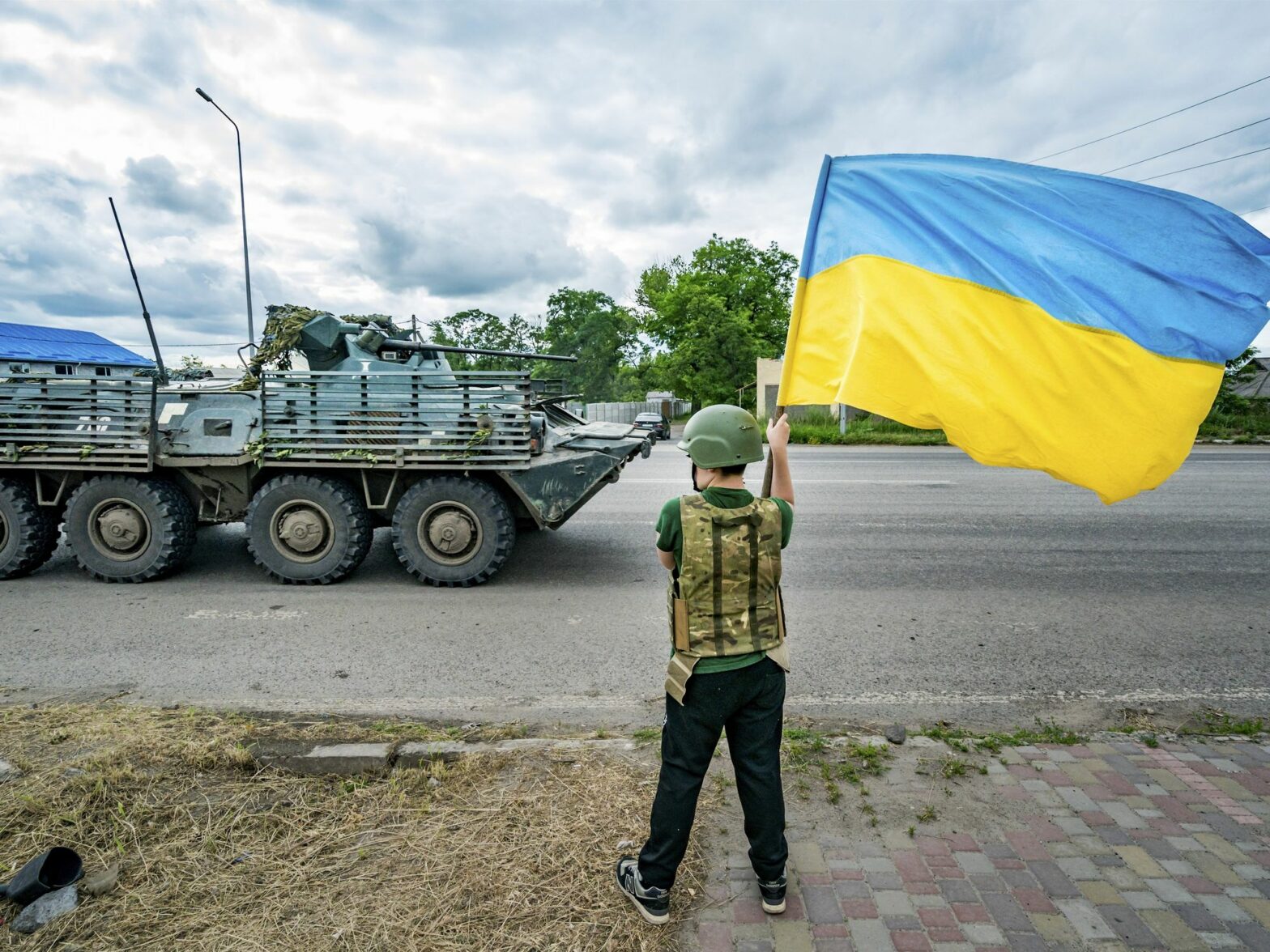
While the Ukrainian counteroffensive is mainly happening on the Southern and Eastern fronts, the struggle for Ukraine’s future is also being waged on the “Western front,” where more aid is desperately needed. Here, Kyiv needs to convince even the most resistant allies that a Ukrainian defeat would leave the European Union and the U.S. much weaker on the global stage.
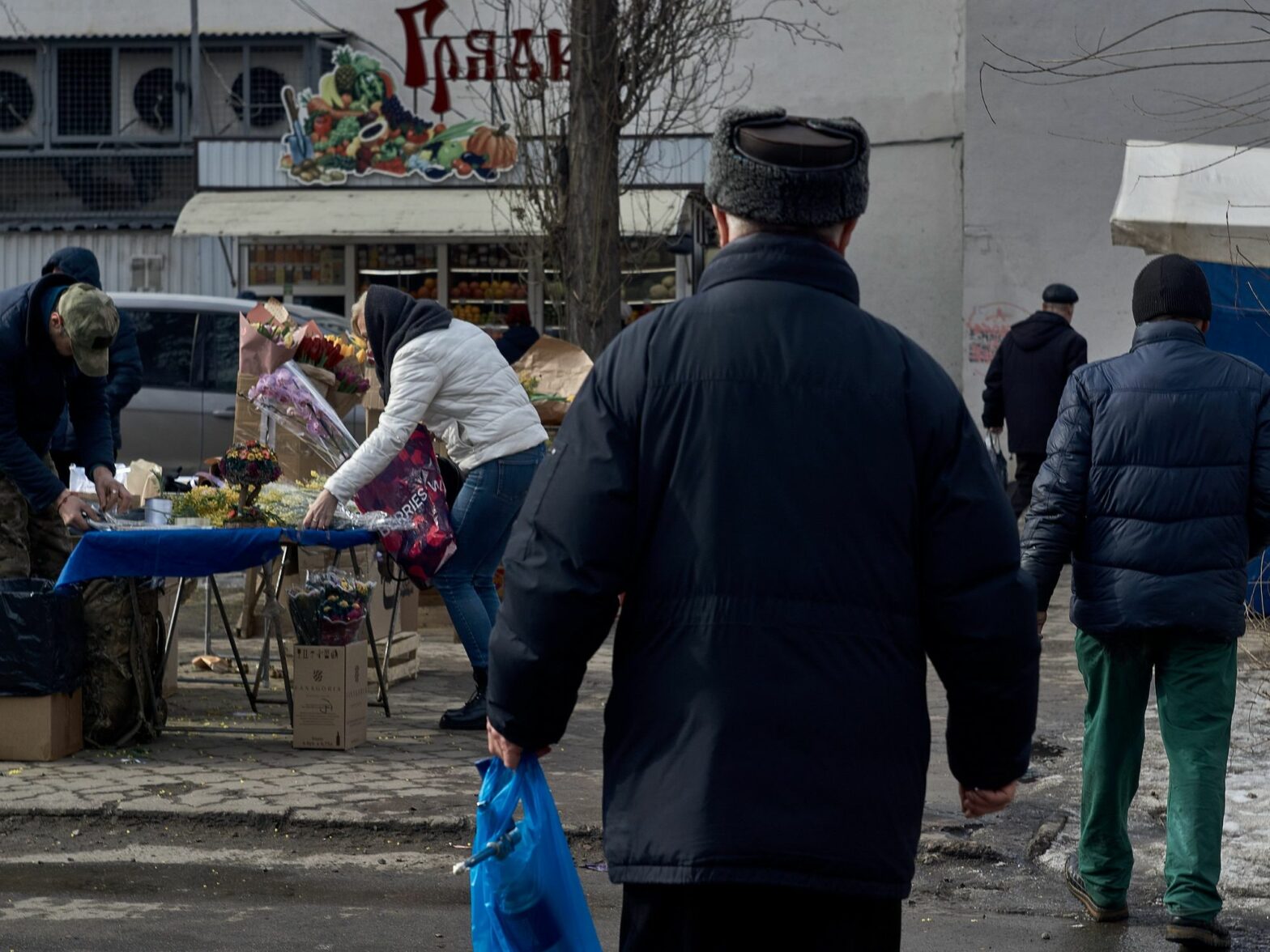
Countries around the world have imposed round after round of sanctions on Russia since the beginning of its full-scale invasion of Ukraine. But are they enough?
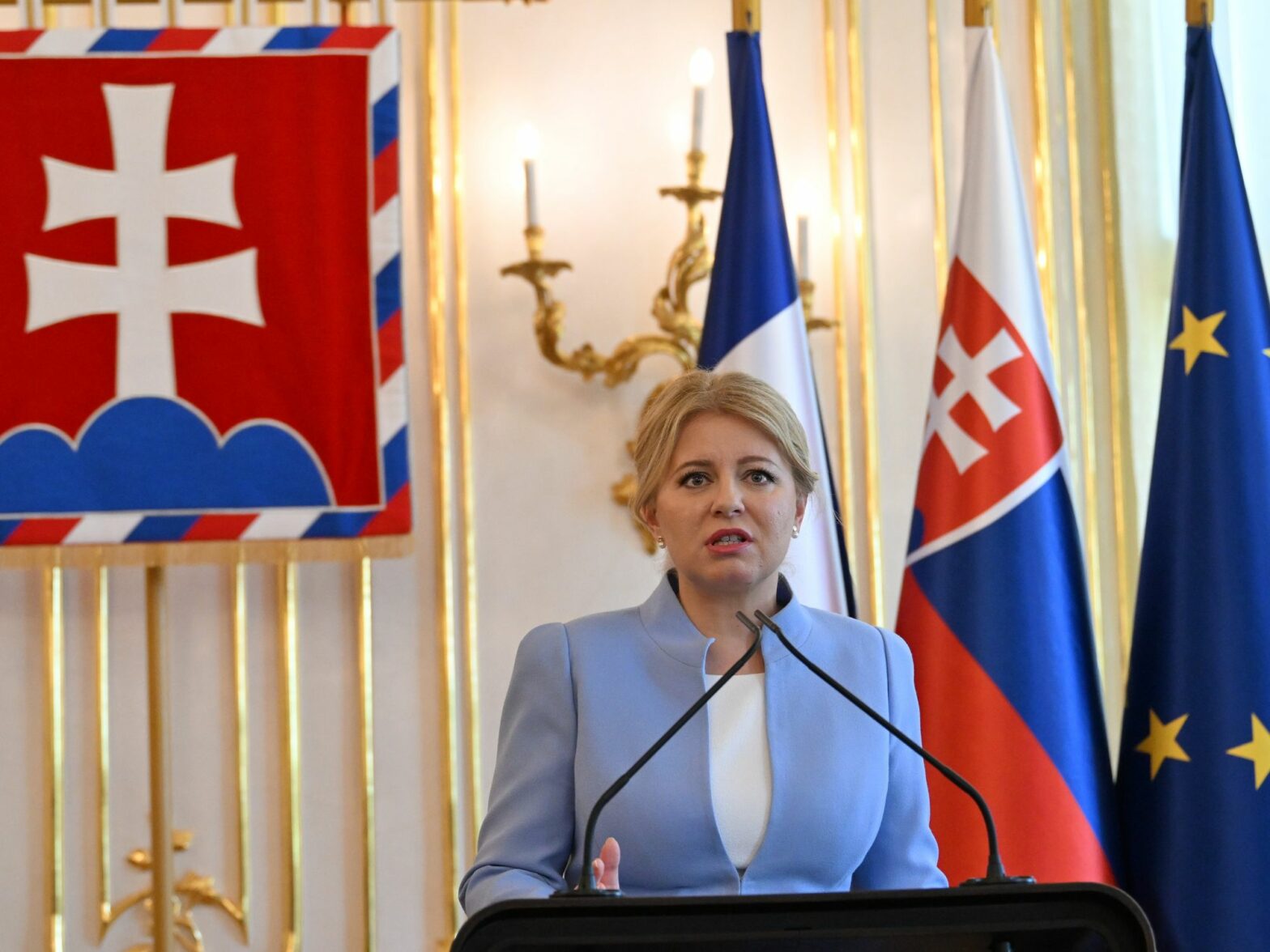
Slovakia, which shares a border with Ukraine, saw liberal President Zuzana Čaputová’s confirmation that she will not seek re-election, in part because of threats against her tough stance on Russia’s invasion. How will the war shape the future direction of Slovakian politics, and vice-versa?
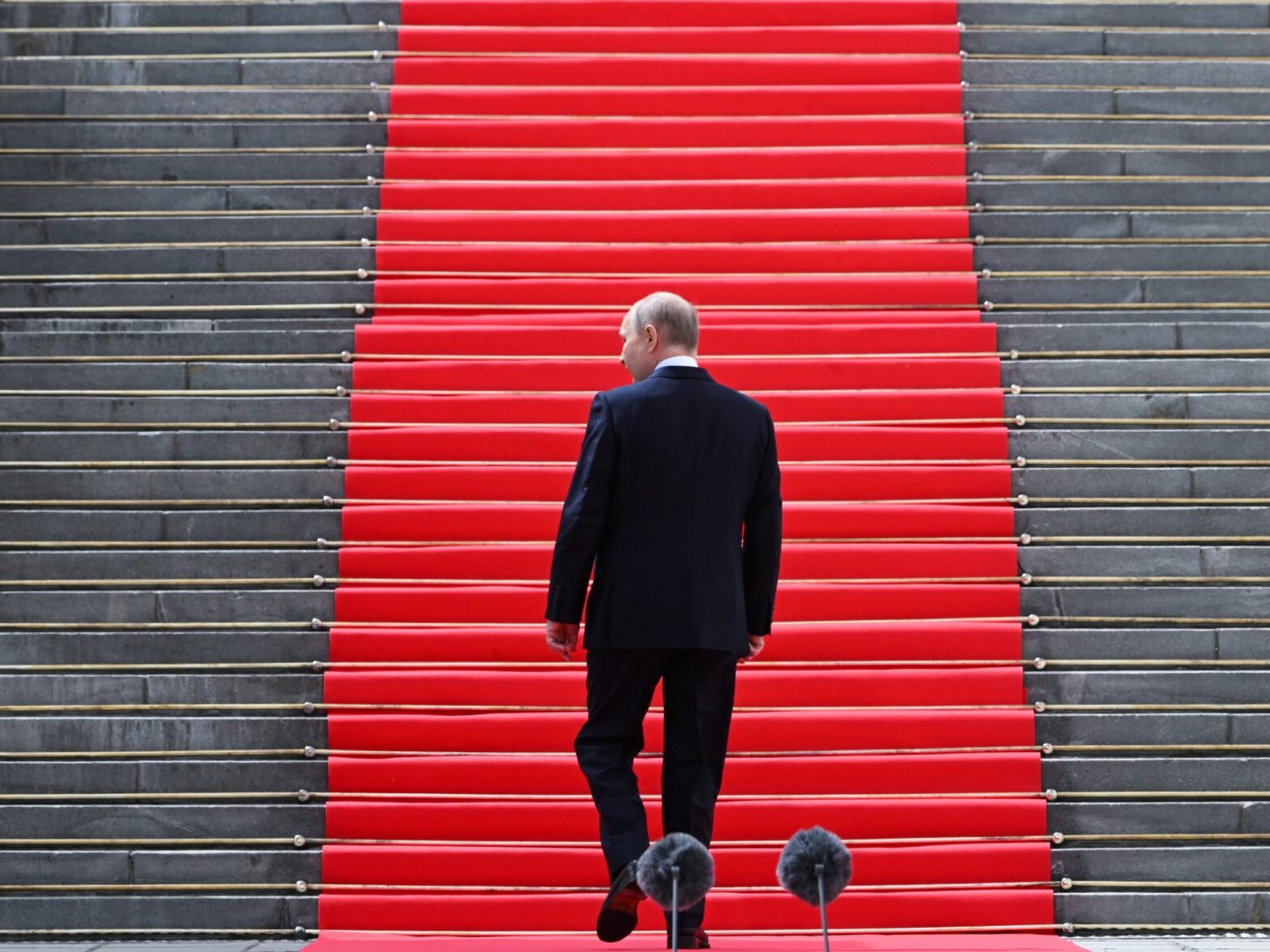
There are many lessons to be taken from Yevgeny Prigozhin’s aborted uprising in the halls of power China. Going forward, Beijing will see Russia as a model on what to avoid in maintaining stability autocratic rule.
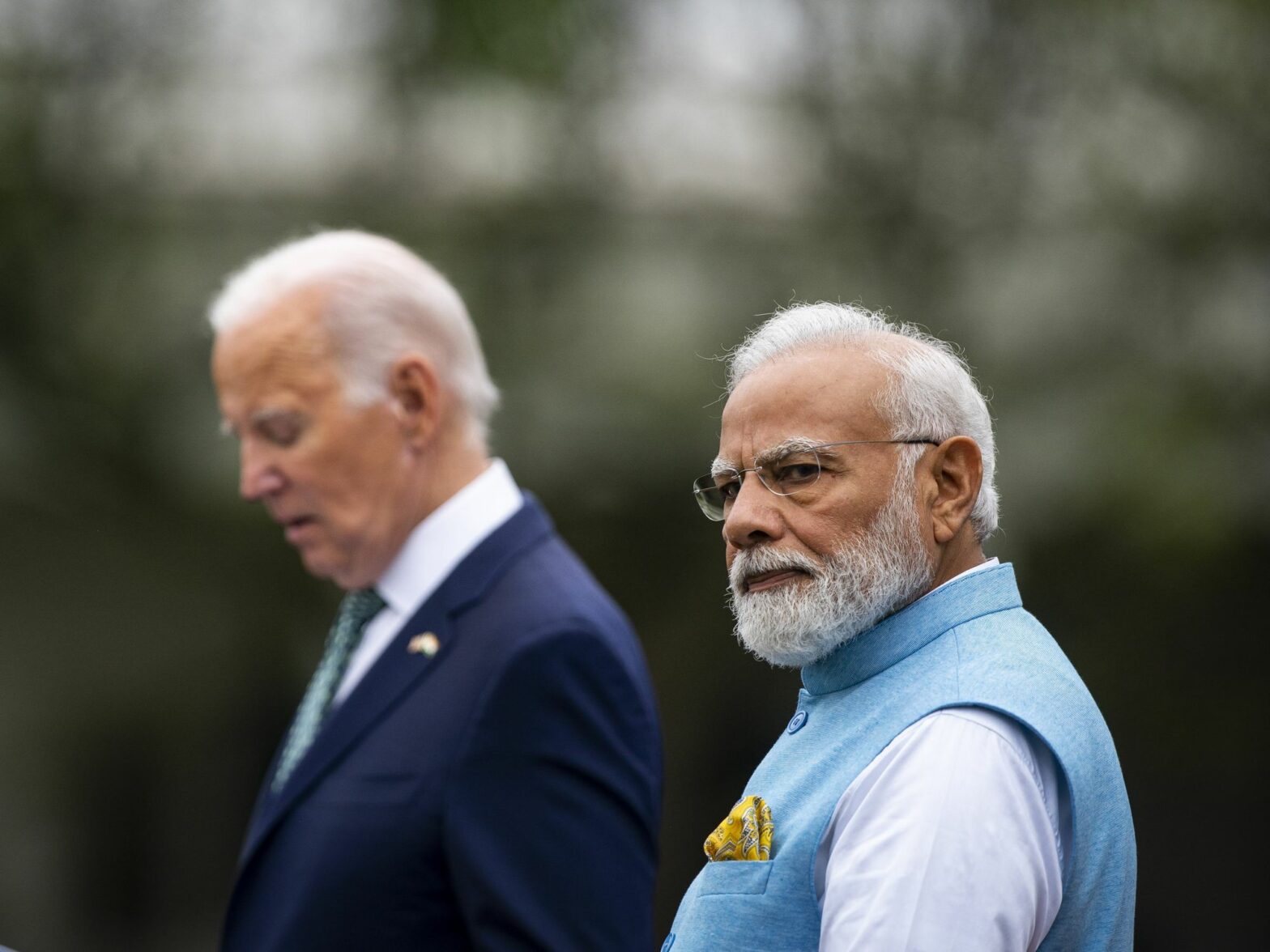
Indian Prime Minister Narendra Modi’s triumph during his state visit to the U.S. is part of a well-honed strategy of realpolitik and geo-economic opportunism. How the West responds says a lot about where the world is heading.
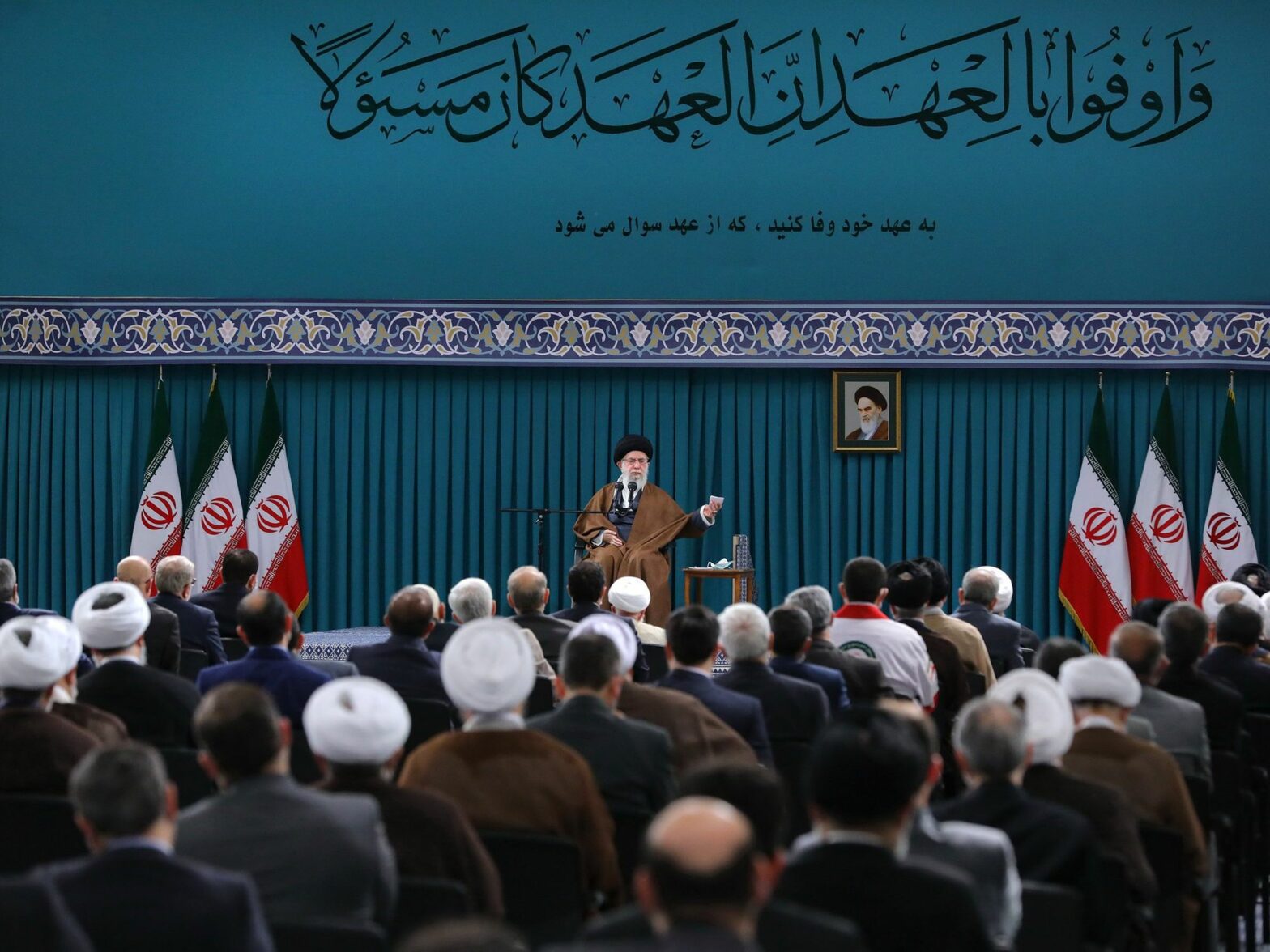
The Biden administration’s bid to revive a nuclear agreement with Iran is seen by some as a “weak” approach to exercising power in the Middle East. However, it may be an attempt to restrict Russia’s strategic influence inside Iran, which may serve both the West and Tehran.
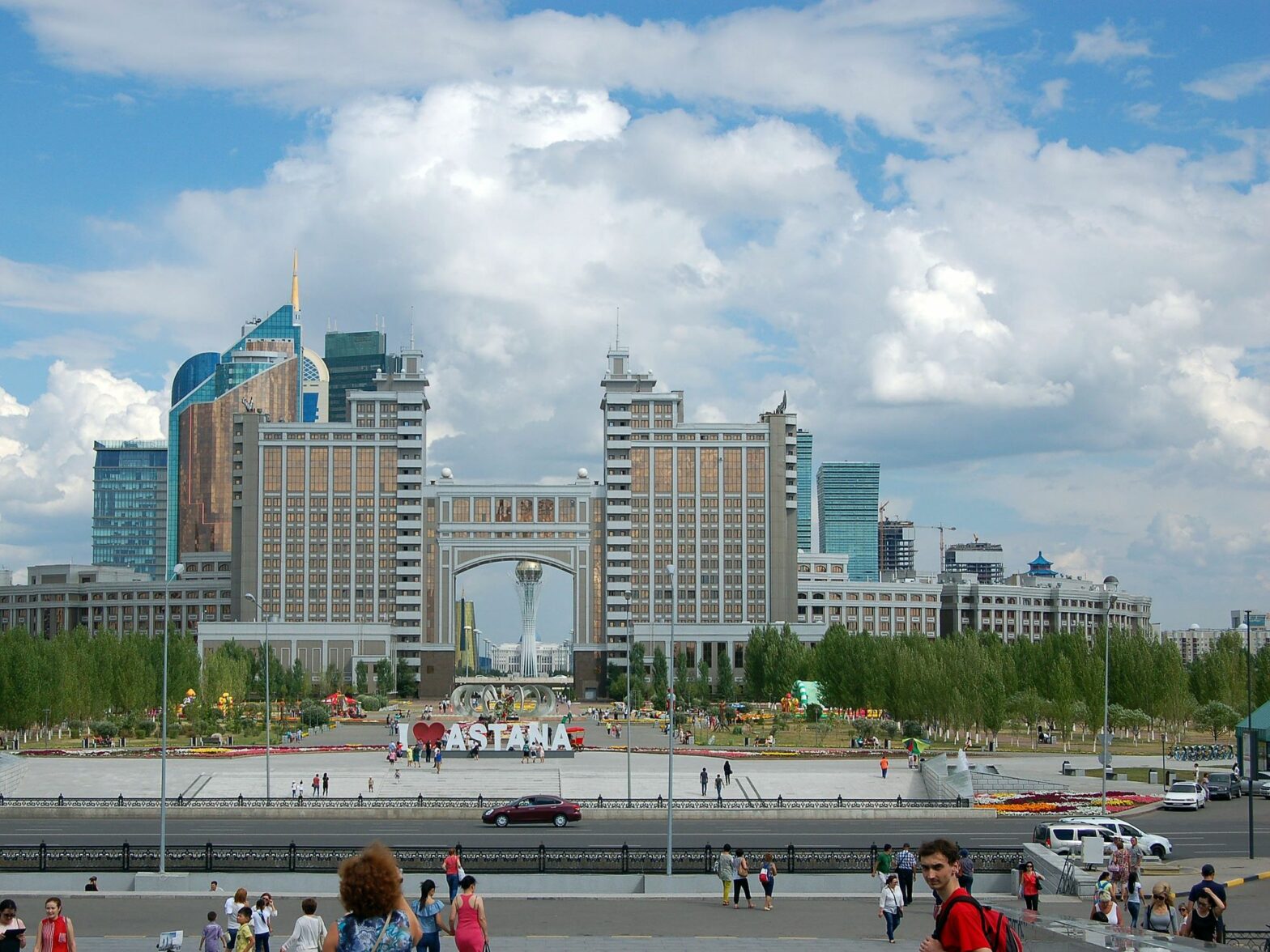
As Russia loses in influence in Central Asia, Ukraine has an opportunity to take over a key role in relations between countries in the region and the European Union.
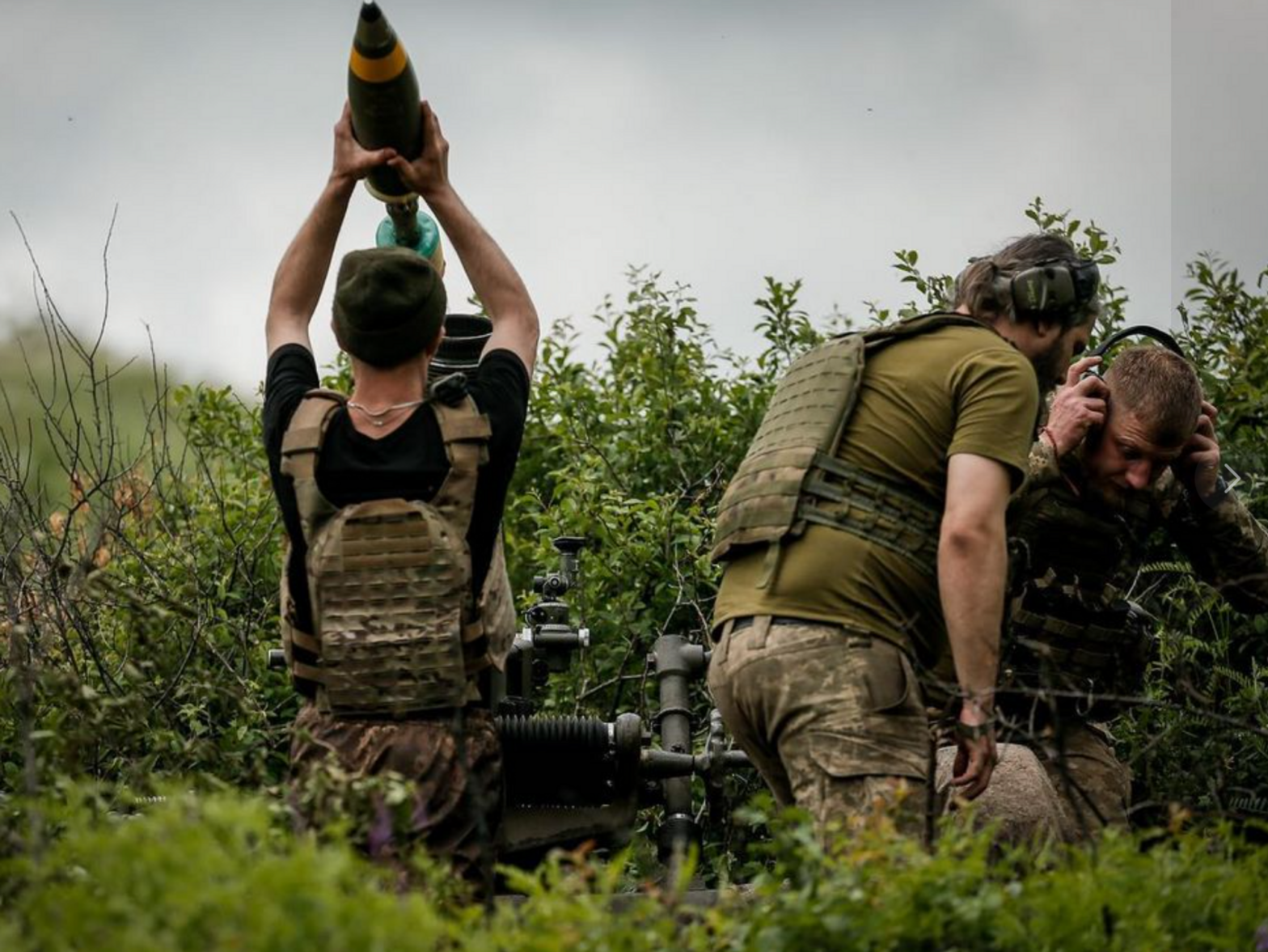
In the West, many expect Kyiv’s counteroffensive to be a swift and brilliant success. But Ukrainian soldiers on the ground know better.
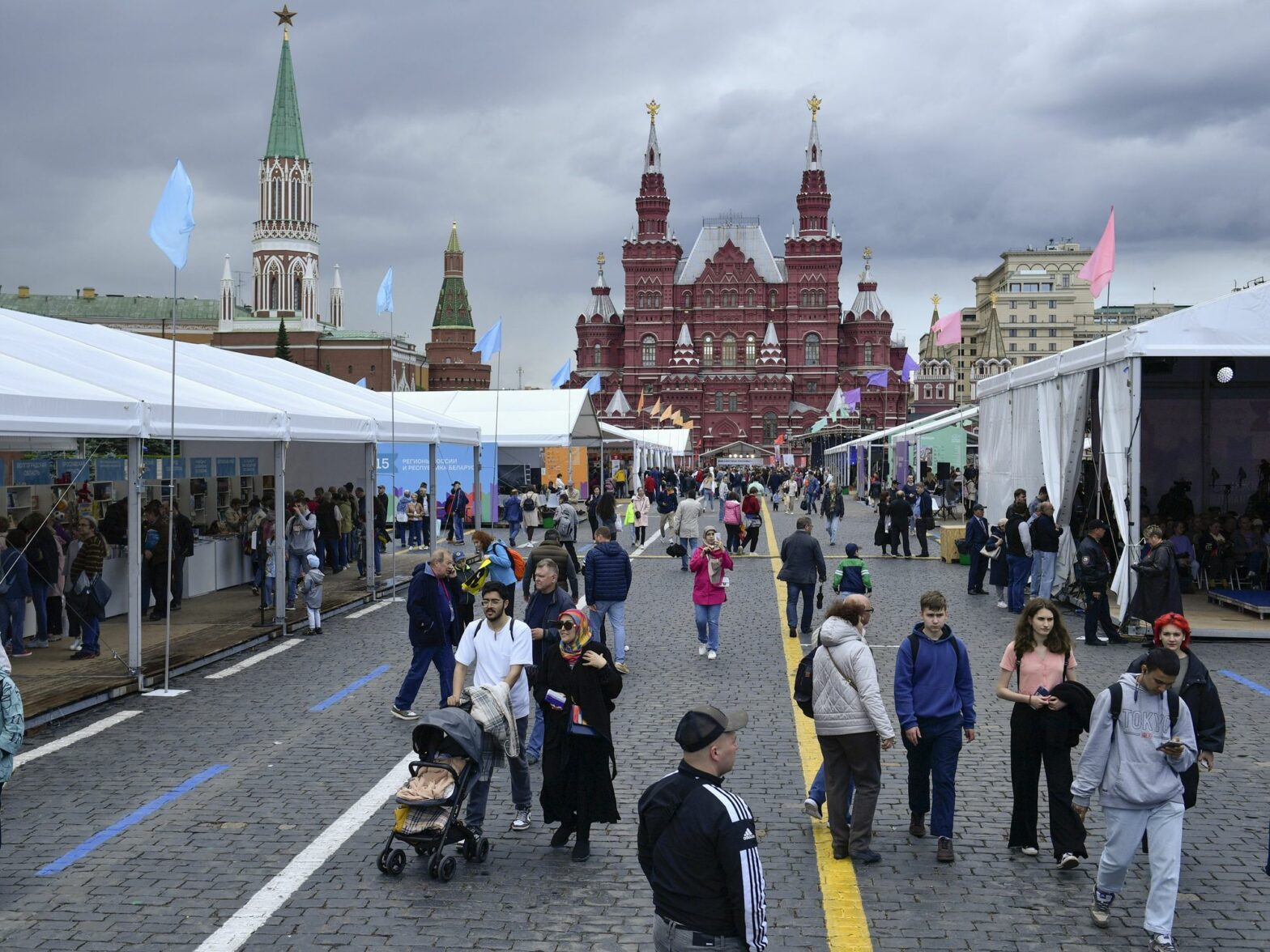
The outdoor cafés are joyful, the metro is expanding and the city is becoming more modern. A visit to the Russian capital finds citizens trying to keep the war as far away as possible — even as it creeps closer.
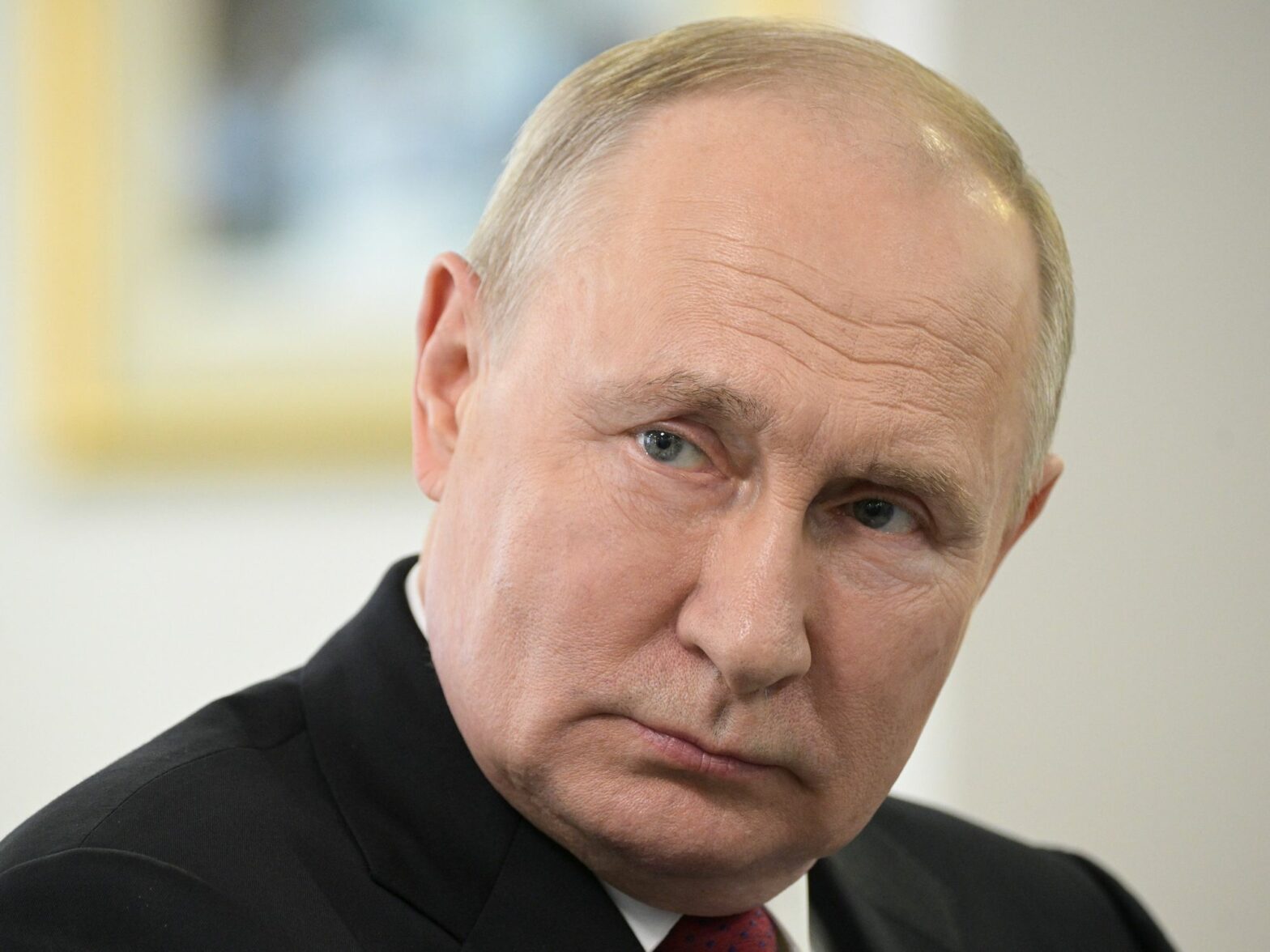
The idea of “peacemaking” with Russia has been creeping into Western media, bolstered by fears that Putin could ultimately resort to nuclear weapons. But Oleksiy Danilov, Secretary of the National Security Council of Ukraine, warns of the traps of this thinking.
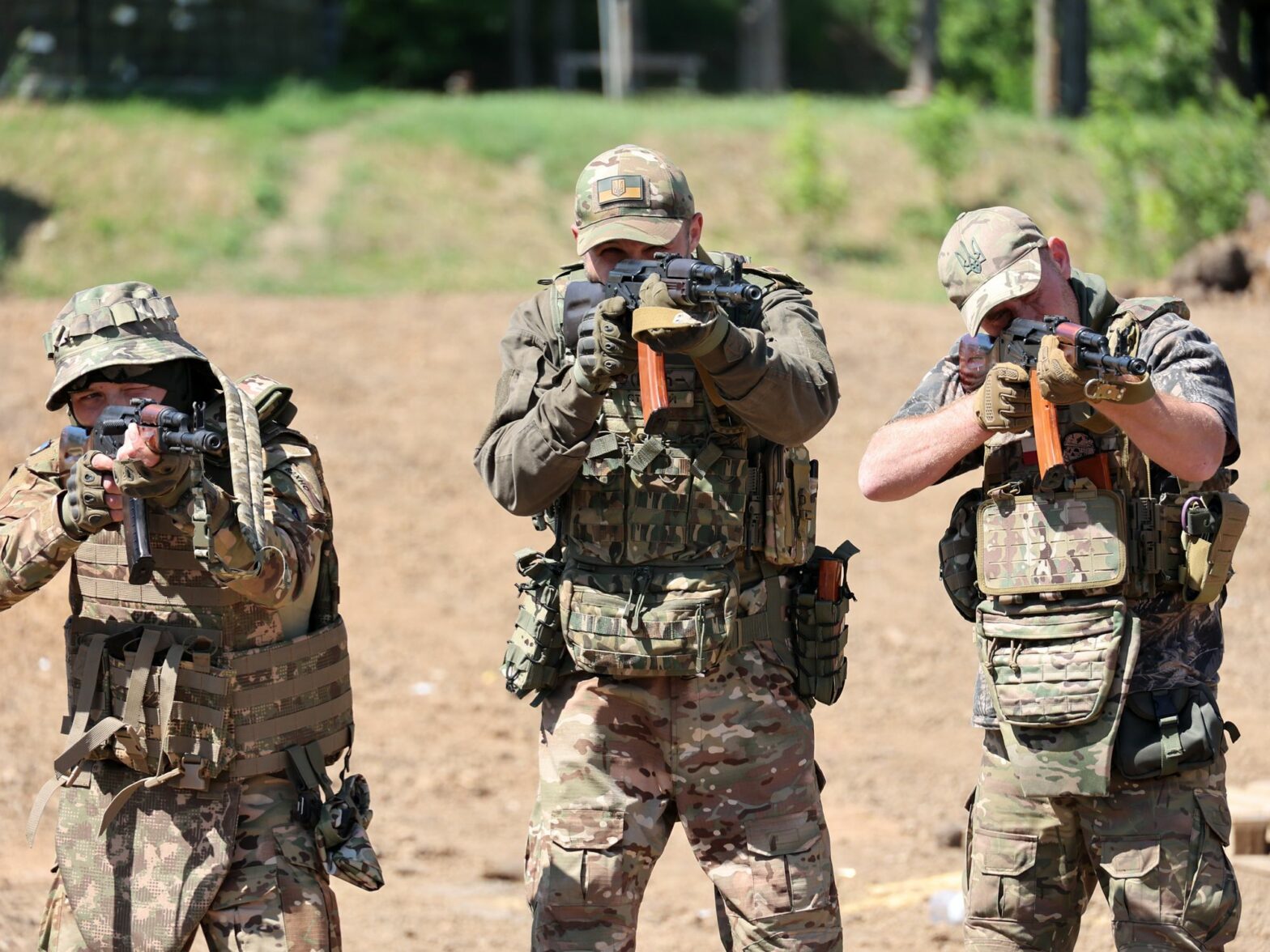
When both sides of a conflict blame each other for something as important as the destruction of the Nova Kakhovka dam, there’s only one way to understand what’s going on: find out who benefits from the crime.