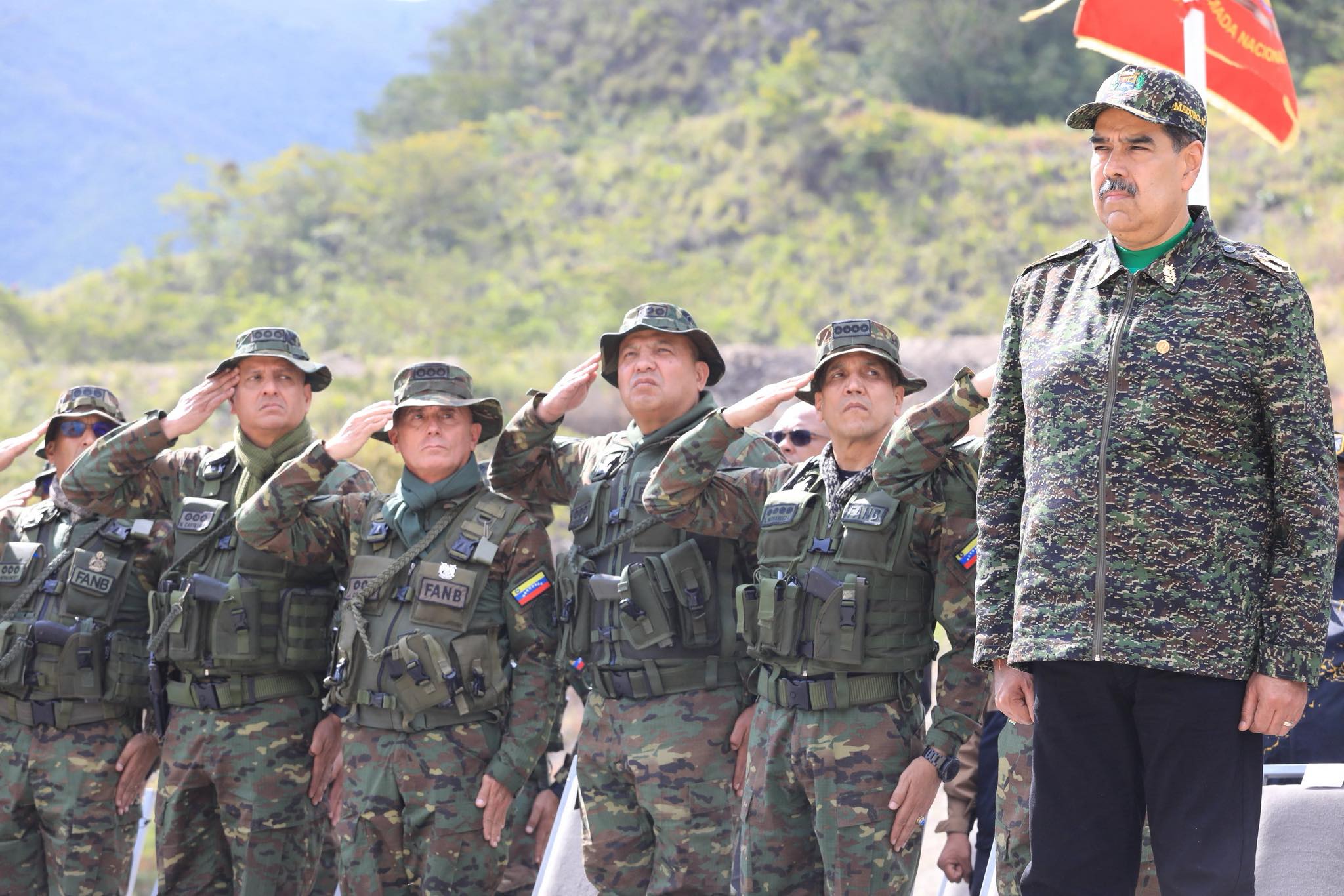
Donald Trump and Nicolas Maduro spoke on the phone, but the U.S. president gave him an ultimatum to resign and leave the country. The alternative is likely to involve military action, which would disregard international law.
 Worldcrunch
Donald Trump and Nicolas Maduro spoke on the phone, but the U.S. president gave him an ultimatum to resign and leave the country. The alternative is likely to involve military action, which would disregard international law.
👋 Allo!* Welcome to Tuesday, where North Korean leader Kim Jong-un has arrived for a historic visit in Beijing, a landslide kills more than 1,000 in Sudan’s Darfur region, and today’s quiz question features a surprising find by the French police. Meanwhile, Juanjo Ramón in Catalan-language digital media outlet Catalunya Plural looks at how Spain’s […]
👋 নমস্কাৰ* Welcome to Friday, where Israel’s plans to take control of Gaza City spark widespread condemnation, historic wildfires rage on in France and California, and today’s quiz question comes courtesy of a motorist in Germany. Meanwhile, Kyrgyz investigative outlet Kloop uncovers potential wavering support from Central Asia’s traditionally Kremlin-aligned nations. The Worldcrunch Today crew […]
👋 Ha’u!* Welcome to Tuesday, where the WHO condemns Israel’s ground offensive in central Gaza, Bangladesh mourns the victims of a crash of an air force training jet on a school and our daily quiz question is about a deliciously disappearing artwork. Meanwhile, An Flores for independent Latin American online Volcánicas looks at how discussions […]
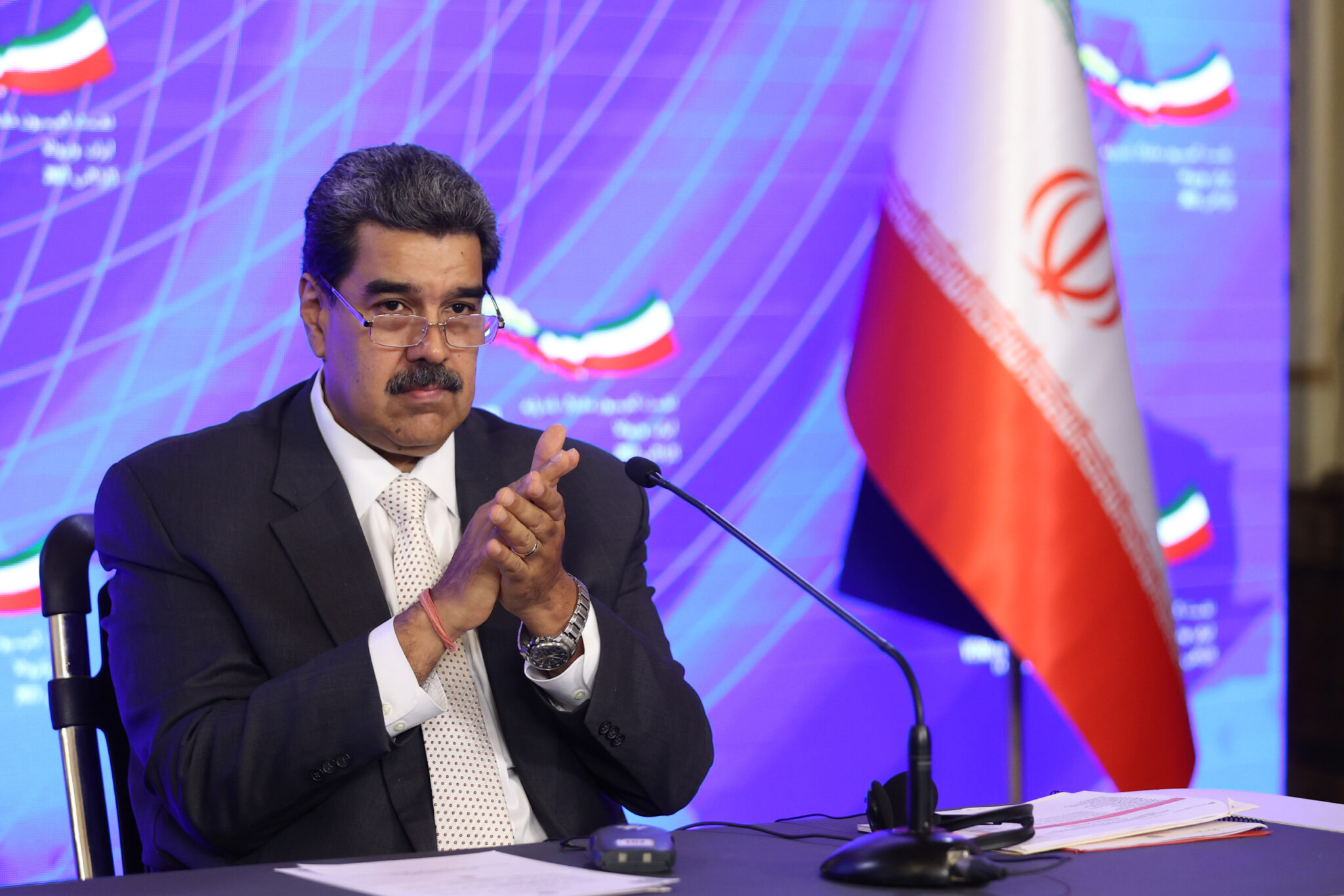
Venezuelan media lambasted Israel during its 12-day assault on the Islamic Republic of Iran, not for justice’s sake, but as an illustration of just how much clout the Tehran regime has bought itself in the Western Hemisphere.
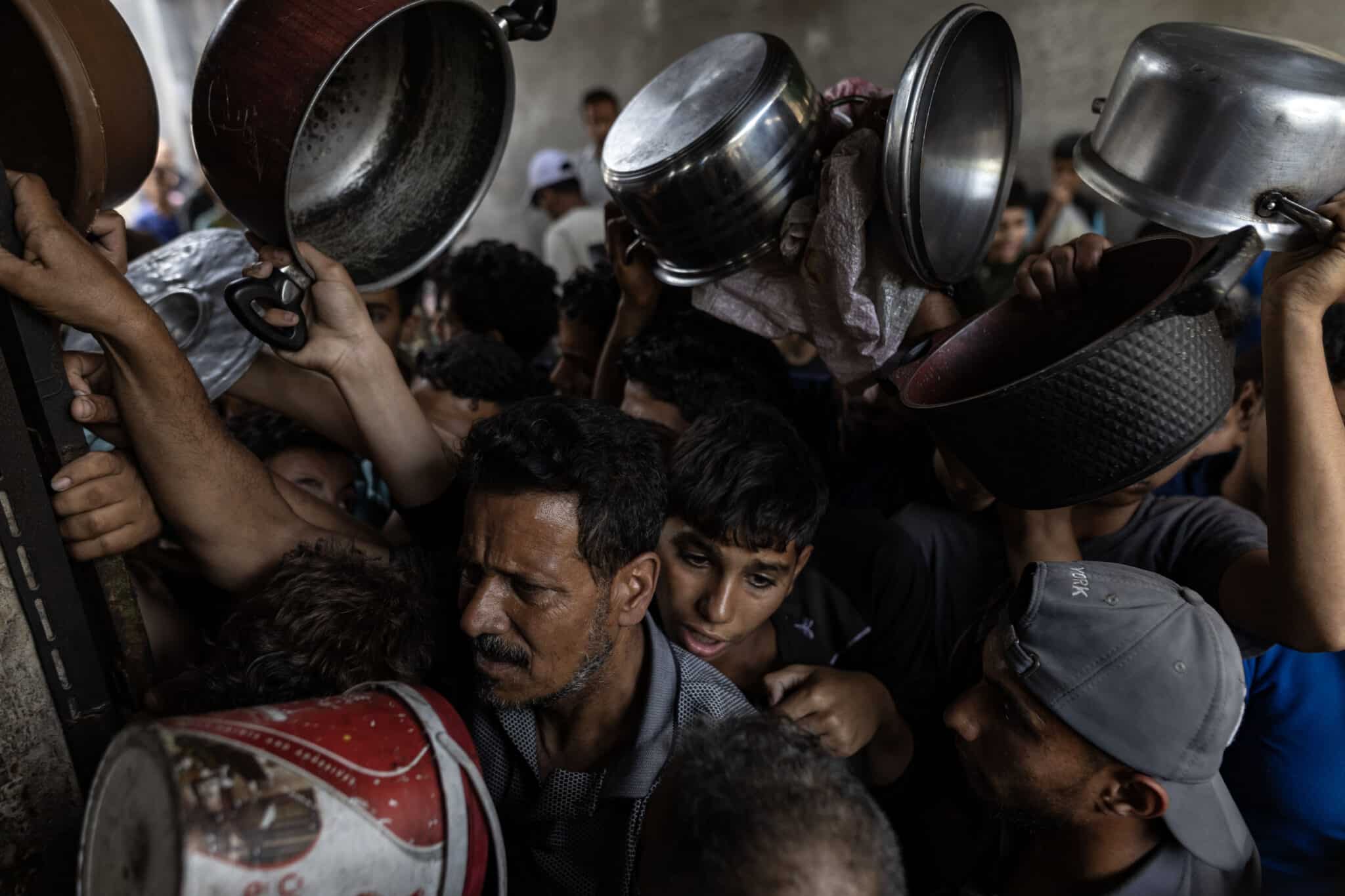
👋 A jaaraama!* Welcome to Tuesday, where the UK, France and Canada warn Israel over its Gaza offensive, the coup trial of former Brazilian President Jair Bolsonaro opens and our daily quiz question takes us to Paris’ most famous cemetery. Meanwhile, Jędrzej Słodkowski for Polish daily Gazeta Wyborcza shines a light on the lesser known […]
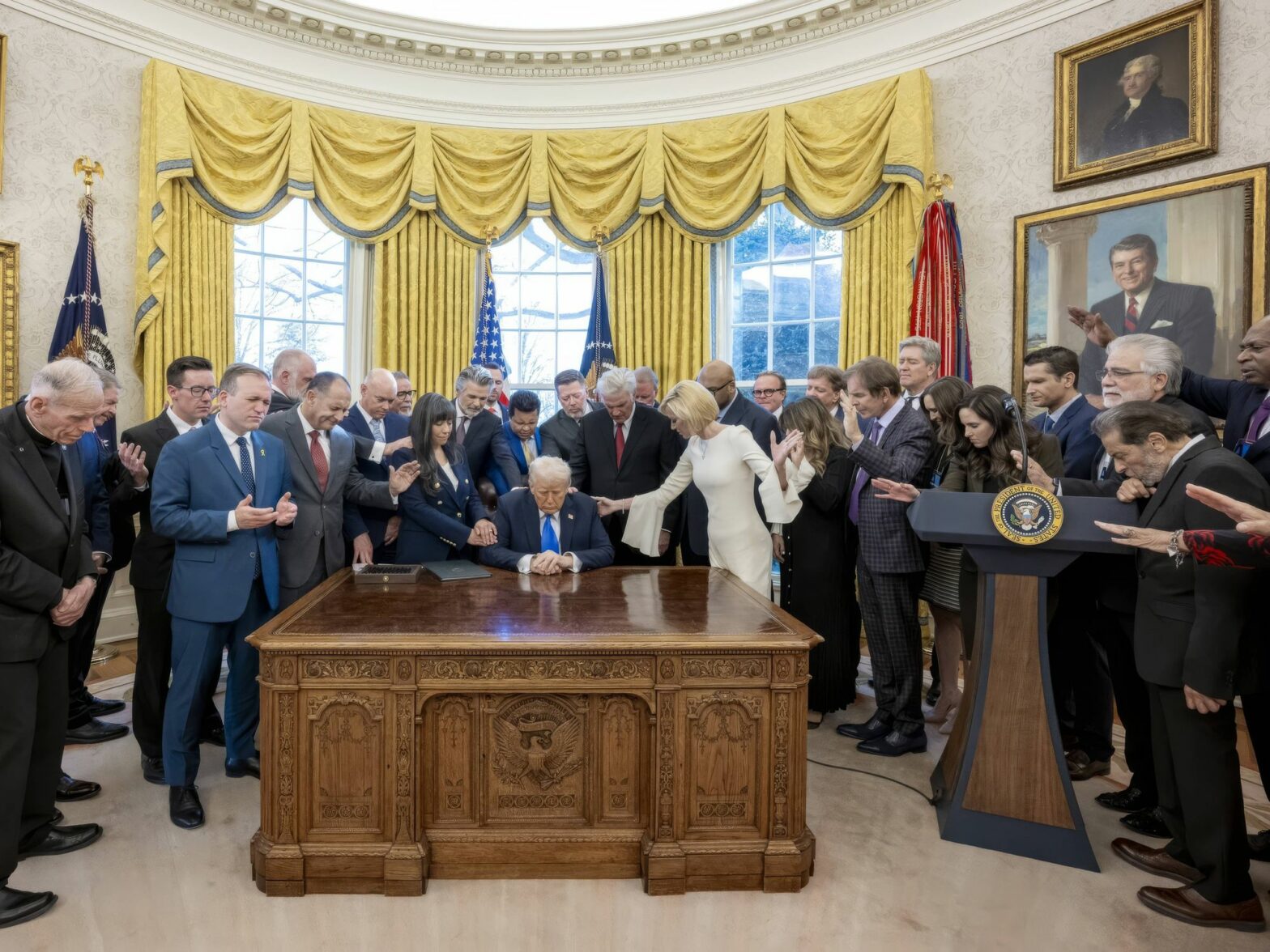
Following U.S. President Donald Trump’s creation of the White House Faith Office in early February, Loris Zanatta writes in Clarín that religious politics is already on the verge of becoming political religion, and the 2020s are starting to look an awful lot like the 1920s. And we know where that led.
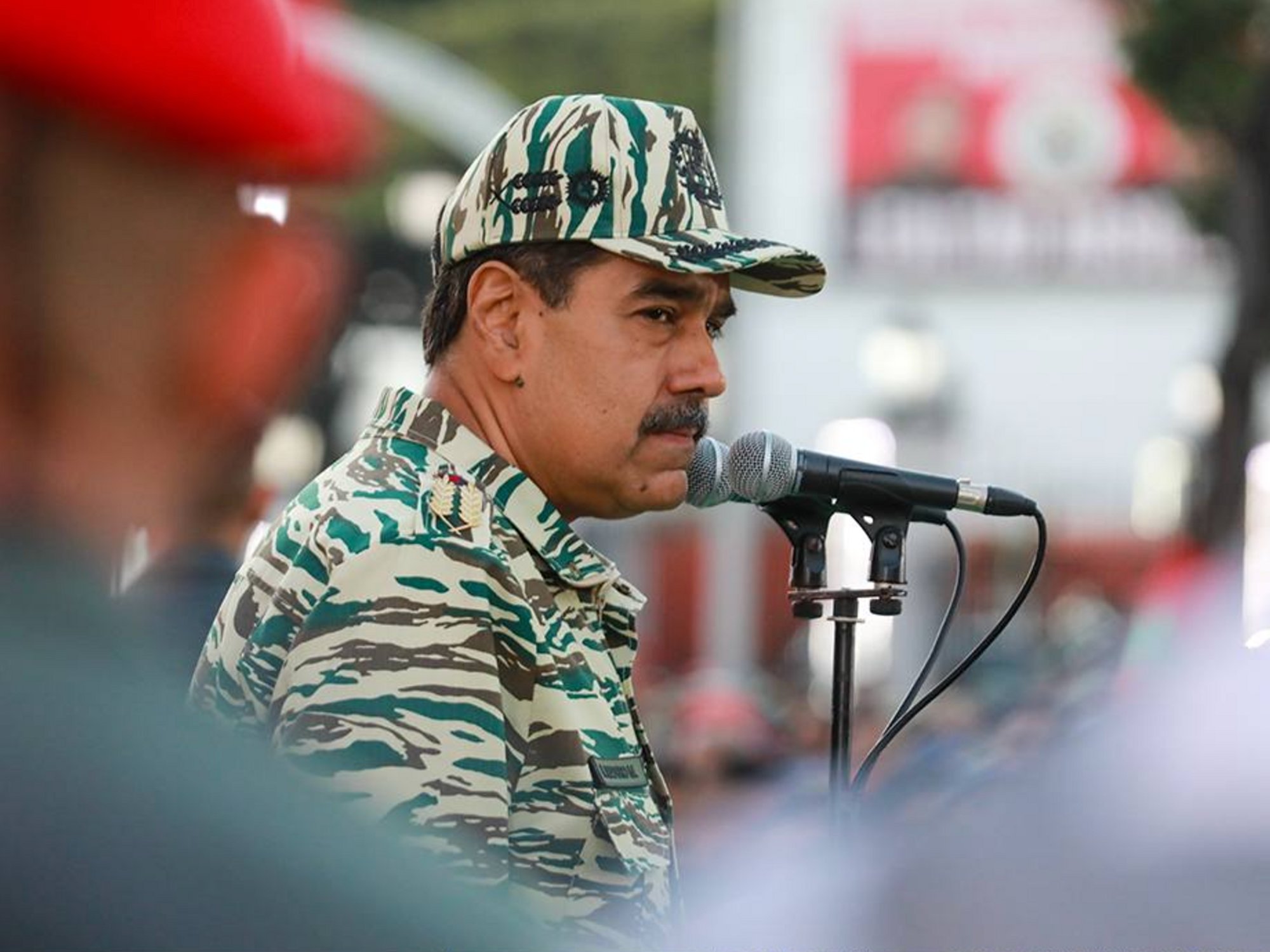
In its first decade, Venezuela’s Bolivarian revolution was radical yet legitimate, and enjoyed the people’s electoral support under leader Hugo Chávez. This changed when his successor, Nicolás Maduro, took over after Chávez’s death, and decided he wasn’t going to let votes thwart his insatiable love of power and money.
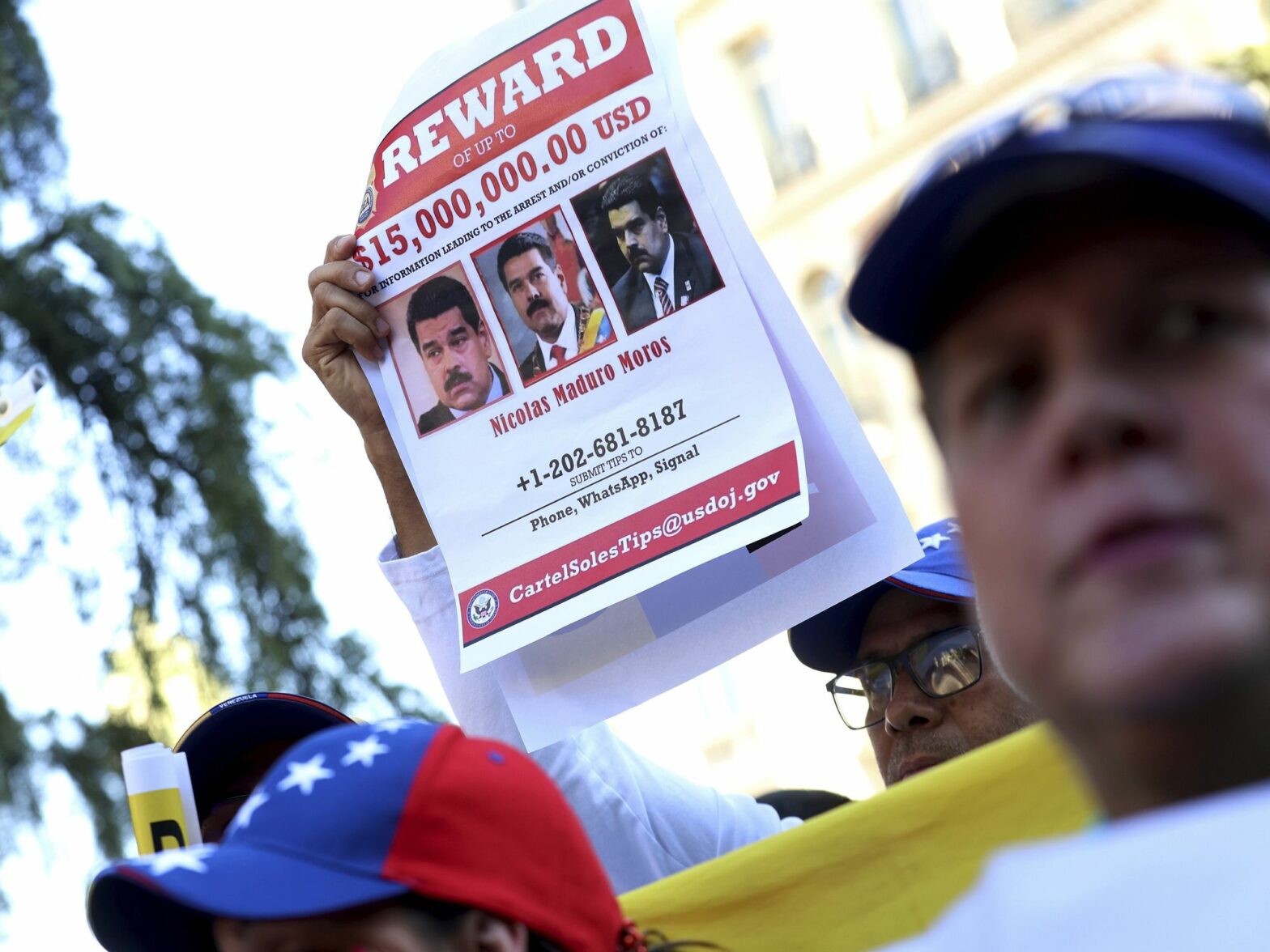
Venezuela’s Nicolás Maduro plans to declare himself president on January 10, as he becomes the likely winner of the 2024 elections. Will there be a showdown or a revolt, or will a tired nation give in to tyranny?
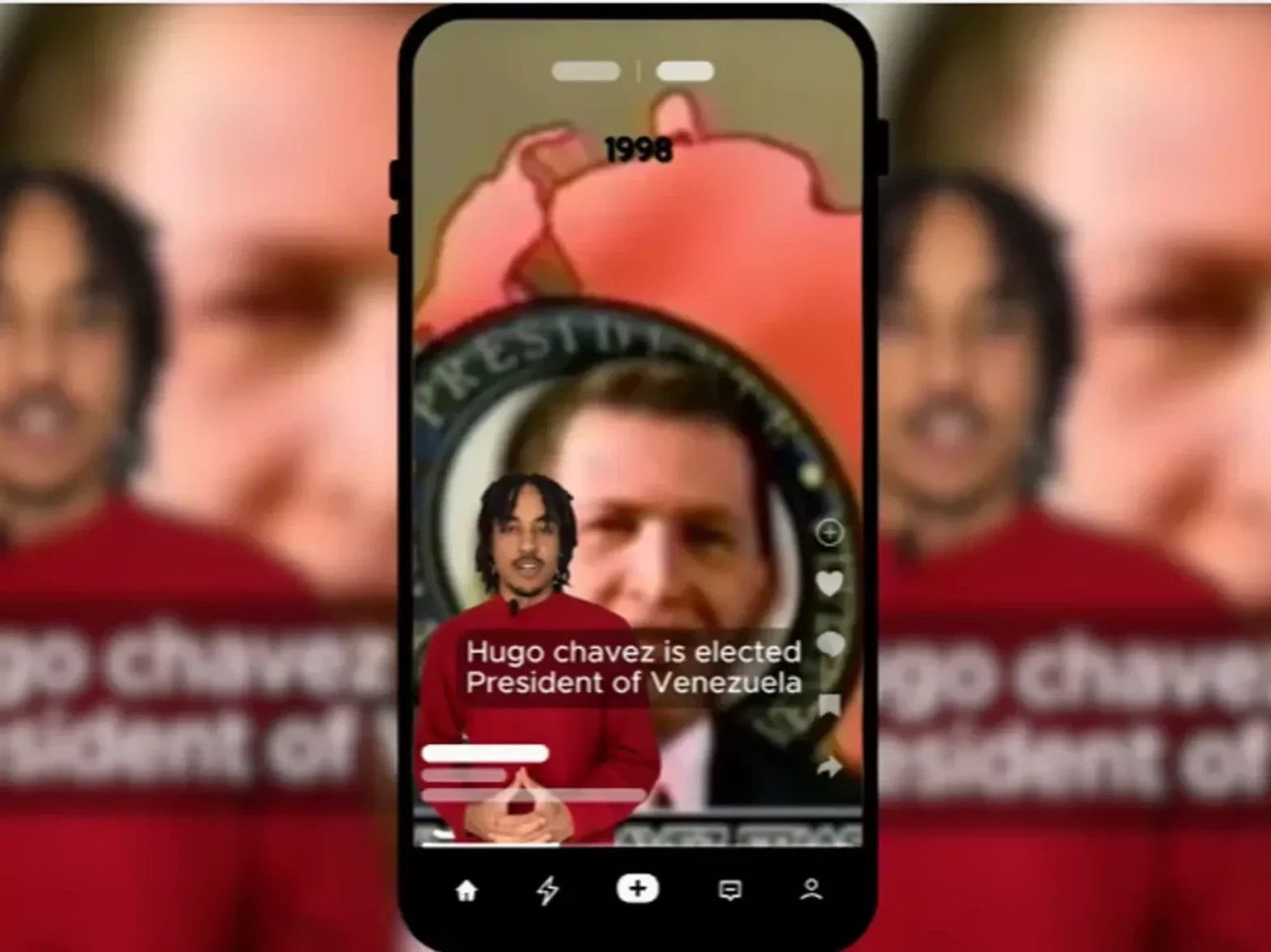
The first edition of a famous newspaper, a new president for Venezuela, and the birth of a famous American screenwriter.
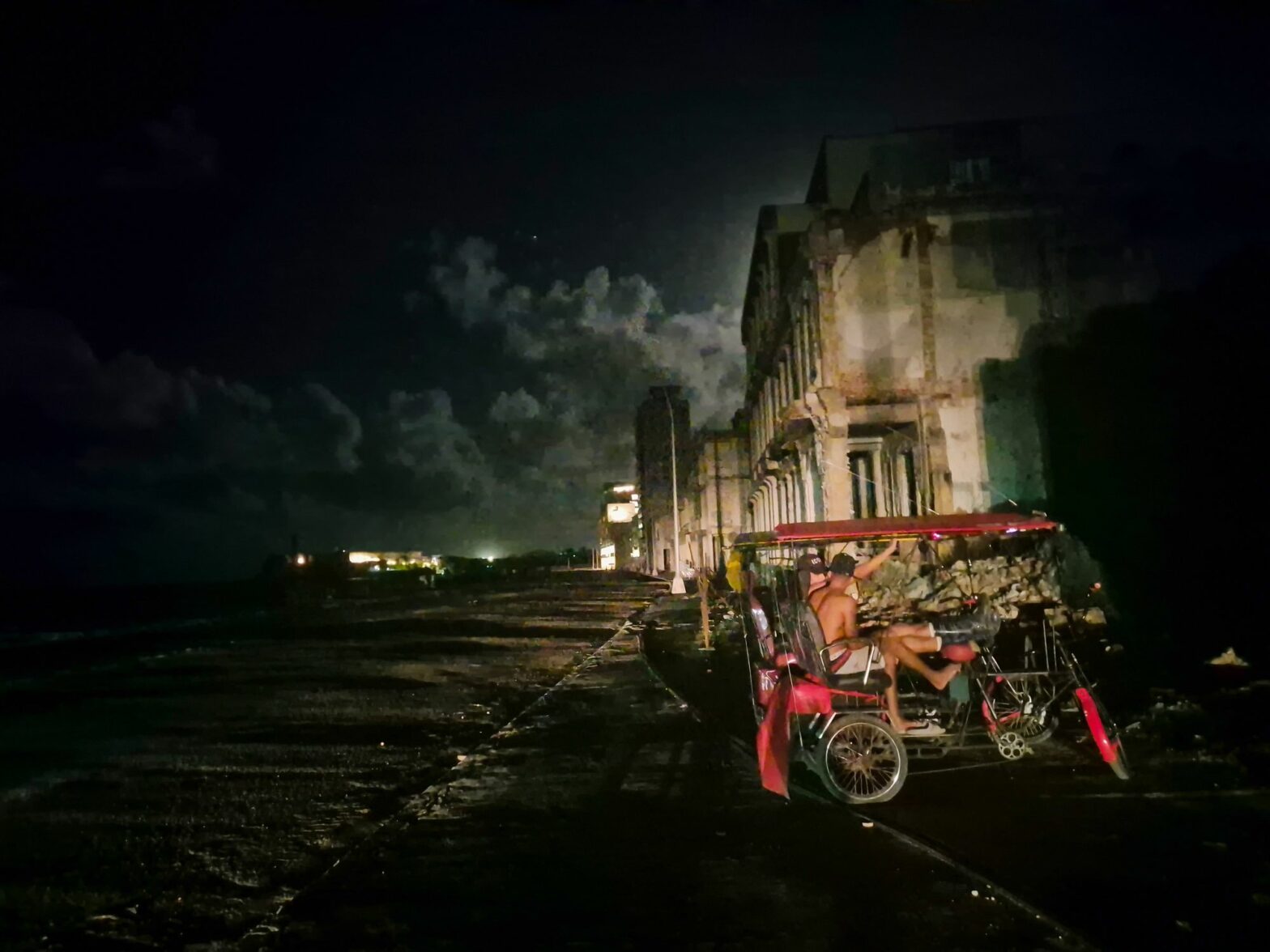
Cuba’s current energy crisis is a dramatic illustration, symbolic and otherwise, of the overall downfall of a country that could have followed the successful models of its Asian cousins. Faced with a socioeconomic dead-end, record numbers of Cubans are fleeing the country.
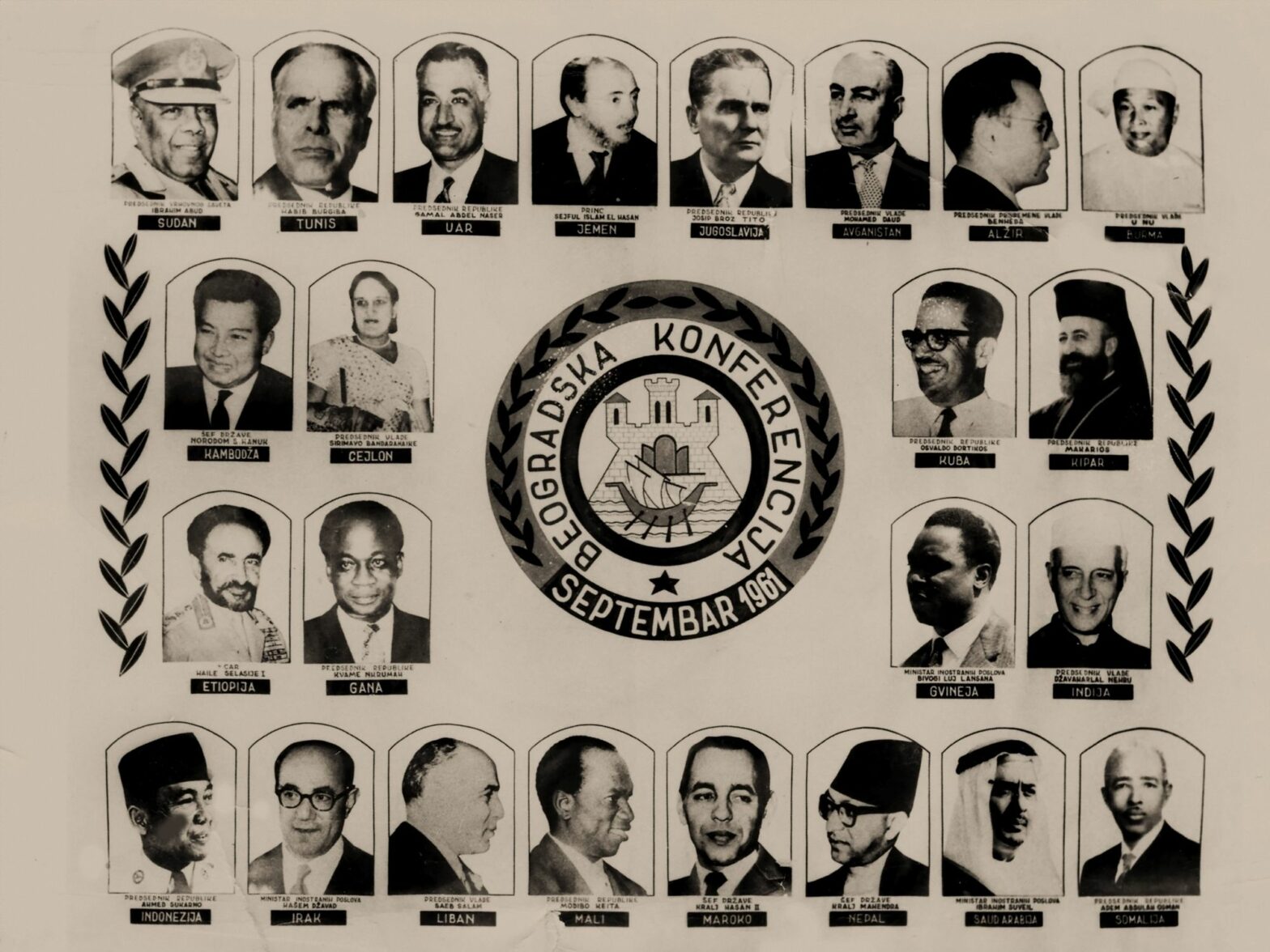
It’s called Active Non-Alignment. The end of a bipolar world and of Western supremacy has created a more fluid, and threatening, geopolitical map. For smaller powers, especially in Latin America, this is the time to “get the best deal” for themselves with the superpowers.
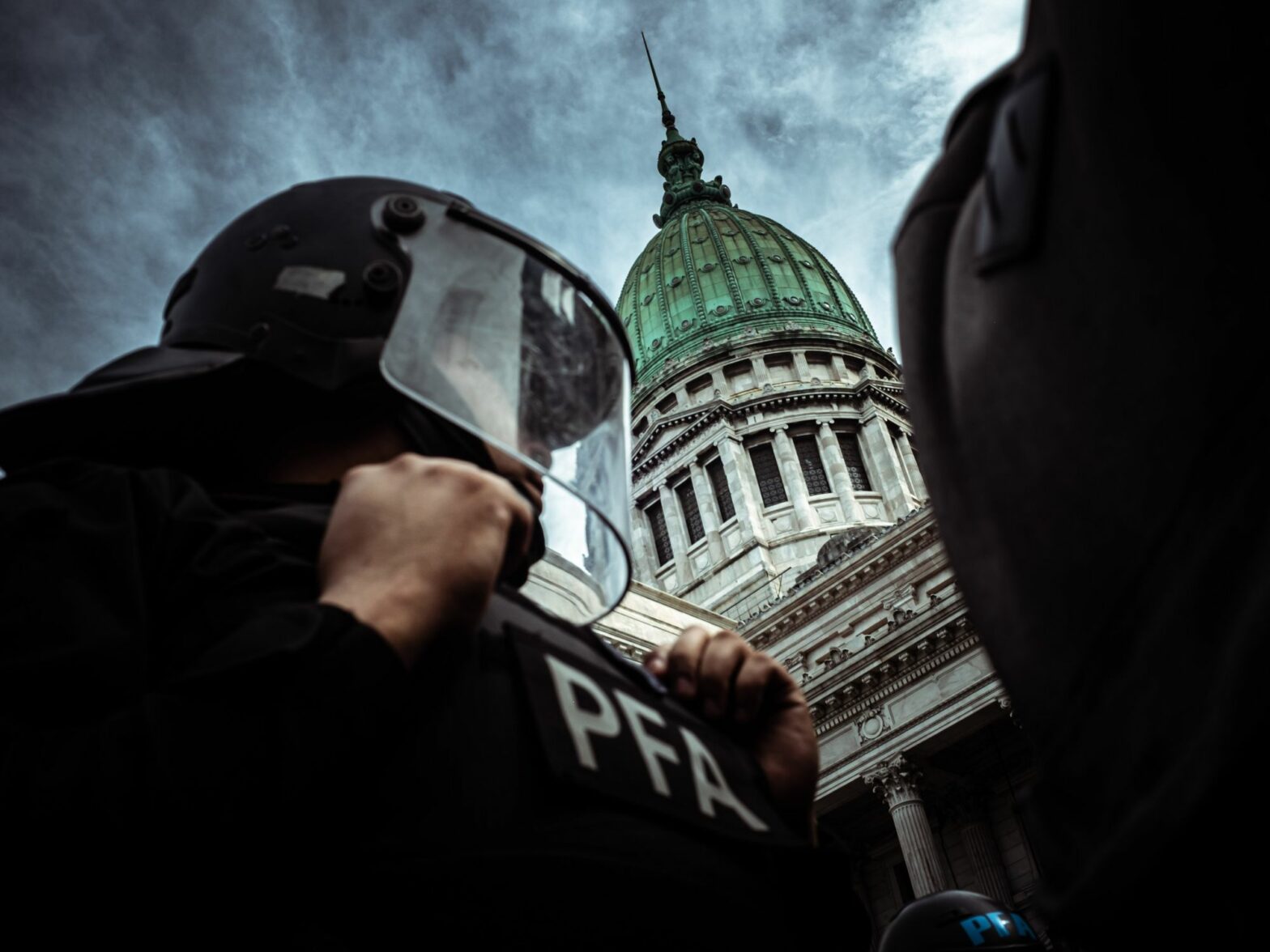
Critics are right to denounce crooked politicians or elected leaders for undermining the democratic system of checks and balances. But defending those checks and balances is not the key to restoring democracy — because people’s pervasive distrust and discontent with politics is a much deeper problem to address.
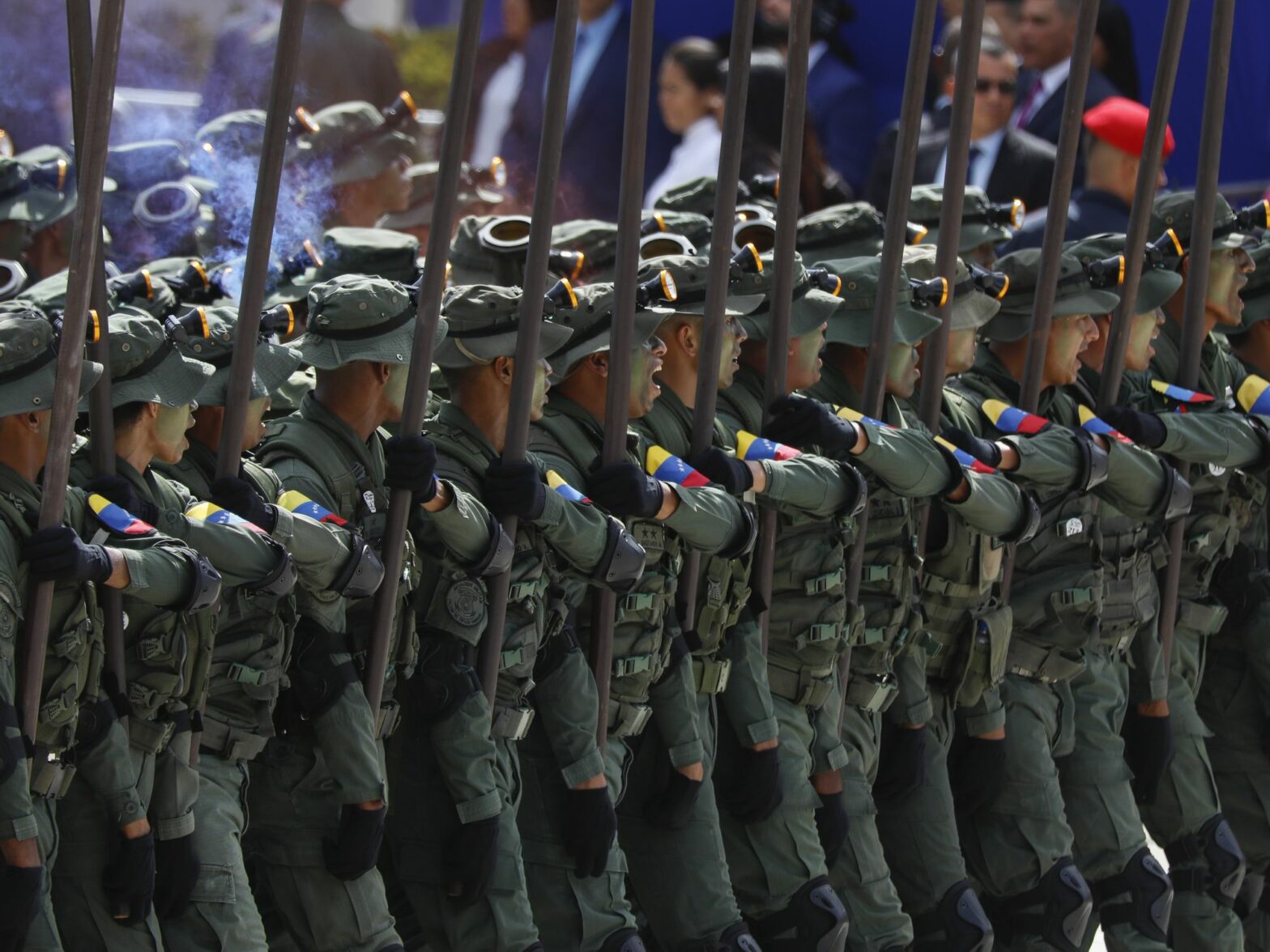
The armed forces have been dragged into political and electoral spats across the Americas, from the United States to Brazil to Venezuela. Is this another sign of liberal democracy’s decline in the West?
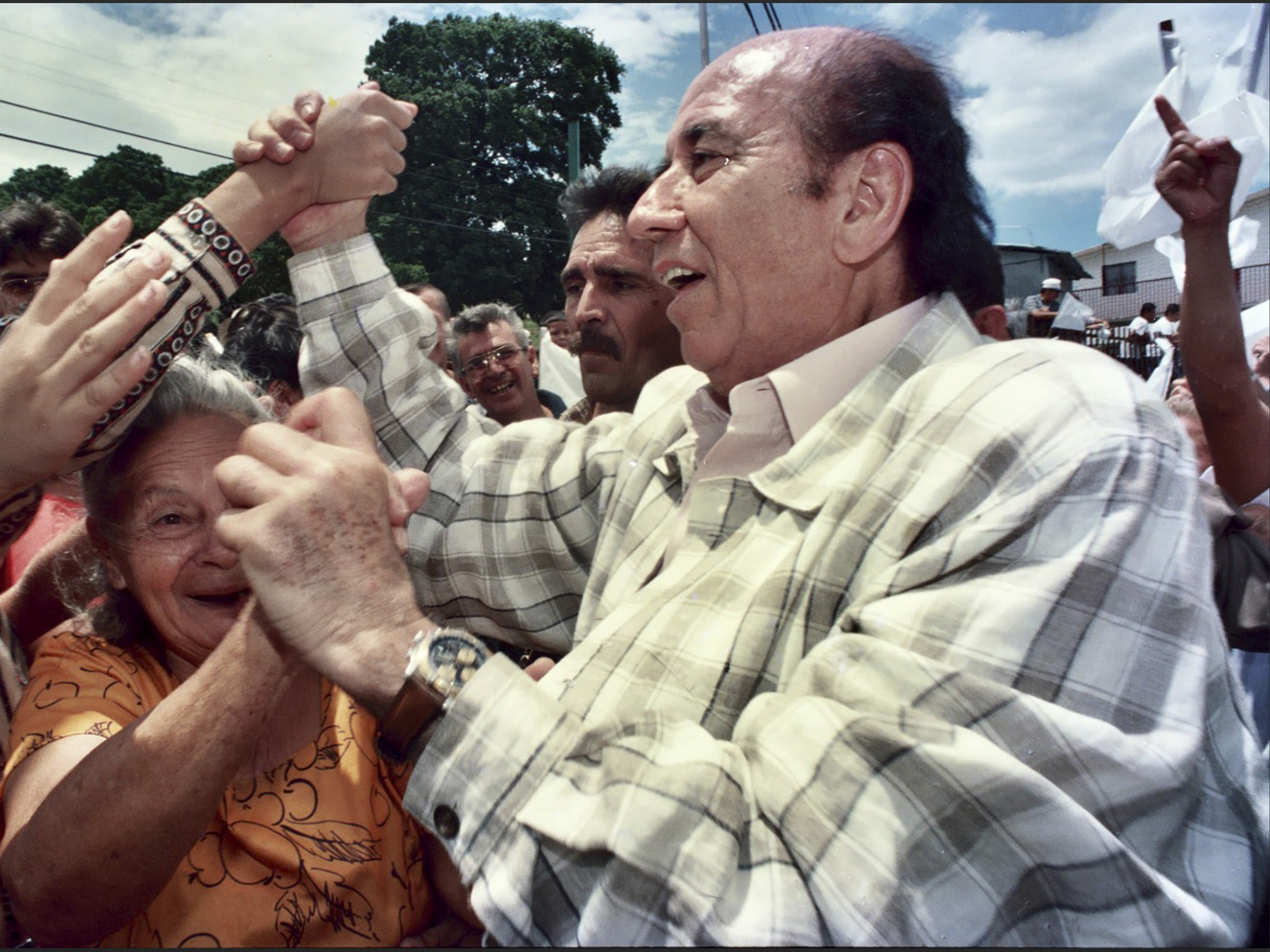
Today, Venezuela is barely recognizable as the prosperous and liberal state of the late 20th century that gave refuge to regional dissidents, thanks to the resolve of the late Carlos Andrés Pérez — the “roguish” president whose commitment to democracy has put his socialist successors to shame.
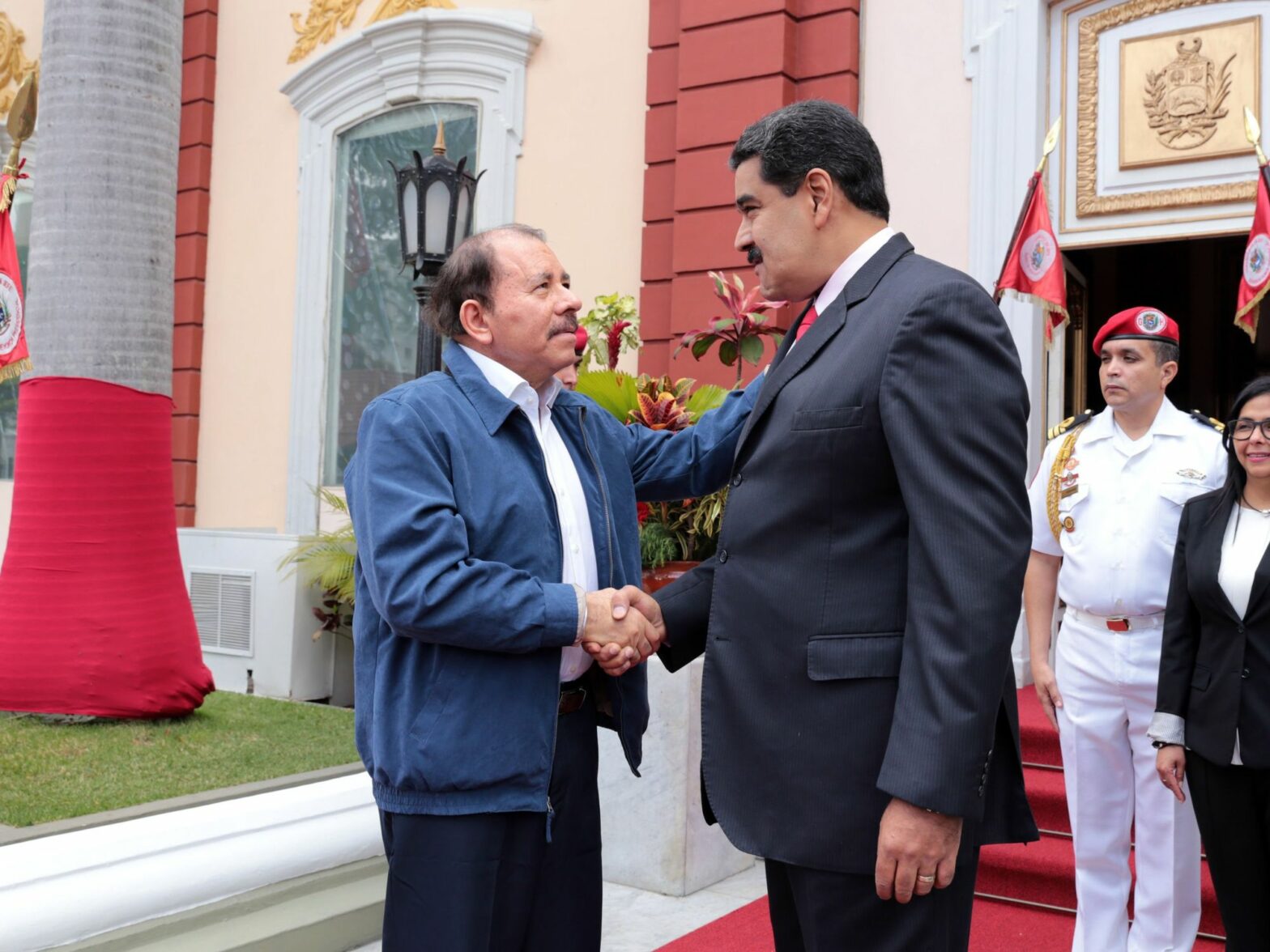
Venezuela’s elections this year took a very different course than Nicaragua’s in 2021. In both Latin American countries, an authoritarian leader wanted to stay in power and committed electoral fraud to do so. But in Venezuela, the opposition was able to create resistance to Nicolás Maduro.
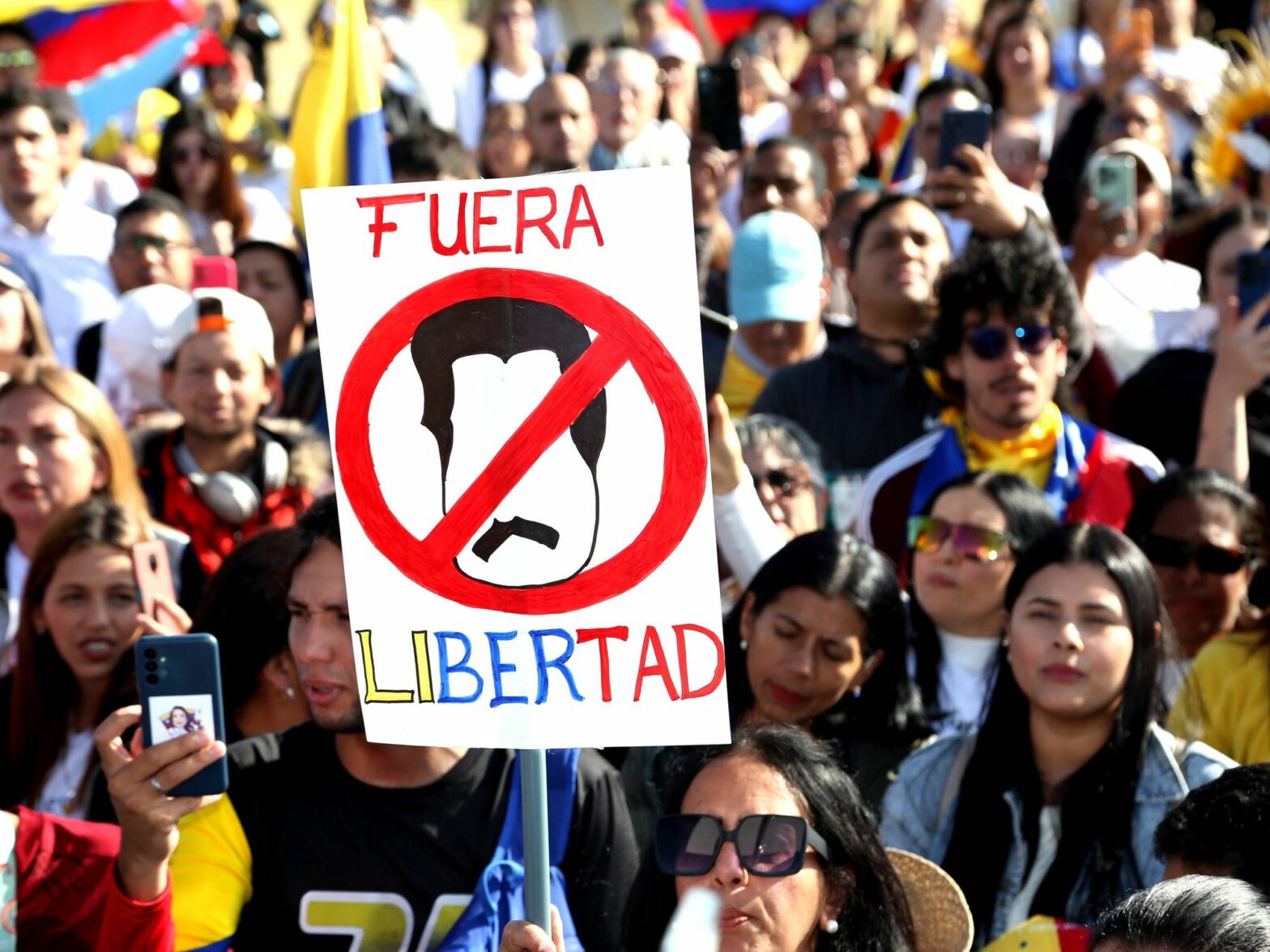
The leaders of three big Latin American powers, Colombia, Brazil and Mexico, have shown they believe keeping a fellow socialist in power is more important than respecting the votes of millions of ordinary Venezuelans who chose freedom over socialism.
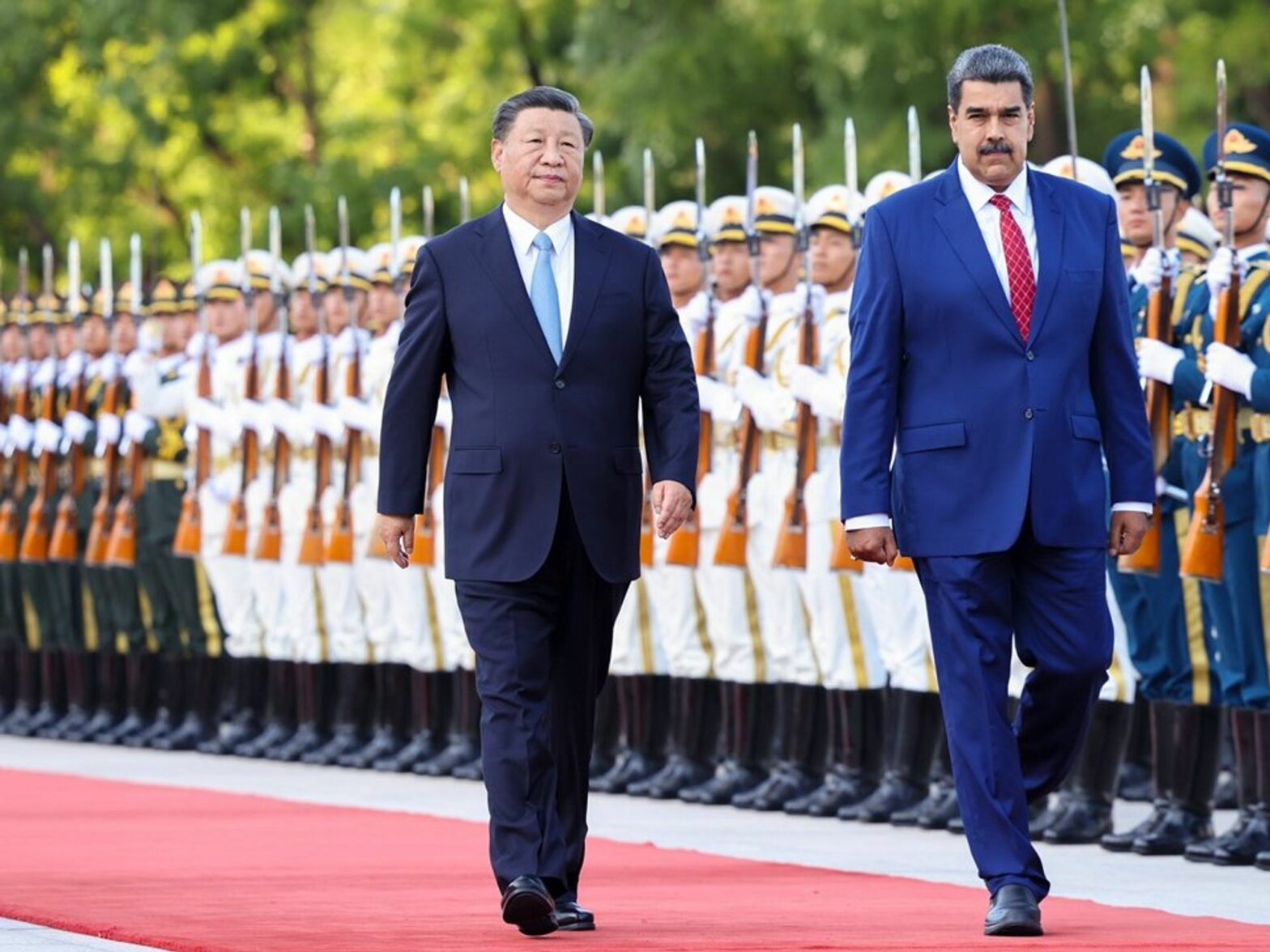
The crushing weight of Chinese loans to socialist Venezuela may yet become the biggest, if less publicized, obstacle to the restoration of liberal democracy there, if its power-drunk president were ever to abandon power as he once again appears unwilling to do after a highly contested election.
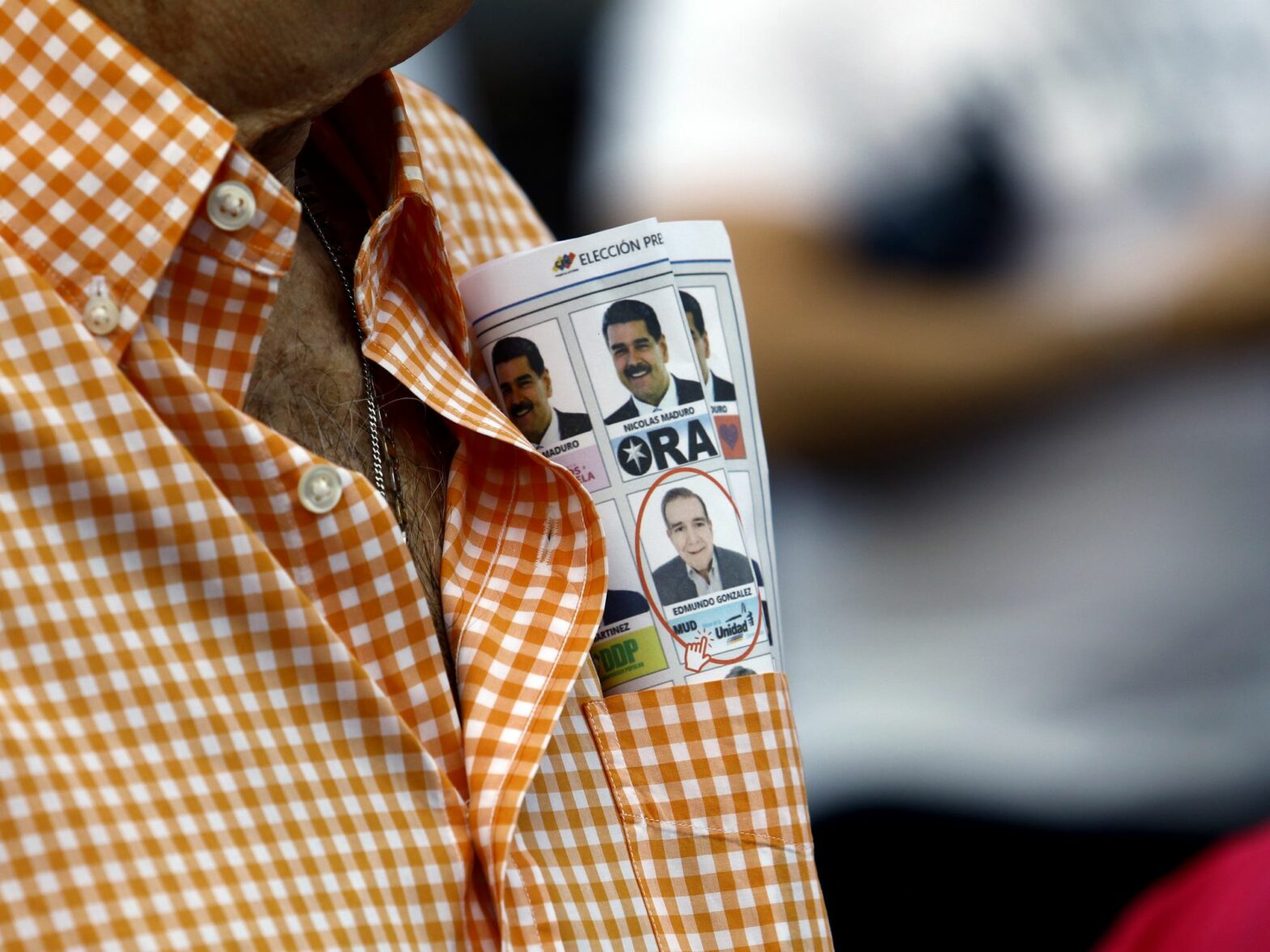
Corruption, human rights violations, and alliances with totalitarian regimes are all good reasons why the West should be paying attention to Venezuela ahead of the country’s presidential elections on July 28, writes Venezuelan journalist Miguel Henrique Otero in Nicaragua’s Confidencial newspaper.
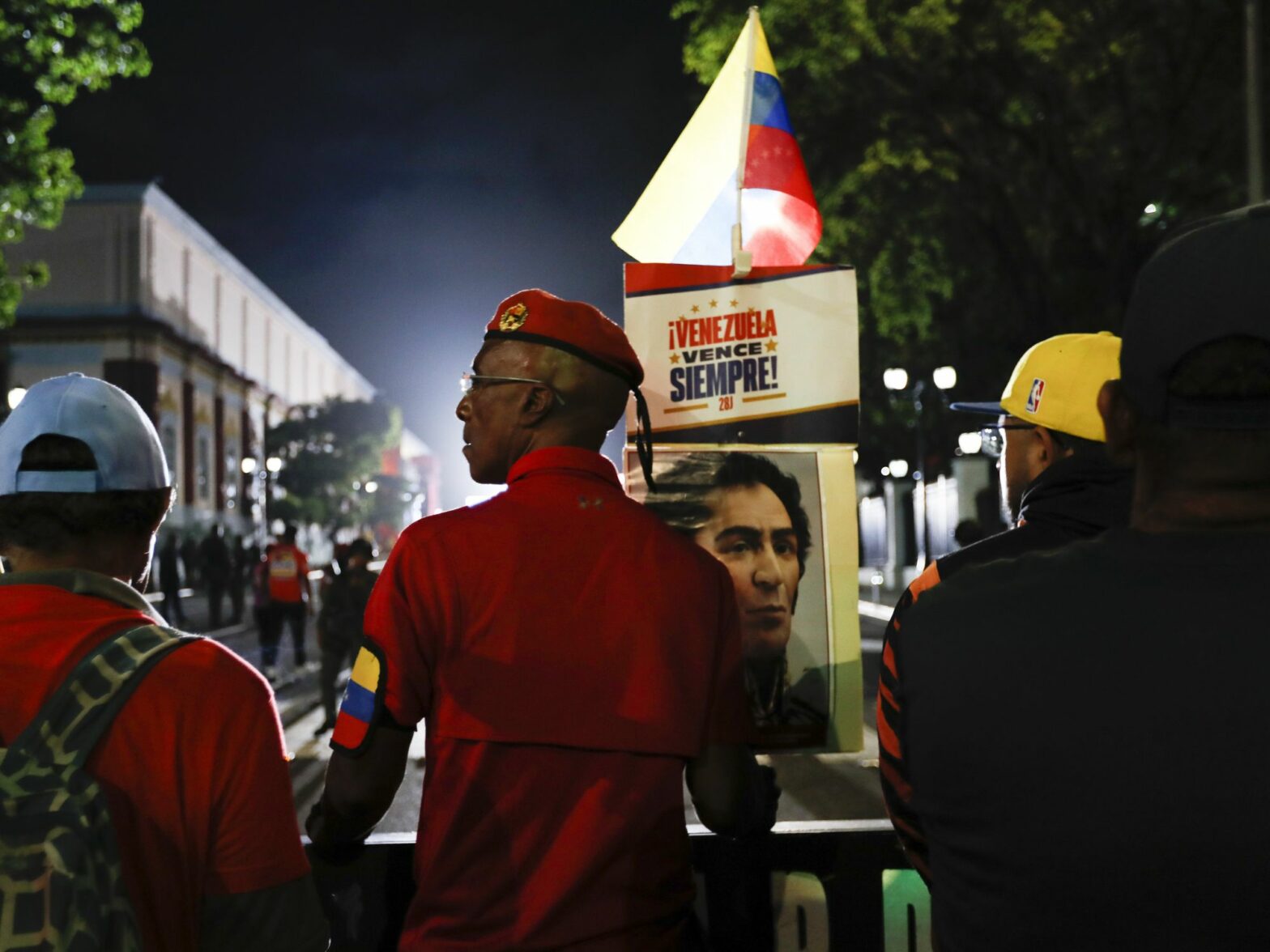
Venezuela’s Bolivarian regime has been trampling on democracy, by degree, for 25 years while deftly managing international opinion to avoid too much backlash. Now, with Maduro defying fair elections, there may be no turning back.
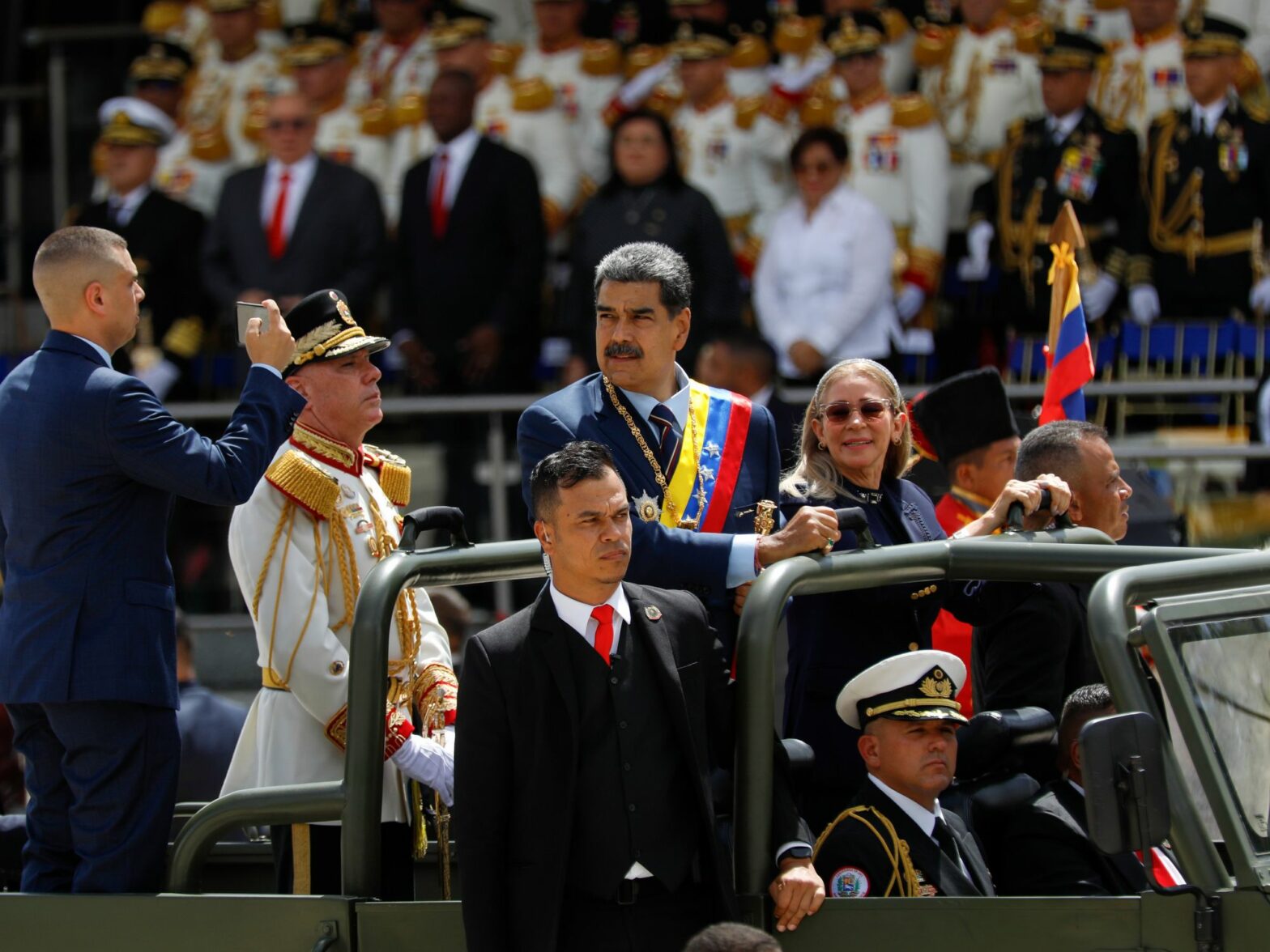
Venezuelan president Nicolás Maduro joins a long line of dictators whose fall from grace is marked by a period of incessant corruption, isolation, and a disconnection from reality.
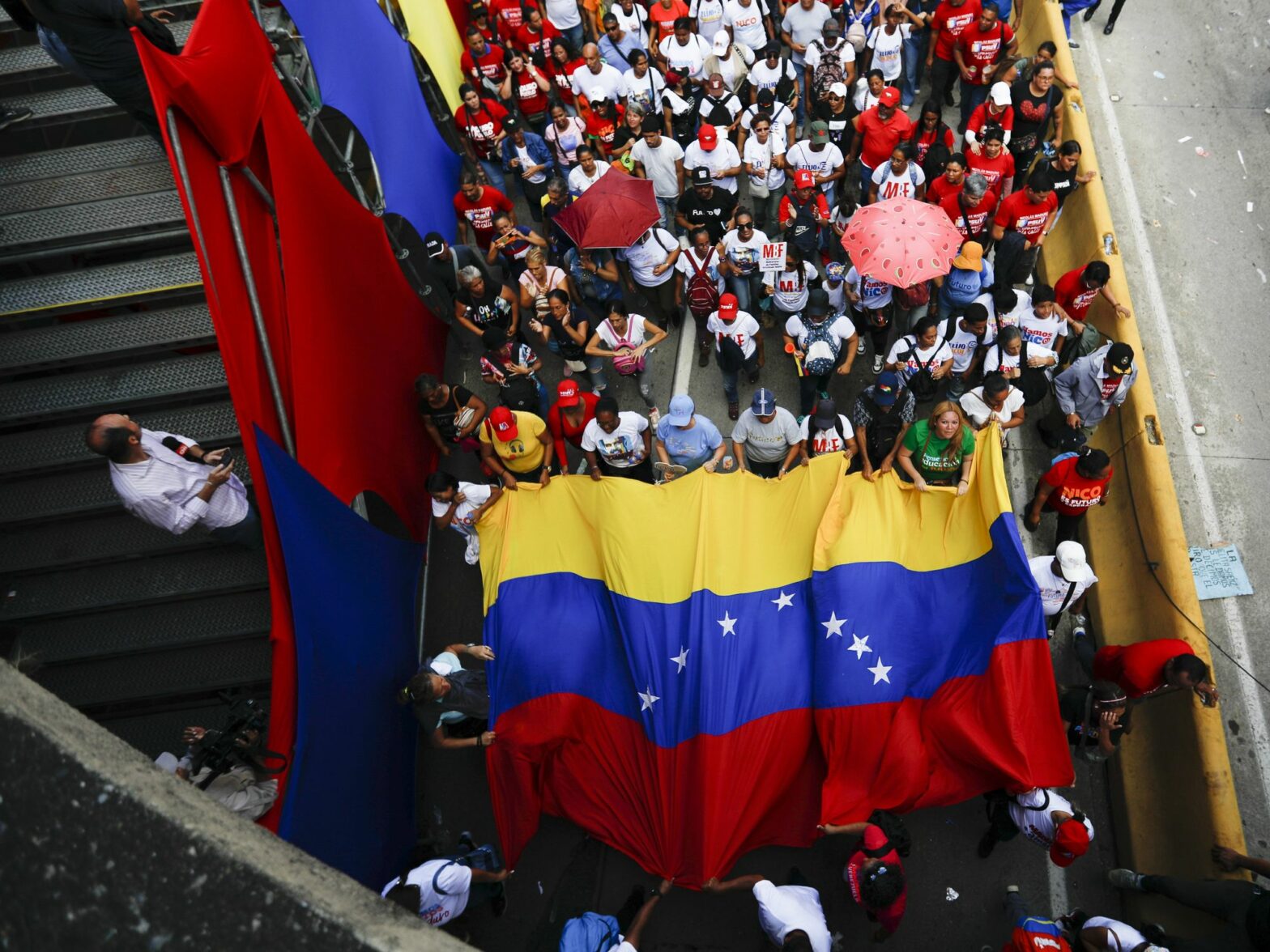
What we are witnessing is the struggle of a people against their oppressors. This electoral process, although flawed, could become a milestone for Venezuelans to regain their freedom — and it is one that should concern everyone who believes in democracy.
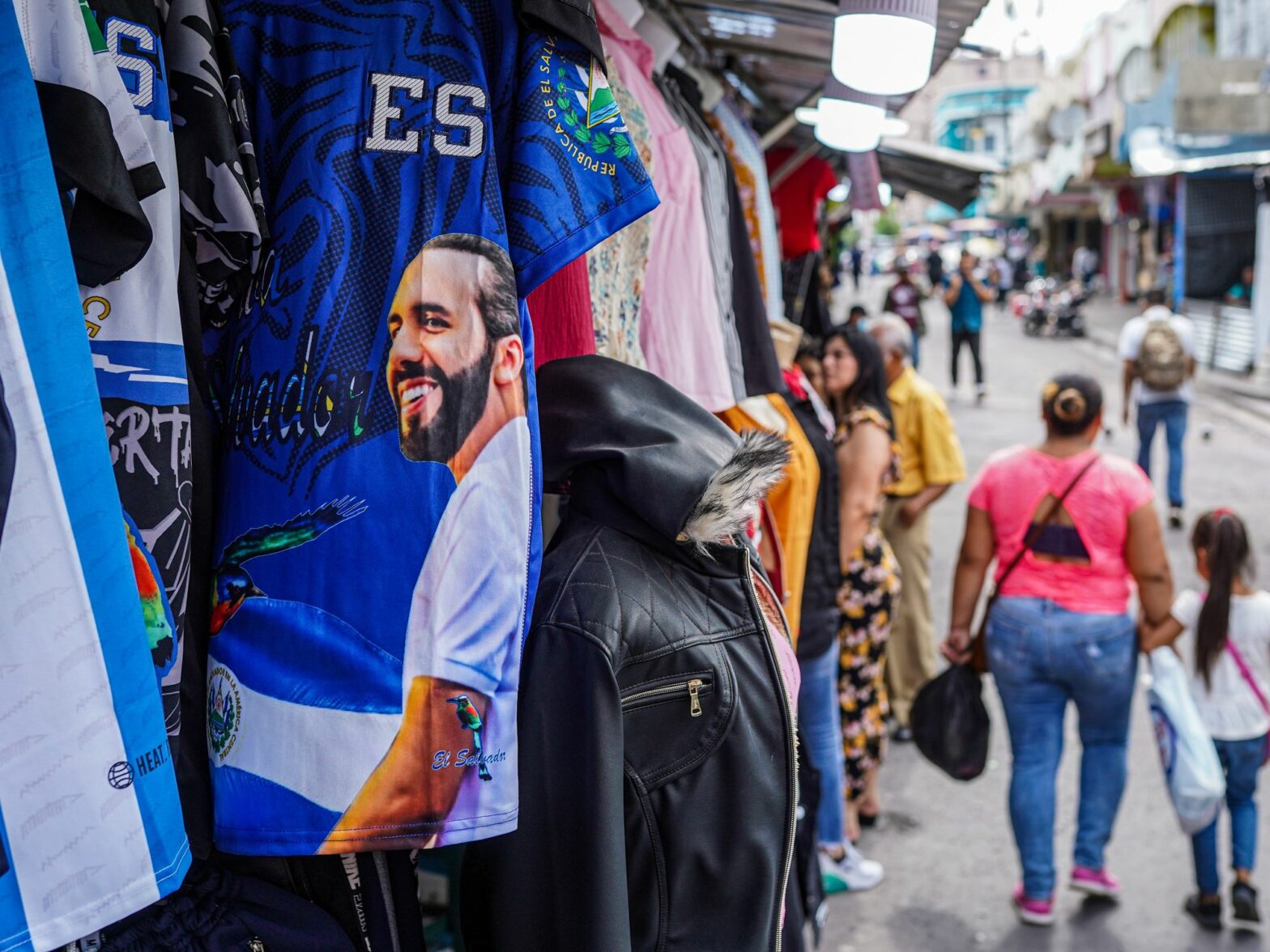
Through quiet diplomacy, Russia may be courting the rising star of Latin American populism, El Salvador’s President Nayib Bukele. In time, he must decide between international respectability and a bear hug from Vladimir Putin.
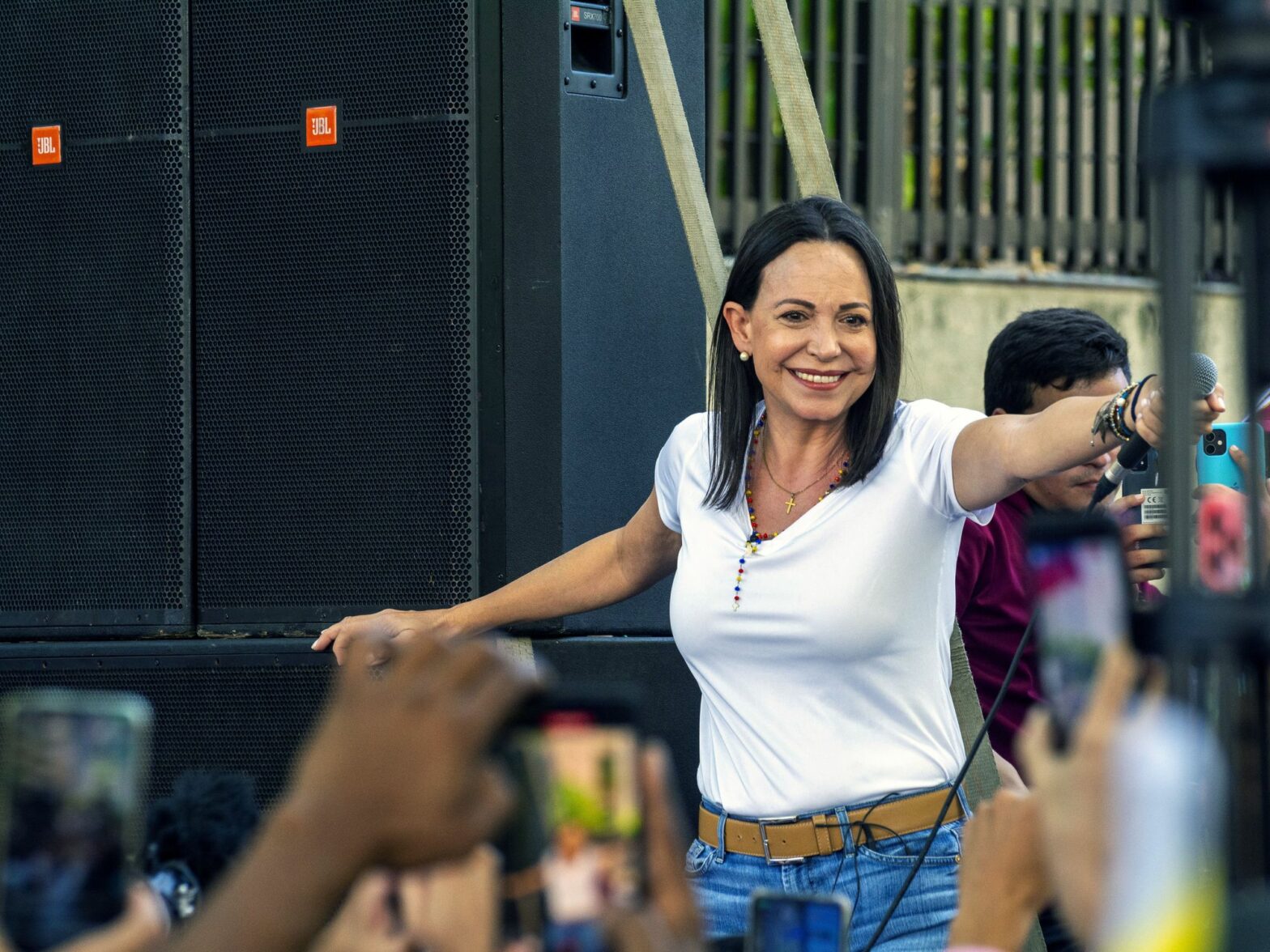
The Venezuelan opposition and its leader Corina Machado may yet end 25 years of socialist rule with an against-the-odds election win in July, which would bring to mind that of Corazon Aquino in 1986 that toppled the Marcos regime in the Philippines.
In keeping with the pseudo-democratic style of certain autocracies of our time, Venezuela’s leftist ruler is not averse to holding a general election, to be held when he says and once he has the results readied in advance.
With a sham court ruling, Venezuela’s President Maduro has paved the way for his unchallenged reelection as president this year, regardless of U.S. sanctions. This is happening as Latin America’s leftist governments, notably Brazil, watch in silence.
Is Venezuela’s President Maduro renewing the country’s long-standing claim to a big part of neighboring Guyana to distract from his unpopularity at home, to postpone next year’s general elections, or to nab some of Guyana’s rocketing oil wealth?
Founder of the Revolutionary Bolivarian Movement-200 (MBR-200) in the early 1980s, Hugo Chavez went on to be elected president of Venezuela in late 1998, serving until his death in 2013. How did Hugo Chavez rise to power? Chávez led the MBR-200 in an unsuccessful coup against the Democratic Action Government of then President Carlos Andrés […]
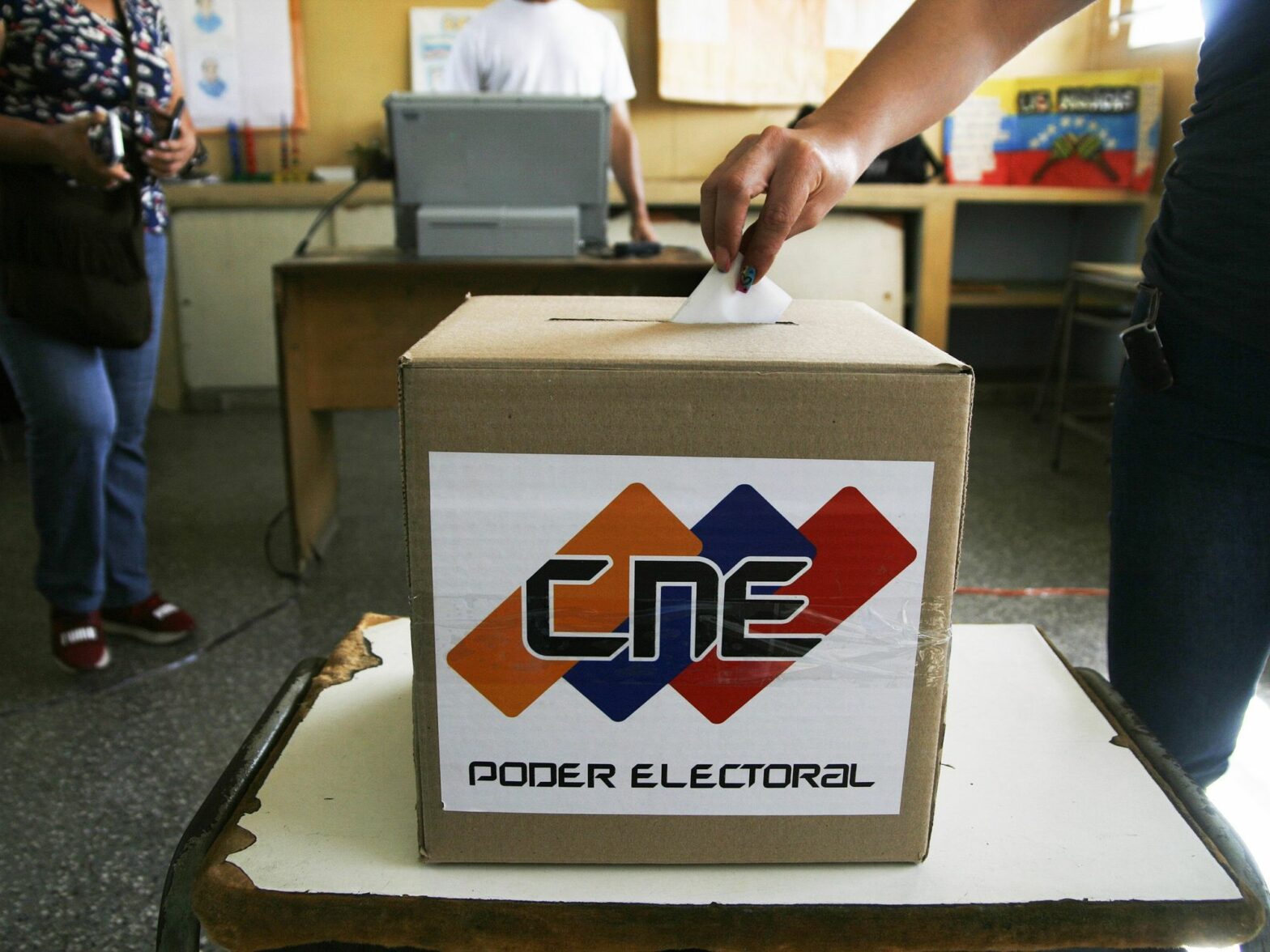
A democracy is not just the vague and dangerously malleable promise of popular rule. It is instead an institutional regime or “republic” that defines and protects the rights of the people, and of individuals.
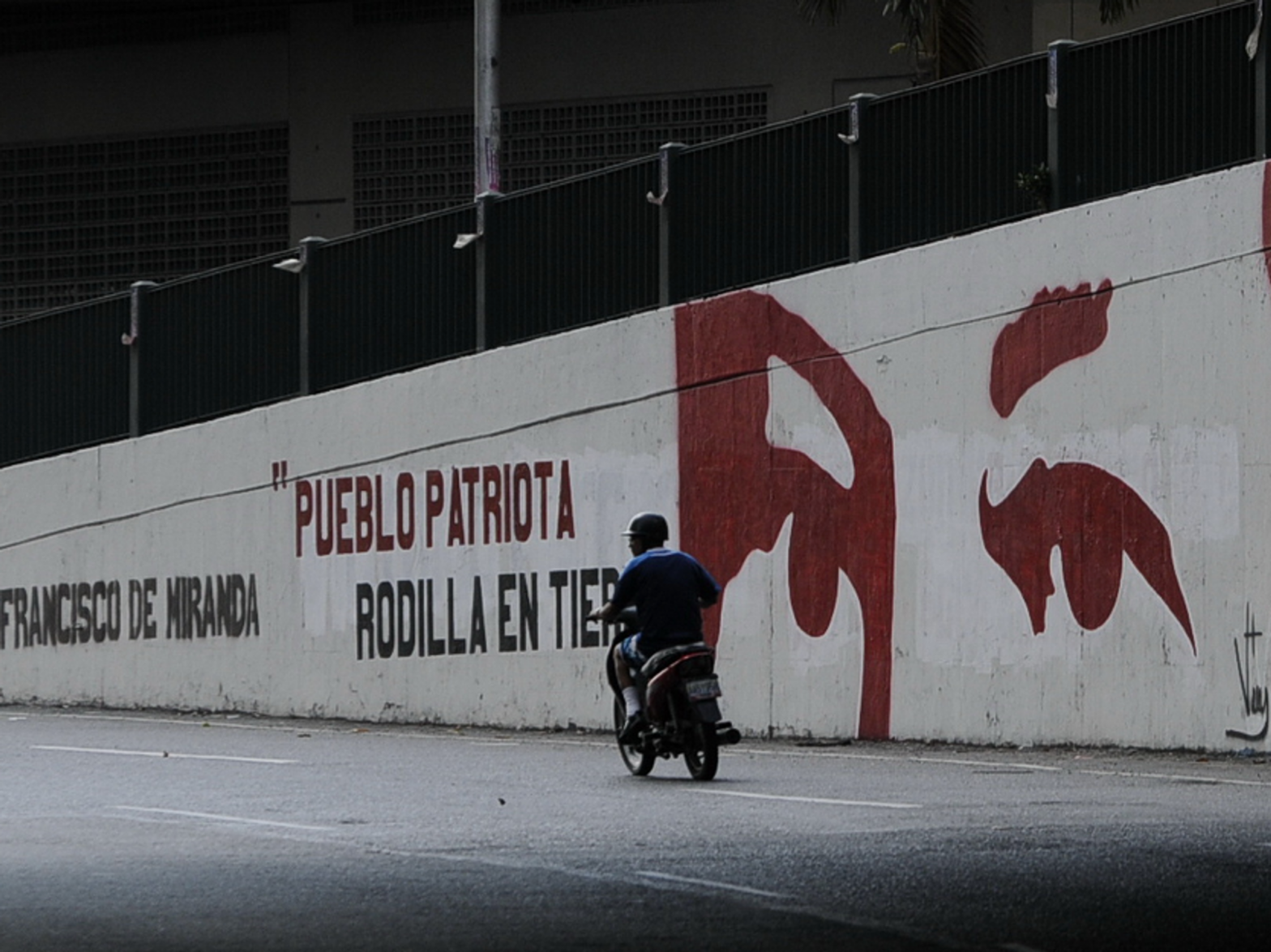
The Biden administration’s exploration to lift sanctions on Venezuela, hoping to gently push its regime back on the path of democracy, might have taken its cue from Brazilian President Lula’s calls to stop demonizing Venezuela.
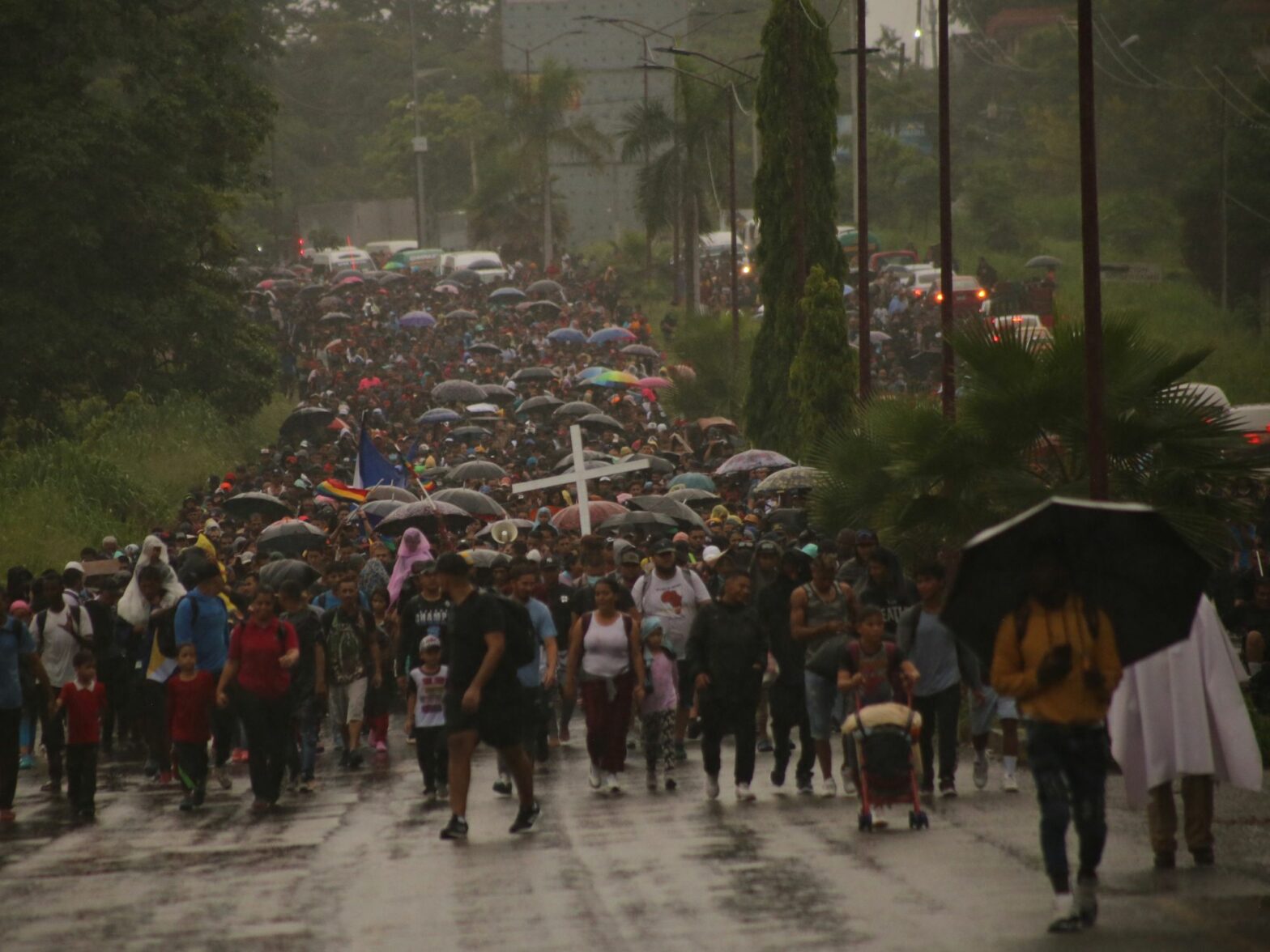
Searching for a safe home, many Latin American migrants are forced to try, time after time, getting turned away, and then risk everything again.
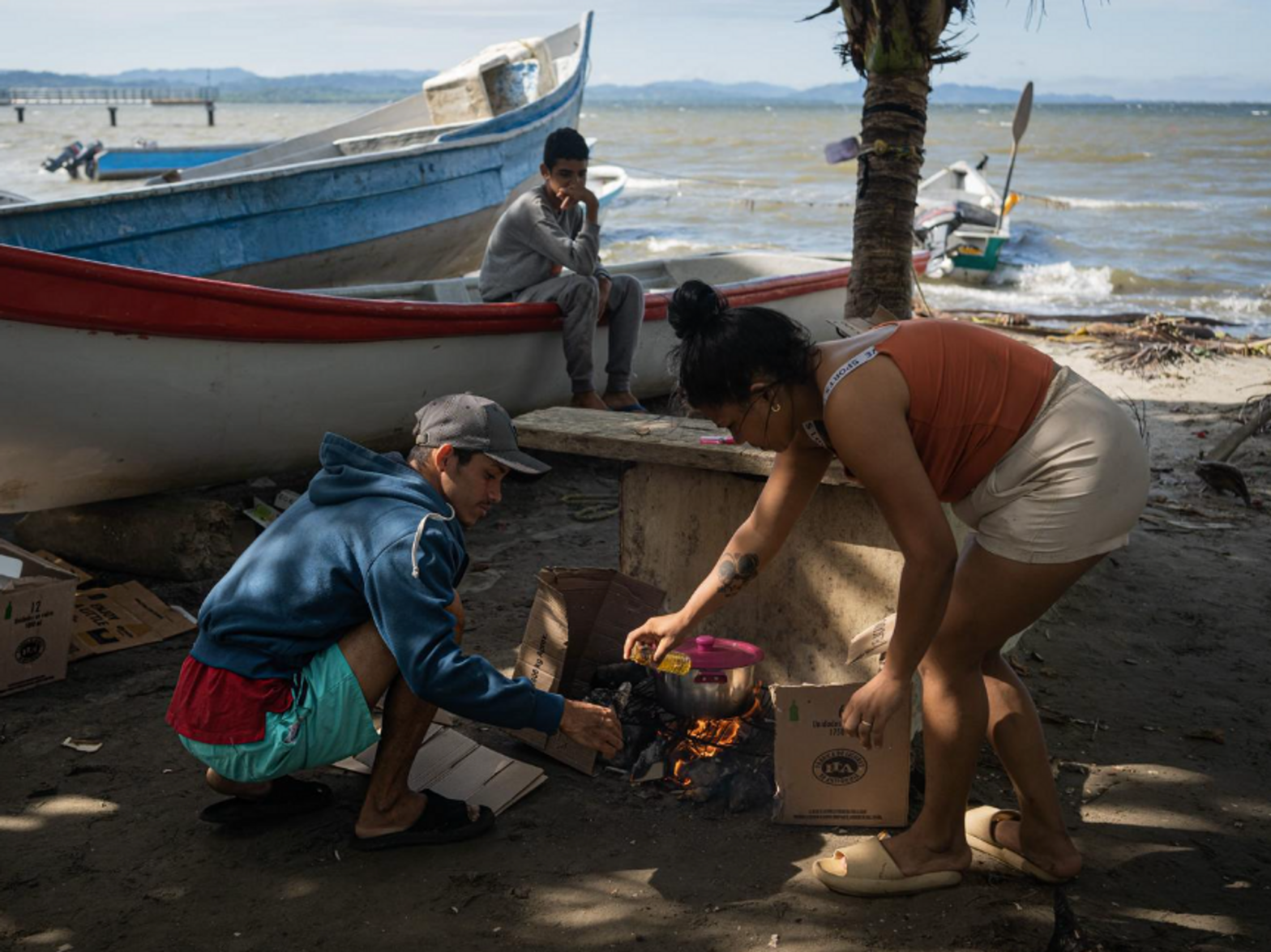
The number of migrants and refugees who have passed through the Darien Gap reaches historic figures. So far this year, it is estimated that 250,000 migrants and refugees have crossed through the dangerous Darién jungle, mainly from countries such as Venezuela, Ecuador and Haiti.
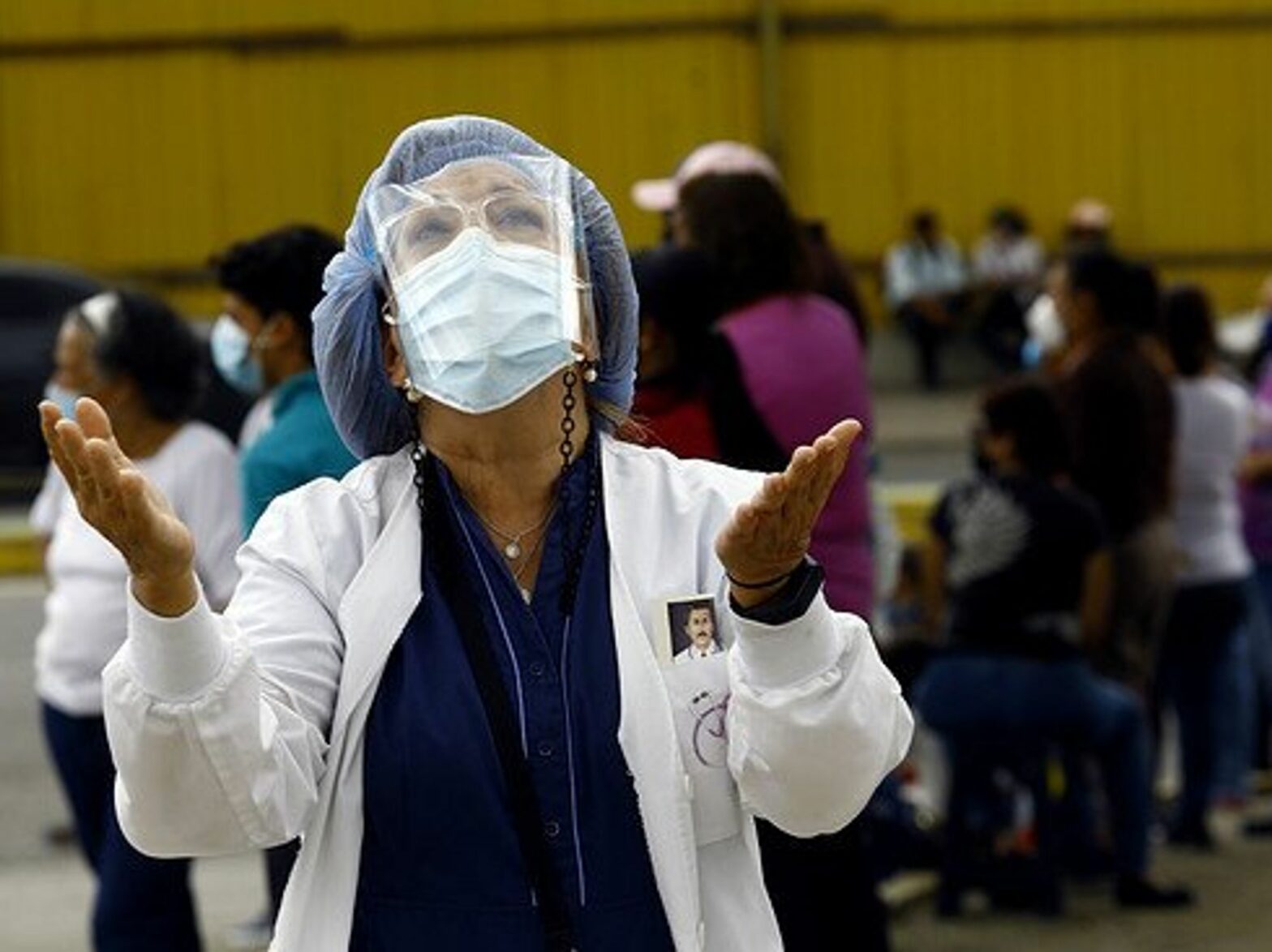
Like Cuba, Venezuela churns out doctors who are poorly trained and overworked. Colombia then lets them practice medicine in the country in yet another senseless gesture of political goodwill toward Venezuela.
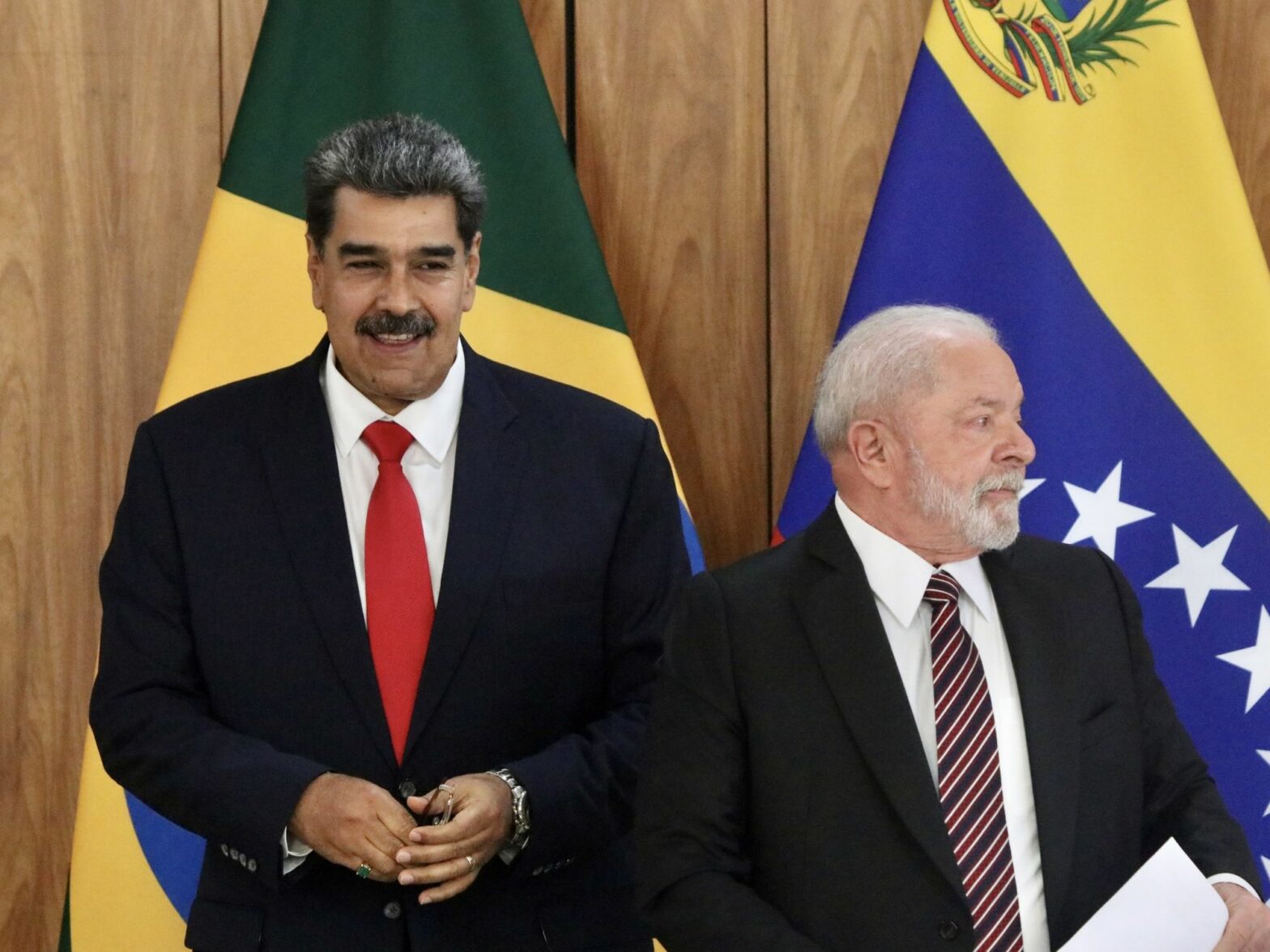
Brazilian President Lula da Silva’s goodwill toward the Venezuela’s President Maduro, in spite of the signs Maduro might hijack the 2024 general elections, suggests Lula has a problem with Western-style liberal democracy, even after he has criticized his predecessor for the same thing.

June 26 – July 2, 2023
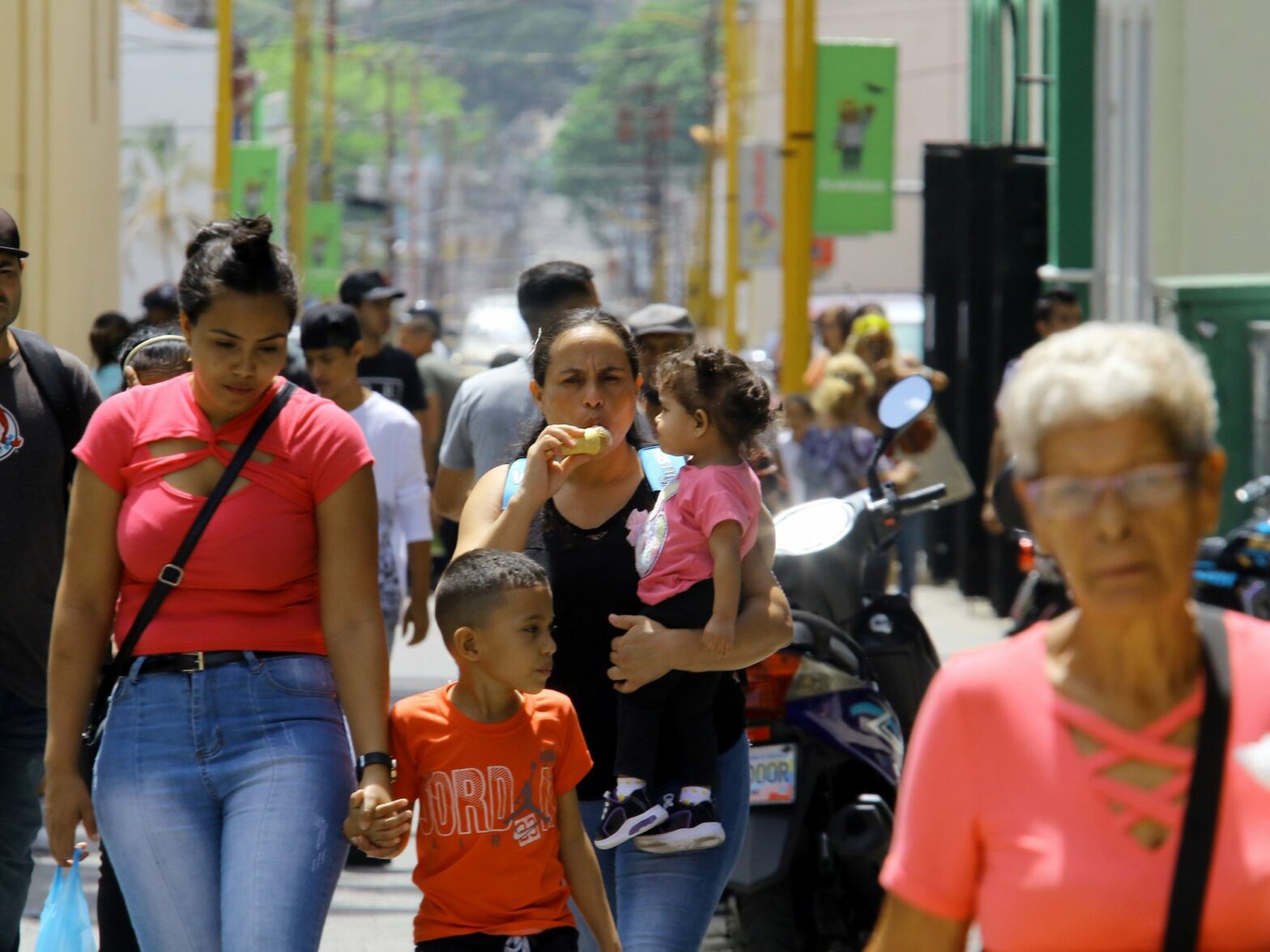
The absence of accurate official statistics in Venezuela is no accident. Rather it is a symptom of the breakdown of the rule of law and hides the regime’s criminal failures.
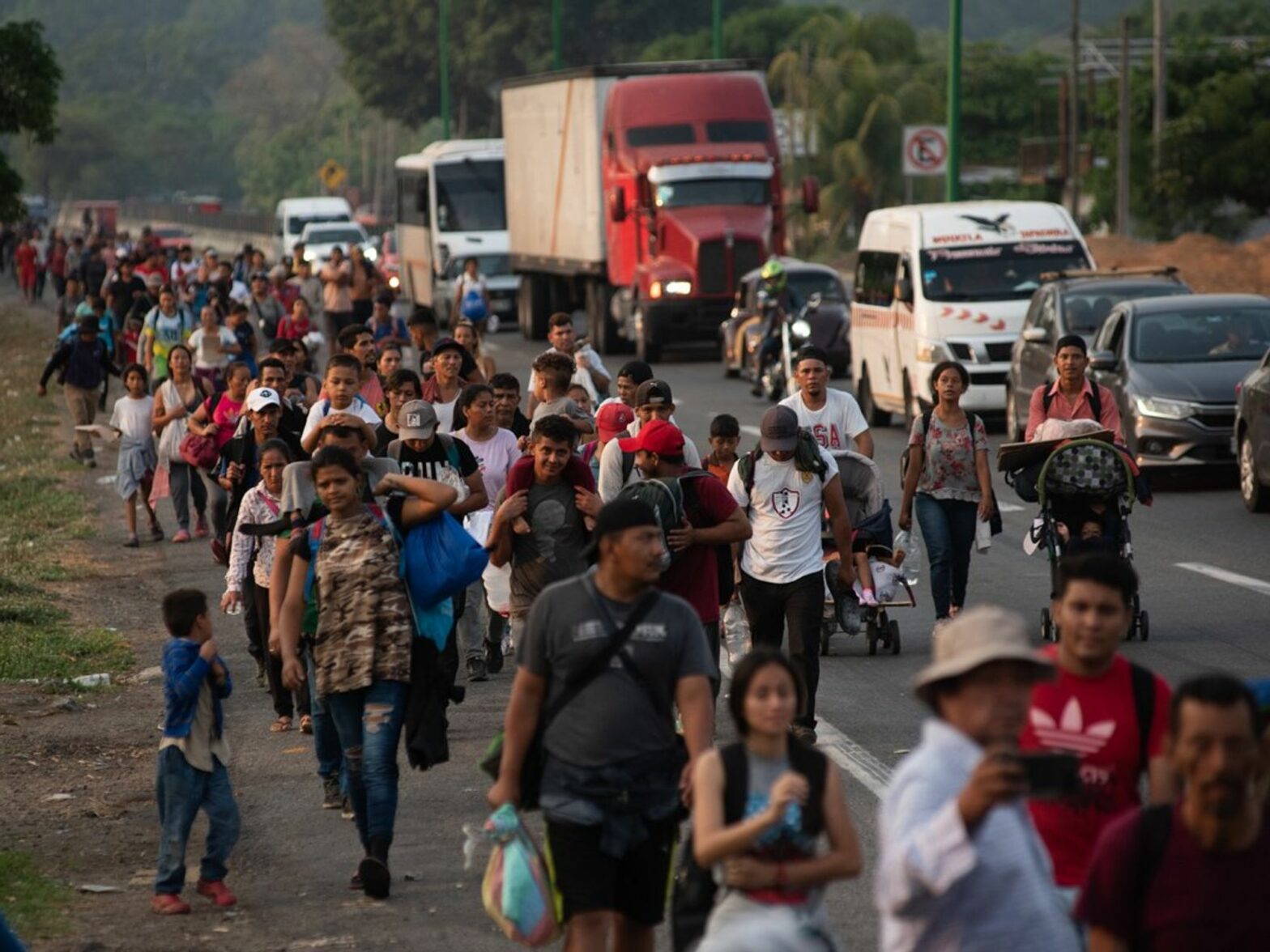
If the United States insists on treating Latin American countries as unruly neighbors rather than partners, then it must expect problems from them in the form of fugitives, drugs and crime.

Venezuela’s Aragua Train, which began smuggling women into jails a decade ago, has become an international forced prostitution and people-smuggling operation. A special investigation by Colombia’s El Espectador*.
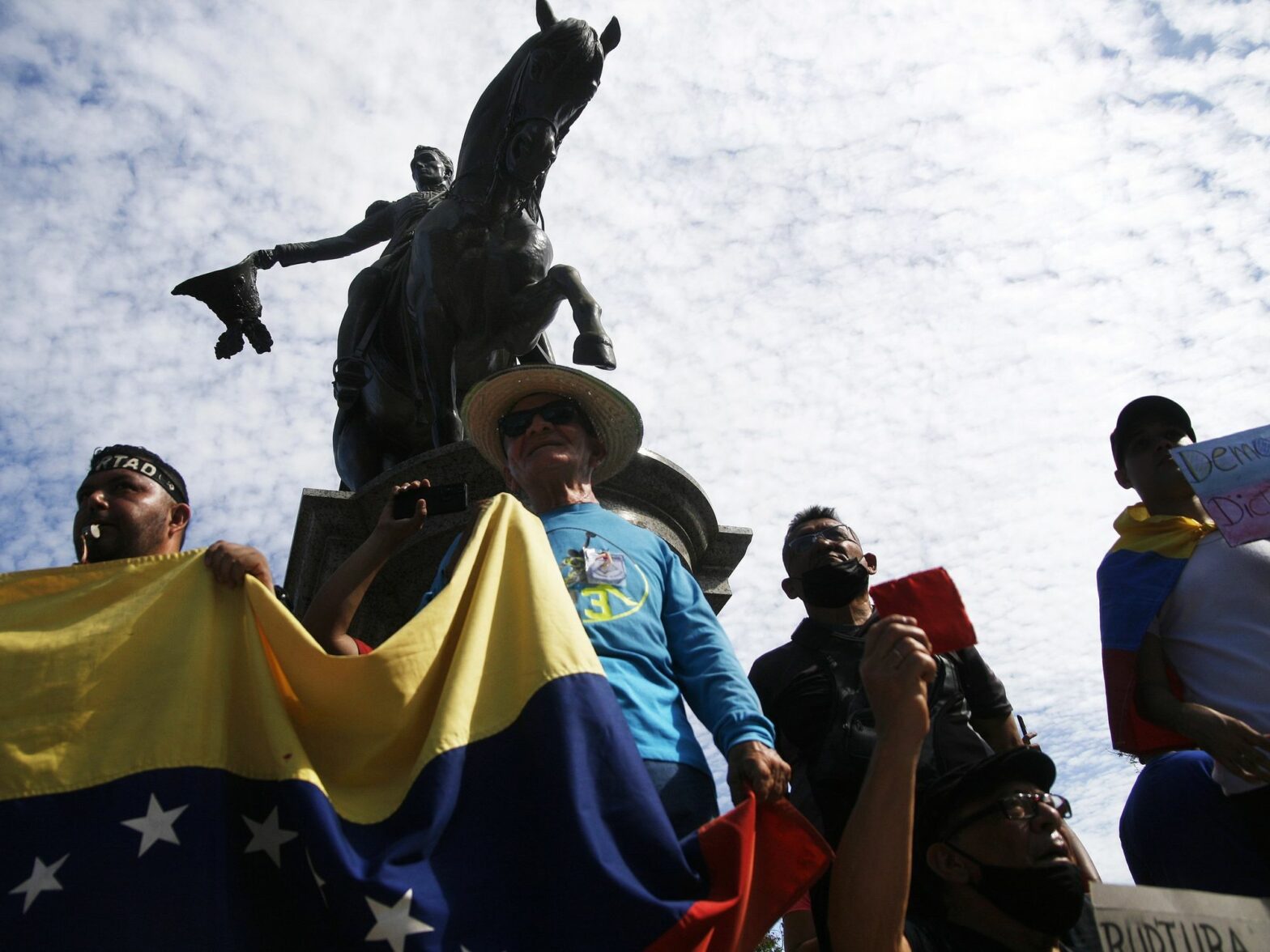
Like fears of communist subversion during the Cold War, claims that the Left will destroy the economy and end freedom persist in Latin American elections, in spite of their ridiculousness.
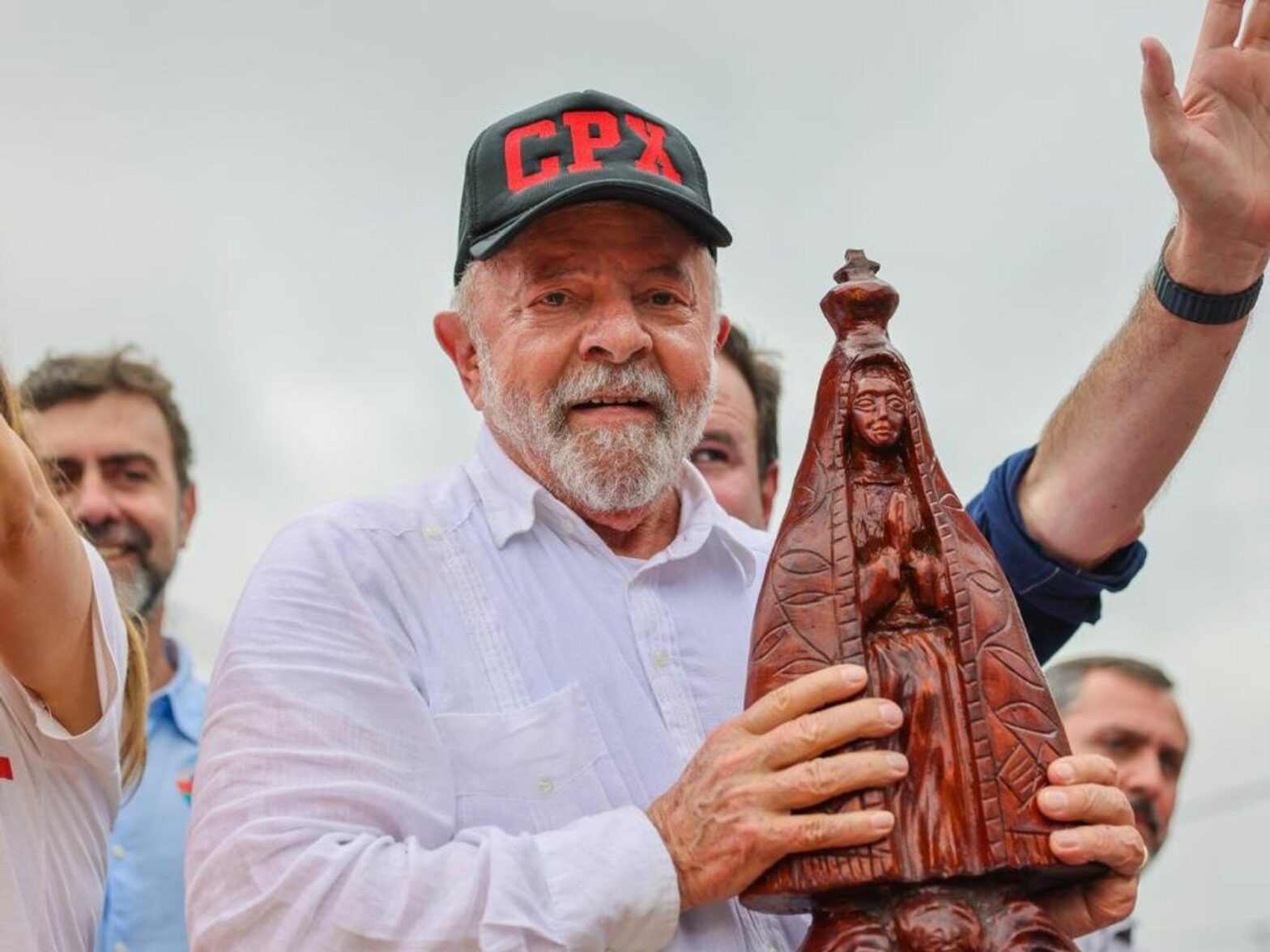
Before Lula’s re-election in Brazil, fake news spread widely online about “gay kits” in schools and Marxism in schools. Here’s how Brazilians can use the moment to convince moderate voters of the dangers of disinformation.