At a time when tragedy is broadcast in real time, we are experiencing collective trauma without even realizing it.

 Worldcrunch
At a time when tragedy is broadcast in real time, we are experiencing collective trauma without even realizing it.

Faith goes viral as Gen Z reimagines devotion through hashtags and high fashion.
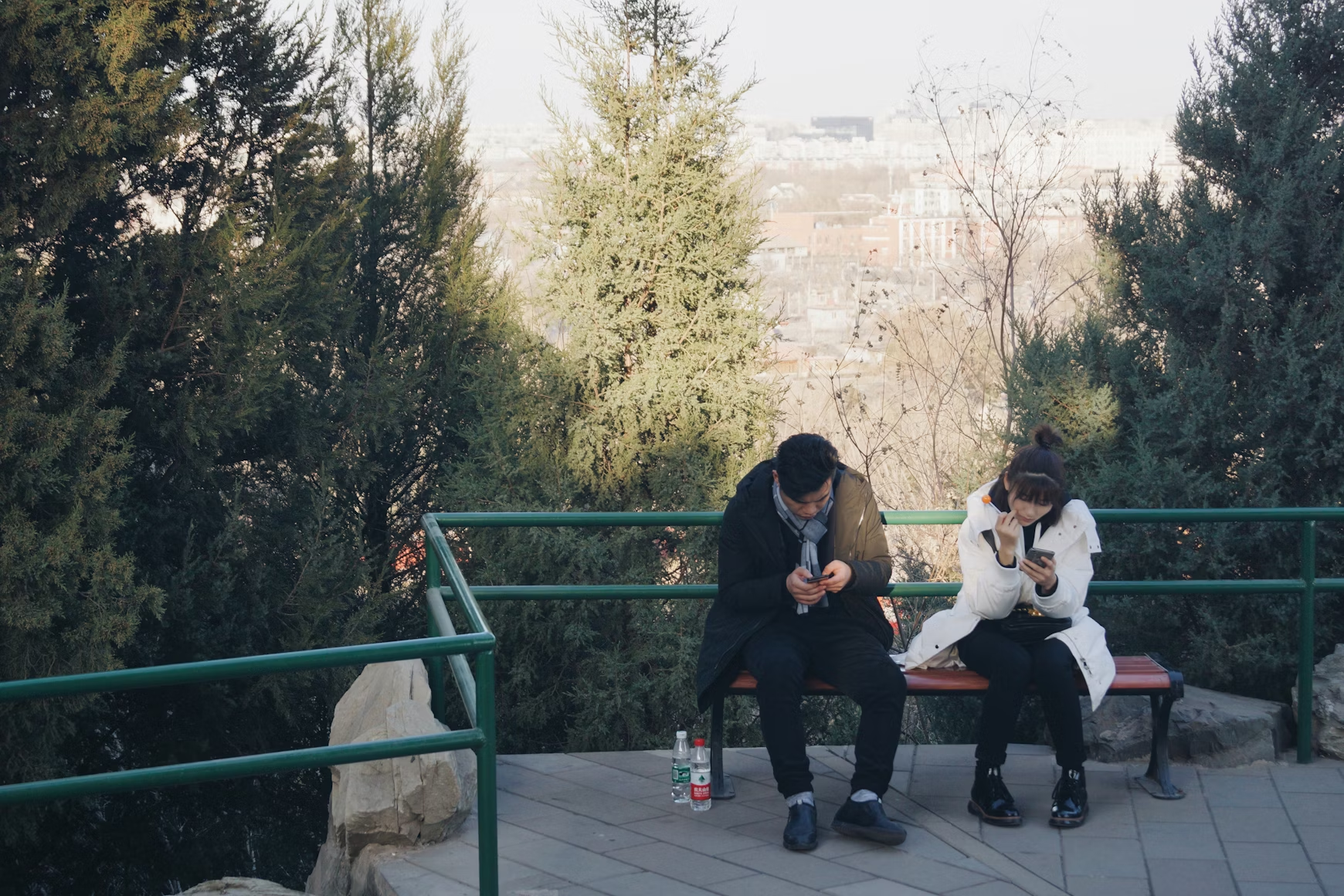
Why are birth rates continuing to fall? Beyond old conservative-progressive social debates, we must look at the way screens have changed our daily lives — creating barriers to the most basic starting point for procreation: face-to-face human connection.

Nepal was late to adopt social media. Now that it’s arrived, cross-border traffickers have access to a much wider field of exploitation.

On the Russian army’s channel Zvezda (“Star”), a program entirely generated by algorithms takes fierce aim at Western leaders.

From cluttered Instagram stories to casual drinking and questionable taste, Gen Z weighs in on why Millennials can be equal parts endearing … and annoying.
From TikTok’s glorified youth culture to academic pressure, debt, and social comparison, new research and personal stories suggest real happiness may come much later than expected.
The UK government will not meet its pledge to halve violence against women and girls unless it tackles tech companies.
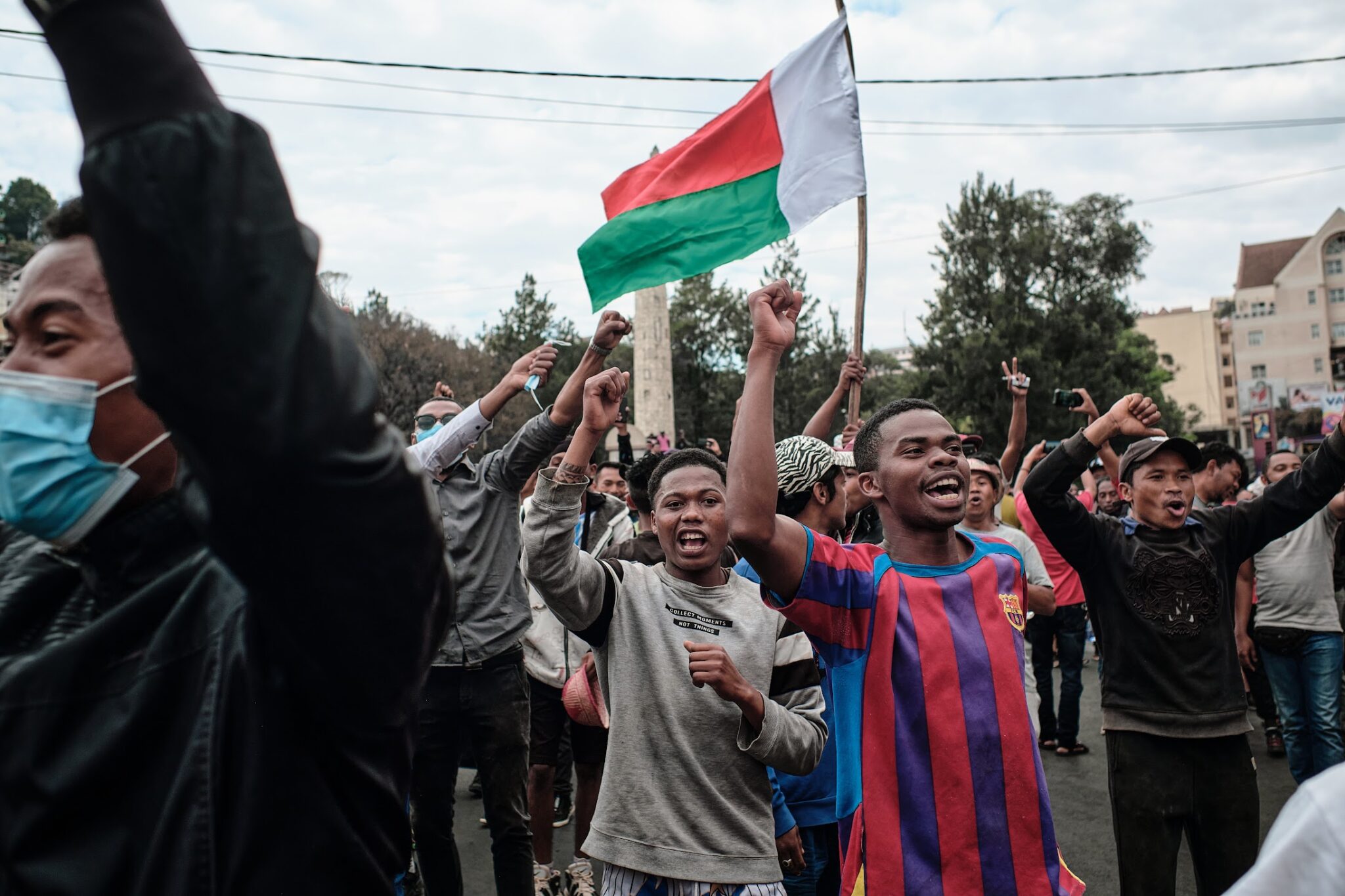
Gen Z, the first truly digital generation, is uniting across borders to challenge corruption and demand social justice.
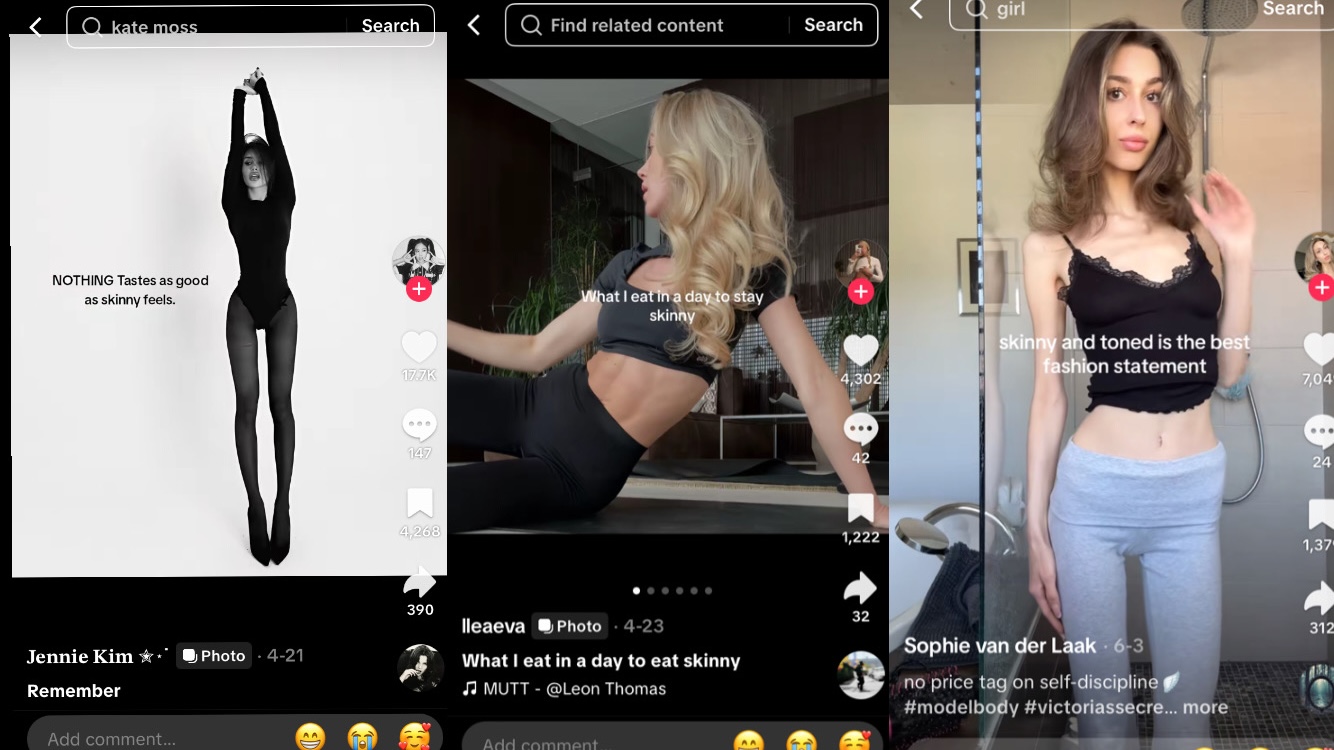
Once trapped in bulimia and anorexia, our author sees the return of fragile bodies, Ozempic glamour, and weight-loss slogans: it’s threatening teenagers all over again.
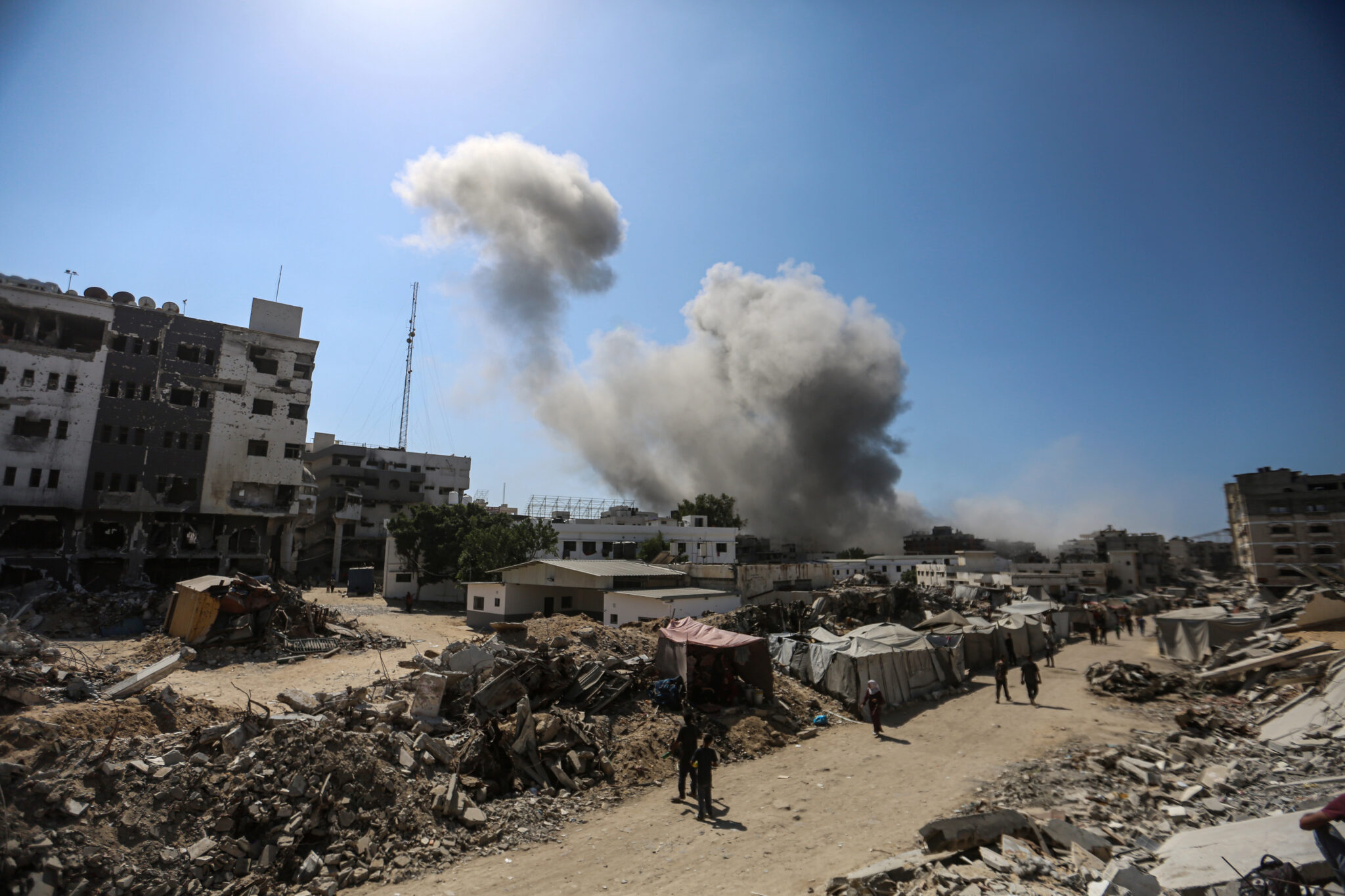
By twisting words into tools of war, Israel turns destruction into “security,” displacement into “voluntary migration,” and Gaza’s annihilation into a defensive necessity.
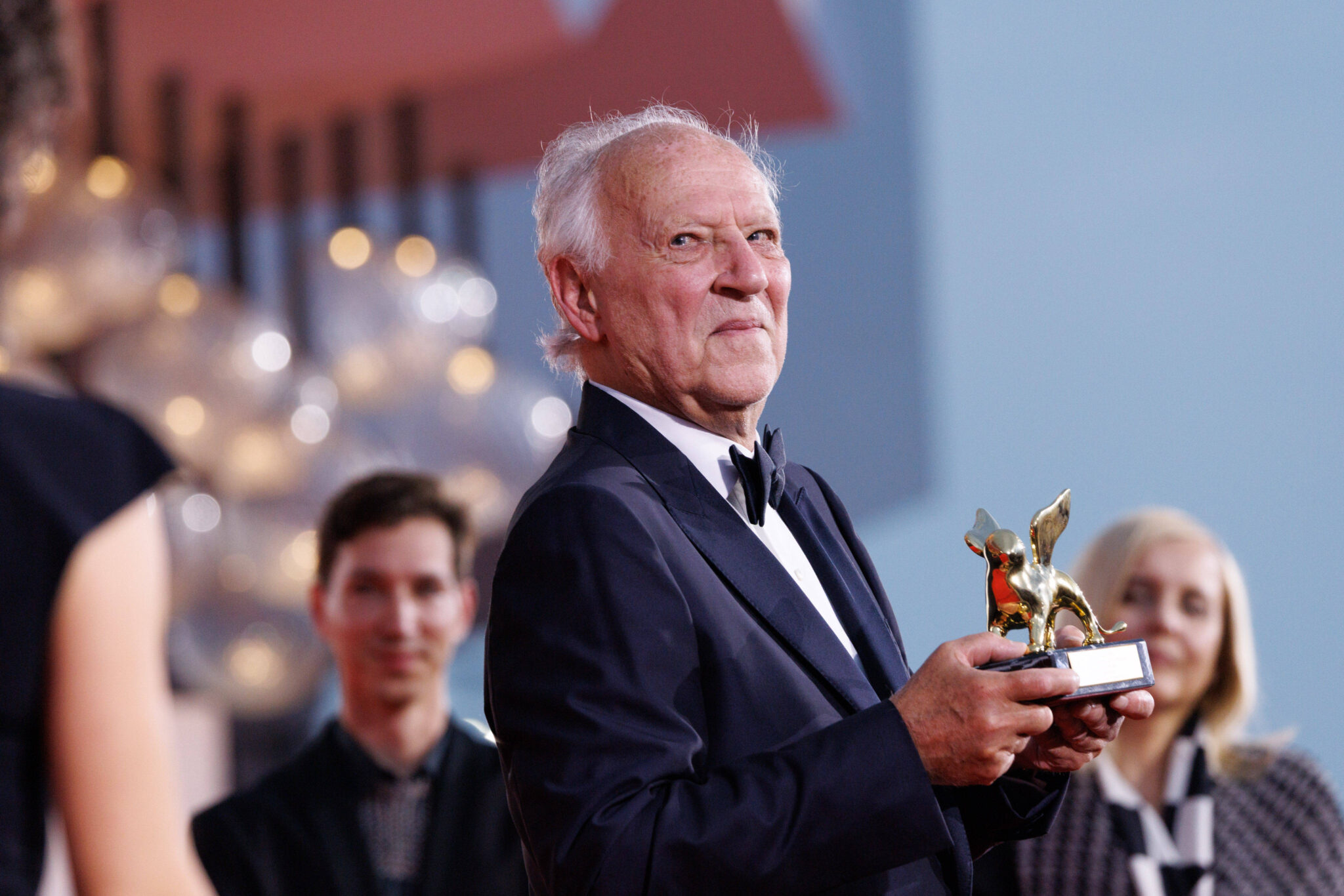
The German master, famous for his defiance and disdain for social media, suddenly opens a window onto his world. At 83, he seems gentler, yet still unmistakably Herzog.

In China, “Fashion Grandmothers” on Douyin are redefining aging, blending style, storytelling, and social media stardom. Retirees in elegant cheongsams and trendy outfits are challenging stereotypes, attracting millions of young followers, and turning old age into the latest cultural trend.
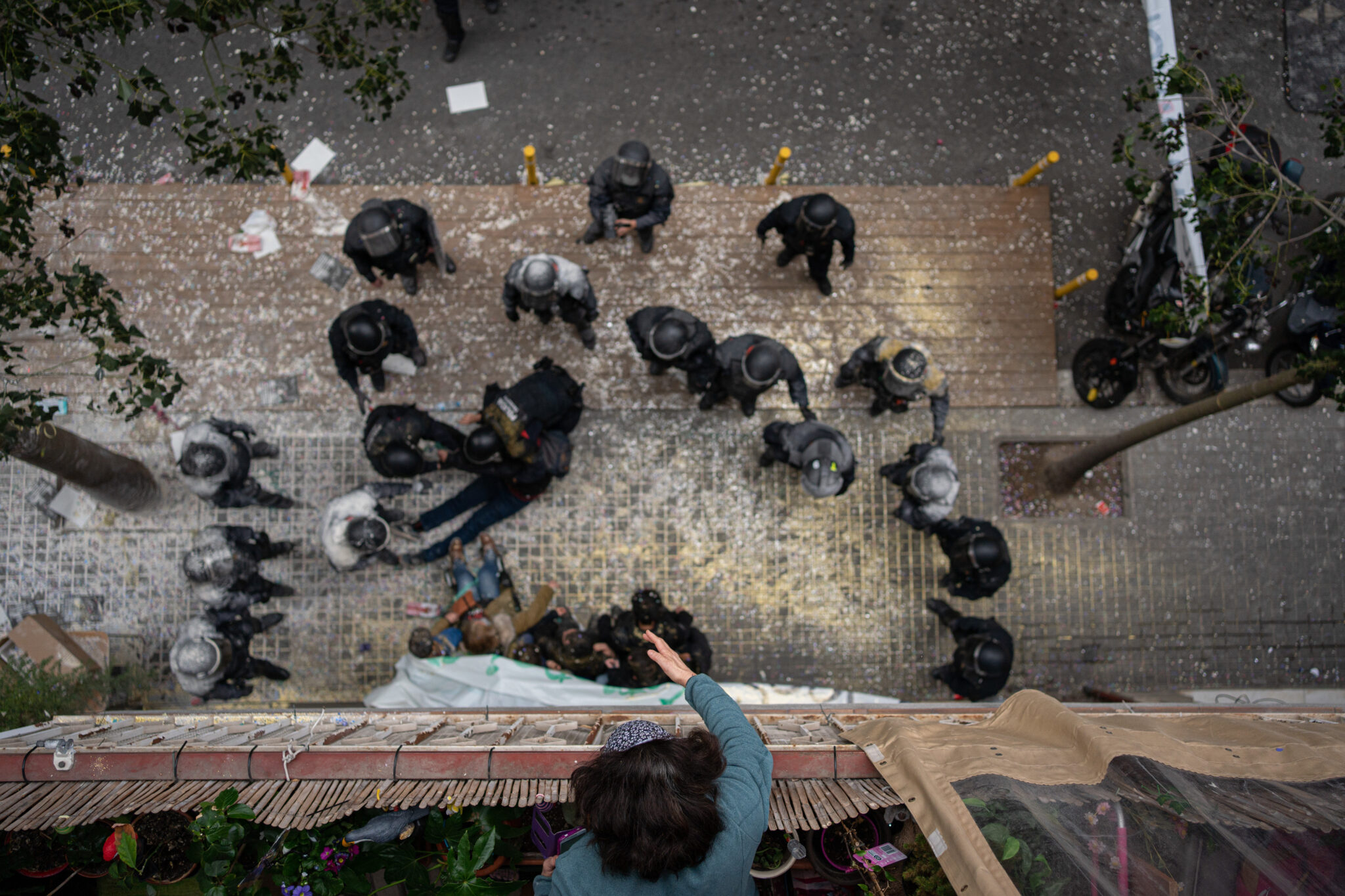
The housing crisis is not only driving families from their homes, it is also emptying democracy of its substance. Into this vacuum, fear, hatred, and authoritarian rhetoric are growing and gaining ground, especially among young people and the working classes.

A self-described “veteran reader, aspiring writer and a long-term bachelor” considers the summer trend of reading to build your public image.
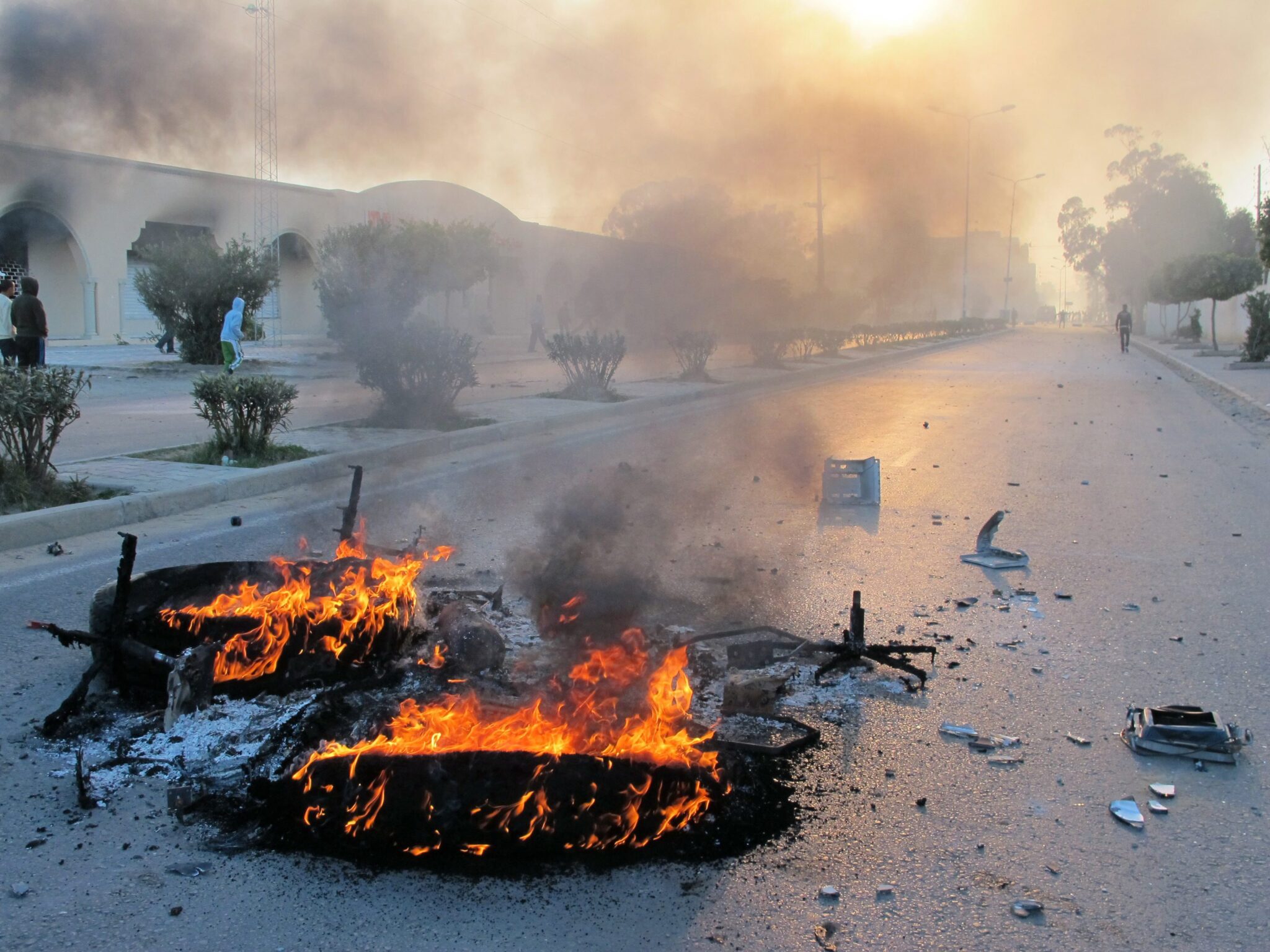
Since January, a wave of self-immolation in Tunisia has brought a phenomenon that’s existed since the revolution back into the spotlight, signaling both social and individual unrest.

A growing number of physicians are taking to TikTok, YouTube, Instagram and X, creating their own content to fight the flood of false health information online. But faced with the scale of the problem, they say they can’t do it alone.
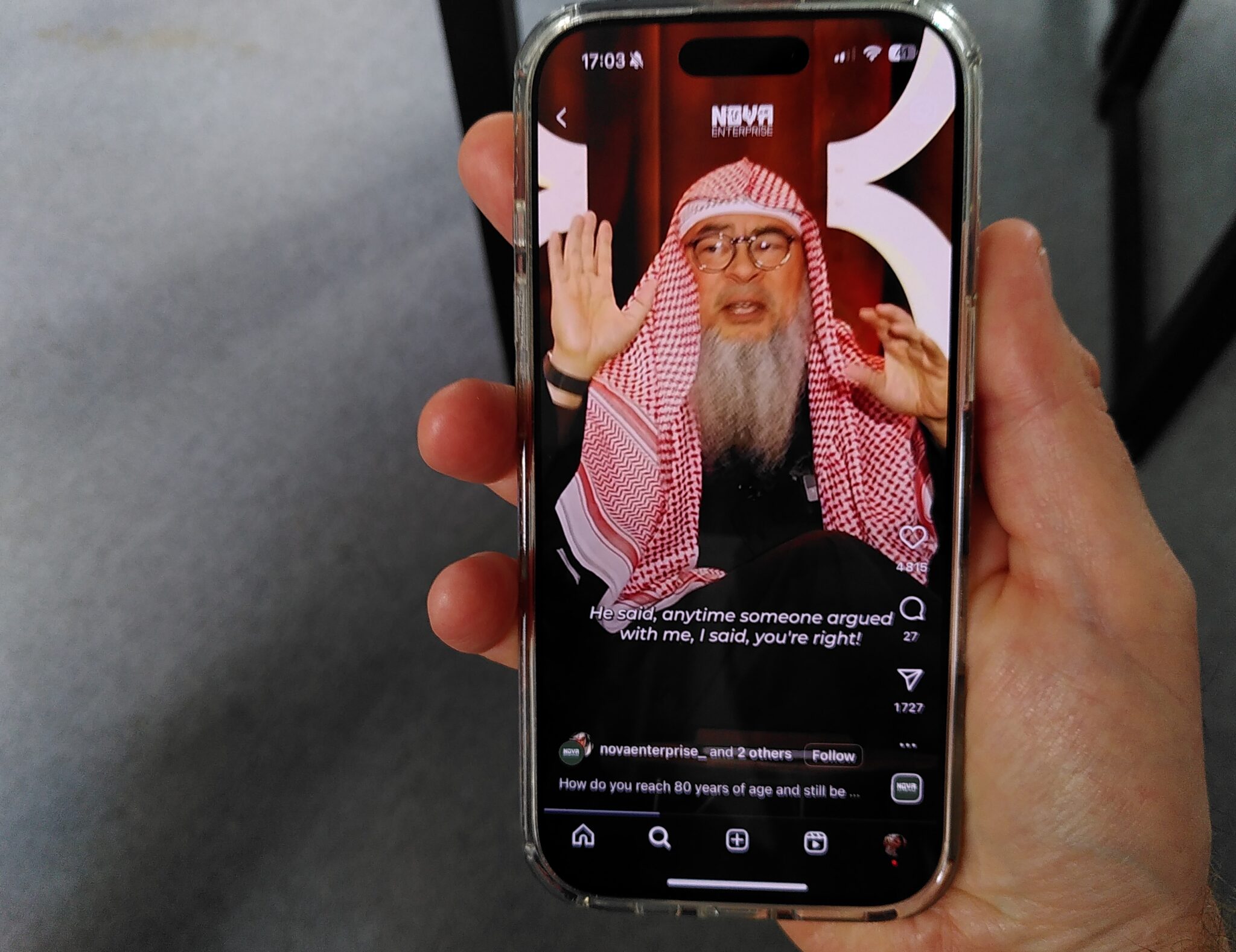
In the age of algorithms and 15-second reels, a new kind of religious voice is echoing across the Middle East and North Africa through smartphones and social media feeds. These are the “Instagram Sheikhs” — a diverse group of young, digital-savvy Muslims who fuse Islamic teachings with modern tools and aesthetics.

In an era where every tweet from the White House sets global agendas, Donald Trump has mastered a brash spectacle, luring us into endless commentary. Behind the daily uproar lies a calculated strategy to reshape America’s alliances and democratic safeguards.
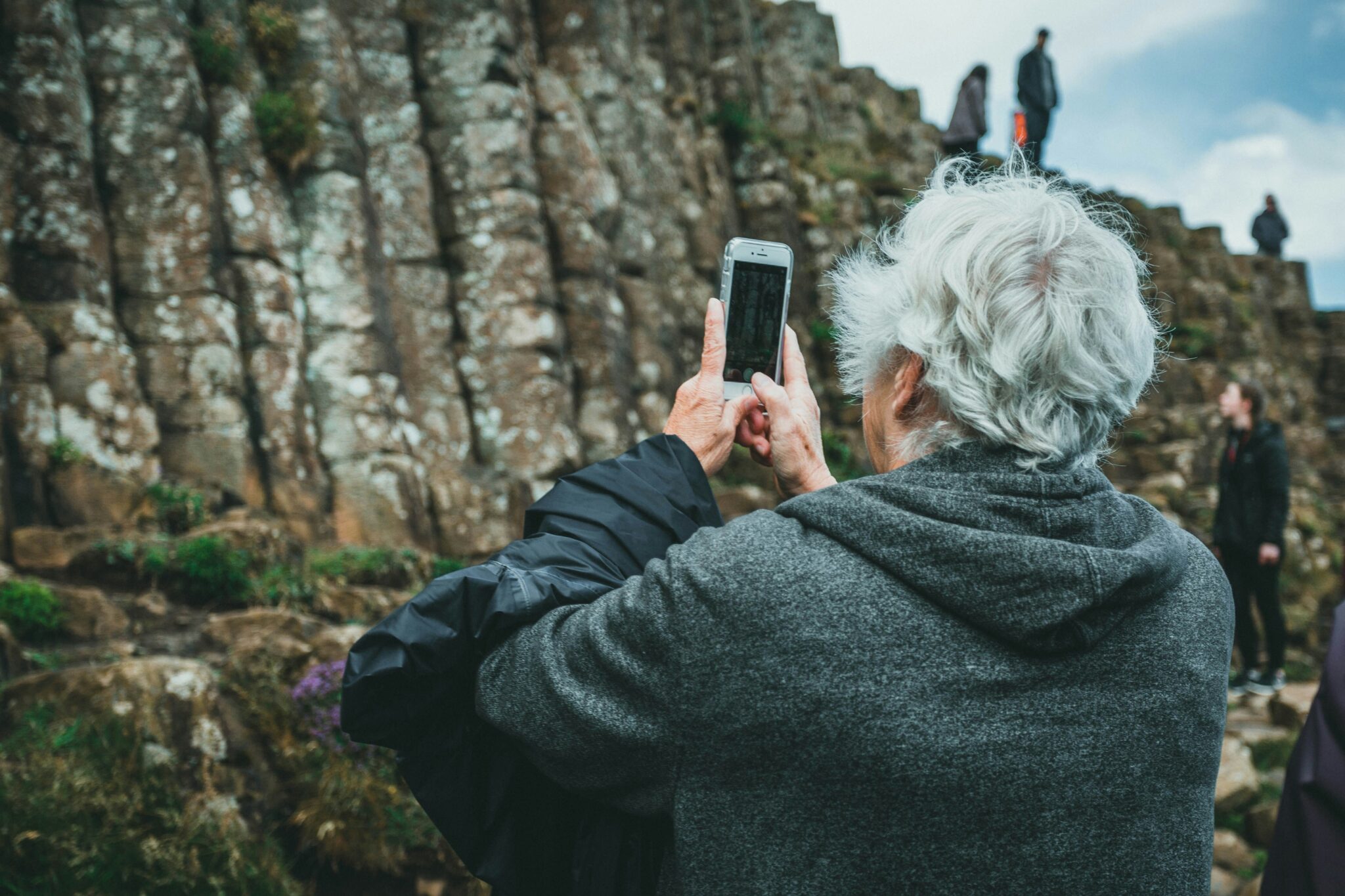
In an age of emotional scams and digital recklessness, older adults are increasingly vulnerable (and dangerous) online. A card-carrying member of the boomer generation is calling out himself and his peers.

As Europe debates how to play a bigger role in the digital sphere, the industry and some politicians blame strict regulations for stifling innovation. But a closer look reveals that smart rules may be Europe’s greatest strength — not its weakness — in the global tech race.
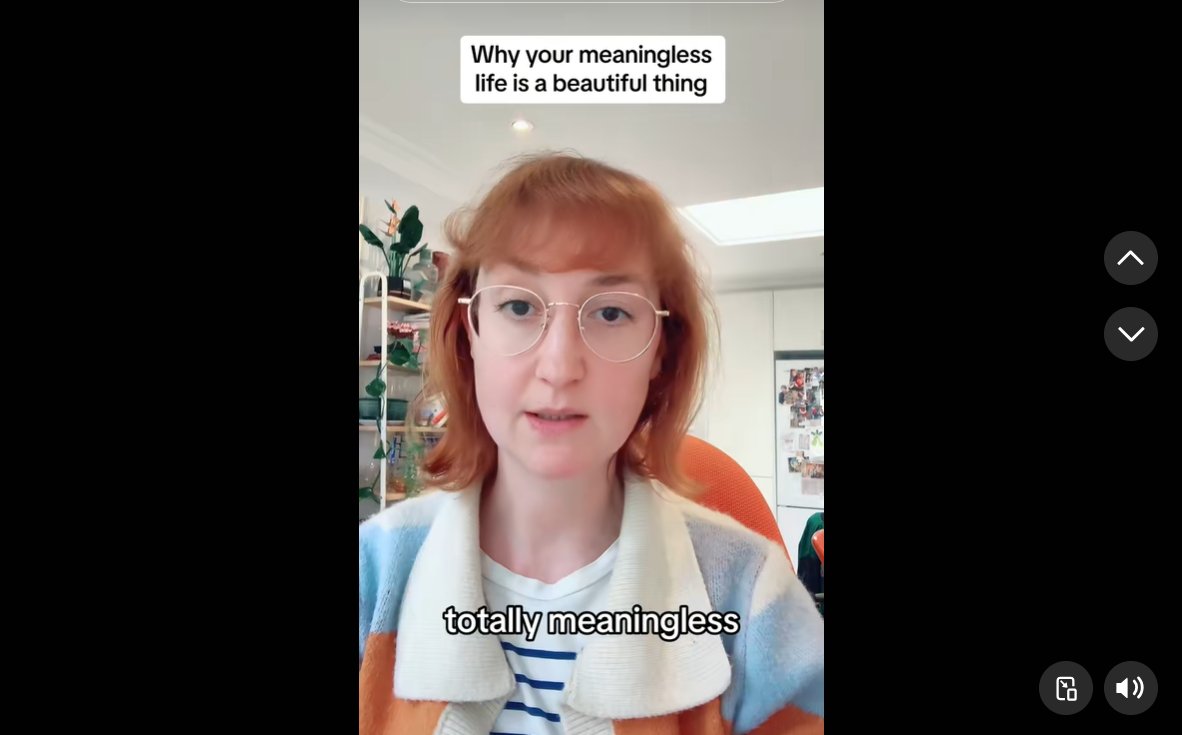
Amid global crises, political disillusionment, and economic precarity, younger generations are redefining nihilism as a coping mechanism and a consumer trend.

The various forms of death Syrians have endured in recent years have not led traditional segments of society to reconsider the idea of “cleansing dishonor.” Instead, technology has been used to reinforce it — with perpetrators recording these acts on mobile phones, proudly broadcasting their violence for all to see. While some viewers watch in sorrow, others look on with disturbing pride or morbid curiosity.

Yet another female social media influencer is facing accusations of violating Egyptian family values. This crackdown, which is linked to Egypt’s broader social and legal climate, disproportionately impacts women.

Driven by a relentless pursuit of spectacle, Donald Trump embodies the “destructive character” — a figure who reshapes history through chaos and upheaval. But is destruction itself enough to sustain power, or will it leave behind nothing but rubble? For Die Zeit, historian Susan Richter looks to destroyers of the past for an answer.
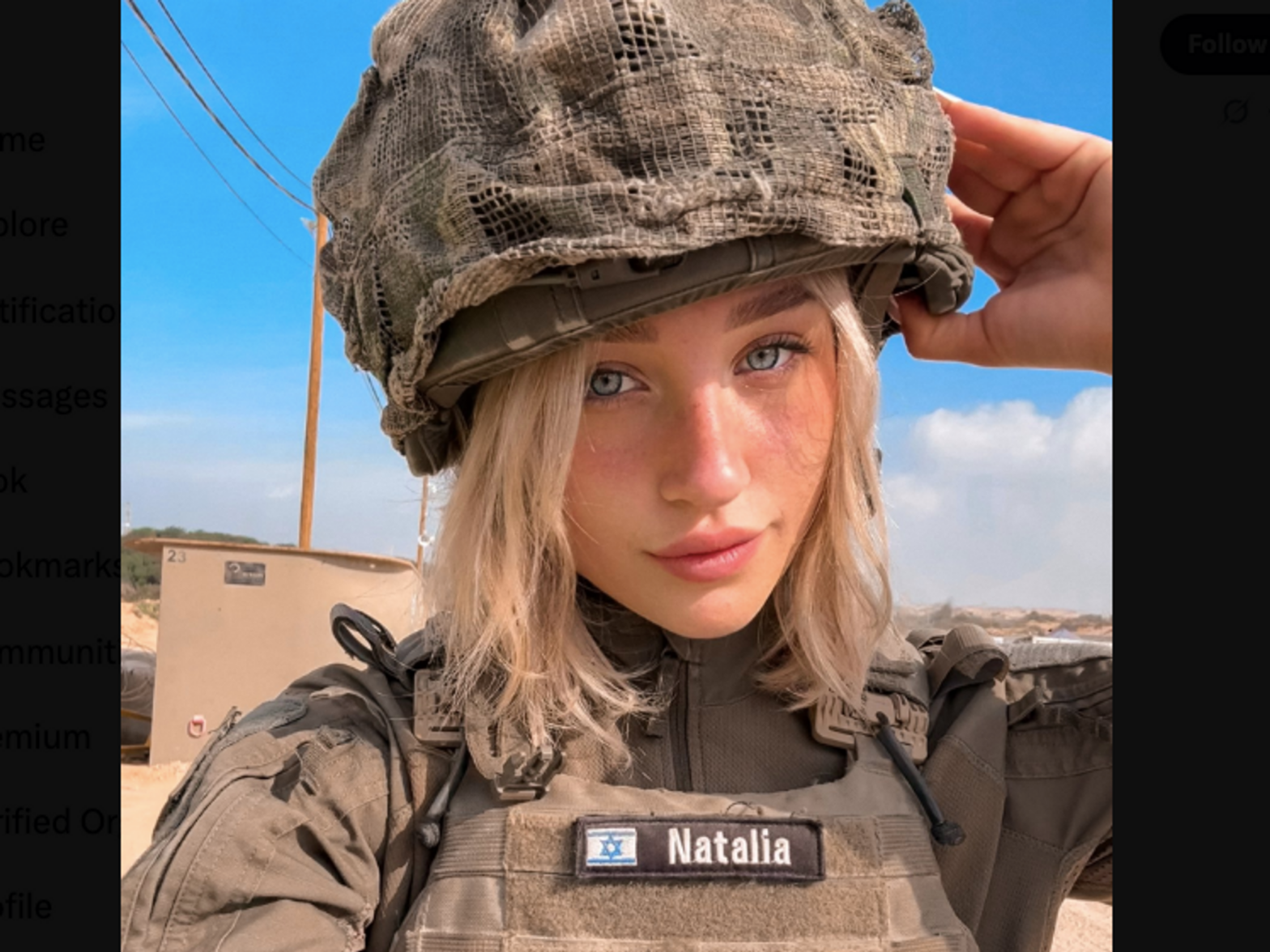
The porn industry and amateur and professional adult content plays a role in the Israeli war on Gaza. Some pornographic companies did not only provide support to Israel, but adult content also contributed to drawing a violative imagination about Israeli soldiers and their relationship with the battlefield and the Gazan victims. It is part of a long history linking pornography and war.
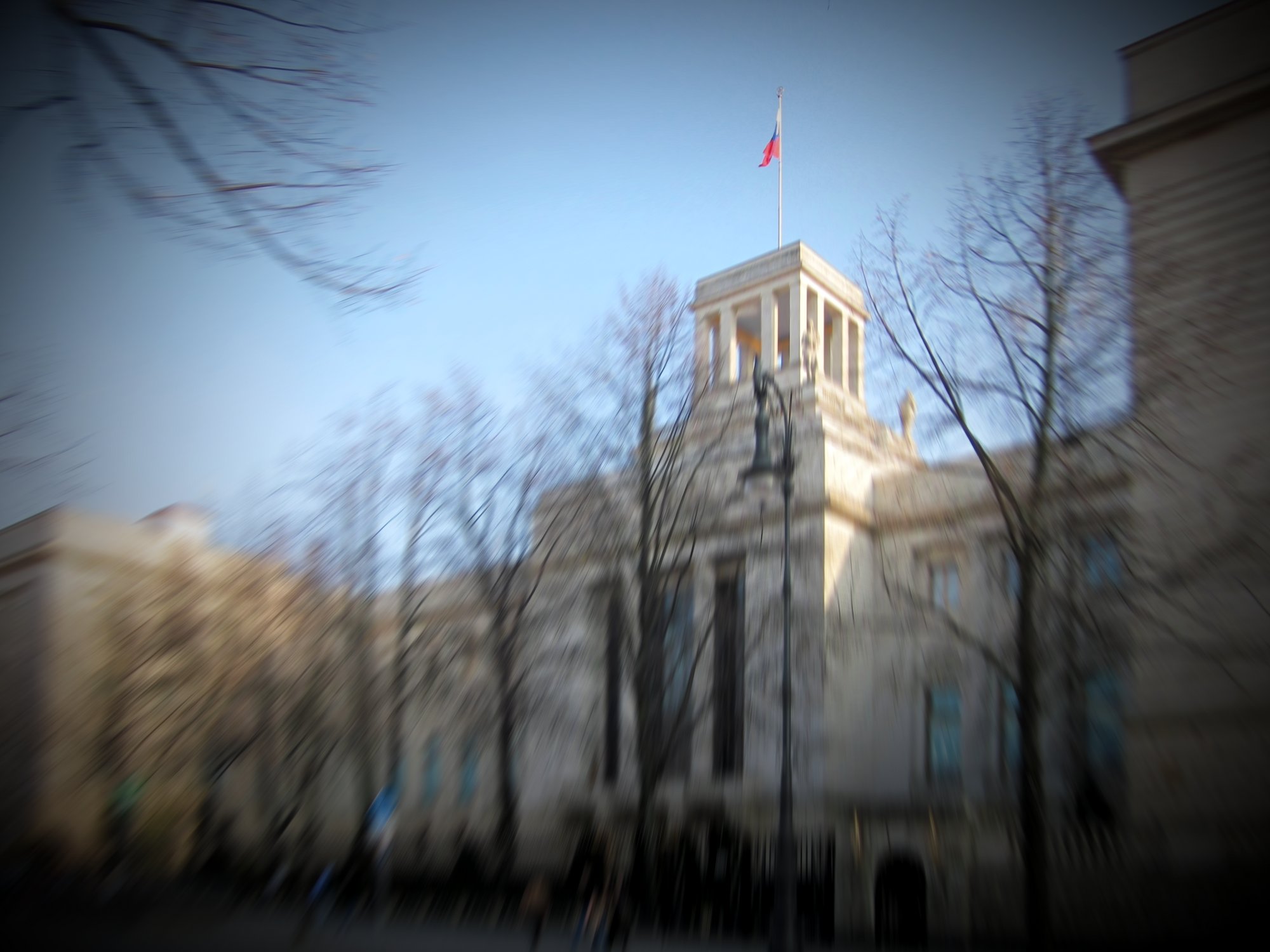
Ahead of Germany’s crucial national elections Sunday, Russia is actively working to destabilize the country through cyberattacks, agents, and disinformation campaigns. Can anything be done to stop or at least counter these attacks?
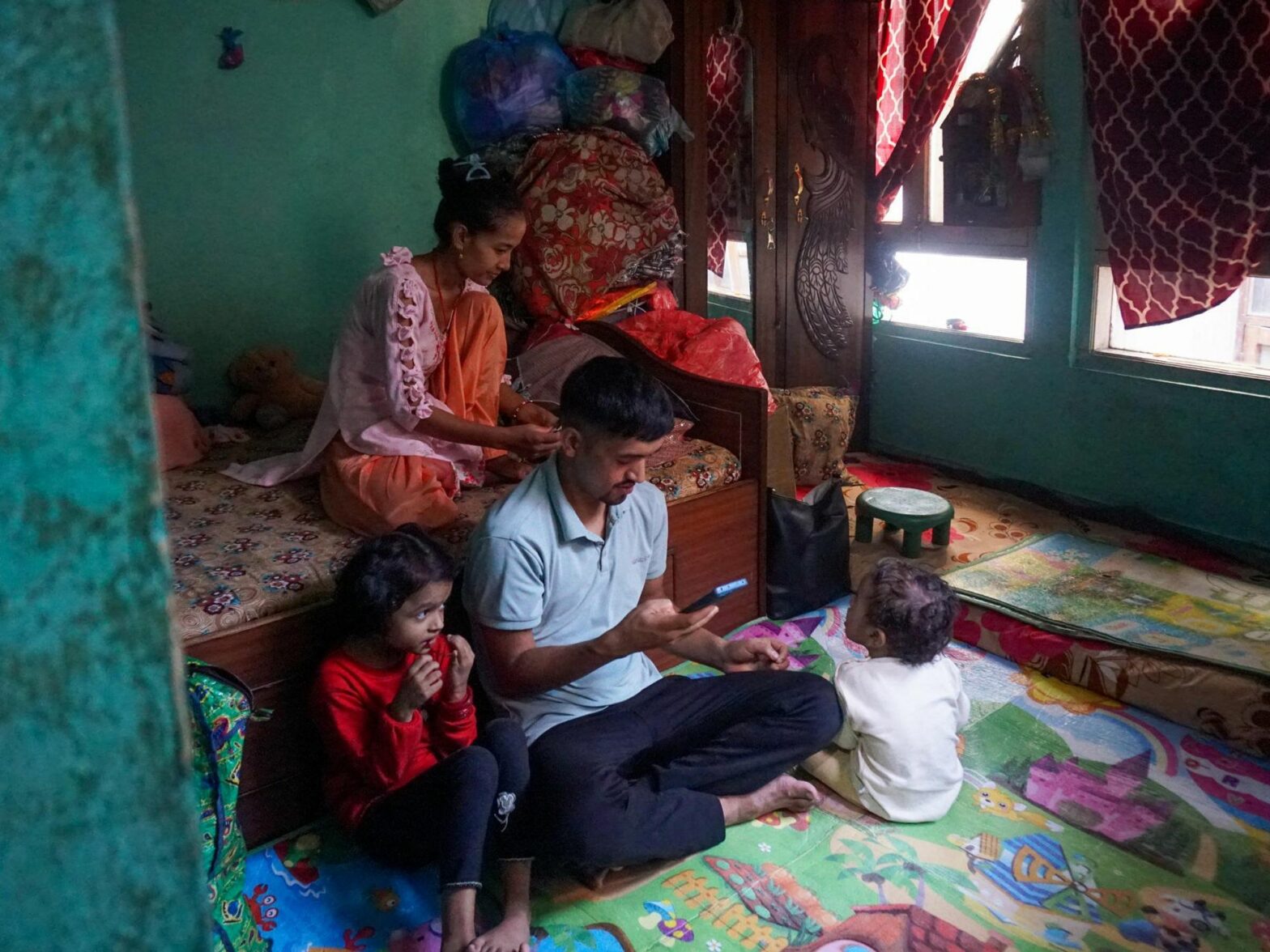
Anti-corruption protesters find themselves on the wrong side of the law, charged with “character assassination of honorable people.
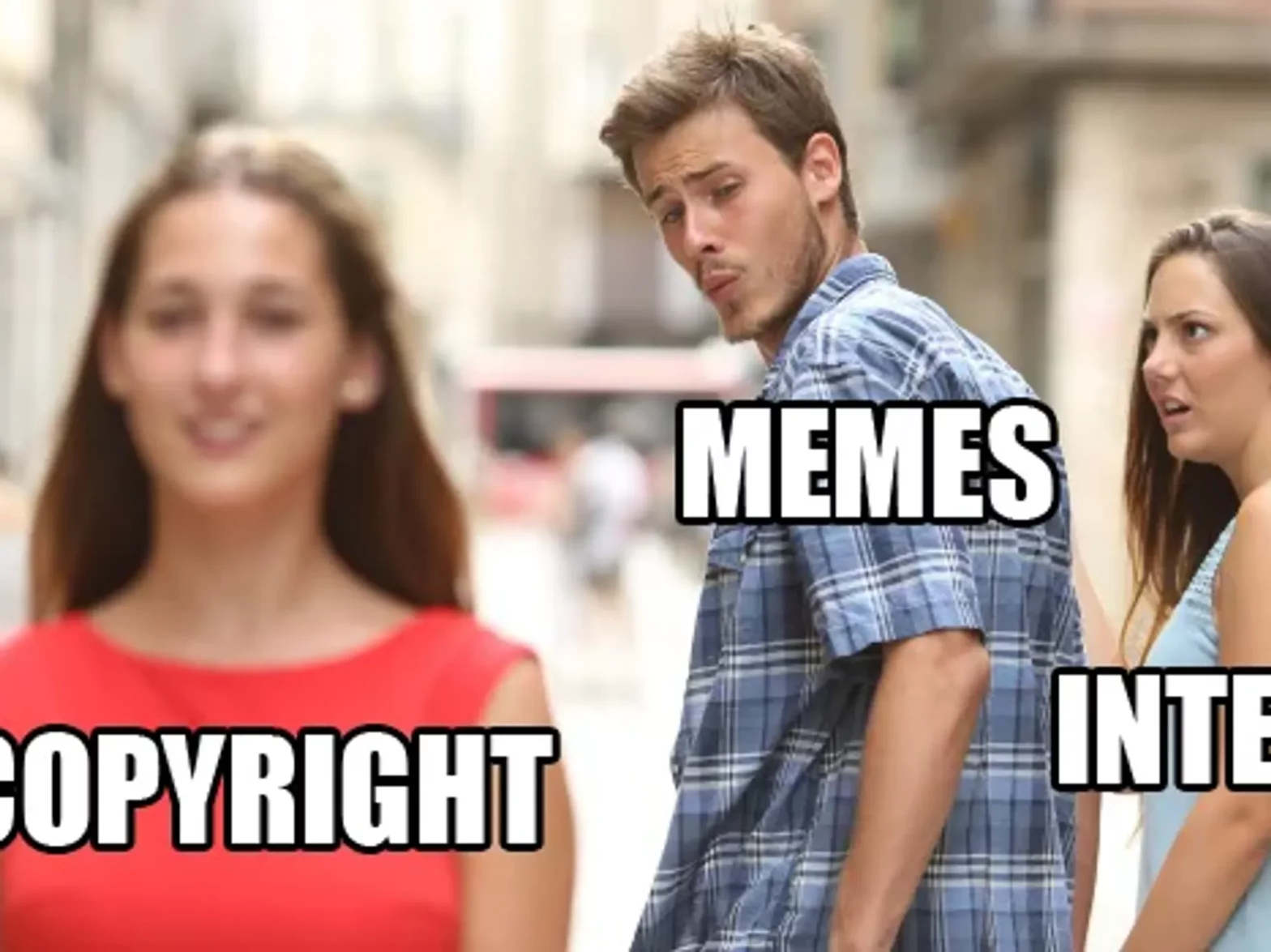
A look into how copyright laws may or may not be applicable to memes, which normally use an existing image without any consent. The question is a reminder of how the Internet has changed the basics of communication and commerce.
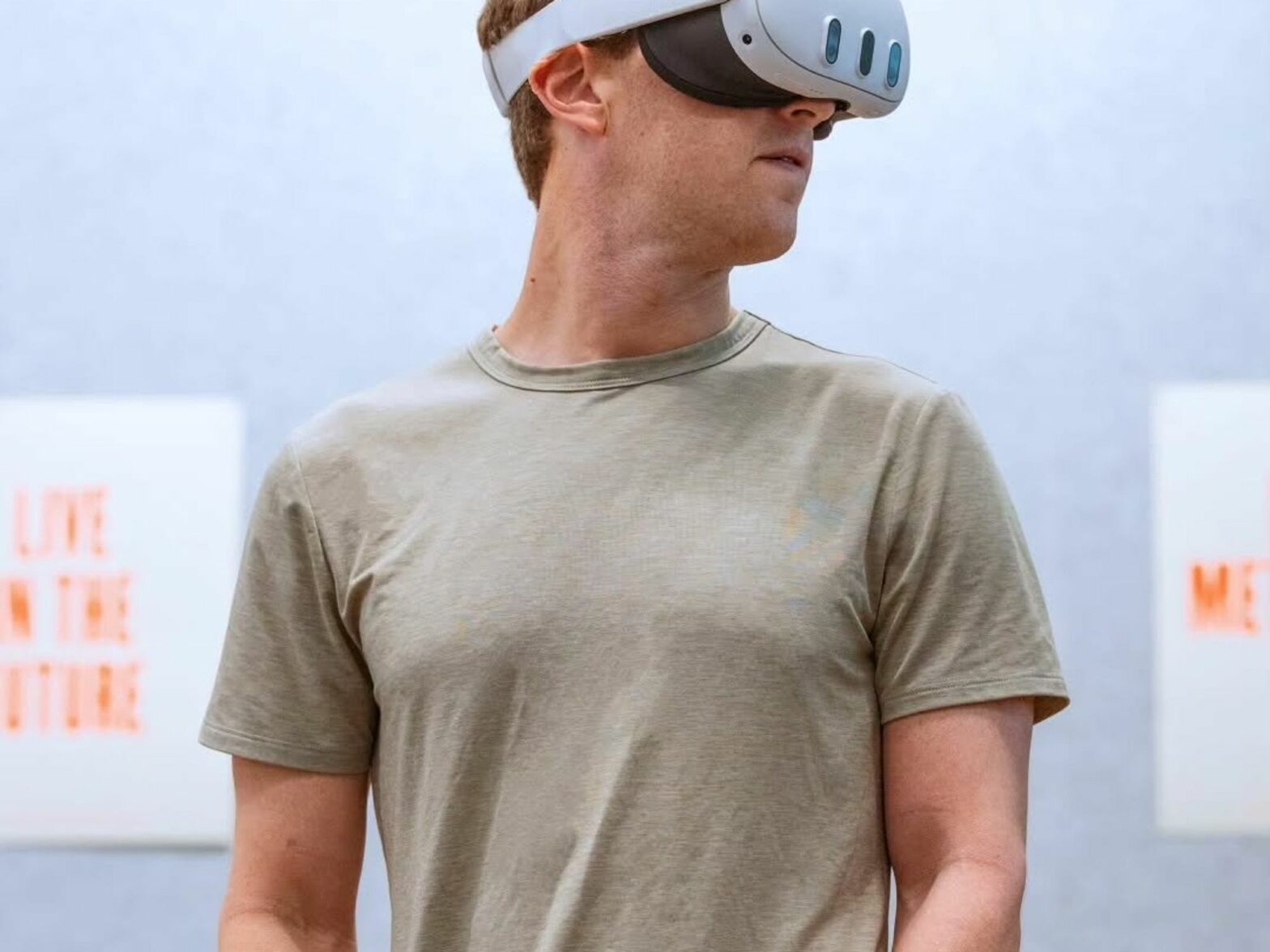
The dramatic shift by Meta, which announced it will abandon its fact-checking program, does not bode well for the fight against the spread of misinformation and disinformation online.
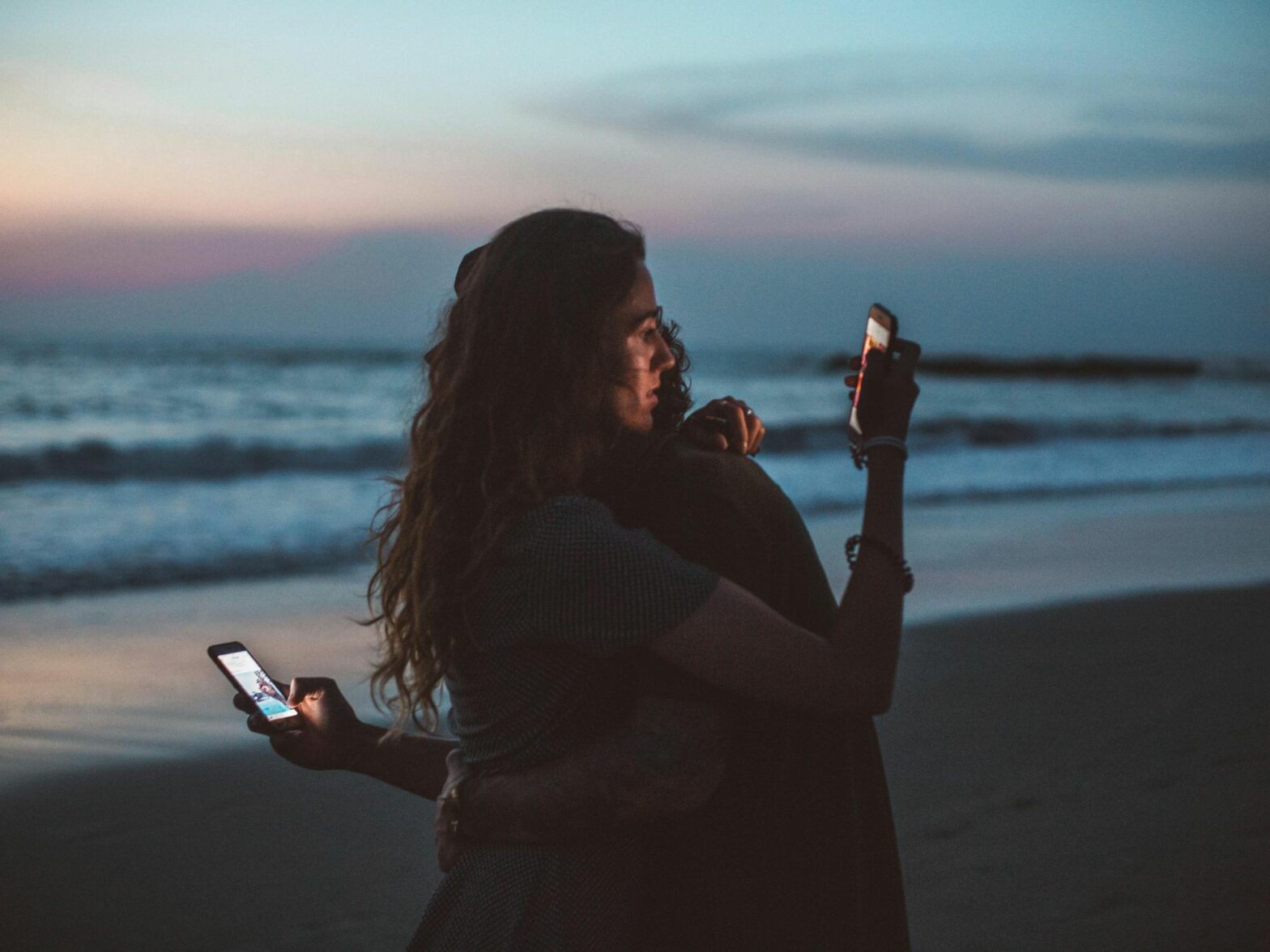
In Colombia and elsewhere in the Western world, parents worried about the horrors of the modern world hurting their children have turned to keeping their children on a leash and, worse, overexposing them to Internet garbage. They must let go, so their children can function as social beings, educator Julián de Zubiría Samper writes in El Espectador.
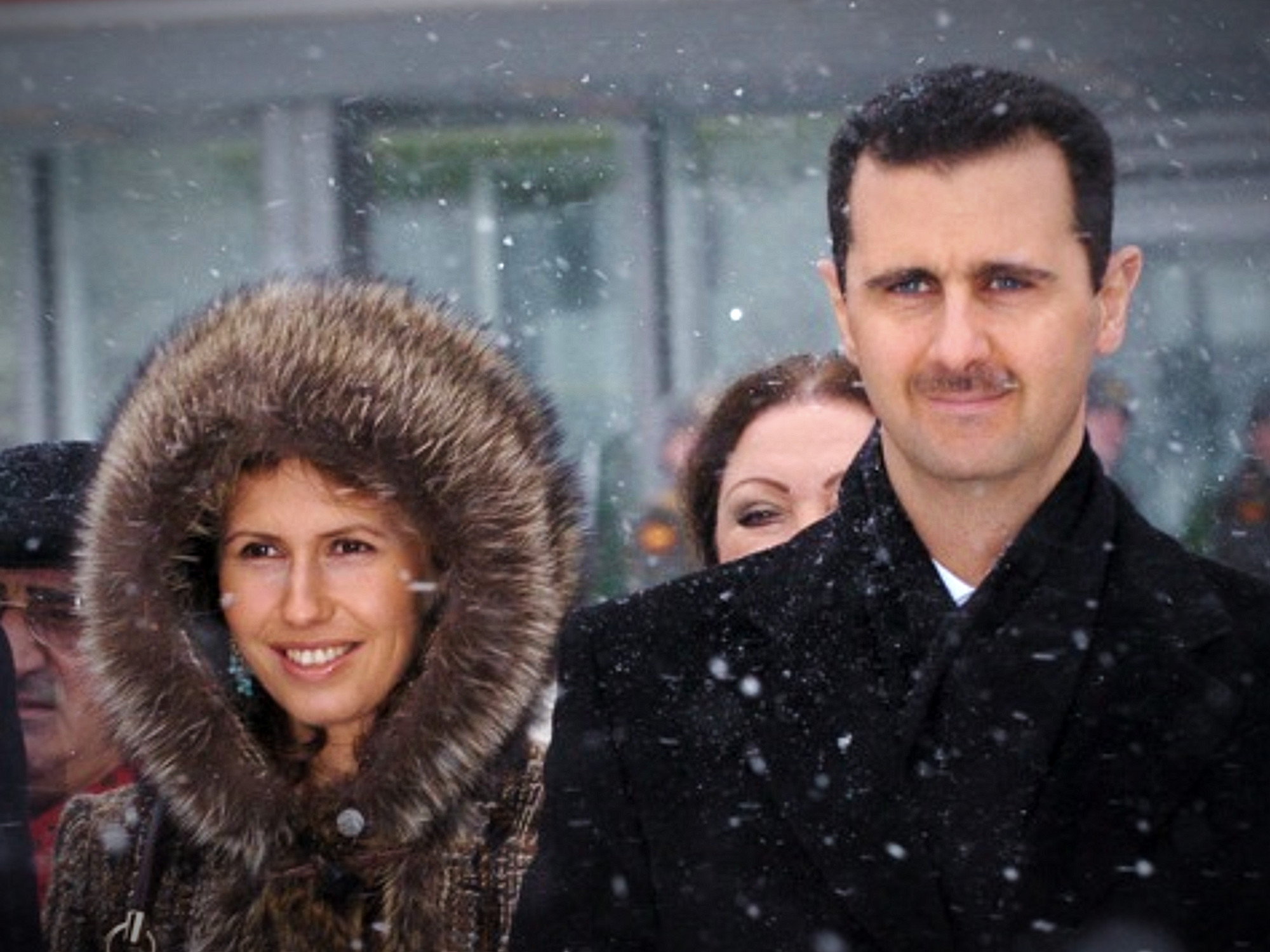
Despite her pleasant air and sense of fashion, the now former Syrian First Lady Asma al-Assad was bound to be tied to her husband’s fate. Born and raised in the UK, she was respected by some for openly battling cancer and later adored in China for her glamour. Still, she was largely despised at home for having helped cover her husband’s long list of alleged war crimes.

As concerns grow over the risks of social media and technology on young people, a new and largely unregulated digital frontier is emerging: interactions with artificial intelligence. Platforms like Character.AI allow users to create AI-generated characters that seem human, prompting critical questions about how these virtual experiences affect our understanding of reality and relationships.
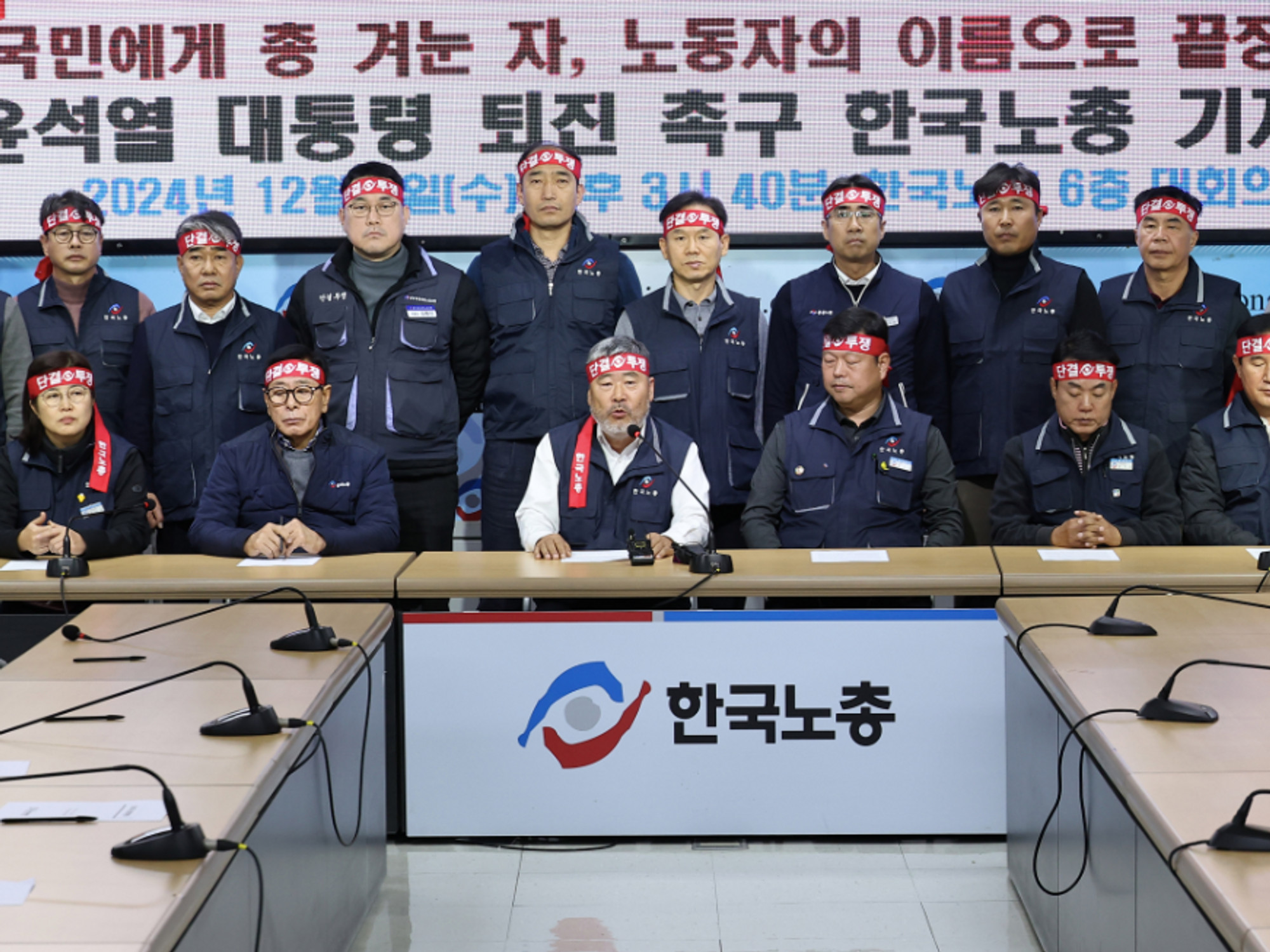
South Korean President Yoon Suk Yeol shocked and enraged the country on Tuesday by declaring martial law and suspending civil liberties. The power grab quickly unraveled following democratic outcry, with lawmakers and citizens calling for the discredited leader to resign.
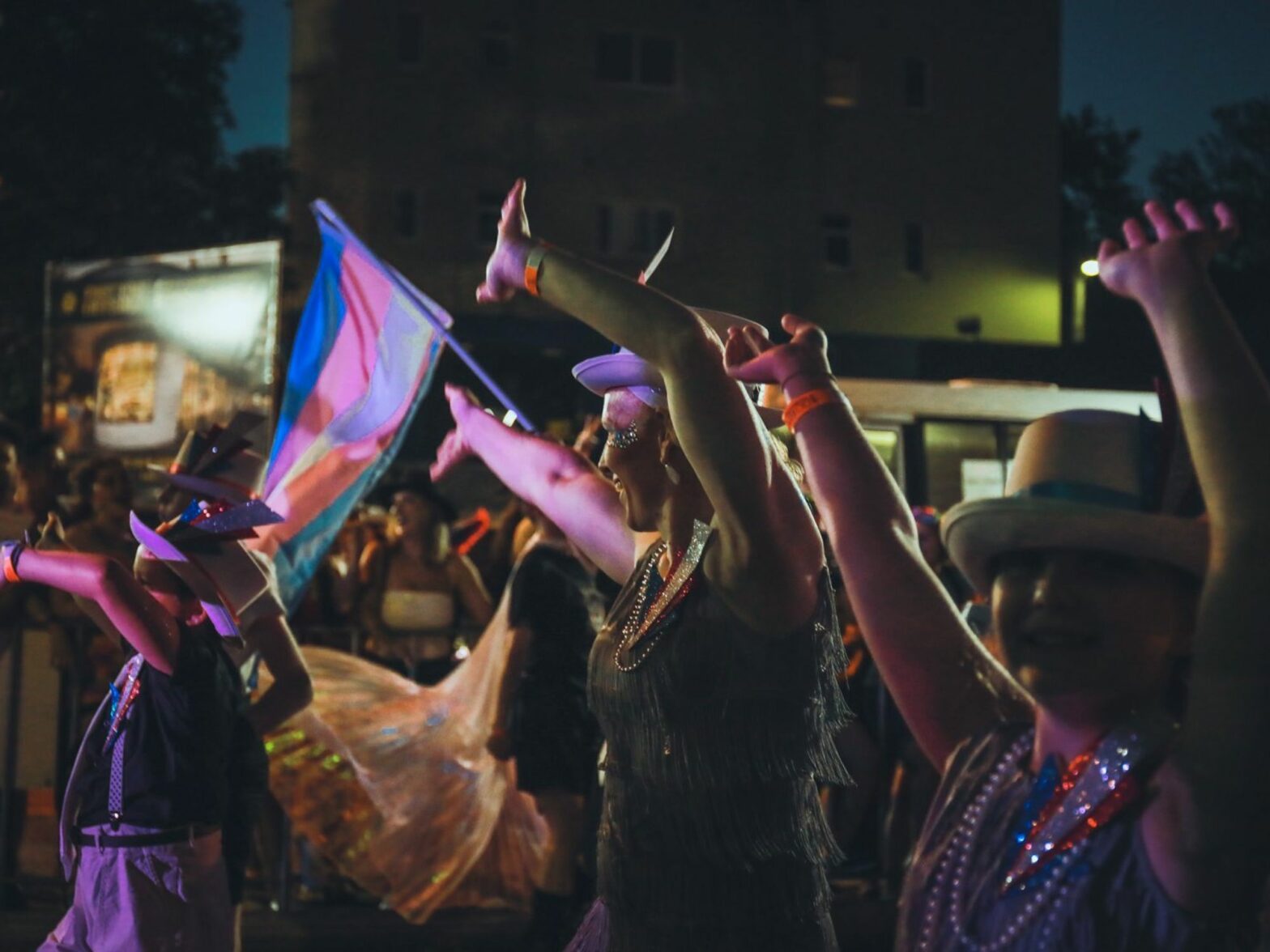
The Australia government has passed a bill that will ban teenagers under 16 from using social media, in a bid to protect children from social harm. But research shows these platforms a very specific and much-needed role in the lives of transgender youth.
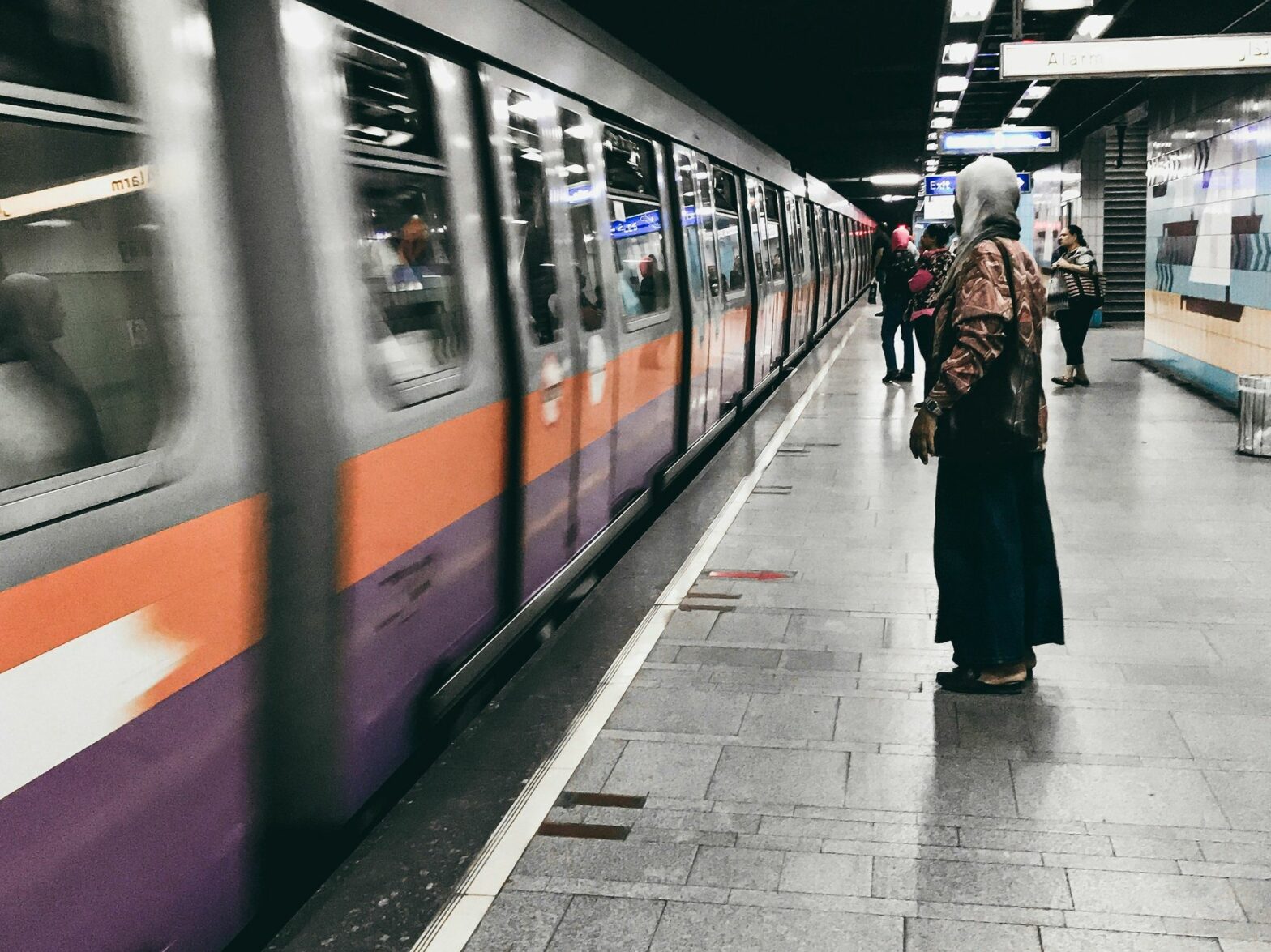
Reports are spreading of Coptic Orthodox Christian men in Egypt who have been trying to trap their wives in compromising situations to force them to give up all their legal entitlements as required by the Church in order to obtain a divorce.
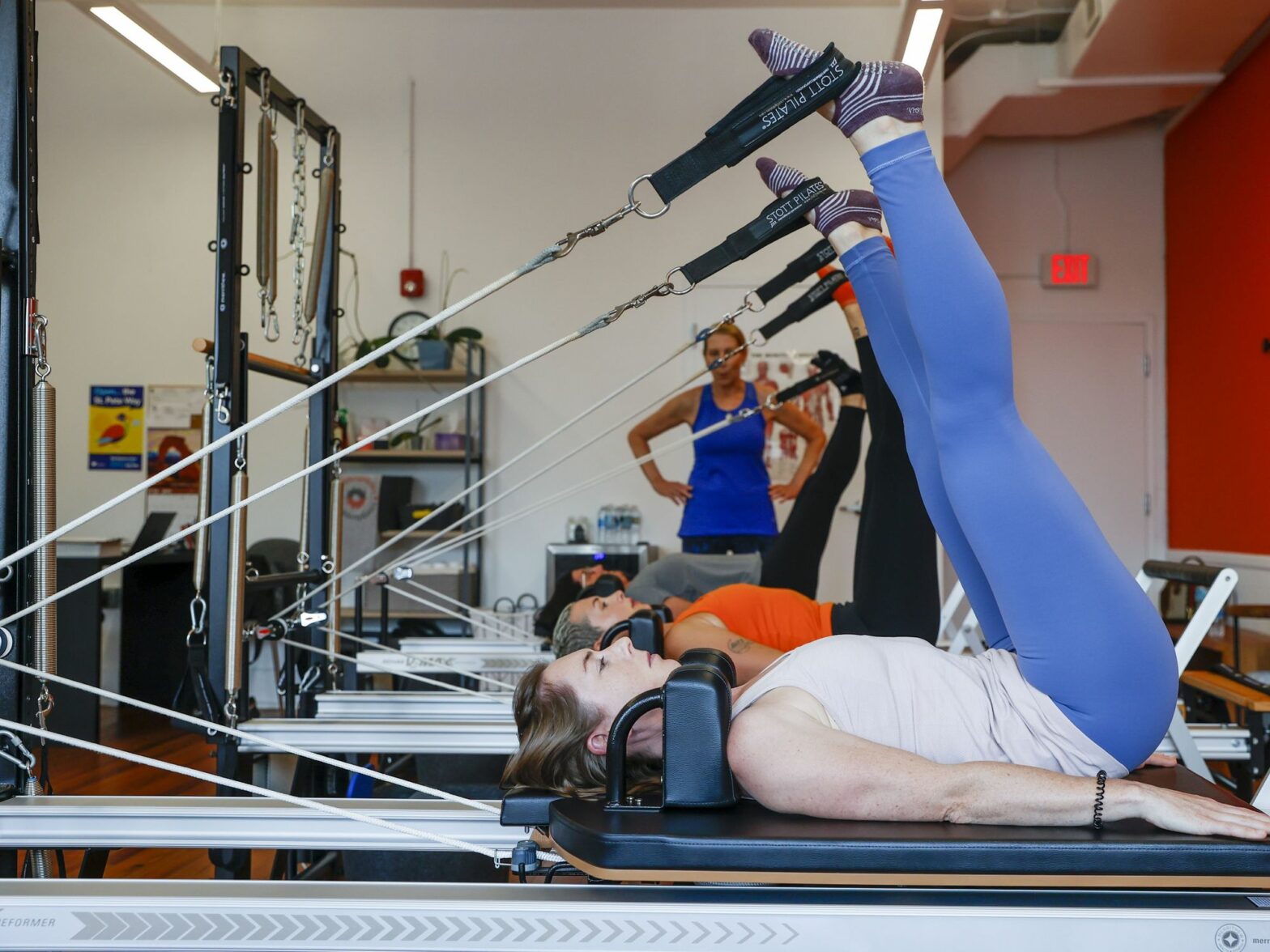
Invented 100 years ago in Germany, the Pilates Reformer is the most sought-after piece of fitness equipment at the moment. But the hype around this expensive training reveals what we are really striving for.
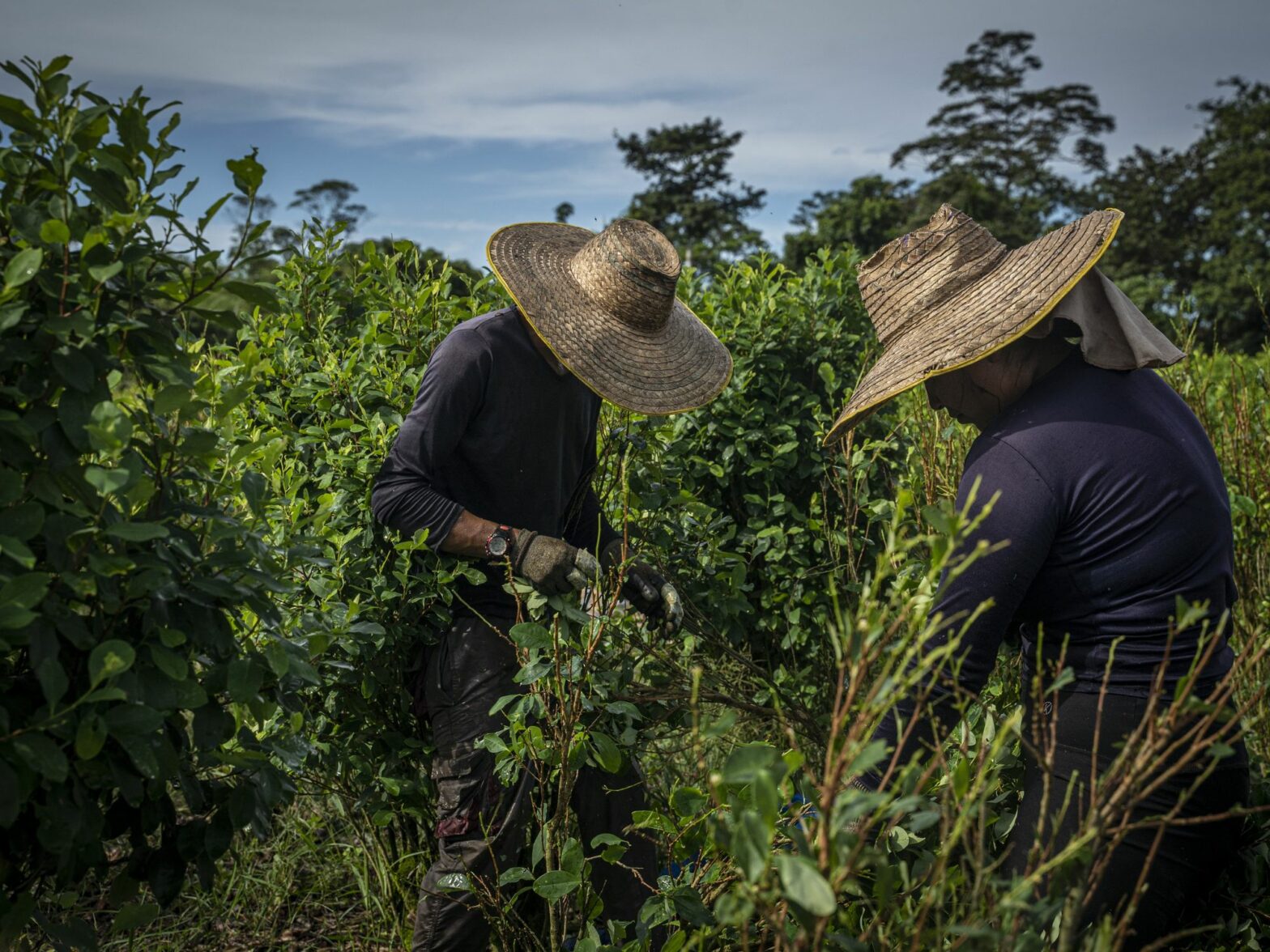
A new generation of coca leaf growers and pickers is posting video content on social media. They show their life in the fields, how the crops grow, the laboratories where they create the coca paste, and even the exit routes for drug trafficking. And while they used to be stigmatized, and threatened by armed groups, their content is escaping censorship and violence.
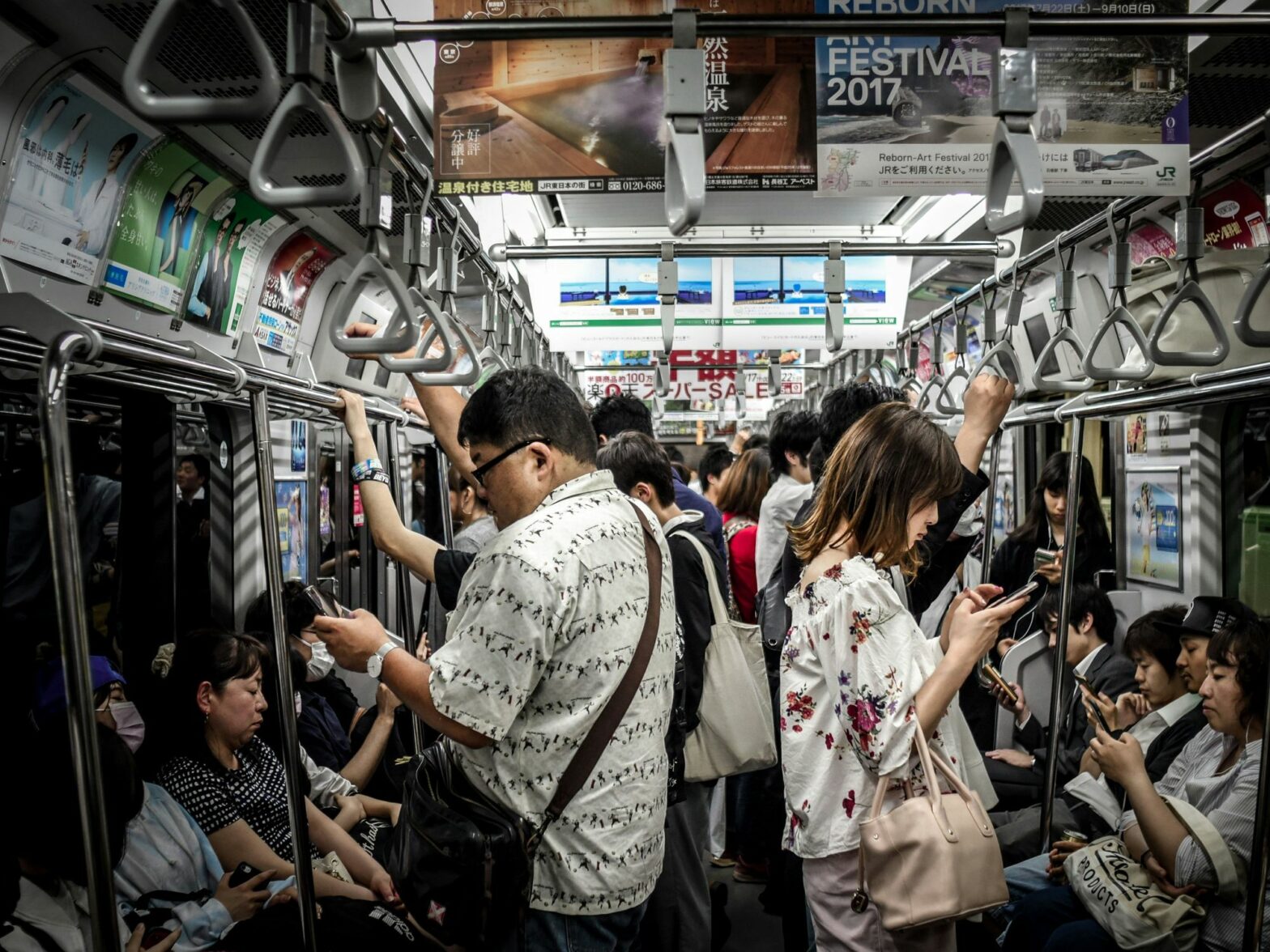
Has social media become a breeding ground for racism ? Elon Musk has turned Twitter (now called X) into his own opinion platform, giving free rein to disinformation and weakening fact checking and user moderation. Meanwhile, the AI feeding the platform’s algorithm is built on harmful, racist bias, writes Cem Say for independent Turkish daily Oksijen.

The porn industry and amateur and professional adult content plays a role in the Israeli war on Gaza. Some pornographic companies did not only provide support to Israel, but adult content also contributed to drawing a violative imagination about Israeli soldiers and their relationship with the battlefield and the Gazan victims. It is part of a long history linking pornography and war.