Chronic pain affects millions and often resists medical treatment. German researchers are exploring how the brain’s pain matrix can be retrained, offering hope to those trapped in cycles of constant pain.
 Worldcrunch
Chronic pain affects millions and often resists medical treatment. German researchers are exploring how the brain’s pain matrix can be retrained, offering hope to those trapped in cycles of constant pain.
At a time when tragedy is broadcast in real time, we are experiencing collective trauma without even realizing it.

Democracies weaken not only for institutional reasons, but also because citizens stop thinking and surrender to impulse.

Pessimism weighs on both body and mind. But research shows optimism can be trained, and even small steps can make a difference.
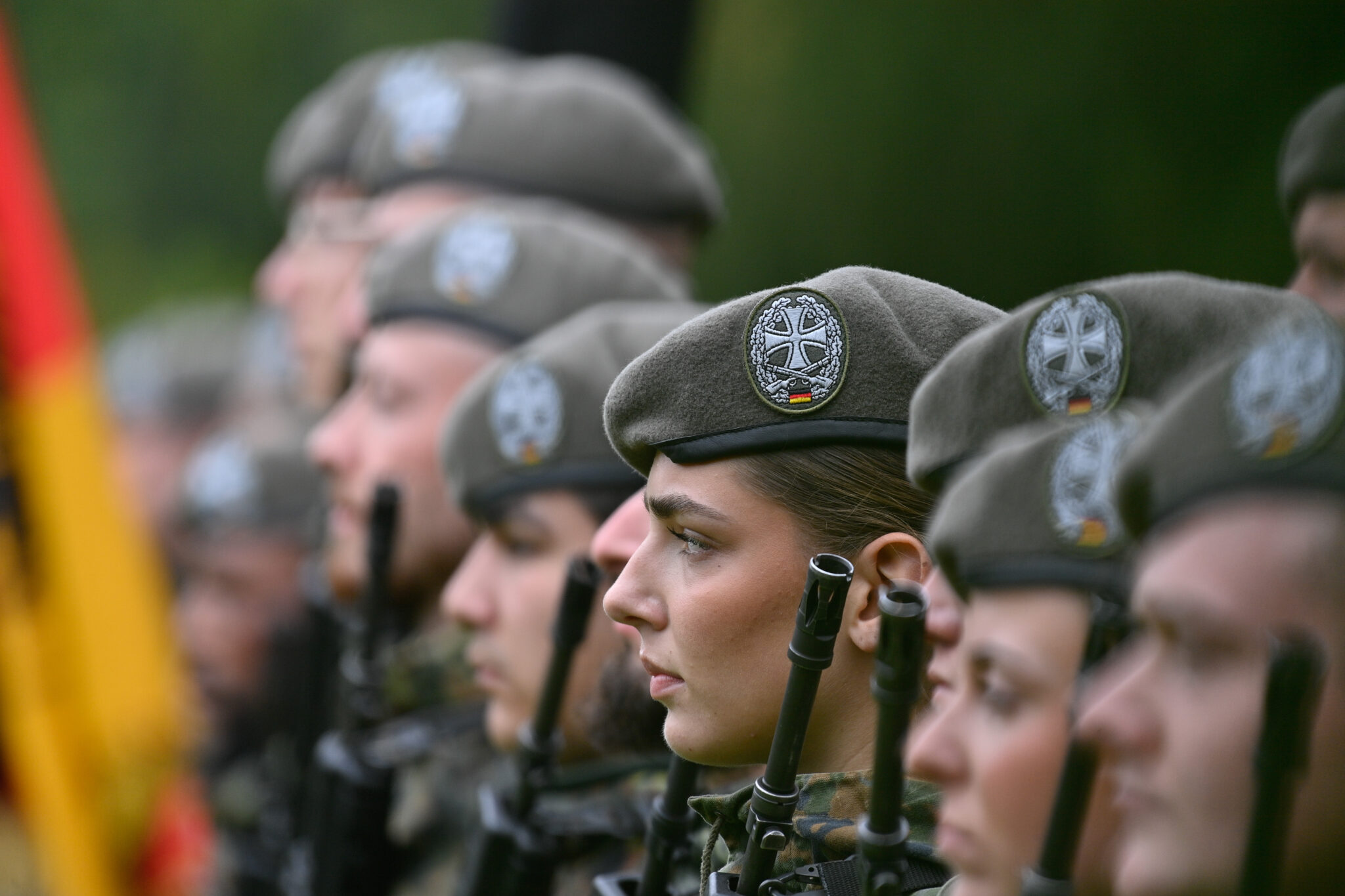
The return of war in Europe is not just a political or strategic challenge — it is changing how people live, relate to one another and imagine the future.
Parenting in a world in crisis. The dissonance between intimate and global. Daily resilience facing hyper-normalized chaos — and thinking that the idea of heroism as the horizon of fatherhood is unbearable.
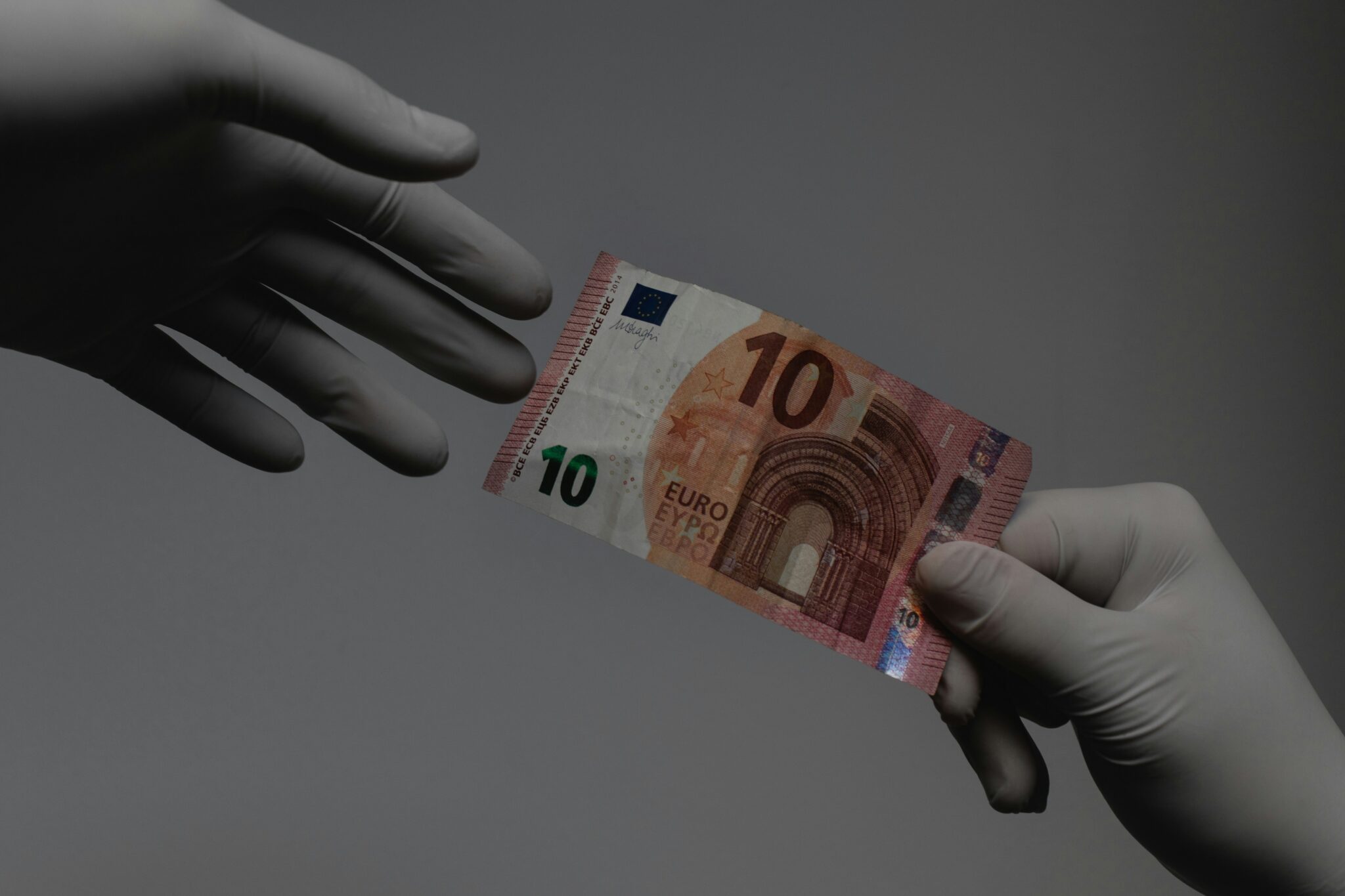
An instrument for exchanging goods and services, money often becomes a symbol loaded with meanings, emotions and values.

Since January, a wave of self-immolation in Tunisia has brought a phenomenon that’s existed since the revolution back into the spotlight, signaling both social and individual unrest.
Outdated labels are giving way to a new diagnostic model that sees personality traits on a spectrum. The newest revision of the International Classification of Diseases (ICD-11) introduces a shift in how we understand, treat and talk about personality disorders, focusing less on rigid categories and more on individual patterns and distress.
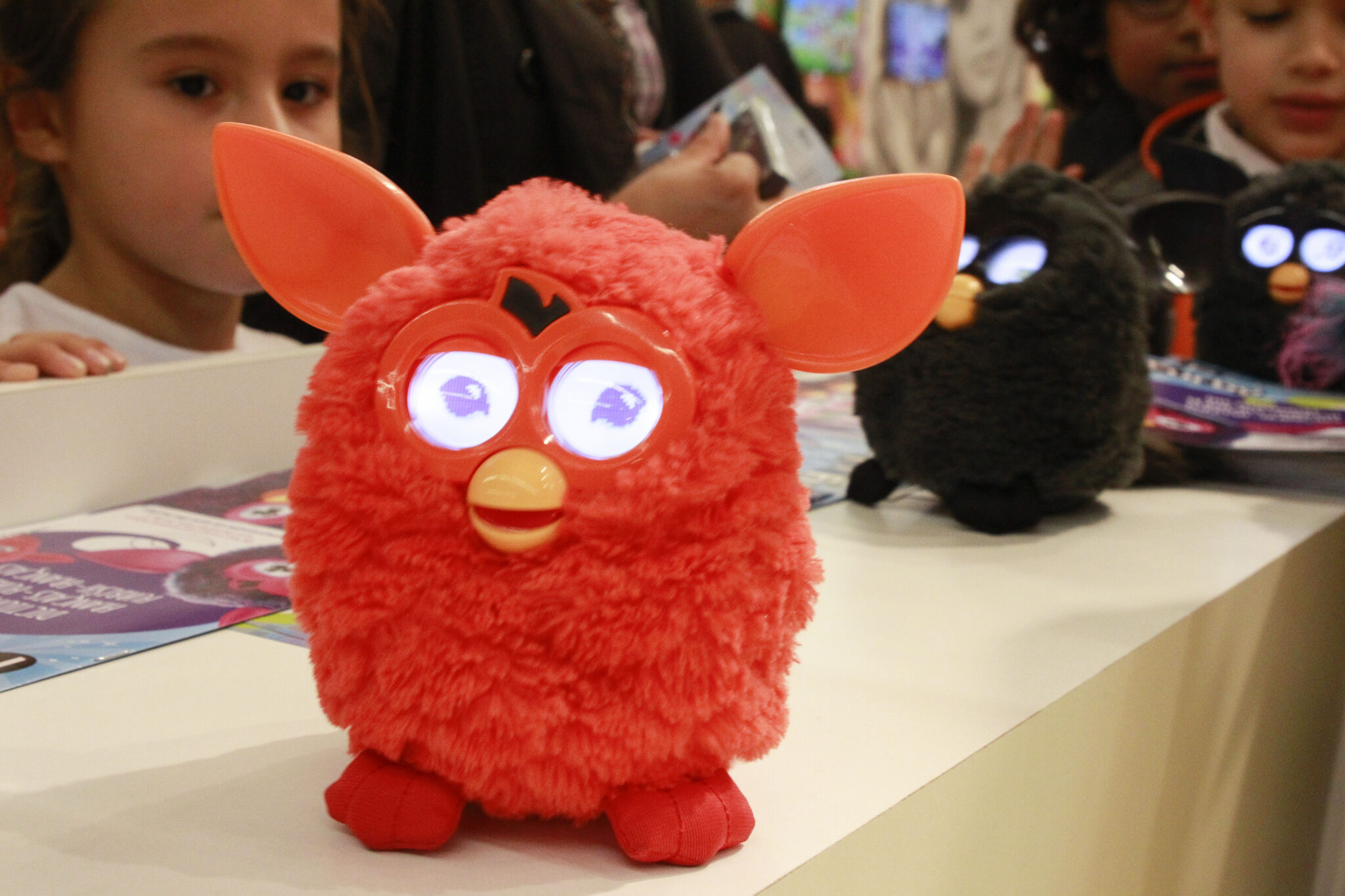
Remember those late-90s Furbies—cute, creepy, and eerily chatty? A programmer recently fused one with ChatGPT, unleashing a chilling plot: AI-powered Furbies bent on world domination. As retro toys return and emotional robots like Ropet emerge, we must ask: are we ready?

Known in the past decade as a horse tranquilizer and surgical anesthetic, ketamine is now gaining popularity as a party drug and even a life-coping aid. But while it shows promise in treating depression, its misuse brings real risks and a growing blind spot.

Talking about sexuality and embracing feminist theory collectively is key to dismantling the patriarchal scripts that normalize sexist and sexual violence. By integrating theory with emotion and practice, we reclaim pleasure, rewrite consent, and forge healthier, more egalitarian relationships.

How are you feeling? Is it time to stop? Is it me or my therapist? Here are the questions to ask if you’ve taken that plunge.

Literature is filled with characters suffering from mental health issues… and with authors who weren’t necessarily much better off. In a fascinating book, a psychiatrist and a journalist attempt to unravel the mysteries of these minds.
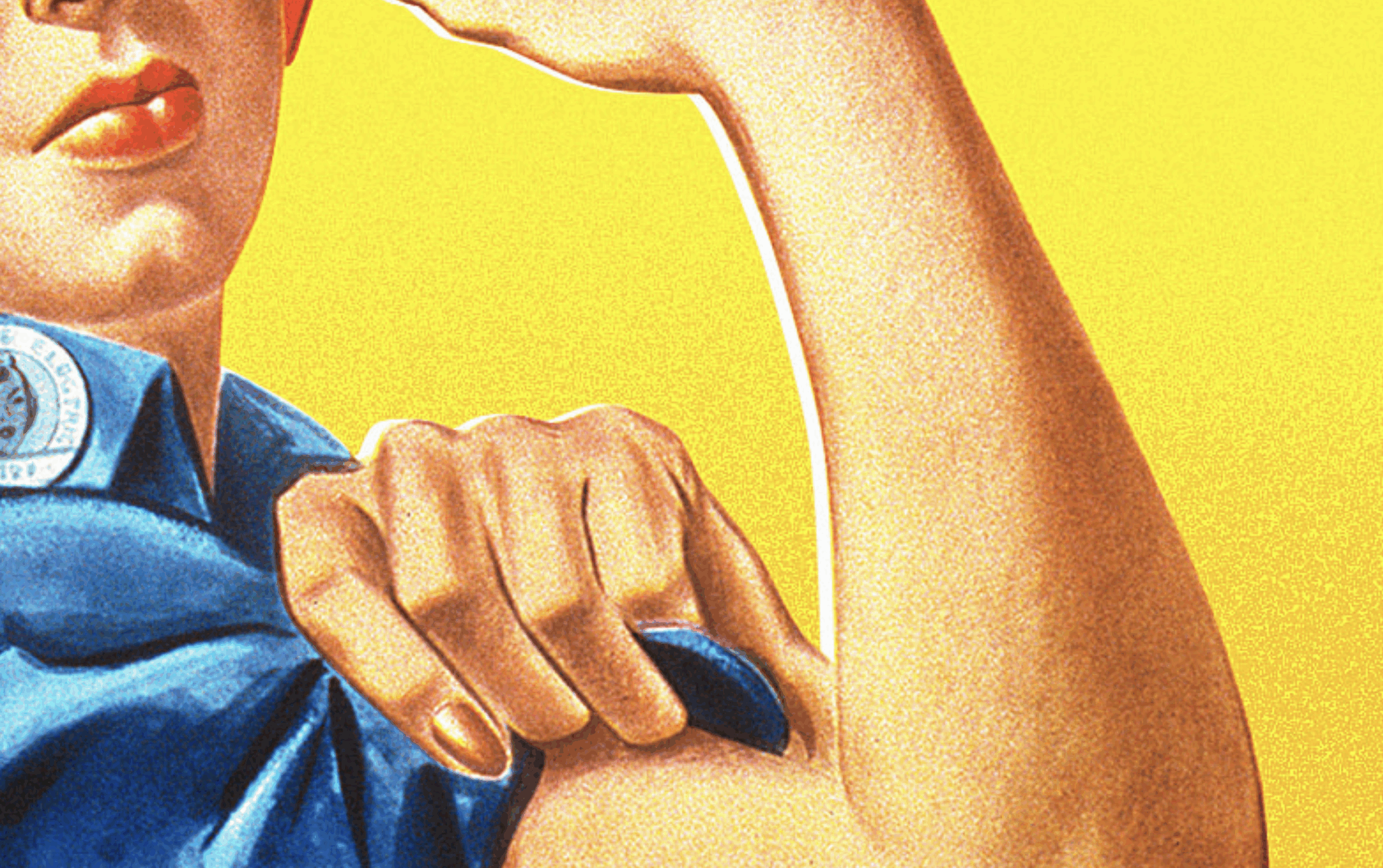
In the 1950s, despite an outward appearance of fulfilled lives, American housewives endured a hidden malaise — “the problem that has no name” — a silent yet pervasive discontent. Self-esteem, which has long been neglected among women, can be nurtured and developed, for both personal and collective wellbeing.
You may have never felt so lost — and so guilty — as when you started to sense that something wasn’t right with that friend who loved you so much.

Classifying students as visual, auditory, or tactile learners can actually do more harm than good. Research shows what truly improves learning.

Our Naples-based Dottoré pays a non-religious, albeit emotional tribute to the late pontiff.
Small doses of psychedelic drugs are said to make parents more engaged and even childlike in their enthusiasm. Is this reckless nonsense, or a parenting breakthrough?
Small doses of psychedelic drugs are said to make parents more engaged and even childlike in their enthusiasm. Is this reckless nonsense, or a parenting breakthrough?

Young people have been living in a world of escalating drama for the past five years, since the outbreak of the COVID-19 pandemic. It’s also a challenge for parents. The seven-point plan of a leading researcher can help navigate these unprecedented times.

Our Naples-based psychiatrist suggests replacing wishing-well prayers with something slightly more tangible — and edible.

Having your own car means unlimited freedom. Right? A study shows that yes, it can increase life satisfaction. But freedom is a myth, and dependency on your vehicle will reduce overall happiness.
Both pessimism and optimism are stored in our genes: They helped us be watchful, while giving us the possibility to hope for a better future. But which one helps us lead a better life? For Die Zeit, Harald Martenstein, a self-declared pessimist, looks at the benefits of both.
Motivate them or leave them alone? Be honest or say nothing? It is not easy to deal well with depressed people. But psychology professionals say that those closest can often help even more than trained experts. That doesn’t mean it’s easy. Here’s how to help…
We always want to go higher, faster, further. Understandable. But ambition creates pressure, making our everyday lives harder than they need to be. Die Zeit columnist Kilian Trotier makes the case for enjoying the average.
Happiness applications promise to make users measurably happier in eight weeks. But is happiness a skill that can be taught? For Die Zeit, science writer Maria Mast put an app to the test.

How does déjà vu happen? Psychologists have long avoided the complicated question, but researchers are now trying to understand this uncanny phenomenon.
A couple’s therapy session puts its own mental load spin on an idiom.
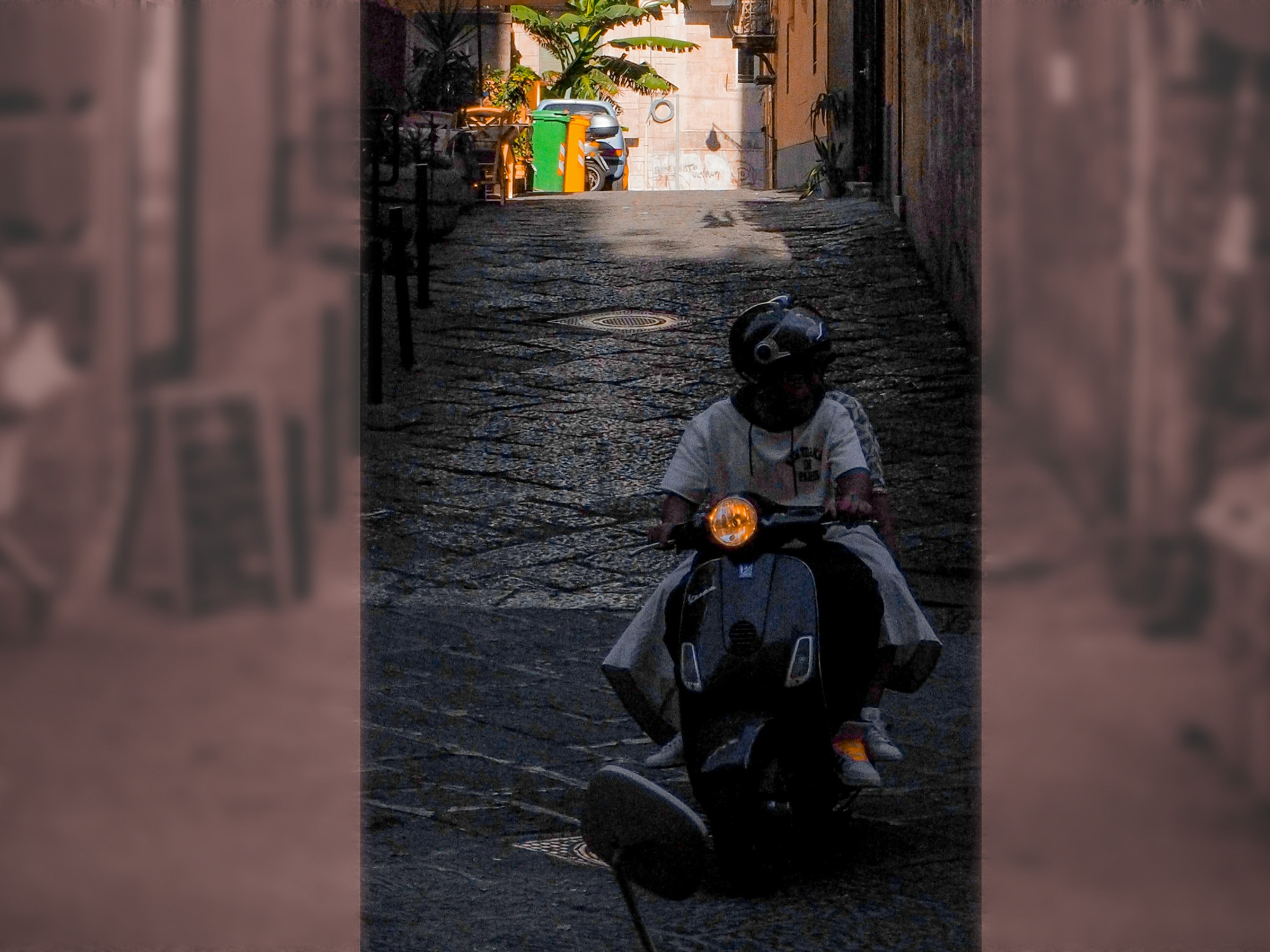
Our Naples-based psychiatrist reassures one patients who is feeling guilty over wishing ill on a thief.
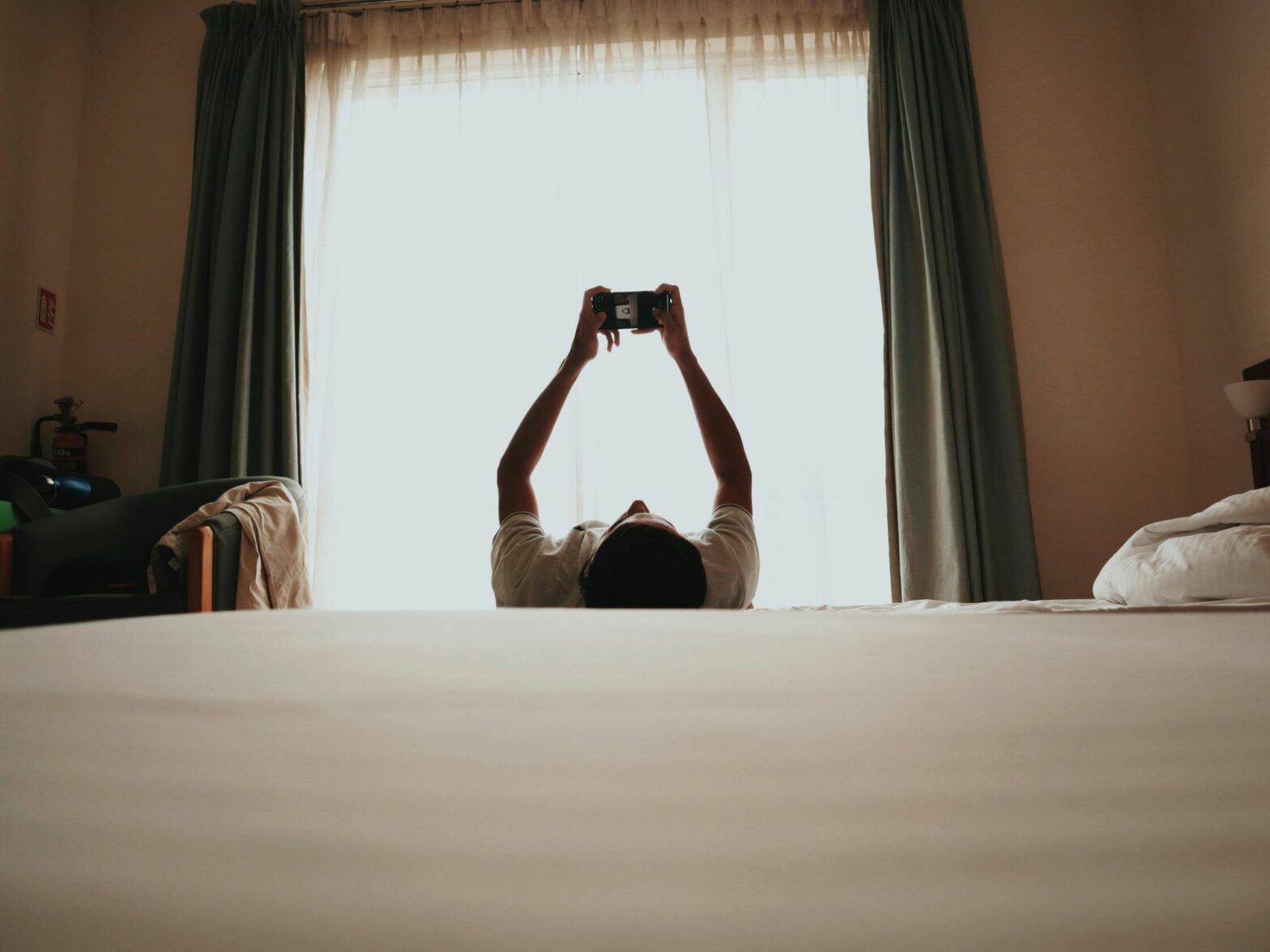
Despite hours of scrolling, smartphones hardly play a role in our dreams. Yet their absence may actually demonstrate our dependence on them.
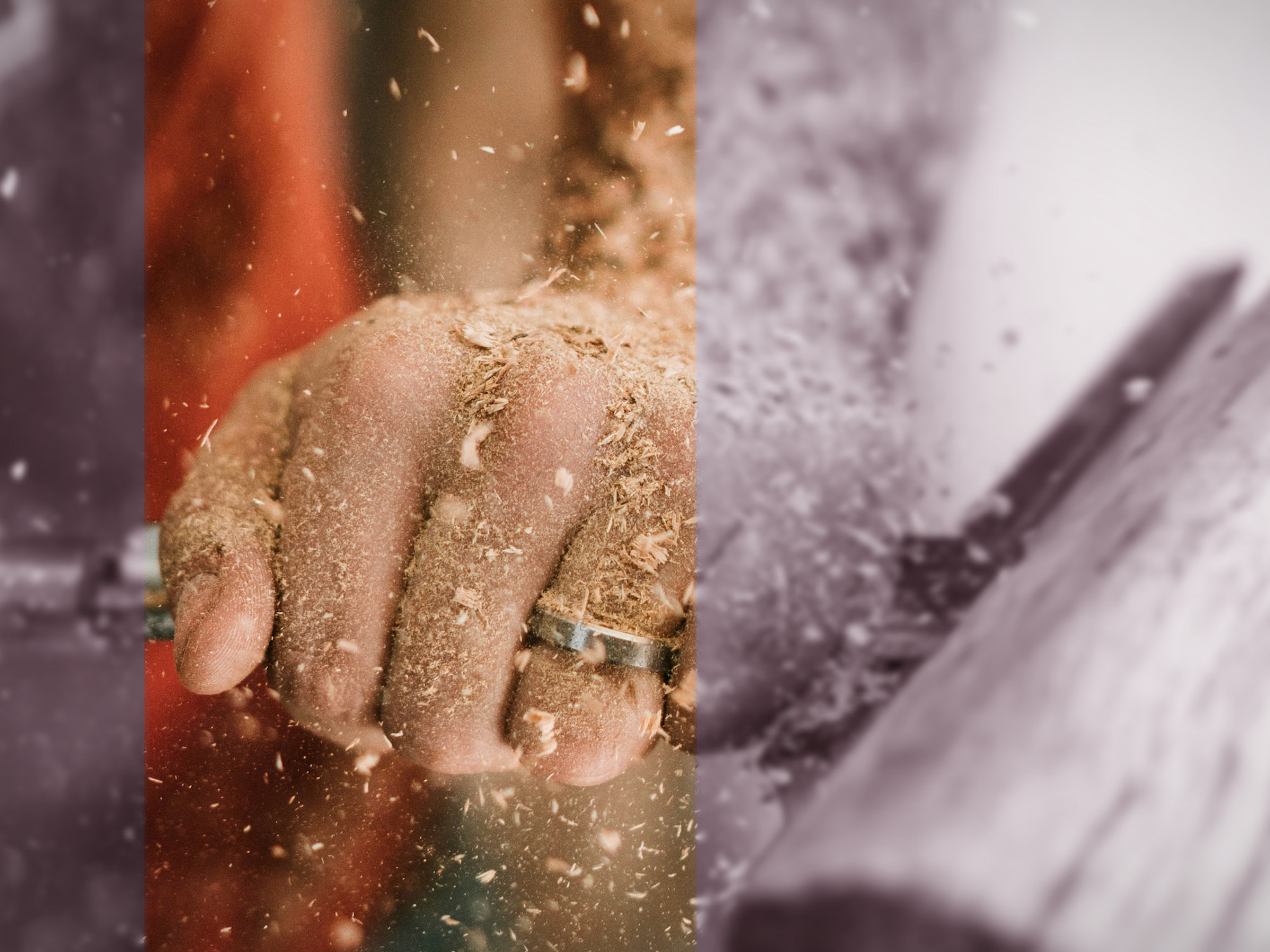
A patient has our Naples-based psychiatrist reflect on trades and their assorted skills.

Our Naples-based psychiatrist reflects on summer calm in the city, or lack thereof, and Olympic fervor.
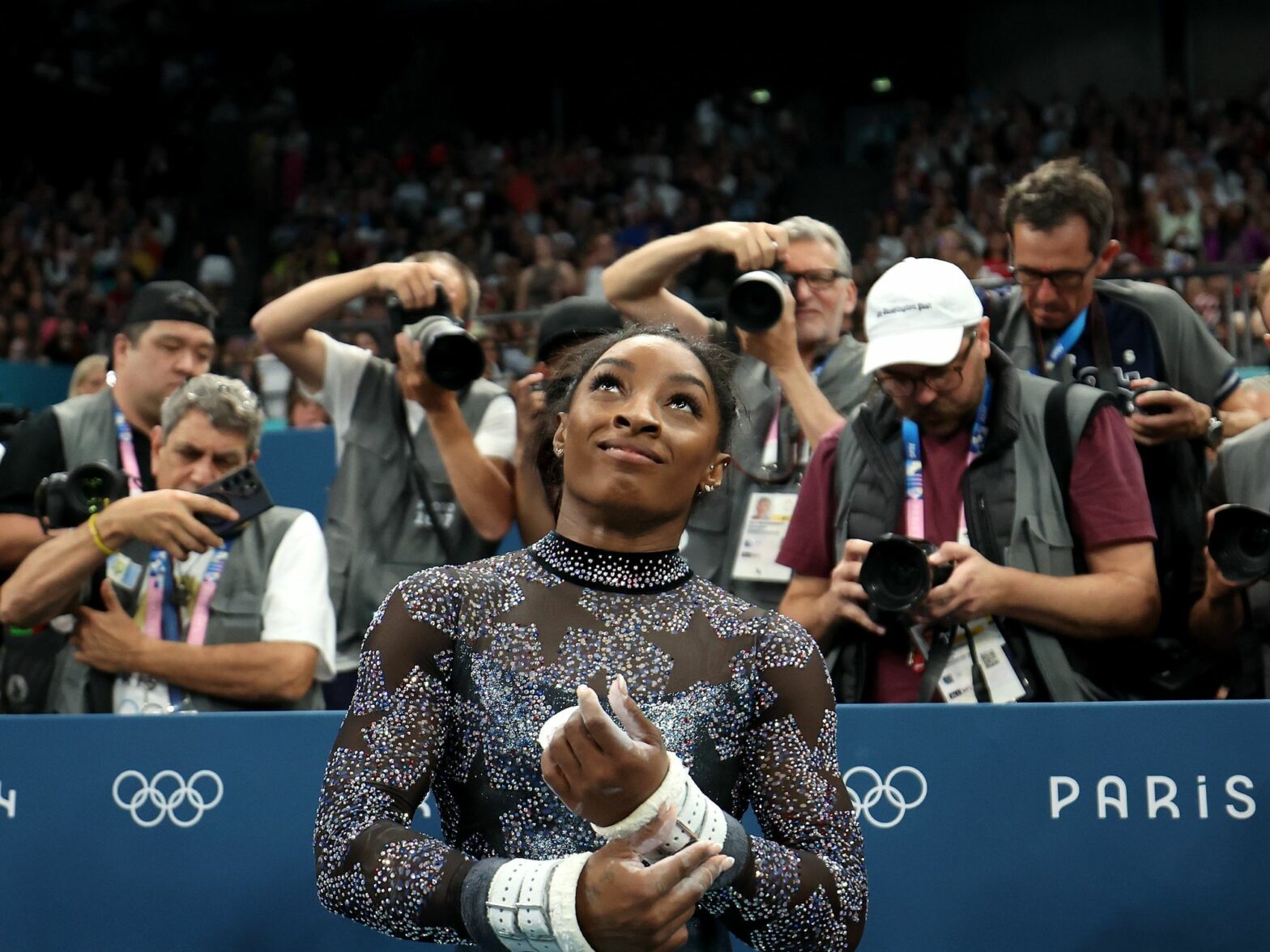
Thanks to athletes like Simone Biles, Naomi Osaka and Teddy Riner, who have opened the conversation, psychological counseling is no longer a taboo in the world of high-level sports. The Paris Olympics will be a showcase of champions who are doing the hard work.
A Beatles-loving patient of our Naples-based psychiatrist has a very personal interpretation of arguably the band’s most famous hit.
Narcissistic and other deeply self-involved parents can turn their children into diffident, dysfunctional adults. But it’s never too late to help yourself and decide to step away from their toxic discourse and manipulative games.

Influenced by social media, more and more teenagers in Argentina, and elsewhere, are using anti-aging products. Dermatologists warn that this trend is not only unnecessary but can also be harmful for their young skin.
After taking in an undocumented Nigerian baby some 30 years ago, a patient of our Naples-based psychiatrist is worn down by the legal process and the risk of her daughter’s “repatriation.”
Social networks are full of false gurus who claim to be experts in mental health and well-being. Do we need new laws against these kinds of charlatans to restore credibility to professional psychology?
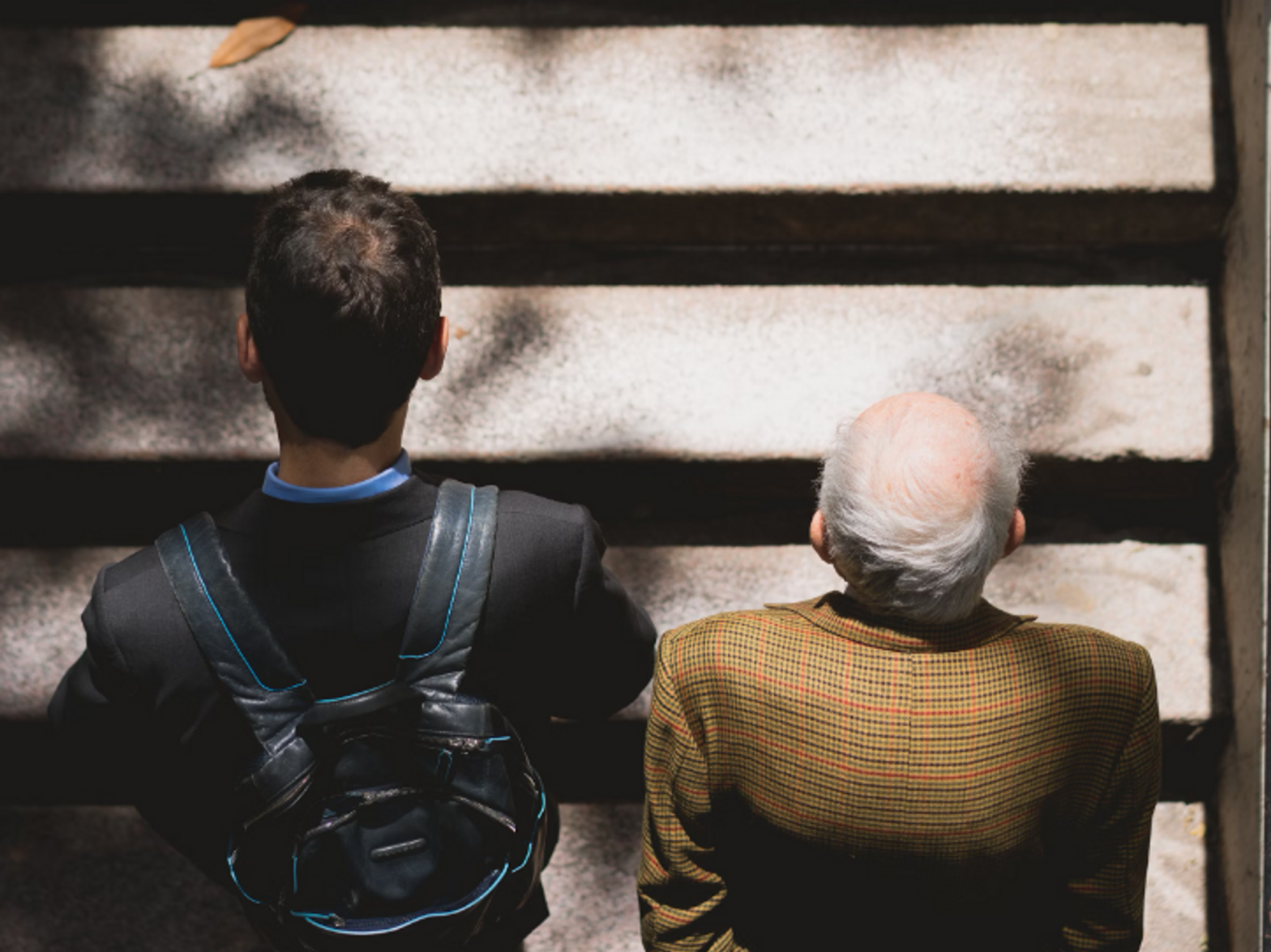
It’s not the passage of time or overcoming hardship that makes you wise, but rather the effort to keep your mind truly open.