Former German government ministers and lobbyists have been meeting Putin associates in the Gulf, preparing reciprocal visits that could undermine Berlin’s official Russia policy.

 Worldcrunch
Former German government ministers and lobbyists have been meeting Putin associates in the Gulf, preparing reciprocal visits that could undermine Berlin’s official Russia policy.
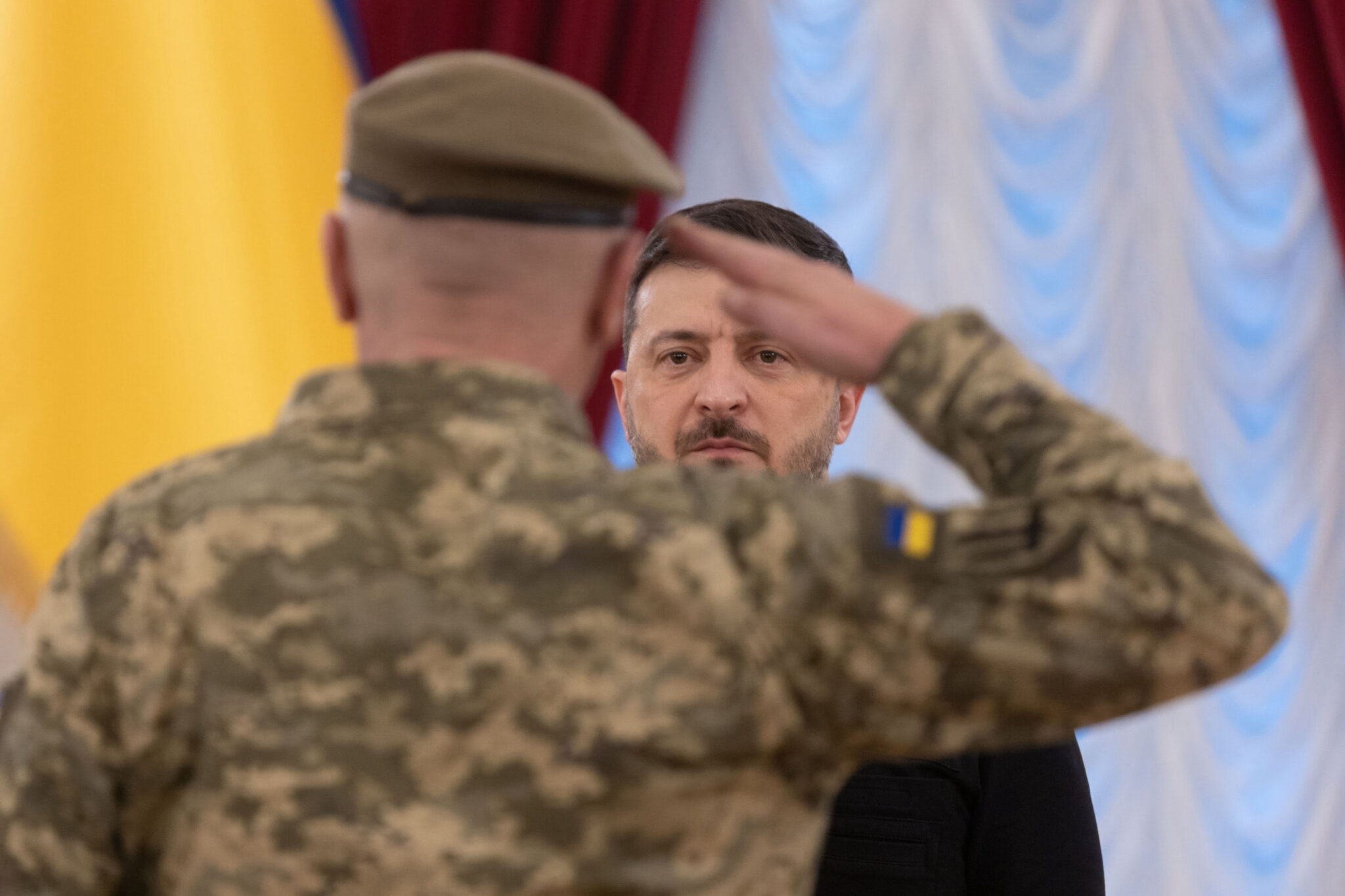
Ukraine’s president must confront demands to concede occupied territories while navigating red lines set in Kyiv and mounting pressure from both Washington and the Kremlin.
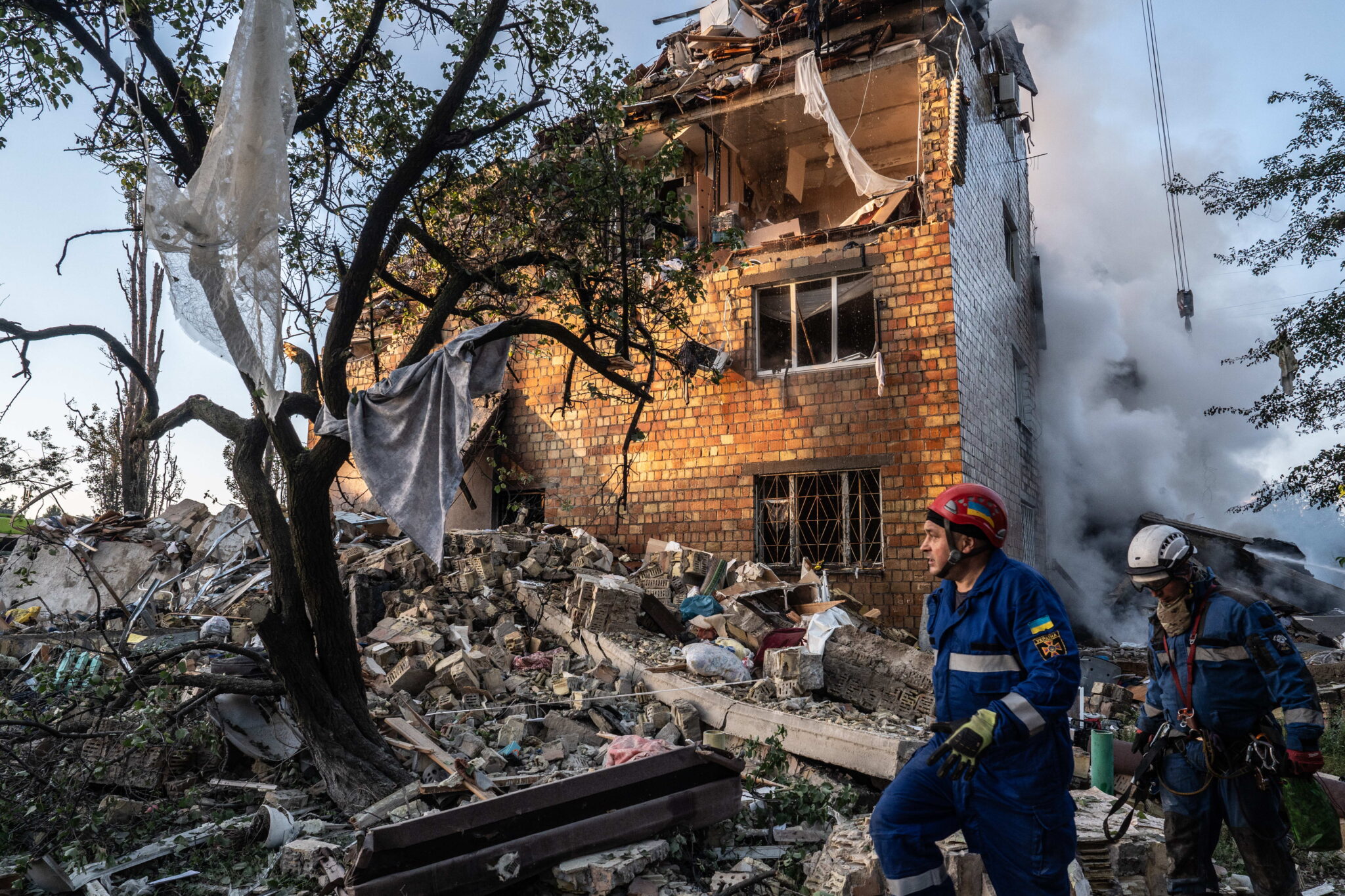
Even after diplomatic overtures and red-carpet treatment abroad, Moscow answers with one of its deadliest strikes since the invasion, showing the Kremlin has no intention of negotiating an end to the war.
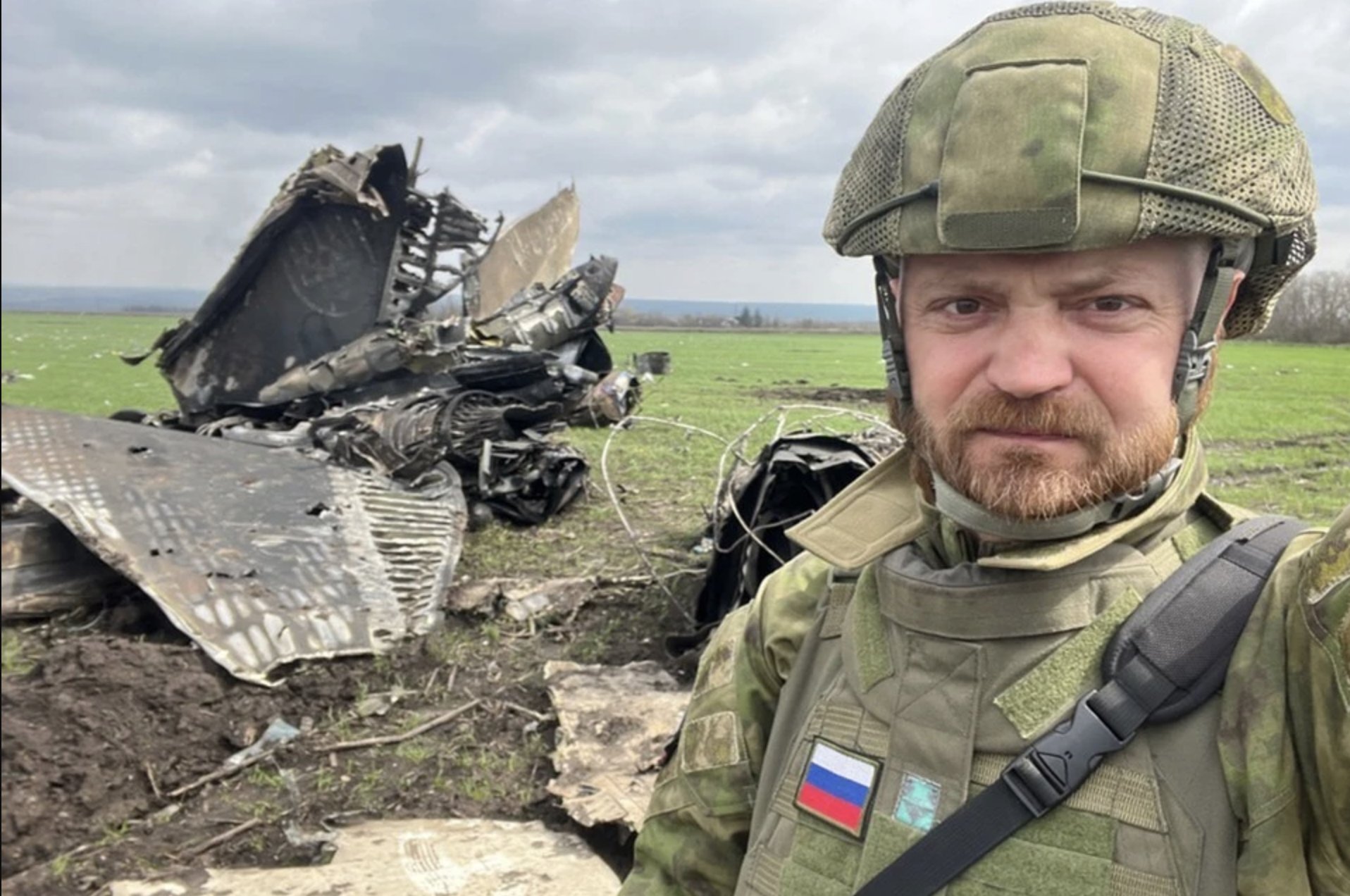
In Putin’s Russia, dissent is silenced. Yet pro-war “Z” bloggers and influencers insult and lambast military failures constantly, and go unpunished. The state tolerates them because without these defiant voices knitting the war machine’s lifelines, Russia’s offensive would stall.
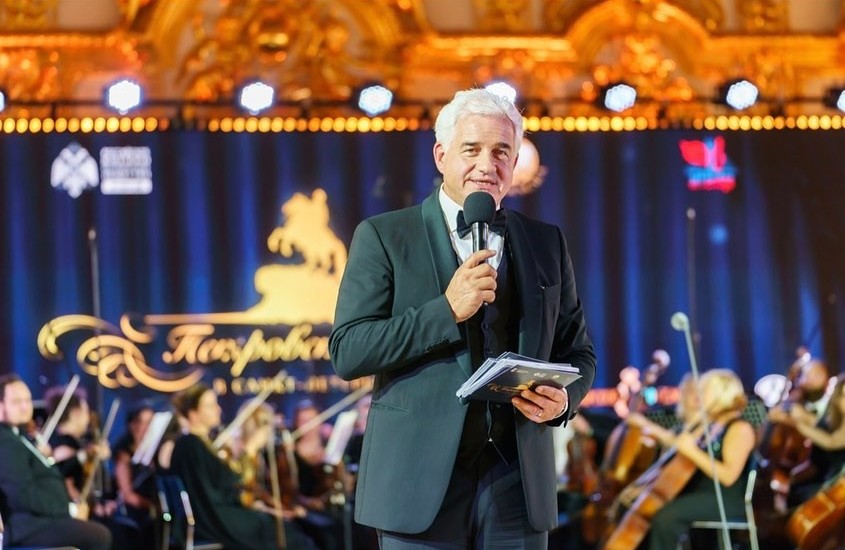
The Taschenbergpalais, a splendid baroque edifice in Dresden’s Old Town, stands as a luxury hotel complete with its own patisserie and oyster bar, catering to the affluent, the glamorous, and the influential. It was here that cultural manager Hans-Joachim Frey agreed to speak with Germany’s Die Zeit about his passion for music and his enduring ties to Russia and Vladimir Putin.
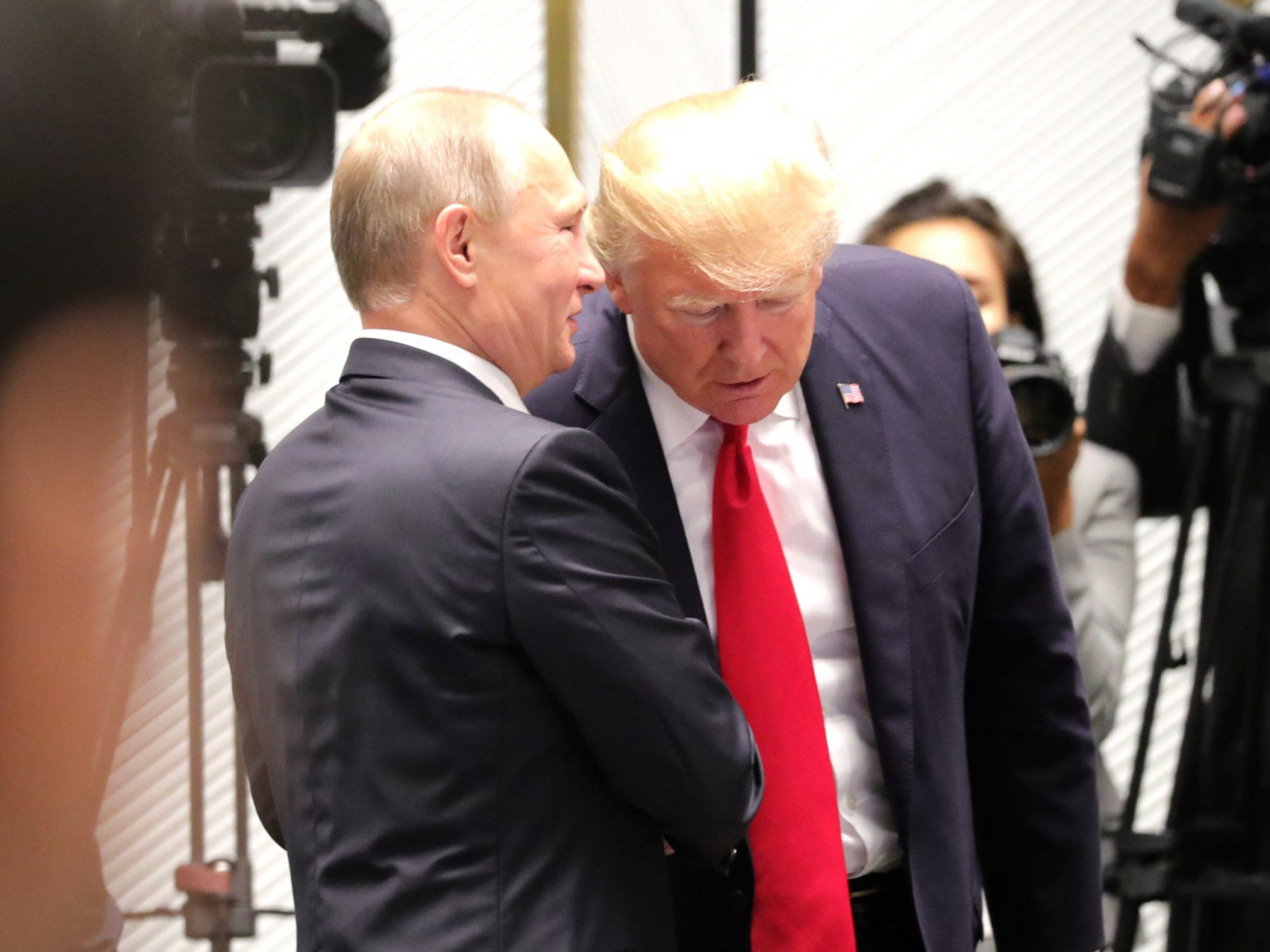
Donald Trump and Vladimir Putin discussed Ukraine and other international matters during a call on Tuesday. What do the two leaders have in common? A shared worldview alone no longer explains it.
It is likely that there will not be a peace agreement between Ukraine and Russia this year — or ever one at all. If negotiations stagnate, they could resemble the post-World War II relations between Japan and the Soviet Union: A peace treaty was never signed, and the dispute over the Kuril Islands has persisted for more than 70 years.
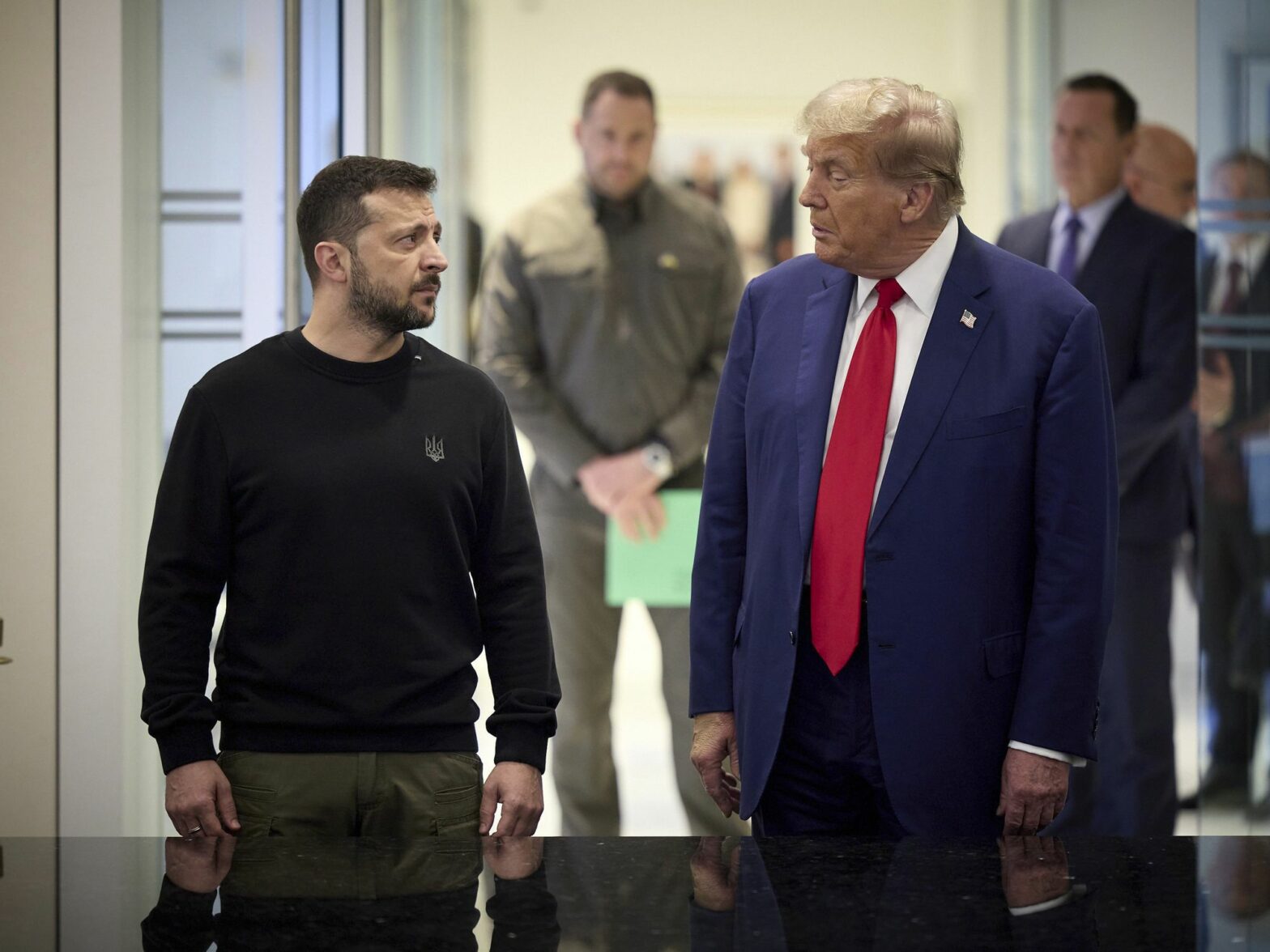
This week, U.S. President Donald Trump doubled down on his accusations against Ukraine. It looks as though Kyiv may have to rely solely on European military aid. But France’s president, along with the British prime minister, have made urgent plans to visit Trump.
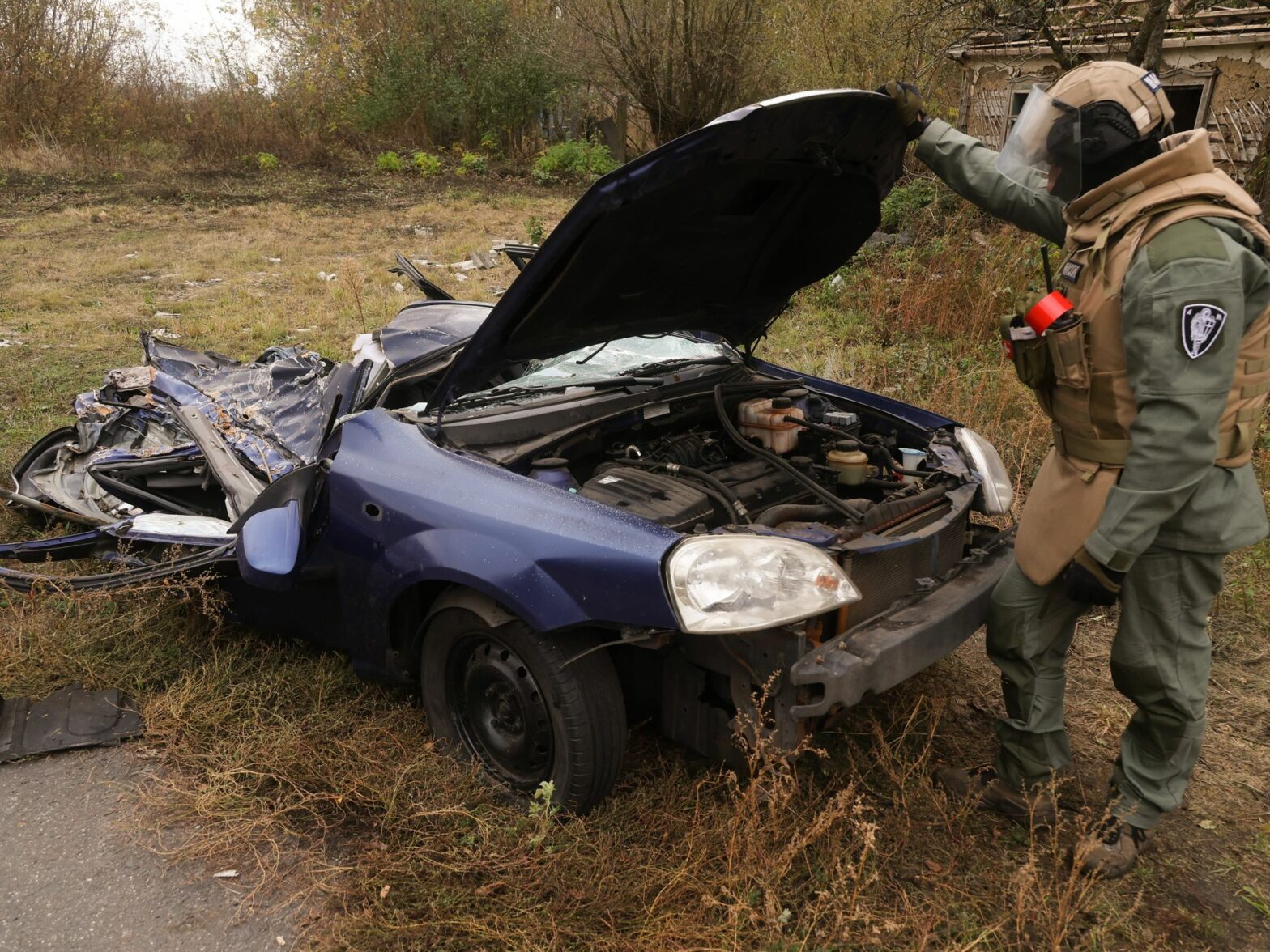
Kursk is becoming synonymous with a nightmare for Vladimir Putin, a dynamic that the Kremlin prefers not to talk about, a flaw in the apparently invulnerable Russian shield.
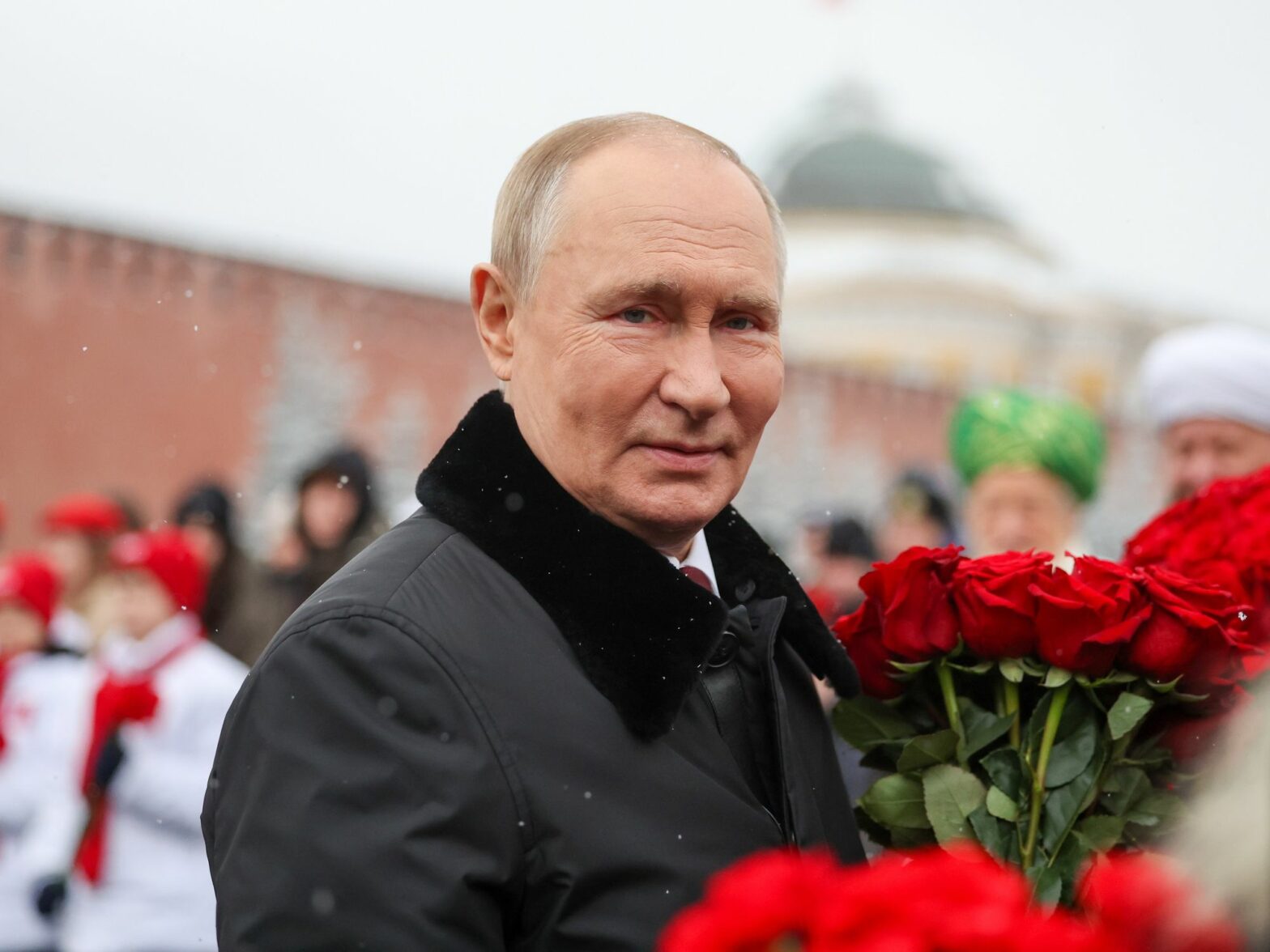
With the U.S. elections on the brink, and polls extra tight in swing states, the Kremlin is lapping it up. Rather than outwardly pulling for a Trump victory, however, Wacław Radziwinowicz argues that Moscow is above all, hoping for the high level of chaos that would come with a hung election.
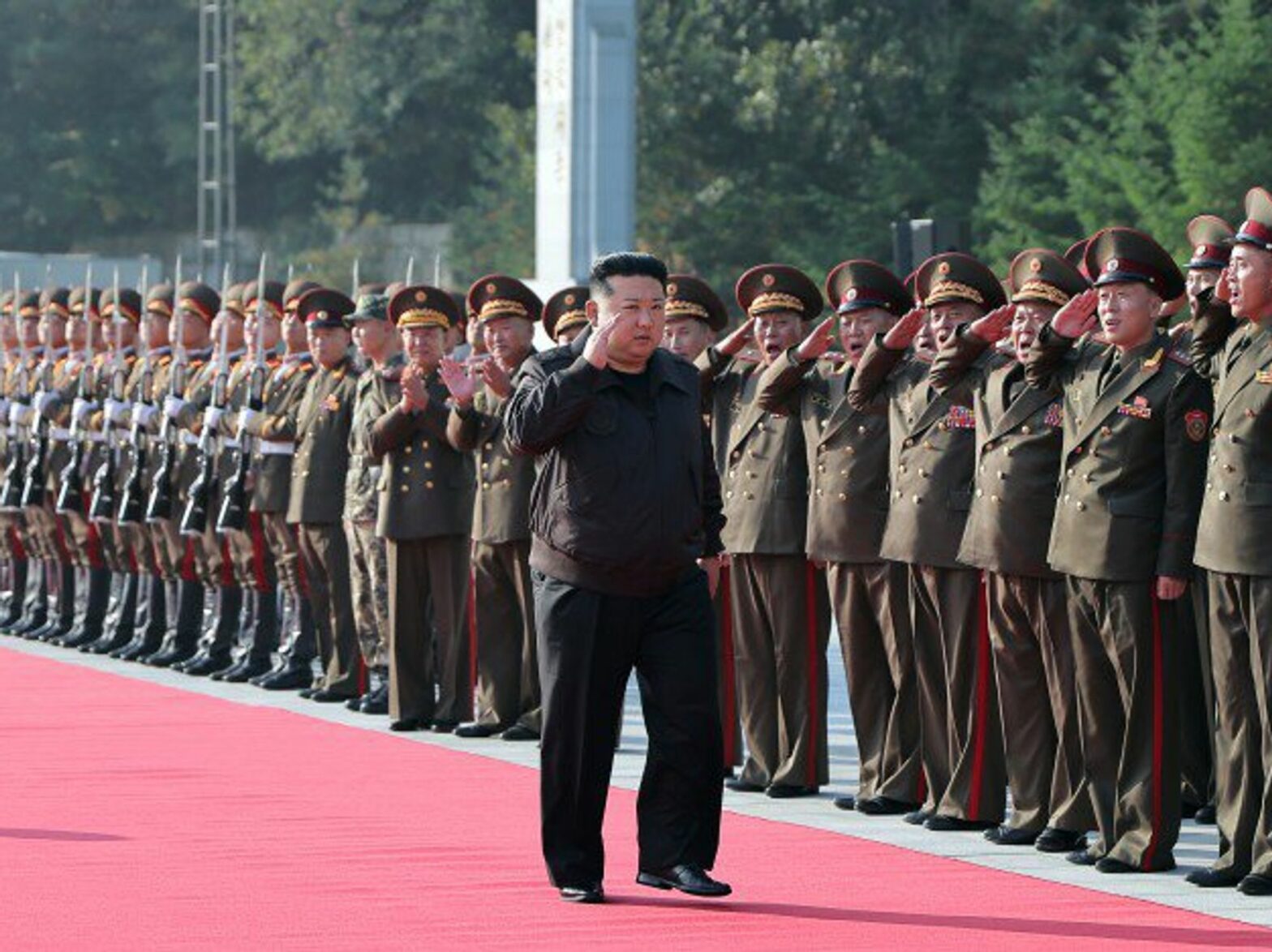
The United States’ confirmation of the presence of North Korean soldiers alongside the Russians in Ukraine has raised fears of an international escalation. All the more reason to fear that the current local or regional conflicts will gradually turn into global ones.
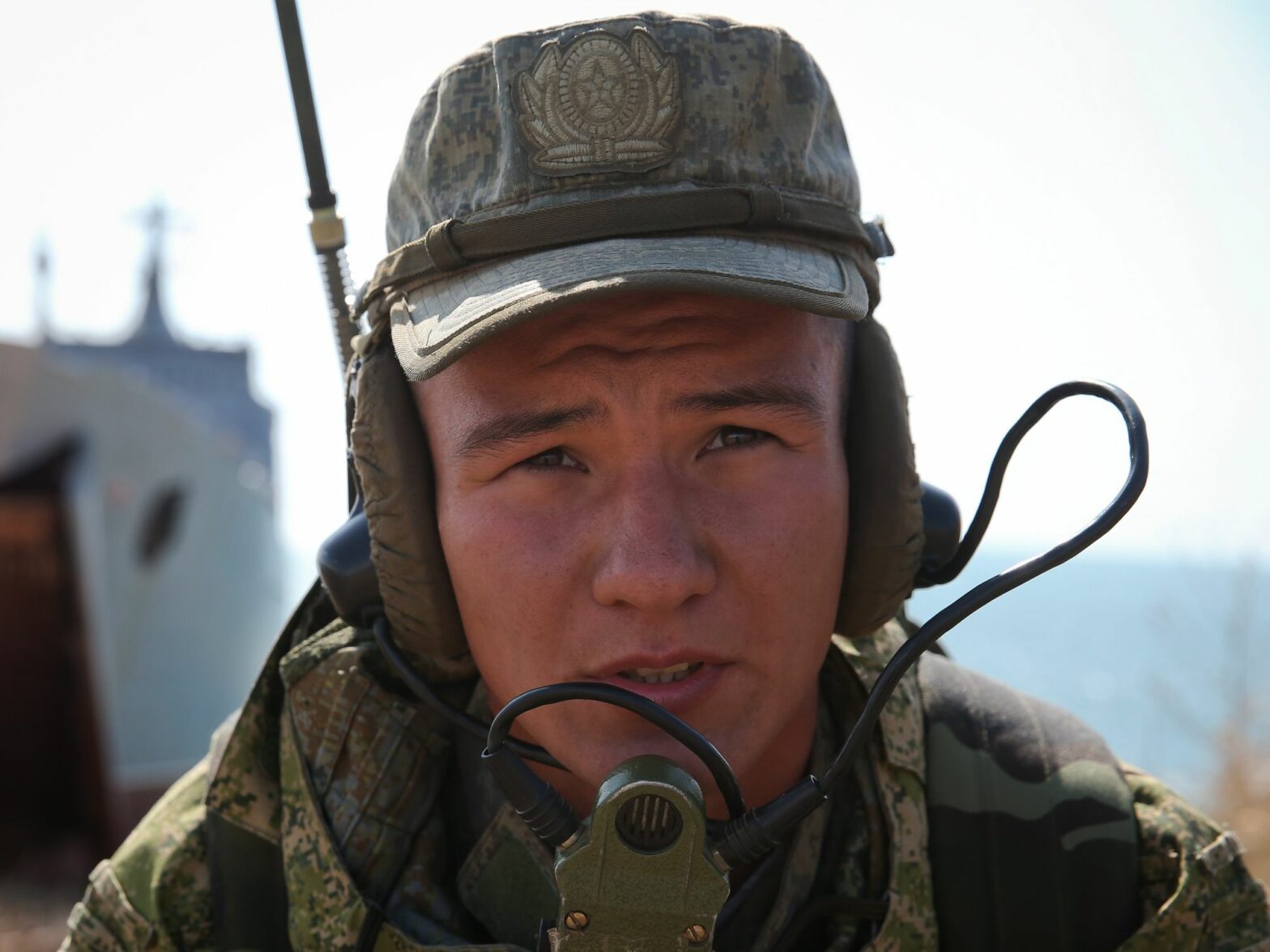
Russia’s Roskomnadzor agency blocked the Discord messaging application earlier this month, and thus disrupted one of the Russian military’s well-established communication systems. It’s a reminder of the Kremlin’s need for Western technology to wage its war against Ukraine.
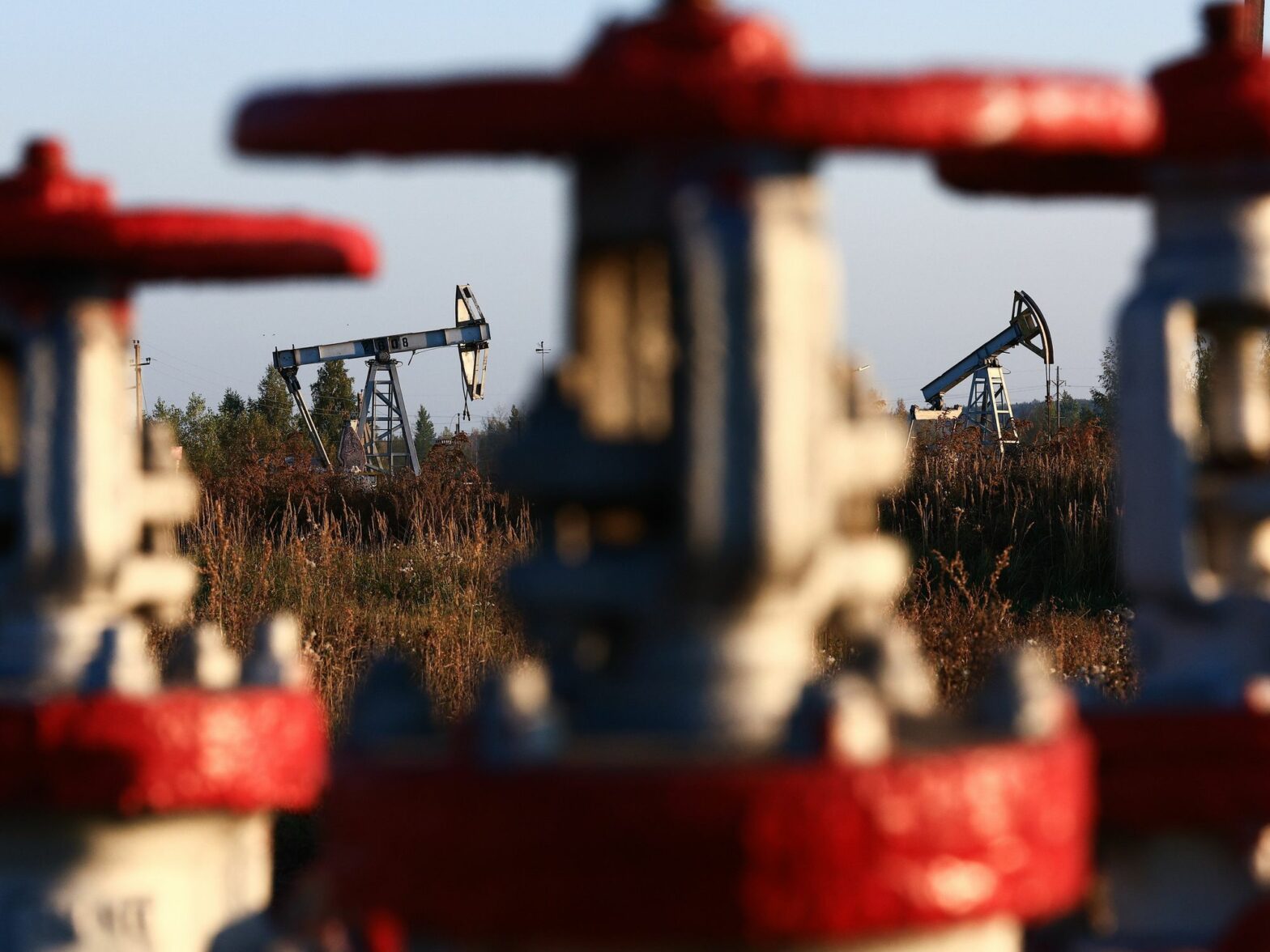
Since the end of the 20th century, the idea has spread that there’s a fundamental link between energy prices and Moscow’s ability to carry out military aggression. After all, low energy prices were one of the factors behind the economic collapse of the USSR.
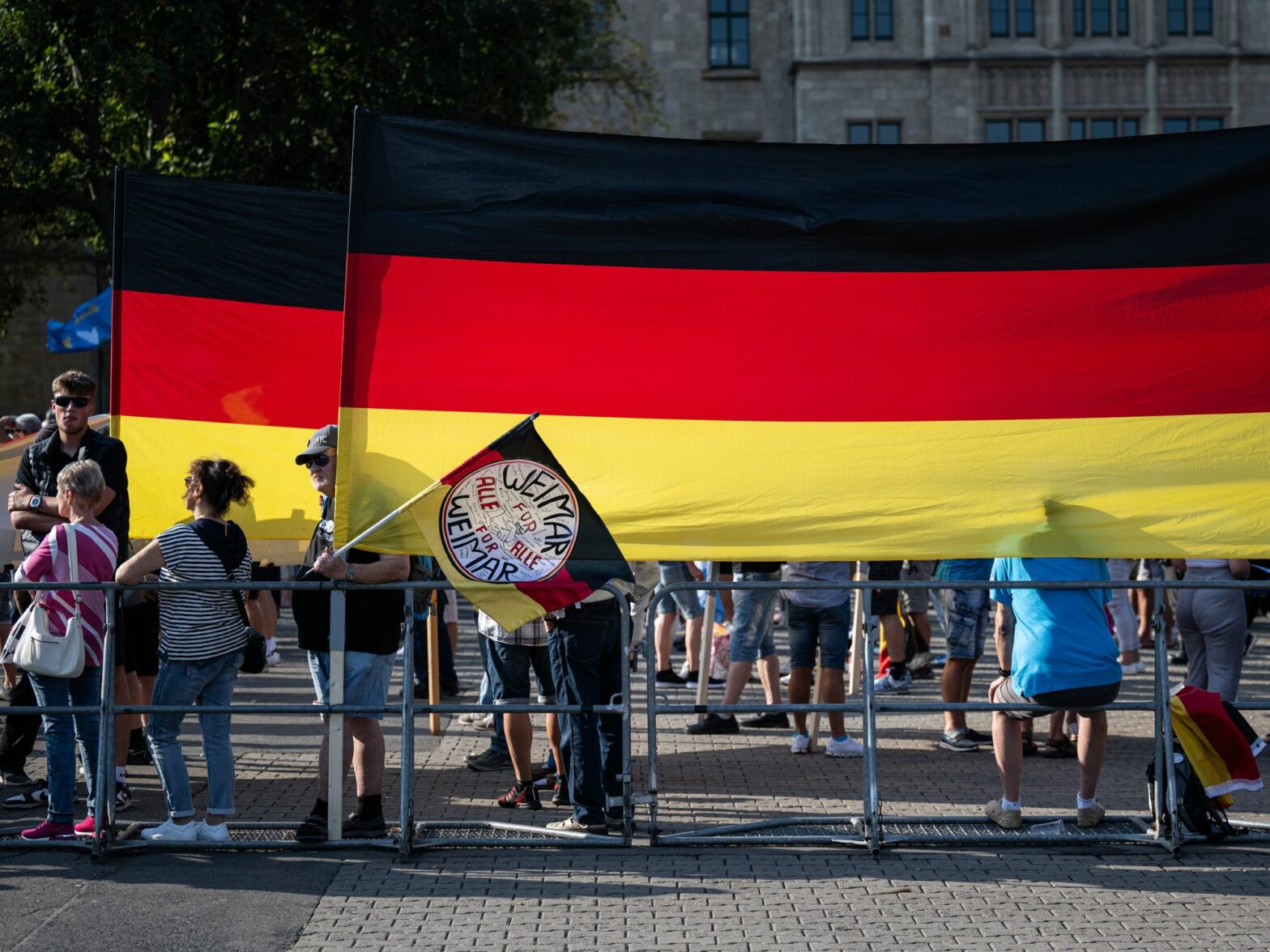
U.S. authorities have seized documents that expose a Russian-led fake news offensive in Europe. The devastating effects of this large-scale propaganda campaign are for all to see in the recent elections in Thuringia and Saxony.
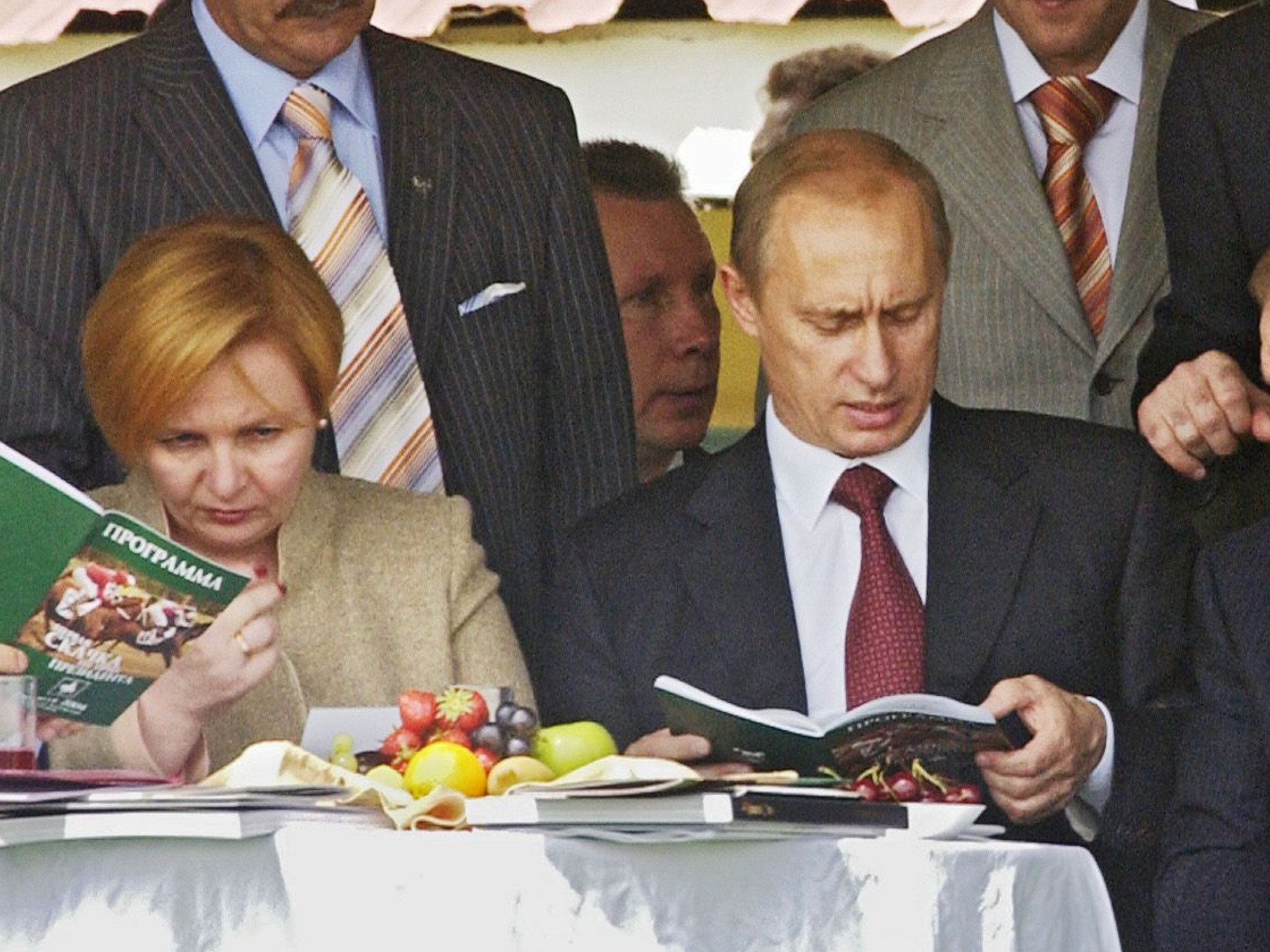
Even Russians are unlikely to have noticed that since Vladimir Putin came to power some 25 years ago, the biography the Kremlin presents of him has been repeatedly altered. A new investigation revealing details about his two sons is but an exception in a long history of authorities carefully hiding facts and evidence about Putin’s life and his relationship with his family and friends — and the Russian people.
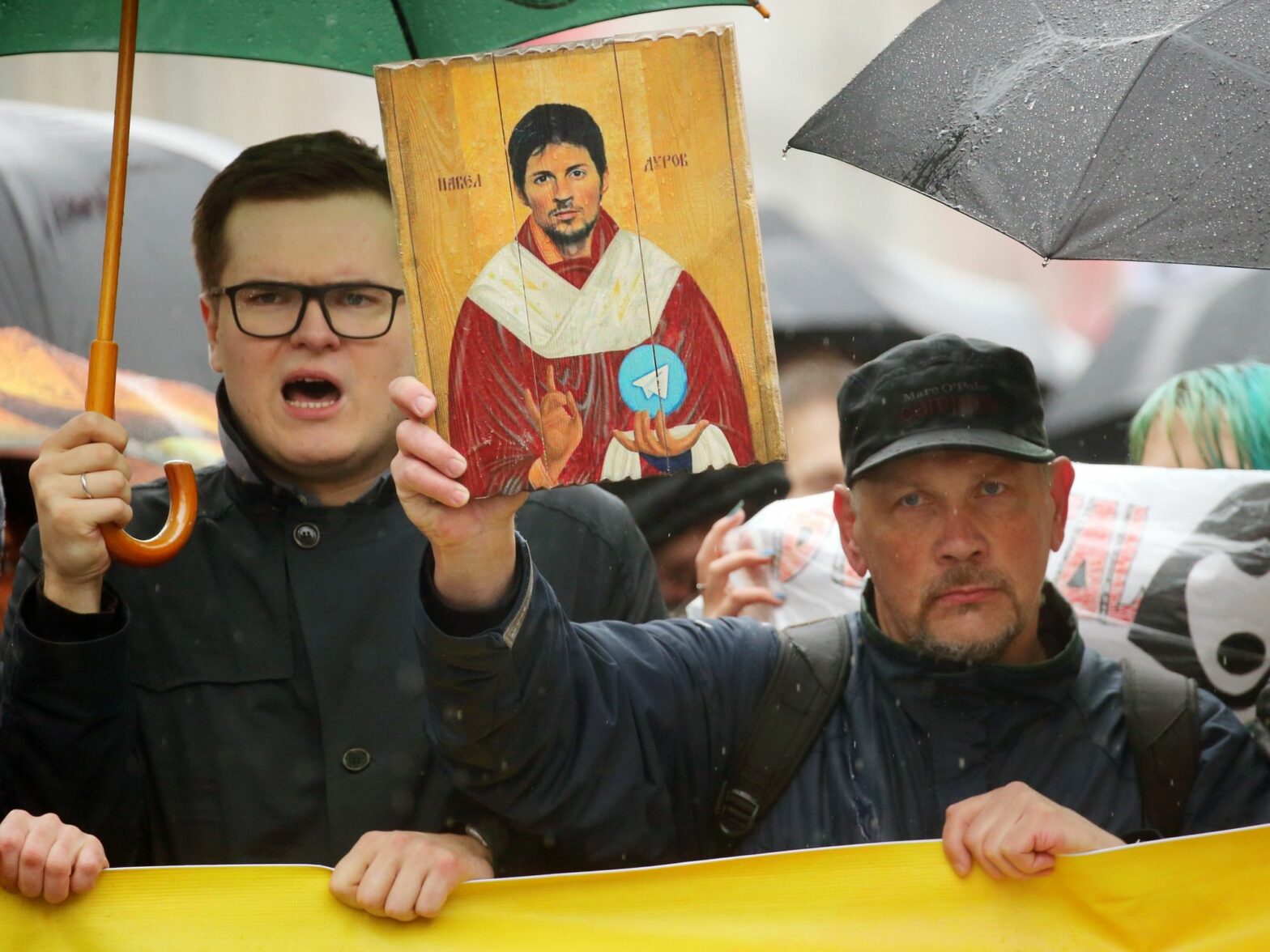
The arrest in Paris of Telegram founder Pavel Durov raises a lingering question about who actually controls the Russian messaging and social platform. Some say it’s Vladimir Putin’s most powerful (not-so) secret weapon in the global hybrid war aimed at spreading backward ideology and destabilizing the world.
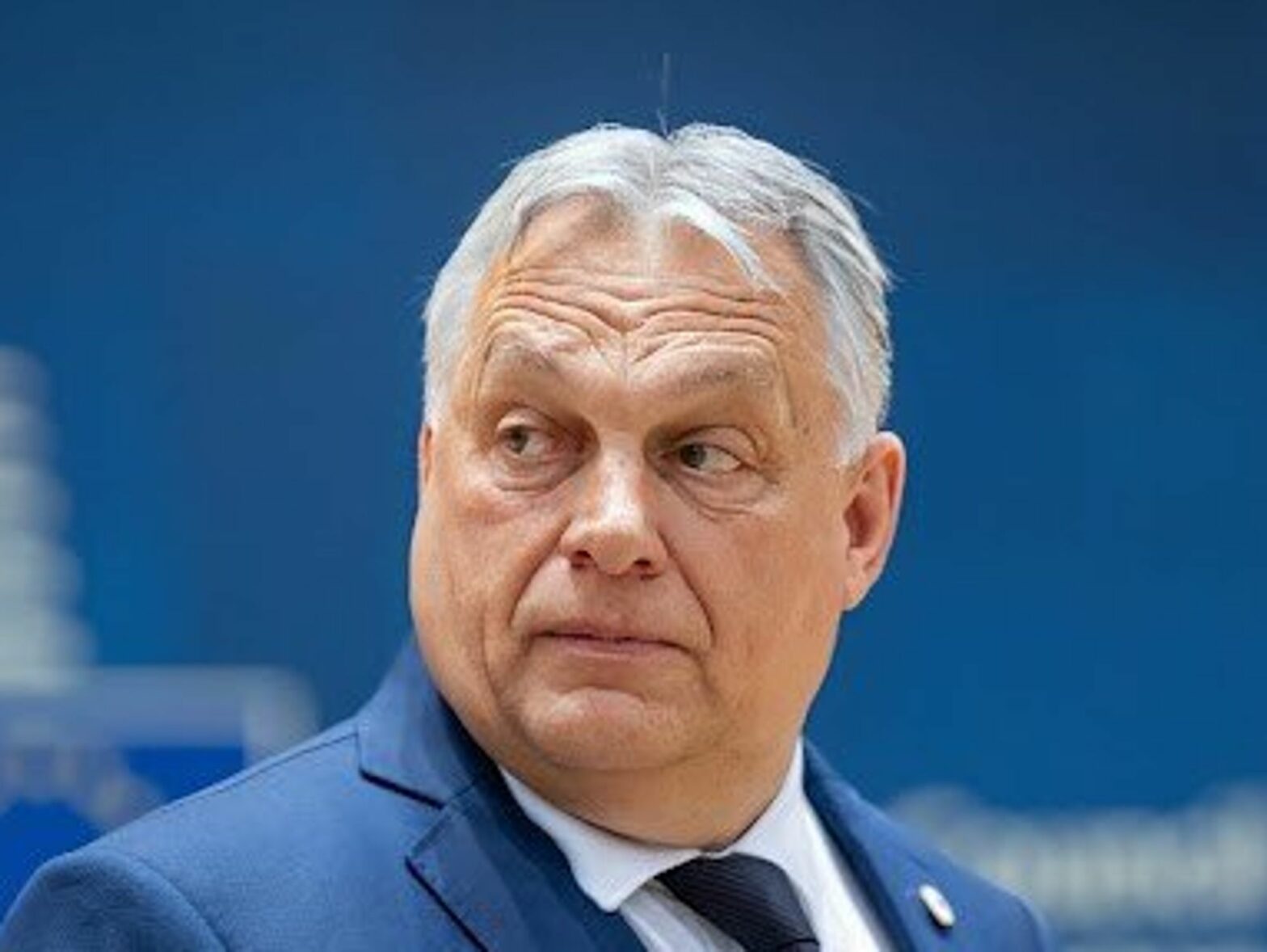
Hungarian Prime Minister Viktor Orban officially announced the creation of a new group in the European Parliament, the “Patriots for Europe” to gather extremist parties that have been sidelined by the establishment. It can also be a bridge to Trump and Putin.
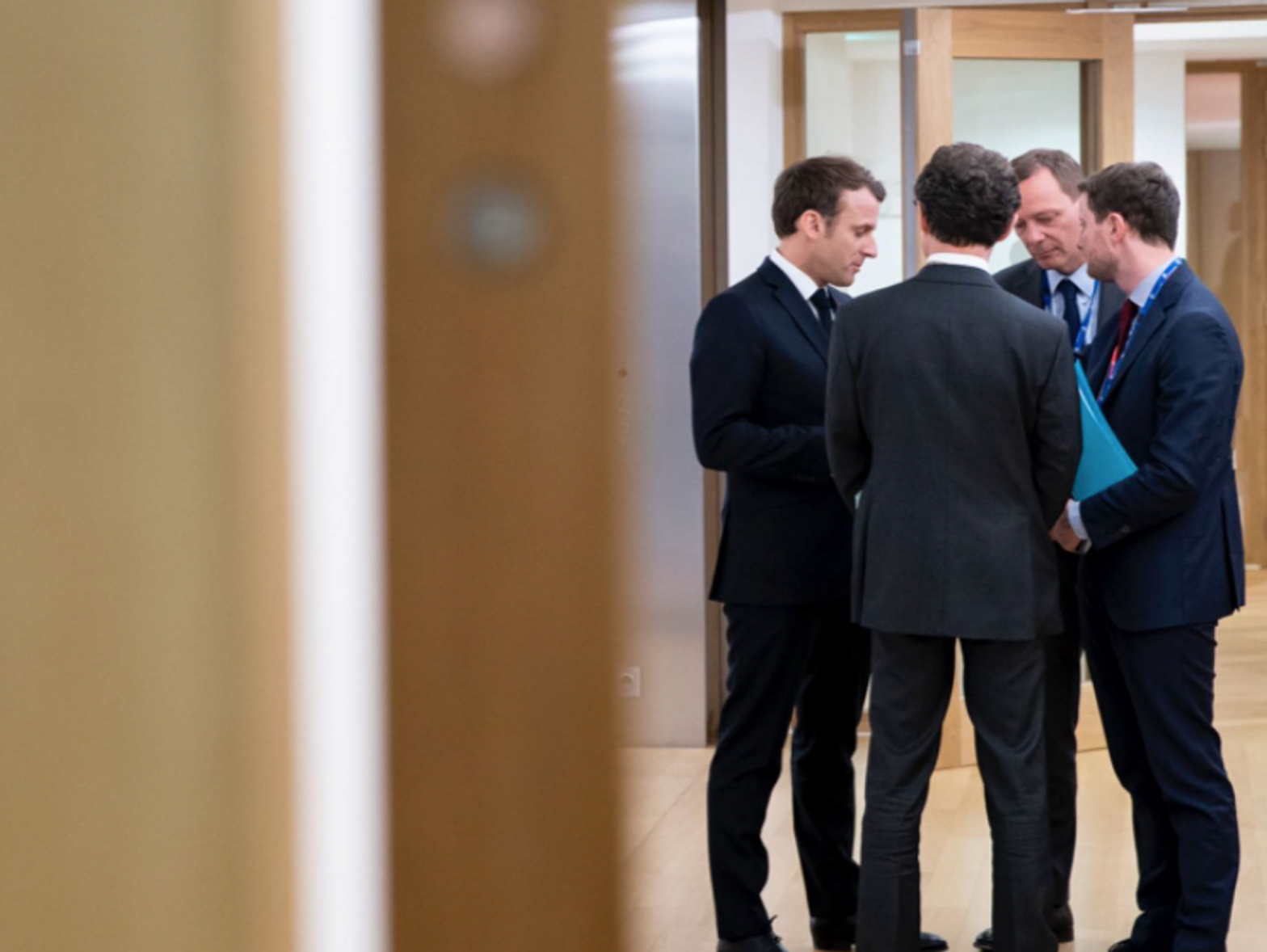
The French president wants to convince Vladimir Putin to halt military deployment around Ukraine. But some in Moscow believe the Russian president is only interested in negotiating with the U.S. about the wider global balance of power.
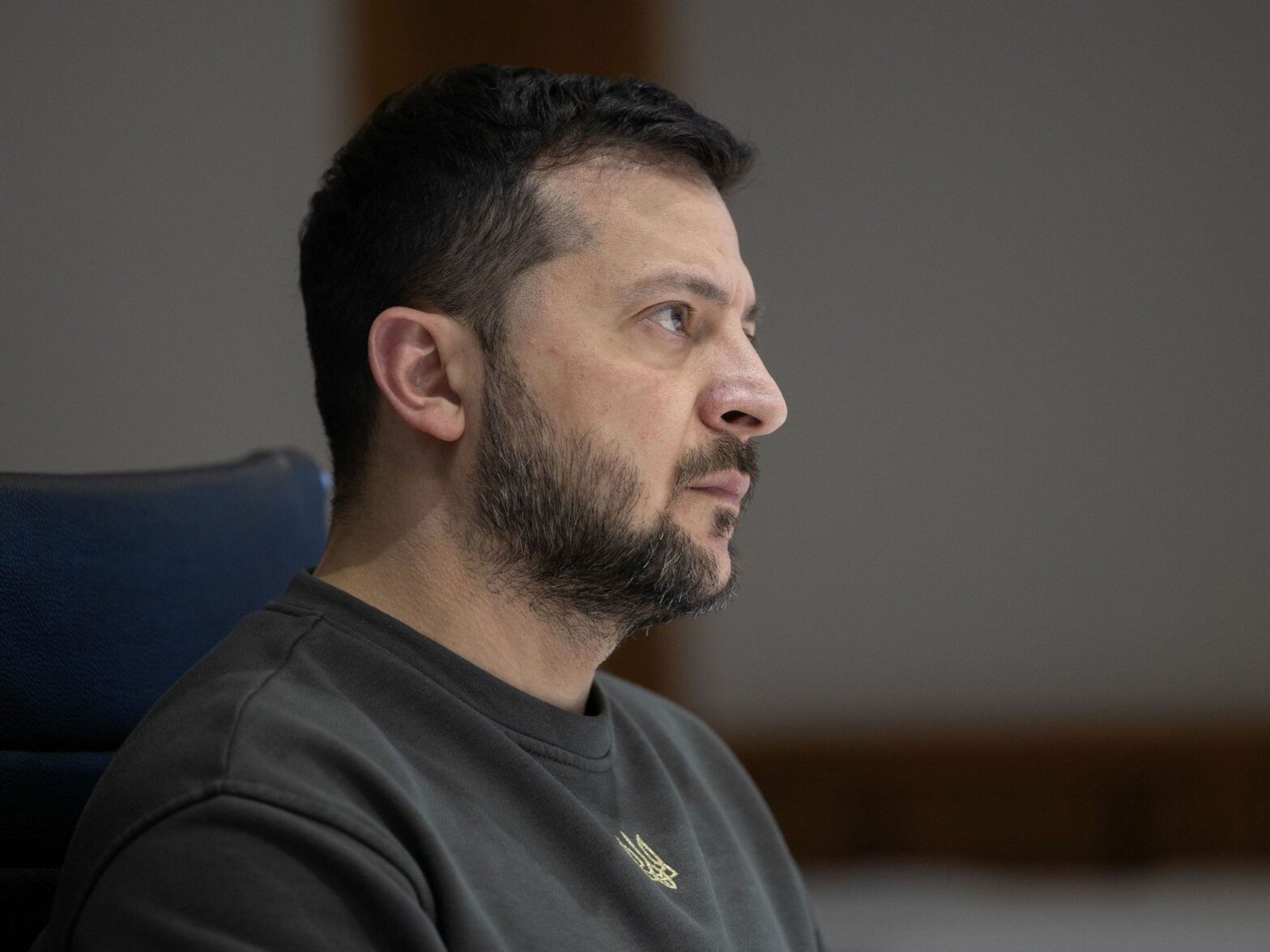
Compared to the worldwide admiration for Volodymyr Zelensky, authorities in Moscow have systematically tried to demean the Ukrainian leader. Yet even among Russians, that strategy appears to be backfiring.
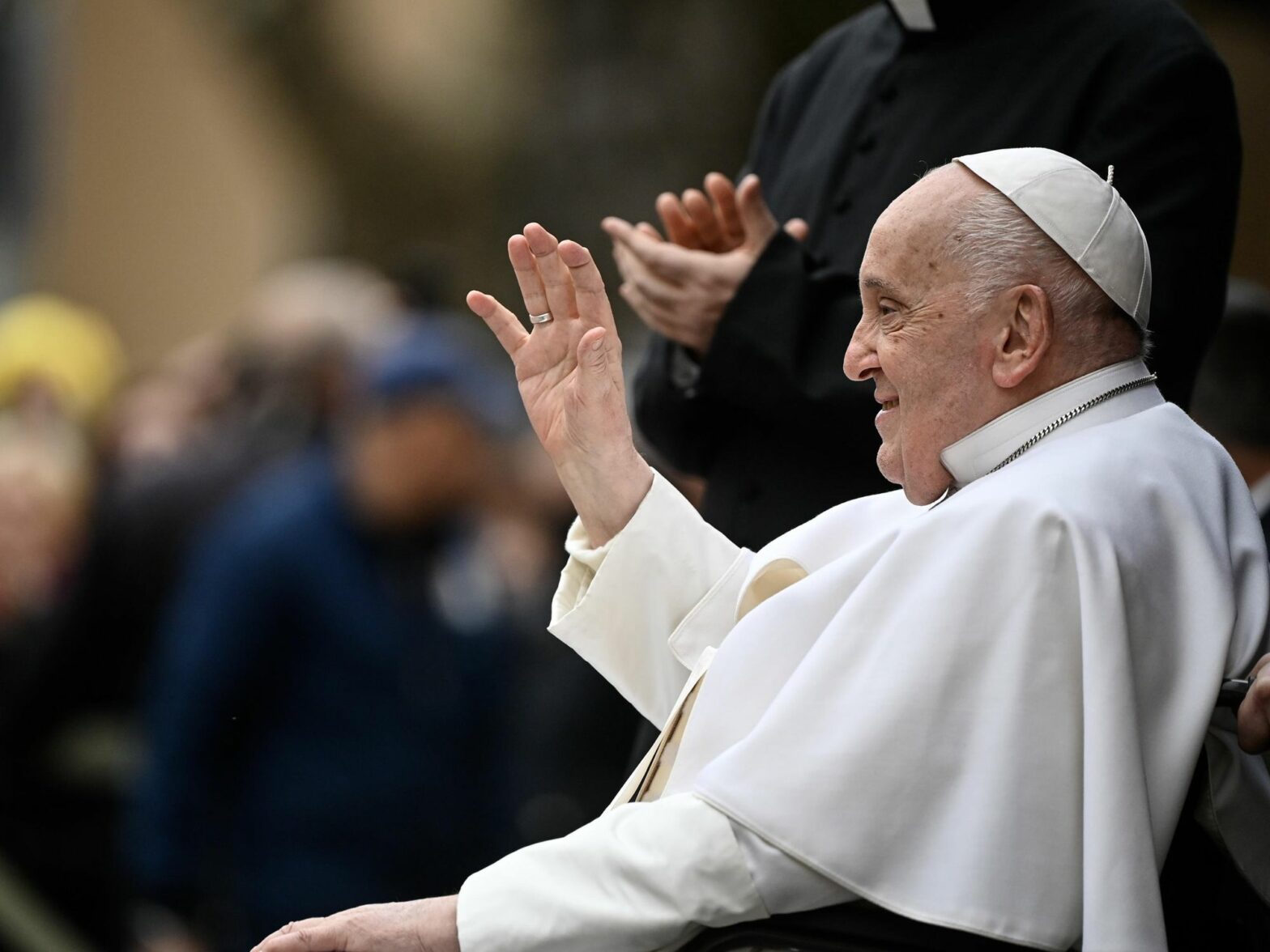
Pope Francis appears incapable of grasping that for Ukraine to “raise the white flag” would be to concede defeat, and accept the victory of evil over good. Is he a poor theologian or a poor global strategist, or both?
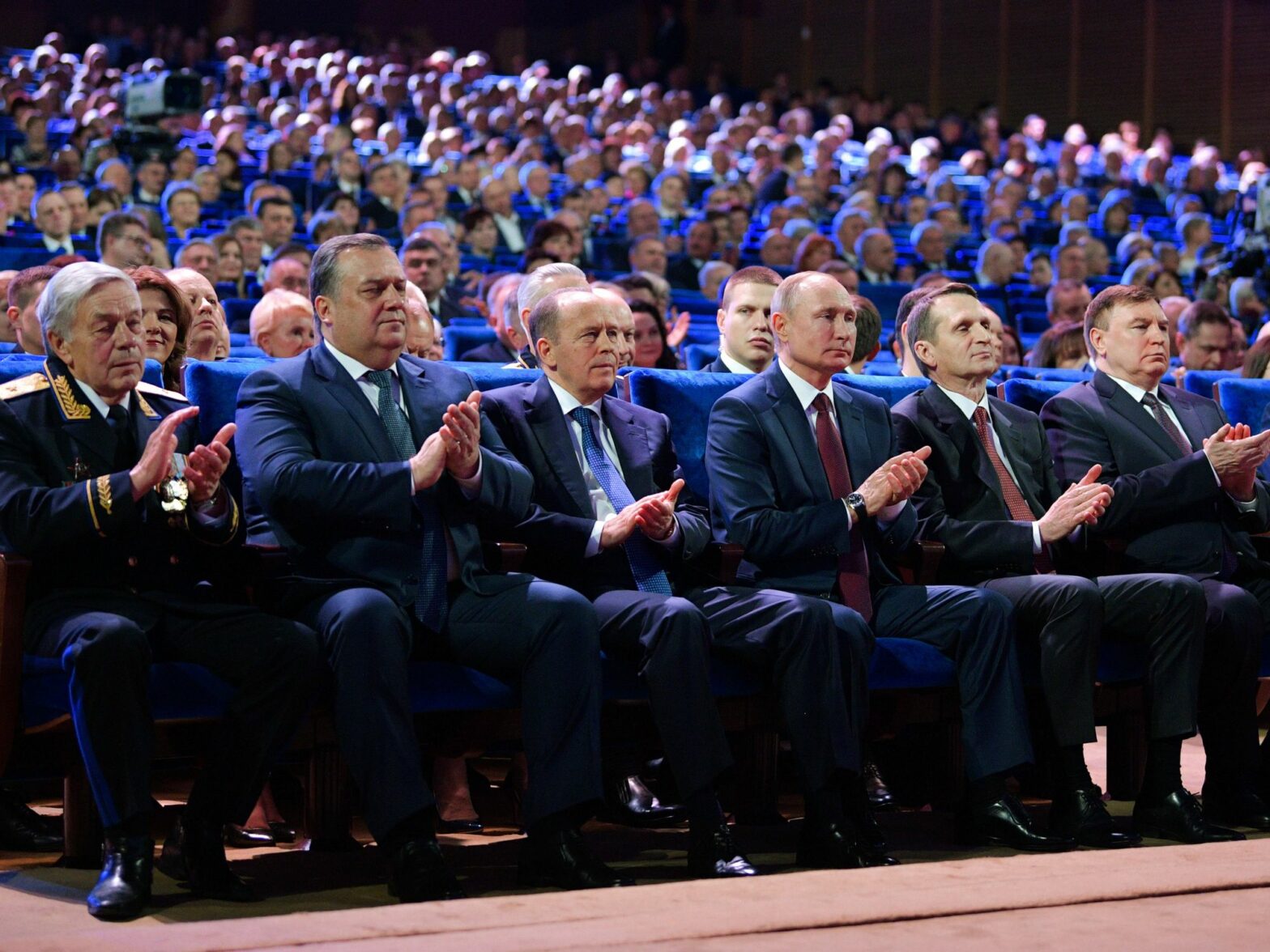
In a quarter of a century under the regime of the former KGB agent, members of the Russian security forces have imposed their growing stronghold on politics and the economy. But the Russian presidential election is also an admission of their weakness with their president failing to build a state strong enough to carry on without them.
Updated March 4, 2024 at 12:20 p.m. Vladimir Putin was re-elected as president of Russia on this day in 2012. Why was Putin’s re-election in 2012 controversial? Putin’s re-election in 2012 was controversial due to allegations of election fraud and voter intimidation. The opposition also claimed that the government used its control over the media […]
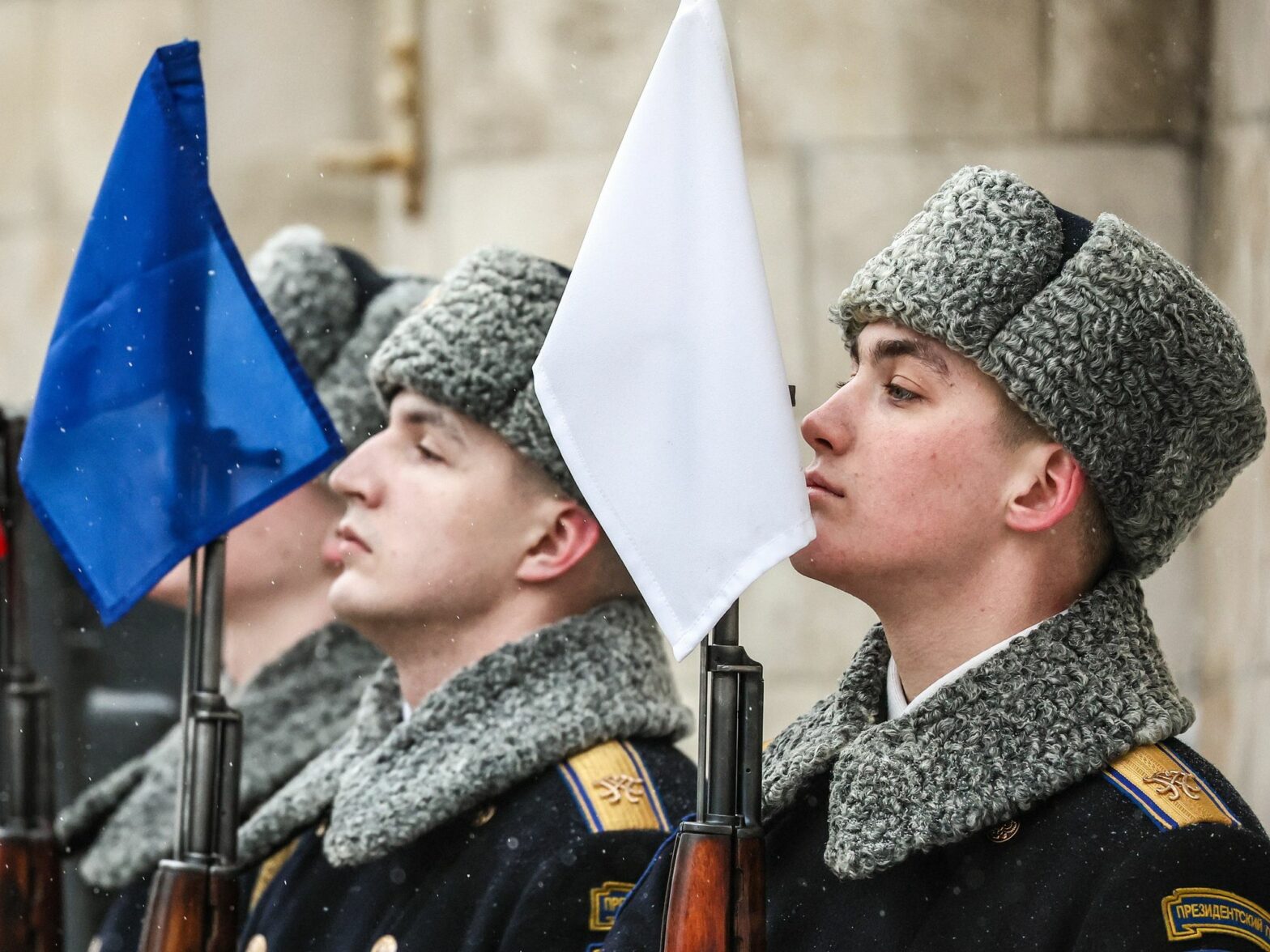
Wikipedia remains one of the few independent platforms accessible in Russia, but since the war in Ukraine started, the online encyclopedia has come under increasing pressure. Stanislav Kozlovsky, the director of Wikimedia.ru, the nonprofit organization supporting the Russian segment of Wikipedia, explains how he manages (barely) to keep the Kremlin censors at bay.
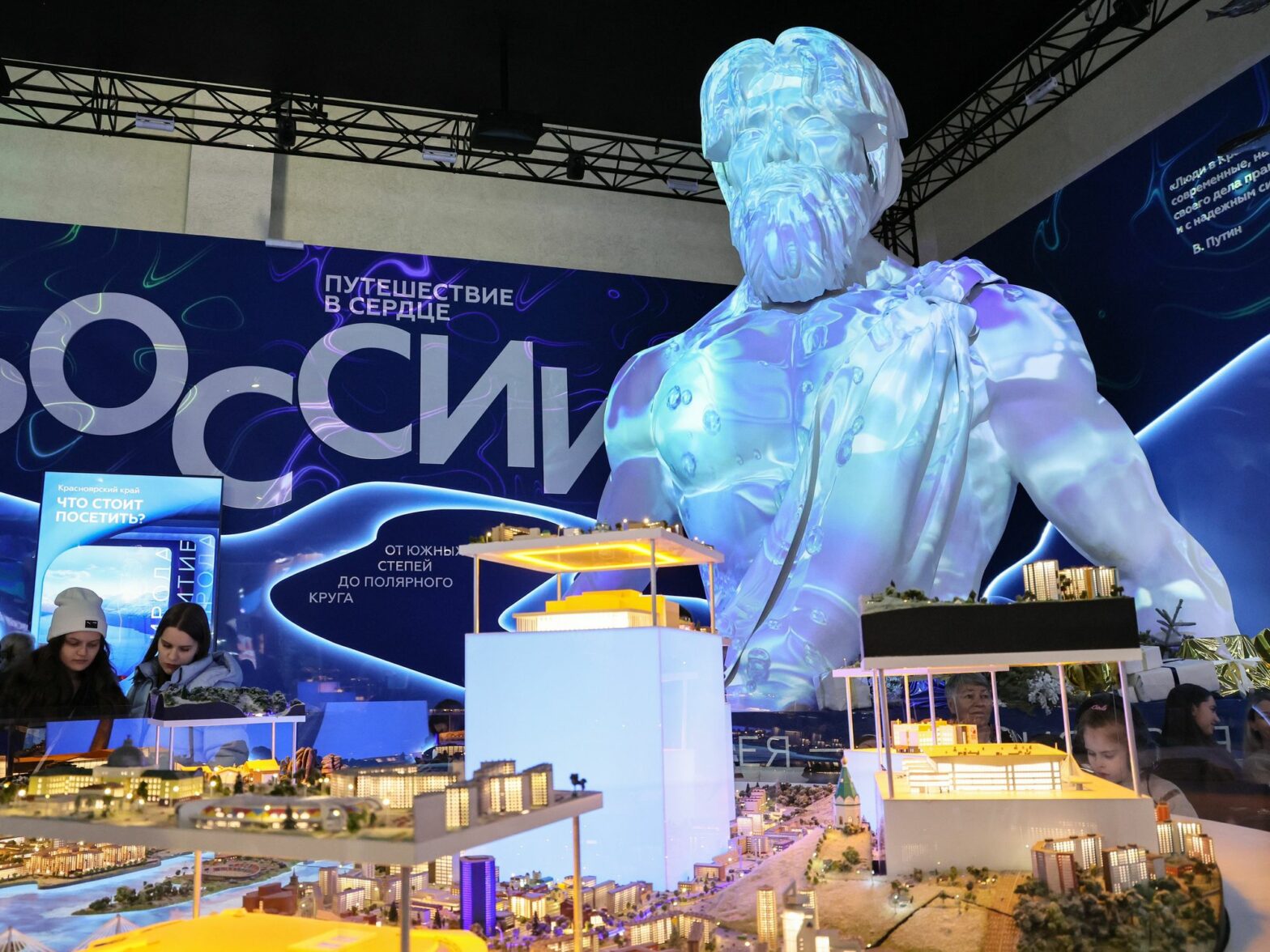
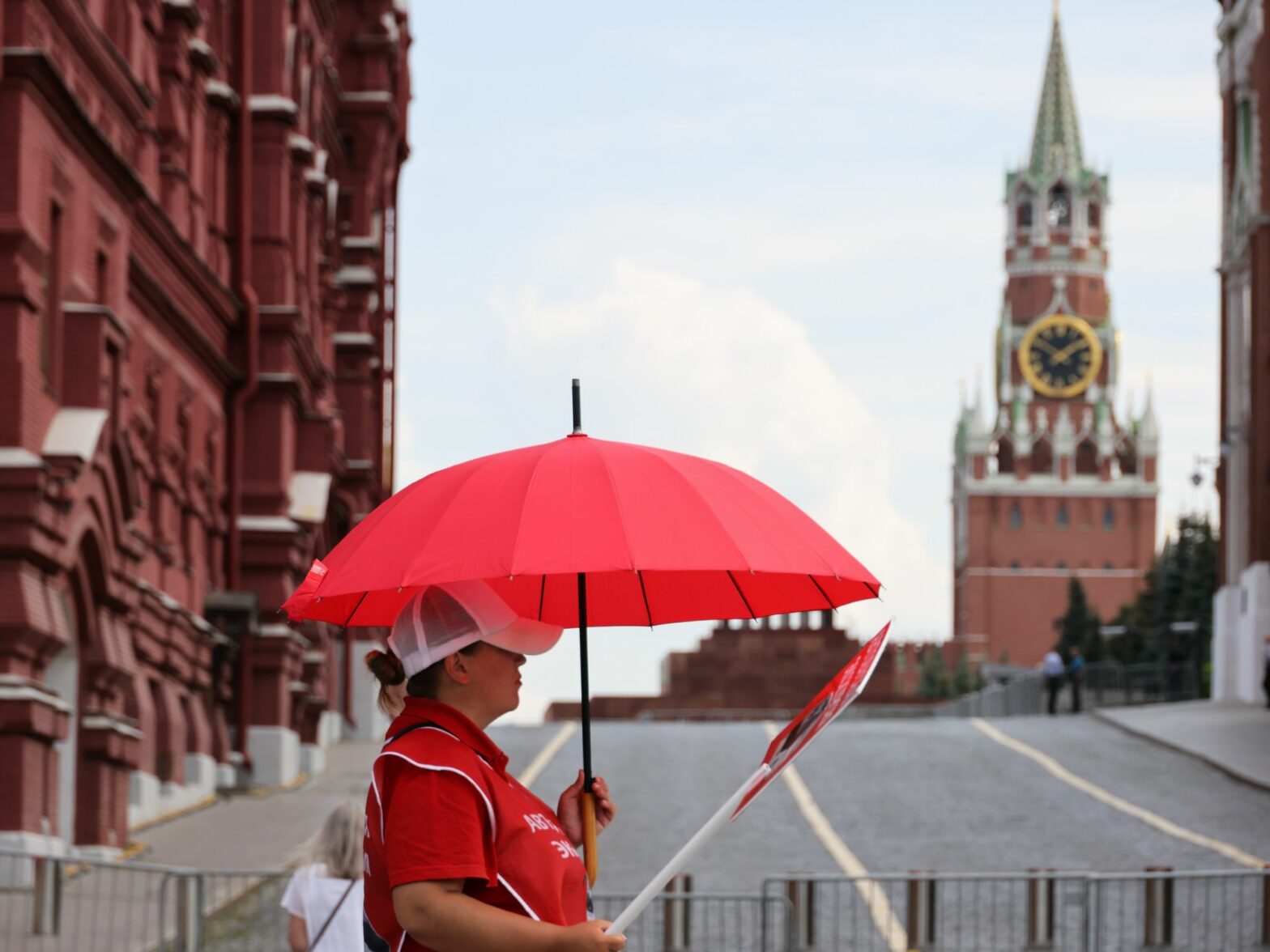
Vladimir Putin is not campaigning for the March 17 presidential election, but his message is on display at the vast “Rossia” exhibition in Moscow, which aims “to show Russians their modern Russia, a country they can be proud of.”
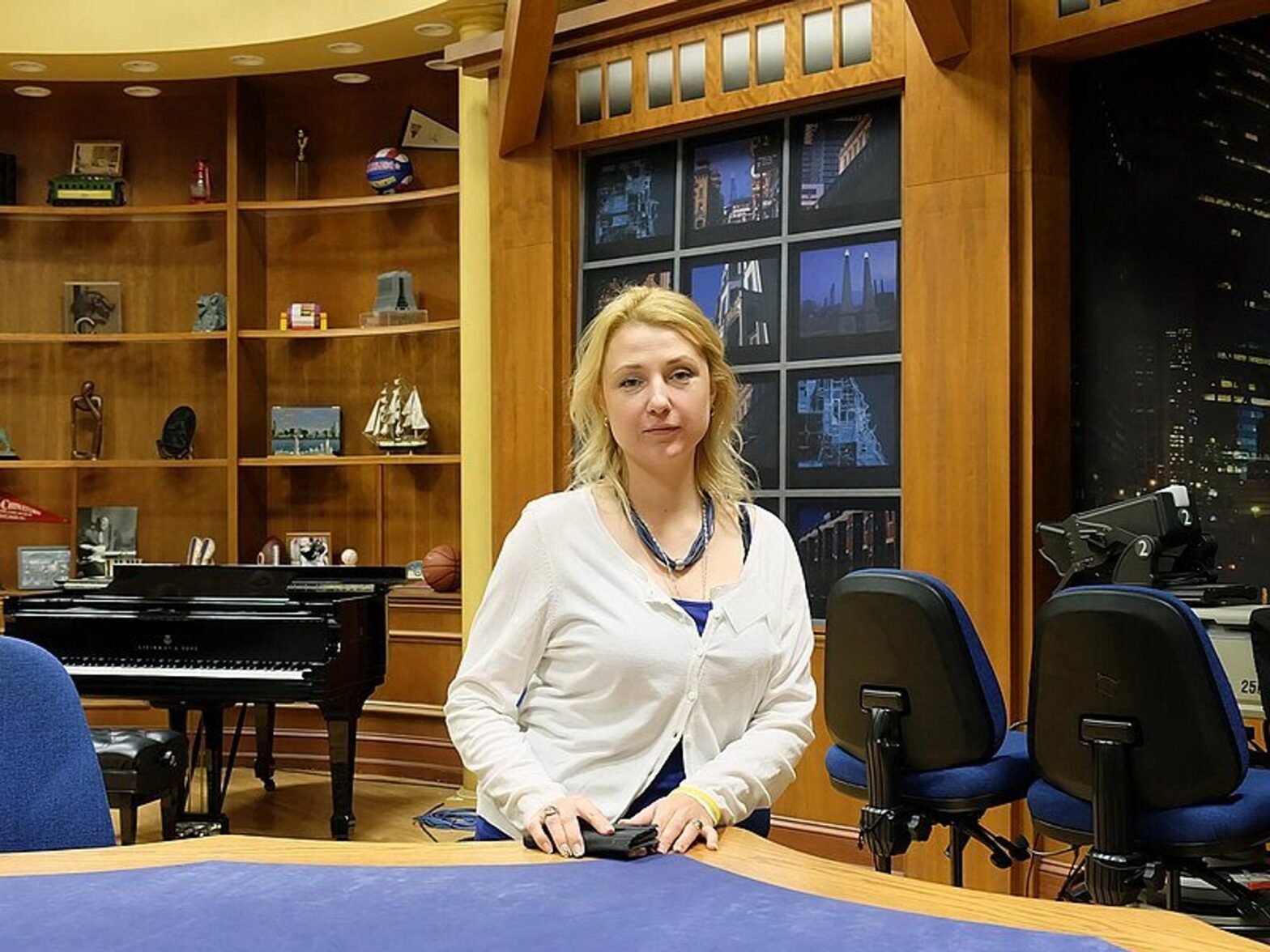
A former journalist and city councilor, Yekaterina Duntsova, 40, has suddenly gained surprising popularity among Russians opposed to Vladimir Putin and its offensive in Ukraine. She explains why barring her from the March presidential election won’t stop her campaign.
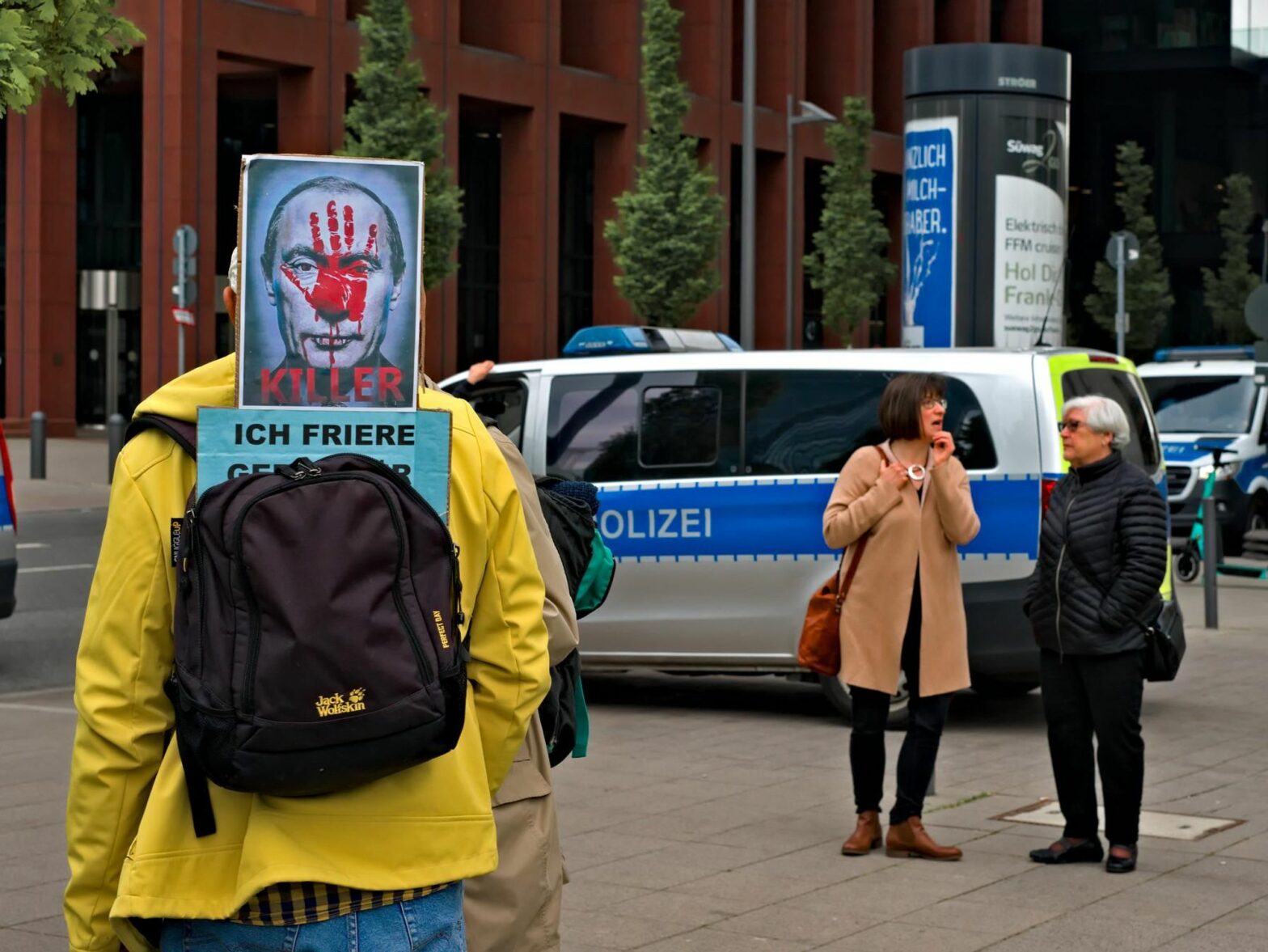
The leaders of key EU countries have been on the phone with Vladimir Putin since the war in Ukraine began. Weighing the costs, benefits…and morals…of leaving the door open to a man who brutally invaded a sovereign nation — and taking Munich 1938 as a starting point.
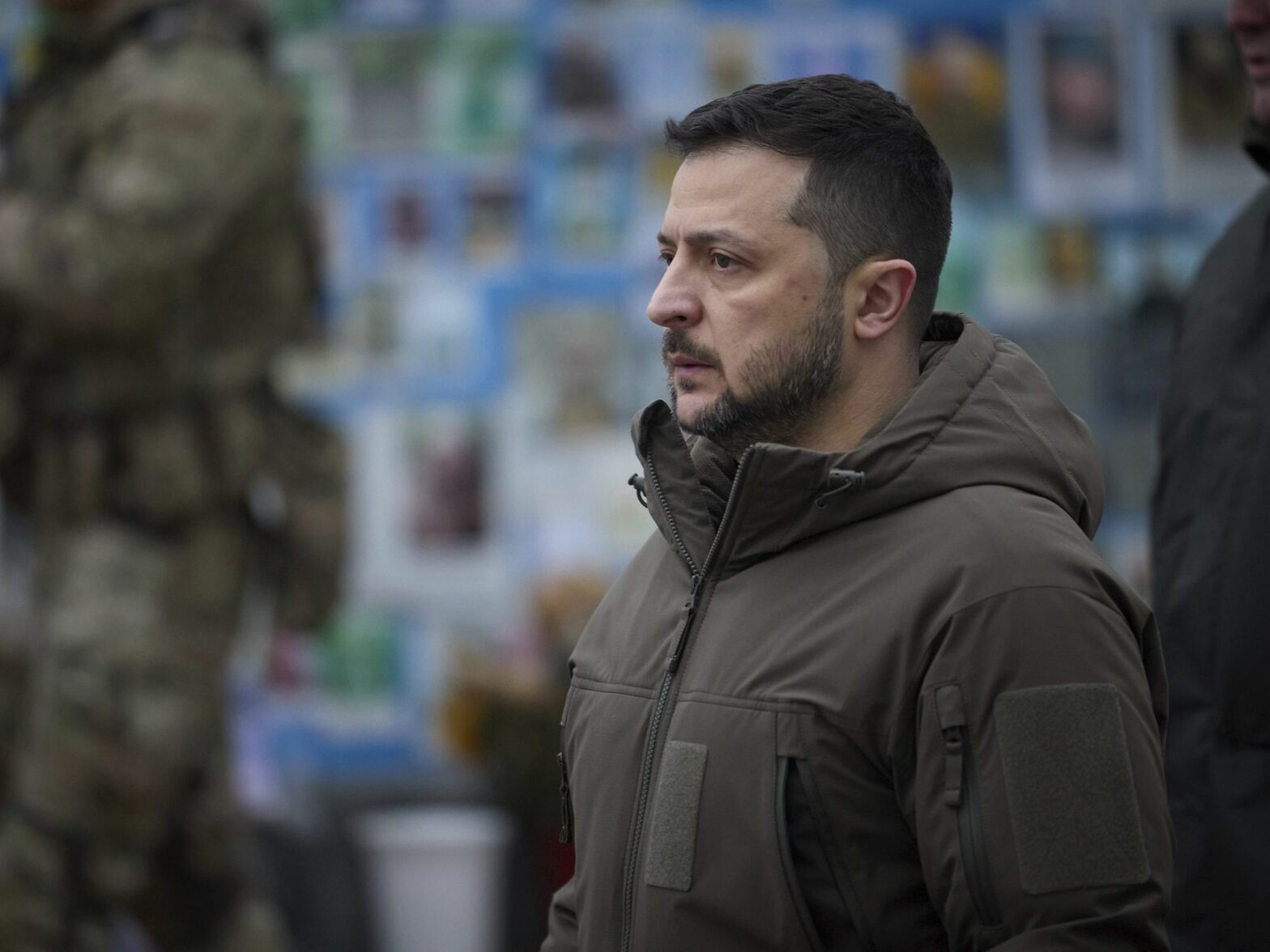
Even with the war at a stalemate, and as far away as victory may be for both sides, negotiations are an absolute non-starter for both the presidents of Ukraine and Russia.
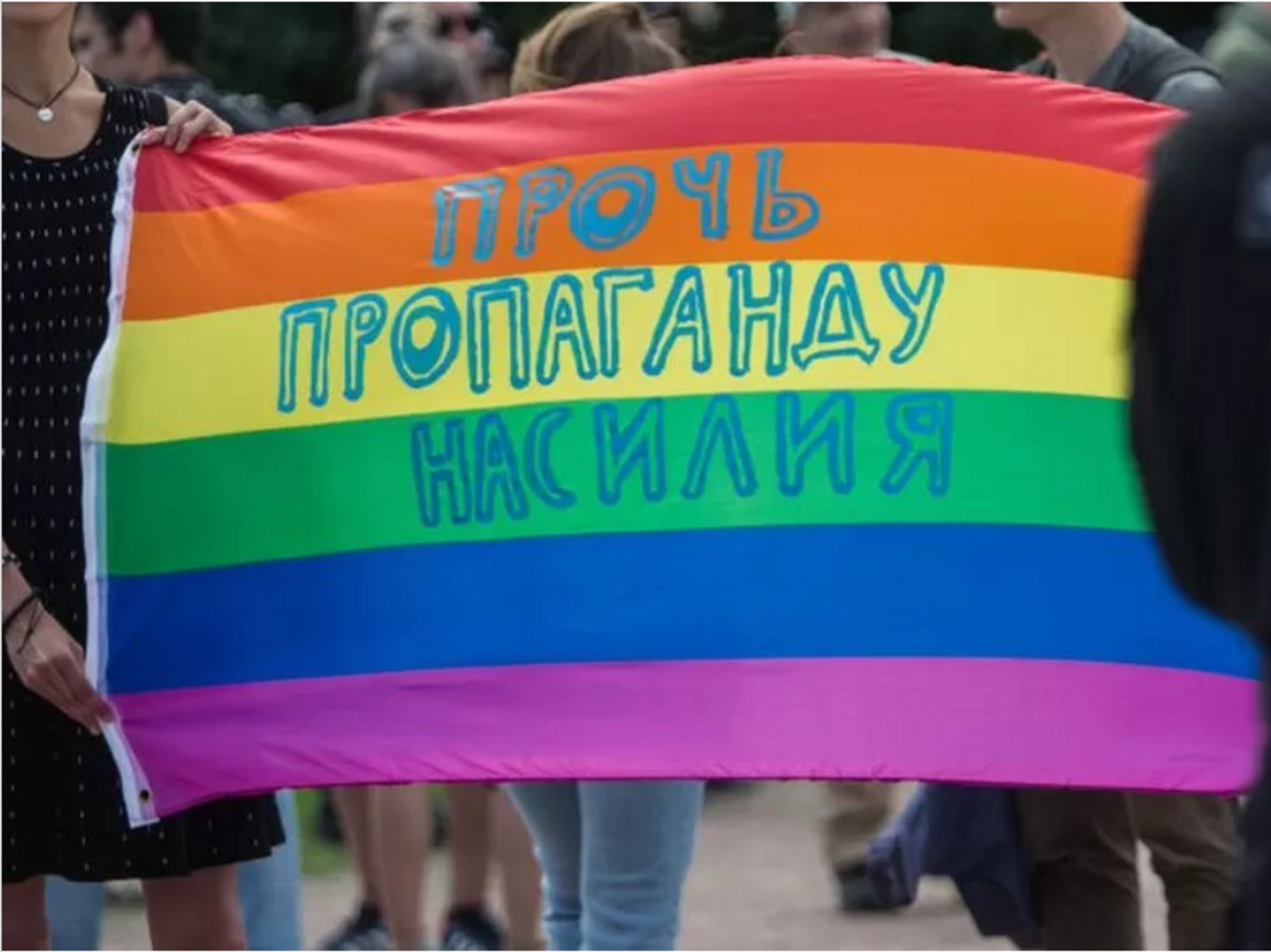
Some social activists believe that this sudden shift can potentially threaten not just human rights organizations but virtually any Russian citizen.
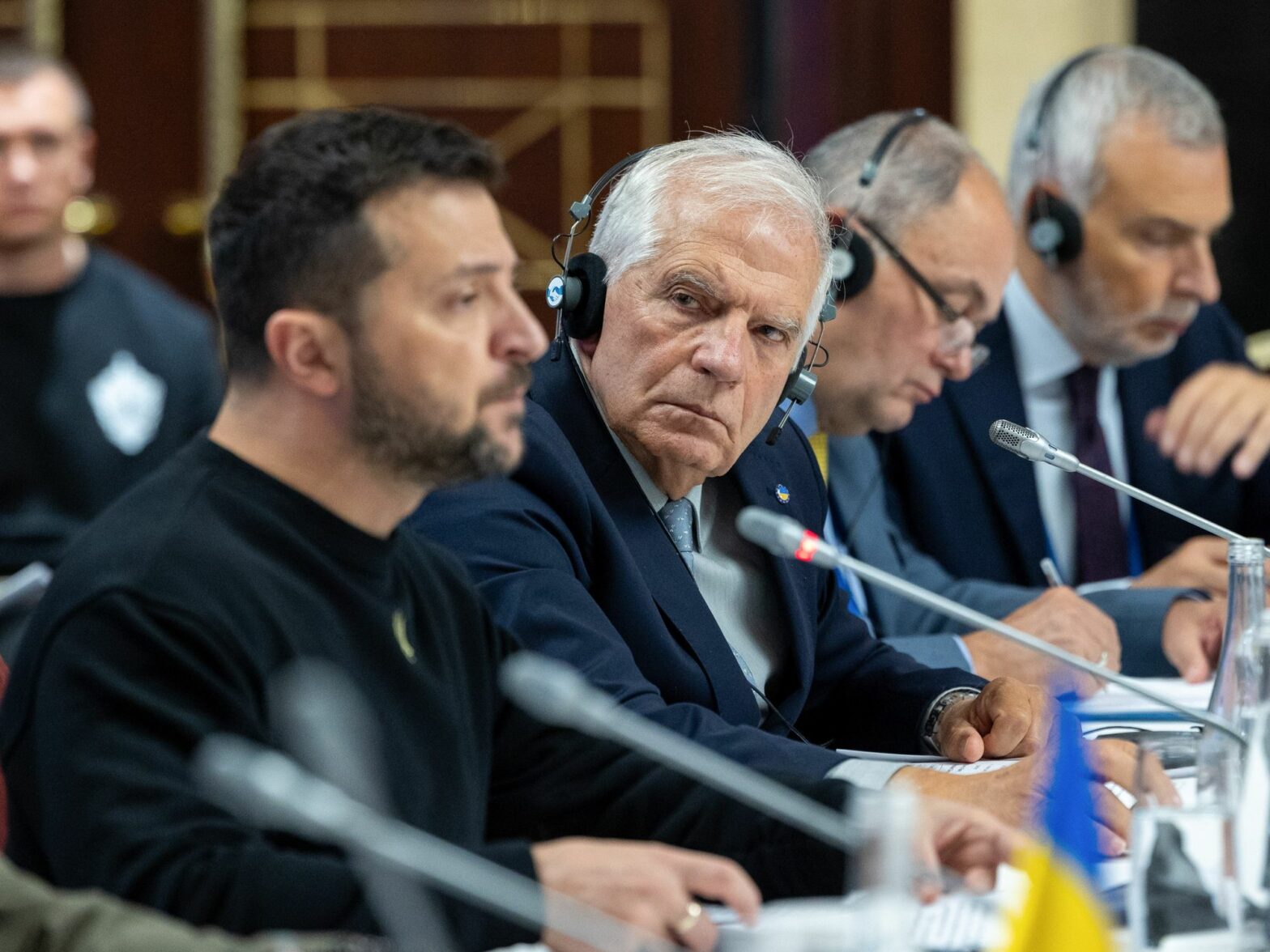
Europe’s foreign ministers traveled together to Kyiv yesterday to reaffirm their support for Ukraine. It is necessary after the first signs of “fatigue” in Western support, from a Polish about-face to the victory of a pro-Russian prime minister in Slovakia.
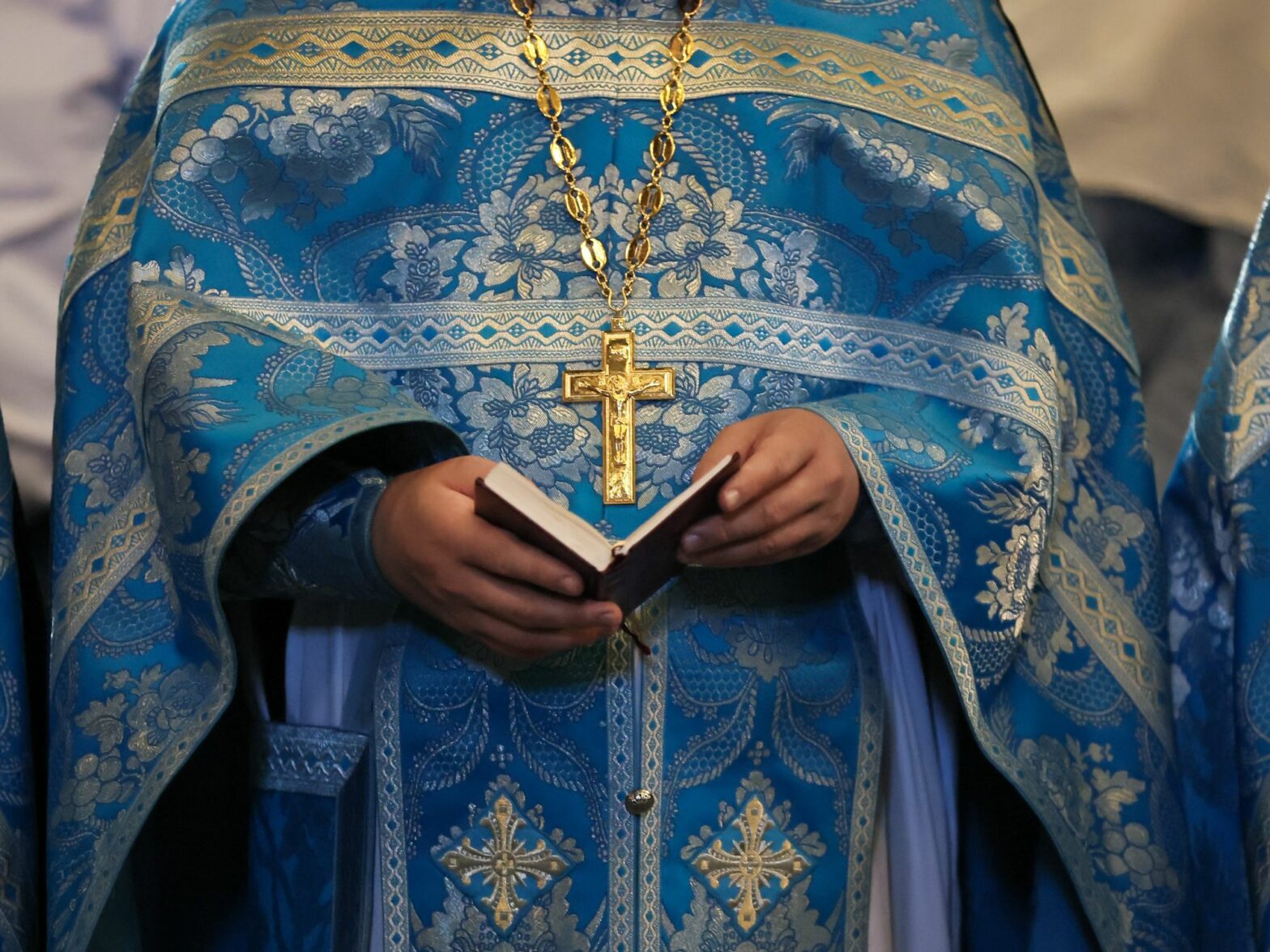
Since the start of Russia’s war in Ukraine, the Russian Orthodox Church has fully supported the Kremlin. Priests or members of the church that disagree with this politicization and militarization of the church face heavy consequences such as removal.
Wagner PMC has built up a powerful network on the African continent. It’s one of the mercenary group’s greatest assets — and now, a Kremlin takeover of Wagner could even strengthen its influence in Africa, including through the recent coups d’état in Niger and Gabon.
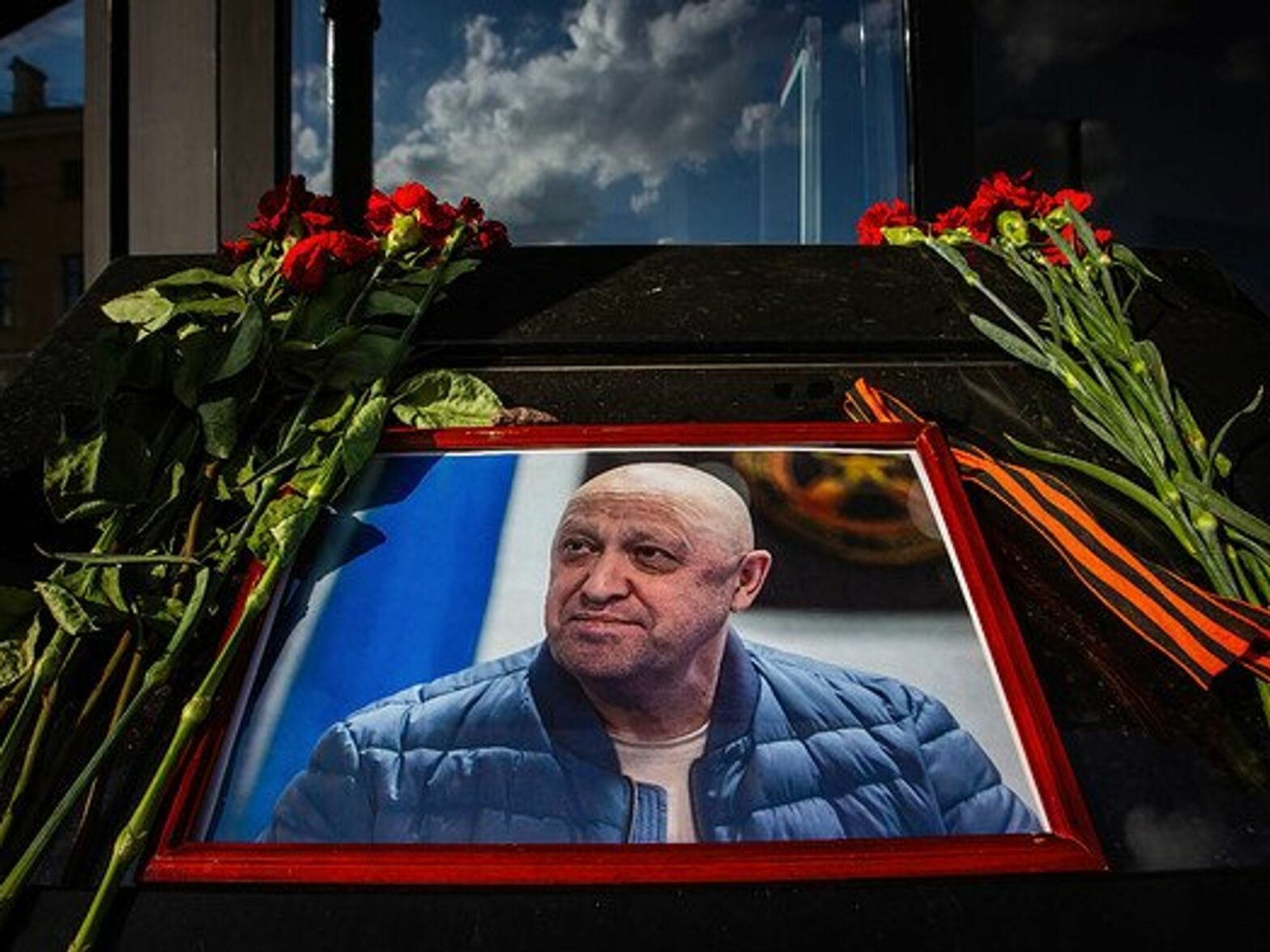
Yevgeny Prigozhin is gone, two months to the day of his aborted insurrection against the Russian military. The Wagner Group chief was likely killed in a plane crash on orders from the Kremlin. A piece written after Wagner’s coup offers a reminder that Russia is in the hands of a man obsessed with control, who wields his cowardice as a weapon.
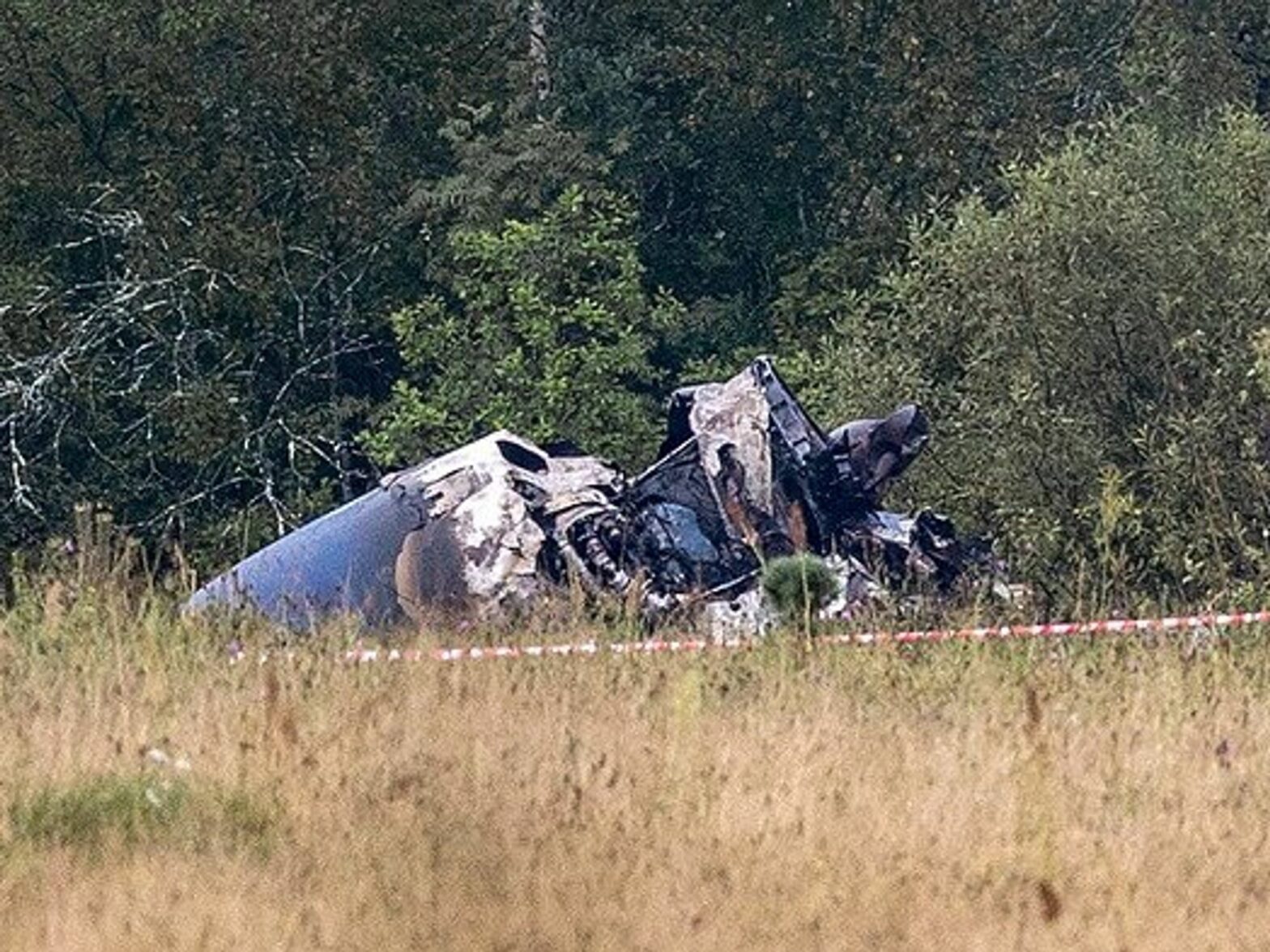
Two months after his failed coup, the Wagner chief Yevgeny Prigozhin has reportedly died on Wednesday in a plane crash. Many questions remain unanswered, but one thing is for sure: we know who is bound to benefit the most.
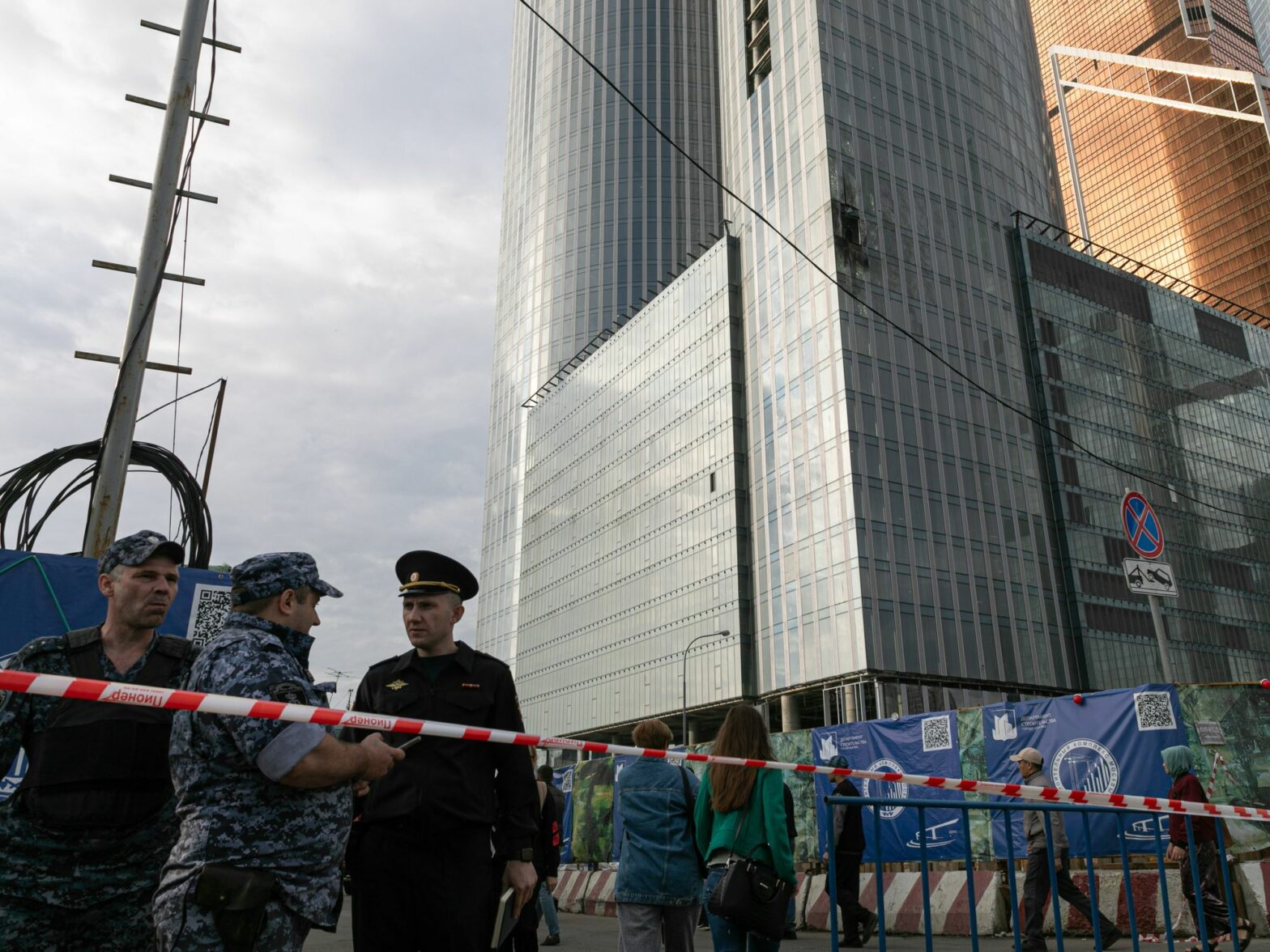
Drone air attacks continue in Russia’s capital, with evidence that Ukraine has figured out how to target certain buildings belonging to Vladimir Putin’s entourage. It’s a clear message from Kyiv.
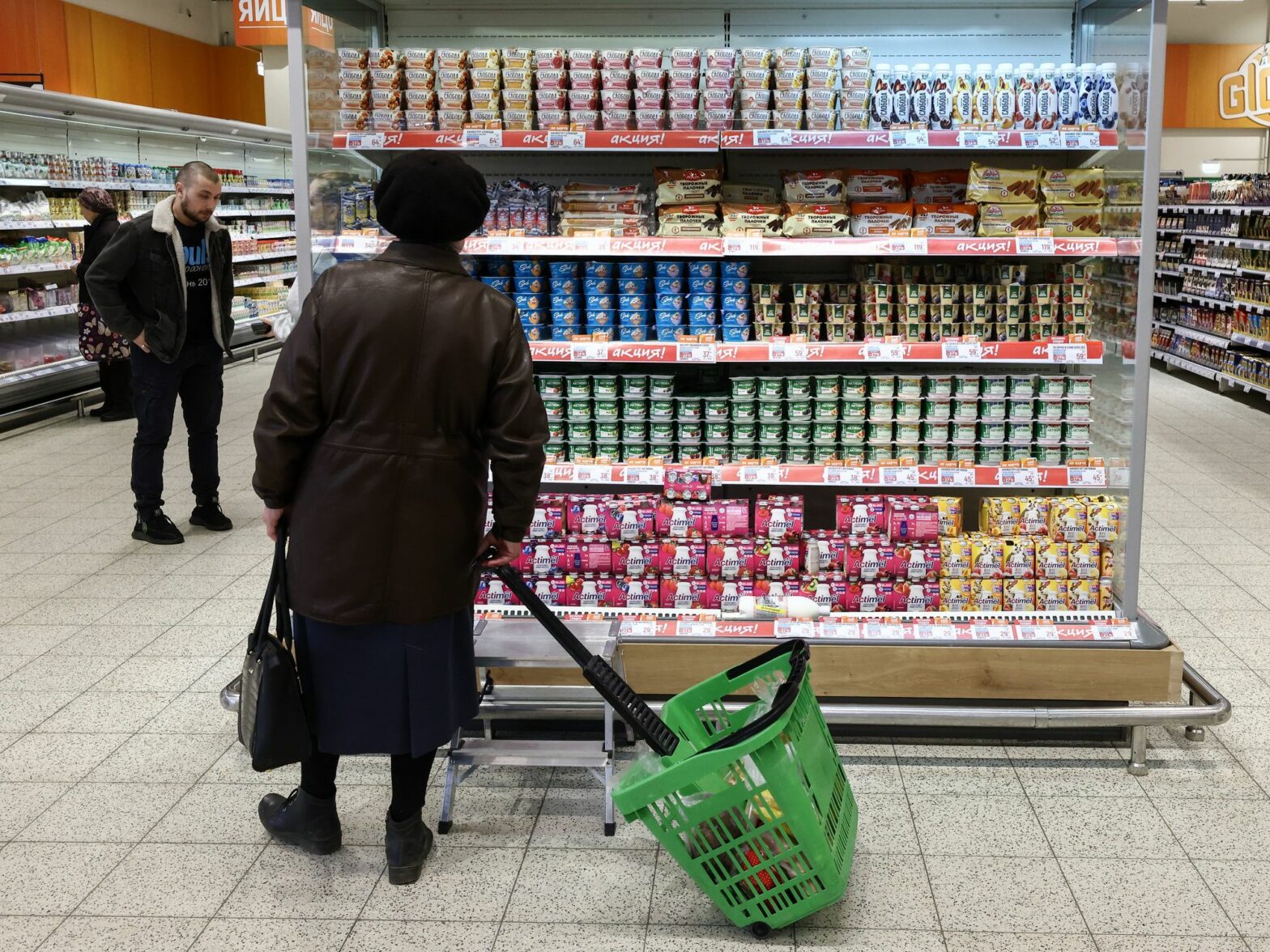
The French dairy group Danone and Denmark’s Carlsberg brewer were in talks with buyers to limit their financial losses in Russia. But the Kremlin’s sudden “temporary” takeover of the two companies Sunday night (involving the seizure of Danone by Chechen leader Ramzan Kadyrov’s “favorite” nephew) may in fact be a sign that business is over once and for all for Western subsidiaries that have pulled out since the war began.
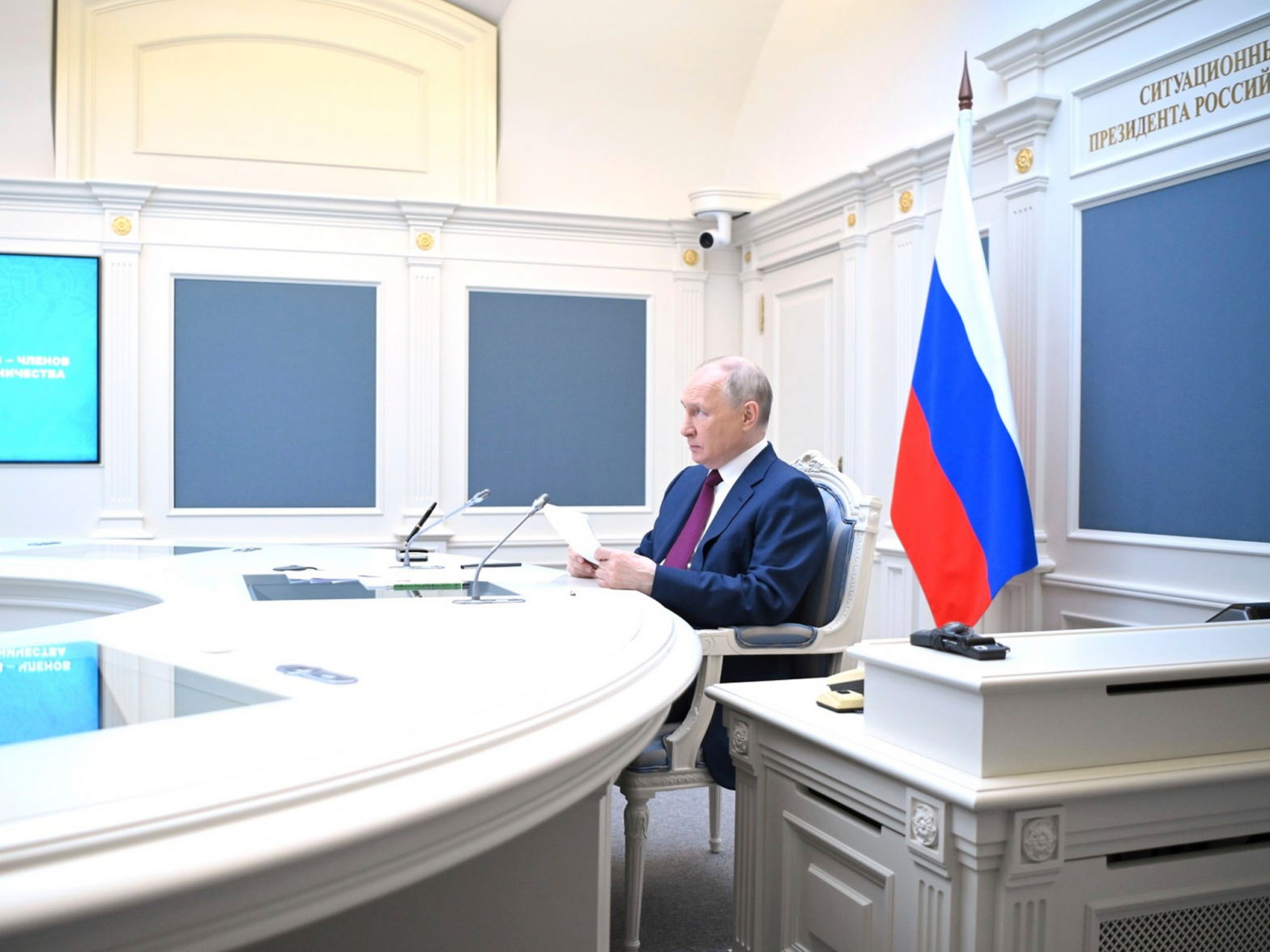
The prospect of Ukraine joining NATO has been postponed. Vladimir Putin will be pleased, knowing that Russia’s best hope is for a long war.
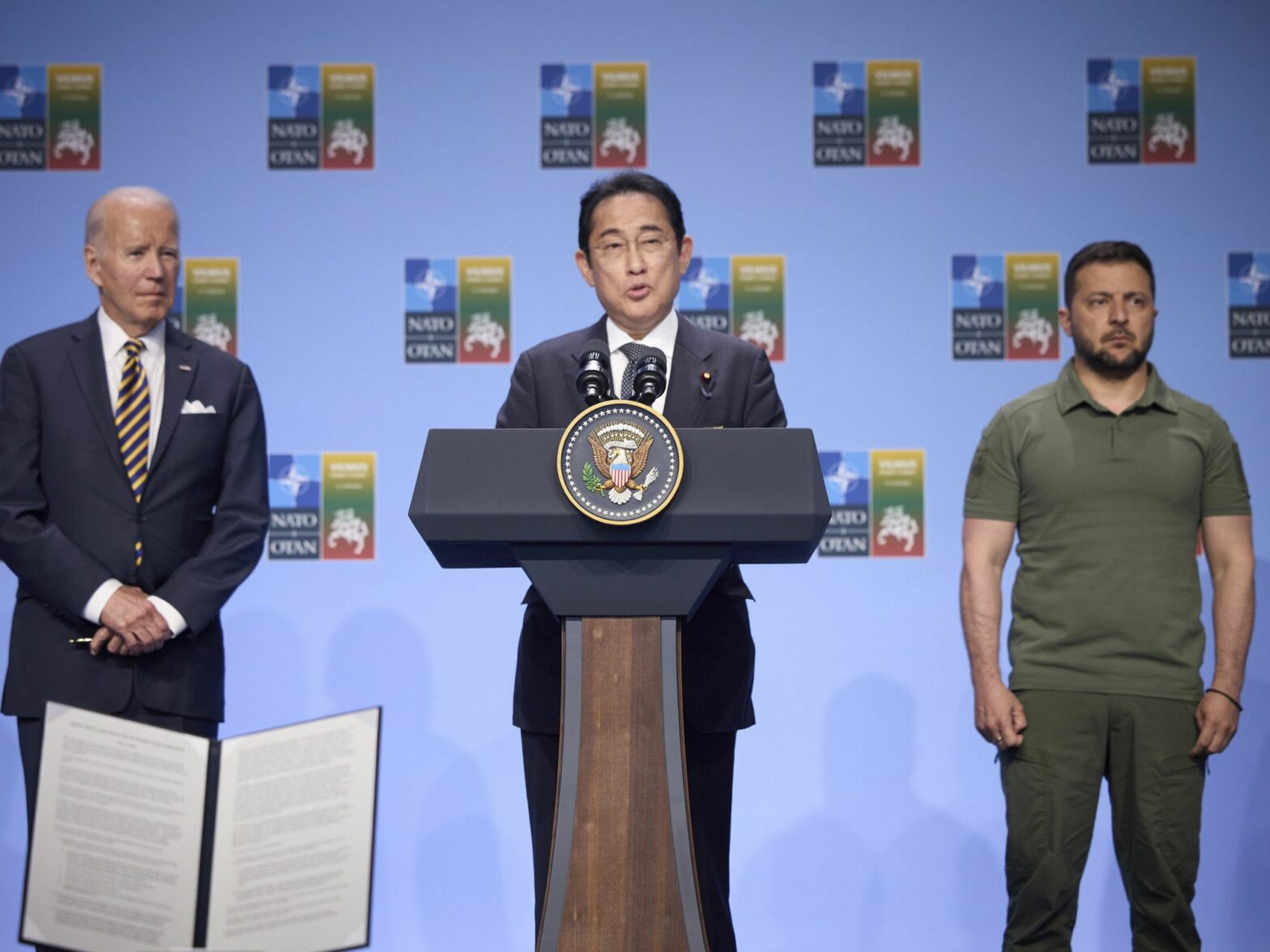
After a rocky start, Ukrainian President Volodymyr Zelensky had reason to be happy after this week’s NATO summit. The military bloc pledged fast-tracked membership once the war is over, as well as military support from the entire G7 block for the duration of the conflict.
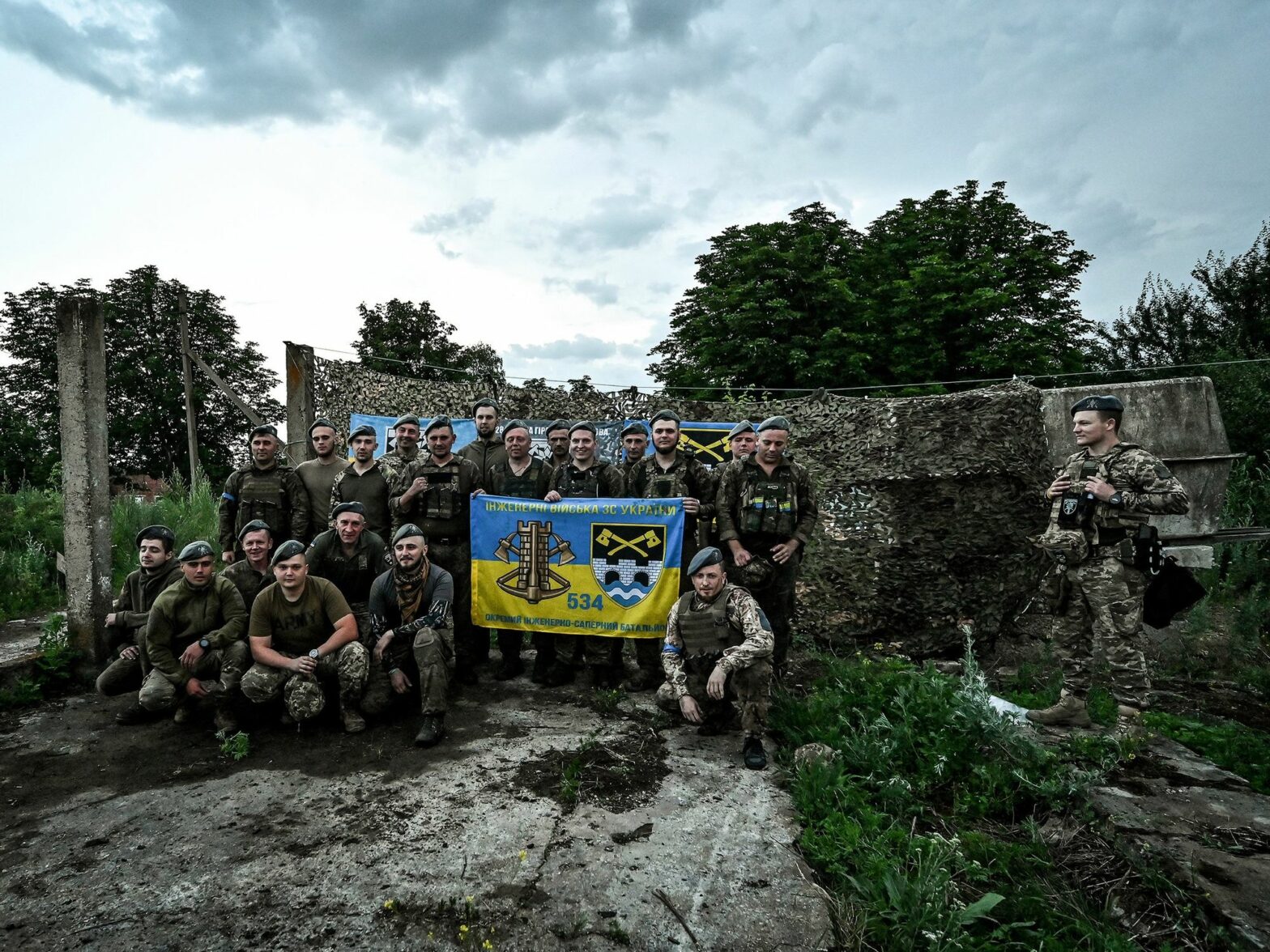
A month into Ukraine’s counteroffensive, claims that it has failed are wildly premature. Even more troubling are the steady whispers that Kyiv must sit down with Russia to negotiate. But it’s clearer than ever that only complete Ukrainian victory can bring lasting peace.
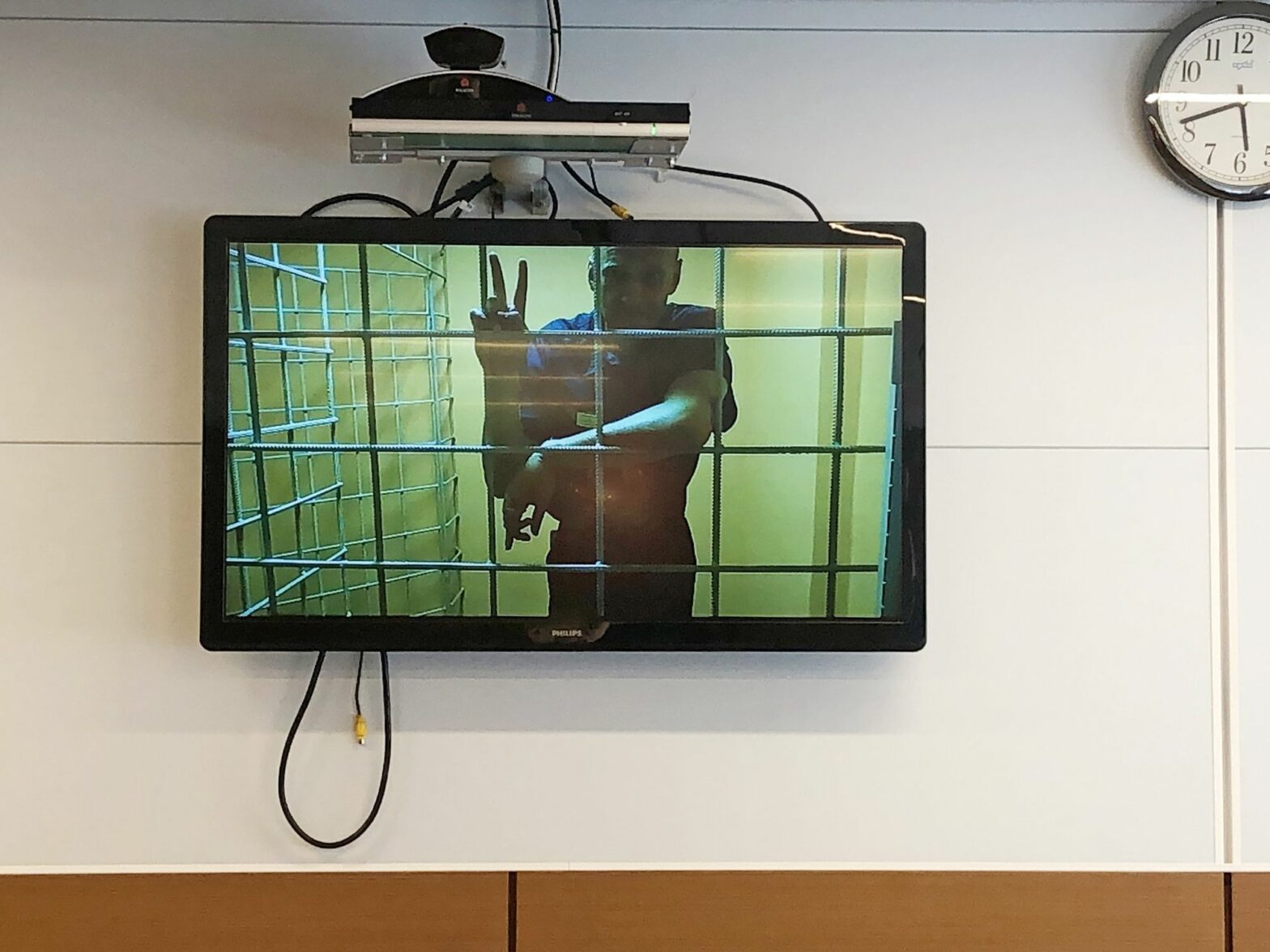
From the depths of his prison cell, President Putin’s best-known opponent, Alexei Navalny, appears to have a plan for how to turn Yevgeny Prigozhin’s failed uprising into new momentum for his cause for democracy and regime change in Moscow.
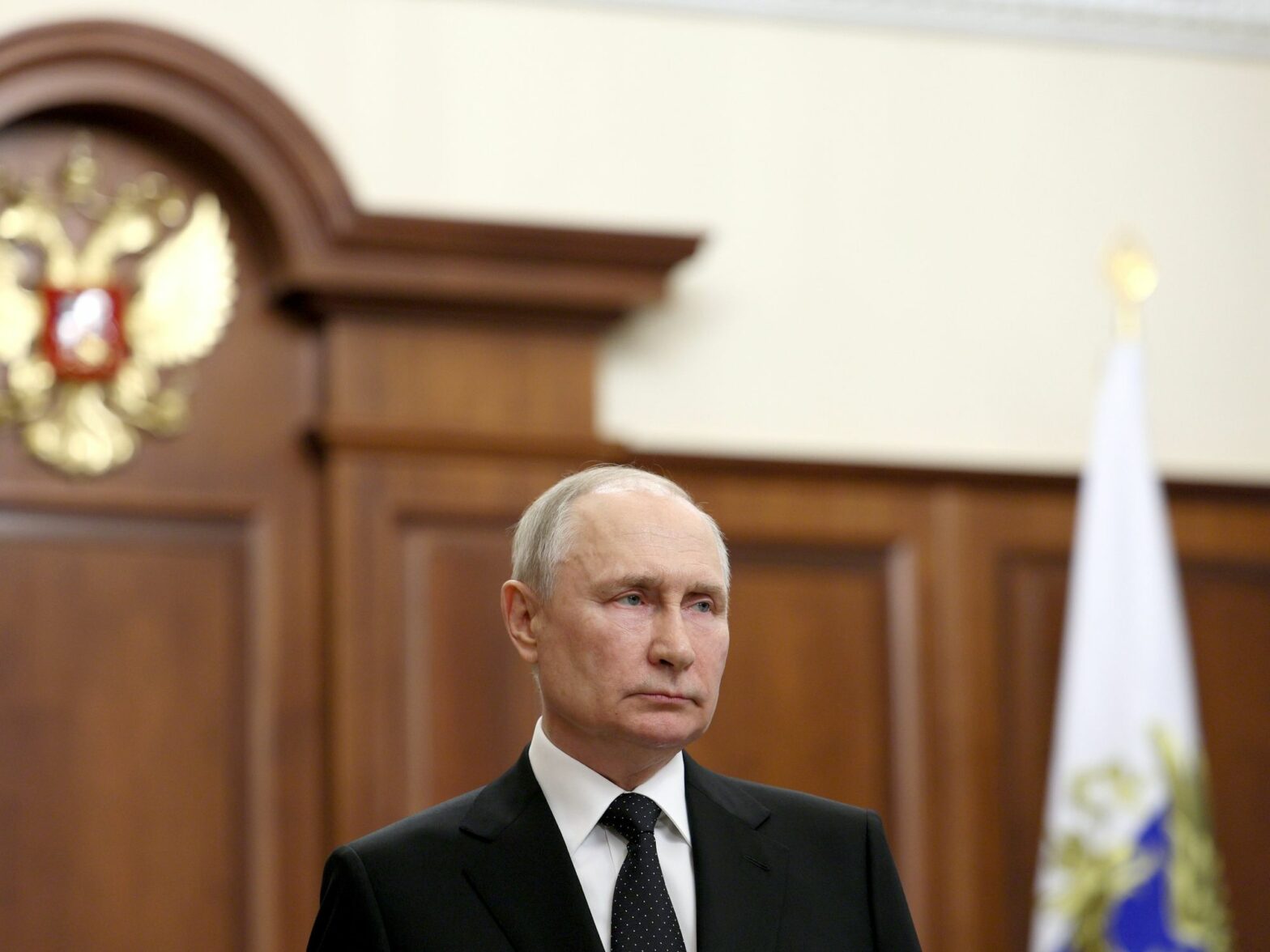
Wagner mercenary chief Yevgeny Prigozhin’s aborted coup against Russian President Vladimir Putin reveals the great confusion that reigns in Russia, and the weakness of the Kremlin’s leader — but it’s a weakness that makes him all the more unpredictable.