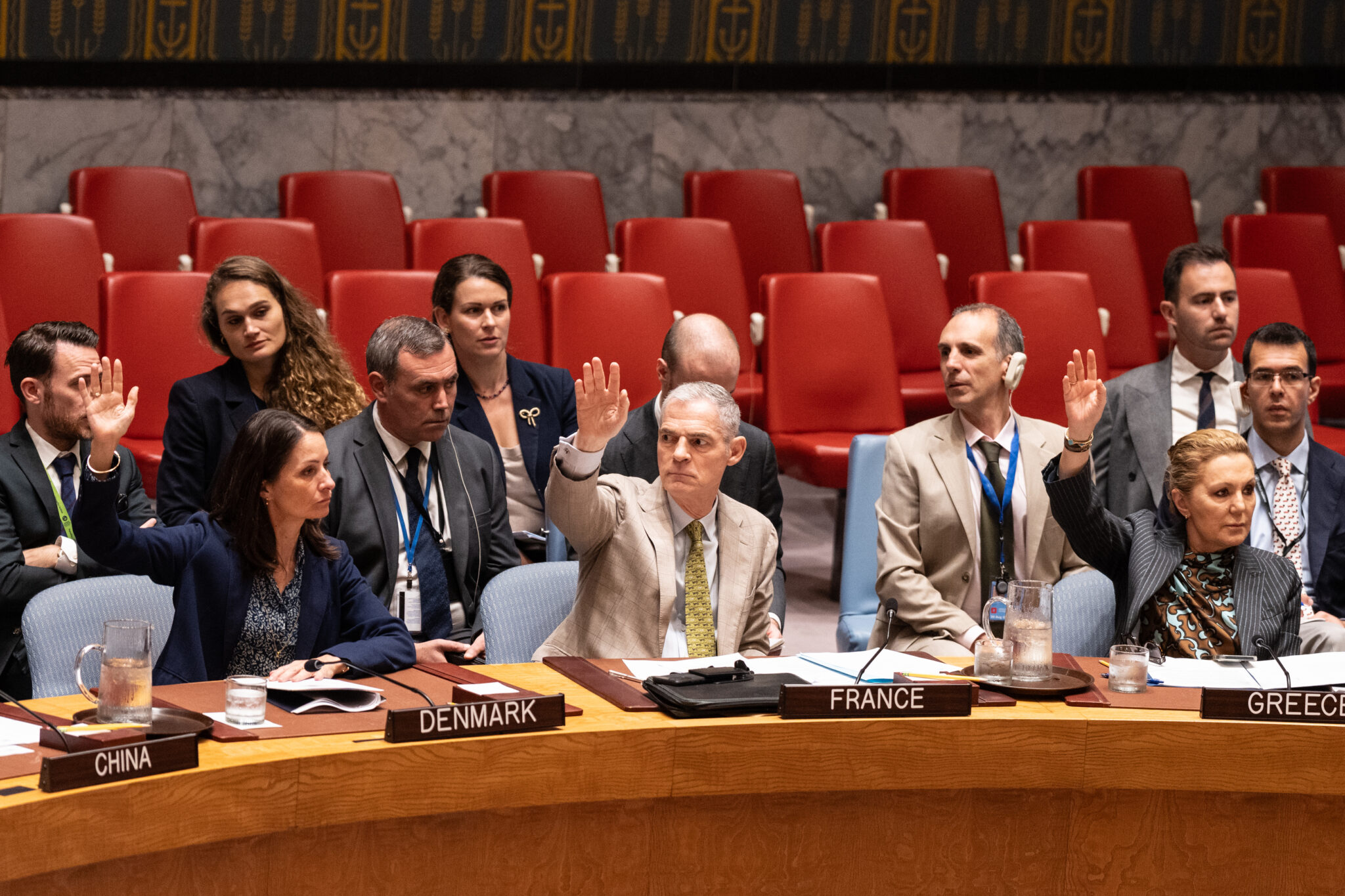
For some, it is not enough; for others, it is a gift to Hamas. But the recognition of Palestine by a growing number of Western countries is way of saying “no” to the eradication of Palestinians from their land.
 Worldcrunch
For some, it is not enough; for others, it is a gift to Hamas. But the recognition of Palestine by a growing number of Western countries is way of saying “no” to the eradication of Palestinians from their land.
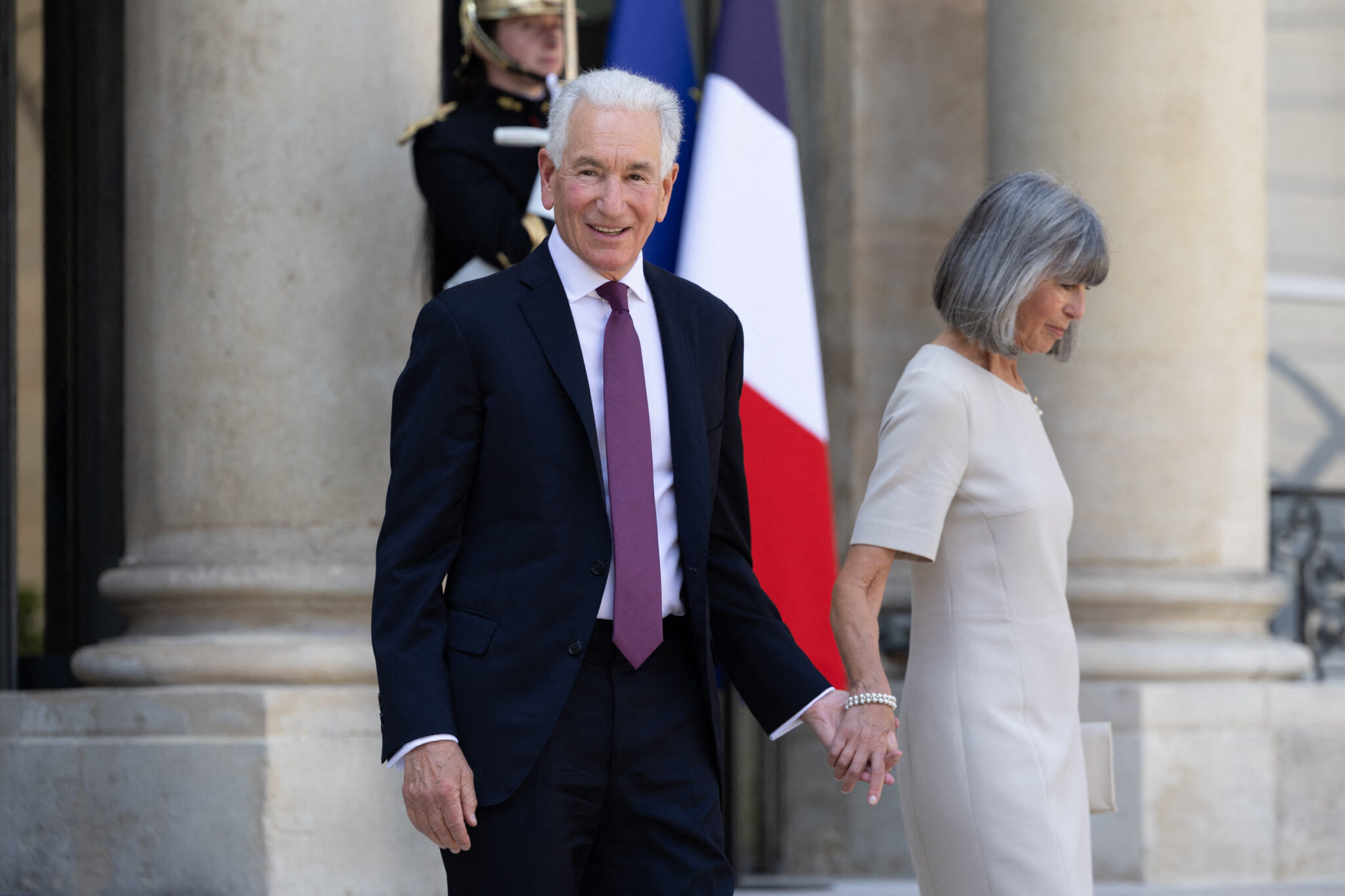
U.S. ambassador to France Charles Kushner’s inflammatory letter on antisemitism is part of a campaign against President Emmanuel Macron’s decision to recognize the State of Palestine. It is an unwelcome interference in France’s affairs and a warning ahead of its 2027 presidential election.
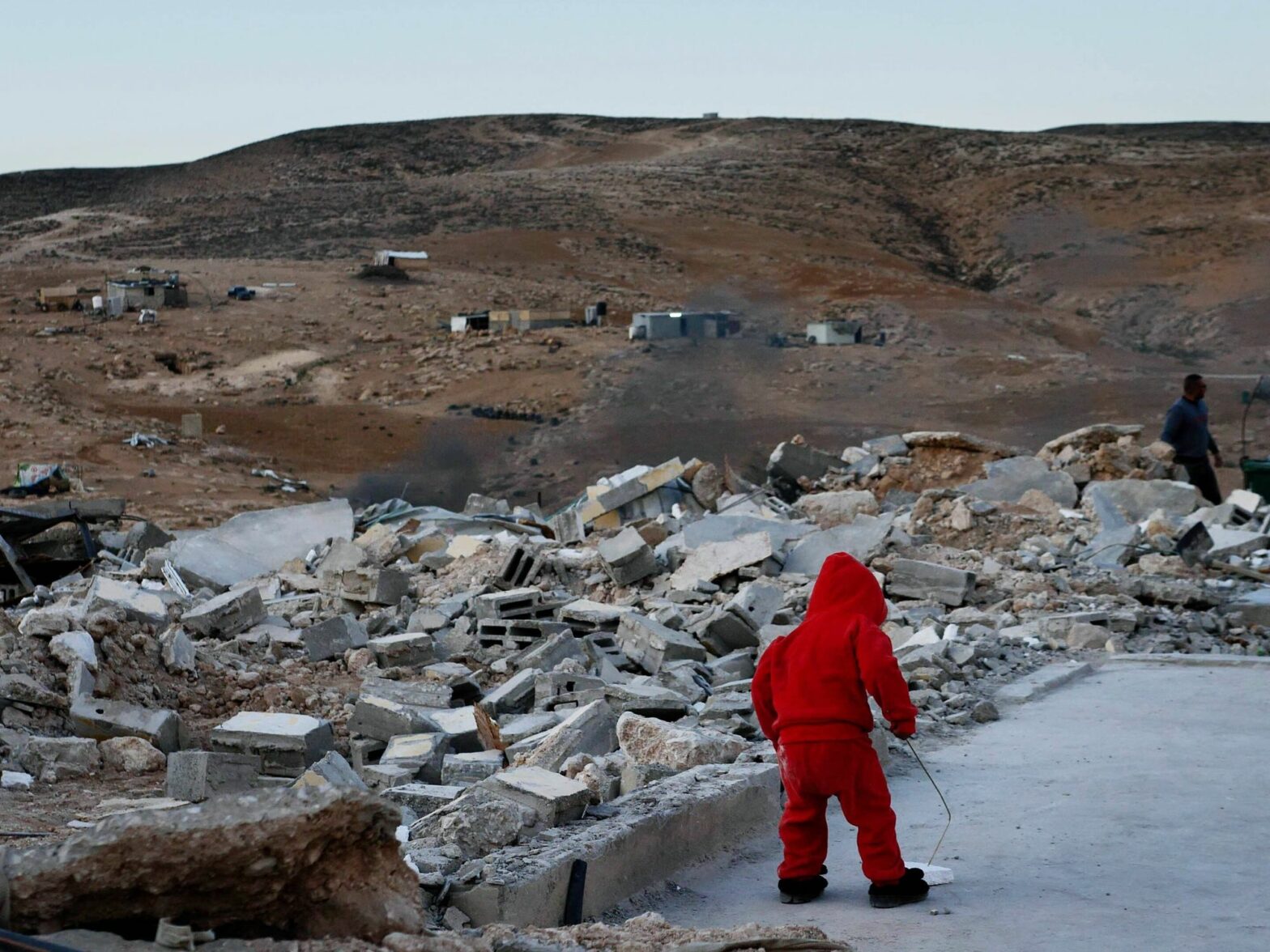
The documentary by a Palestinian-Israeli collective satisfies multiple and divergent audiences at the same time, and has been met with critical success. But the film never evokes the idea that there is another land for Palestinians: that of historic Palestine.

The documentary by a Palestinian-Israeli collective satisfies multiple and divergent audiences at the same time, and has been met with critical success. But the film never evokes the idea that there is another land for Palestinians: that of historic Palestine.
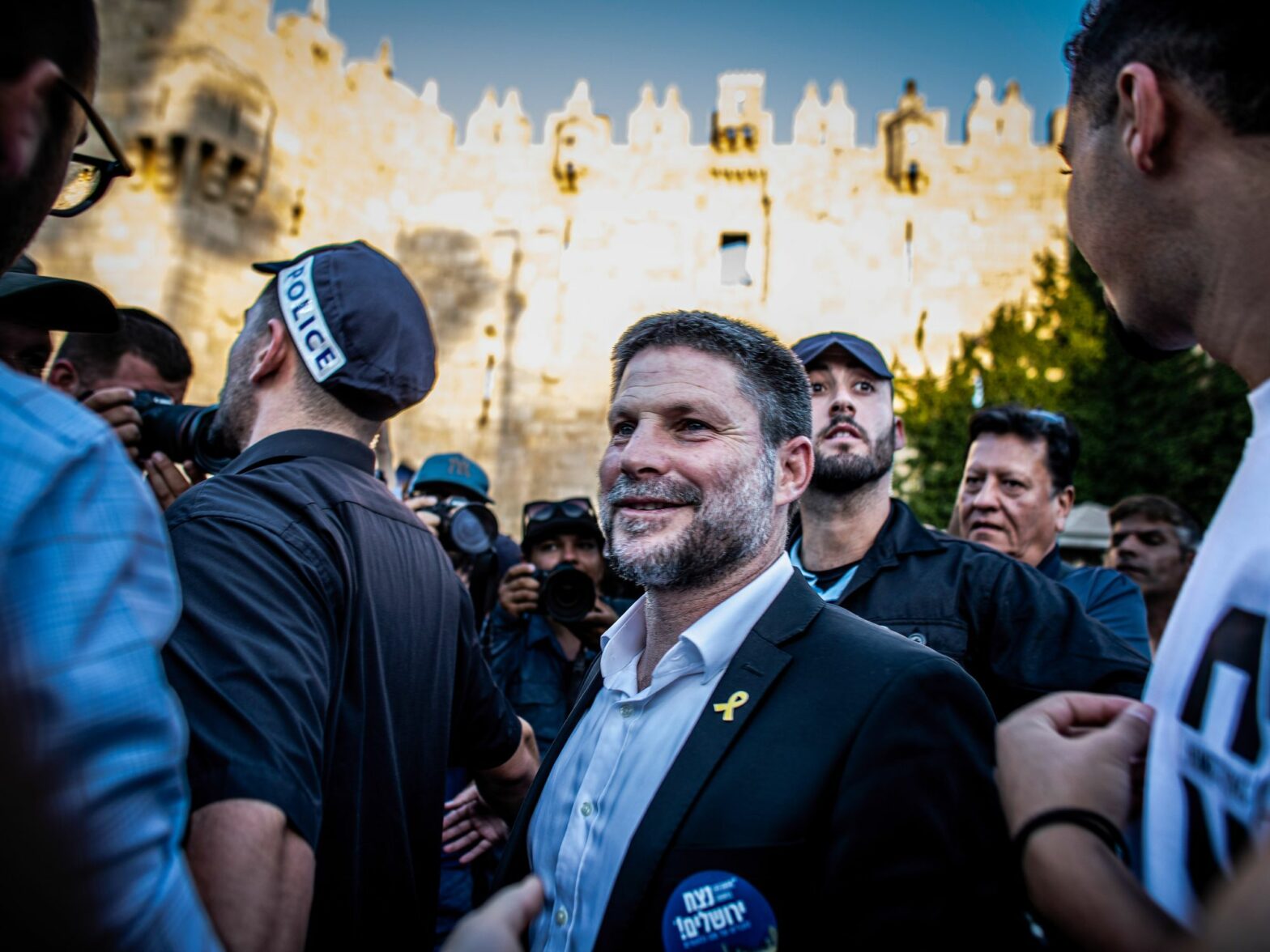
A prominent figure of Israel’s far-right, Finance Minister Bezalel Smotrich has announced that 2025 will be the year of the West Bank’s annexation. With Donald Trump’s victory, supporters of colonization hope he will back their approach, despite it being contrary to international law.
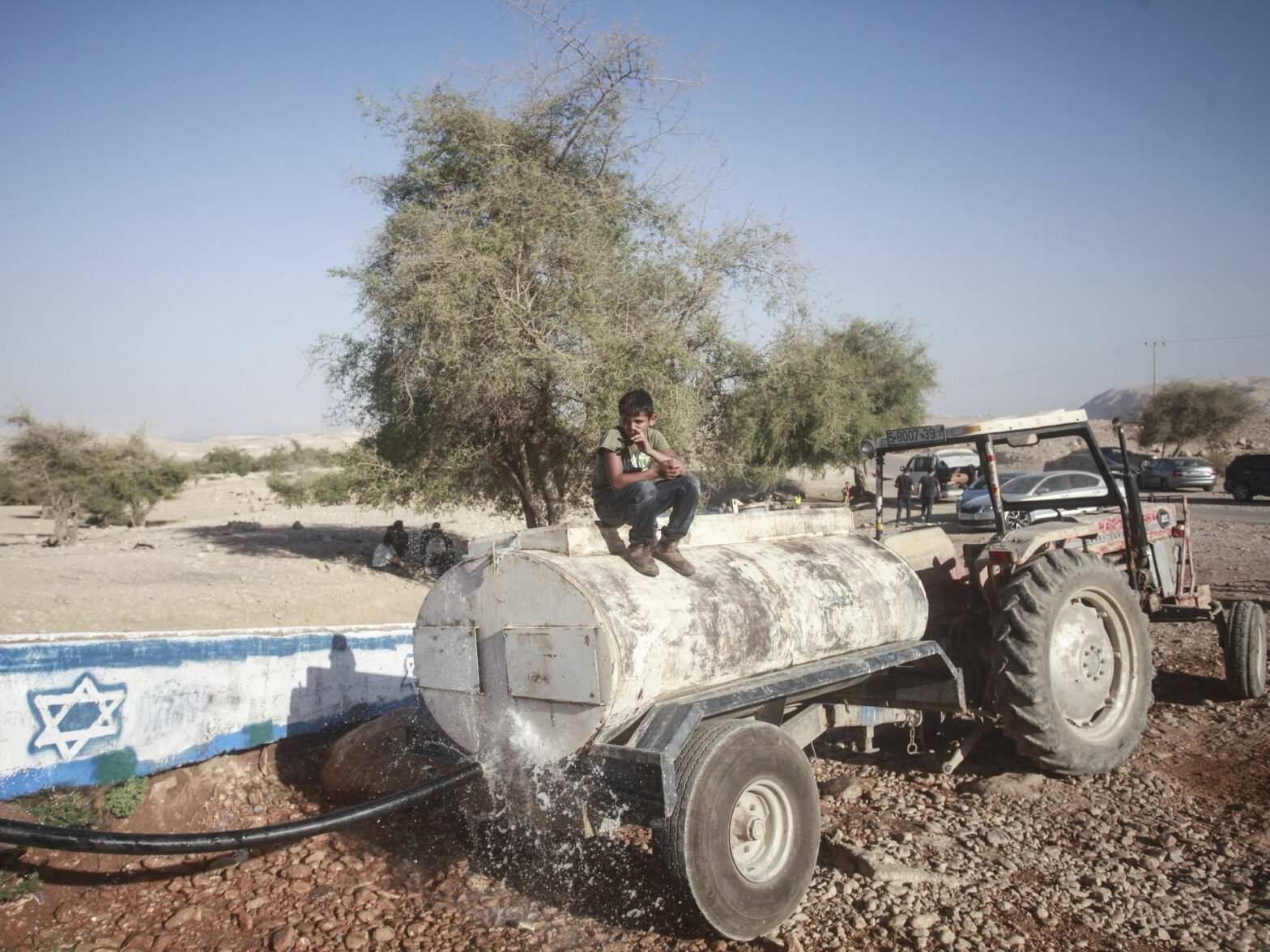
For years Israeli activists have been helping securing water for Palestinians in the West Bank and recording abuses they suffered at the hands of radical Jewish settlers. The stakes, and risks, have never been higher.
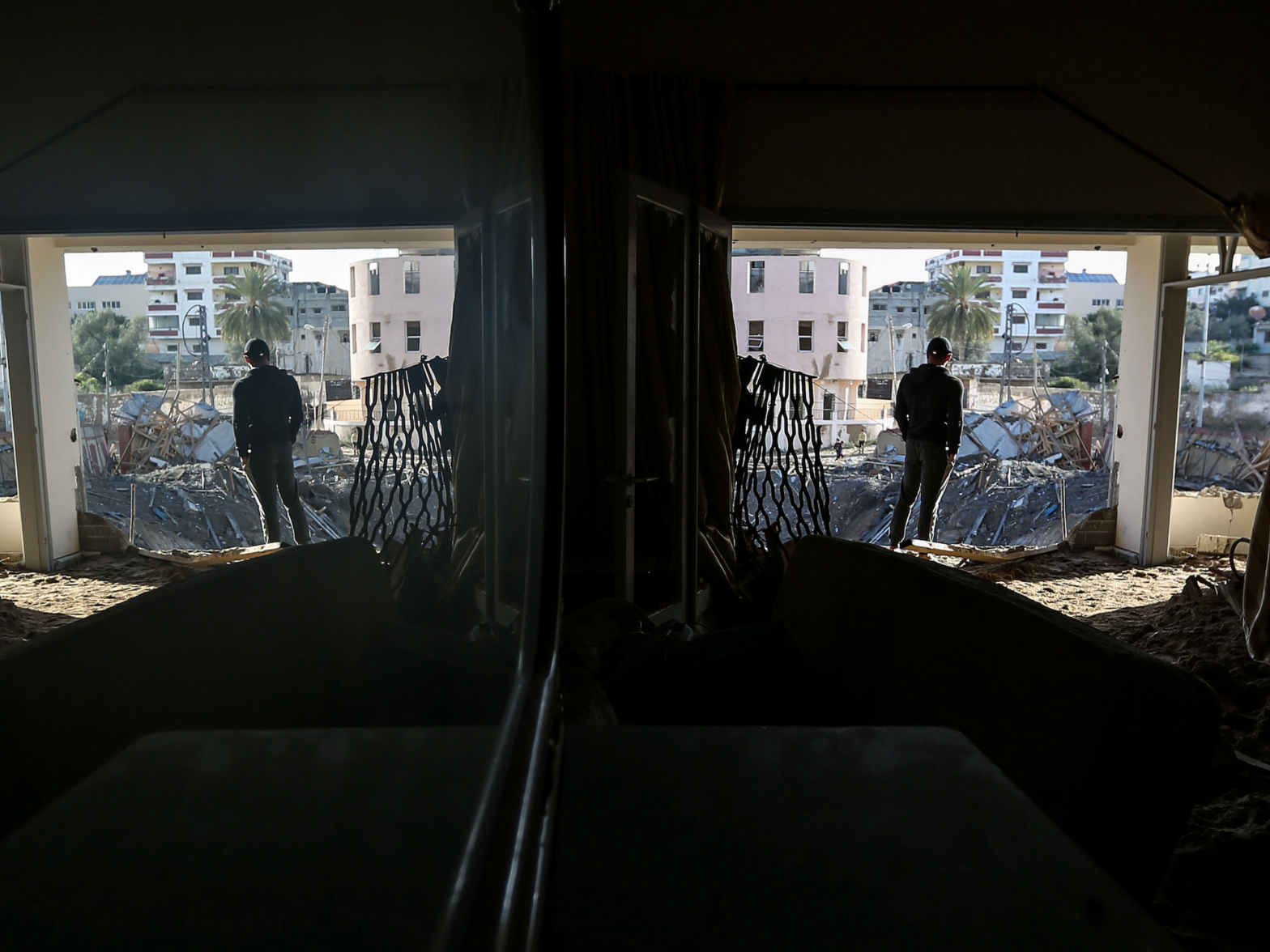
Almost 10 months after the Oct. 7 attack, the Middle East appears to be on the verge of a second act of tragedy. This new escalation of the conflict could result in regional war on a massive scale.
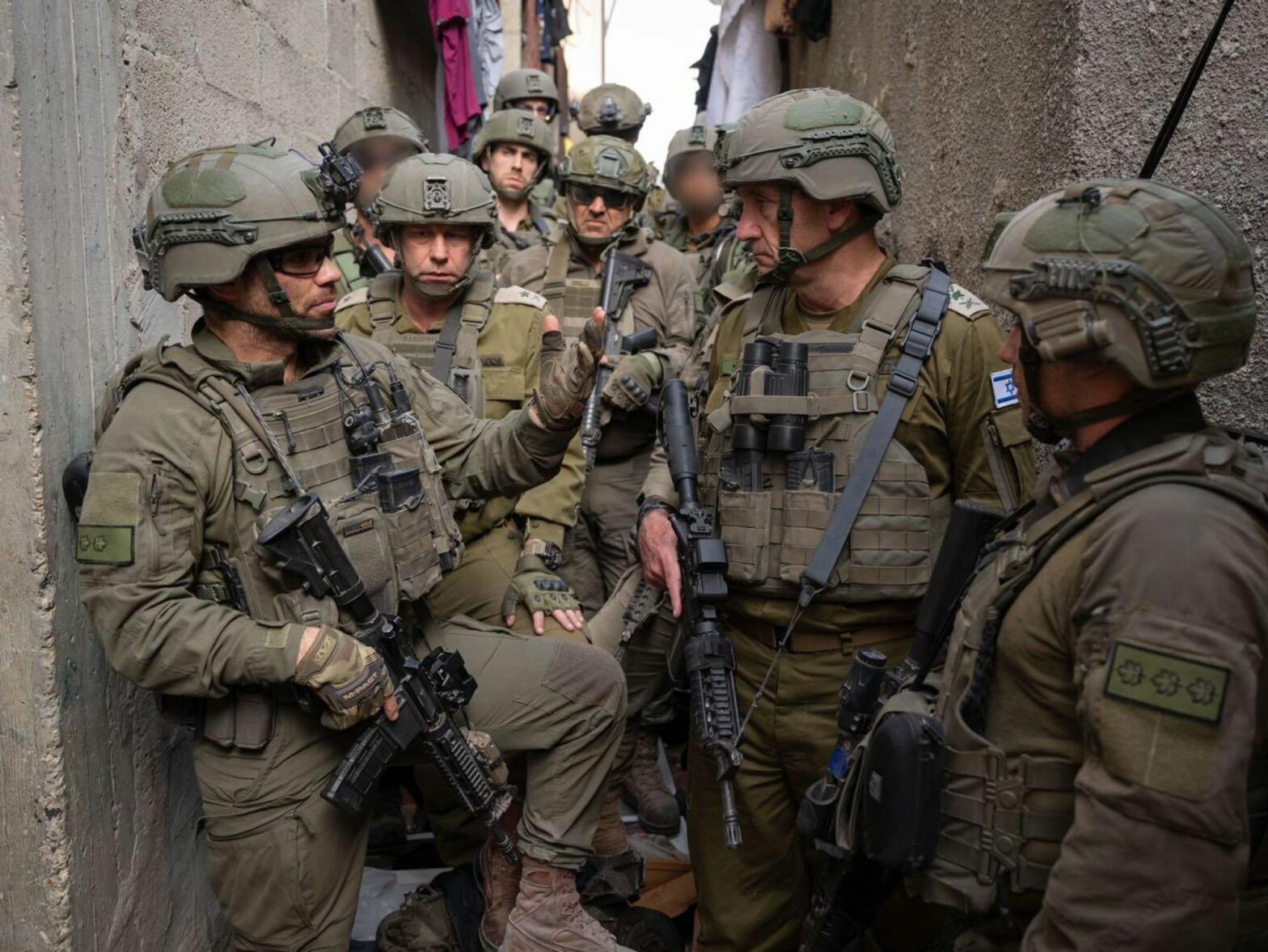
The recent images showing a wounded Palestinian tied to the hood of an Israeli military vehicle is not an isolated incident. Despite the accumulation of evidence indicating the Israel is committing genocide in Gaza, the country’s politicians and officials continue to claim that their army is the world’s most moral.
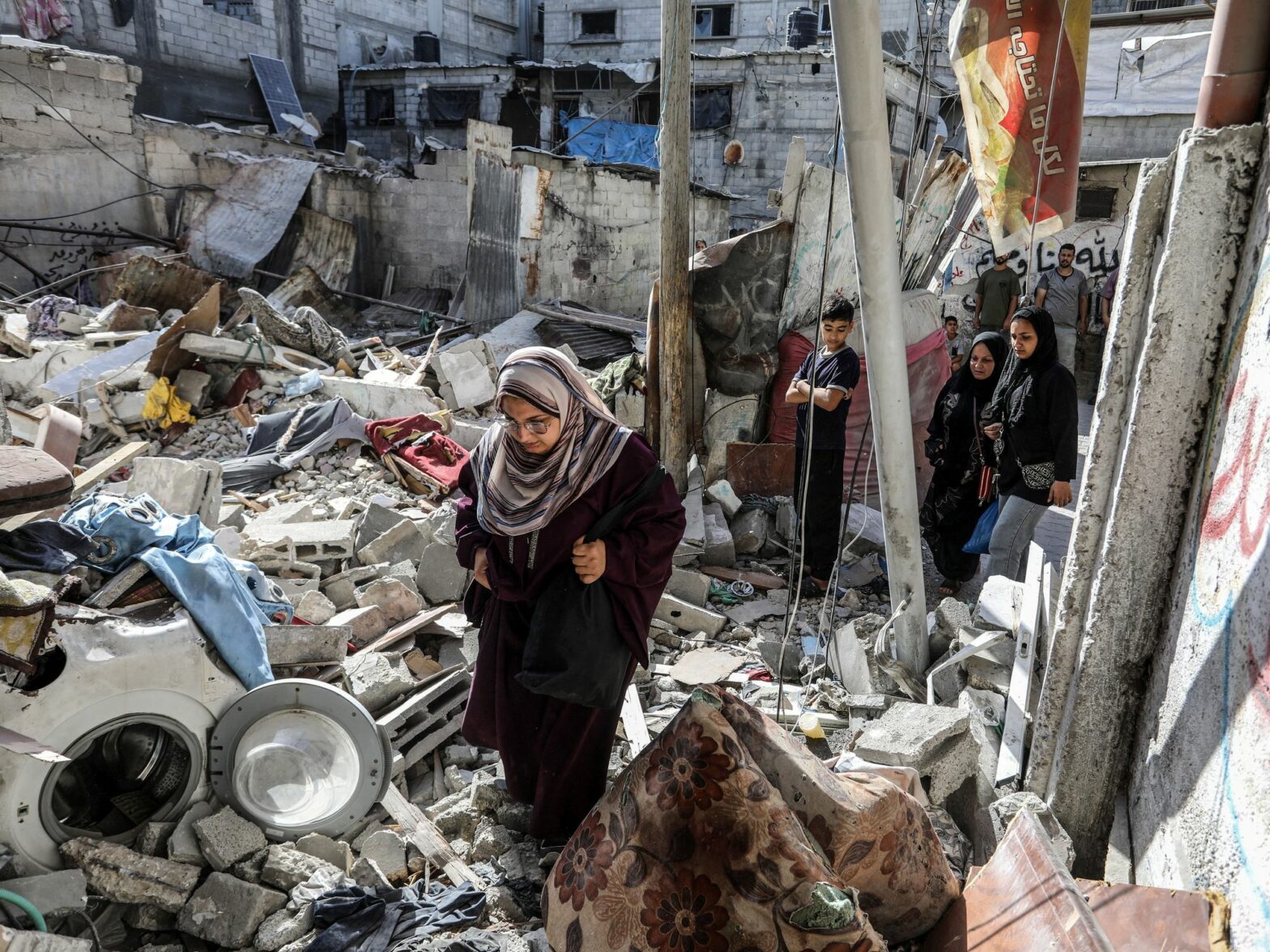
For three decades, negotiations to solve the Palestinian cause focused on giving Israel guarantees and reassurances out of fear for its security and continued existence, not to end the occupation and the suffering of the Palestinians.
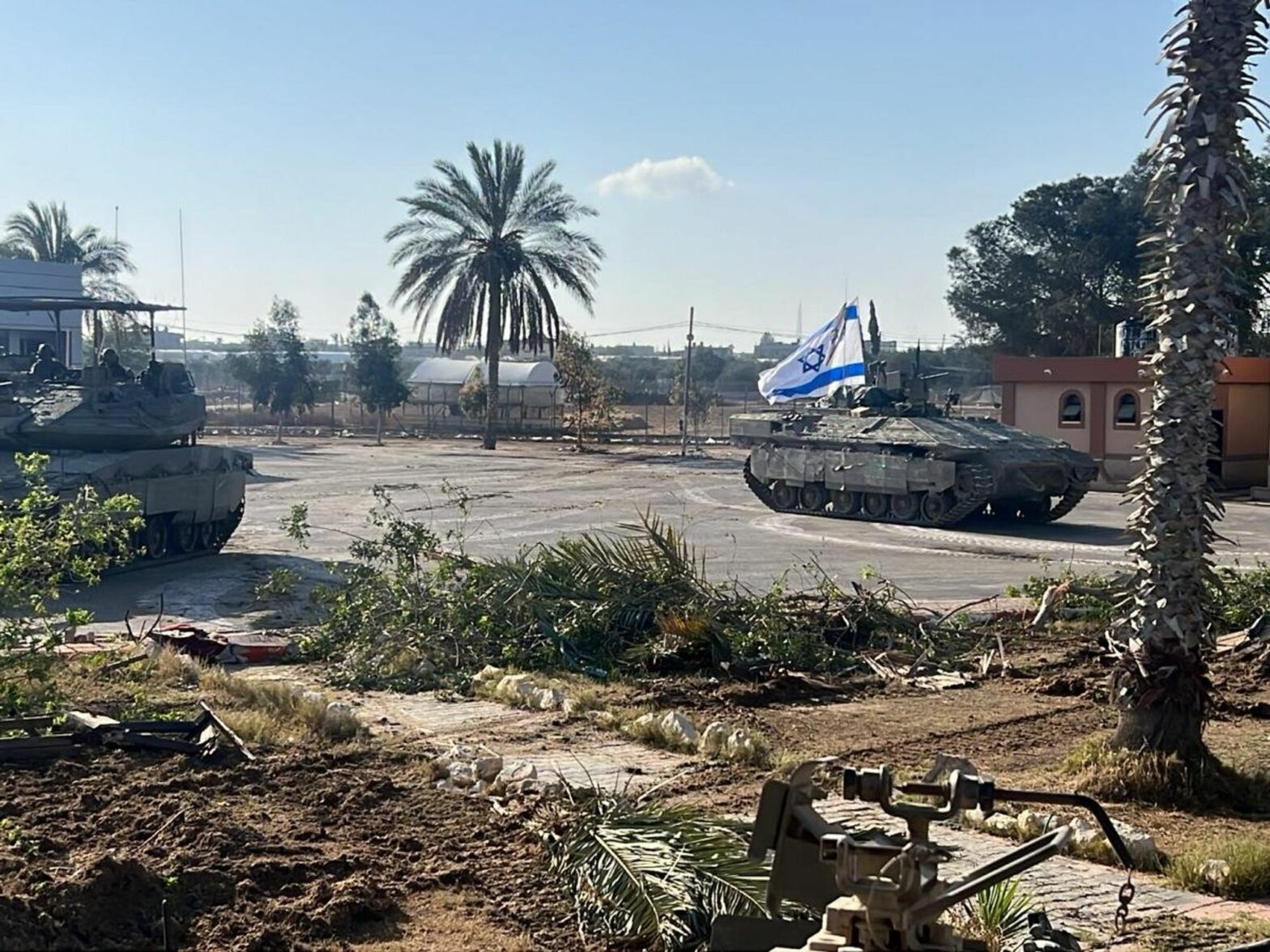
Prime Minister Netanyahu felt the pressure to follow through on his threats to enter Rafah, which may have earned him the space to finalize a ceasefire and get the hostages back.
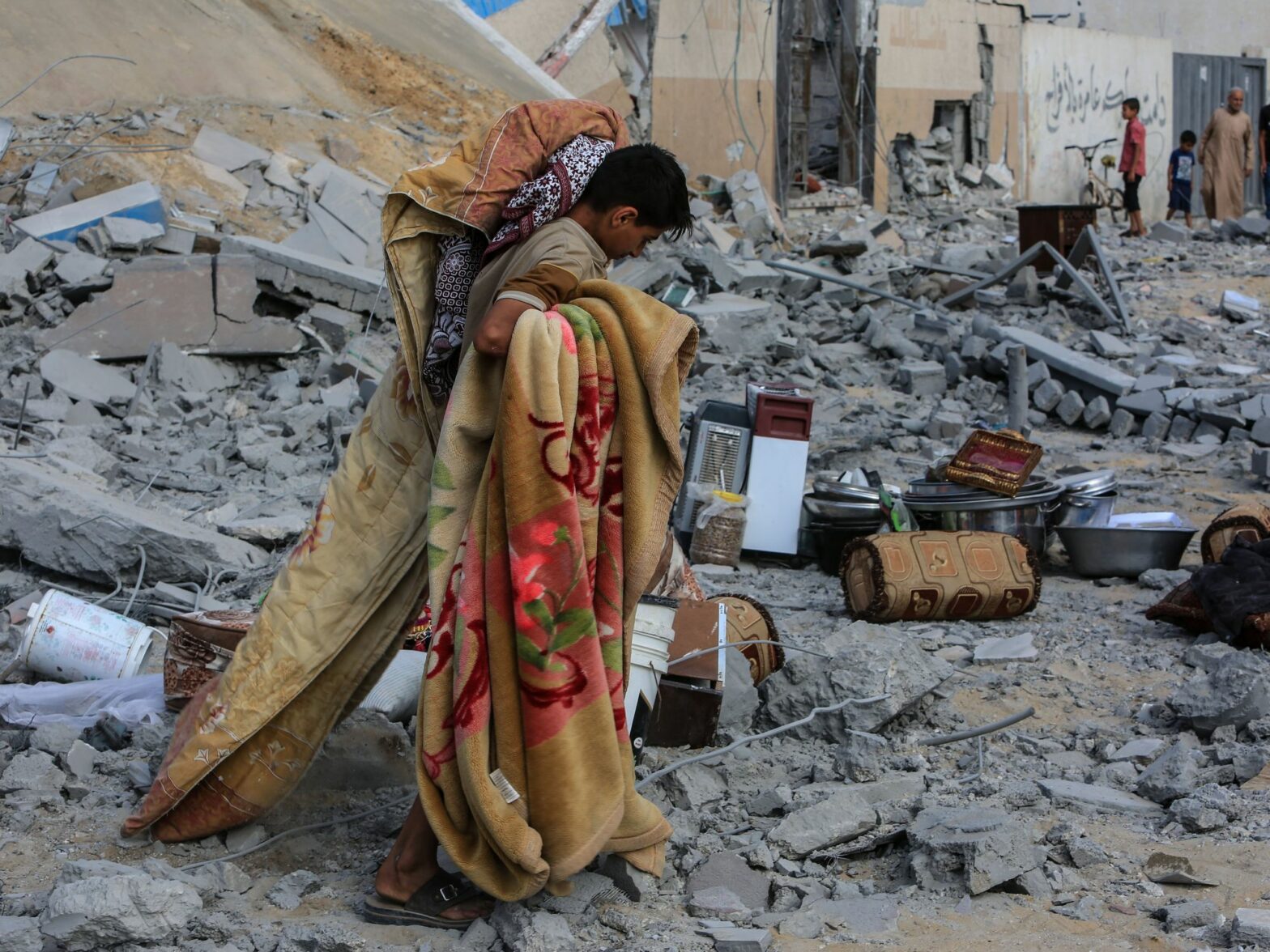
Entire Palestinian families have been wiped out over the past seven months in Gaza in Israel’s bombing campaign. Many families resorted to dividing their family members to different places, so at least some of them survive if their houses are bombed.
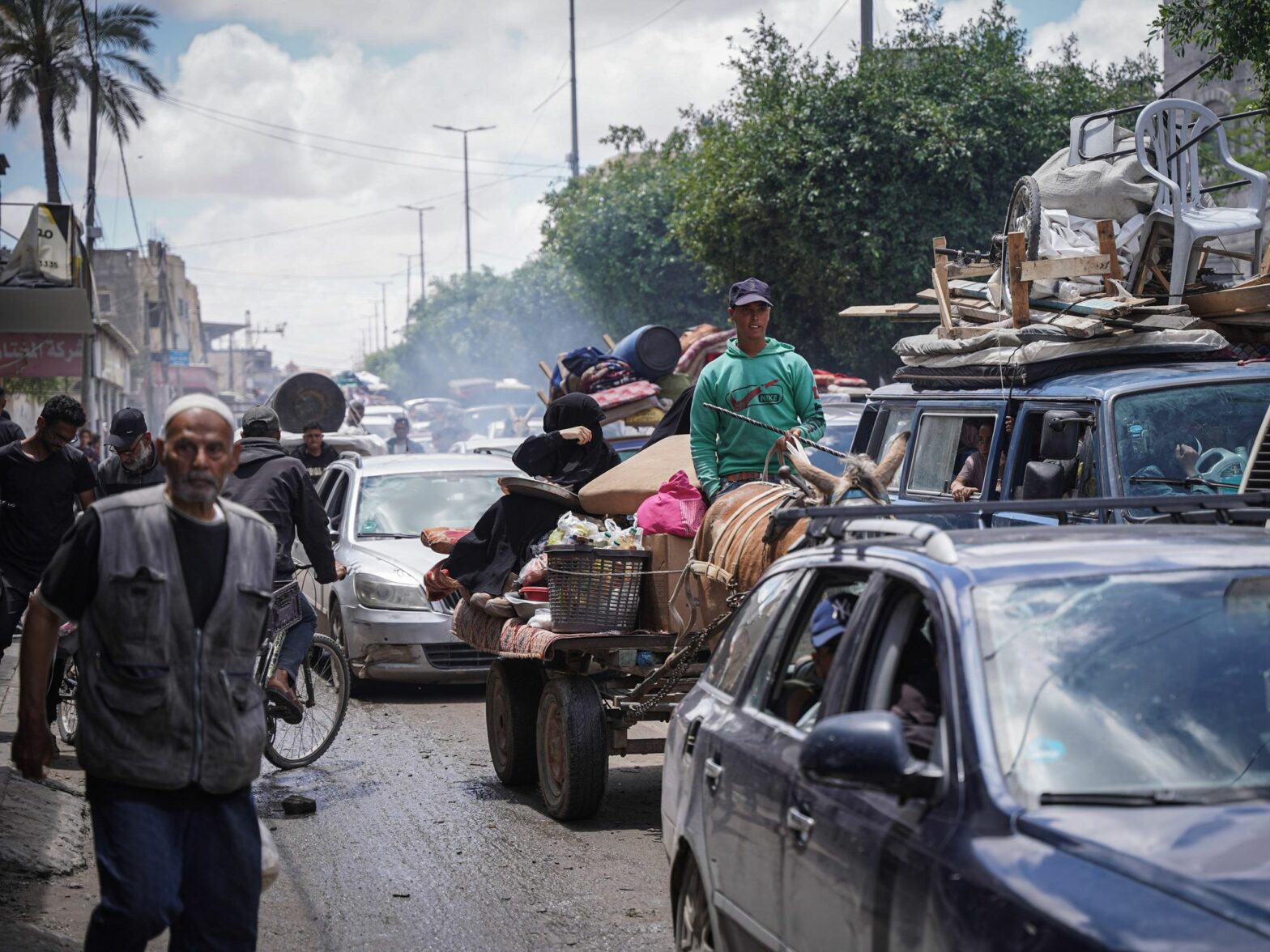
The Israeli prime minister has foreign and domestic pressure to accept a ceasefire deal, but he may be set to make the bloodiest decision of the war to date in the southern Gaza city of Rafah.
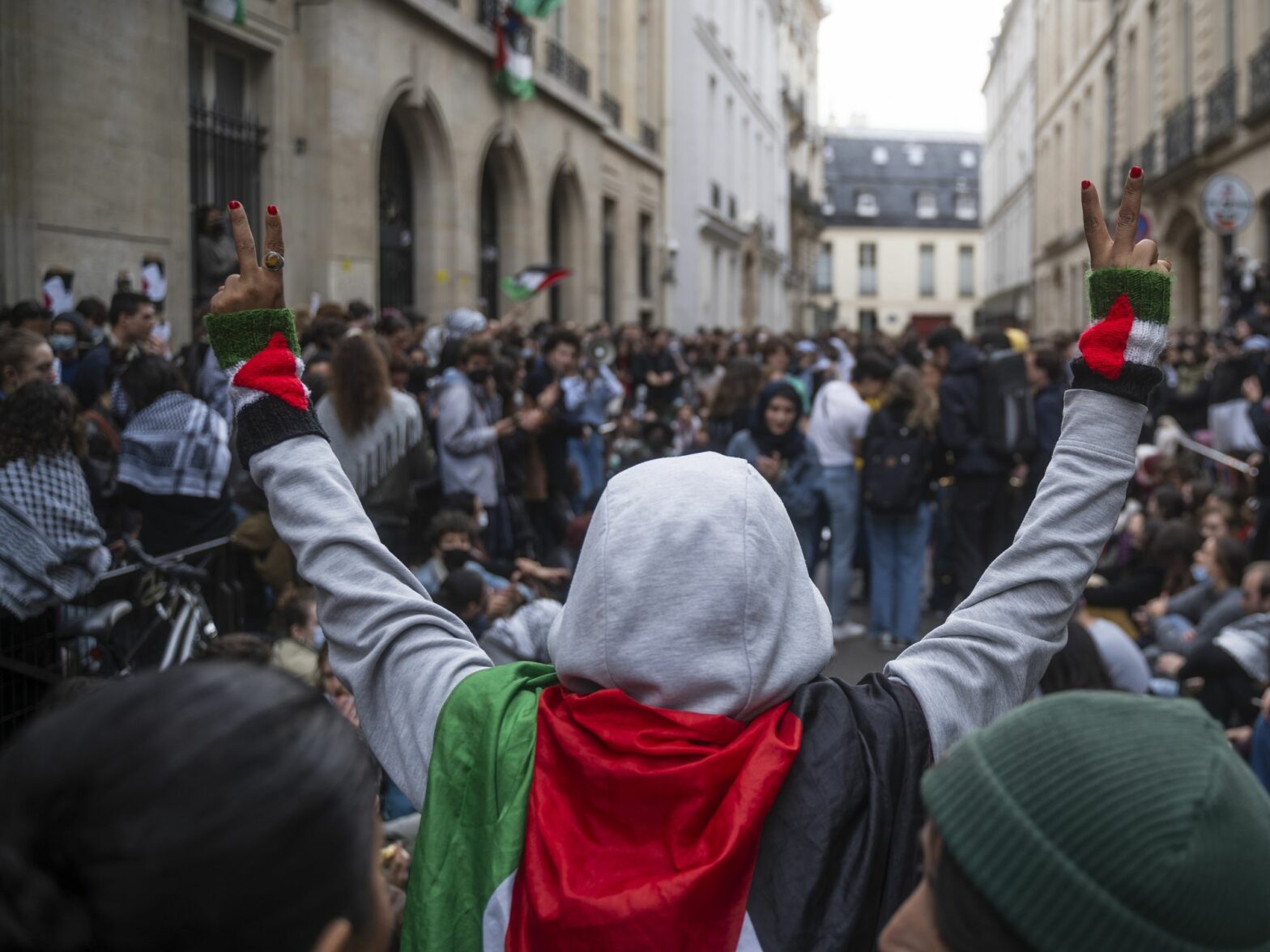
Images of recent student-led, pro-Palestinian protests across the world are reminiscent of the demonstrations of solidarity in support of Vietnam, that rocked campuses some 50+ years ago. But beyond the same indignation fueling the demonstrations, the context, and potential political repercussions, vary greatly.
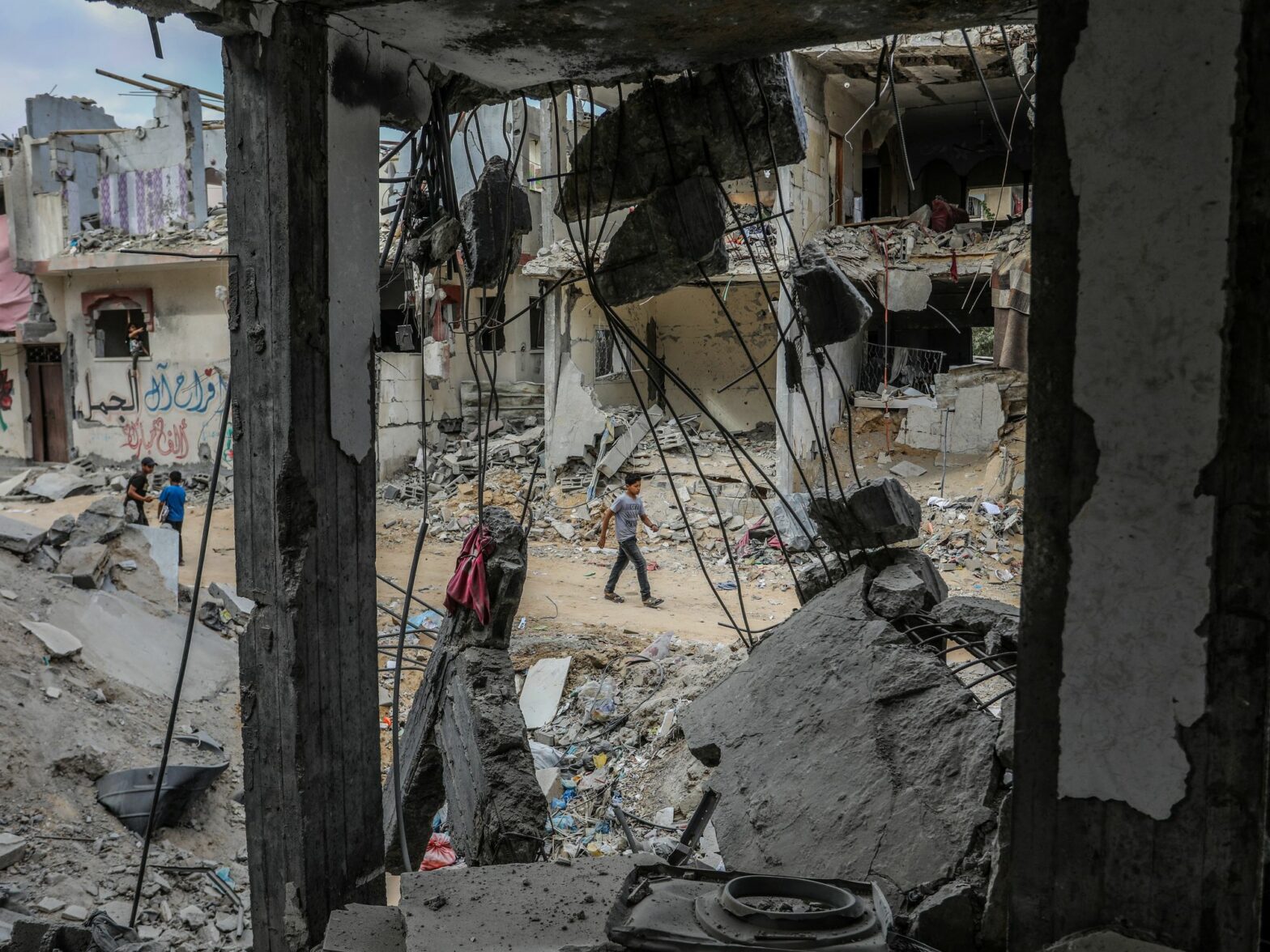
Israeli Prime Minister Benjamin Netanyahu and Hamas leaders both have deeply cynical reasons to prolong hostilities. Meanwhile, it’s in the self-interest of both the U.S. and Arab regimes to try all avenues to broker a ceasefire to ease the suffering of those caught in the crossfire.
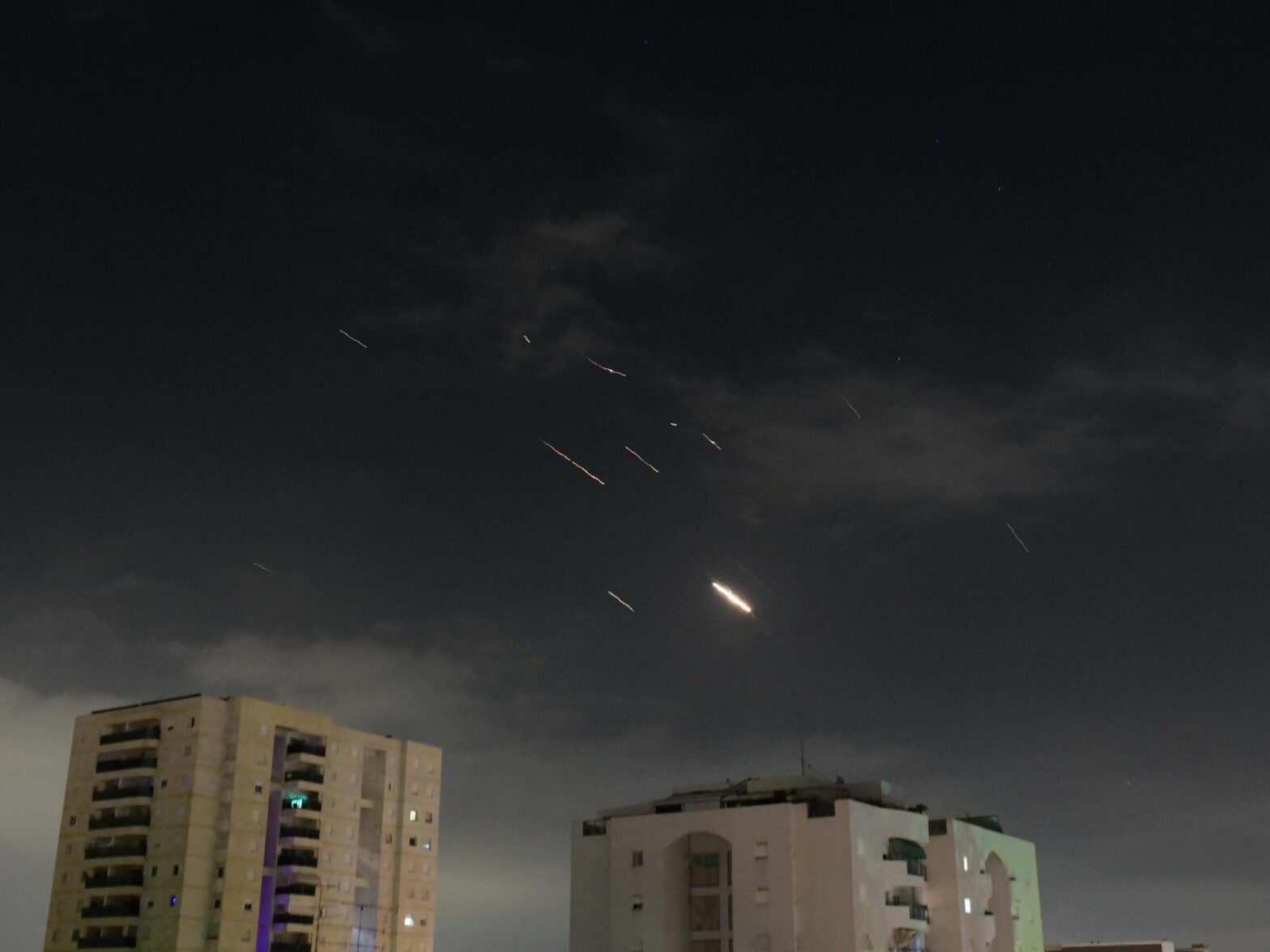
The world watches as Netanyahu walks that fine line between deterrence and escalation.
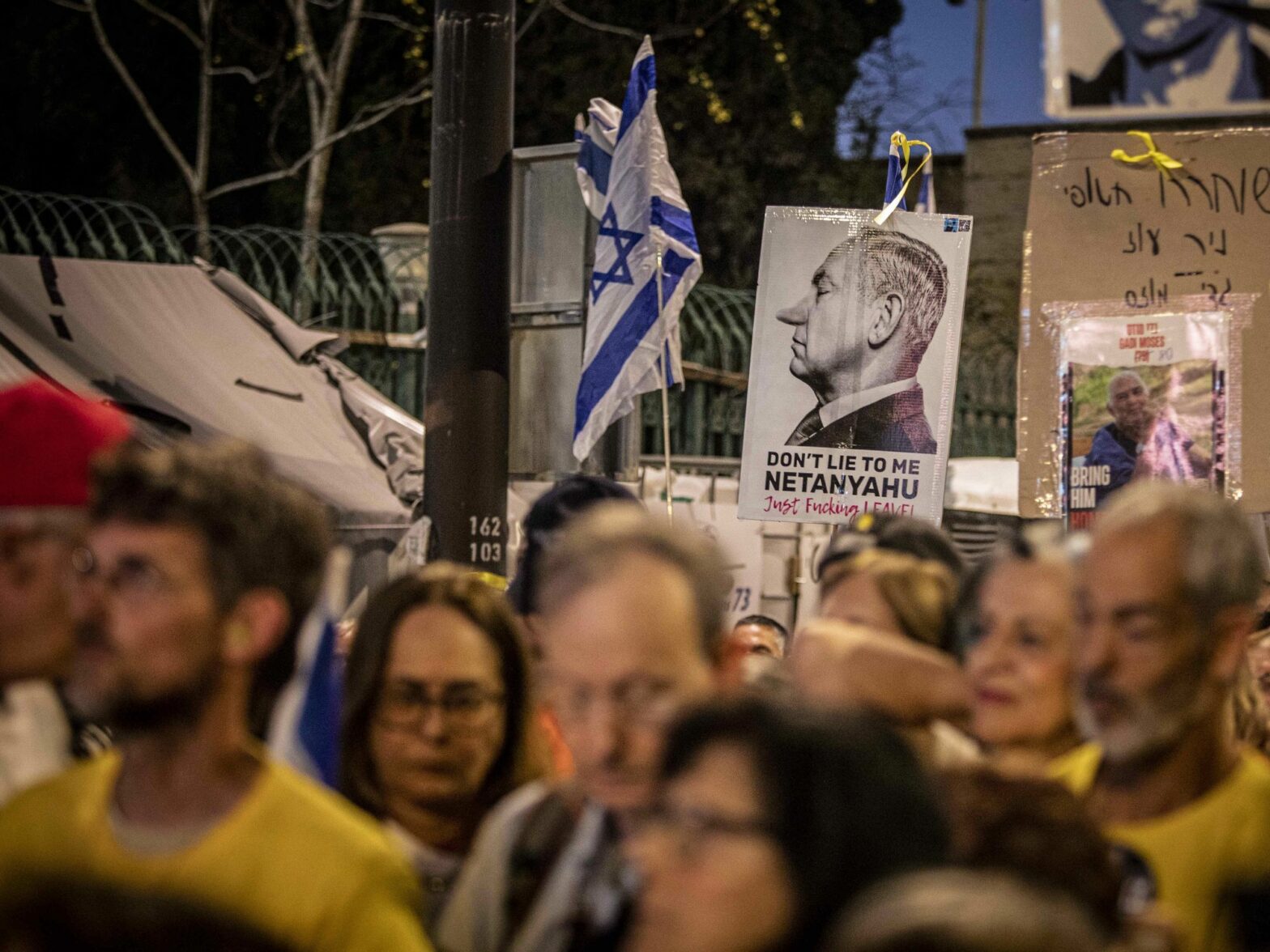
After Israel’s military killed seven aid workers from the World Central Kitchen — including six foreigners —, its closest allies in the West revolted. Some threatened to stop supplying Israel’s war machine. The Arab countries, meanwhile, are still taking the position of “concerned observer” of Israel’s killing of over 33,000 Palestinians, two thirds of them women and children.
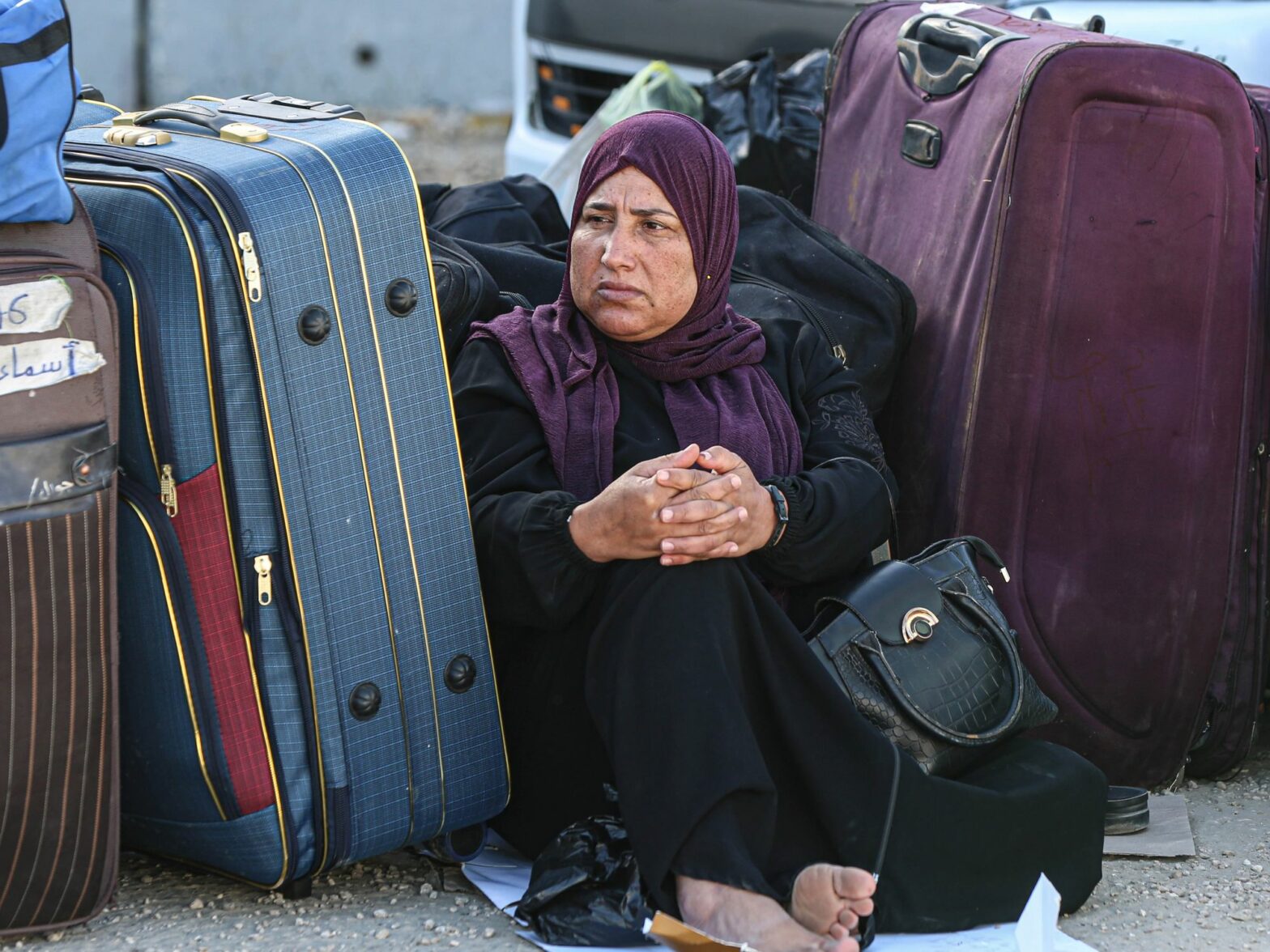
In late March, the Palestinian embassy in Cairo organized a crossing for Palestinians back into Gaza. Al Manassa talks with some of the Palestinians preparing to leave the safety of Egypt about their motivations for returning to the war-torn homeland.
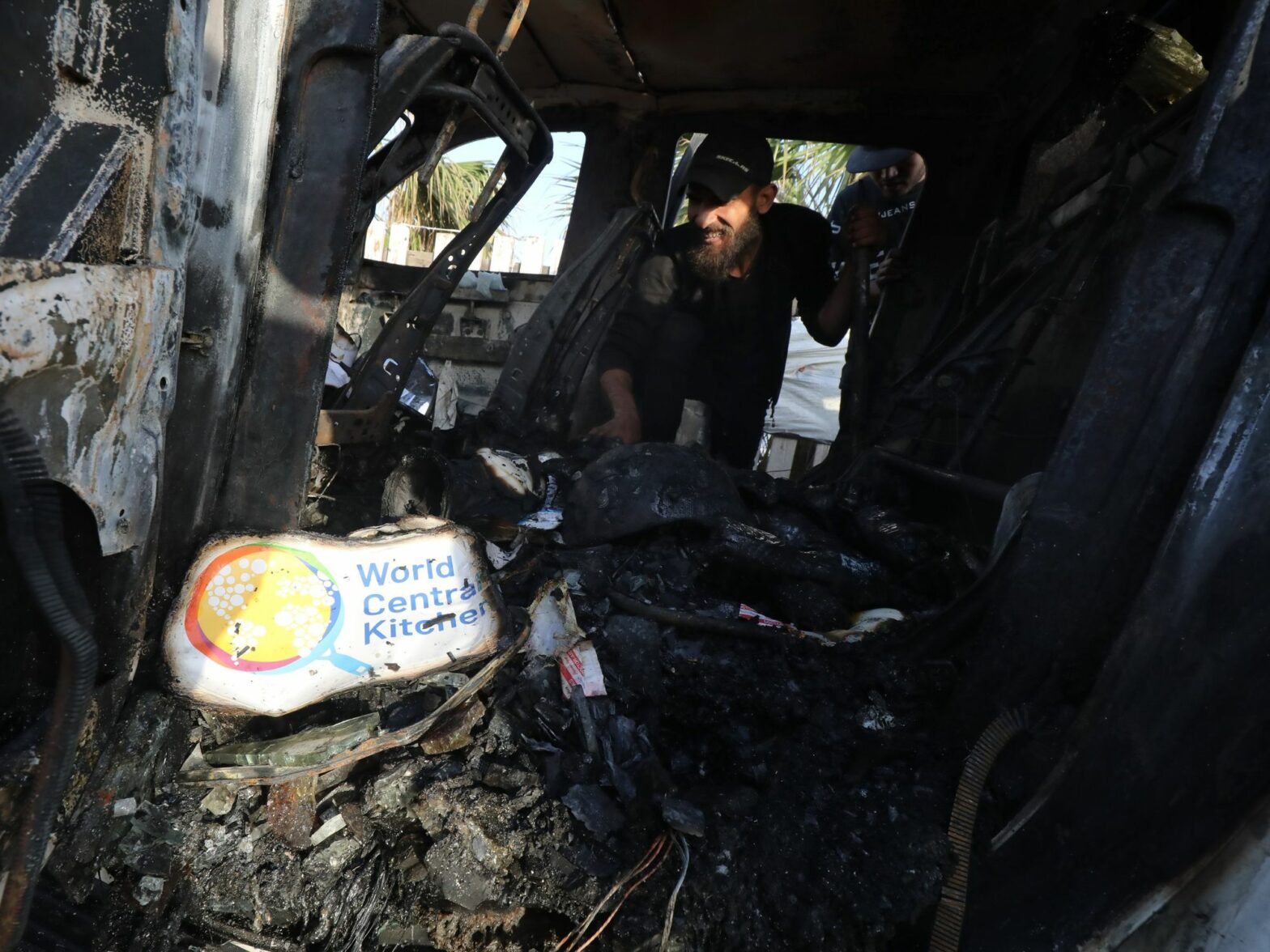
The Israeli drone strike that killed seven aid workers in Gaza has set off an international outcry. And Israeli Prime Minister Benjamin Netanyahu’s reaction was a reminder that cutting off humanitarian aid has been part of the strategy from the start of the war in Gaza.
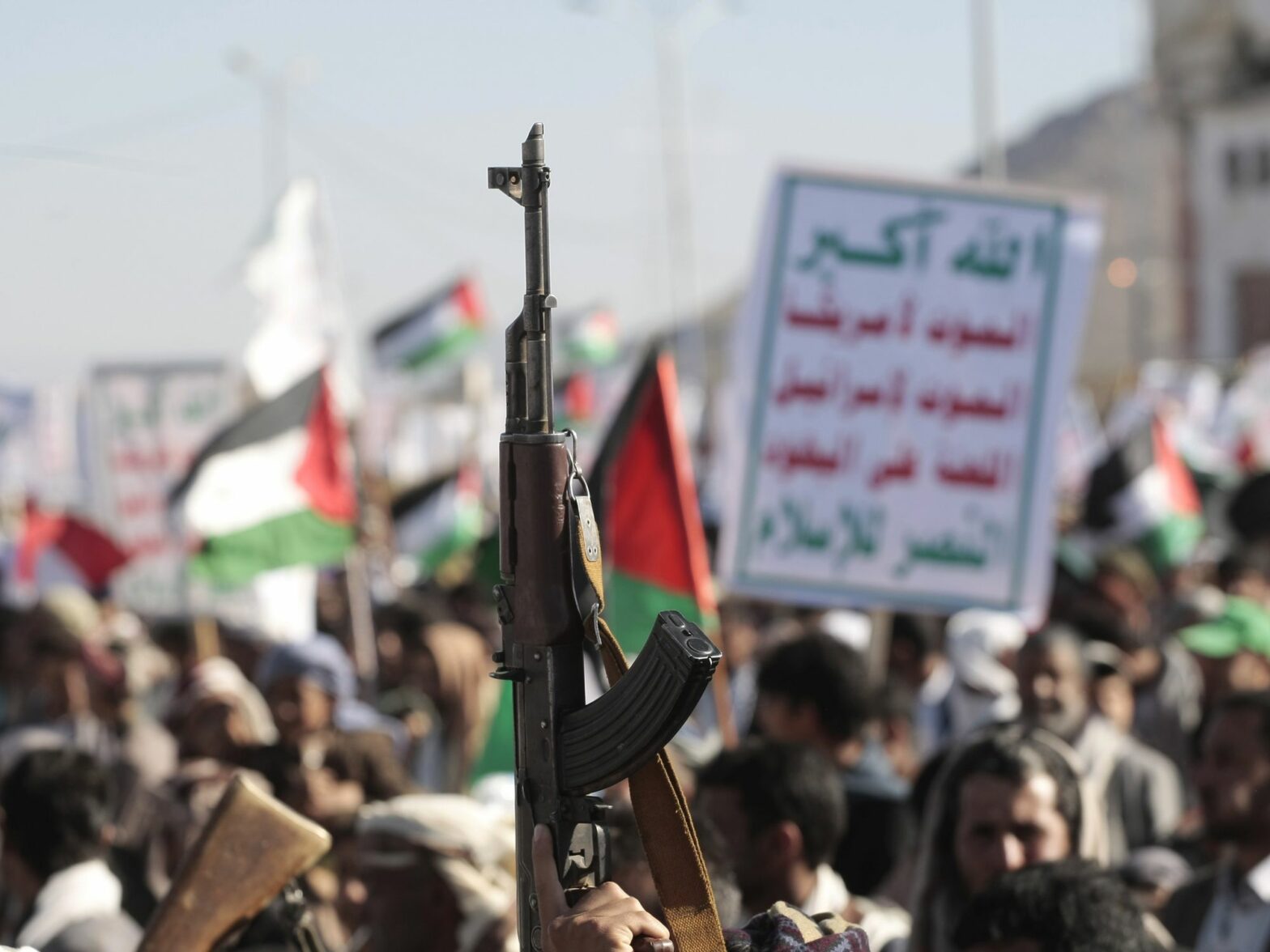
Hamas’s Oct. 7 attack and Israel’s subsequent war in Gaza have given Islamists new momentum and a new outlook on their recent political setbacks.
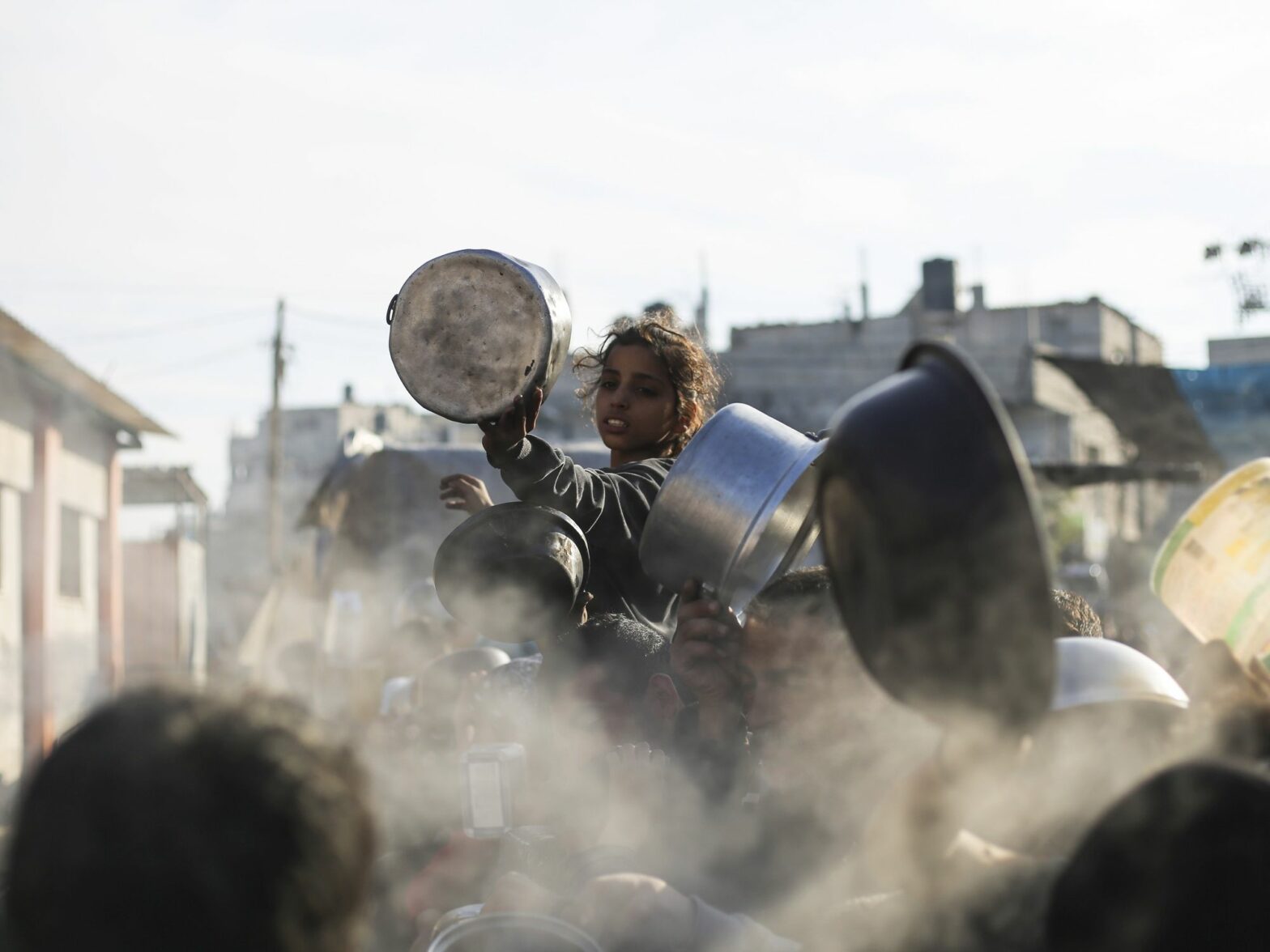
With Israel blocking aid from entering Gaza, some are either resorting to force to get aid to feed their children or turning to a new black market where merchants and war profiteers exploit people’s needs.
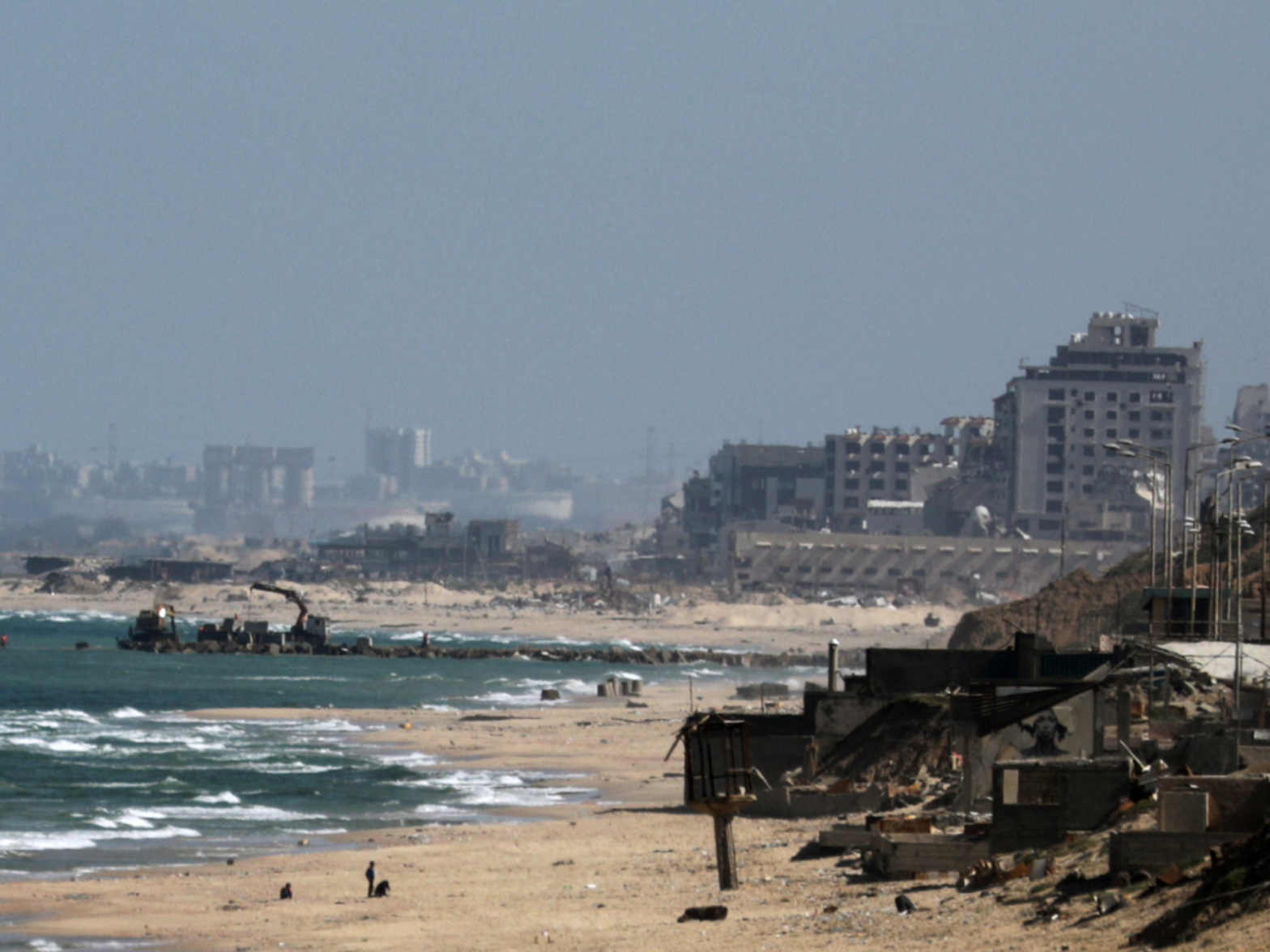
The U.S. pier and sea corridor aims at isolating Gaza from its Arab neighbors, paving the way for the incoming authority, and facilitating attacks on the resistance.
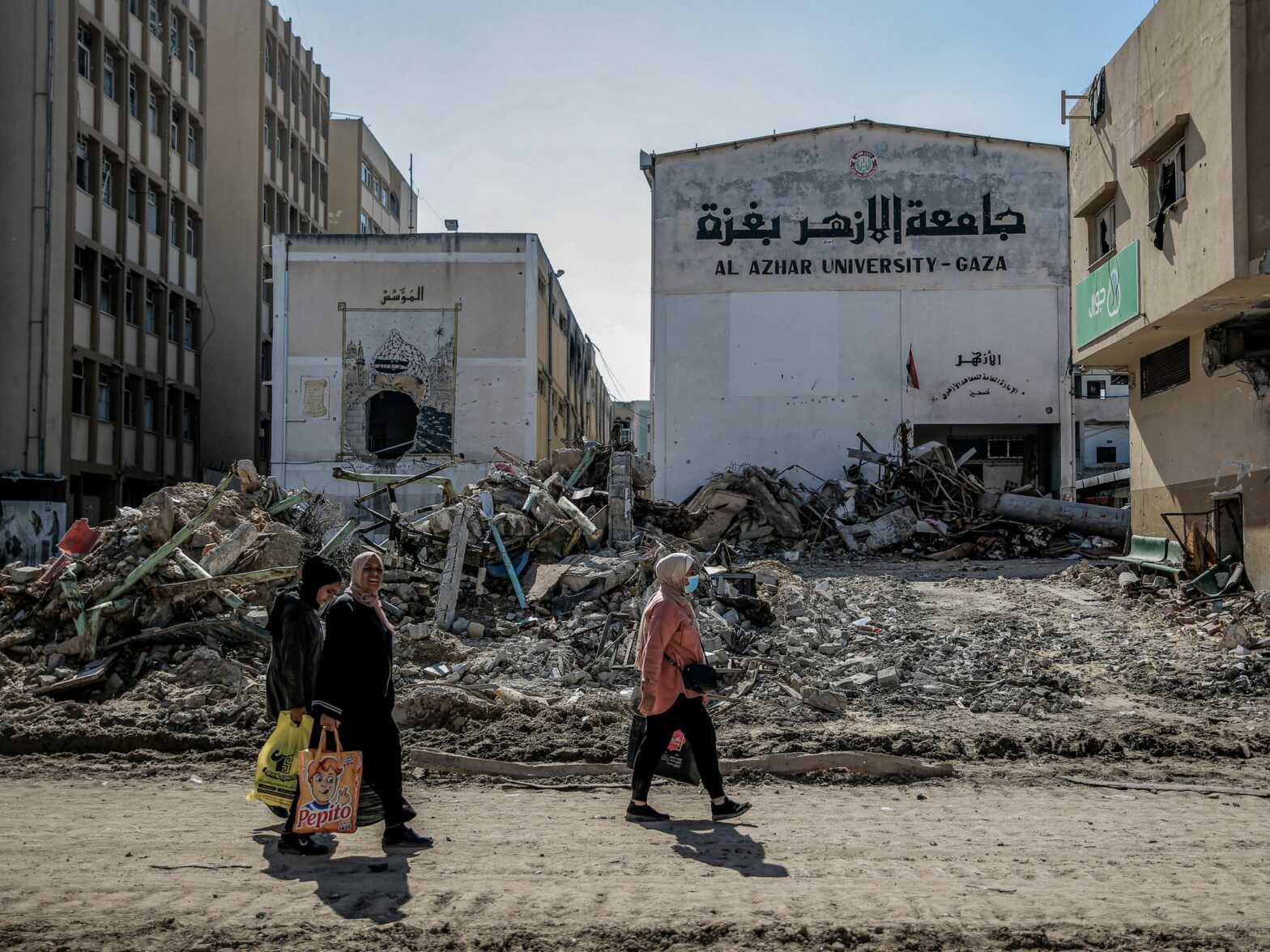
Israel’s war on Gaza could be seen as “a cultural genocide,” which targets Gaza’s history, the Palestinian cause and traces of those who lived in the strip. That will have consequences that would last for centuries.
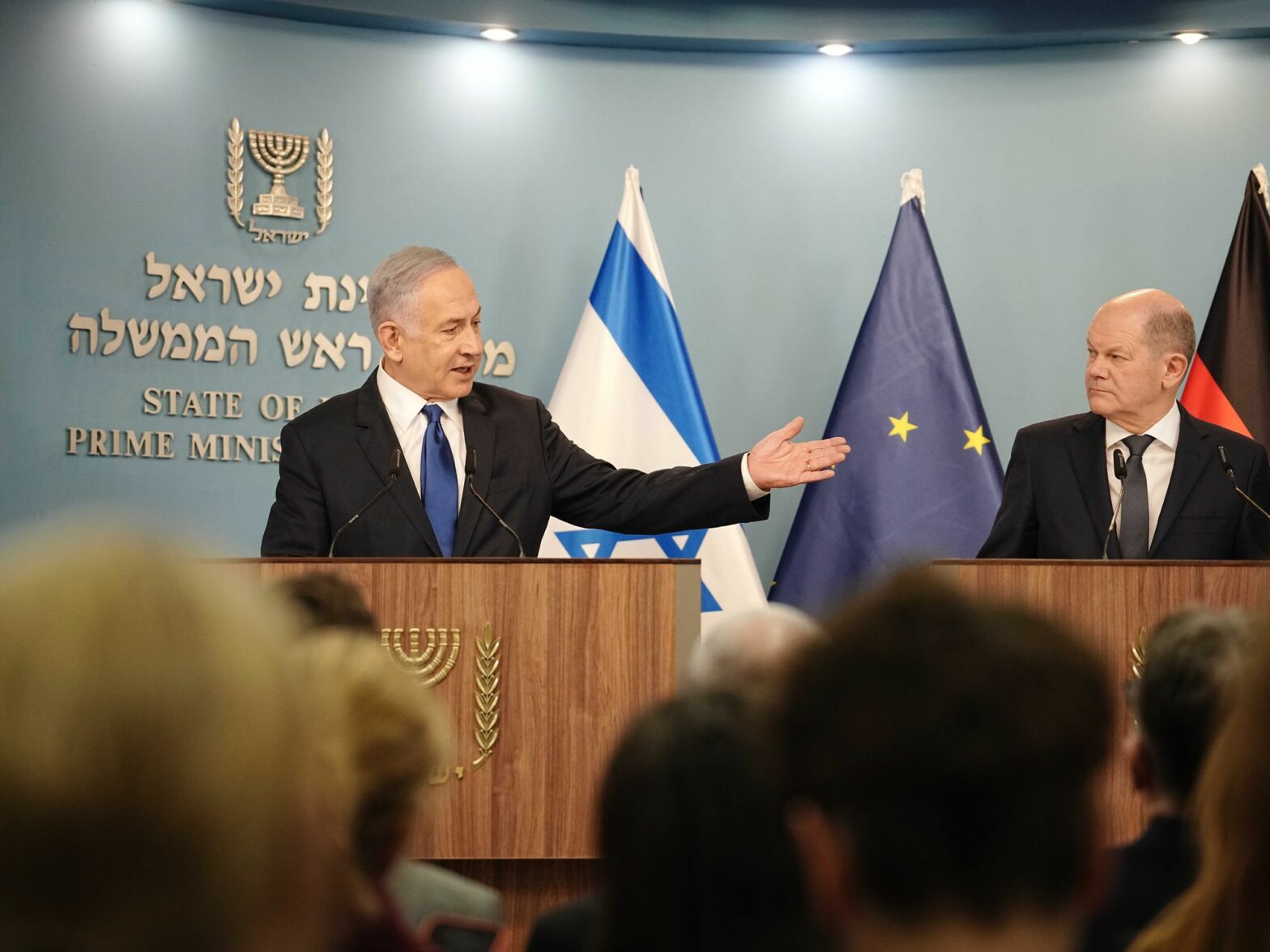
As Western leaders criticize Netanyahu and his war in Gaza, the Israeli Prime Minister apparently remains fully confident in forging ahead with a hardline that leaves a brutal human toll.
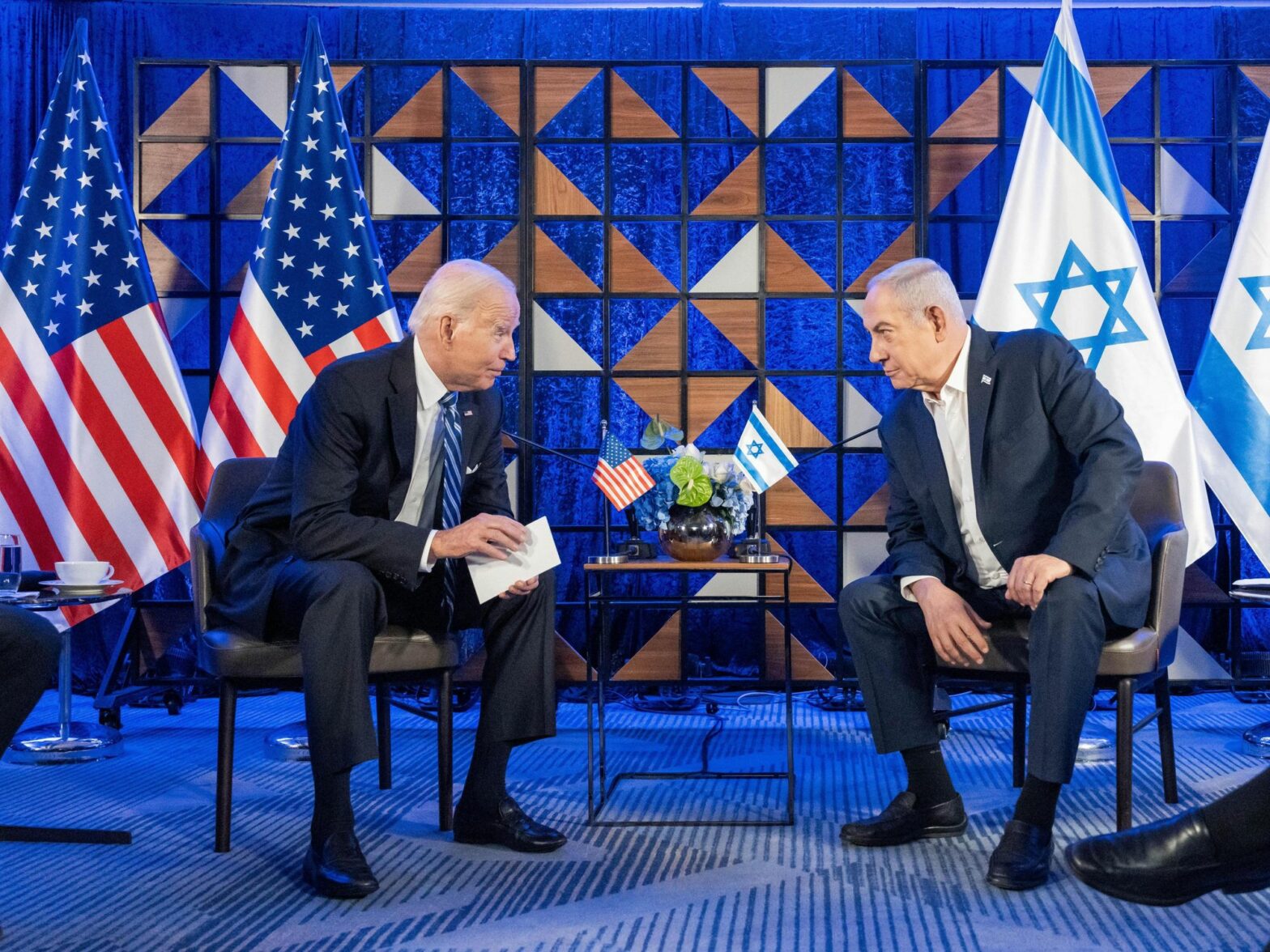
The rising tensions between U.S. President Joe Biden and Israeli Prime Minister Benjamin Netanyahu are about different visions of the geopolitics of the Middle East — but the stakes are also personal for each leader.
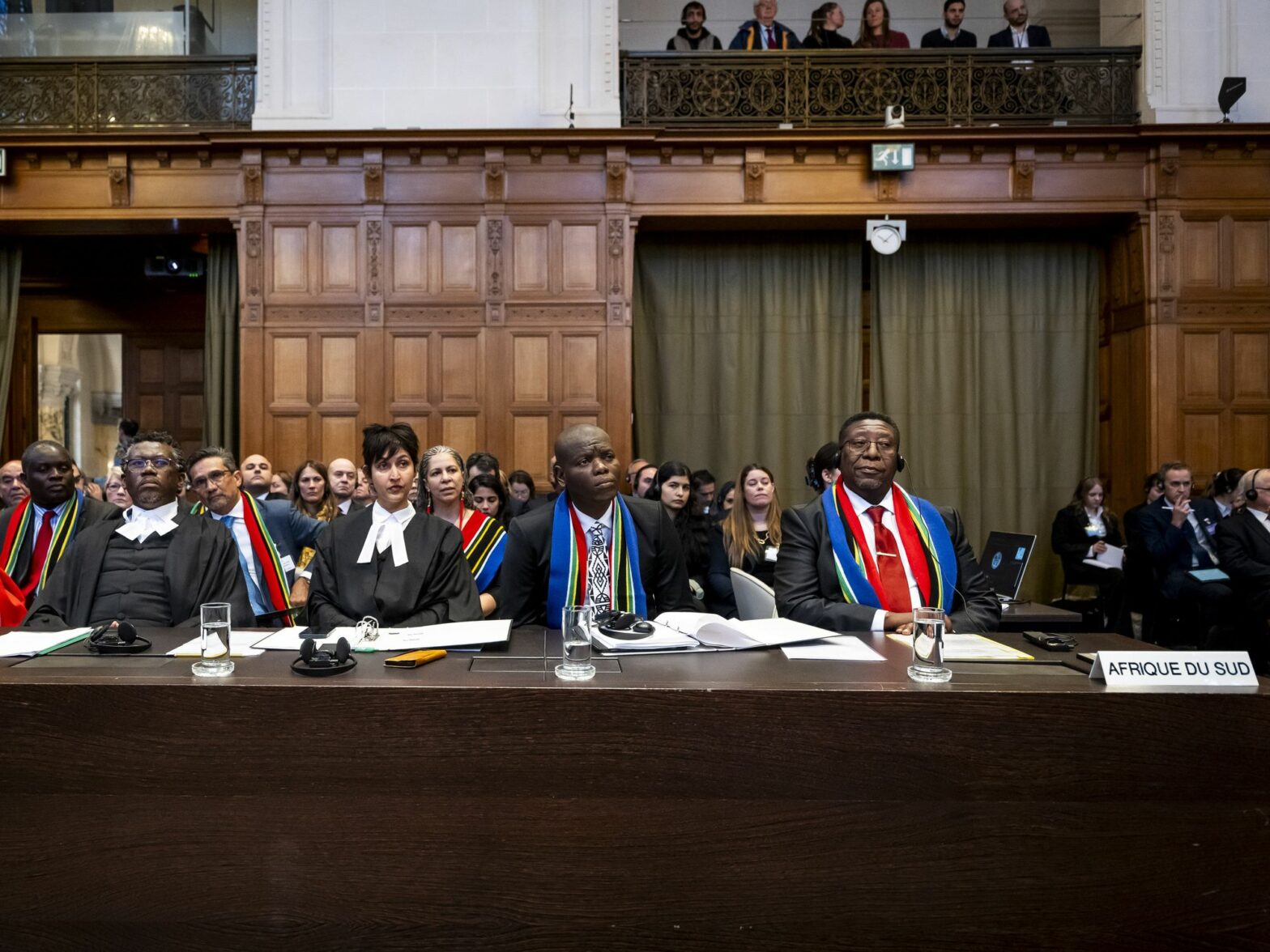
Following South Africa’s genocide allegations against Israel, Netanyahu’s government now has to defend itself at the International Court of Justice. But the lawsuit does not come as a surprise. For decades, there have been tensions between Israel and South Africa, where there is great sympathy for the Palestinian cause going back to the times of apartheid.
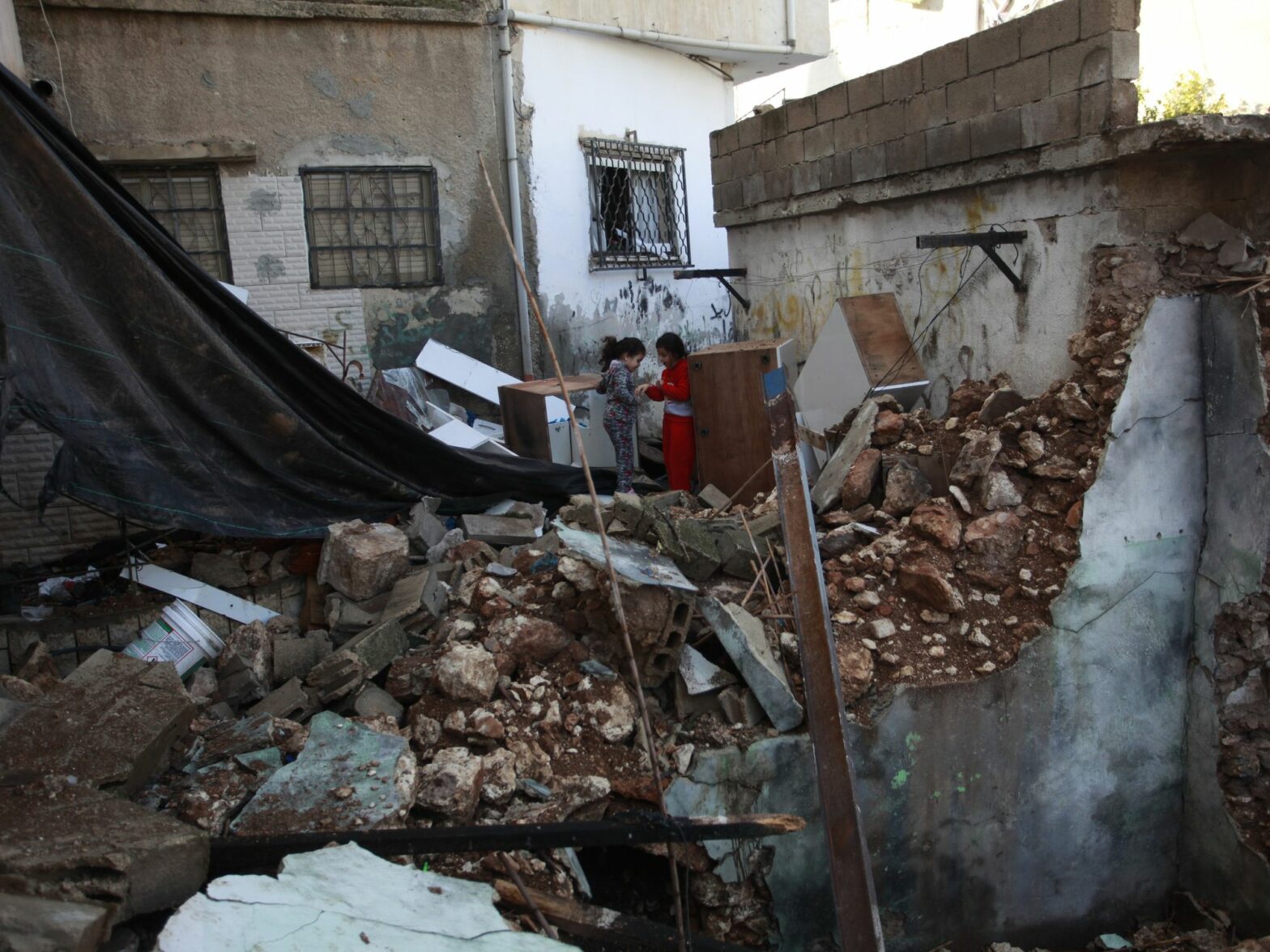
The Jenin refugee camp is rapidly spinning out of control, as the West Bank security coordination between Israel and the Palestinian Authority dissolves. The Israeli military wants to make an example of this symbol of Palestinian resistance in the West Bank.
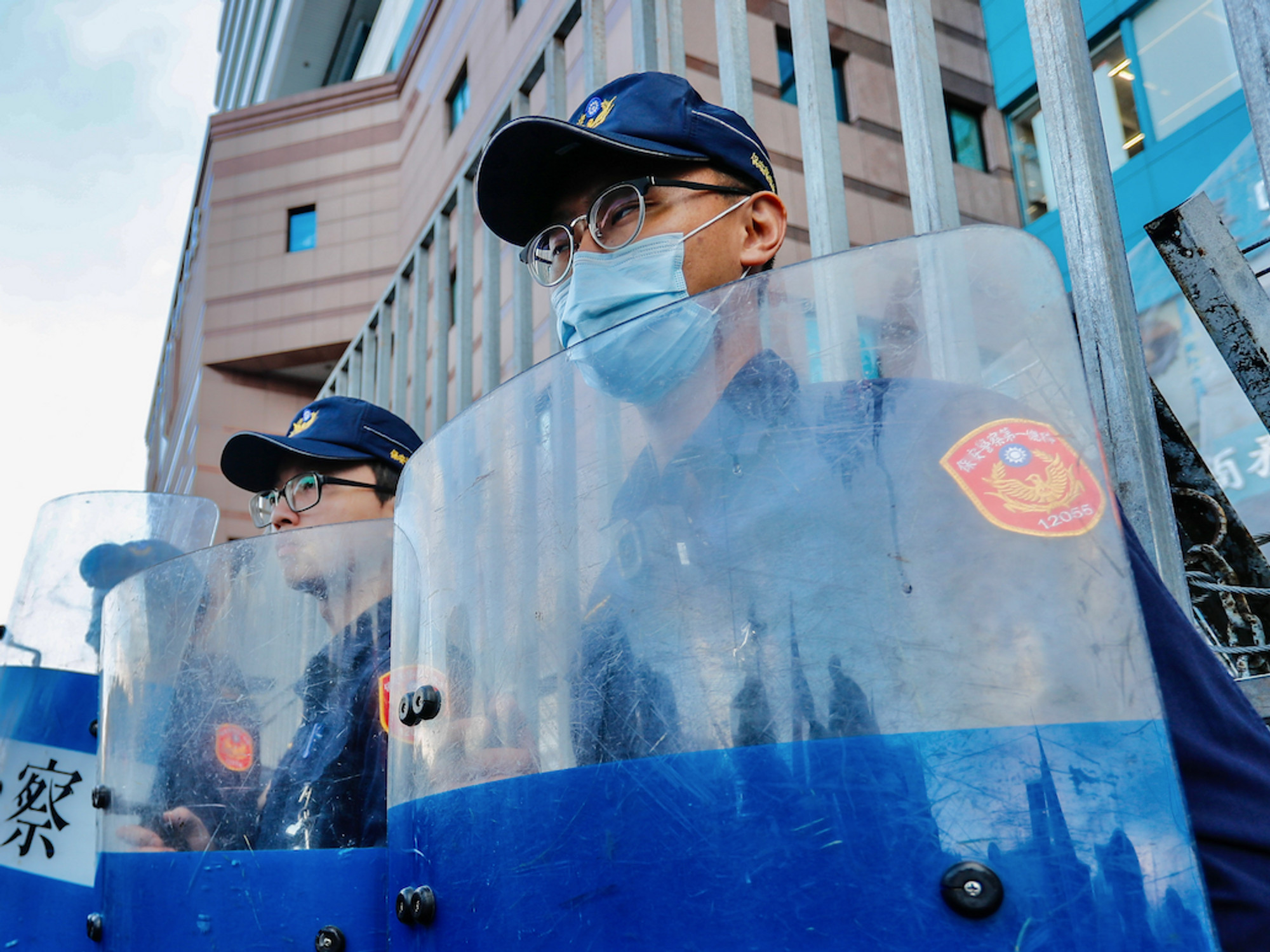
Taiwanese, though under the weight of a far more powerful neighbor, have the tendency to idealize Israel and fail to create a self-definition beyond the island nation’s anti-China image.

Reserved, not accustomed to the spotlight, capable of taking a step back and not overshadowing the president. In this time of crisis, Antony Blinken navigates geopolitics with the president’s full trust.
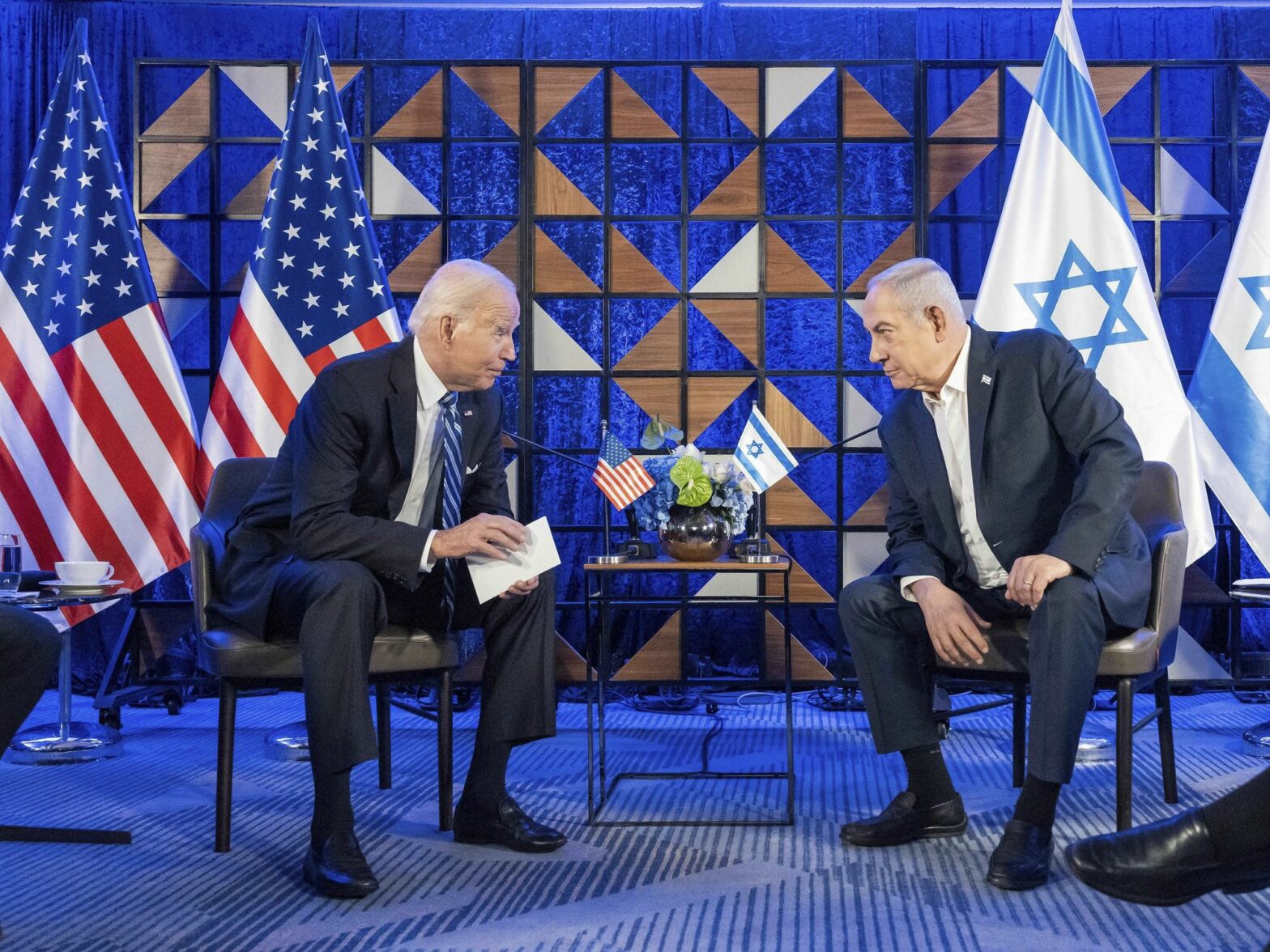
The American president succeeded in obtaining humanitarian corridors through Gaza, and supported Israel’s claims that it wasn’t responsible for bombing a Gaza hospital. But in the Arab world, he consolidated his image as Israel’s main supporter, and lost the political battle for public opinion.
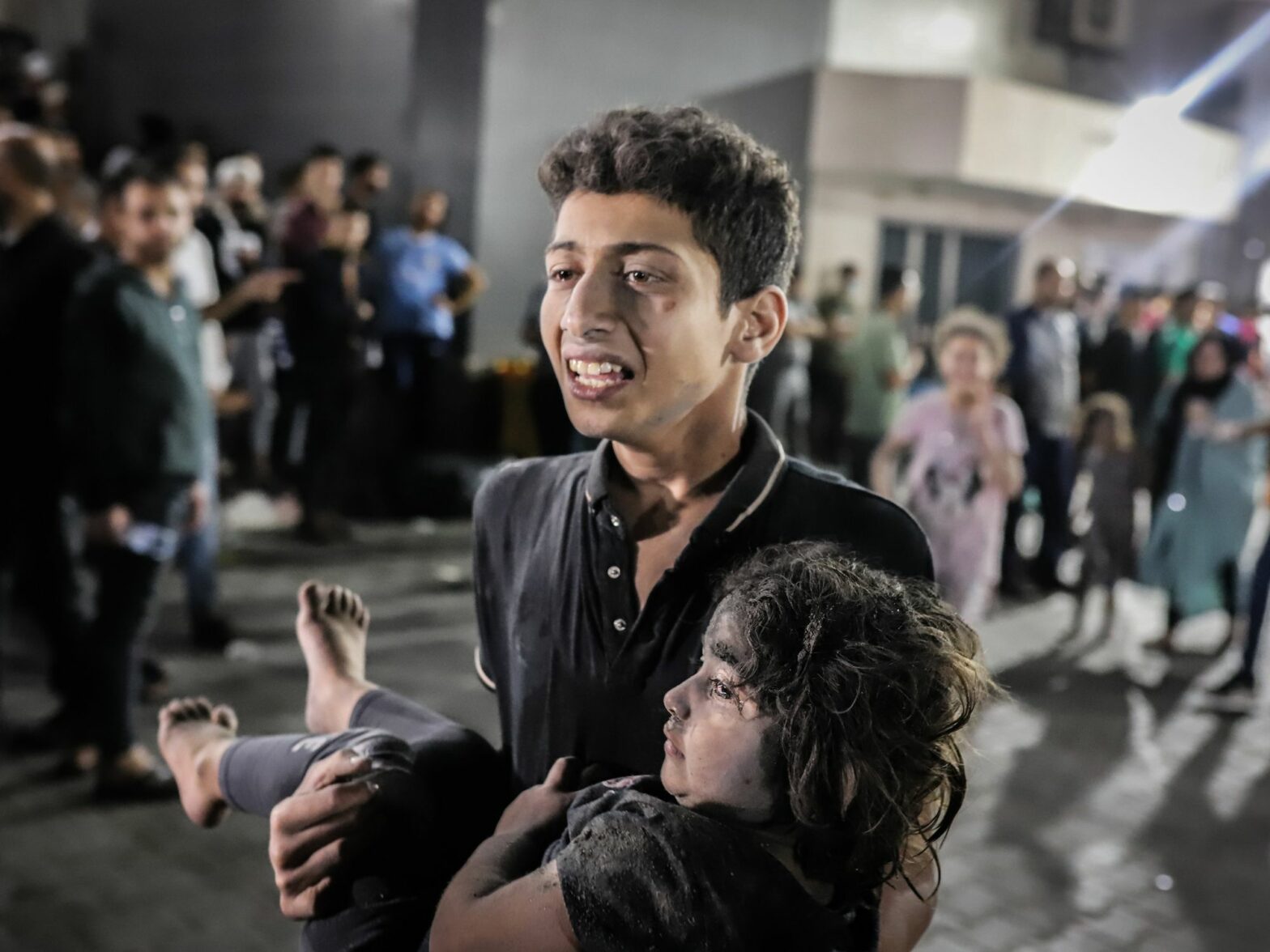
The strike on Gaza’s Al-Ahli hospital, which left hundreds dead, has changed the climate of the conflict between Israel and Hamas, even as the two sides shift the blame to each other. Calls for a ceasefire multiply as Joe Biden arrives in Israel.

After extending its complete support to Israel in the wake of the October 7 attacks, the West has started to soften its stance and demand that the state follow international law. But there are scant signs that Israel will let up its all-out assault in Gaza.
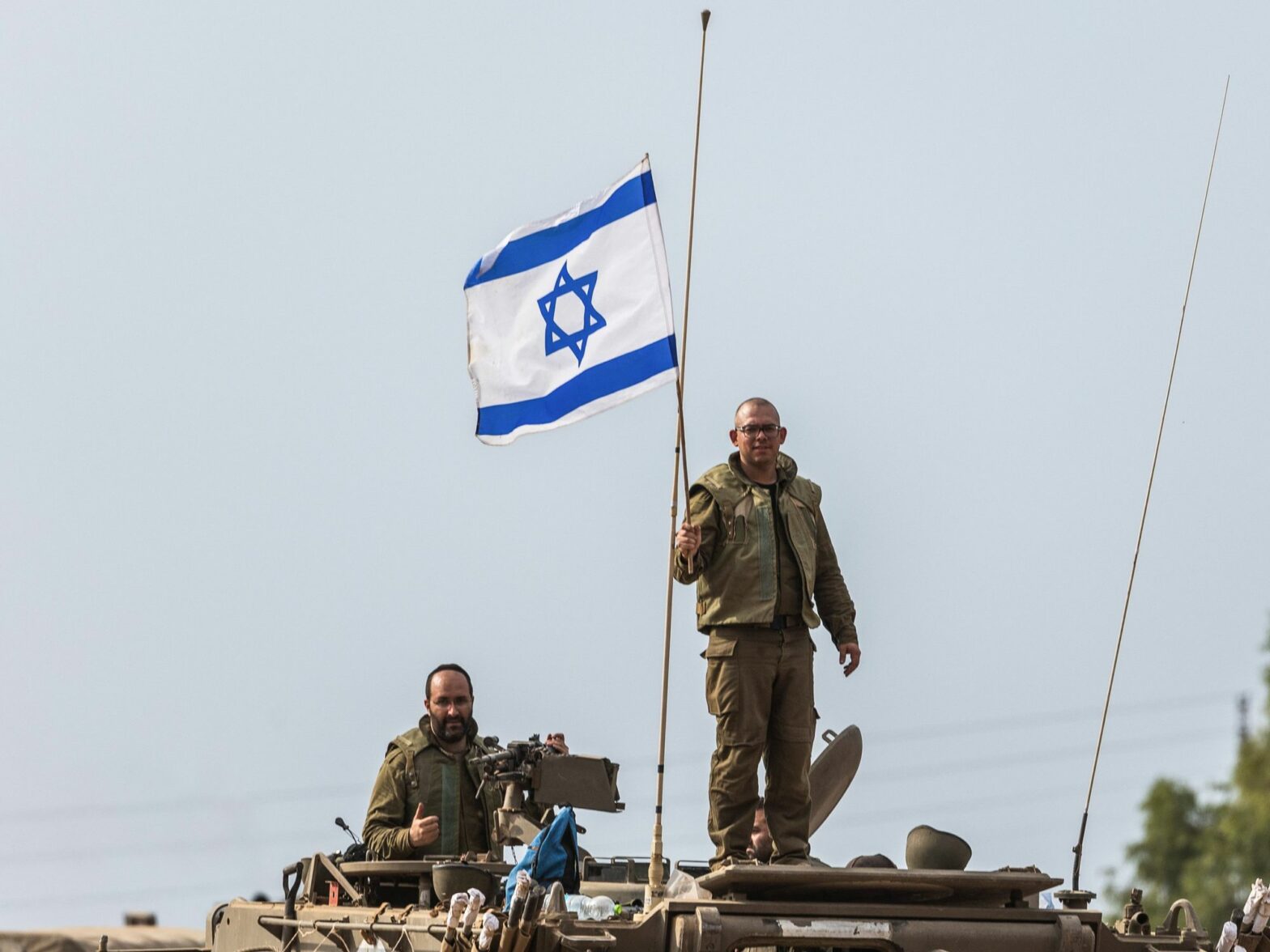
The Oct. 7 Hamas attacks are as devastating on Israel as the Sep. 11 were on the U.S. But like it did 20 years ago, such an attack also has the power to reshape politics inside Israel and around the region in a way that risks making everything worse.
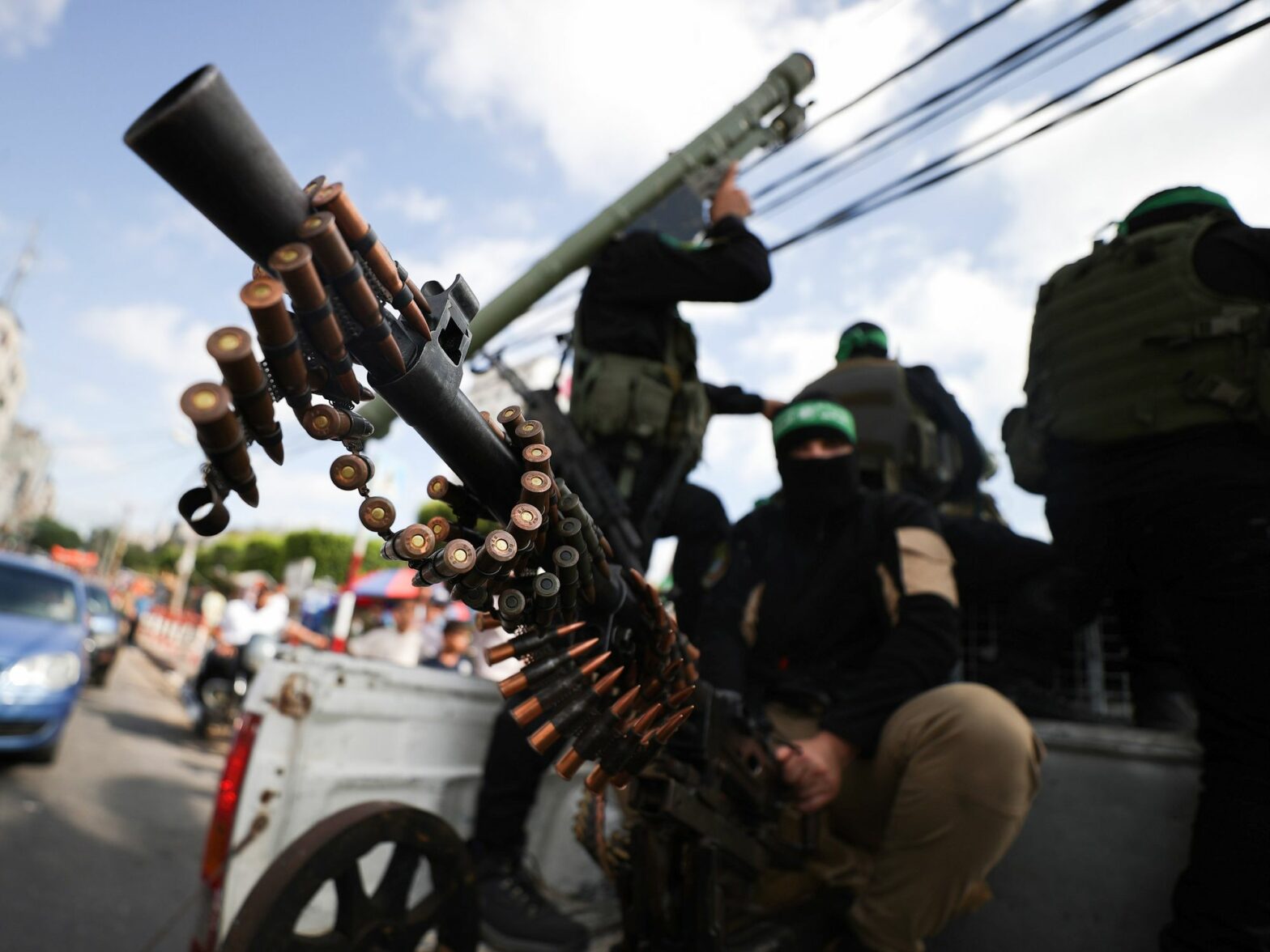
Hamas’ unprecedented onslaught has hit Israel at a moment of weakness. But the attack could unite a divided Israeli society against a common enemy — and finally end the terrorist organization’s rule.
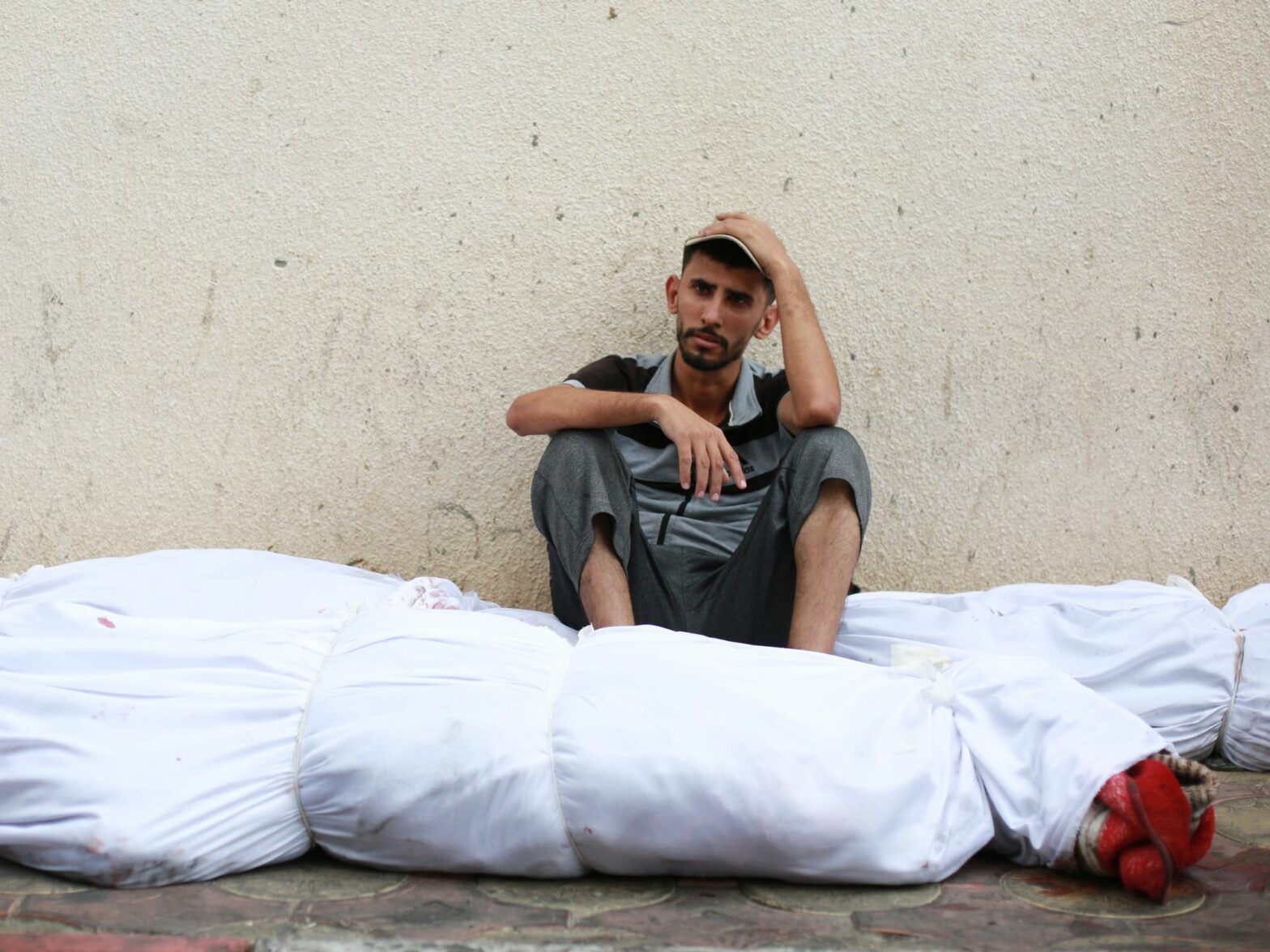
Hamas has launched an unprecedented attack against Israel, killing at least 700, mostly civilians, and taking scores of hostages. Even if the Islamist group has always made clear it sought Israel’s destruction, the questions loom as to why now, and how it managed to pierce the enemy’s defenses.
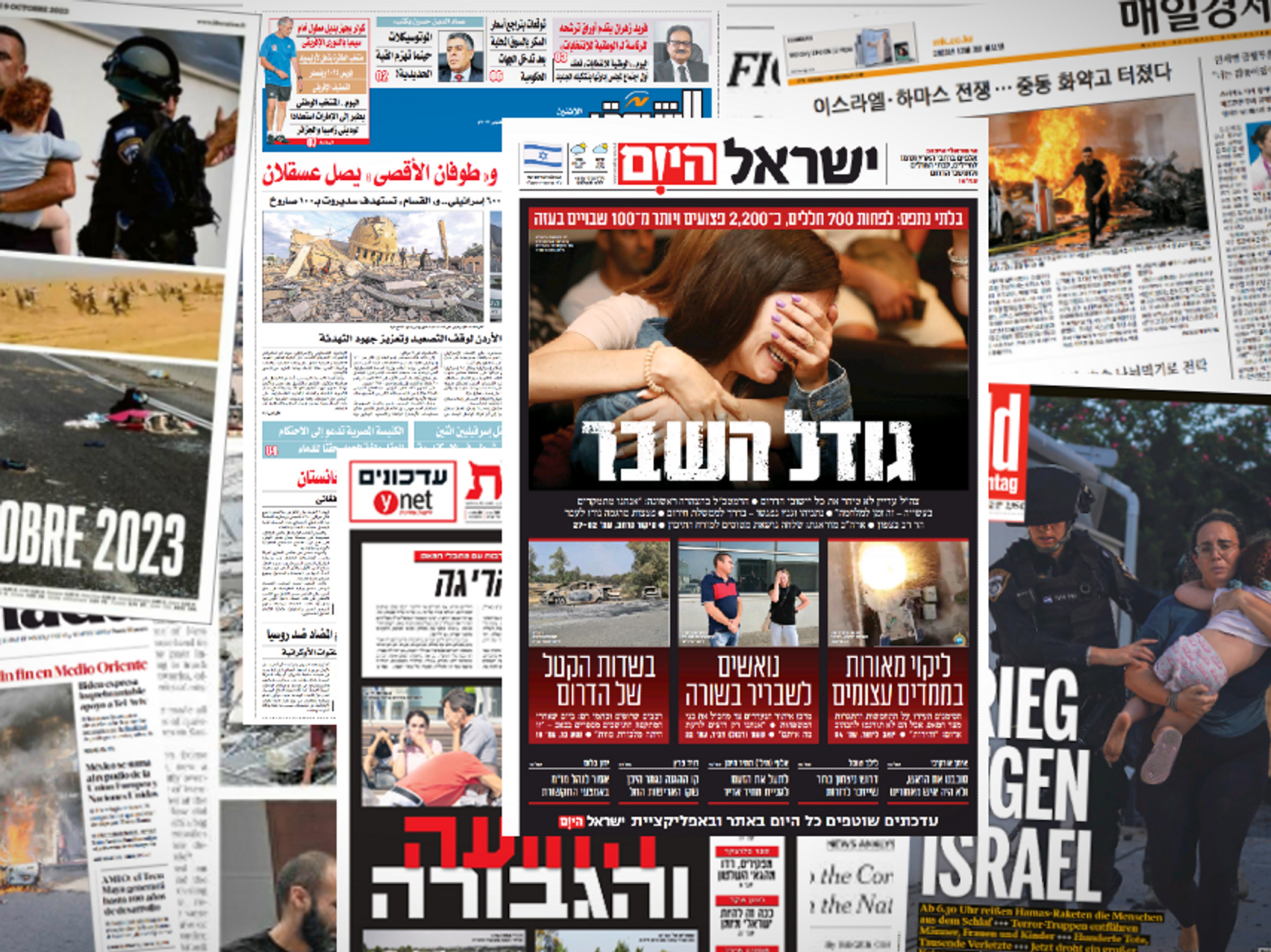
The vast majority of newspapers around the world are dedicating their front pages to the sudden escalation of violence in the Middle East.
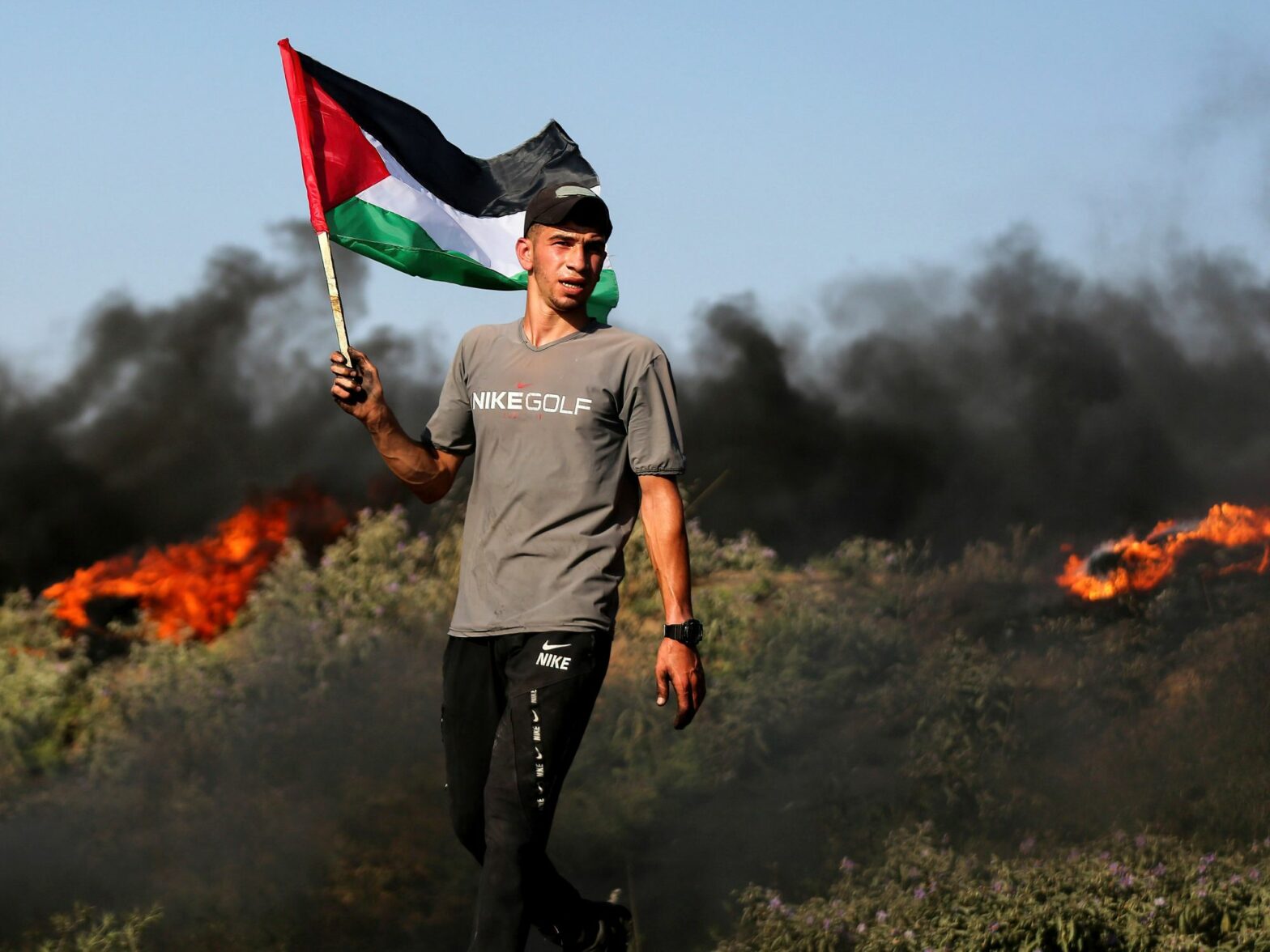
The Israeli army’s operation last week in the Jenin camp was particularly striking in its scale and violence, further undermining any hope of appeasement in the region or the newfound alliance with Arab countries, or even among American Jews. What if Israeli politics, instead, was inspired by the nation’s Netflix series scriptwriters?