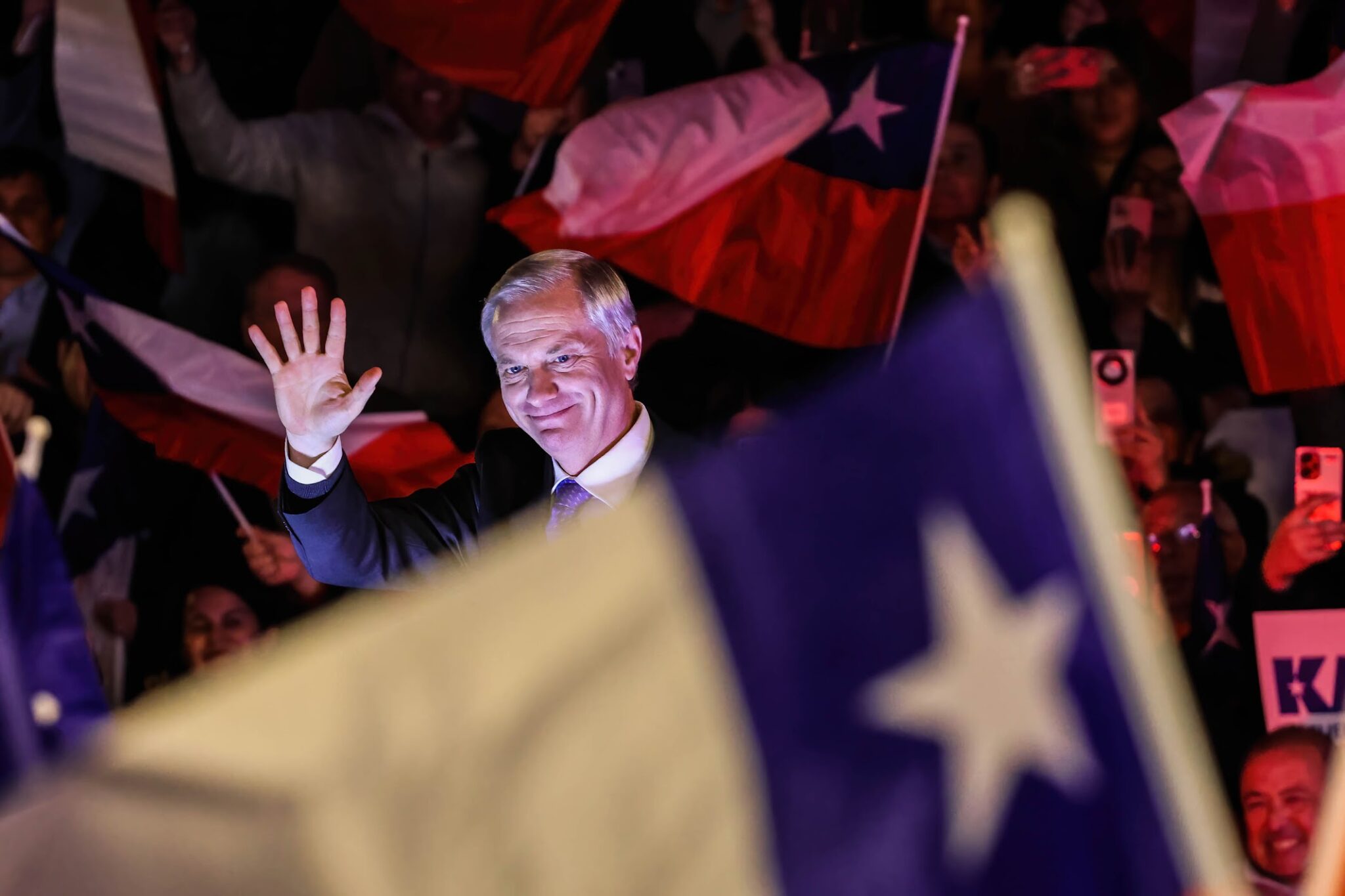
What explains why 51 years after Pinochet’s coup, Chile has elected someone who is nostalgically fond of dictatorship? The far-right candidate focused on immigration and insecurity, with rhetoric inspired by Trump and Milei.
 Worldcrunch
What explains why 51 years after Pinochet’s coup, Chile has elected someone who is nostalgically fond of dictatorship? The far-right candidate focused on immigration and insecurity, with rhetoric inspired by Trump and Milei.
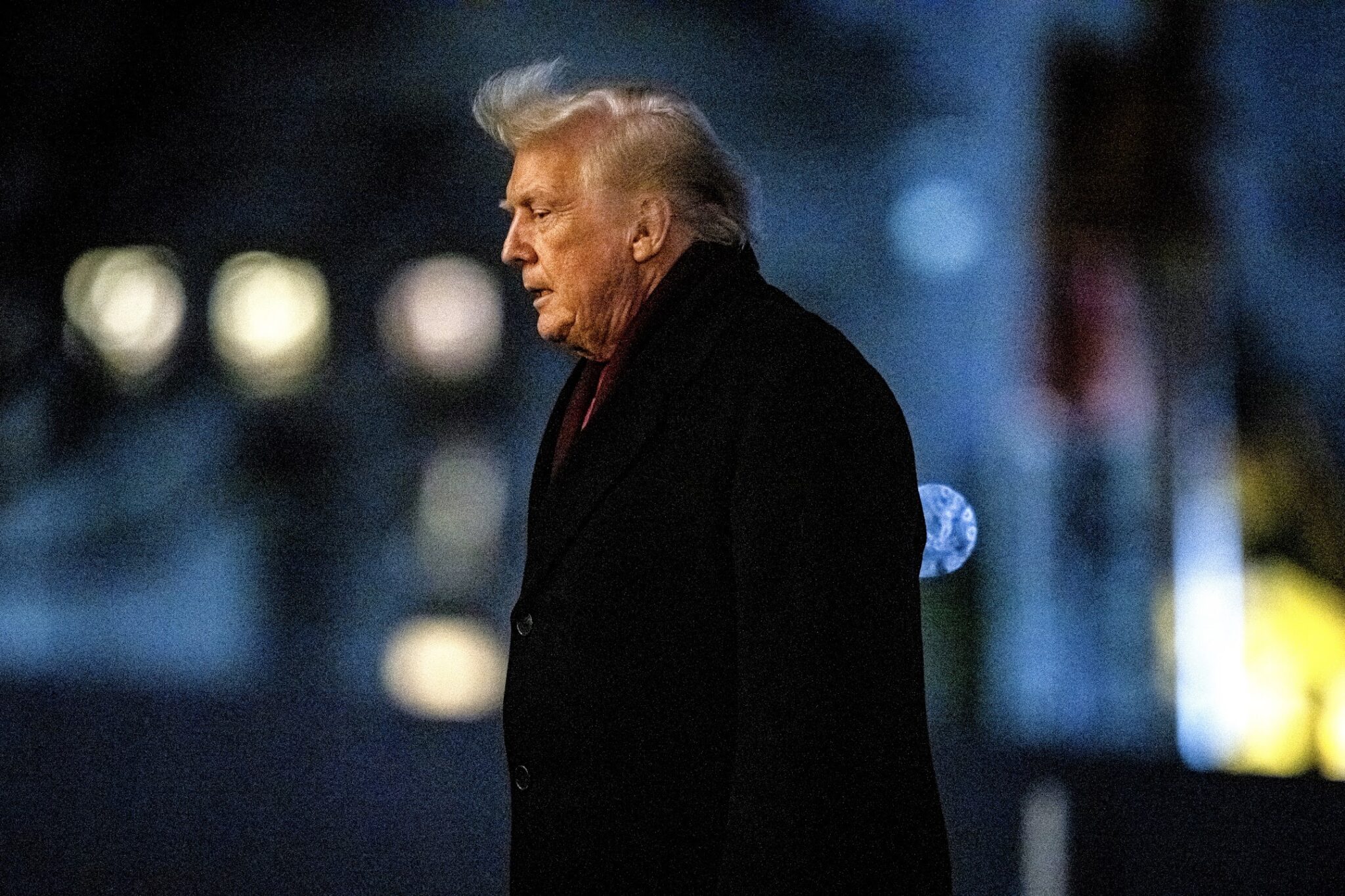
Donald Trump has doubled down on his criticism of Europe, calling it “weak” and “ decaying,” and of Ukraine, which he said has no chance because Russia is “bigger.” Why so much hatred?
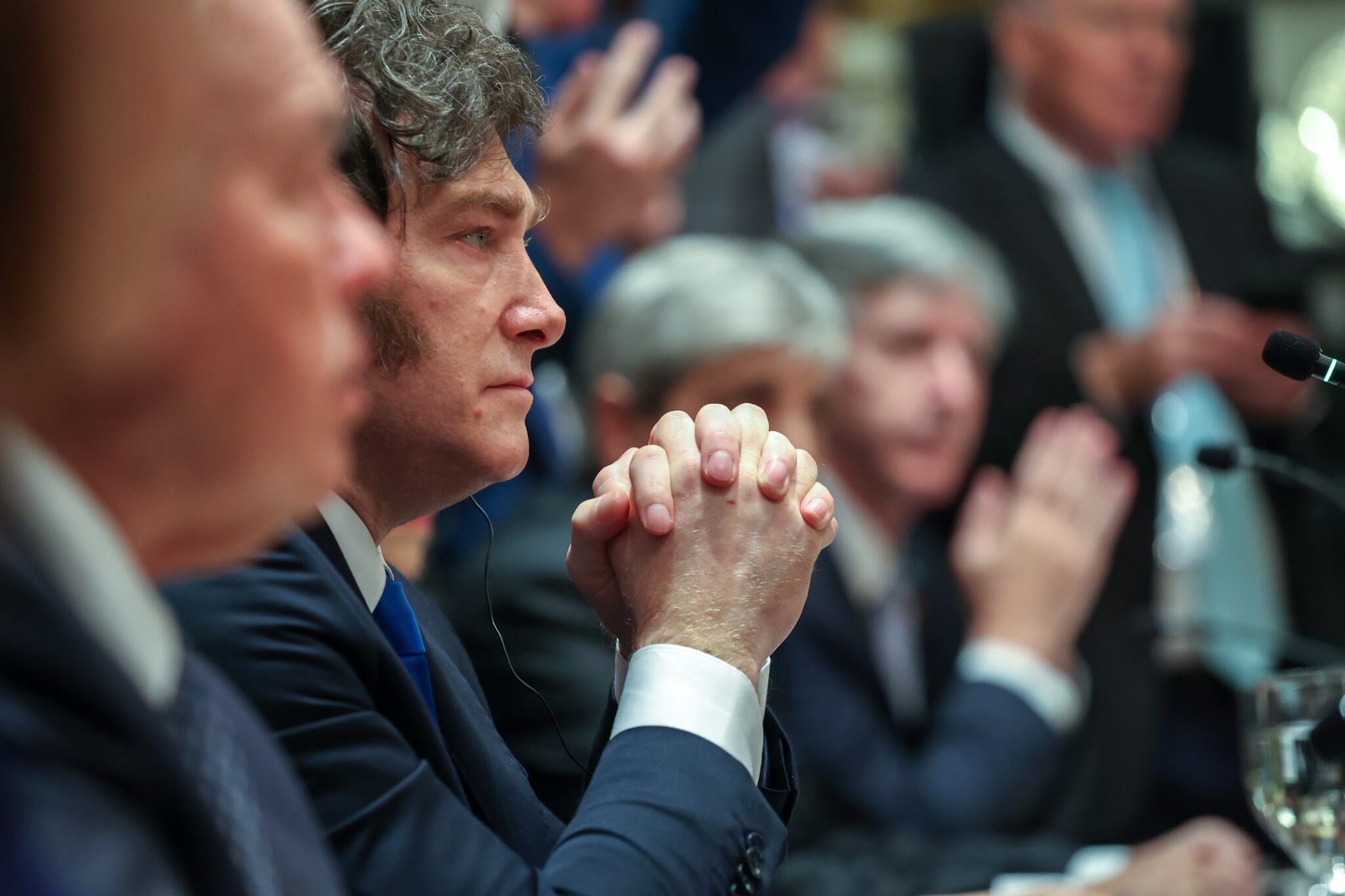
Perhaps the conditions are finally right for a shift in Argentine politics. Here are some reasons for hope — and reasons to fear.
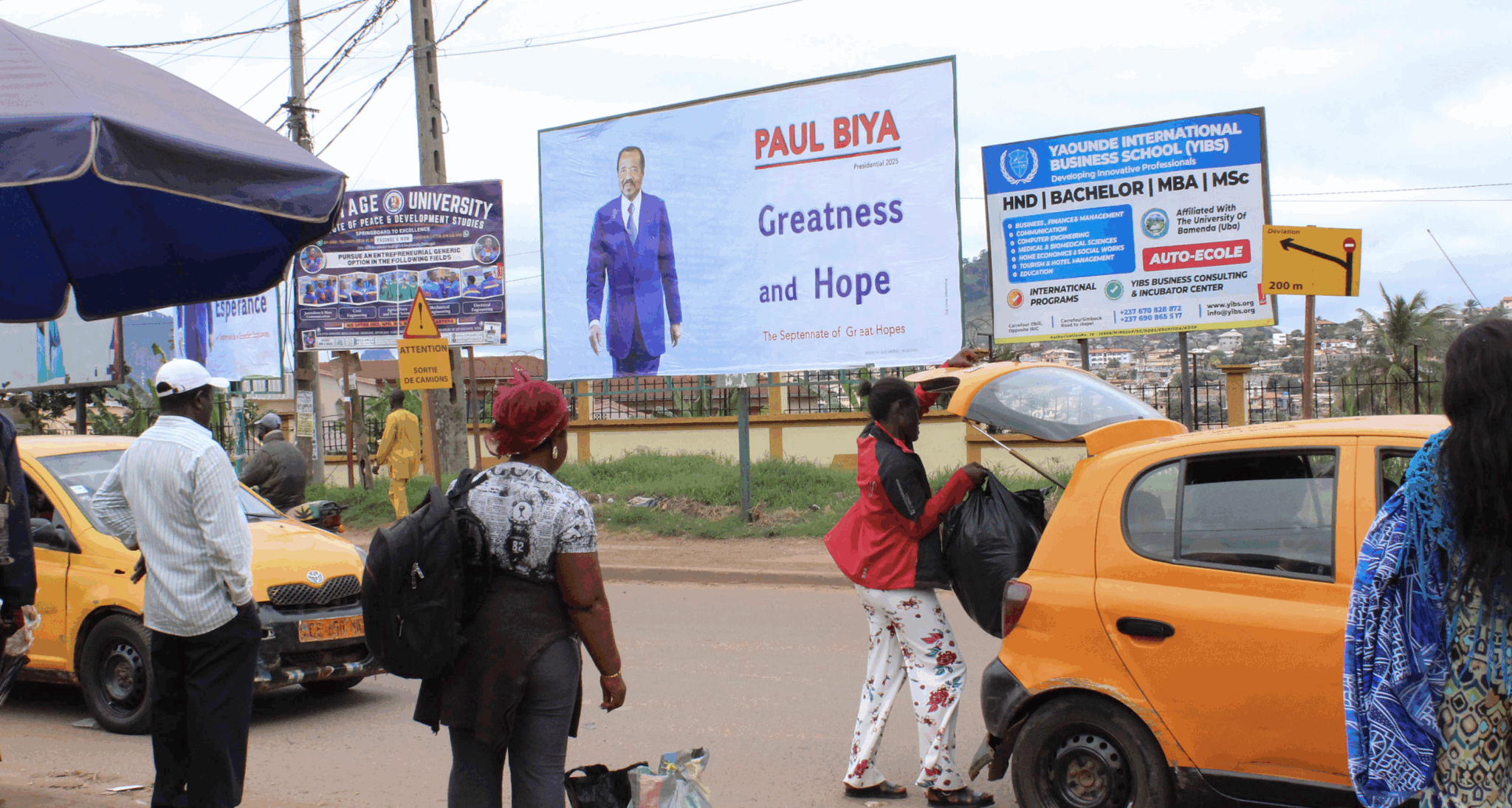
Paul Biya, 92, has been reelected for an eighth seven-year term, while Alassane Ouattara, 83, will serve a fourth five-year term in Côte d’Ivoire. The question of democracy remains unresolved in Africa, where countries that regularly change their leadership are still in the minority.
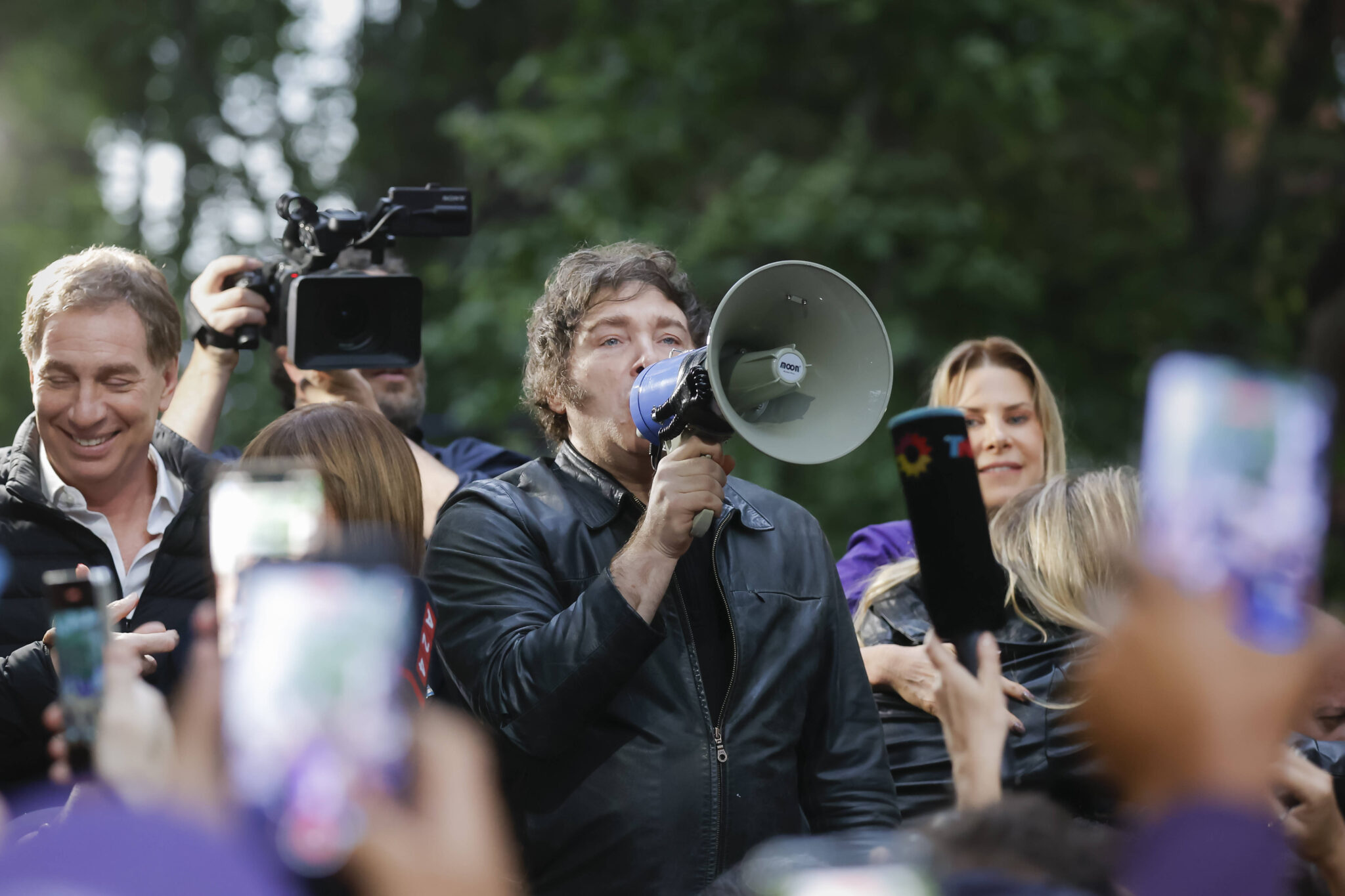
Donald Trump was the first to congratulate Javier Milei on his surprise victory Sunday, having earlier promised financial support tied to his Argentine ally’s campaign. But that alone doesn’t explain the success of a man who has slashed social services.
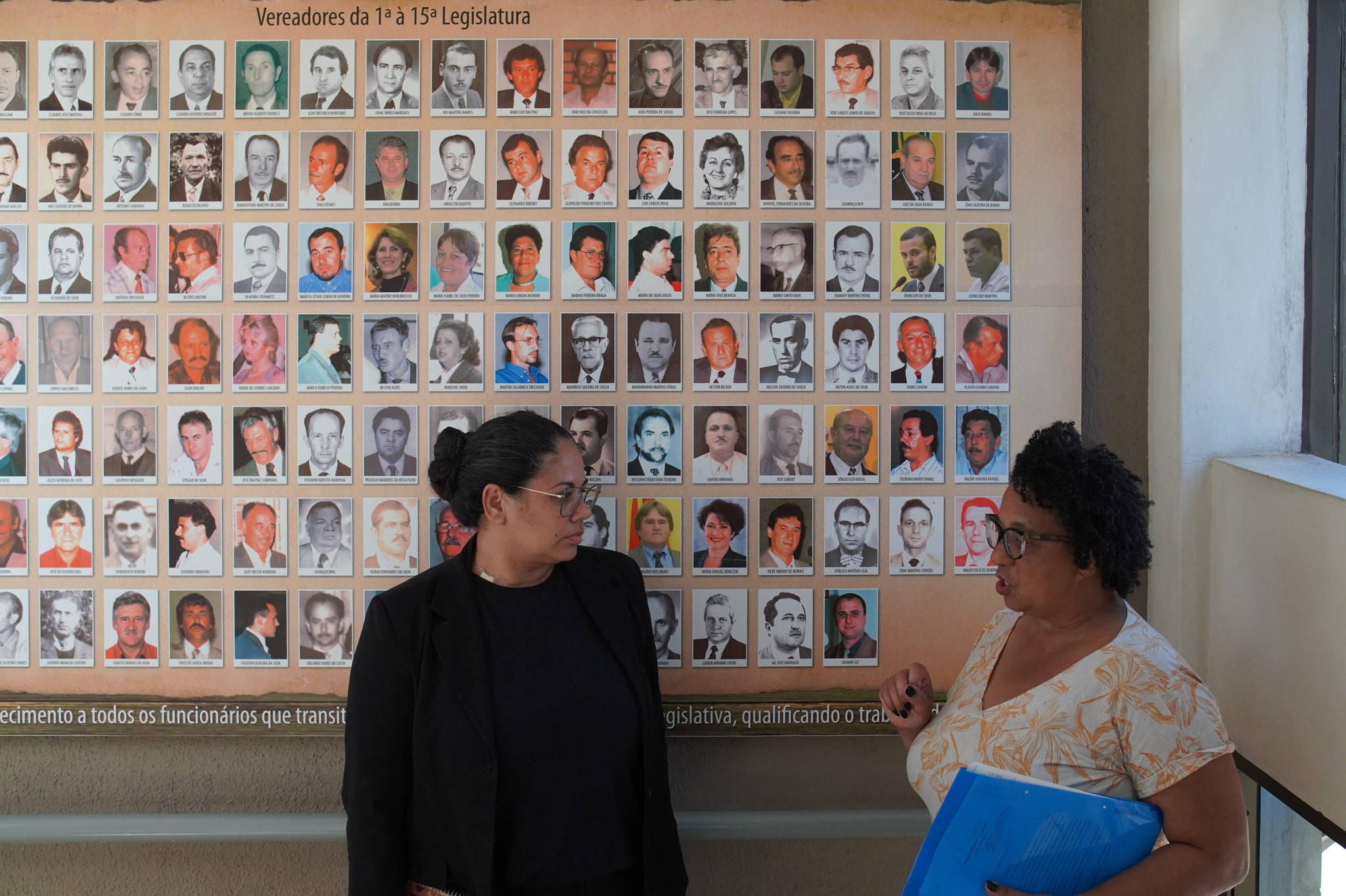
Decades after the country introduced quotas, phantom candidacies and political deals still stifle women’s representation.
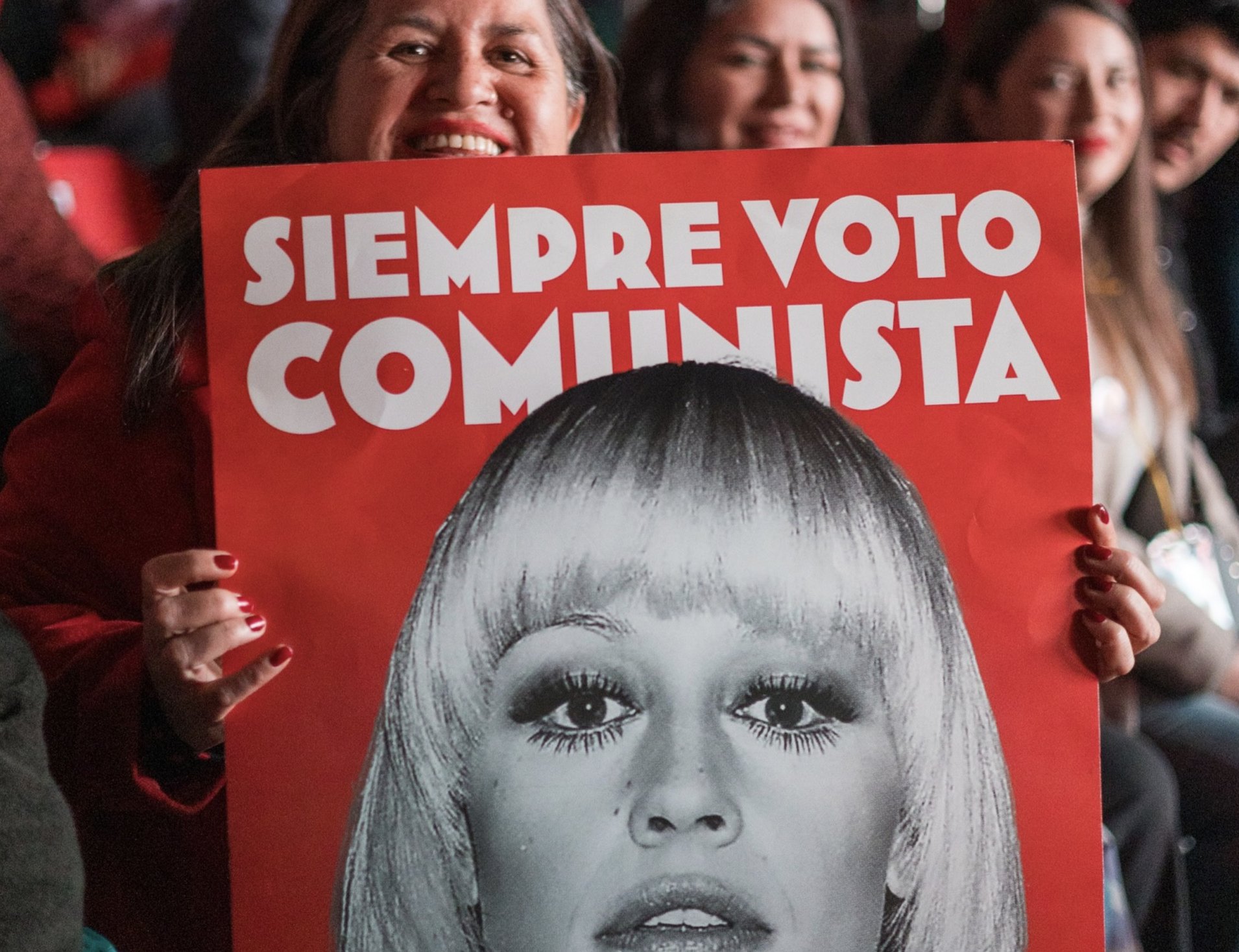
In Chile’s heated presidential race, Communist candidate Jeannette Jara has turned to an unlikely but beloved figure to rally support: Raffaella Carrà, an iconic Italian showgirl who once defied dictators and danced her way into leftist hearts.
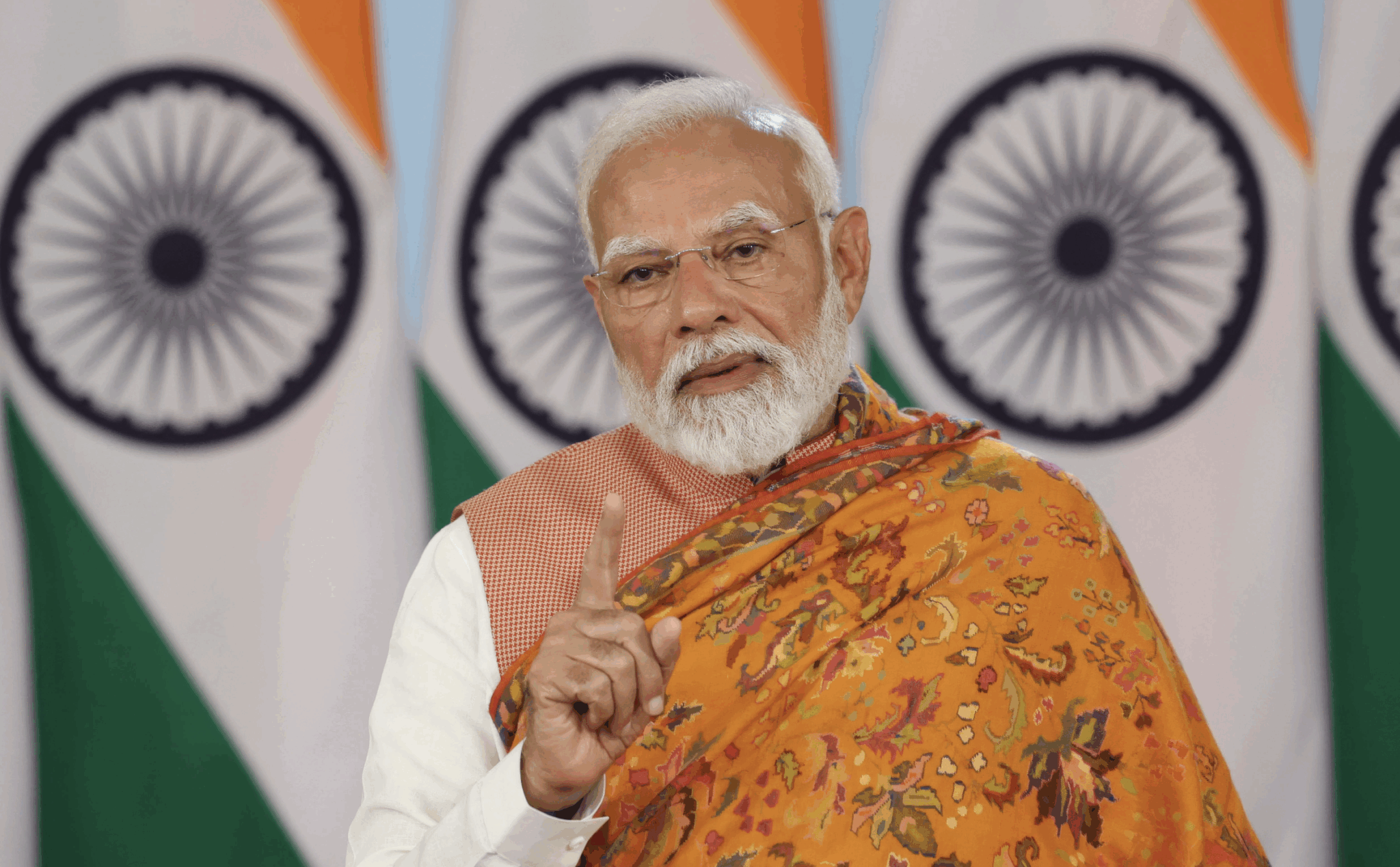
Narendra Modi has officially overtaken Indira Gandhi to become India’s second longest-serving prime minister. But comparisons with the celebrated leader fall short: Modi’s centralized rule lacks the decisive leadership, democratic instincts, and historic legacy she ultimately commanded.
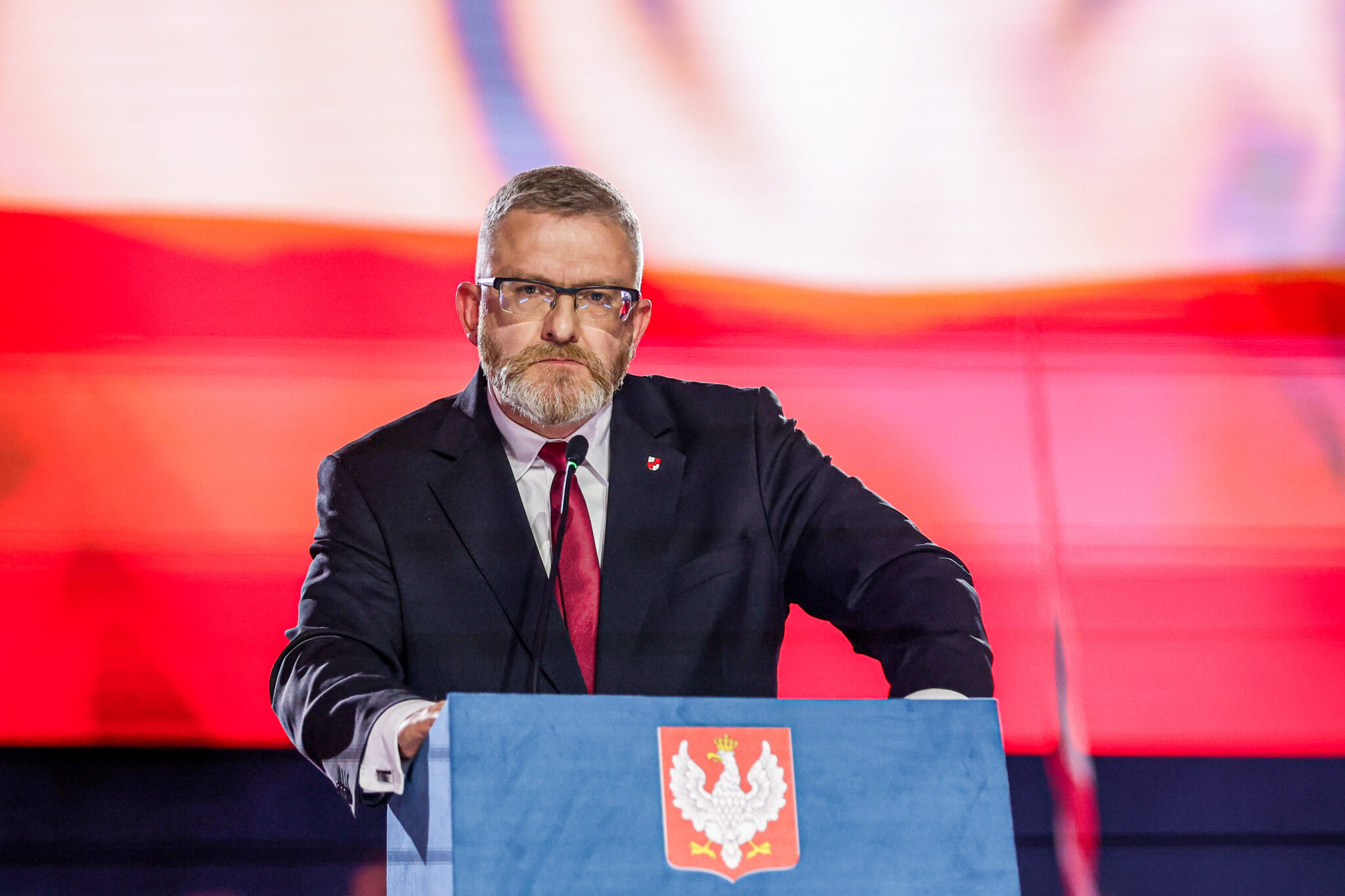
After splitting from the Confederation party, Poland’s far-right leader Grzegorz Braun has continued to say ever more extreme statements, including blatant Holocaust denial. It all seems to give him a boost in popularity.
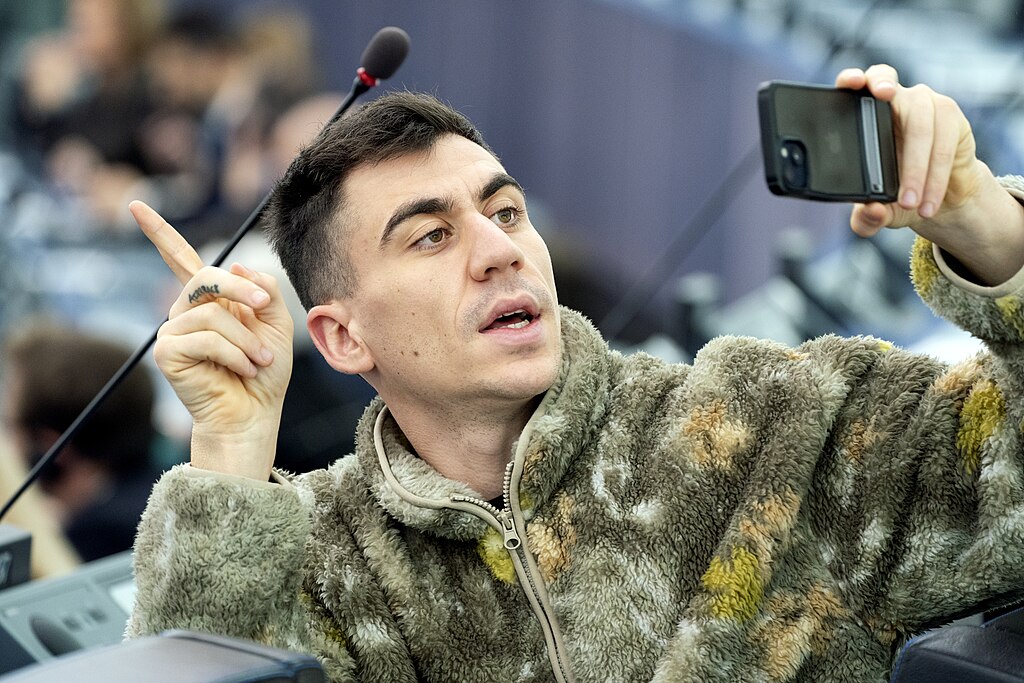
He ran “for fun,” filmed every step, and turned controversy into content. Now, from the back row of Brussels, Panayiotou is rewriting what it means to be an MEP in the age of the algorithm.
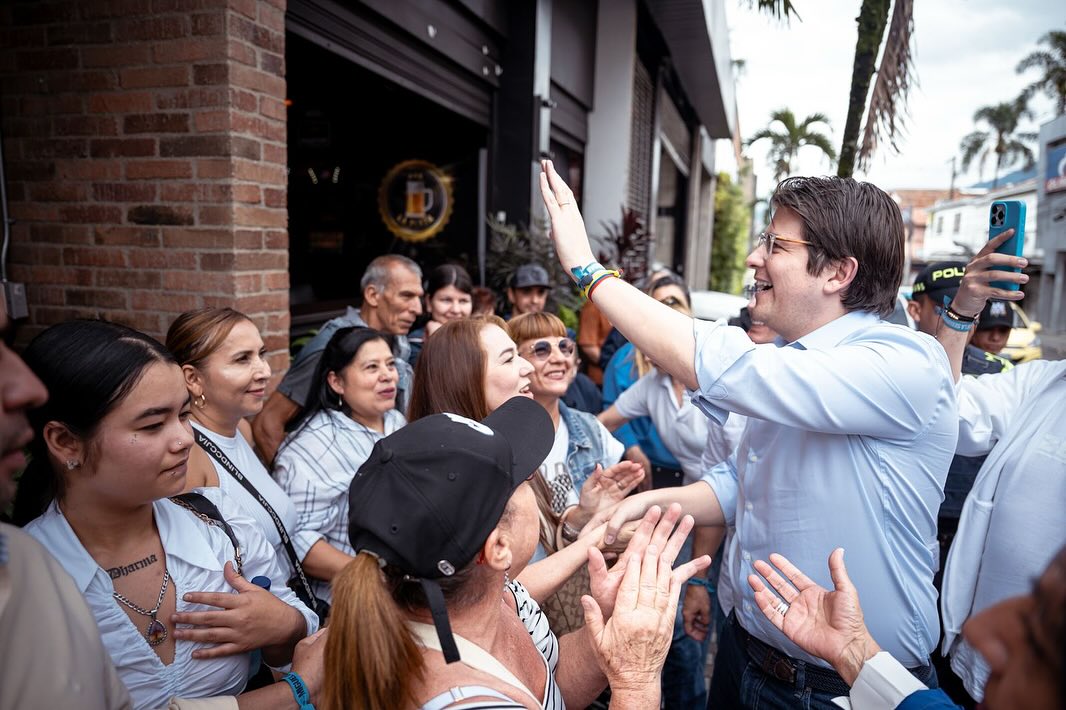
The brutal assassination attempt on Colombian presidential hopeful Miguel Uribe Turbay has reopened decades-old wounds in the country. Amid grief and urgent investigations, the nation is wondering how unchecked rhetoric of hate that only breeds violence can be replaced by the defense of democracy with genuine compassion.
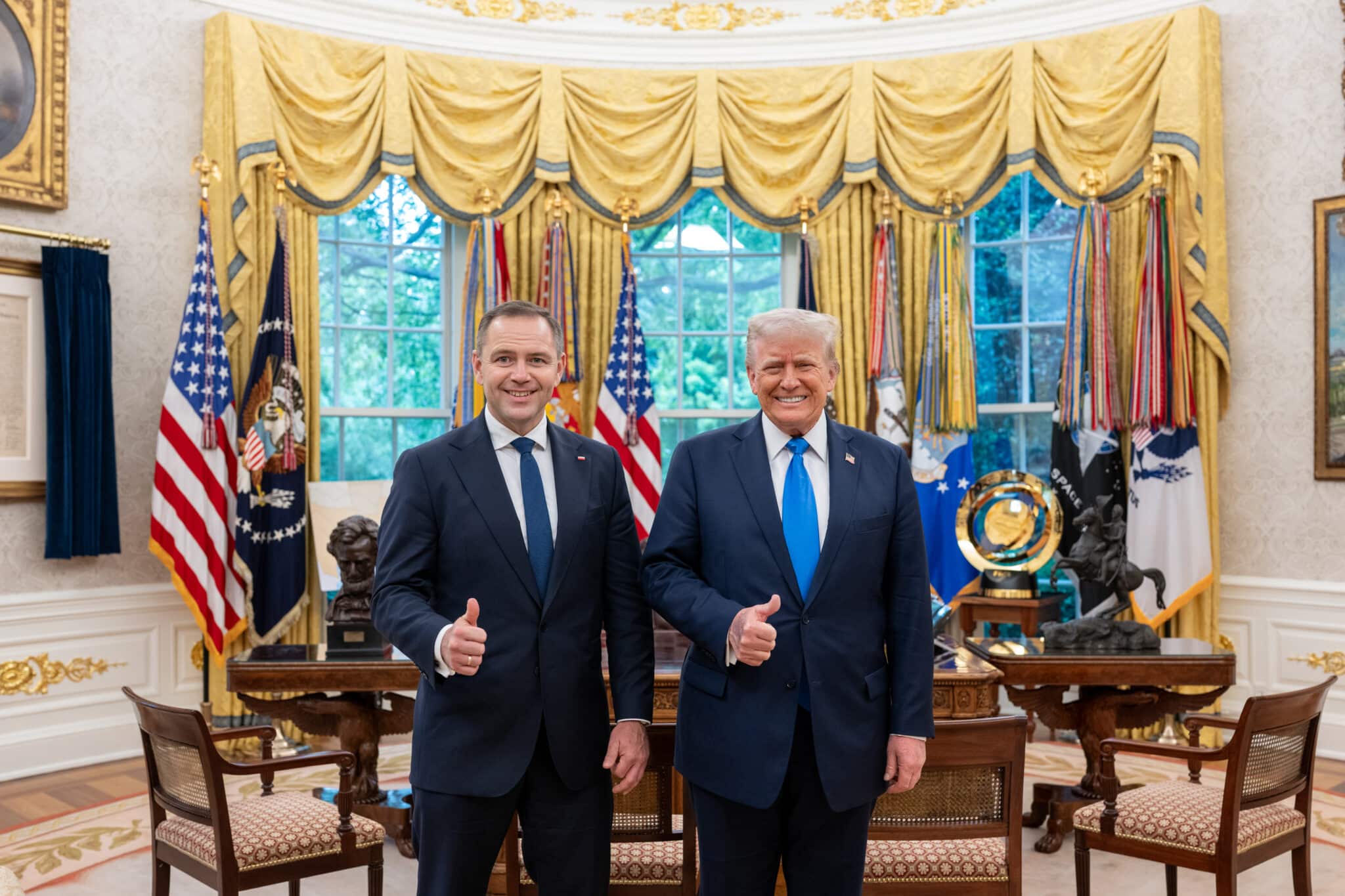
Poland’s new president Karol Nawrocki, a political outsider backed by the far right, won with a campaign echoing Donald Trump. His victory closes the door on liberal reforms and paves the way for a nationalist comeback.
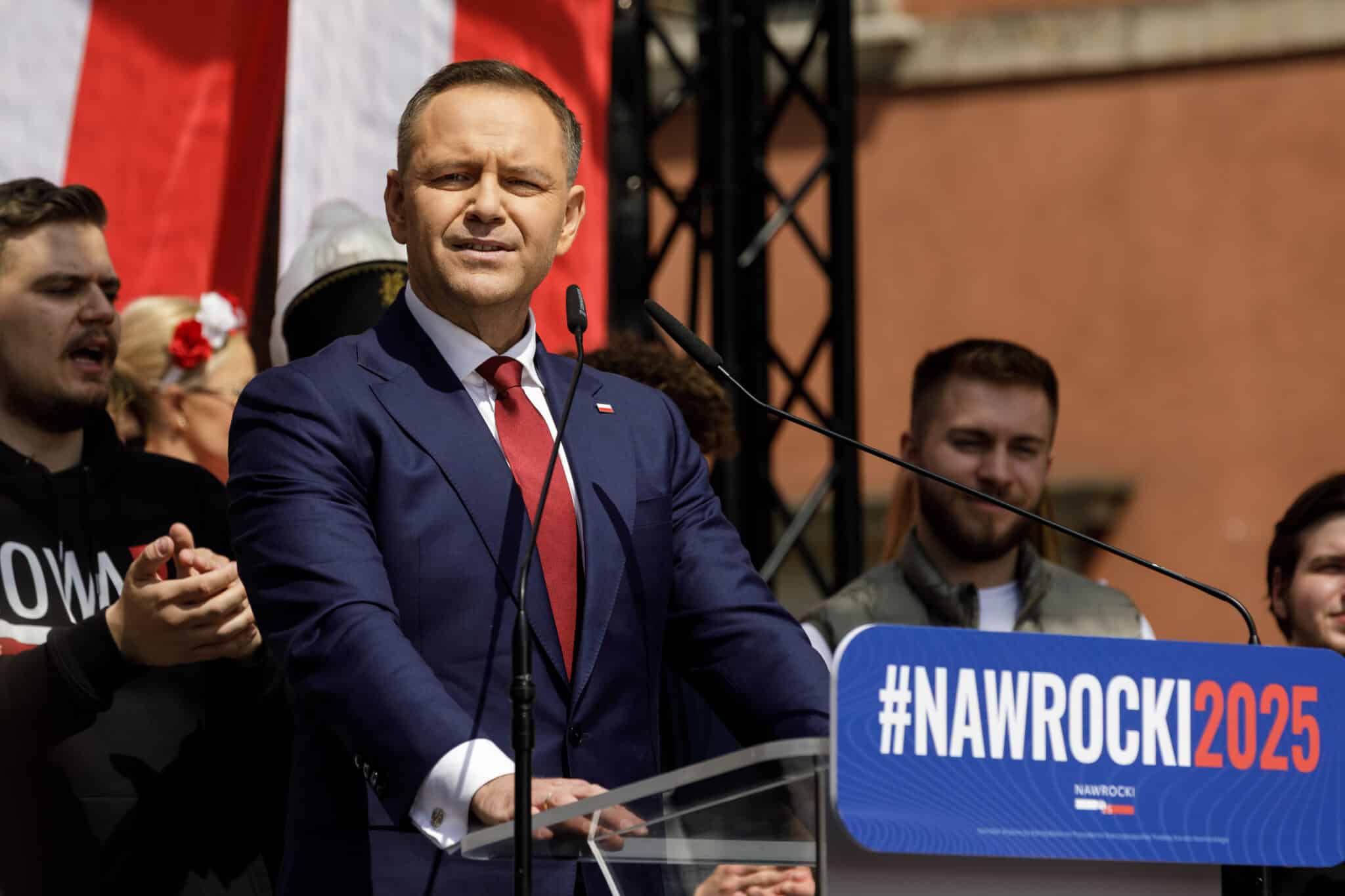
Romania and Poland, both countries divided between their liberal Pro-European and conservative nationalist parties, both countries with a communist past, have now had to make a choice about which direction they wish to go in.
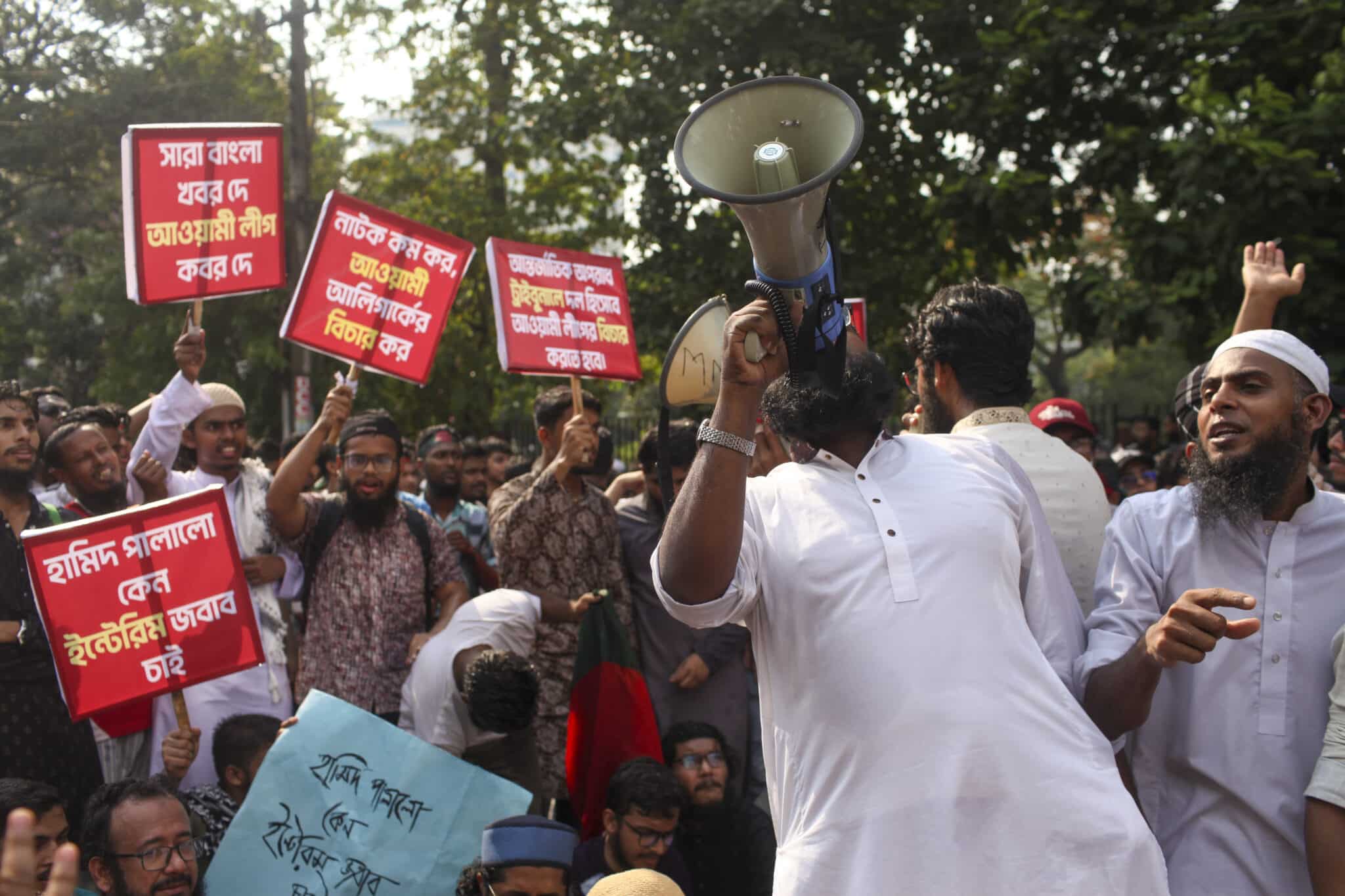
Following the ousting of Bangladesh’s long-time autocratic leader Sheikh Hasina, a fragile democratic transition is underway under interim leader Muhammad Yunus, marked by modest reforms but ongoing violence, repression, and delayed elections.
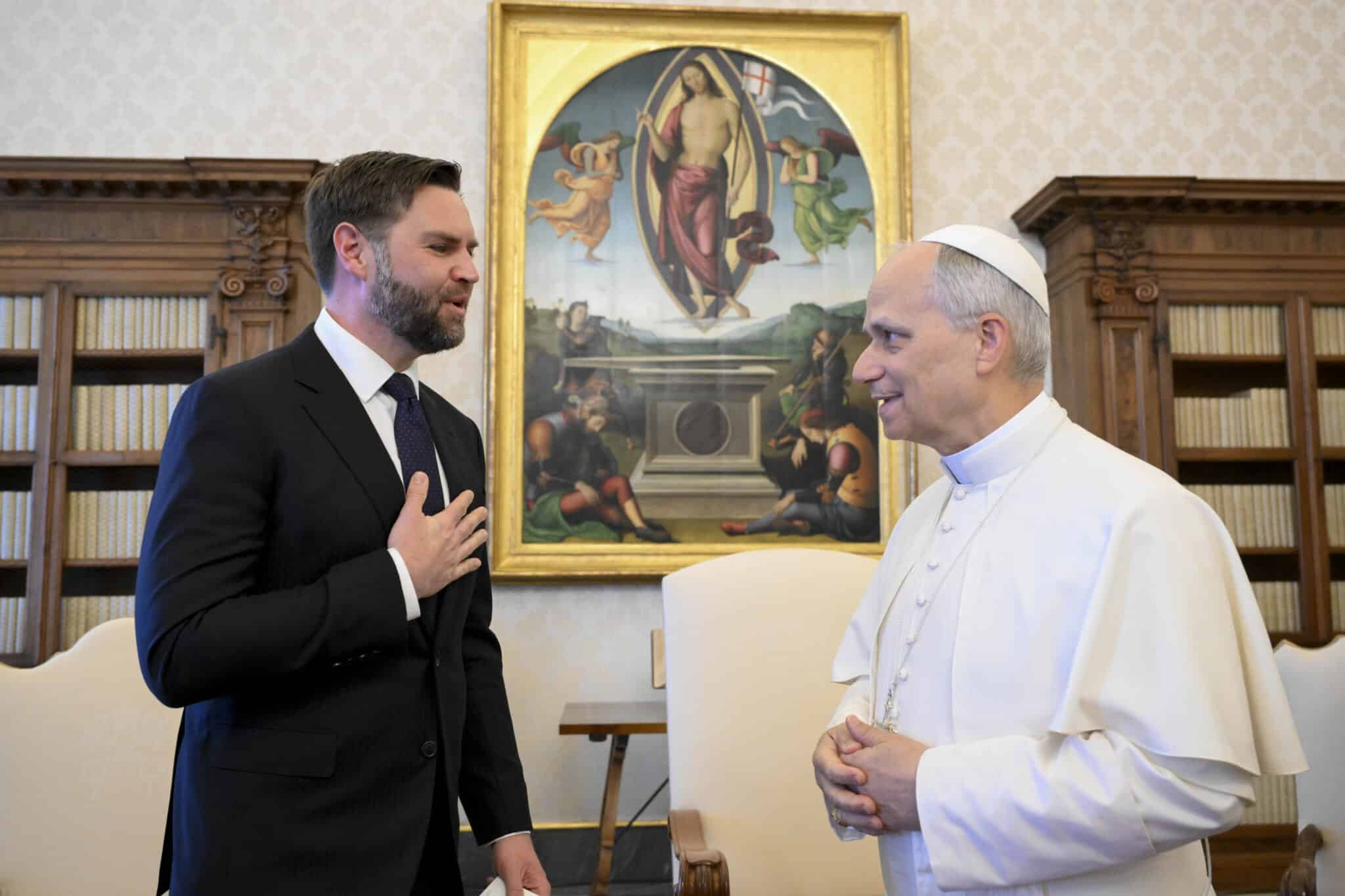
👋 Dia dhuit!* Welcome to Monday, where Israel says it will resume the entry of “minimal” humanitarian aid into Gaza, election results are in for Poland, Romania and Portugal, and today’s quiz question sees a costumed world record get broken. Meanwhile, Luisa Lara in Colombian daily El Espectador highlights the importance of “trans mother figures” […]
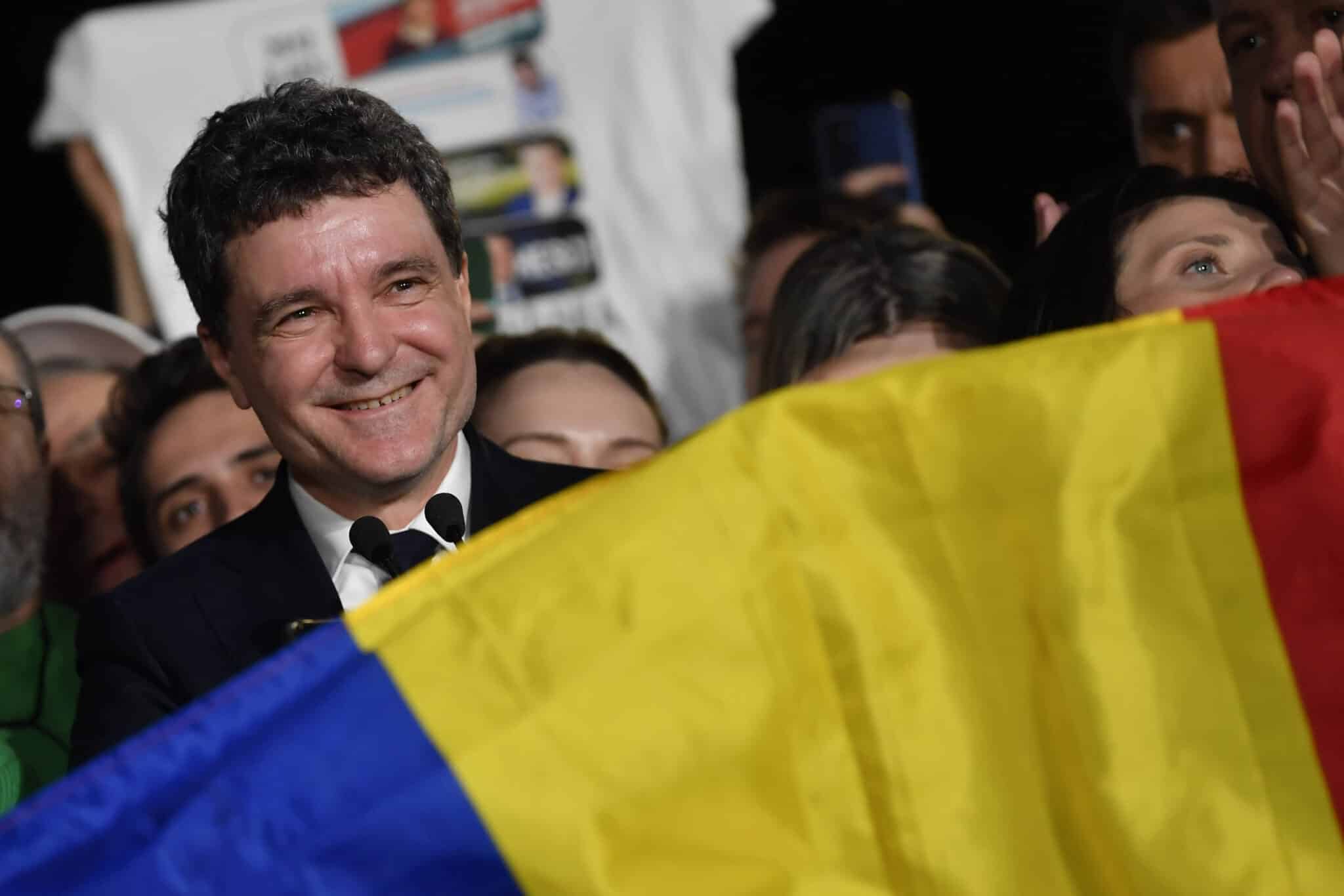
Against all expectations, the far-right candidate George Simion, who had come well ahead in the first round of the Romanian presidential election, lost in the second round to the liberal Nicusor Dan. An election that could be seen as a test between liberal democracy and far-right nationalism.

Here are the latest headlines.
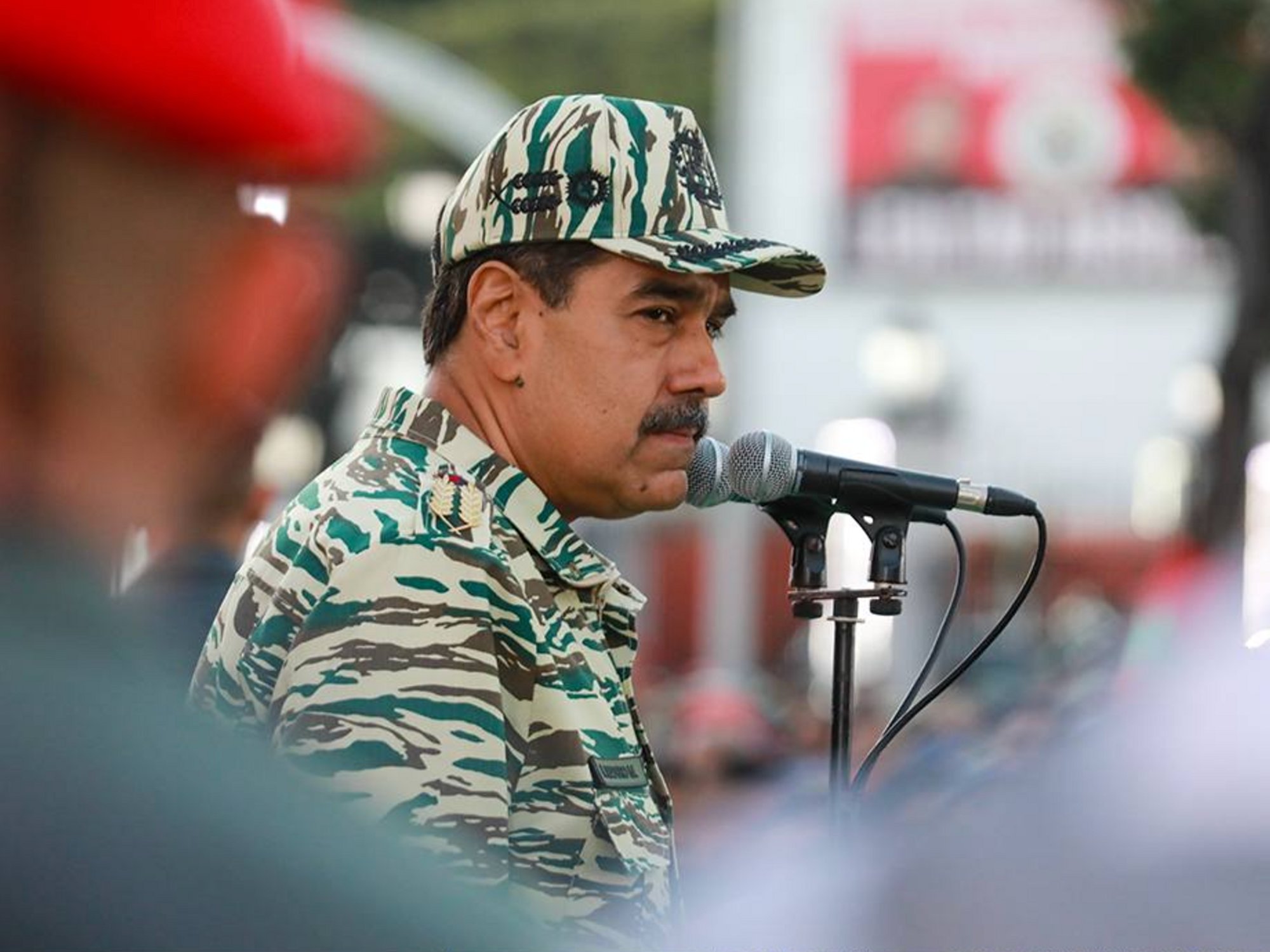
In its first decade, Venezuela’s Bolivarian revolution was radical yet legitimate, and enjoyed the people’s electoral support under leader Hugo Chávez. This changed when his successor, Nicolás Maduro, took over after Chávez’s death, and decided he wasn’t going to let votes thwart his insatiable love of power and money.
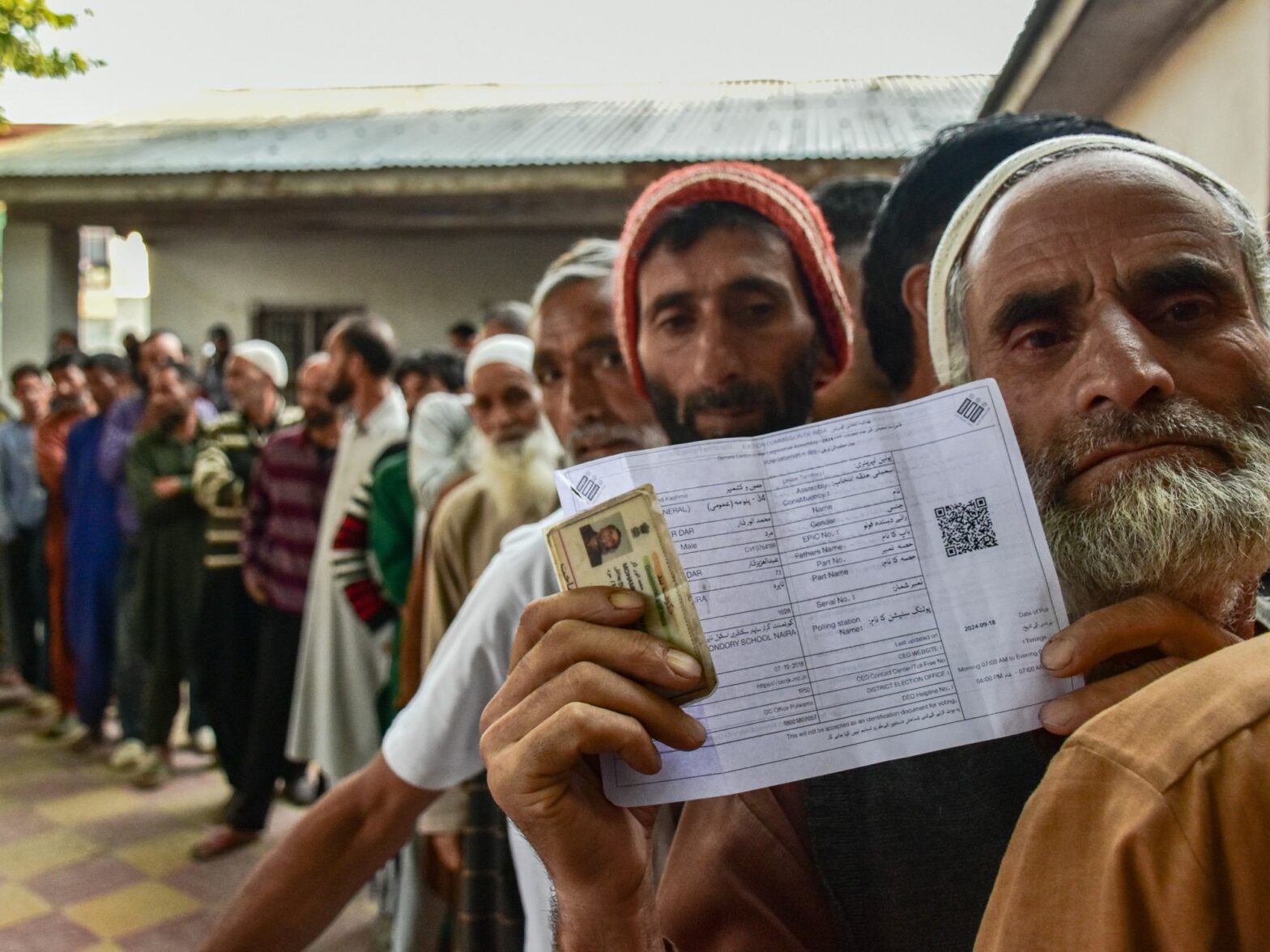
Looking back, 2024 was a year of momentous elections around the world. The results, from country to country, show overall that the global health of democracy remains precarious when some of those who win elections do not seem to believe in the political system which brought them to power.
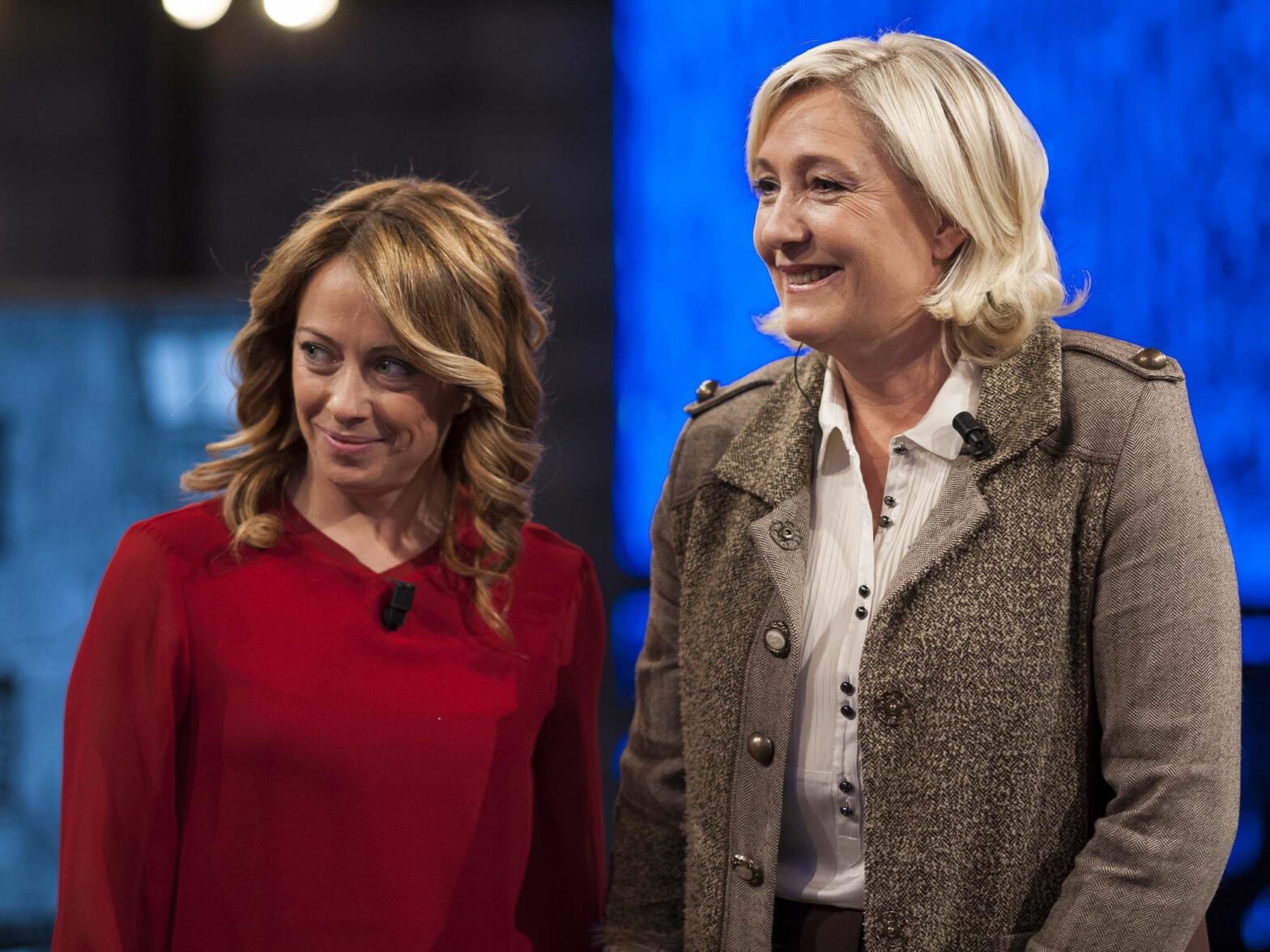
France is the latest European country to fall victim of destabilizing, anti-establishment forces. Now that the French government has collapsed, the question remains as to how Europe can integrate these powerful, far-right forces in its governing bodies without sweeping away democratic ideals.
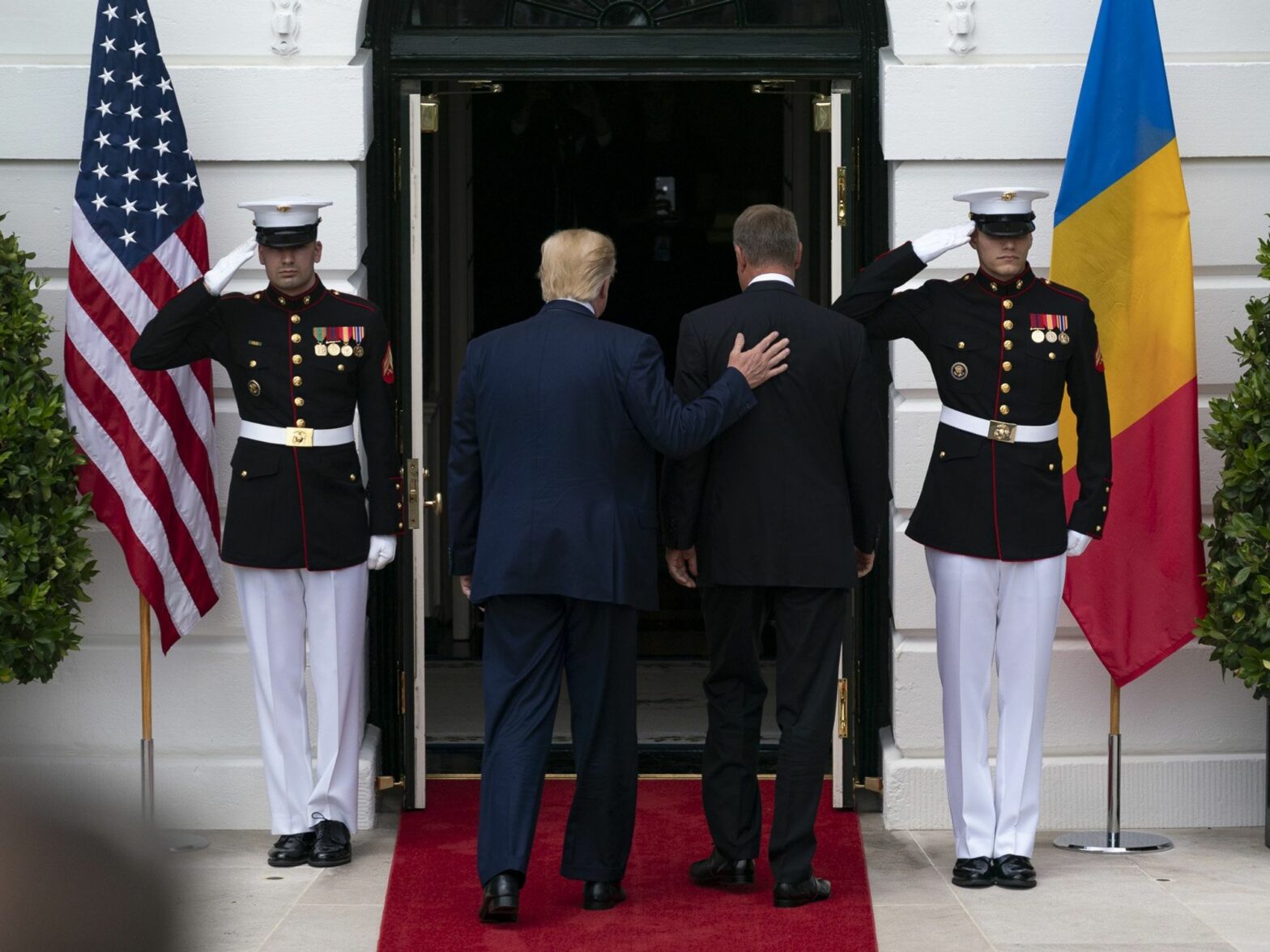
The impacts of the impending Trump presidency, and its unscrupulous use of social media platforms, are already being felt internationally. Trump’s unprecedented comeback is becoming the playbook for how to capitalize on dissatisfaction and regain power.
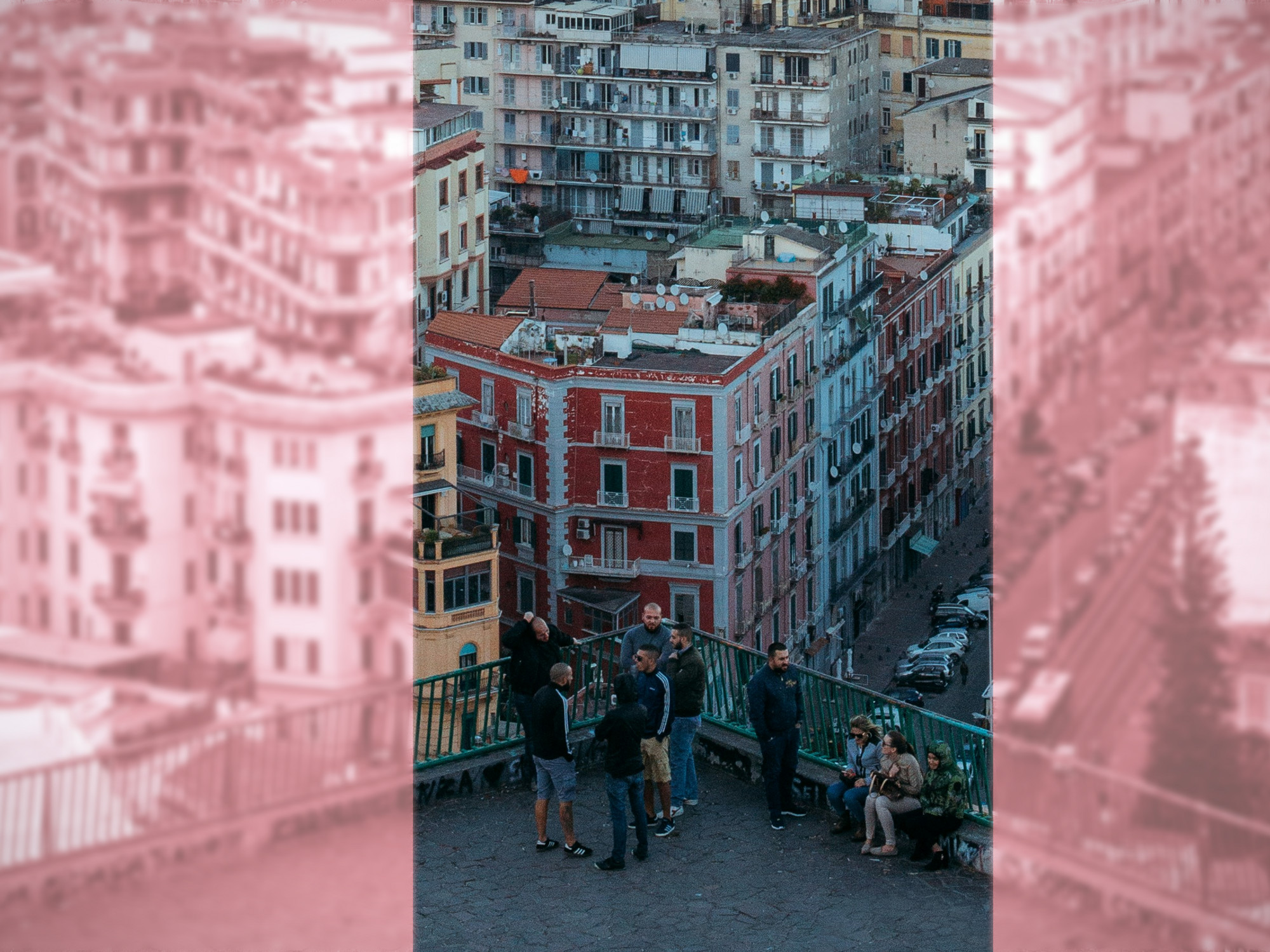
For Neapolitans, electoral success isn’t just a win — it’s a step up.
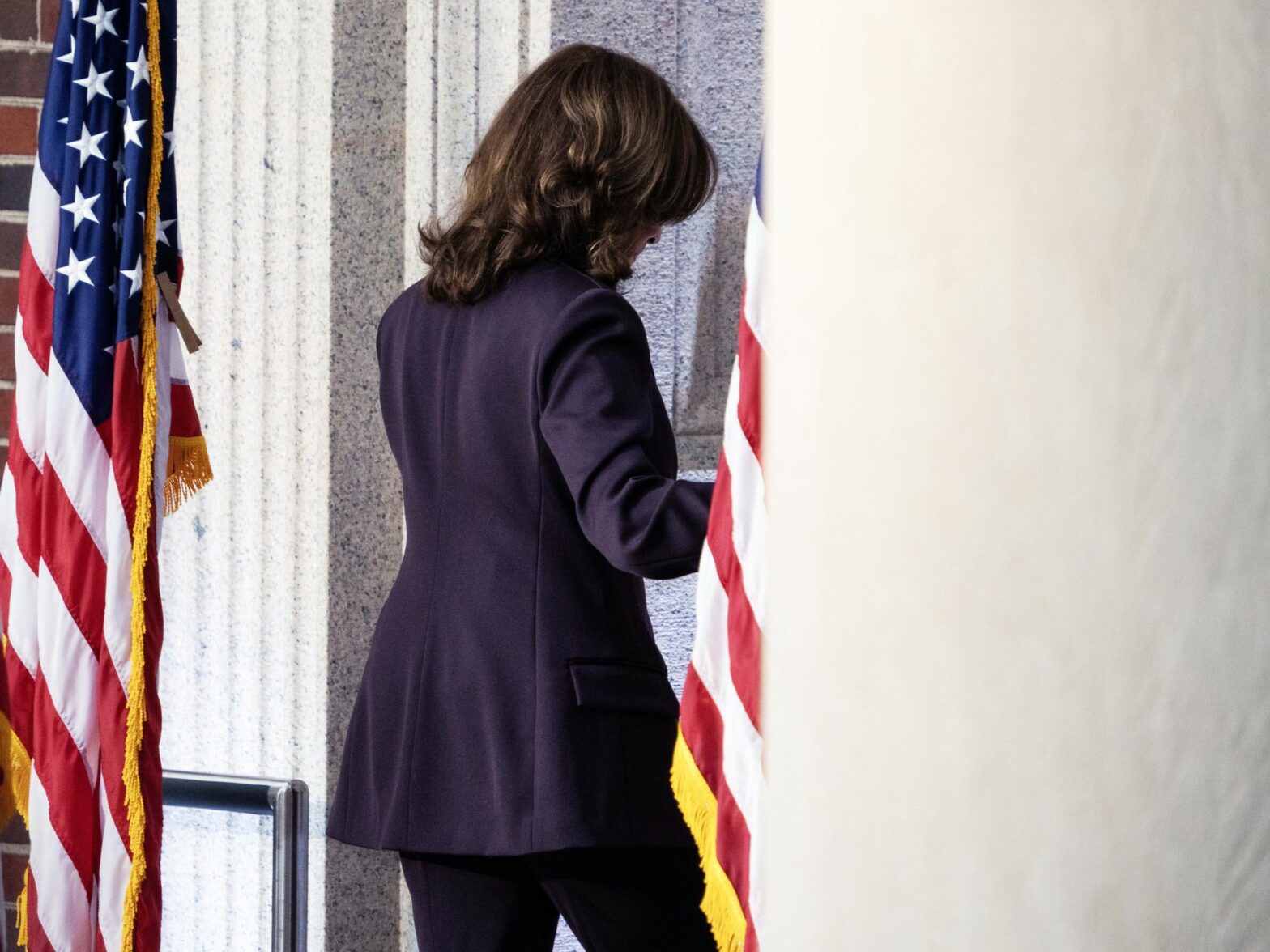
Donald Trump’s success is also a revelation of the weaknesses of the American left, which is plagued by self-righteousness and the belief that painting your opponent as a threat to democracy is a political agenda. But blackmail is not a strategy.
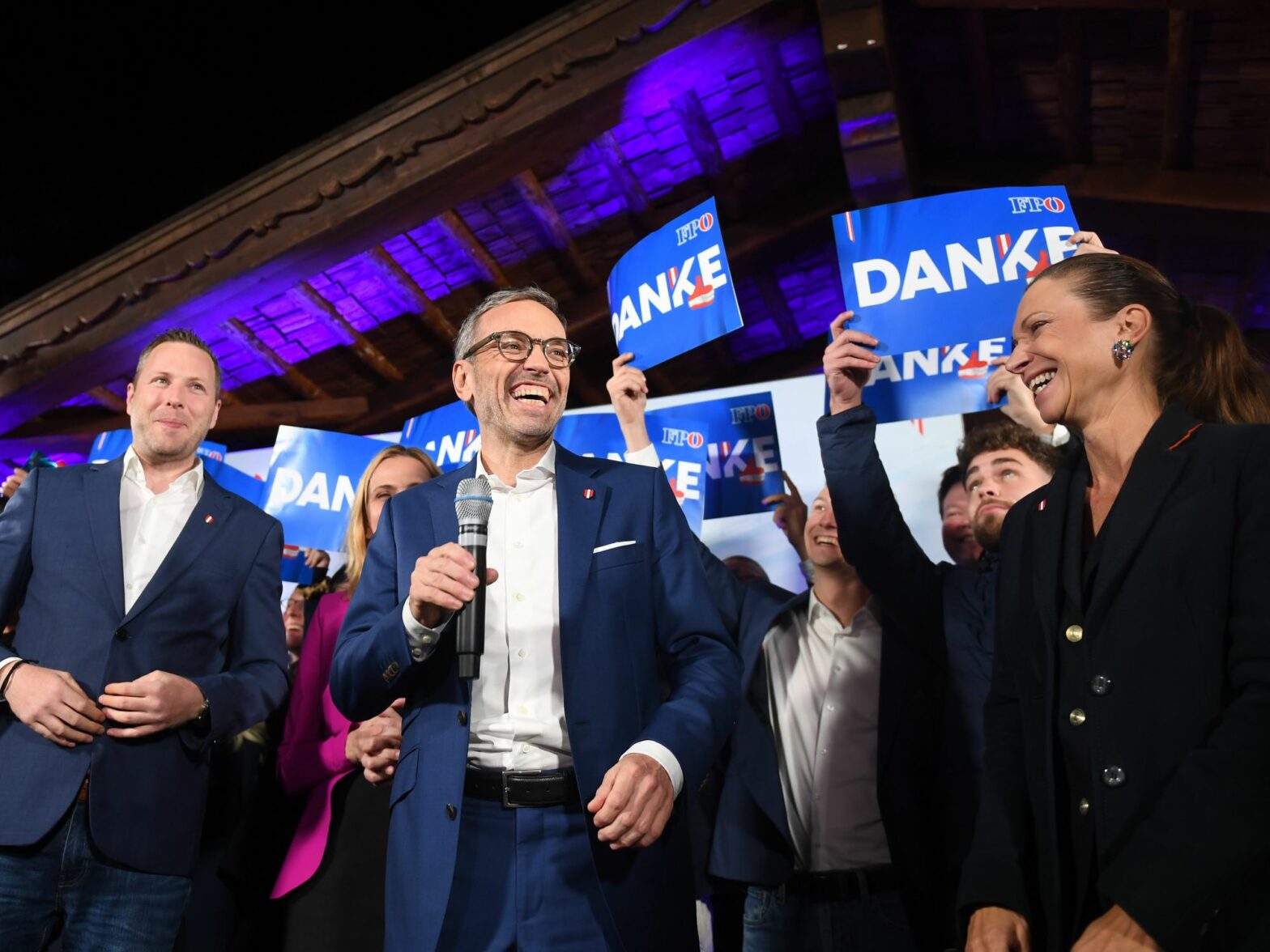
After Italy and the Netherlands, Austria has also broken a post-War taboo in choosing the far-right party in Parliamentary elections. It is a direct challenge to the European Union’s founding ideals at a moment when global uncertainty requires a strong democratic voice.
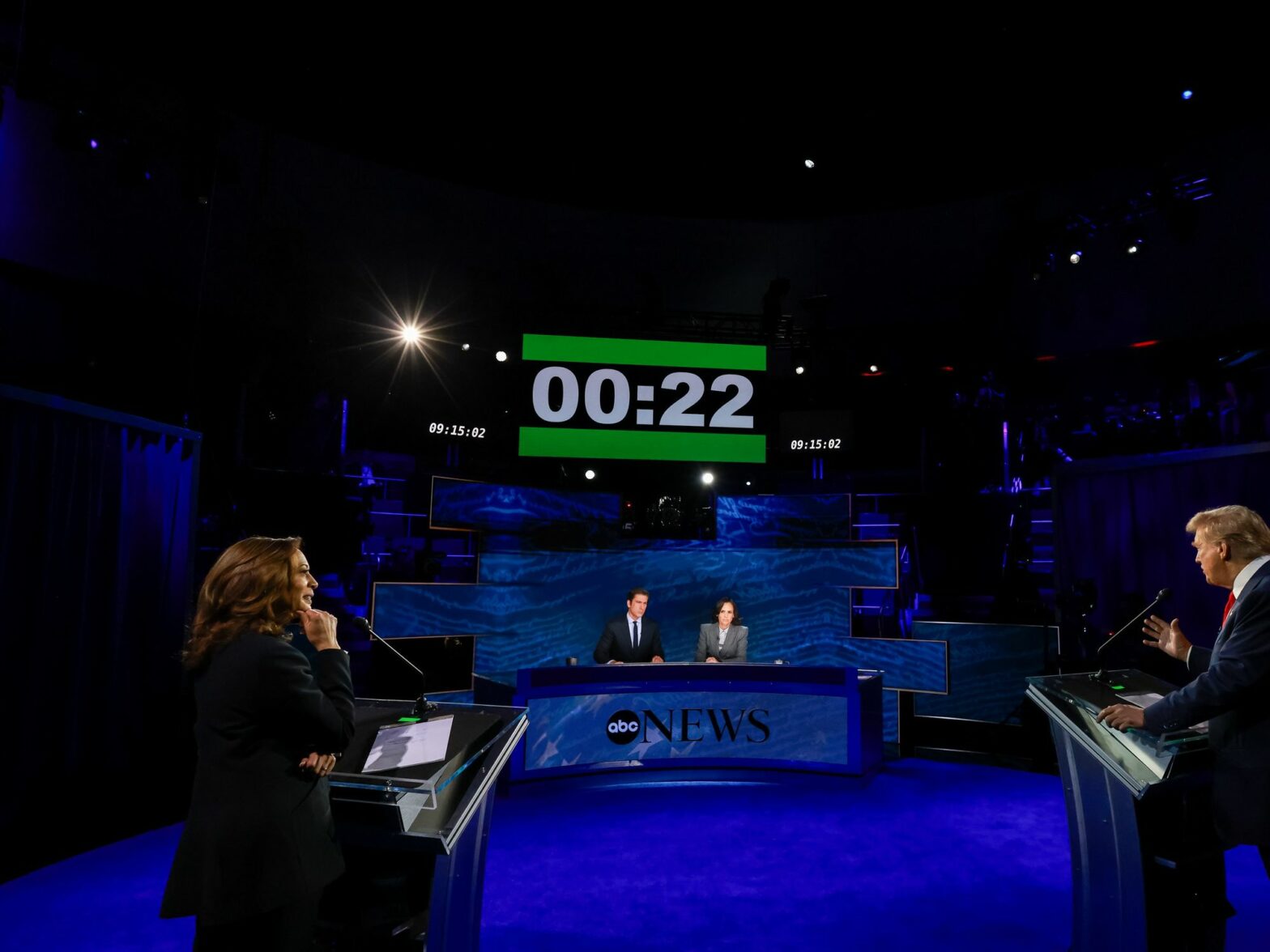
The two candidates for the U.S. presidential election presented two visions of the role of American power in the world. For Europeans, the choice of Kamala Harris may be more reassuring, but the fate of course is in the hands of the American people.

In both Algeria and Tunisia, societies were on the move to demand change. In two presidential elections scheduled so close together, on Saturday in Algeria and next month in Tunisia, the powers that be made sure that nothing would change.
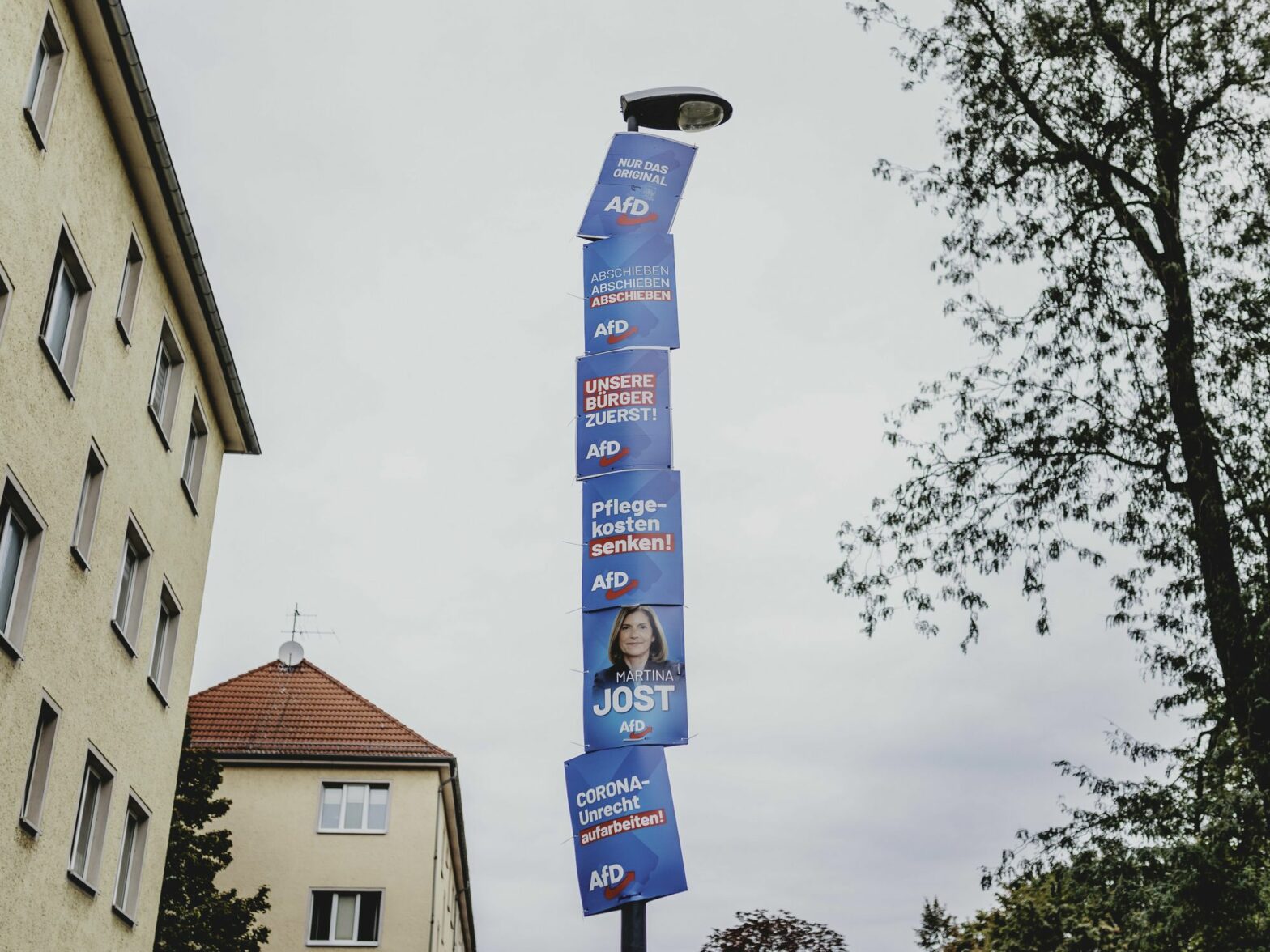
In Sunday’s regional elections in Thuringia, yes, 400,000 people voted for the extreme-right party AfD. Is that a lot? Depends on how you look at it. But looking at overall electoral trends, we know that the vast majority of Germans do not want right-wing extremists in power.
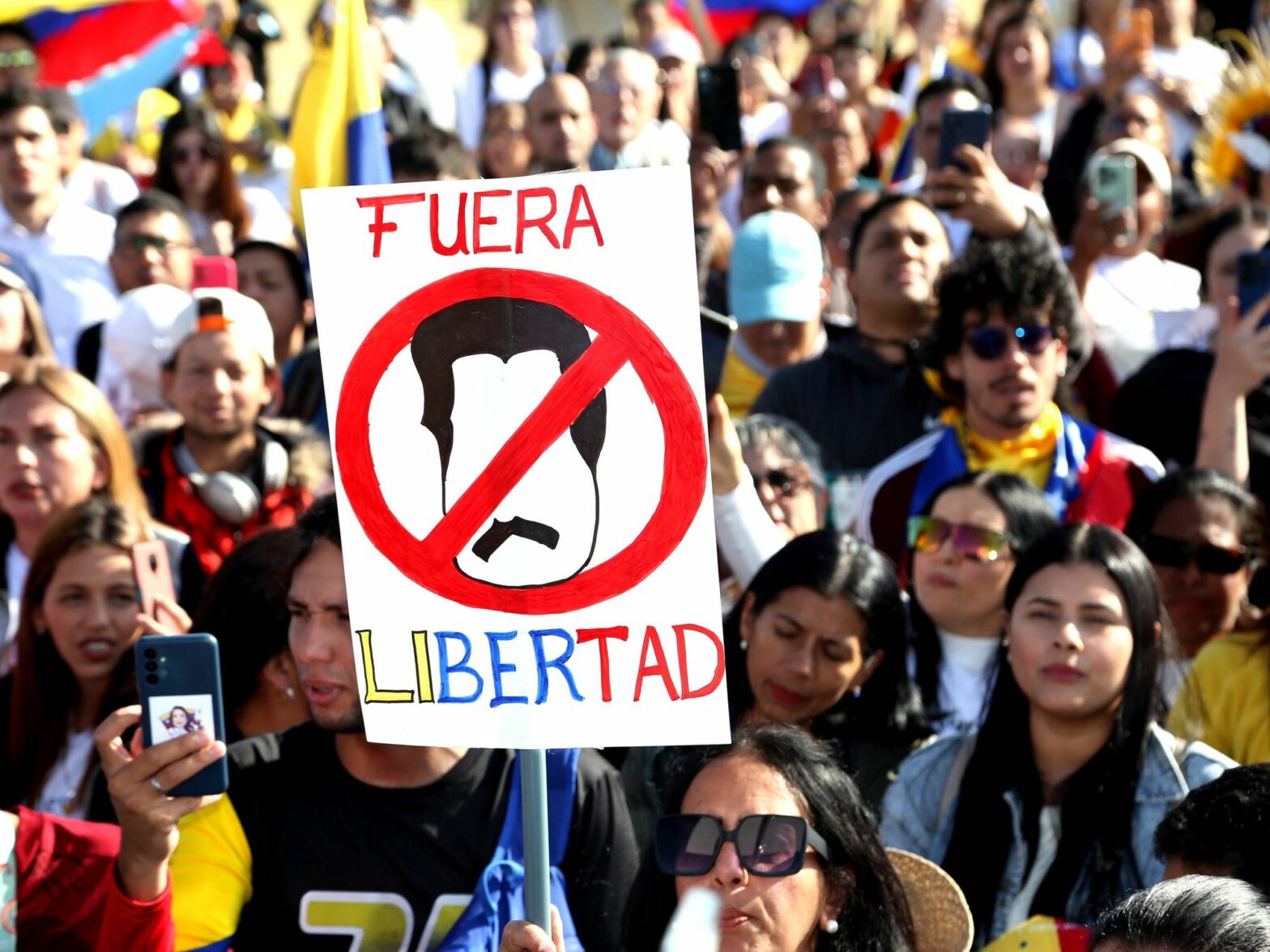
The leaders of three big Latin American powers, Colombia, Brazil and Mexico, have shown they believe keeping a fellow socialist in power is more important than respecting the votes of millions of ordinary Venezuelans who chose freedom over socialism.
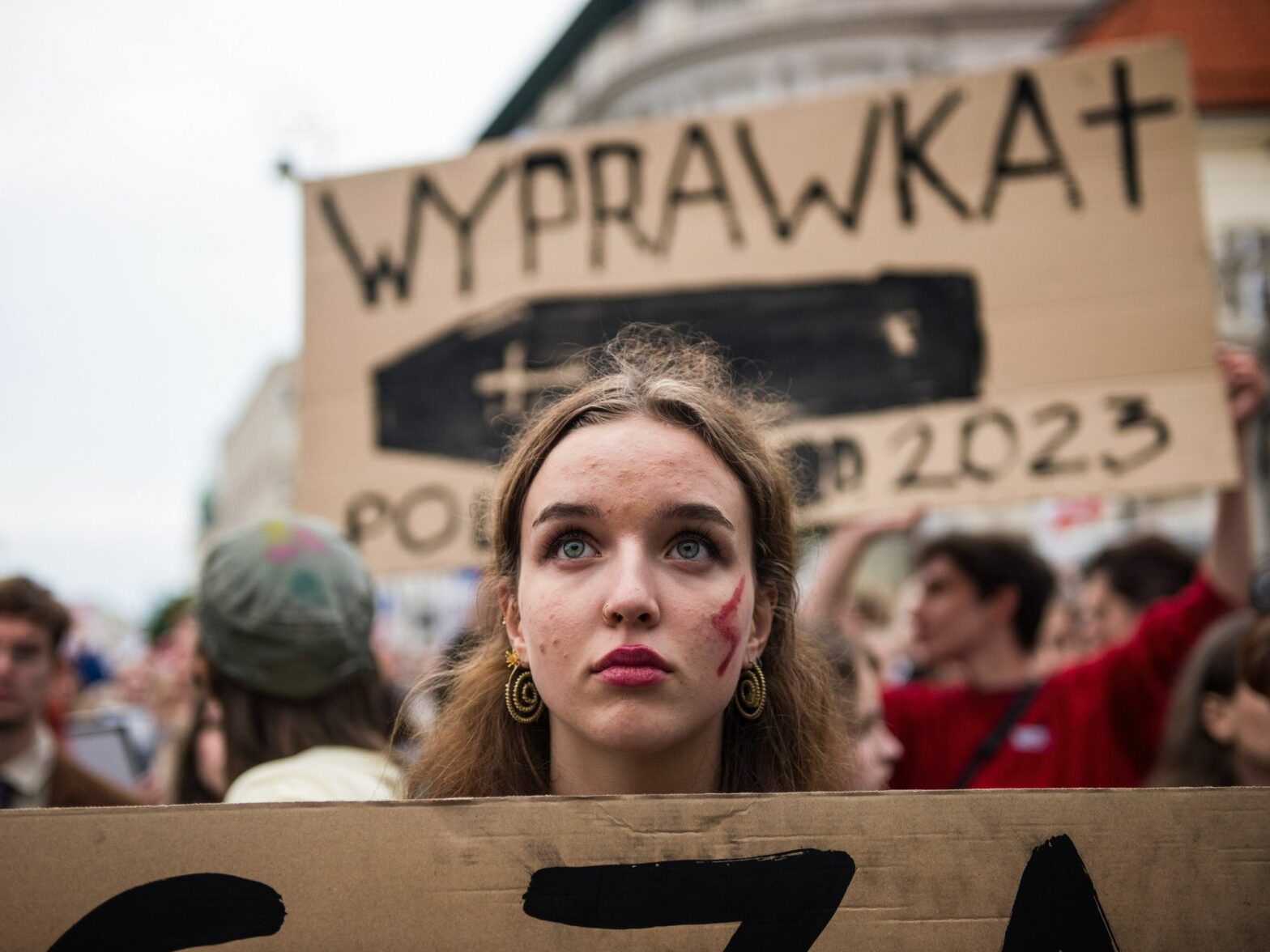
More than seven months after Poland’s longstanding conservative government lost national elections, its moderate successors are struggling to reconcile their coalition that includes traditional Catholics intent on blocking changes to the strictest abortion bans in Europe.
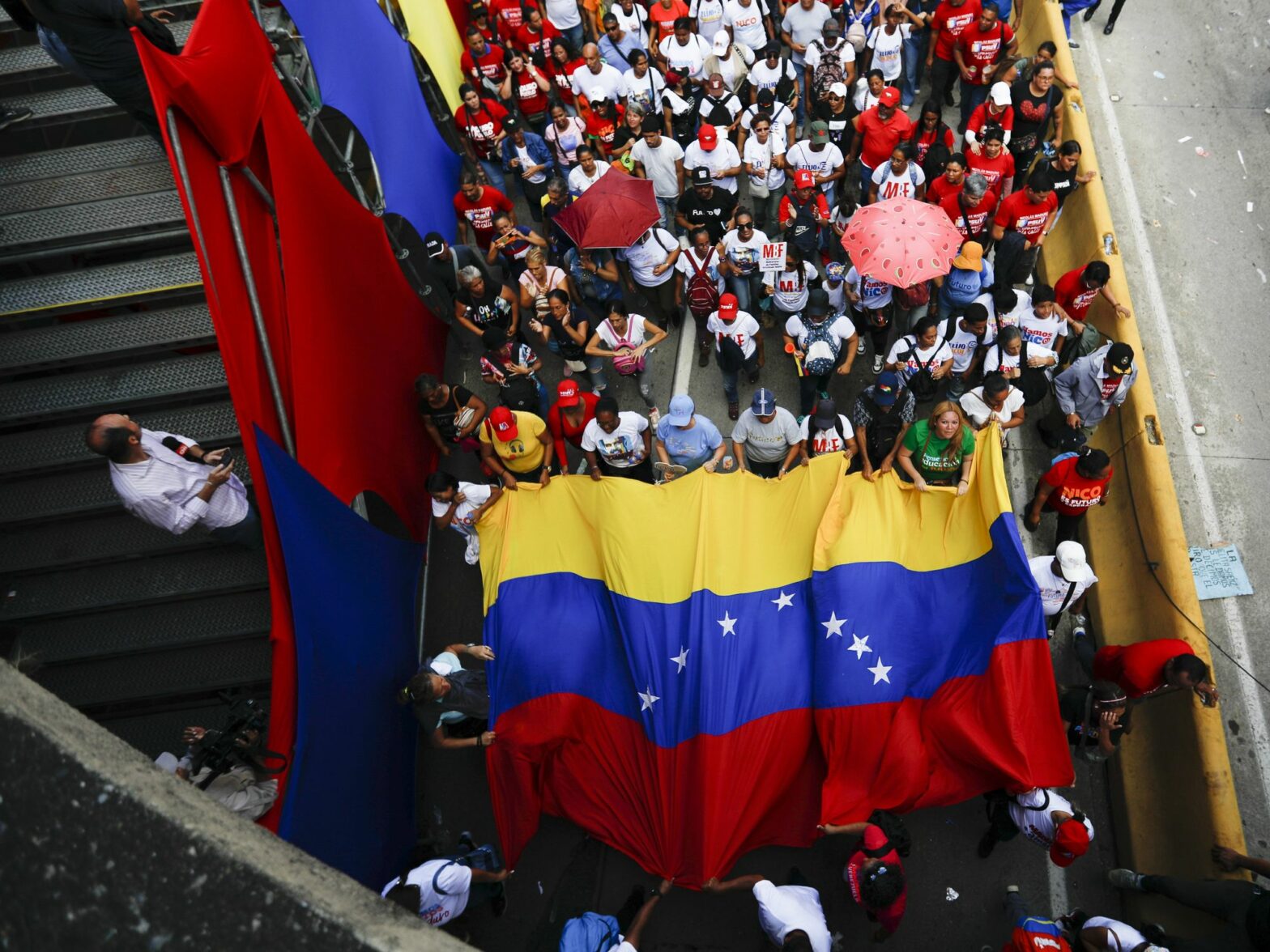
What we are witnessing is the struggle of a people against their oppressors. This electoral process, although flawed, could become a milestone for Venezuelans to regain their freedom — and it is one that should concern everyone who believes in democracy.
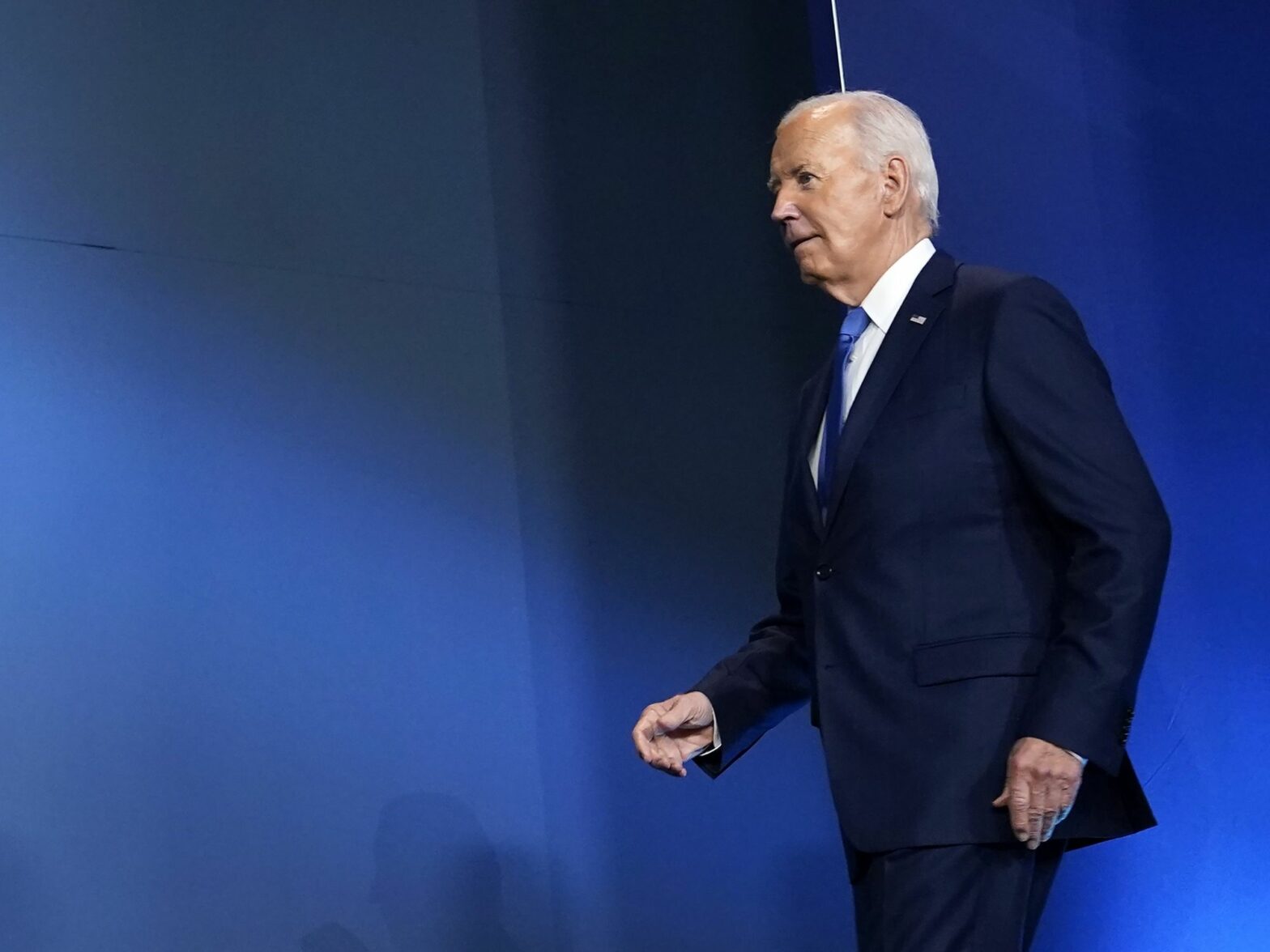
Everywhere stars rise to power as charismatic demagogues and risk-takers, but these very qualities breed in them an implacable desire to control all power and push away all they see as worthy replacements.
July 15 – July 21, 2024

What’s the difference between a nation before a voting booth and a nation before a soccer match? How can we reconcile electoral systems that don’t seem to match the popular will? How do we remember that democracy is about more than just casting your vote?
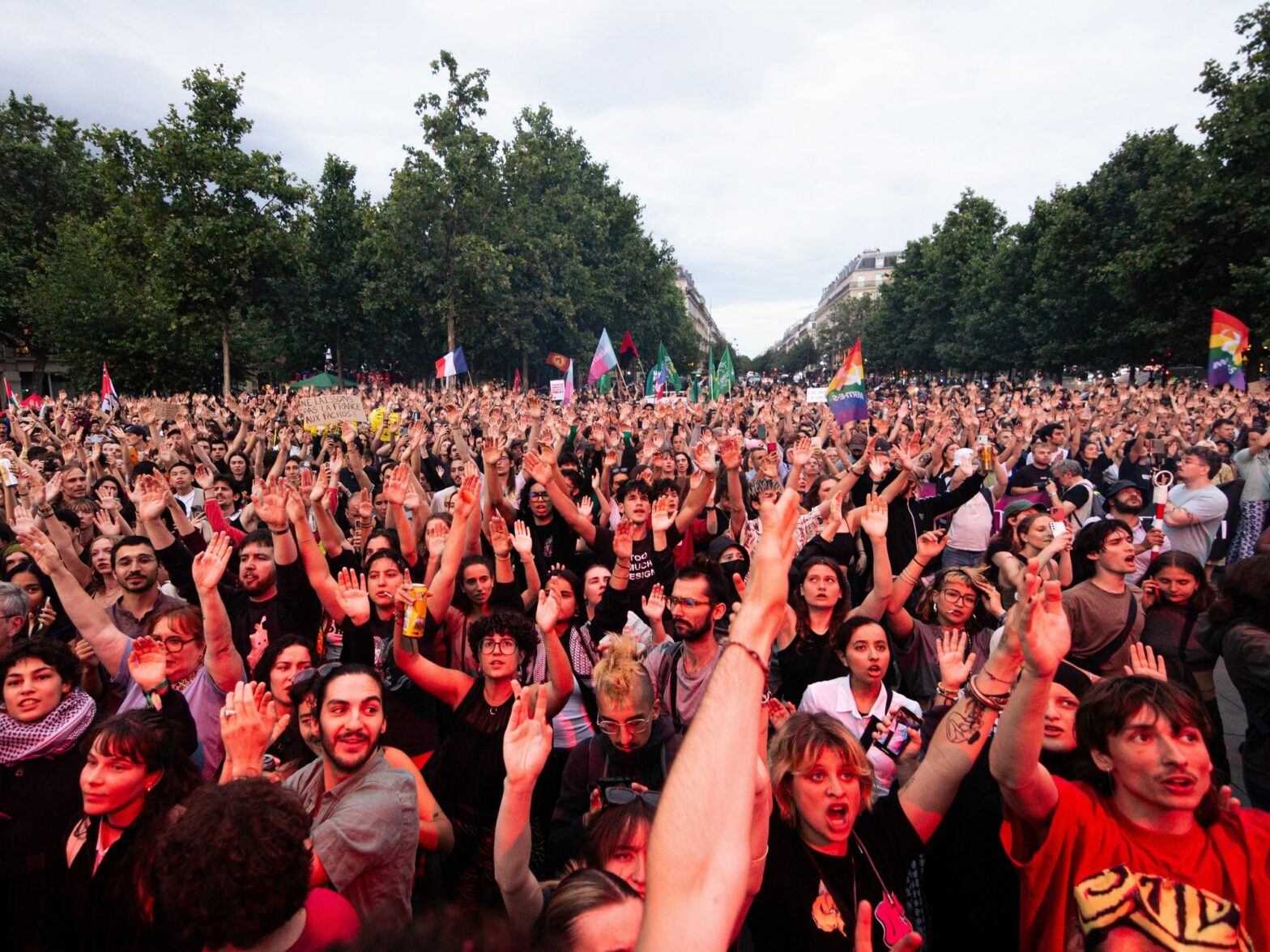
Ahead of the second round of French parliamentary elections, a possible far-right takeover forces the youth around the world to face a future that might be different from the one they were hoping for.
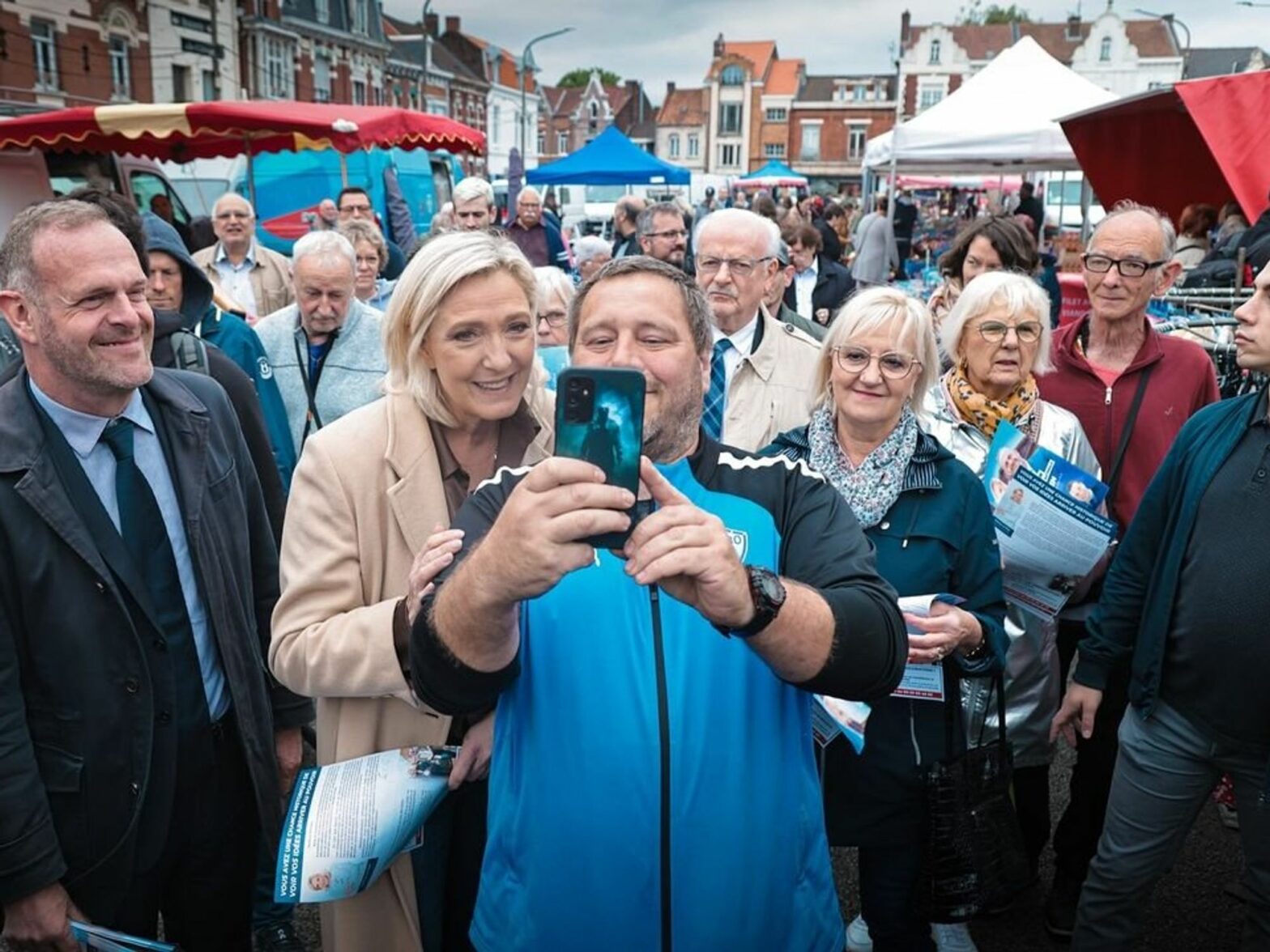
In matters of foreign policy, whether the war in Ukraine or in Gaza, the rejection of extremes should appear as an obvious fact of reason and ethics. Unfortunately, this is not the case.
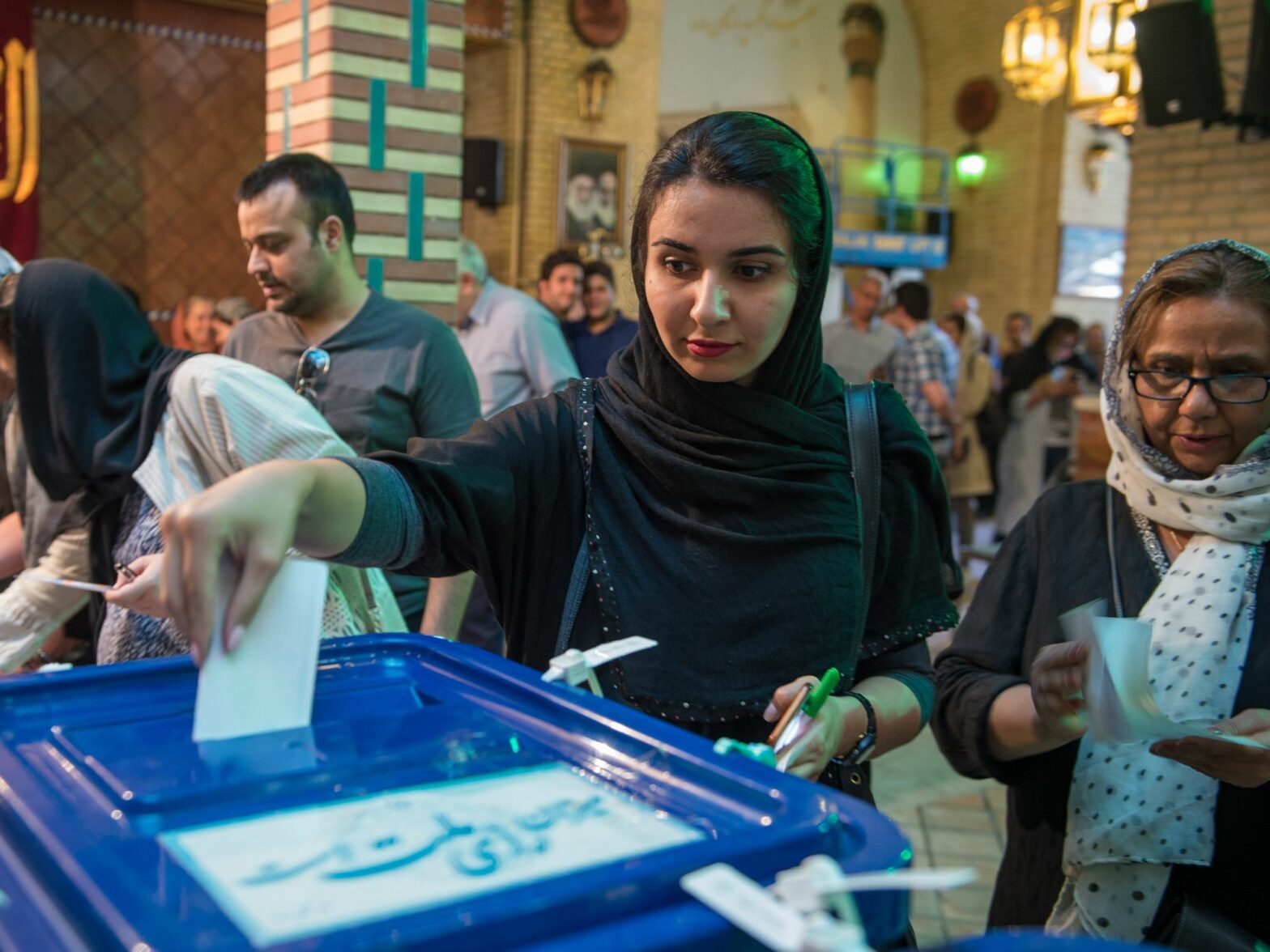
Iran’s regime has selected six candidates for the presidential elections due in late June, and possibly even a winner, just as millions of Iranians may have made their own choice, to no longer vote in a dictatorship.
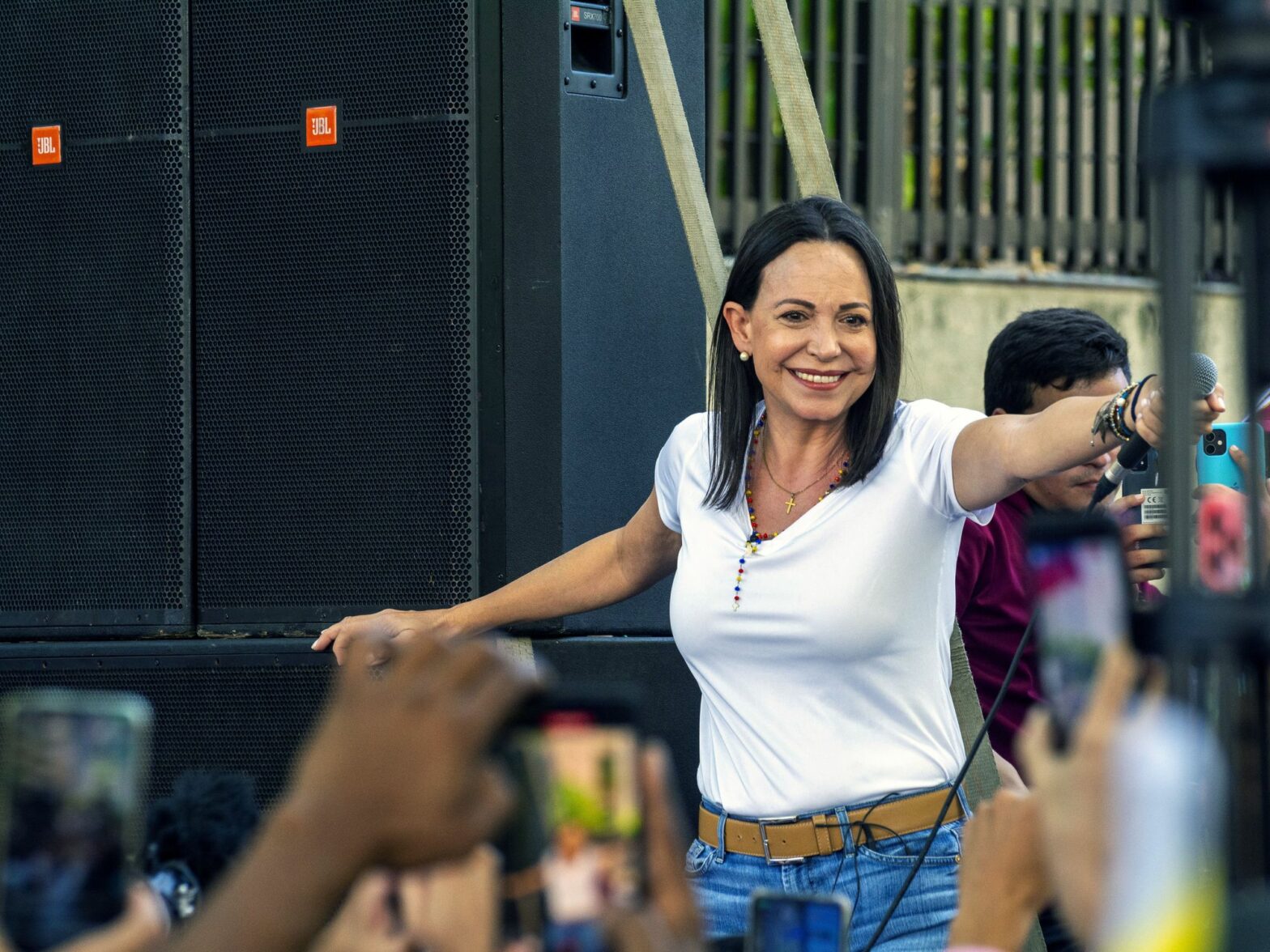
The Venezuelan opposition and its leader Corina Machado may yet end 25 years of socialist rule with an against-the-odds election win in July, which would bring to mind that of Corazon Aquino in 1986 that toppled the Marcos regime in the Philippines.
Updated June 13, 2024 at 12:30 p.m. Mahmoud Ahmadinejad was declared the winner of the Iranian presidential election on this day in 2009. What were the circumstances surrounding the 2009 Iranian presidential election? The 2009 Iranian presidential election was marked by controversy and widespread protests. Many Iranians believed that the election results were fraudulent and […]
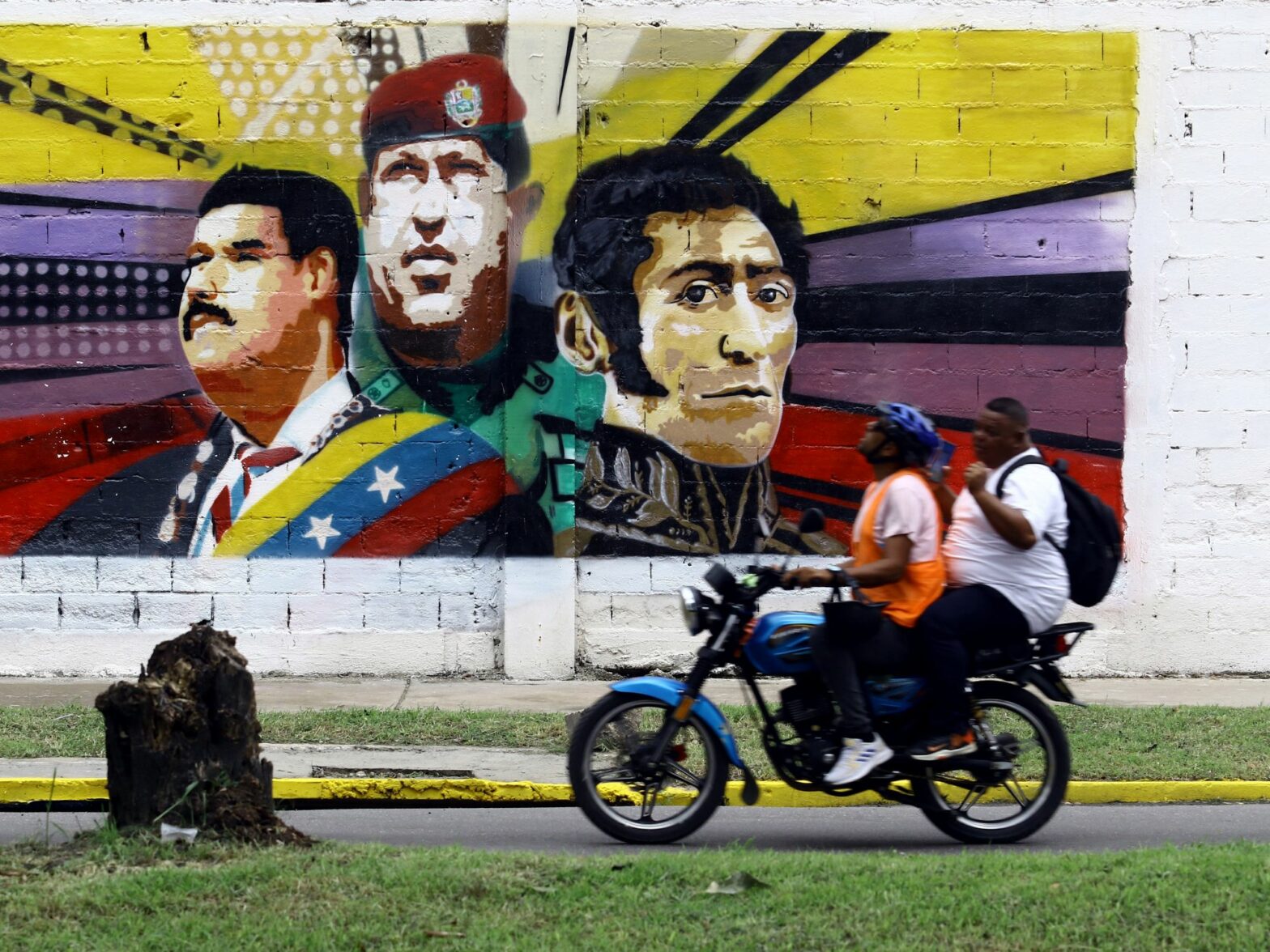
Venezuela and its neighbors are nervously waiting to see if President Maduro and his clique will soon hold a fair election, or cling onto power, fueling more despair and unleashing yet another migratory wave over the region.
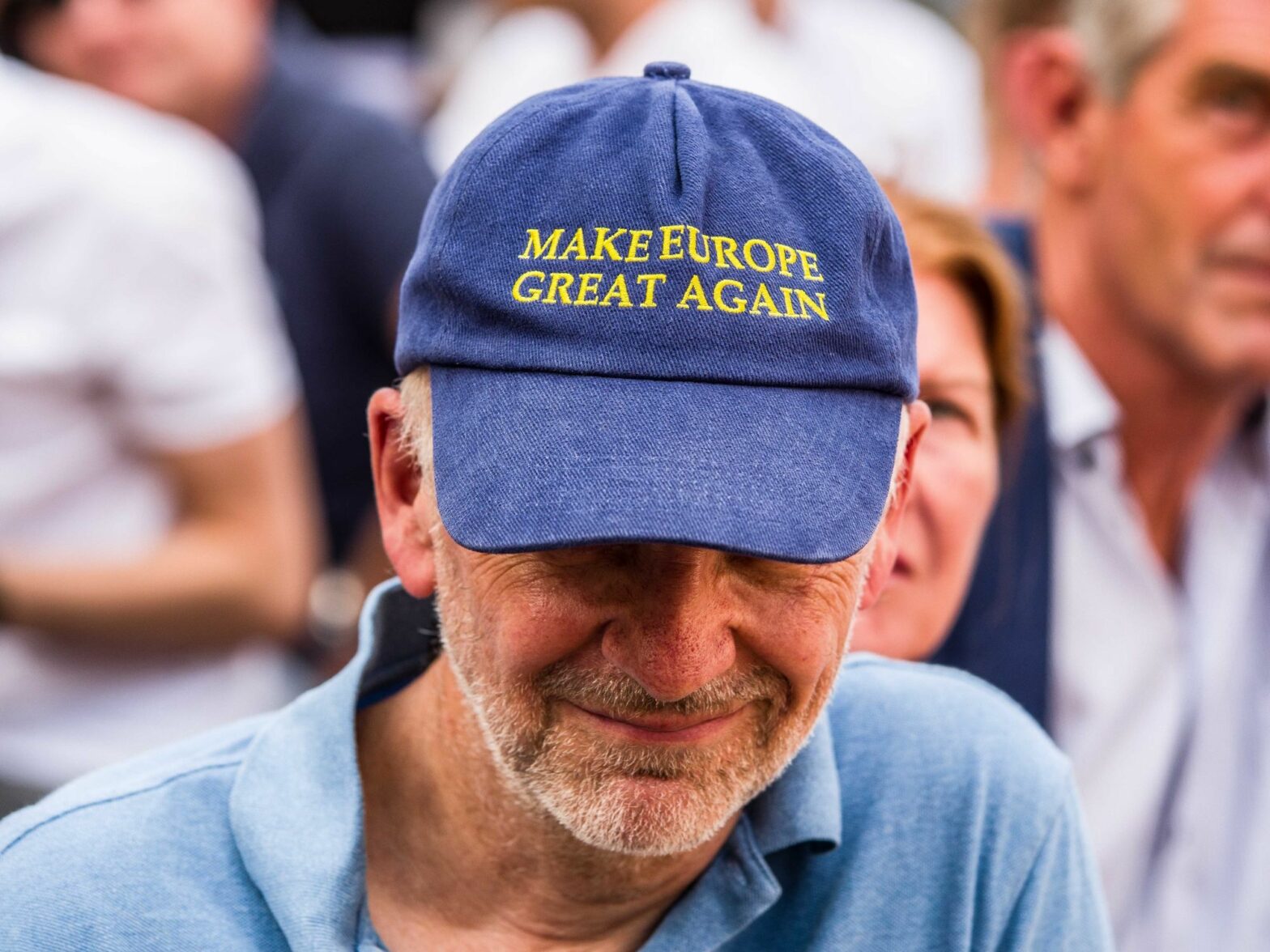
Can the surge of the far right in Europe pave the way for Donald Trump’s victory in the United States in November? Or will a majority of Americans reject a convicted former president running for office? Though political patterns are hard to detect, young voters play an important role in what comes next, writes political scientist Dominique Moïsi in French business daily Les Echos.