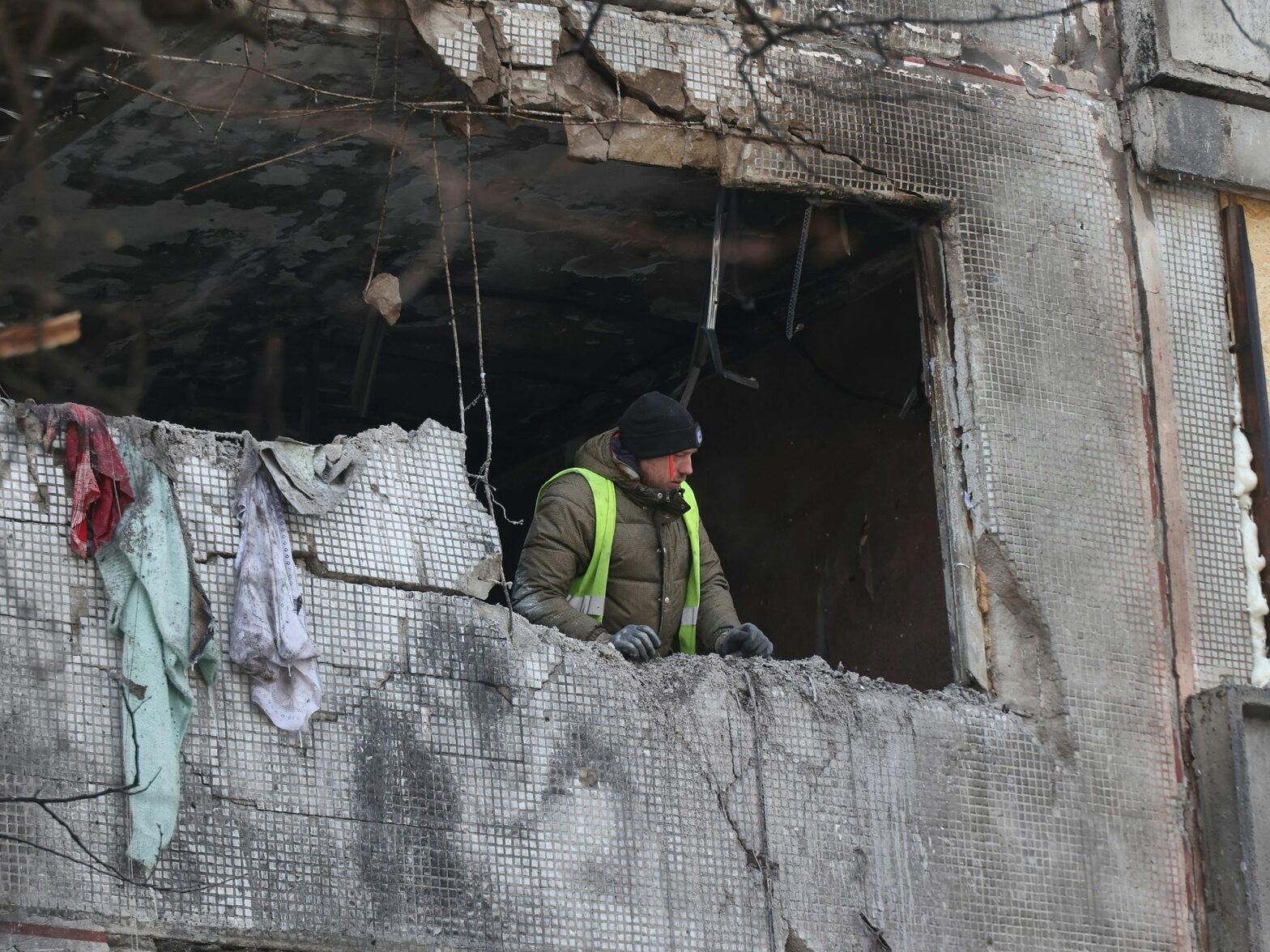
Following Volodymyr Zelensky’s Washington visit last week, Russia has started exerting more pressure on Ukraine, confident that Trump will do little to interfere. Monica Perosino reports from the Ukrainian side of the frontline.
 Worldcrunch
Following Volodymyr Zelensky’s Washington visit last week, Russia has started exerting more pressure on Ukraine, confident that Trump will do little to interfere. Monica Perosino reports from the Ukrainian side of the frontline.
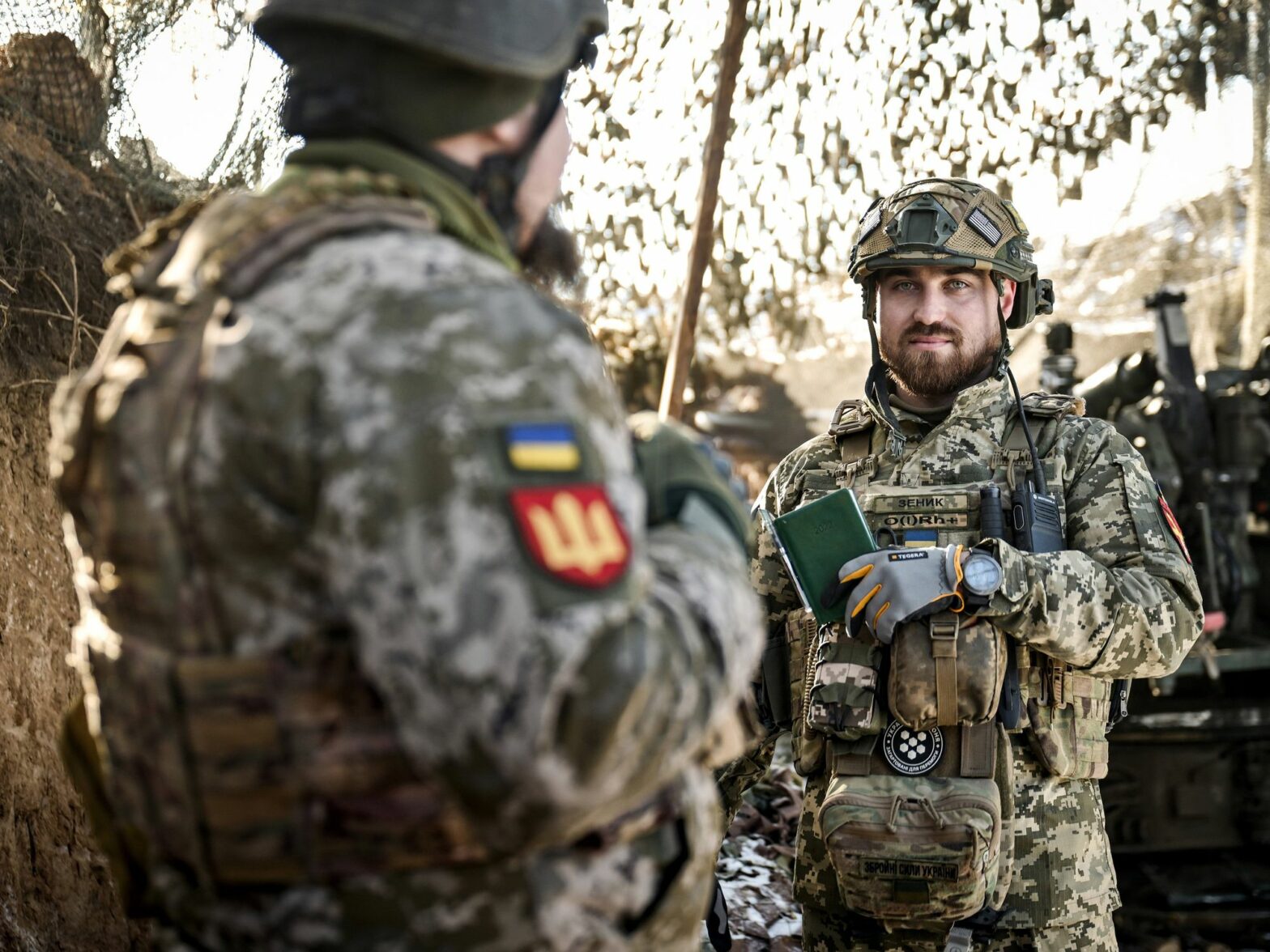
Donald Trump has suspended U.S. military aid to Ukraine until Volodymyr Zelensky demonstrates “good faith” in negotiating with Vladimir Putin. It’s an unprecedented move with an interesting parallel with what’s happening with Israel, where the U.S. Secretary of State Marco Rubio has expedited the delivery of $4 billion in military aid.
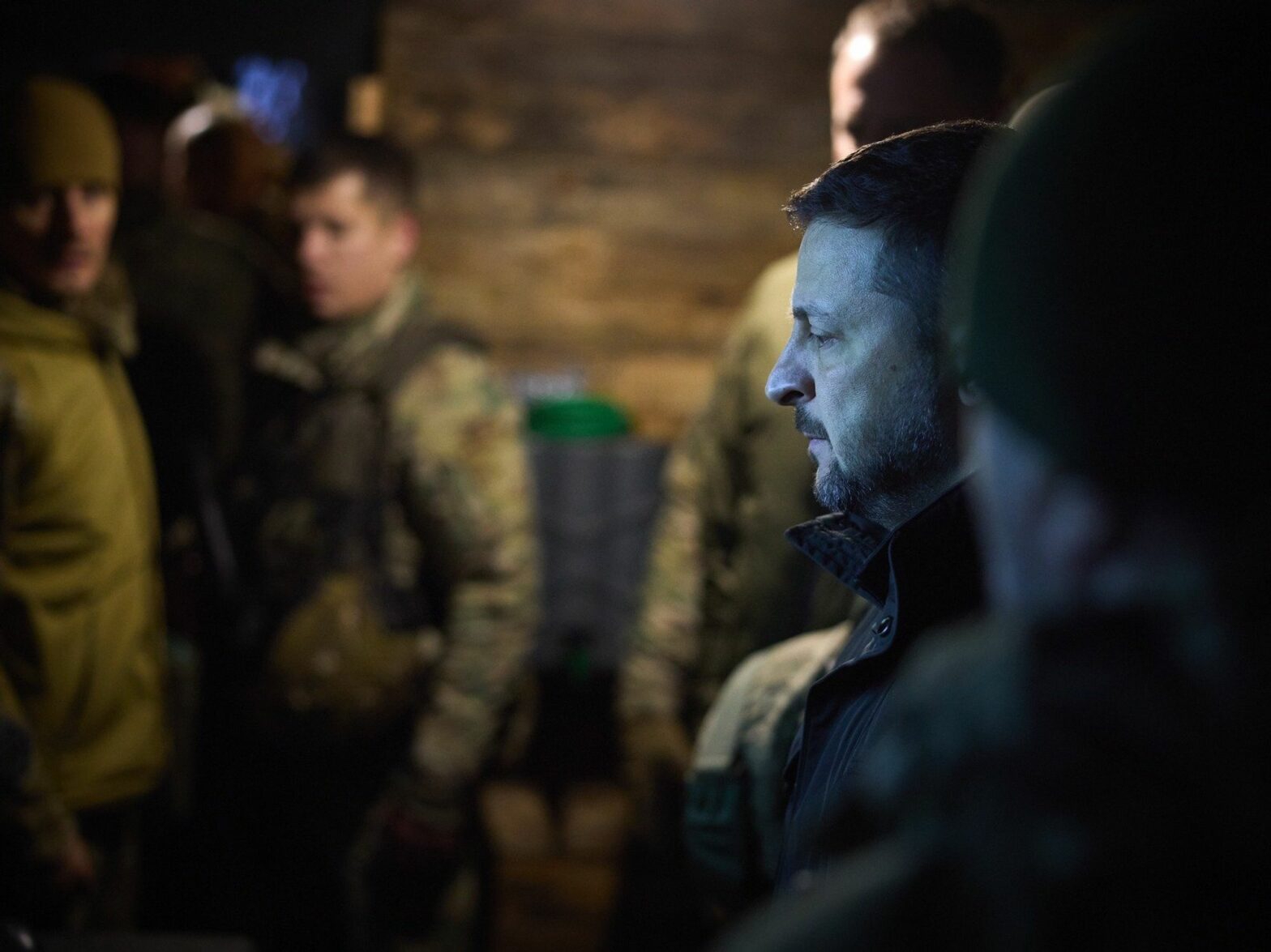
Even his critics inside Ukraine are uniting behind Volodymyr Zelensky for standing up to U.S. President Trump and Vice President Vance to defend their nation’s interests.
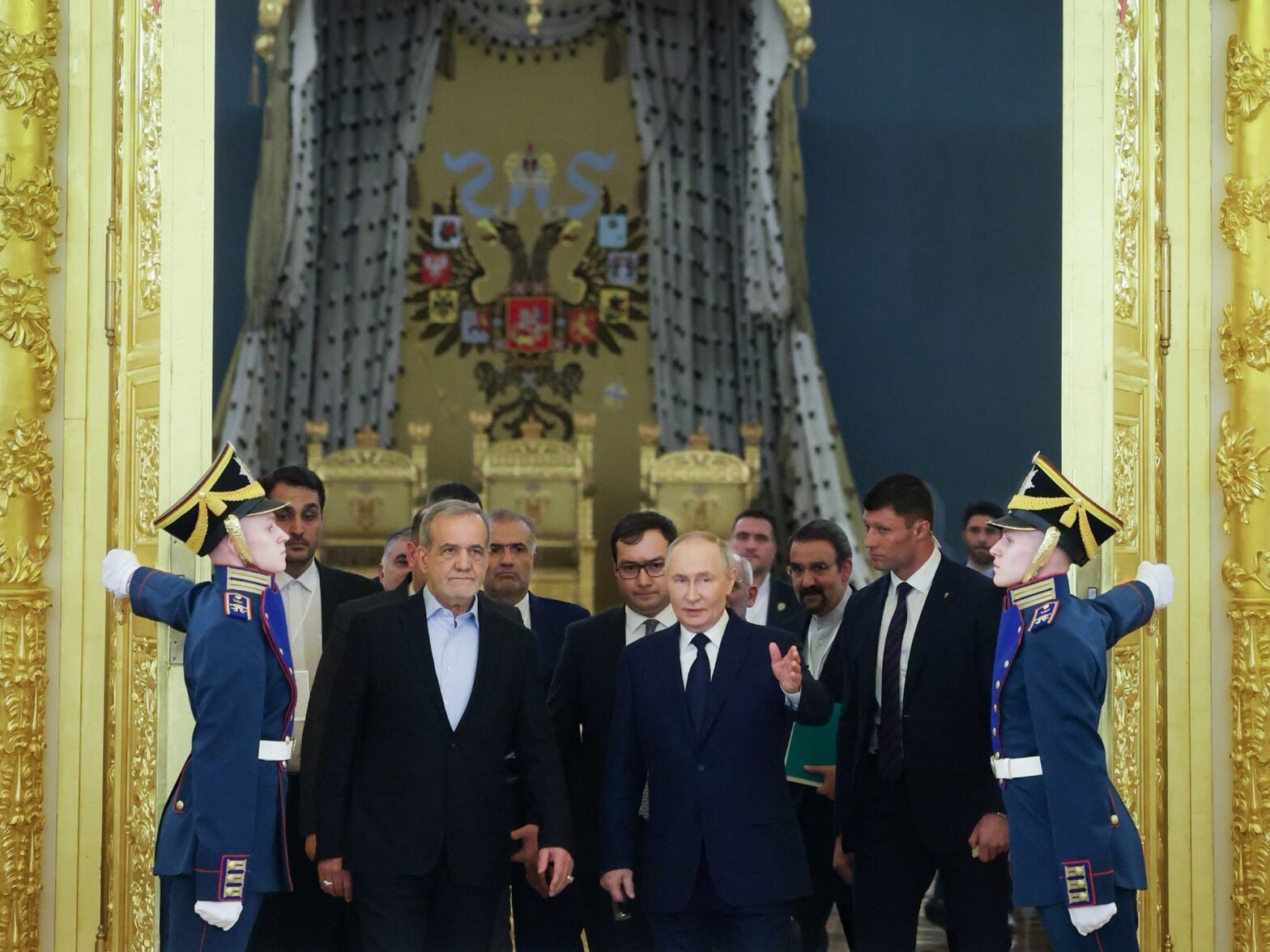
Iran prefers the EU’s discretion and apparent respect for its ideological red lines, in contrast with Donald Trump’s ostentatious and menacing style. So the growing rift between the U.S. and EU over resolving the Ukraine-Russia war may be a welcome chance for Tehran to revive secret contacts it loves so much with an EU in search of diplomatic clout.
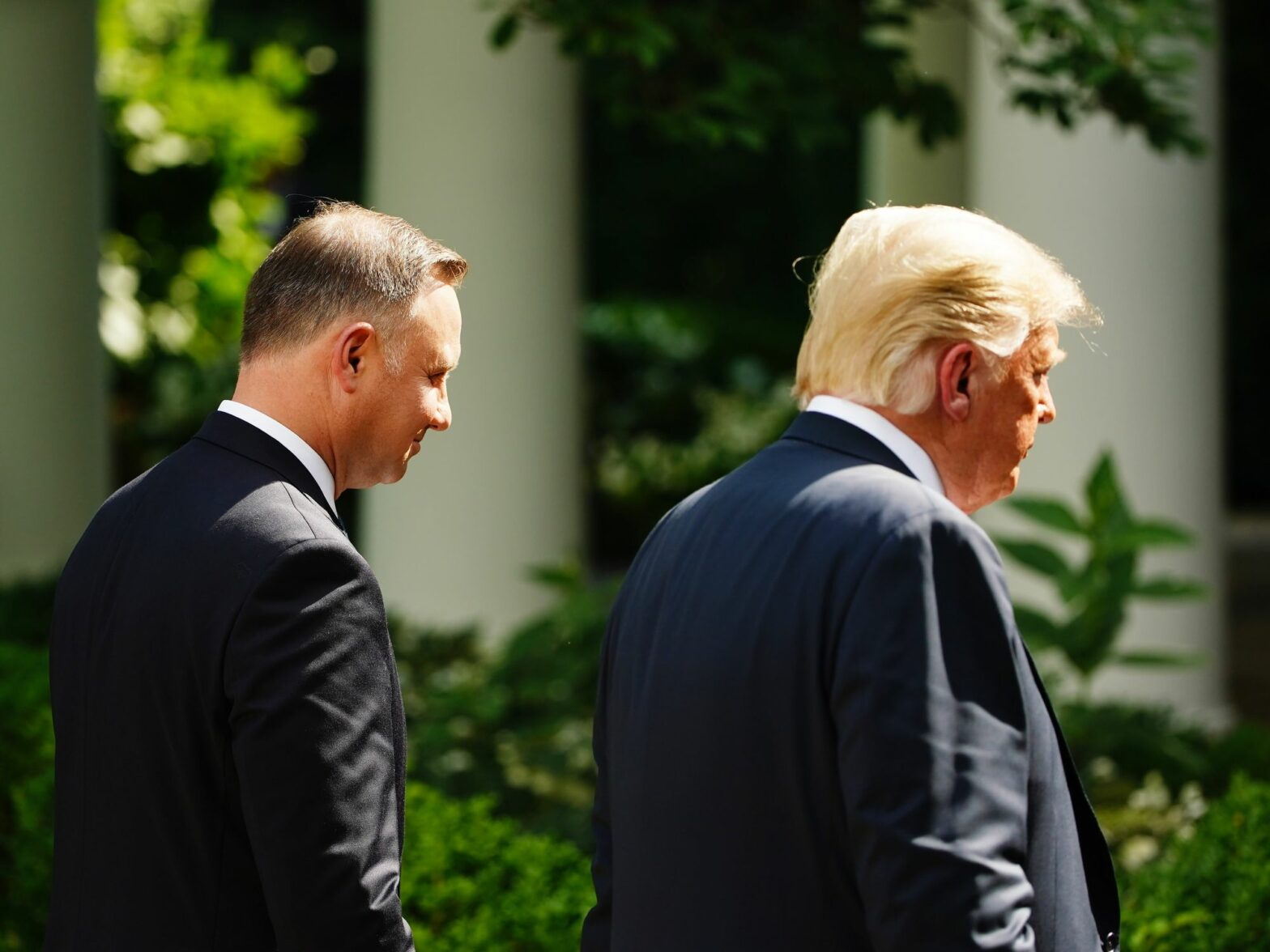
Poland was right to vote alongside Ukraine and other Western countries on a UN resolution this week that clearly indicated President Vladimir Putin’s Russia as the culprit in the outbreak of the war in Ukraine. But would Polish diplomats have made that same choice if the nationalist-conservative Law and Justice Party (PiS) were in power. The election in May could see that happen.

With photographs from Nepal, Germany, Israel, China — among other places.
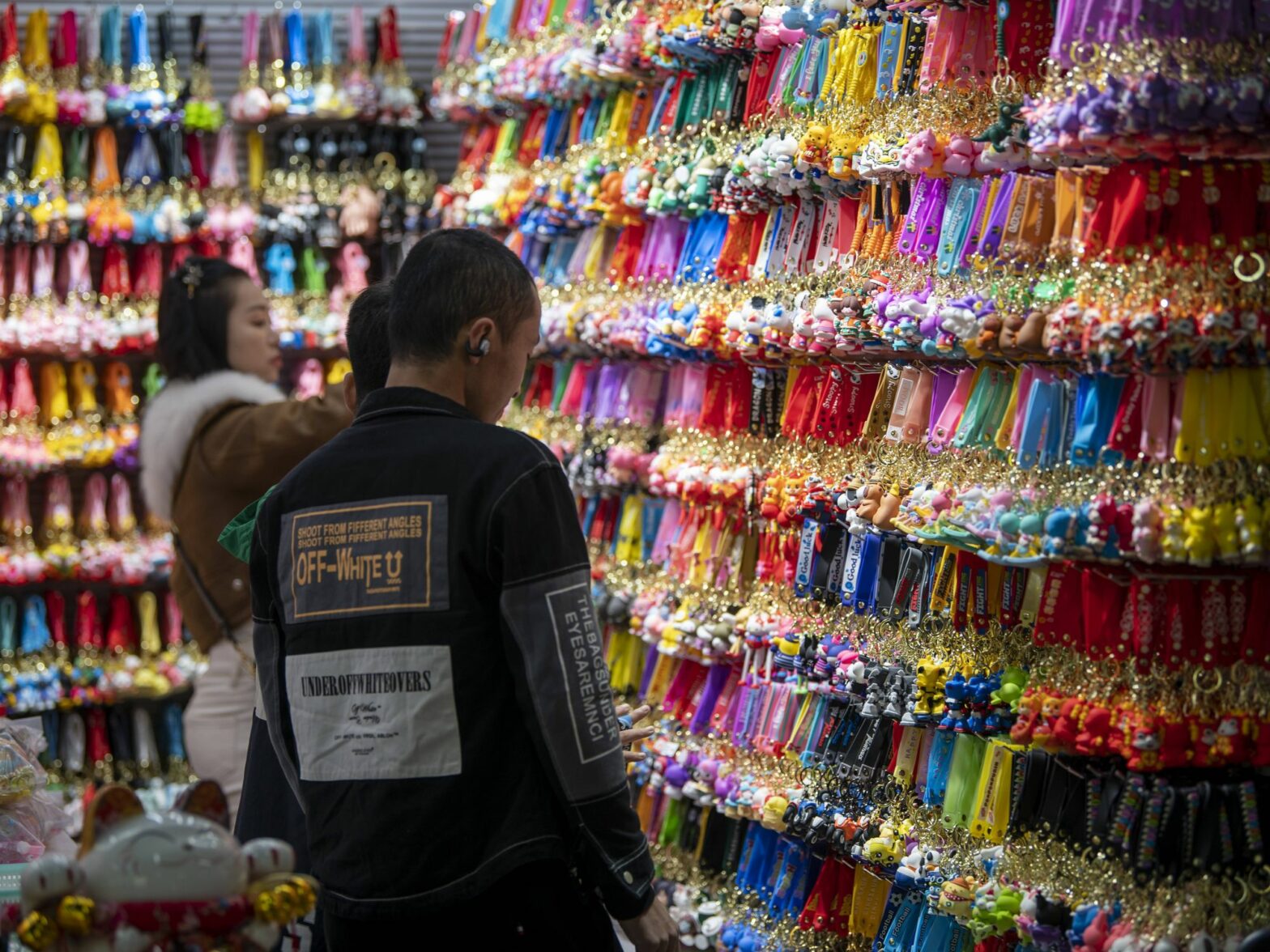
The 75,000 wholesalers in the export manufacturing hub of Yiwu say they have been moderately affected by the tariffs imposed by U.S. President Donald Trump, which he has just announced he will double. Many had already pivoted to developing countries to sell their goods.
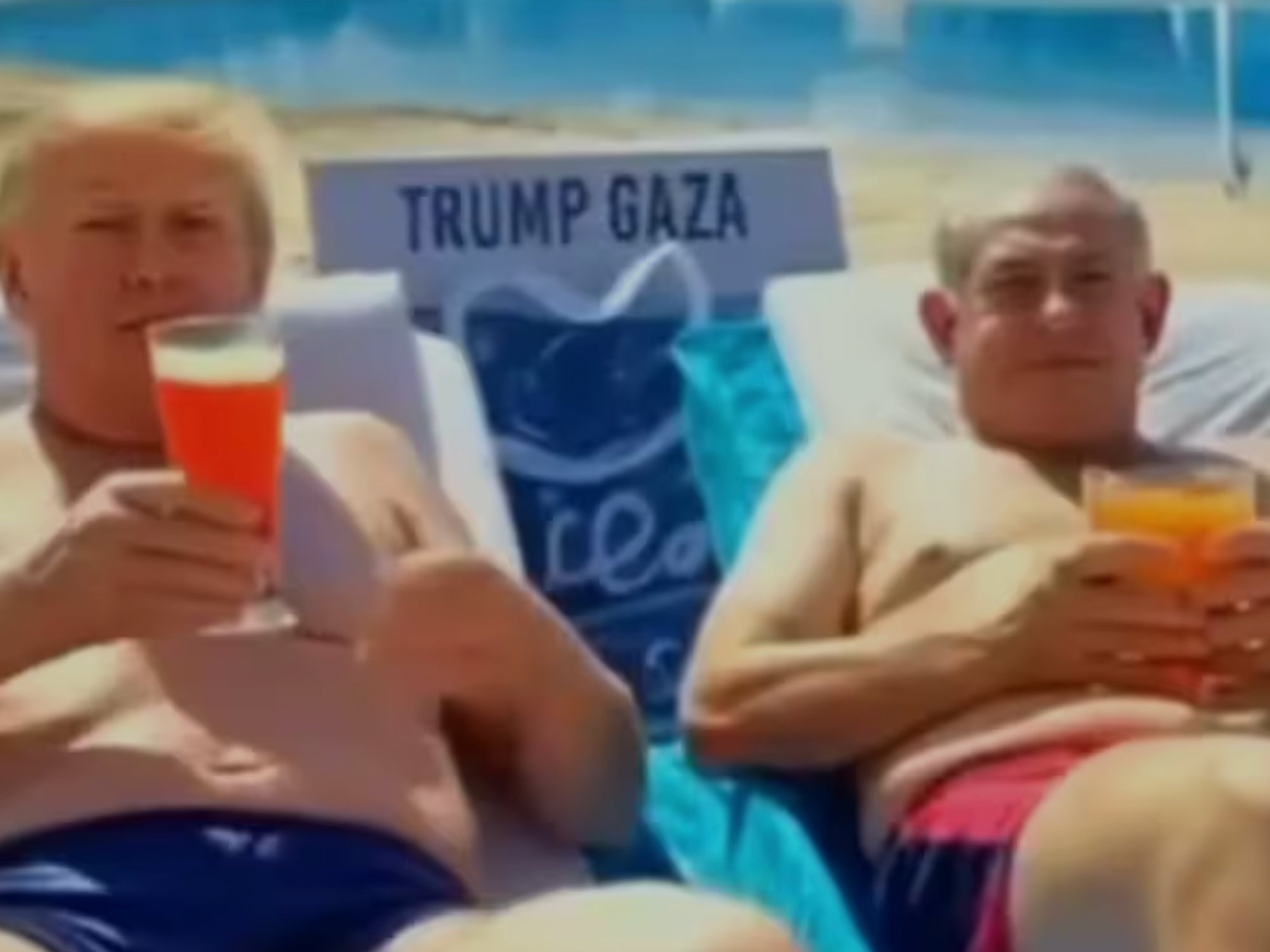
An AI-generated video shared by Donald Trump on his social network depicts the transformation of Gaza he has proposed: luxury resorts, and no Palestinians. An abomination toward the victims of the war, it also contains a depiction of Trump himself that is the seed of his own inevitable downfall.
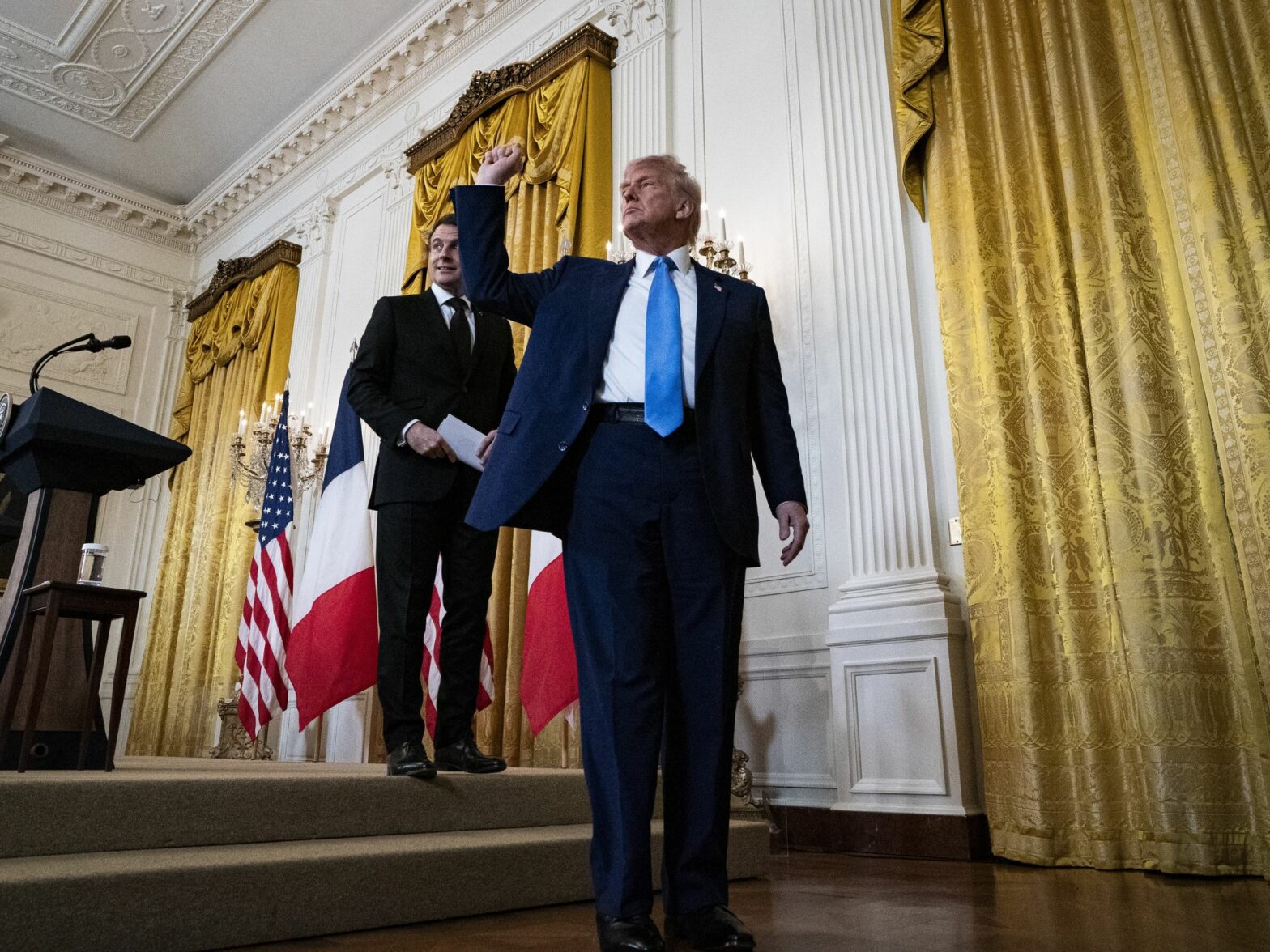
Europeans are coming to grips with a harsh reality: The United States is no longer the guardian ensuring the continent’s security — worse, it may have even turned into an outright adversary. Nothing underscores this shift more than the U.S. vote at the United Nations on Ukraine, siding with Russia and standing against EU nations.
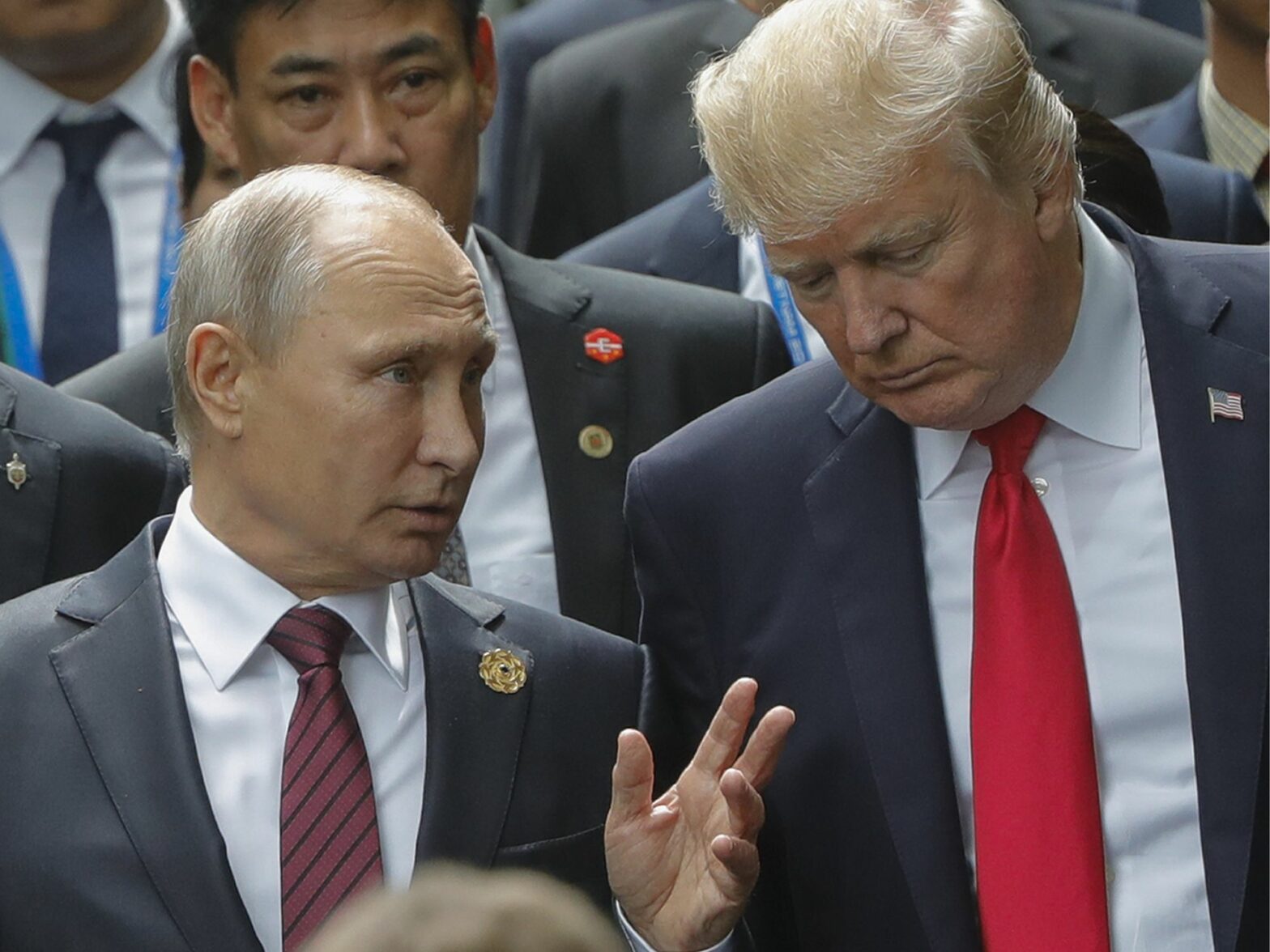
It’s as if, before our very eyes, the president of the United States were reading a script written by the Kremlin. French political analyst Dominique Moïsi, says the reversal on Ukraine is an ally’s betrayal of historical proportions.
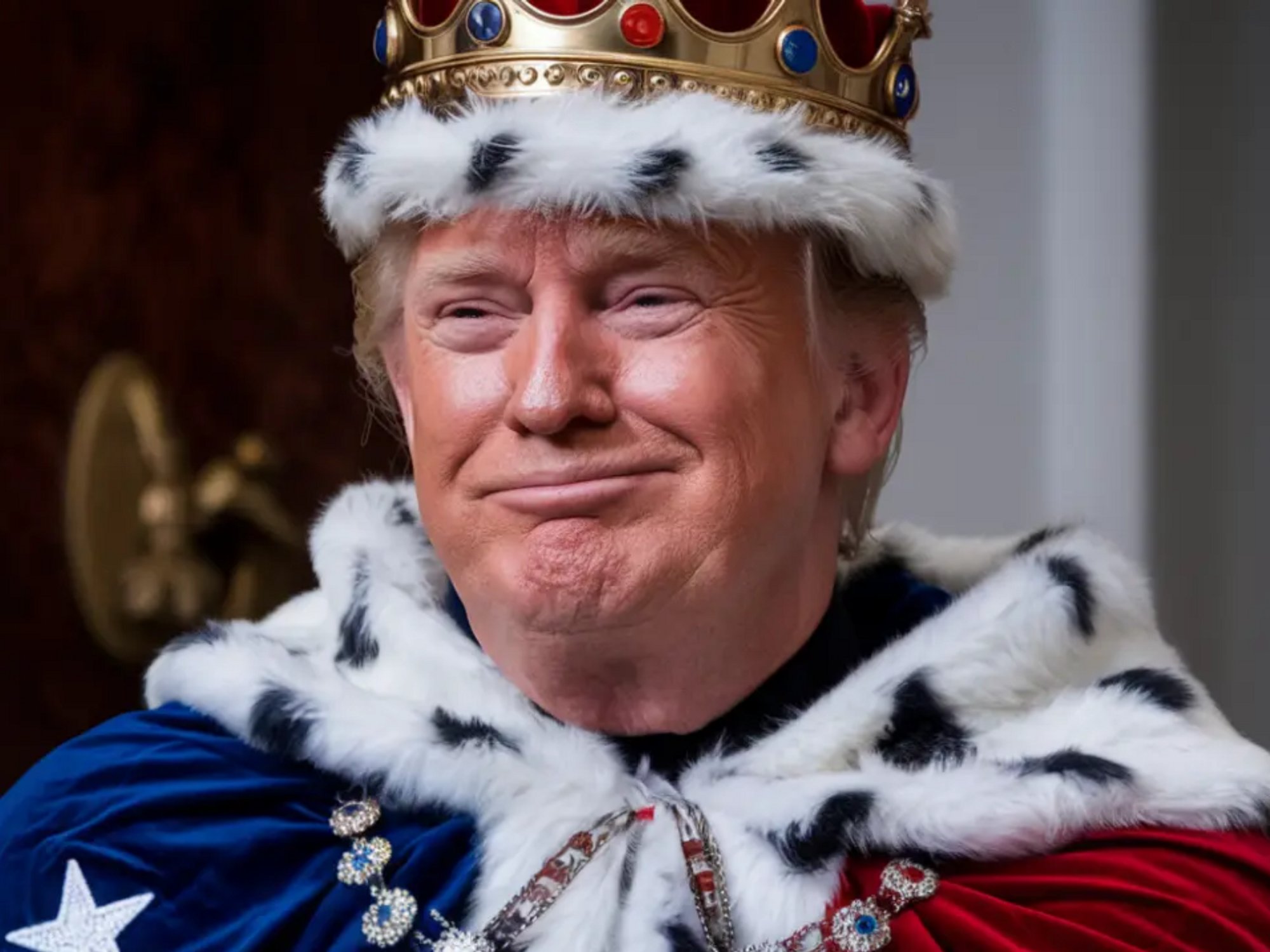
Trump’s series of executive orders, from asylum laws to federal grants cuts, not only defy the U.S. Constitution, but hint to the President’s will to gather more — if not all — executive power to the point that it no longer resembles democracy.
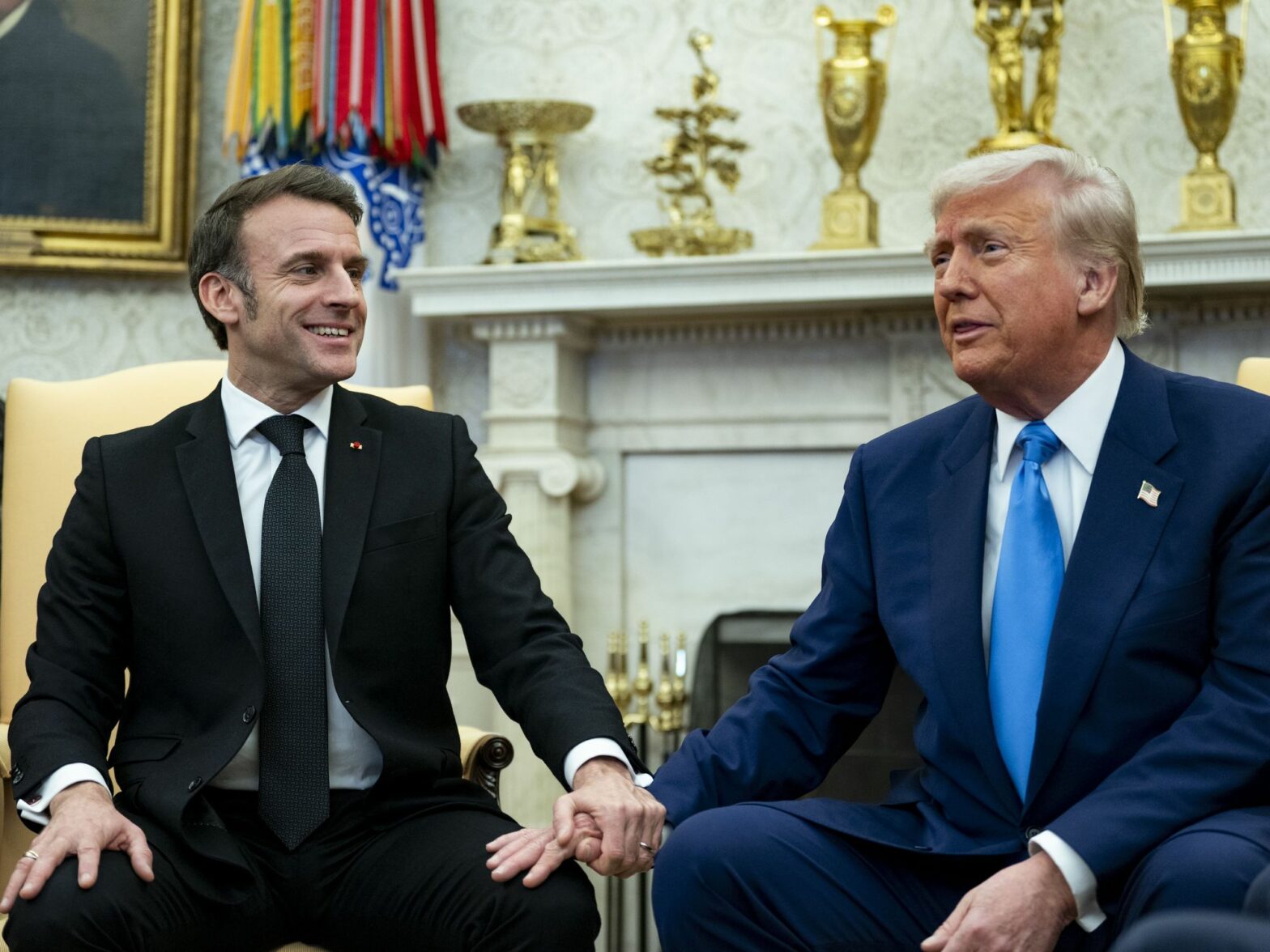
French President Emmanuel Macron spoke of a “turning point” after his discussions with his U.S. counterpart at the White House on Monday. But Donald Trump did not confirm. The United States remains ambiguous, especially as, at the United Nations, it voted with Russia and against the European Union and Ukraine — an unprecedented move.
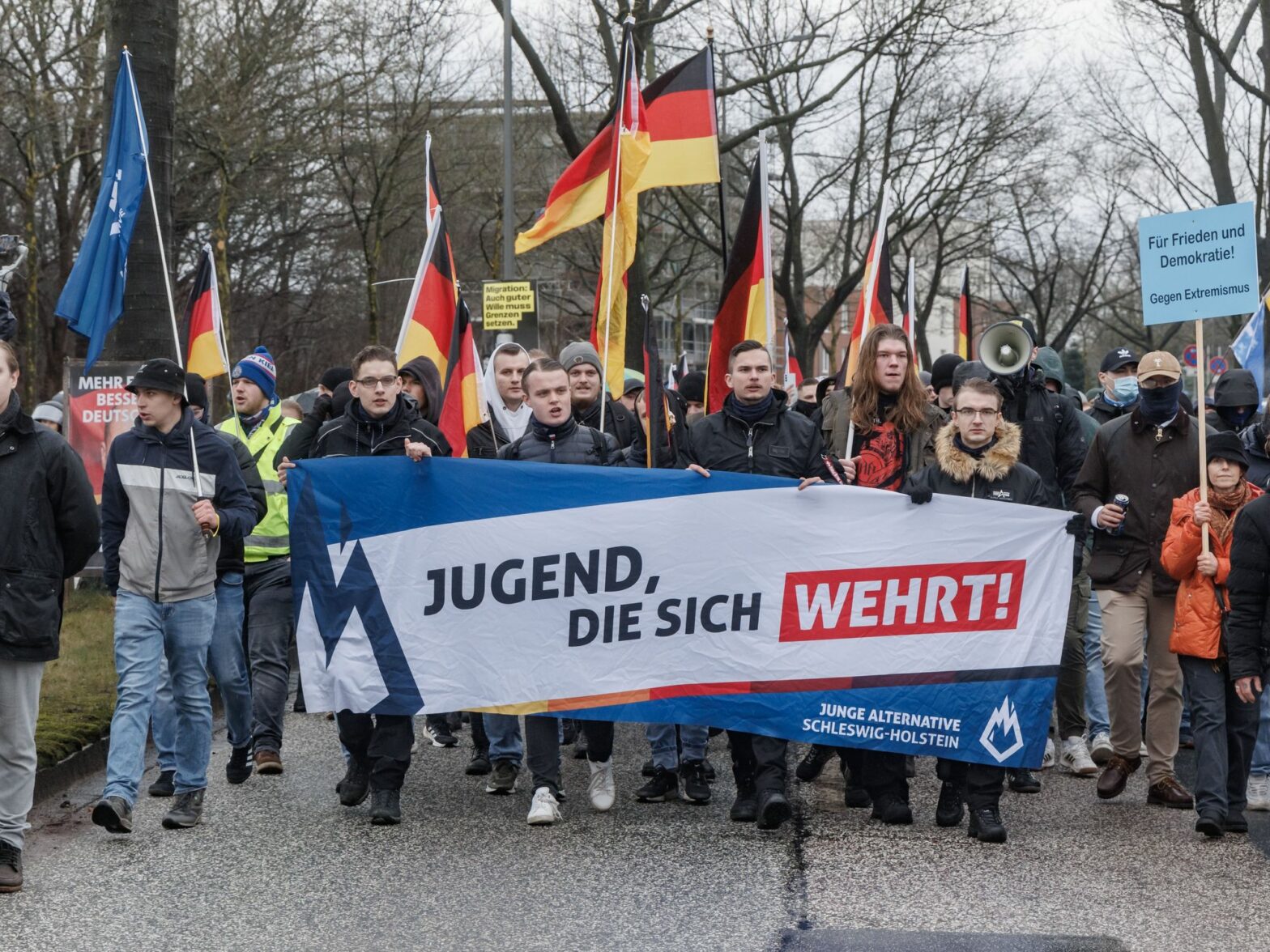
Young men showed one of the most dramatic shifts toward Donald Trump in this year’s election. But with rightward shifts among both men and women of the Gen Z demographic, the reality is reaching deeper — and farther — than most pollsters or analysts can explain.
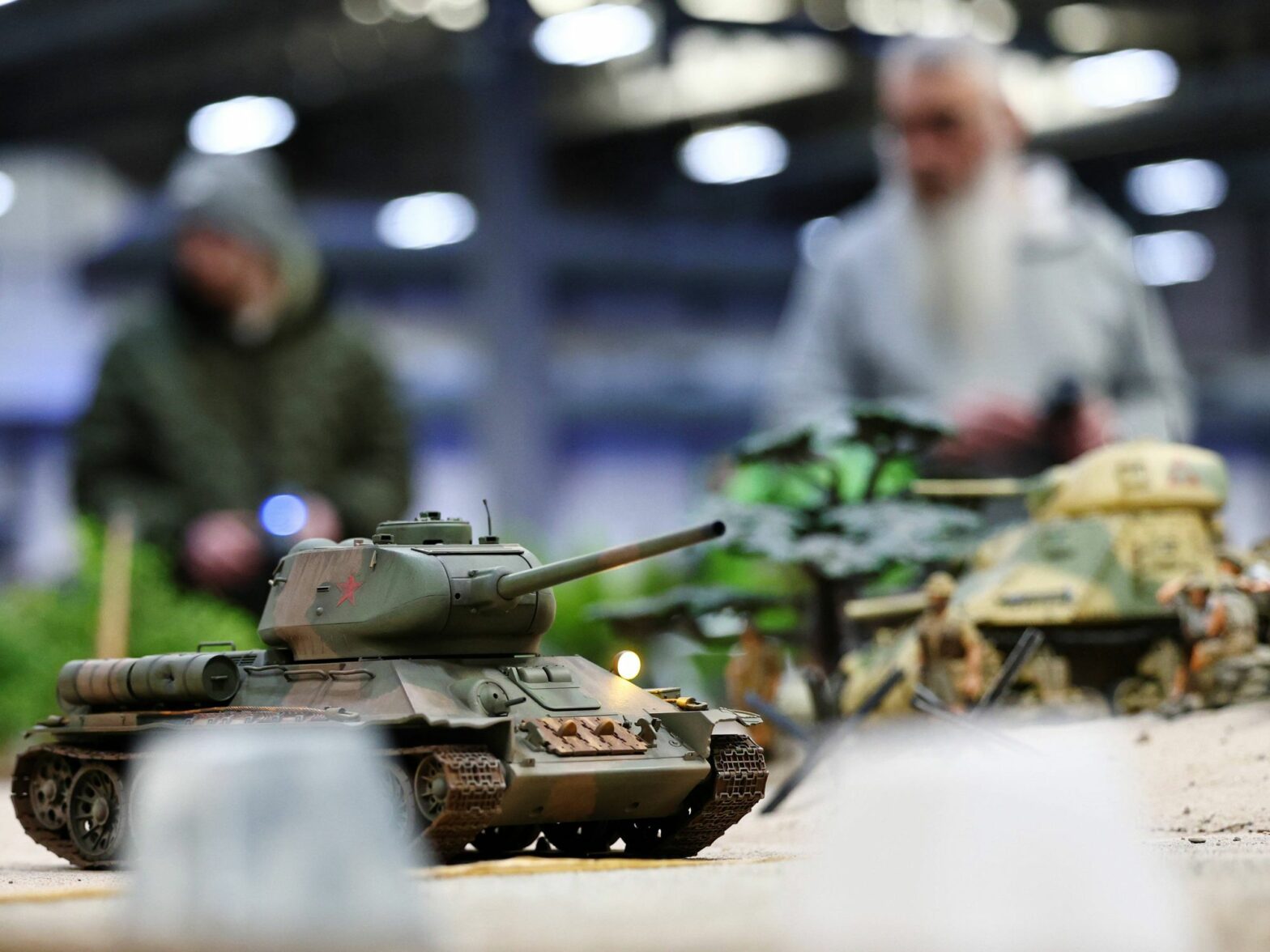
It is now clear that Germany needs to invest a lot more money in defense. Friedrich Merz, who is likely to be Germany’s next chancellor, has yet to come up with a plan to do this.
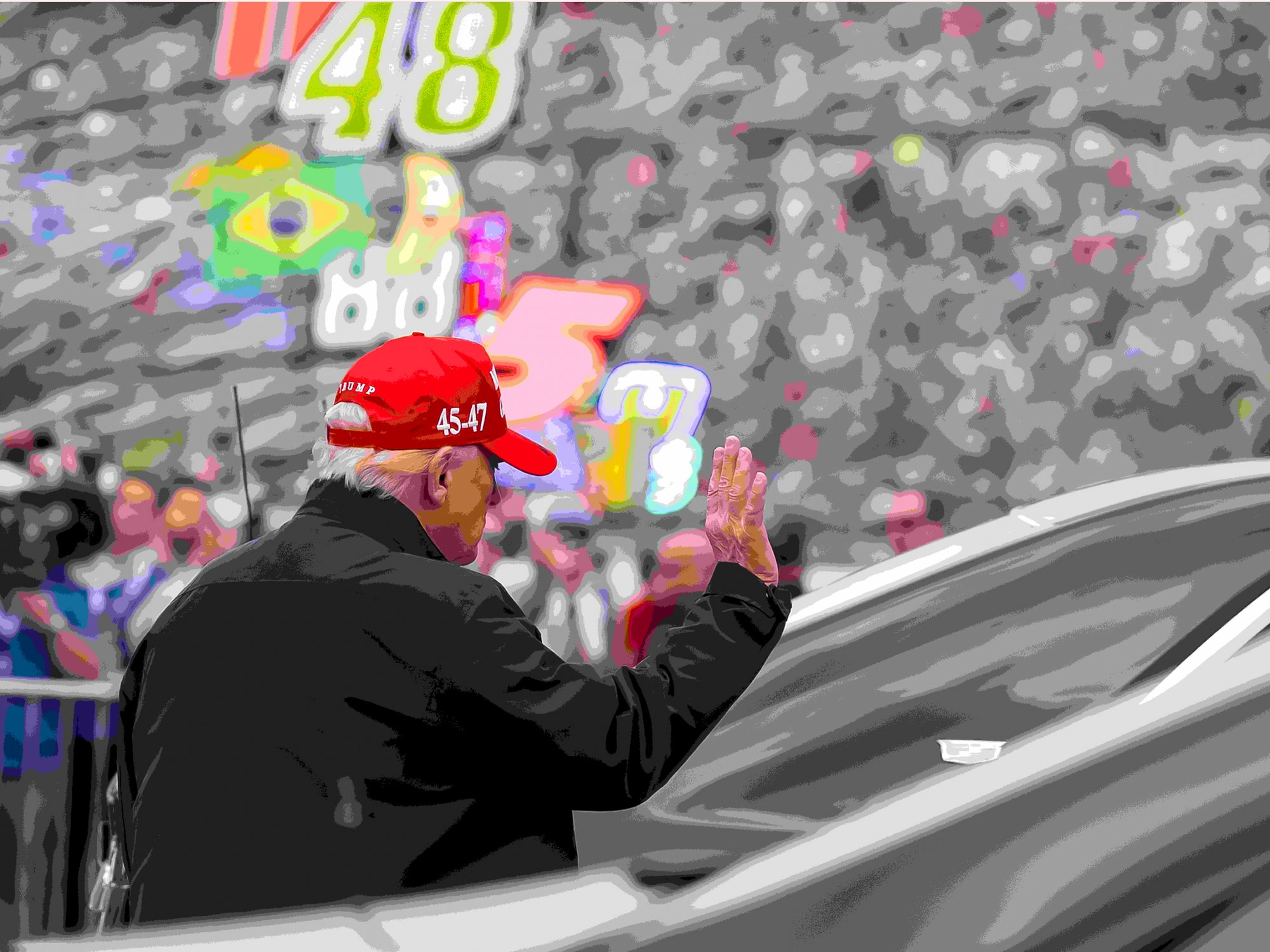
The daily spectacle of Donald Trump and his minions striking at institutions and backstabbing allies may be depressing, but the United States is more than that. Once the fever subsides, that vibrant, inclusive country will recall that greatness does not rest on meanness, thuggery or wealth.
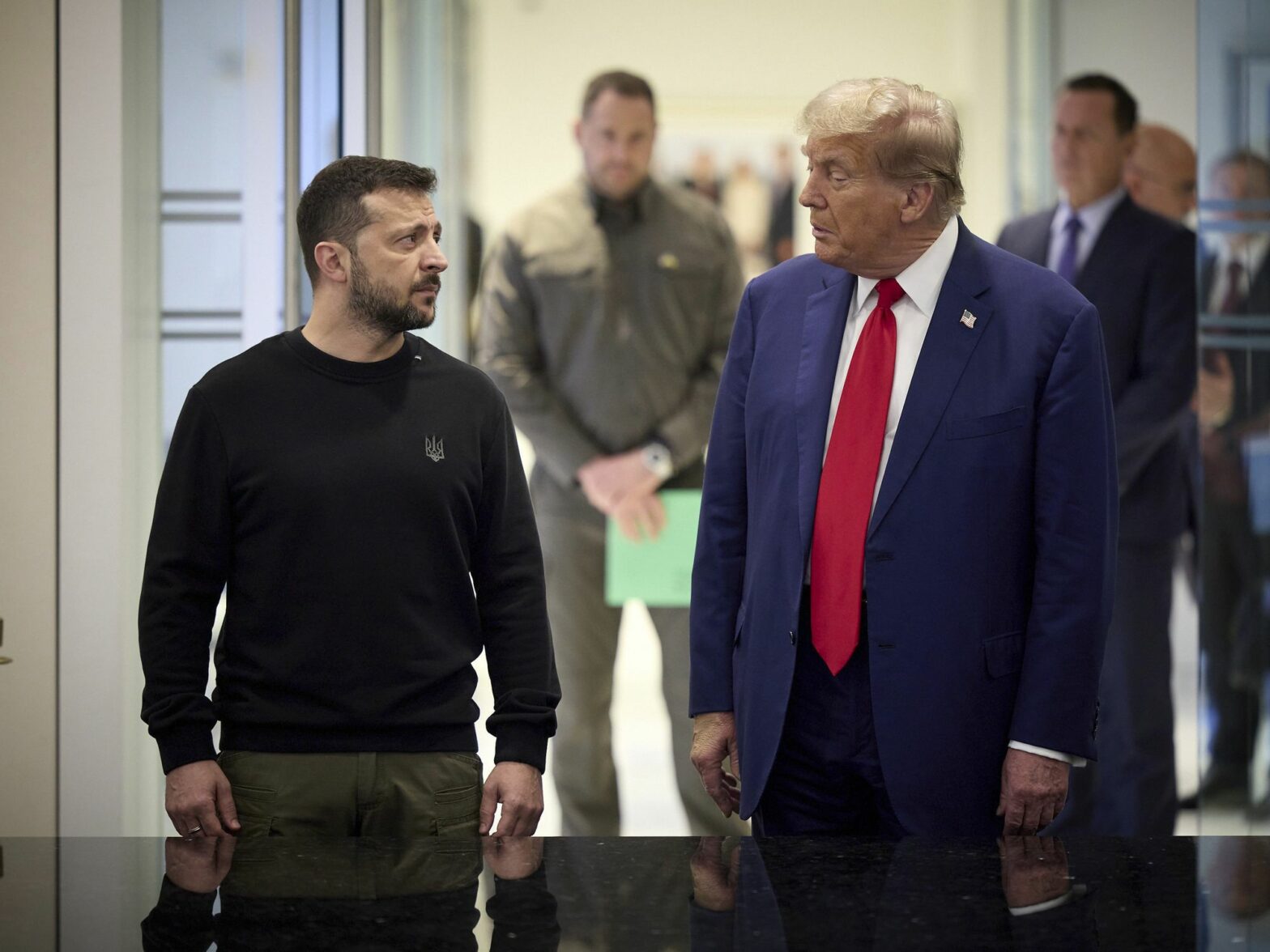
This week, U.S. President Donald Trump doubled down on his accusations against Ukraine. It looks as though Kyiv may have to rely solely on European military aid. But France’s president, along with the British prime minister, have made urgent plans to visit Trump.
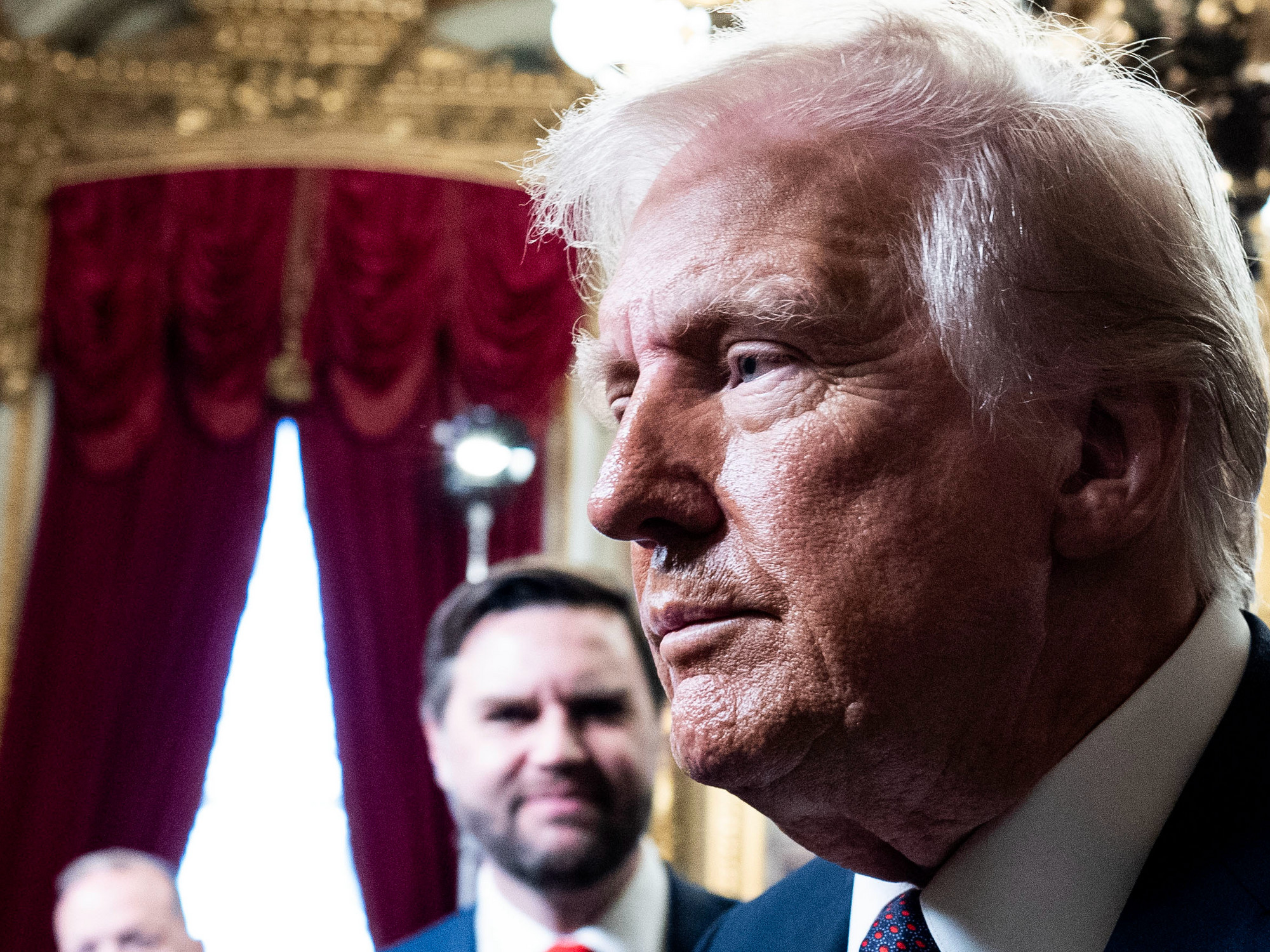
One month after his return to the White House, Donald Trump’s second term is proving far more ideological, imperial and aggressive than the first, awakening memories of the 1950s communist witch hunt at home and shaking relations with European allies abroad.
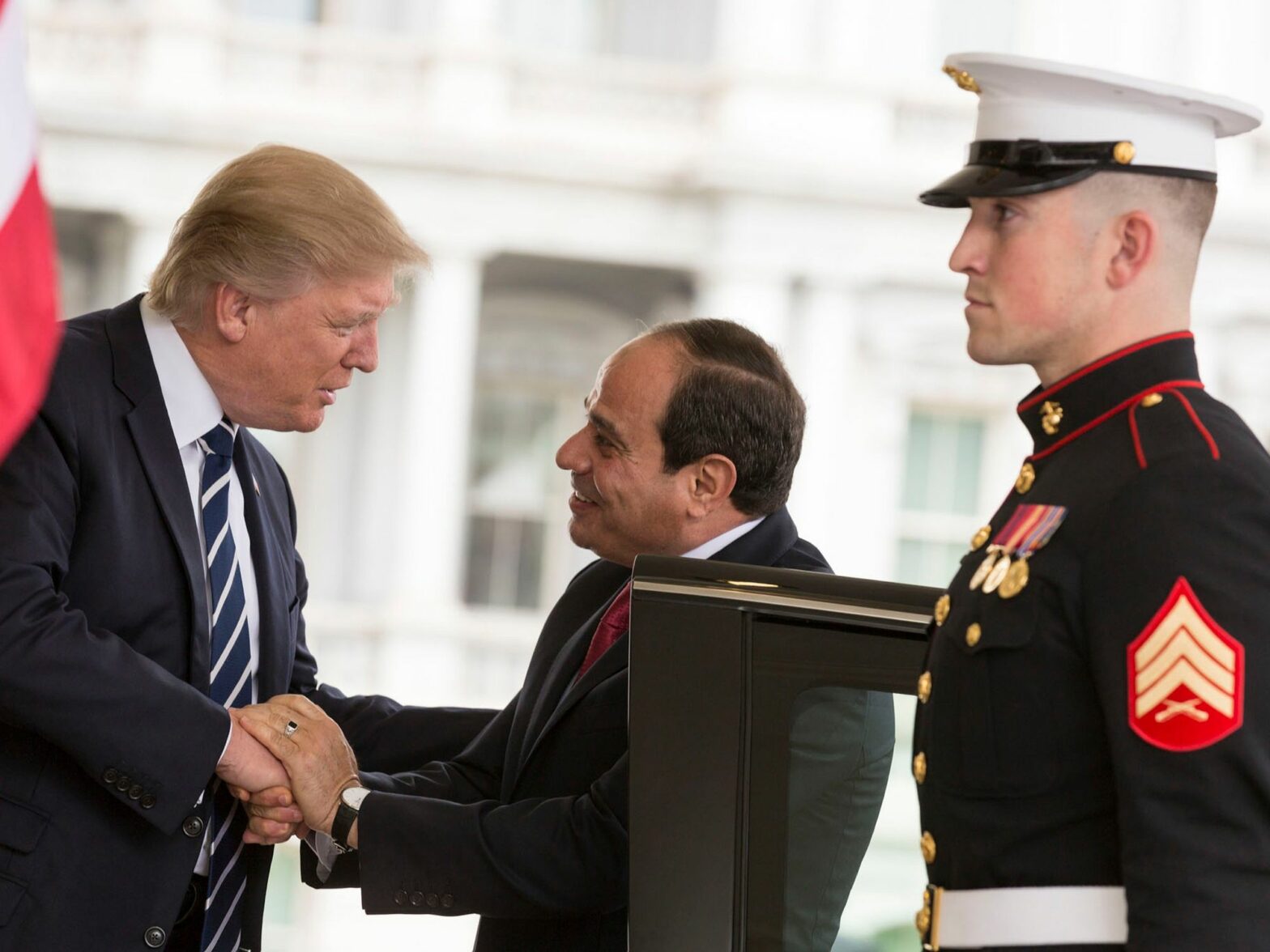
President Donald Trump’s proposal for the United States to take over Gaza and resettle the 2.1 million Palestinians living there has pushed Egyptian President Abdel Fattah al-Sisi to delay his trip to the White House. But Trump holds some big cards that Cairo knows it will have to face.
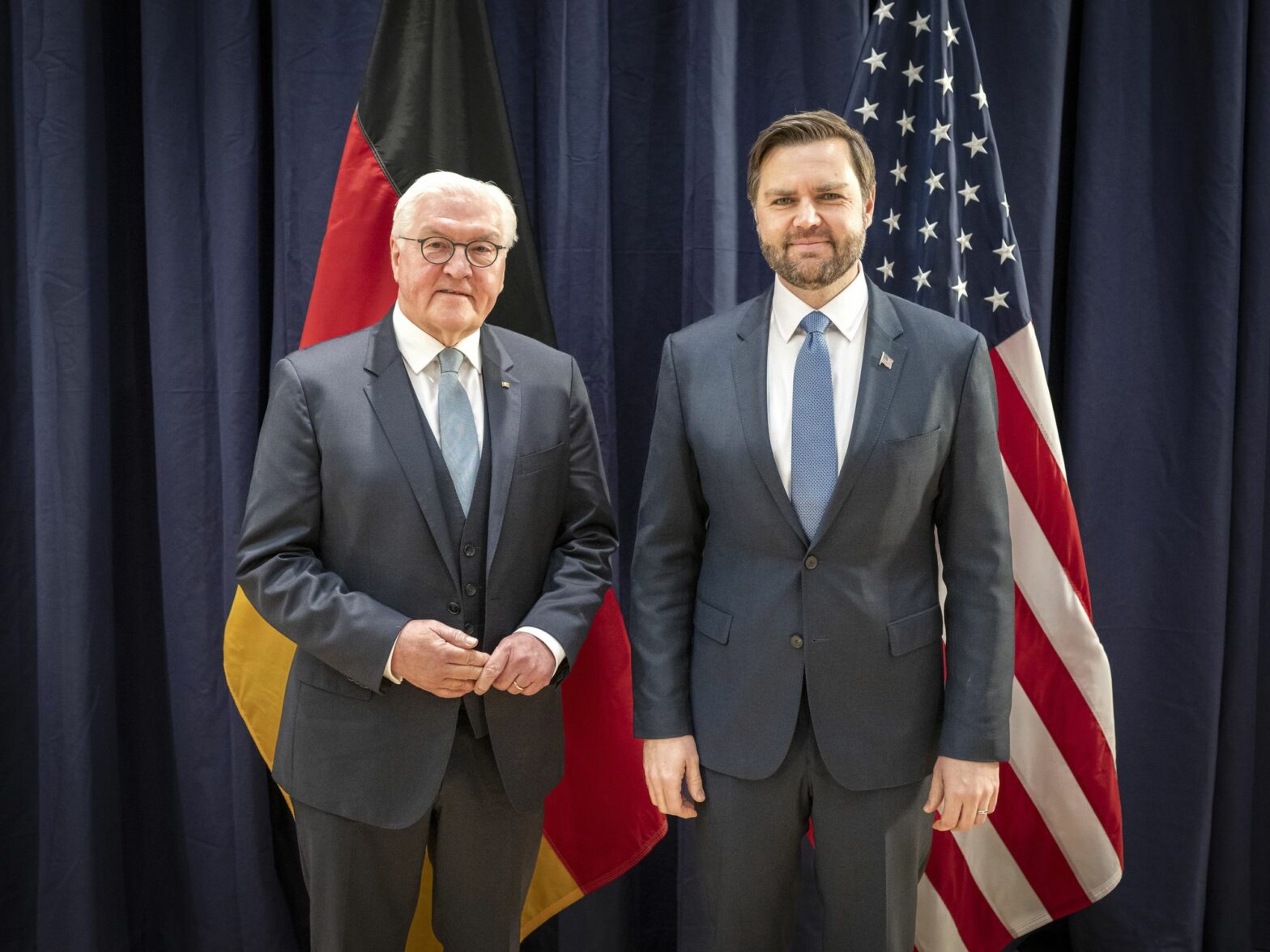
There isn’t much holding Europe and the U.S. together anymore: neither interests nor values. It’s time to start envisioning what comes next.
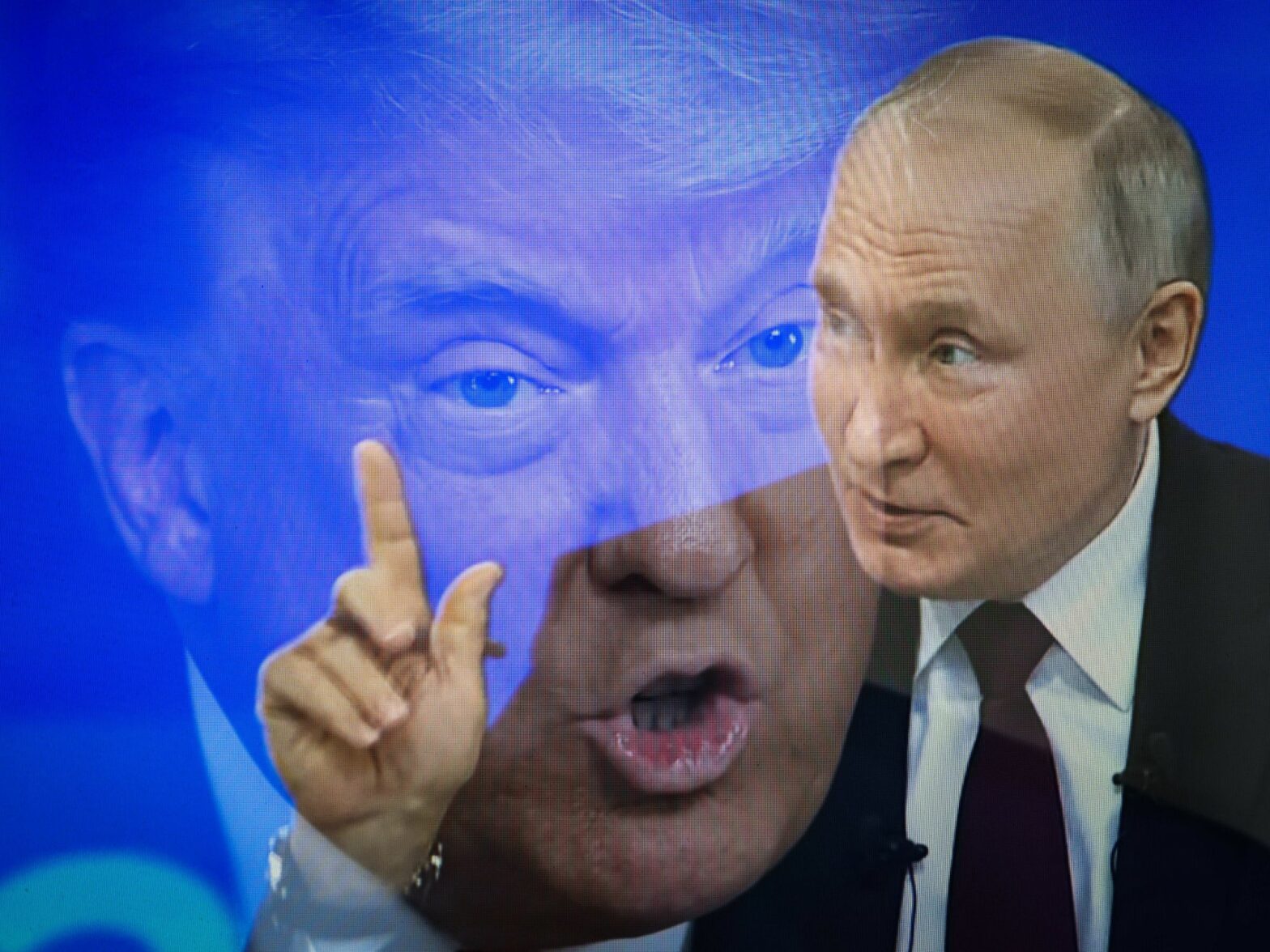
In the span of just a few hours last week, Donald Trump turned Putin’s Russia from a pariah state to a partner. For French political analyst Dominique Moïsi, the “useful idiot” role that Trump is playing does however raise a fundamental question for Europe about its own global autonomy in the future.
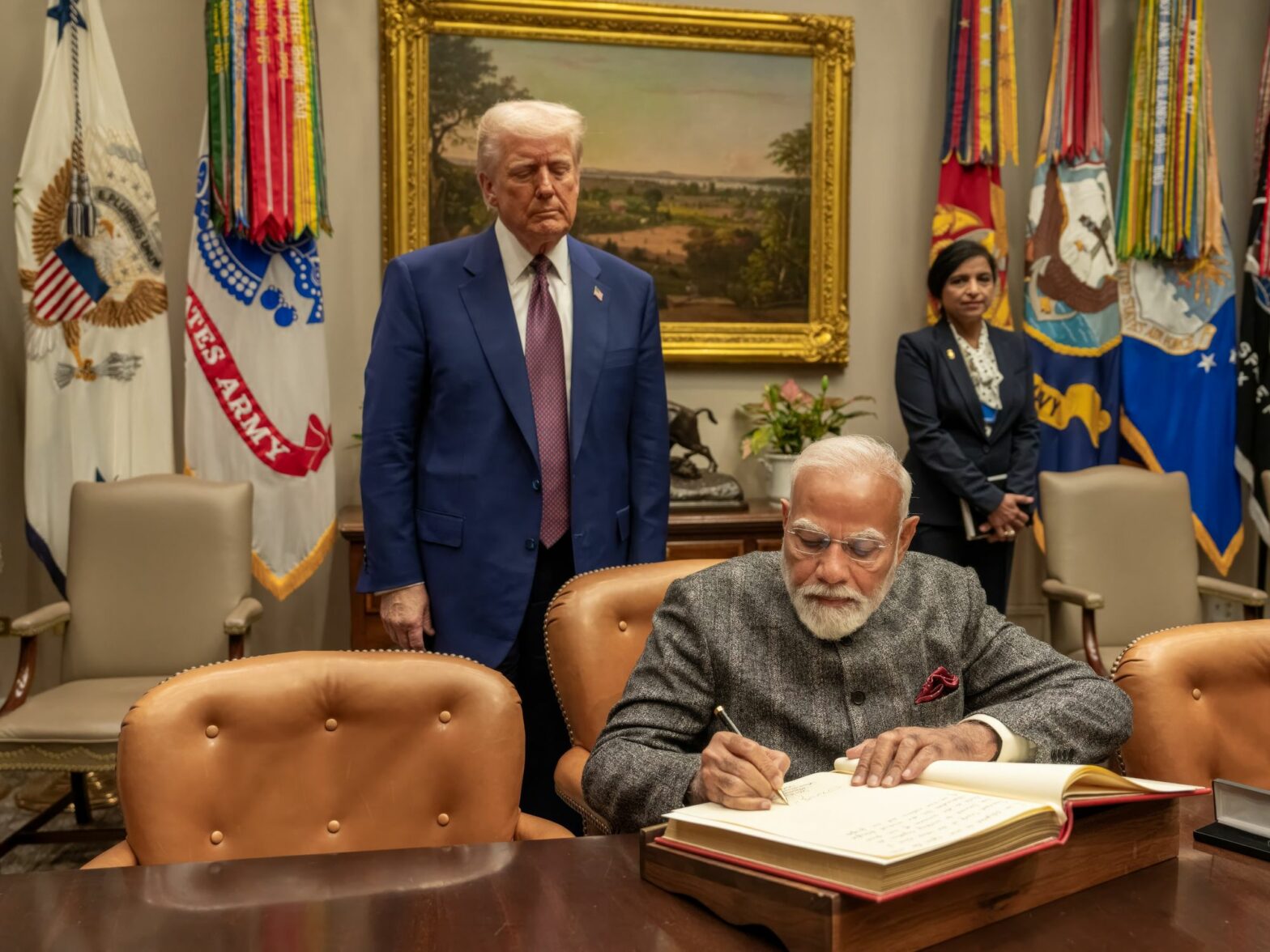
With the tremendous power it wields, the U.S. does not have, in real terms, any allies. All it has are servants. But
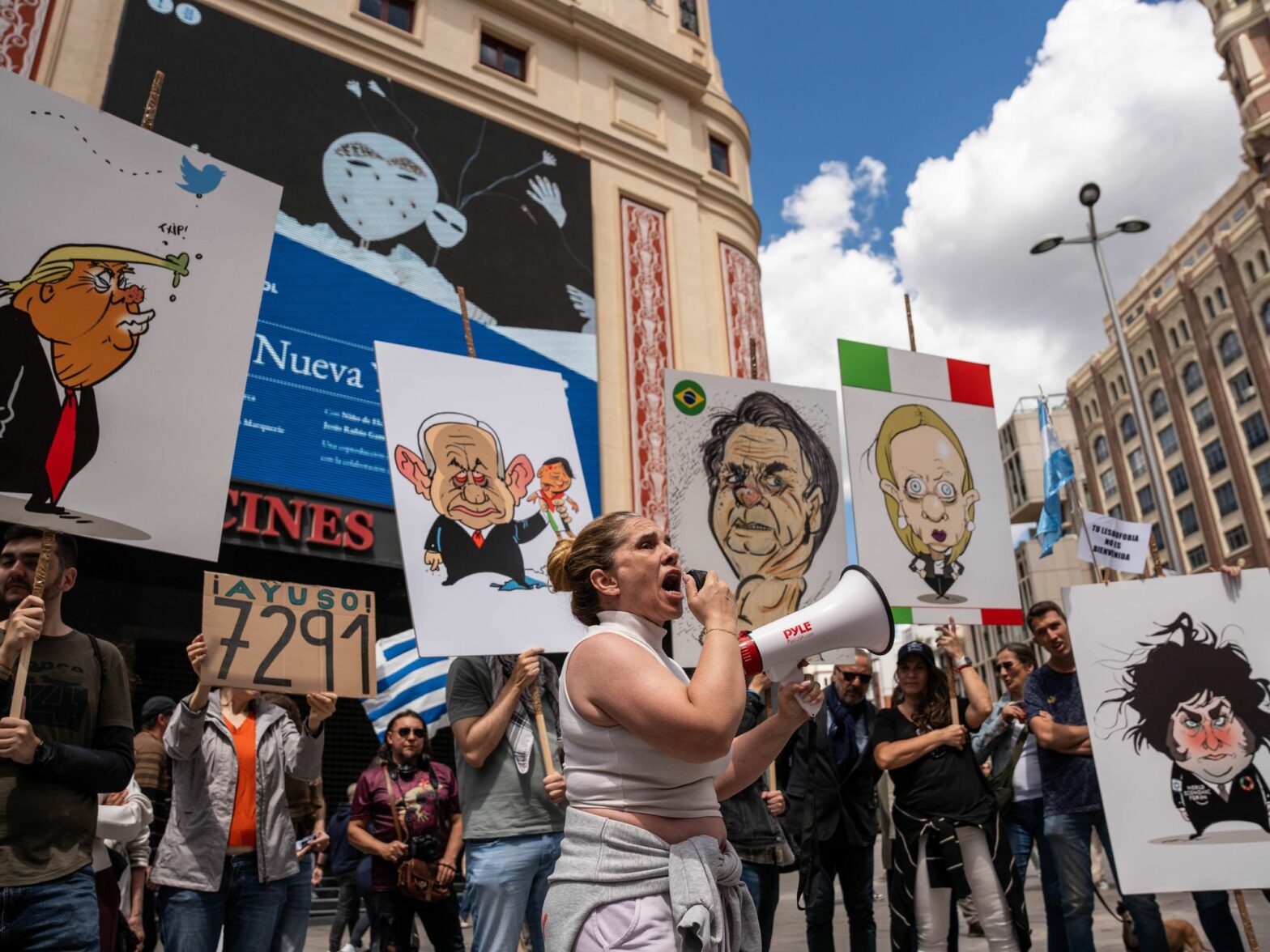
The reelection of U.S. President Donald Trump is the most recent act in the spectacular, and so far unstoppable, rise of fascism. Faced with his full-blown offensive, Europe must fully invest in its vision as an alternative to Trumpism by defending those most in need.

With striking shots from Germany, Thailand, the U.S., Japan and more.
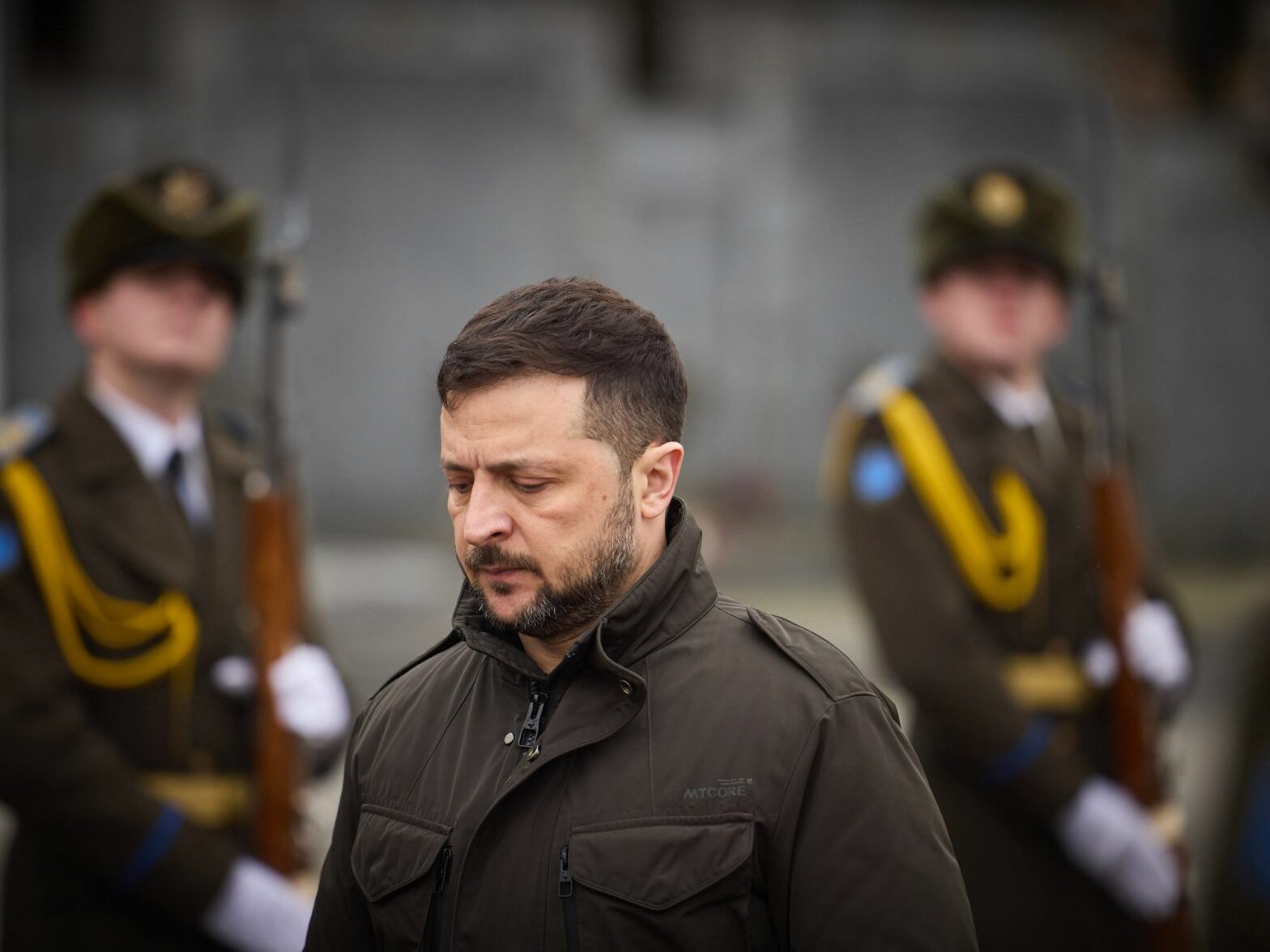
Ukraine isn’t backing down after the Trump-Putin exchange. It’s fighting to ensure that any negotiated plan includes strong security guarantees to prevent another Russian attack — and that Europe, sidelined by Trump, has a seat at the table.

February 7 – February 13, 2025
U.S President Donald Trump appears to be pushing forward his pledge for a quick peace in Ukraine, following his surprise call Wednesday with Russian President Vladimir Putin. But what would a ceasefire look like? And how doe we get there?
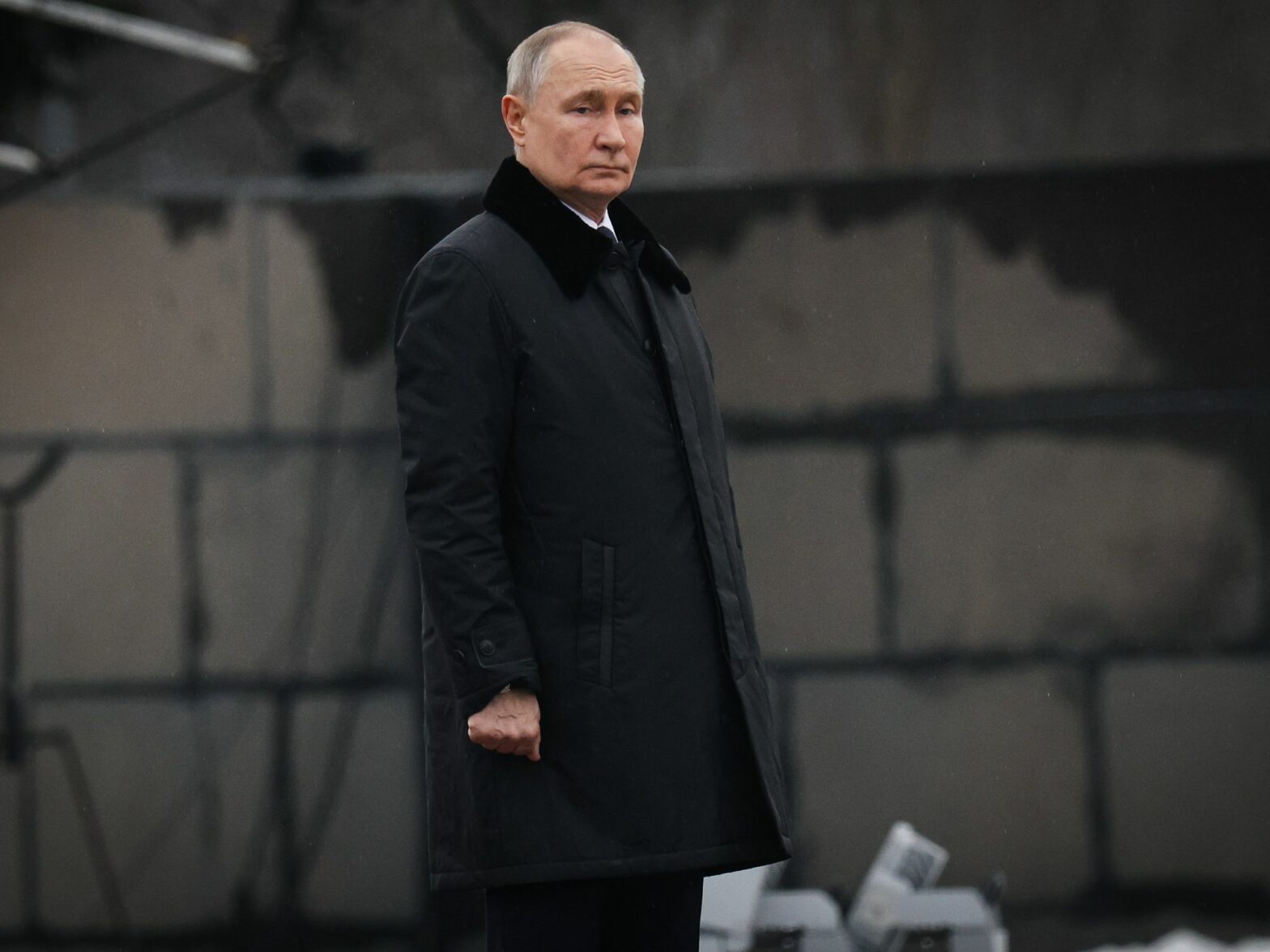
Donald Trump spoke with Vladimir Putin for 90 minutes and announced “immediate” negotiations on Ukraine. But will Ukraine be a topic of discussion or an active participant in these talks? Will Europe have a seat at the table? And what security guarantees will remain for a Ukraine left diminished by the outcome?
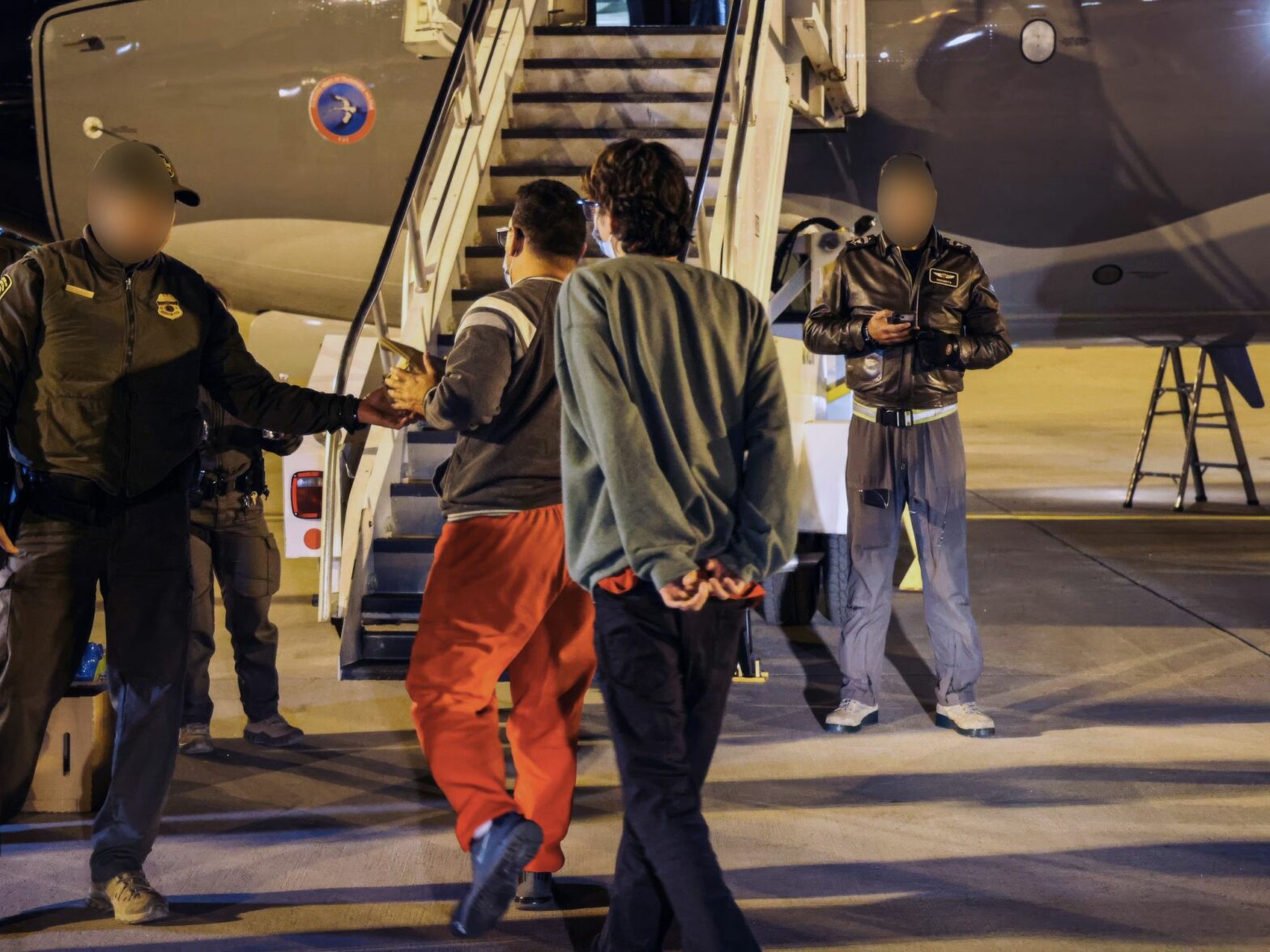
The U.S. is largely to blame for exploitative migration policy. But while Colombian President Gustavo Petro is upset that the United States is handcuffing the Colombians it deports, he and many other South American presidents are not as upset by the mistreatment that makes people leave their home countries in the first place.
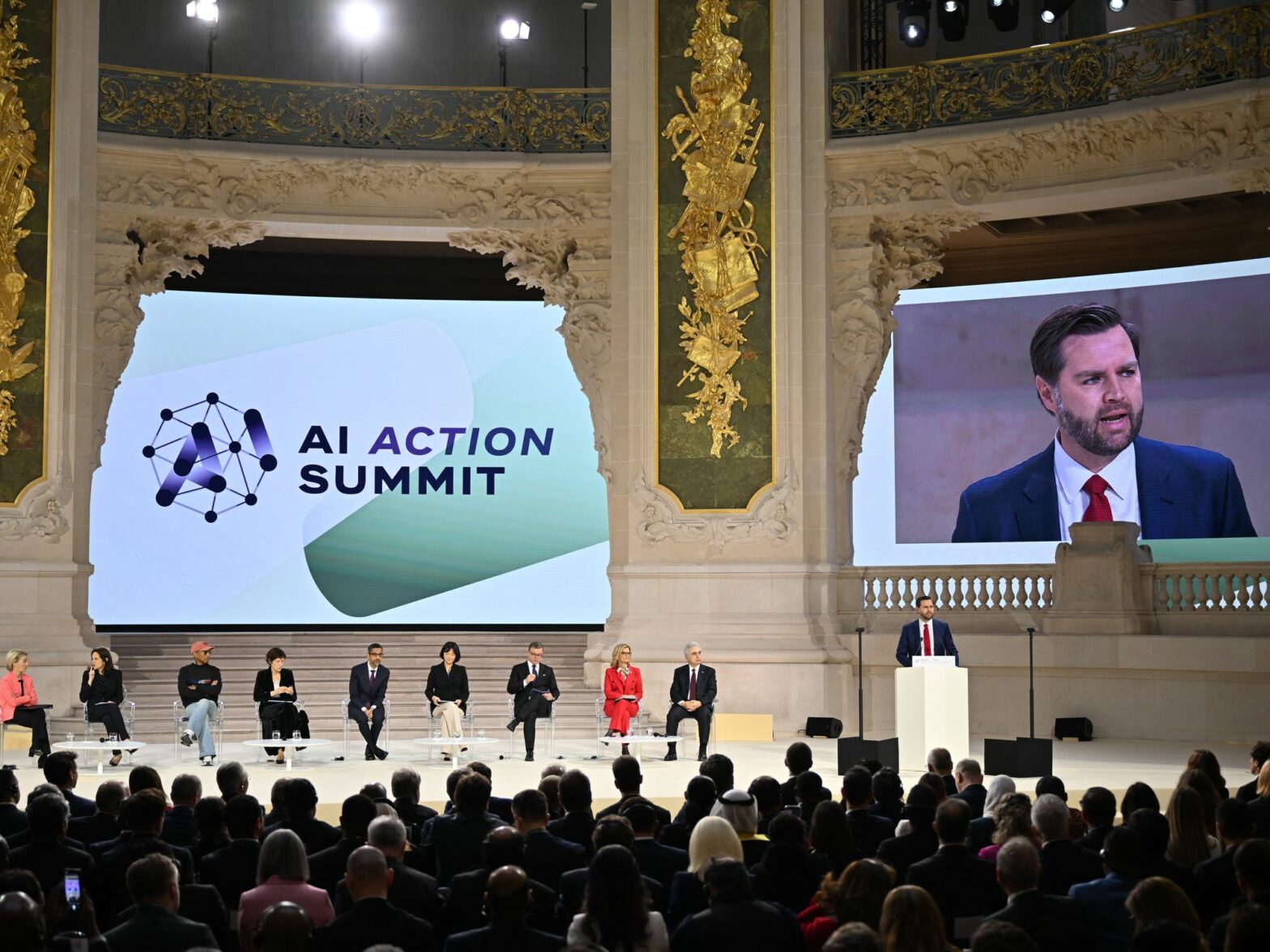
The United States did not sign the Paris AI Summit Declaration, with Vice President JD Vance taking a stand against what he called the EU’s “excessive regulation.” It’s yet another sign of the Trump administration’s rejection of multilateralism — Washington now seems to believe in the survival of the fittest.
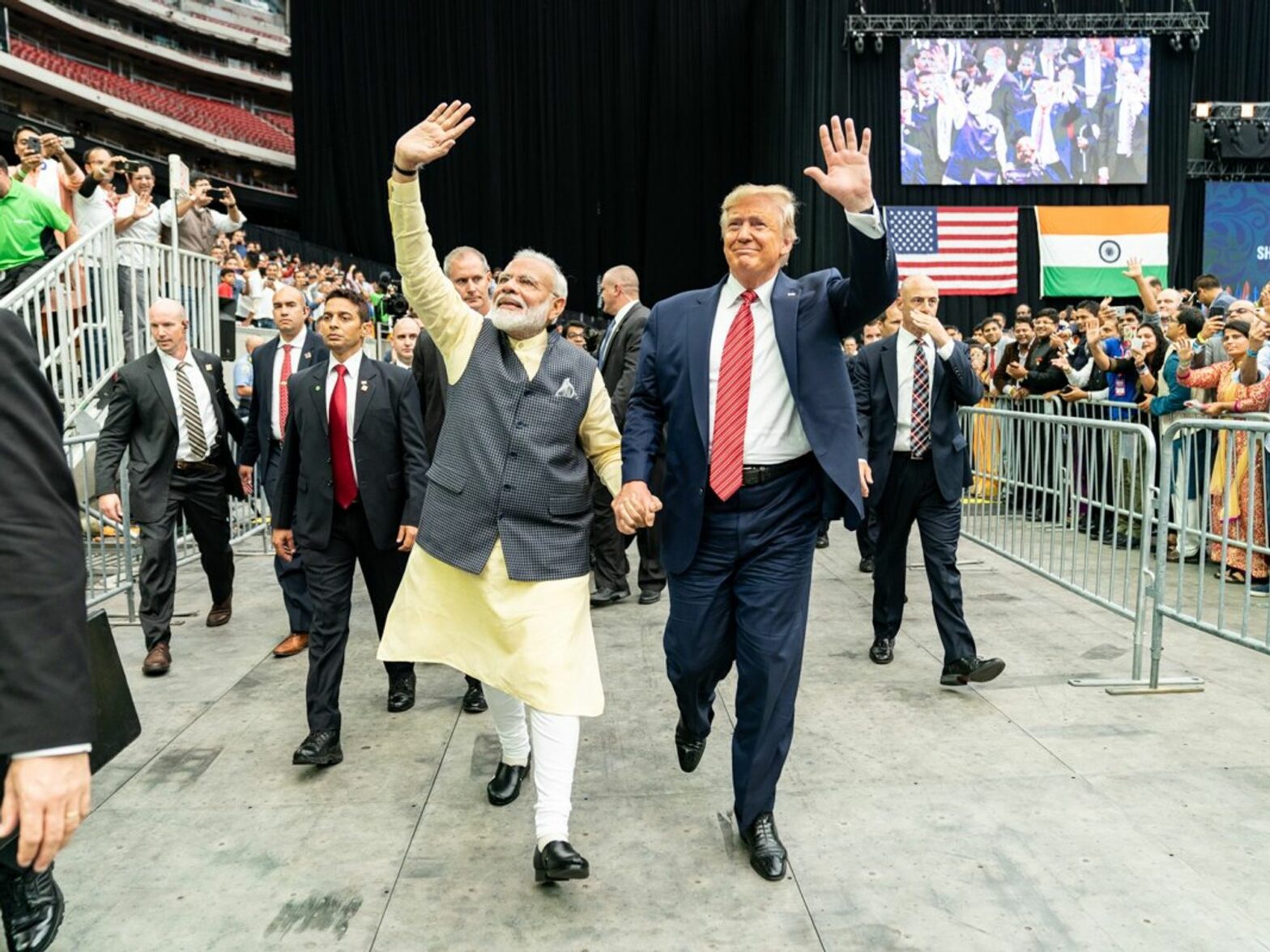
India’s silence on Trump’s imperialistic notions about taking over Greenland and Gaza does not sit well with its growing relative strength in the world.
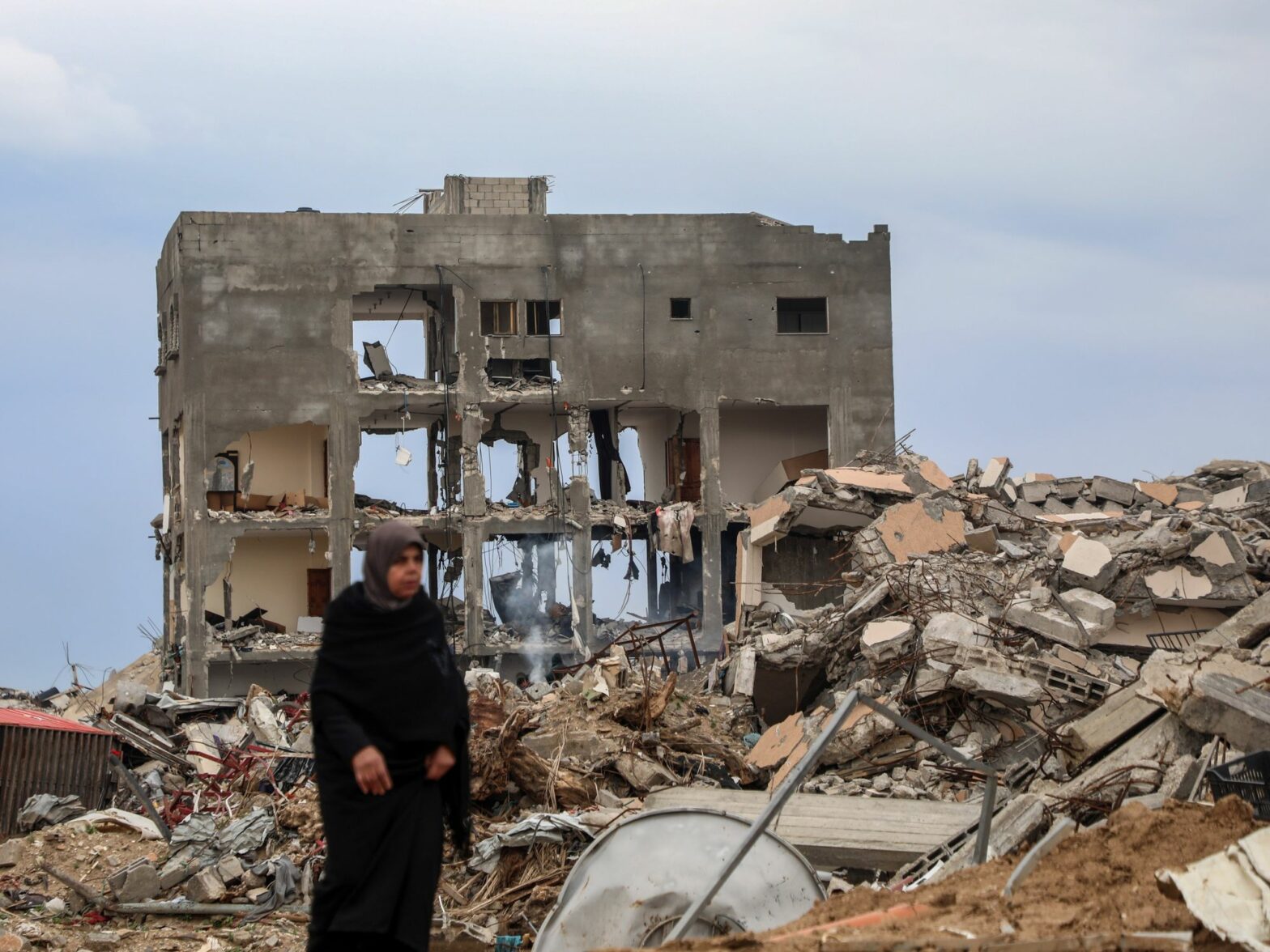
Donald Trump made ever more clearly Monday that he is serious about relocating Palestinians permanently outside Gaza. It’s a plan that the entire Arab world categorically rejects, and puts the U.S. back on the hook for resolving the thorniest of Middle East conflicts.
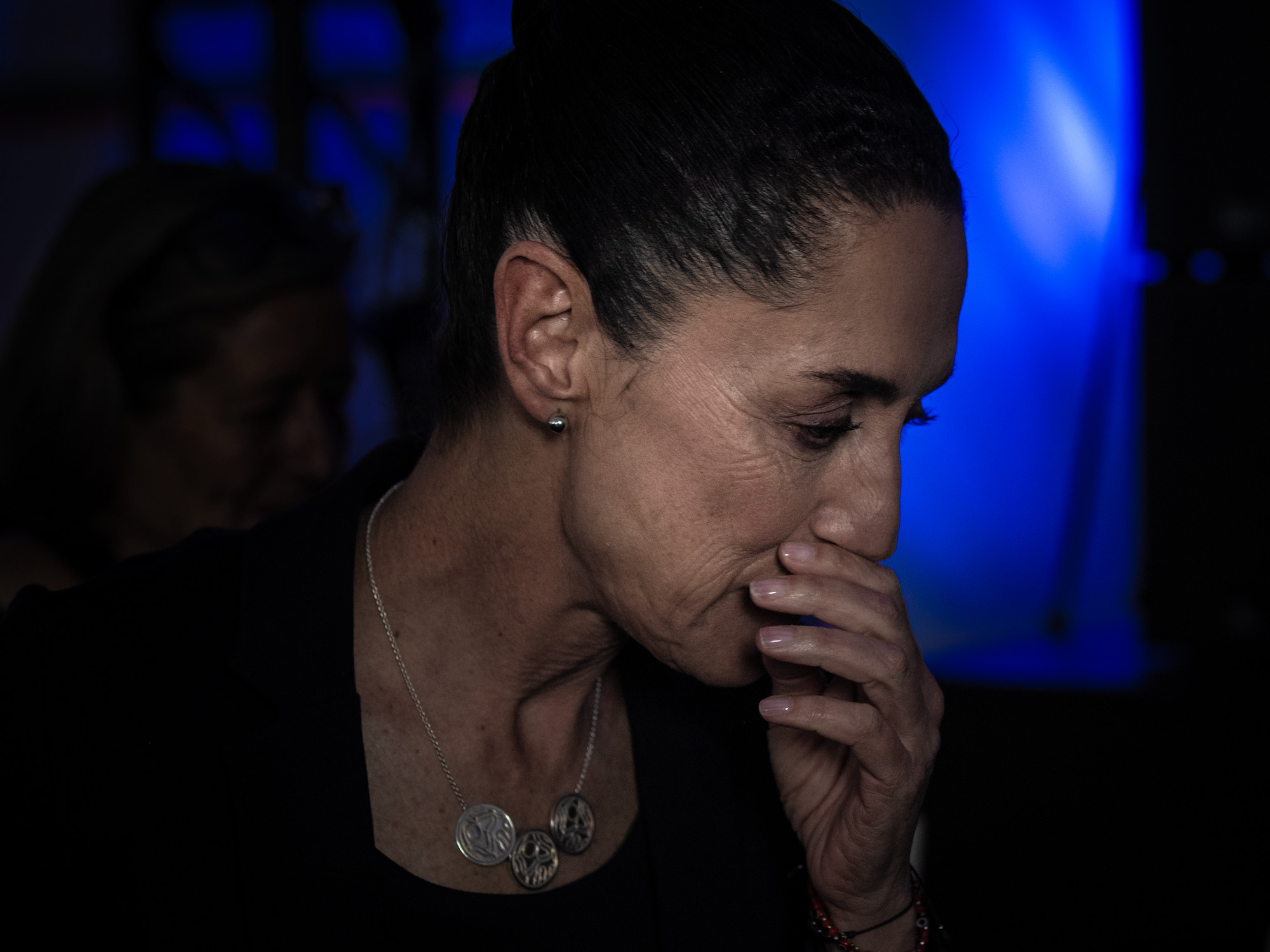
After Colombia’s president took on U.S. President Trump and lost, Mexican President Claudia Sheinbaum has managed this new complex relationship with remarkable deftness and clarity of purpose. But can this strategy be maintained with Trump’s mind set on tariffs everywhere?
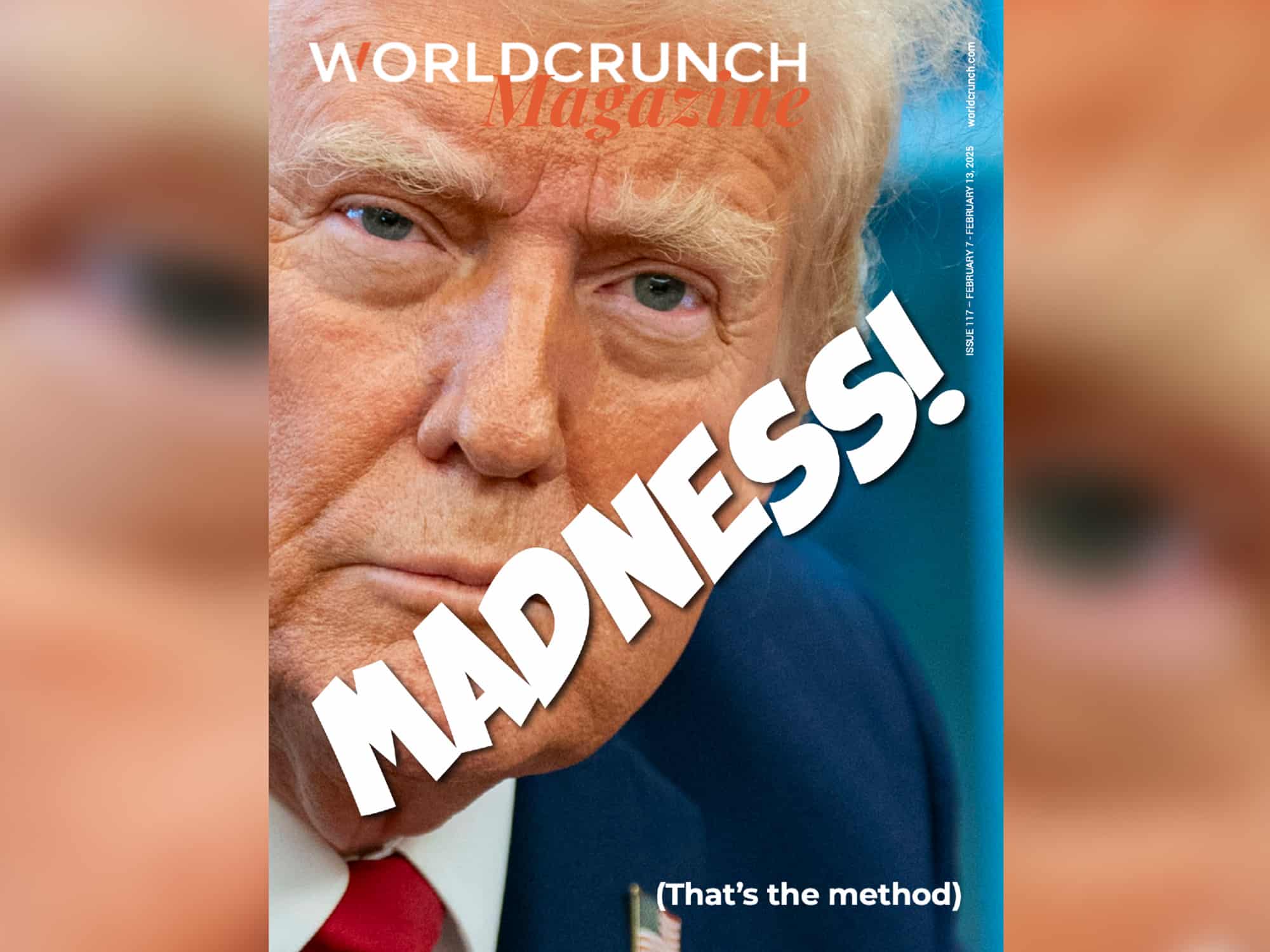
February 7 – February 13, 2025
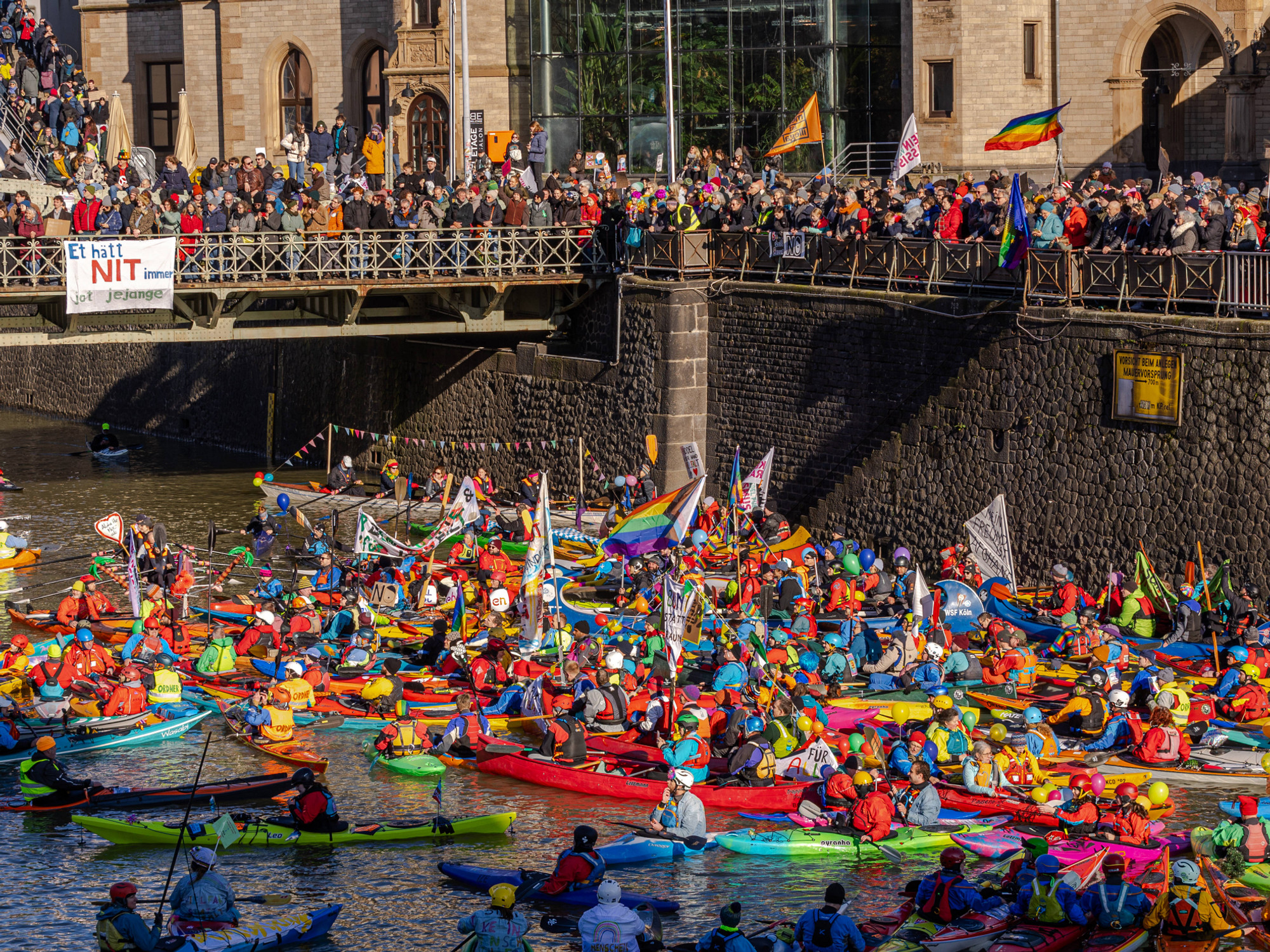
With striking shots from Washington, D.C., Gaza, Cologne, Russia’s far east, and more.
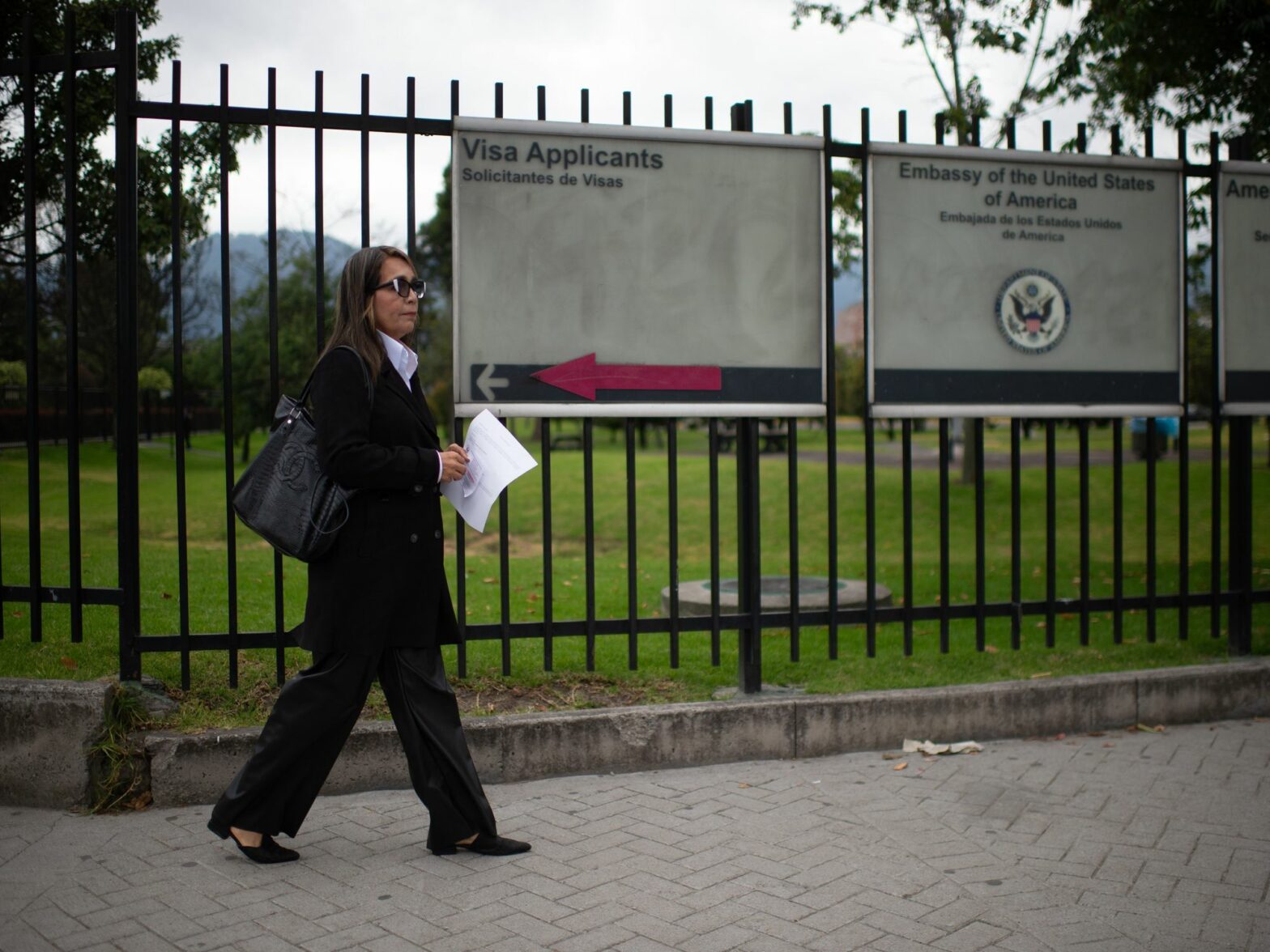
After waiting more than two years for a visa appointment at the U.S. embassy in Bogotá, Héctor Abad Faciolince’s meeting was cancelled following the Jan. 26 spat over migrants between Gustavo Petro and Donald Trump. Nevermind, the Colombian novelist and essayist writes; in a world clearly run by idiots, we’re better off staying at home.
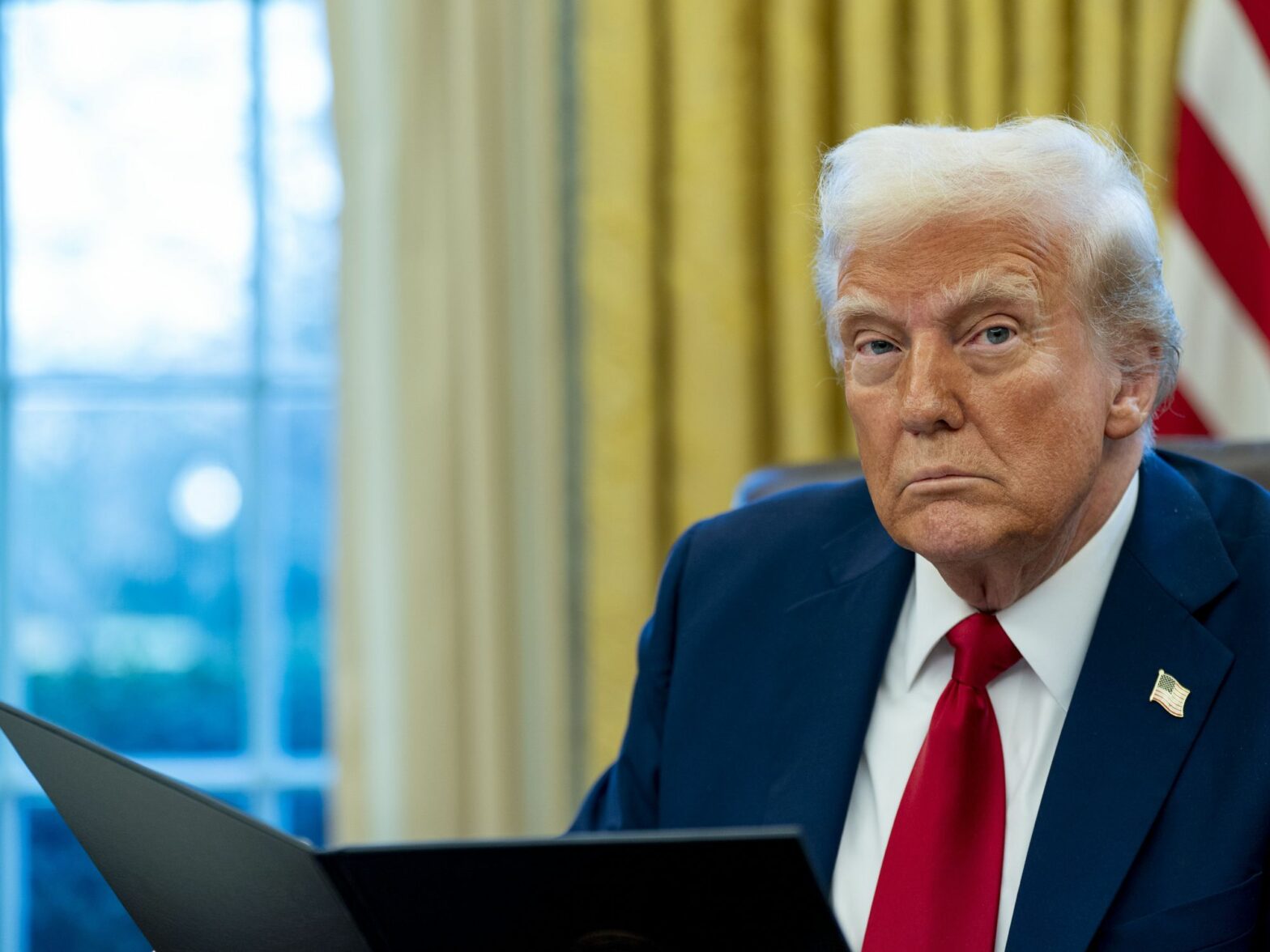
What’s Donald Trump aiming for with his flood of provocative statements? Part distraction, part negotiating ploy, it’s all meant to allow the marketer-in-chief to always claim victory.
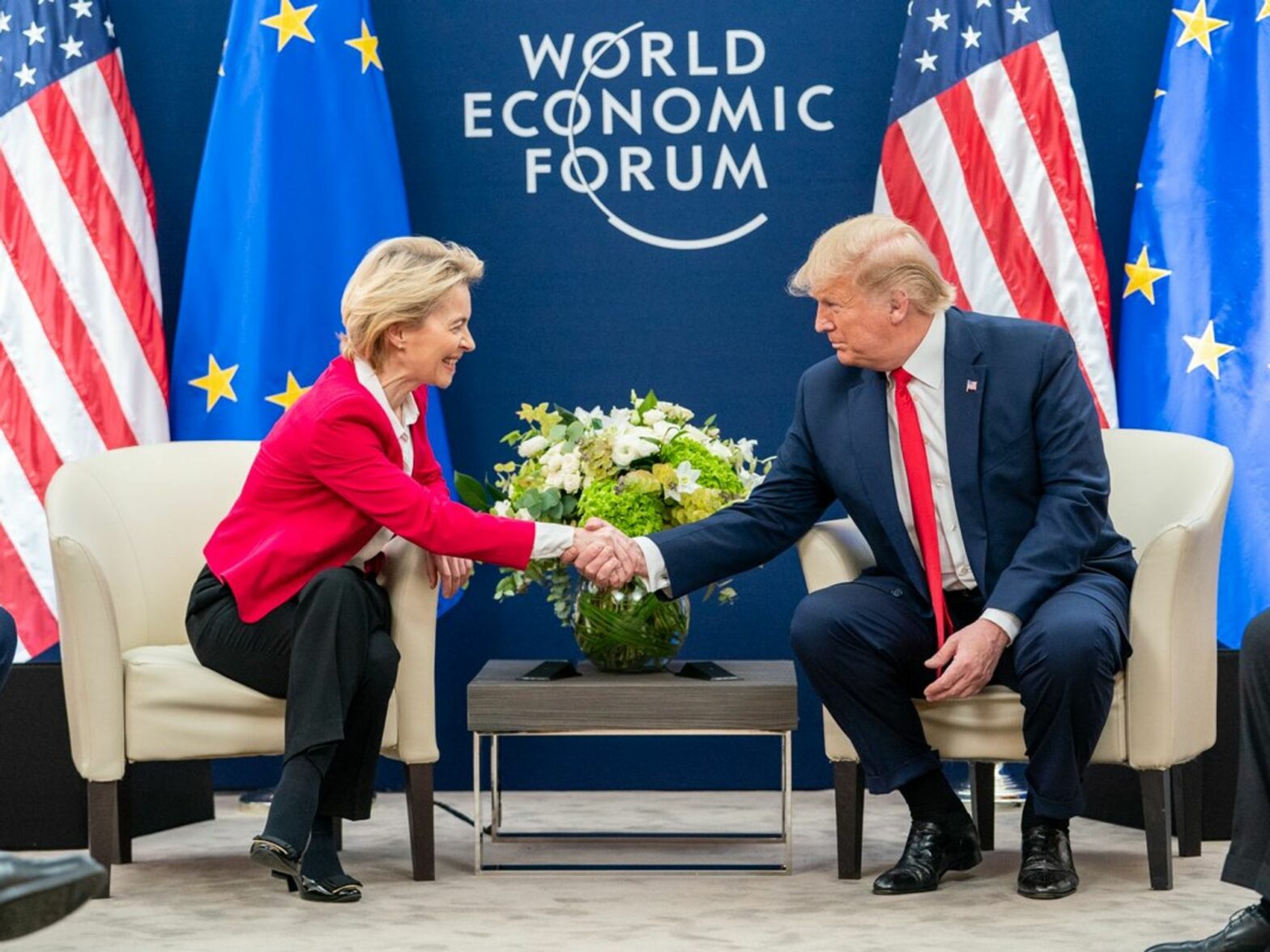
In a world of growing tensions, the European machine seems increasingly inadequate. In the face of unpredictable adversaries and allies alike, the ability to know how to play what you’re dealt may be the key to protecting the interests of the Old Continent.
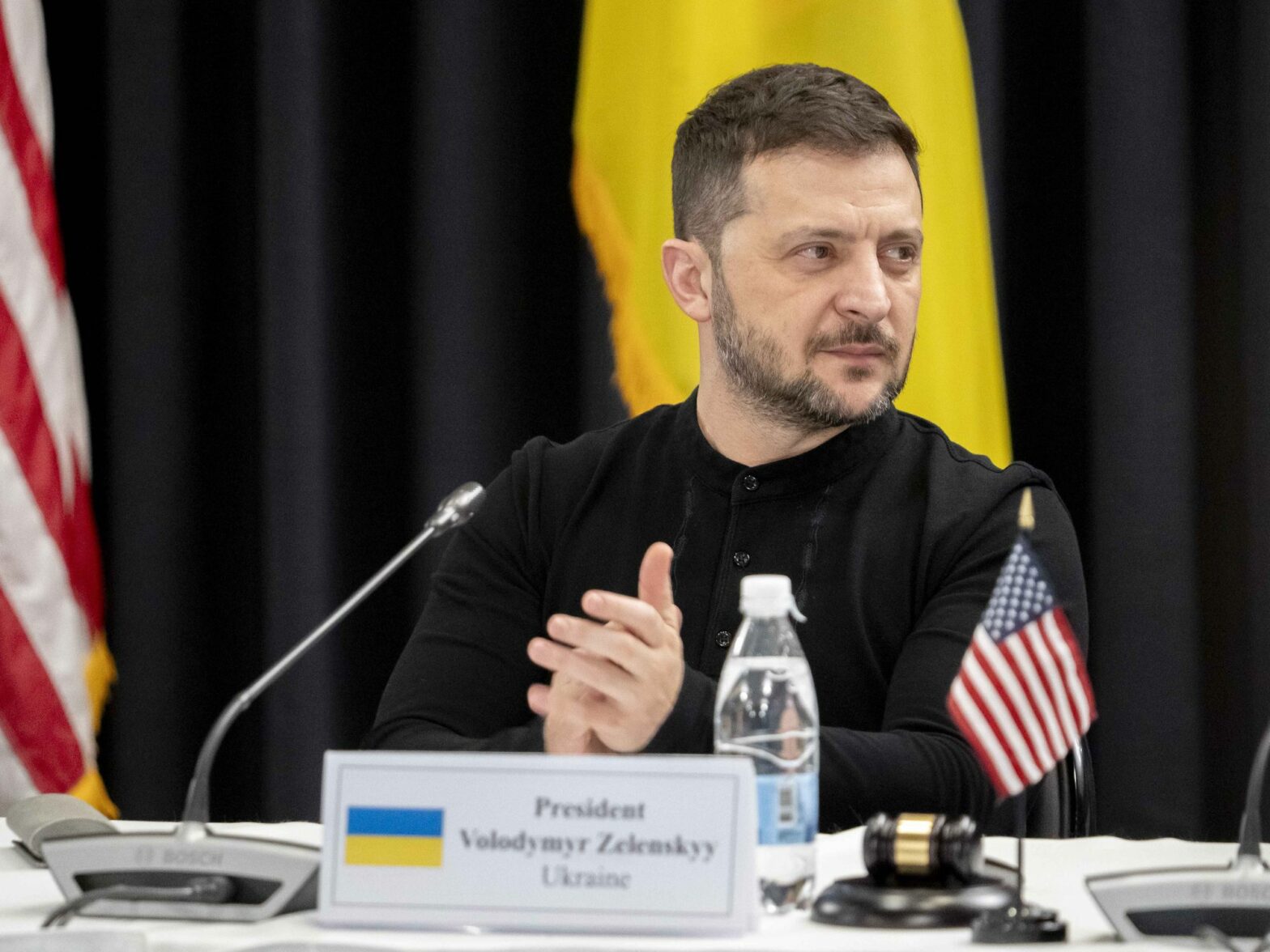
Donald Trump suggested that U.S. aid to Ukraine could be secured through the country’s rare earth deposits — those precious metals over which China holds a global monopoly. In reality, the idea was first pitched by Ukrainian President Volodymyr Zelensky, who knew exactly what kind of argument would resonate with Trump.
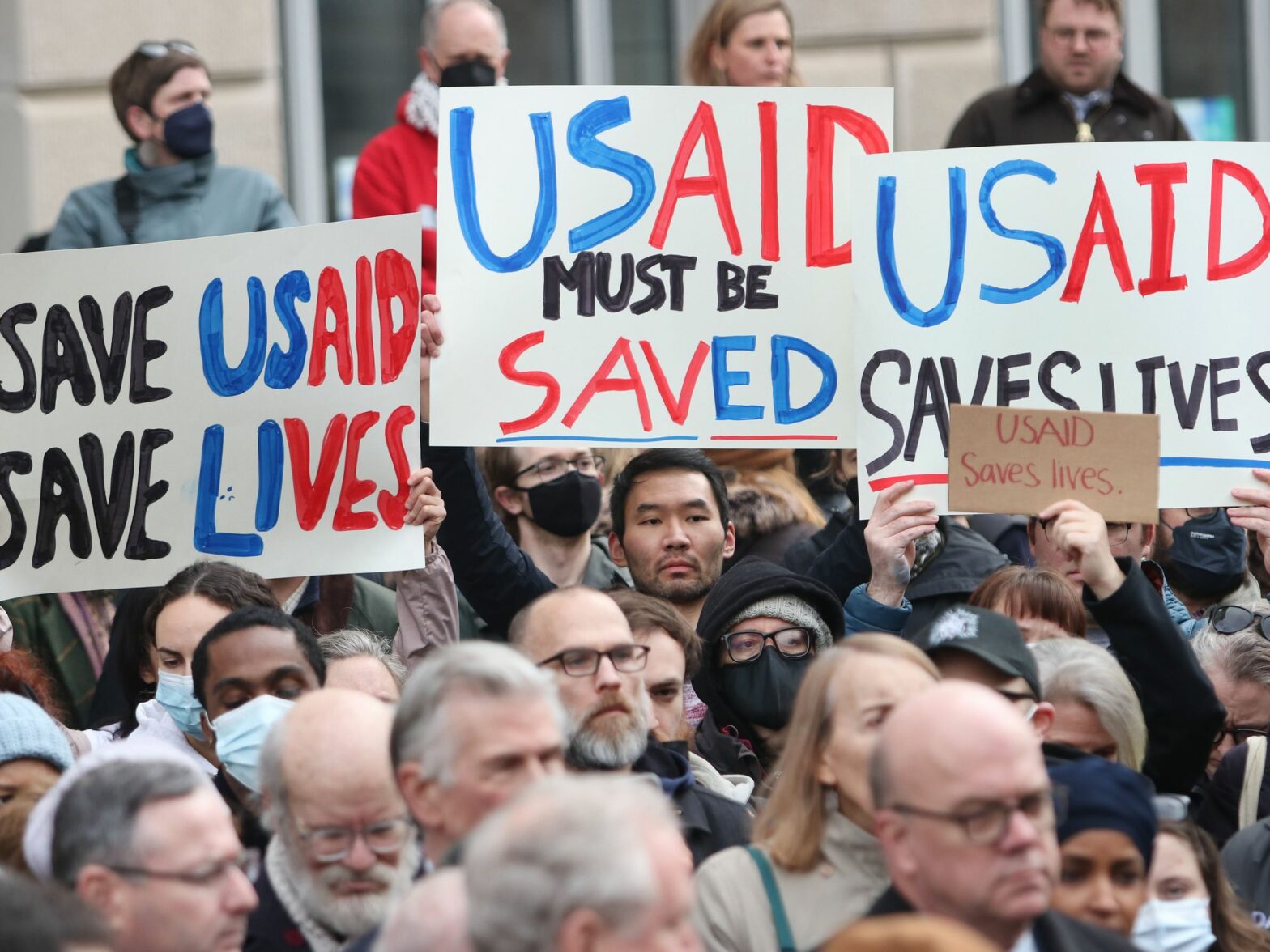
Leaving no room for diplomacy, Donald Trump is ramping up aggressive moves toward the rest of the world — tariffs, cutting international aid, threats. But there’s a big risk: playing right into the hands of China, which already has a foothold on every continent.

A personal journey through memory, loss, and resilience — reflecting on Eunice Facciolla Paiva’s quiet strength, Marcelo Paiva’s storytelling, and the haunting echoes of dictatorship in today’s world. It’s a rare Oscars Best Picture nominee from Brazil.