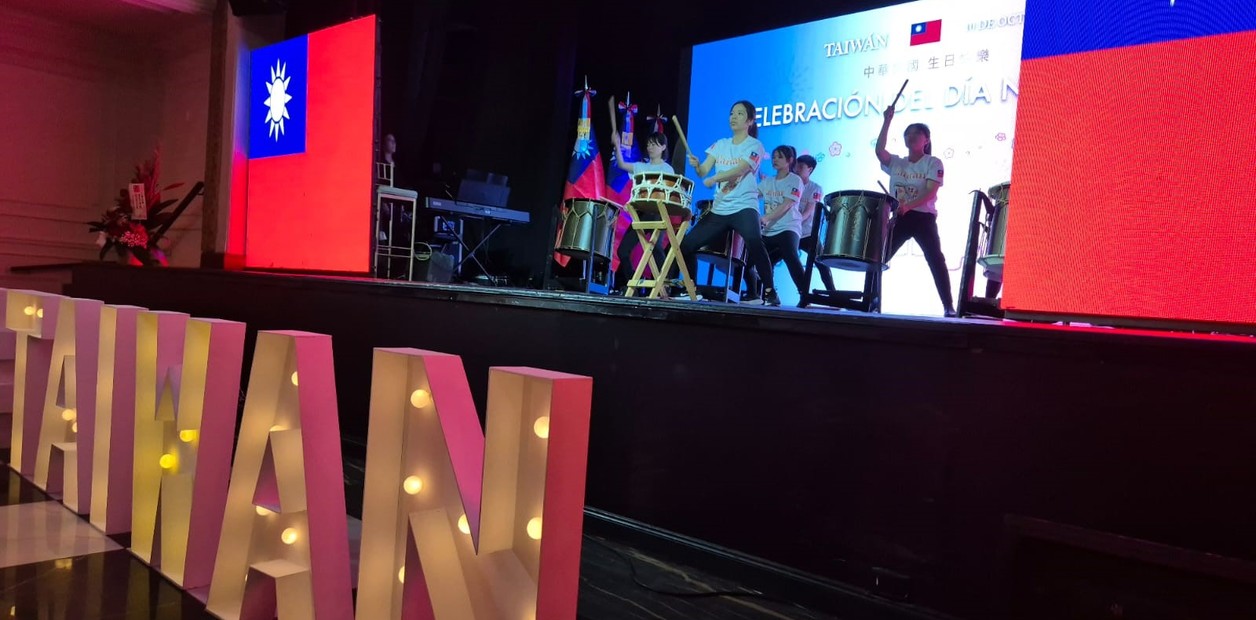
In several Latin American countries, there is renewed interest and advocacy to reactivate bilateral ties with Taiwan, after years of broken political promises and economic contracts.
 Worldcrunch
Clarin is the largest newspaper in Argentina. It was founded in August 1945 and is based in Buenos Aires.
In several Latin American countries, there is renewed interest and advocacy to reactivate bilateral ties with Taiwan, after years of broken political promises and economic contracts.
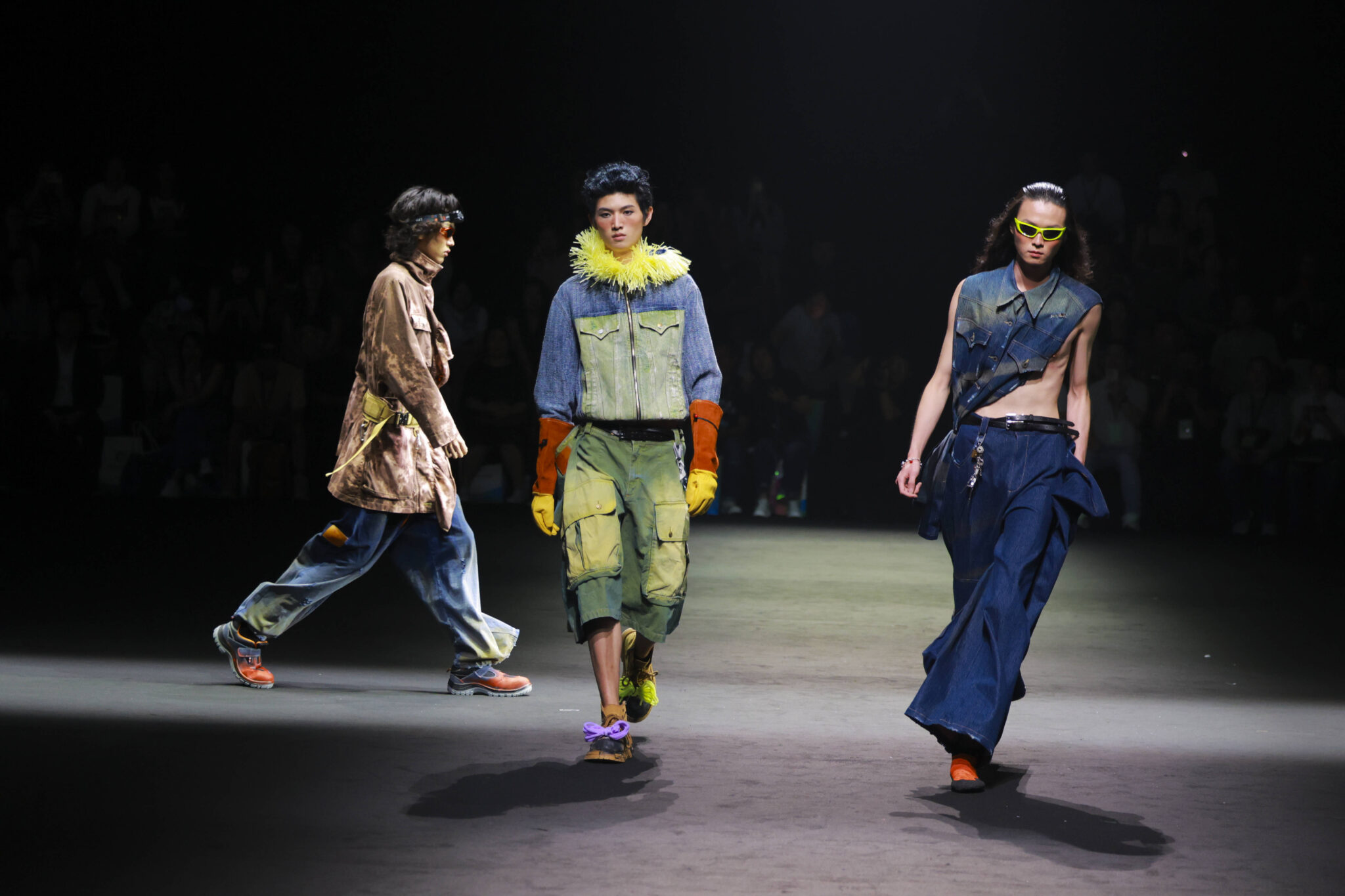
Fashion is a phenomenon that reaches far beyond clothes, influencing social and cultural behaviors. Is there a way to not be a slave to them?

Knowledge is acquired when students grasp the essential characteristics of the subject being studied and are able to transfer them.
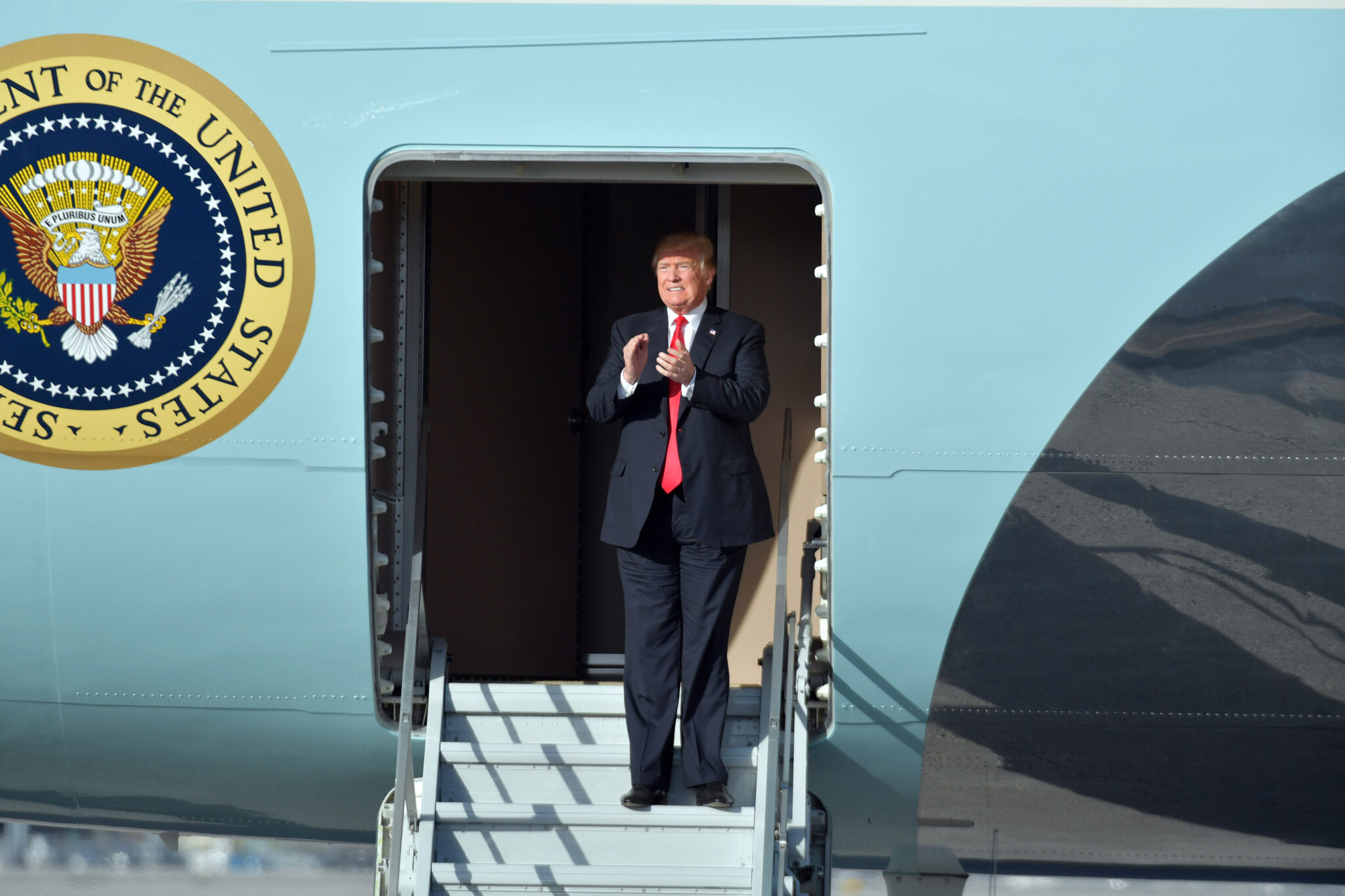
Trump’s interventions seem to correspond less to a conventional impulse toward peacemaking than to an attempt to secure strategic advantages for his country.

The 21st century has made certain plots implausible. How can fiction manage to recapture suspense and longing?

In a world of excessive information, genuine and authentic freedom nowadays is not in accessing more, but in knowing what to give up.
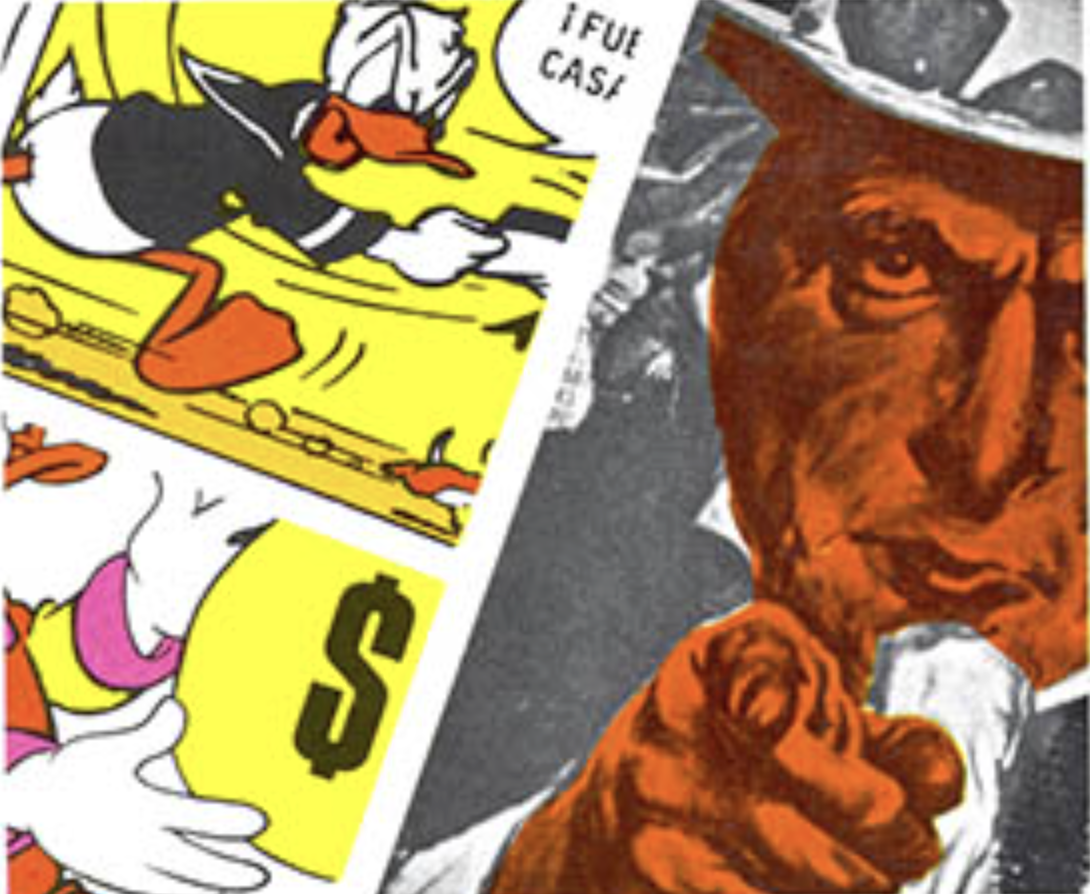
Ariel Dorfman and Armand Mattelart’s 1970s classic How To Read Donald Duck still offers a mirror to today’s politics and media circus — from Uncle Scrooge to Uncle Sam. Its thesis has been both reaffirmed and turned on its head in the Trump era.

The arrival of OpenAI in Patagonia marks the beginning of a new hub: a southern location combining clean energy, scientific talent, and political stability.
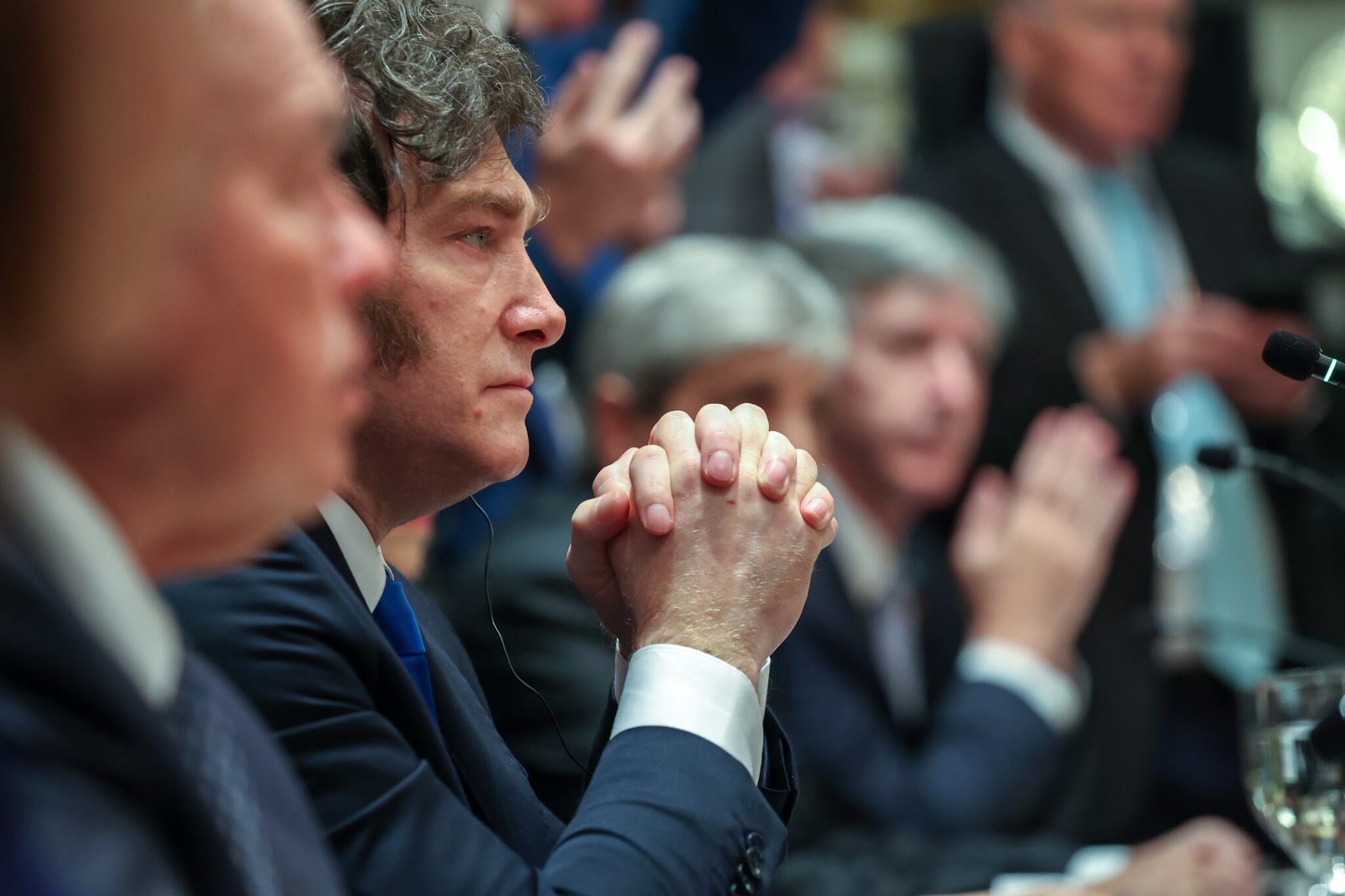
Perhaps the conditions are finally right for a shift in Argentine politics. Here are some reasons for hope — and reasons to fear.
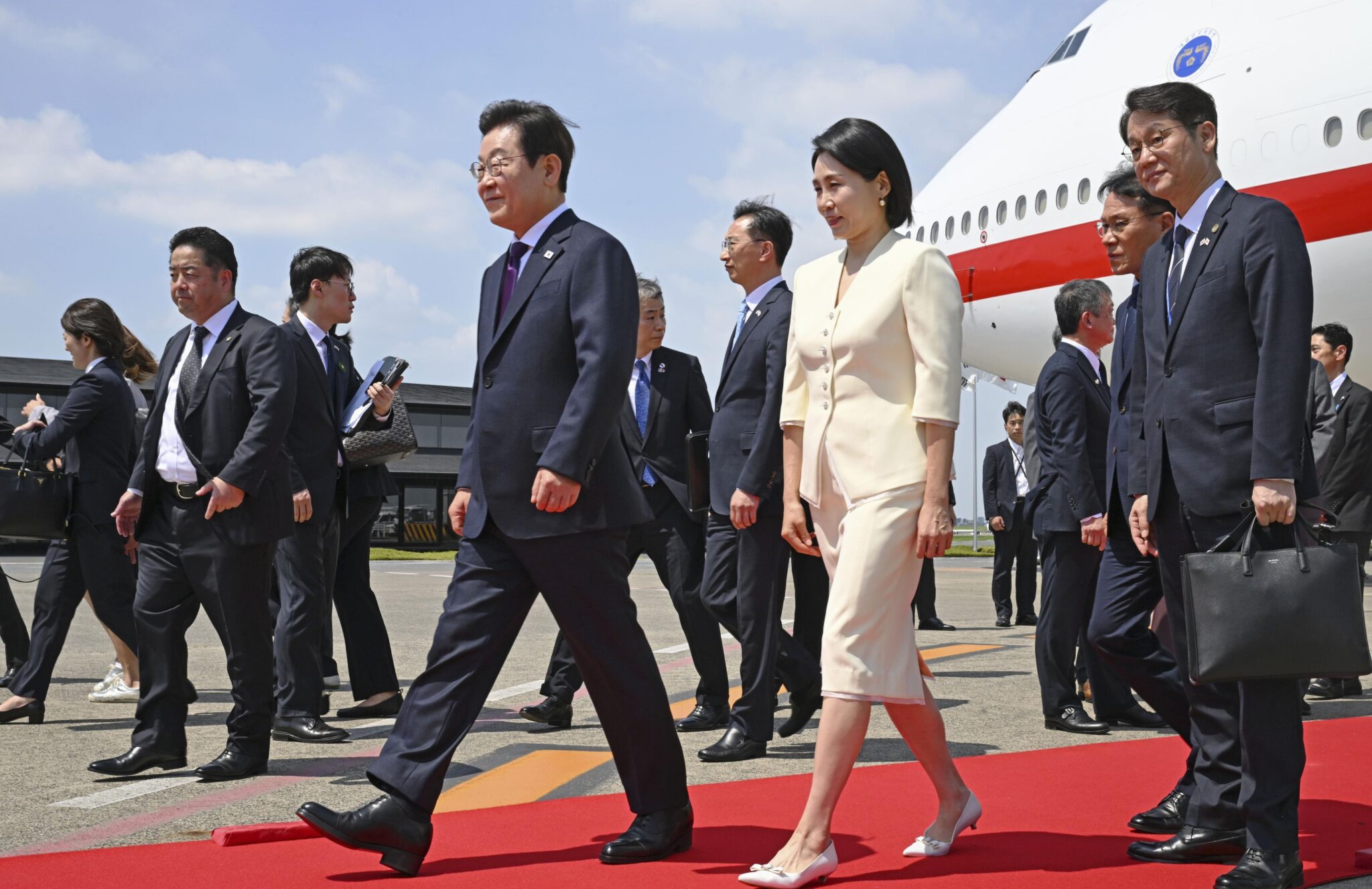
South Korea’s president Lee Jae Myung is shifting foreign policy toward a pragmatic approach: diversifying partnerships without upsetting the U.S., strengthening trade and technology, and managing regional challenges — with lessons for Argentina.
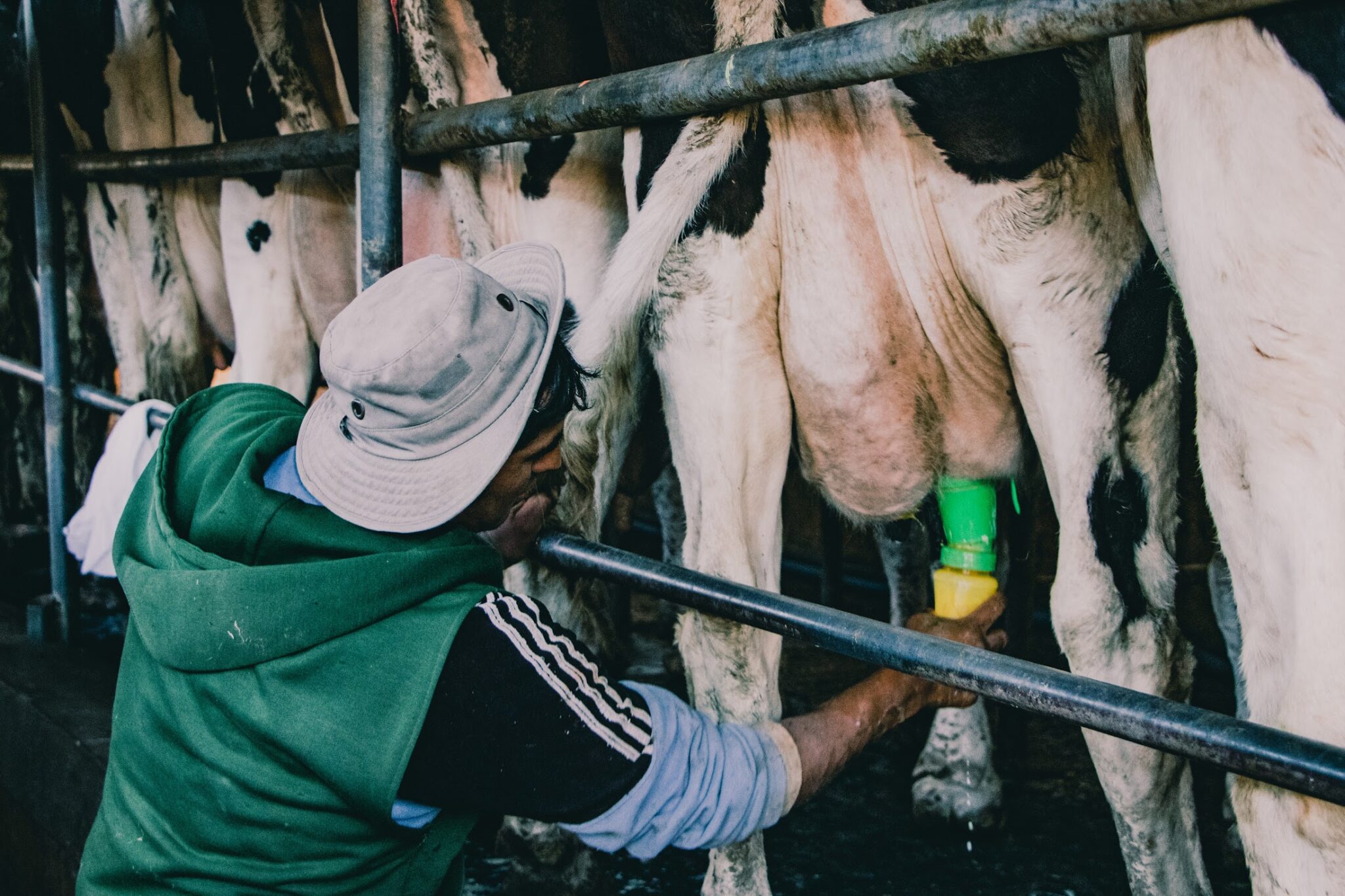
Argentine family farms are turning to robotic milking to modernize operations, ease the daily grind, and secure their future for the next generation.

Democracies weaken not only for institutional reasons, but also because citizens stop thinking and surrender to impulse.
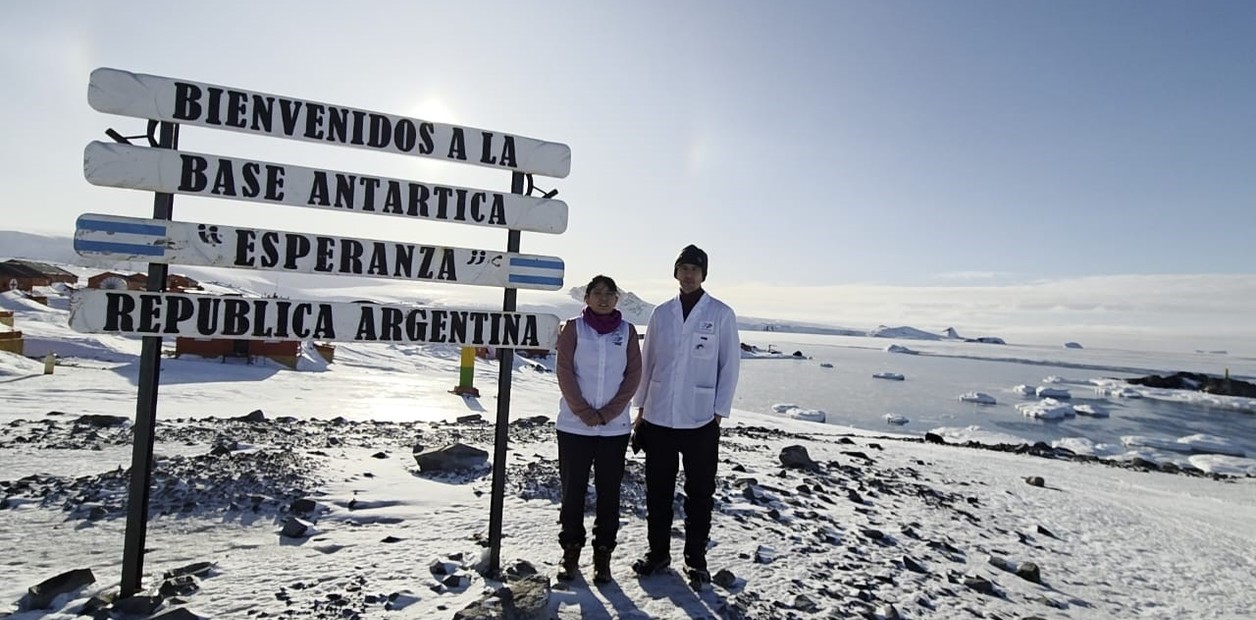
At the only school in Antarctica, students balance lessons, play, and survival skills while living alongside their families at Esperanza Base.

Nowadays, the auto industry produces “entry-level” cars that are going for double what they cost 25 years ago, leaving young buyers struggling to enter the market while luxury and high-performance brands continue to thrive
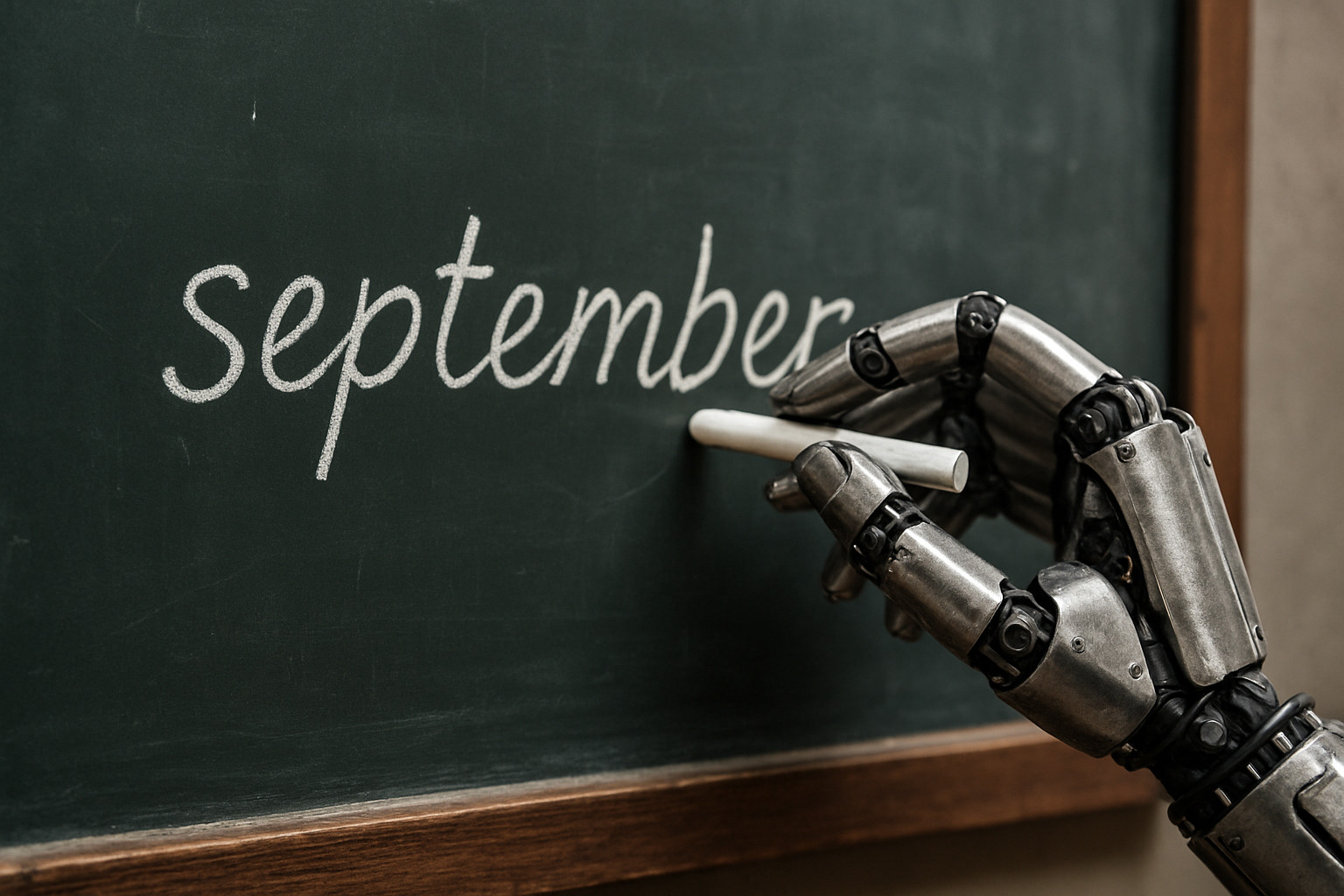
Competition from artificial intelligence is a technical challenge and an existential question for historians. But what if it is also an opportunity to reclaim the profession’s humanity?

An instrument for exchanging goods and services, money often becomes a symbol loaded with meanings, emotions and values.

An Argentine couple went from seeking out sexual threesomes as aficionados to opening a swingers’ club and even chairing a national association for like-minded, libertine couples who would open their relations in a “responsible” way.
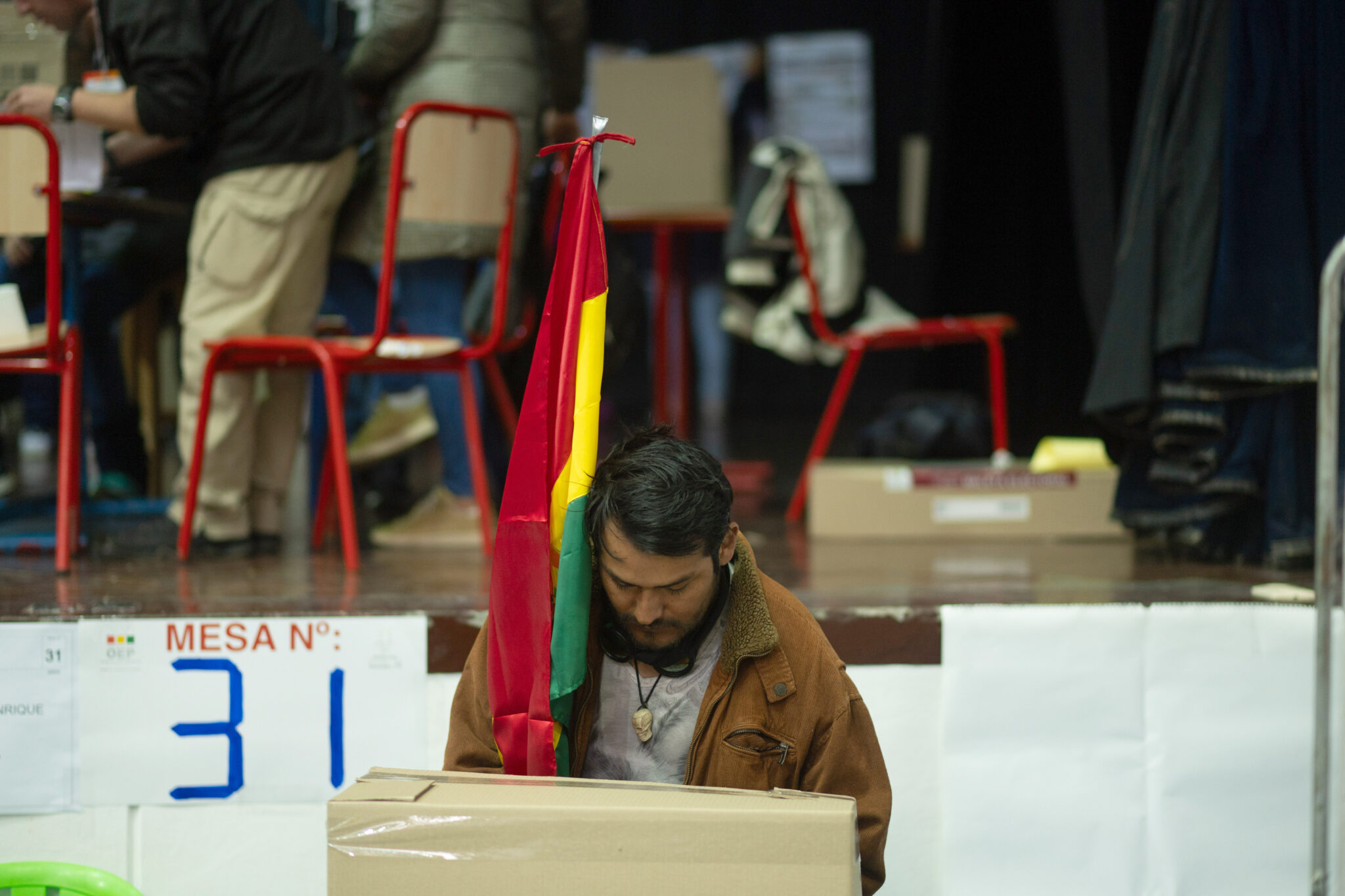
The first round of Bolivia’s presidential election on Aug. 17 brought an end to 20 years of socialist rule. The winner of the Oct. 19 runoff will be handed the responsibility to fundamentally change the country.
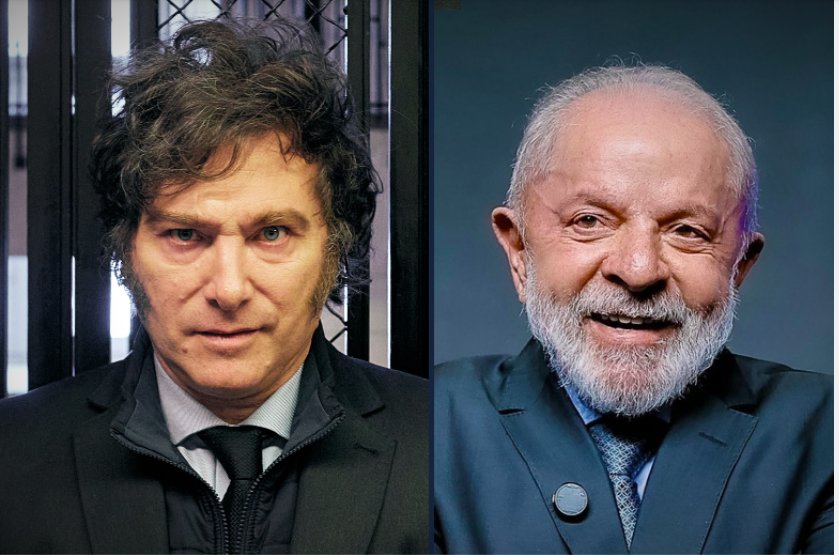
Despite their leaders’ opposing politics, Argentina and Brazil’s similarities outnumber their differences. These neighboring countries must work together, writes former Argentine ambassador to Brazil Juan Pablo Lohlé.
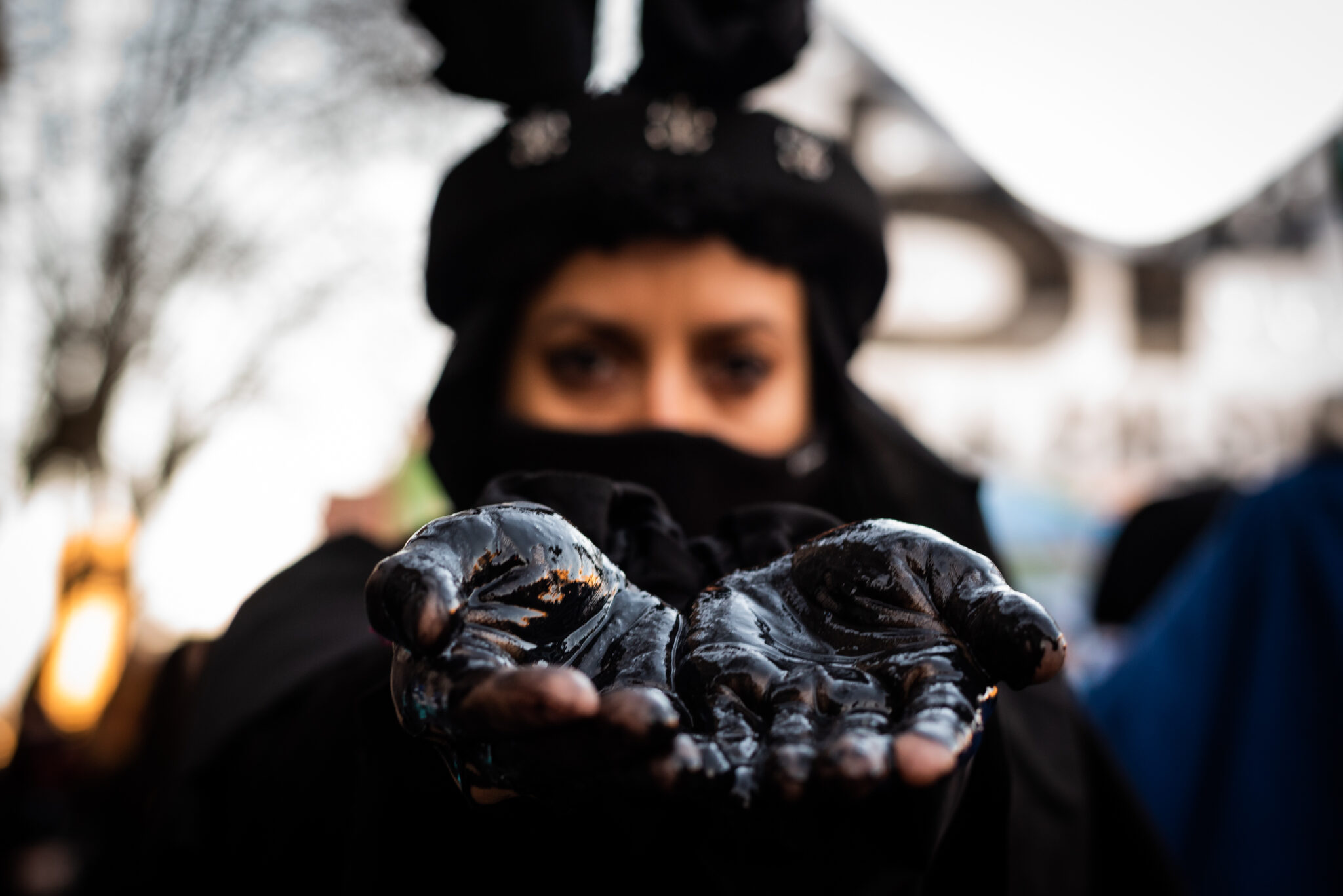
In Argentina, gas and oil are more than fuels — they’re sacred words, woven into the nation’s identity. But this devotion is not just economic, it’s linguistic: The way Argentinians talk about hydrocarbons builds a cultural fortress, which makes any shift toward cleaner energy all the more difficult.
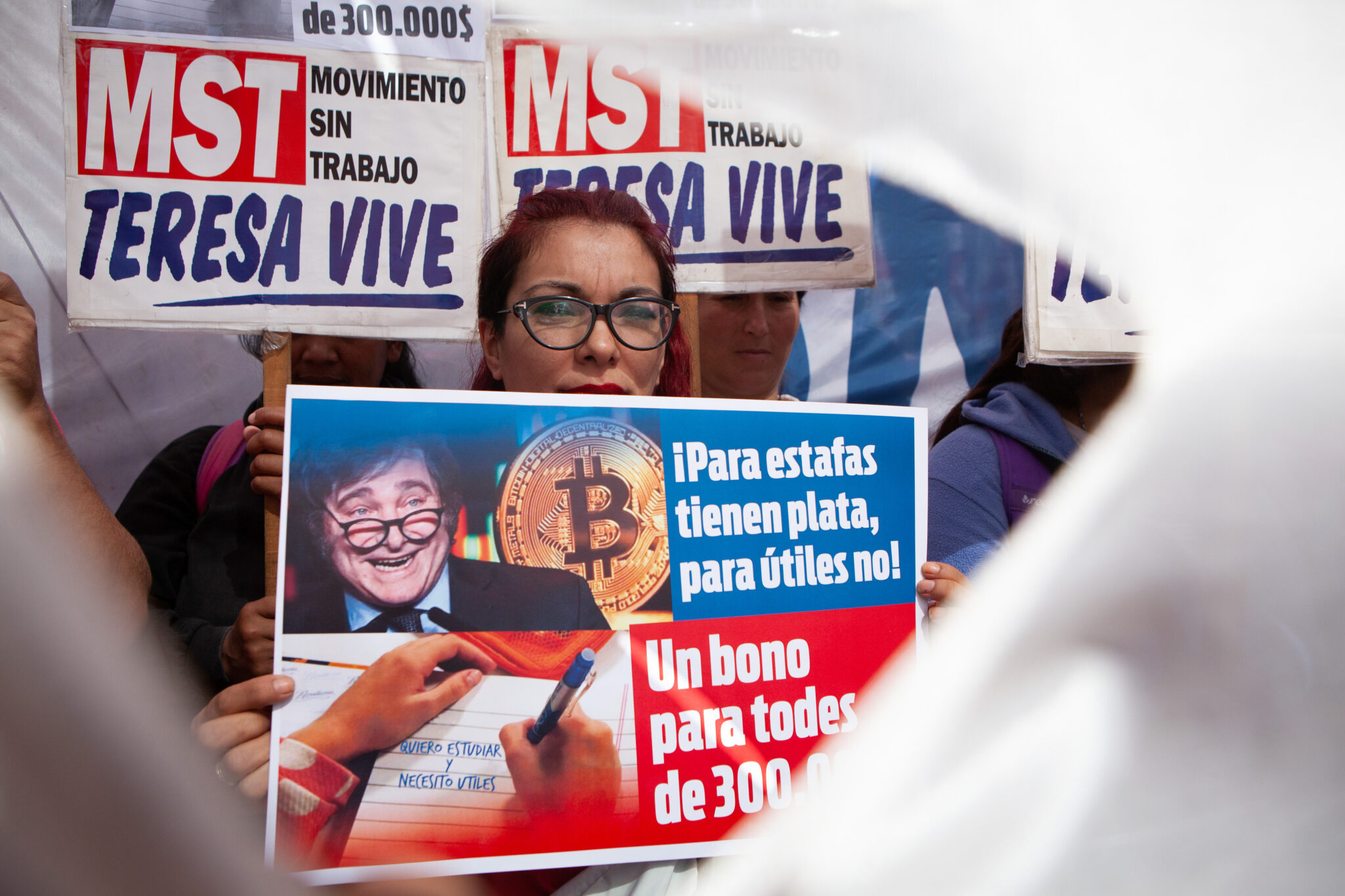
From the ancient Greeks to modern times, thinkers and economists have pointed to the economic virtues of sympathy. So what role should empathy — and even social equity — have in Argentina’s economy?

Technoliberalism and toxic masculinity tell us that the comfort zone is cowardice. Yet inhabiting this space may be the most revolutionary gesture of our time.

Professional tango dancers for hire in Buenos Aires are giving clients — mostly foreign women and retirees — a chance to experience Argentina’s signature dance.
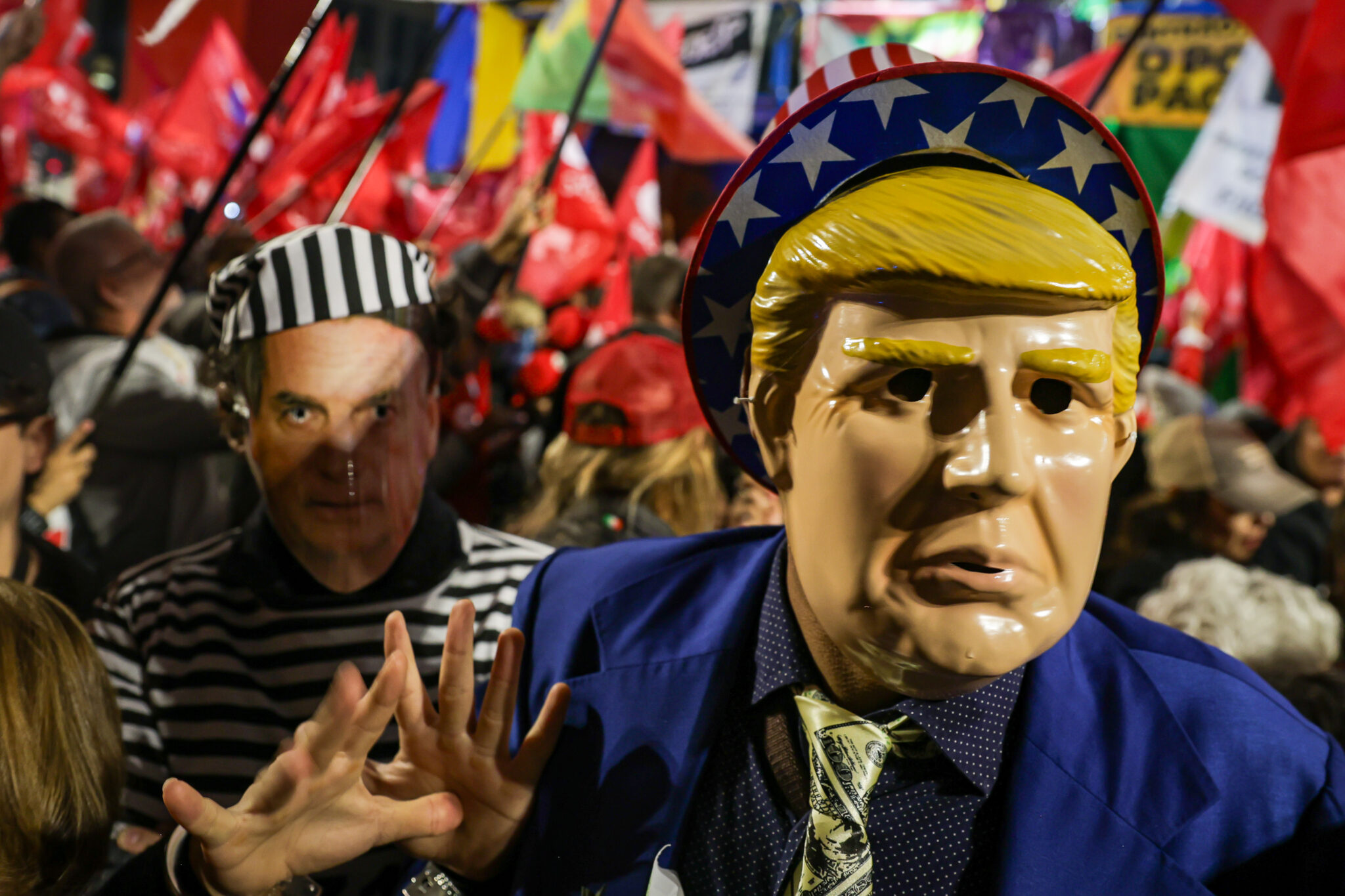
Donald Trump says he will hike tariffs on Brazil unless it halts prosecution of the country’s former right-wing leader Jair Bolsonaro. Only, Brazil exports relatively little to the U.S. and Trump’s meddling could be boosting his socialist nemesis, President Lula da Silva.

Water Buffalo farming and consumption are expanding in beef-loving Argentina, where chefs and younger diners are already noting advantages: it’s lean, nutritious and helps preserve swamplands.
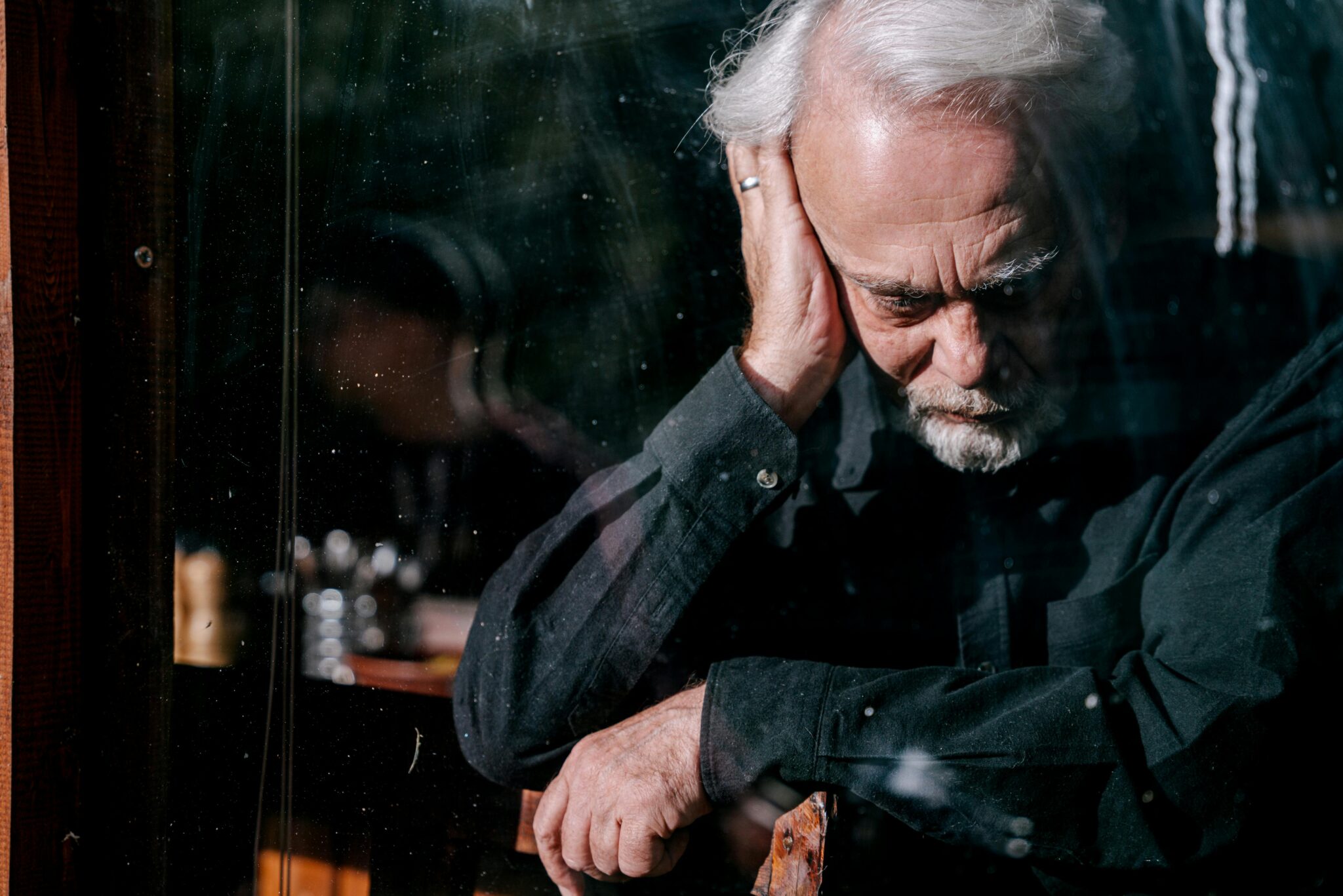
Research has shown how isolation or loneliness can cause mental and physical ailments. Being alone is an objective state but feeling lonely is a fuzzier predicament. One recurring trait among lonesome people is a sense that nobody really cares about them anymore.
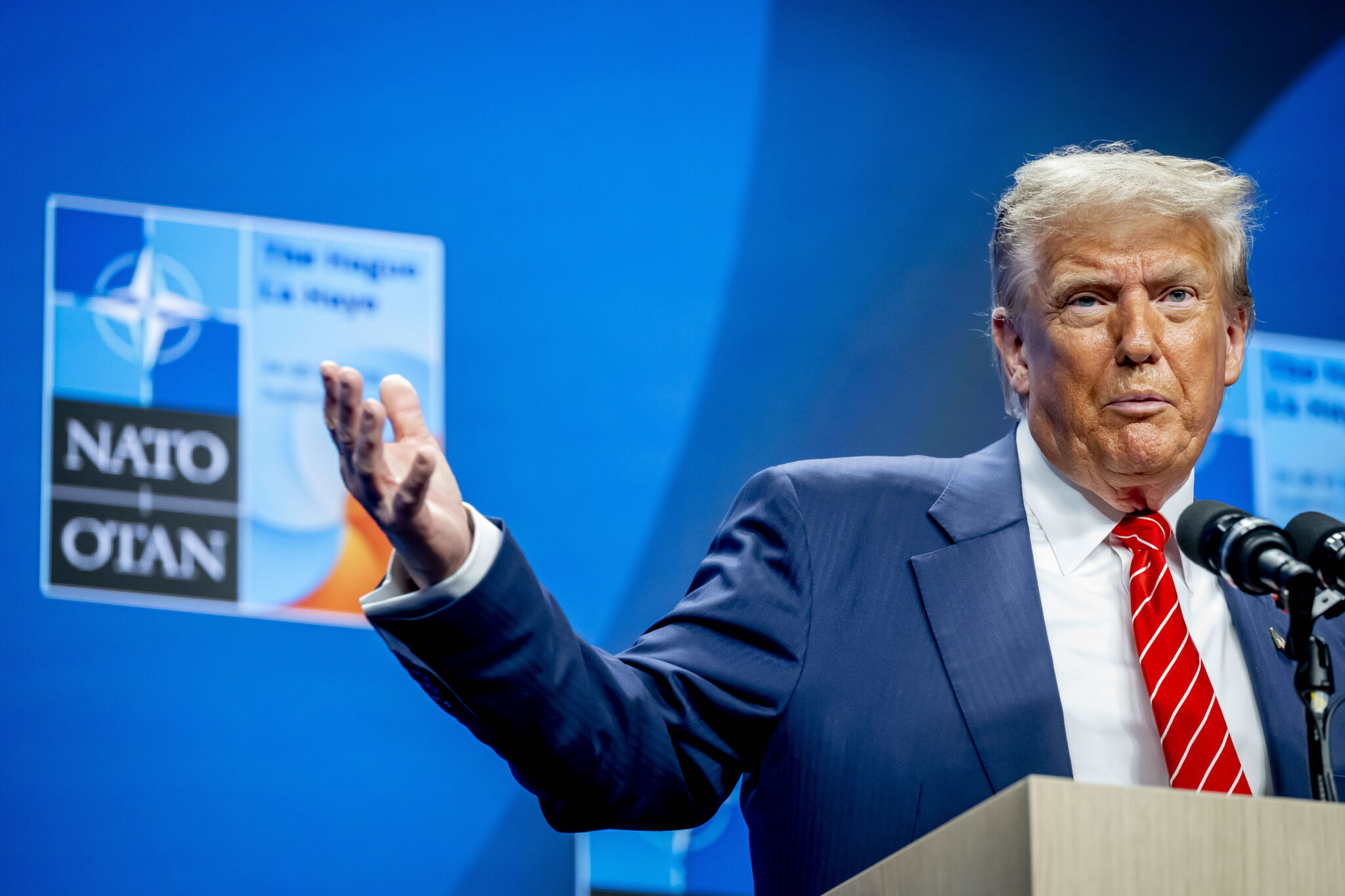
The so-called “liberal international order” was neither very orderly nor very liberal, nor even very international. Rebuilding from the current troubling state of the world means being clear-eyed about interests and influence, both past and future.

The online world is now a second home to so many people, with the effect of streamlining and distorting the human activity of communication. This was to be expected in an age obsessed with unending productivity and swift results.

The hair salon or barbershop can easily become a friendly, therapeutic space for people who need to talk, but only if a sensitive owner can foment the right level of coziness
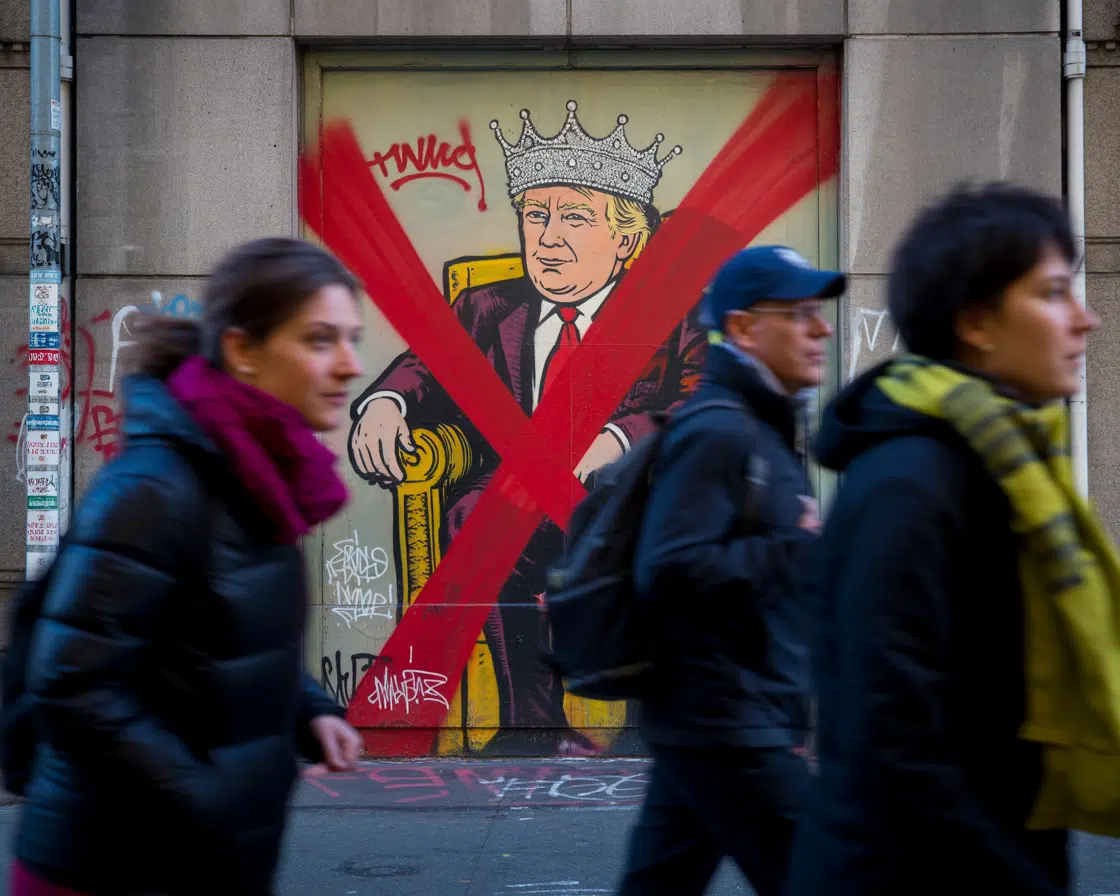
In the 21st century, international leadership is not defined by force alone, but by the strategic intelligence to understand that openness is not a threat, but an opportunity.
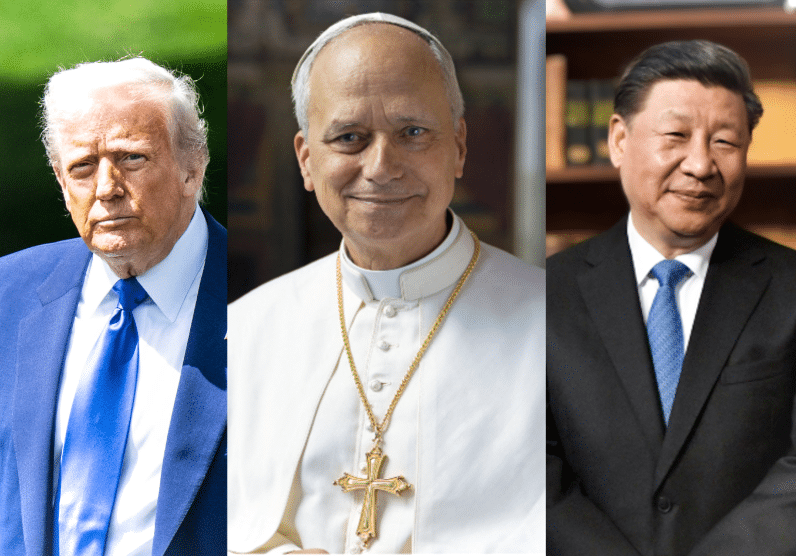
In the 1980s, a U.S. president, a Soviet reformer and a determined pope helped end the Cold War to change the world. It was a “coincidental” partnership, but could it be repeated today with Trump, China’s Xi and Pope Leo XIV?
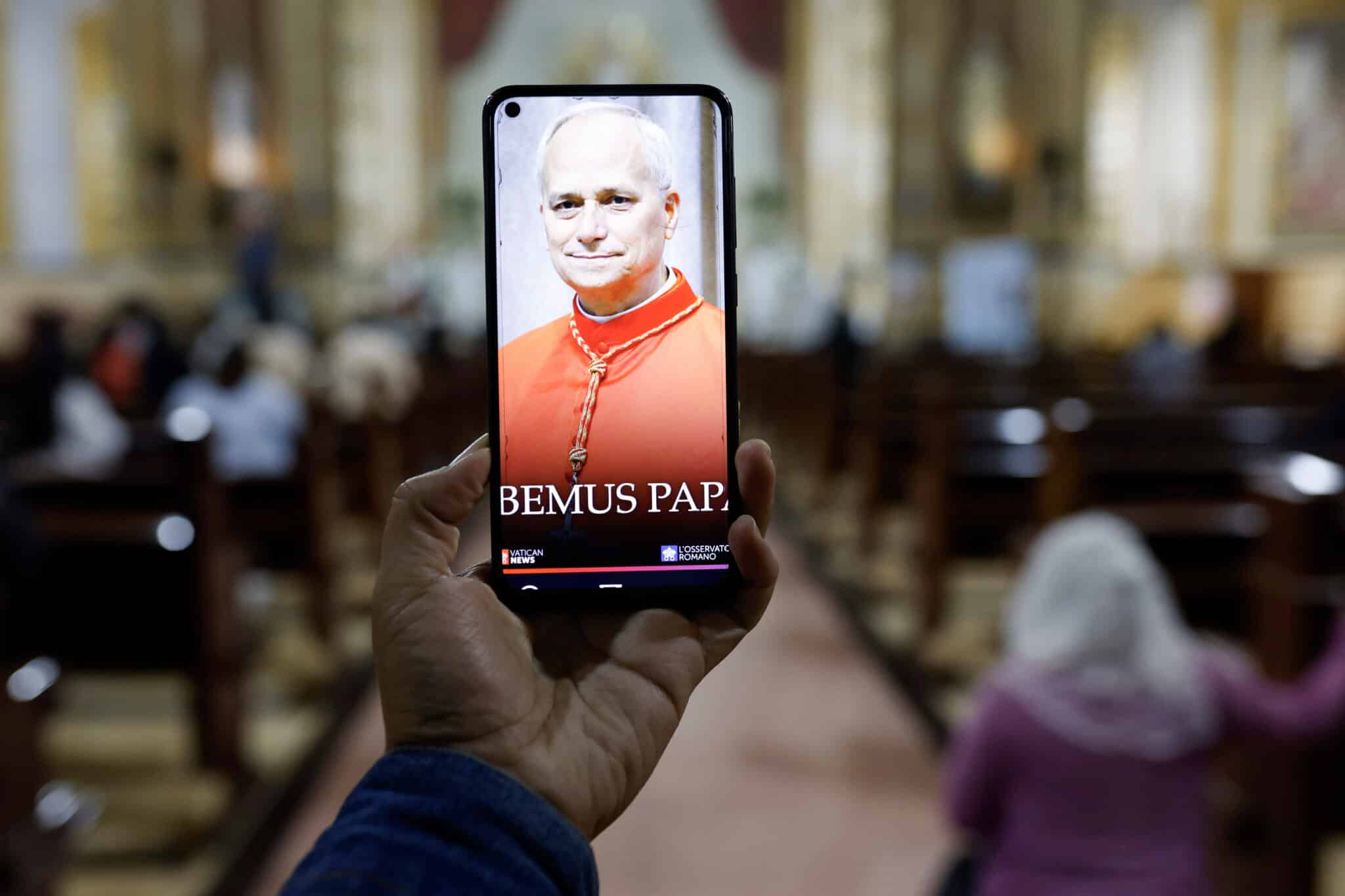
In the U.S., Catholics have been embracing technological innovations to transform the way their faith is practiced and shared. Even Pope Leo XIV has highlighted the importance of using modern communication tools such as social media.

Pope Leo XIV’s Latin American connections and first-hand familiarity with the lives of the poor in Peru, will likely reinforce his predecessor’s social vocation and vigorous concern for migrants. But that’s not the only way he expresses his Peruvian side.
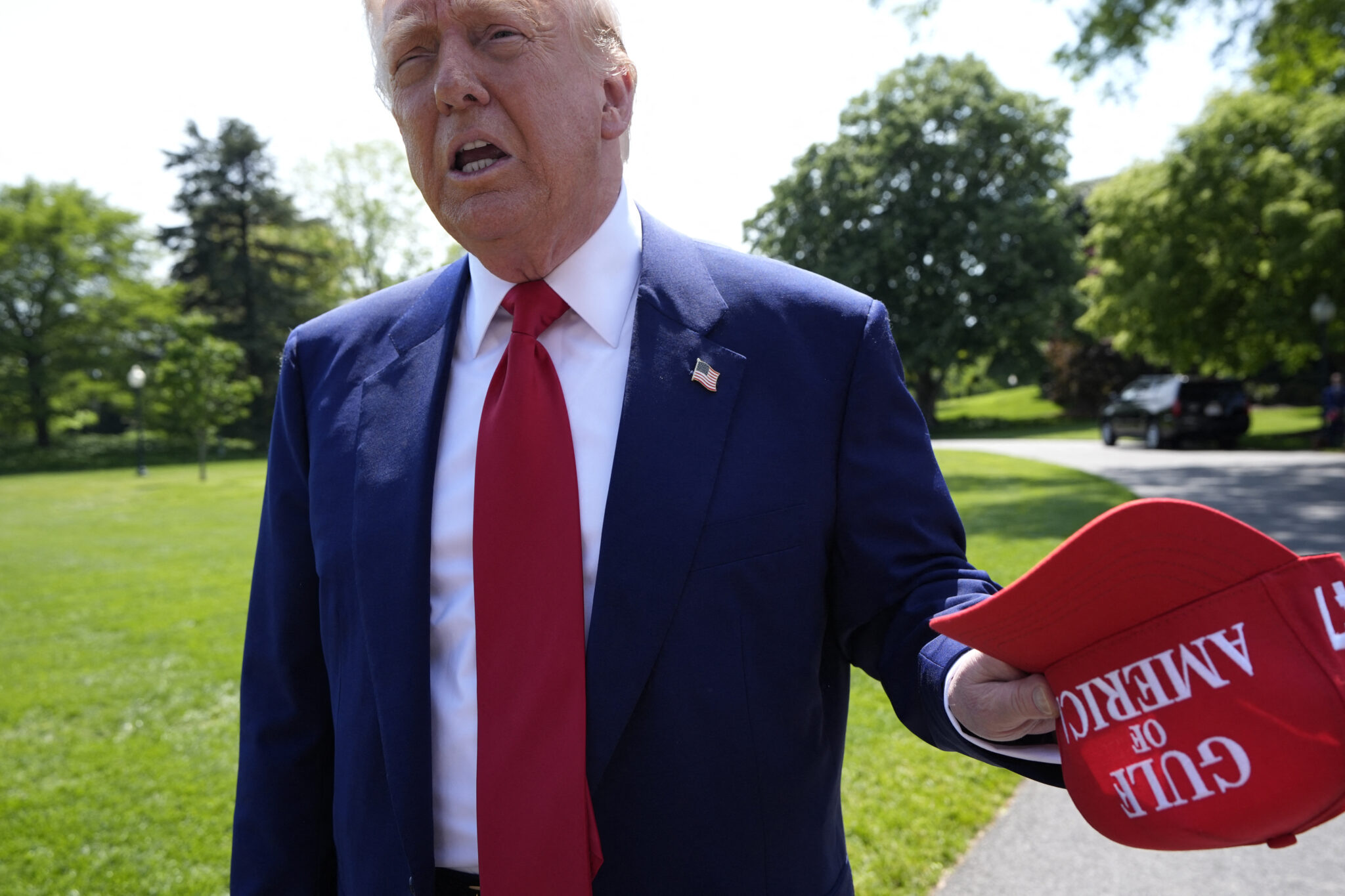
While place names often change in history — closely following power dynamics — there is very little geographical or historical justification for the Trump administration renaming the Gulf of Mexico.
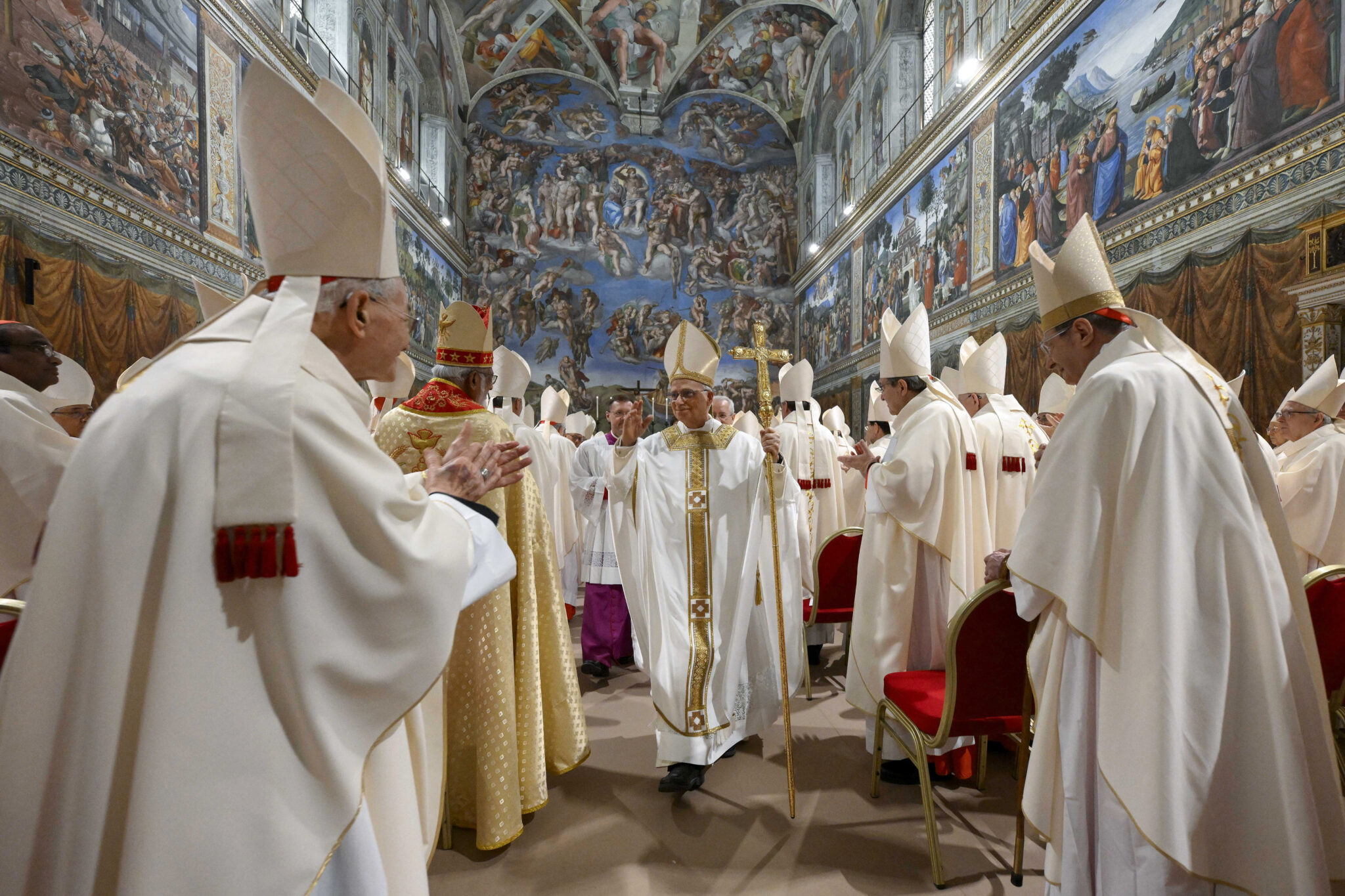
In electing Pope Leo XIV, the institution of the Catholic Church appears quite clear about the place it should occupy beyond its spiritual commitment.
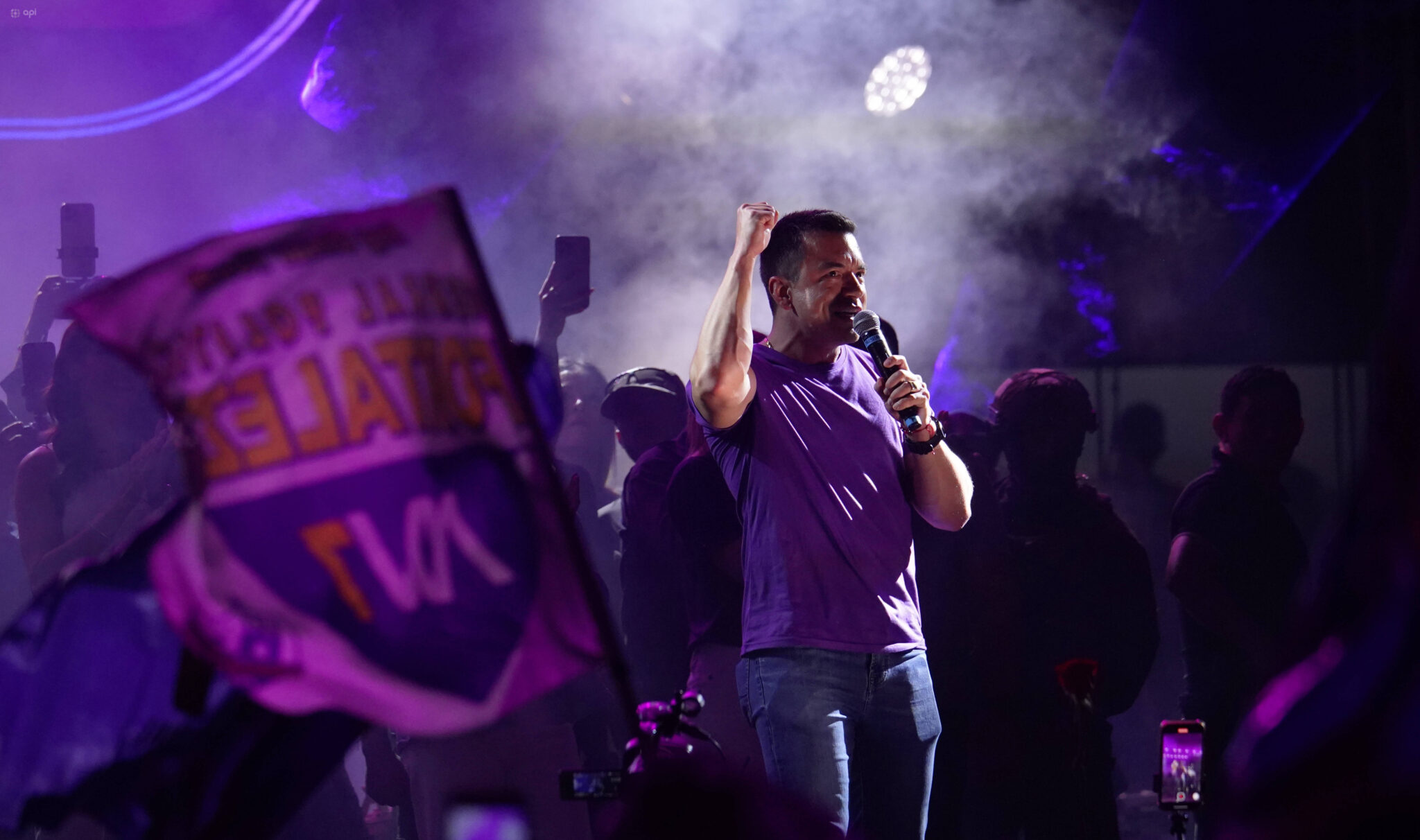
Latin American voters are turning to leaders seen as efficient and able to tackle endemic problems like crime and corruption. Does it mean they have also turned their back on party politics for good, and even their own rights or liberties?
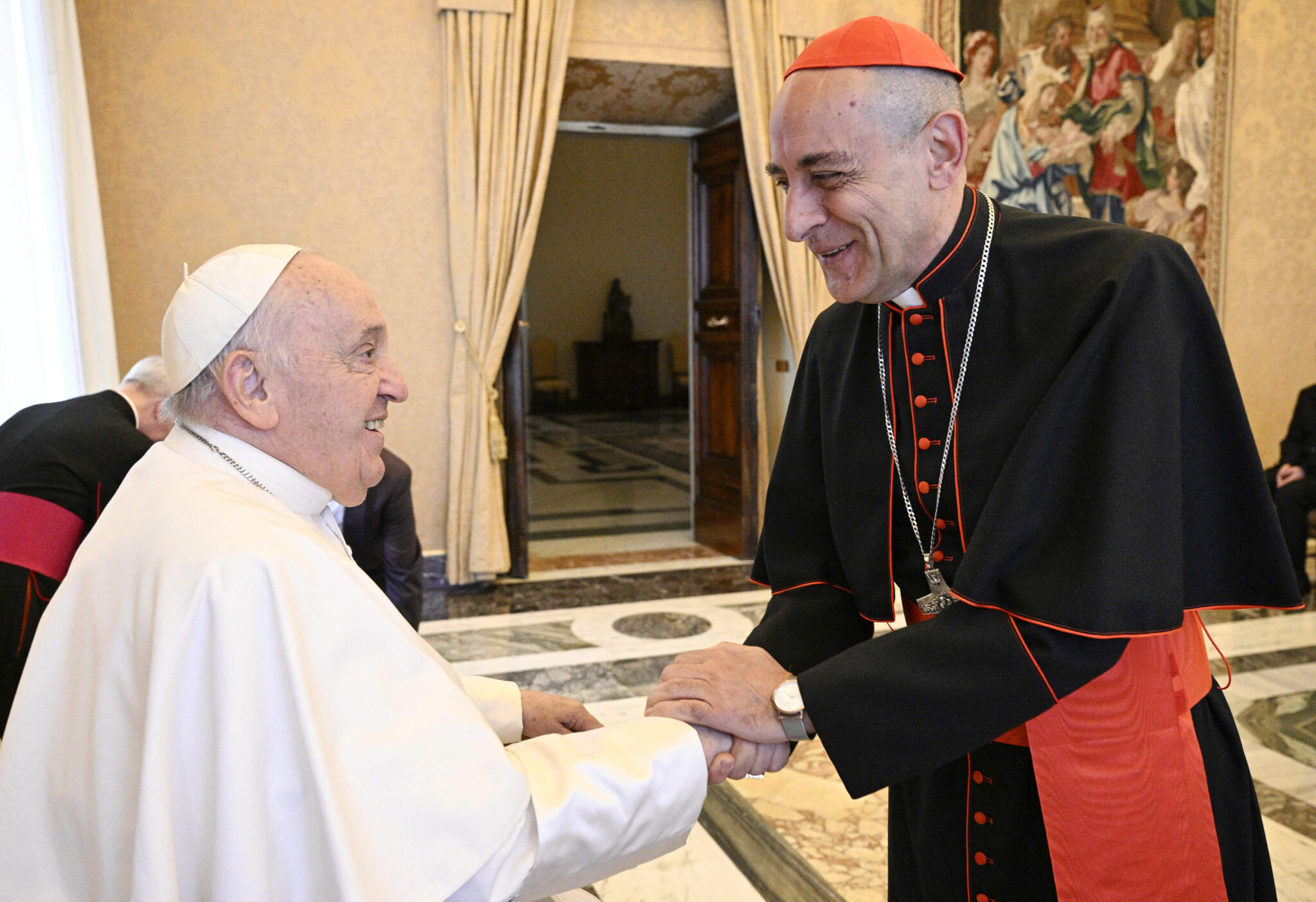
Victor “Tucho” Fernandez, one of the closest collaborators of Pope Francis, recounted his last encounter: “This world has lost a father”.
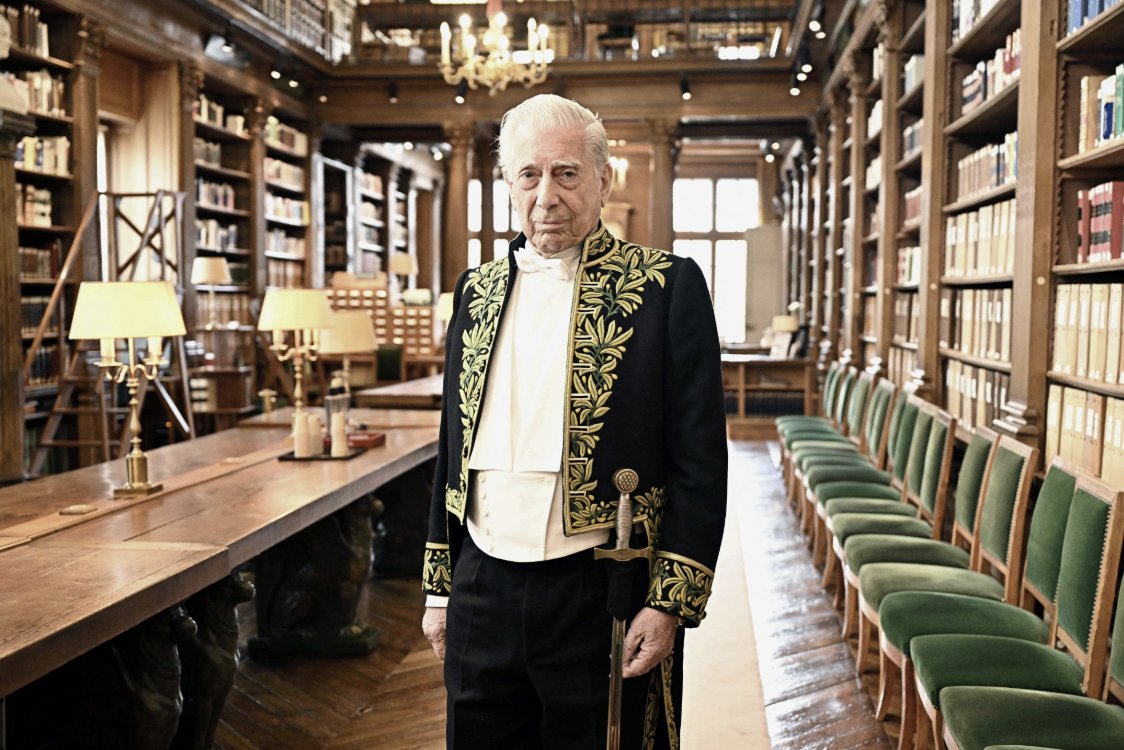
In one of his final major interviews, the Peruvian Nobel laureate reflected on literature, Trump, feminism, and mortality. His passing in Lima marks the end of an era for Latin American letters.
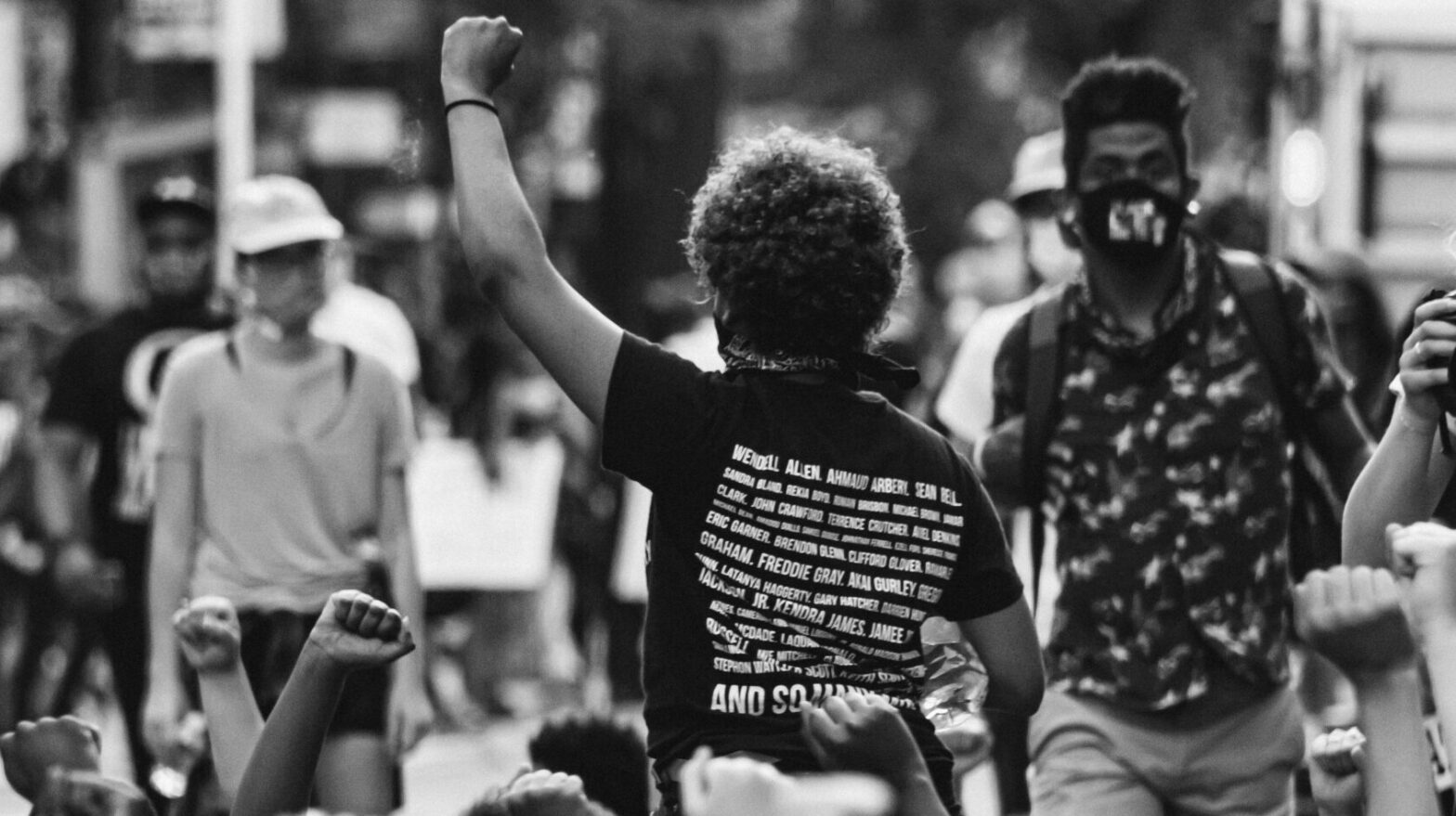
Political turbulence today may be sourced in a flawed consideration put centuries ago at the heart of modern democracy’s institutional mechanics: self-interest as the chief motivator of citizens and their representatives.
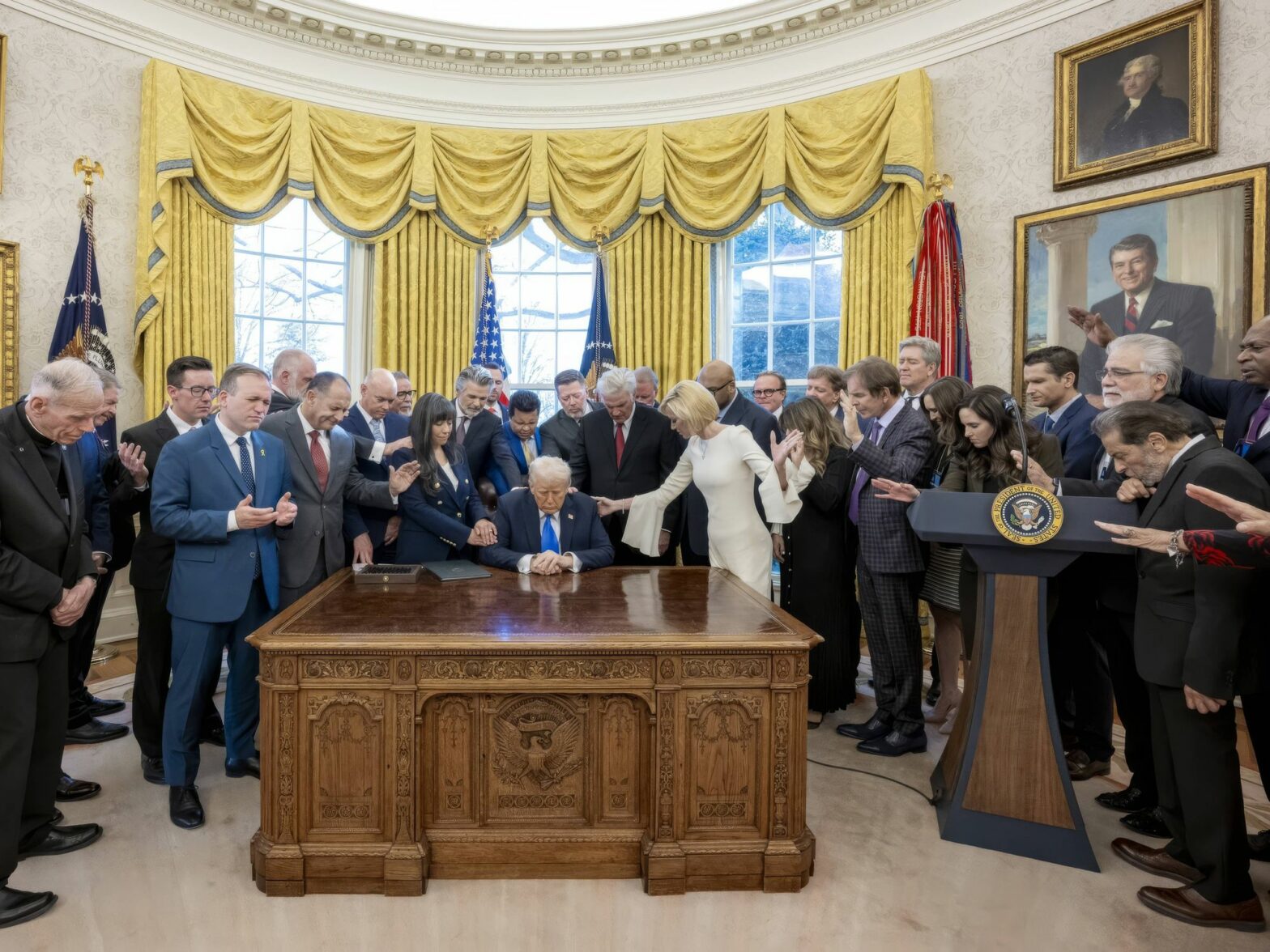
Following U.S. President Donald Trump’s creation of the White House Faith Office in early February, Loris Zanatta writes in Clarín that religious politics is already on the verge of becoming political religion, and the 2020s are starting to look an awful lot like the 1920s. And we know where that led.