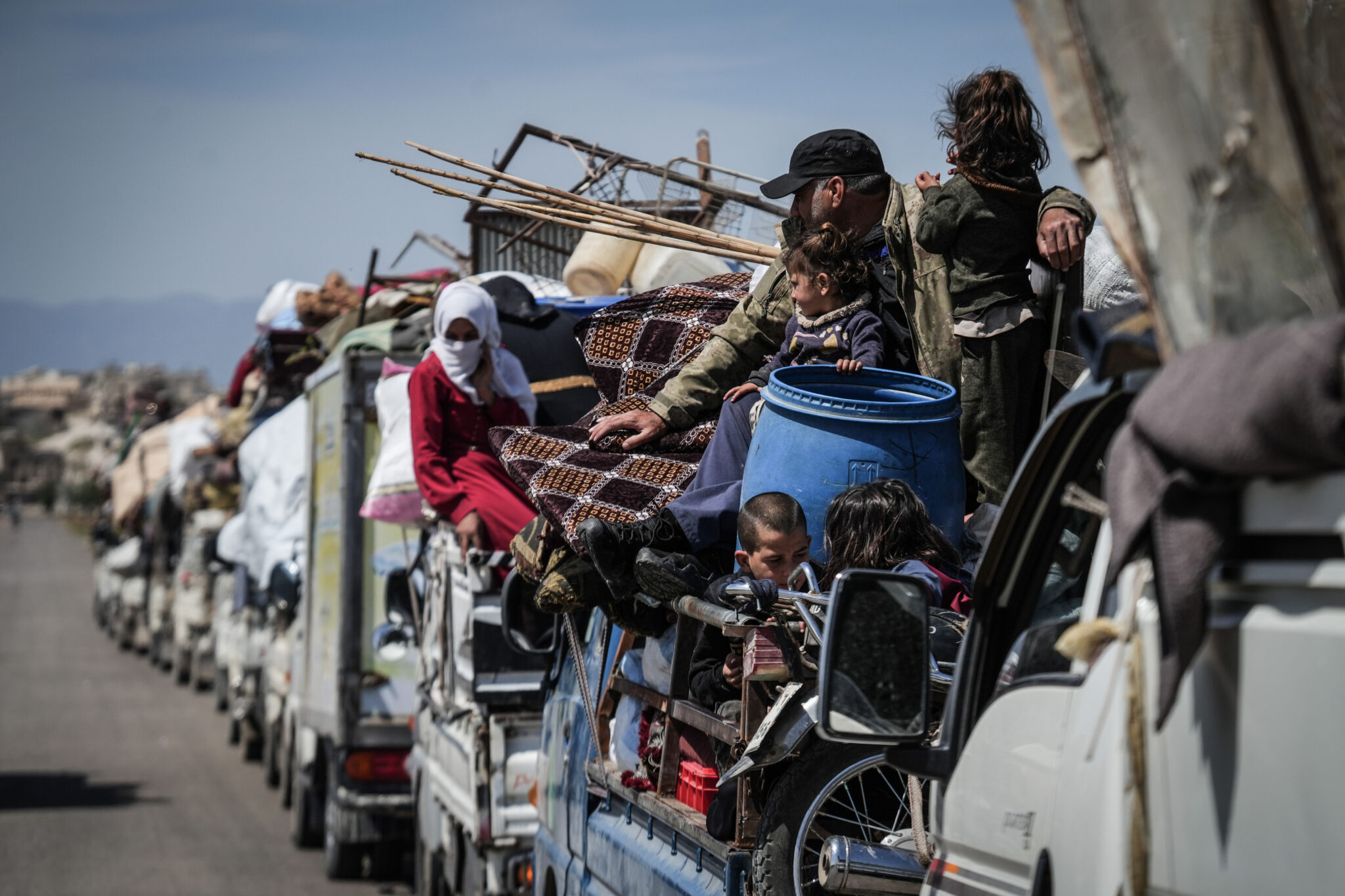
After Assad fled to Russia, Moscow opened the door for asylum and humanitarian protection to many Syrians, including former military members. Yet their journeys north are very different.
 Worldcrunch
After Assad fled to Russia, Moscow opened the door for asylum and humanitarian protection to many Syrians, including former military members. Yet their journeys north are very different.
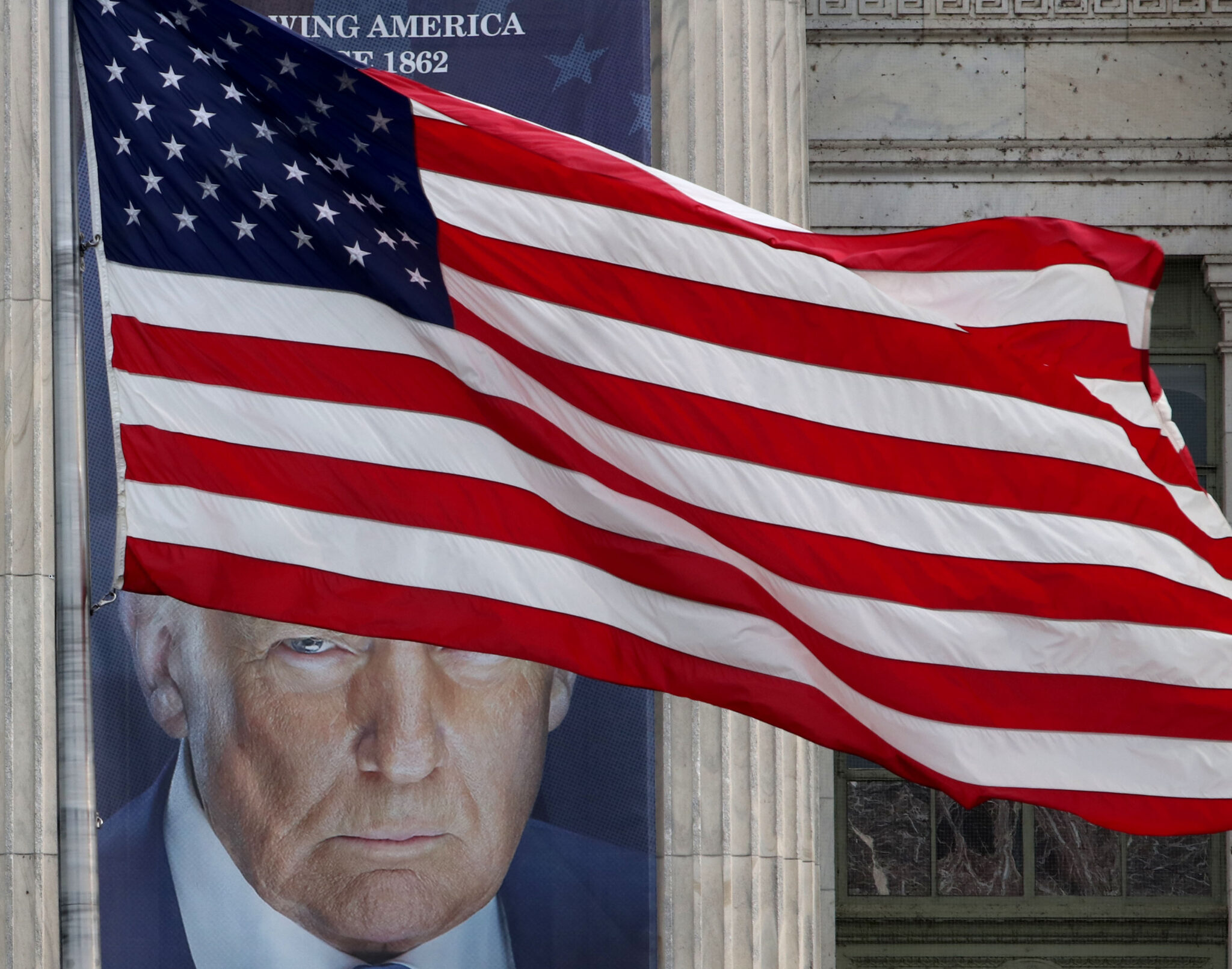
U.S. President Donald Trump has been open about wanting to win a Nobel Peace Prize. But while some call his nomination “absurd,” he would not be the only surprising recipient.
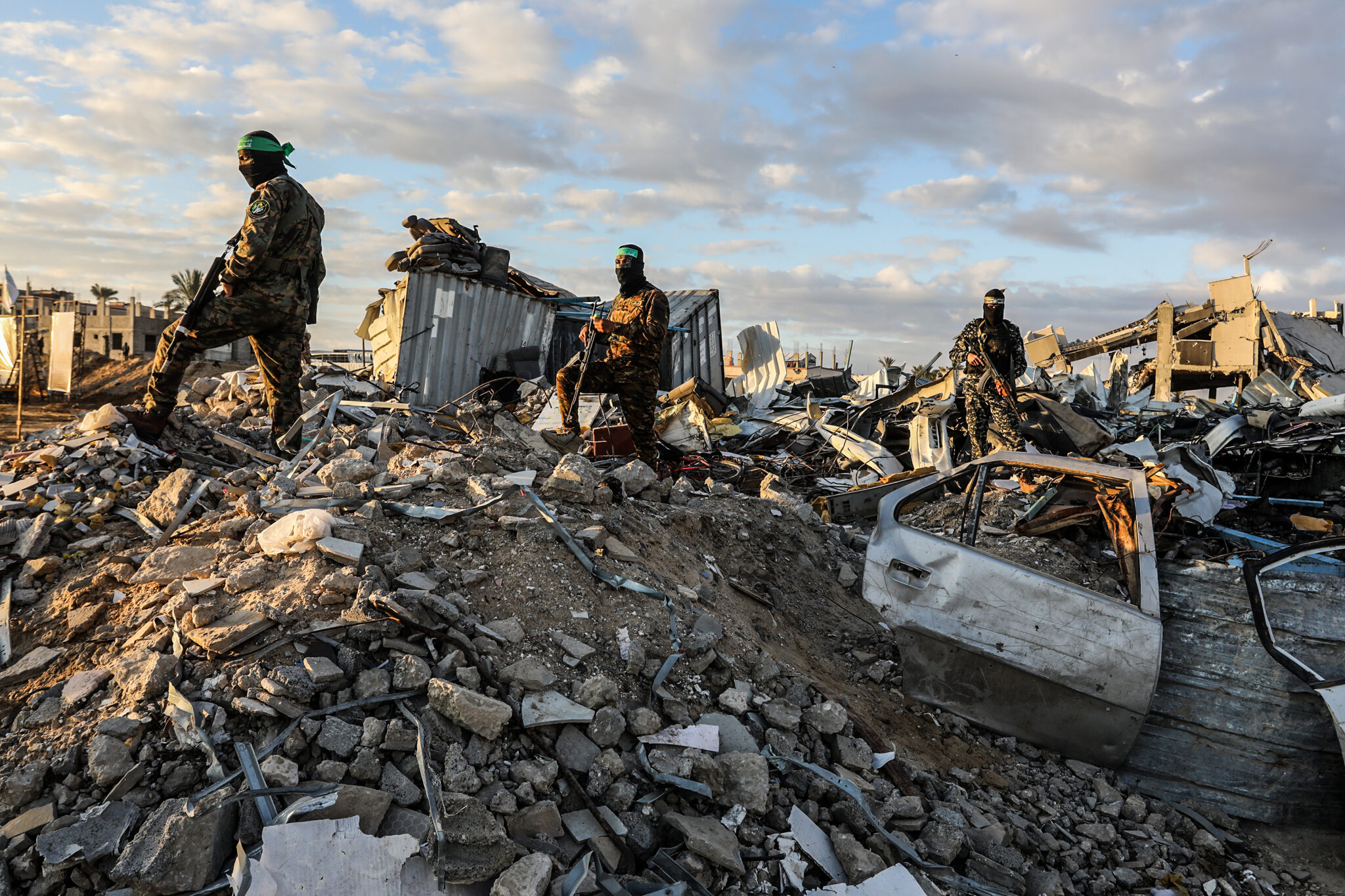
None of this means submission or surrender or a call to capitulation, but a call to read the reality in Gaza where we are threatened with extermination and settlement and annexation.

Sham Wings Airlines, long sanctioned for its ties to the Syrian regime, has reemerged under a new name: Fly Cham. Despite the rebranding and change in ownership on paper, investigative findings reveal the same personnel, aircraft, and operations — raising serious questions about sanctions evasion.
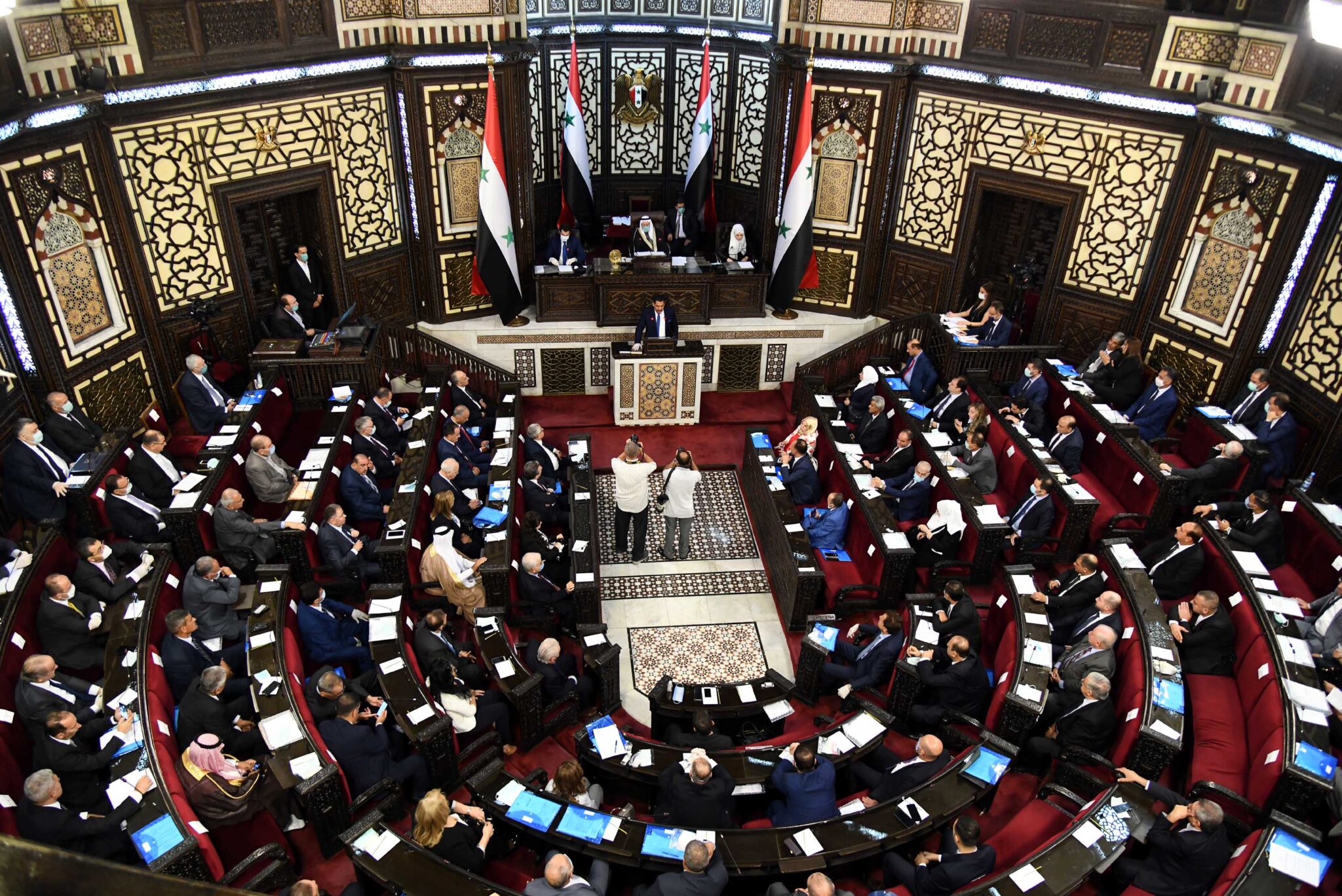
Since the fall of Bashar al-Assad, the language of authority has changed in Syria. Yet these new titles (“Emir,” “Branch Emir” or “Sheikh of the group”) do little for the core demands for which Syrians rose up: freedom, dignity and justice.
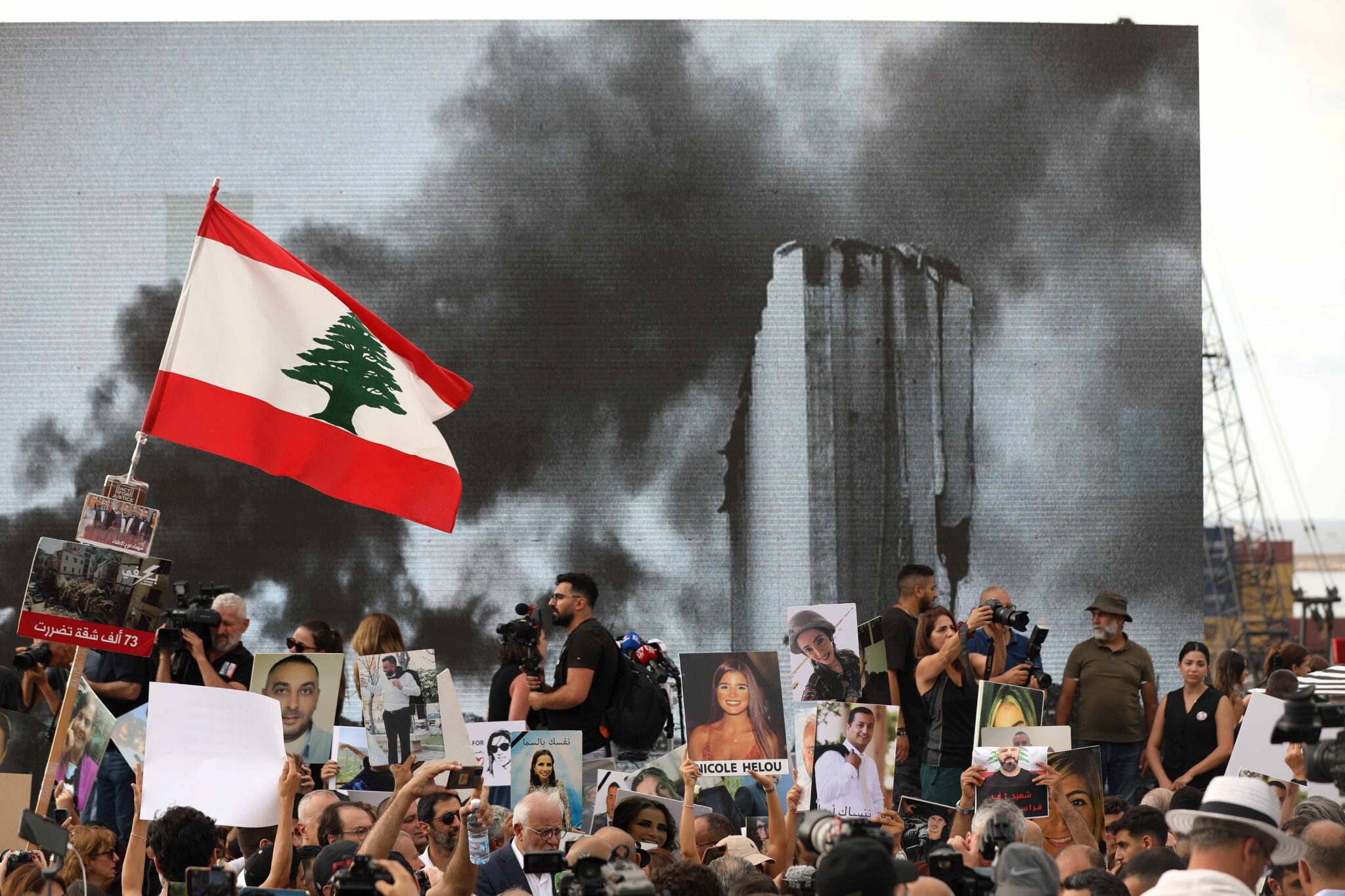
Lebanese authorities had promised the investigation into the Beirut port explosion would be completed within five days. Five years later, Daraj reports on what is still holding up this case, and talks with the country’s new Justice minister about the country’s need for truth.
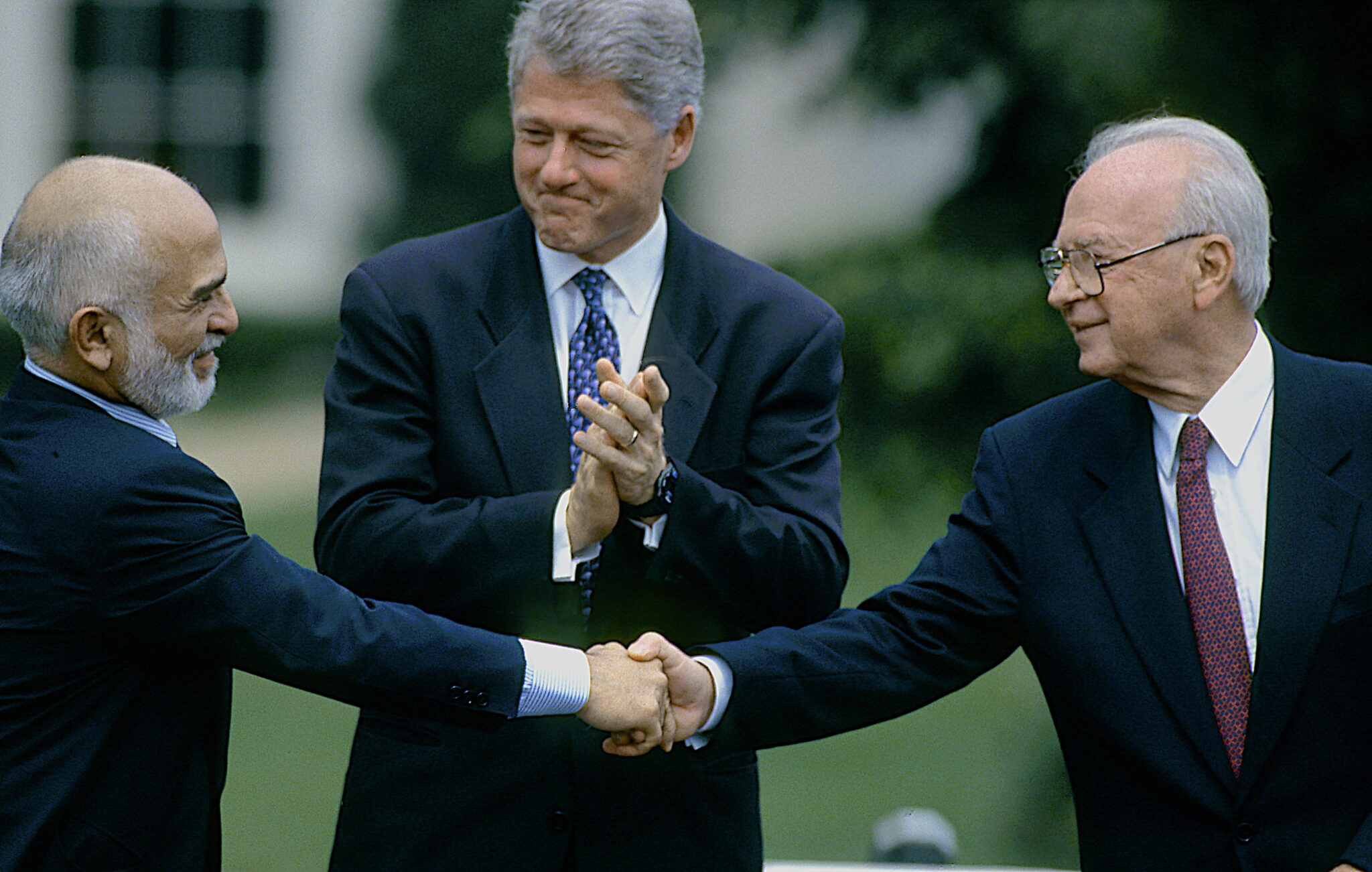
The Israel-Jordan peace treaty brought a moment of hope to the region. But Yitzhak Rabin’s assassination killed the Israeli left, and with it the idea and spark of hope.
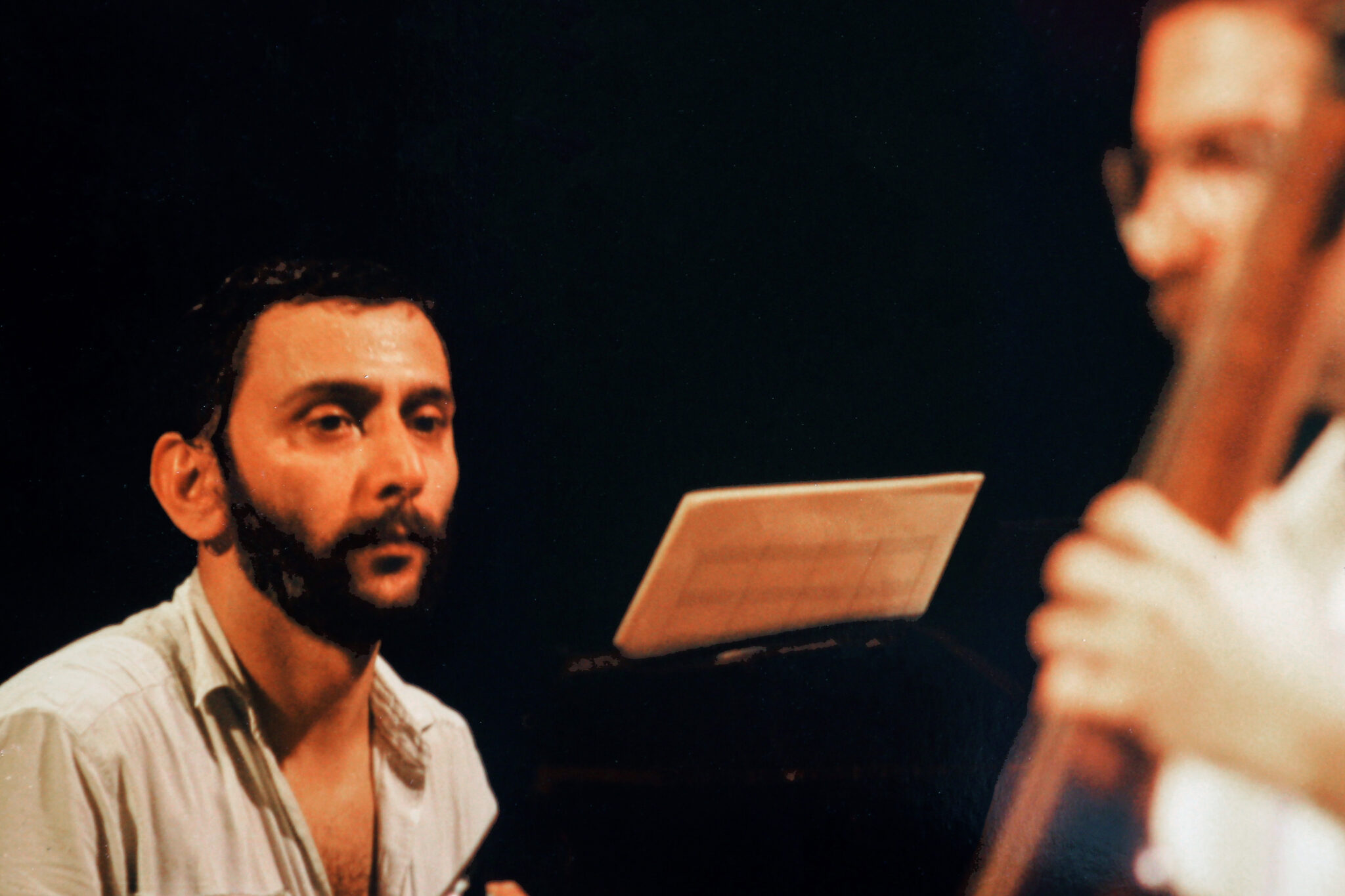
The death of Ziad Rahbani, Lebanon’s legendary composer, playwright, musician, and political provocateur, leaves a profound cultural and emotional void. His plays and songs expressed the nation’s tragedies, anger, and resilience, making him a “living echo” of Lebanon’s struggles that will continue to resonate for generations.
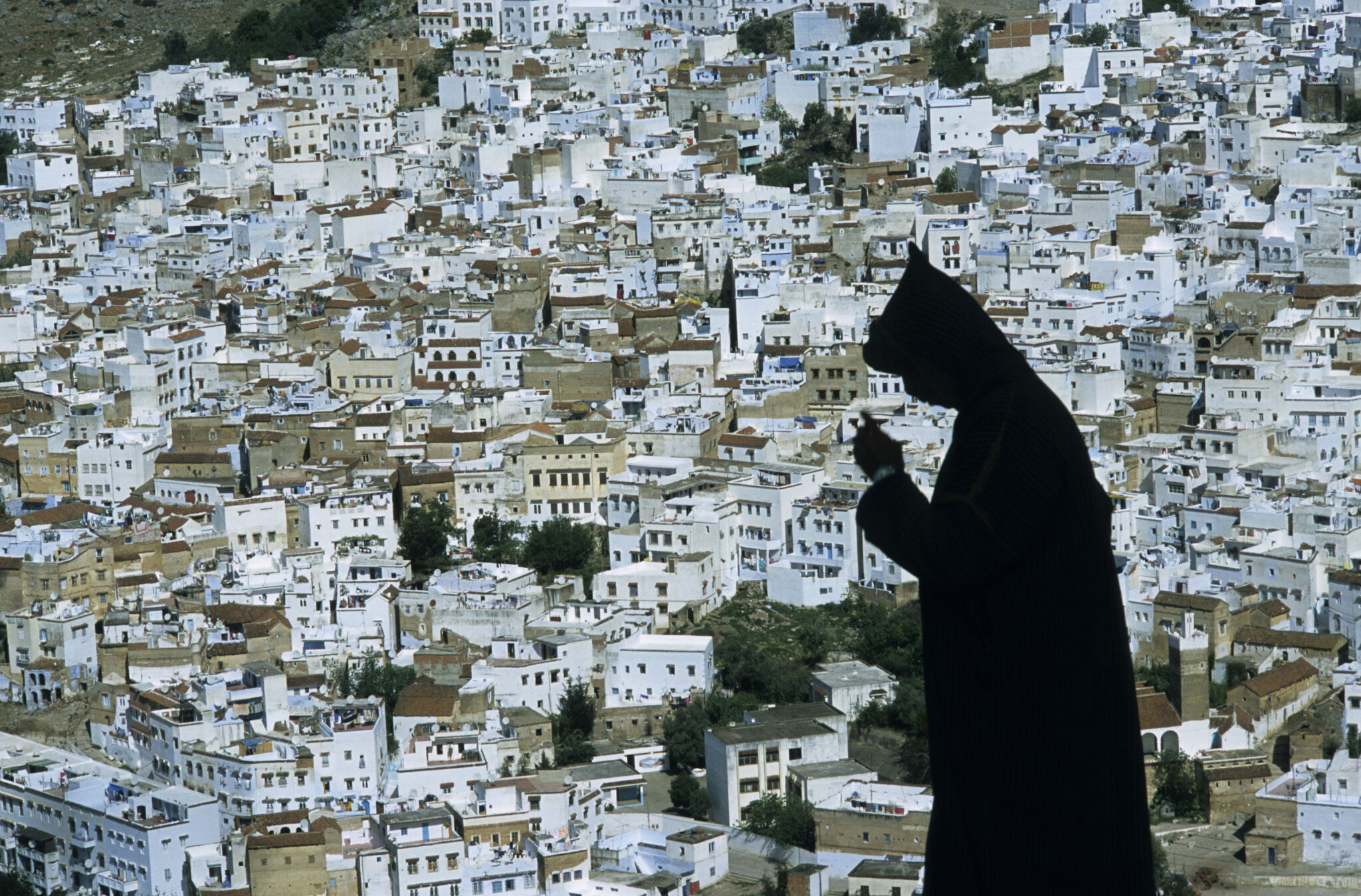
Years of drought followed by sudden floods have unsettled Morocco’s mountainous regions where rainfall has long been seen as a divine blessing. What is at play may be bigger than the heavens.
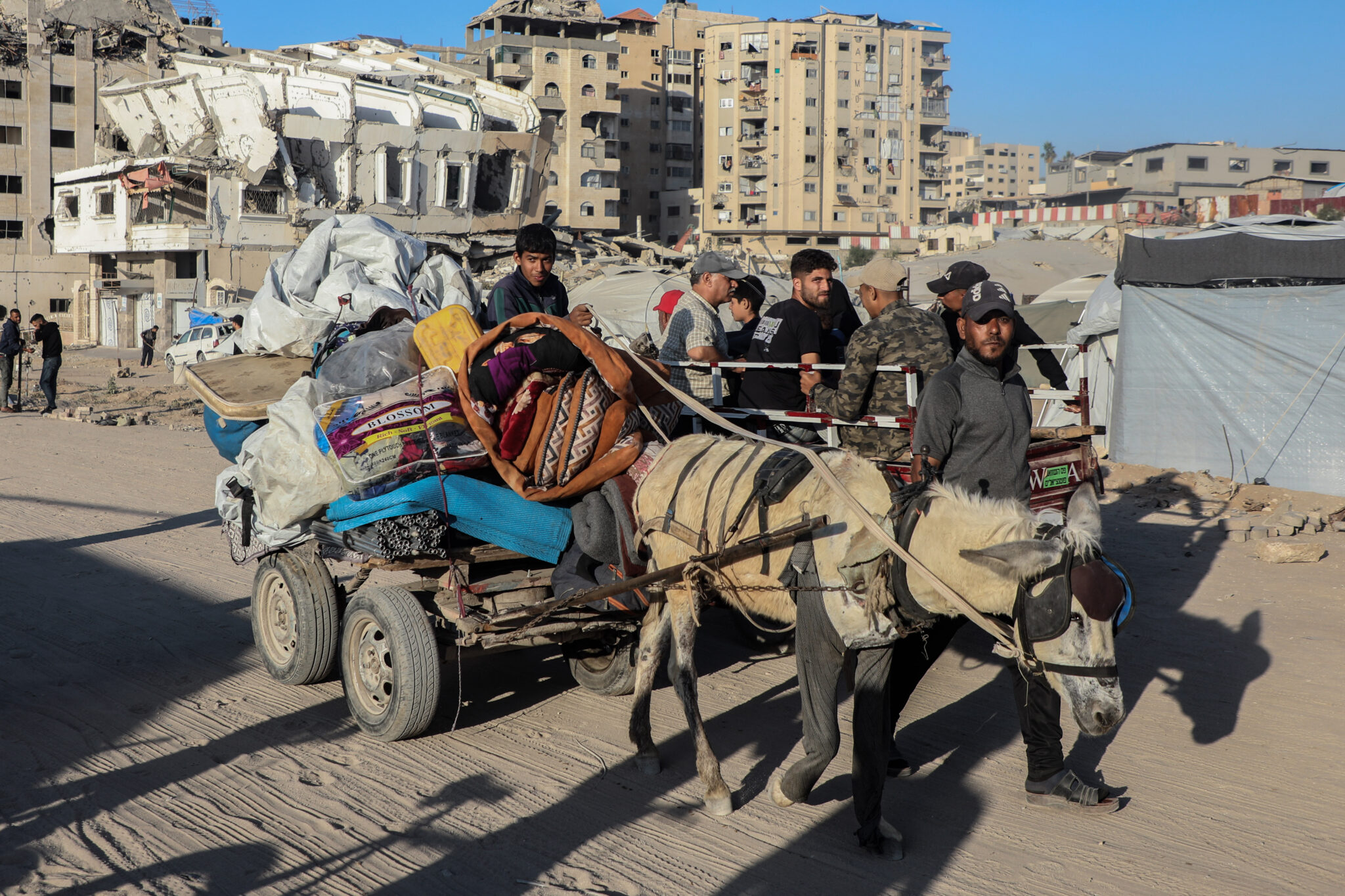
The area where the city will be established will lie on the ruins of thousands of homes in Rafah, after the Israeli army “cleanses” it. It overlooks the Mediterranean Sea and is directly adjacent to Egypt — which means the next step could be pushing hundreds of thousands of residents into Sinai.
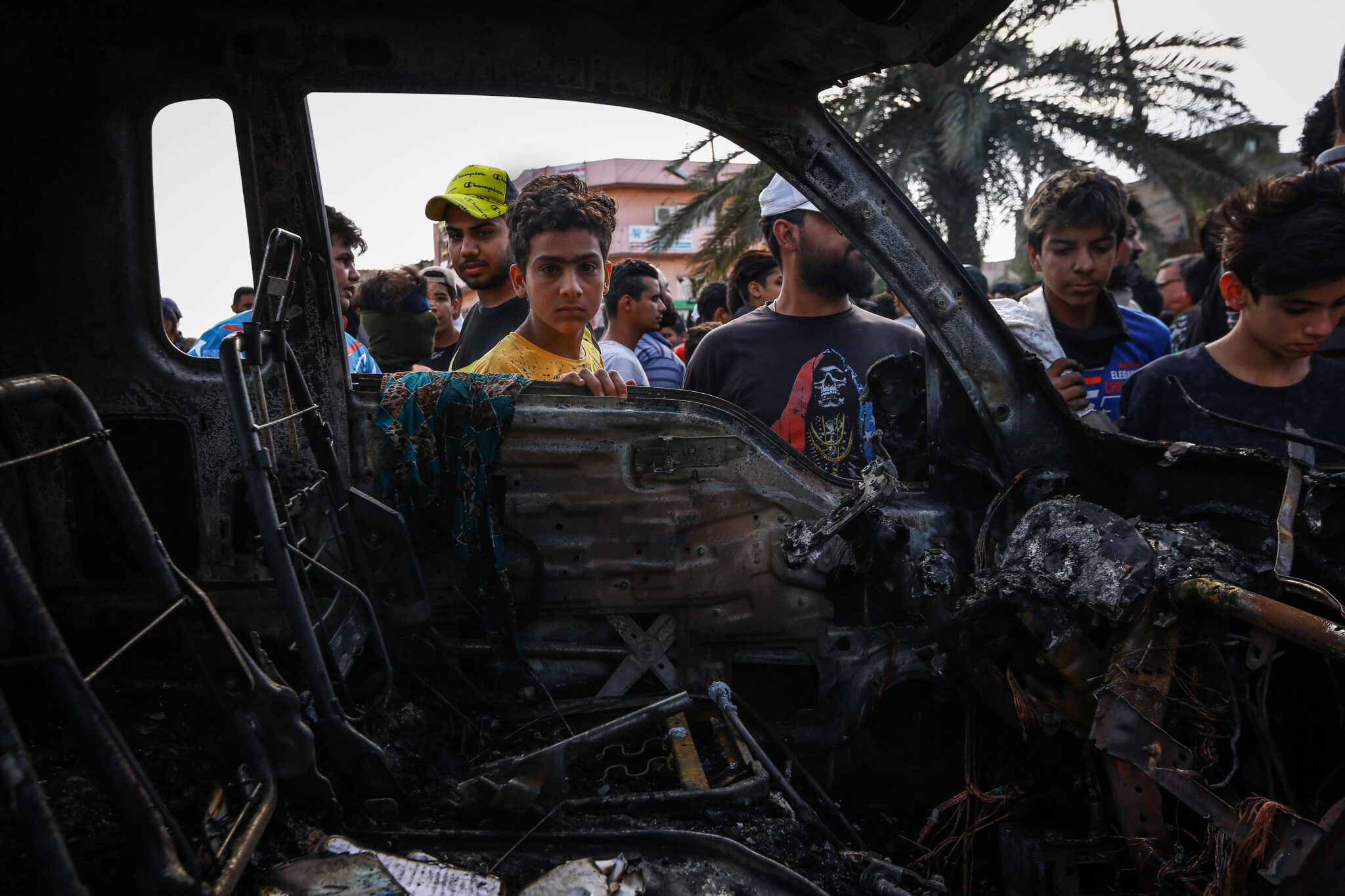
Dangerous sectarian rhetoric between Sunnis and Shiites is returning ahead of Iraq’s upcoming parliamentary election, on Nov. 11. If Iraq wants to grow stronger, it must restore value to national identity and criminalize hate speech.

In Frankfurt, a recent trial opened the door to holding accountable those who thought themselves safe from the law by sneaking out of Syria. Meanwhile, back in Damascus, justice that is geographically closer to the crimes seems impossible to hope for.
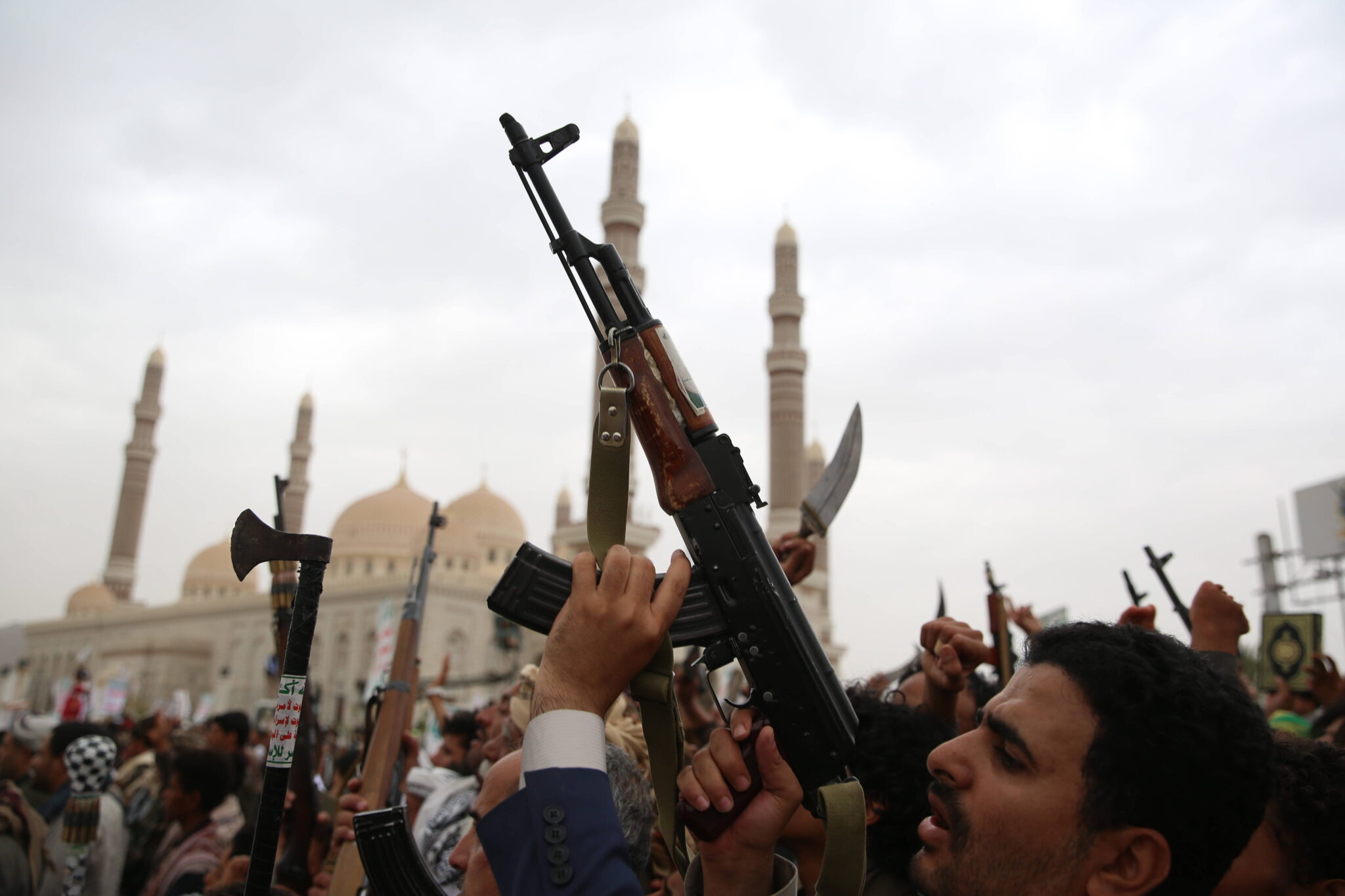
As the Houthis turn politics into perpetual warfare and view the state as spoils, the international community, and UN specifically, must decide whether to treat them as legitimate actors or confront them as extremists threatening Yemen’s fragile sovereignty.
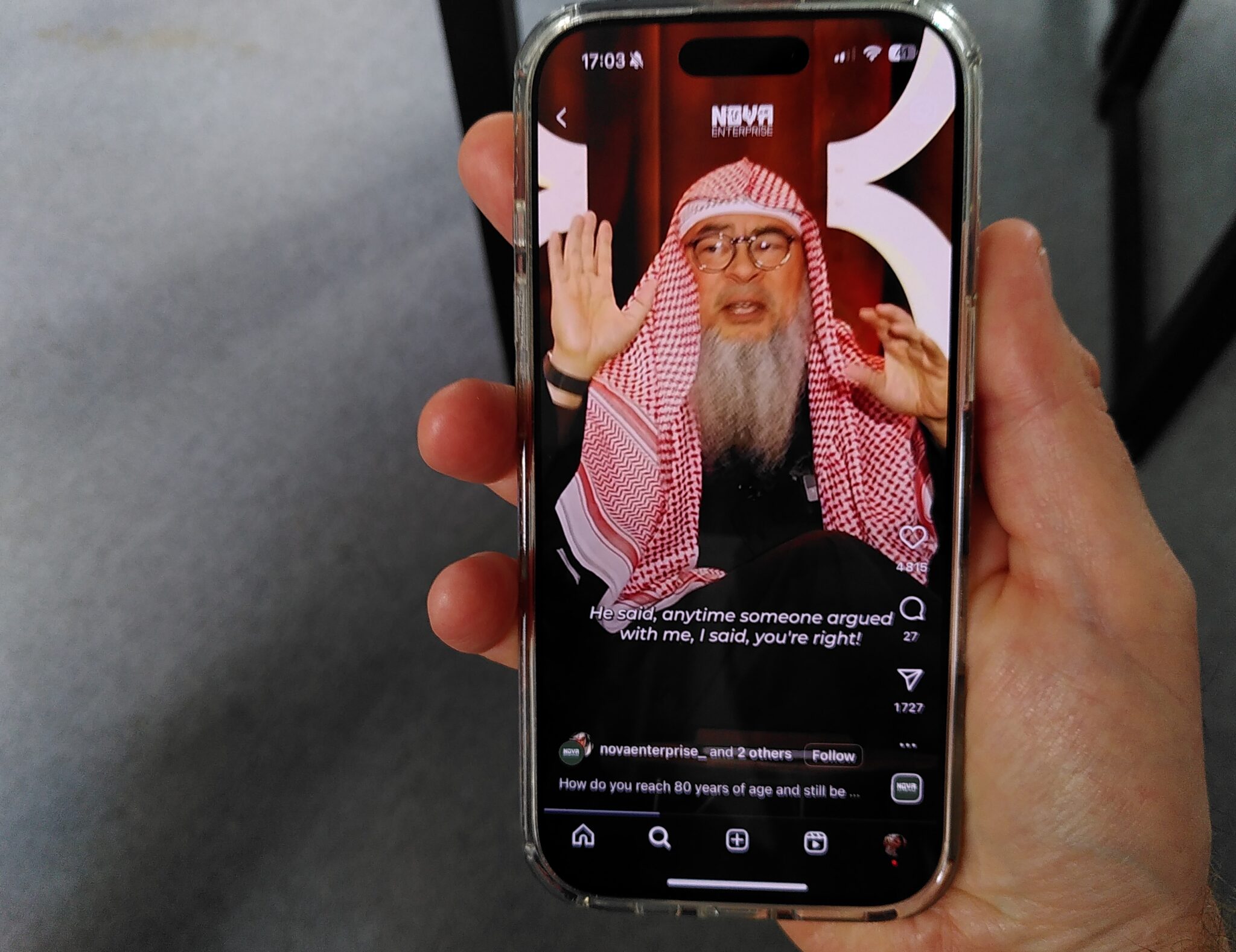
In the age of algorithms and 15-second reels, a new kind of religious voice is echoing across the Middle East and North Africa through smartphones and social media feeds. These are the “Instagram Sheikhs” — a diverse group of young, digital-savvy Muslims who fuse Islamic teachings with modern tools and aesthetics.
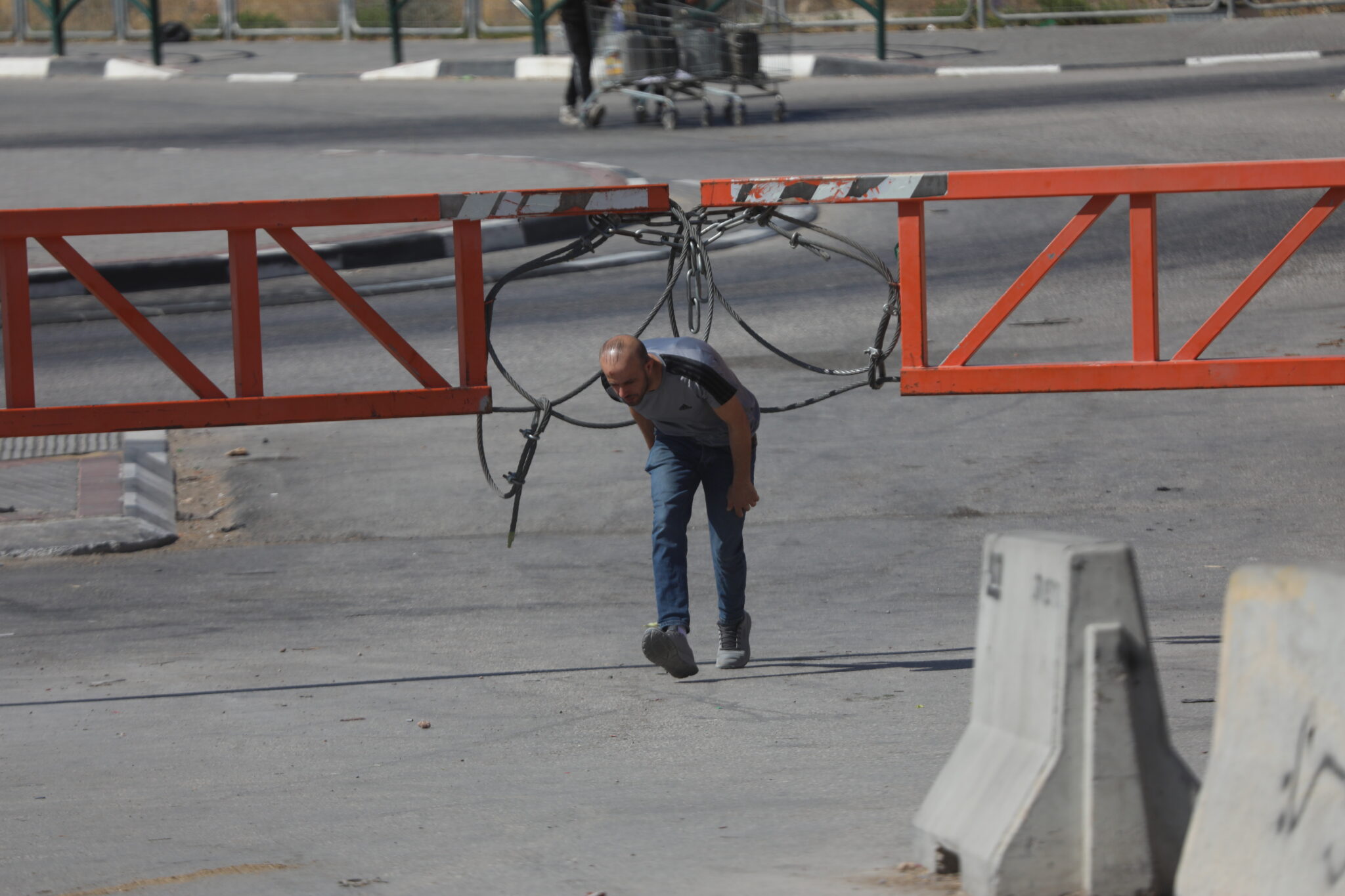
The so-called “Hebron Emirate” is not a realistic project — but rather a propaganda tool within a campaign to hinder any progress toward a two-state solution. Netanyahu again succeeds in marketing the illusion of alternative solutions to delay a real settlement.
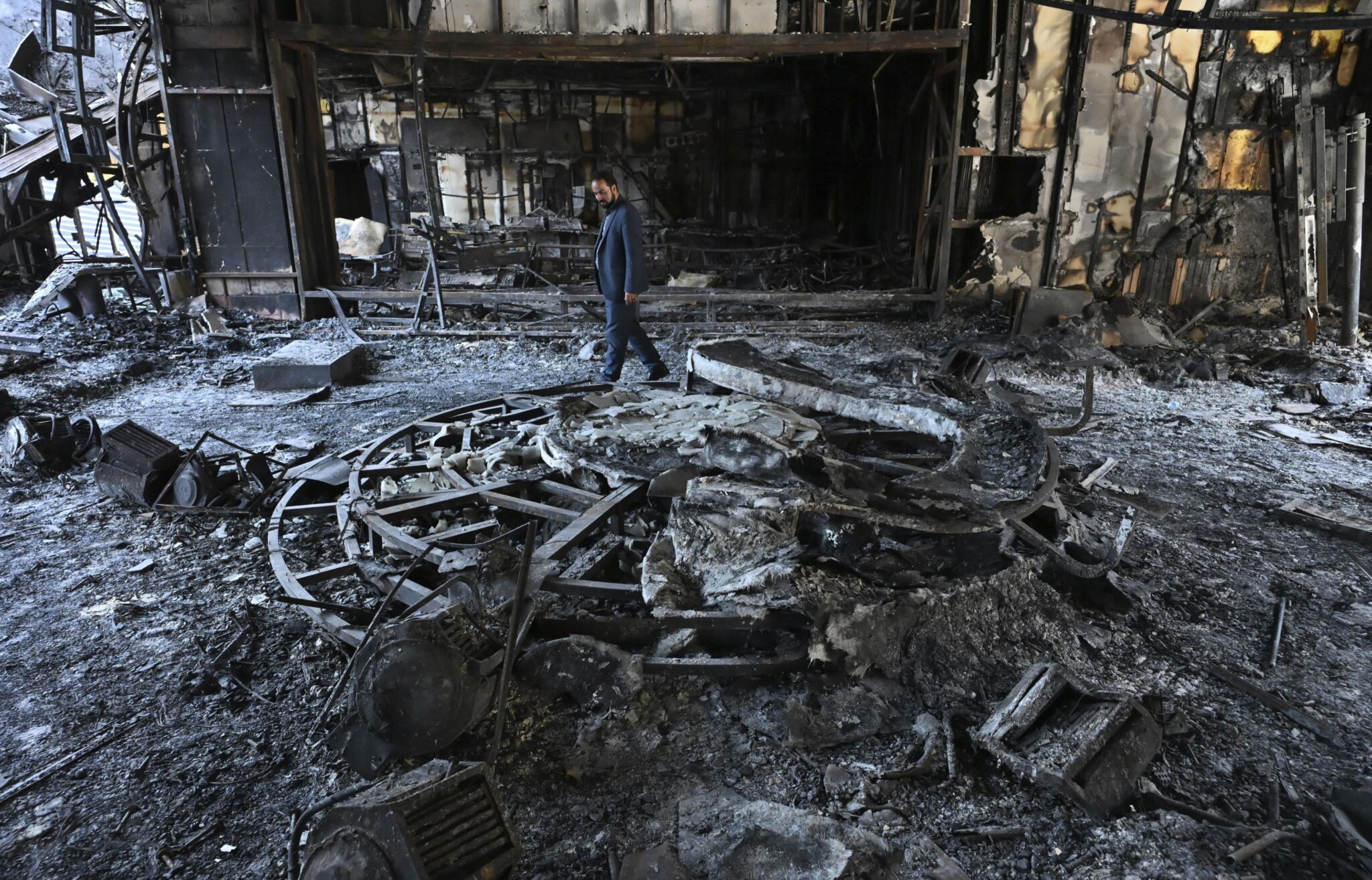
Between the defeats of June 1967 and June 2025 — both ironically hailed by some as victories — history seems to repeat itself. But now that Arab habit of declaring victory has also spread to Benjamin Netanyahu’s Israel, still haunted by Oct 7.

Just as Trump did not read Leo Tolstoy, he most likely also never thought to look to Muammar Gaddafi as his model. Yet in both their cases, absolute narcissism is a requirement for their power and inimitability.
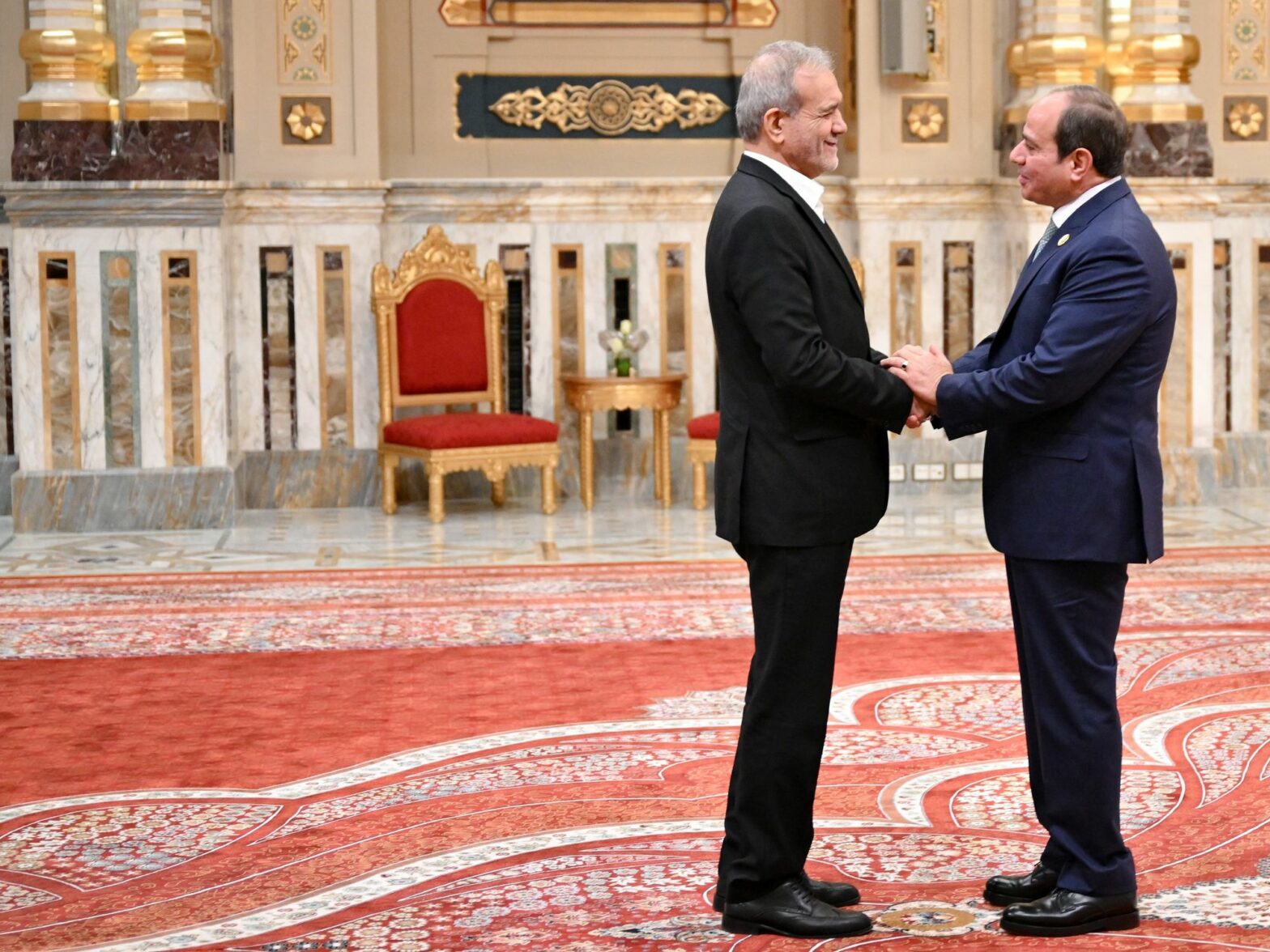
Egypt has perfected the art of passive resistance in navigating international pressures — delaying, complicating, and outlasting unwanted initiatives. From blocking the Arab NATO project to managing the fate of two Red Sea islands, Cairo deploys its bureaucratic “Madame Afaf” tactic to stall without confrontation.
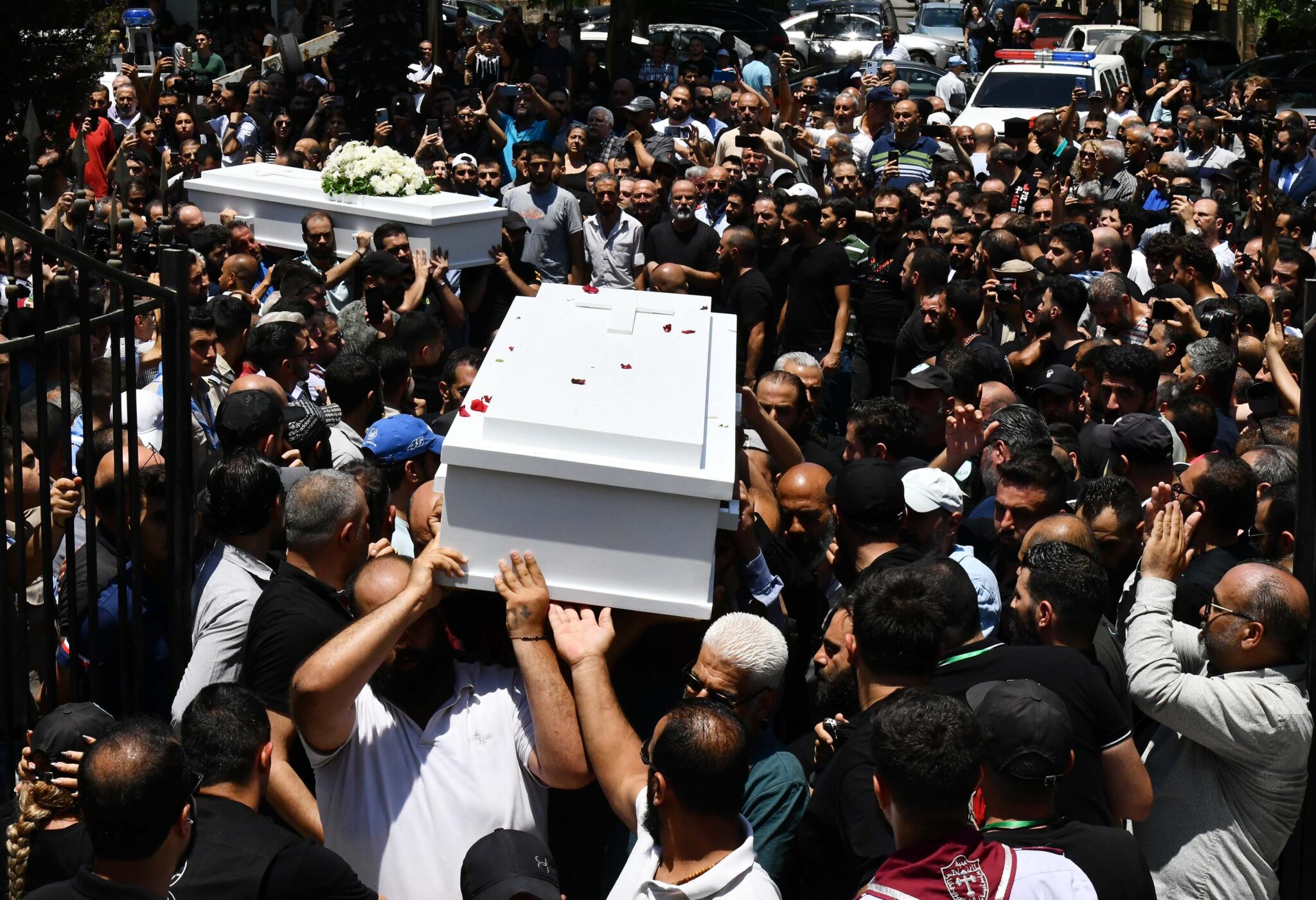
Even before last Sunday’s suicide bombing of a Damascus church, many Syrian Christians harbored doubts if the government that overthrew the Assad regime would protect them. Amid this growing sense of isolation, the question remains open: Is there truly a place for everyone in Syria?
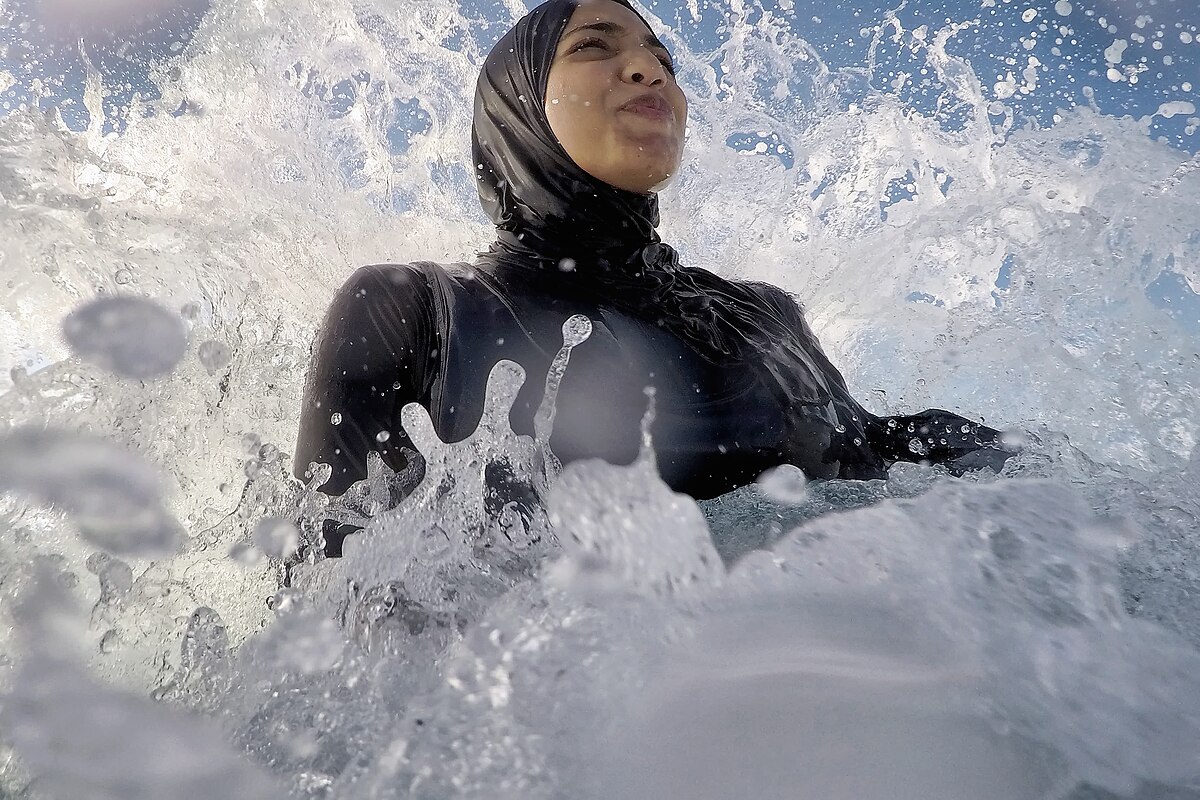
To many Middle Eastern women, the burkini is an elegant compromise between faith and freedom. But to others, it’s a social threat.
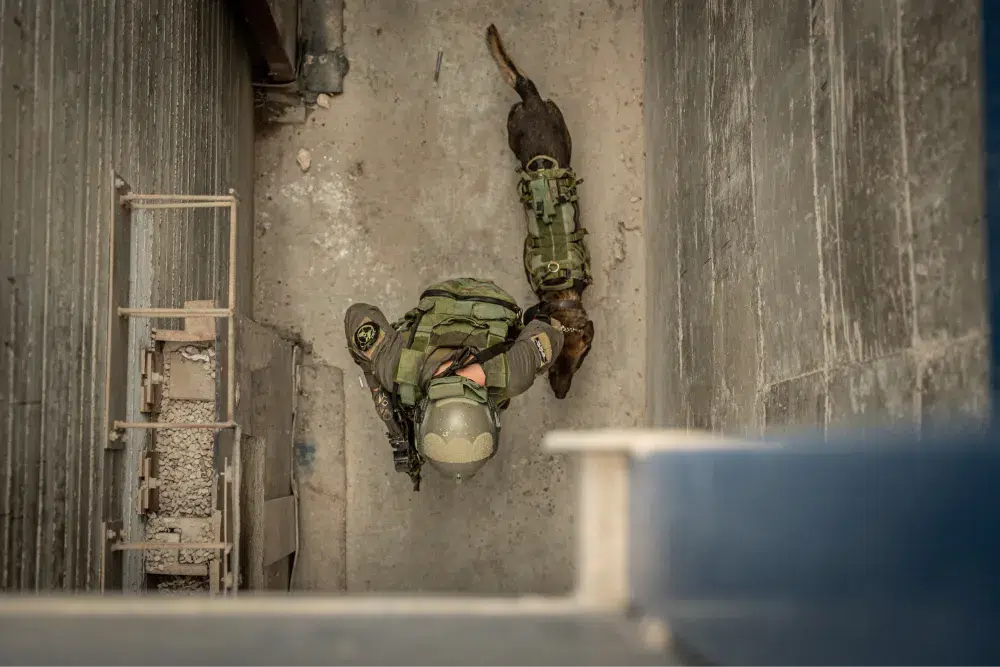
An exclusive investigation reveals Israel’s use of trained dogs — imported from European countries — as weapons against Palestinian civilians in Gaza and the West Bank. European companies specializing in training and selling these dogs to Israel appear to disregard ethical and legal standards.

All of the complexities and competing interests in the Middle East are coming out during the current showdown between Israel and Iran, and Jordan has a strategic role to play.
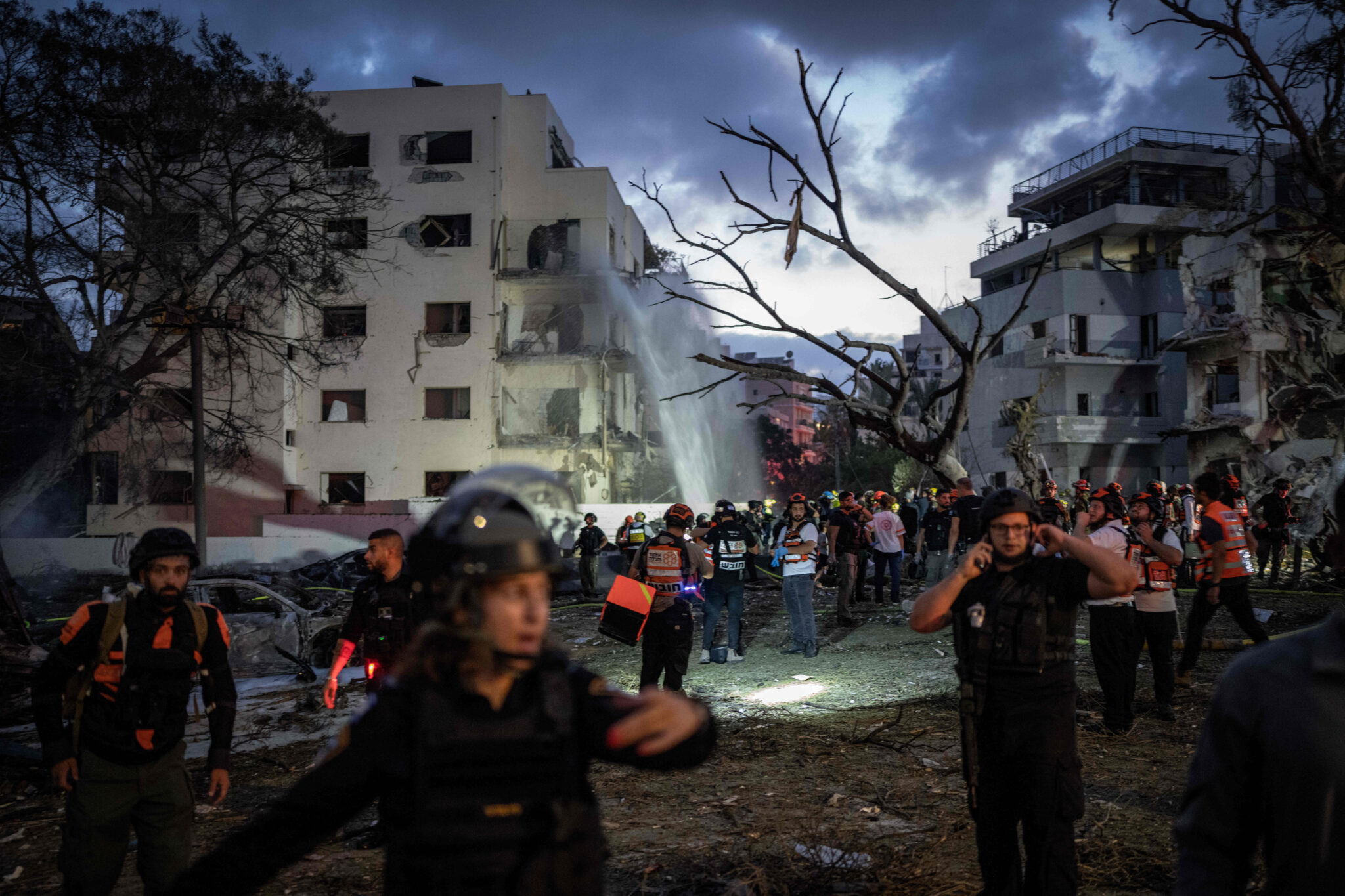
As Israel and Iran trade missile strikes, people of the Middle East are divided between cheering and gloating in a conflict of axes fighting over the ruin of the region. We must return the debate to its root: Who represents the peoples of this region? Who defends their right to freedom, not to arms?
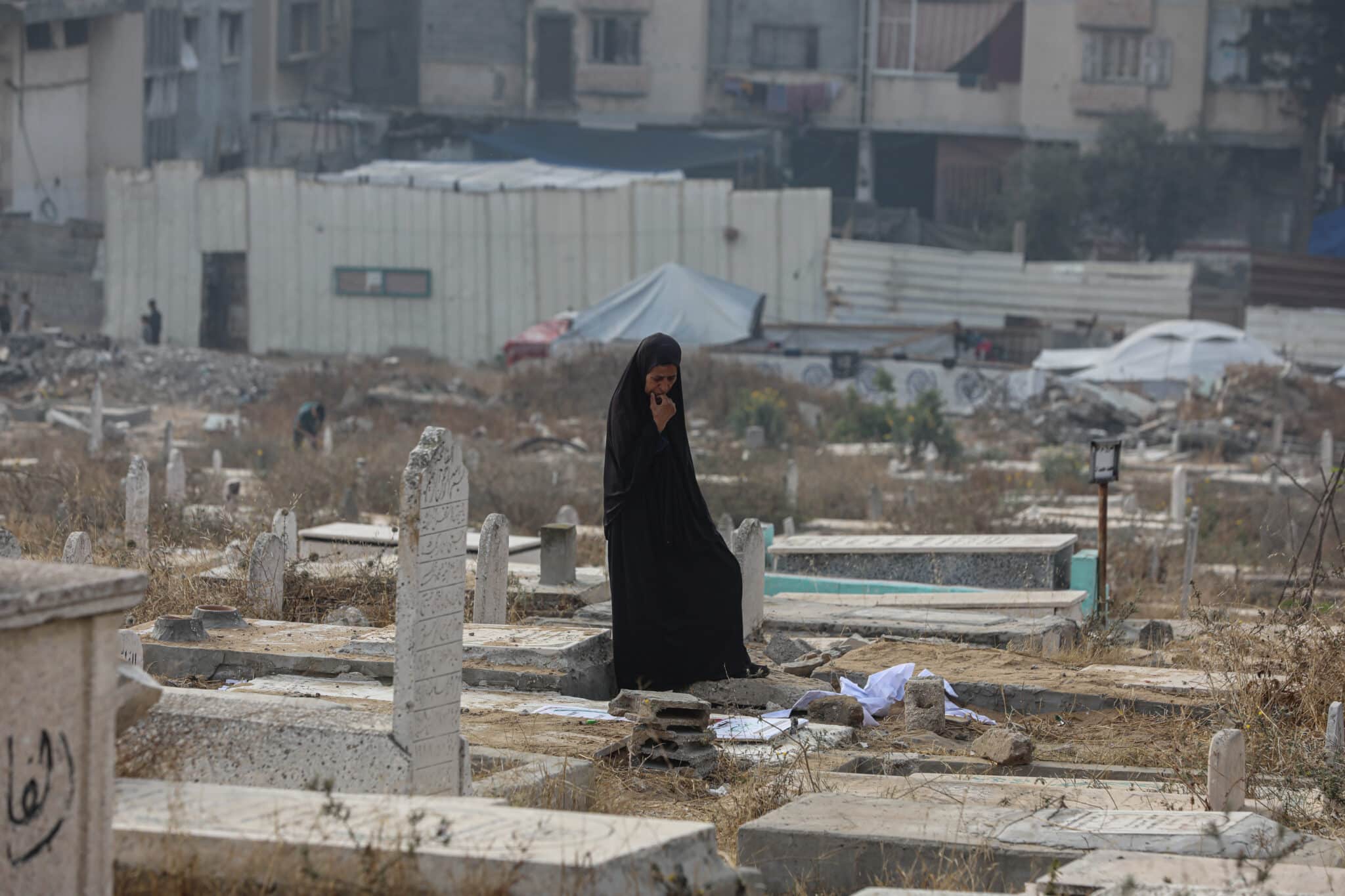
Neither Israel nor Hamas has any interest in declaring victory or defeat. Yet, as a moral obligation, Hamas must preempt the Israeli mission and agree to withdraw from Gaza.
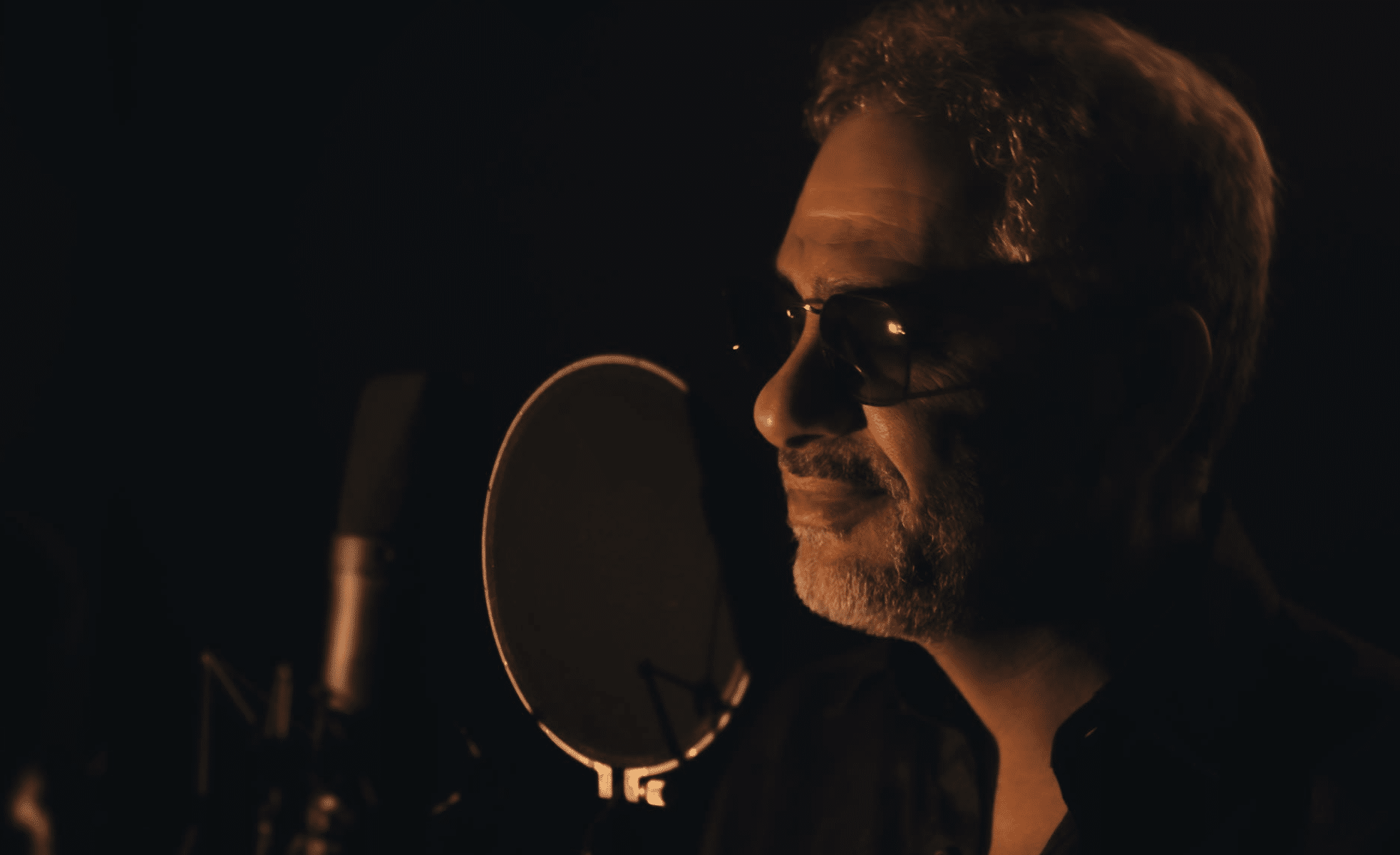
Lebanese singer-turned radical Fadel Chaker was sentenced to 22 years in prison for his role in deadly clashes in 2013. Yet his story reflects the contradictions of Lebanon and the tragedy of its broken justice system.
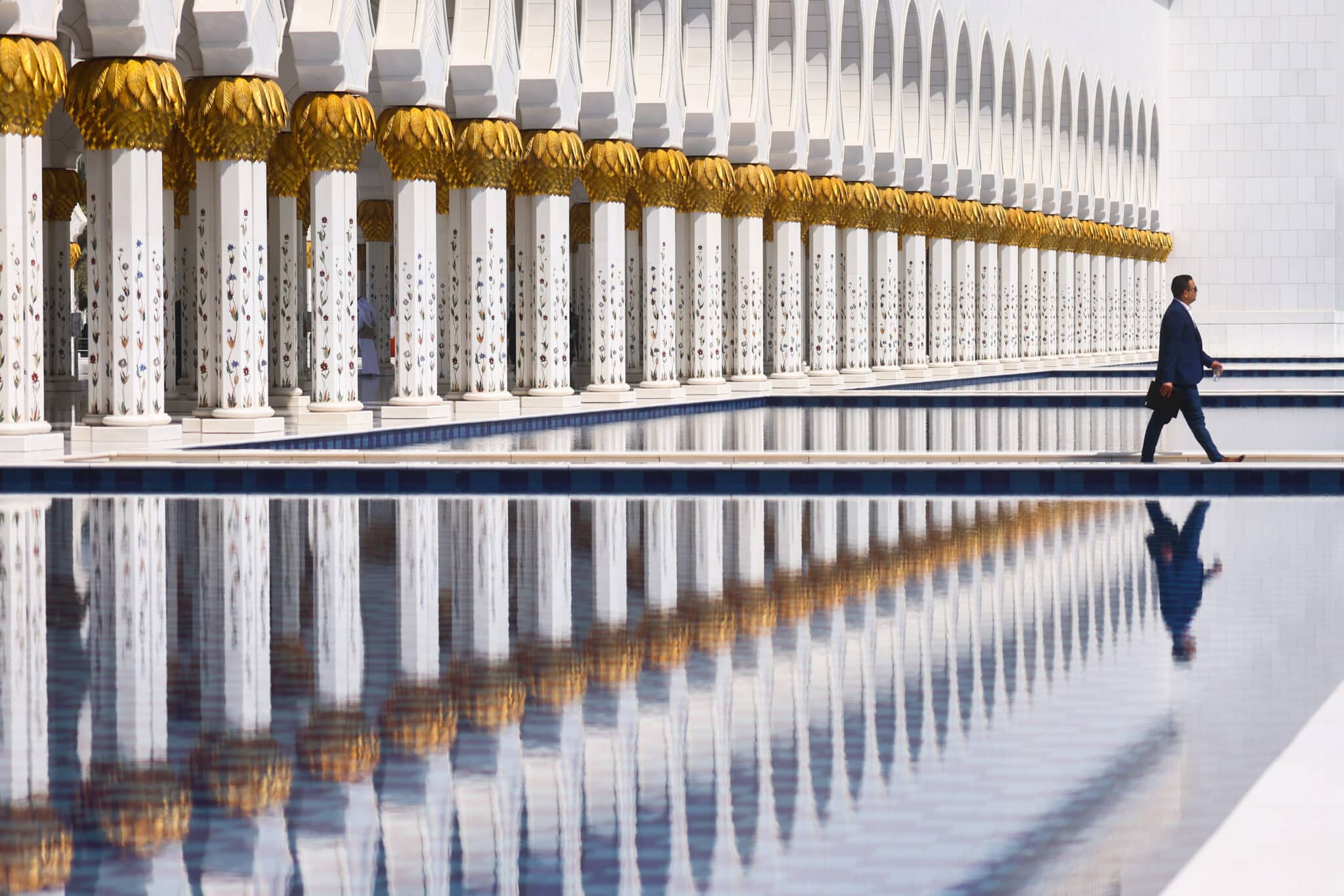
Architecture is a form of soft power, a symbolic language through which Gulf states tell stories about themselves to the world and to their own citizens — and ultimately, to exercise control.
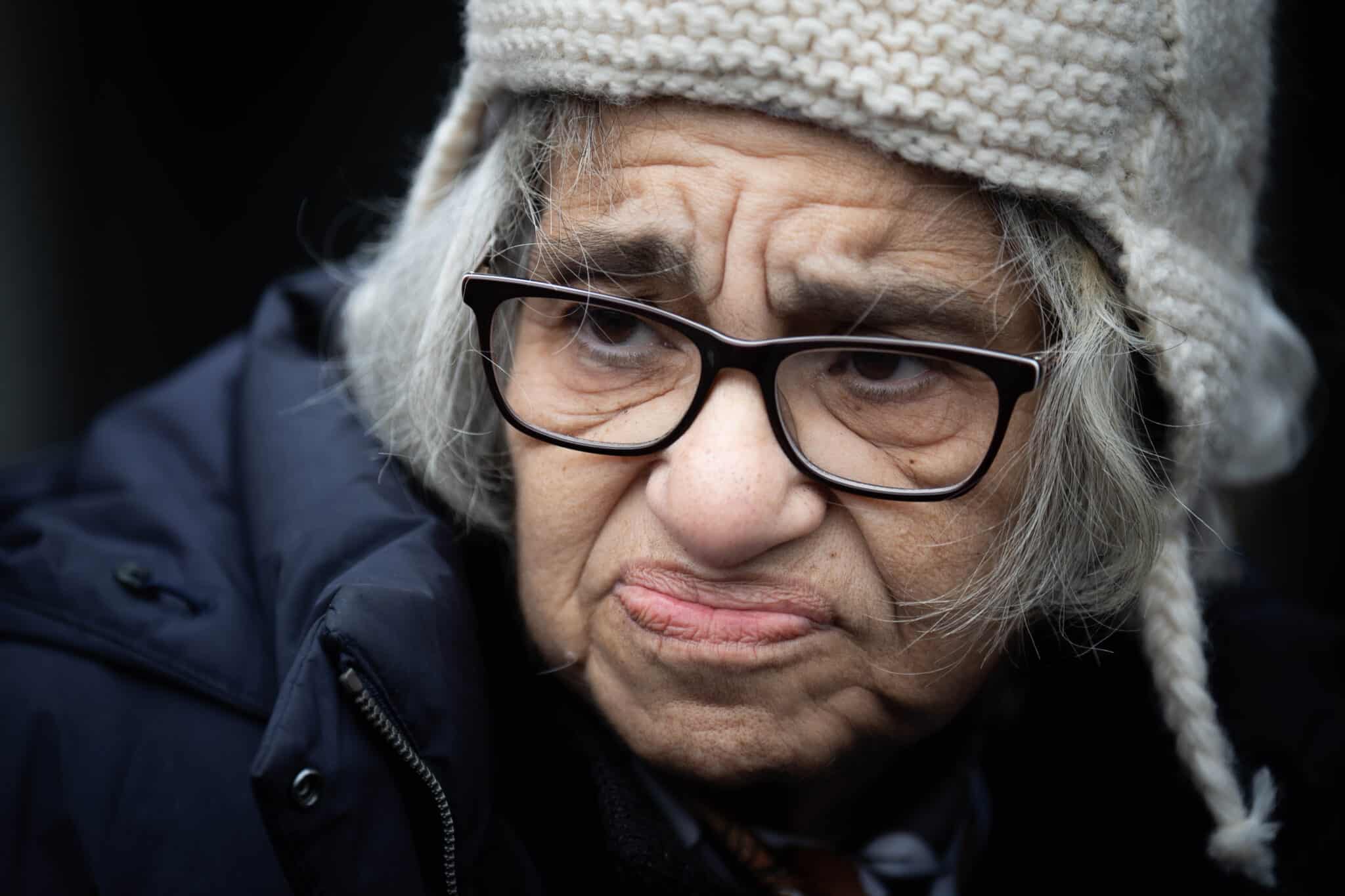
Laila Soueif, the mother of a jailed British-Egyptian activist, has not eaten in more than 240 days in an effort to free her son. Her hunger strike paints a tragic picture of the cost of activism in modern Egypt, where individual protest through the body may be met with institutional silence and indifference.
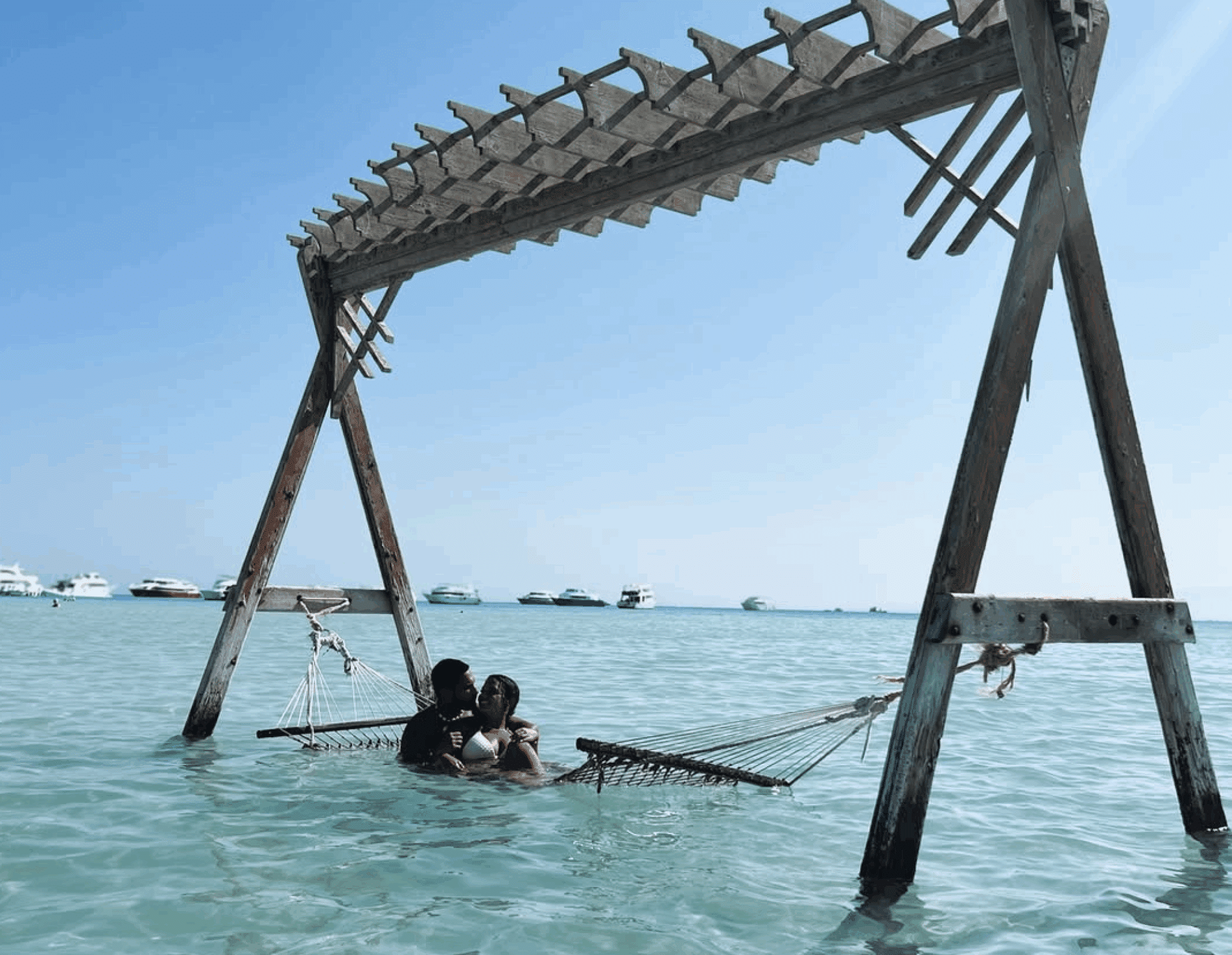
In Egypt’s sun-soaked tourist towns, a new form of romance blooms — one where age, money, and longing collide in quiet transactions masked as love.
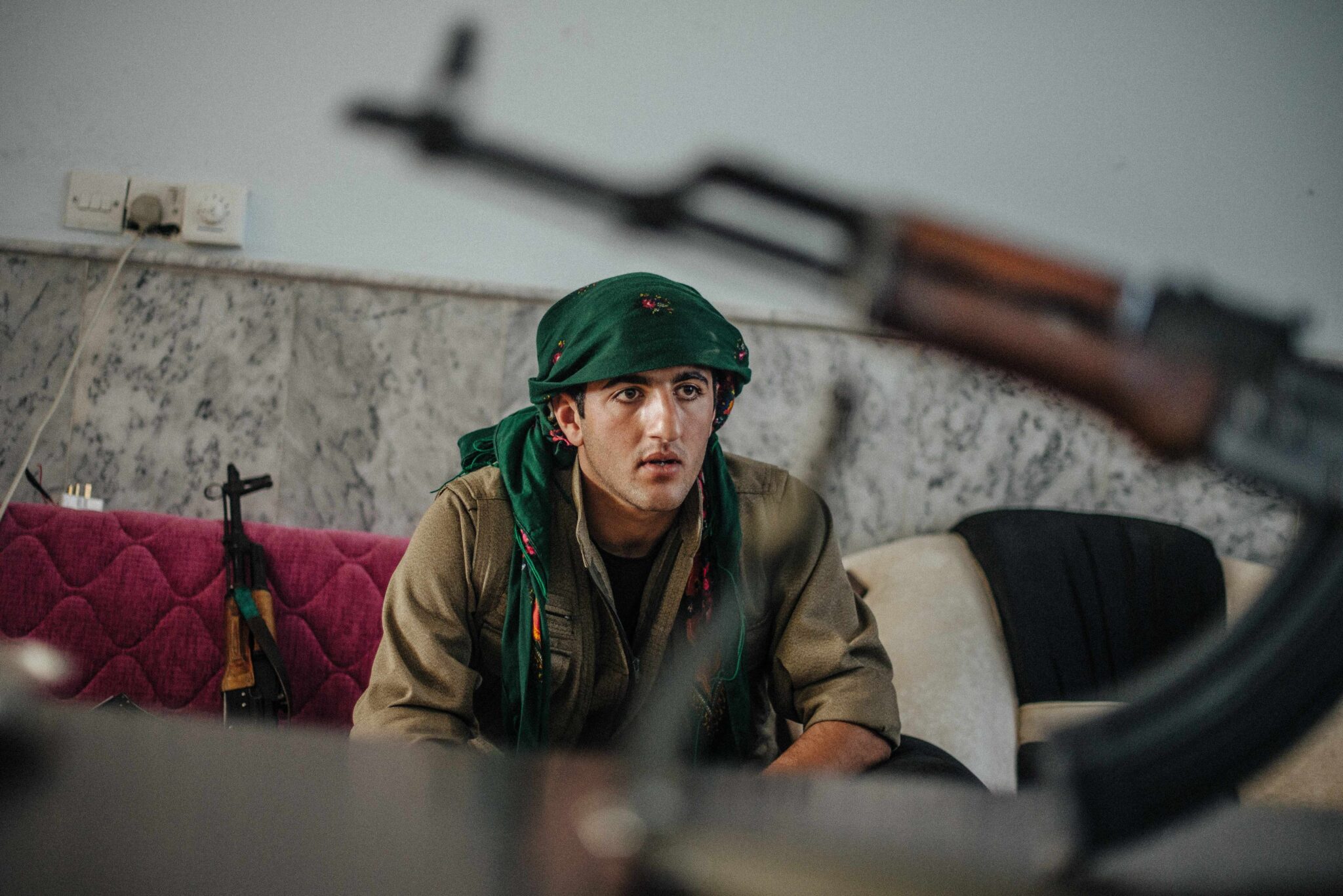
The Kurdish PKK’s historic decision to lay down its arms is just the latest sign that armed struggle has not lived up to its promises of liberation, and now appears to be on its last breaths across the region.
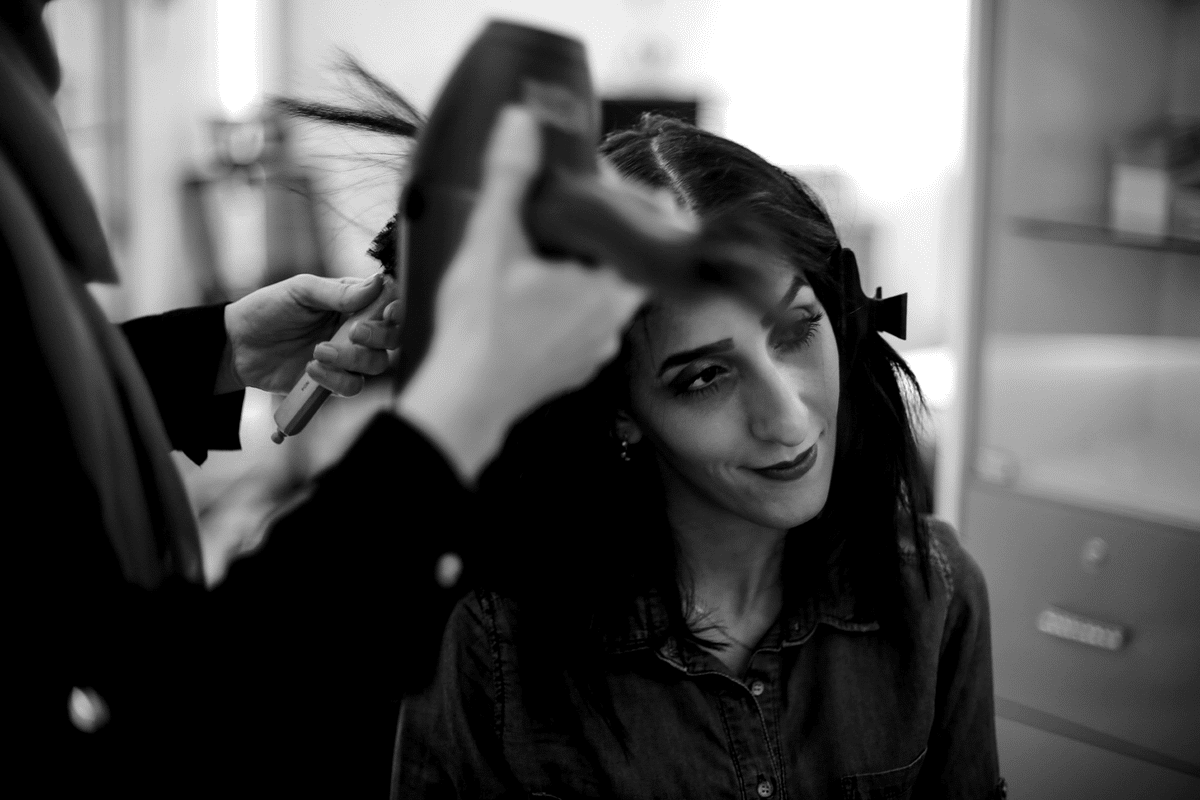
Amid the ruins of Gaza City, women gather in a hair salon not to escape war, but to reclaim fragments of life, beauty, and selfhood. In a city scarred by loss, they color sorrow with dye, memory, and quiet defiance.
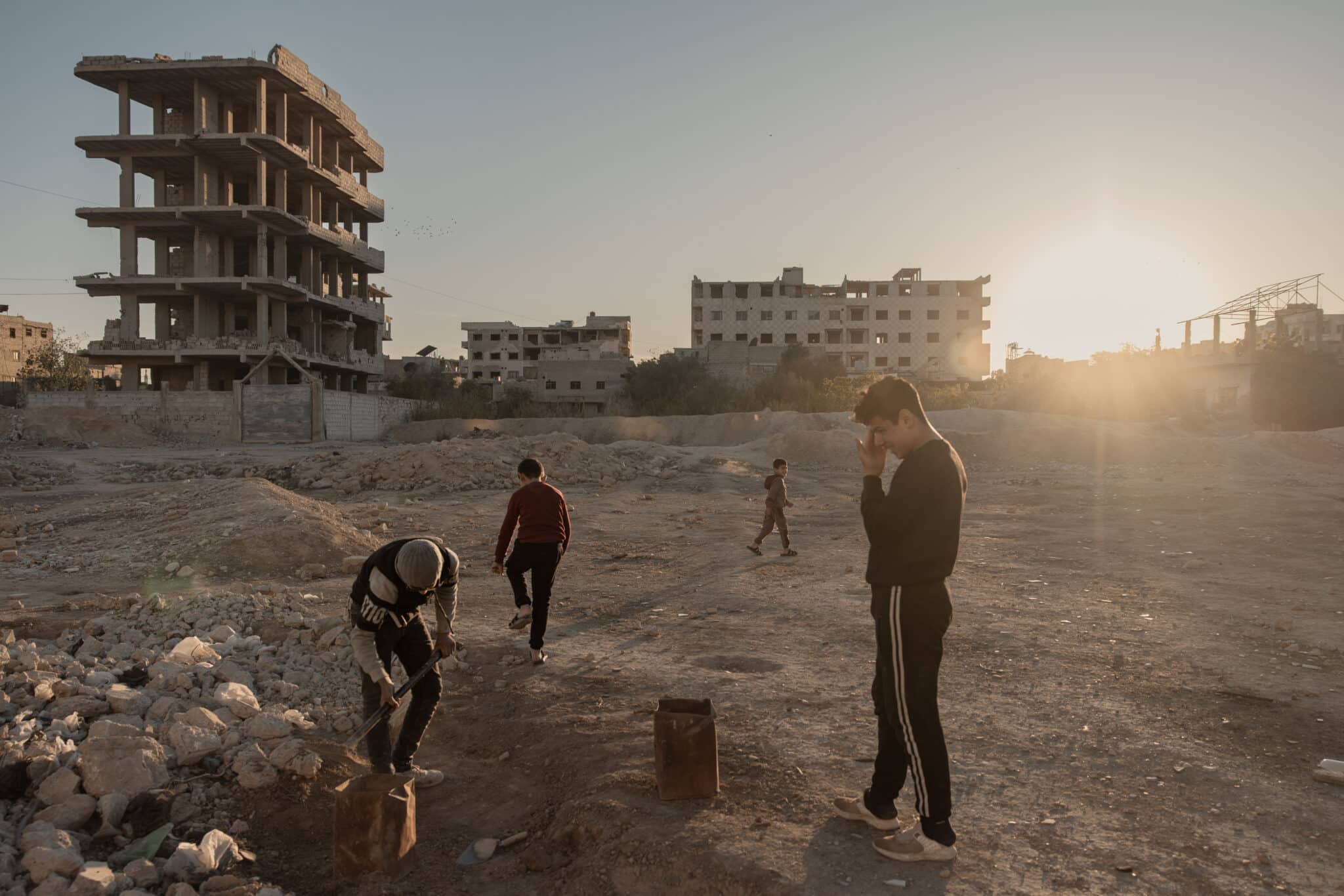
The meeting between Trump and Sharaa marked a pivotal moment not only for Syria but for the broader U.S. worldview. But the future of Syria is still very much up for grabs, as events since the historic handshake are already showing.
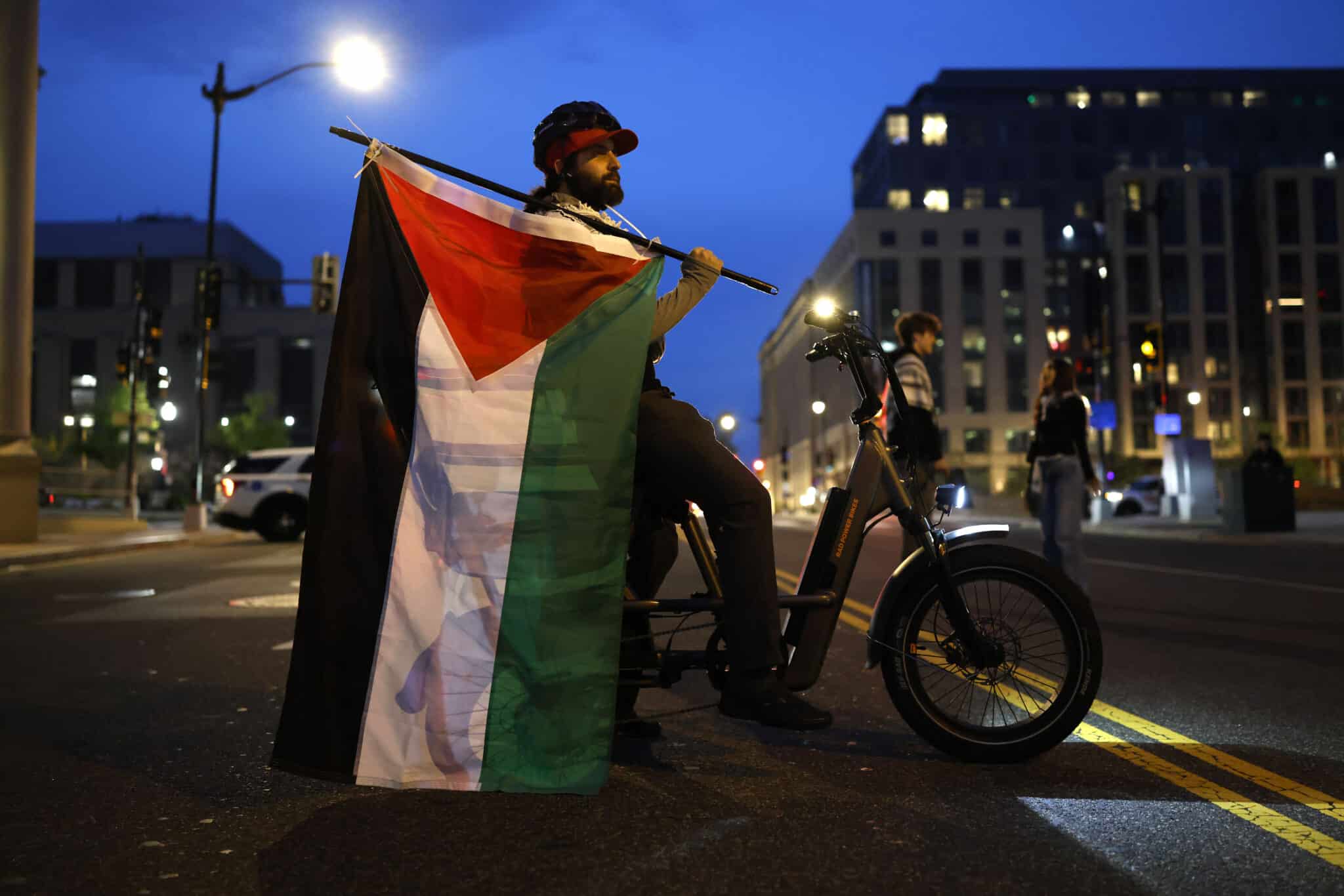
While the Qatari-owned media has pushed Arabs in the U.S. to protest against Israel and American bias toward it, Doha has warned its citizens against doing the same — and prohibits them from interacting on social media.

The video circulating of the Syrian leader’s basketball spectacle coincides with a bloody spectacle carried out by the Sunni factions against the Alawite and Druze Syrians.
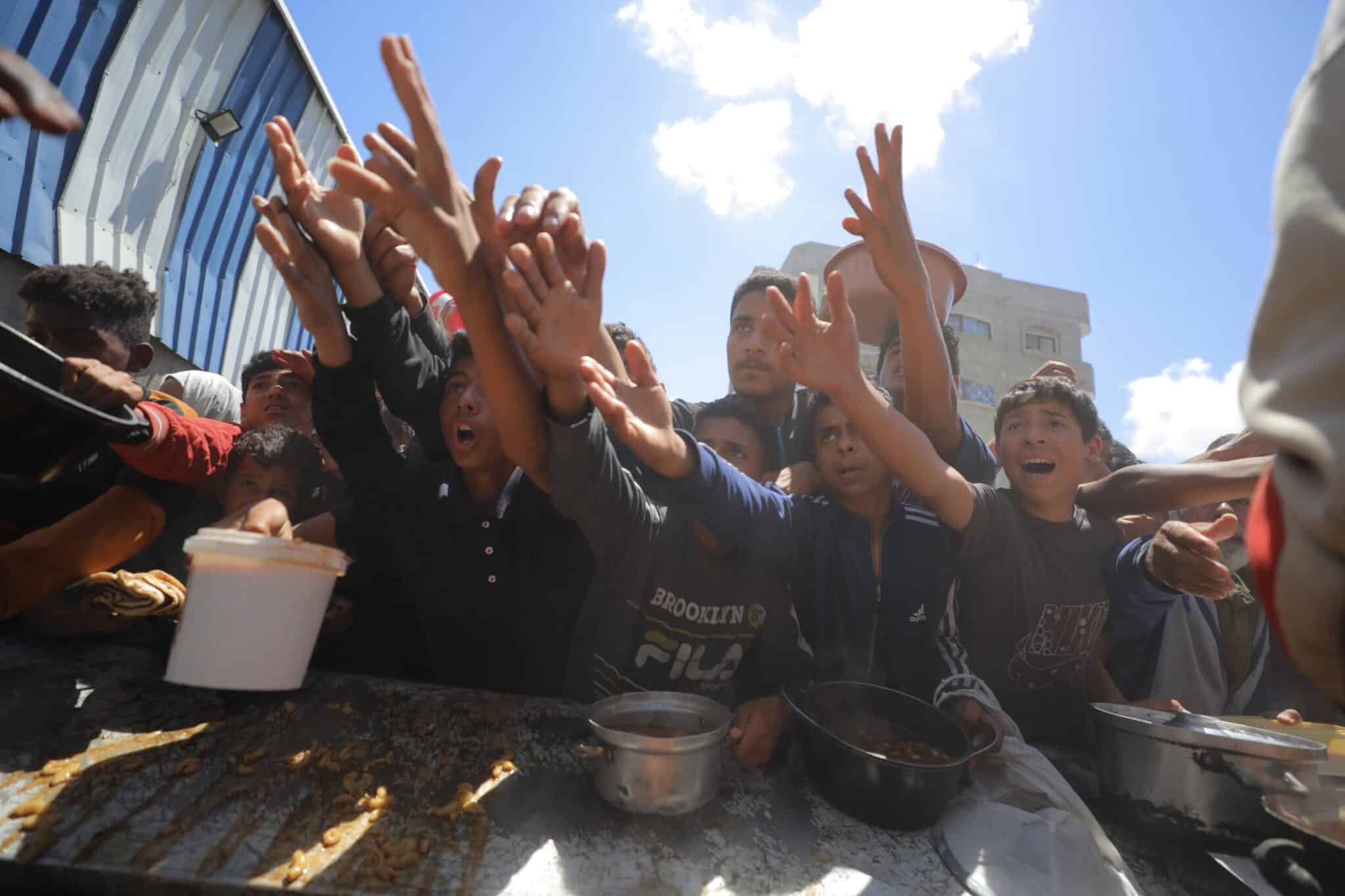
More than two months after Israel closed the borders into Gaza and blocked aid from entering the enclave, the UN World Food Programme has warned that the entire population of the Gaza Strip is at risk of famine.
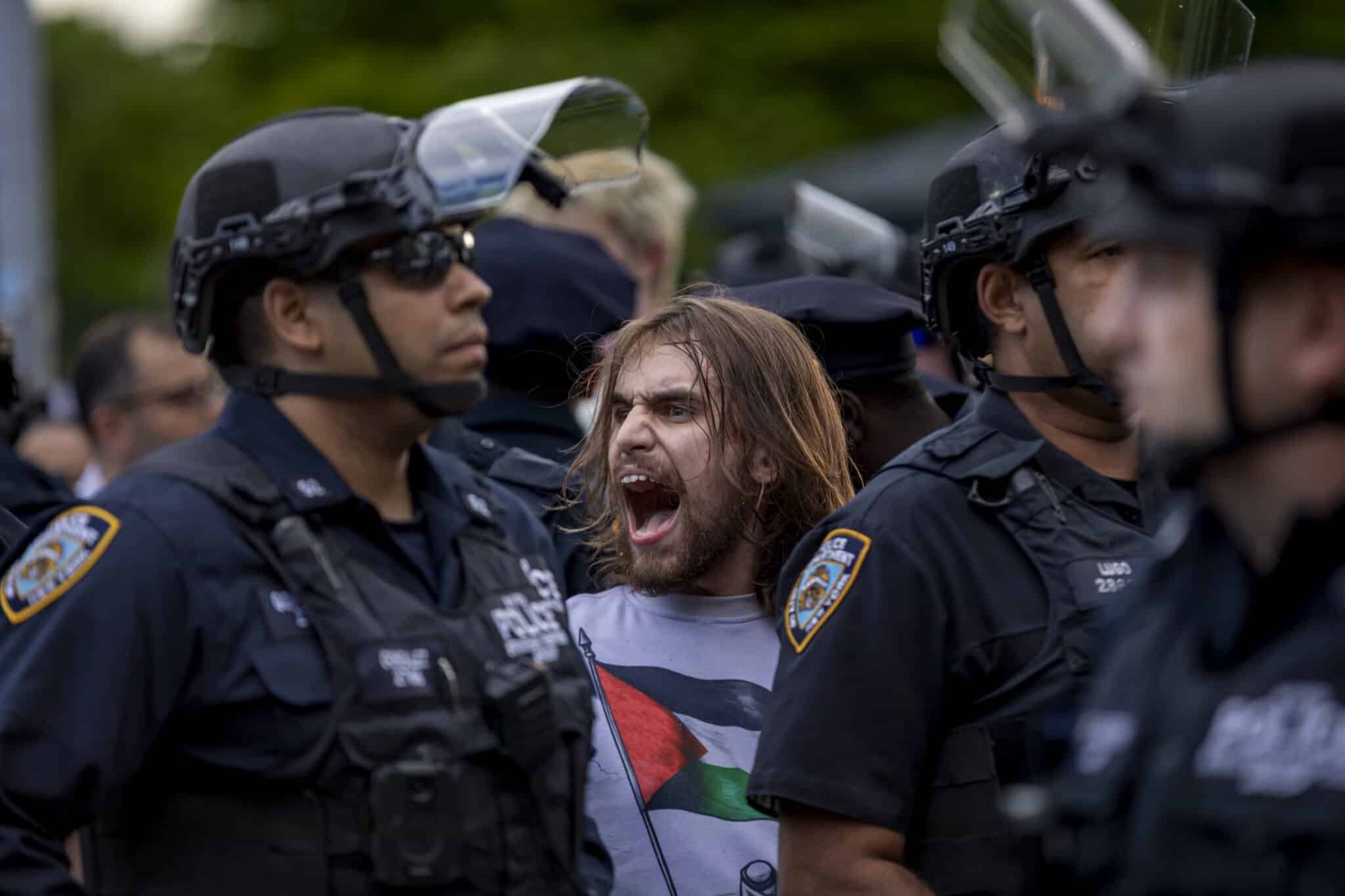
The West’s treatment of Pro-Palestinian protesters has shattered the image of democracies as bastions of free expression. But the West’s contradictions hold lessons for the Arab world.

A personal reflection from Beirut capturing the quiet heartbreak of watching loved ones emigrate in search of stability and dignity. As friends and family disappear into the distance, what remains is a world shaped by absence, memory, and the lingering question: should I go too?
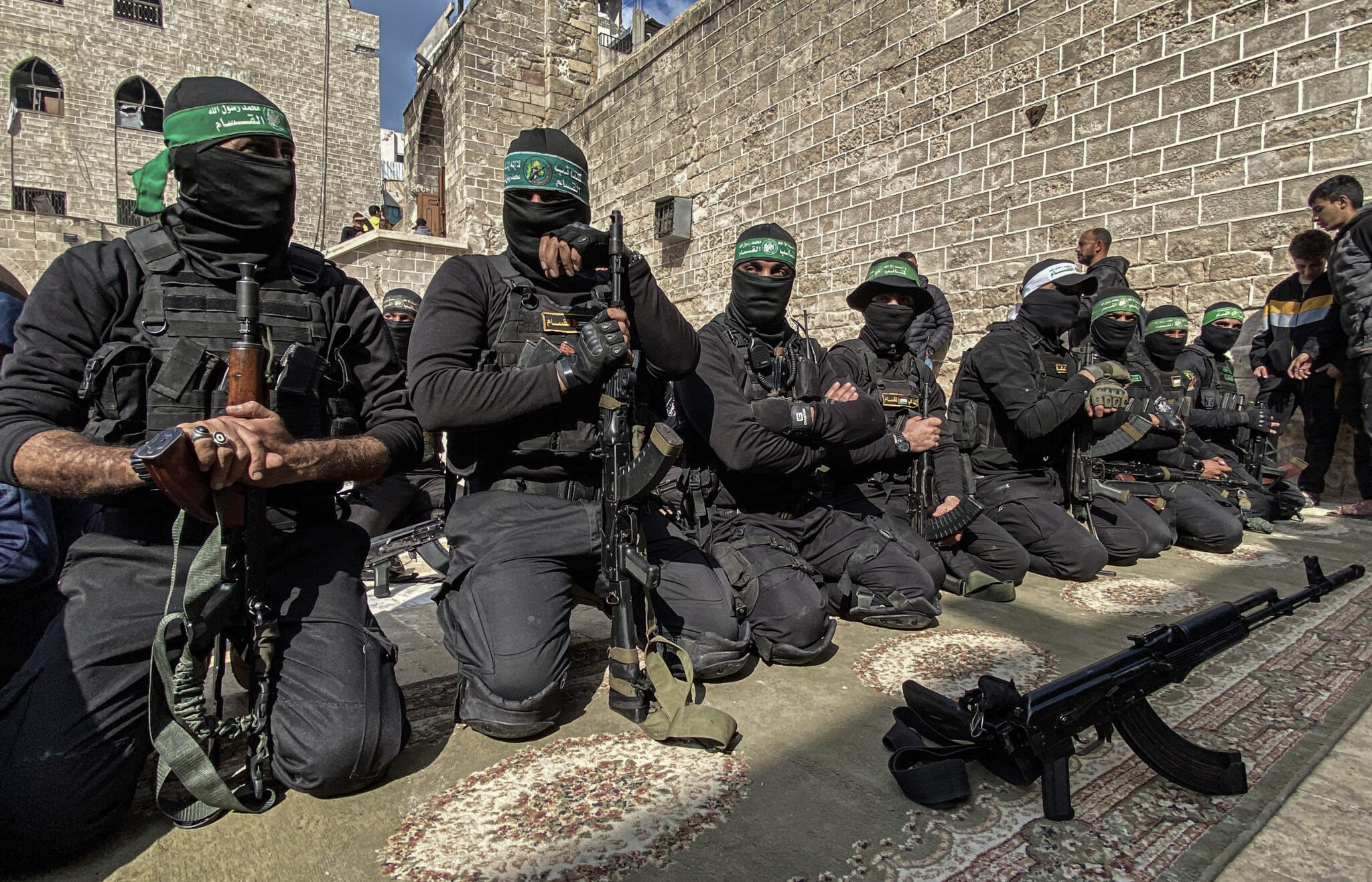
The citizens of Gaza have borne the consequences of not only the Israeli occupation but the authoritarian rule of Hamas for nearly 20 years. Is it finally reaching a breaking point?
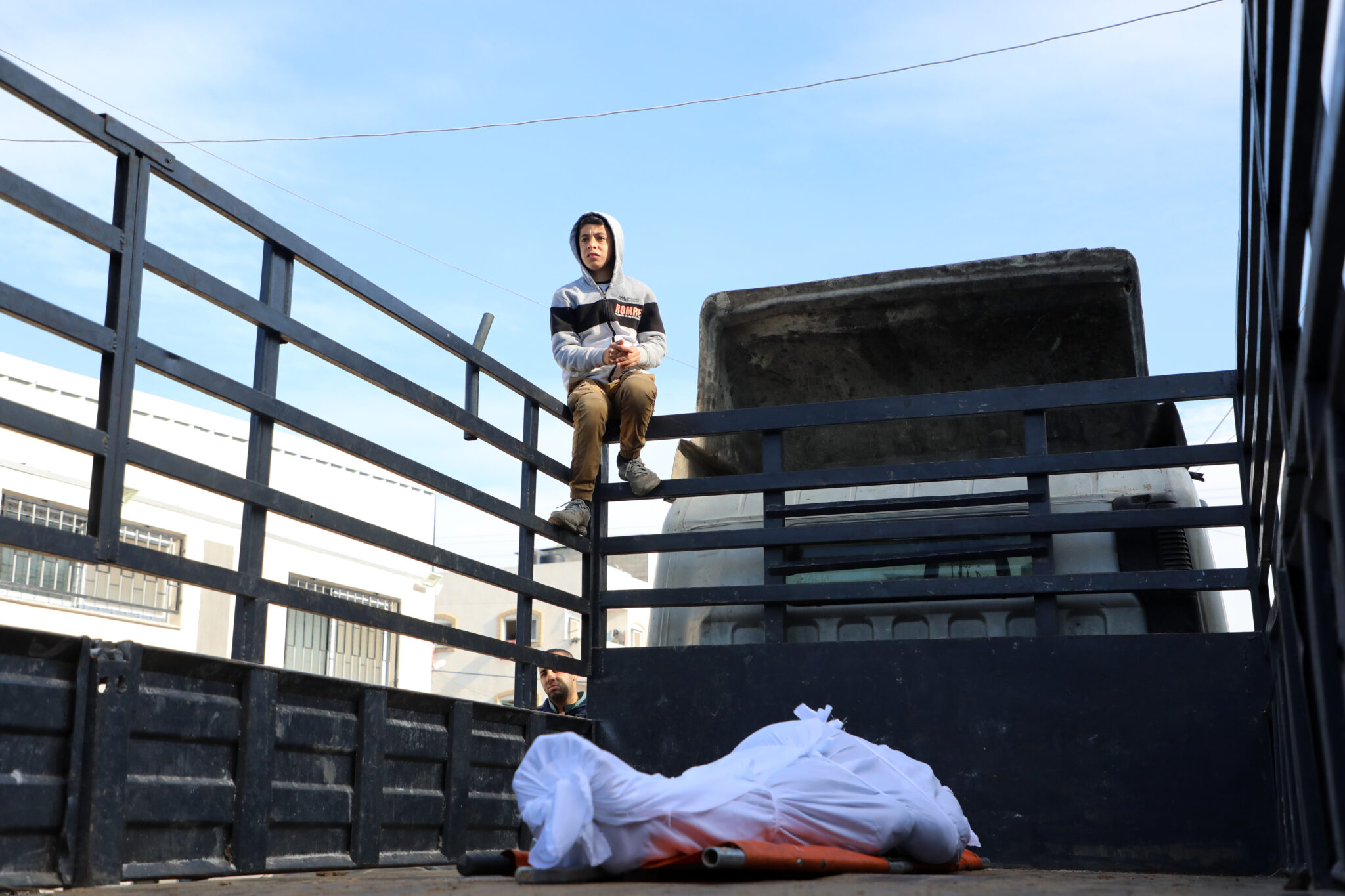
What’s happening today in Gaza goes beyond the bounds of human suffering, a complete eradication of dignity. The humiliation and despair has now reached a point where the living are forced to pay money for the right to bury their dead.
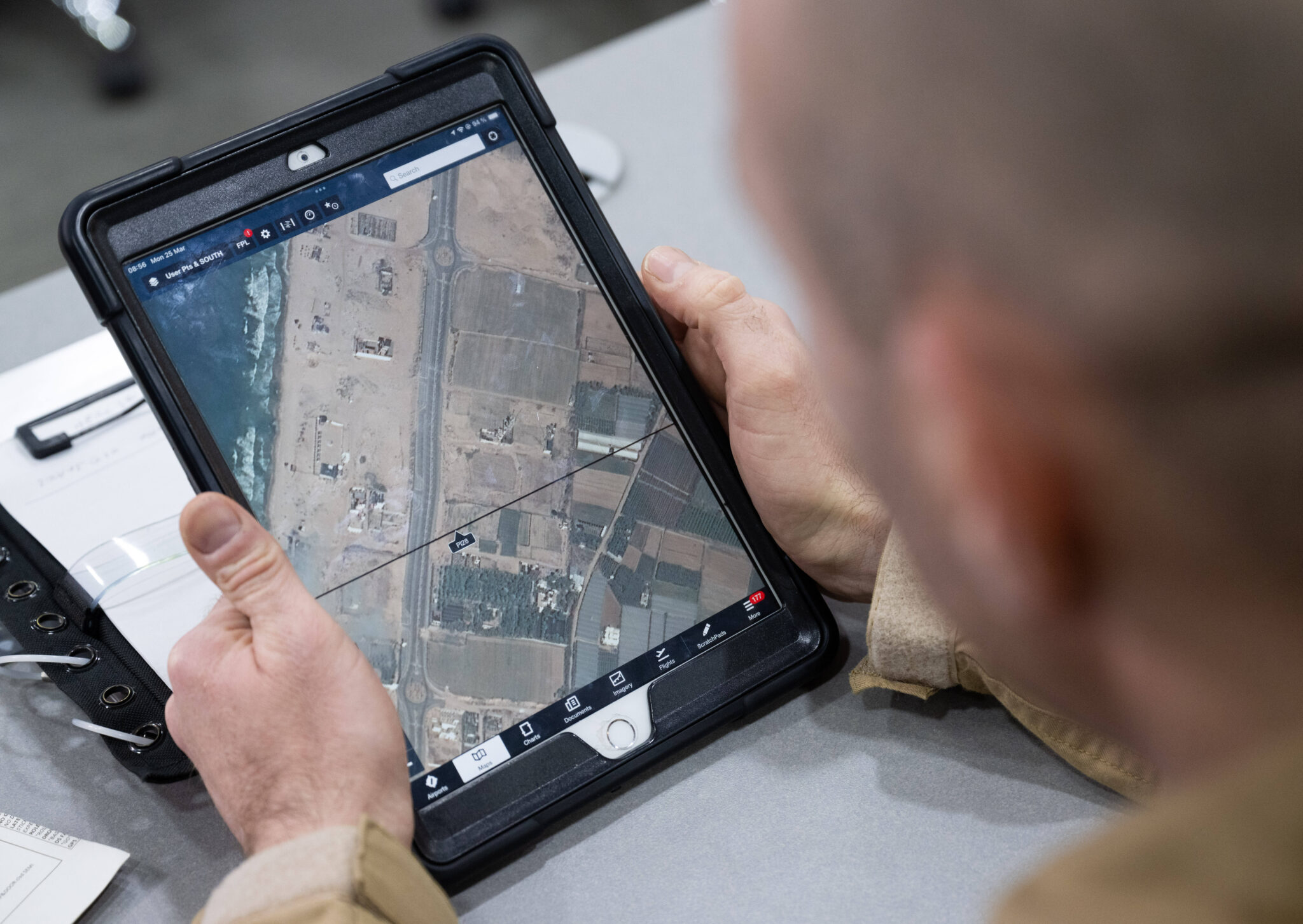
In Gaza, Geographic Information Systems (GIS) — which collect, store, analyze, manage and display geographic data — are helping various organizations to distribute aid, track patterns of violence and destruction, and preserve collective memory.
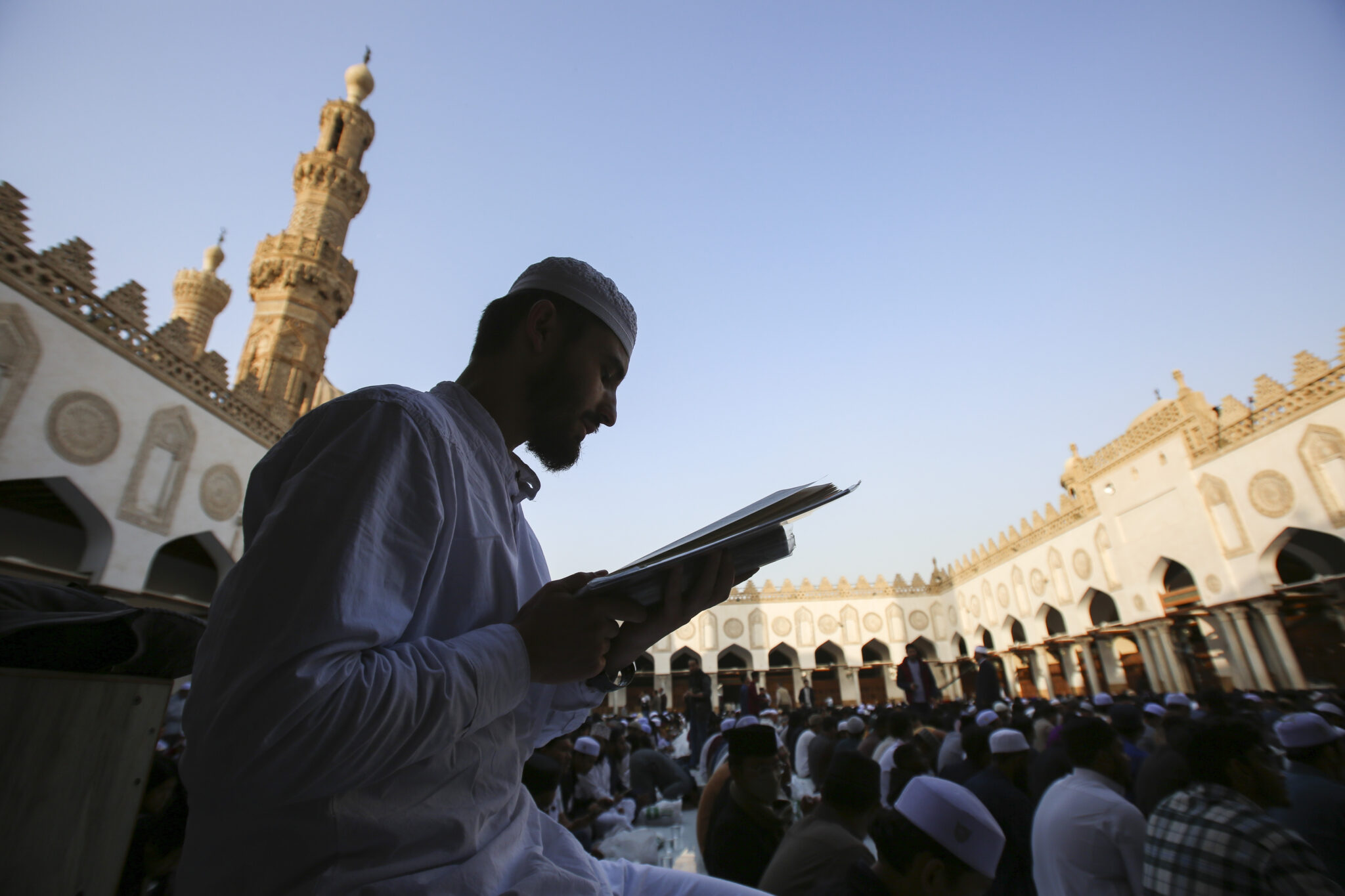
Al-Azhar’s rooting of the idea of unfairness in inheritance division, based on the logic that men deserve twice as much as women, leaves women without full entitlement. One legal scholar is challenging this longstanding edict, and with it the very authority of the venerated Islamic institution.