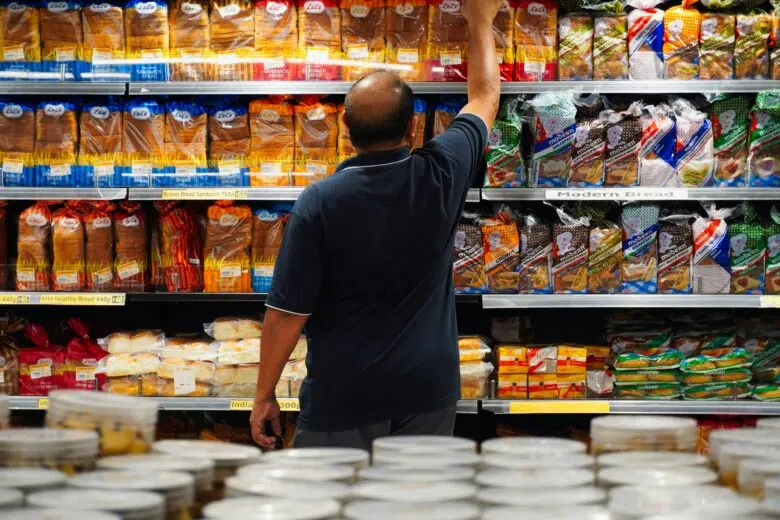
GUATEMALA CITY — The consumption of ultra-processed products has become increasingly common in Guatemala. Largely tracing back to the pandemic, obesity has become a major issue among the urban populations of this small Central American nation.
A new report by the Secretariat of Food and Nutritional Security (SESAN) cites changing consumption habits and the rise of so-called “ultra-processed” foods. Rocío Donis, a nutritionist at the Ministry of Public Health, says that excessive consumption of ultra-processed foods is linked to chronic non-communicable diseases (NCDs) in the Guatemalan population.
For the latest news & views from every corner of the world, Worldcrunch Today is the only truly international newsletter. Sign up here.
Of the 18 million Guatemala inhabitants, SESAN reveals that 30% of those over 18 years of age are in the process of developing diabetes. Among people over 45, there is a 48% occurrence of high blood pressure. Similar problems are also beginning to affect children and adolescents, an age group with a 38% possibility of being overweight or obese.
Ultra-processed products
They are commonly referred to as “ultra-processed foods,” but the correct term is “ultra-processed products.” Donis explains that the distinction is because they do not provide any health benefits. The nutritionist defines them as “ready-to-eat industrial products” that are made by combining processed ingredients with additives and substances extracted from food.
“These products usually contain high amounts of fat, excess sugar, and additives,” she adds.
Donis points out that these products are appealing to the palate (hyperpalatable) and therefore people seek and consume them in larger quantities.

Examples of hyperpalatable foods include carbonated drinks, sugary drinks, snacks, instant soups, ready-to-eat packaged foods and candy.
They are made by combining processed ingredients with additives and substances extracted from food.
The ingredients in these ultra-processed foods are linked to NCDs, which can lead to problems such as obesity and heart disease, including high blood pressure and diabetes.
According to SESAN, 50% of packaged products in Guatemala contain excessive amounts of sugar, sodium, saturated fats, and trans fats. These elements are directly linked to chronic diseases such as diabetes, hypertension, and cardiovascular disease.
Misleading claims
Ultra-processed foods that claim to be fortified with vitamins and minerals are also available on the market. They are commonly found in milk drinks and other beverages, breakfast cereals, cereal bars, and similar products.
Fernanda Kroker, coordinator of the Research Center at the Institute of Nutrition of Central America and Panama (INCAP), points out that this claim is misleading.
It is used as a marketing strategy
Most of these products “with added vitamins and minerals” actually contain high amounts of calories, sodium, sugars, and fats. They also contain other synthetic ingredients.
“It is used as a marketing strategy to give a healthy attribute to a product that is not really healthy,” says Dr. Kroker.
She also warns about the advertising aimed at minors, as parents believe they are purchasing quality products. “In reality, these are ultra-processed products with excessive amounts of at least one of the elements associated with chronic noncommunicable diseases,” she warns.
Redesign is not enough
Research professionals, medical organizations, and universities are pushing for Guatemala to pass front-of-package labeling into law by means of an initiative discussed in Congress, which was later shelved.
Front-of-package labeling has been a success in Latin American countries, but the Guatemalan food industry rejects it and has created smear campaigns against the initiative and those who promote it. In 2024, journalist Luis Assardo reported on a paid campaign on social media using anonymous accounts to spread misinformation about the issue.

According to Dr. Kroker, having a healthier population doesn’t mean banning ultra-processed foods. Instead, we need to eat more natural, unprocessed, or minimally processed foods.
To achieve this, she points out that a transformation of food systems and the implementation of effective food and social policies are required. Healthier environments should be developed where eating unprocessed food is affordable, safe, and available to the entire population.