
-Analysis-
PARIS — So here is U.S. President Donald Trump’s plan for Gaza. Gone are the Riviera resorts and futuristic towers he imagined at the start of the year. But is the 21-point plan, presented on Monday in Washington, realistic? Or fair?
And, most importantly, can it bring an end to the tragedy that has been unfolding in this small territory for nearly two years — the ordeal of the Israeli hostages and the suffering of two million Palestinian civilians?
It would take a great deal of optimism to believe so. Trump’s plan falls far short of the Franco-Saudi proposal, even though French Foreign Minister Jean-Noël Barrot insisted on Monday that it was “largely inspired by French ideas,” which, in reality, appear only in point nine of the U.S. plan.
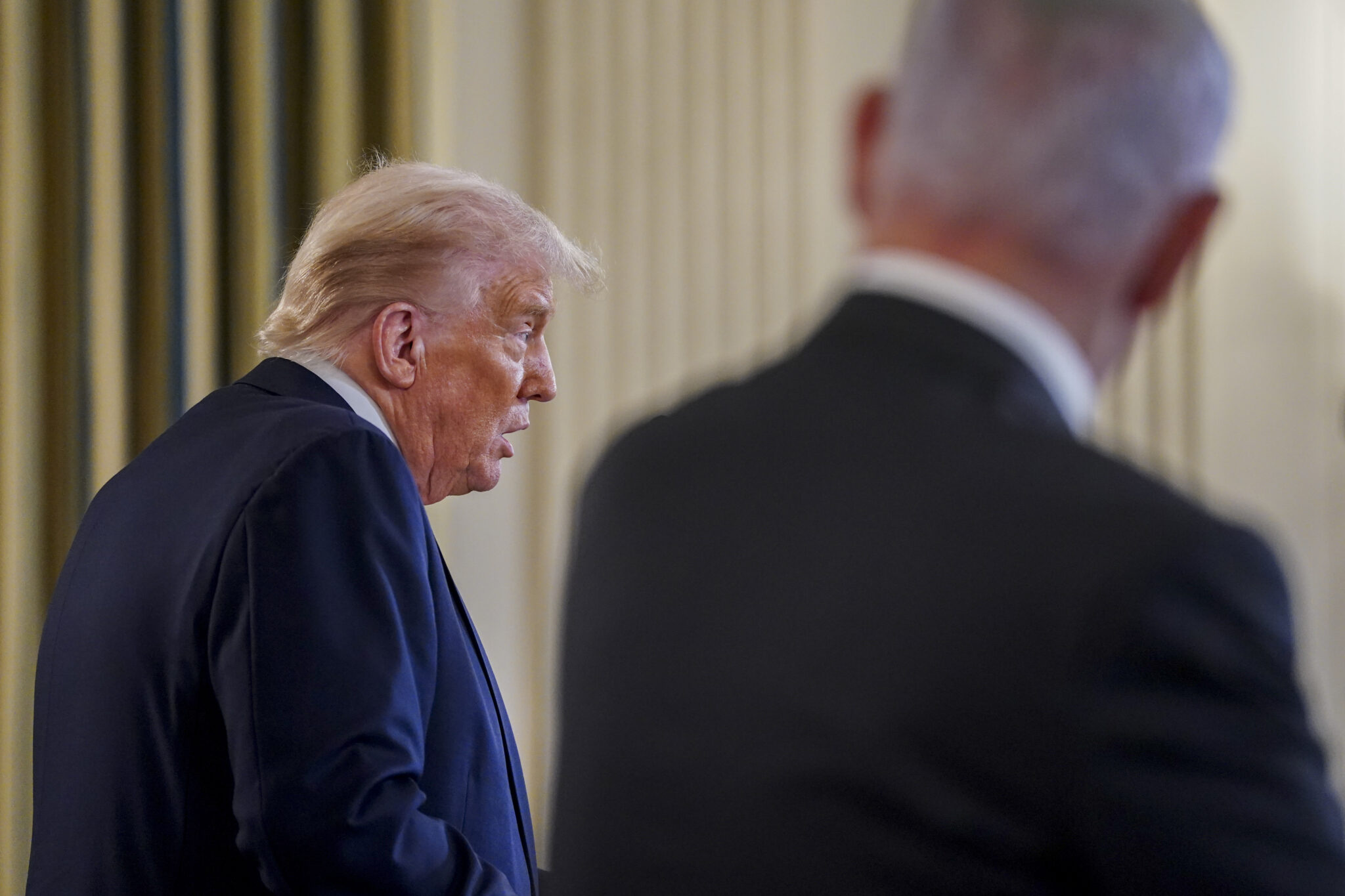
Admittedly, the 21 points do not align with the Israeli government’s hardline vision either. Yet a troubling remark from Trump, spoken with Israeli Prime Minister Benjamin Netanyahu at his side, hinted at a harsher outcome: If Hamas rejects the plan, he said, “Israel would have my full backing to finish the job of destroying the threat of Hamas.”
Slim chances
What are the chances of this plan being implemented? They appear slim. It is difficult to see which Palestinians — not just Hamas — would agree to hand over the administration of the Gaza Strip, as the plan proposes, to an entity chaired by Trump and delegated to former British Prime Minister Tony Blair. The return of the Palestinian Authority, which the Franco-Saudi plan had designated for this role, has been pushed aside.
In seven months in power, Trump has green-lighted every Israeli escalation.
Washington did make some concessions to the Arab leaders who met with Trump last week. There will be no annexation of Palestinian territories, as Israel had threatened, and no expulsion of Palestinians, although the transitional authority will retain the power to issue exit permits.
But in a concession to Israel, the plan sets no timetable for the withdrawal of the Israeli army from Gaza, unlike the ceasefire negotiated last January, which included a clear deadline.
Questionable authority
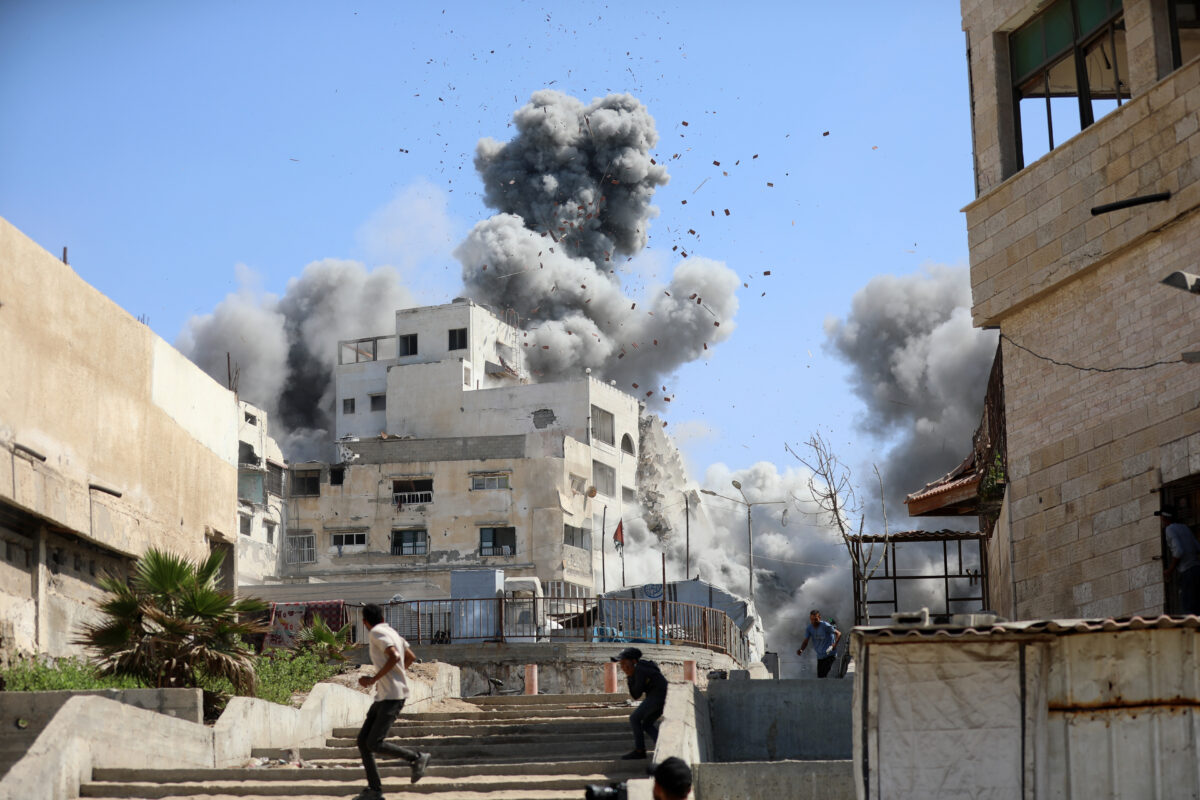
The real question is whether Trump is a mediator or an active participant. This 21-point plan is intended to cast him as an “honest broker,” to use the familiar phrase. But in seven months in power, Trump has effectively green-lighted every Israeli escalation: the renewed attacks on Gaza in March, the violence in Iran in June, and the strike on Qatar in September — even if the last was a step too far.
Everyone in the region is convinced that Trump could halt the conflict if he chose to. Yet this complex new plan only prolongs the war, which caters directly to the interests of Netanyahu.
It would be comforting to believe that this American plan could hasten the end of a crisis now entering its third year. But it is too fragile and one-sided to be truly credible. Even if it were implemented, it has little chance of achieving the two-state solution promised during last week’s UN debates on the recognition of Palestine. Ultimately, it is a return to the hard reality of the balance of power.