
-Analysis-
PARIS — When America wants something — or rather, when Donald Trump wants something — it tends to happen. That’s the real takeaway from the deal struck overnight in Egypt on the first phase of the Gaza ceasefire plan. This wasn’t a hard-won compromise between Israel and Hamas, but the result of American muscle, backed by negotiators from Qatar, Egypt, and Turkey. Which makes you wonder: why wasn’t that same push used earlier to stop the suffering in Gaza?
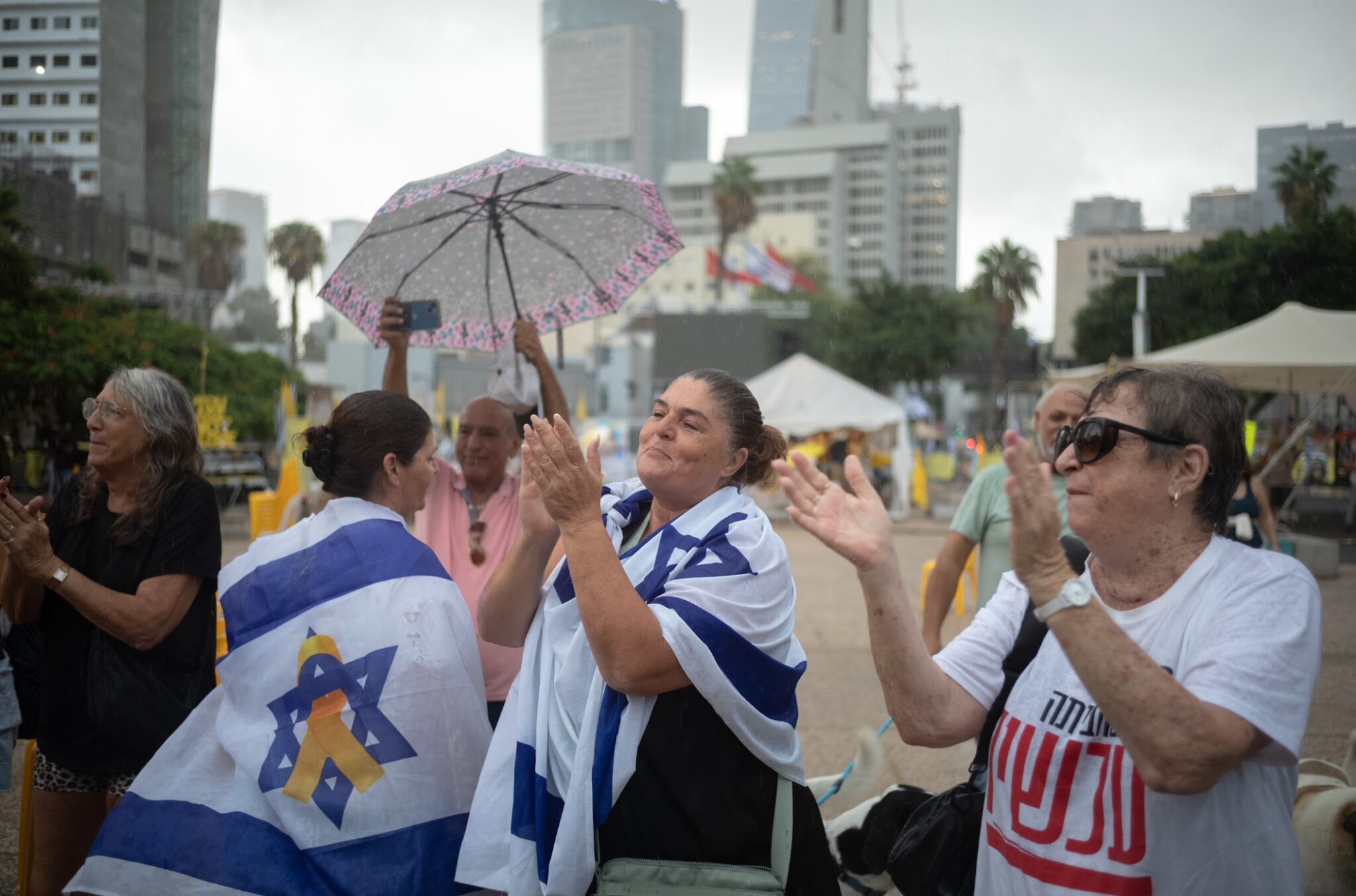
What matters most right now is that this deal should finally bring an end to the ordeal of the Israeli hostages. In the coming days, 48 hostages, alive or dead, will be released by Hamas and other Palestinian groups and returned to their families. They have spent two years in horrific conditions since being taken during the October 7, 2023 massacre, and it’s worth remembering that the taking of civilian hostages is a war crime.
This release will lift a psychological barrier that had held Israelis back, allowing them at last to think about what comes next. As long as the hostages remained in captivity, few wanted to question Israel’s strategy in Gaza, the future of the Palestinian territories, or Benjamin Netanyahu’s responsibility for the failures of October 7.
Hamas in a corner
Part of the country had been protesting loudly against the prime minister’s approach, which never made the hostages’ release a real priority. Political debates surfaced from time to time, but that barrier — the hostages — kept the national conversation from moving forward.

On the Palestinian side, things are even more complicated. Hamas has been pushed into a corner by its regional backers — especially Qatar and Turkey — and will find itself exposed once the “hostage shield” is gone. It will gain some advantage from the release of hundreds of Palestinian prisoners from Israeli jails and from the (at least) temporary halt to the bombings that have made life unbearable for Gaza’s two million civilians. But what happens next is far from clear.
The next moves are once again Trump’s to make.
If the first phase of the deal goes through, the next steps look far more uncertain. Trump’s plan is both unrealistic and flawed, and it’s hard to imagine the next stage being negotiated as quickly or as effectively as this one, which relied mostly on outside pressure to force the warring sides to move.
Fragile reality
The disarmament of Hamas, the creation of a provisional administration in Gaza made up of Palestinian technocrats and outside authorities, with Tony Blair envisioned as a kind of viceroy — all of it is complicated and hard to pull off.
The next moves are once again Trump’s to make, in a world that seems to have slipped back into one ruled by brute force. Will he show the same determination to see this through, or let the crisis drift, and risk sliding back toward war?
There is little willingness to compromise, either within Netanyahu’s coalition, which is on the verge of collapse, or within Hamas, weakened but still standing. That is the fragile reality of this moment. Its strength lies with the outside powers — the only ones able to exert real influence. For all its uncertainty, this remains a historic turning point.