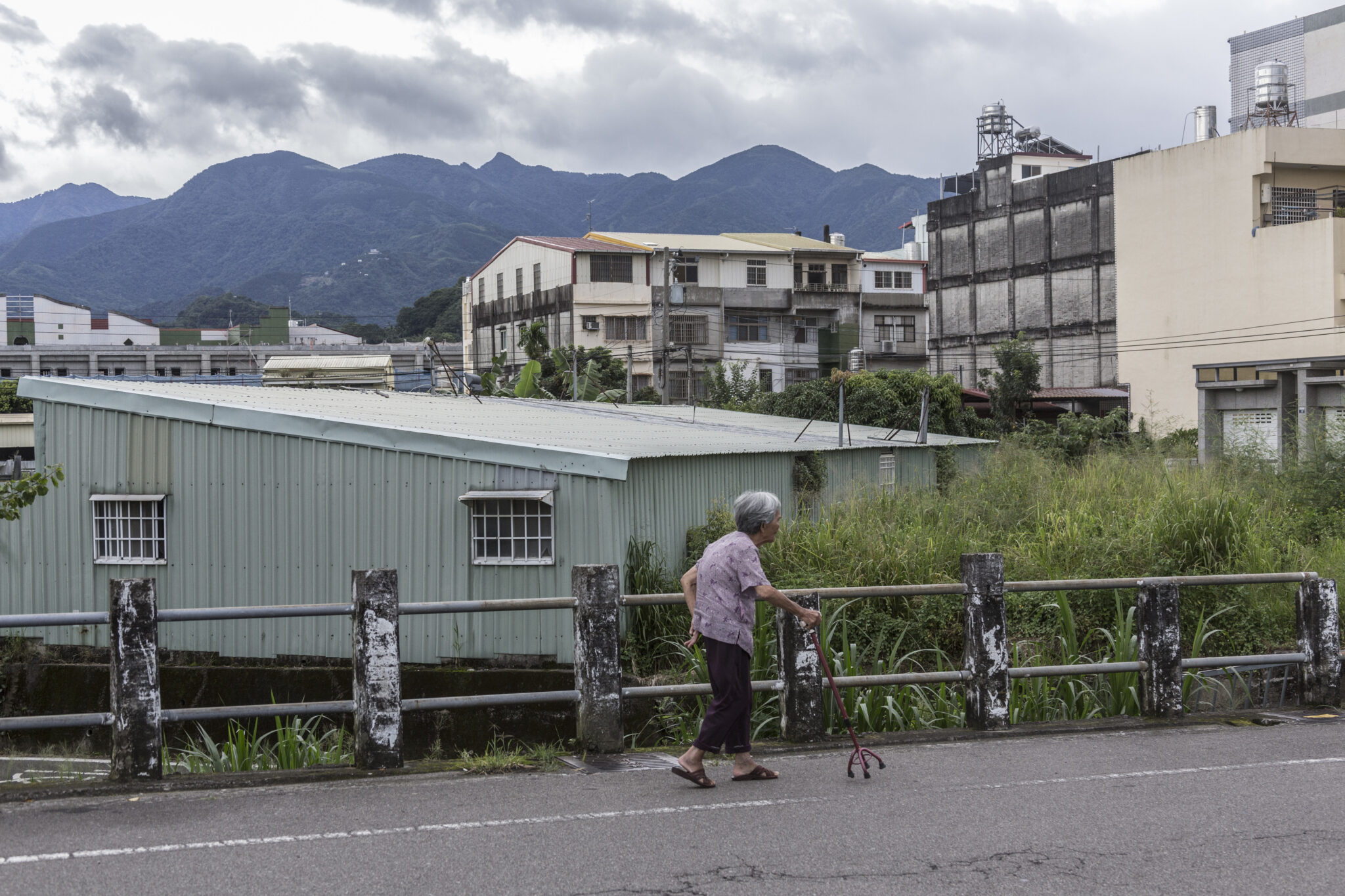
It used to be that Taiwan’s multi-generational family lived together and cared for each other. Low birthrates and rising economic pain are reformulating the equation for all.
 Worldcrunch
Stay updated with comprehensive news on Taiwan from Worldcrunch. Discover insights on Taiwanese politics, economic strategies, societal issues, and cultural landmarks with translations from top international sources. Highlights include Taipei, Taiwanese history, and cultural events.
It used to be that Taiwan’s multi-generational family lived together and cared for each other. Low birthrates and rising economic pain are reformulating the equation for all.
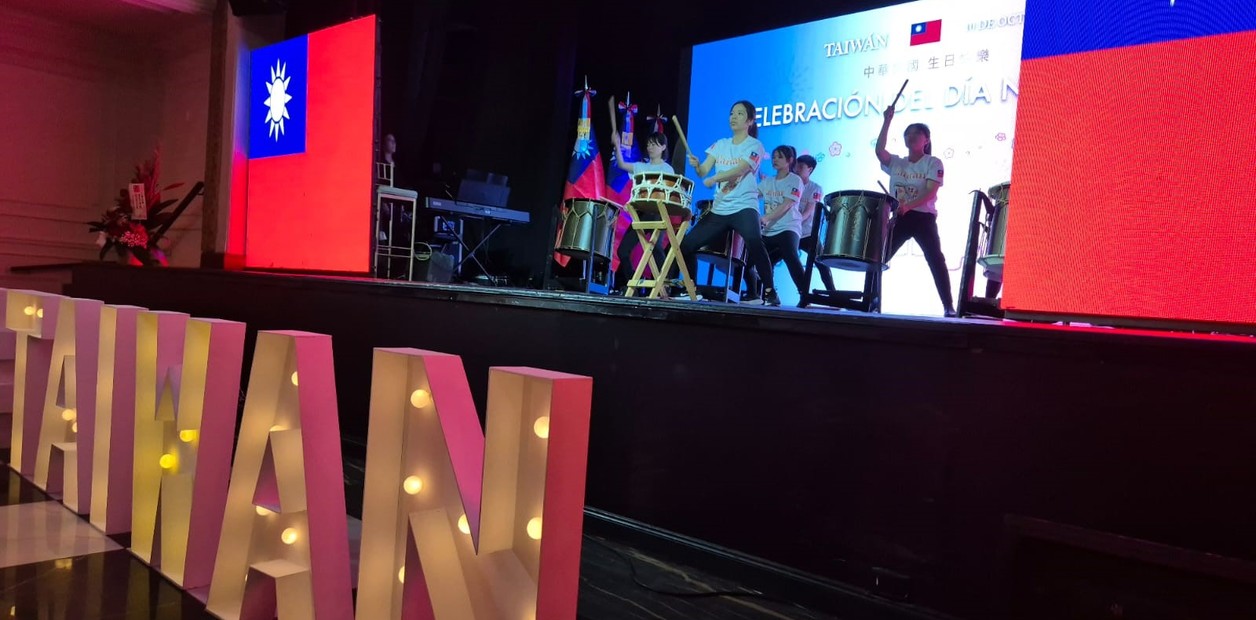
In several Latin American countries, there is renewed interest and advocacy to reactivate bilateral ties with Taiwan, after years of broken political promises and economic contracts.
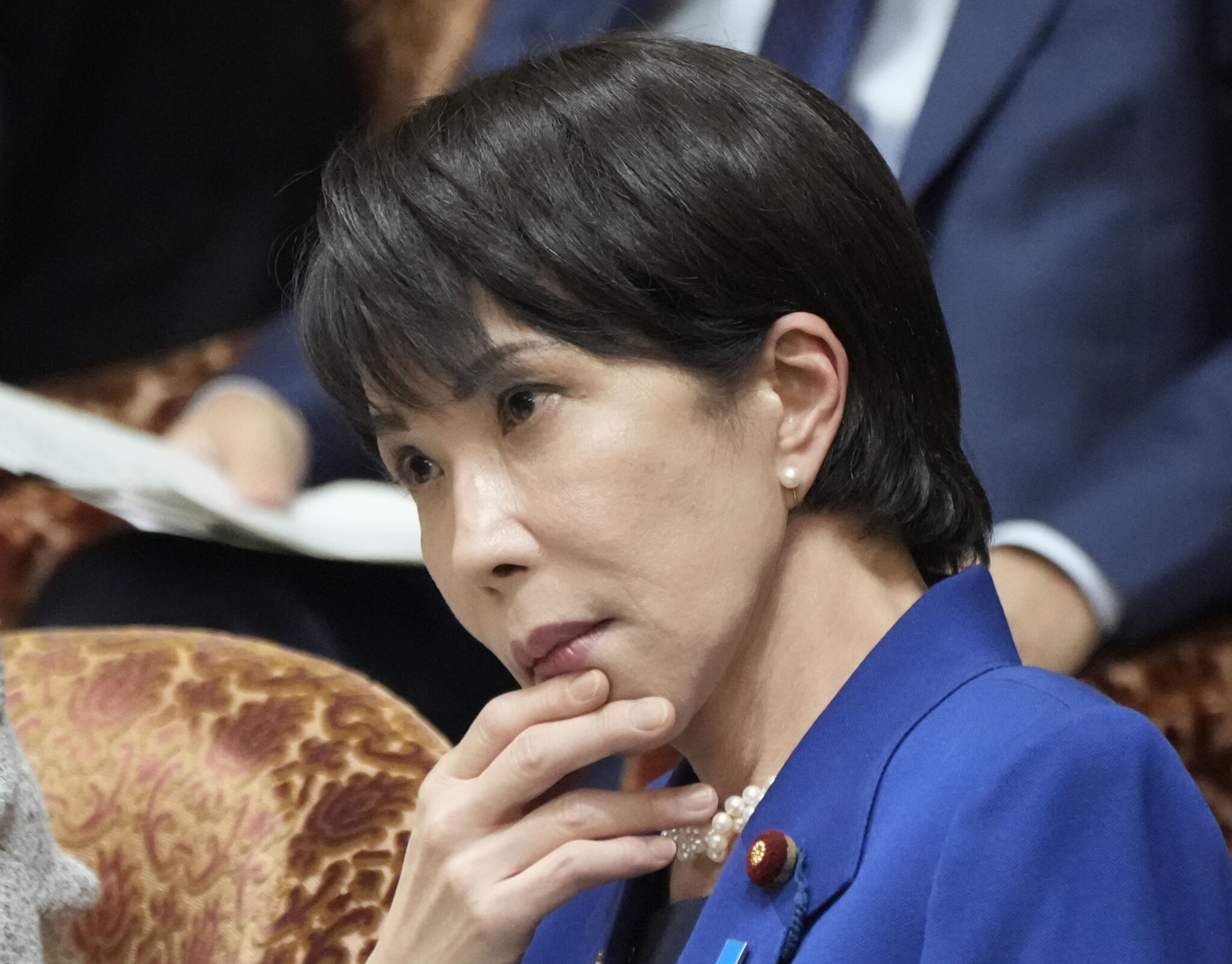
Because of her comments that a Chinese attack on Taiwan would constitute an “existential threat” to Japan, the Japanese prime minister has been facing Beijing’s wrath for three weeks. Taiwan is the central issue in East Asian tensions, and Donald Trump has stepped in with characteristic ambivalence.
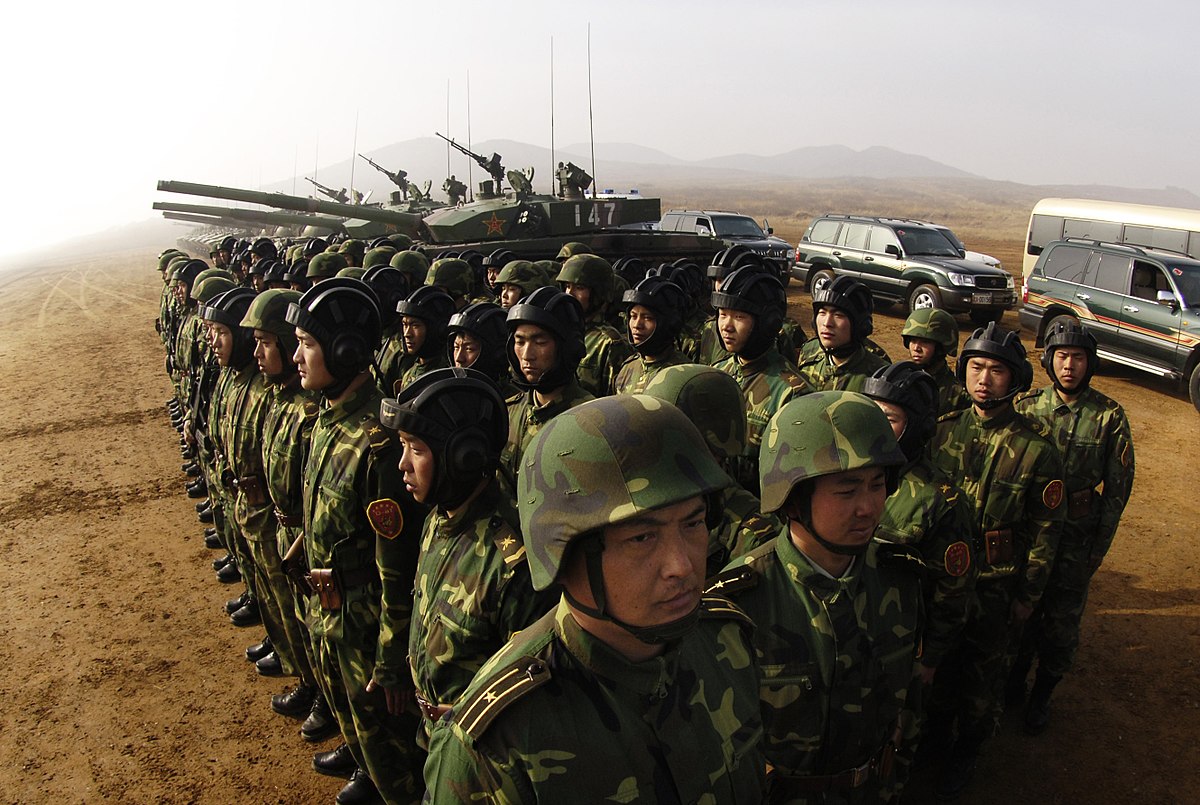
Once seen as a regional military power reliant on outdated Soviet tech, China is now emerging as a global force with cutting-edge weaponry. From stealth jets to next-gen drones, the country’s rapidly advancing arsenal is redefining the balance of power in global conflict zones.
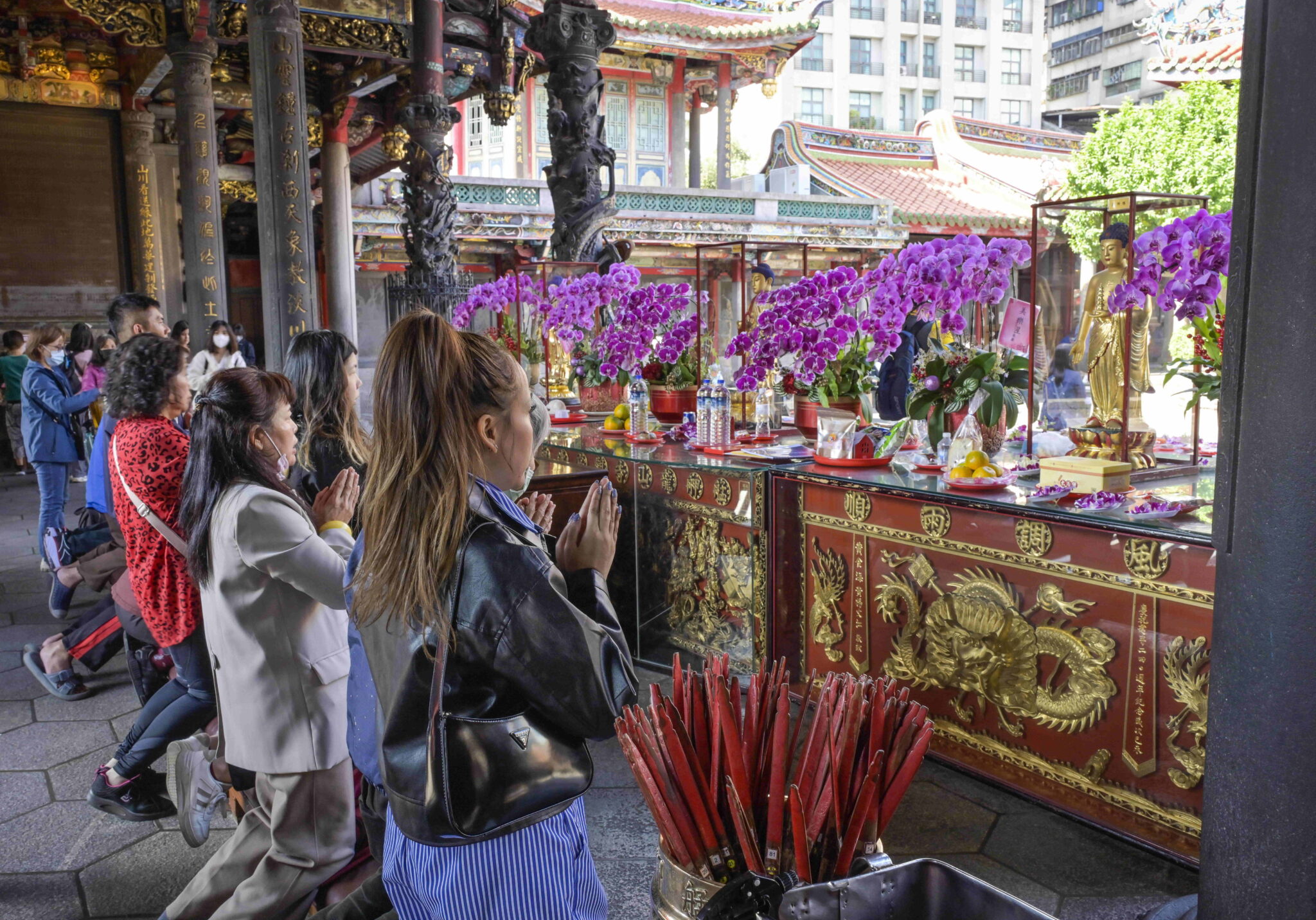
Despite a migrant population of 700,000 — including 250,000 Vietnamese, who are largely Buddhists, followed by 240,000 Indonesians, who are predominantly Muslims, and 149,000 Filipinos, who are mostly Catholics — migrant workers do not enjoy opportunities to worship like local employees.
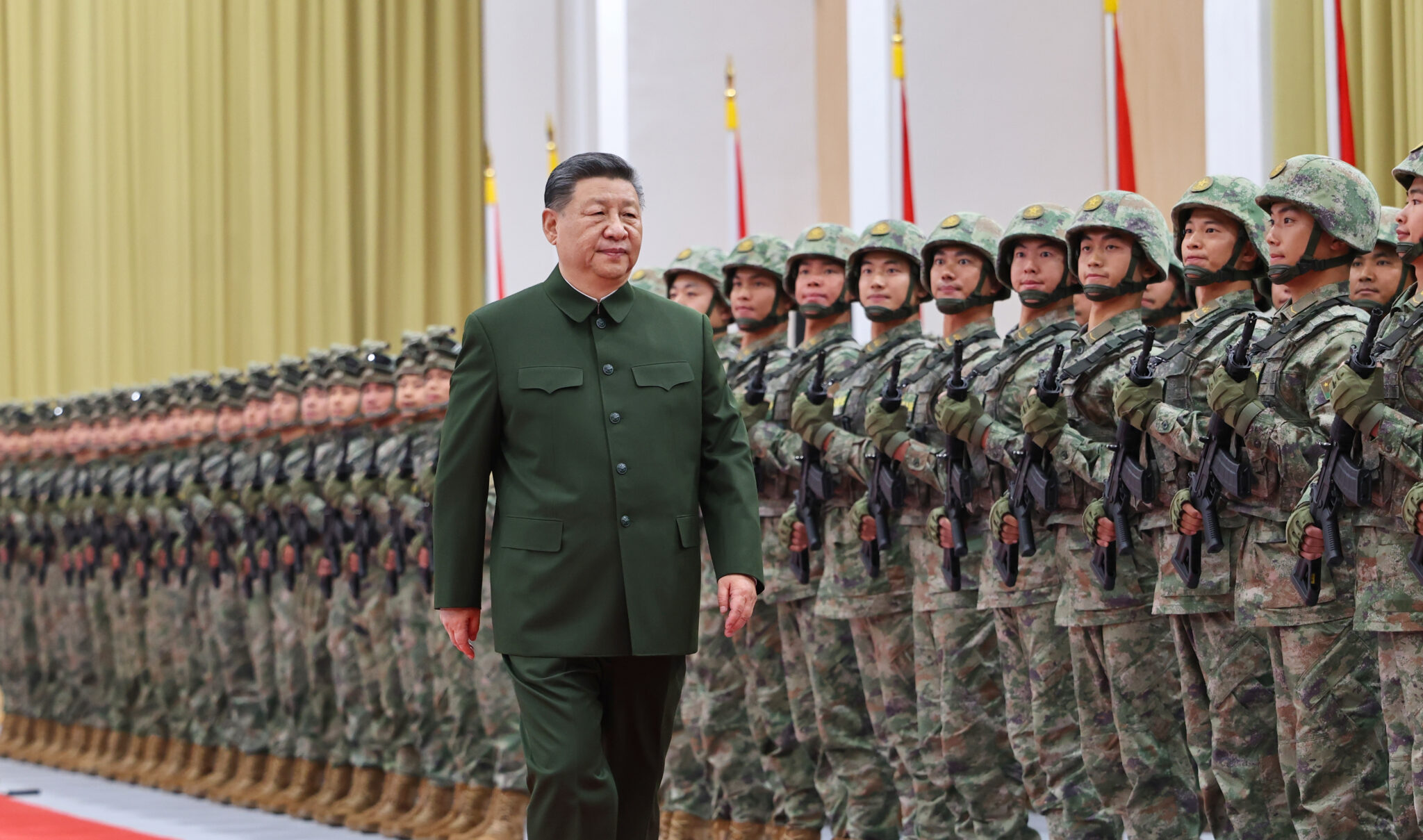
Eight decades after the UN Charter was signed, the so-called rules-based order is looking pretty battered. Still, the fact that someone breaks a rule doesn’t make it invalid. Law and reality never fully align. Otherwise, we wouldn’t need law.
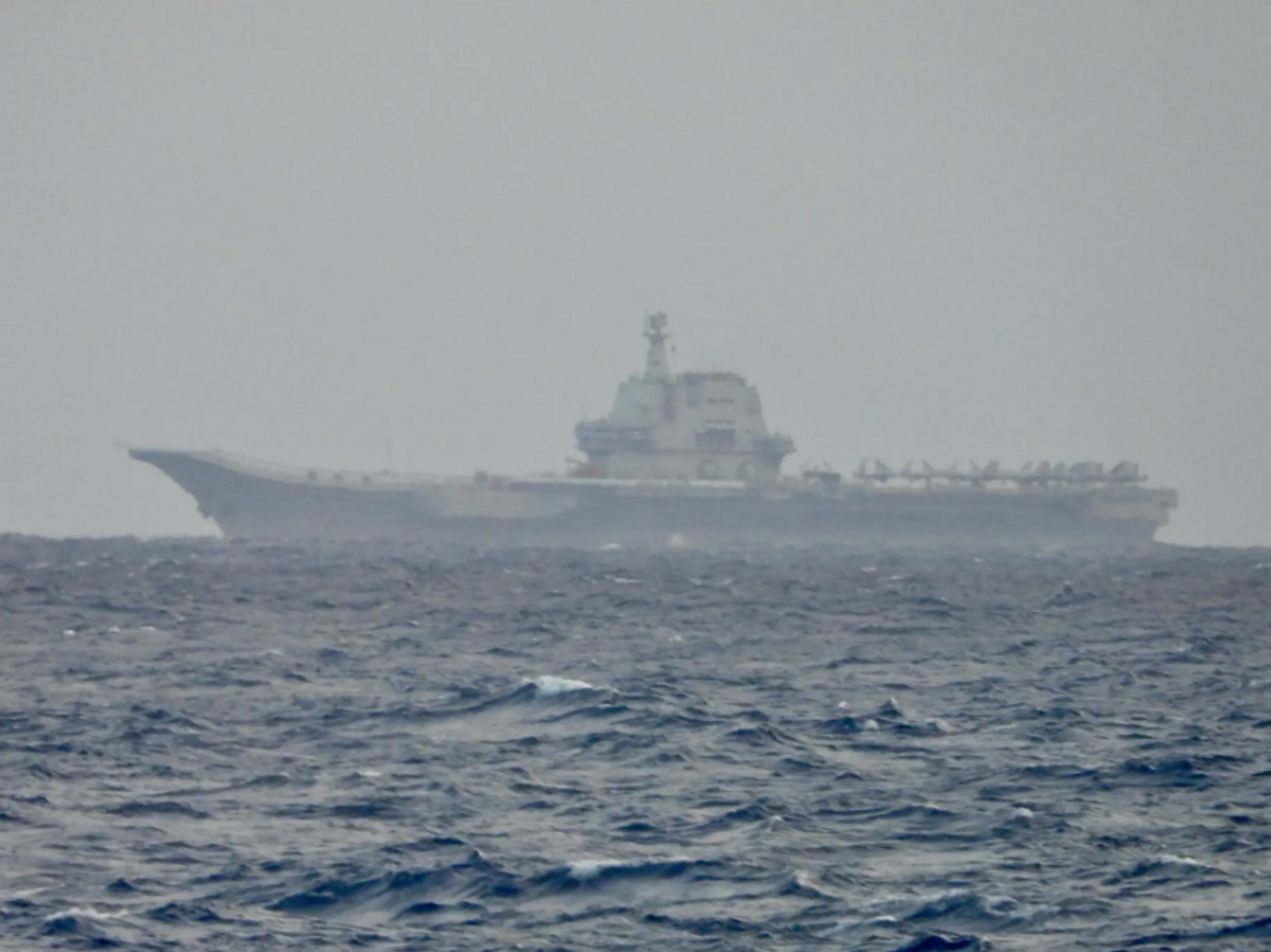
China has conducted military exercises around Taiwan, simulating a blockade of the island that Beijing seeks to take over — a test of the Trump administration’s resolve to defend the self-governing territory. So far, the U.S. president has kept his cards close to the chest in East Asia.
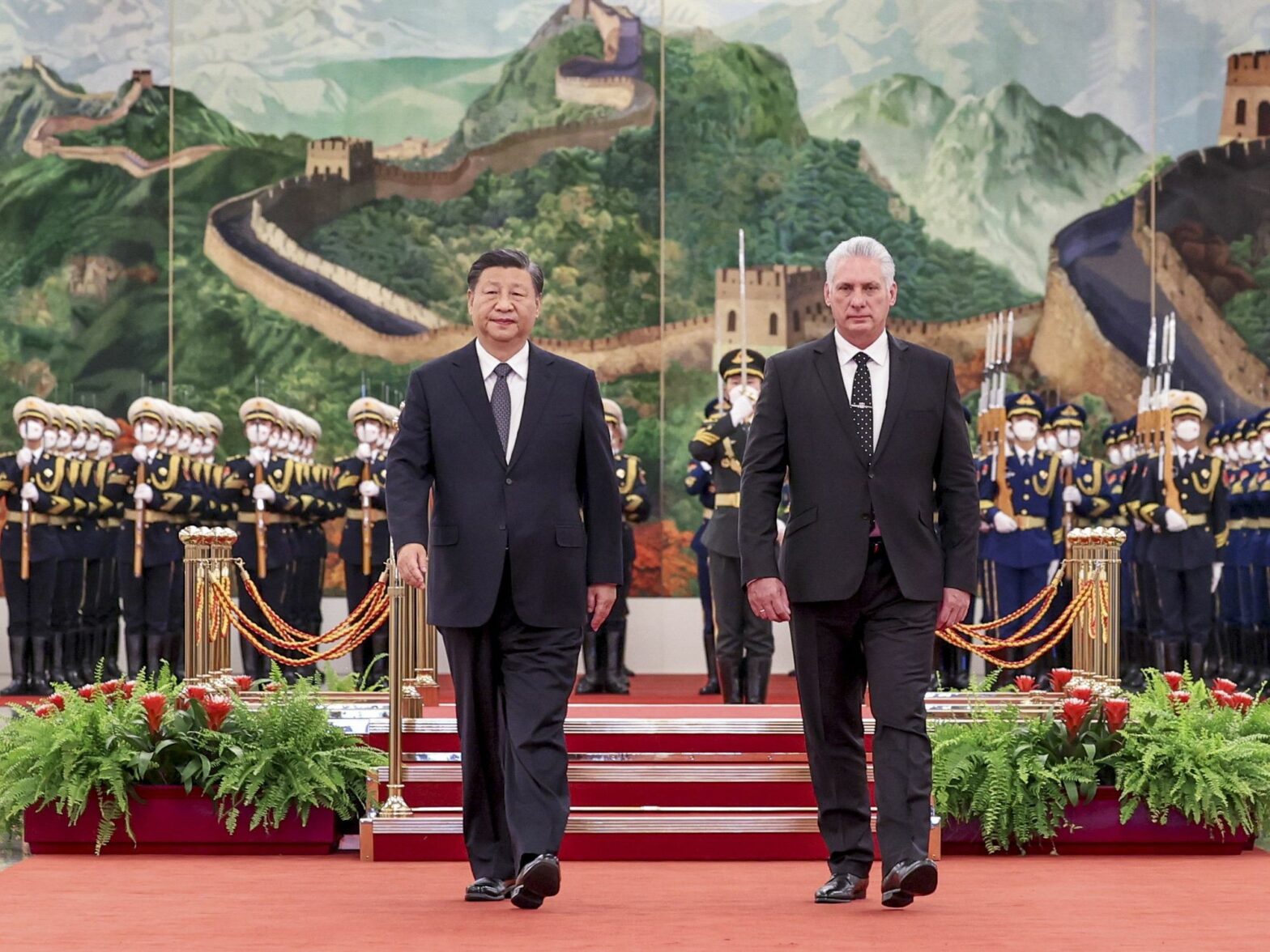
In another sign of changing power relations in the ‘post-Western’ world, the BRICS group of emerging economies could frustrate the United States’ bid to sink communism in Cuba by strangling its economy.
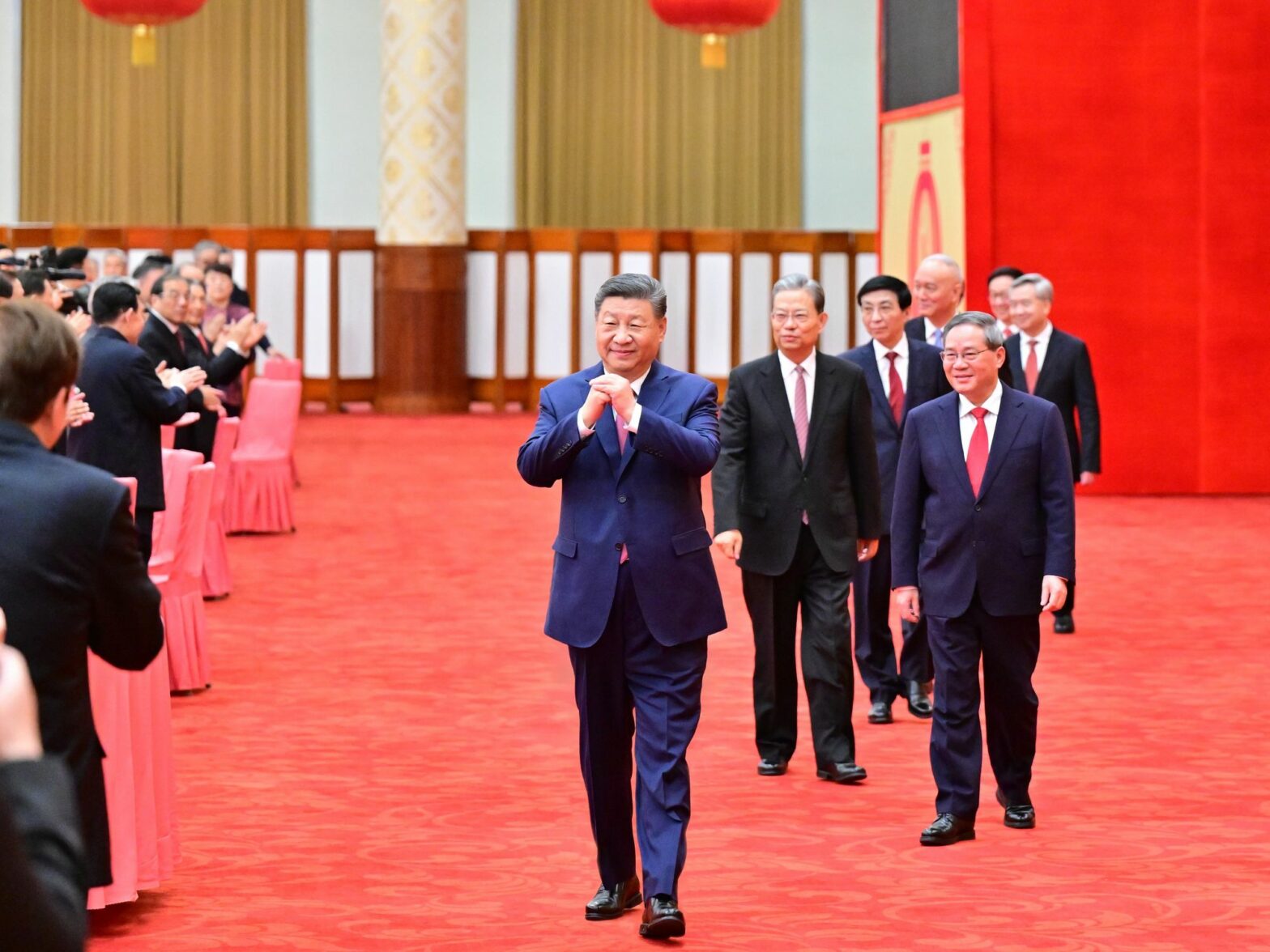
Donald Trump has spoken little about China since becoming president, leaving both Beijing and Taiwan’s leaders on edge. And Trump’s maneuverings on Greenland are not a good sign.
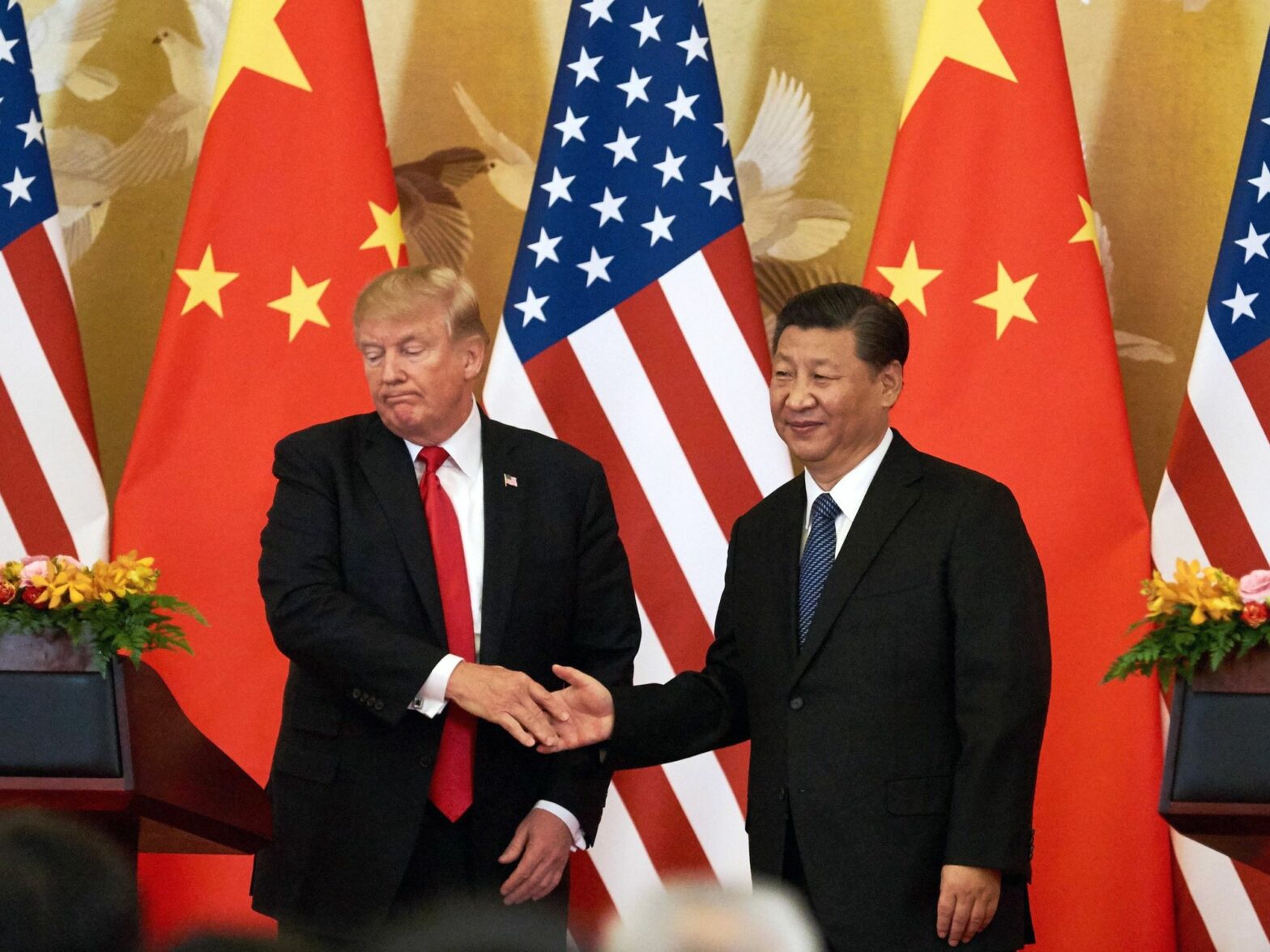
None of the major heads of state on the Asian continent has a direct link with U.S. President-elect Donald Trump, who regularly calls on America’s Far Eastern allies to “pay more” for their defense. Philippe Le Corre, professor of geopolitics, explains that military risk is a major concern in a region with many hotbeds of tension.
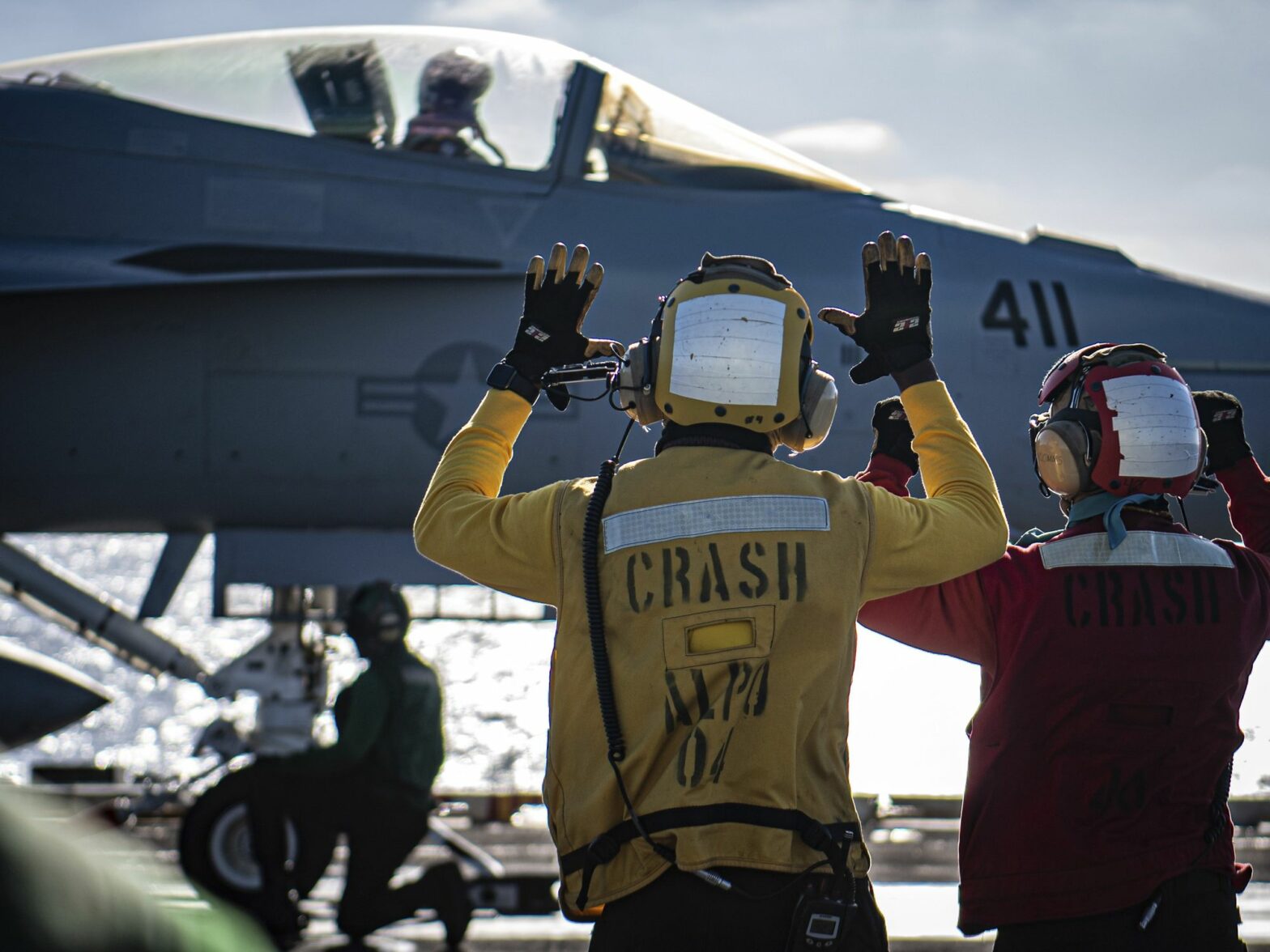
The main conflicts today are deeply interconnected. A recent example is Taiwan’s former president urging Washington to prioritize arms shipments to Ukraine over Taiwan, arguing that the credibility of American deterrence is at stake. Will Trump make the connections?
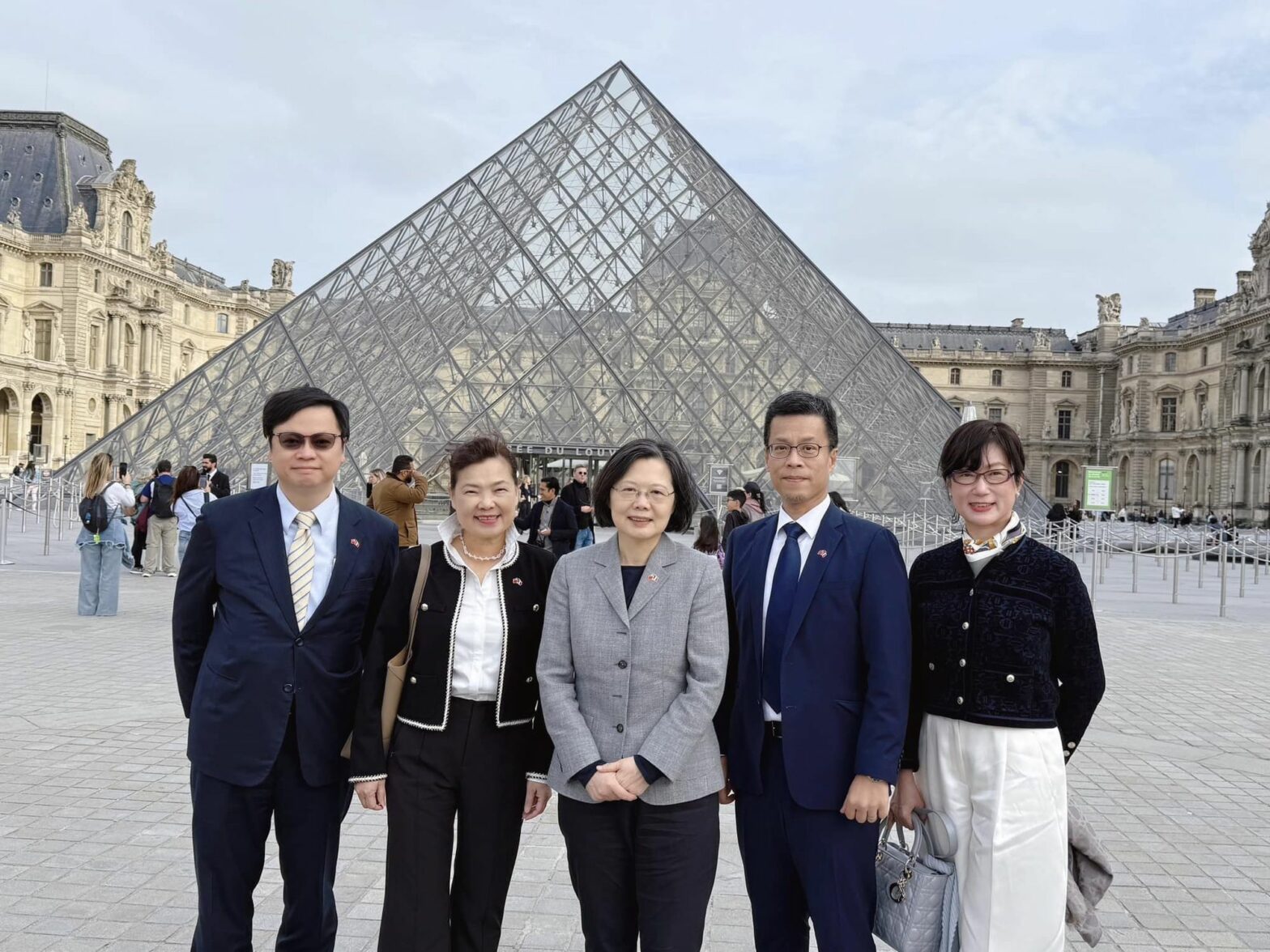
She is no longer President of Taiwan, which allows her to travel to countries that recognize Beijing, not Taipei. France Inter met Tsai Ing-wen in Paris , where she defended Taiwan’s democracy, in the face of China’s appetite for power and territory.
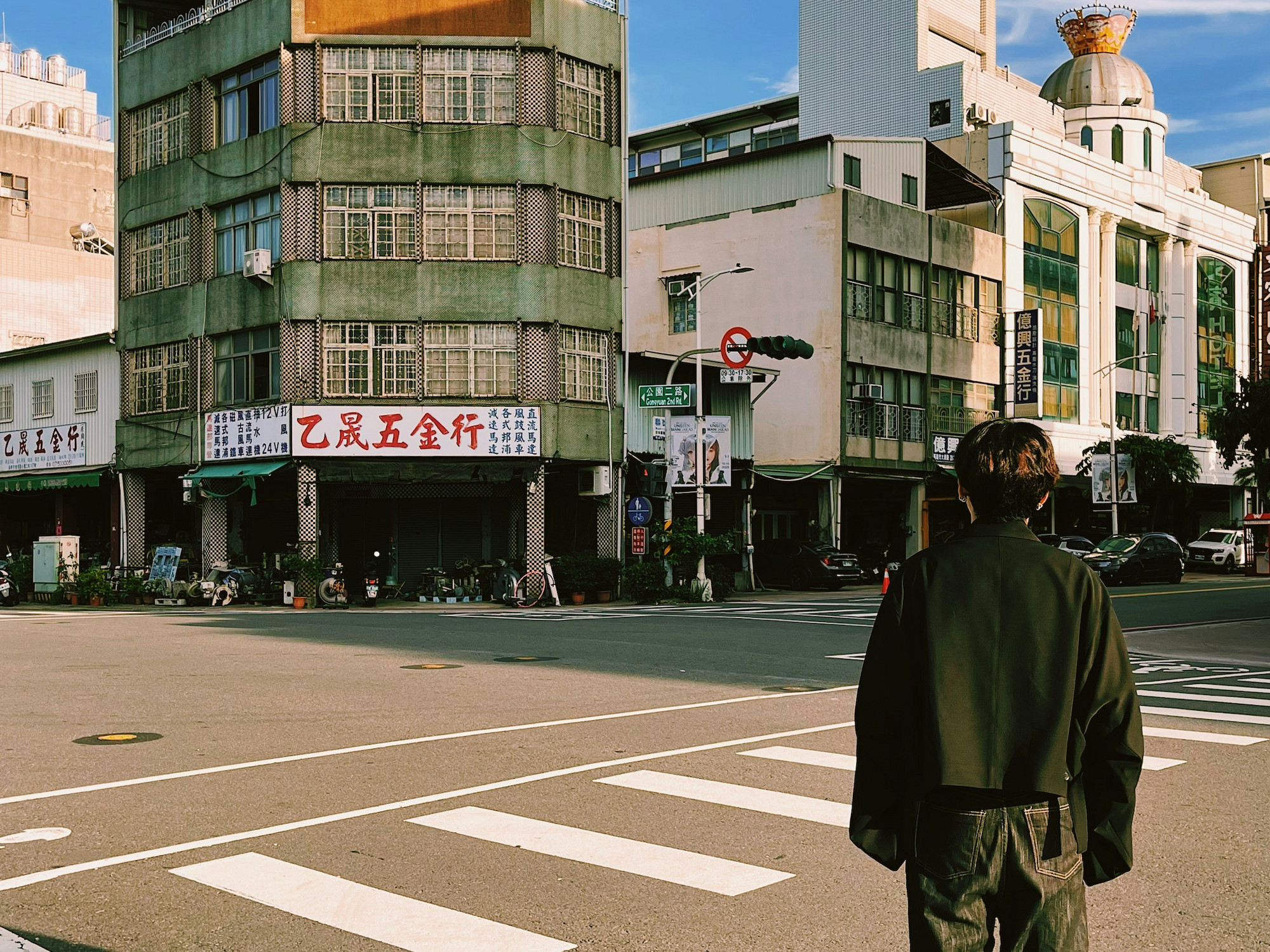
The country’s Constitutional Court ruled on Sept. 20 in favor of maintaining the death penalty, in line with the position expressed by an overwhelming majority of the population. Yet, capital punishment remains controversial for a country that sees itself as East Asia’s model democracy.
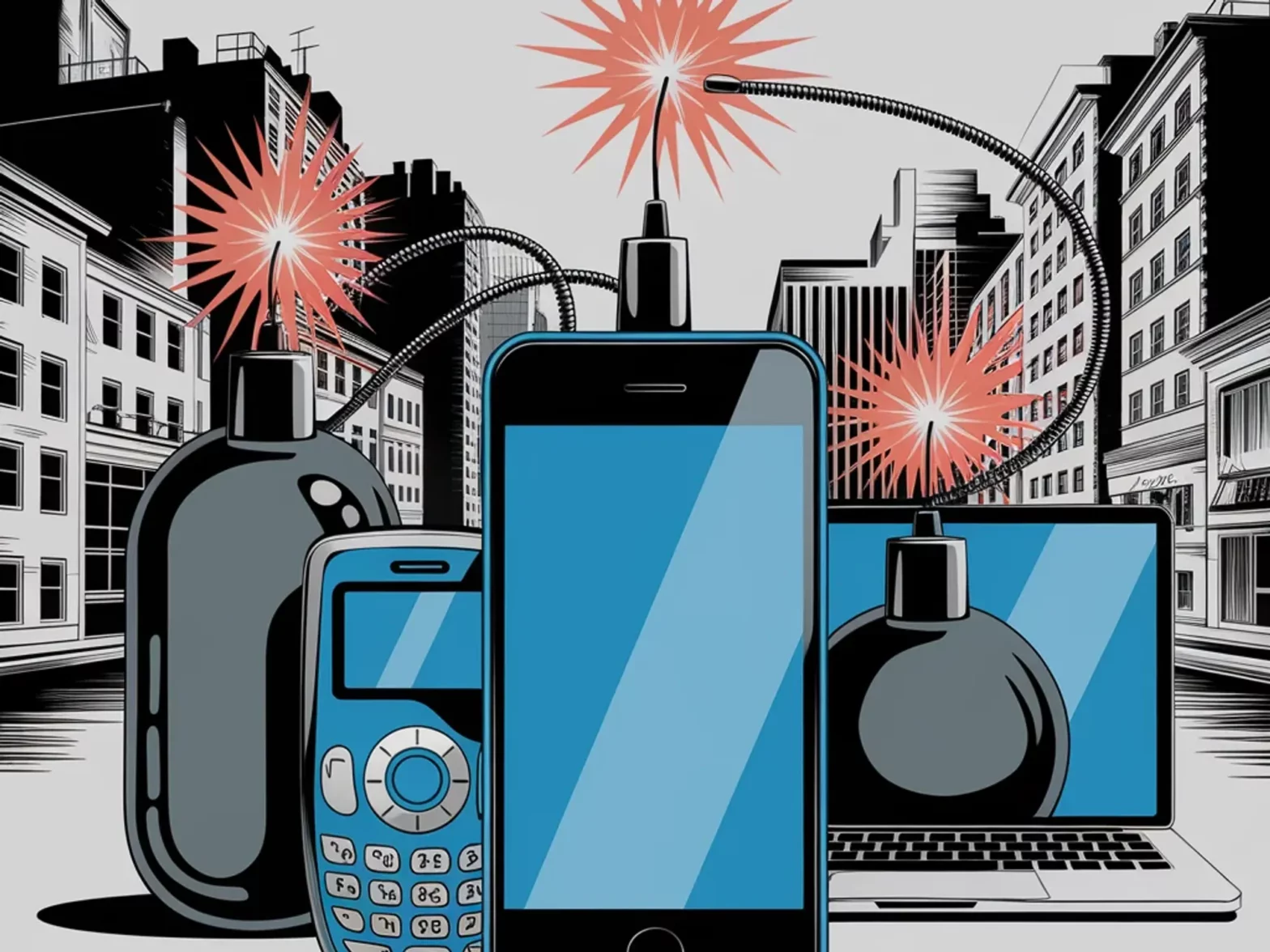
Even if the exploding Hezbollah pagers was not the first supply chain attack, having thousands of remote, hand-held devices raised terrifying questions that hadn’t been widely considered before, marking a potential turning point in the public’s trust in their electronic devices, and in governments’ ability to protect them.
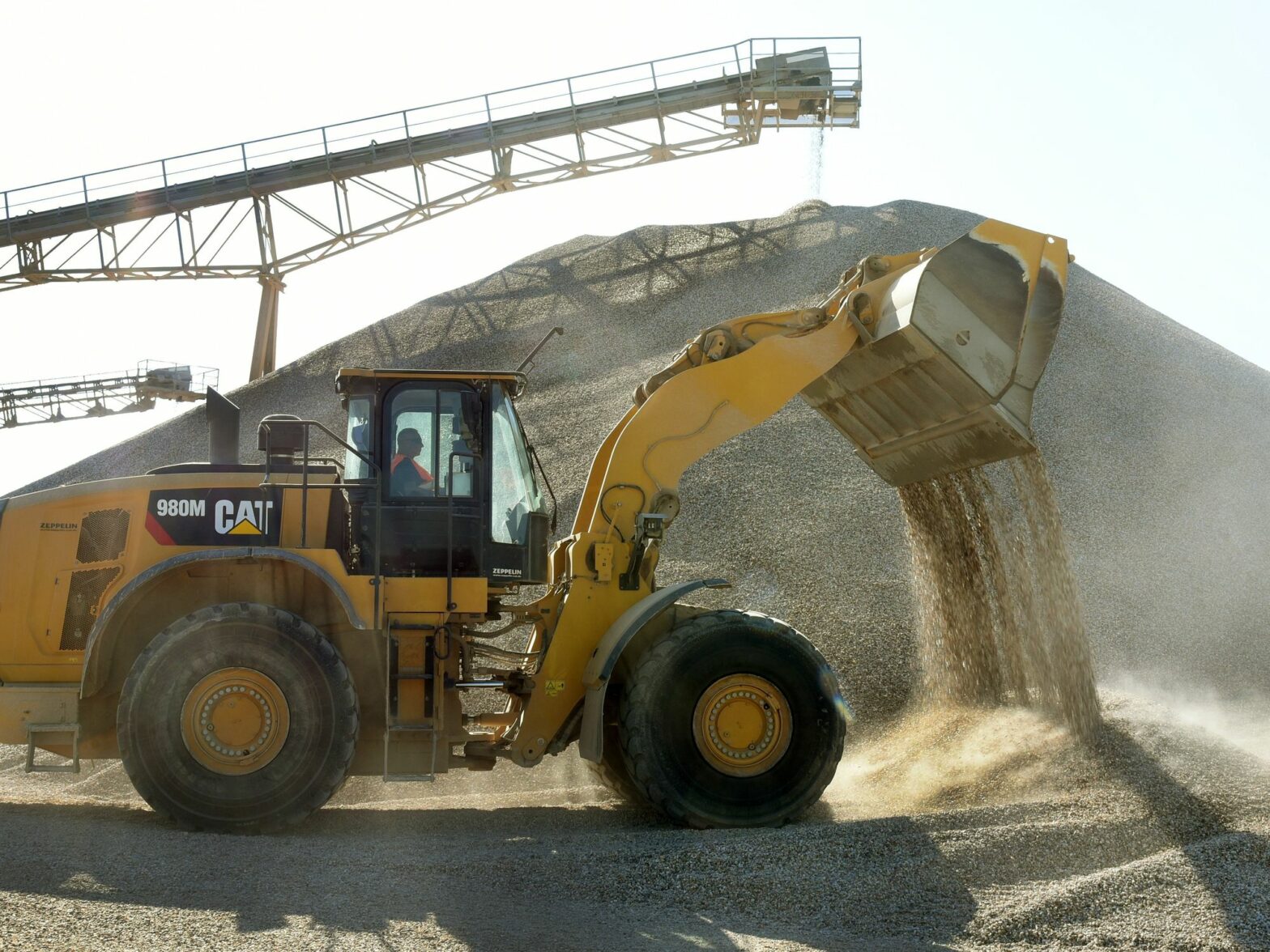
Global sand consumption has tripled in 20 years, to the point where the United Nations has called for countries to rethink their use of this “strategic resource” that is fueling tensions between states.
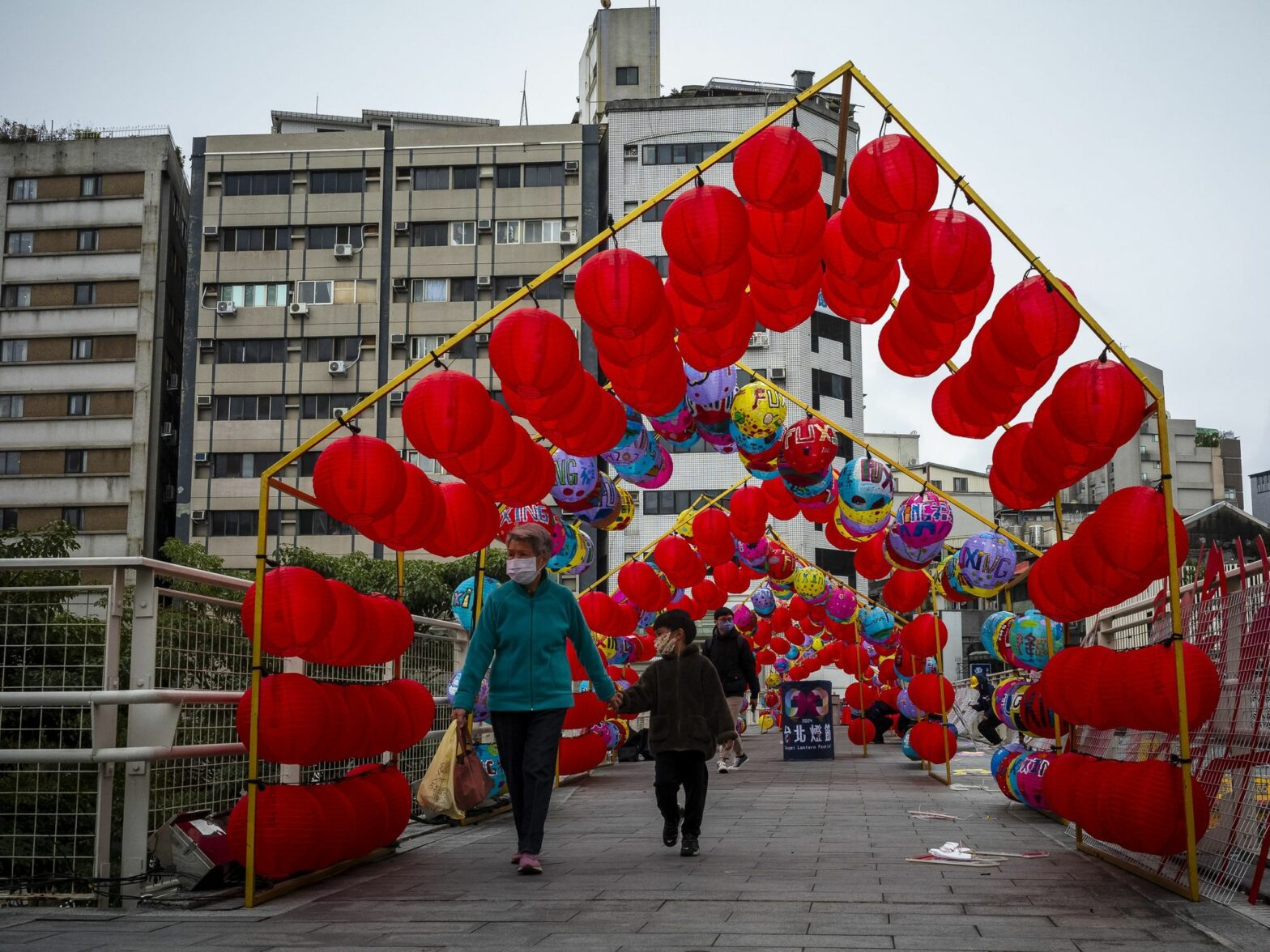
Despite a growing population and recent policies, “new residents” and their Taiwan-born children are not yet fully integrated into the country’s politics and society. Following the general election in early January, the Singapore-based Initium Media talks with young “new second generation” Taiwanese about their personal and political experiences.
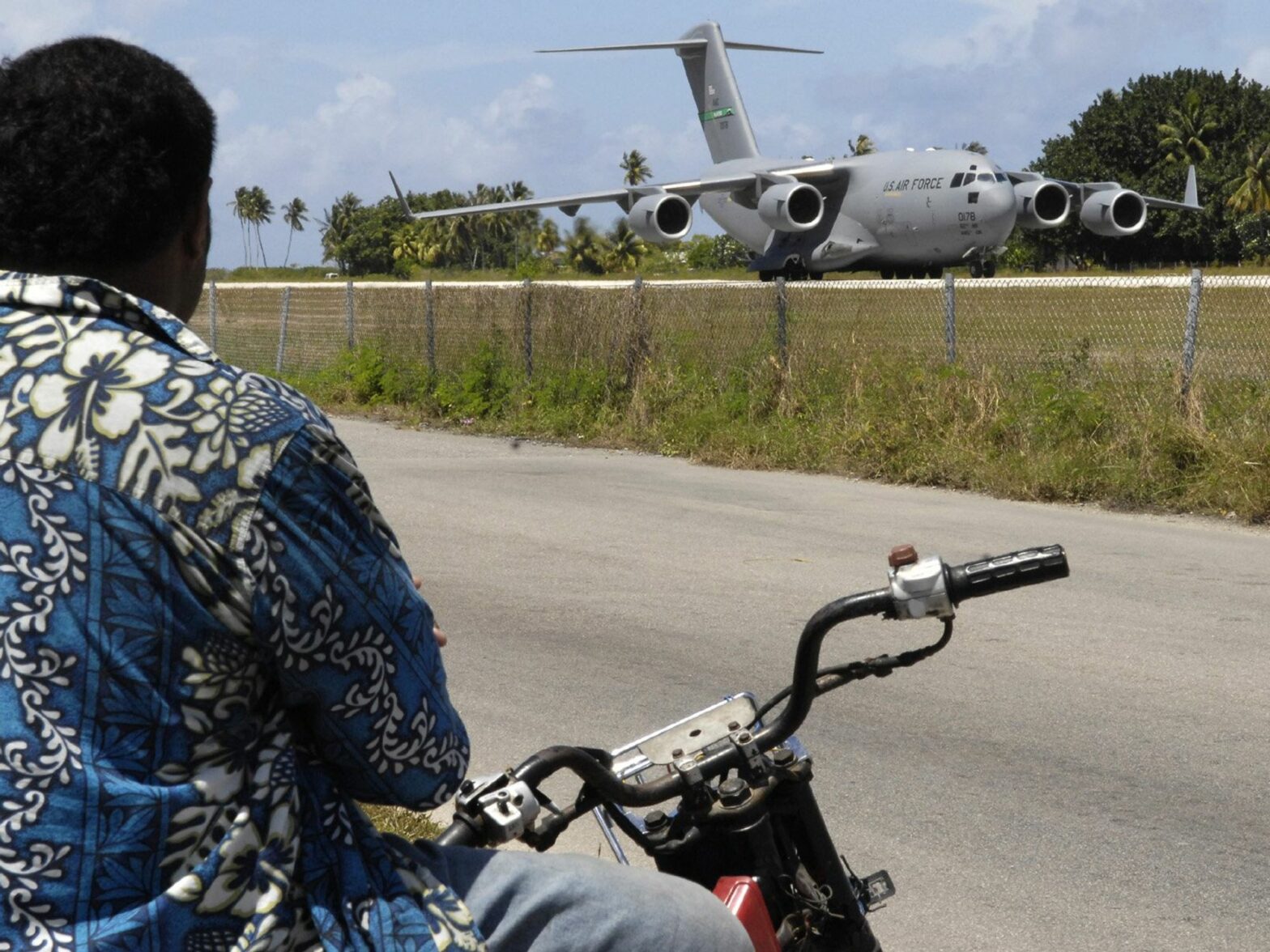
There is major maneuvering among the small but strategic islands in the South Pacific, with China offering security cooperation, and the United States reopening embassies and reviving dormant cooperation.
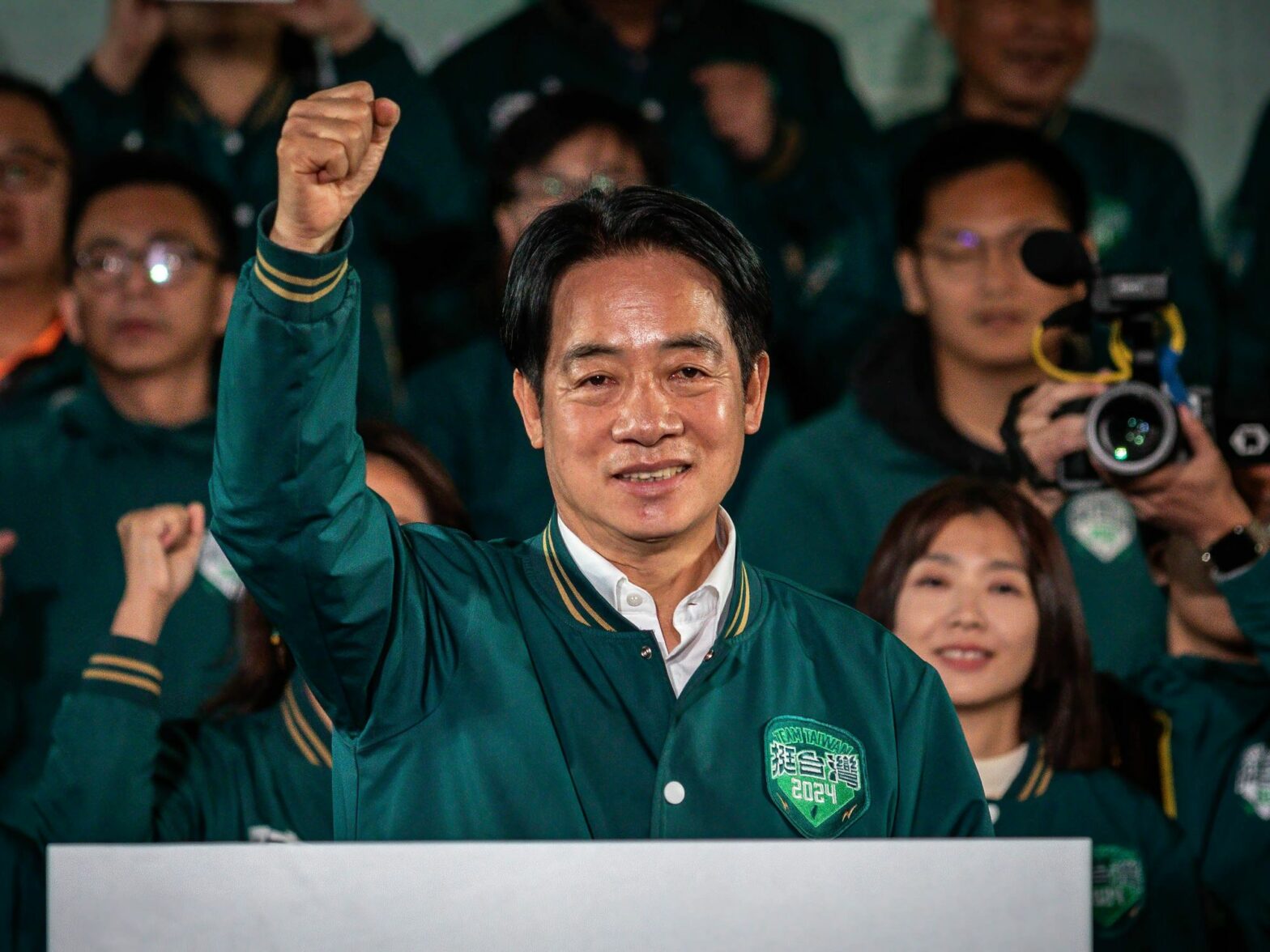
By electing William Lai, the Taiwanese people have reaffirmed their desire for sovereignty and independence from China in the face of Chinese threats. And meanwhile, Donald Trump’s comeback could reshuffle the cards again.
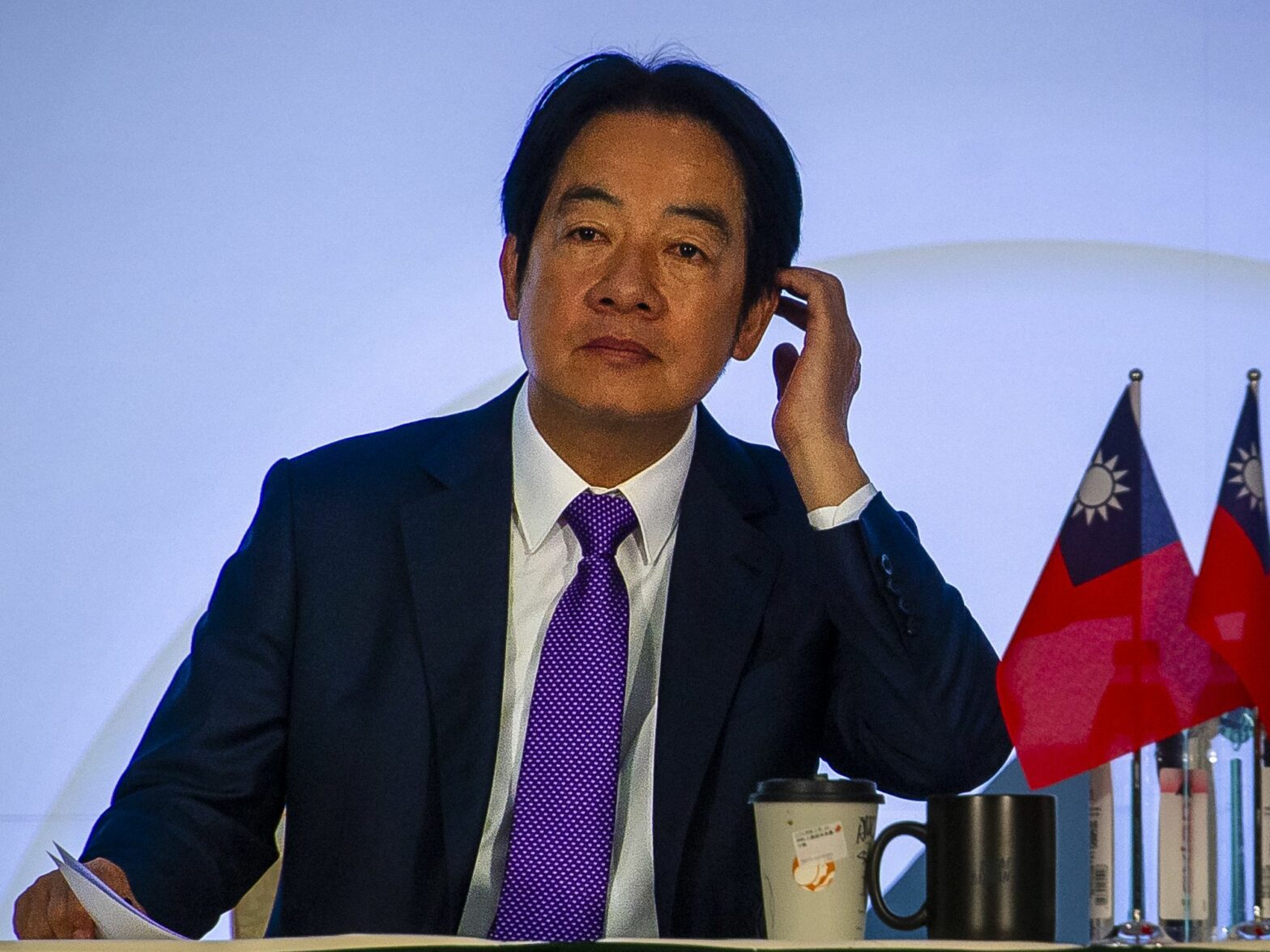
Saturday’s election is bound to create tensions, if the favorite, William Lai, candidate of the Democratic Progressive Party (DPP), wins. Xi Jinping has warned against voting for him. But is it just posturing?
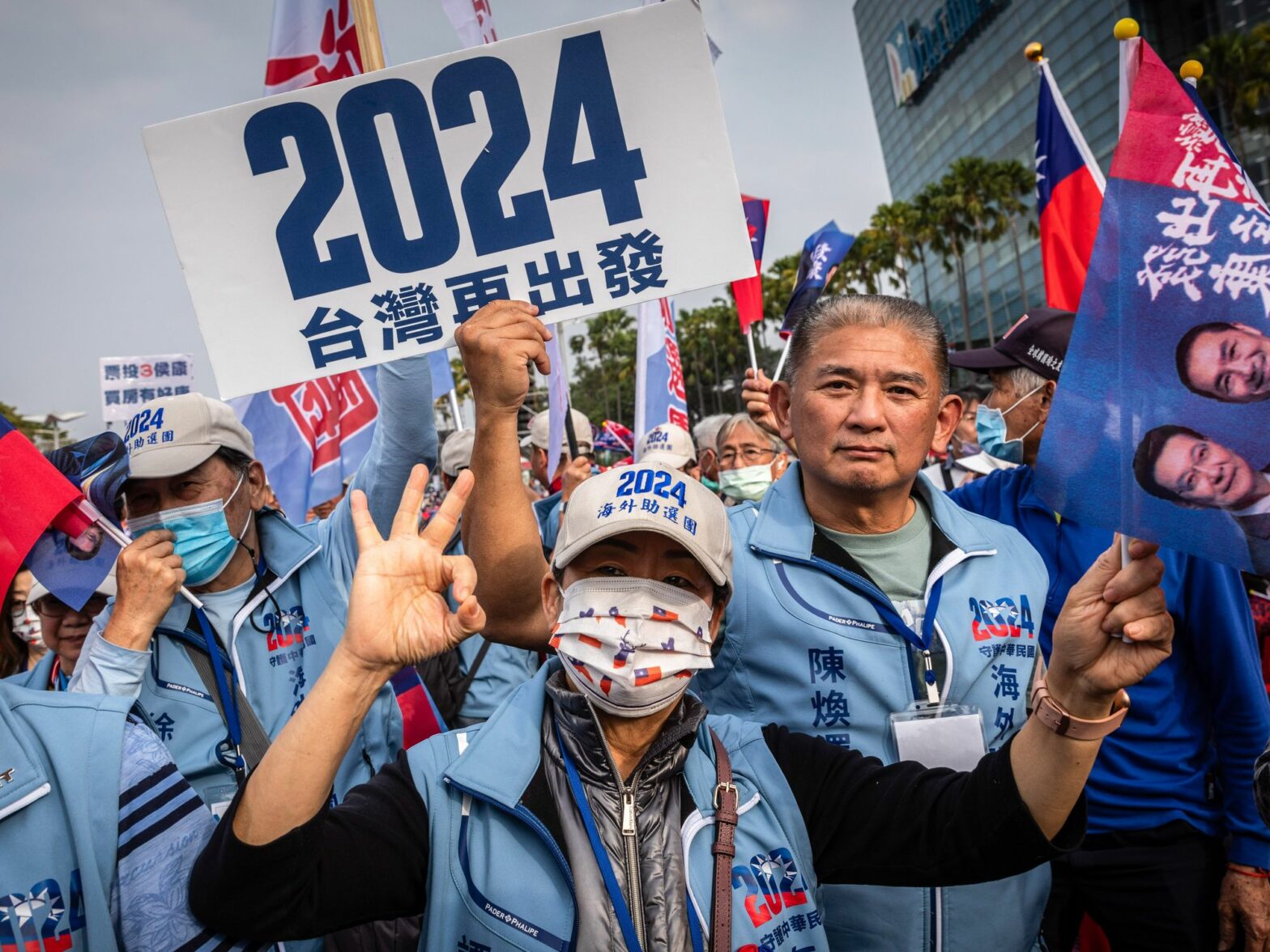
It’s the first big election of 2024, and it may well prove one of the most contested — and significant ones. As these vote on Saturday, Taiwanese citizens will be picking the fate of their identity and democracy.
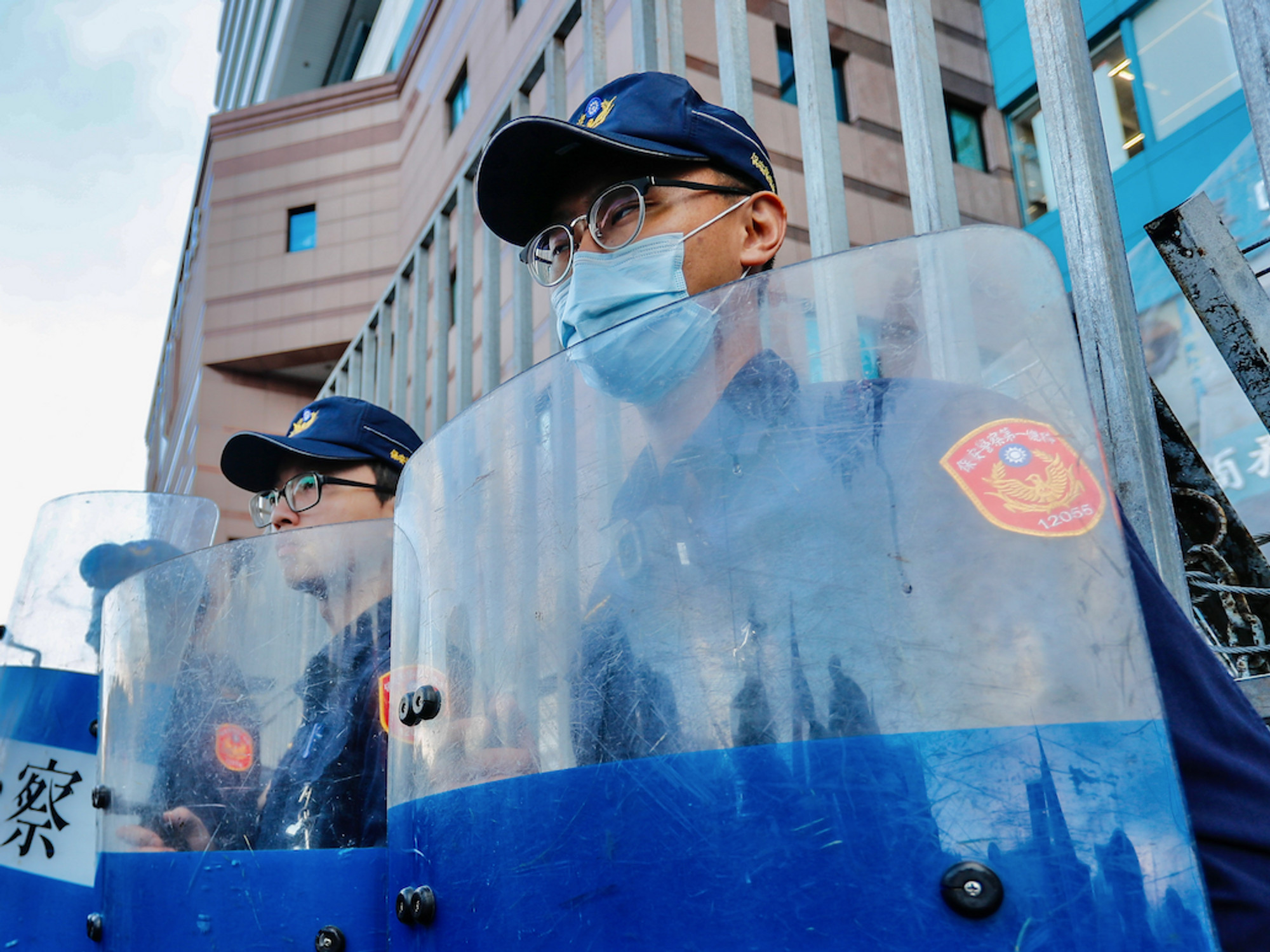
Taiwanese, though under the weight of a far more powerful neighbor, have the tendency to idealize Israel and fail to create a self-definition beyond the island nation’s anti-China image.
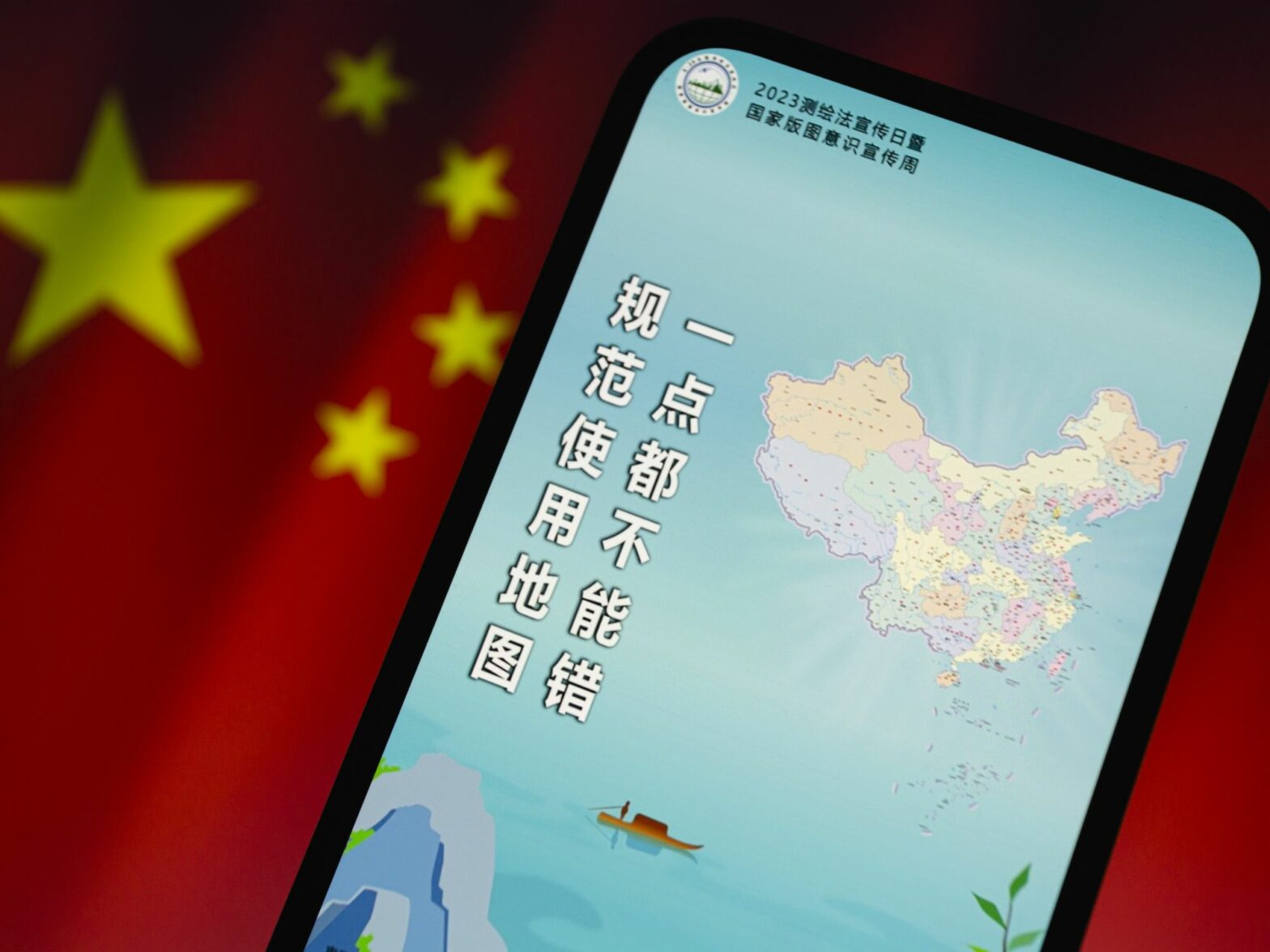
China released a new map where it borrows strips of lands from its neighbors. Although this is far from being the first time the country is involved in territorial disputes, Beijing’s growing military shows it has the power (and will?) to try to make it a reality.

Death metal is considered the most soulless music of all. But the Taipei-based Buddhist death metal band Dharma is proving otherwise. Their music may also even be a secret weapon in the island’s stand-off with China.
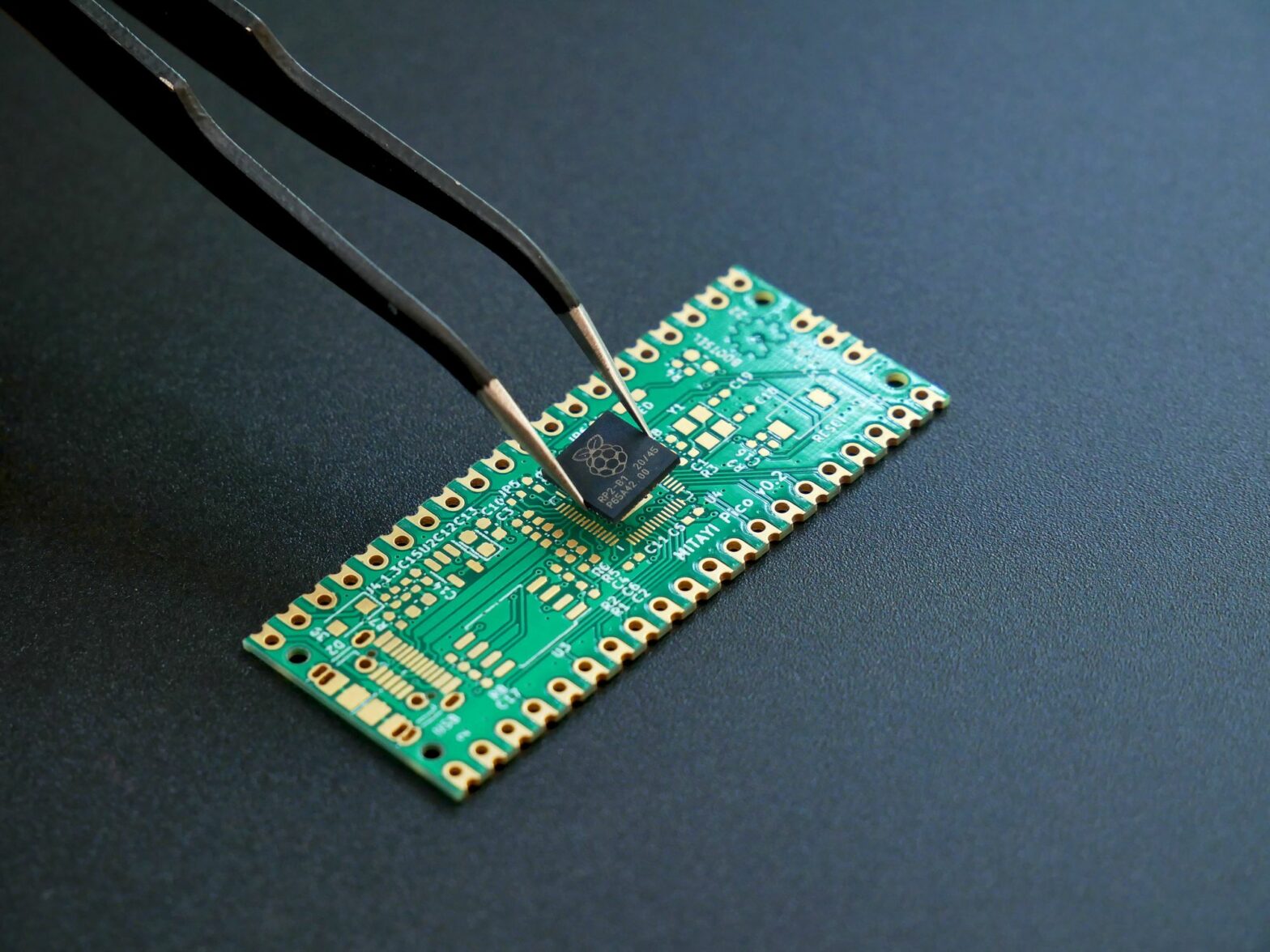
The manufacture of a chip requires 500 operations on three continents. Both the U.S. and China want to master this incredible logistics chain. And with Taiwan crucial to the supply chain, there is both a cause and effect to try to calculate.
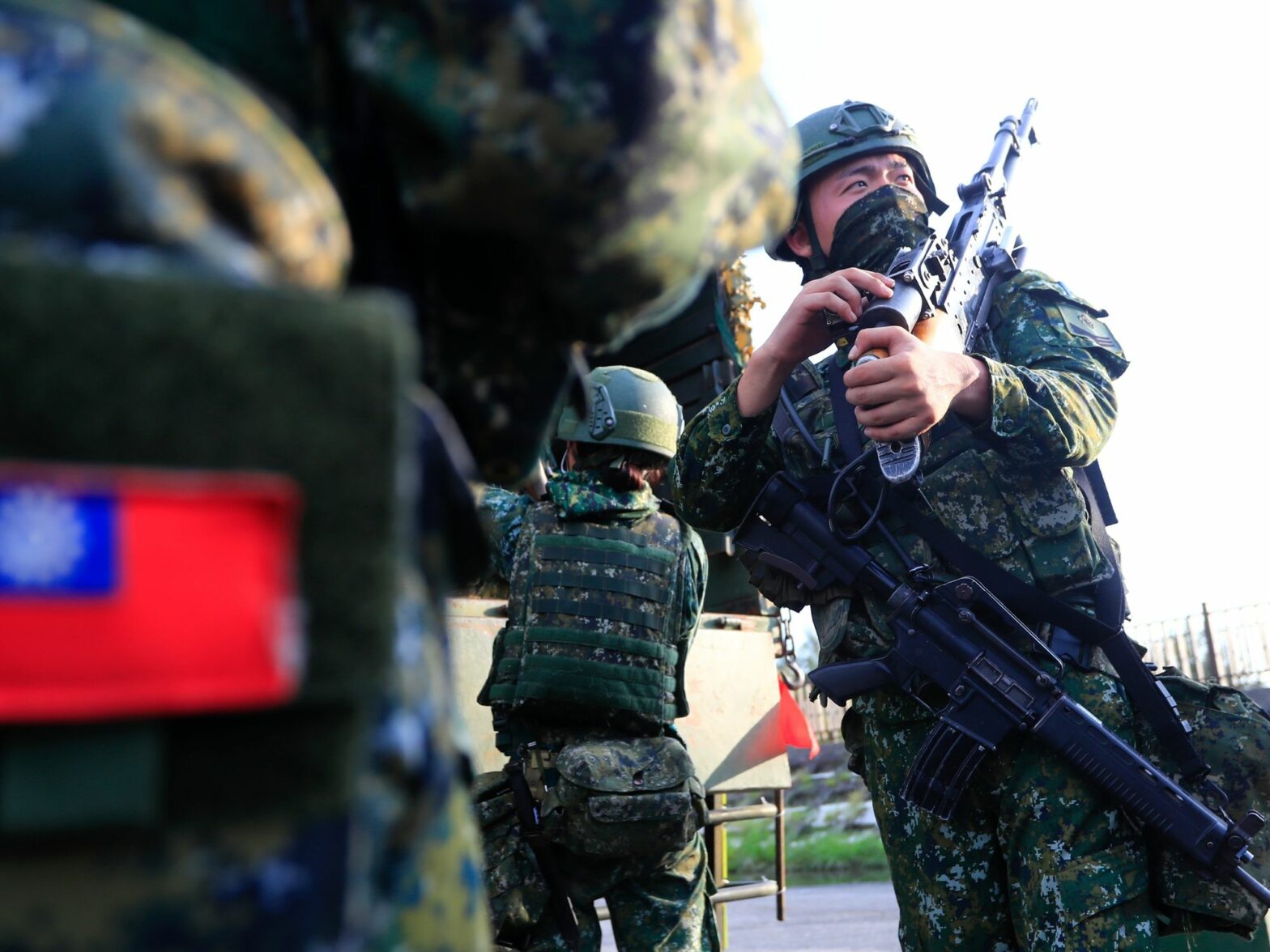
Beijing is obsessed with absorbing the “rebel island,” but a peaceful reintegration seems more and more unlikely. Despite the risk of an economic, and maybe military, confrontation with the U.S. and allies, an attempt by China to take Taiwan by force is probable, sometime between 2027 and 2049.
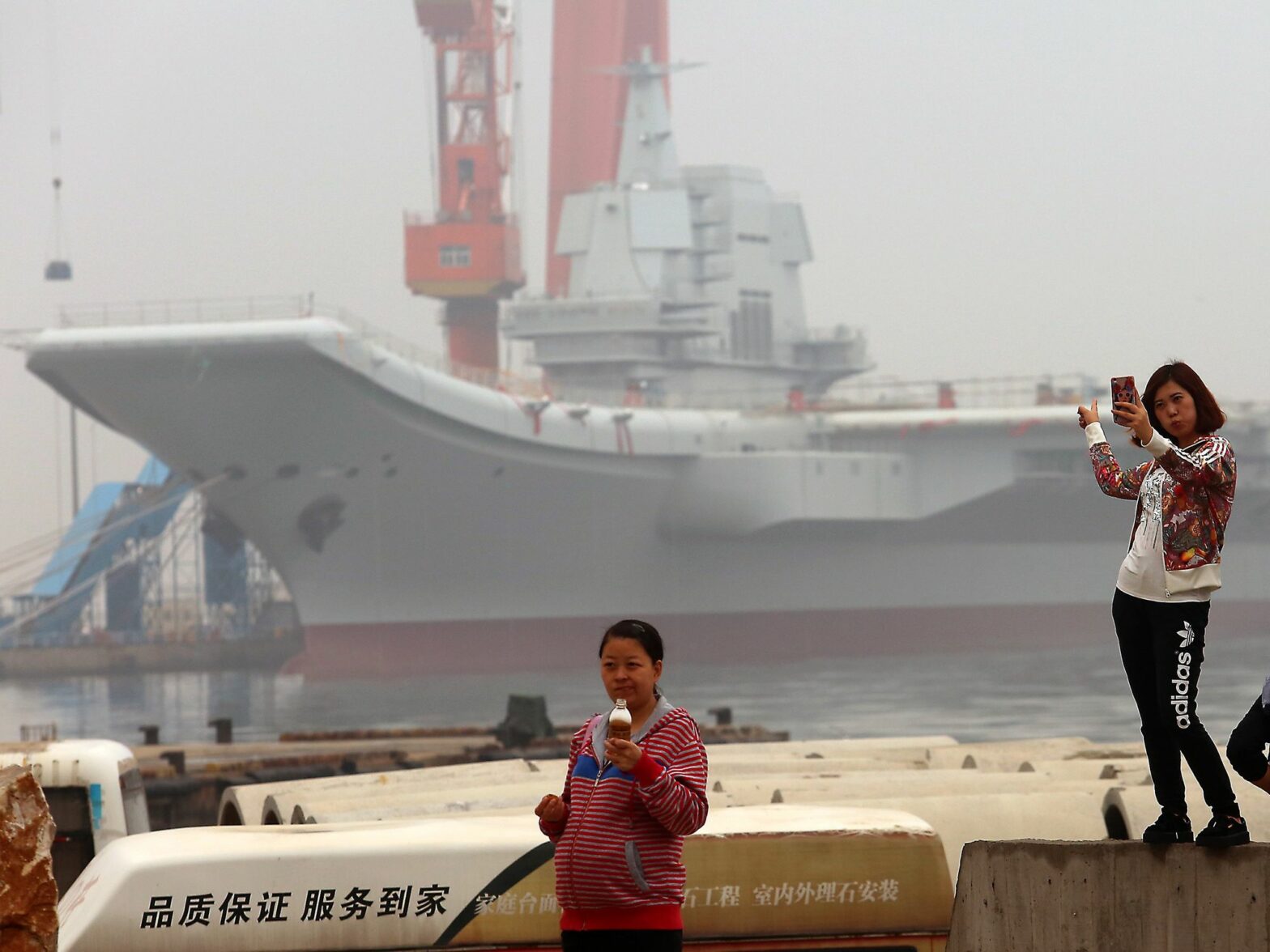
Military spending has increased dramatically worldwide, driven by war in Ukraine and Chinese-Tawian tensions. With $2.24 trillion spent globally in 2022, the amount looks likely to continue to increase.
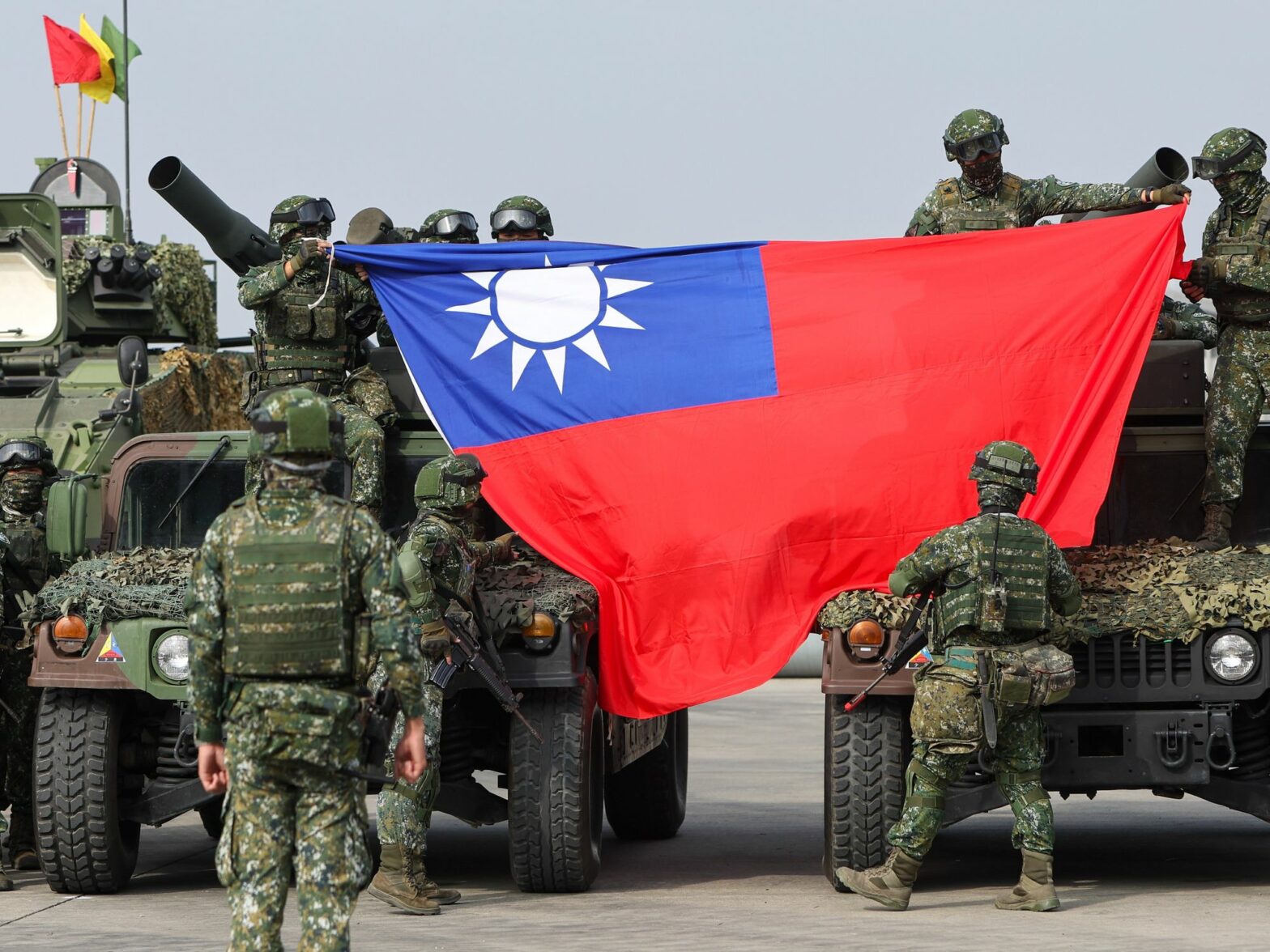
The Chinese military’s encirclement of Taiwan is above all a political move, not a tactical one. War is unlikely for now: Beijing still has other cards to play in the crisis. But if these fail, anything is possible.
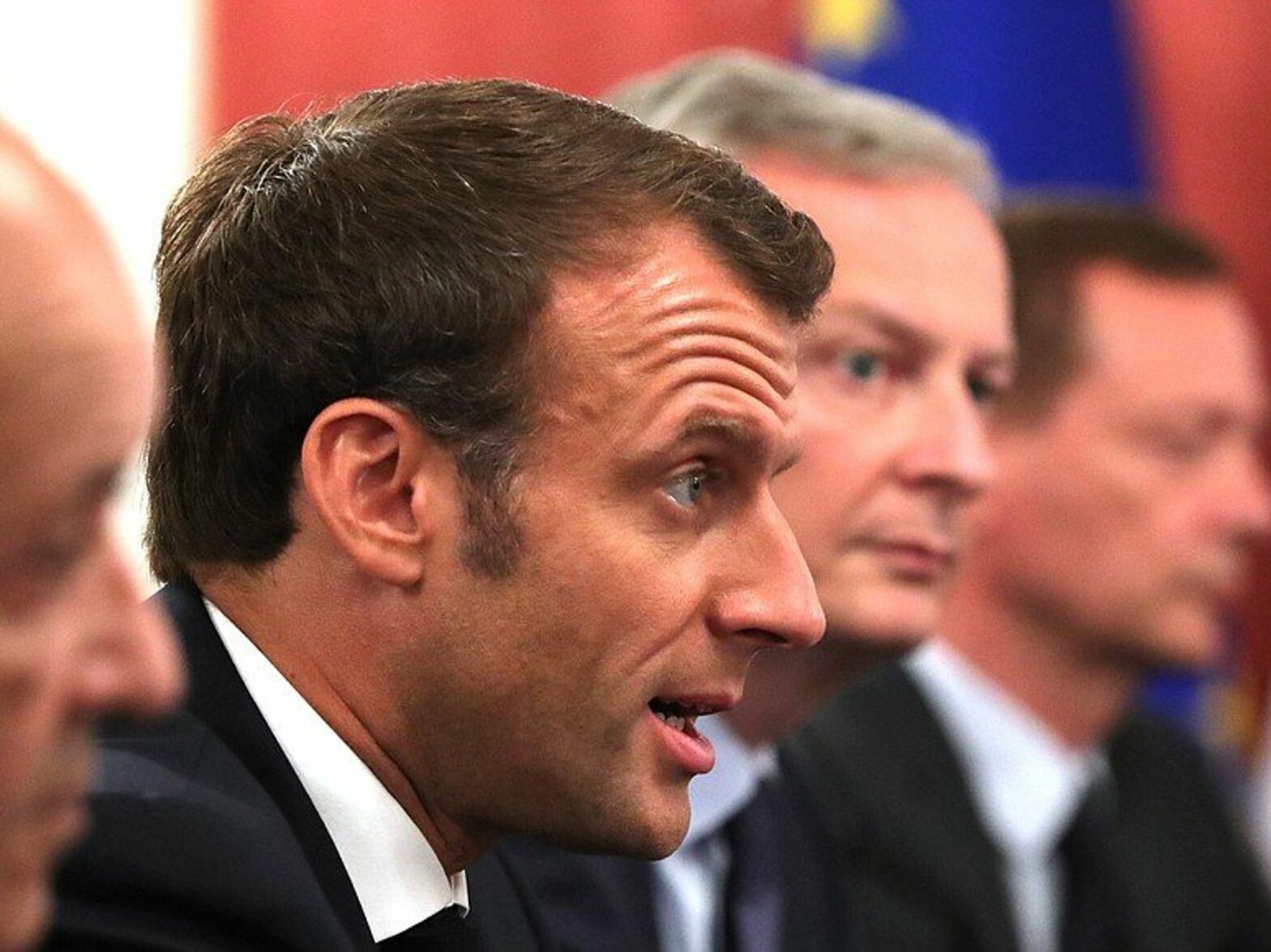
Translated in full from French, here is the exclusive interview French President Emmanuel Macron gave to three reporters on his way back from his trip to China, in which he insisted that Europe needed more autonomy from the United States.
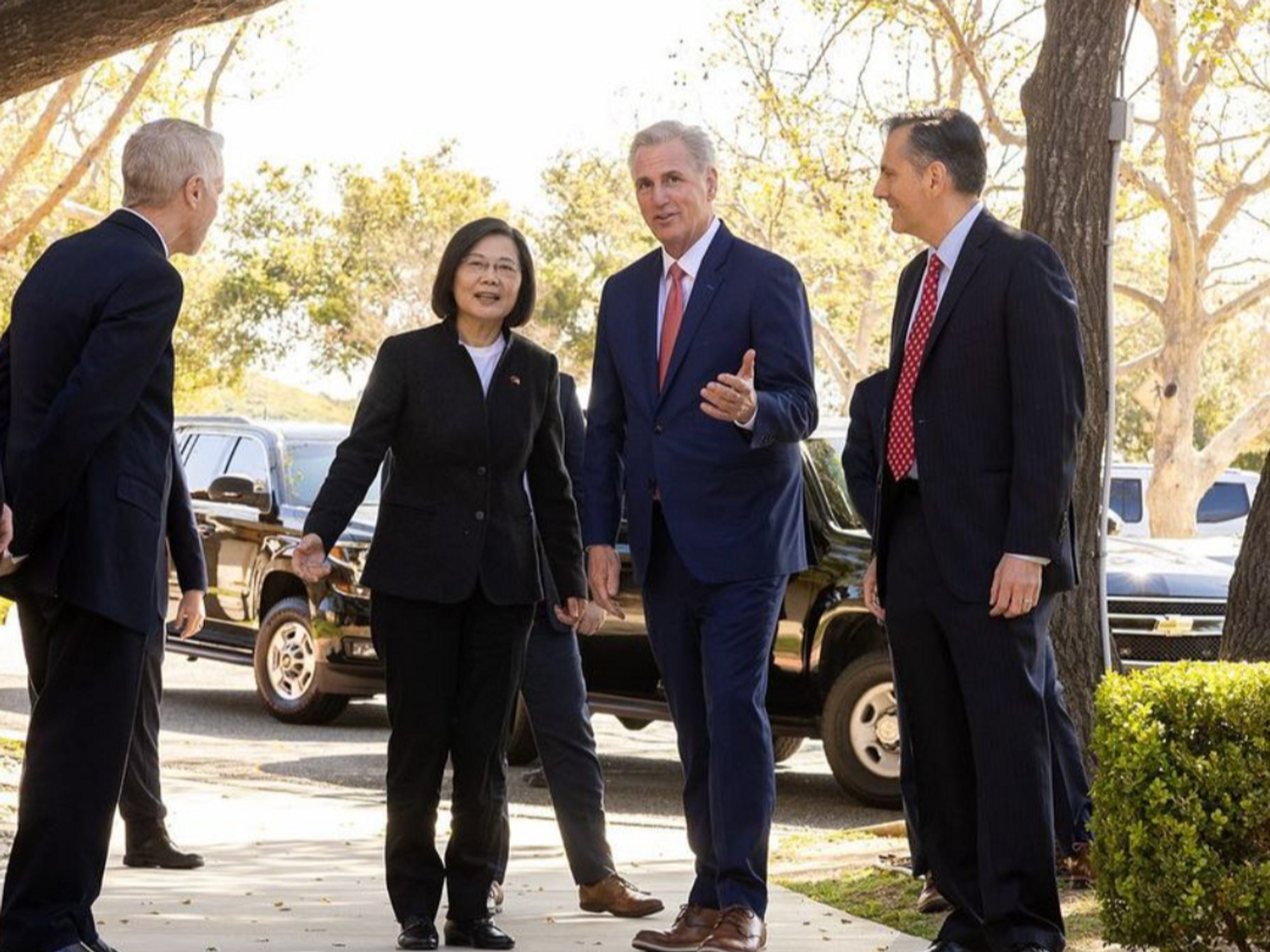
The issue of Taiwan has come up during French President Emmanuel Macron’s visit to China. The unresolved question of the island’s independence shows Europe will find it hard to remain neutral as tensions between the U.S. and China reach a new peak.
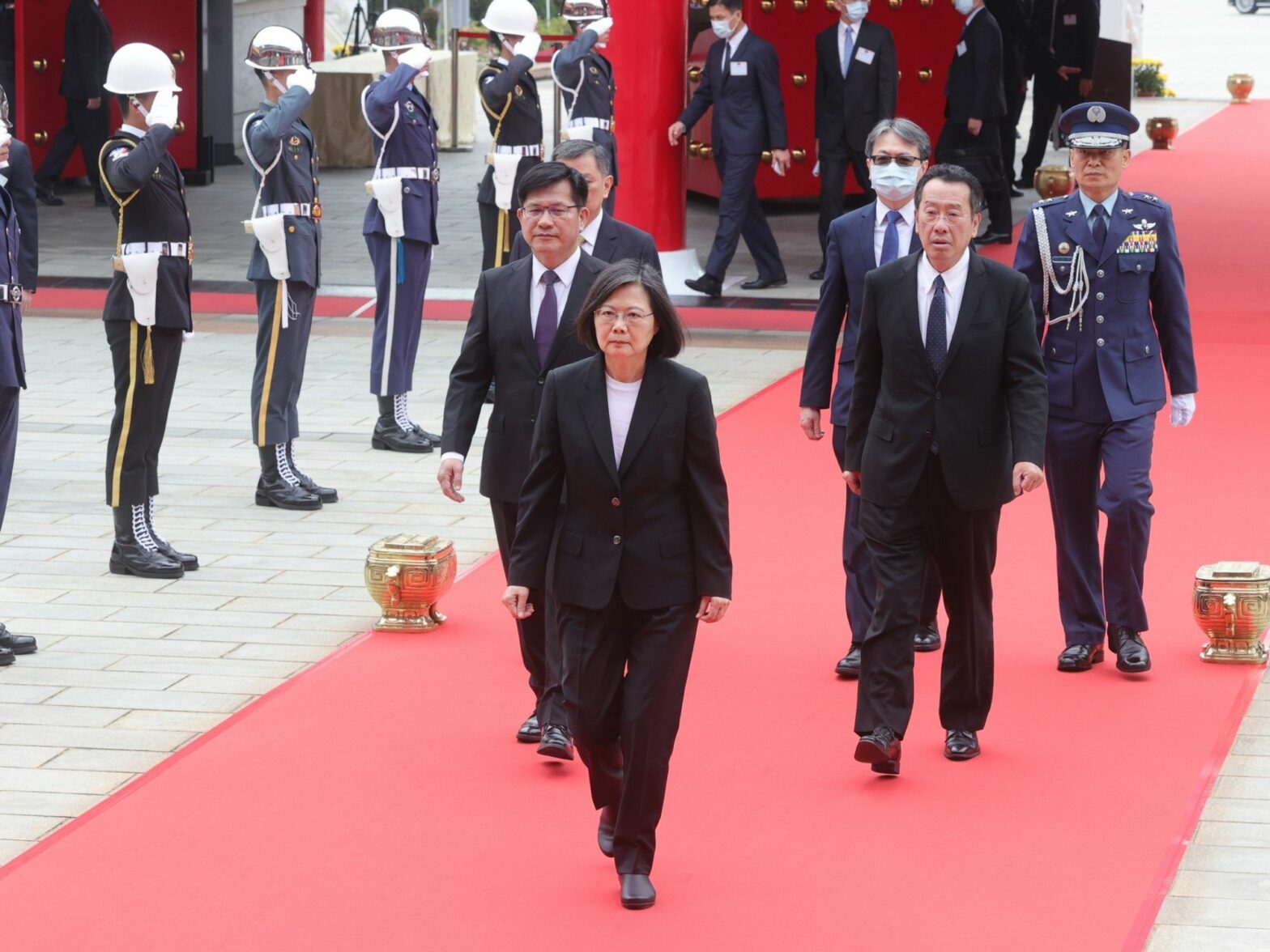
Two presidents of Taiwan, the current serving president, Tsai Ing-wen, and her predecessor, Ma Ying-jeou from the opposition Kuomintang party, are traveling in opposite directions these days. Taiwan must choose whom to follow.
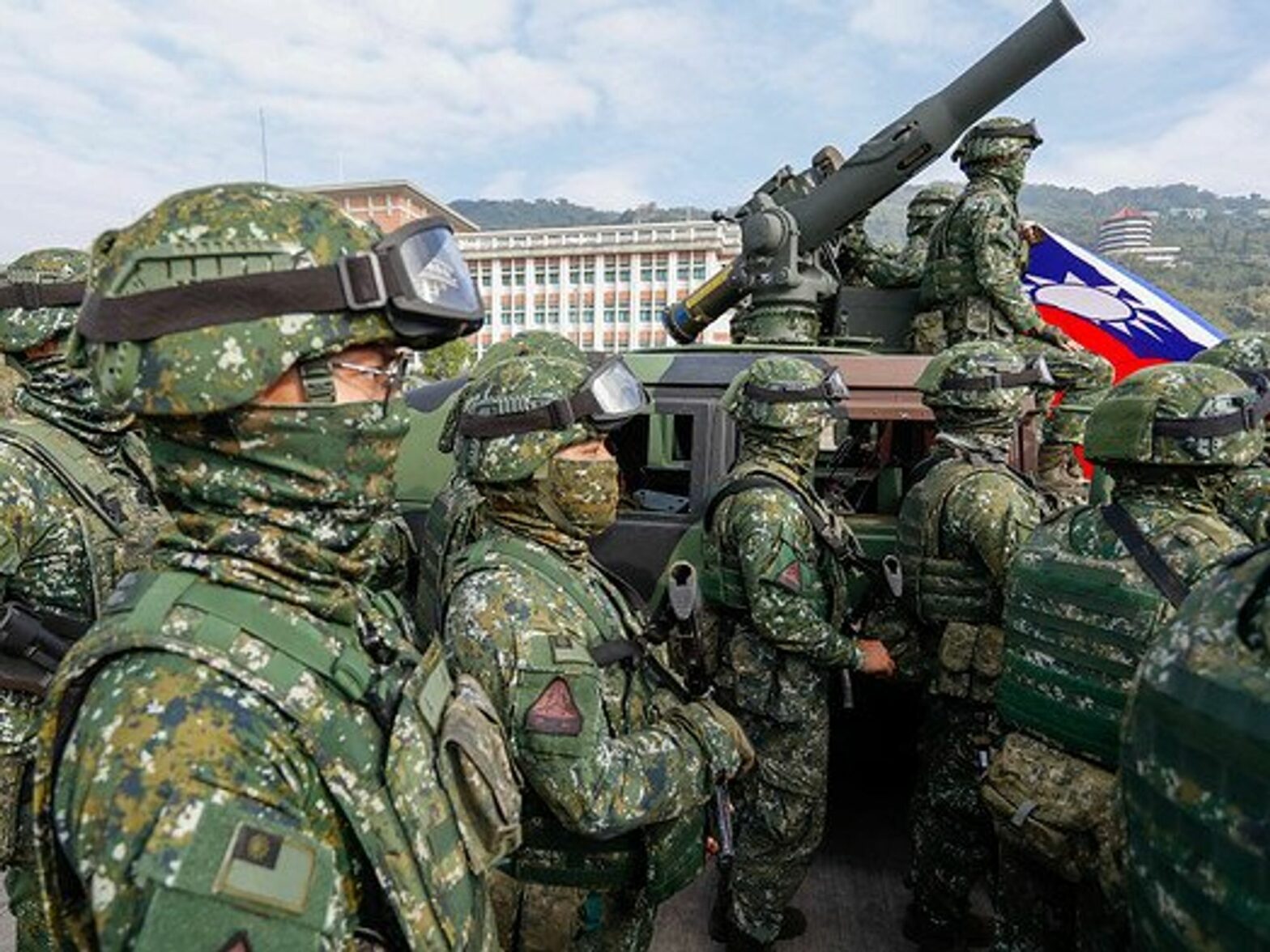
China is spending more money on weapons and defense than ever. The reason is evident: Xi Jinping wants to take Taiwan. Europe should follow the U.S. and support Taipei militarily as the only way to deter Beijing from war.
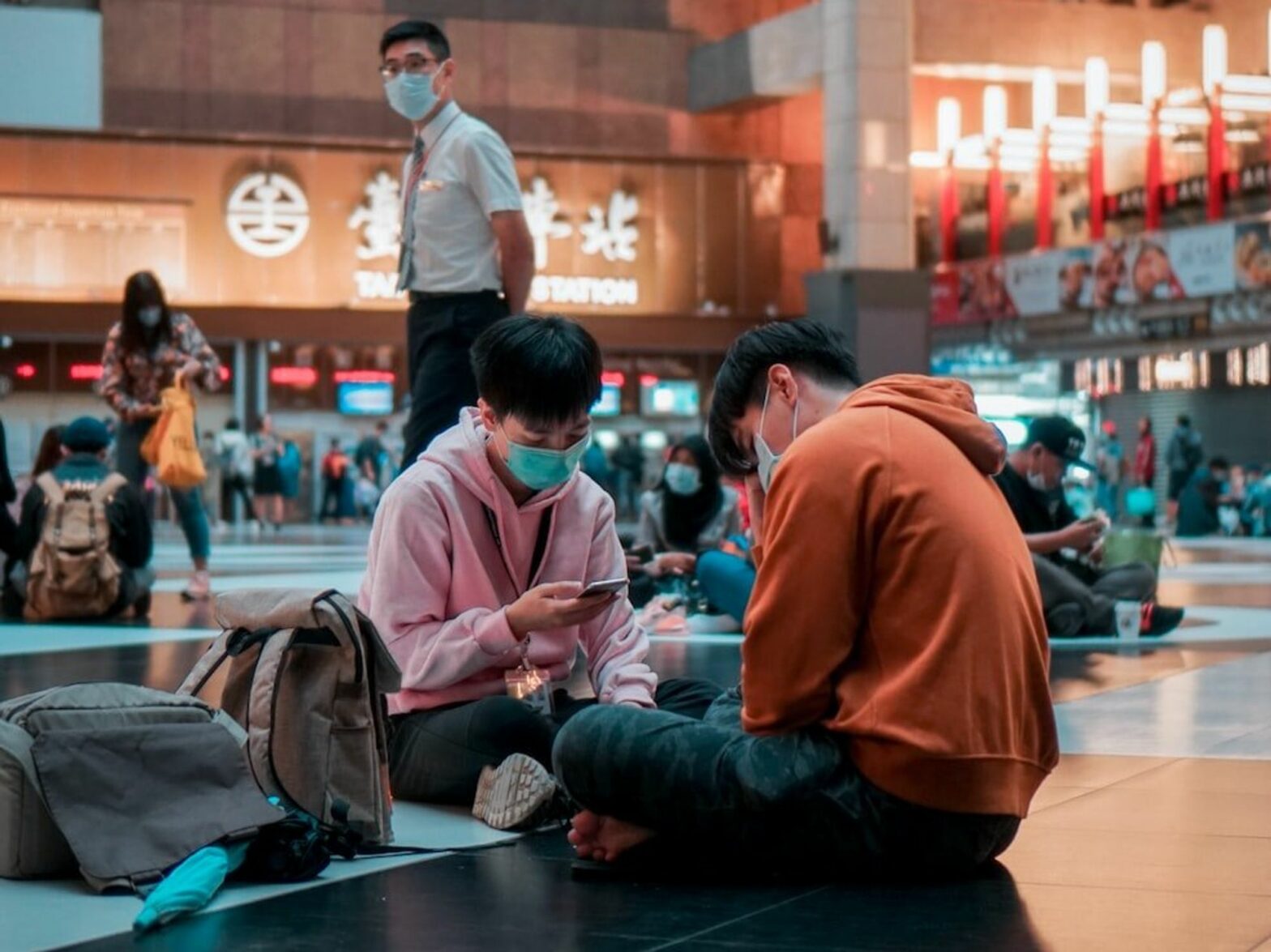
As more young people in Taiwan use Chinese social media, drawn to the fun and glitzy elements of life on mainland China, they need to learn to distinguish real life from propaganda.
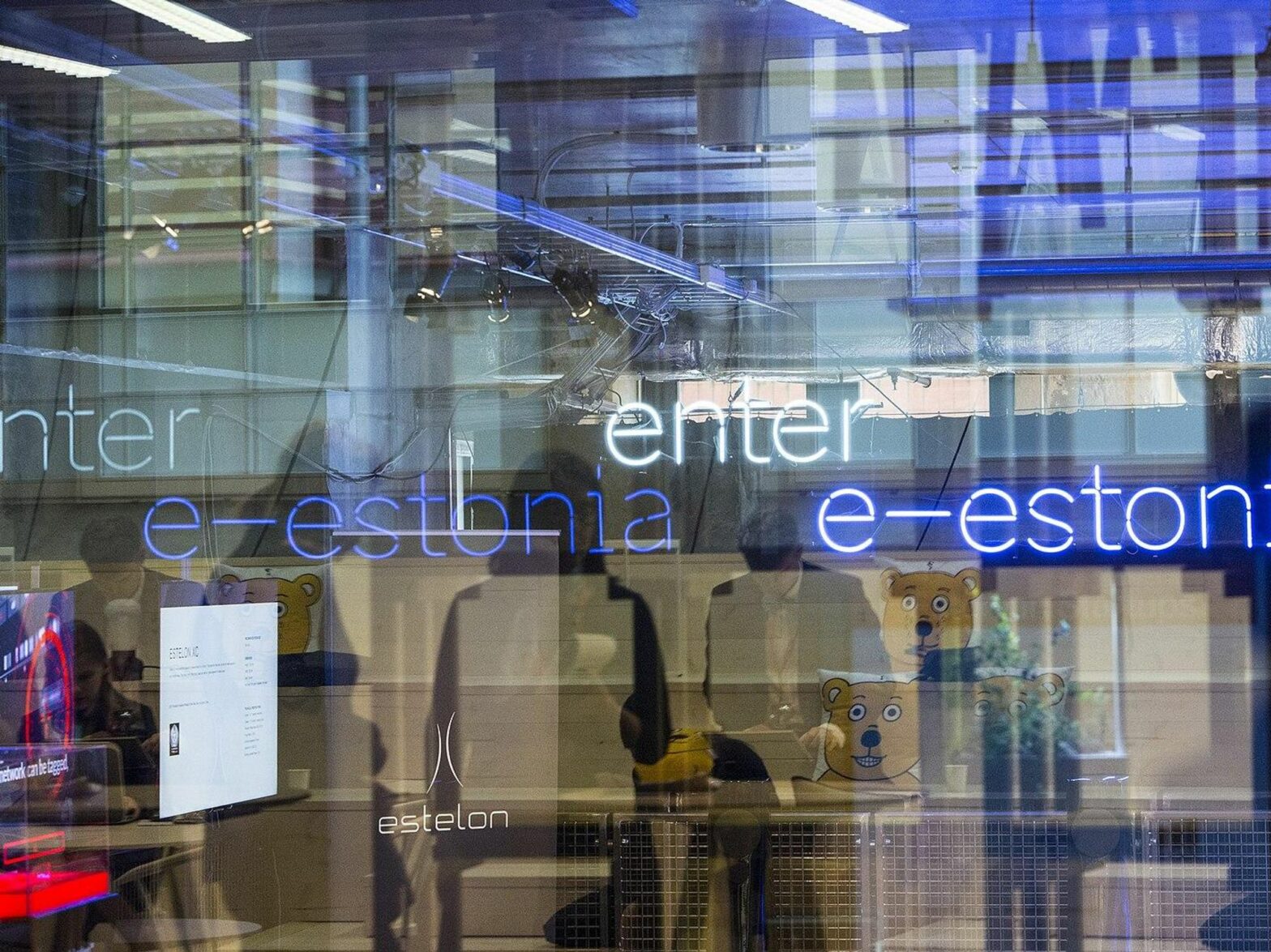
An Estonian e-residency that gives holders access to the country’s government services and business networks has growing takeup in both mainland China and Taiwan. For both business and political reasons.
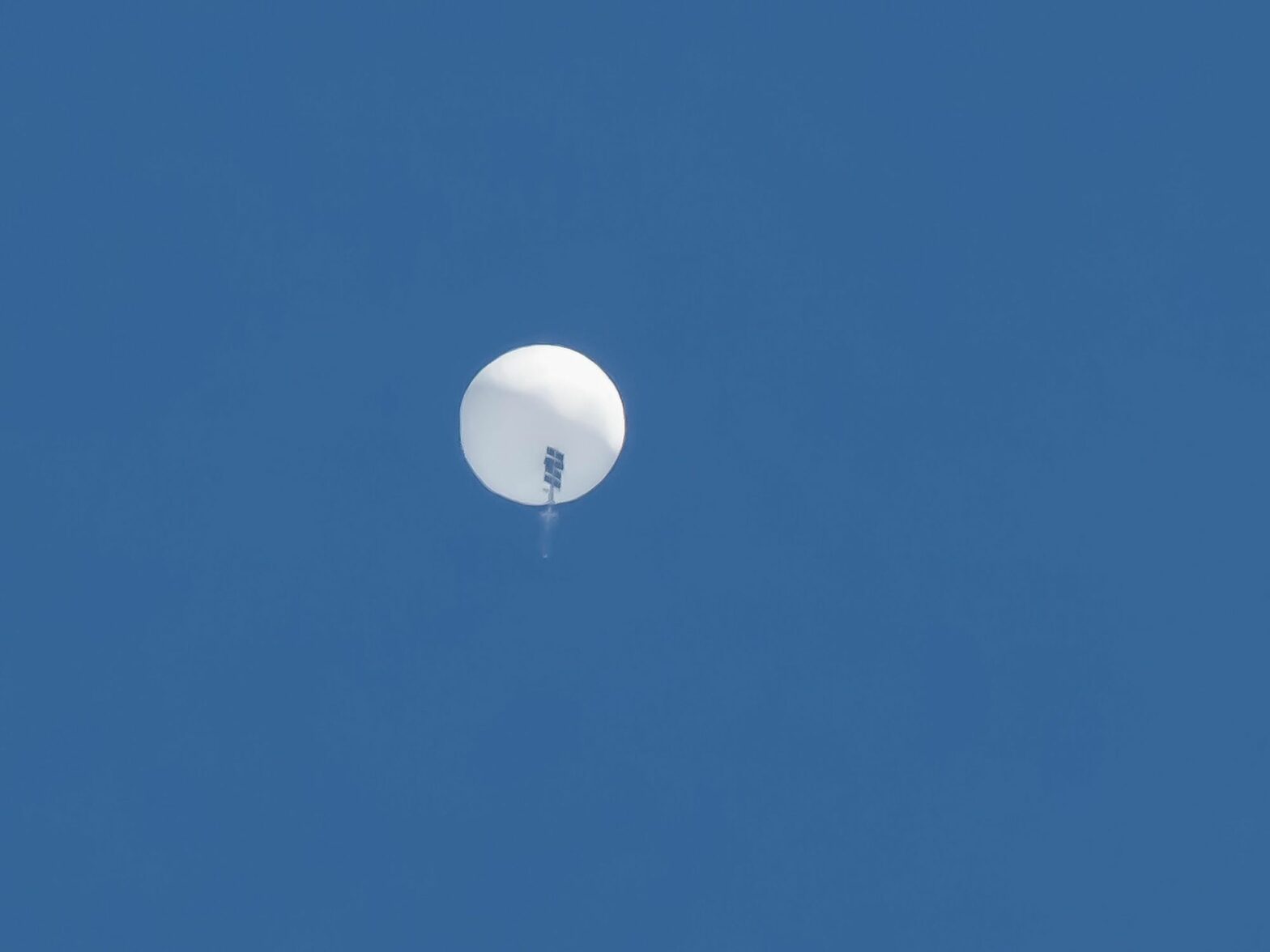
The Chinese spy balloon spotted over the U.S. and shot down on Saturday has suddenly brought once-distant fears into America’s backyard, which could set off a kind of “butterfly effect” of a small incident that leads to a much more dangerous showdown.
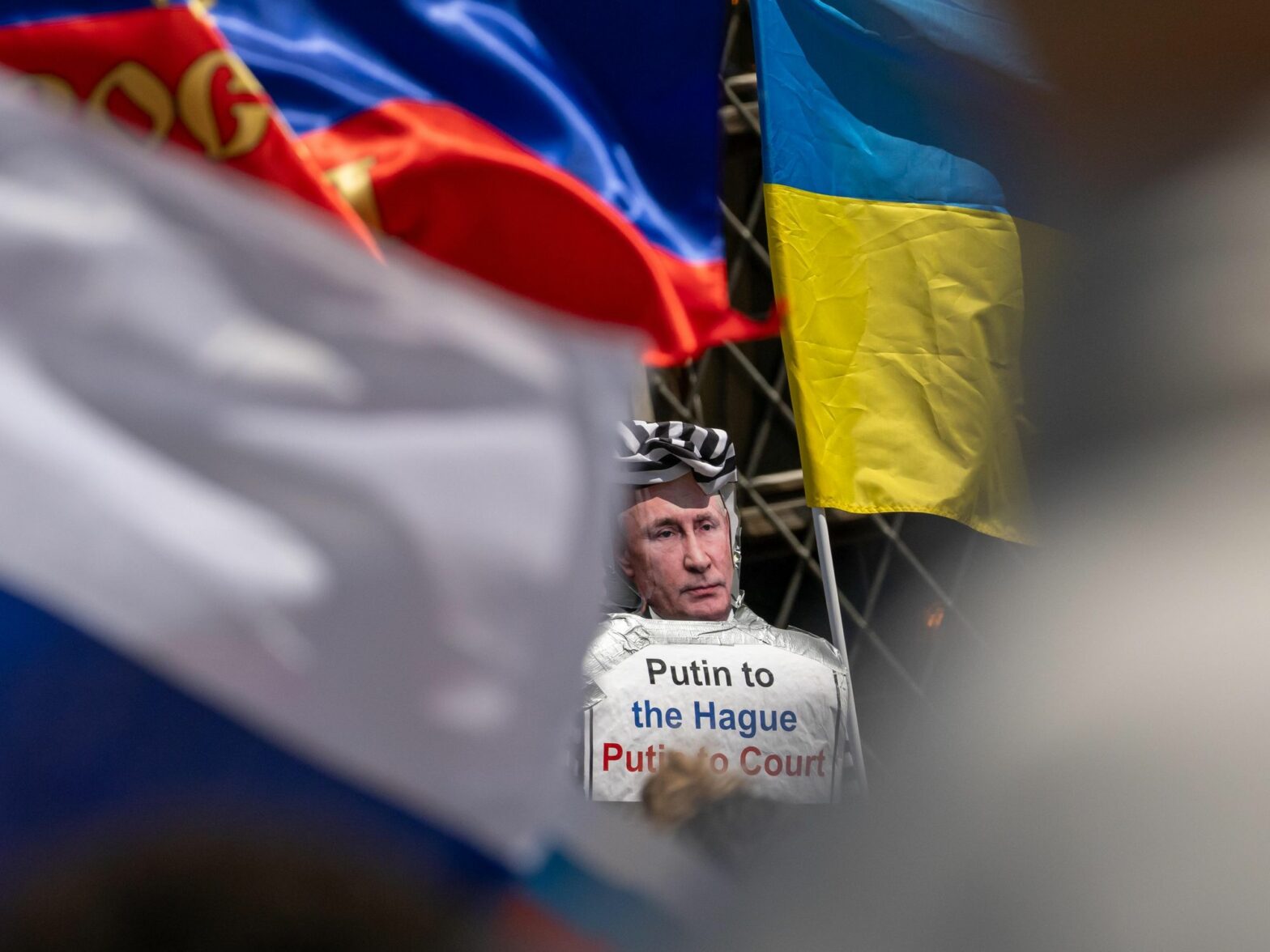
Consider the inverse of “collateral damage.” Envision Russia’s defeat and the triumph of a democratic coalition offers reflection on the most weighty sense of costs and benefits.
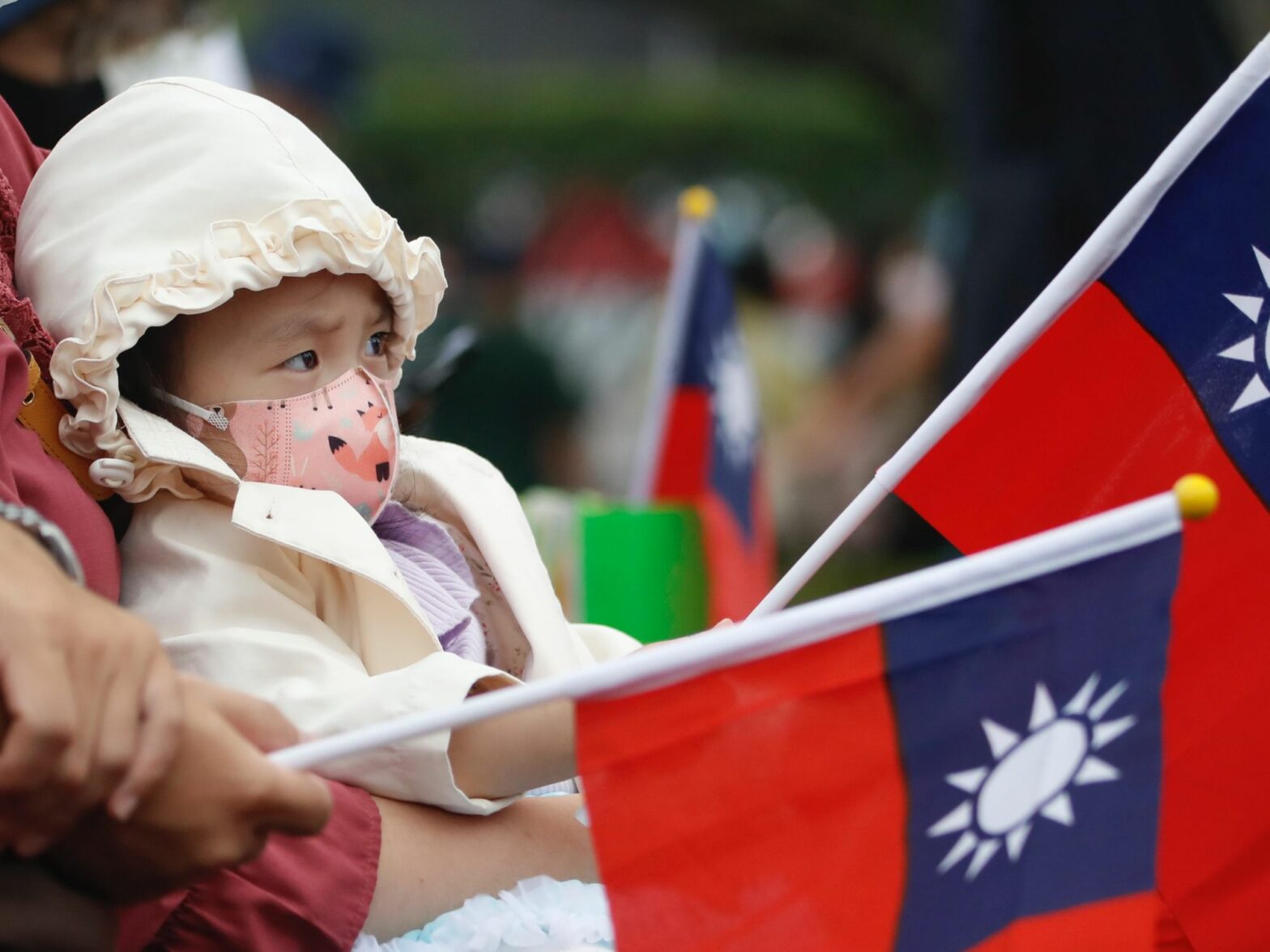
The past year has added new elements into the showdown across the Taiwan Strait, from Nancy Pelosi’s visit to the war in Ukraine to Xi jinping’s power grab. Now we may be reaching a tipping point that could lead to a military showdown, even if the question of when is still wide open.
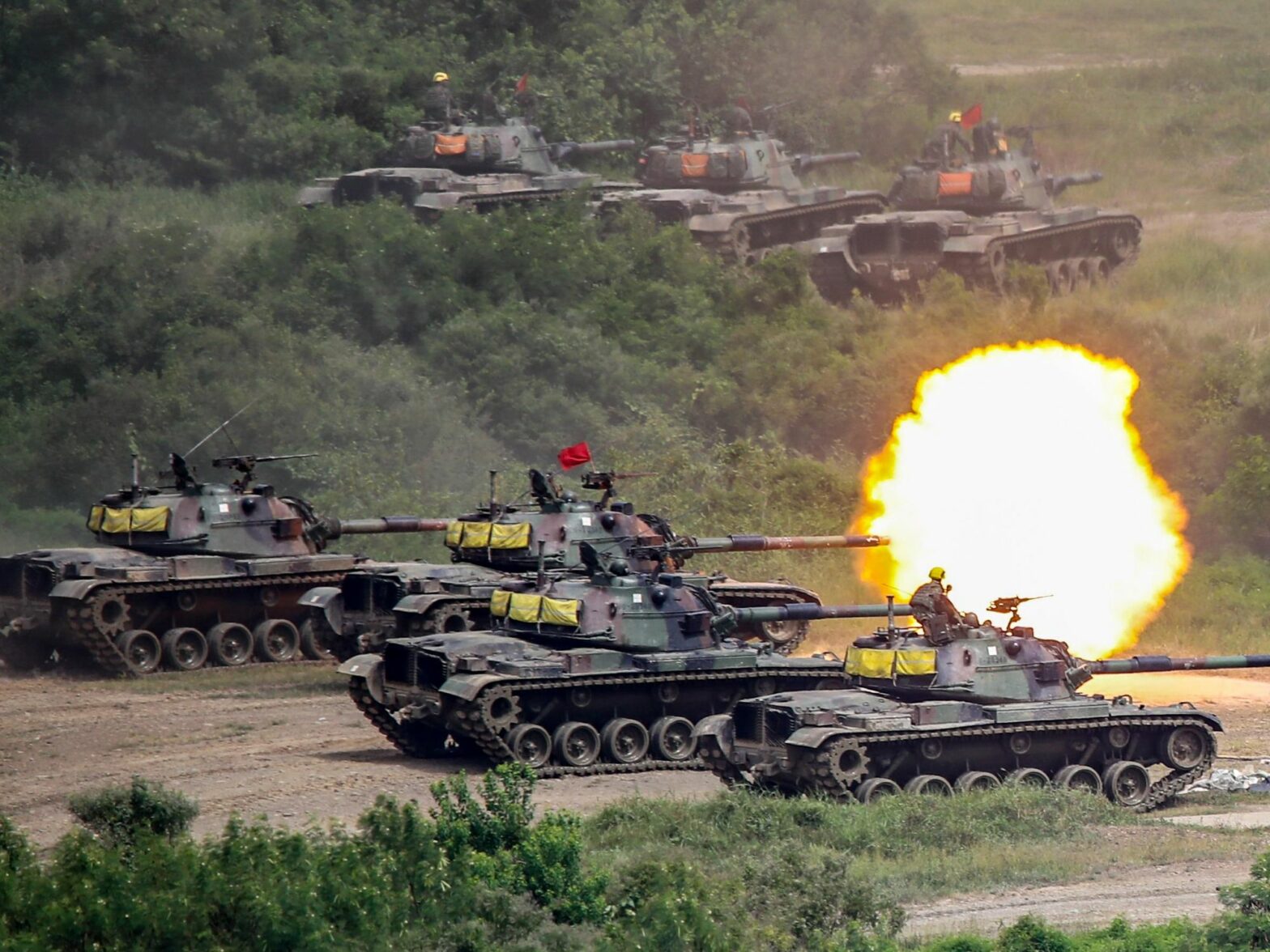
Large segments of Taiwan seem underprepared or indifferent when it comes to the possibility of Chinese invasion. But some are actively preparing, using Ukraine as a role model.
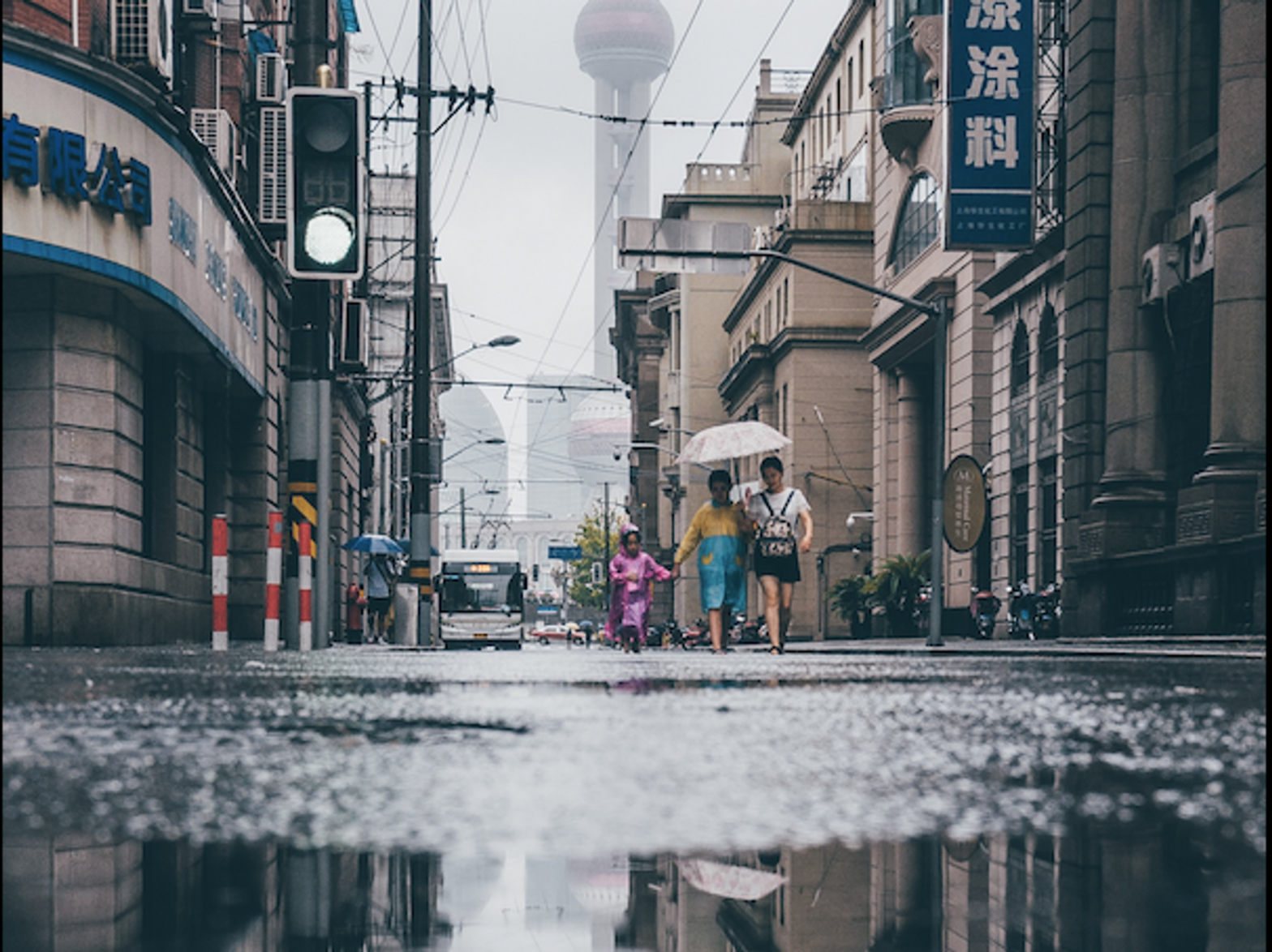
Tensions between Taiwan and China have ratcheted up over the last two years, peaking with Nancy Pelosi’s visit to Taiwan in August. The Taiwanese who have lived peacefully on the mainland for many years are now questioning their place in an increasingly hostile environment.
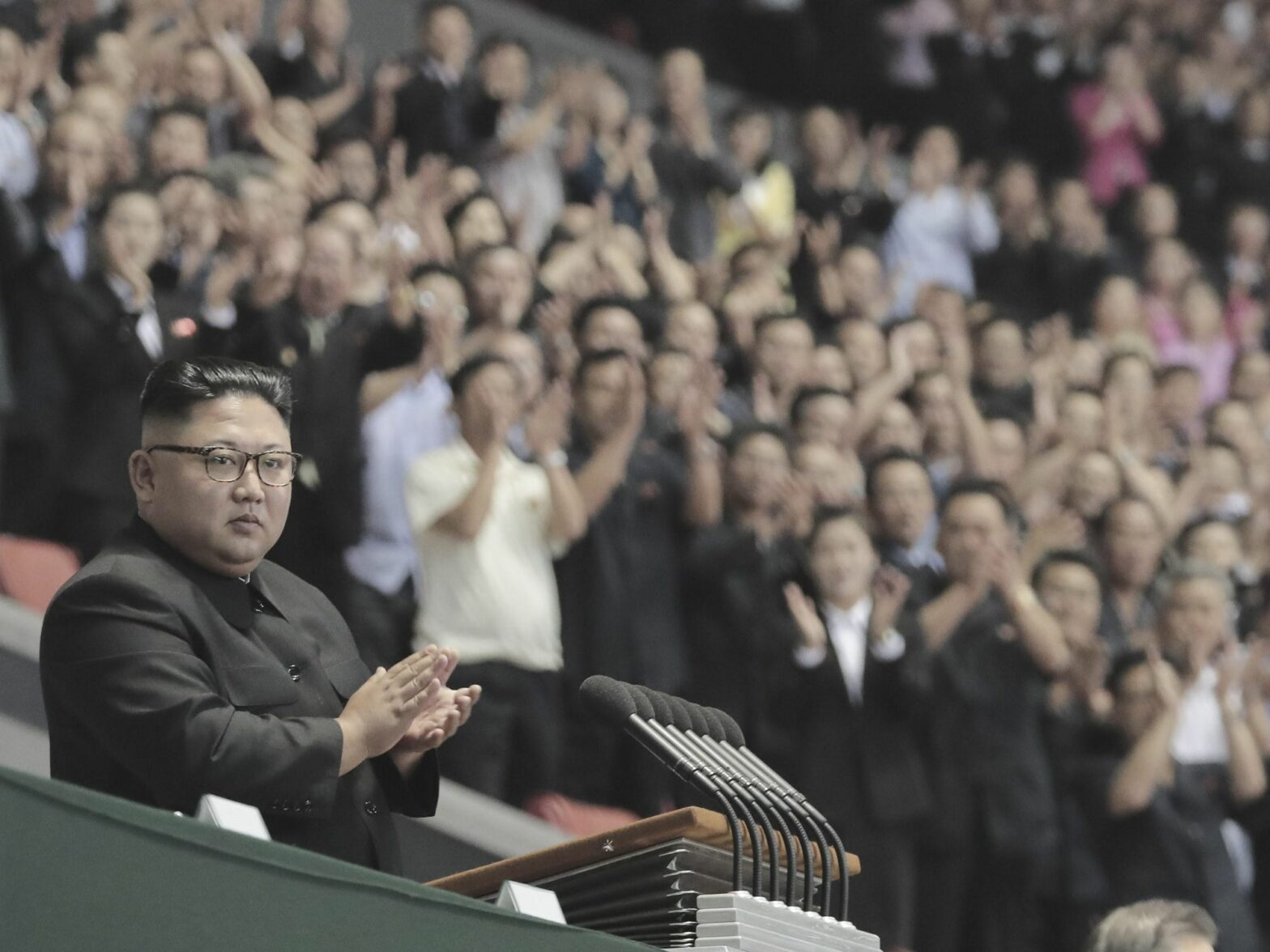
“Taiwanese would laugh at the leader worship of the North Koreans, but wasn’t that what we did in the days of Chiang Kai-shek?”
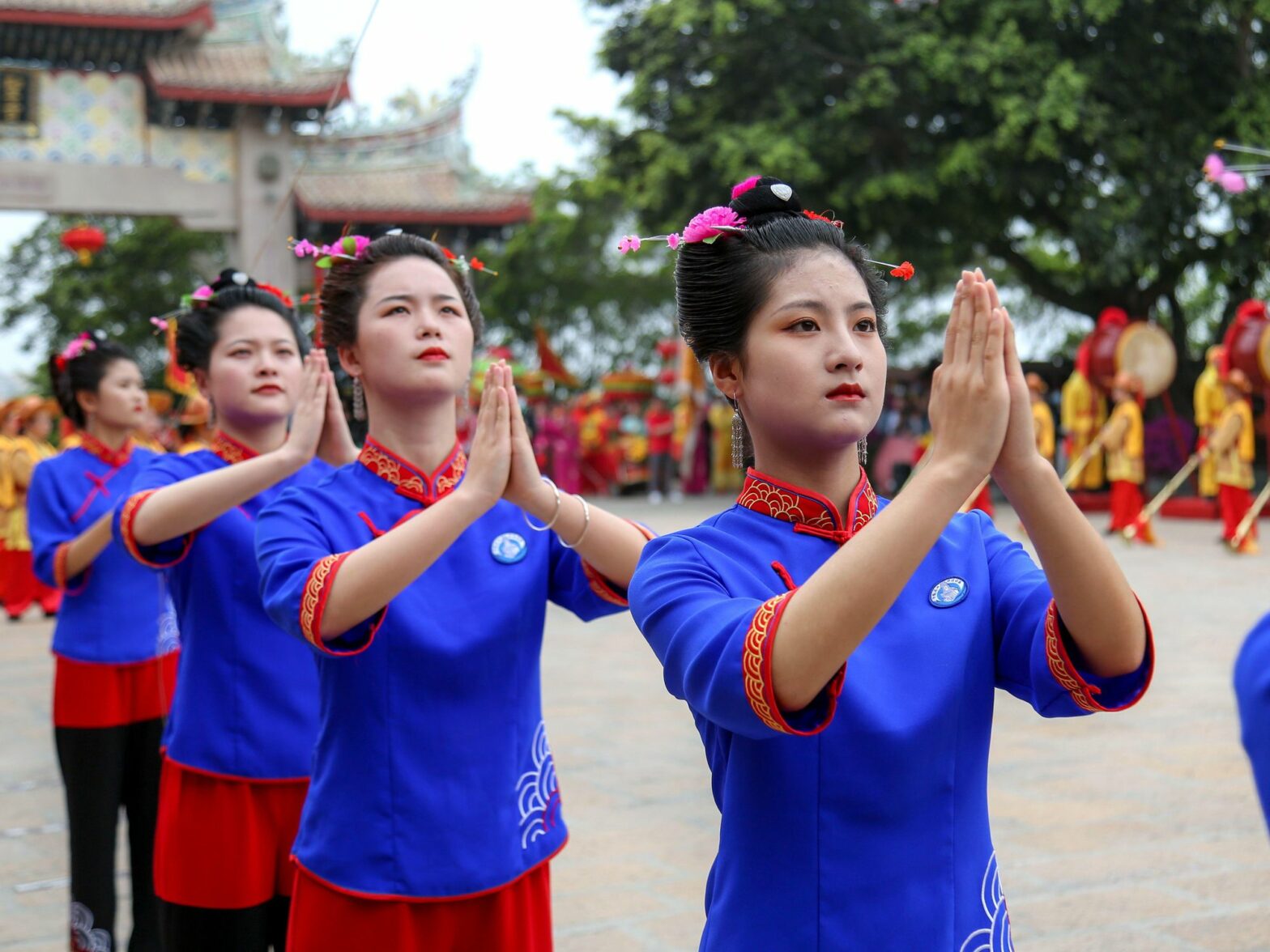
Emerging religions and cults in Asia are deeply intertwined with politics: in China, religions need political approval, while in Japan religious groups use political platforms to assert themselves. Not even the killing of former Japanese Prime Minister Shinzo Abe, carried out by a member of the Unification Church, has prompted a closer look at exactly what role religion plays in society.