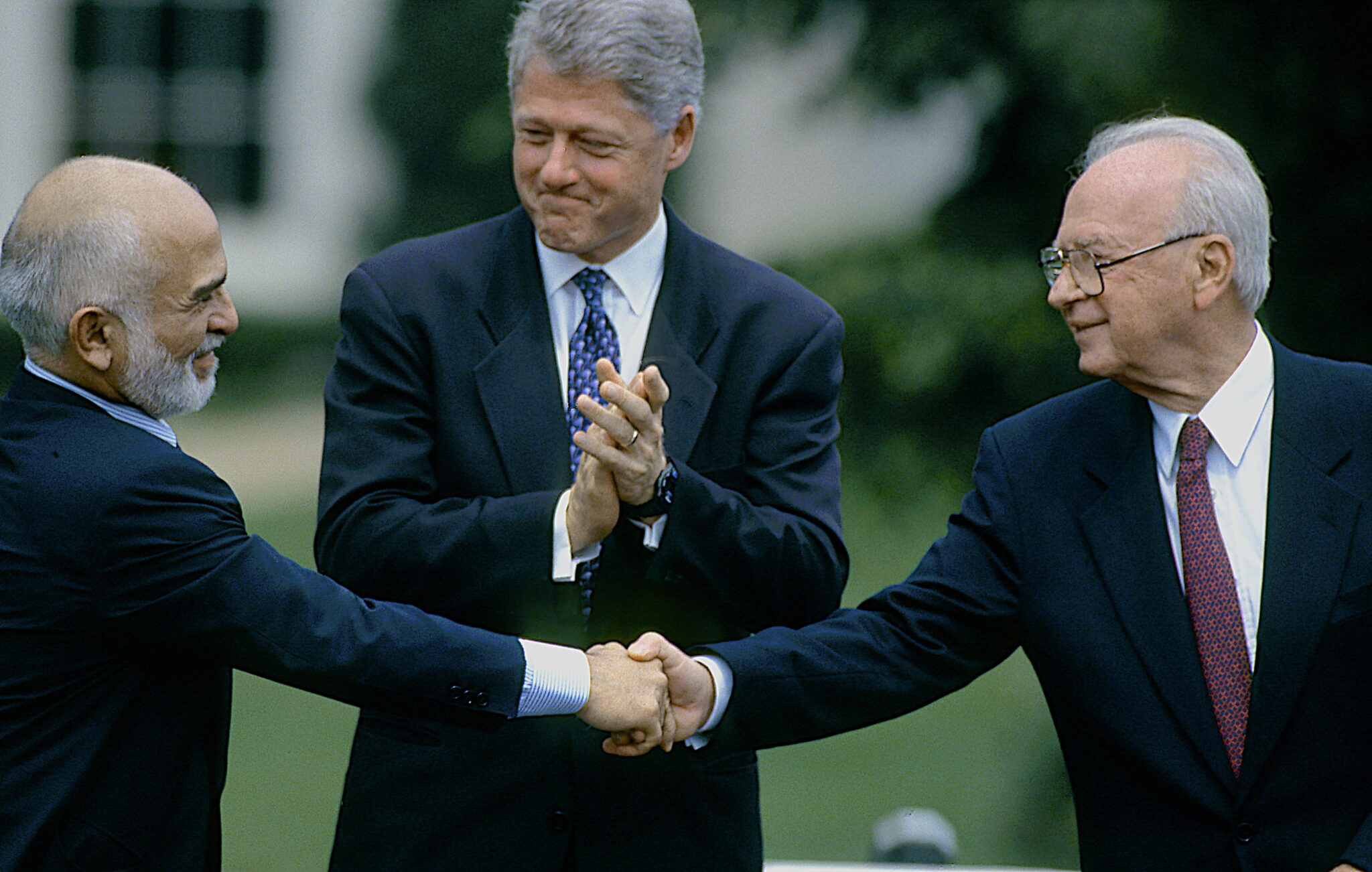
The Israel-Jordan peace treaty brought a moment of hope to the region. But Yitzhak Rabin’s assassination killed the Israeli left, and with it the idea and spark of hope.
 Worldcrunch
Stay updated with comprehensive news on Jordan from Worldcrunch. Discover insights on Jordanian politics, economic strategies, societal issues, and cultural landmarks with translations from top international sources. Highlights include Amman, Jordanian history, and cultural events.
The Israel-Jordan peace treaty brought a moment of hope to the region. But Yitzhak Rabin’s assassination killed the Israeli left, and with it the idea and spark of hope.
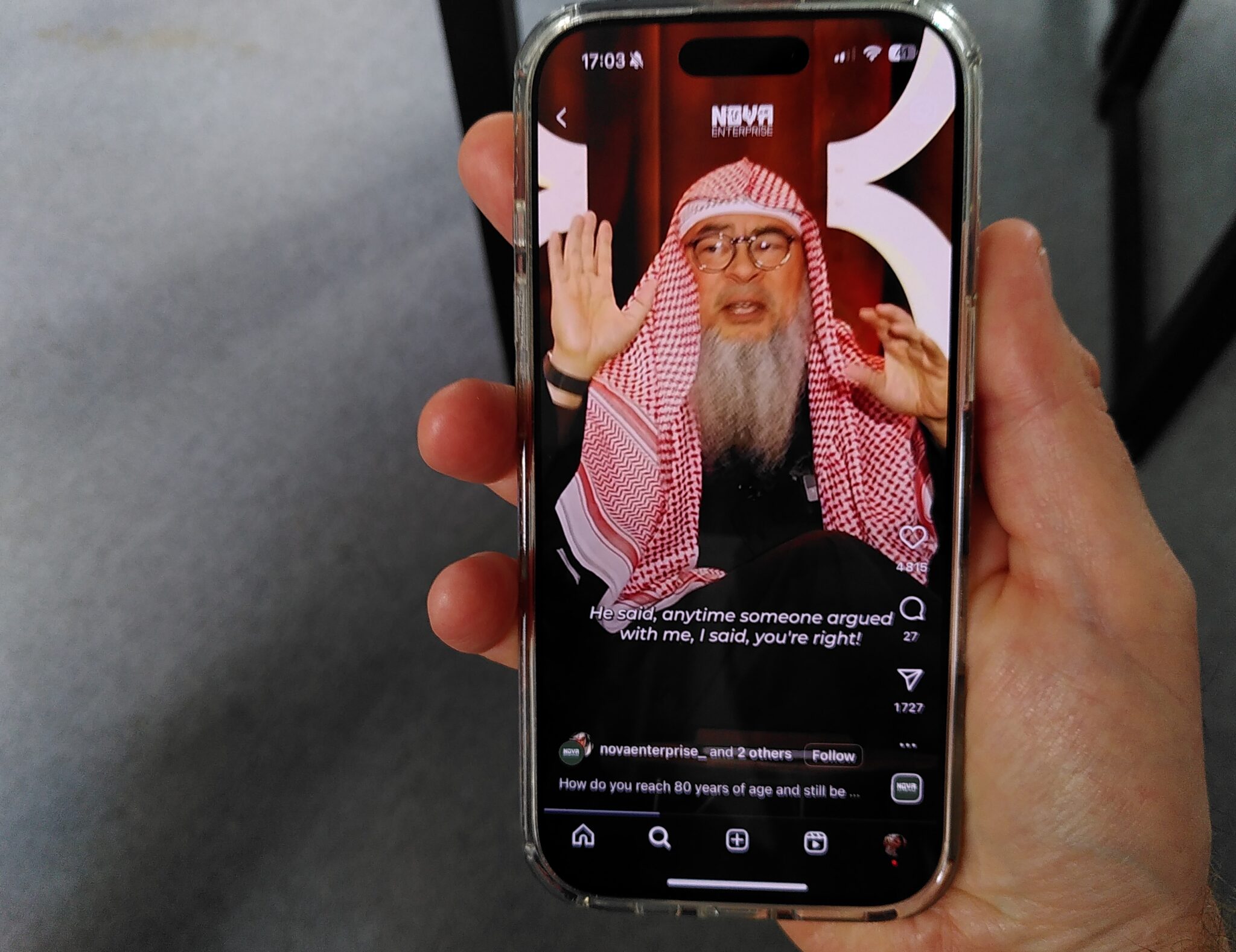
In the age of algorithms and 15-second reels, a new kind of religious voice is echoing across the Middle East and North Africa through smartphones and social media feeds. These are the “Instagram Sheikhs” — a diverse group of young, digital-savvy Muslims who fuse Islamic teachings with modern tools and aesthetics.

All of the complexities and competing interests in the Middle East are coming out during the current showdown between Israel and Iran, and Jordan has a strategic role to play.
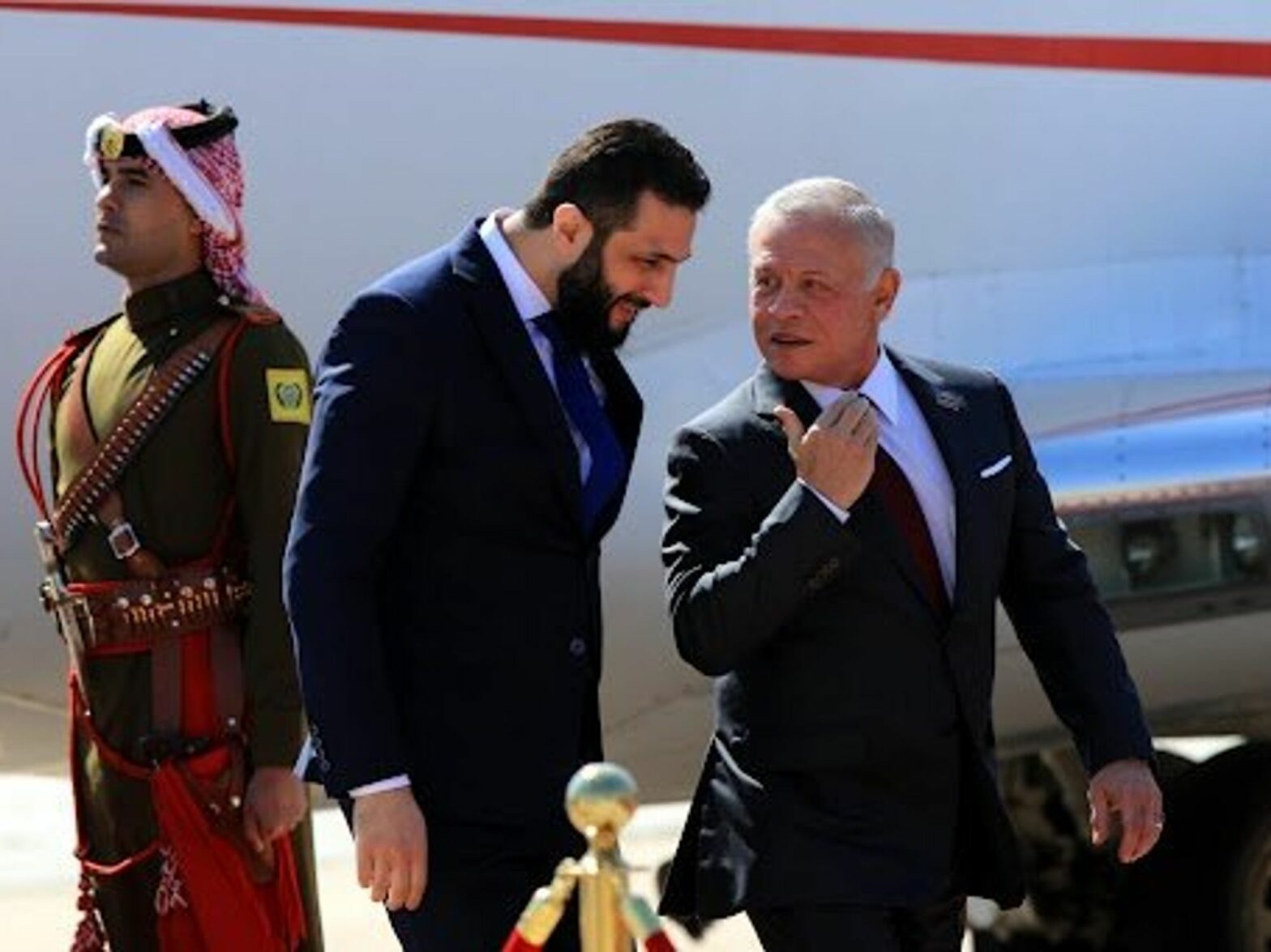
Concerned about Islamic State sleeper cells in Syria, neighboring Jordan is cautiously hoping the country’s interim president, Ahmed Al-Sharaa, will support international efforts to combat ISIS.
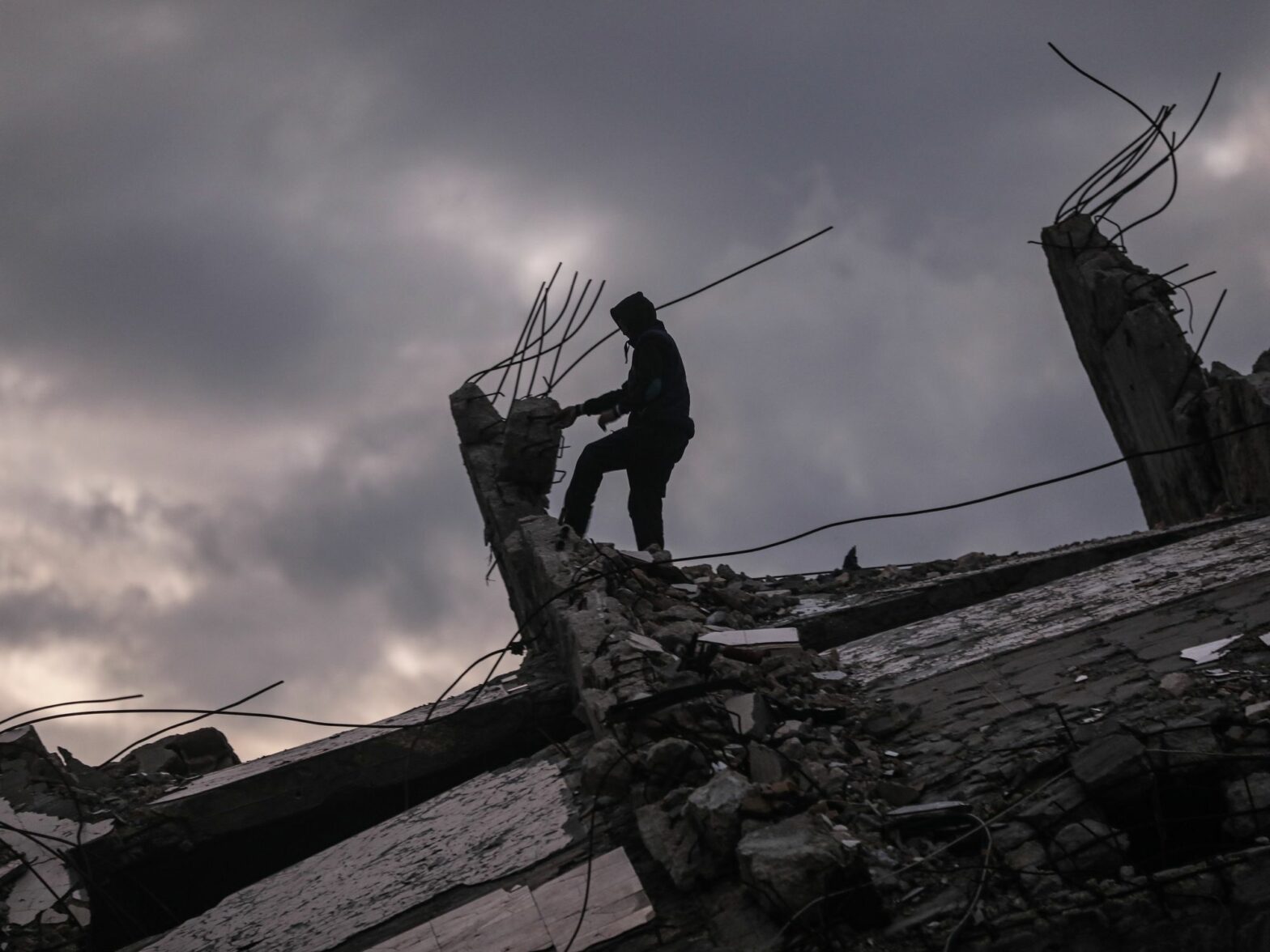
While Arab countries have rejected U.S. President Donald Trump’s plan to expel Palestinians from Gaza, they have yet to outline an alternative plan. It seems some have accepted the idea of searching for alternatives that align with American-Israeli desires. But this is a historic opportunity for Arab countries to prove to their peoples their ability to break free from the American orbit.
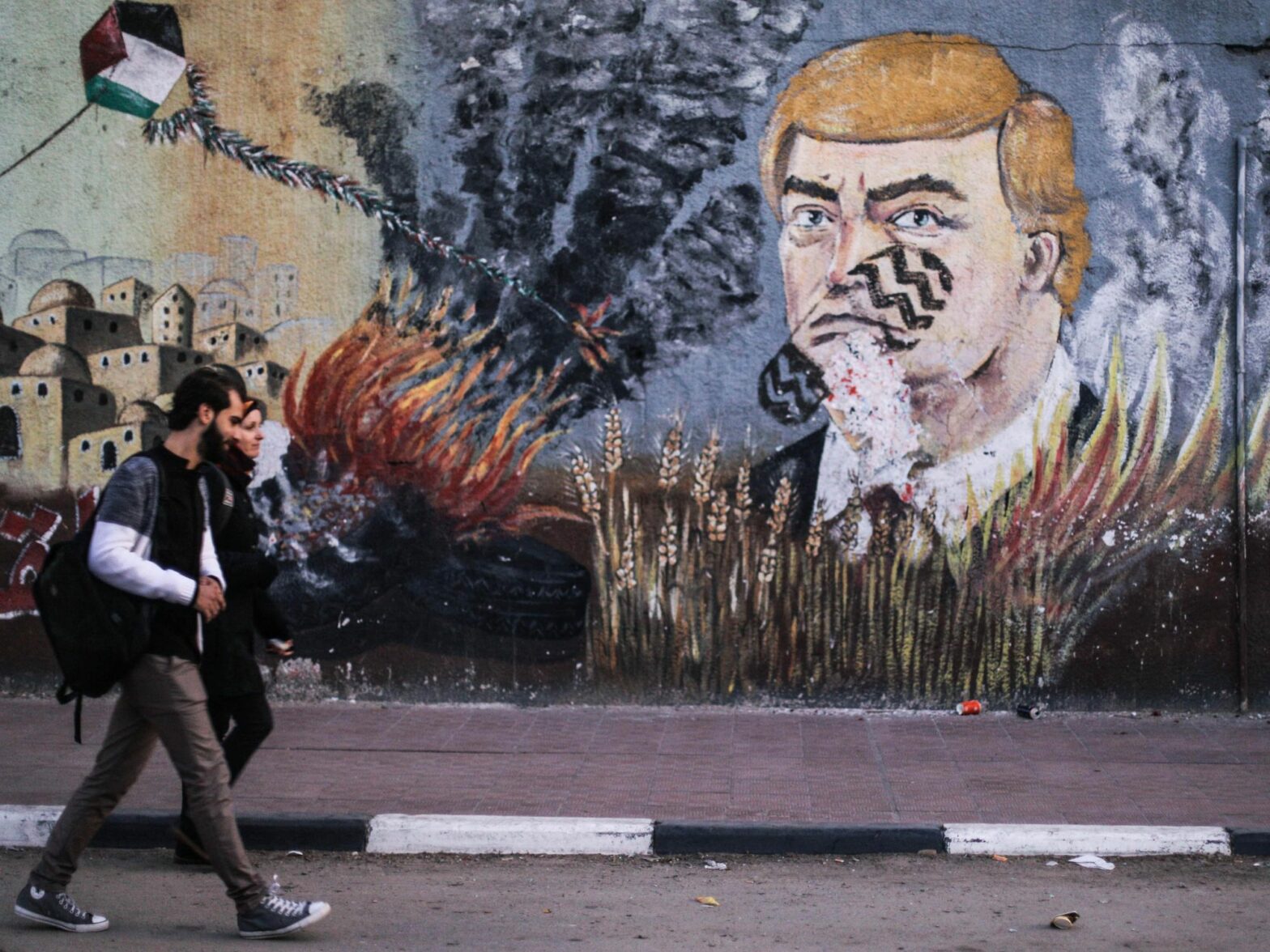
U.S. President Donald Trump’s vile proposal to take over Gaza has led to a shift in discourse Egypt, Saudi Arabia and Jordan. This moment could mark a new beginning, with Arab regimes aligning their politics with those of their peoples. That is the only safeguard against Trump’s blackmail and Israeli Prime Minister Benjamin Netanyahu’s ambitions.

From the bustling streets of Cairo to the soulful melodies of Beirut, Arab cinema is masterfully capturing the heart of a region rich in culture, resilience and untold stories.
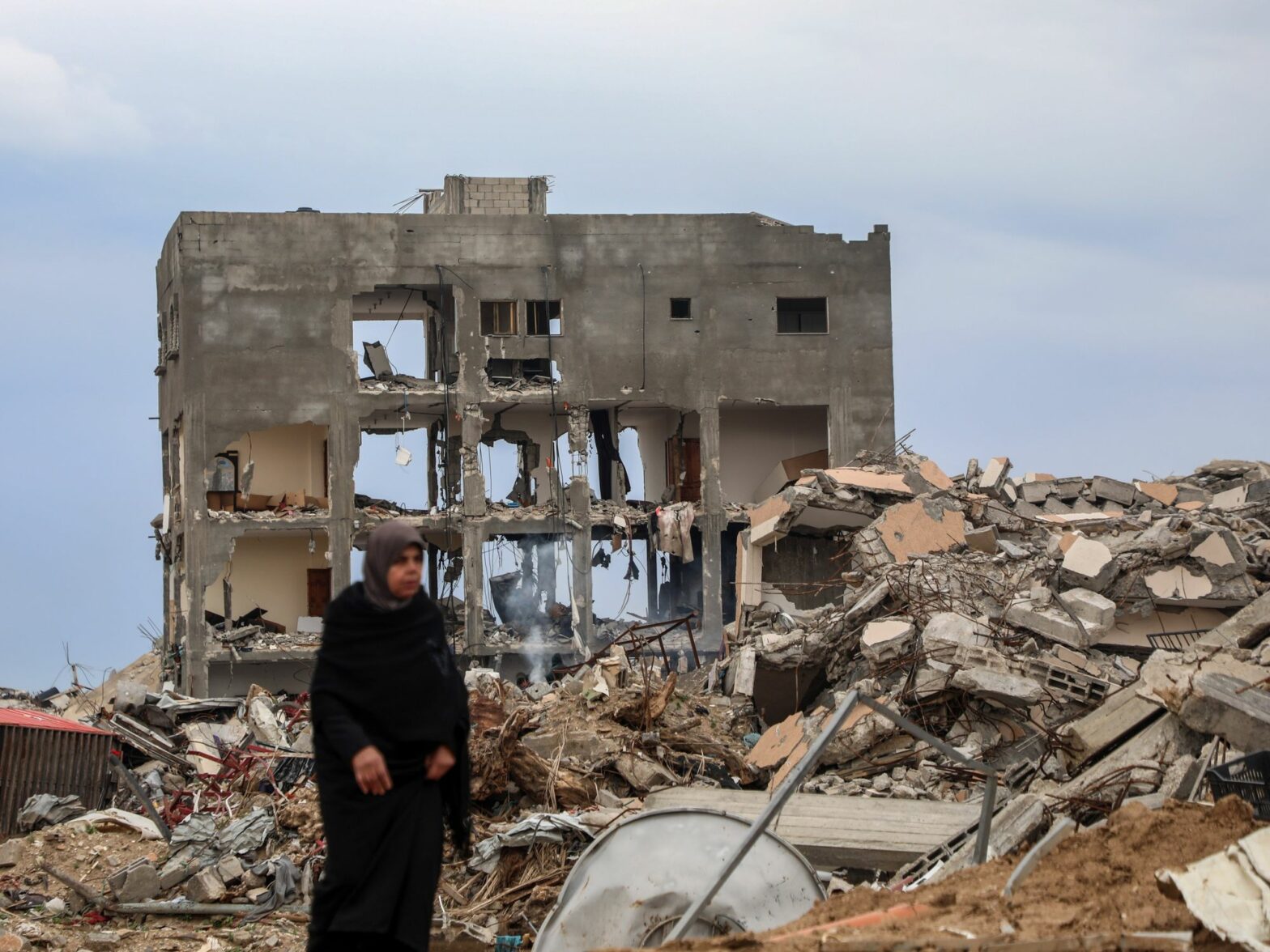
Donald Trump made ever more clearly Monday that he is serious about relocating Palestinians permanently outside Gaza. It’s a plan that the entire Arab world categorically rejects, and puts the U.S. back on the hook for resolving the thorniest of Middle East conflicts.
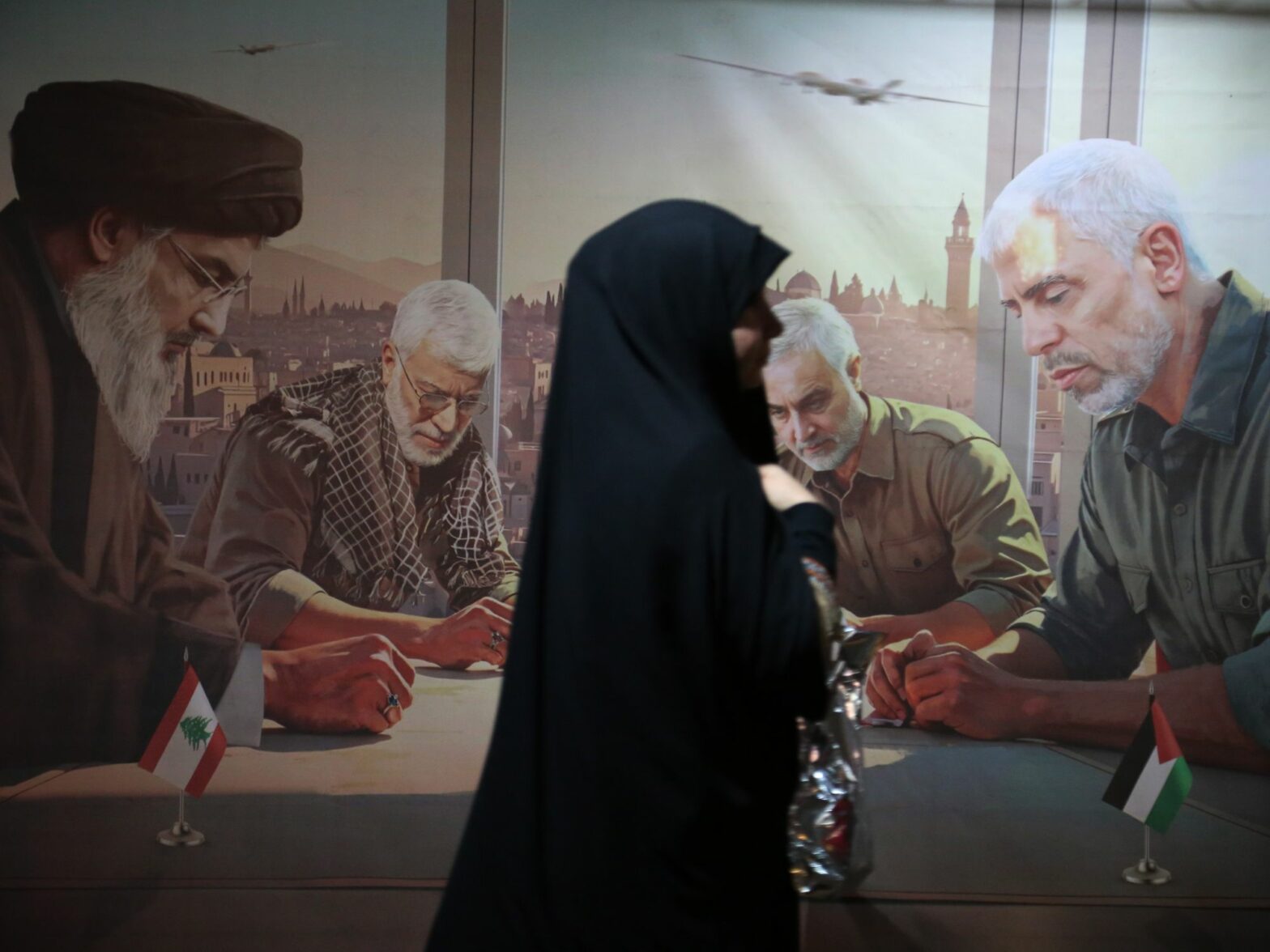
Hijab is merely a custom that, by force of tradition, has turned into a religious symbol — nothing more. The early Quranic interpreters, who favored transmission over reason due to their limited knowledge and weak analytical abilities at the time, interpreted the so-called “verses of hijab” without considering their historical context or the reasons behind their revelation.
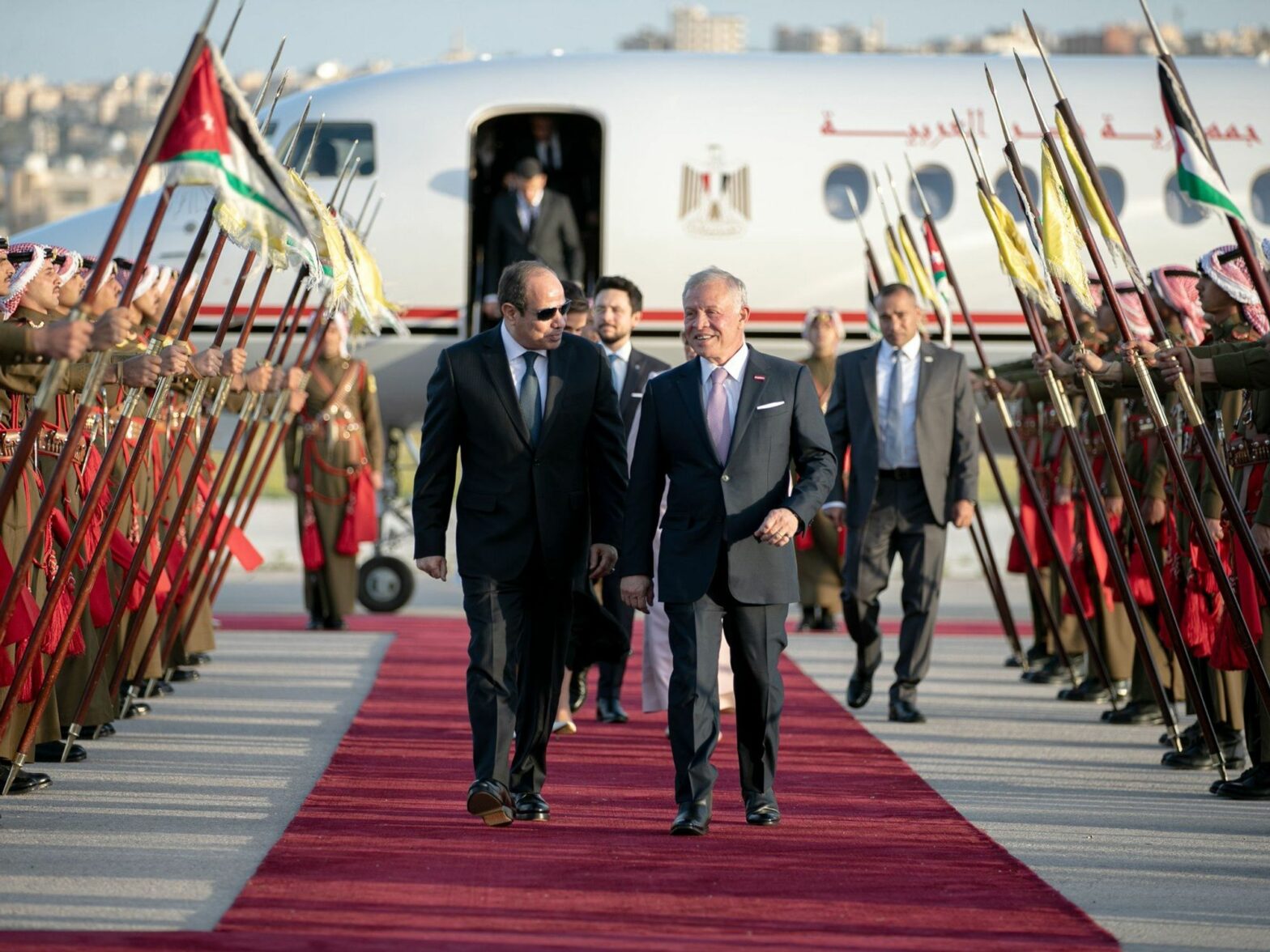
Trump’s suggestion that Egypt and Jordan take Palestinians in Gaza is the ultimate nightmare scenario for Cairo and Amman, but the U.S. president looks prepared to use his leverage to get a deal the Israelis would prefer.
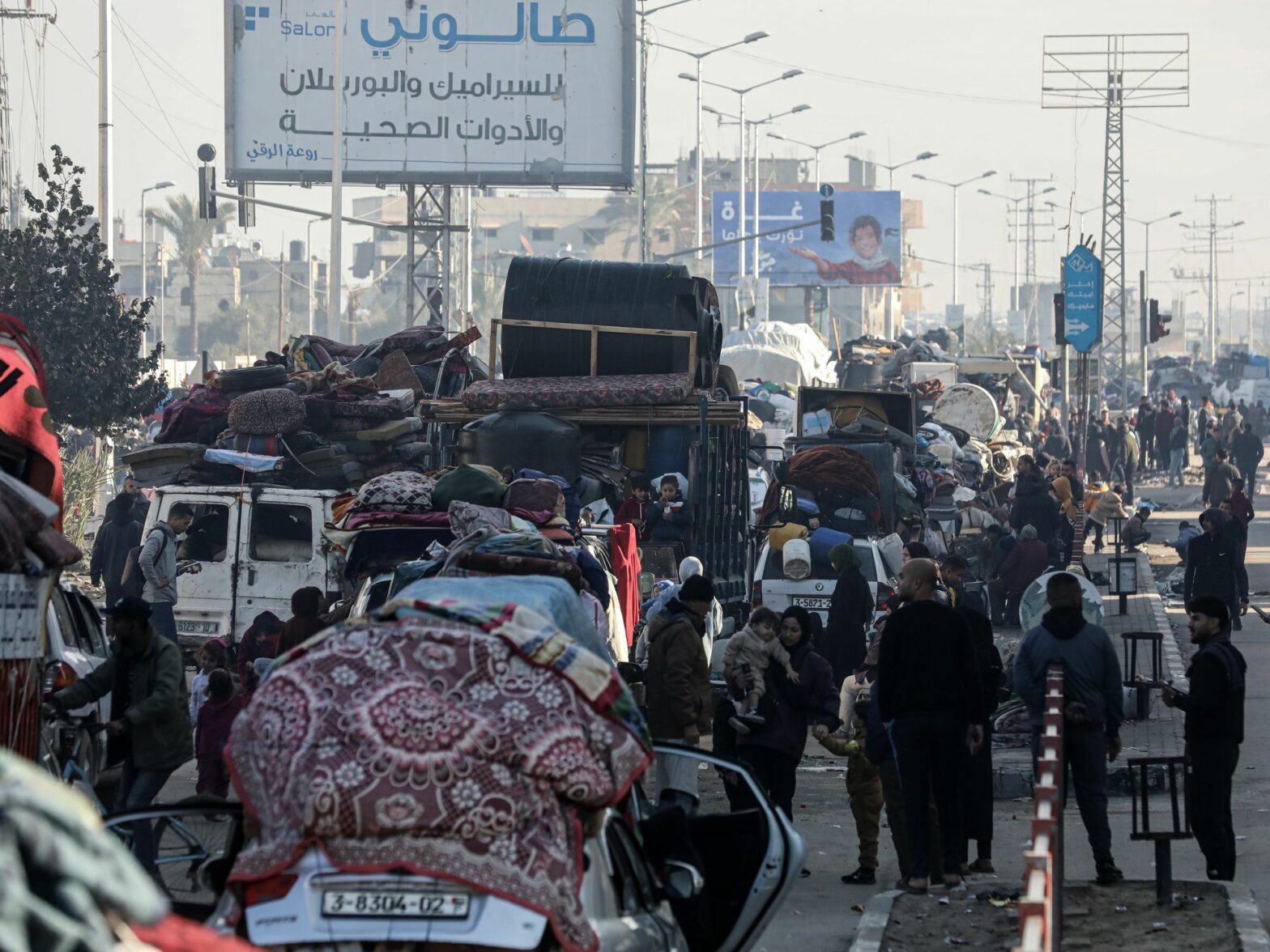
Donald Trump’s proposal to send Palestinians from Gaza to Egypt and Jordan has been embraced by the Israeli far-right but rejected by Palestinians and the countries involved. It amounts to illegal ethnic cleansing and revives an ugly history of Nakba. But it today’s world, it might even happen.
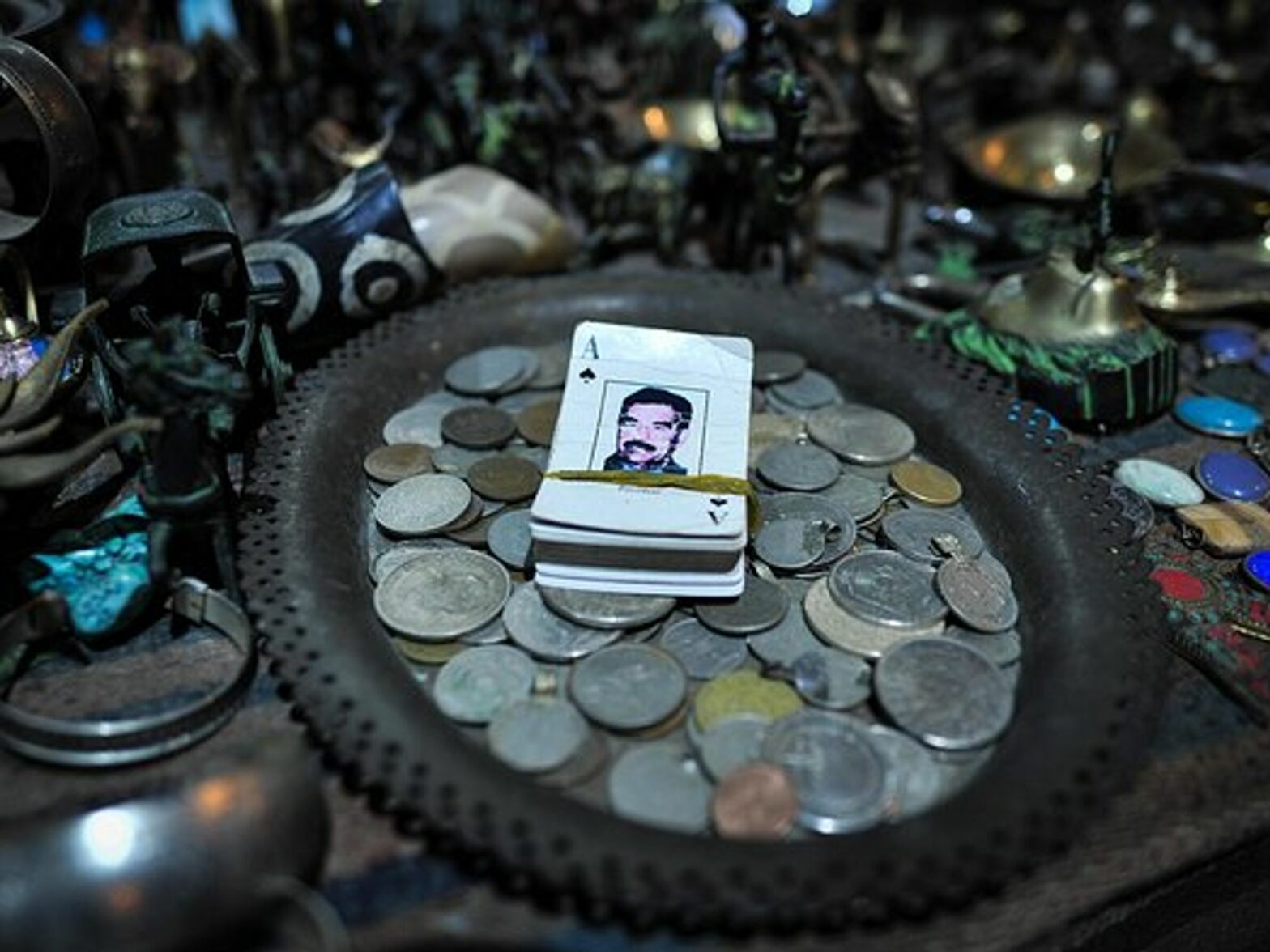
Despite the Ba’ath Party’s defeats in Iraq and Syria, many Jordanians still see Saddam Hussein as an Arab leader who was only overthrown by the U.S. occupation — despite the atrocities and crimes he committed that amount to crimes against humanity. Jordanian writer Hassan Zayed looks at these paradoxes.
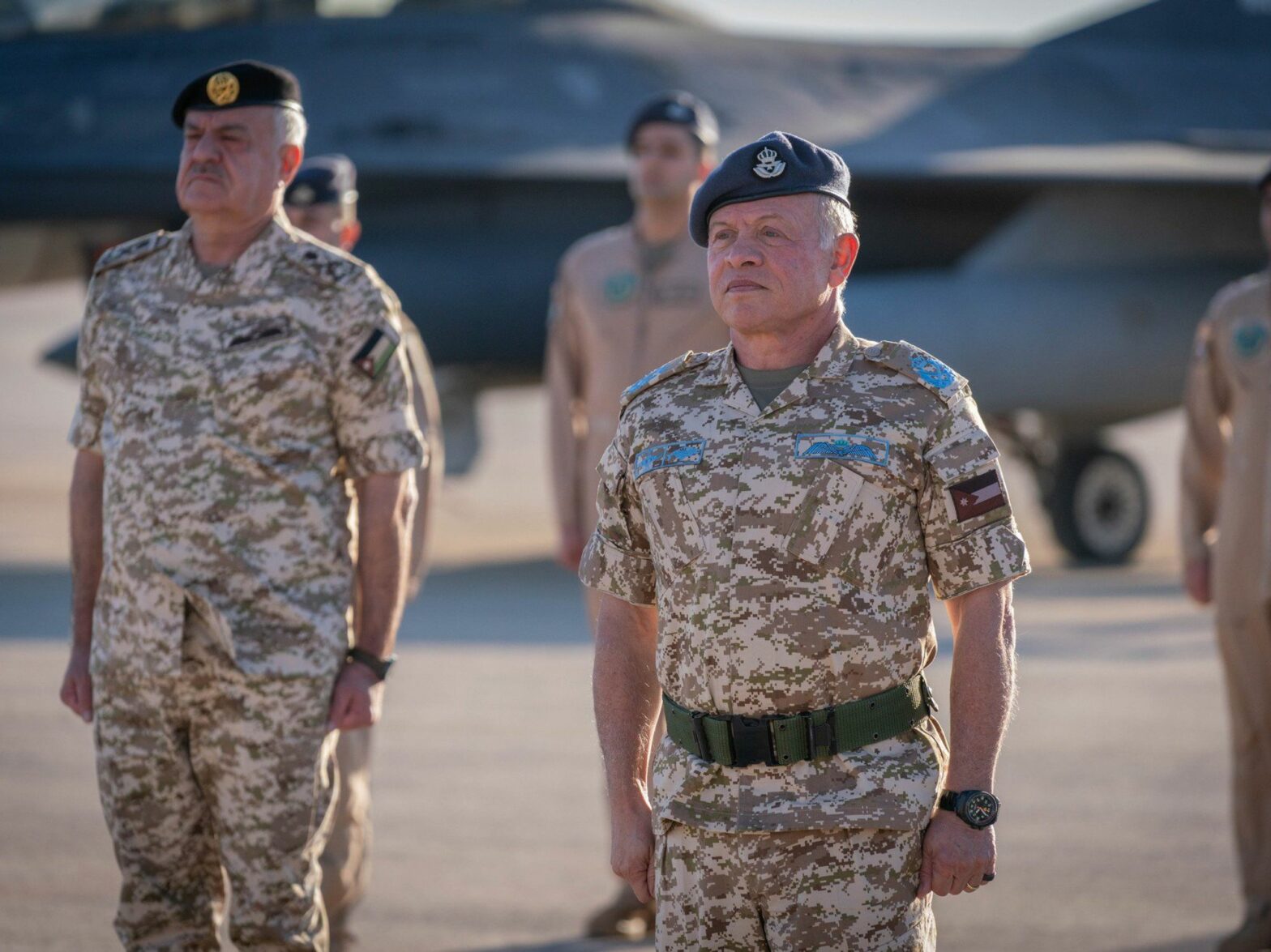
Jordan has cautiously followed the emergence of Syria’s de facto leader, Ahmed al-Sharaa, from the ranks of jihad fighters to a statesman. Amman is increasingly concerned that the Muslim Brotherhood could exploit the rise of Islamists in Syria to sow chaos in Jordan, or the return of extremist fighters to areas on its borders.
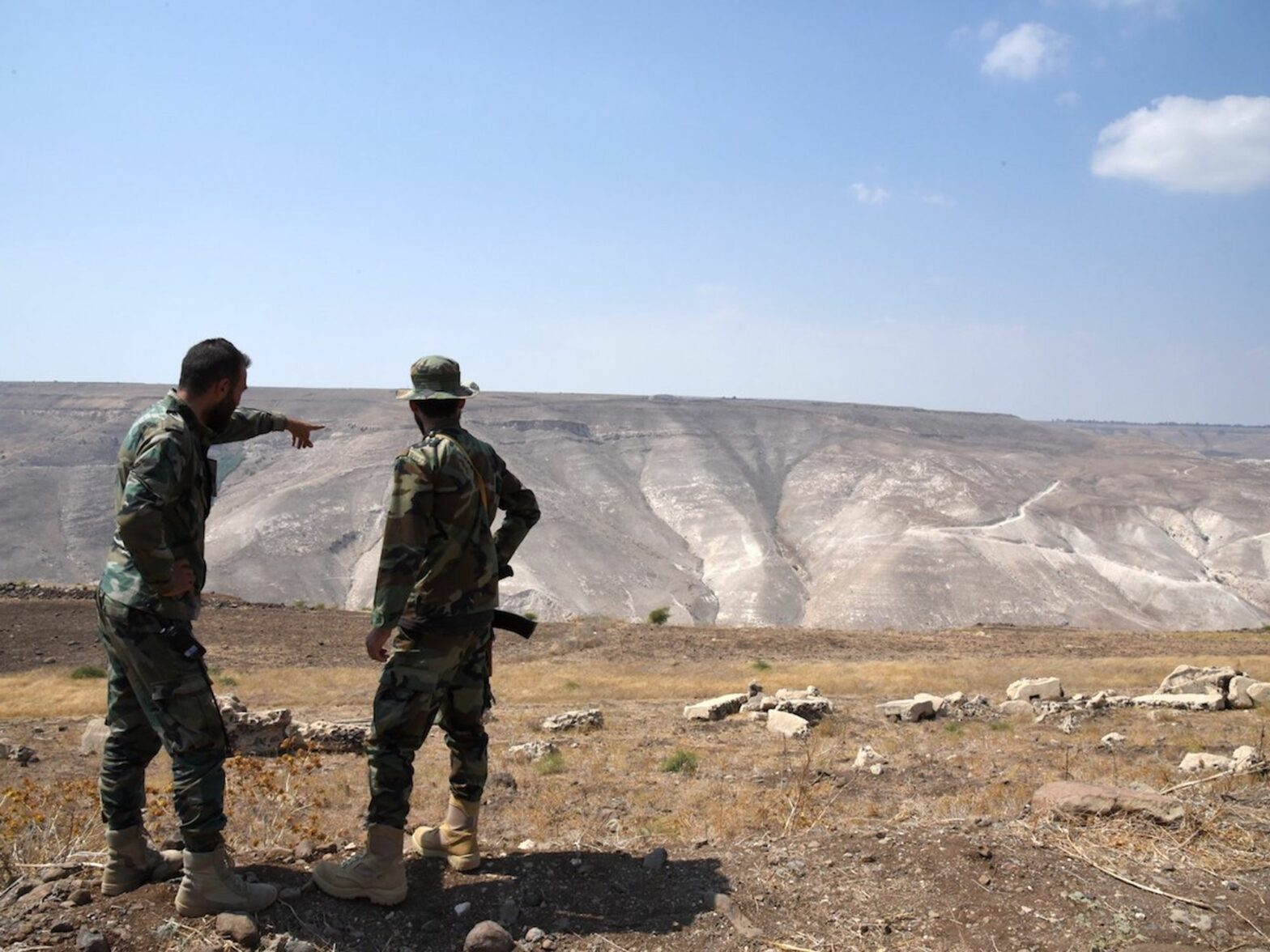
Amman and its allies, much like the skeptical secular Syrian opposition, await tangible actions on the ground to match the promises of pragmatist rhetoric from Abu Mohammed al-Jolani, who is marketing himself as a statesman committed to building an inclusive new Syria that’s a good neighbor after abandoning extremist ideologies.
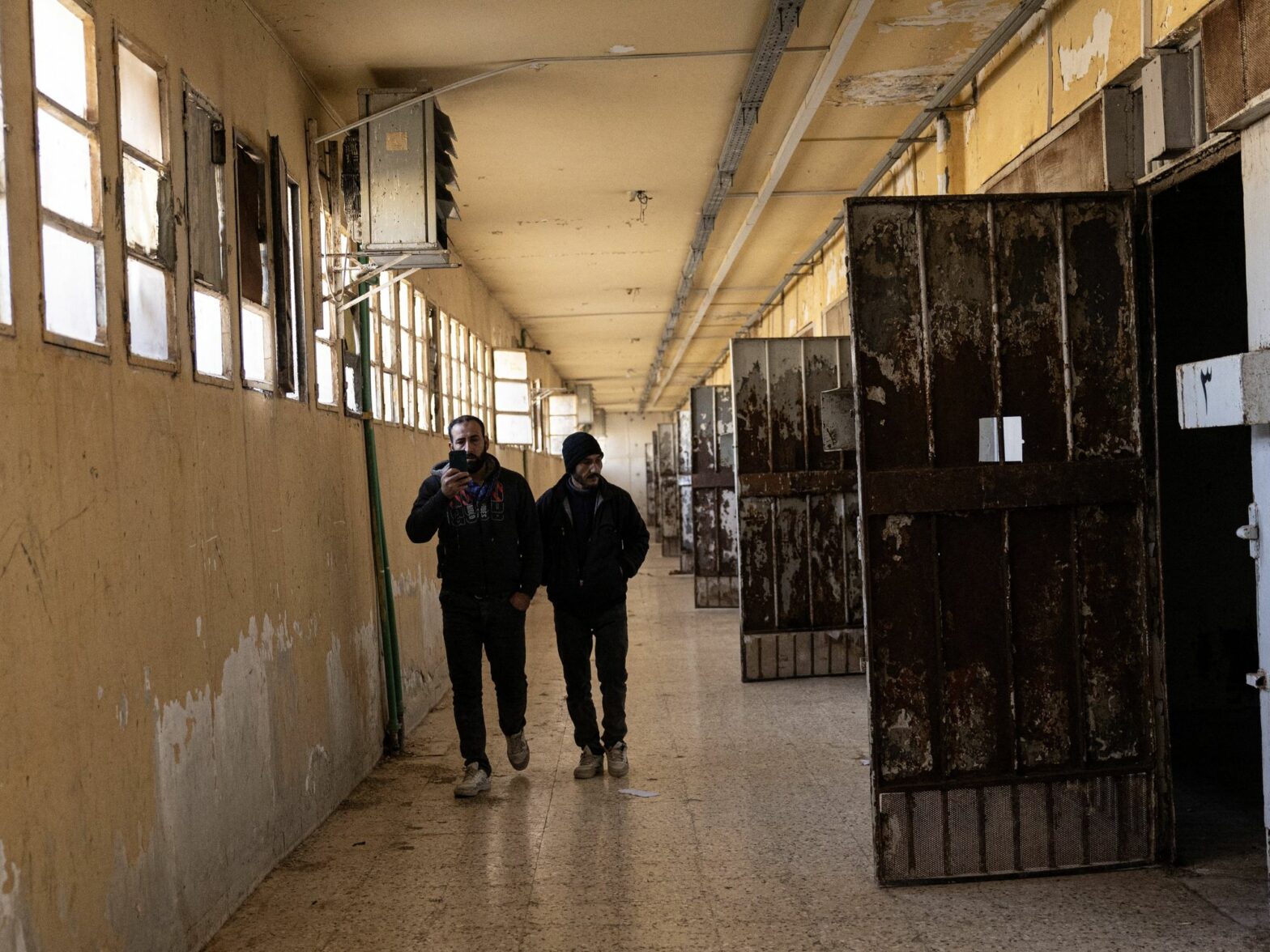
As the Assad regime was crumbling, the sight of the prisoners being freed had its own impact on so many people, including exiled Syrian writer Ruqayyah Al-Abbadi, who knew them from the inside.
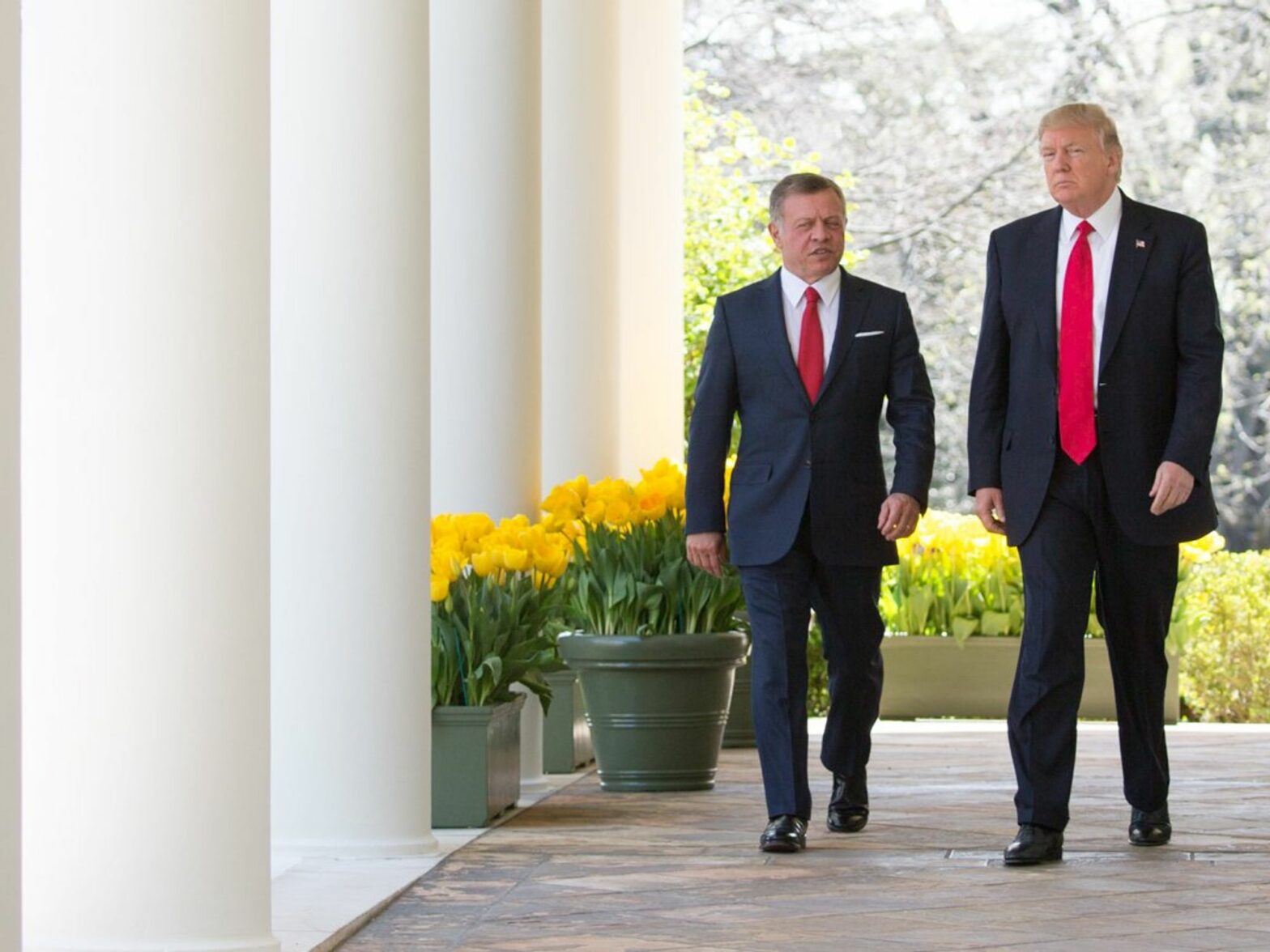
The upcoming challenge is the most serious for Jordan since King Abdullah II assumed power 25 years ago, as the incoming U.S. president will be pressing for a deal that could reshape the whole region.
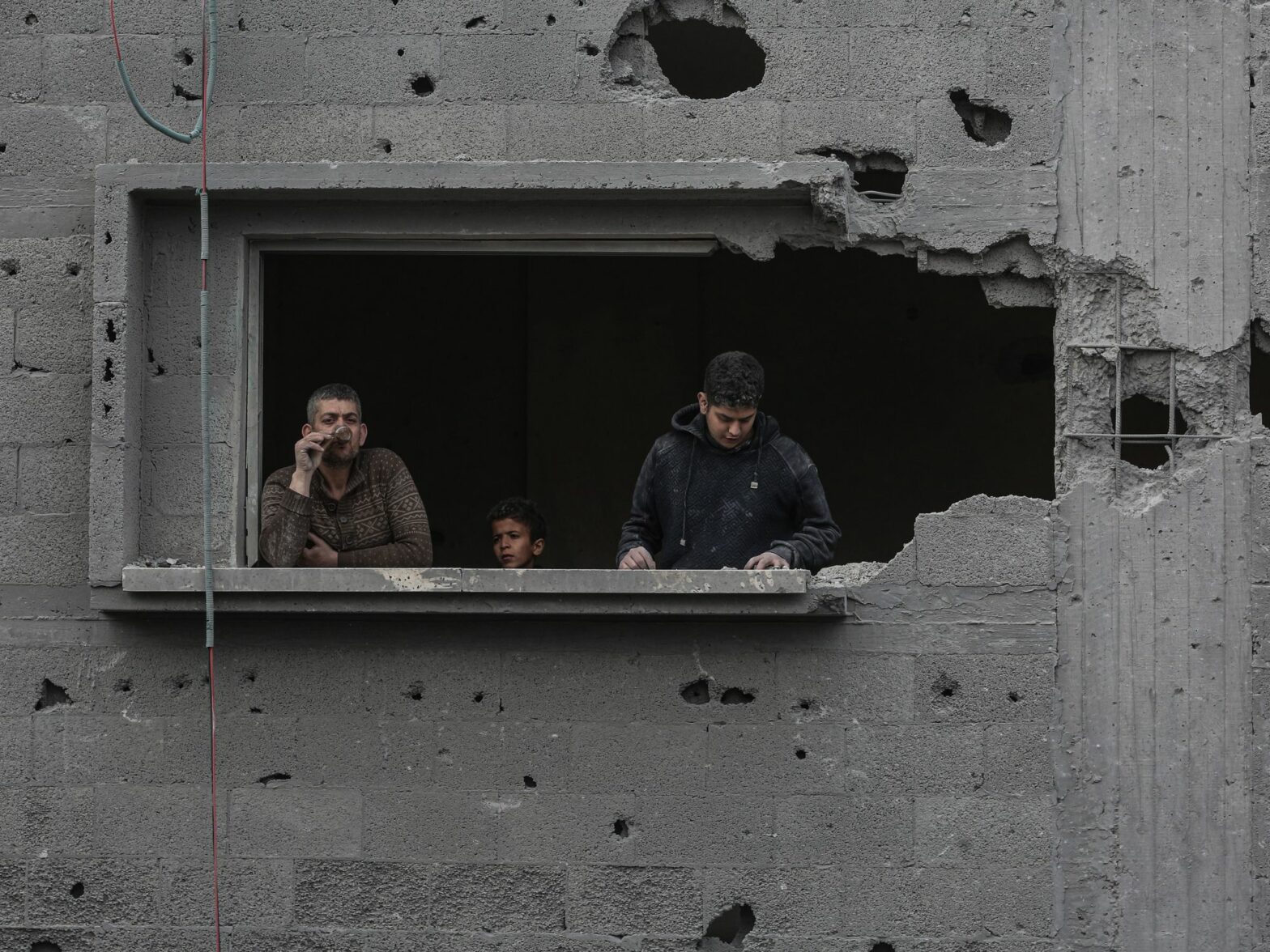
Since the Oct. 7 Hamas attack, use of the term “evil” has increased. The more heinous and public the murder, the more the evil of the murderer would be revealed and “the world” would be pushed to intervene. Yet in both Syria and Gaza, that world has been satisfied with symbolic responses.
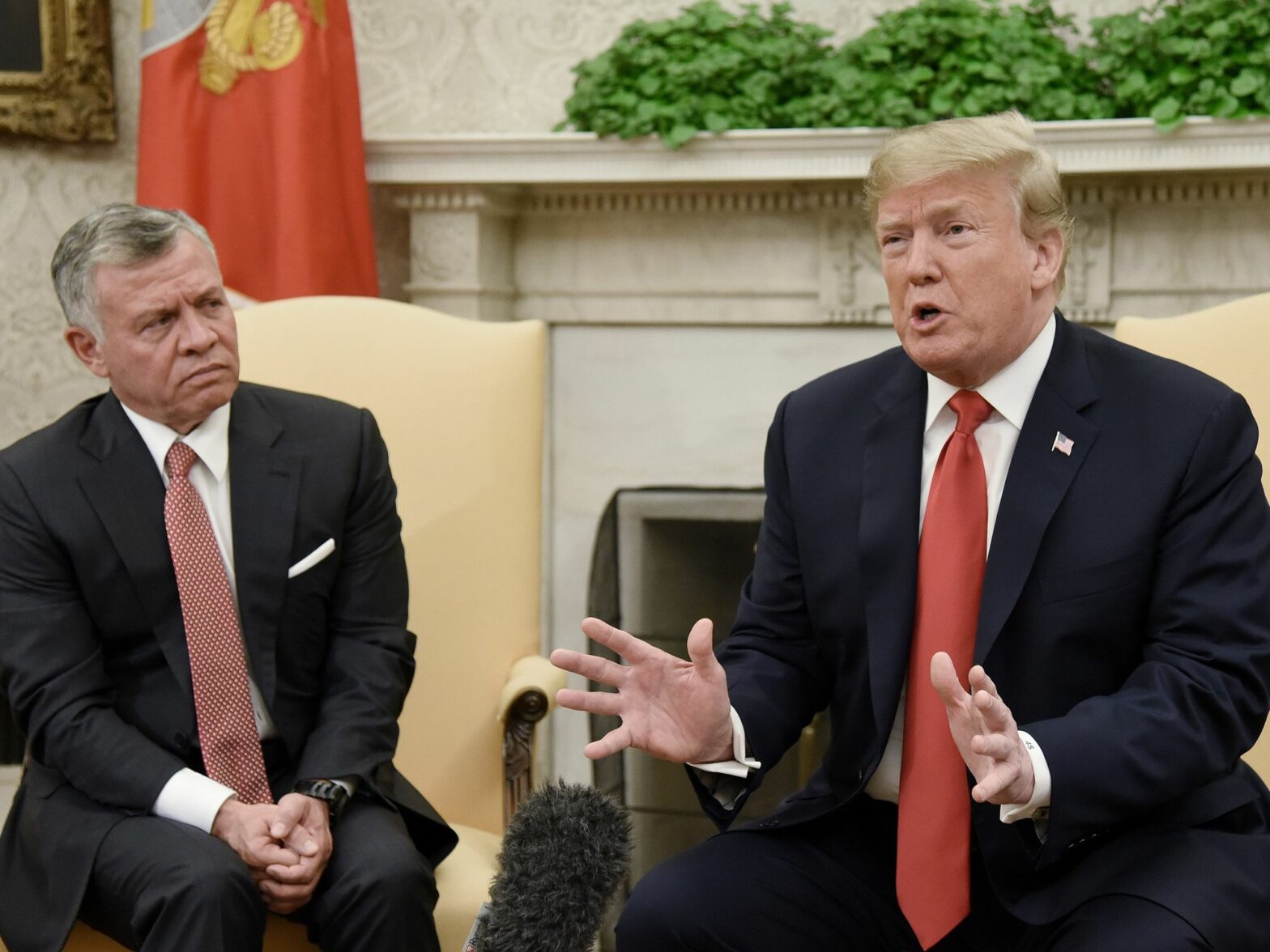
In his first term, Donald Trump tried to undermine the strategy that Jordan had bet on for more than two decades, to protect itself from the risk of transferring the Palestinians from the occupied West Bank to Jordan. What will a second Trump term mean for the country?
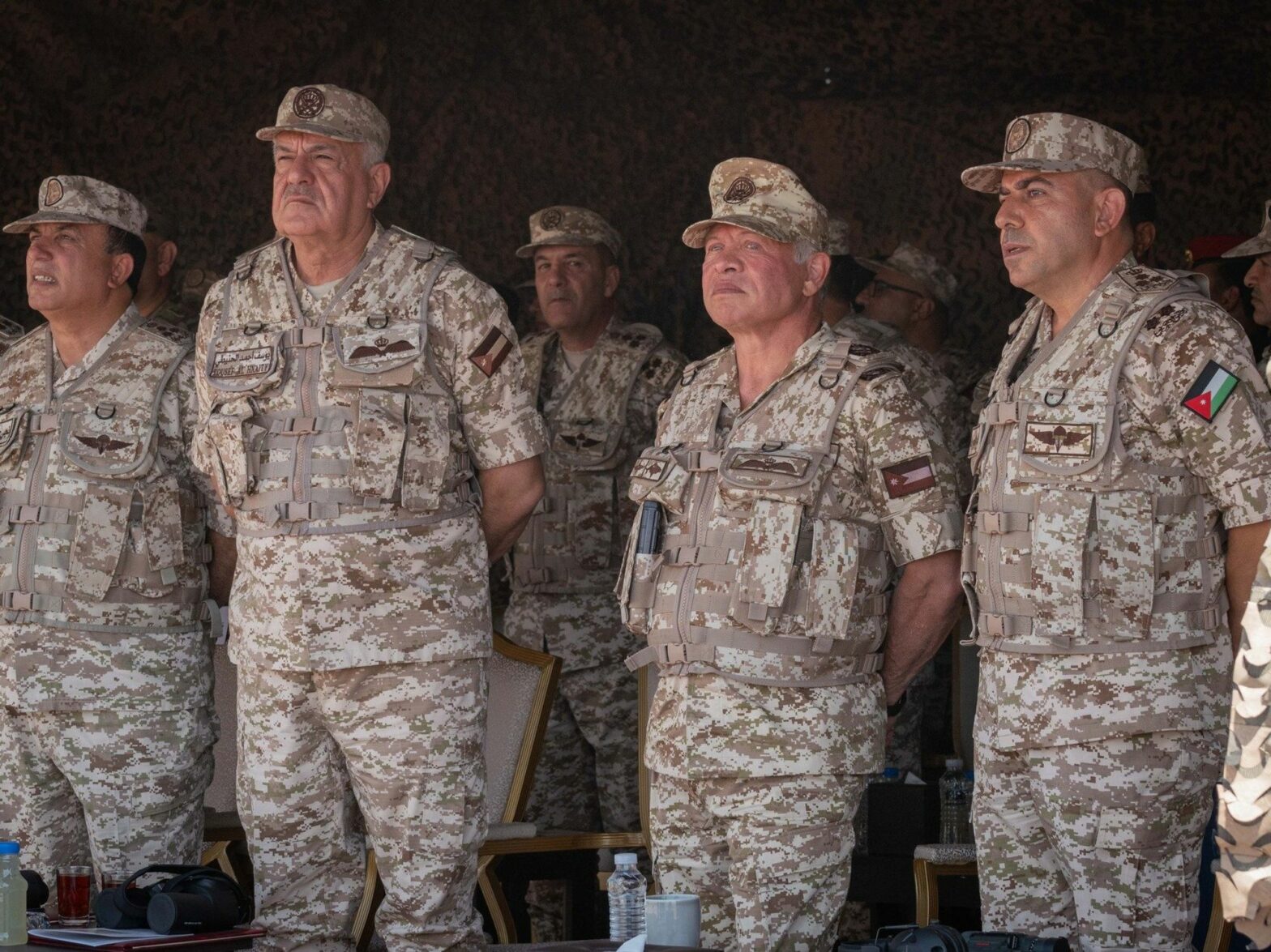
The Kingdom is trapped between the hammer of Netanyahu’s right-wing expansionist government policies, and the anvil of the growing influence of the discourse of the Iranian-led Axis of Resistance in the region. An ultimately unsuccessful attempt by militants to cross into Israel has raised new urgency.
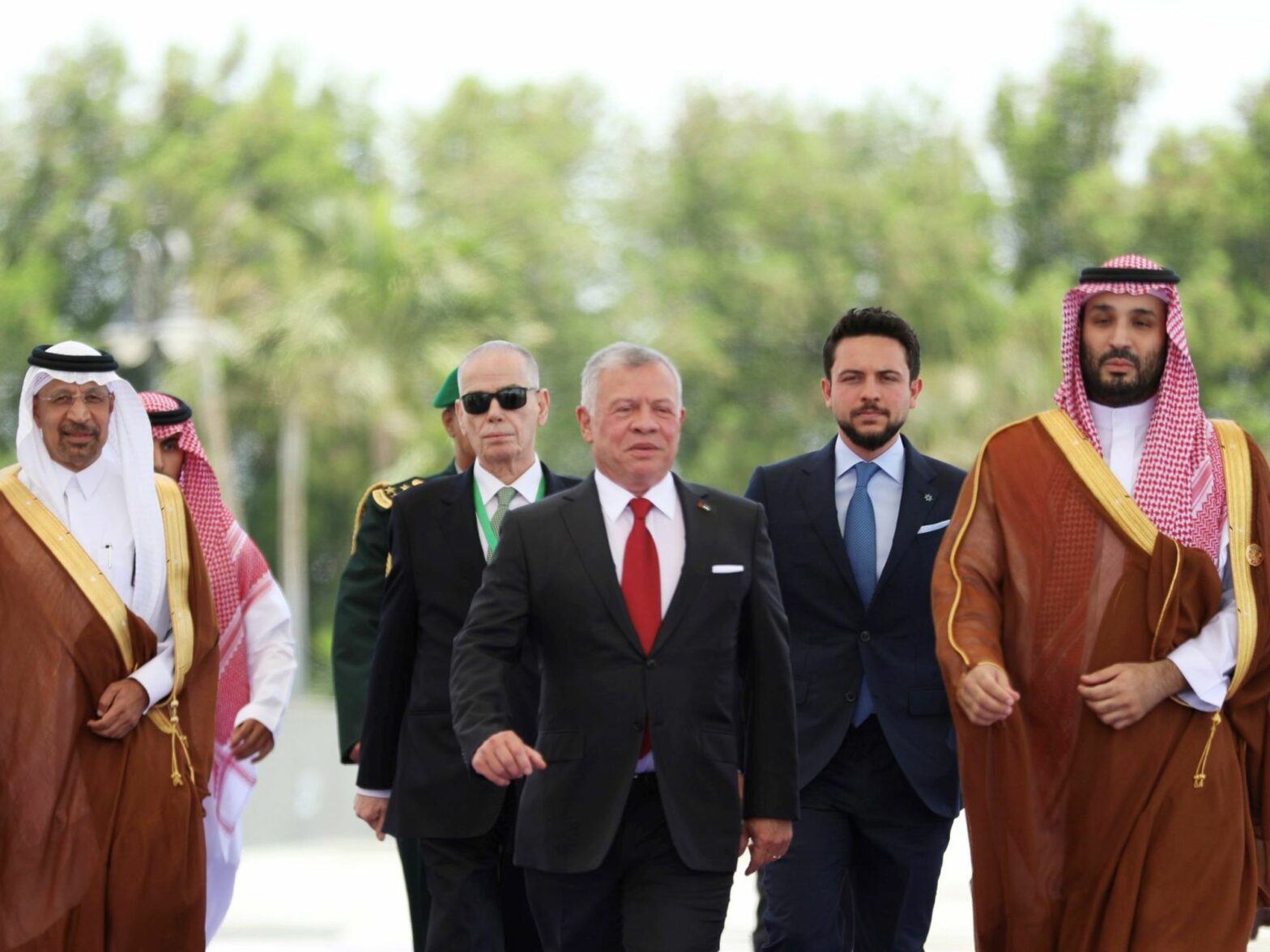
Arab countries remain largely missing in action as the region goes up in flames. Those that have recognized Israel are keeping a low profile, the Saudis are talking about a Palestinian state, but they are not averse to crushing the pro-Iranian forces and targeting Tehran. And yet a regional war would upset the current balance.
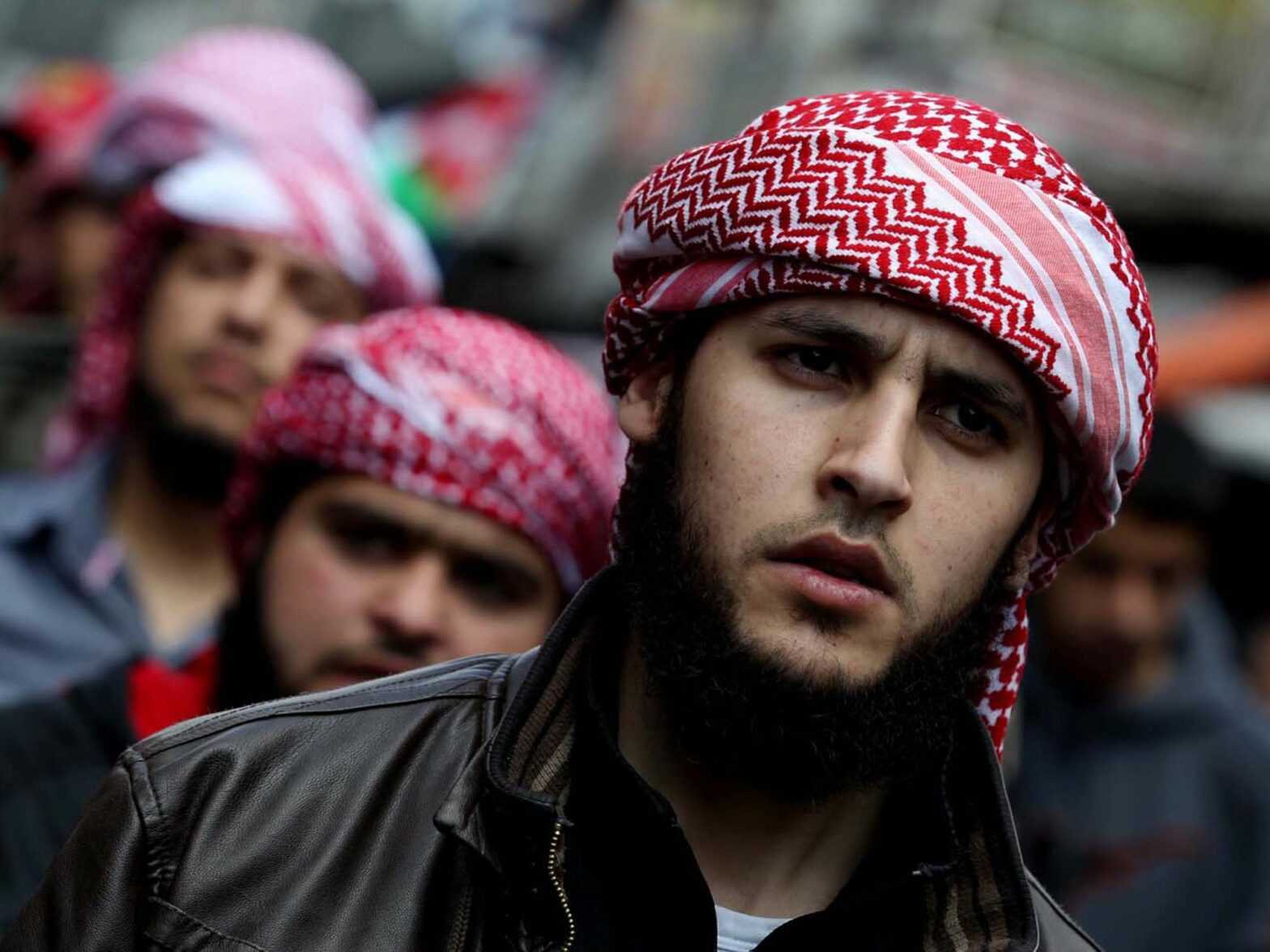
The Muslim Brotherhood is heading back into Jordanian politics, 30 years after being excluded following the 1994 peace deal with Israel. It’s a post-Oct. 7 sign from Amman about the specter of masses of Palestinians flooding into Jordan from Gaza and the West Bank is scary enough to play ball with the Islamist Brotherhood.
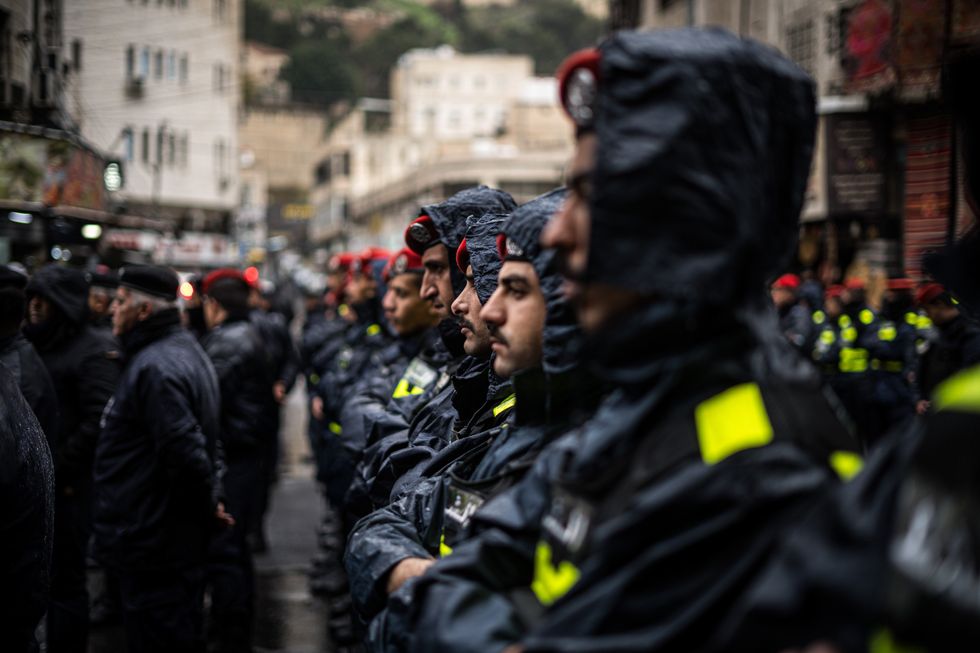
Iran has some influence over Hamas, but not like Hezbollah in Lebanon or other Iranian-backed groups in the region. Hamas, instead, has more links with Jordan, the birthplace of some of its top leaders.

This phenomenon appeared late on the Arabic-speaking internet. It began with the translation of Andrew Tate’s videos into Arabic, some began copying his appearance, as the Miami-based Jordanian Jalal Abu Muwais does.
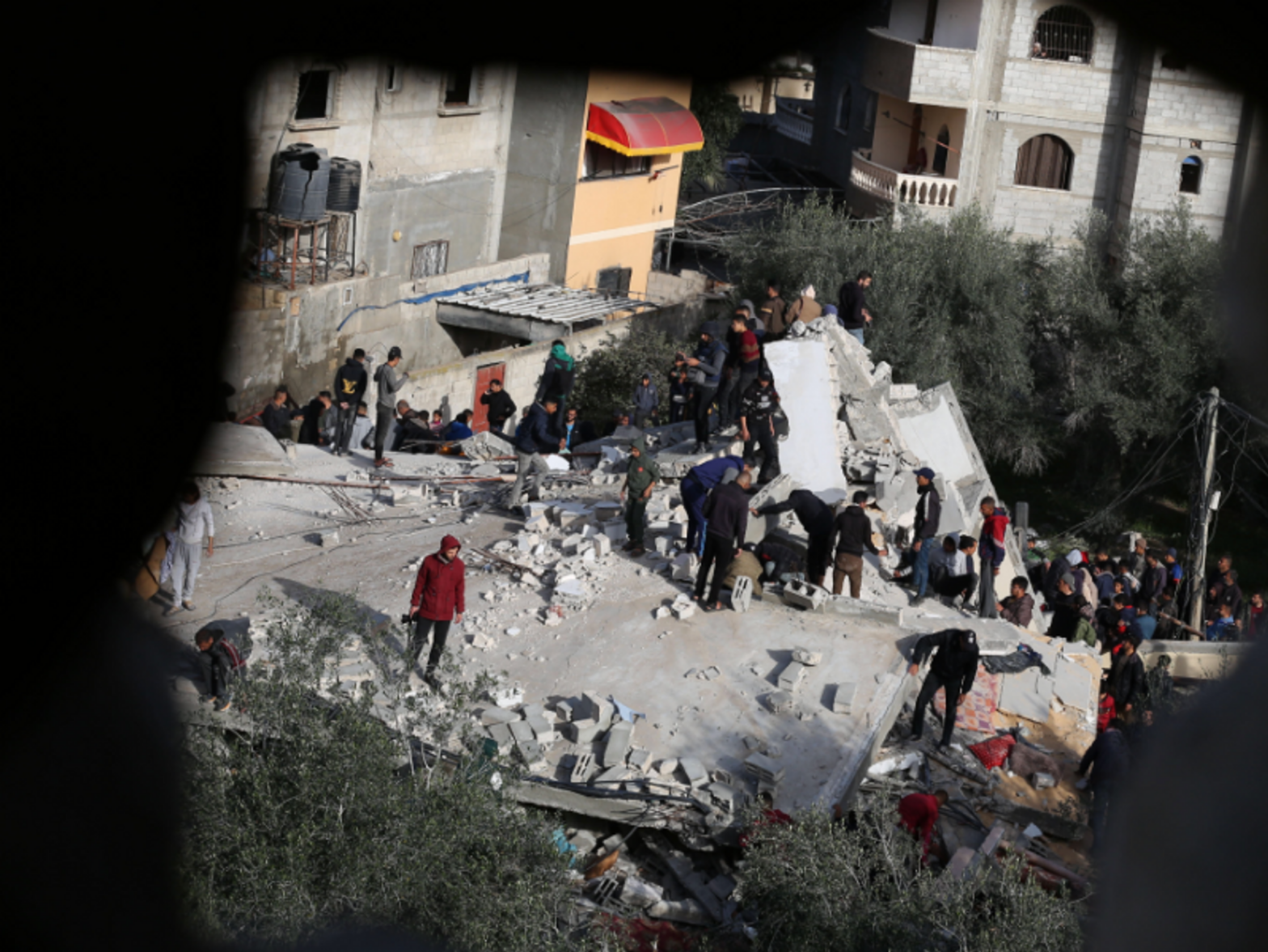
What to make of the criticism of Hamas’ statements or slogans, which are similar to Fatah rhetoric in its early years? Does any debate of the merits of the two rival organizations matter in the face of Israel’s responsibility for the ongoing slaughter in Gaza?
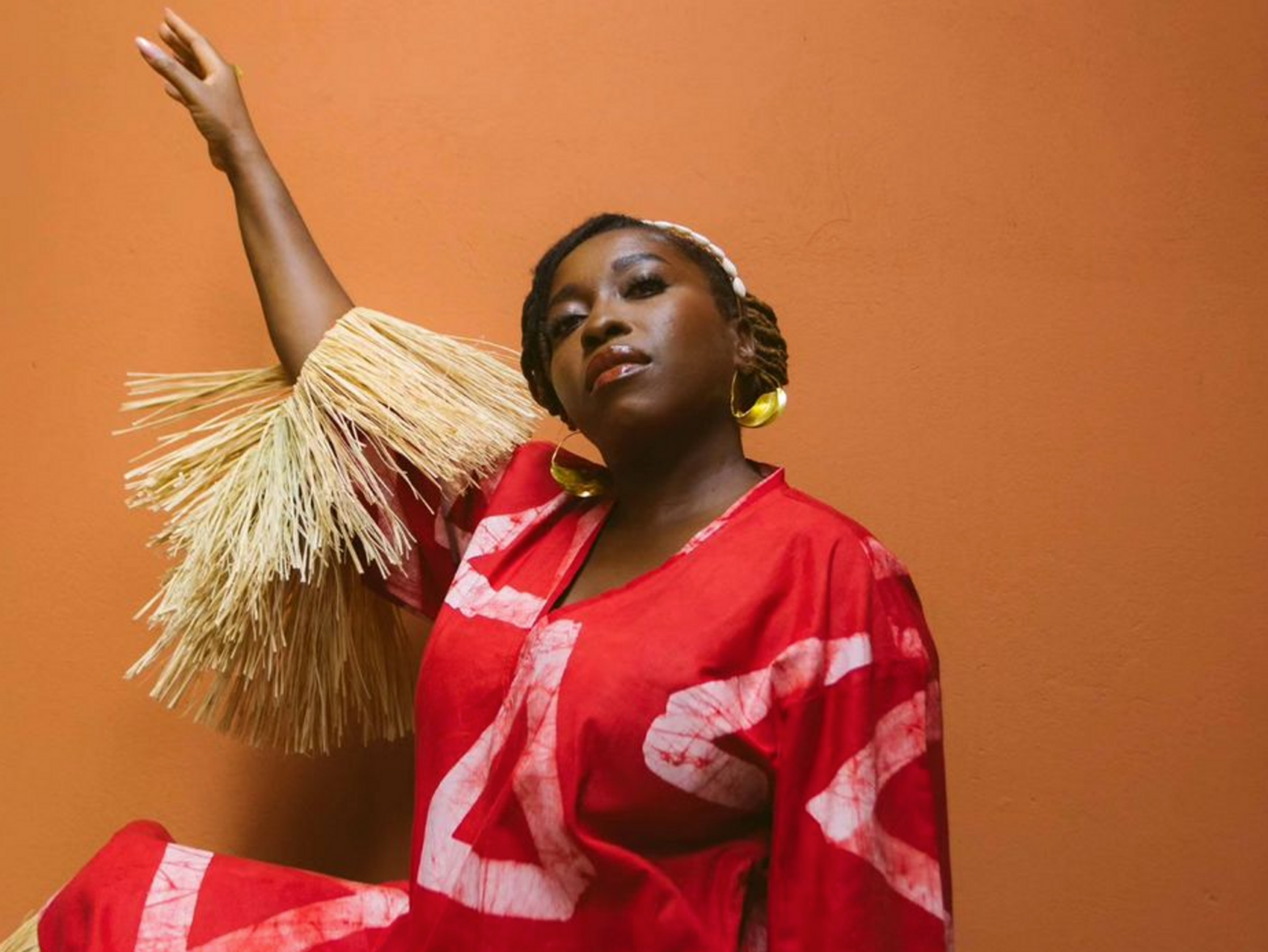
In countries and communities where sexuality is often kept under wraps, more and more women are taking up their microphones, pens and keyboards to talk about intimate issues without filters.
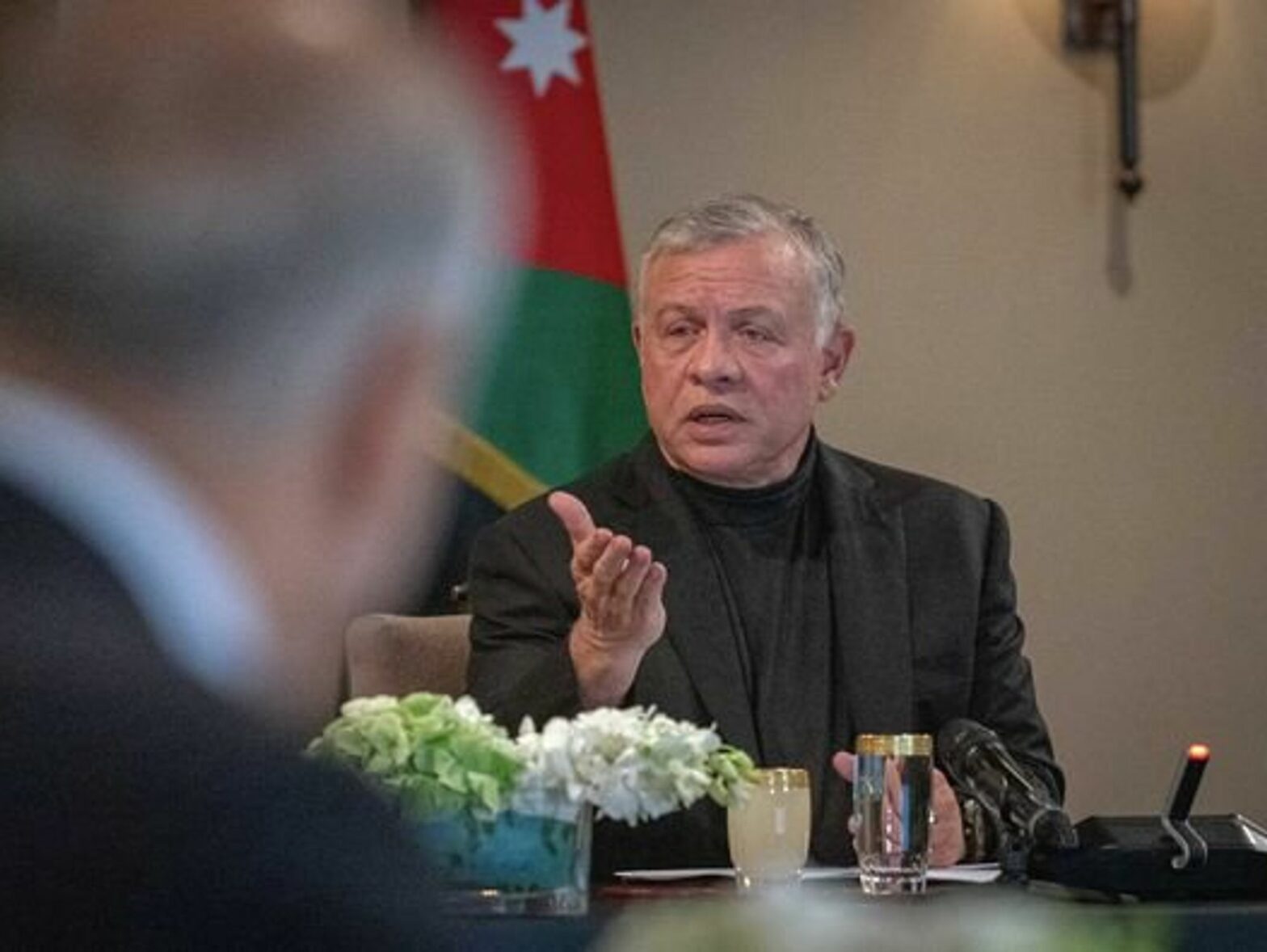
As the war in Gaza grows bloodier by the day, the search for potential mediators in the region is crucial. Jordan is uniquely situated with a special relationship with the Palestinians, decades of peace with Israel, and the nation’s king with a historic standing in the Muslim world.
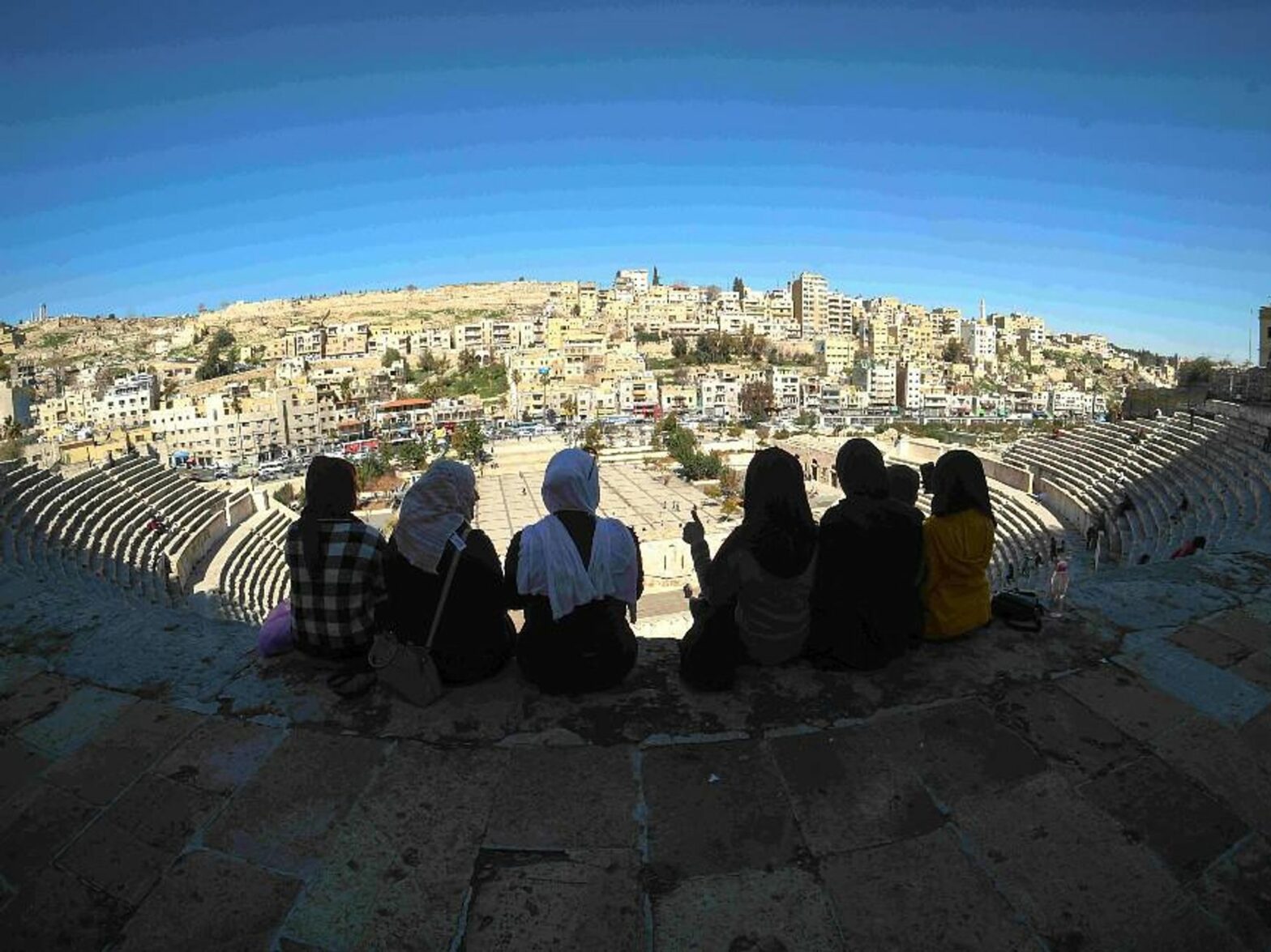
In a country plagued by economic crisis, women are entering professions usually reserved for men. Against societal expectations, they are striving for independence.
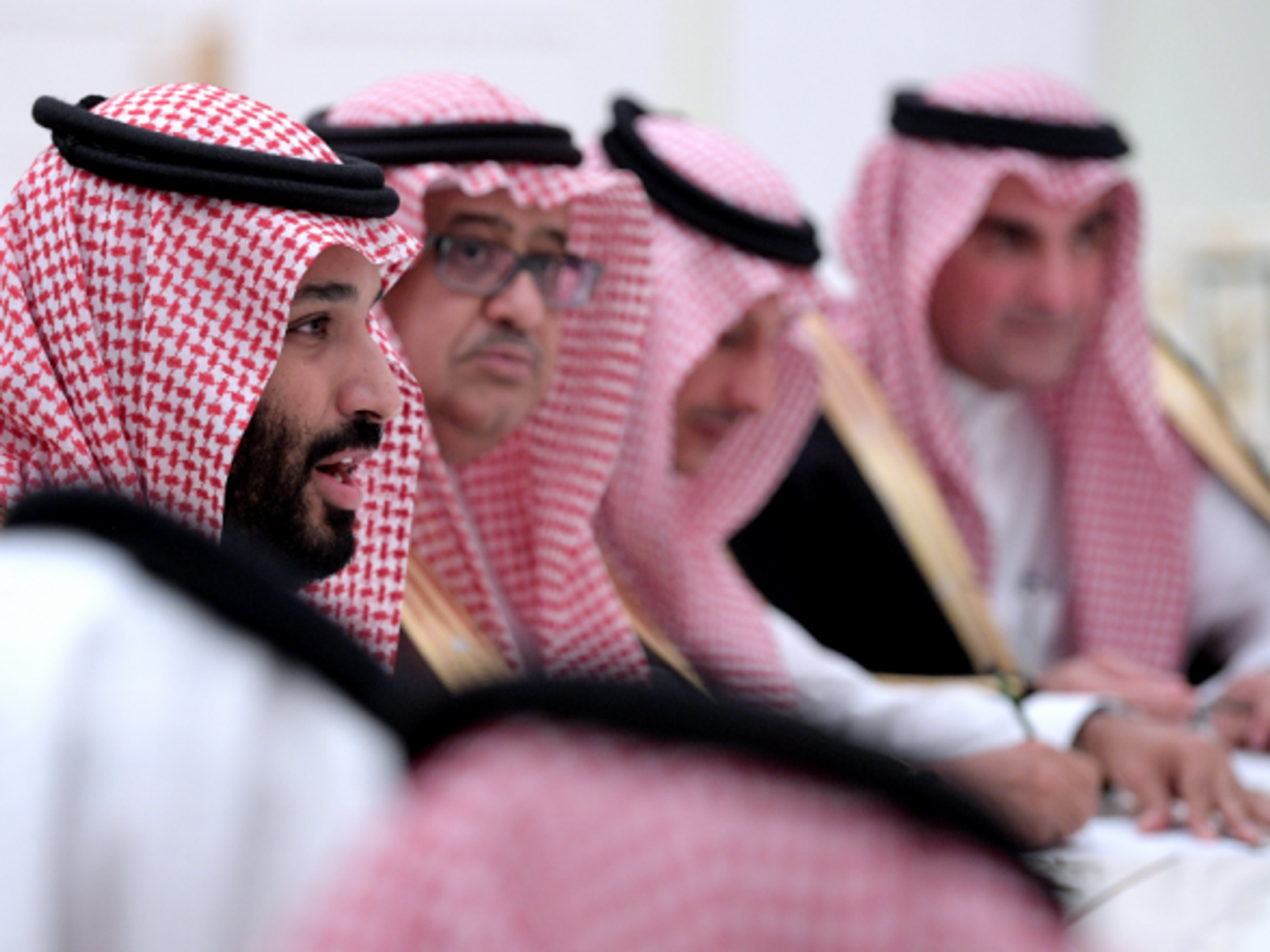
When the Jordanian royal family gathered on April 11 to celebrate 100 years since the kingdom’s foundation, it was a picture of dynastic unity. Alongside King Abdullah was his half-brother, the former crown prince Hamzah bin al-Hussein, who had only days ago been placed under house arrest, following what was reported in the world’s press as a “coup attempt“. The king gave interviews assuring the outside world that all was well and that the former heir to the Jordanian throne had offered him his loyalty. In no other area of the world do royal families dominate politics as much as […]
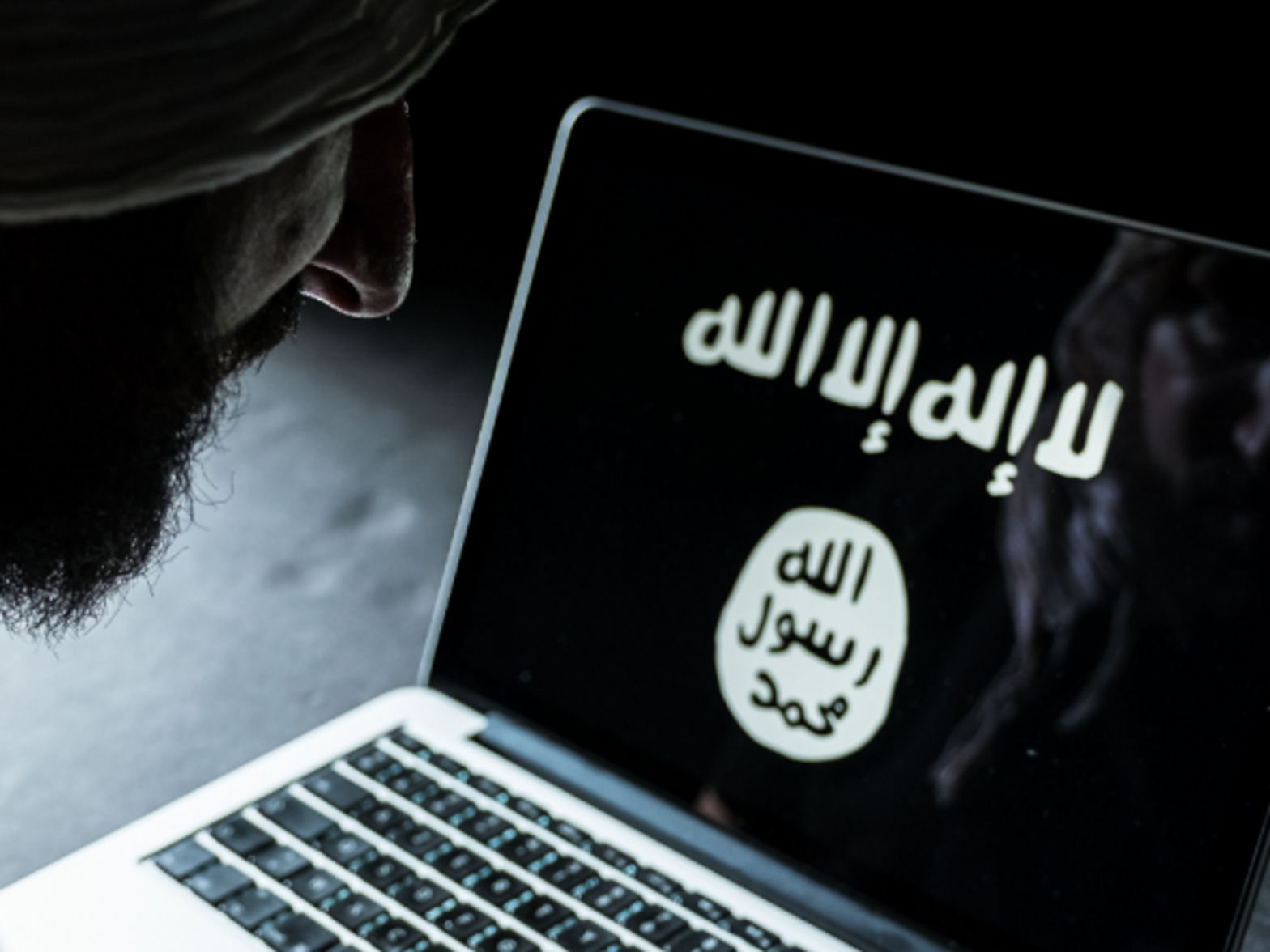
We knew the name: Operation Gallant Phoenix. But now Le Monde has exclusive access to details of the U.S.-led, Jordan-based effort to use digital tools to track, capture and convict some of the most dangerous perpetrators of Islamist terror around the wor
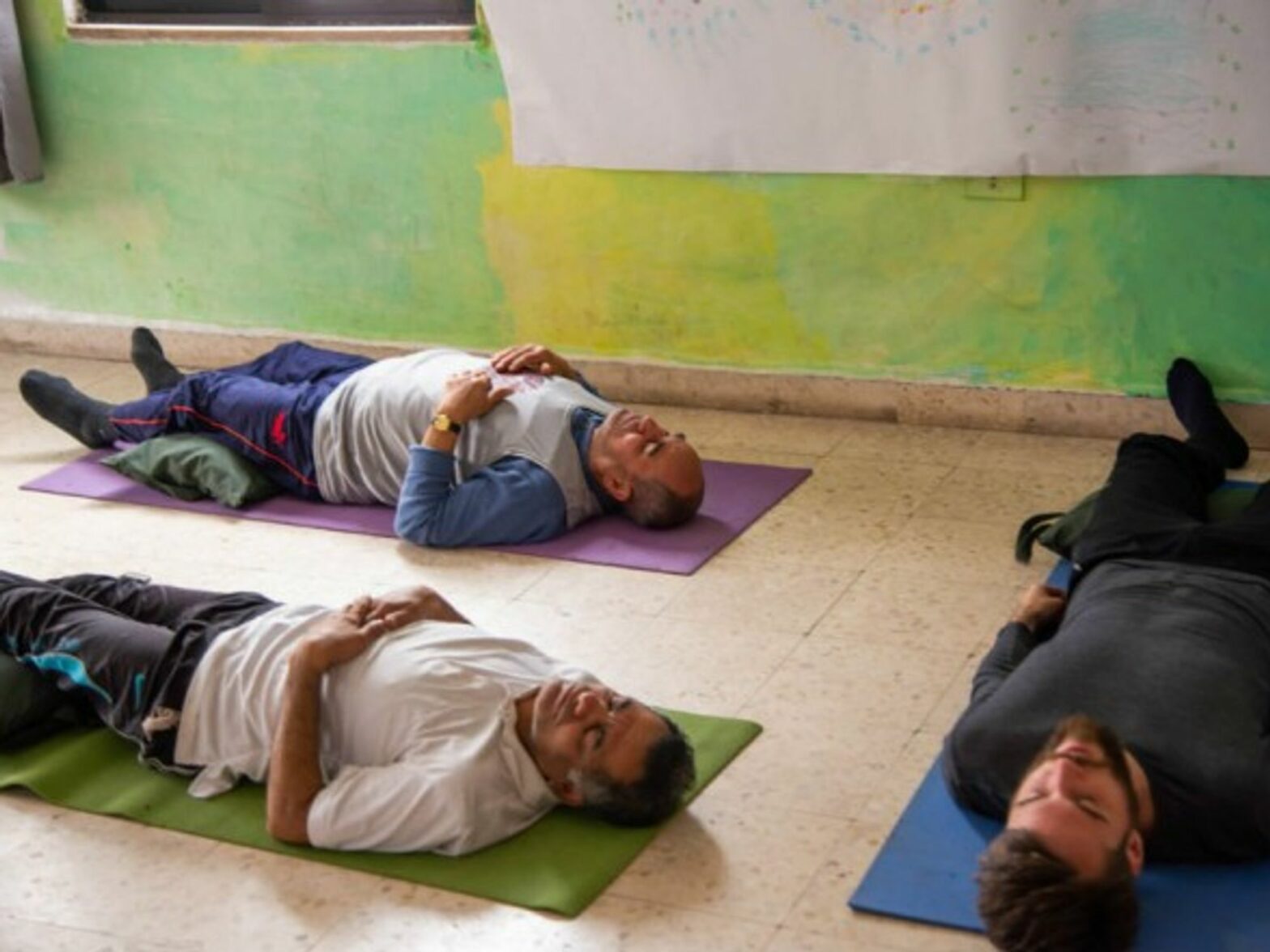
A group in East Amman gives men from Syria and other conflict zones an opportunity to open up and talk through the many ways they struggle.
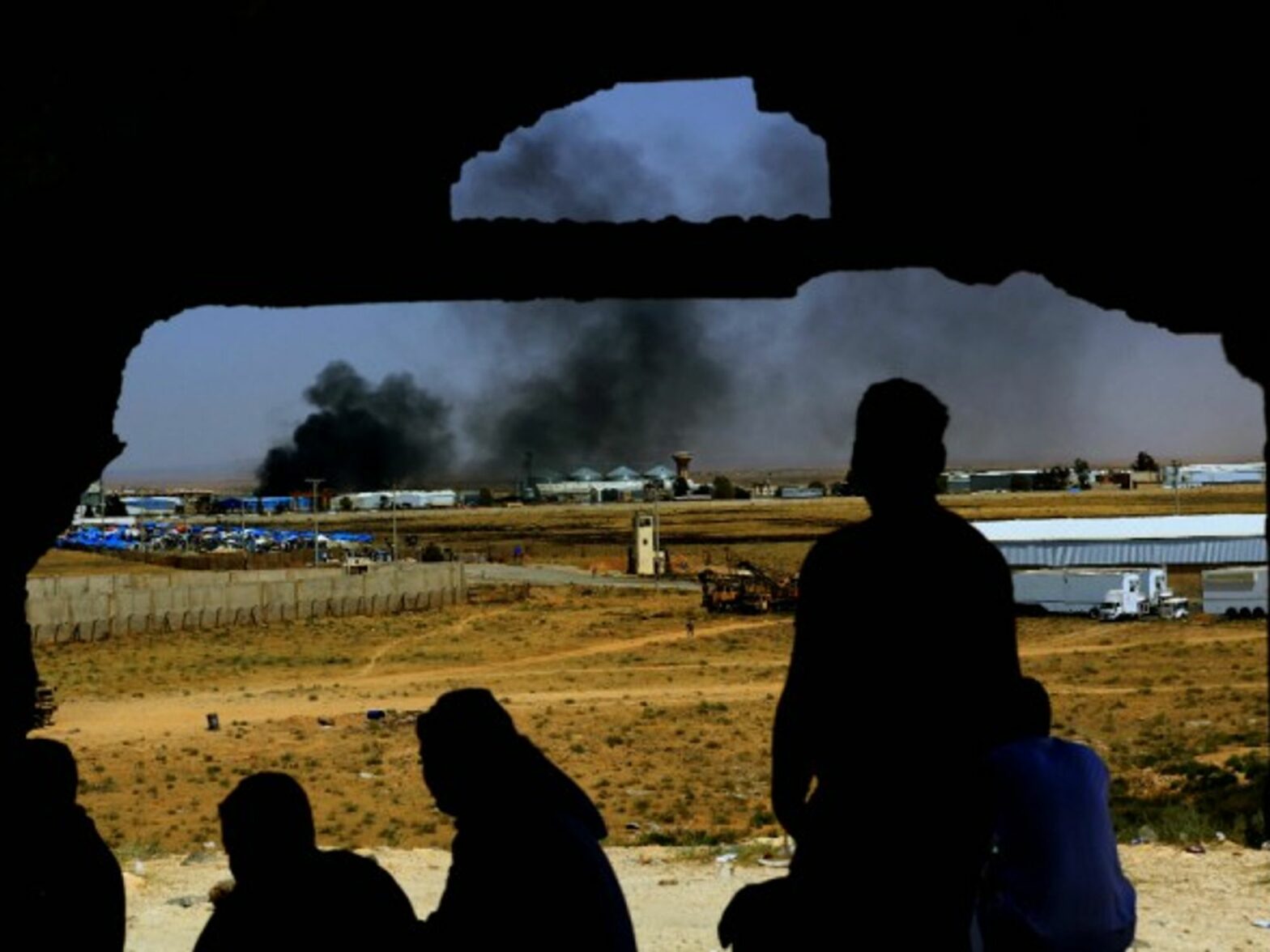
The longstanding peace accord between Israel and Jordan ensures stability in the region, but King Abdullah II’s domestic troubles could change everything.
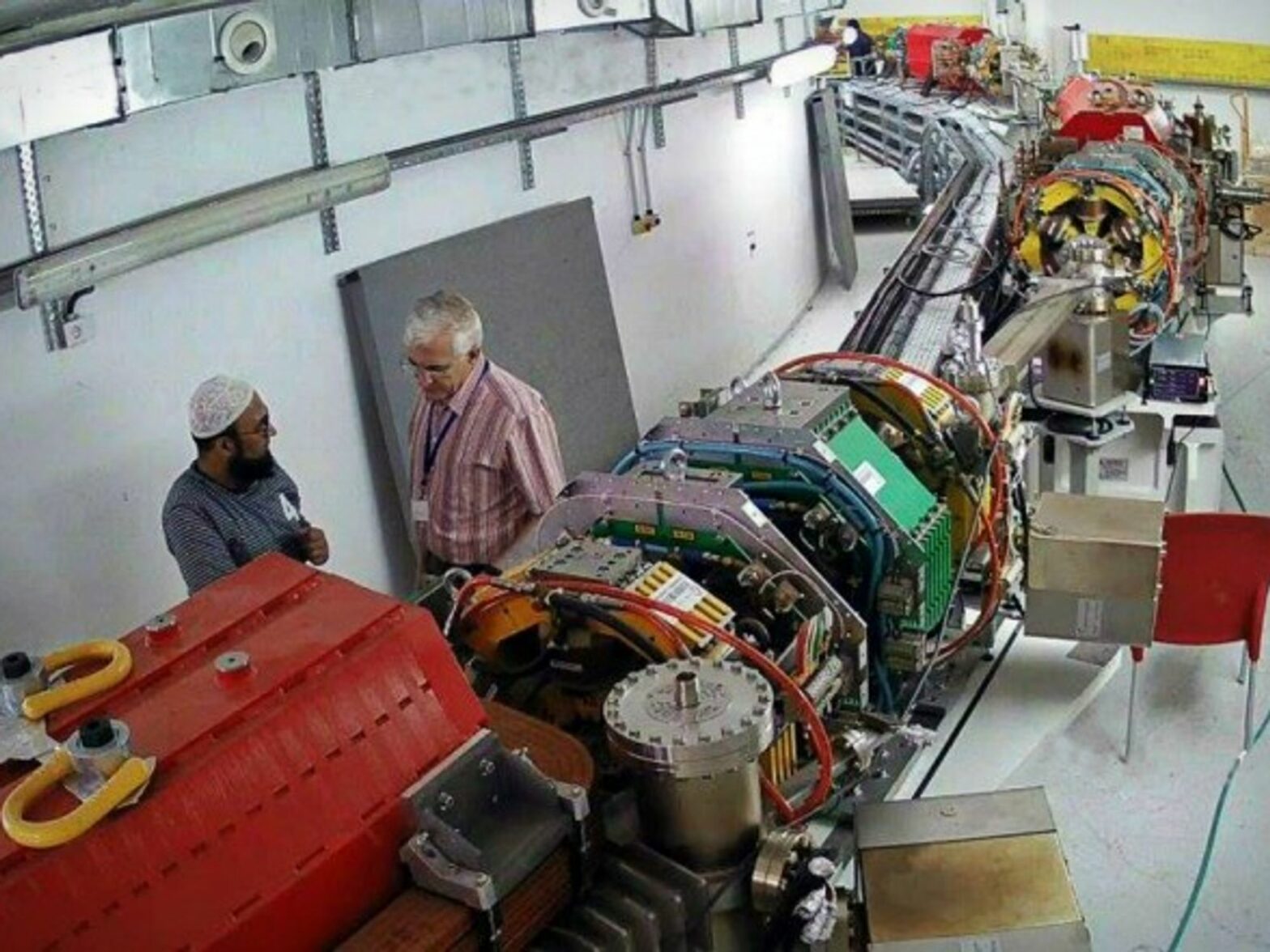
Modeled on Swiss-based nuclear research center CERN after the 1994 Oslo accords, the idea of the Amman-based facility is to use science as a way to learn to work together in the Middle East.
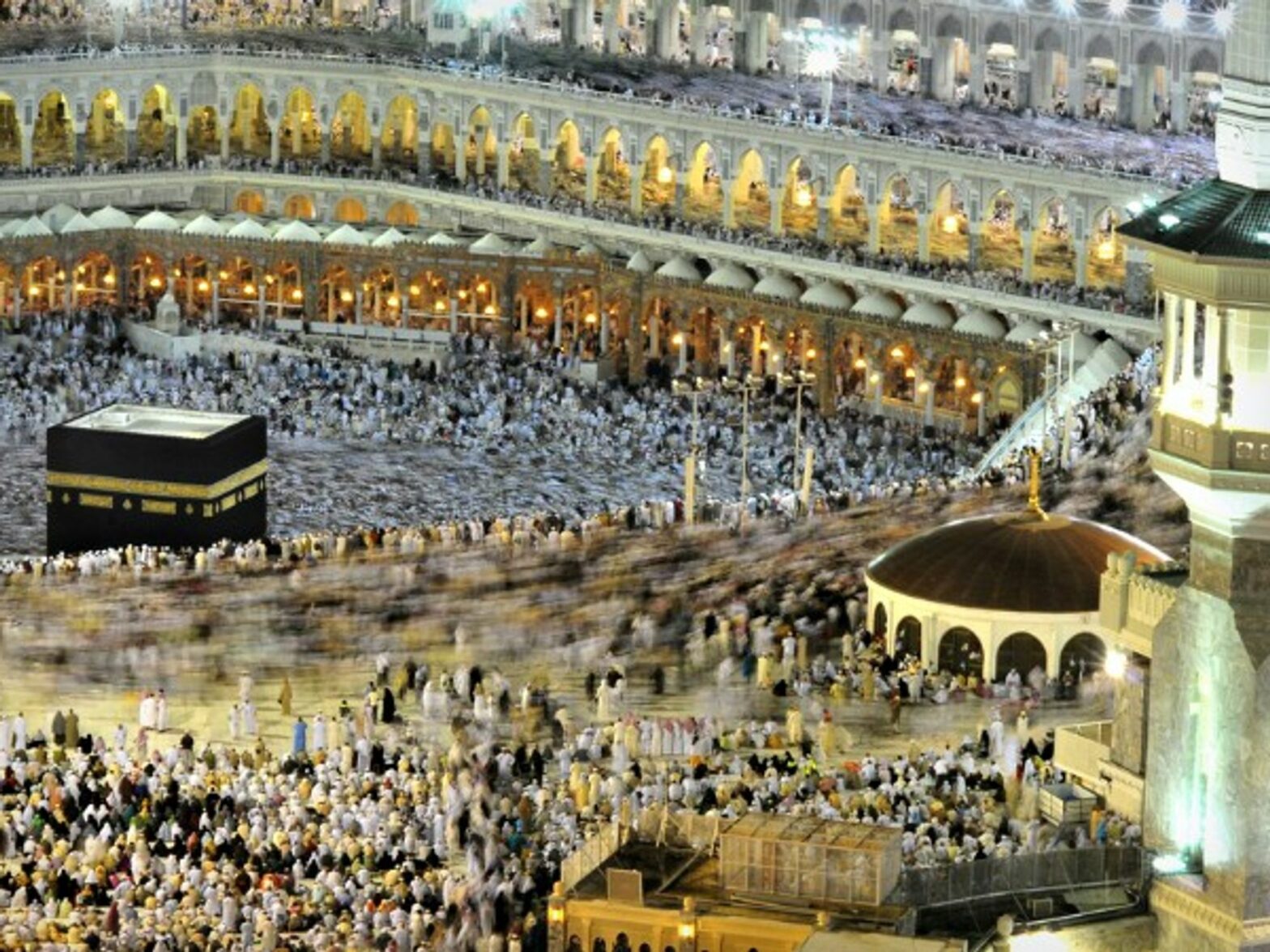
There is an economic explanation for why more Syrian refugee families in Jordan were able to make it to Mecca this year.
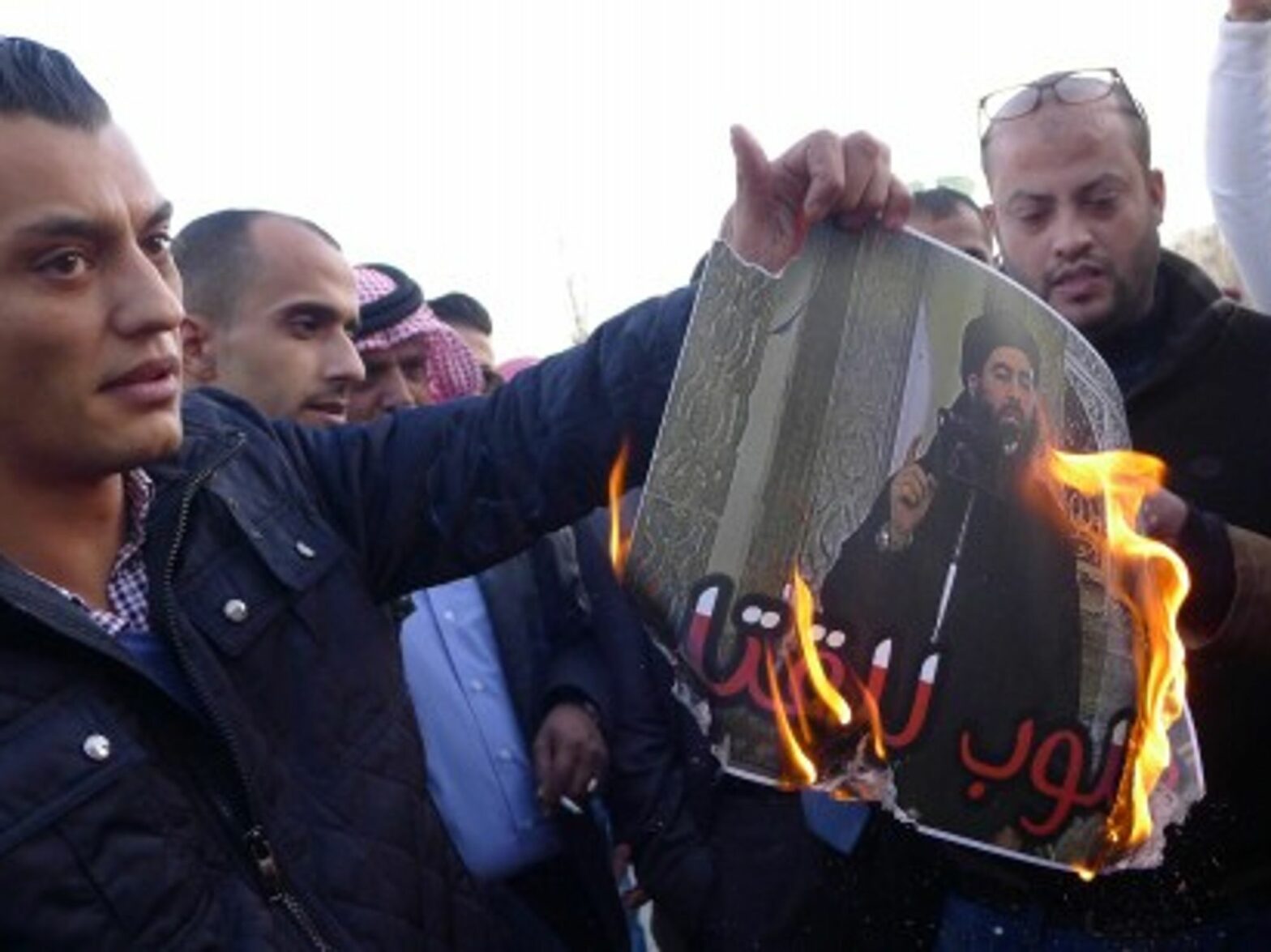
The way ISIS shocks us with its evil prompts fantasies of retaliation. How can we make these thoughts subside? What does it take not to lose our own civilization? Confessions of a monster.
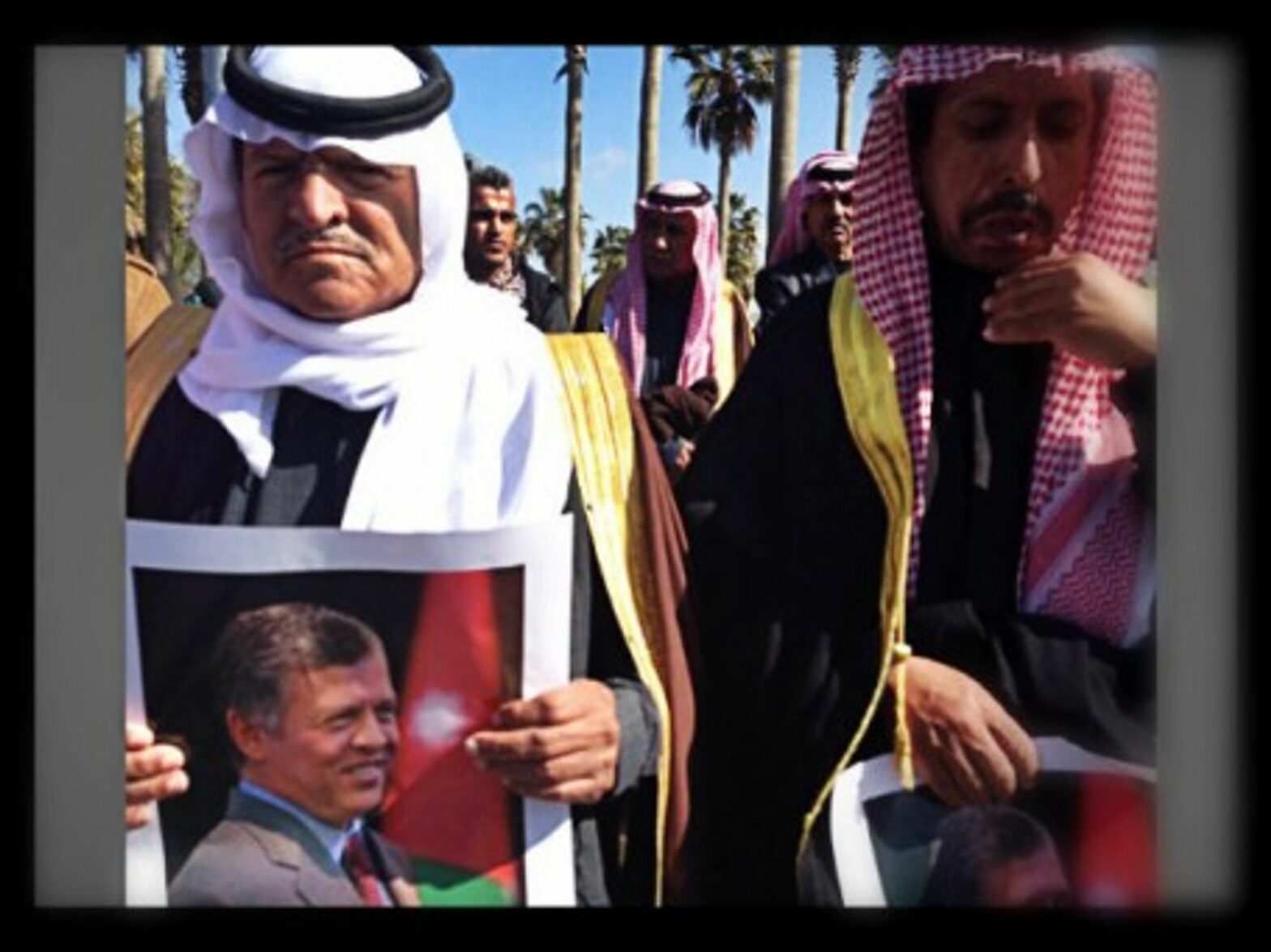
From the capital to the native village of the pilot who was burned alive by ISIS, Jordanians of all tribes and places may mark the first major national Arab movement against the jihadist group.
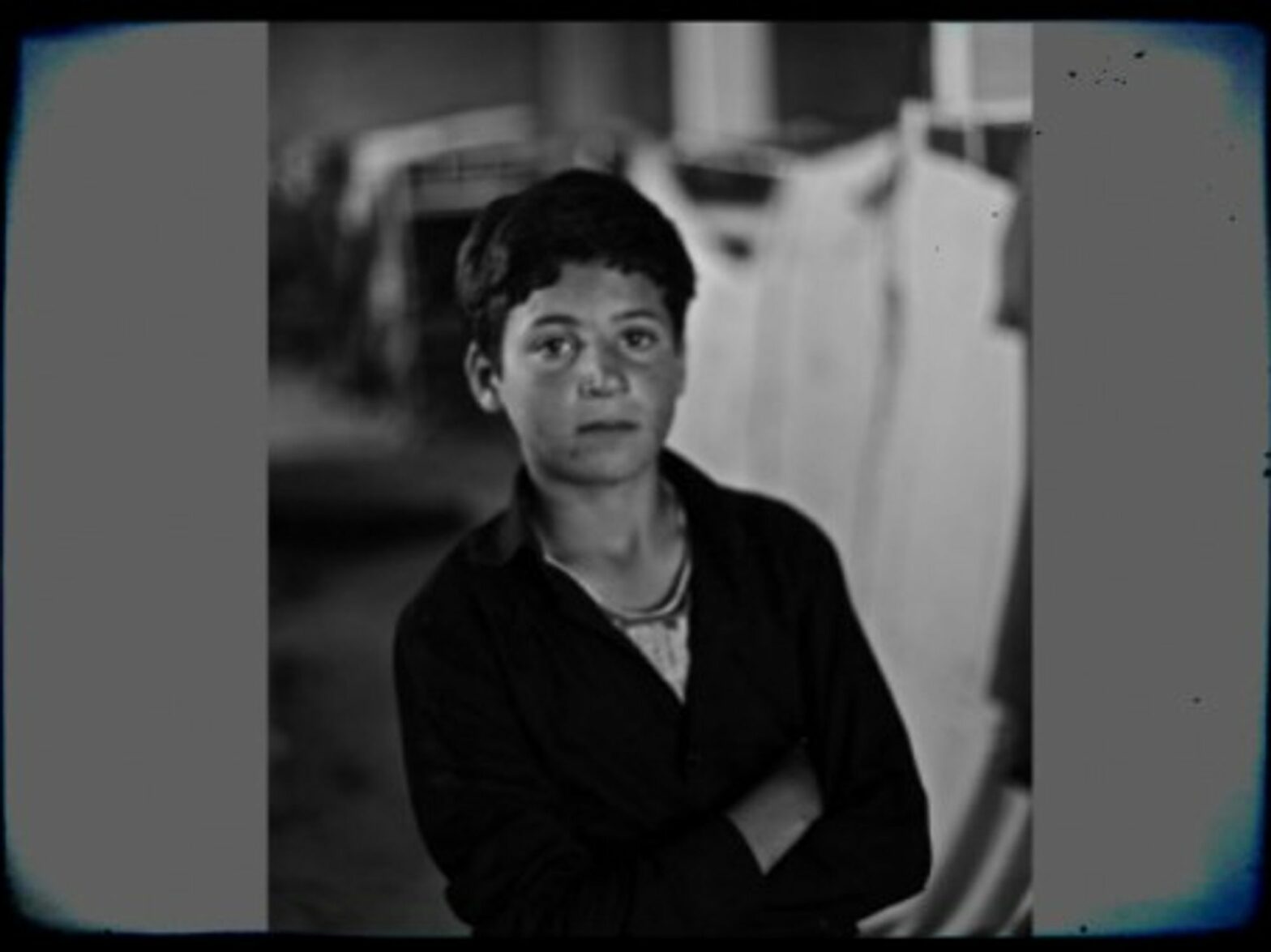
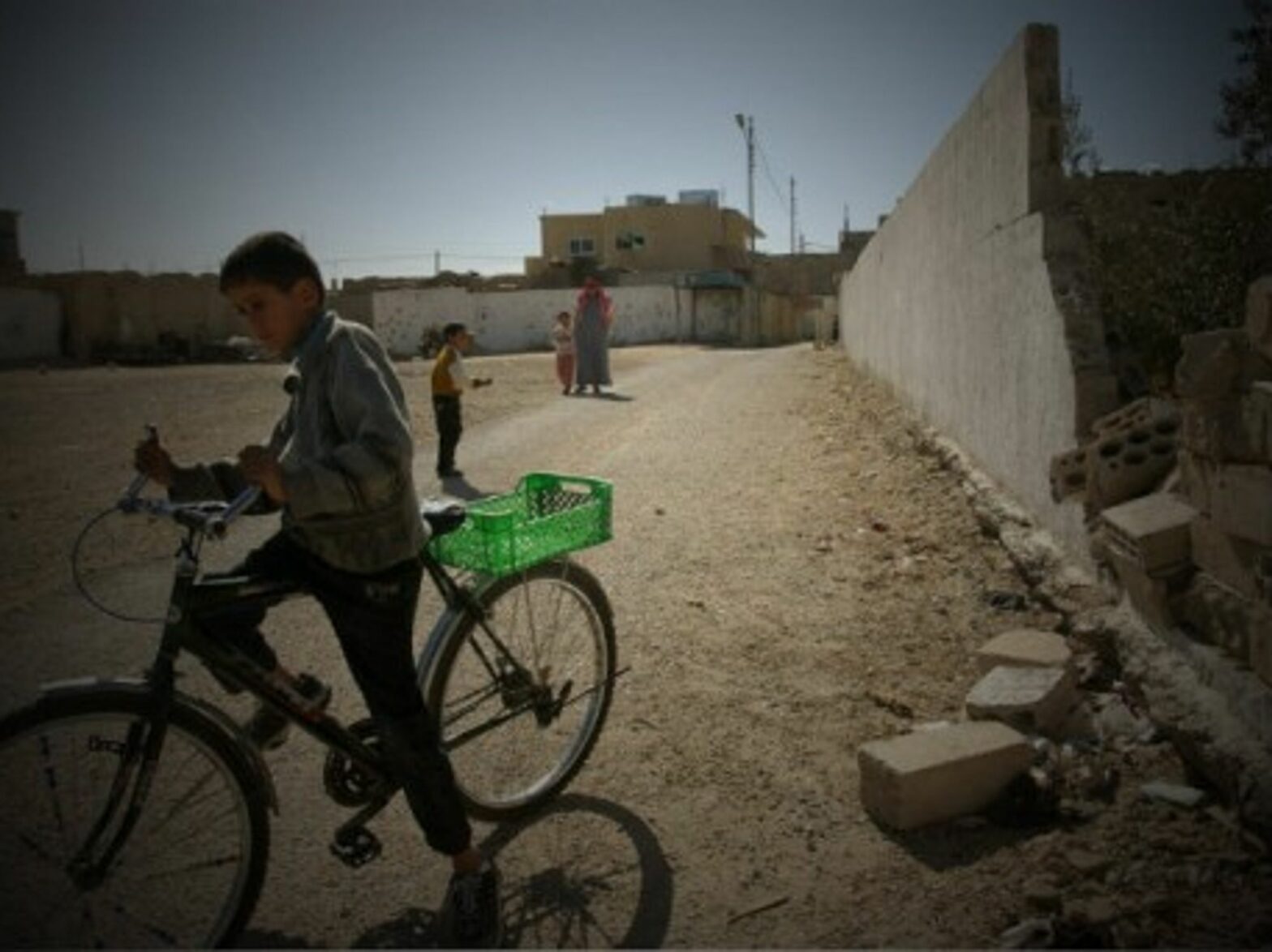
Since Syrians began fleeing the war zone for safety in their neighboring country, schools are overcrowded, jobs are scarce and tensions are high. Especially vulnerable are school children.
The driving force of multiple and competing jihadist groups here is the dream of returning to the three original Arab states, and overthrowing the King and his Palestinian wife.
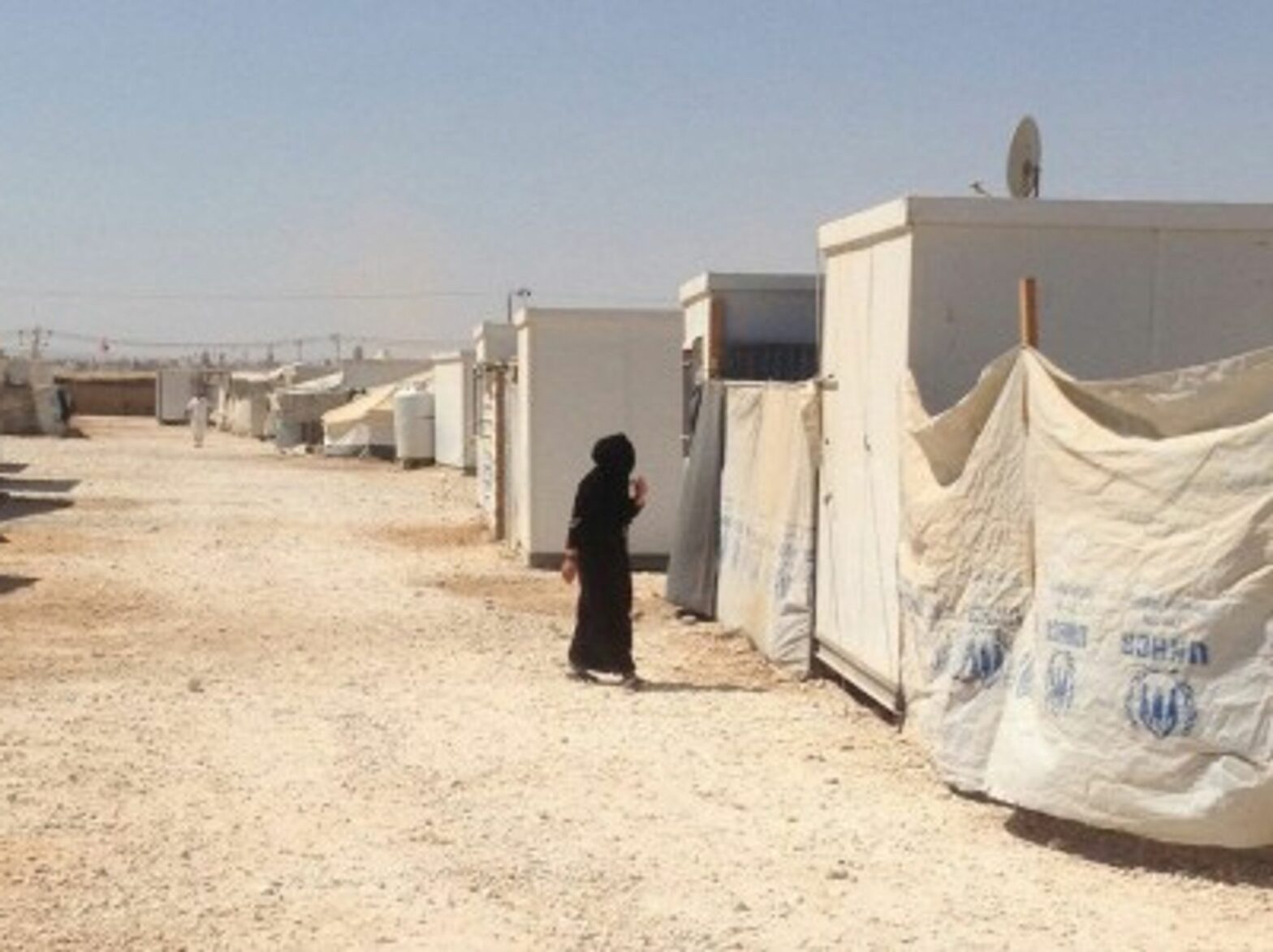
A young Syrian widow who lost her husband and four children to the civil war describes a miserable life in a Jordanian refugee camp – and a heartwrenching decision.