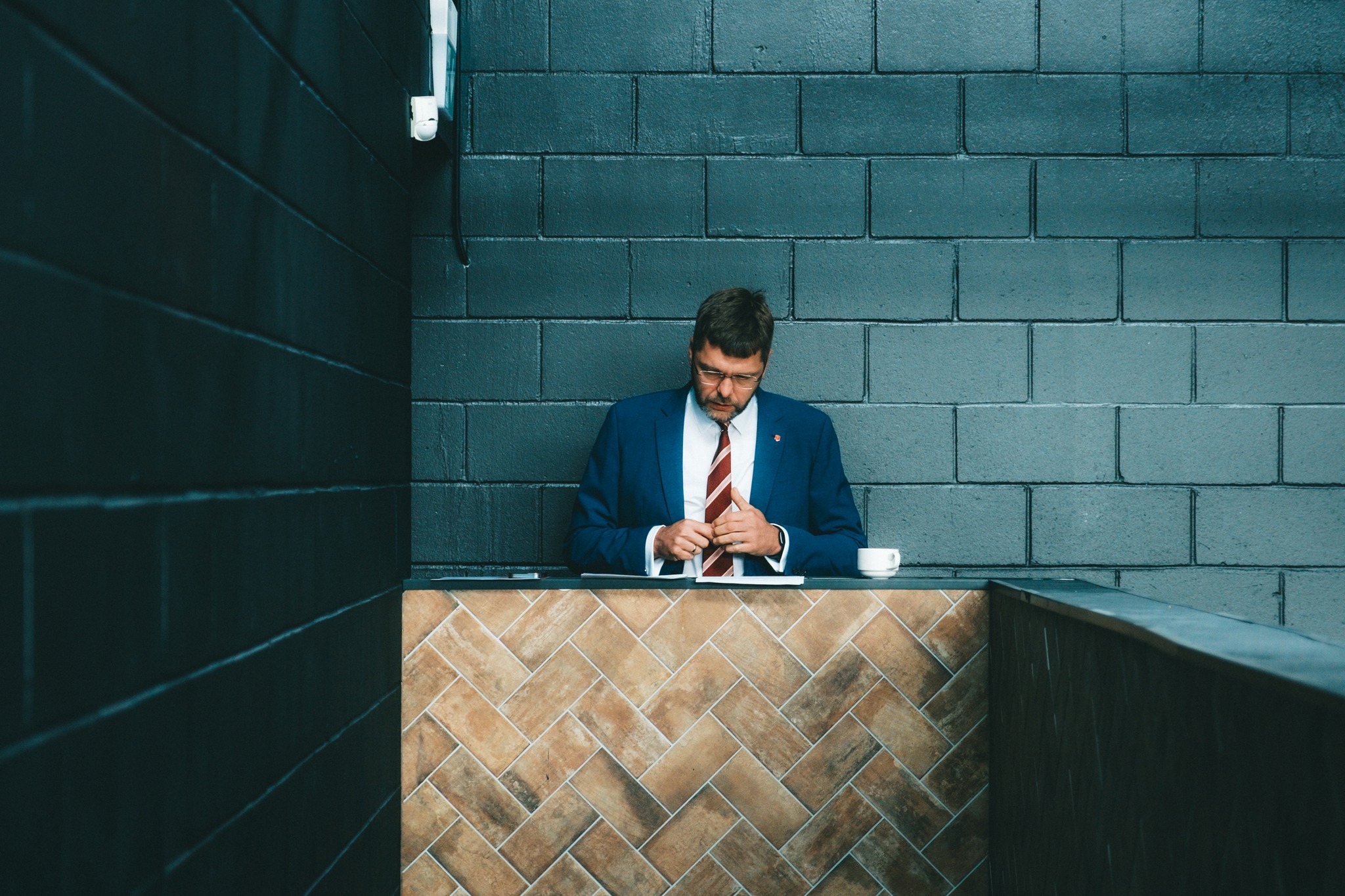
As Russian jets breach Estonian airspace, Tallinn’s mayor Jevgeni Ossinovski explains how the capital is preparing for war while holding on to faith in NATO protection.
 Worldcrunch
As Russian jets breach Estonian airspace, Tallinn’s mayor Jevgeni Ossinovski explains how the capital is preparing for war while holding on to faith in NATO protection.
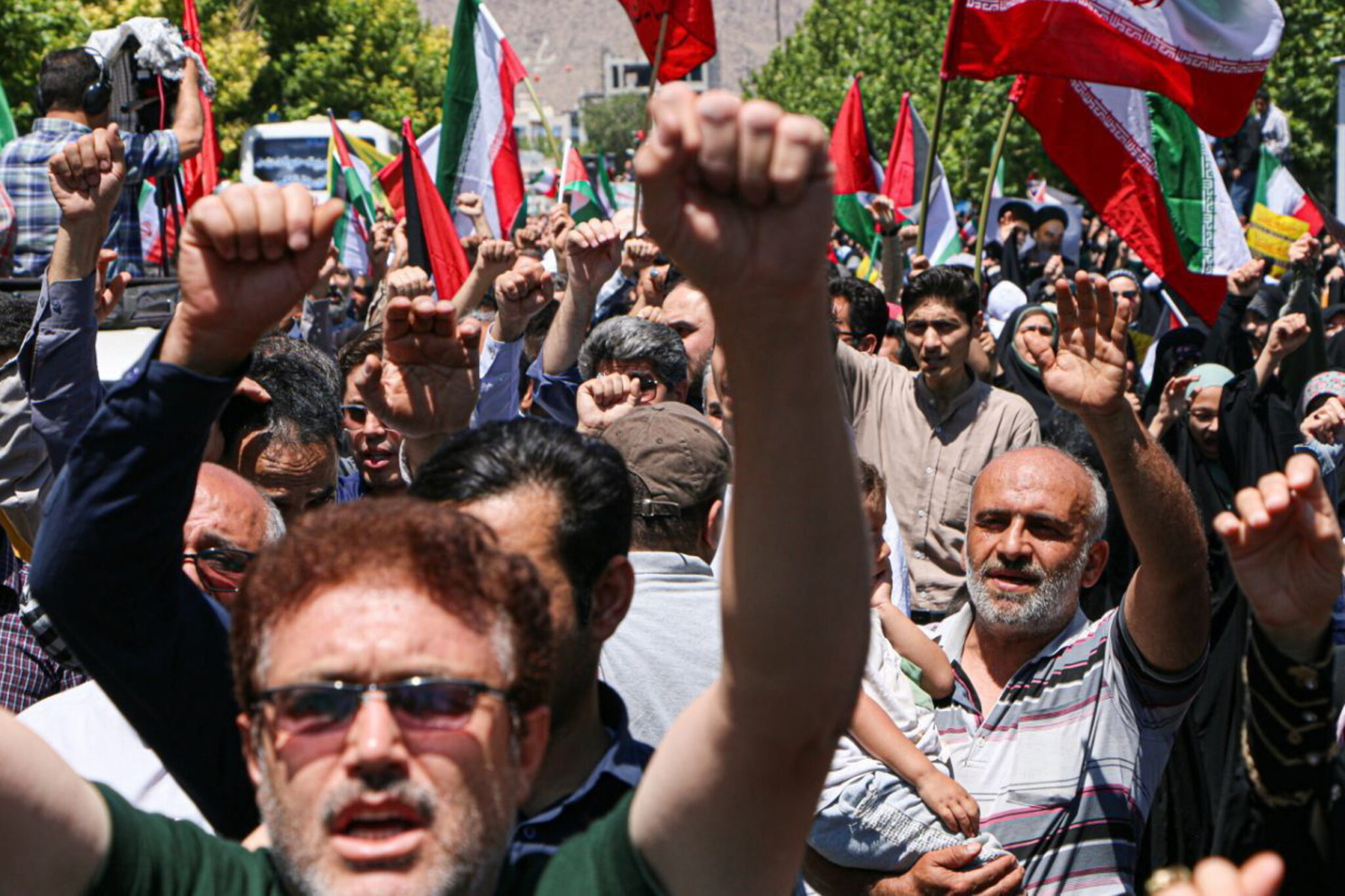
Like Spain after Franco, La Stampa’s Bernard Guetta argues, Iran faces a crucial choice between authoritarian decay and democratic renewal. Before time runs out.
The first living creature to leave earth, the birth of a fashion icon, and a historical film release.
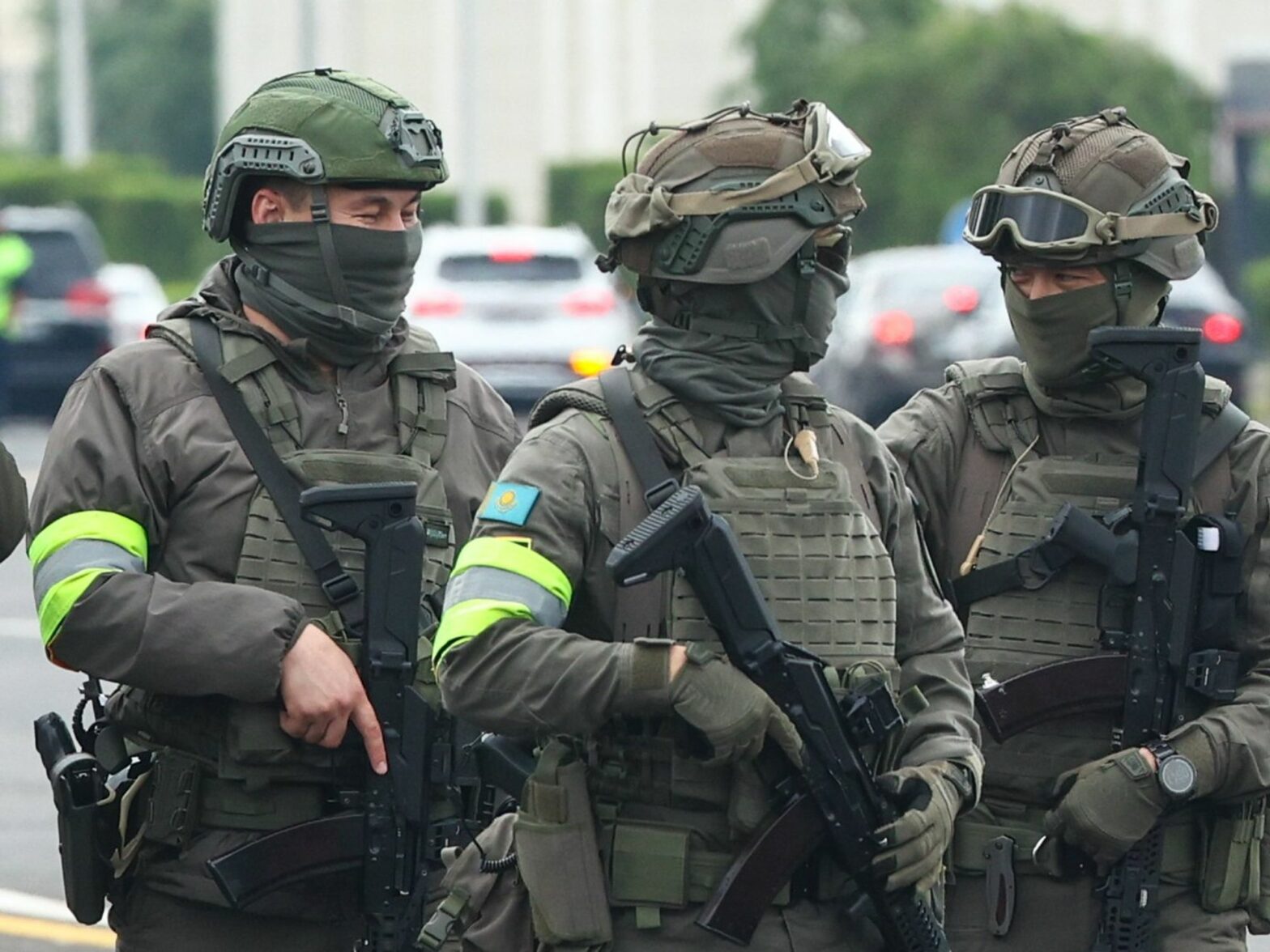
In Kazakhstan, prison sentences are regularly handed down for separatist activity. Yet the defendants in such cases are overwhelmingly “online separatists” — people far removed from politics and activism. Who are they and why does the state consider them such a threat?
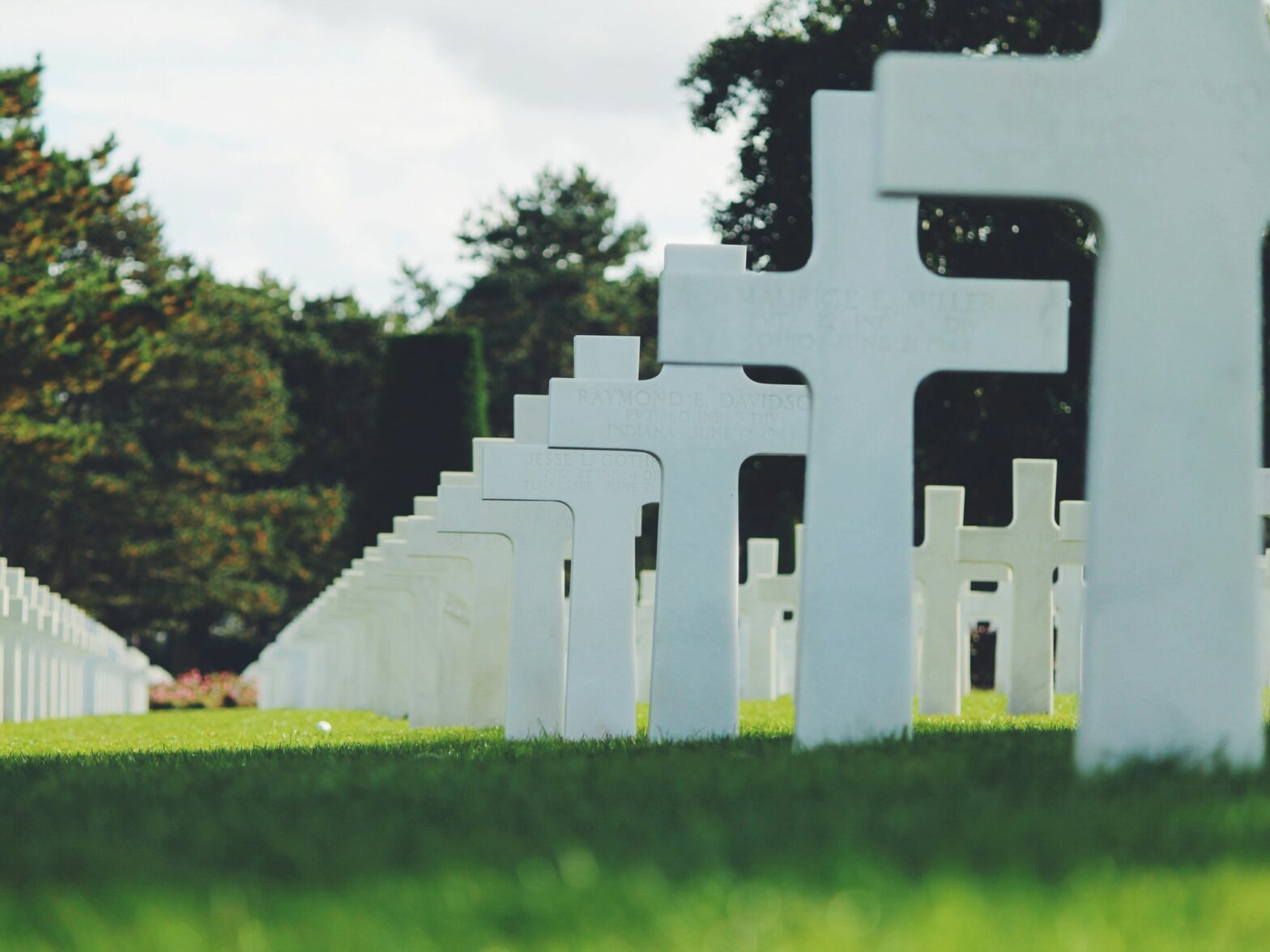
From Ukraine to the South China Sea, images of war are highly reminiscent of the horrors of the past. As the world marks 80 years since the Normandy landings of World War II, geopolitical analyst Dominique Moïsi wonders if history is bound to repeat itself.
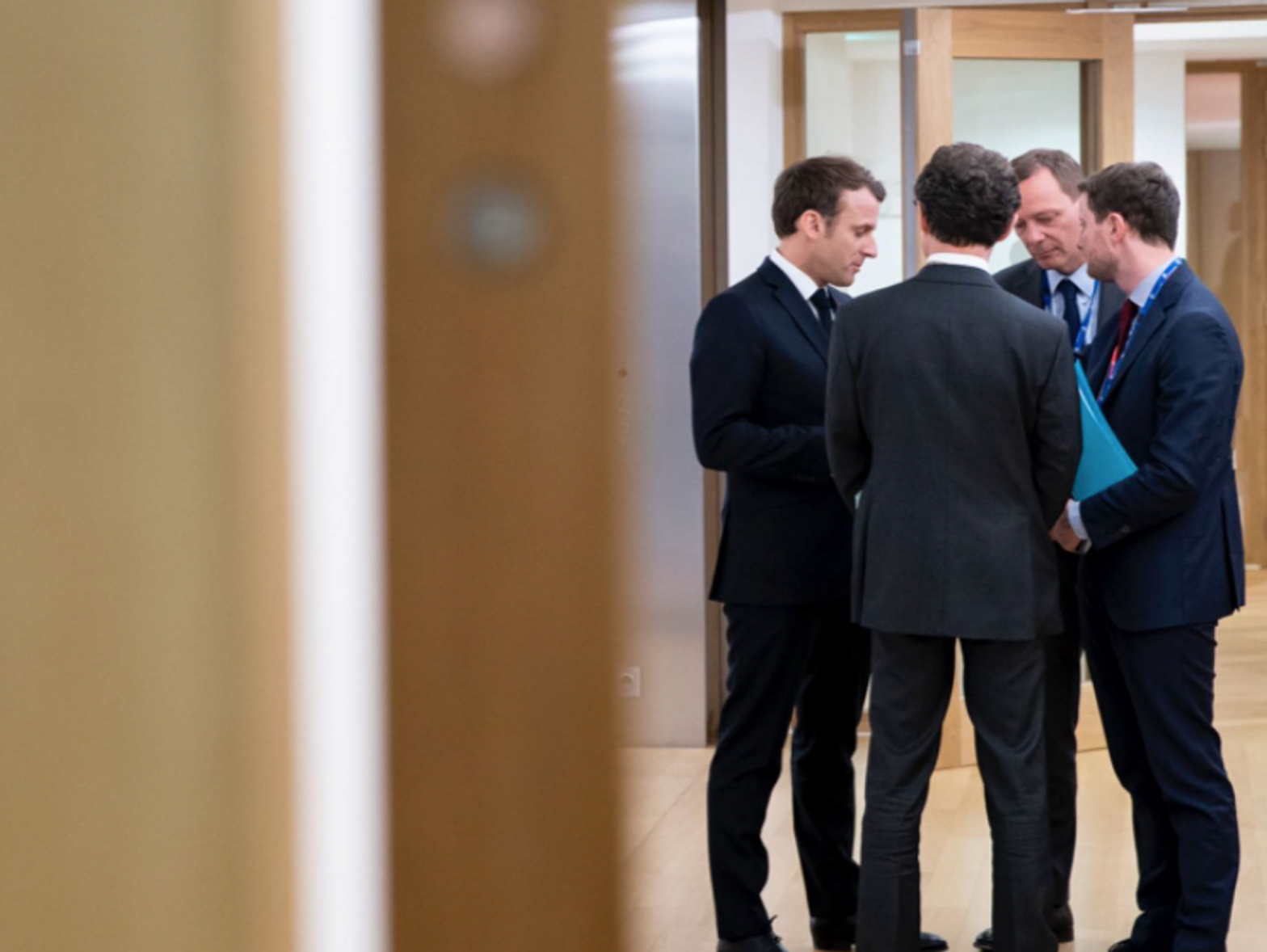
The French president wants to convince Vladimir Putin to halt military deployment around Ukraine. But some in Moscow believe the Russian president is only interested in negotiating with the U.S. about the wider global balance of power.
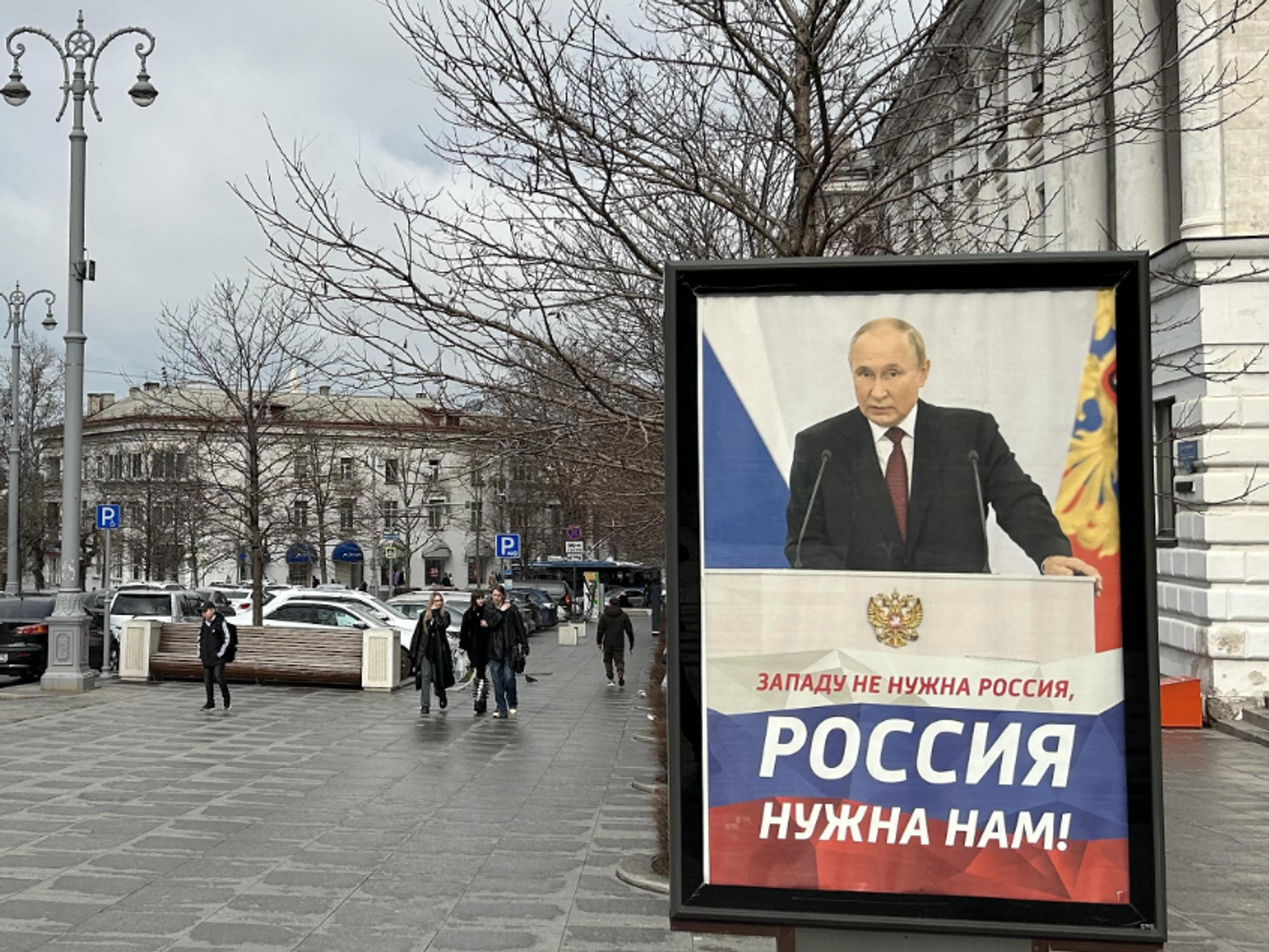
Russians have long waged systematic and effective disinformation campaigns. Roman Vybranovskyi considers “active measures” that have been successful in the past, and what can be done to fight them today, notably in Ukraine.
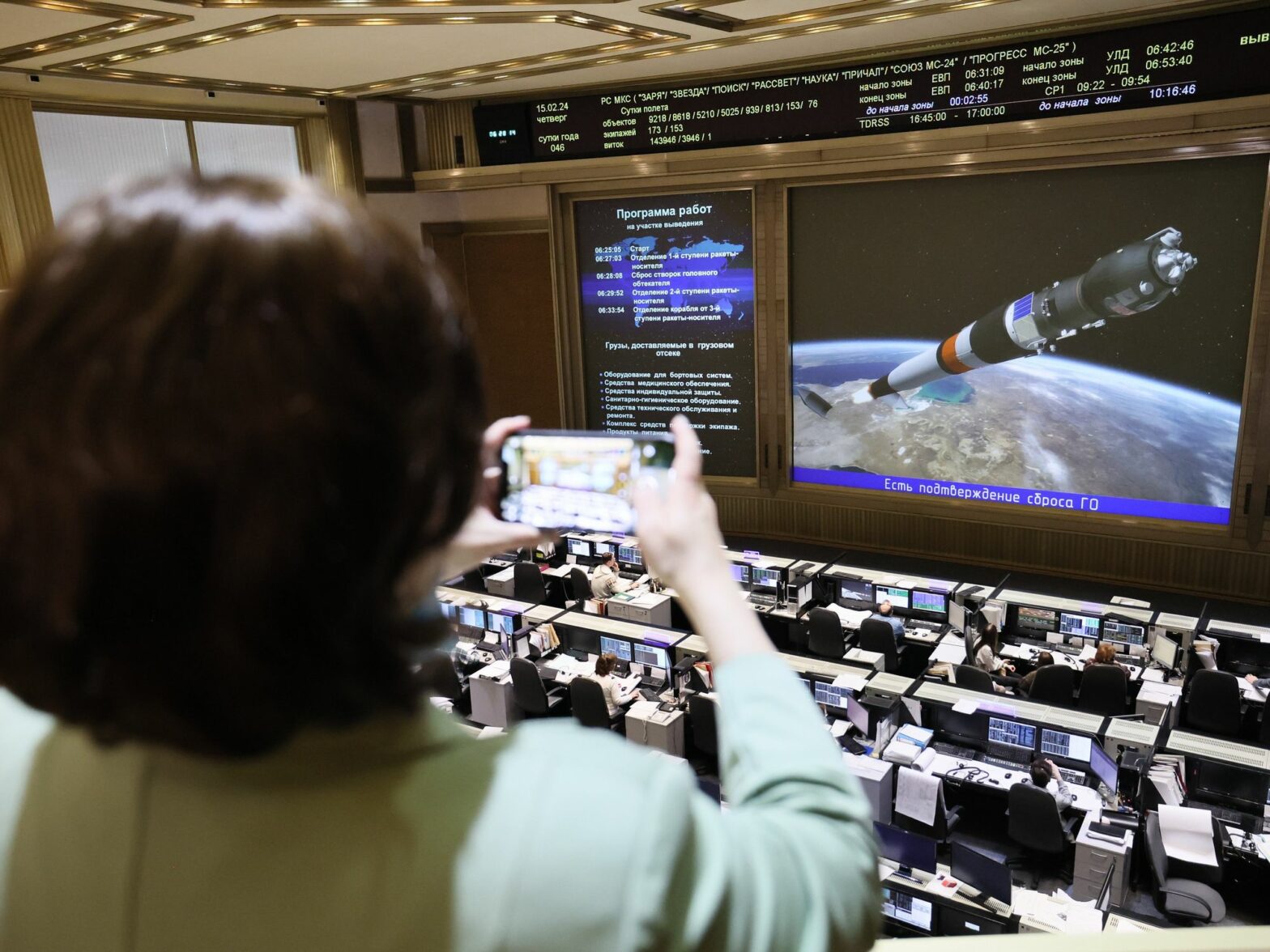
Space may be the true battleground of the future, which explains Washington’s growing concerns over Russia’s alleged plans for deploying anti-satellite weapons. Yet what if not even this can push Trump and his Republican allies to support Kyiv?
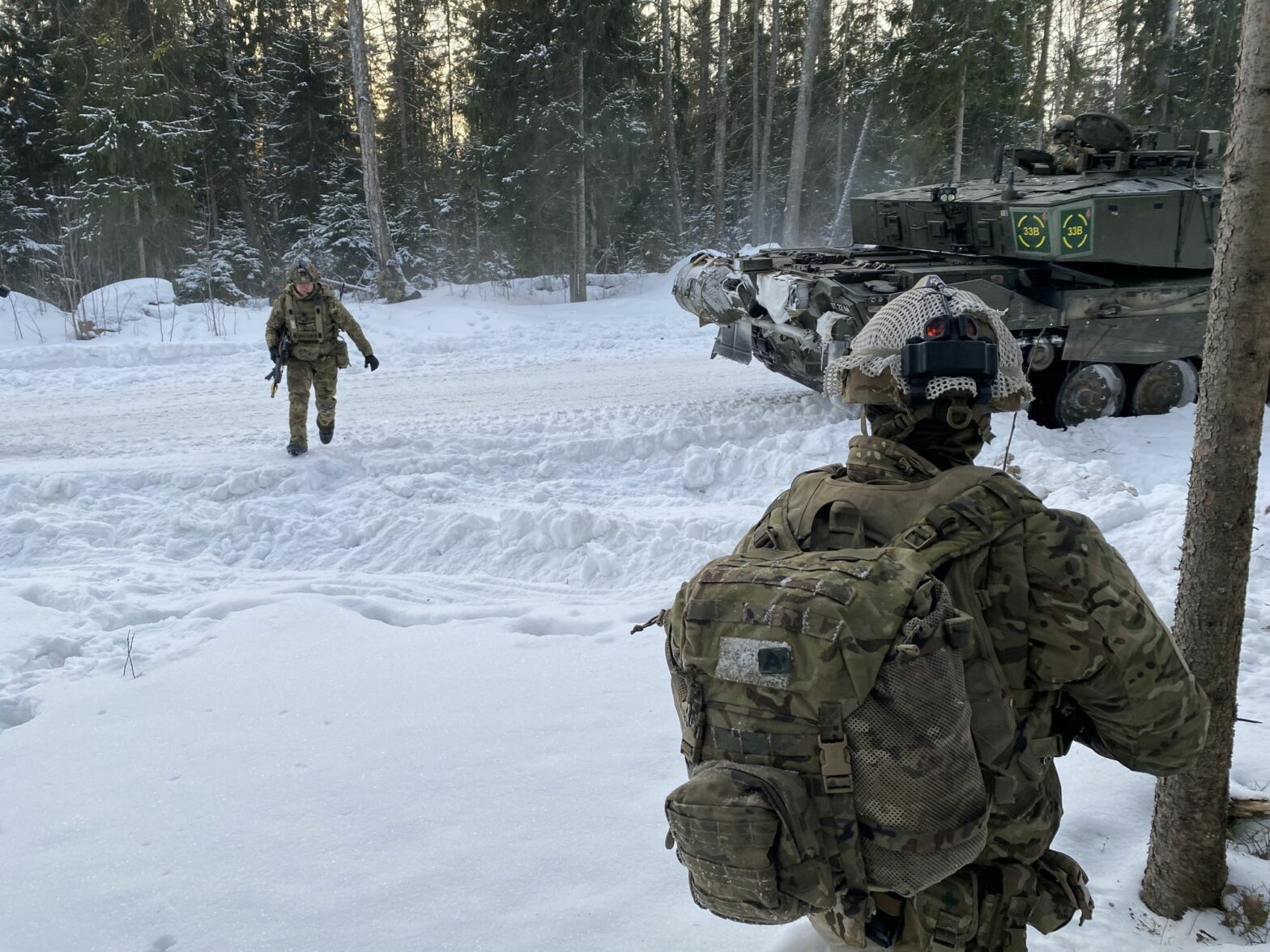
With Estonian Prime Minister Kaja Kallas suddenly appearing on Moscow’s wanted list, both the past and present offer plenty of evidence that the small Baltic nation — with 40% Russian speakers — could be the next neighbor after Ukraine in the Kremlin’s crosshairs.
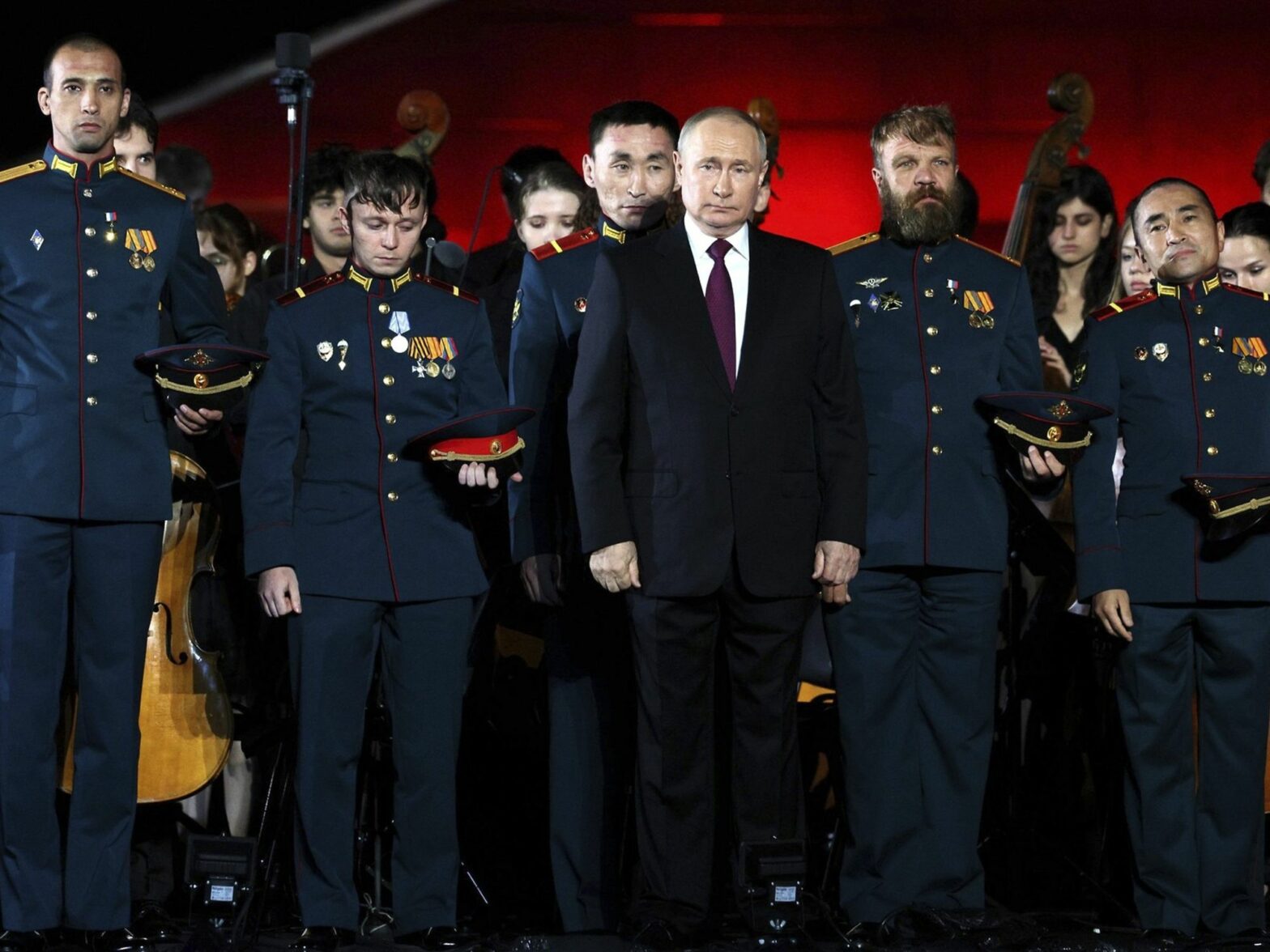
While Ukrainians may be hoping for Russia to disintegrate, history shows otherwise. Only when Putin’s authoritarian regime will come down, will it be possible for Chechens, Dagestanis, Buryats, Yakuts, or Bashkortostans to gain any kind of autonomy or democracy vis a vis Moscow.
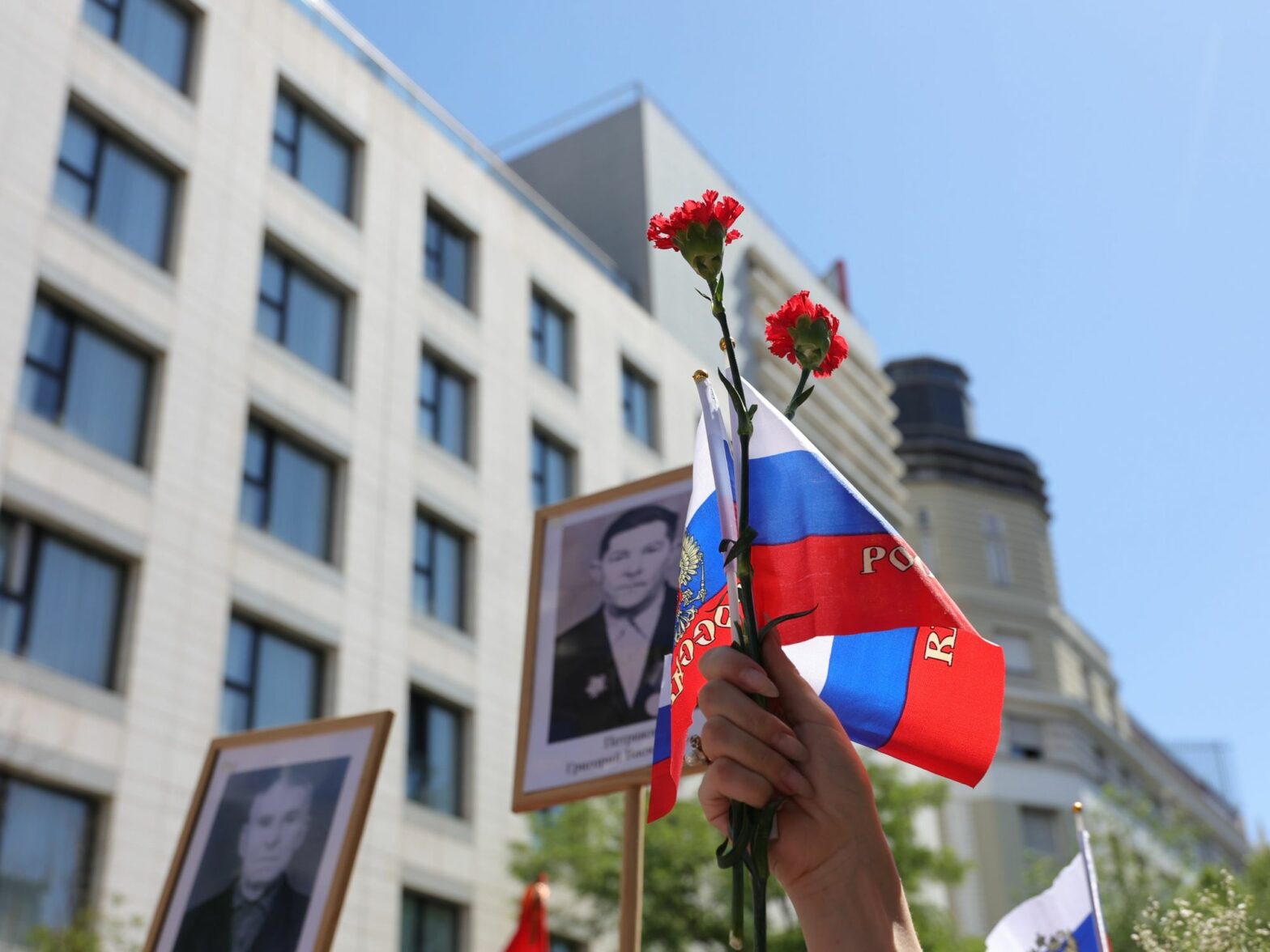
It goes far beyond Vladimir Putin: determinism, imperialism and other deeply ingrained ideas color the perceptions of many Russian citizens — even the would-be “liberal” sectors of society.
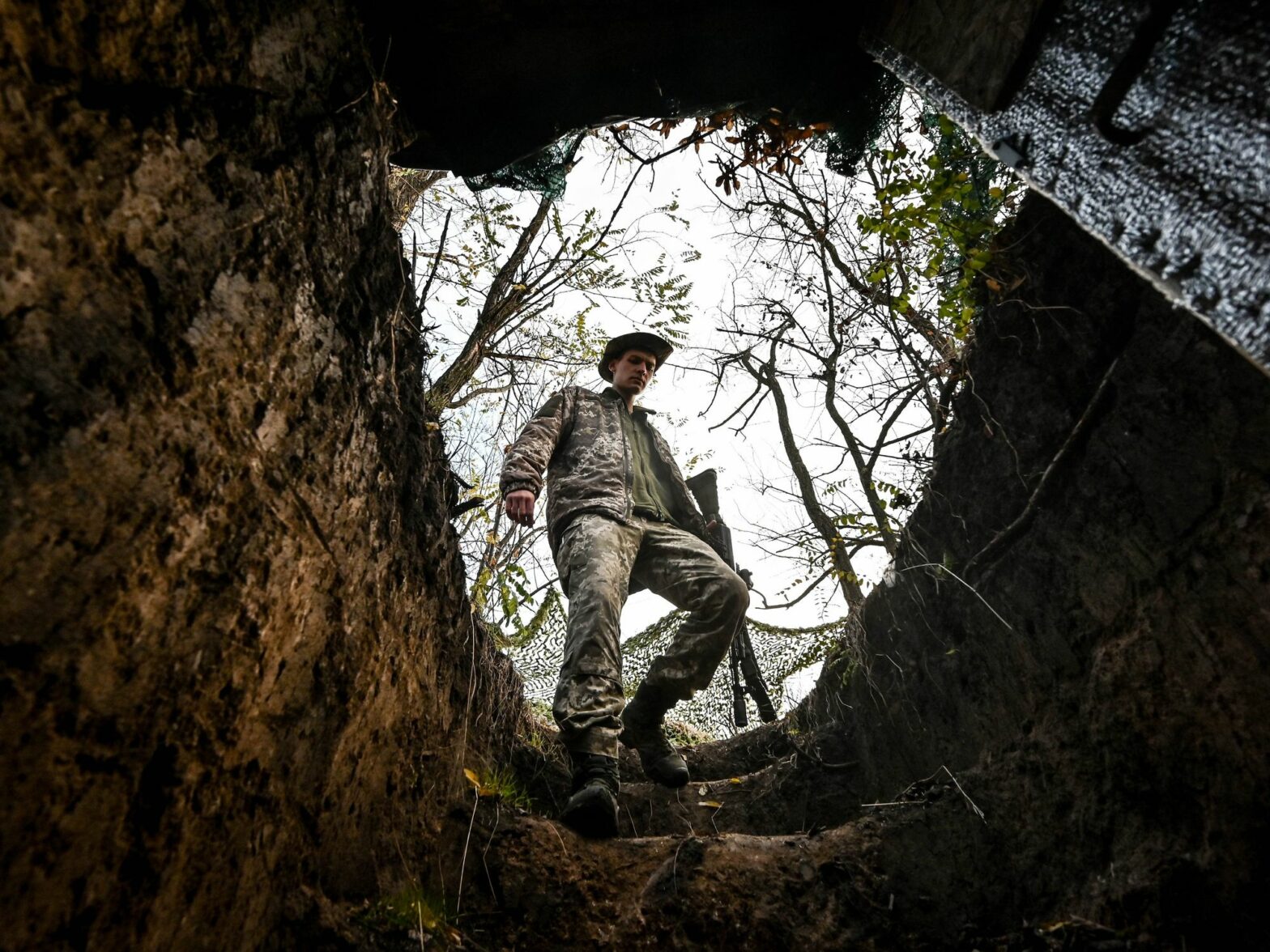
Ukraine’s Western allies seem to be sticking to a strategy of giving the country just enough weapons to defend itself, but not enough to win.
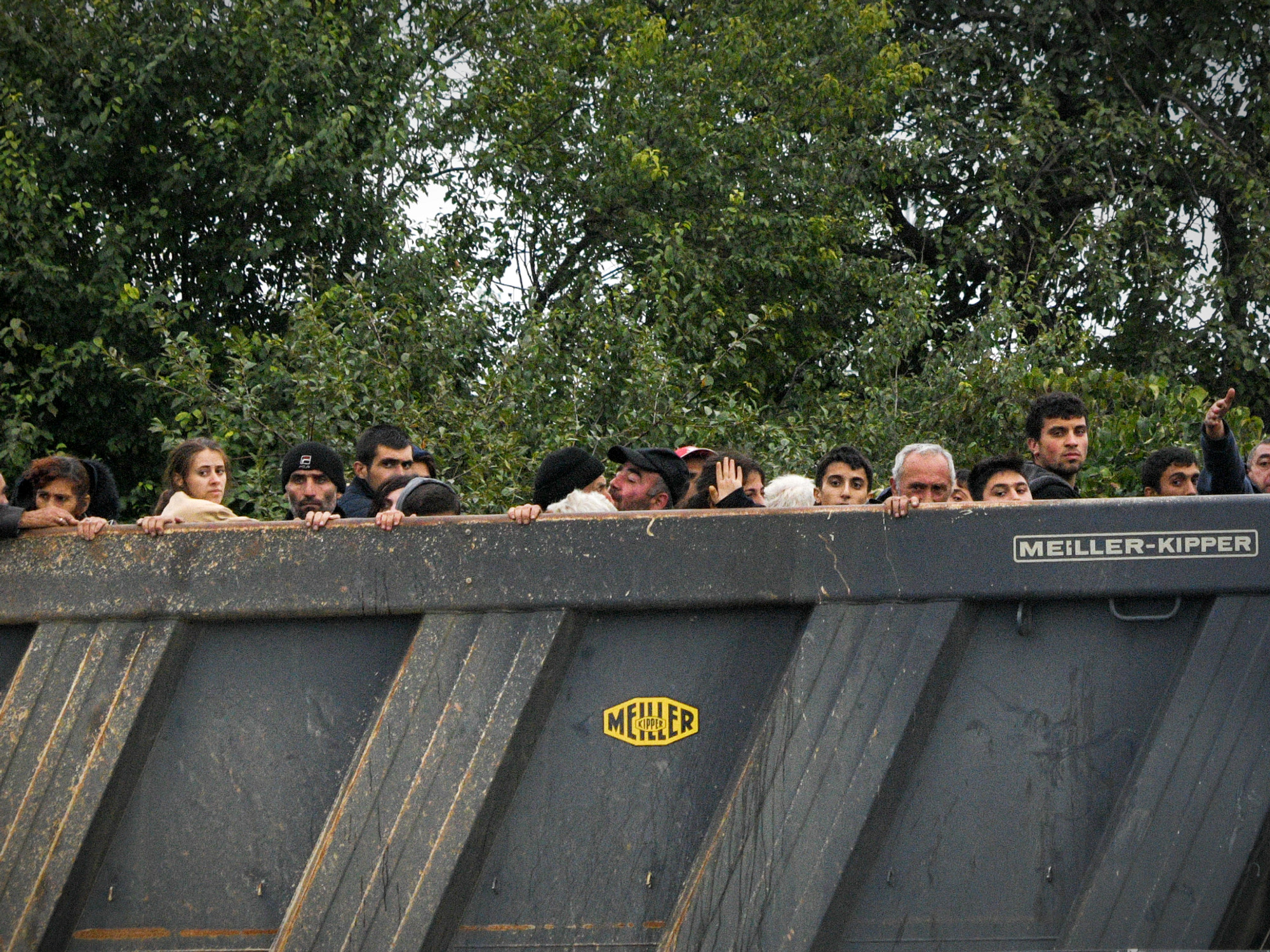
In a few days’ time, there will probably be no Armenians left in Nagorno-Karabakh, part of a long history of ethnic cleansing. The self-proclaimed Republic, defeated by Azerbaijan, has announced its dissolution, signaling its historic failure. But it also has much wider geopolitical implications.
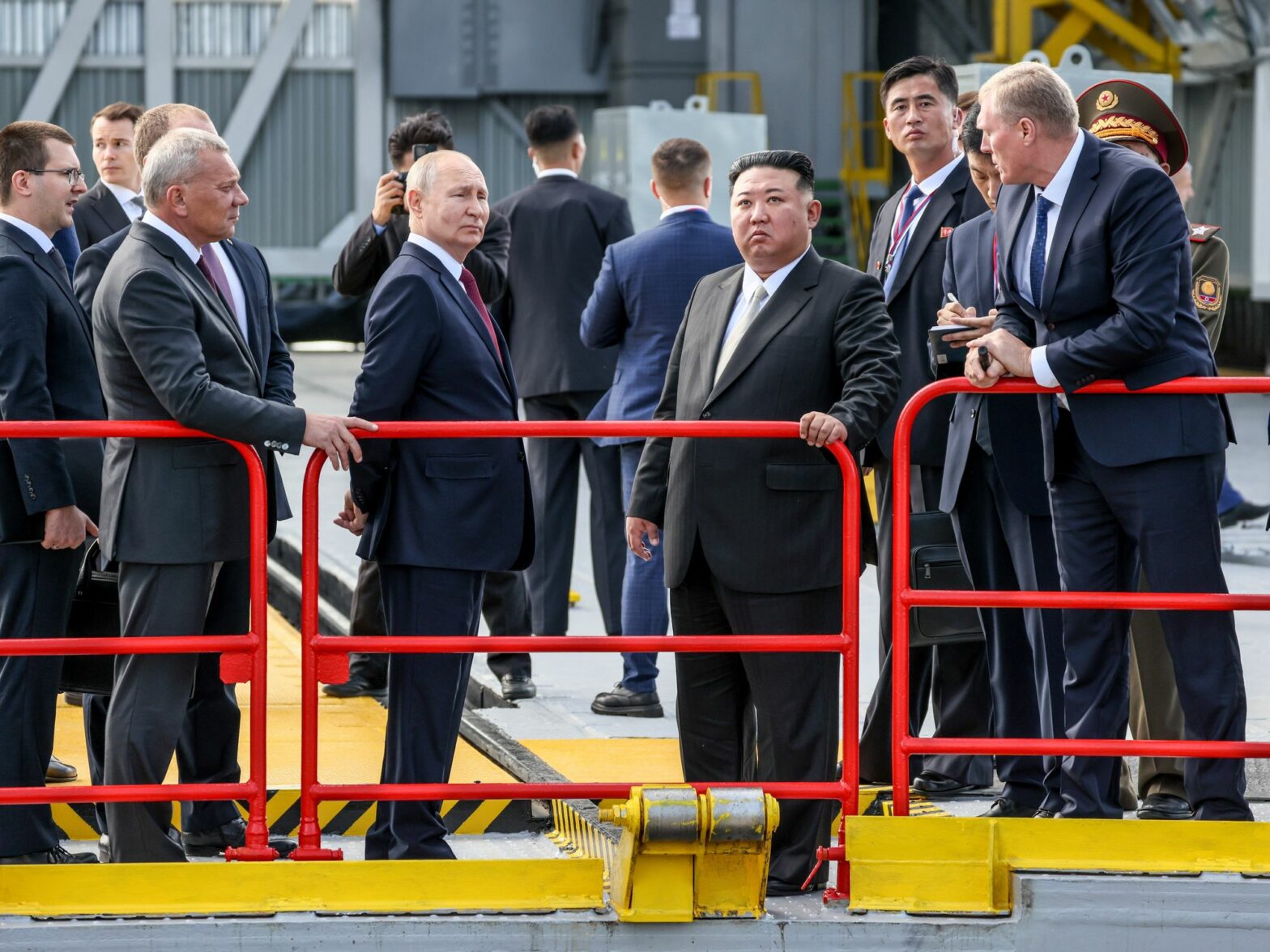
North Korea lends its full support to Russia’s war in Ukraine, and will supply ammunition to Moscow, which in return will help Kim Jong-un with his space ambitions. With the whiff of a Cold War alliance, it shows how two regimes that have become so isolated they multiply the risks for the rest of the world.
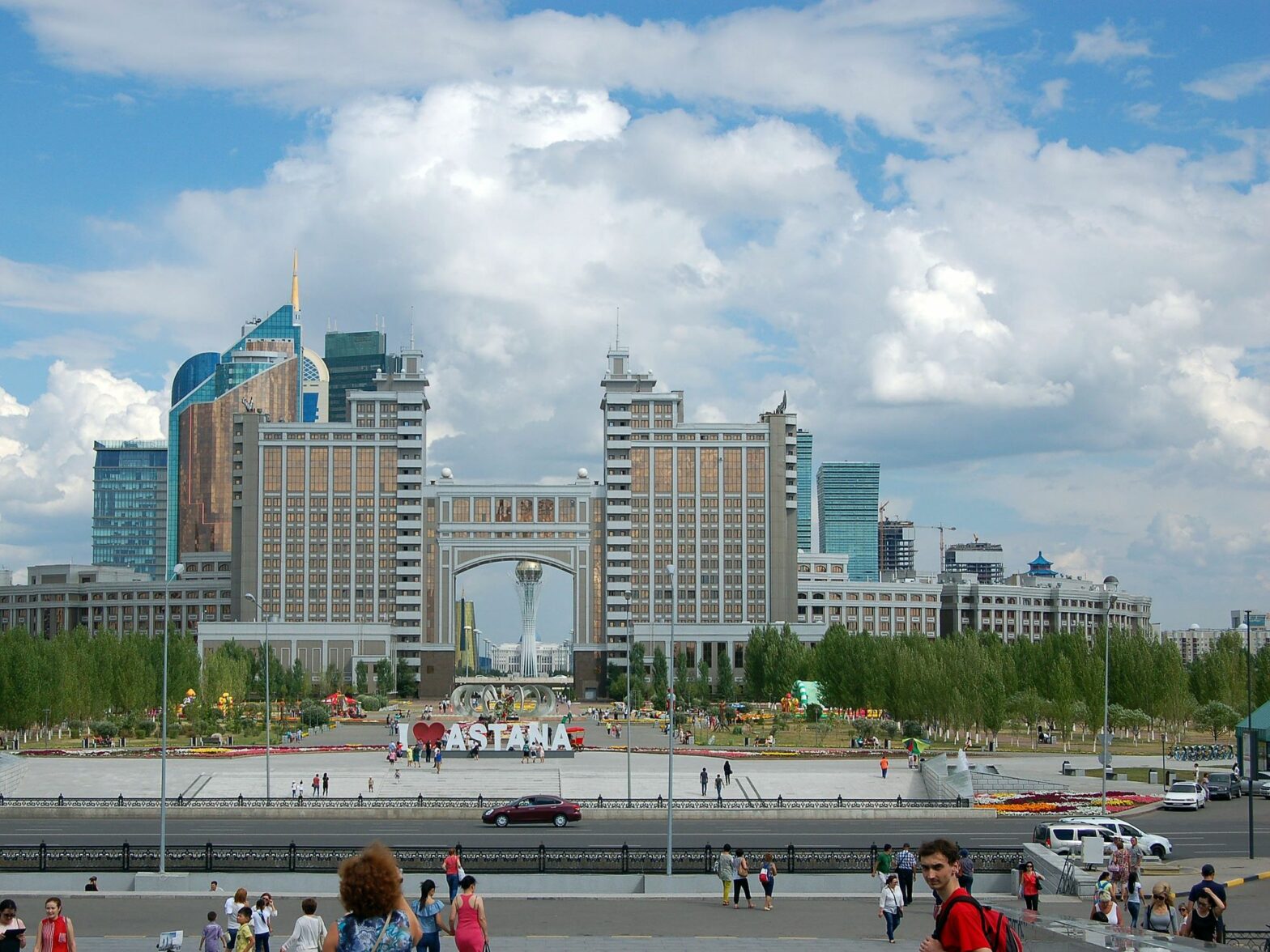
As Russia loses in influence in Central Asia, Ukraine has an opportunity to take over a key role in relations between countries in the region and the European Union.
Today’s Russia is similar to Stalin’s USSR in more and more ways, including the constant search for enemies and the paranoia of betrayal. Some examples of this panic may be funny, but also help inform what Moscow might do next.
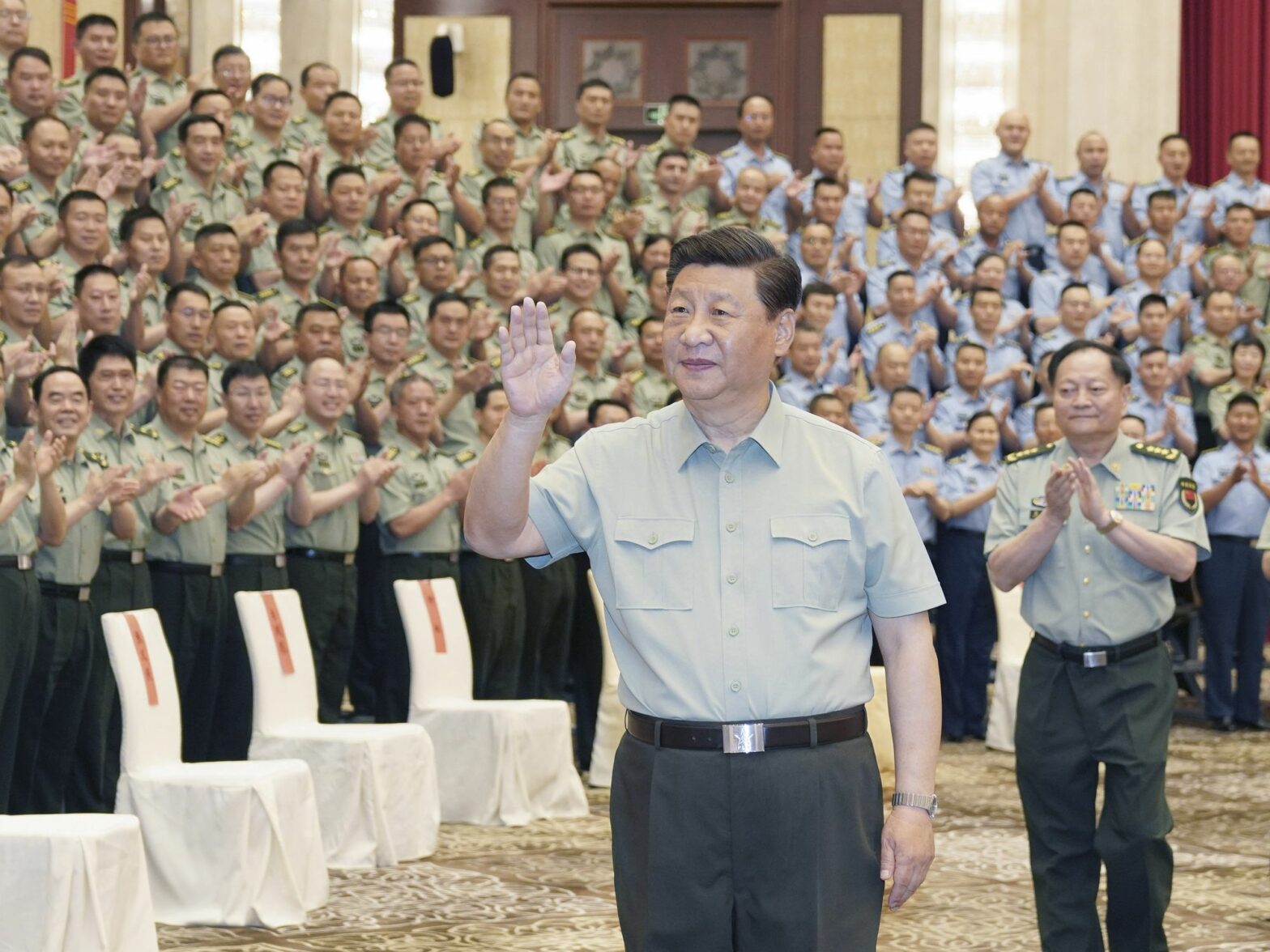
The just completed G7 in Hiroshima has locked both sides in the simmering Cold War in Asia into what appears an inevitable confrontation that recalls the U.S.-Soviet showdown. But there are key caveats that make both the limits and risks harder to anticipate.
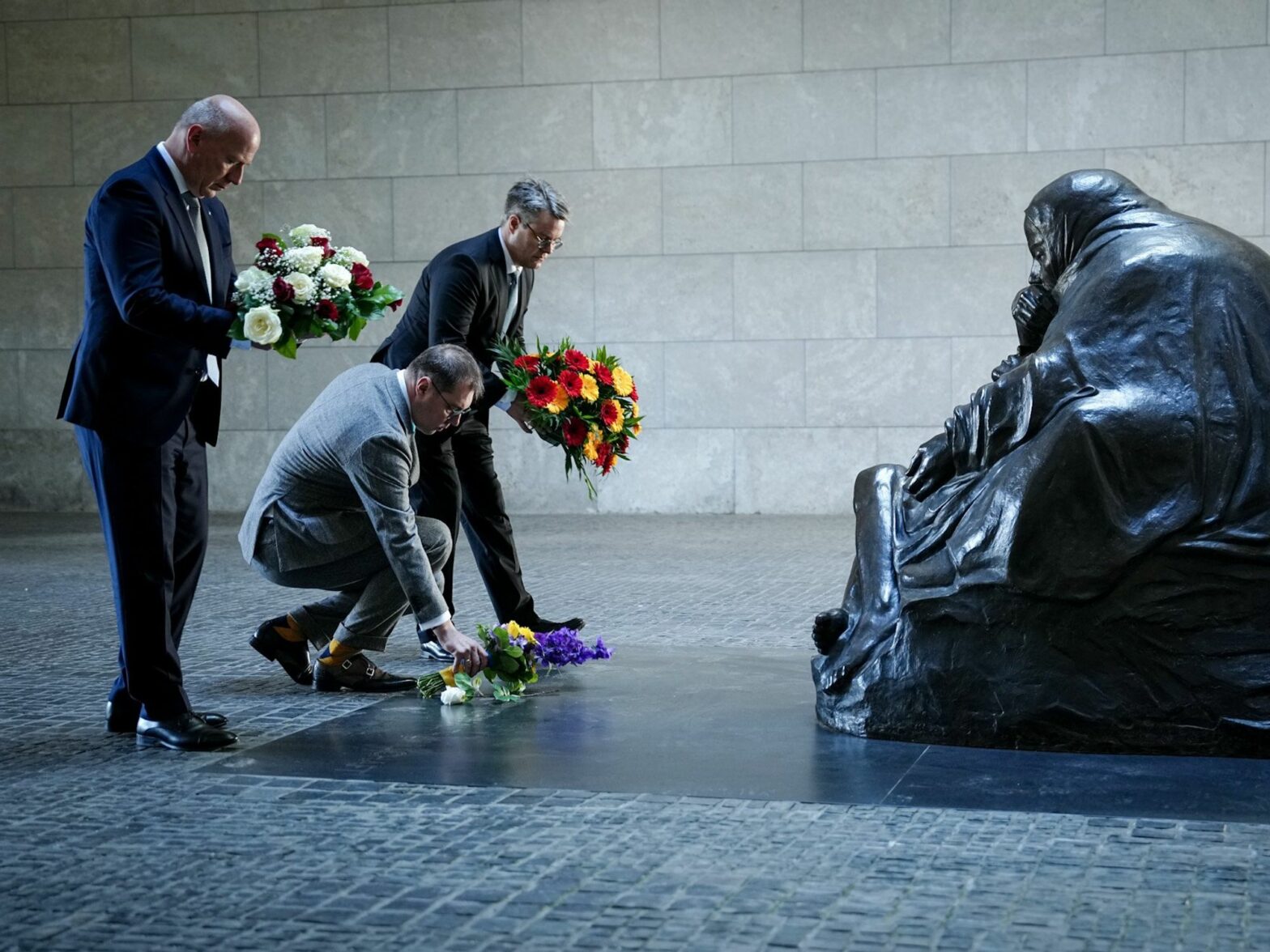
Russia has just celebrated its Victory Day over Nazism. It’s a good time to reflect on what retribution means, and how it’s not always black and white.
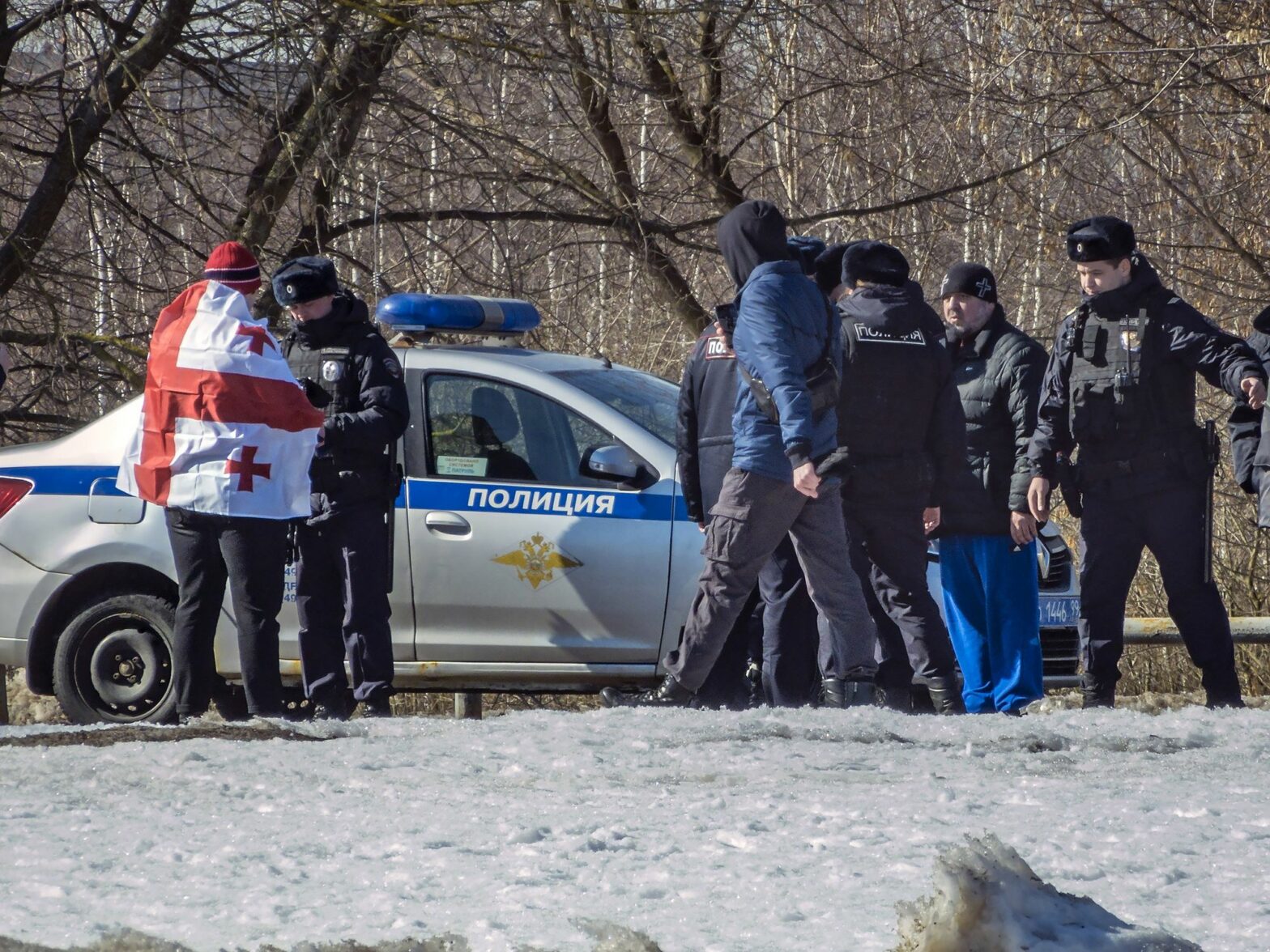
The war in Ukraine has launched an epidemic of denunciations in Russia: 145,000 individual reports to the security services in just the first six months of the war. It’s the latest evidence of the current regime’s Stalinist approach.
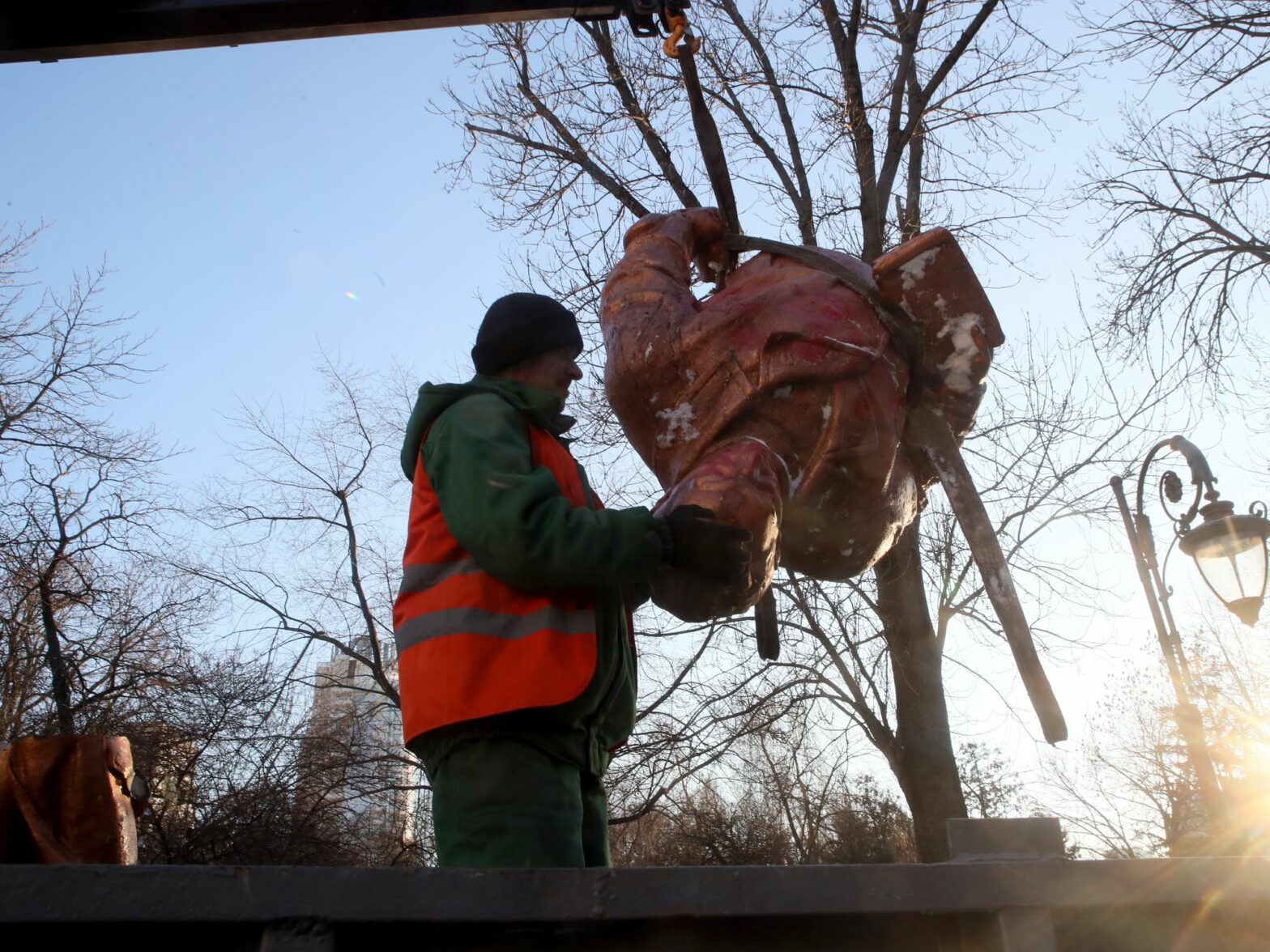
Since the beginning of the Russian invasion, Ukrainians have begun a radical revision of their cultural habits and beliefs, casting off the relics of Russian colonialism. How Ukrainians see themselves and their country’s past will directly affect how they fight for the future.
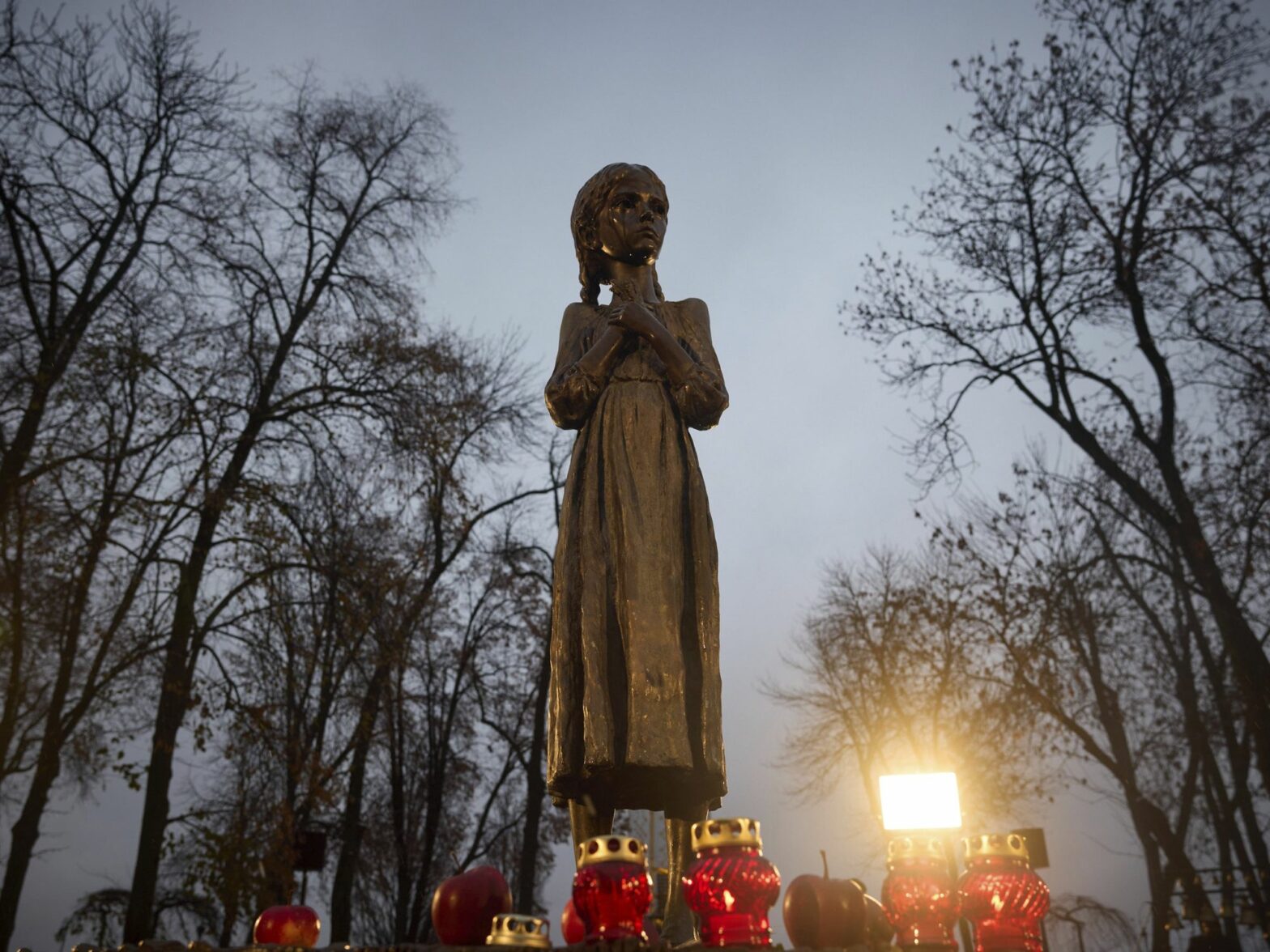
Ukraine and countries around the world recognize the Holodomor, the famine which killed millions of Ukrainians in the early 1930s, as a genocide caused by Soviet authorities. But Russia still refuses to admit responsibility. A new study uses agricultural records and mathematical modeling to show that the famine clearly targeted Ukrainians.
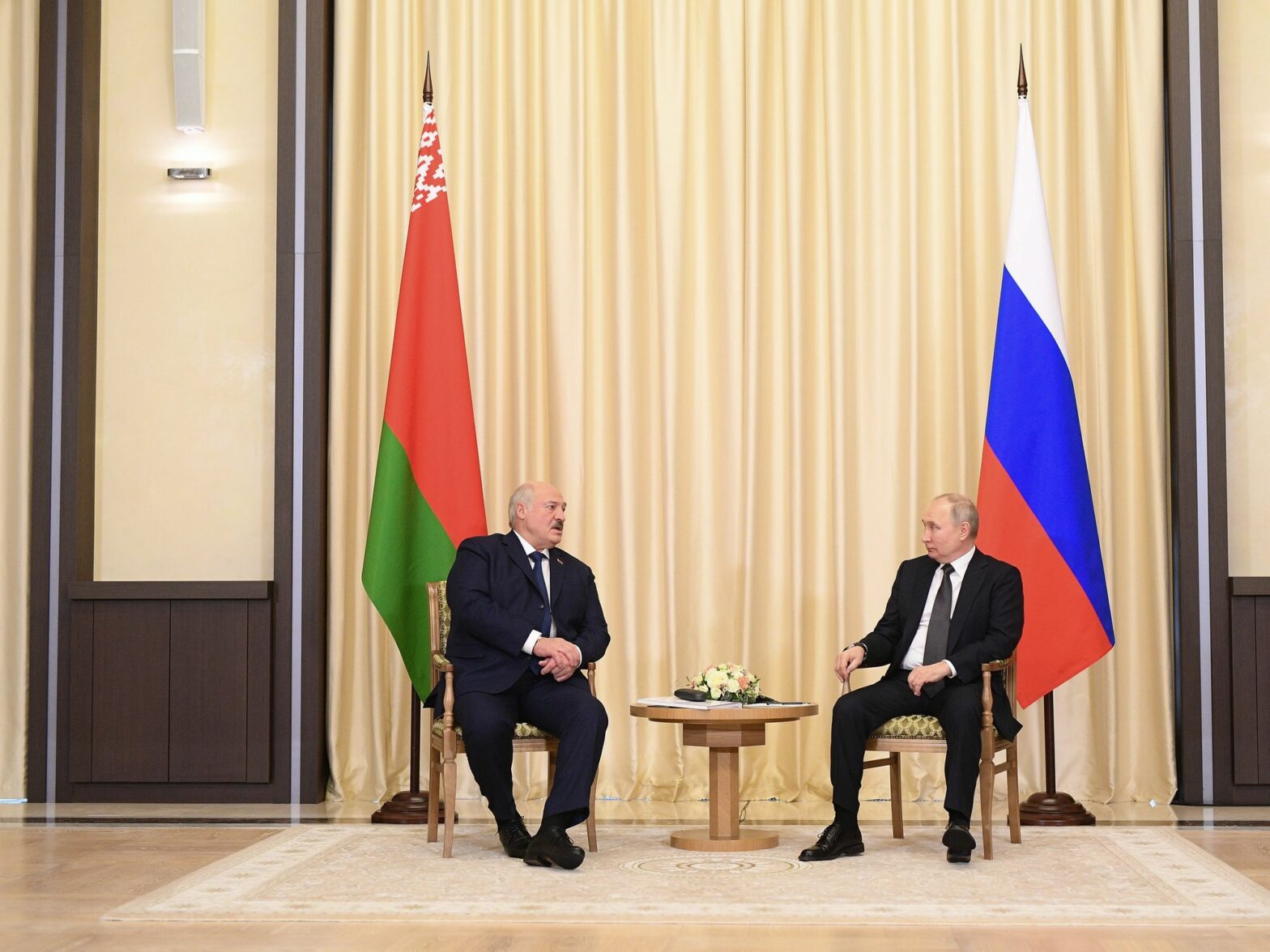
Putin has stated in the past that Ukraine and Belarus should be a part of the Russian Federation. But his plans in Belarus have been postponed by war on the other neighbor, and the shrinking room for maneuver of Minsk’s strongman Alexander Lukashenko
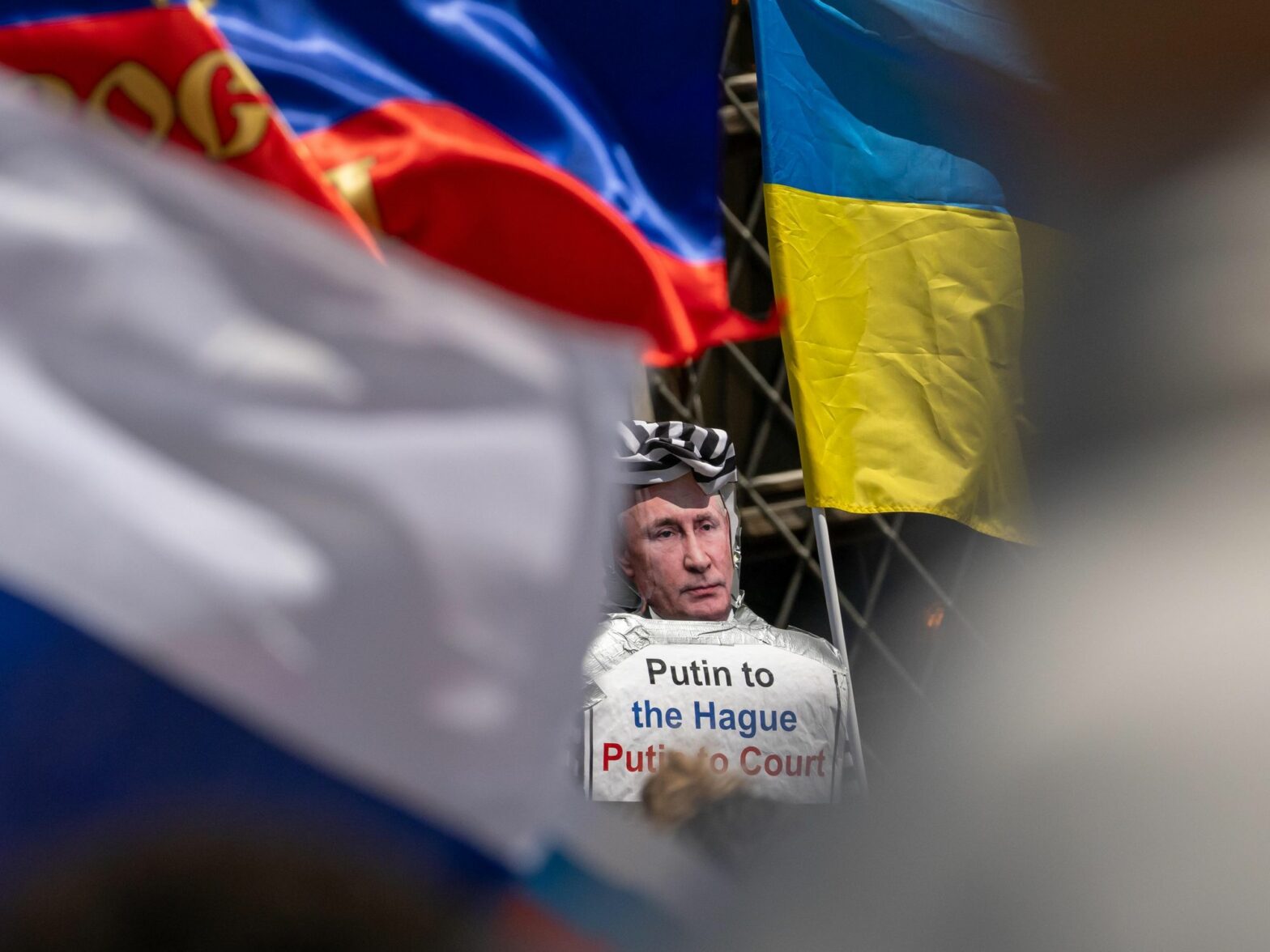
Consider the inverse of “collateral damage.” Envision Russia’s defeat and the triumph of a democratic coalition offers reflection on the most weighty sense of costs and benefits.
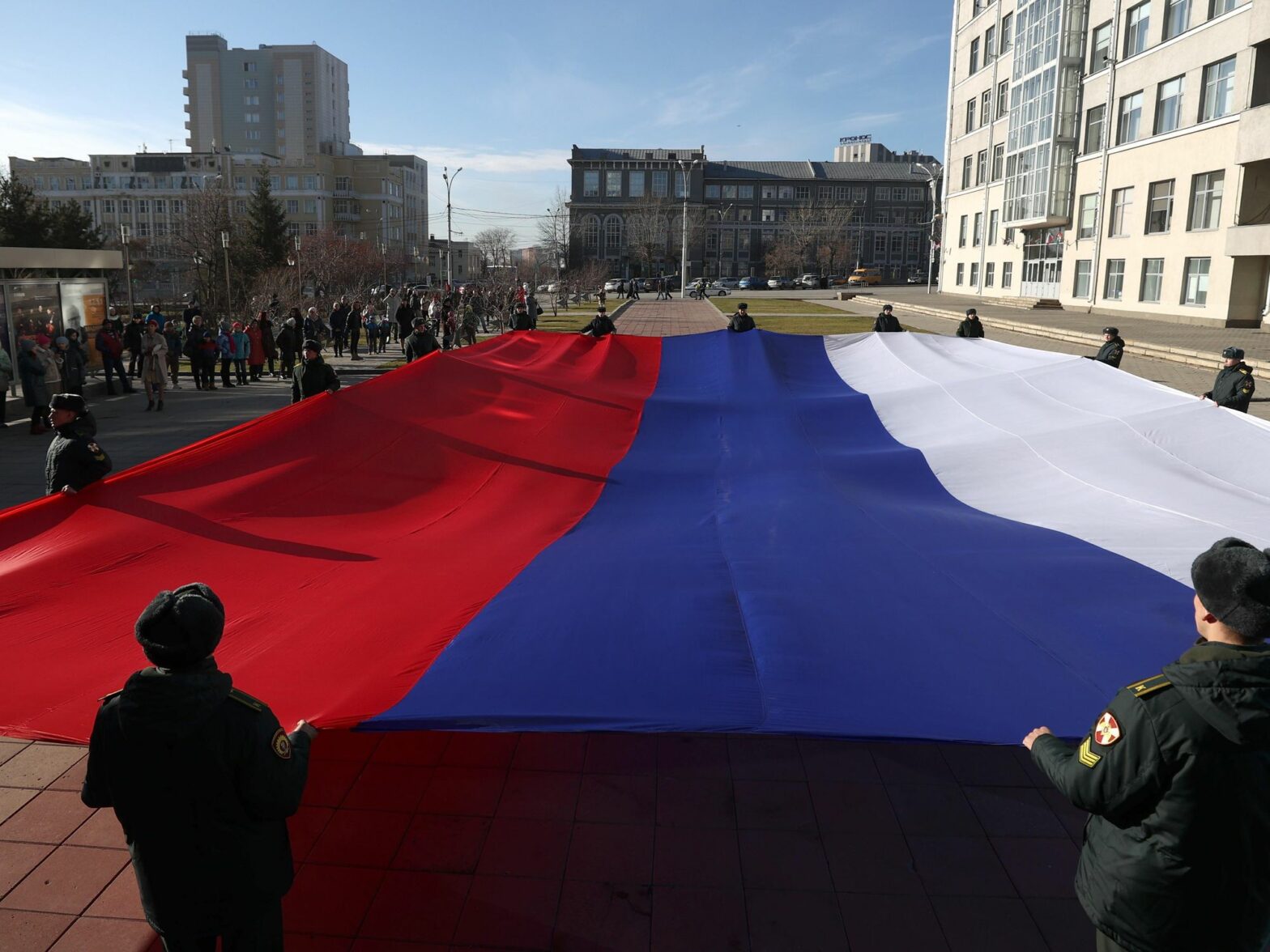
Predictions about the collapse of Russia are as old as the country itself. Yet a consistent centralization of power has gone on for decades, weakening Russia’s territories and republics. The war in Ukraine changes everything and nothing.
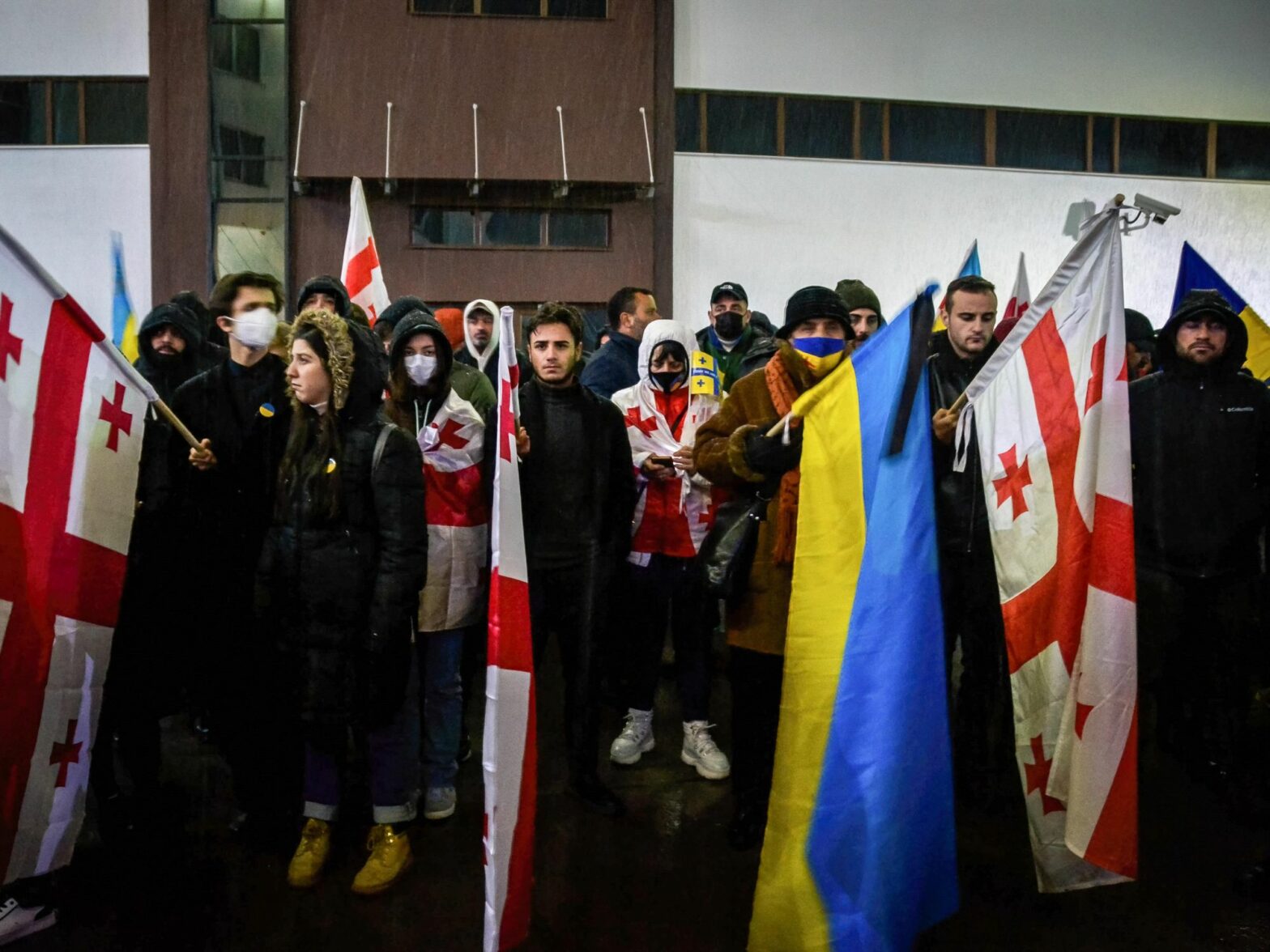
Unlike other neighbors in the region, leading political figures in Georgia have refrained from officially denouncing Russia’s invasion. From Joseph Stalin’s birthplace, it’s a complicated relationship. But winding up on the wrong side of history has its consequences.
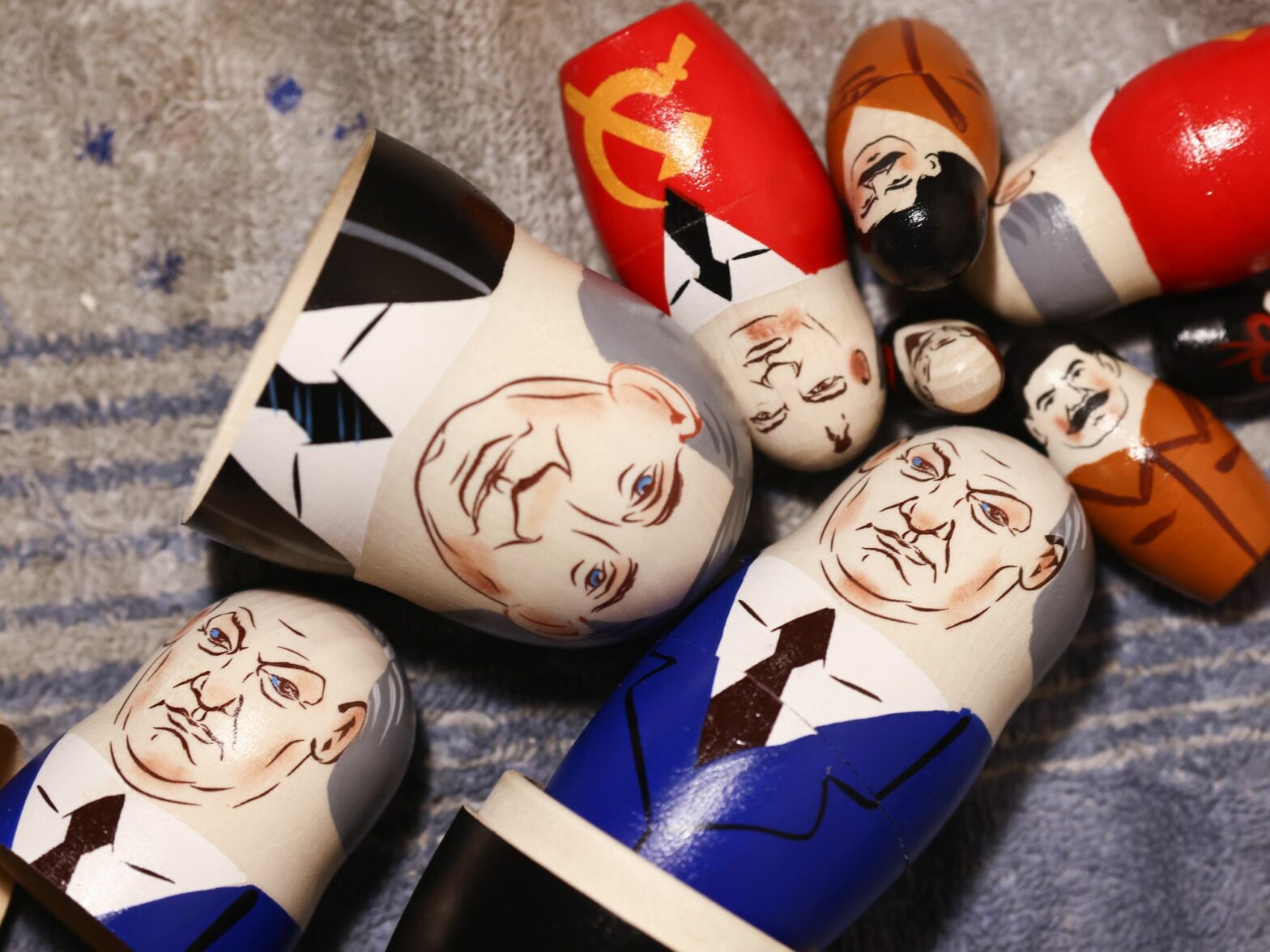
What are Vladimir Putin’s long-term goals in Ukraine? An overlooked treaty from the mid-1990s reveal that his ambitions go far beyond Ukraine to building a Russian Empire 2.0.
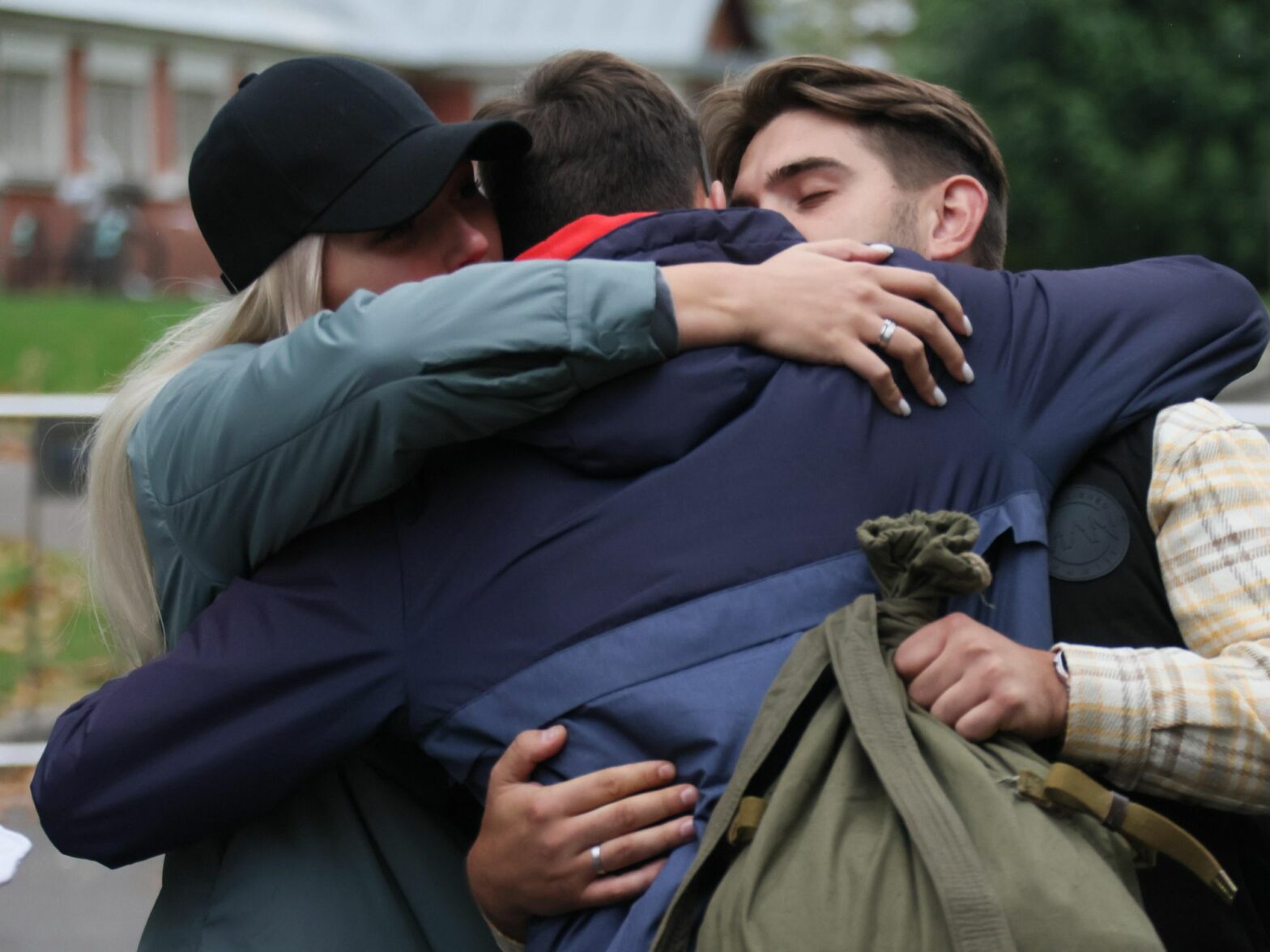
Ever since Russia announced a “partial mobilization” of hundreds of thousands of new recruits, we’ve seen plenty of coverage of those evading the draft. But the real story is how many untrained and under-equipped citizens will blindly follow the Kremlin’s orders.
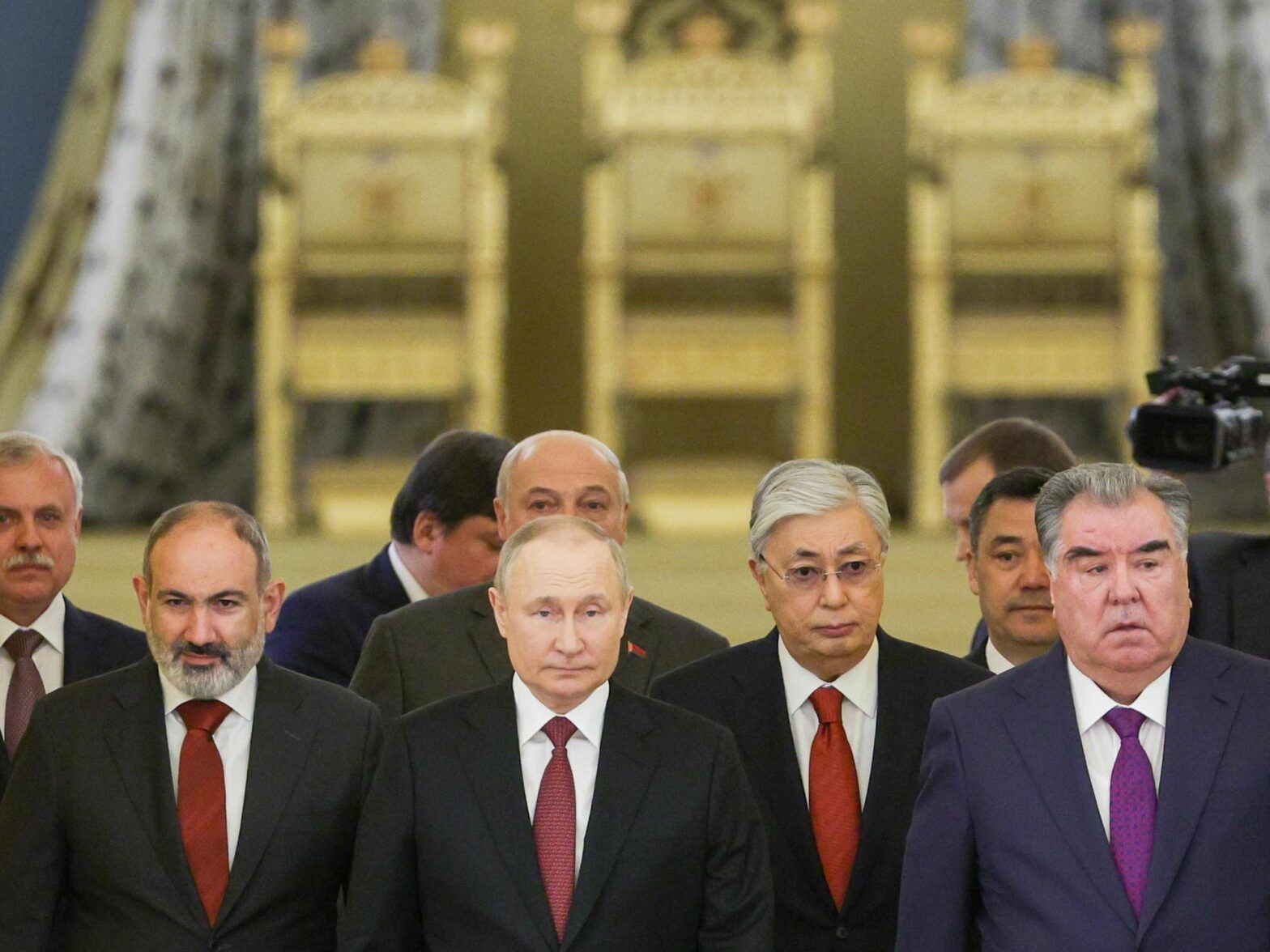
From Kazakhstan to Kyrgyzstan, Armenia and Tajikistan, countries in Russia’s orbit have refused to help him turn the tide in the Ukraine war. All (maybe even Belarus?) is coming to understand that his next step would be a complete restoration of the Soviet empire.
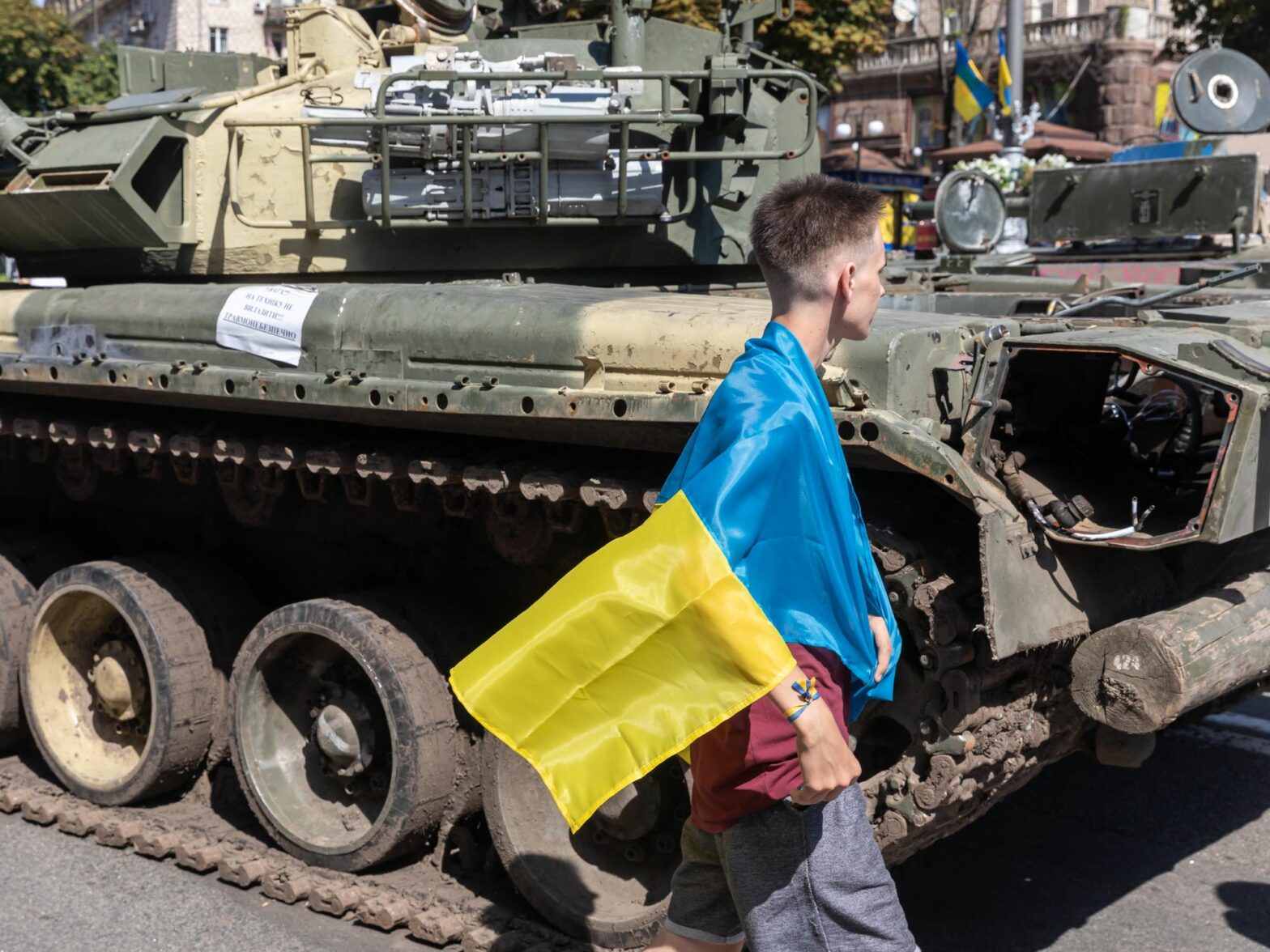
The prolonged war in Ukraine is certainly not over. But six months in, we already know that Russia will come out the loser, both to its Western rivals, and to China, for whom it is now a junior partner.
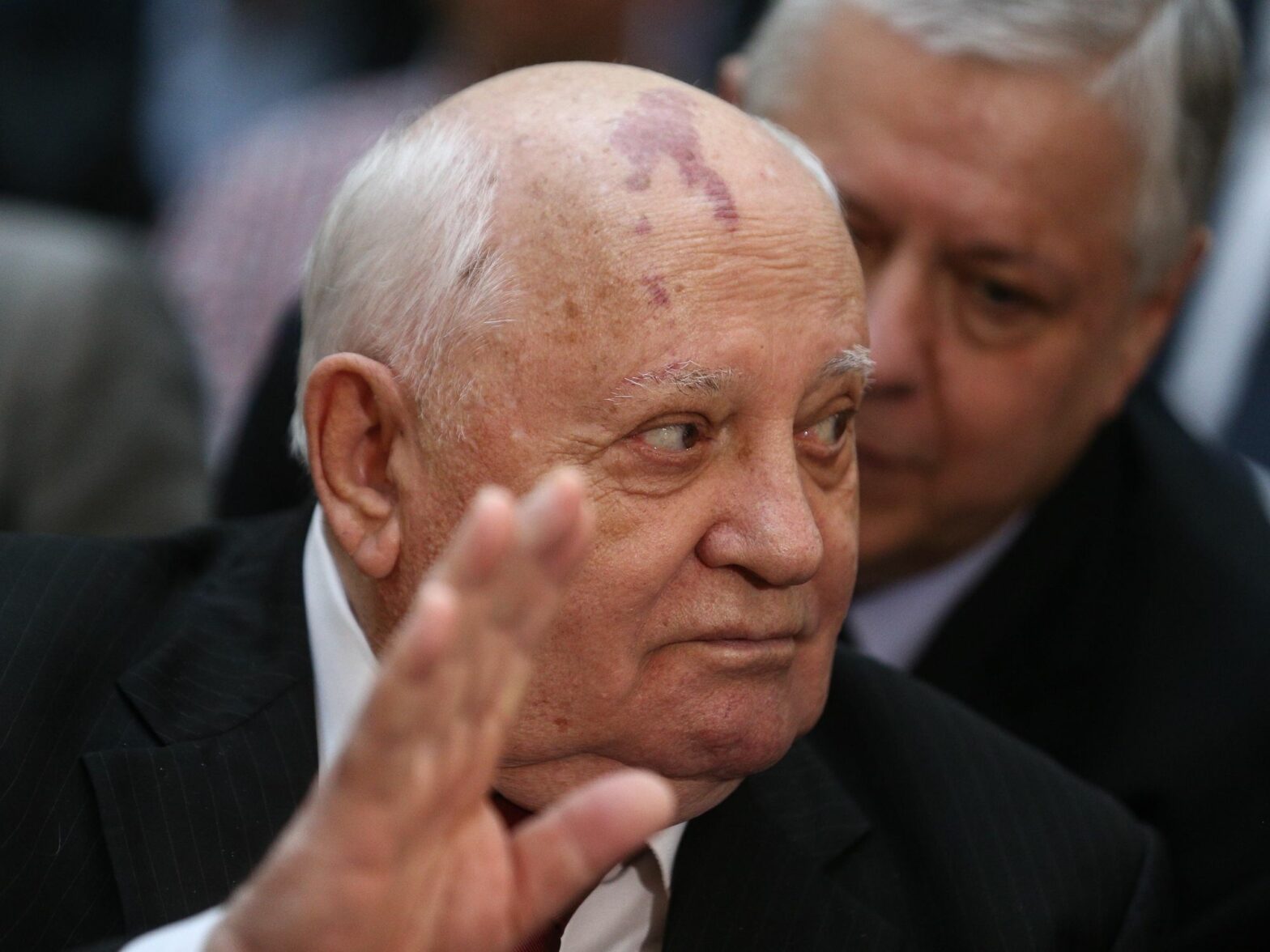
International newspapers pay homage to the last of the USSR leaders.
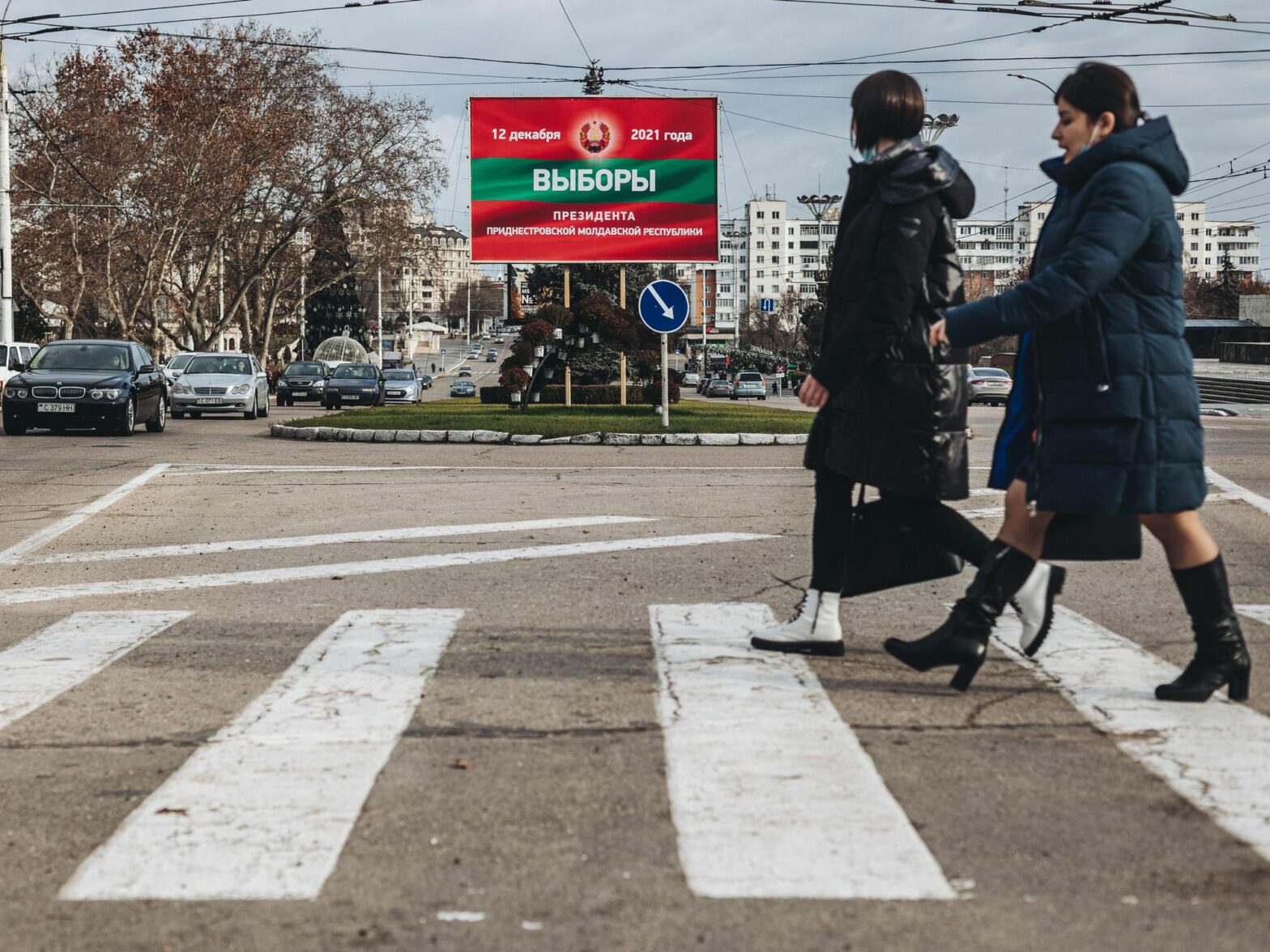
The breakaway republic of Transnistria declared its independence 30 years ago, but not even Russia recognizes it as a country. Transnistria is both nostalgic for the Soviet era and prosperous thanks to Russian funds. And a trip there is the closest you can get to visiting the USSR.
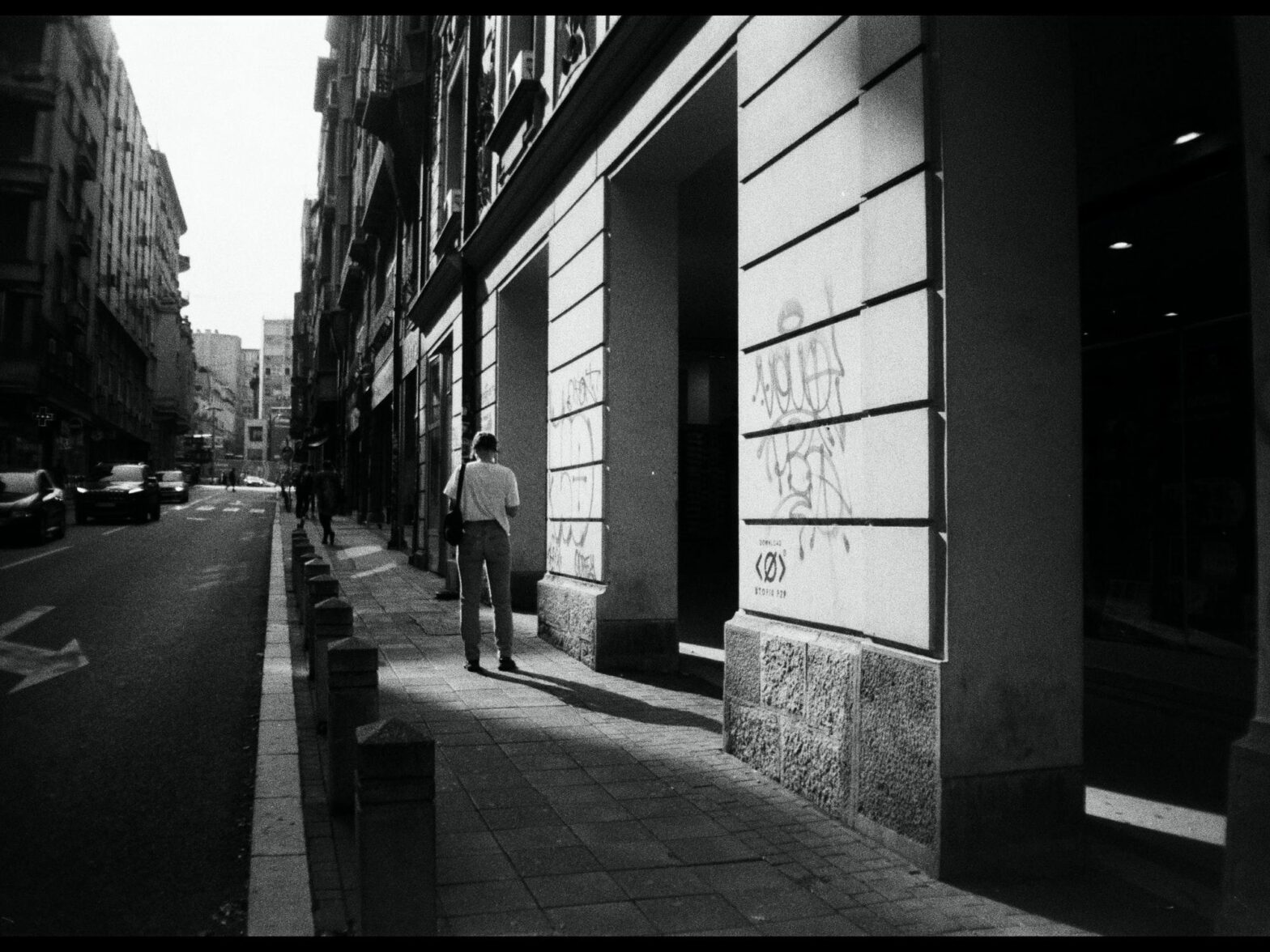
As hostilities flare again between Serbia and Kosovo, the writer draws connections between the dissolutions of both the USSR and Yugoslavia, and the leaders who exploit upheaval and feed the worst kind of nationalism.
Vladimir Putin has been upfront about his desire to rebuild Russia’s influence in the region. Former Soviet states are watching developments in Ukraine closely, with many trying to ensure futures free of interference by Moscow.
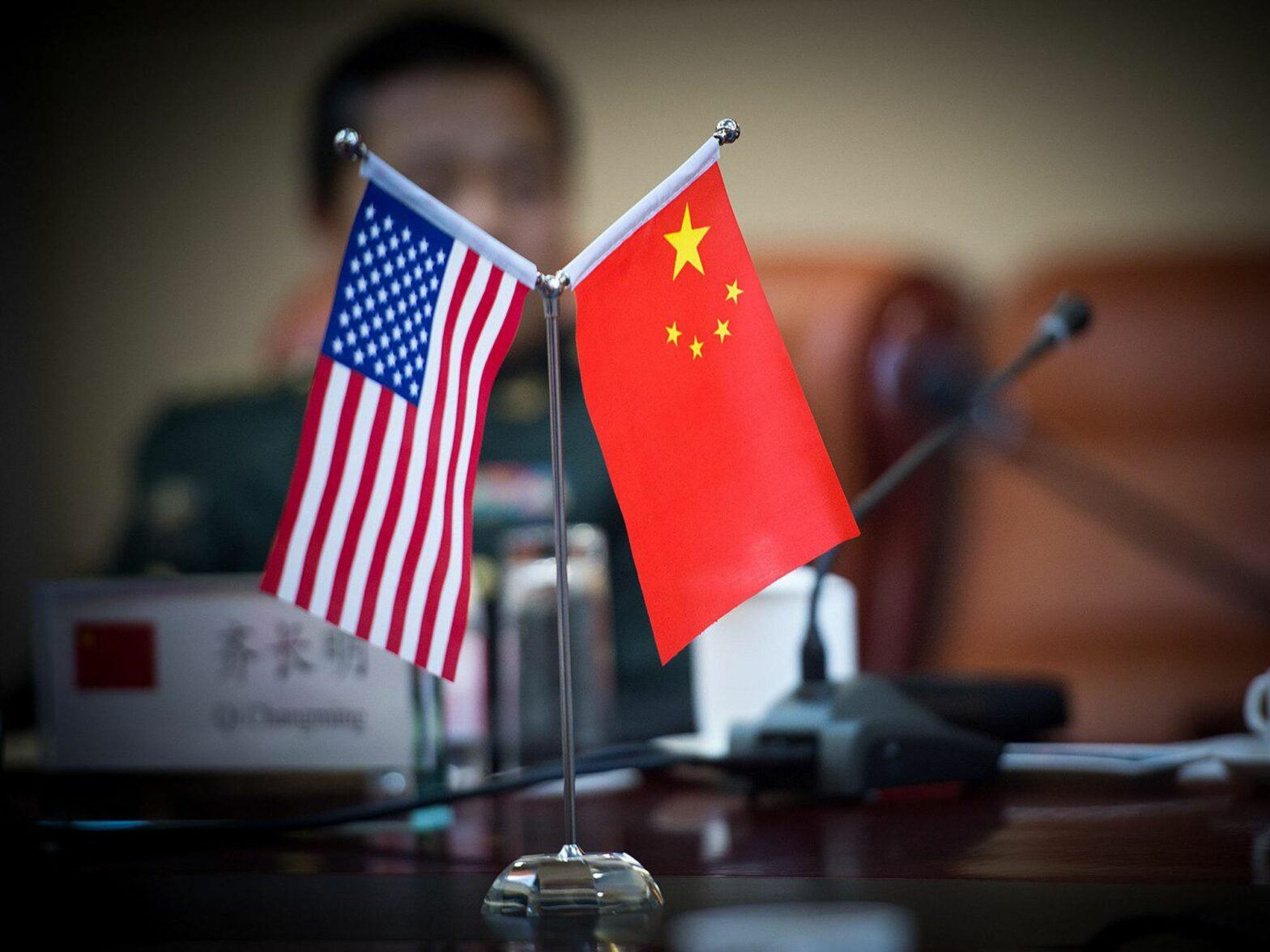
With an activist Supreme Court creating a gap between democratic rhetoric and reality in the U.S., and Russia and China eager to flex military muscle, the full-force return to hard power looks bound for dominance.
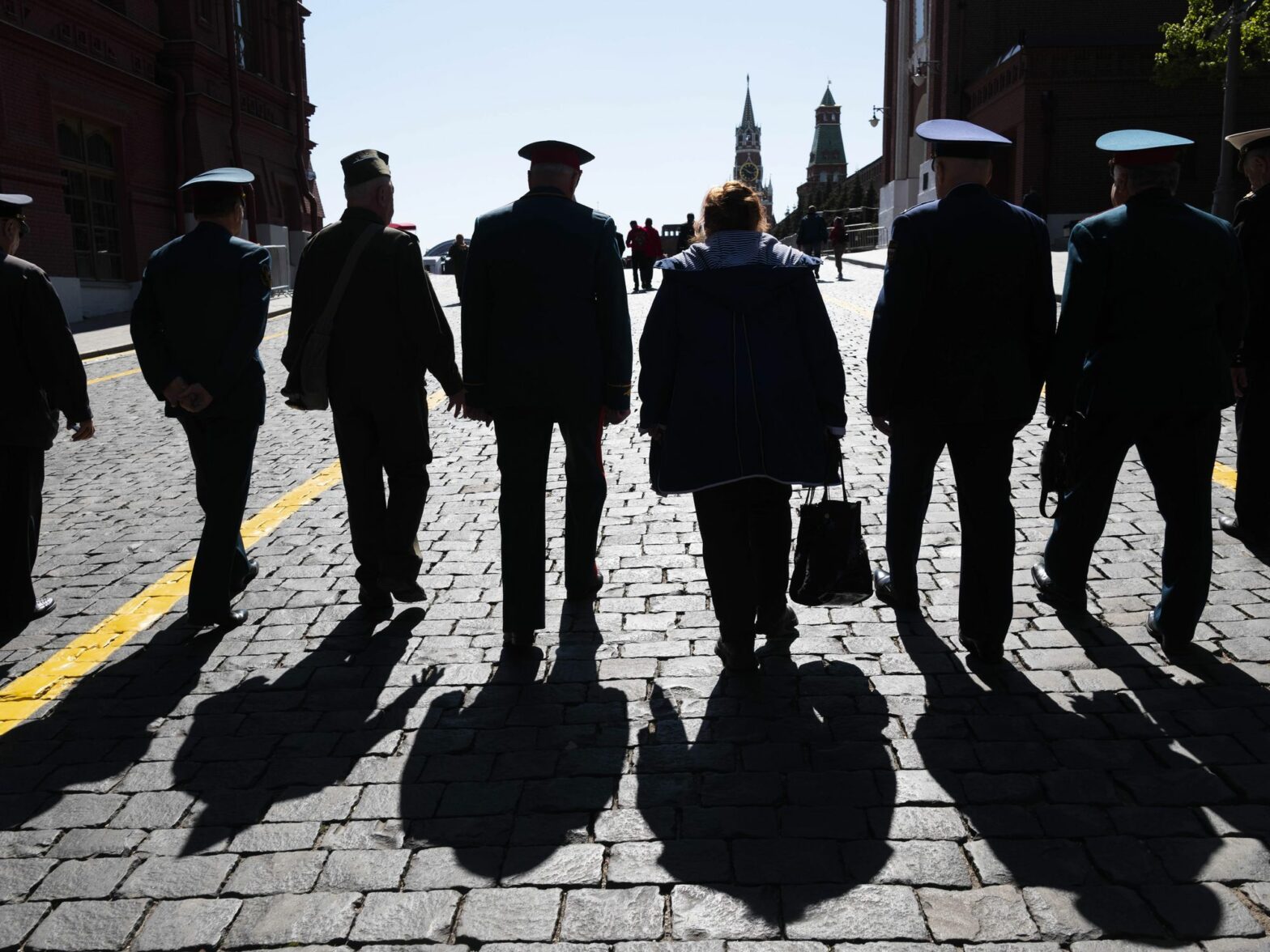
No doubt, strategic errors and corruption at the highest ranks in the Kremlin are partly to blame for the Russian military’s stunning difficulties in Ukraine. But the roots run deeper, where the ordinary recruits come from, how they are exploited, how they react.
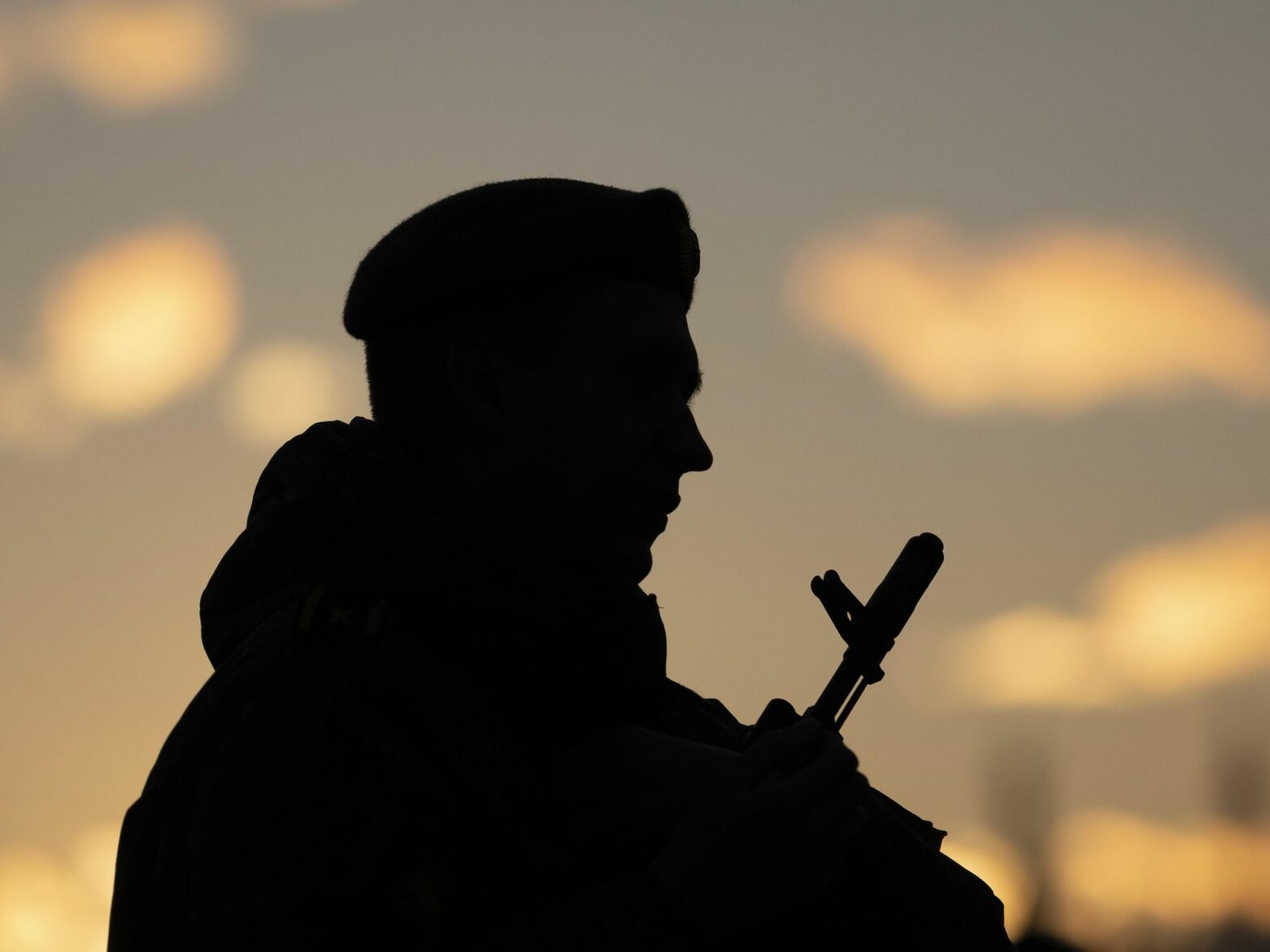
Under Putin, the phrase “Russkiy Mir,” translated as “Russian world” but also “Russian peace,” has driven Kremlin’s foreign policy. It’s built on the idea of a civilization that stretched well beyond Russia’s borders, but it is Putin himself dooming Moscow to fade in importance, and the ancient capital of Kyiv to rise from the ashes.
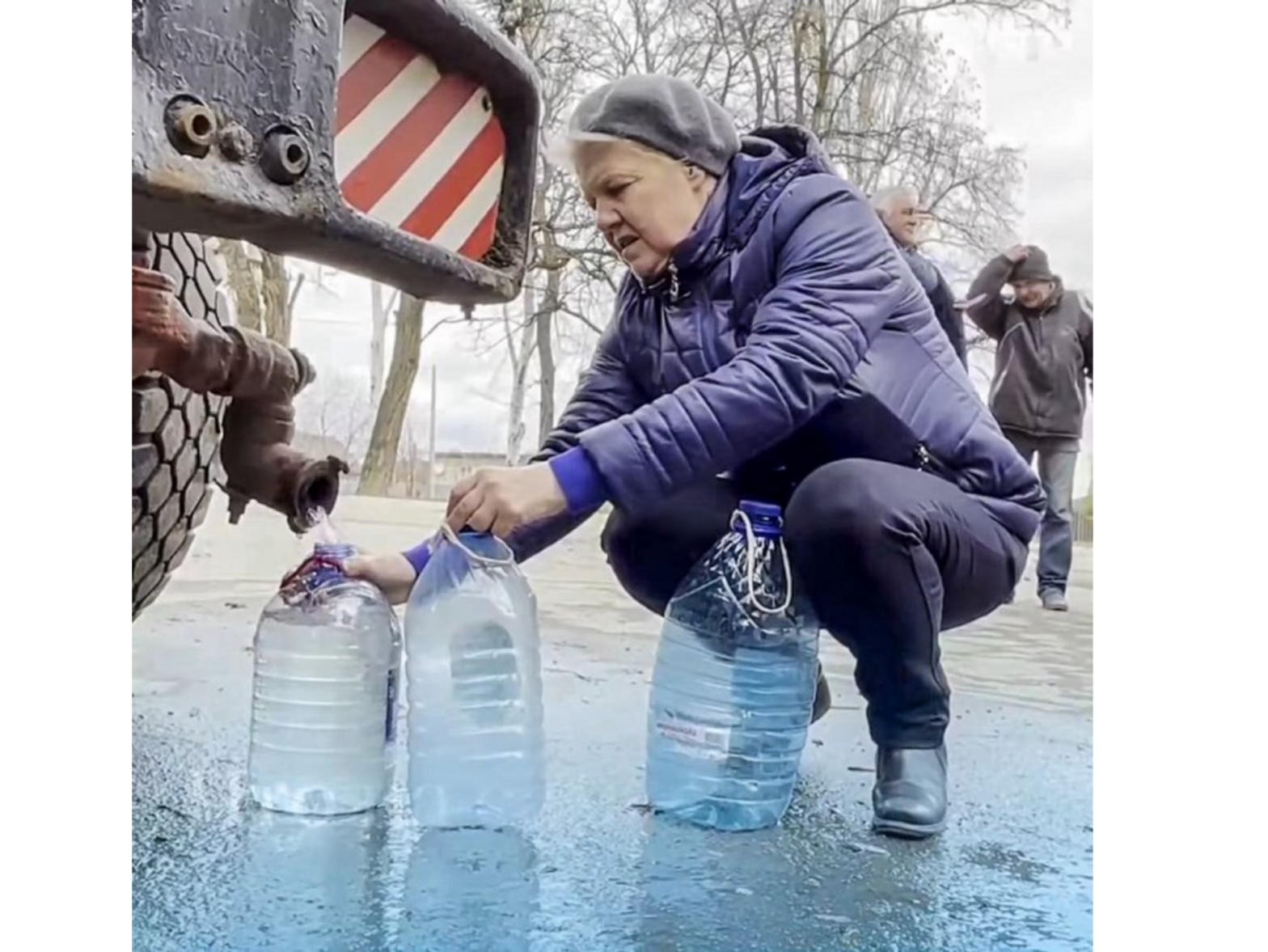
As Russian forces continue their offensive in Donbas without securing any significant territorial gains, the situation on the ground is growingly dire for civilians left behind. Stay up-to-date with the latest on the Russia-Ukraine war, with our exclusive international coverage. Sign up to our free daily newsletter. Ukrainian news website Livy Bereg reports on significant […]
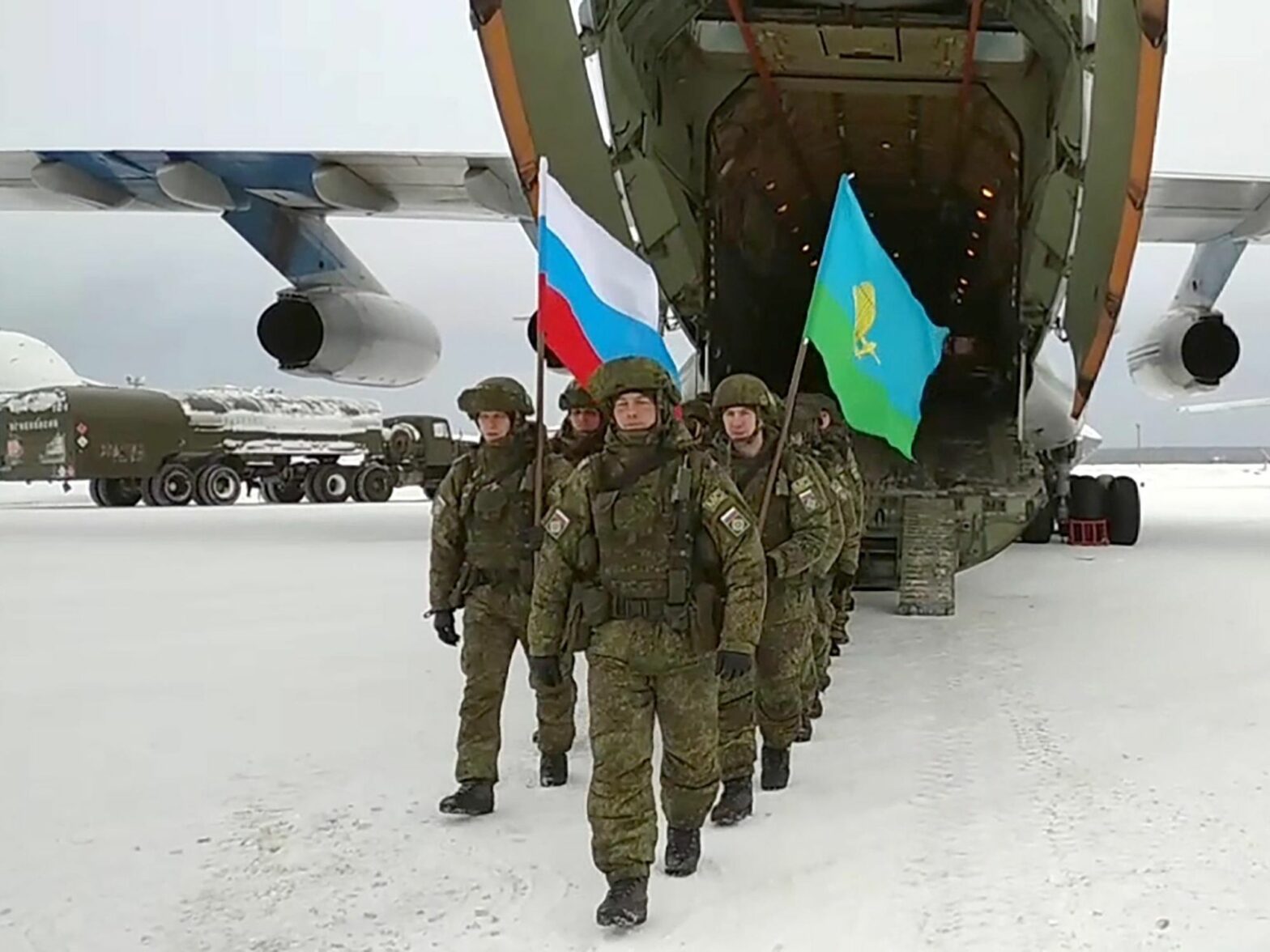
For Vladimir Putin, invading Ukraine was the first massive step in reviving the power of Soviet times. His war has done the opposite. Kazakhstan is the first former Soviet republic to distance itself from Russia and turn to the West. But the Central Asian country may not be able to free itself of Russian influence as quickly as it would like.
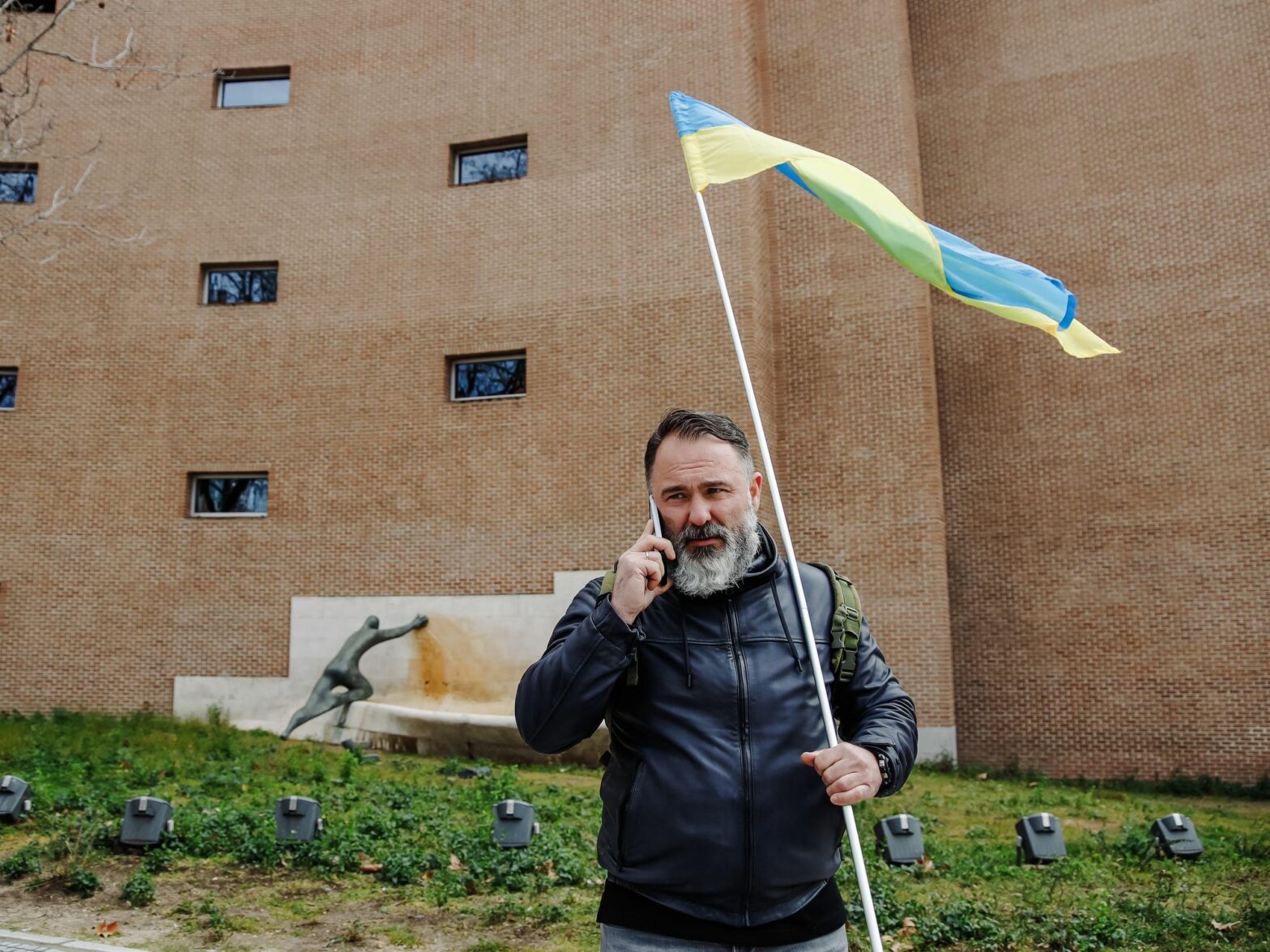
Ukrainian President Zelensky’s belief that Russia’s invasion has nullified both European and global security should not be taken lightly. Everything must be rebuilt — and must happen much faster than Western leaders seem prepared to do. A view from Kyiv-based news media Livy Bereg.
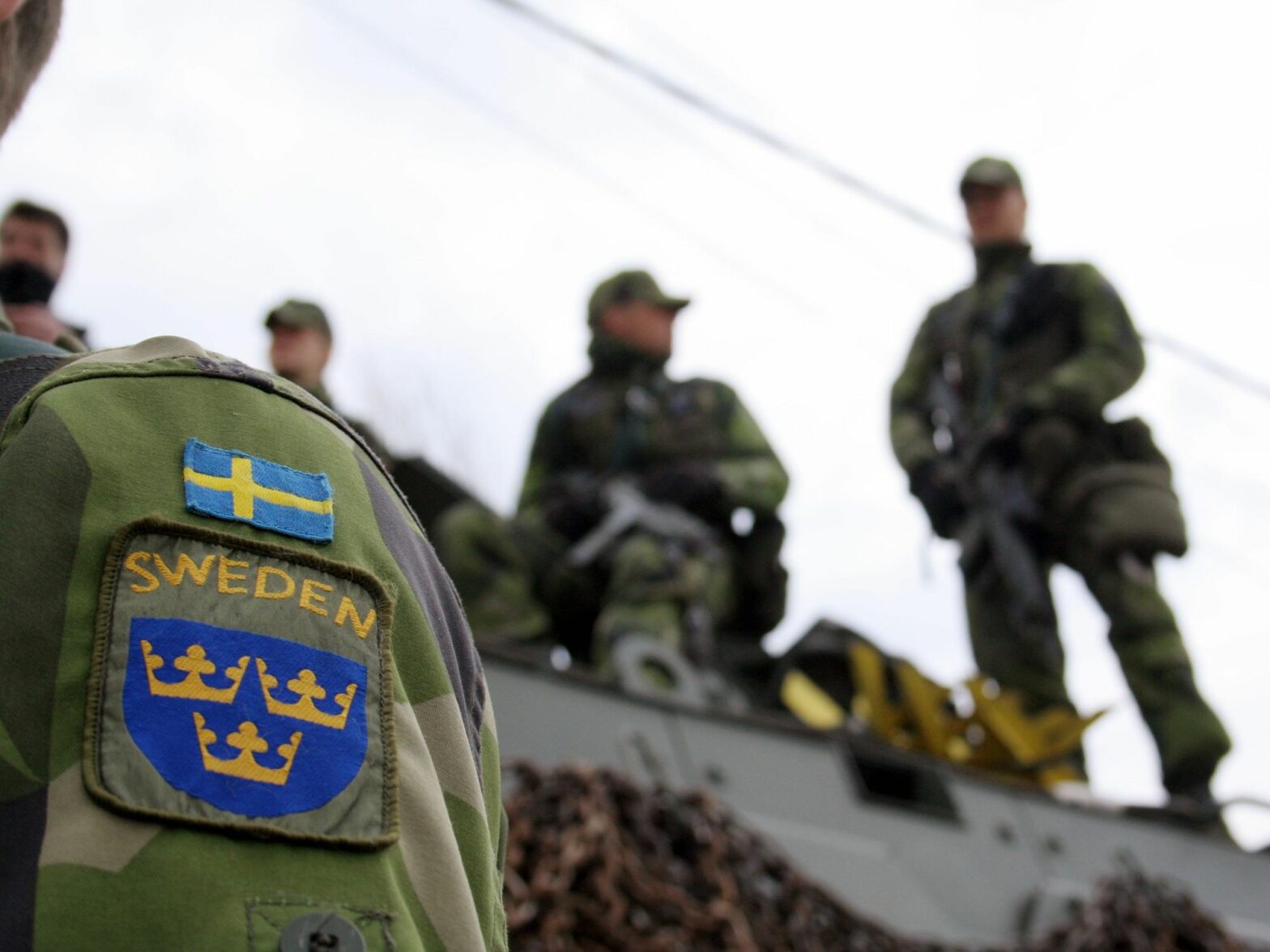
Russia’s invasion of Ukraine has rekindled the Nordic debate over the possibility of joining NATO, prompting Russian threats. It’s a microcosm for the conflict itself.