A new proposal in Quebec reignites the battle over where secularism ends and religious freedom begins.
 Worldcrunch
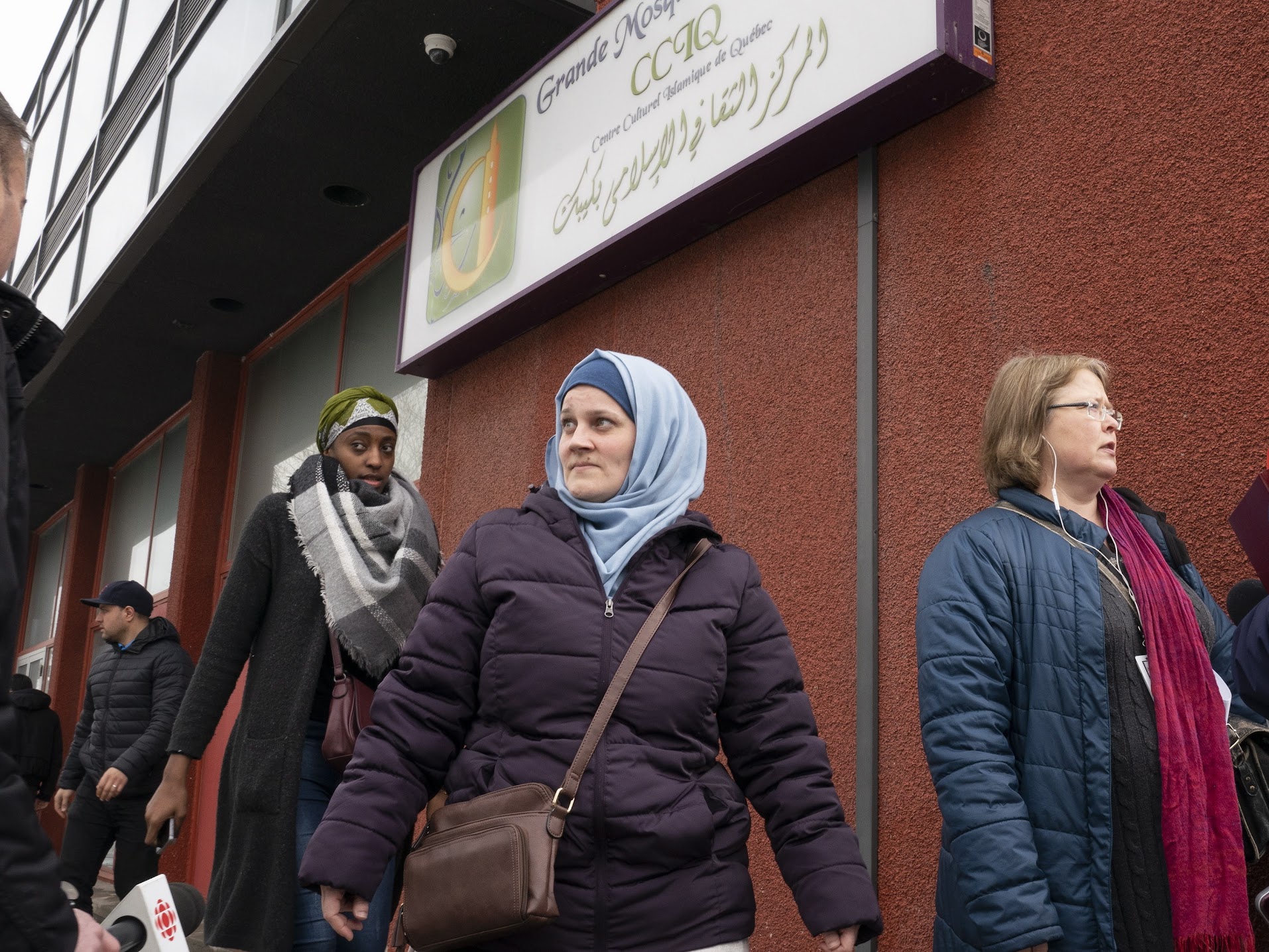
A new proposal in Quebec reignites the battle over where secularism ends and religious freedom begins.
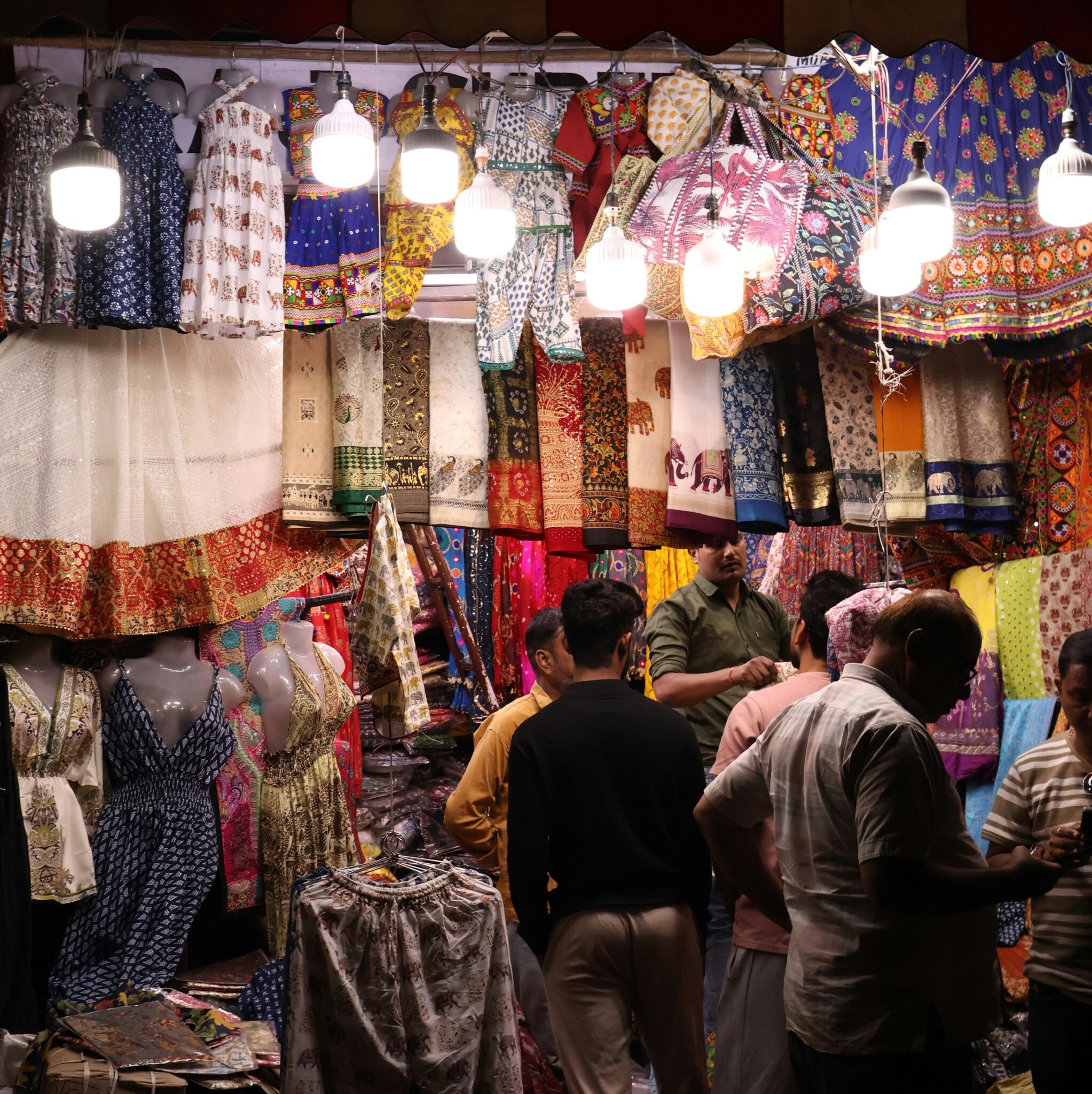
The removal of over 100 Muslim employees in an Indian market is just the latest anti-Muslim incident that has occurred in recent years, following the rise of Prime Minister Narendra Modi’s Hindu nationalist BJP party.
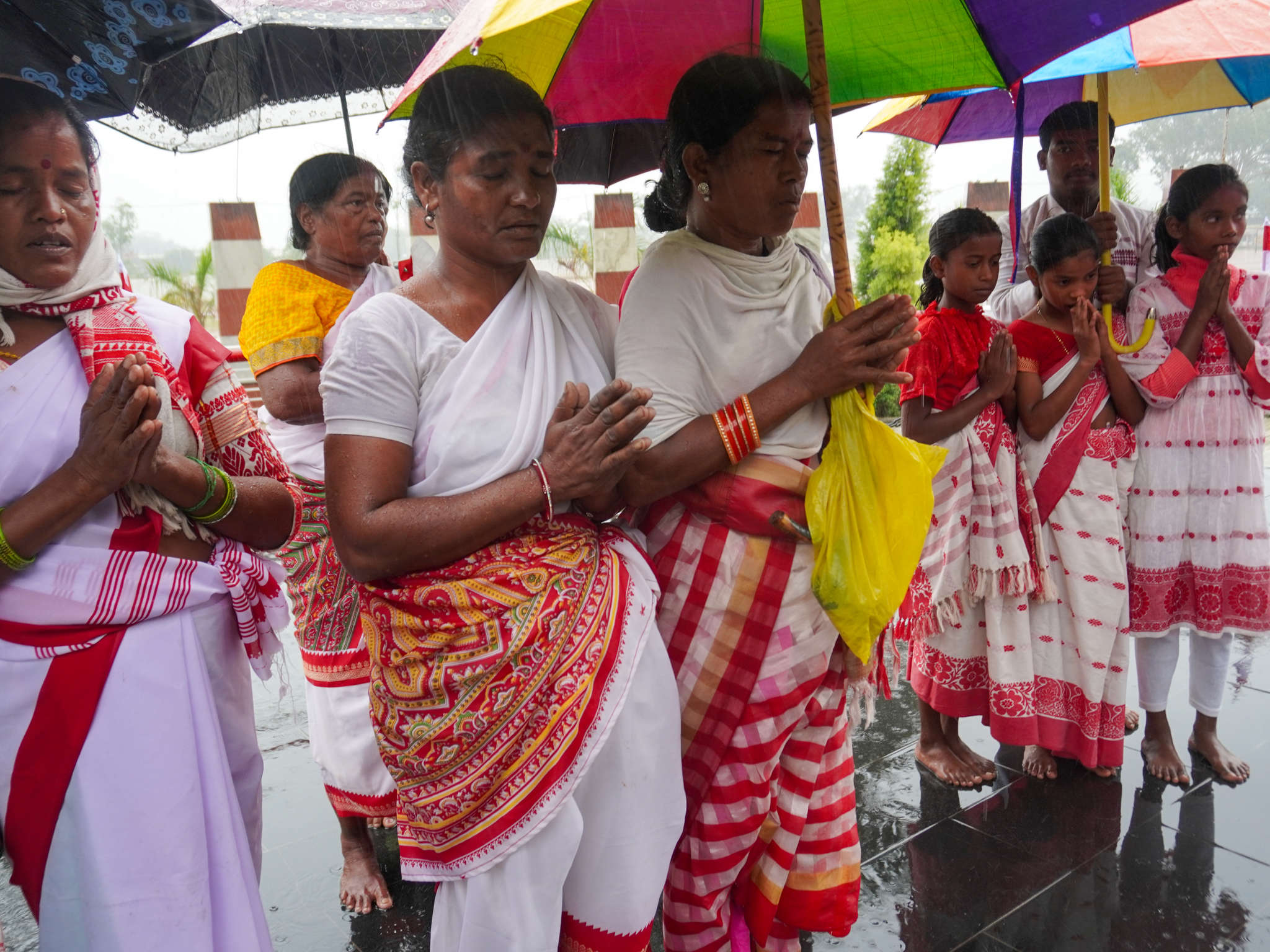
Followers of Sarna, a nature-worshipping faith, want visibility, respect — and political power.
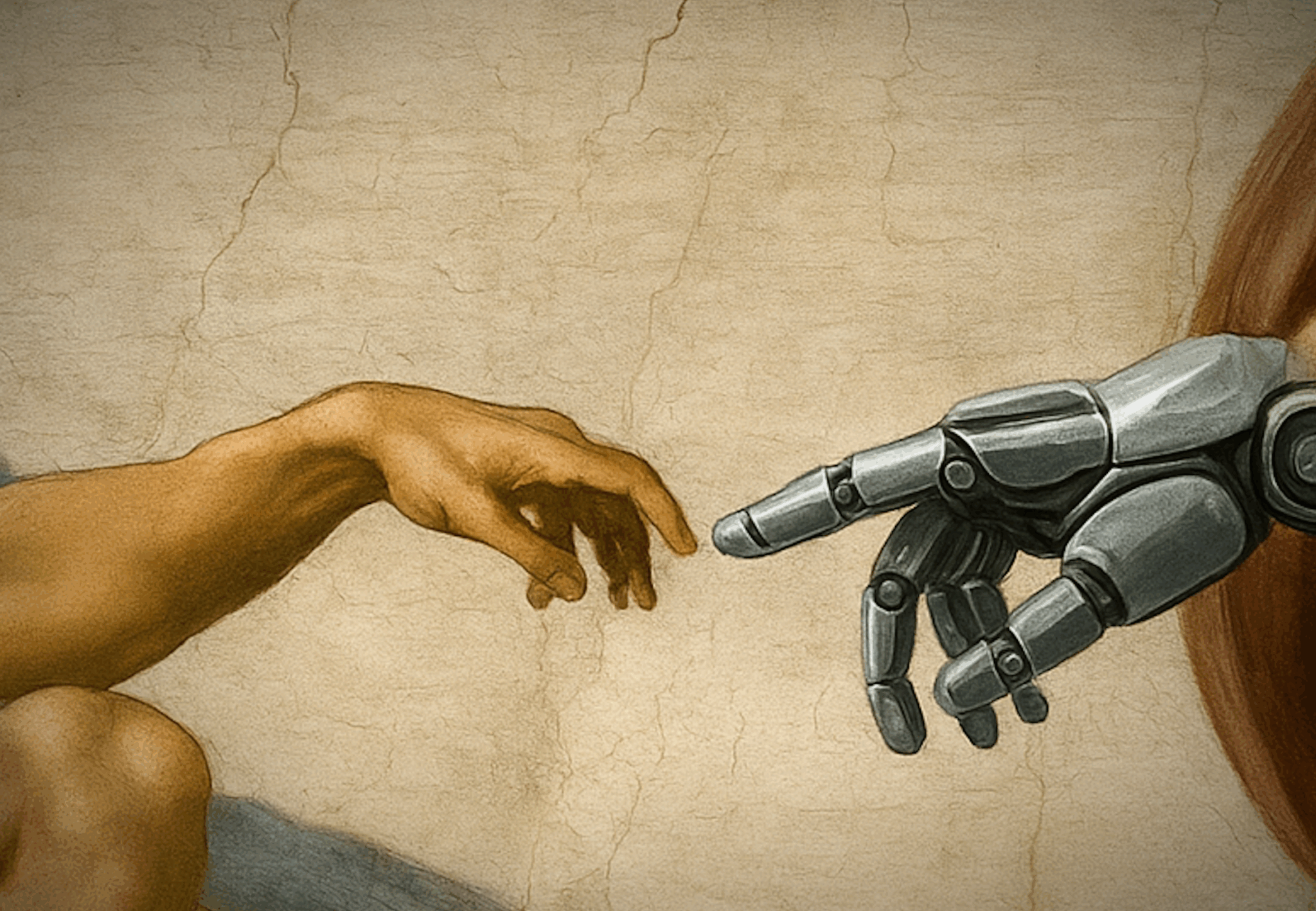
From embryo editing to dreams of eternal life, Silicon Valley’s new faith in machines blurs the line between progress and eugenics, raising the question of what humanity is willing to sacrifice for perfection.
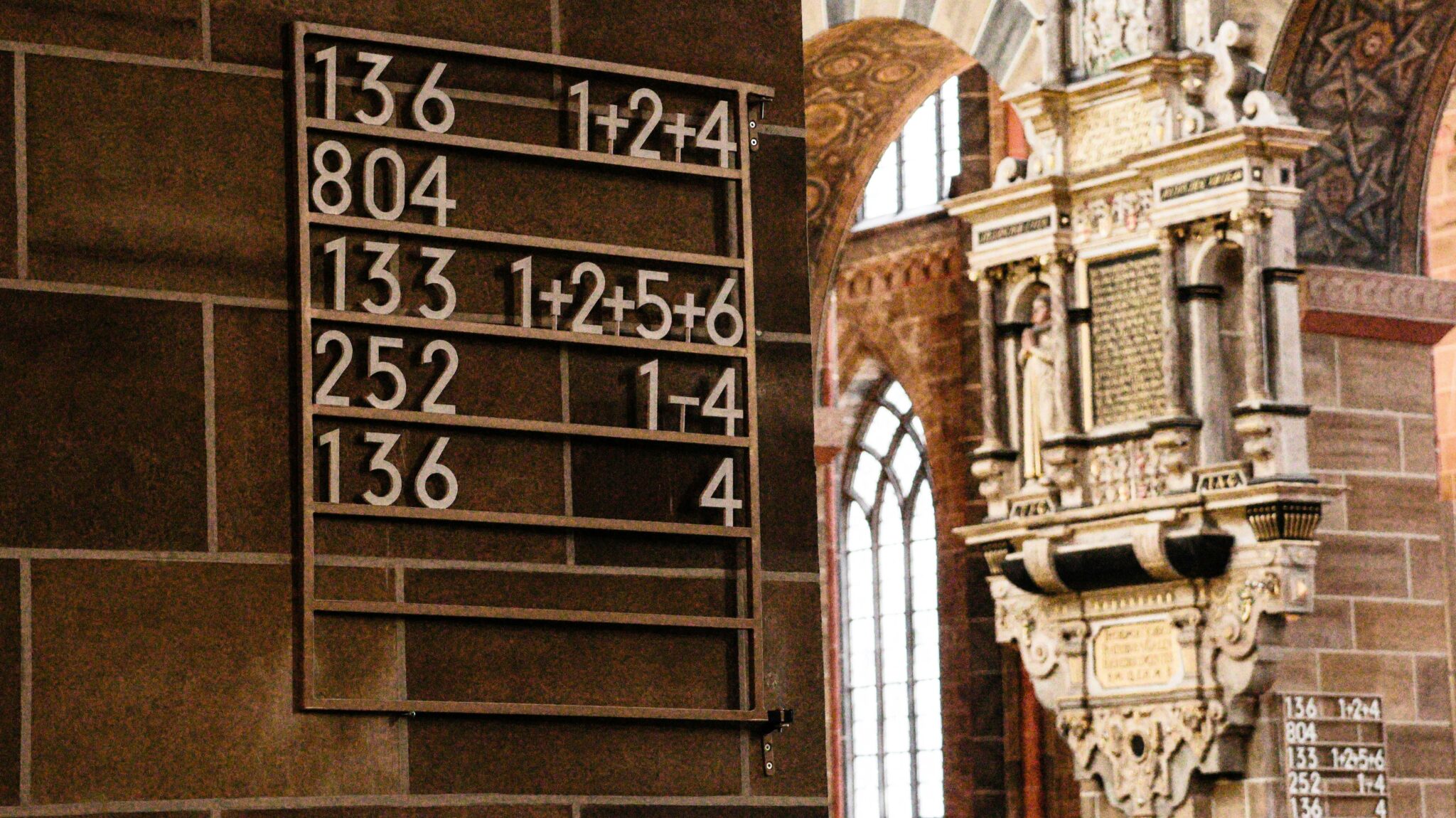
Why do a few U.S. megachurches boom while most barely survive? A decade of data reveals the secrets — and limits — of evangelical growth.
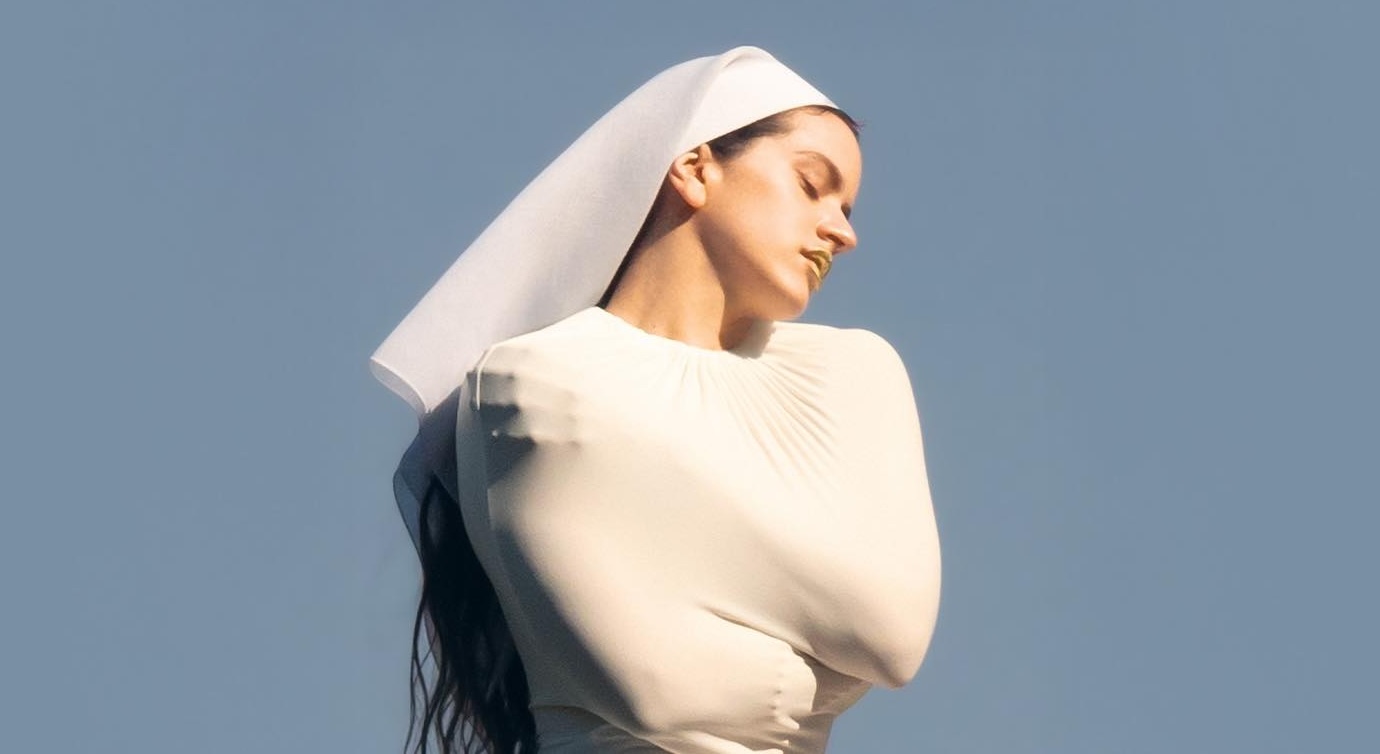
Faith goes viral as Gen Z reimagines devotion through hashtags and high fashion.
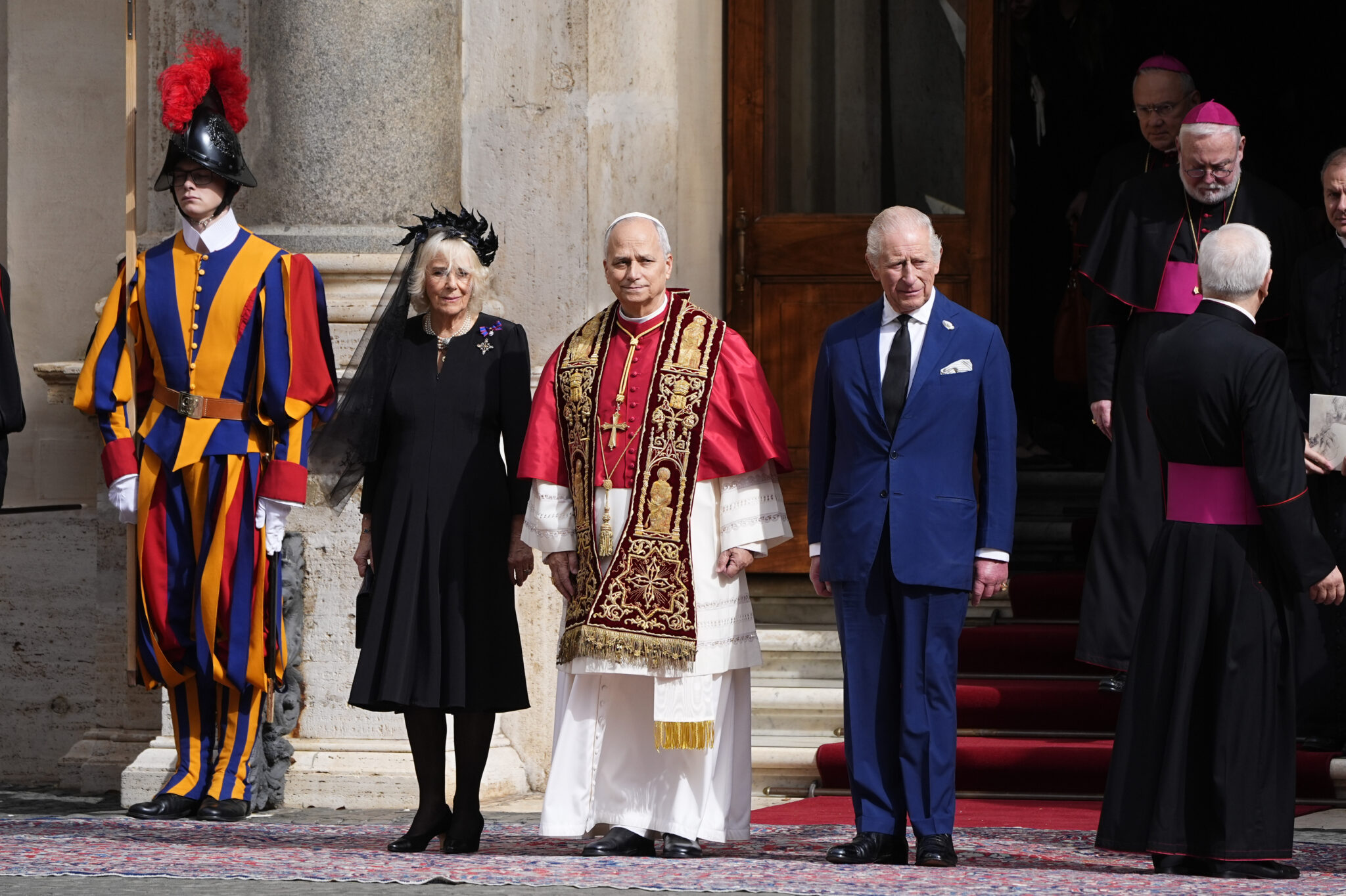
The first joint prayer since Henry VIII anchors a Vatican day focused on peace, climate ahead of COP30 in Belém, and closer Anglican Catholic ties, with Charles named Royal Confrater at Saint Paul Outside the Walls.
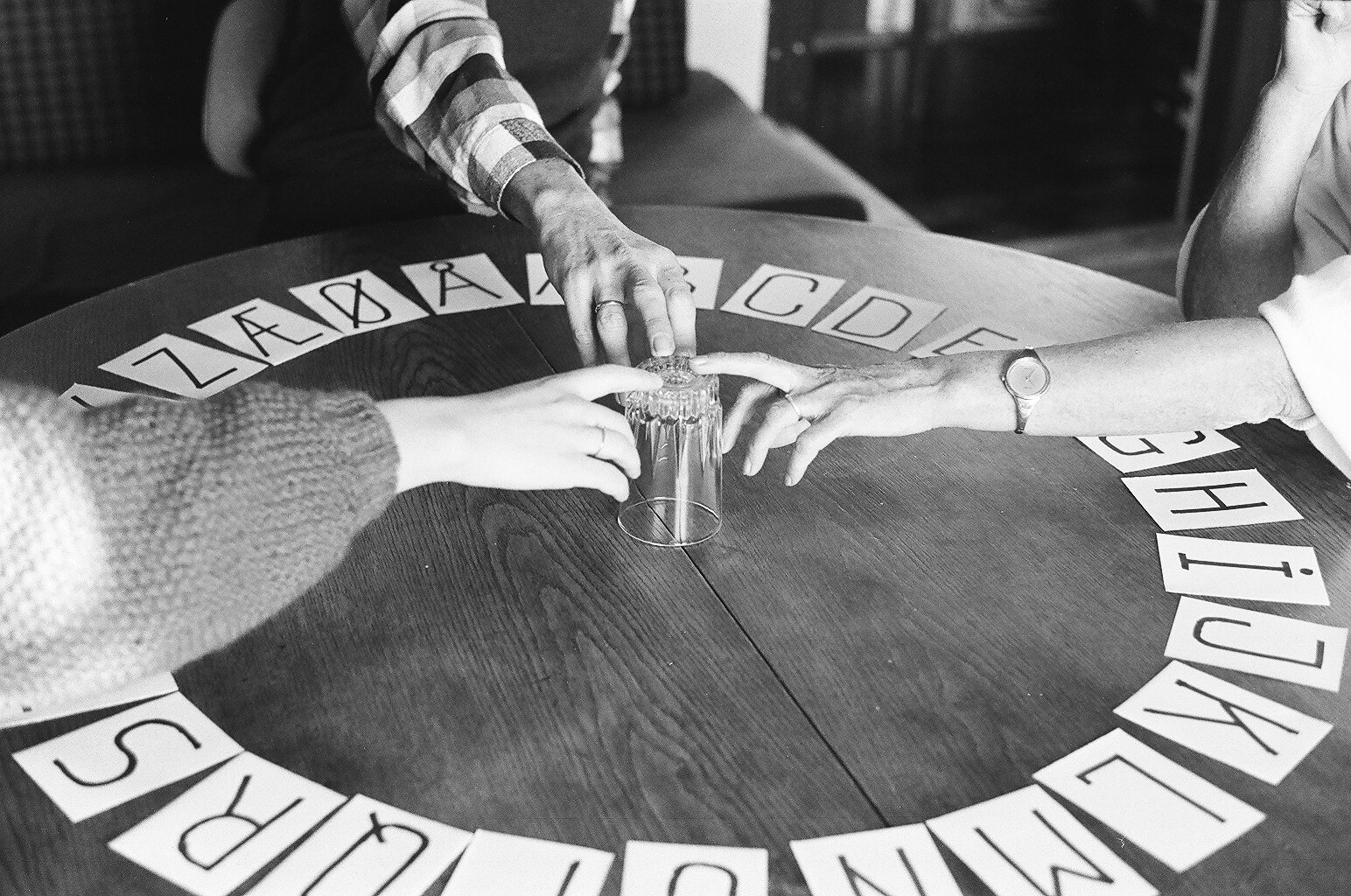
Ask your neighbor whether they have sought out a psychic for advice or a message from a dead loved one. You might be surprised by what you hear.
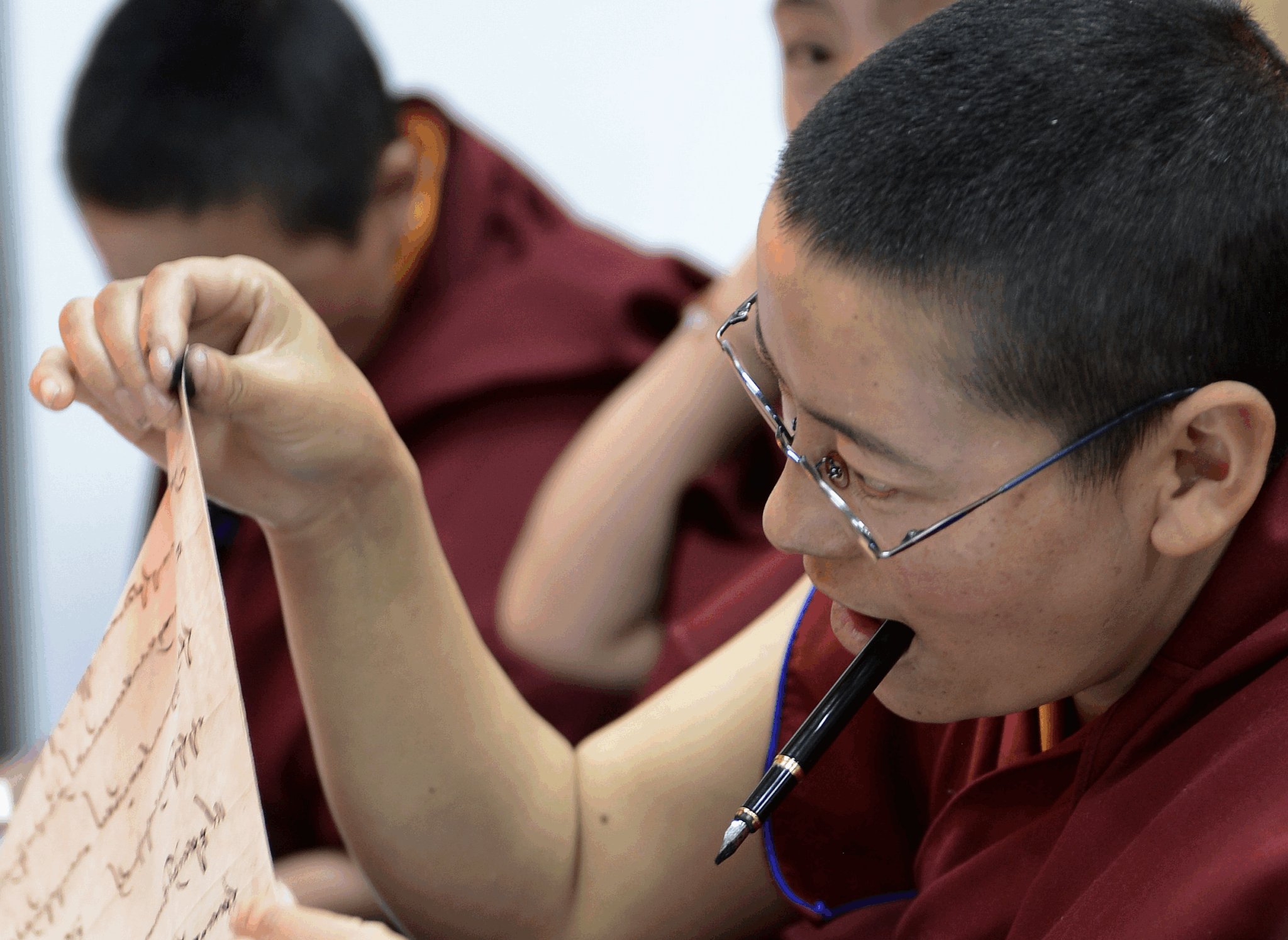
Tibetan Buddhist nuns are breaking centuries-old barriers, earning the highest degrees in their tradition and taking on leadership roles across monastic and community institutions.
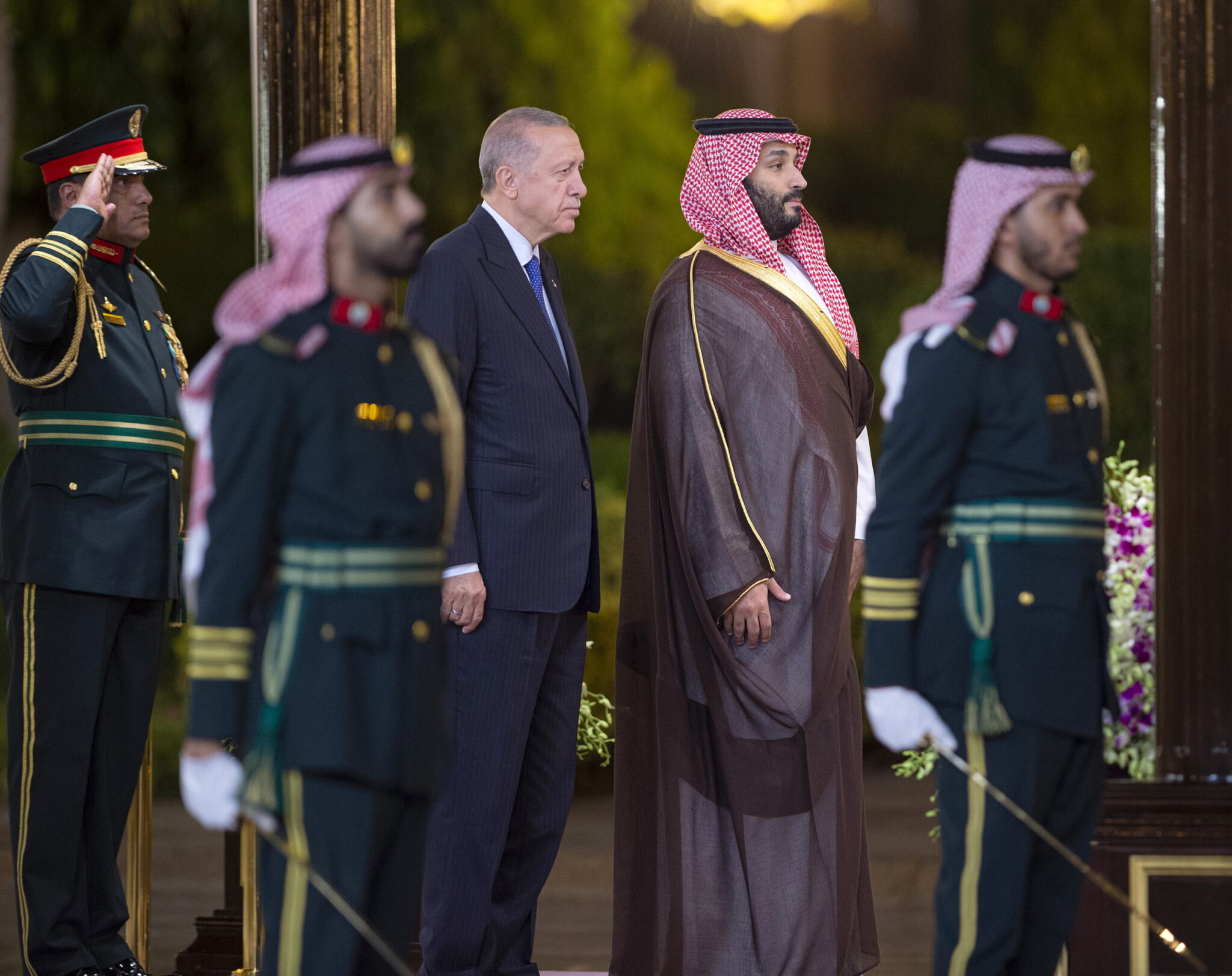
From Iran and Turkey, Egypt and Saudi Arabia, lasting peace can only arise from shared economic interests and the containment of regional power ambitions.
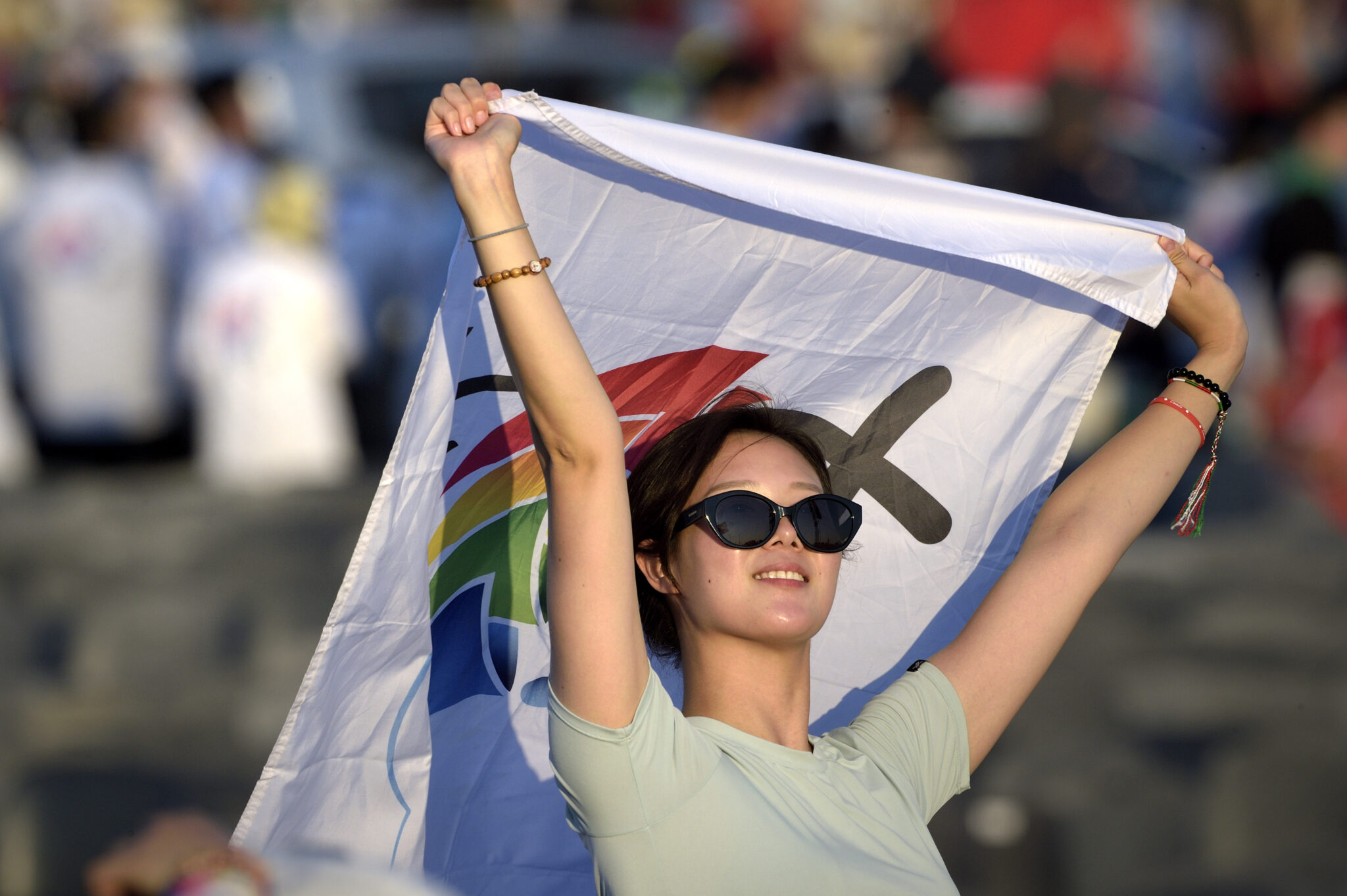
Has France’s chronic decline in Christianity reached a low point? That trend now coexists with another dynamic: a second wind of religion among disaffiliated young people.
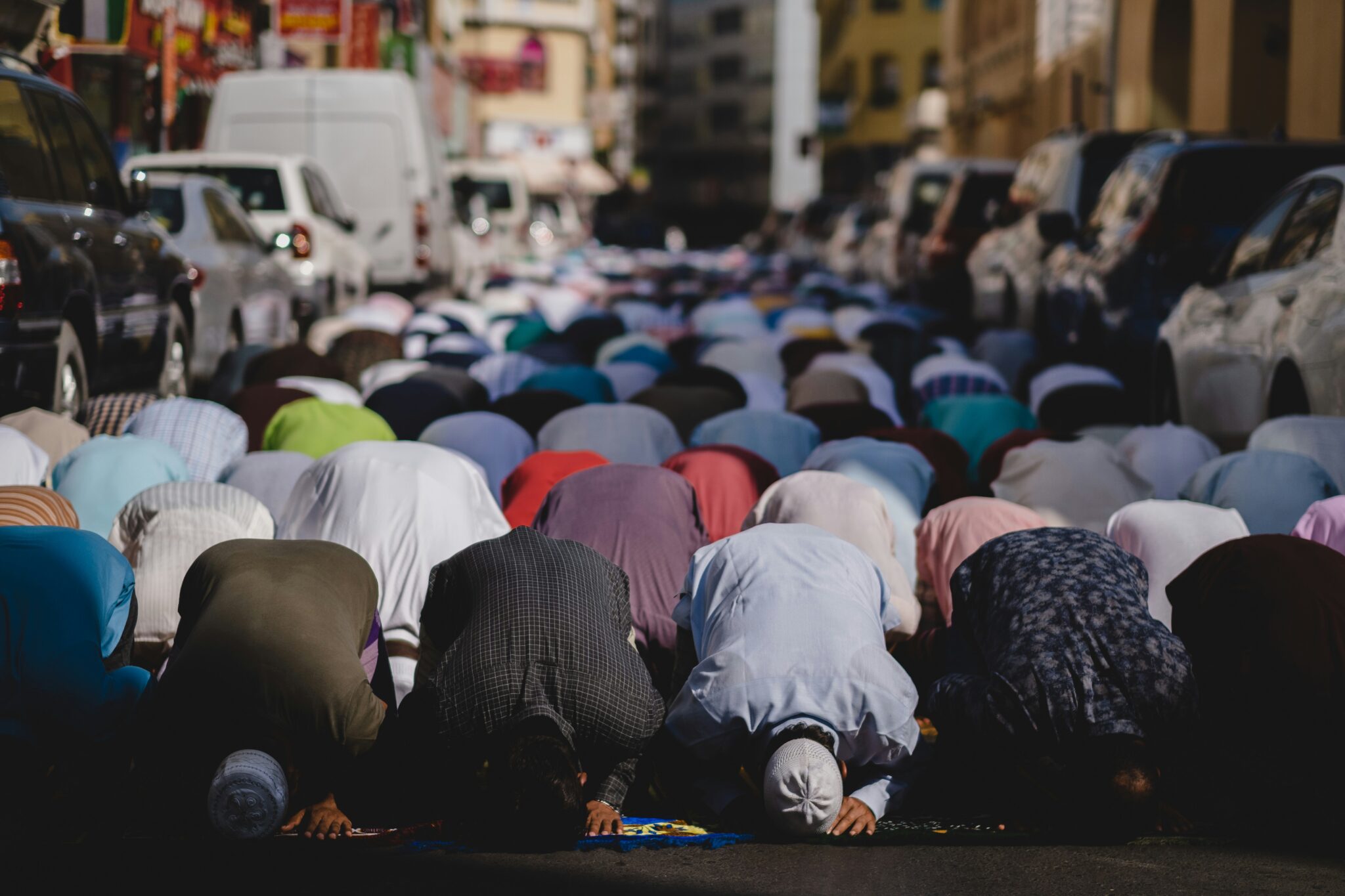
Hamza Aydin challenged orthodox teachings and was hounded out of his university. His story reveals how Erdogan’s Turkey wields religion as a political weapon, reaching from Ankara to German mosques.
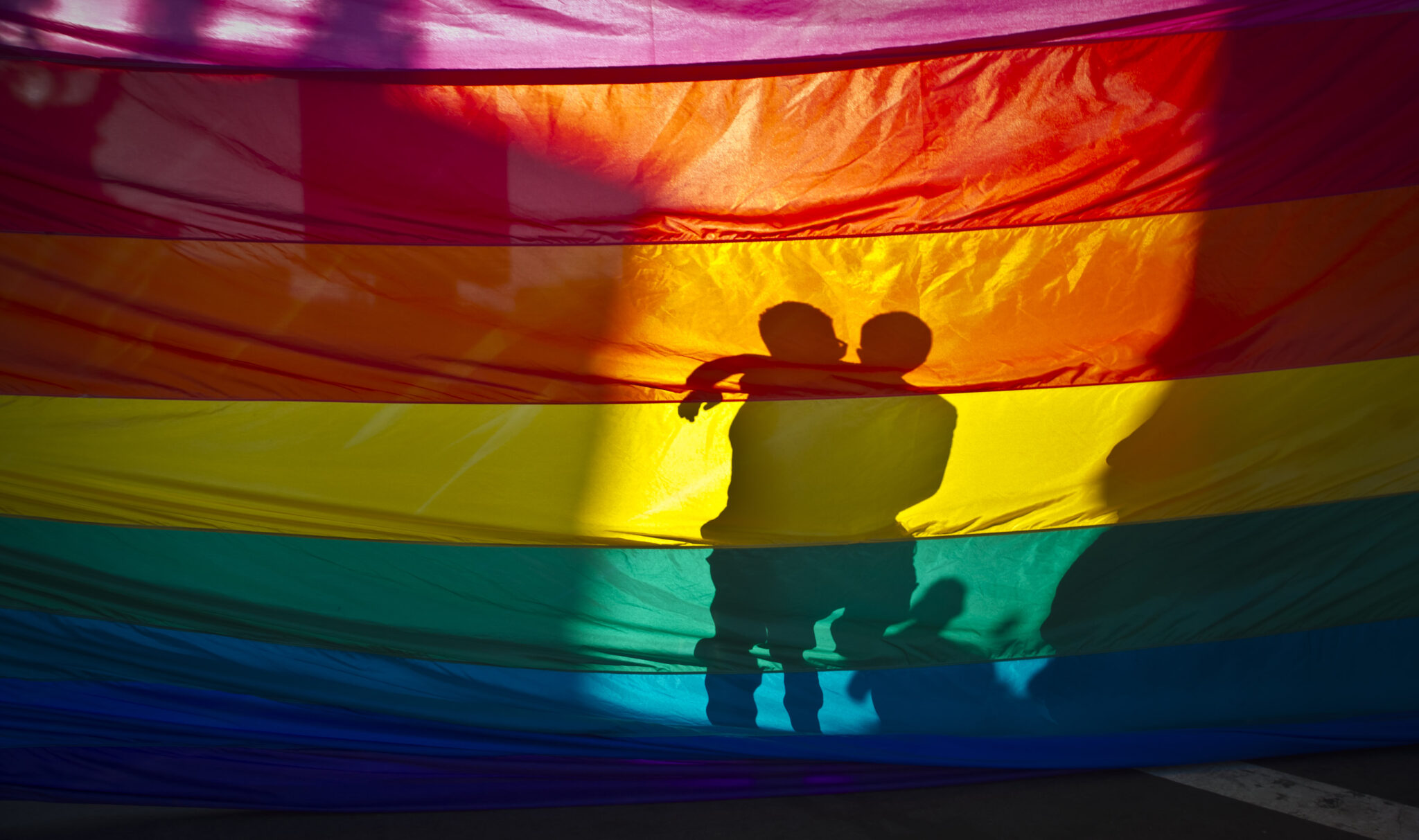
With two dramatic actions, the “Religious Right” is suddenly prodding the U.S. Supreme Court to overturn its historic 2015 Obergefell decision, which legalized same-sex marriage nationwide. Such a radical and unpopular switch after only 10 years might seem implausible. A close parallel already happened in the 2022 Dobbs decision when the Court ended its former Roe v. Wade mandate on legal abortion and allowed each state to set its own policy.
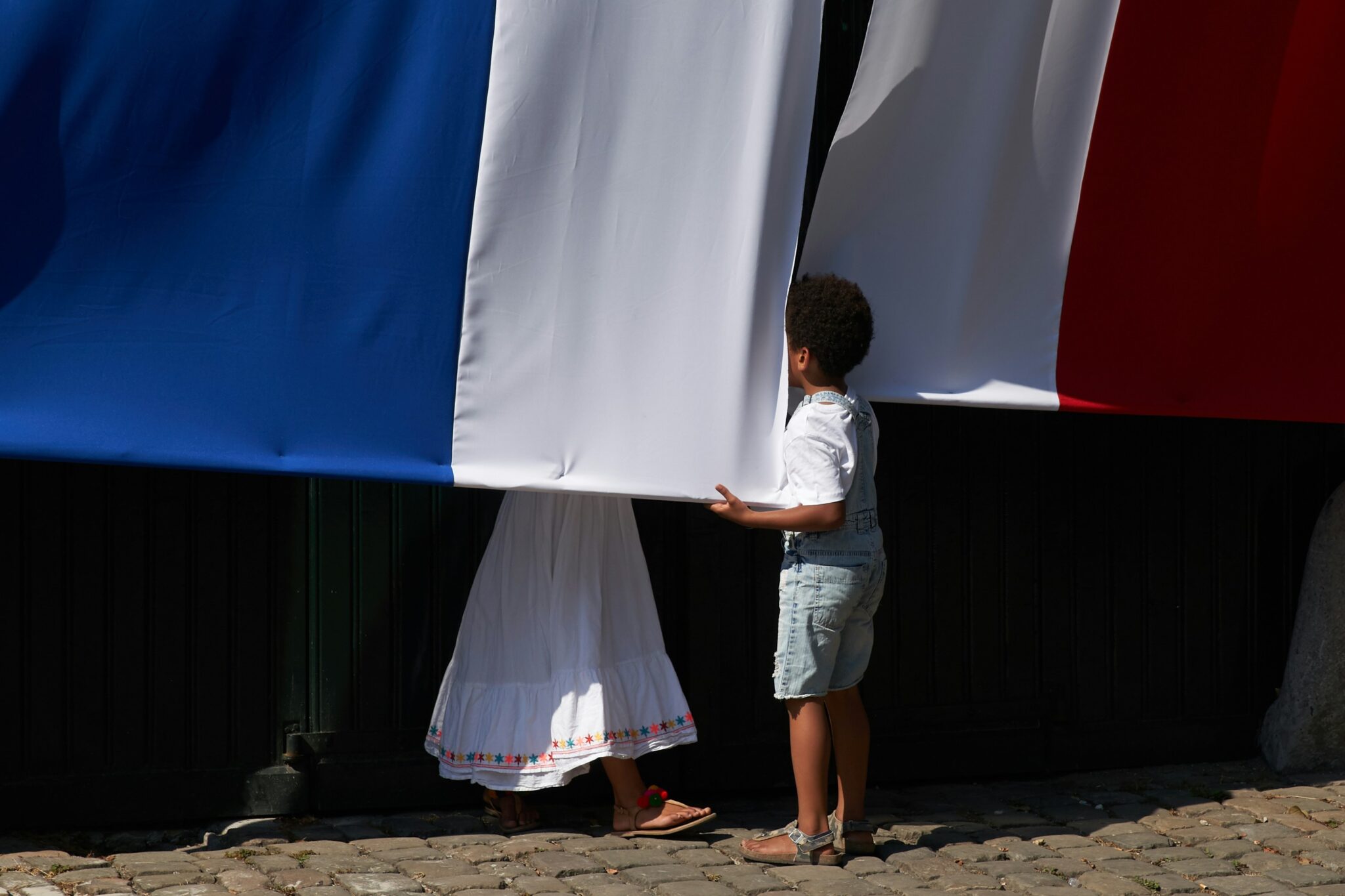
Even those on the French left who resist the country’s color-blindness were dismayed when an optional question on parental origin was added to the census. Although the issue may seem benign in countries where race is routinely asked about, in France the question acted as a lighting rod for debates over how to address discrimination considering the country’s dark past and the current rise of the far right.
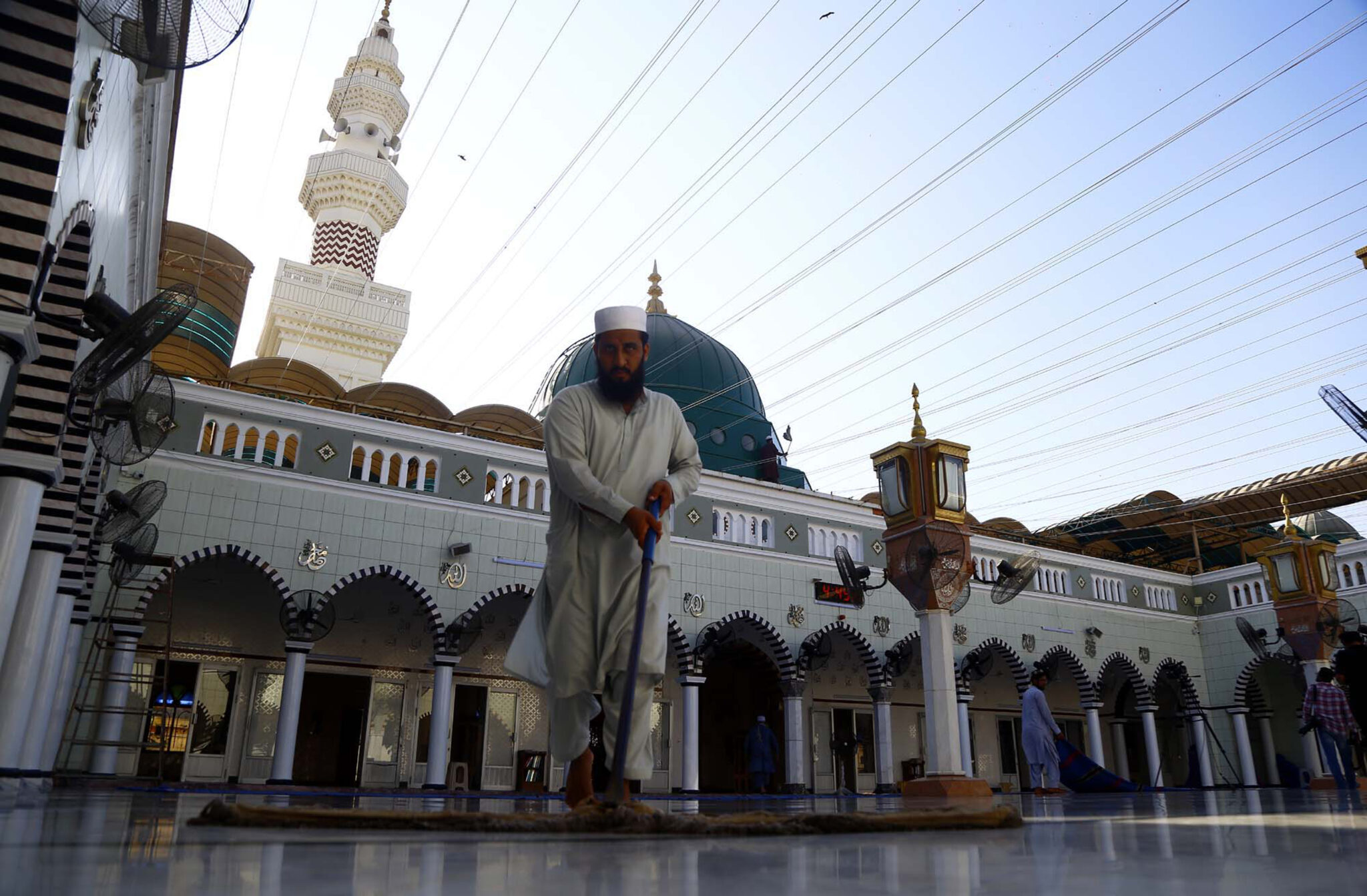
An elderly couple recently had to flee their home in Karachi after their son was unjustly accused under Pakistan’s blasphemy laws. Their case highlights how religious laws in the country are increasingly exploited for extortion and vendettas, leaving families vulnerable to threats and violence.
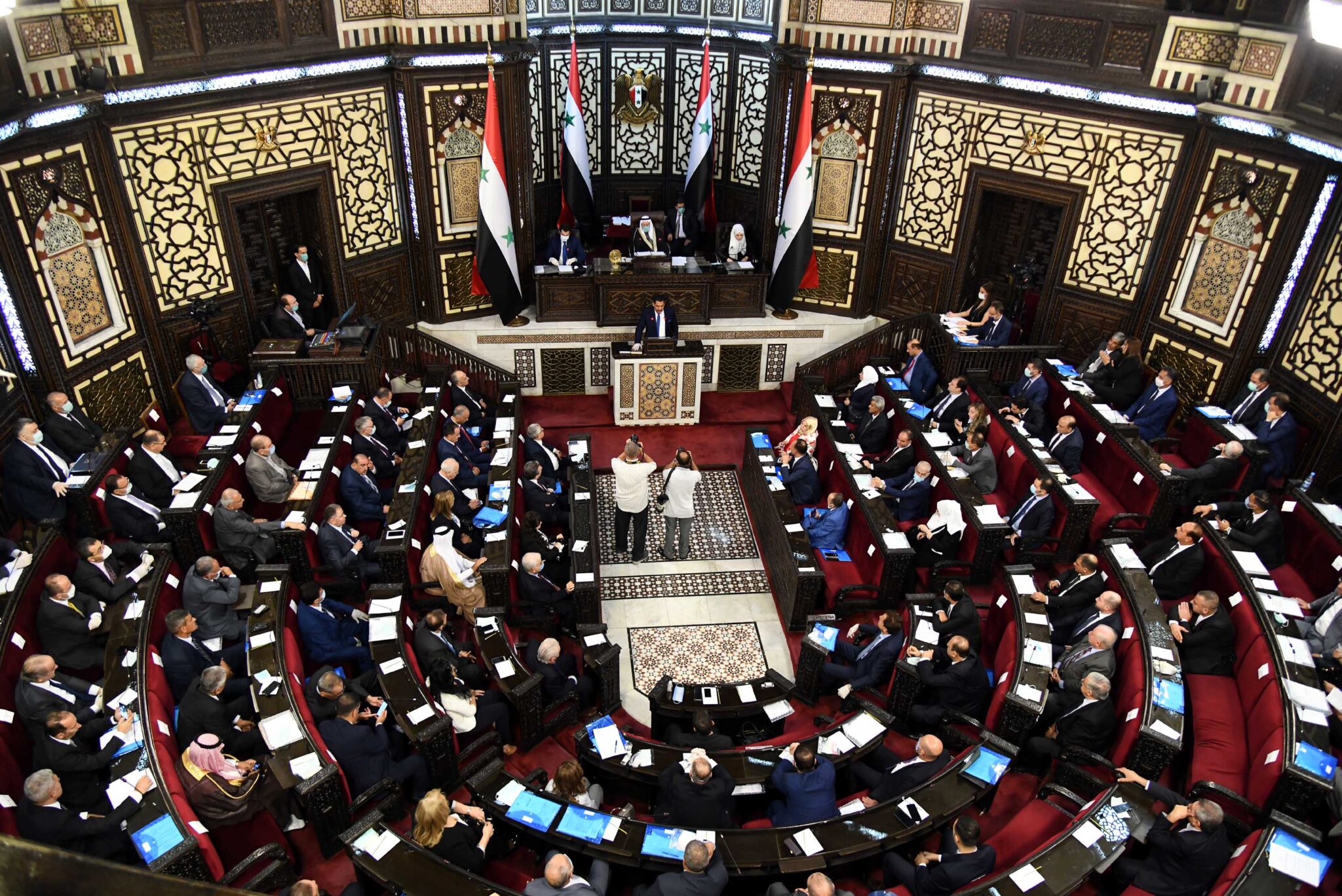
Since the fall of Bashar al-Assad, the language of authority has changed in Syria. Yet these new titles (“Emir,” “Branch Emir” or “Sheikh of the group”) do little for the core demands for which Syrians rose up: freedom, dignity and justice.
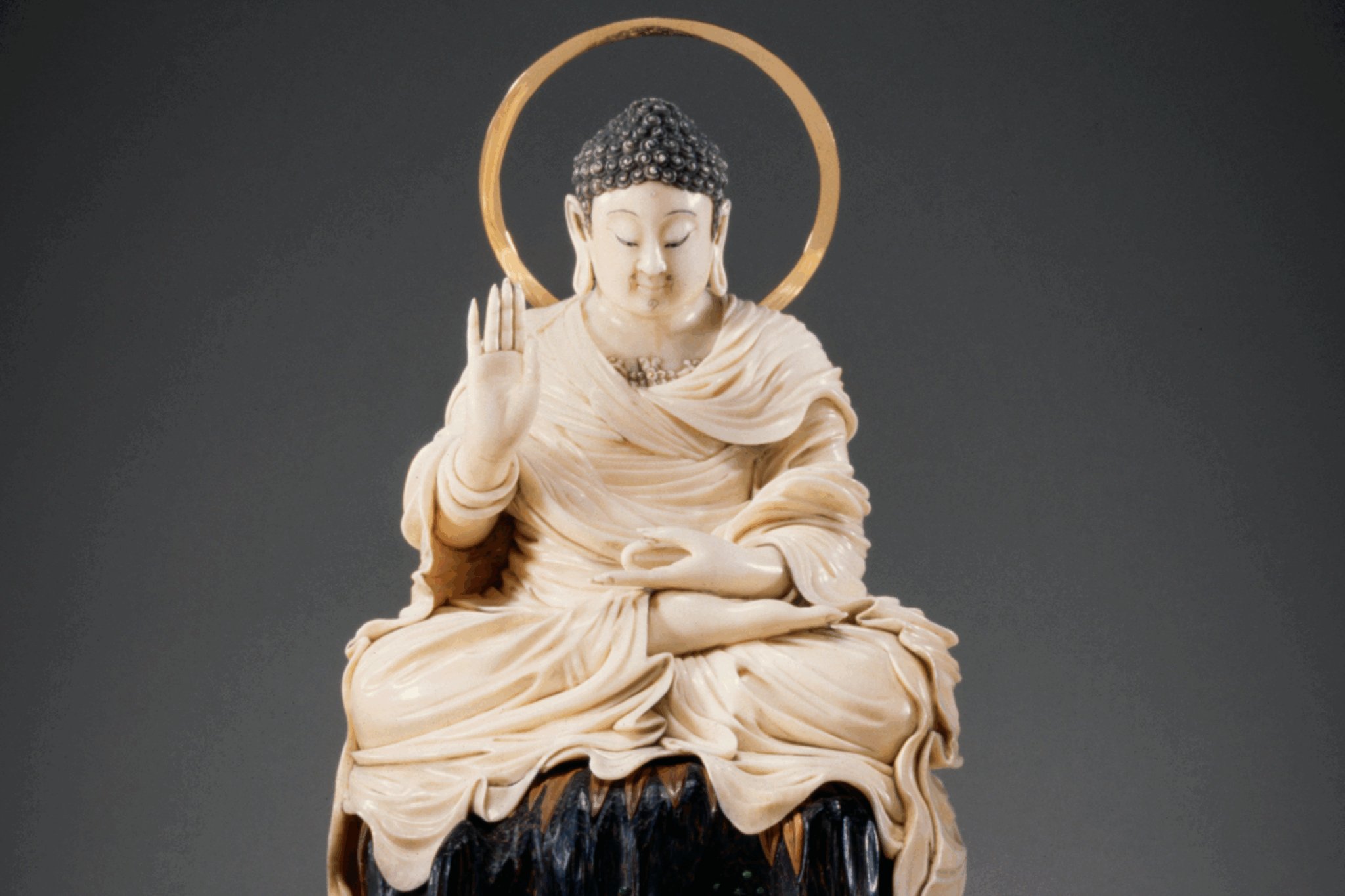
From elephant ivory crucifixes to rhino horn handles for Muslim ceremonial daggers, sacred wildlife products fuel an overlooked driver of the illegal trade. This unbridled demand is pushing some species toward extinction, forcing faith leaders to reconcile devotion with biodiversity conservation.
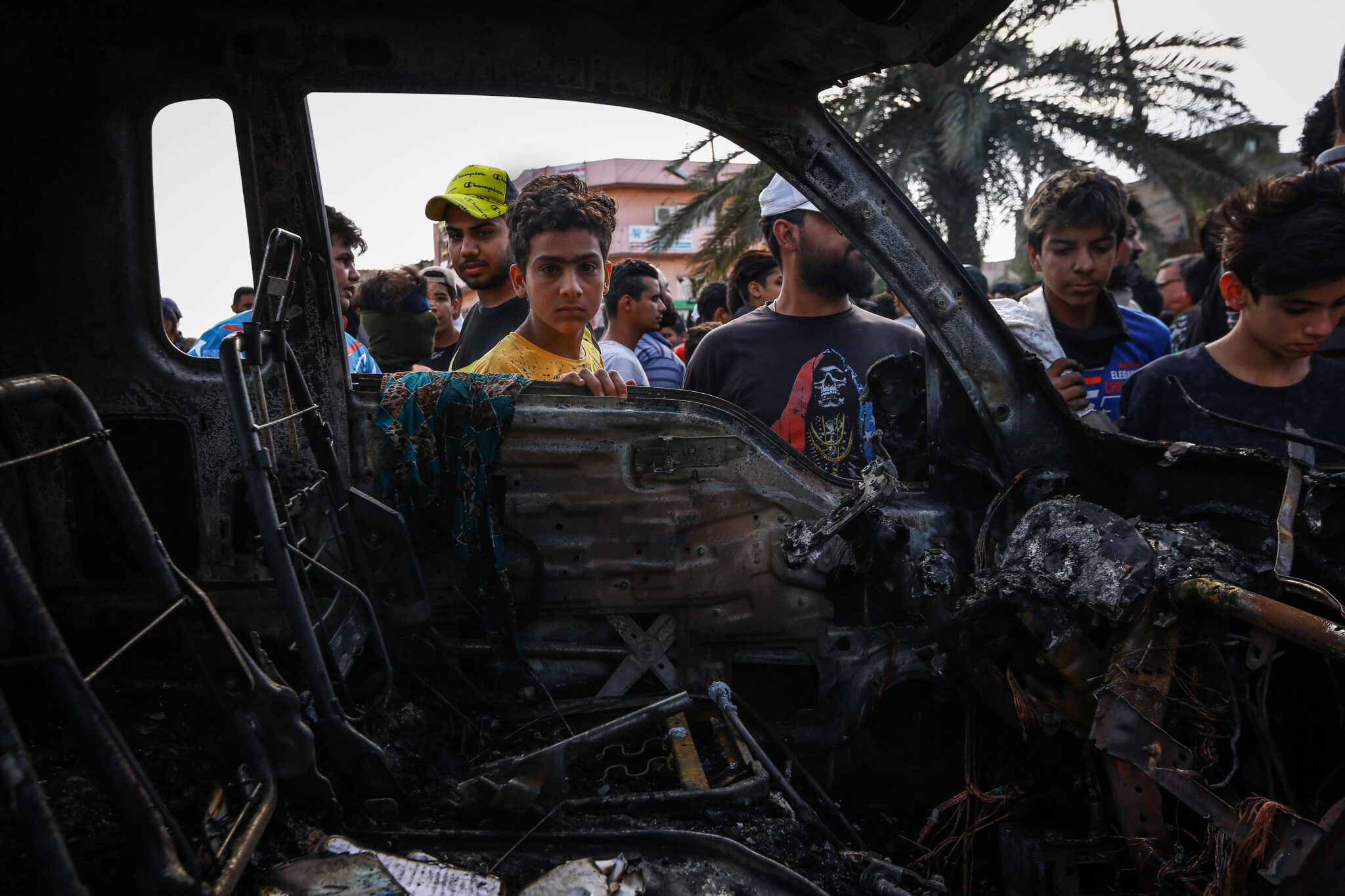
Dangerous sectarian rhetoric between Sunnis and Shiites is returning ahead of Iraq’s upcoming parliamentary election, on Nov. 11. If Iraq wants to grow stronger, it must restore value to national identity and criminalize hate speech.
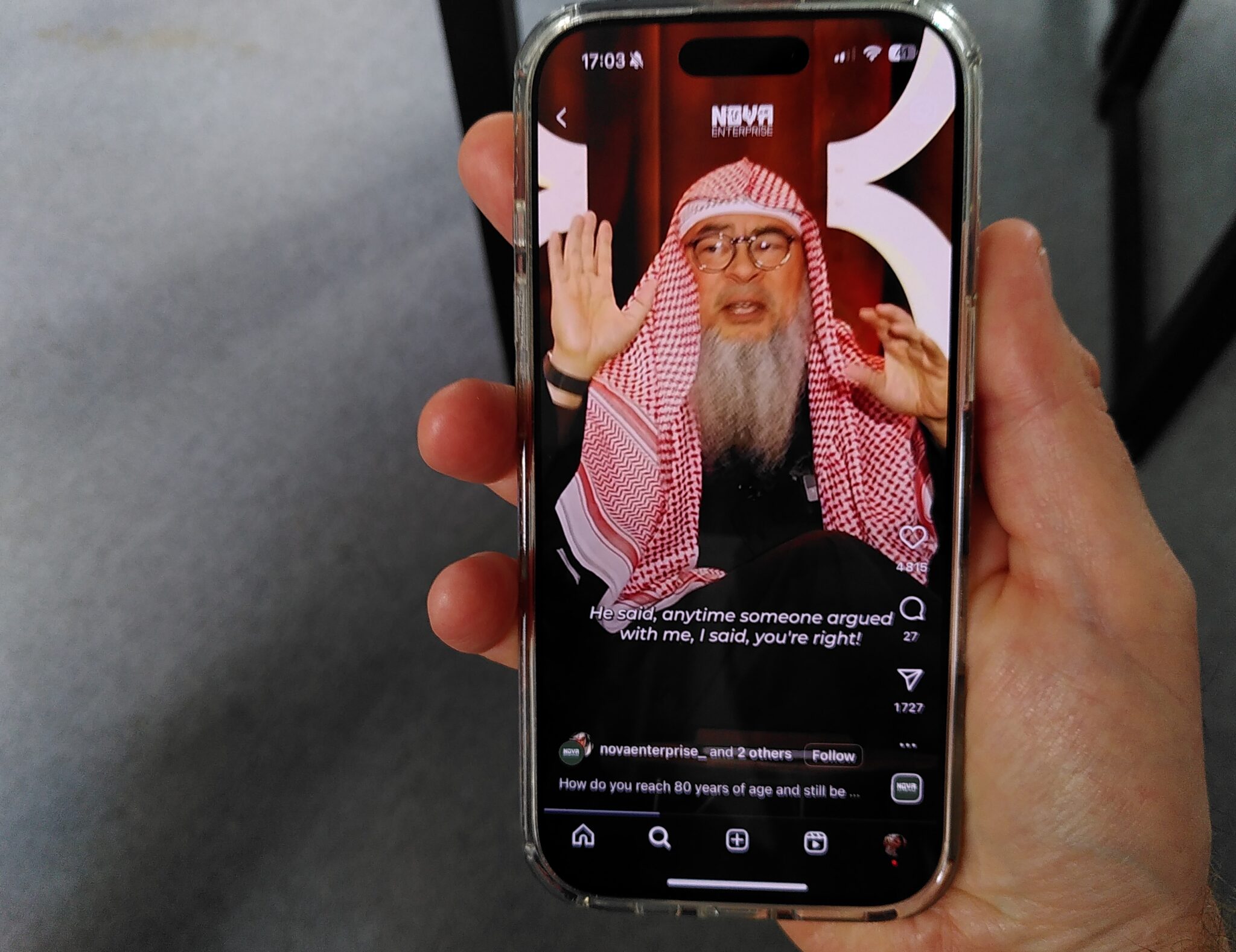
In the age of algorithms and 15-second reels, a new kind of religious voice is echoing across the Middle East and North Africa through smartphones and social media feeds. These are the “Instagram Sheikhs” — a diverse group of young, digital-savvy Muslims who fuse Islamic teachings with modern tools and aesthetics.
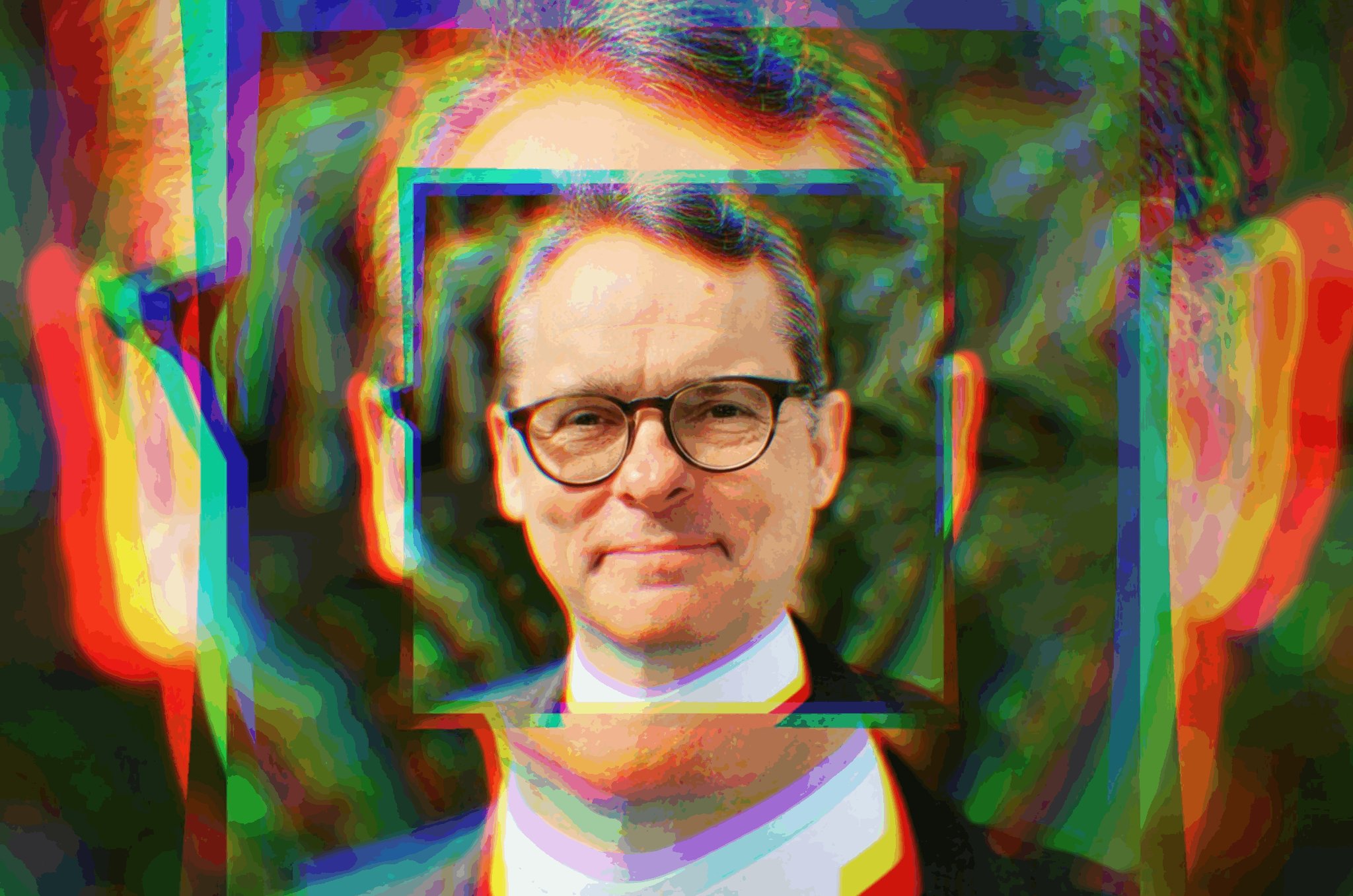
Hunt Priest, a former Episcopal pastor from Mt. Sterling, Kentucky, shares how a psychedelic experience deepened his faith and inspired him to start a Christian organization exploring the healing and spiritual potential of psychedelics.
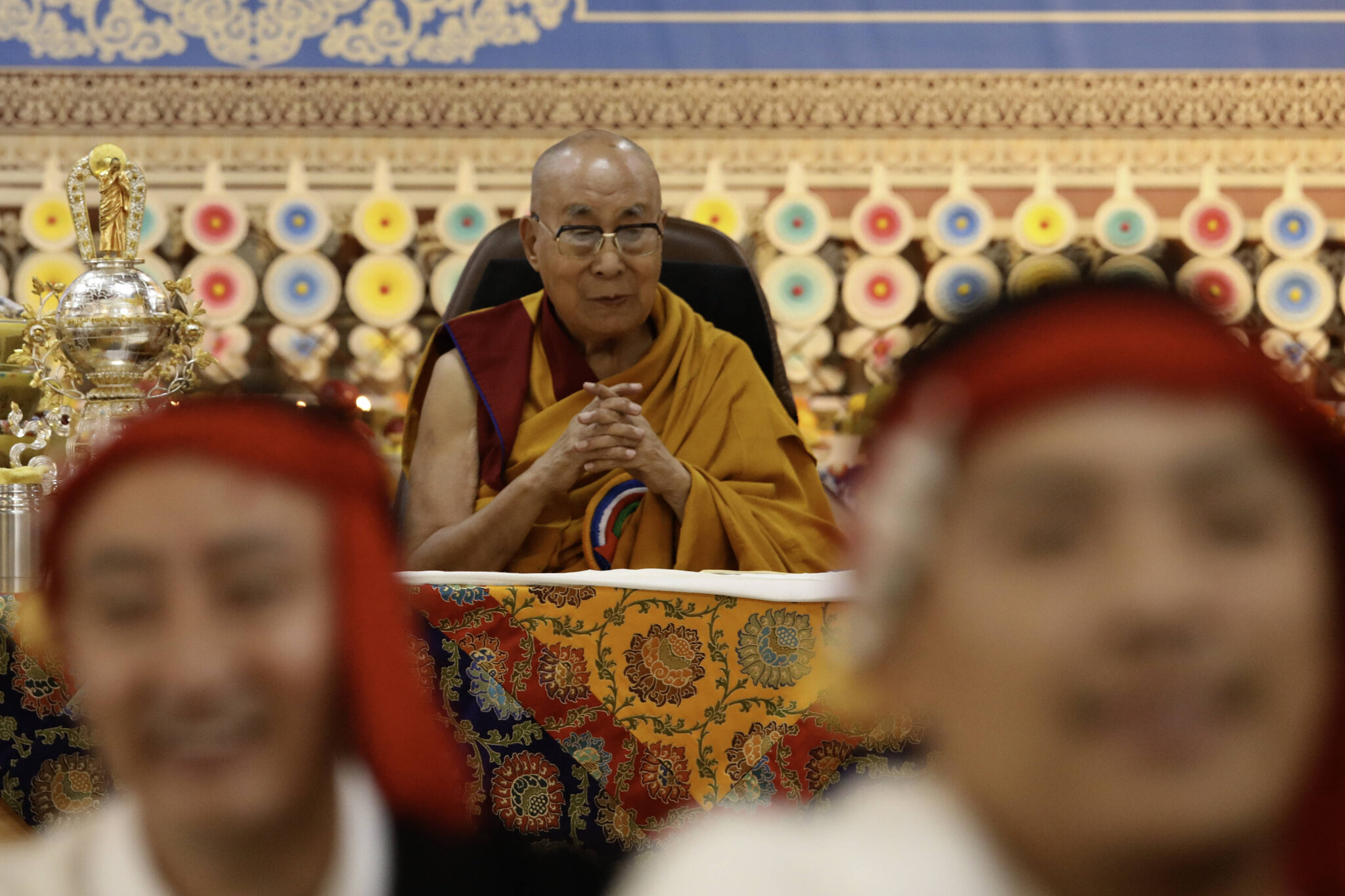
The Dalai Lama has warned his followers against any attempt to name his successor outside the traditions of Tibetan Buddhism, a veiled reference to the Chinese Communist Party, which seeks to control the reincarnation process of the 90-year-old spiritual leader.
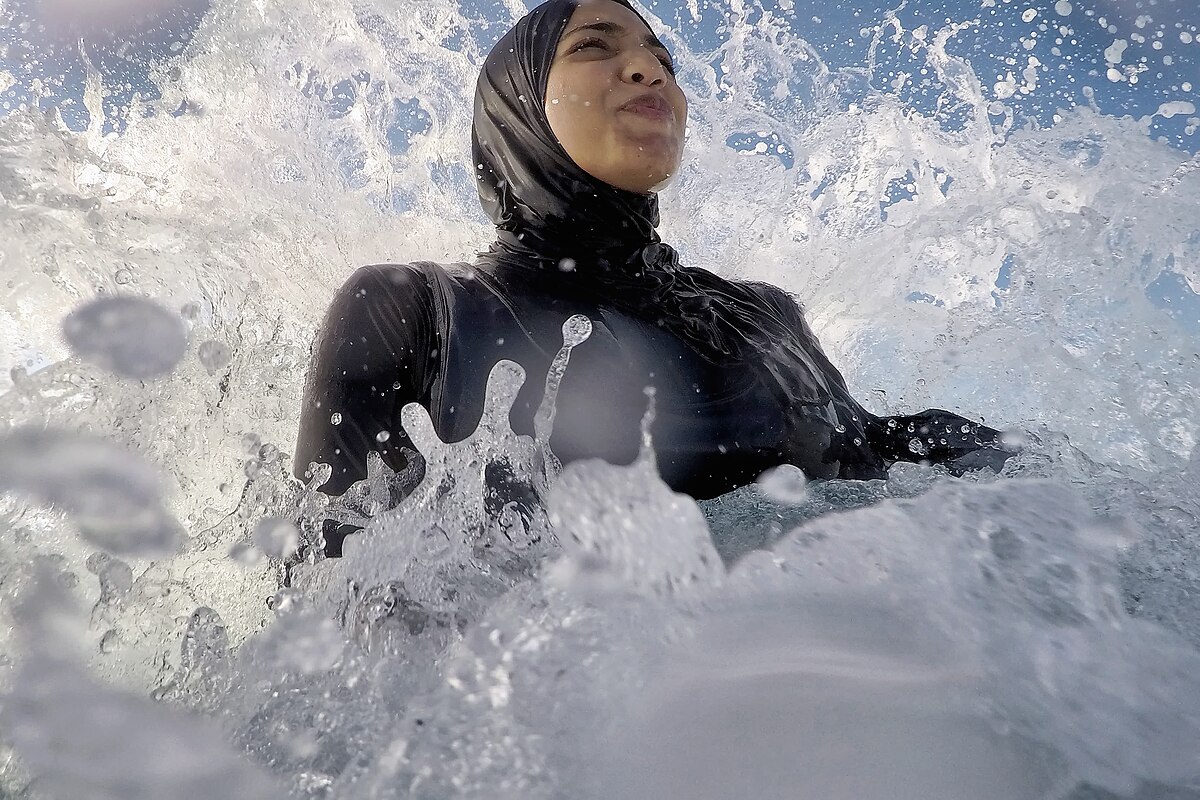
To many Middle Eastern women, the burkini is an elegant compromise between faith and freedom. But to others, it’s a social threat.
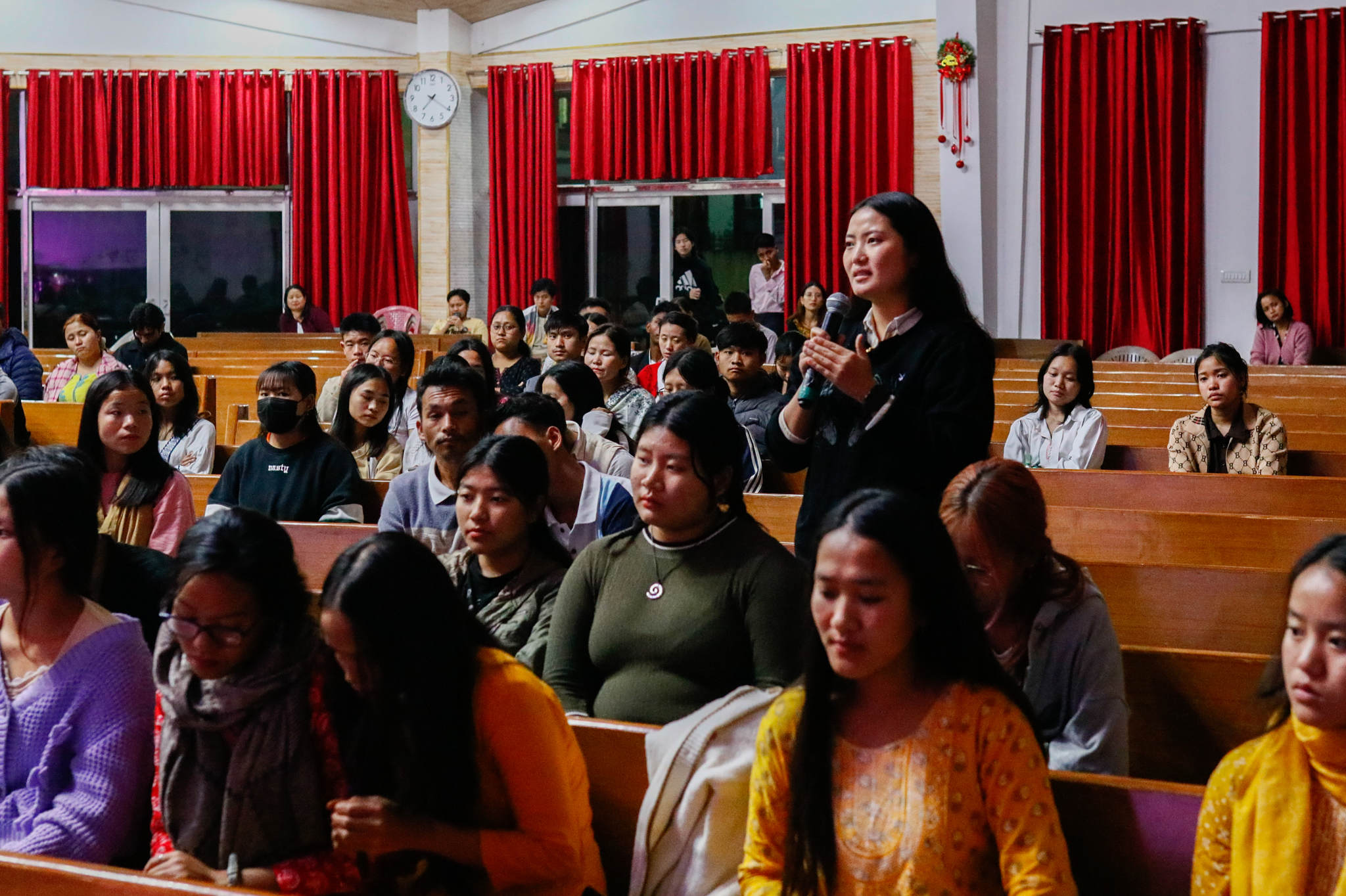
Christians say the dormant law, first passed in the 1970s, targets their faith. Those trying to revive it say it is essential for preservation of indigenous faiths and culture.
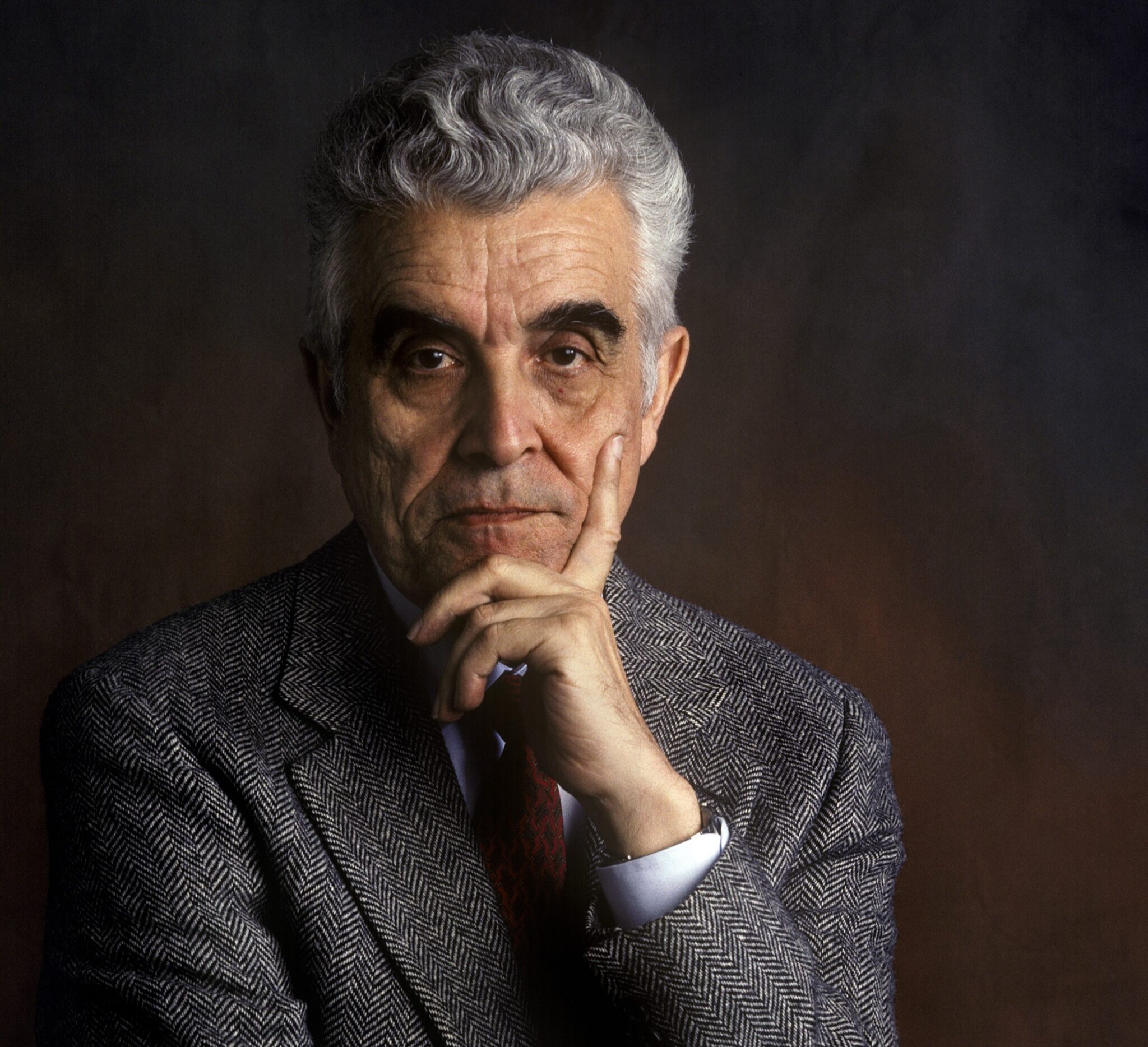
René Girard’s theories of mimetic desire, scapegoating, and Christianity have found unexpected champions among American conservatives like Peter Thiel and JD Vance, who see his work as both spiritually profound and politically useful. But critics argue this appropriation distorts Girard’s deeply nonviolent, apolitical philosophy into a tool for nationalist agendas.
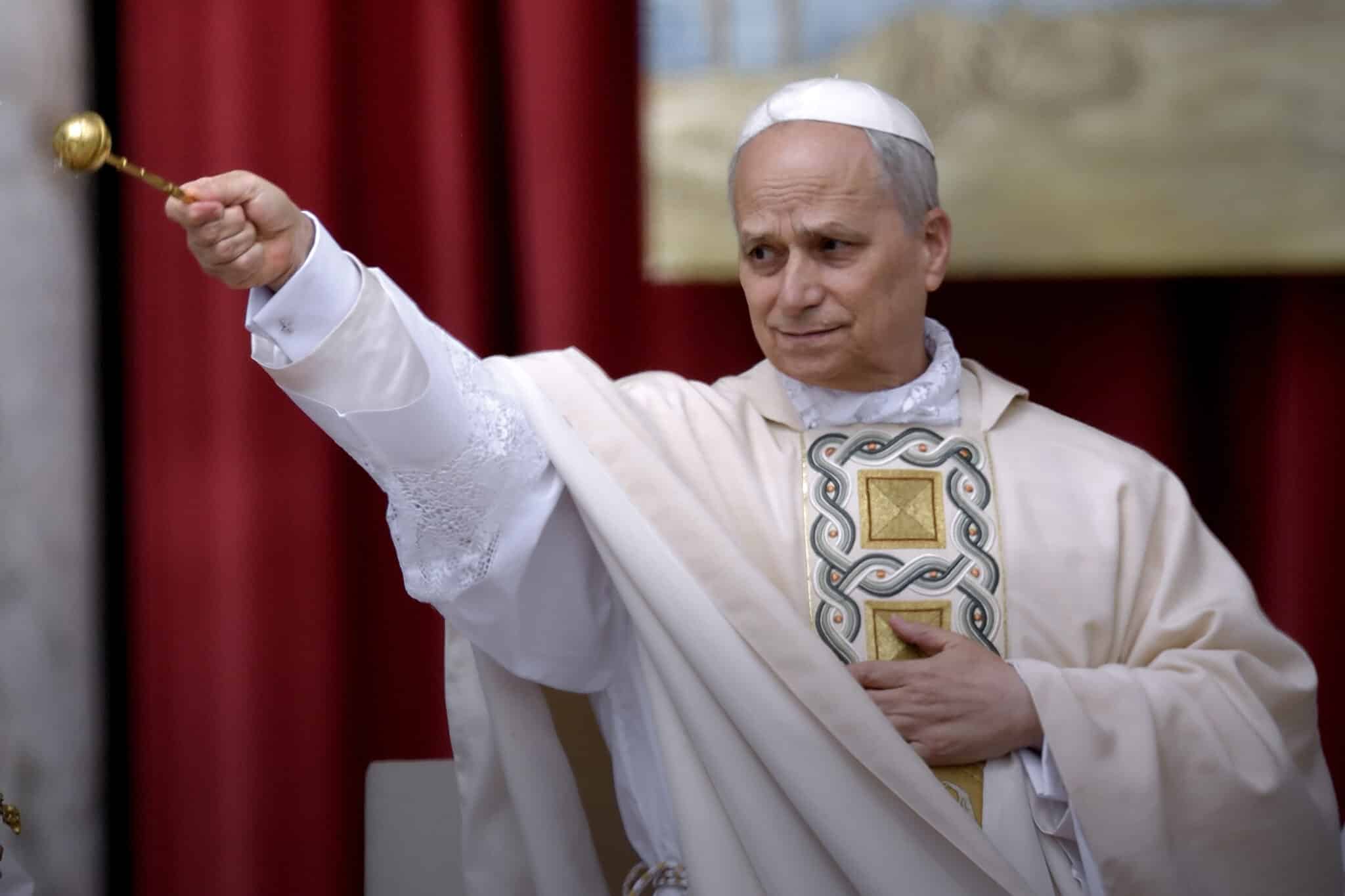
With the arrival of the new Pope, can we expect a new stance from the Catholic Church on the rights of women and LGBTQ+ people?
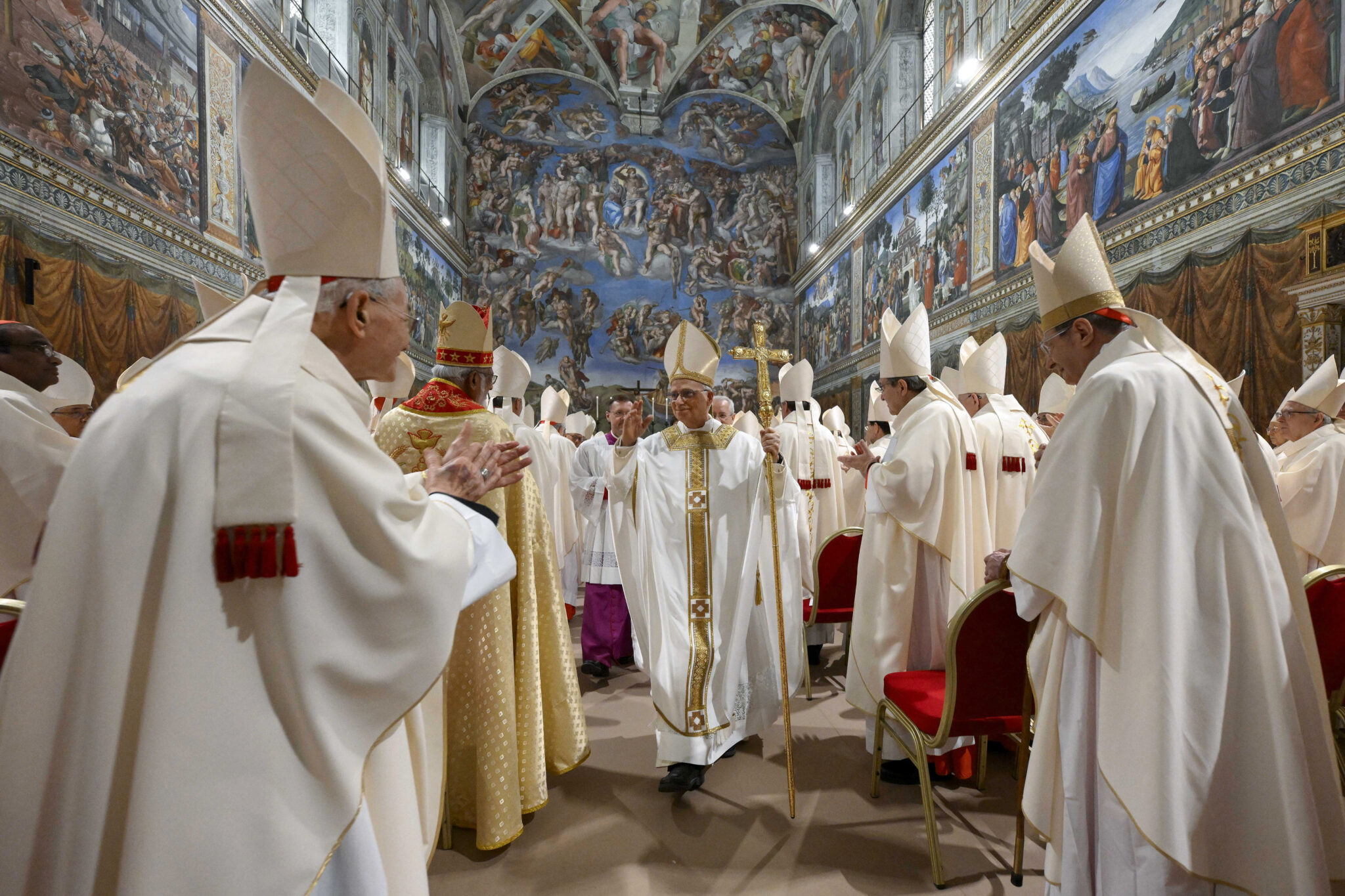
In electing Pope Leo XIV, the institution of the Catholic Church appears quite clear about the place it should occupy beyond its spiritual commitment.
Italian novelist Viola Ardone reflects on childhood dreams, institutional patriarchy, and why the Catholic Church still silences women as 133 cardinals gather to elect the next pope.
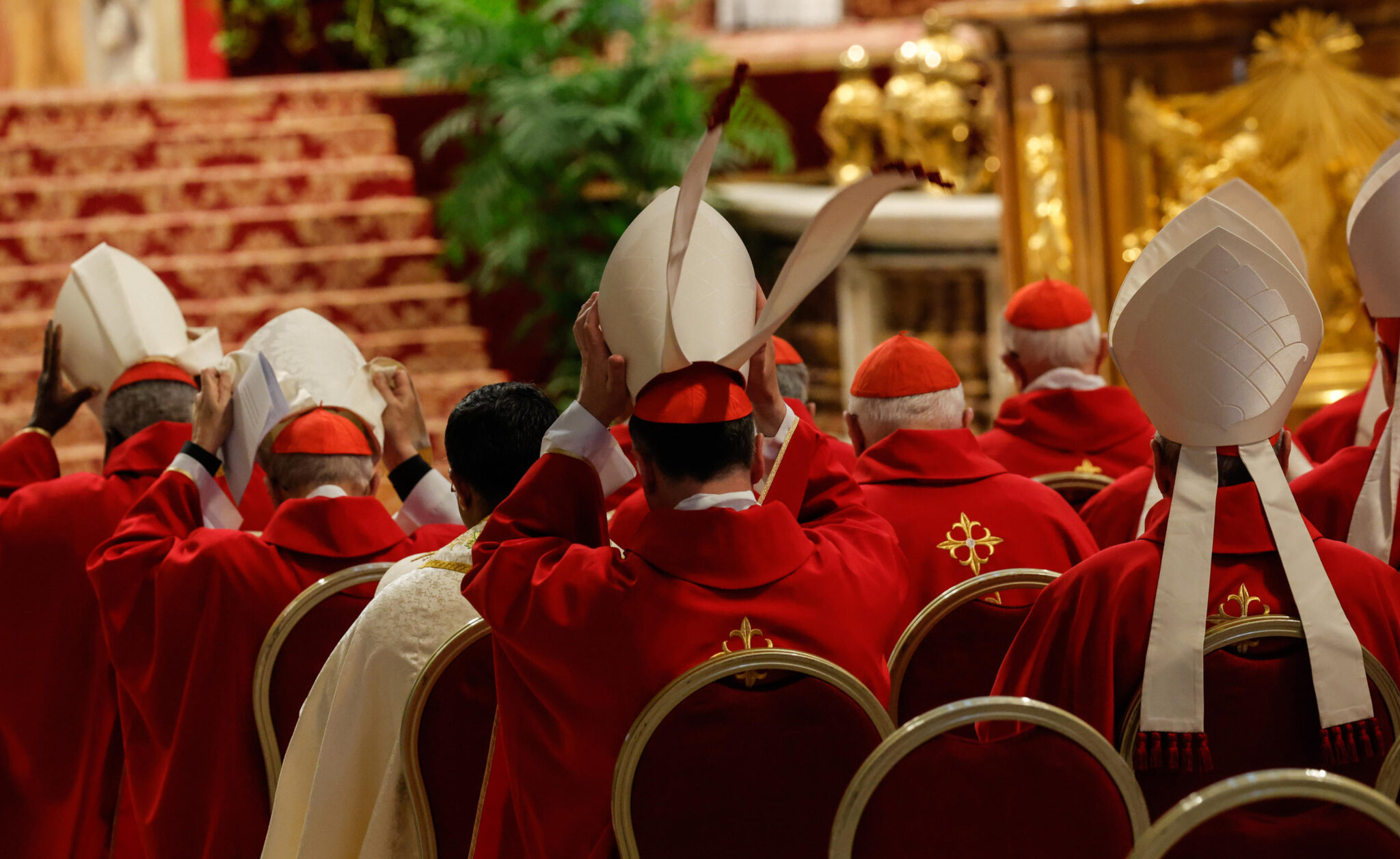
Each cardinal brings strengths and weaknesses, but a Vatican insider tells La Stampa that it is now clear: more time is needed.
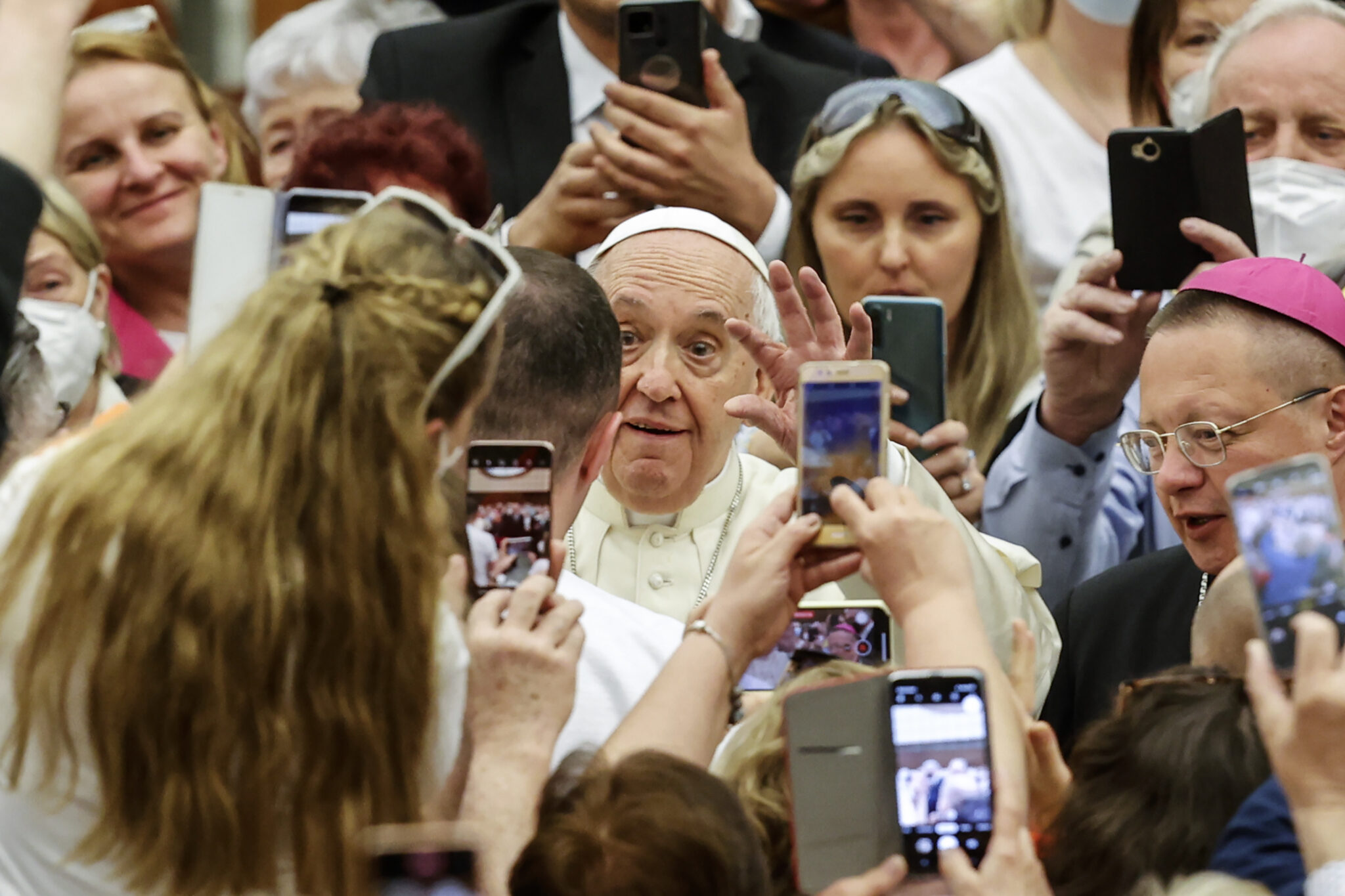
Pope Francis had a remarkable impact on the Vatican. In Poland, the last Catholic stronghold of Europe, Francis took action, forcing high-ranking officials in the Church to resign, and dismissing some altogether. For Poland, a country still reckoning with the impacts of Pope John Paul II, both positive and negative, Francis’s papacy held particular weight.
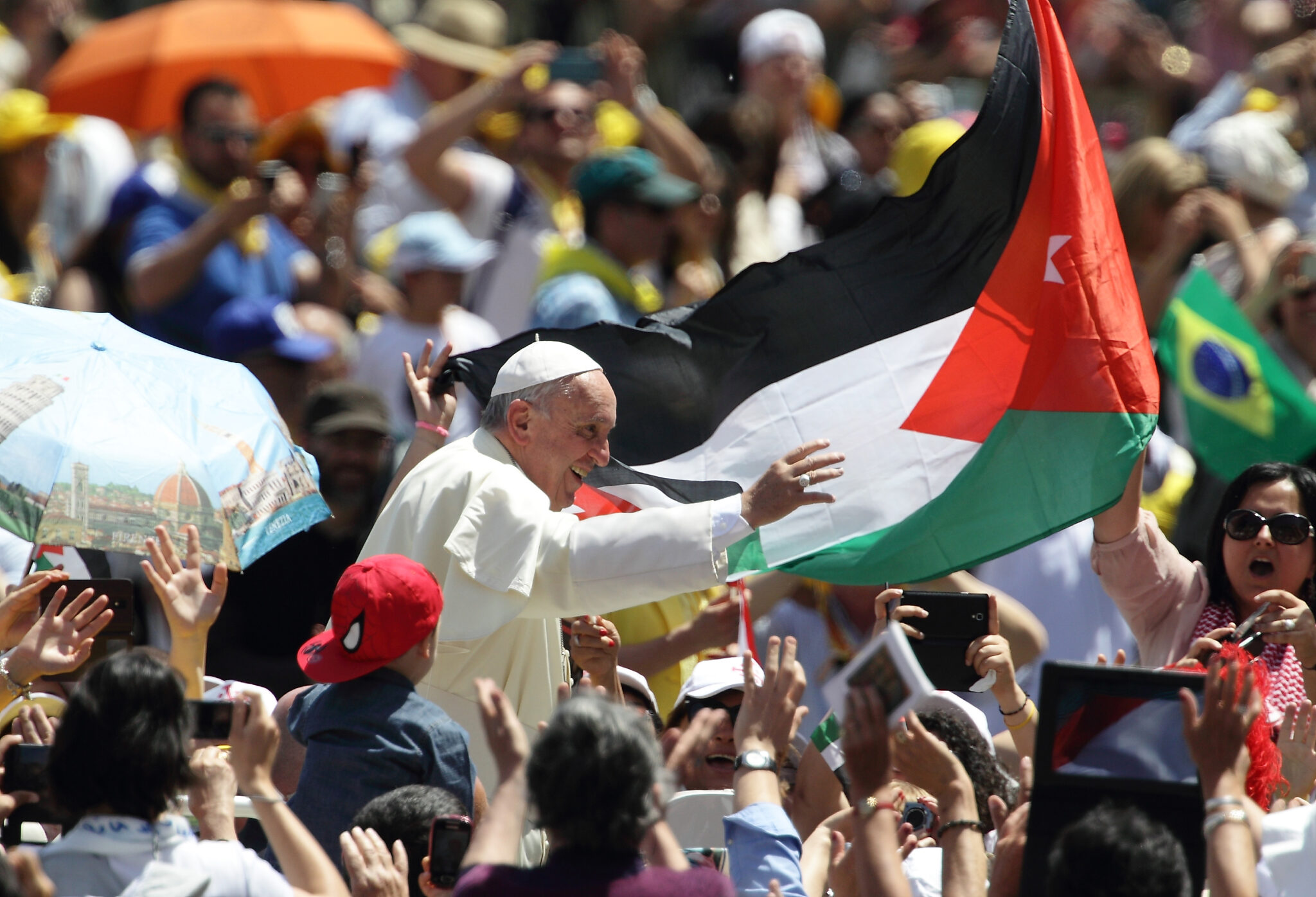
The link between political developments in the Middle East and the theological and cultural exchange between Judaism and Christianity has always remained tight. Since Oct. 7, old ghosts have appeared — and ugly insinuations against the late Pope.
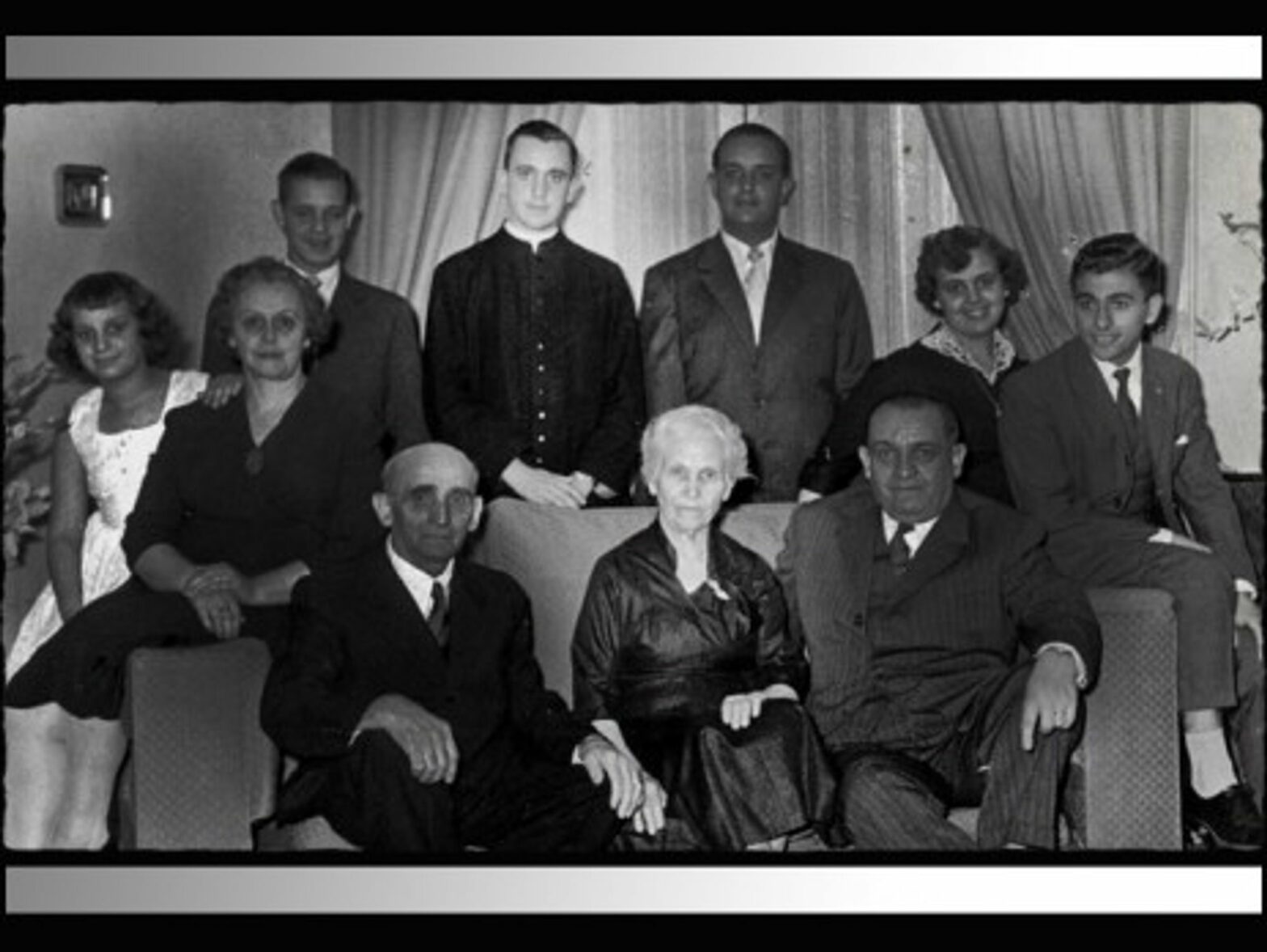
To revisit the life and journey of Pope Francis, we are republishing a La Stampa article from shortly after his rise to the papacy.
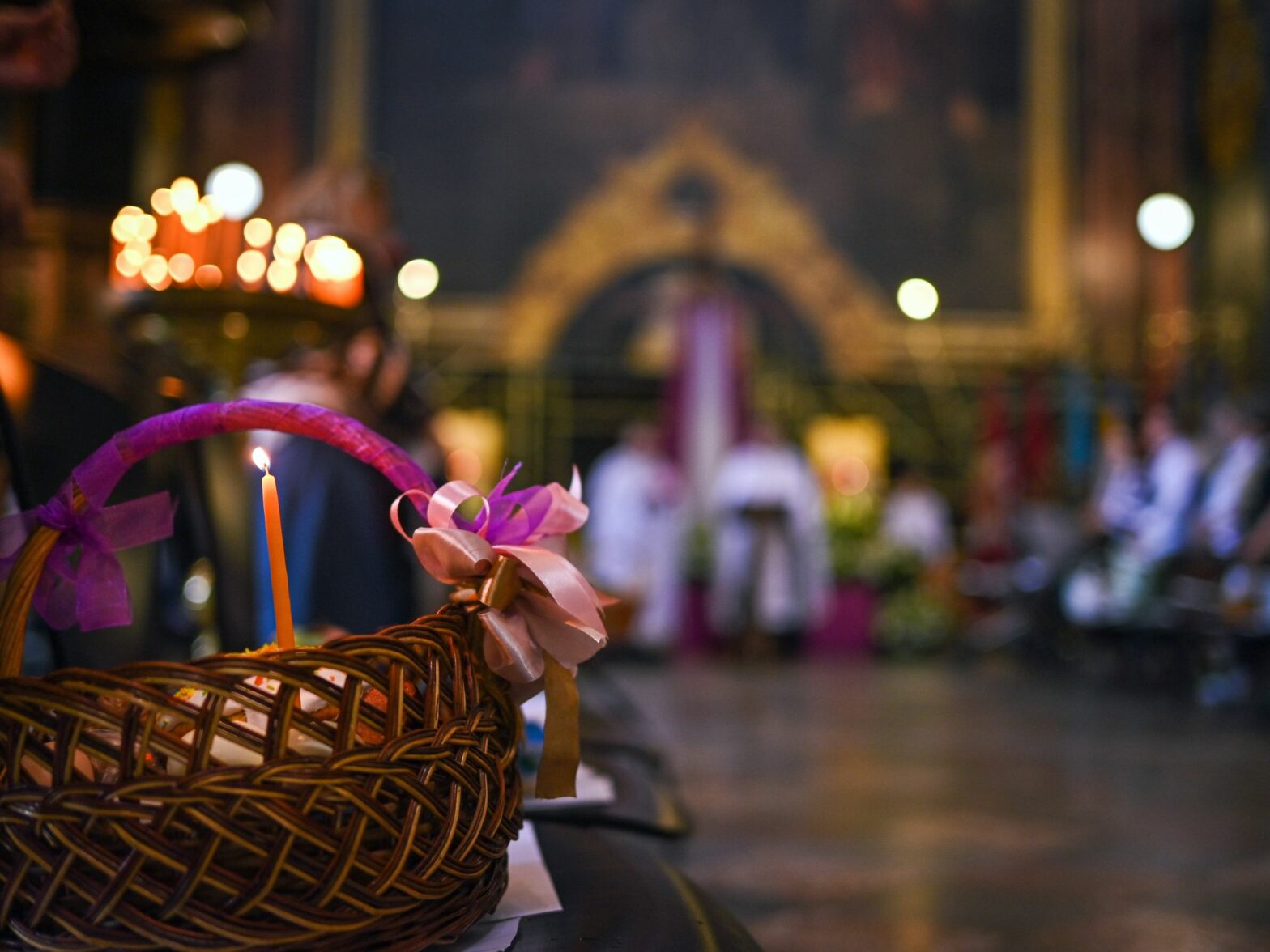
Church leaders push for a common Easter date, as they seek to bridge centuries-old divisions between Eastern and Western Christian traditions.
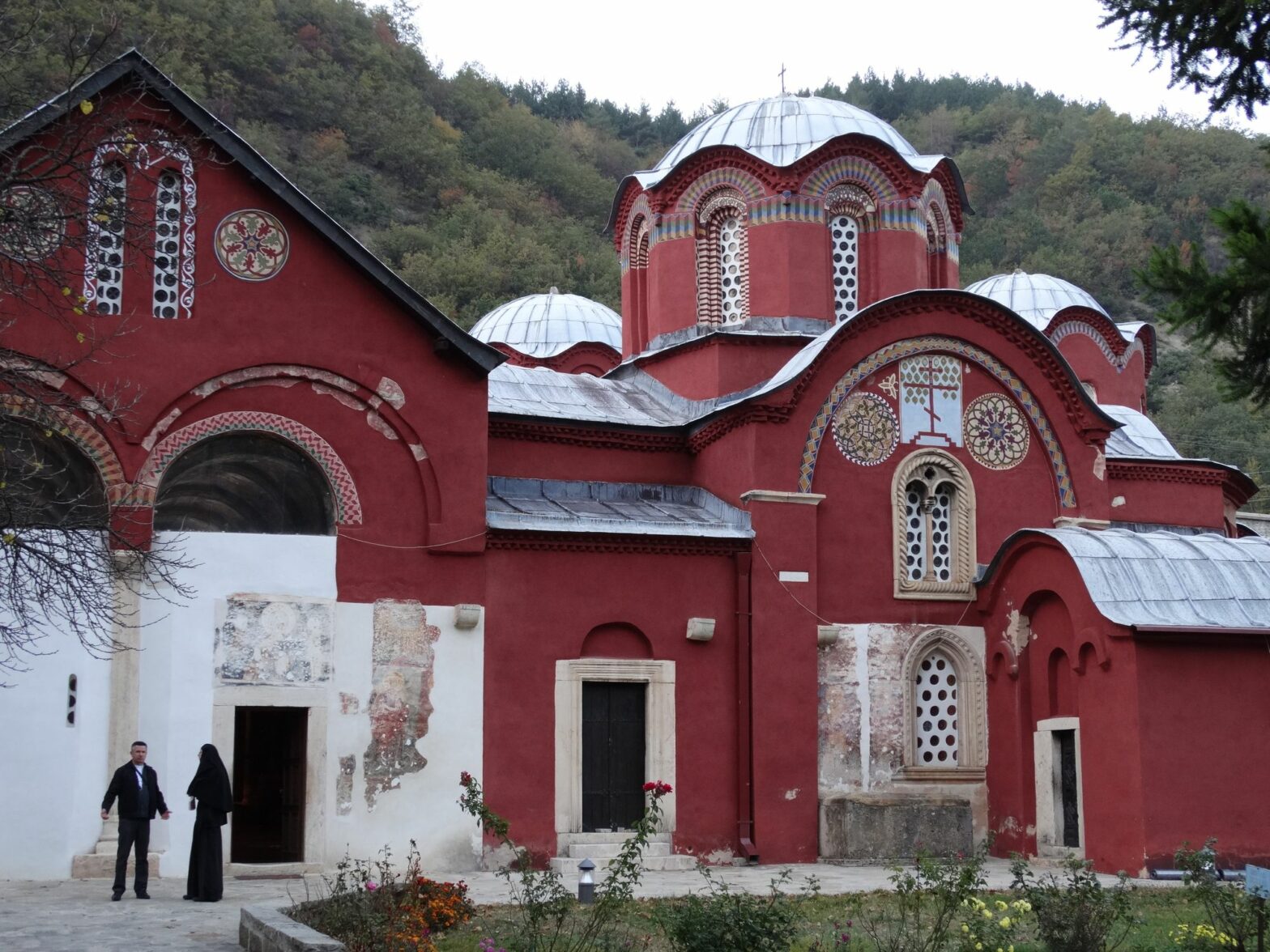
Once a Muslim-majority nation, Kosovo is witnessing a quiet but growing movement of Albanians converting to Catholicism. Advocates of the shift argue they are reclaiming their ancestral faith, once suppressed under Ottoman rule. With deep historical roots and political implications, this trend is reshaping Kosovo’s religious and cultural identity — while also positioning it closer to Europe.
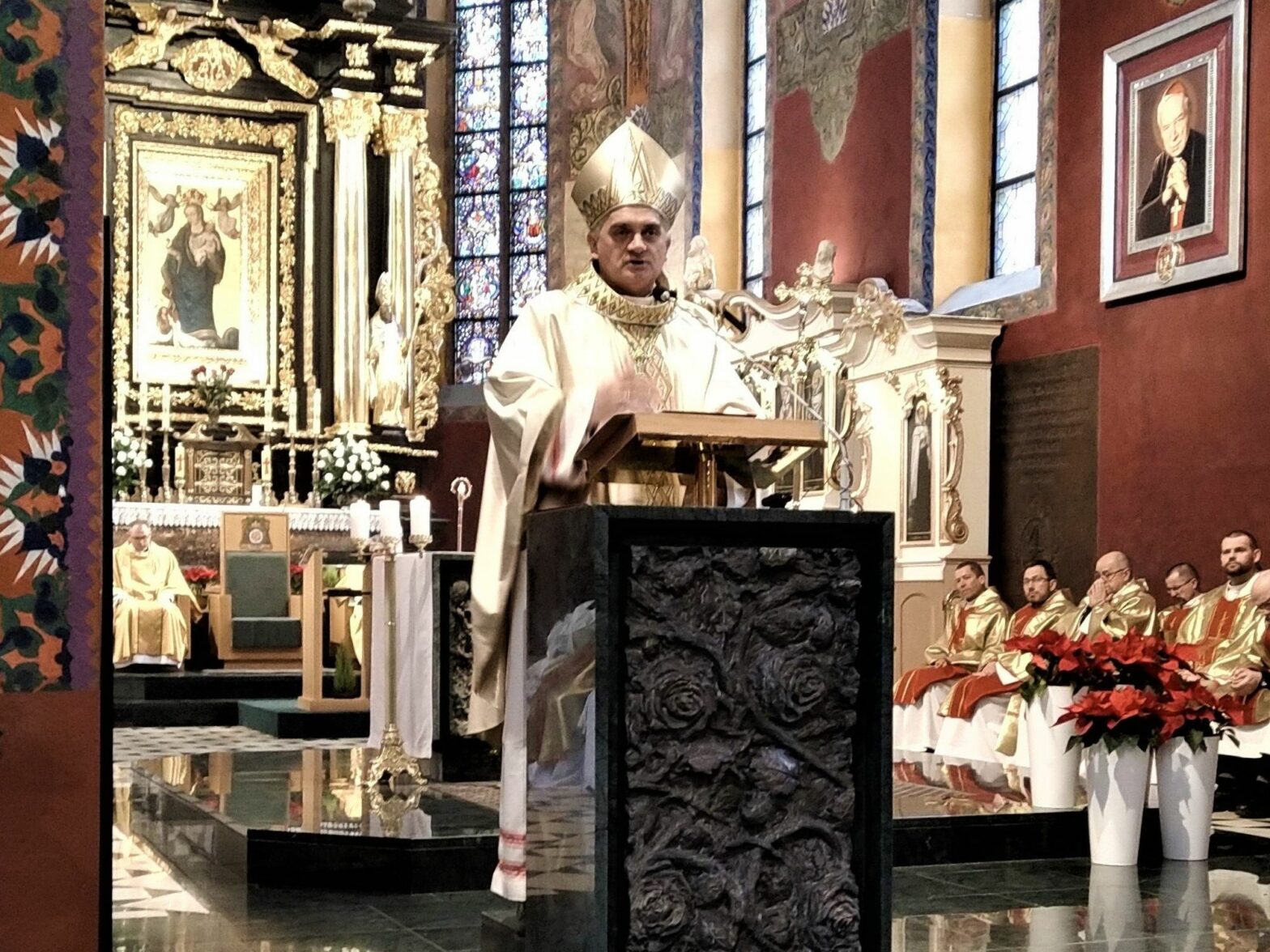
In an exclusive for Polish daily Gazeta Wyborcza, a bishop speaks to the journalist about why he offered money to a former altar boy who claimed to have been abused by a Catholic priest in the city of Bydgoszcz in Poland.
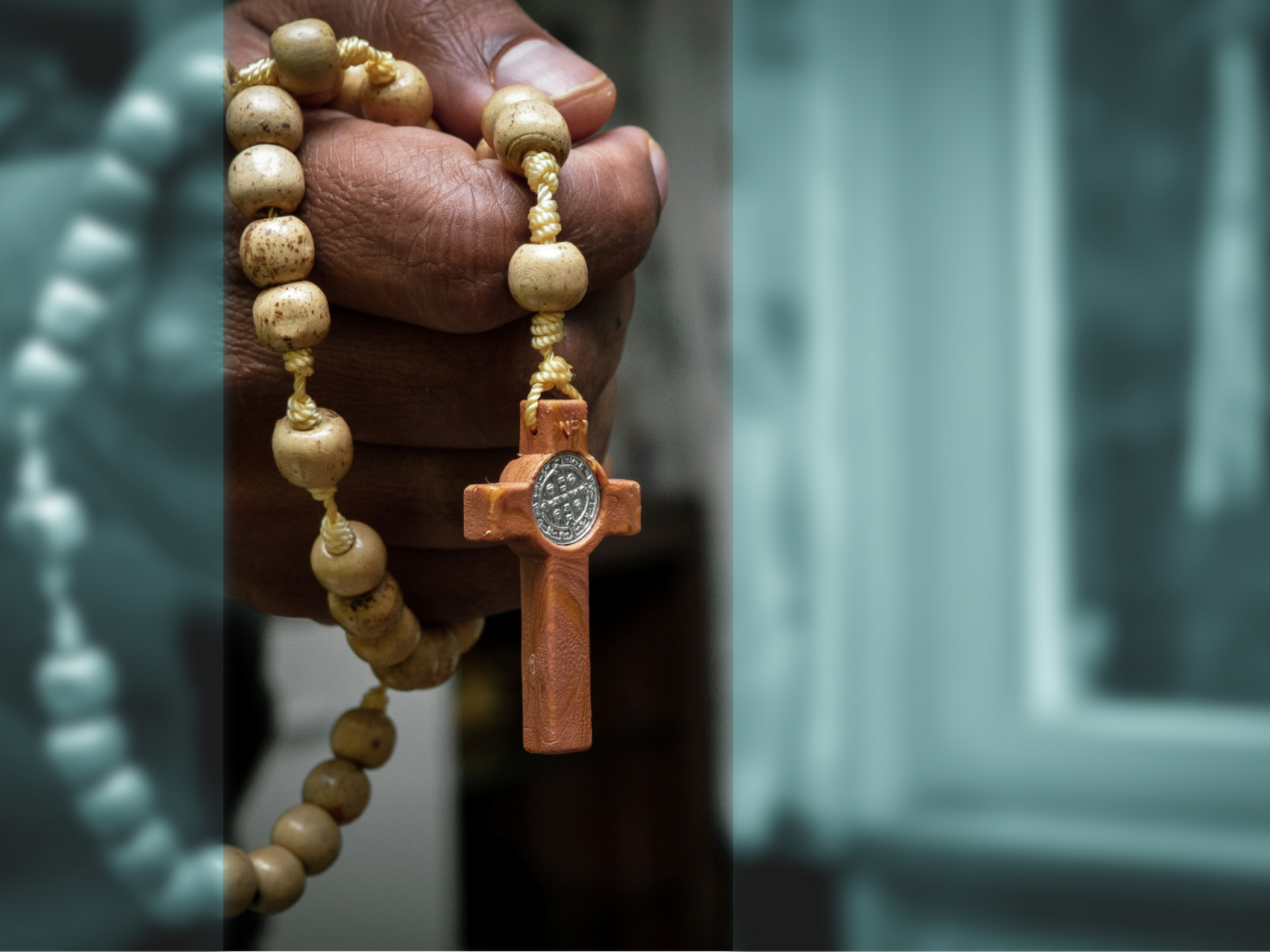
Our Naples-based psychiatrist suggests replacing wishing-well prayers with something slightly more tangible — and edible.
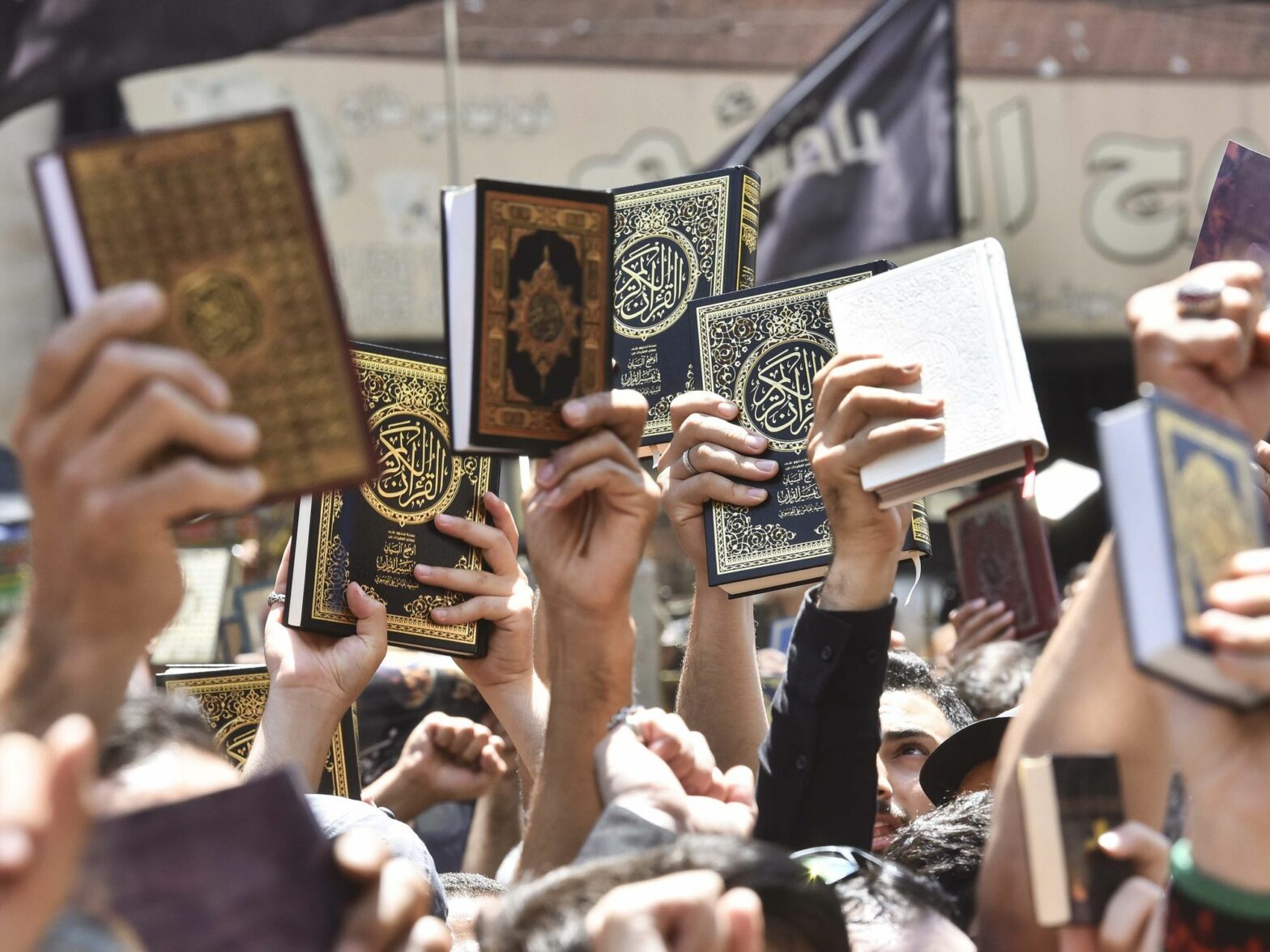
The Nordic country, which abolished its blasphemy statute half a decade ago, is being put to the test as it tries to make freedom of expression and of religion coexist.
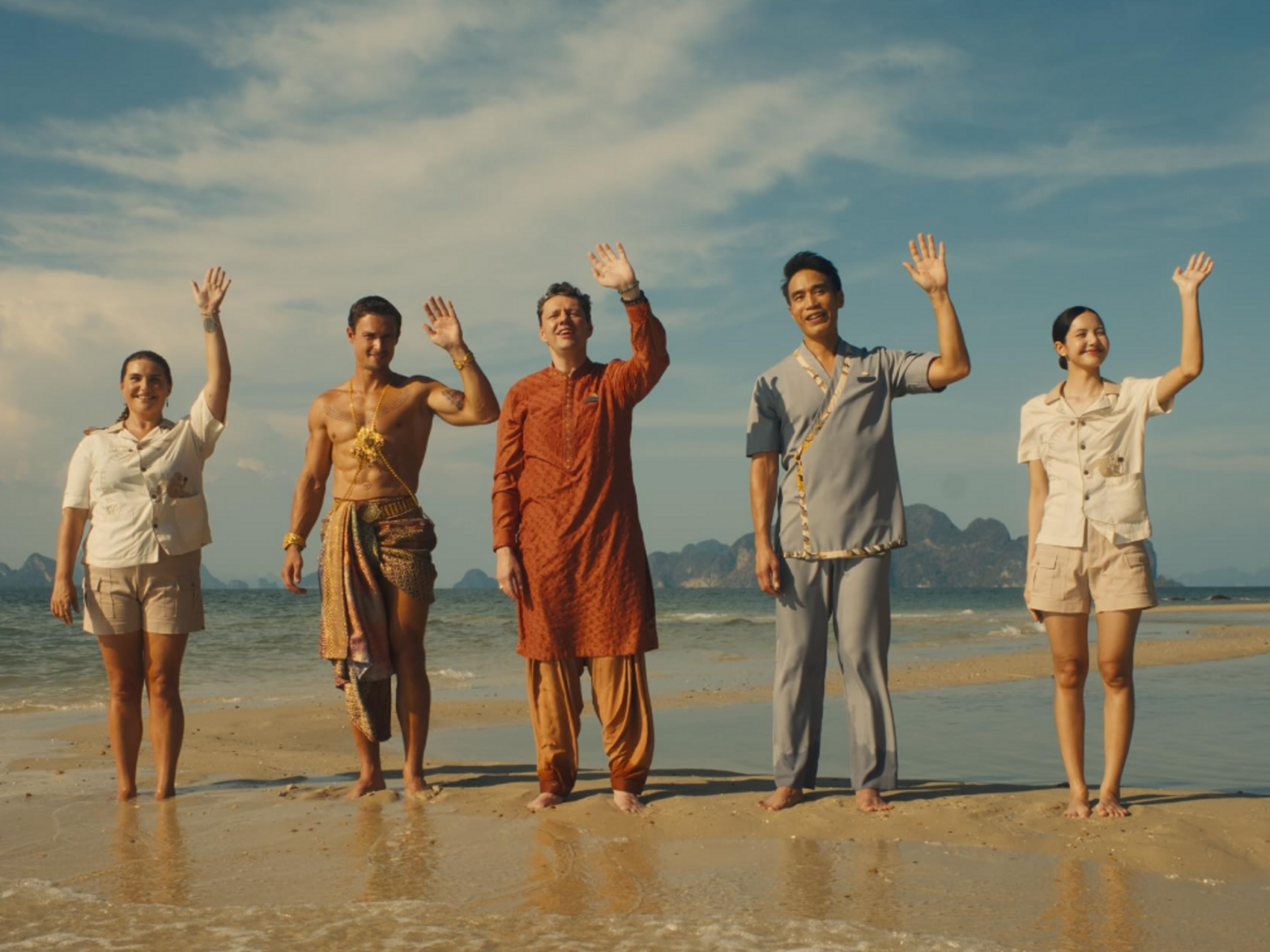
In the TV show’s new season, Thailand is portrayed as a playground for white debauchery, where anything goes. Despite its obvious criticism of a certain kind of tourism, the show still reduces the country to a digestible set of iconic images for the audience, just like many Hollywood movies.
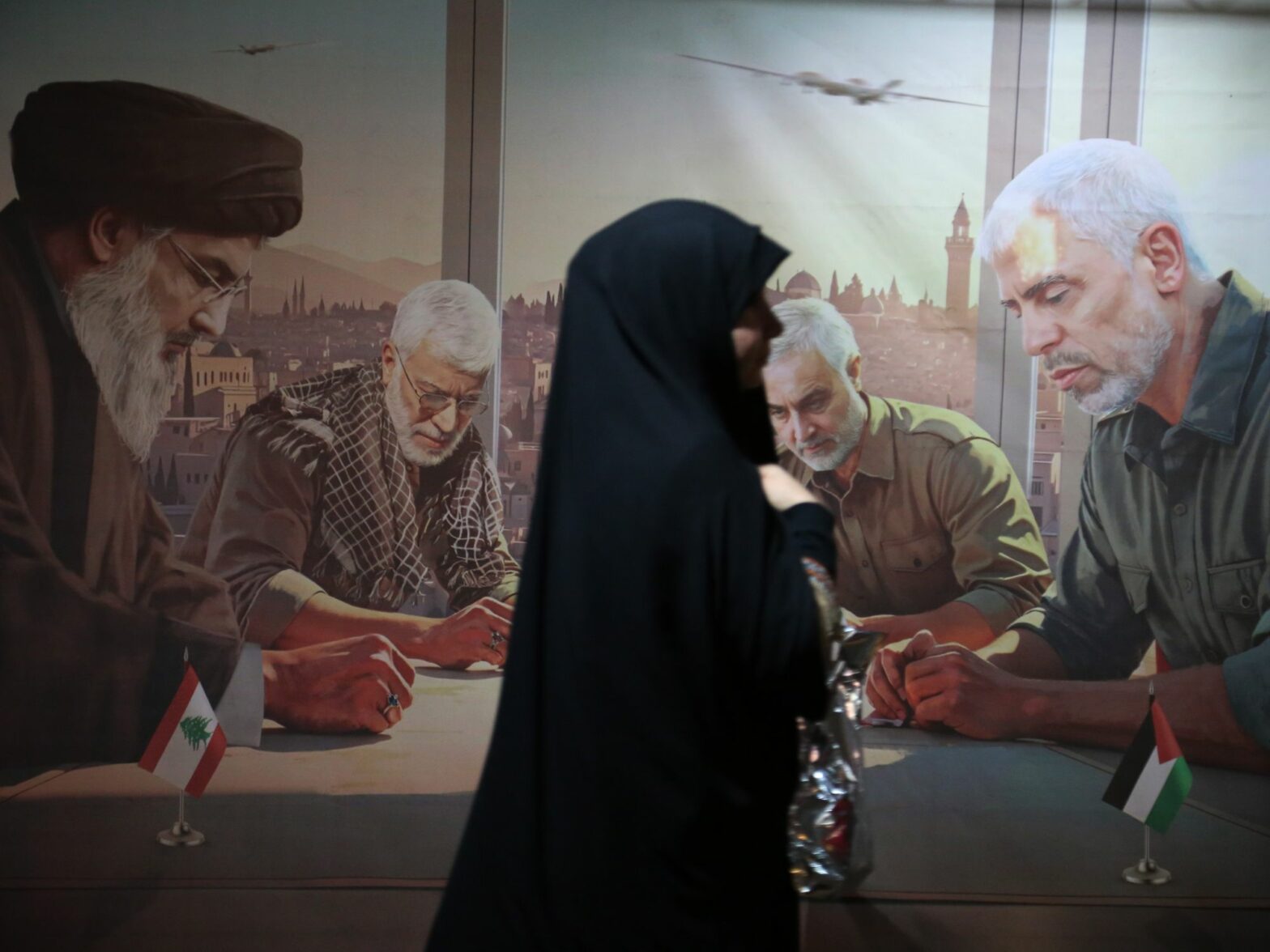
Hijab is merely a custom that, by force of tradition, has turned into a religious symbol — nothing more. The early Quranic interpreters, who favored transmission over reason due to their limited knowledge and weak analytical abilities at the time, interpreted the so-called “verses of hijab” without considering their historical context or the reasons behind their revelation.
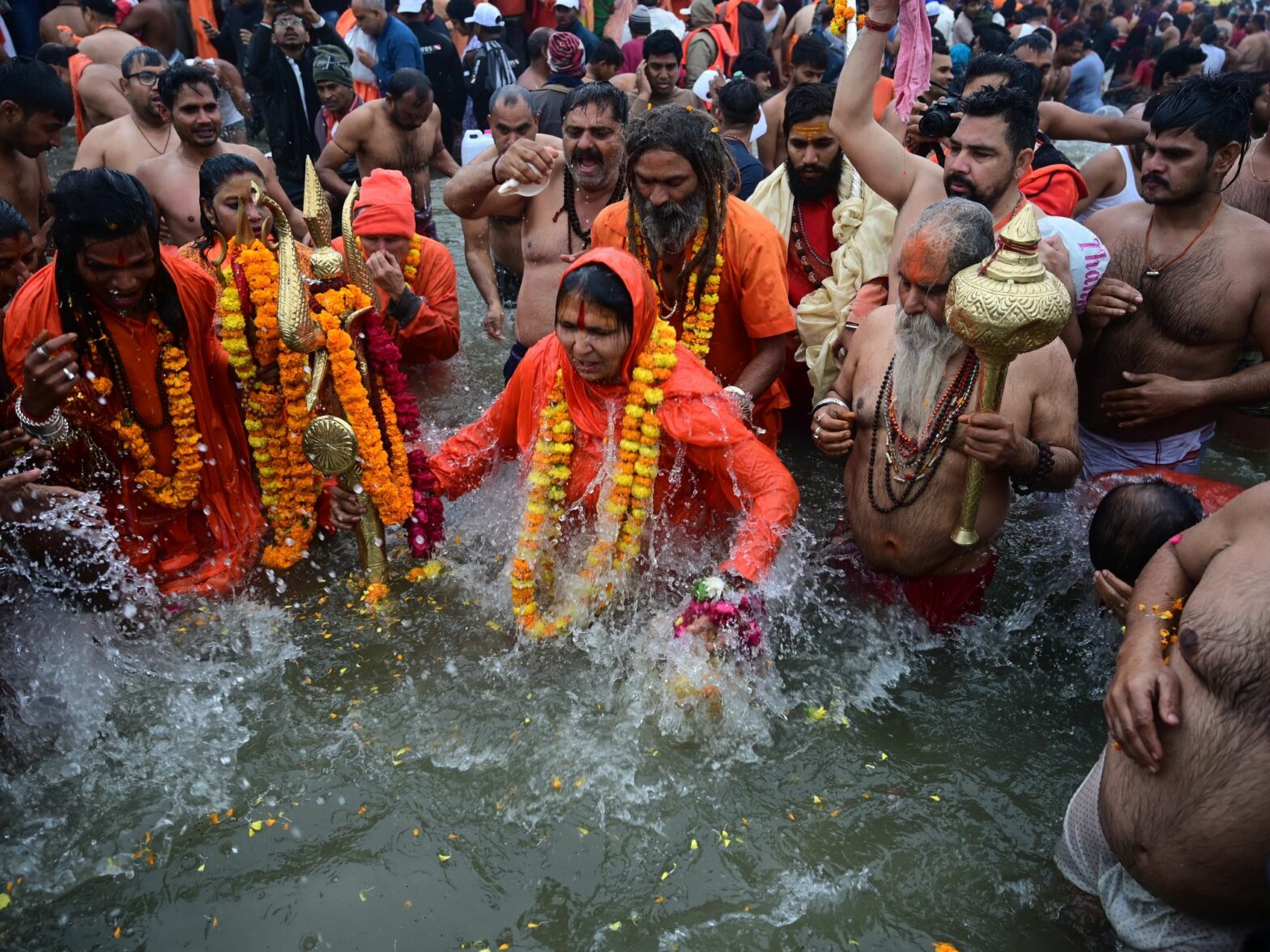
The Indian river risks not being able to heal or nourish anyone for very long after the Kumbh Mela festival in Prayagraj.
Although science and research dominate our lives, many people continue to believe in miracles. There are understandable reasons for this.