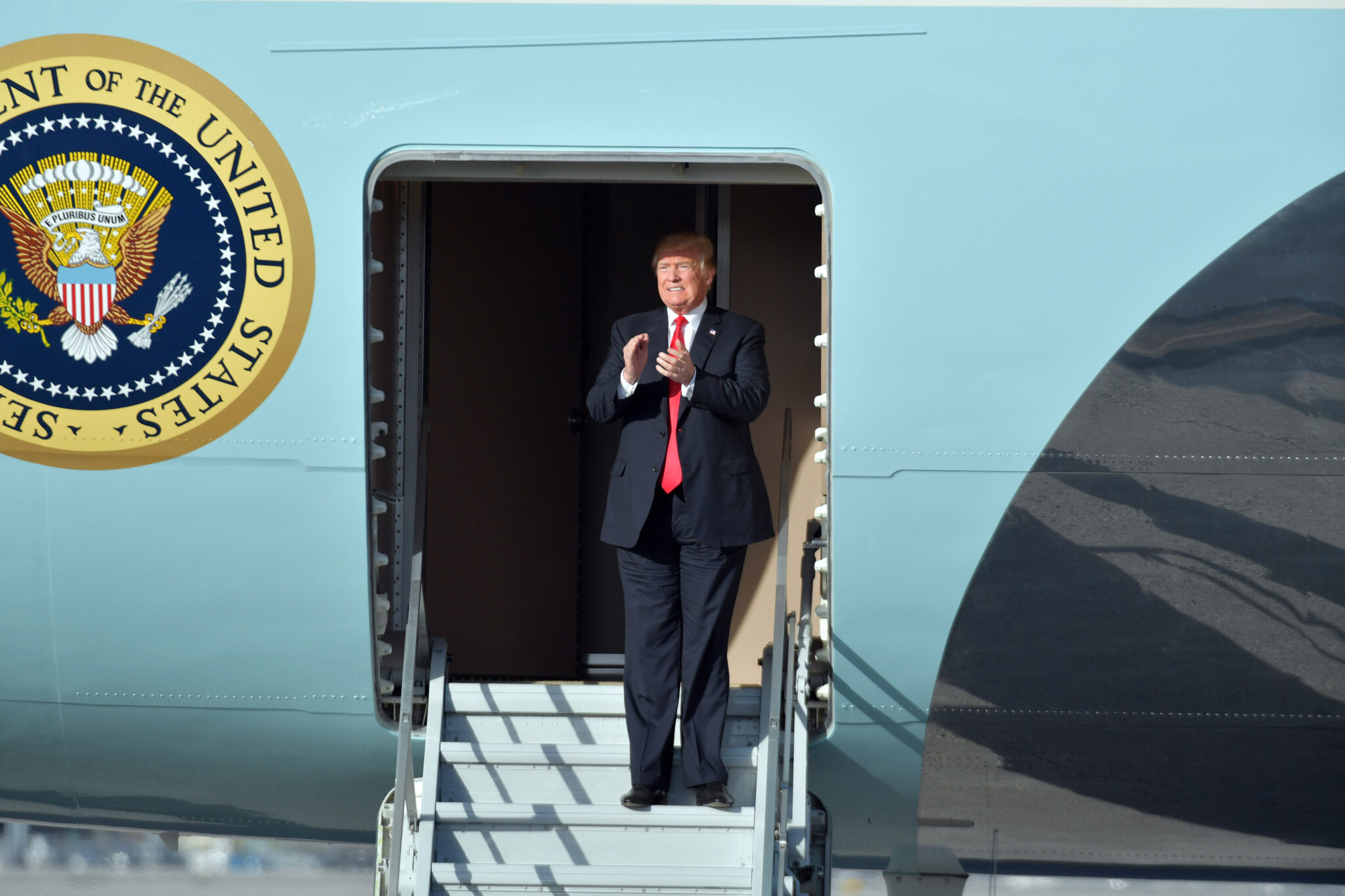
Trump’s interventions seem to correspond less to a conventional impulse toward peacemaking than to an attempt to secure strategic advantages for his country.
 Worldcrunch
Trump’s interventions seem to correspond less to a conventional impulse toward peacemaking than to an attempt to secure strategic advantages for his country.
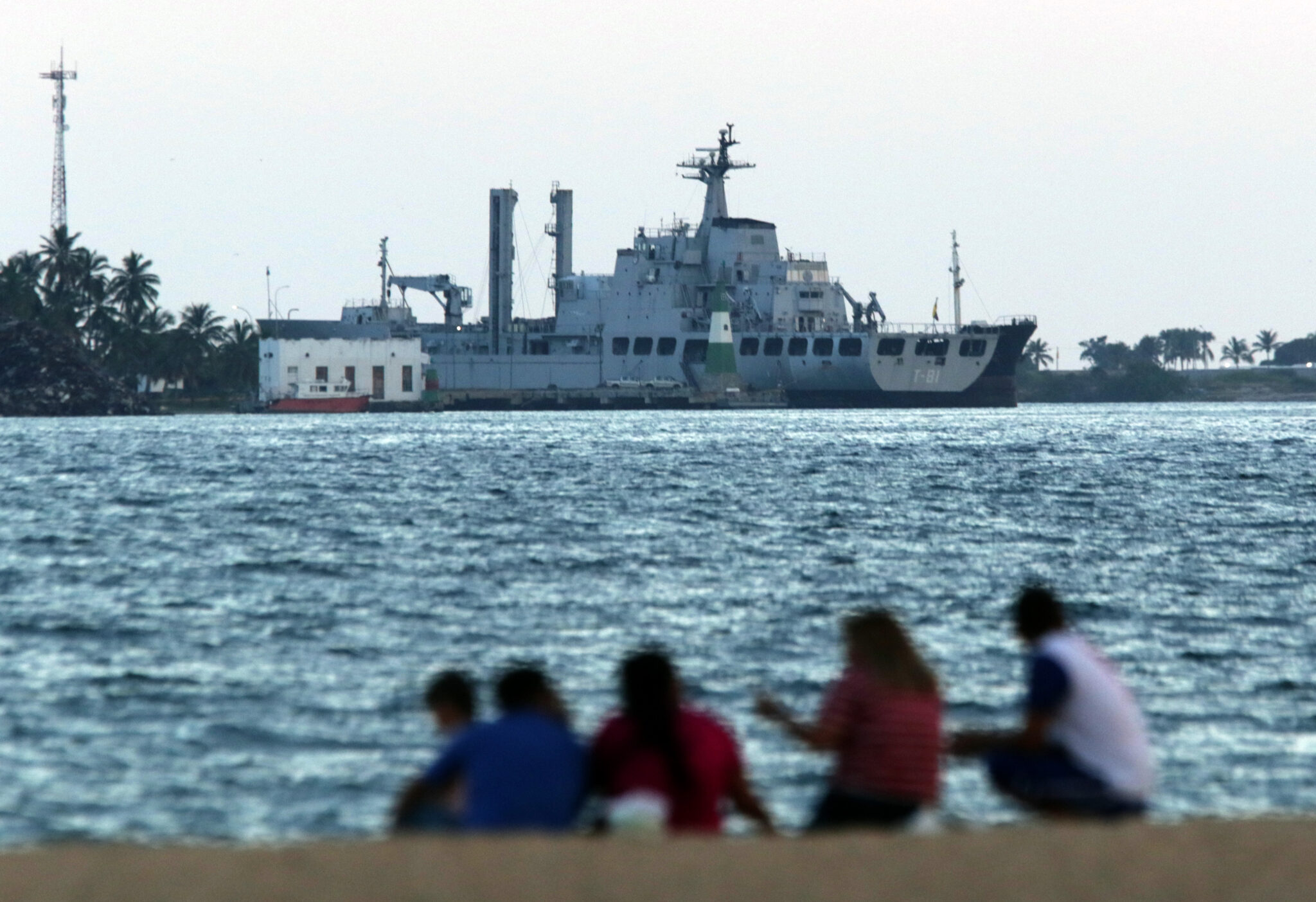
On five separate occasions, the U.S. Navy has sunk ships in the Caribbean accused of drug trafficking — yet no evidence has been presented. Acting without the approval of Congress or the backing of the international community, Donald Trump is pushing ahead. This return to power politics is causing alarm across Latin America.
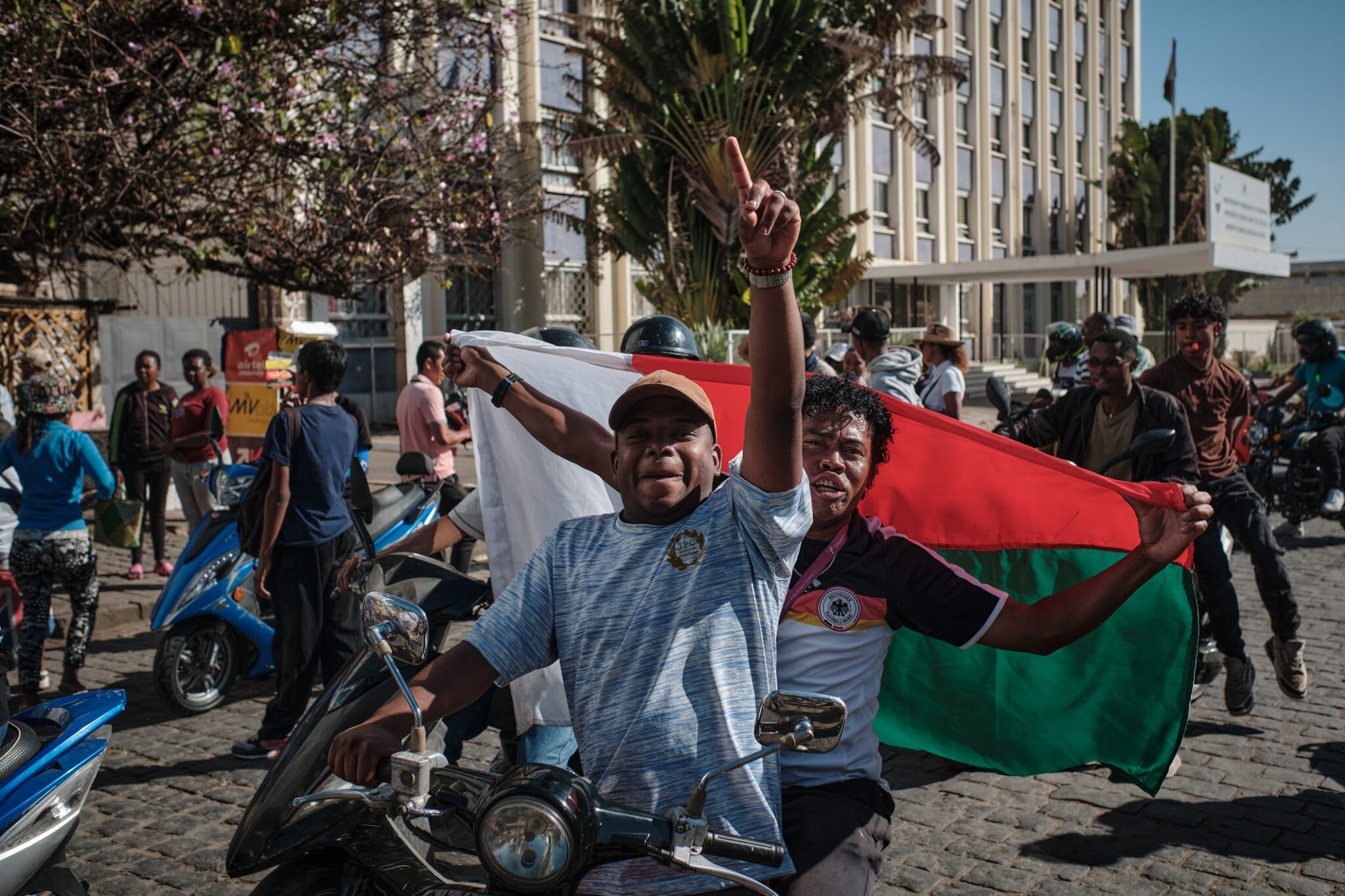
The army has seized power in Madagascar, after President Andry Rajoelina fled abroad, having been challenged for weeks by rebel Gen Z youth. The uprising stems from social grievances and a generational sense of frustration — demands the military leadership is unlikely to meet.

Democracies weaken not only for institutional reasons, but also because citizens stop thinking and surrender to impulse.
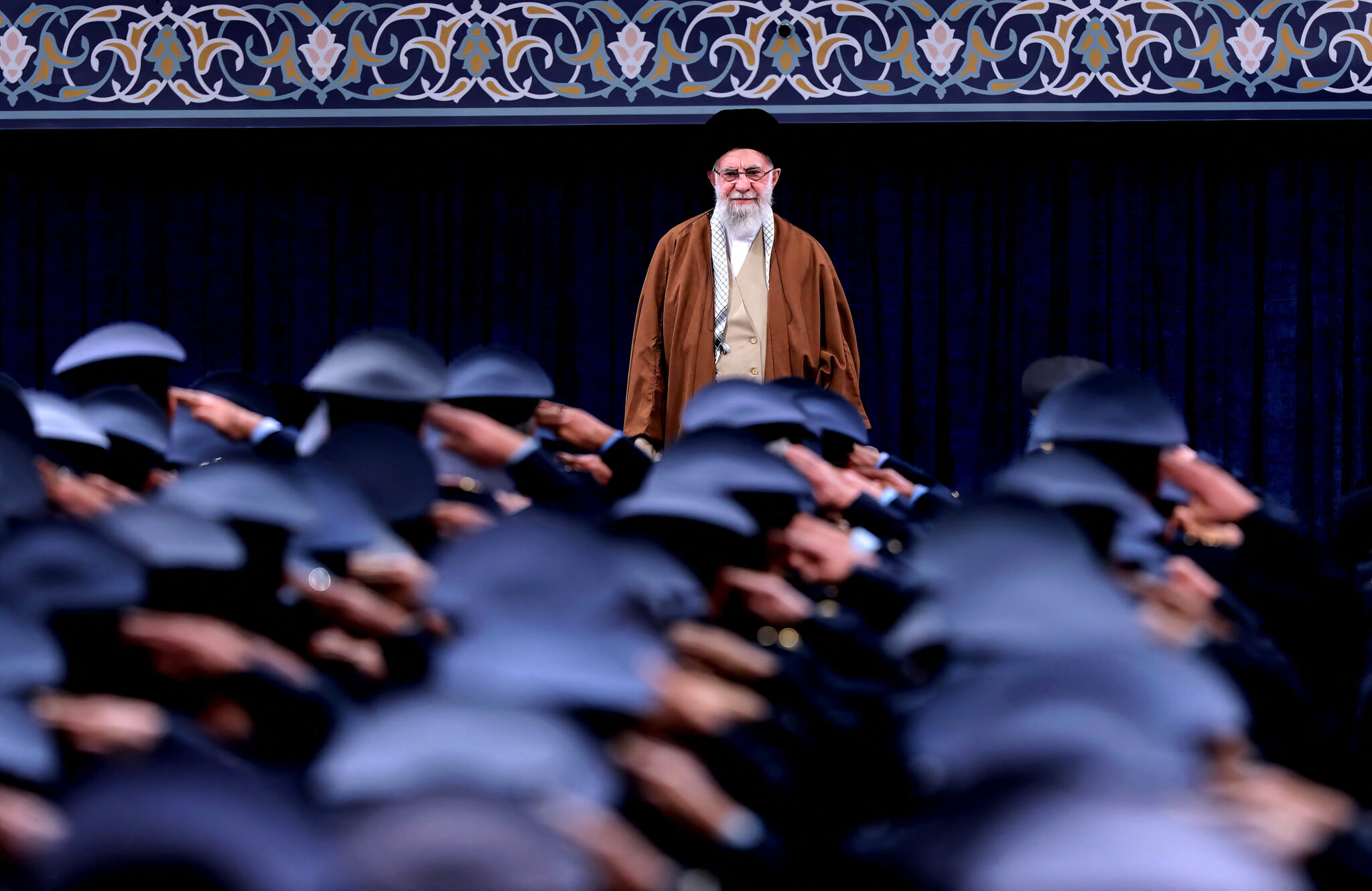
Iran’s post-revolutionary constitution concentrated all the power in the hands of the country’s supreme leader — a mistake that is still costing Iranians today.
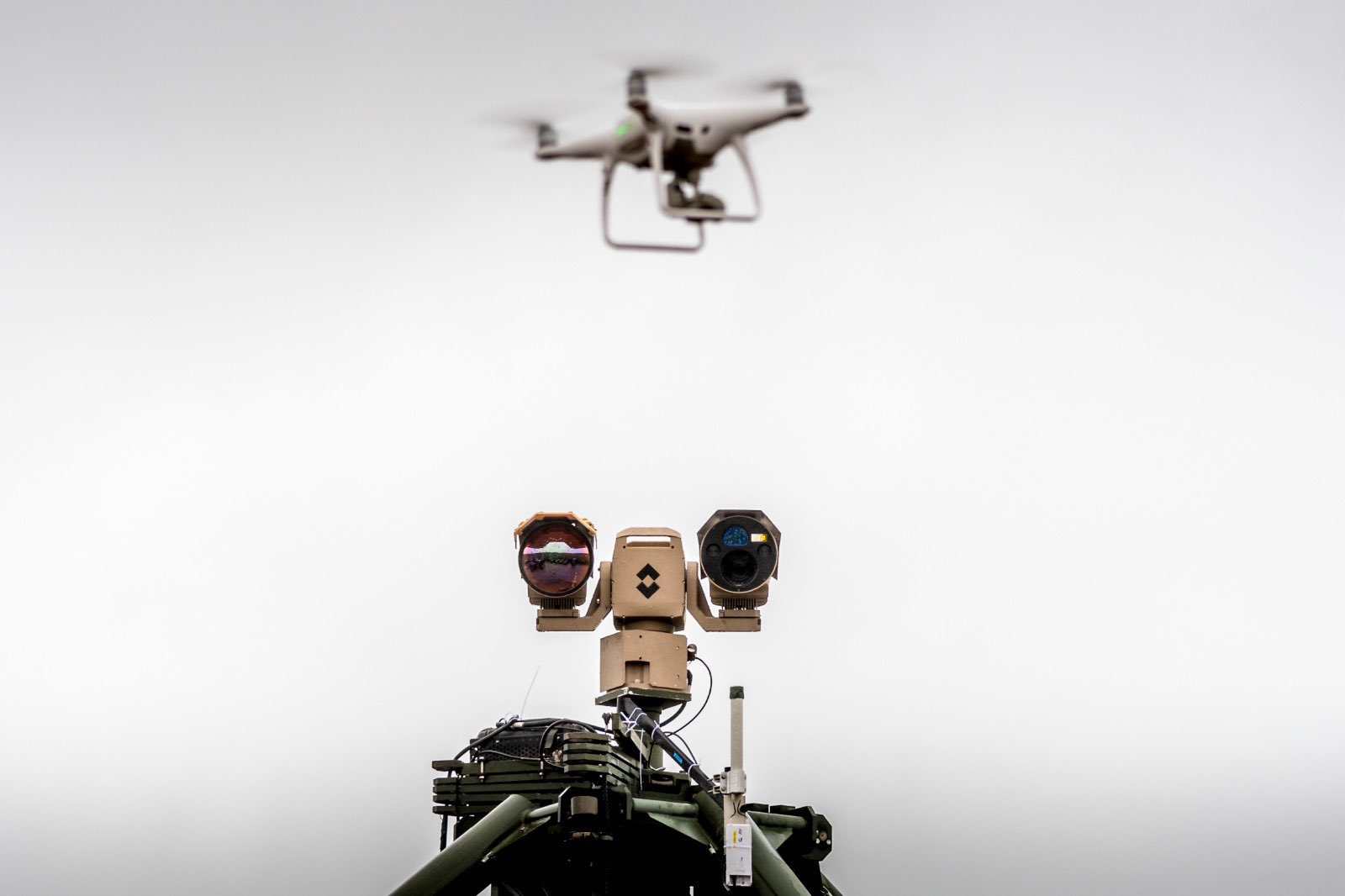
The incursion of 19 Russian drones into Polish airspace prompted several NATO countries to mobilize, but also highlighted the weakness of the alliance’s defense capabilities. Warsaw has called it a “provocation” and the incident will accelerate the move towards European defense.
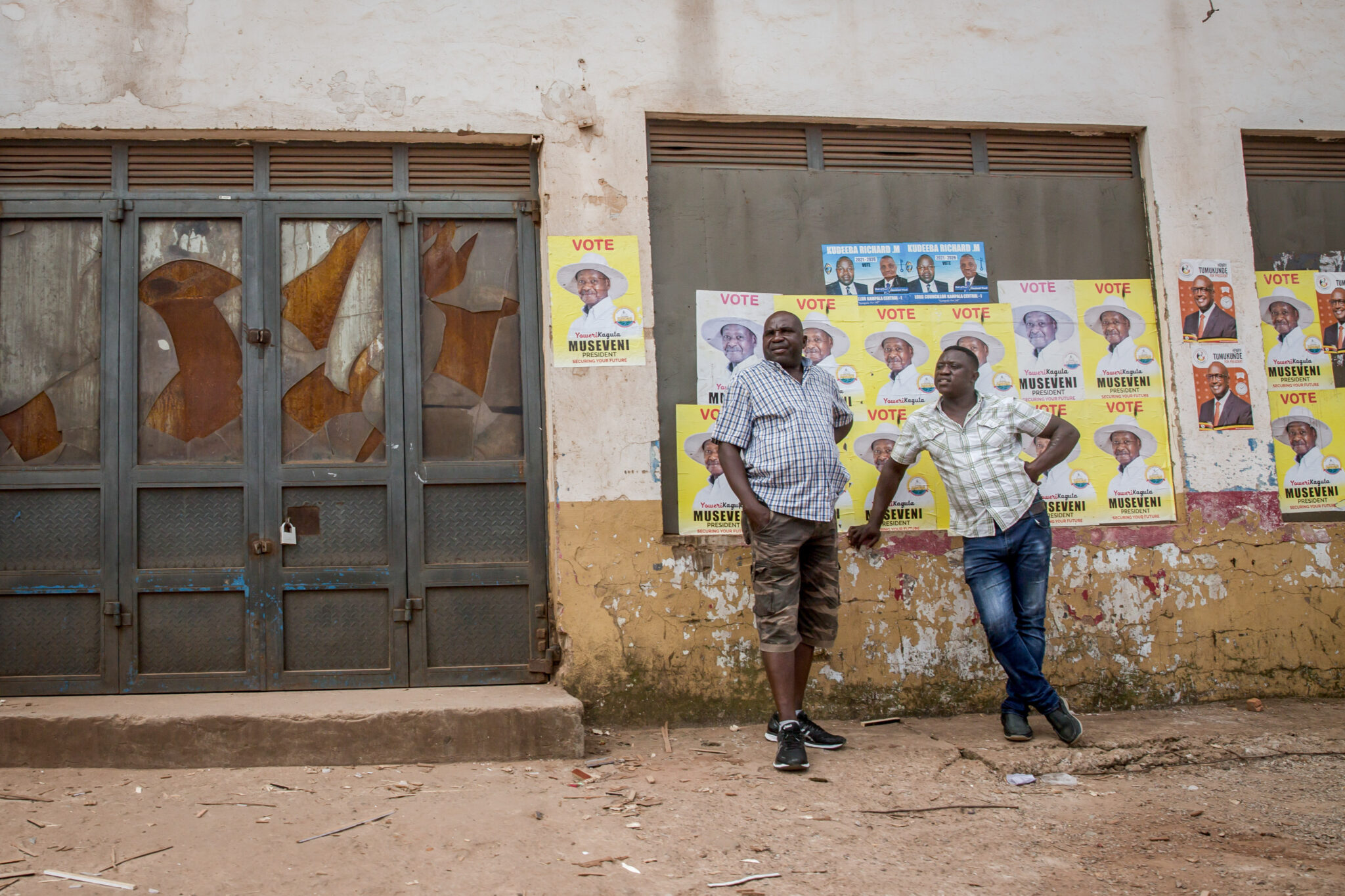
Family ties are shaping Uganda’s Parliament. People who die in office are increasingly succeeded by close relatives — children, spouses or even siblings — and often with strong support from political parties and local communities. At least five members of the current Parliament have succeeded their relatives, and in previous Parliaments, multiple members did as well.
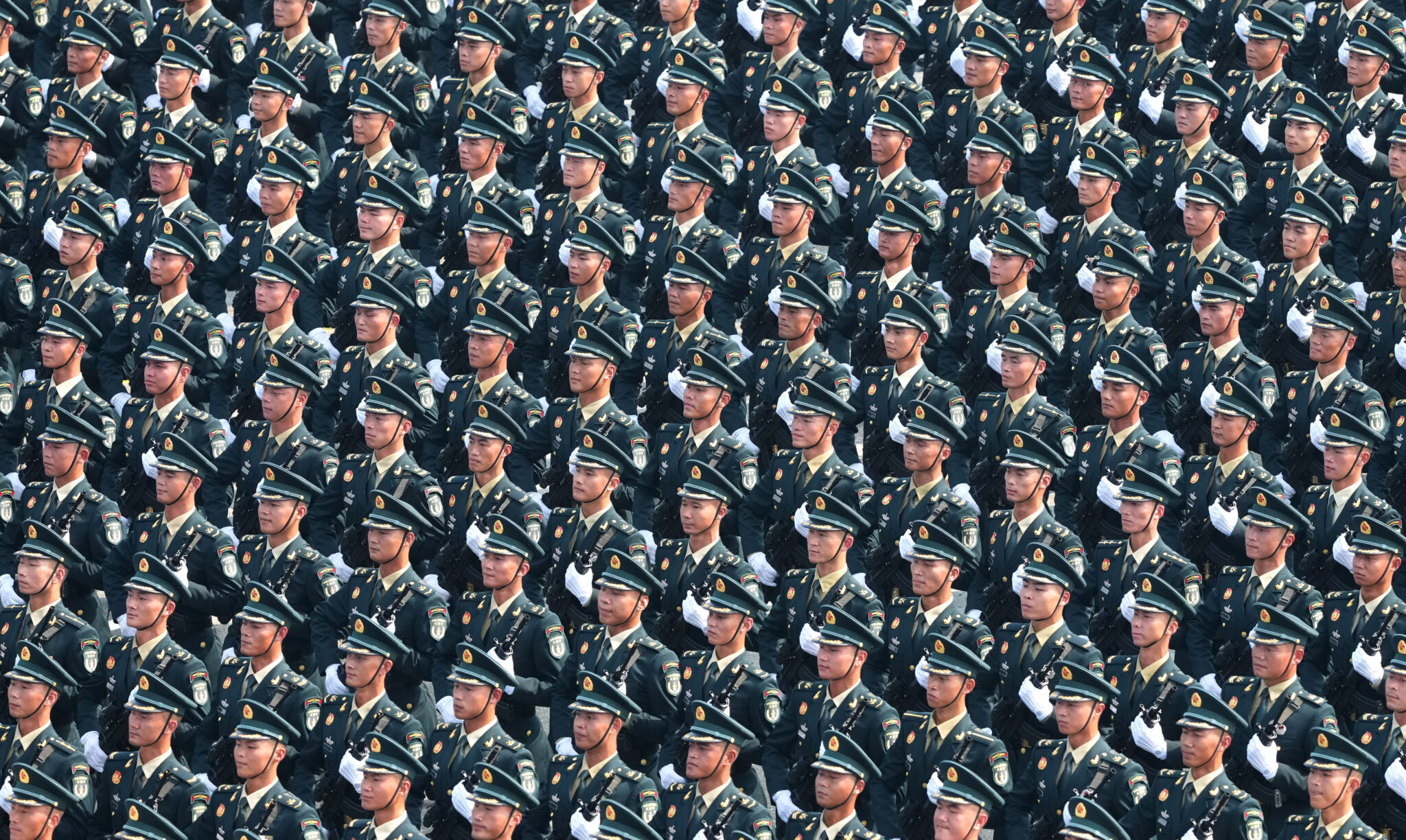
Beijing is using the anniversary of the end of World War II to project its new power in opposition to the United States. Donald Trump has accused Xi Jinping of downplaying American support for China in defeating Japan and of “plotting” against America.
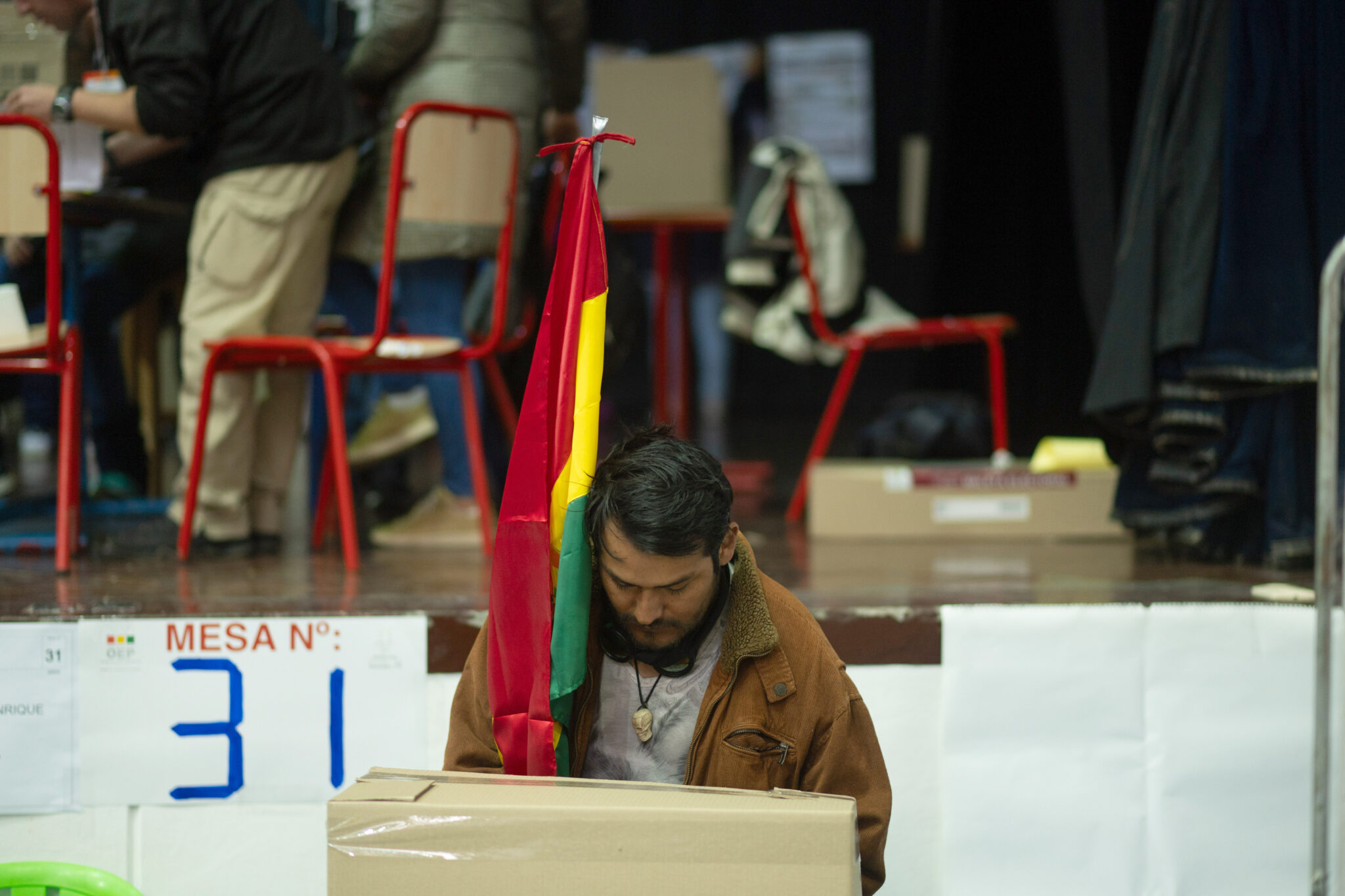
The first round of Bolivia’s presidential election on Aug. 17 brought an end to 20 years of socialist rule. The winner of the Oct. 19 runoff will be handed the responsibility to fundamentally change the country.
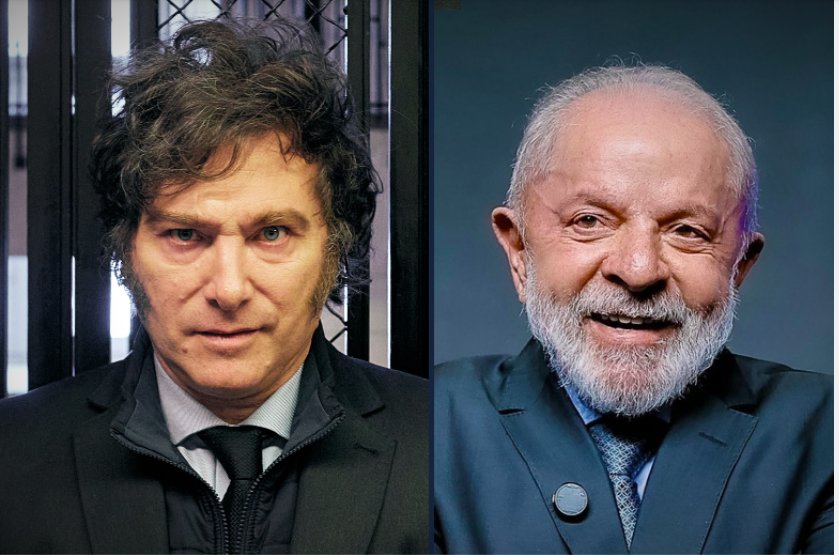
Despite their leaders’ opposing politics, Argentina and Brazil’s similarities outnumber their differences. These neighboring countries must work together, writes former Argentine ambassador to Brazil Juan Pablo Lohlé.
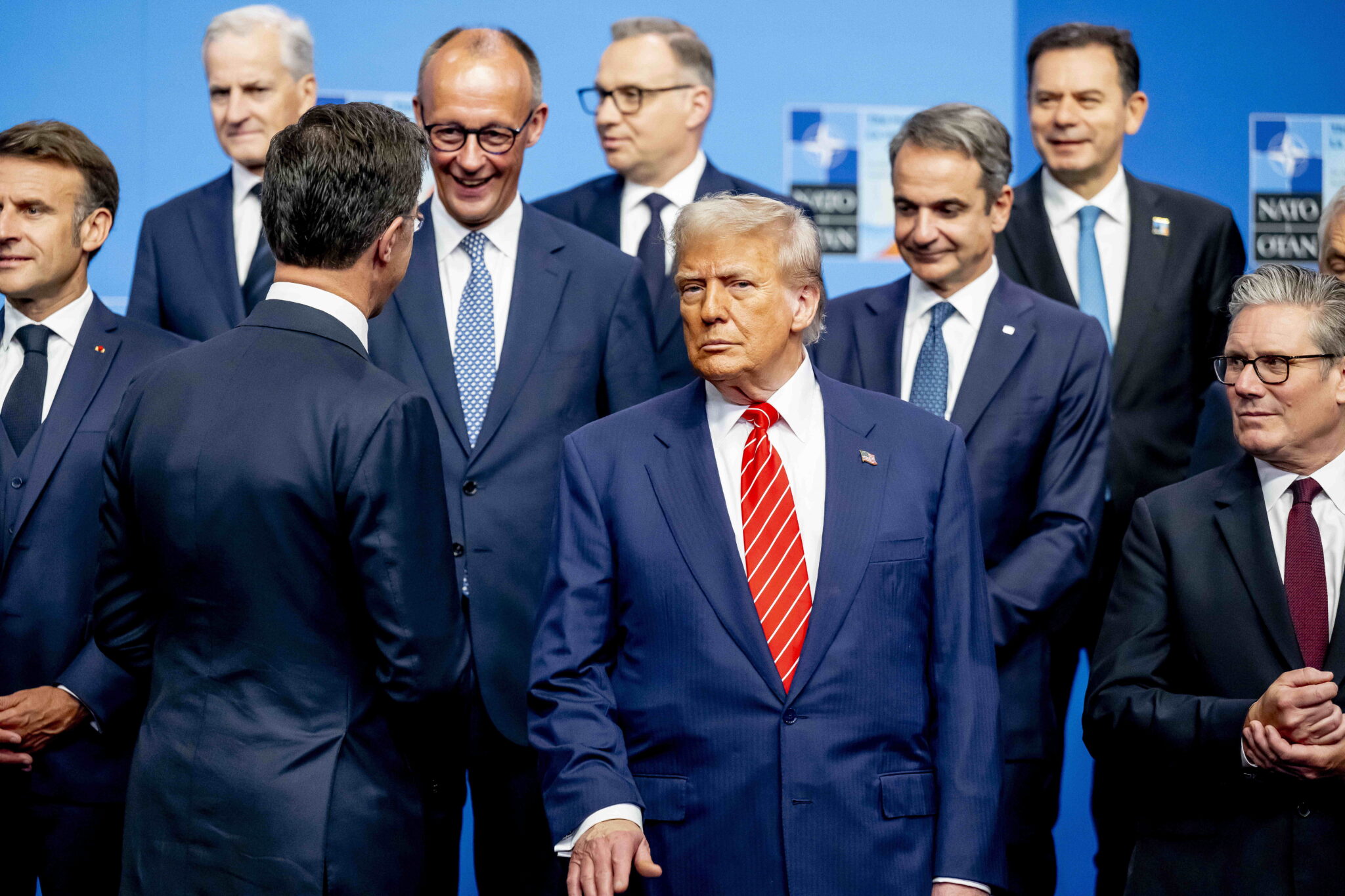
This is not (just) about awkward exchanges or conventional indignation. It’s about understanding what’s “happening” to us, the rest of the world, that is forced to adjust to this paradigm shift.
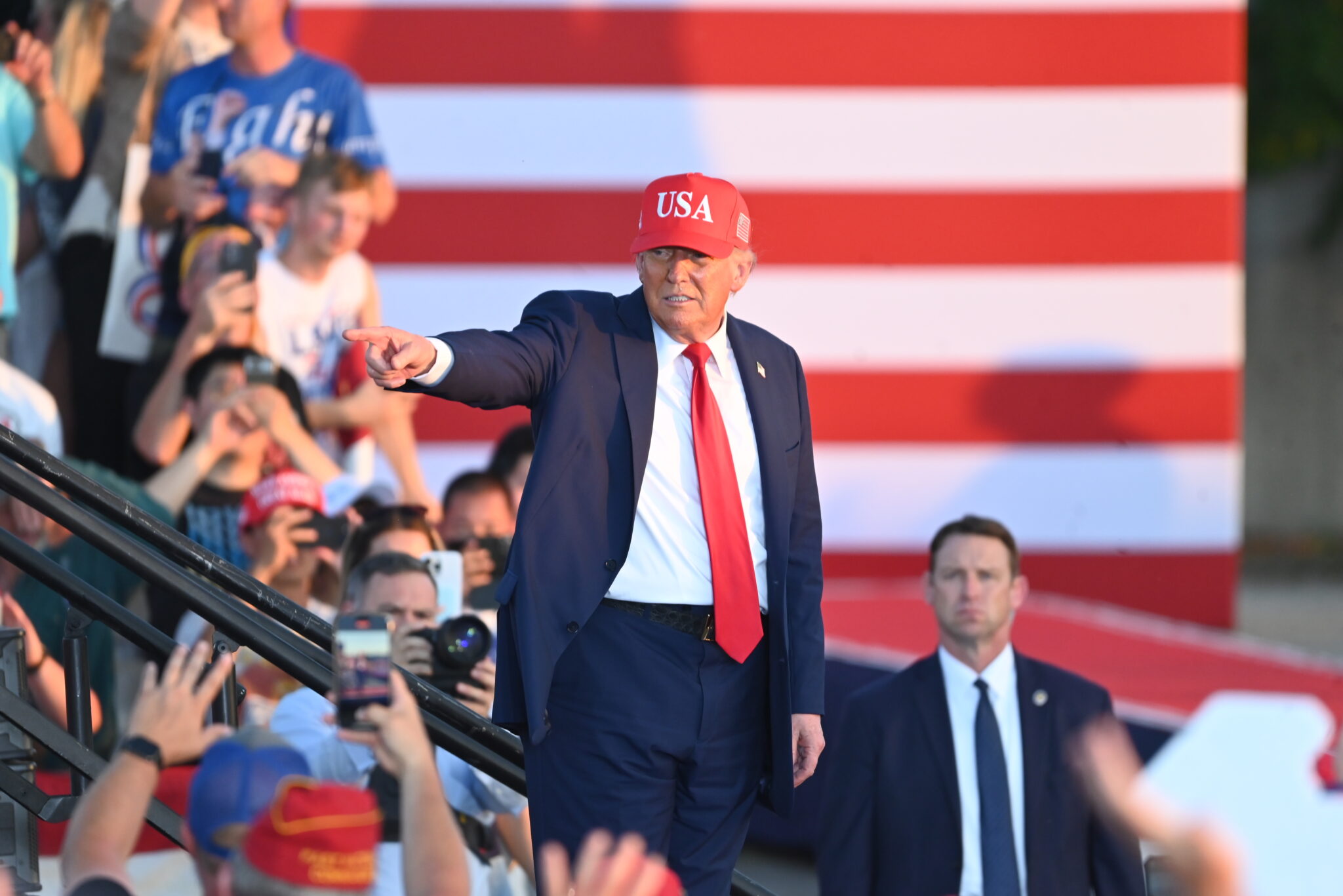
Donald Trump has scored a number of domestic and international victories. But his failure to reign in either Vladimir Putin or Benjamin Netanyahu does not bode well for the future.
A report from Oxford University lists the 32 countries – 16% of the world’s nations – with the infrastructure needed to develop artificial intelligence. The gap is widening with the rest of the world, in the key technological sector of the 21st century.

A tragic aviation disaster, a major political milestone, and the birth of a cinematic icon.
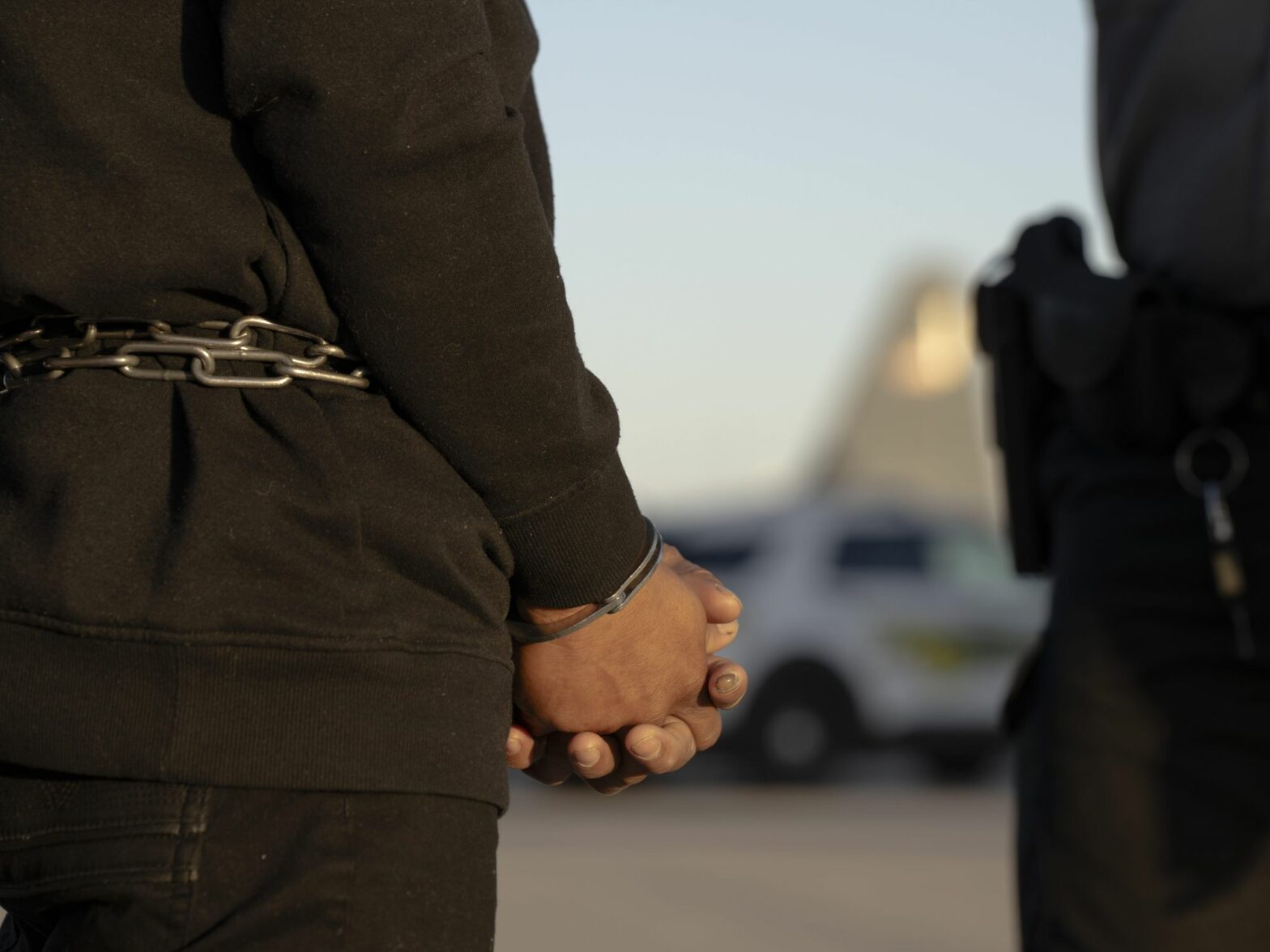
The White House has showcased images of deported migrants in shackles. This deliberate display of humiliation is part of a broader strategy that combines cruelty with political messaging, undermining both personal dignity and democratic values, writes Caterina Soffici for Italian daily La Stampa.
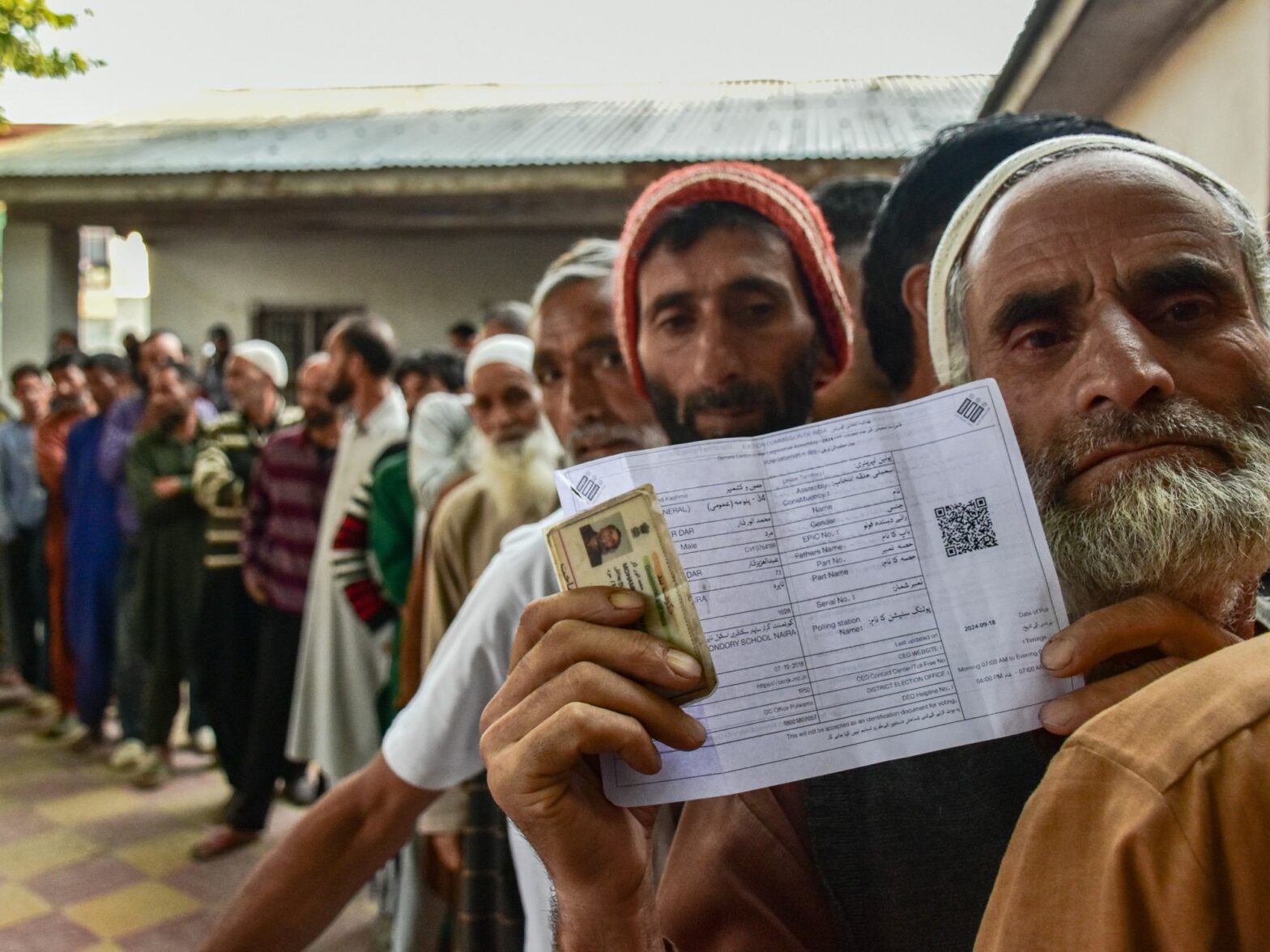
Looking back, 2024 was a year of momentous elections around the world. The results, from country to country, show overall that the global health of democracy remains precarious when some of those who win elections do not seem to believe in the political system which brought them to power.
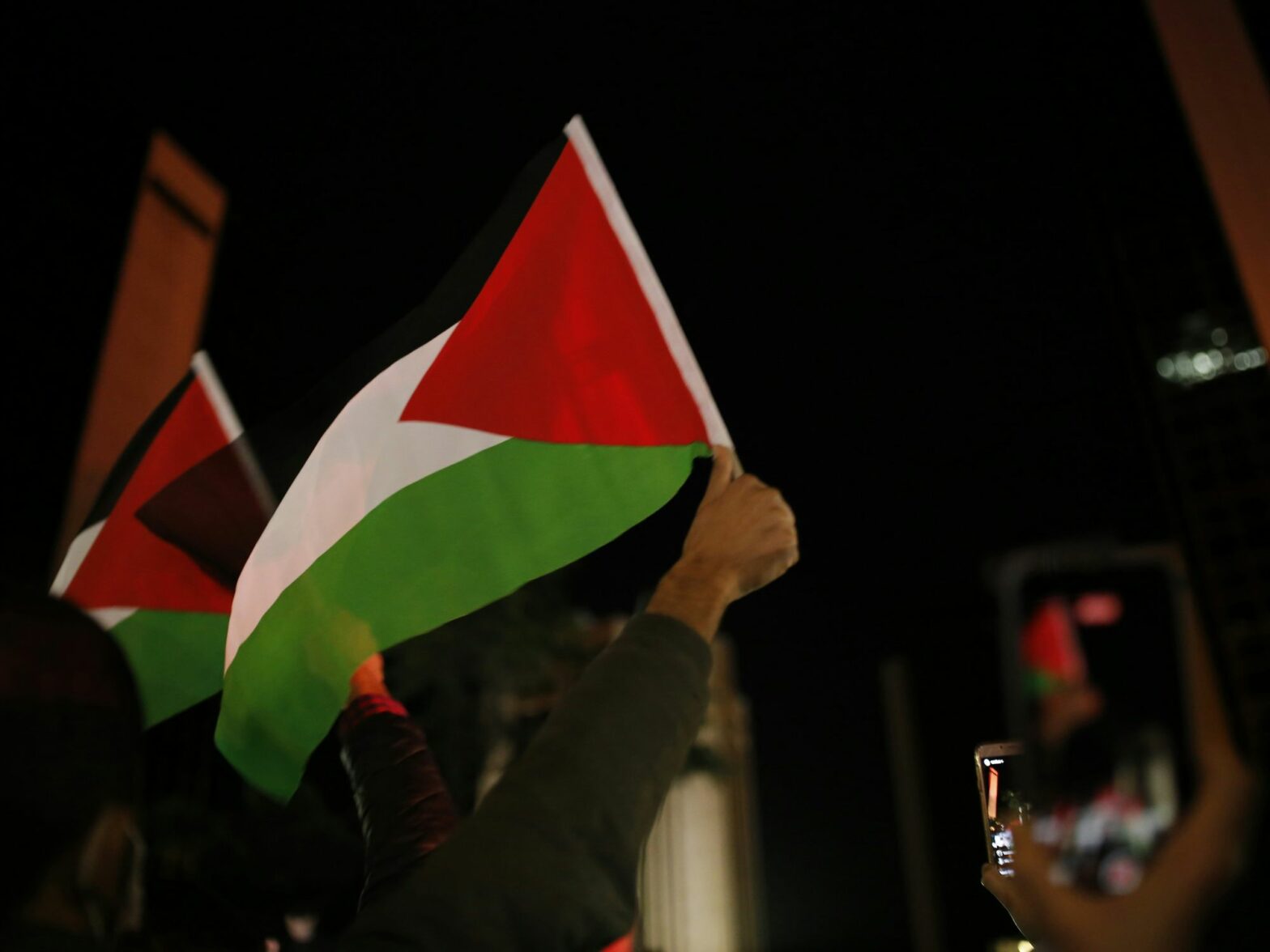
A region torn by centuries of conflict, caught in the relentless grip of global power struggles. The Middle East’s wars are no longer just battles for territory, but for control over narratives, lives, and destinies. And it’s all playing out on your phone.
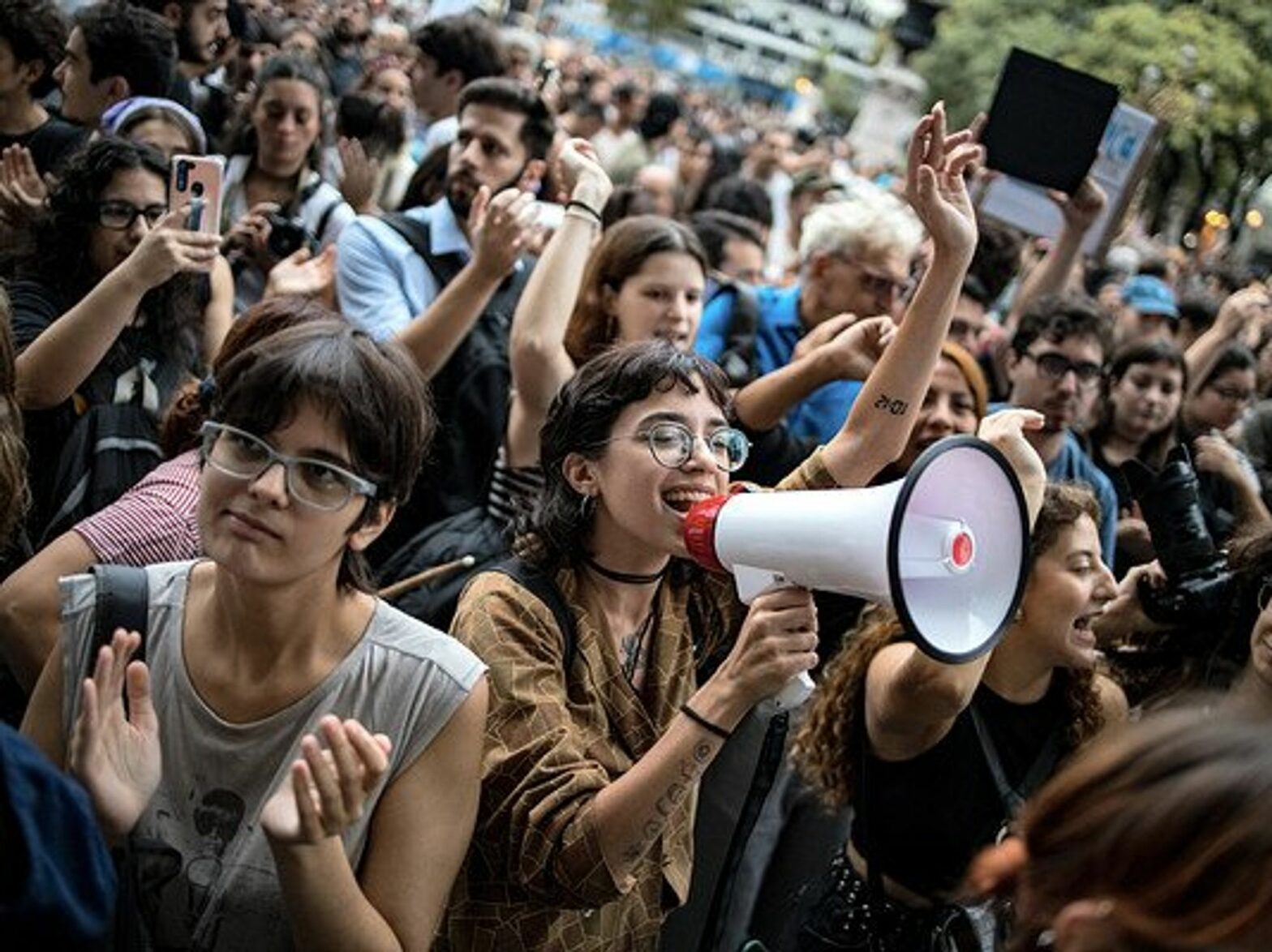
Advances in the fight against direct and indirect censorship have forced the enemies of freedom of expression to seek other, more subtle methods to distort and weaken public debate.
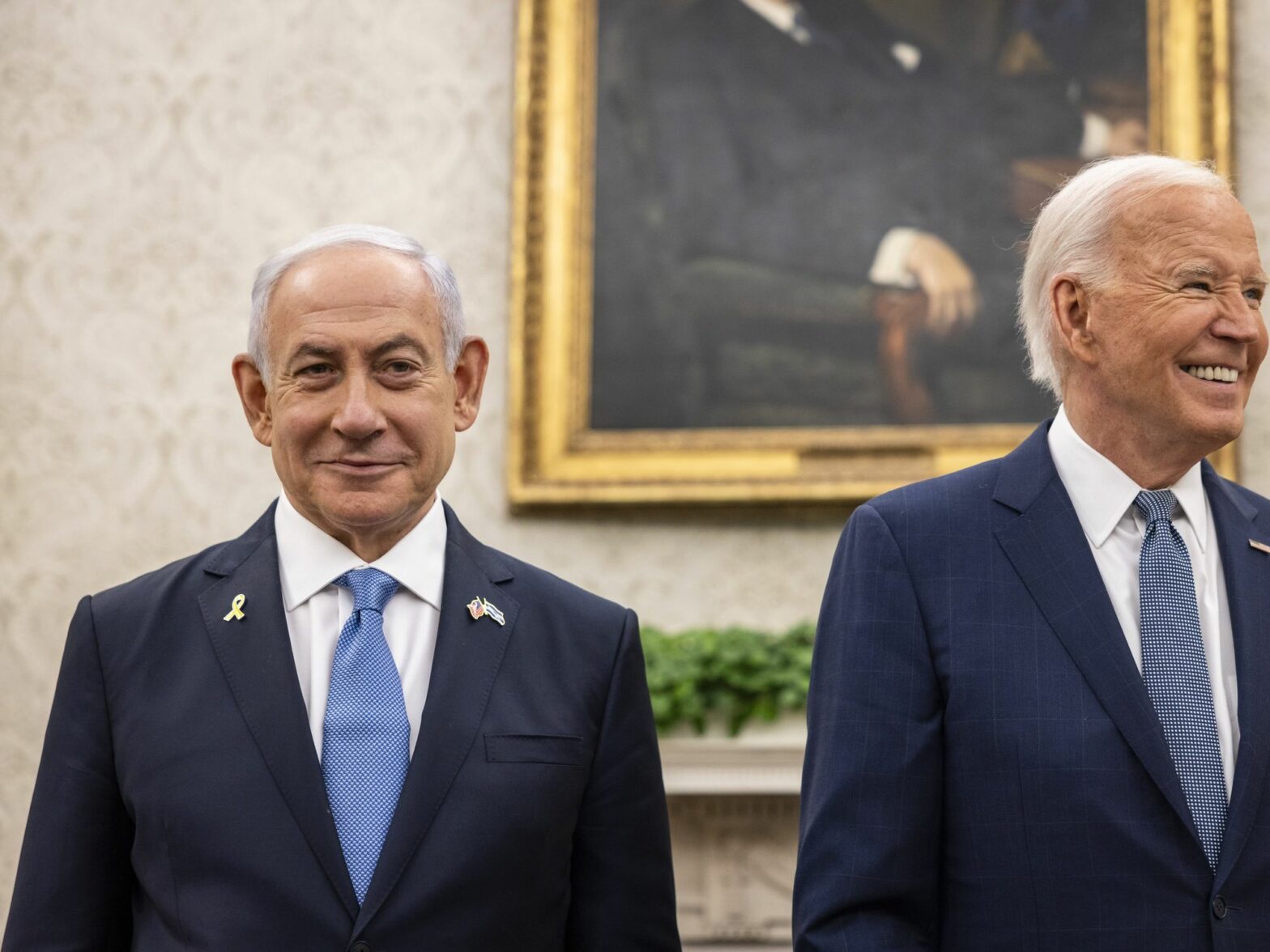
The upsurge in violence between Israel and Hezbollah in recent days carries the risk of regional conflagration that the United States does not want. But once again, for almost a year now, the Americans have been unable to get their Israeli ally to listen.
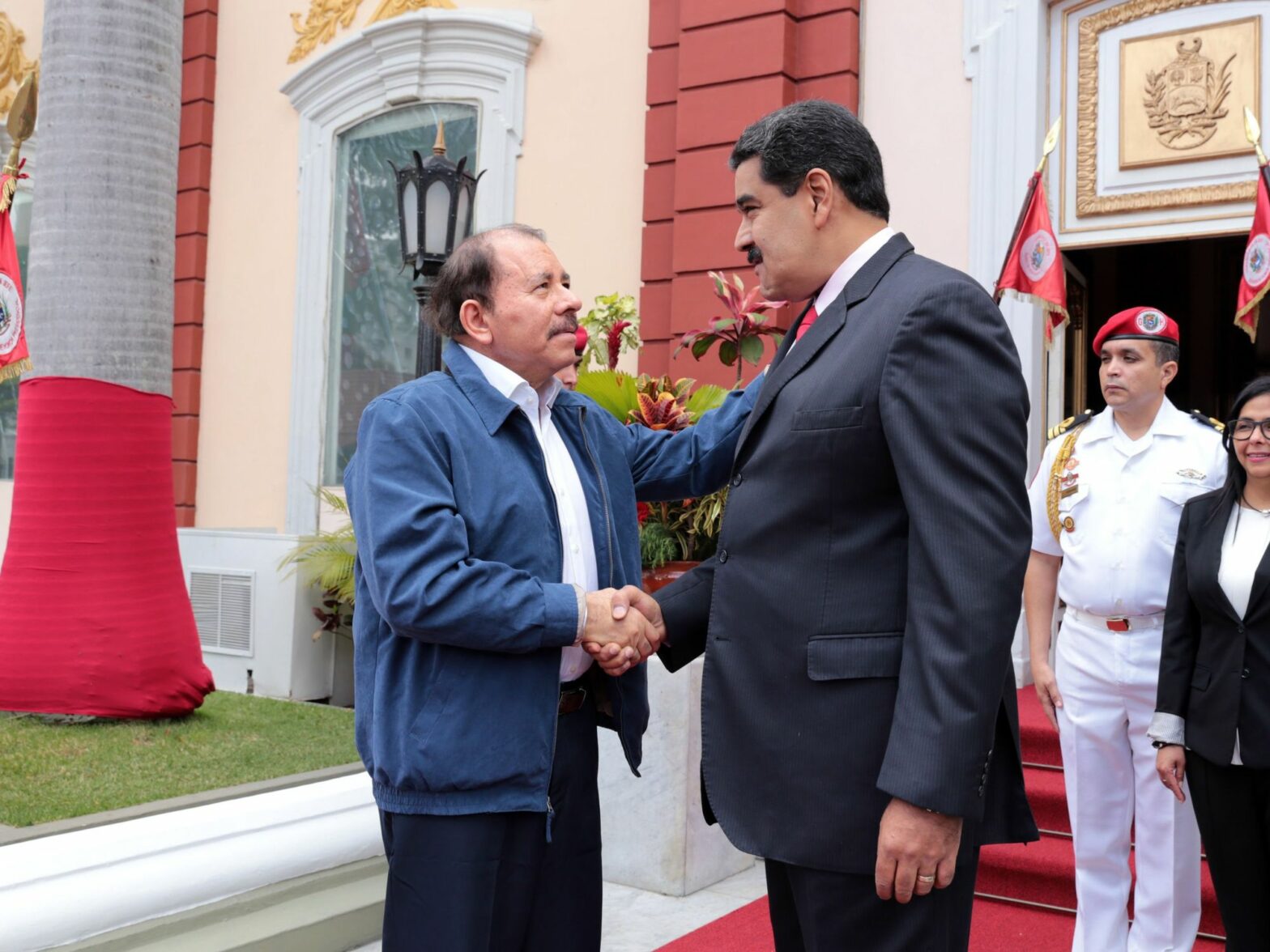
Venezuela’s elections this year took a very different course than Nicaragua’s in 2021. In both Latin American countries, an authoritarian leader wanted to stay in power and committed electoral fraud to do so. But in Venezuela, the opposition was able to create resistance to Nicolás Maduro.

Updated July 31, 20244 at 11:20 a.m. Fidel Castro officially handed over power to his brother Raúl Castro on this day in 2006. Why did Fidel Castro decide to transfer power to his brother? Fidel Castro’s decision to transfer power to his brother Raúl Castro was prompted by his declining health. Fidel underwent intestinal surgery […]

Updated April 17, 2024 at 12:00 p.m. The Bay of Pigs invasion began on this day in 1961, when a force of around 1,400 Cuban exiles, backed by the United States government, landed at the Bay of Pigs on the southern coast of Cuba. What was the goal of the Bay of Pigs invasion? The […]
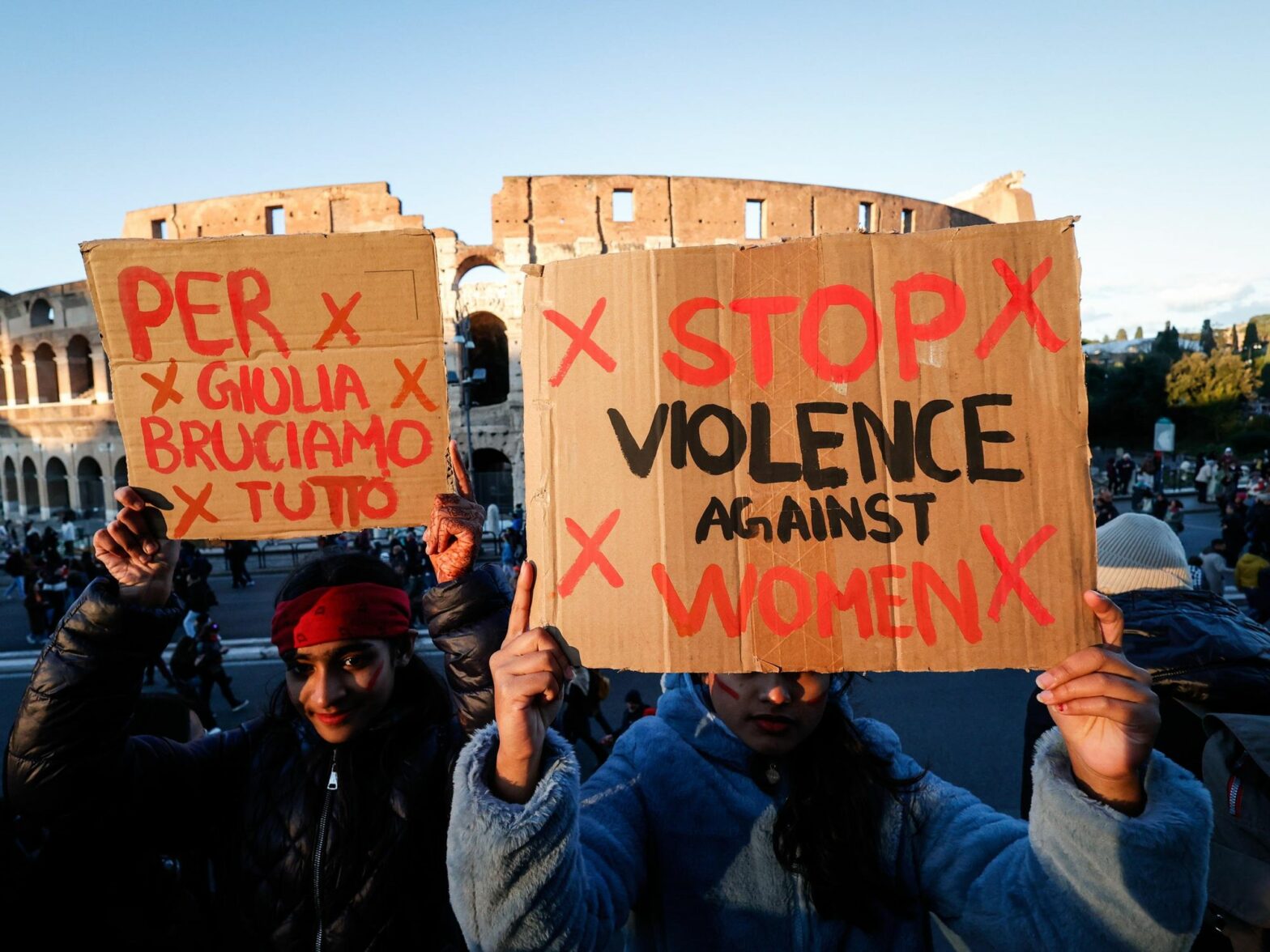
From time to time, testimony of sexual abuse inside the Italian entertainment industry comes out. But inevitably fails to gain much attention, another example of MeToo failing to take off in the traditionally sexist country. There are multiple explanations, though also quieter signs that something may be changing.
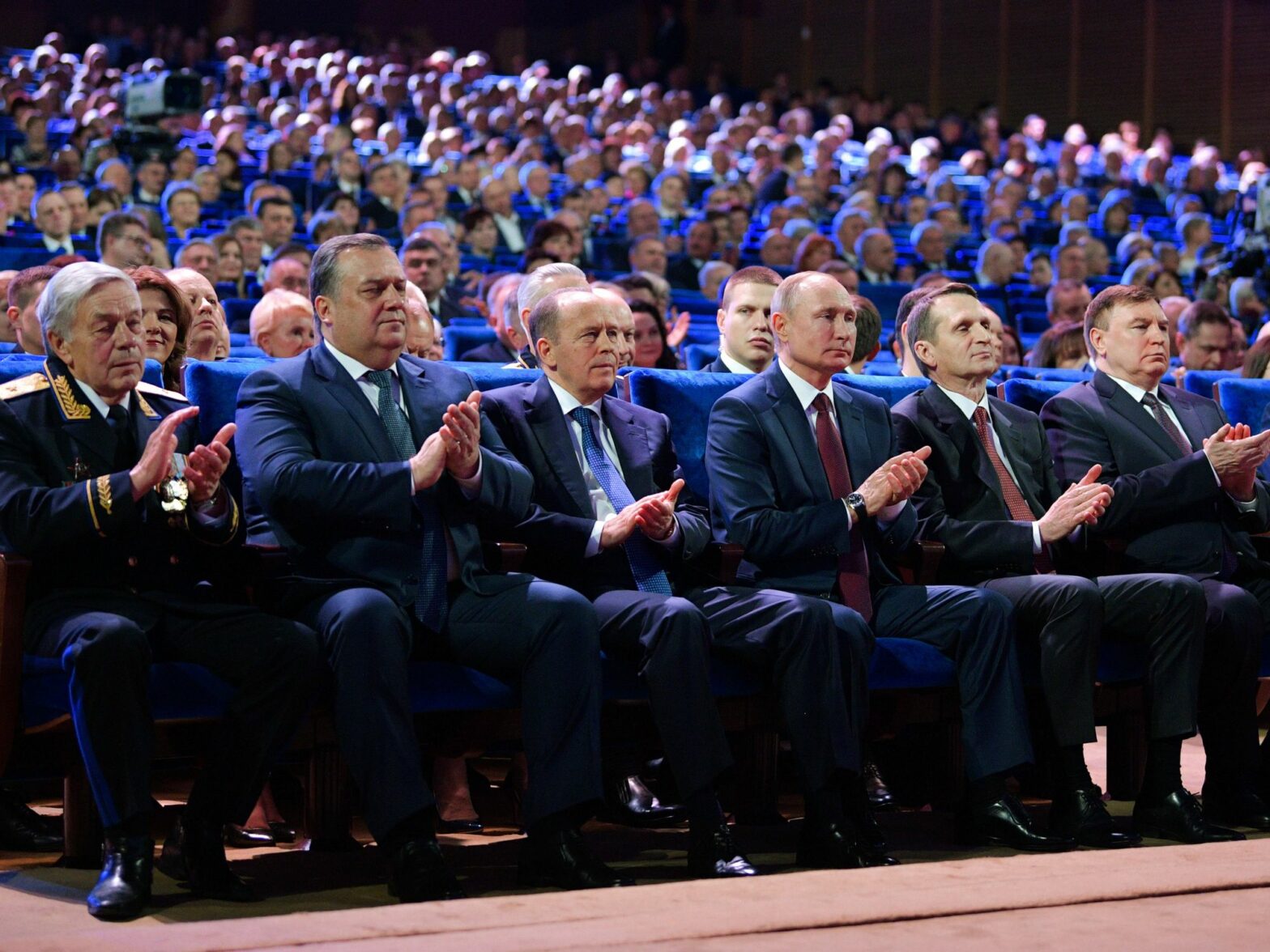
In a quarter of a century under the regime of the former KGB agent, members of the Russian security forces have imposed their growing stronghold on politics and the economy. But the Russian presidential election is also an admission of their weakness with their president failing to build a state strong enough to carry on without them.
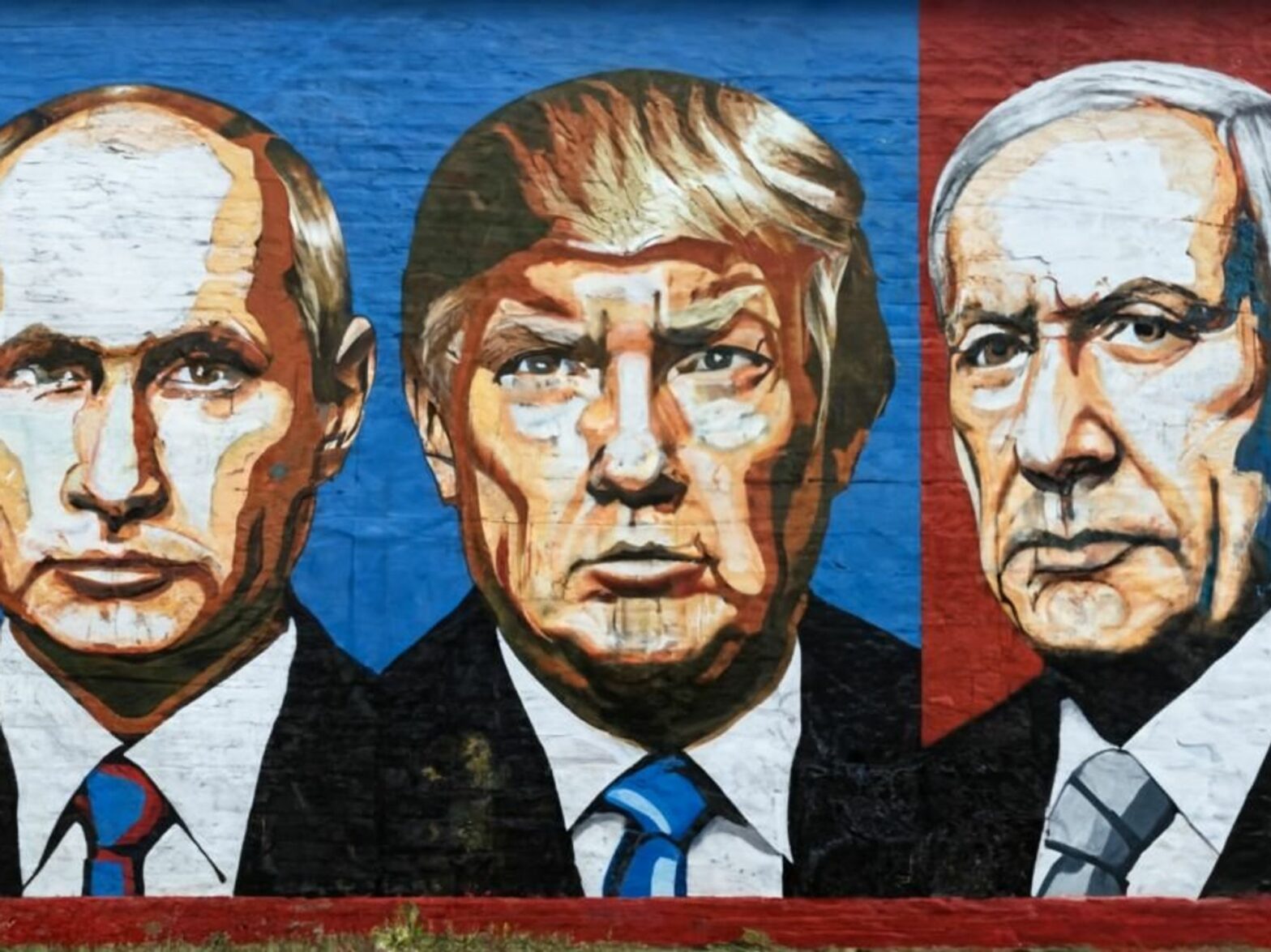
Donald Trump is not creating the U.S. malaise any more than Putin is creating the Russian malaise or Netanyahu the Israeli identity crisis. But all three illustrate the inescapable risk if a “me-first” attitude is taken to an extreme degree by individuals who’ve accumulated power.
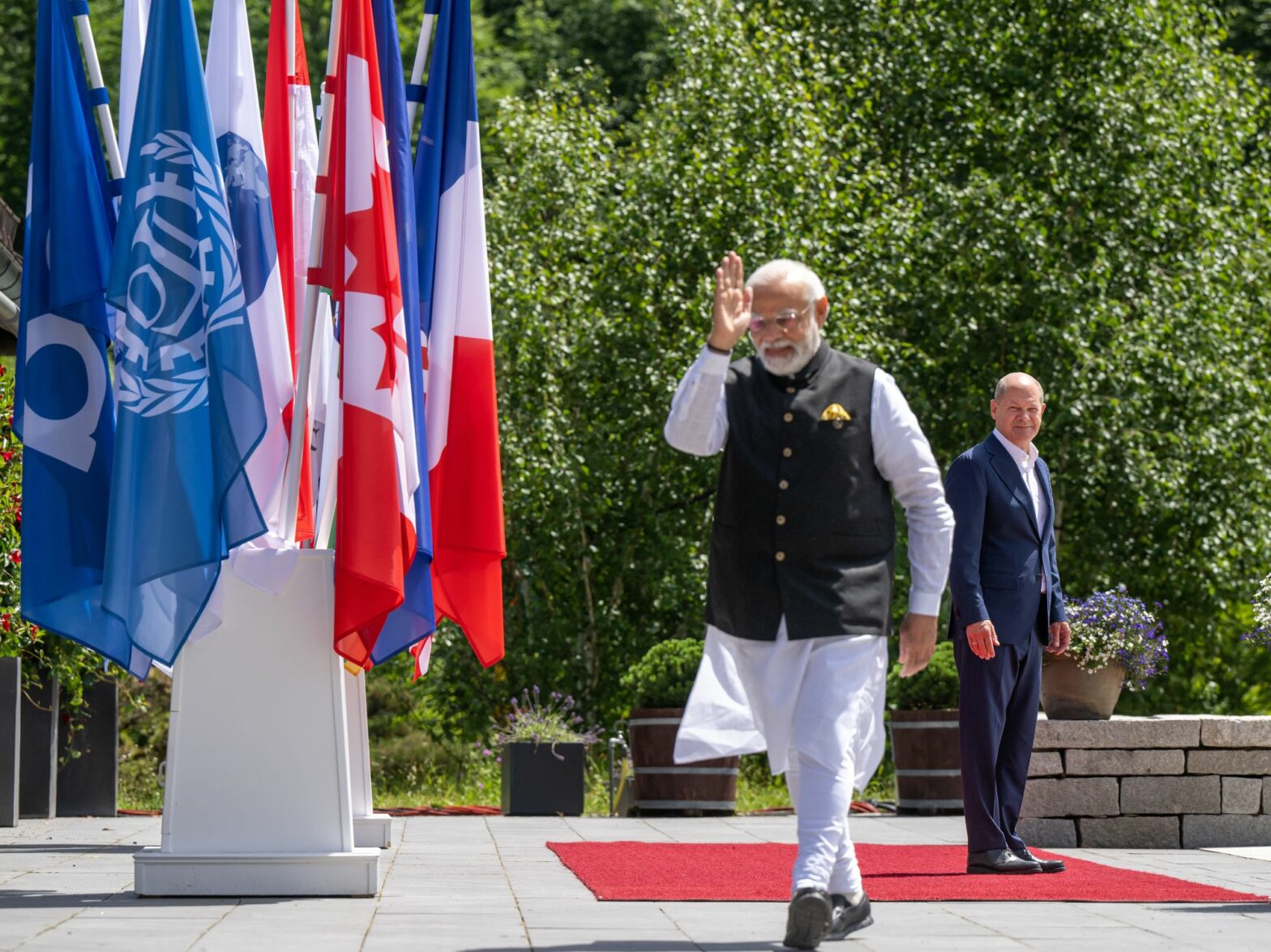
In not condemning Russia and openly siding with Israel, India’s foreign policy establishment is merely jettisoning the thin layer of politically-expedient, feel-good idealistic post-colonialism that veils an iron-fisted pragmatism.
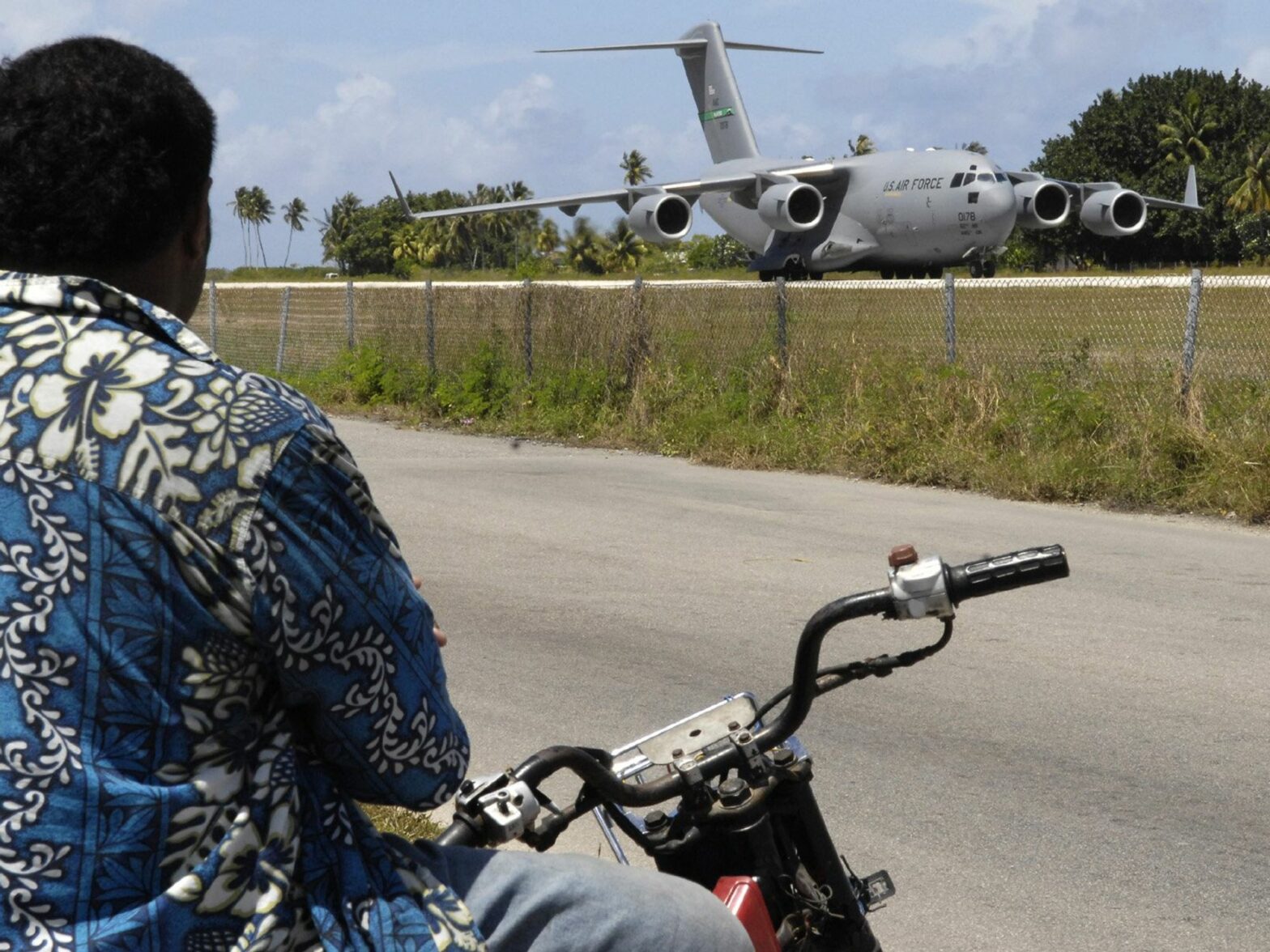
There is major maneuvering among the small but strategic islands in the South Pacific, with China offering security cooperation, and the United States reopening embassies and reviving dormant cooperation.
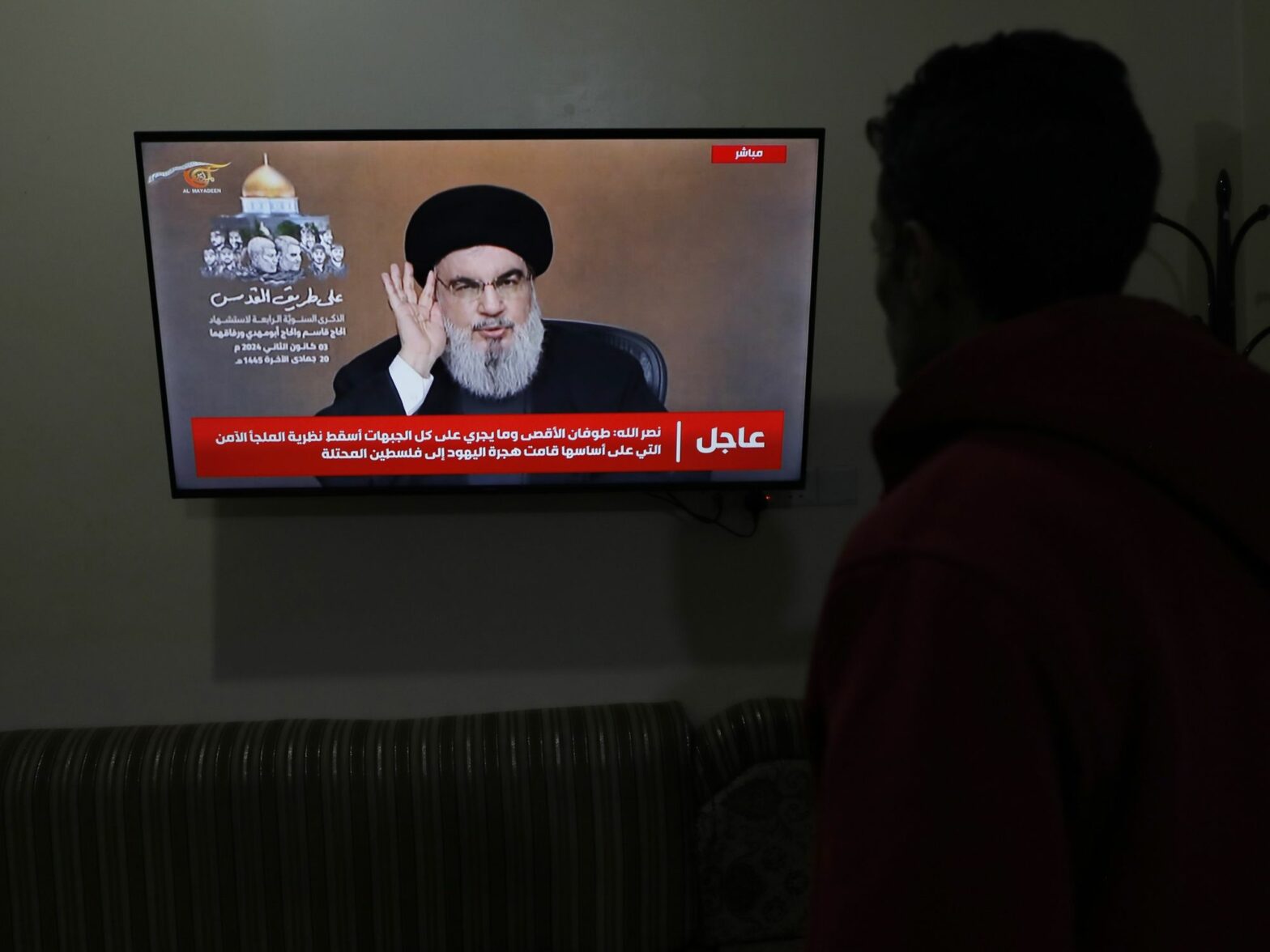
Hassan Nasrallah, the longstanding leader of Lebanon-based Hezbollah, grows stronger in direct relation to the declining influence of his rivals, foreign and domestic — embodying the formula for regional influence of Iran’s axis of powers.
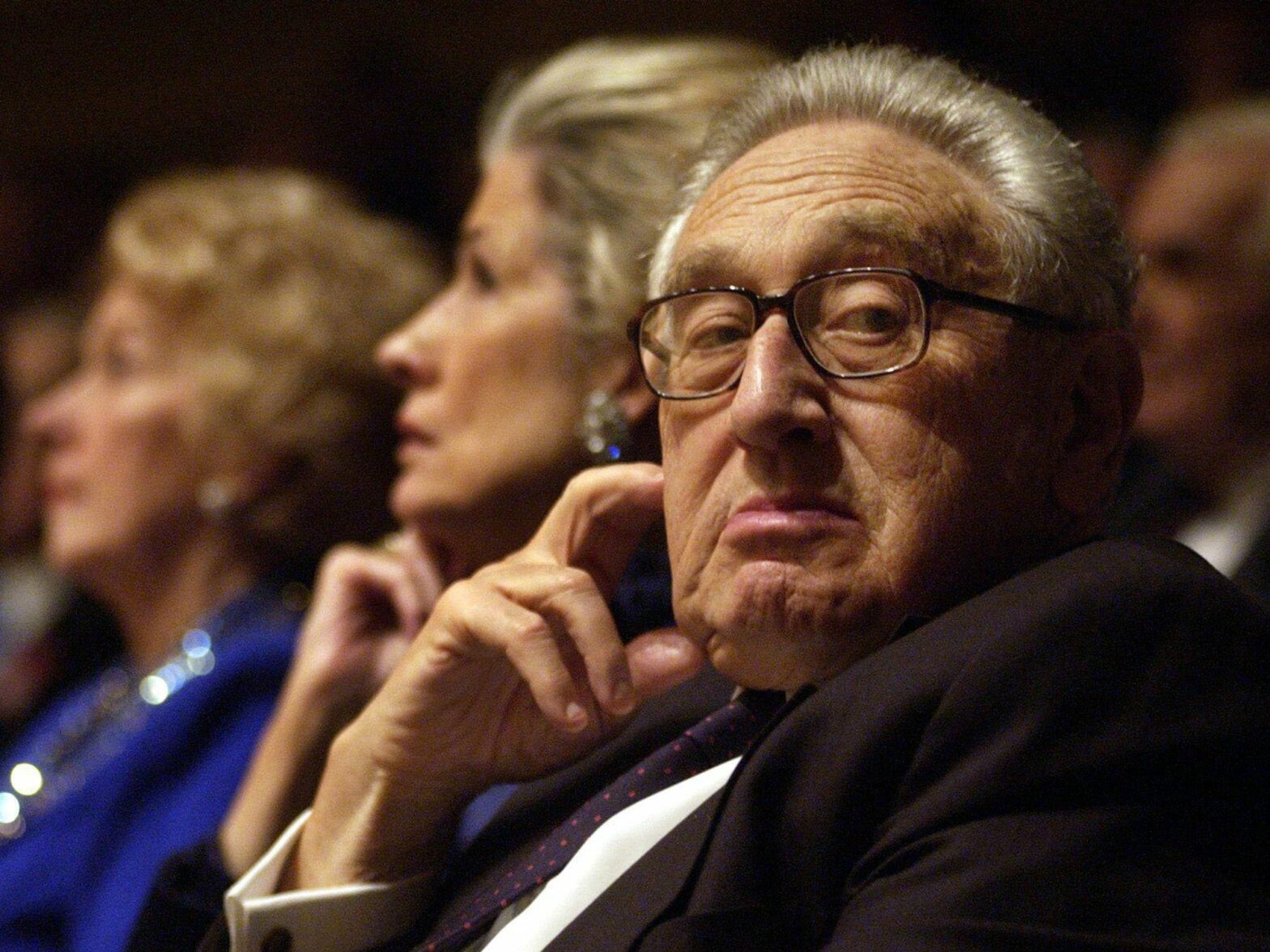
The list of notable deaths in 2023 includes Henry Kissinger and Silvio Berlusconi, who many believe had already overstayed their public welcome before our writer was even born.
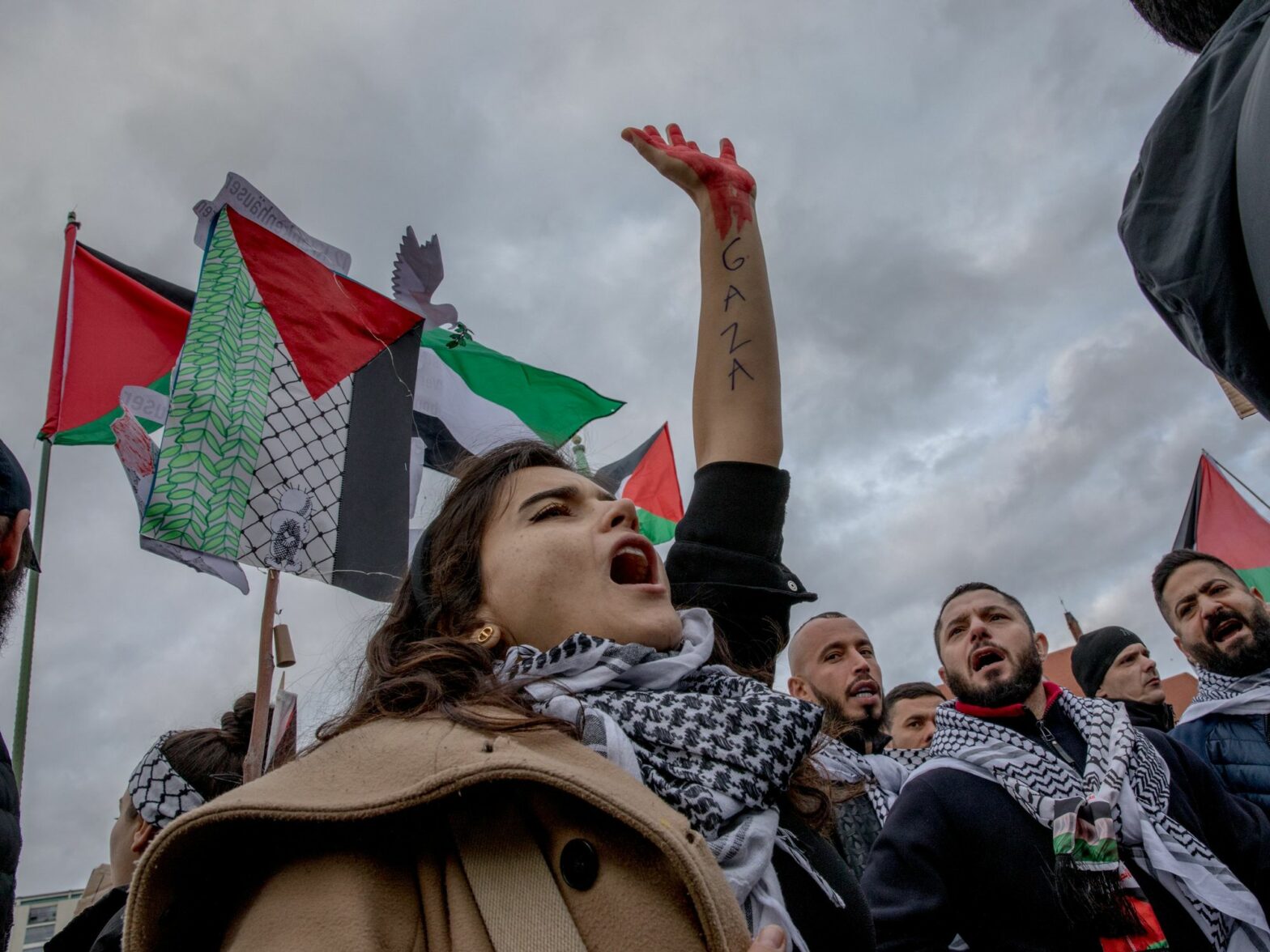
There are certain watershed moments where the world comes together in defense of an idea or a people, or maybe both. A call from afar to stand up in the name of the Palestinian people.
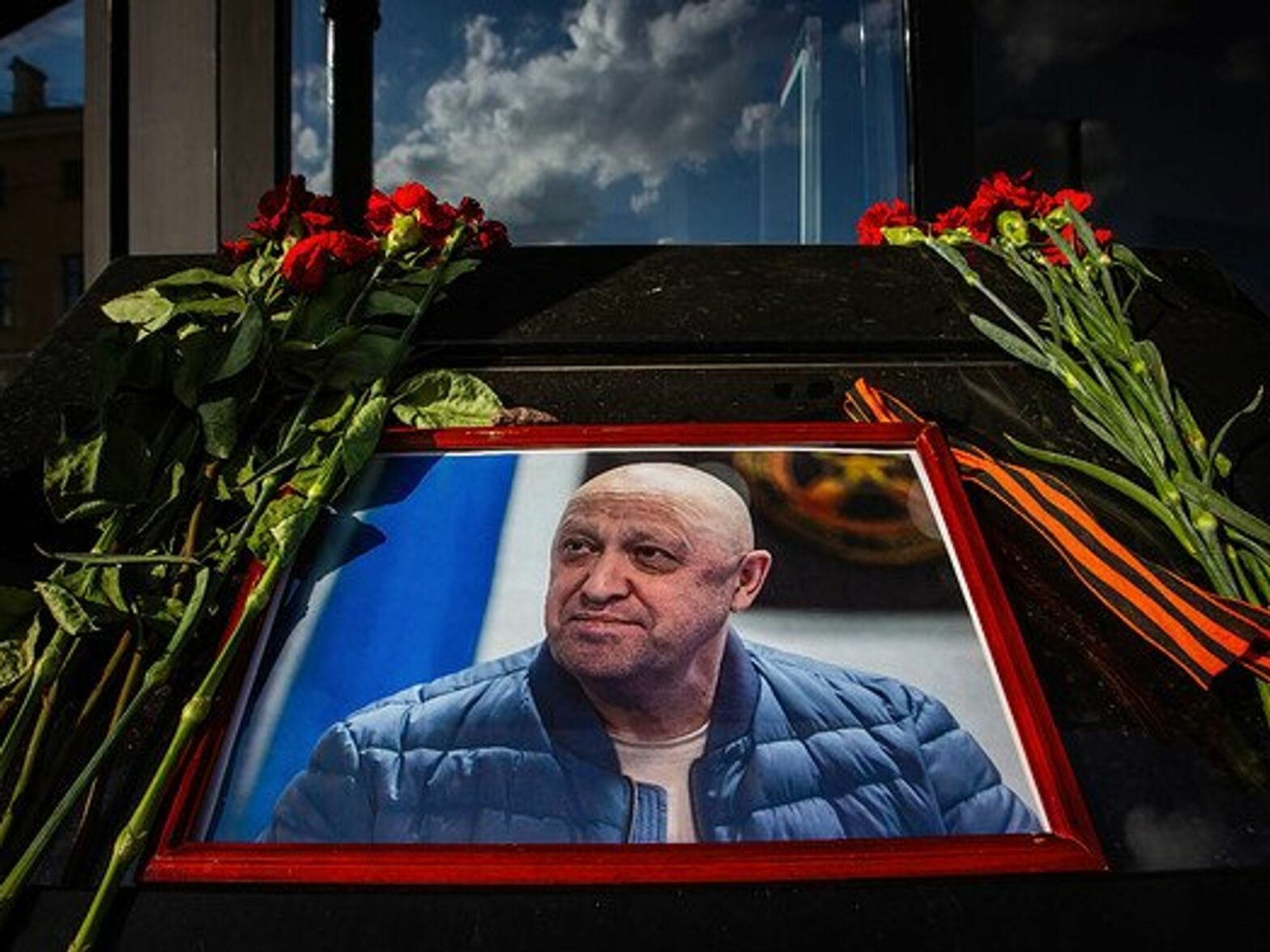
Wagner PMC has built up a powerful network on the African continent. It’s one of the mercenary group’s greatest assets — and now, a Kremlin takeover of Wagner could even strengthen its influence in Africa, including through the recent coups d’état in Niger and Gabon.
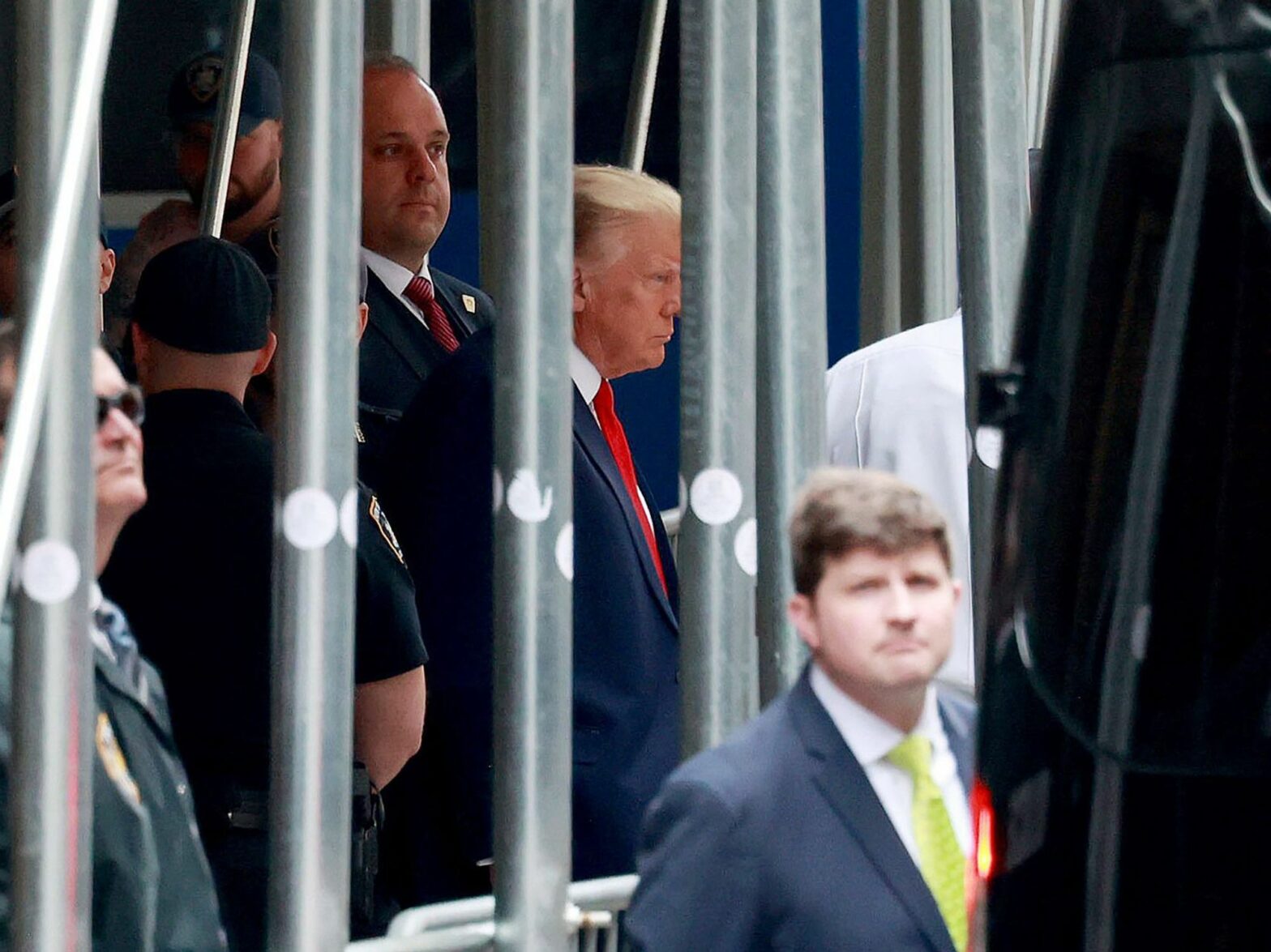
The third indictment against Donald Trump raises the legal dispute between the United States and its former president to a new level. While Trump cries foul play, drawing shameful comparisons with Nazi persecution 1930s Germany, the consequences of the trial can’t be predicted.
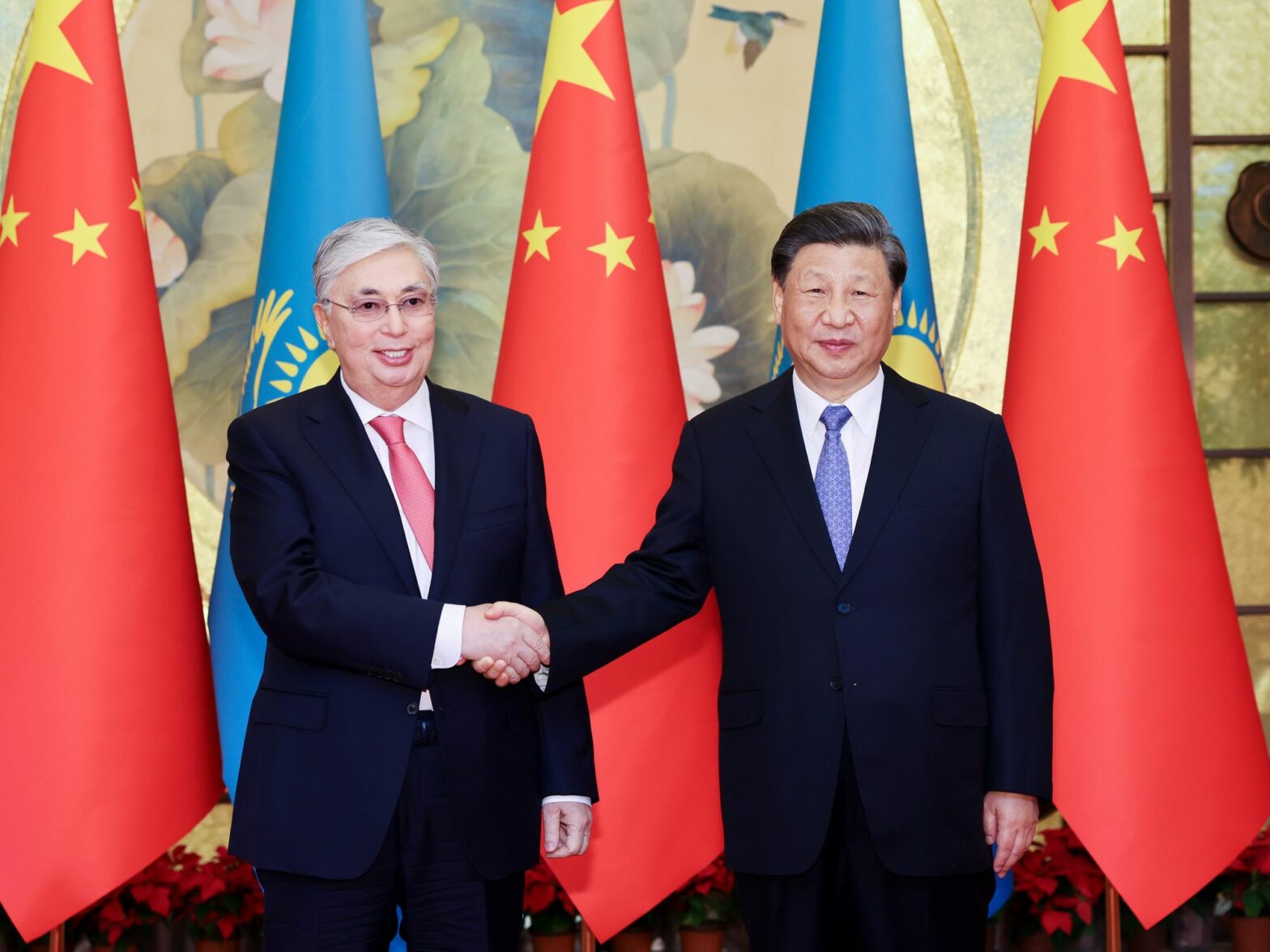
Five former Soviet states have arrived for a key summit in China, and the absence of Vladimir Putin signals Central Asia’s desire to distance itself from Moscow — and China’s rising global dominance.
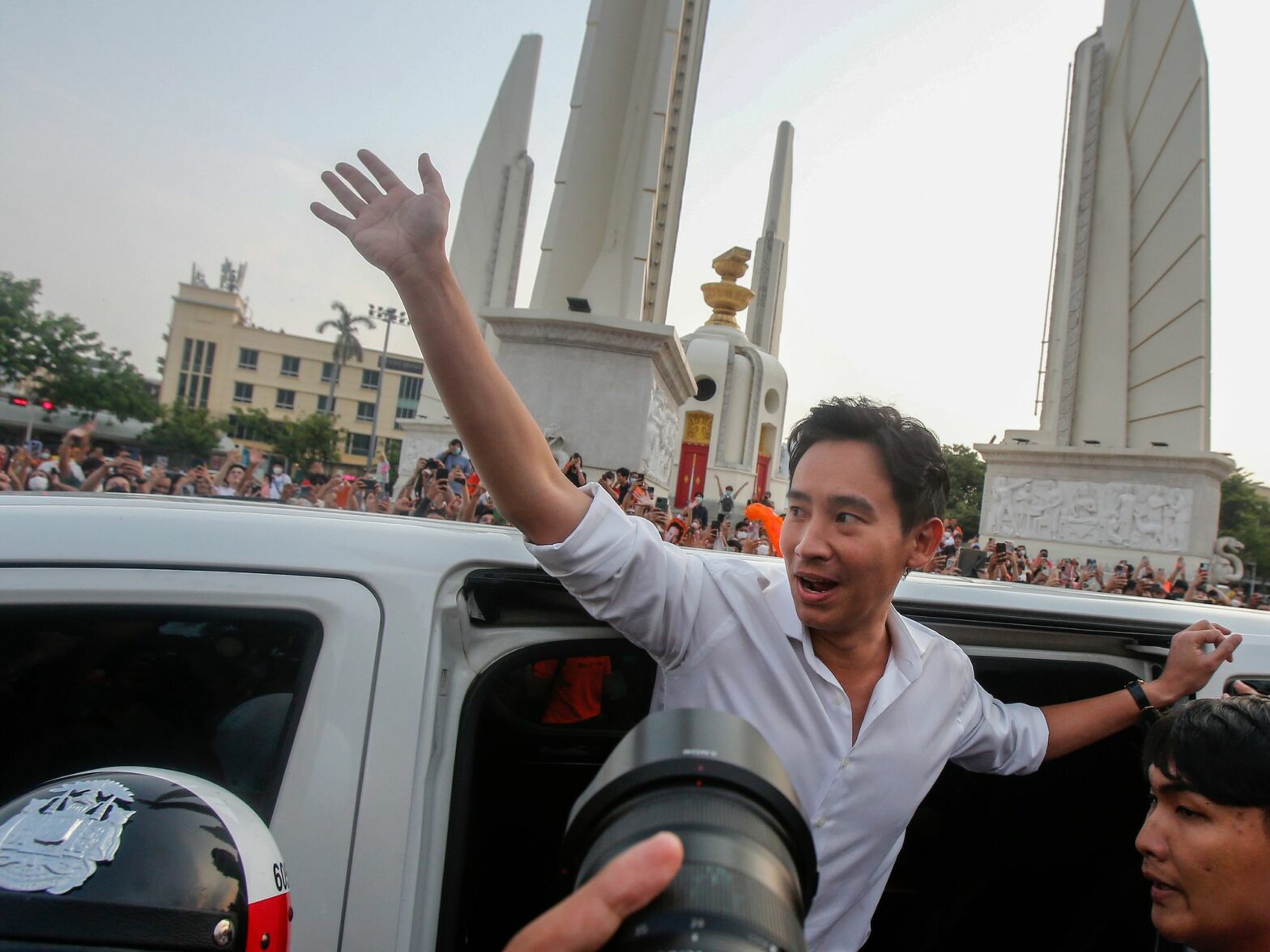
Thai voters spoke in favor of Pita Limjaroenrat’s Move Forward party, bringing hopes of in-depth reform of the country’s institutions. But that doesn’t guarantee Thailand’s opposition forces will be able to form a government, or that the military will ultimately give way.
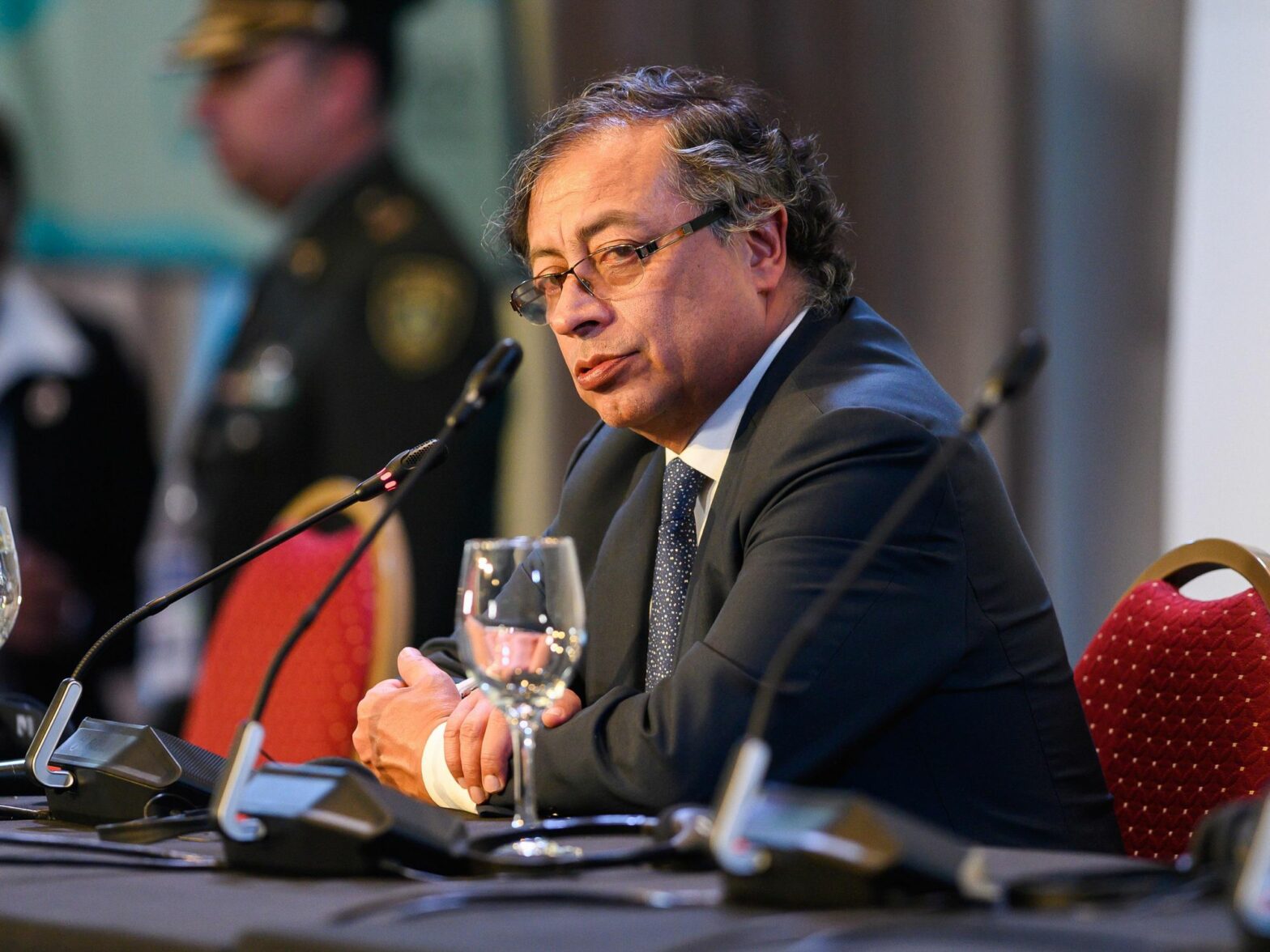
Colombia’s reformist president has promised to tackle endemic violence, economic exclusion, pollution and corruption in the country. So what’s new with a politician’s promises?
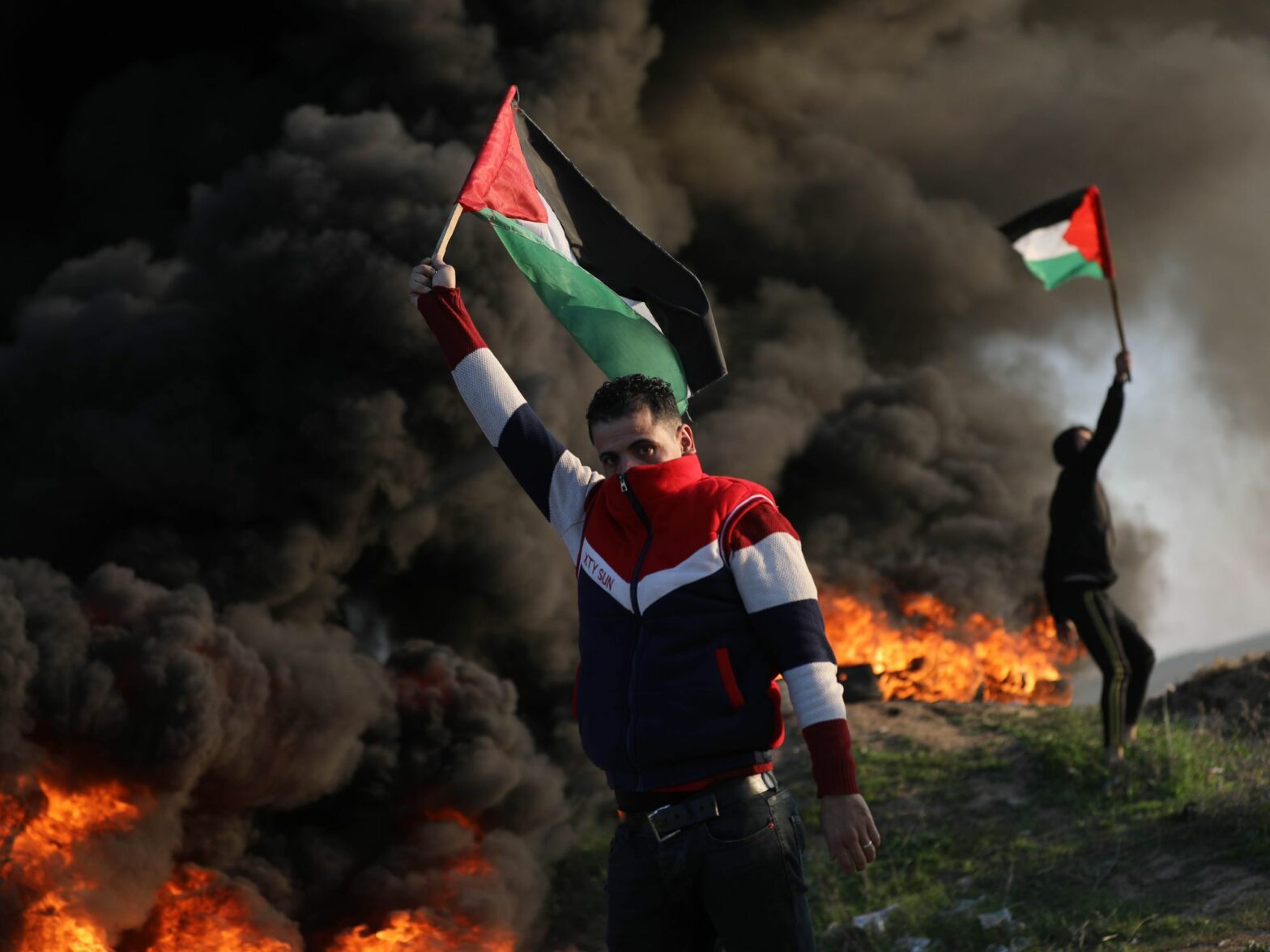
… and it runs much deeper than Benjamin Netanyahu’s new government.
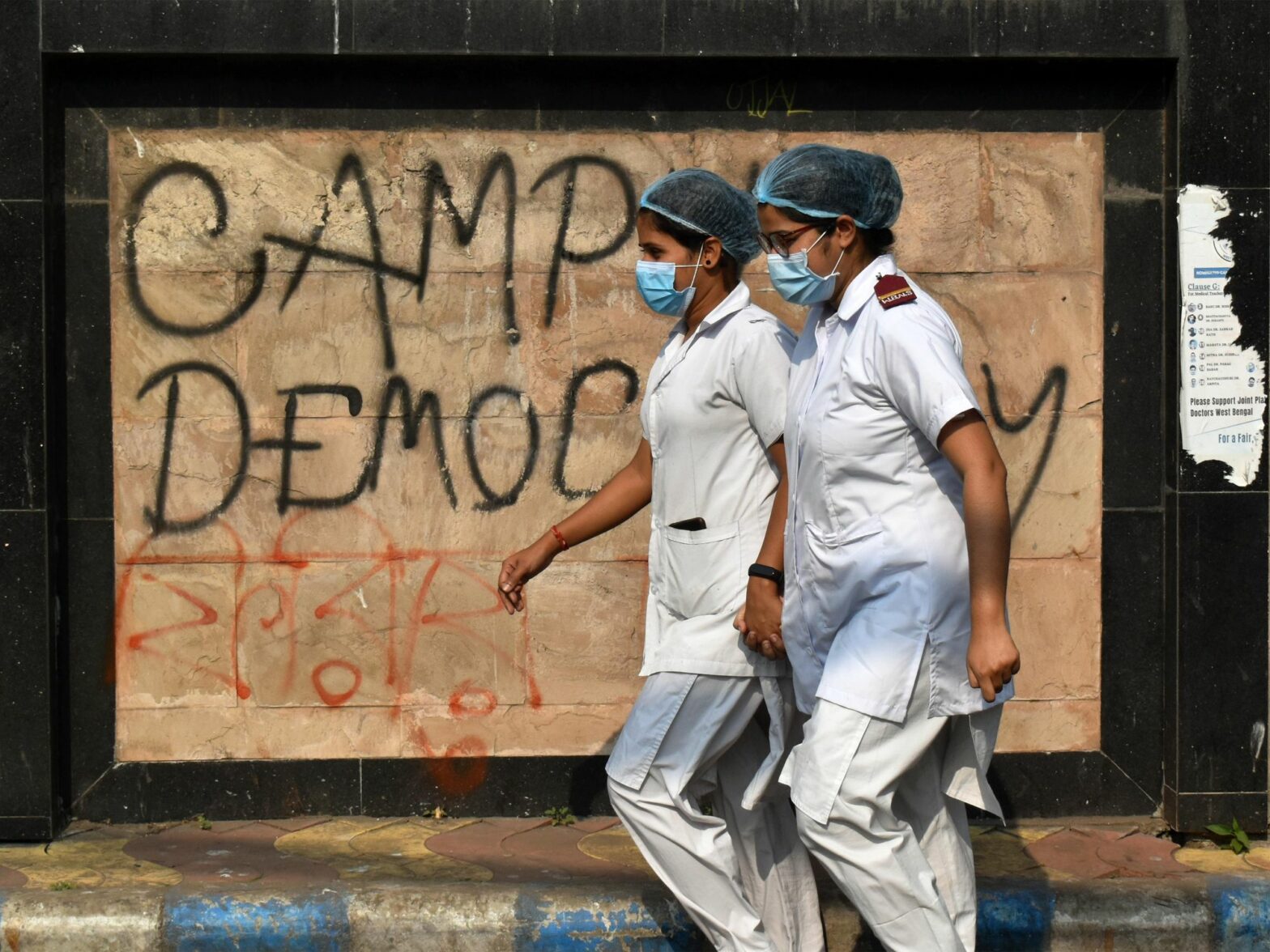
The public sector has seen a revival in response to COVID-19. This can be a good thing, but must be checked carefully because history tells us of the risks of too much control in the government’s hands.
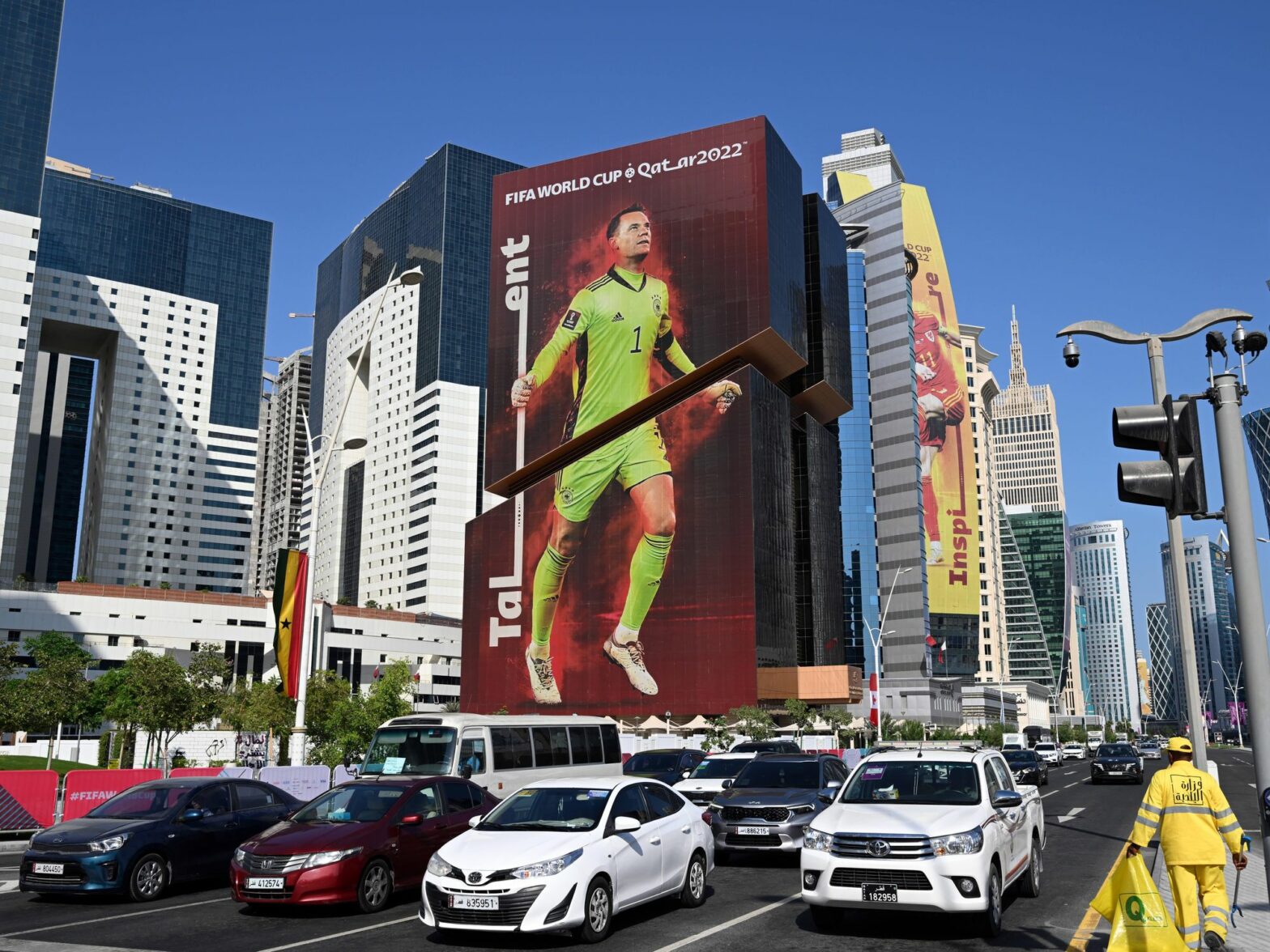
Soccer is a useful political tool for dictatorships. But Qatar is able to milk the World Cup as much as possible because the sport is infected by unbridled capitalistic greed.
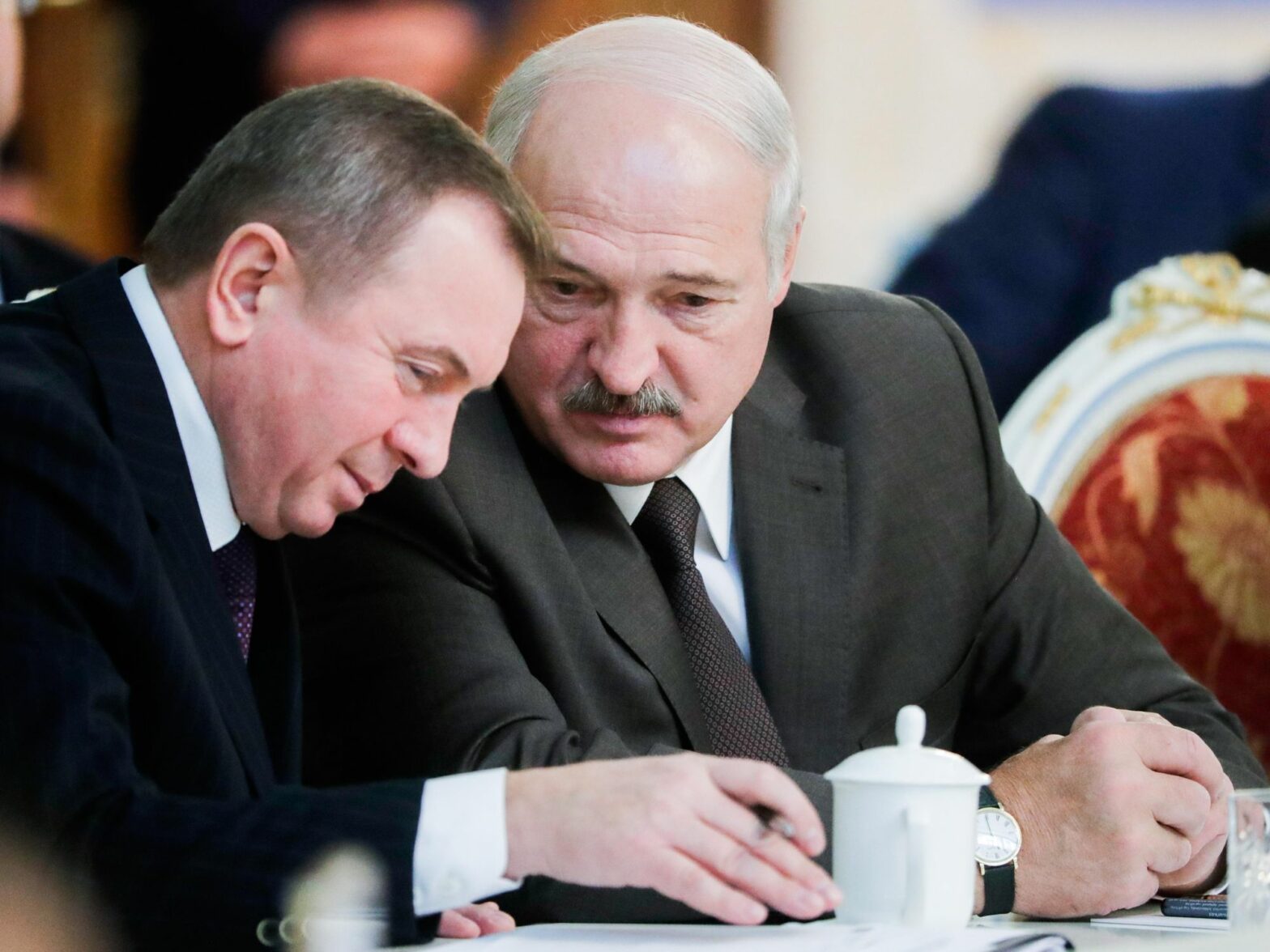
Whether or not the 64-year-old died of natural causes, the Kremlin is reinforced now in Minsk — leaving even less wiggle room for Belarus strongman Alexander Lukashenko.
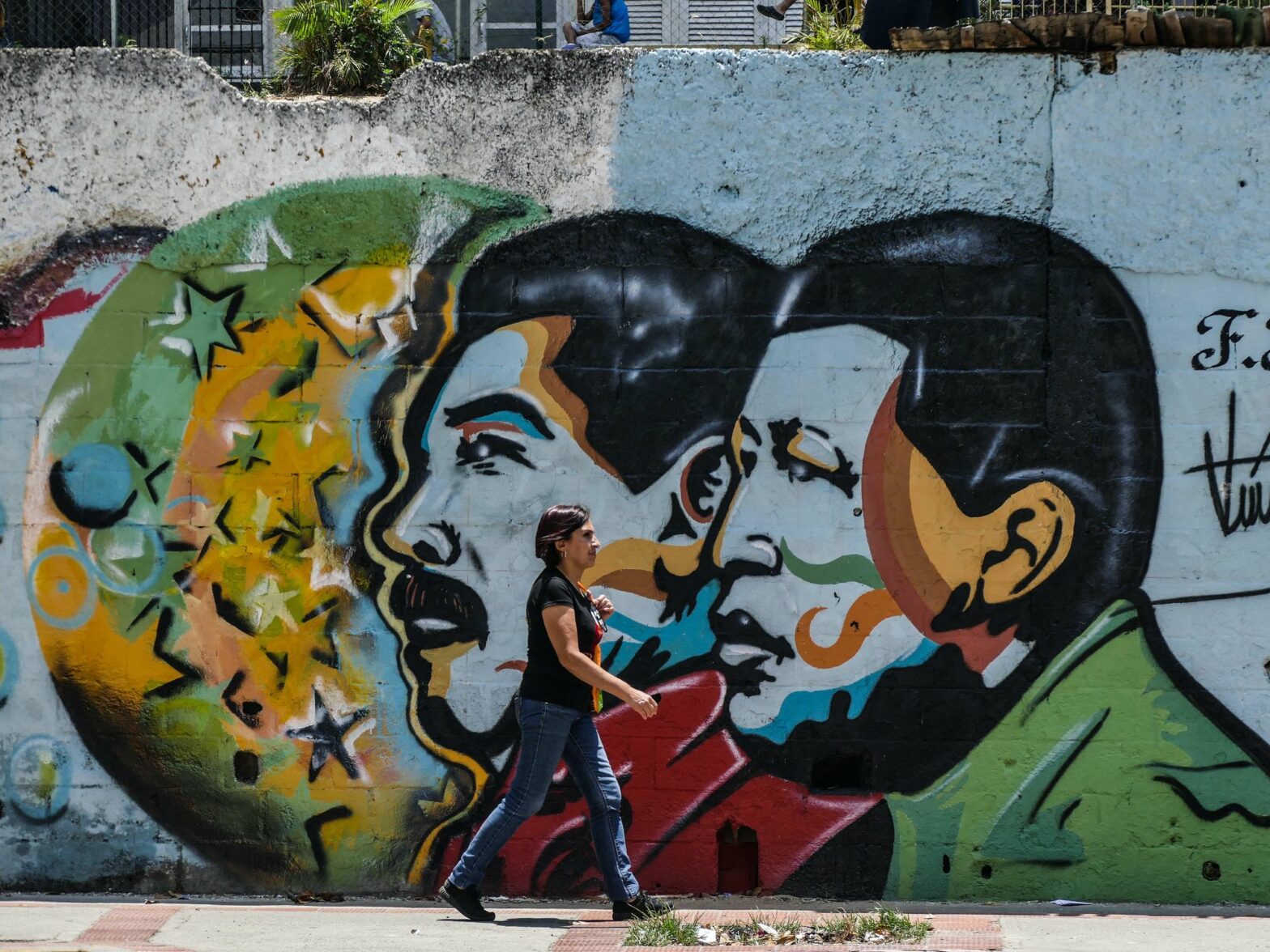
The Left is constantly being hailed as the resurgent power in Latin America. But there is no unified Left in the region. The “movement” is diverse — and its divisions are growing.