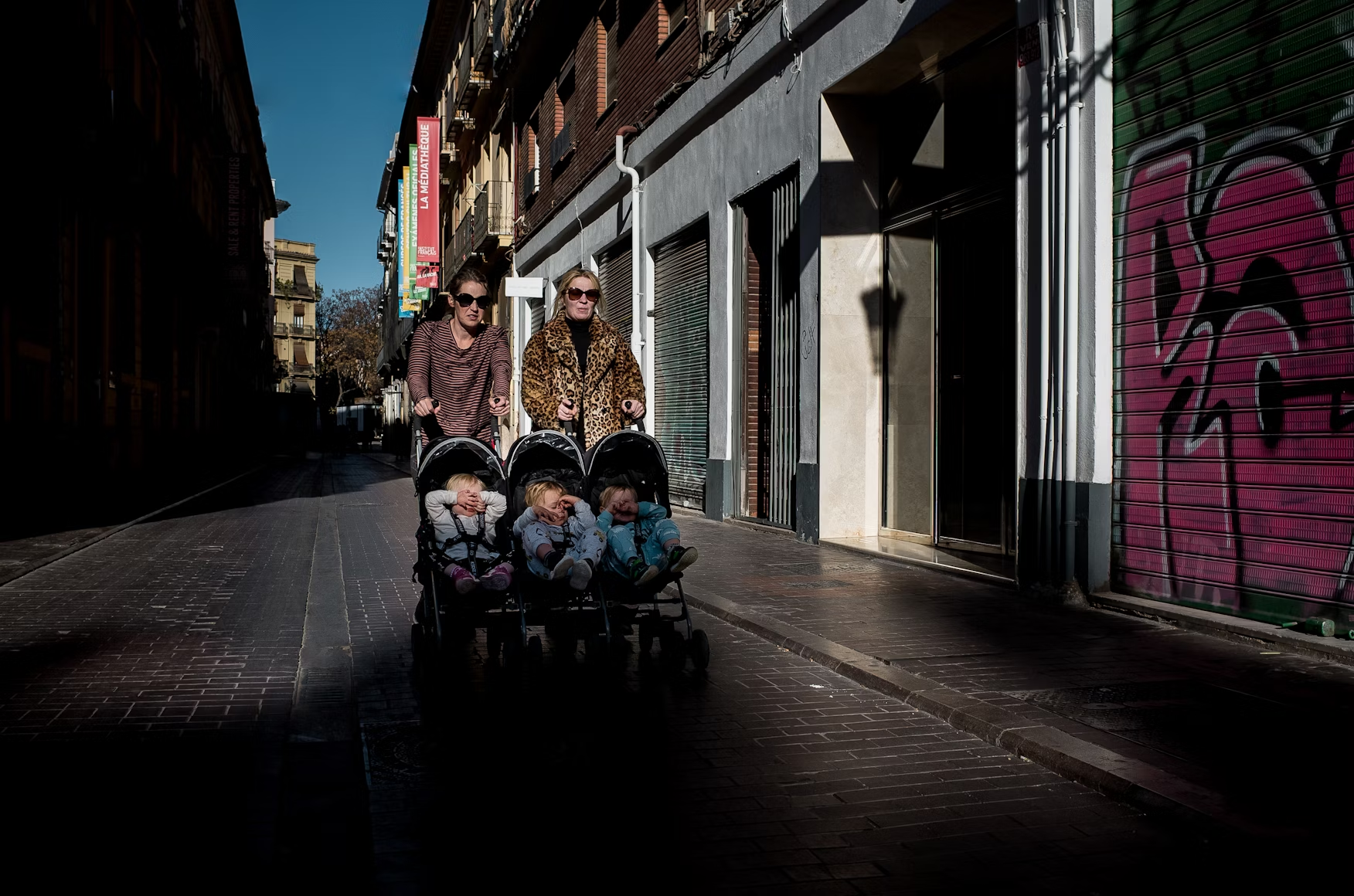
Italy’s long slide below replacement birth rate is driven by fewer women of childbearing age and weak support systems, not by “selfish” young women.
 Worldcrunch
Italy’s long slide below replacement birth rate is driven by fewer women of childbearing age and weak support systems, not by “selfish” young women.

New research shows adolescence is a crucial window for learning, creativity, and early mental health care, with parents helping most by guiding rather than controlling.
When partners differ in their wish for children, research shows it often results in imbalanced responsibilities, hidden power struggles, and lasting strain.
Argentine journalist Ignacio Pereyra reflects on six years as the primary caregiver to his two sons while his partner advanced her career. Though his decision has sparked praise — and skepticism — it’s also unraveled assumptions about masculinity, fairness, and what we call “normal” parenting.
The author, a 49-year-old Kindergarten mom, shares her own experience — and looks at the emerging science about raising children later in adulthood.

Caregiving is still culturally framed as exceptional when done by men, even though true gender equality requires it to be routine — not praised, but expected. Despite growing awareness, women still shoulder the majority of care work, and shifting this imbalance means redefining care as a shared human responsibility, not a gendered role.

While parents are busy working, ideologues are targeting their children online with misogynistic propaganda. Die Zeit’s Caroline Rosales always thought it could never happen to her.
Parents throwing punches. The ways we try — and fail — to coexist. Bill Watterson and ambition. Calvin & Hobbes and the adult world. Do kids worsen our quality of life? Would my mom have lived 13 more years?

As China’s population declines, more women want children without husbands. But strict laws and traditional values still block their path to single motherhood.
Becoming a parent doesn’t just change your life — it rewires your brain. Science is showing that both mothers and fathers experience profound neurological shifts, with emotional, mental, and social consequences that go far beyond biology.
To be a stepmother or stepfather is to arrive late to a story that has already begun, yet still choose to help write a new chapter. It means adding another emotional thread to a family, without erasing what came before. It is a kind of bond that is becoming more common in today’s families and is finally starting to be acknowledged.

From the Boom generation to the “padritores” of Latin writers, it isn’t that men are incapable of emotional reflection, but that the spaces to do so simply don’t exist.
The horrible and the positive aspects of the “terrible twos.” From adorable baby to mischievous little goblin. Recipes, frustration, and strategies. A small victory on a chaotic morning.

Updated July 25, 2024 at 12:15 p.m. Louise Brown, known at the time as the world’s first “test tube” baby was born on this day in 1978 in Oldham, England. Her birth marked a significant milestone in reproductive medicine and assisted reproductive technology. What does it mean to be a “test tube baby”? The term […]
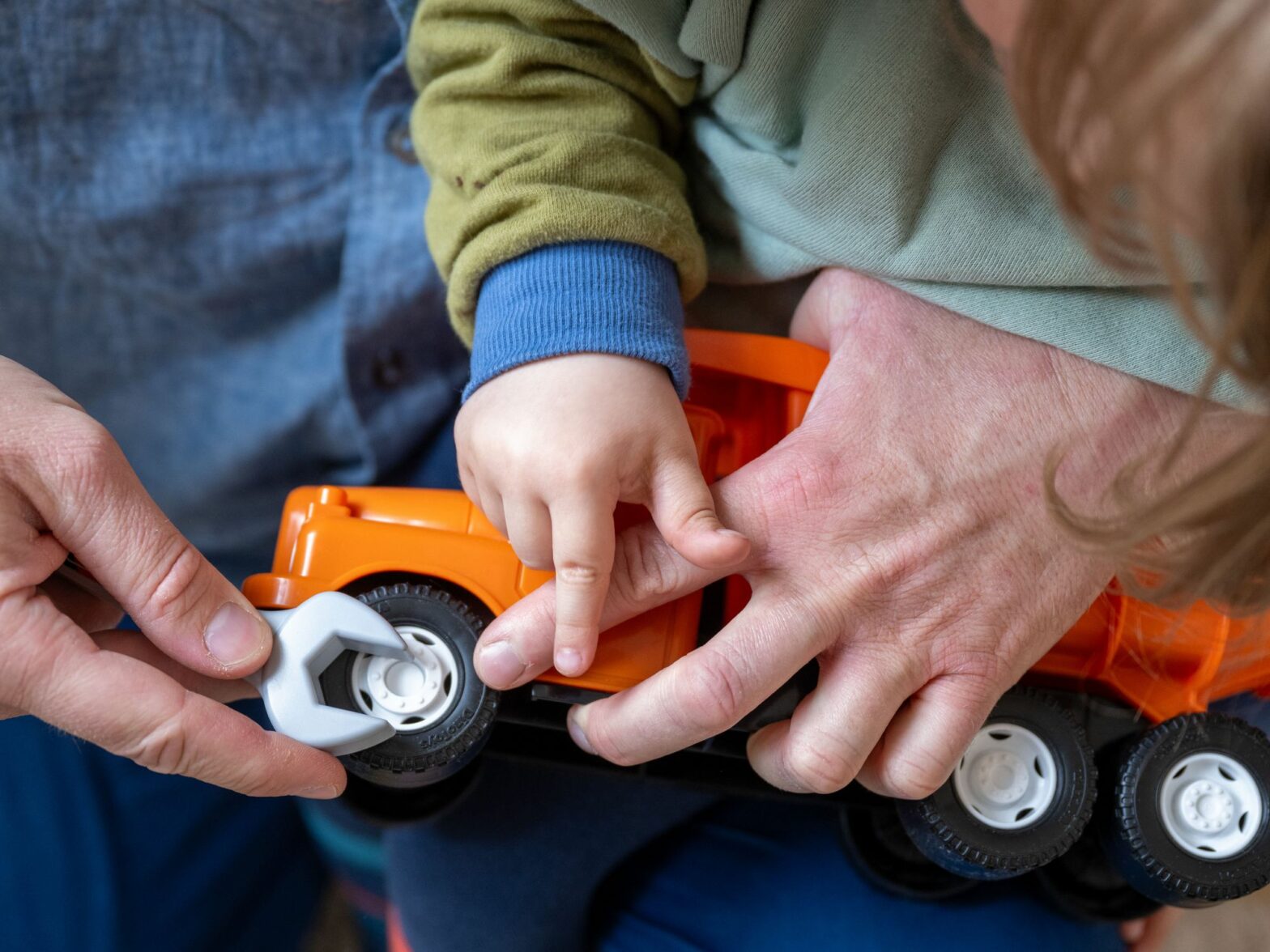
Being a parent of young children is like being in a tunnel: you don’t know how long you will be there, or whether you’ll ever get out. But that’s a necessary experience for fathers to understand themselves, and their relationships, better.

Fathers are not usually home alone for weeks with their children. As Argentine journalist Ignacio Pereyra reflects on his own experience, and what he gained from it, he also asks himself what it takes for a society to recognize how much becoming a parent can change a person.
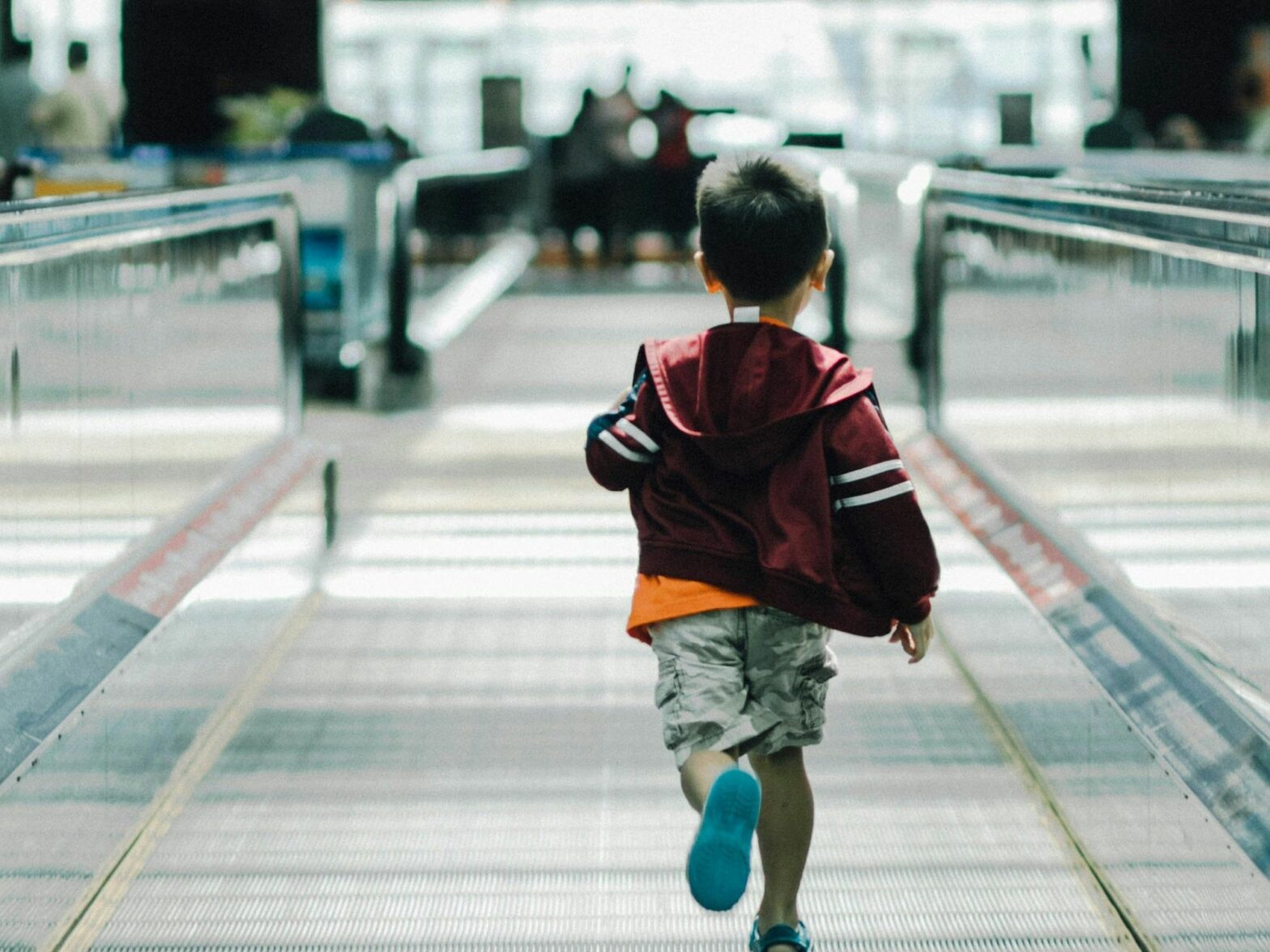
Taking an international trip with small children can be a source of stress, but that shouldn’t overshadow the larger life lessons of such an adventure.
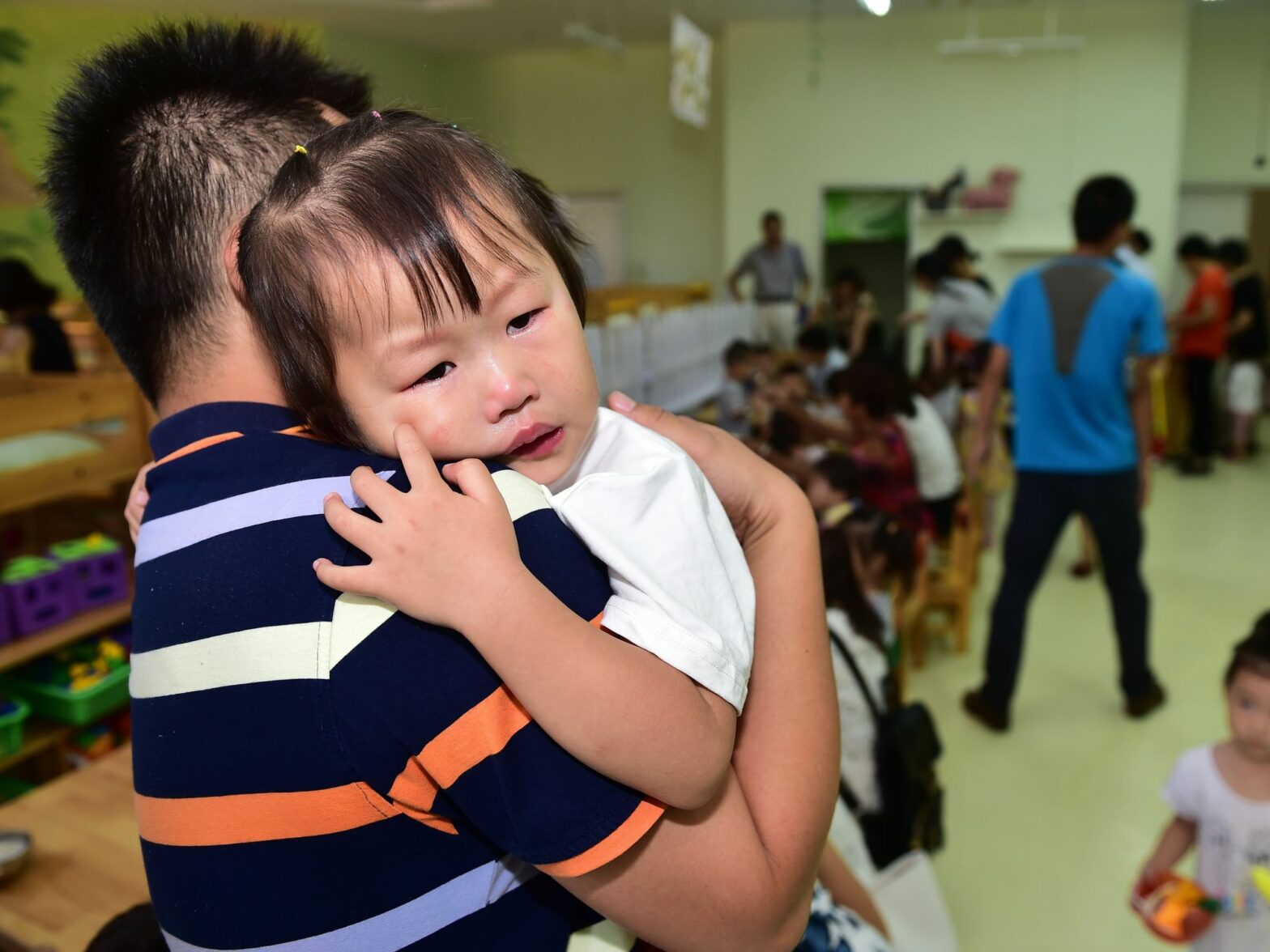
An emotional rollercoaster for parent and child alike.

Wars, terrorist attacks, natural disasters, famines … The news gives us every right to despair – but as the author puts it: “Anyone can be cynical, the challenge is to be an optimist.”

One thing’s for sure, whether you have children or not: You are bound to make mistakes, experience frustration and learn things the hard way. The key is to gradually understand how to live with it.
Our Naples-based psychiatrist thinks about a little girl she met in the rain, one of two sisters burdened with the unfairness of uncaring parents and a struggle with Italian nationality.

Between breastfeeding, playdates, postpartum fatigue, birthday fatigues and the countless other aspects of mother- and fatherhood, a Cuban couple tries to find new ways to explore something that is often lost in the middle of the parenting storm: sex.

From sick kids to kindergarten and travel. The everyday realities of paternity operate in the extremes. In the latest iteration of his “Recalculating” newsletter on parenthood, Argentine writer Ignacio Pereyra examines what it means to be a father.
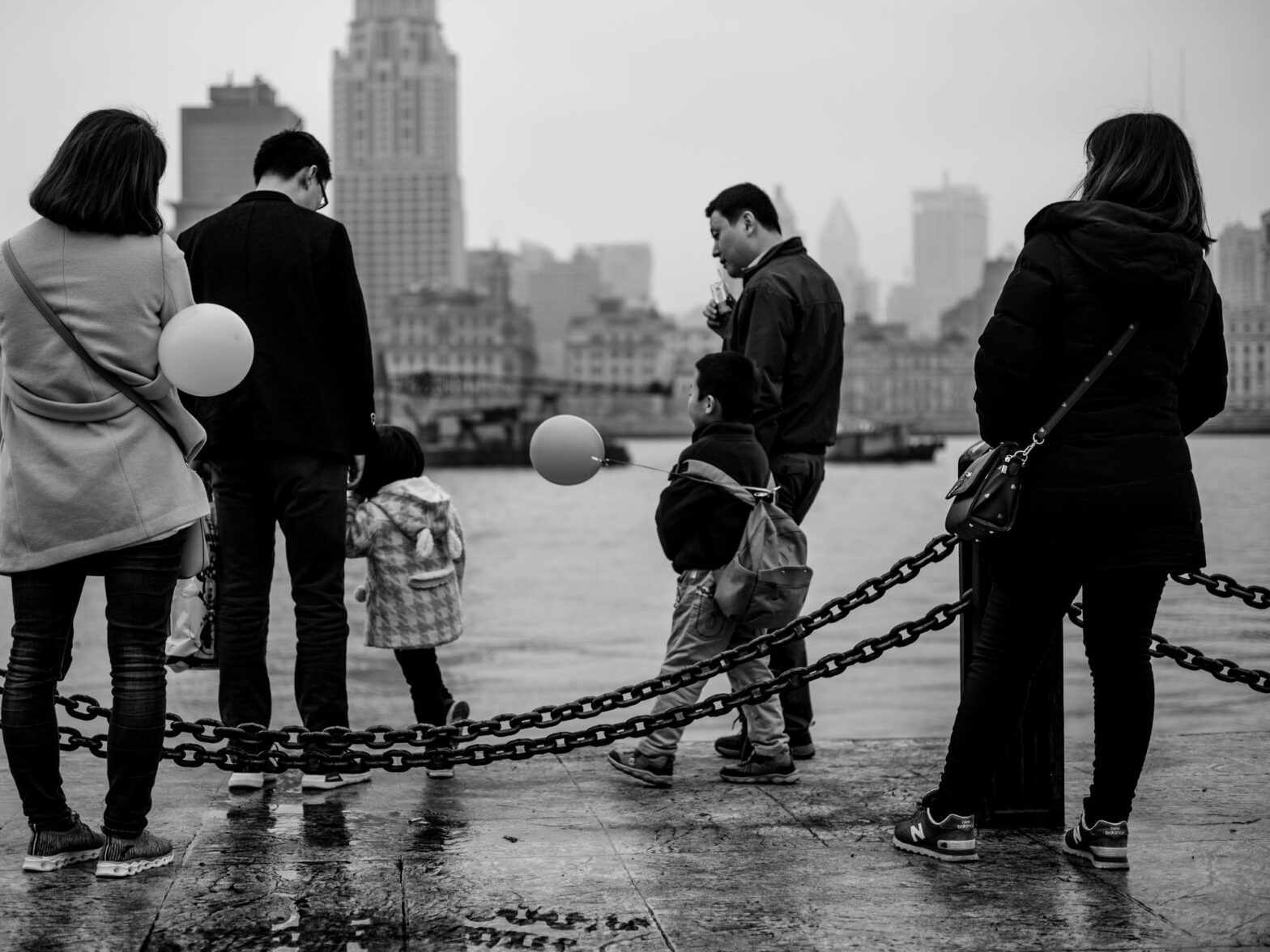
Contributing biologically to a child’s creation no longer directly implies parenthood. Surrogacy has shaken up traditional ideas and beliefs about sexuality, reproduction and filiation. The author poses key questions that must be answered to ensure that surrogacy is driven by both science and ethics.

Why do we get so embarrassed about dancing? A fleeting thing that happened to me when I was younger haunts me more than I thought it would.

Argentine journalist Ignacio Pereyra travels to Italy alone to do some paperwork as his family stays behind. While he walks alone around Rome, he experiences mixed feelings: freedom, homesickness and nostalgia, and wonders what leads people to desire larger families.
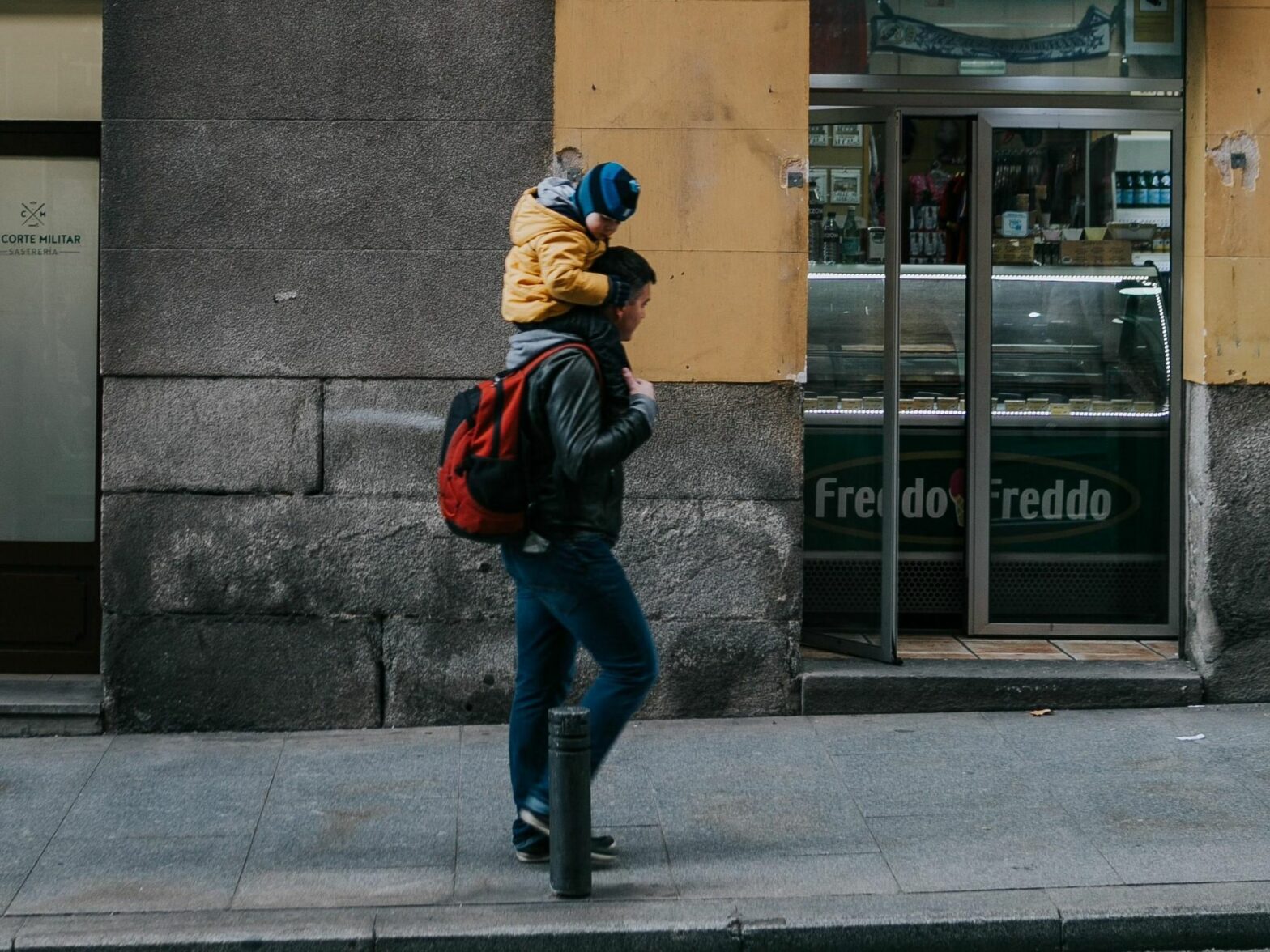
As a father myself, I’m now better able to understand the pressures my own dad faced. It’s helped me face my own internal demands to constantly be more productive and do better.

A father’s role is not to help the mother out, but to take on the “mental load” of knowing what needs to be done.
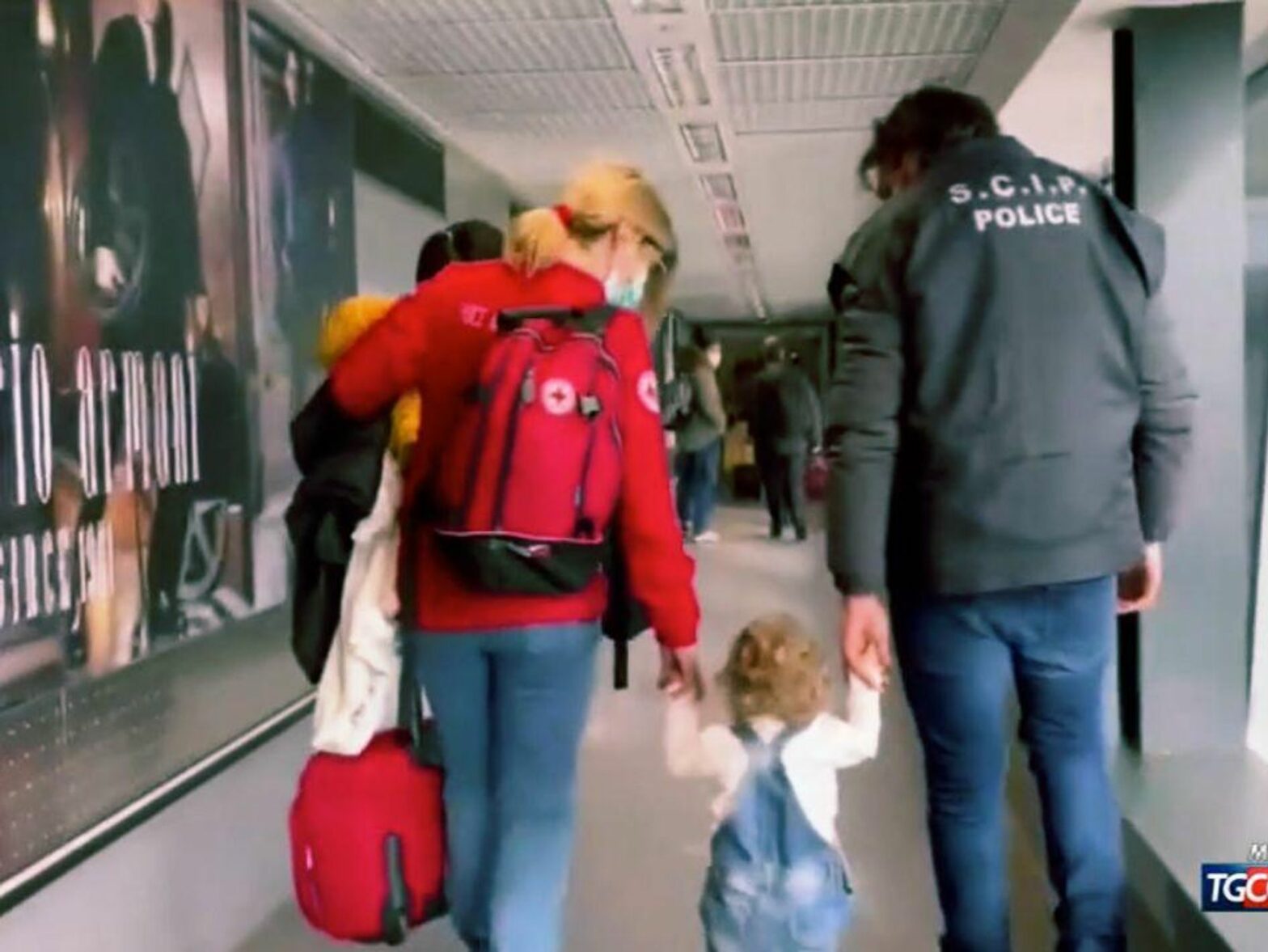
Surrogacy is still considered quite controversial, especially in Italy where a story has made headlines after would-be parents renounced a baby born in Ukraine. The author says we must face the ethical (and other) questions rather than dismiss the practice as “uterus for rent.”
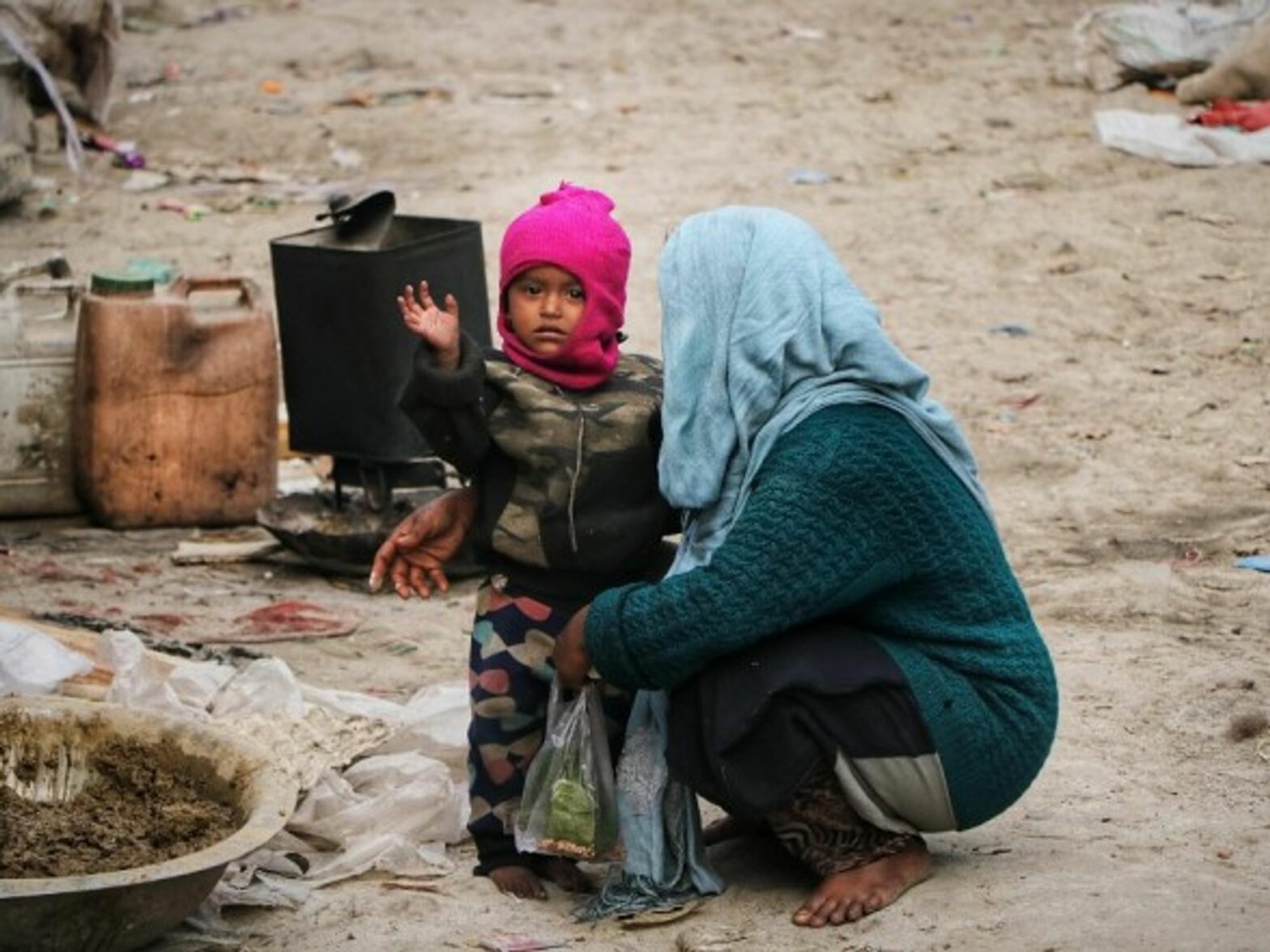
The stigma around so-called “non-custodial mothers” has prevented us from expanding our own imagination of what motherhood can, or does, look like when it is practiced by non-residential mothers
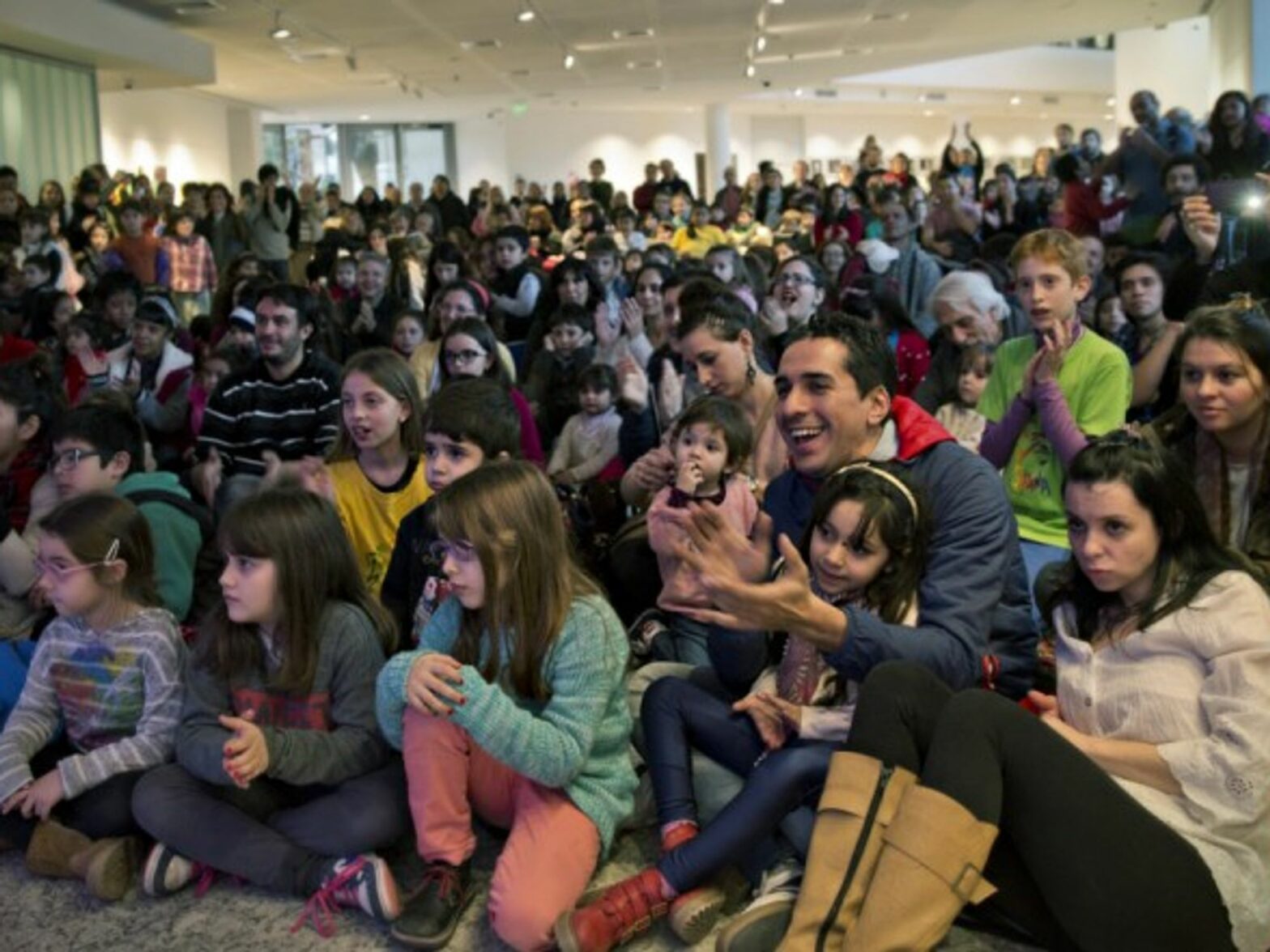
Argentine law has followed social evolution and now recognizes individuals who formally declare their intention to undertake the duties of parenting as legal parents.

CAIRO — I was four years old when, while visiting a relative at his home, he urged me to eat some food. He told me playfully, as children are often told: “Eat, you donkey.” But, according to my mother, I refused. It bothered me that he was asking me to eat in this way. I […]