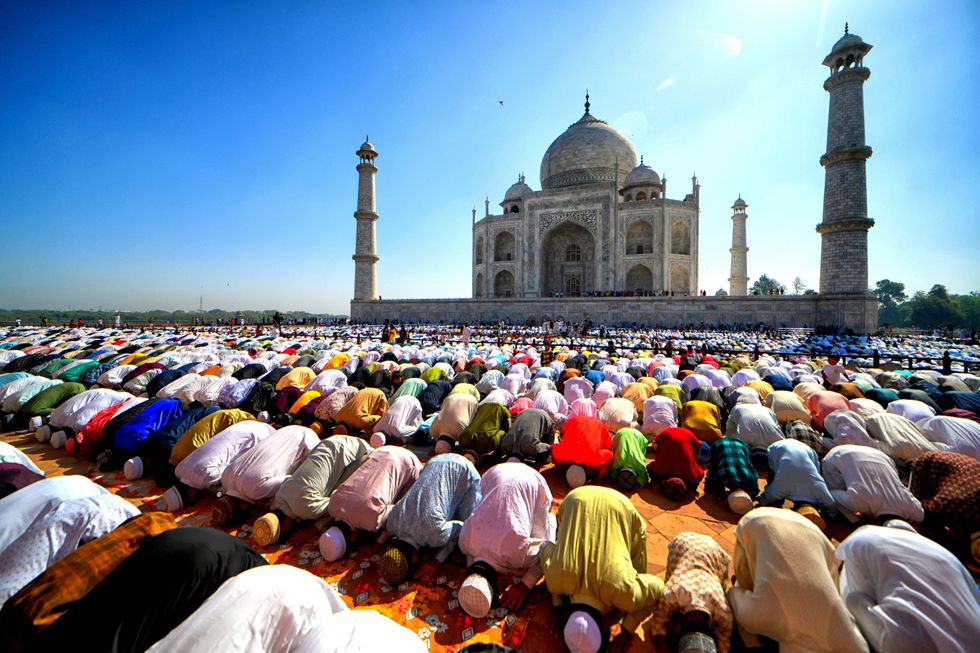
With photographs from Washington, Port-au-Prince, Gaza and Agra, among other places.
 Worldcrunch
With photographs from Washington, Port-au-Prince, Gaza and Agra, among other places.
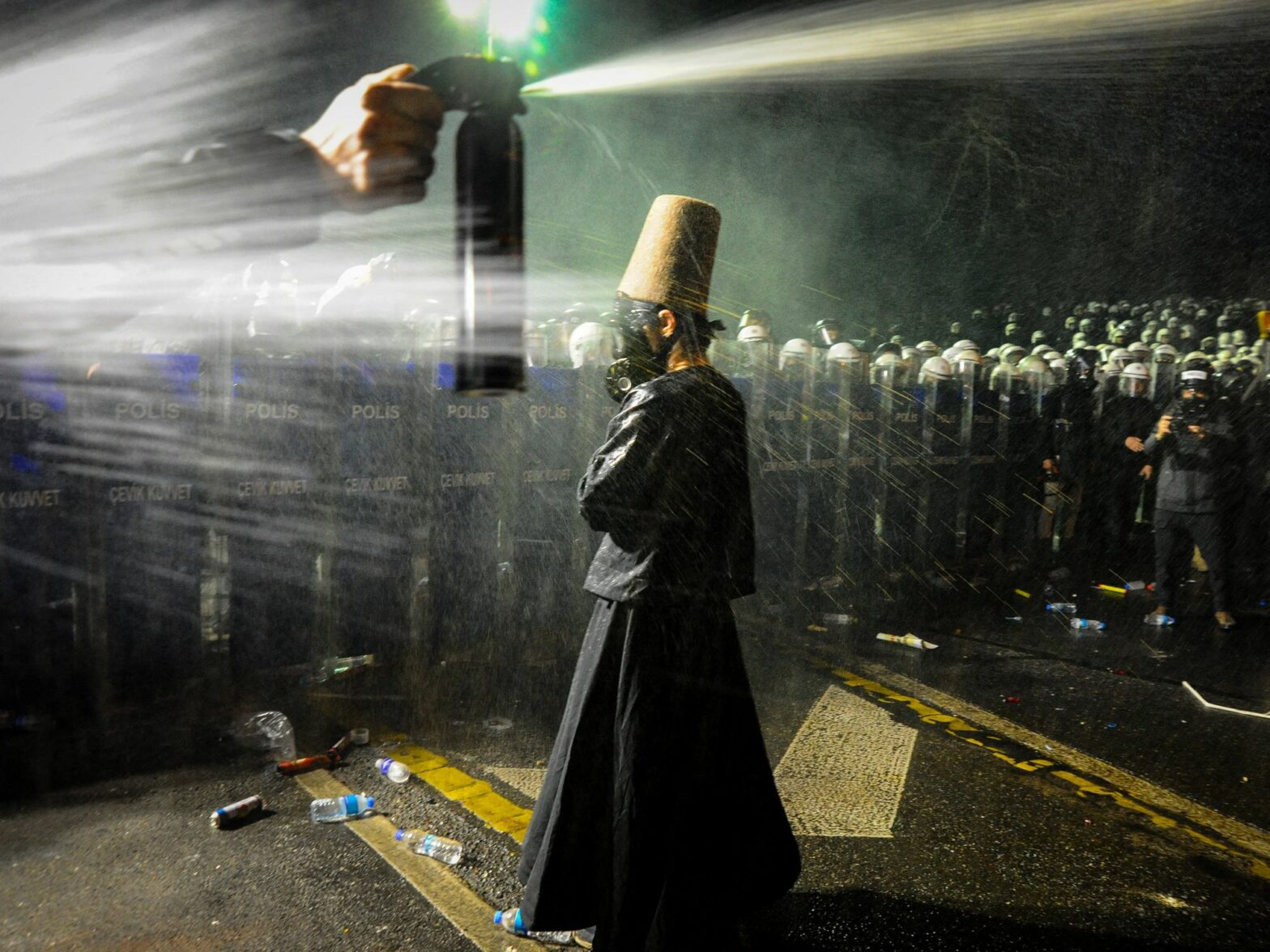
With photographs from Tokyo, Istanbul, Paris and Buenos Aires — among other places.
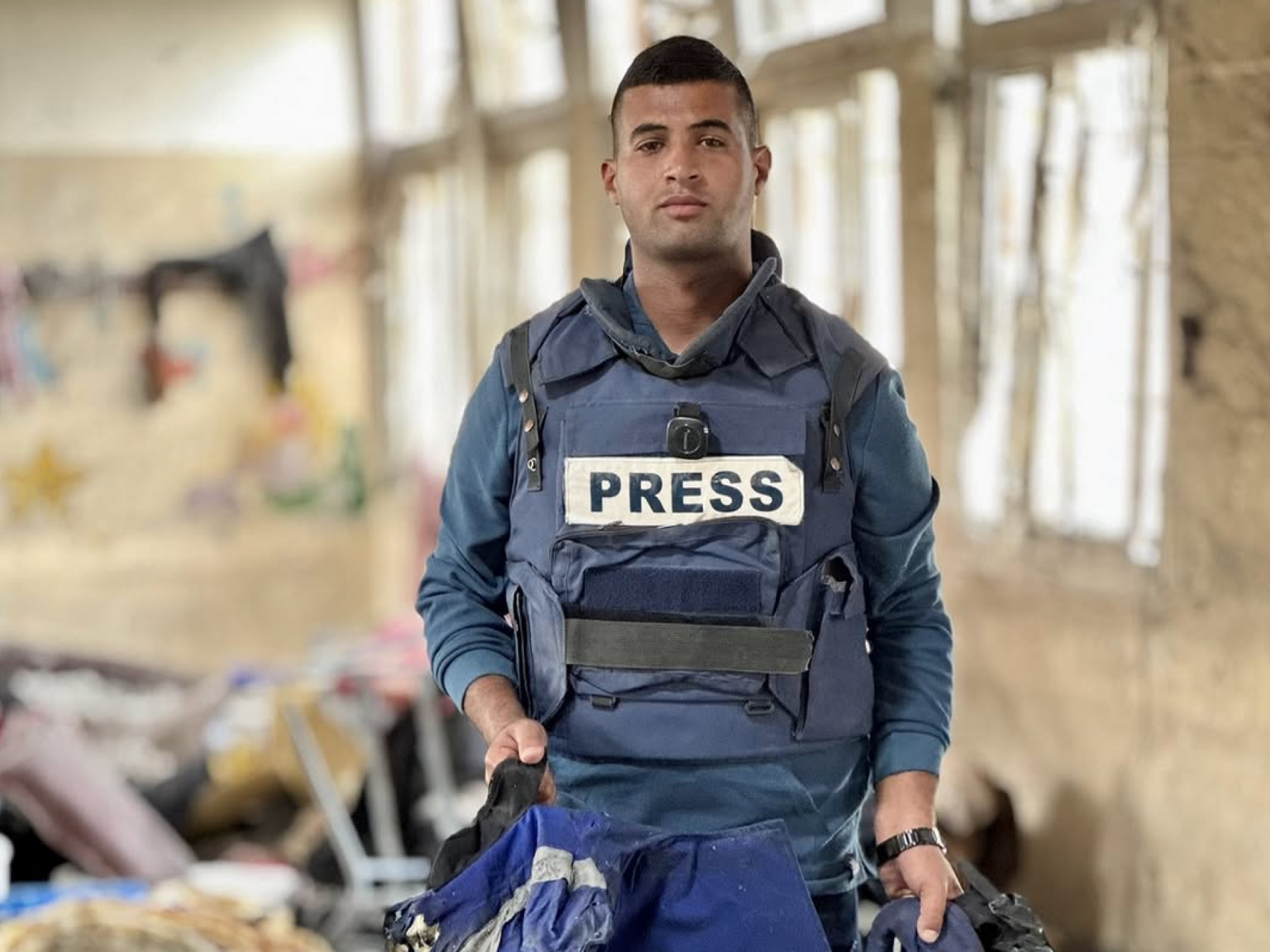
Hours before he was killed in an Israeli airstrike, 23-year-old journalist Hossam Shabat filed an article with Drop Site News describing Israel’s scorched-earth campaign in his hometown of Beit Hanoun. His editor Sharif Abdel Kouddous shares his thoughts, and we share Shabat’s final piece.
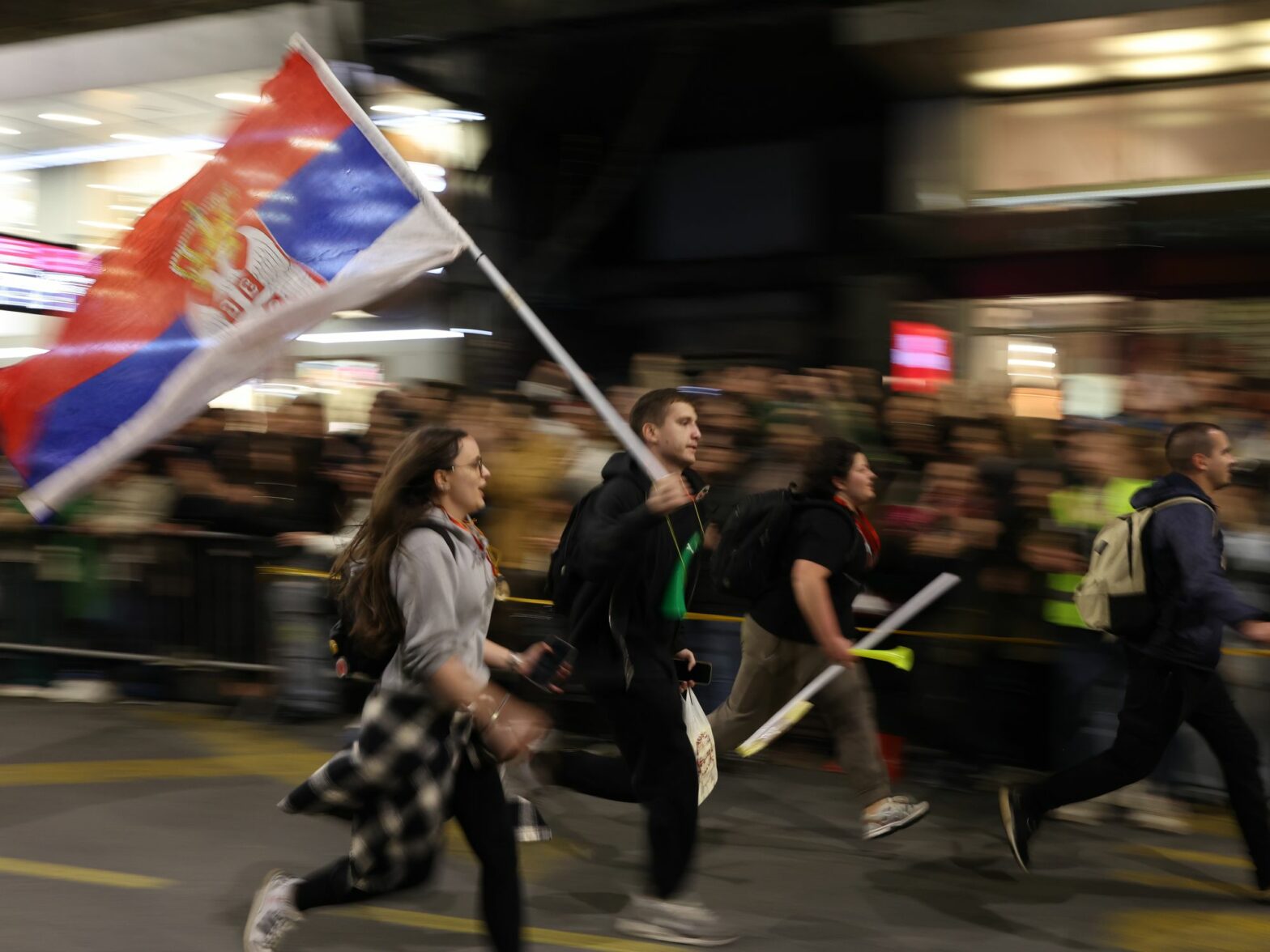
With photographs from Belgrade, Khan Younis and Chicago — among other places.
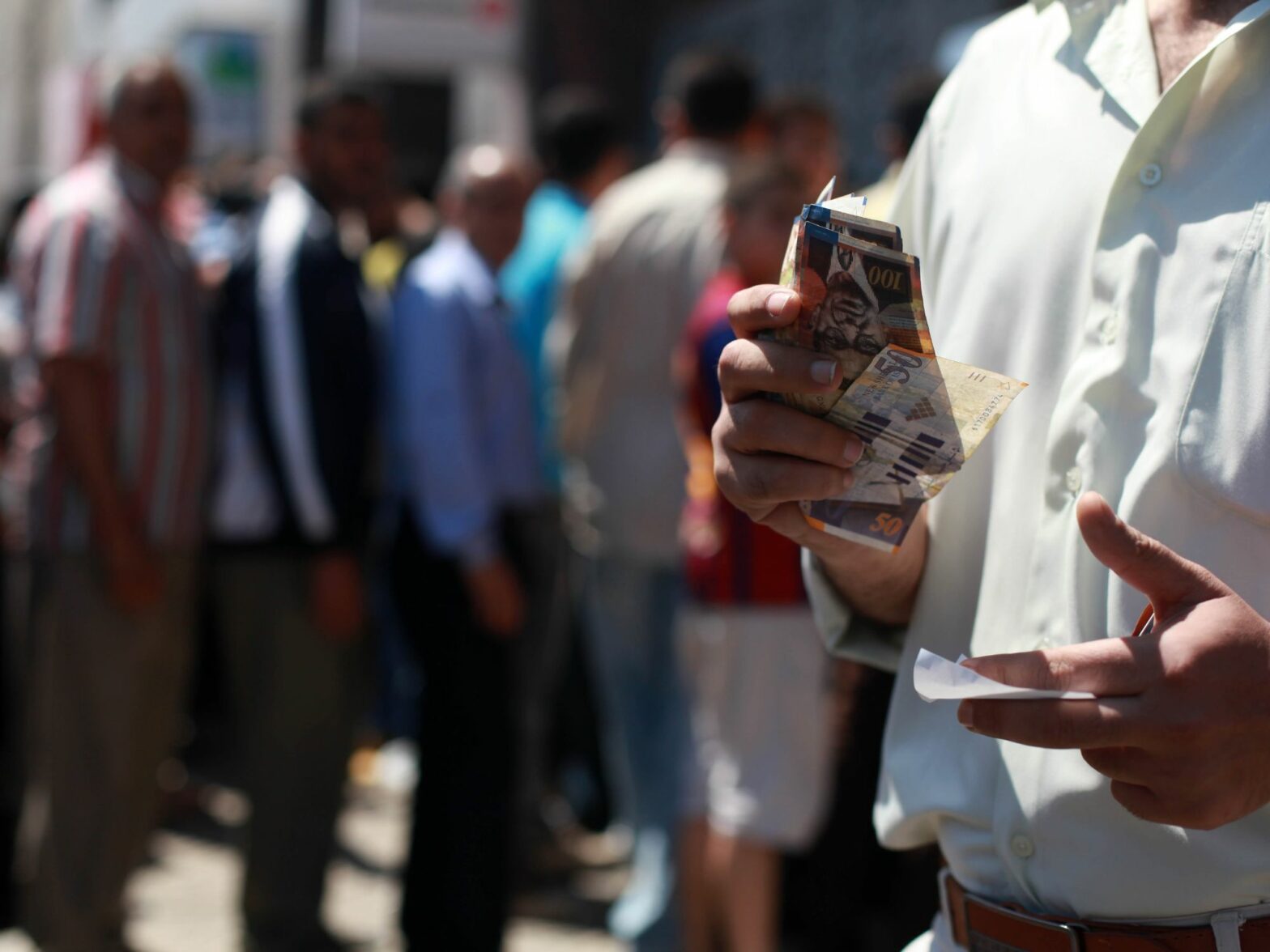
With many of Gaza’s banks and ATMs destroyed, Palestinians are turning to money brokers to obtain cash — and paying commission fees of up to 30% . While the practice is criminalized under the Palestinian law, many say agencies in Gaza are not taking action against the brokers, allowing their businesses to flourish.
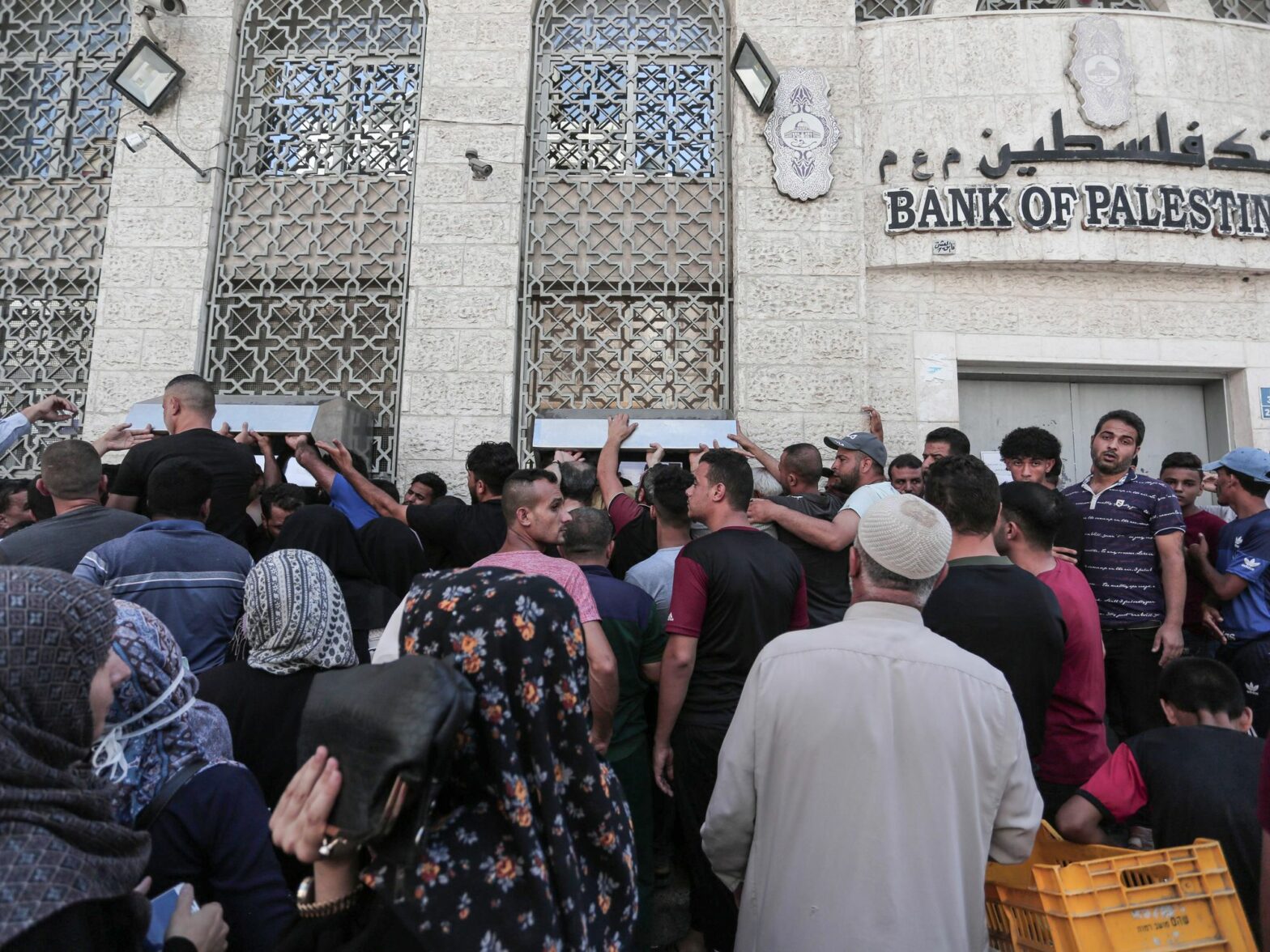
With many of Gaza’s banks and ATMs destroyed, Palestinians are turning to money brokers to obtain cash — and paying commission fees of up to 30% . While the practice is criminalized under the Palestinian law, many say agencies in Gaza are not taking action against the brokers, allowing their businesses to flourish.
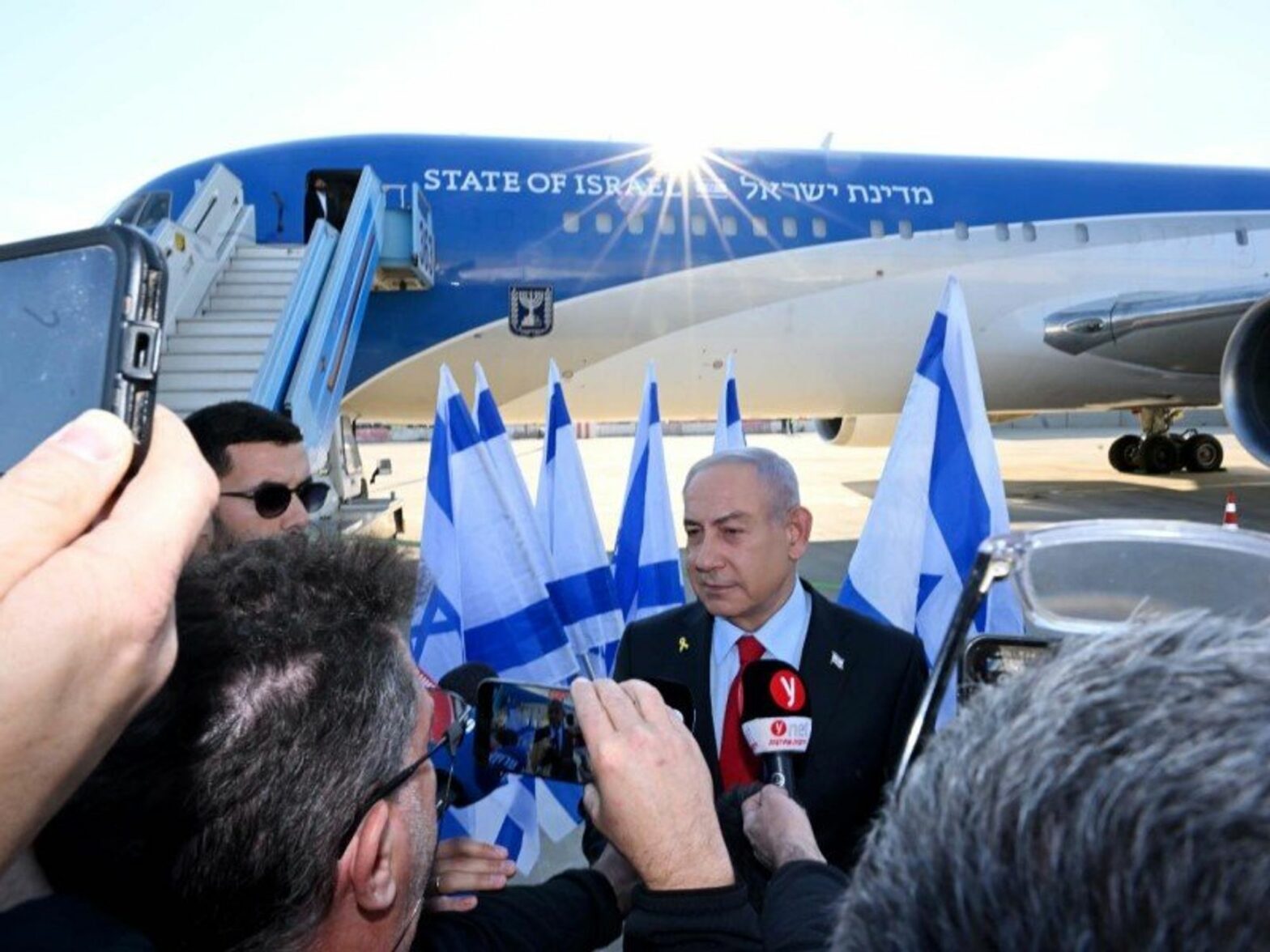
Talks for the second phase of the Gaza ceasefire — and with it, the release of hostages and prisoners — kick off today as the Israeli prime minister arrives in Washington. His meeting with Donald Trump tomorrow could be a turning point, deciding between peace or war in the months ahead.

With striking photographs from Poland, the DR Congo, Gaza and the Shetlands, among other places.
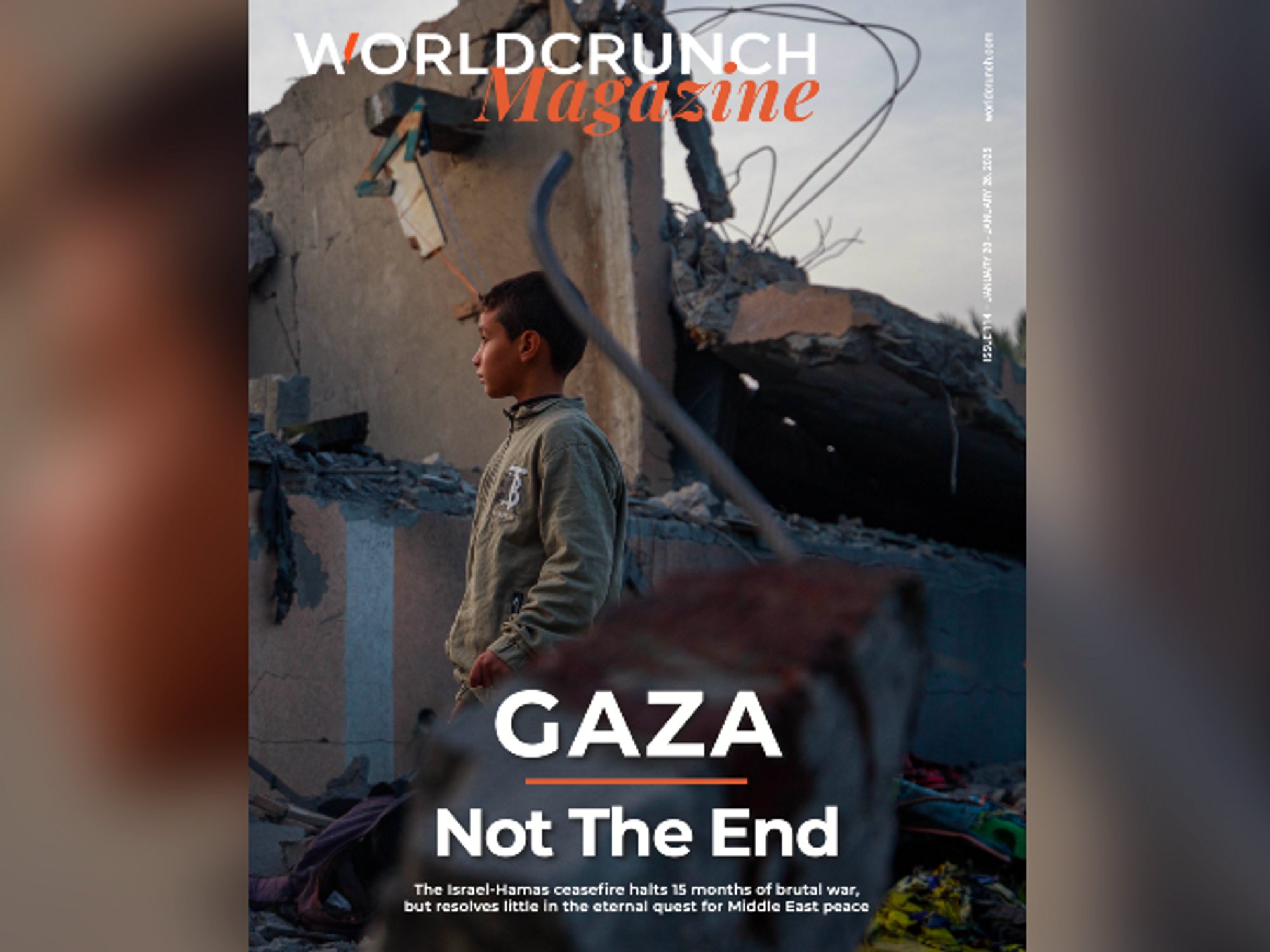
Janurary 20 – January 26, 2025
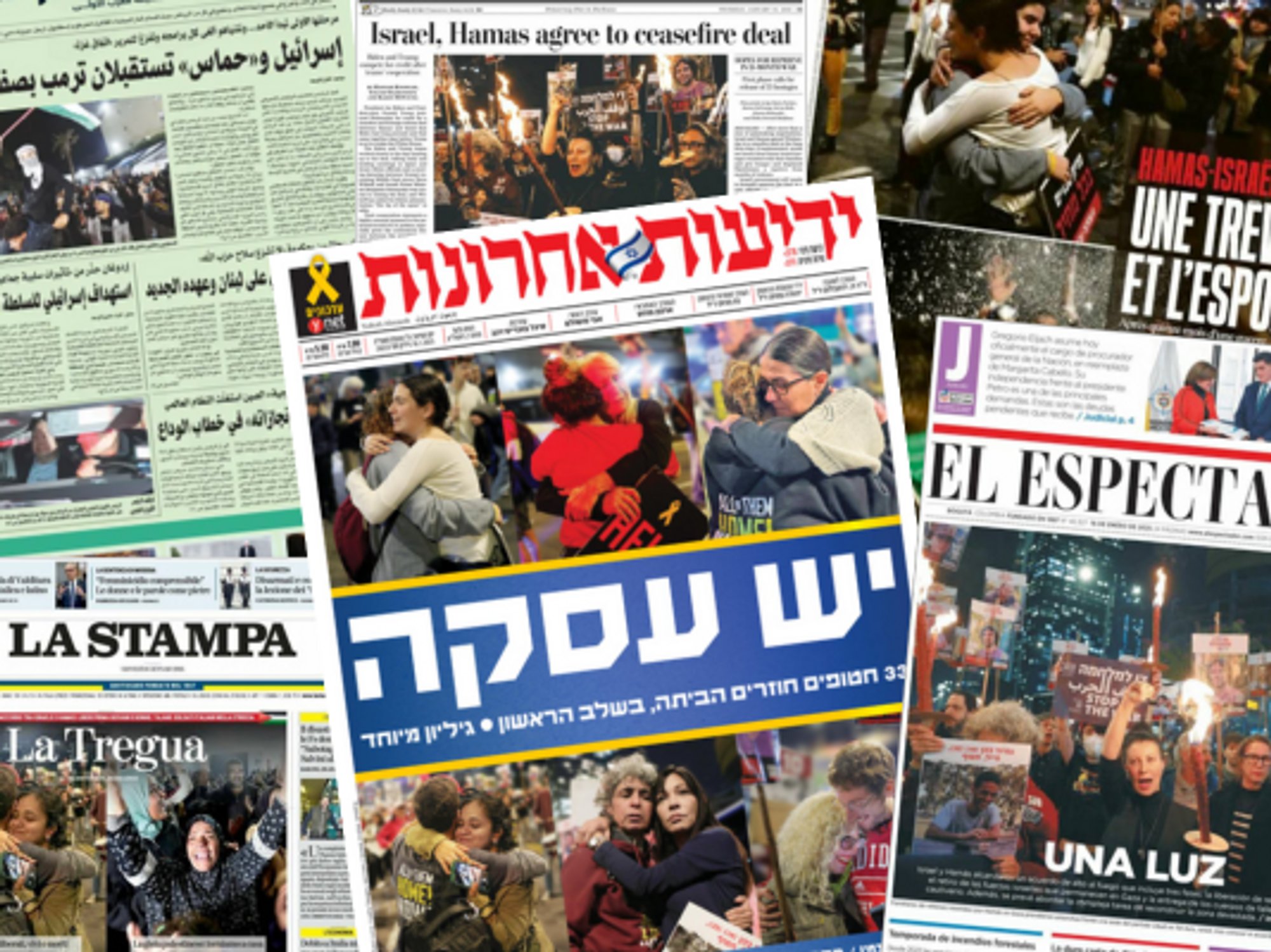
Newspapers from around the world are devoting their front pages to the announcement of a ceasefire agreement between Israel and Hamas.
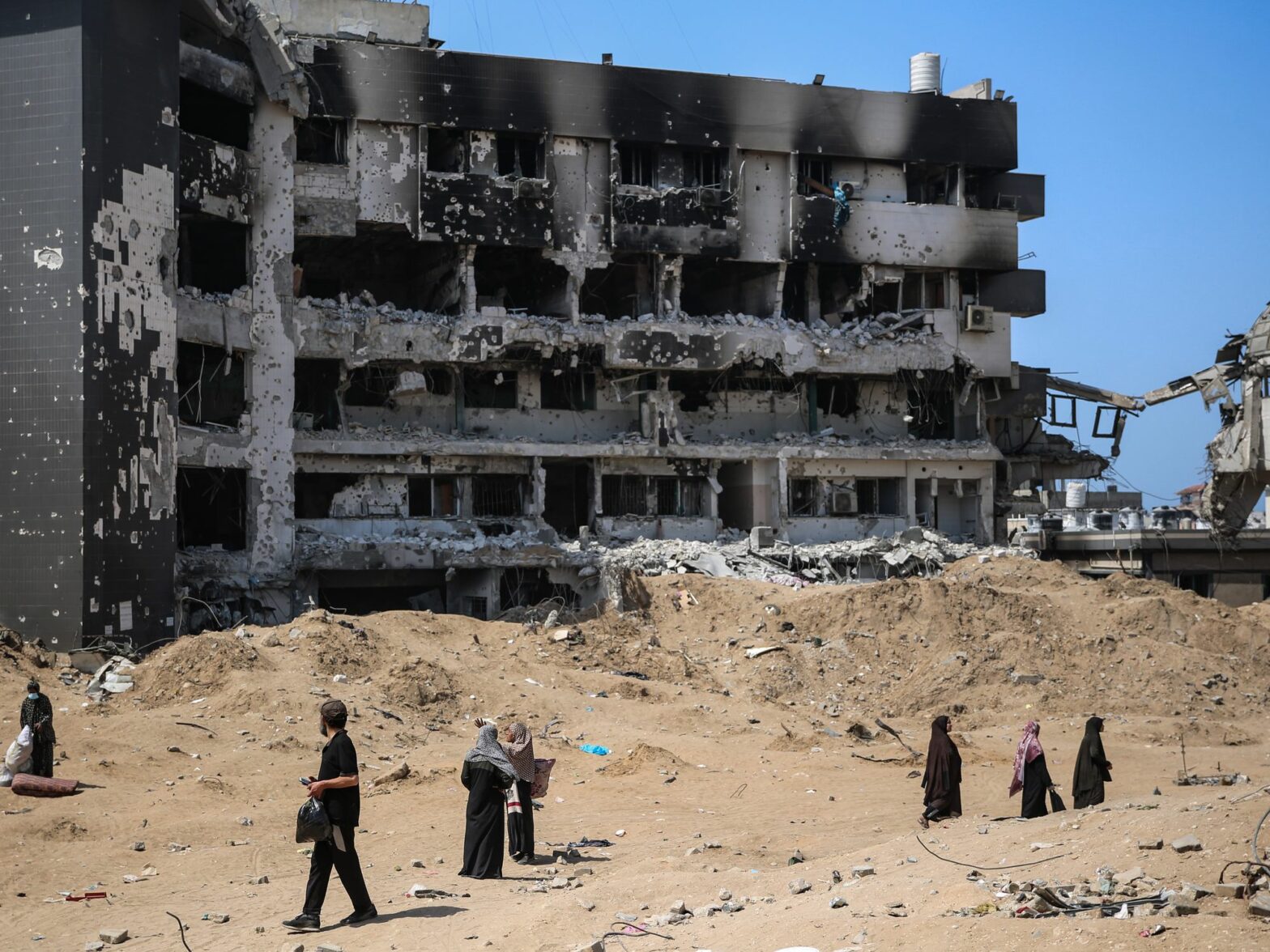
The Palestinian Health Ministry says at least 1,000 healthcare workers have been killed in the war in Gaza. Those on a mission to save lives are losing their own in what some human rights groups say are systemic and targeted attacks on medical facilities in Gaza.
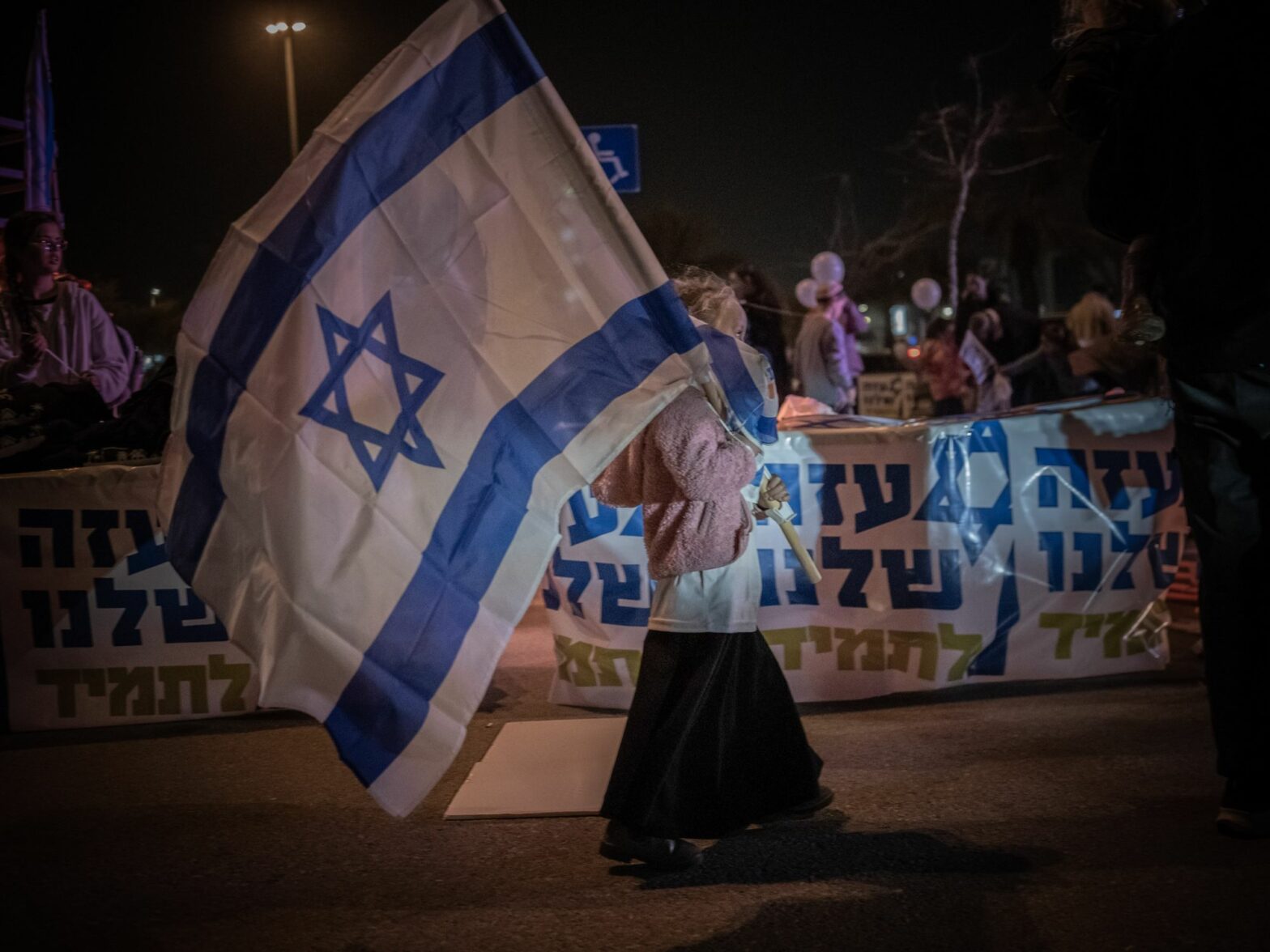
The radical far-right in Israel’s government is demanding to build settlements in the Gaza Strip. Israel’s army is creating the conditions for this.
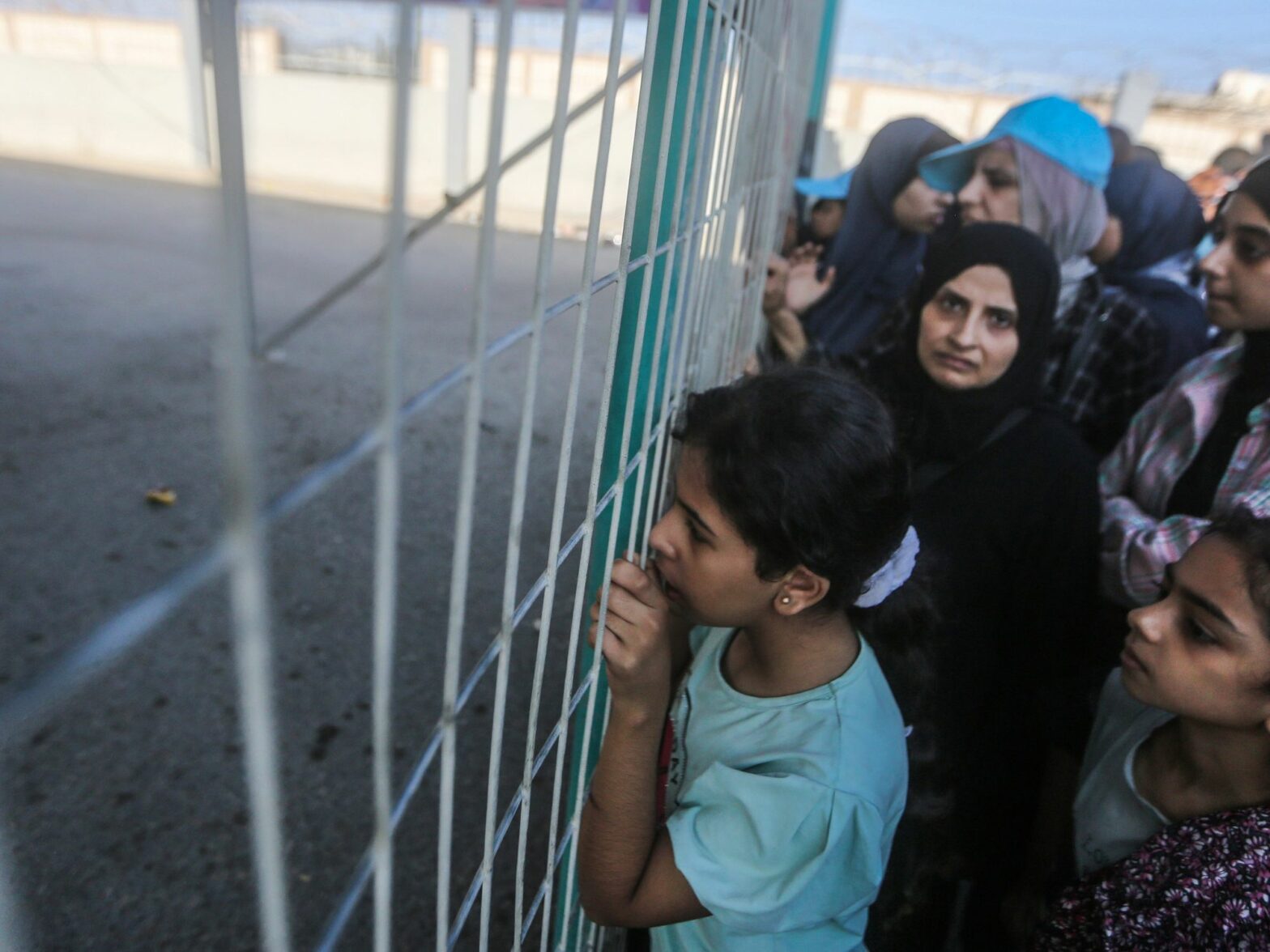
Tens of thousands of Palestinian families have been torn apart by the Israeli-Hamas war in Gaza. Cairo-based independent news website Al-Manassa talks with Palestinians in Egypt who are separated from family members trapped in the coastal enclave.
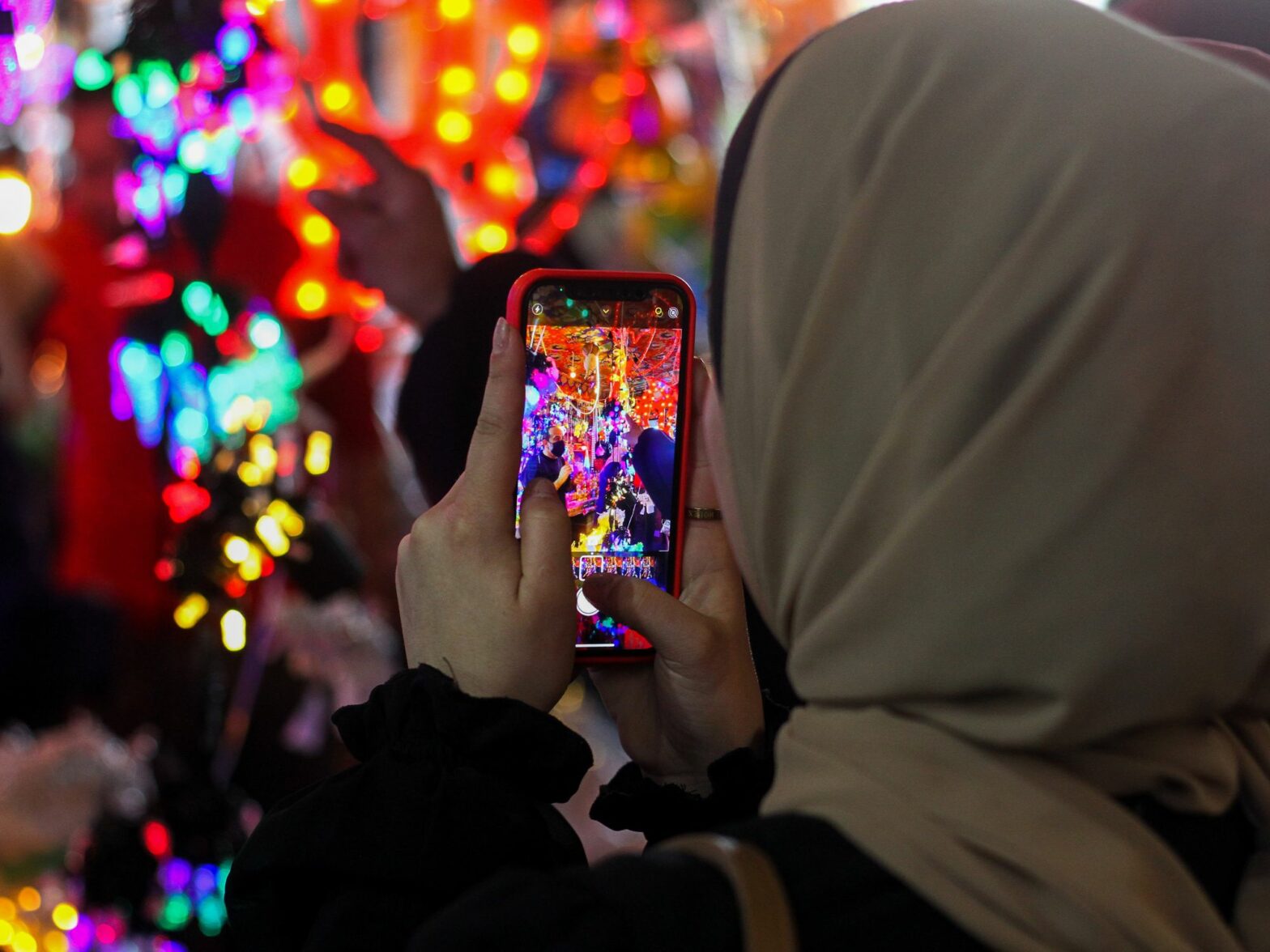
Palestinian writer Feda Ziyadh shares a personal fear, which she says cannot be understood or explained: that of getting used to a sense of the present that has been created by what she calls a “saga of displacement.”
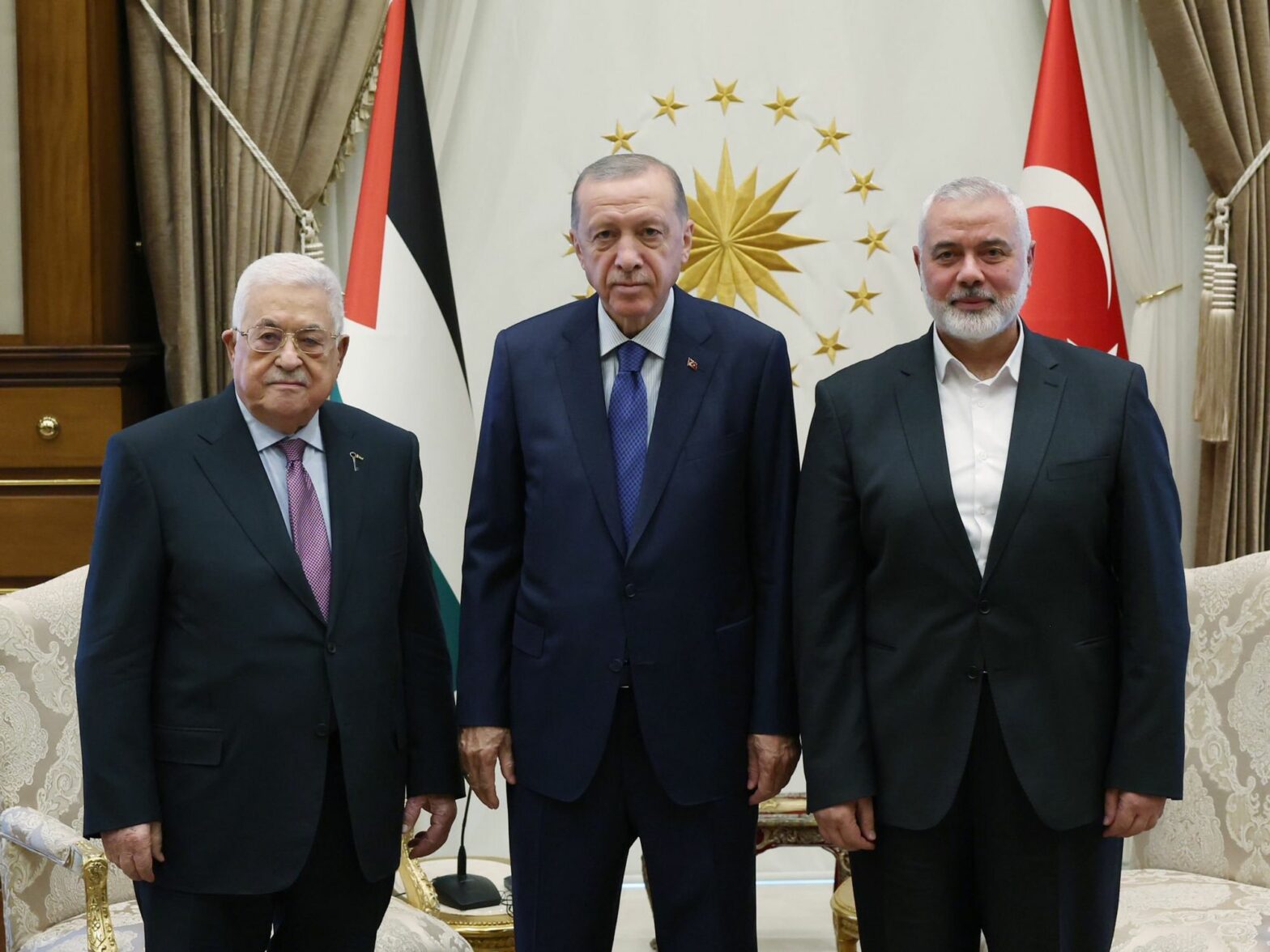
Turkey has become increasingly concerned about Israel’s expansionist ambitions, both for peace in the region and the Turkish claims to contested territory, given Israeli officials’ comments about “Greater Israel.”
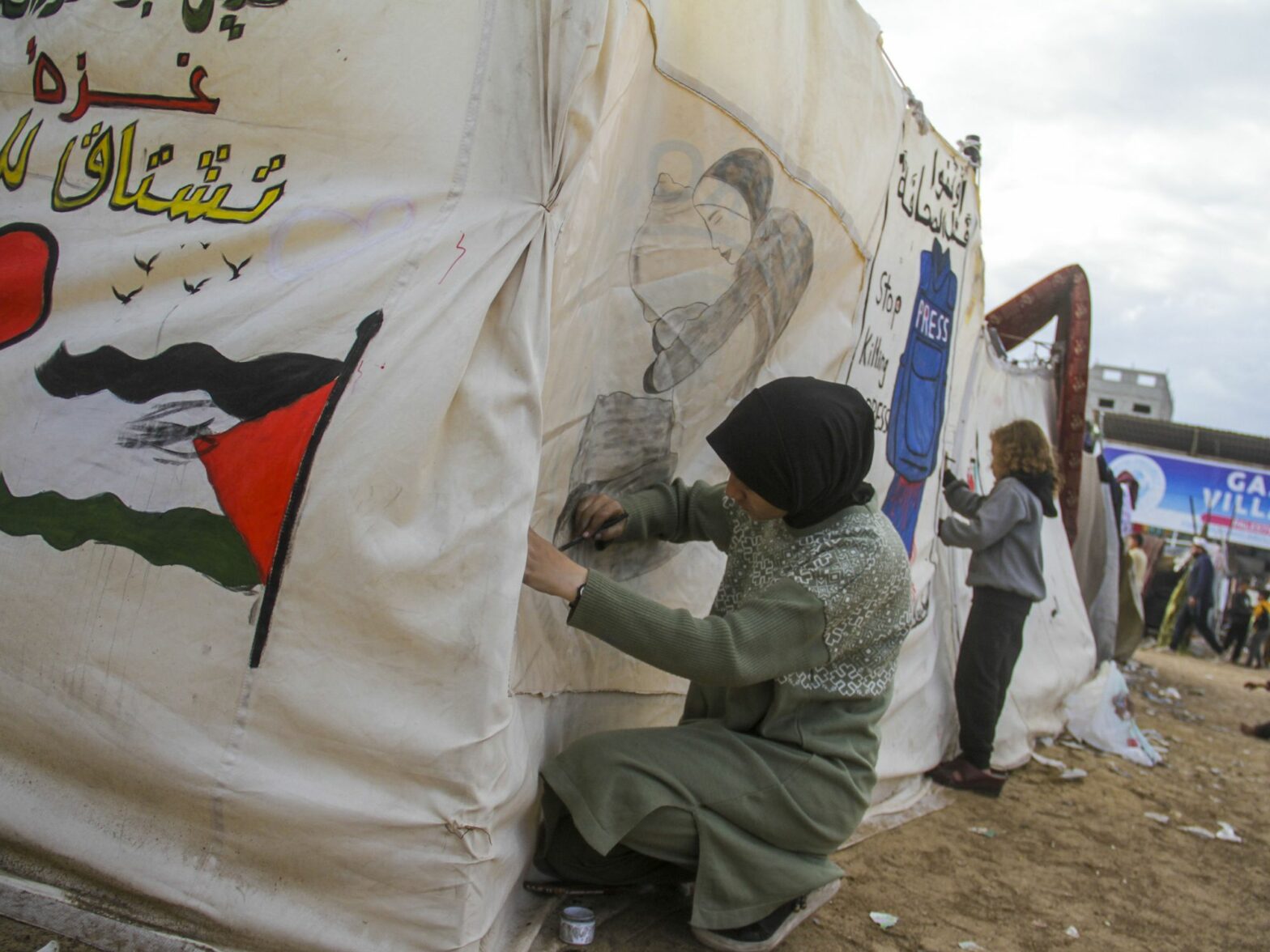
Palestinians need to rationalize their anger and resentment for the sake of a humanitarian project that enjoys global support.
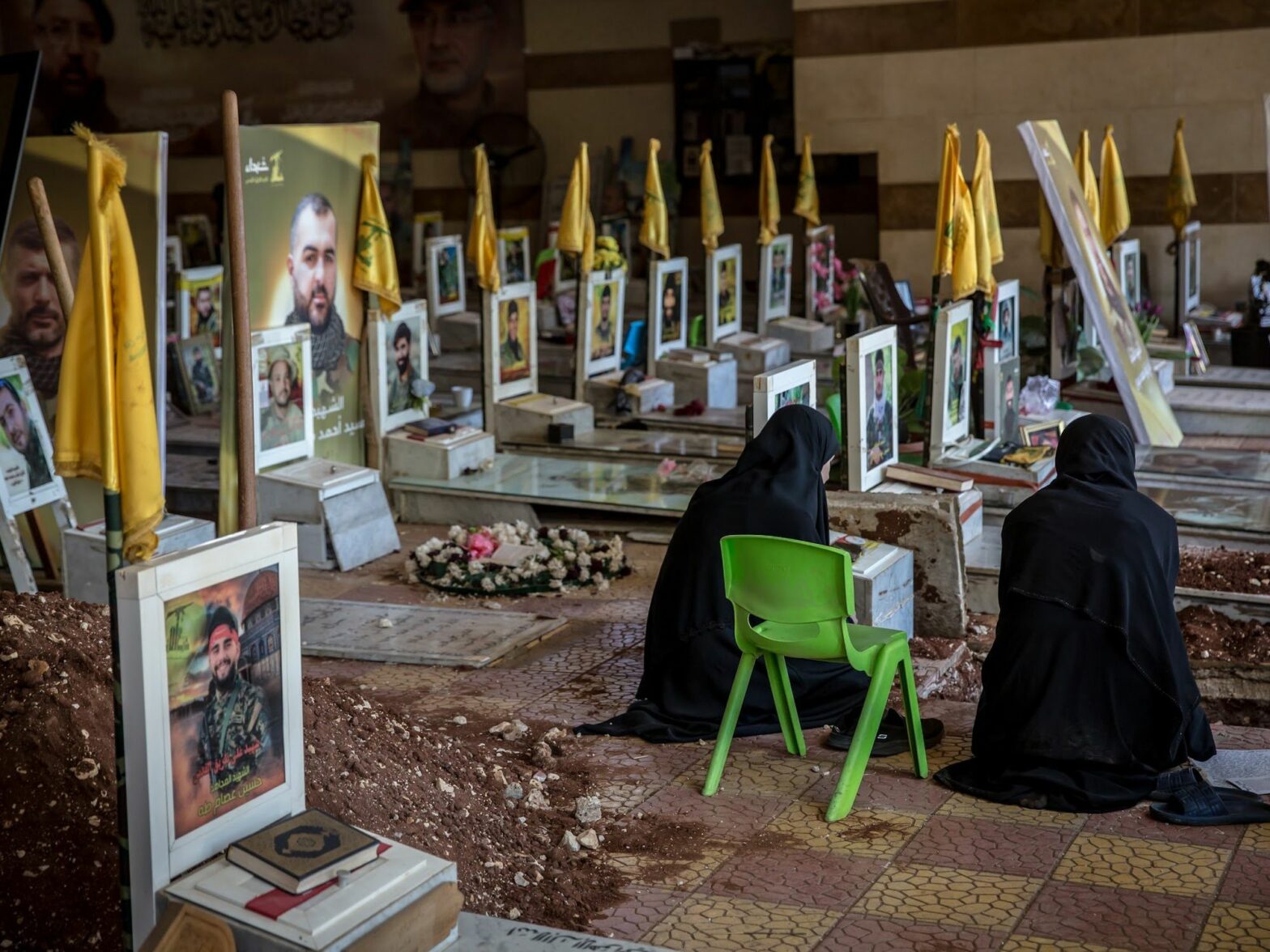
The Shia question is an expression of the entire Lebanese question, and requires the good will of all faiths, but also poses the responsibility of what to think and do about Hezbollah.
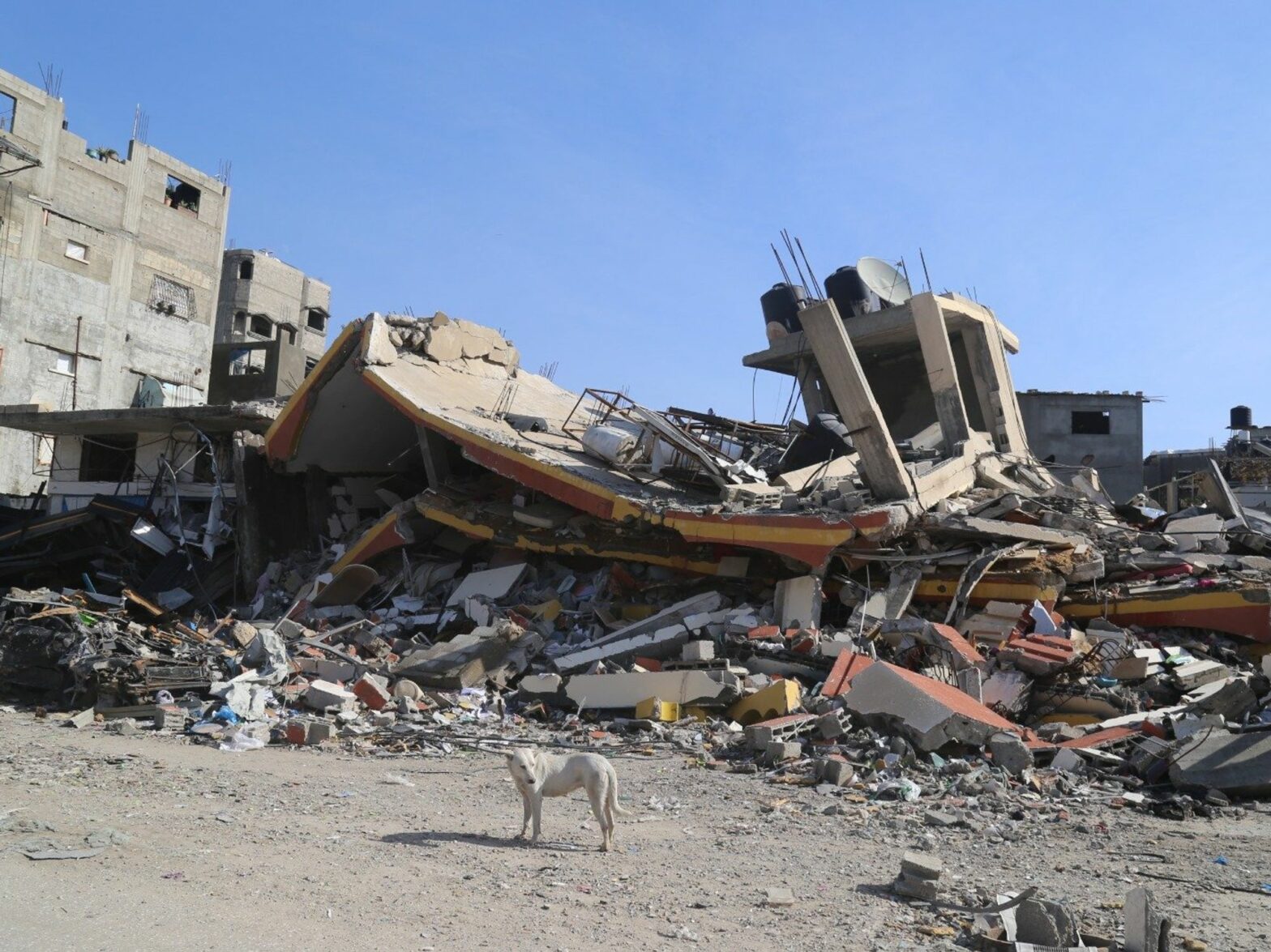
The situation in Gaza has become so dire that Palestinians have observed hungry dogs and cats eating dead bodies on the streets — and even digging up buried corpses — and becoming more aggressive toward people.
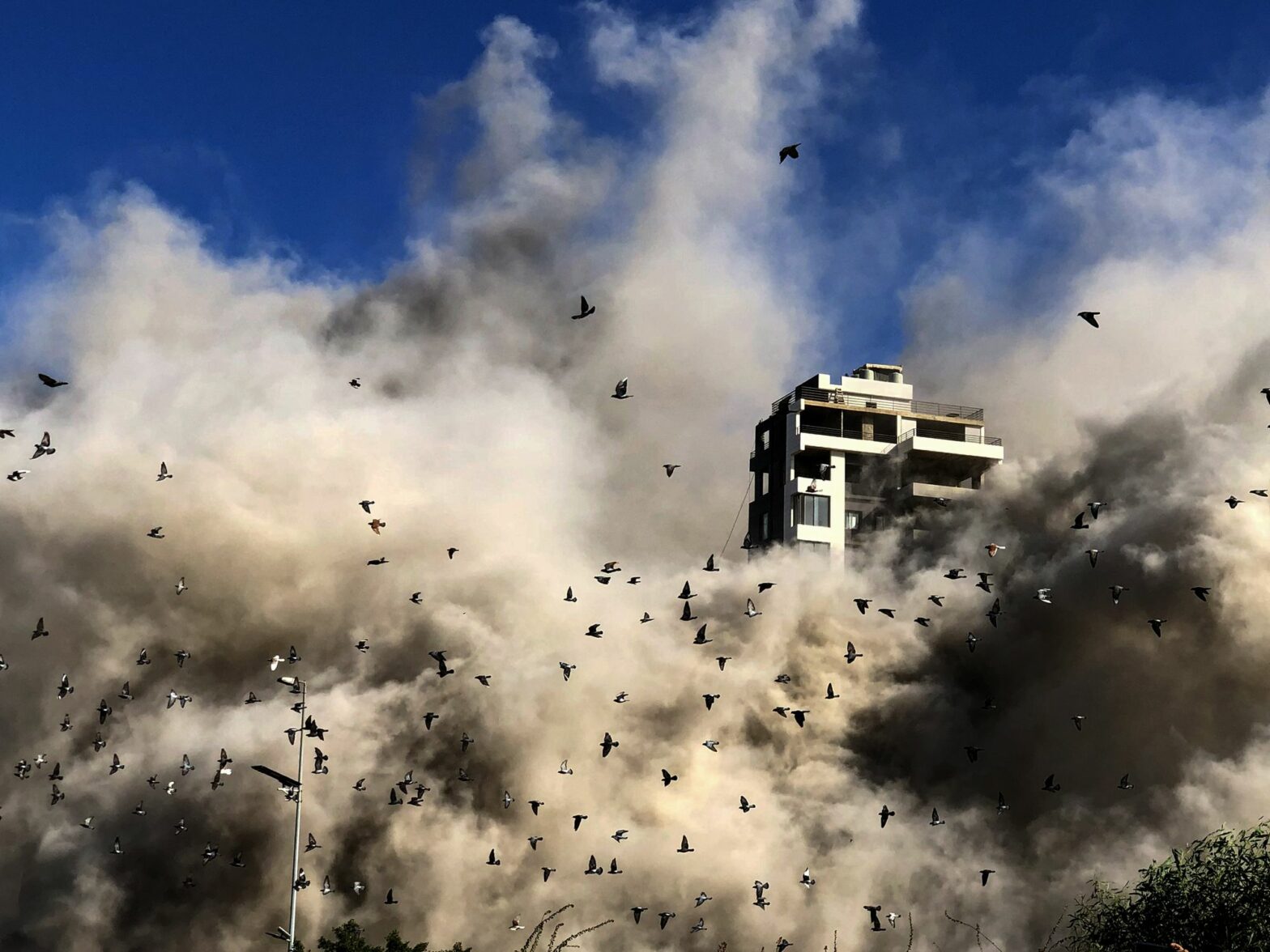
In more than a year since the Israel-Hezbollah conflict escalated, news of bombing has become a habit in Lebanon. In an essay for the Beirut-based independent media Daraj, Lebanese journalist Pascale Sawma discusses how war has become “normal” — and what that means for her and her work.
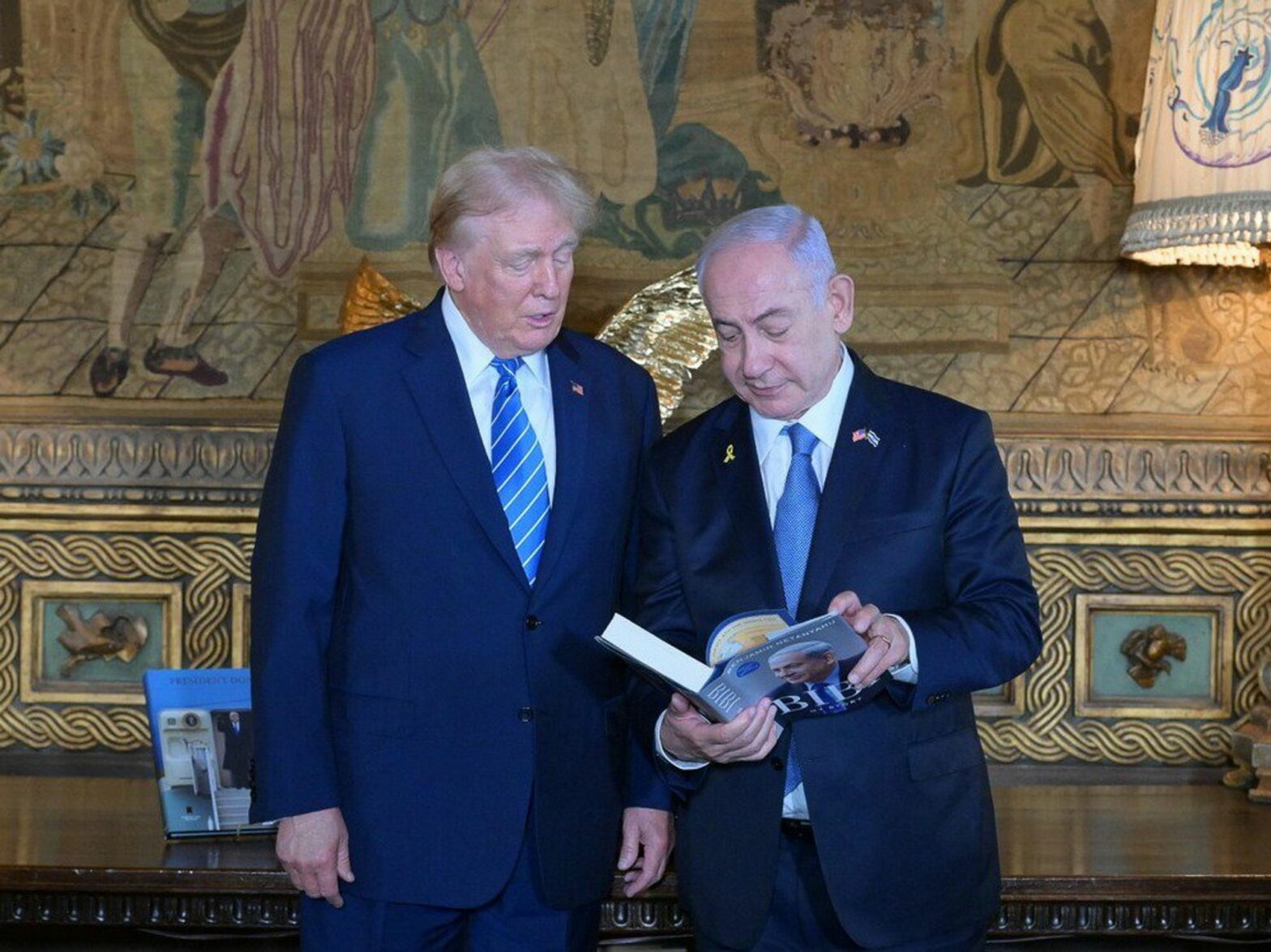
A Donald Trump victory would likely mean that the expected calm in the confrontation between Israel and Iran in the coming weeks will be just a warrior’s rest.
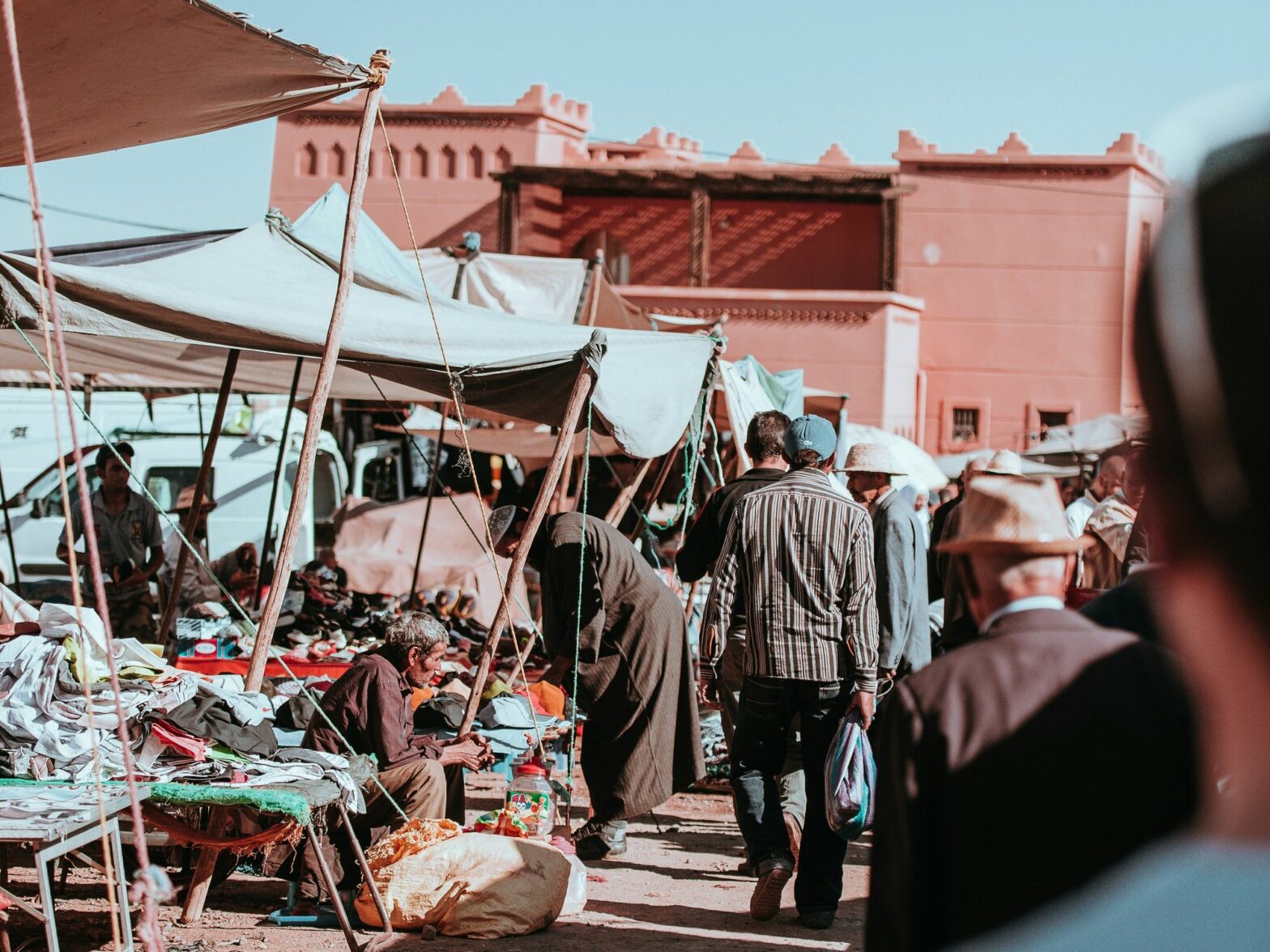
In Egypt, public support for a Palestinian homeland is deeply felt but constrained by the government that has had 40 years of diplomatic relations with Israel. Will the bloody war just across the border in Gaza change something?
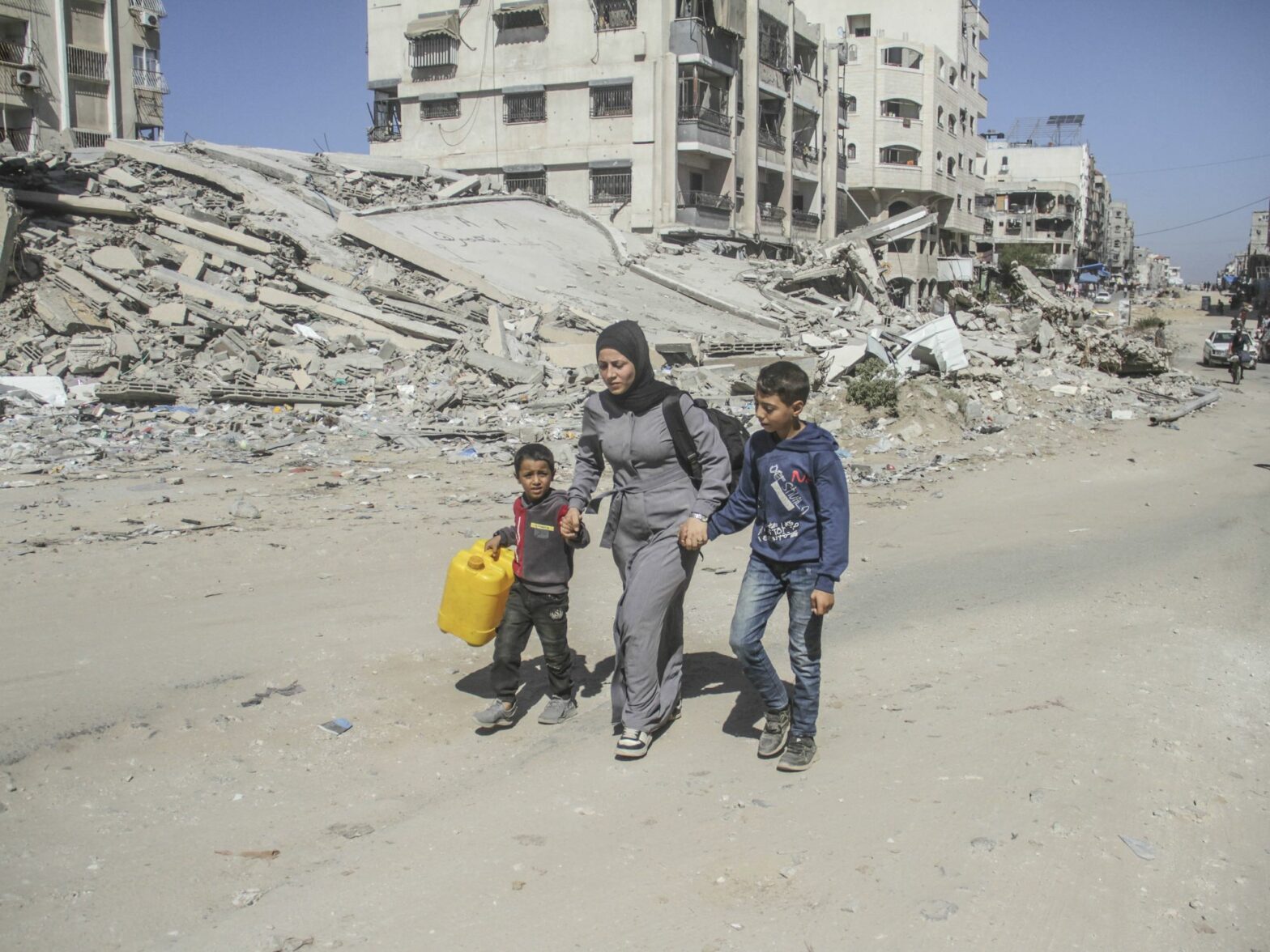
Israel’s new offensive in northern Gaza is trying to make the region uninhabitable, and force Palestinians into the south, toward the Egyptian border and into the Sinai. But since the start of the war, Egypt is dead set against taking in more war refugees.
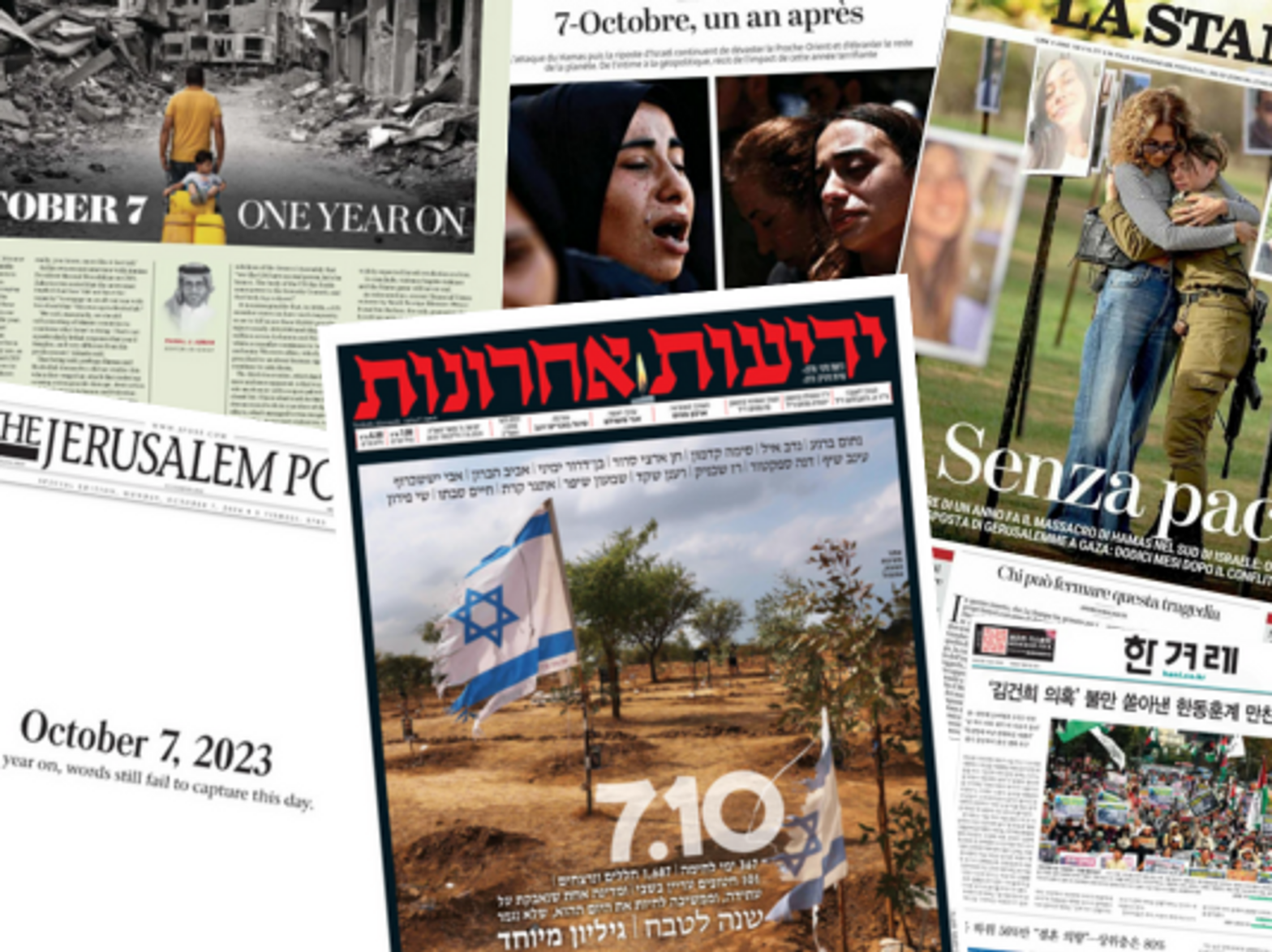
The international press is marking one year since Hamas militants launched an unprecedented attack on Israel, triggering a war that has killed tens of thousands and triggered a dangerous escalation in regional tensions. “A complicated grief” as one headline put it…
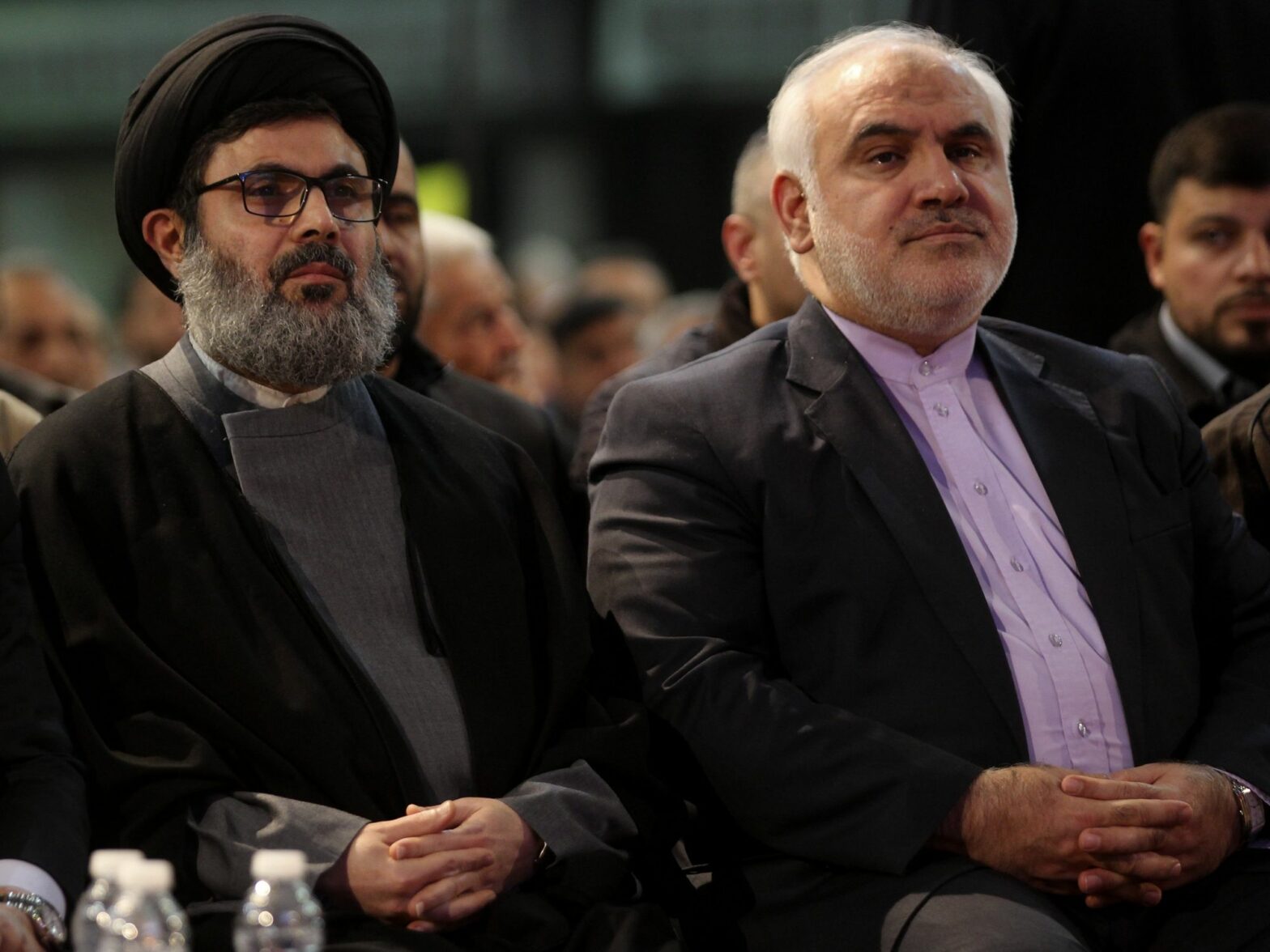
Israel has targeted Hashem Safieddine, the younger cousin of slain Hezbollah chief Hassan Nasrallah, in an overnight air strike early Friday. Believed to be the heir apparent, Safieddine rose through the ranks and positions within the organizational structure. He also has very strong ties, and family connections, with hardliners in Iran.
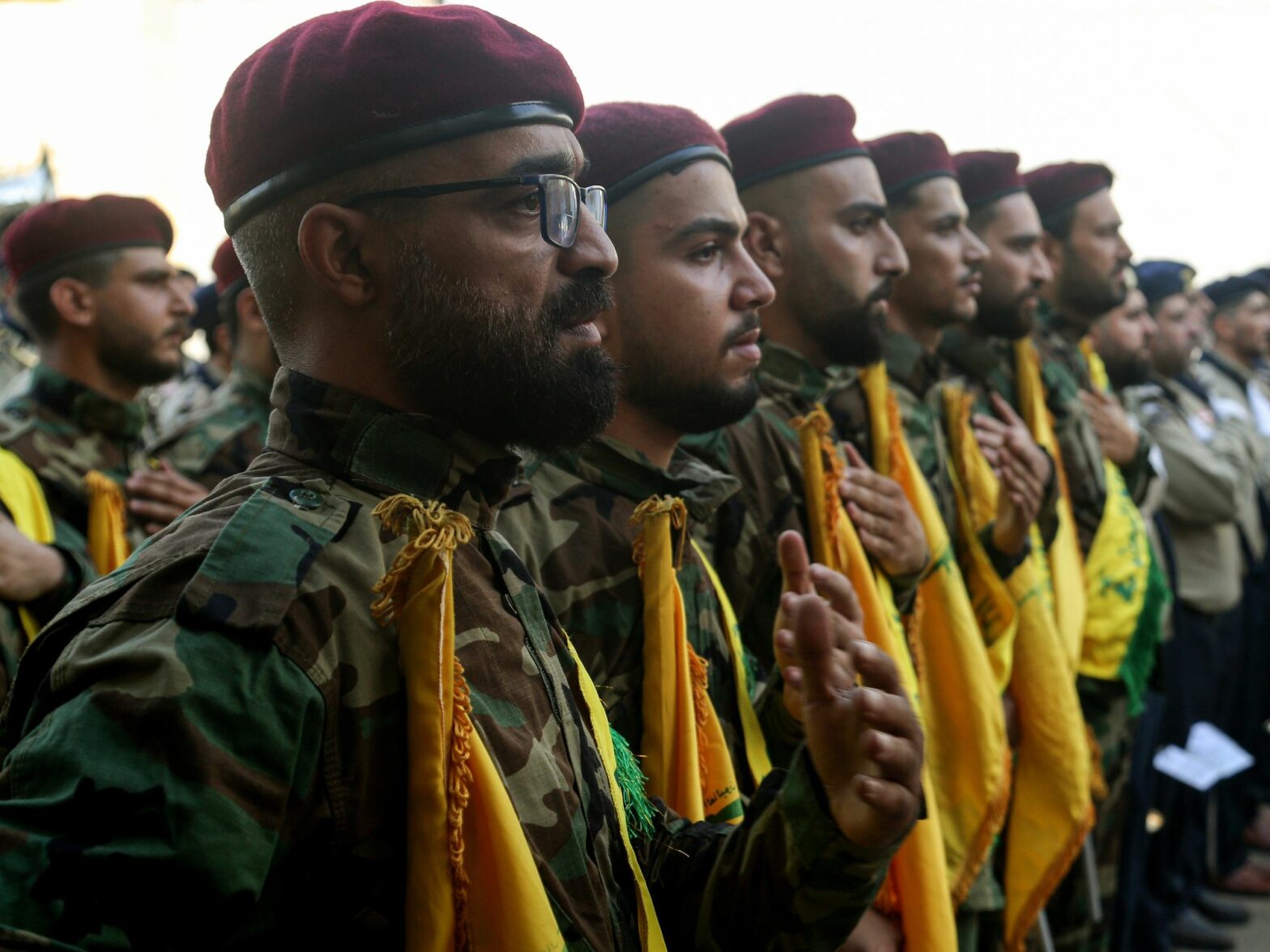
The call in Lebanon to “postpone politics” is driven by a narration of the war as a religious, and not a political, event: that’s the root of Hezbollah’s ideology.
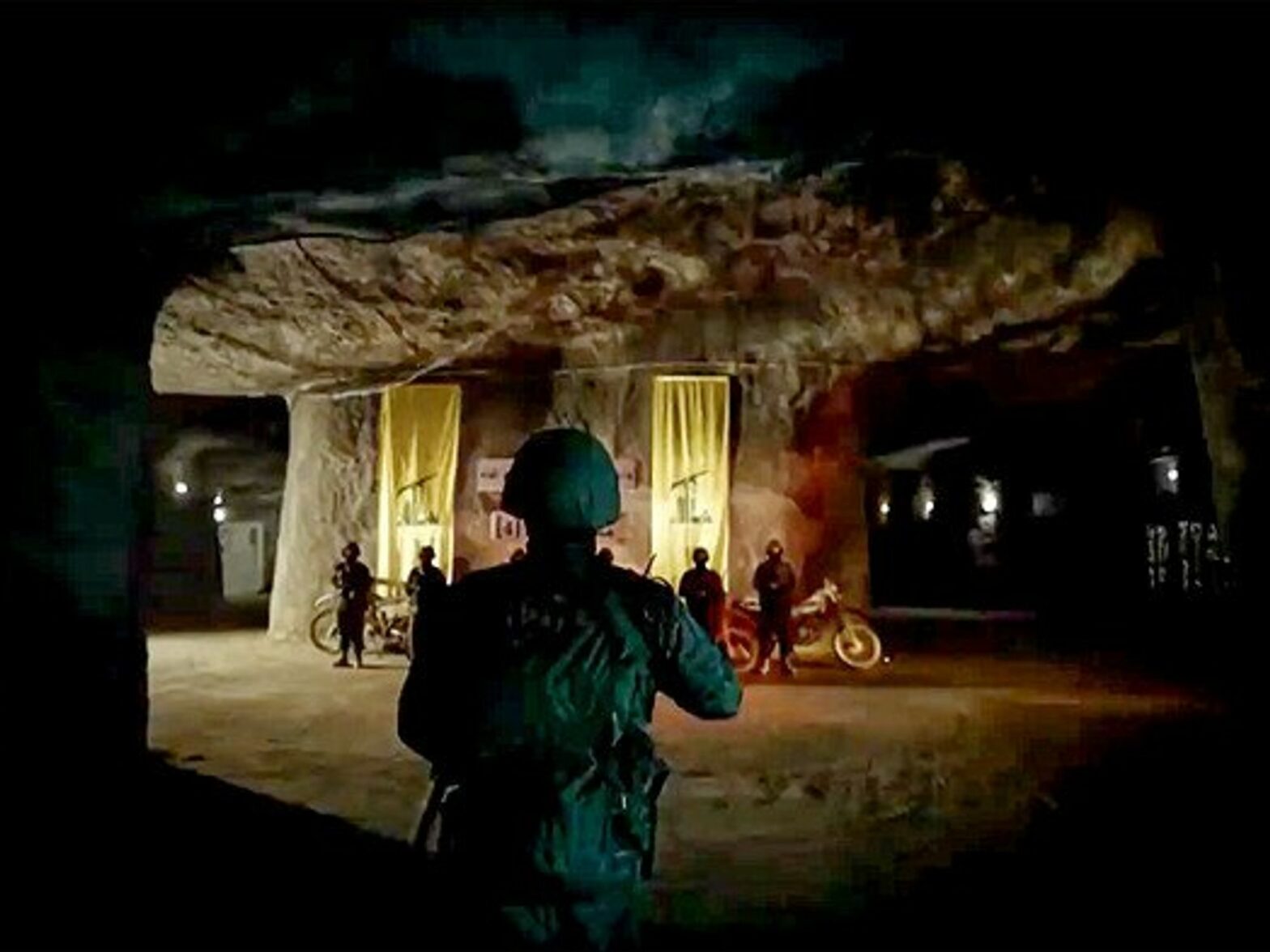
Hezbollah’s Imad 4 underground missile facility, which was revealed on Aug. 16, is just another layer of the Lebanese tragedy. For Hazem El-Amin, the footage brings back memories of his experience during the Lebanese Civil War.
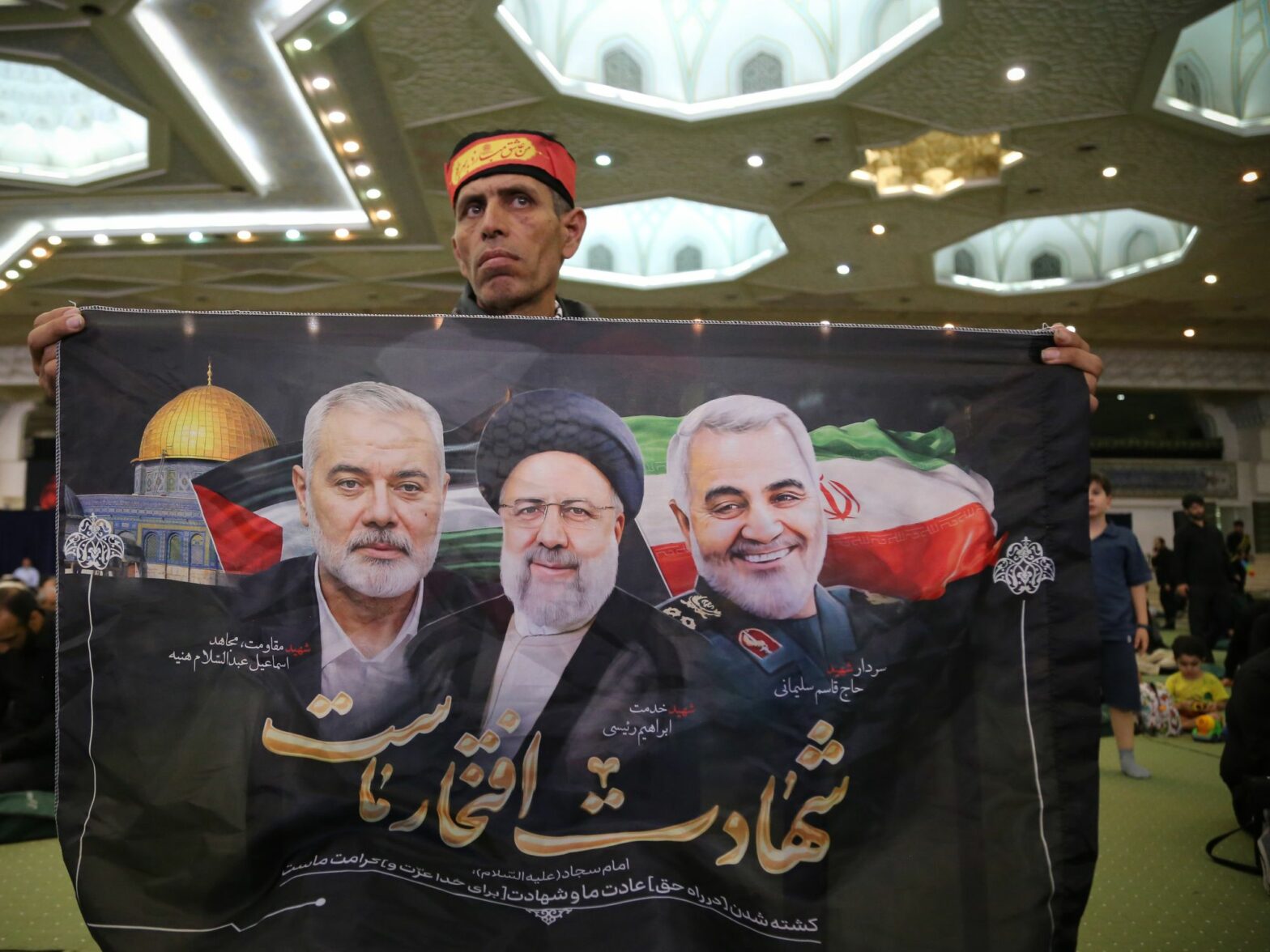
It’s been weeks since Hamas leader Ismail Haniyeh’s killing in Tehran. Will Iran end up striking Israel, as it promptly said it would, or persist in an unnerving waiting game, leaving the rest of the word in the dark as to its plans, resolve and capabilities?
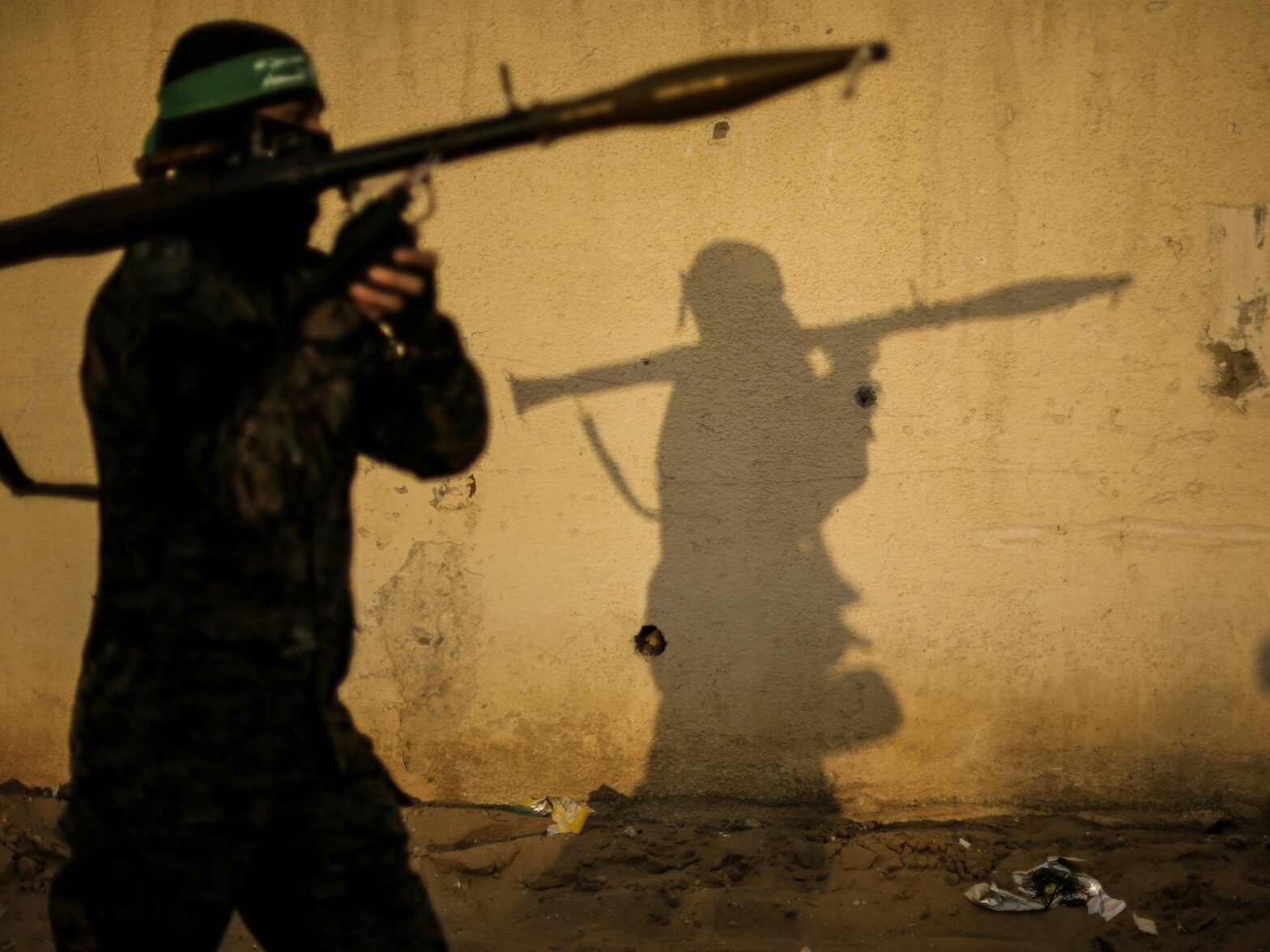
Since Oct. 7, the Israel-Hamas conflict has continued to spread, deepening divisions within Israeli society and radicalizing a section of public opinion. Radicals both in Israel and Hamas are taking advantage of the chaos of war to prevent peace — just as they did in the 1990s. For how long will the world allow them to do so?
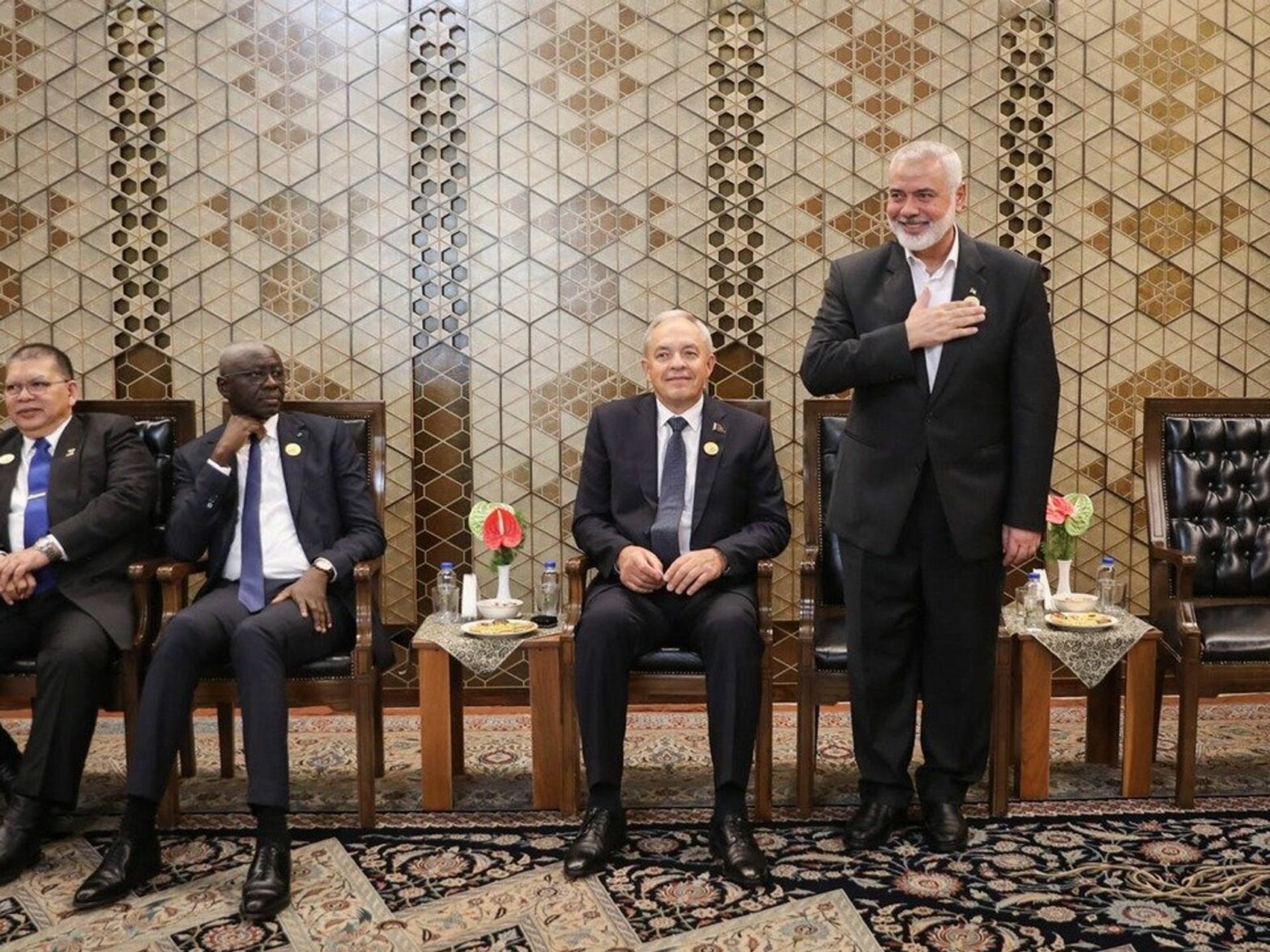
The killing of Ismail Haniyeh was not merely the assassination of Hamas’ political leader; it ended the life of a figure who could bring consensus to the Palestinian cause.
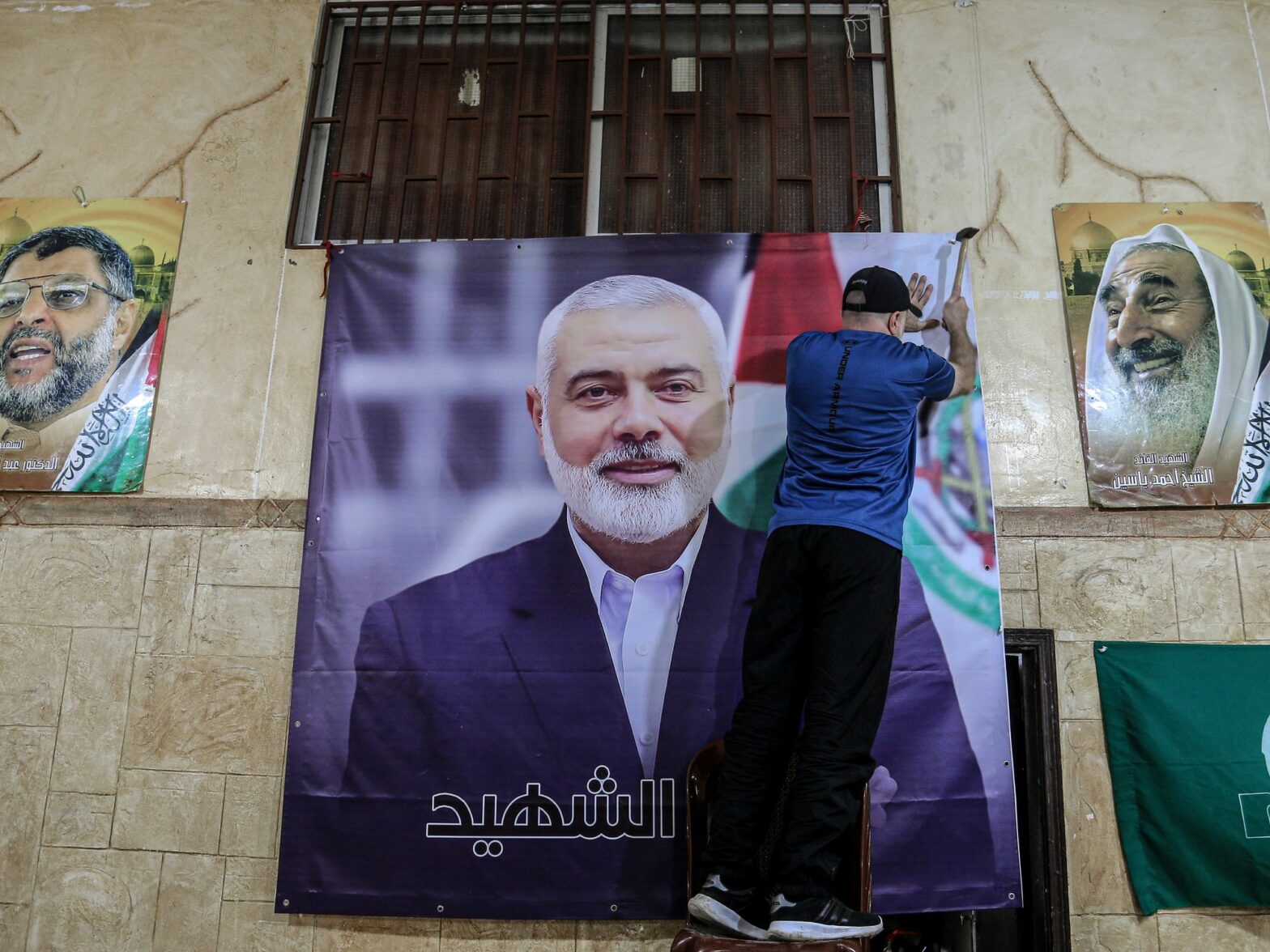
A series of strikes occurred just days after Netanyahu returned from the United States, which will have difficulty denying a role in the targeting of three capitals in the region in 24 hours, and may spark a much wider war in the Middle East.
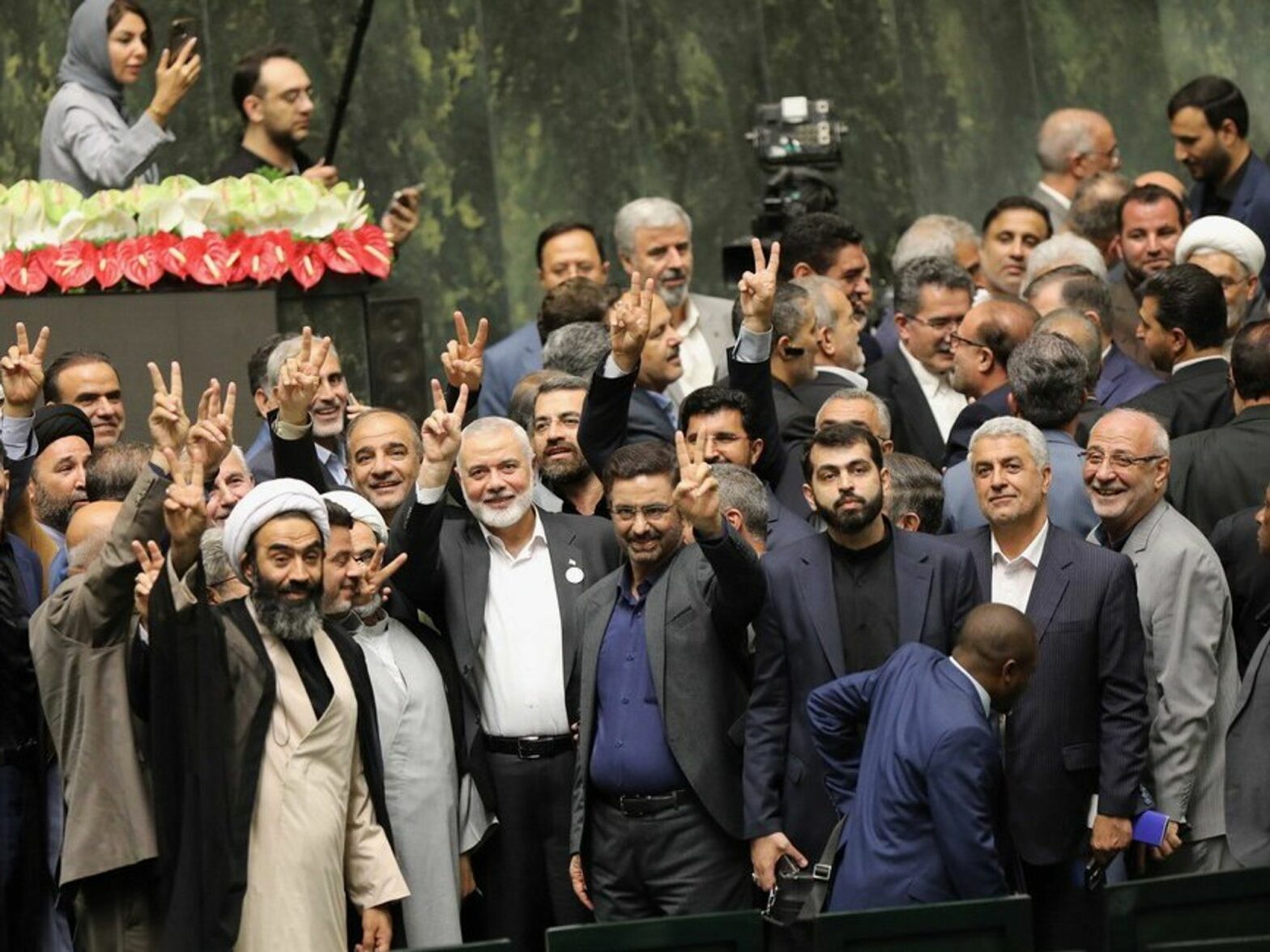
Tehran claims the visiting Hamas leader was struck down in the capital with a “high-tech” missile or drone, so his killing could not be attributed to another security lapse on the ground against the chief suspect, Israel.
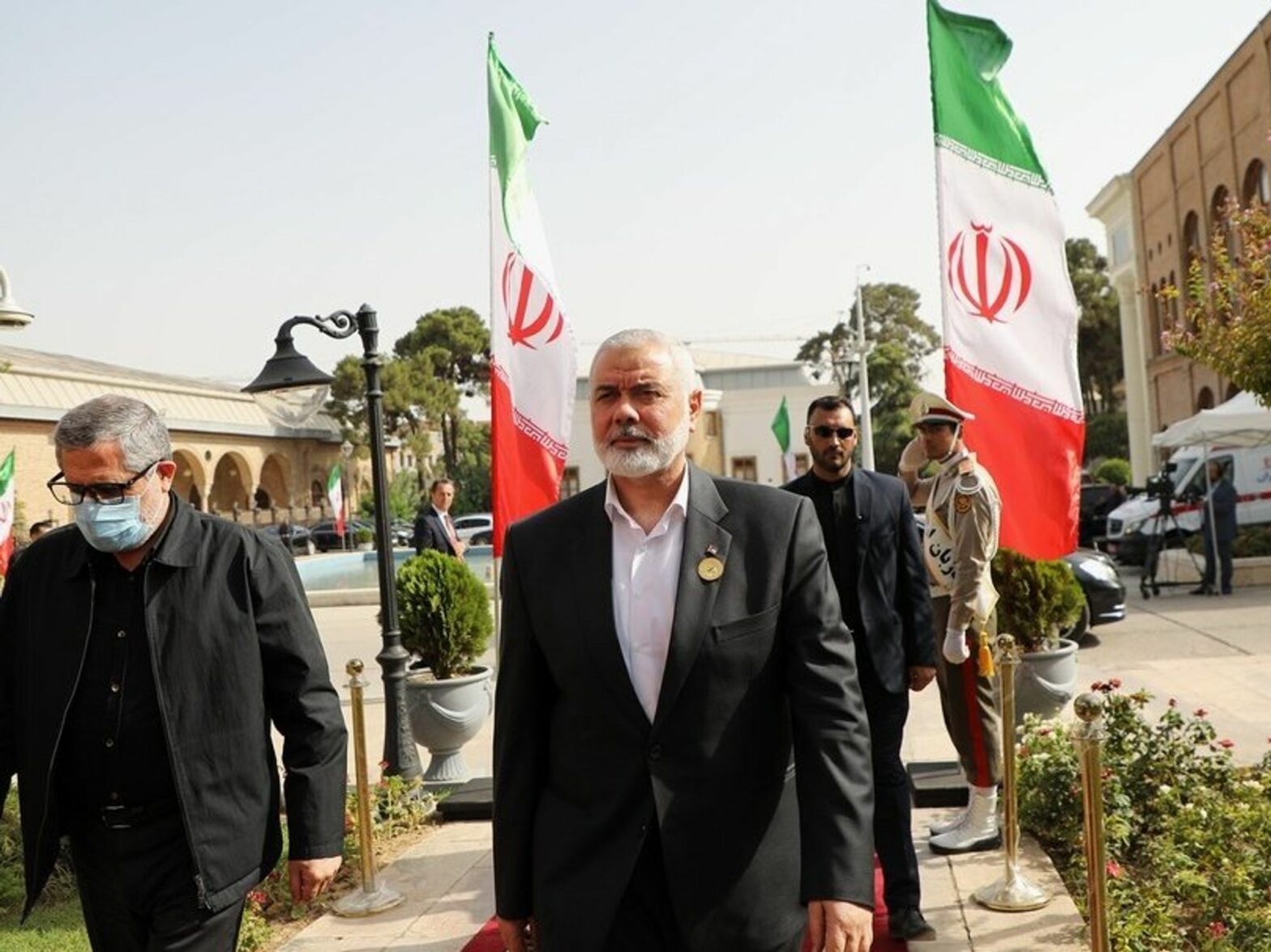
Hamas reported that its leader Ismail Haniyeh was assassinated in the early hours of Wednesday morning in Iran, most likely by Israel, drawing fears of wider escalation in this region already shaken by the war in Gaza and on the Israeli-Lebanese border.
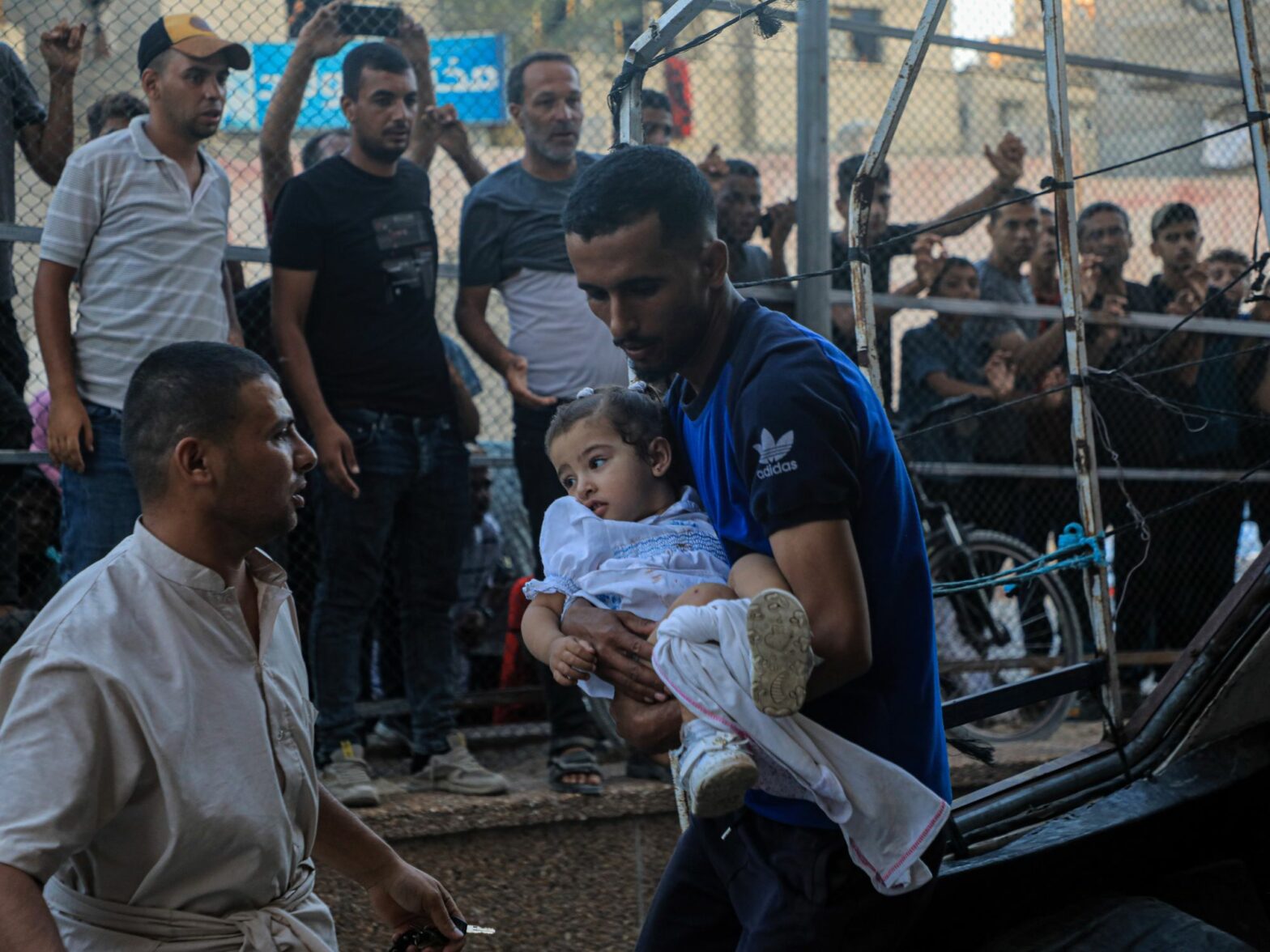
An Israeli missile struck children playing soccer in a schoolyard a day after international outrage at Russia’s bombing of Ukraine’s largest children’s hospital. As the Israel-Hamas war drags on, ceasefire negotiations get harder as the rest of the world looks away.
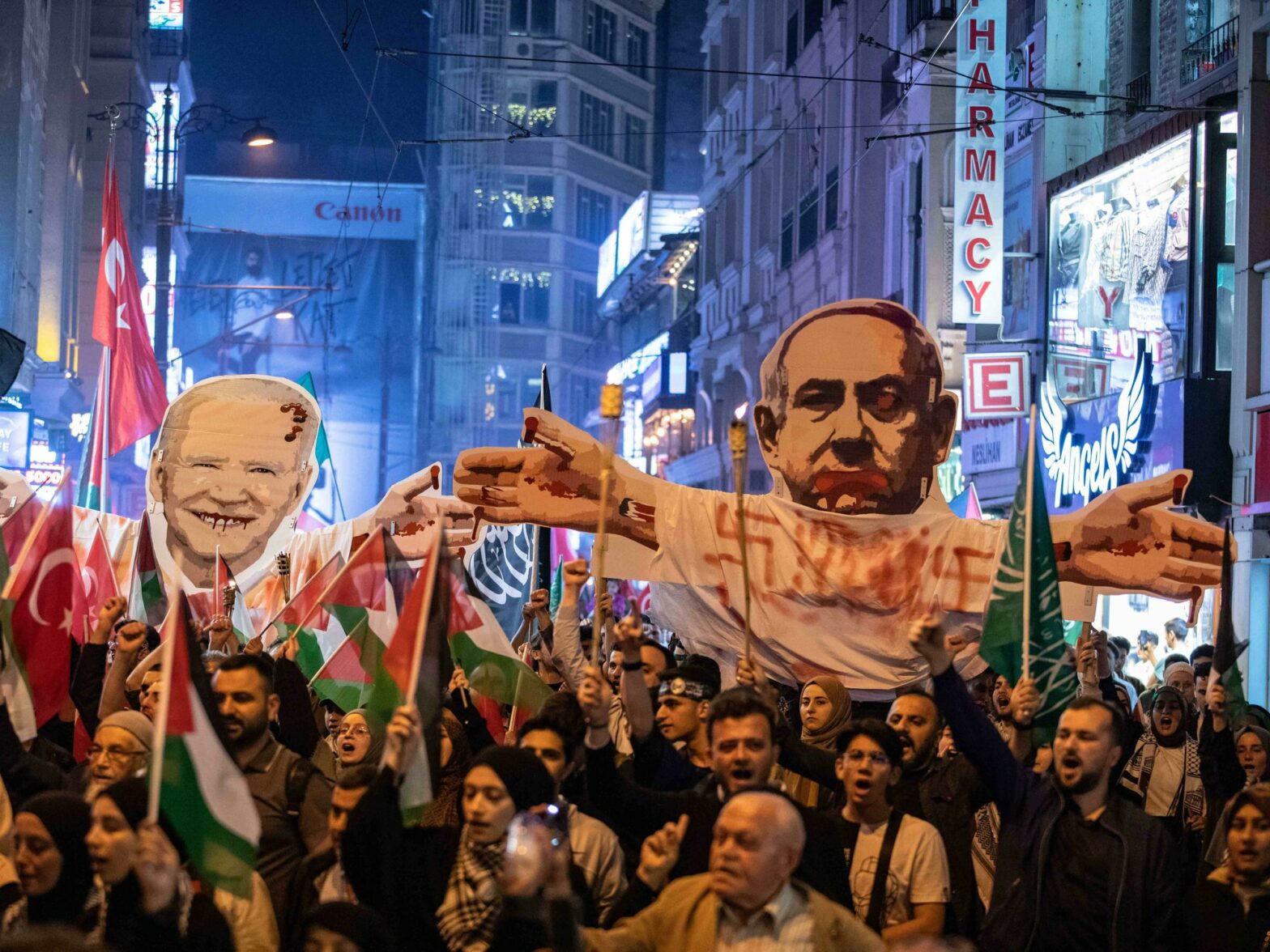
The October 7 attack and Israel’s brutal response have left a trail of devastation, which materializes in very different tragedies for Palestine and Israel, a story of missed opportunity for Turkey — and a tragicomedy of U.S. leadership.
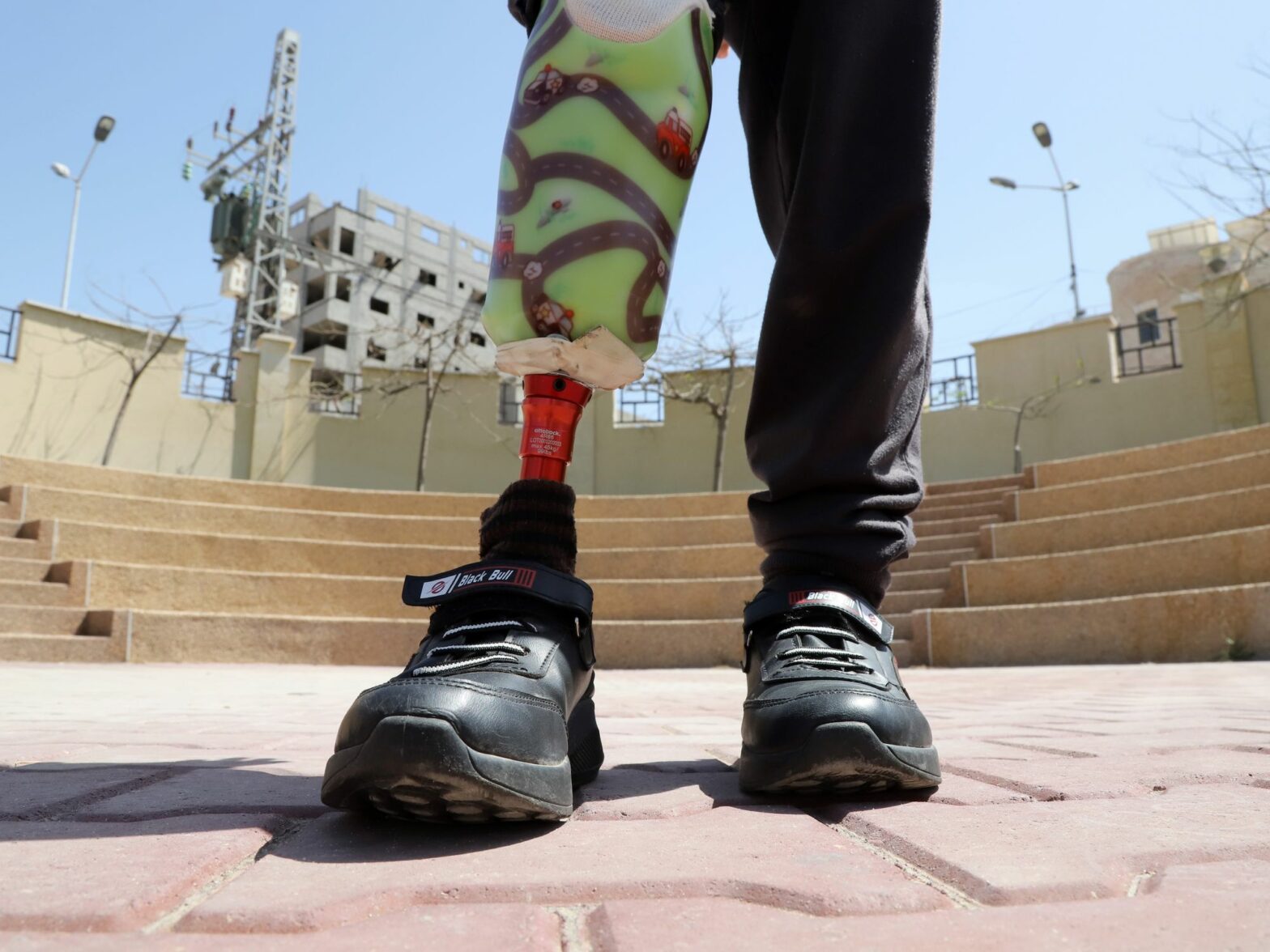
From the Nakba to now, Palestinian authors have used the trope of amputation as a literary symbol of loss and unity in the face of adversity.
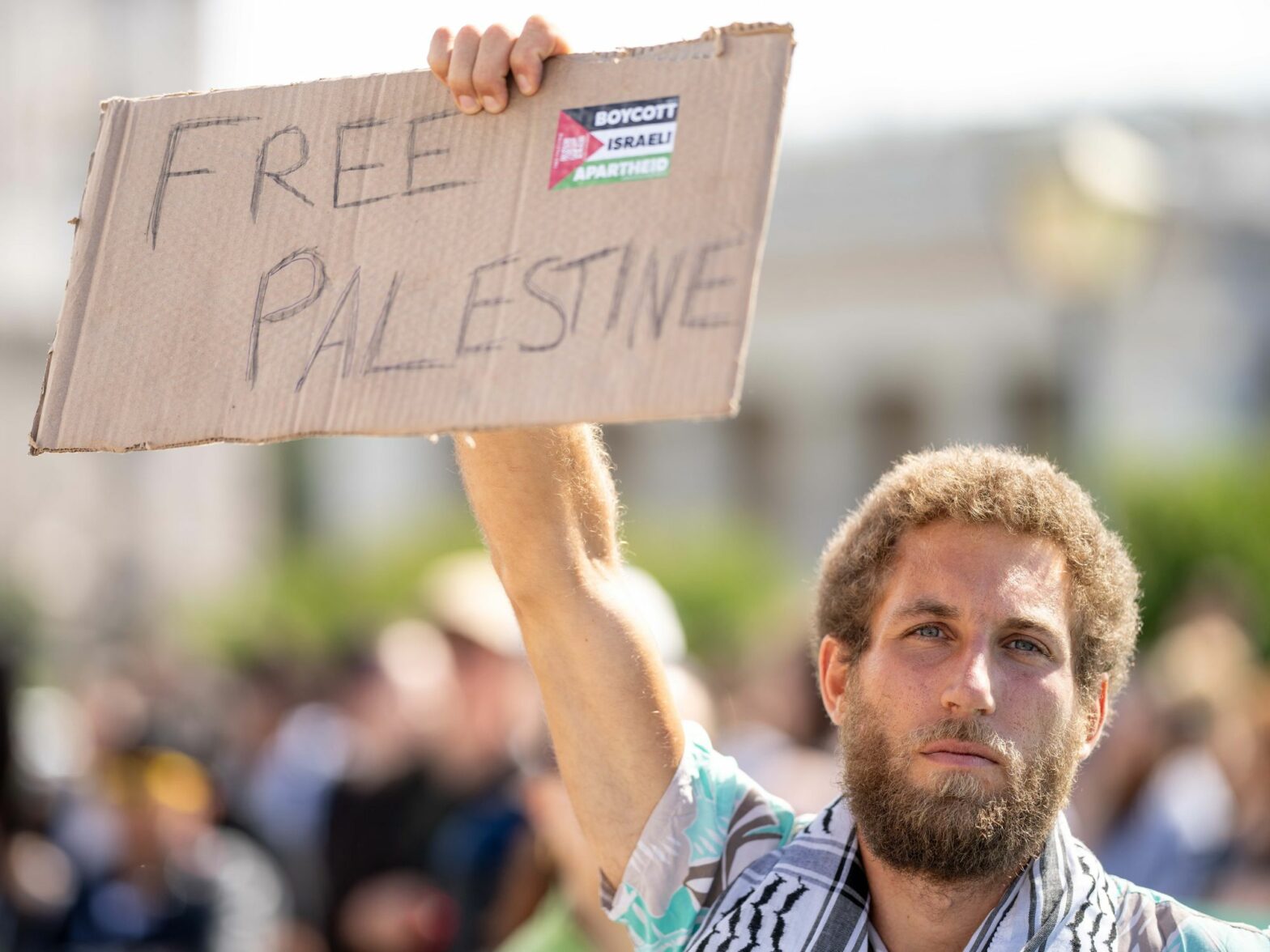
Spain, Norway, Ireland and Slovenia’s formal recognition of Palestine as a state highlights that Arab countries, many of which recognized Palestine in 1988, have not built upon that step.
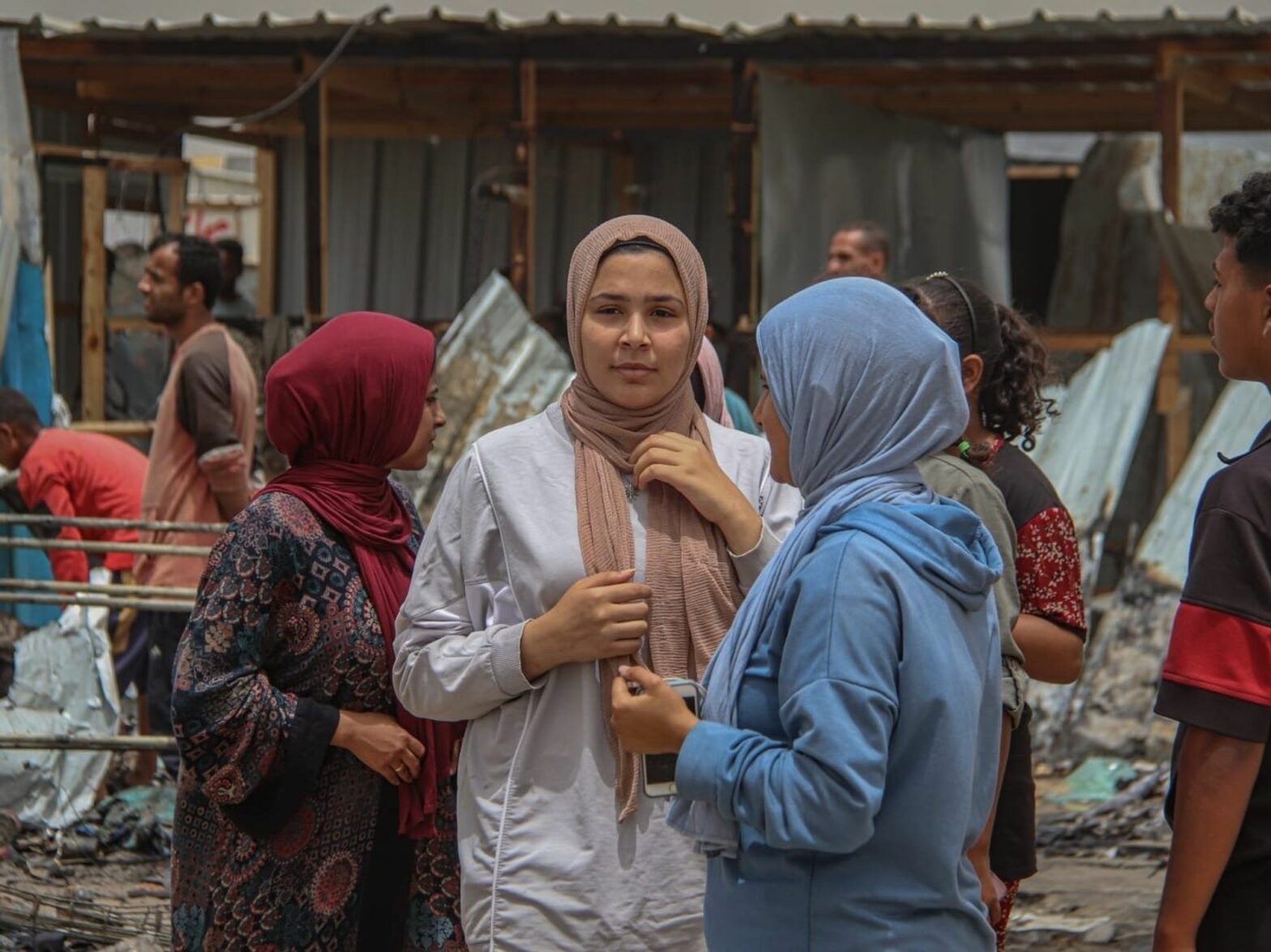
Palestinian women are suffering disproportionately in the Gaza conflict, where they represent 70% of casualties and more than half of the displaced people.
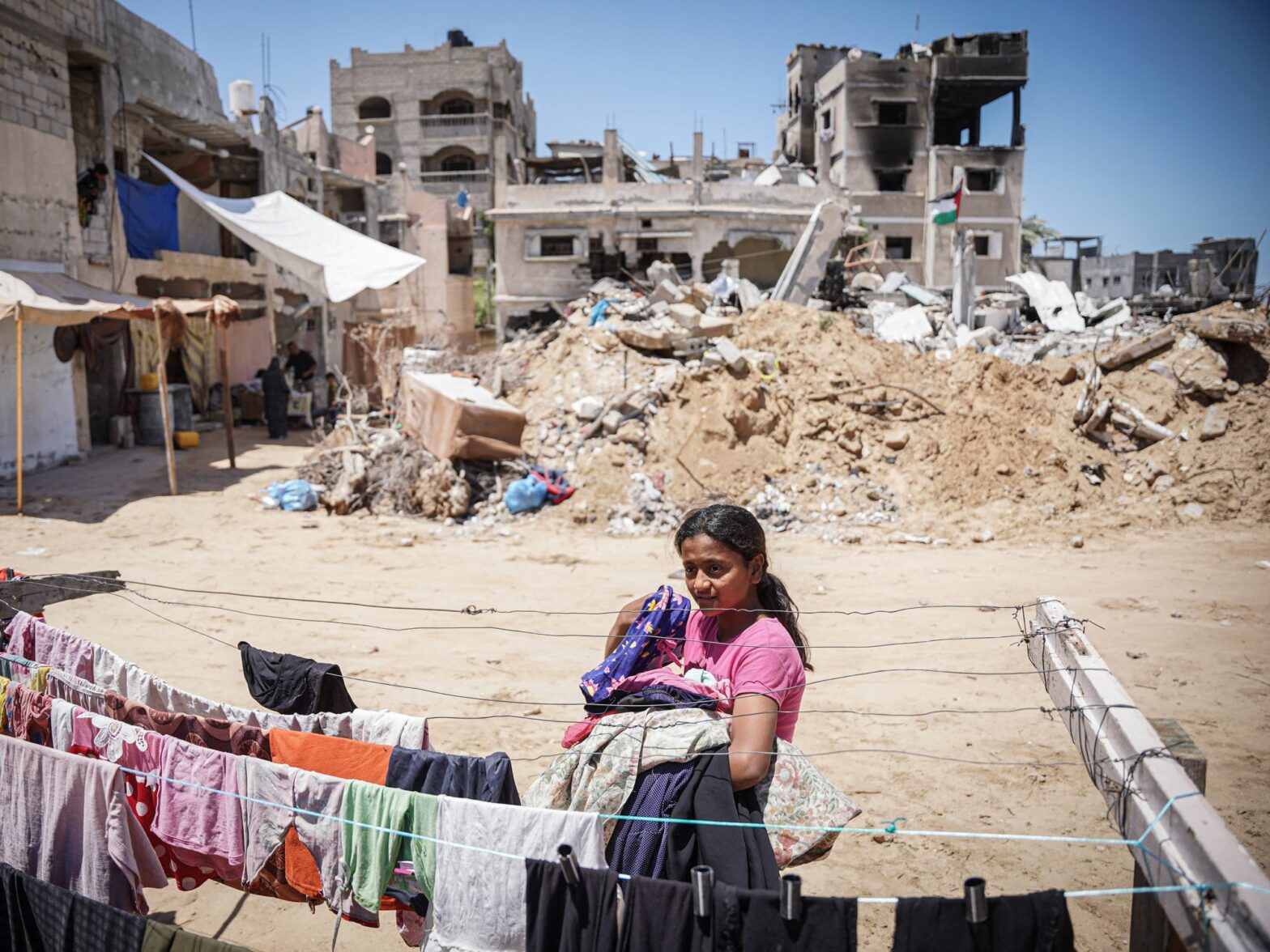
Eight months into the Israel-Hamas war, Israel has lost the battle of world public opinion. This may seem unfair to Israelis, but the right to self-defense does not authorize anyone to disregard international humanitarian law. And undermining these legitimate international bodies will only cause wider chaos.
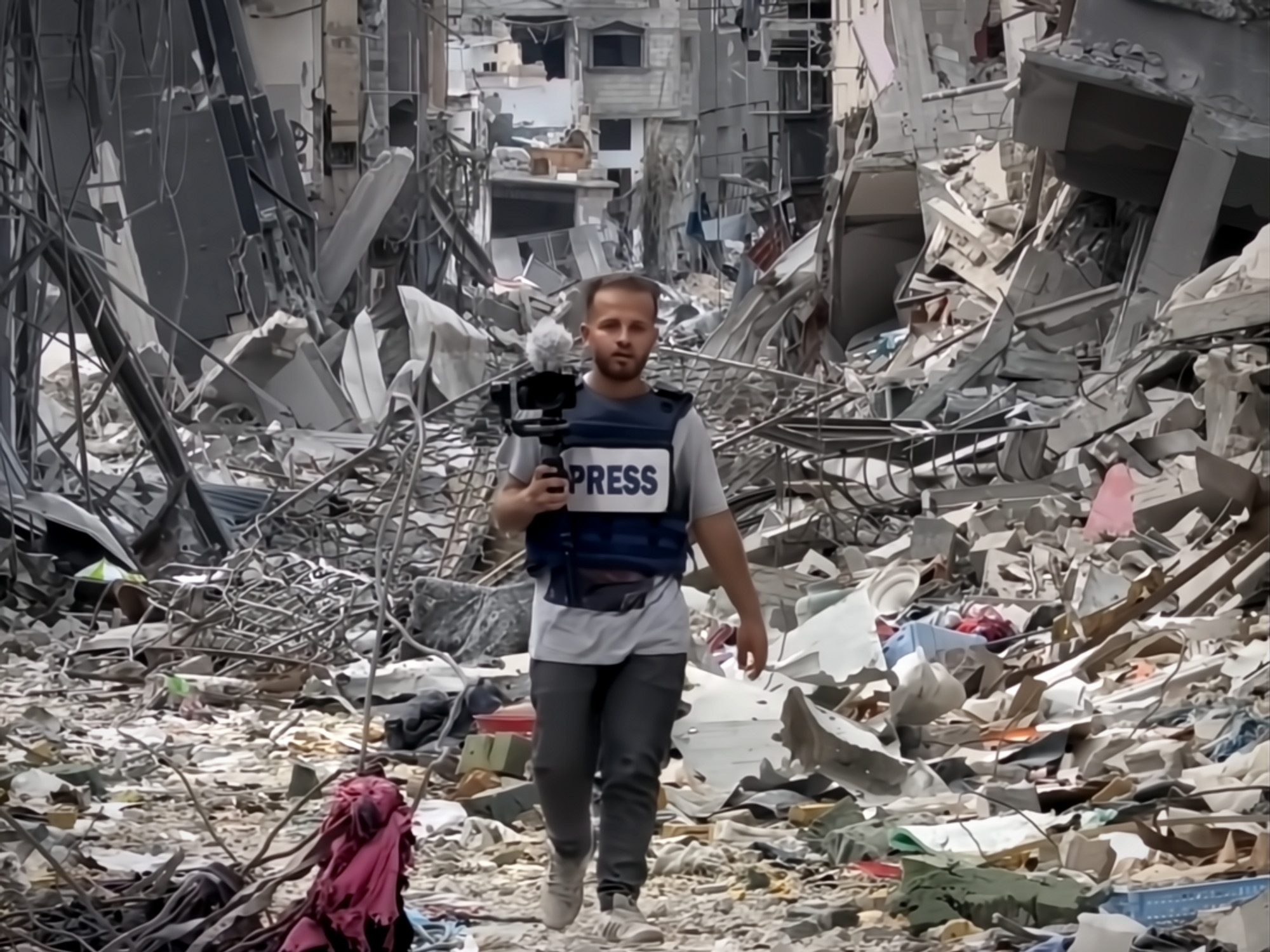
Since the war in Gaza broke out, the Israeli military sealed off the Palestinian enclave and barred independent journalists from entering. In many cases, it targeted the few journalists still working there, especially photojournalists. Daraj spoke with one such reporter, Ahmed al Danaf.
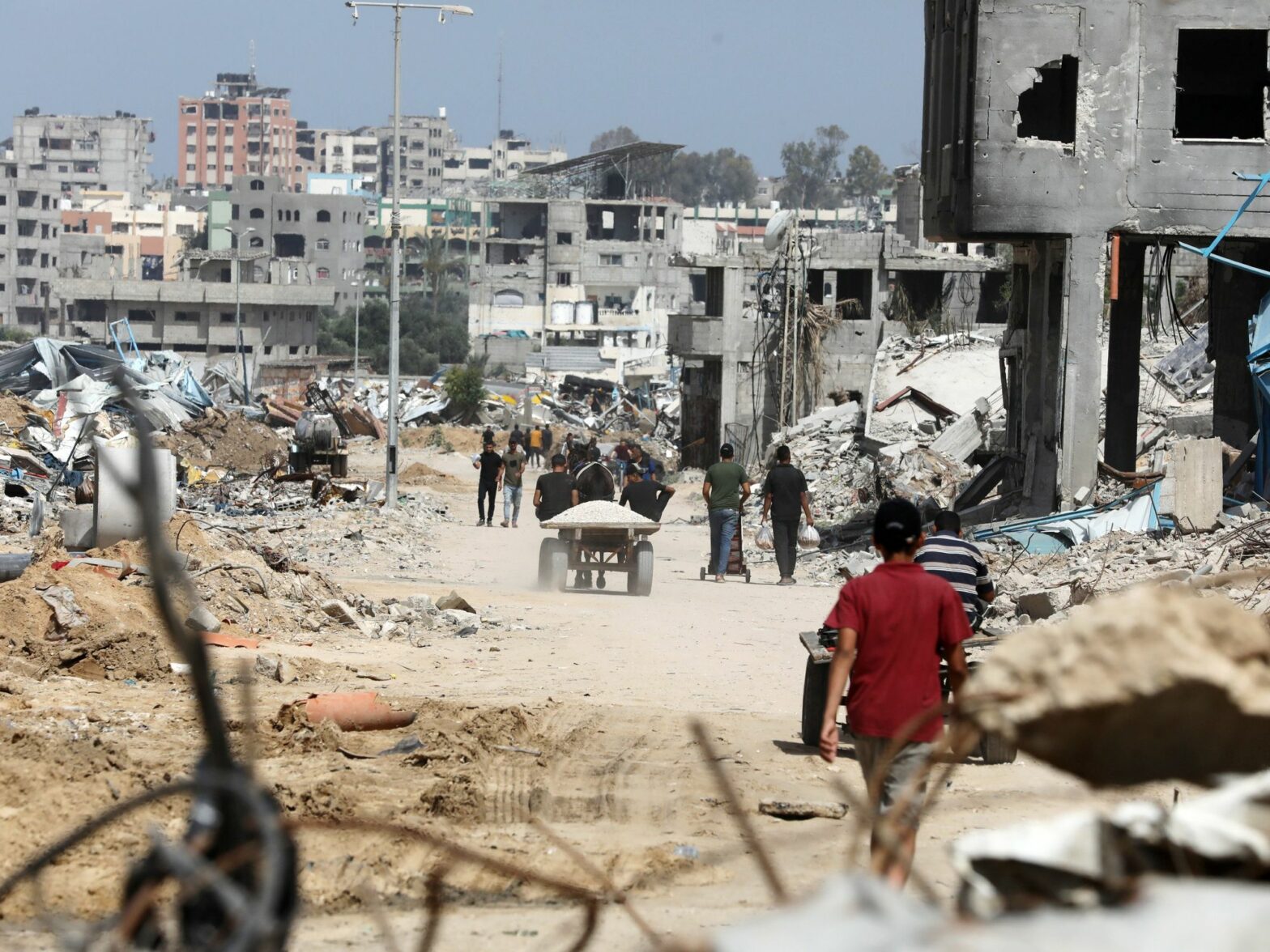
The Israel-Hamas war has revived the urgency of resolving the Israeli-Palestinian conflict through the two-state solution. The West views that this solution would soften polarization in Western societies, and calm down the Middle East, so the United States and NATO can again focus their efforts on confronting the real adversaries in Beijing and Moscow.