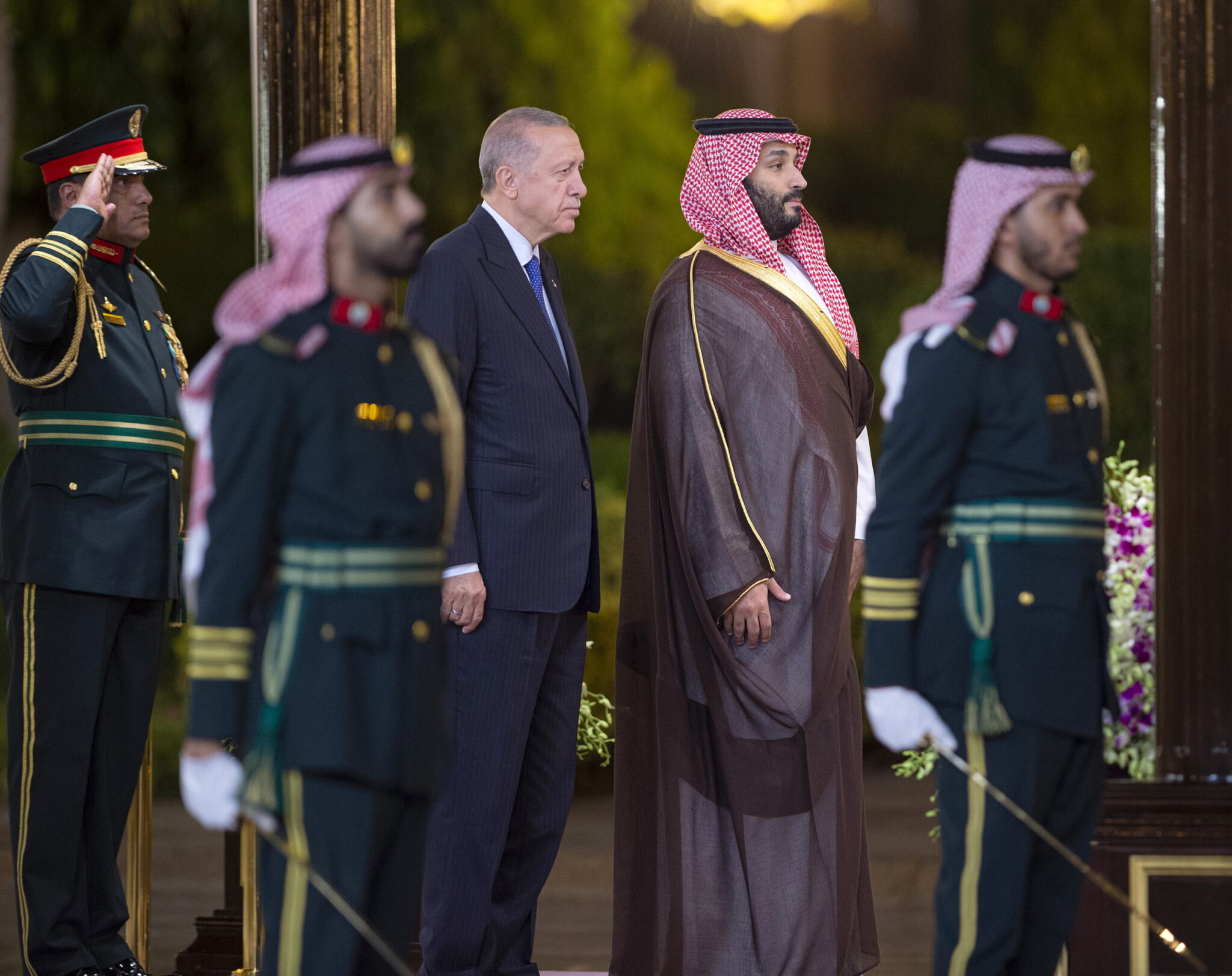
From Iran and Turkey, Egypt and Saudi Arabia, lasting peace can only arise from shared economic interests and the containment of regional power ambitions.
 Worldcrunch
From Iran and Turkey, Egypt and Saudi Arabia, lasting peace can only arise from shared economic interests and the containment of regional power ambitions.
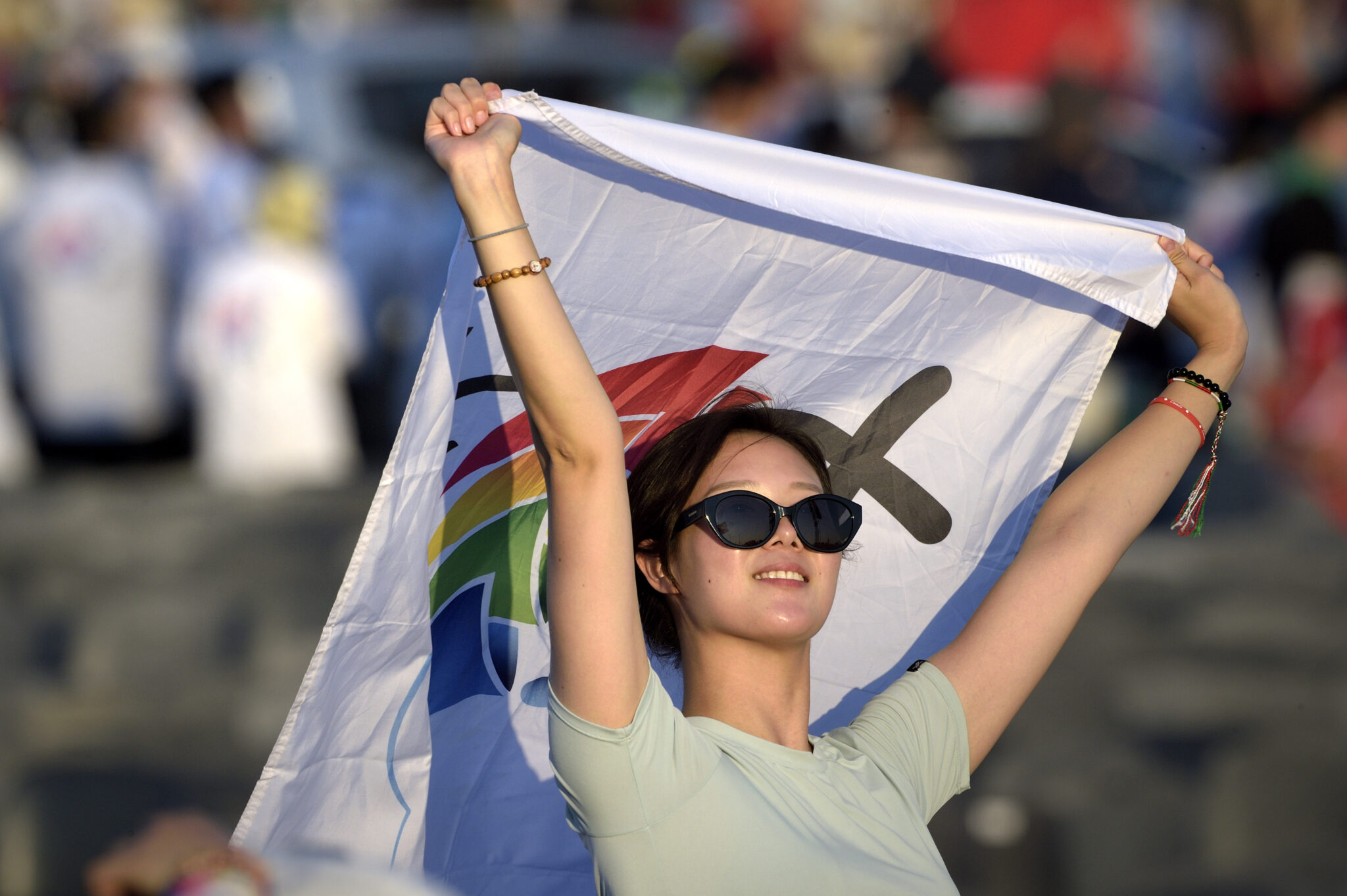
Has France’s chronic decline in Christianity reached a low point? That trend now coexists with another dynamic: a second wind of religion among disaffiliated young people.
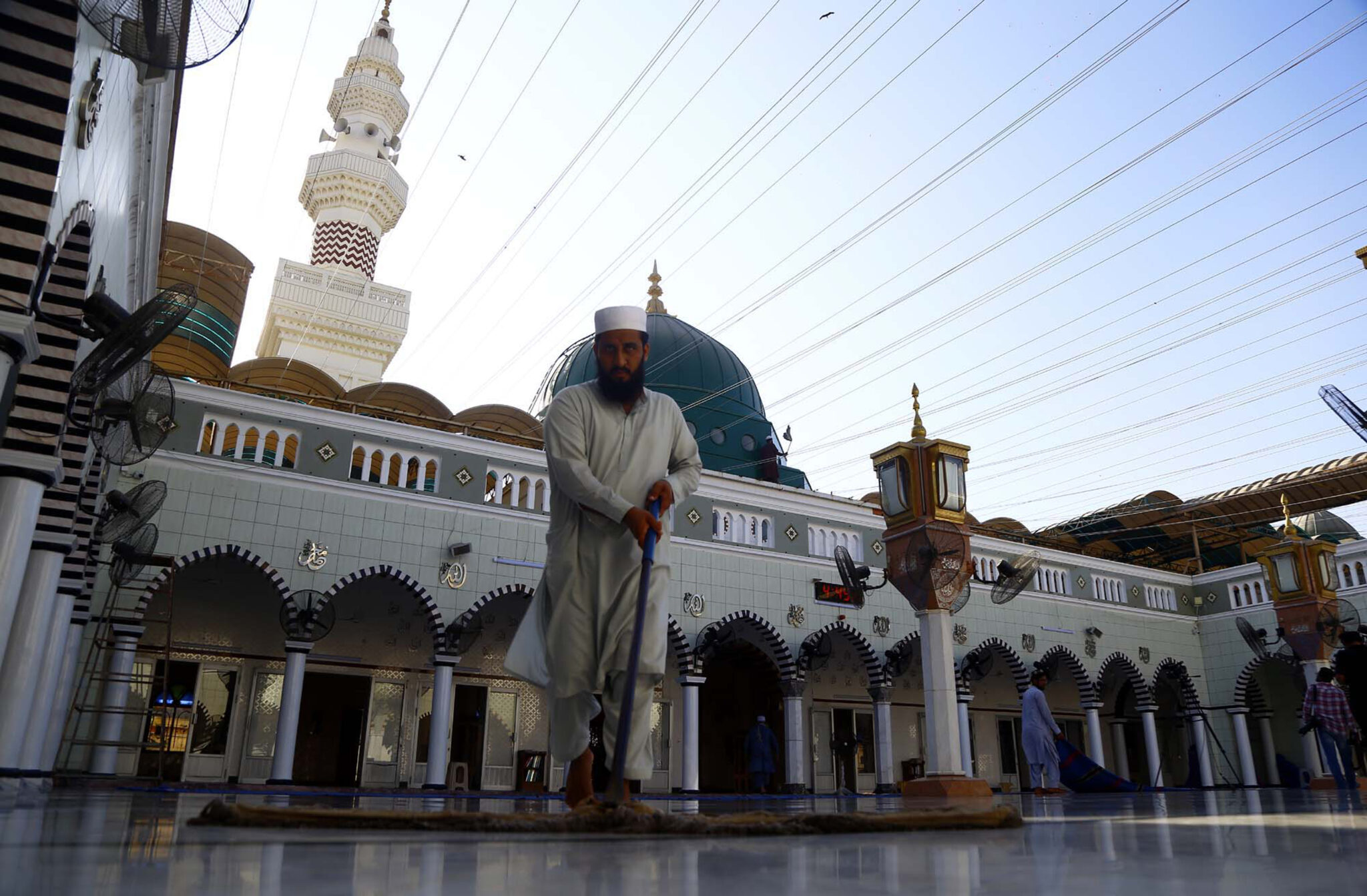
An elderly couple recently had to flee their home in Karachi after their son was unjustly accused under Pakistan’s blasphemy laws. Their case highlights how religious laws in the country are increasingly exploited for extortion and vendettas, leaving families vulnerable to threats and violence.
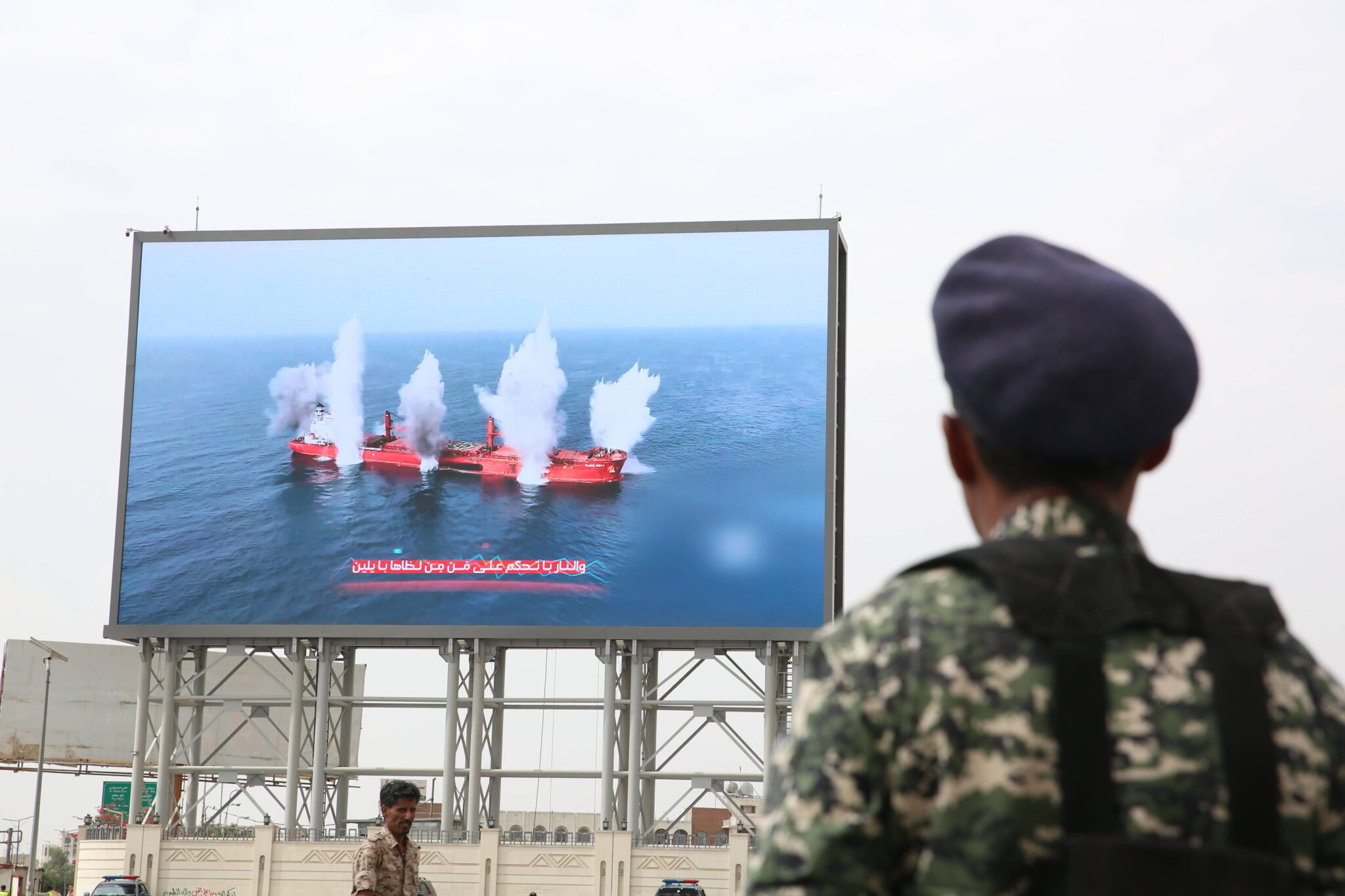
With more than 115 attacks since 2023, Yemen’s Houthis now offer ship operators a website to register vessels and avoid drone or missile strikes, a move that raises alarms among maritime security experts and highlights the rebels’ bid to control global shipping lanes.
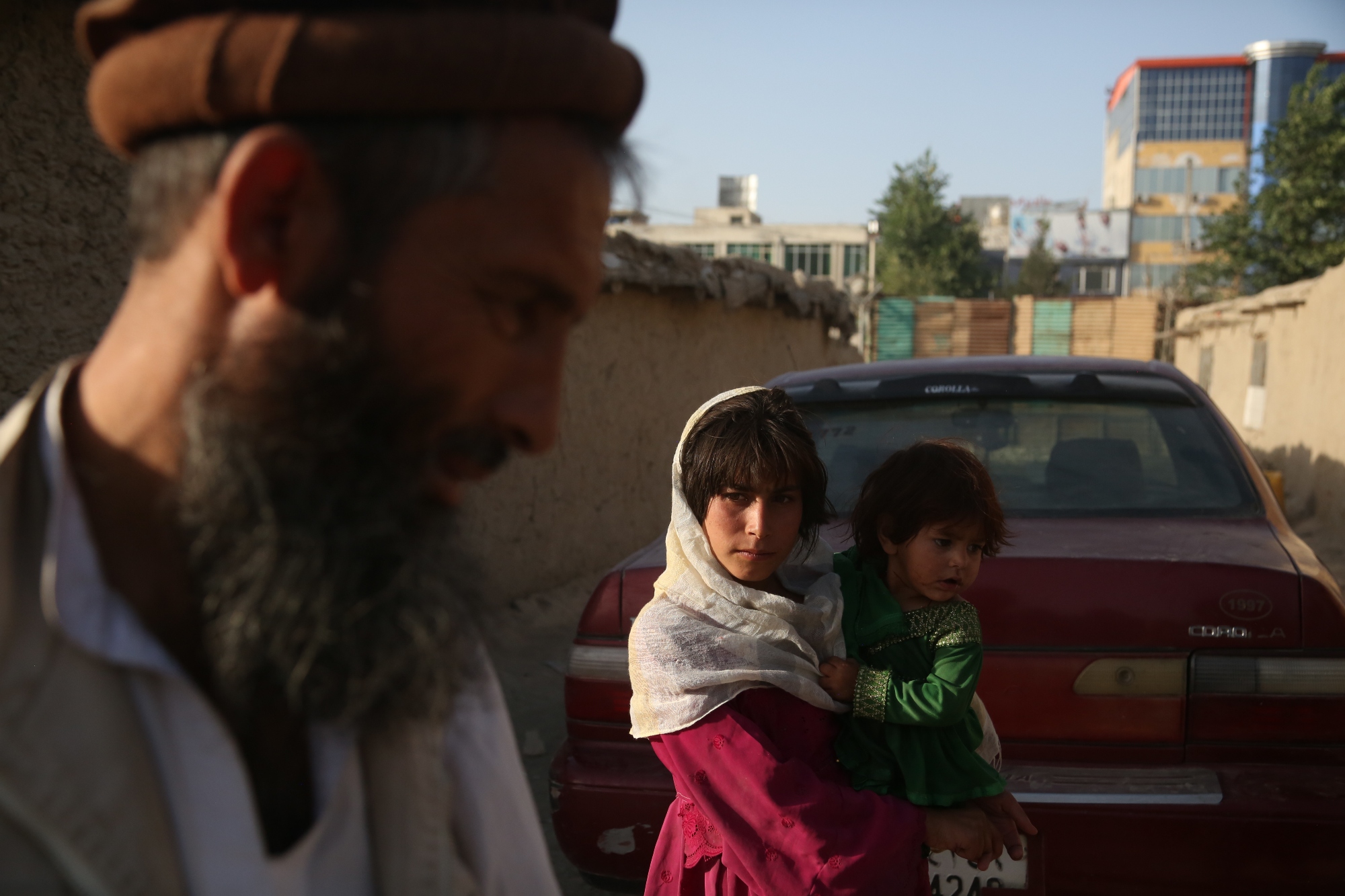
In Afghanistan, where it is considered a disgrace to have only daughters in a family, some families raise their girls as boys — giving them male names, boys’ clothes and the freedoms typically denied to Afghan girls. But what happens to these girls when they grow up?
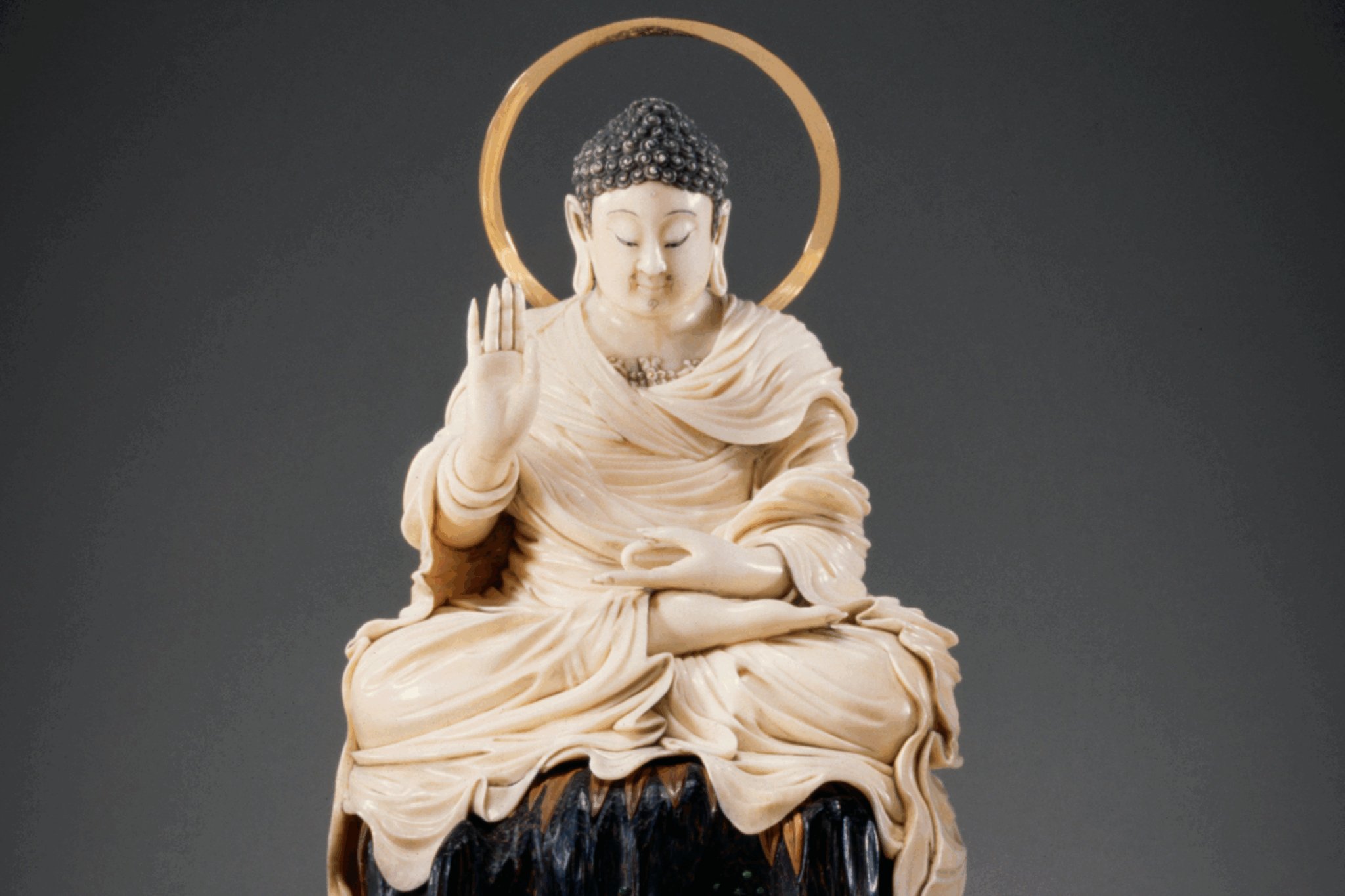
From elephant ivory crucifixes to rhino horn handles for Muslim ceremonial daggers, sacred wildlife products fuel an overlooked driver of the illegal trade. This unbridled demand is pushing some species toward extinction, forcing faith leaders to reconcile devotion with biodiversity conservation.
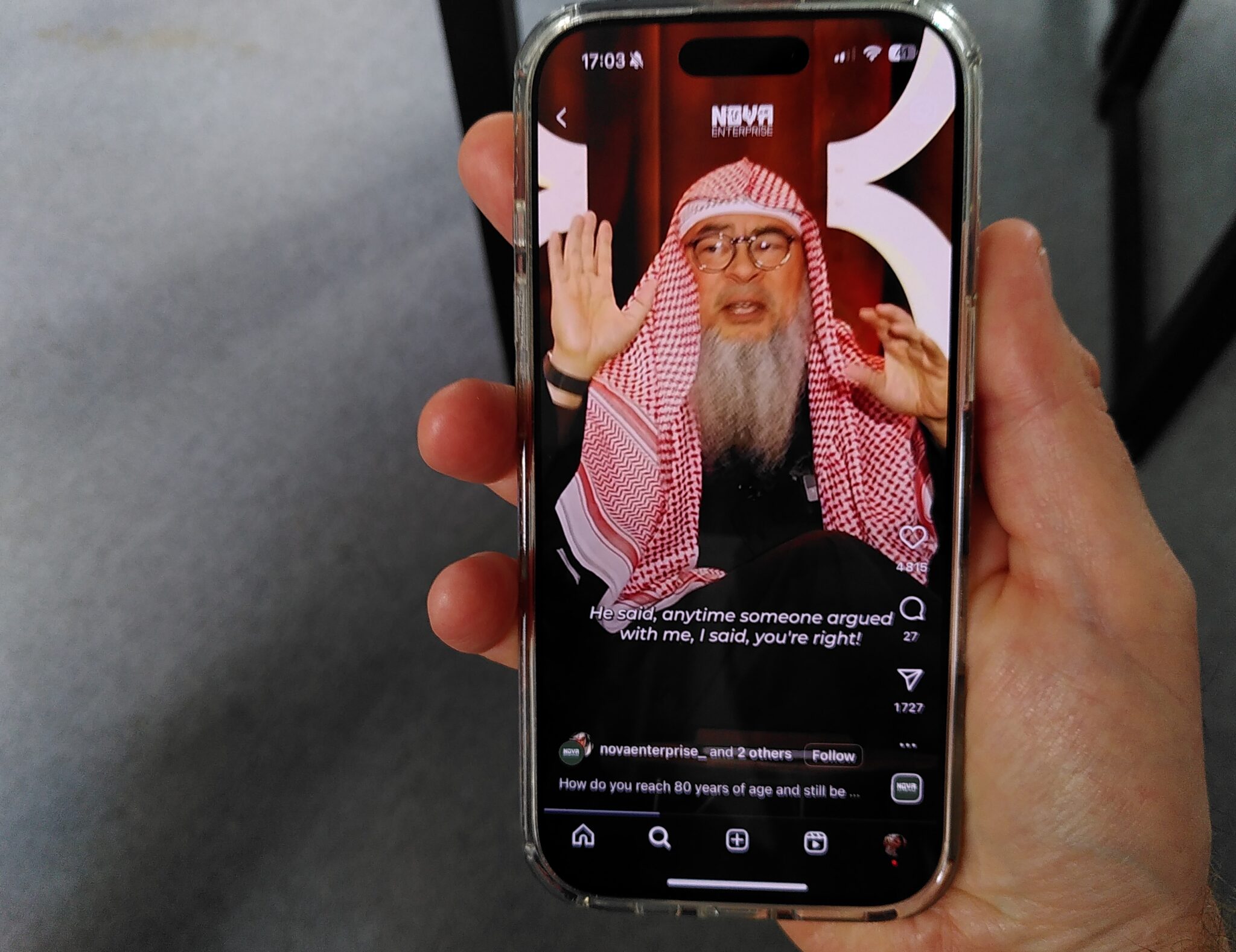
In the age of algorithms and 15-second reels, a new kind of religious voice is echoing across the Middle East and North Africa through smartphones and social media feeds. These are the “Instagram Sheikhs” — a diverse group of young, digital-savvy Muslims who fuse Islamic teachings with modern tools and aesthetics.
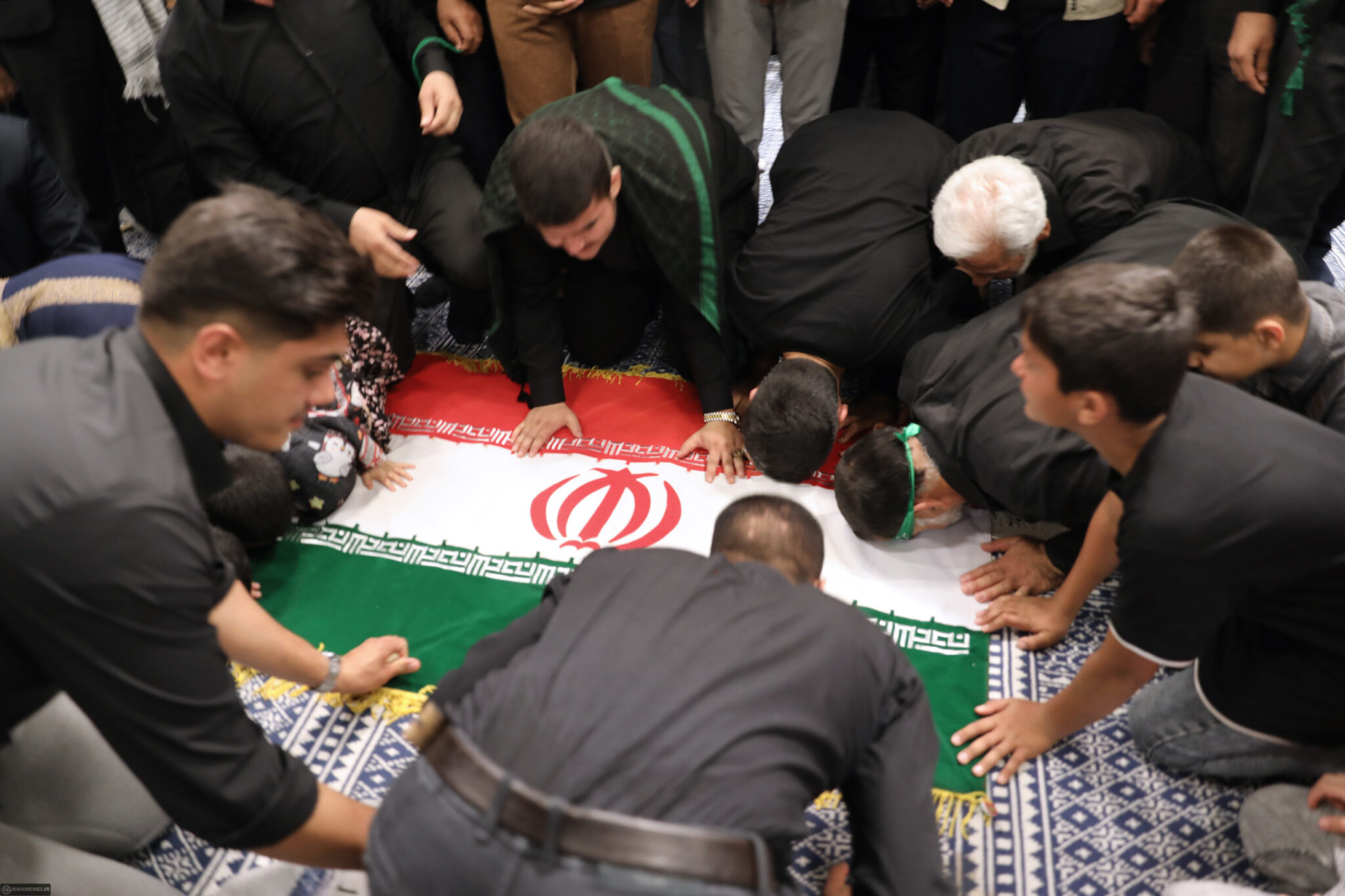
Tehran’s revolutionary regime is suddenly turning to Iranian nationalism hoping to rustle up public support for itself as it faces Israeli and U.S. threats. But who in Iran could believe it now, when everything it has done for years has shown its contempt for the very notion of historical roots and national interests.
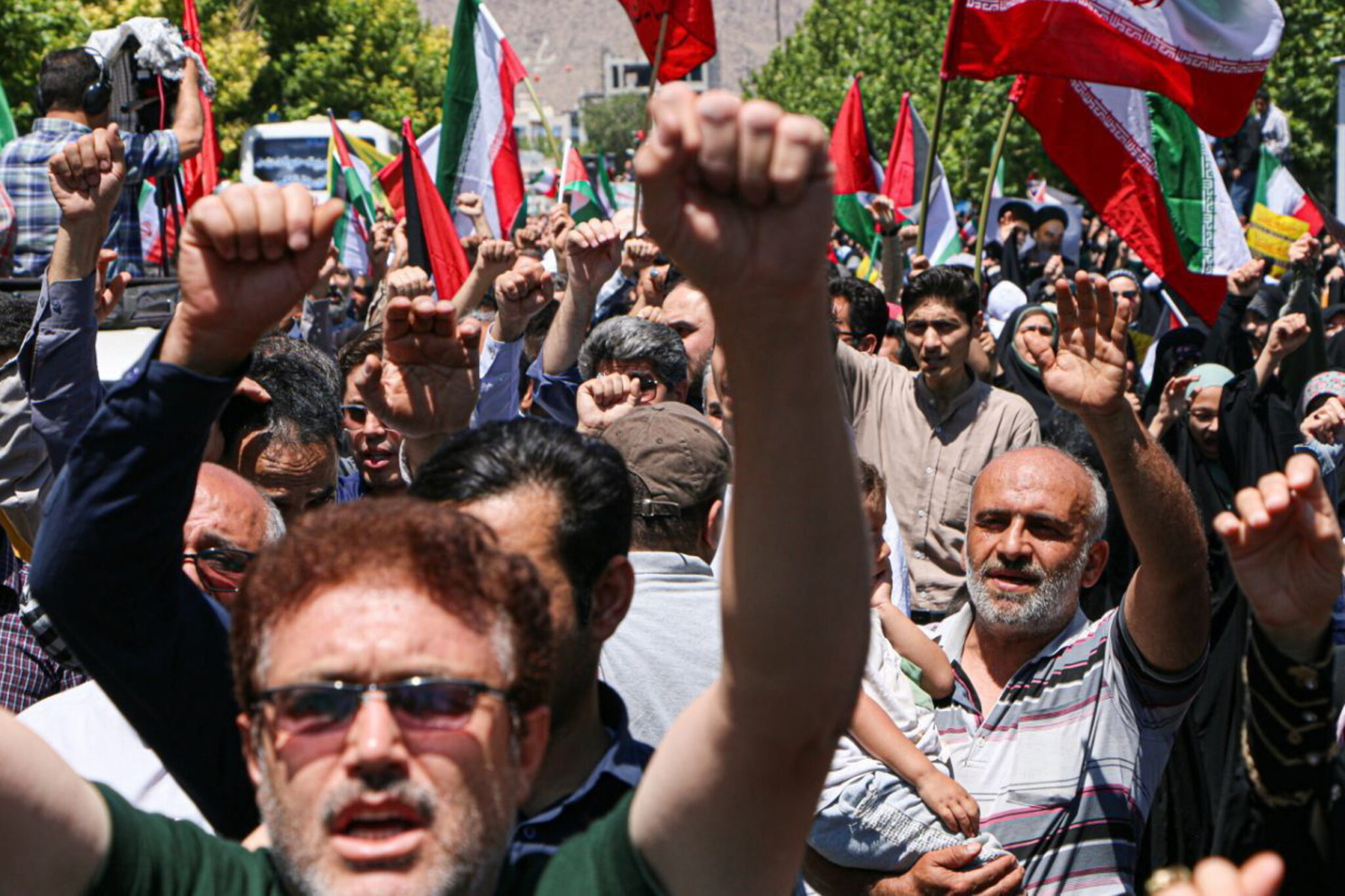
Like Spain after Franco, La Stampa’s Bernard Guetta argues, Iran faces a crucial choice between authoritarian decay and democratic renewal. Before time runs out.
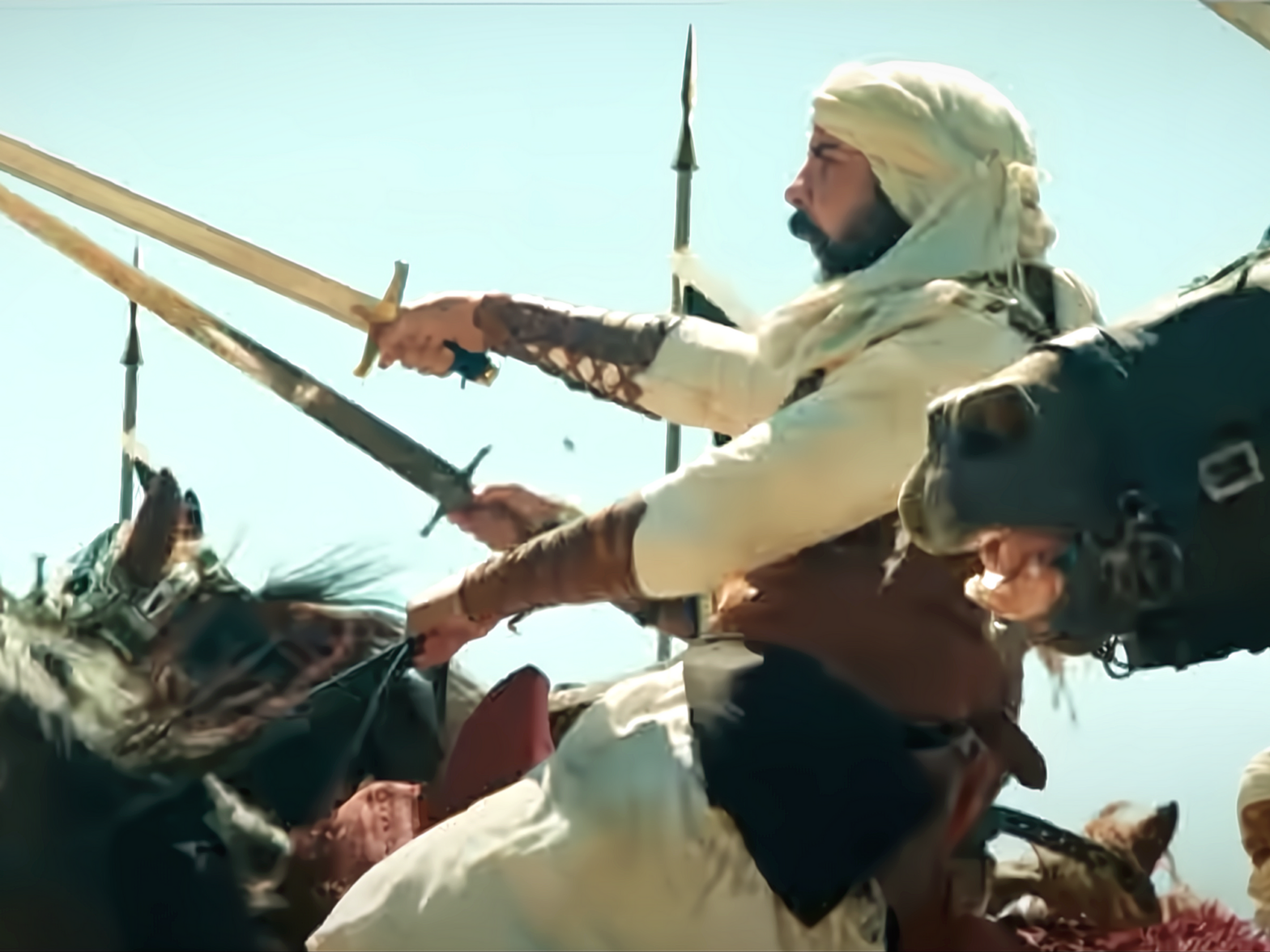
The long-delayed Saudi TV series Muawiya aired, in early March, at a carefully chosen moment, aligning with Saudi Arabia’s political ambitions. The show reconstructs the early Muslim ruler’s legacy, transforming him into a figure of wisdom and power — echoing the image that Saudi Arabia’s Crown Prince Mohammed bin-Salman has been creating for himself.
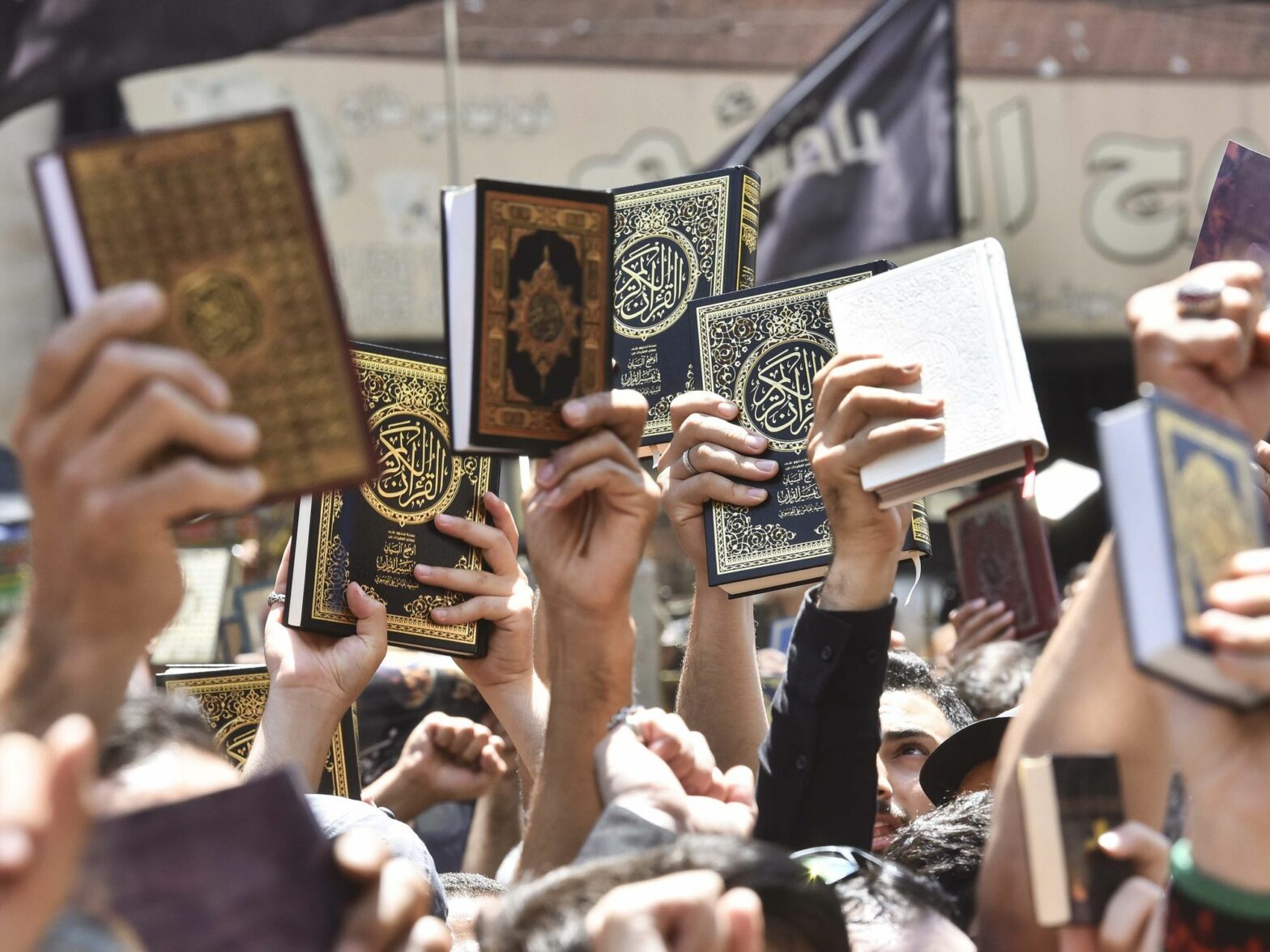
The Nordic country, which abolished its blasphemy statute half a decade ago, is being put to the test as it tries to make freedom of expression and of religion coexist.
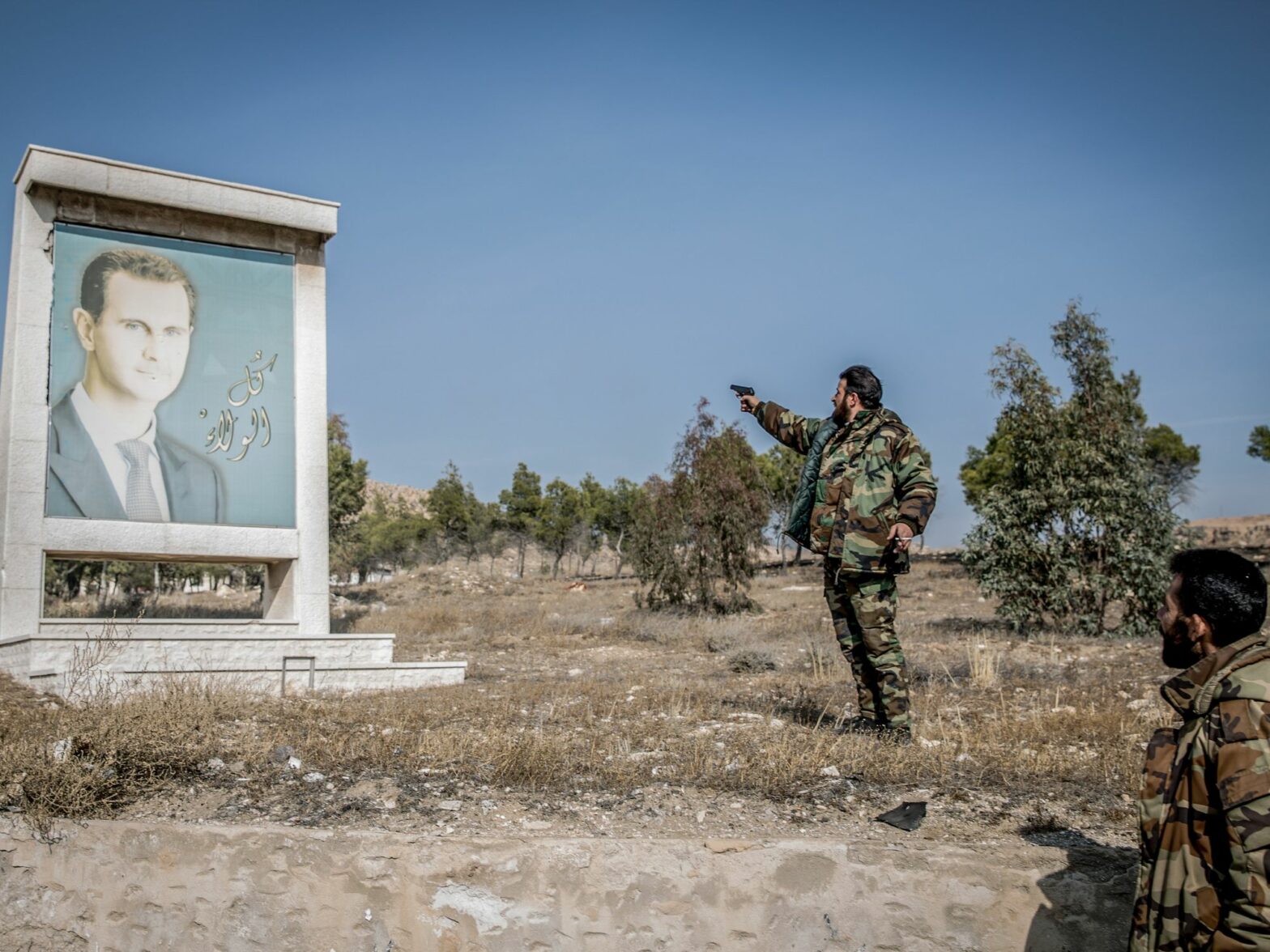
The direction of Syria’s new rulers remains uncertain, but examples of transitions in Iraq, Egypt, Libya or Tunisia after the fall of their dictators highlight the pitfalls to avoid. Will Syria be able to escape them?
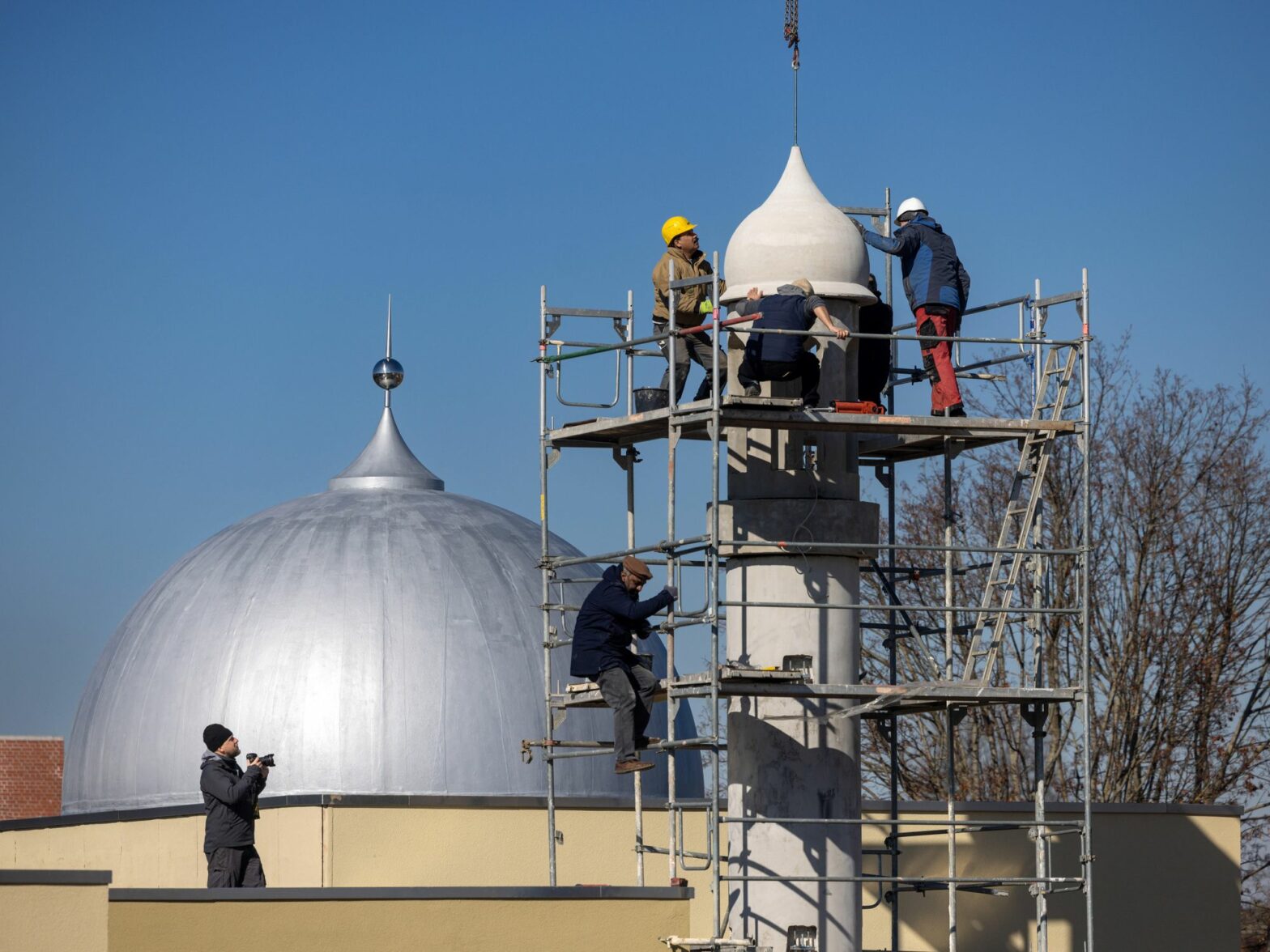
The first mosque in East Germany to have visible Islamic architecture is soon to open in Erfurt, in the State of Thuringia. But it’s already become a target for Islamophobic attacks, including pig heads and wooden crosses tossed on the premises.

Updated August 11, 2024 at 11:50 a.m. Al-Qaeda was formed on this day in 1988 by Osama bin Laden, Abdullah Azzam, and other key individuals. What was the purpose or ideology of al-Qaeda? Al-Qaeda’s main objective was to establish a global jihadist movement based on its extremist interpretation of Sunni Islam. It aimed to resist […]
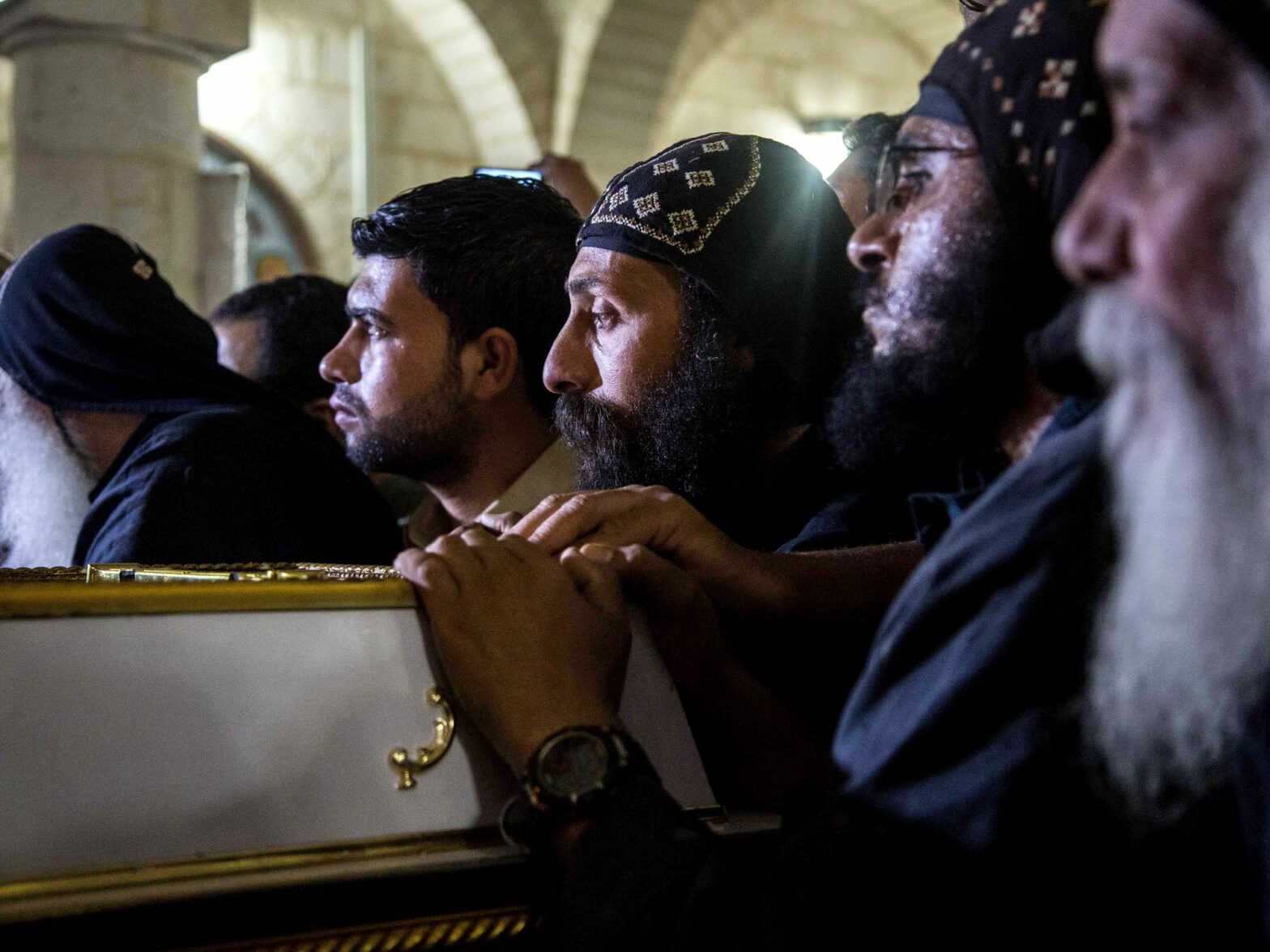
The positions of ultra-conservative Christian and Islamic Salafism supporters are almost identical on cultural, social and legal issues, such as their position on private and public freedoms. That often starts with women’s freedoms.
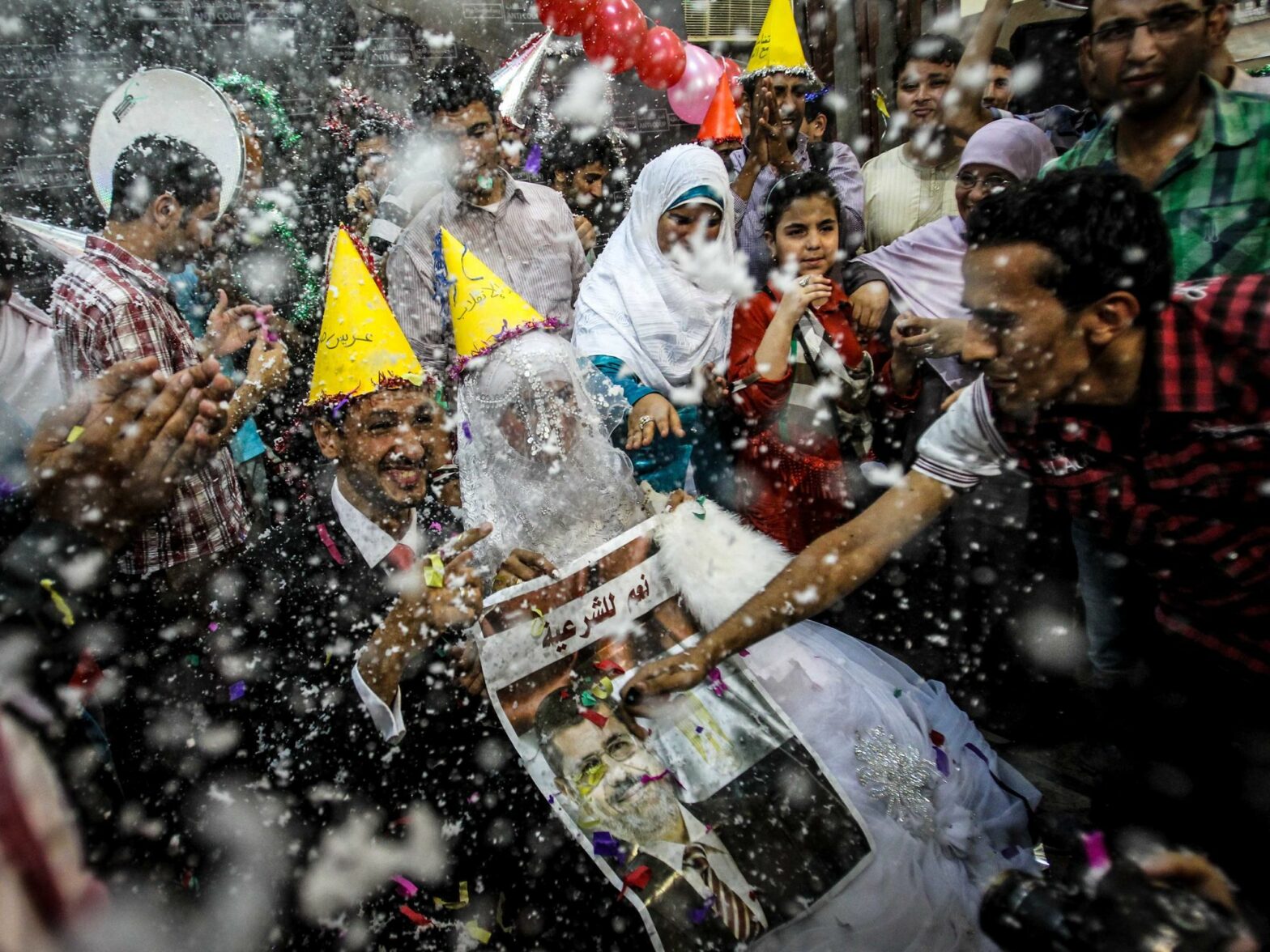
The Islamic Bands were especially popular in the early 2000s, then became a tool of the Muslim Brotherhood after their victory following the Arab Spring. Then they largely disappeared, until showing up more recently on social media.
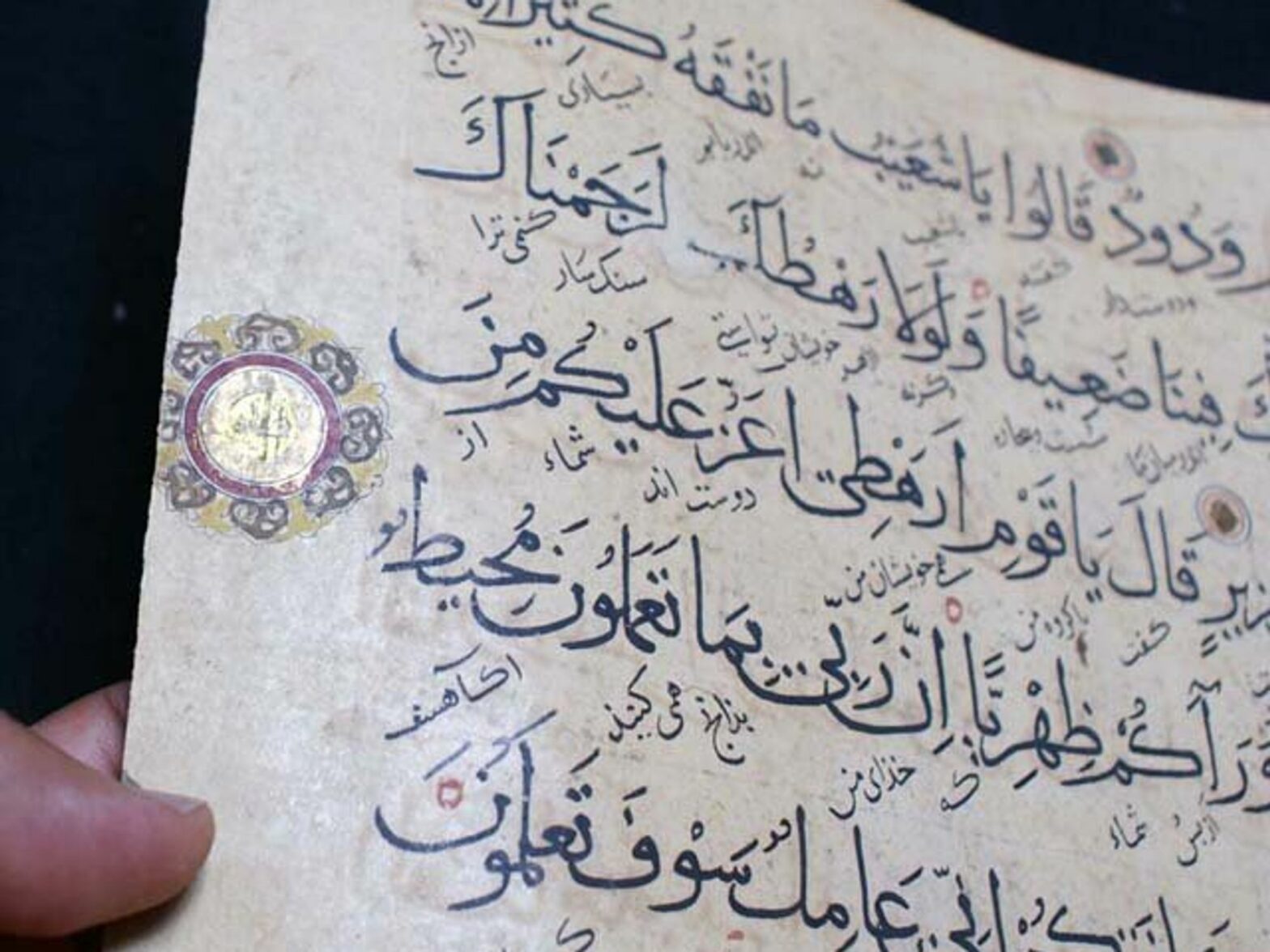
Sunnis were historically resistant to have this sacred text translated from Arabic — but especially into Persian, the language of a nation sometimes viewed as reluctantly Muslim. What does that mean today under the Sharia law of the Islamic Republic.
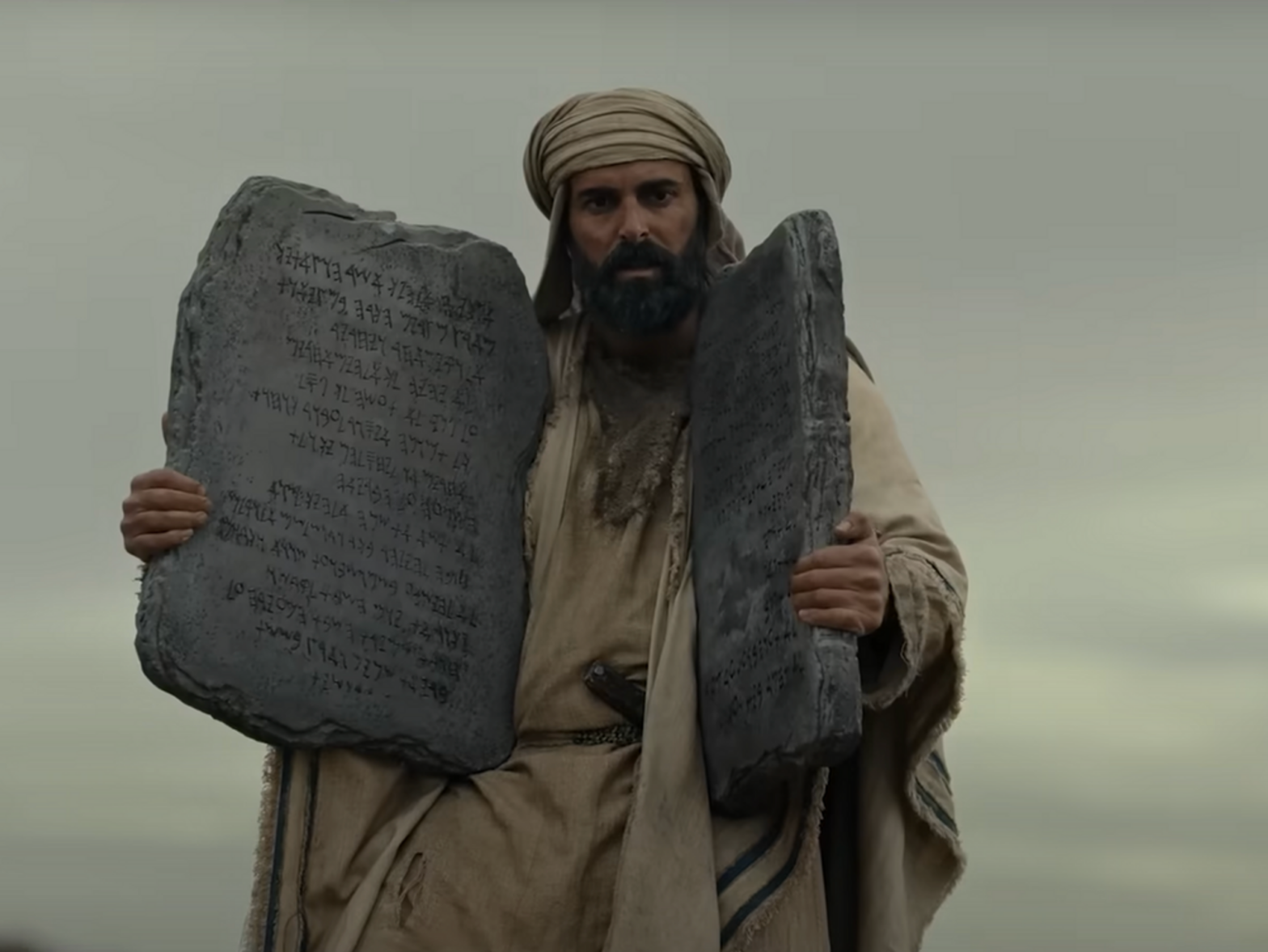
Egyptologists and religious scholars alike blasted the new Netflix docudrama series that chronicles the story of Moses, raising both current political issues and the deeper questions around the religion-science dialectic.
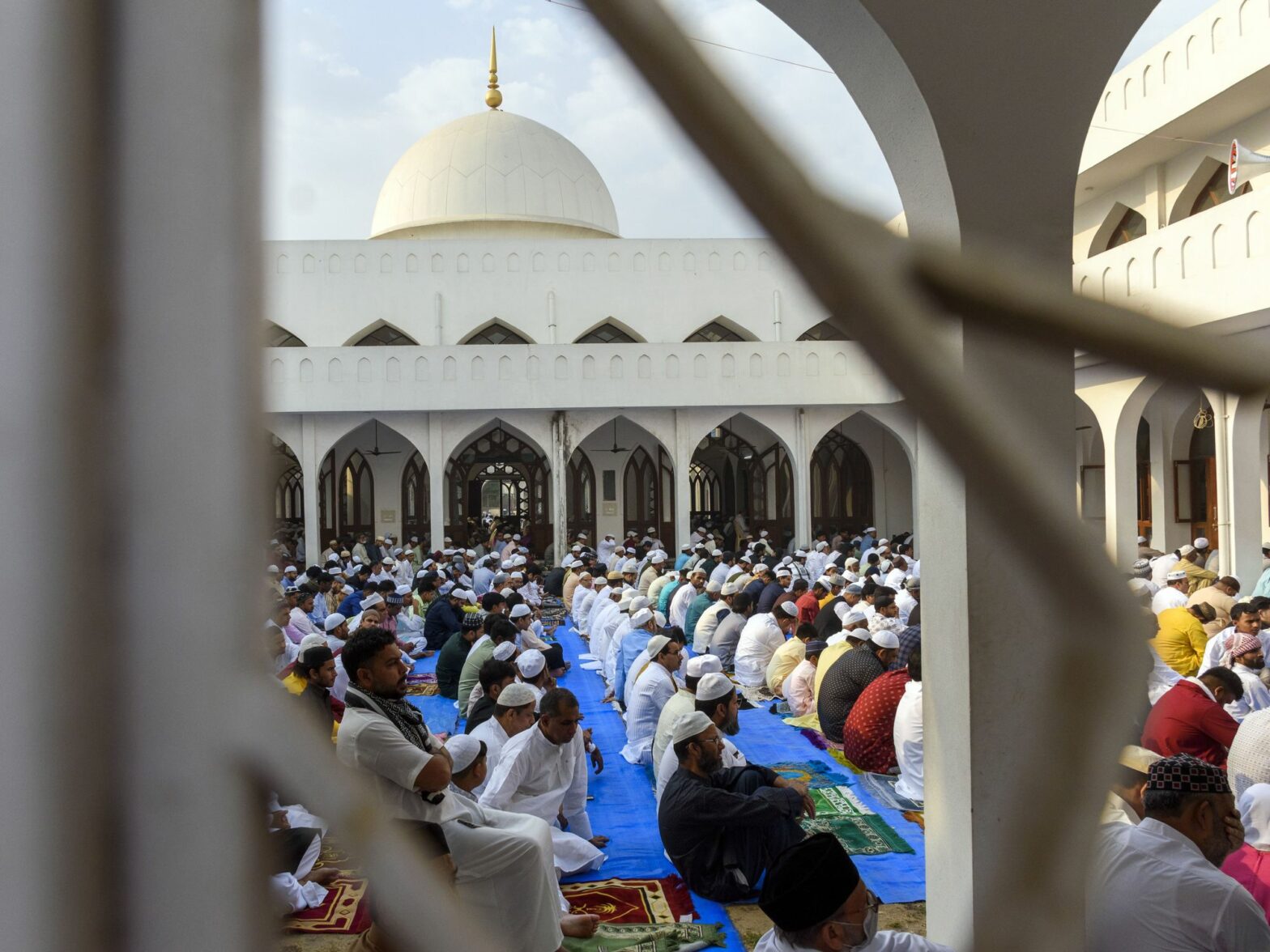
It is hard to reconcile the long list of brutalities and a government validating hate toward its Muslim minority. But the leaders are not the country. Elections are when people get to choose new ones.
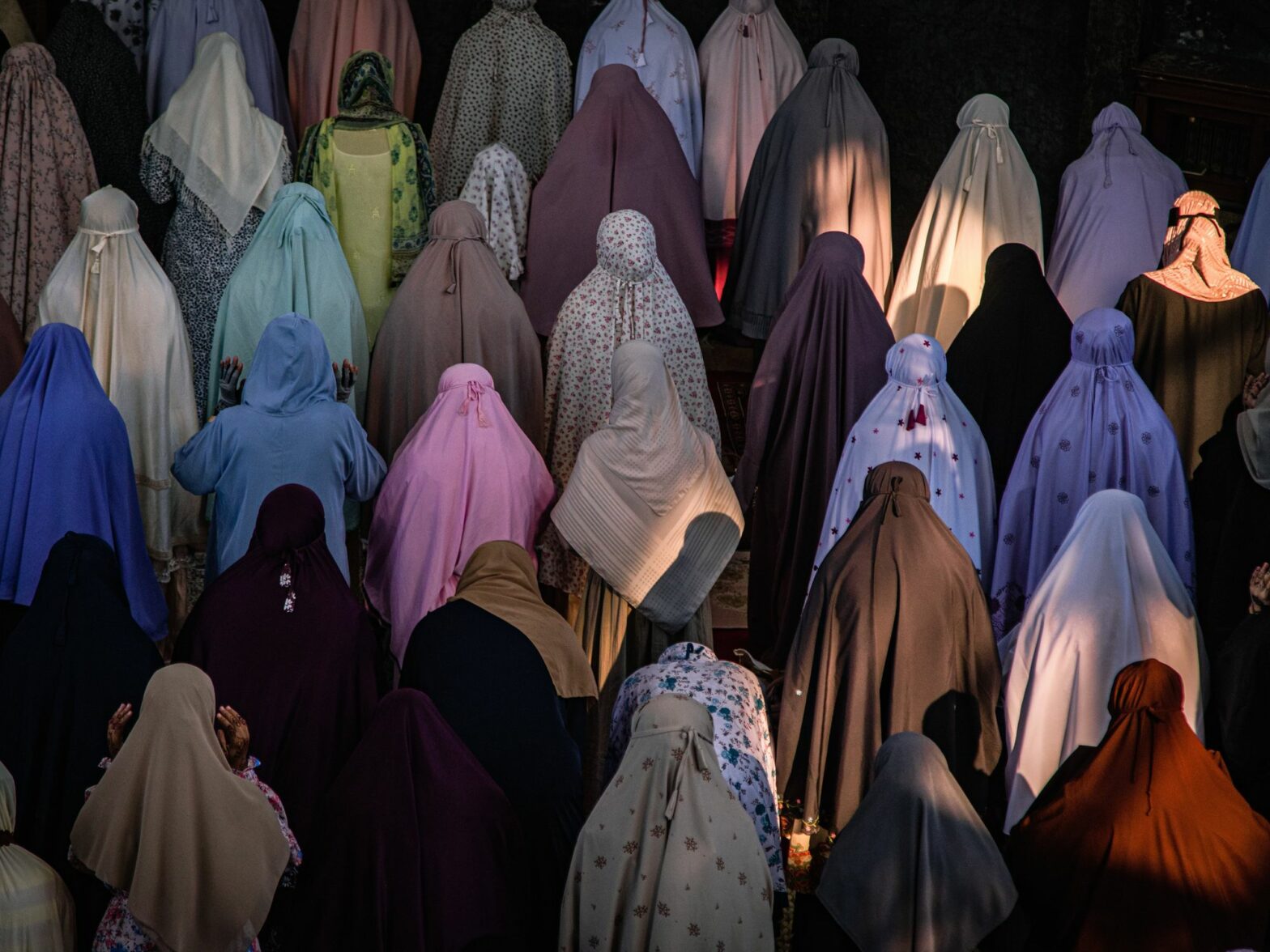
Determined to reinterpret the roots of Islam, progressive Muslim women are breaking down conservatism that’s been blocking their emancipation, and questioning the authority of established institutions and the scholarly consensus on religious norms.
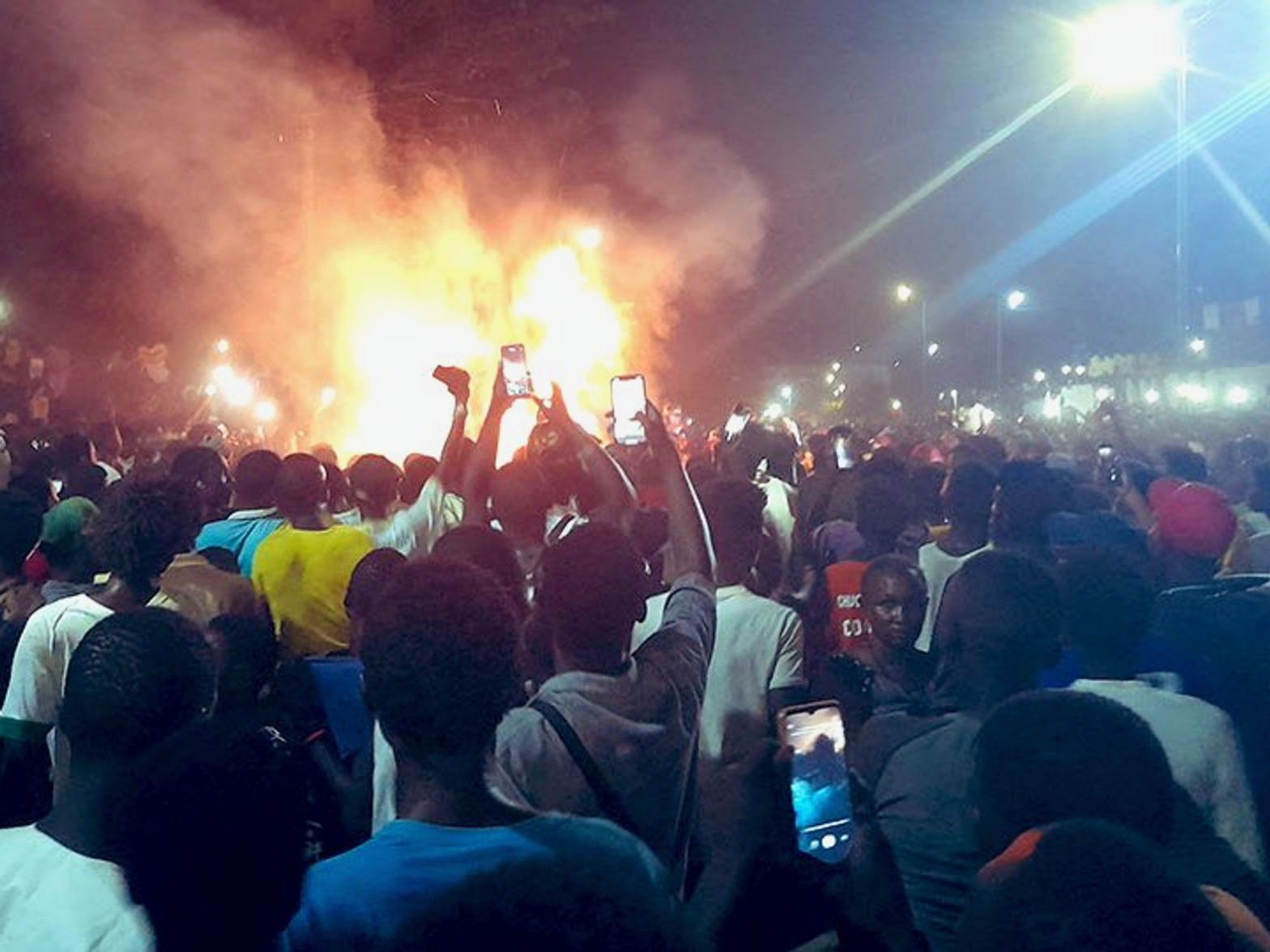
At the end of October in western Senegal, a mob exhumed the body of a man, Cheikh Fall, then burnt it in a public square, on the grounds that he was homosexual. Since then, his relatives have been fleeing death threats.
Updated Jan. 7, 2024 at 10:20 a.m. On this day in 2015, two gunmen opened fire at the offices of Charlie Hebdo in Paris, targeting the magazine’s staff for satirizing Islam. What happened in the Charlie Hebdo attacks? Two Islamist gunmen forced their way into the Paris headquarters of Charlie Hebdo, a satirical weekly newspaper […]
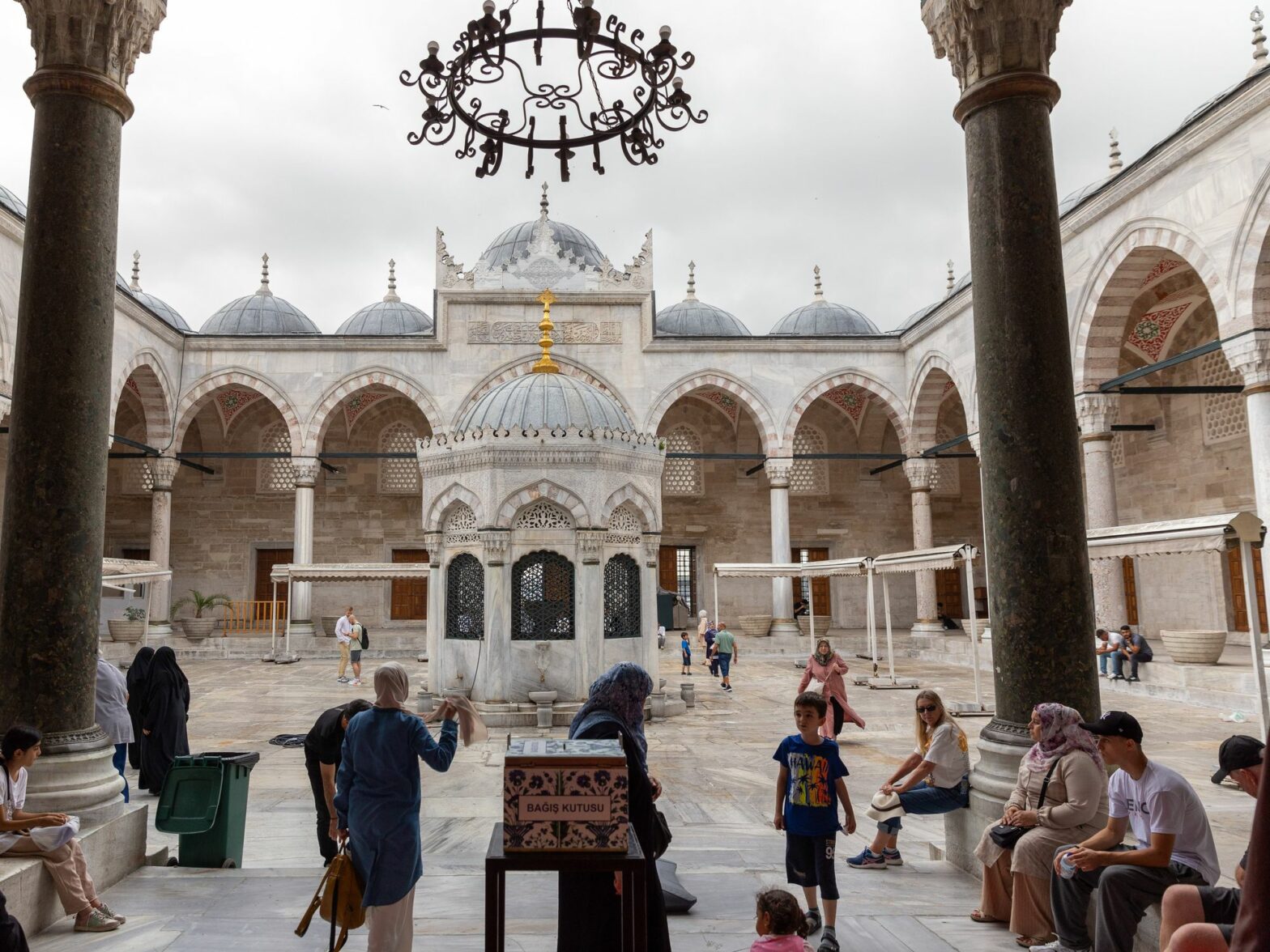
Before the outbreak of the Hamas-Israel war, a social media campaign in Turkey aimed to take on anti-Arab and anti-refugee sentiment. But the campaign ultimately just swapped one type of discrimination for another.
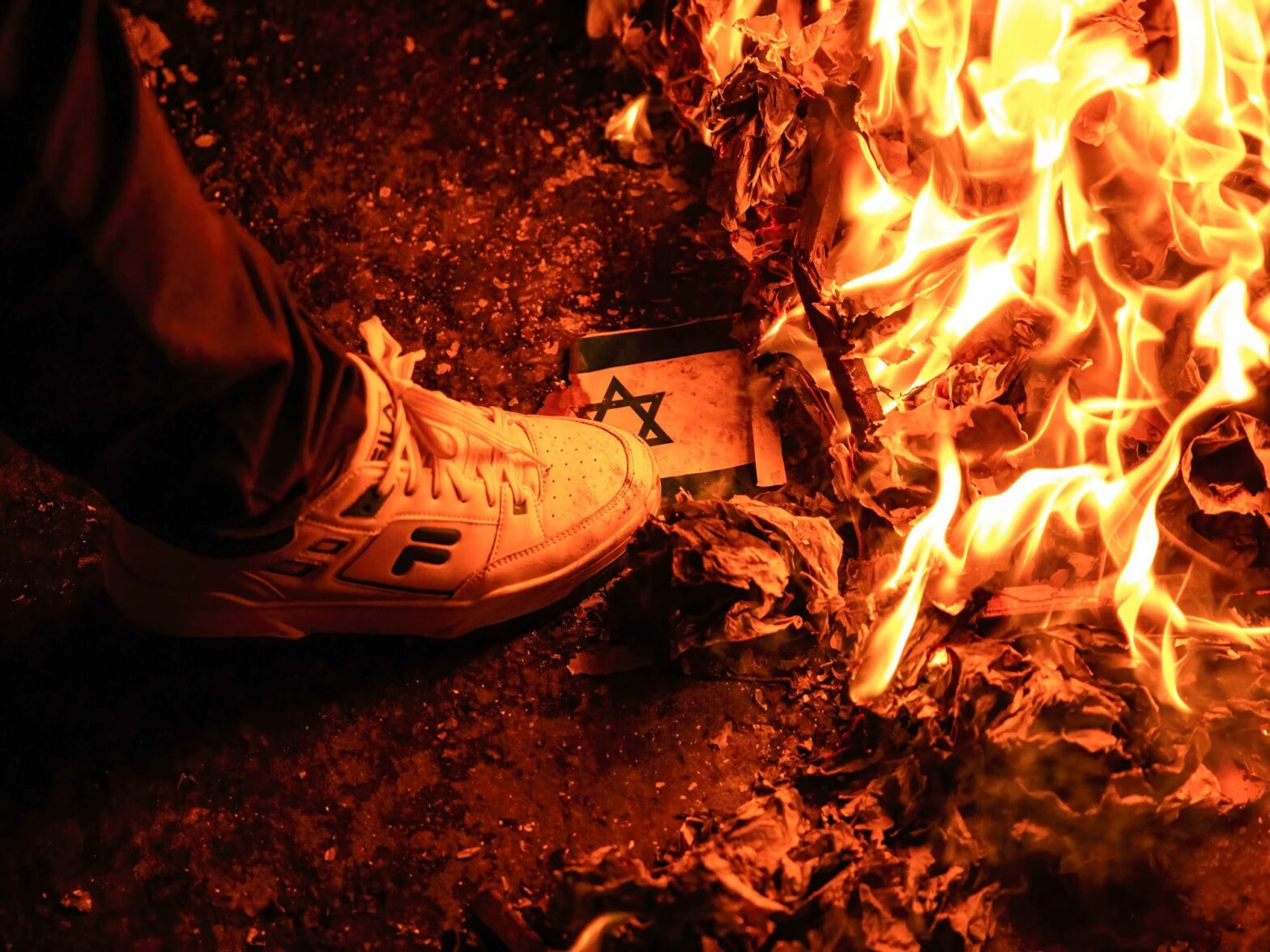
Sectors of the political Left around the world have practically lauded the Oct. 7 Hamas attack on Israel — finally barely bothering to hide their good ol’ fashioned hatred of the Jews, rather than hiding behind anti-Zionist rhetoric. Something evil has been re-released.
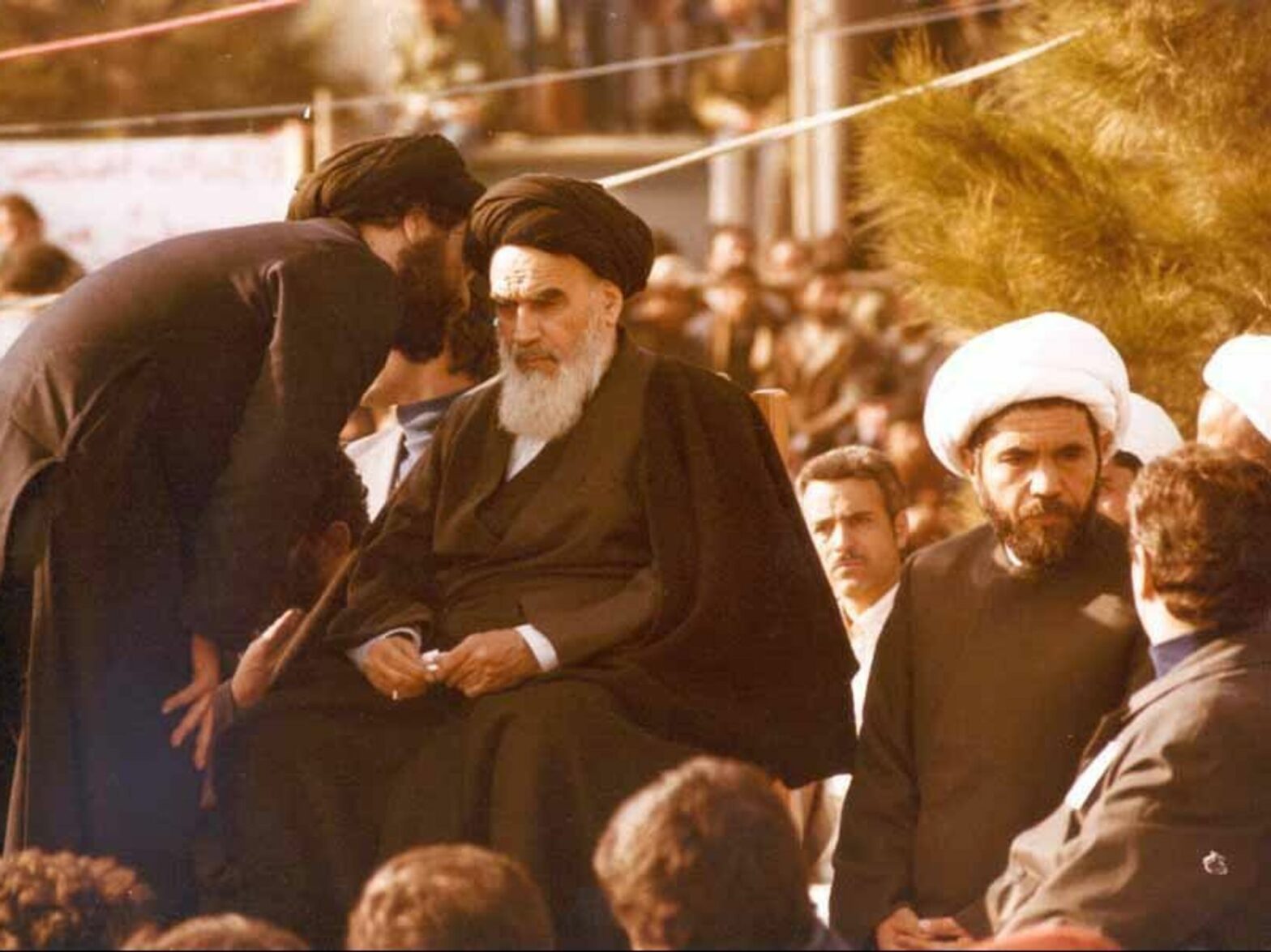
Whom should we blame for the death and destruction in Gaza: terrorists, Israel or ‘warmongers’ beyond them, notably the Tehran regime that envisaged, decades ago, a regional war as the prelude to spreading its “Islamic revolution.”
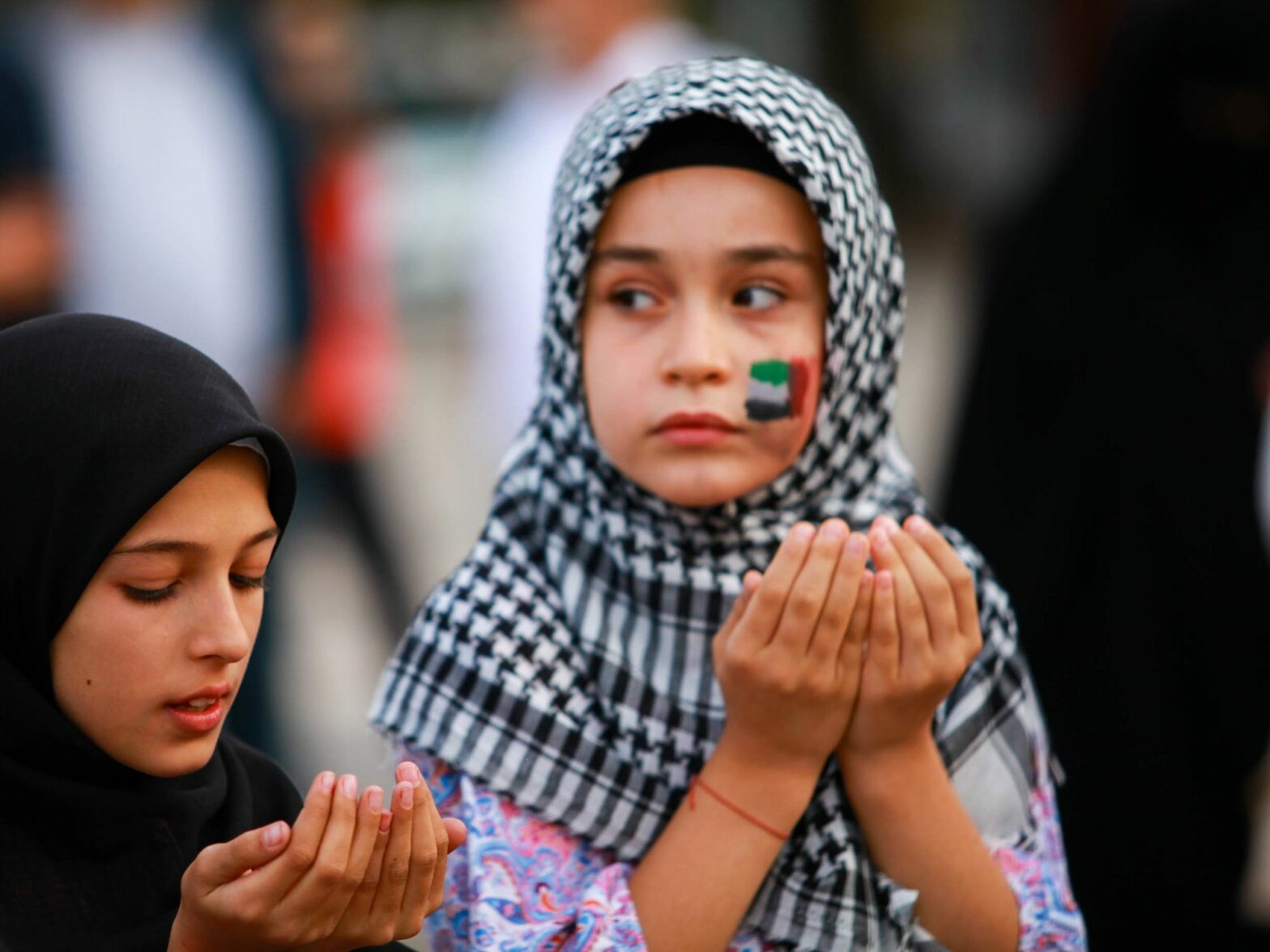
Both Hamas and Israel should stop manipulating the language of faith and morals to justify extreme and indiscriminate violence, writes Islamic theologian Marwan Sarwar Gill. Religion (in good faith) ultimately offers a way out of conflict the bad faith has fueled.
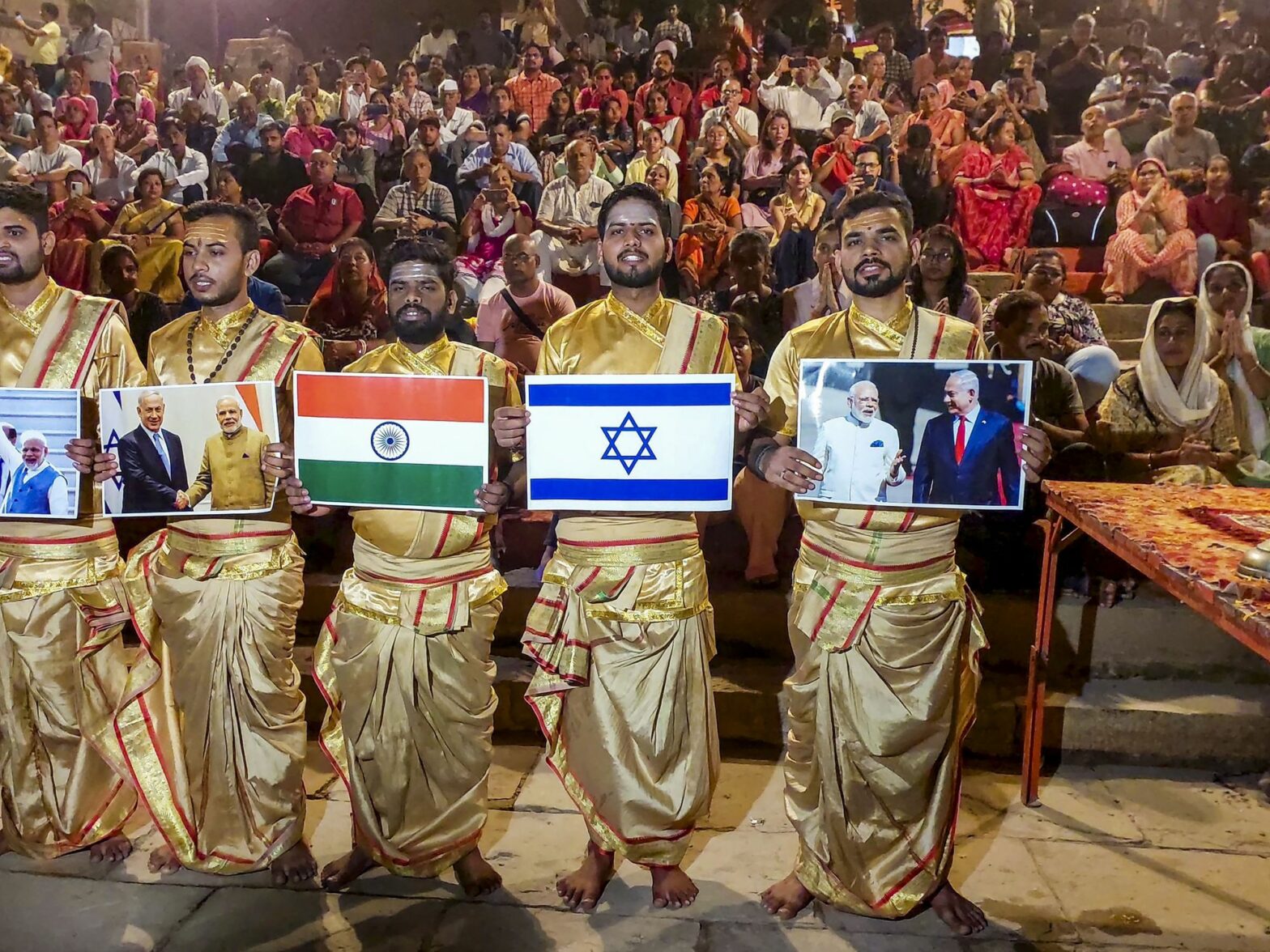
The flood of pro-Israel support from right-ring Hindu nationalists reveals more about the nature of their political project, its aspirations and ideological directions through the decades, than it does about Zionism.
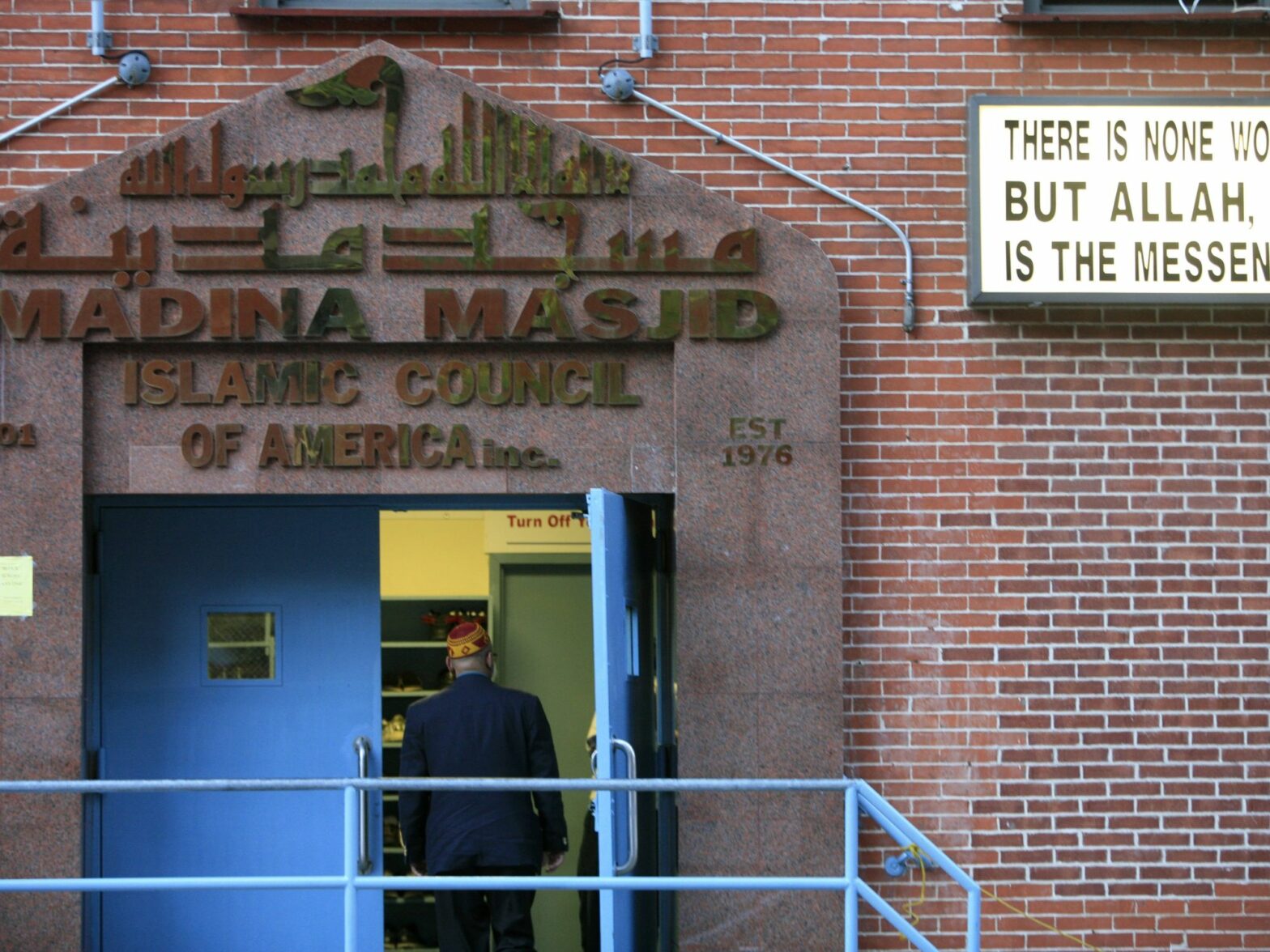
New York Mayor Eric Adams has for the first time allowed the city’s mosques to broadcast the Muslim call to prayer over loudspeakers. A Turkish correspondent living in New York listens in to the sound of the call (“cleaner” than in Turkey), and the voices of local Muslims marking this watershed in their relationship with the city.
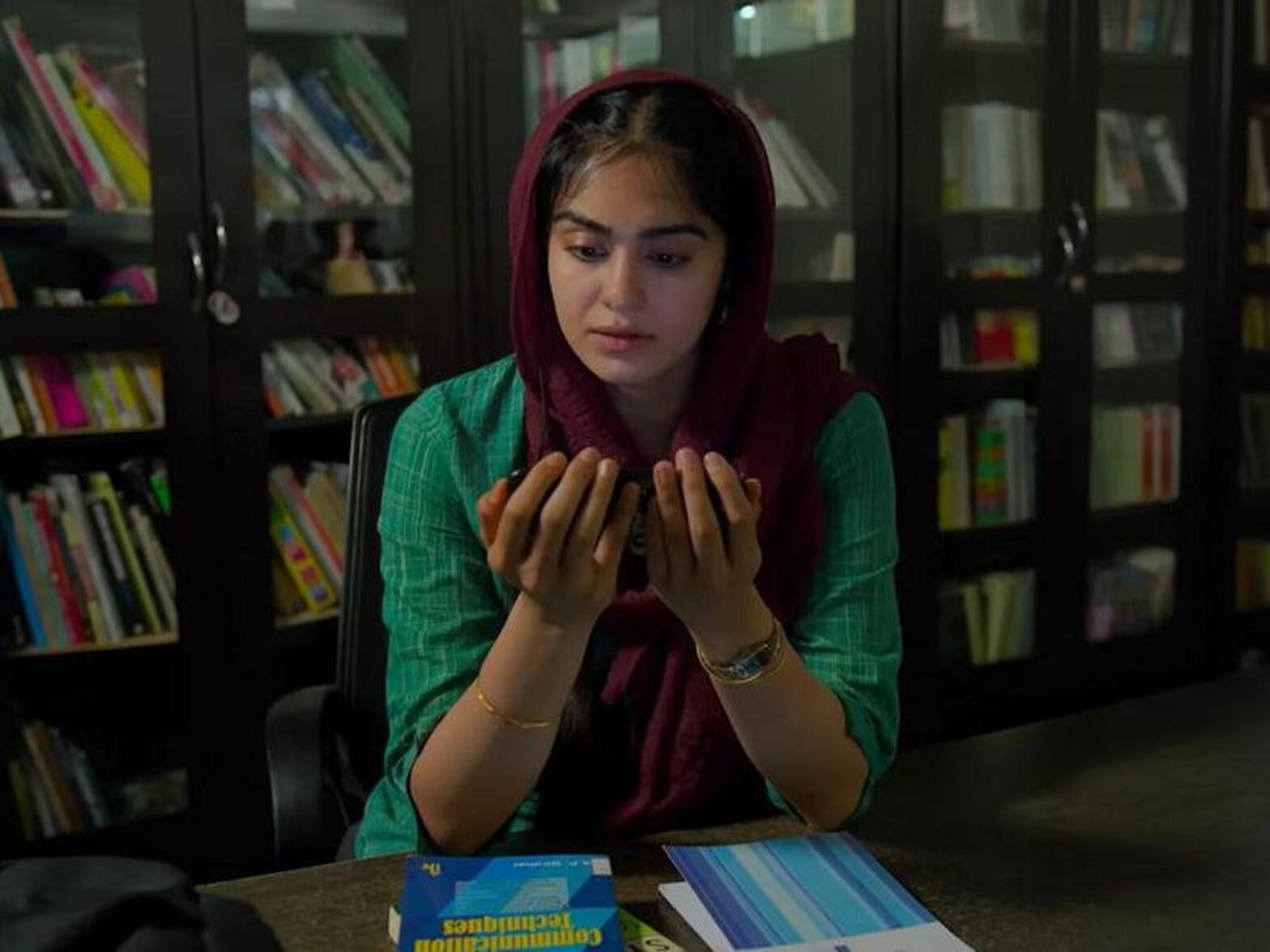
Bollywood film The Kerala Story has done huge numbers at the Indian box office after public support by Hindu nationalist parties. But the film is facing claims it is Islamophobic propaganda that peddles conspiracy theories about Muslims.
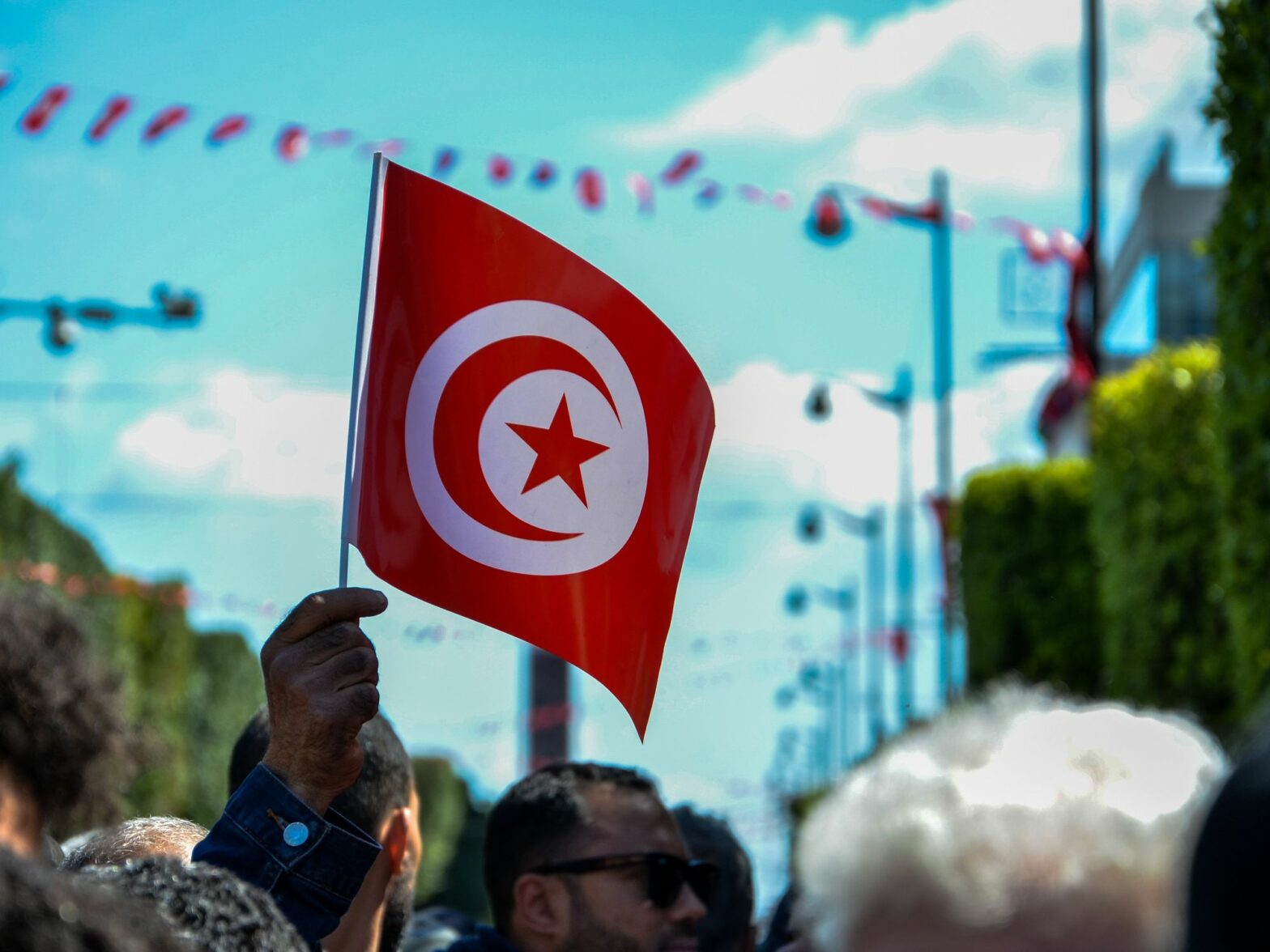
The arrest this week of top opposition leaders shows Tunisian President Kaïs Saïed is drifting ever farther away from basic democratic practices. Yet there’s no mass uprising, unlike in 2011, perhaps because economic factors are foremost on people’s minds.
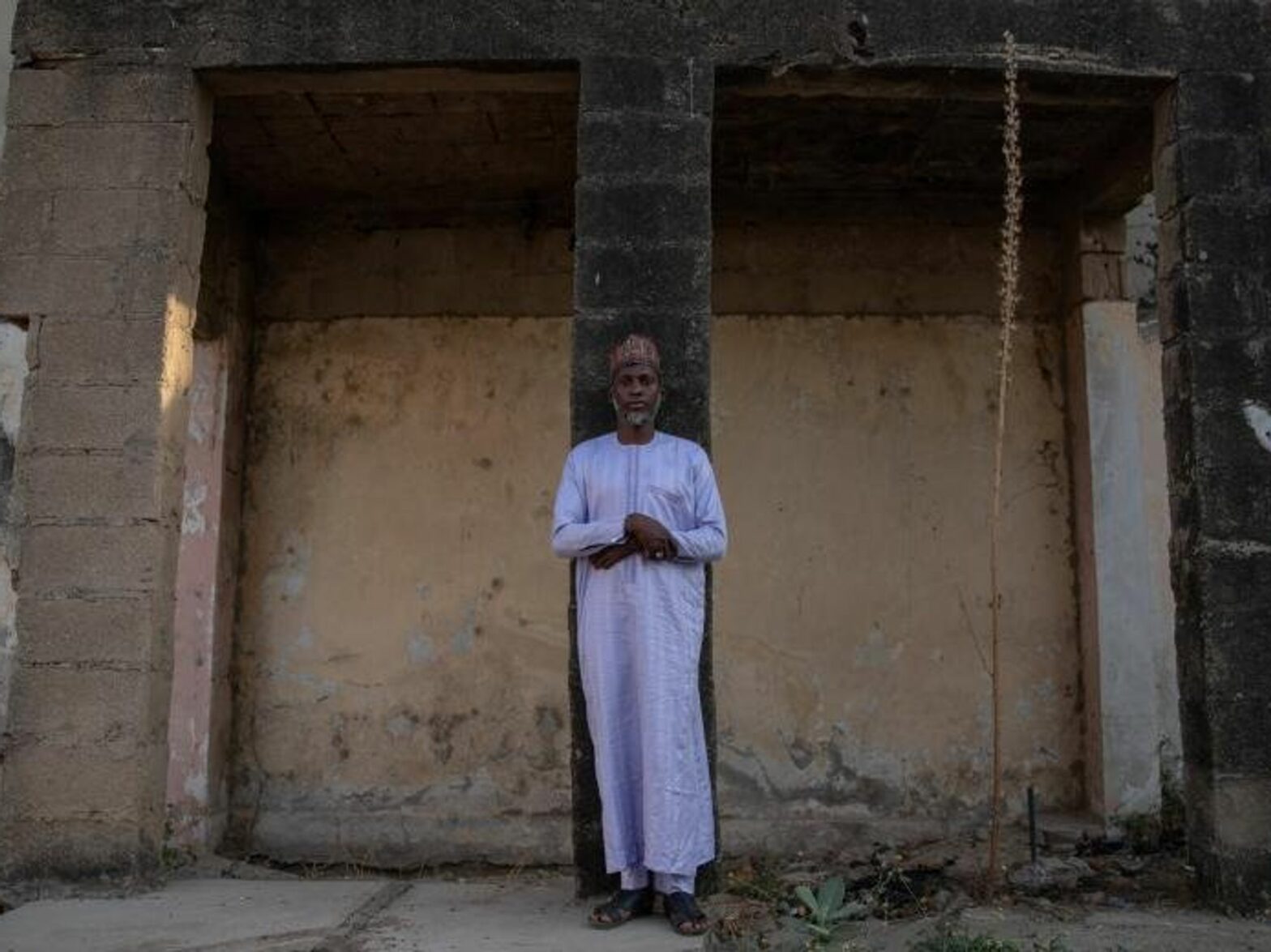
Boko Haram is one of the most brutal terrorist groups in the world. In Nigeria, Die Welt reporter Christian Putsch got unprecedented access to the group’s former leaders, who describe unlikely beginnings and a litany of atrocities – and now fear for their lives.
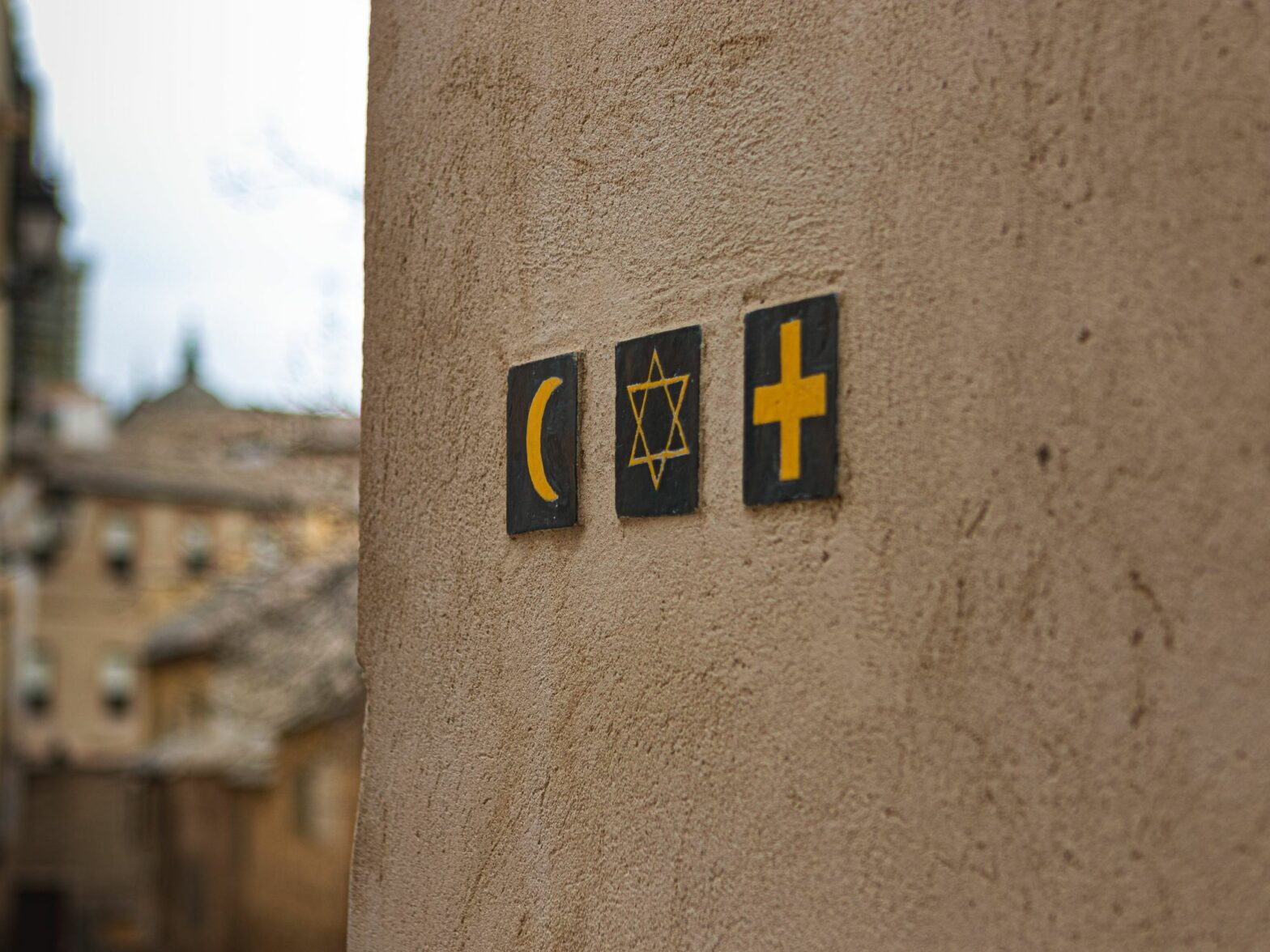
Christian Easter, Muslim Ramadan and Jewish Passover are coinciding this year on the lunar calendar — and it won’t happen again for three decades. It is a singular opportunity for the descendants of the prophet Abraham to come together in generosity and humility.
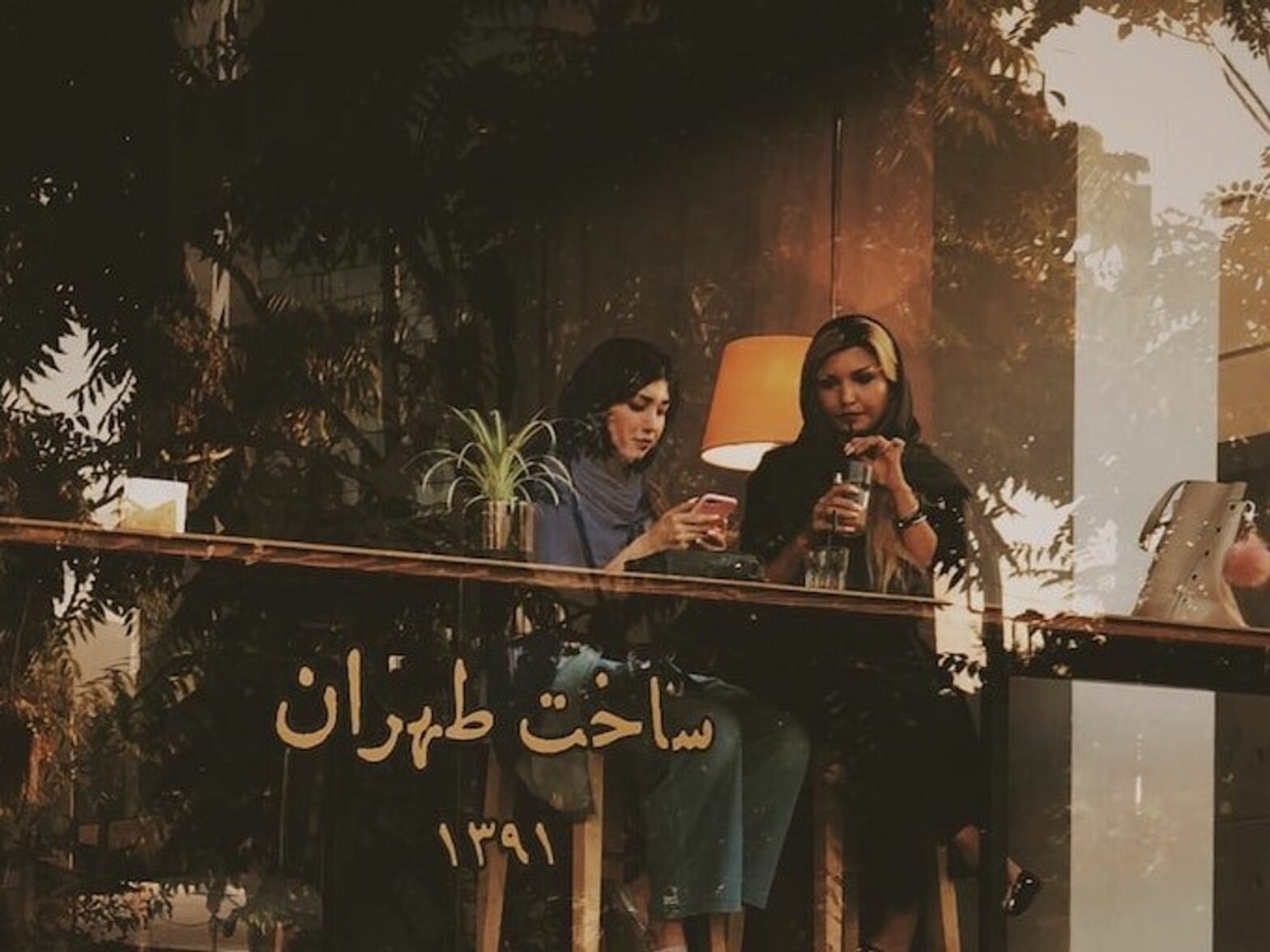
Media coverage of Iran’s mass protests of 2022 failed to truly show how most Iranians thought about the hijab or a general dress code for women. Centering the whole fight for justice in Iran around the headscarf has its risks.
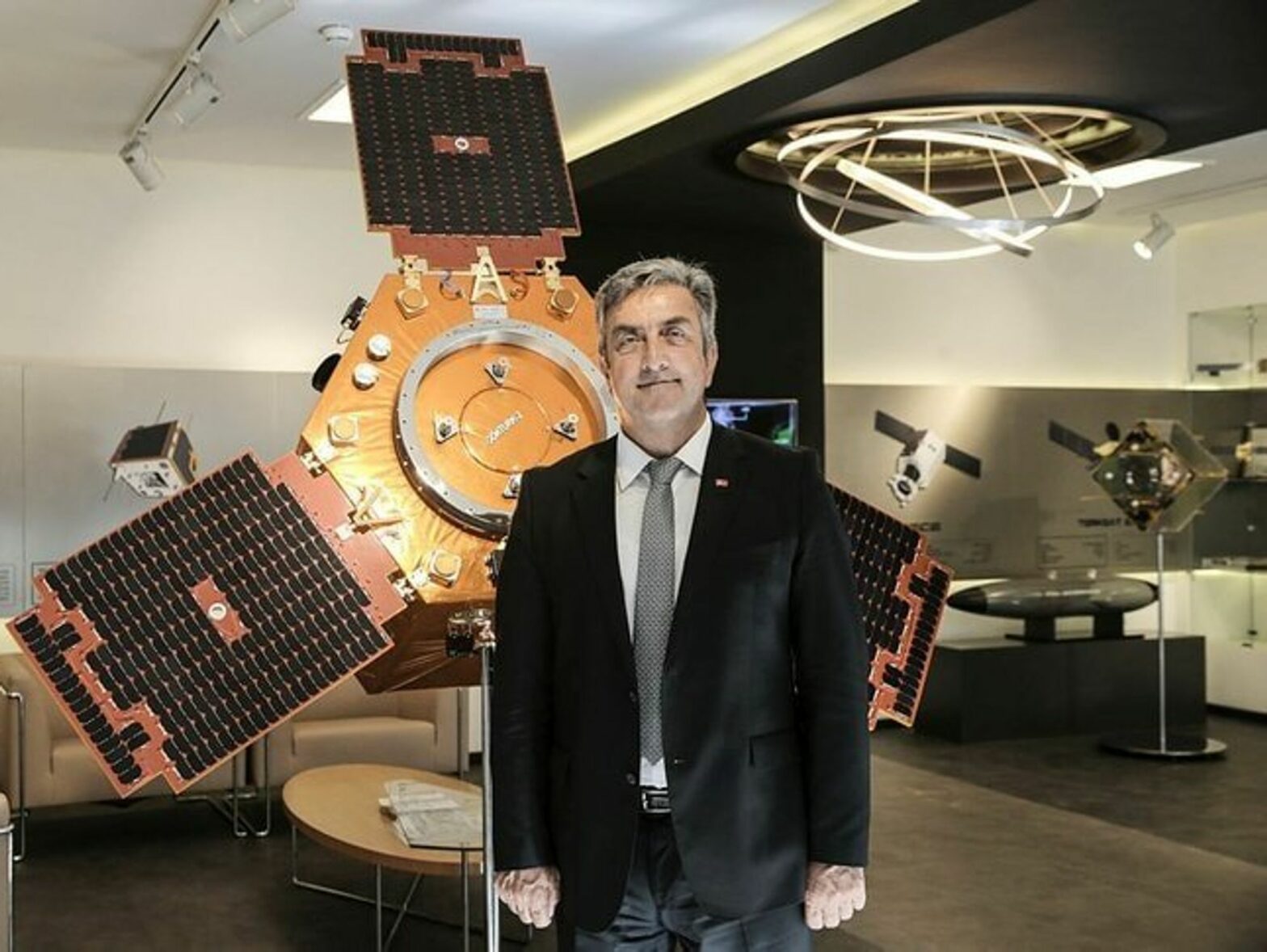
What if the devastating earthquake was caused by a weapon fired from a satellite that pierced the earth’s surface? How does someone like this wind up in charge of science in a great nation like Turkey?
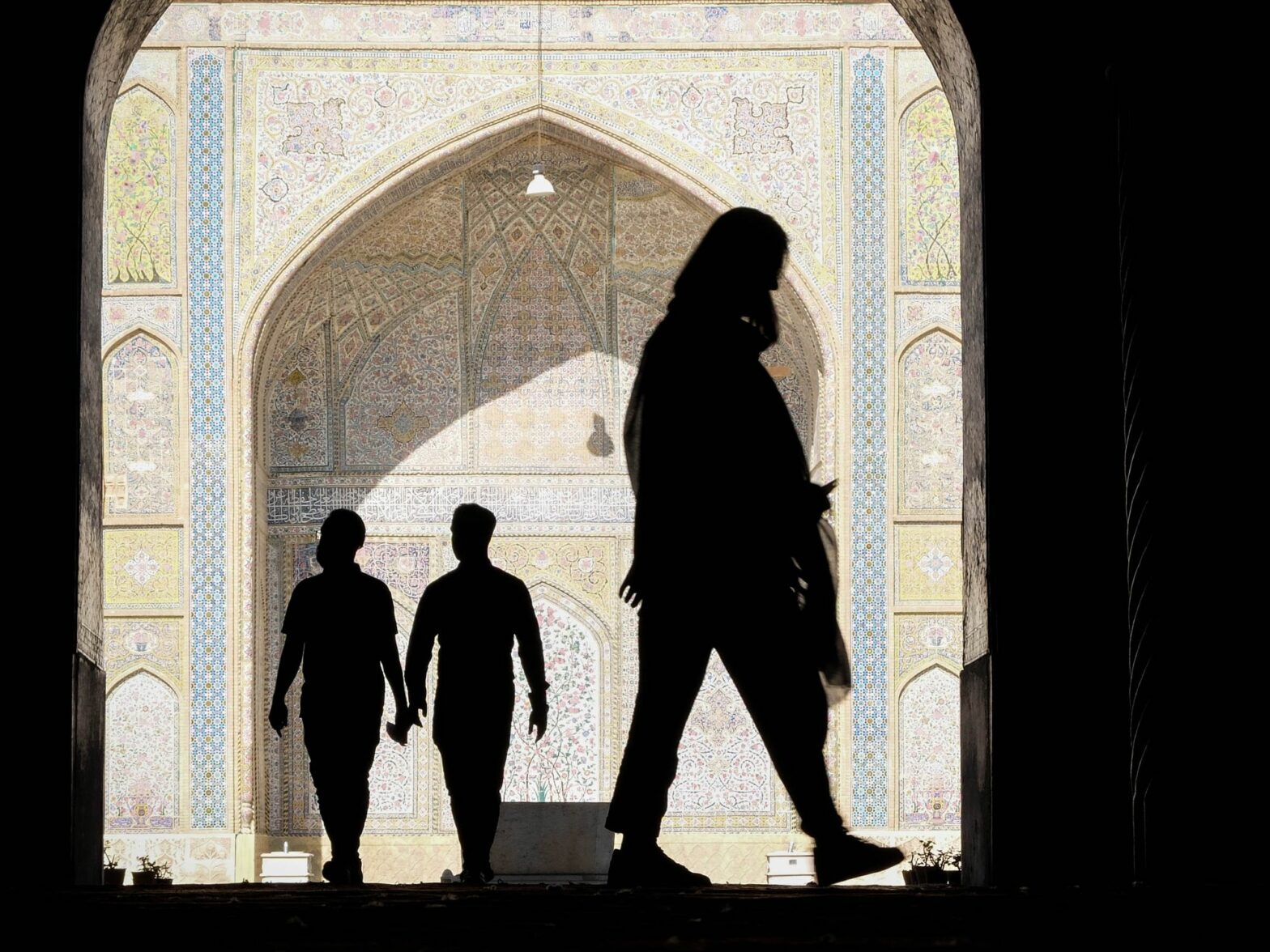
One of the chief victims of radical clerical rule in Iran has been religion, historically a bulwark of Iranian society now seen as a tool of tyranny.
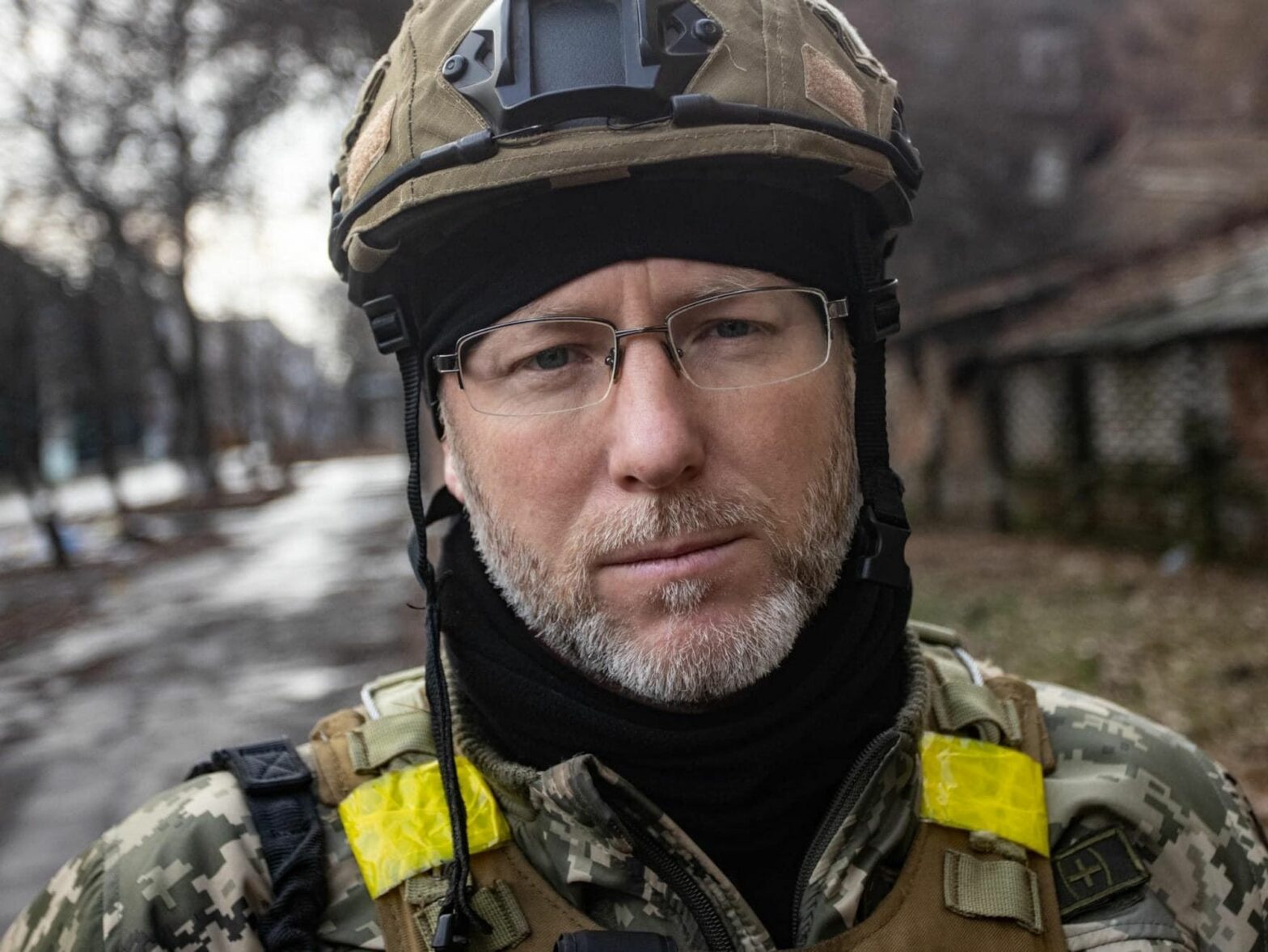
Russia has a complicated history with Islam, often built on Moscow’s repression of the religious minority. Now, Muslims in Ukraine are ever more committed to a project for a multi-religious society that Kyiv espouses. Ukrainian Mufti Said Ismagilov has taken up arms for that cause, and to defend his nation.
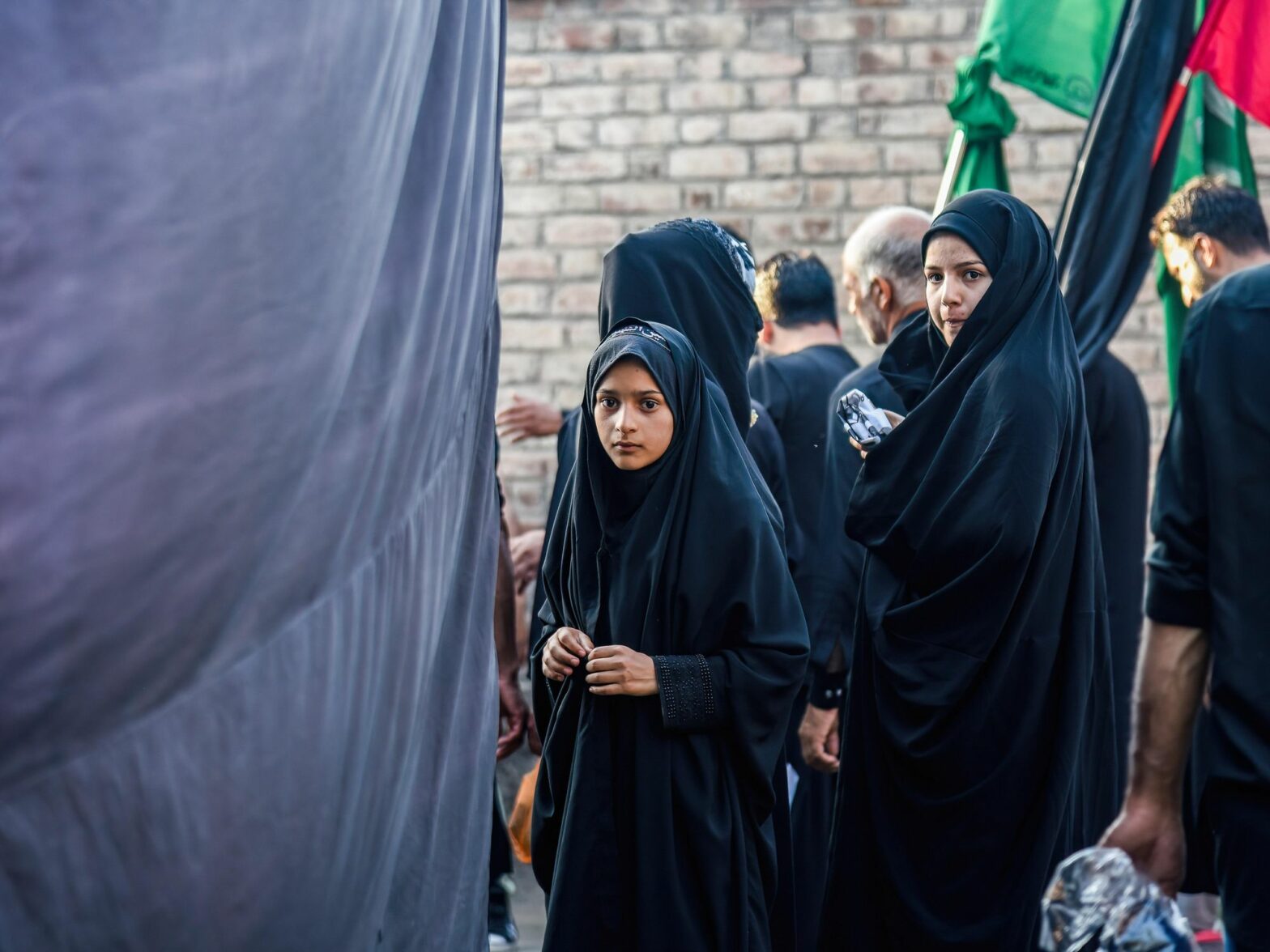
Several Muslim women who wear hijabs share their stories to highlight the discrimination, from disapproving looks to outright insults, they face everyday in India in both their personal and professional lives.
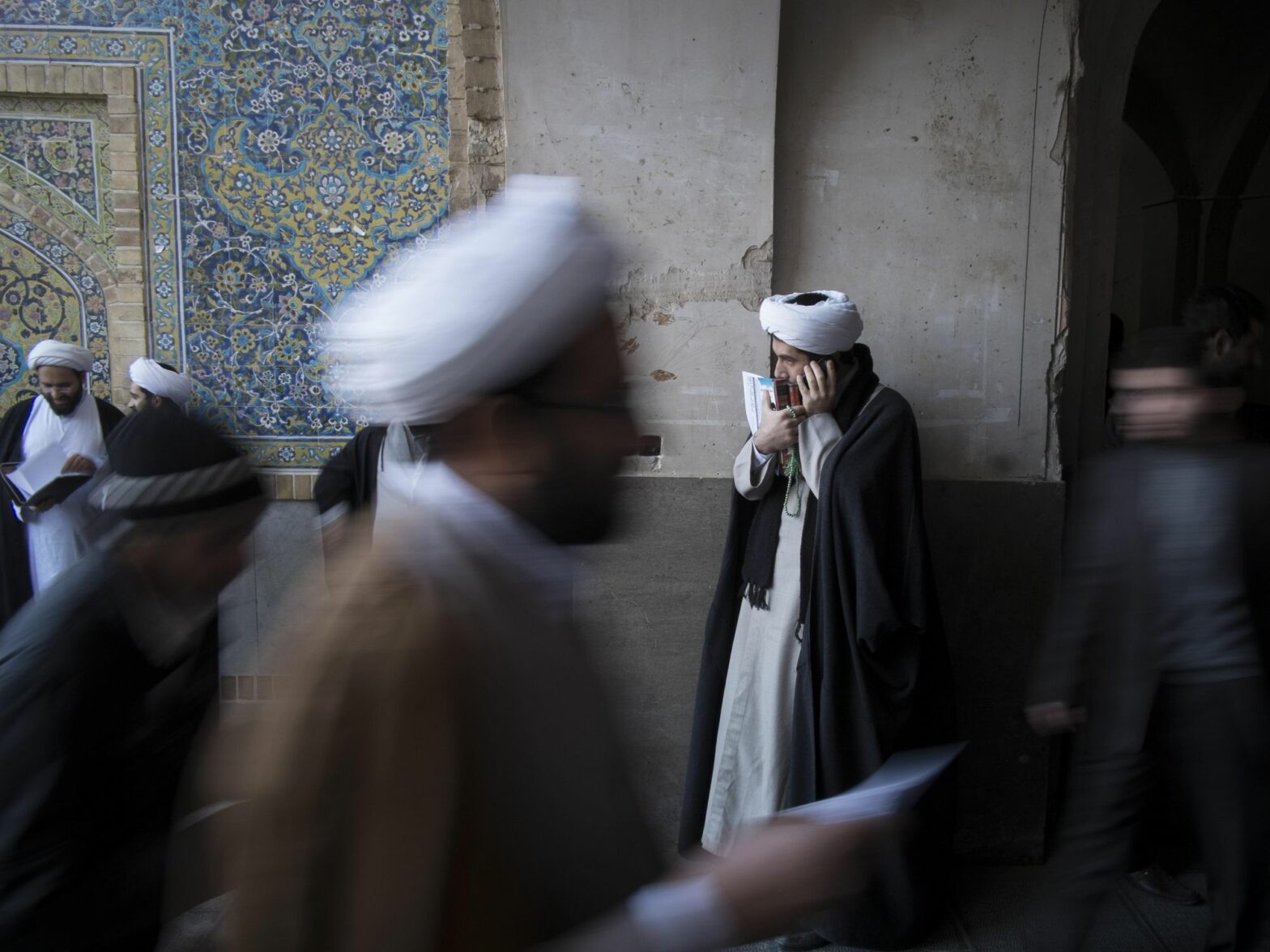
In an unusual challenge to Iran’s senior leaders from Shia clerics in the country, a group of theologians and jurists in Qom say the state has been incompetent and had no right to execute protesters. At least two Iranian demonstrators have been executed this month, with the latest publicly hanged on a crane.
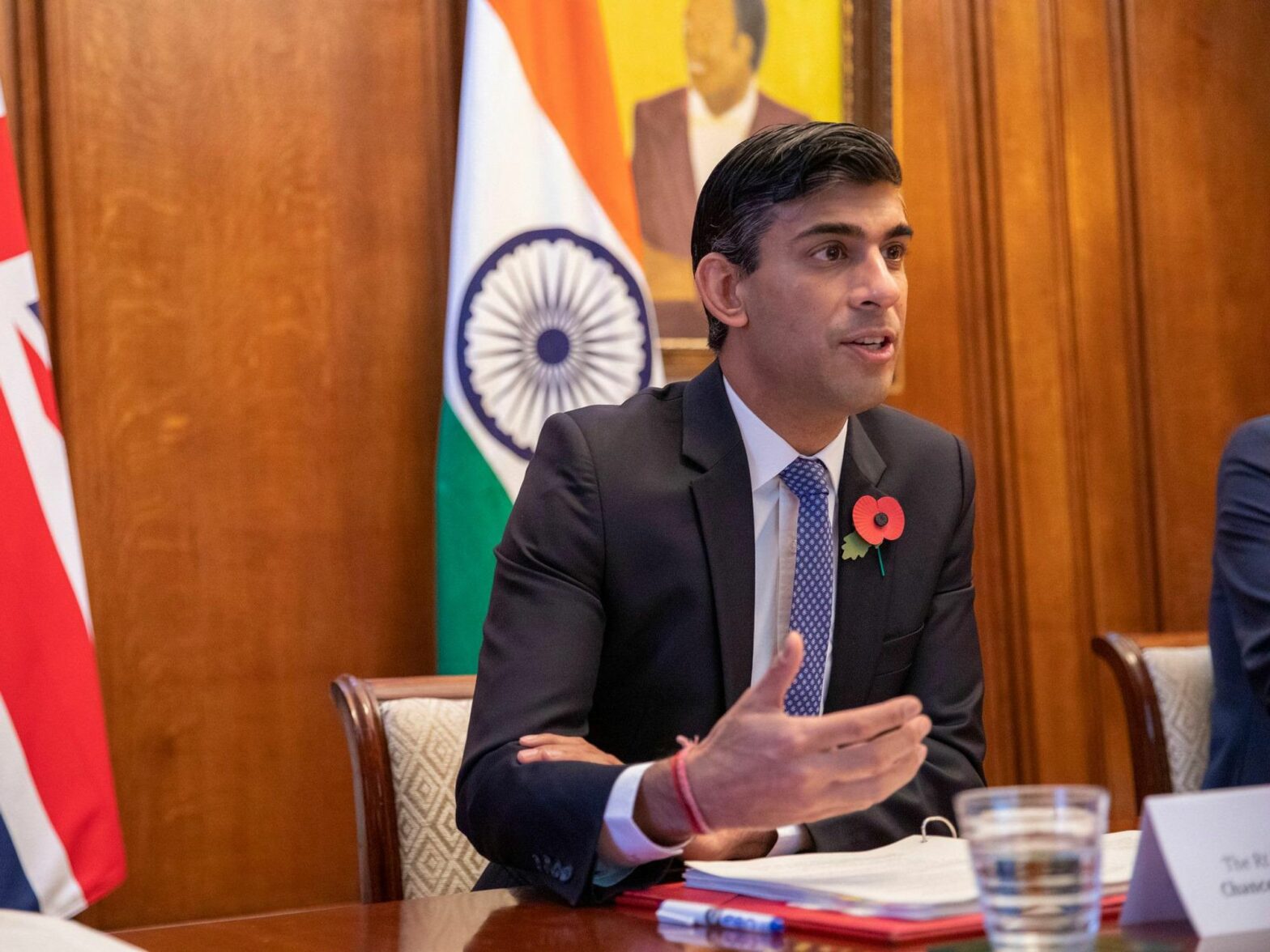
Rishi Sunak, a Hindu of Indian origin, has become the UK’s prime minister. His religion has not factored at all into debates — a fierce contrast to a religiously divided India.