Rafah has become, by far, the largest concentration of displaced people in Gaza. Now Israel is threatening to invade the city, sending waves of desperation among 1.4 million people there. It’s simple: There’s nowhere else to go.
 Worldcrunch
Rafah has become, by far, the largest concentration of displaced people in Gaza. Now Israel is threatening to invade the city, sending waves of desperation among 1.4 million people there. It’s simple: There’s nowhere else to go.
The West’s passive response to Israel’s actions in Gaza is increasingly difficult to maintain in front of the looming humanitarian crisis in Rafah. The lip service of “deep concern” doesn’t bother Netanyahu at all.
Desperate Gaza residents now wait for a word on the success of ceasefire deal, which could allow them to return home. Even if They don’t know what will come next. But they definitely want an end to the war, and so their significant suffering. They want to return to their homes, even if they are demolished.

Egyptian football legend Mohamed Salah’s careful positioning on the Israeli war in Gaza sparked discussions from fans and non-fans alike. Is it about ideology or sponsorships? And should any of it matter when his job is to score goals not play politics?

The gap between the positions of the two parties revealed itself to be too wide Wednesday, though talks are continuing in Cairo. When will Prime Minister Benjamin Netanyahu no longer be able to justify leaving the hostages in Gaza, and the damage of Israel losing its own allies?
Supplies have already been scarce in war-wrecked Gaza. But now officials say widespread famine is “inevitable” and “imminent,” following the decision of the U.S. and other European countries to stop funding the United Nations Relief and Works Agency for Palestine Refugees. A report from the southern Gaza city of Rafah.
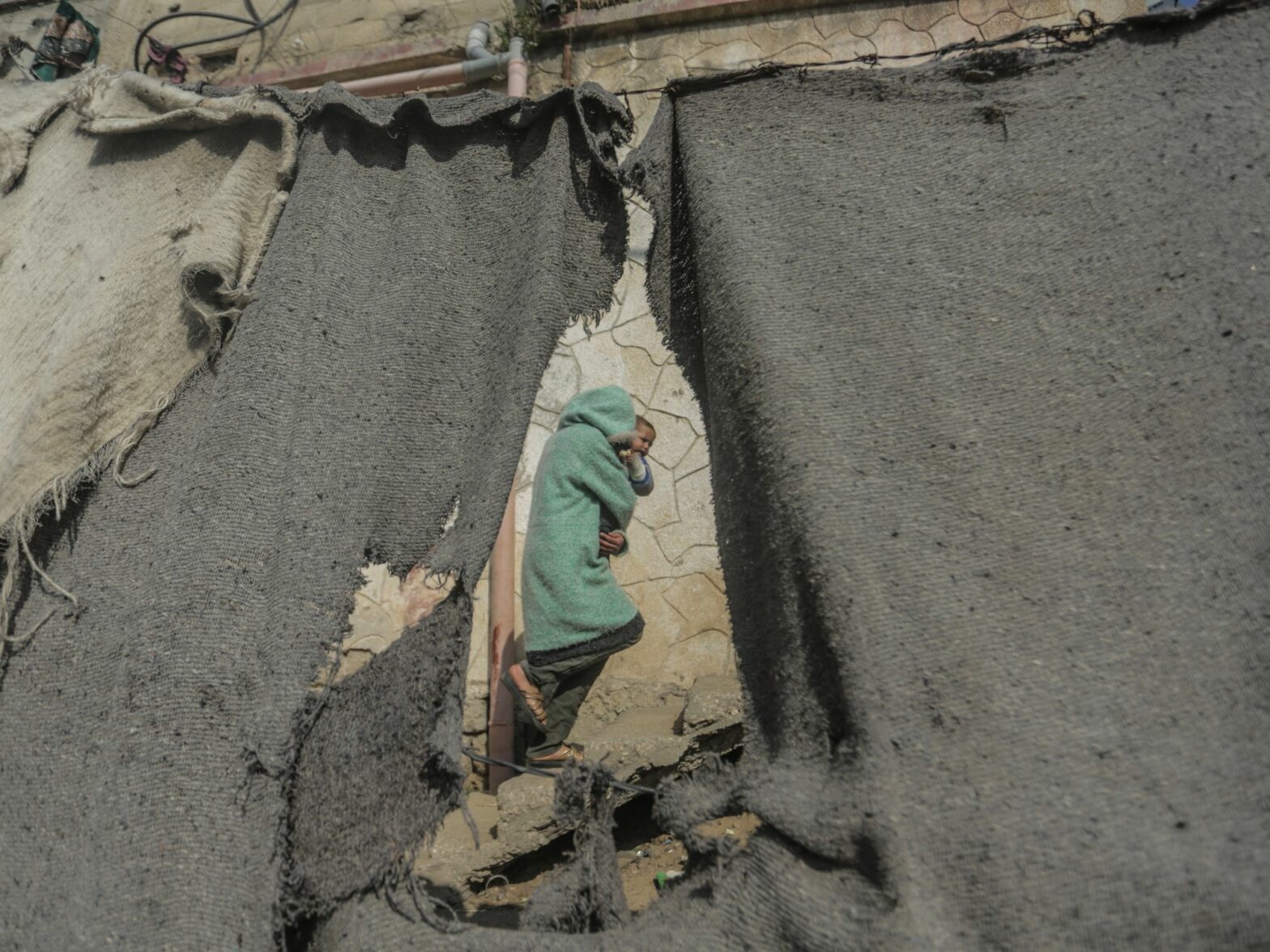
An Israeli soldier took an infant girl from Gaza after her family was killed during bombings, and brought her to an undisclosed location in Israel. When the news emerged, the Palestinian Foreign Ministry, based in the West Bank city of Ramallah, called it a “heinous crime” and demanded the return of the child to Palestine.
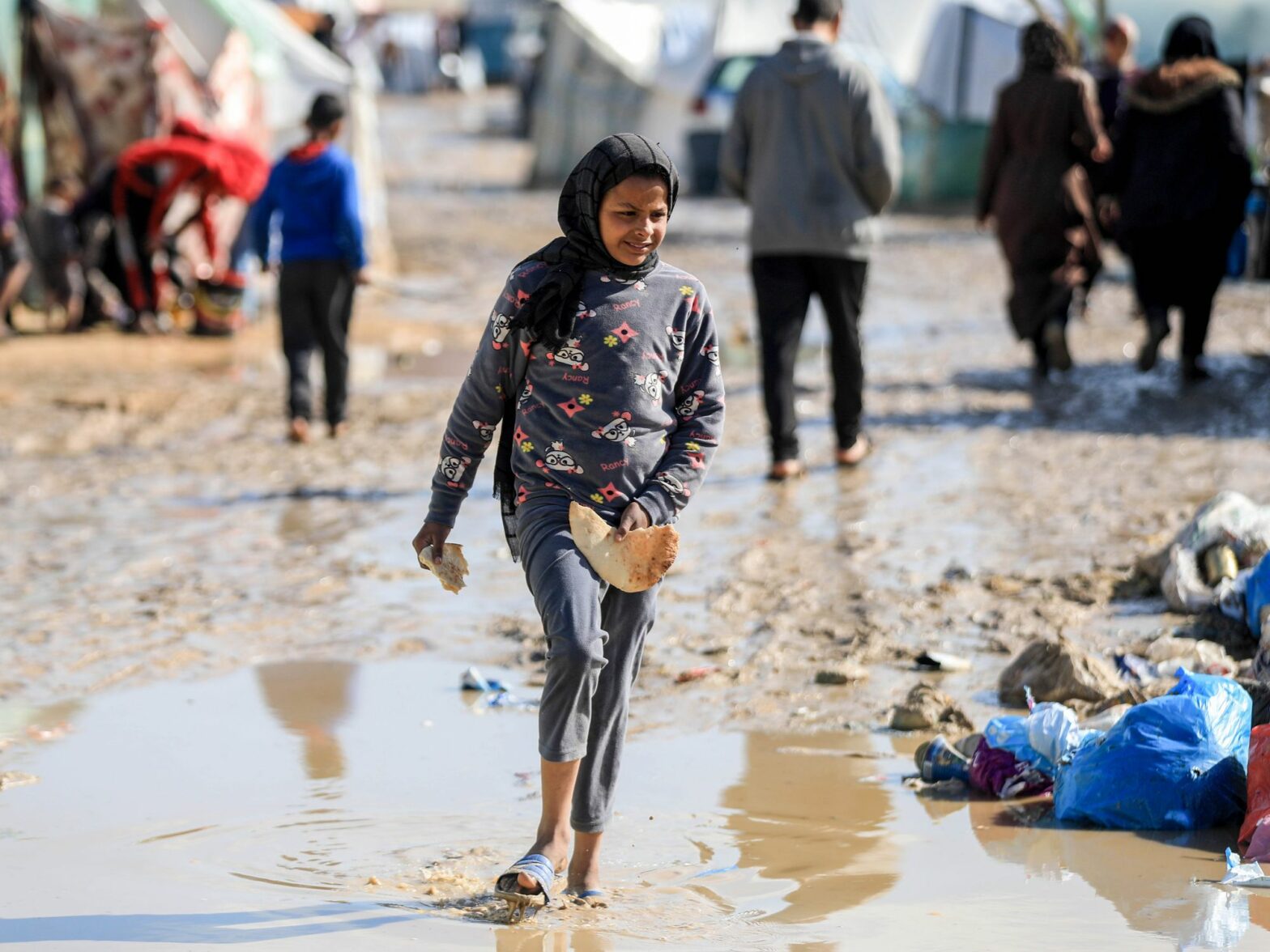
Going to the bathroom, one of the most basic human needs, has become extremely difficult to address in Gaza, as hundreds of thousands of people are left without the proper infrastructure, and streets are sometimes flooded with wastewater.
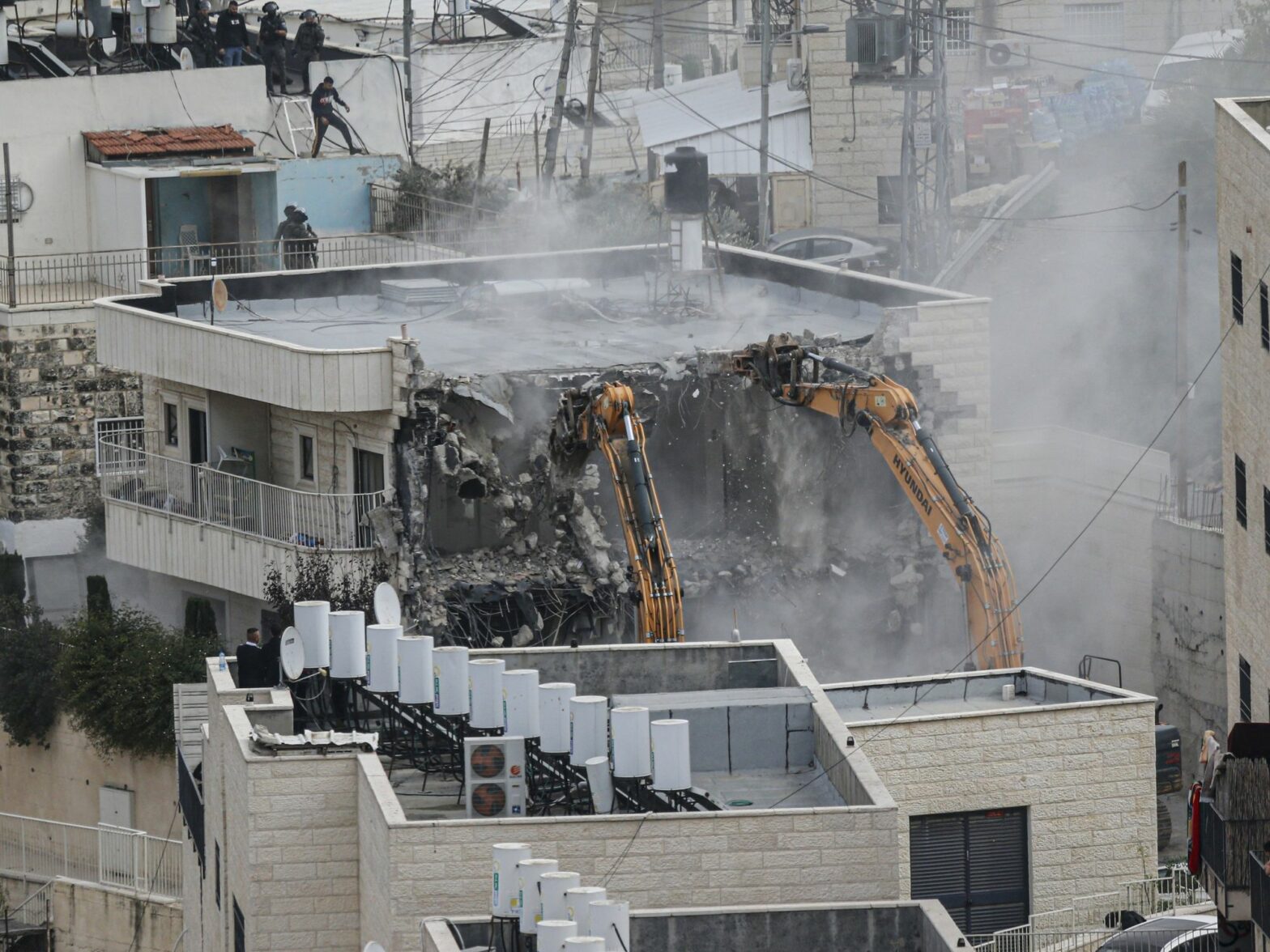
Israel says it is establishing a buffer zone inside Gaza along the strip’s border, as part of its efforts to guarantee security and avoid another Oct. 7. But it’s already led to the destruction of thousands of buildings and acres of agricultural land. In other words: Occupation.
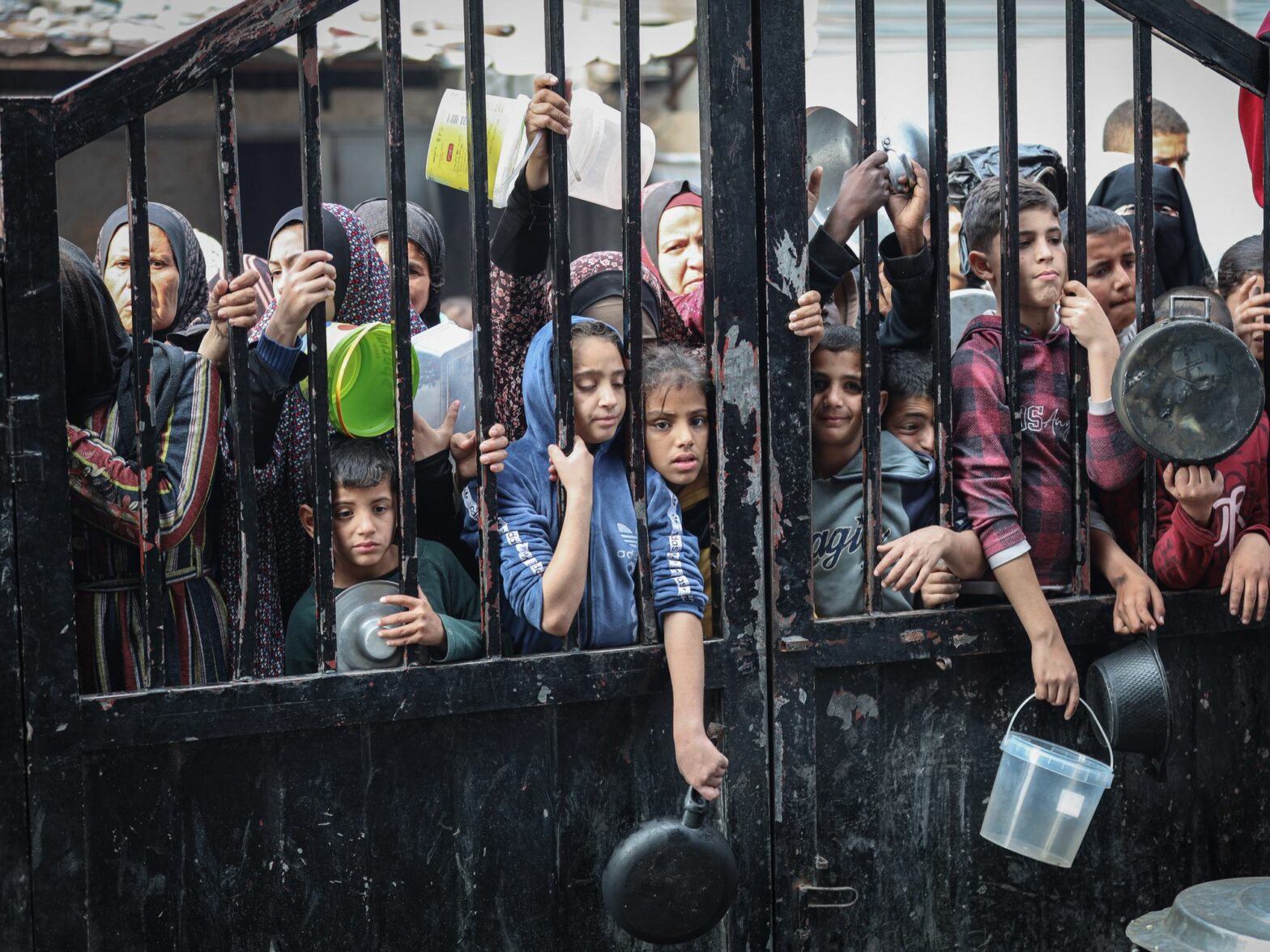
As the Israel-Hamas war continues unabated, the U.S., Egypt and Qatar are pushing to quickly reach an agreement. Will internal divisions be overcome? But even if a deal is struck, the war is far from over.
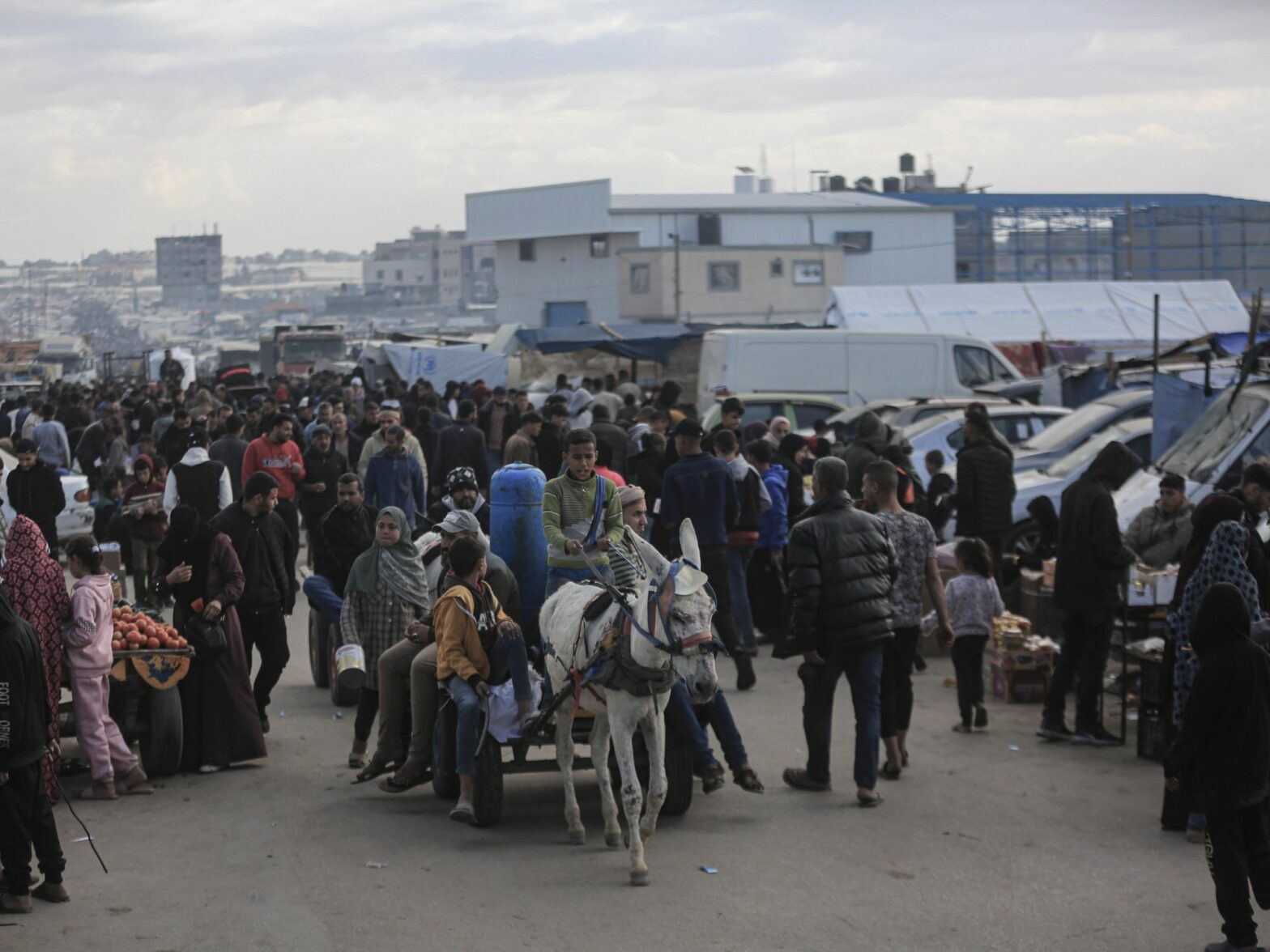
As the Israel-Hamas war in Gaza continues unabated after nearly four months, brokers and travel agents are now charging Palestinians who want to leave the besieged strip up to $10,000 to get them out, according to Palestinians and Egyptians trapped in the coastal enclave.
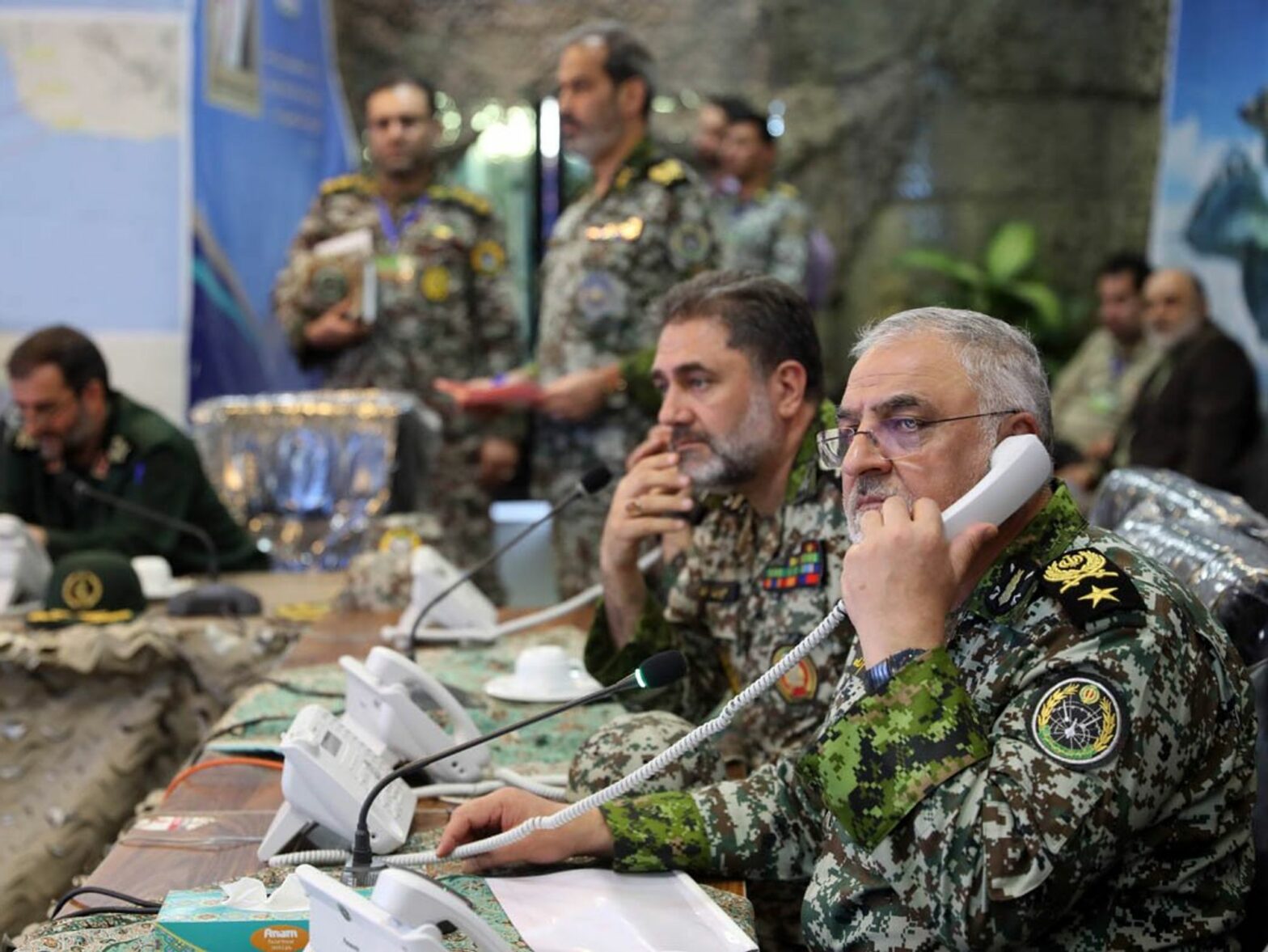
The death of three U.S. soldiers has raised the stakes in a low-simmering, but constant escalation between Washington and Tehran that could explode from the shadows of the war in Gaza — even if by pure accident.
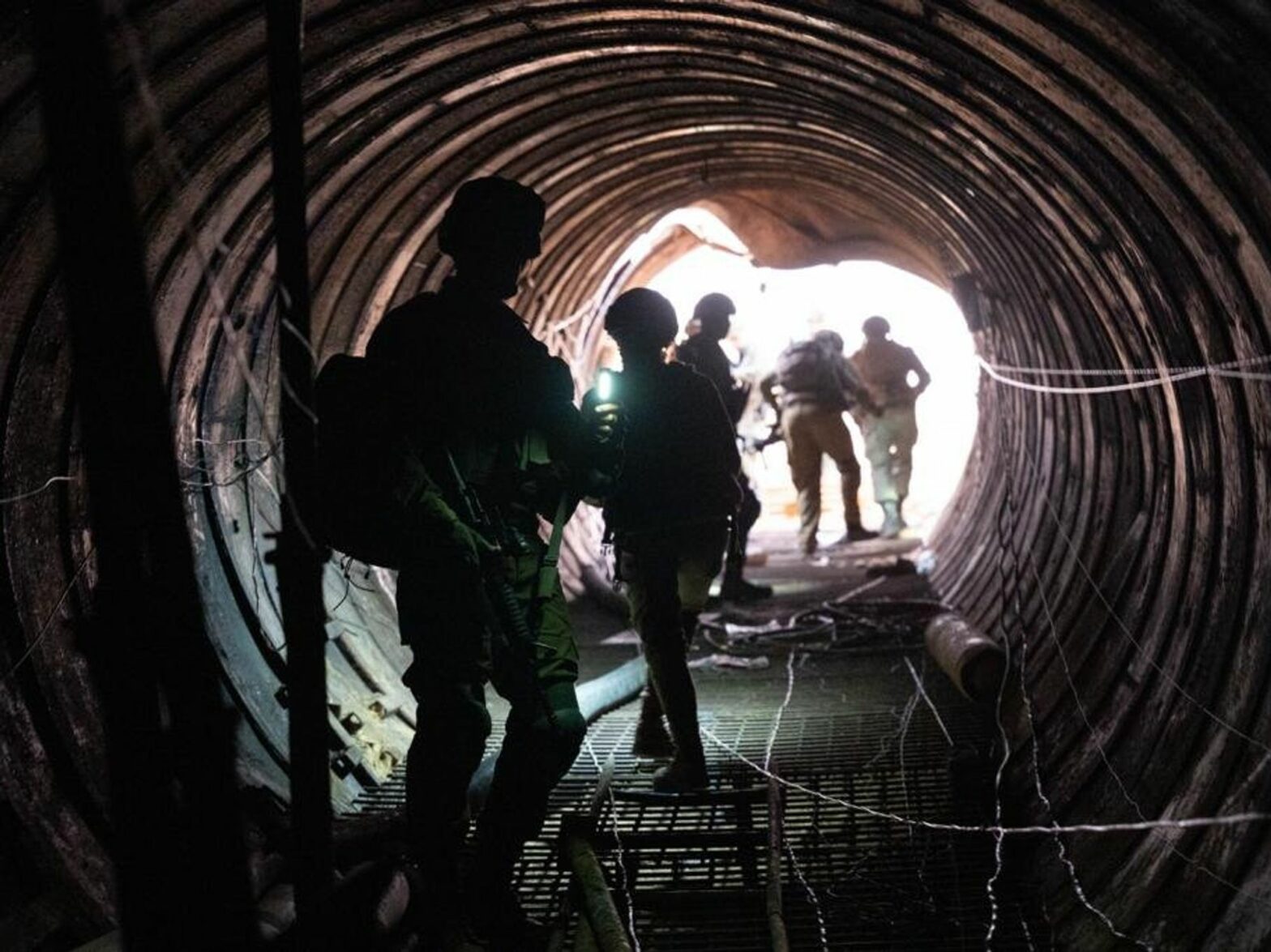
Four months into the war in Gaza, Israel has yet to find top Hamas leaders. Saudi-owned, London-based daily Asharq al-Awsat recently reported on the covert system that allows the Palestinian group communicate without being detected by Israel.
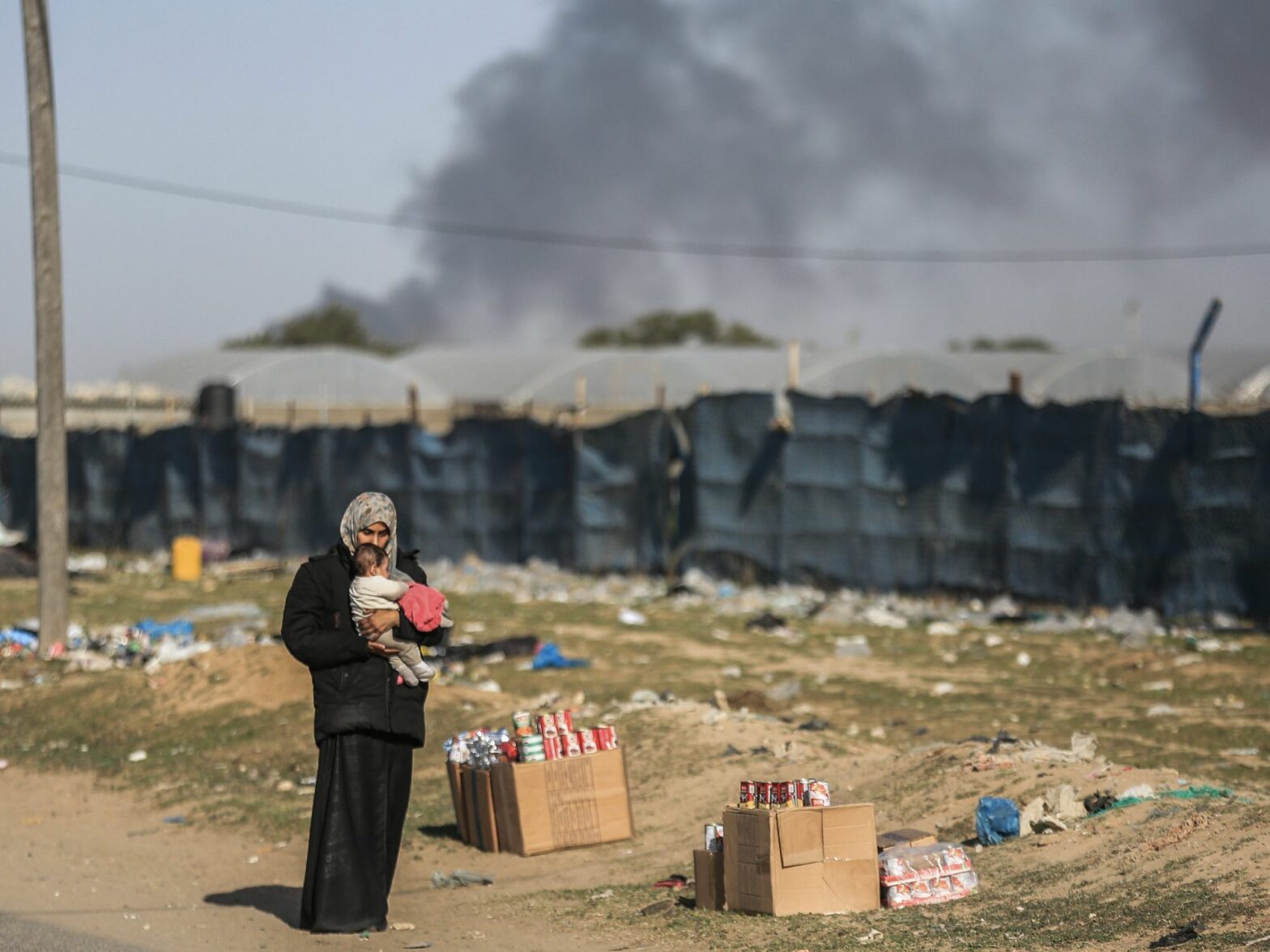
After suffering its heaviest losses in a single day, the Israeli army continues its hunt for Hamas leaders and troops in Khan Younis, an overcrowded refugee camp in southern Gaza. Even heavier Palestinian civilian casualties are feared, as the war appears to be reaching a moment of truth.
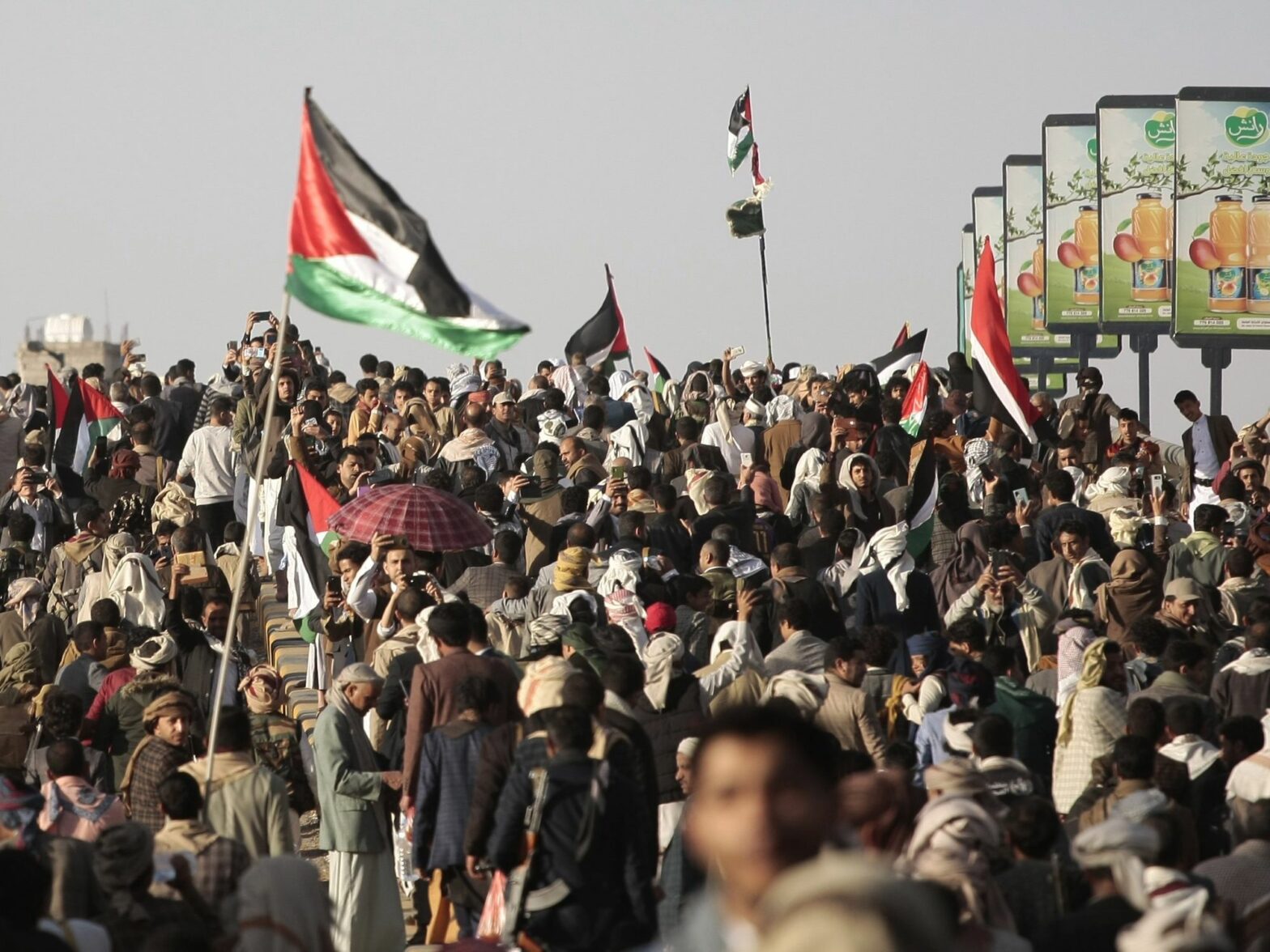
The Iranian-supported Houthi rebels in Yemen are now using the conflict in Gaza as a justification for widening its reach. But the direct clash with the U.S. and others in the Red Sea may take a nine-year-long war to a whole other level.
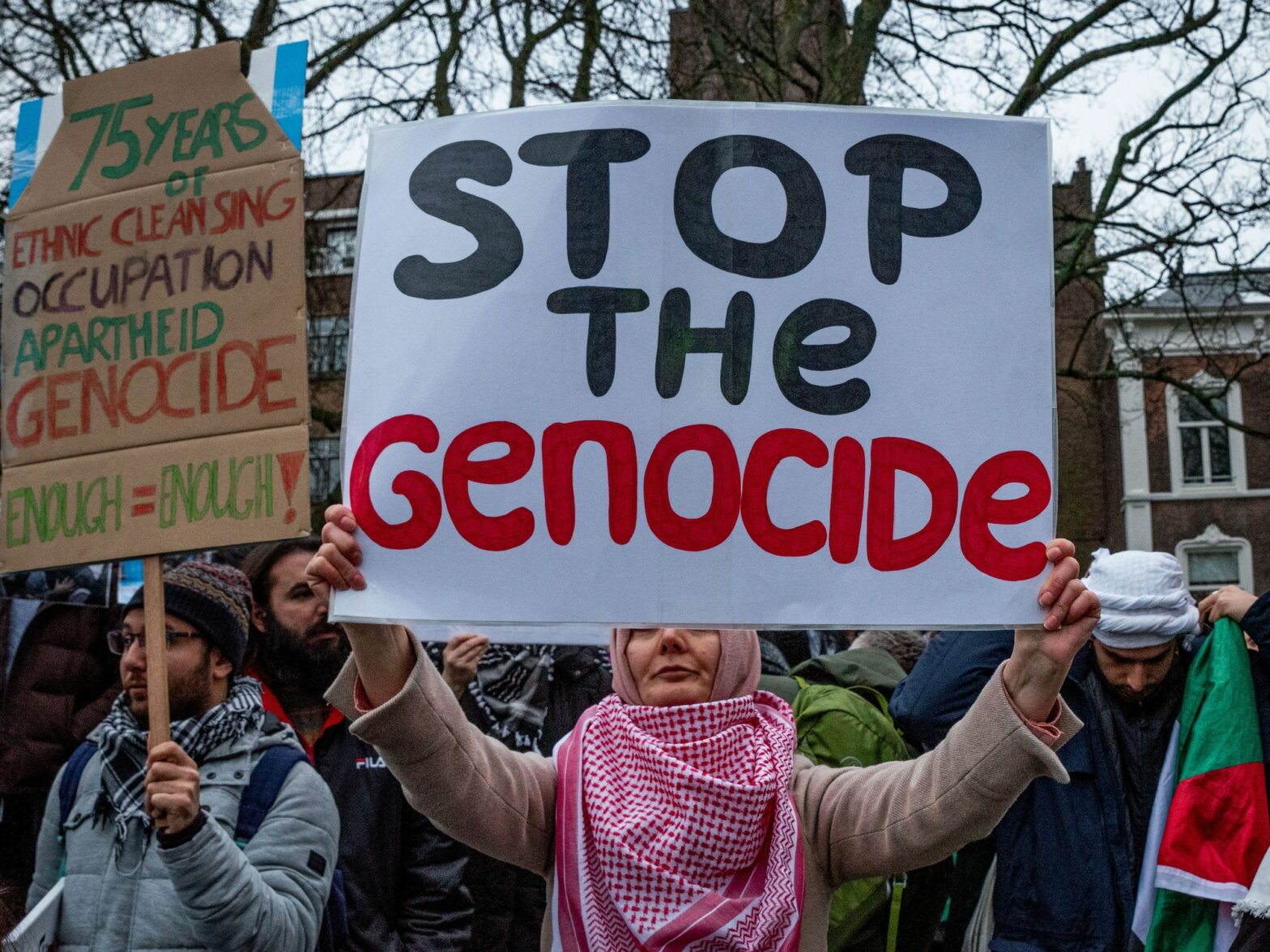
South Africa’s genocide case against Israel at the International Court of Justice attempts to turn longstanding international law on its head, writes Kai Ambos, a top expert on international law, for German daily Die Welt.
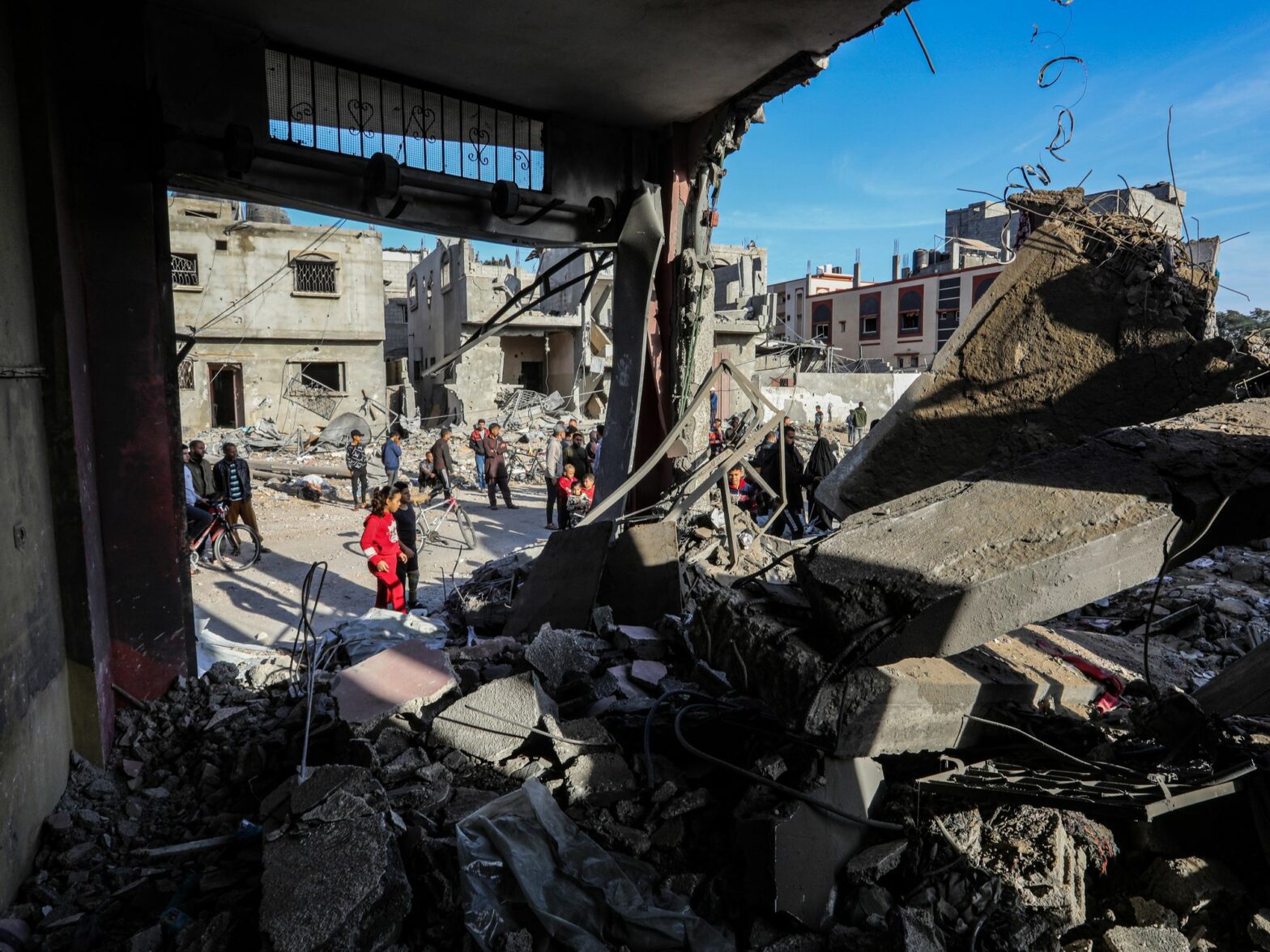
When the guns fall silent, Saudi Arabia and its ambitious prince want to be the historic peacemaker in the Middle East.
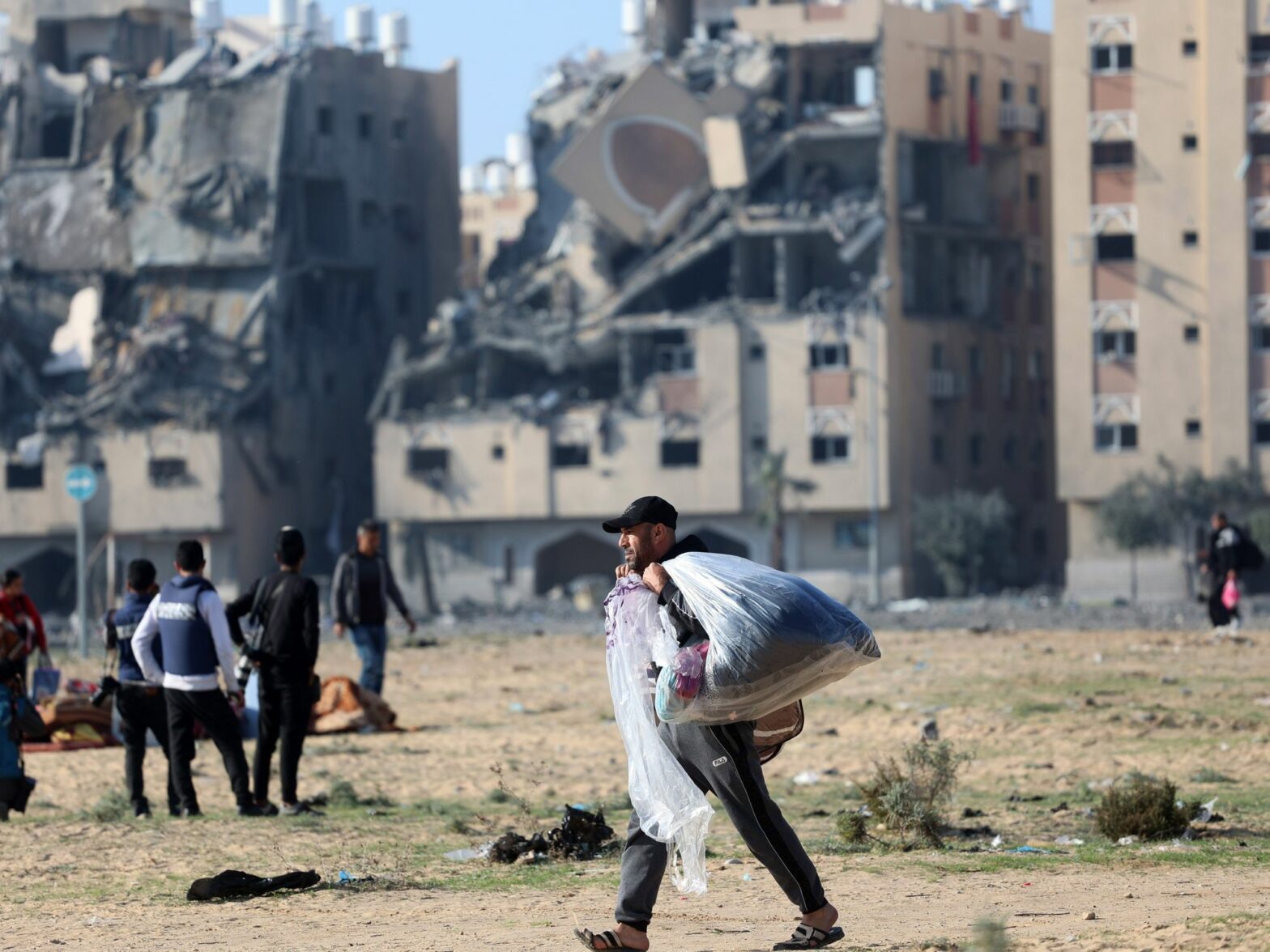
Omar Sharara, a journalist for the Cairo-based media Mada Masr reports on his exchanges with a Aden, a Palestinian photojournalist in Gaza, since the war began. Amid bombings and communications blackouts, Aden relays his family’s efforts to seek shelter.
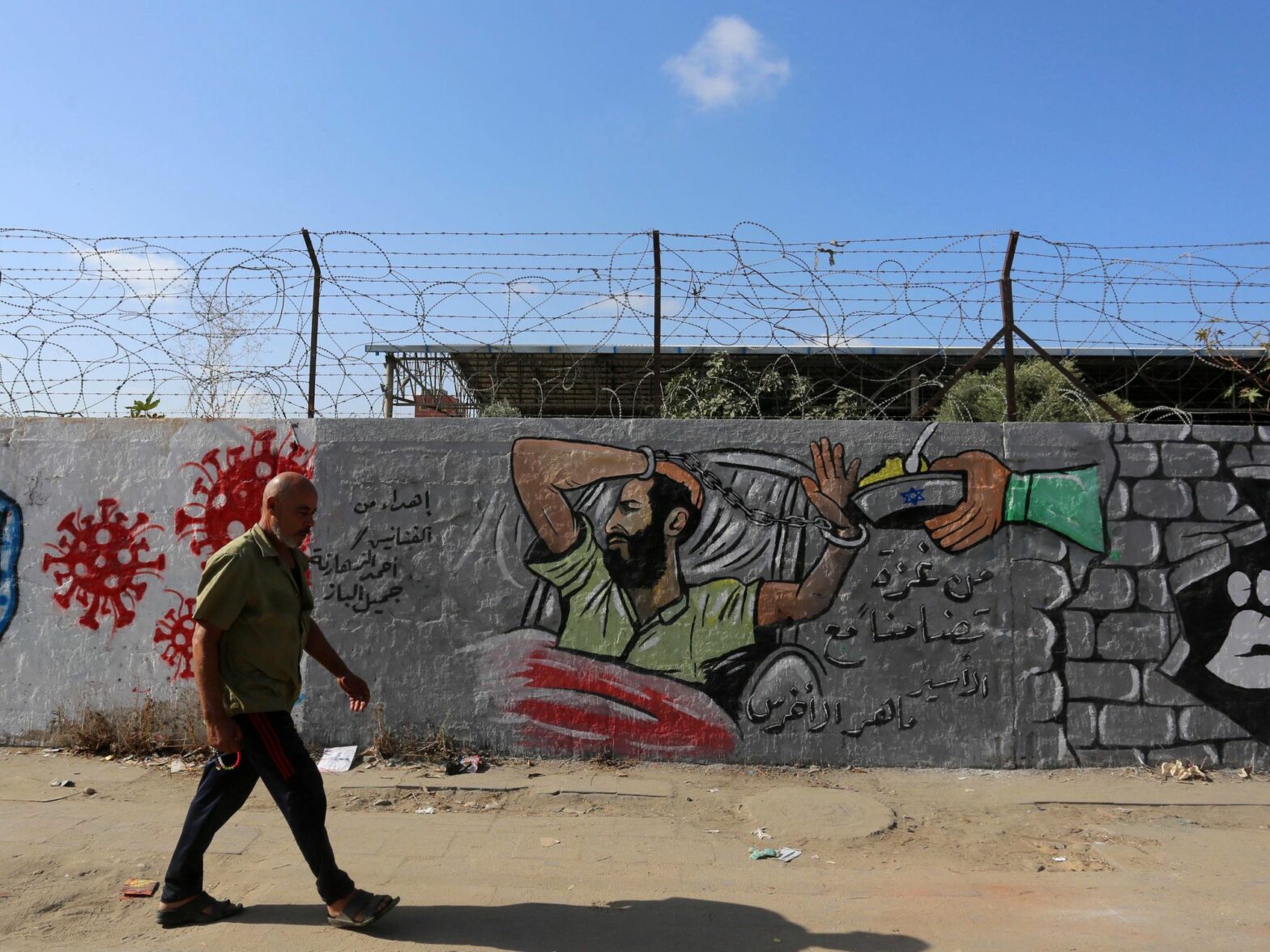
Since Oct. 7, Israel has launched a crackdown on Palestinians, in both Gaza and the West Bank. Once the new detainees are taken to jail, they allege that authorities regularly take an extra hard line, including a disturbingly high number of prisoners killed.
As the situation escalates in the Middle East, the prospect of an all-out war may hinge on whether Iran will cross the Rubicon.
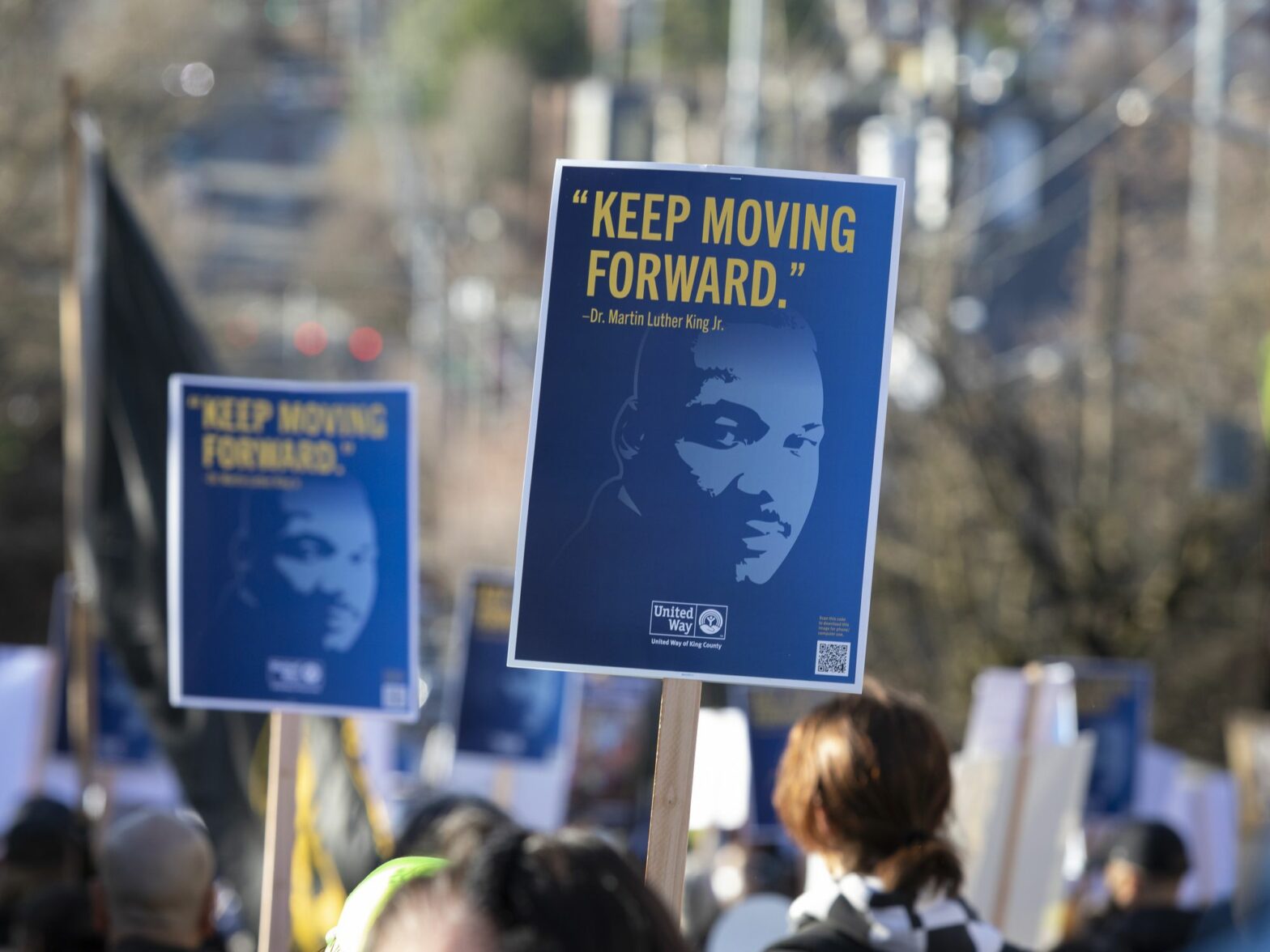
Martin Luther King Jr. never directly addressed the Israel-Palestine conflict. But I think I know how he would feel today.
After 100 days of war, Israeli Prime Minister Benjamin Netanyahu has made it clear that he has no plans to listen to what any other country has to say, including his closest allies. There’s every reason to expect the situation to get worse.
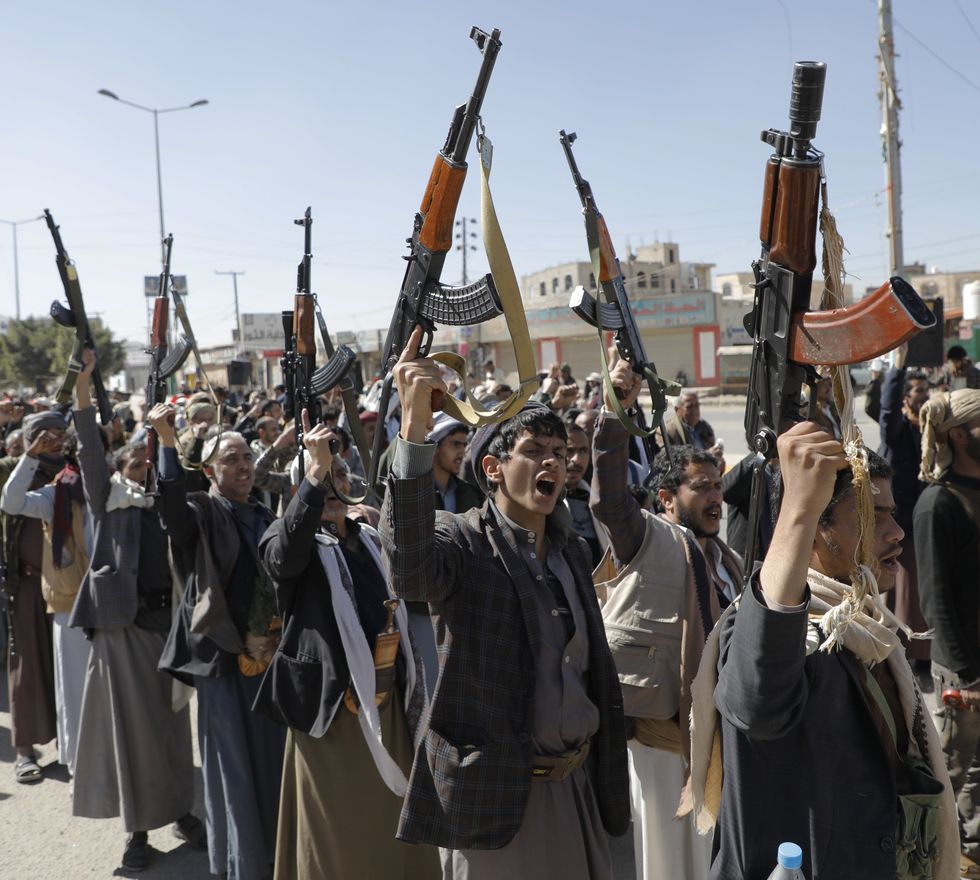
Houthi rebels are now blocking the strategic Red Sea, by striking or seizing merchant ships, while also attempting to launch rockets into Israeli territory. This has sparked a strong response from the U.S and Britain, escalating a situation that could impact global security in major ways, with competing powers ready to cash in.
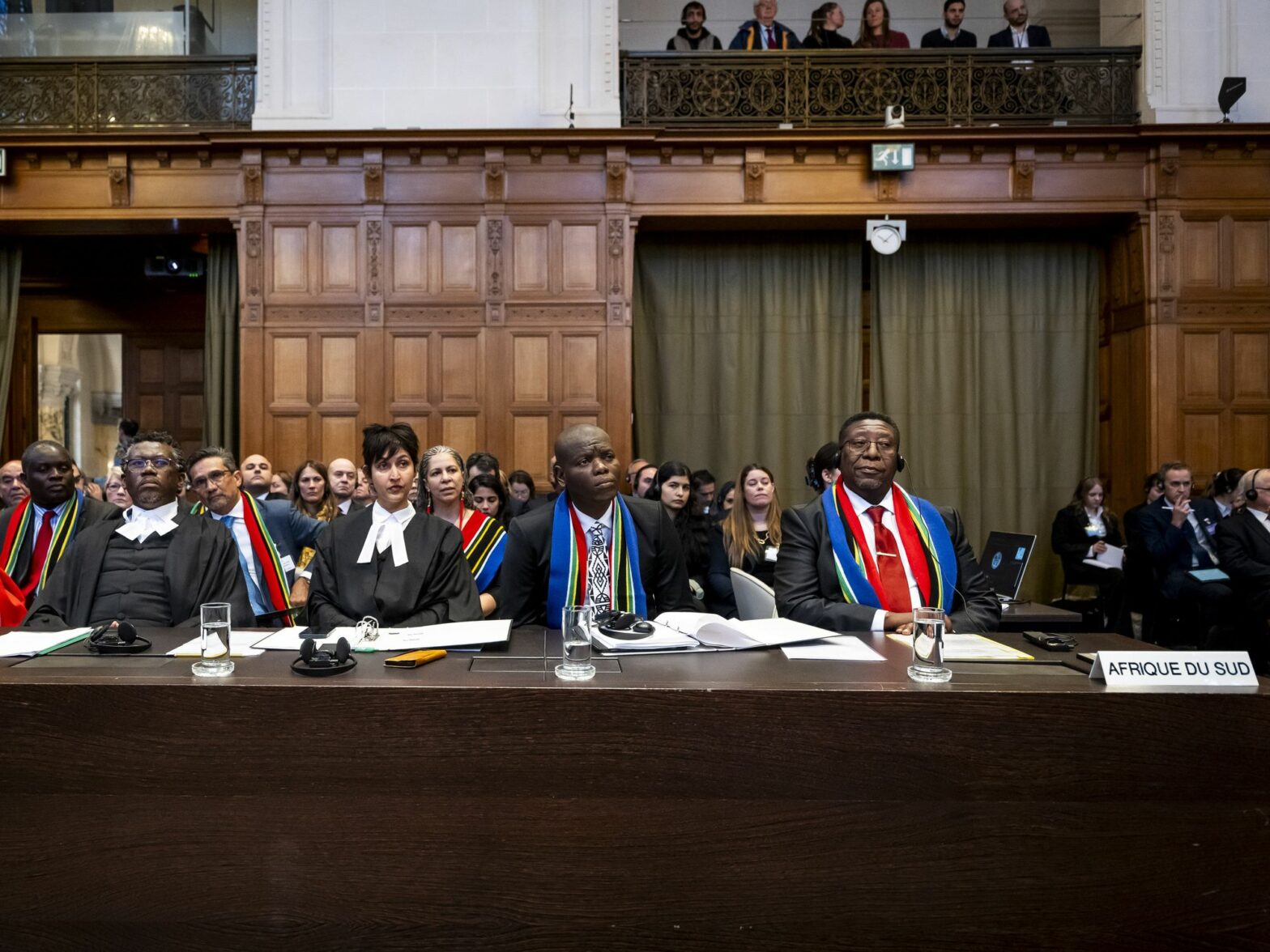
Following South Africa’s genocide allegations against Israel, Netanyahu’s government now has to defend itself at the International Court of Justice. But the lawsuit does not come as a surprise. For decades, there have been tensions between Israel and South Africa, where there is great sympathy for the Palestinian cause going back to the times of apartheid.
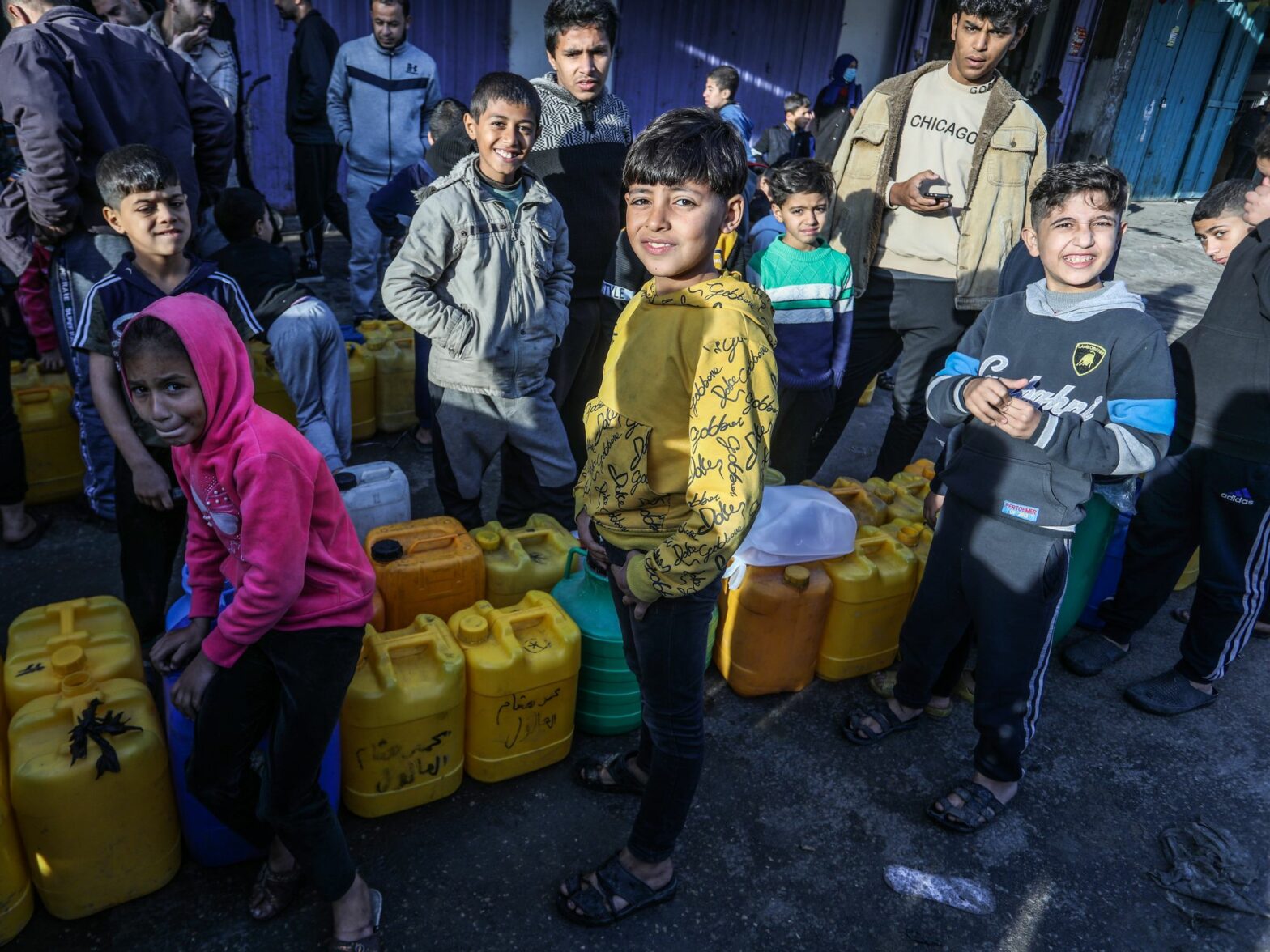
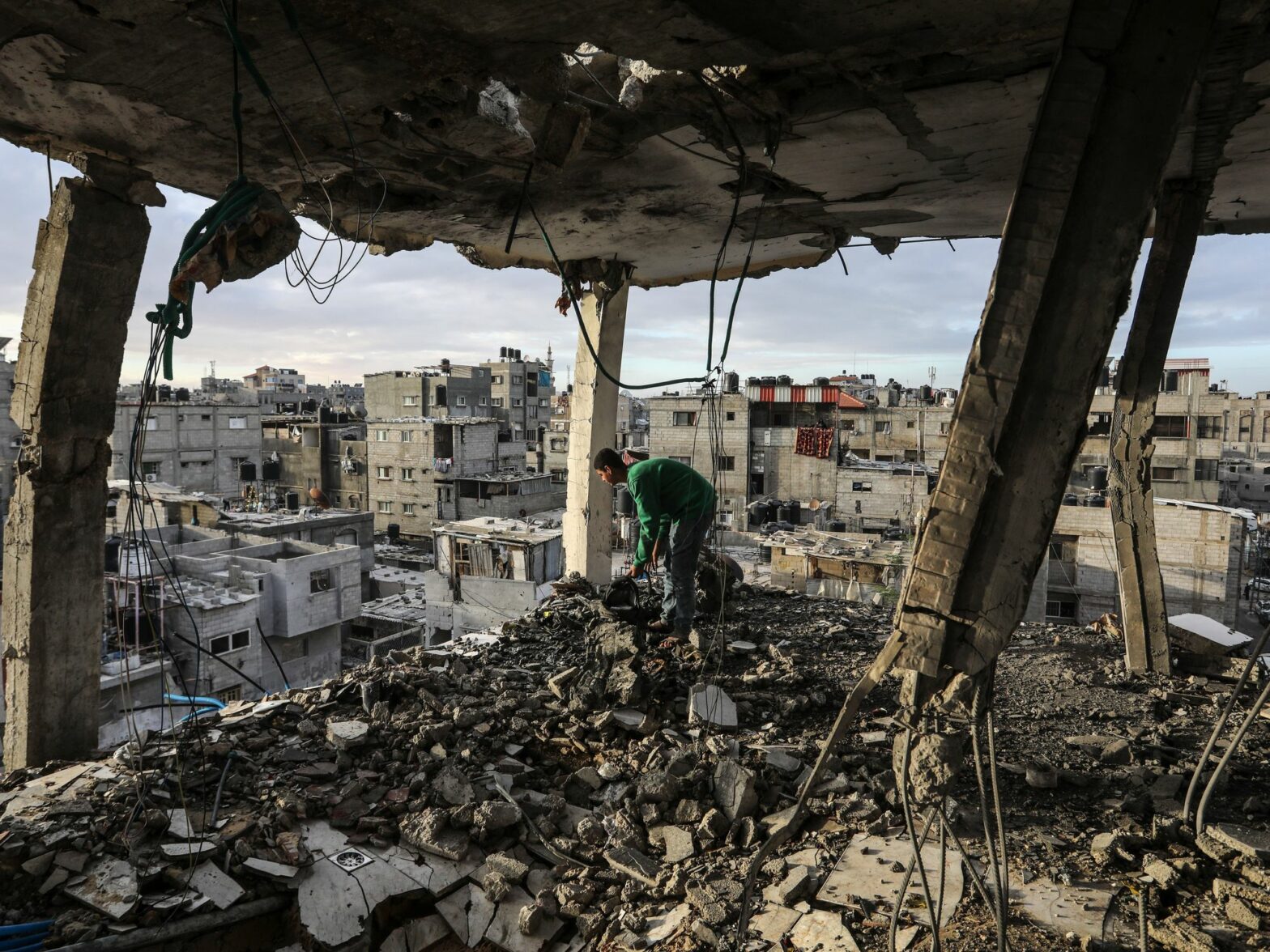
Displaced Palestinian families are streaming into Rafah on Gaza’s southernmost border, with Egypt, fleeing Israel’s relentless bombardment. With more than one million people now cramped in the town, conditions are dire and many fear another “Nakba,” pushed out of their homeland for good.
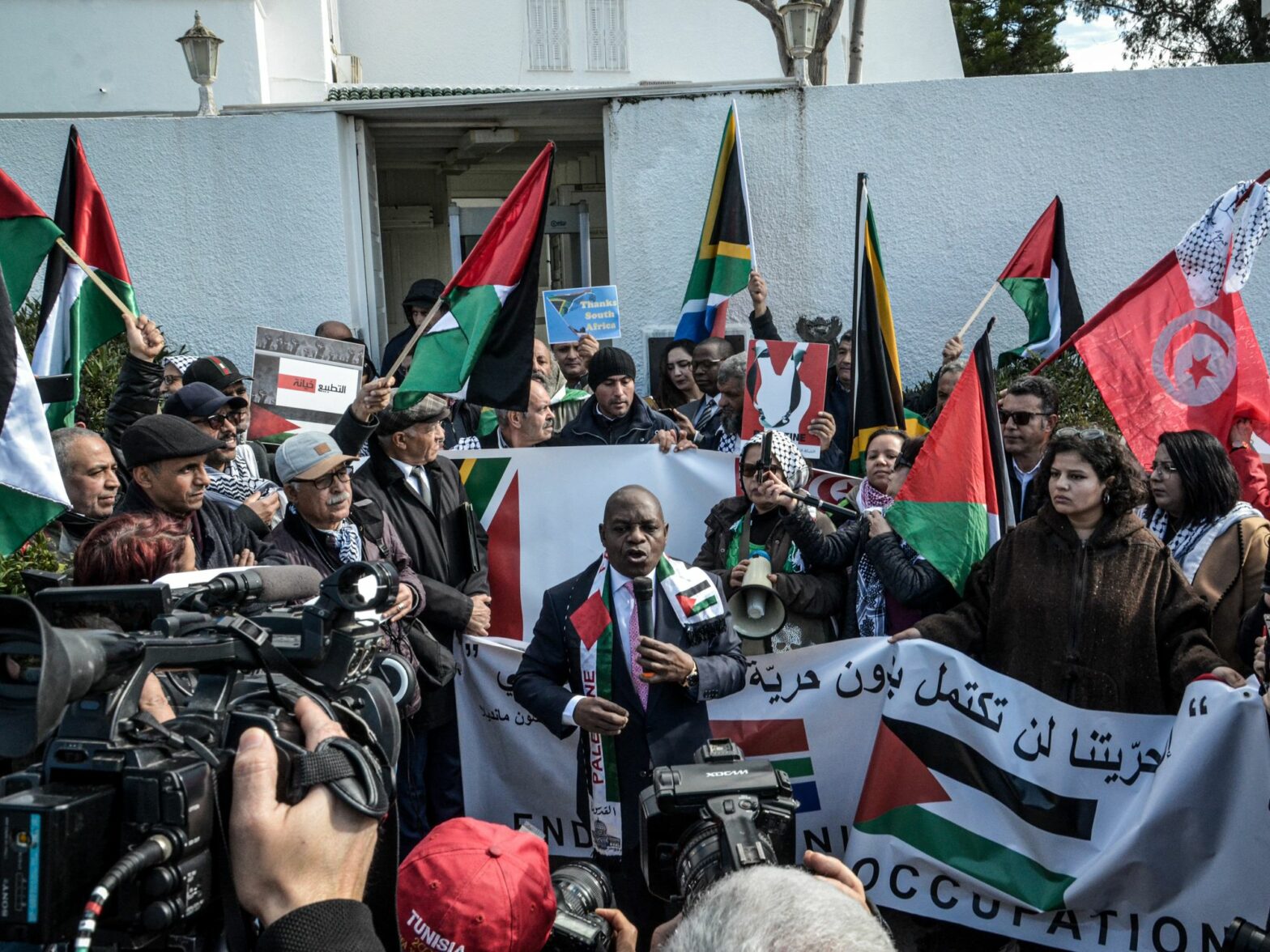
Cicero declared that when weapons speak, the law goes mute. So what happens when the law speaks up even as the weapons keep firing? That’s what happening now at the International Court of Justice at the Hague.
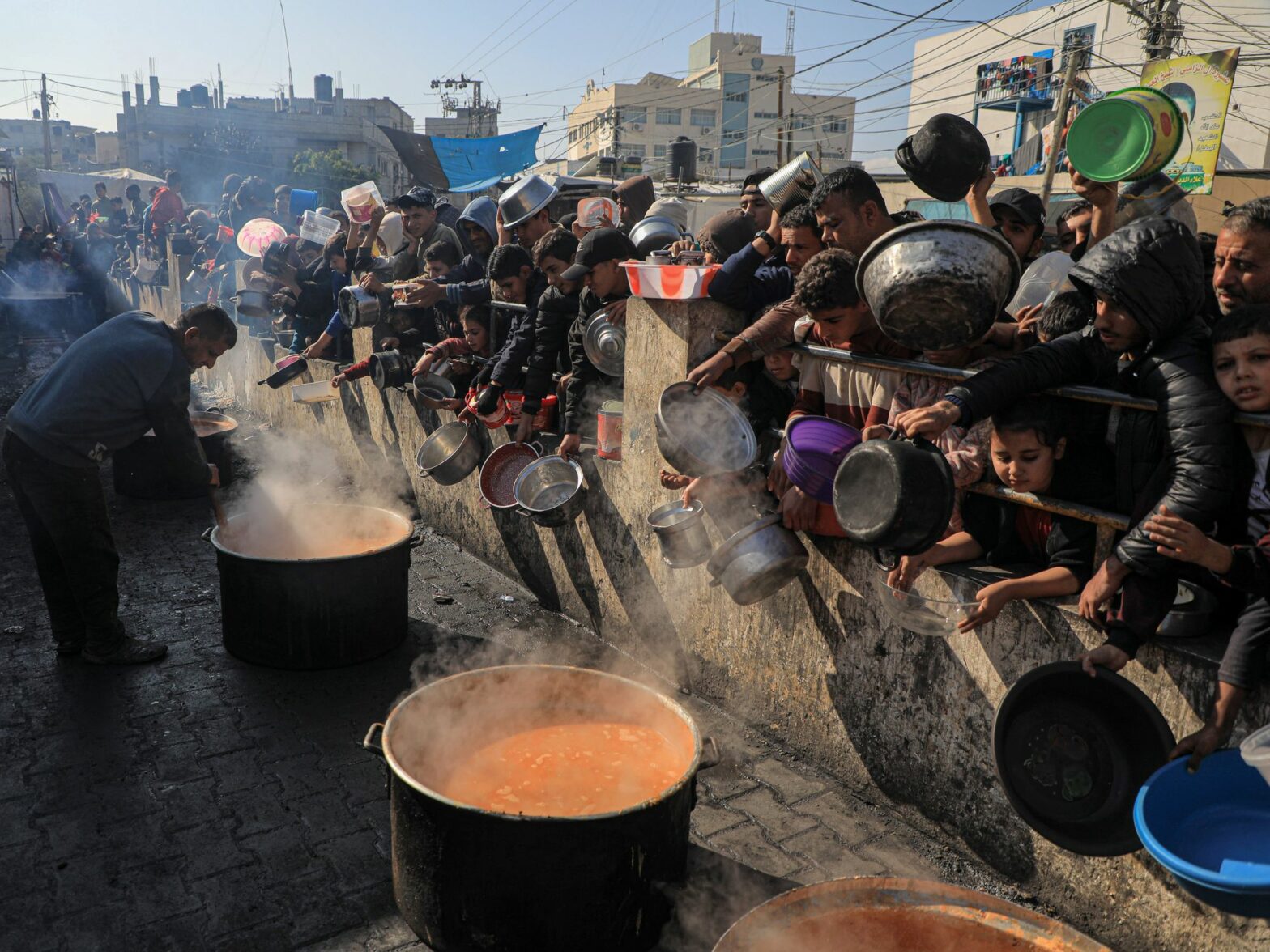
The UN Security Council resolution providing for the safe, unhindered and widespread delivery of humanitarian aid to Gaza has done little to avoid the most dire conditions from spreading in the war-torn enclave.

Ahead of Secretary of State Antony Blinken’s arrival, Israeli officials declared that the army will shift to a more targeted campaign in Gaza. Benjamin Netanyahu may just be bidding his time.
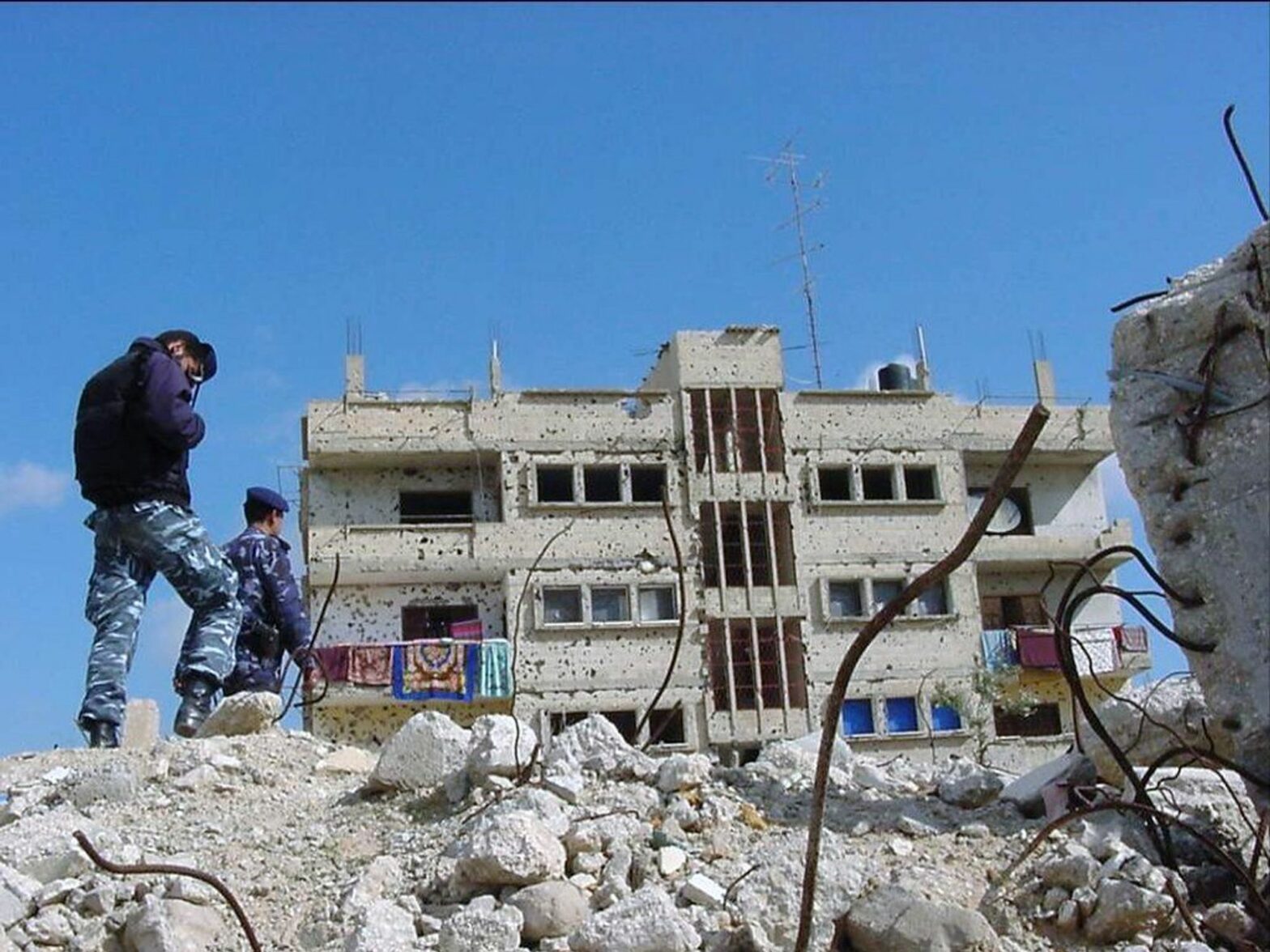
Israel is pushing for more control of the disputed passage near the Egypt-Gaza border, testing Egypt’s security stance and threatening the peace treaty between the two nations.
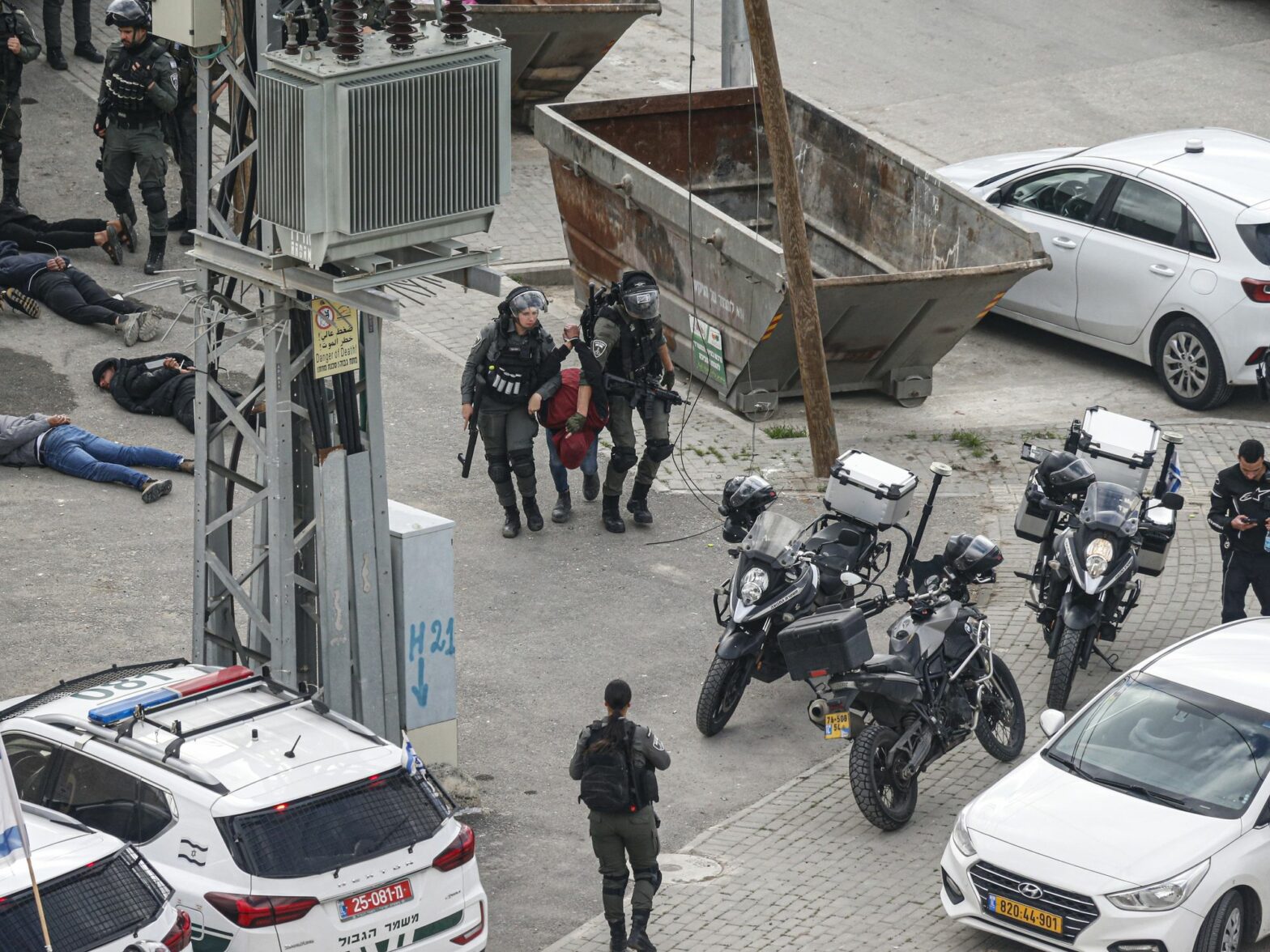
Since October 7, the Israeli army has imposed more restrictions and treated Palestinian residents of Jerusalem with unprecedented brutality, appearing to follow up on intention of some of Israel’s leaders to empty the holy city of its longtime Arab residents.
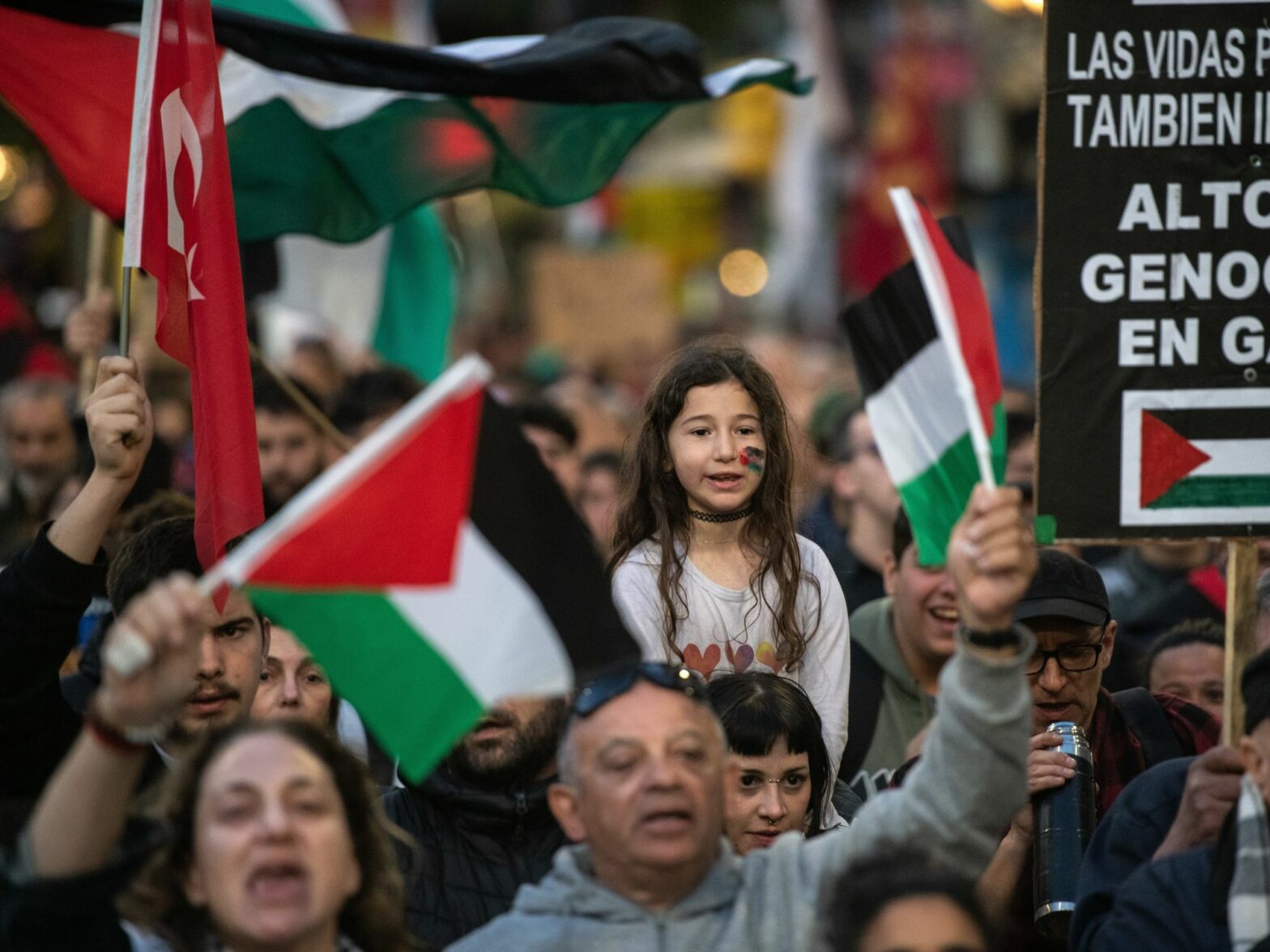
For almost two years, since Russia’s invasion of Ukraine, the West has been trying to salvage its relationship with the countries of the so-called Global South, unconvinced by the sincerity of its discourse on international law.
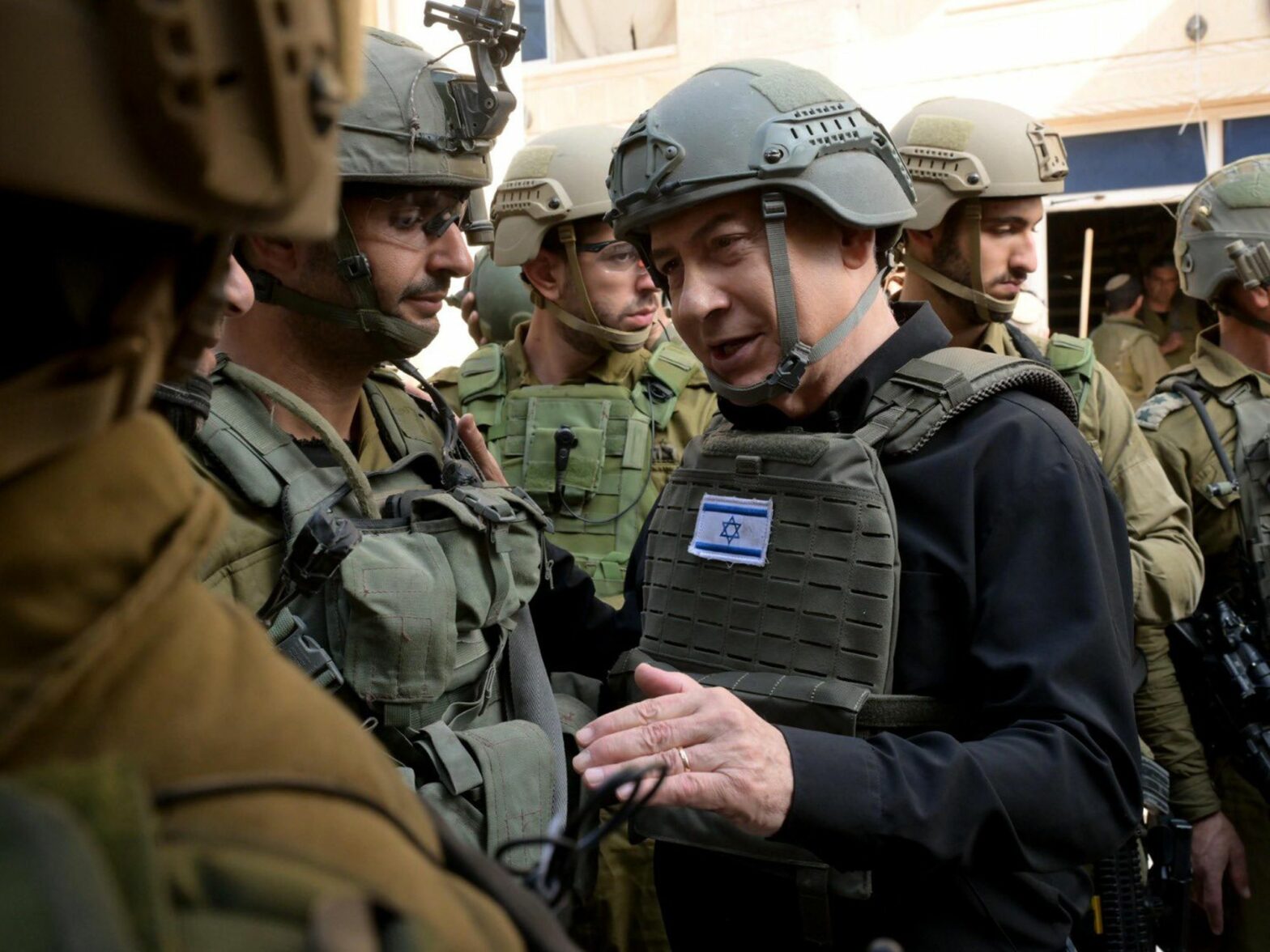
It is rare that a wartime leader doesn’t gain the support of his people. Israeli Prime Minister Netanyahu, instead, has the most dismal popularity ratings in memory. But he is also Israel’s longest-serving leader for a reason. The coming days and weeks will be crucial in deciding his fate, along with that of his troubled nation.
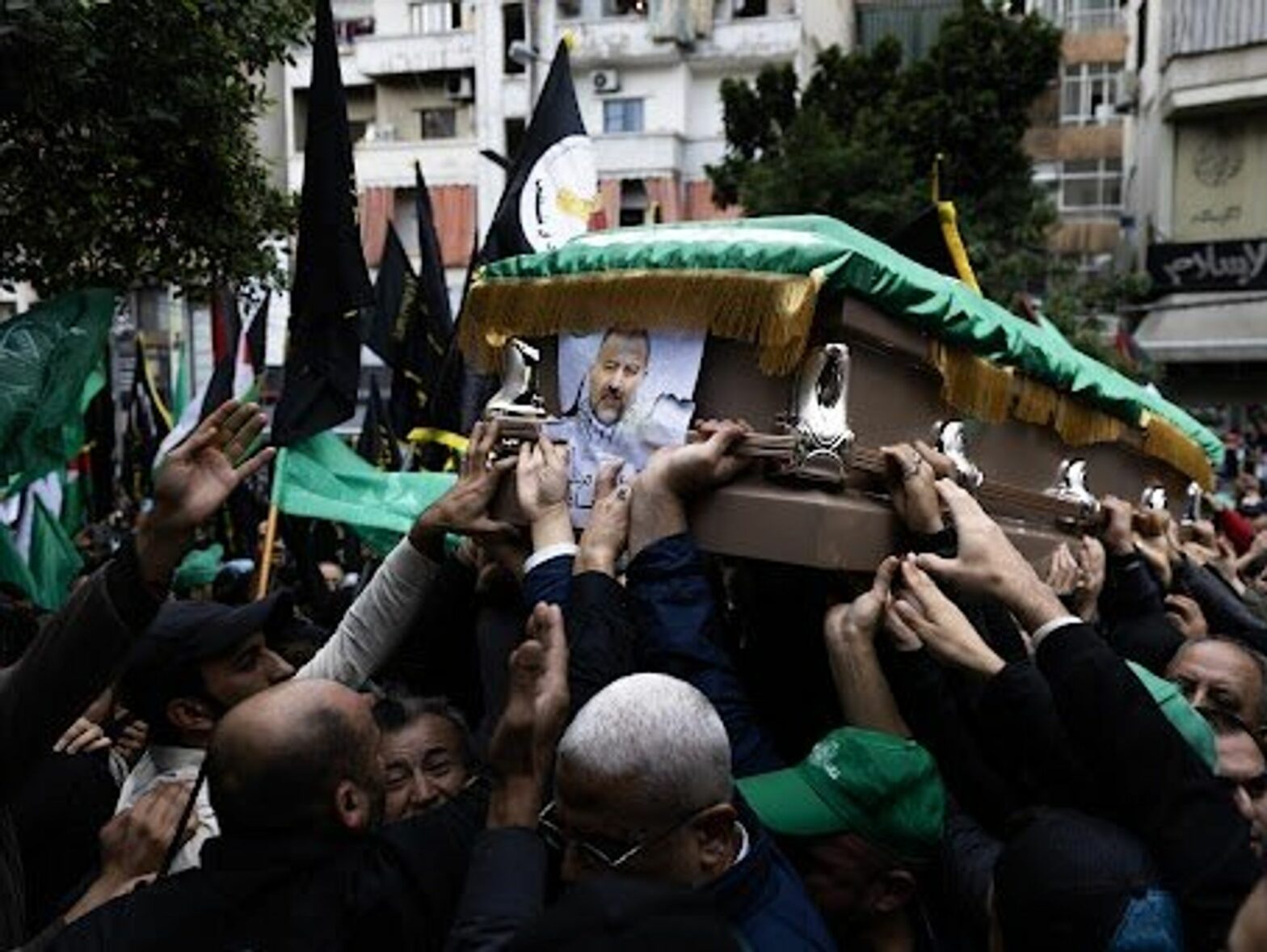
The assassination of a top Hamas leader this week was a much needed victory for Israel’s intelligence apparatus, still reeling from the Oct. 7 attack. But even if other targets are hit, it does not amount to an actual battle plan against Hamas.
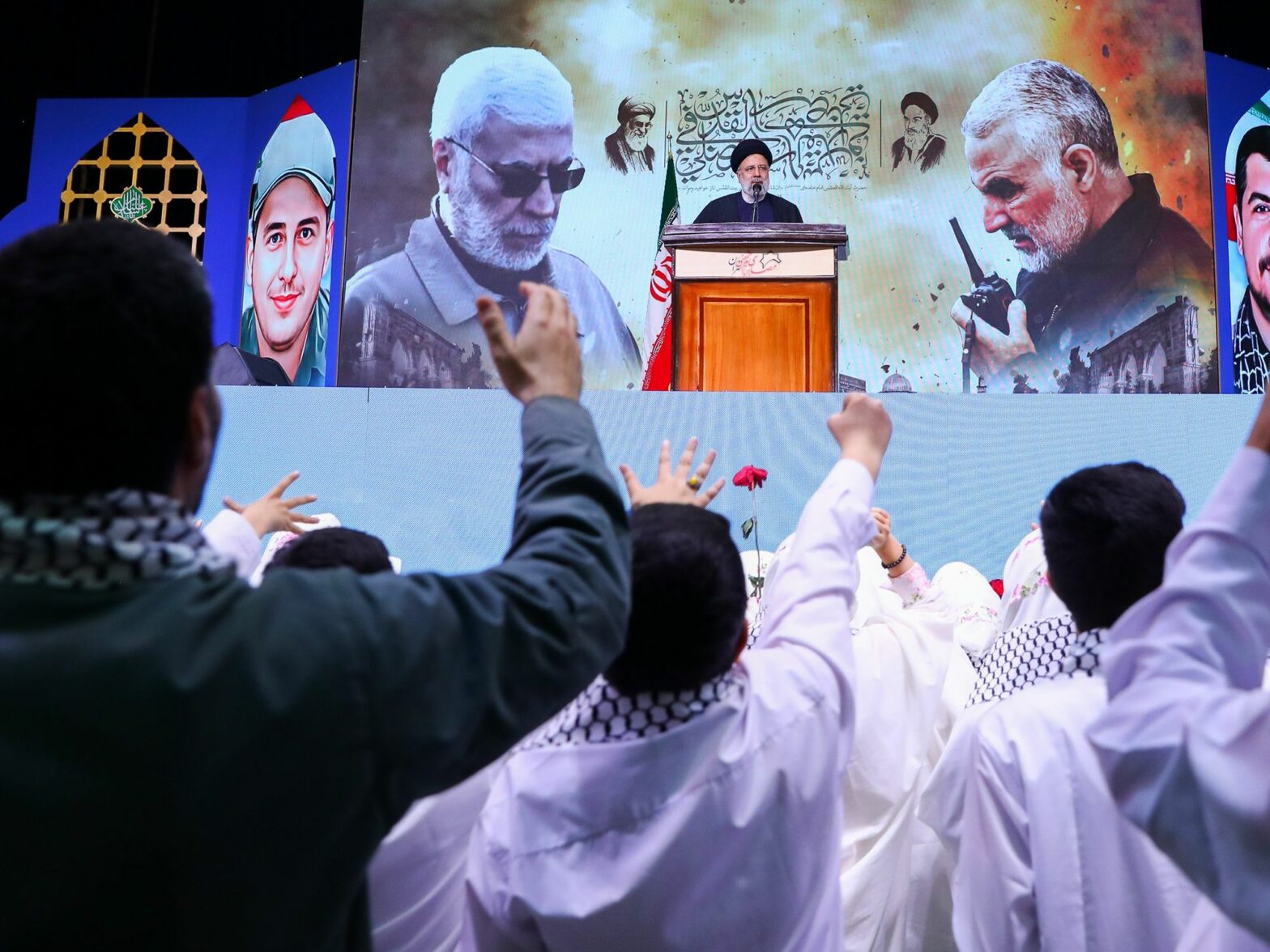
Though all-out war has not yet spread, there are a multiplying number of attacks, targeted and otherwise, taking place across borders that has all the makings of a region-wide conflagration.
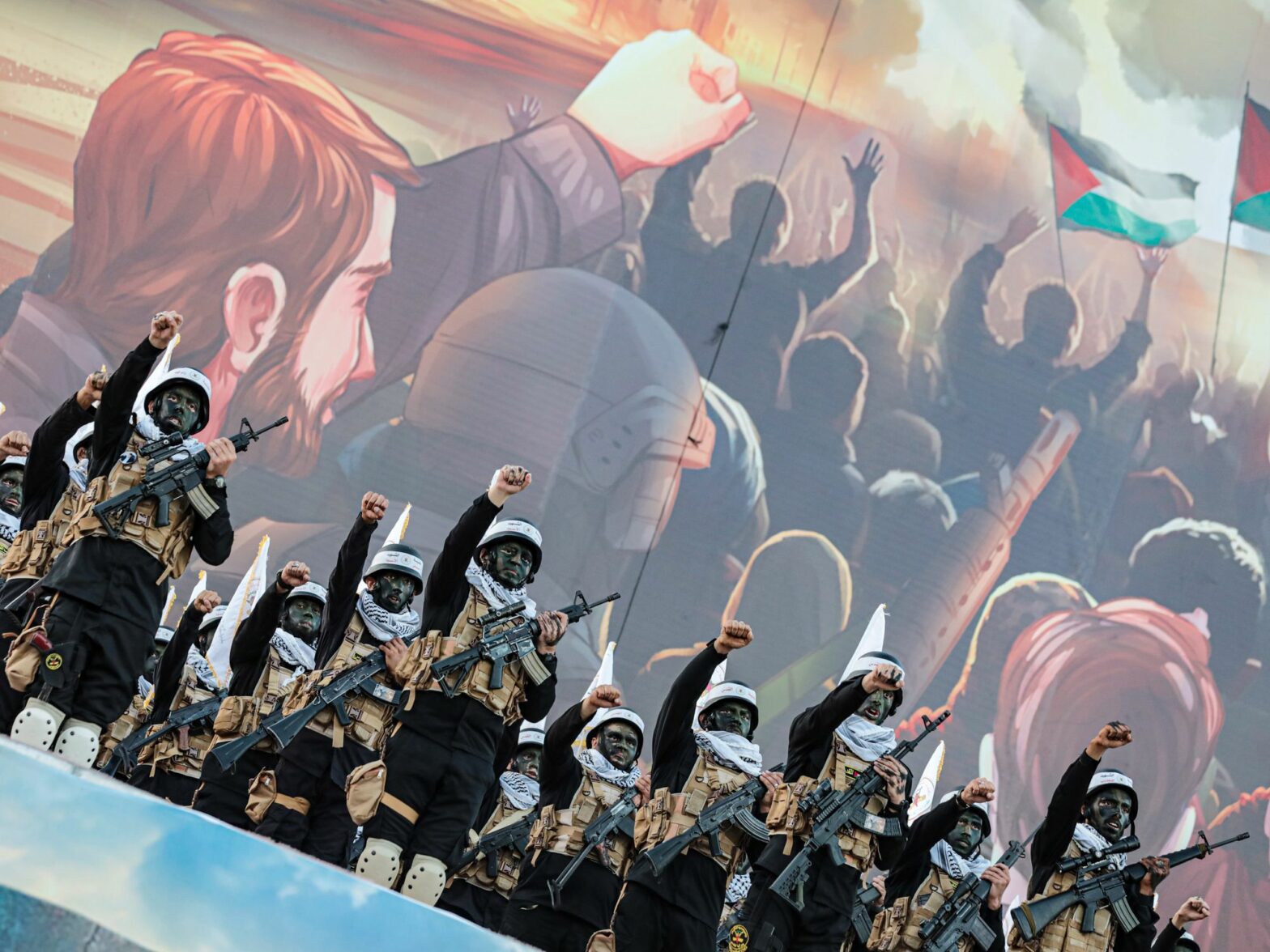
Hamas is the largest and most powerful of the militant groups fighting in Gaza, but it is part of a galaxy of organizations that have spent decades in a simmering war with Israel.
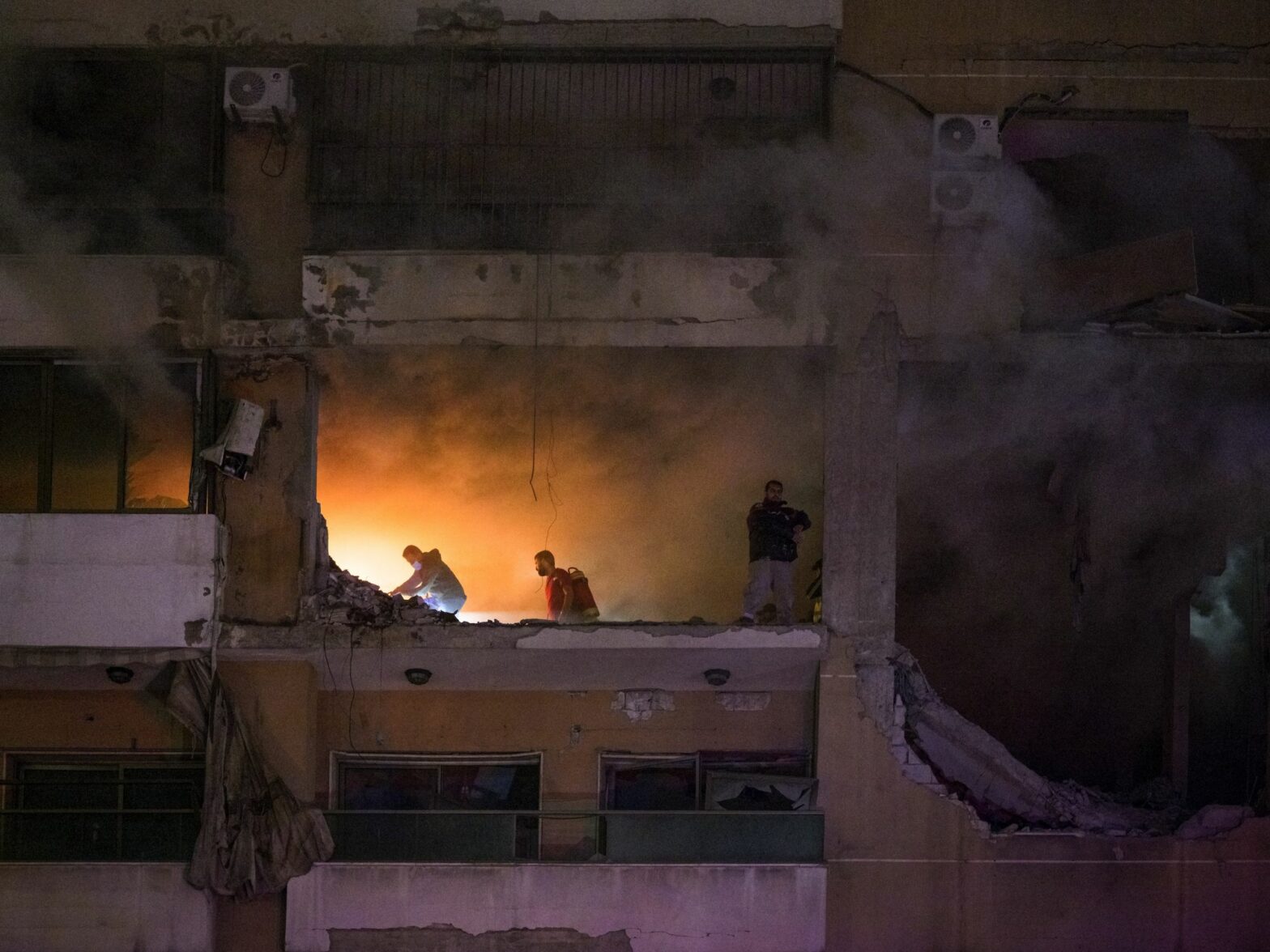
By eliminating Saleh al-Arouri, an important Hamas leader, with a drone strike in Beirut, Israel has taken a risky gamble: that Lebanon’s Hezbollah and its Iranian allies will not go to war over the death on Lebanese territory of a top Hamas figure.
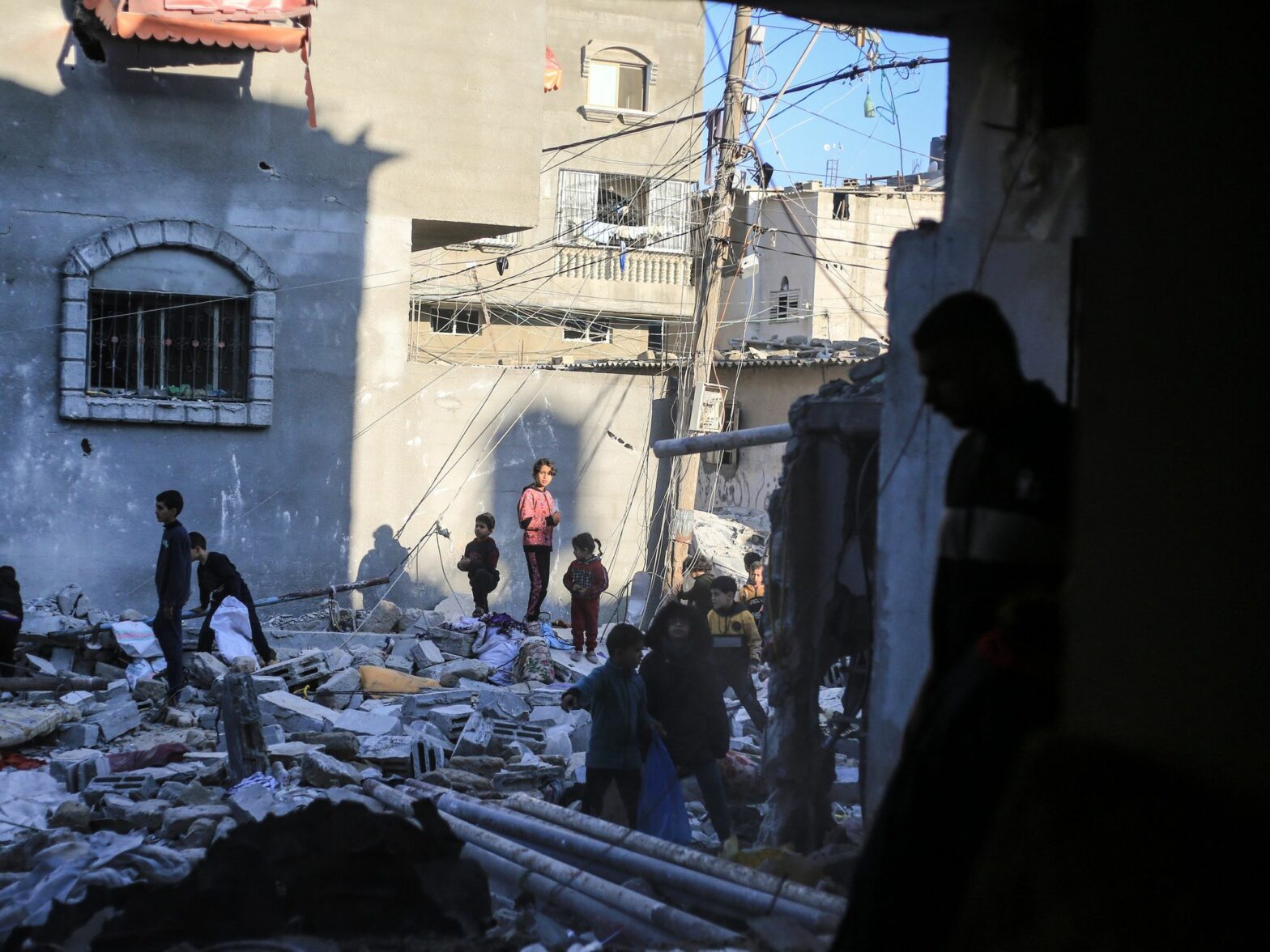
In Ukraine and Gaza alike, international laws on the proper conduct of war, largely established by the post-War Geneva Convention, are being trampled on by all parties, to varying degrees. Civilians are paying the ultimate price for this.
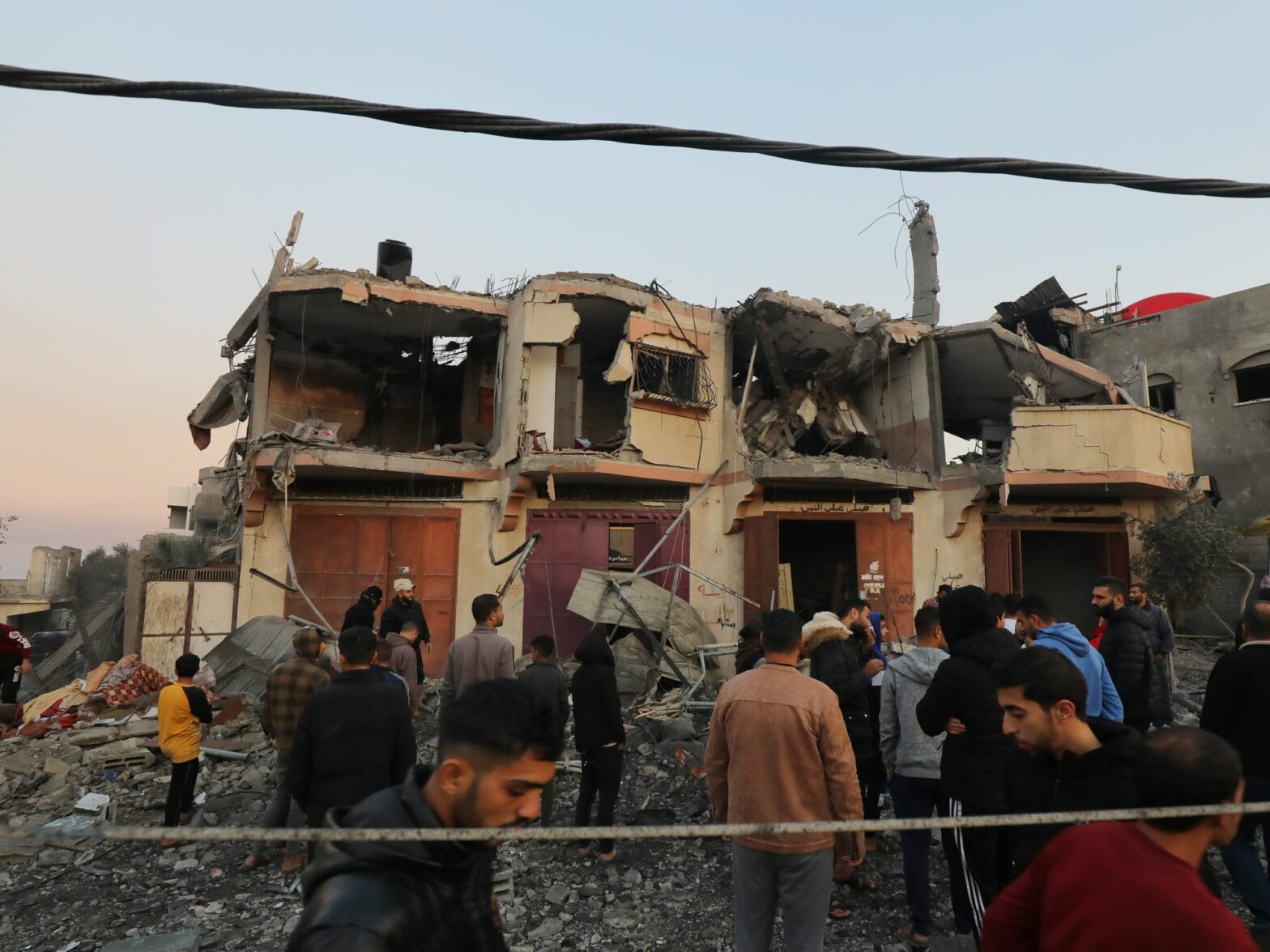
Are the Israelis perpetrating a genocide in Gaza? The answer is tied up in the definition and legal significance of the word itself, which is still not settled.

The French-American writer recalls a trip last Christmas to her father’s native Louisiana, and an invitation for some firing-range fun in the backyard.
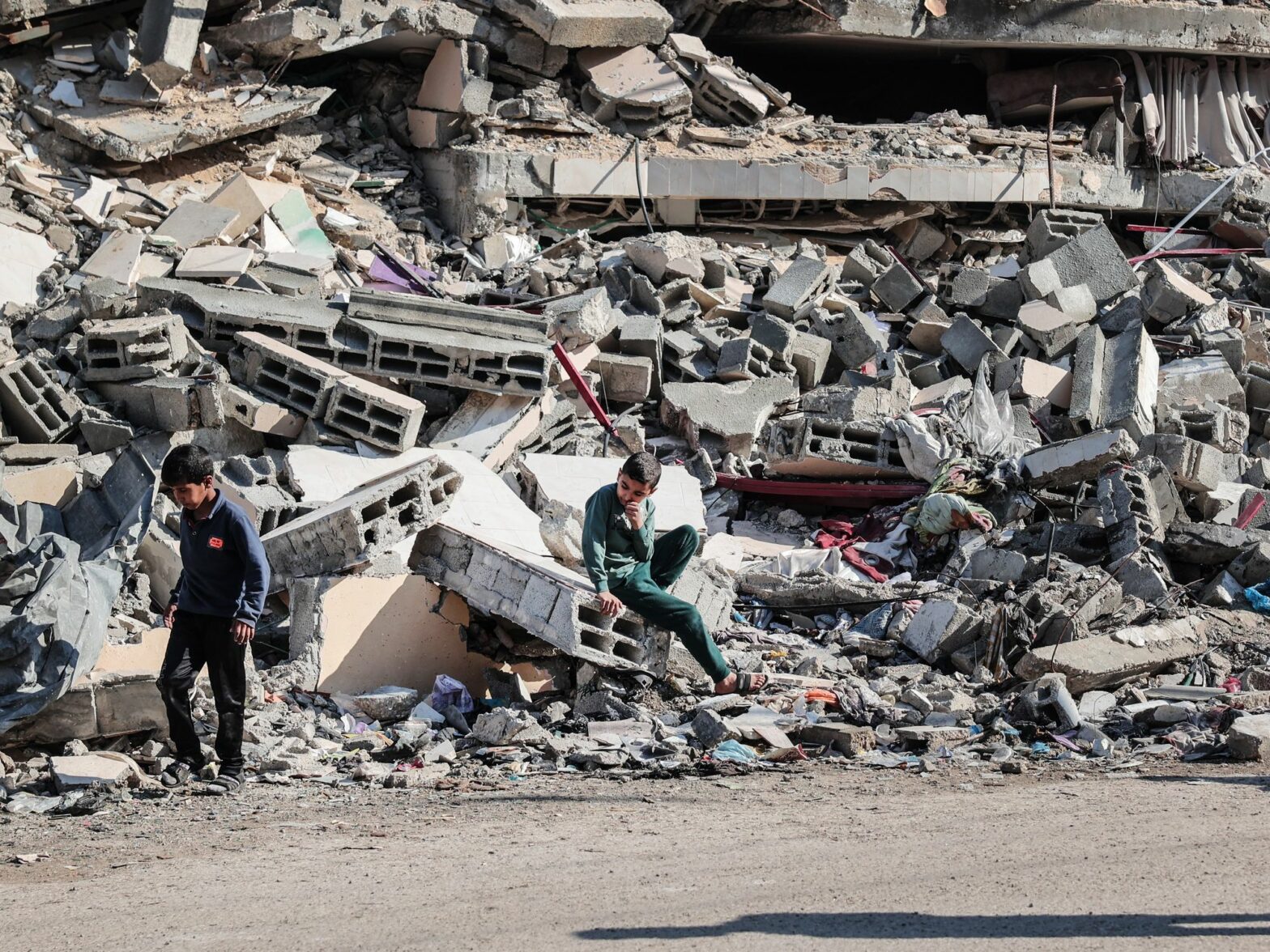
Sooner or later, Hamas’ reign in Gaza will come to an end. What will happen then? An Israeli occupation? The handover of power to local stakeholders? There are clear parallels with Germany’s situation after World War II.