Prime Minister Netanyahu felt the pressure to follow through on his threats to enter Rafah, which may have earned him the space to finalize a ceasefire and get the hostages back.

 Worldcrunch
Prime Minister Netanyahu felt the pressure to follow through on his threats to enter Rafah, which may have earned him the space to finalize a ceasefire and get the hostages back.
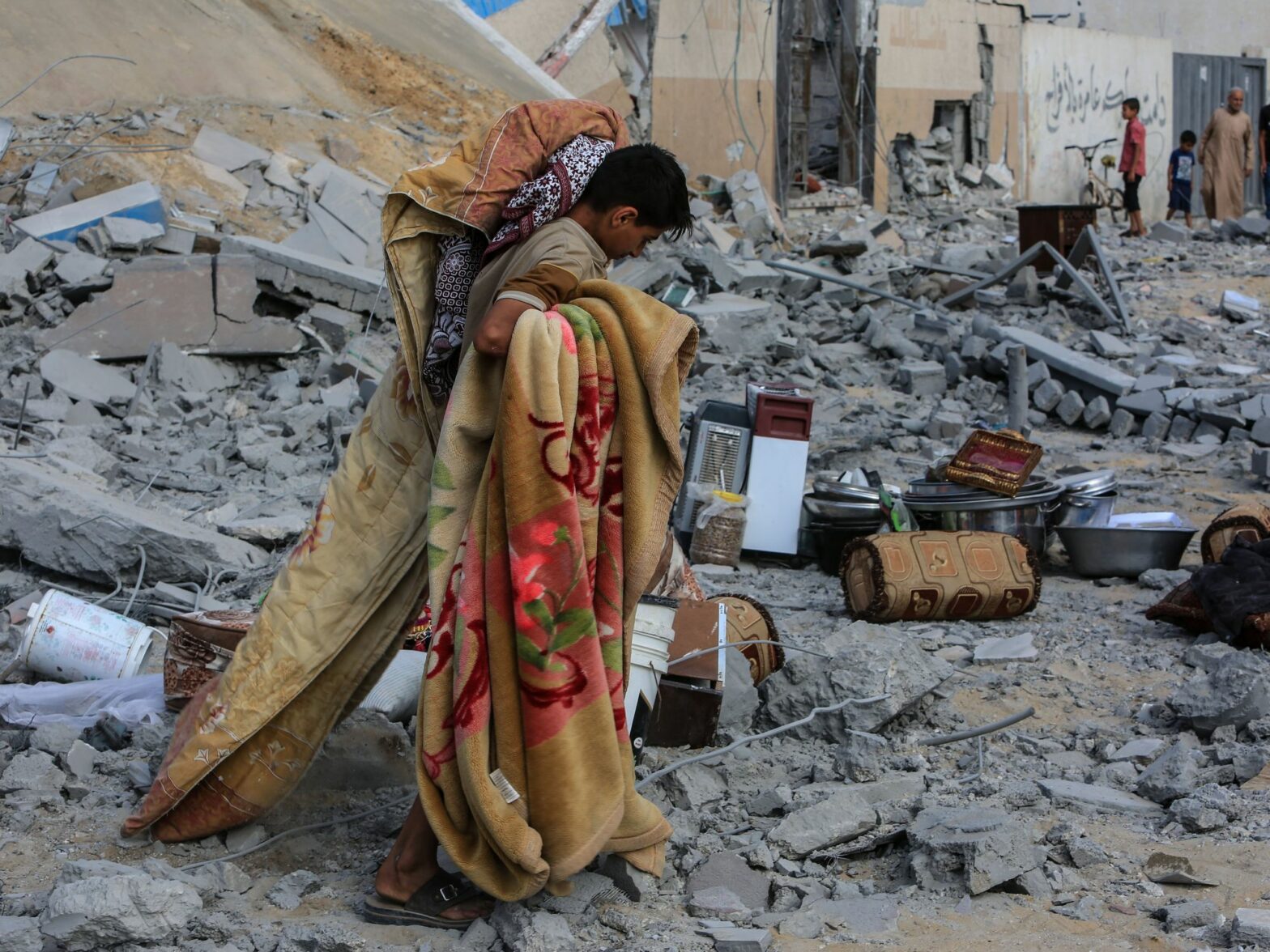
Entire Palestinian families have been wiped out over the past seven months in Gaza in Israel’s bombing campaign. Many families resorted to dividing their family members to different places, so at least some of them survive if their houses are bombed.
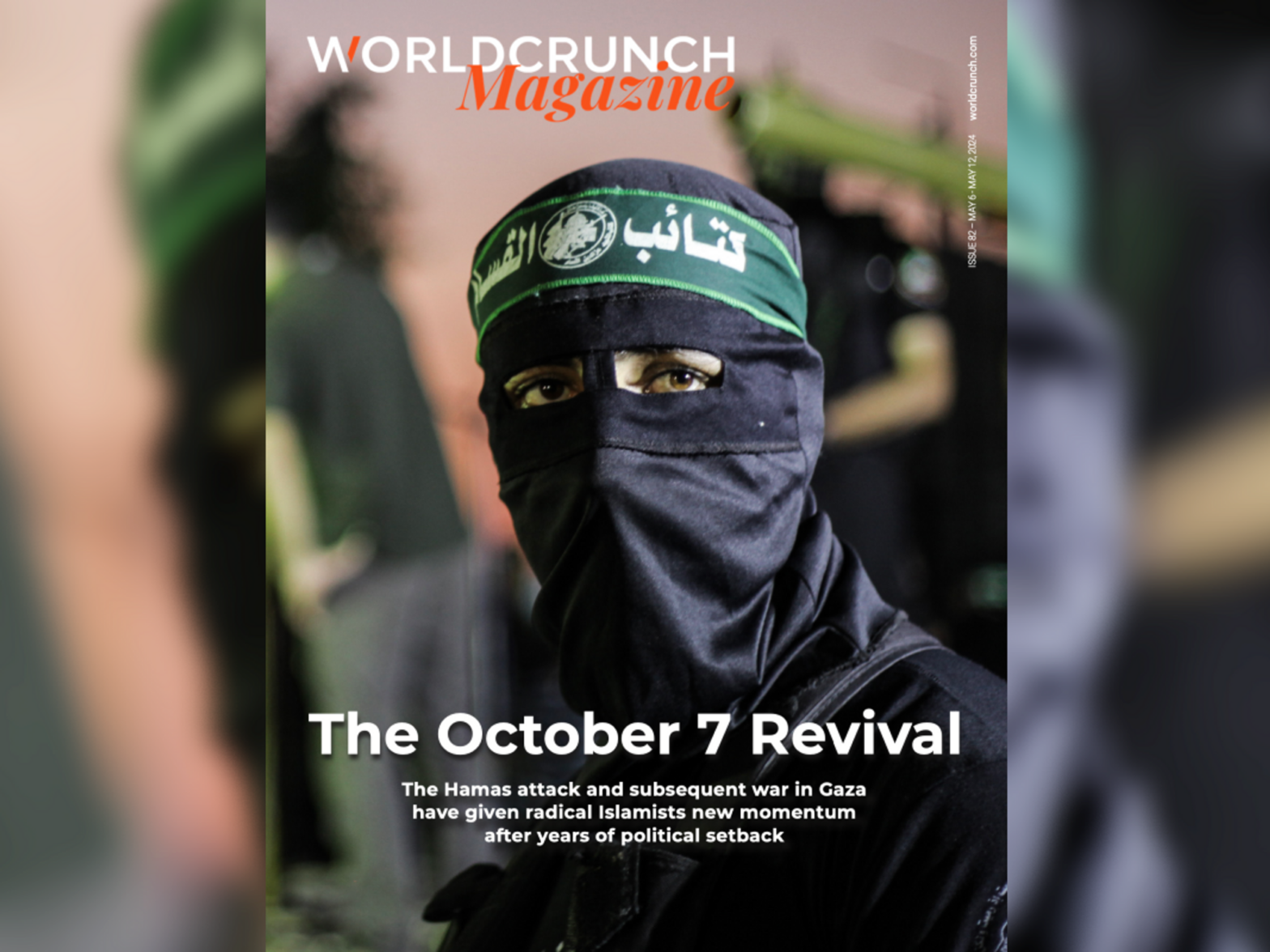
May 6 – May 12, 2024
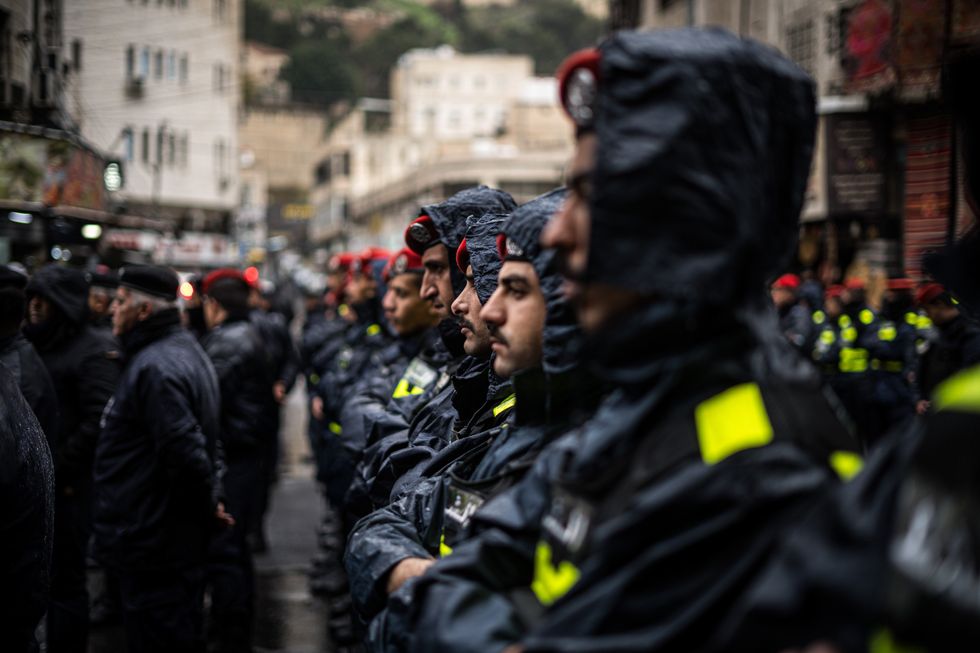
Iran has some influence over Hamas, but not like Hezbollah in Lebanon or other Iranian-backed groups in the region. Hamas, instead, has more links with Jordan, the birthplace of some of its top leaders.
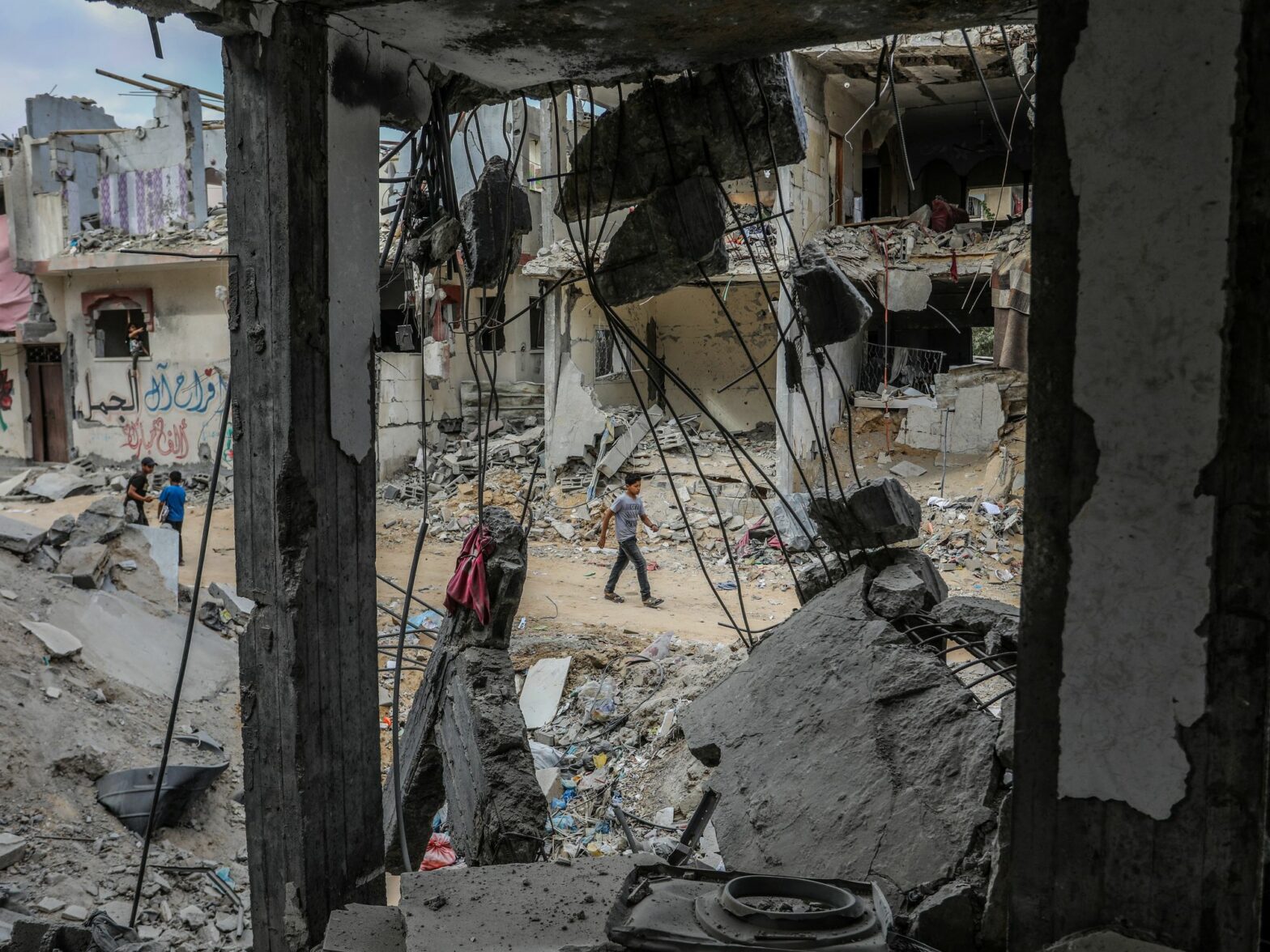
Israeli Prime Minister Benjamin Netanyahu and Hamas leaders both have deeply cynical reasons to prolong hostilities. Meanwhile, it’s in the self-interest of both the U.S. and Arab regimes to try all avenues to broker a ceasefire to ease the suffering of those caught in the crossfire.
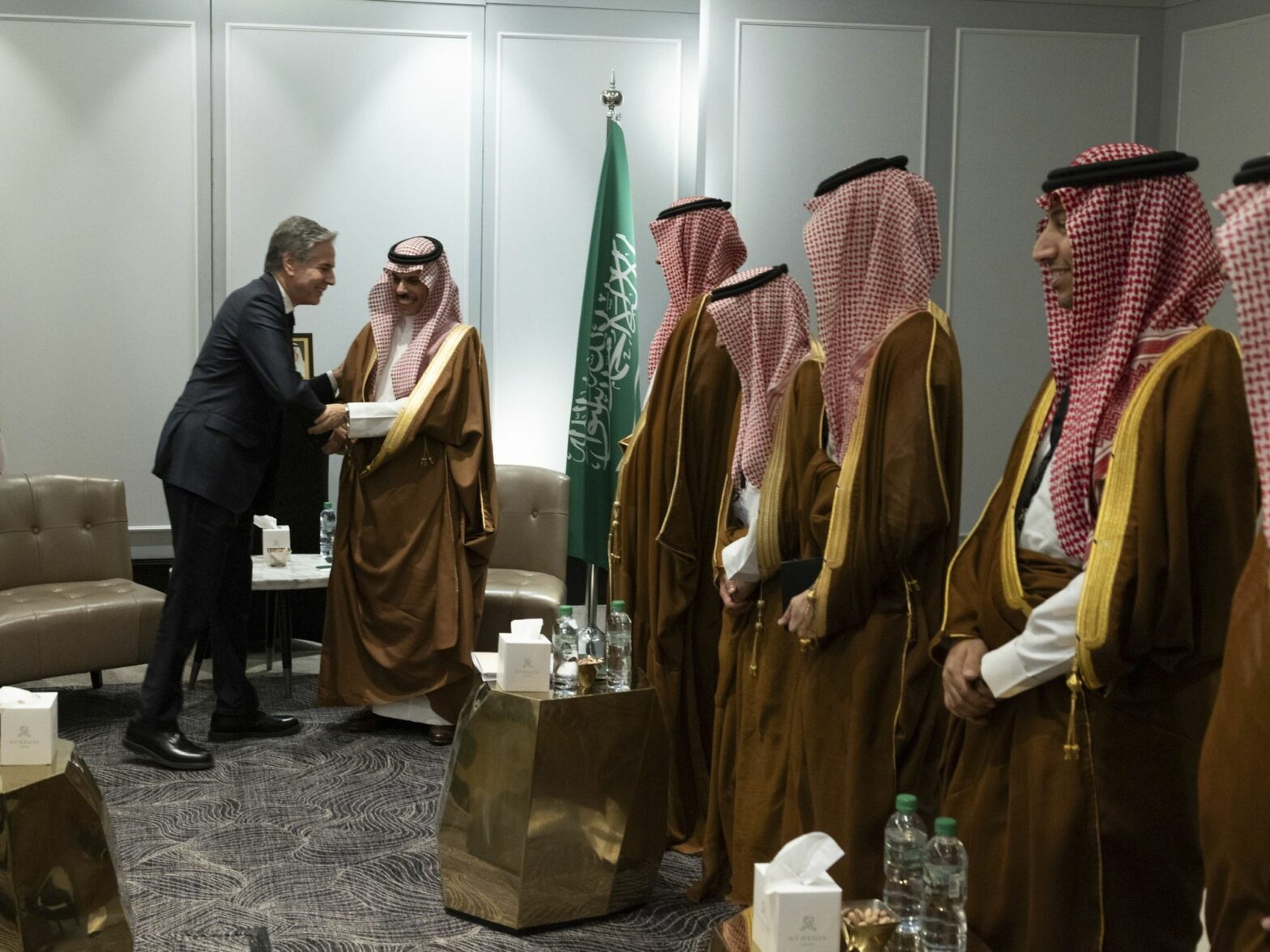
Washington has vetoed Palestine’s full membership to the United Nations and is using talk of the “two-state solution” to distract from Israel’s war crimes in Gaza. Pushed by the U.S. to normalize ties with Israel, what will Arab states do?
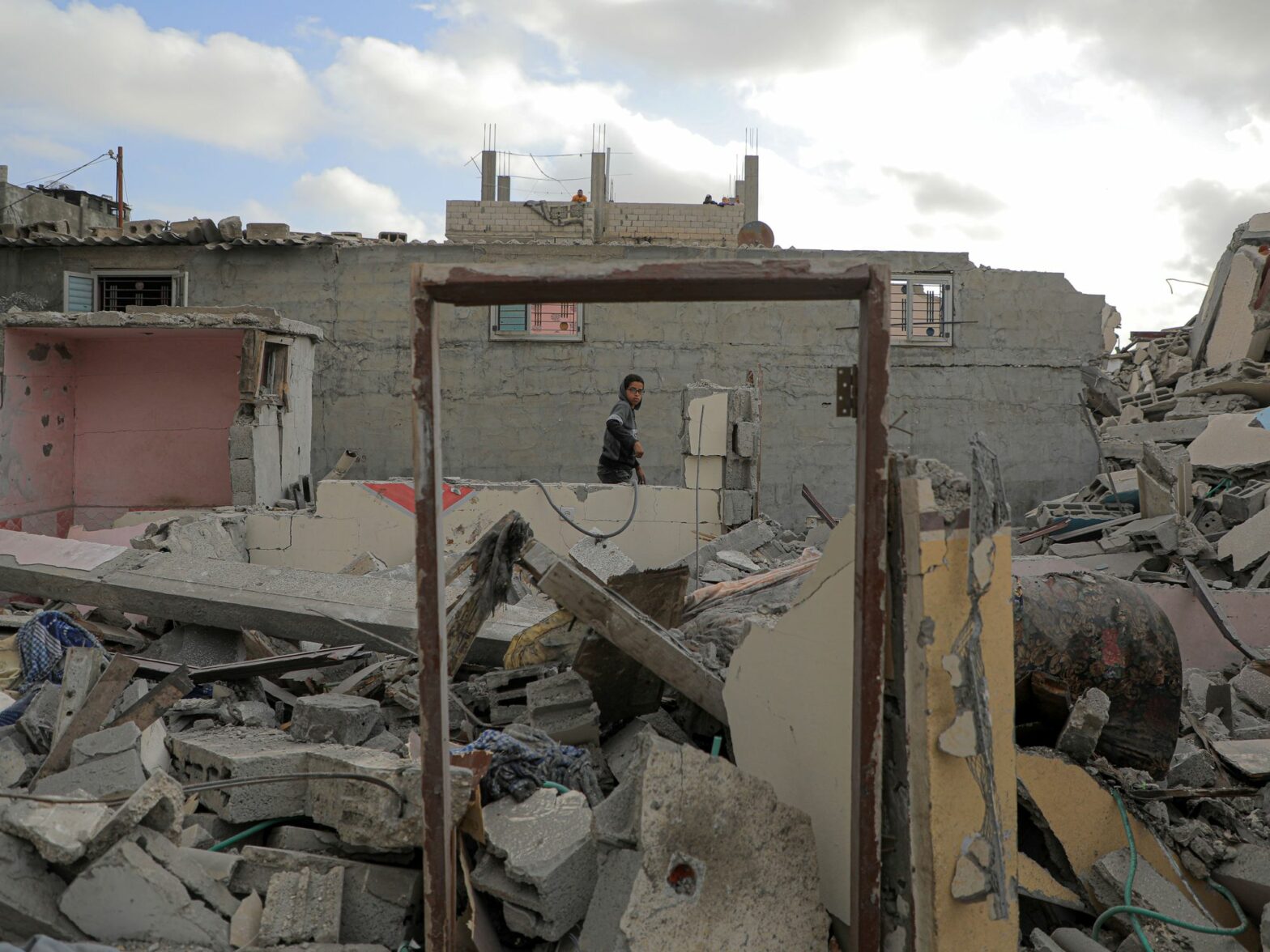
Despite talk of a smaller impact, Israel is prolonging its war on Gaza with more bombing campaigns that regularly kill civilians. The daily slaughter continues as the international community and Middle East have been focused on the growing tensions between Israel and Iran.

Will former U.S. President Donald Trump maintain his “dealmaker” approach towards Egypt in case he finds his way back to the White House?
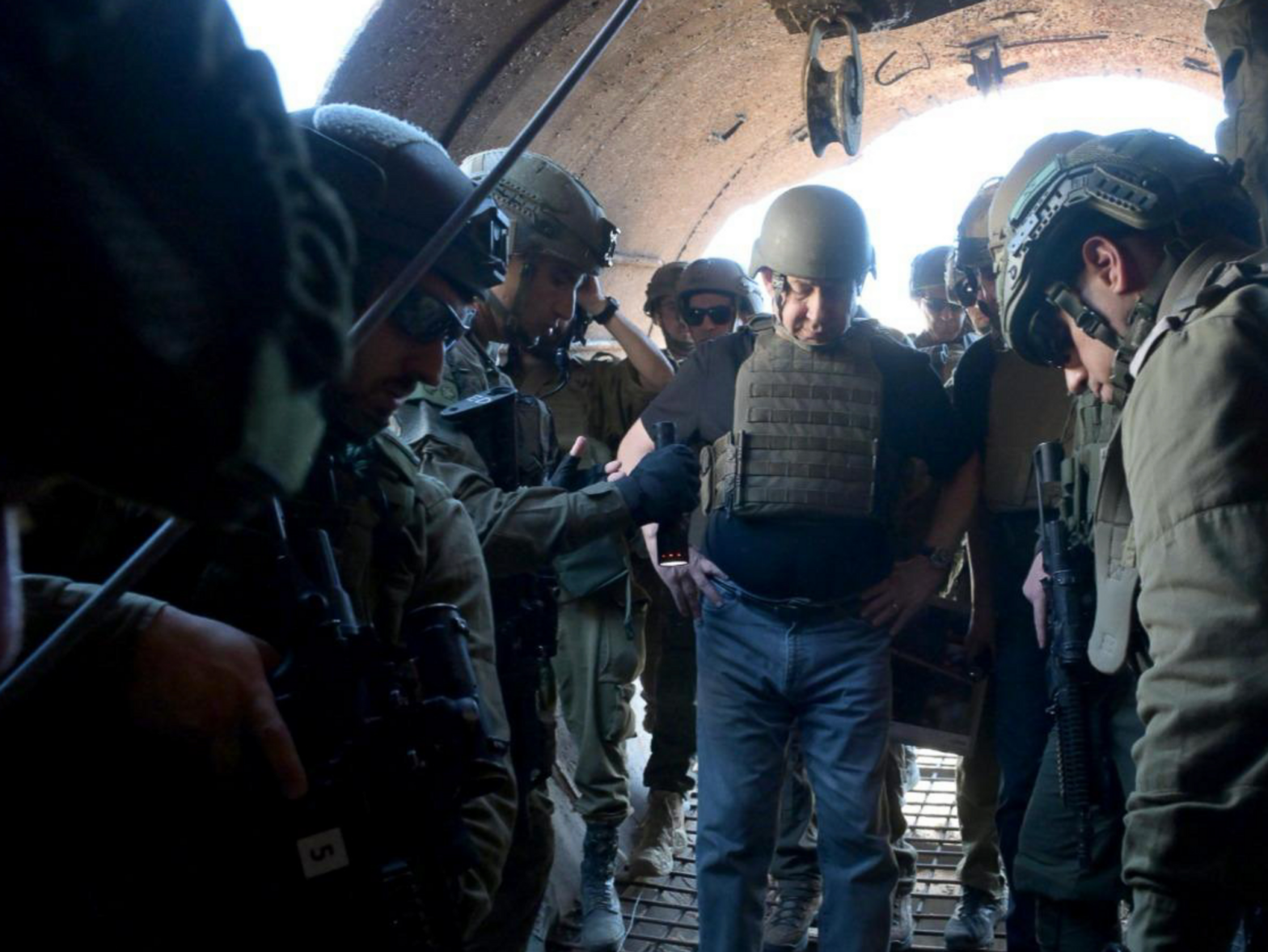
By helping to intercept Iran’s counter attack against Israel, the U.S. and Western allies, along with Jordan, have deprived Benjamin Netanyahu of a pretext to expand the war and to divert attention from his actions in Gaza.
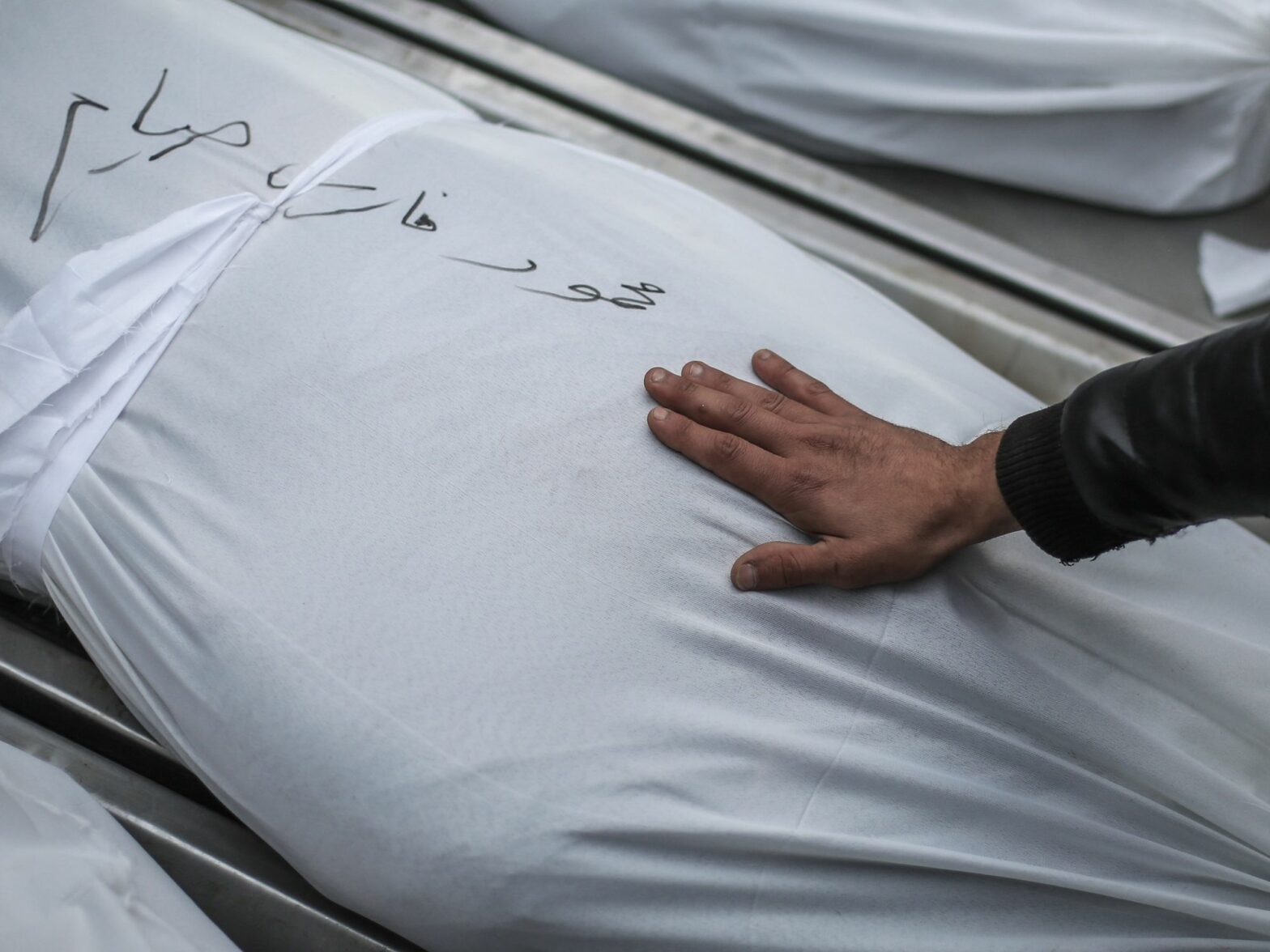
The brother of Palestinian journalist Mohamed Abu Shahma chose to return home to Khan Younis despite Israel’s offensive on the city. He paid the ultimate price.
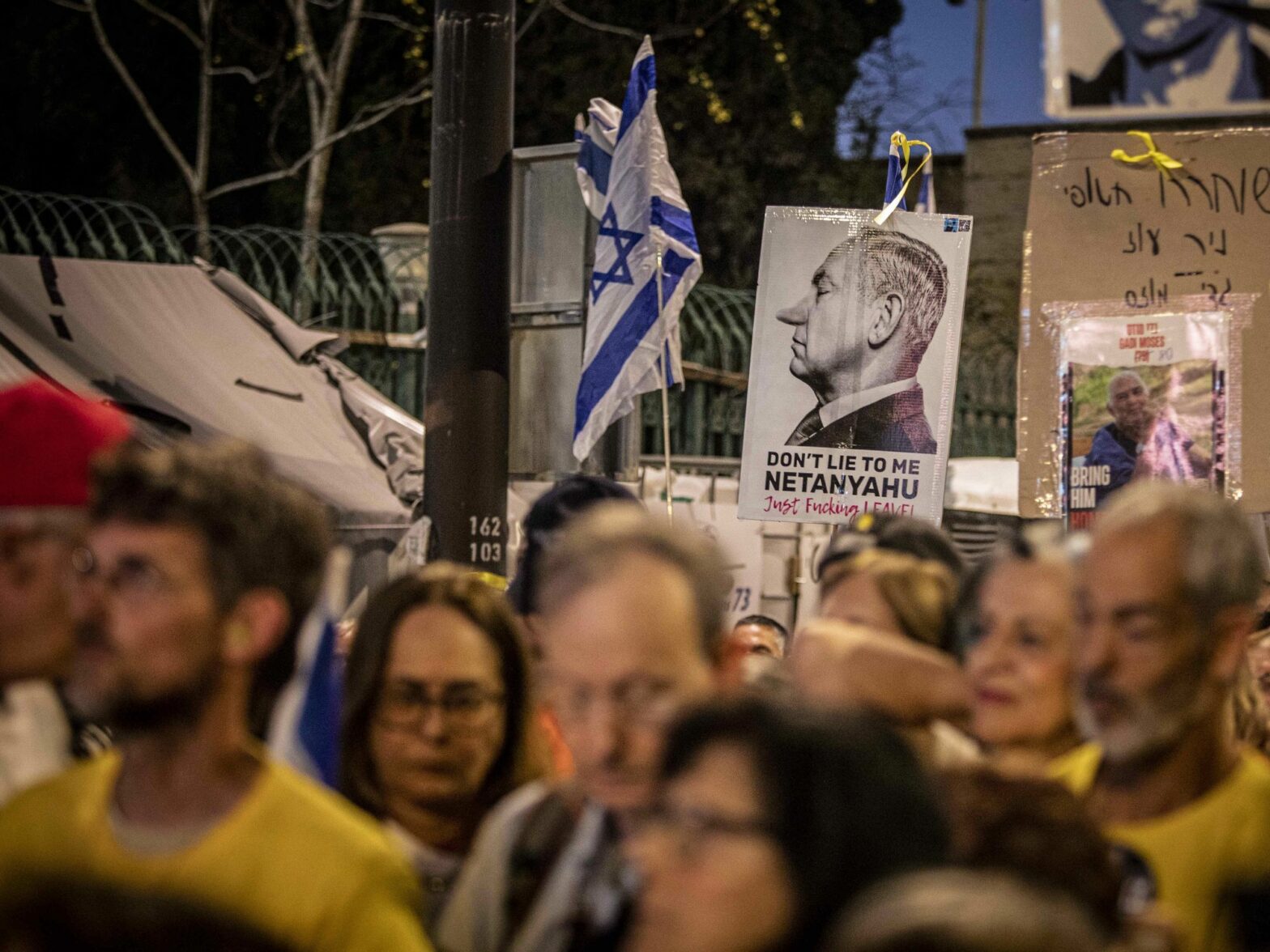
After Israel’s military killed seven aid workers from the World Central Kitchen — including six foreigners —, its closest allies in the West revolted. Some threatened to stop supplying Israel’s war machine. The Arab countries, meanwhile, are still taking the position of “concerned observer” of Israel’s killing of over 33,000 Palestinians, two thirds of them women and children.
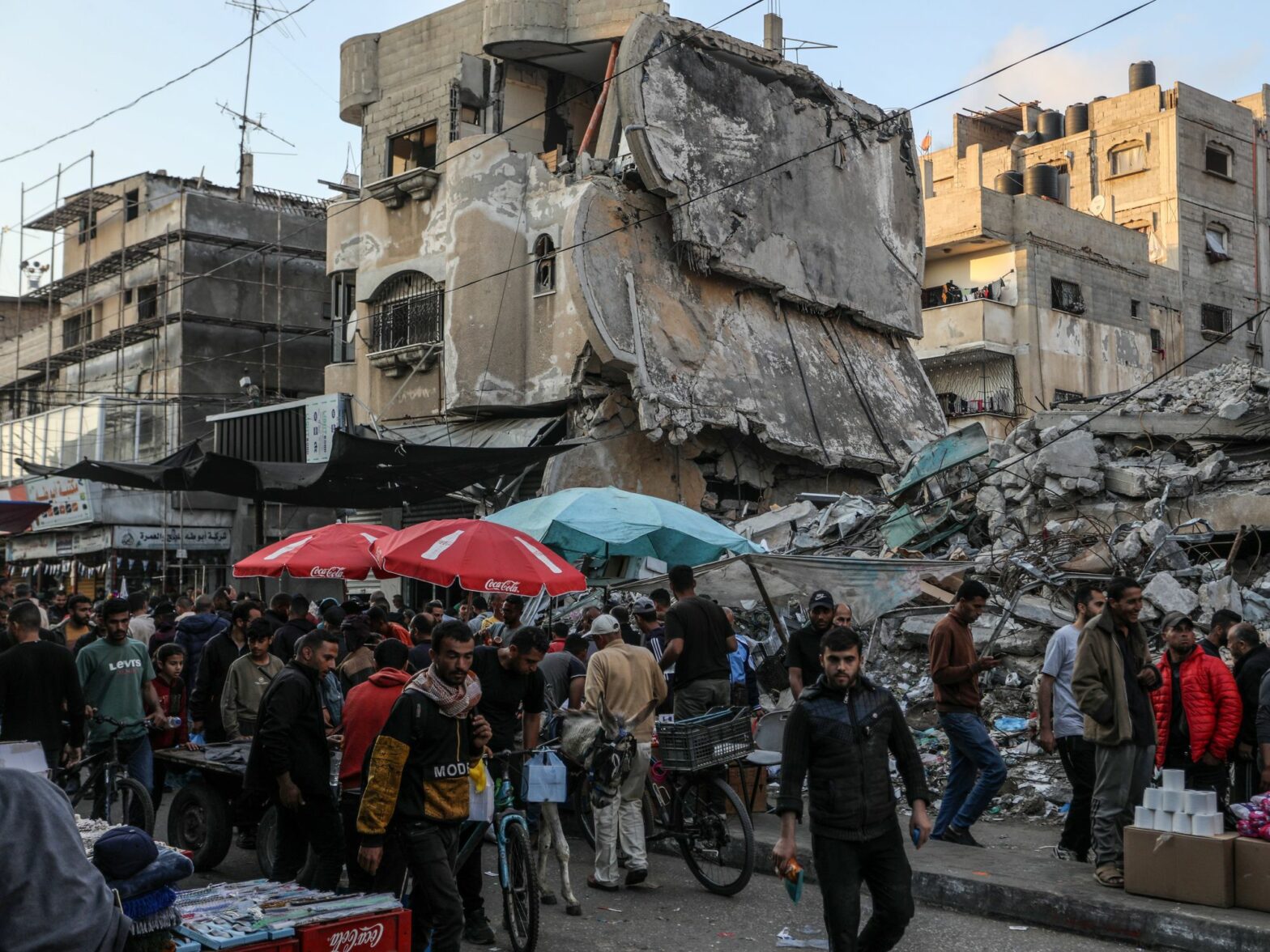
Rafah’s modern tragedy began with the U.S.-brokered Camp David peace treaty between Egypt and Israel. The misery brought on then peaked in 2014 with the forced displacement of the Egyptian city’s residents, and is now suffering more than ever as Israel vows to invade Rafah as part of its war on Gaza.
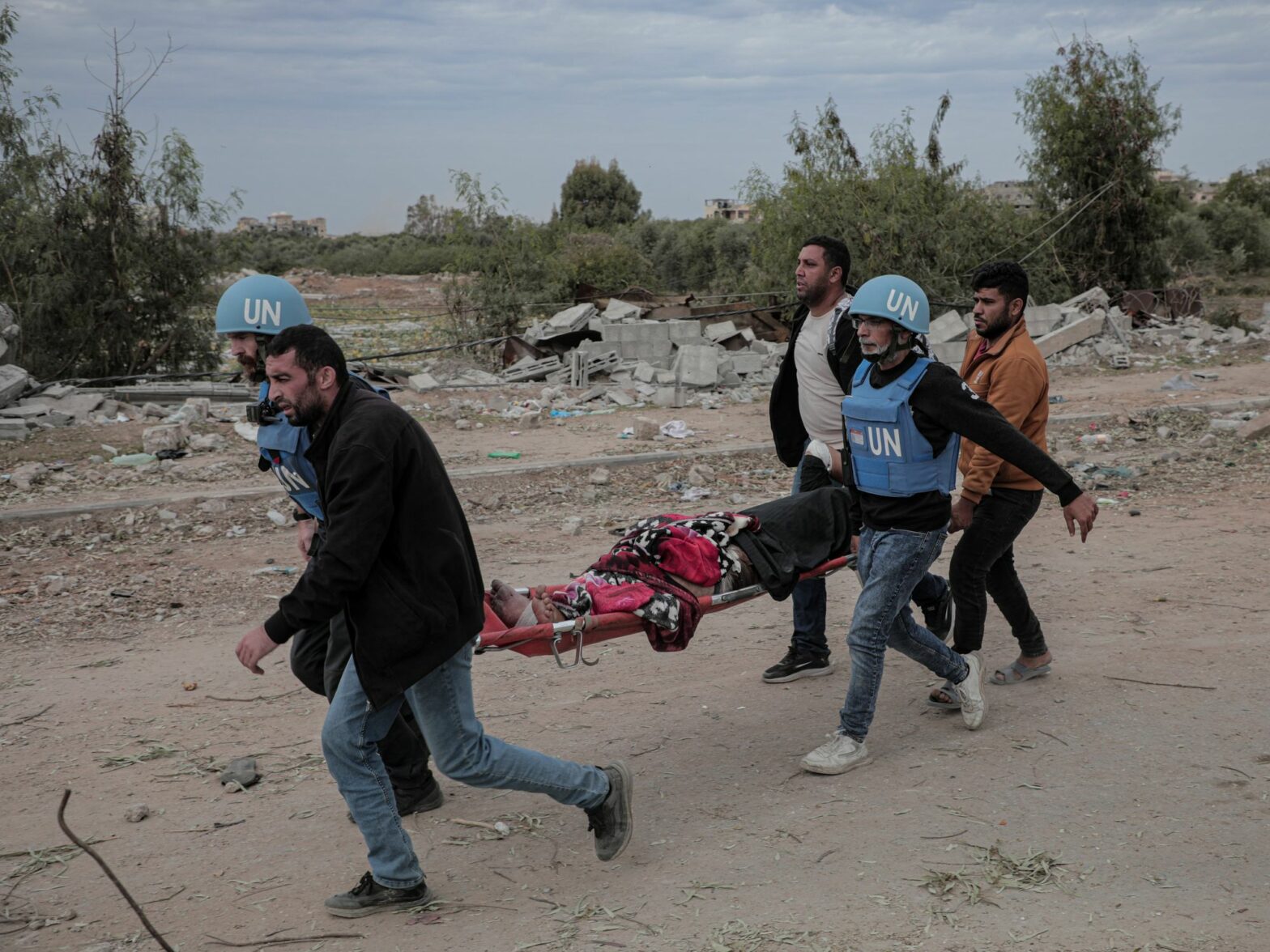
After seven workers with the NGO World Central Kitchen were killed by an Israeli drone, we must ask what drives humans to give themselves to others, and risk everything. It should put any lingering cynicism to rest.
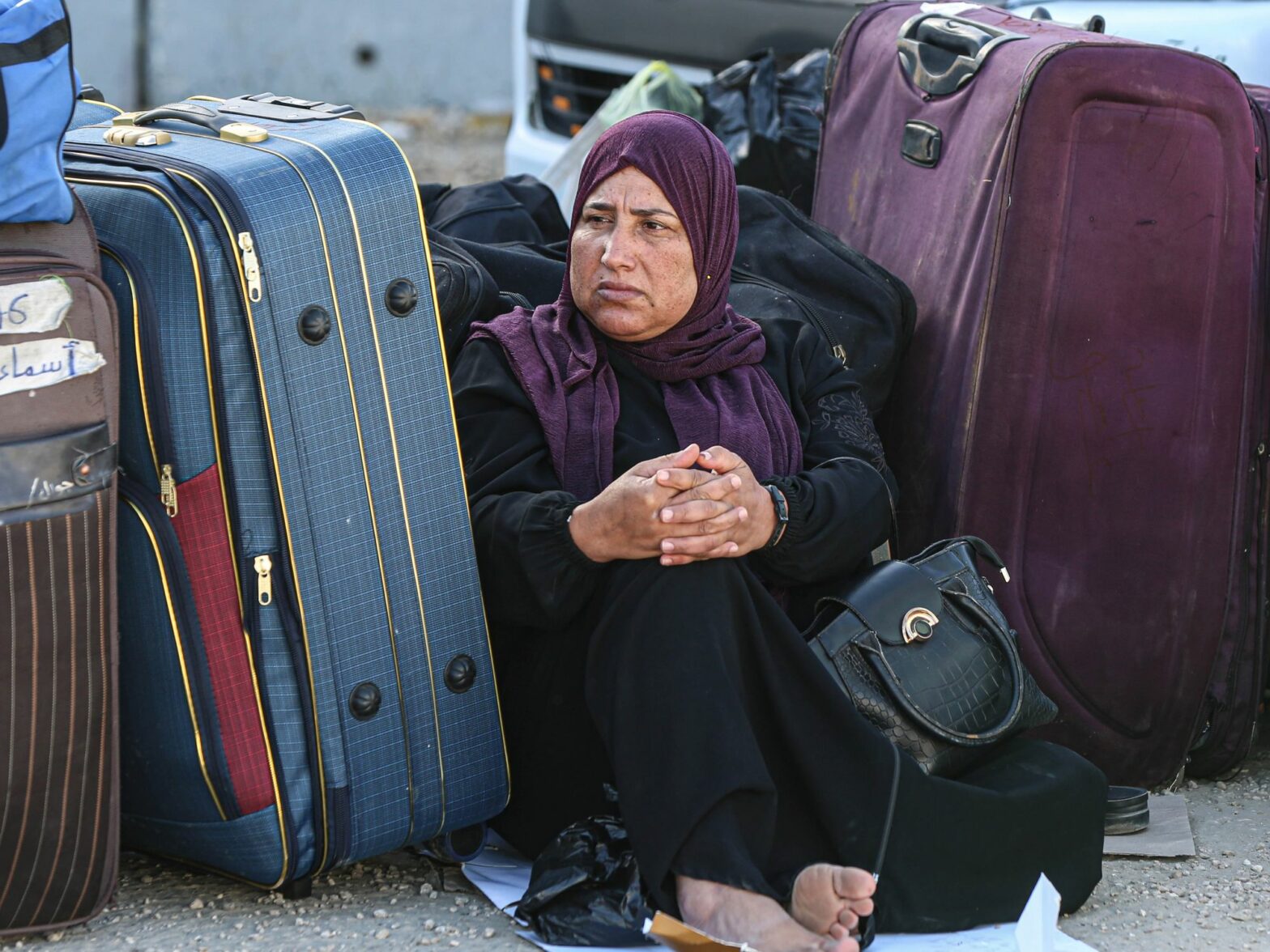
In late March, the Palestinian embassy in Cairo organized a crossing for Palestinians back into Gaza. Al Manassa talks with some of the Palestinians preparing to leave the safety of Egypt about their motivations for returning to the war-torn homeland.
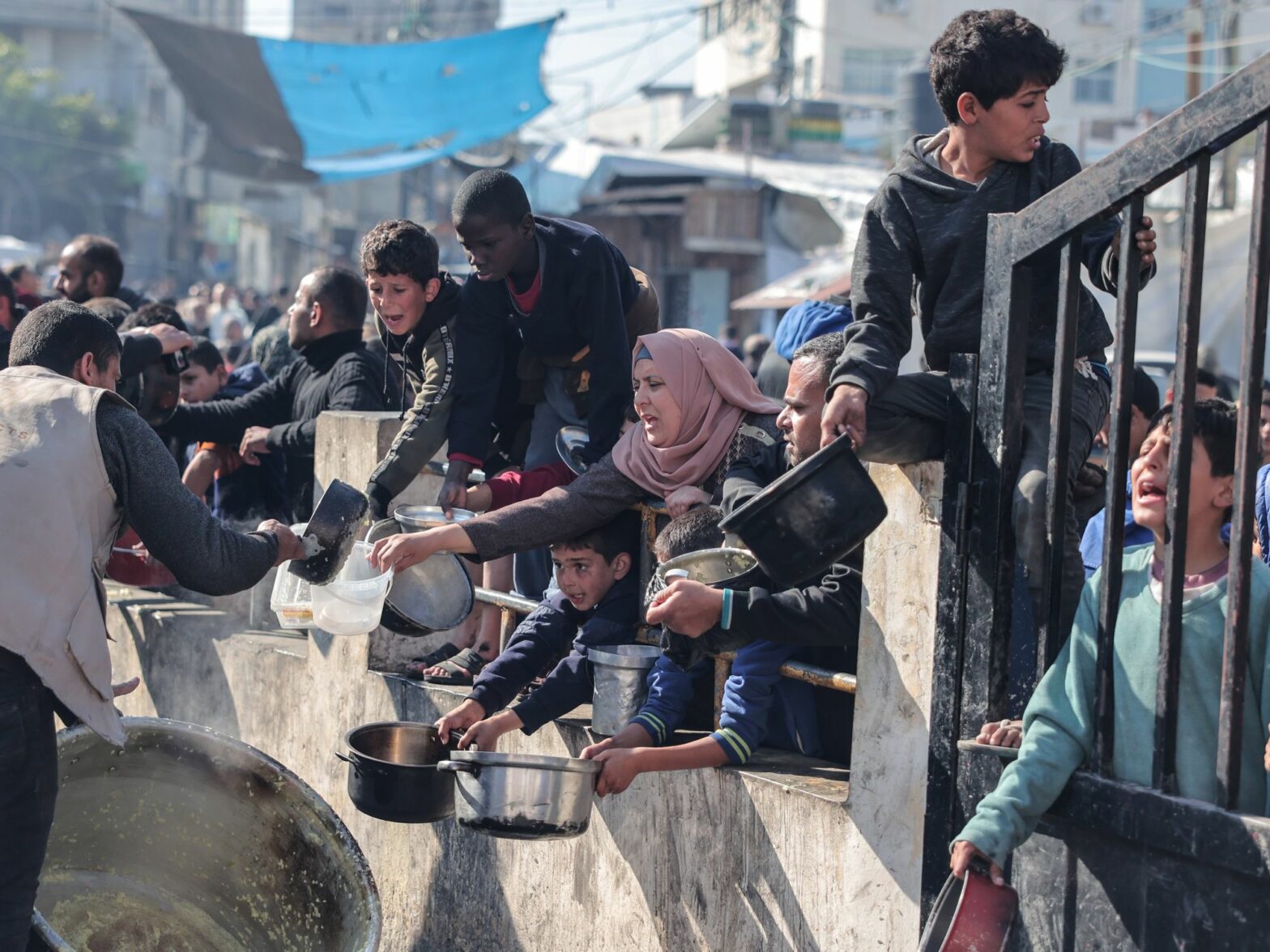
Displaced people in Gaza accuse aid groups’ representatives of “extortion and theft” in demanding money in exchange for aid packages that are meant to be free donations from governments or NGOs.
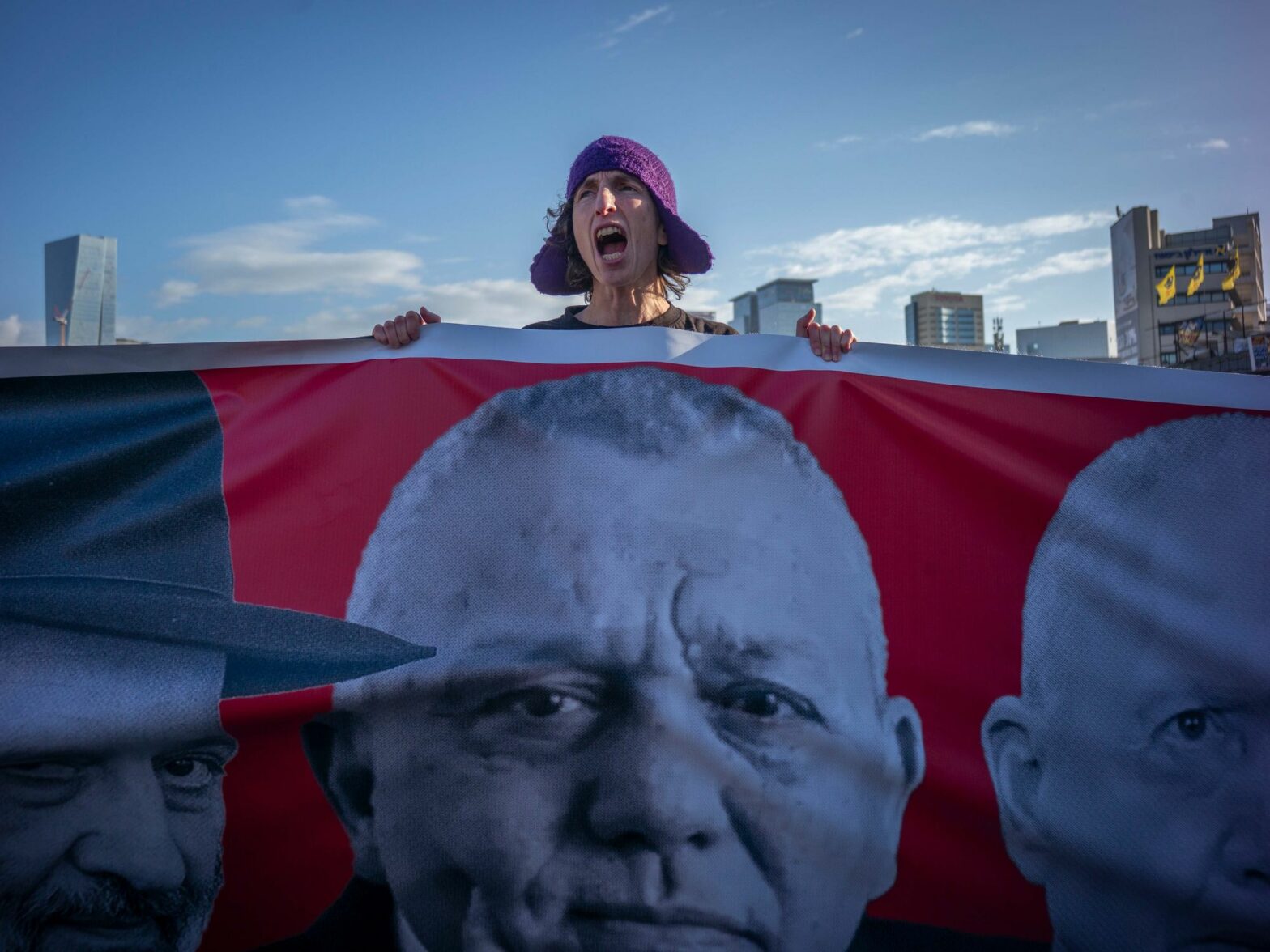
Another deal that would see Israeli hostages released has fallen through. Six months into the war in Gaza — and six months without their loved ones — where do the family members of the Oct. 7 hostages stand on the war and the negotiations?
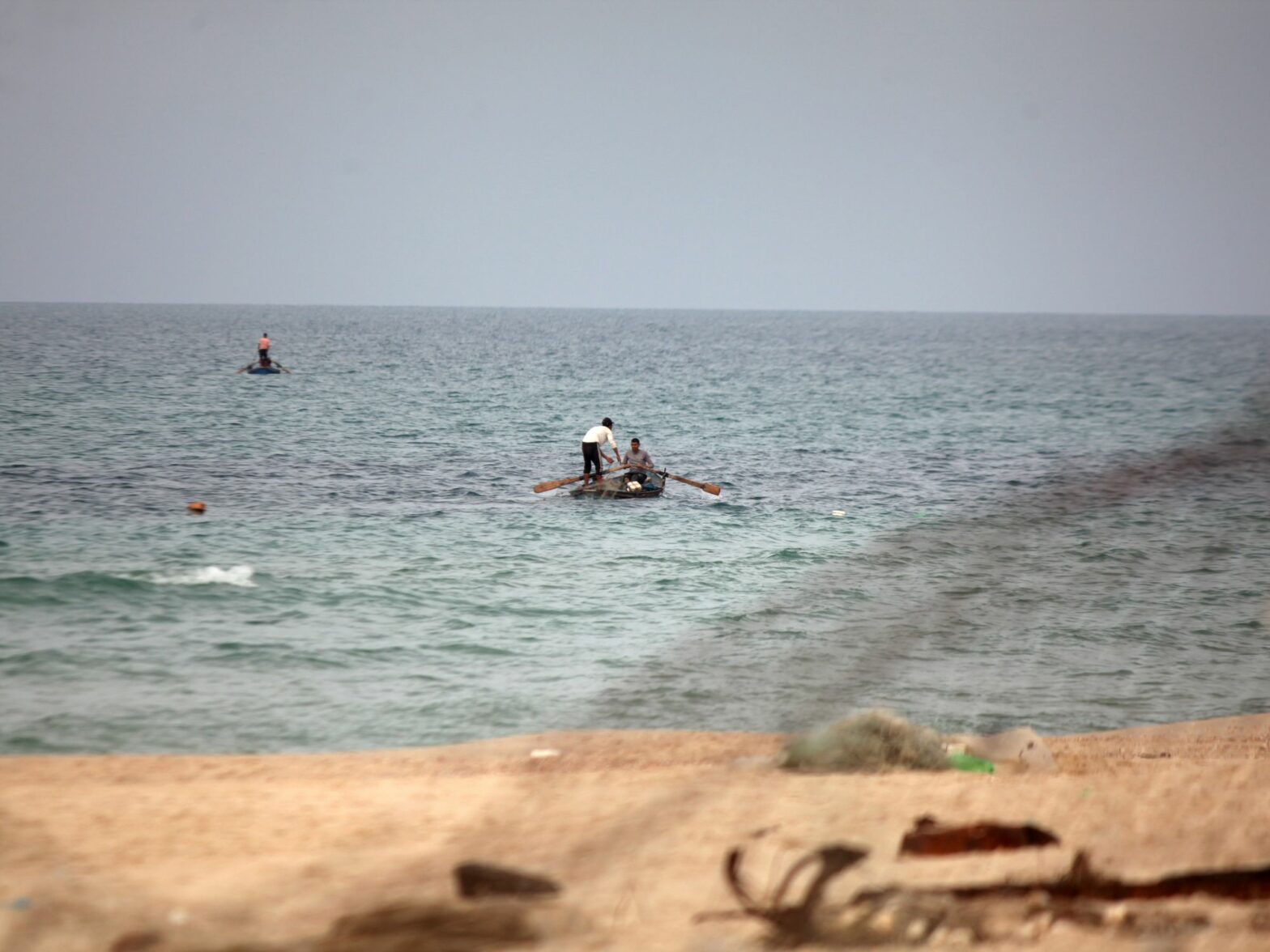
Fishermen in war-torn Gaza are risking their lives by entering the Mediterranean despite relentless Israeli naval bombing. They say they have no option to feed their children amid a looming famine in the strip.
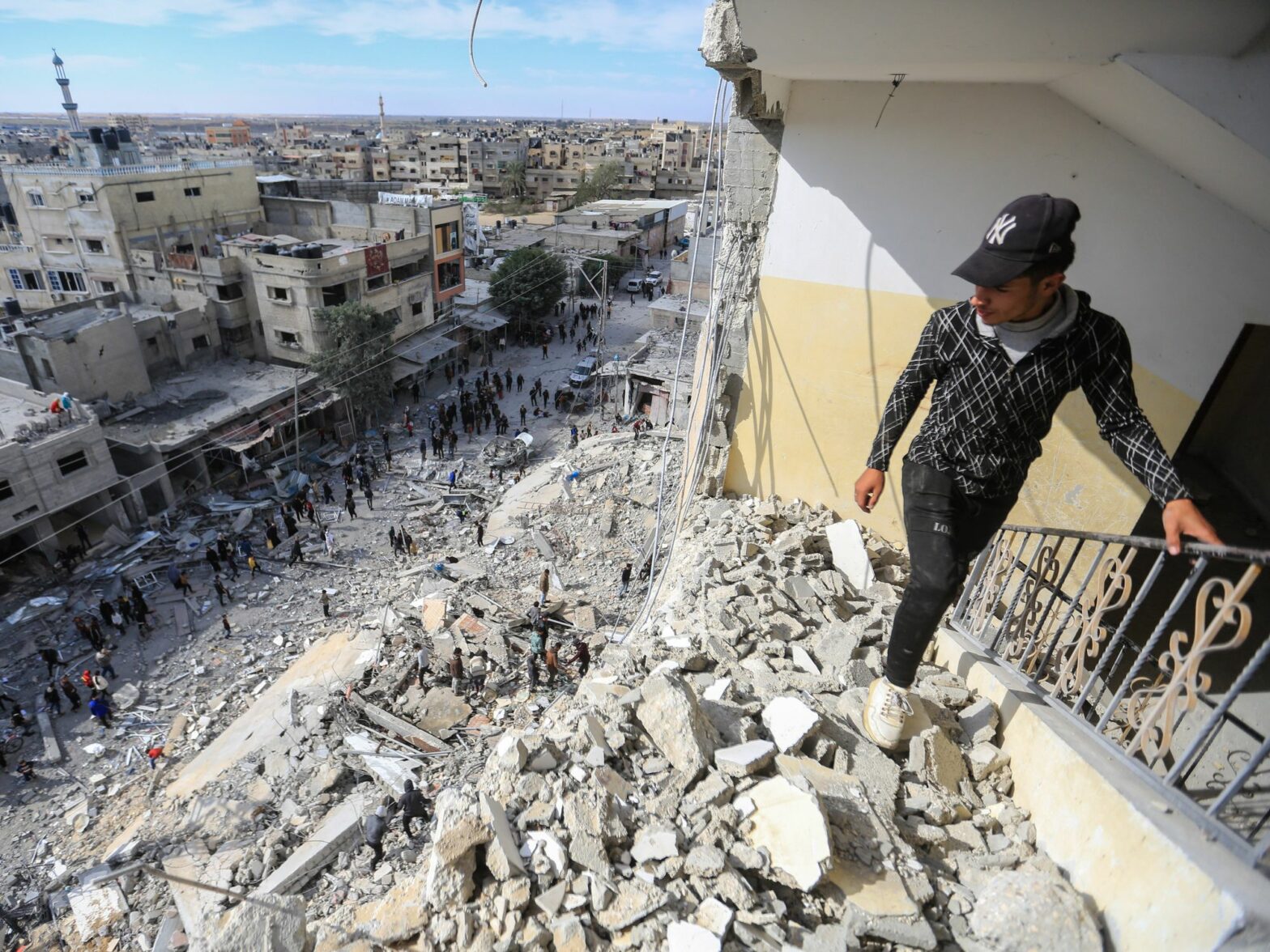
By abstaining from a UN resolution demanding an immediate ceasefire in Gaza, Washington has not only angered Benjamin Netanyahu — it has potentially altered the dynamics of the whole Israel-Hamas war.
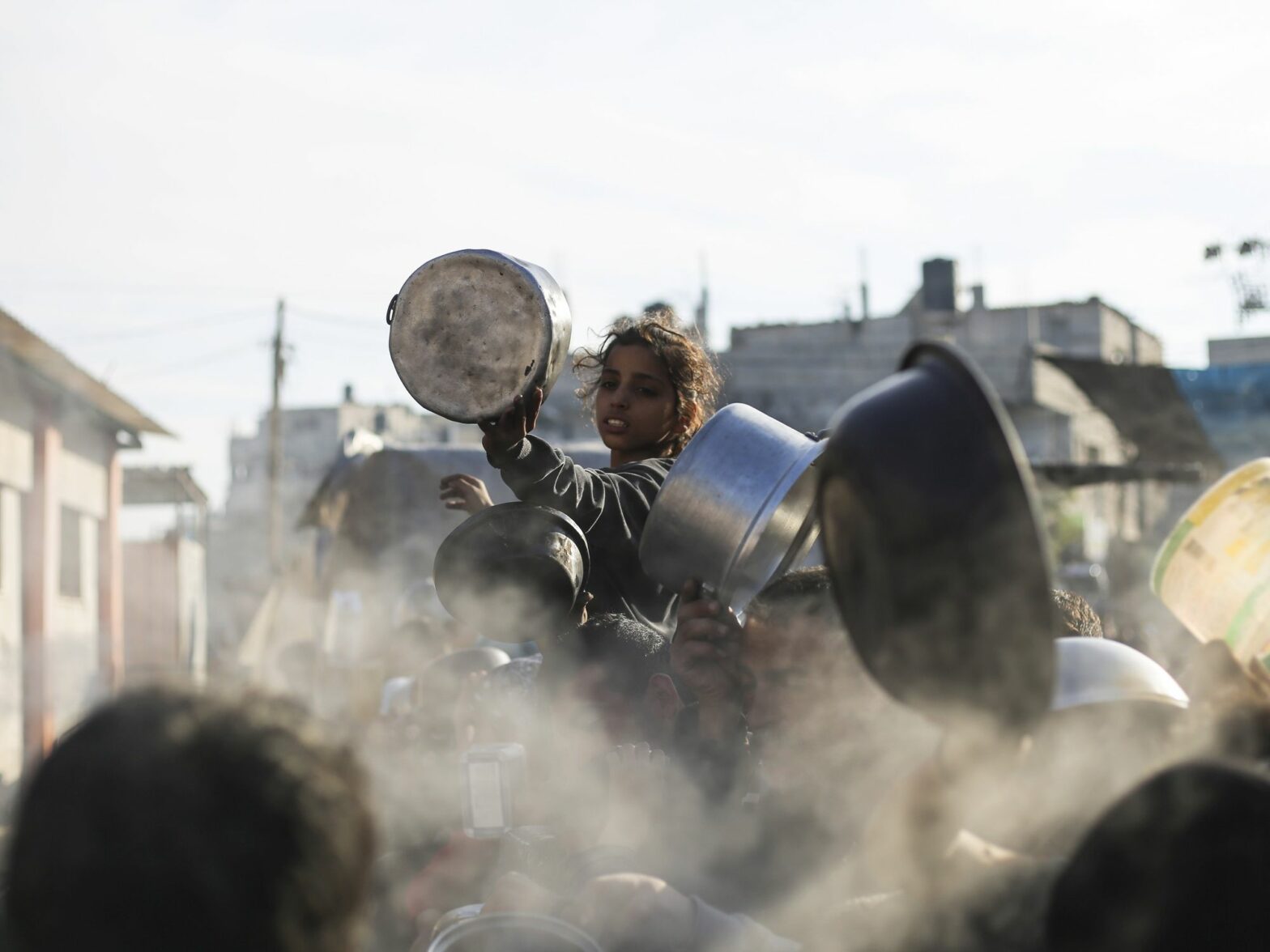
With Israel blocking aid from entering Gaza, some are either resorting to force to get aid to feed their children or turning to a new black market where merchants and war profiteers exploit people’s needs.

U.S. Secretary of State Antony Blinken meets with Israeli Prime Minister Benjamin Netanyahu, just as Washington has submitted a stunning resolution at the UN pressuring Israel into a ceasefire. But is there a way out?
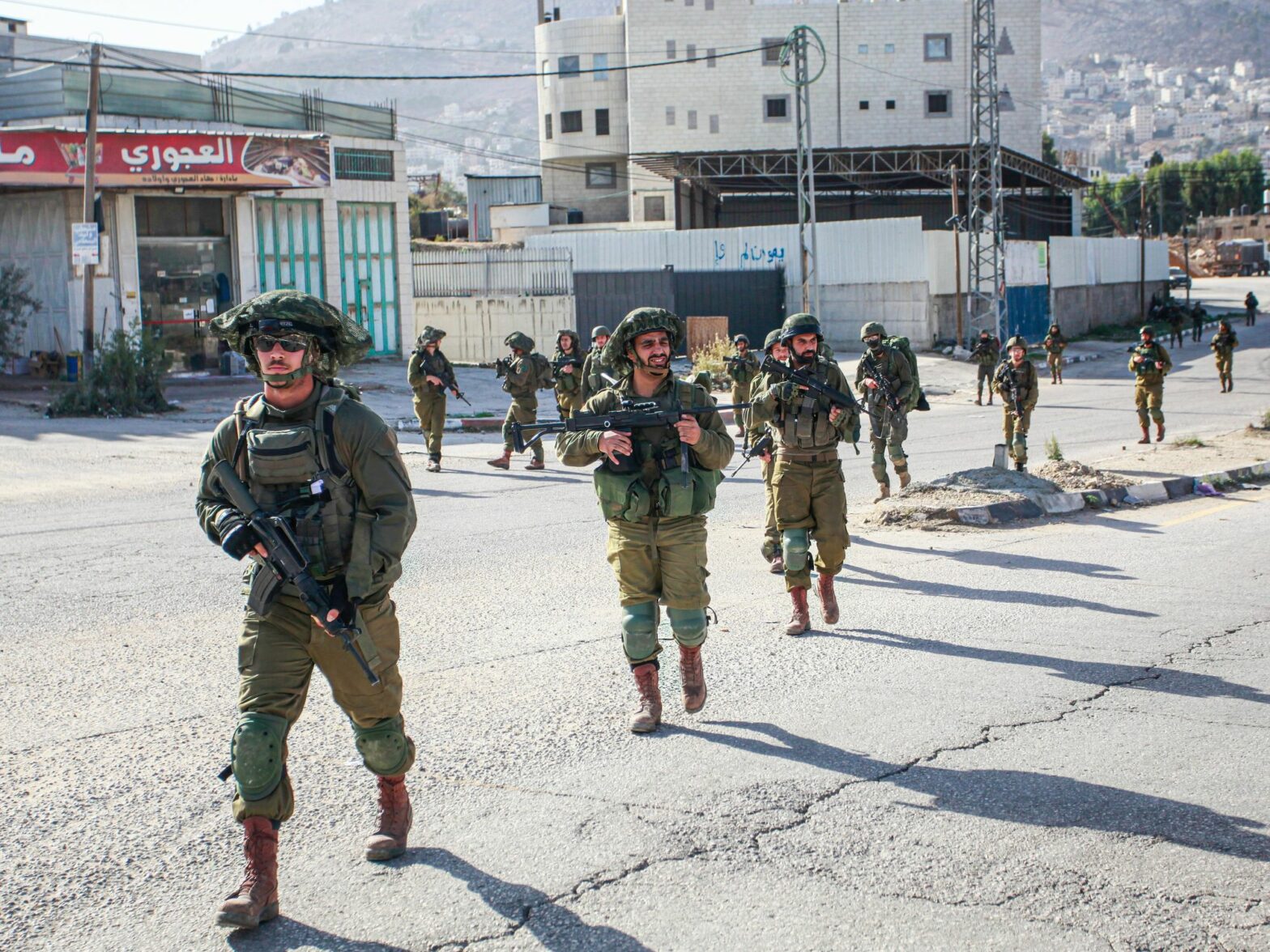
Released detainees detail how Israel’s military used them as human shields in its war against Hamas in Gaza. Soldiers would put civilian Palestinians in front of military targets, endangering their lives, according to accounts from recently-released detainees.
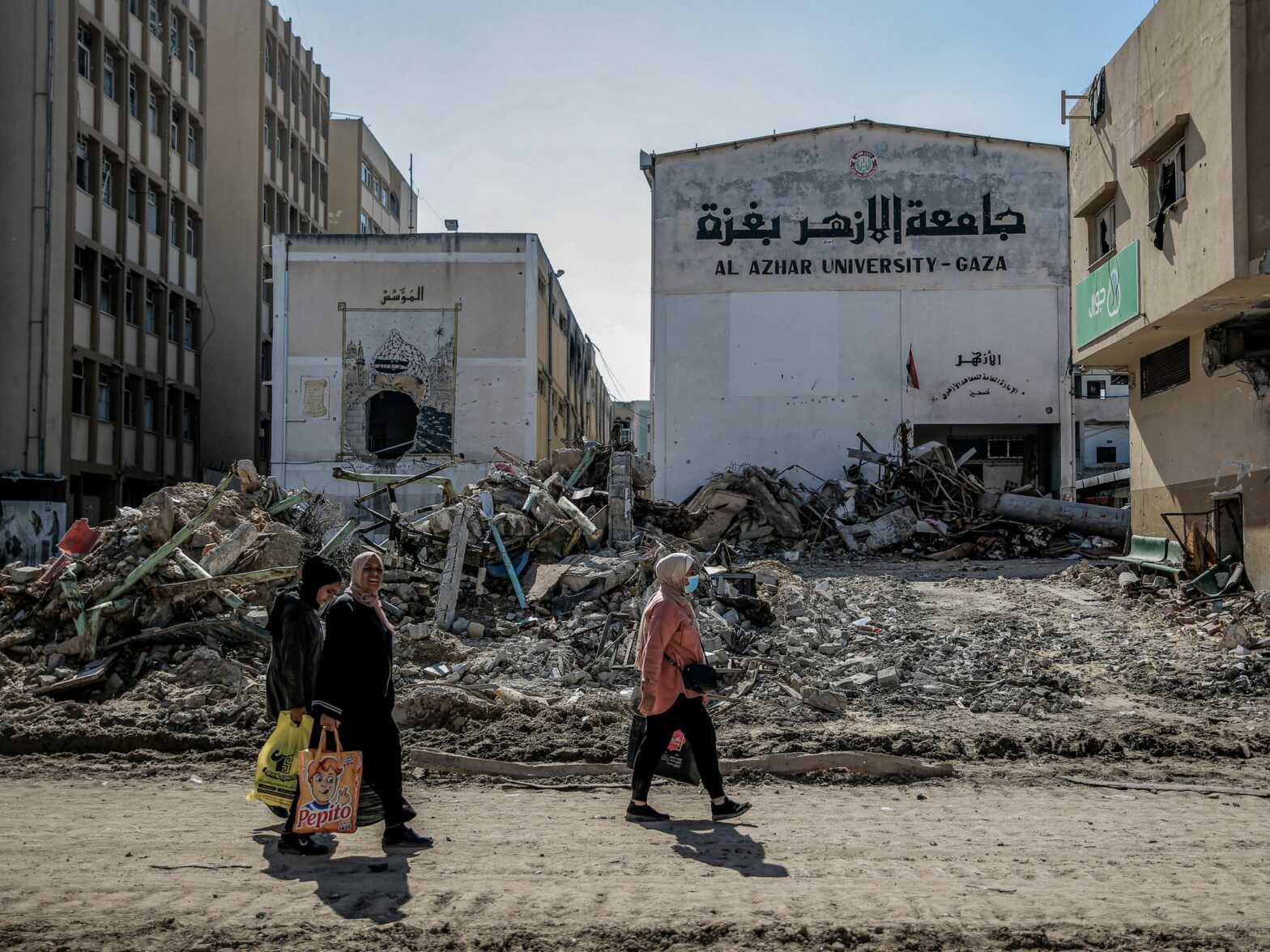
Israel’s war on Gaza could be seen as “a cultural genocide,” which targets Gaza’s history, the Palestinian cause and traces of those who lived in the strip. That will have consequences that would last for centuries.
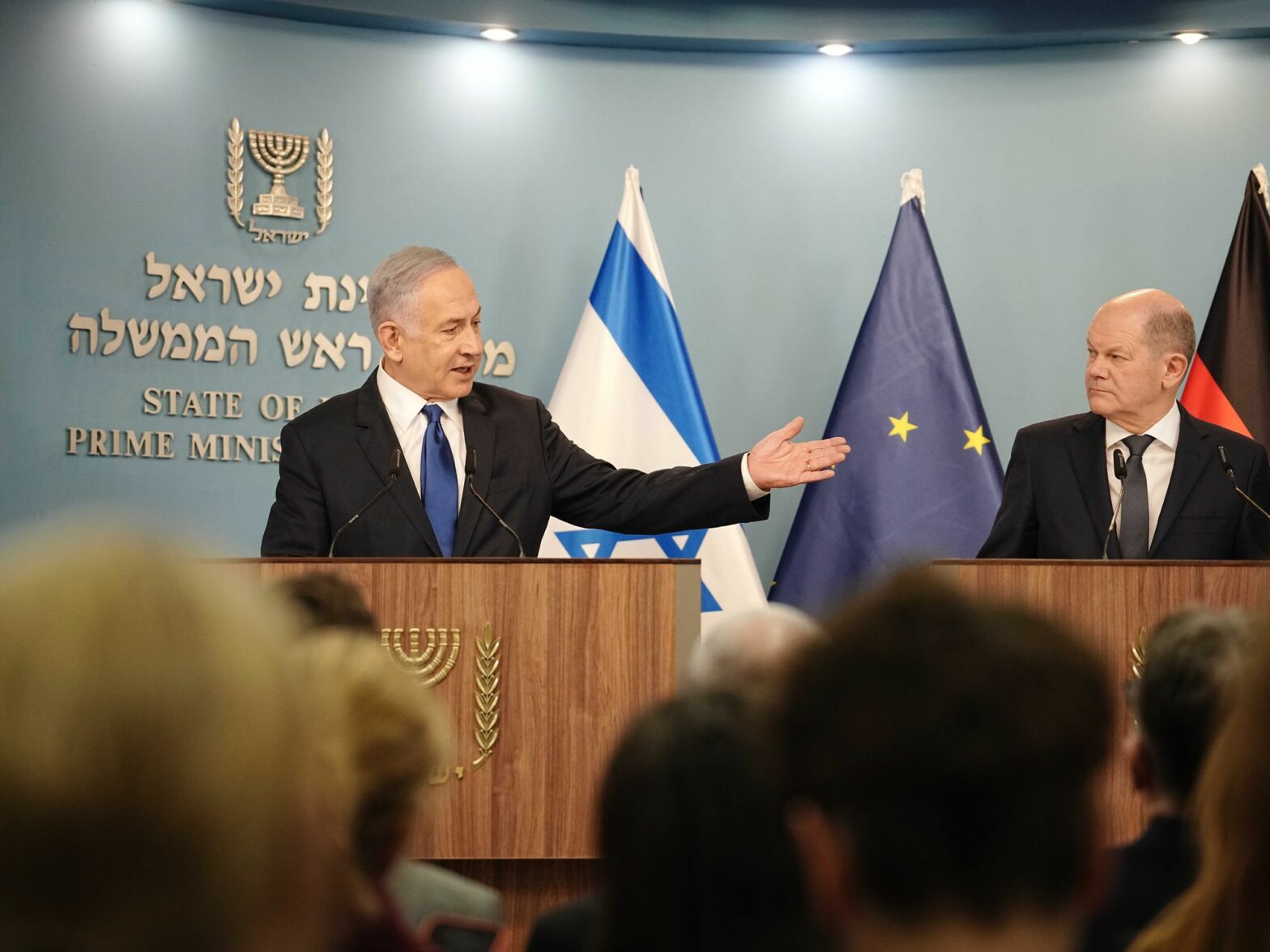
As Western leaders criticize Netanyahu and his war in Gaza, the Israeli Prime Minister apparently remains fully confident in forging ahead with a hardline that leaves a brutal human toll.
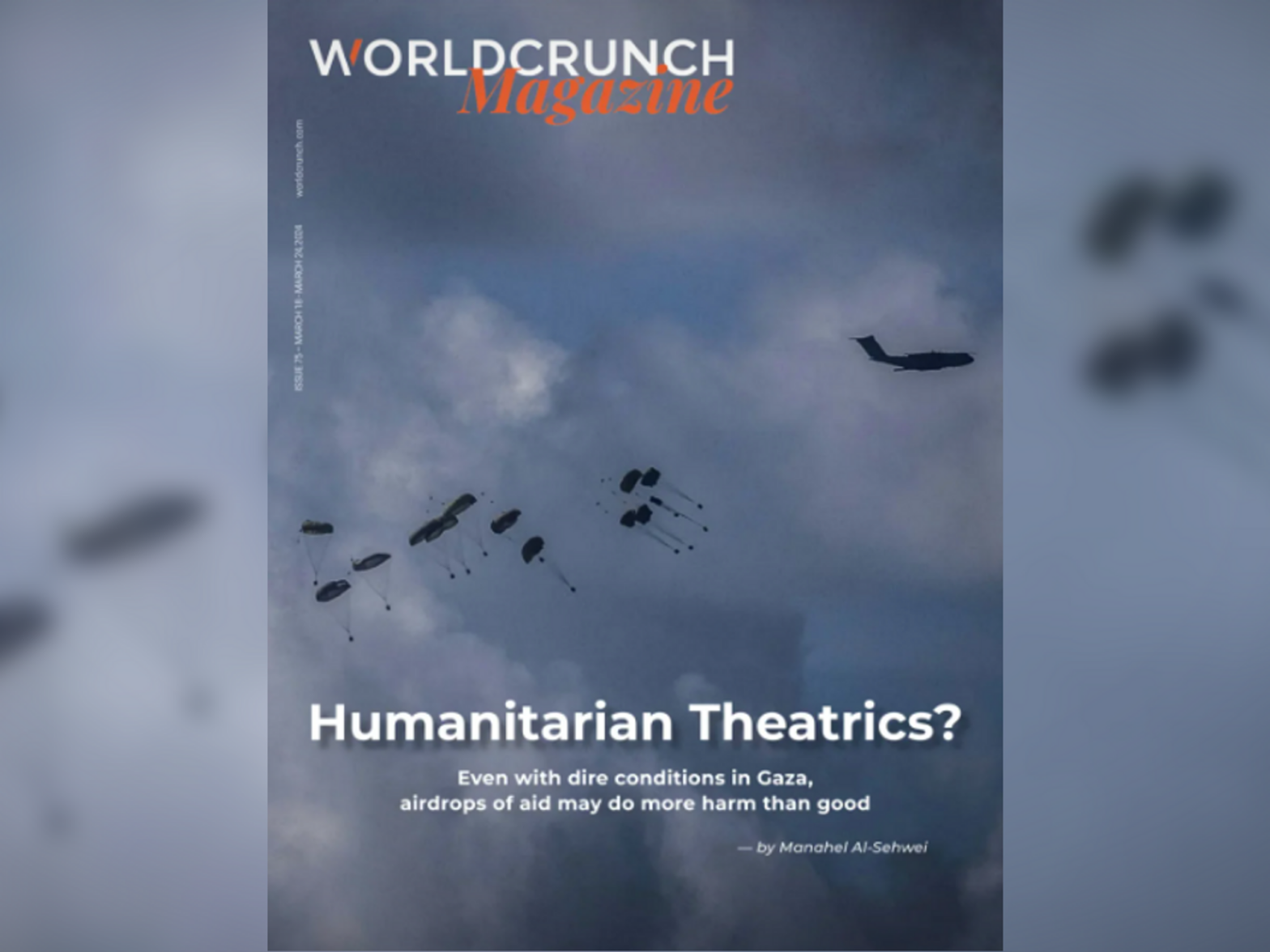
March 18 – March 24, 2024
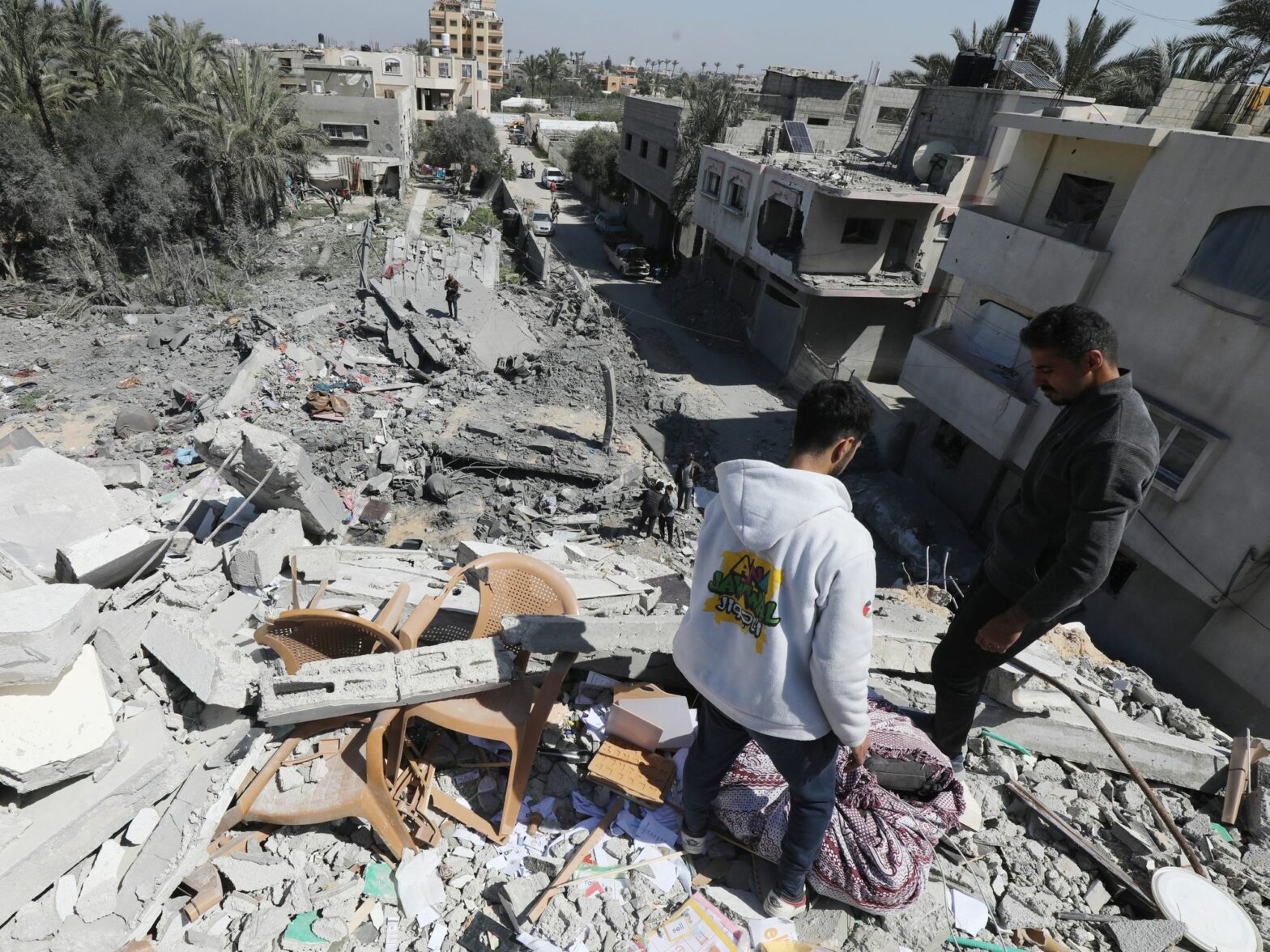
Famine creeps into Gaza, one could expect a certain pragmatism would push influential countries in the region to intervene. Yet each of these countries has its own political agenda.
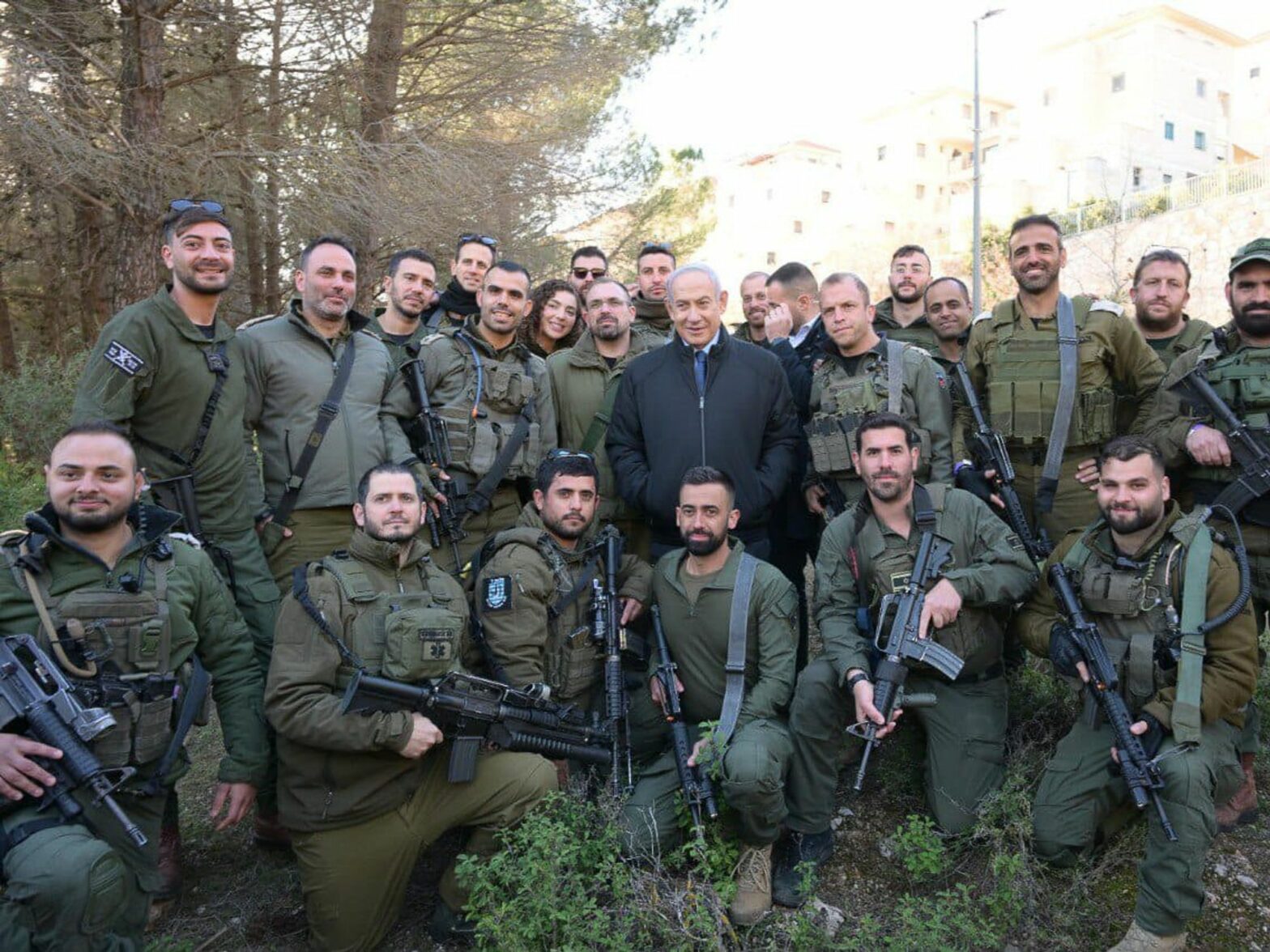
The Israeli prime minister appears dead set against a ceasefire, with the leak of a new 10-year plan for “occupation from afar” for Gaza. All of this to avoid the fate that awaits him if he leaves office.
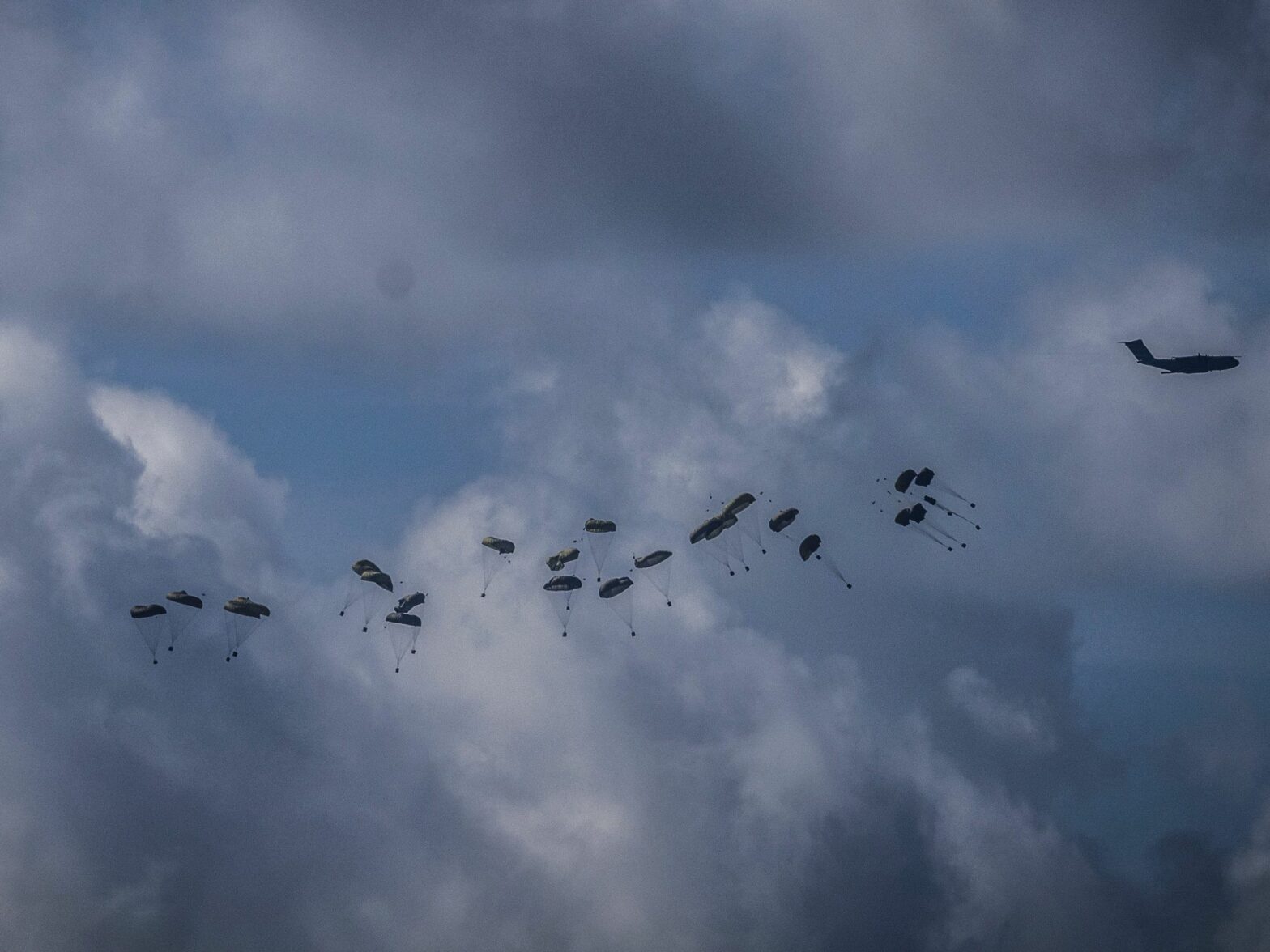
The U.S. has joined several other countries in airdropping aid to the Palestinians in Gaza, but this showy international response is ill conceived and unlikely to avert the looming famine in the coastal enclave.
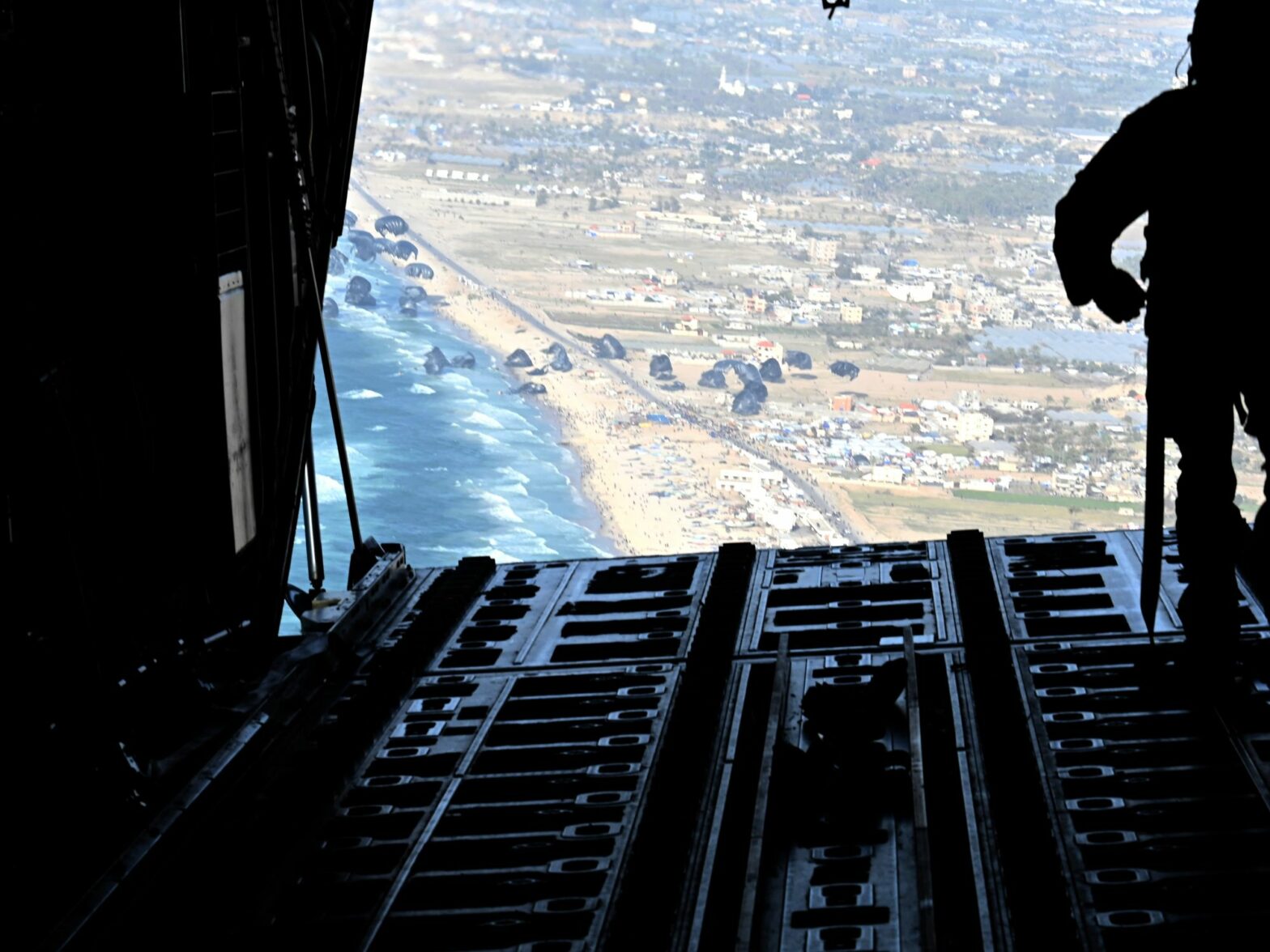
U.S. President Joe Biden said this weekend that “Netanyahu is doing Israel more harm than good”: a phrase that speaks volumes about the lack of trust between the two men, especially still without a ceasefire, and humanitarian aid blocked from entering an increasingly desperate Gaza Strip.
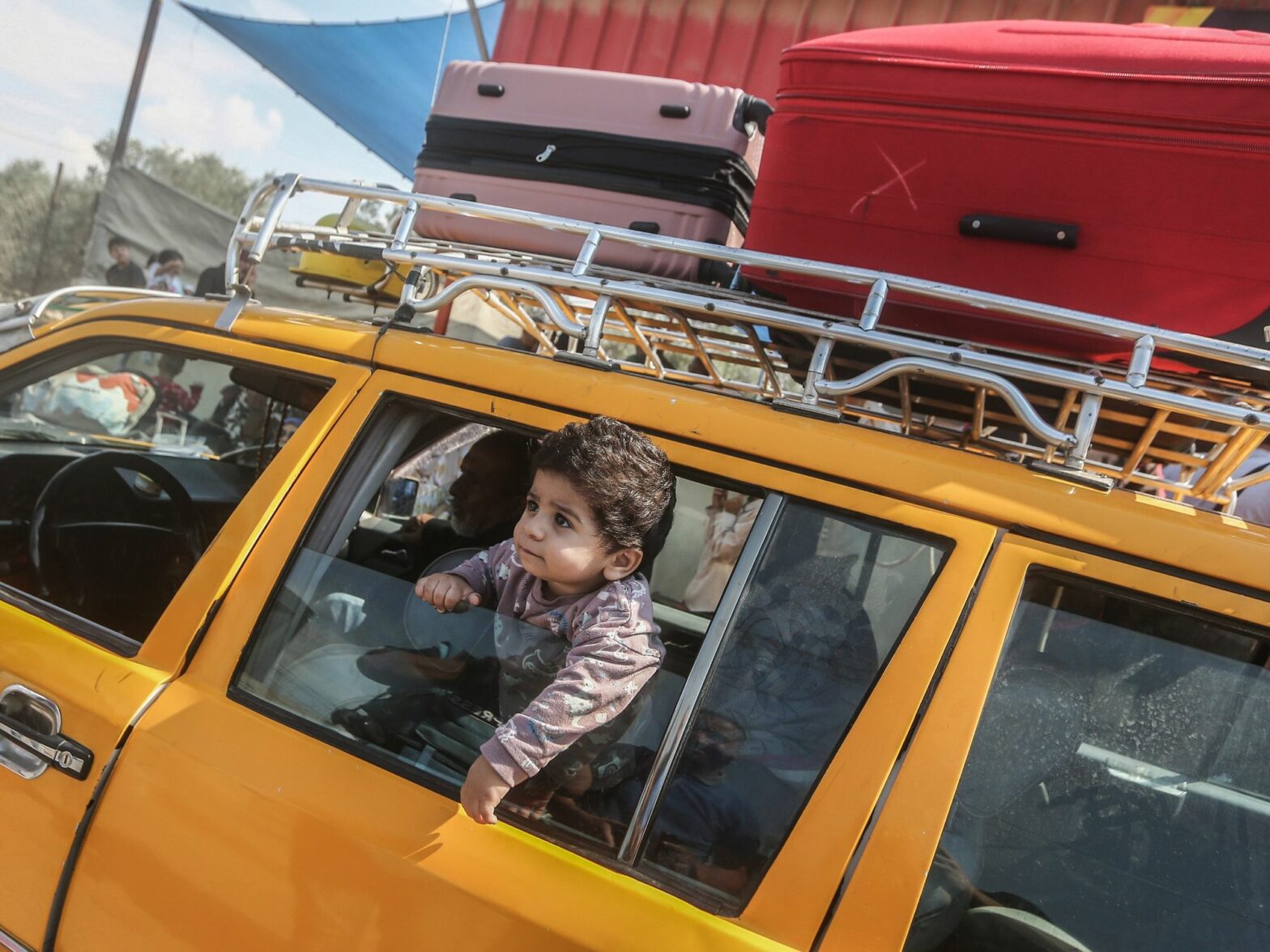
Palestinian writer Sarah Abu Ghazal reflects on the recurring dreams and visions she has had since the Israel-Hamas war began, as well as on the past and present traumas experienced by her family and the people of Gaza.
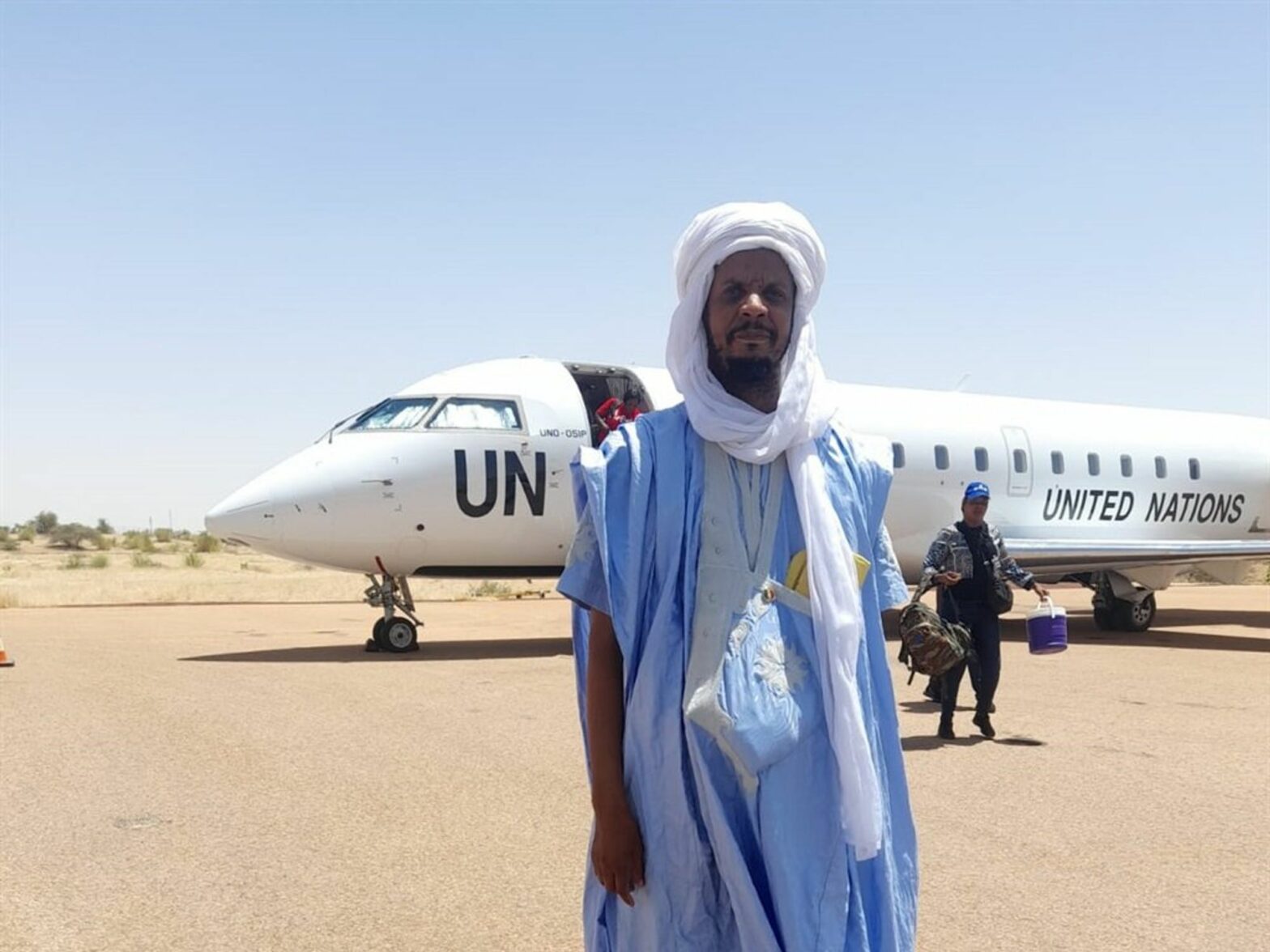
Abductions are one of the main sources of income for terrorists in Africa. Recently a South African paramedic was freed in Mali after being held for more than six years. His release is down to one man who worked tirelessly to secure his freedom.

A 31-year-old Gaza woman shares her firsthand account of being detained by Israeli soldiers for more than a month without any clear reason while fleeing Israel’s bombardment.
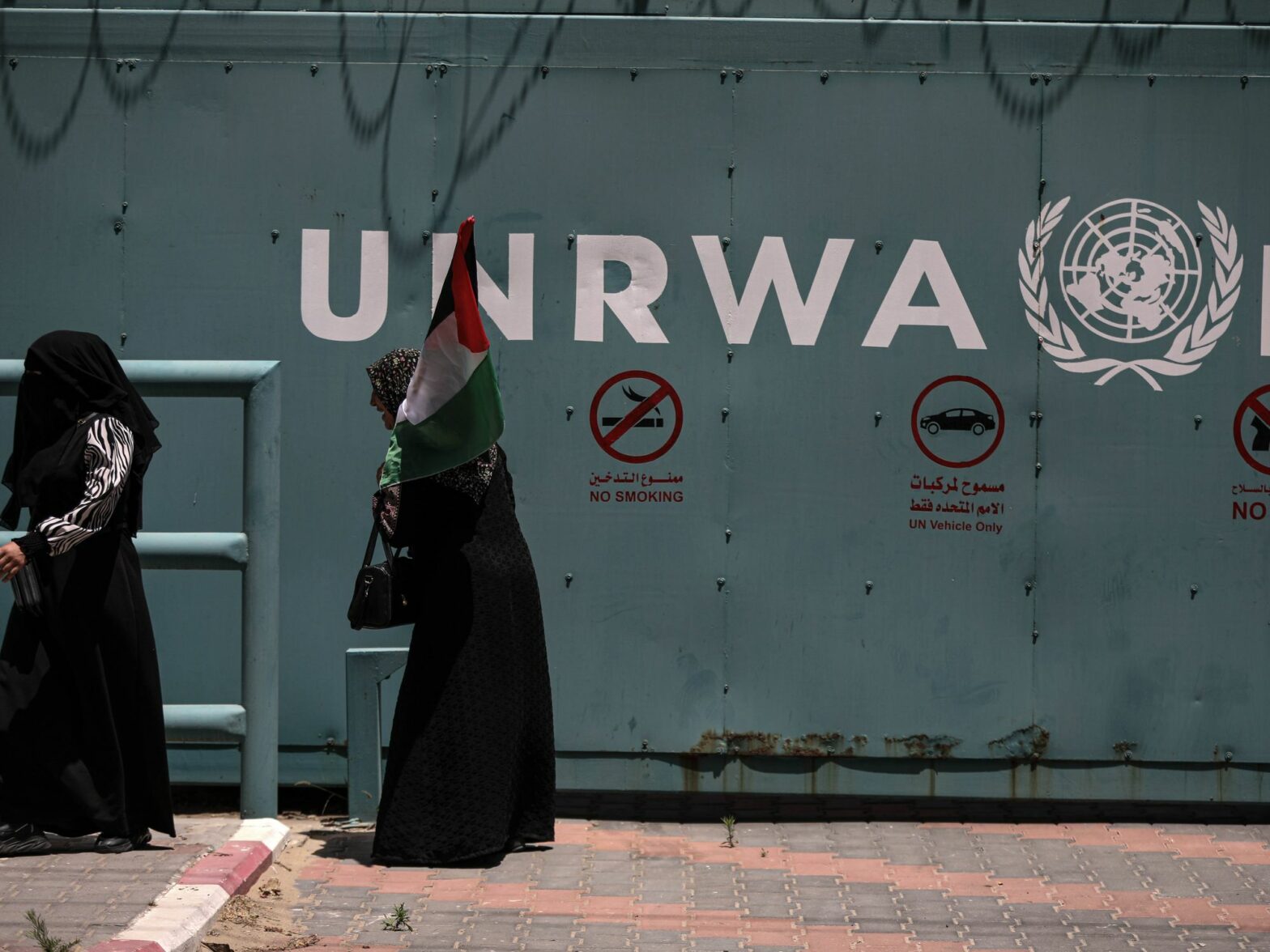
Tensions continue to rise between the UN and Israel, despite the publication of a UN report confirming Hamas’s accusations of sexual violence on October 7. It’s a long history of mistrust which has resurfaced in the current crisis.
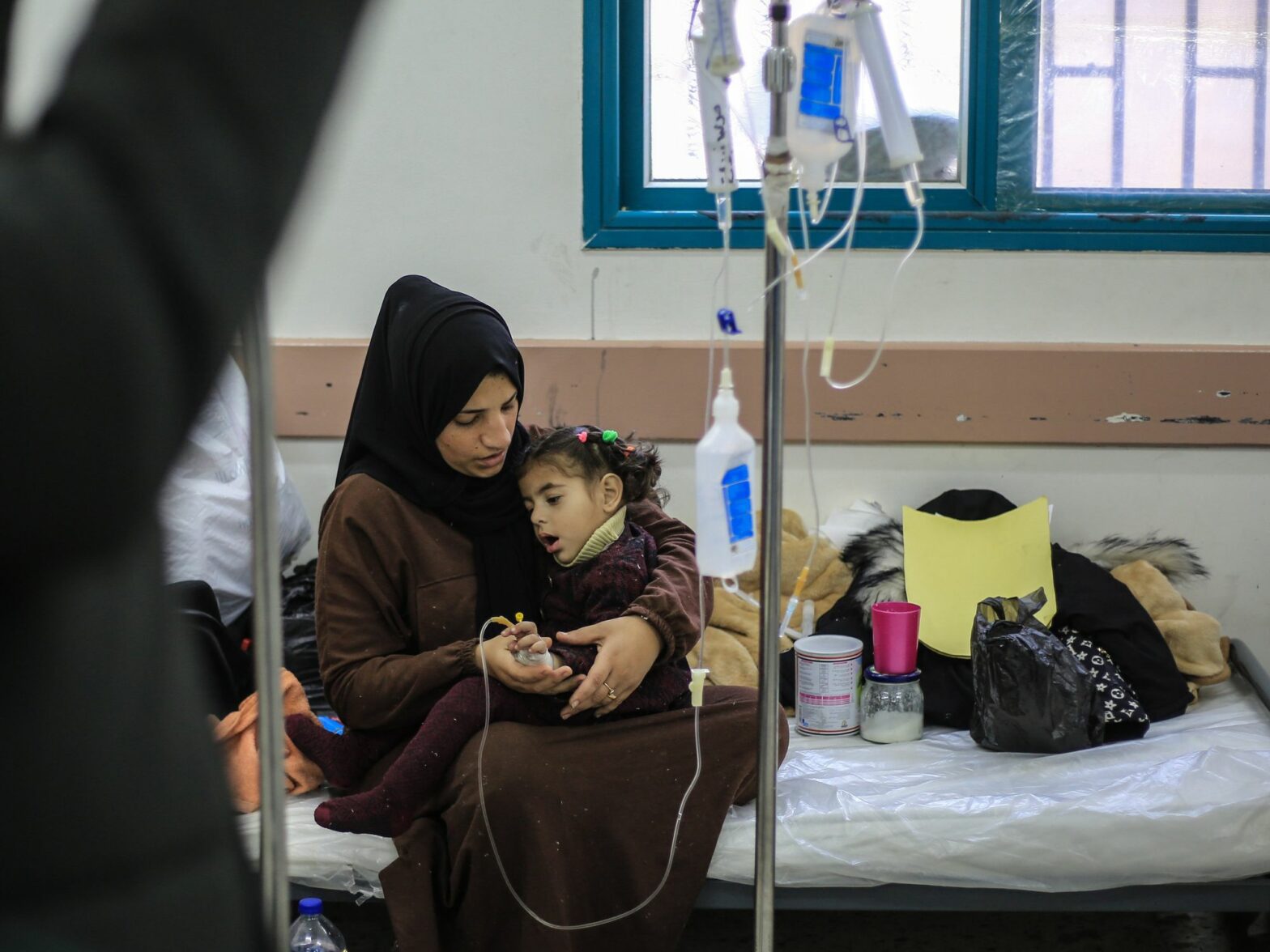
Israel no longer has any interest in prolonging the destruction — and spreading the condemnation around the world for its “collective punishment” of the people of Gaza.
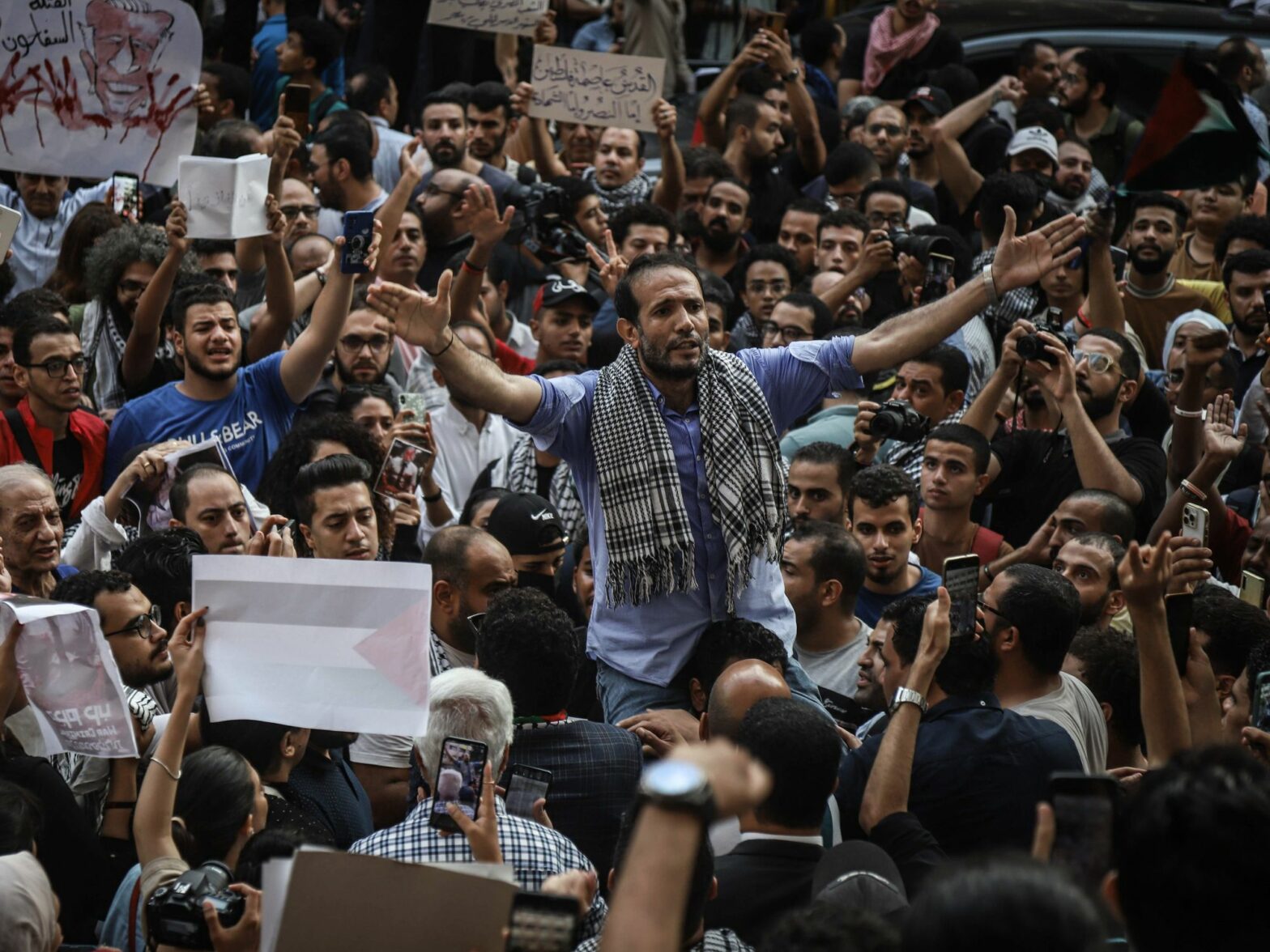
As Israel-Hamas war in Gaza drags on, the momentum for solidarity with the Palestinians , whether individual or collective, has declined. It’s a contrast with the continued anti-Israel demonstrations in Western capitals. The reasons are both external, and internal.
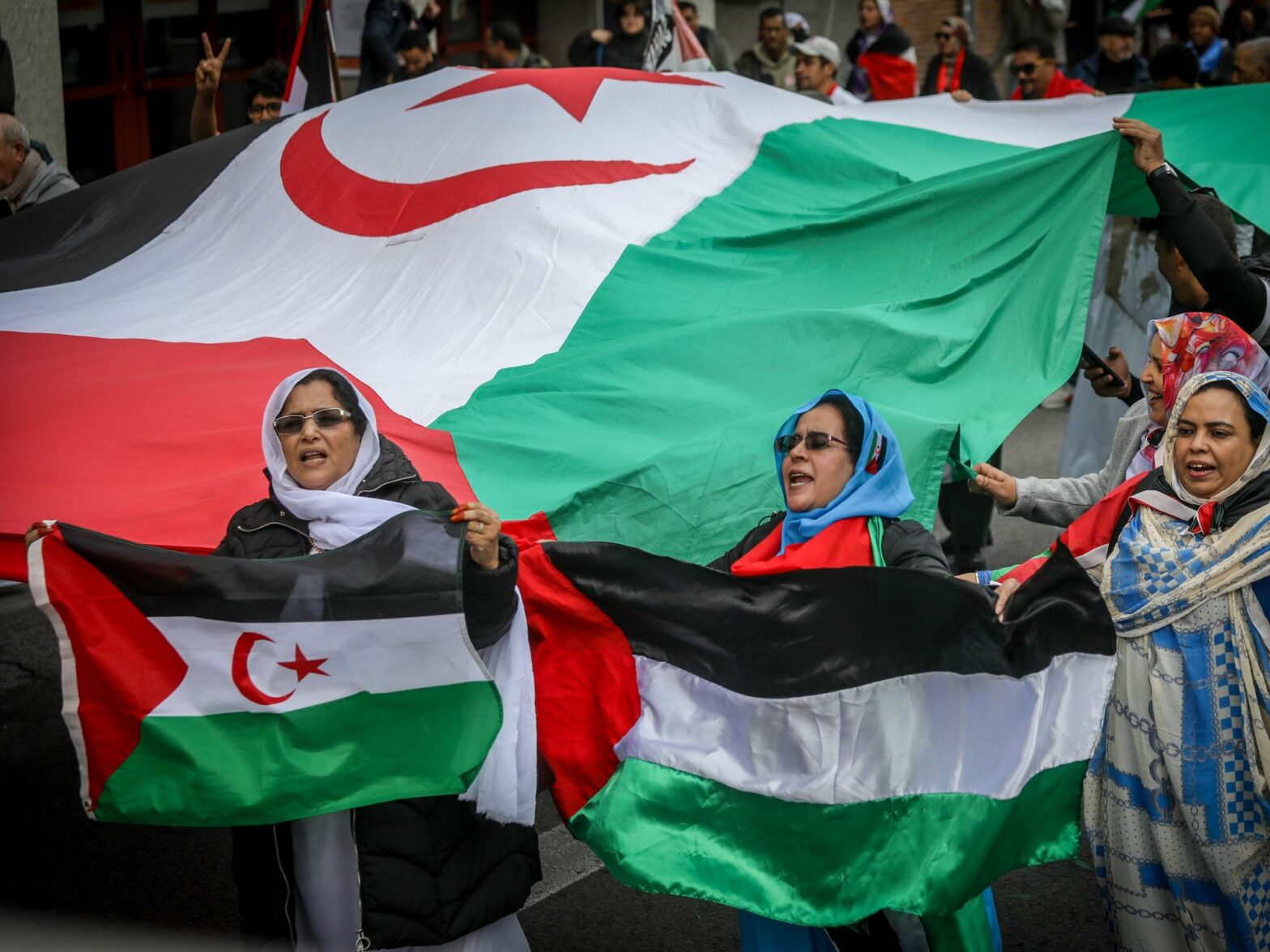
Even while Morocco has repeatedly called for a ceasefire in Gaza, it has been crafting one of the most careful diplomatic positions in the Arab World on the Israeli-Palestinian conflict, in part because of a significant Jewish-Moroccan population. But its stance puts the monarchy in conflict with most of Morocco’s population.
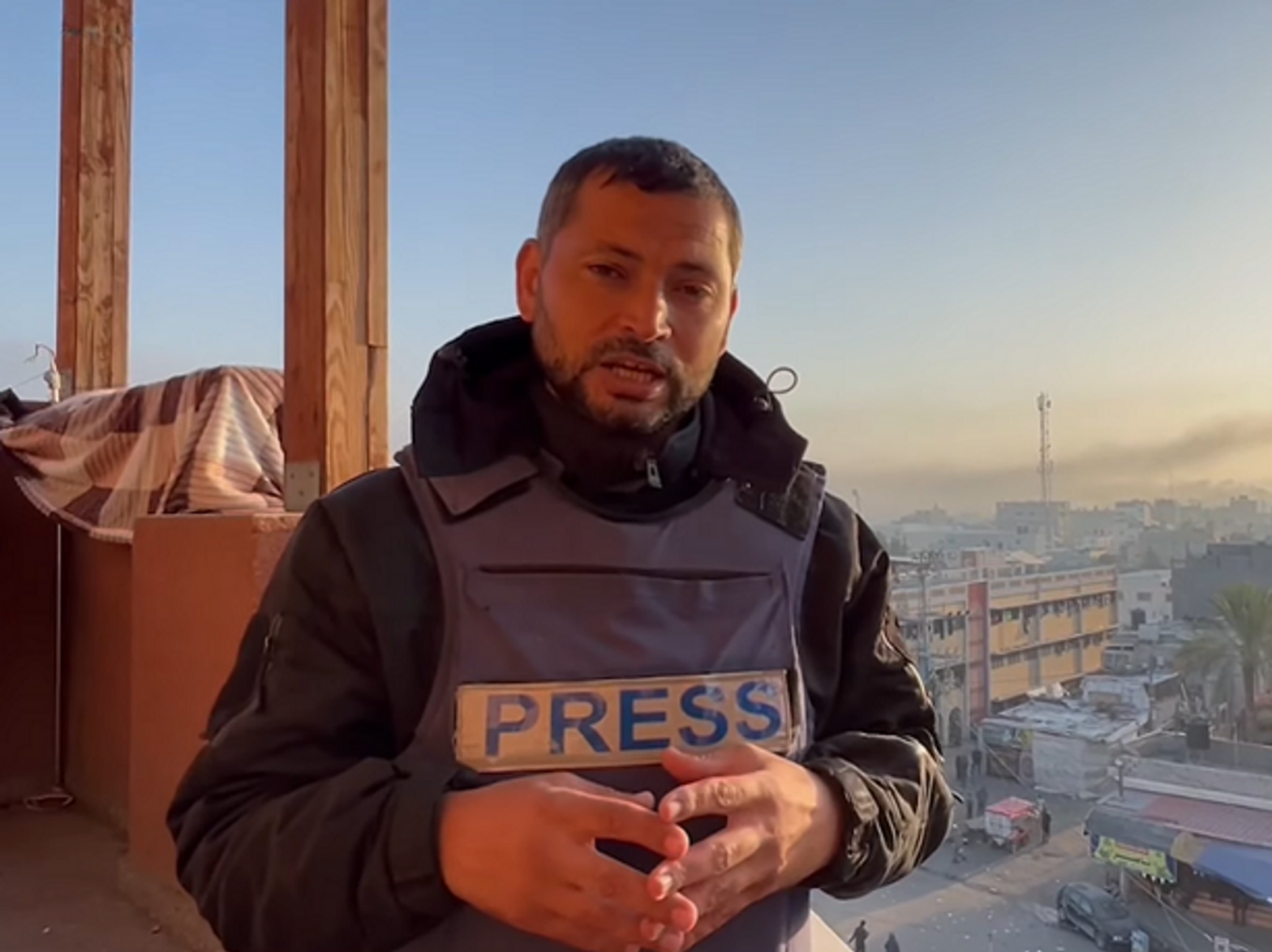
Following the strike that hit Al Jazeera journalists Ismail Abu Omar and Ahmed Matar, posts spread on social media platforms calling Abu Omar a “terrorist” affiliated with Hamas. At the same time, a campaign by Israel’s Foreign Ministry and military promoted the same allegations.
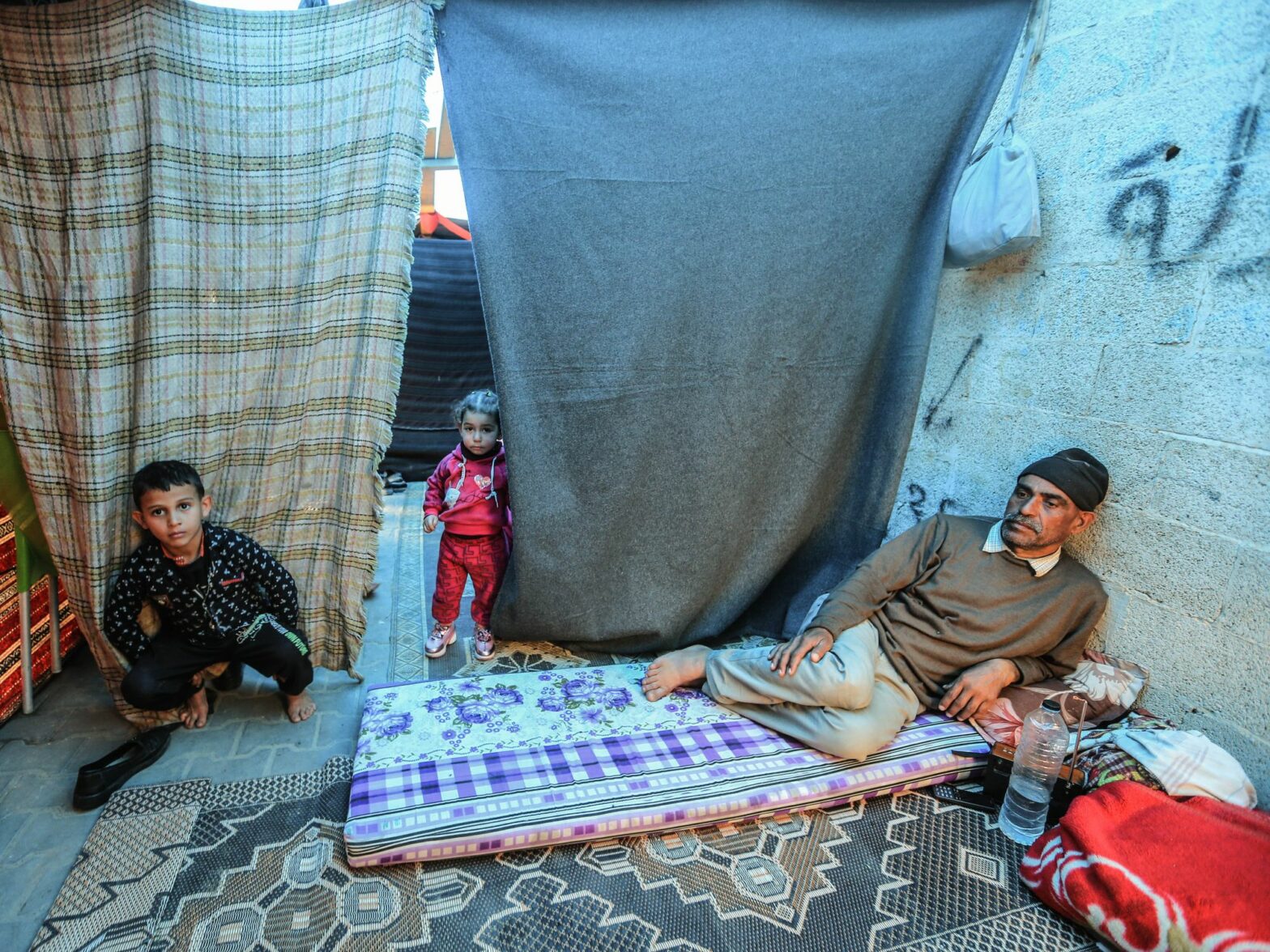
As Israel insists on launching a ground offensive on Gaza’s packed city of Rafah, many of the 1.4 million mostly temporary residents are consumed by plans for what their next move will be. If there is a next move.

In not condemning Russia and openly siding with Israel, India’s foreign policy establishment is merely jettisoning the thin layer of politically-expedient, feel-good idealistic post-colonialism that veils an iron-fisted pragmatism.
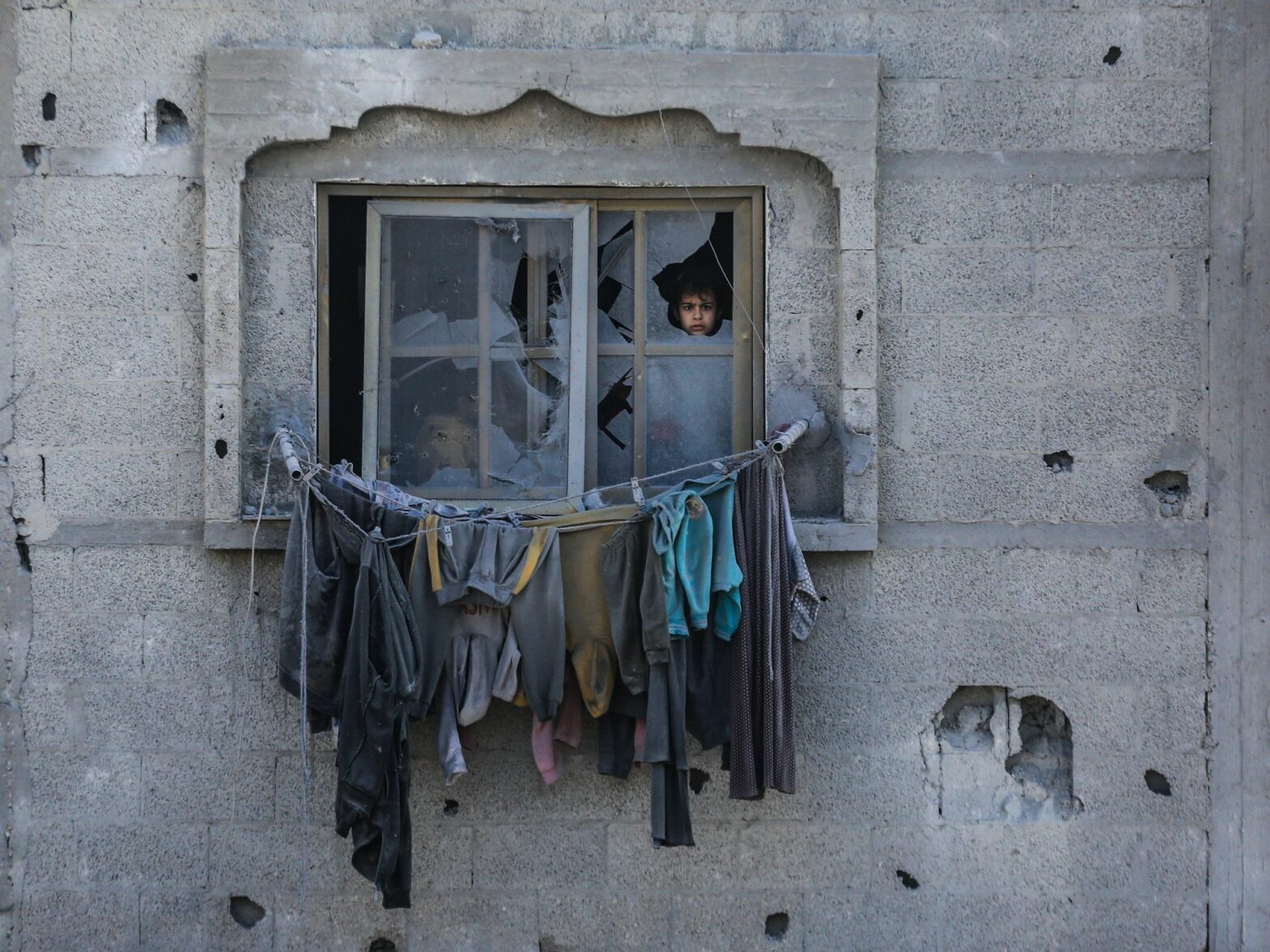
Rafah has become the new focus of Israel’s war. It is pressing to invade the city on the border with Egypt, where 1.4 million people — more than half of Gaza’s population — are now sheltering.
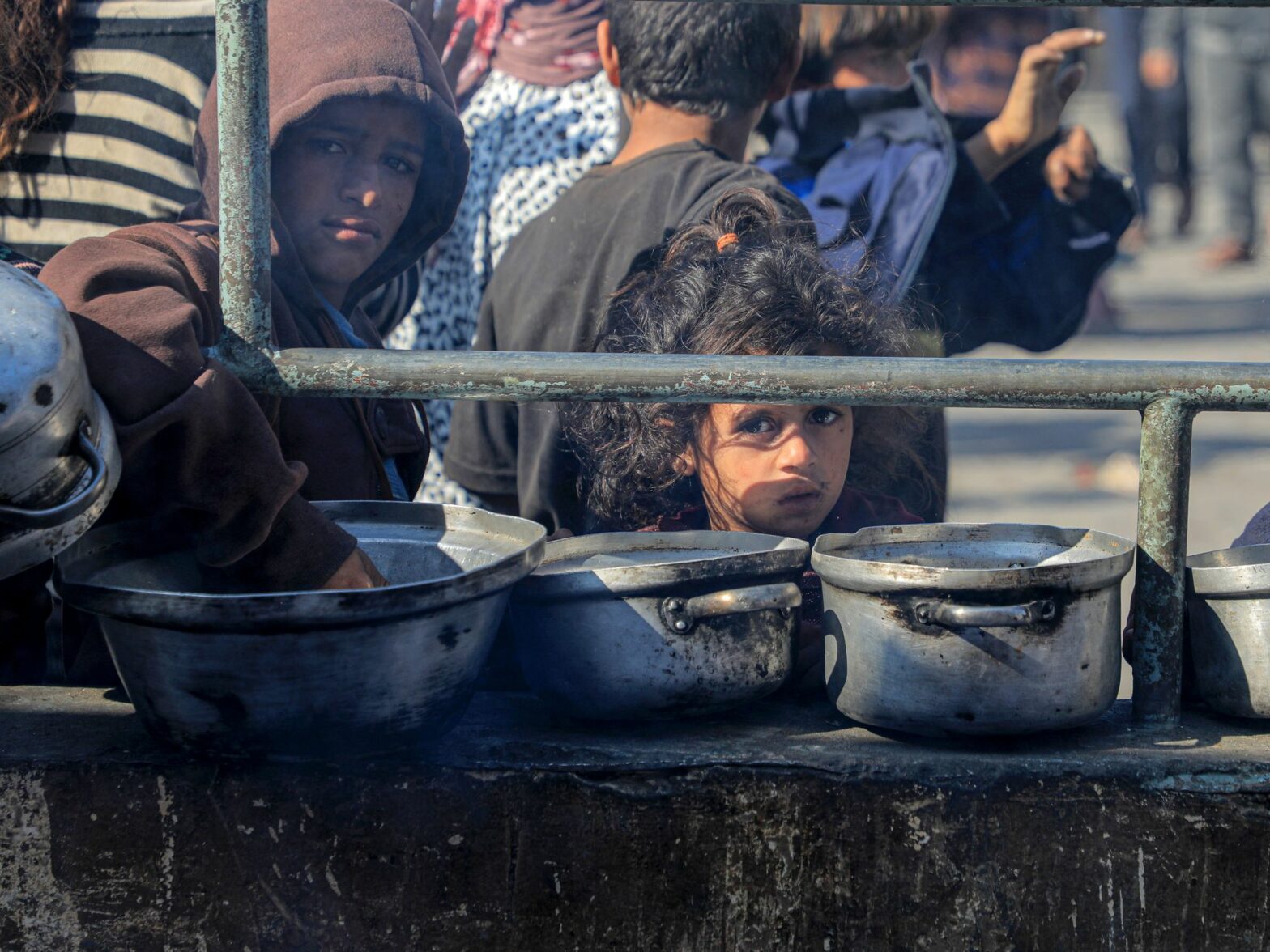
As the war in Gaza hits a critical juncture, the approaching Ramadan deadline adds urgency to international efforts, with Israel’s threat of an offensive on Rafah escalating tensions and raising the stakes for peace negotiations.