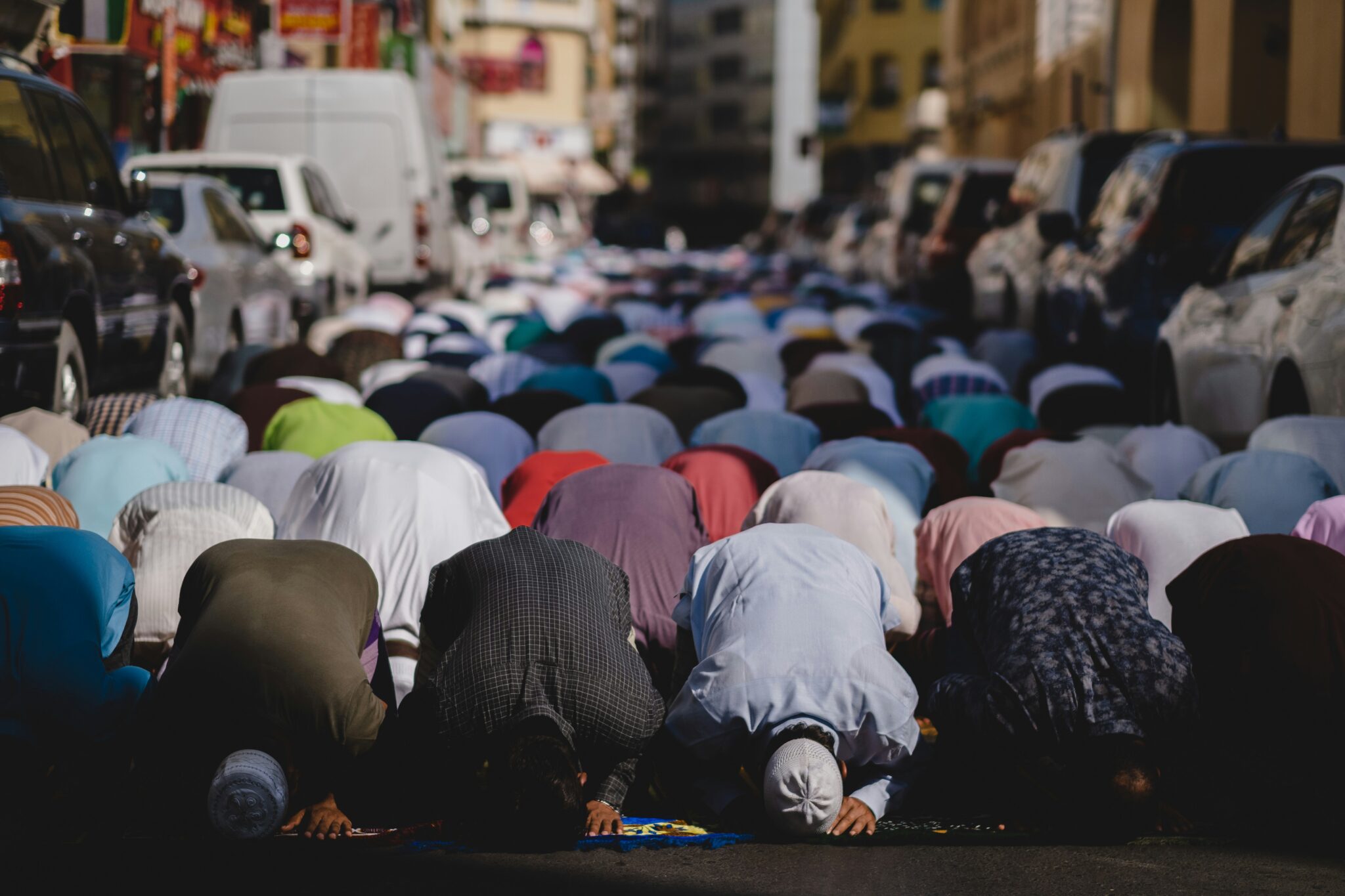
Hamza Aydin challenged orthodox teachings and was hounded out of his university. His story reveals how Erdogan’s Turkey wields religion as a political weapon, reaching from Ankara to German mosques.
 Worldcrunch
Hamza Aydin challenged orthodox teachings and was hounded out of his university. His story reveals how Erdogan’s Turkey wields religion as a political weapon, reaching from Ankara to German mosques.
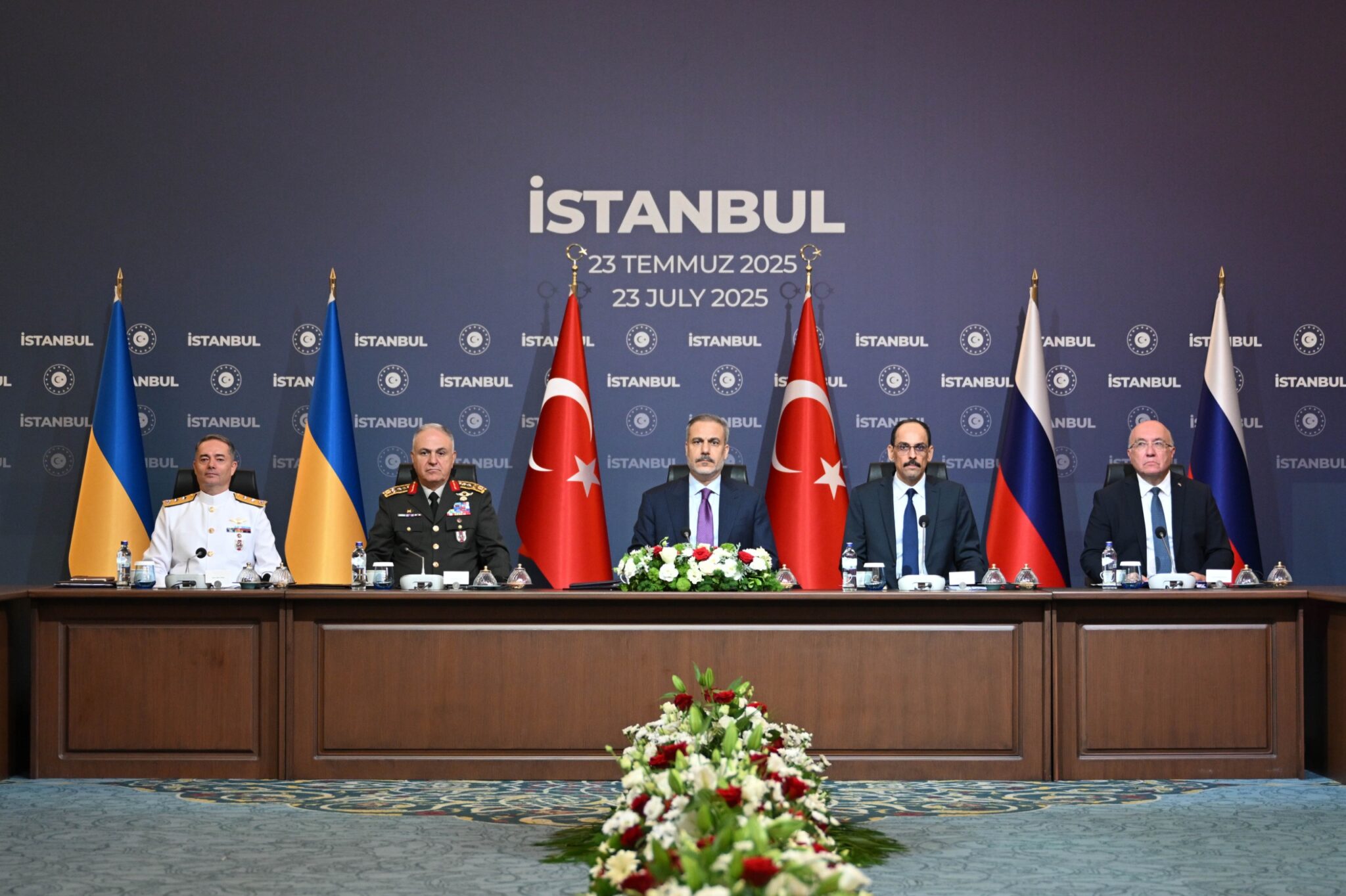
Europe, Iran and global powers are meeting in Istanbul on Friday to discuss Iran’s nuclear program. The talks may determine whether dialogue or confrontation will shape their future relations. It’s also a reminder that diplomacy is a better way than war to settle disputes.
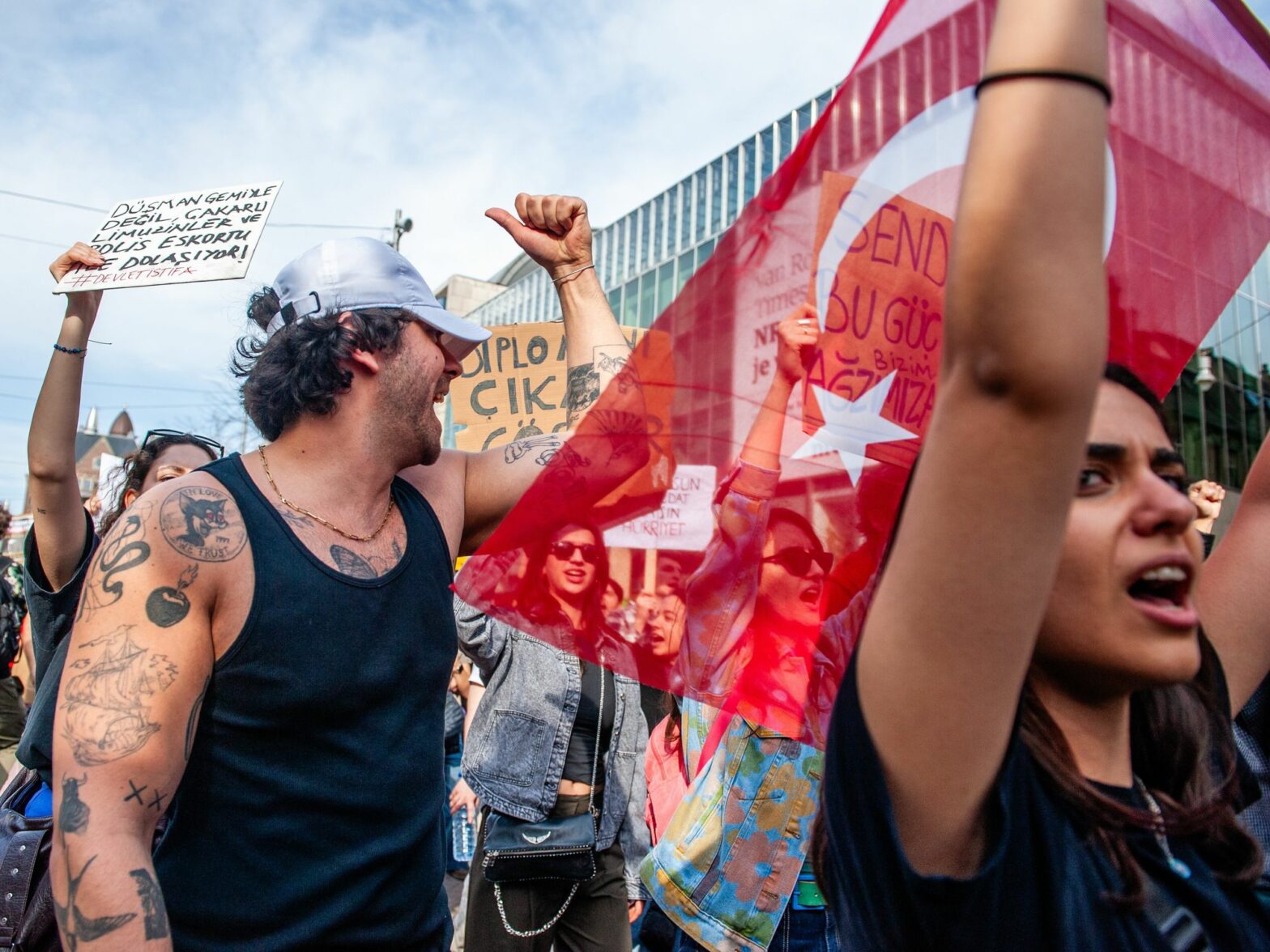
Facing protests over the arrest of Istanbul’s opposition mayor, the Turkish government has found its culprits: Greece and Israel, two obstacles to its ambitions in the eastern Mediterranean.
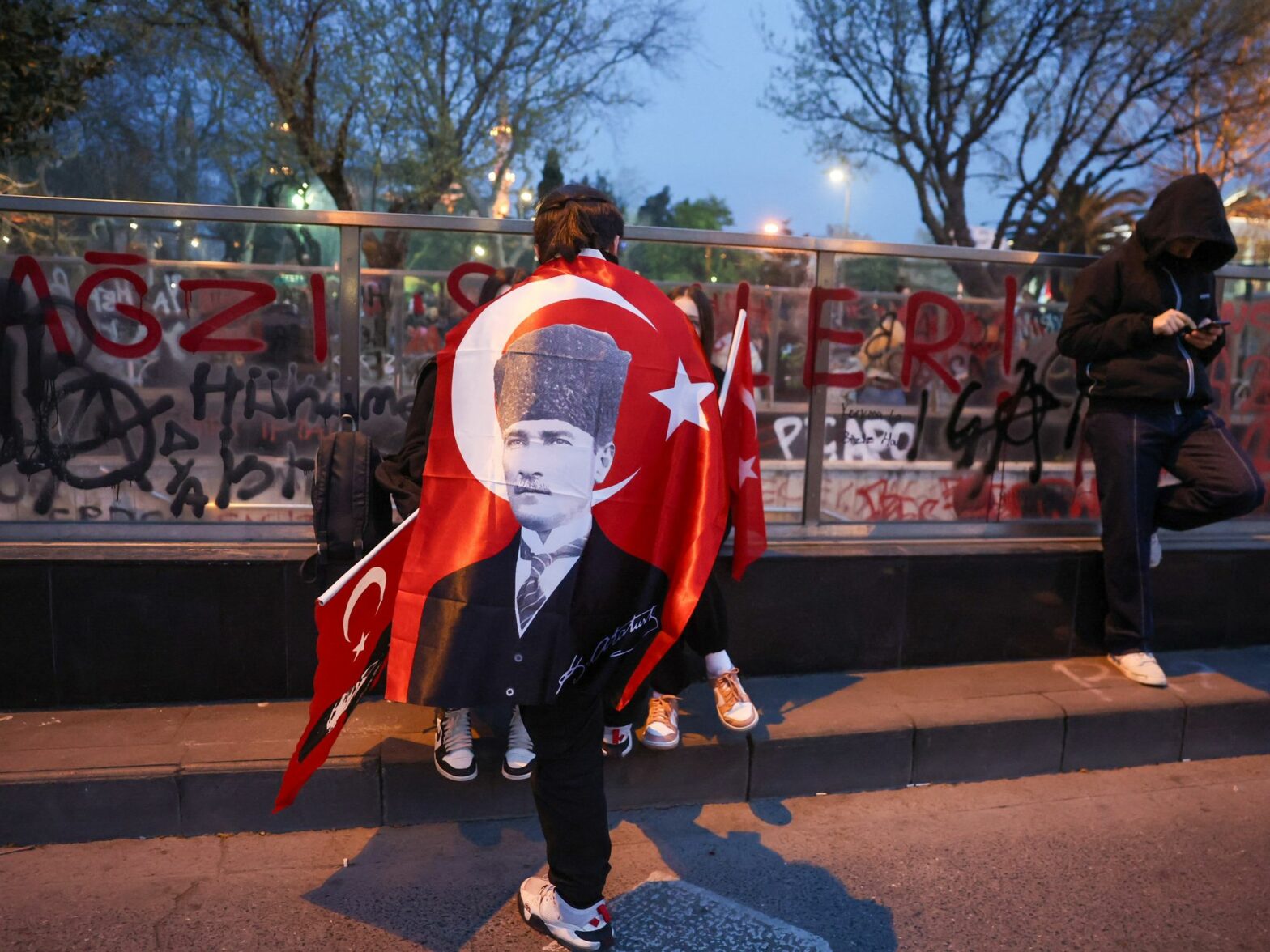
As protests continue against the arrest of Istanbul’s opposition mayor Ekrem İmamoğlu, there’s no doubt that Turkey is in a dark chapter of its history — and a common story in authoritarian and populist regimes. But the protests also show that the will for democracy is alive.
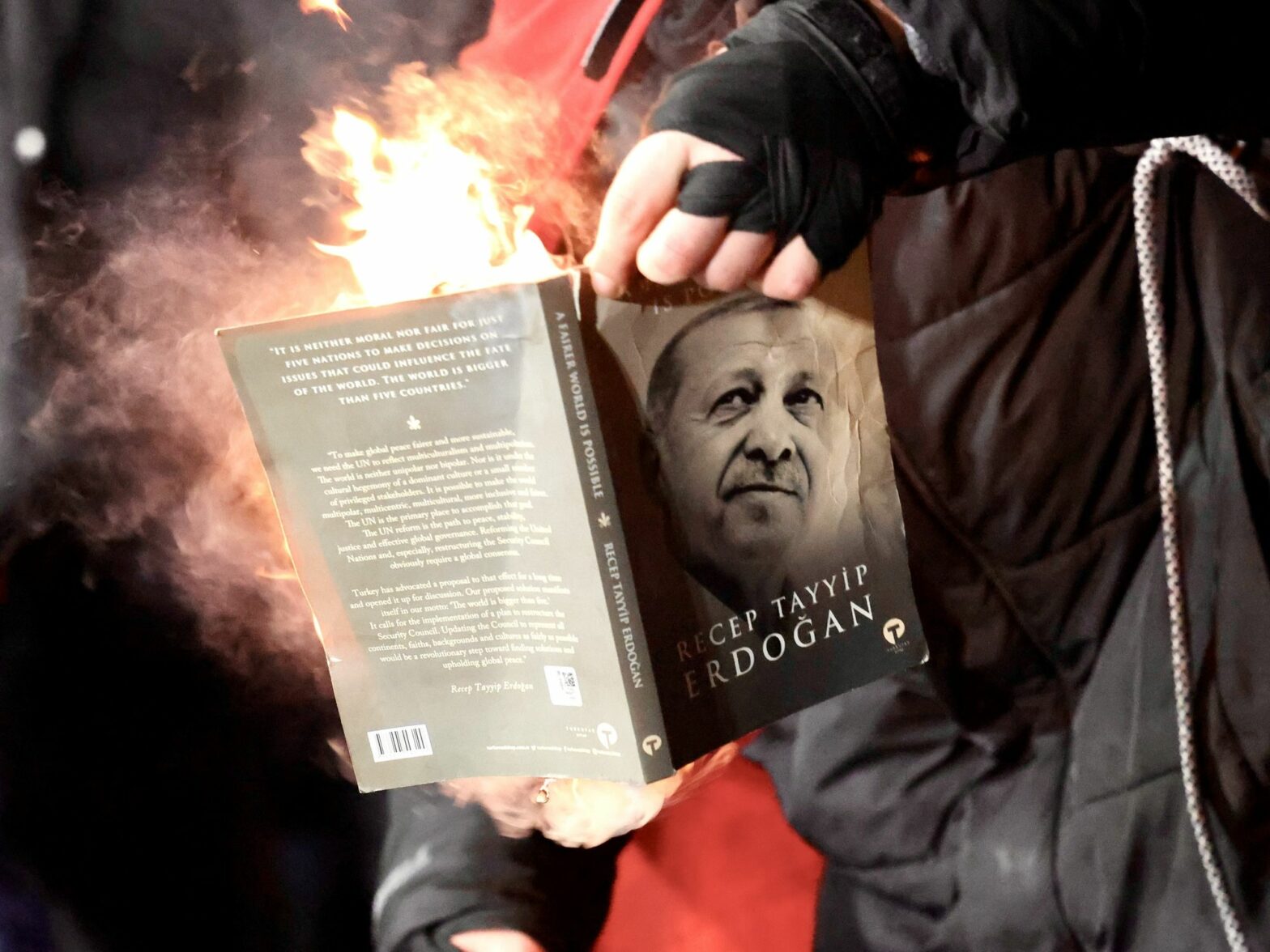
When Istanbul’s Mayor Ekrem İmamoğlu was arrested, it sent shockwaves through Turkey, igniting fears that no opposition figure was safe. But instead of silencing dissent, Erdoğan’s crackdown has sparked a nationwide movement that could shape the country’s political future.
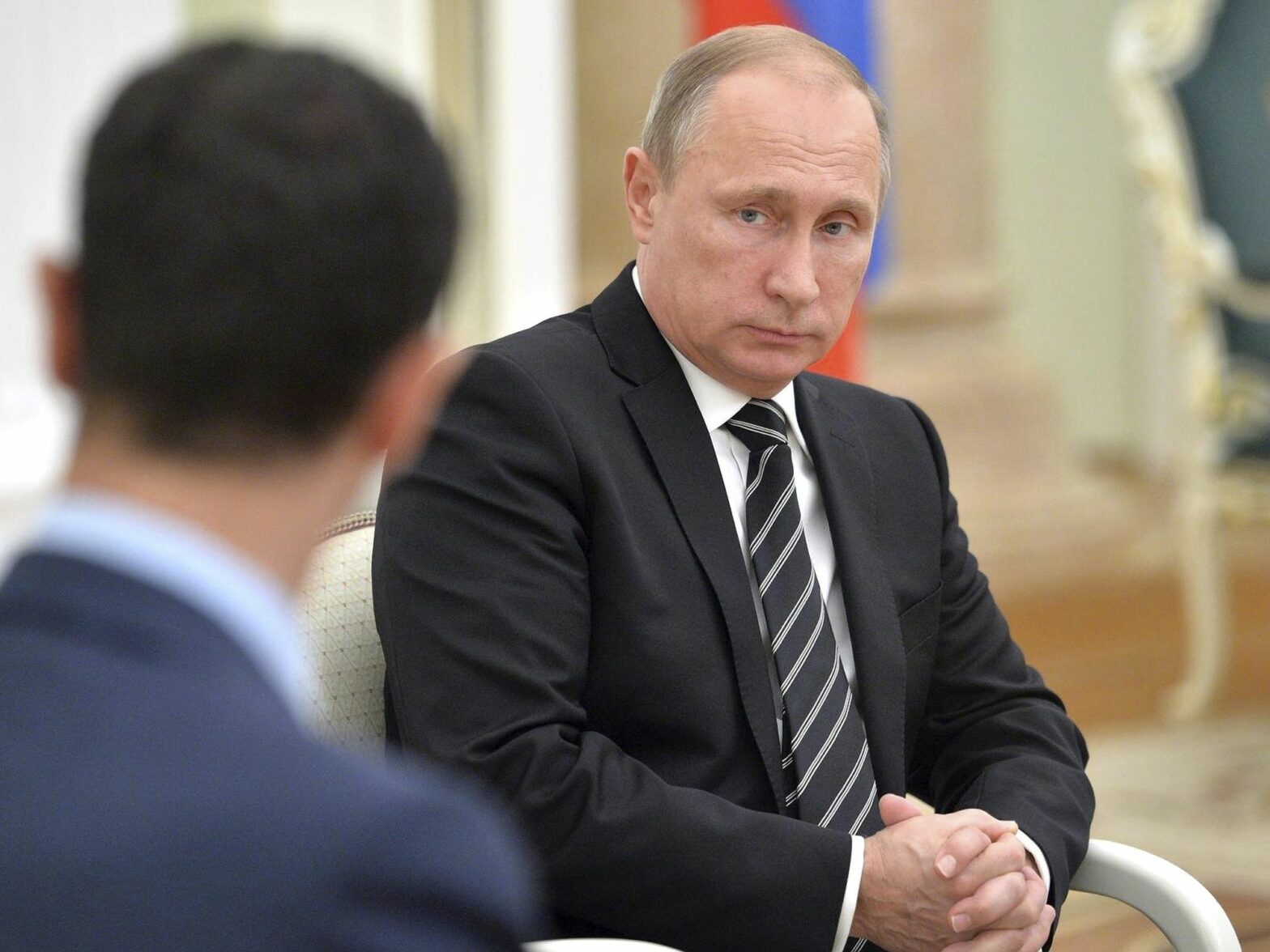
The overthrow of the Assad regime is about more than just Russia’s boasting rights as a major power. It will have consequences on the war in Ukraine, and Russian expansion in Africa. Indeed, it may be proof that it is not a major power.
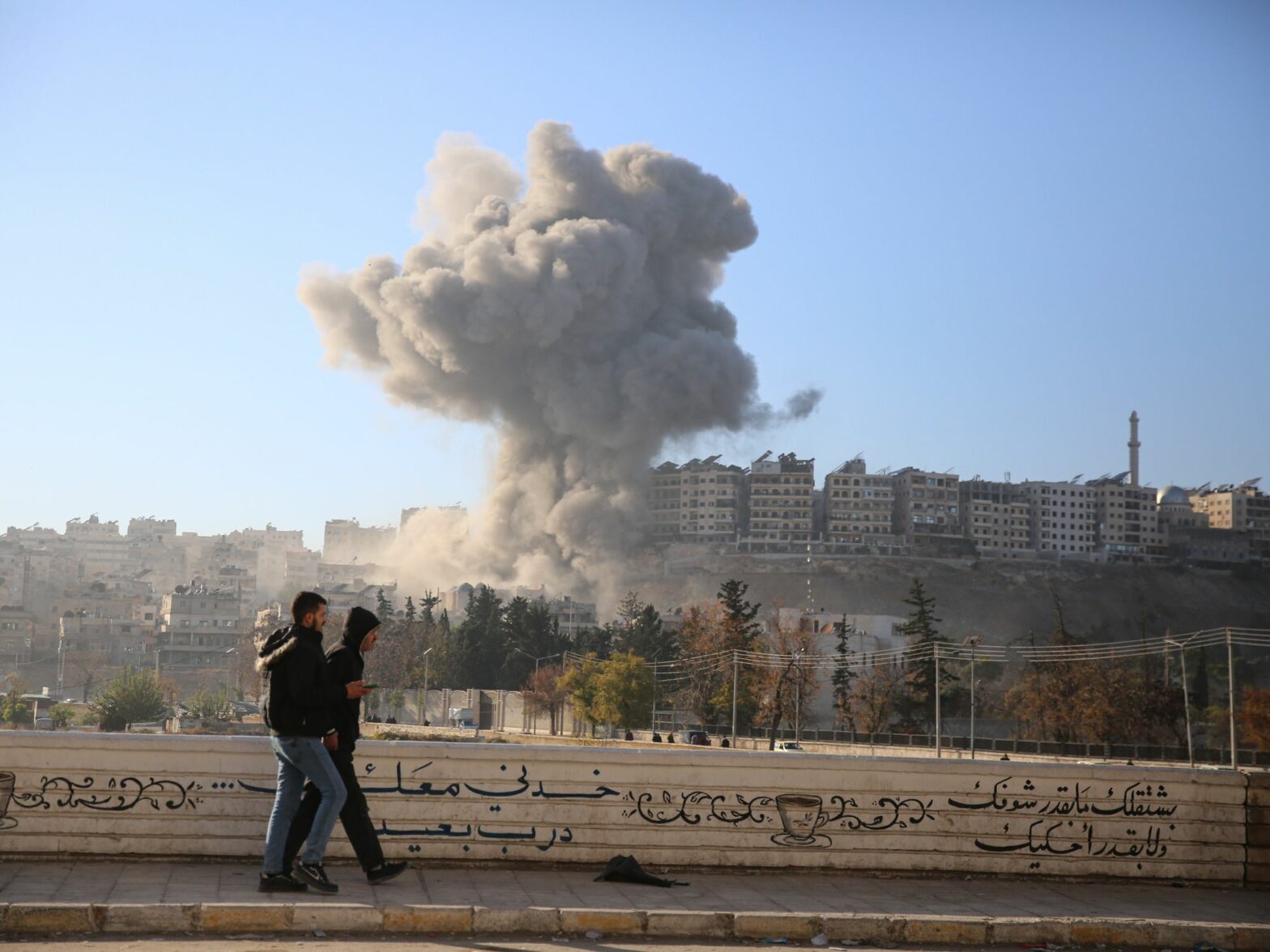
Almost everyone agrees on the Turkish role in the sudden reigniting of the Syrian civil war, a scenario that evokes a sense of déjà vu for those who remember how the region was shaken up in the mid-1970s from Damascus.
Profanity is a kind of national sport in Turkey. But it can also be risky business, sometimes leading to lawsuits or even death. One political scientist researching Turkey’s unique way of conjuring curse words explains what the country’s inventive slurs reveal about its fears and prejudices.
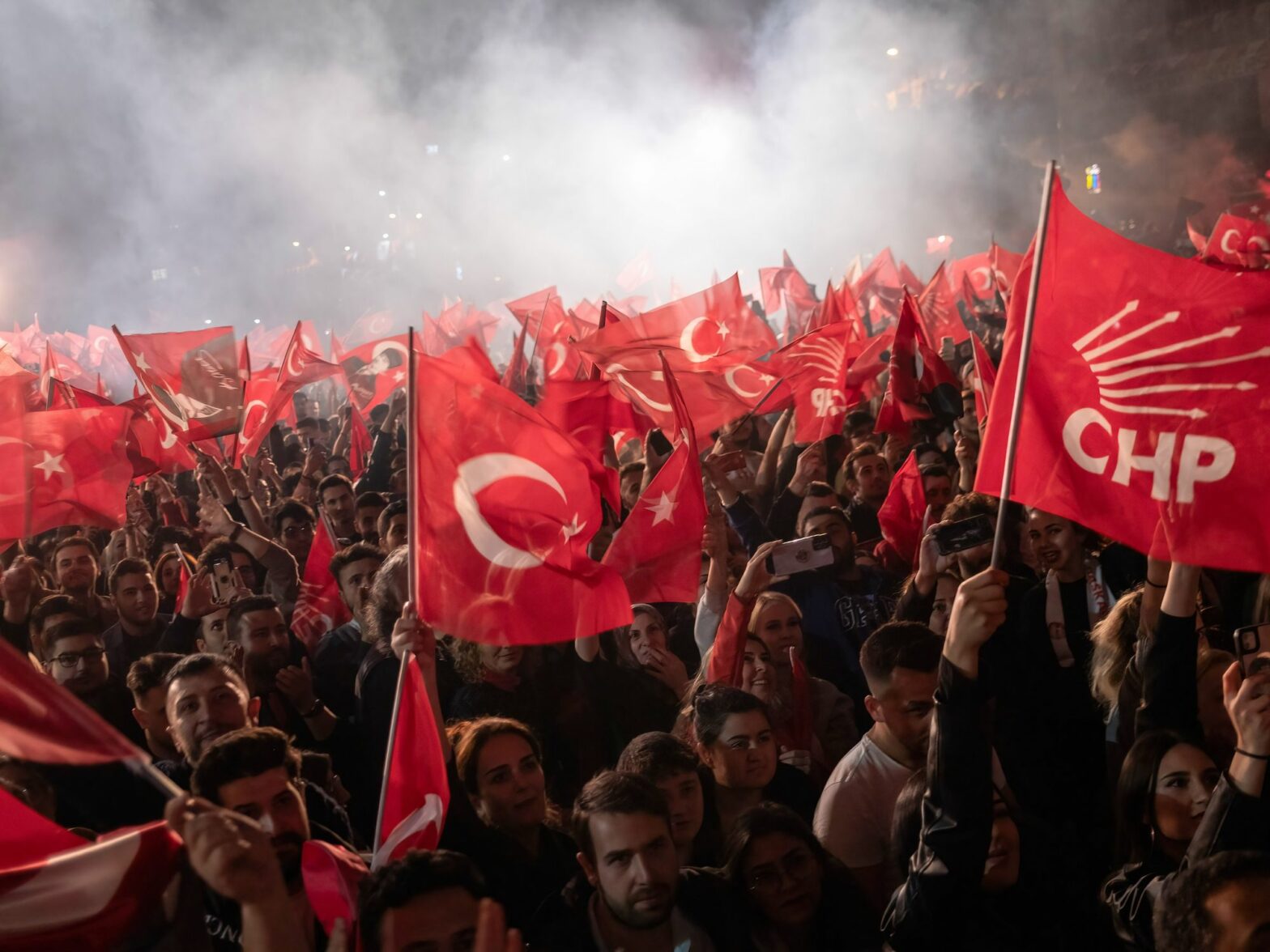
Following his AKP party’s resounding defeat in the March local elections, Turkish President Erdogan called the results a “turning point”. But will he — and country’s political landscape — really change?
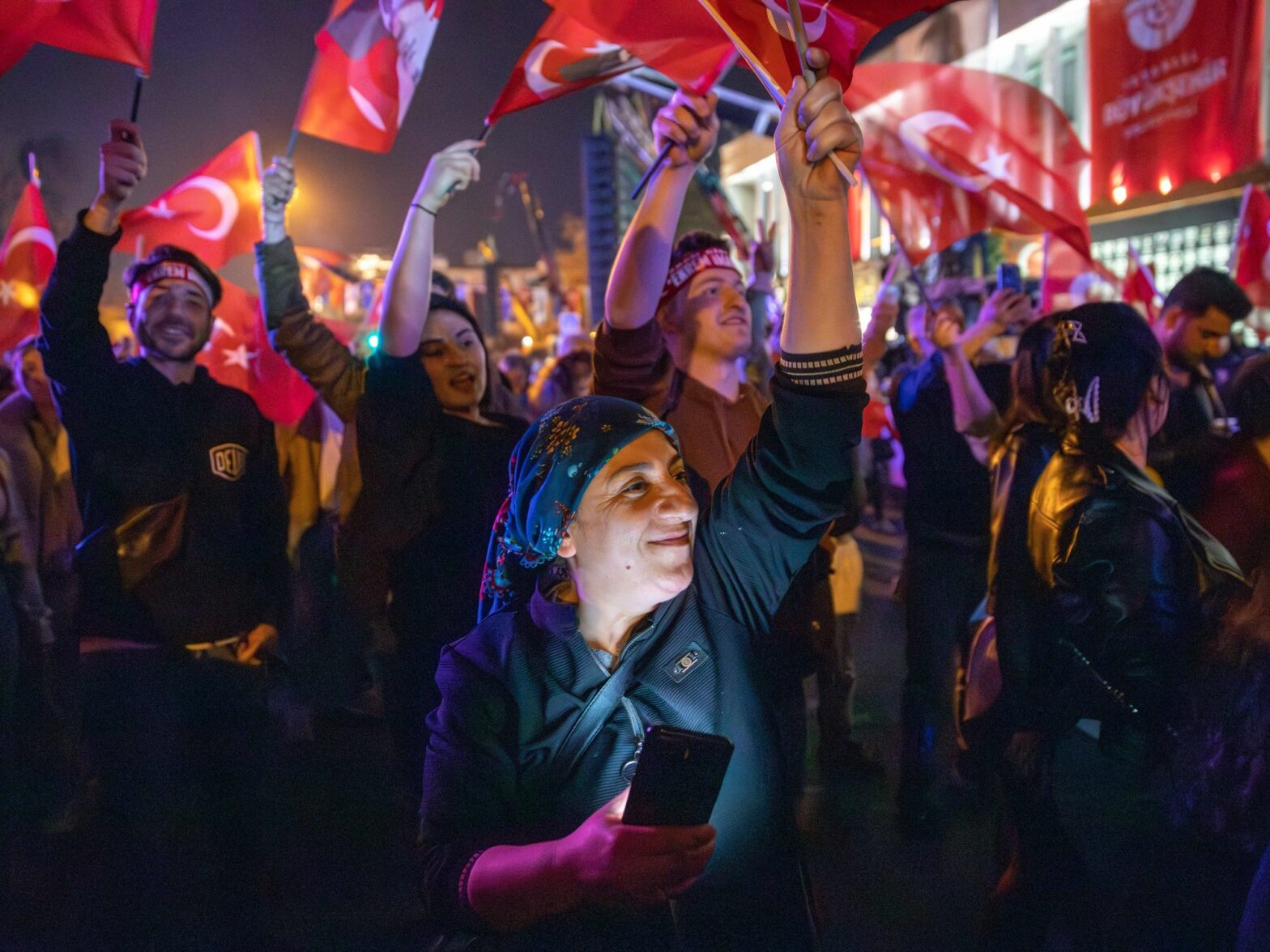
Turkey has more than a century of democracy and elections, and a bonafide opposition, which stands out from recent Russian and Iranian votes. We see it again in the victory in Sunday’s victory for Istanbul Mayor of the opposition party. Still, the increasingly authoritarian Turkish regime risks sliding toward a point of new return with its assault on rights and freedoms.
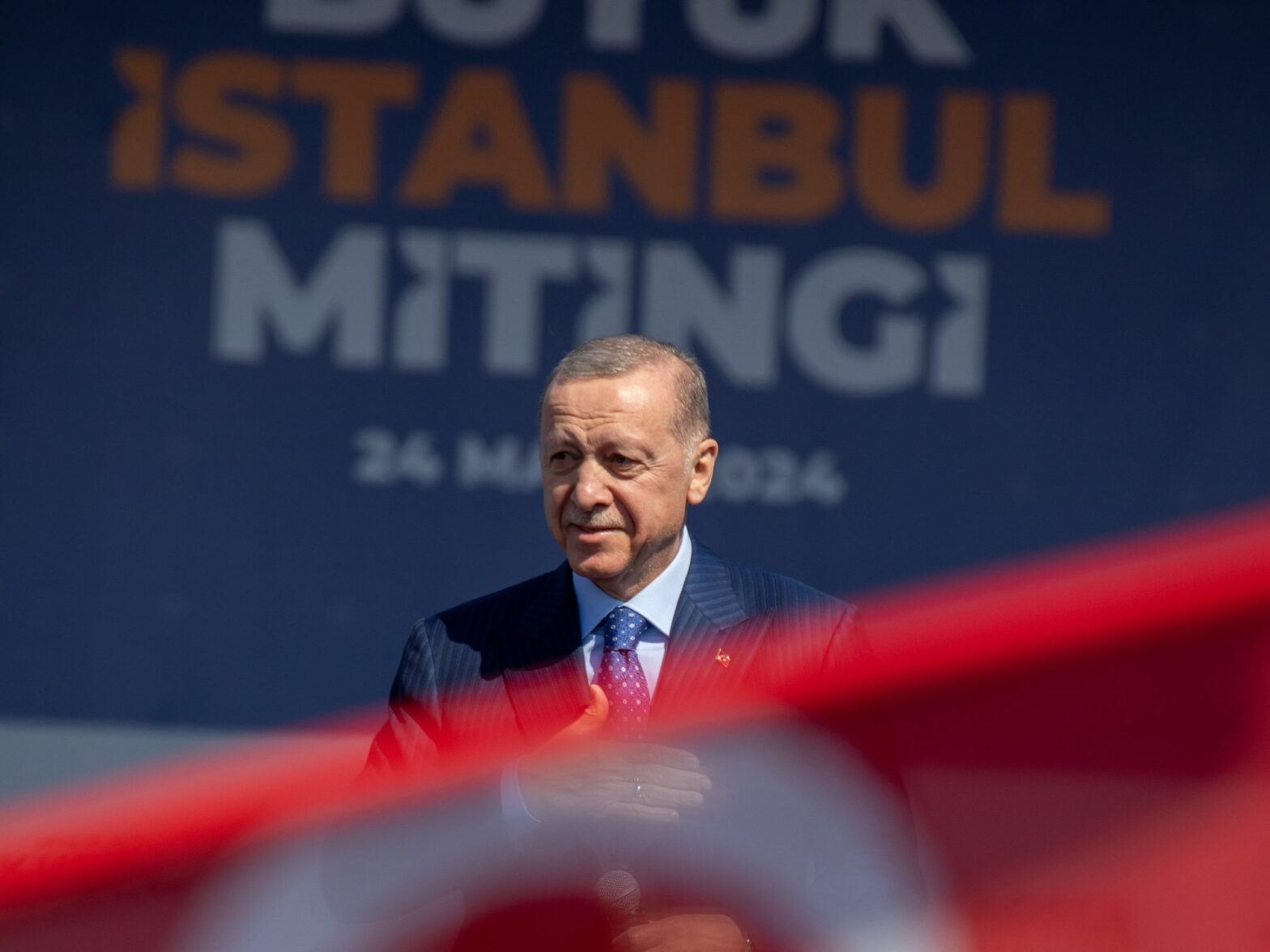
Former mayor of Istanbul, Erdogan had once theorized that a victory in the capital meant an easier path to a national victory. Following this theory, having lost by ten points to the Republican People’s Party means an even tougher defeat for the 70-year-old president. Is this the beginning of the end?
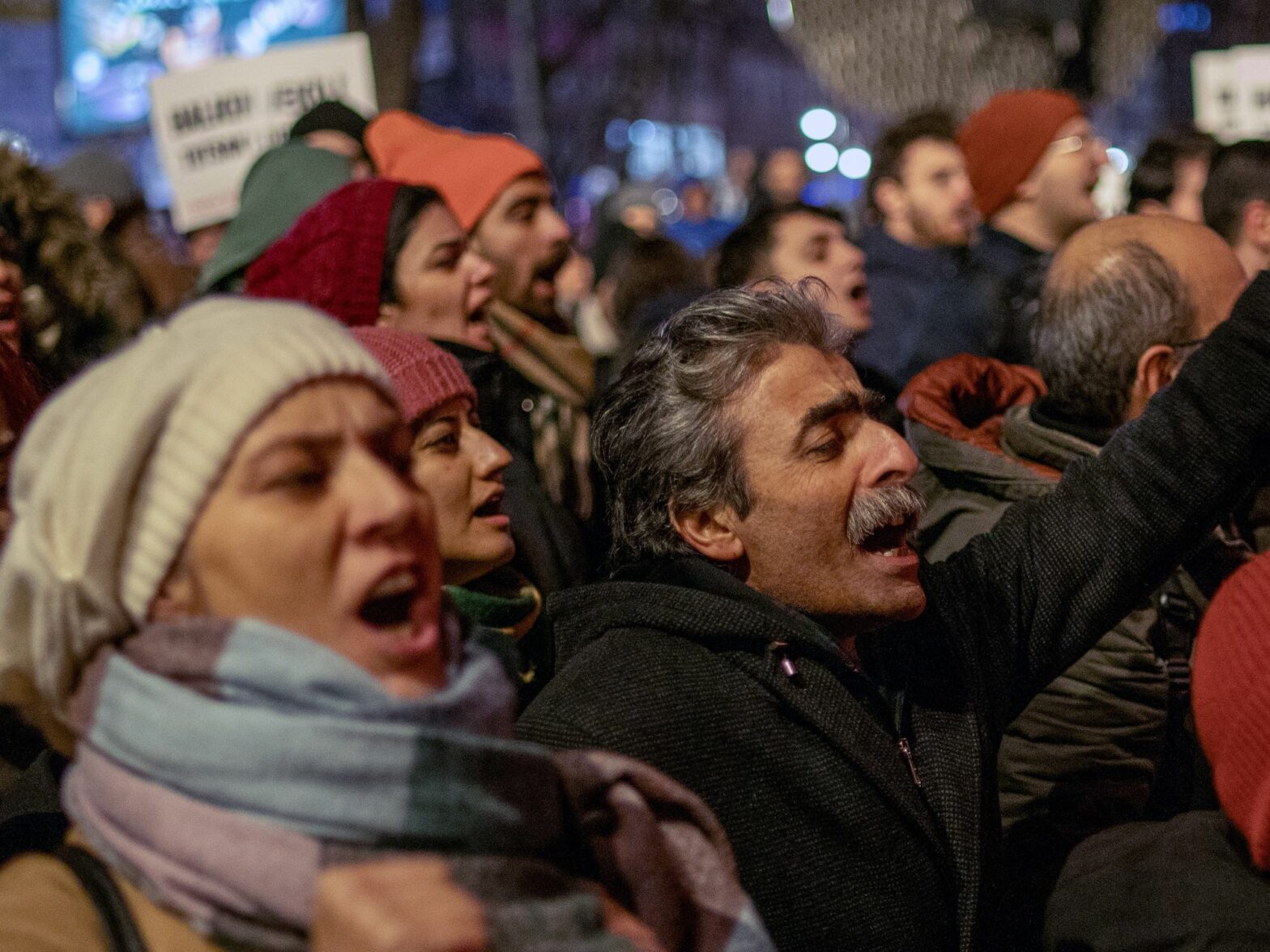
As nearly half of the world prepares to vote in elections this year, Turkish journalist and author Ece Temelkuran warns, in the Istanbul-based weekly Oksijen, that many countries are following Turkey’s path from democracy to dictatorship.
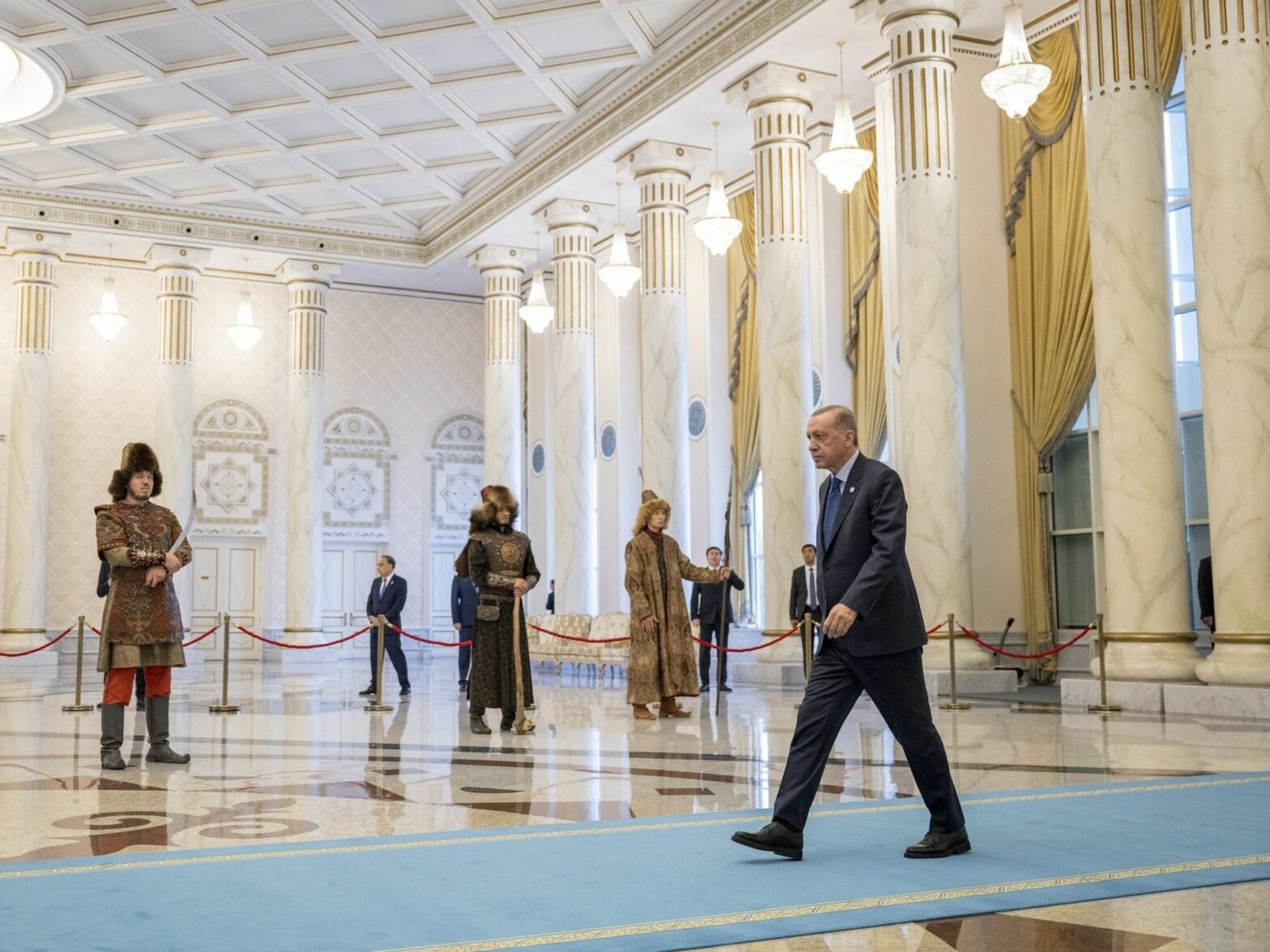
Turkish President Erdogan has now called on the International Criminal Court to go after Israeli Prime Minister Netanyahu for war crimes, as the clash between the two regional powers has reached a new low.
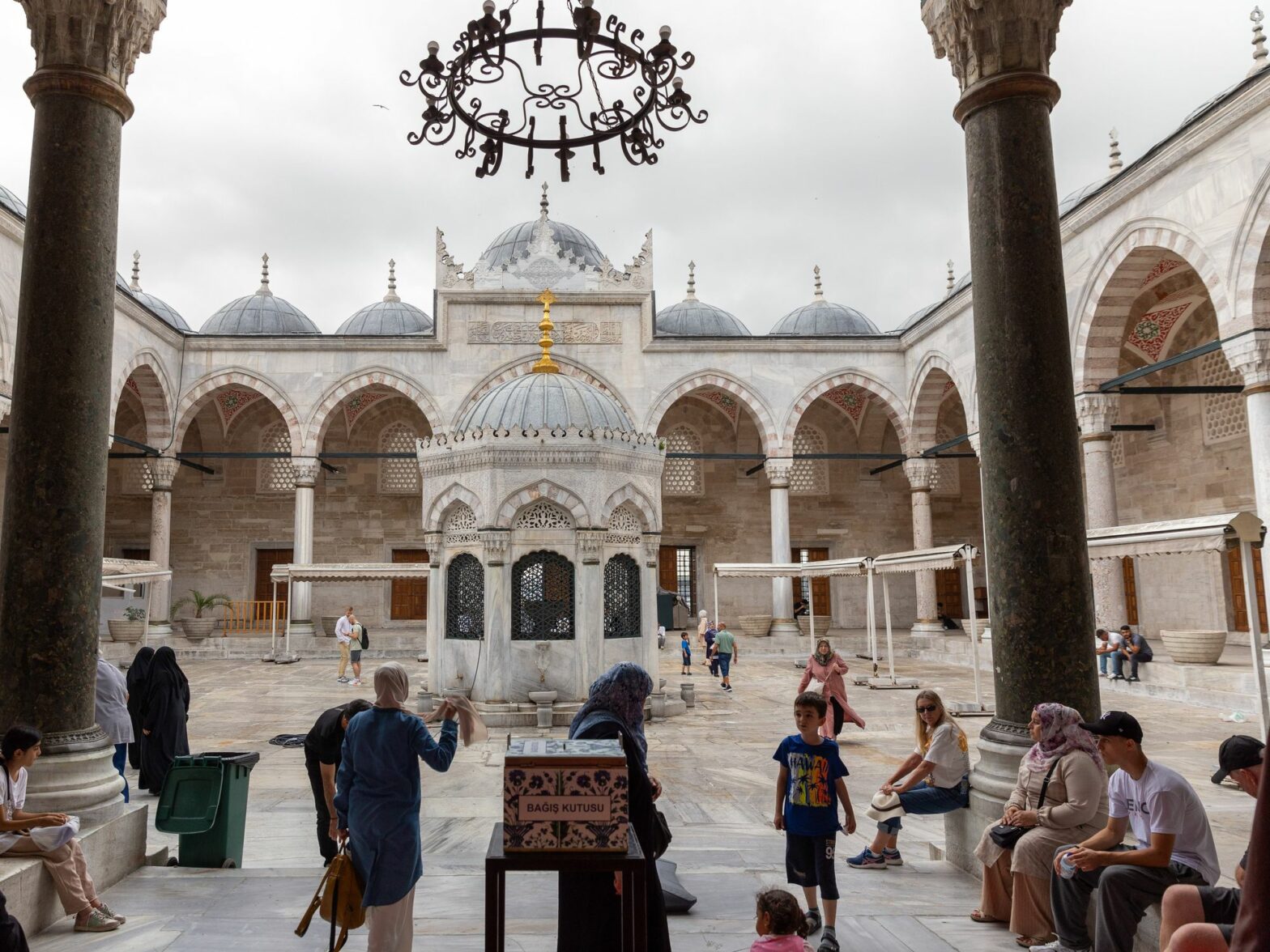
Before the outbreak of the Hamas-Israel war, a social media campaign in Turkey aimed to take on anti-Arab and anti-refugee sentiment. But the campaign ultimately just swapped one type of discrimination for another.
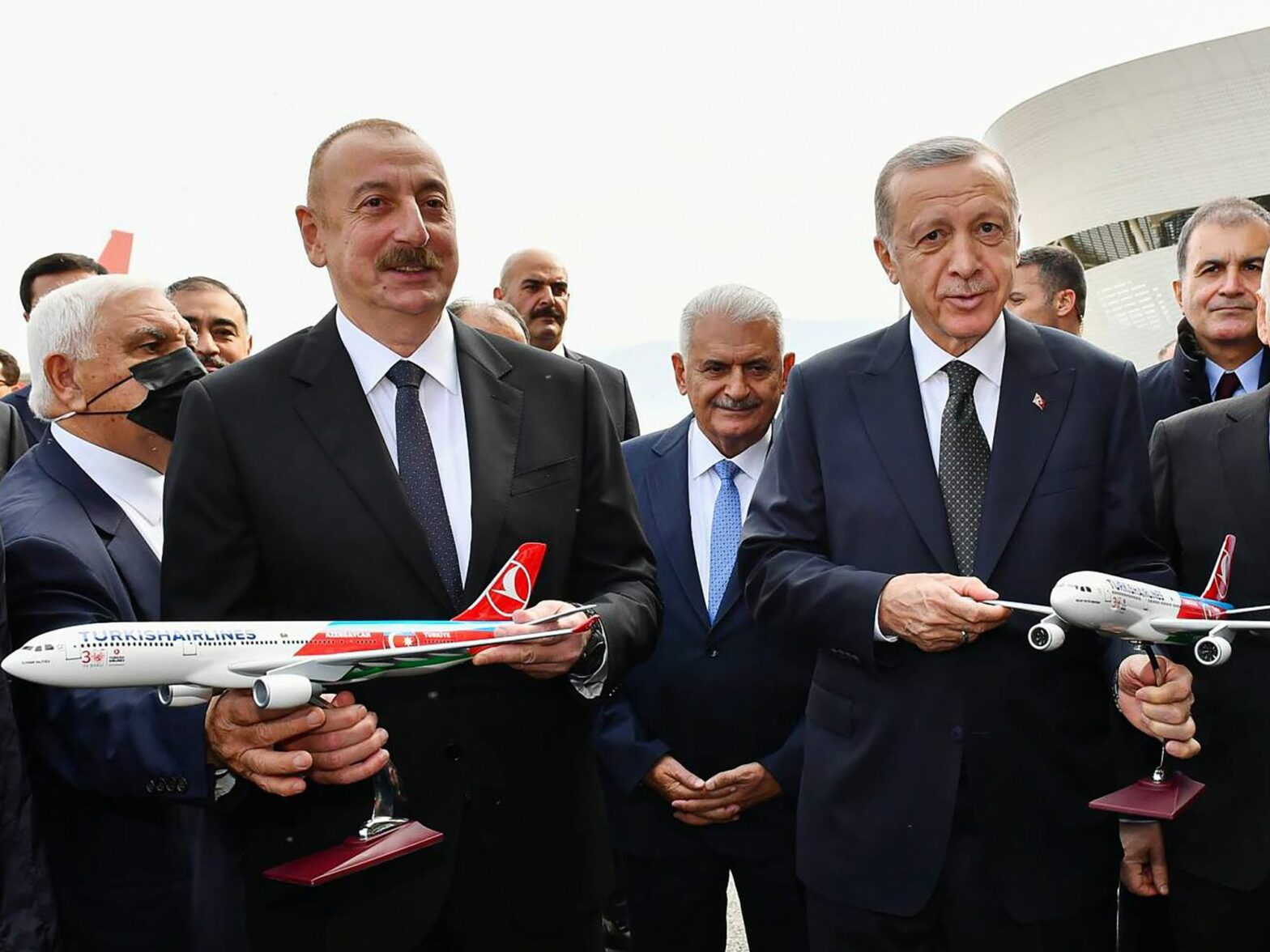
In the last 20 years, Turkish Airlines’ rapid development has shocked its competitors. The carrier is generating substantial profits, while serving the interests of the Turkish state.
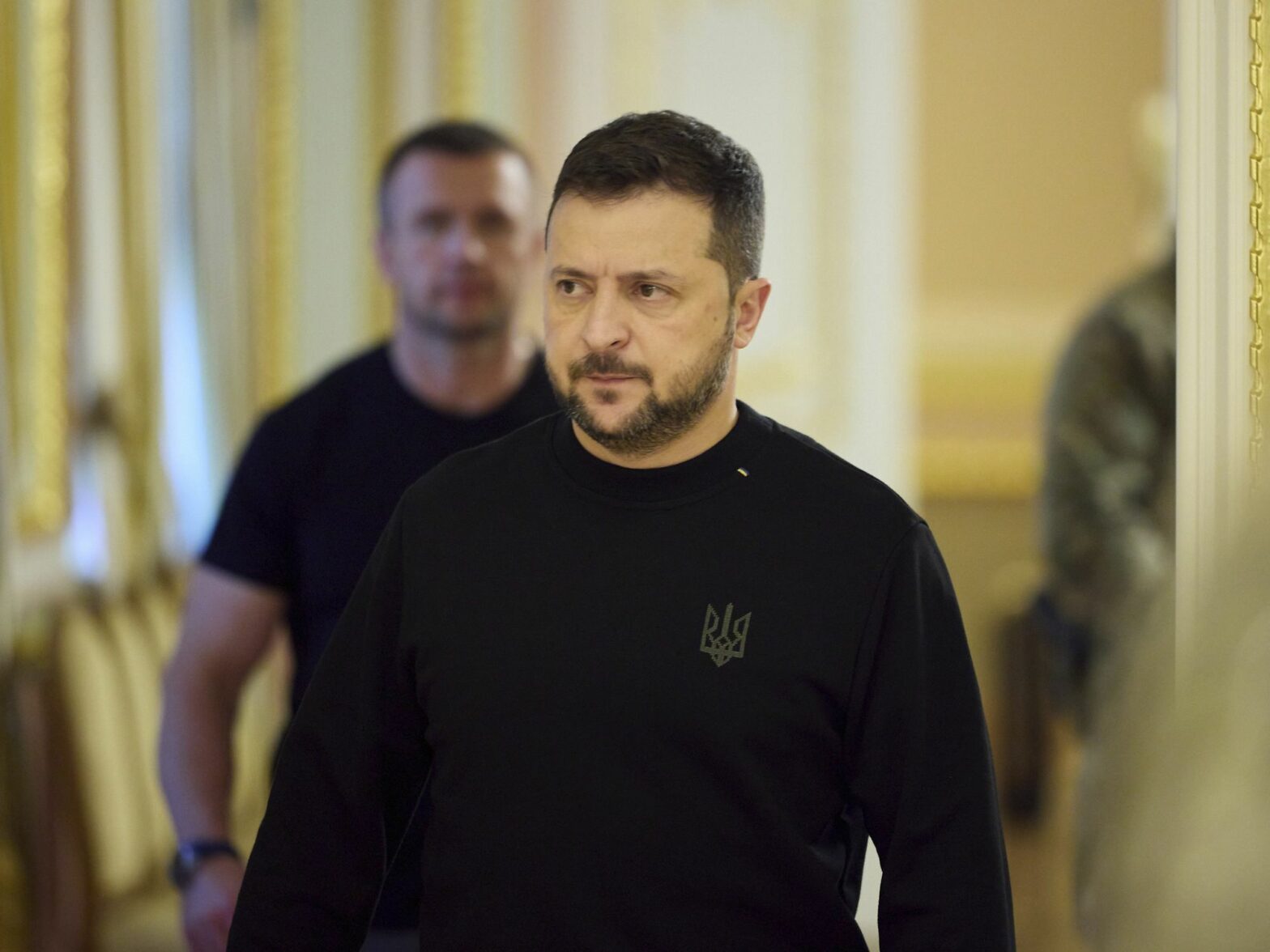
After the postponement of Ukrainian President Volodymyr Zelensky’s planned trip to Israel, there are voices now saying it should be cancelled outright. What’s the price of Ukraine publicly declaring its support for the current actions of the Israeli government and military?
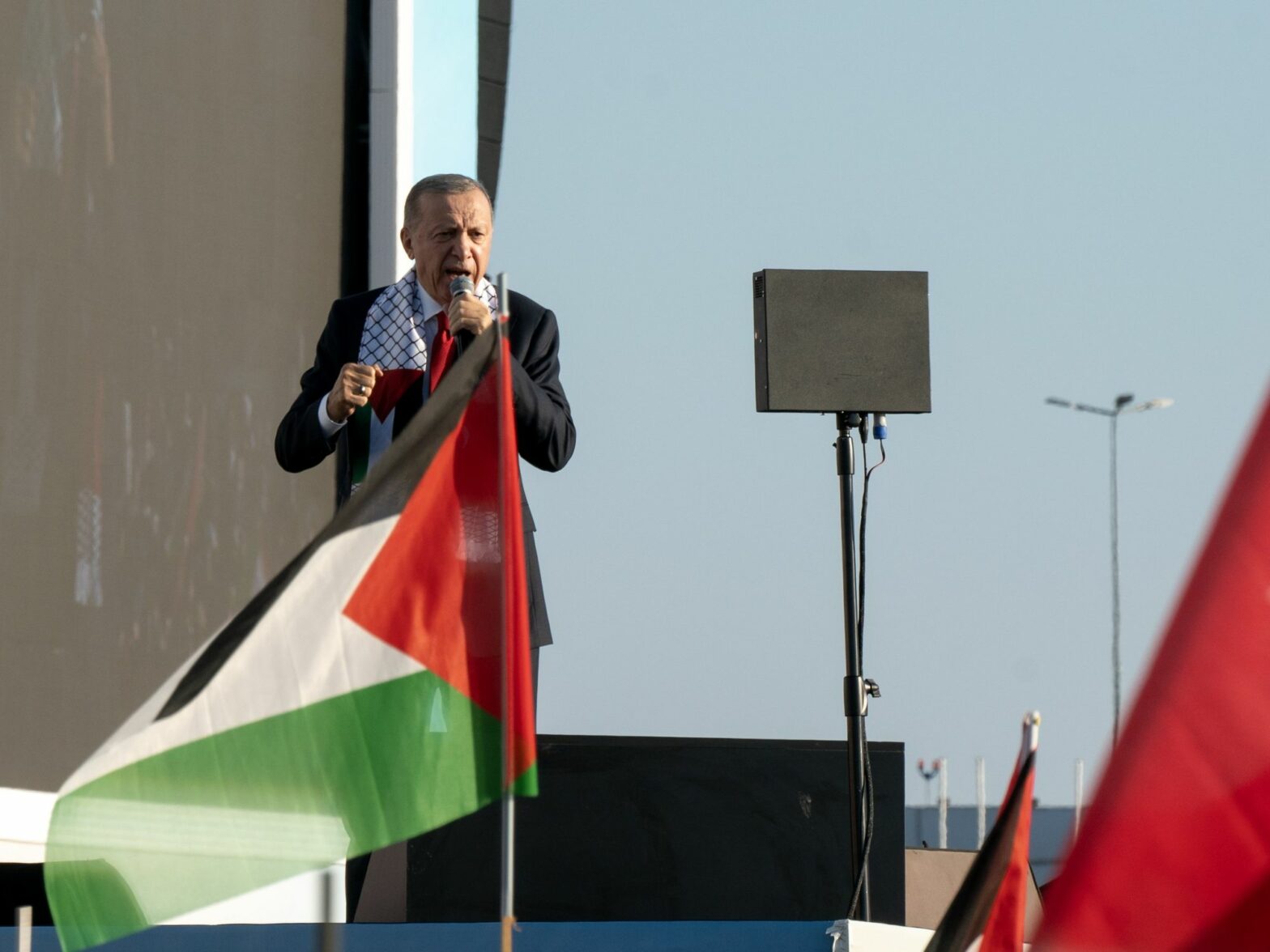
The Turkish president praises the Hamas terrorists as “freedom fighters” and NATO says nothing. This is a snapshot of realpolitik at 360 degrees — starting with Erdogan.
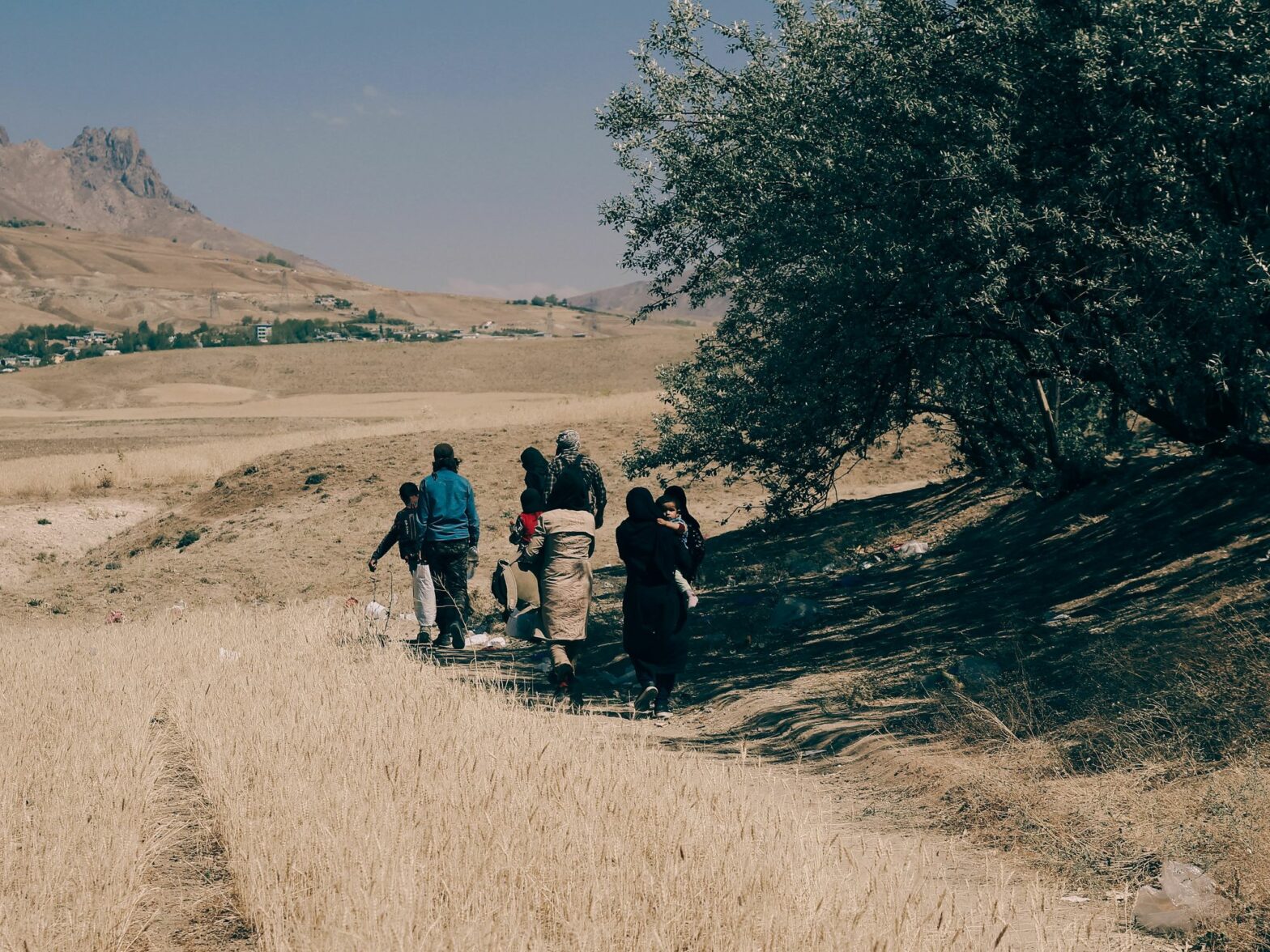
Many Iranians fear unchecked immigration, mostly by Afghans but also Iraqis, will overwhelm a fragile economy that is weakened by the many qualified employees leaving Iran.
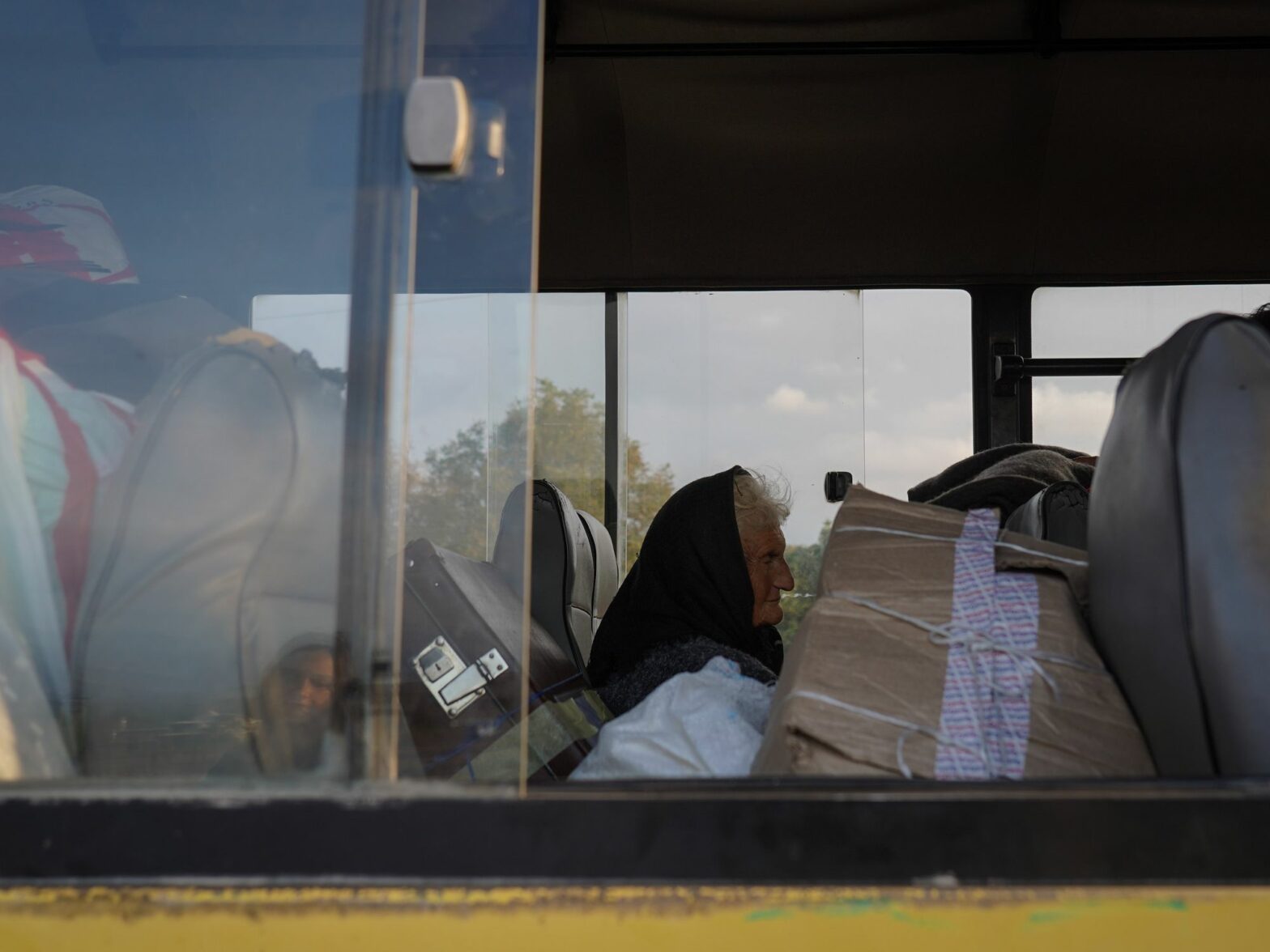
As Armenians from Nagorno-Karabakh are forced to flee their homes, is culture or corruption or something more sinister forcing a people to suffer so greatly a century after a genocide tried to wipe them out?
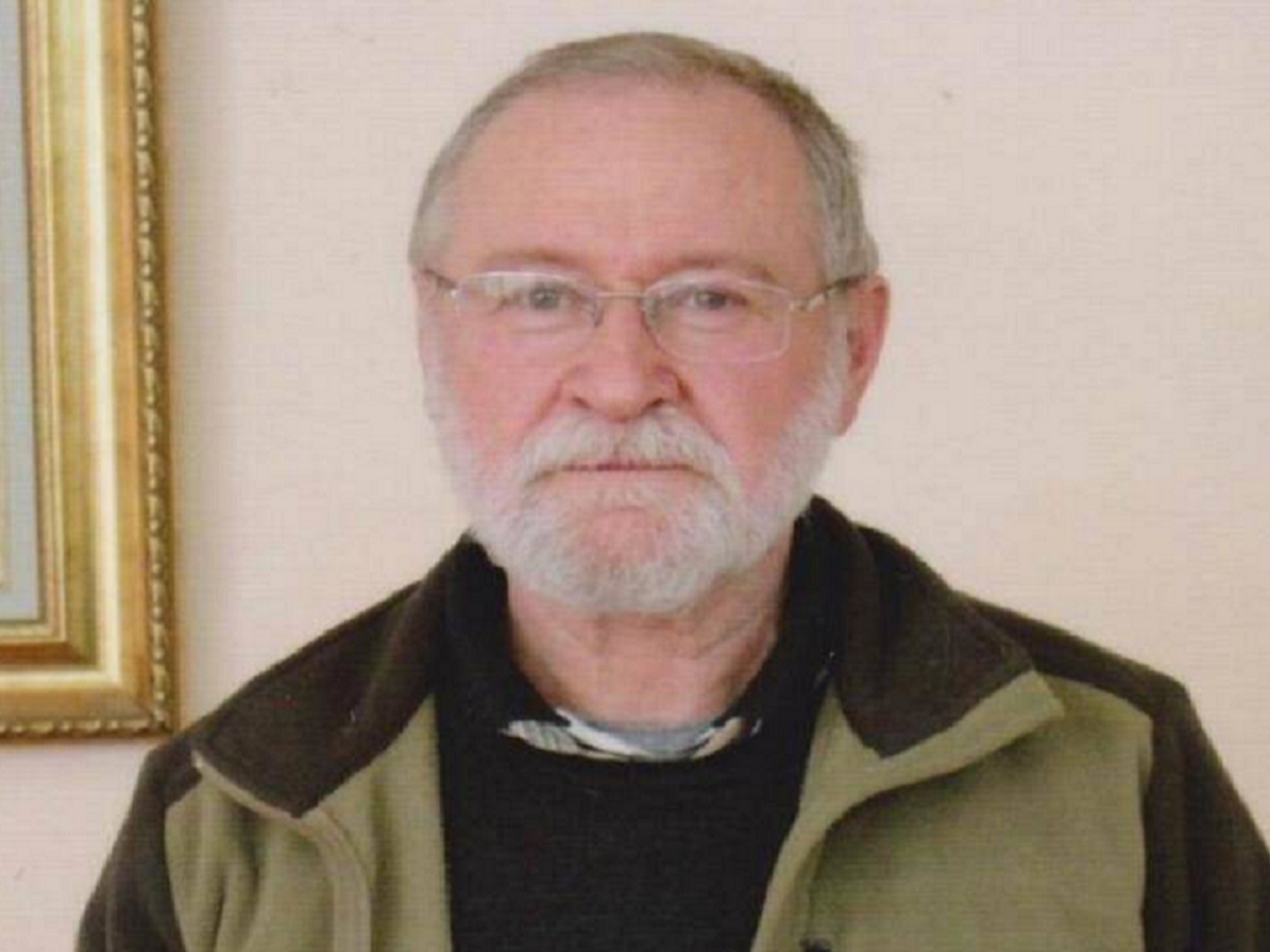
Mehmet Aytunç Altay was finally released last month after being arrested in Istanbul for his political activity in 1993. The world around has changed, even if his convictions stand firm.
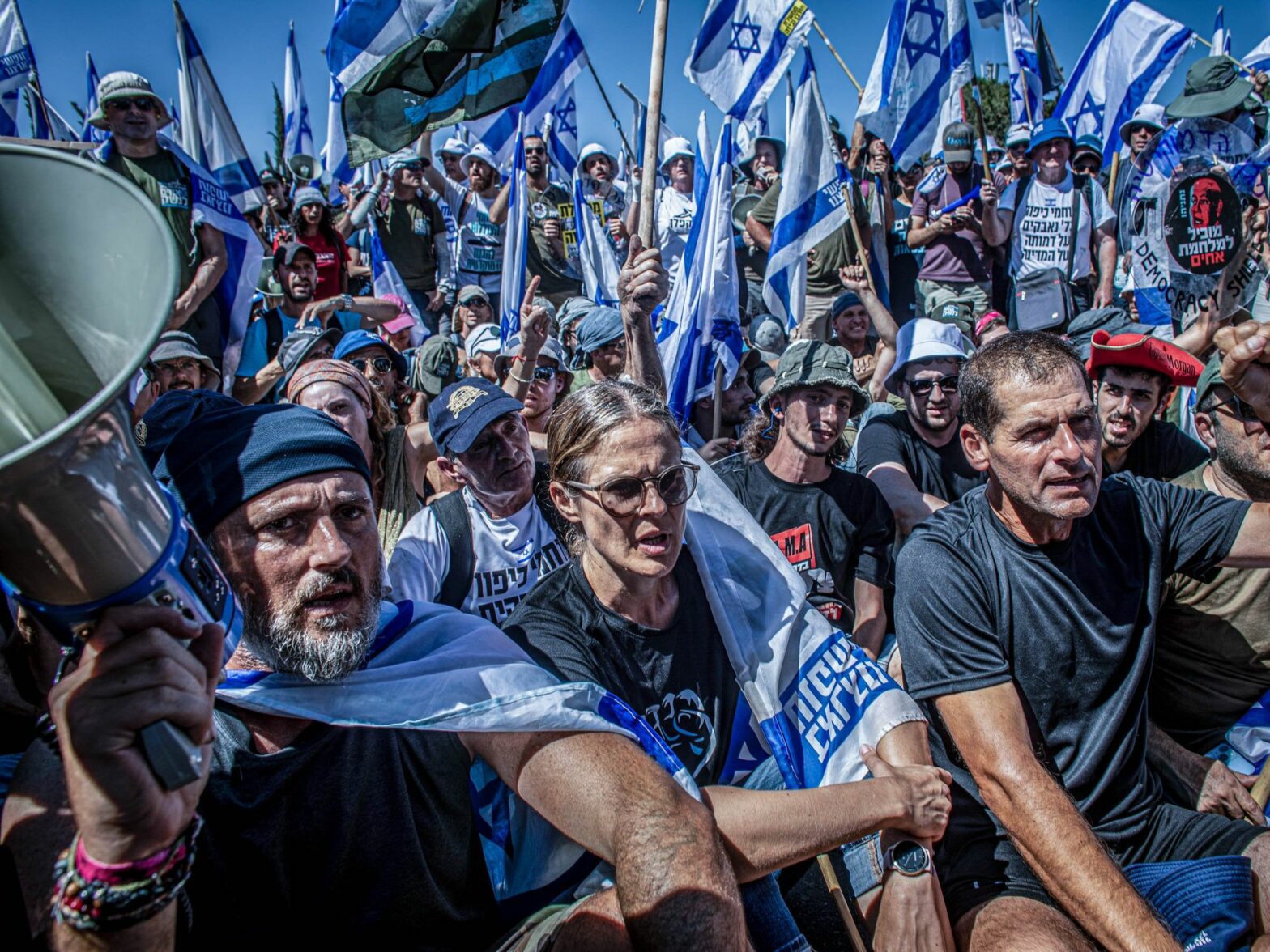
The Israeli government’s aggressive bid to curb judicial powers fits into a bigger picture of the degradation of liberal democracy worldwide.
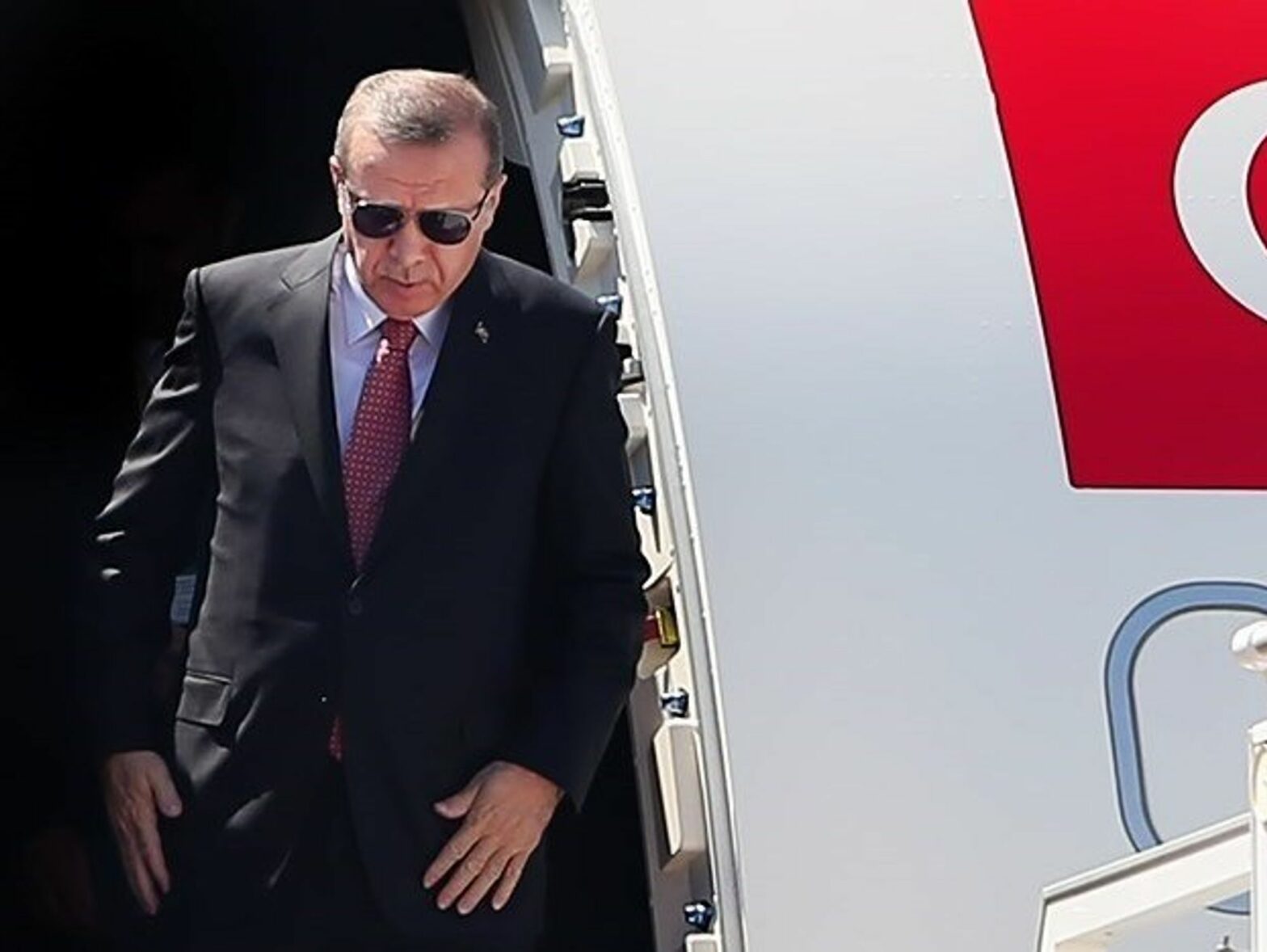
Recep Tayyip Erdogan’s recent tour of Gulf states is proof that the Turkish president aims to repair his country’s diplomatic ties in the region, all the while looking for investment for Ankara’s floundering economy. Quite the reversal of fortunes considering that not so long ago Gulf countries faced accusations of sponsoring the 2016 coup attempt in Turkey.
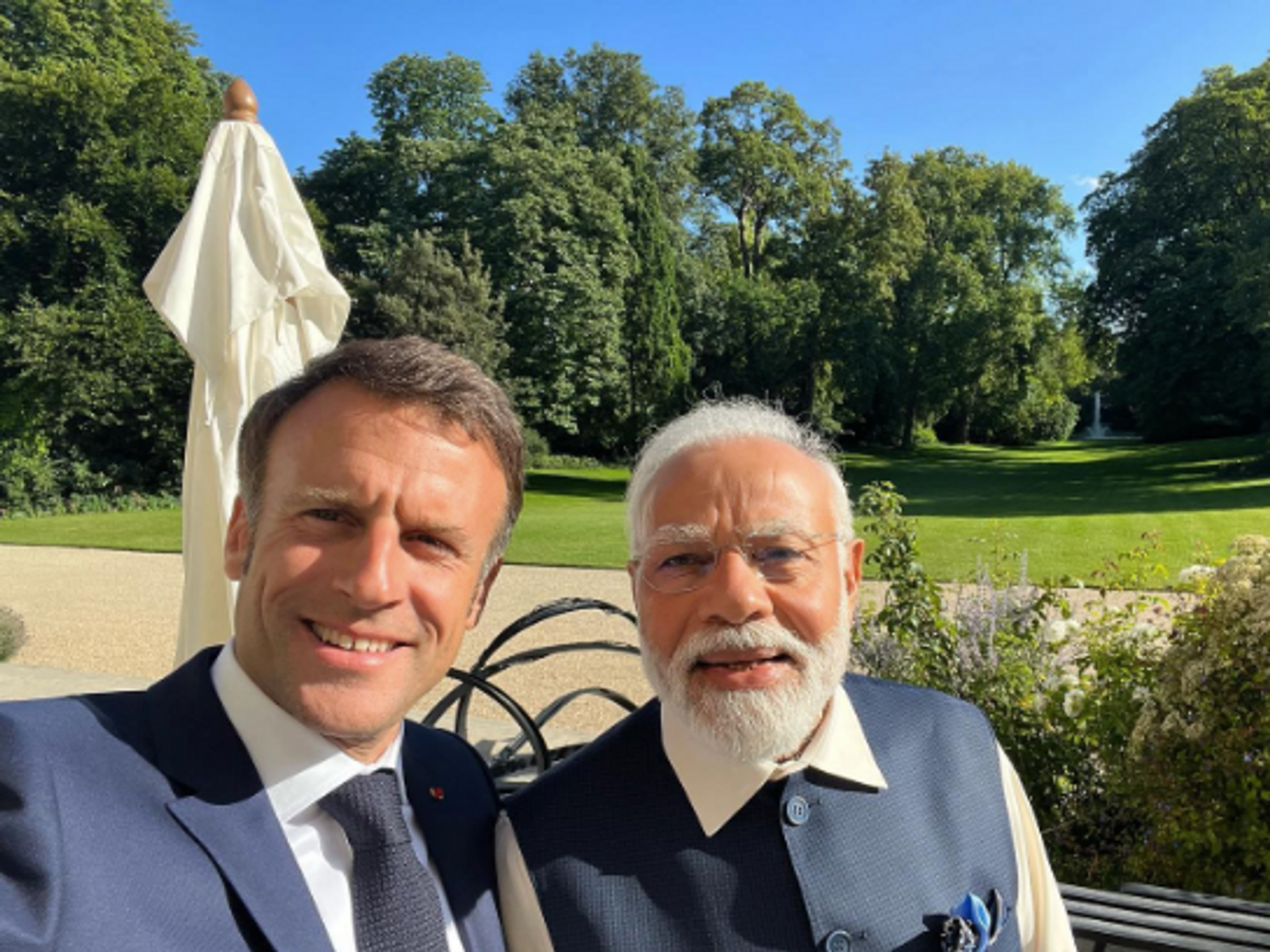
Indian Prime Minister Narendra Modi was received warmly in the U.S. and in France — visits which must have provoked some jealousy in Turkey, where President Recep Tayyip Erdogan, who faces many of the same anti-democratic criticisms as Modi, can’t expect the same kind of red-carpet welcome in Washington.
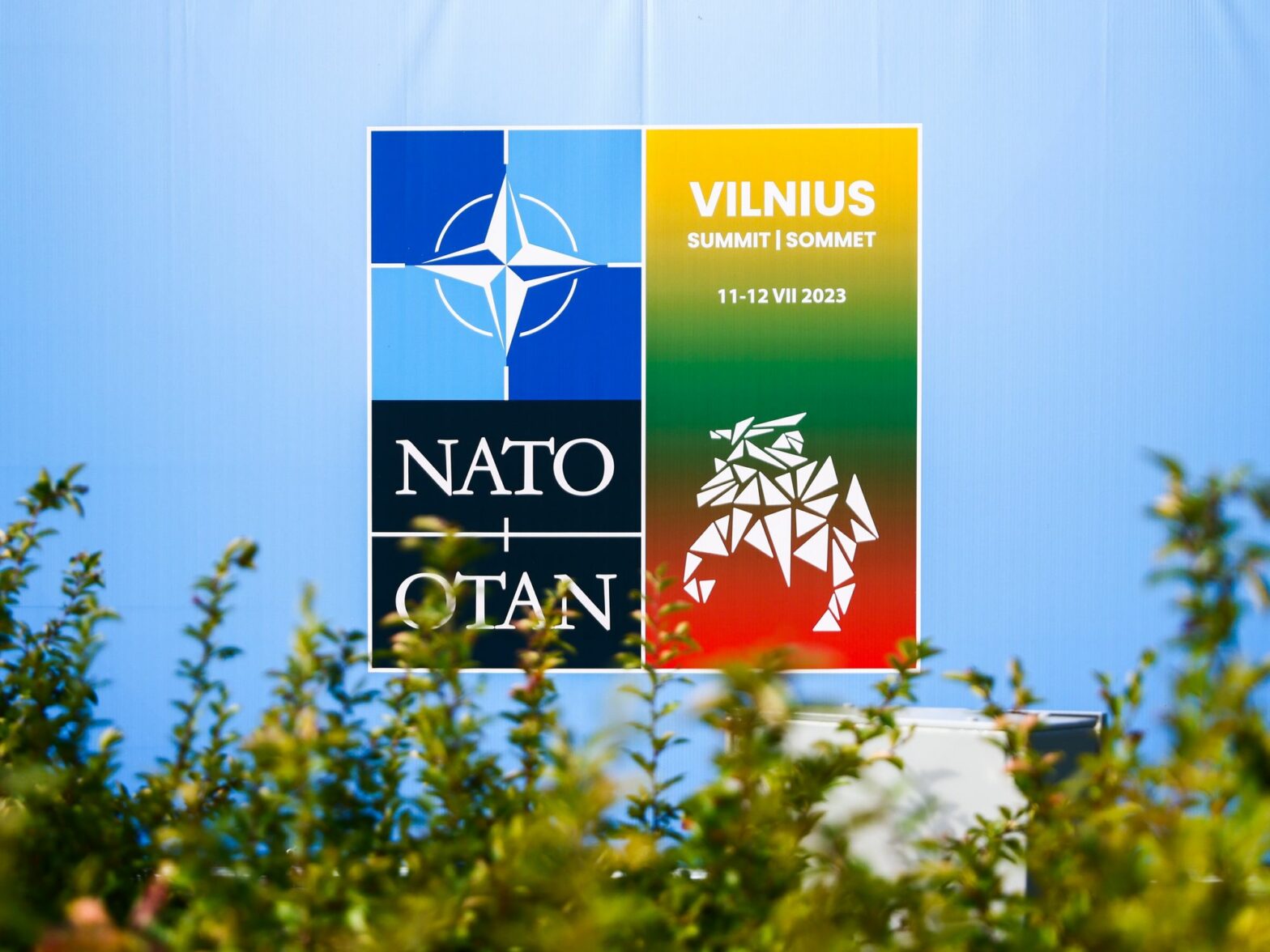
Ahead of the Vilnius NATO summit, Joe Biden said Ukraine joining NATO while the war is on is a non-starter. But it’s also a done deal once Kyiv has vanquished its Russia invaders.
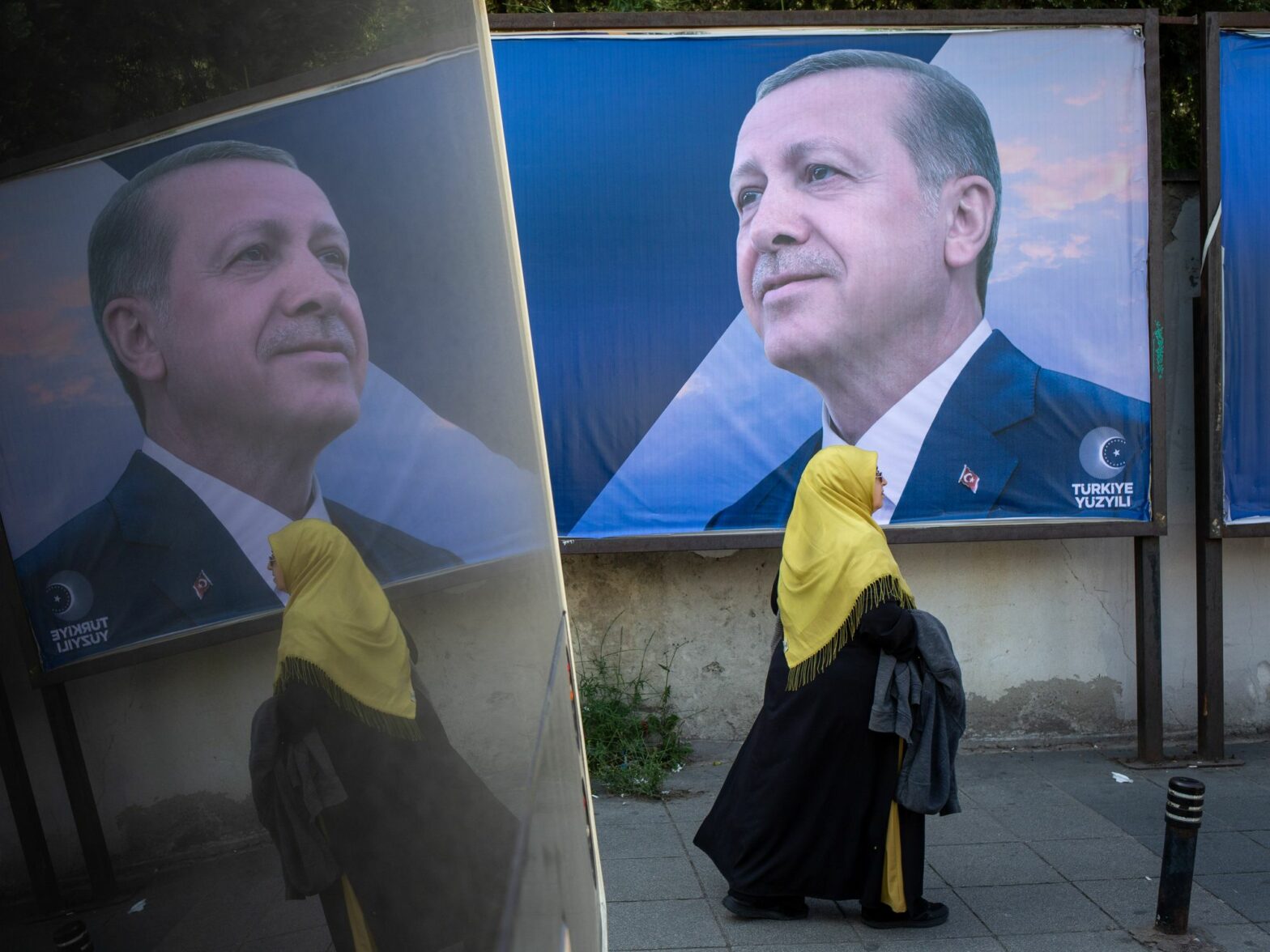
Recep Tayyip Erdogan has cemented his already tight grip on power in Turkey, winning an unprecedented third term as president. The West had hoped for a slightly less unpredictable leader, but they will have to make peace with an emboldened Erdogan, who may become even more autonomous.
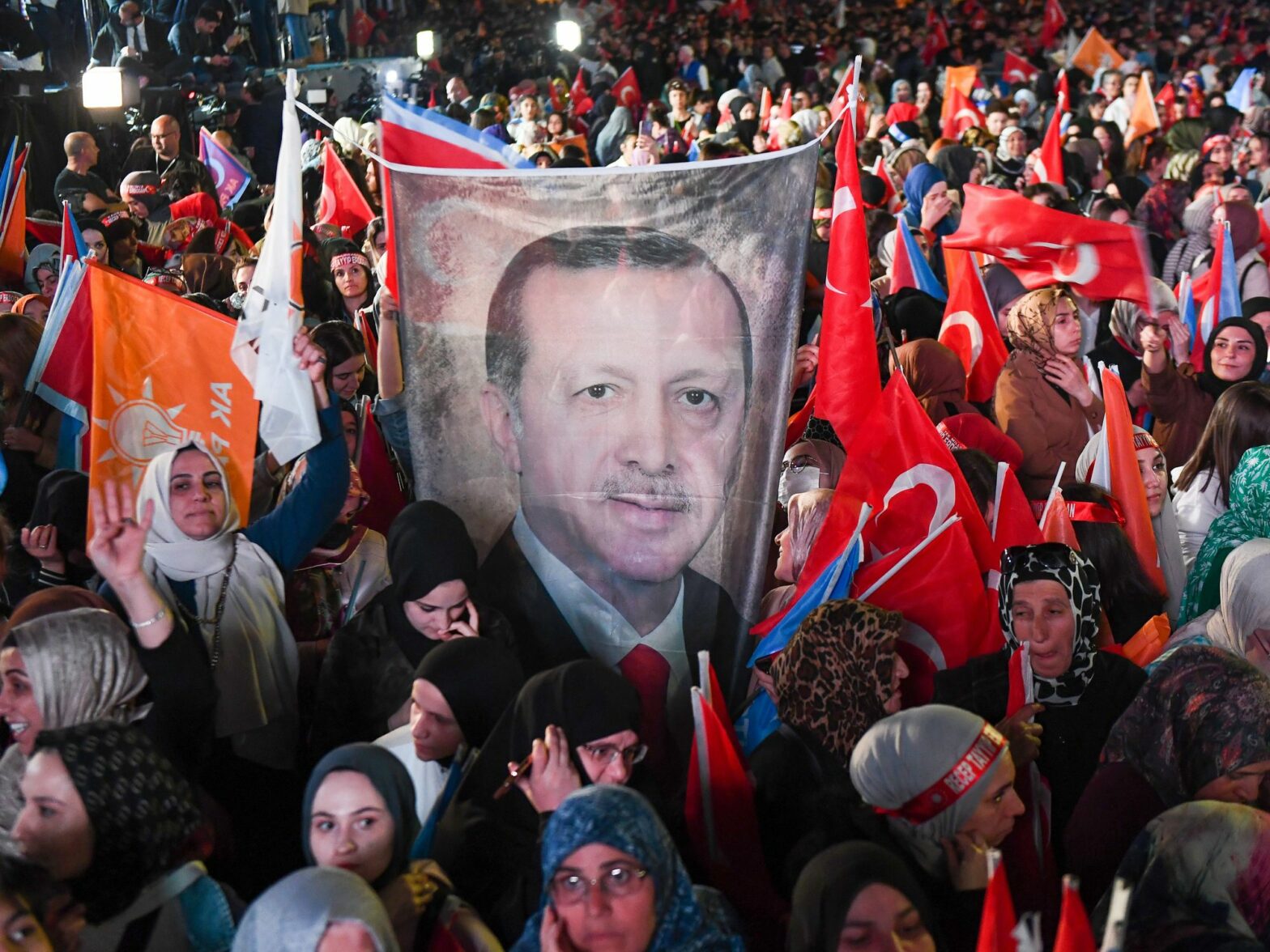
Both Turkish President Recep Tayyip Erdogan and his challenger, Kamel Kilicdaroglu, have cast doubt on the first round results. Heading into the second round on May 28, recalling recent examples, in the U.S. and Brazil, we may again see what happens when a populist is faced with giving up power.
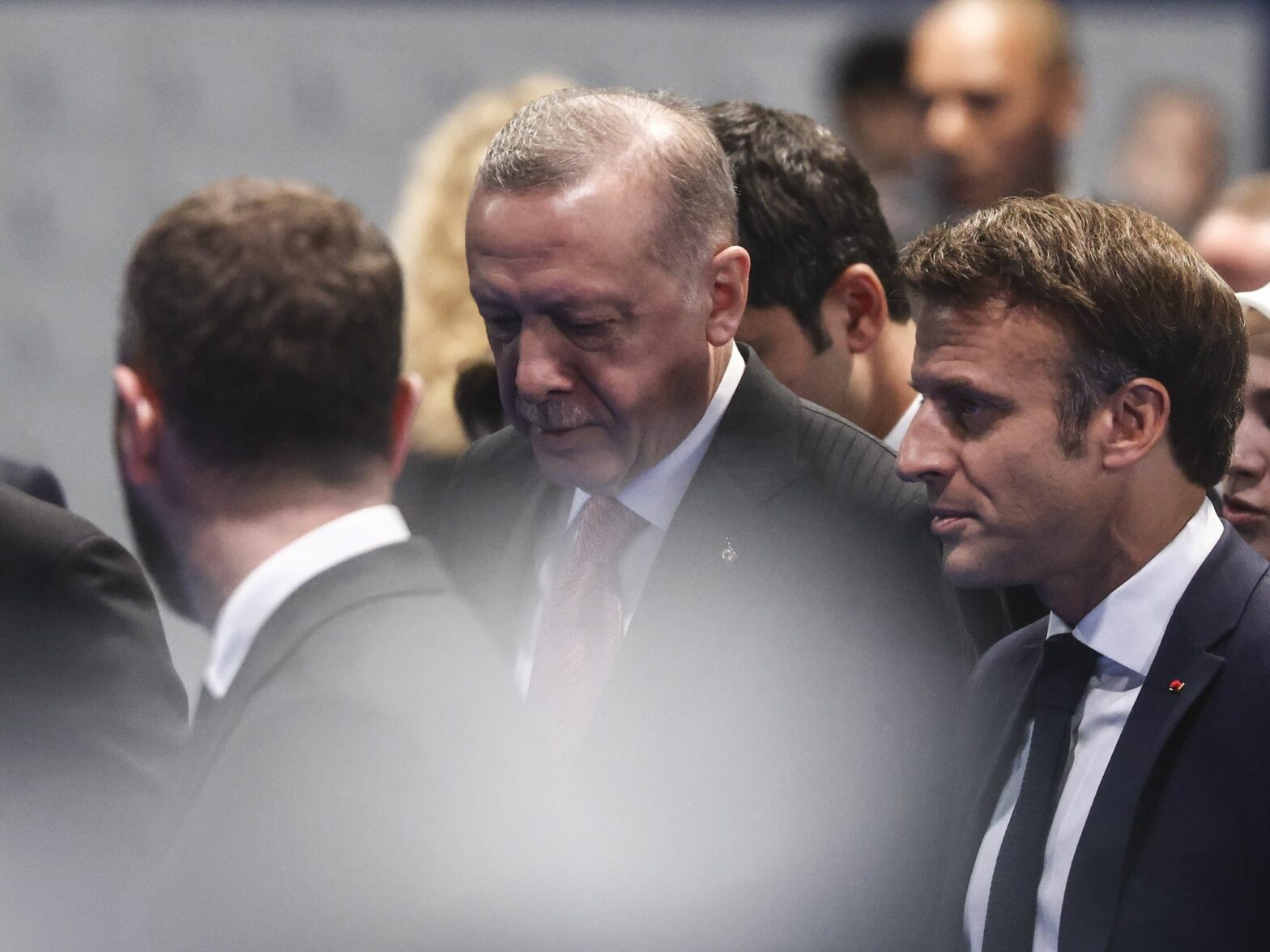
Western leaders hope the end is coming for the reign of Turkey’s longtime leader Recep Tayyip Erdogan, but saying it too loudly is just too risky in geopolitical terms.
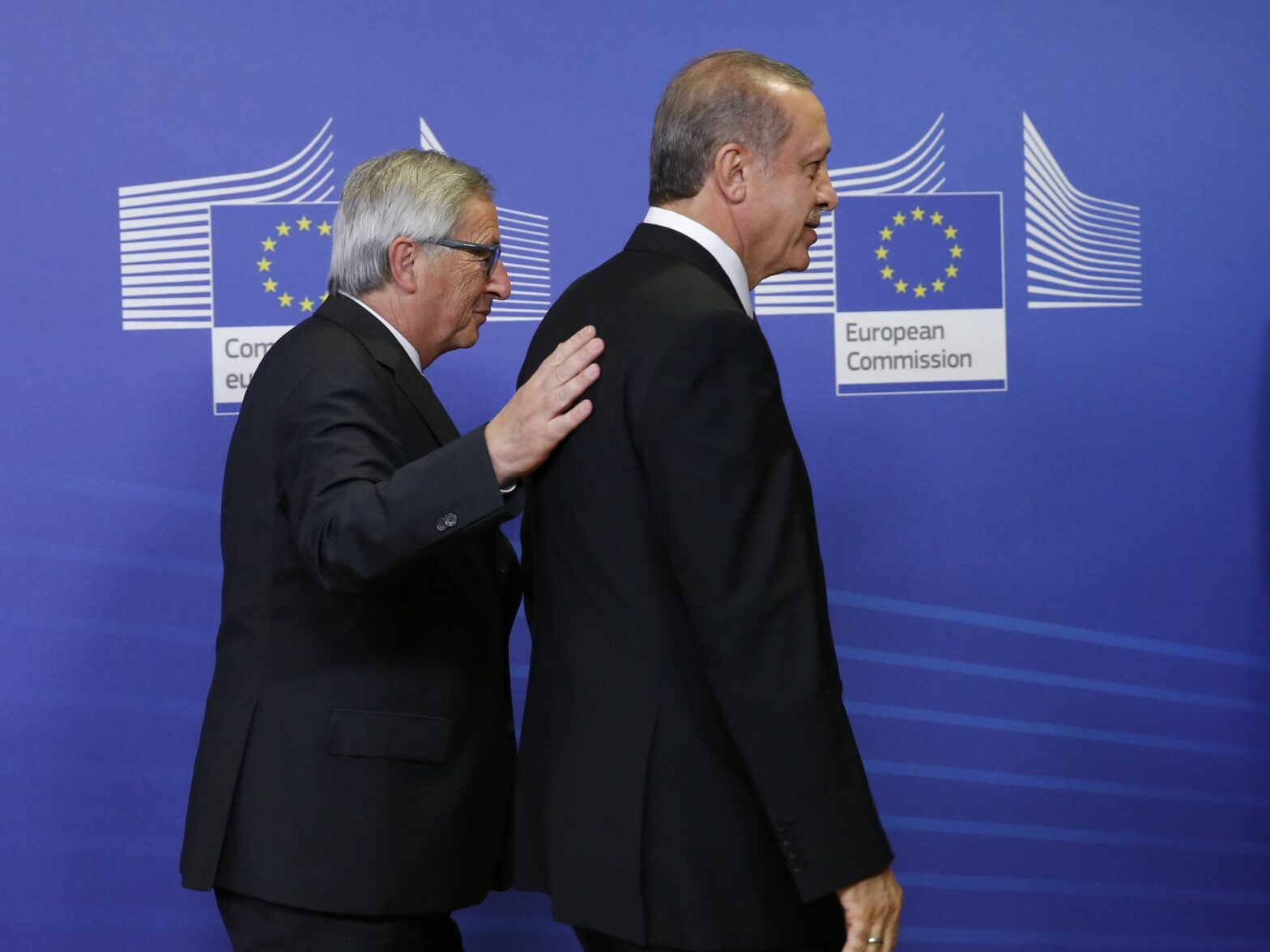
An opposition victory in the elections would be good news for the currently disastrous relations between Ankara and the European Union. But the 27 EU members may not yet be ready to consider Turkey’s integration into the EU.
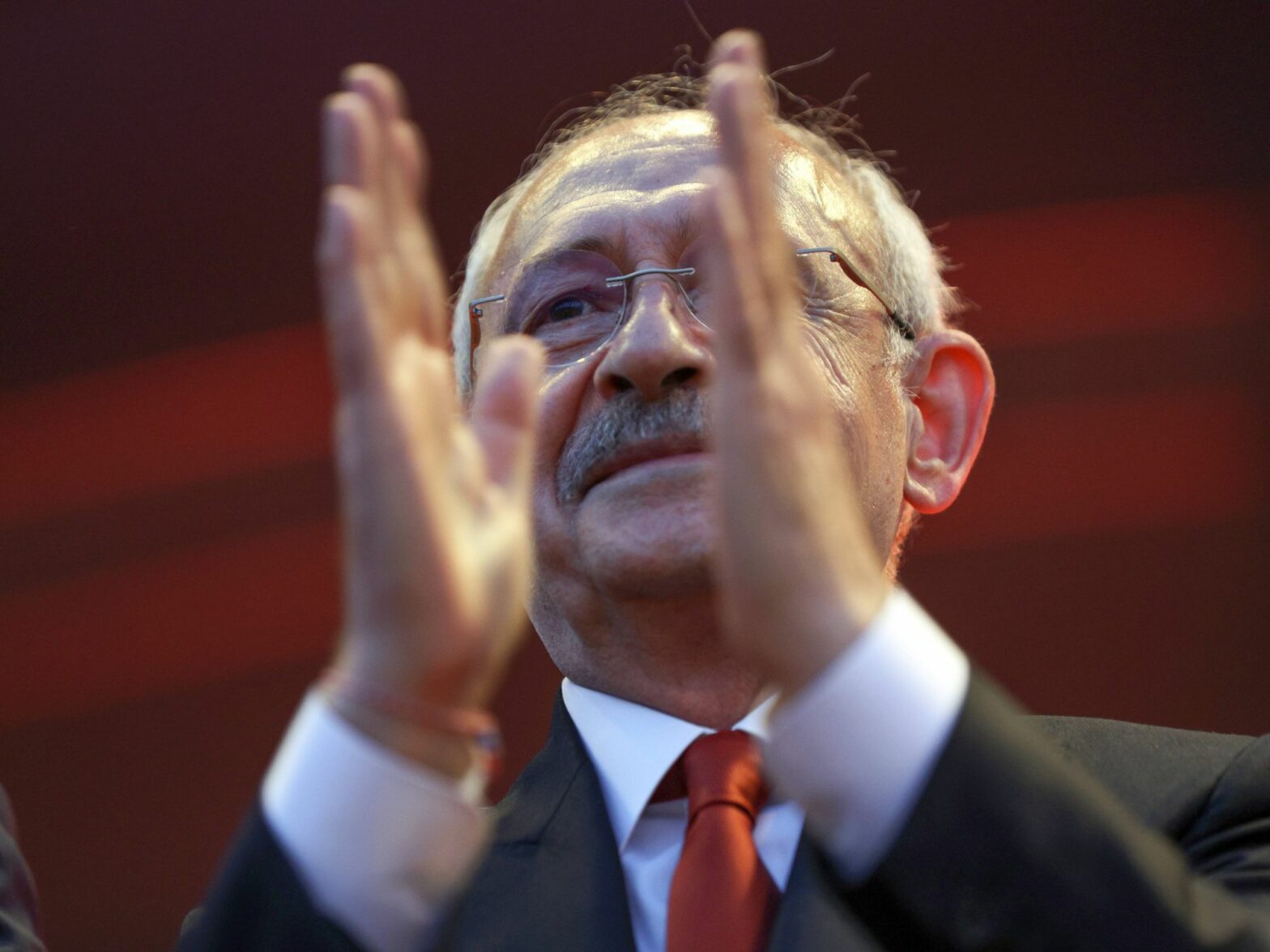
The 74-year-old veteran politician has a solid chance of unseating Erdogan from power after 20 years. Kilicdaroglu has displayed the kind of calm and open attitude to save Turkish democracy.
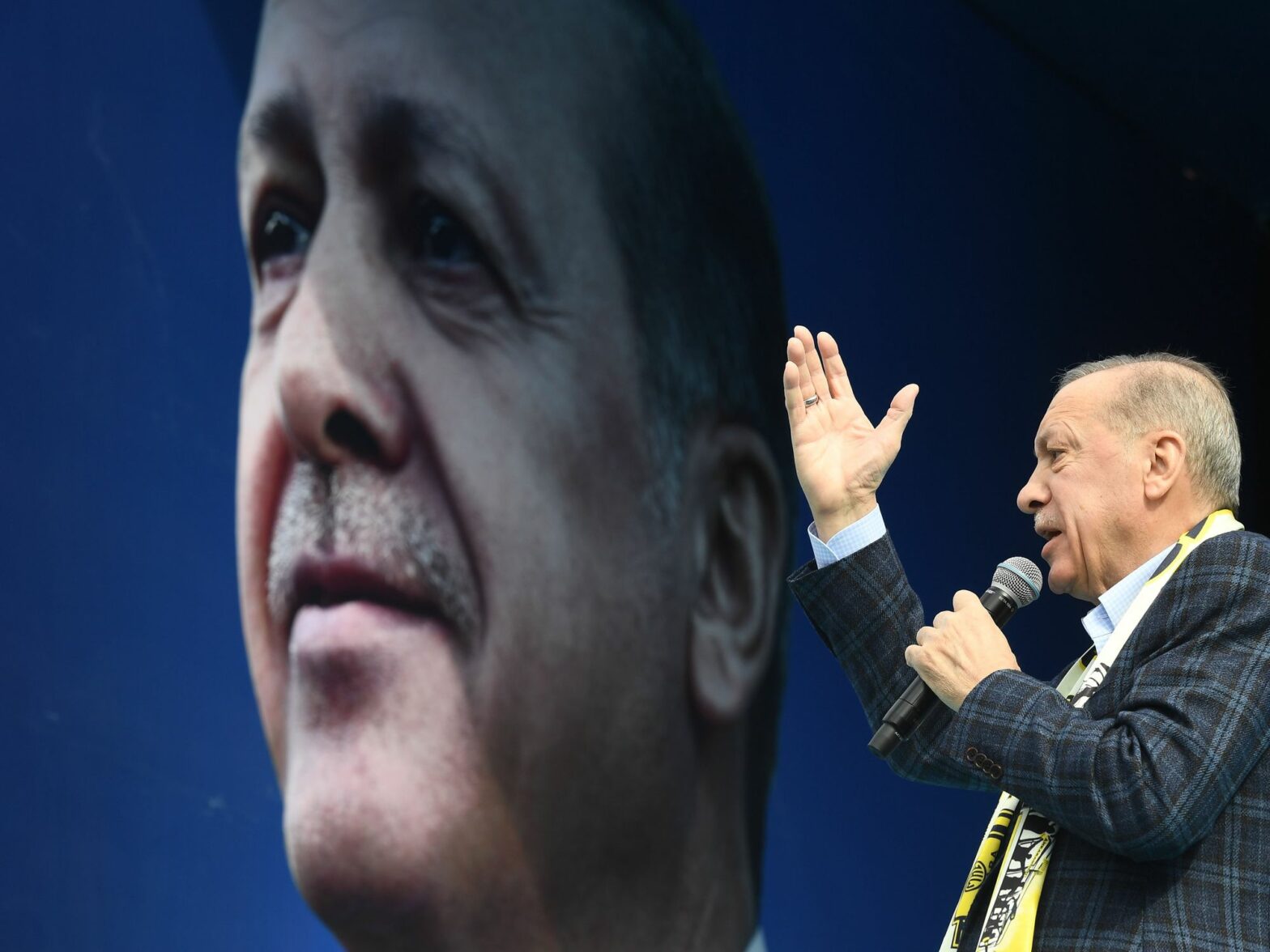
A tale of Turkey’s second president accepting defeat begs the question of whether Recep Tayyip Erdogan would accept election defeat on May 14, and return to life as a private citizen.
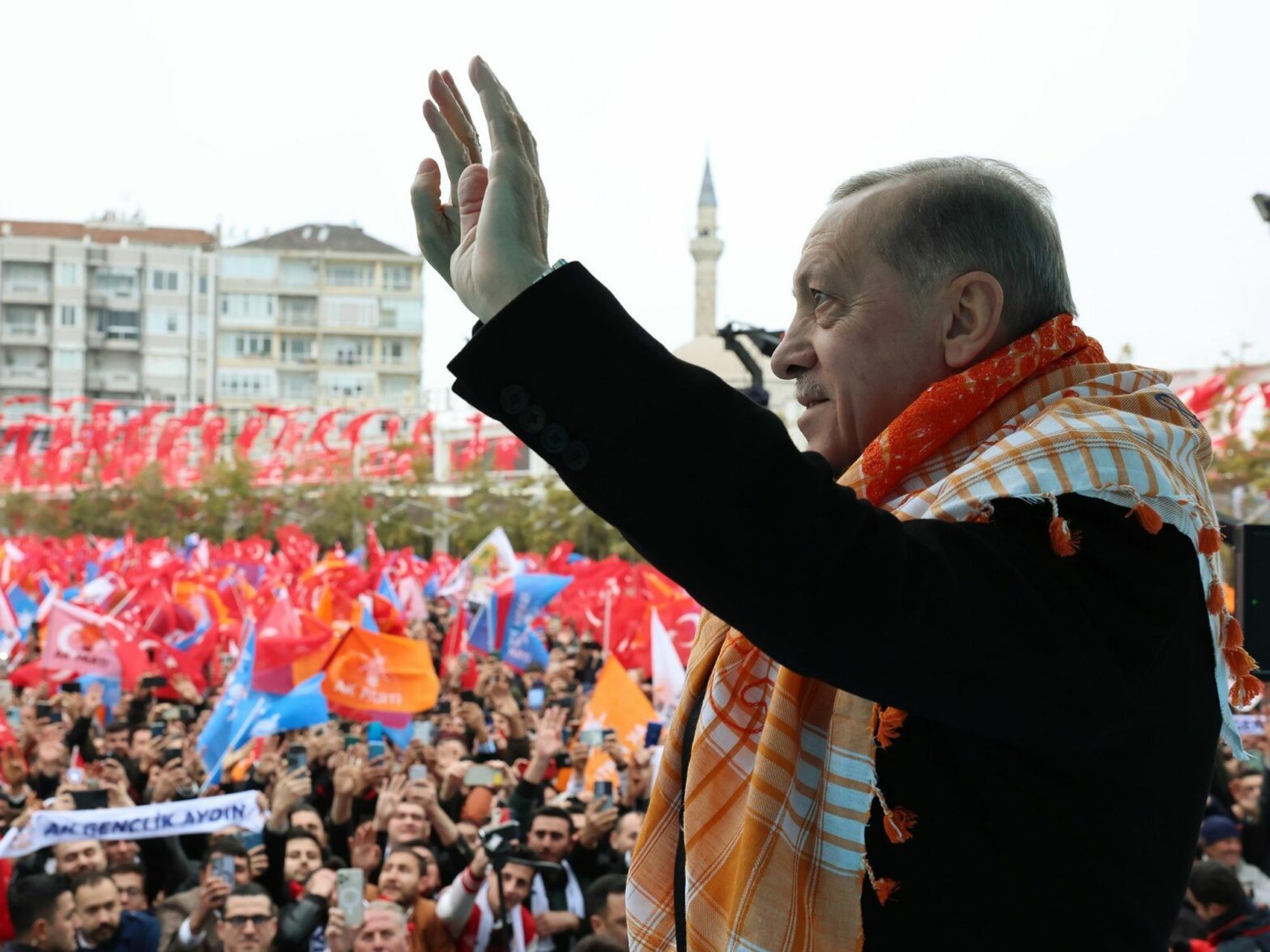
Turkey heads to the polls in May, with a newly formed opposition bloc hoping to dislodge President Tayyip Recep Erdogan. Despite some party infighting, many remain hopeful they can bring an end to Erdogan’s 20 years in power. But first, clarity from within a complicated coalition is needed.
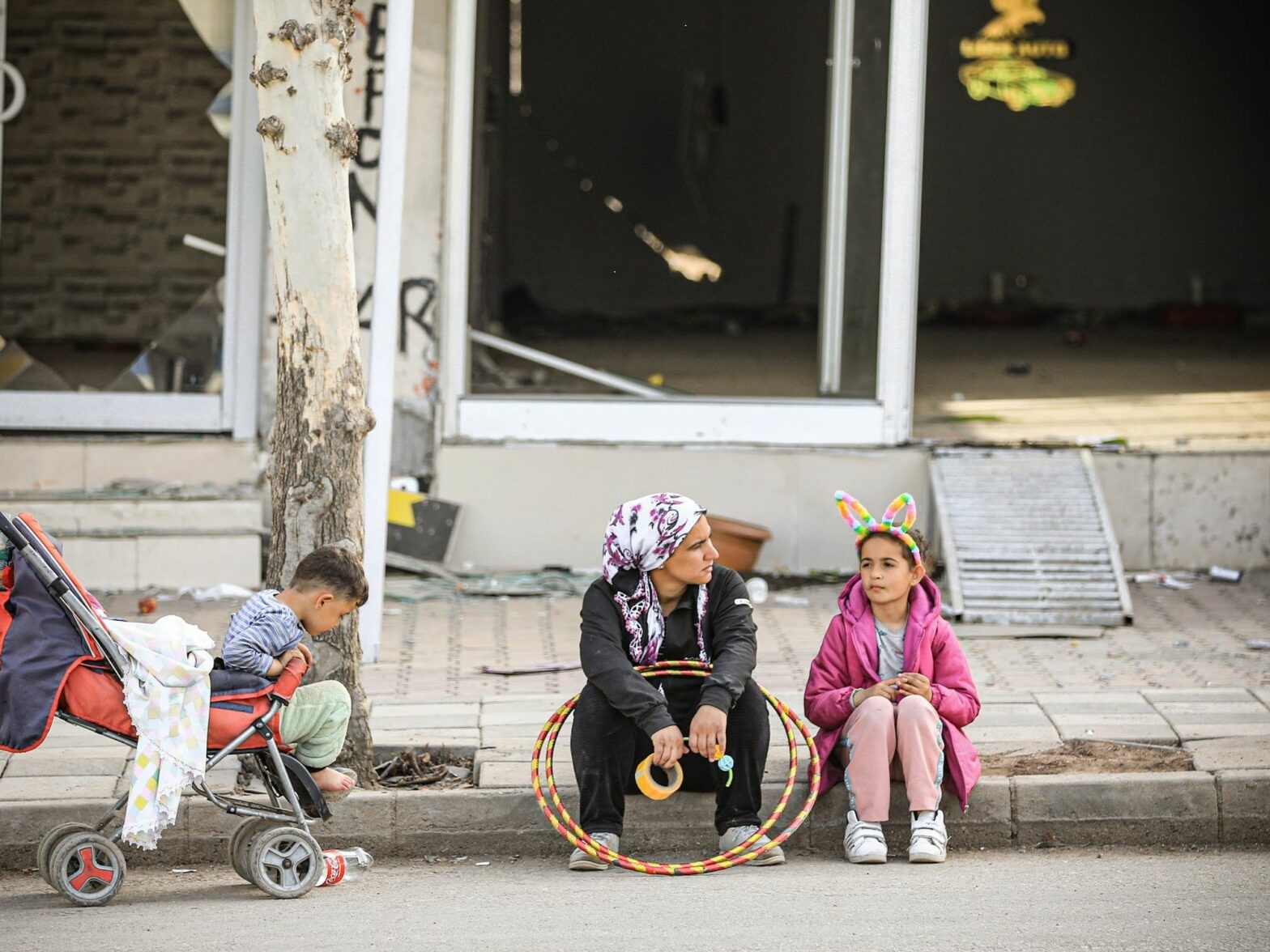
When Turkish President Recep Tayyip Erdoğan tried to reassure his fellow citizens that they could safely donate to help earthquake victims, many were skeptical. It’s a sign of a longstanding mistrust of institutions that affects the nation on the deepest level.
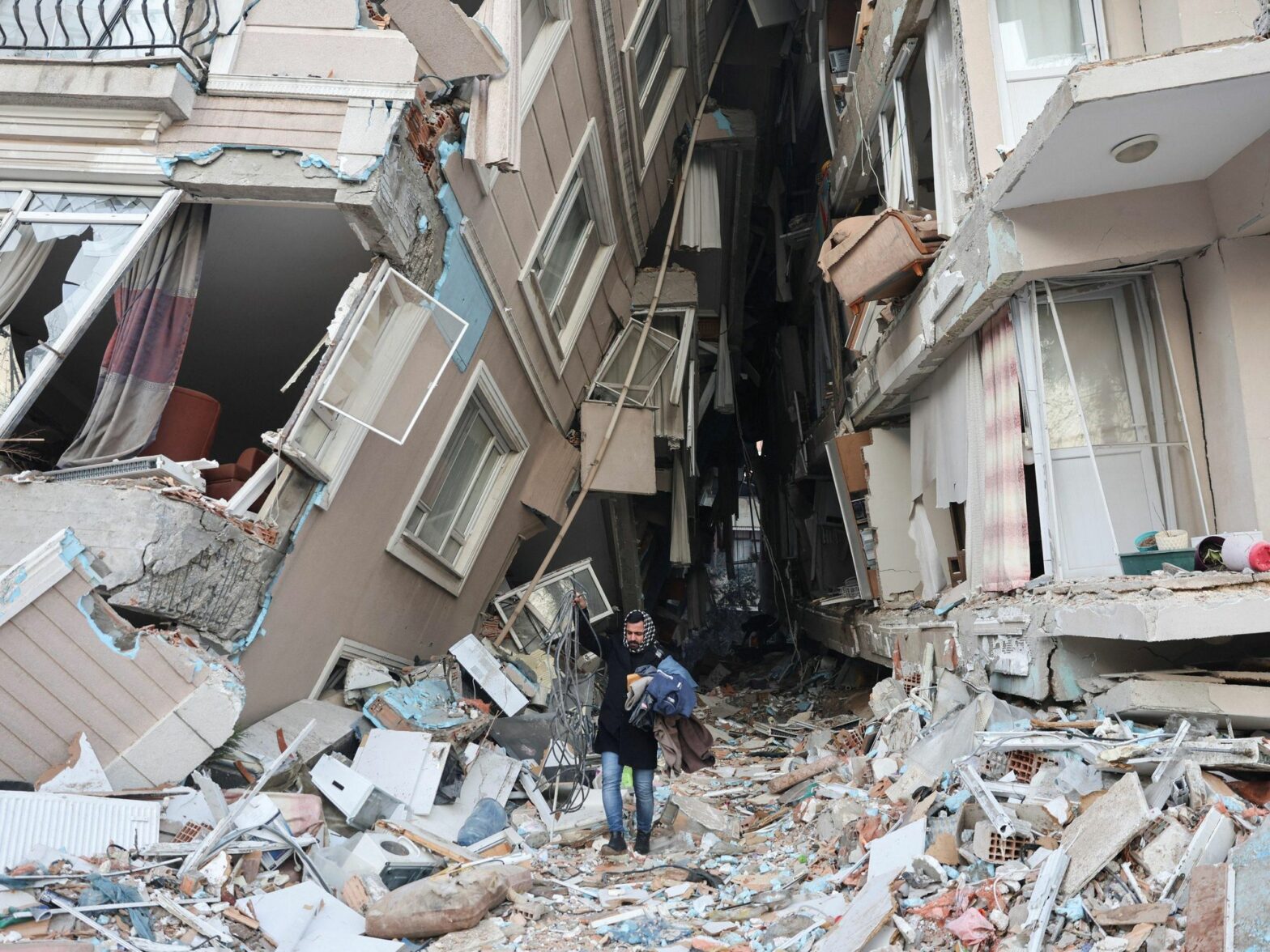
A reflection of what the Feb. 6 earthquake exposes deep problems in Turkish public life over the past two decades, and what we can expect in the coming months and years.
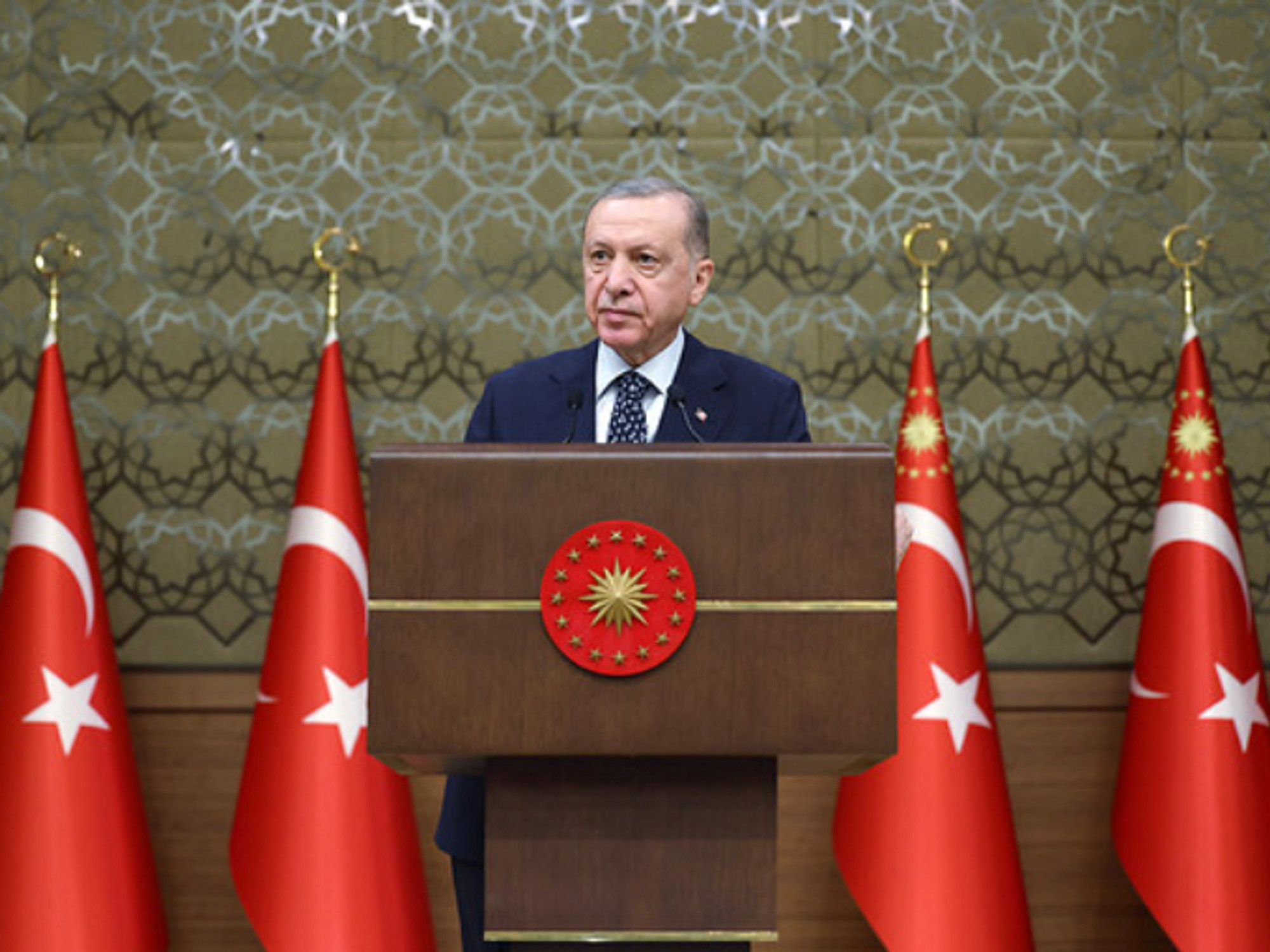
Turkey’s objections to Swedish membership of NATO may mean that Finland joins first. But as he approaches his highly contested reelection bid at home, Turkish President Recep Tayyip Erdogan is ready to use the issue to his advantage.
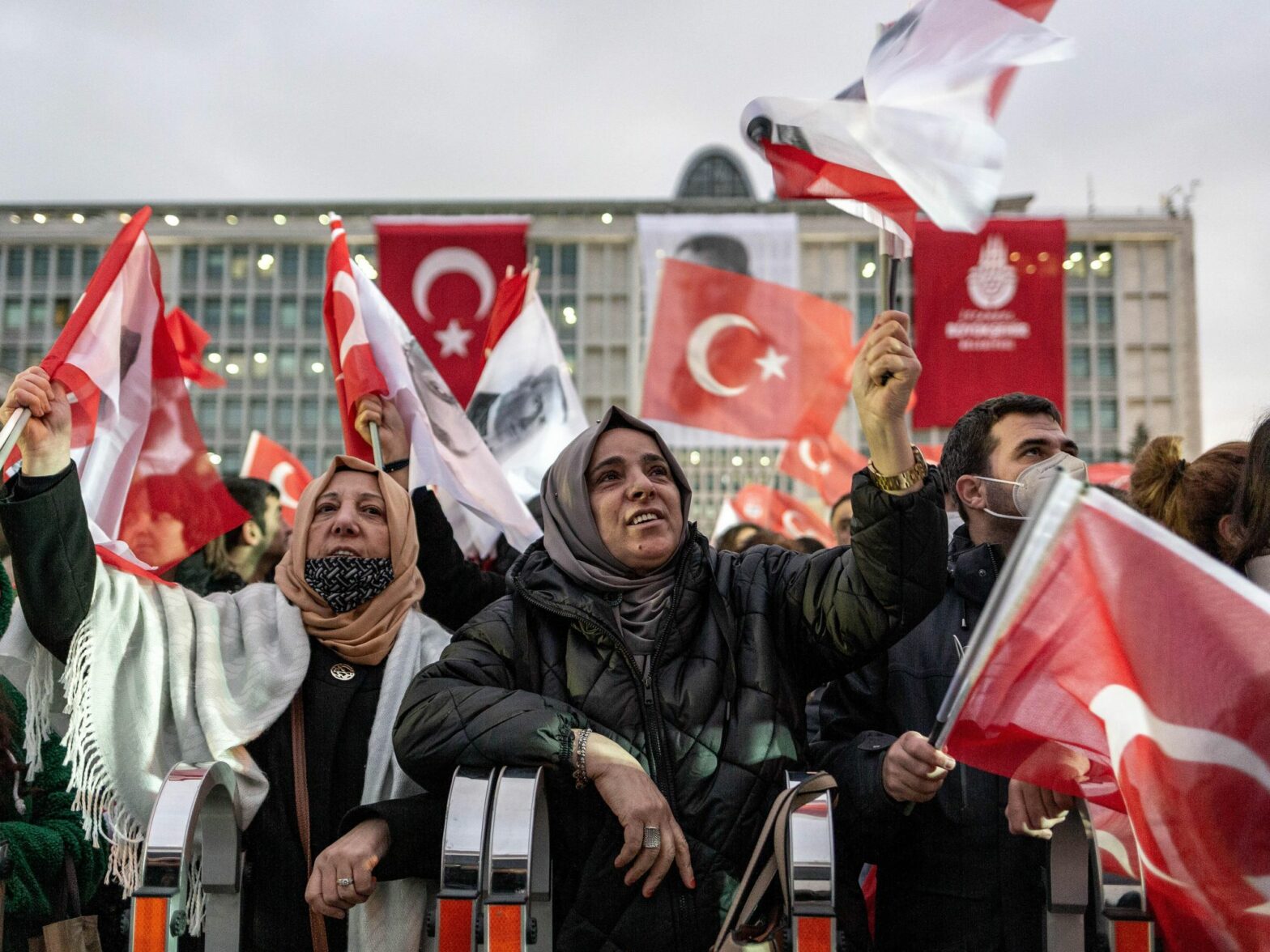
Turkey heads to the polls in June in elections that decide the country’s future direction. It is a referendum on President Erdoğan, but also a challenge for the divided opposition. Much is at stake in a country roiled by multiple crises and declining trust in its leaders.
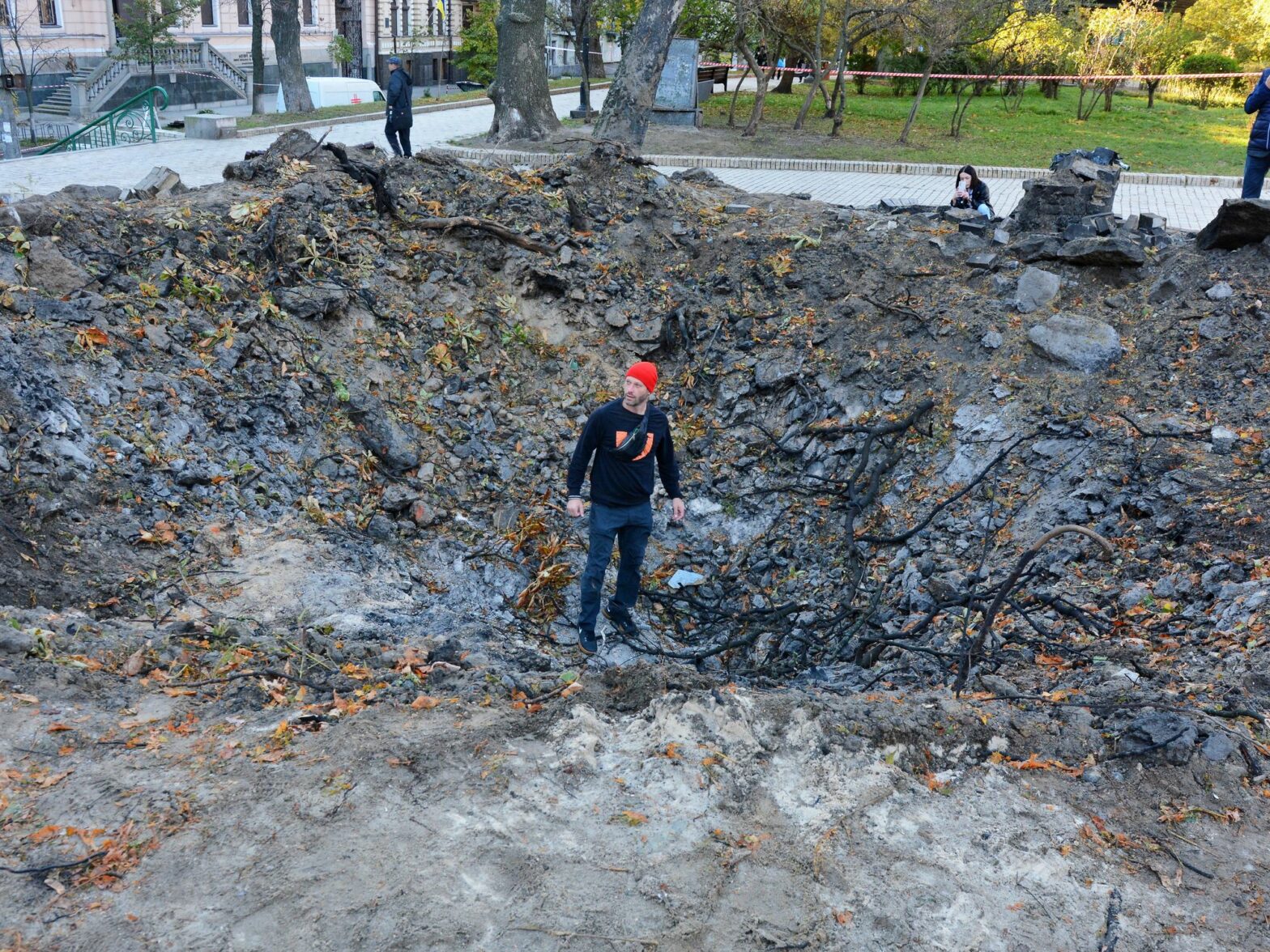
Moscow’s new commander in Ukraine has changed the timing of when to strike cities and infrastructure.
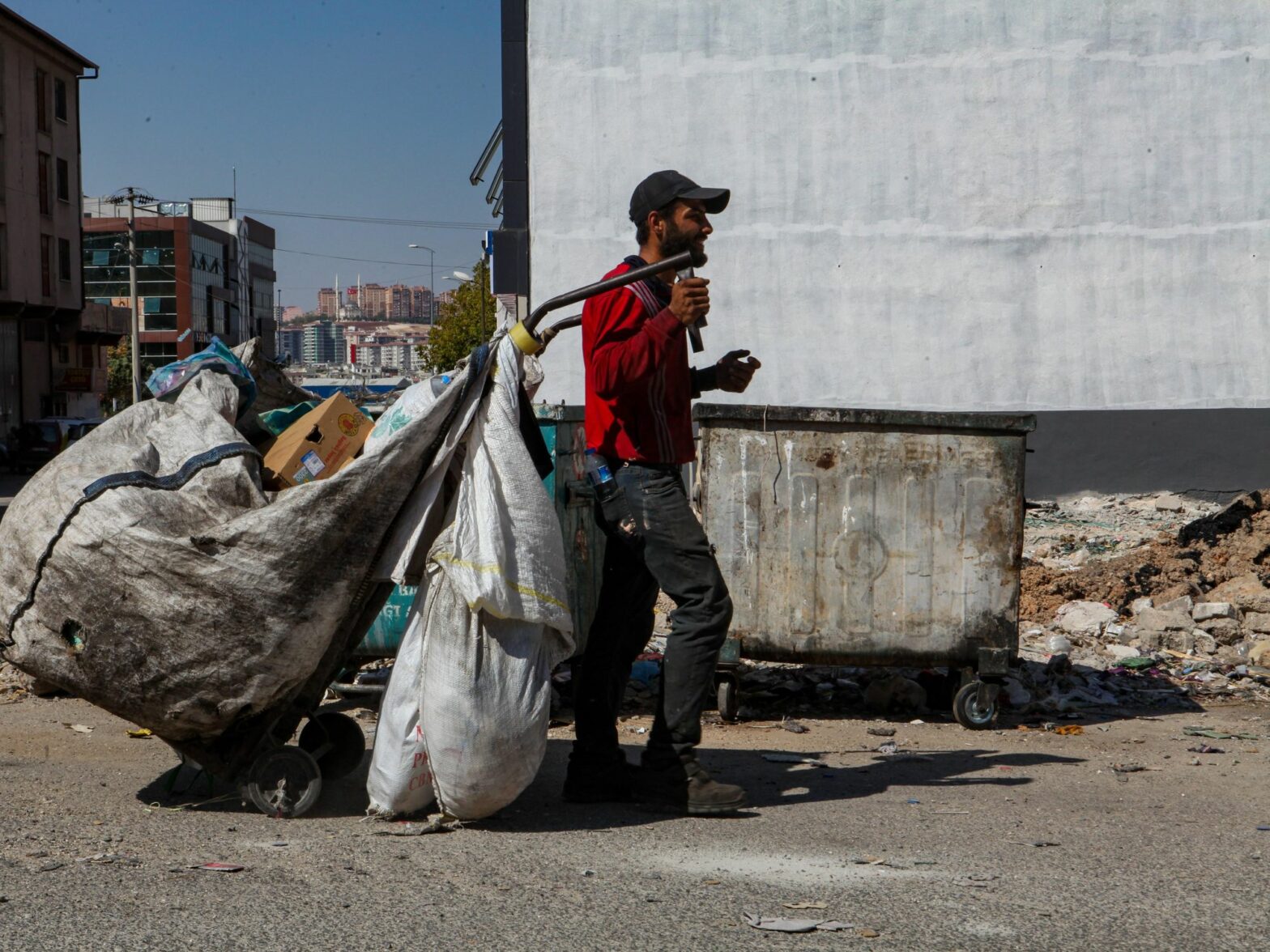
In Turkey, resentment against Syrian refugees is growing. And President Erdogan – once their patron – is now busy seeking good relations with the man the Syrians fled, the dictator Bashar al-Assad.
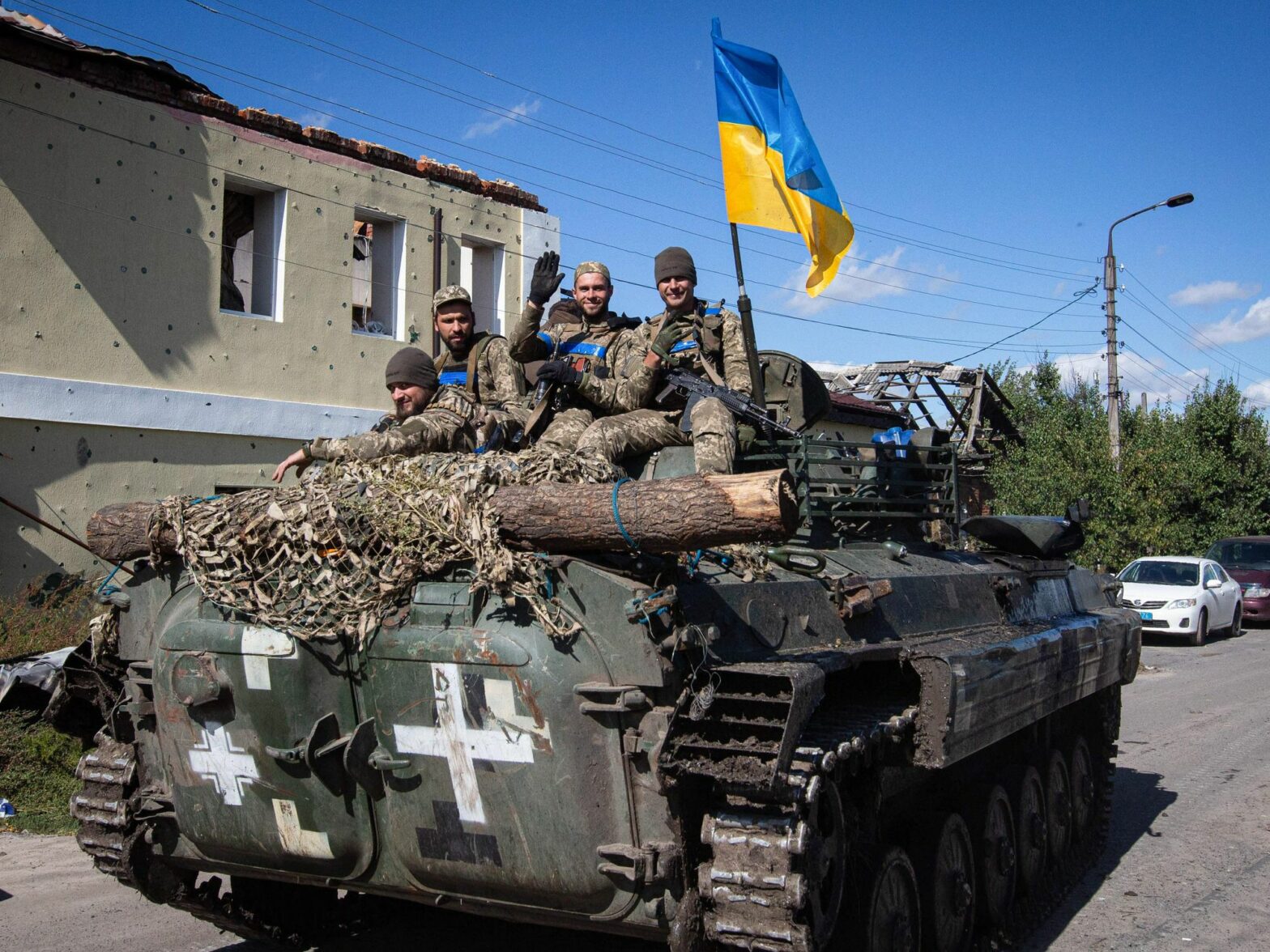
Occupation authorities of three Ukrainian regions have officially demanded referendums on becoming part of Russia. The Russian authorities of the Luhansk and Donetsk republics and the deputy head of the Kherson administration simultaneously demanded that referendums be held immediately, Russian news agency RIA Novosti has reported. Stay up-to-date with the latest on the Russia-Ukraine war, […]
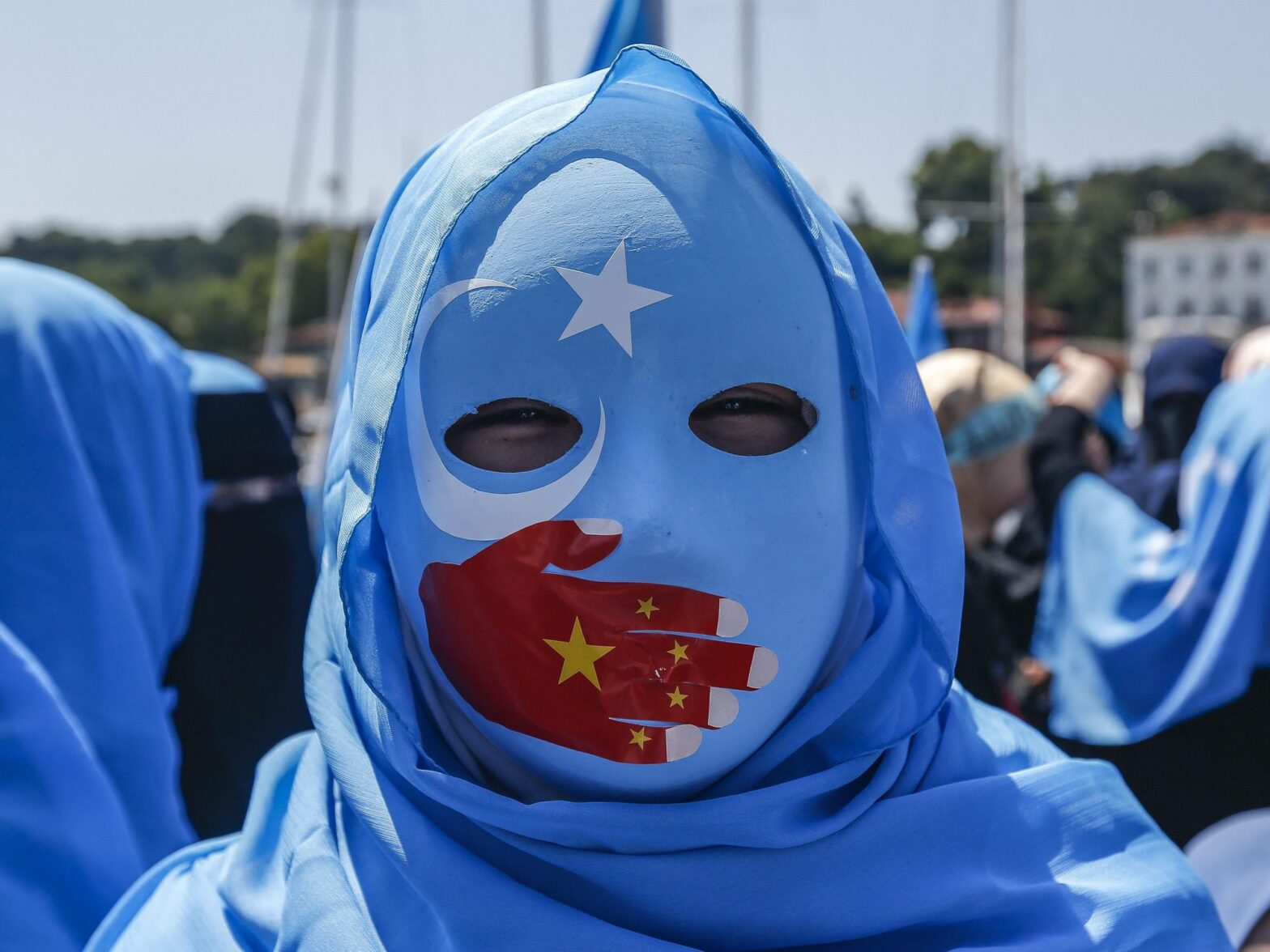
Turkey is home to the largest Uyghur diaspora in the world. The Muslim minority group, which is persecuted in China, sees the Turks as “cousins”. But as the country’s economy grows increasingly dependent on Beijing, Erdogan is holding his tongue about human rights abuses — and he is not alone.
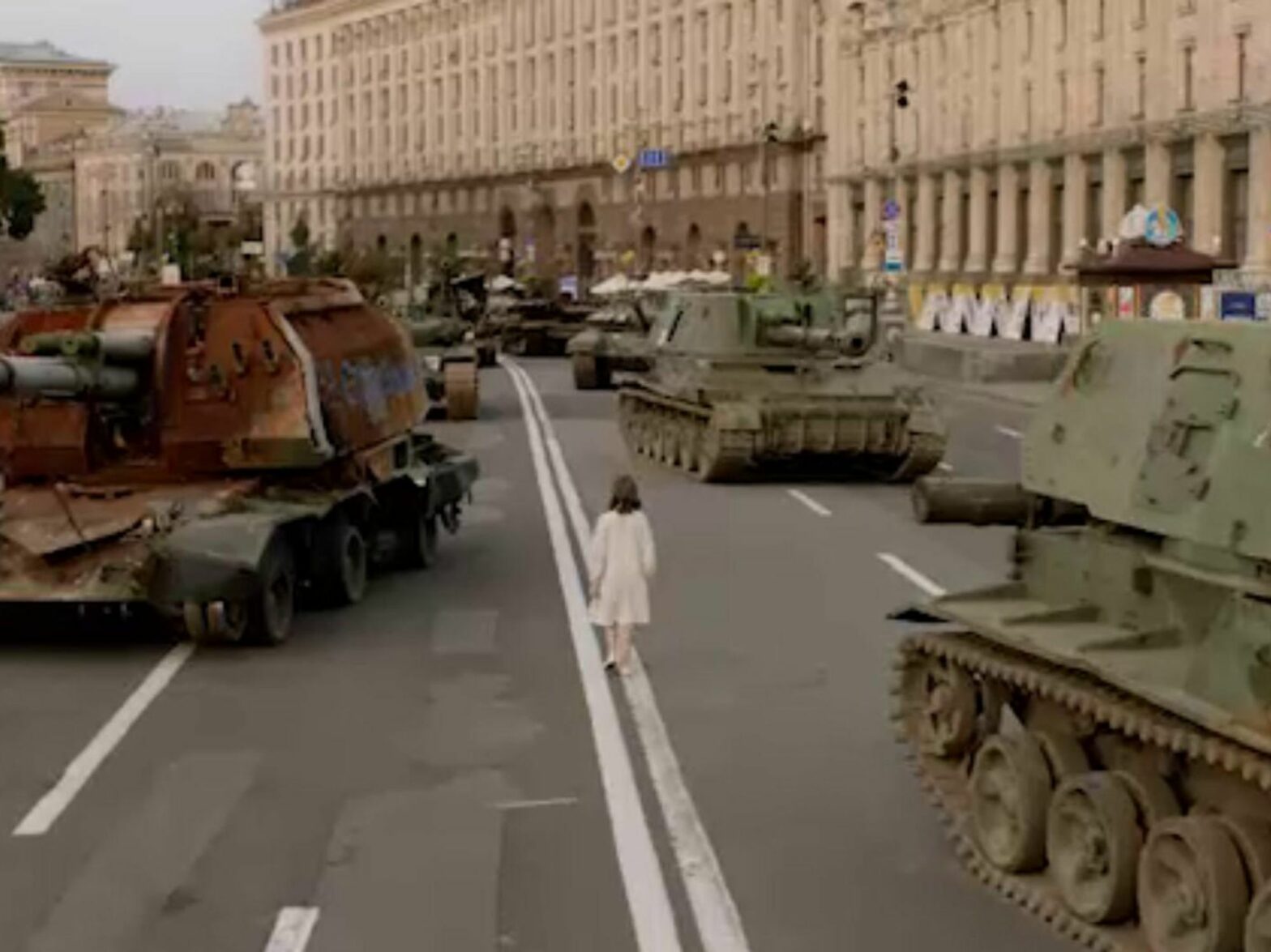
Ukraine is celebrating its Independence Day. Thirty one years ago, without a single shot being fired, the Soviet Union finally broke up and all of its republics set out to build their statehood. Stay up-to-date with the latest on the Russia-Ukraine war, with our exclusive international coverage. Sign up to our free daily newsletter. The […]