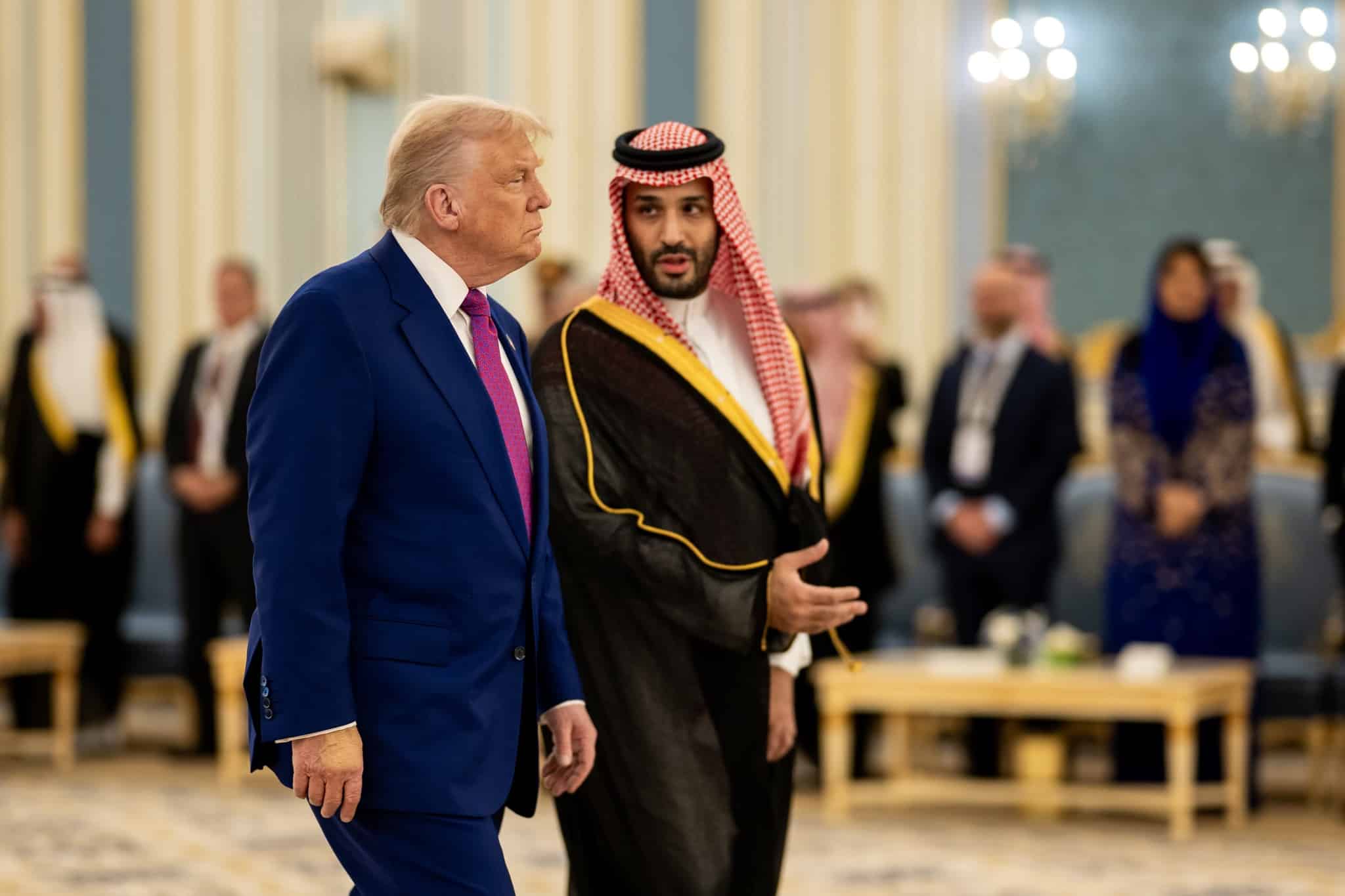
Donald Trump surprised everyone by meeting Ahmed al-Sharaa, the Syrian president, a former jihadist. It’s all about Trump’s gut and what Saudi Crown Prince MBS has planned for the region’s future.
 Worldcrunch
Donald Trump surprised everyone by meeting Ahmed al-Sharaa, the Syrian president, a former jihadist. It’s all about Trump’s gut and what Saudi Crown Prince MBS has planned for the region’s future.
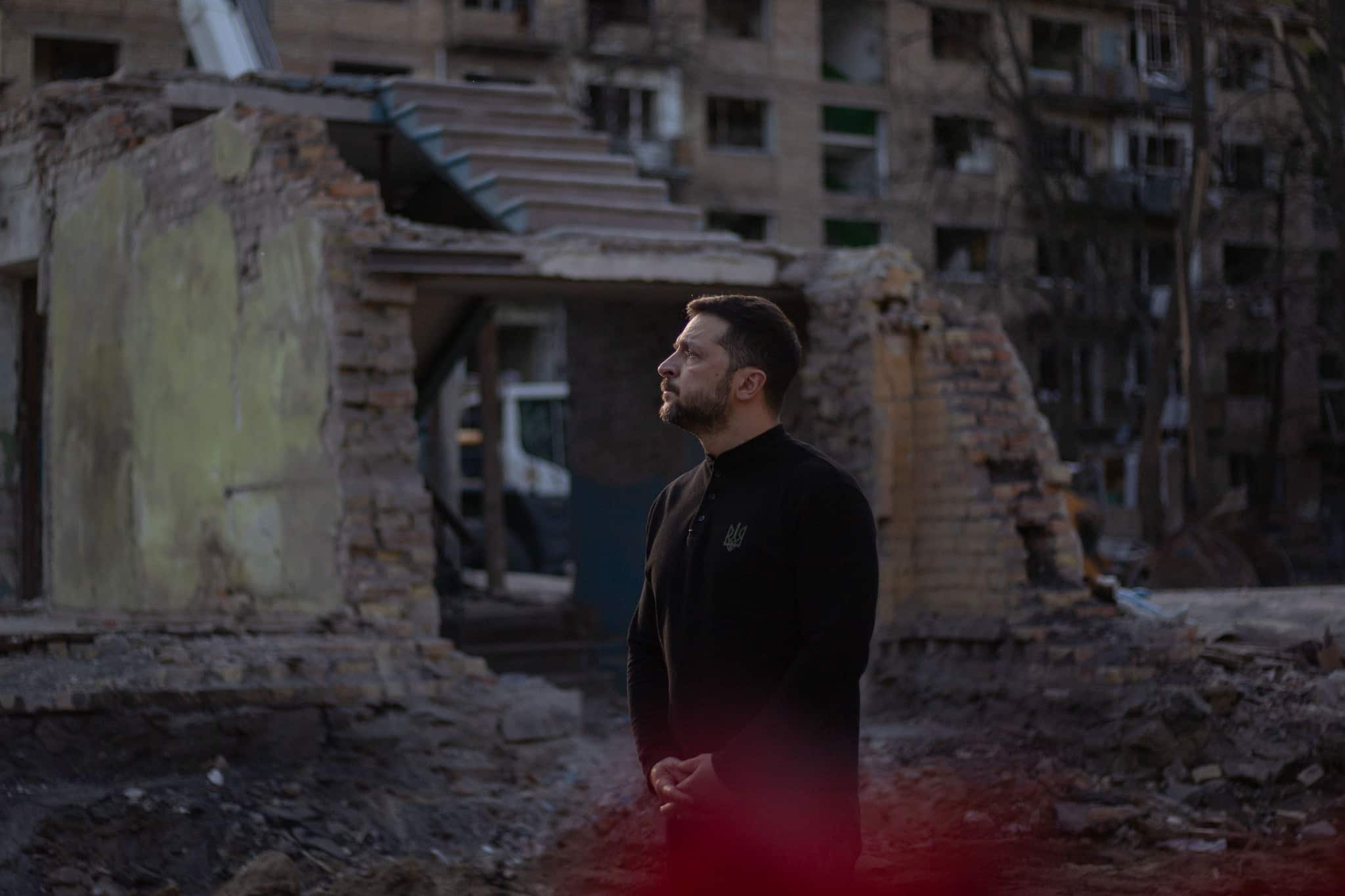
By challenging Putin to face-to-face talks in Istanbul, Ukraine’s president has reshaped the diplomatic game and forced Moscow into a high-stakes dilemma.
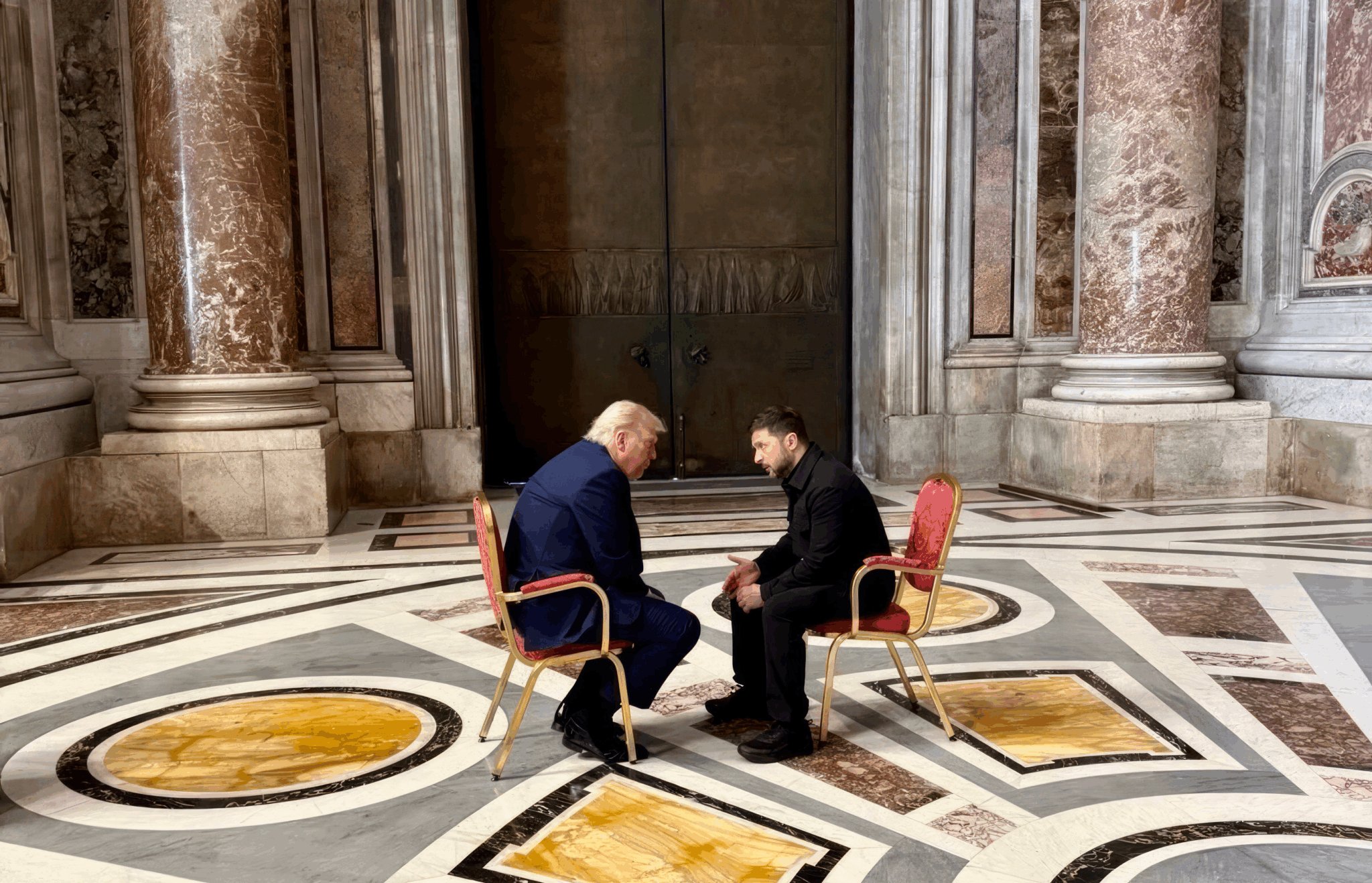
Despite his distance from traditional centers of power, Pope Francis strengthened the Church’s role as a global mediator, a legacy now highlighted by the remarkable Trump-Zelensky encounter at his funeral.
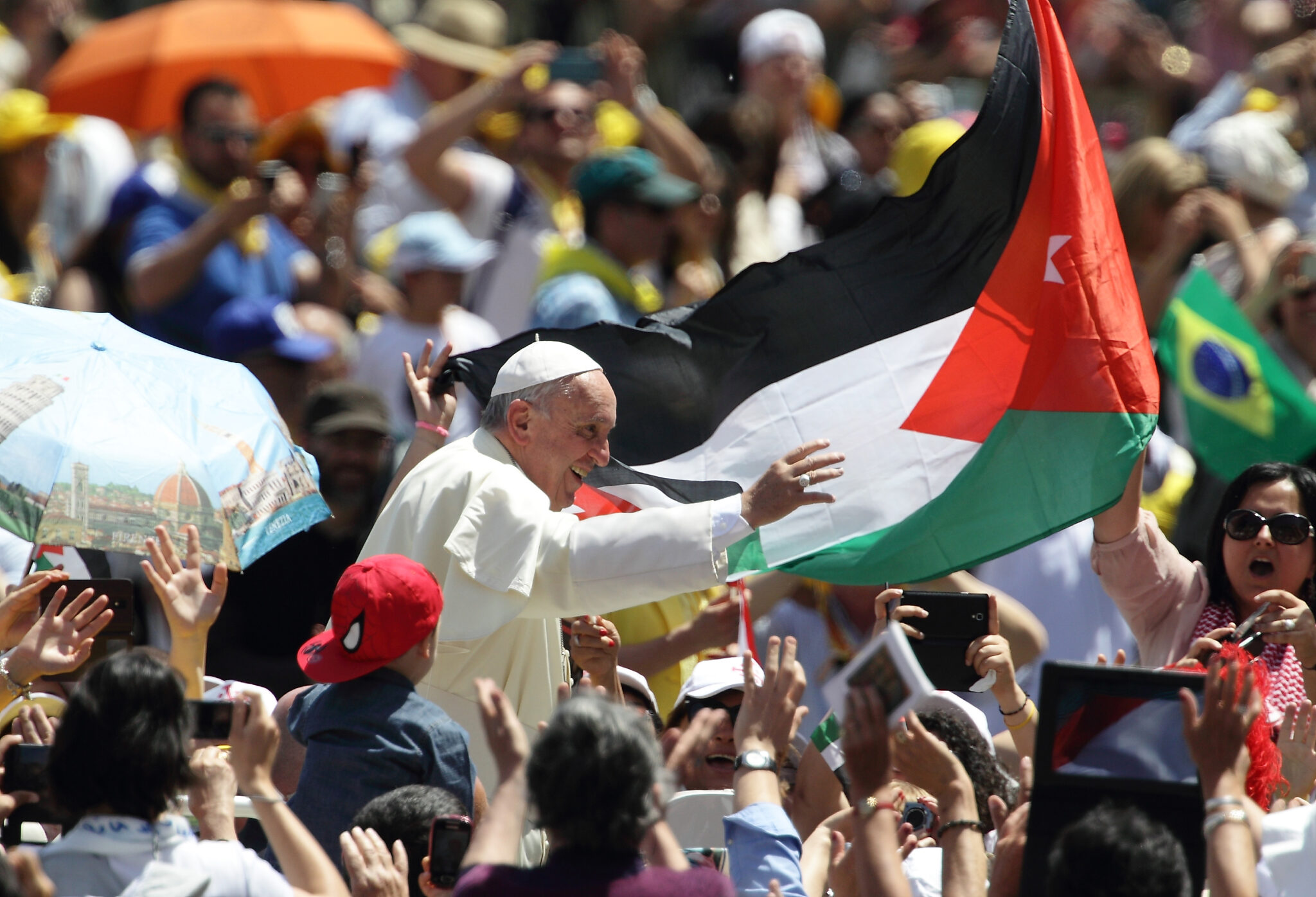
The link between political developments in the Middle East and the theological and cultural exchange between Judaism and Christianity has always remained tight. Since Oct. 7, old ghosts have appeared — and ugly insinuations against the late Pope.
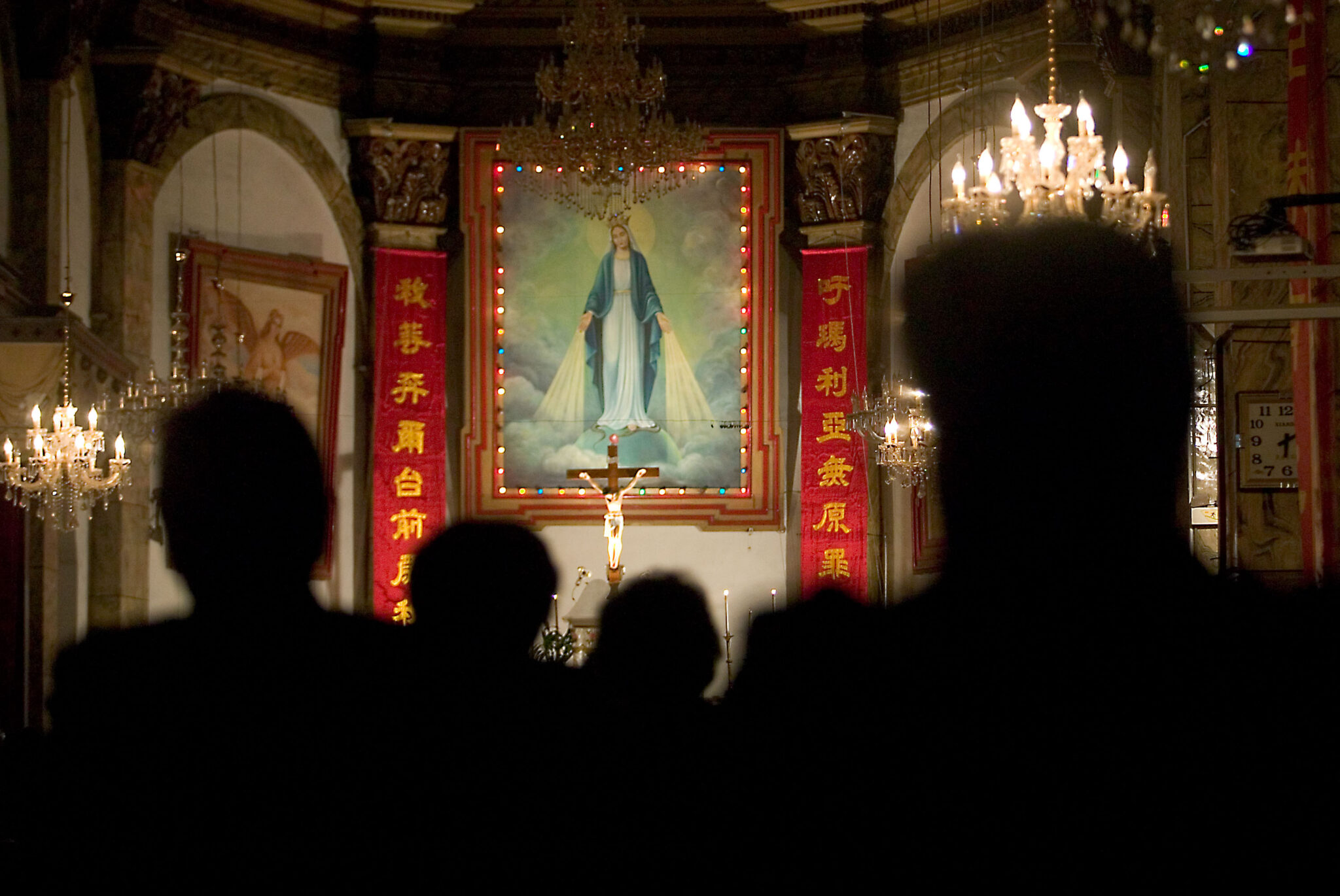
It took China a full day to finally issue a polite statement on the Pope’s death. It was one more sign of the utter failure of the Vatican to normalize relations with the Chinese as Francis had hoped.
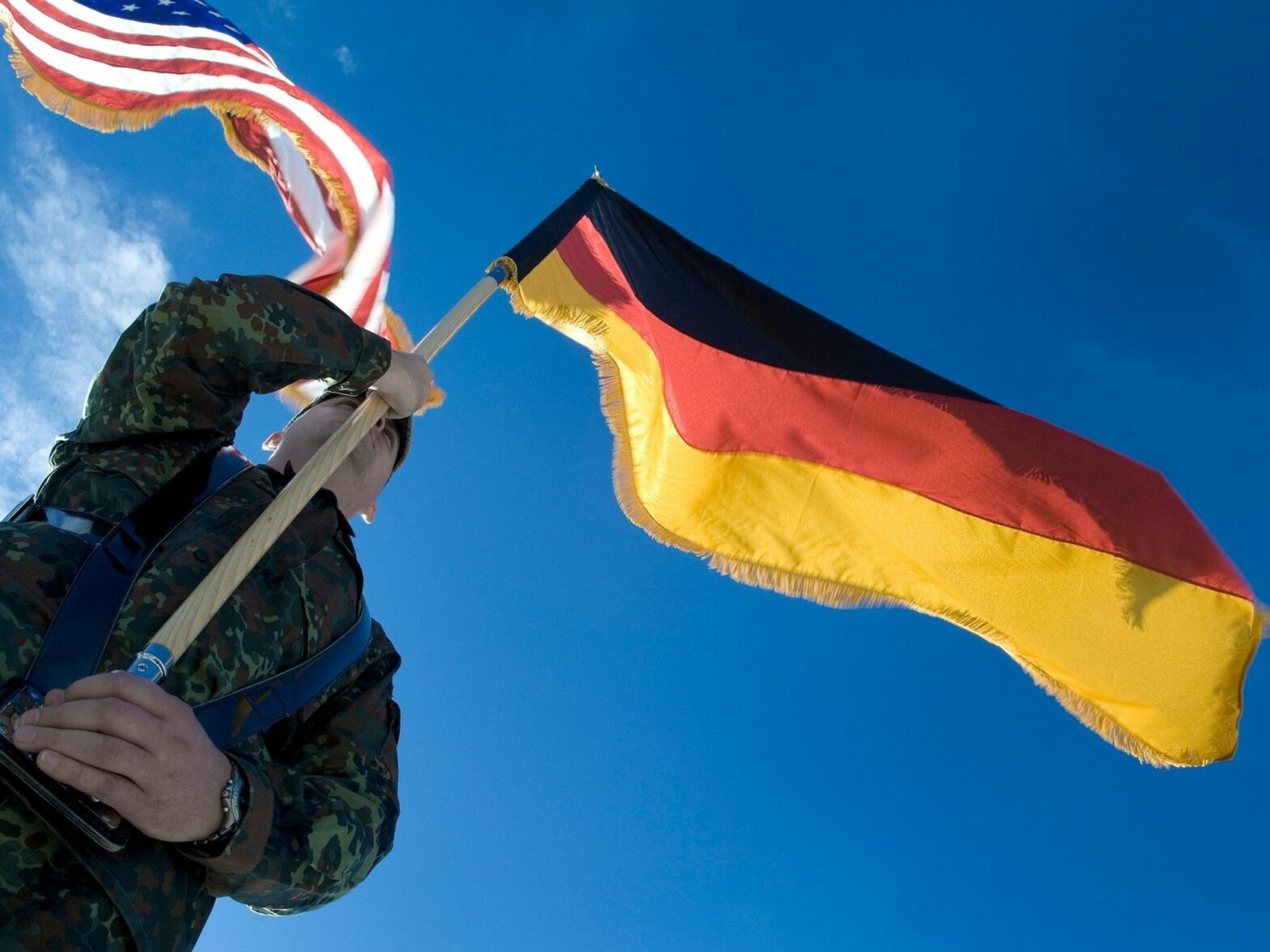
After decades of admiration, trust, and borrowed identity, Germans are waking up from their long love affair with the United States, and reckoning with what’s left.
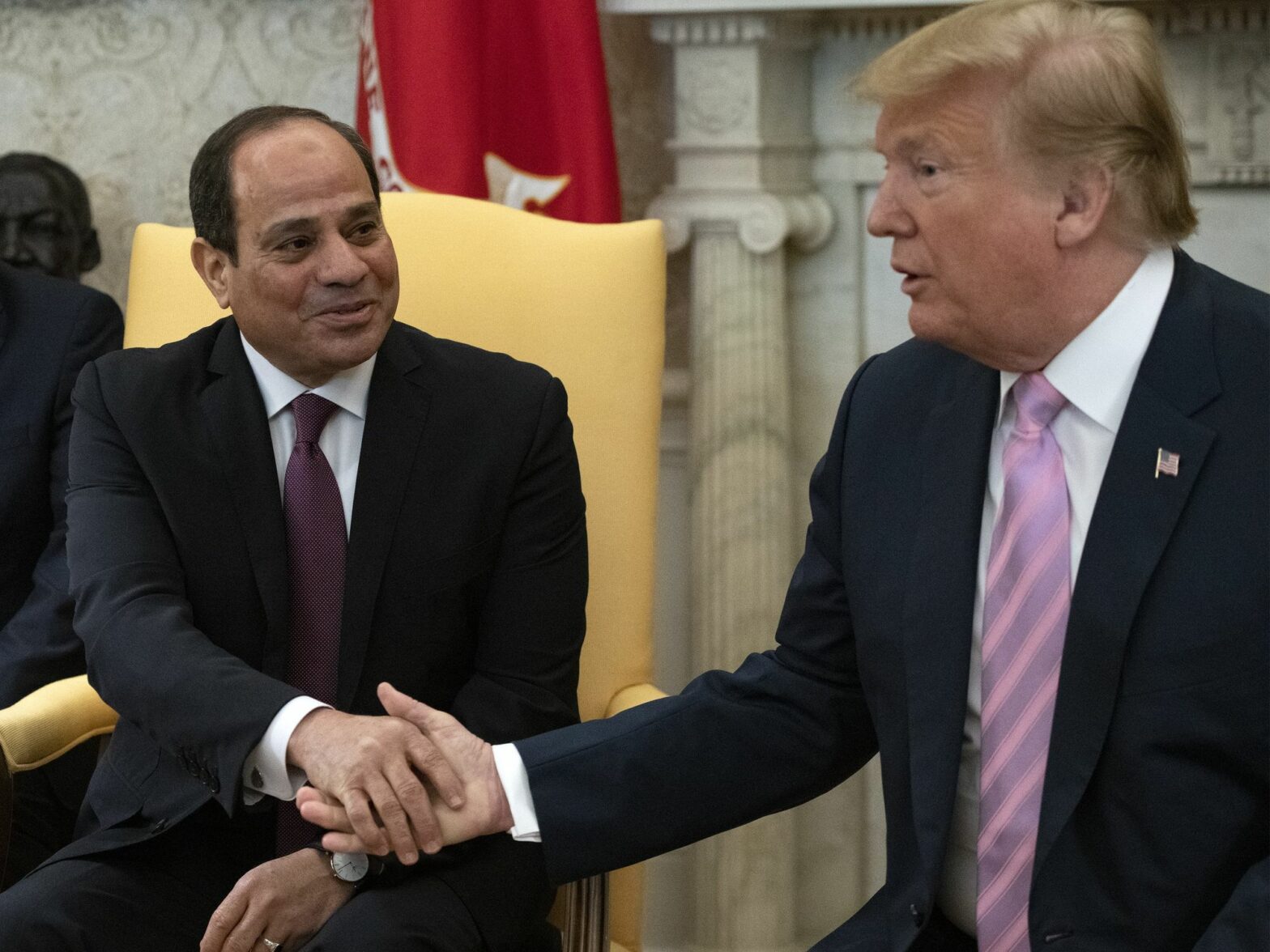
Egypt has perfected the art of passive resistance in navigating international pressures — delaying, complicating, and outlasting unwanted initiatives. From blocking the Arab NATO project to managing the fate of two Red Sea islands, Cairo deploys its bureaucratic “Madame Afaf” tactic to stall without confrontation. As Trump returns with bold regional proposals, Egypt is once again playing the long game, waiting out the storm.
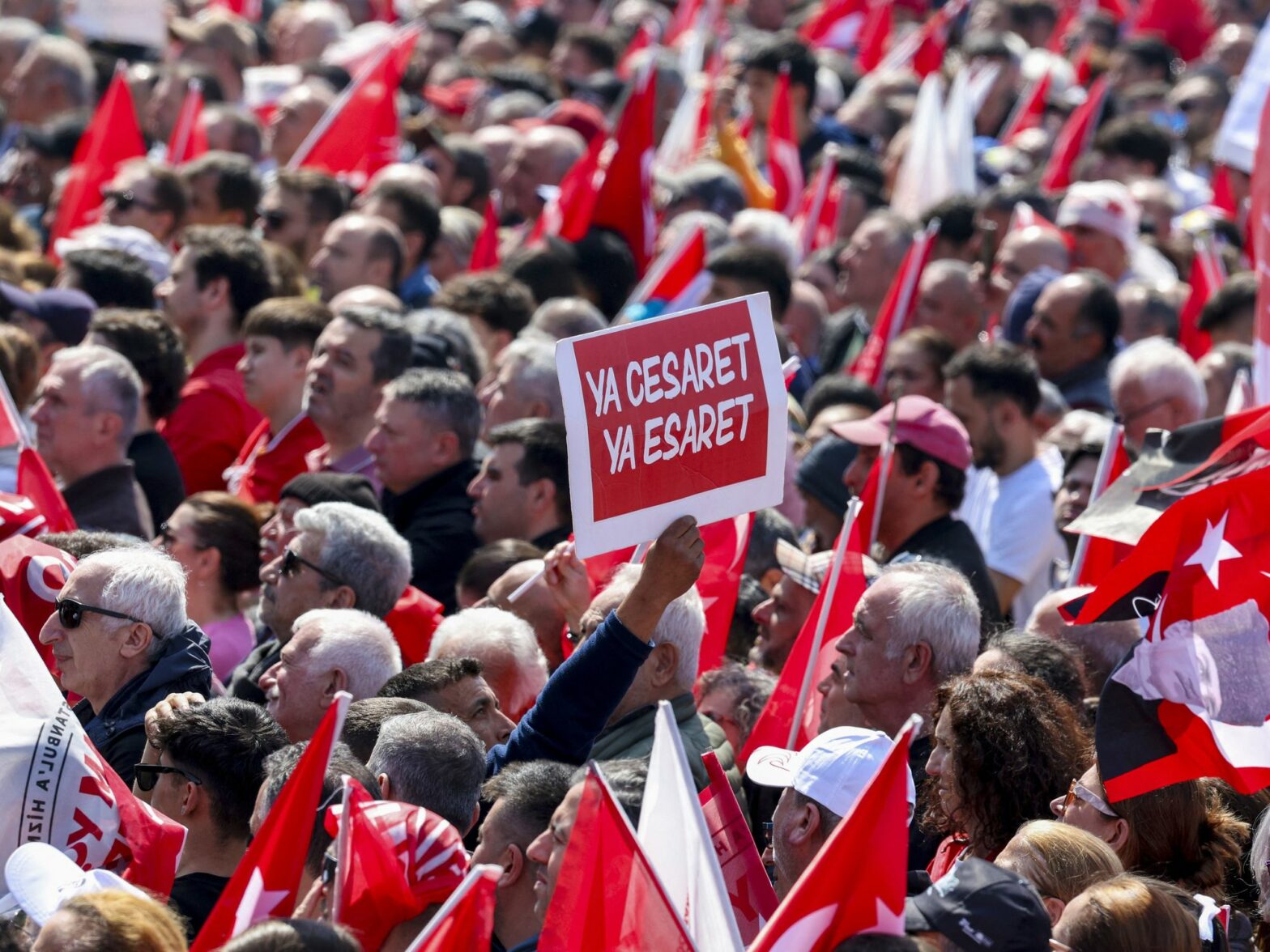
Massive crowds are not letting up in Turkey, in a standoff amid a climate of growing authoritarianism, fueled by Donald Trump’s victory.
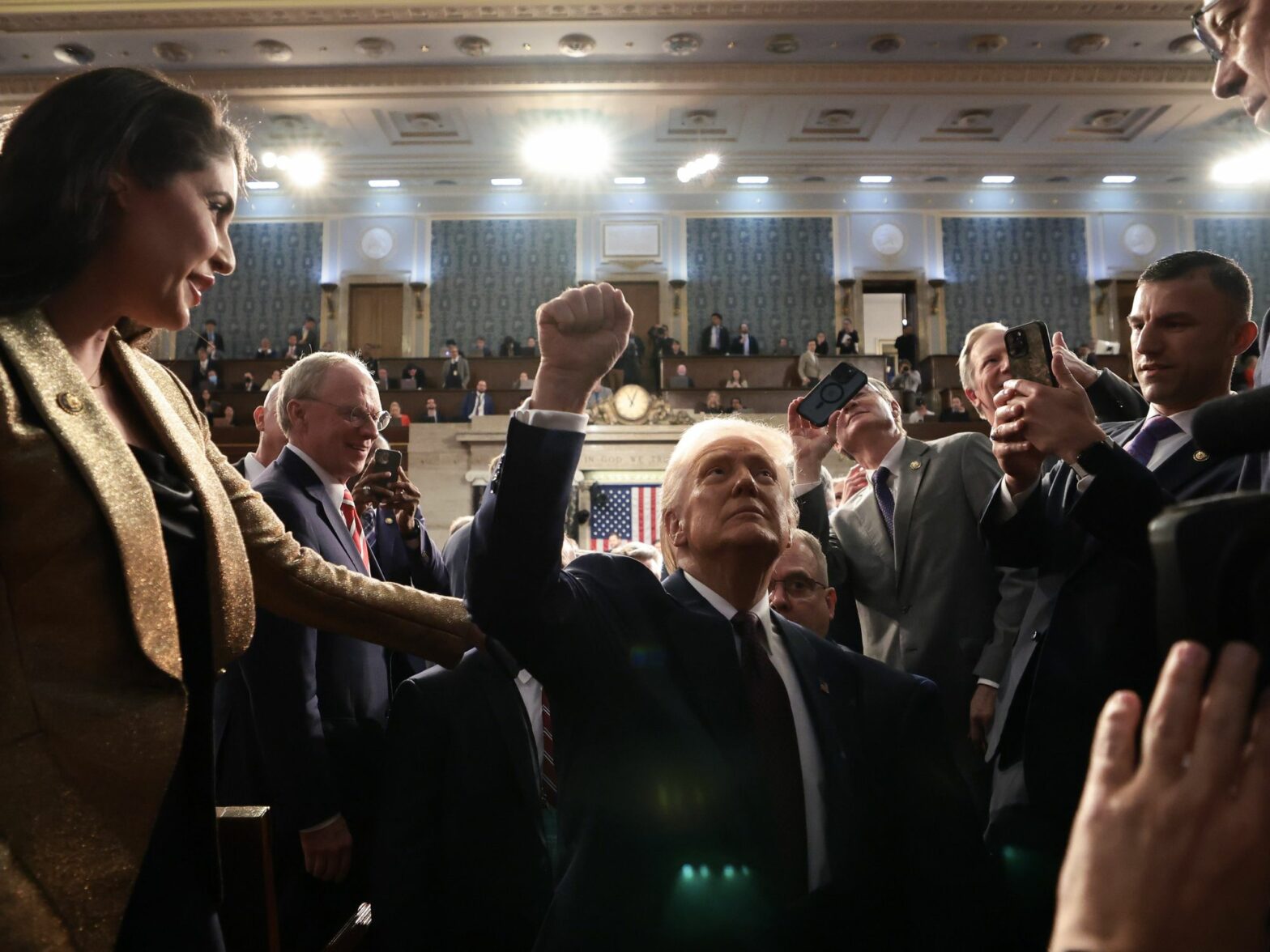
Who are the six people behind the decision to freeze military aid to Ukraine after the Oval Office clash with Volodymyr Zelensky? Their backgrounds are enough to raise concerns for Ukraine and Europe, which they see as relics of the past that need to be dismantled.
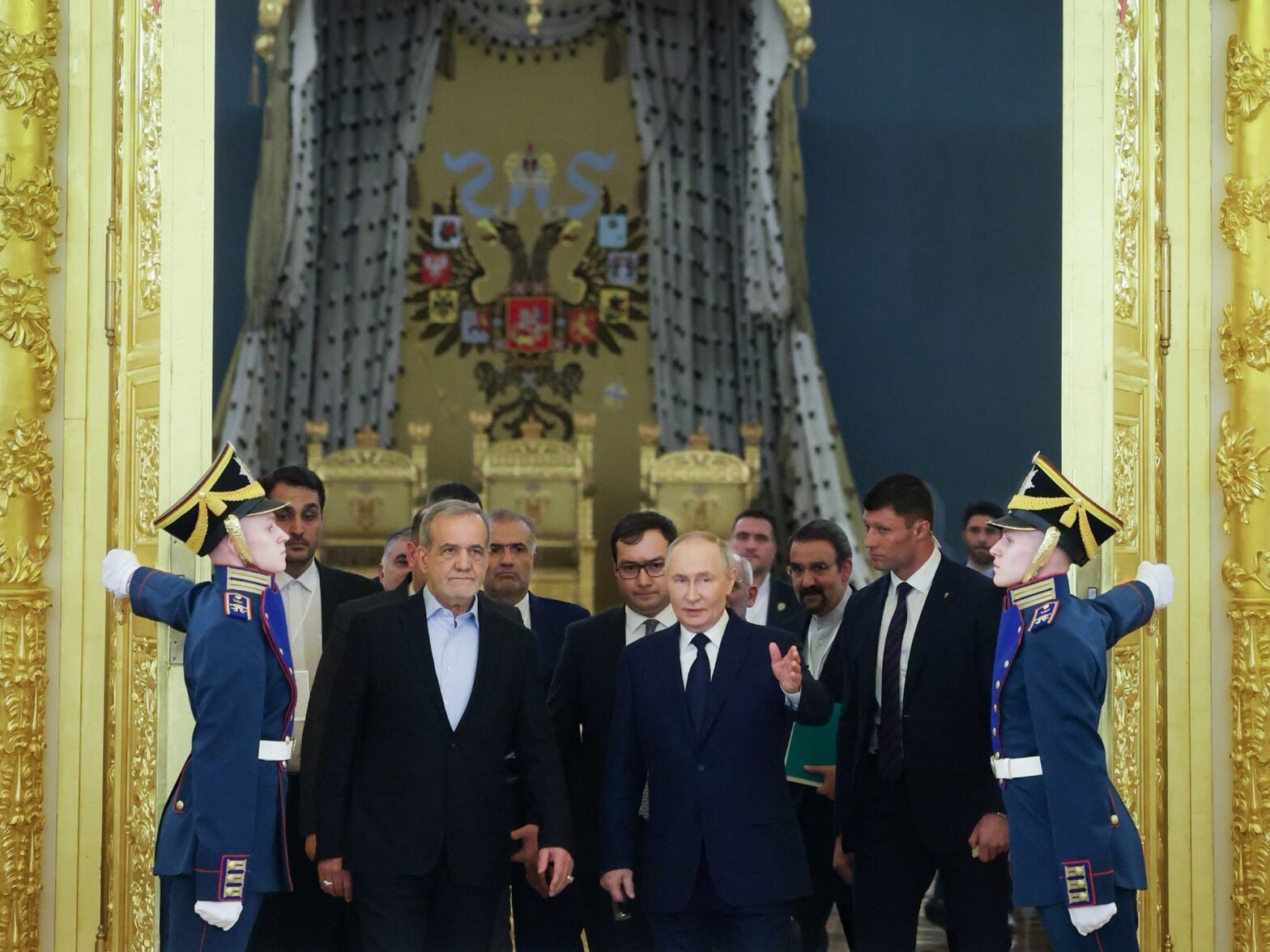
Iran prefers the EU’s discretion and apparent respect for its ideological red lines, in contrast with Donald Trump’s ostentatious and menacing style. So the growing rift between the U.S. and EU over resolving the Ukraine-Russia war may be a welcome chance for Tehran to revive secret contacts it loves so much with an EU in search of diplomatic clout.
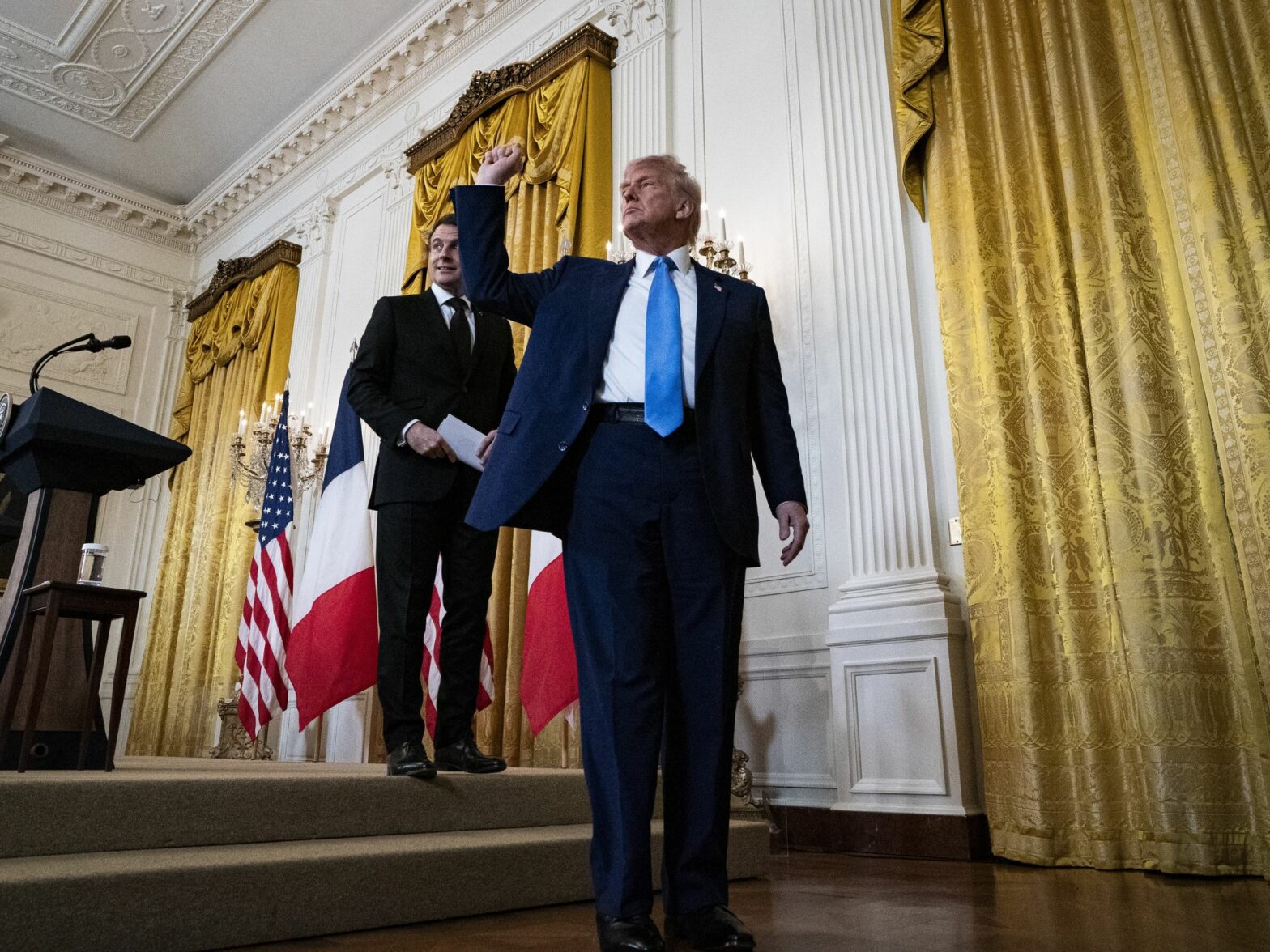
Europeans are coming to grips with a harsh reality: The United States is no longer the guardian ensuring the continent’s security — worse, it may have even turned into an outright adversary. Nothing underscores this shift more than the U.S. vote at the United Nations on Ukraine, siding with Russia and standing against EU nations.

A pivotal diplomatic journey, the debut of a timeless opera, and the birth of a basketball icon.
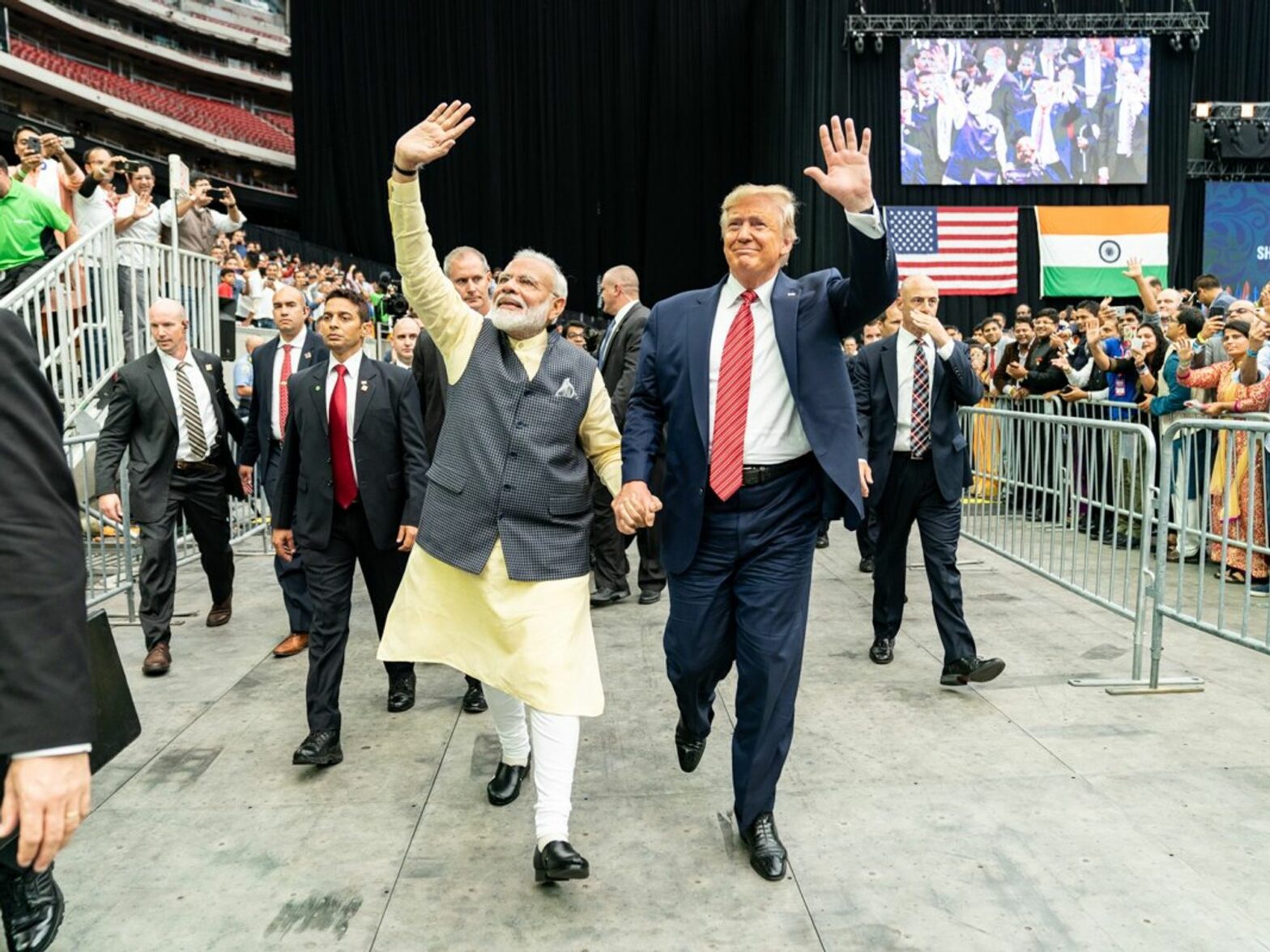
India’s silence on Trump’s imperialistic notions about taking over Greenland and Gaza does not sit well with its growing relative strength in the world.
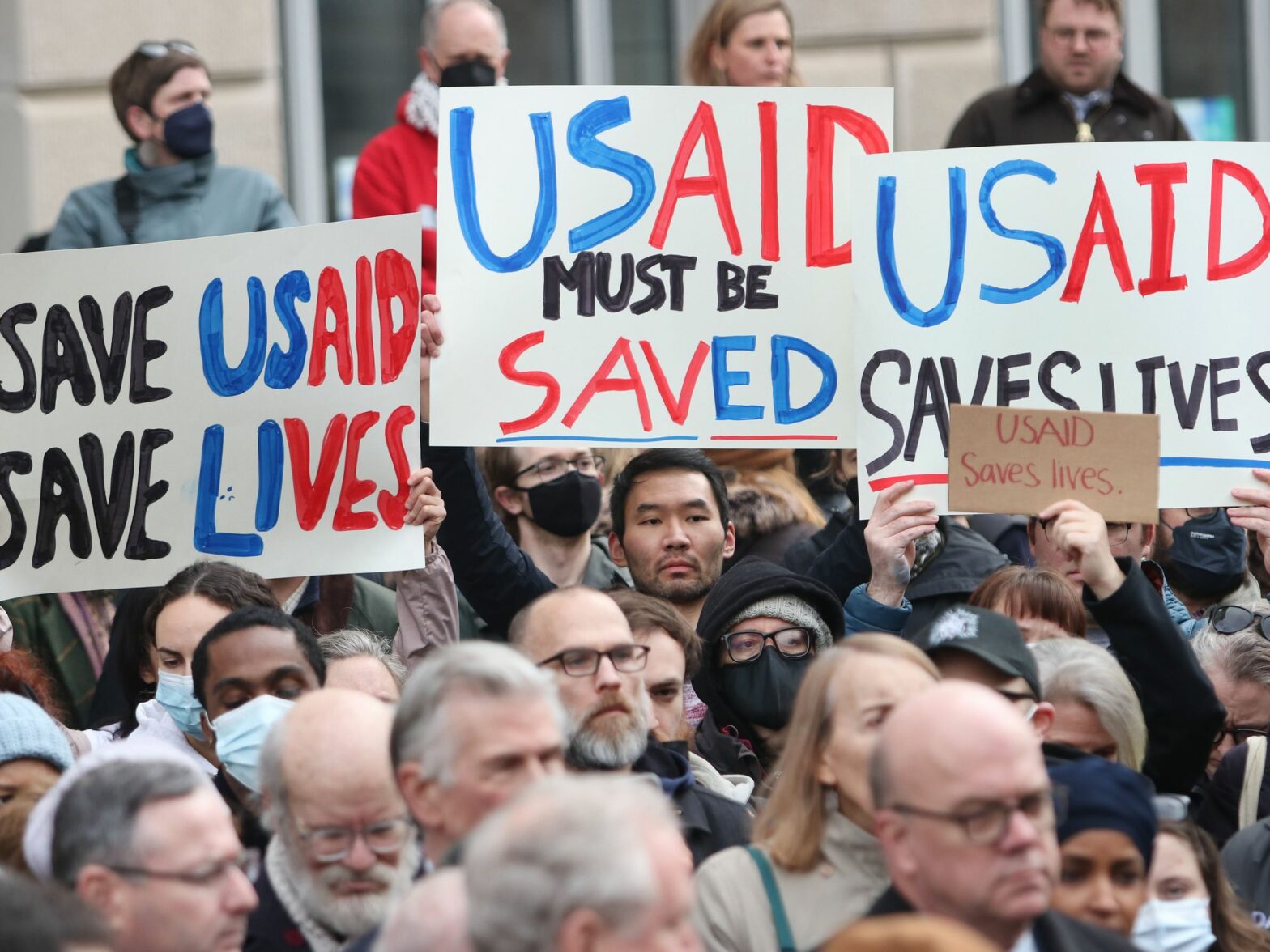
Leaving no room for diplomacy, Donald Trump is ramping up aggressive moves toward the rest of the world — tariffs, cutting international aid, threats. But there’s a big risk: playing right into the hands of China, which already has a foothold on every continent.
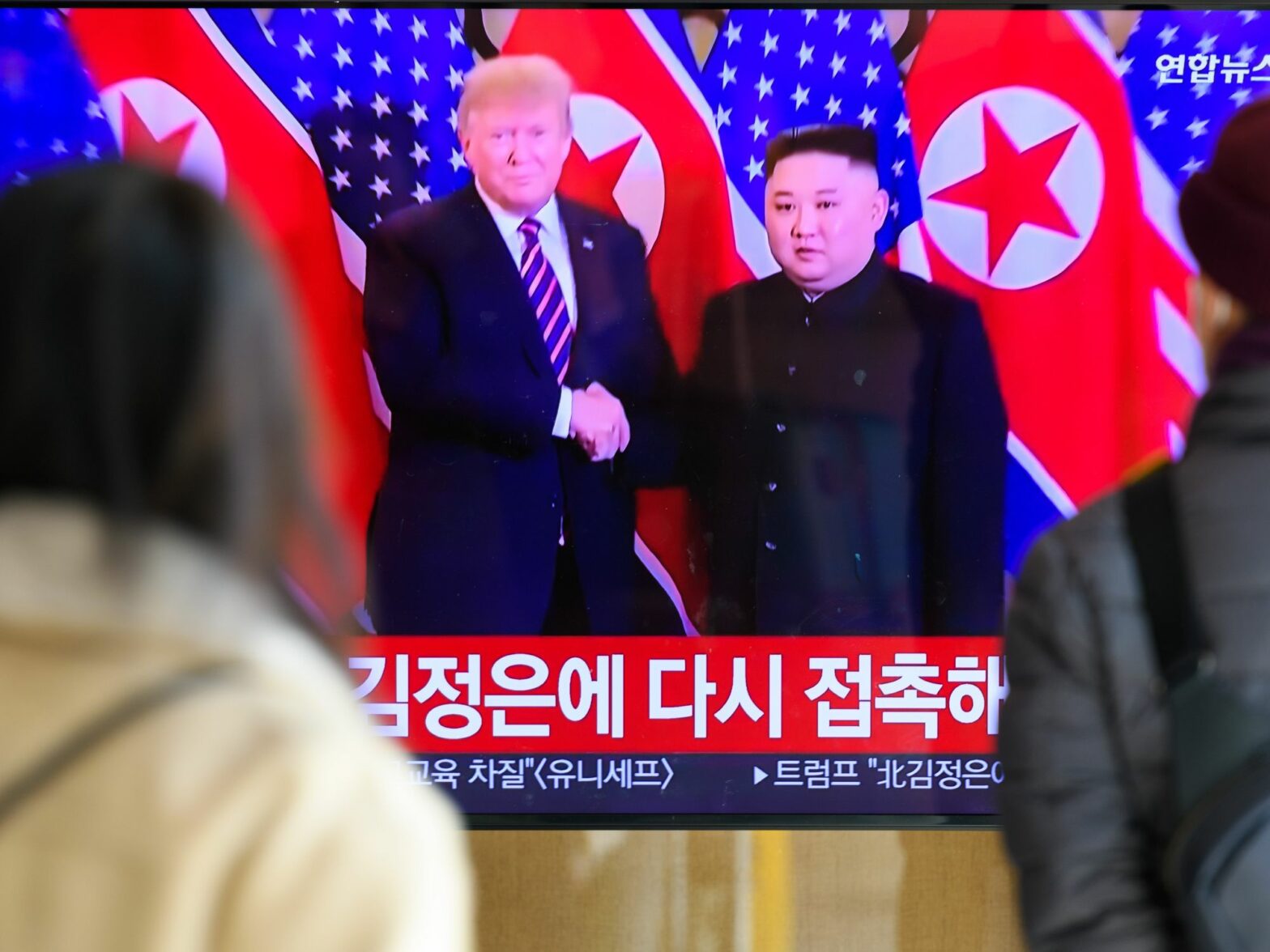
The post-liberal world needs an added dose of cautious and realistic diplomacy, and the United States remains its natural promoter. Yet there is little evidence, for now, that the Trump administration has an interest in diplomacy to keep the collective peace.
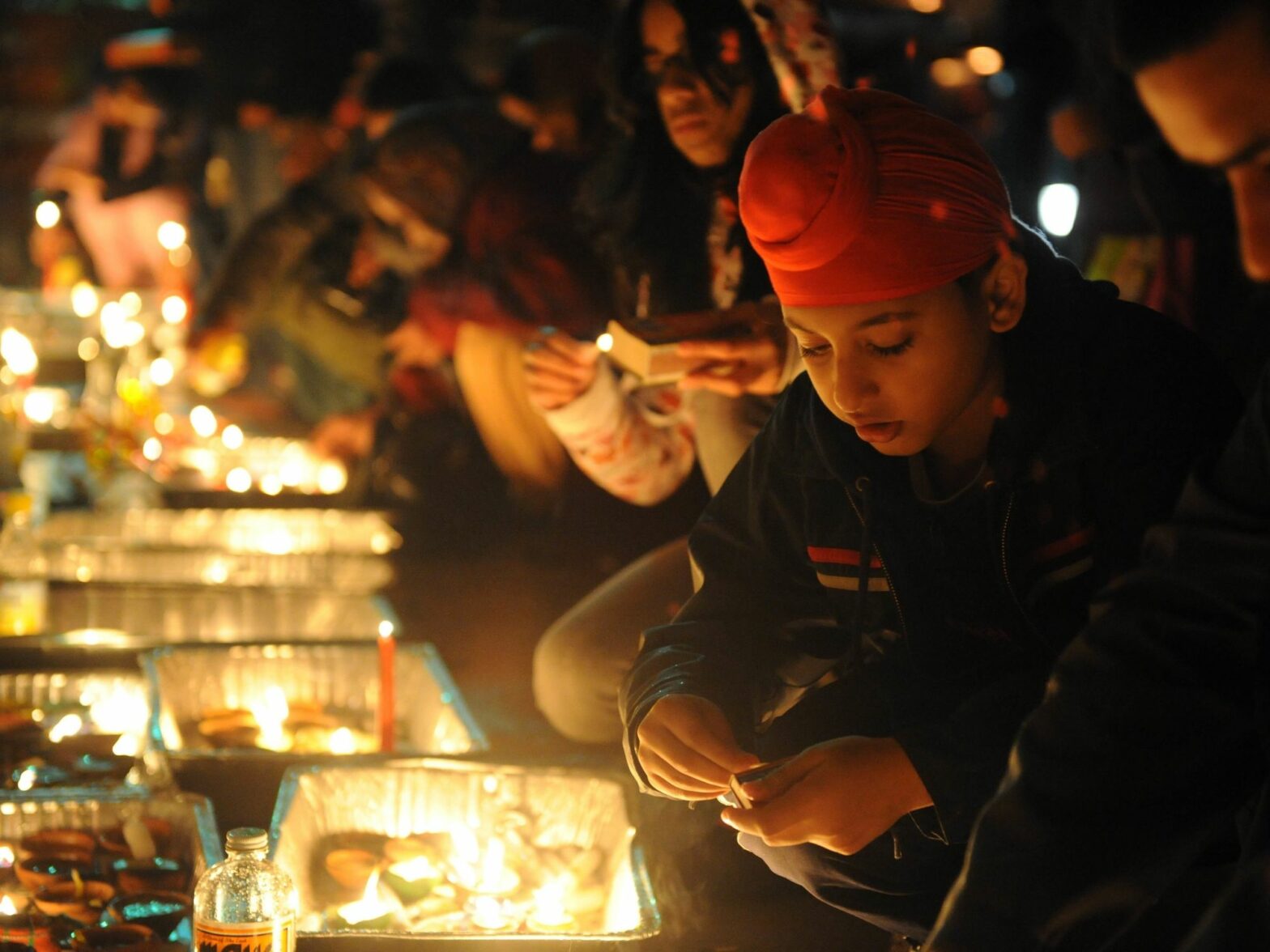
The Indian middle class has a stake in the West’s future and must pick a side in its culture wars. The BJP should catch-up on MAGA’s long-term implications.
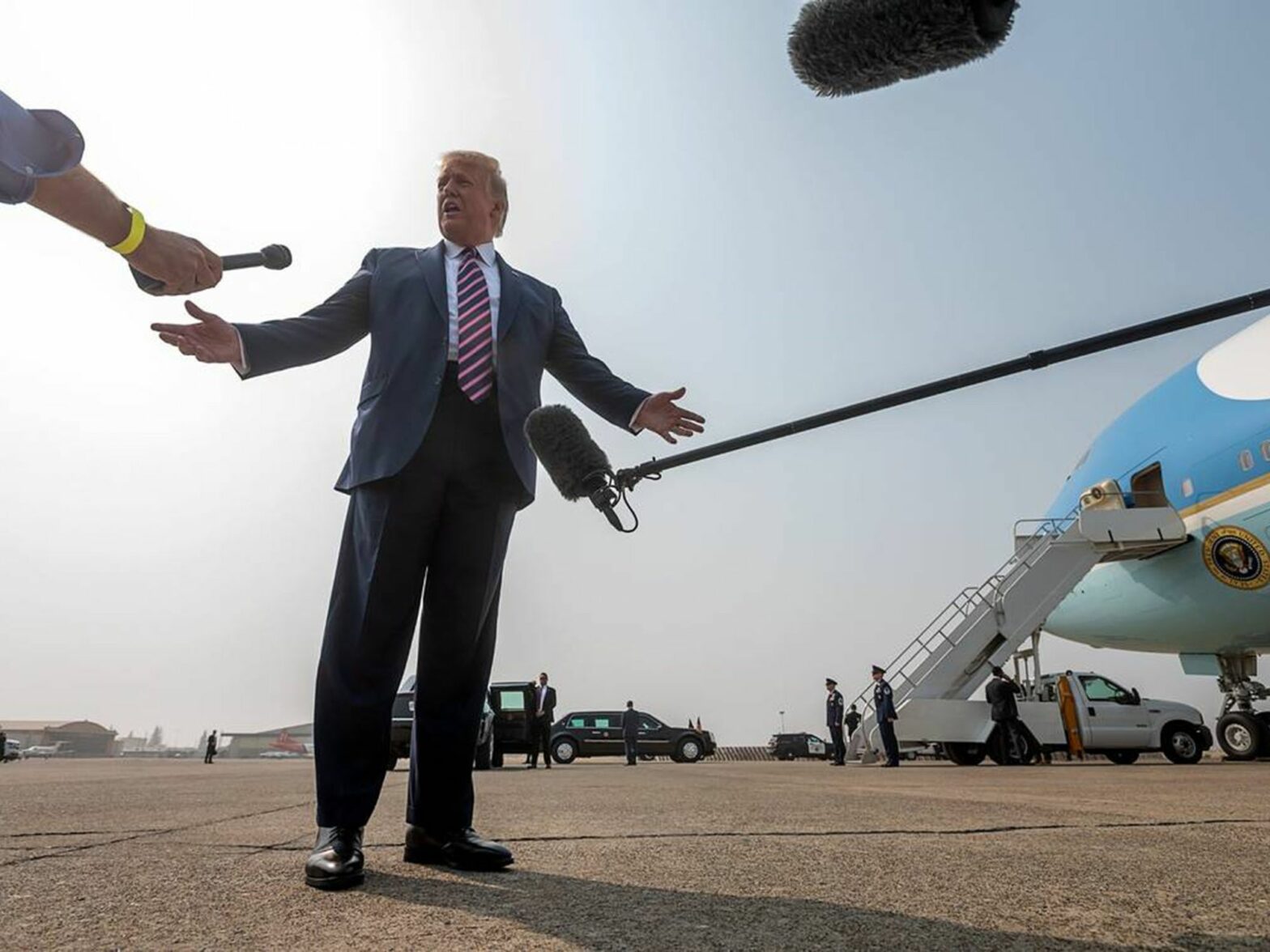
In the past, the Monroe Doctrine has pushed the United States to meddle in hemispheric affairs to strangle Soviet and communist subversion. Will incoming President Donald Trump revive this 19th-century U.S. foreign policy position to keep China out? And what would that mean for other countries in the Western Hemisphere.
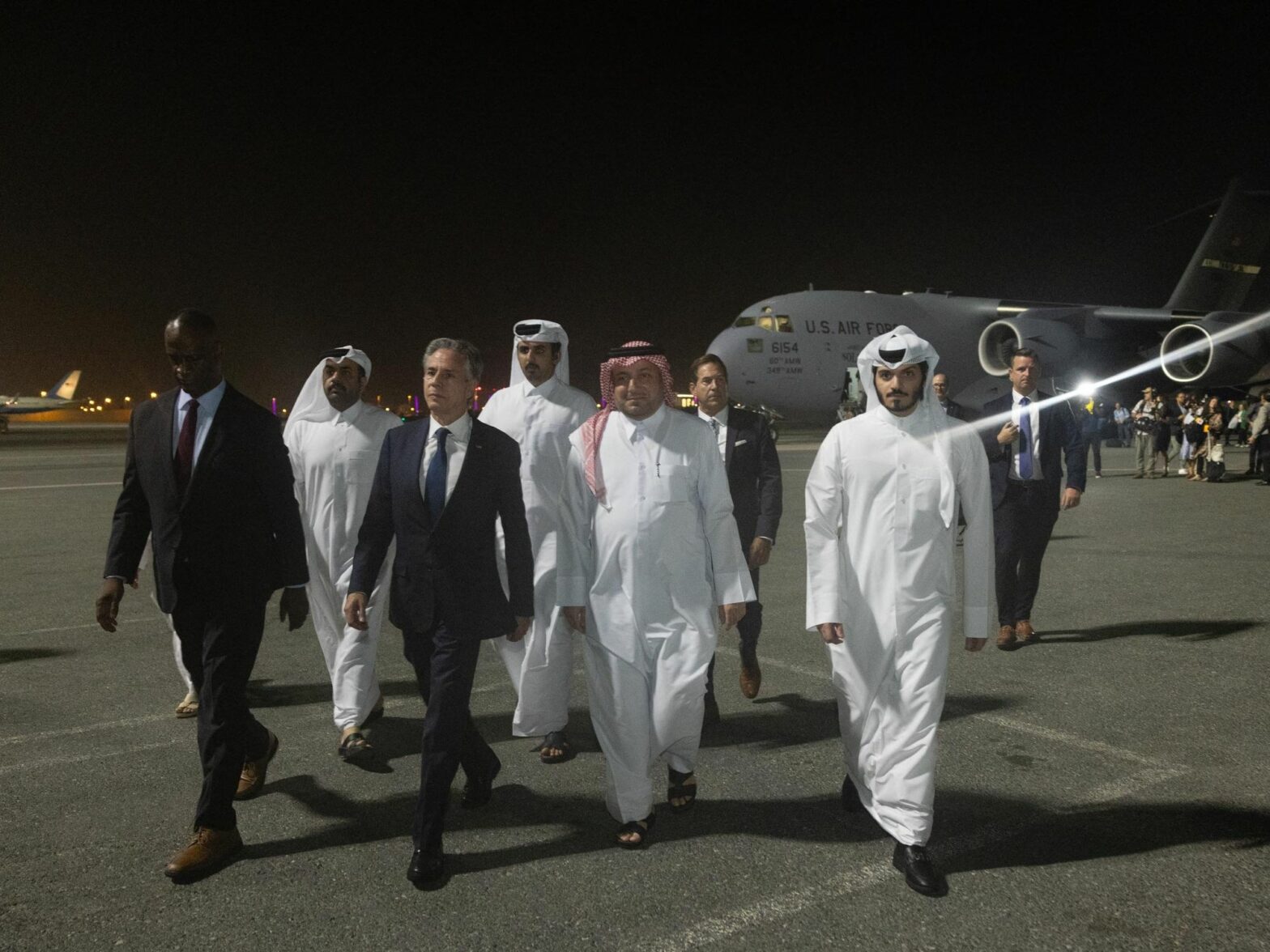
Qatar was crucial to the ceasefire negotiations in the Middle East. It proves that you don’t need a large army or nuclear weapons to play an important role in the world.
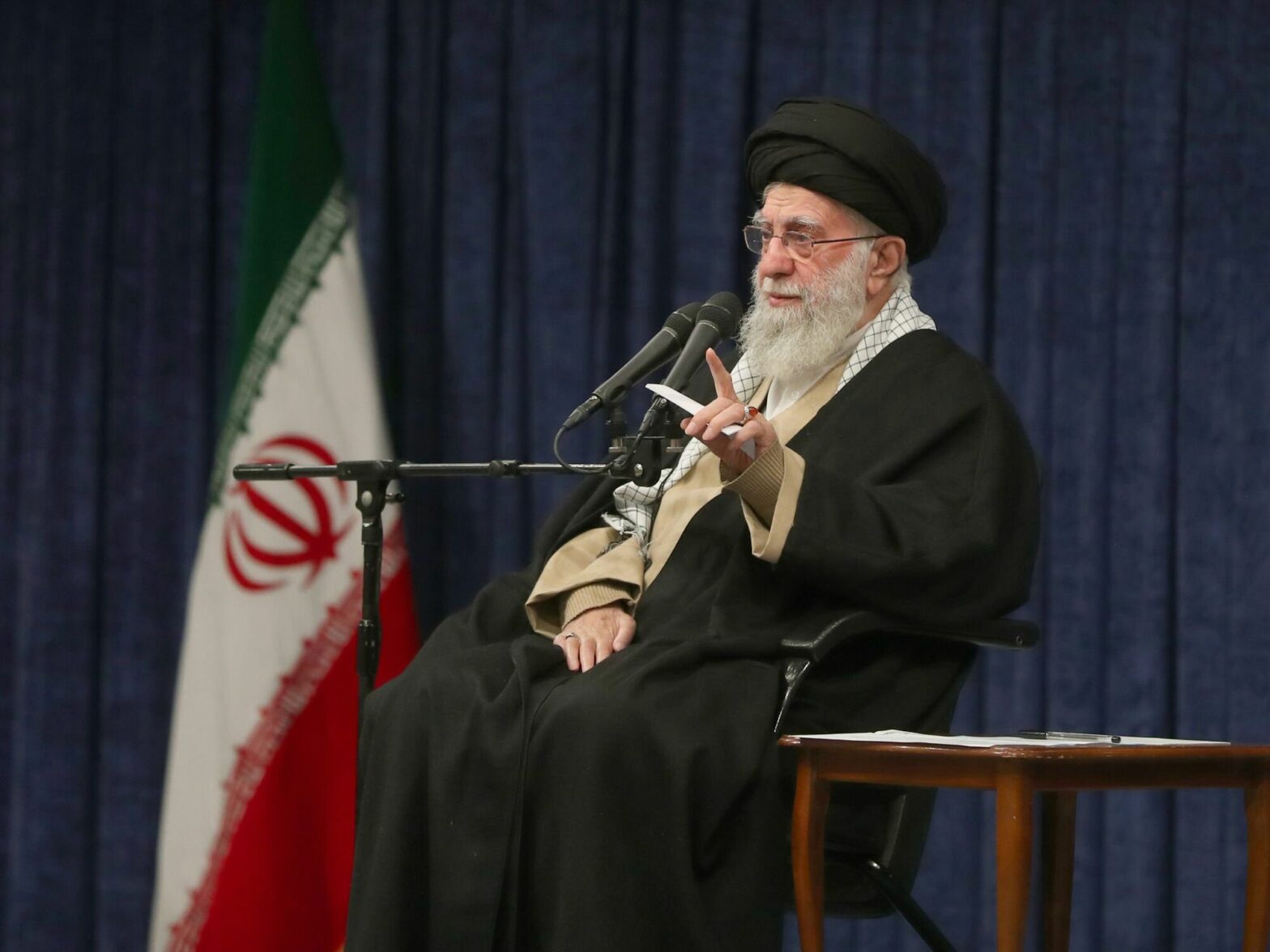
The incoming Trump administration will likely abandon its predecessor’s efforts to persuade the Iranian regime to change its disruptive and violent policies. Yet for ultimate survival, Tehran may be counting on an unexpected factor: Trump’s erratic mindset.
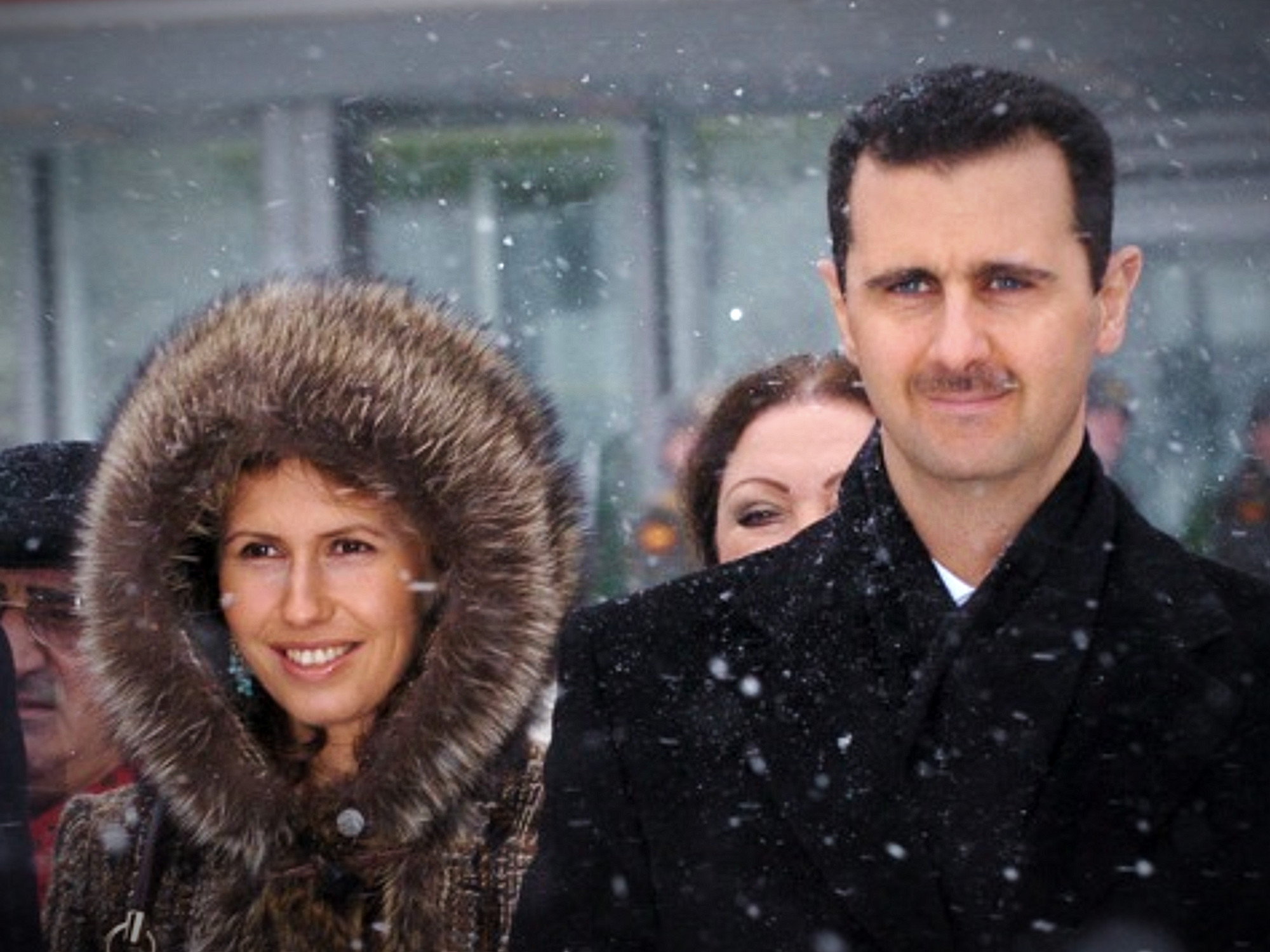
Despite her pleasant air and sense of fashion, the now former Syrian First Lady Asma al-Assad was bound to be tied to her husband’s fate. Born and raised in the UK, she was respected by some for openly battling cancer and later adored in China for her glamour. Still, she was largely despised at home for having helped cover her husband’s long list of alleged war crimes.
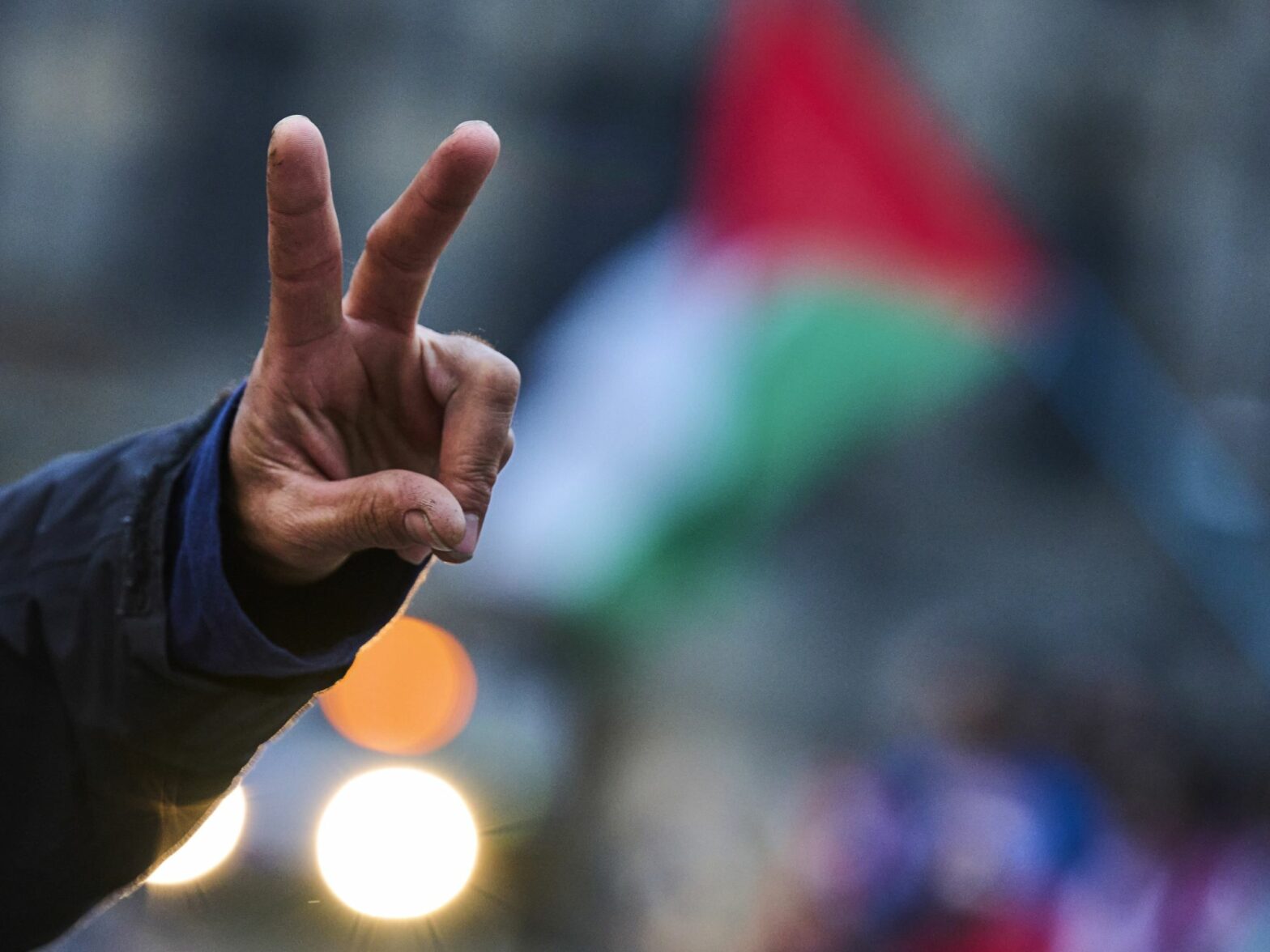
Multilateral diplomacy may seem to be exhausted today as wars and violence proliferate unchecked, but nobody should think its time is past and expect to see peace in the world.
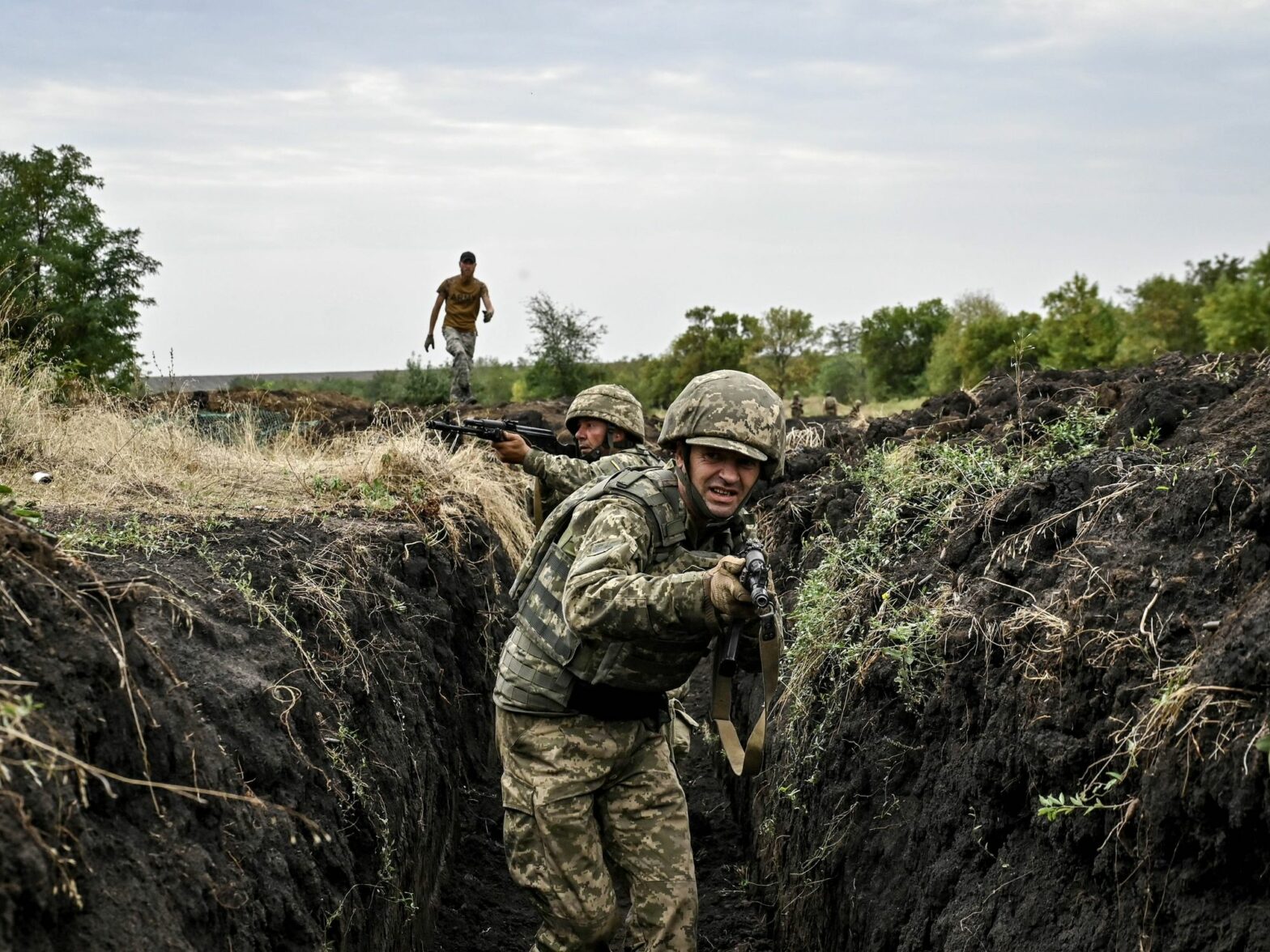
When politicians call for more diplomacy instead of weapons delivery, the basis of their arguments is misleading. The Russians and Ukrainians have already reached diplomatic agreements in many areas, but there are limits to open negotiations — mainly around whether Putin himself really wants to negotiate.
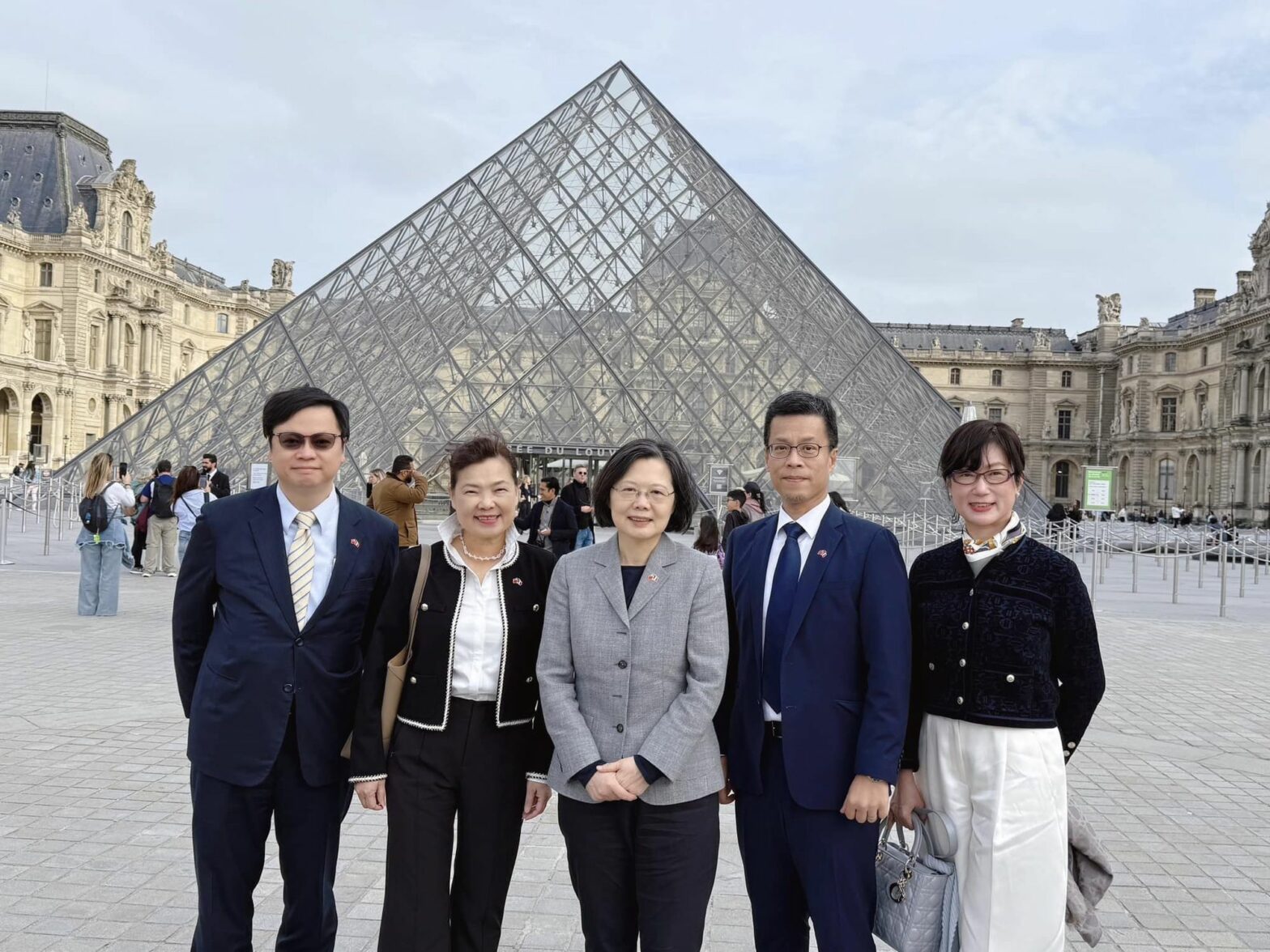
She is no longer President of Taiwan, which allows her to travel to countries that recognize Beijing, not Taipei. France Inter met Tsai Ing-wen in Paris , where she defended Taiwan’s democracy, in the face of China’s appetite for power and territory.
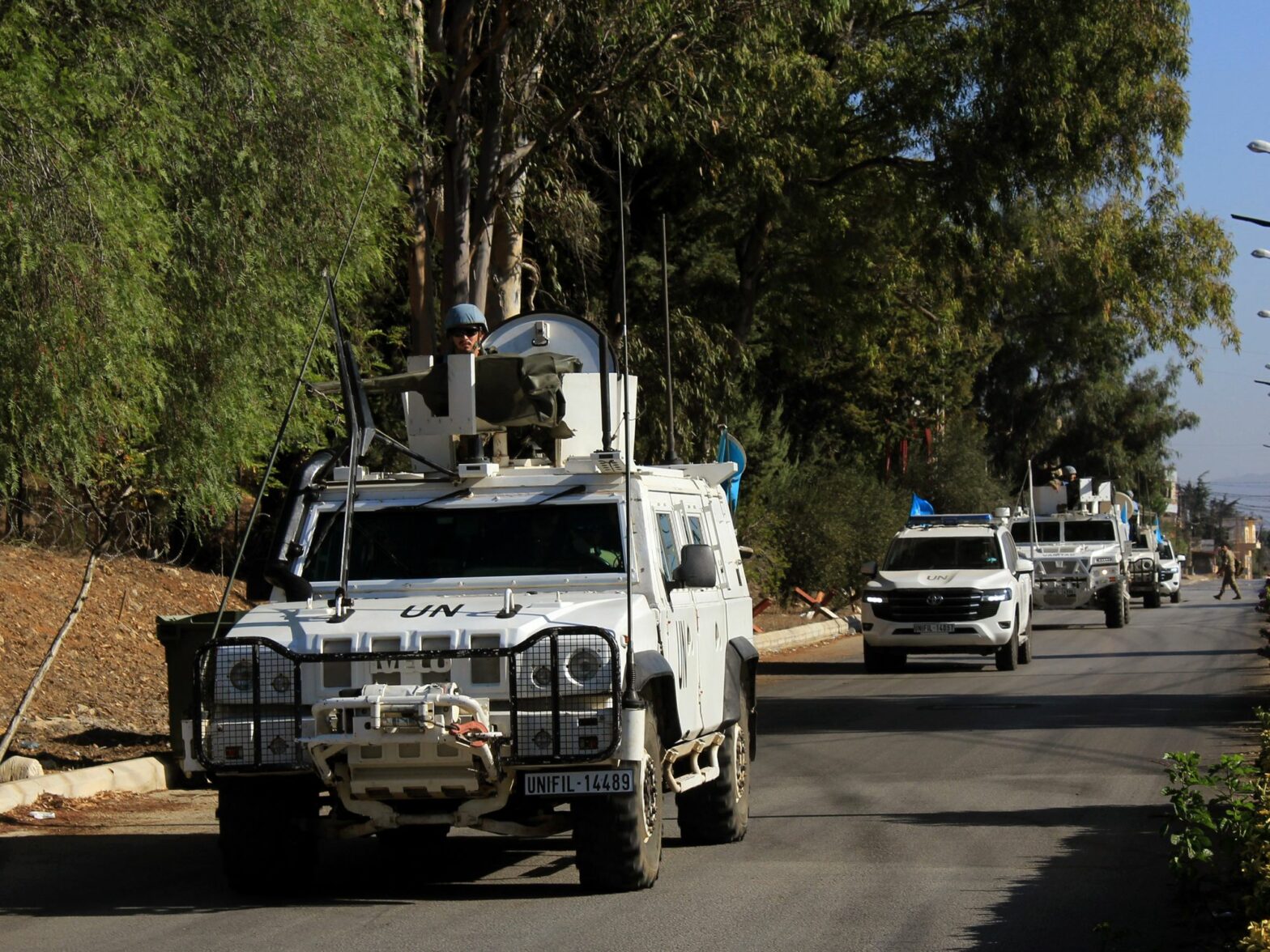
The Israeli Prime Minister is demanding that UN peacekeepers leave the combat zones in southern Lebanon, in yet another crisis in the difficult relations between Israel and the United Nations. But this could be the point of no return.
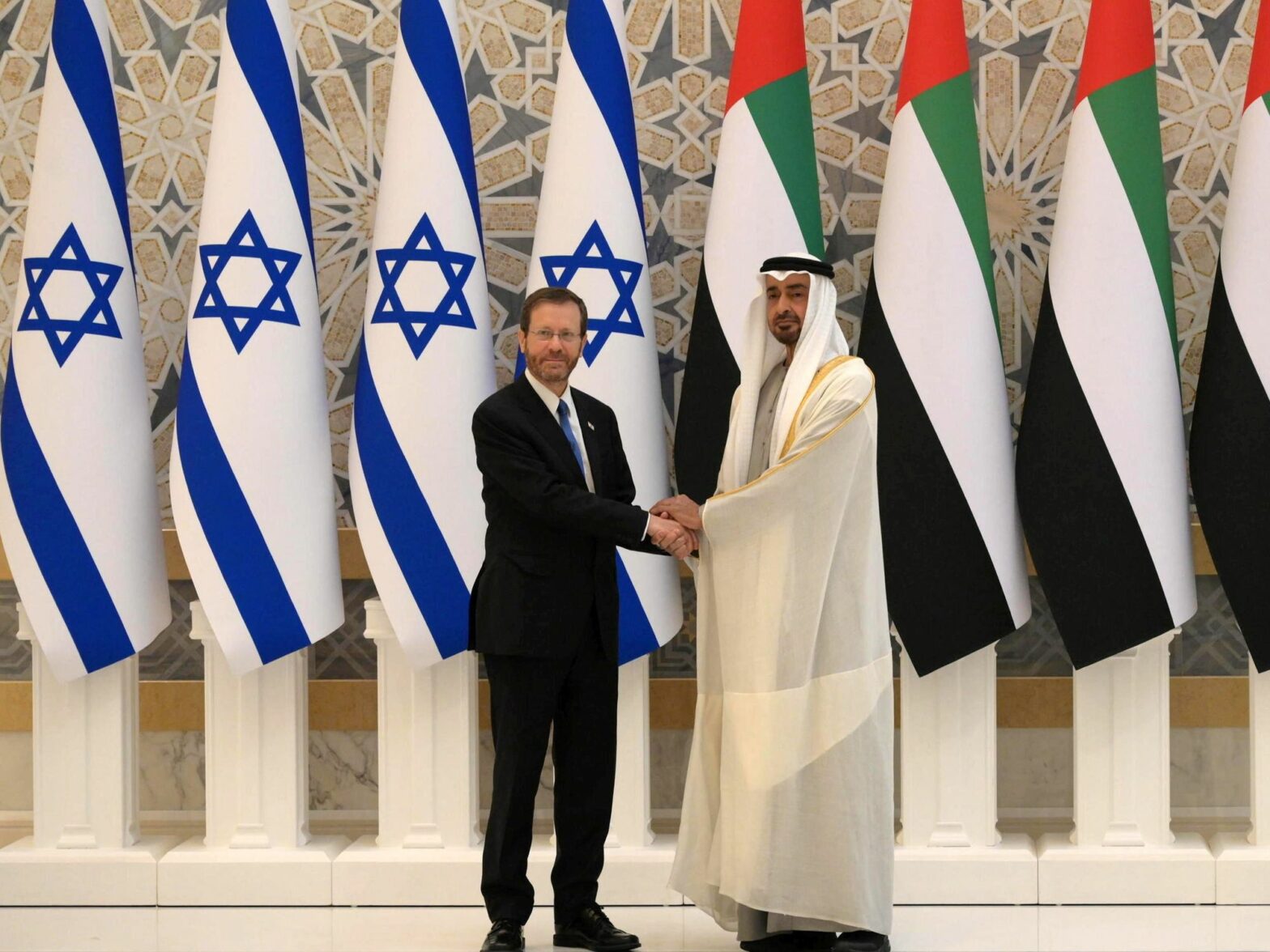
Israel’s aggression over the past few months, no matter how successful, is ultimately a sign of its weakness. Yet it is able to achieve its goals from the support it receives from a number of players inside and outside the region, whether they realize it or not. That even, paradoxically, includes Iran.
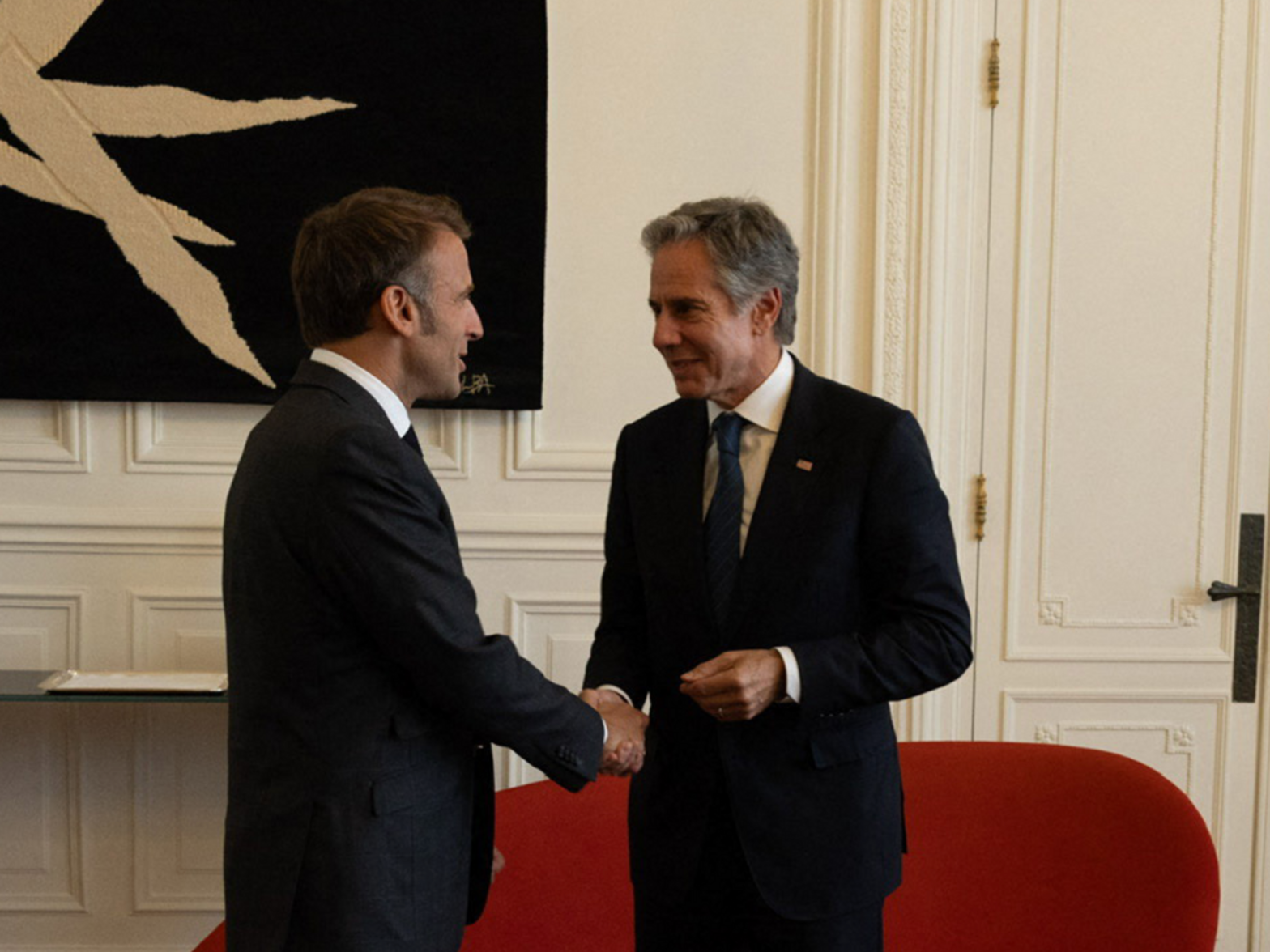
When Emmanuel Macron called for an embargo on arms supplies to Israel, he was aiming at the United States, following the failure of the attempted ceasefire in Lebanon. Paris even speaks of ‘duplicity’ by Washington and Israel. It’s just the latest example of the failure of diplomacy in the face of the “logic of war.”
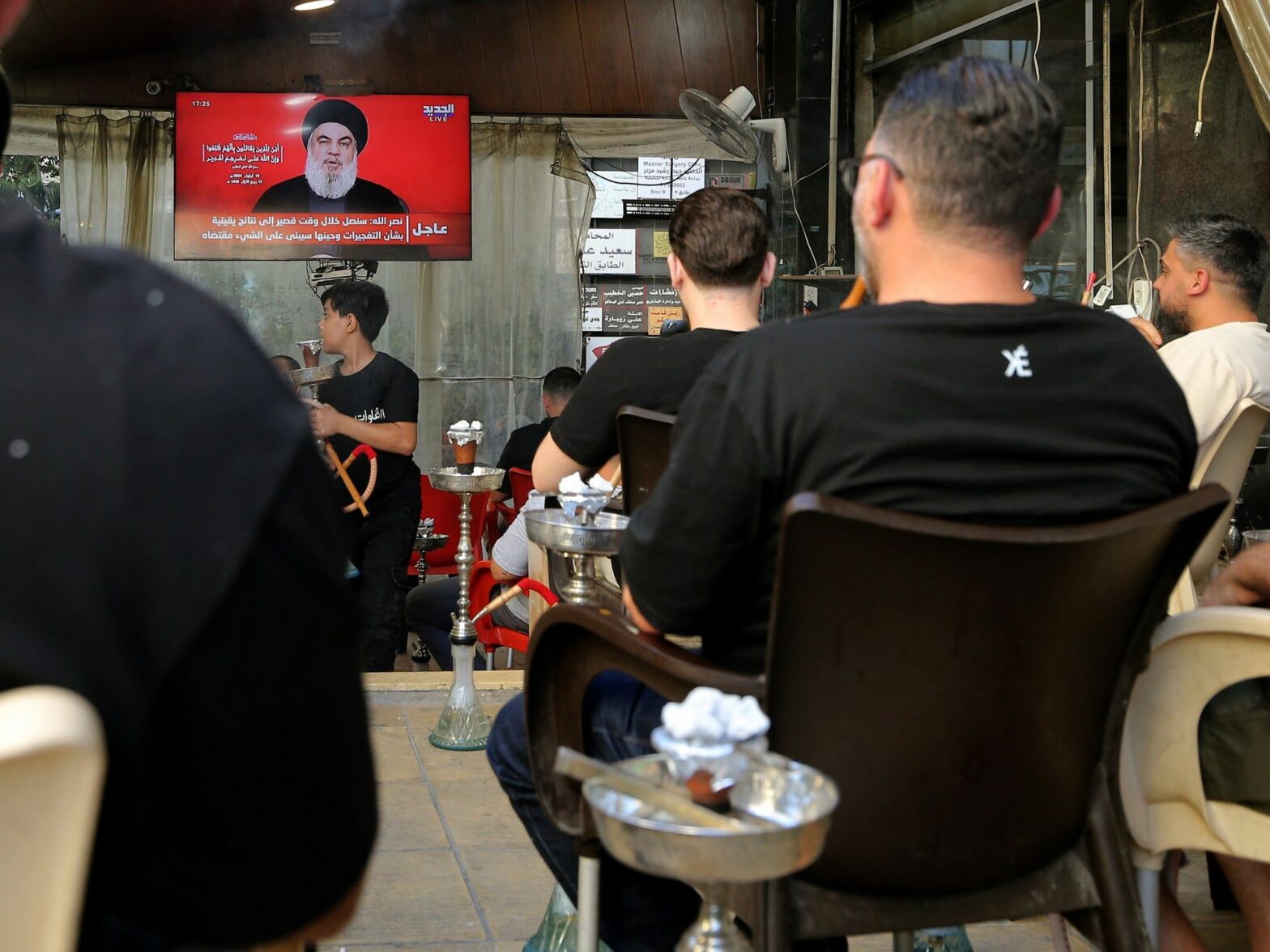
After a series of Hezbollah pager and walkie-talkie explosions attributed to Israel, Hassan Nasrallah, the movement’s leader, promised to retaliate, while Israel stepped up its air raids. But neither side has a strategic vision beyond the battlefield.
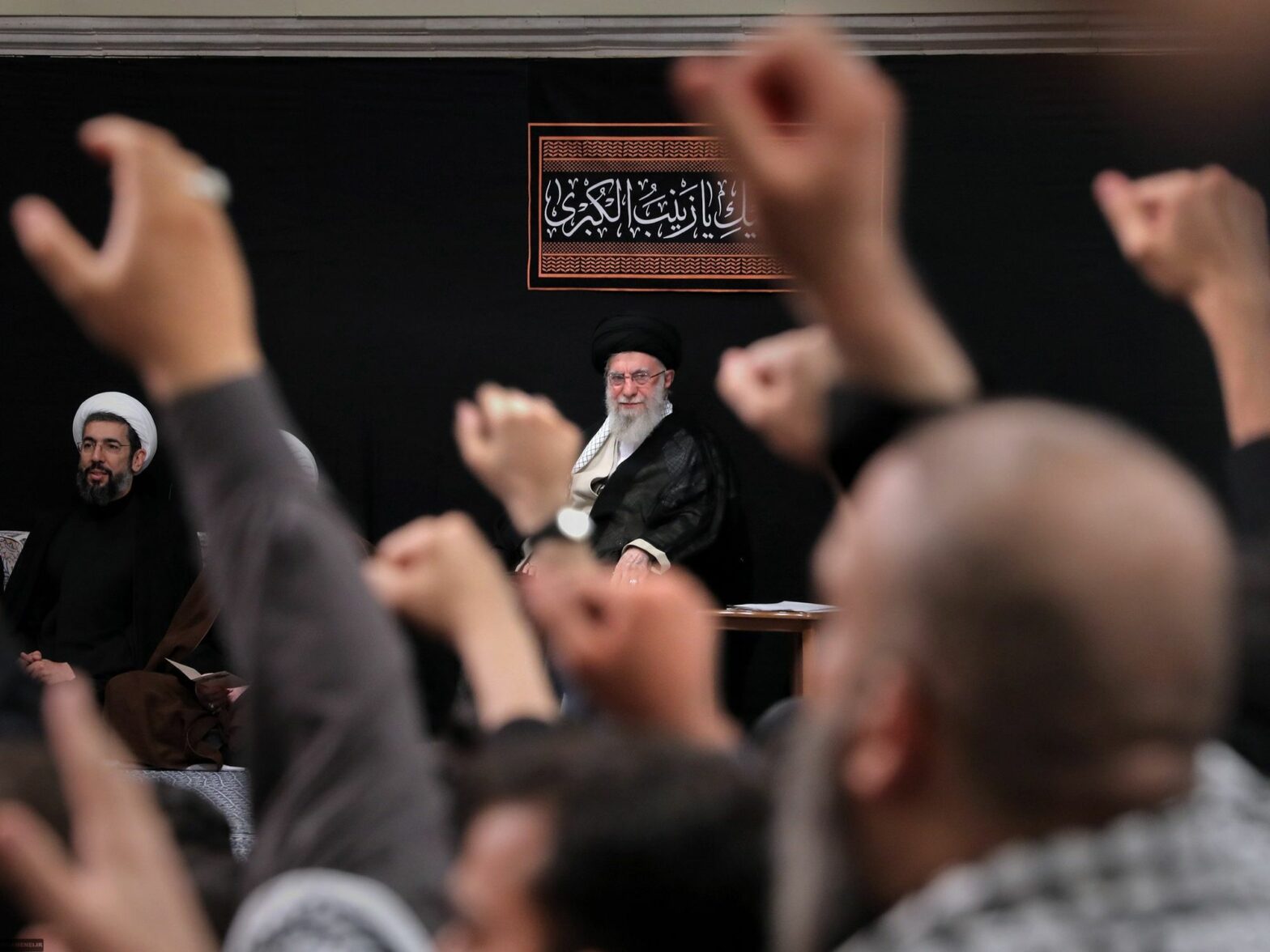
With an economy in ruins and facing an unstable foreign environment, the Islamic Republic of Iran has signaled, with the return of seasoned diplomats to top positions, that it wants to talk again. But, as always, those who call the shots in Tehran are loath to negotiate anything crucial with the West.
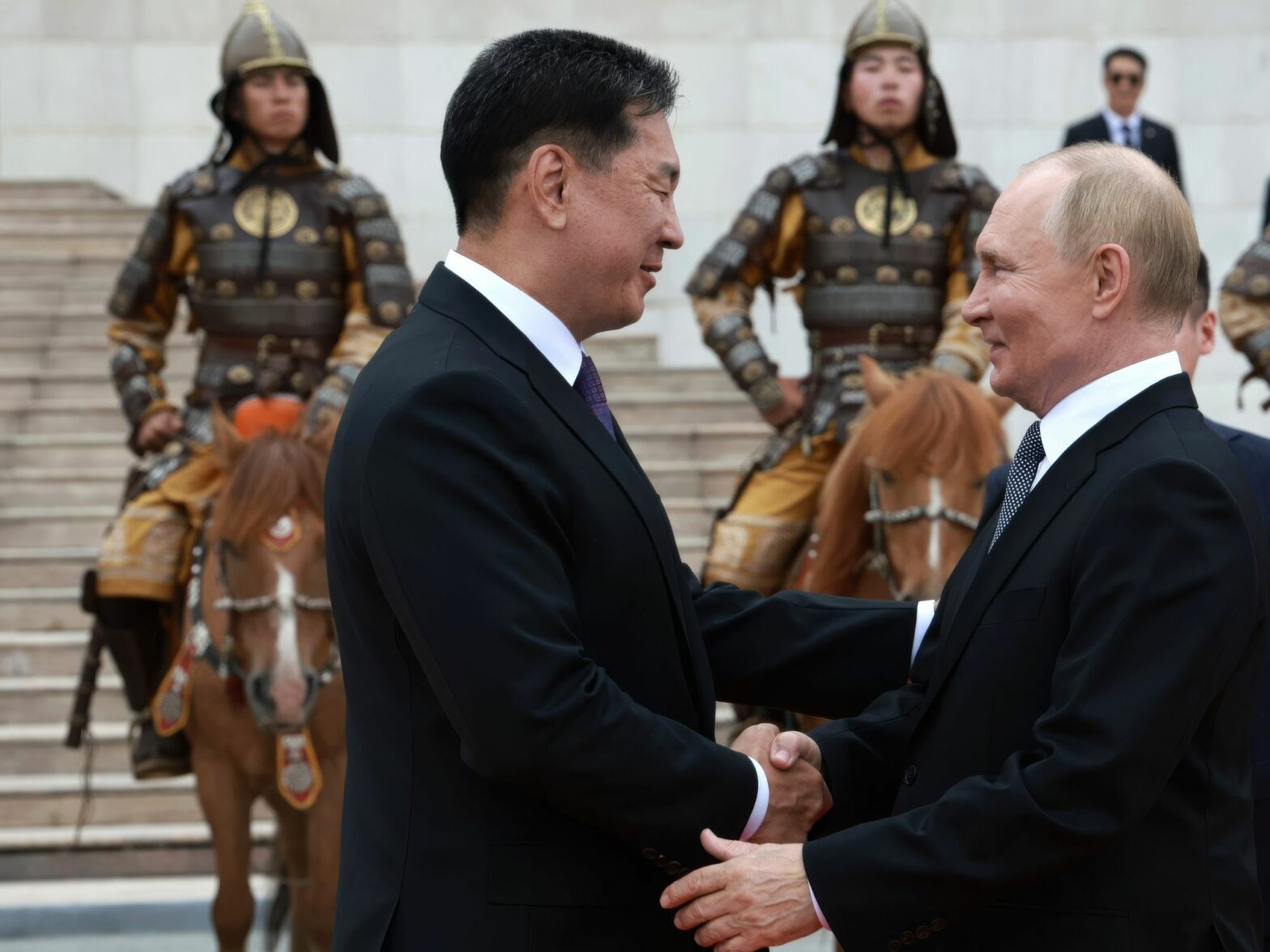
Mongolia is a signatory to the International Criminal Court treaty and should have arrested Vladimir Putin on his arrival in the capital yesterday. Of course, it didn’t — nobody believed it would. But for international affairs specialist Pierre Haski, this is only a setback for international justice.
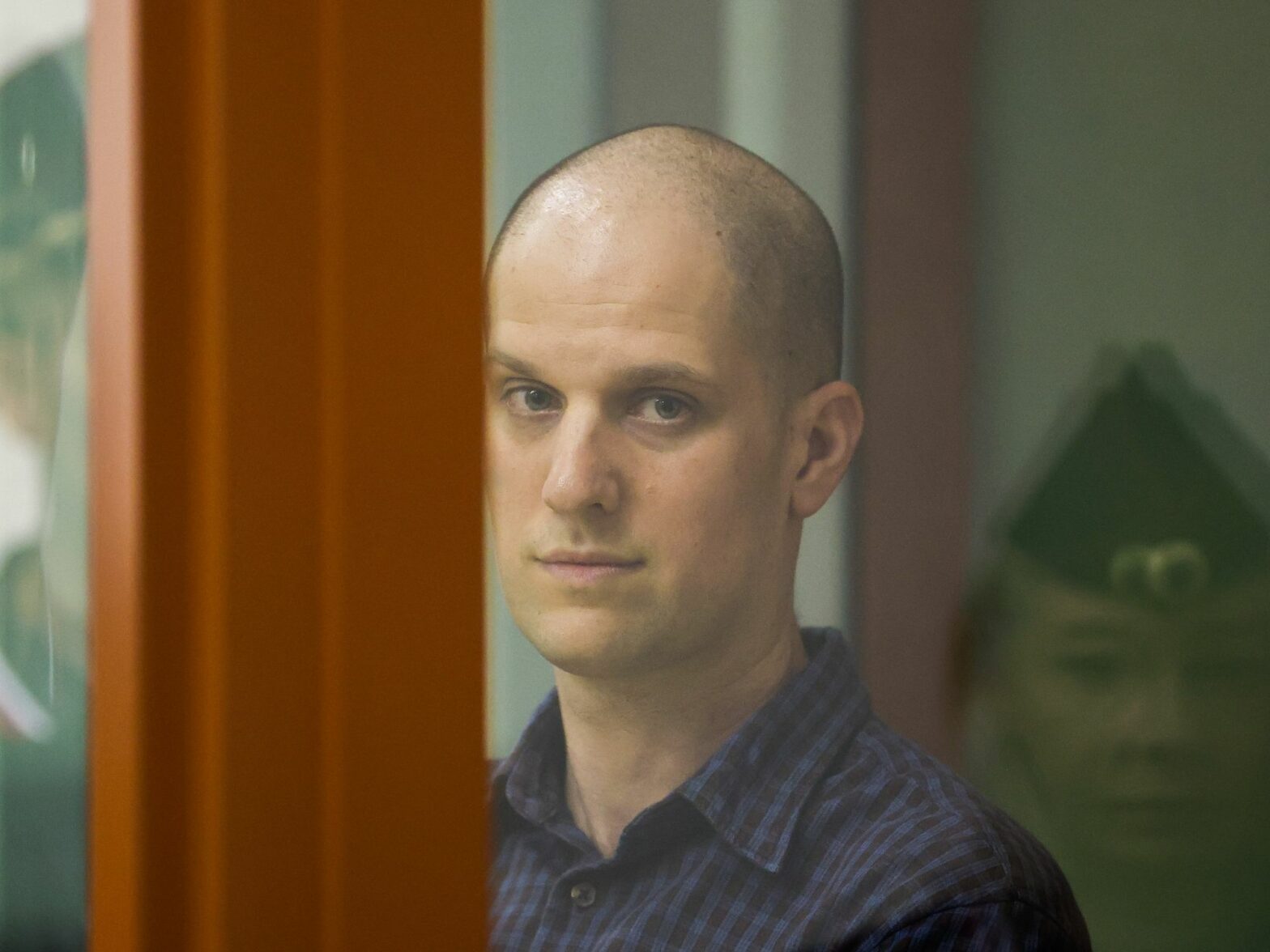
In the release of 26 people from seven countries, freedom for those unjustly imprisoned is great news. But this case, which included the freeing of the Wall Street Journal’s Evan Gershkovich and Radio Free Europe journalist Alsu Kurmasheva, could also set up an international precedent: journalists can be used as geopolitical bargaining chips.
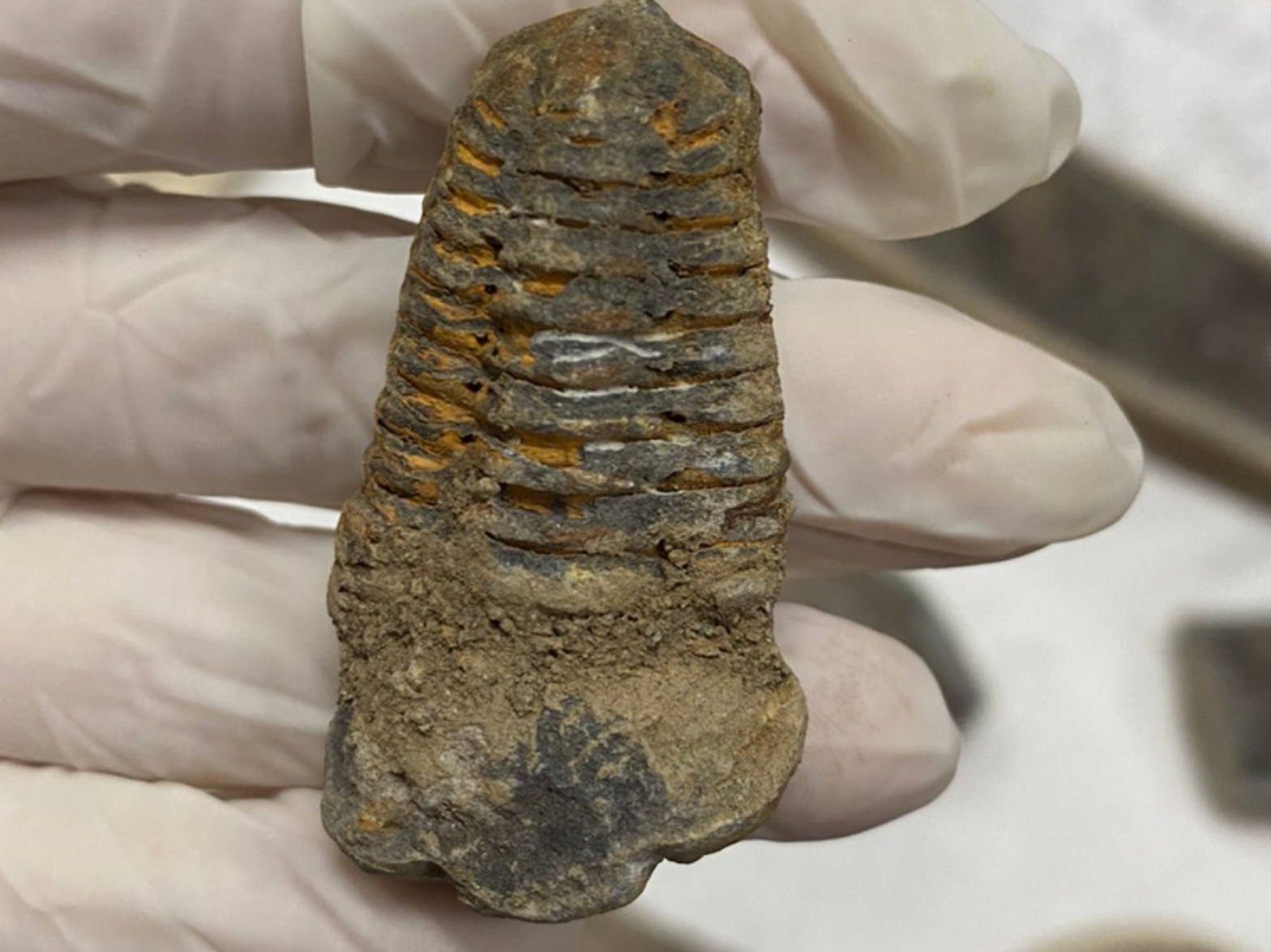
Some 88% of fossils from the Araripe Basin northeastern Brazil, one of the world’s richest paleontological sites, are housed in foreign museums — a historical and cultural heritage Brazilian authorities and researchers are working to repatriate.
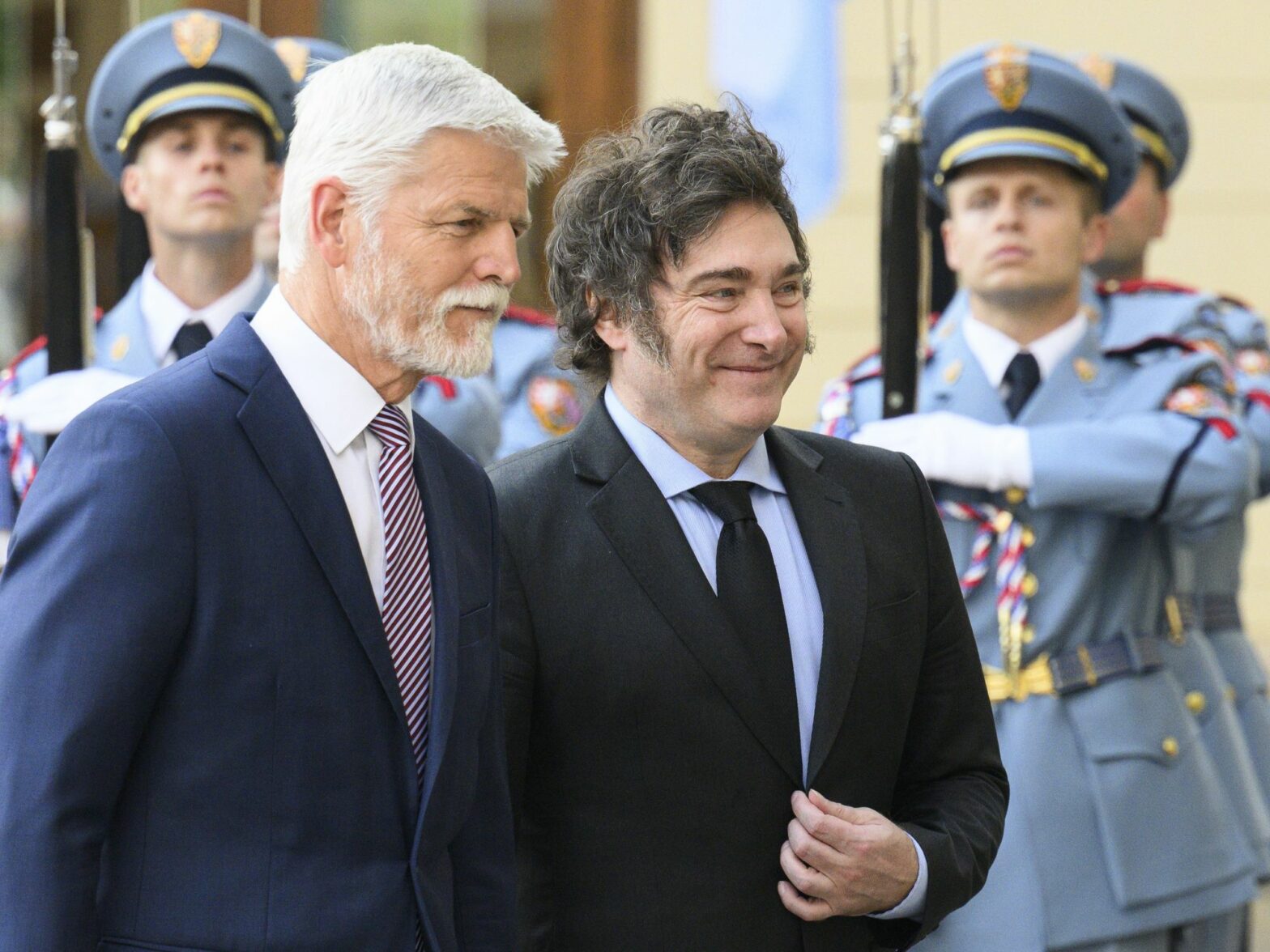
Argentina’s rabidly neo-liberal president, Javier Milei, is downsizing the state at home and curbing diplomacy to the bare minimum of promoting the free market, lambasting communism, and nurturing ties with just two, cherished states, Israel and the United States.

China’s Premier Li Qiang has offered to send Australia two new pandas during his visit to Adelaide Zoo, as “friendly messengers of China-Australia relations.” It’s the latest example of China’s enduring and unique “panda diplomacy.”
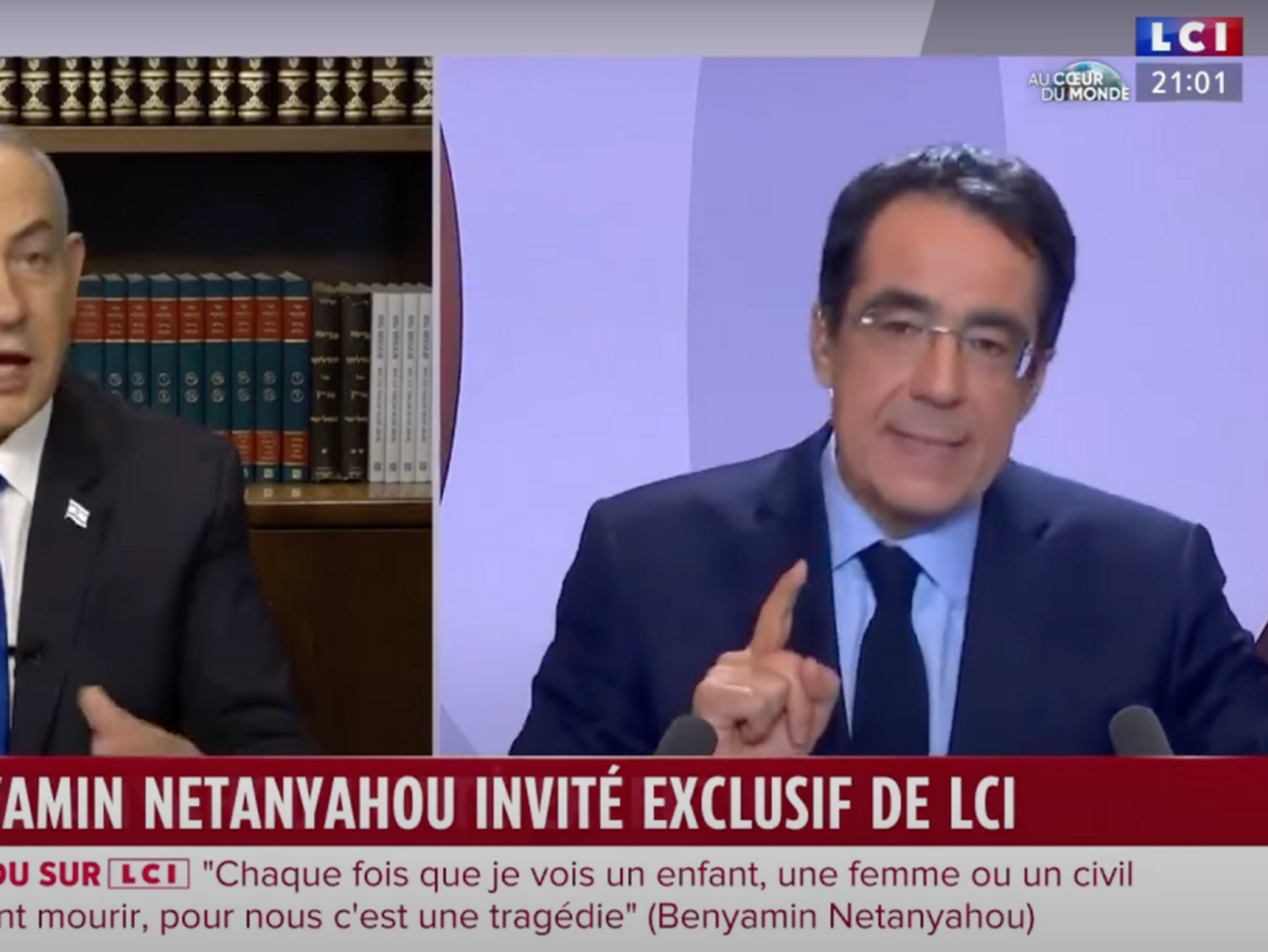
The Israeli Prime Minister appeared on French television to try to convince European audiences of his war aims. But his main weakness is his lack of vision for the “aftermath”: he has nothing to offer the Palestinians.
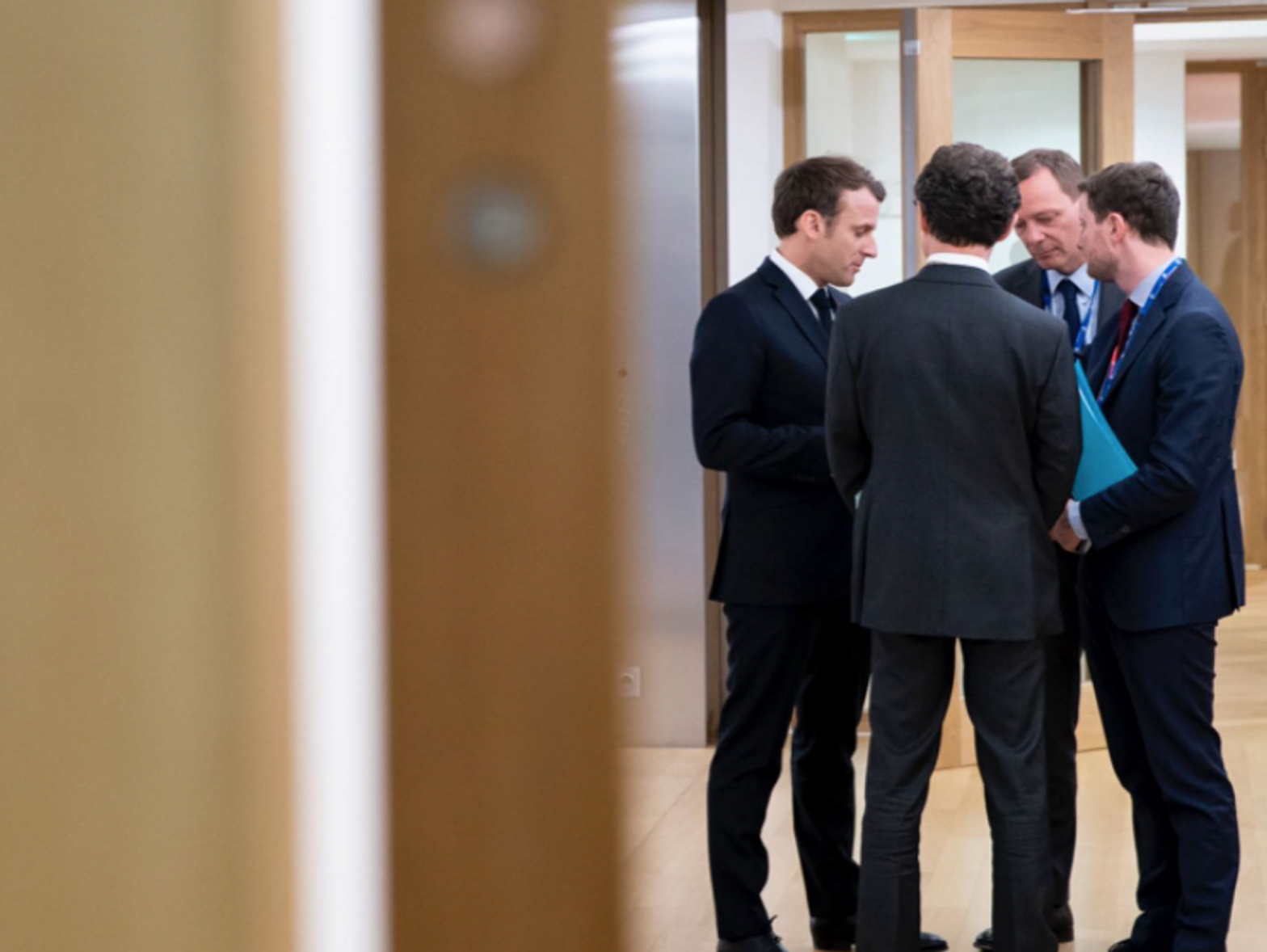
The French president wants to convince Vladimir Putin to halt military deployment around Ukraine. But some in Moscow believe the Russian president is only interested in negotiating with the U.S. about the wider global balance of power.

Argentina’s erratic right-wing president Javier Milei, seems to emulate Trump and Bolsonaro. But he has taken his bad diplomacy to a new level after last week’s spat with Spain’s Socialist party prime minister Pedro Sánchez.
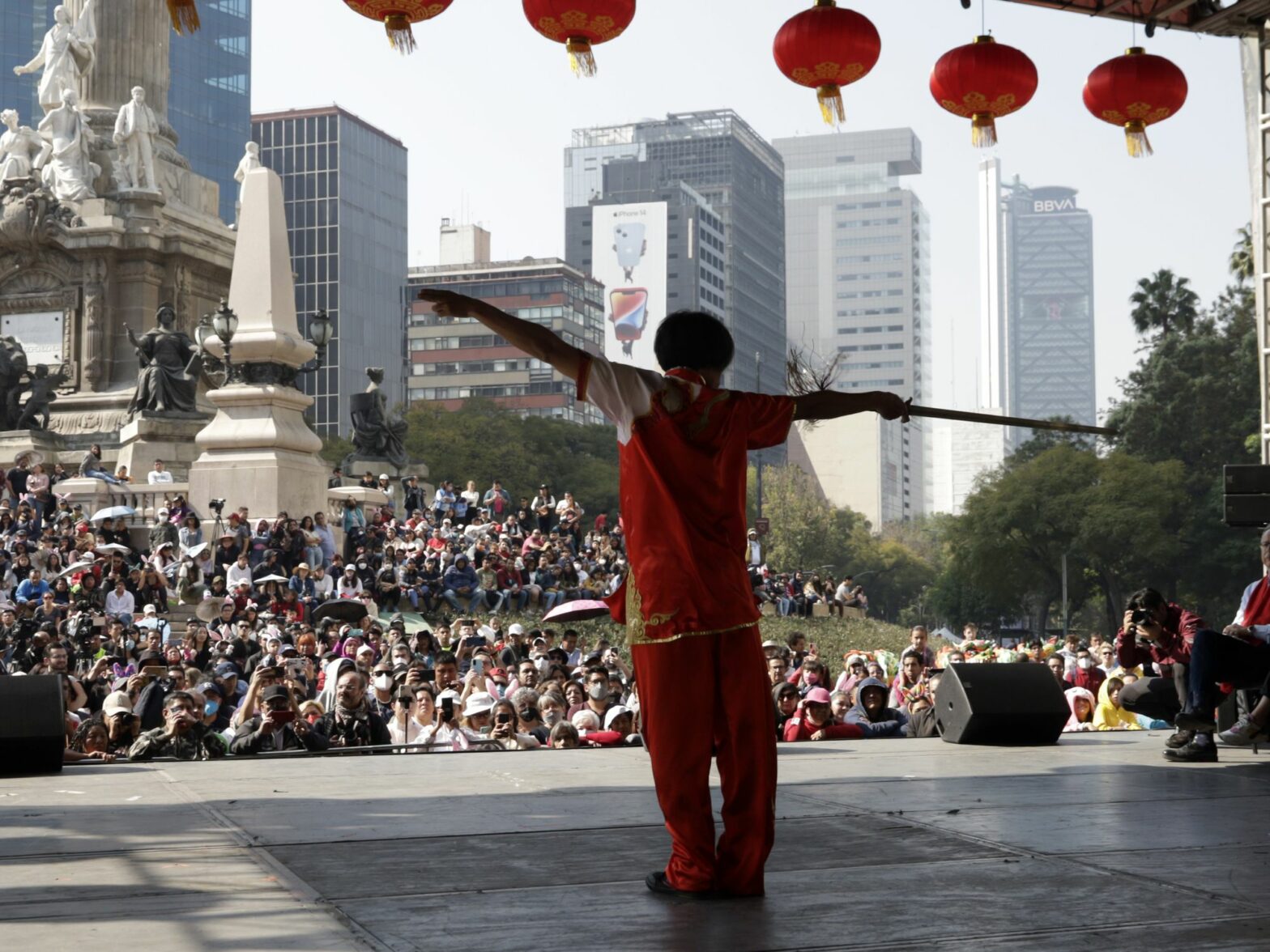
The United States has shown it prefers economic incentives over penalties to help keep regional democracies within its orbit and away from China. That is a national-interest opportunity Latin American states cannot ignore.
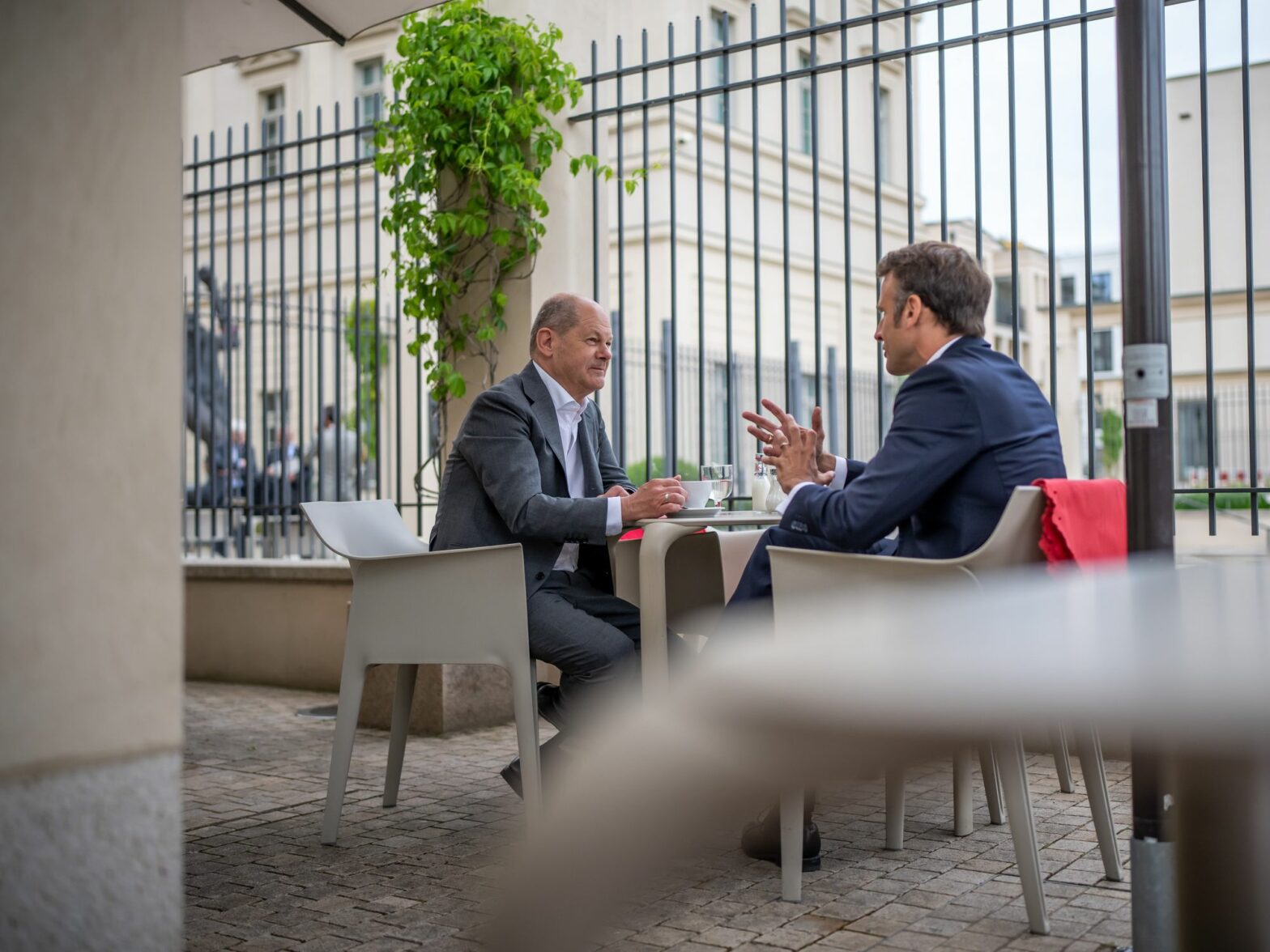
The French President and the German Chancellor, joined by their wives, dined together in a top Parisian restaurant on Thursday evening; a “private” meal at a decisive moment for “Europe in mortal danger,” as Emmanuel Macron repeated in a new interview.
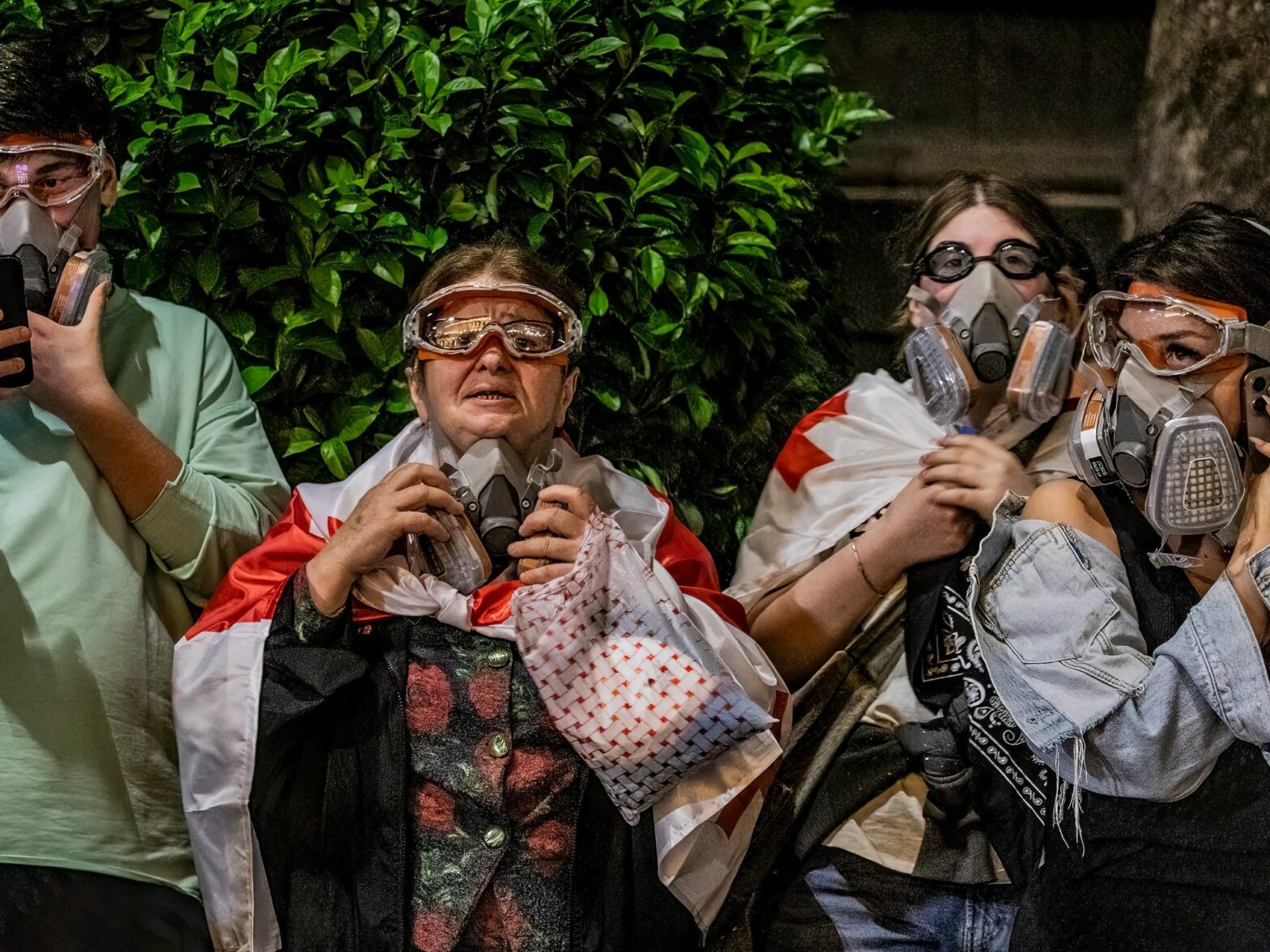
Demonstrations suppressed by the forces of order are taking place daily in the Georgian capital of Tbilisi around a draft law on “foreign interests”, considered by the protesters to be a “Russian law.” At stake is Georgia’s future, between the European Union and Putin’s Russia.
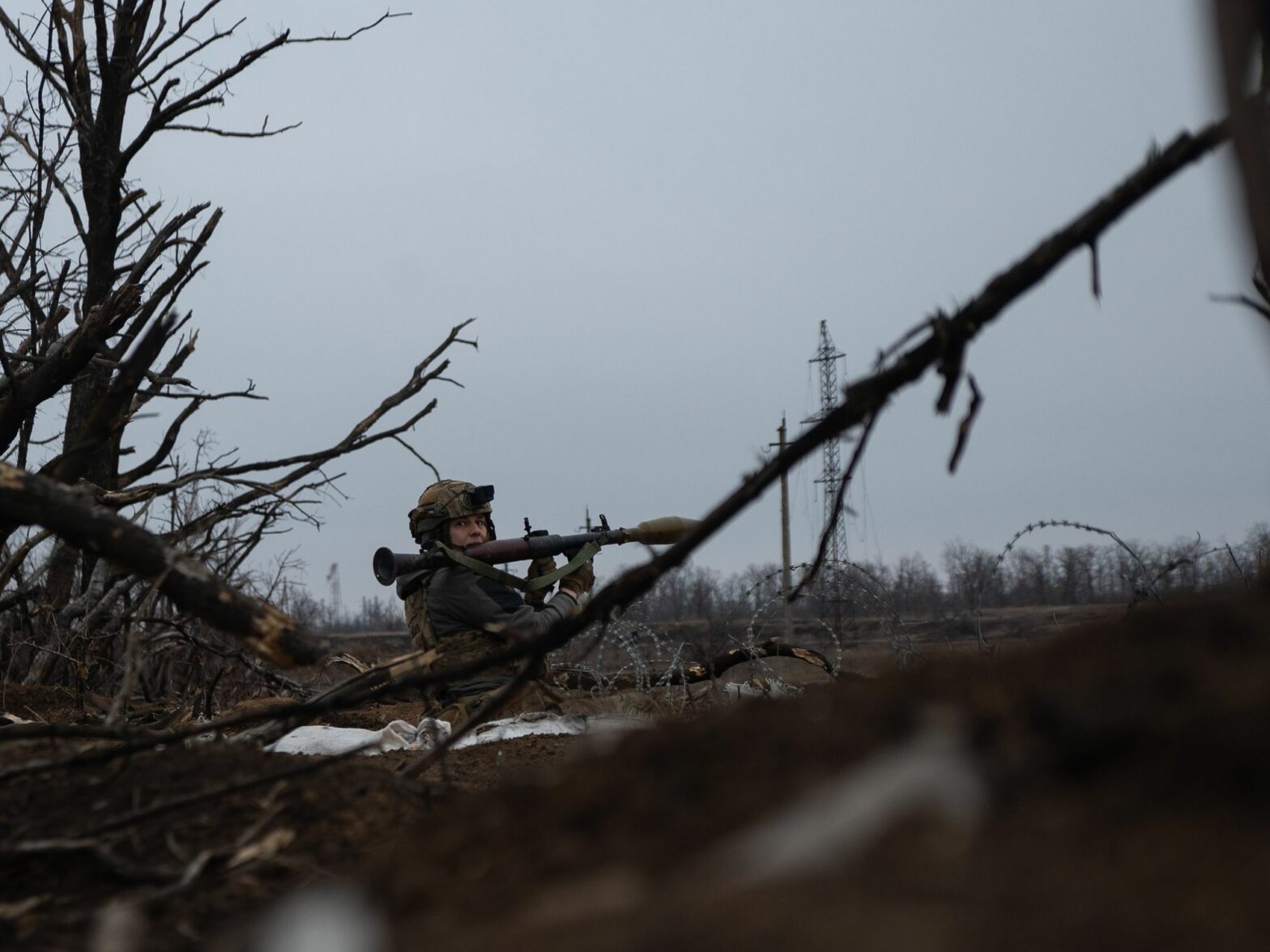
When the U.S. and other Western countries recently defended Israel against Iran’s drones and missiles, Ukrainians began to blame themselves for not receiving similar protection against Russia’s attacks. But the reality is very different.