Ukraine’s president faces mounting pressure abroad and growing distrust at home, as corruption claims and battlefield fatigue collide with the country’s fight for survival.
 Worldcrunch
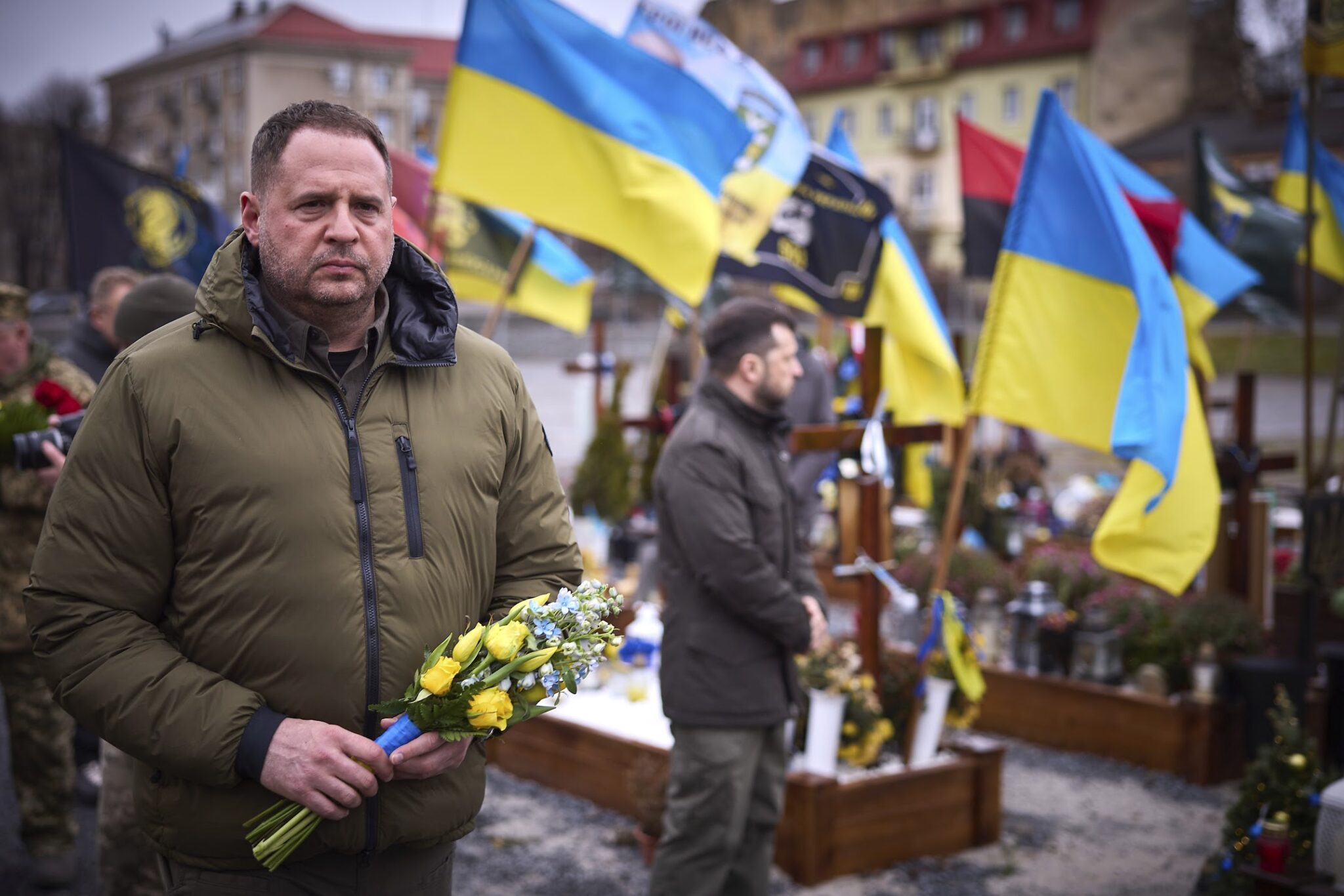
Ukraine’s president faces mounting pressure abroad and growing distrust at home, as corruption claims and battlefield fatigue collide with the country’s fight for survival.
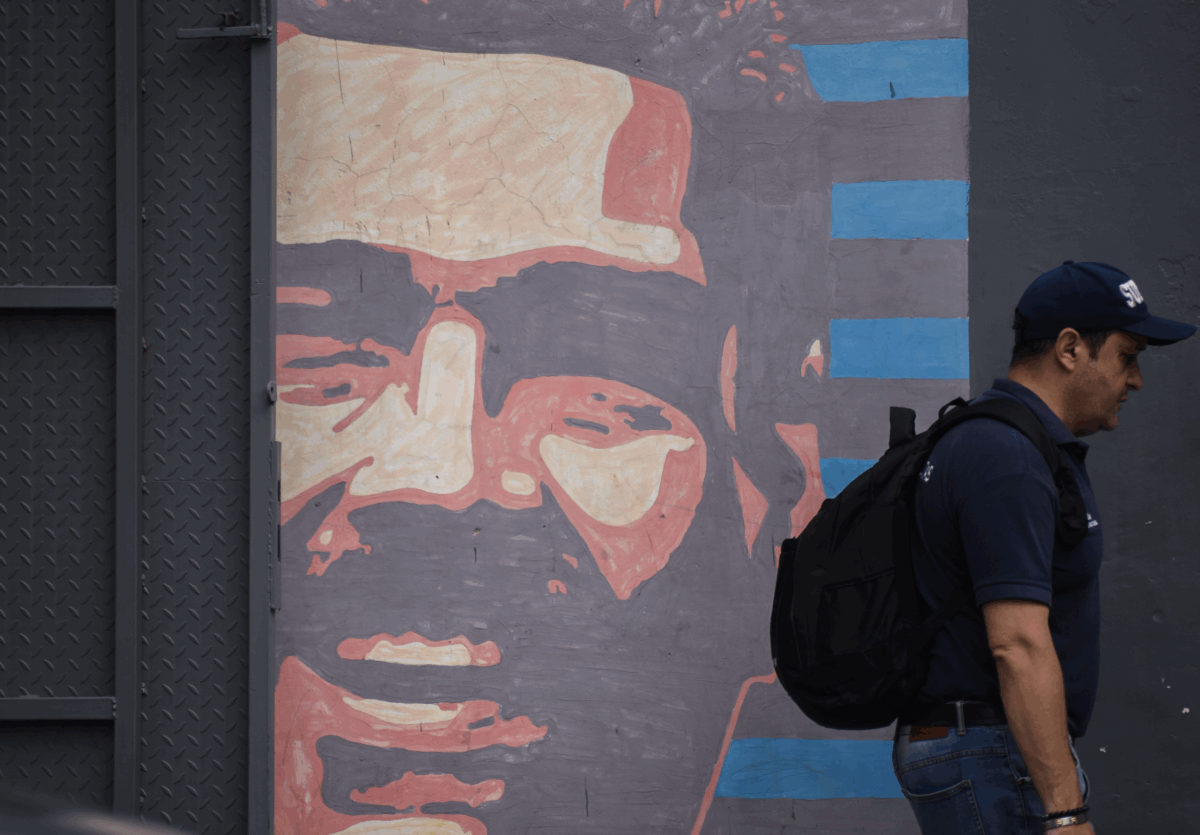
Venezuela is being held hostage. Rather than outrage, the appearance of a U.S. armada has produced an almost sacrilegious sigh of relief in many. But is even that enough?
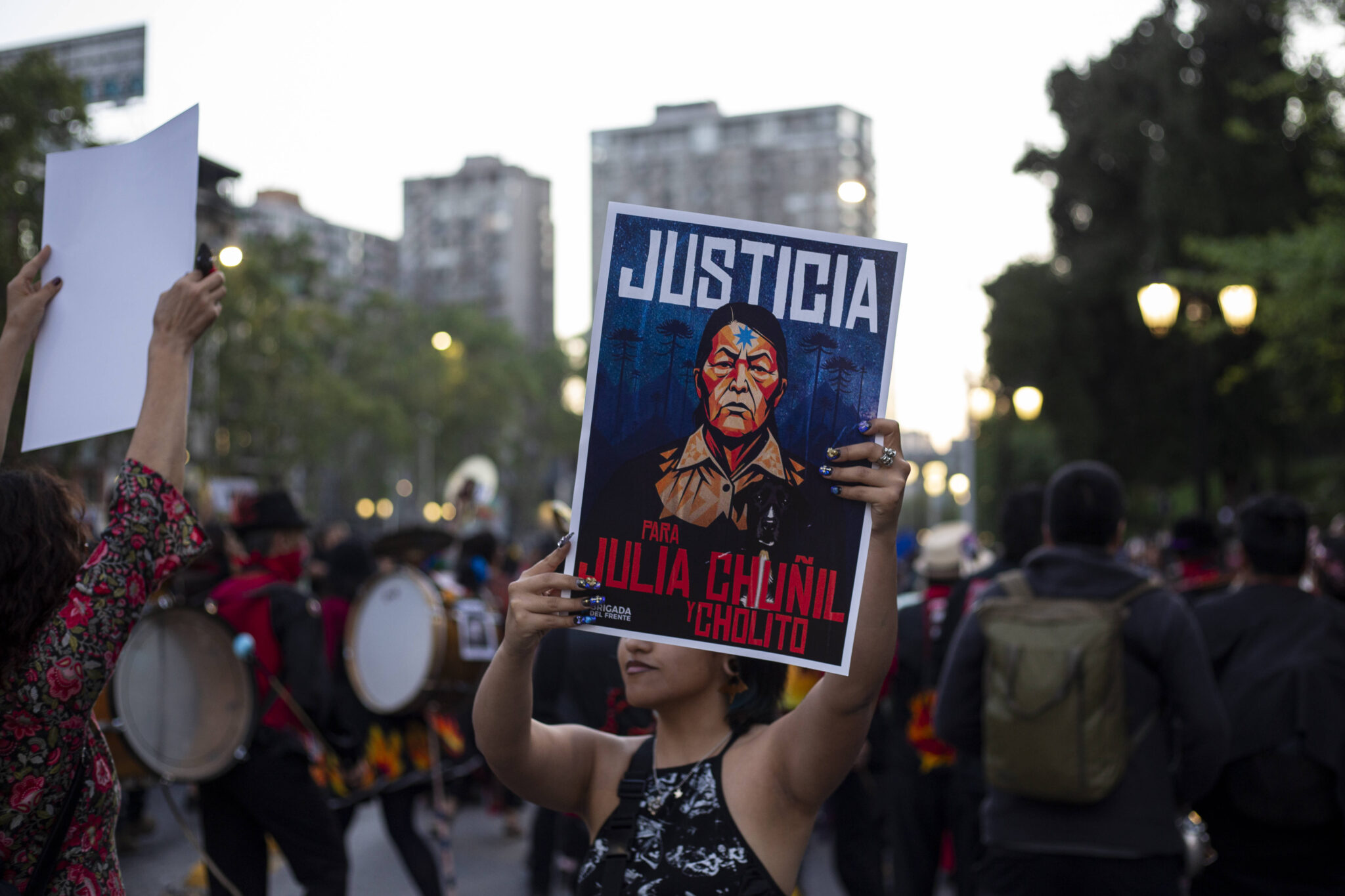
In 2024, there were 146 murders and long-term disappearances of environmental and land activists, according to a report by the NGO Global Witness.
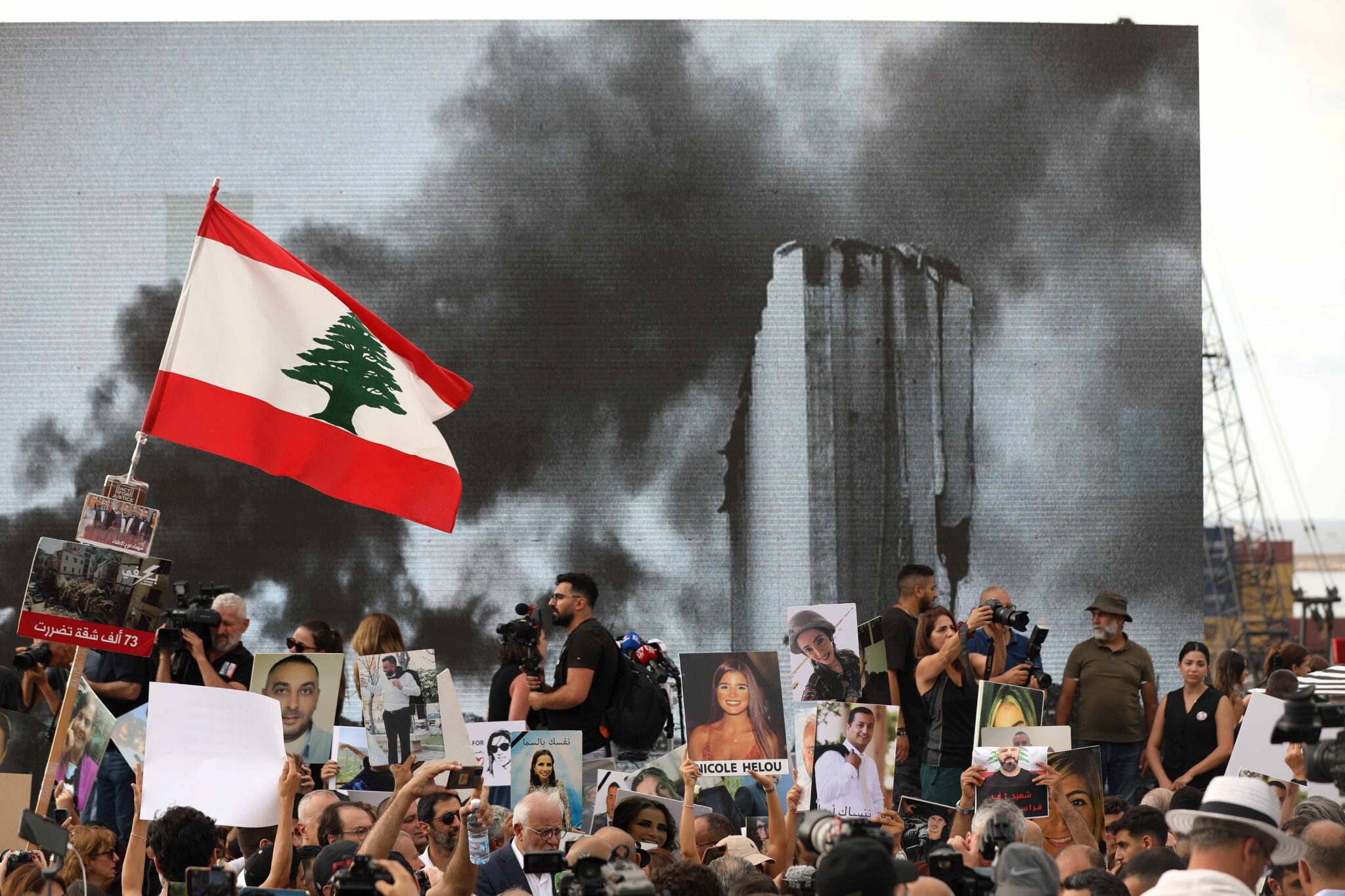
Lebanese authorities had promised the investigation into the Beirut port explosion would be completed within five days. Five years later, Daraj reports on what is still holding up this case, and talks with the country’s new Justice minister about the country’s need for truth.
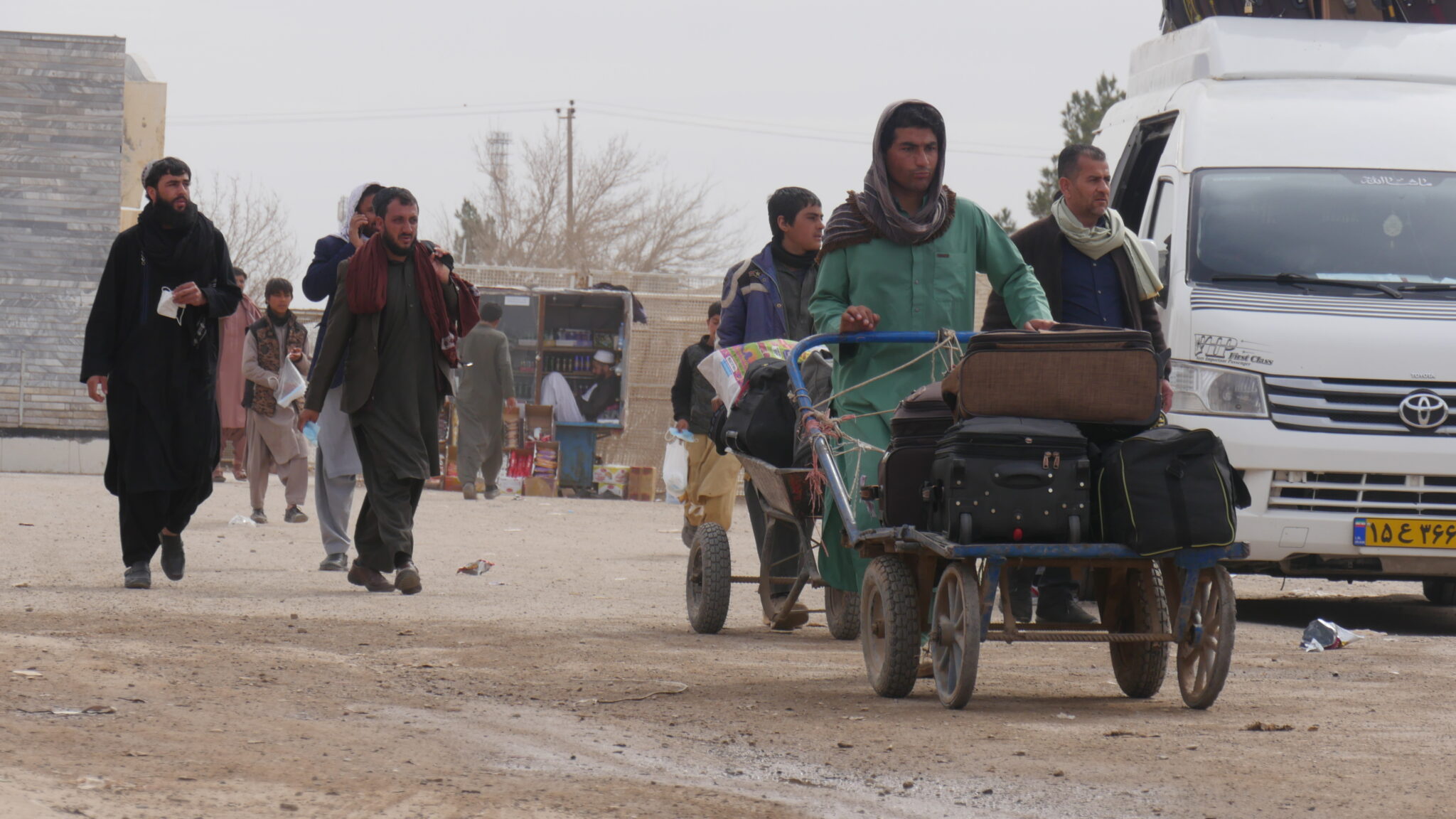
Iran is reportedly deporting thousands of Afghans — including many legal residents — claiming it can no longer afford to host millions of migrants. Witnesses describe chaotic expulsions marked by beatings and last-minute extortion at the border.
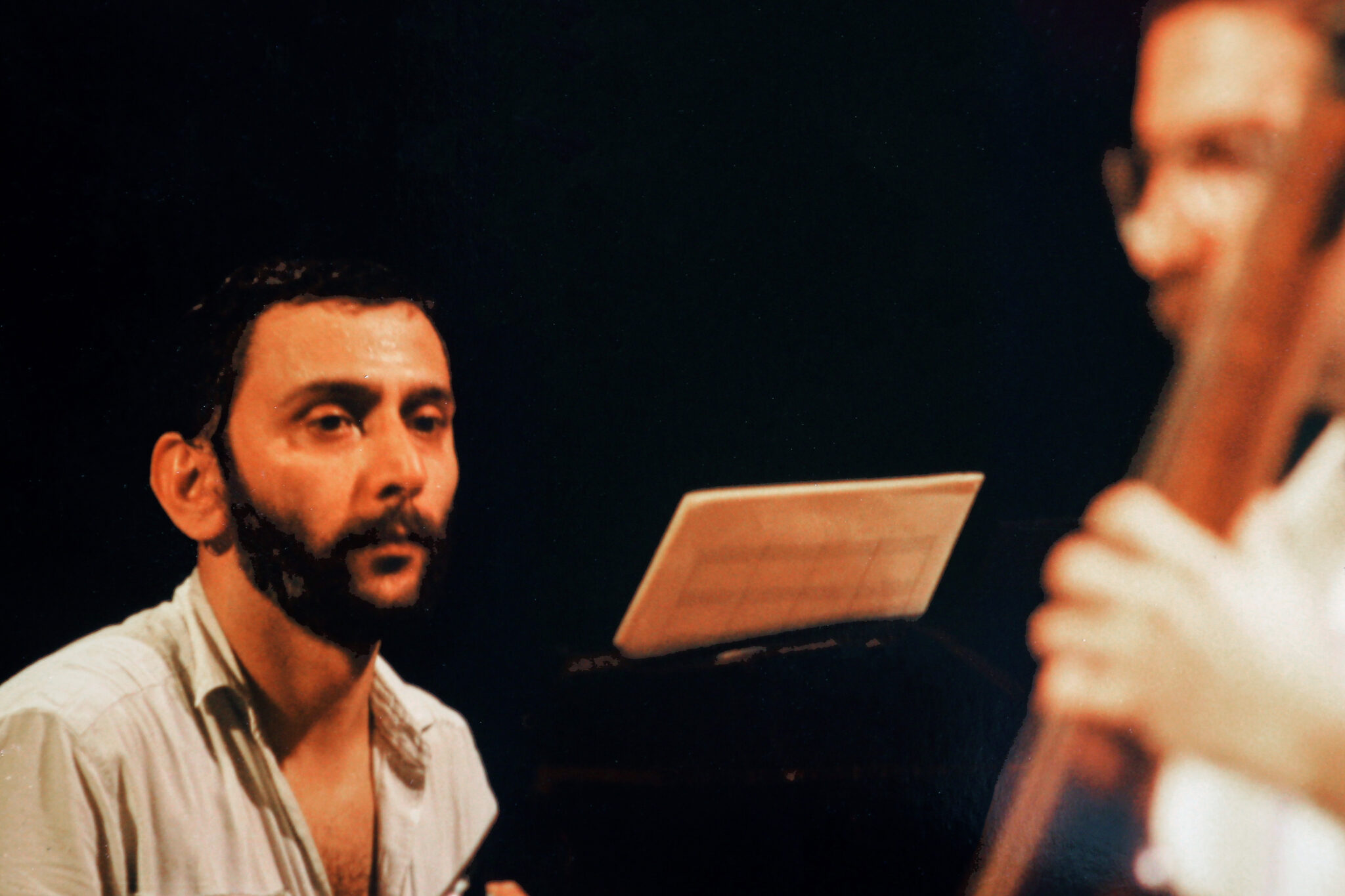
The death of Ziad Rahbani, Lebanon’s legendary composer, playwright, musician, and political provocateur, leaves a profound cultural and emotional void. His plays and songs expressed the nation’s tragedies, anger, and resilience, making him a “living echo” of Lebanon’s struggles that will continue to resonate for generations.
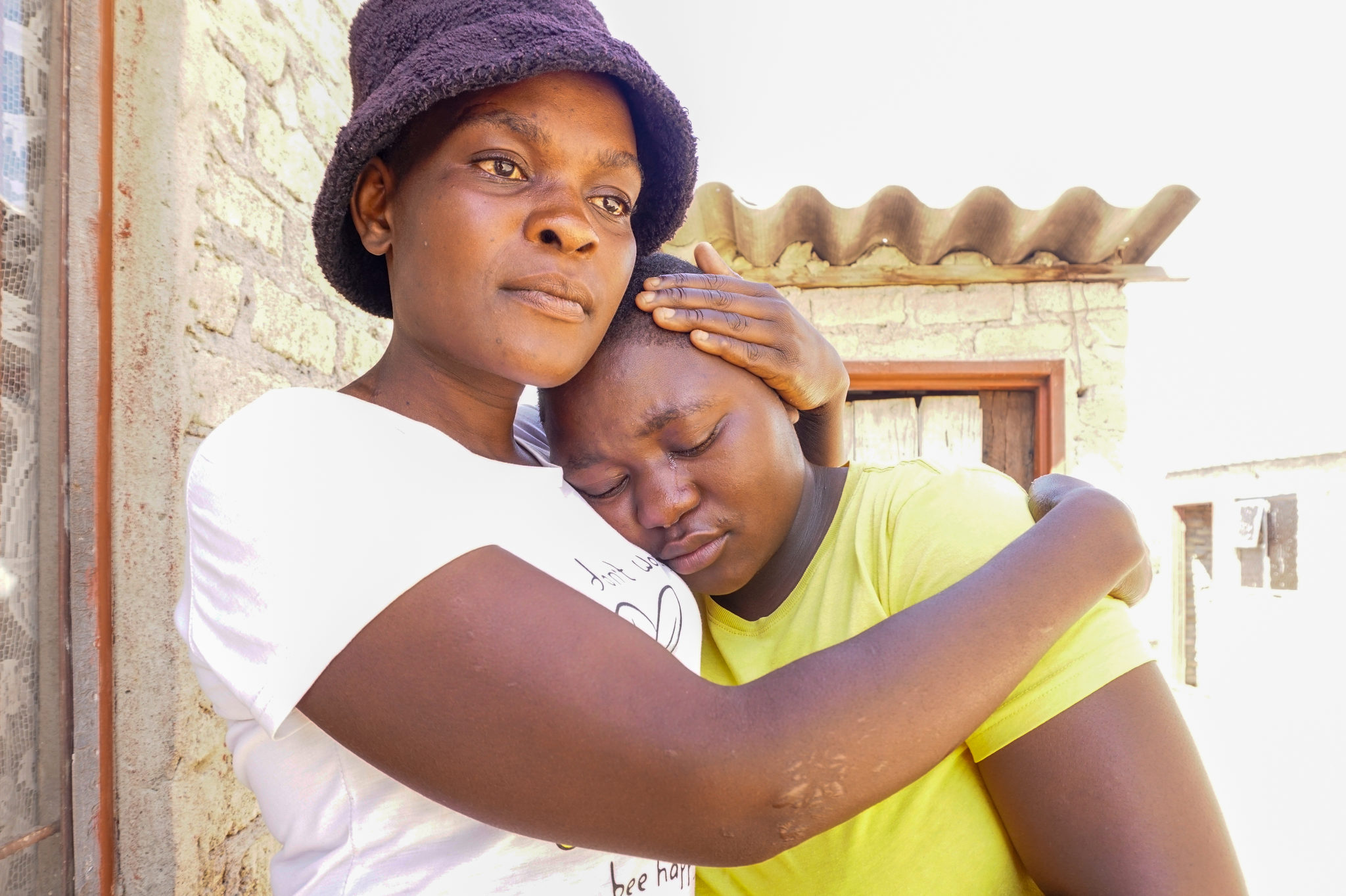
A shortage of pathologists and a culture of corruption have made mortuaries sites of extortion and grief.
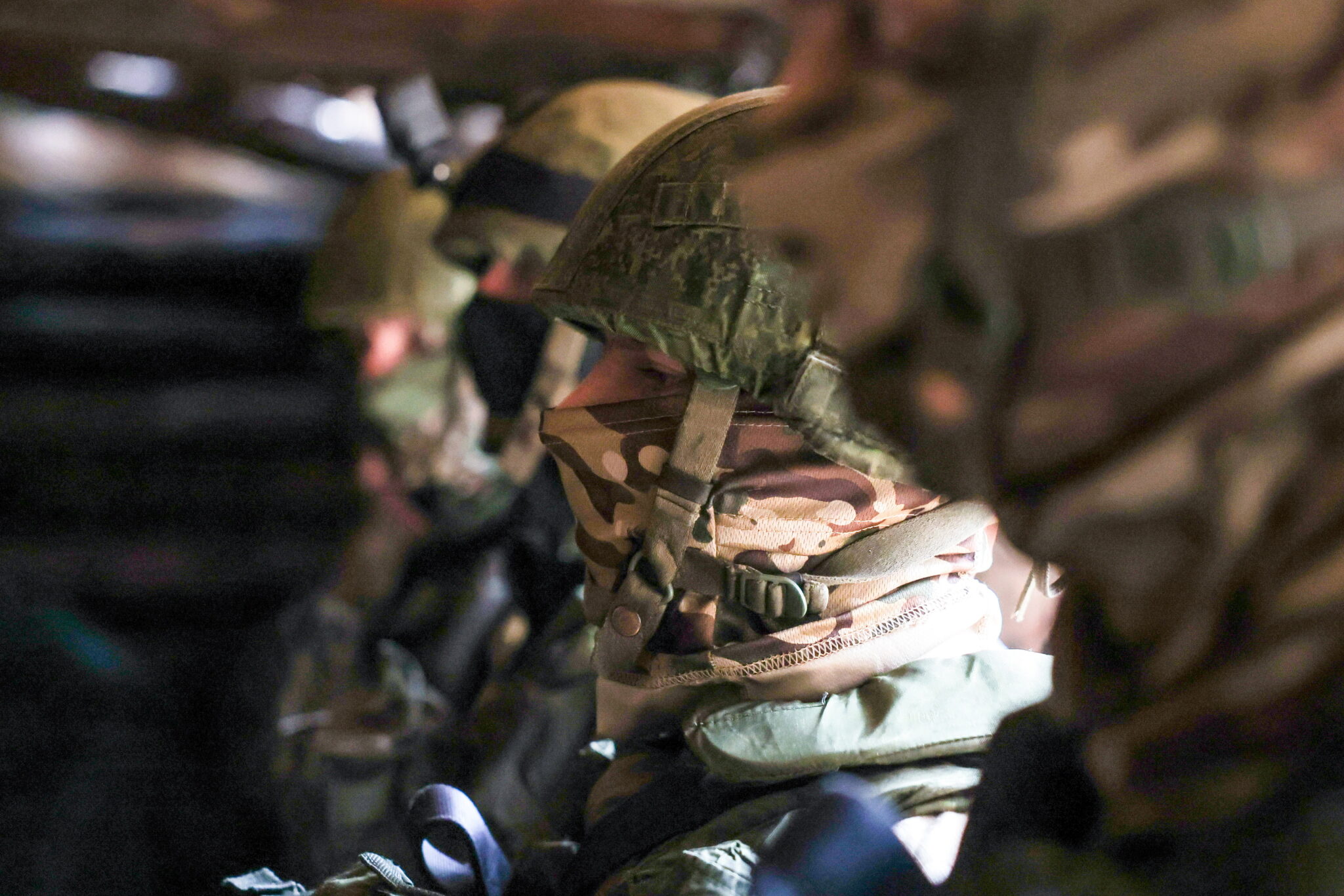
Some Russians who have gone to war are making big money: for signing a contract, monthly pay, injury insurance, and benefits in case of death. Unsurprisingly, many are eager to illegally get their hands on that money — from frontline commanders to women marrying the most vulnerable.
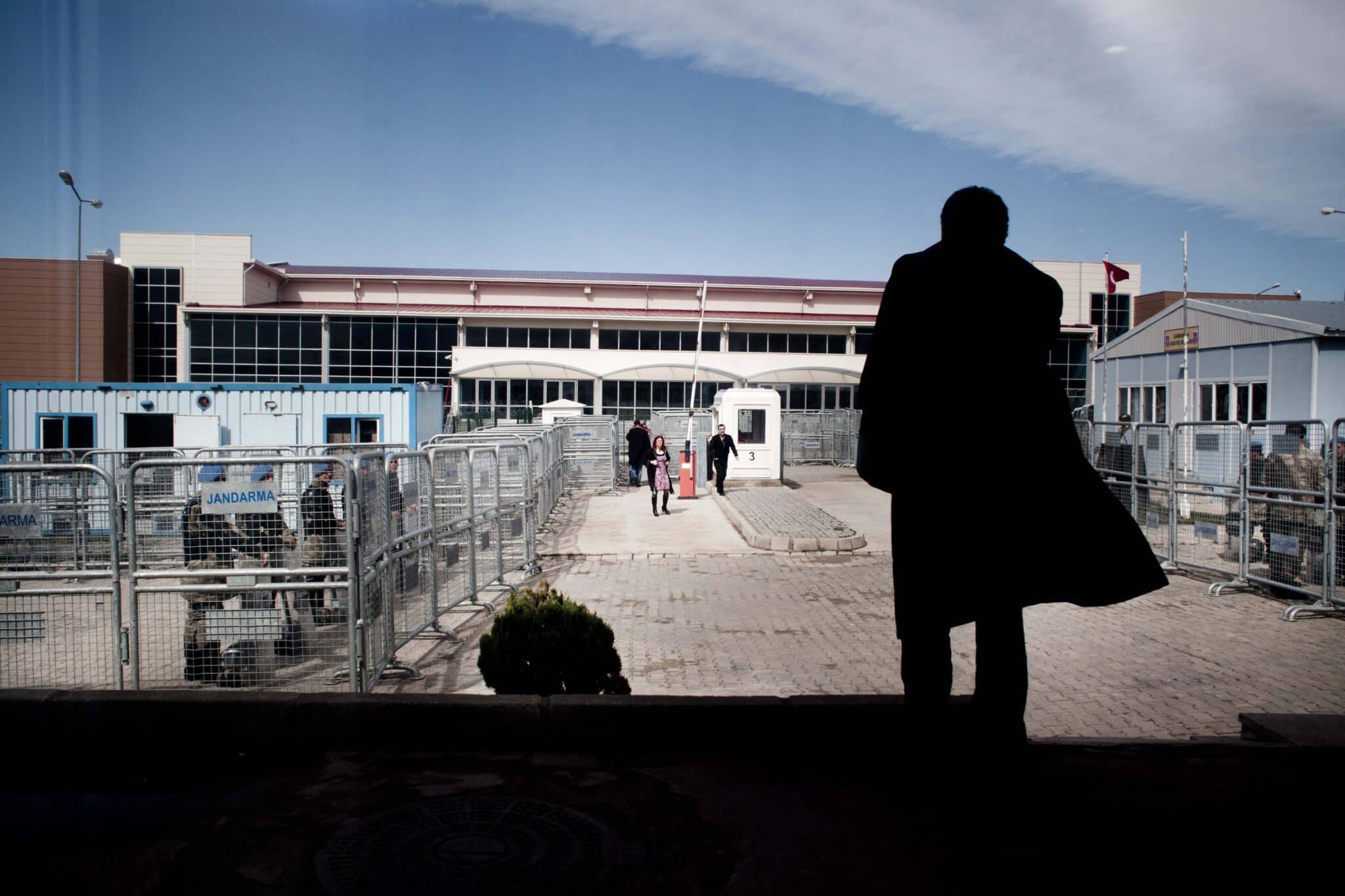
One month after the imprisonment of Ekrem Imamoglu, the mayor of Istanbul and a key rival to President Erdogan, the Silivri penitentiary — where political opponents are crowded together — has come to symbolize a country where justice bows to the shifting winds of politics.
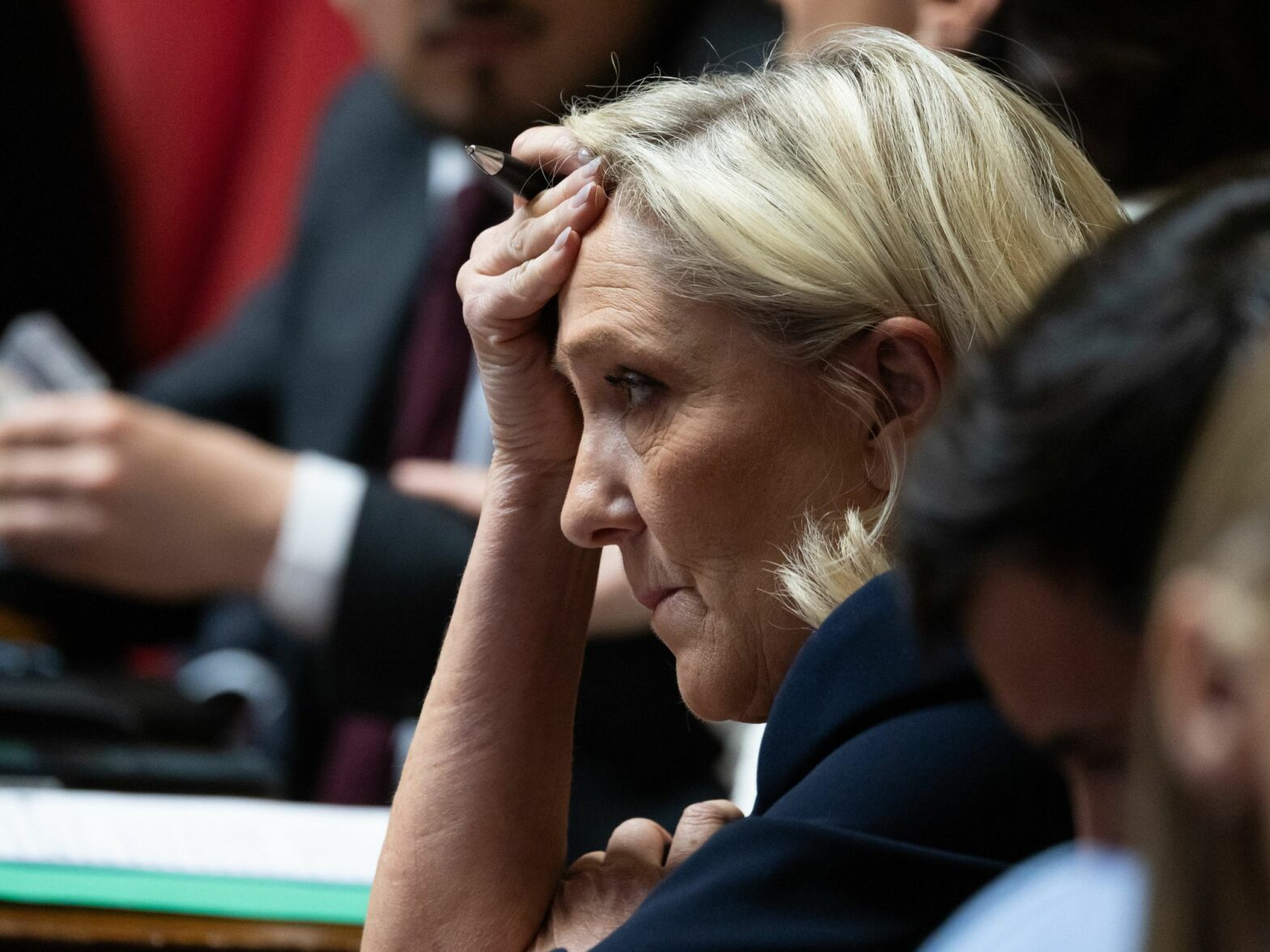
France is just the latest in what appears lately to be a non-stop showdown on this fundamental tension of any democratic society: On the one hand, an independent judiciary that treats even the most popular political leaders like every other citizen; on the other, the risk of judicial system usurping the will of voters to choose the leaders they want.
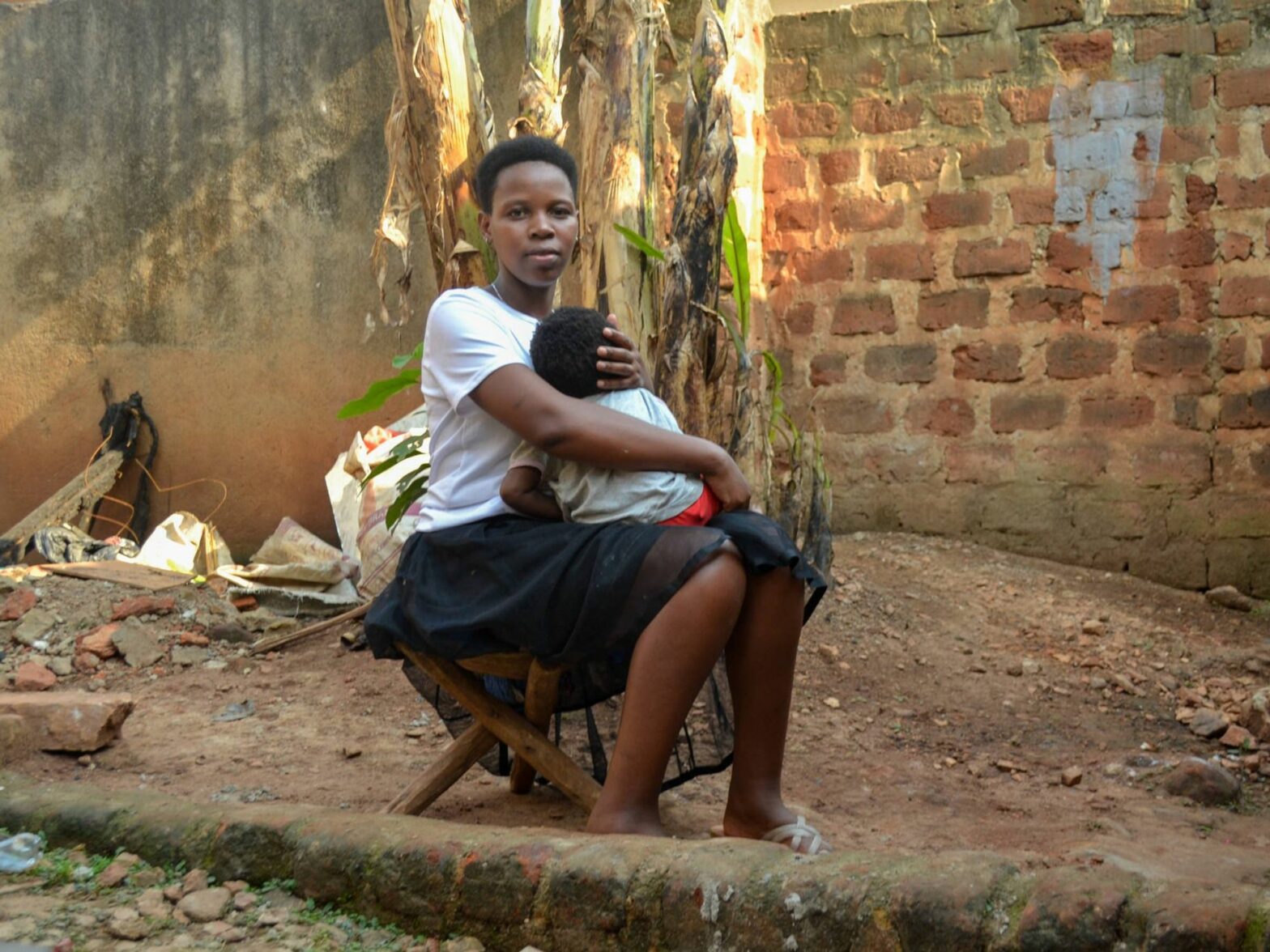
Rife with understaffed hospitals, corrupt licensing and people who claim to be doctors, the health system struggles to protect patients from deadly medical fraud.
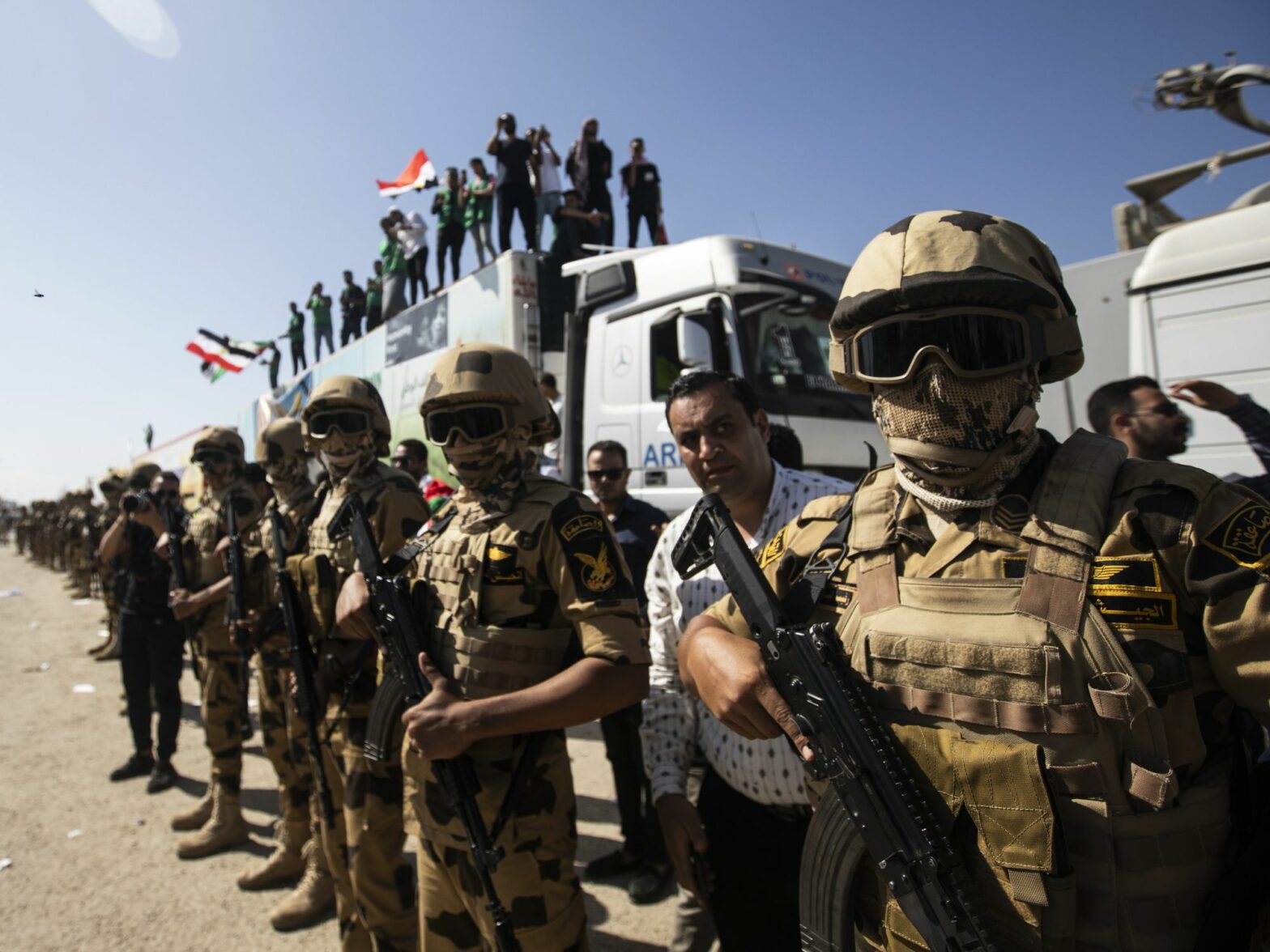
Any future conflict with Israel will not resemble the 20th-century wars — those highly controlled, limited conflicts that lasted only days or weeks. Wars then followed rules of engagement because they were overseen by the two superpowers of the Cold War.
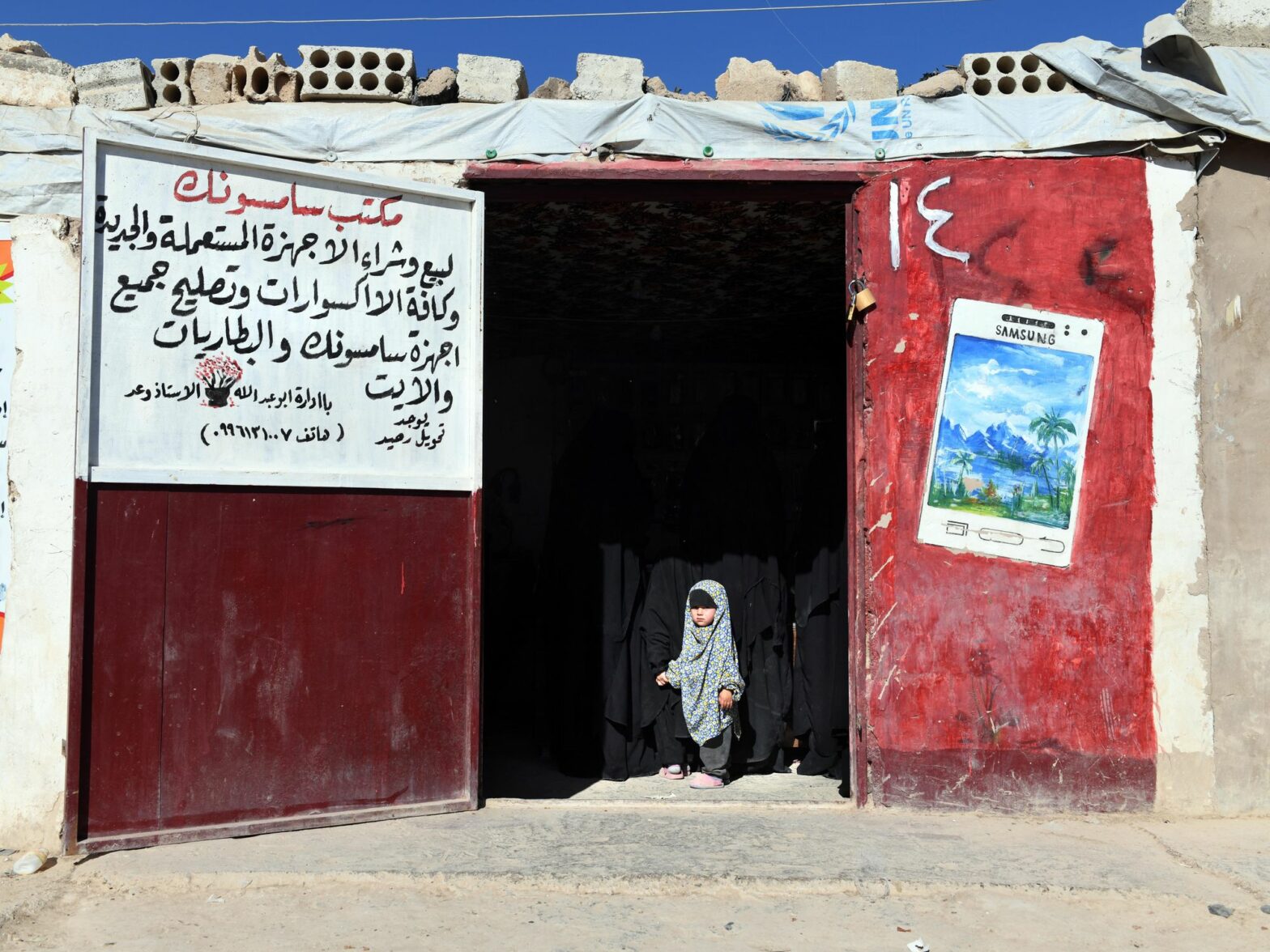
A number of international humanitarian organizations, local associations, and organizations operate within the al-Hol refugee camp in northern Syria. Most of these organizations are primarily funded by the U.S., meaning that three sectors and several community segments are directly affected by the U.S. State Department’s decision to halt foreign aid.
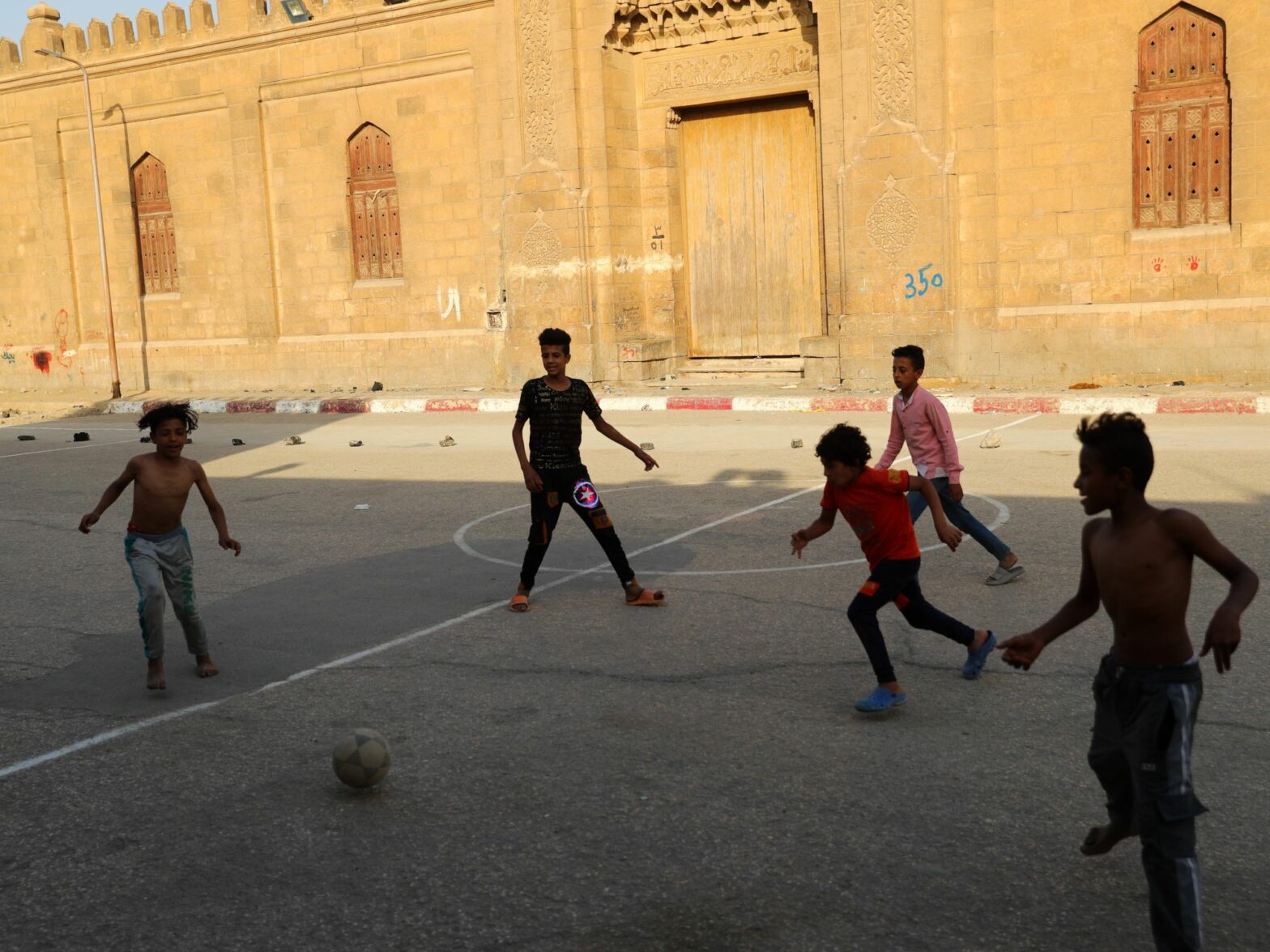
The Egyptian people love soccer, but those who rule its professional leagues don’t seem to care about the sport. The people had to find a solution, on city streets and remote villages — and special once-a-year Ramadan tournaments.
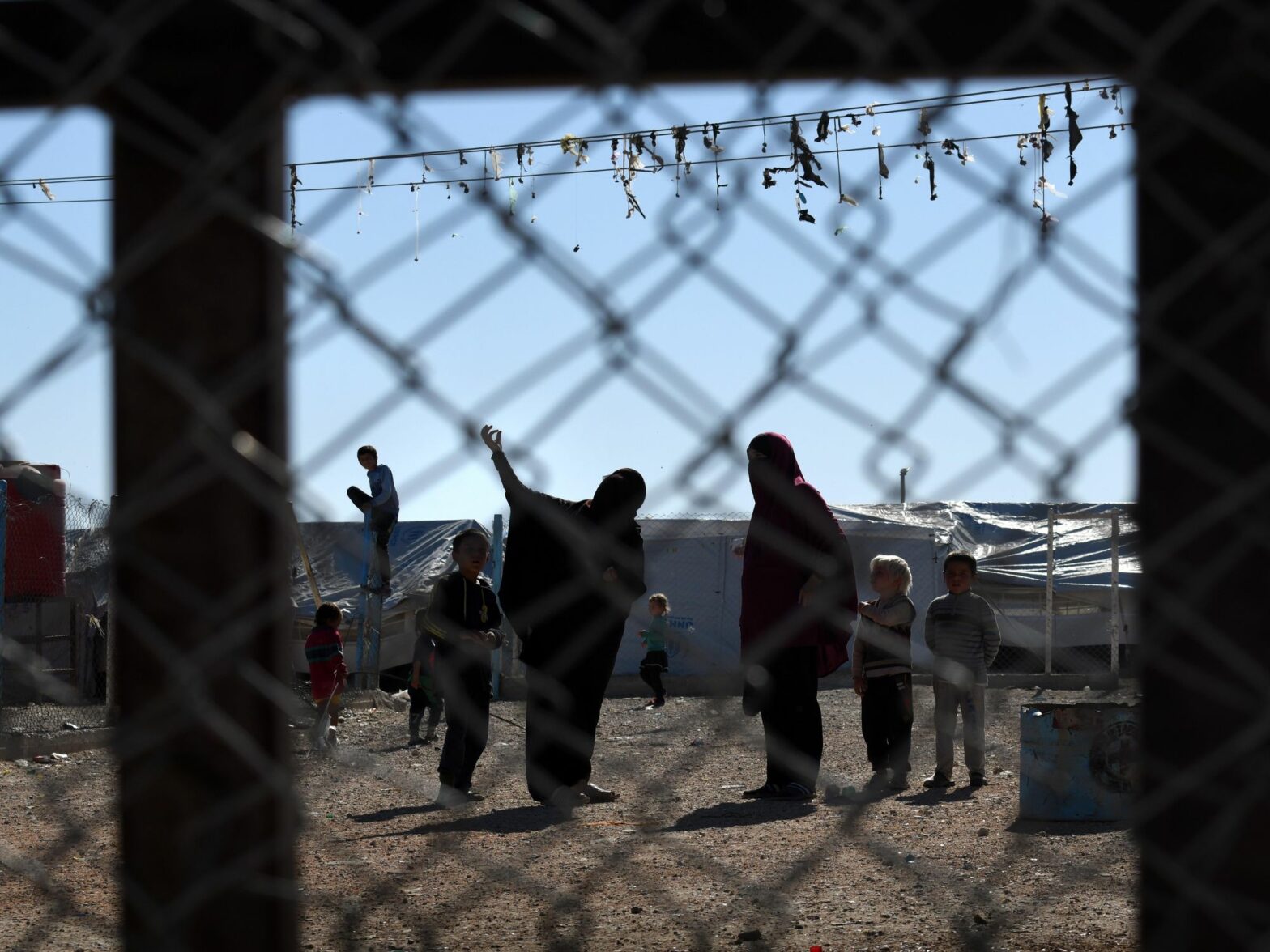
A number of international humanitarian organizations, local associations, and organizations operate within the al-Hol refugee camp in northern Syria. Most of these organizations are primarily funded by the U.S., meaning that three sectors and several community segments are directly affected by the U.S. State Department’s decision to halt foreign aid.
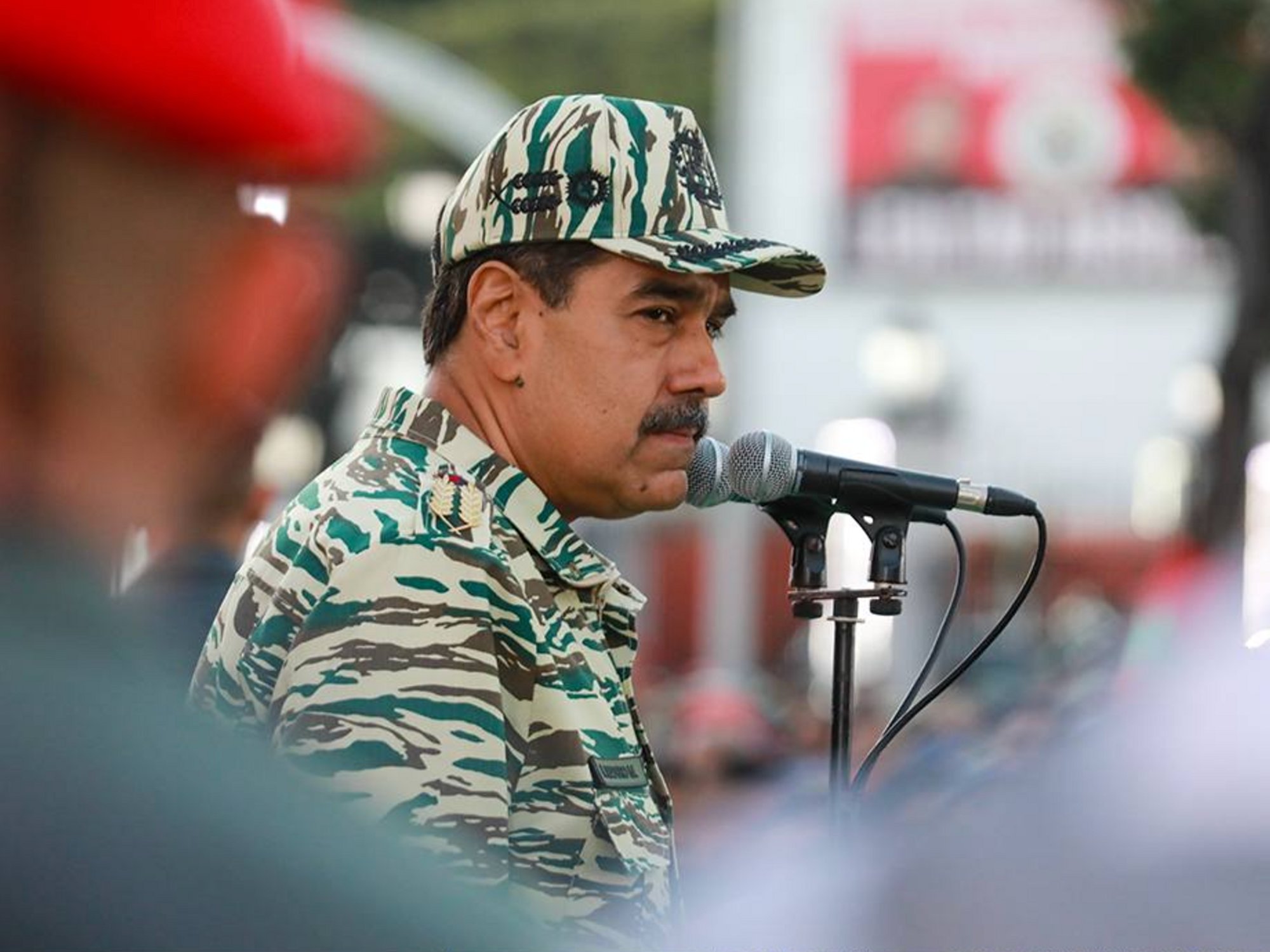
In its first decade, Venezuela’s Bolivarian revolution was radical yet legitimate, and enjoyed the people’s electoral support under leader Hugo Chávez. This changed when his successor, Nicolás Maduro, took over after Chávez’s death, and decided he wasn’t going to let votes thwart his insatiable love of power and money.
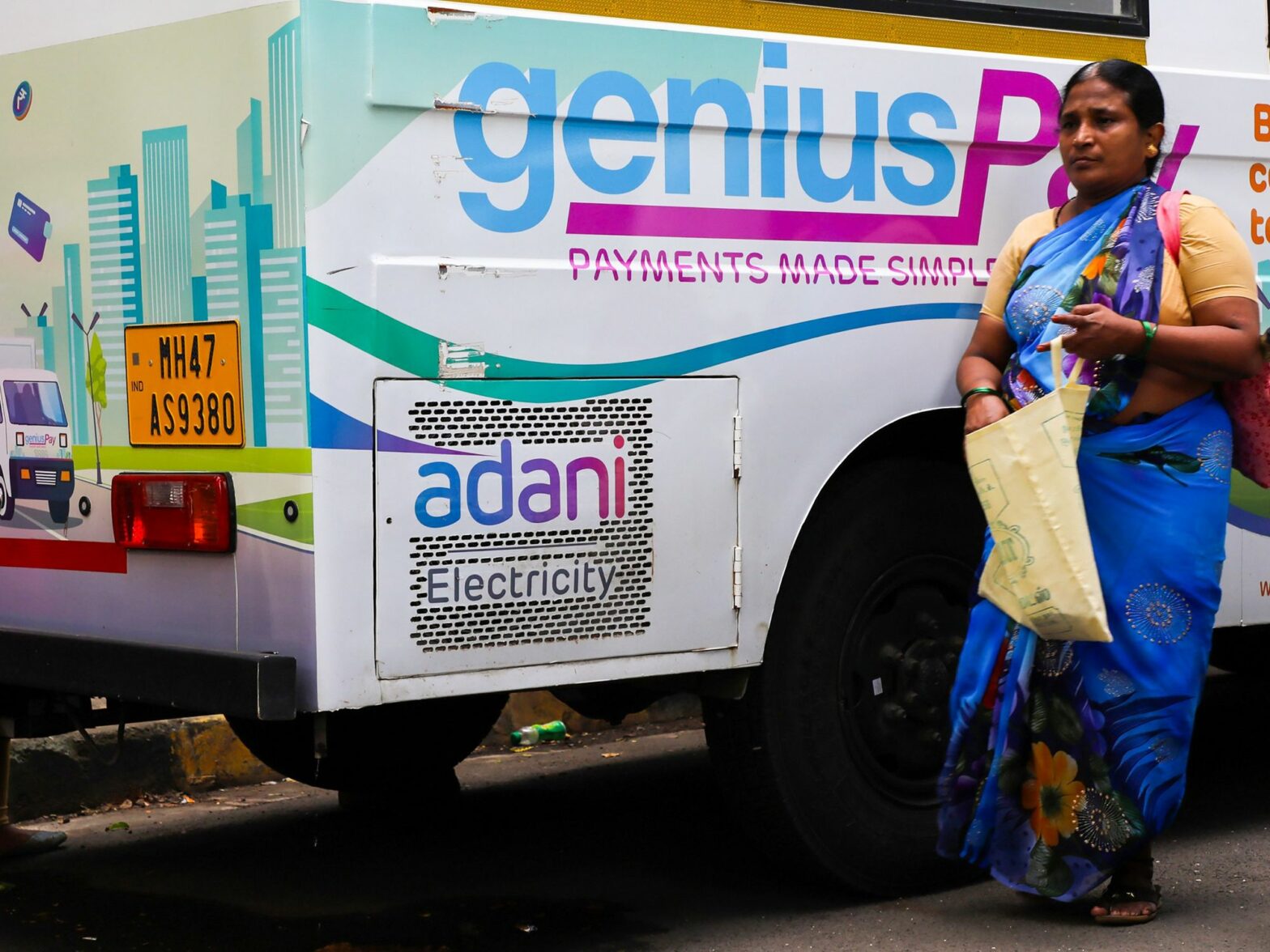
India operates in the gap between what society considers morally acceptable and what is legally permitted. While instances of blatant corruption can still shock, the idea of corruption in India is not condemned in its totality.
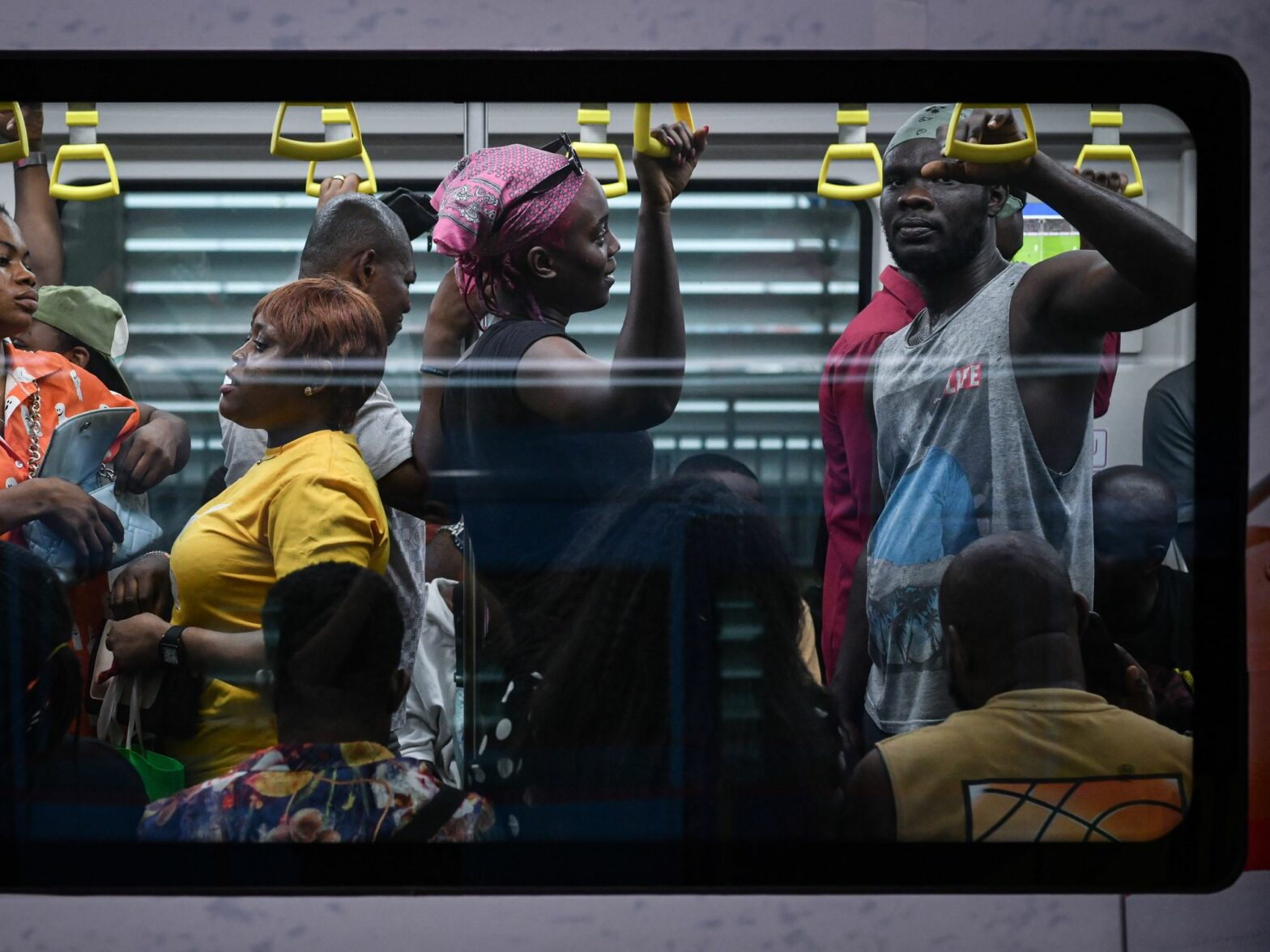
With a population of more than 200 million, Nigeria is facing a series of crises: an economy at its lowest, endemic corruption and insecurity throughout a large part of the country. Despite the challenges it faces and its history of military coups, the country is holding firm, but for how long?
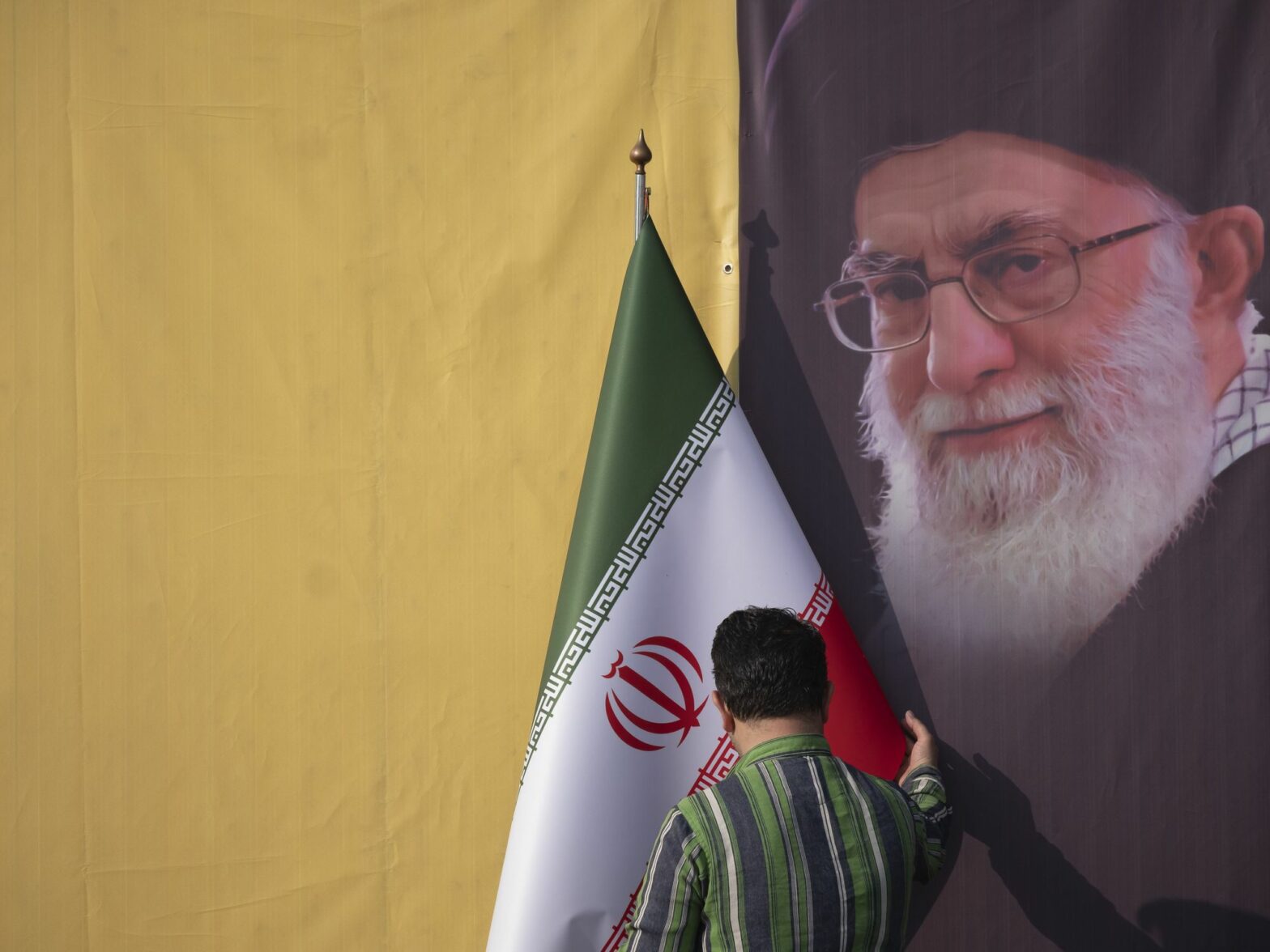
Members of the Tehran regime are cautiously broaching the question of who will be Iran’s next Supreme Leader, but is this of real public concern or a ploy to distract an exasperated population from the country’s dismal socio-economic conditions?
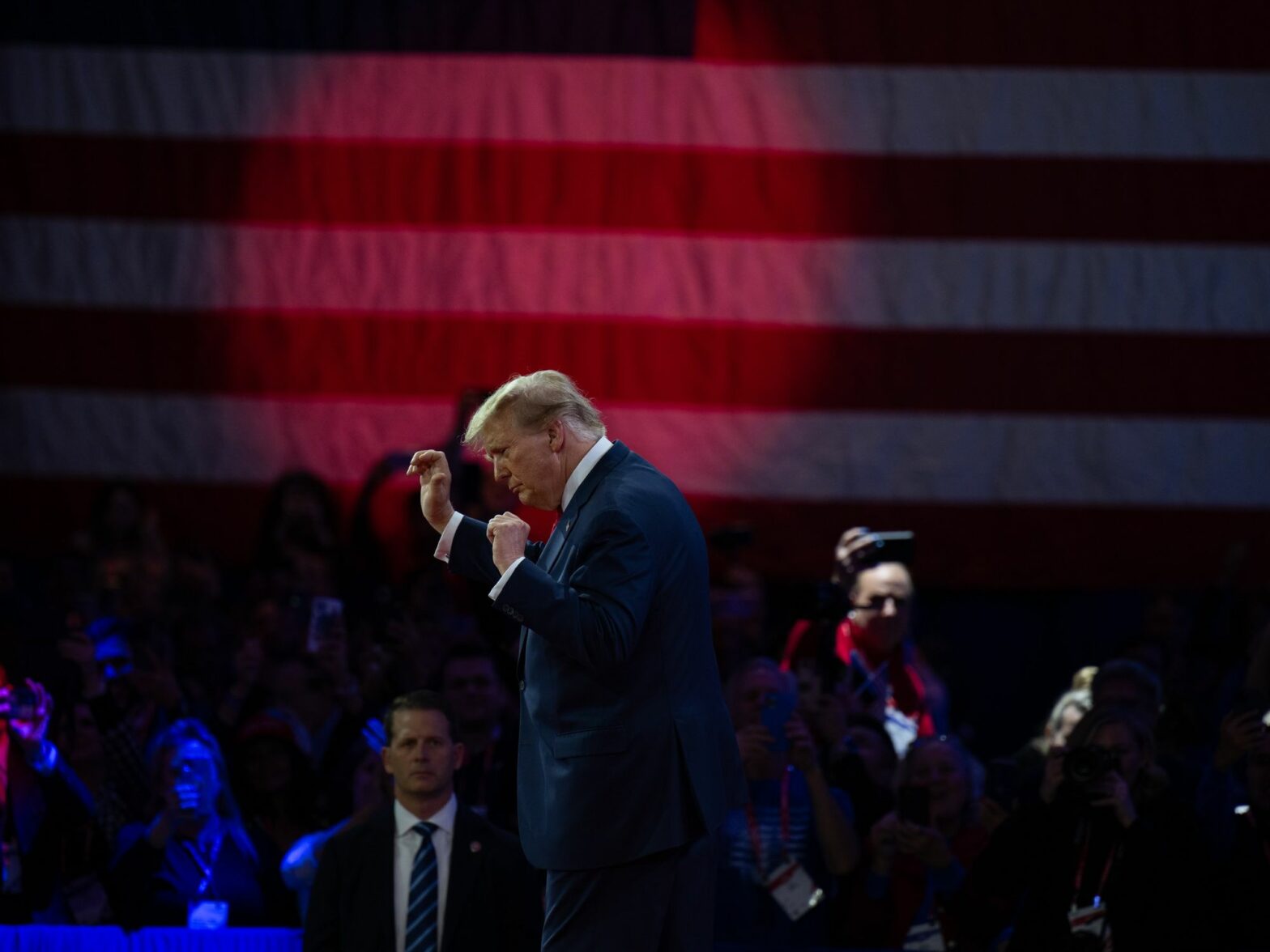
Raging bull. Aspiring dictator. Insult comic. Donald Trump has and will always be an impossible subject for the media to cover. With democracy (and the free press) now on the line, what if we embraced the show?
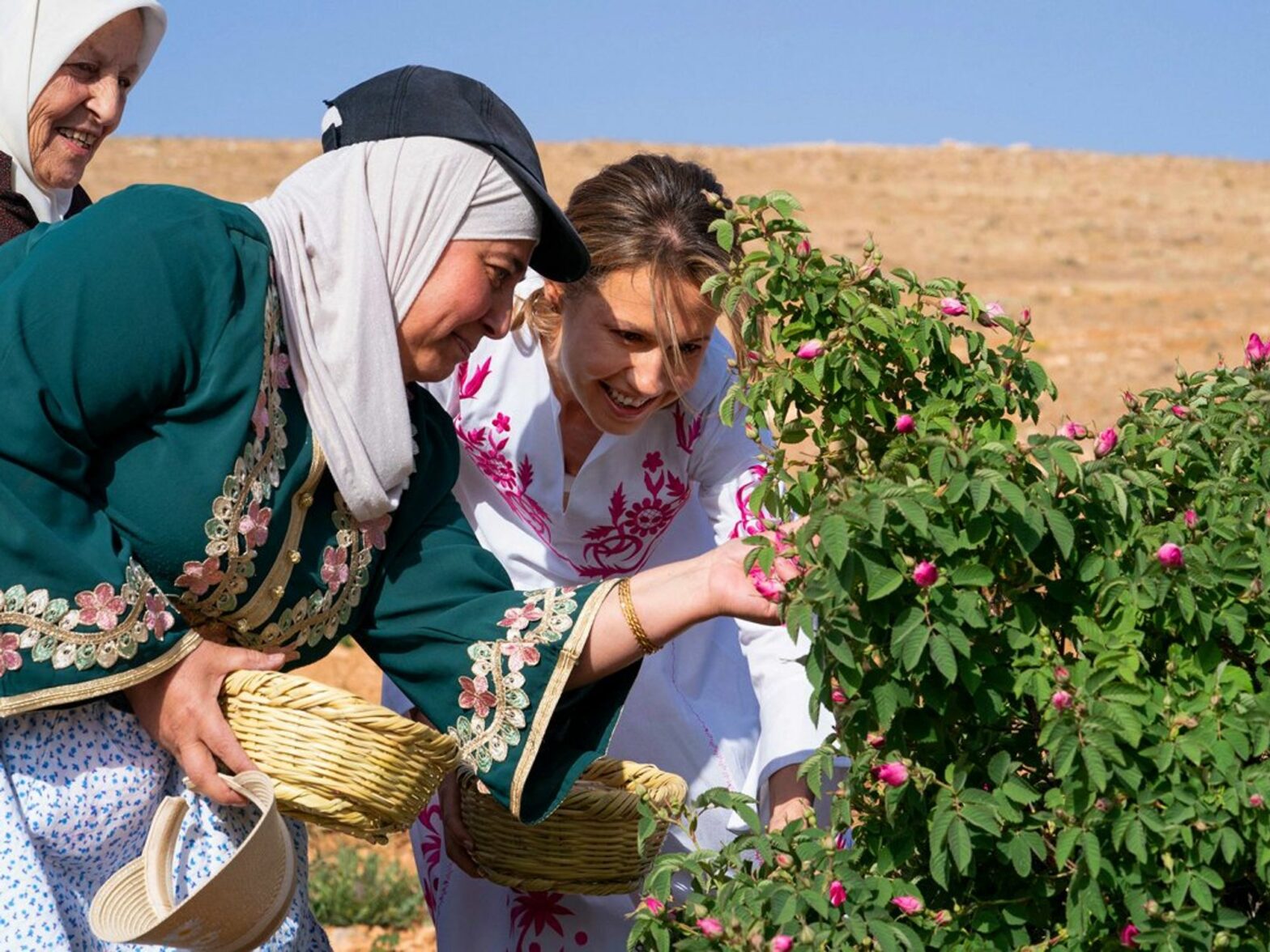
At a recent festival honoring Syria’s pistachio production, officials made promises about returning pistachio lands to their owners. Yet activists and displaced farmers say their lands are being auctioned off to Ba’ath Party elites, regime forces and their militias.
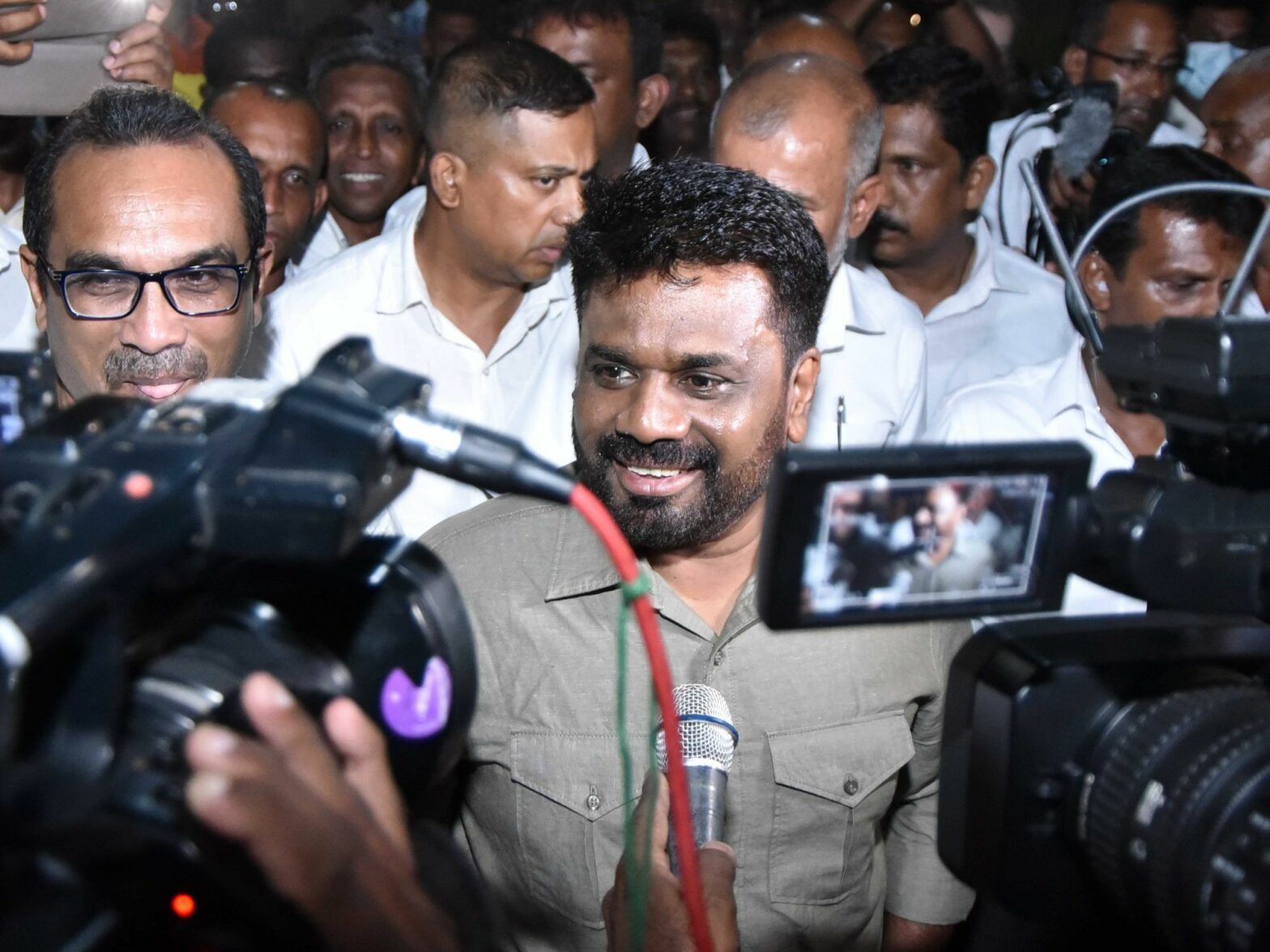
The outgoing Sri Lankan government had signed an agreement in secret for the Indian conglomerate Adani to build a wind farm in the north of the country. Now the newly elected President Anura Kumara Dissanayake arrives with plans to scrap the massive project.

This giant chicken will attract tourists! Let’s honor Queen Elizabeth with a statue that looks nothing like her! And other very visible bad ideas around the world…
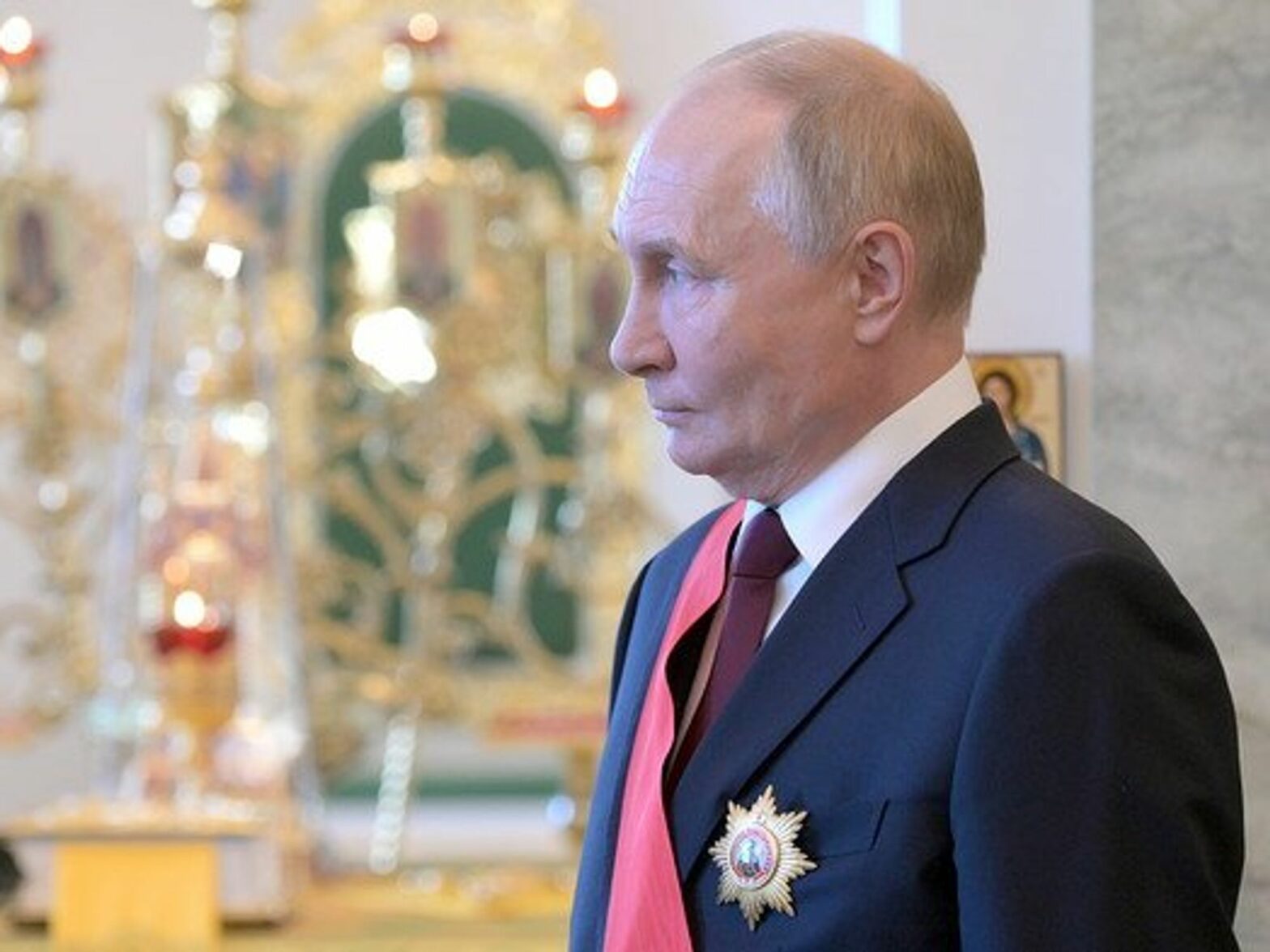
Russia’s pro-war influencers, or so-called ‘Z’-bloggers, have sought to blame those responsible for Ukraine’s breakthrough into the Kursk region. Yet Russian President Vladimir Putin’s name never comes up. Fear of reprisals is only one reason; another is belief in Putin’s infallibility.
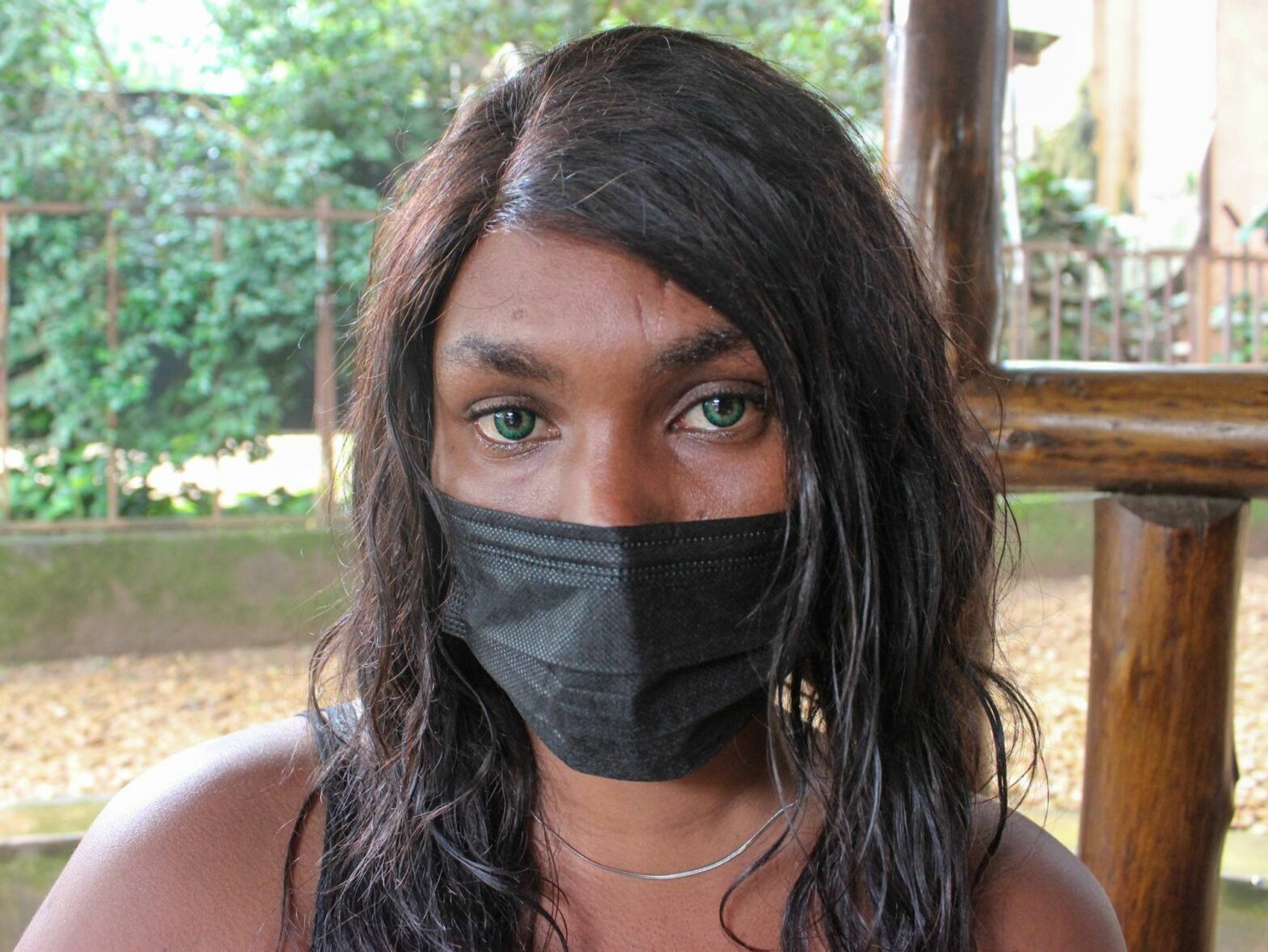
Uganda’s anti-homosexuality laws offer plentiful reasons for transgender, gay and other gender and sexual minorities to seek asylum abroad. But some heterosexual people have seen an easy ticket out for themselves.
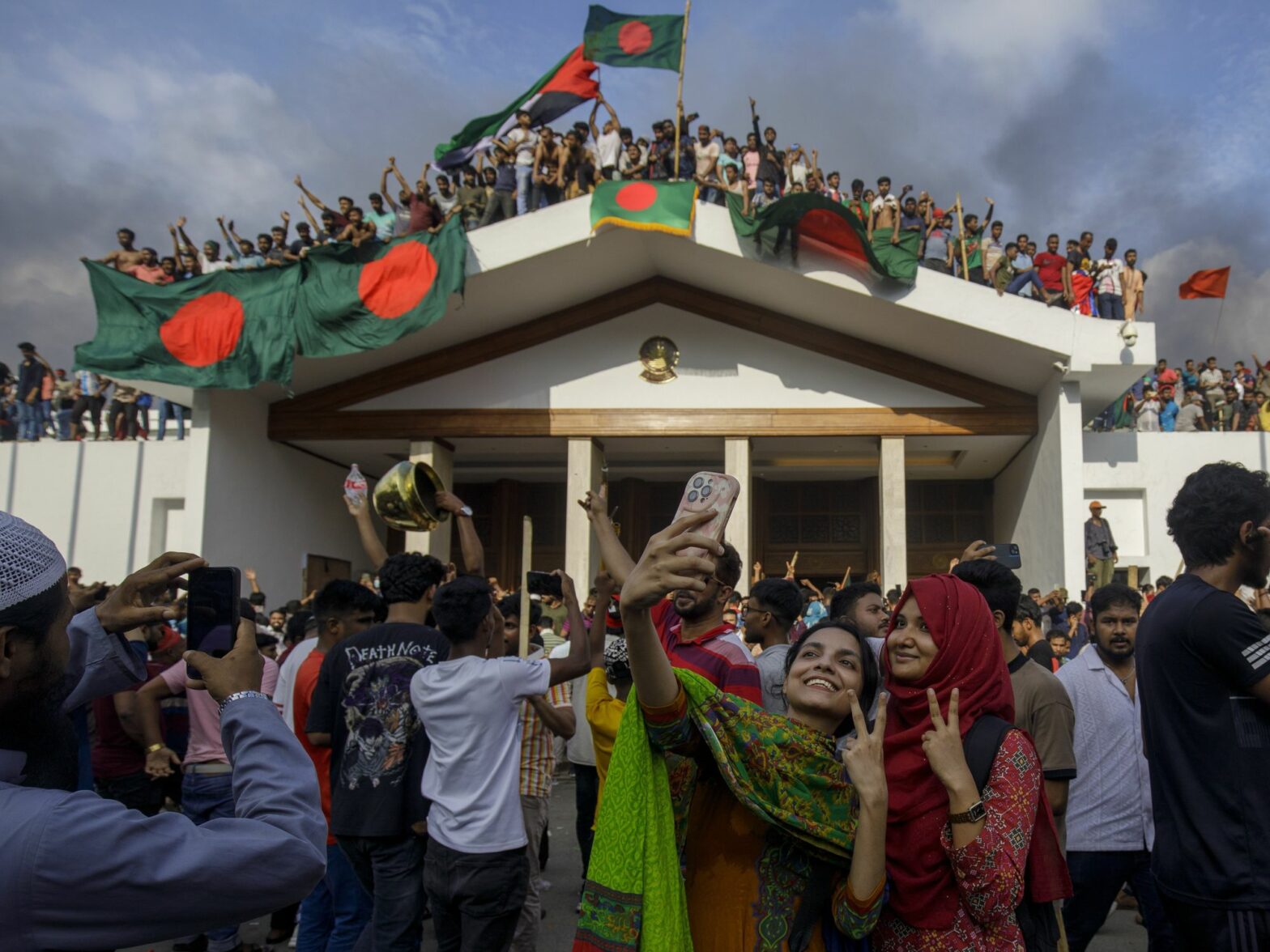
Young people have played a pivotal role in bringing down Prime Minister Sheikh Hasina’s government, offering hope of a bottom-up transition to democracy for the South Asian country. The army has promised an all-party inclusive interim government, but will youth leaders be invited to the decision-making table?
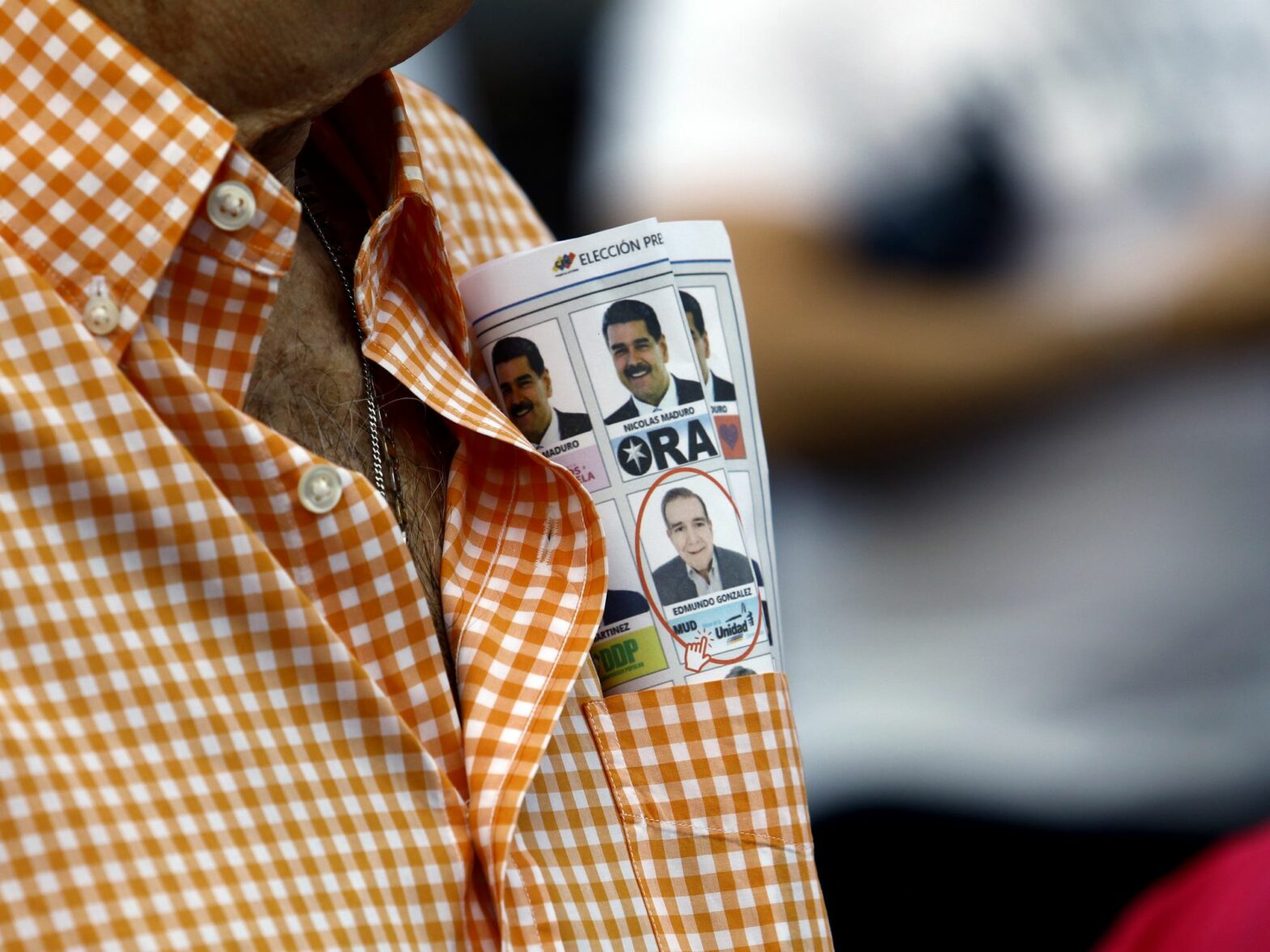
Corruption, human rights violations, and alliances with totalitarian regimes are all good reasons why the West should be paying attention to Venezuela ahead of the country’s presidential elections on July 28, writes Venezuelan journalist Miguel Henrique Otero in Nicaragua’s Confidencial newspaper.
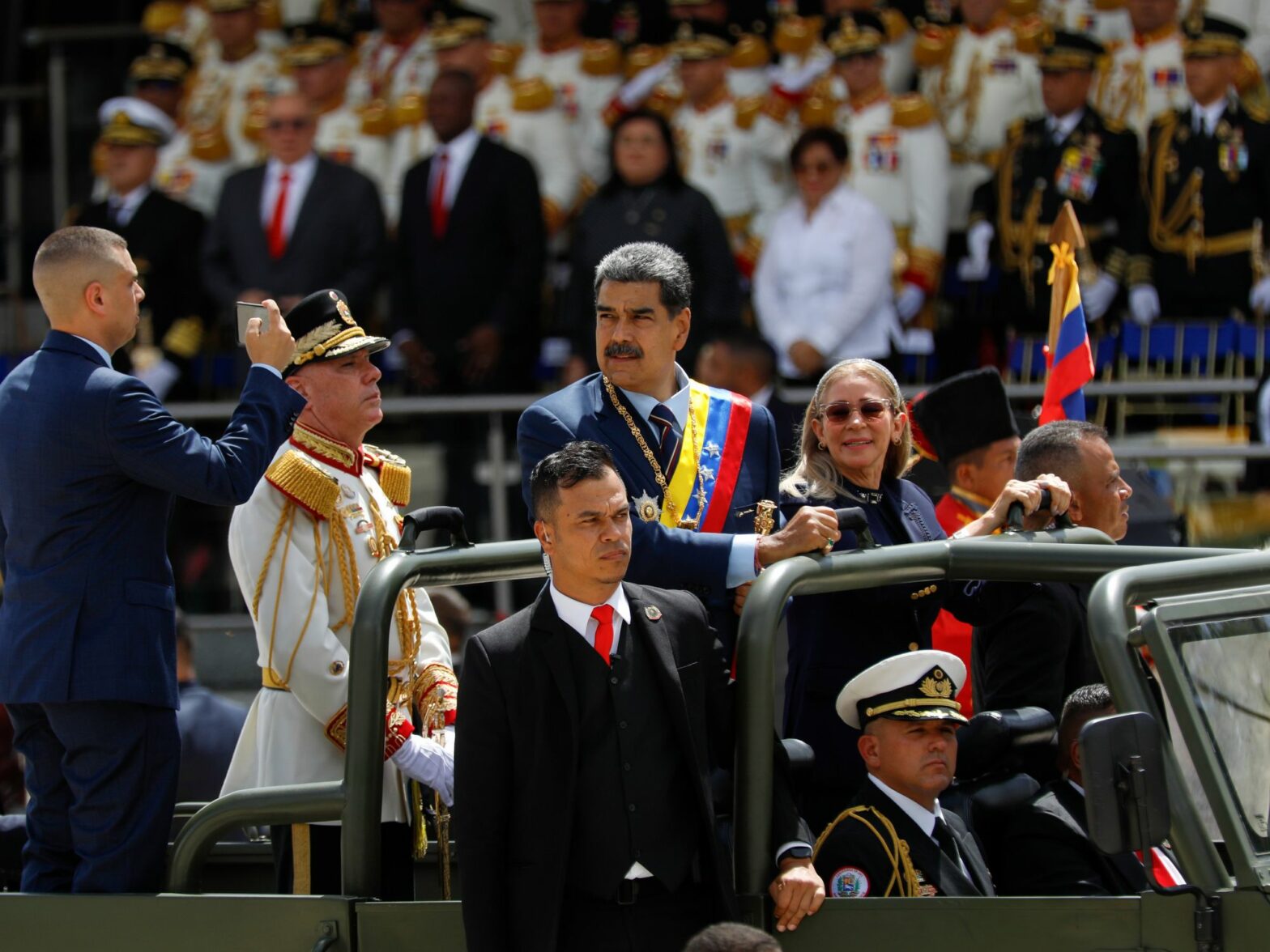
Venezuelan president Nicolás Maduro joins a long line of dictators whose fall from grace is marked by a period of incessant corruption, isolation, and a disconnection from reality.
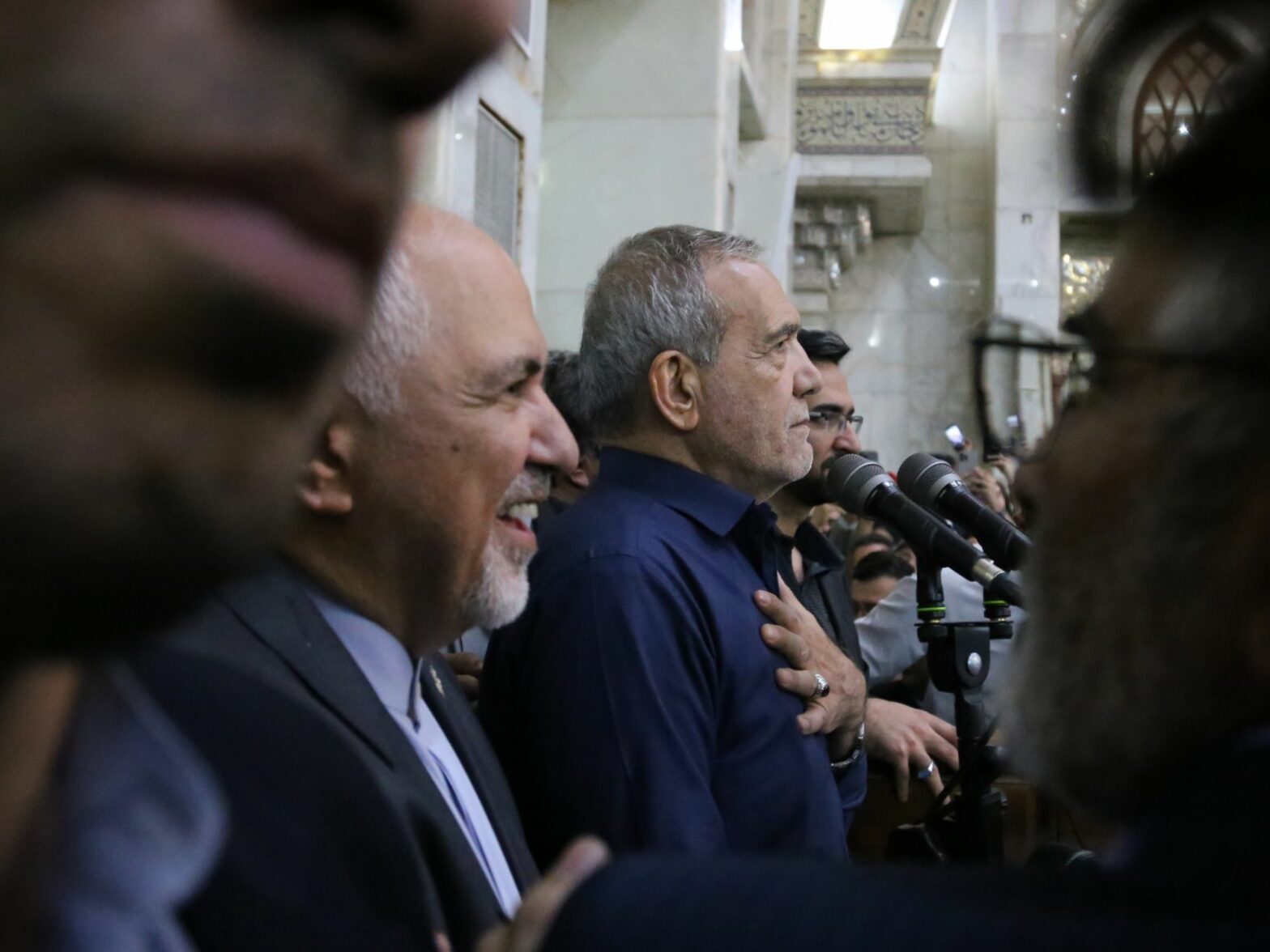
Fearing Europe’s shift to the right and a second Trump term, Tehran has dusted off its reformist credentials — with president-elect Masoud Pezeshkian and veteran diplomat Mohammed Javad Zarif — to show the West it is willing to talk. But this ploy will not work again.
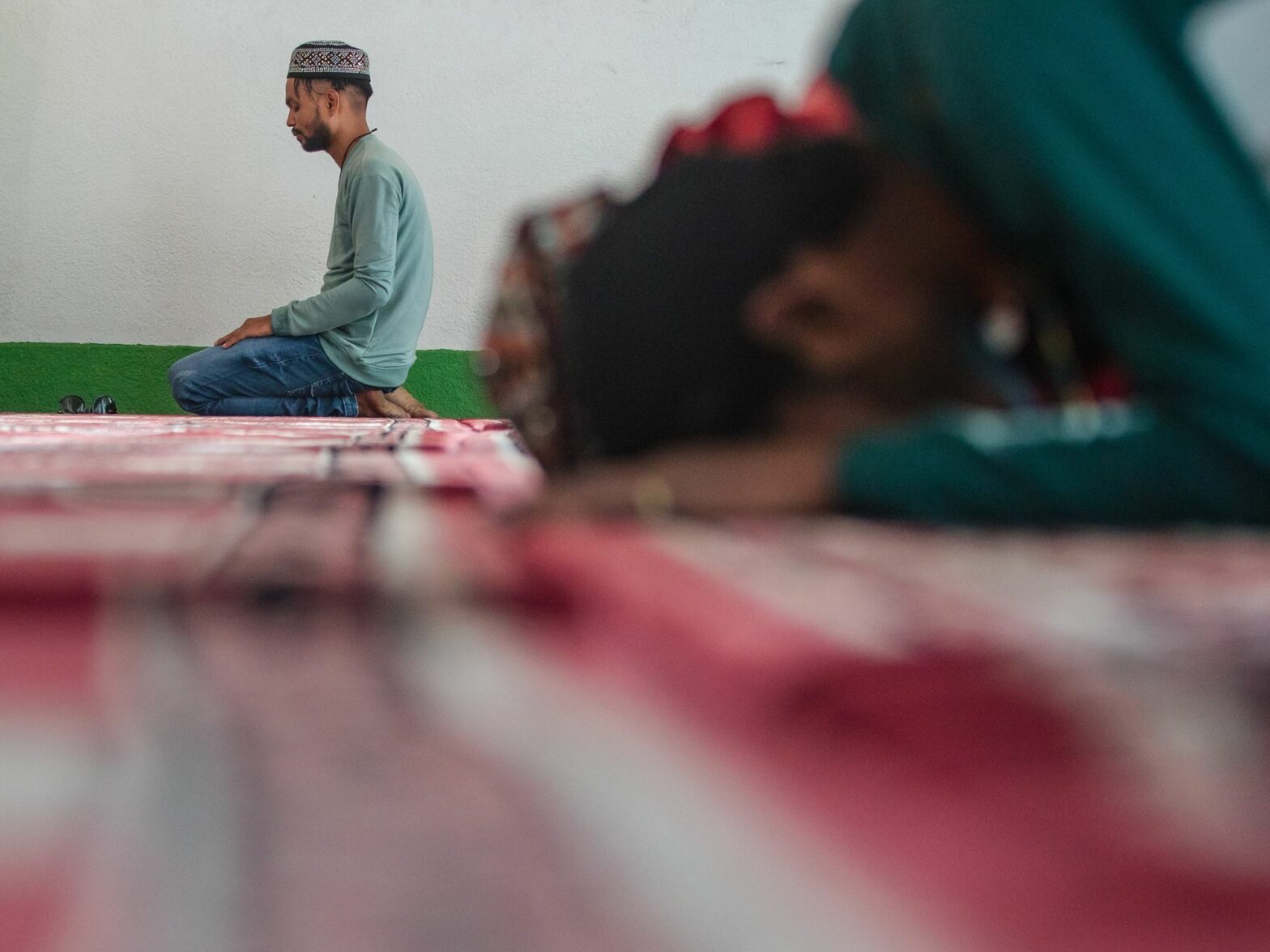
Violence and denunciation won’t beat political Islam. Its deconstruction must be through reasoned criticism, the methods of modern science and allowing space for religion to have its influence.
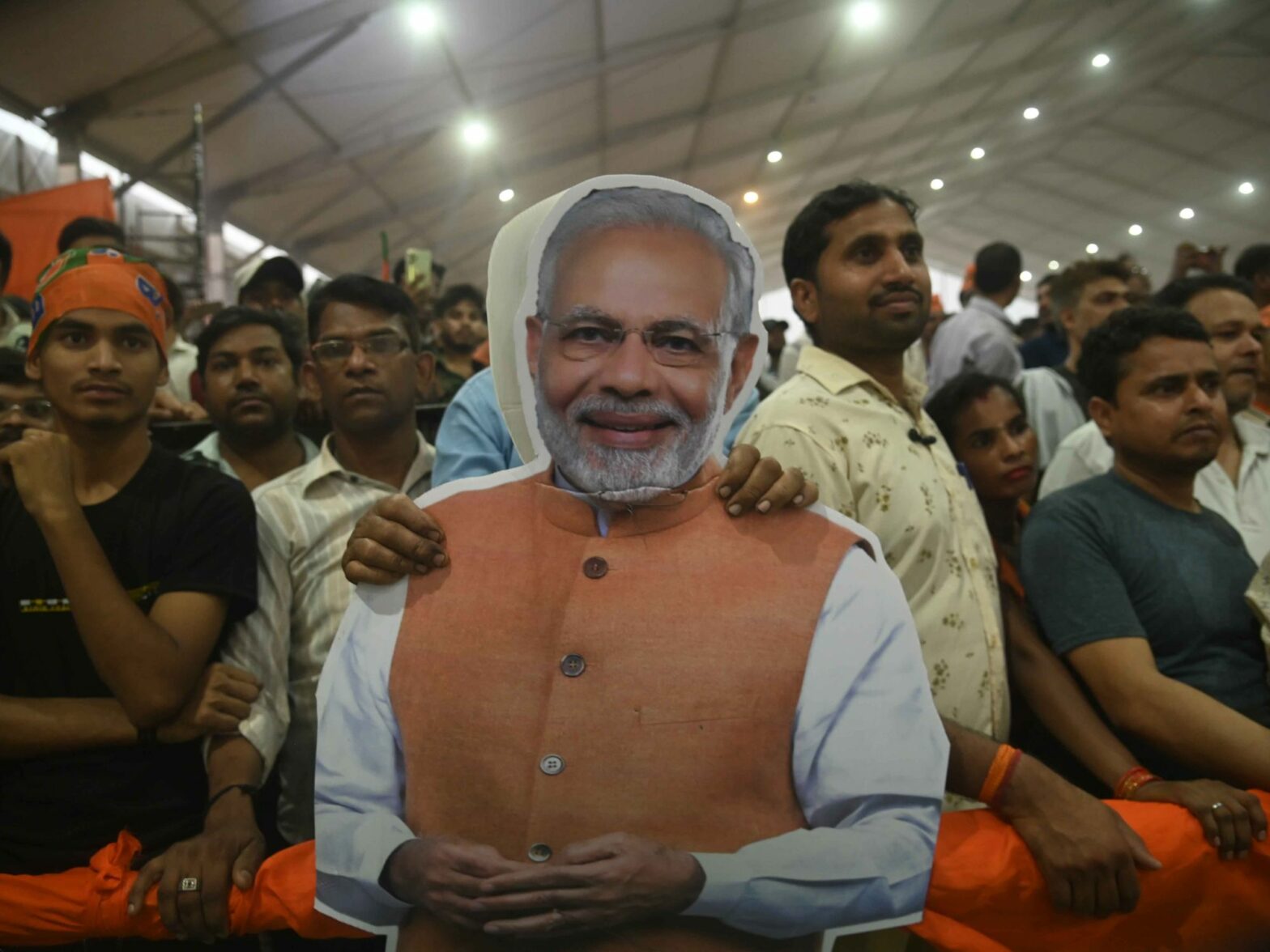
China will remain the elephant in the room when it comes to foreign policy during Narendra Modi’s third term too. Though he boasts of his closeness to many world leaders, Modi failed to charm President Xi Jinping.
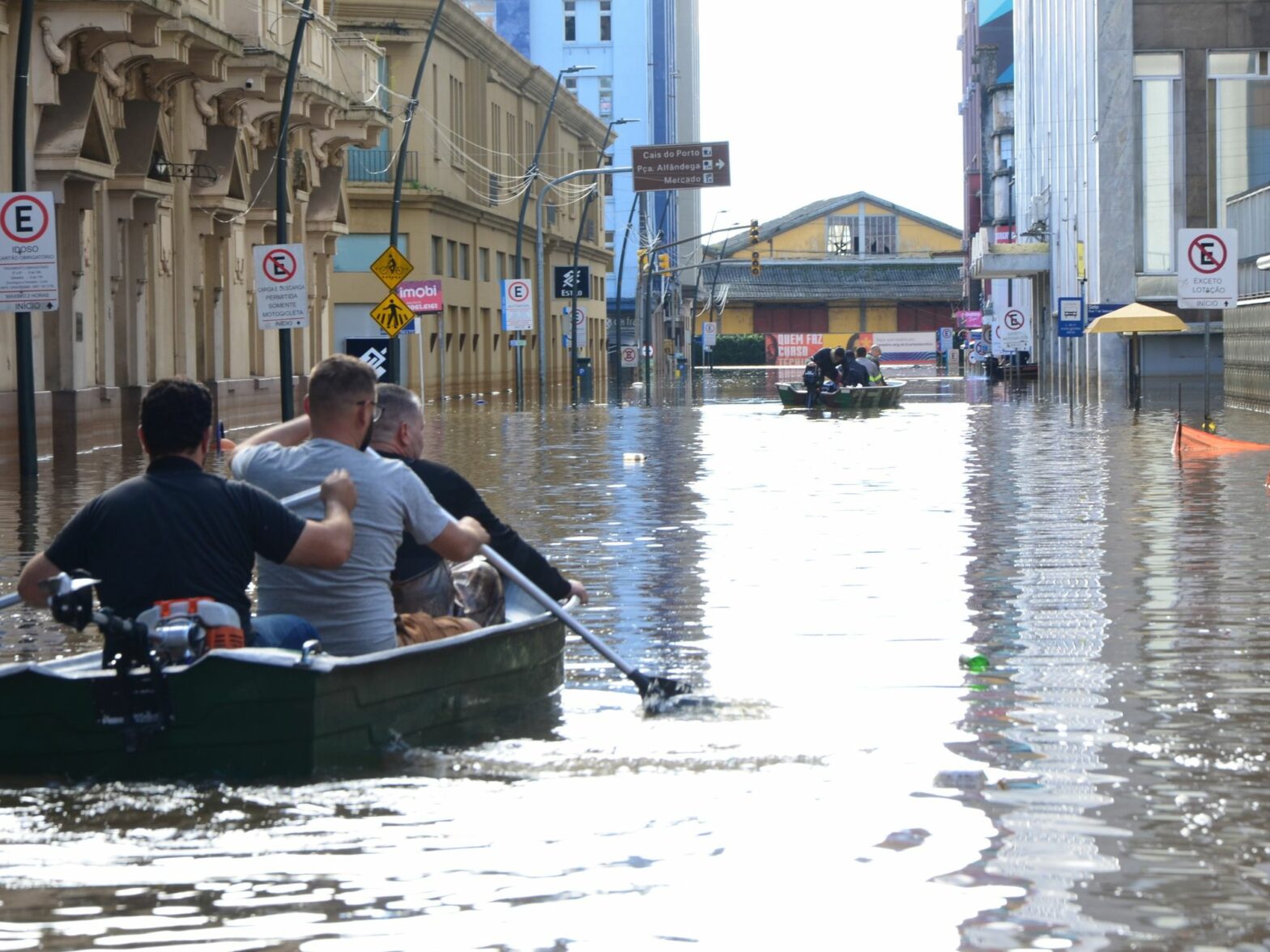
Similarities have been drawn between the cases of New Orleans, after Hurricane Katrina in 2005, and Porto Alegre, which last month the worst flooding in 80 years. But the U.S. reconstruction was an enormous failure, and Brazil should not look at it for solutions.
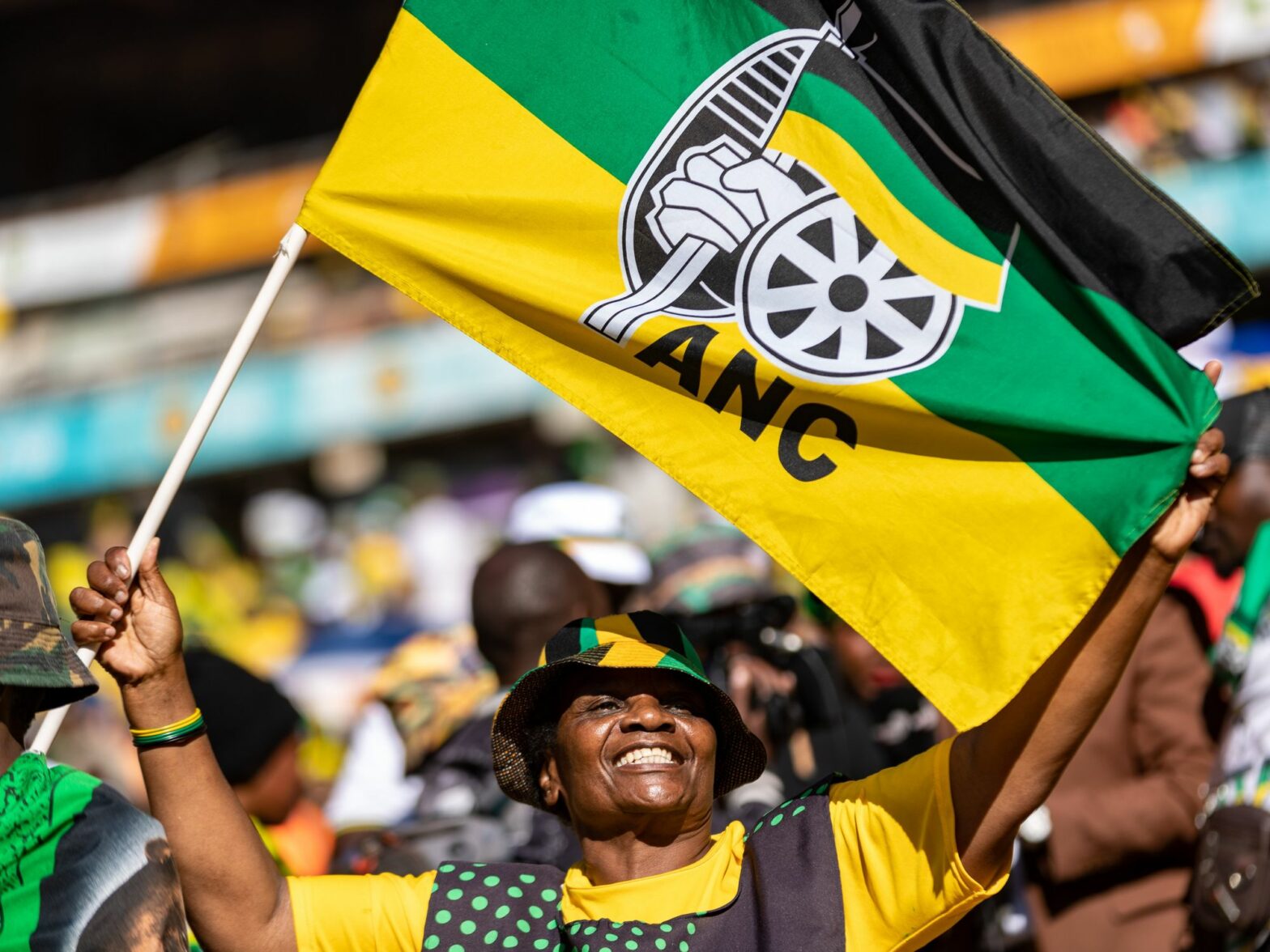
As South Africa goes to the polls, Nelson Mandela’s African National Congress party is facing disillusionment among its voters, and risks losing its absolute majority in parliament. Corruption, crime and persistent social inequality are at the root of this disenchantment — and the memory of the liberation struggle is fading.
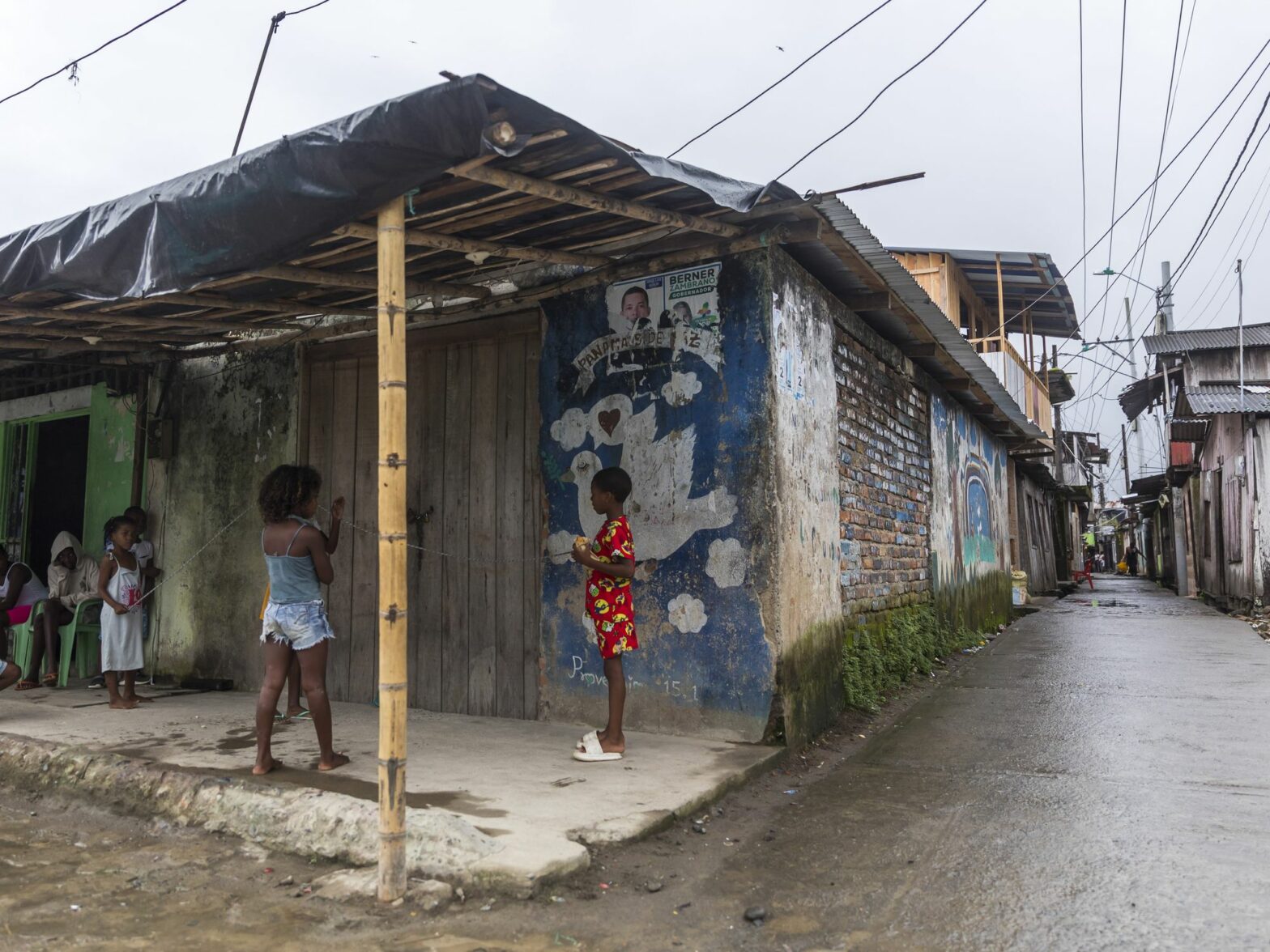
Trafficking people, especially for sex, between Colombia and Mexico is rife and rising, buoyed in part by pervasive social and media contempt for the working-class girls who are among the chief victims.
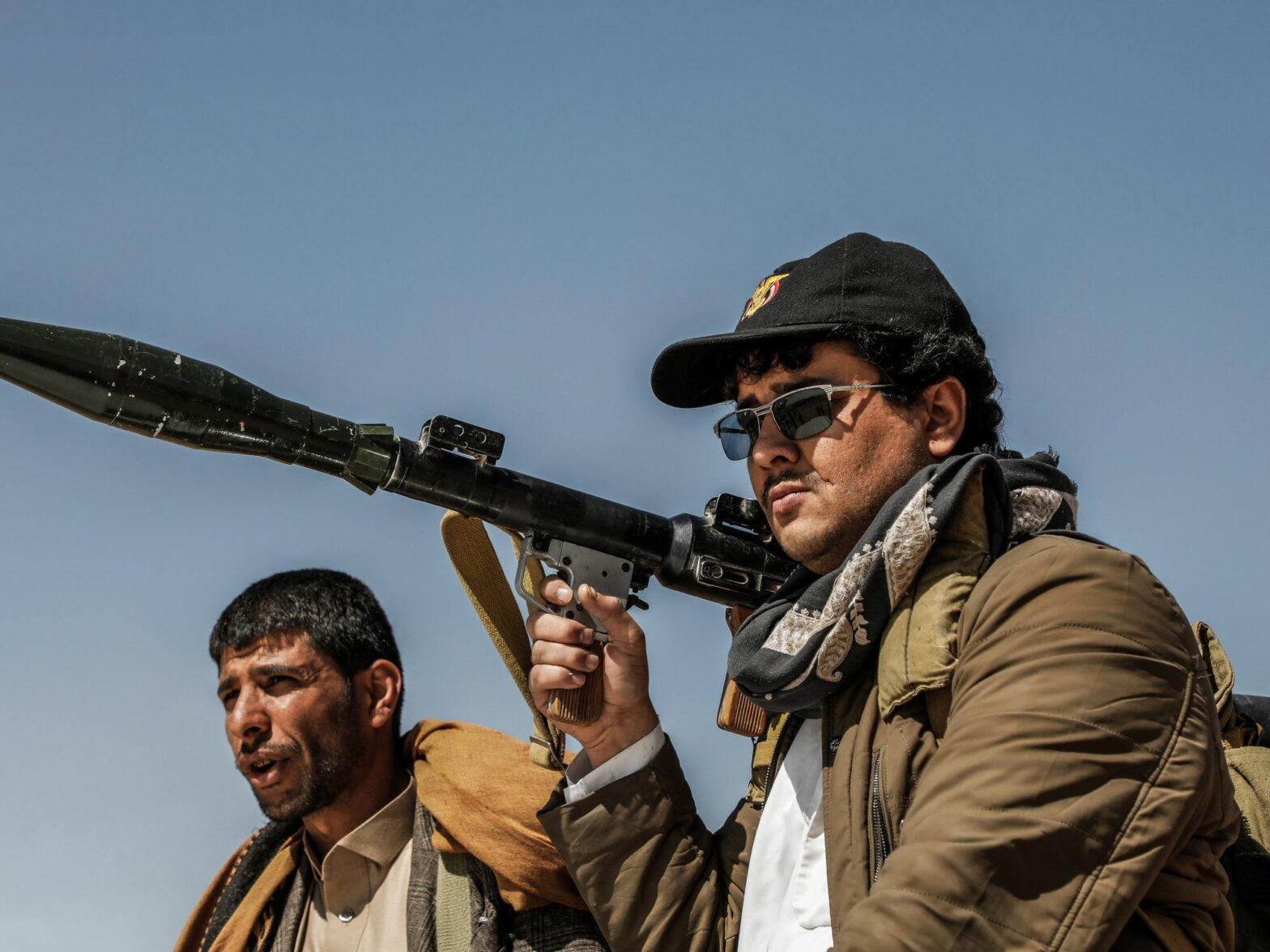
The Middle East’s militant and terror gangs, often described as Iran’s proxy forces, may have more in common with the cartels of a globalized war than with the fighters with a cause, more typical in the 20th century.
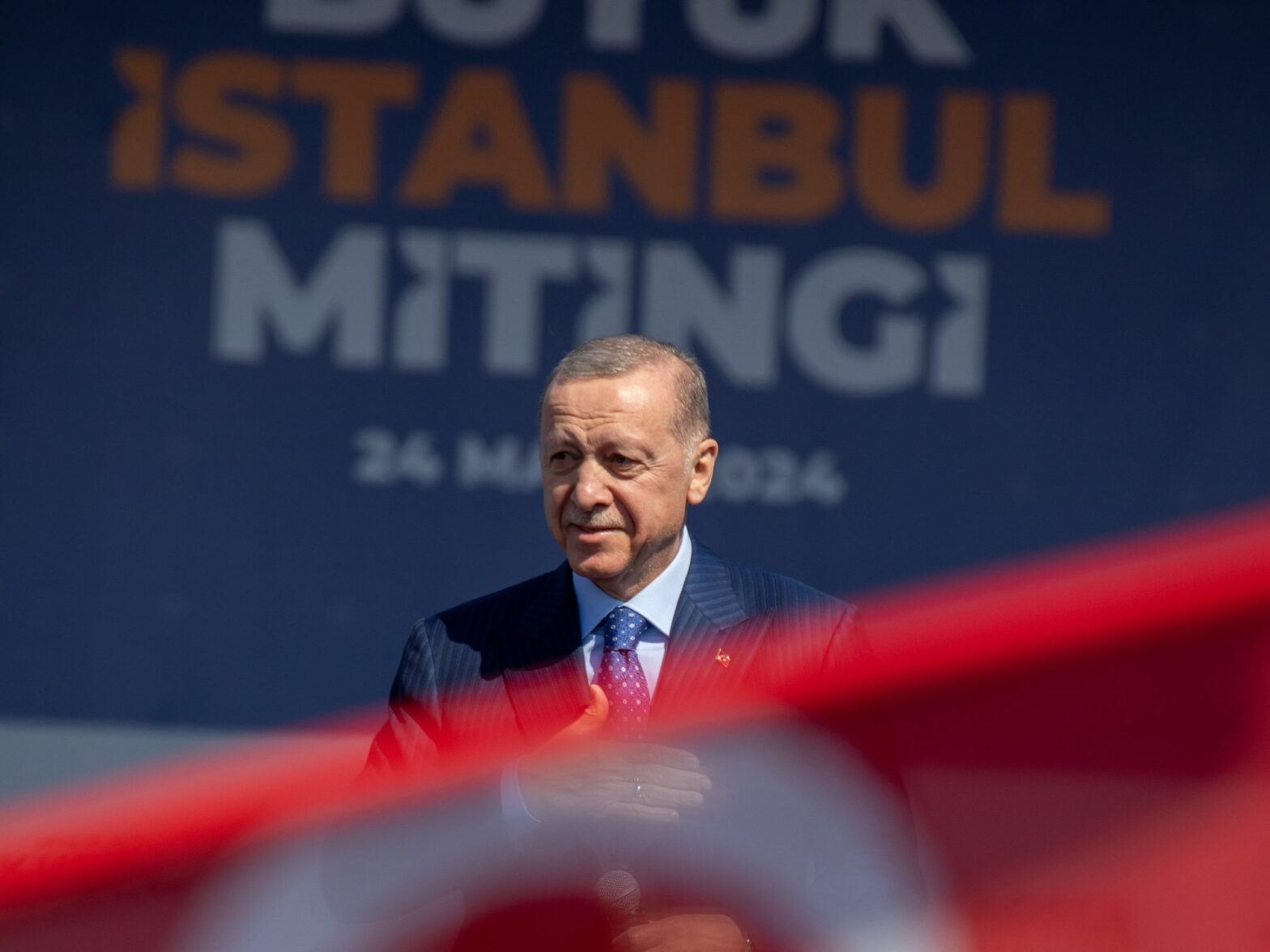
Former mayor of Istanbul, Erdogan had once theorized that a victory in the capital meant an easier path to a national victory. Following this theory, having lost by ten points to the Republican People’s Party means an even tougher defeat for the 70-year-old president. Is this the beginning of the end?
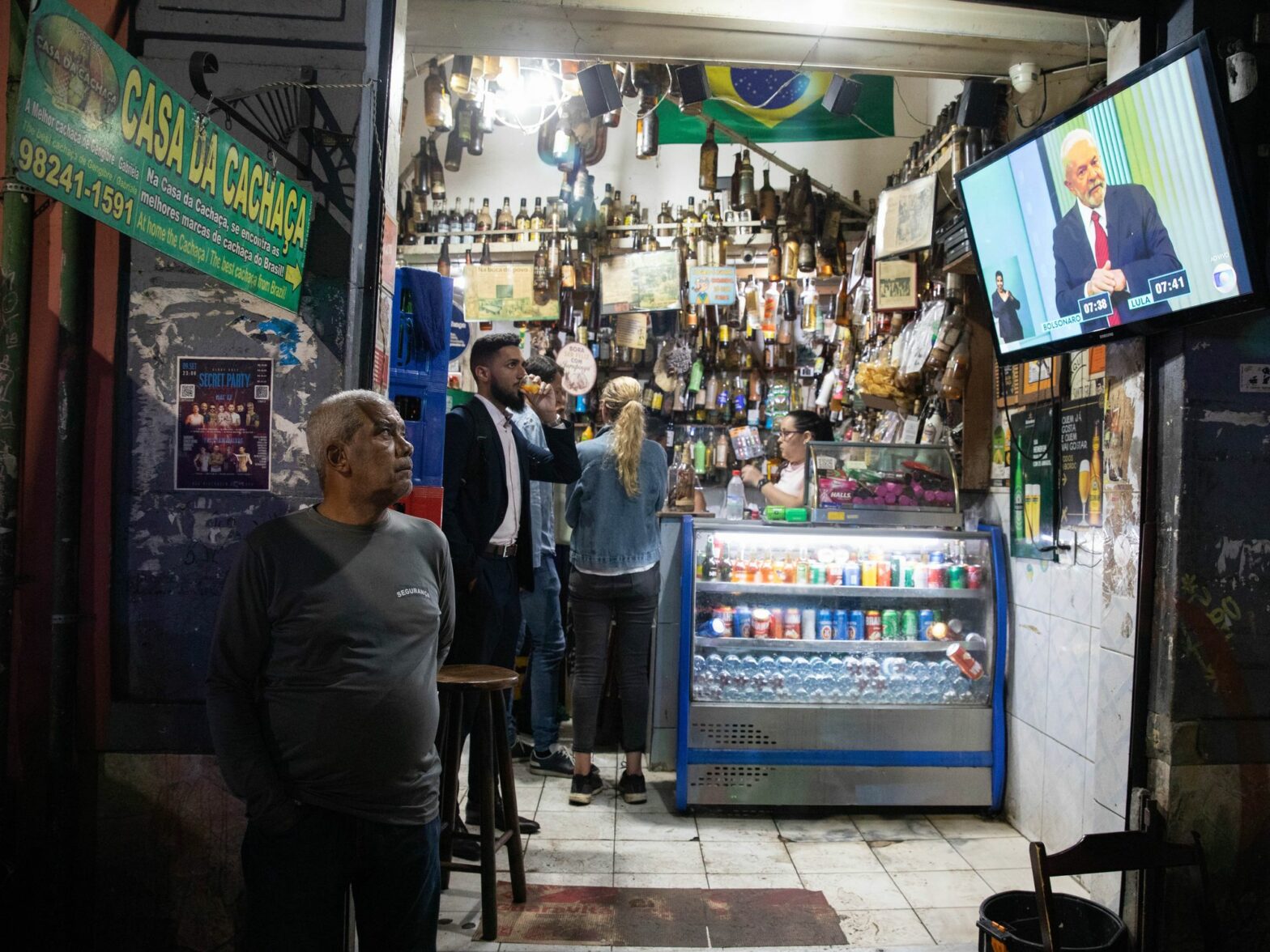
Uncertain economic conditions and divisive posturing in favor of the Global South may send Brazilian President Lula da Silva’s middle class voters back to the Right, where his predecessor Jair Bolsonaro is maneuvering between criminal charges and a return to the presidency.
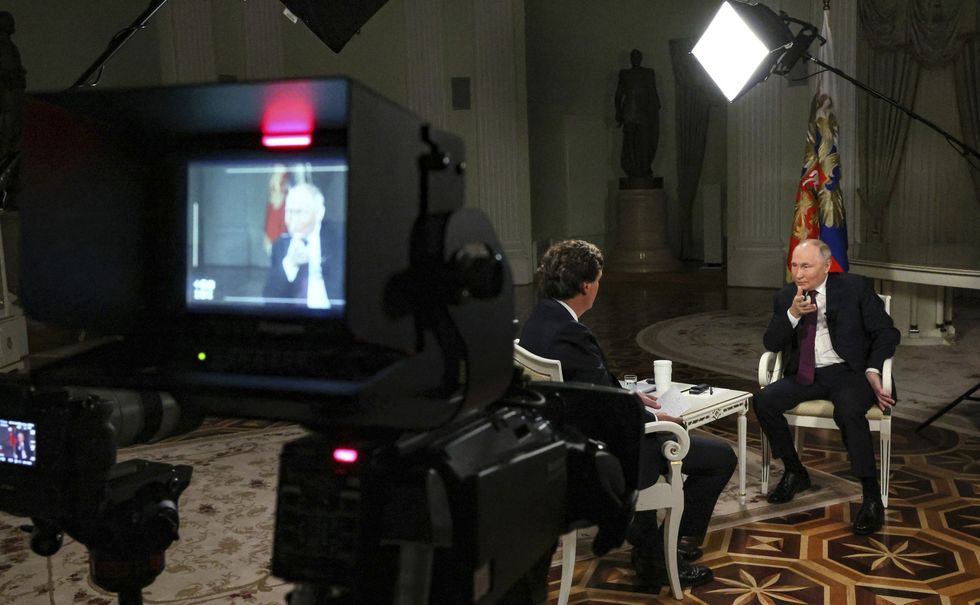
Look back over the past two decades, and you’ll see Vladimir Putin has always been the man revealed by the Ukraine invasion, an evil and sinister dictator. The Russian leader just manages to mask it well.
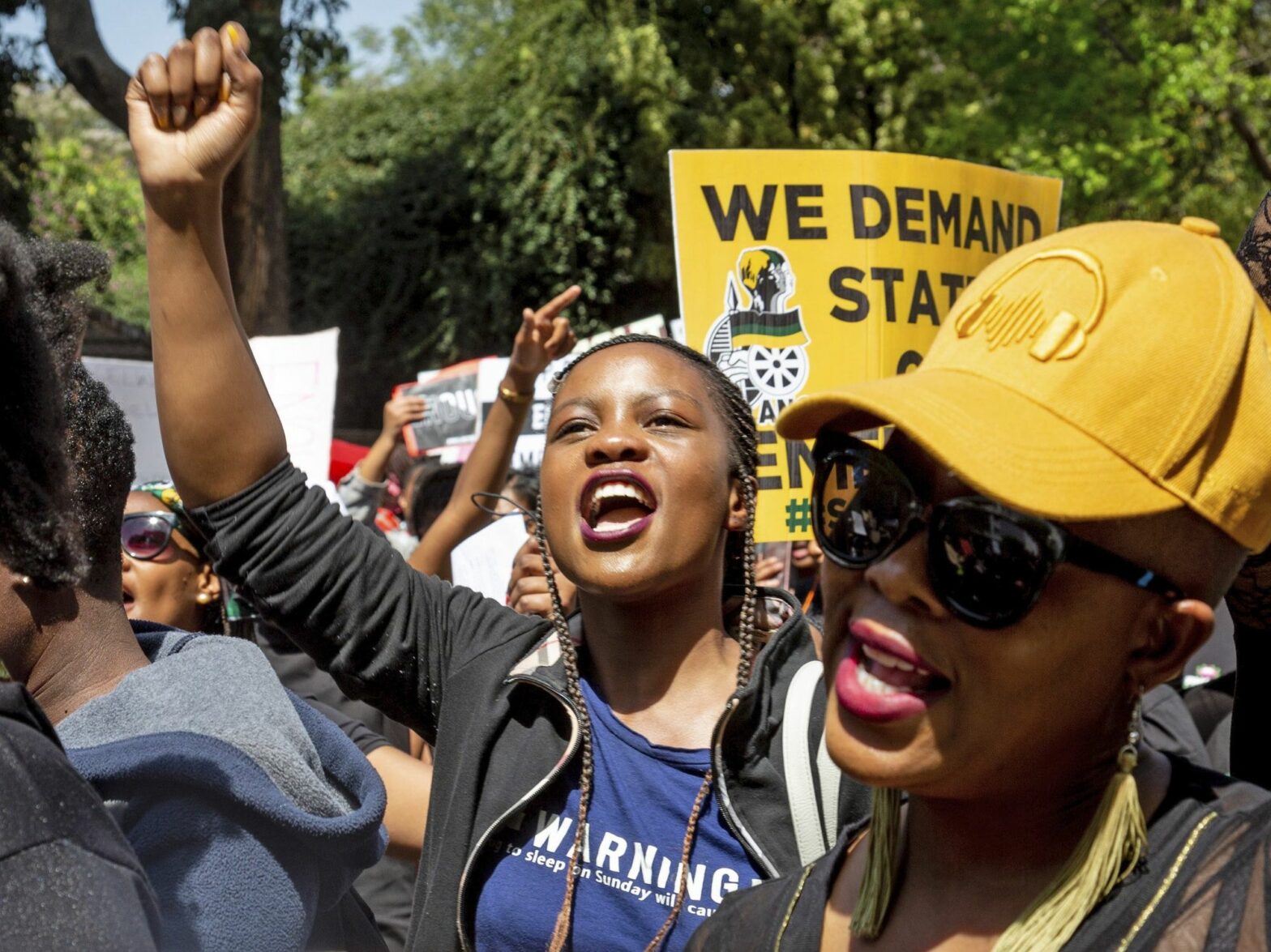
A wave of denouncements against prominent Cameroonian businessman Hervé Bopda has led to his arrest late Tuesday night. The public outcry is coming as many across Africa say its time confront sexual violence head on.
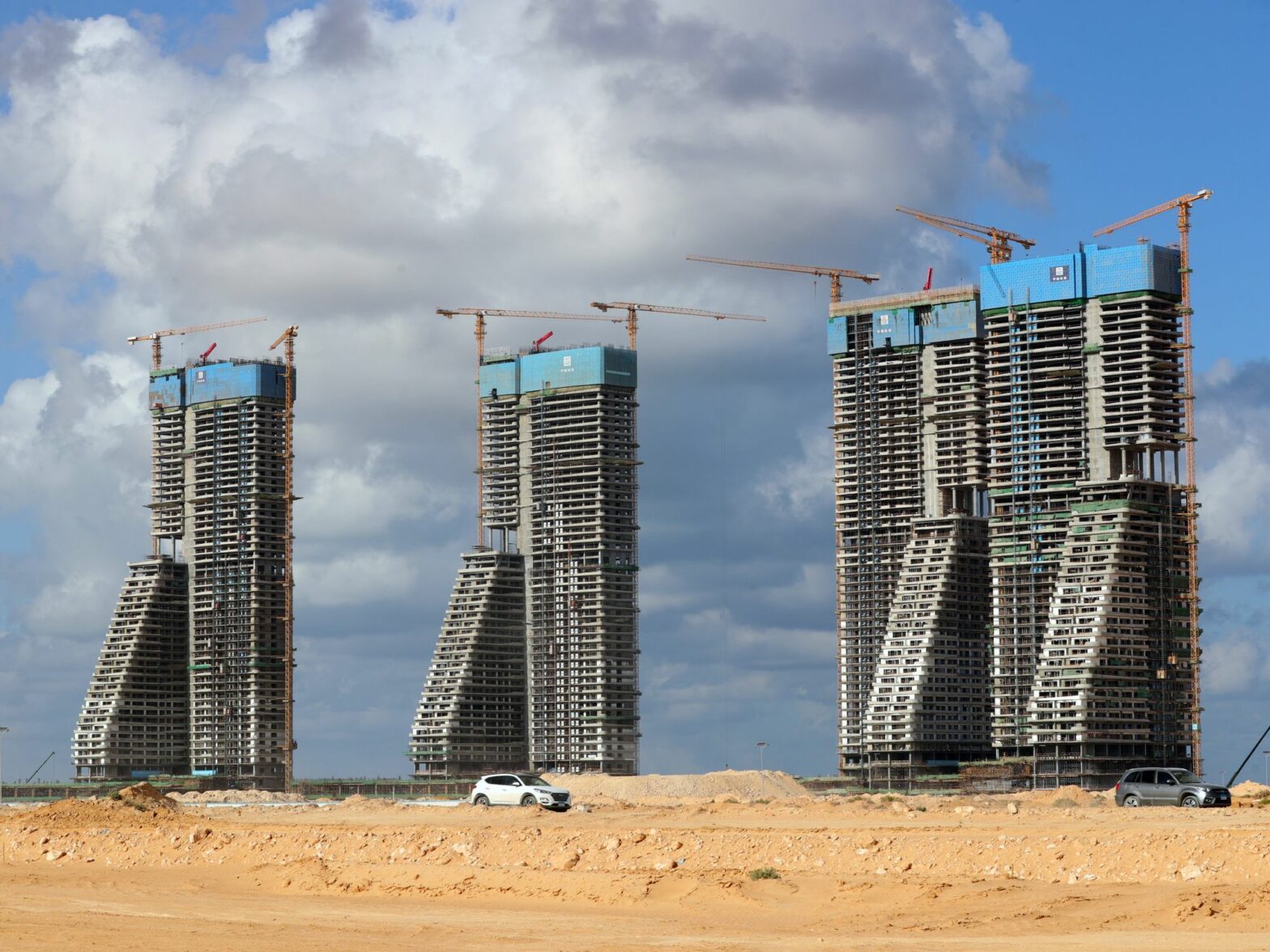
Ambition and ambiguity are the unspoken rules utilized by the participating parties in China’s much touted Belt and Road Initiative, launched 10 years ago, to expand its economic power across the world. But what has actually come of it is not so clear.