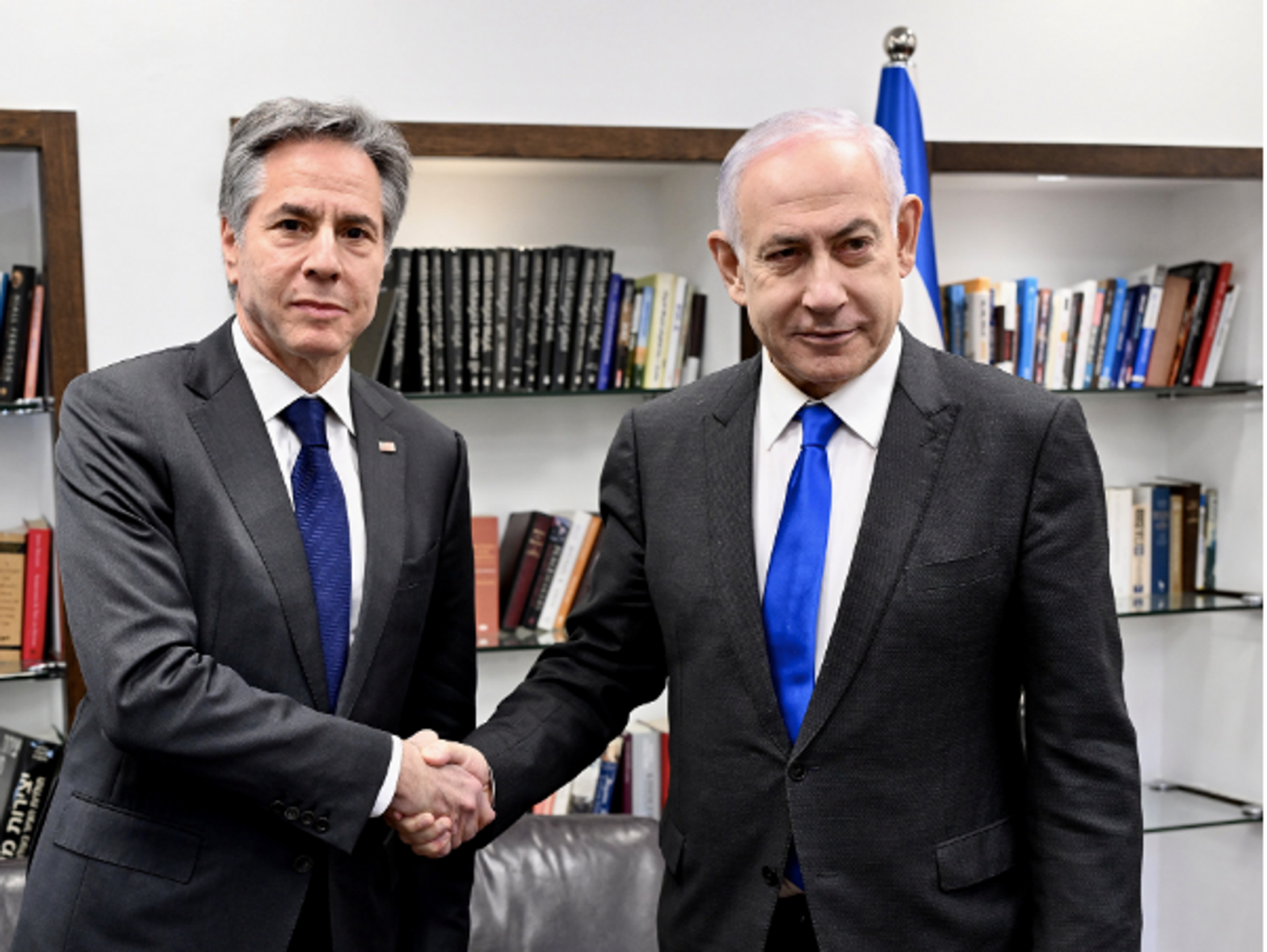
U.S. Secretary of State Antony Blinken meets with Israeli Prime Minister Benjamin Netanyahu, just as Washington has submitted a stunning resolution at the UN pressuring Israel into a ceasefire. But is there a way out?
 Worldcrunch
U.S. Secretary of State Antony Blinken meets with Israeli Prime Minister Benjamin Netanyahu, just as Washington has submitted a stunning resolution at the UN pressuring Israel into a ceasefire. But is there a way out?
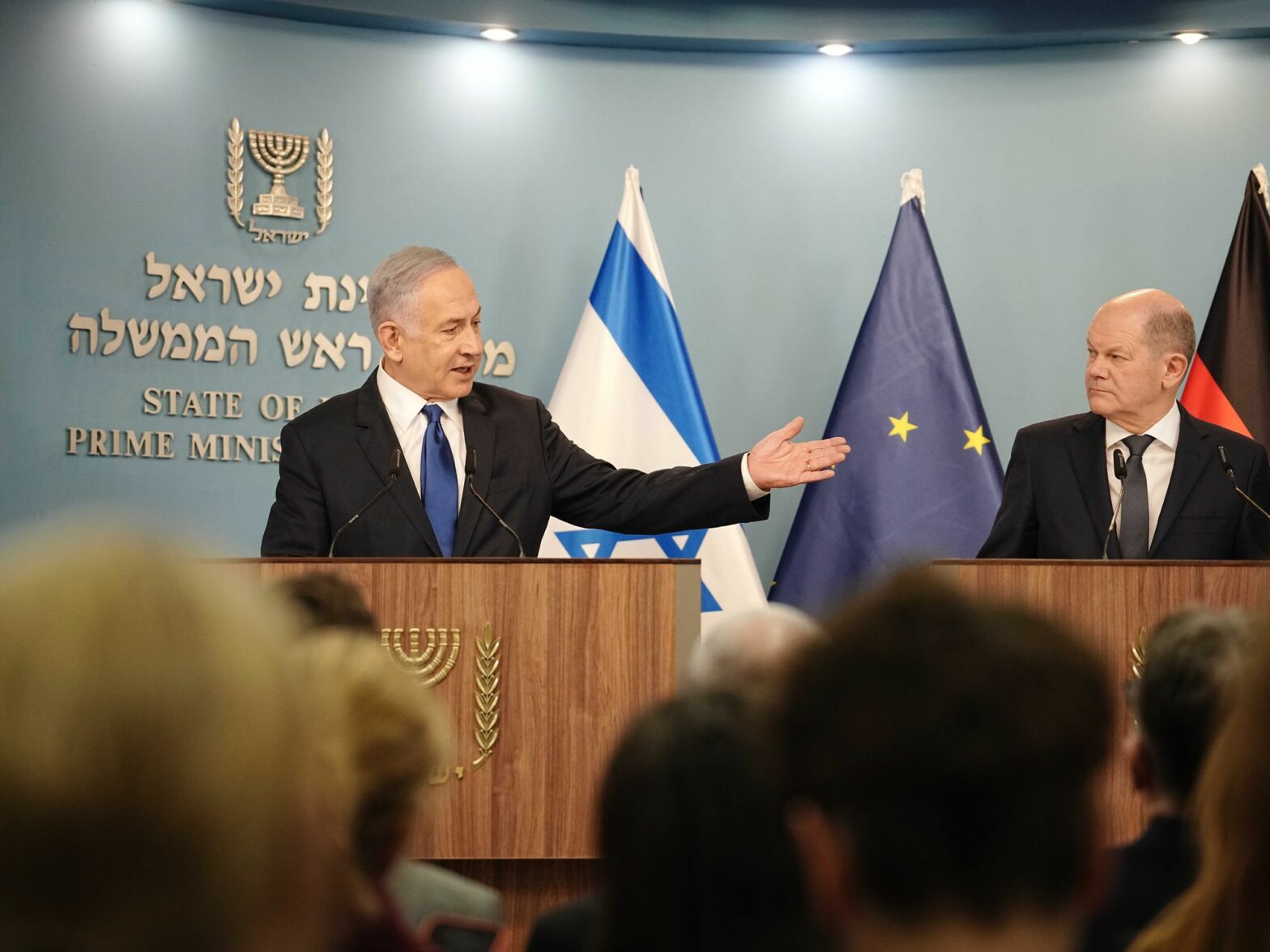
As Western leaders criticize Netanyahu and his war in Gaza, the Israeli Prime Minister apparently remains fully confident in forging ahead with a hardline that leaves a brutal human toll.
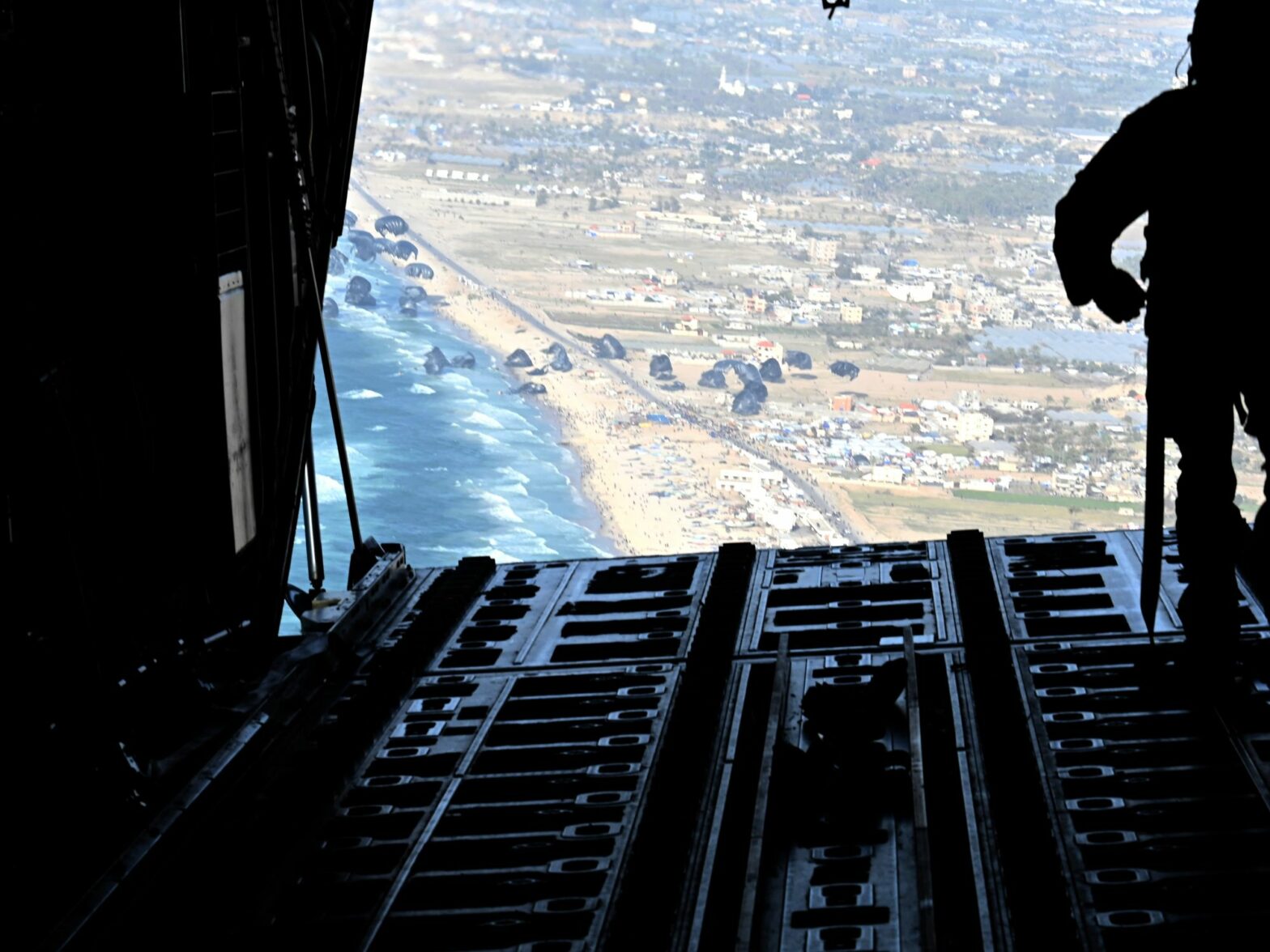
U.S. President Joe Biden said this weekend that “Netanyahu is doing Israel more harm than good”: a phrase that speaks volumes about the lack of trust between the two men, especially still without a ceasefire, and humanitarian aid blocked from entering an increasingly desperate Gaza Strip.
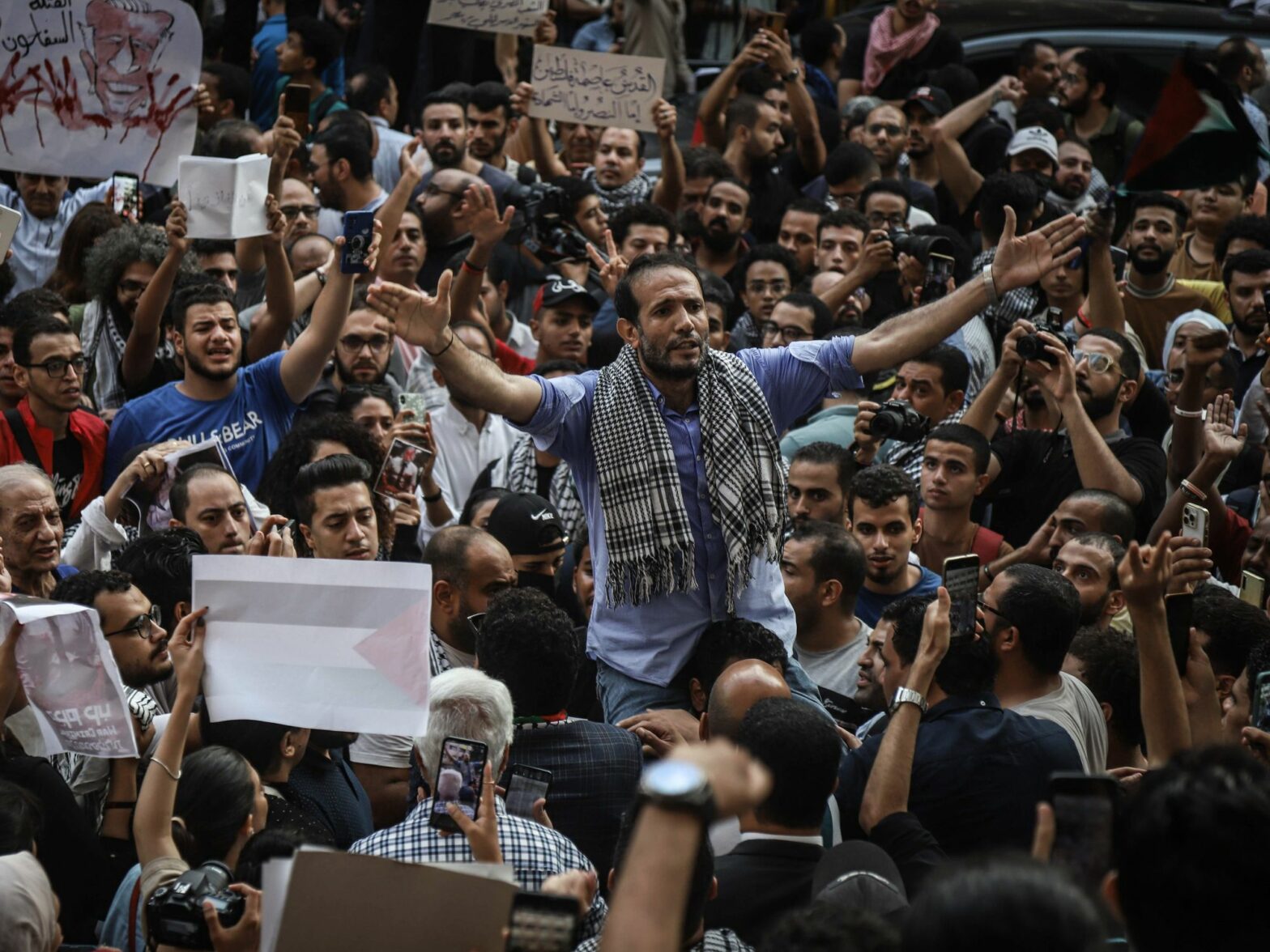
As Israel-Hamas war in Gaza drags on, the momentum for solidarity with the Palestinians , whether individual or collective, has declined. It’s a contrast with the continued anti-Israel demonstrations in Western capitals. The reasons are both external, and internal.
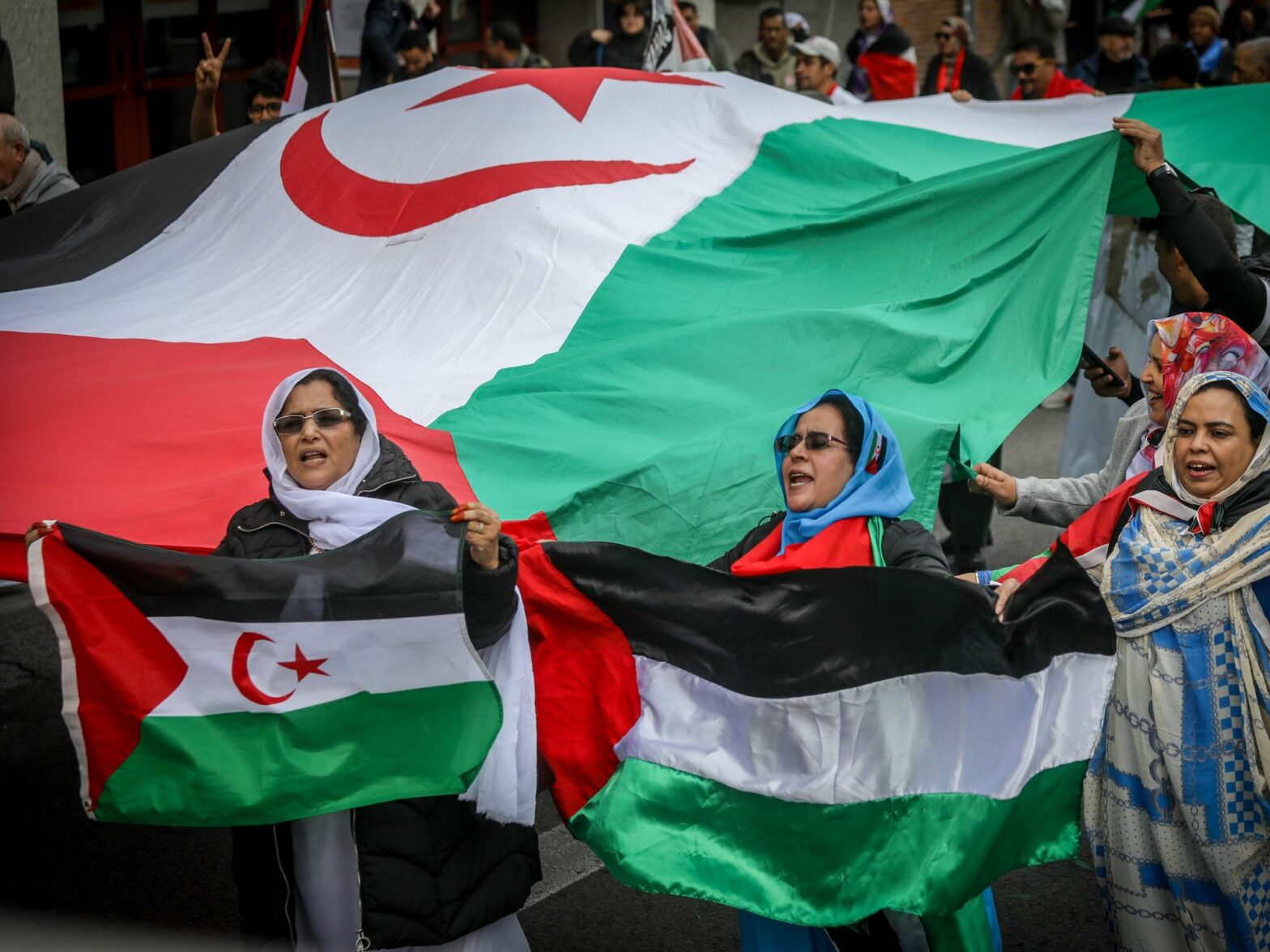
Even while Morocco has repeatedly called for a ceasefire in Gaza, it has been crafting one of the most careful diplomatic positions in the Arab World on the Israeli-Palestinian conflict, in part because of a significant Jewish-Moroccan population. But its stance puts the monarchy in conflict with most of Morocco’s population.
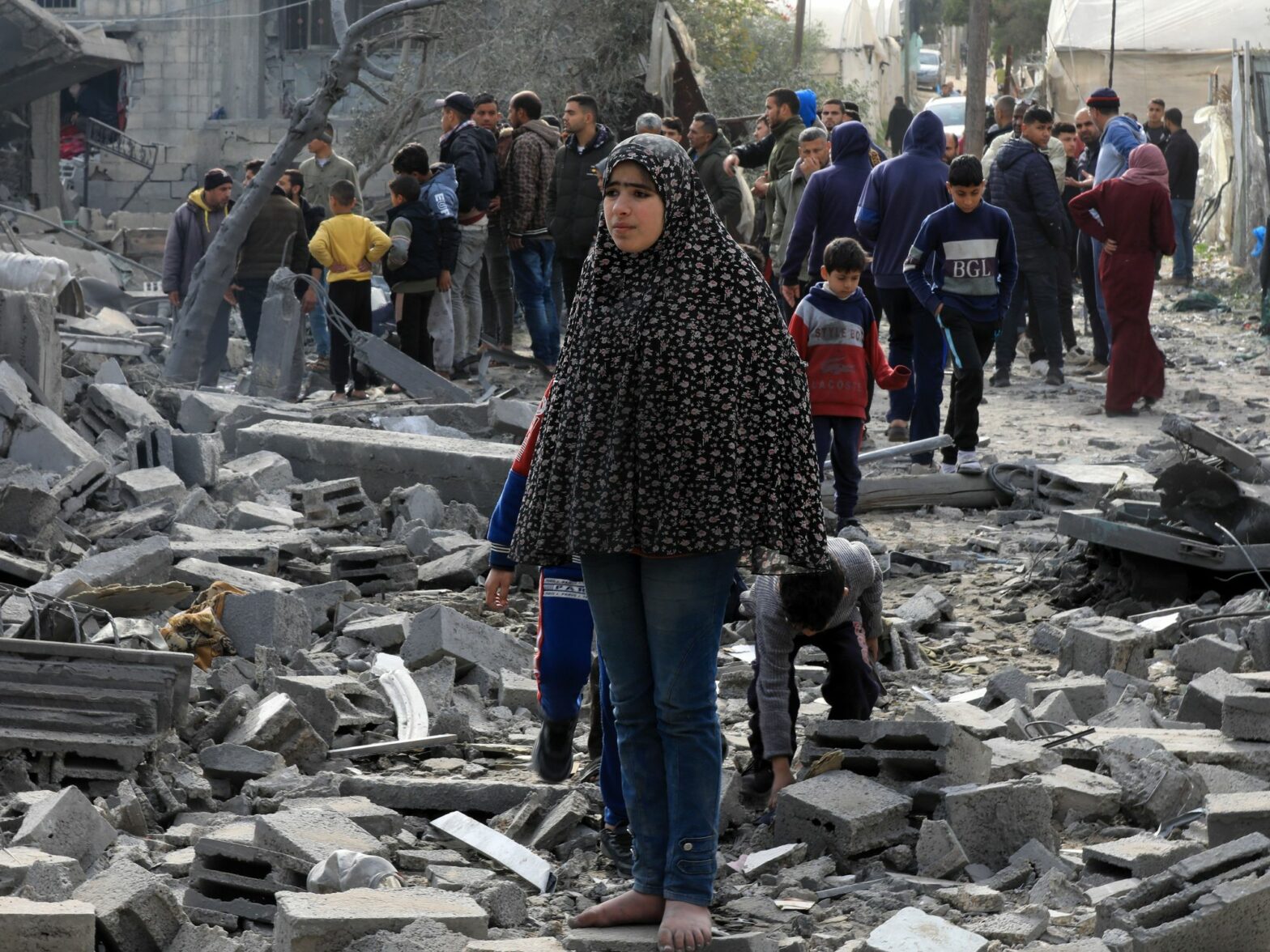
As the humanitarian situation worsens in Gaza, and the Israeli government still threatens to launch an offensive on the town of Rafah, there is one piece of positive news: negotiations on a possible ceasefire are not stalled. And in recent hours, there are some good reasons to believe that the ceasefire could become a reality.
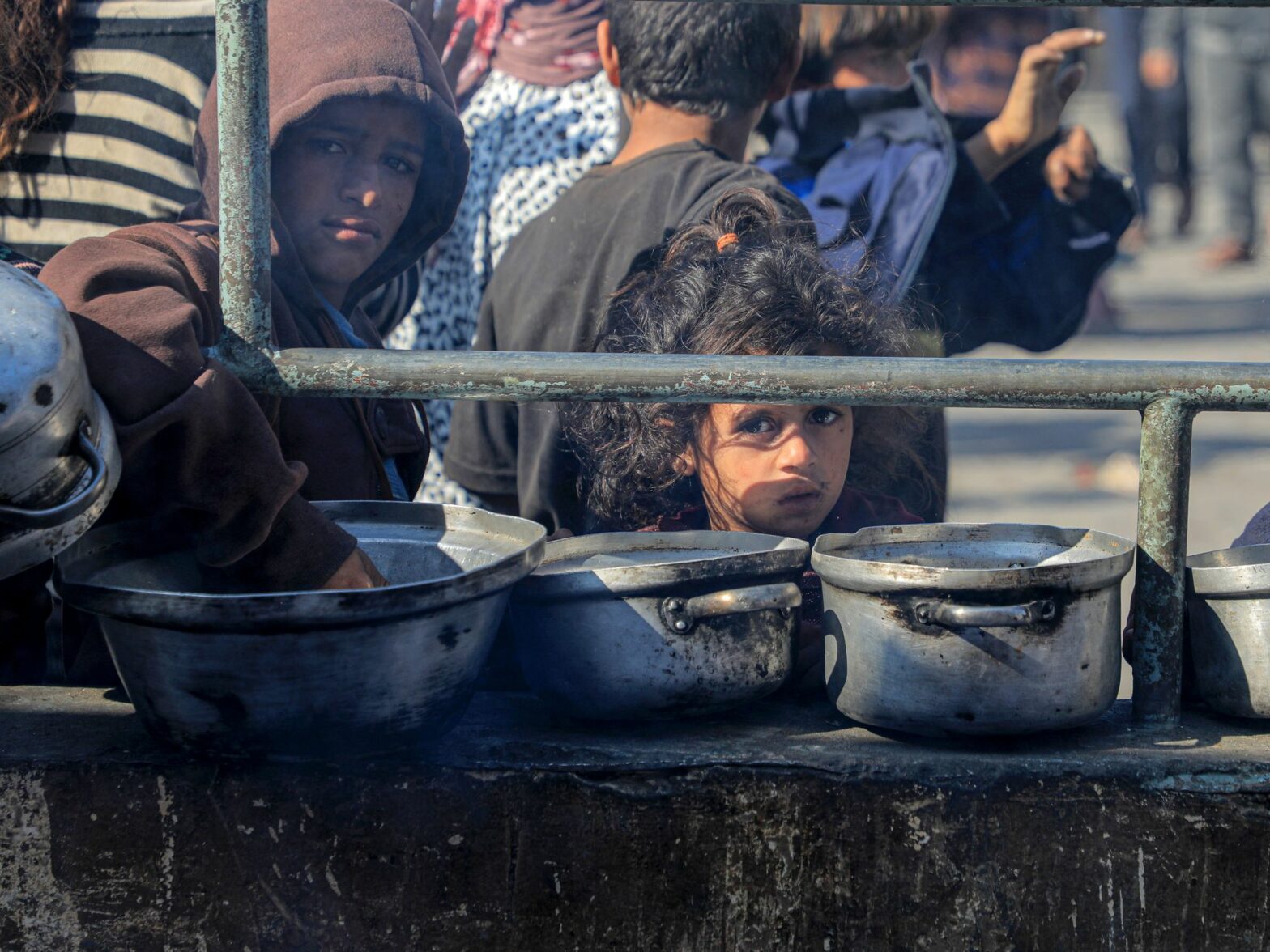
As the war in Gaza hits a critical juncture, the approaching Ramadan deadline adds urgency to international efforts, with Israel’s threat of an offensive on Rafah escalating tensions and raising the stakes for peace negotiations.
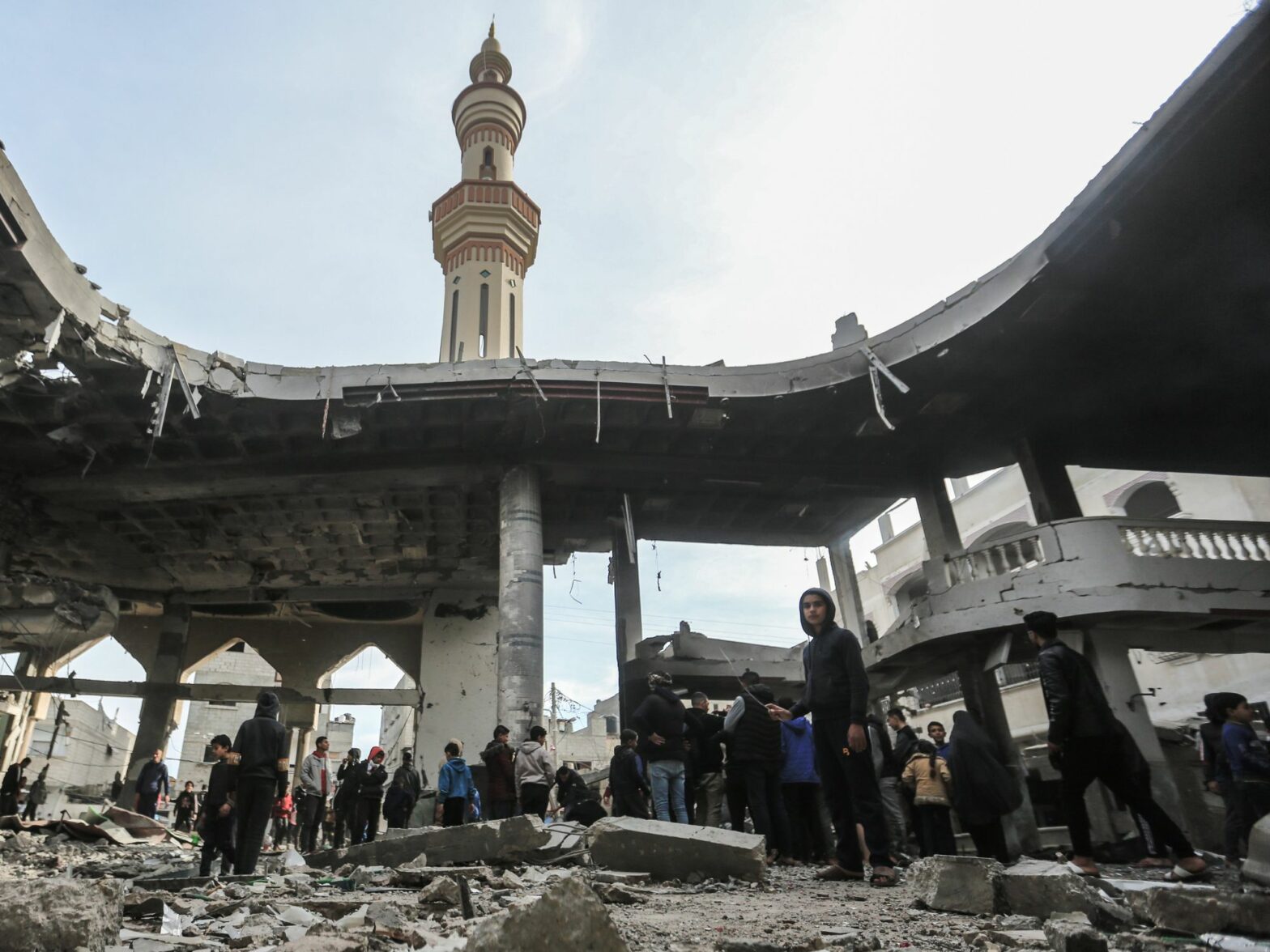
The West’s passive response to Israel’s actions in Gaza is increasingly difficult to maintain in front of the looming humanitarian crisis in Rafah. The lip service of “deep concern” doesn’t bother Netanyahu at all.
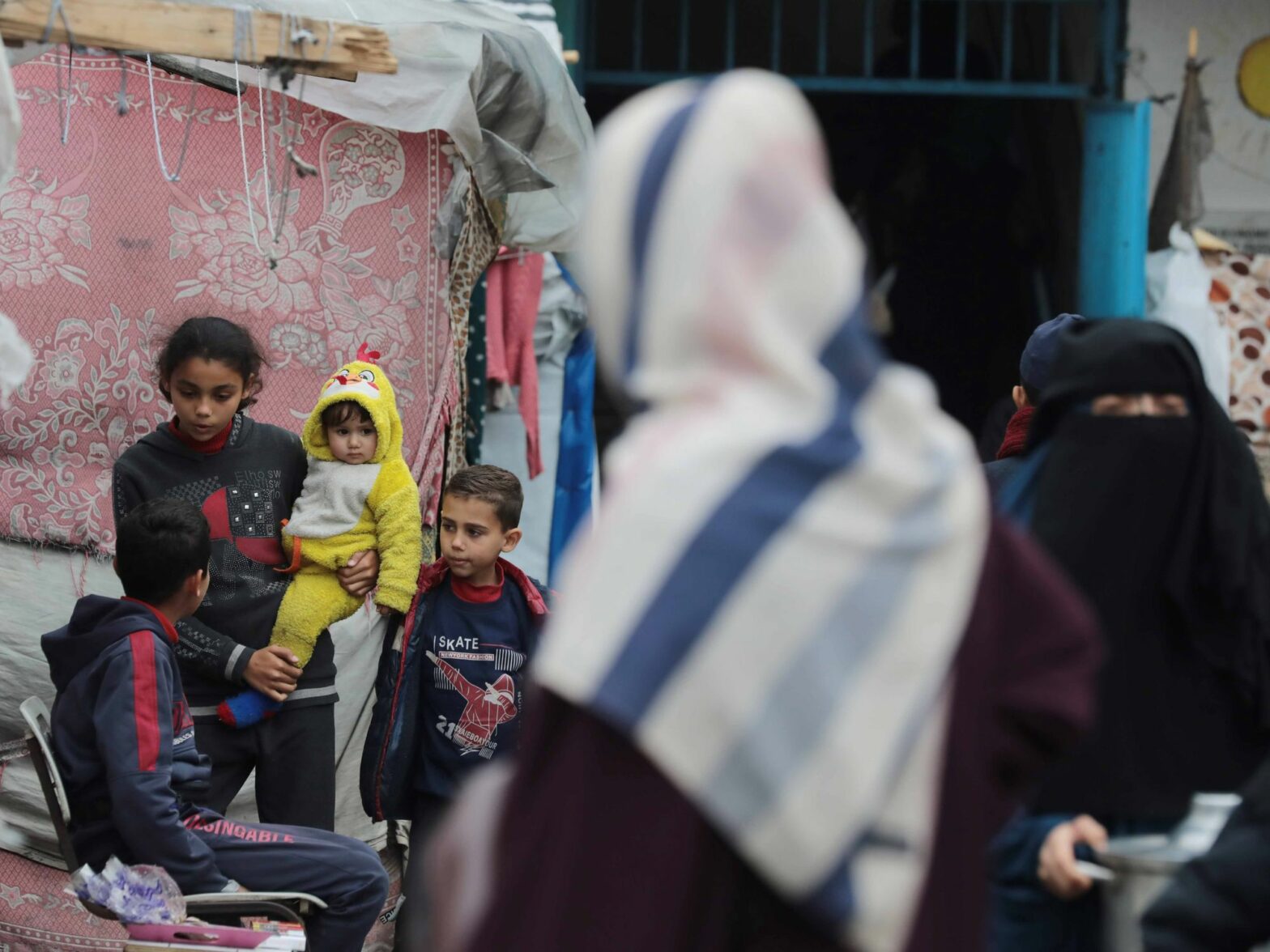
Desperate Gaza residents now wait for a word on the success of ceasefire deal, which could allow them to return home. Even if They don’t know what will come next. But they definitely want an end to the war, and so their significant suffering. They want to return to their homes, even if they are demolished.

The gap between the positions of the two parties revealed itself to be too wide Wednesday, though talks are continuing in Cairo. When will Prime Minister Benjamin Netanyahu no longer be able to justify leaving the hostages in Gaza, and the damage of Israel losing its own allies?
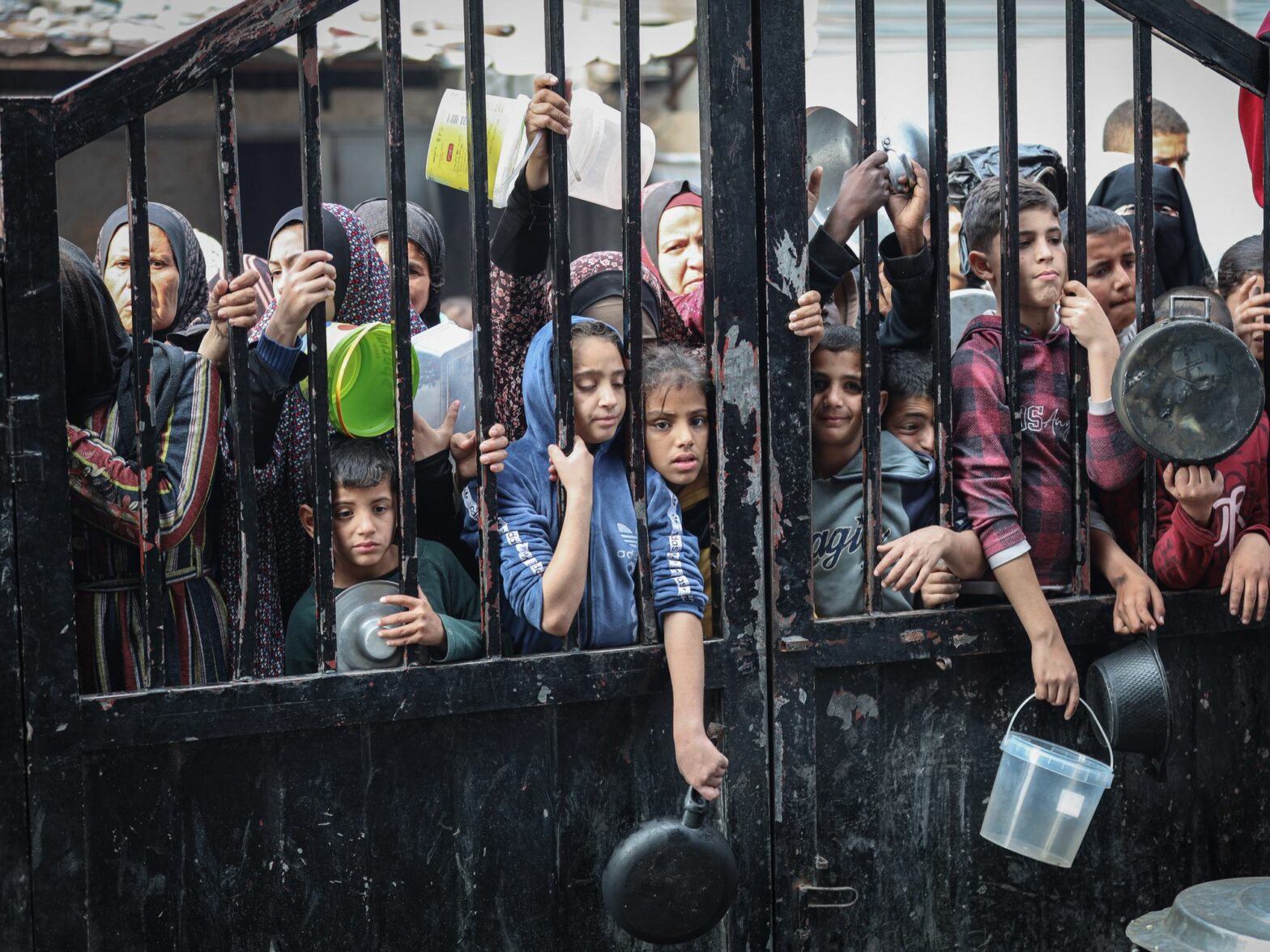
As the Israel-Hamas war continues unabated, the U.S., Egypt and Qatar are pushing to quickly reach an agreement. Will internal divisions be overcome? But even if a deal is struck, the war is far from over.
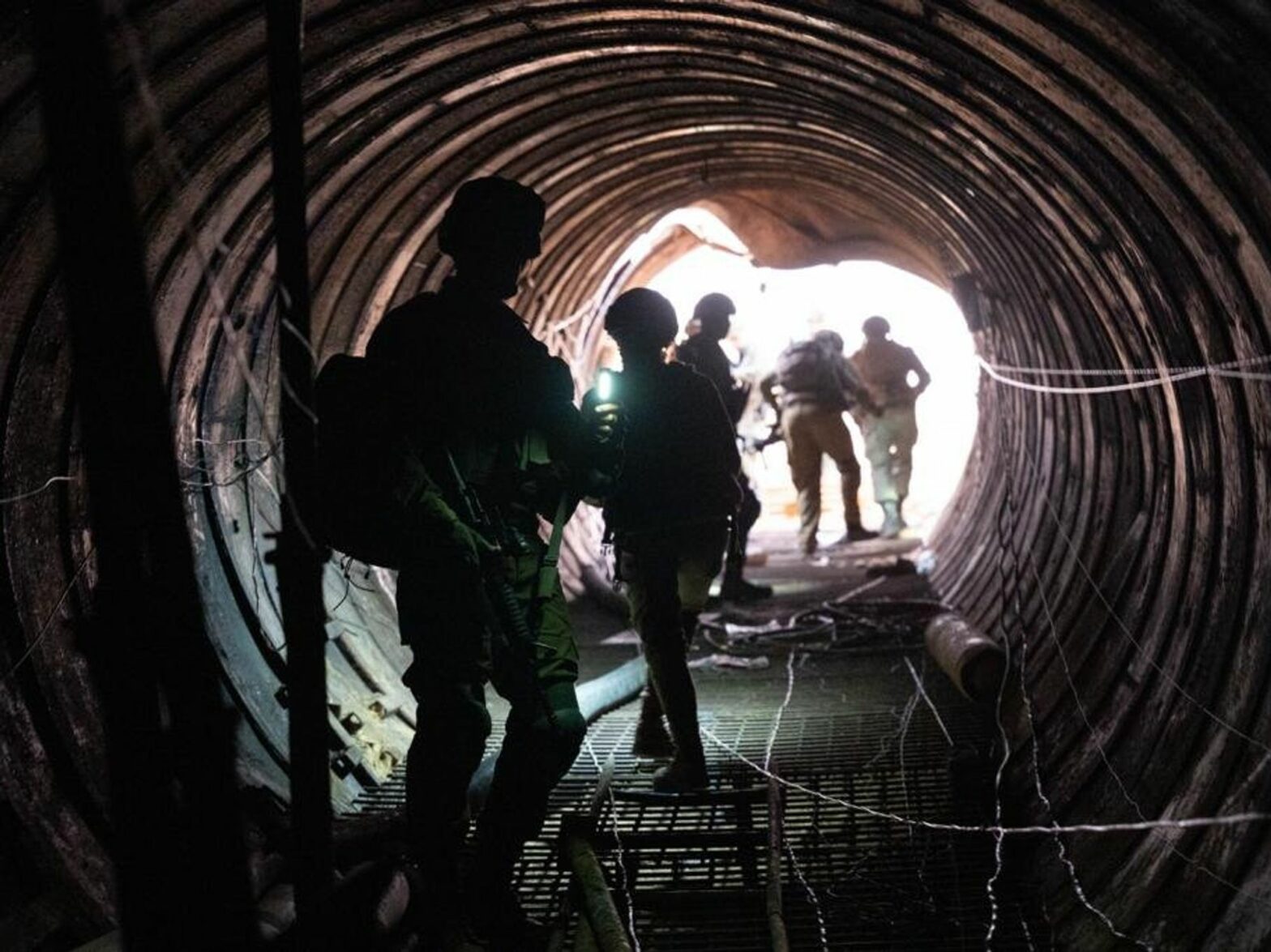
Four months into the war in Gaza, Israel has yet to find top Hamas leaders. Saudi-owned, London-based daily Asharq al-Awsat recently reported on the covert system that allows the Palestinian group communicate without being detected by Israel.
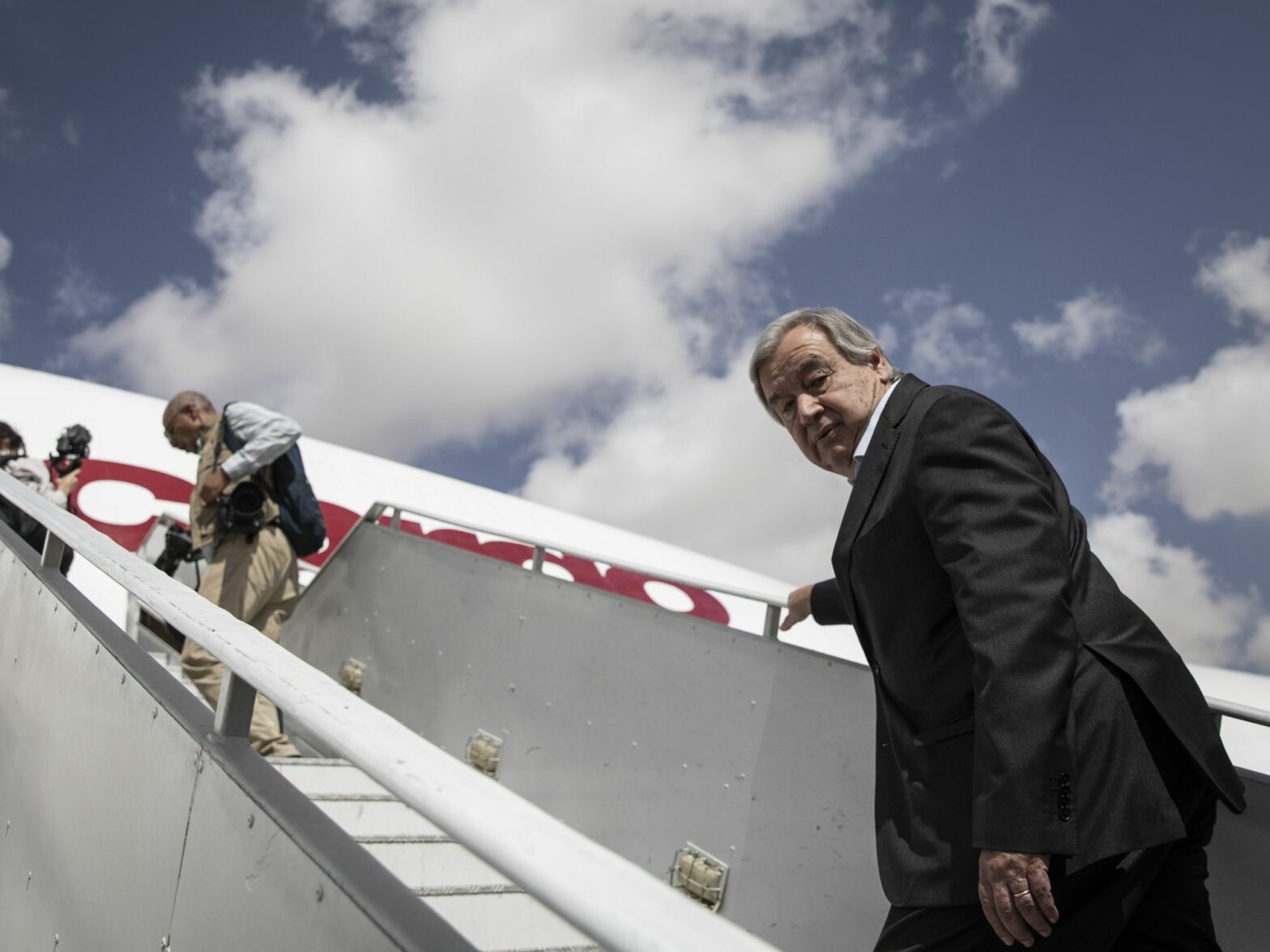
The UN Secretary-General is raising the tone in the war in Gaza, but it comes at a time when international institutions are extremely weak. Looking back at history, that’s a dangerous thing.
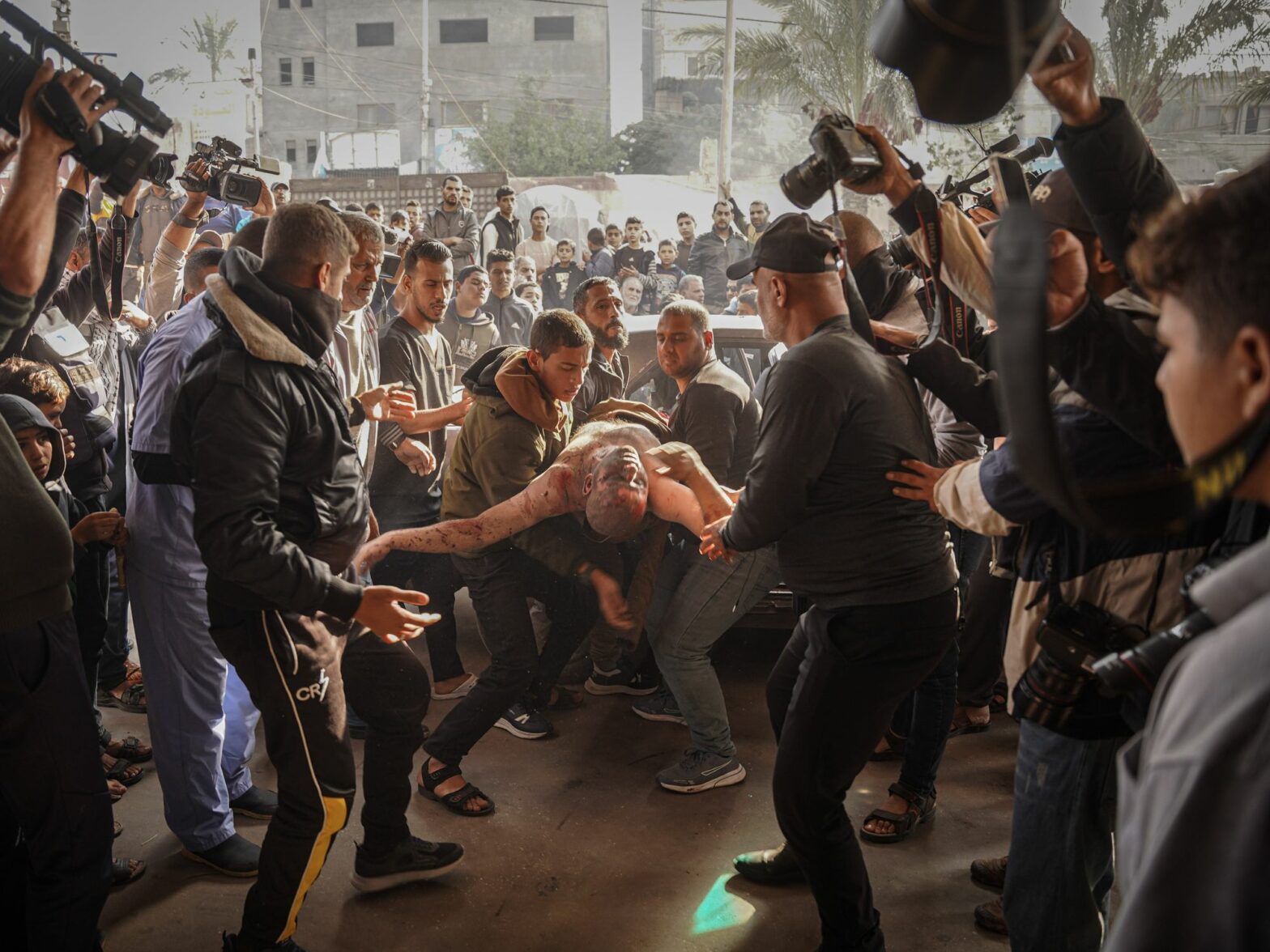
As fighting has resumed and intensified in the southern area of the Palestinian territory, more and more criticism builds from around the world. How much longer can Israel fight this war for if it loses the support of even its most steadfast allies?
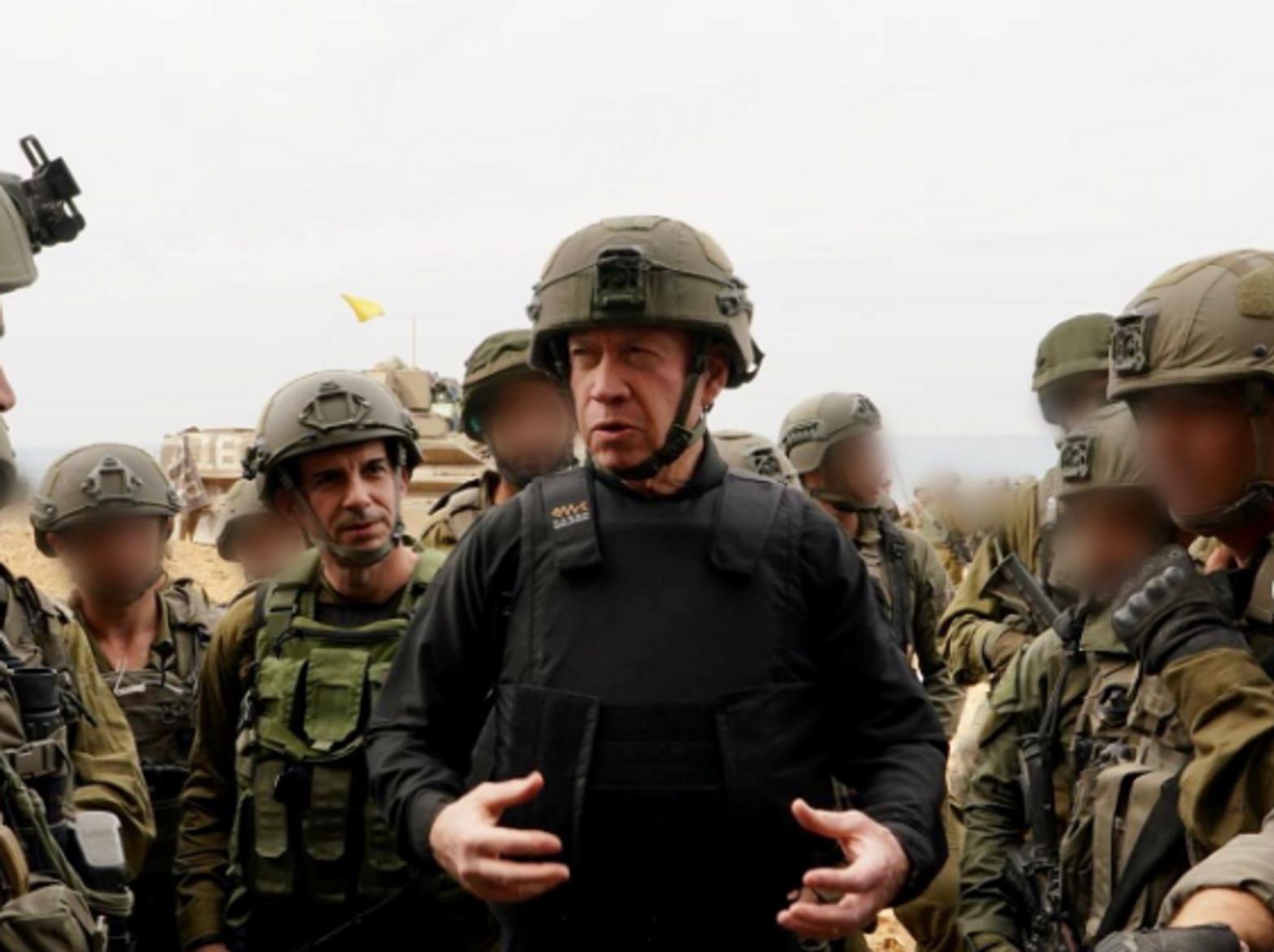
The Israel-Hamas temporary ceasefire may not end today, but it will end. But when the war in Gaza resumes, the Israeli offensive against Hamas may be different.
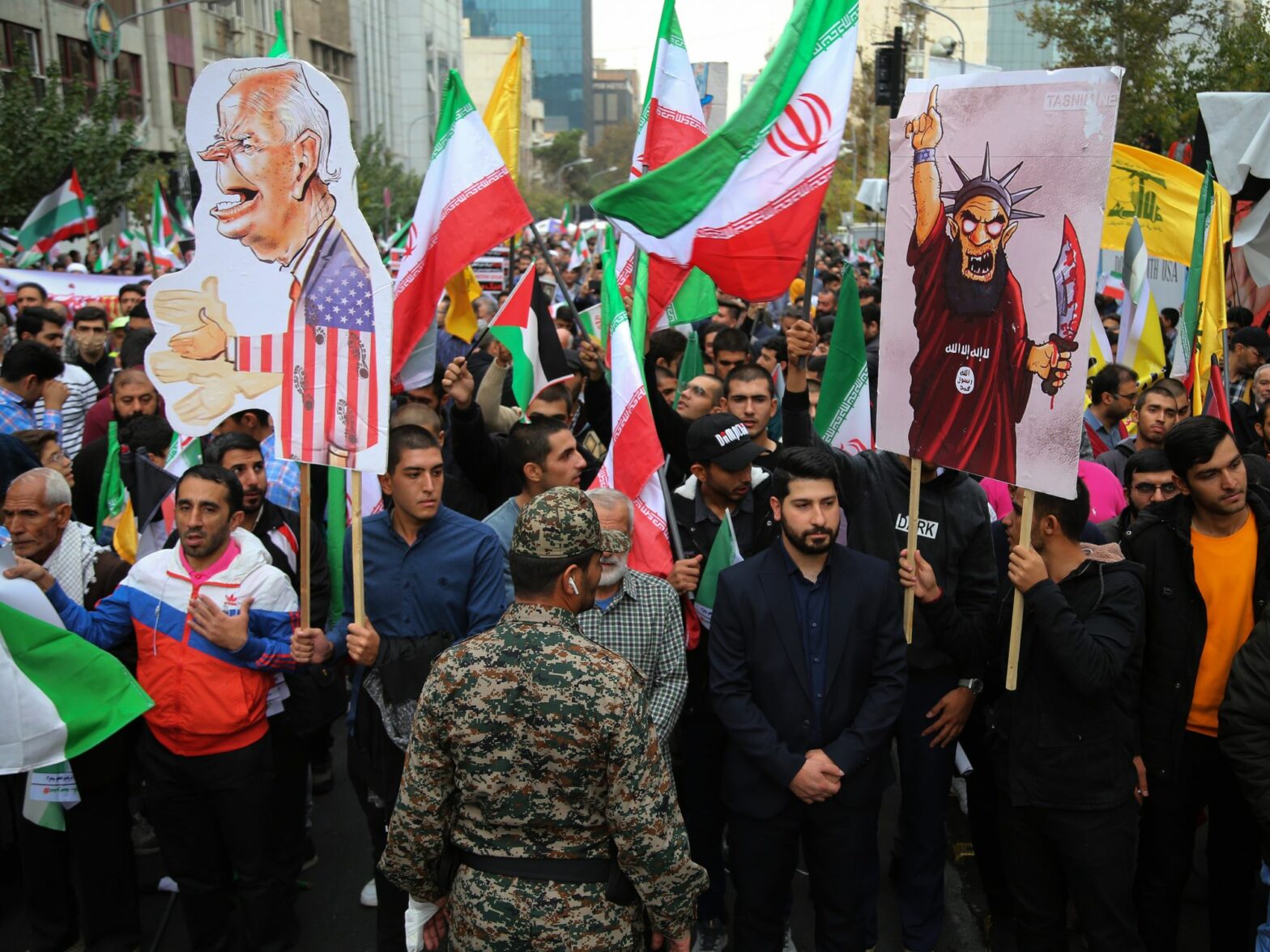
The West’s decision to pressure Israel over Gaza, and indulge Iran’s violent and troublesome regime, follows the U.S. Democrats’ line with the Middle East: just keep us out of your murderous affairs.
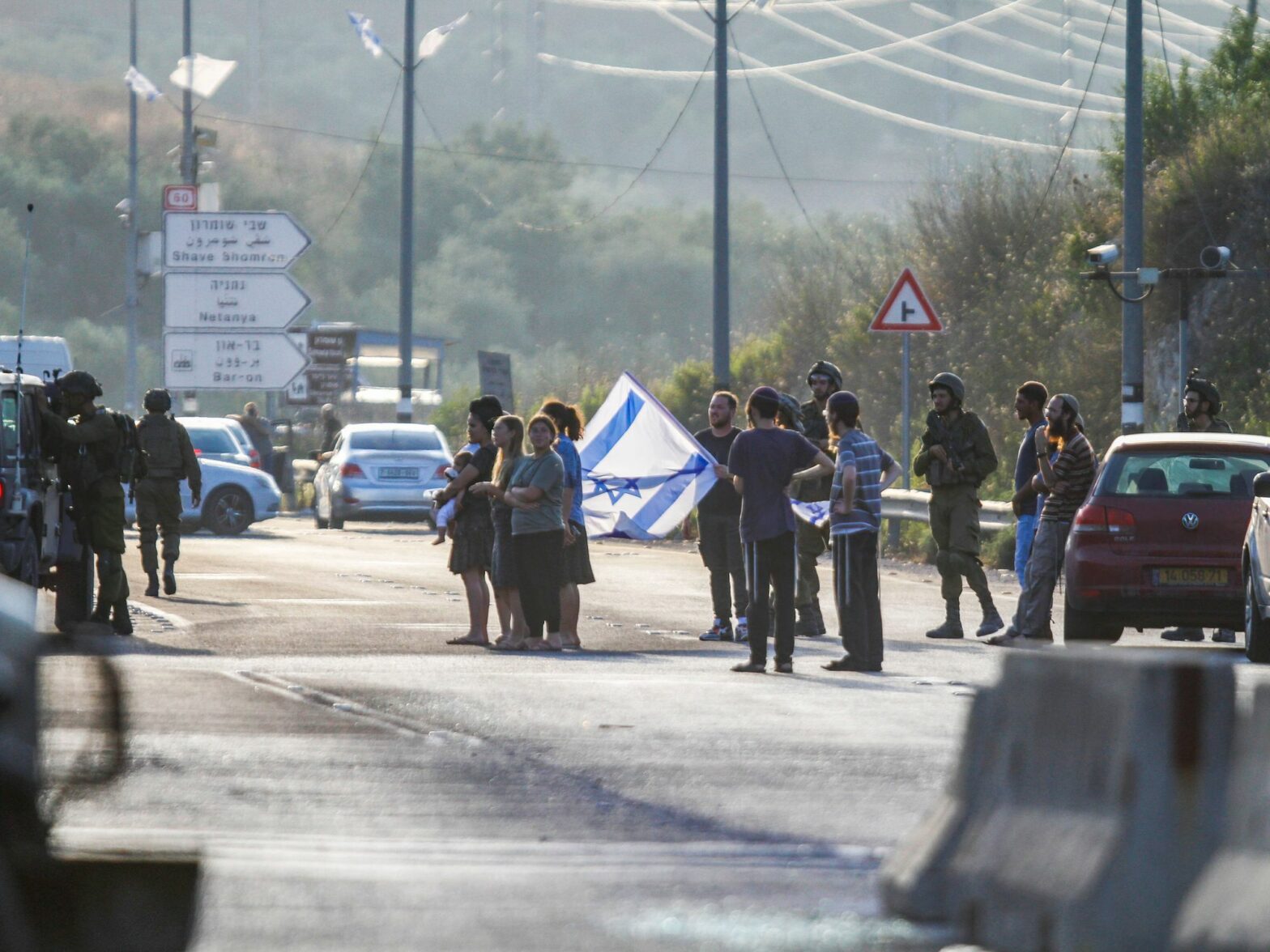
Heated debate in Israel and abroad over the increase in the budget for settlements in the occupied West Bank is a reminder that wartime national unity will not outlast a deep ideological divide.
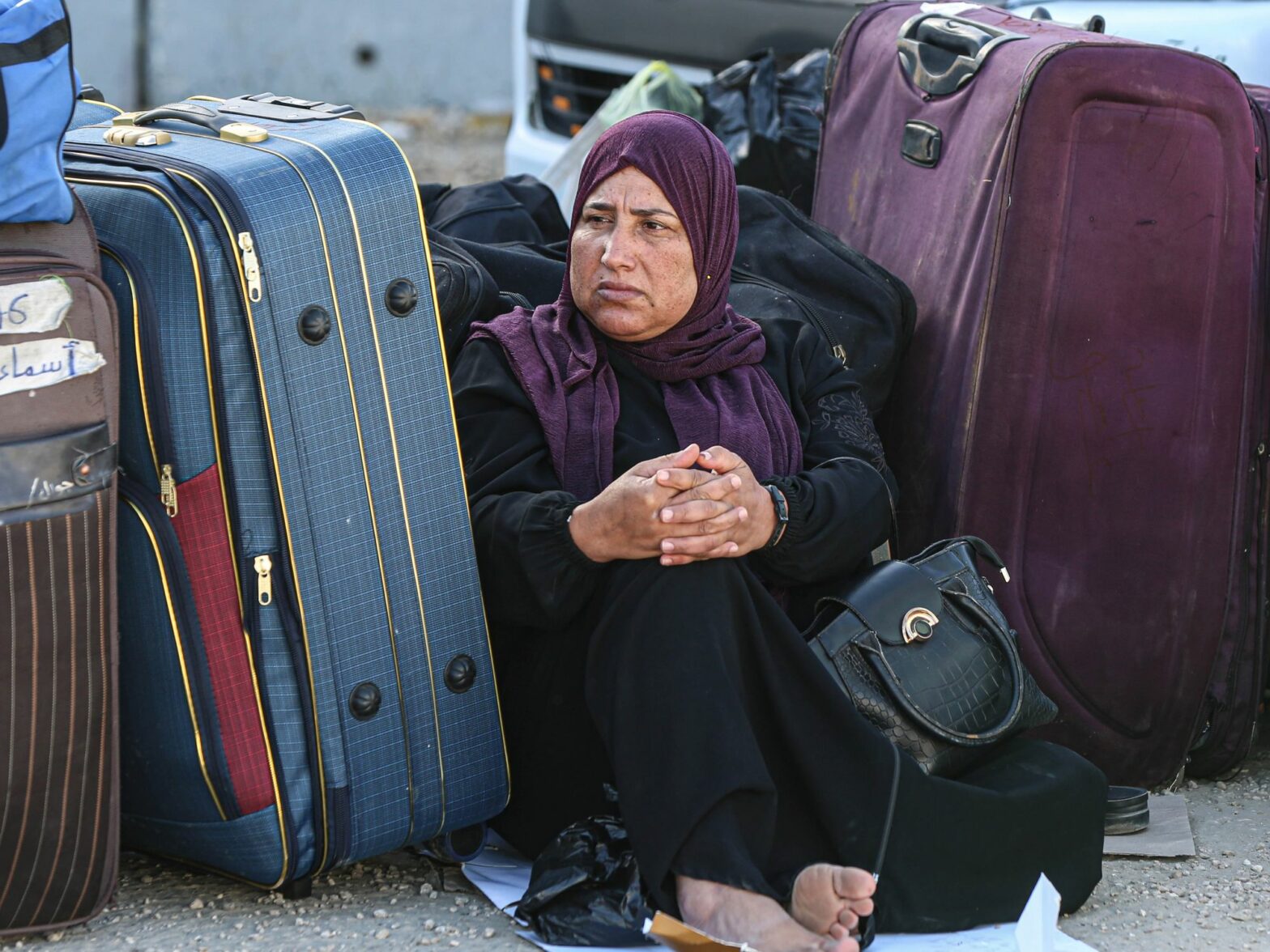
Having been stuck outside their besieged homeland, hundreds of Palestinians have reentered Gaza, preferring to risk it all to be close to loved ones.

The Israeli government has declared it is opposed to any ceasefire with Hamas. But one of its key objectives — and the top priority for Israelis — is to recover hostages. And only the ceasefire can achieve that…
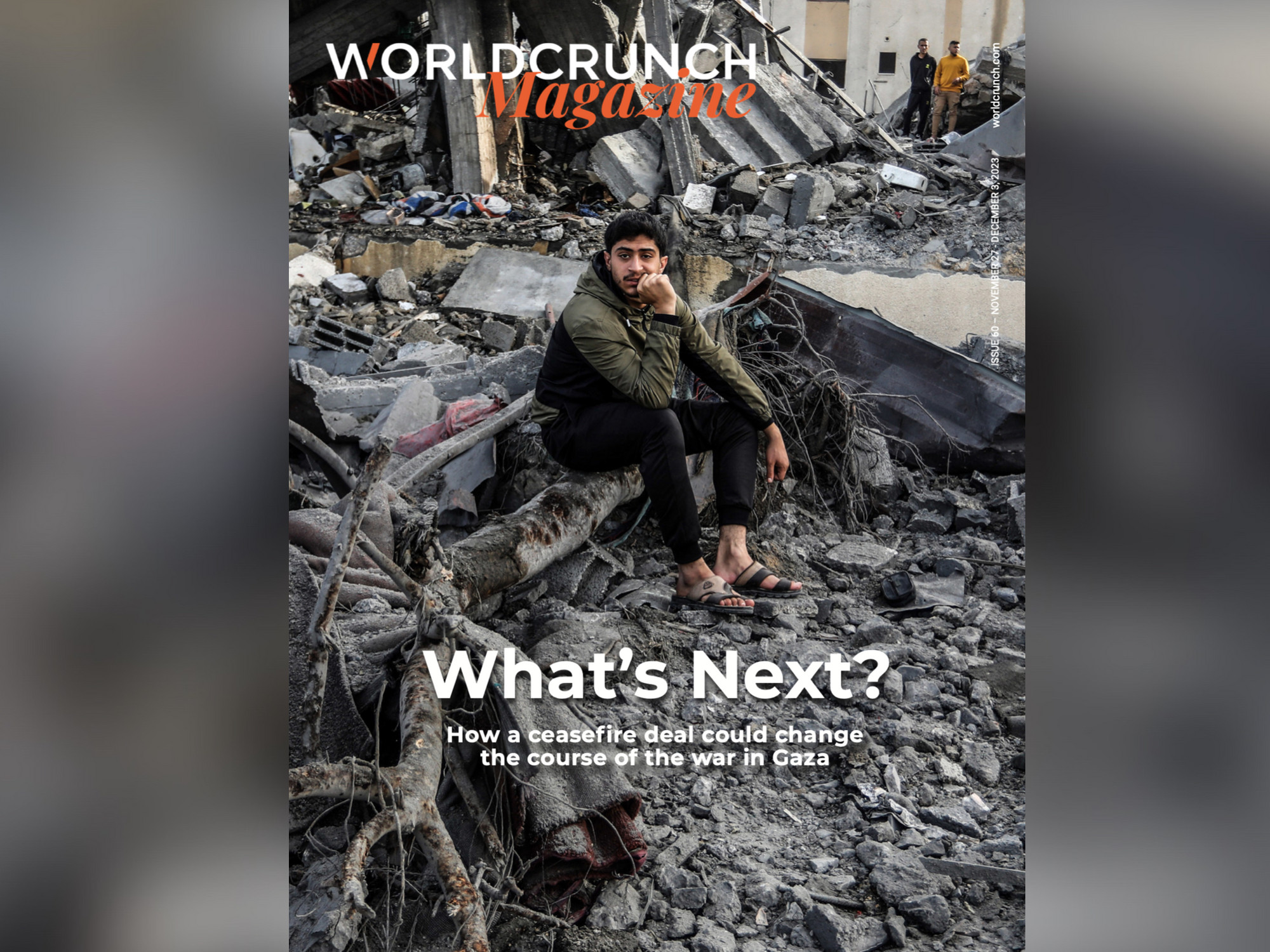
November 27 – December 3, 2023
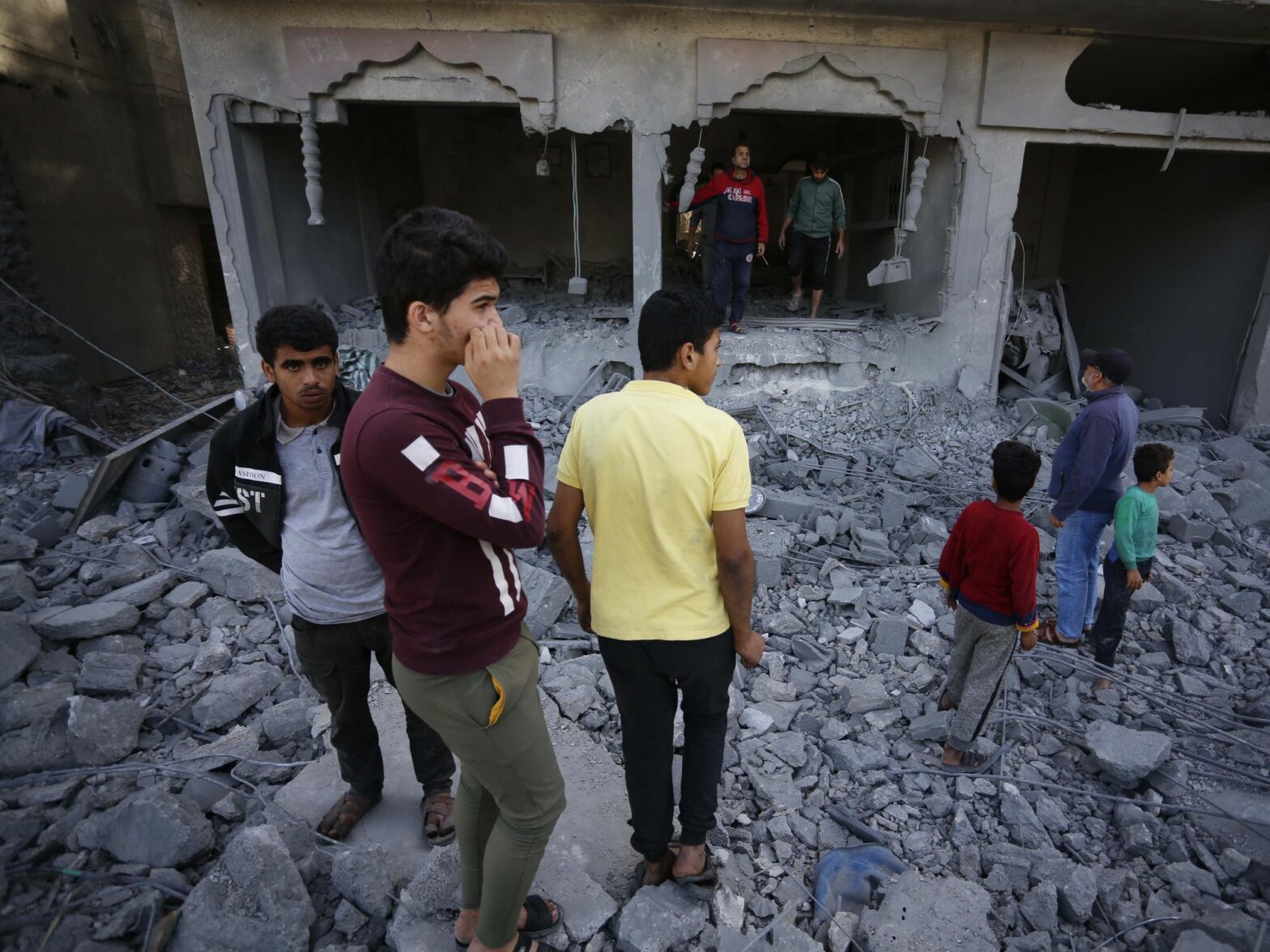
With Qatar now confirming that the temporary truce will begin Friday morning, ordinary Gazans may be able to breathe for the first time since Oct. 7. But for most, the task ahead is a mix of heartbreak and the most practical tasks to survive. And there’s the question hanging over all: can the ceasefire become permanent?

Israeli Prime Minister Benjamin Netanyahu has pushed ahead a deal negotiated via Qatar, for a four-day truce and an exchange of 50 hostages for 150 Palestinian prisoners. Though the humanitarian and political pressure was mounting, Israel’s all-out assault is suddenly halted, with unforeseen consequences for the future.
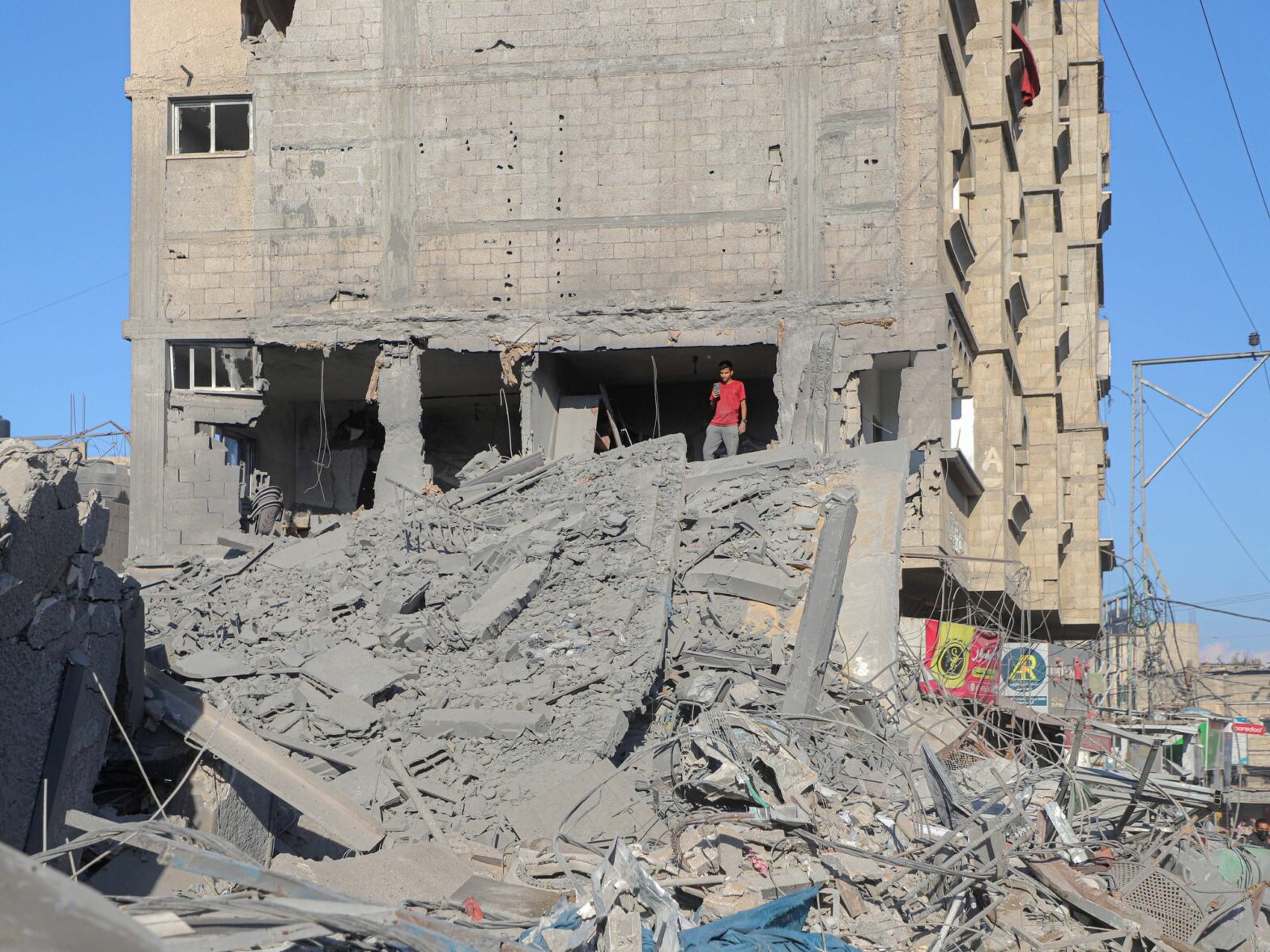
A five-day ceasefire deal in the Gaza war appears imminent. In the past, such provisional truces sometimes turned permanent. But is this time different?
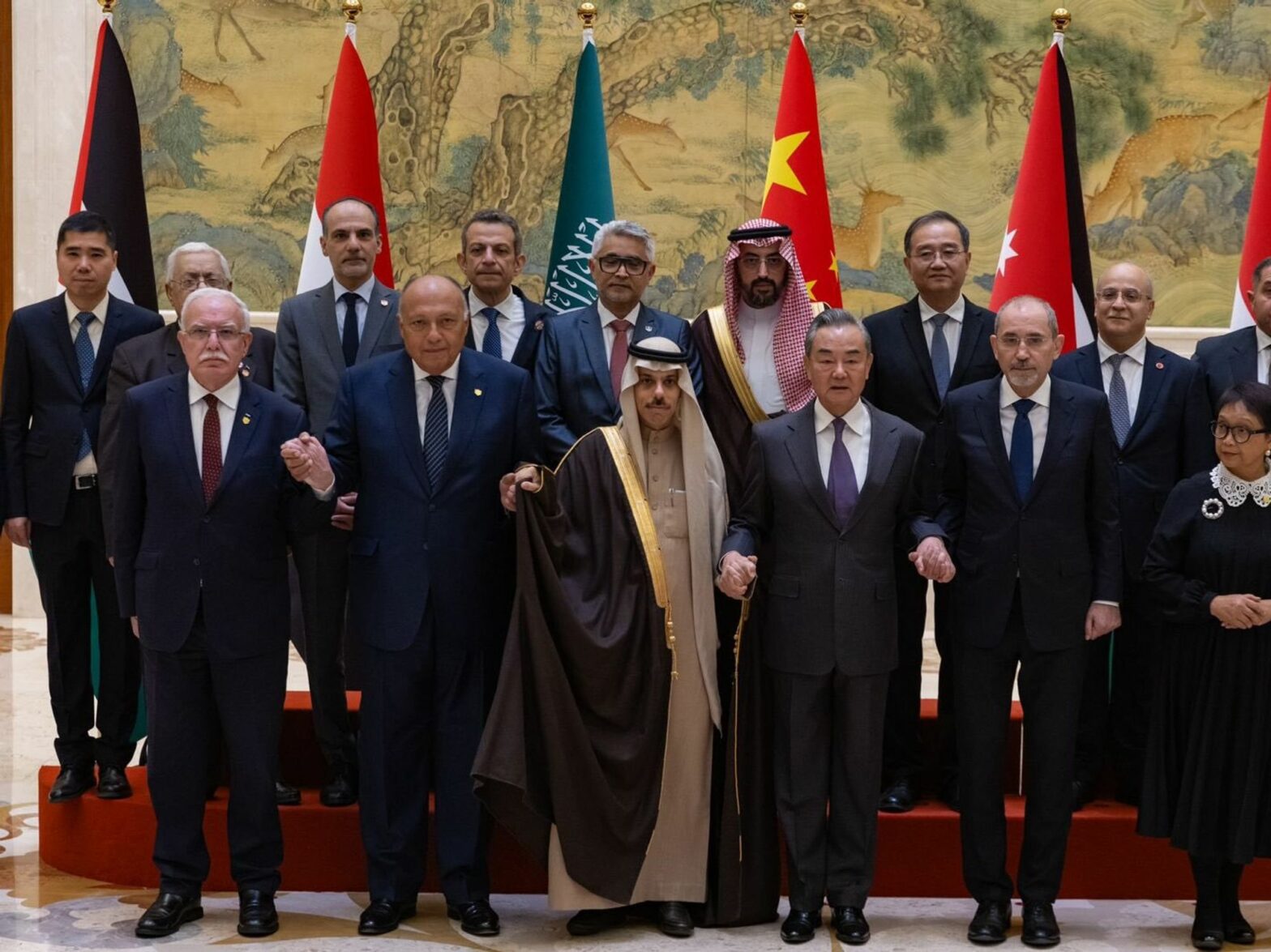
Frustrated by the United States’ unwavering support for Israel’s war on Gaza, Arab governments have looked at other options to help establish a ceasefire before it becomes too late. First stop: Beijing. Moscow’s role may be more obscure, but no less essential, in building a global coalition that counters the West’s stance.
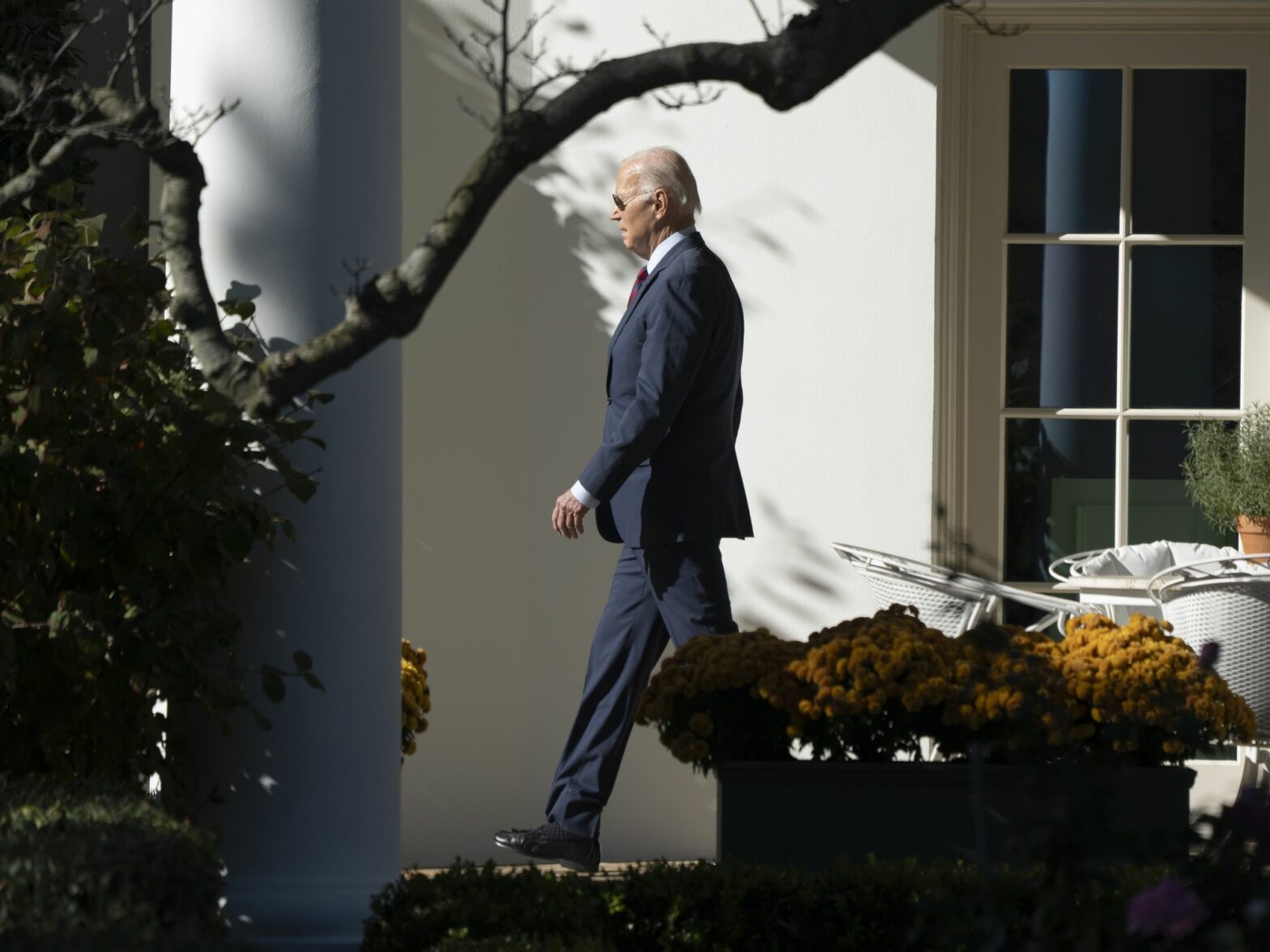
Challenged back home, U.S. President Joe Biden has just published an op-ed in the Washington Post in which he outlines a future for the Palestinian territories that’s different from the one envisaged by Israeli Prime Minister Benjamin Netanyahu, and threatens violent settlers in the West Bank with sanctions. But where are the teeth?
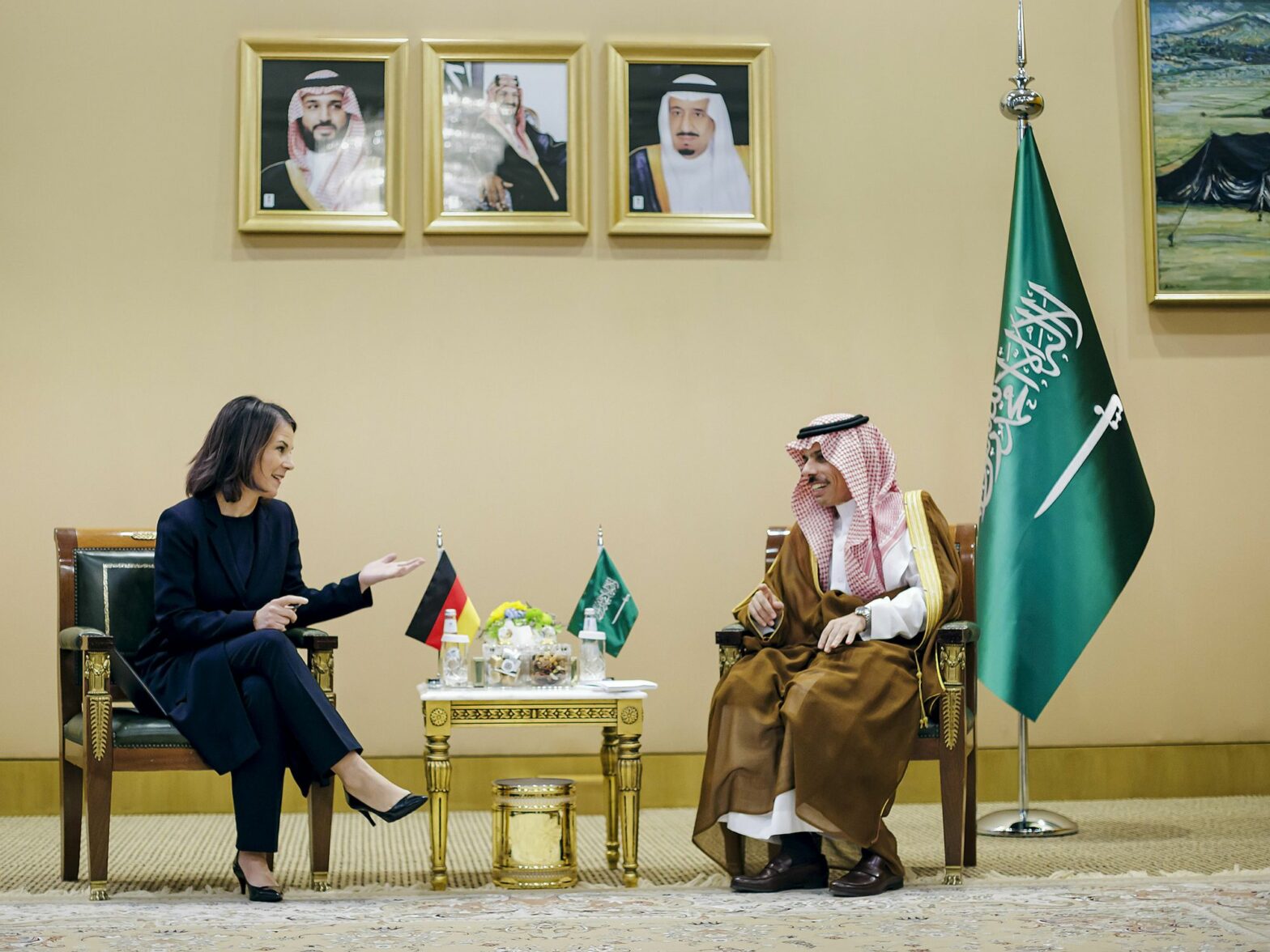
Can Europe play a role in the current conflict in the Middle East? During the recent visit to the region by German Foreign Minister Annalena Baerbock, it appeared clear that Gulf States are in a much better position to negotiate a possible solution.
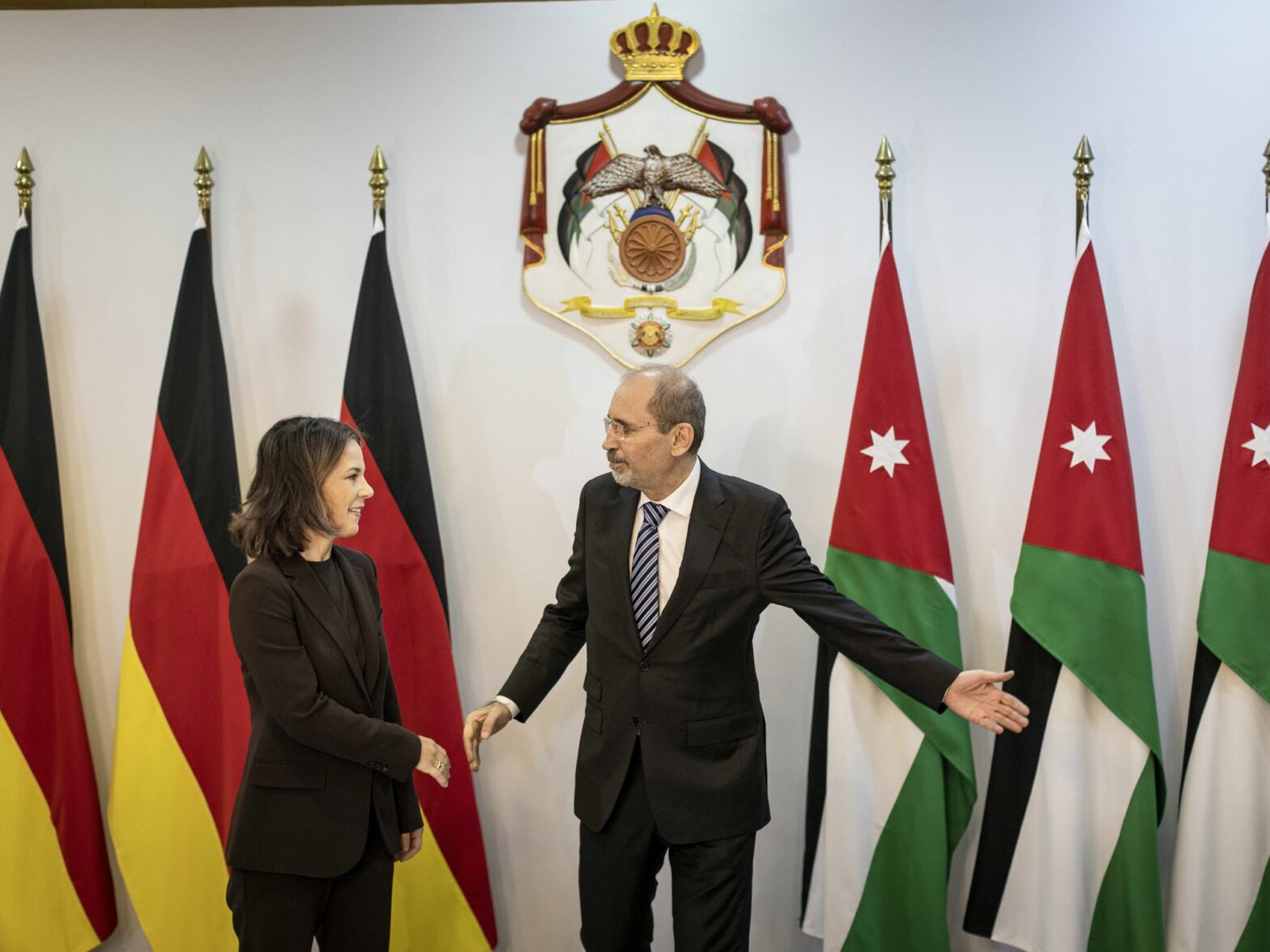
In Qatar, Egypt, Paris or on the phone, negotiators are busy trying to secure the release of hostages, push for “humanitarian pauses”, and prepare for the political aftermath of the war. Meanwhile, the war rages on in Gaza.
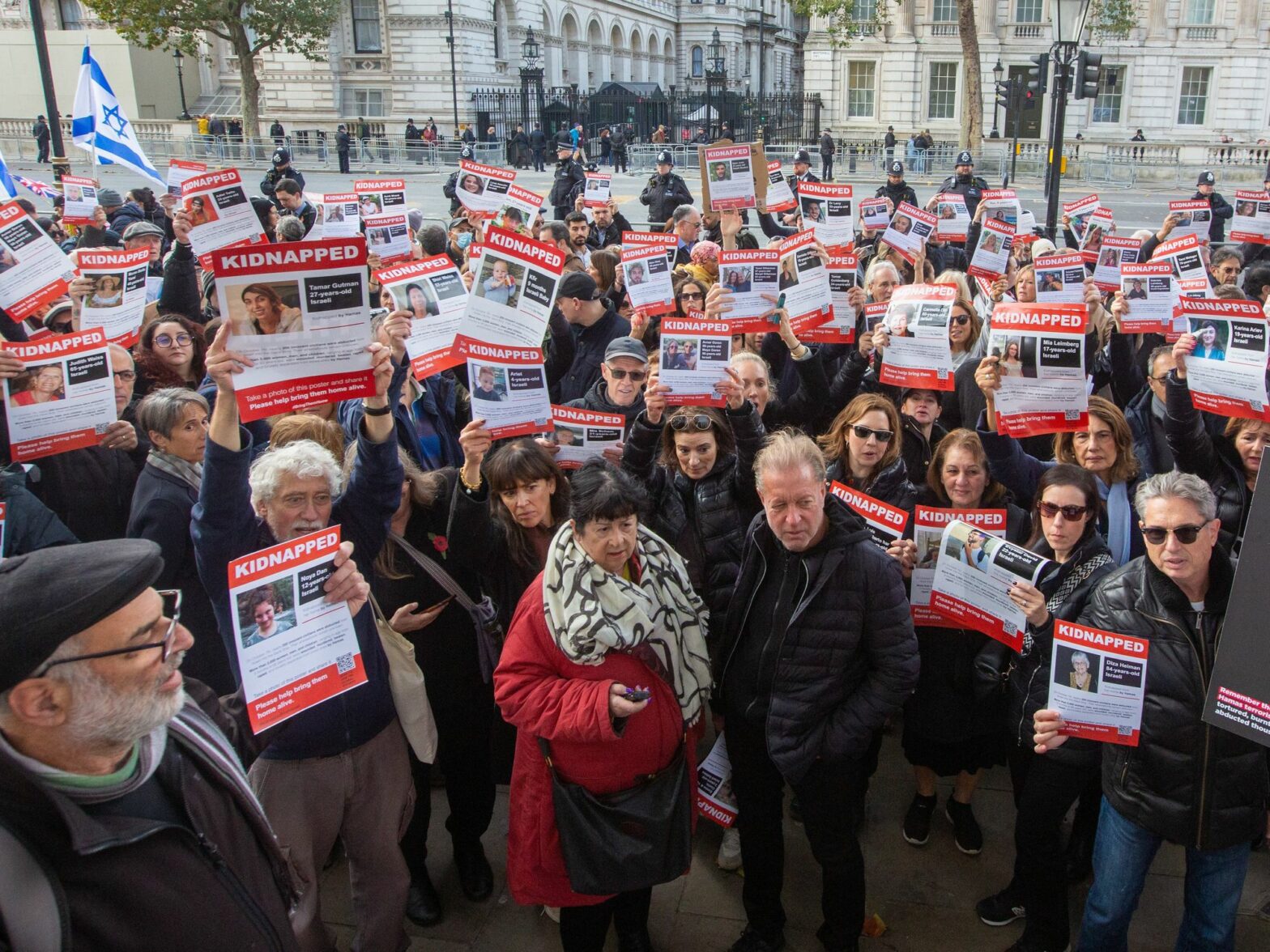
The Palestinian Islamic Jihad’s military wing, the al-Quds Brigades, has said it is prepared to release two hostages held in Gaza if conditions on the ground permit. A spokesperson for the al-Quds Brigades said it is ready to release two Israeli hostages, a woman and a boy, for humanitarian and medical reasons. He added that […]

Qatar is leading negotiations for one to two day humanitarian truce in exchange for the release of up to 15 hostages held by Hamas.
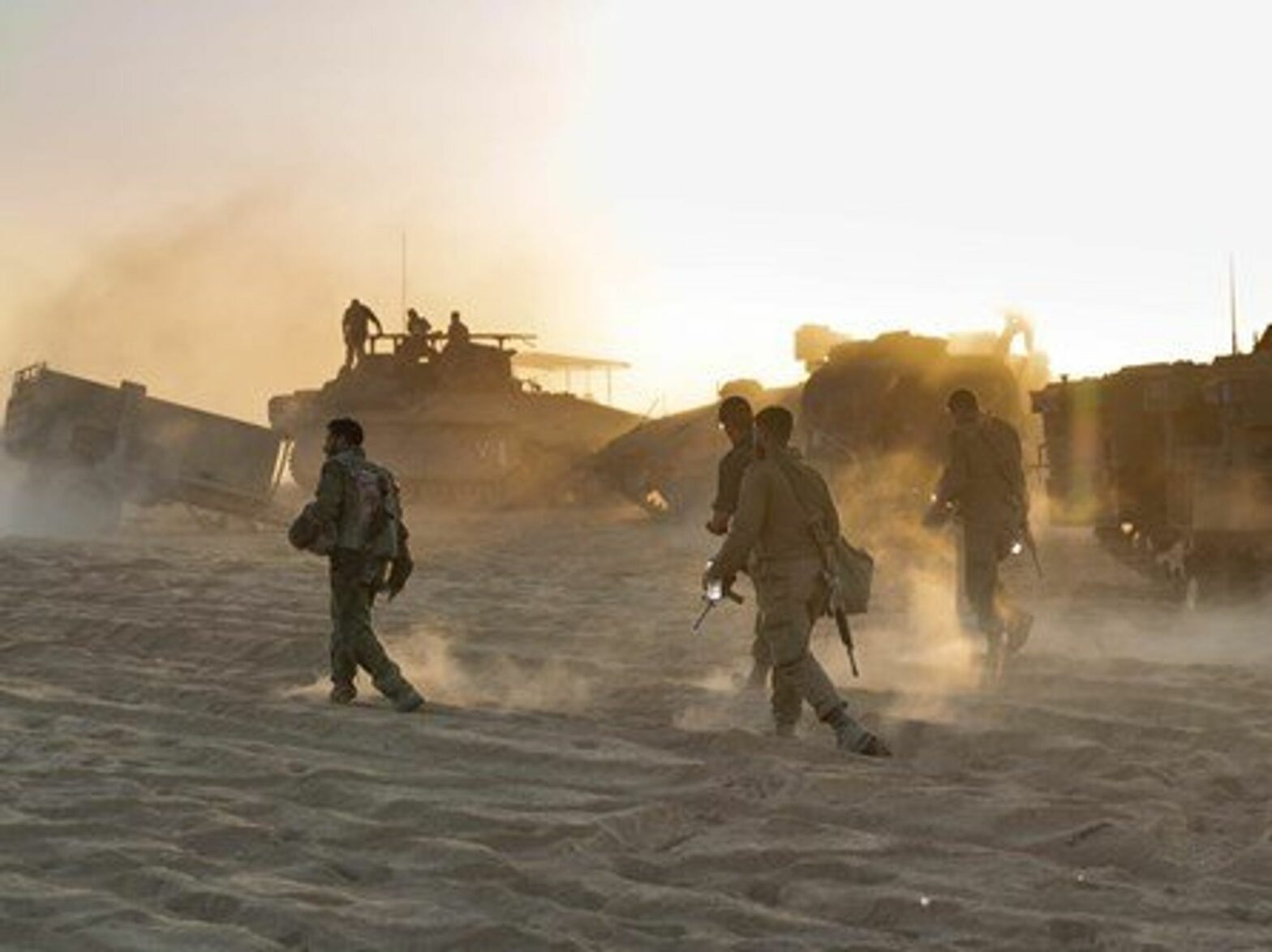
Calls for a “humanitarian pause” are multiplying as the war rages on for almost a month, but the West is careful not to talk about a ceasefire, which Israel totally rejects. Where does that leave us in a search for a way out?

While everyone acknowledges the civilian toll is climbing in Gaza, a new doubt has begun to spread in recent days about the reliability of the death counts given by Gaza’s government, which is run by Hamas. U.S. President Joe Biden now says he doesn’t believe the numbers at all, which has set off criticism about his lack of both sources and “empathy.”
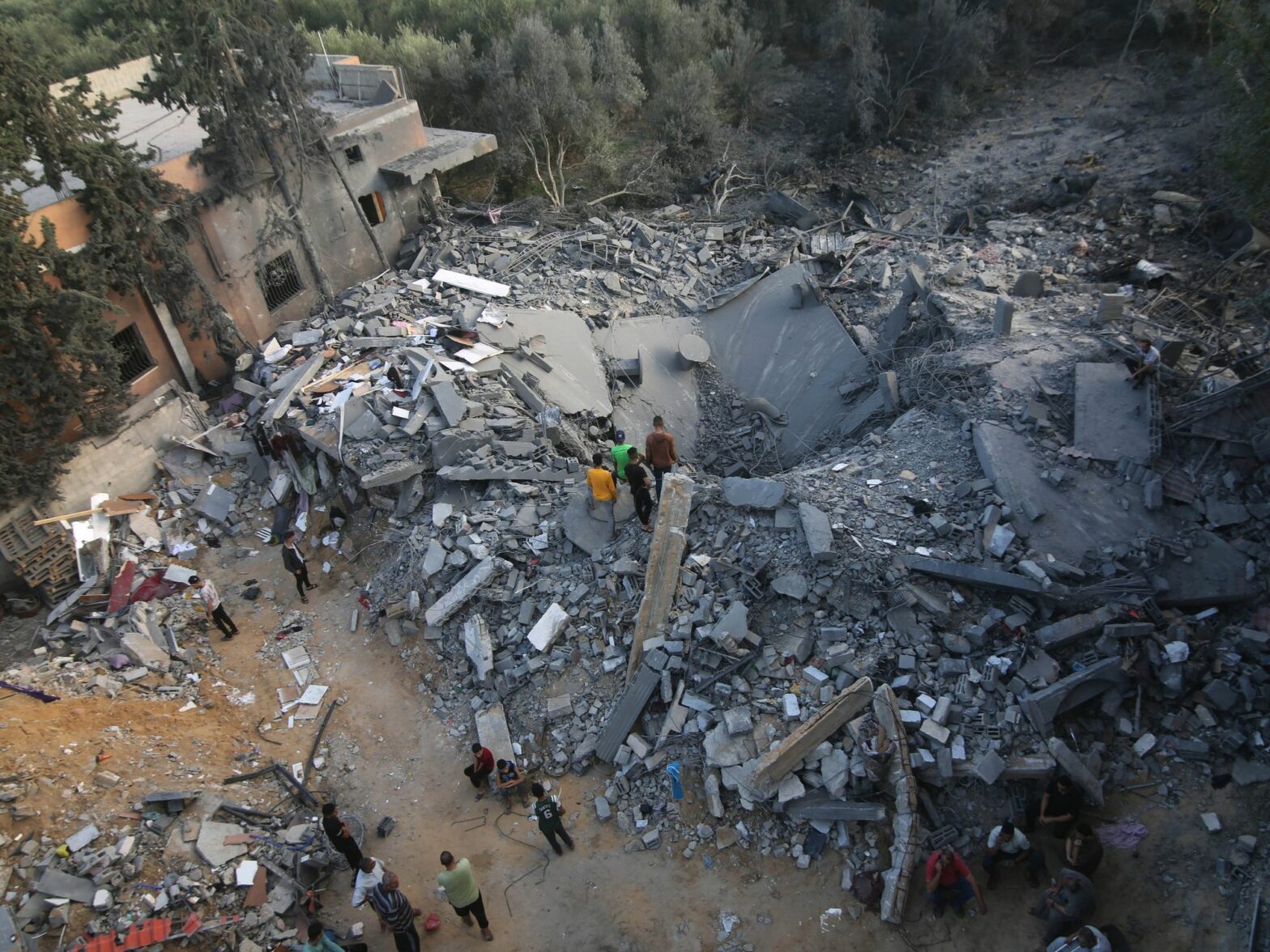
The ongoing conflict between Israel and Hamas has raised numerous issues under international law, including Israel’s unlawful siege of Gaza and Hamas being a non-state actor.

The Korean War armistice agreement at Panmunjom was signed on this day in 1953, ending three years of fighting. What led to the signing of the Korean War Armistice in Panmunjom? The armistice was the result of negotiations between the United Nations Command, representing the forces supporting South Korea, and the Korean People’s Army and […]
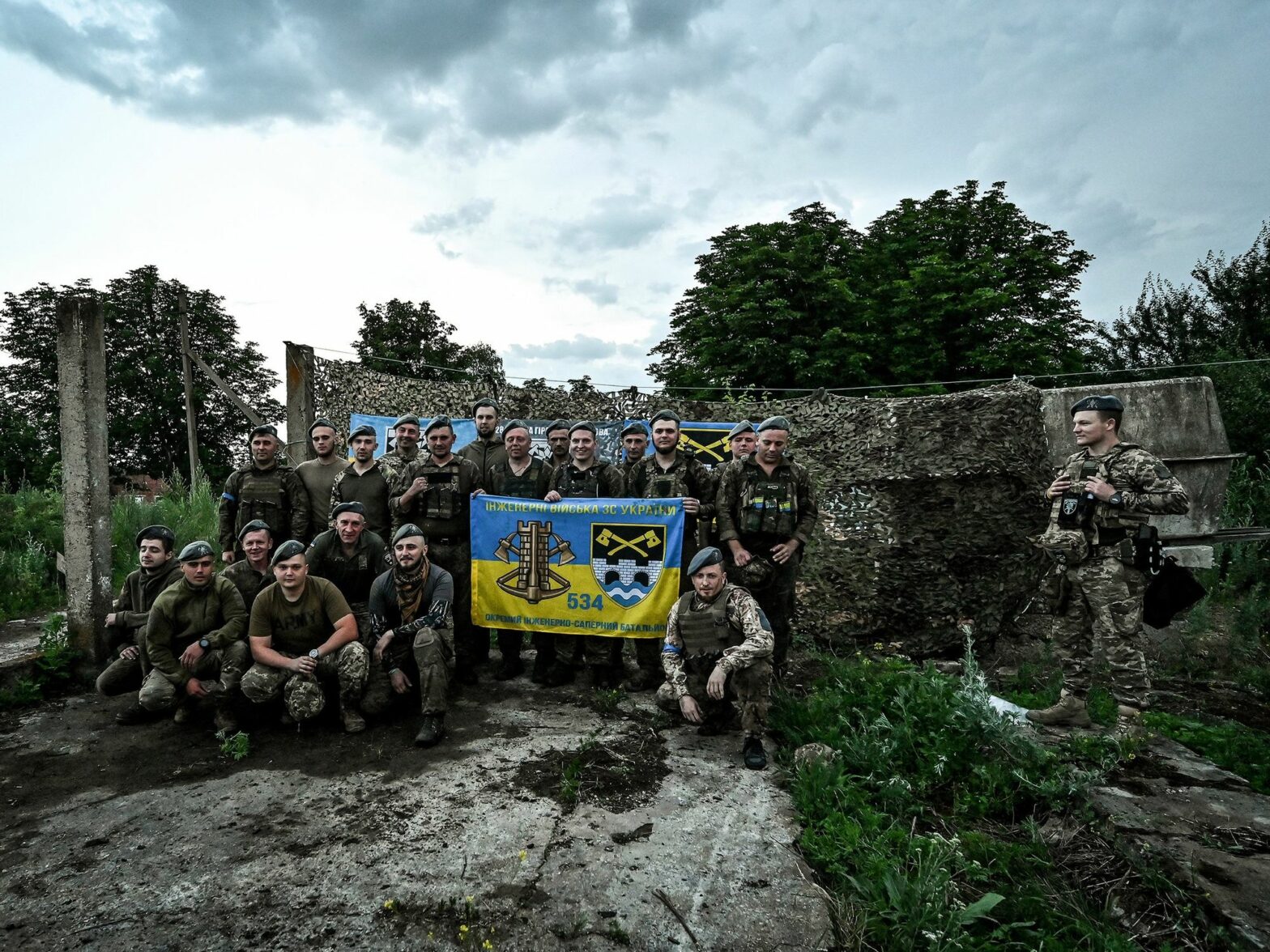
A month into Ukraine’s counteroffensive, claims that it has failed are wildly premature. Even more troubling are the steady whispers that Kyiv must sit down with Russia to negotiate. But it’s clearer than ever that only complete Ukrainian victory can bring lasting peace.
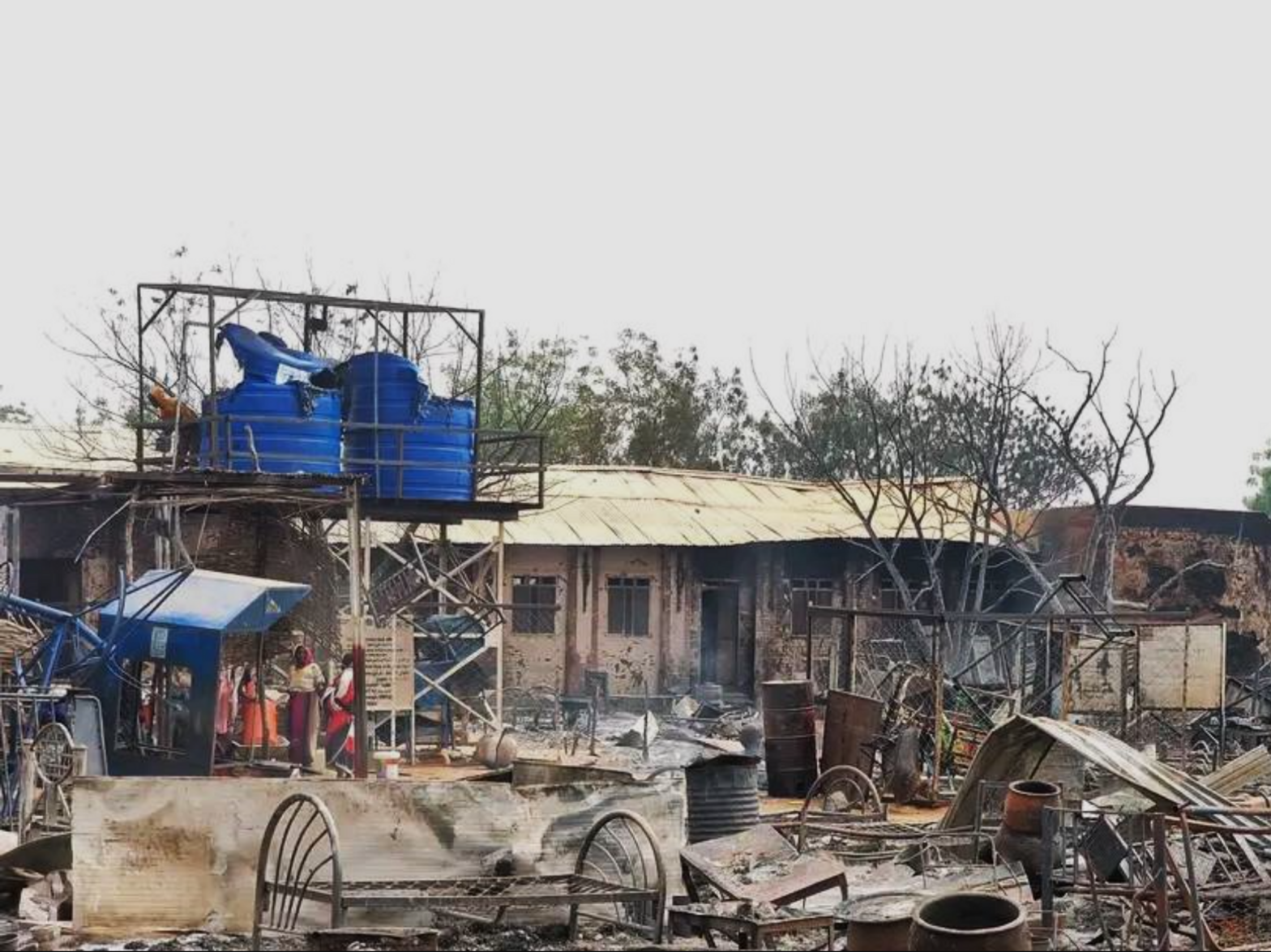
Sudan is descending into all-out civil war. This risks upsetting the fragile peace in Darfur, raising the specter of more atrocities and massacres.
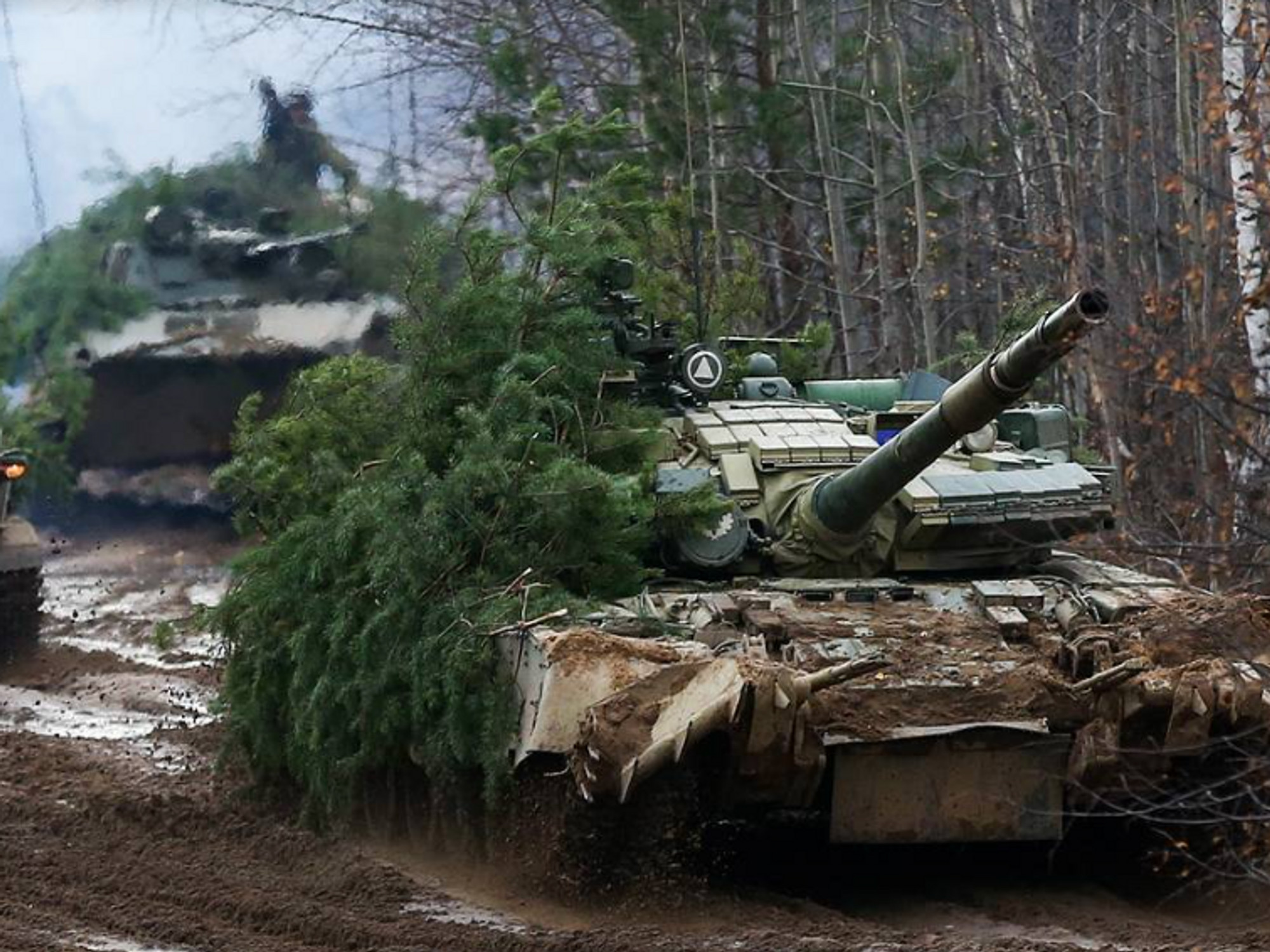
Vladimir Putin used the Orthodox Christmas holiday as a 36-hour communication ops, while plans proceed to widen his war in Ukraine.
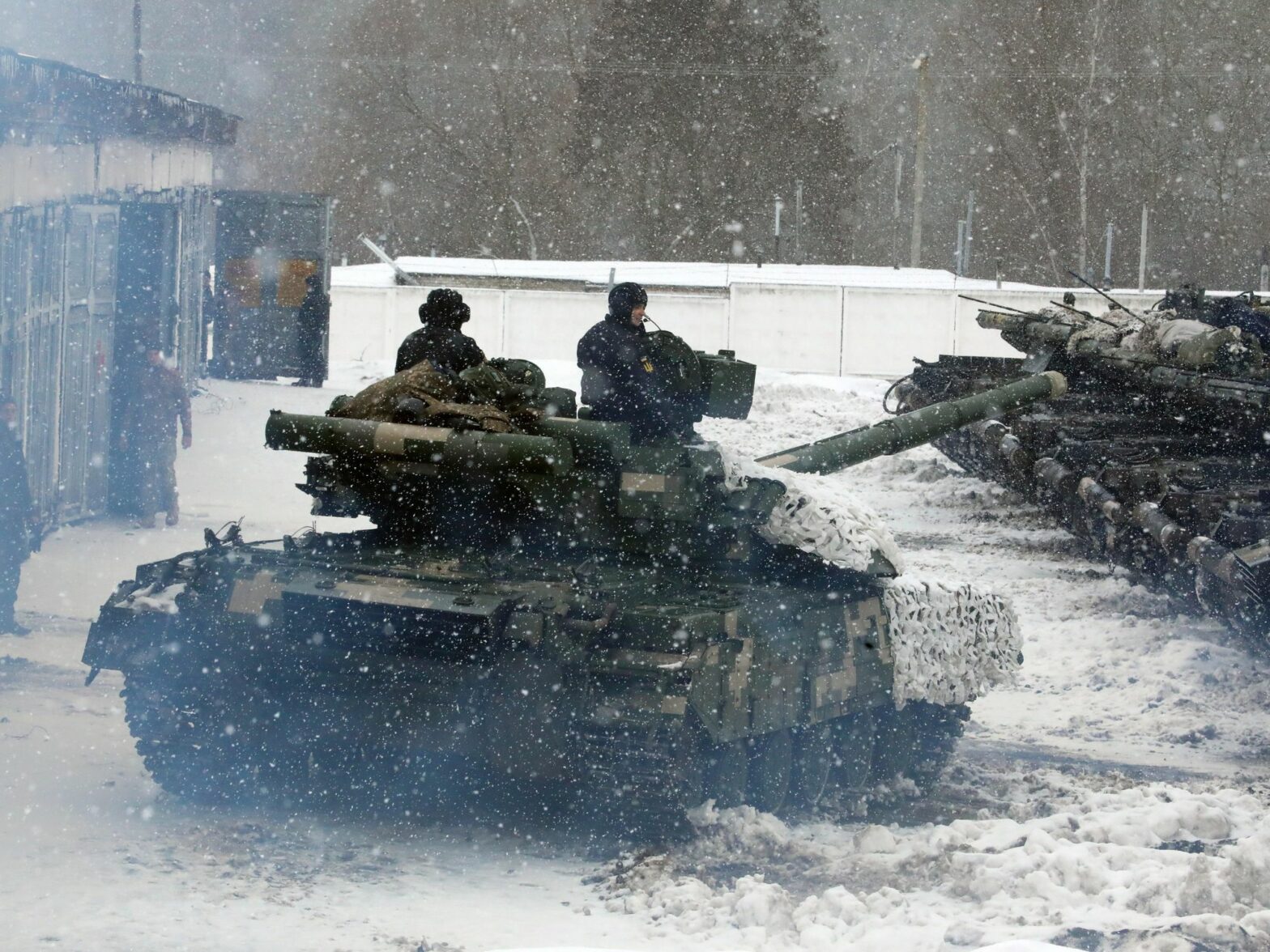
Few see reason right now for holiday optimism, though Christmas ceasefires have happened multiple times since the conflict in Donbas started in 2014. A new call by religious leaders has raised hope for at least a pause in the fighting.
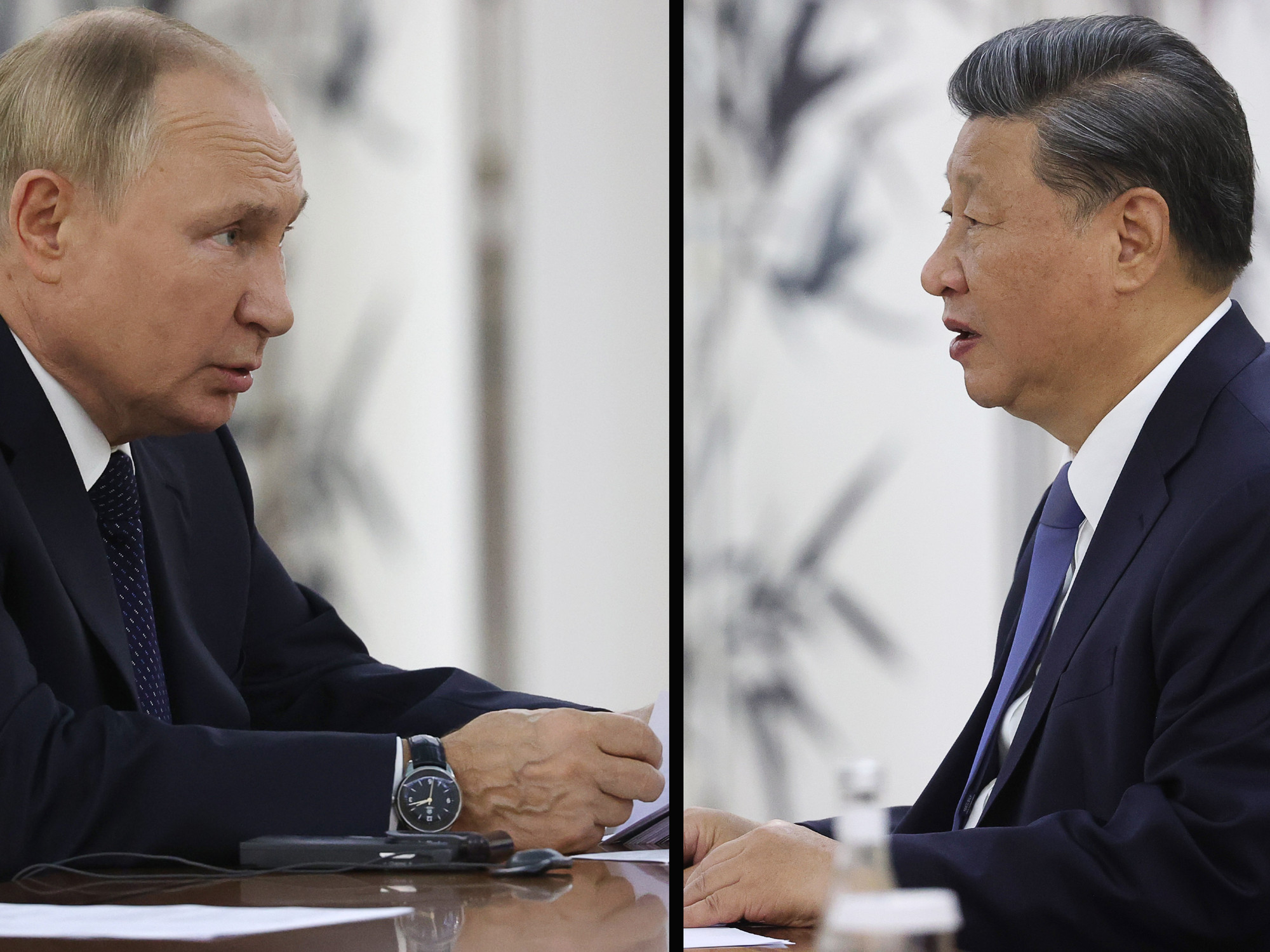
Russian President Vladimir Putin and Chinese leader Xi Jinping met on Thursday at a summit in Uzbekistan, their first face-to-face encounter since Russia’s Feb. 24 invasion of Ukraine. Stay up-to-date with the latest on the Russia-Ukraine war, with our exclusive international coverage. Sign up to our free daily newsletter. The meeting comes as Russia is […]
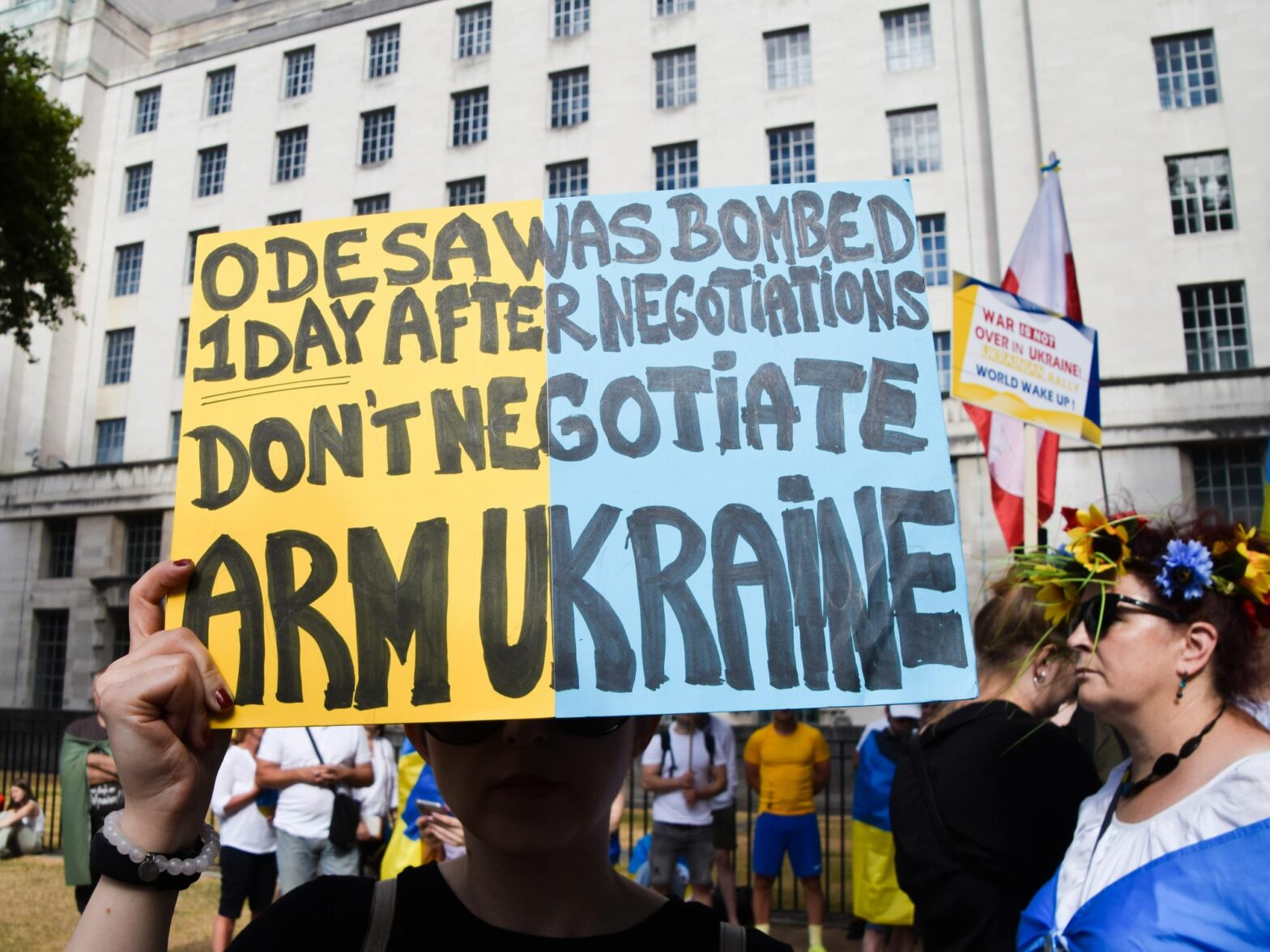
The longer the war in Ukraine continues, the louder calls will grow for a ceasefire . Stockholm-based analysts explain how the West can reach a viable deal on this: primarily by avoiding strategic mistakes from last time following the annexation of Crimea.
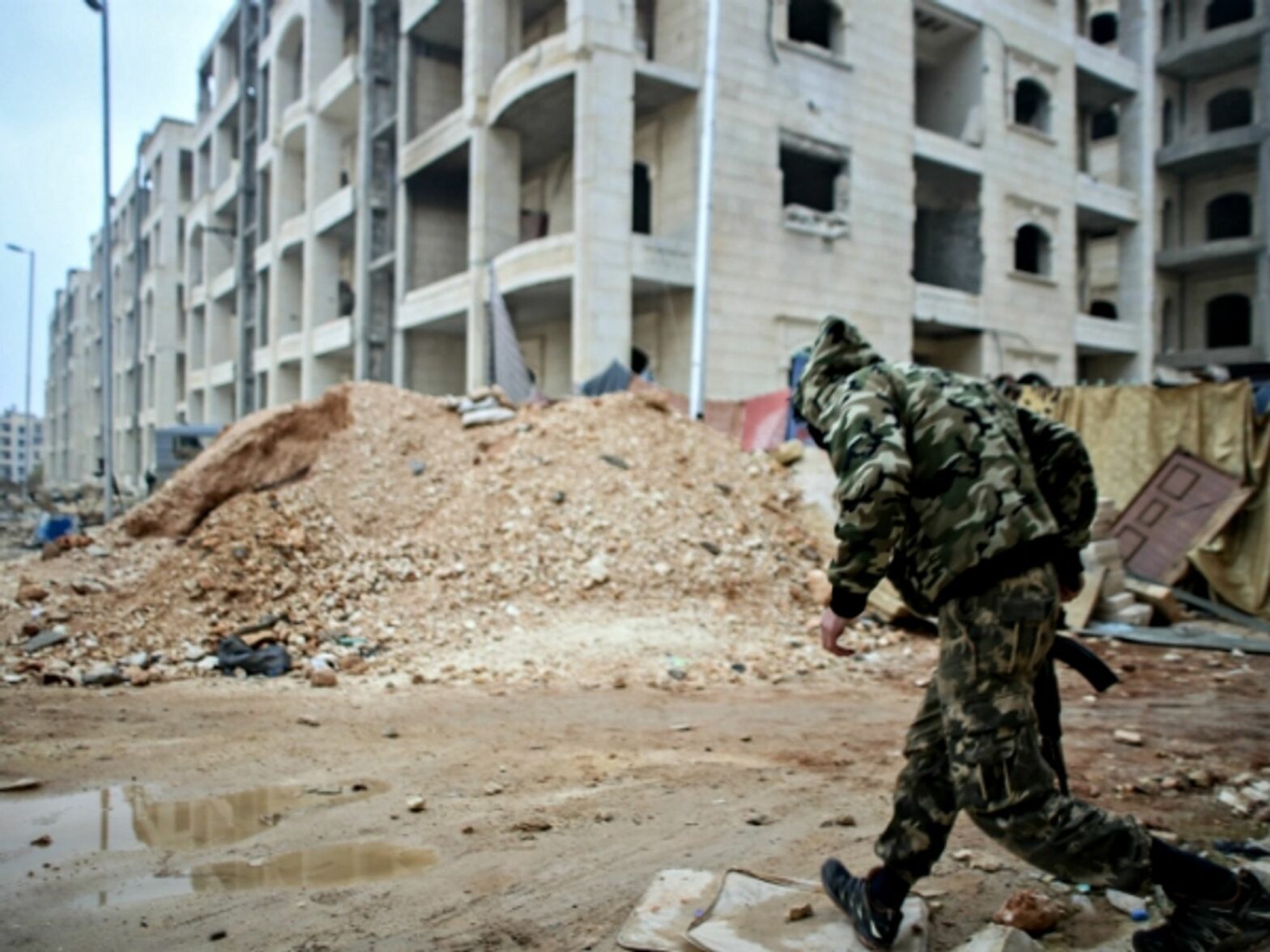
This Aleppo neighborhood divides government and rebel forces, and the only things the two sides exchange are hostages and dead bodies.