
-Analysis-
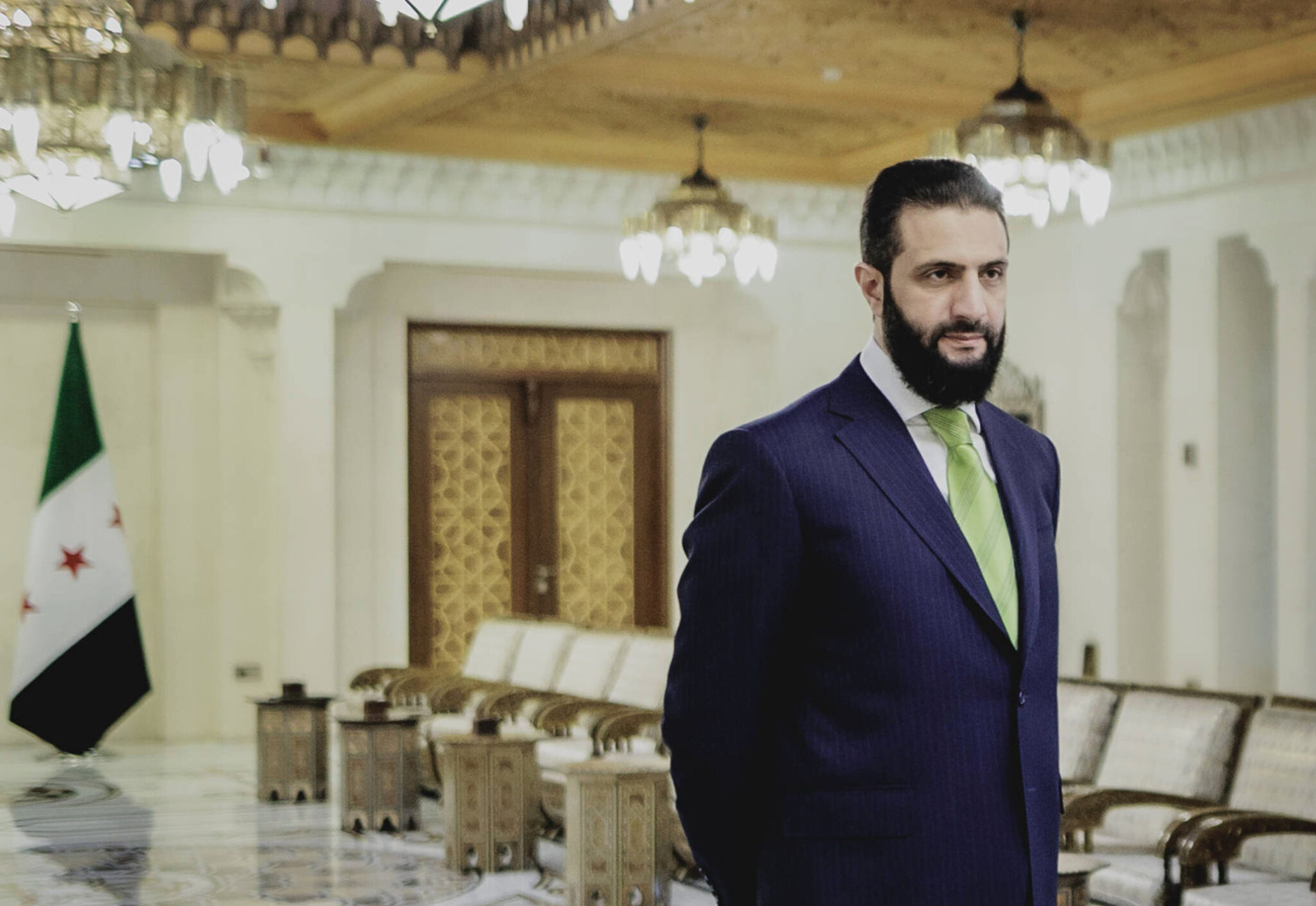
PARIS — Ahmed al-Sharaa, the leader of the Syrian transition, is marking several firsts with his visit to the United States. It is the first time a Syrian president has visited Washington since the country gained independence in 1946. But above all, it is the first time that a former member of al-Qaeda has been officially invited to the White House, which is no small matter 24 years after September 11.
This may be the boldest diplomatic move of Donald Trump’s presidency, one that shows a level of subtlety rarely associated with his administration. Stabilizing Syria has become a major regional and global concern, nearly a year after the fall of the Assad regime, father and son, and after 13 years of a devastating civil war with multiple ramifications.
Seen from Washington, this is highly improbable rapprochement. When al-Sharaa seized power in Damascus on December 8, 2024 in a capital abandoned by Bashar al-Assad, the world was left wondering about this man with a jihadist past. His movement, Hayat Tahrir al-Sham, was once affiliated with Al Qaeda, a link he formally severed in 2016.
It was only last week, at Washington’s request, that the UN Security Council lifted the remaining sanctions against him.
While some Republicans and Israel are wary of the Syrian leader because of his jihadist past, Trump’s Saudi friends have encouraged him to adopt a more conciliatory attitude. They were the ones who organized the first meeting between Trump and Al-Sharaa during the U.S. president’s tour of the Gulf at the beginning of his term. And the United States decided to support him, cautiously at first, but now more openly.
Multiple messages
Two decisions are expected during the visit. First, Syria’s official joining of the anti-ISIS coalition, which includes some 30 Arab and Western states. The Syrian army has already carried out dozens of operations against the Islamic State’s worrying attempt to rebuild a stronghold on Syrian soil, eight years after the fall of the capital of its caliphate, in Raqqa.
A message sent to Israel, which has treated Syrian territory as an open military zone.
The second decision is even more significant: it would be the establishment of a U.S. base near Damascus airport, a very important political gesture.
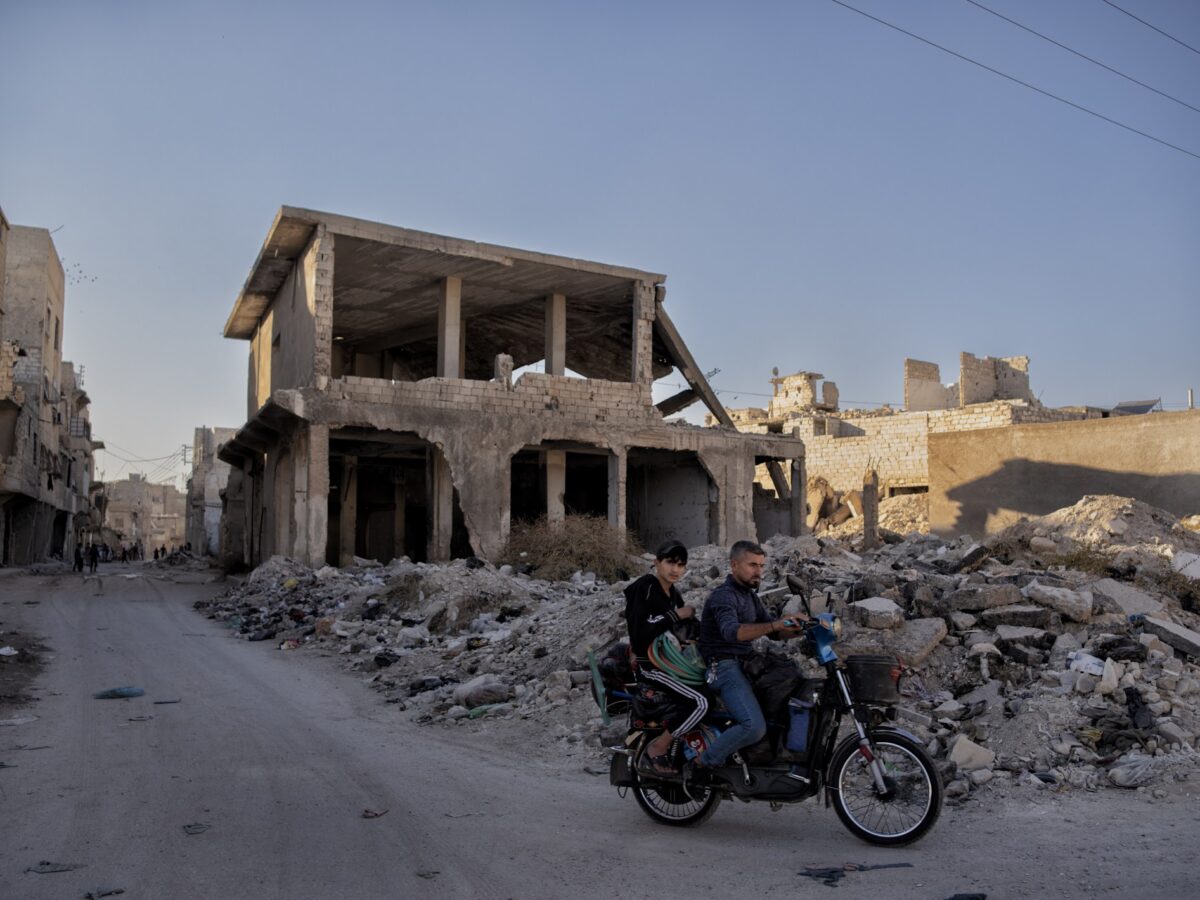
This decision sends multiple messages — to neighboring Israel, which over the past year has treated Syrian territory as an open military zone, striking at will and intervening on behalf of Druze and Bedouin minorities; but also to Turkey’s President Recep Tayyip Erdogan, whose neo-Ottoman ambitions in Syria have grown after having helped al-Sharaa’s rebel forces to victory last year.
The United States is now positioning itself as the guarantor of Syria’s fragile new equilibrium. It will require considerable tact to avoid new rifts, for instance between U.S.-backed Kurdish forces and Damascus, or when minorities such as the Druze come under attack.
Al-Sharaa’s visit to Washington marks the consolidation of a new Sunni order in the Middle East, inspired by Saudi Arabia, and at the expense of Iranian influence. It also places a limit on the Israeli hegemony that Prime Minister Benjamin Netanyahu has been dreaming of after his military successes over the past two years. This is undoubtedly a turning point in this “new Middle East,” which is transforming before our eyes.