There’s the obvious stops. And then there’s the off-the-beaten path venues and activities — all recommended by an Istanbulite travel journalist!
 Worldcrunch
Stay updated with comprehensive news on Turkey from Worldcrunch. Discover insights on Turkish politics, economic strategies, societal issues, and cultural landmarks with translations from top international sources. Highlights include Istanbul, Turkish history, and cultural events.
There’s the obvious stops. And then there’s the off-the-beaten path venues and activities — all recommended by an Istanbulite travel journalist!
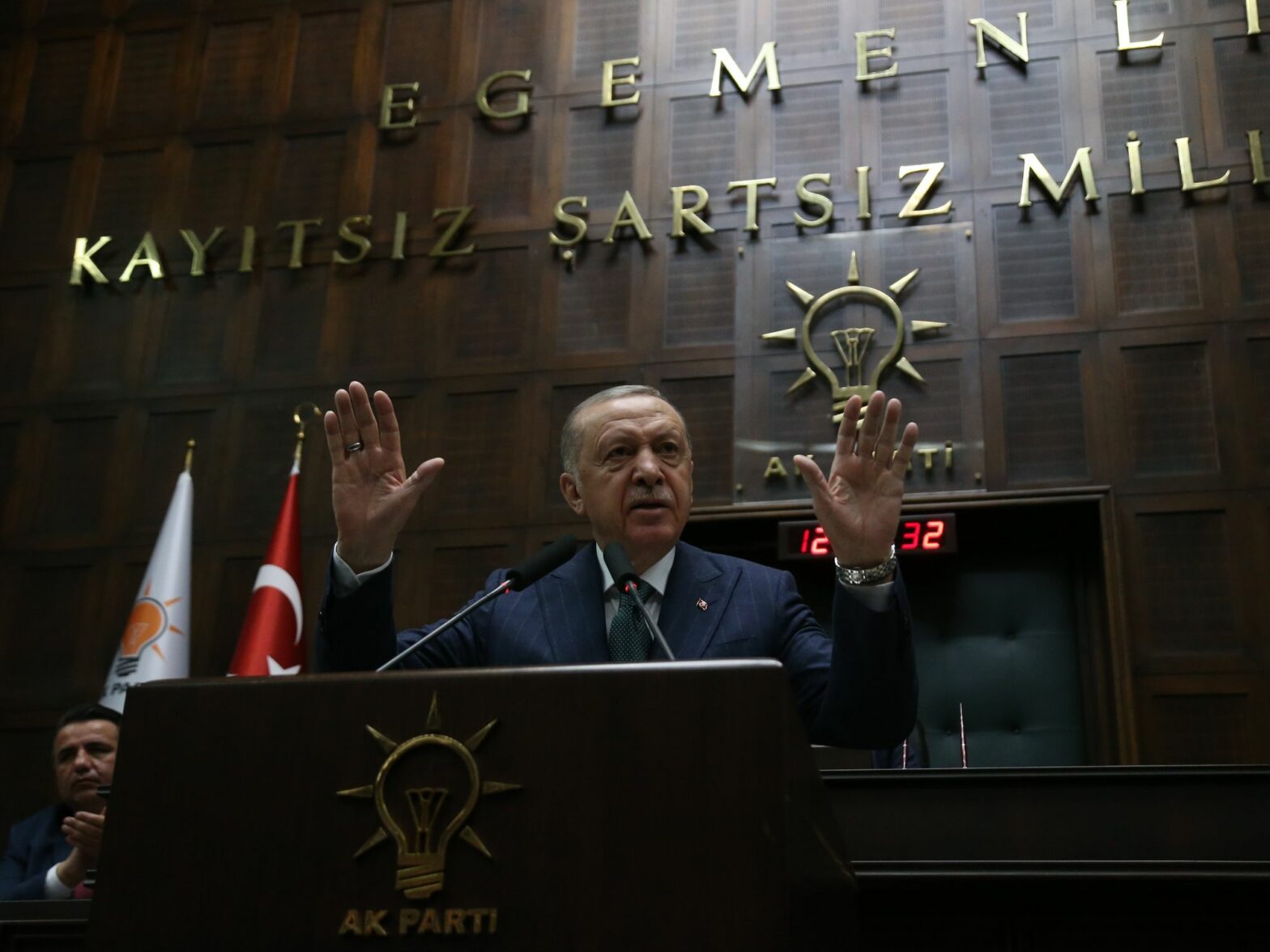
After its defeat in municipal elections in March, the ruling party of President Recep Tayyip Erdoğan has reopened a dialogue with the main opposition party after years of ruling by sheer political power. This has been touted as normalization of the Turkish political system. But there’s still much work to be done, and trust to be regained.
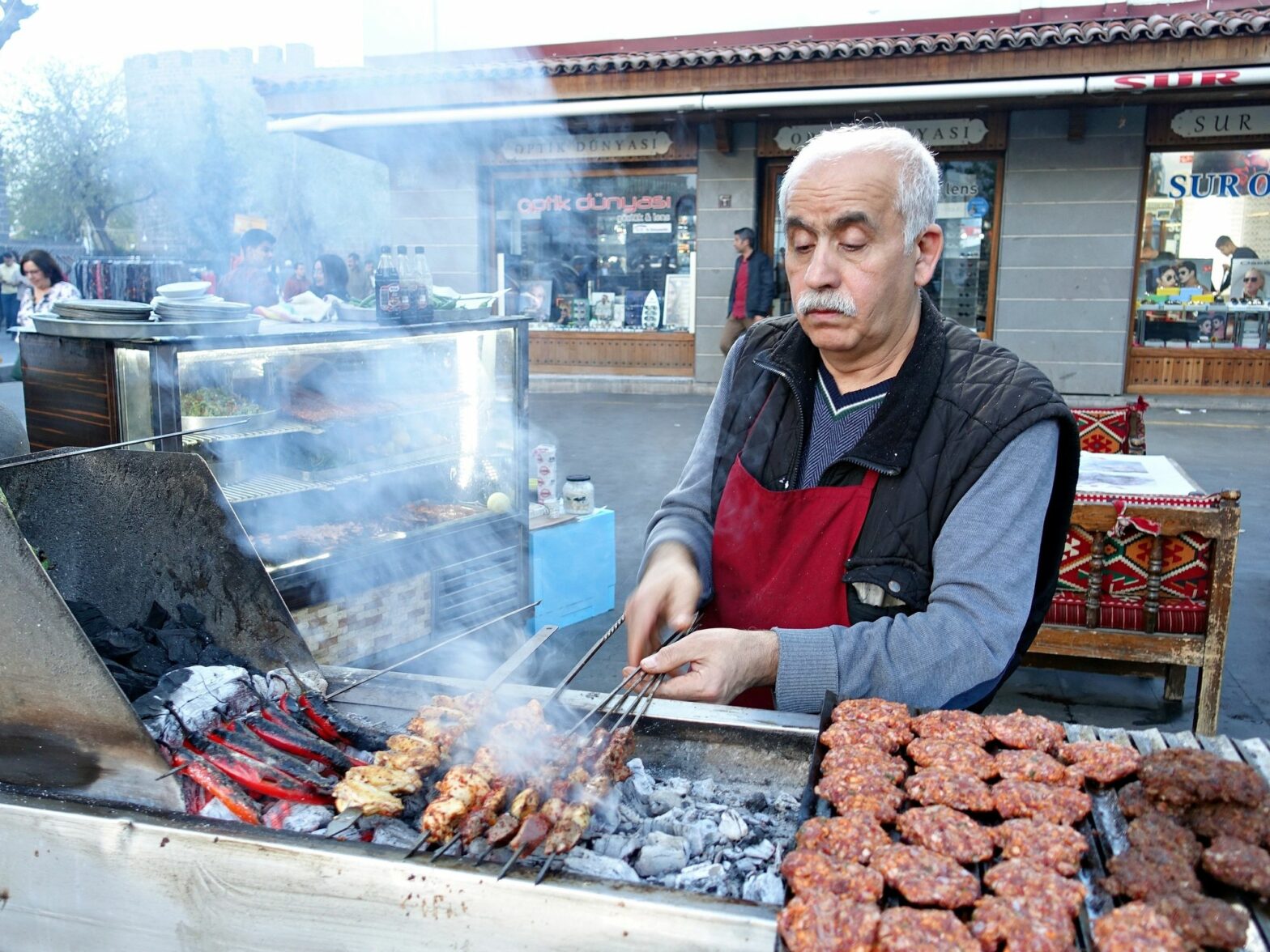
Shish kebab is the heart of Turkish cuisine. Similar ways of cooking meat exist throughout the world, with differing methods in the East and the West, but Turkey’s classic recipe is what makes culinary expert Oğul Türkkan remember his childhood.
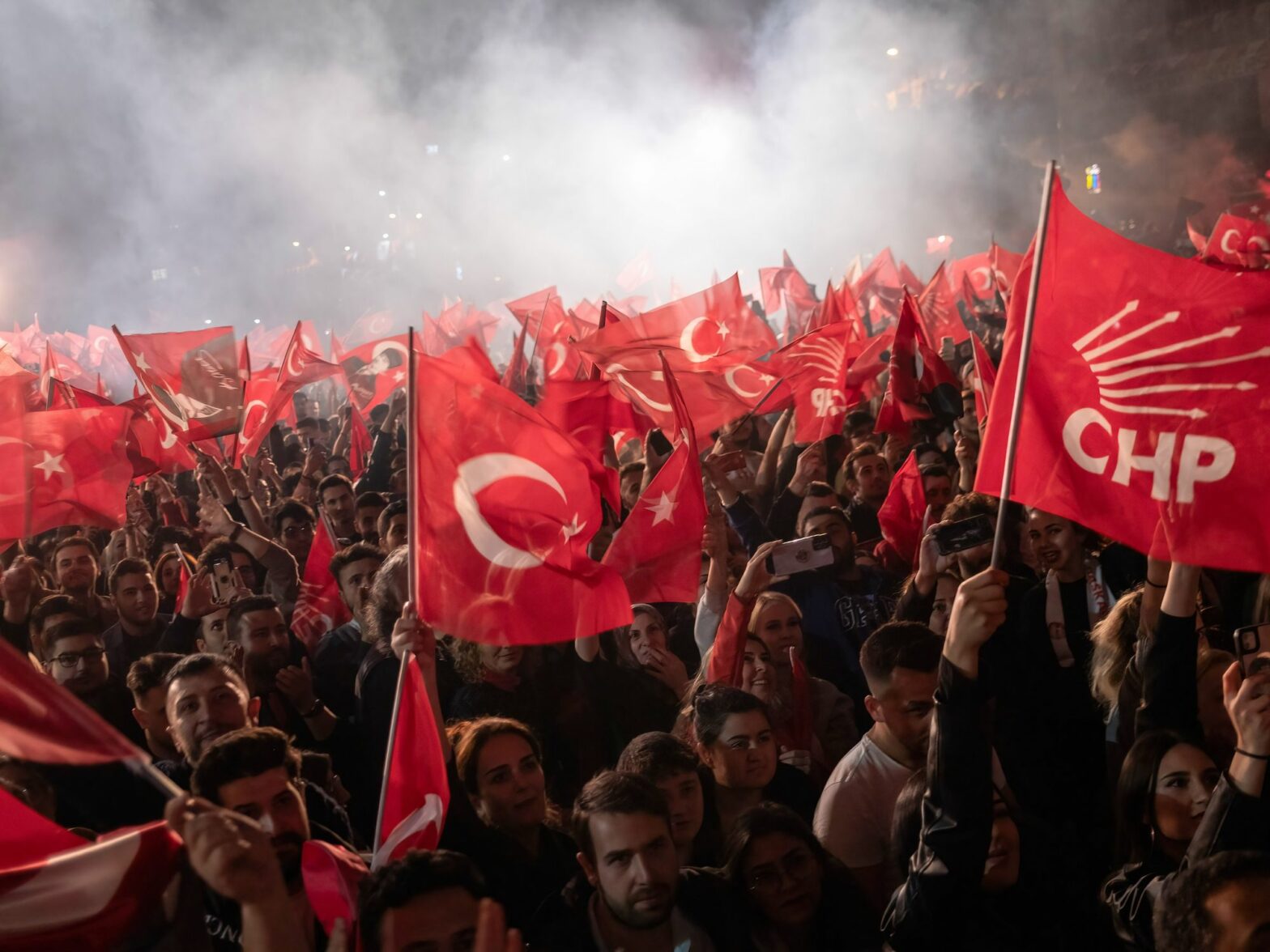
Following his AKP party’s resounding defeat in the March local elections, Turkish President Erdogan called the results a “turning point”. But will he — and country’s political landscape — really change?
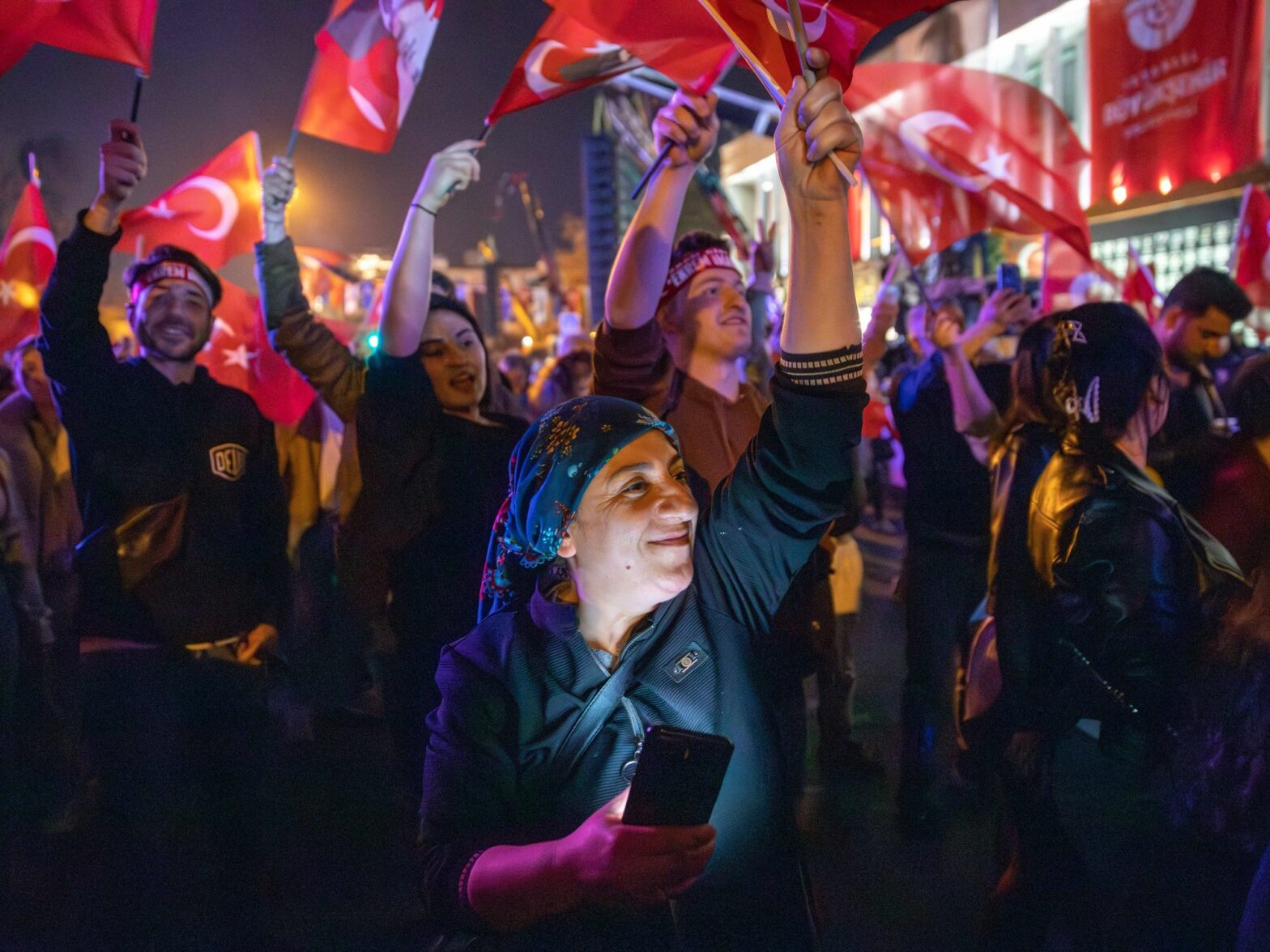
Turkey has more than a century of democracy and elections, and a bonafide opposition, which stands out from recent Russian and Iranian votes. We see it again in the victory in Sunday’s victory for Istanbul Mayor of the opposition party. Still, the increasingly authoritarian Turkish regime risks sliding toward a point of new return with its assault on rights and freedoms.
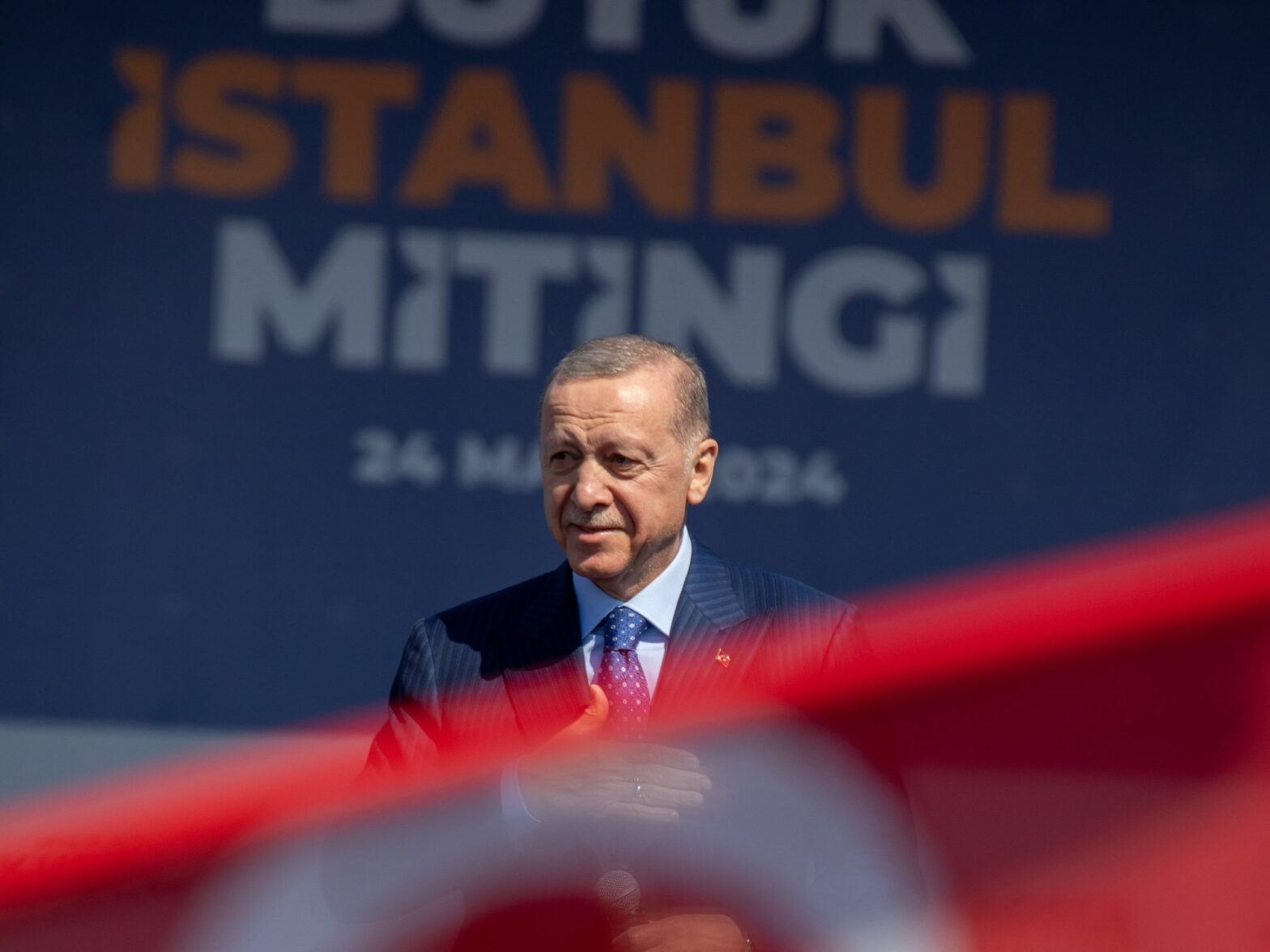
Former mayor of Istanbul, Erdogan had once theorized that a victory in the capital meant an easier path to a national victory. Following this theory, having lost by ten points to the Republican People’s Party means an even tougher defeat for the 70-year-old president. Is this the beginning of the end?
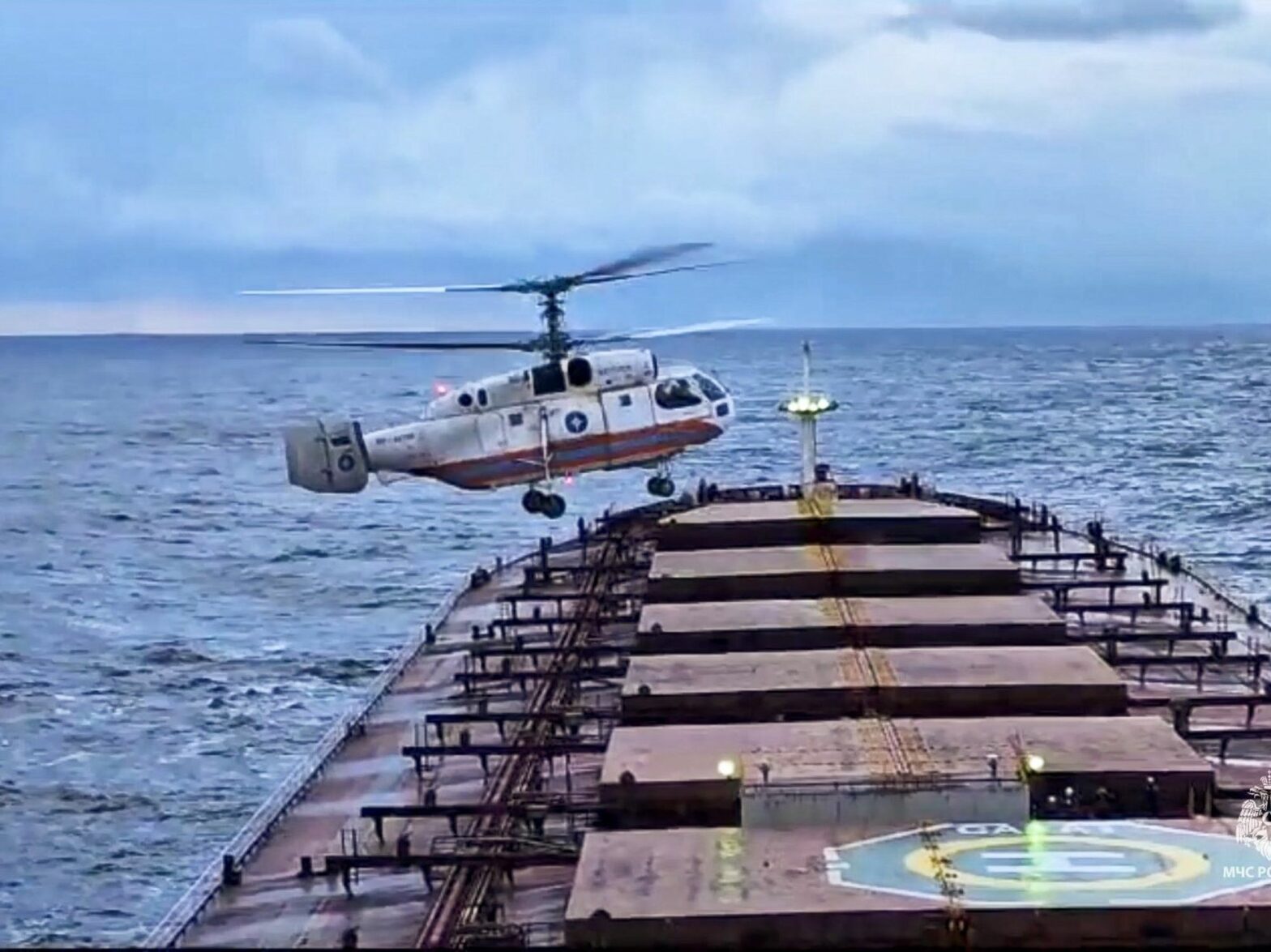
Since the start of the war in Ukraine, NATO has drastically upgraded its focus on the Black Sea. A visit to the Romanian air base that NATO uses as a base to monitor its southeastern flank, and the open questions even among allies.
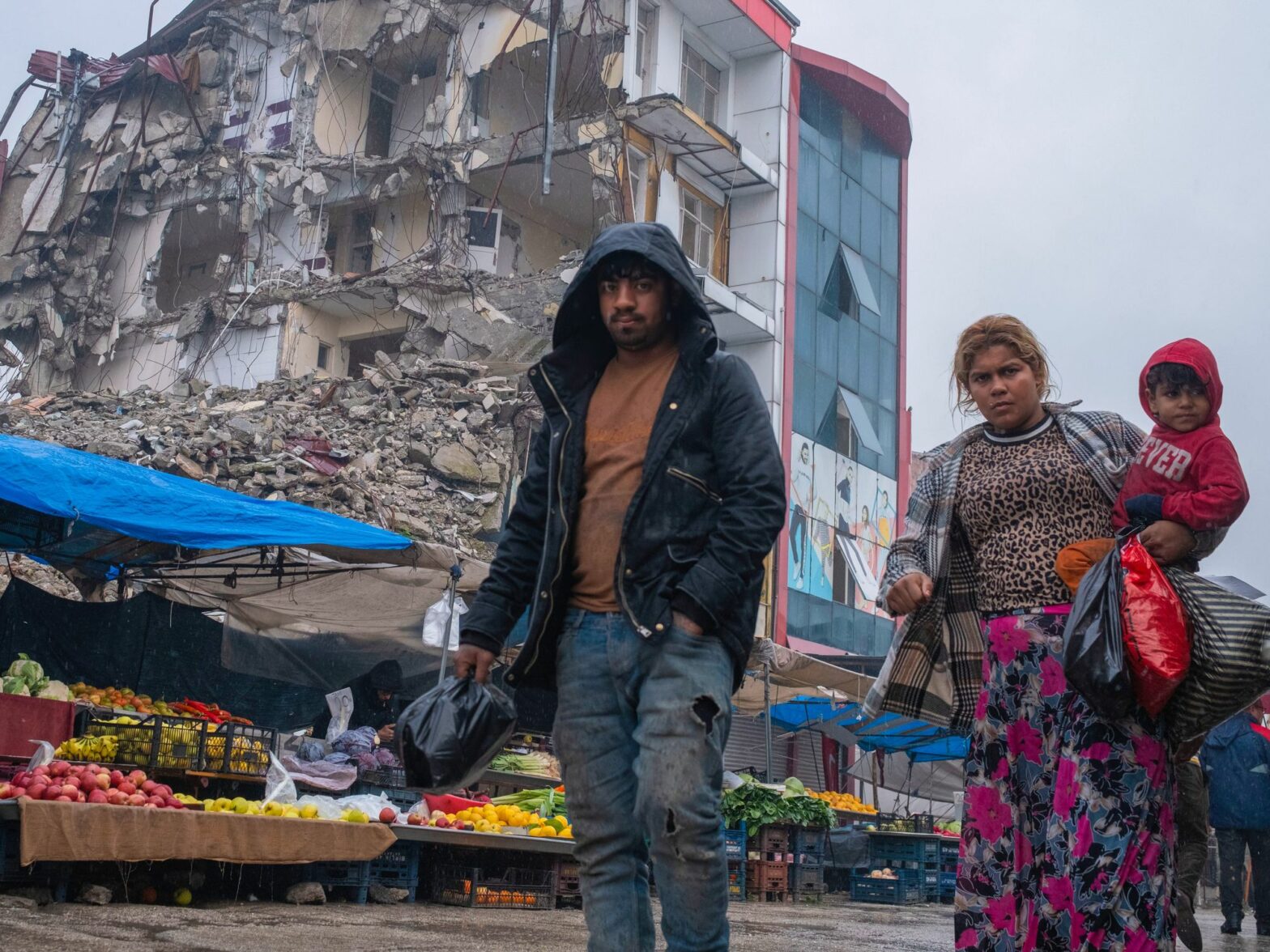
A year has passed since the Feb. 6 earthquake that shook Turkey, affecting more than 13 million people. Some are still looking for their missing relatives, living in containers, struggling to cope every day — and wondering when the government’s promises of support will be realized.
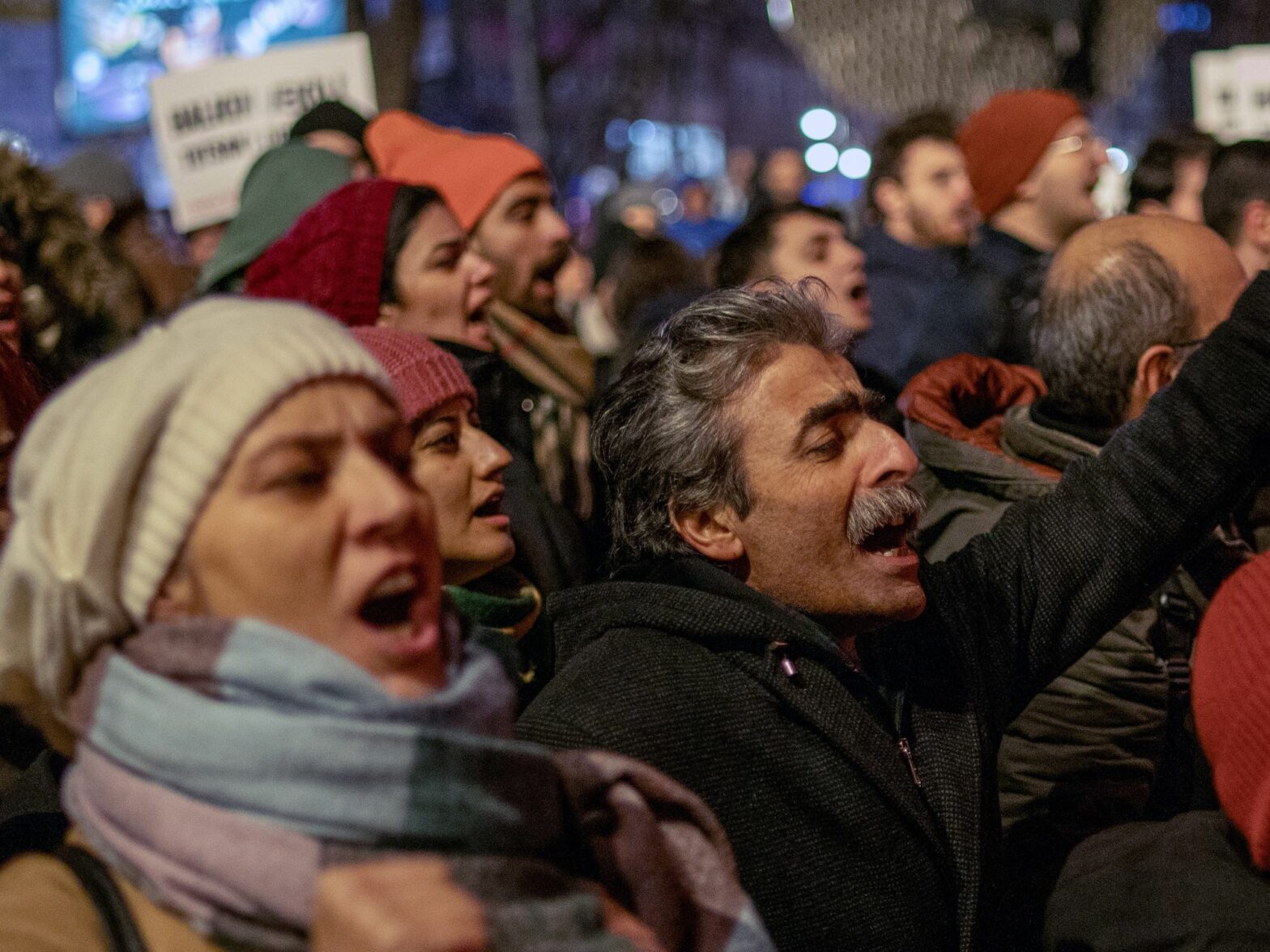
As nearly half of the world prepares to vote in elections this year, Turkish journalist and author Ece Temelkuran warns, in the Istanbul-based weekly Oksijen, that many countries are following Turkey’s path from democracy to dictatorship.
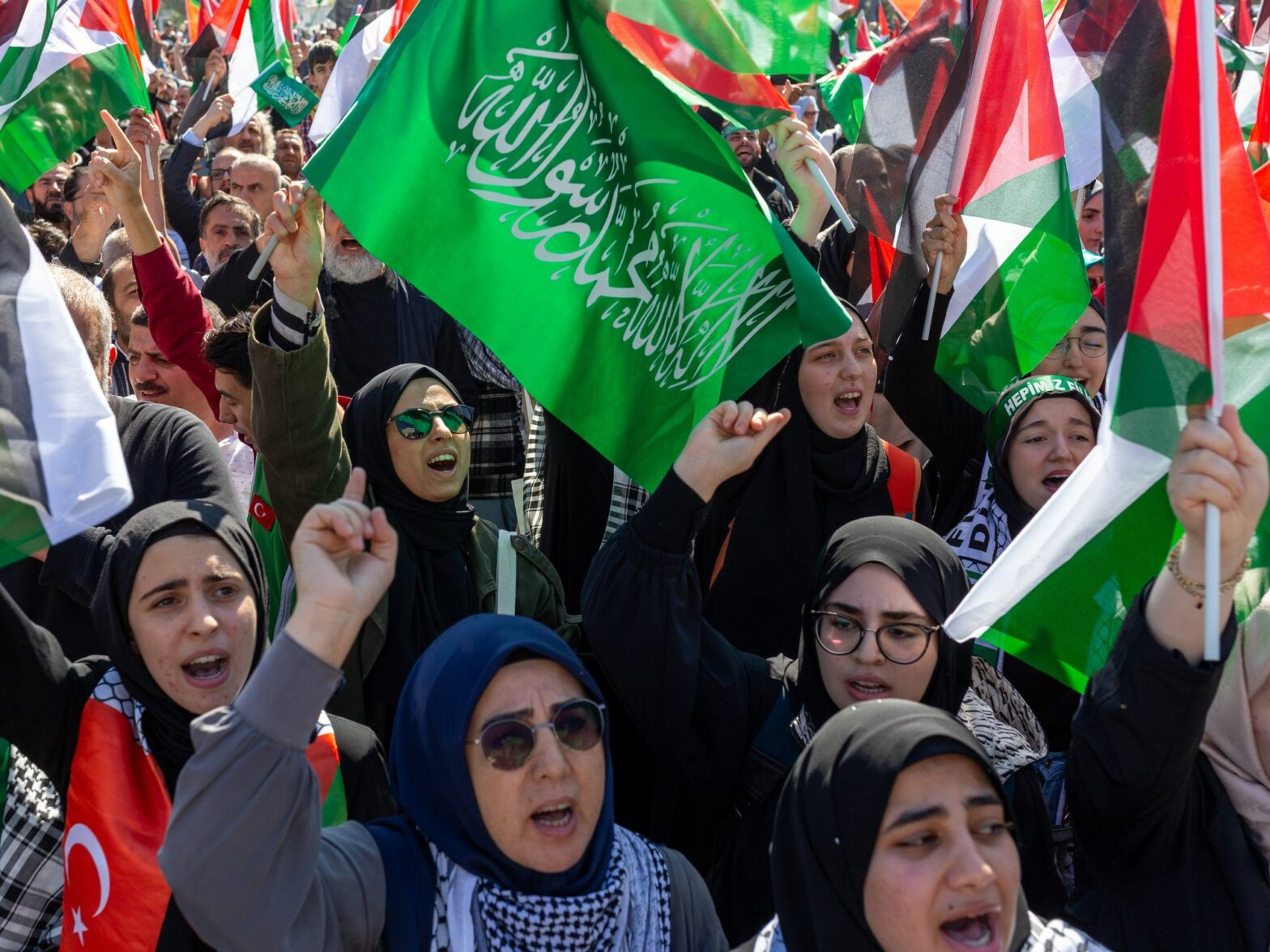
As Israel ramps up its attacks on Gaza, and support from the West continues, ordinary people in Turkey are falling into the trap of seeing the world as an inevitable showdown between East and West.
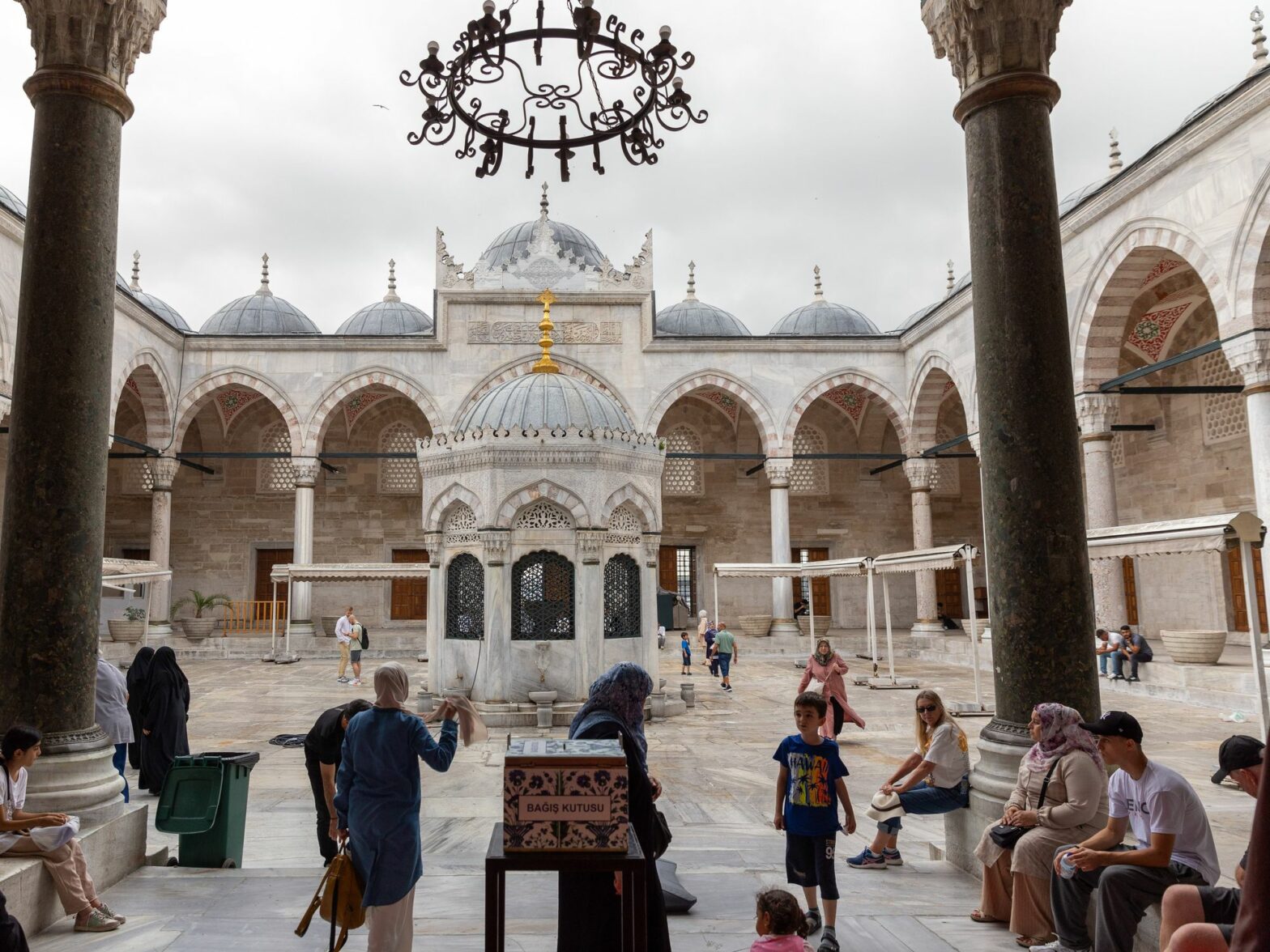
Before the outbreak of the Hamas-Israel war, a social media campaign in Turkey aimed to take on anti-Arab and anti-refugee sentiment. But the campaign ultimately just swapped one type of discrimination for another.
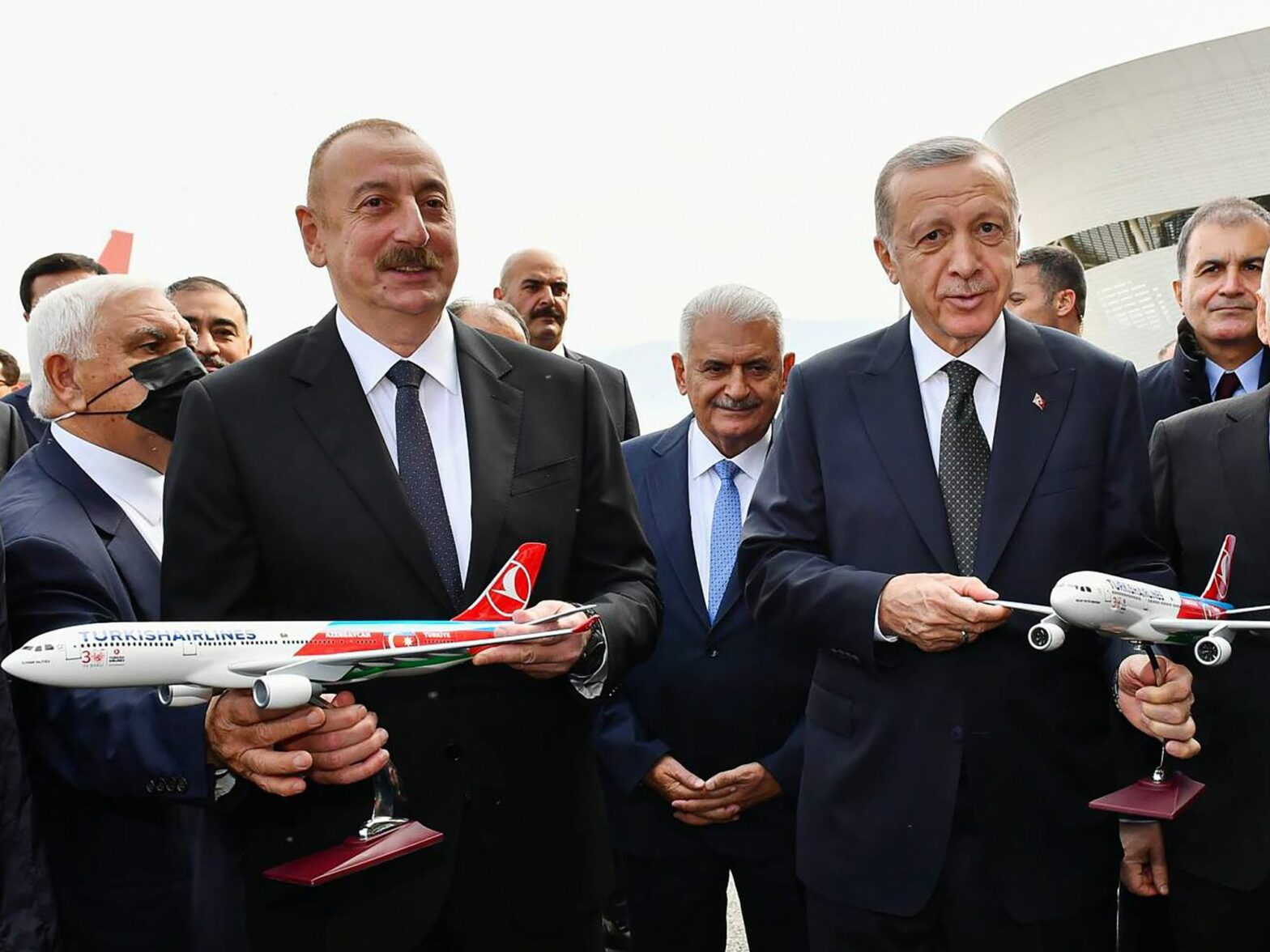
In the last 20 years, Turkish Airlines’ rapid development has shocked its competitors. The carrier is generating substantial profits, while serving the interests of the Turkish state.
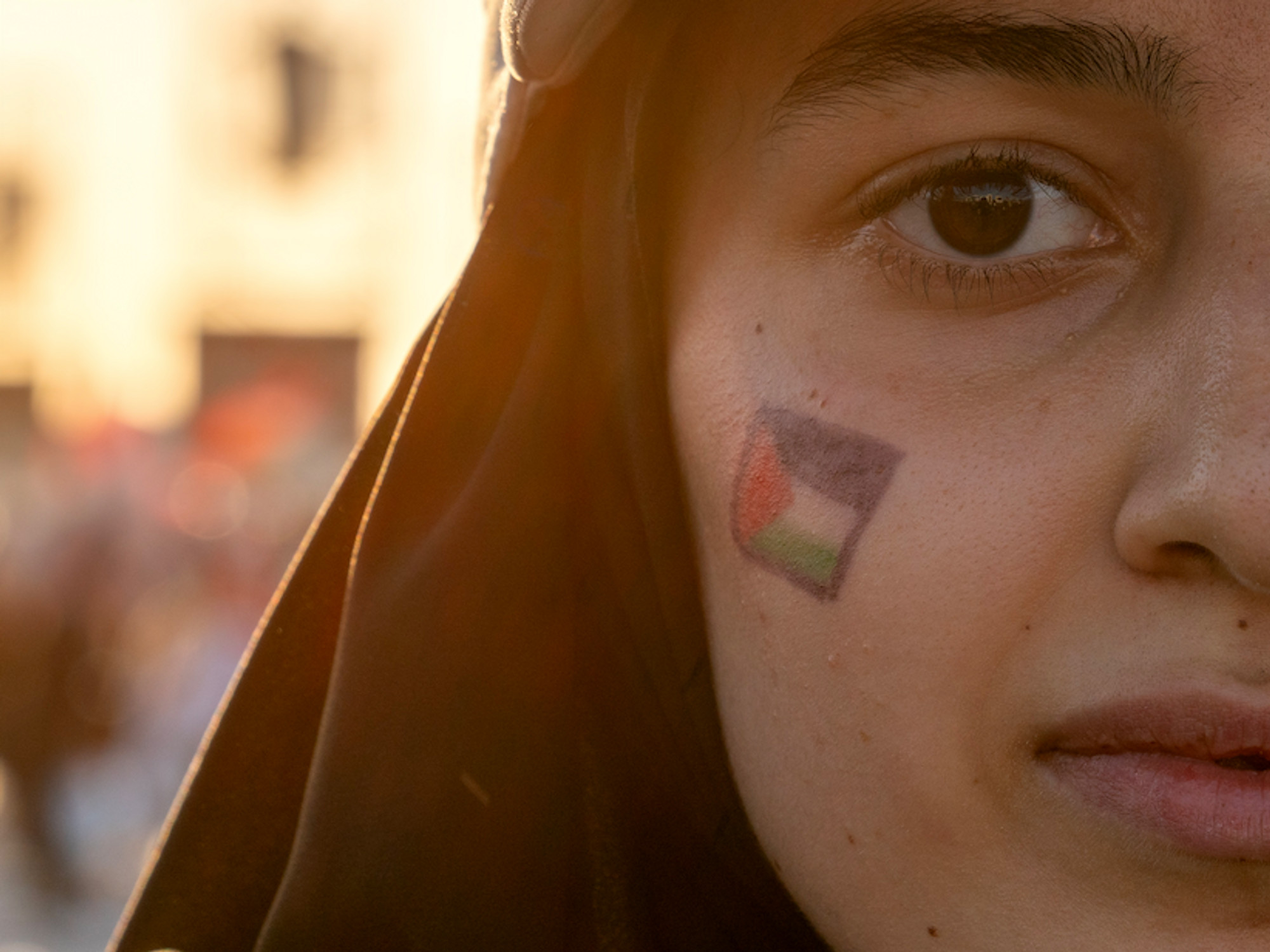
Palestinians are suffering under the Israeli regime and relentless bombardment of Gaza, yet the Western world, also known to be the “civilized” world, continues to support Israel. Turkey’s complex relationship with Islamic and Middle Eastern countries as well as with the West brings back the most fundamental questions about the past and future.
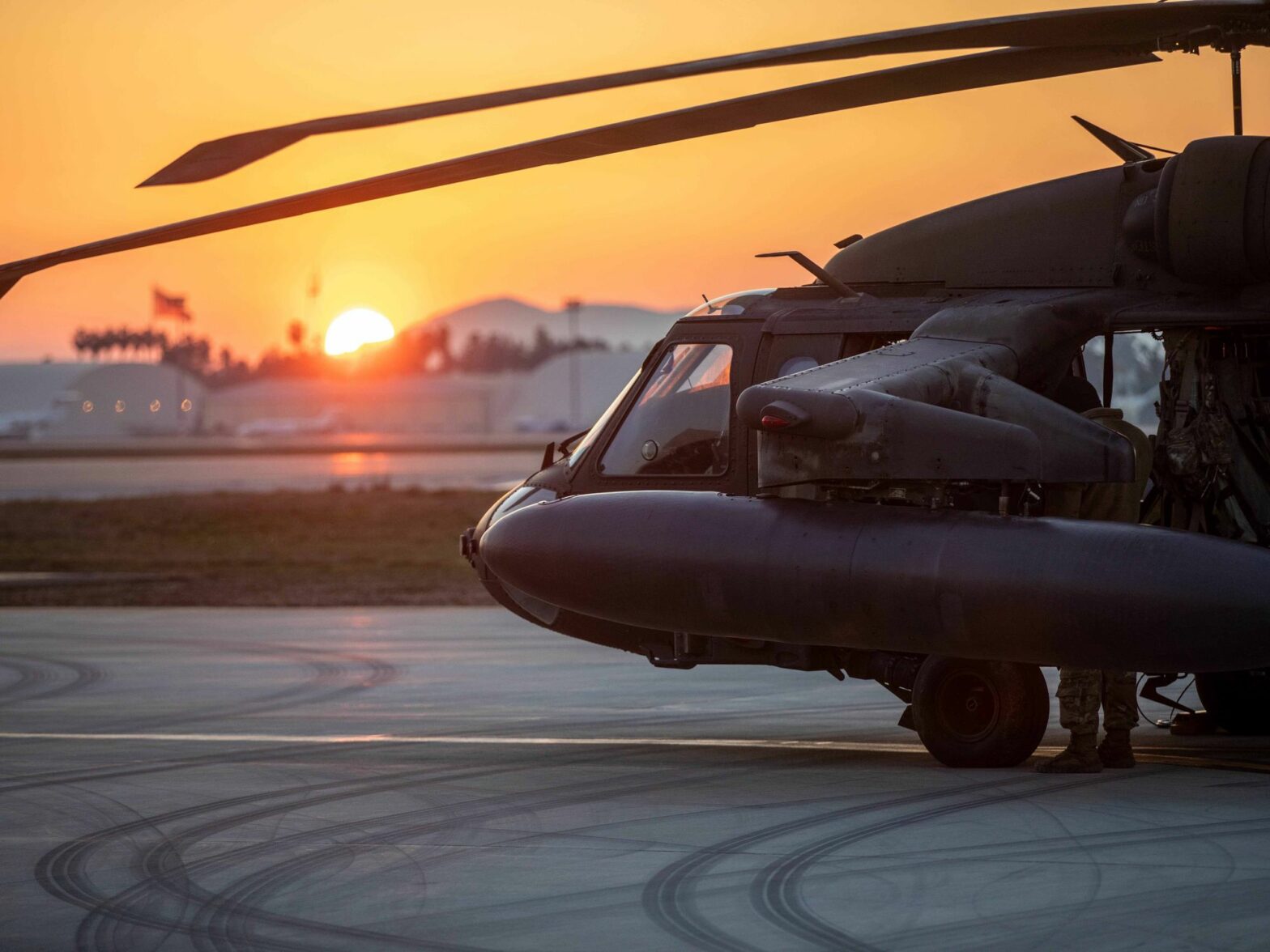
It was a wakeup call for some: pro-Palestinian demonstrators in Turkey tried to storm the U.S. base Incirlik where nuclear weapons have long been stationed. There is more discussion than ever about whether the NATO partner is still a trustworthy military ally with such potent weapons within reach.
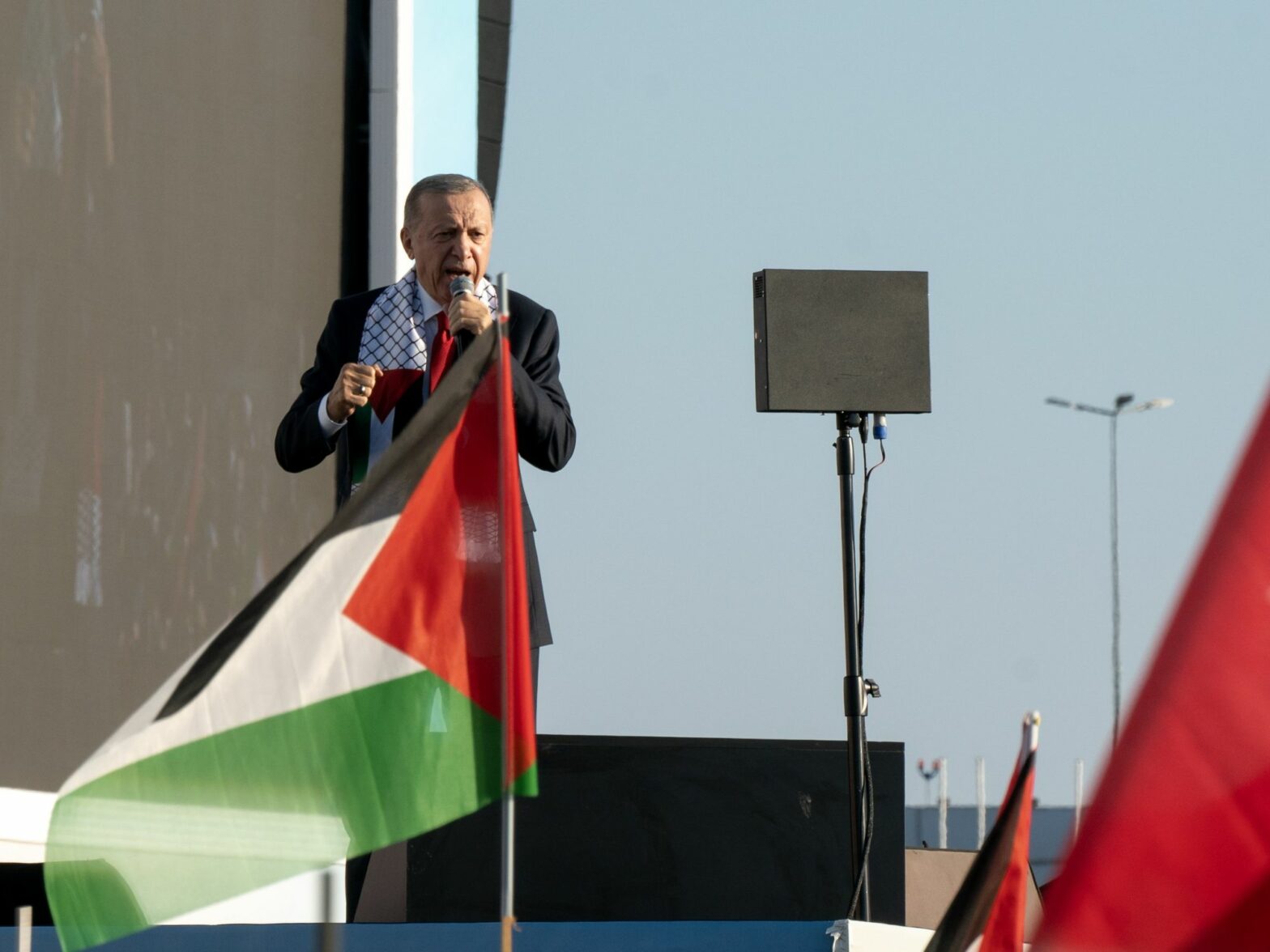
The Turkish president praises the Hamas terrorists as “freedom fighters” and NATO says nothing. This is a snapshot of realpolitik at 360 degrees — starting with Erdogan.
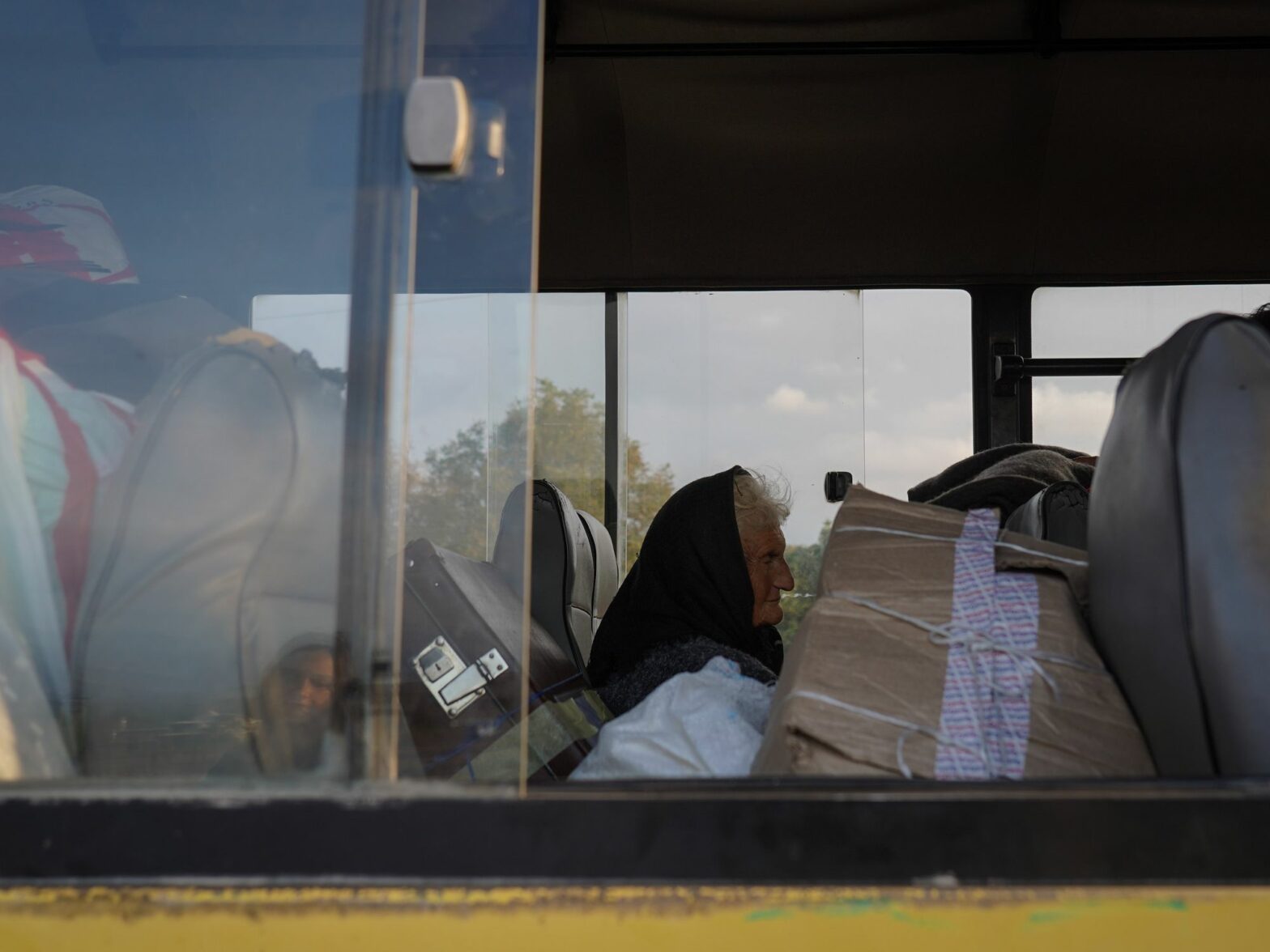
As Armenians from Nagorno-Karabakh are forced to flee their homes, is culture or corruption or something more sinister forcing a people to suffer so greatly a century after a genocide tried to wipe them out?
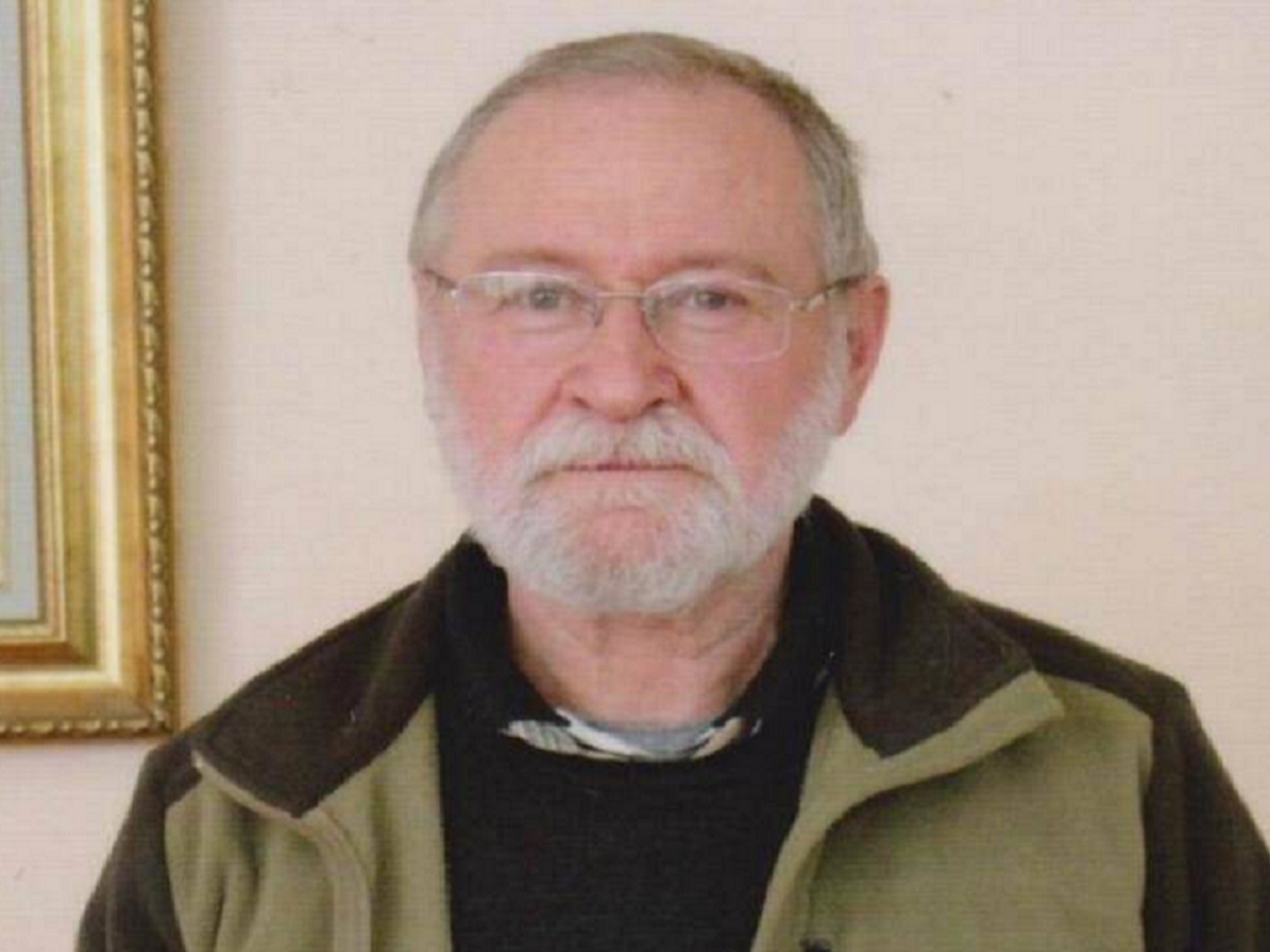
Mehmet Aytunç Altay was finally released last month after being arrested in Istanbul for his political activity in 1993. The world around has changed, even if his convictions stand firm.
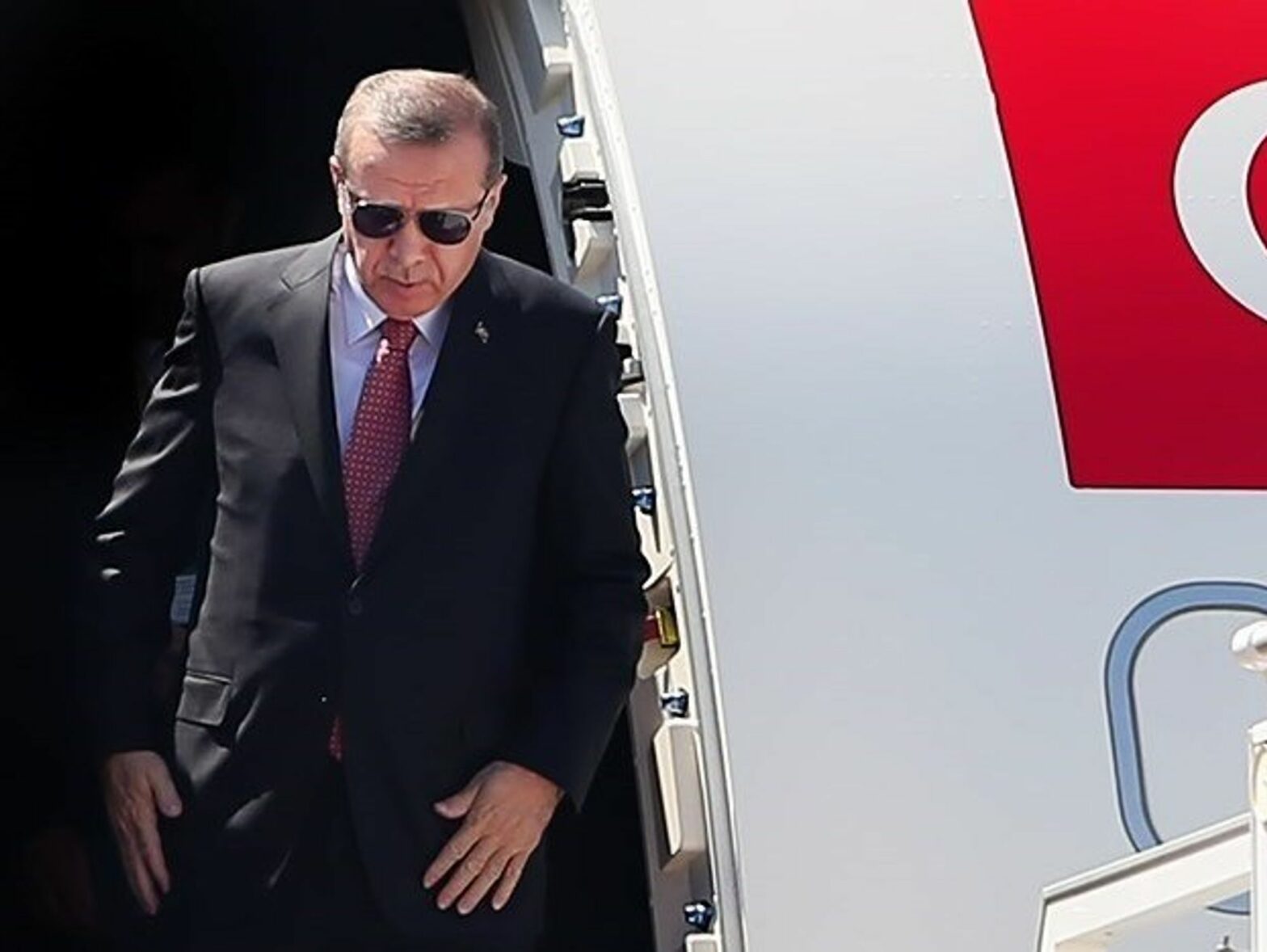
Recep Tayyip Erdogan’s recent tour of Gulf states is proof that the Turkish president aims to repair his country’s diplomatic ties in the region, all the while looking for investment for Ankara’s floundering economy. Quite the reversal of fortunes considering that not so long ago Gulf countries faced accusations of sponsoring the 2016 coup attempt in Turkey.
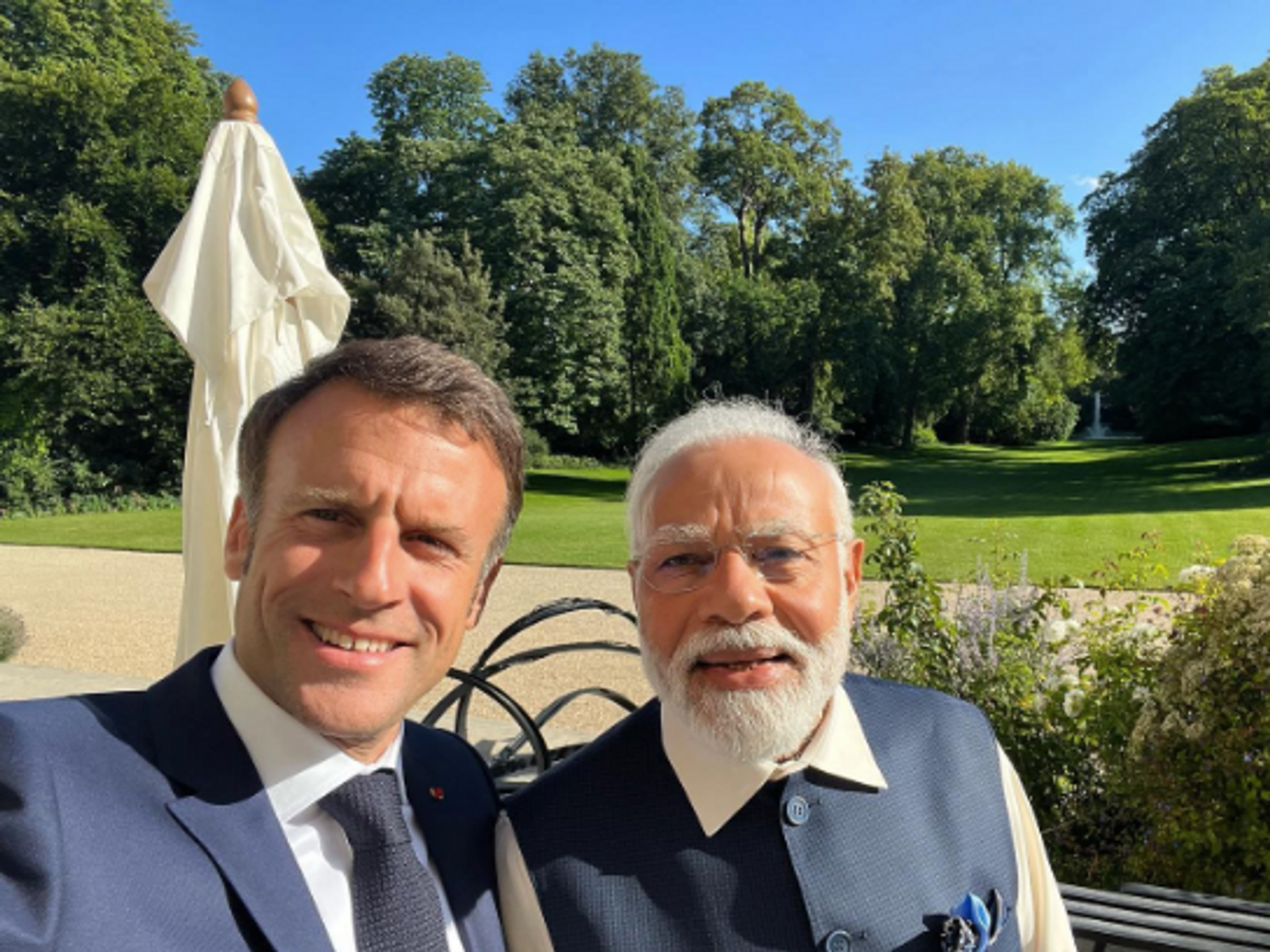
Indian Prime Minister Narendra Modi was received warmly in the U.S. and in France — visits which must have provoked some jealousy in Turkey, where President Recep Tayyip Erdogan, who faces many of the same anti-democratic criticisms as Modi, can’t expect the same kind of red-carpet welcome in Washington.
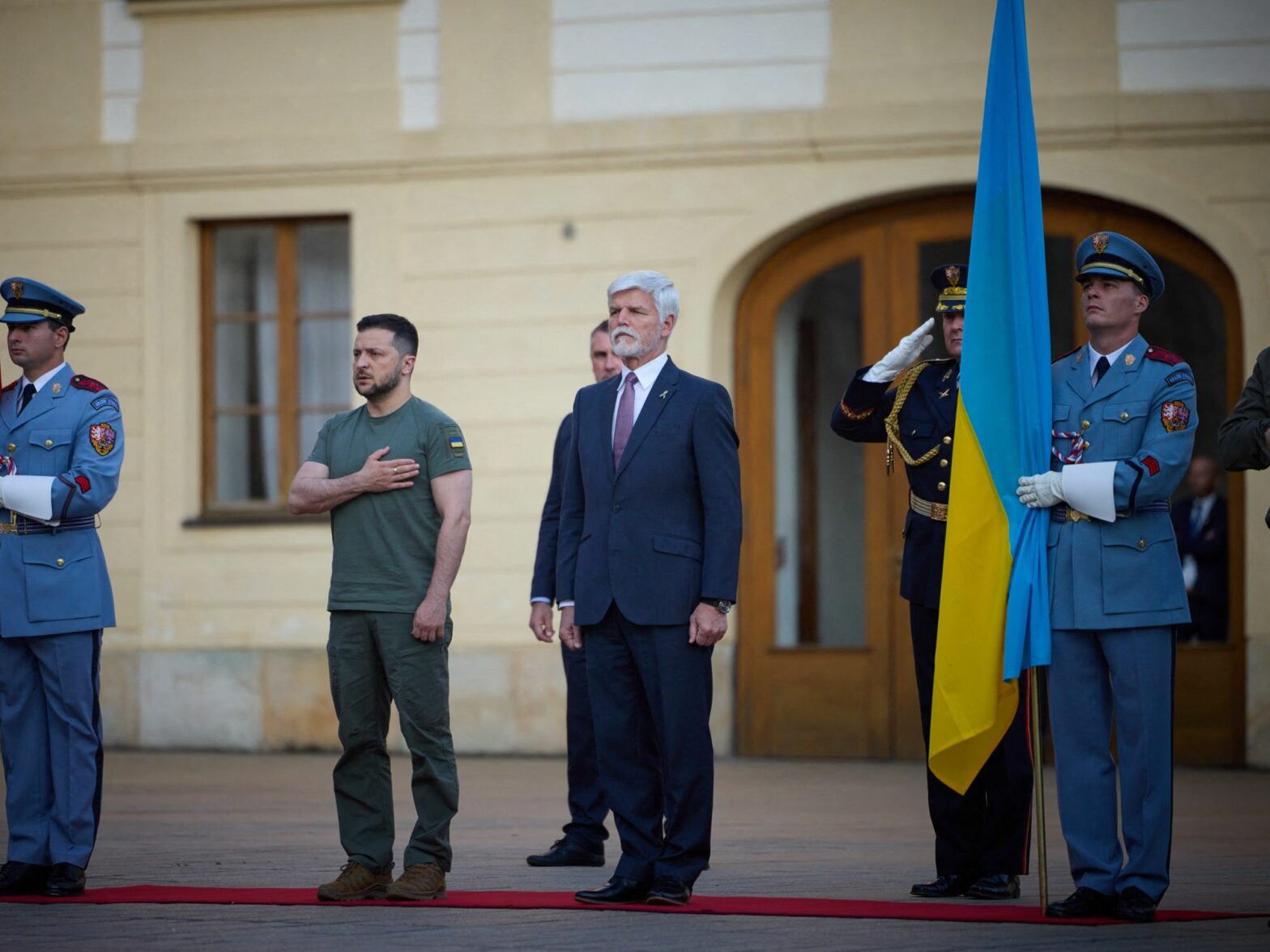
Ahead of the upcoming NATO summit in Vilnius, Ukrainian President Volodymyr Zelensky is on a diplomatic tour of Bulgaria, the Czech Republic, Slovakia and Turkey. Two of those countries, Bulgaria and Turkey, may prove to be particularly important for Ukraine’s future.
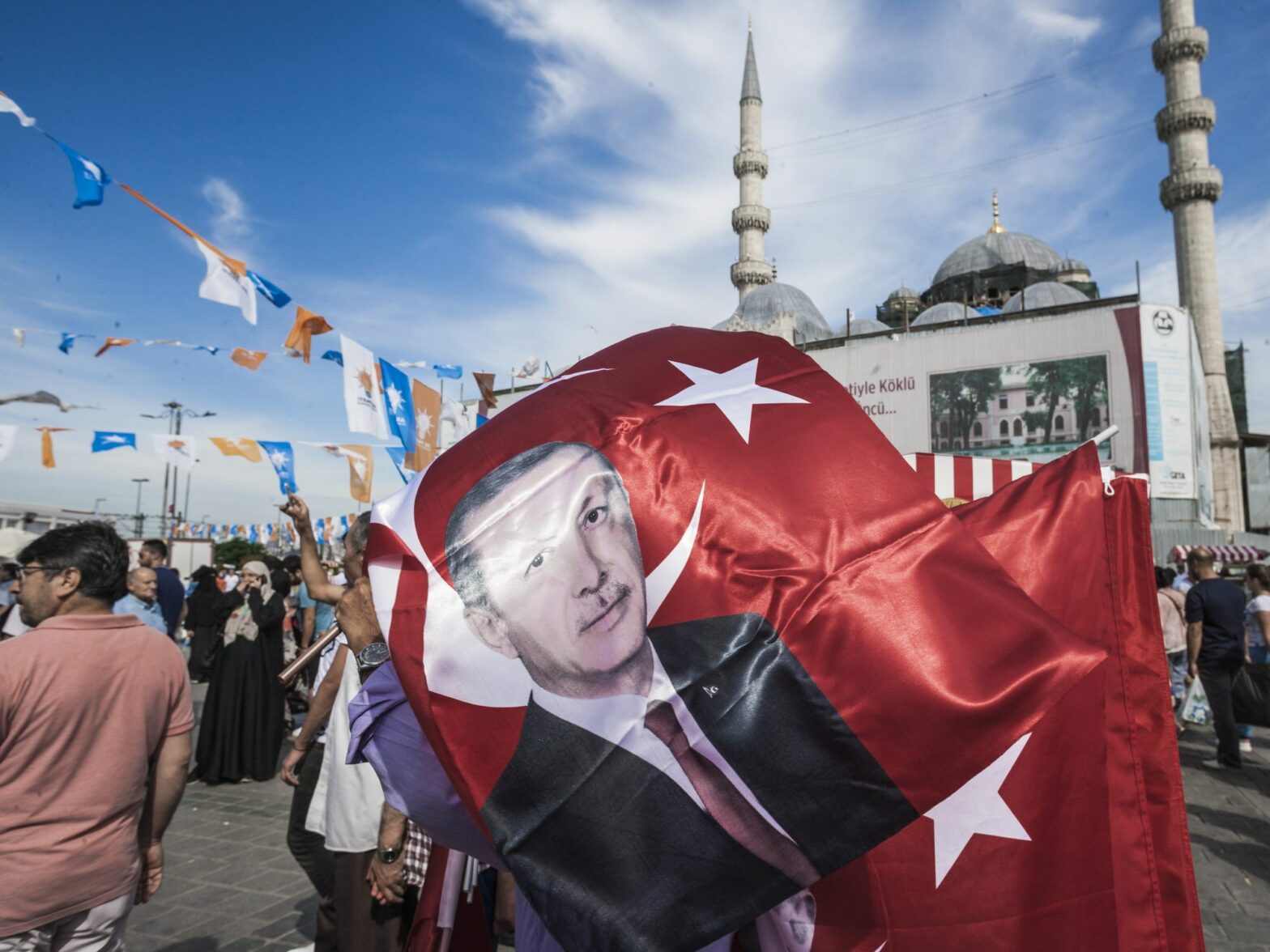
After 60 years waiting for EU membership, Turkey seems no closer to being brought into the fold. The Cypriot question and the countries’ declining democracy are just a few of the points brought up in ongoing discussions.
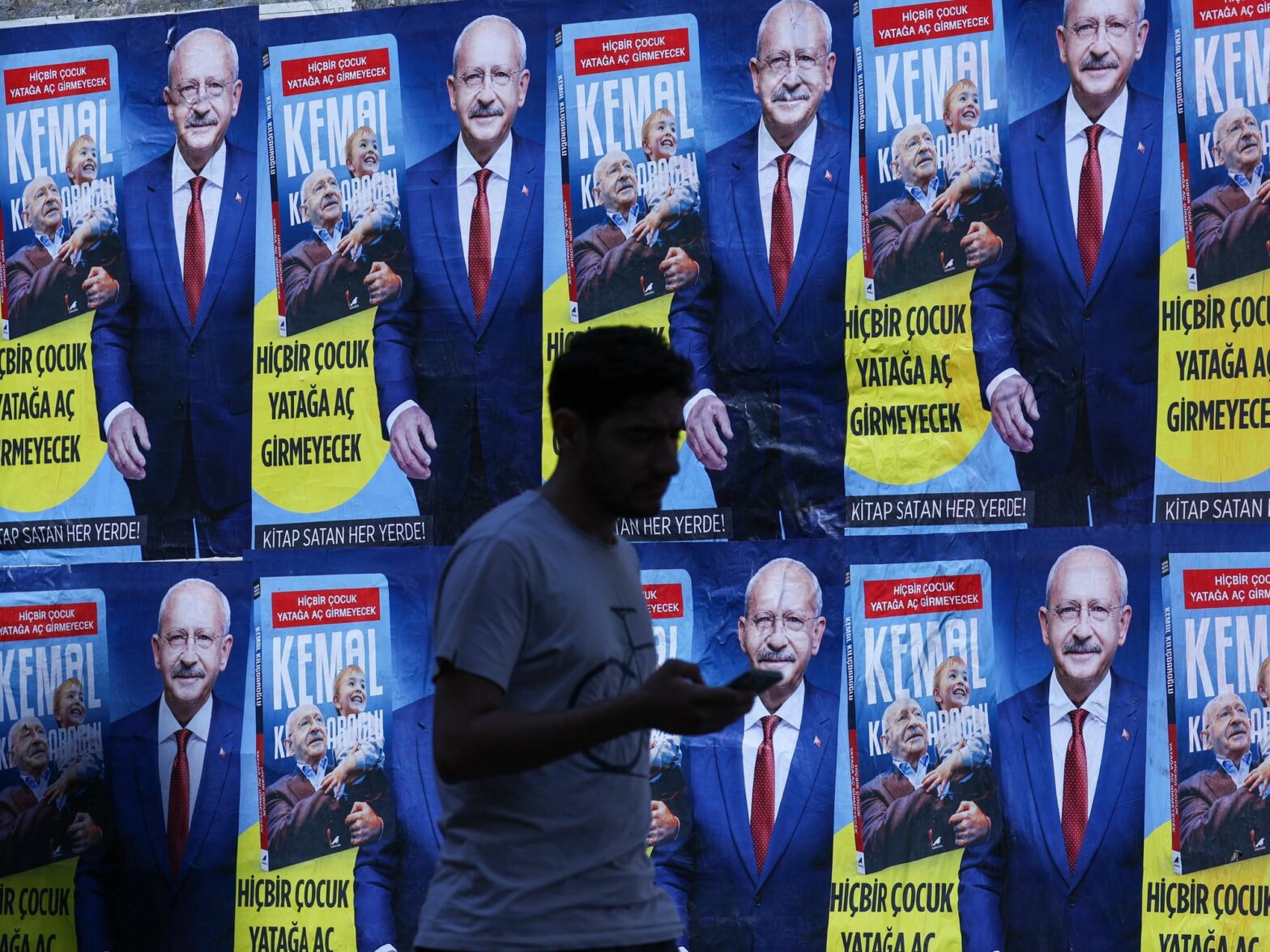
Those who supported Turkey’s opposition in the recent national elections are suffering a particular syndrome since the victory of incumbent President Erdogan. They could seek advice from supporters of Hillary Clinton, or even Al Gore.
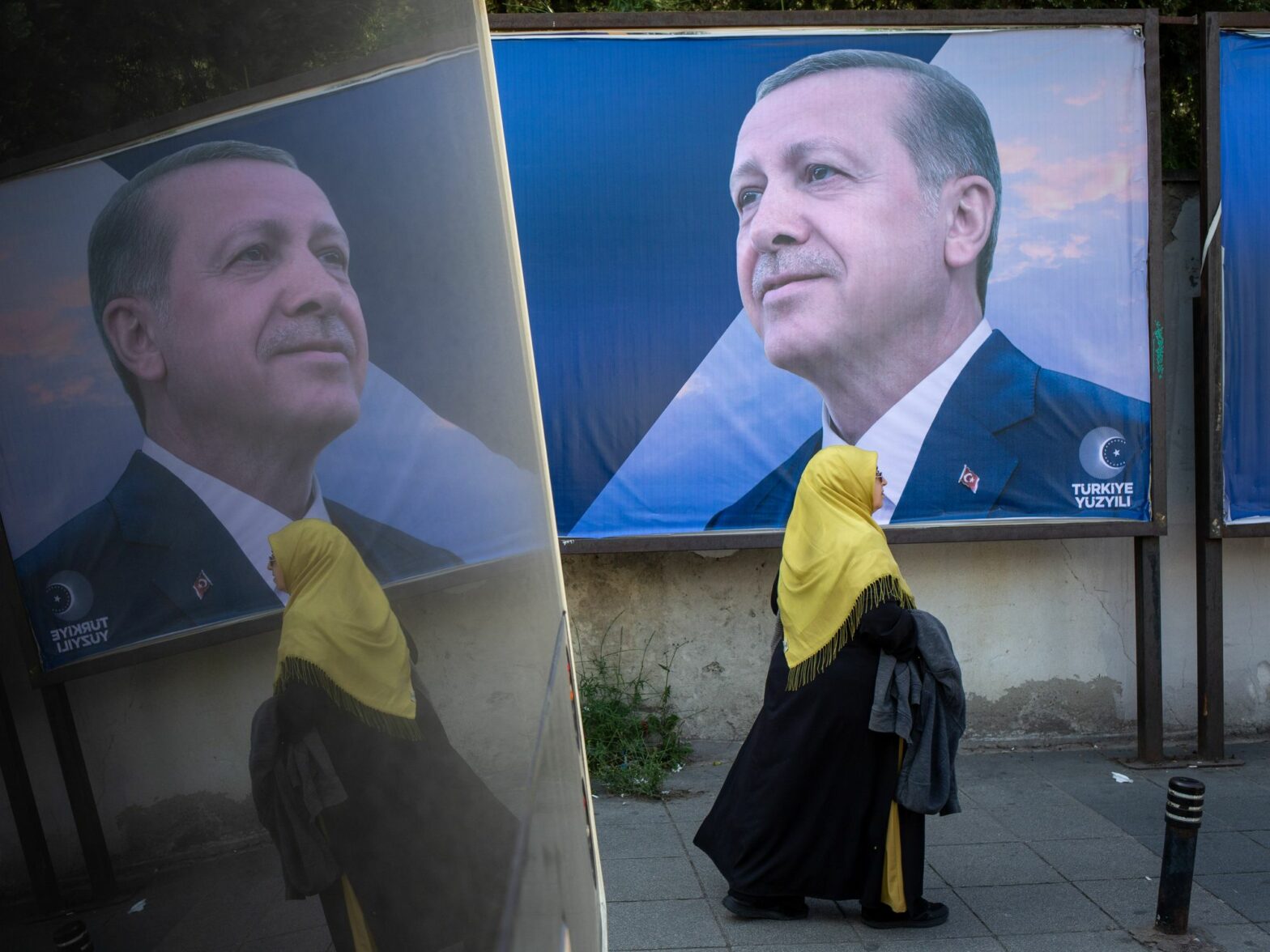
Recep Tayyip Erdogan has cemented his already tight grip on power in Turkey, winning an unprecedented third term as president. The West had hoped for a slightly less unpredictable leader, but they will have to make peace with an emboldened Erdogan, who may become even more autonomous.
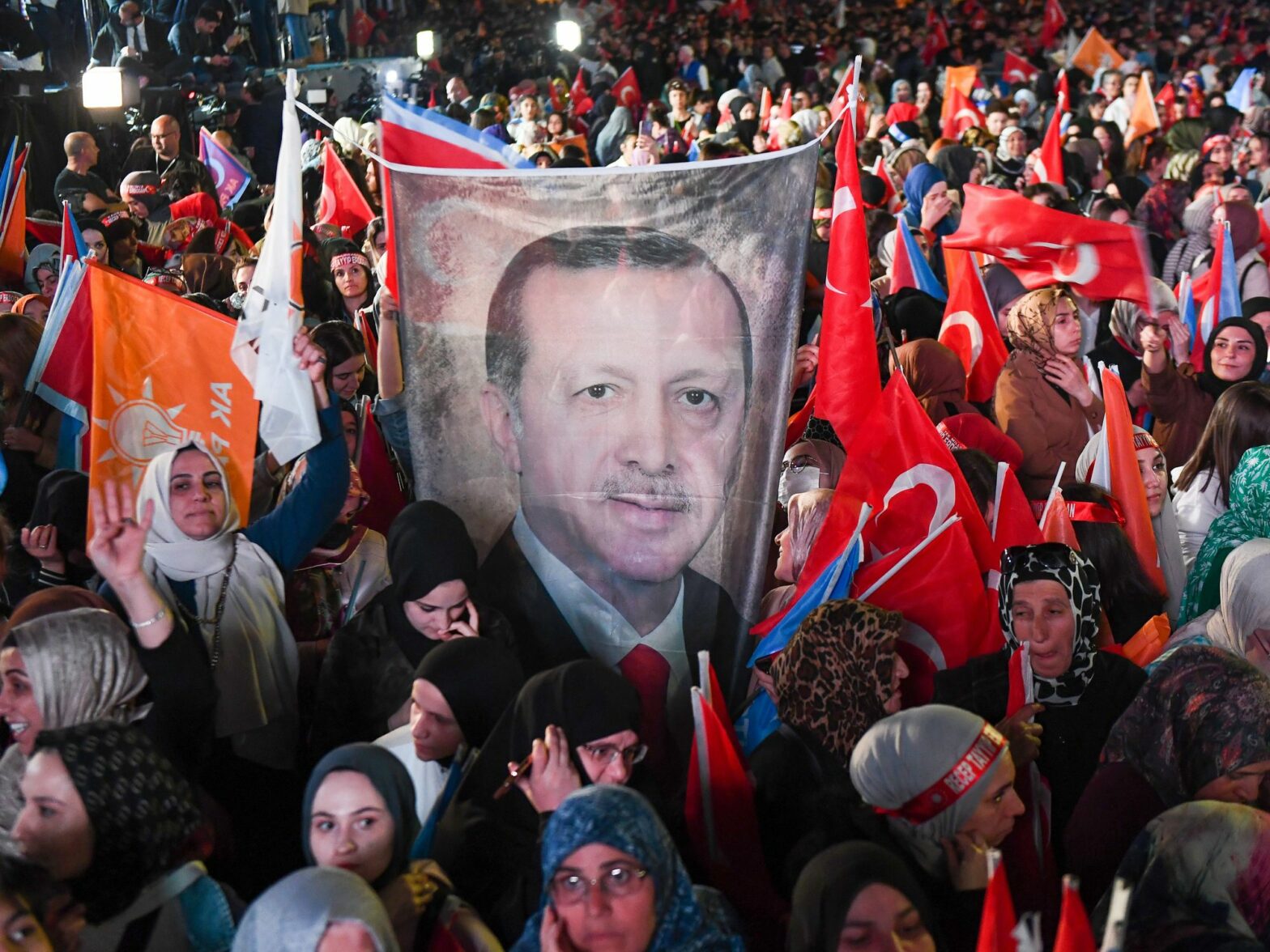
Both Turkish President Recep Tayyip Erdogan and his challenger, Kamel Kilicdaroglu, have cast doubt on the first round results. Heading into the second round on May 28, recalling recent examples, in the U.S. and Brazil, we may again see what happens when a populist is faced with giving up power.
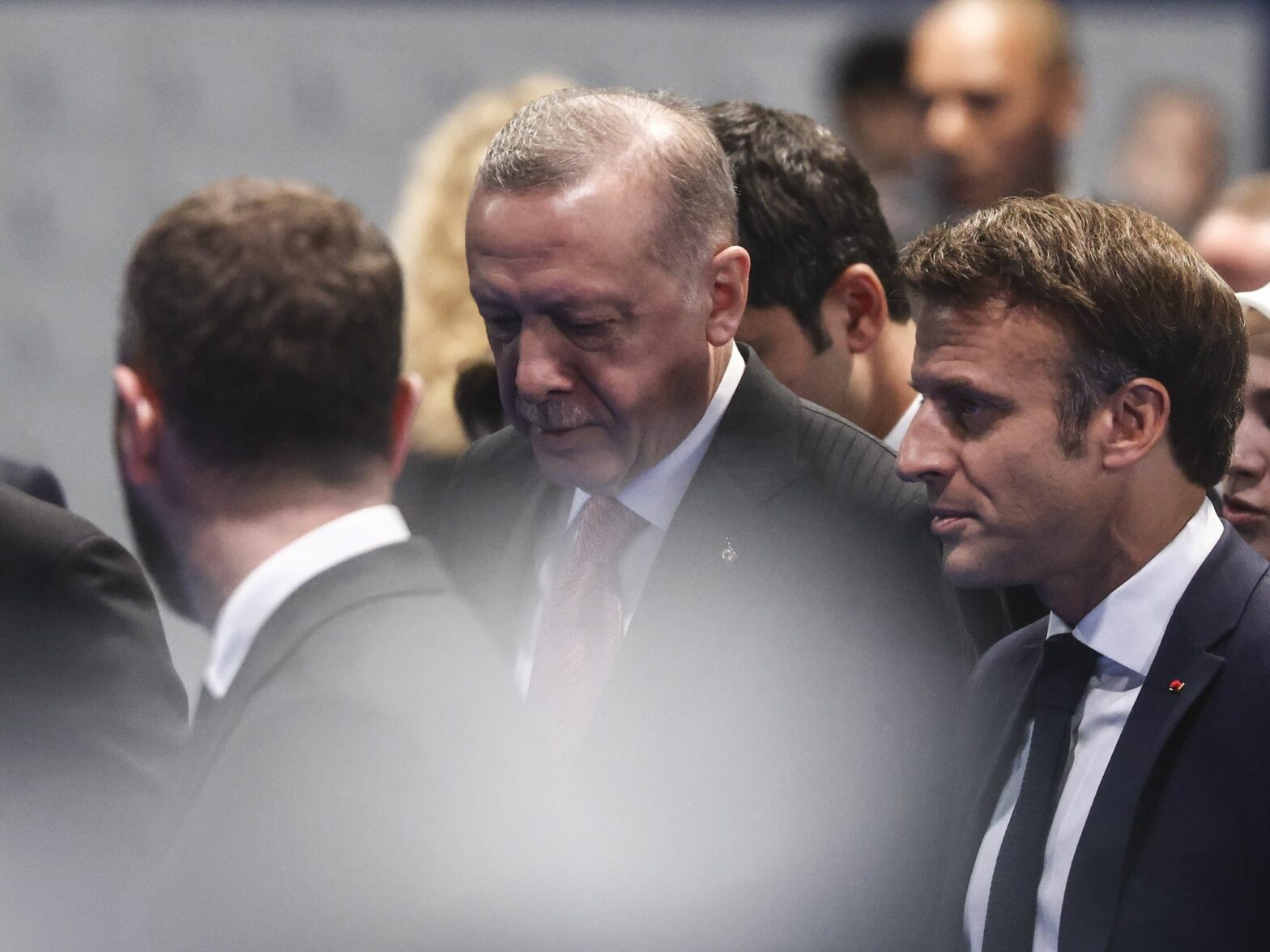
Western leaders hope the end is coming for the reign of Turkey’s longtime leader Recep Tayyip Erdogan, but saying it too loudly is just too risky in geopolitical terms.
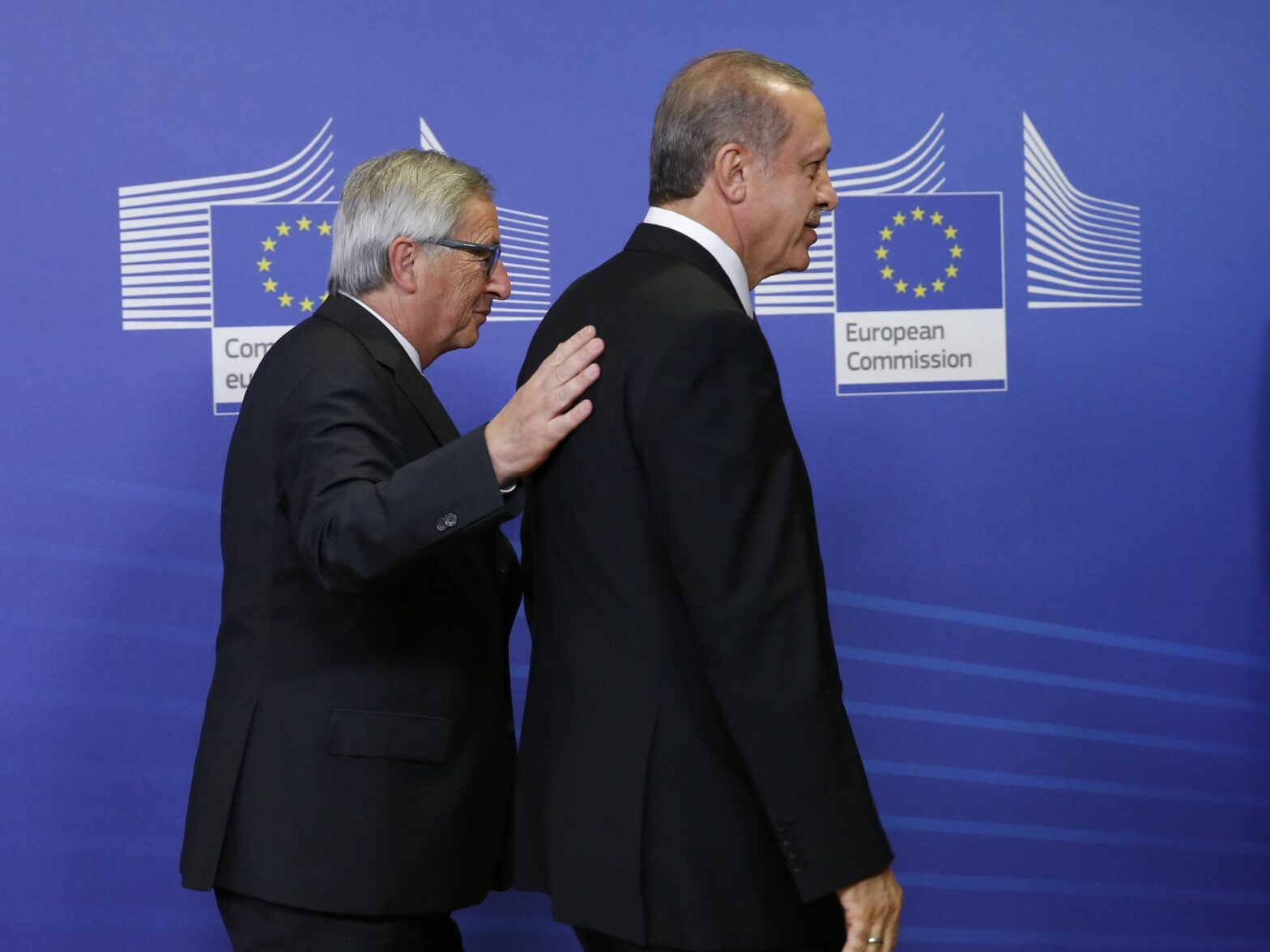
An opposition victory in the elections would be good news for the currently disastrous relations between Ankara and the European Union. But the 27 EU members may not yet be ready to consider Turkey’s integration into the EU.
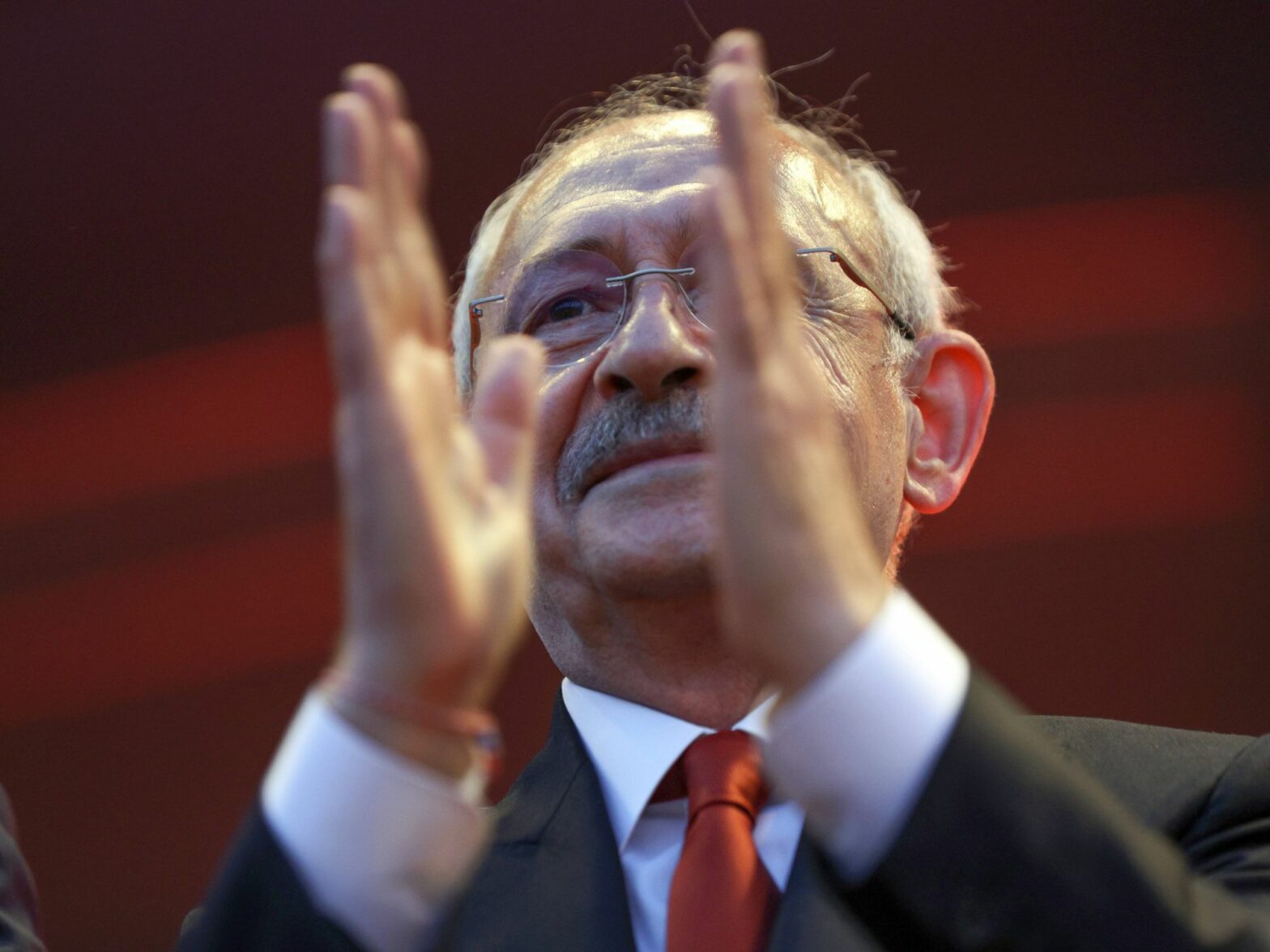
The 74-year-old veteran politician has a solid chance of unseating Erdogan from power after 20 years. Kilicdaroglu has displayed the kind of calm and open attitude to save Turkish democracy.
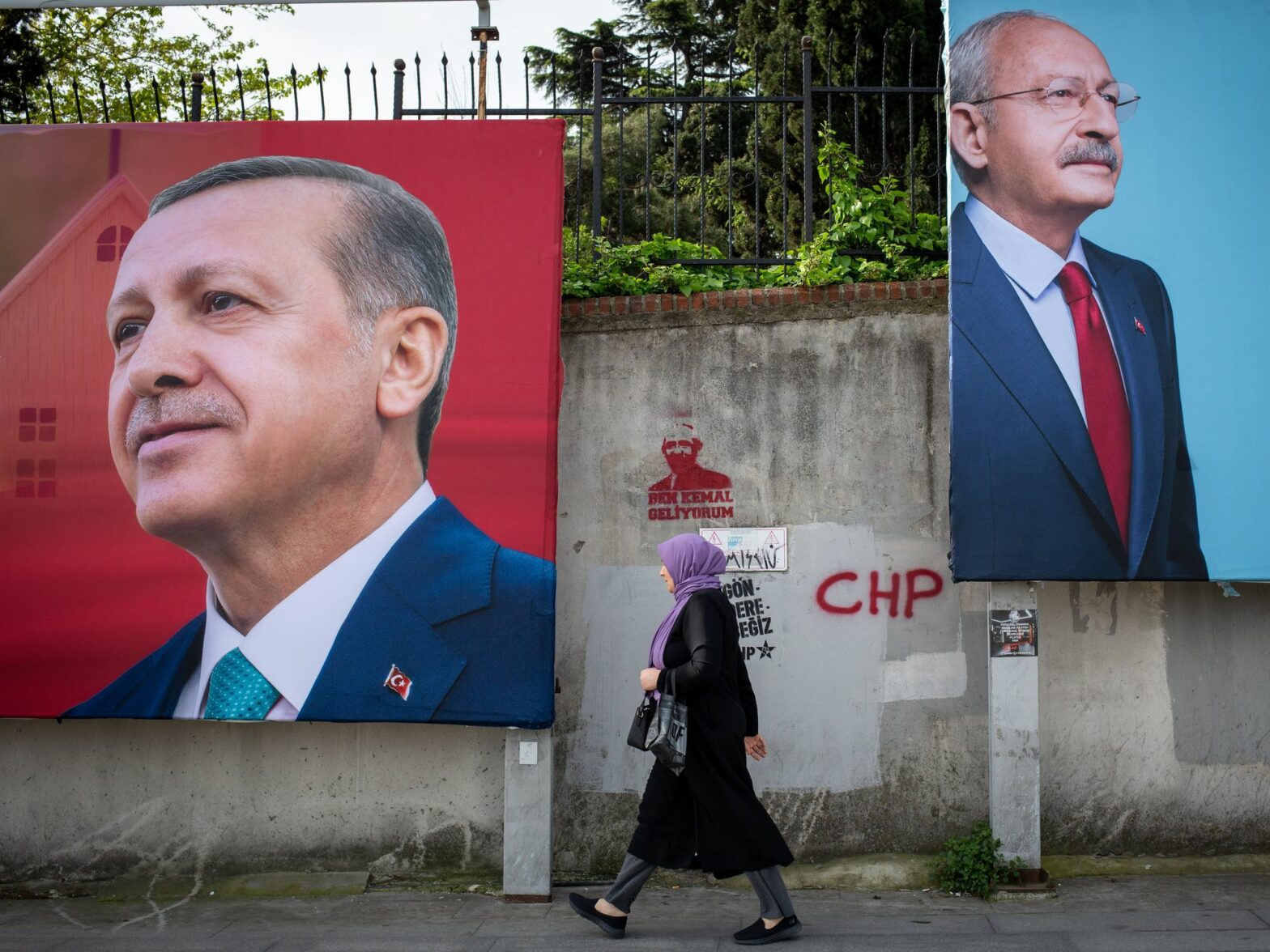
President Erdogan and his allies have spent the final weeks of the campaign questioning the political legitimacy of their opponents’ eventual victory ahead of the May 14 election. When the vote does come, the risk of setting off a veritable civil war is real.
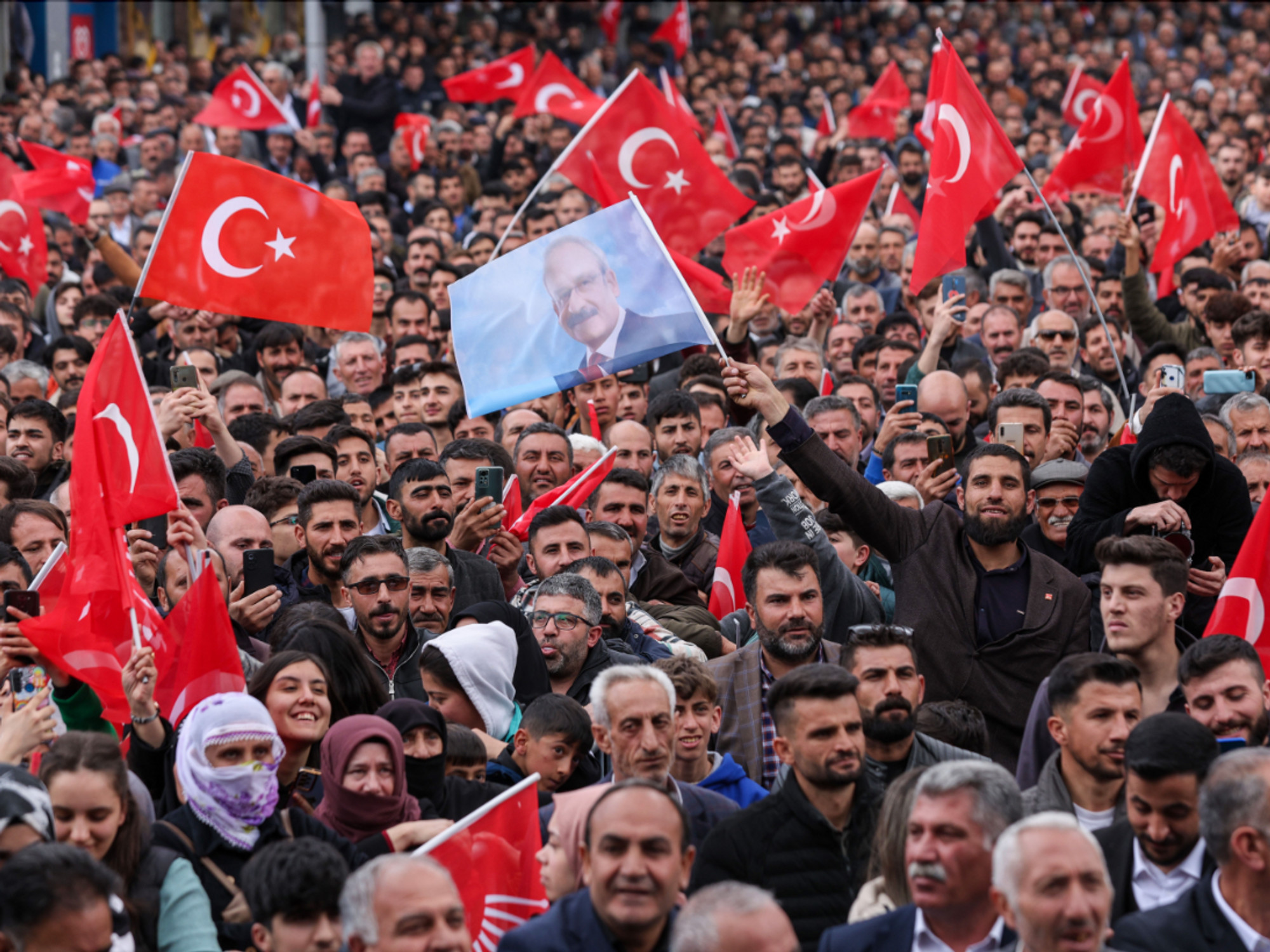
The result of Turkey’s May 14 election is still very uncertain, but President Recep Tayyip Erdogan’s significant failures put his leadership under threat for the first time in 20 years.
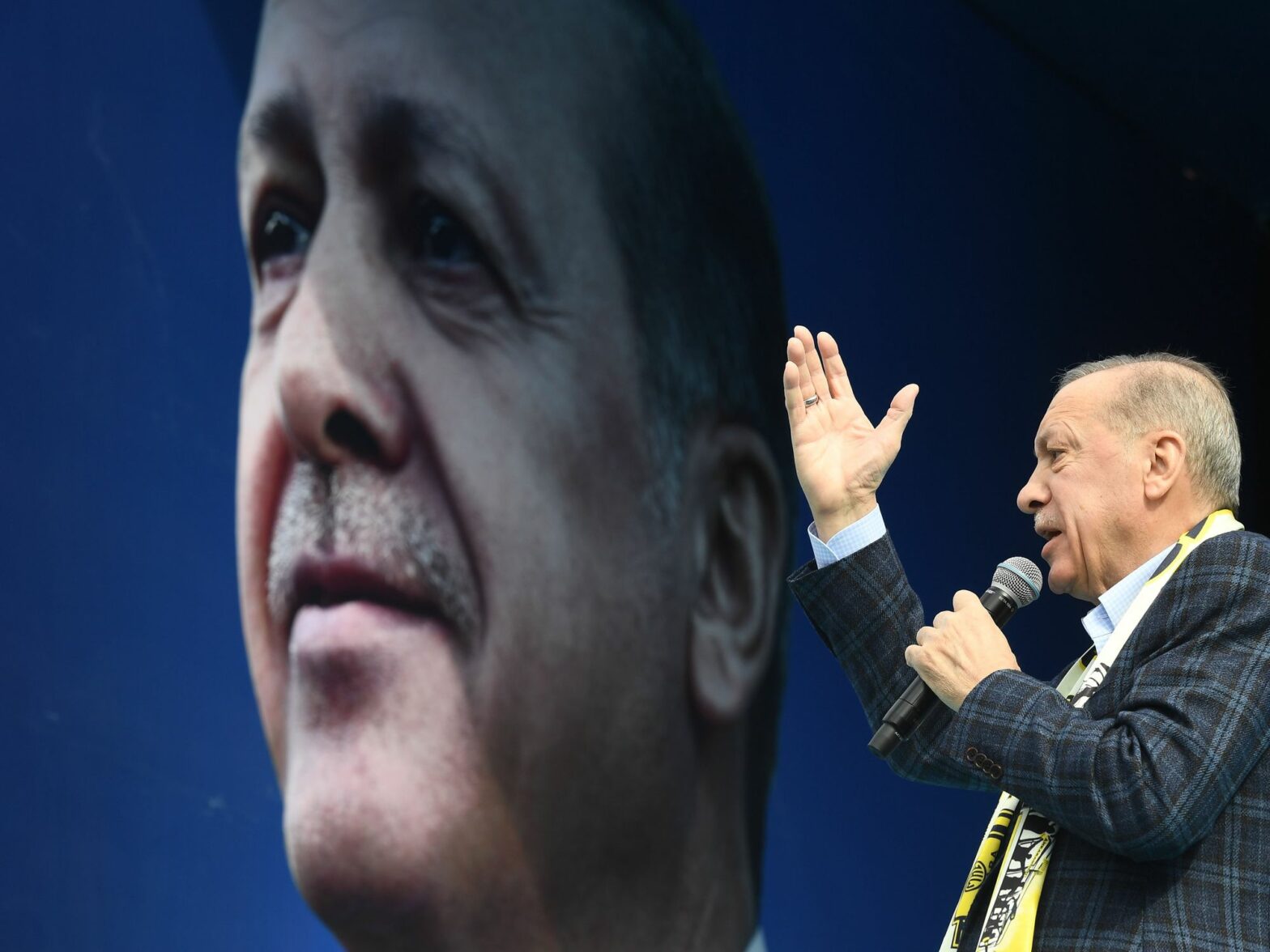
A tale of Turkey’s second president accepting defeat begs the question of whether Recep Tayyip Erdogan would accept election defeat on May 14, and return to life as a private citizen.
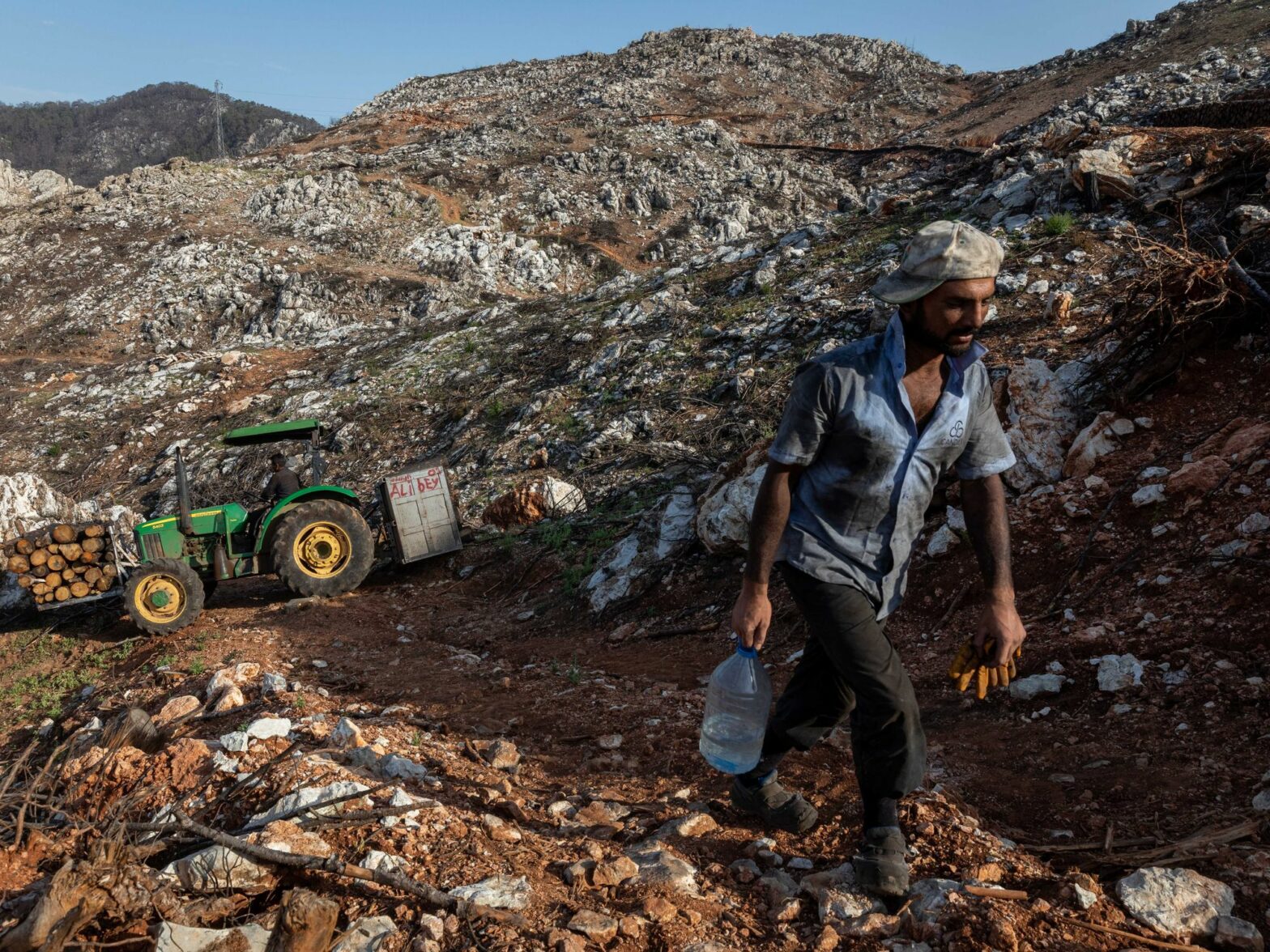
Election day is approaching in Turkey. Unemployment, runaway inflation and eroding rule of law are top of mind for many. But one subject isn’t getting the attention it deserves: the environment.
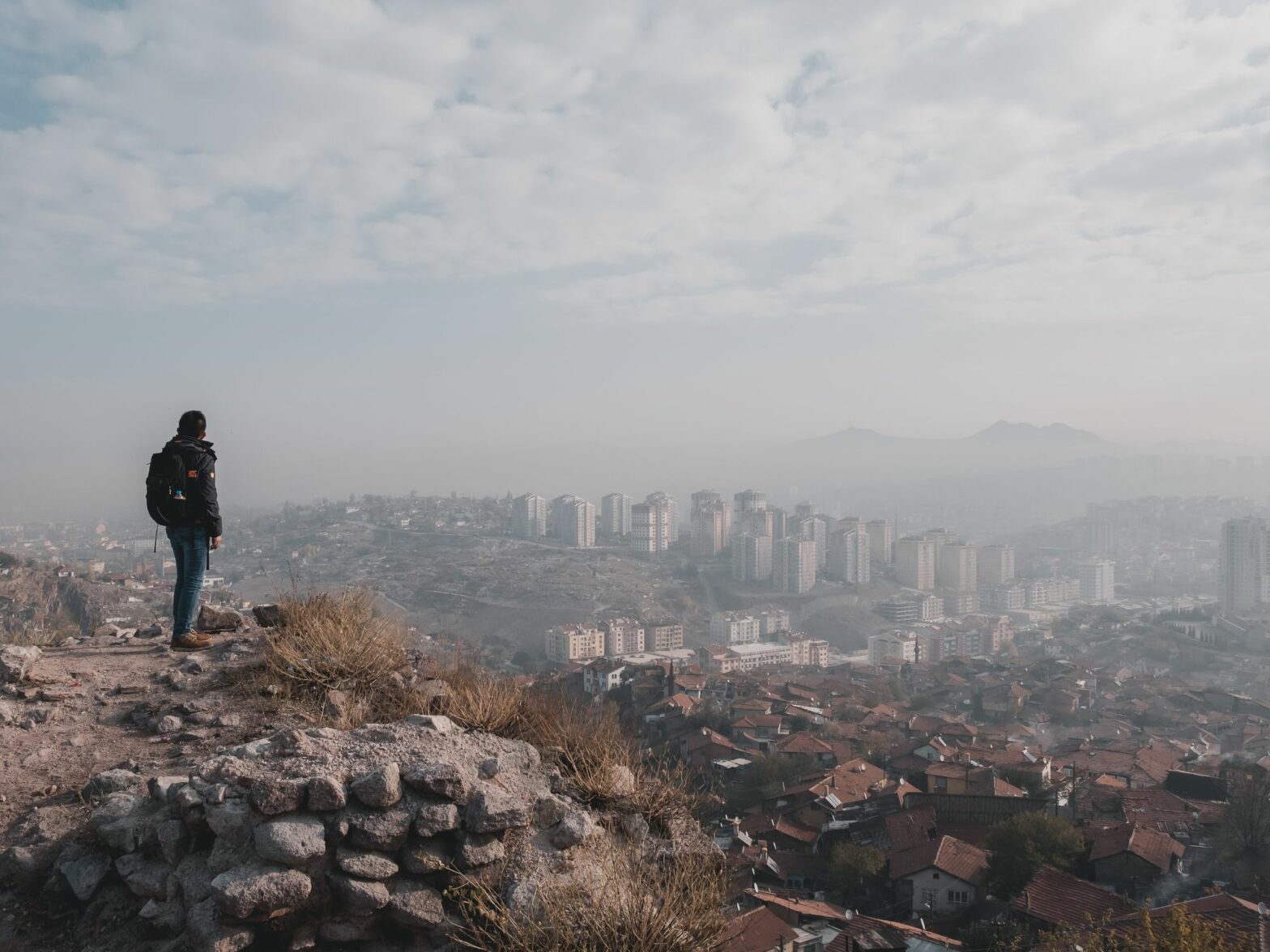
Turkey holds key elections next month. Many who were exiled over the years have returned with optimism, only to be jailed. Turkish journalist Ece Temelkuran says from now on, she will only go back on her own terms.
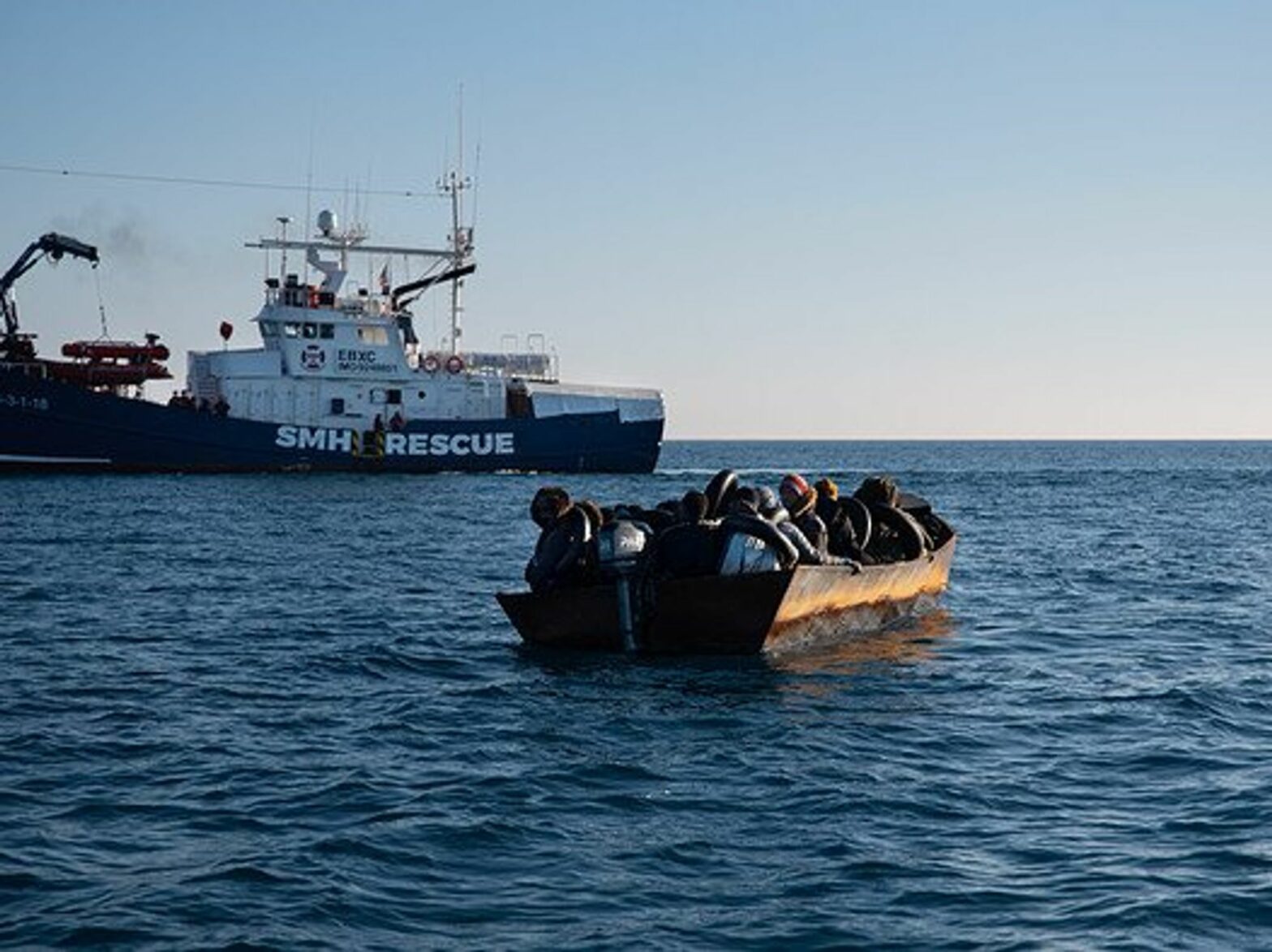
Since 2015, Europe’s strategy to stop irregular migration has focused on arresting so-called smugglers. But those steering the vessels are usually desperate migrants themselves, forced to take the helm.
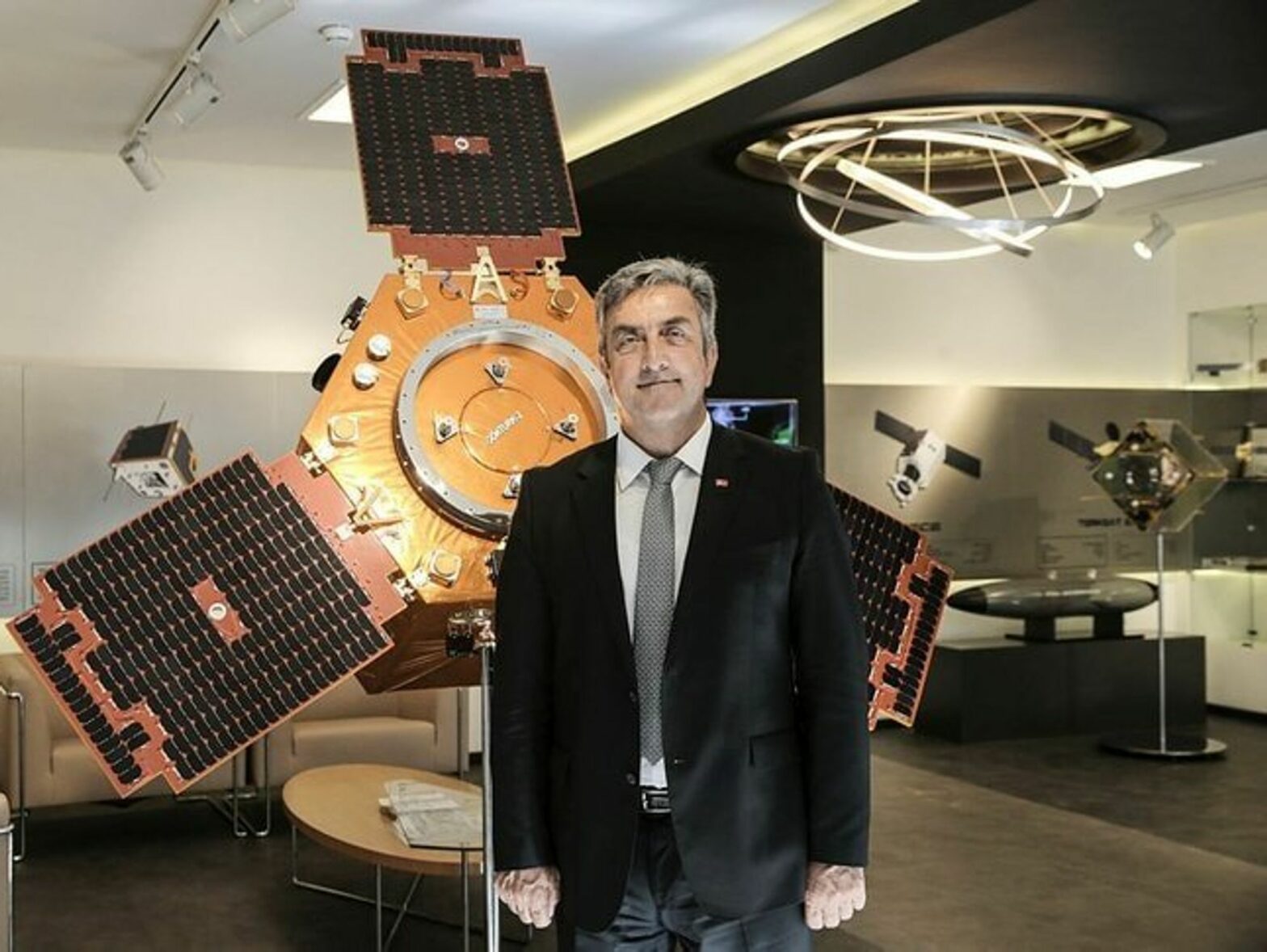
What if the devastating earthquake was caused by a weapon fired from a satellite that pierced the earth’s surface? How does someone like this wind up in charge of science in a great nation like Turkey?
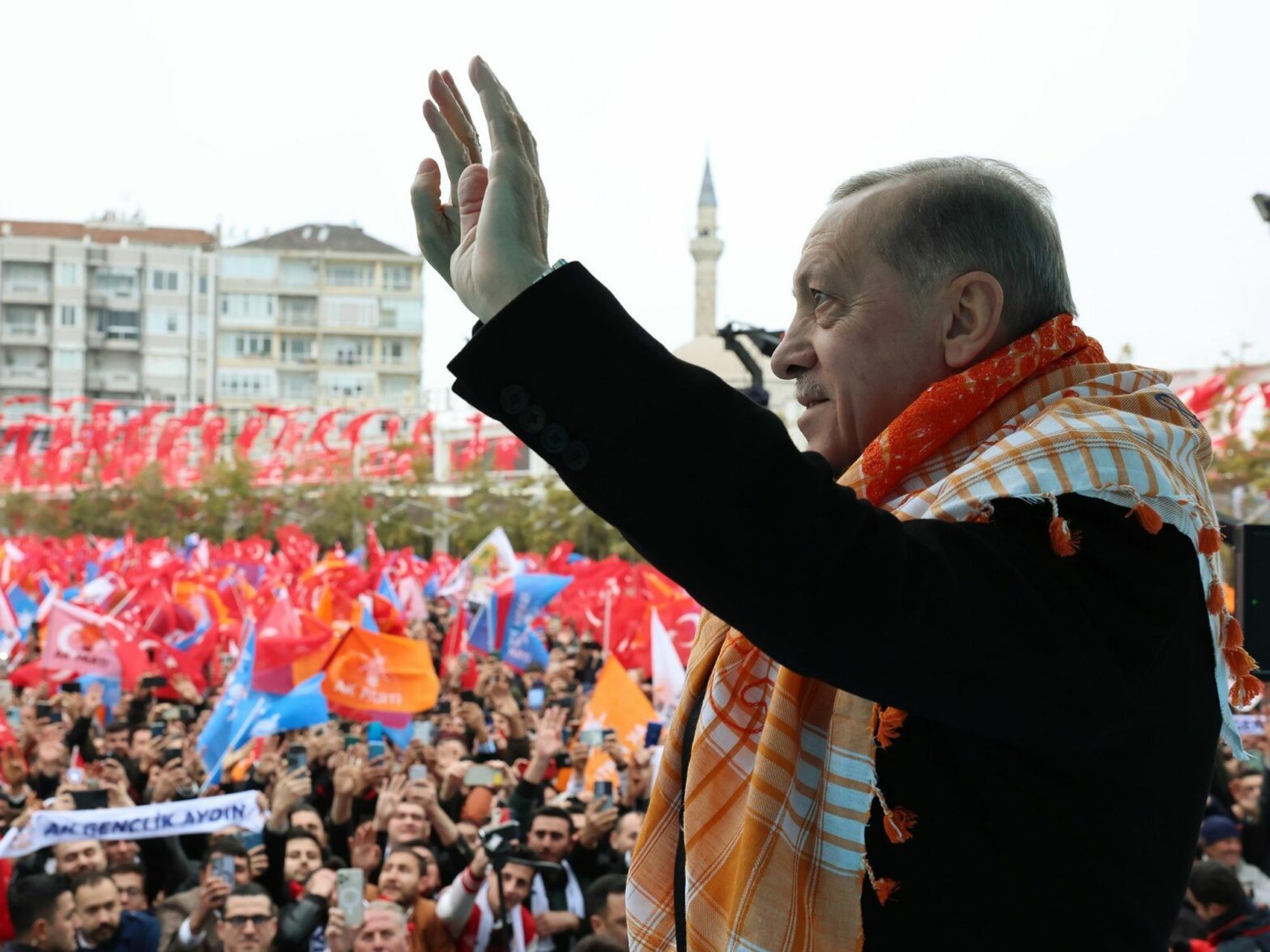
Turkey heads to the polls in May, with a newly formed opposition bloc hoping to dislodge President Tayyip Recep Erdogan. Despite some party infighting, many remain hopeful they can bring an end to Erdogan’s 20 years in power. But first, clarity from within a complicated coalition is needed.
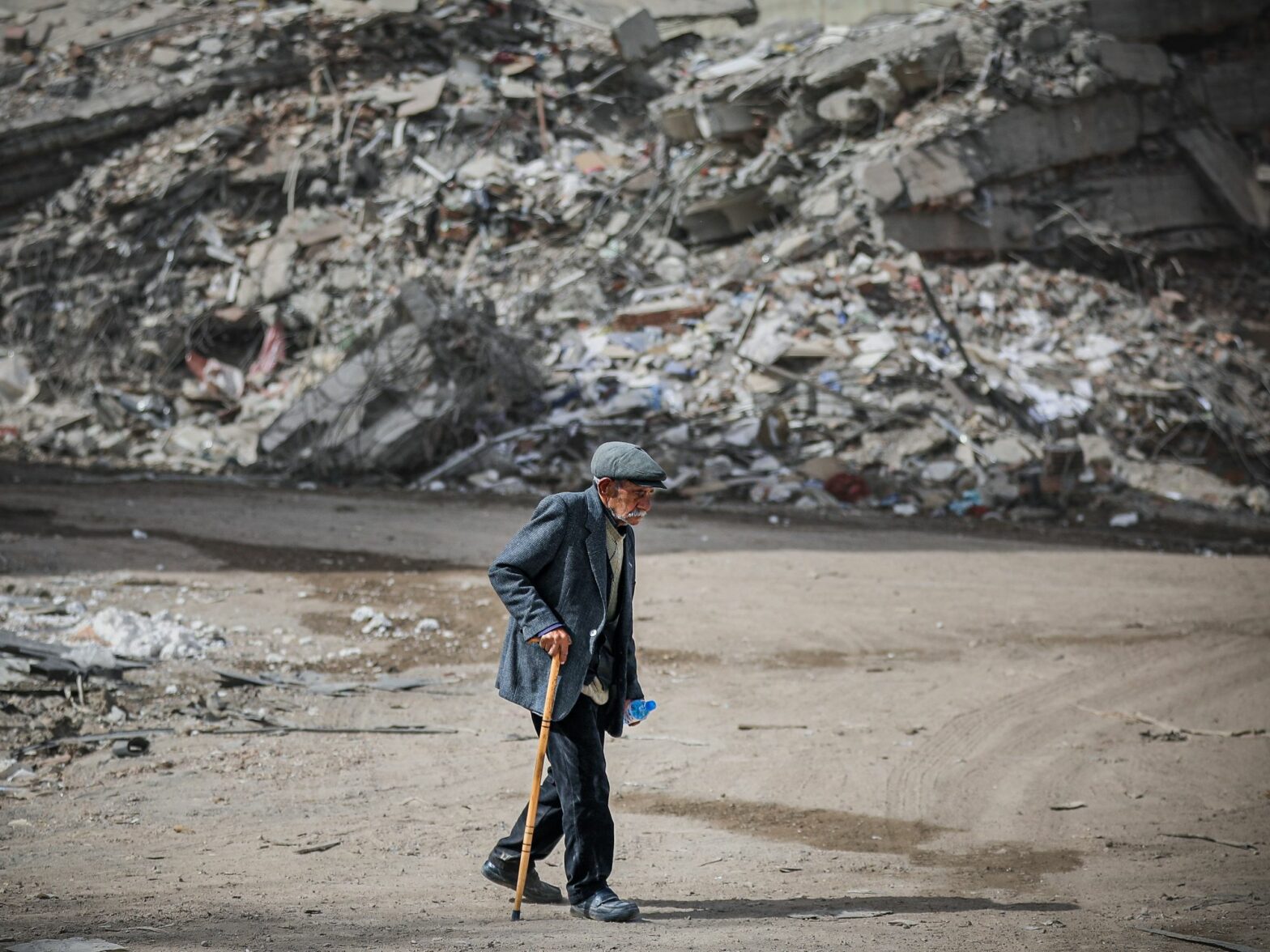
The shoddy homes that collapse on their inhabitants in Turkey’s recent earthquake were badly, and hastily, built as part of a worldwide real-estate fever typically fueled by greedy governments indifferent to safety norms and common sense.
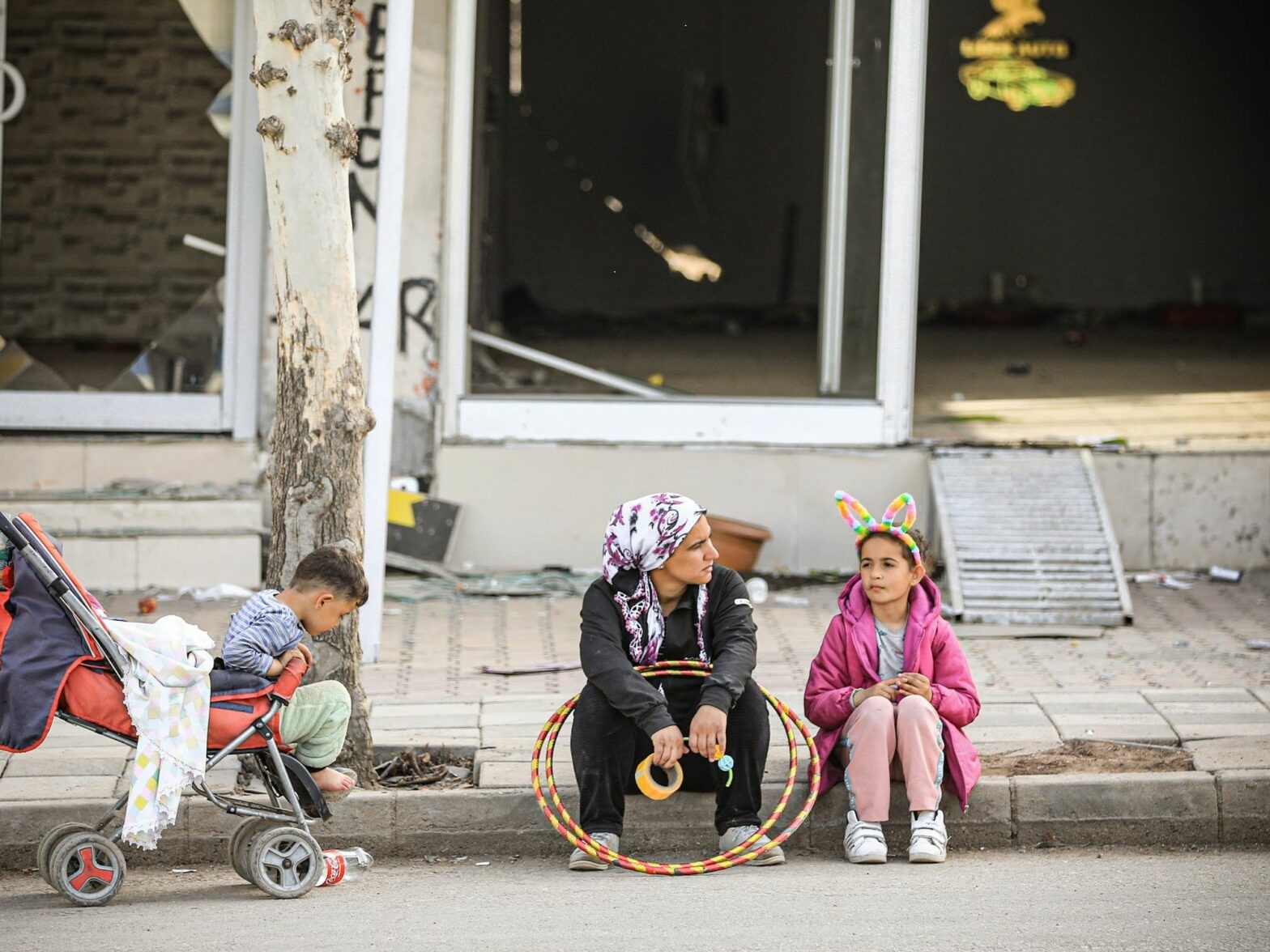
When Turkish President Recep Tayyip Erdoğan tried to reassure his fellow citizens that they could safely donate to help earthquake victims, many were skeptical. It’s a sign of a longstanding mistrust of institutions that affects the nation on the deepest level.
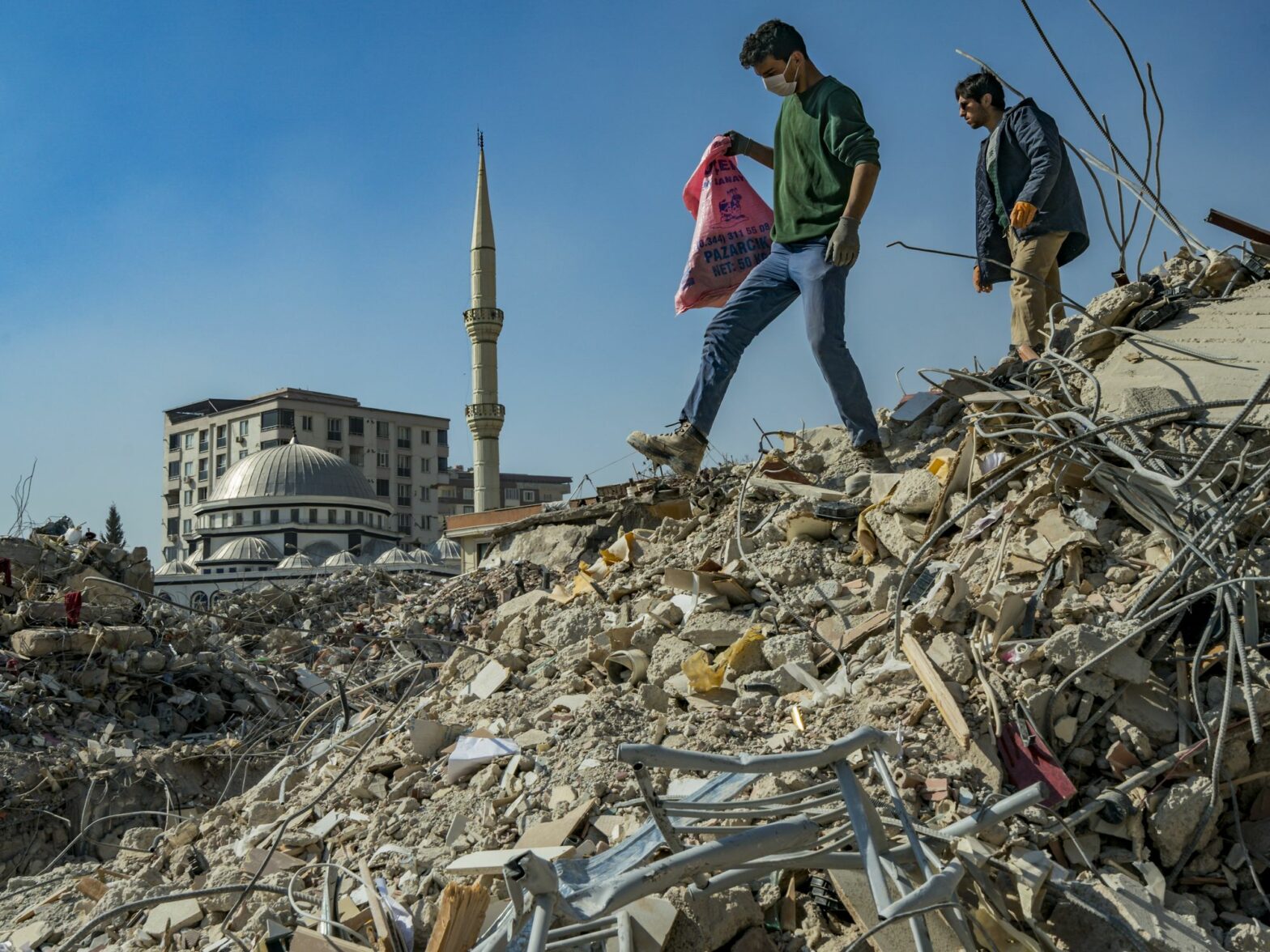
After Turkey’s devastating earthquakes, rescue workers continue to work in increasingly hopeless circumstances. Turkish news outlet Diken reports from the scene as survivors wait anxiously for news of loved ones. It’s rarely good news.
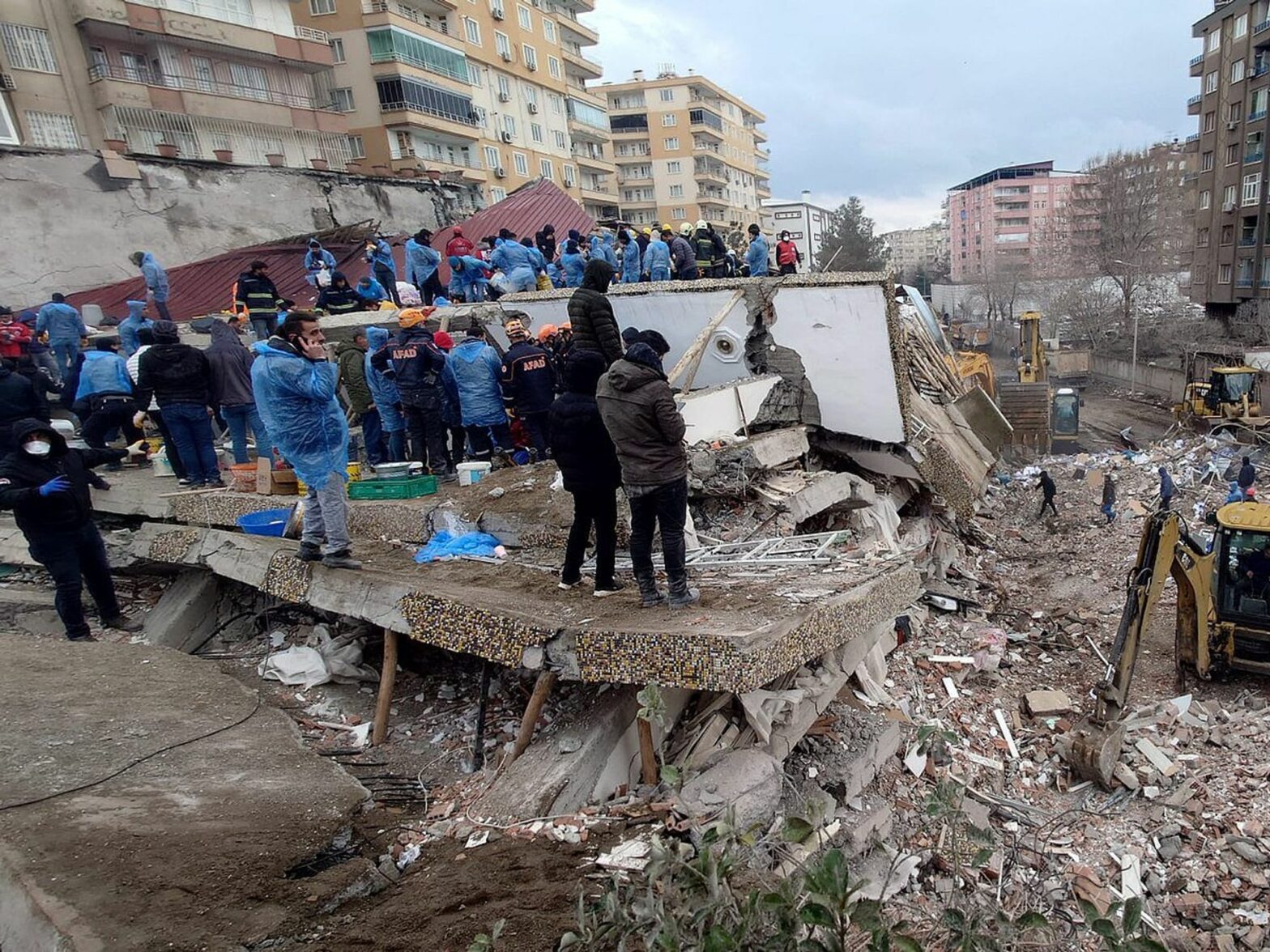
The earthquake in Turkey and Syria teach us about humility in the face of what we can’t control — but we also surprise ourselves in responding to crisis.
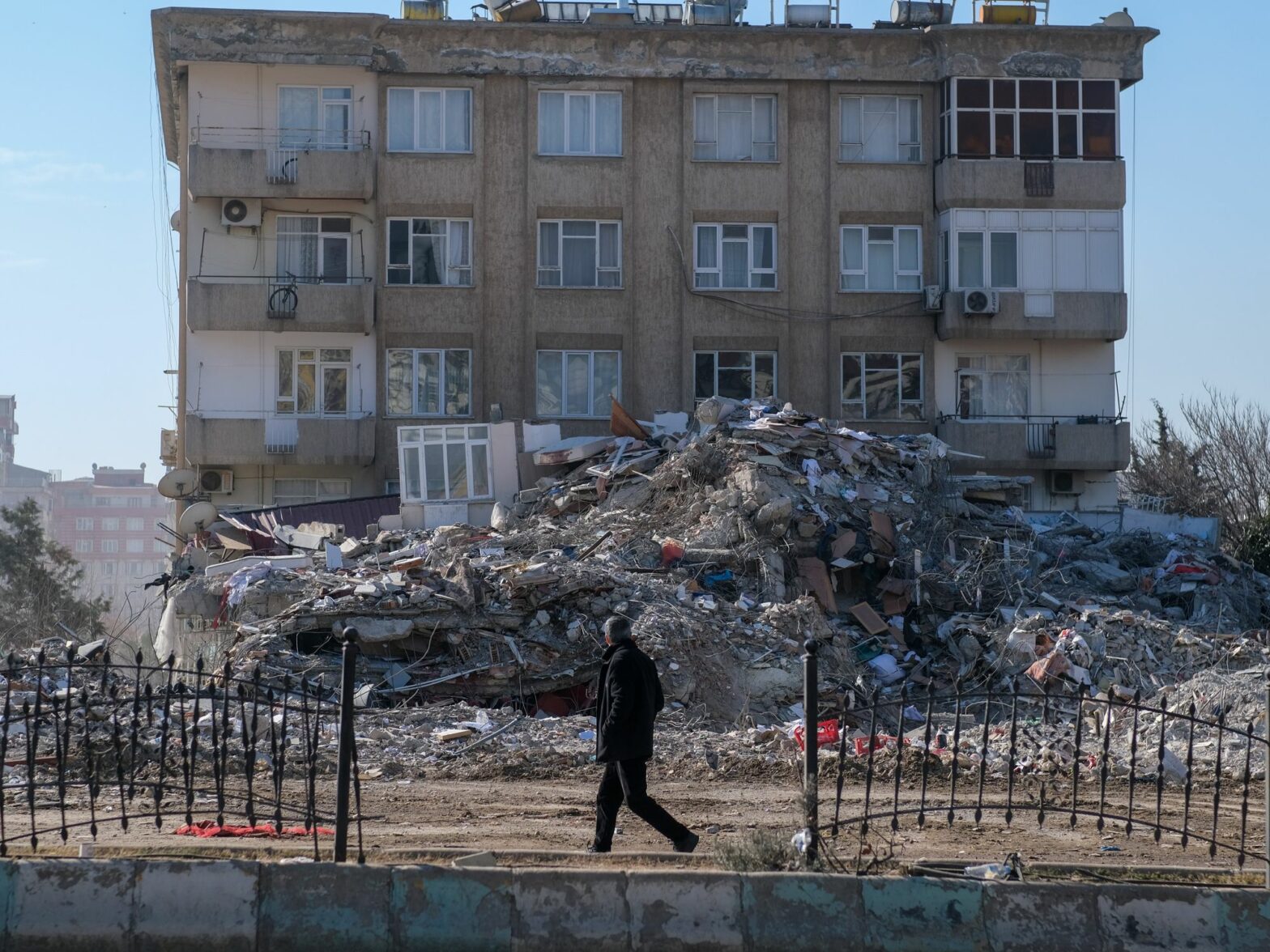
Colombia has a history of earthquakes, yet many of its buildings are not designed to withstand even moderate tremors. As Turkey and Syria reel from disaster, will other countries around the world learn any lessons?