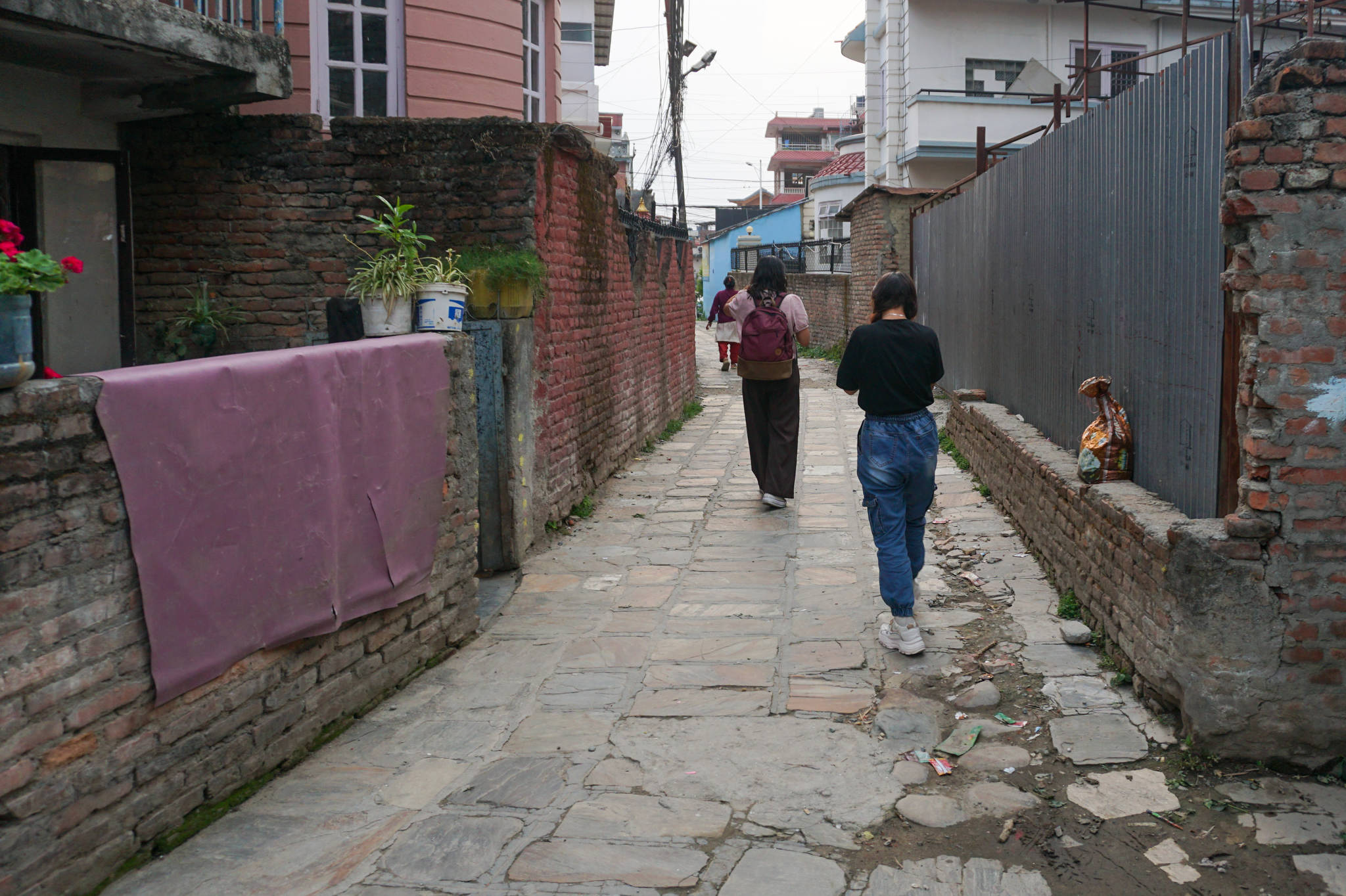
The Nepali government bars working abroad in Iraq for safety reasons. But more Nepali women are ending up there in abusive domestic work — including some who were trafficked.
 Worldcrunch
Stay updated with comprehensive news on Iraq from Worldcrunch. Discover insights on Iraqi politics, economic strategies, societal issues, and cultural landmarks with translations from top international sources. Highlights include Baghdad, Iraqi history, and cultural events.
The Nepali government bars working abroad in Iraq for safety reasons. But more Nepali women are ending up there in abusive domestic work — including some who were trafficked.
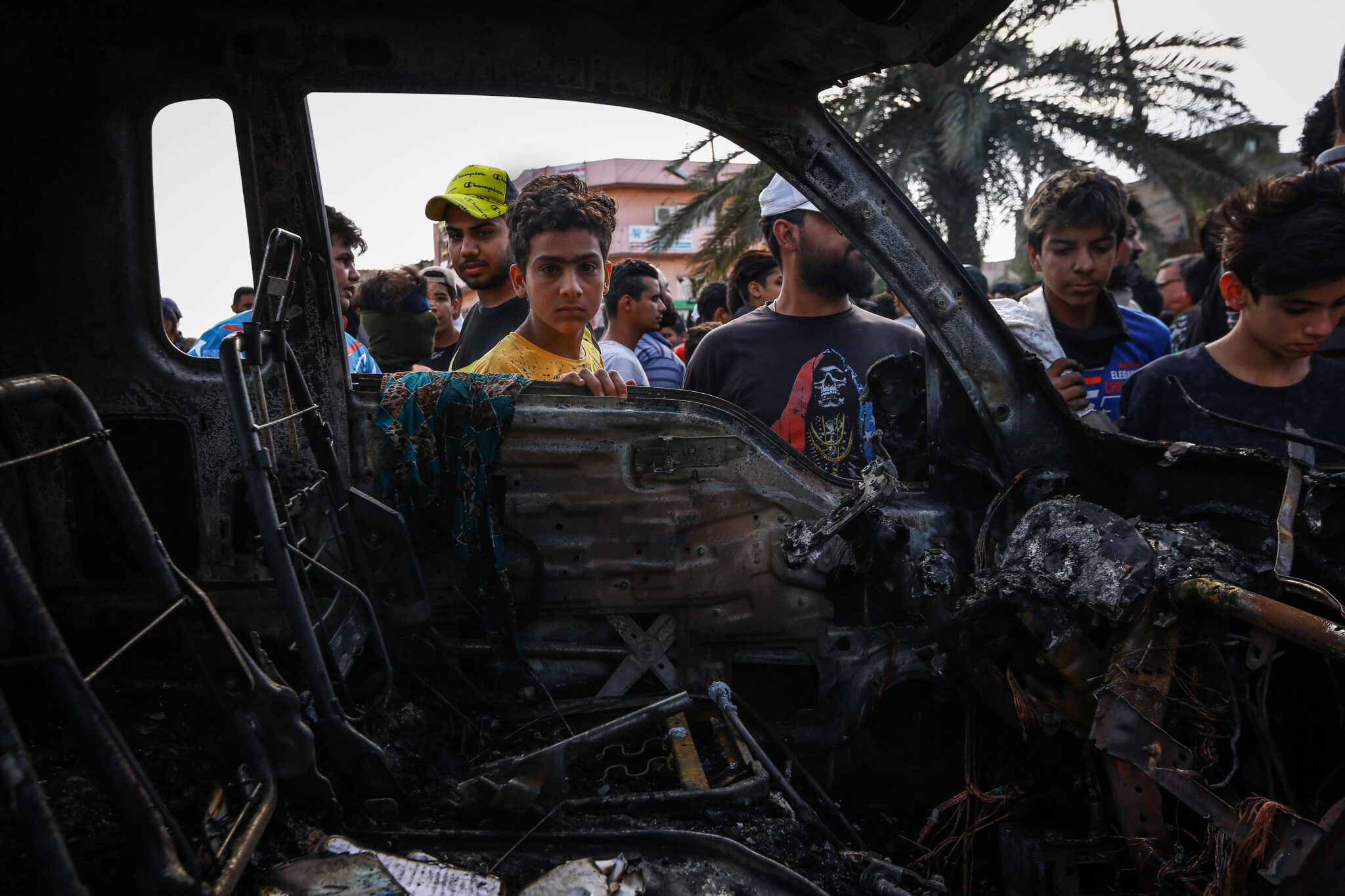
Dangerous sectarian rhetoric between Sunnis and Shiites is returning ahead of Iraq’s upcoming parliamentary election, on Nov. 11. If Iraq wants to grow stronger, it must restore value to national identity and criminalize hate speech.
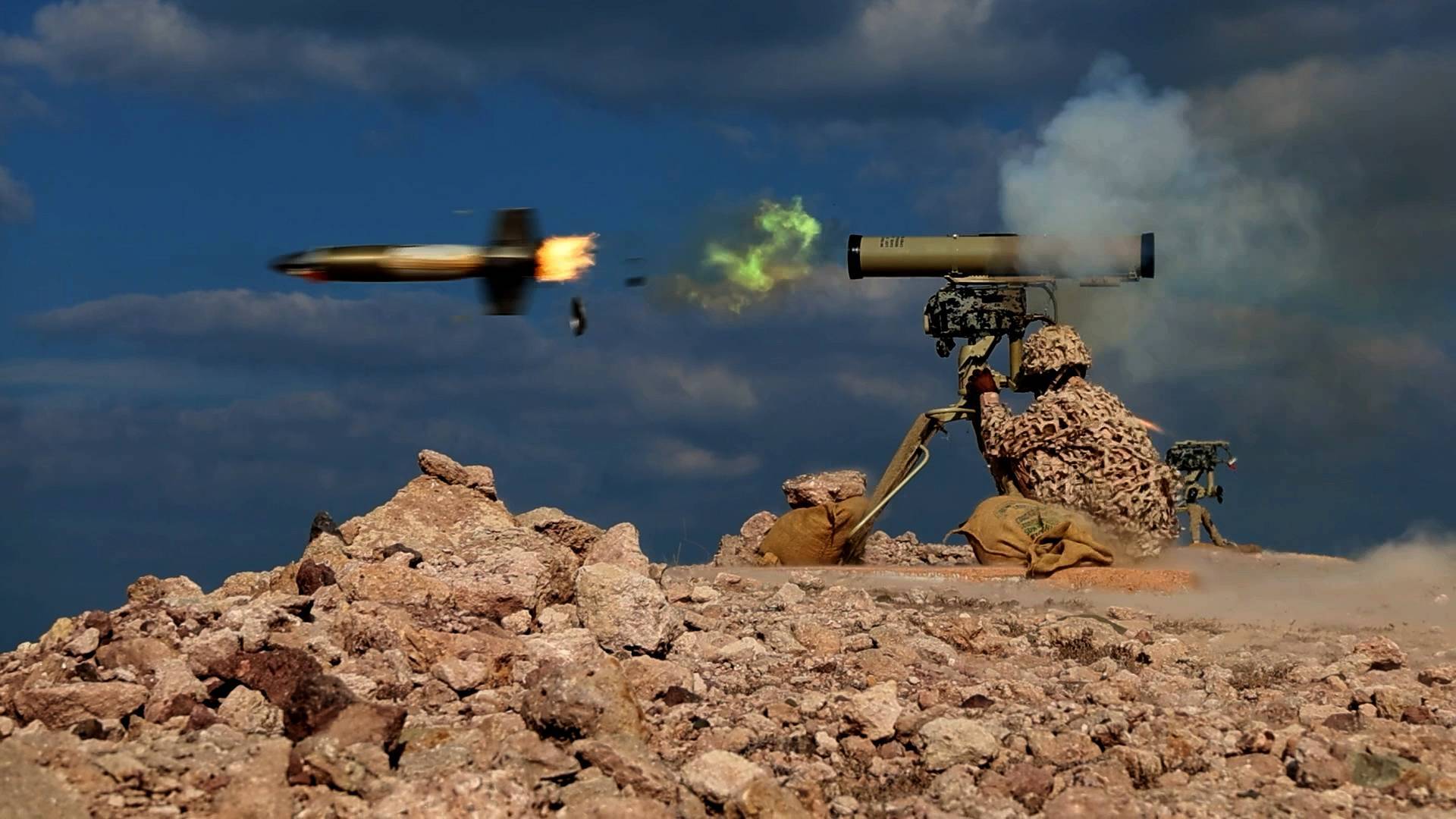
The Islamic Republic of Iran recently sent Ismail Qaani, the Revolutionary guards general who keeps ‘resurrecting’ after being reported as killed or maimed, to Baghdad to discuss rearming its proxy militias. This appears to be Tehran’s first act of regional interference since Israeli strikes in June.

For nearly a century, the West has approached the Middle East with strategic interests — but little genuine understanding. From coups to regime changes to failed red lines, each intervention has produced unintended consequences. Maybe it’s time we admit: the problem isn’t the region. It’s us.
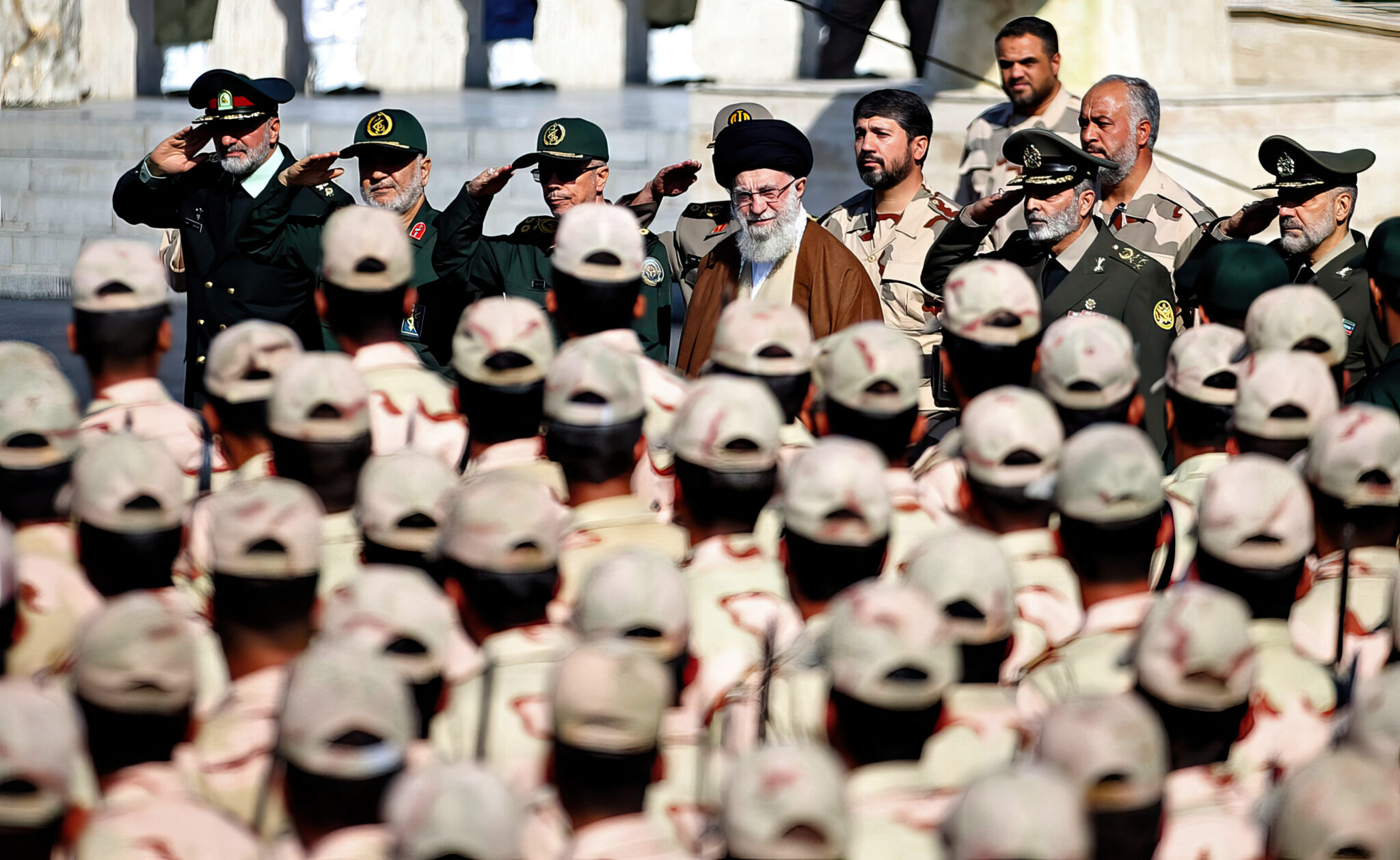
Iran’s Revolutionary Guard Corps, which Israel has been battering with increasing intensity, were inevitably a prime target after decades of violent subversion often enacted with the aid of that other enemy of the West: Russia. The IRGC may be in its final throes.
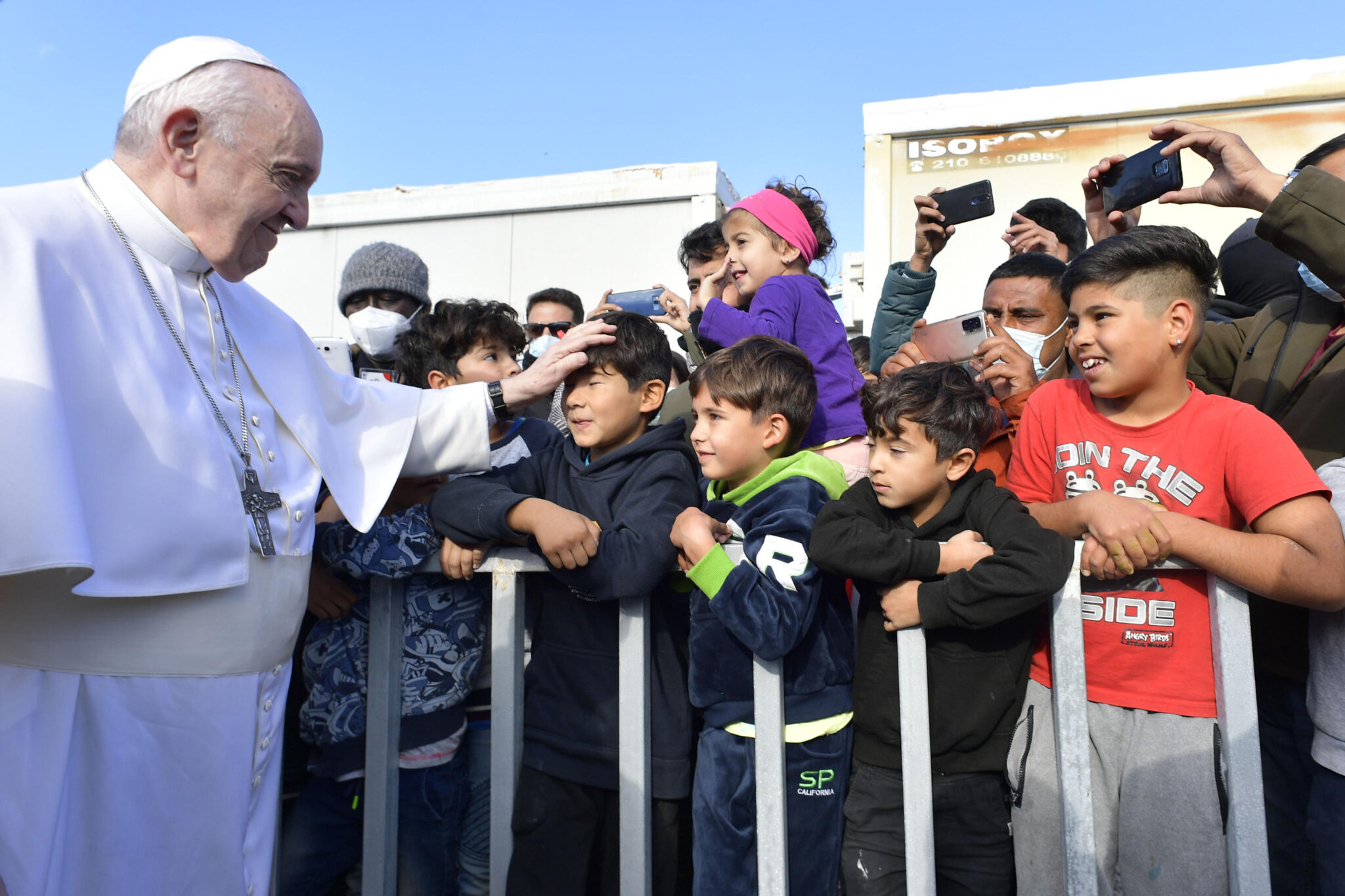
A defender of immigrants and leader of interfaith dialogue, Pope Francis’ strength was his presence where people needed him.
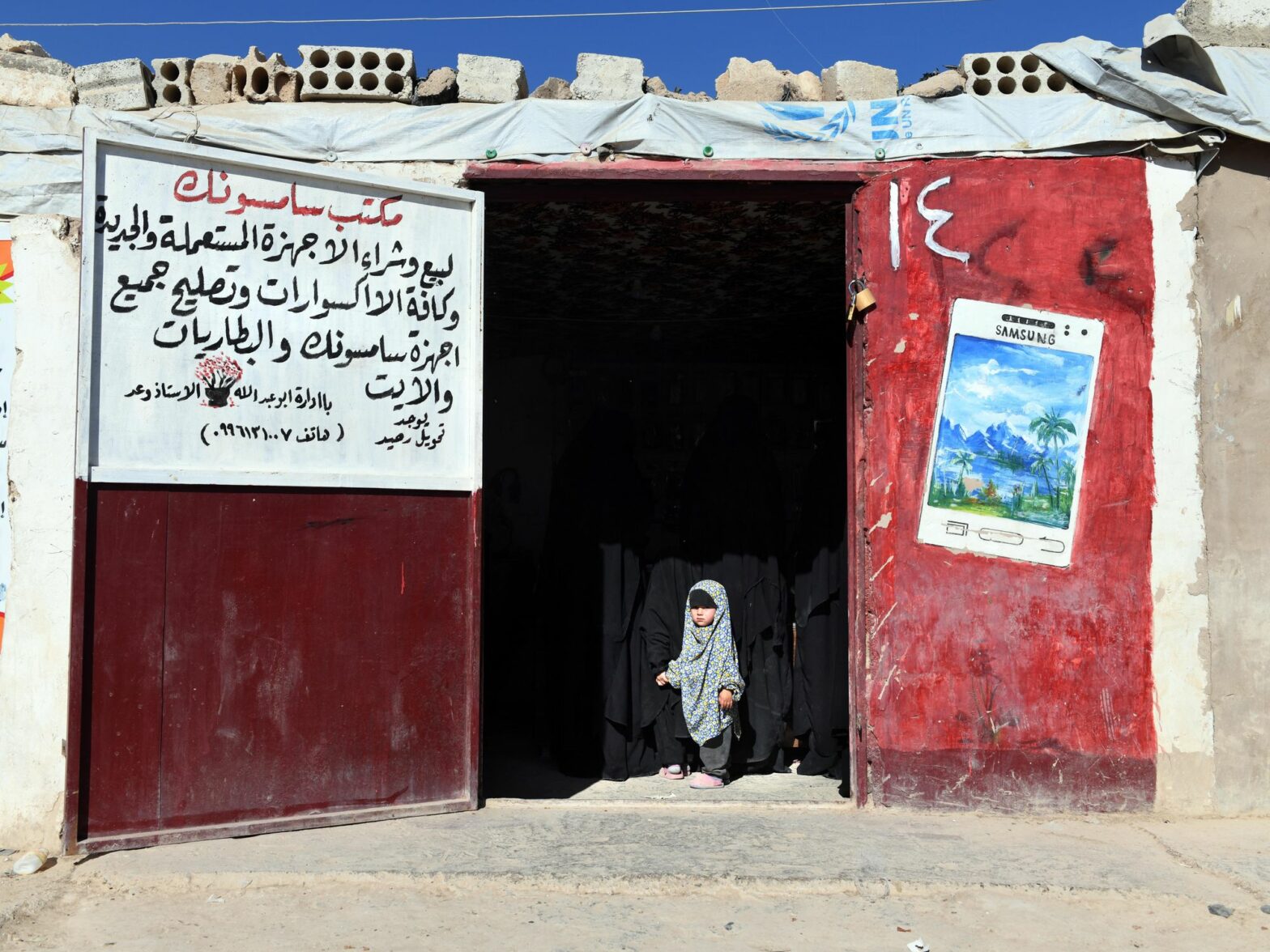
A number of international humanitarian organizations, local associations, and organizations operate within the al-Hol refugee camp in northern Syria. Most of these organizations are primarily funded by the U.S., meaning that three sectors and several community segments are directly affected by the U.S. State Department’s decision to halt foreign aid.
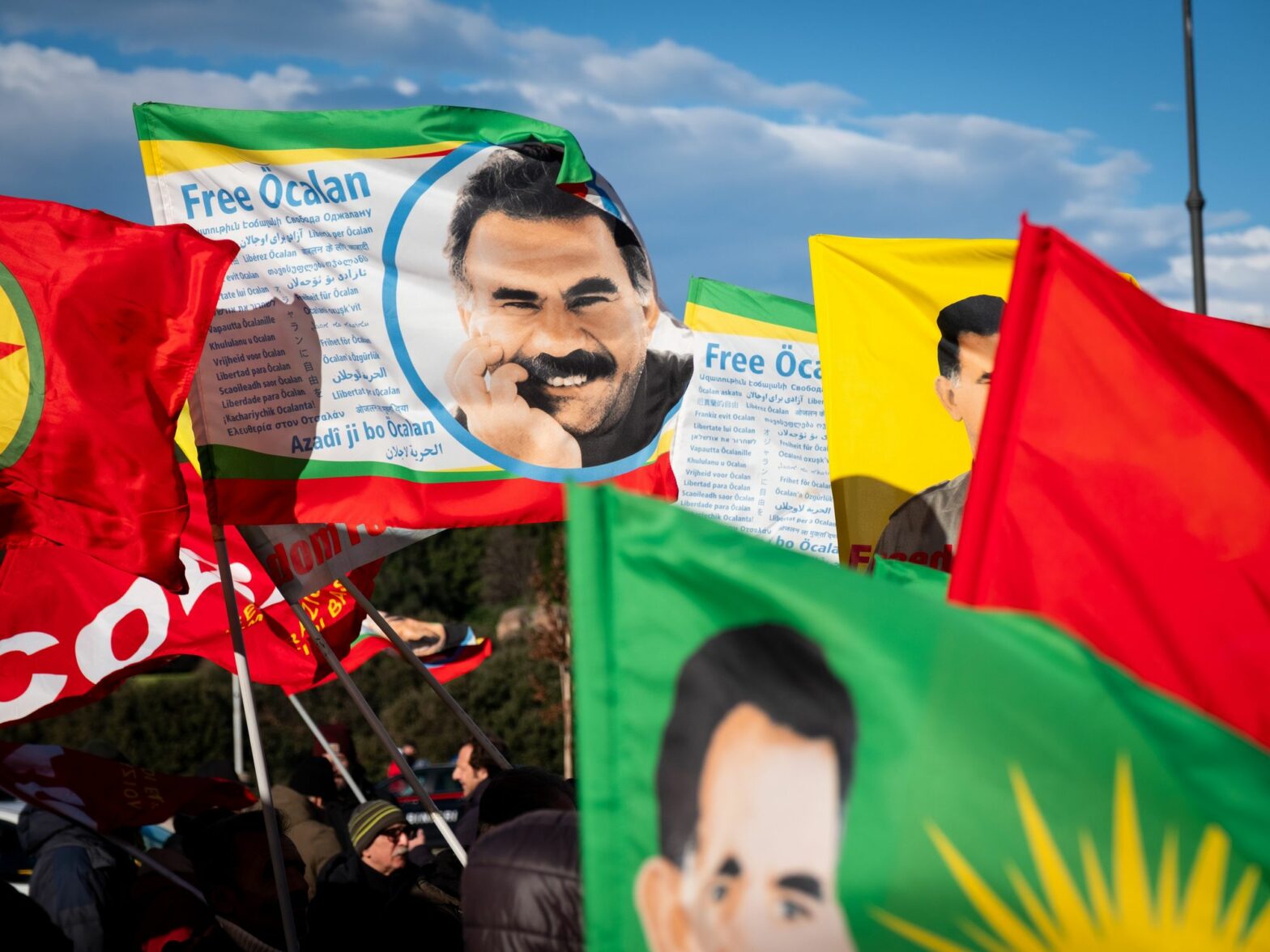
The imprisoned founder of the Kurdish Workers’ Party, Abdullah Ocalan, has called on his supporters to lay down their arms and dissolve the party. This peace initiative could have repercussions beyond Turkey, reaching Syria as well.
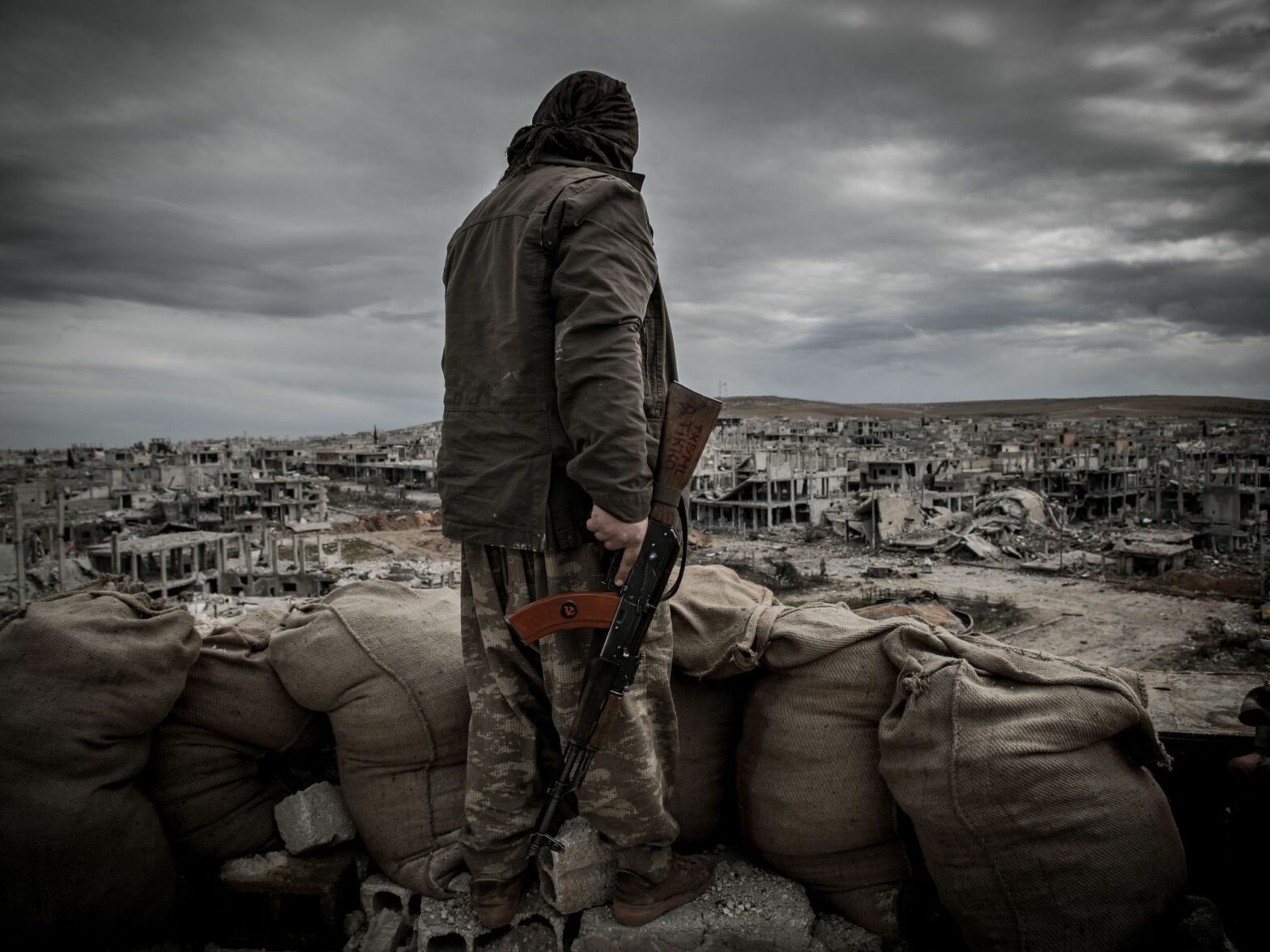
Following the collapse of the Assad regime, Tunisia and other countries are concerned about the return of thousands of jihadist nationals believed to have been held in Syria. Amid overcrowded prisons and fears of extremism, what are governments in Tunis and other Arab countries doing to prepare for their potential return?
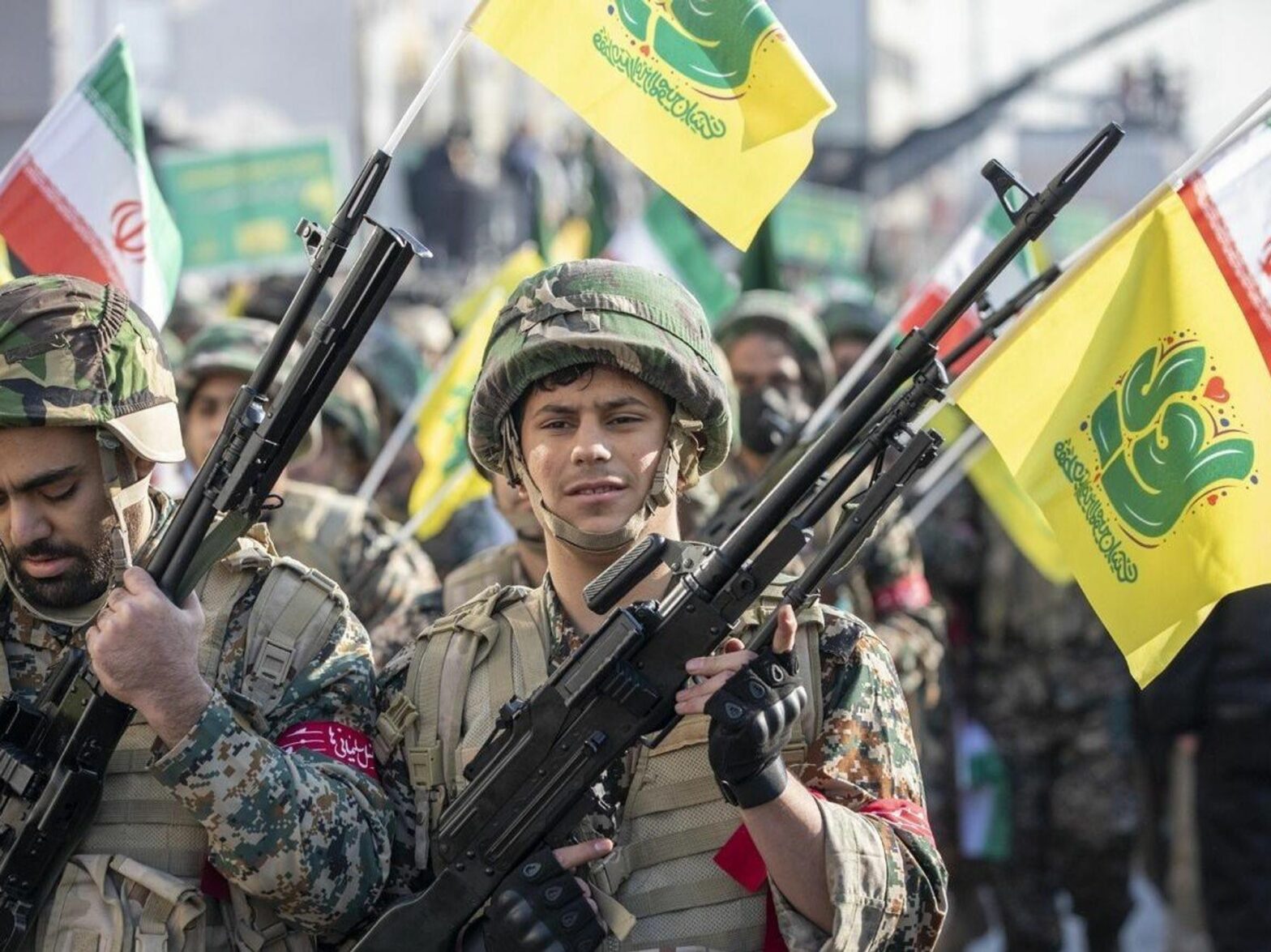
Iranian officials have been unnerved by the Assad regime’s collapse, with one top general admitting the country was “defeated very badly” in Syria. A shaky ceasefire in Gaza follows 15 month of war in which Tehran’s proxy Hamas was decimated. Will unrest in the region spill over to Iran, where problems — both foreign and domestic — are piling up for the regime?
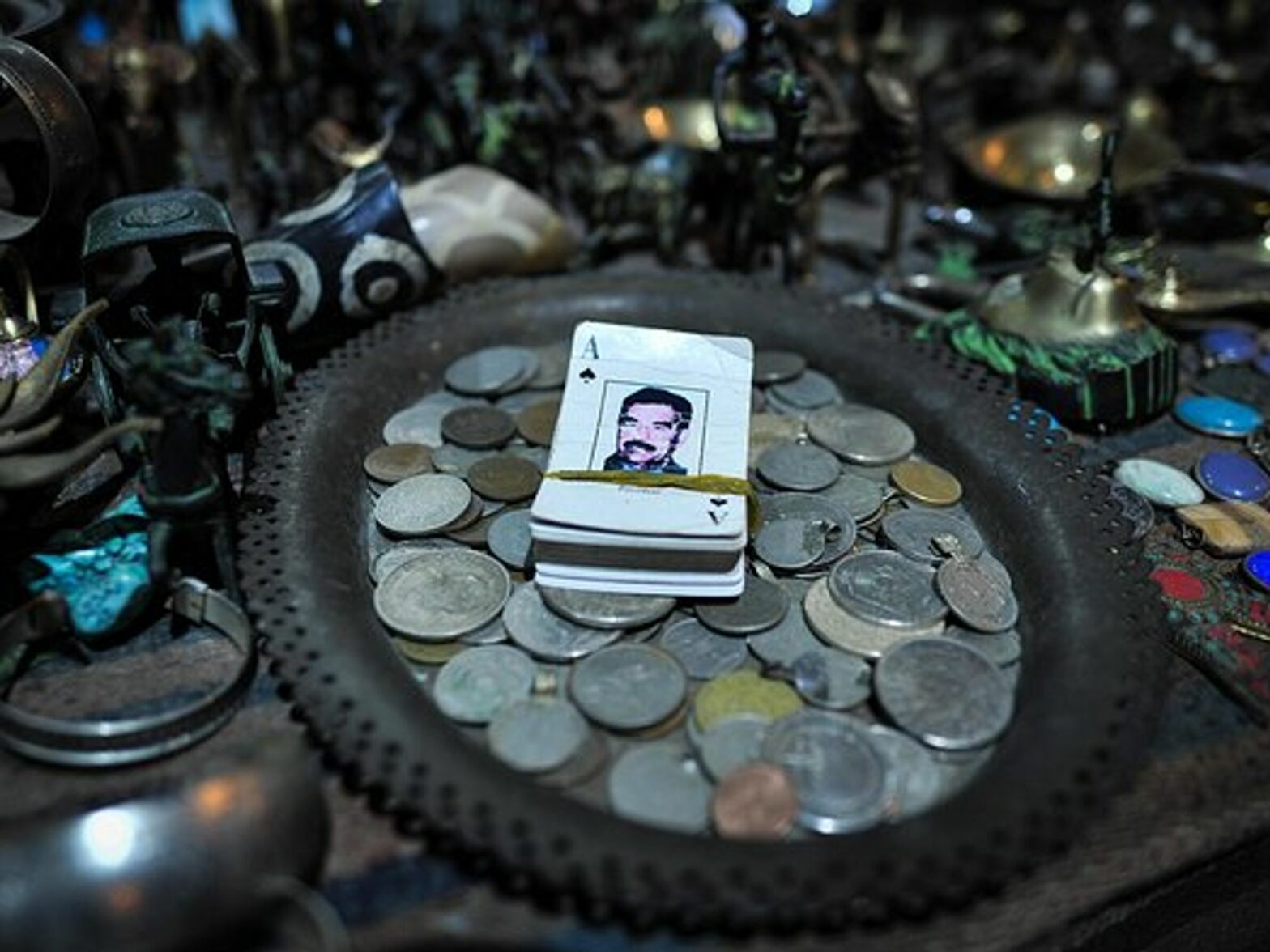
Despite the Ba’ath Party’s defeats in Iraq and Syria, many Jordanians still see Saddam Hussein as an Arab leader who was only overthrown by the U.S. occupation — despite the atrocities and crimes he committed that amount to crimes against humanity. Jordanian writer Hassan Zayed looks at these paradoxes.
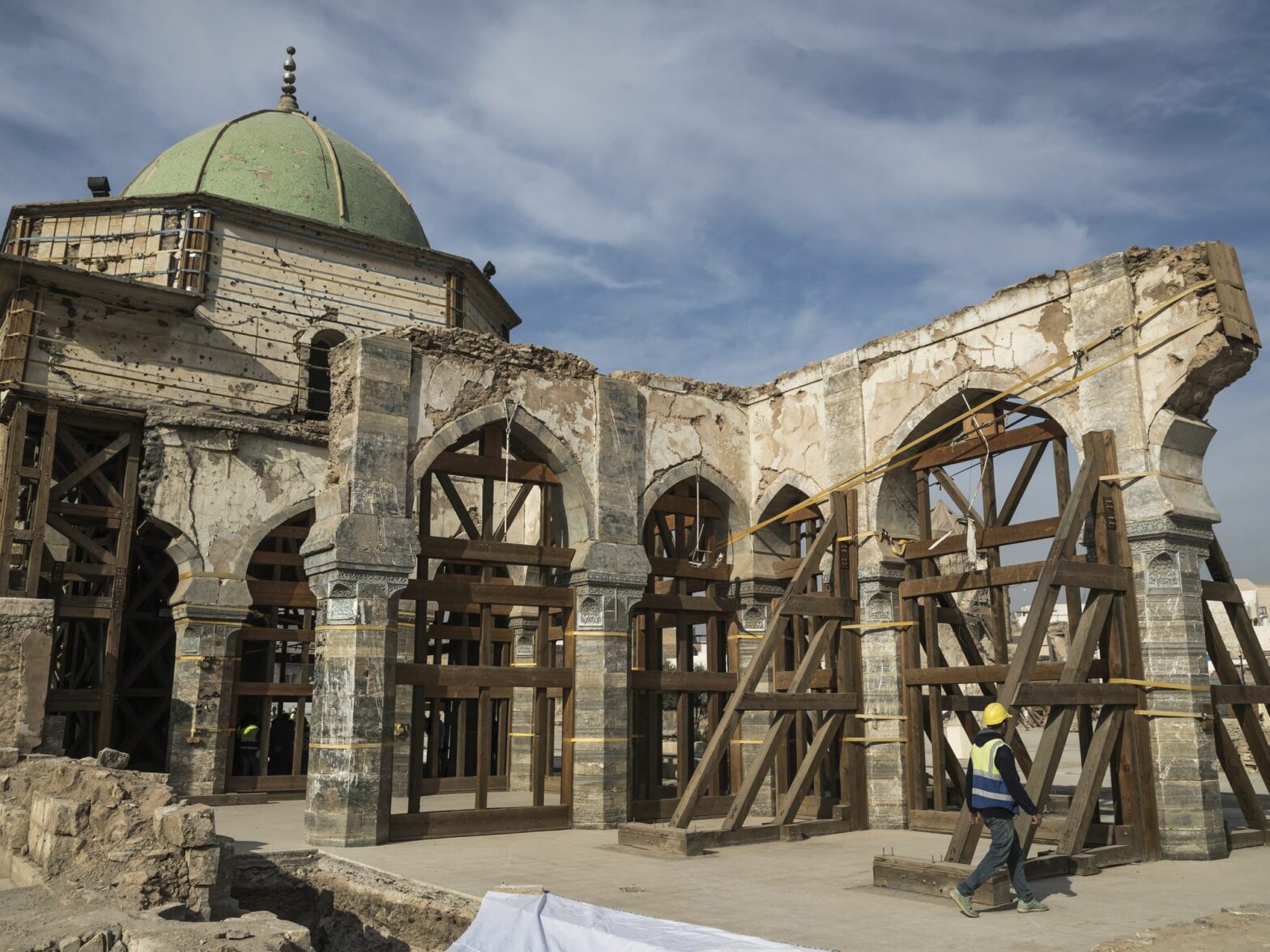
The Al-Nuri Mosque and its minaret were severely damaged by the Islamic State (ISIS), but their reconstruction is now part of a UNESCO initiative to assist the recovery of Mosul. In addition to its cultural relevance, the project also carries a sense of redemption and rebirth for the Iraqi city.
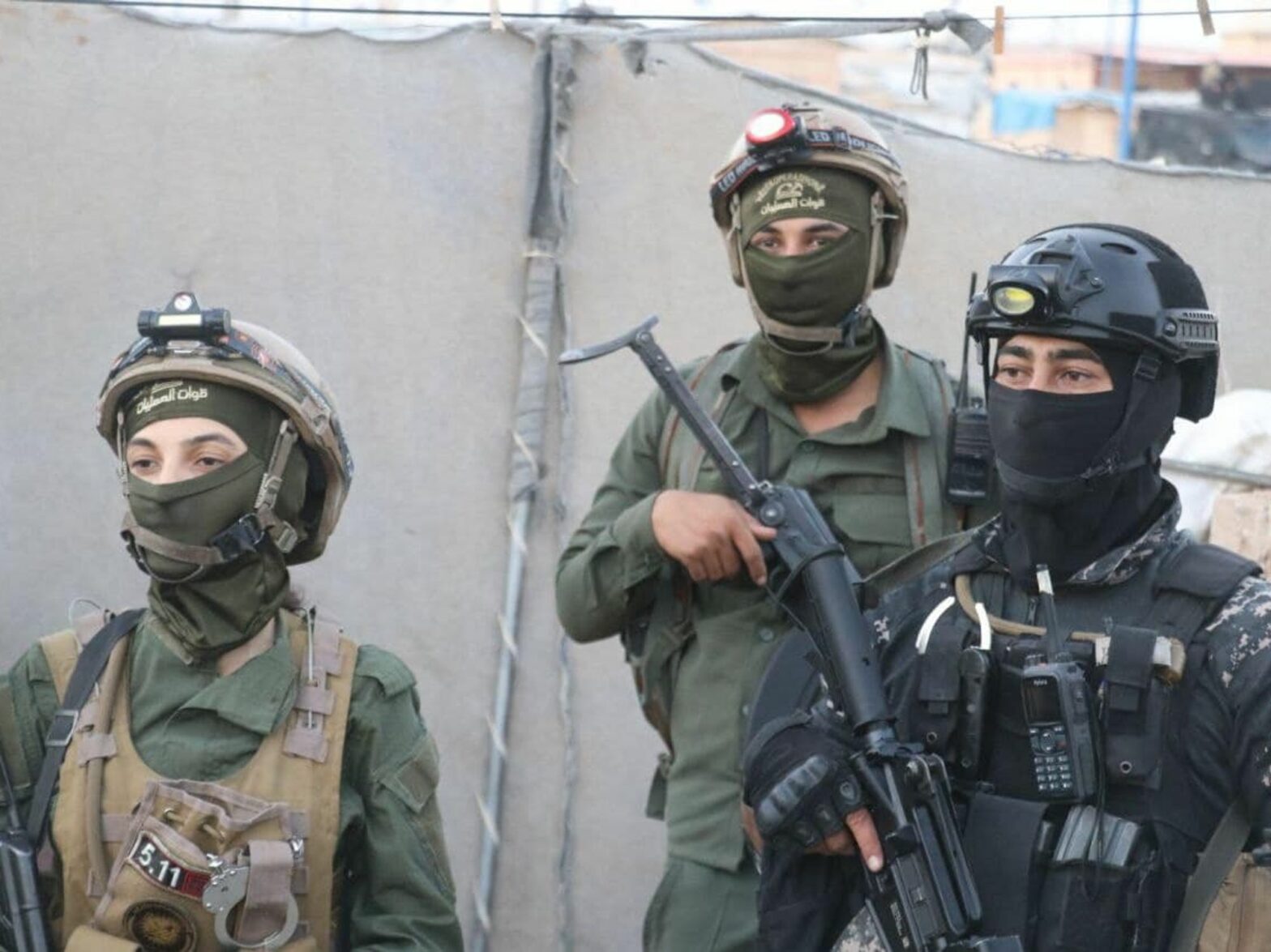
Stunning reports of positive exchanges between the long imprisoned leader of the Kurdistan Workers’ Party (PKK) and the Turkish government, coupled with the collapse of the Syrian regime, are reshaping the dynamics for the Kurds scattered across the Middle East. But beware of betrayal.
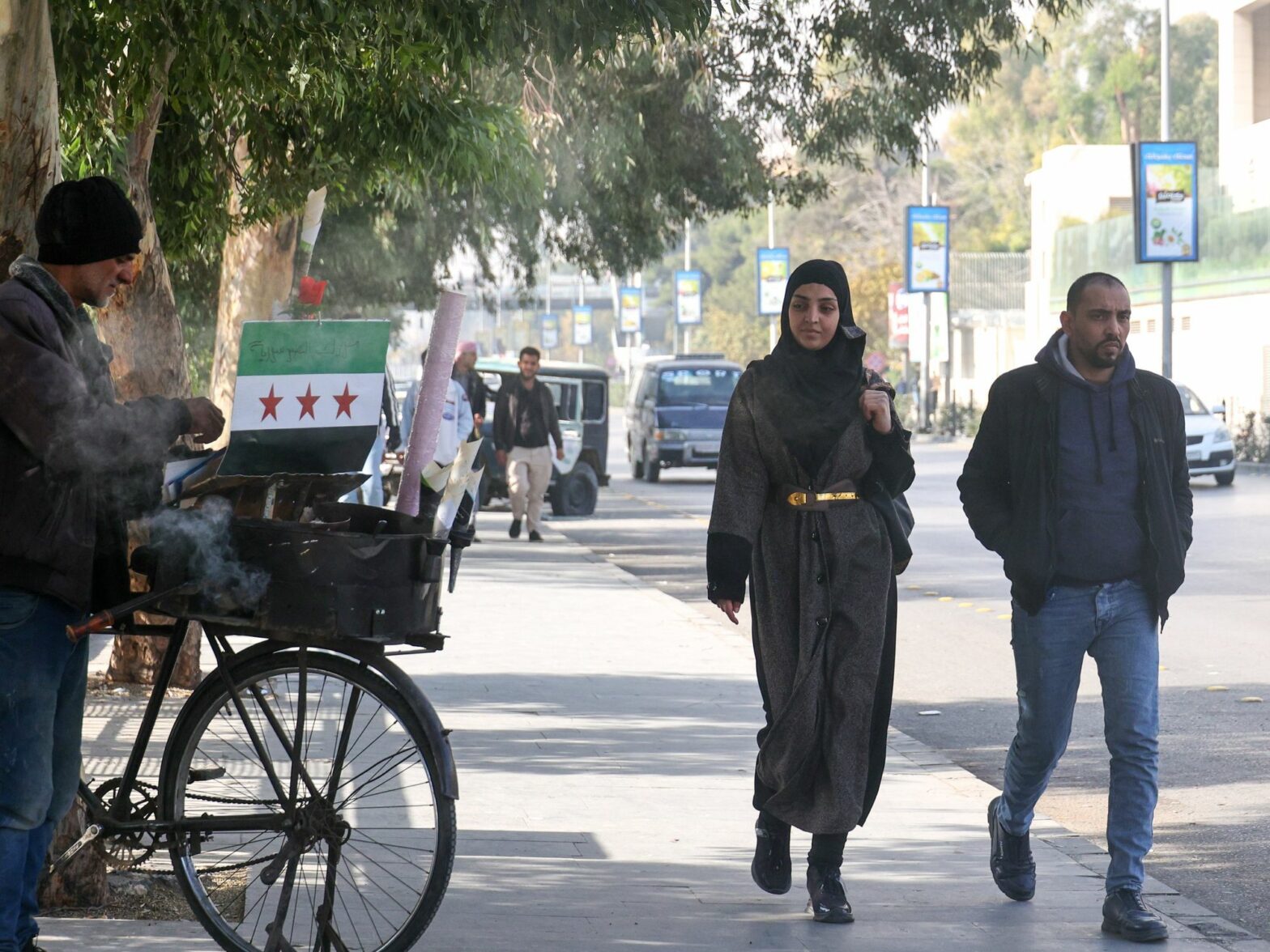
A post-Assad tour of Damascus, that singular Middle East capital, from which the Ba’ath Party spared nothing and desecrated everything. How quickly it shed all the ugliness that the Assad regime had spread over more than five decades!
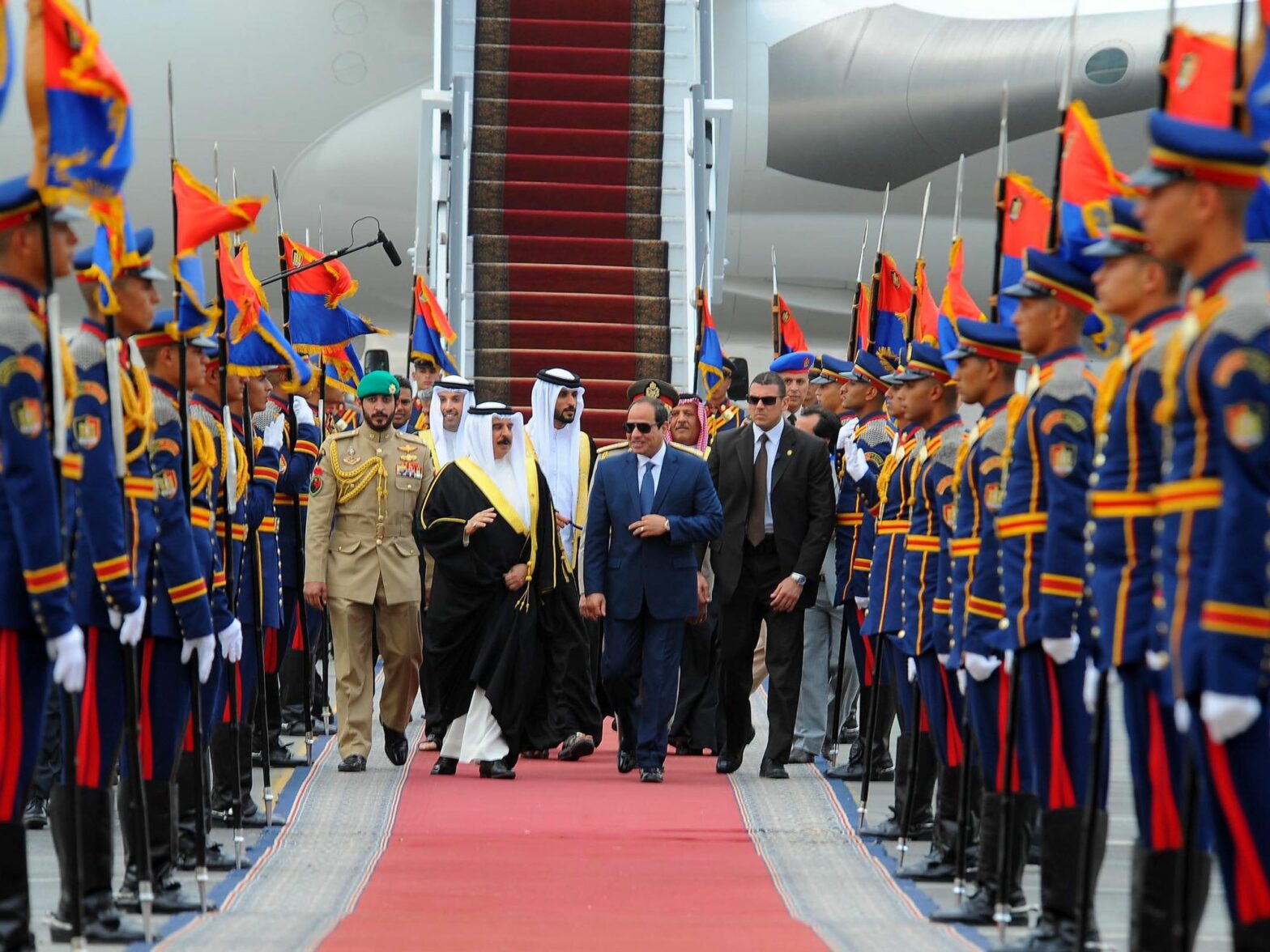
The Middle East needs a vision that emanates from the region itself, and includes clear reassurances to all parties.
Here, the opportunity appears for Egypt, which can play a vital role in helping neighboring countries shape this vision, after the Middle East that we knew since the Cold War has gone forever.
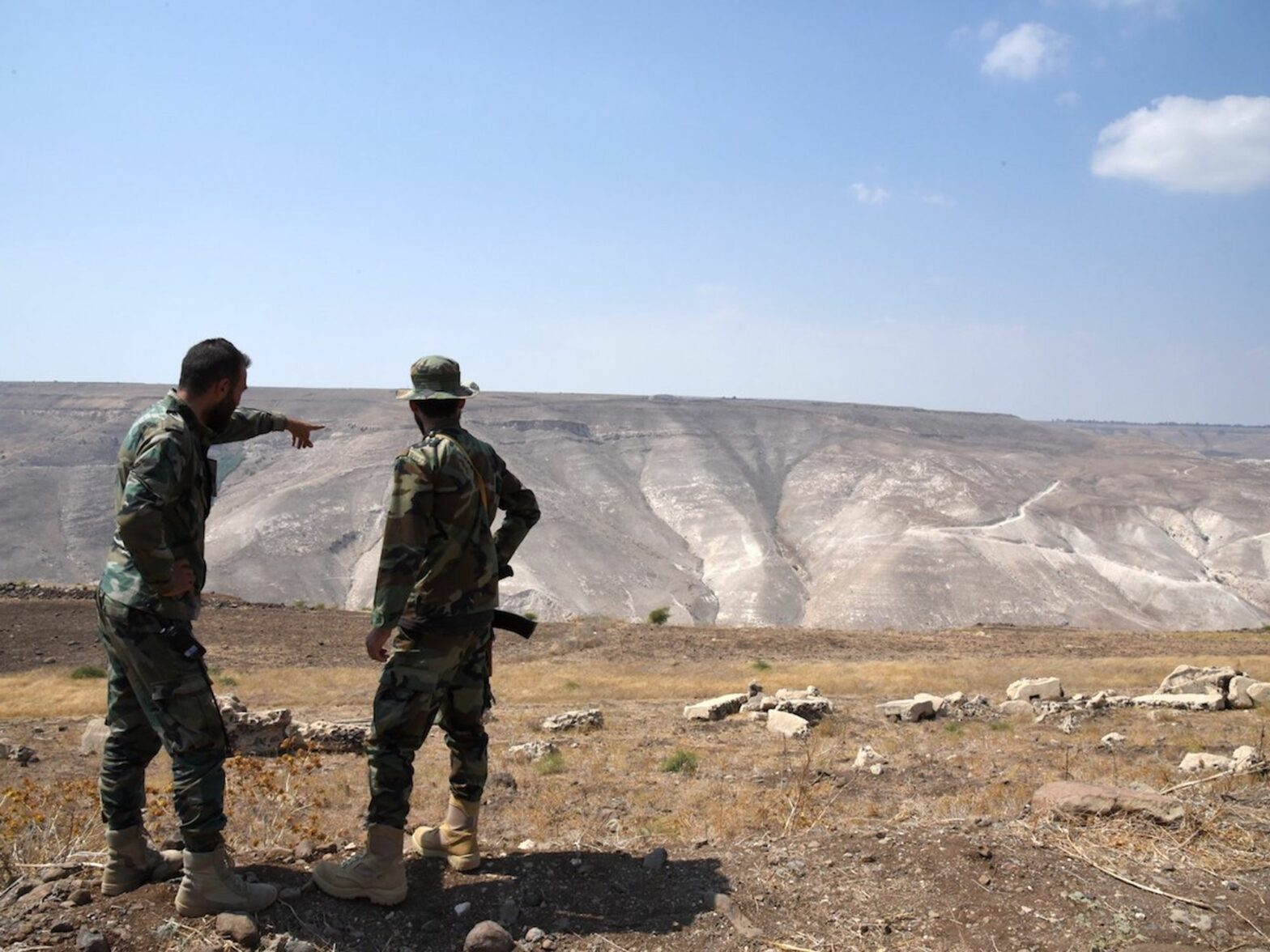
Amman and its allies, much like the skeptical secular Syrian opposition, await tangible actions on the ground to match the promises of pragmatist rhetoric from Abu Mohammed al-Jolani, who is marketing himself as a statesman committed to building an inclusive new Syria that’s a good neighbor after abandoning extremist ideologies.
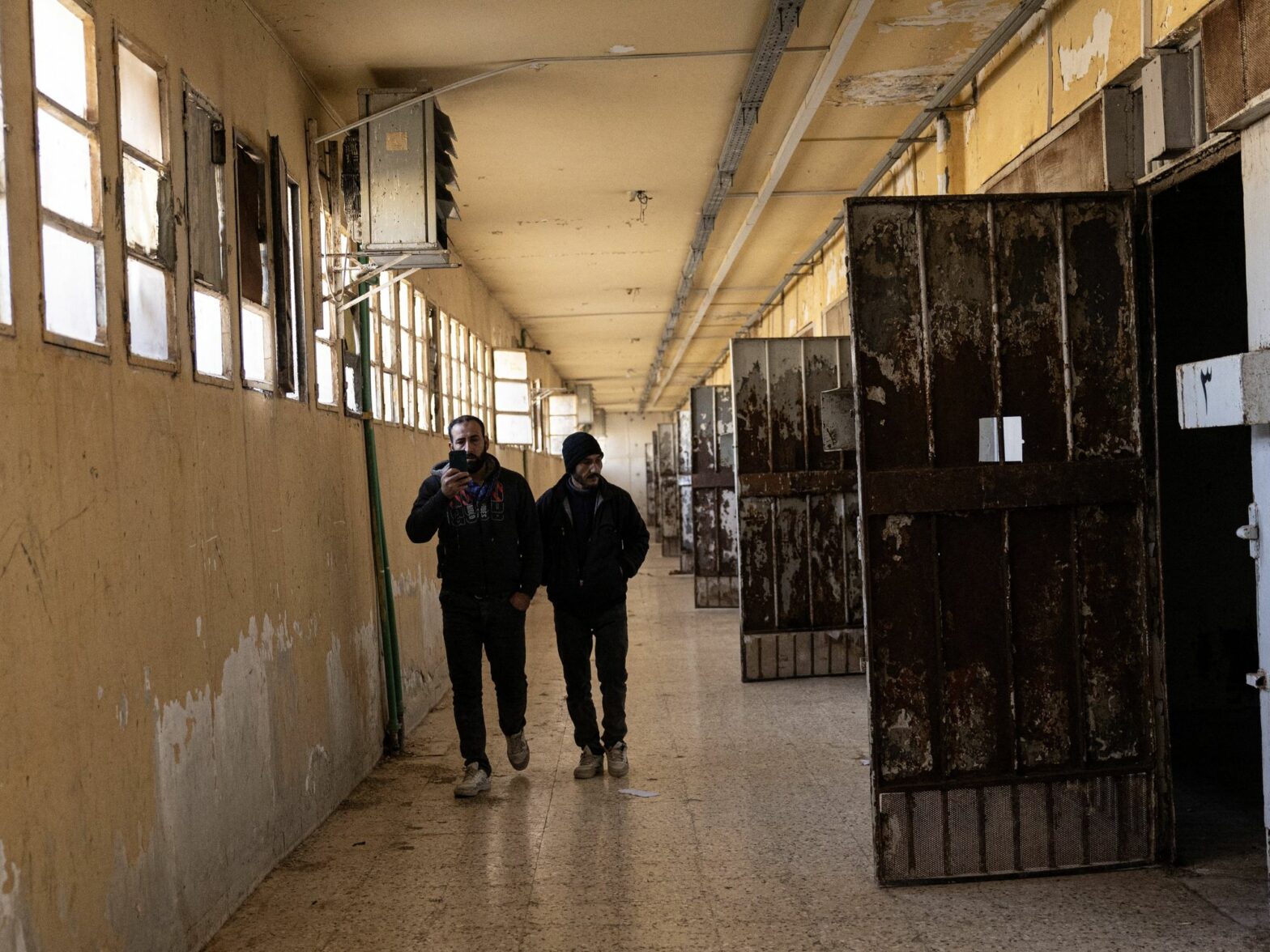
As the Assad regime was crumbling, the sight of the prisoners being freed had its own impact on so many people, including exiled Syrian writer Ruqayyah Al-Abbadi, who knew them from the inside.
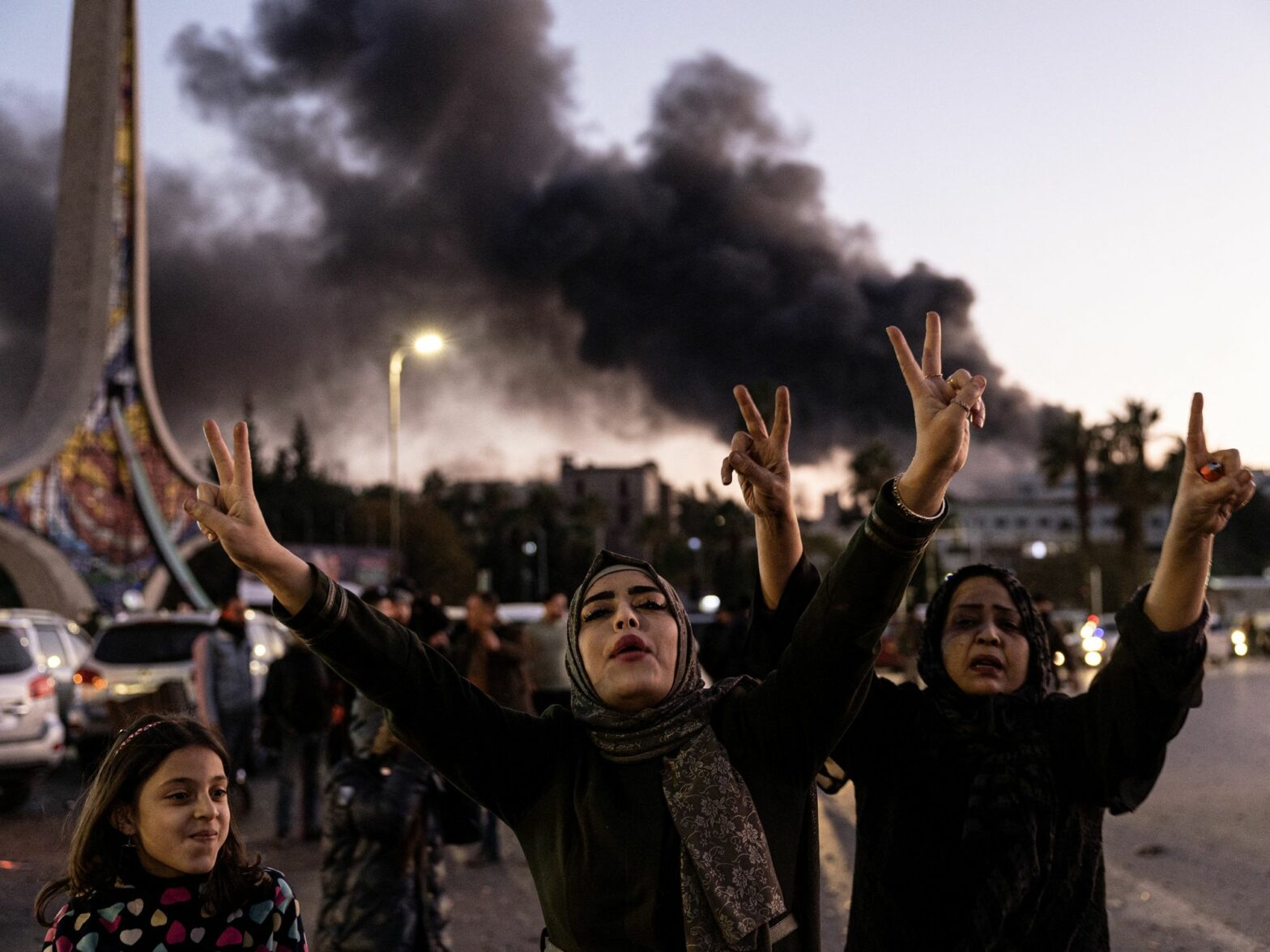
The scenes of joy and vengeance in Damascus recall the outpouring in Baghdad in 2003 when Saddam Hussein, and his statues, were toppled after years of rule by the same bloody political Ba’athist ideology that has held sway in the region for 77 years. But beware the risks of De-Ba’athification like in Iraq.
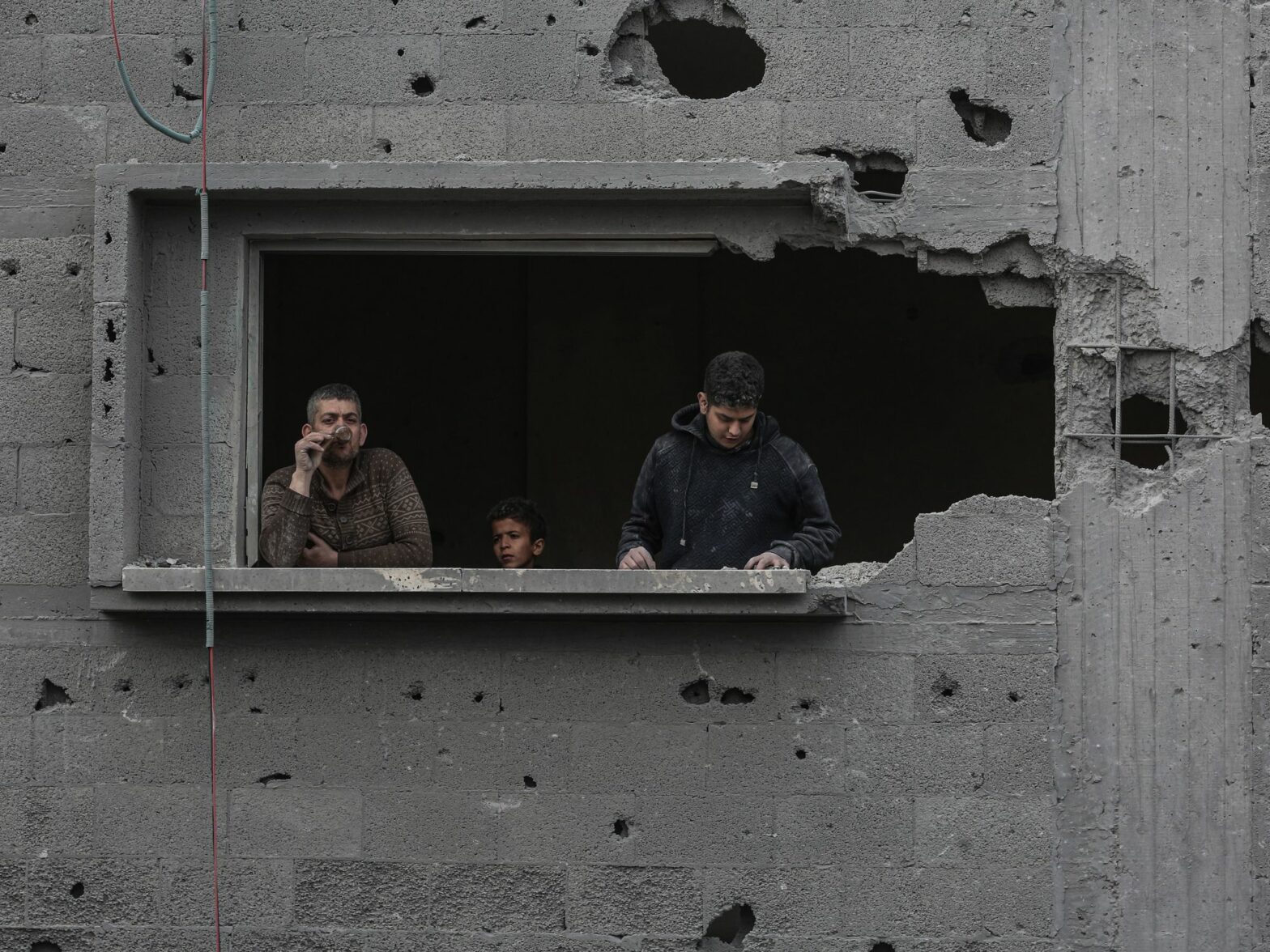
Since the Oct. 7 Hamas attack, use of the term “evil” has increased. The more heinous and public the murder, the more the evil of the murderer would be revealed and “the world” would be pushed to intervene. Yet in both Syria and Gaza, that world has been satisfied with symbolic responses.
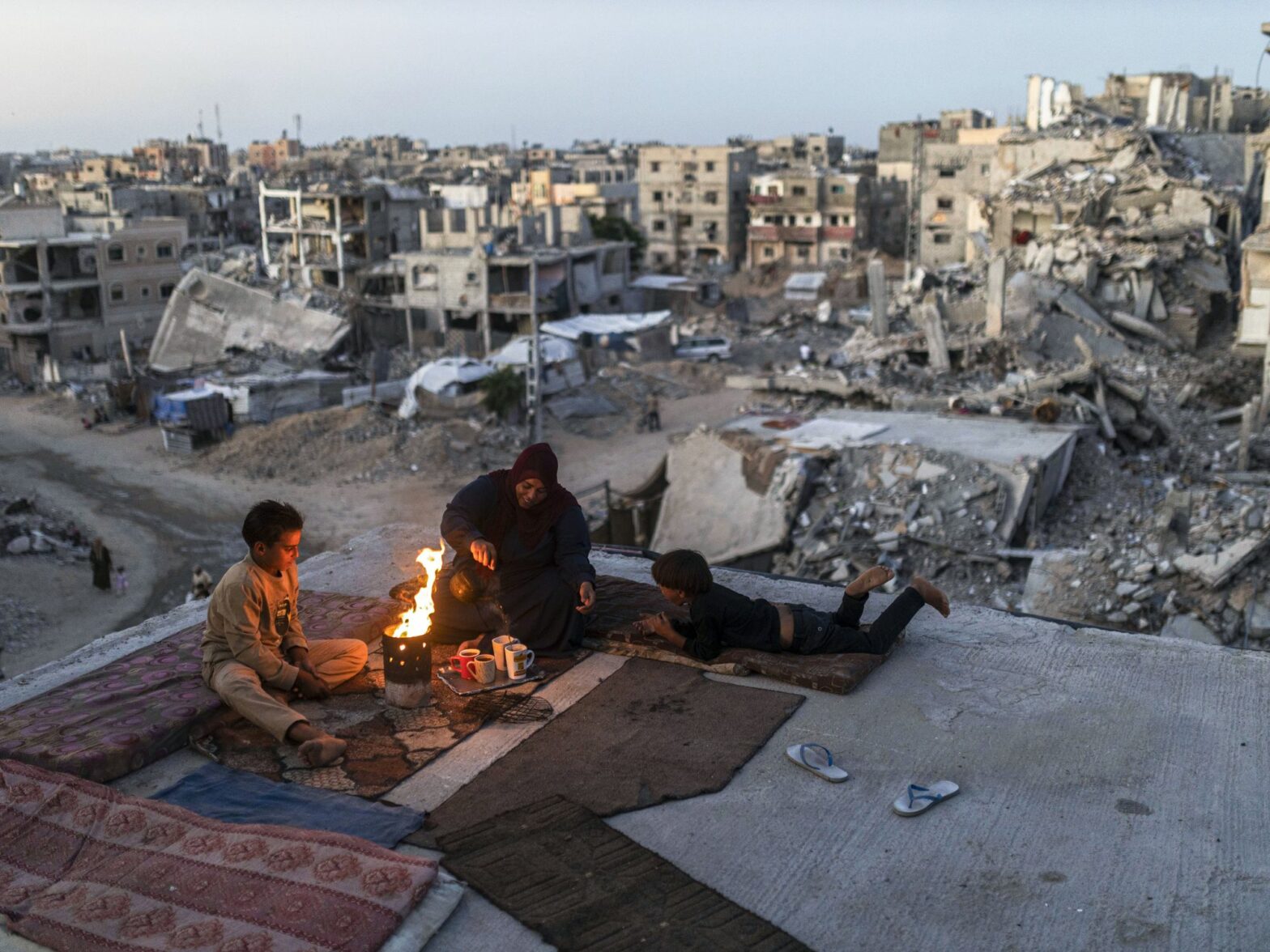
In the Middle East and North Africa, divisions are as stark as they can be. War-torn nations stand side-by-side with wealthy oil-rich countries where the elites feel disconnected from the rest of the region. But, as Yemeni freelance journalist and a human rights defender Afrah Nasser, warns, these inequalities breed monsters, and wealth will not prevent oil-rich countries from experiencing chaos and destruction.
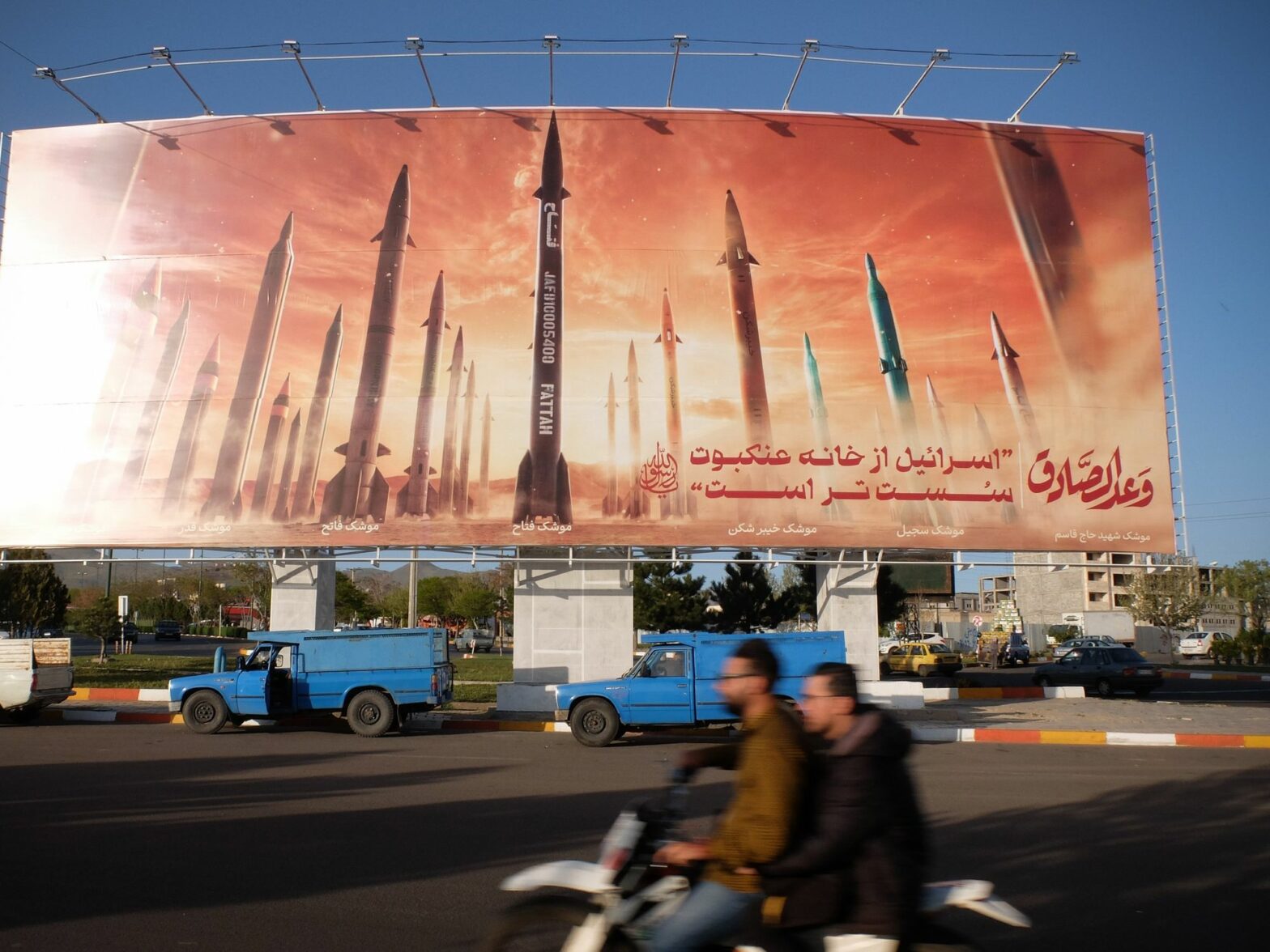
Iran’s Supreme Leader Khamenei vowed on Friday that the country’s regional allies would “not back down” against Israel. Yet neither criticism of Tehran has been growing among Hezbollah supporters since the assassination of Hassan Nasrallah.
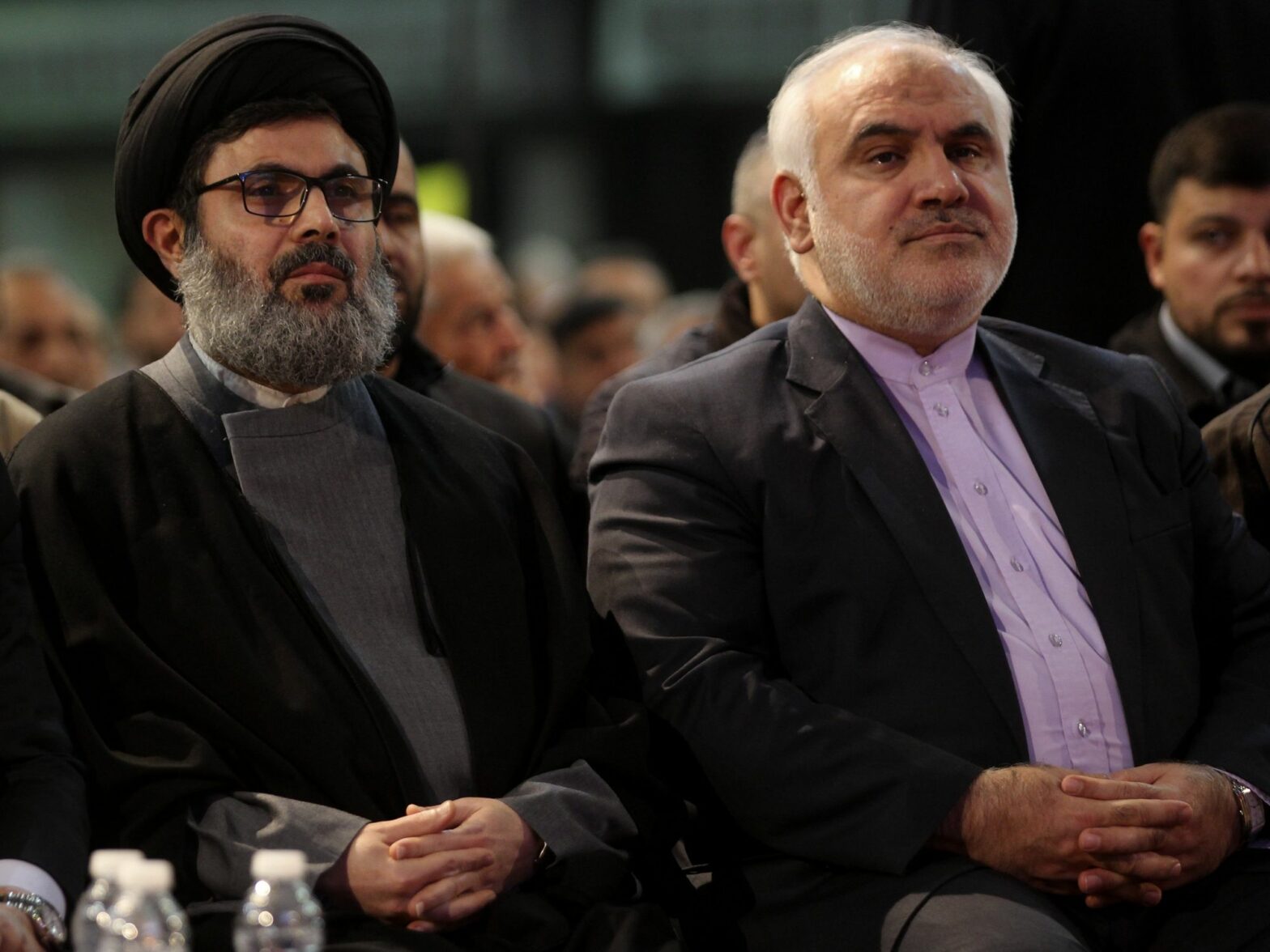
Israel has targeted Hashem Safieddine, the younger cousin of slain Hezbollah chief Hassan Nasrallah, in an overnight air strike early Friday. Believed to be the heir apparent, Safieddine rose through the ranks and positions within the organizational structure. He also has very strong ties, and family connections, with hardliners in Iran.
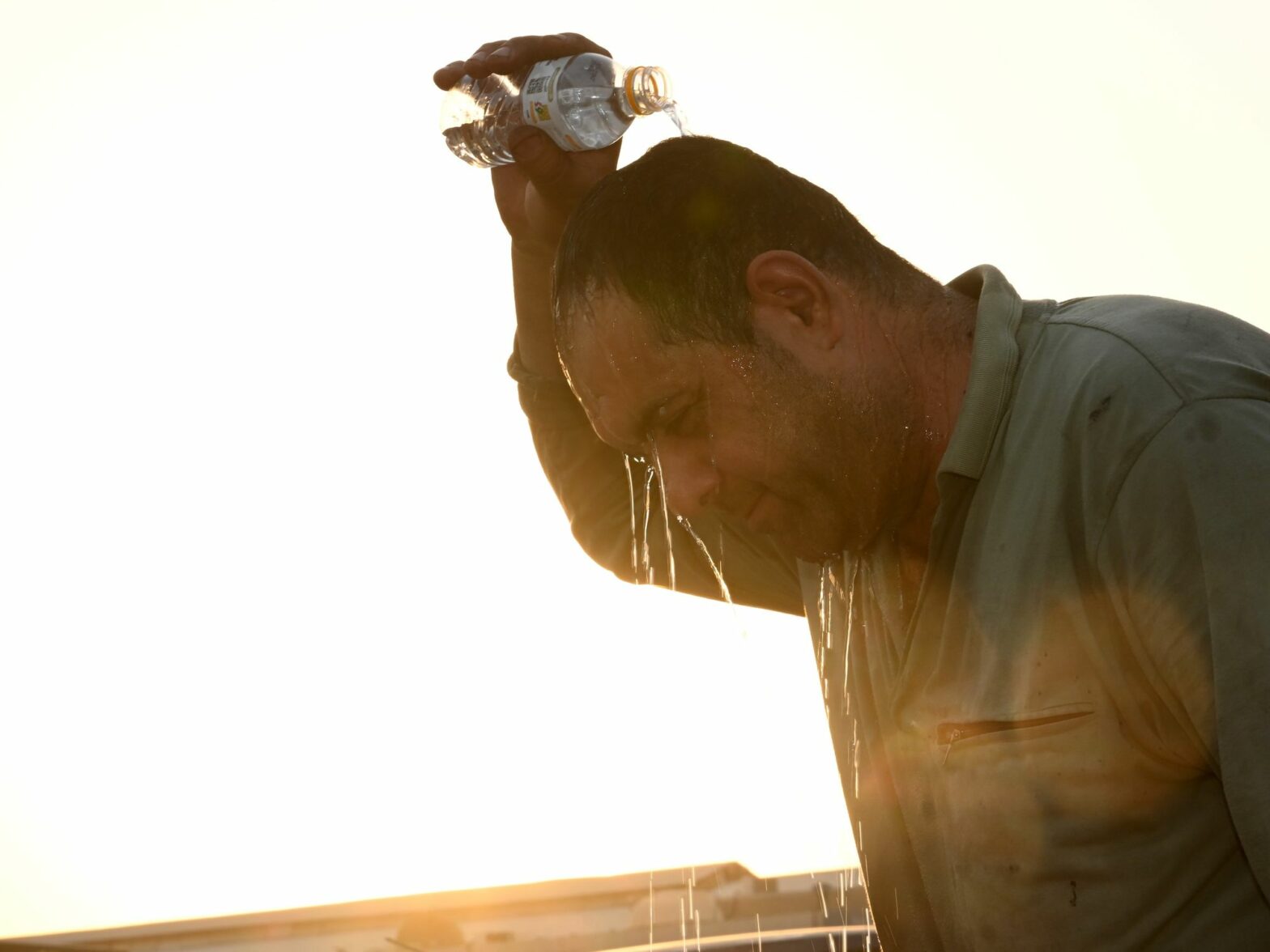
Climate change has become an inevitable issue in the Middle East and North Africa — which may soon experience 200 days of extreme heat annually — and with those changes come questions of environmental justice.
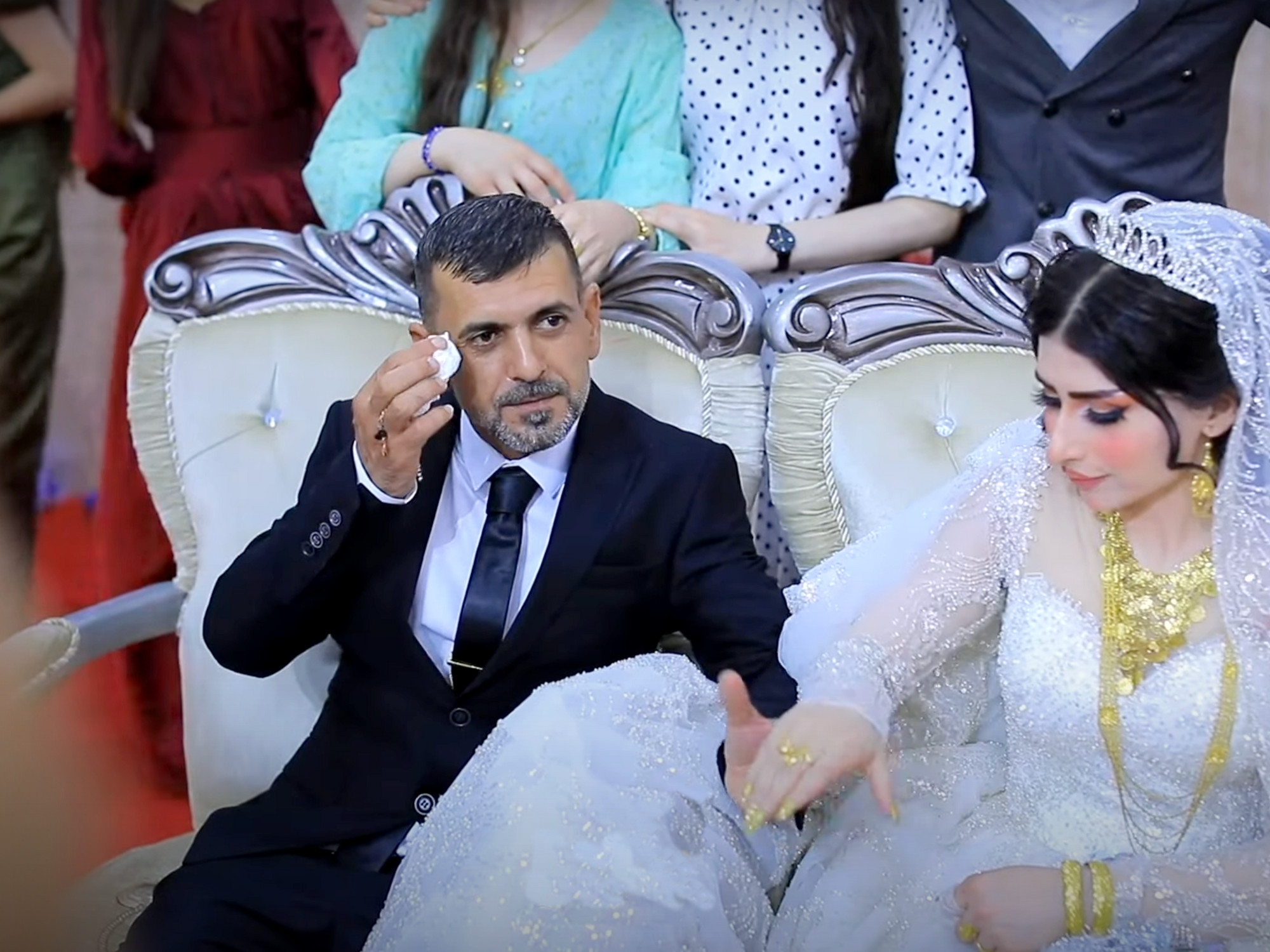
Married shortly before ISIS militants began their genocide of Yazidi people in northern Iraq, Samia Samu was later abducted and held captive for nine years. Upon her recent release, she and her husband, Dakhil Hassan, celebrated by renewing their wedding vows.
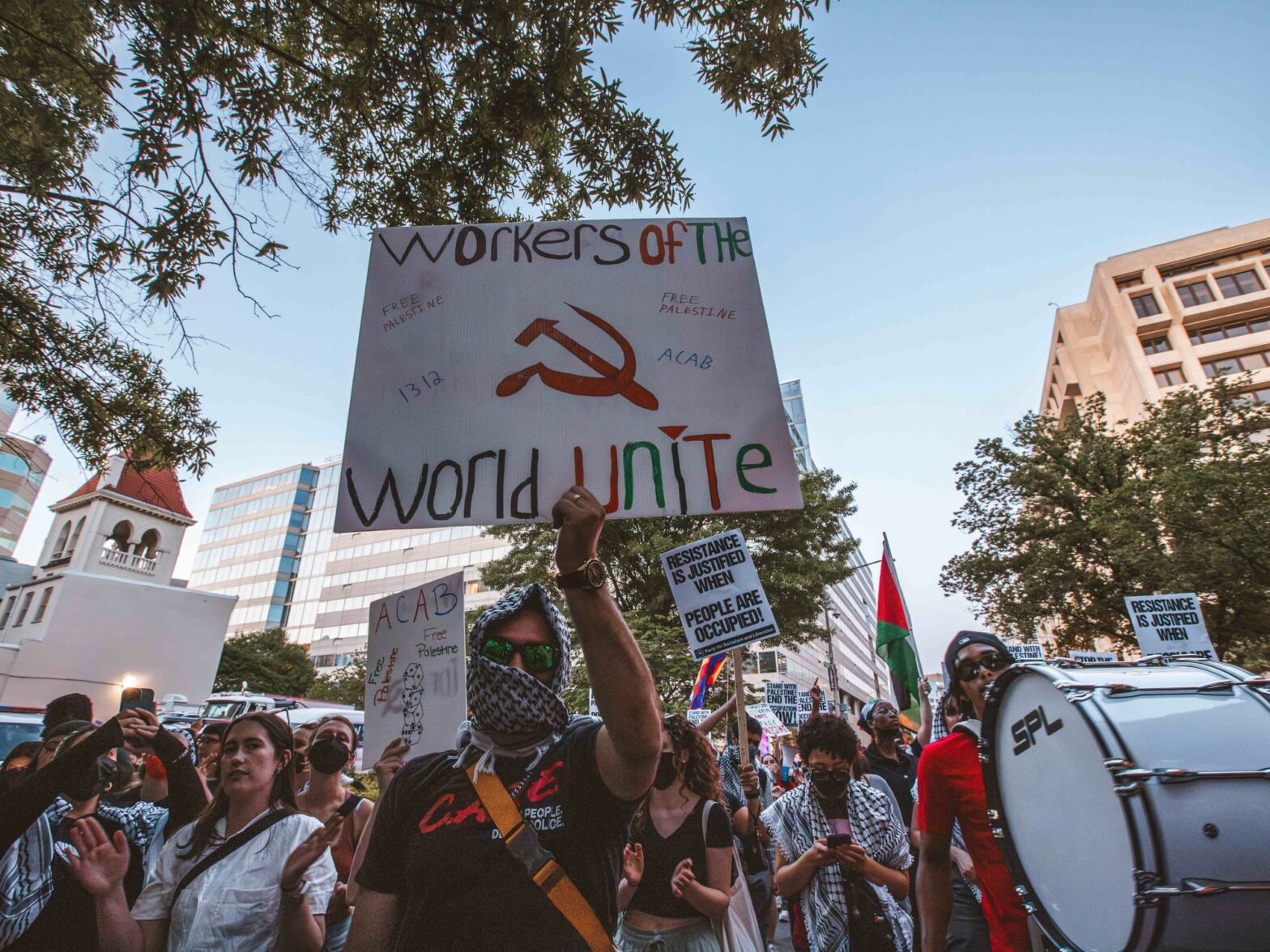
A confounding alliance between leftists, wokism and Islamic fanatics is the perfect smokescreen for an insidious enemy targeting the West’s liberal values. It’s happened before.
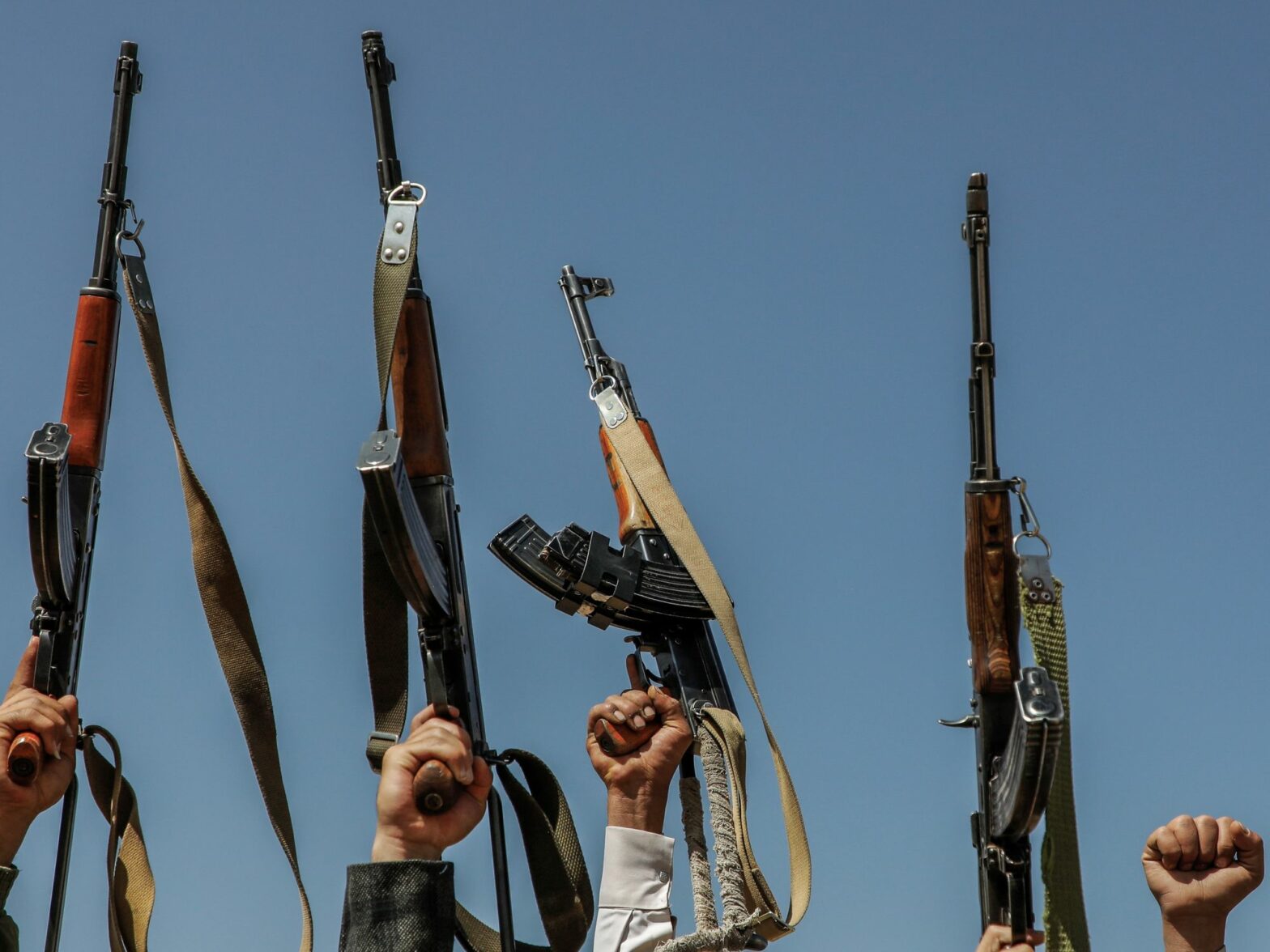
While the Palestinian cause is important for Iran and the Arab militias it backs, the return of this issue to the forefront may not benefit the resistance camp. And its tactic of strategic patience may not produce the intended results.
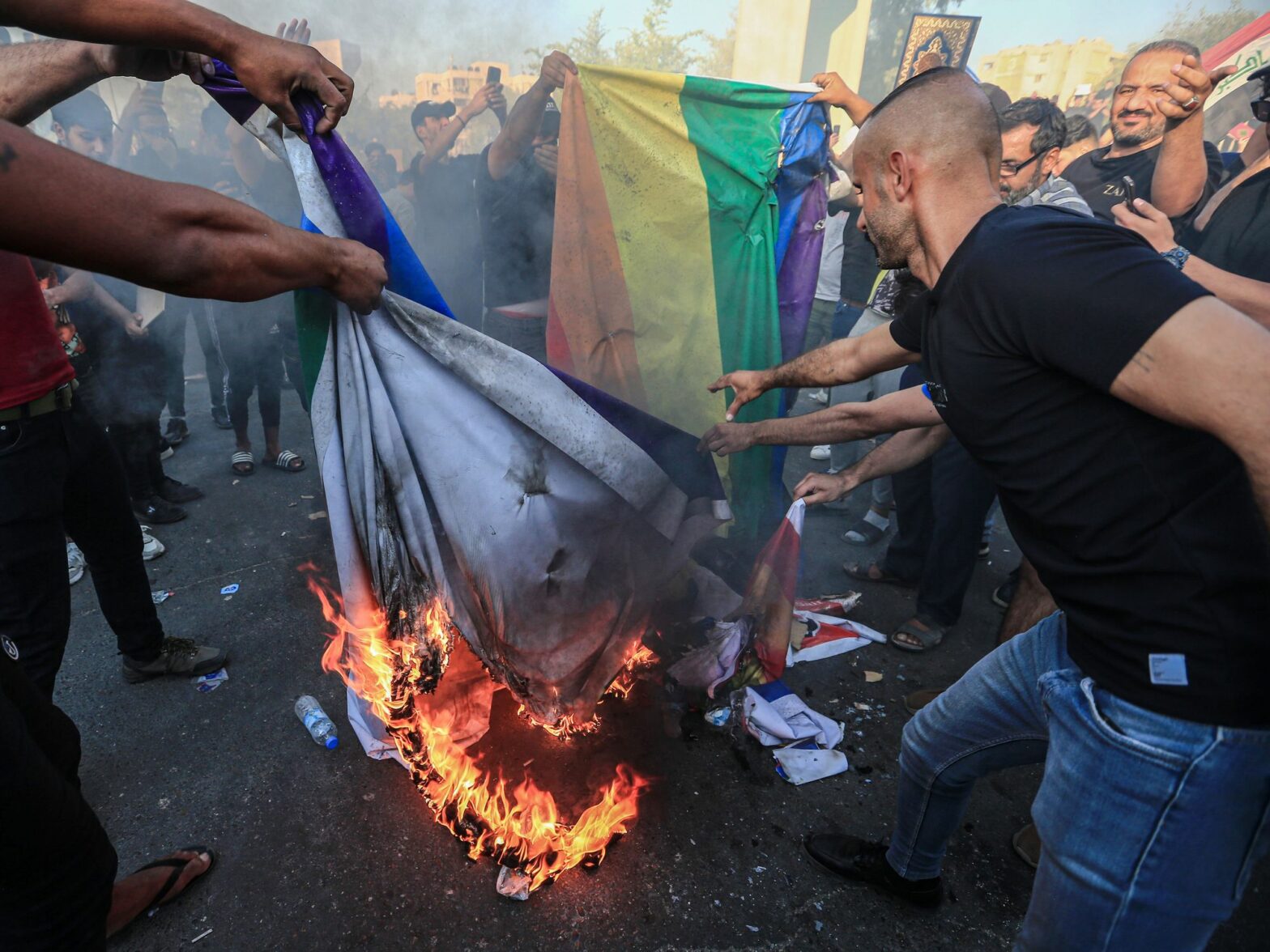
With the increase of the tyranny of religious fundamentalism and its bureaucratic apparatus, we see related reactions spreading towards non-normative women. And among those who want to deny rights to trans women are certain feminist groups and activists.
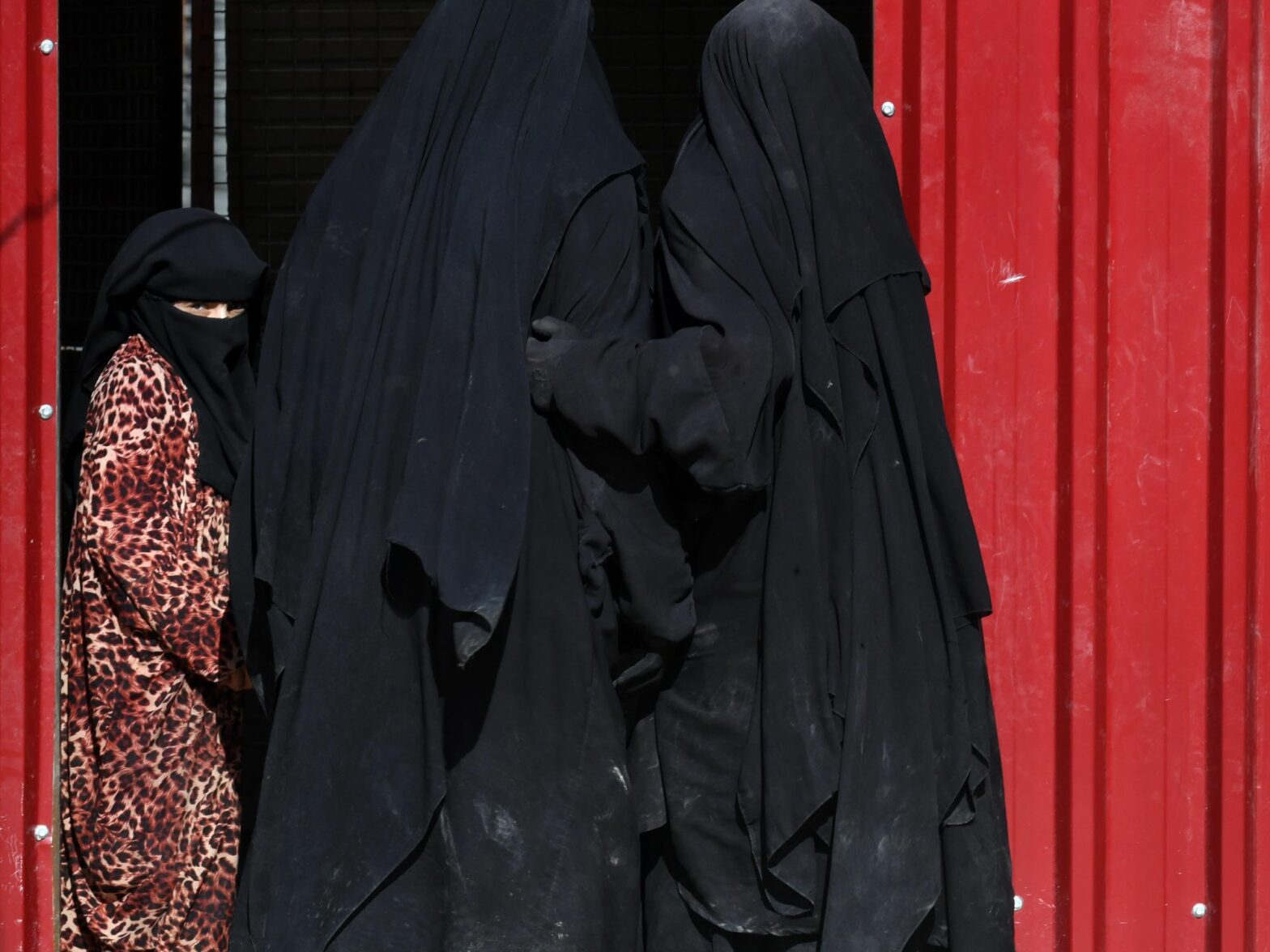
The arrest and trial of a female associate of the Islamic, one of many stories of women that have never been told, how the militant group employed them in various forms during its rule and even after its defeat and its transformation into separate but active cells.
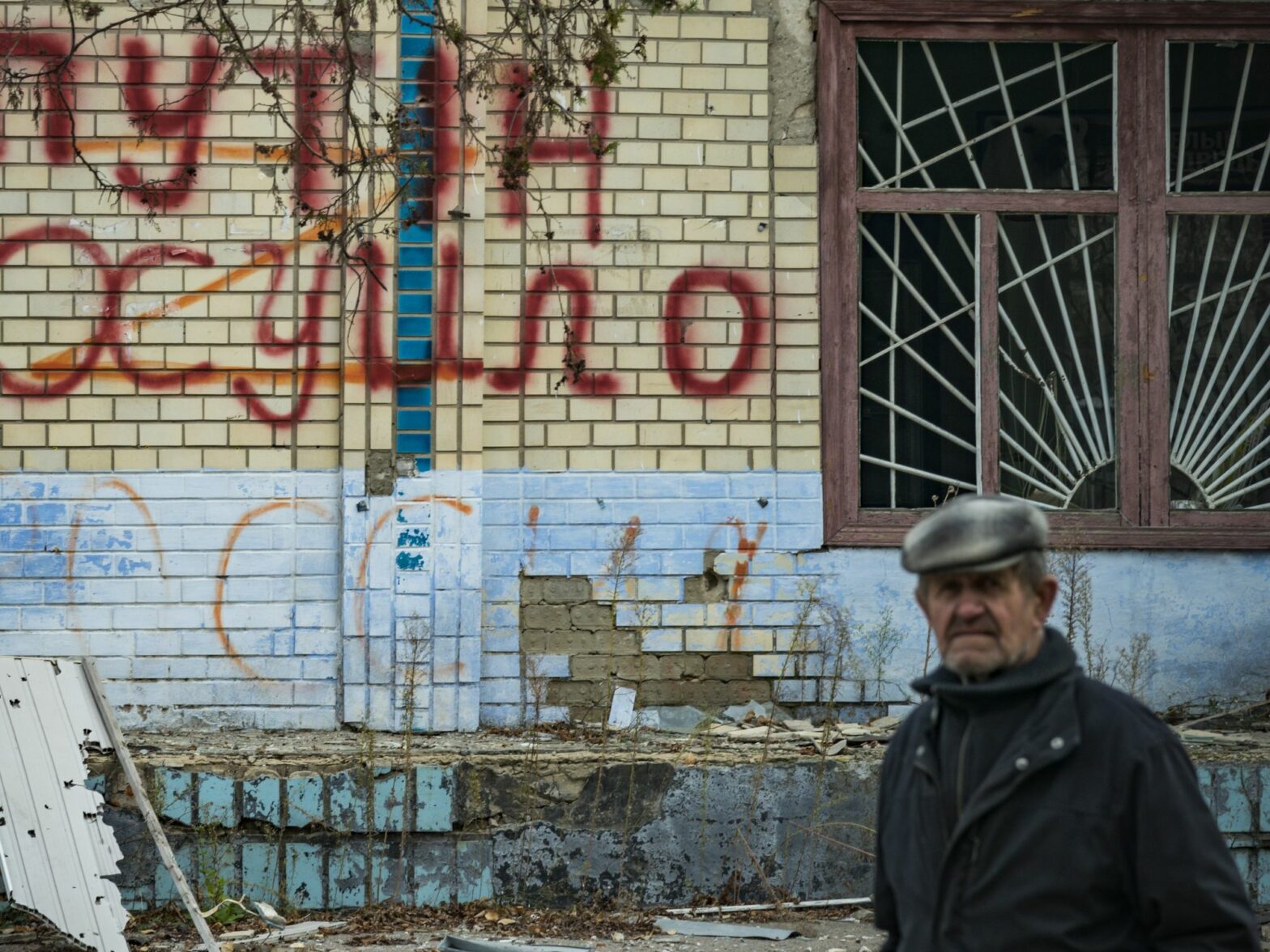
With multilateral diplomacy in tatters, the fighting gumption of weaker states against aggression by bigger powers is helping end the age of empires.
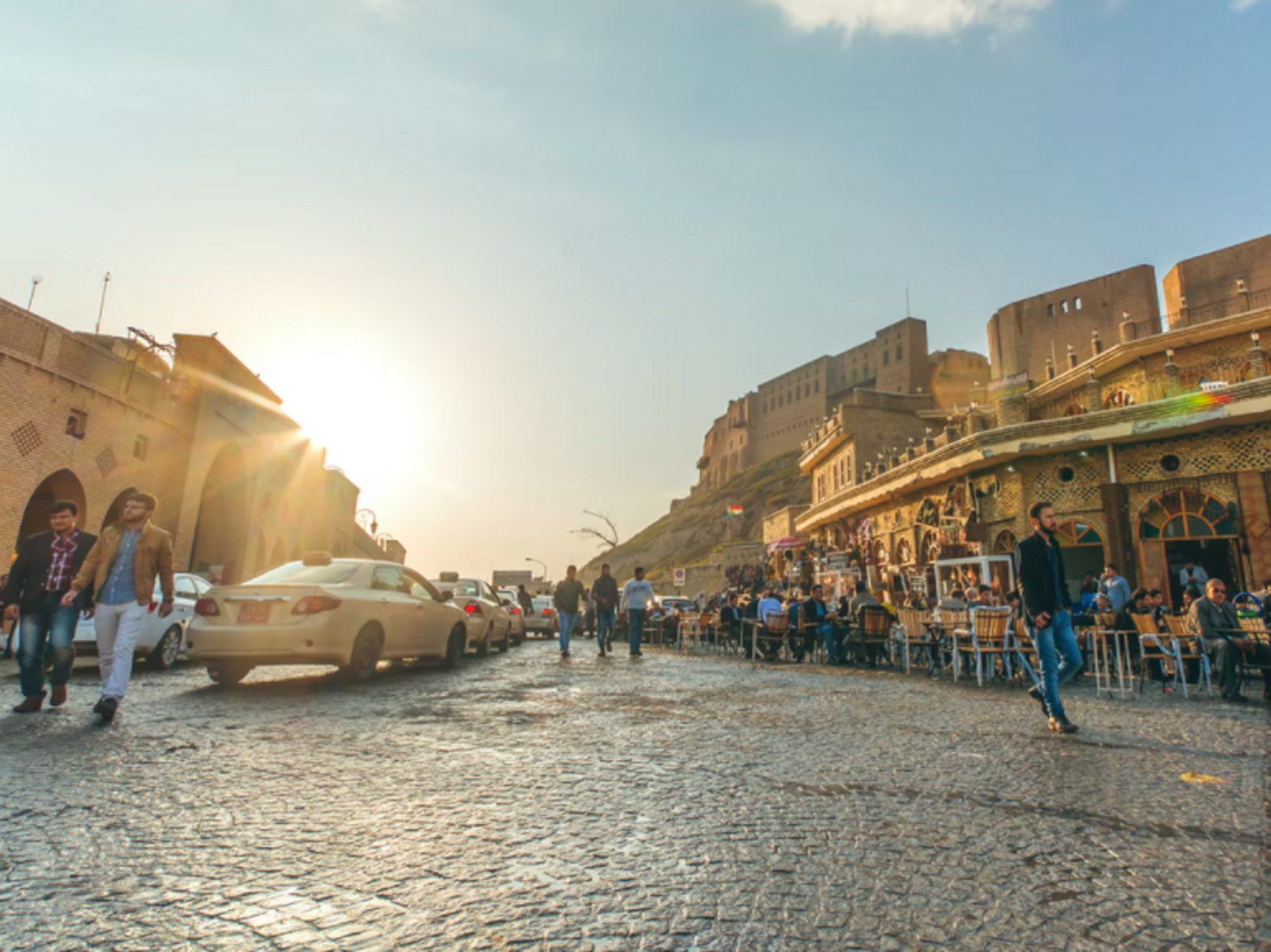
How do you rebuild a country decimated by four decades of war and embargoes? Following the withdrawal of the U.S. military, Iraq faces many challenges, from oil revenues captured by the militias and endemic corruption to religious segregation. However, there are glimmers of hope for the country’s future.
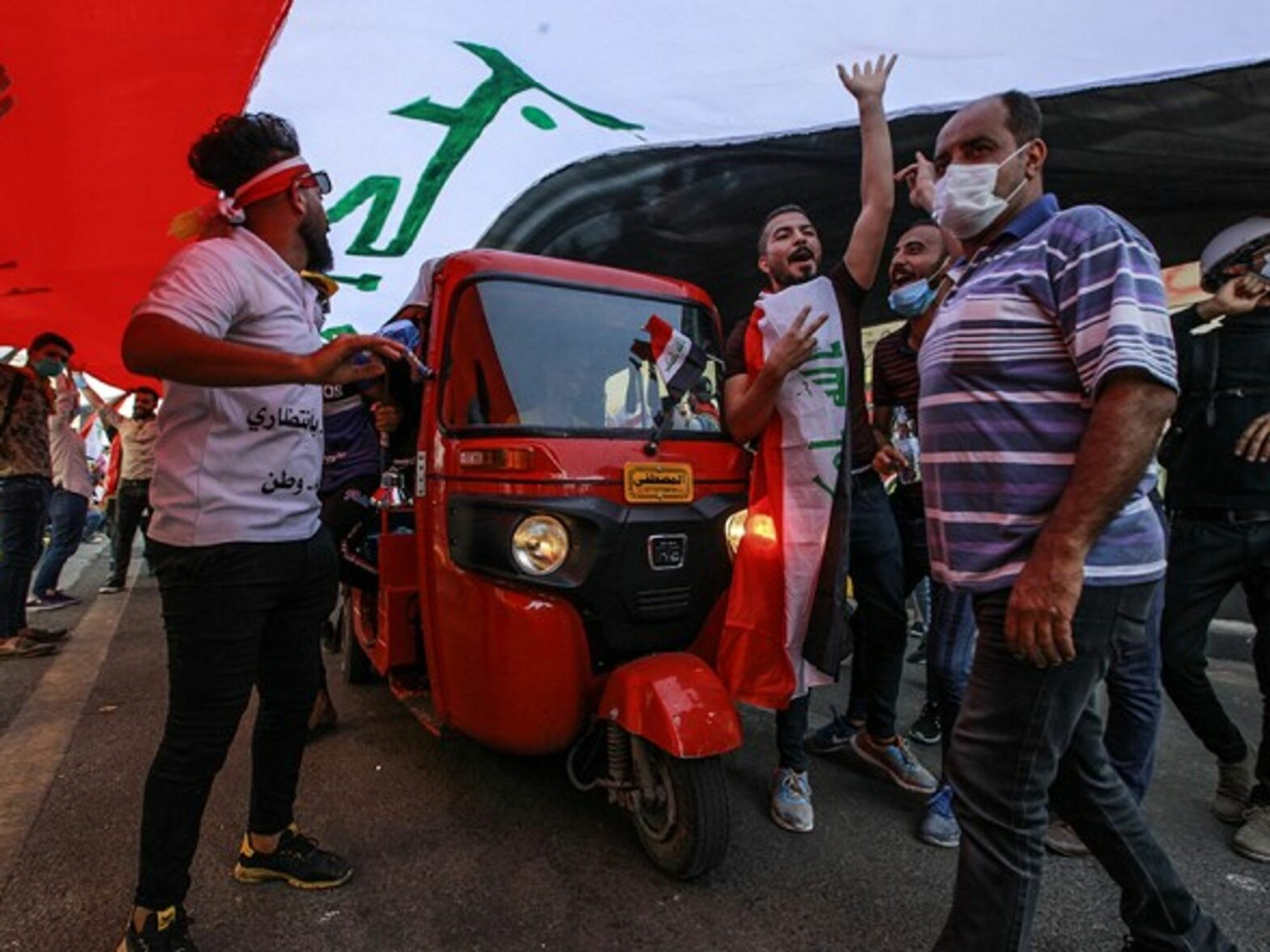
What began as a slogan shared among Facebook users has since morphed into a full-blown, youth-led movement for deep structural changes in the war-torn country.
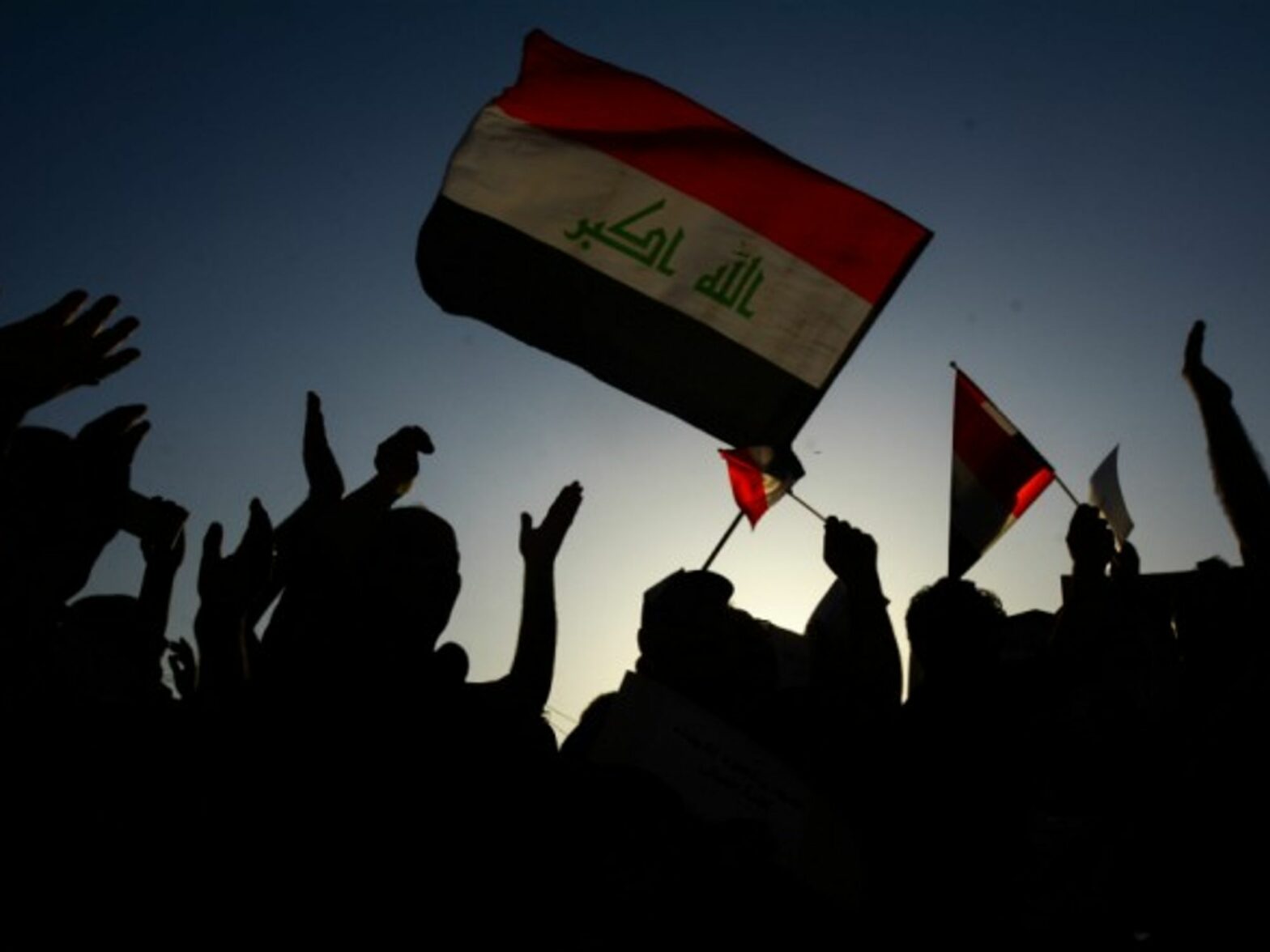
Young people with little memory of the Saddam Hussein era are fed up with unemployment, public sector corruption and unfulfilled government promises.
[dailymotion //www.dailymotion.com/embed/video/k4OfmxI2yTFG6qqyXUK expand=1] OneShot — The Battle for Mosul, 2017 (©Ivor Prickett) An unidentified young boy who had survived the siege of last ISIS-controlled area in the Old City of Mosul is cared for by Iraqi Special Forces soldiers. This photo is among the World Press Photo of the Year 2018 Nominees. OneShot is a new digital format to tell the story of a single photograph in an immersive one-minute video. Follow OneShot: [rebelmouse-image 27068863 original_size=”320×320″ expand=1][rebelmouse-image 27068864 original_size=”174×174″ expand=1][rebelmouse-image 27068865 original_size=”128×128″ expand=1][rebelmouse-image 27068866 original_size=”227×227″ expand=1][rebelmouse-image 27068867 original_size=”256×256″ expand=1]
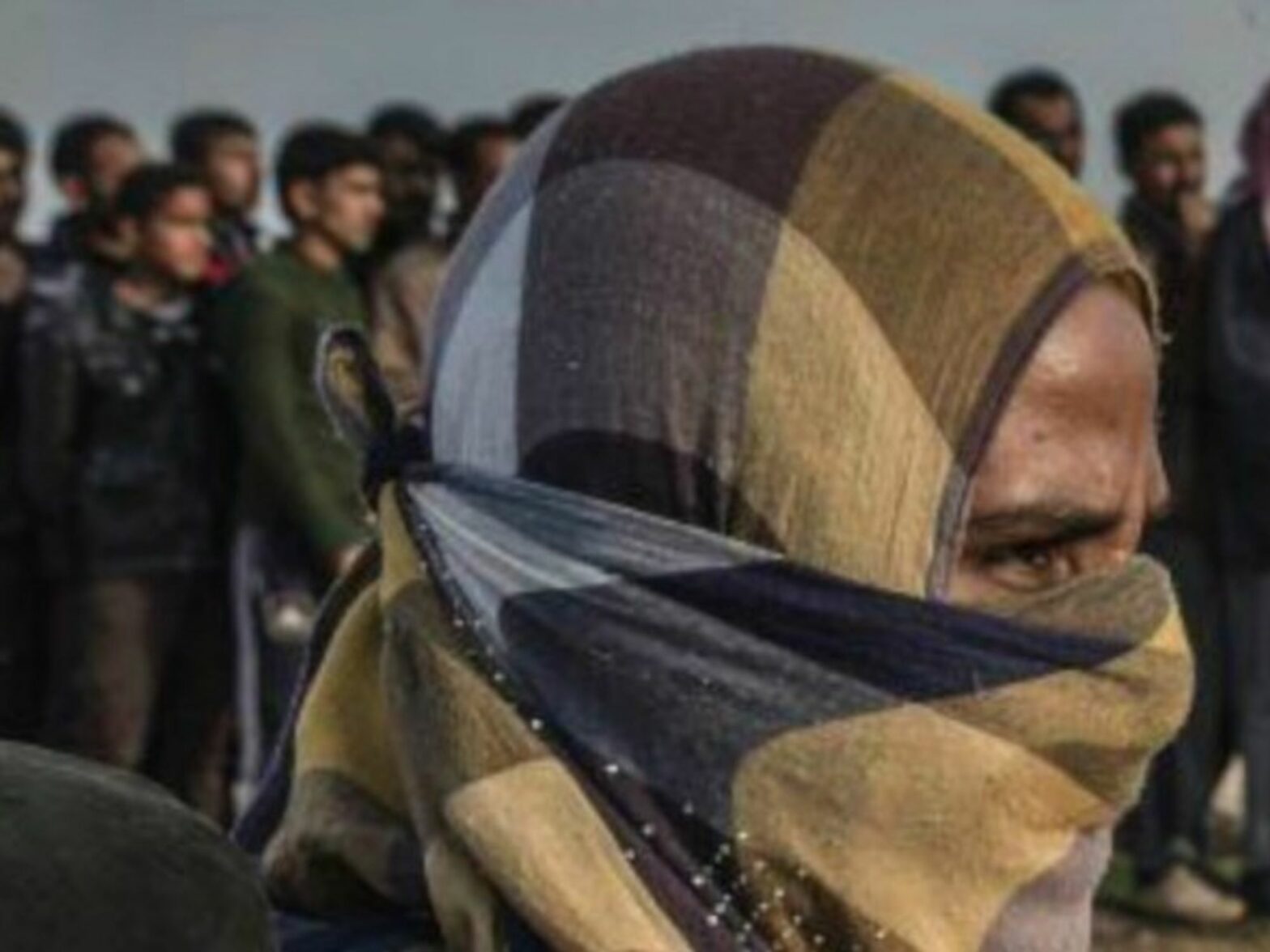
[youtube https://www.youtube.com/embed/tQ6IXJrut2g expand=1] OneShot — The Battle for Mosul, 2017 (©Ivor Prickett) Civilians who had remained in west Mosul after the battle to take the city line up for aid in the Mamun neighborhood. This photo is among the World Press Photo of the Year 2018 Nominees. OneShot is a new digital format to tell the story of a single photograph in an immersive one-minute video. Follow OneShot: [rebelmouse-image 27068863 original_size=”320×320″ expand=1][rebelmouse-image 27068864 original_size=”174×174″ expand=1][rebelmouse-image 27068865 original_size=”128×128″ expand=1][rebelmouse-image 27068866 original_size=”227×227″ expand=1][rebelmouse-image 27068867 original_size=”256×256″ expand=1]
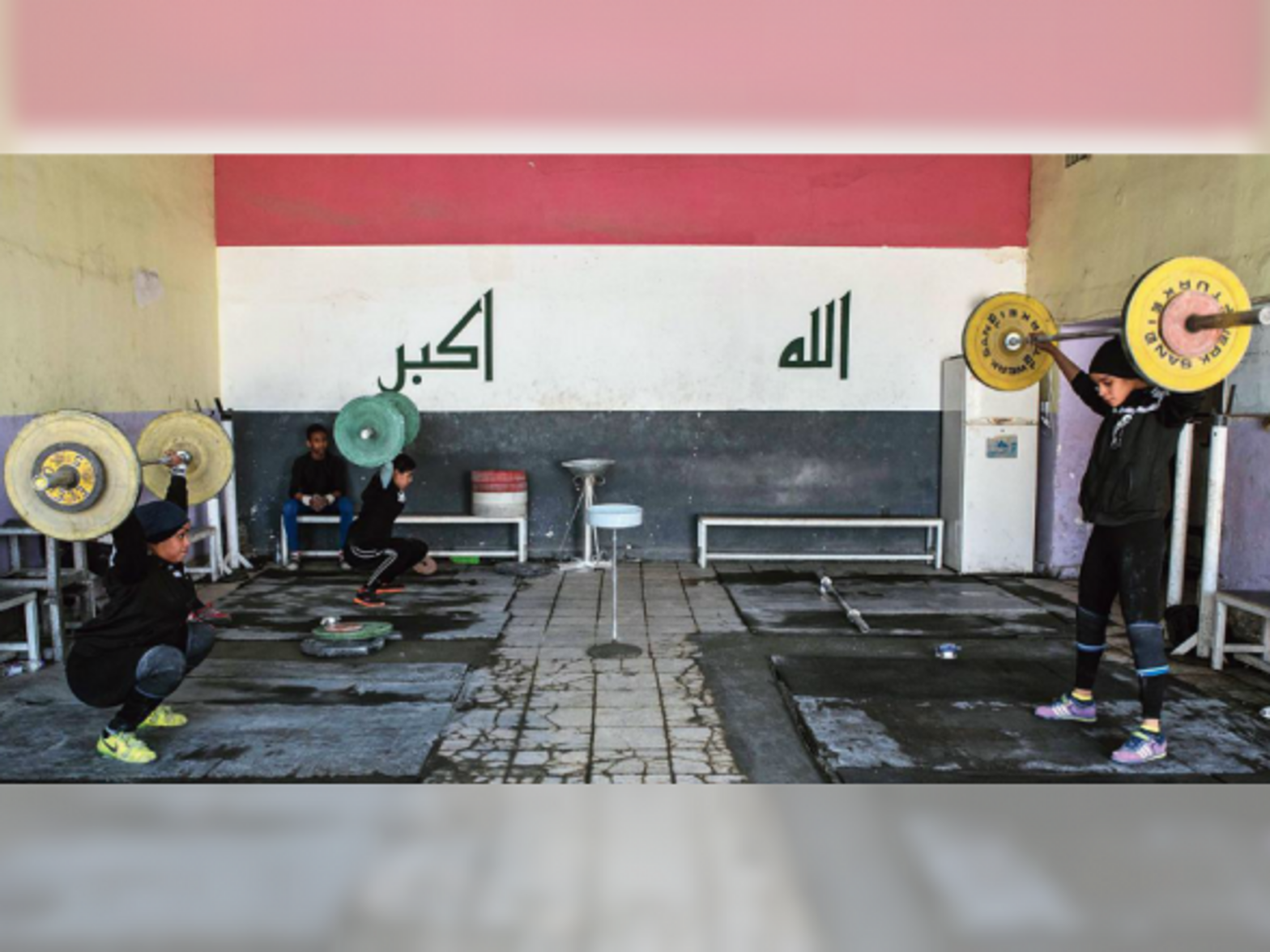
BAGHDAD — Her hands, covered in magnesium carbonate for a better grip, are white. Her face is flush. Her gaze fixed. Huda Salem, 20, exhales loudly — twice — into the already sweat-saturated air. Her face contorts. Then, a shout as she lifts 70 kilos of cast iron. Behind the young woman’s massive, muscular figure, […]
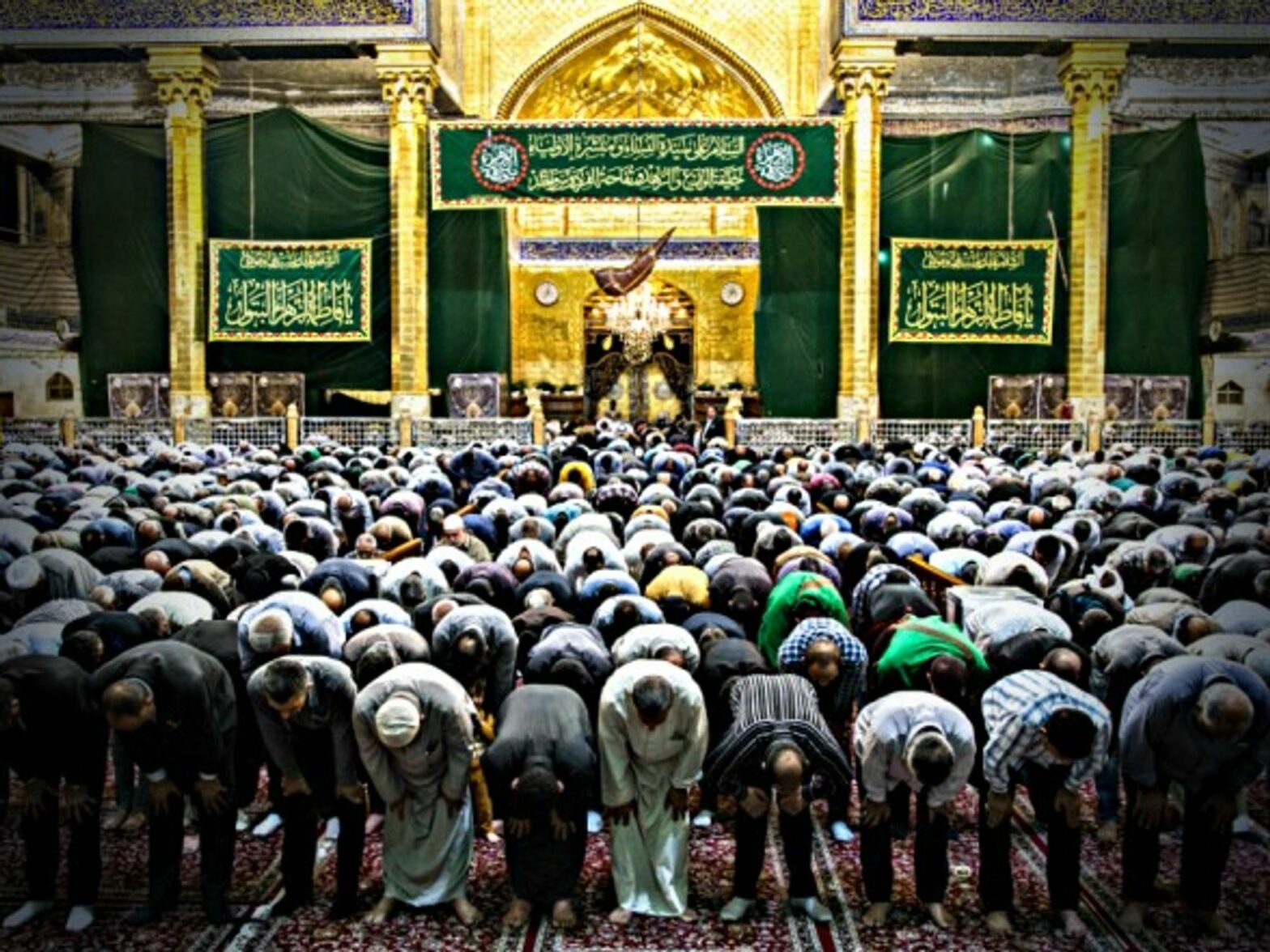
KARBALA — Inside the shrine and mosque covered by mosaics, the crowd is rushing to touch the silver edge of the martyr’s tomb. Among the crowd is Manjour, 37, who came all the way from Gurajat, India, to honor his “leader,” Al-Husayn ibn ‘Ali, the third Shia imam. Even as fierce battles and terror attacks […]
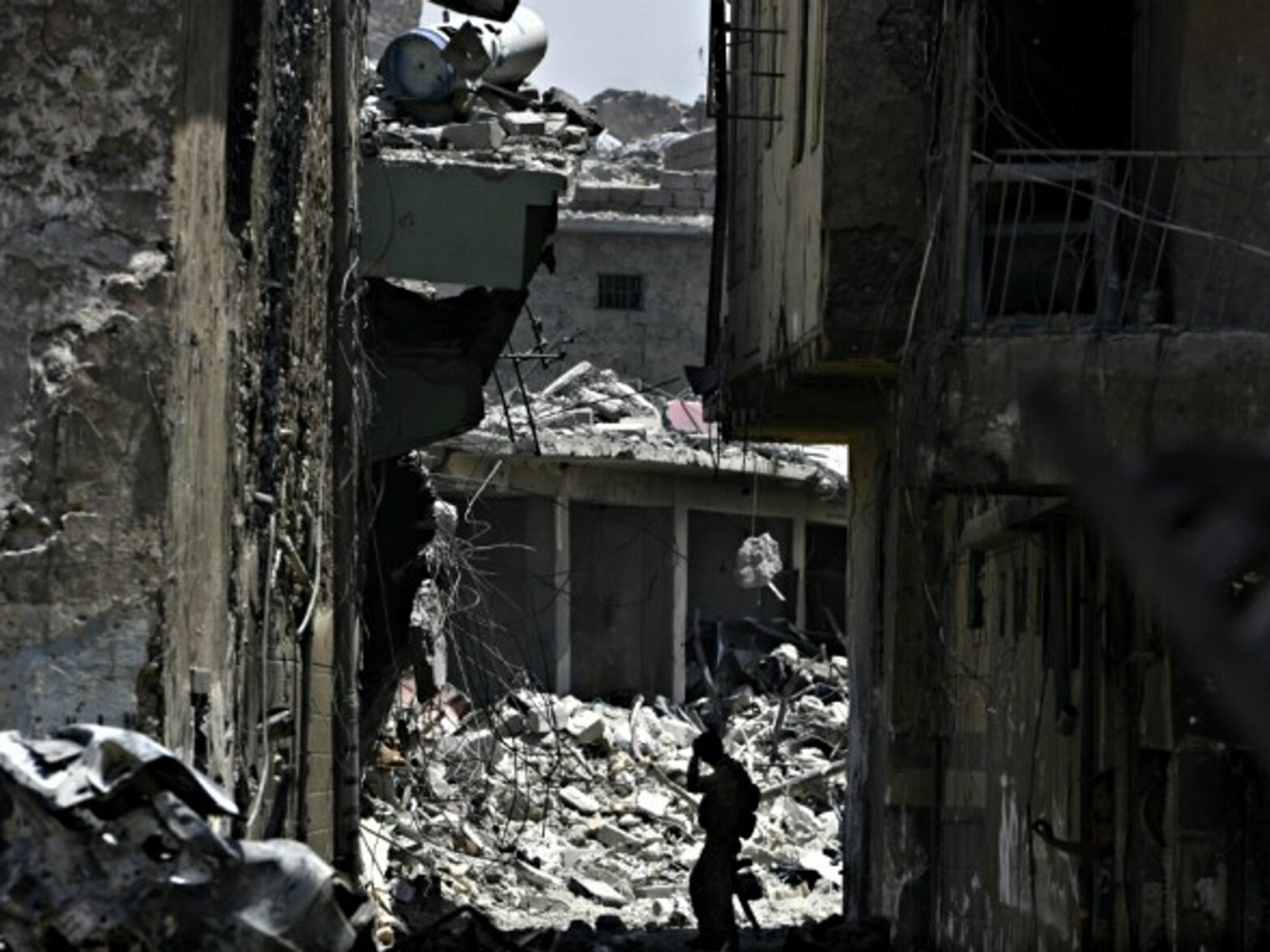
-Analysis- To win back Mosul, the Iraqi armed forces paid with their blood. But the difficult victory — obtained with the help of the international coalition — also marks a rebirth. Against all odds, the Iraqi army, federal police and anti-terror units have all been successfully rebuilt. Back in 2014, the Iraqi troops had fallen […]
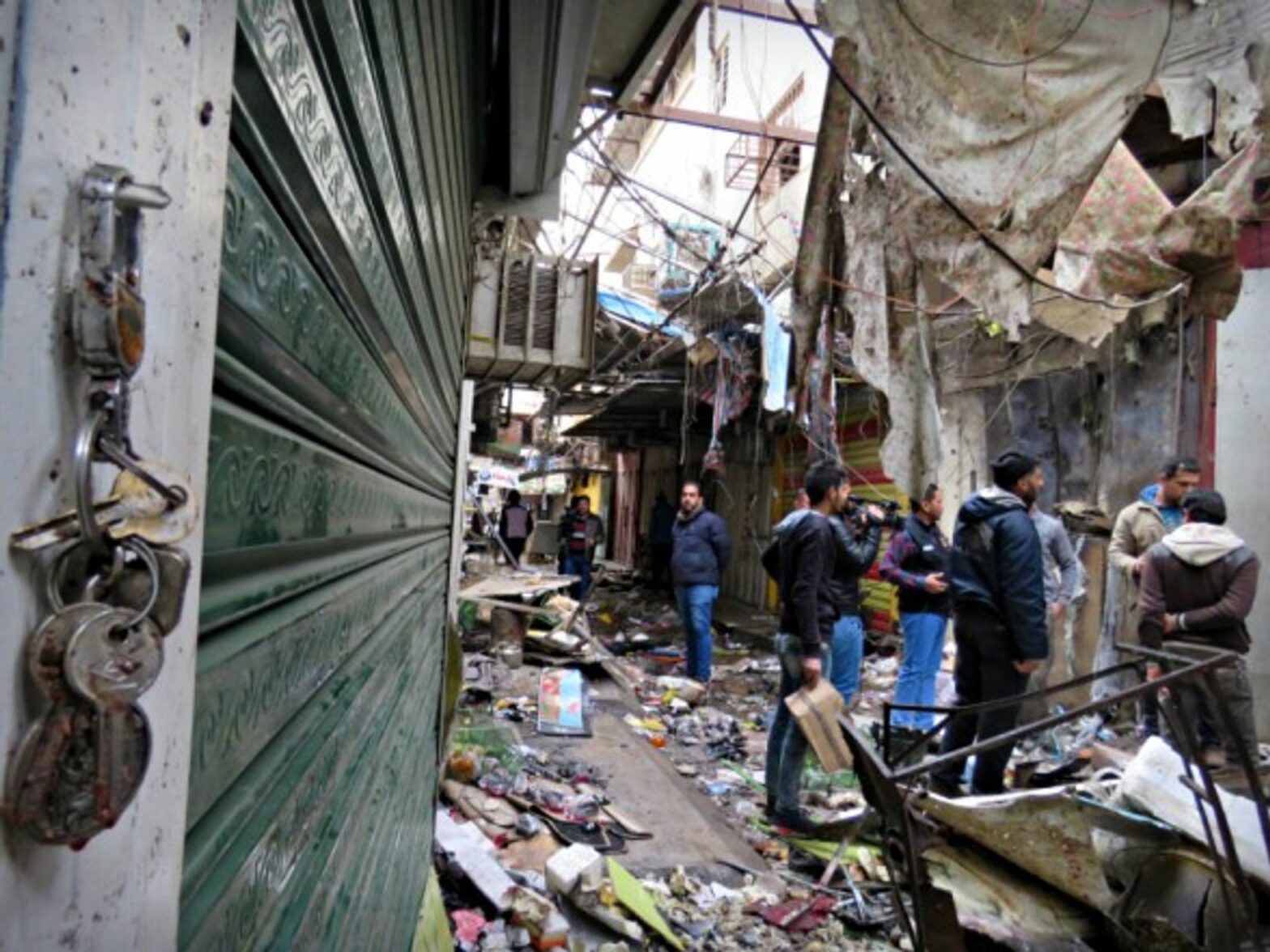
BAGHDAD — A continuous flow of cars, scooters, and three-wheeled vehicles pour onto the avenues of Sadr City, Baghdad’s massive Shia district, where roundabouts honor the memories of martyrs killed at the front-lines. Ahmed Houcham el-Alabiad, 29, rides his bike on the wrong side of the road until he reaches home, a shack located in […]
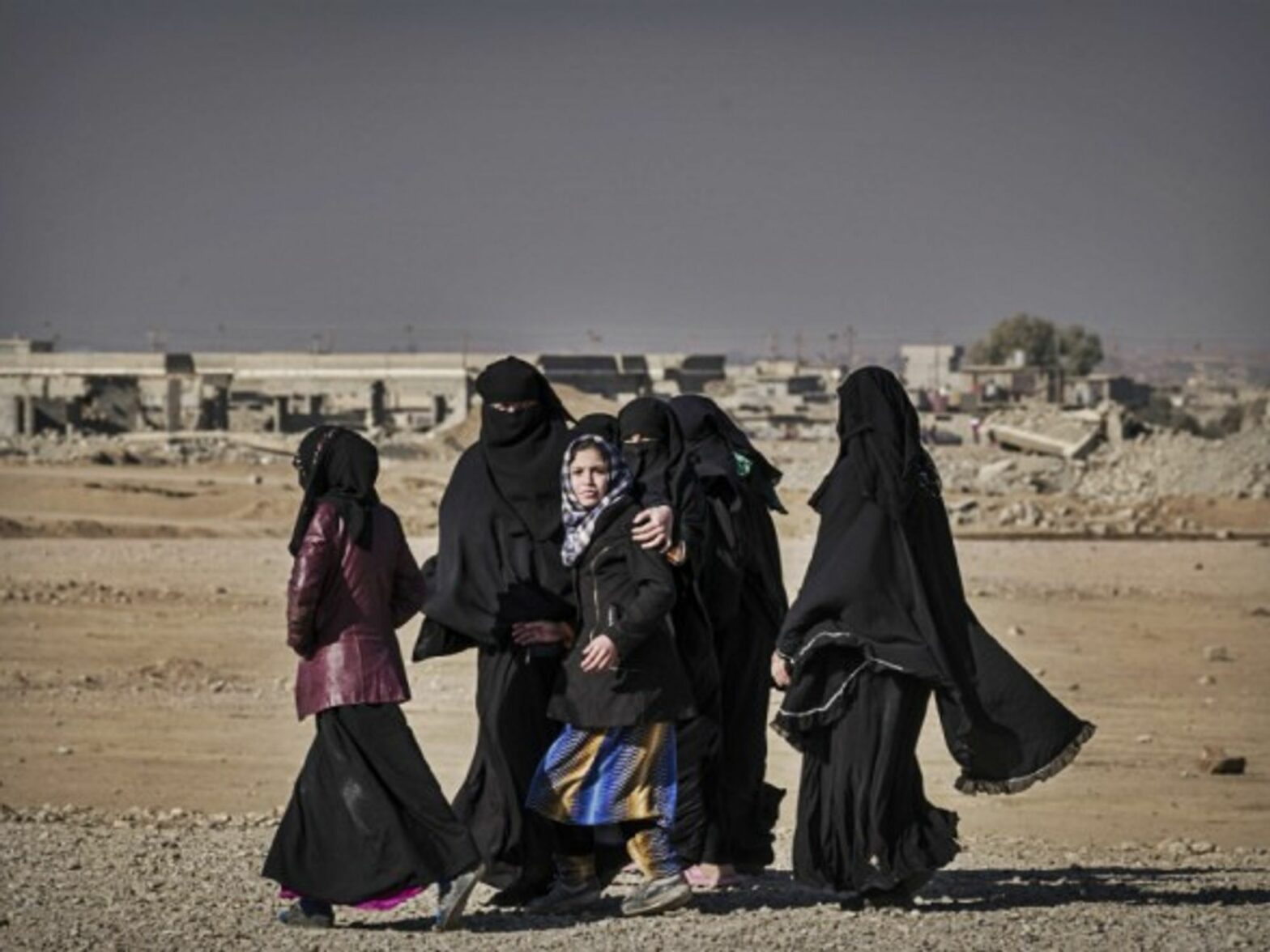
MOSUL — Leila Khaled hadn’t felt well that morning. It was the end of August, when the Iraqi summer sun had hit the walls and windows hard, like the wind in the middle of a powerful storm. Mosul was still in the clutches of ISIS. The war was still far away; it was being raged […]
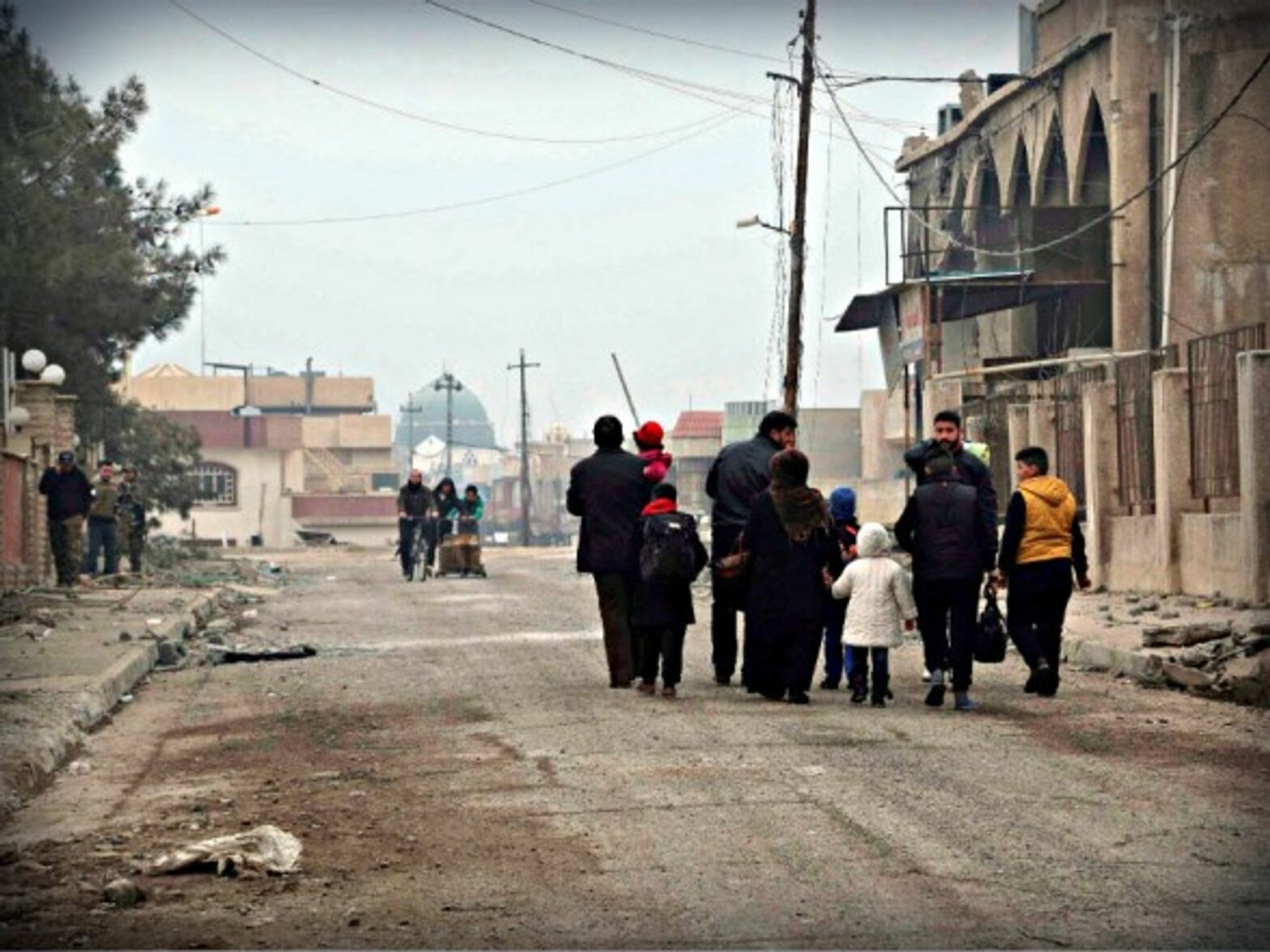
MOSUL — Ziyad loaded his wife and three children in the big German sedan that used to serve as his taxi between Baghdad and Mosul. That was in June 2014. The jihadists had just captured Iraq’s second-largest city and Ziyad, built like a late-career wrestler, with a big smile and spoiled teeth, was fleeing towards […]