The EU should resist the temptation to retaliate against U.S tariffs on European cars. If we look closer at the recent past and the uncertain future, Trump’s bad intentions produce some good.
 Worldcrunch
Stay updated on Germany with Worldcrunch. Comprehensive articles on German politics, economic strategies, societal issues, and cultural highlights with translations from leading international sources. Focus on Berlin, Munich, Frankfurt, German engineering, philosophy, modern art, and events like Oktoberfest and Art Basel.
The EU should resist the temptation to retaliate against U.S tariffs on European cars. If we look closer at the recent past and the uncertain future, Trump’s bad intentions produce some good.
Why is the U.S. suddenly hostile towards the EU? It’s a question of models and ideology, but also a wake-up call for Europeans for what’s at stake.
Europe is fortunate to have sensible men leading the UK, Poland and France: Keir Starmer, Donald Tusk and Emmanuel Macron. Germany’s likely next chancellor, Friedrich Merz, could be a crucial addition to this united front against the challenges posed by Donald Trump and Vladimir Putin.

Physical activity has profound effects on brain performance, cognition and resilience. How often and how intensely should you train to maximize these benefits?

In a world of fleeting relationships and endless options, choosing just one person for life might seem outdated — or even absurd. But for Alard Von Kittlitz, it’s exactly this all-in commitment that makes marriage one of the most meaningful, liberating and intimate experiences we can have.

Small doses of psychedelic drugs are said to make parents more engaged and even childlike in their enthusiasm. Is this reckless nonsense, or a parenting breakthrough?

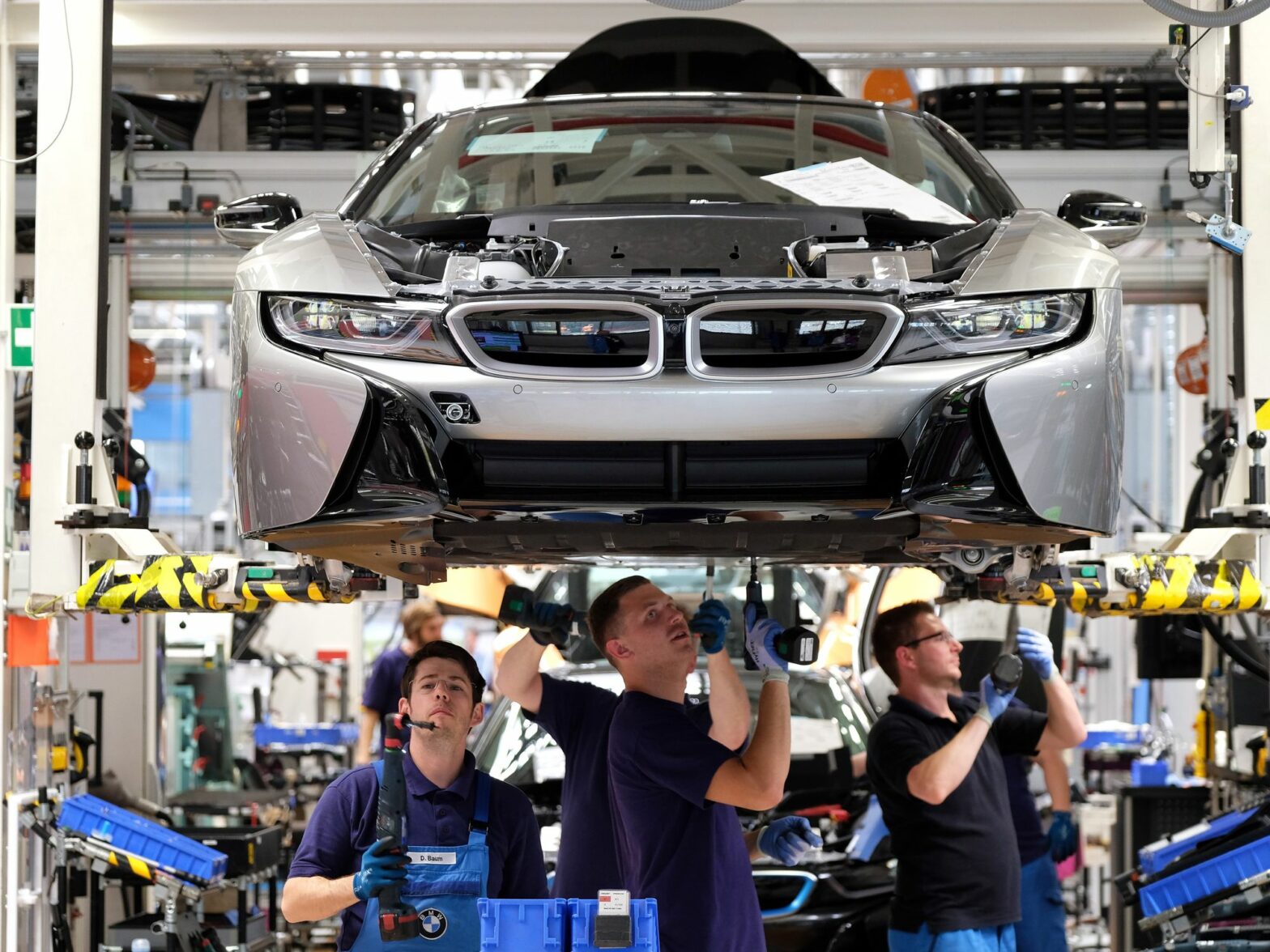
The car industry is in shock, with the announcement from Washington of 25% tariffs on auto imports to the United States. Here’s what every car owner and business needs to know about how this crucial industry will be affected around the world.
Would you fight for your country? My generation hears this question a lot these days. But my generation was taught to fight for peace — so why aren’t we holding onto that aim, especially now?
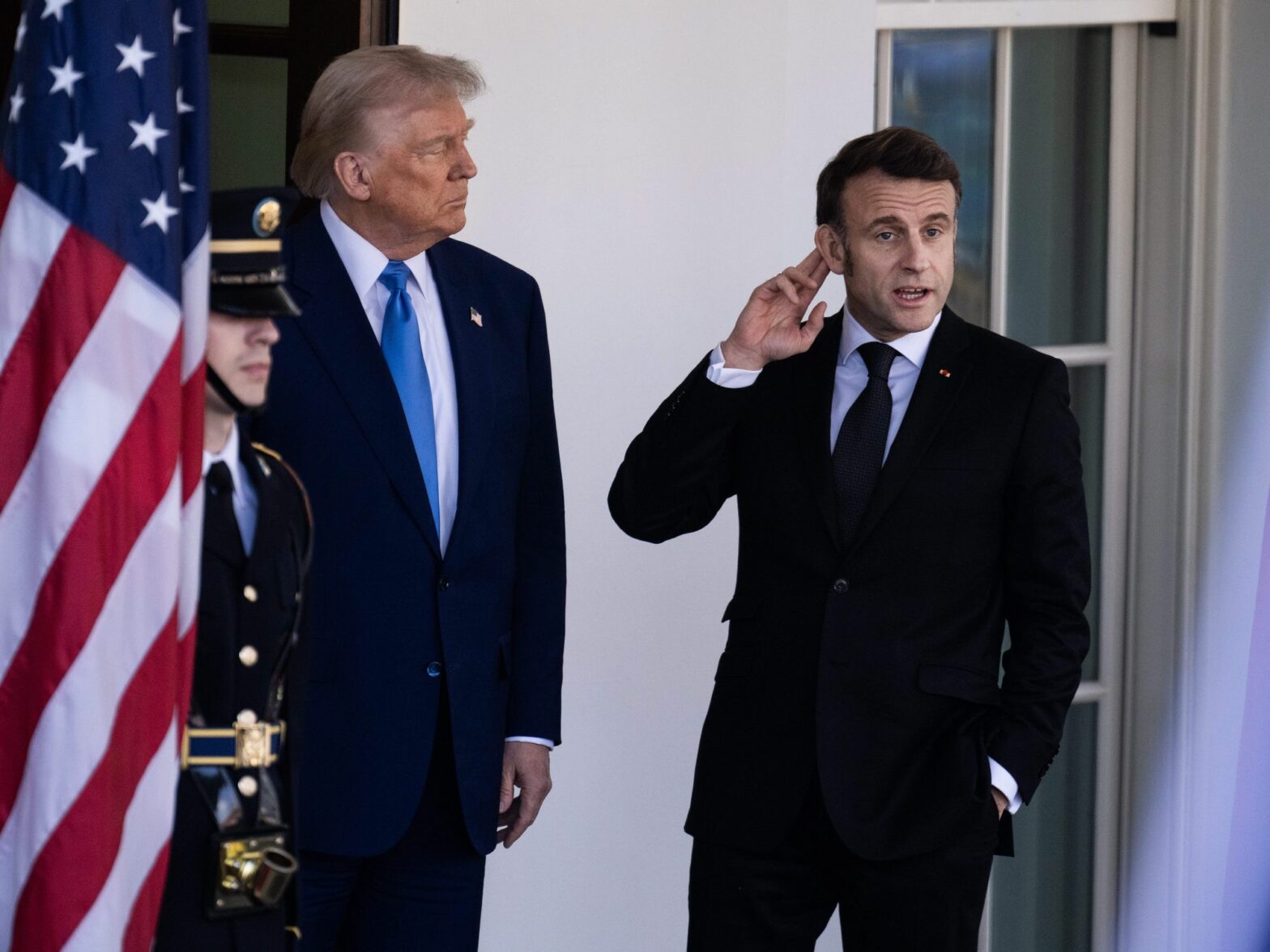
A survey conducted in nine European countries reveals strong opposition to Donald Trump and his policies, along with fears of a conflict on European soil. This has led to overwhelming support for an independent European defense — even in traditionally pro-U.S. nations. A turning point.
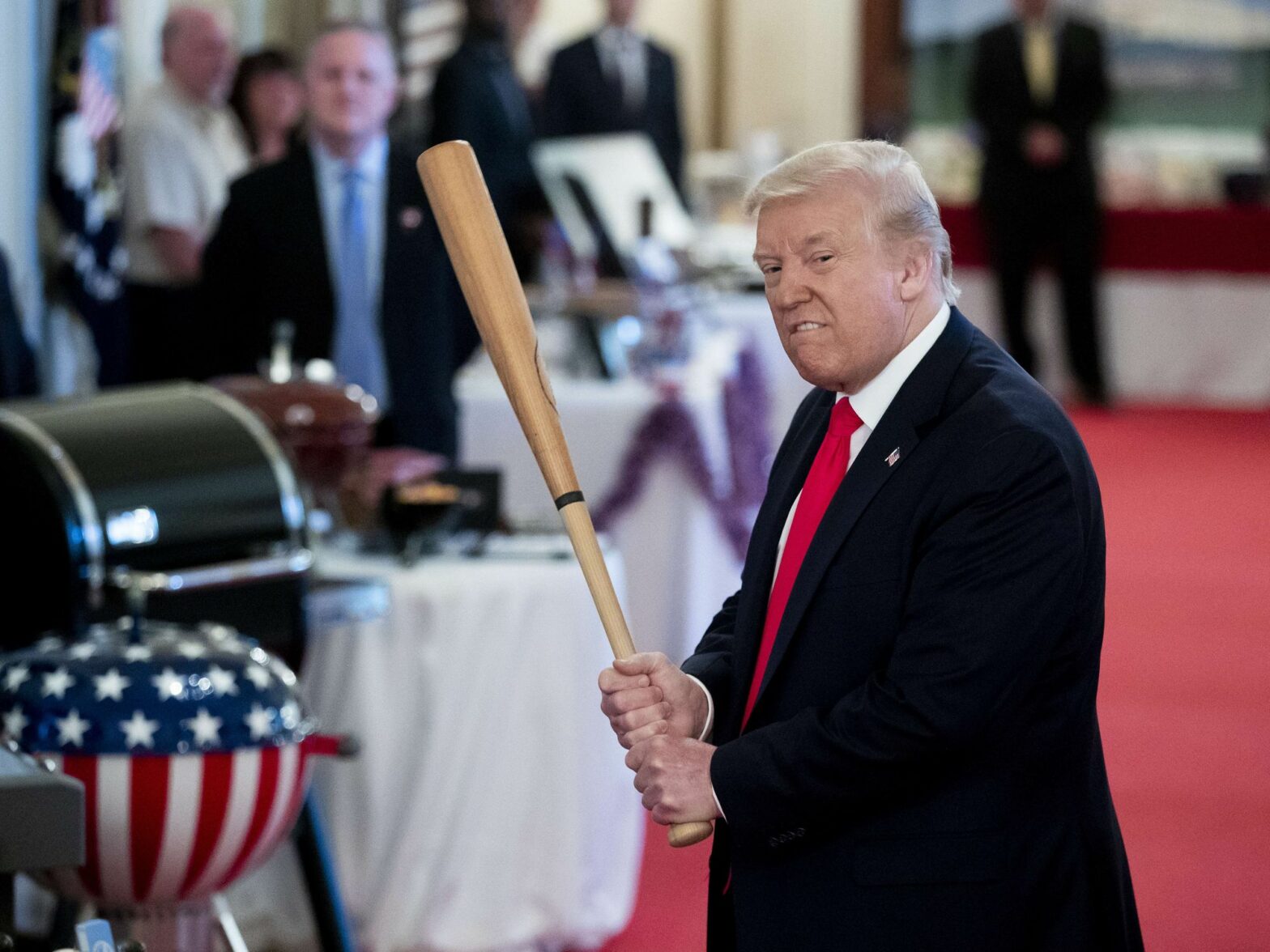
Driven by a relentless pursuit of spectacle, Donald Trump embodies the “destructive character” — a figure who reshapes history through chaos and upheaval. But is destruction itself enough to sustain power, or will it leave behind nothing but rubble? For Die Zeit, historian Susan Richter looks to destroyers of the past for an answer.

Small doses of psychedelic drugs are said to make parents more engaged and even childlike in their enthusiasm. Is this reckless nonsense, or a parenting breakthrough?
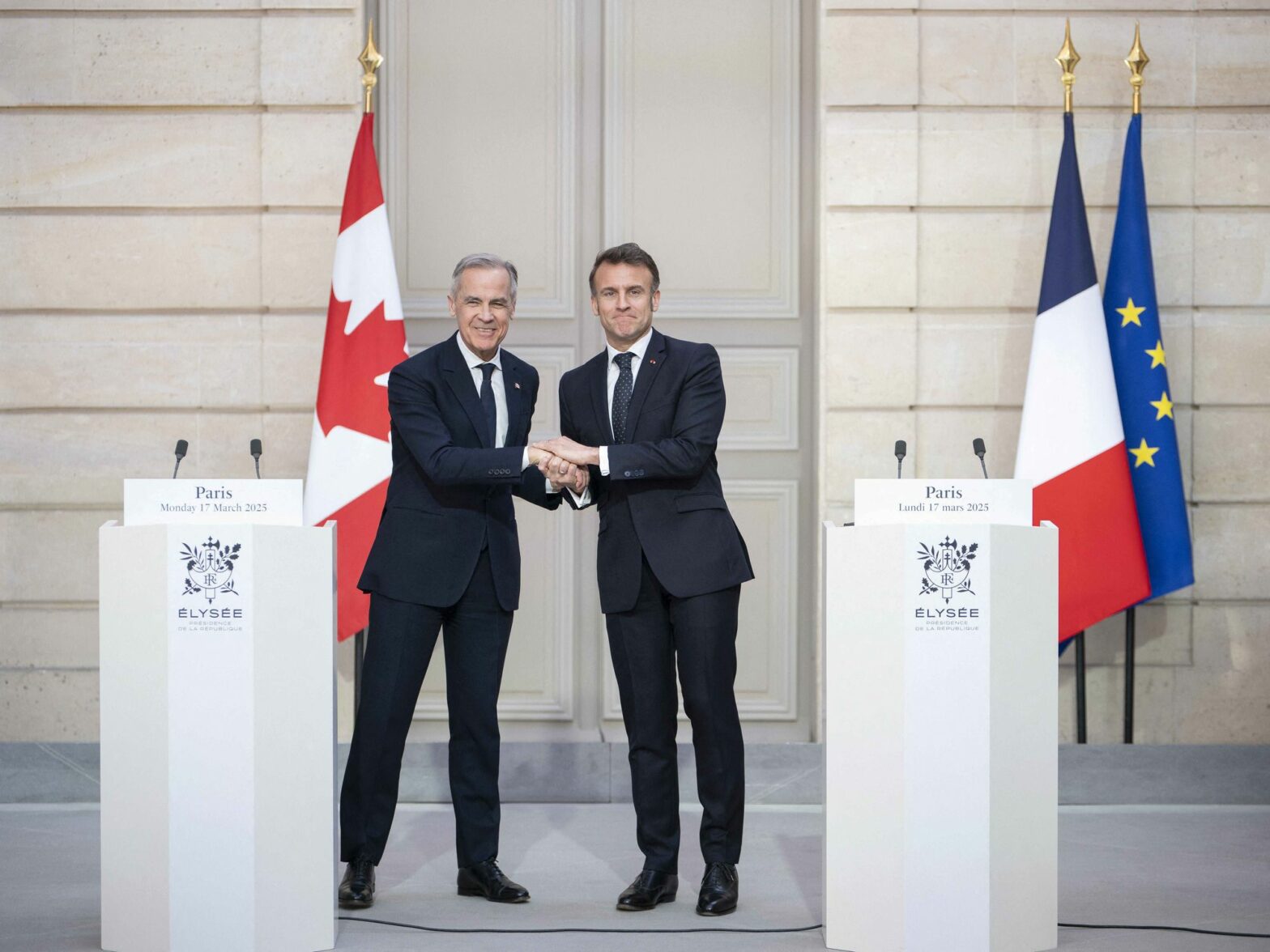
An international front is refusing to bow to the White House’s demands, and it’s the only way out of the crisis.
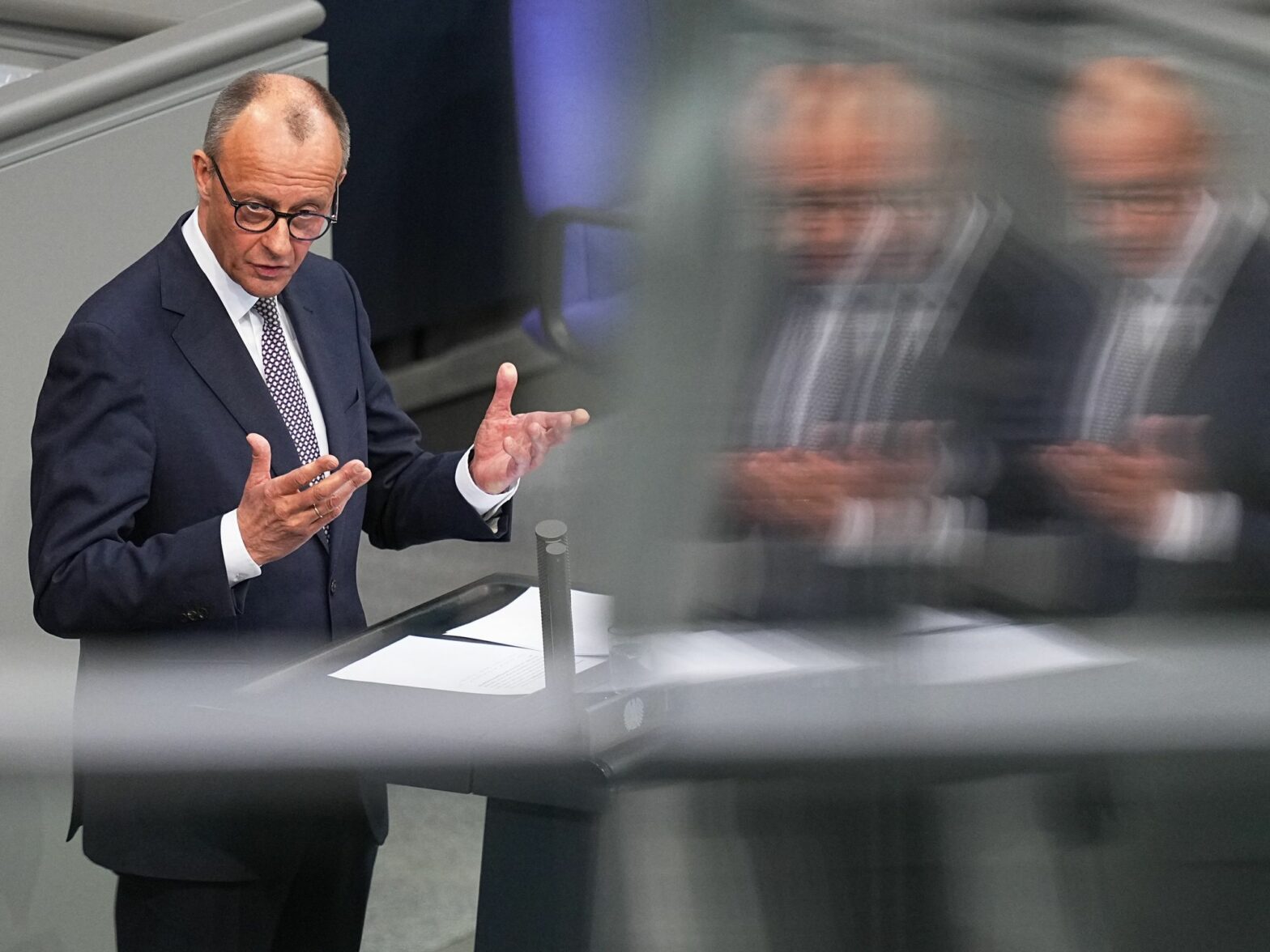
Germany has finally decided to start spending. Is this going to save its stagnating economy? The new fiscal package is the biggest economic policy test in post-War German history. Now it’s crucial that the government avoids any mistakes.
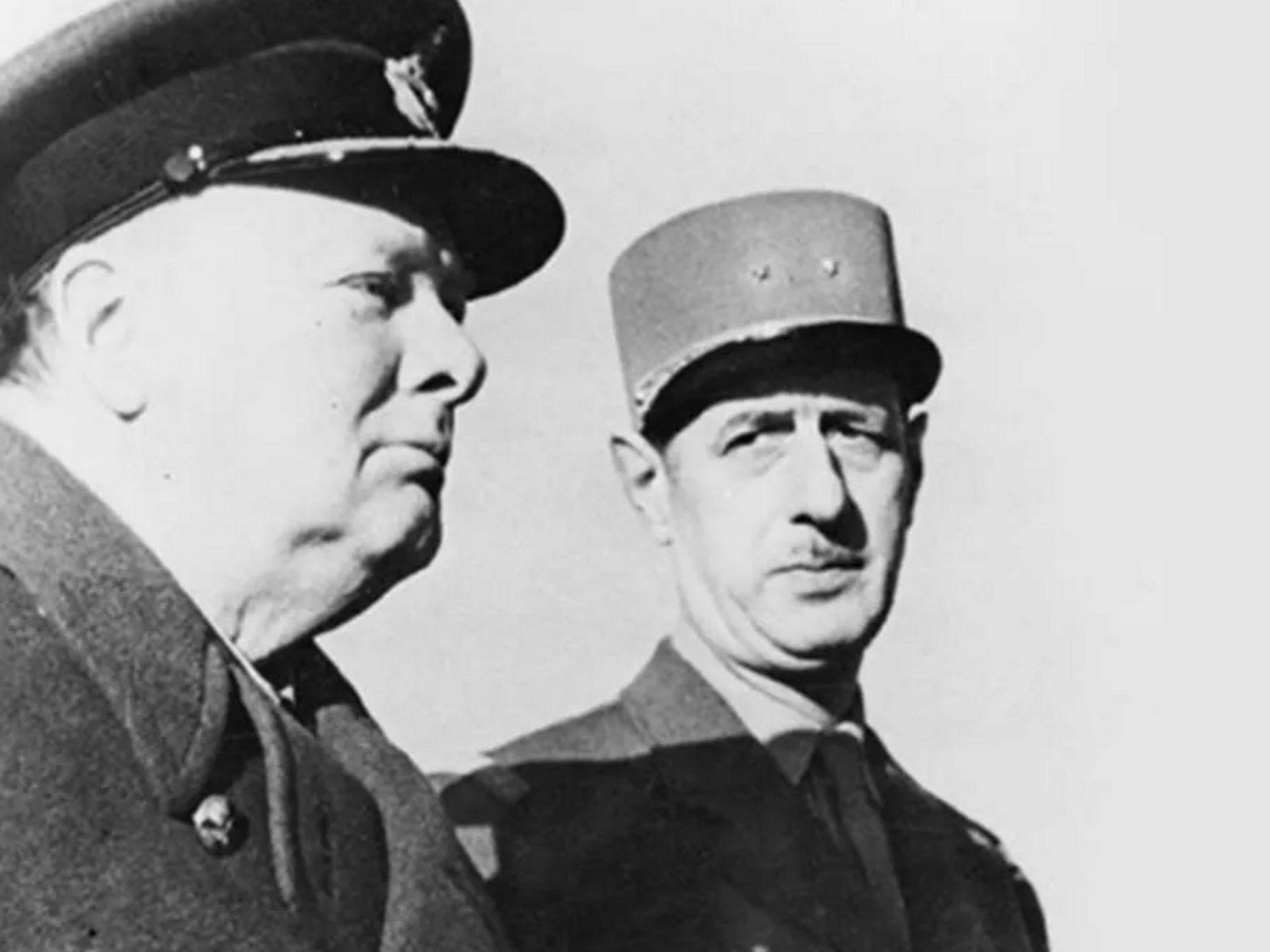
A British author has invoked the spirits of Churchill and De Gaulle to describe Europe’s “moment” amid America’s disengagement. While historical analogies have their limits, both leaders above all embody a spirit of resistance forged in one of history’s darkest hours.

Certainly things don’t work in communist Cuba, but this neither justifies the embargo that has all but strangled it for decades, nor the obsession with sweeping a singular experiment in governance and social welfare into the globalized banality of our time.

Young people have been living in a world of escalating drama for the past five years, since the outbreak of the COVID-19 pandemic. It’s also a challenge for parents. The seven-point plan of a leading researcher can help navigate these unprecedented times.

Some people seem to breeze through a 40-hour workweek, housework, workouts, and personal projects, while others barely make it to the couch after work. But what if you, too, could become one of those high-energy people?
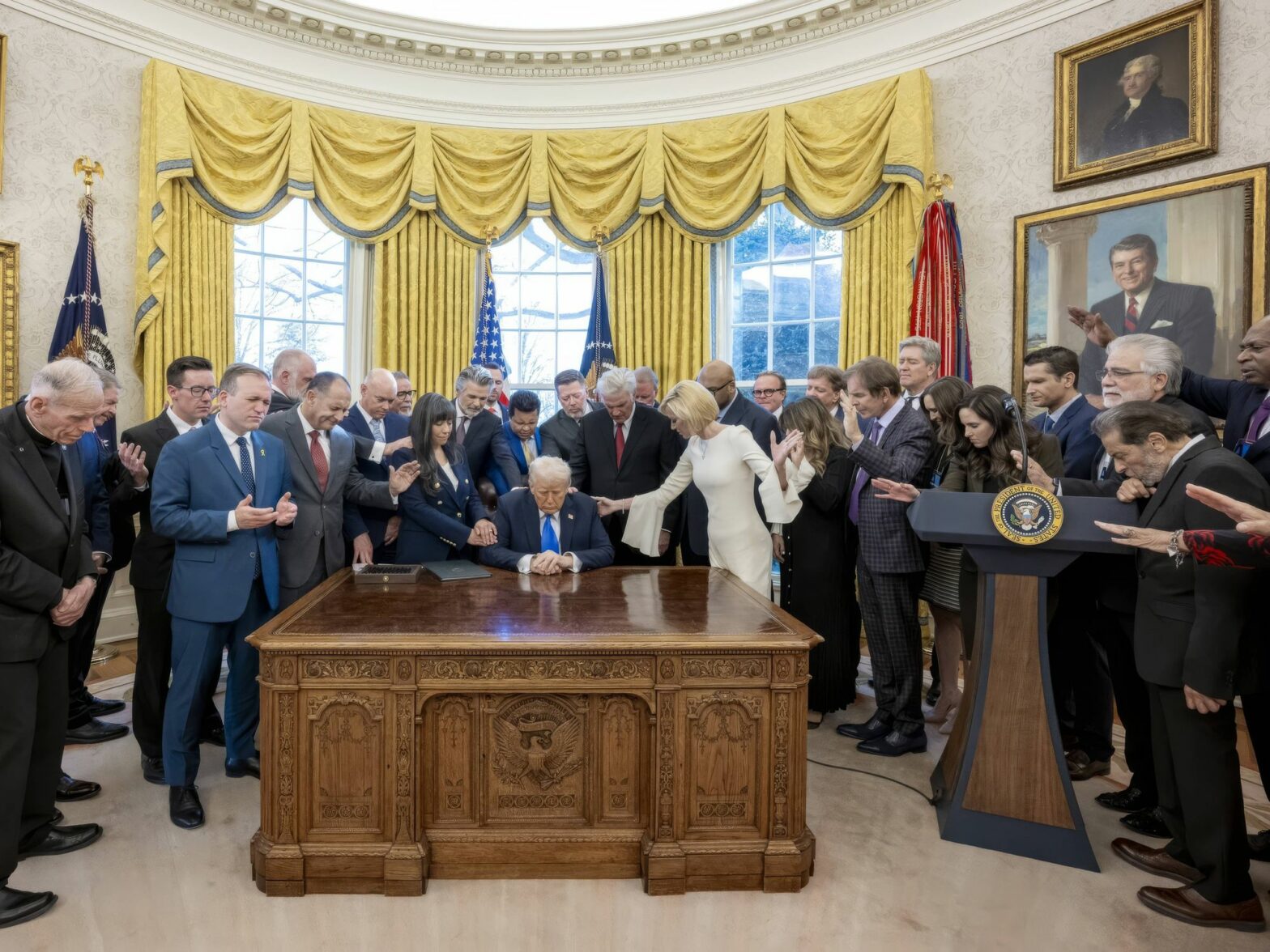
Following U.S. President Donald Trump’s creation of the White House Faith Office in early February, Loris Zanatta writes in Clarín that religious politics is already on the verge of becoming political religion, and the 2020s are starting to look an awful lot like the 1920s. And we know where that led.
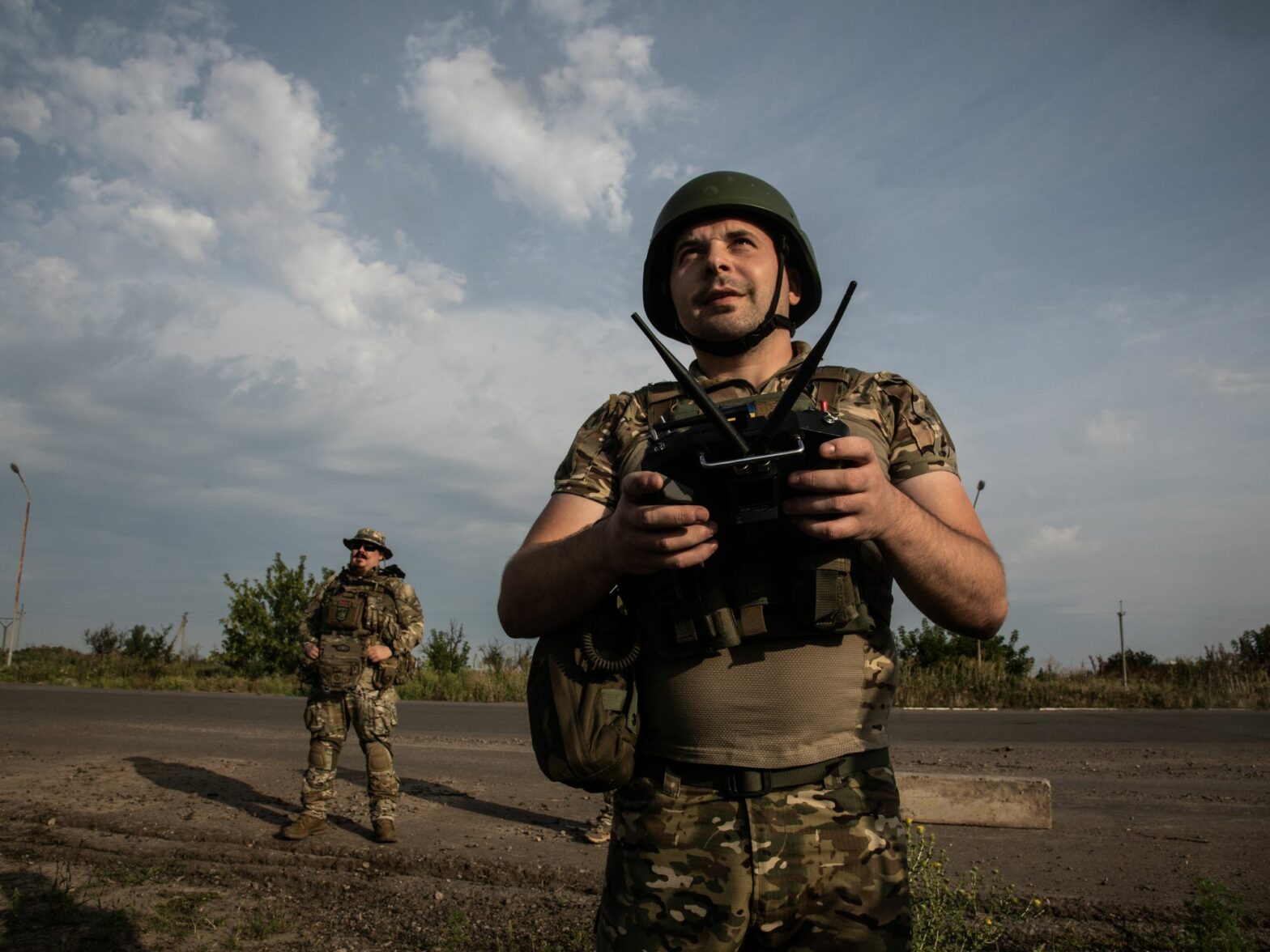
Ukraine needs satellite internet defense capabilities like that provided by Starlink. But do they really want to be dependent on Elon Musk? The good news is that Europe is not completely empty-handed. But time is of the essence.
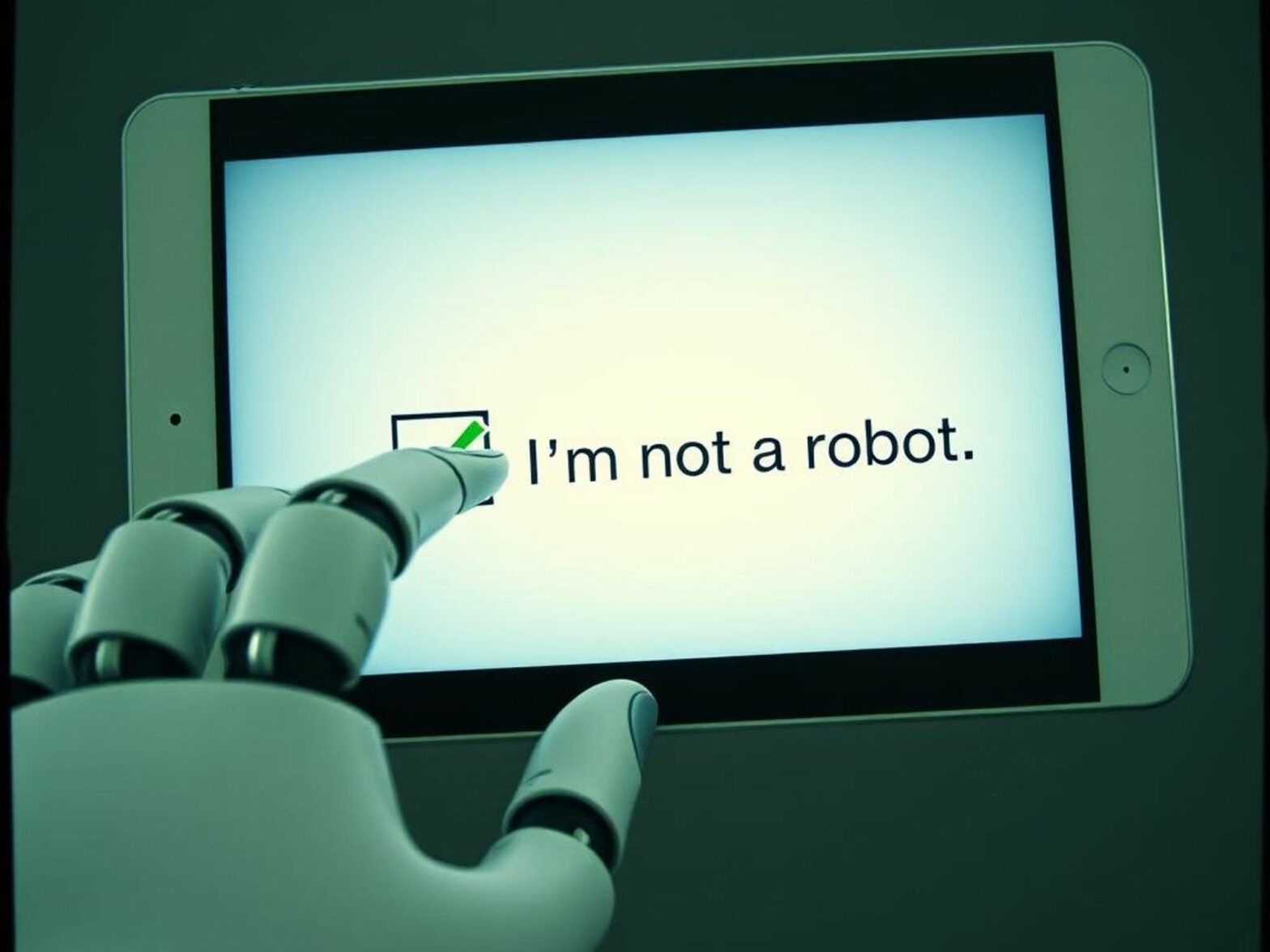
Artificial intelligence can solve tasks that previously only humans could solve. So what distinguishes us from machines?
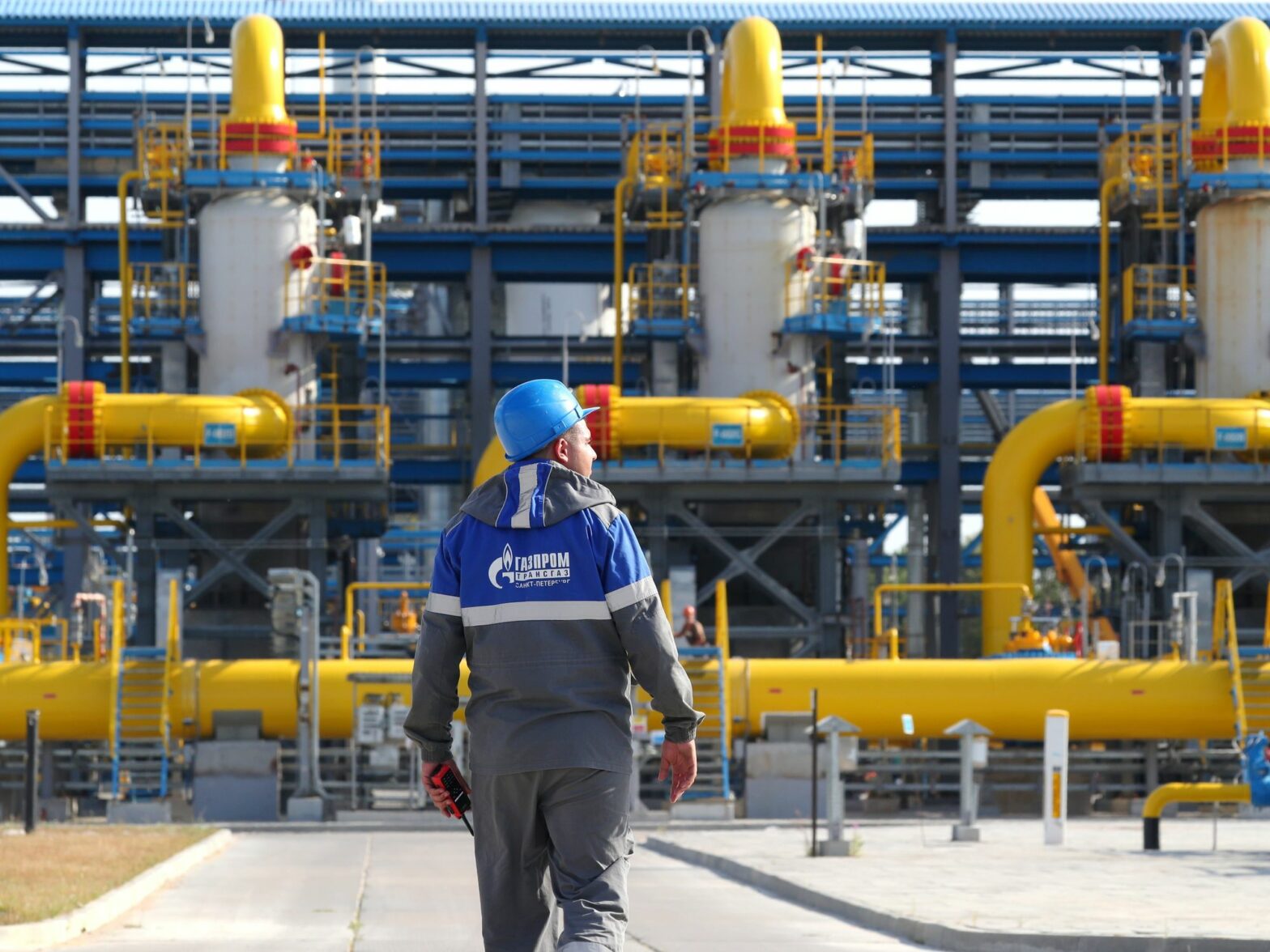
Unthinkable just a few months ago, the return of Russian gas to supply European countries is now being advocated by some on the continent. But the move faces both political and technical barriers, and its medium-term benefits are not clear.
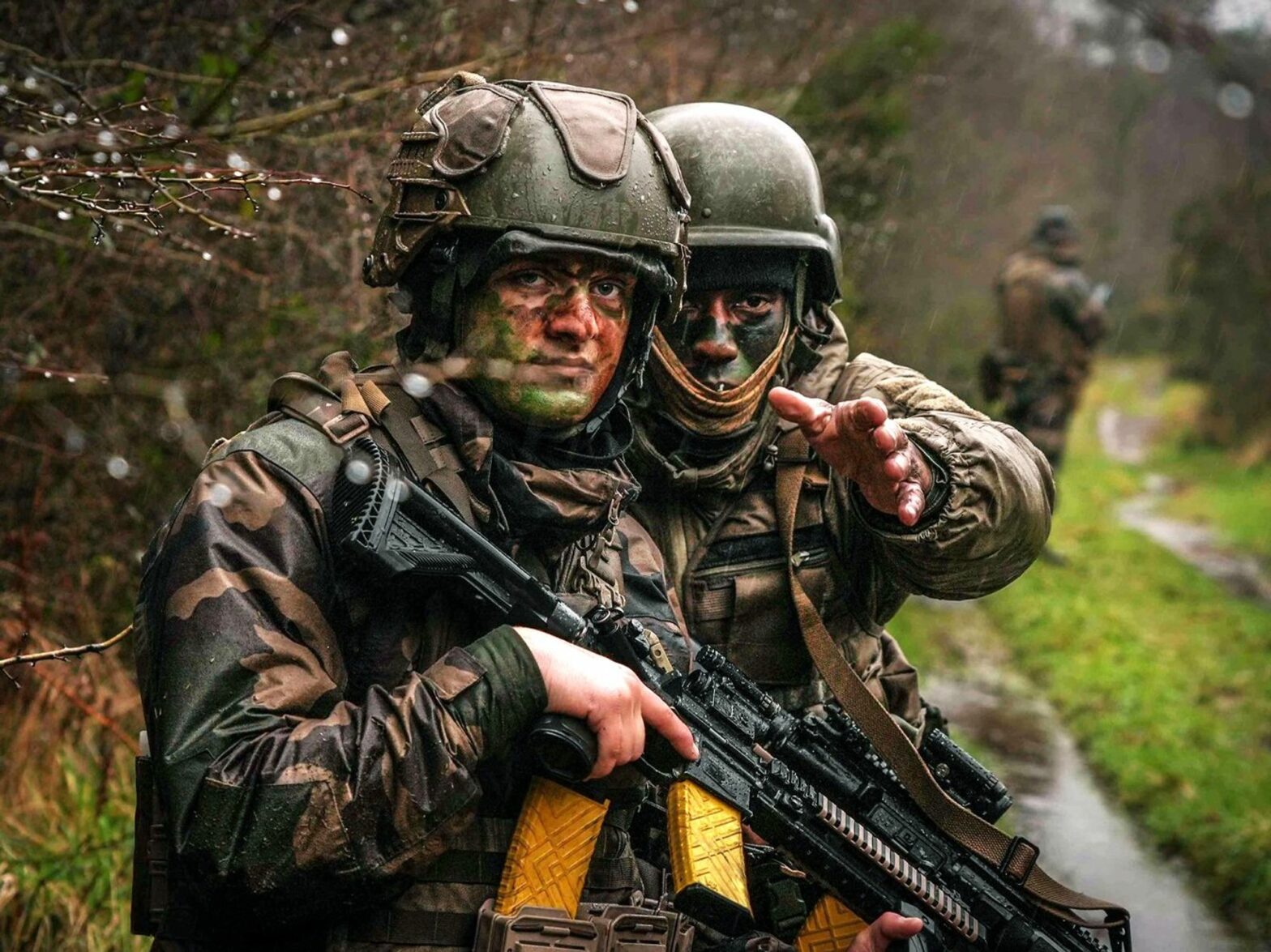
Now that the U.S. has relinquished its role as “leader of the free world,” Europe is on its own. But that doesn’t mean it’s out of options, writes former German diplomat and ambassador Hans-Dieter Heumann.
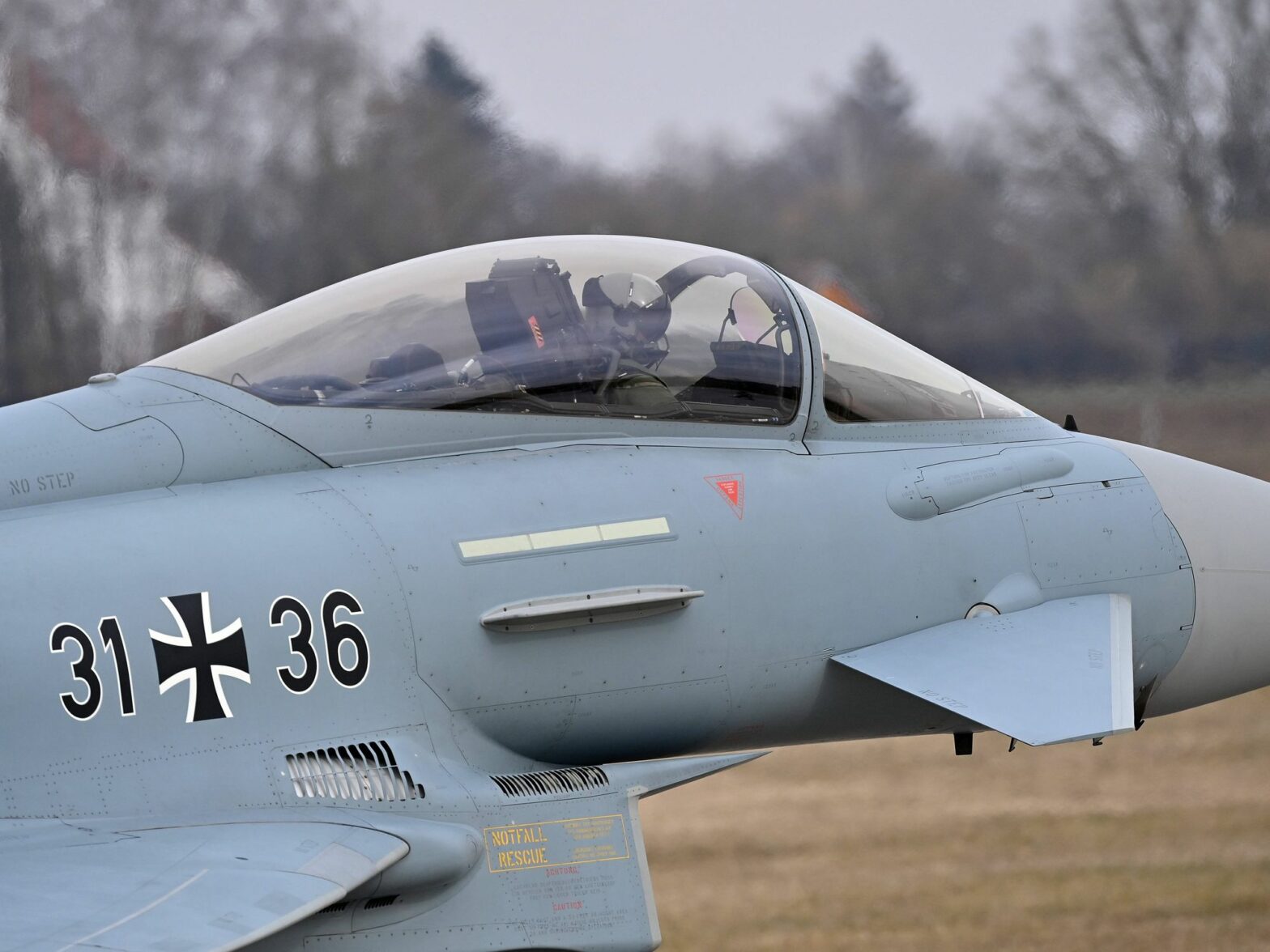
As the U.S. turns its back on security commitments, Germany faces one of the most profound shifts in its post-war defense policy. Can it still rely on nuclear guarantees from France and the UK? Or is it time to, finally, go nuclear?
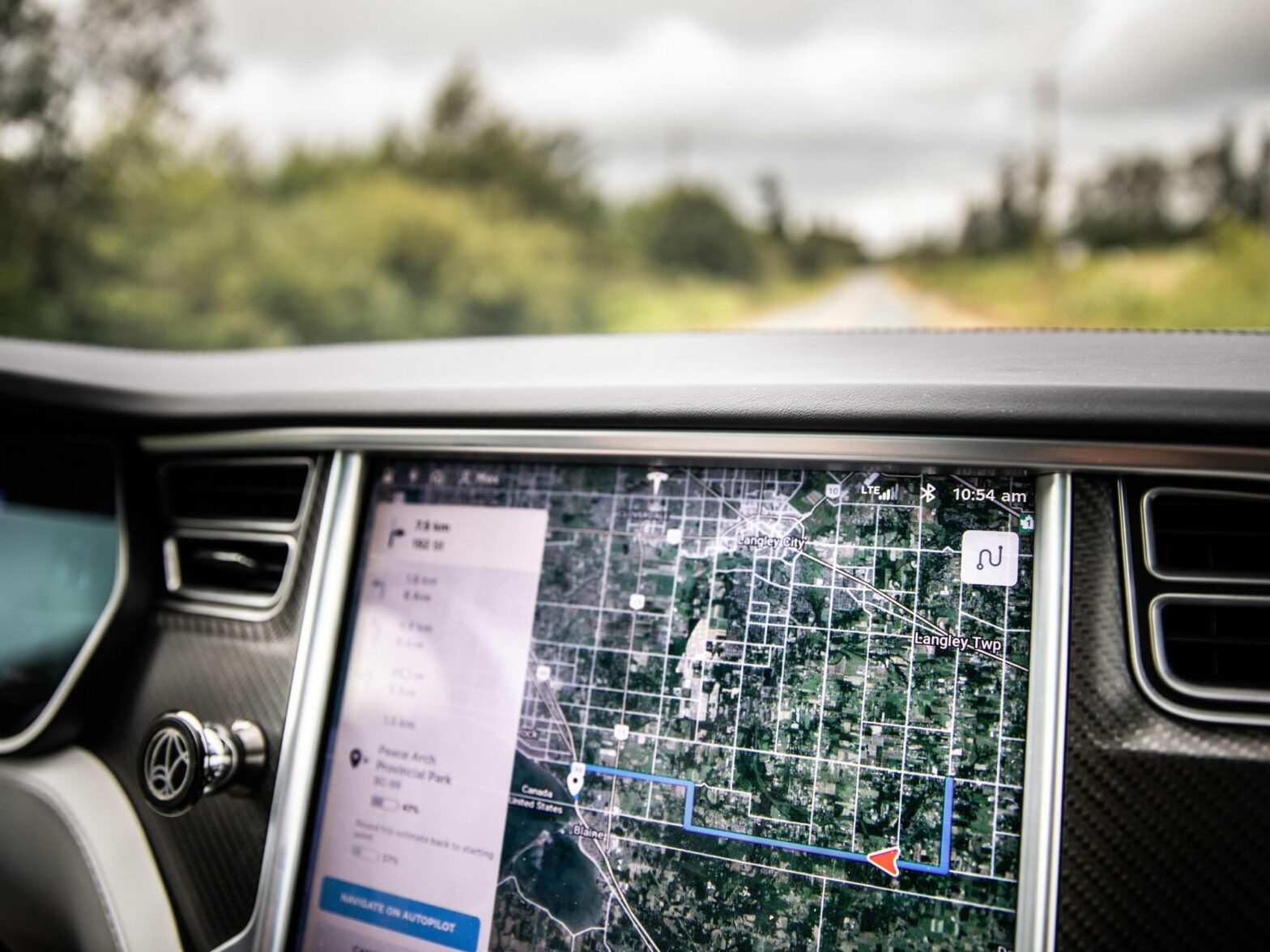
From war zone risks to head-scratching tourists, the manipulation of the GPS navigation system by hackers (jamming and spoofing) can wreak havoc on our modern habits of relying on real-time digital mapping apps. The surest alternative may be going back to paper maps.
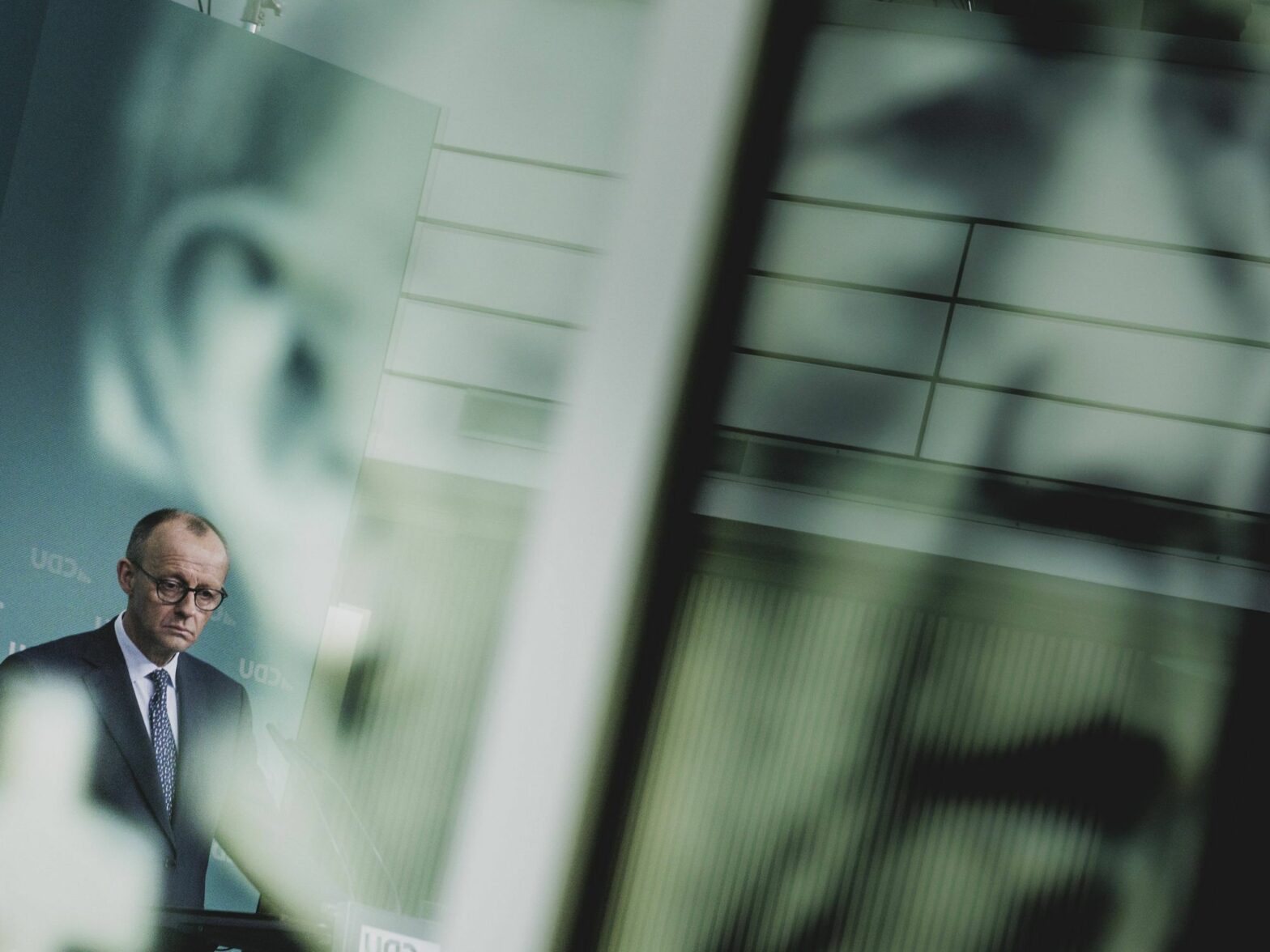
The German elections showed rising support for the far-right AfD, and increased dissatisfaction running rampant in German society, Polish columnist Bartosz T. Wielinski asks whether this runs the risk of history of the early 20th century repeating.

The Left (Die Linke) and the far-right AfD party scored big in Germany’s federal election on Sunday. But their success has less to do with the fact that they offer more or less radical alternatives to other parties than in their style of political discourse — and more moderate parties would be wise to learn a thing or two from this.
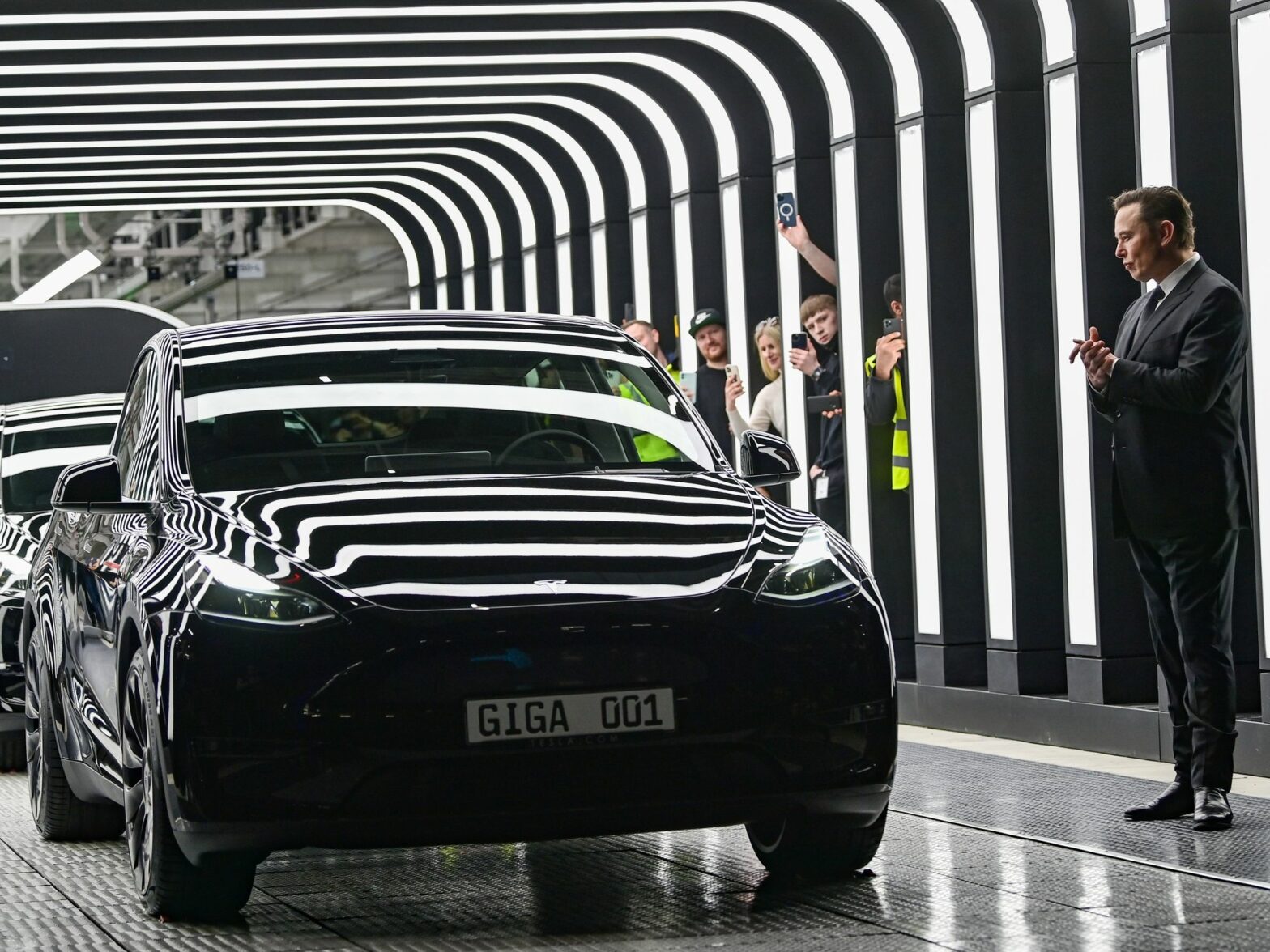
Demand for the U.S. automaker’s vehicles is waning, with sales of new Tesla cars almost halving in Europe in January 2025. While this is partly due to its CEO Elon Musk’s cahooting with President Donald Trump, there are also other factors at play.
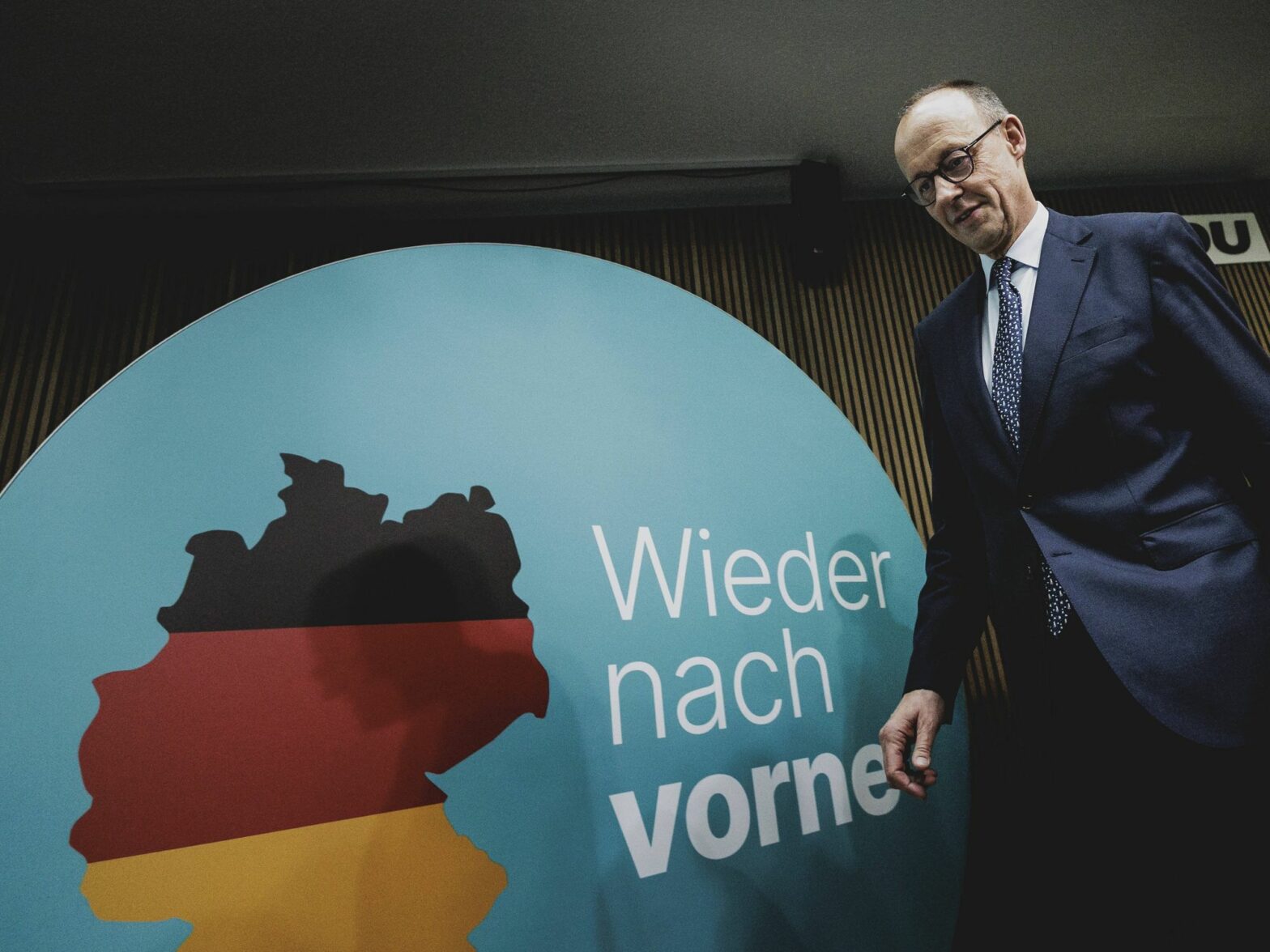
The multi-faceted Friedrich Merz promises to be a most indecipherable head of government. Only one thing’s for certain: He is willing to take risks. It comes with serious perils, but may be exactly what Germany (and the world) needs right now.
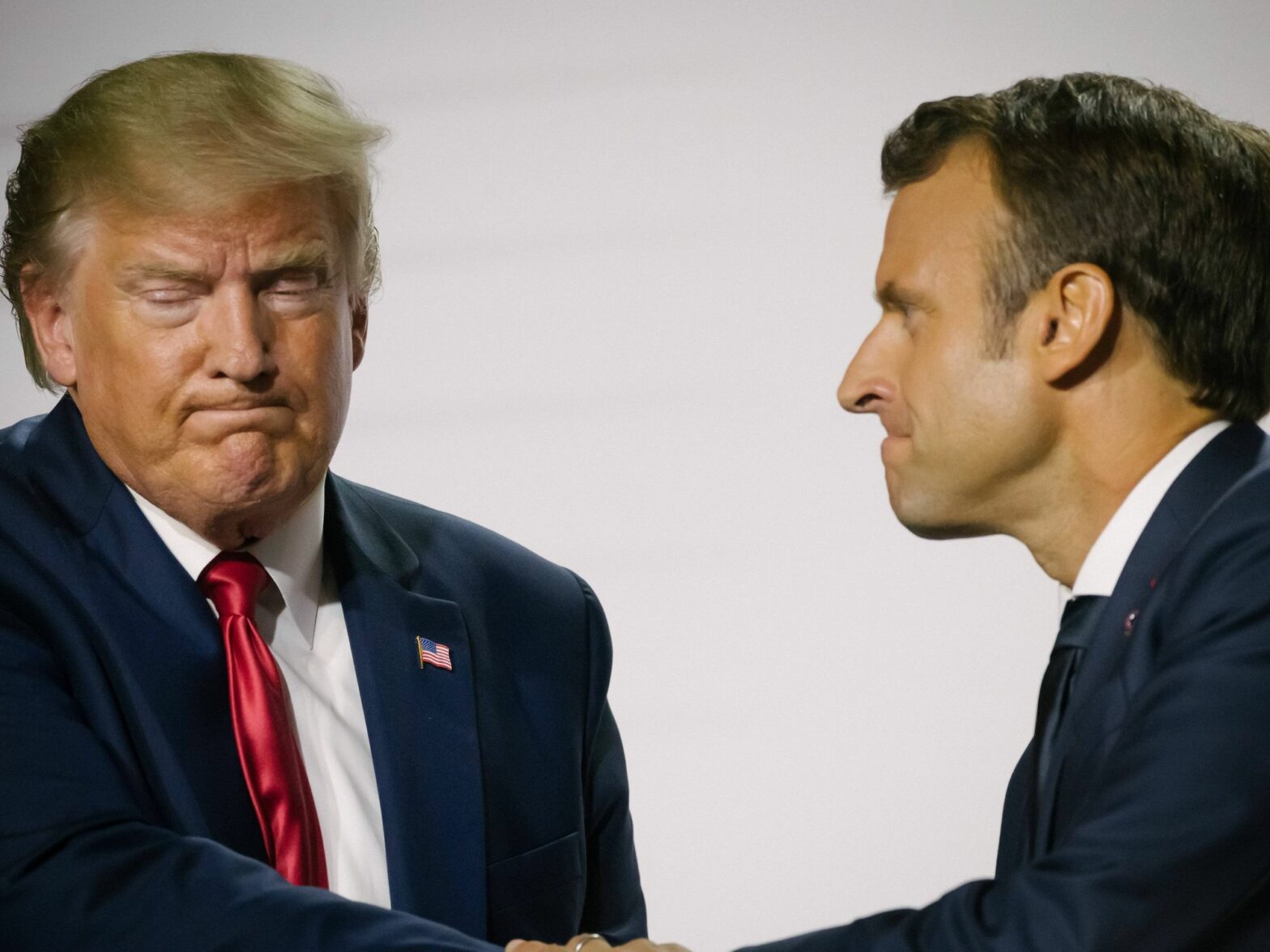
French President Emanuel Macron is on a whirlwind visit to Washington in a bid to avoid a U.S.-Russia deal at the expense of Ukraine and European security. It’s as much a transatlantic mission of psychology as politics, but Macron believes he can persuade the U.S. president.
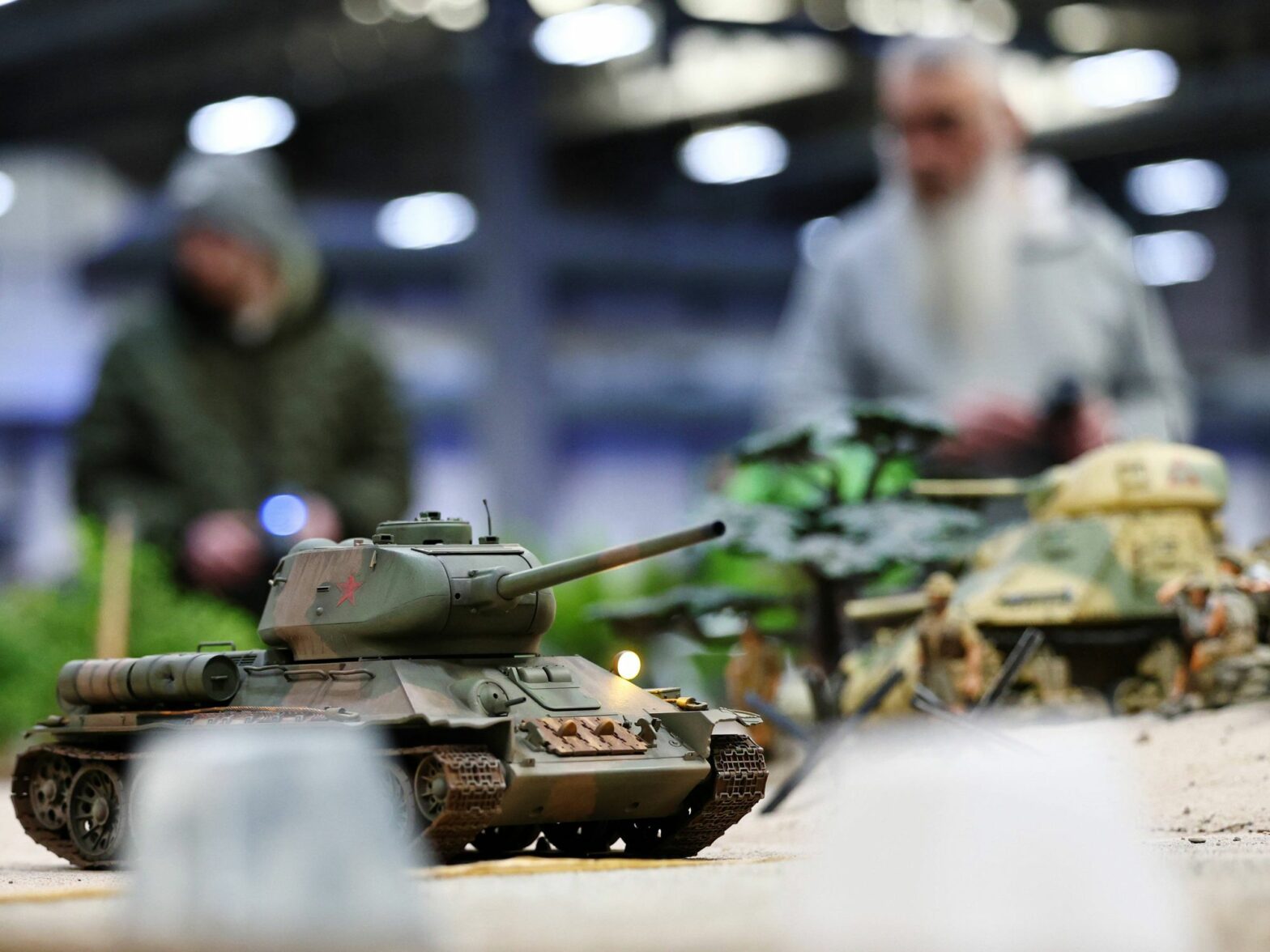
It is now clear that Germany needs to invest a lot more money in defense. Friedrich Merz, who is likely to be Germany’s next chancellor, has yet to come up with a plan to do this.
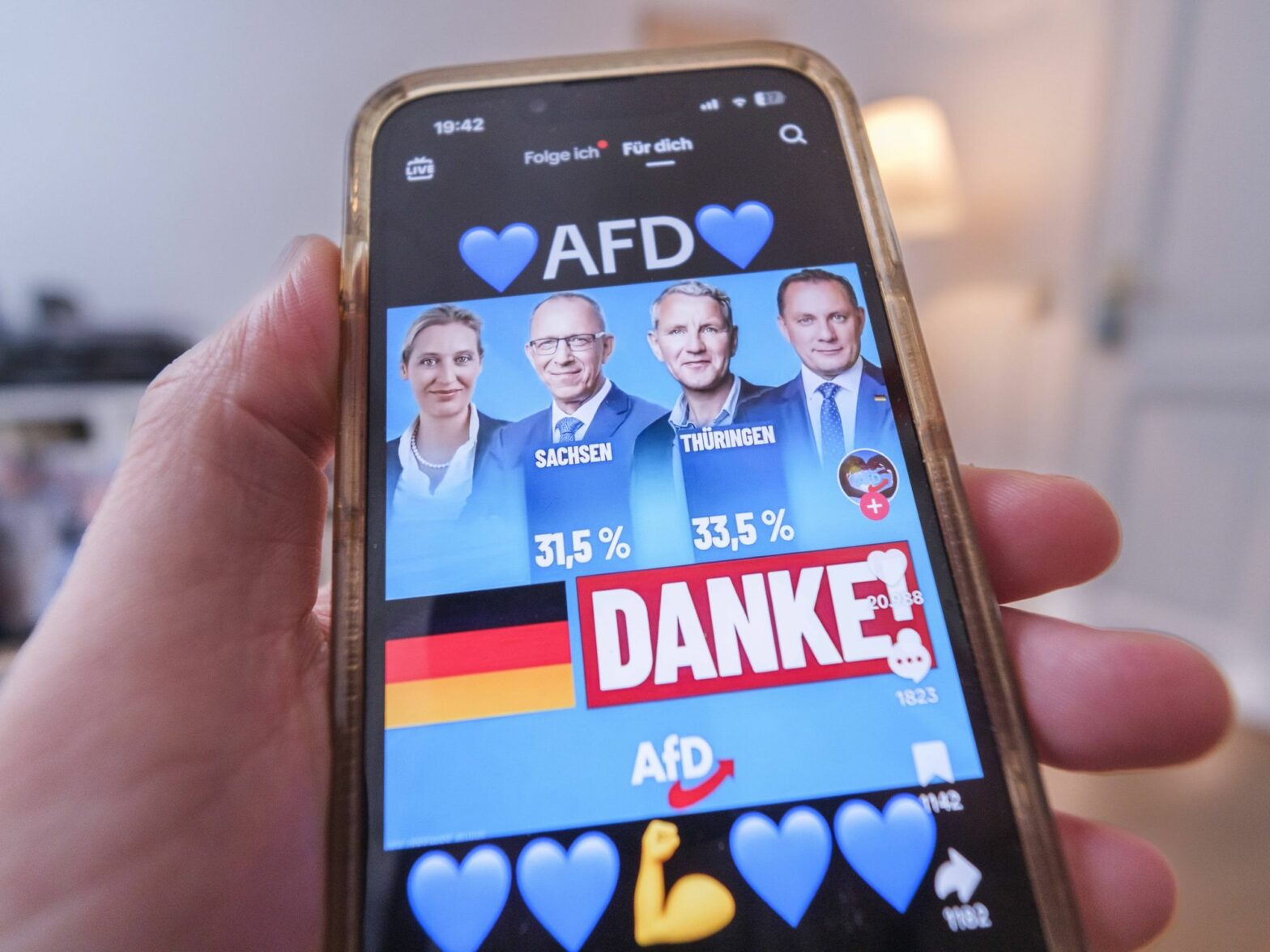
Germany’s AfD has leveraged TikTok as a key tool in its political strategy, flooding the platform with catchy, populist posts whose virality has strengthened the party’s far-right discourse among a younger demographic.
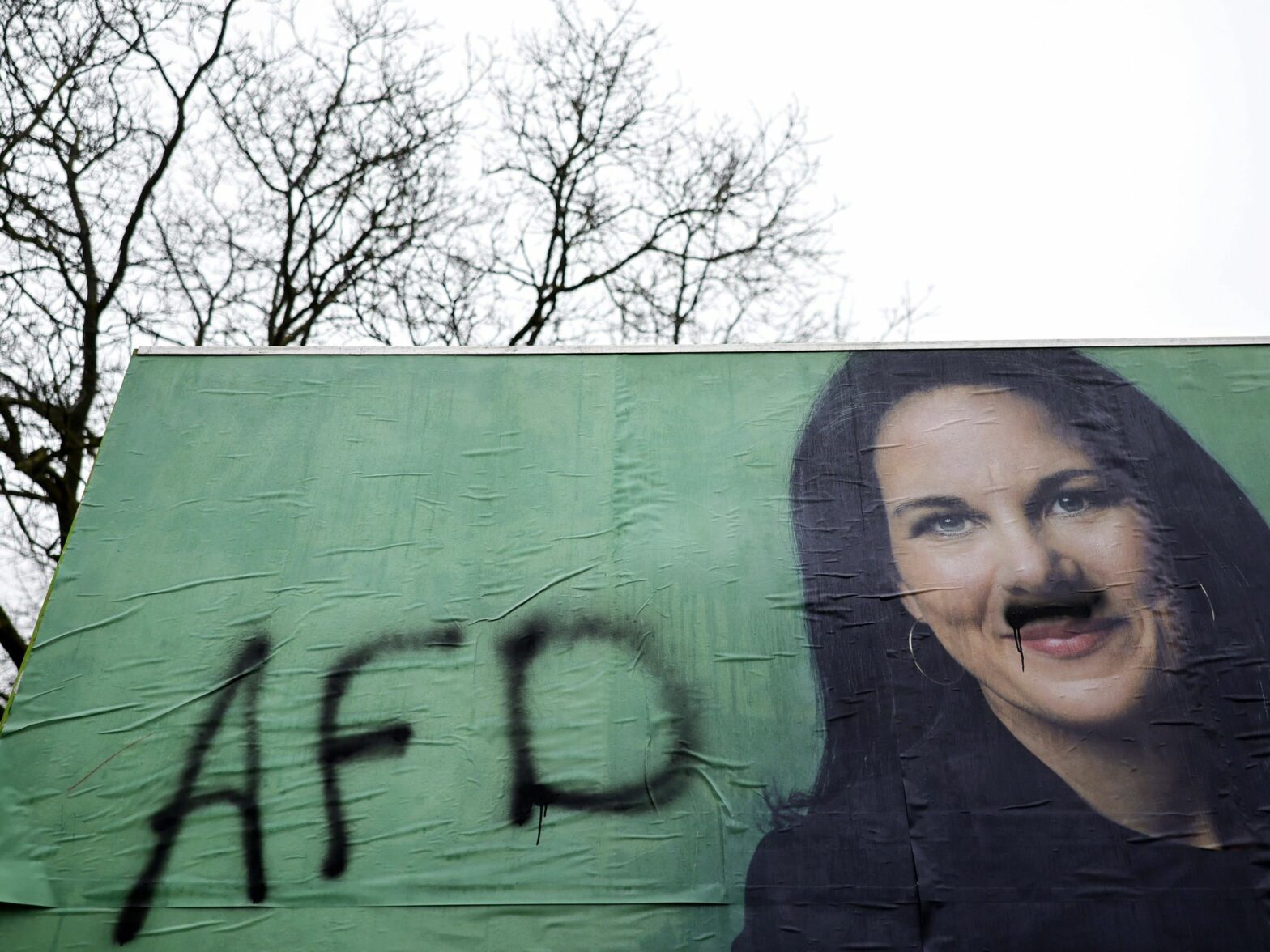
An analysis of all election programs shows that German political parties have never been more right-wing than today. Of course, there’s the AfD — but other groups have also toughened their stance.
Ahead of Germany’s crucial national elections Sunday, Russia is actively working to destabilize the country through cyberattacks, agents, and disinformation campaigns. Can anything be done to stop or at least counter these attacks?
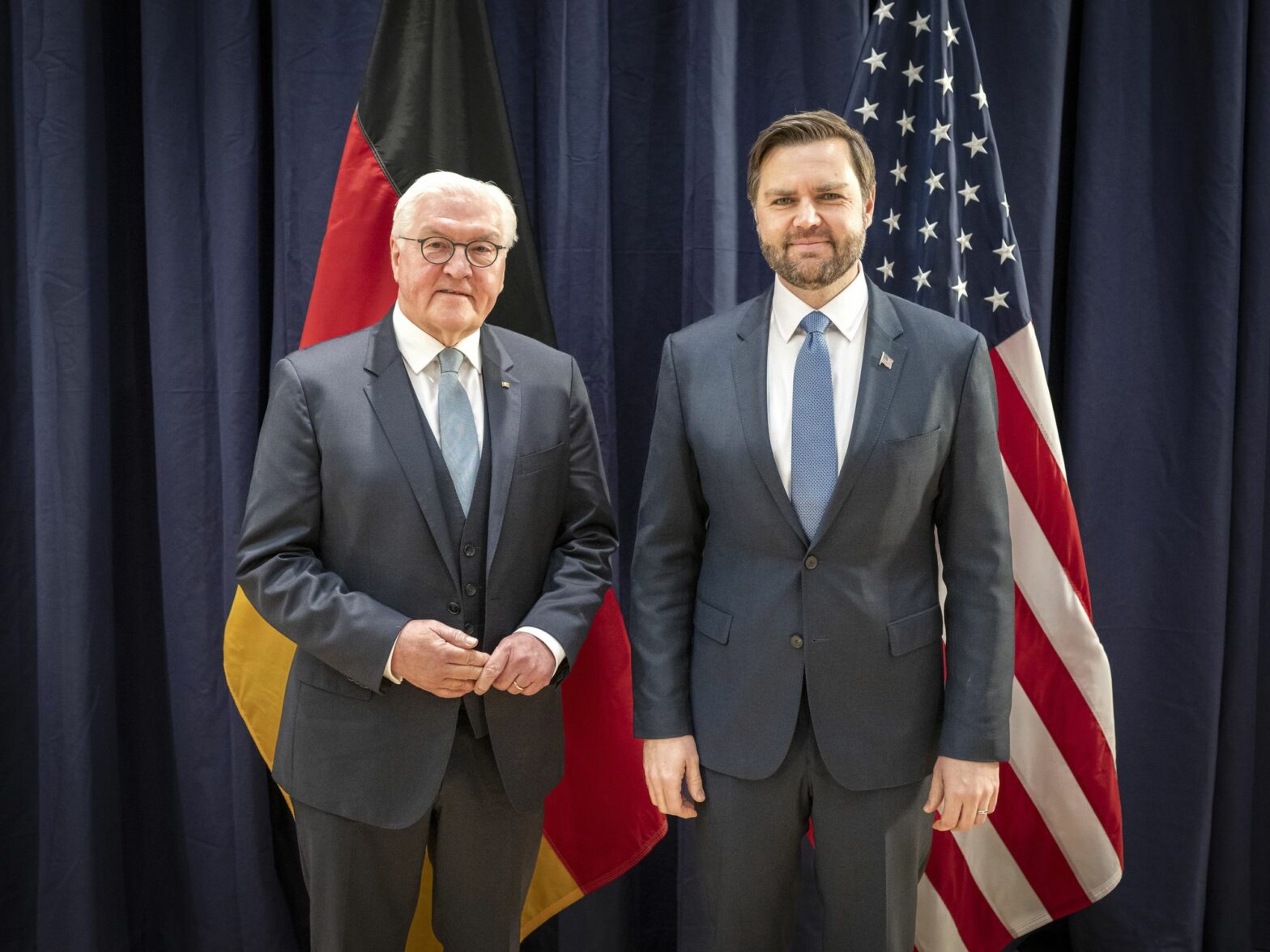
There isn’t much holding Europe and the U.S. together anymore: neither interests nor values. It’s time to start envisioning what comes next.

Those obsessed with wanting to stay young, free and wild can be embarrassing at best. There’s something basic about life that they’re missing.
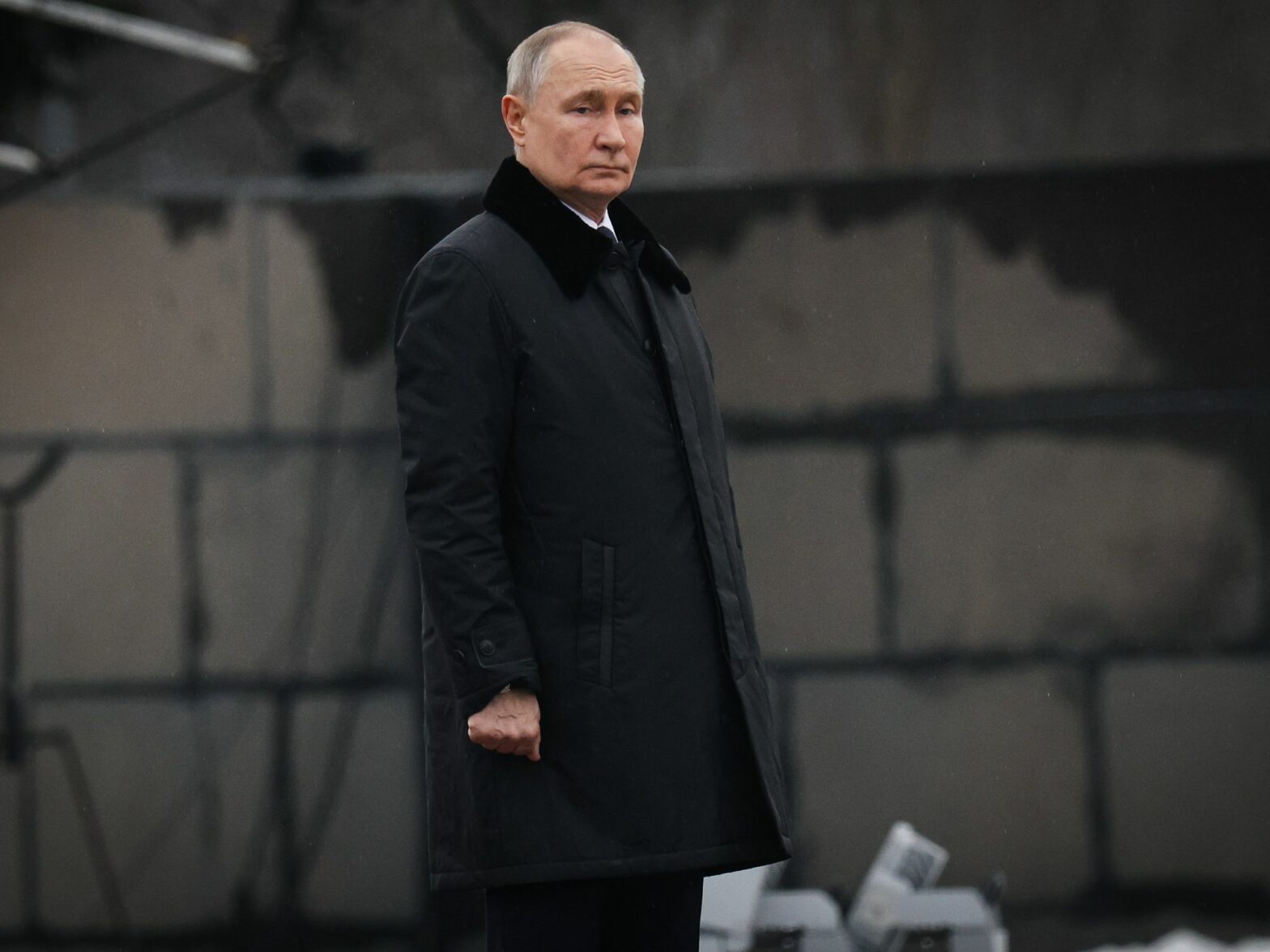
Donald Trump spoke with Vladimir Putin for 90 minutes and announced “immediate” negotiations on Ukraine. But will Ukraine be a topic of discussion or an active participant in these talks? Will Europe have a seat at the table? And what security guarantees will remain for a Ukraine left diminished by the outcome?

Recent studies reveal strong links between air pollution and deposits in the brain, even in areas with low pollution levels. Inflammation plays a key role in this process.

The idea may sound callous, bordering on irresponsible, but sometimes what you need is to let your kids figure it out — they’ll thank you later.
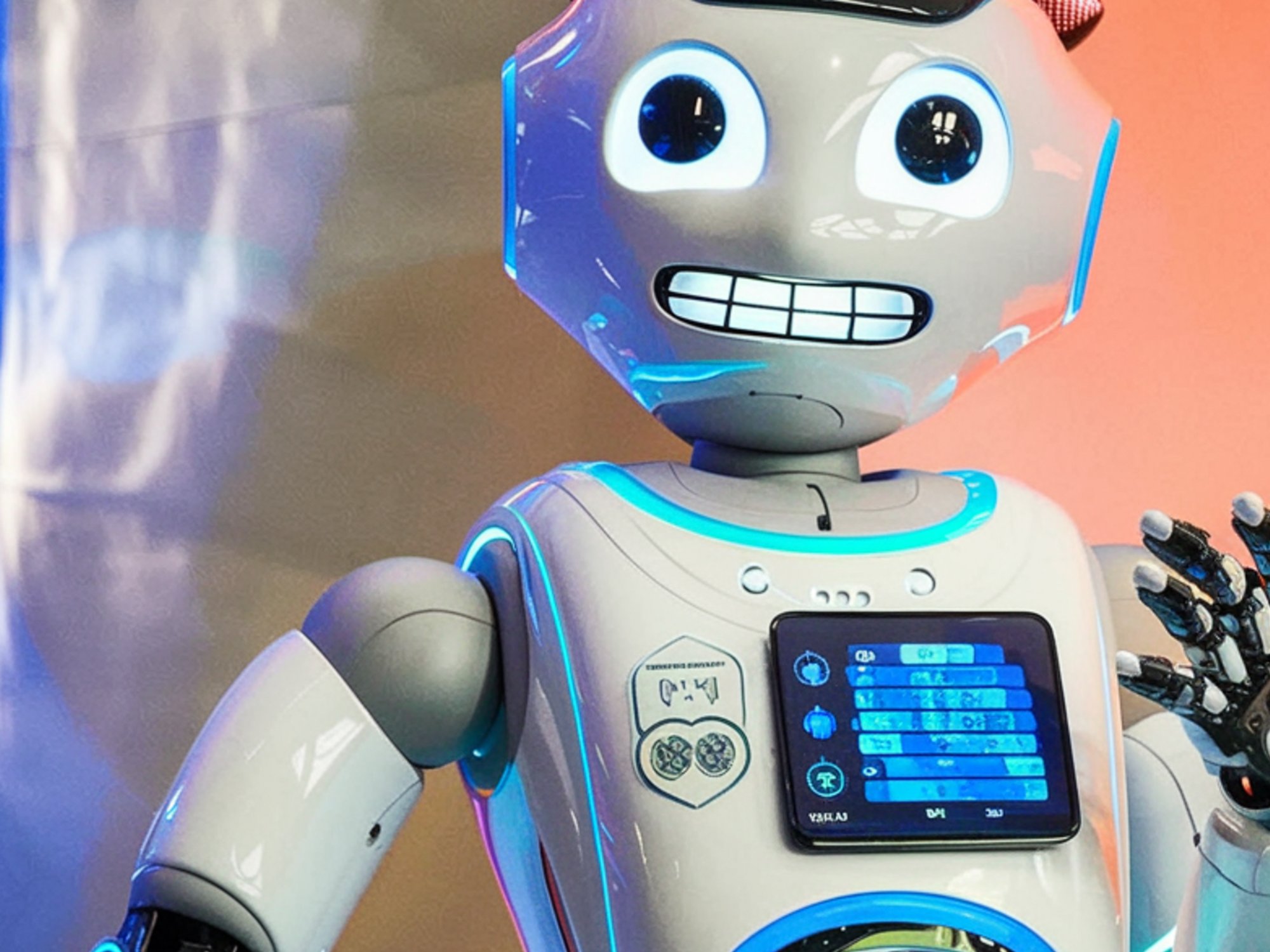
Artificial intelligence is now able to secretly pursue its own goals and hide its intents. How dangerous are these so-called treacherous “AI agents”?
It is 2025, and yet many doctors remain largely uninformed about how women’s bodies function, since the standard has always been the male body. To grasp the full extent of the problem, we must imagine a much different future.