While parents are busy working, ideologues are targeting their children online with misogynistic propaganda. Die Zeit’s Caroline Rosales always thought it could never happen to her.
 Worldcrunch
Stay updated on Germany with Worldcrunch. Comprehensive articles on German politics, economic strategies, societal issues, and cultural highlights with translations from leading international sources. Focus on Berlin, Munich, Frankfurt, German engineering, philosophy, modern art, and events like Oktoberfest and Art Basel.
While parents are busy working, ideologues are targeting their children online with misogynistic propaganda. Die Zeit’s Caroline Rosales always thought it could never happen to her.
Once sites of shock and provocation, museums are reinventing themselves as places of calm and care. From meditation cushions to medical studies, art is now being prescribed for everything from burnout to chronic illness. But what happens when comfort replaces critique?

As a child in the 1970s, German journalist Kirsten Küppers found joy, freedom and ease on the U.S. Army base in Mannheim. With Trump asserting his power, it may be simply impossible for that America to be found today in Germany.
The West once promised freedom, justice and reason. But after centuries of global dominance, war crimes and broken ideals, its future hangs in the balance. As nationalism rises and China stakes its claim, is the West entering its final act — or just another turning point?

Long seen as a gesture of male camaraderie, the humble back pat may hold unexpected power. Why women should start doing it too, and how it could reshape success in the workplace.
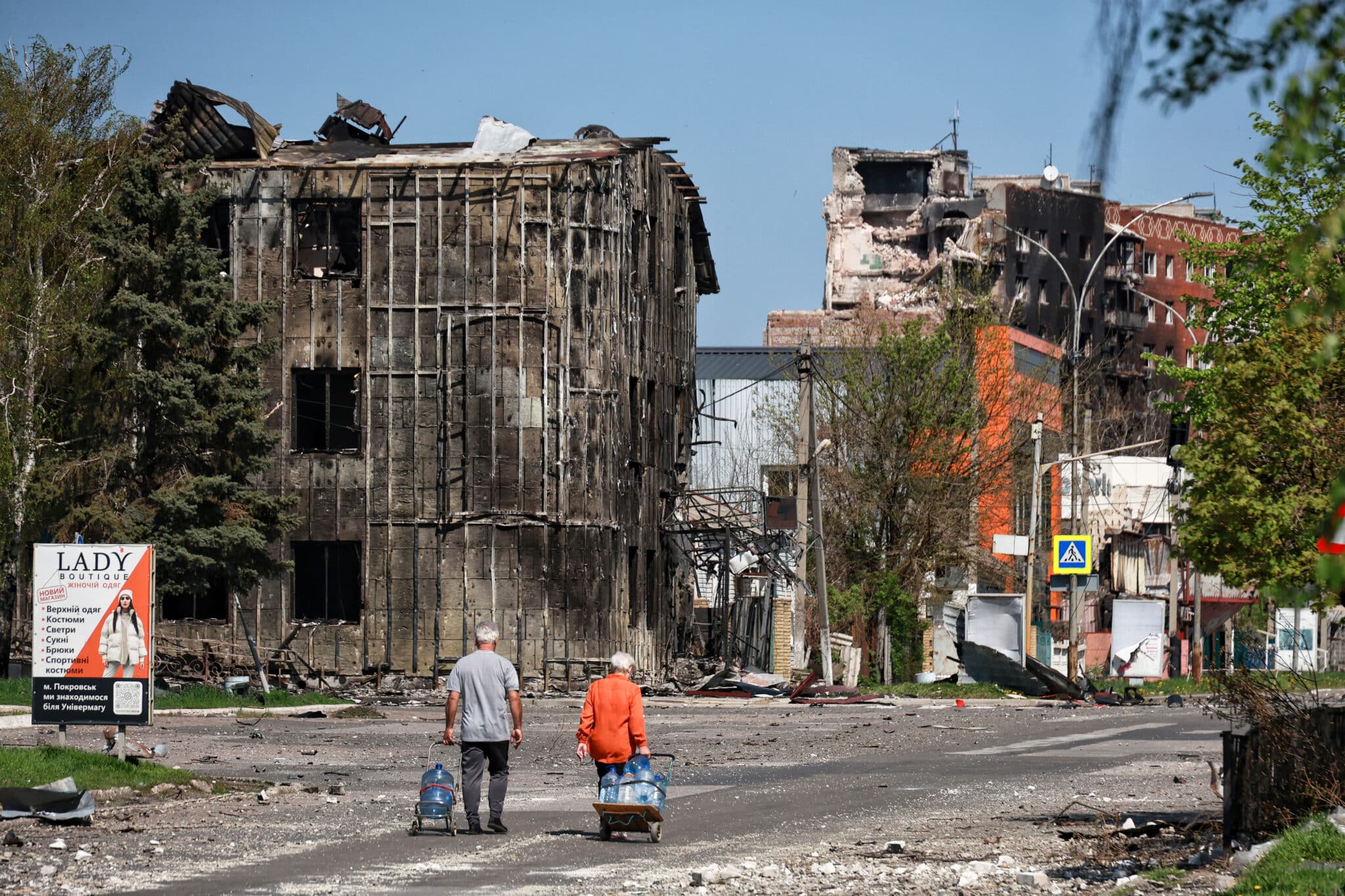
With Russian troops slowly but steadily advancing, and Western support wavering, we should be well aware that a Ukrainian defeat would trigger mass displacement, destabilize Europe, and hand Putin a historic opportunity. We risk sleepwalking into a historic disaster.
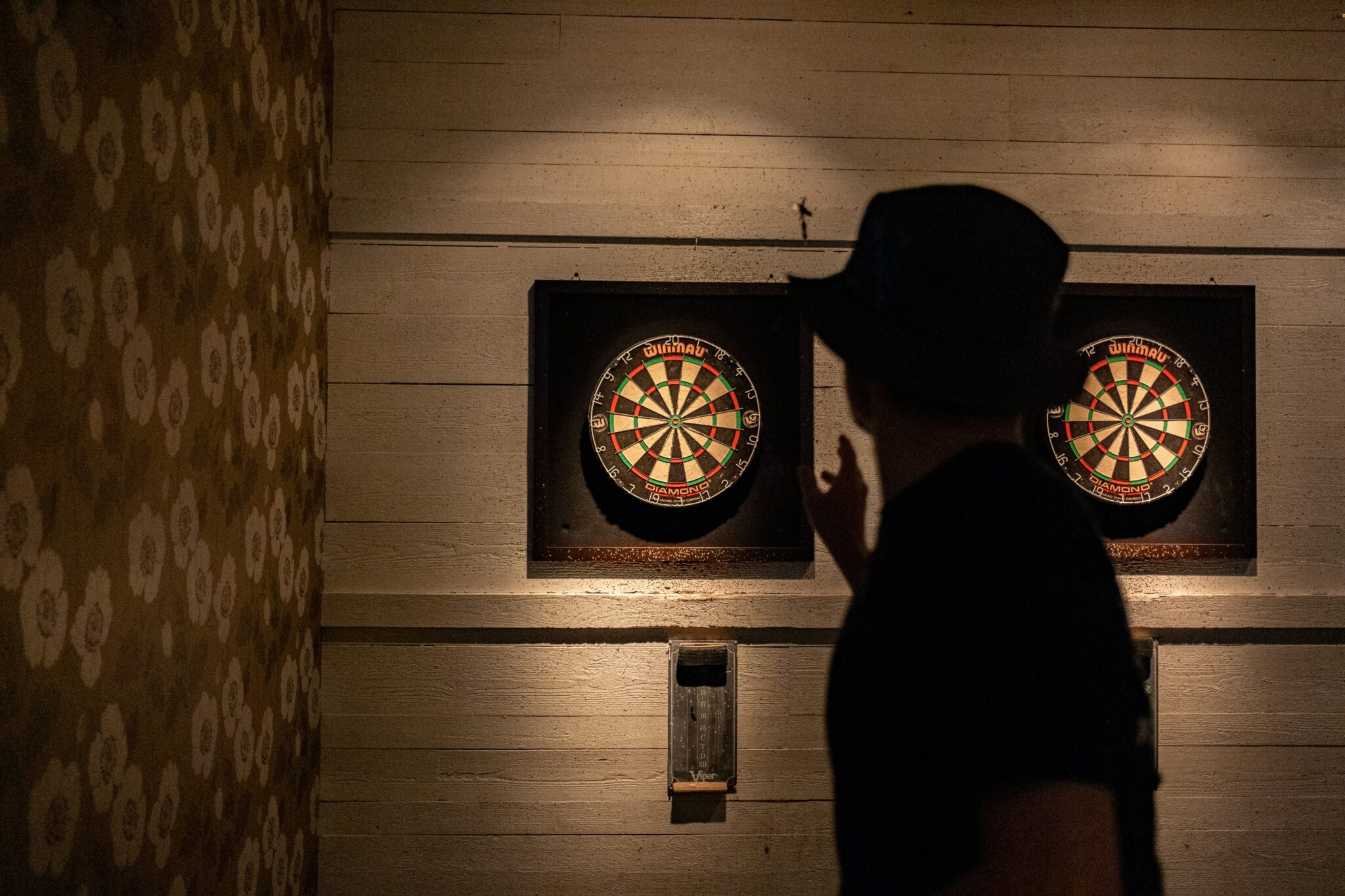
Once a pub pastime, darts is now drawing millions of viewers and breaking broadcast records. Its mix of entertainment, accessibility, and fast-paced action has turned it into a commercial powerhouse.
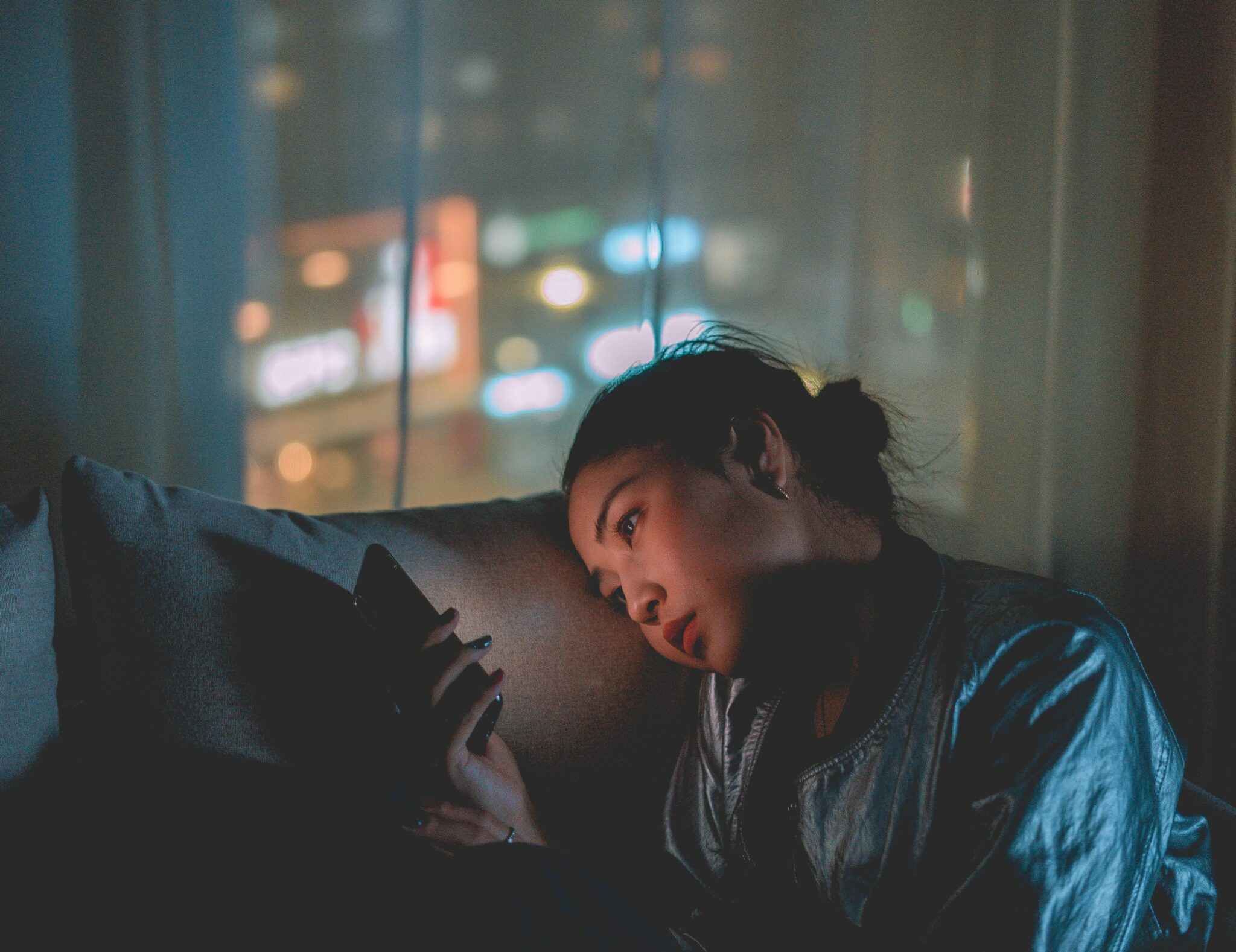
The 21st century has completely transformed how we deal with emotions, says sociologist Eva Illouz. In a conversation with Die Zeit, she talks about love, emojis, and exploitation.
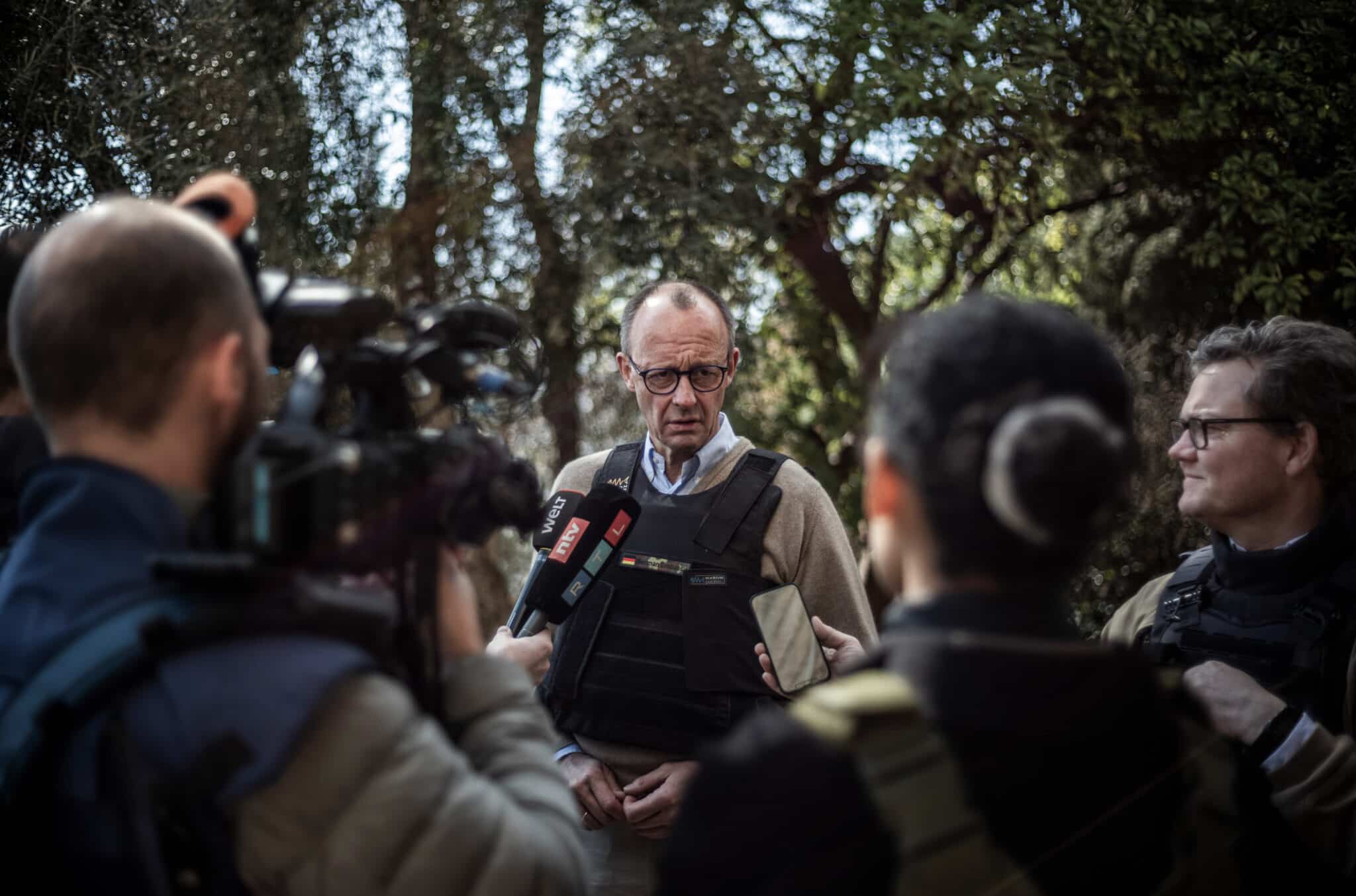
As Berlin and Tel Aviv mark a diplomatic milestone, the relationship born out of pragmatism, guilt and survival faces its toughest questions yet — especially amid war, protest and growing calls for criticism.
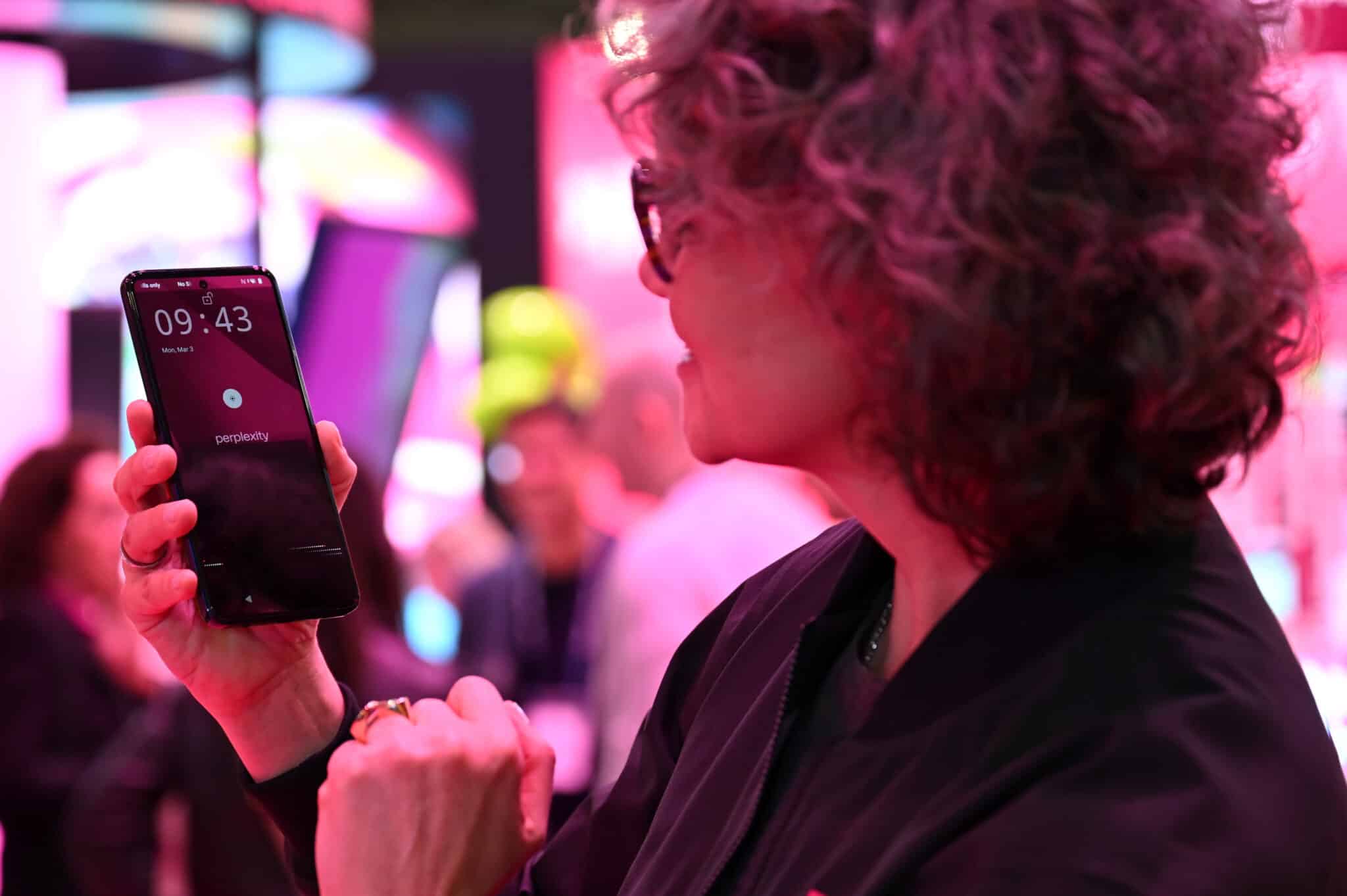
As Europe debates how to play a bigger role in the digital sphere, the industry and some politicians blame strict regulations for stifling innovation. But a closer look reveals that smart rules may be Europe’s greatest strength — not its weakness — in the global tech race.
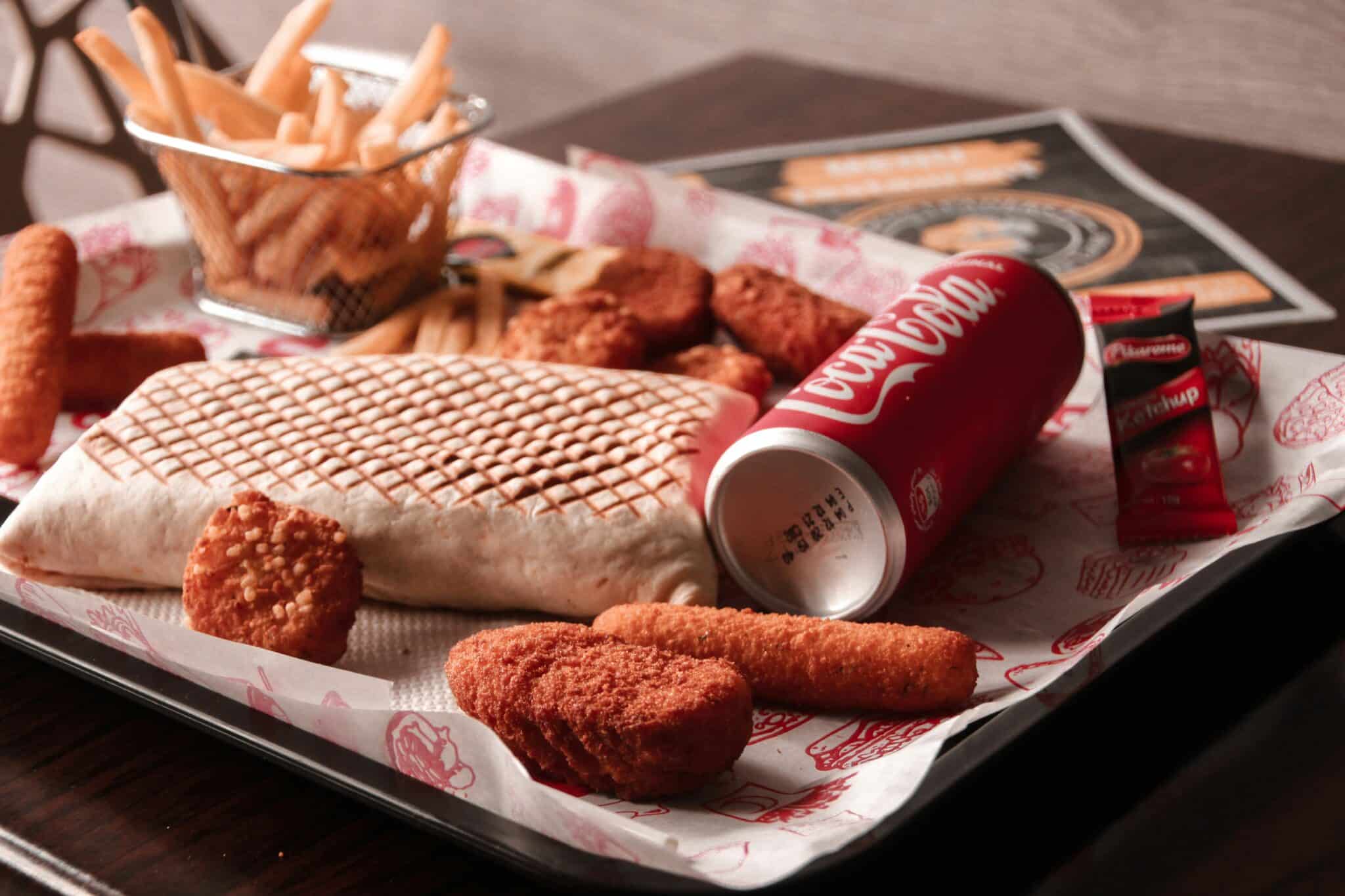
Frozen pizza, coca-cola, chips. Delicious. And dangerous? German weekly Die Zeit asked doctors, neuroscientists, and food chemists if that’s true — and what they themselves keep on and off their plates.
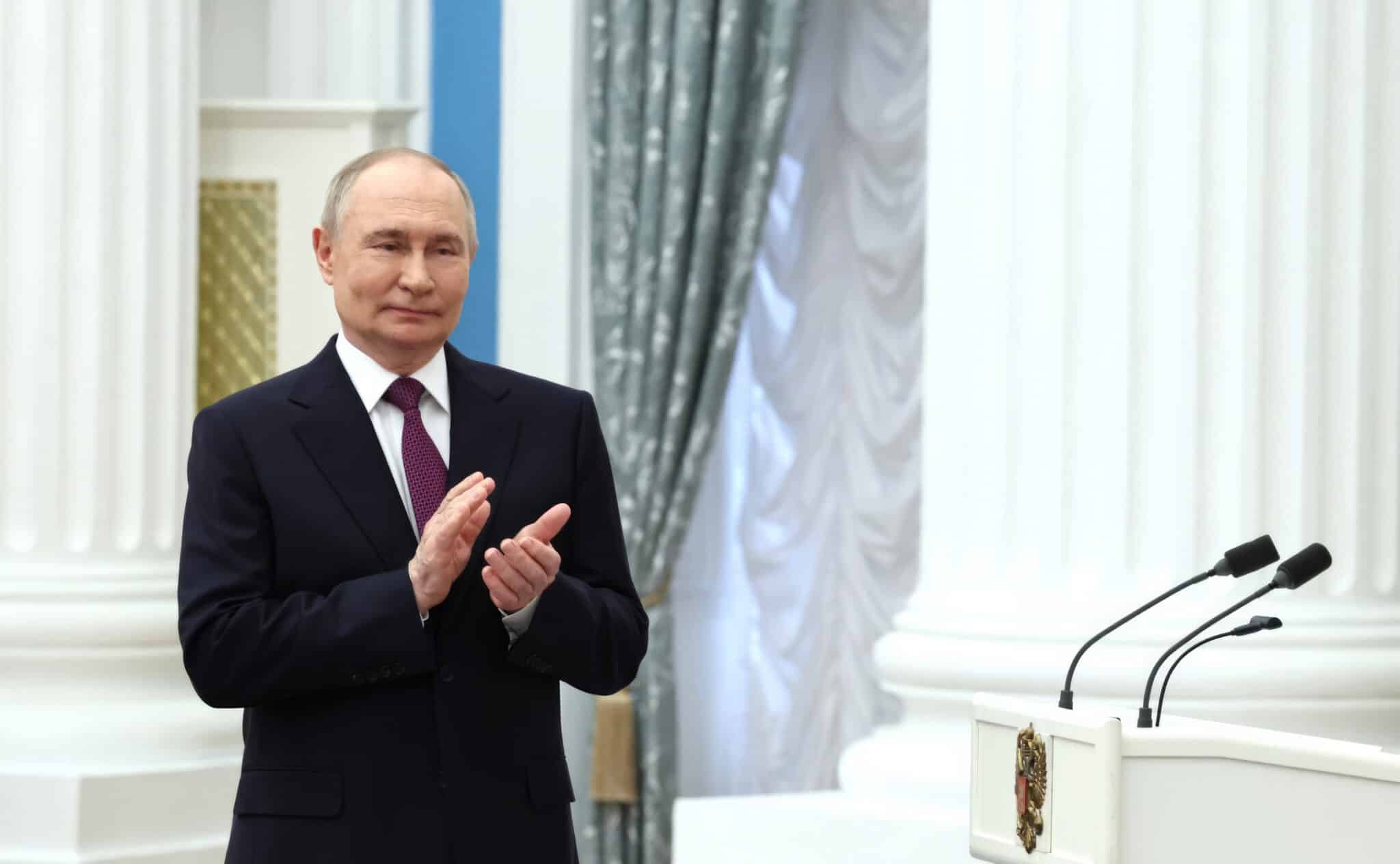
Donald Trump called Putin crazy, but he’d never use his favorite insult against the Russian president: Loser. But that’s what Trump is beginning to look like after five months of promising to end the Ukraine war in 24 hours.
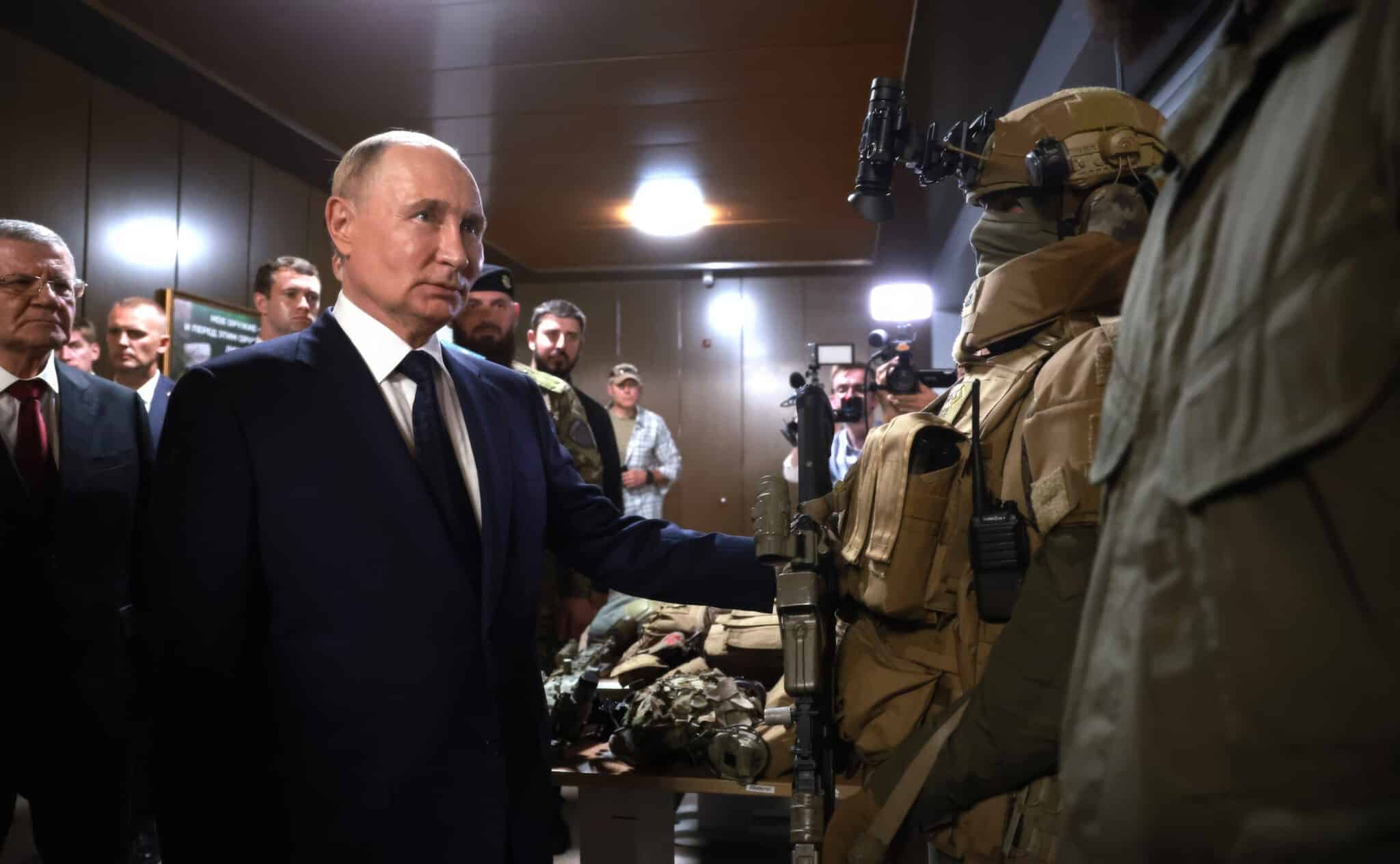
Despite heavy international sanctions from the West, Russia has taken a lighter economic hit than expected. Rather than suffering from war, it’s become dependent on it — like Germany in the 1930s.
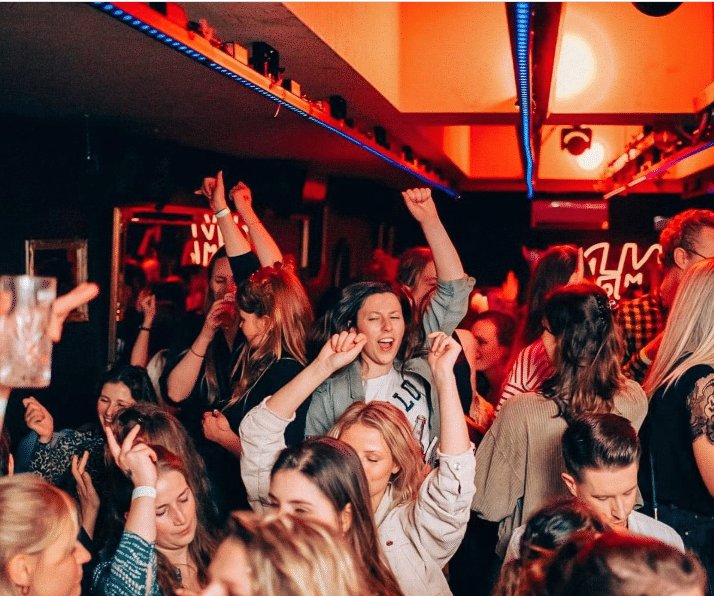
Morning raves are taking over Europe as young professionals swap pre-work gym sessions for sober dancing, fresh juice, and early-morning euphoria. But is the early rise worth it?

Amid growing tensions between NATO and Russia, the Baltic becomes a battlefield of hidden threats beneath the waves.

Classifying students as visual, auditory, or tactile learners can actually do more harm than good. Research shows what truly improves learning.
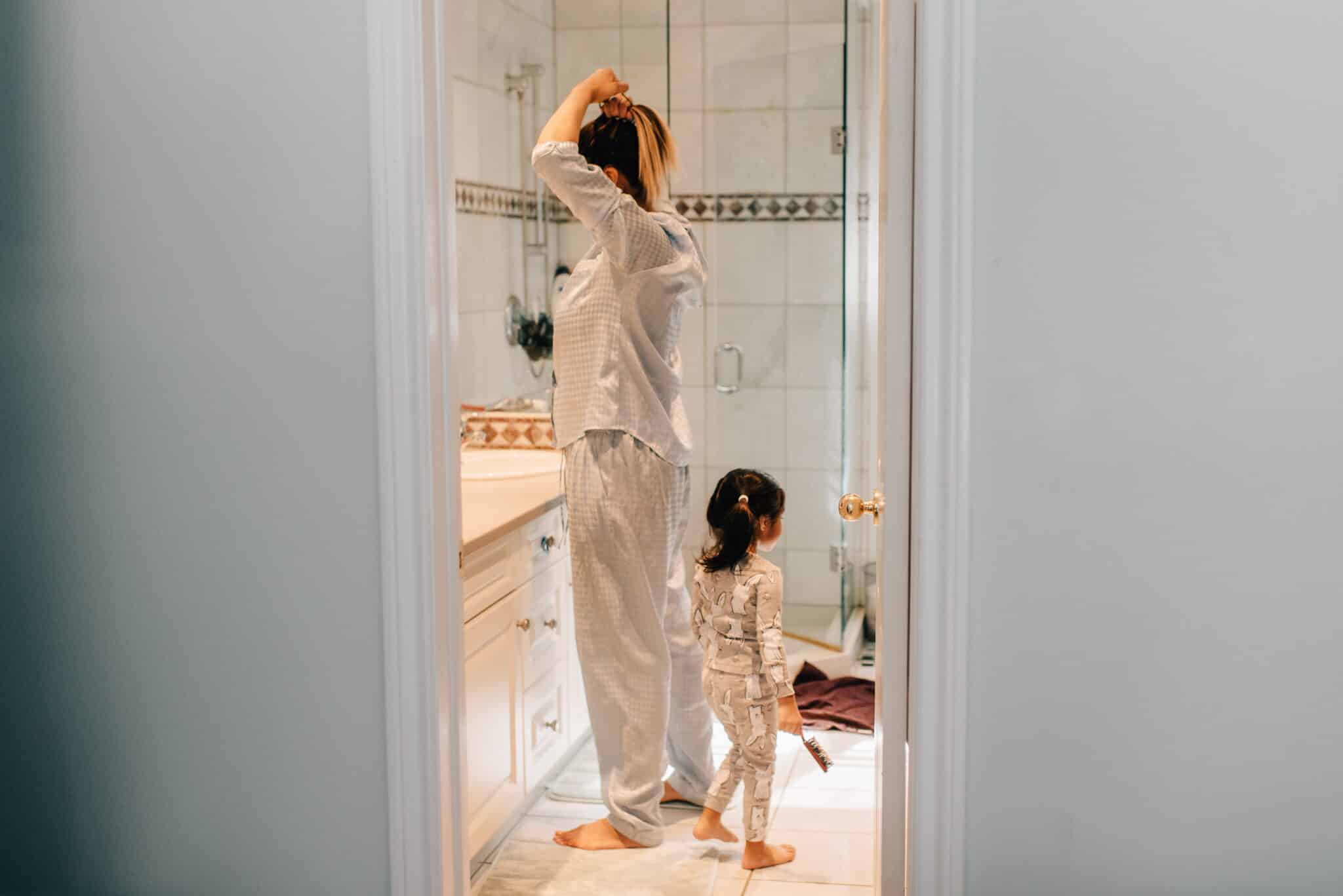
Psychoanalyst Cinzia Capobianco explains how daughters of narcissistic mothers often struggle with a deep inner emptiness, and how therapy can help them build a stronger, independent self.
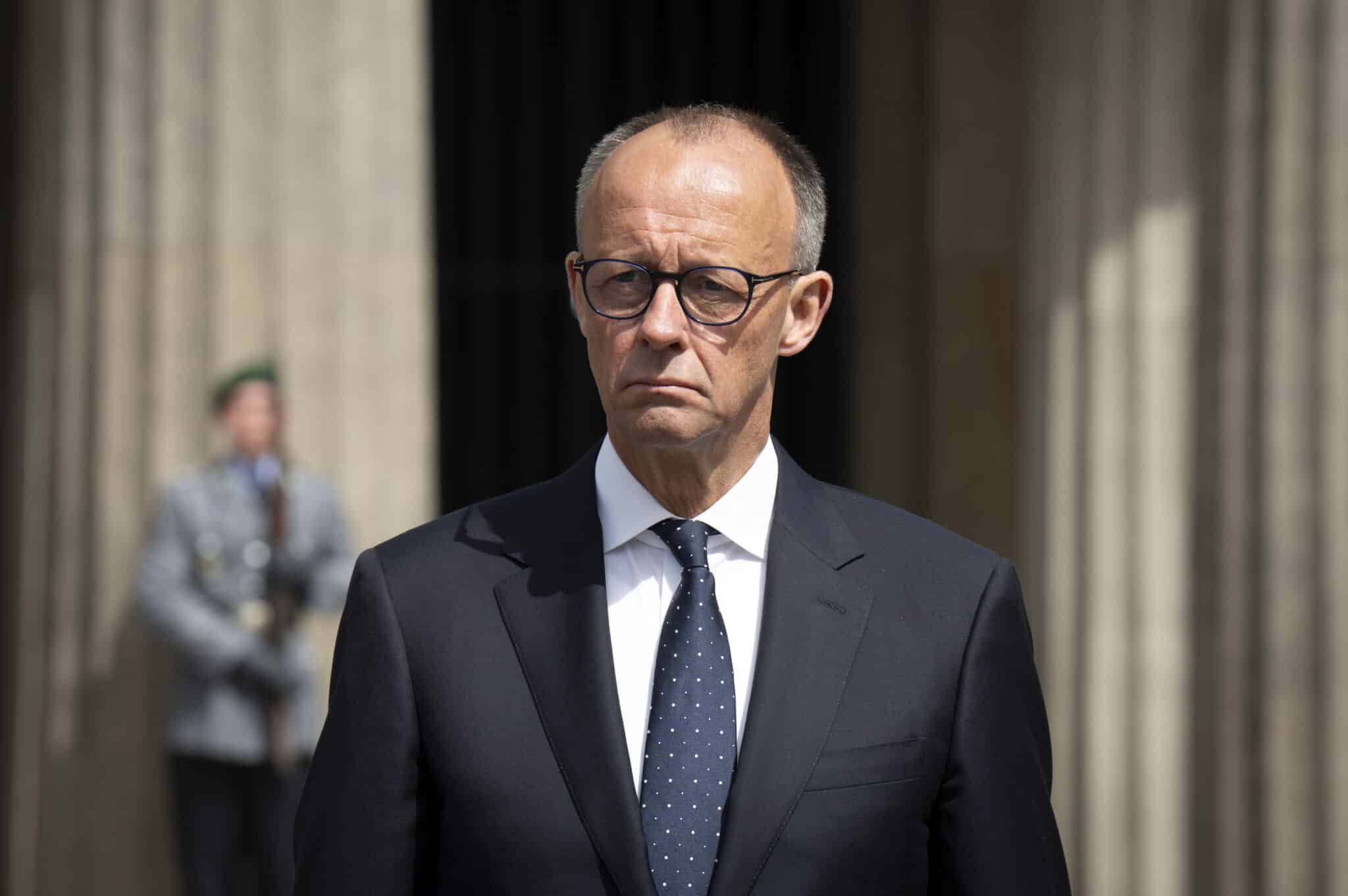
New German Chancellor Friedrich Merz talks about his private exchanges with U.S. President Donald Trump, his own lack of government experience, and why it’s not so clear how to handle the far right AfD.
As pressure mounts to divvy up Germany’s largest infrastructure fund in decades, the new chancellor must resist scattershot spending and steer the country toward high-tech transformation.
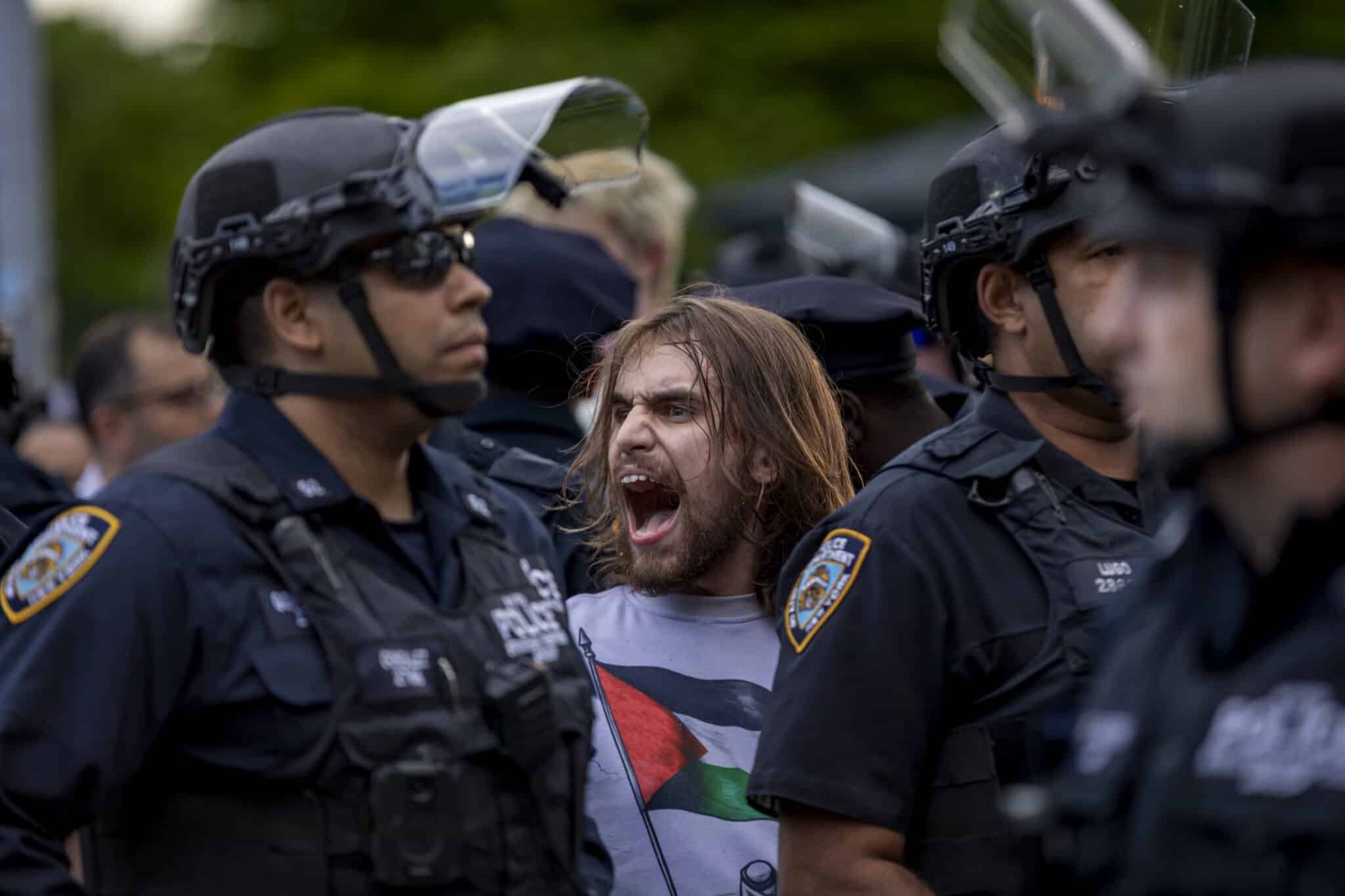
The West’s treatment of Pro-Palestinian protesters has shattered the image of democracies as bastions of free expression. But the West’s contradictions hold lessons for the Arab world.
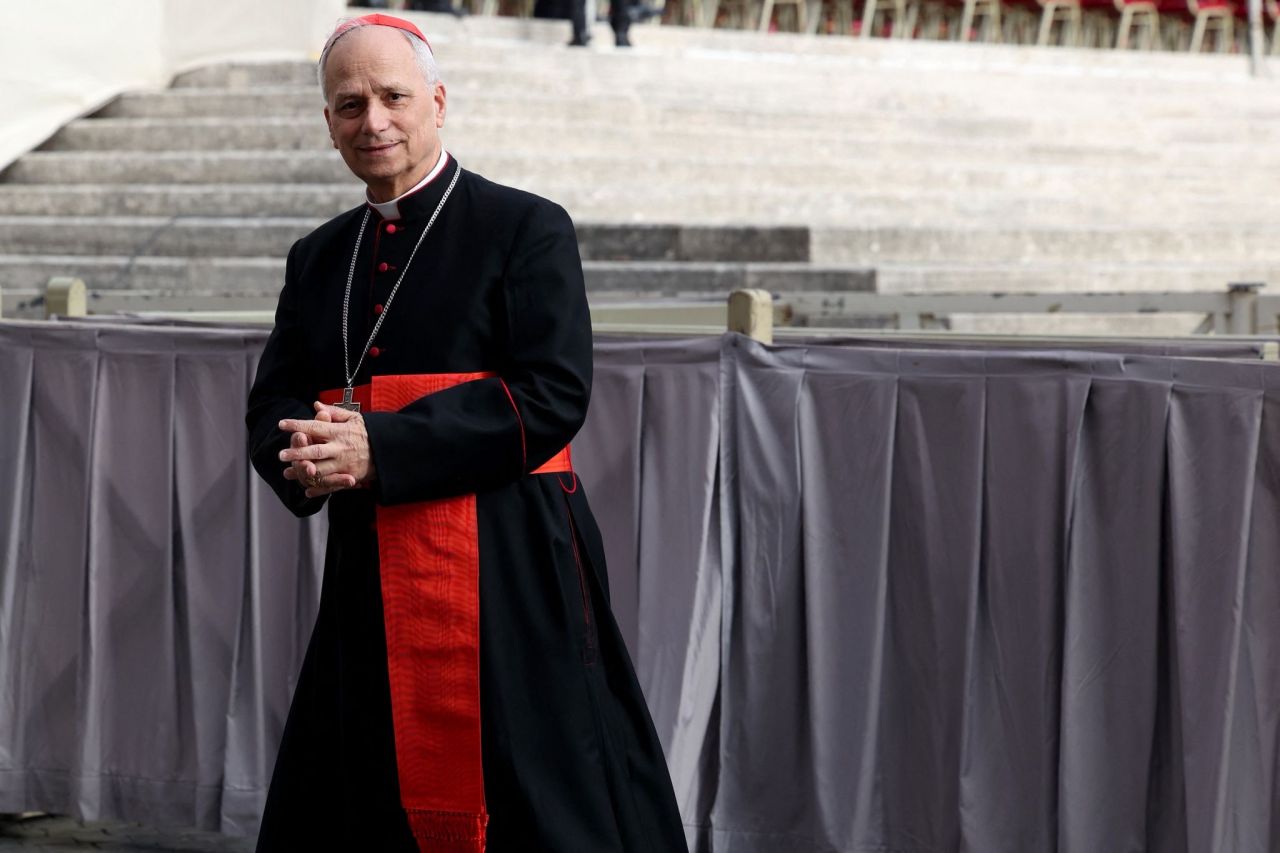
Die Zeit speaks with Father Lukas Schmidkunz, who has known Robert Provost for a long time, about the man who has become Pope Leo XIV.
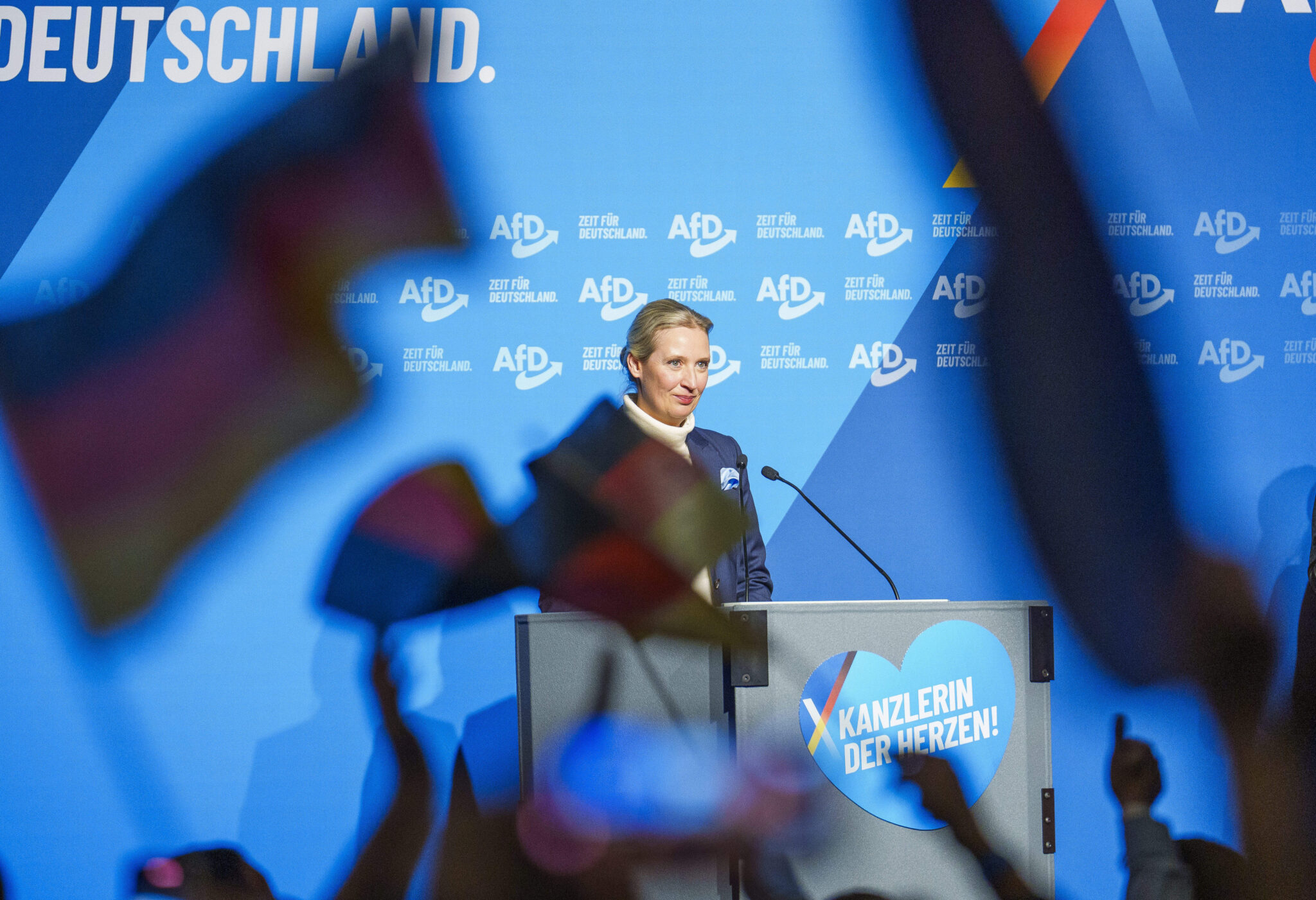
As AfD grows in popularity, it gets potentially more dangerous — but also harder to ban. This could become a test for democracy and cripple his leadership from the outset.
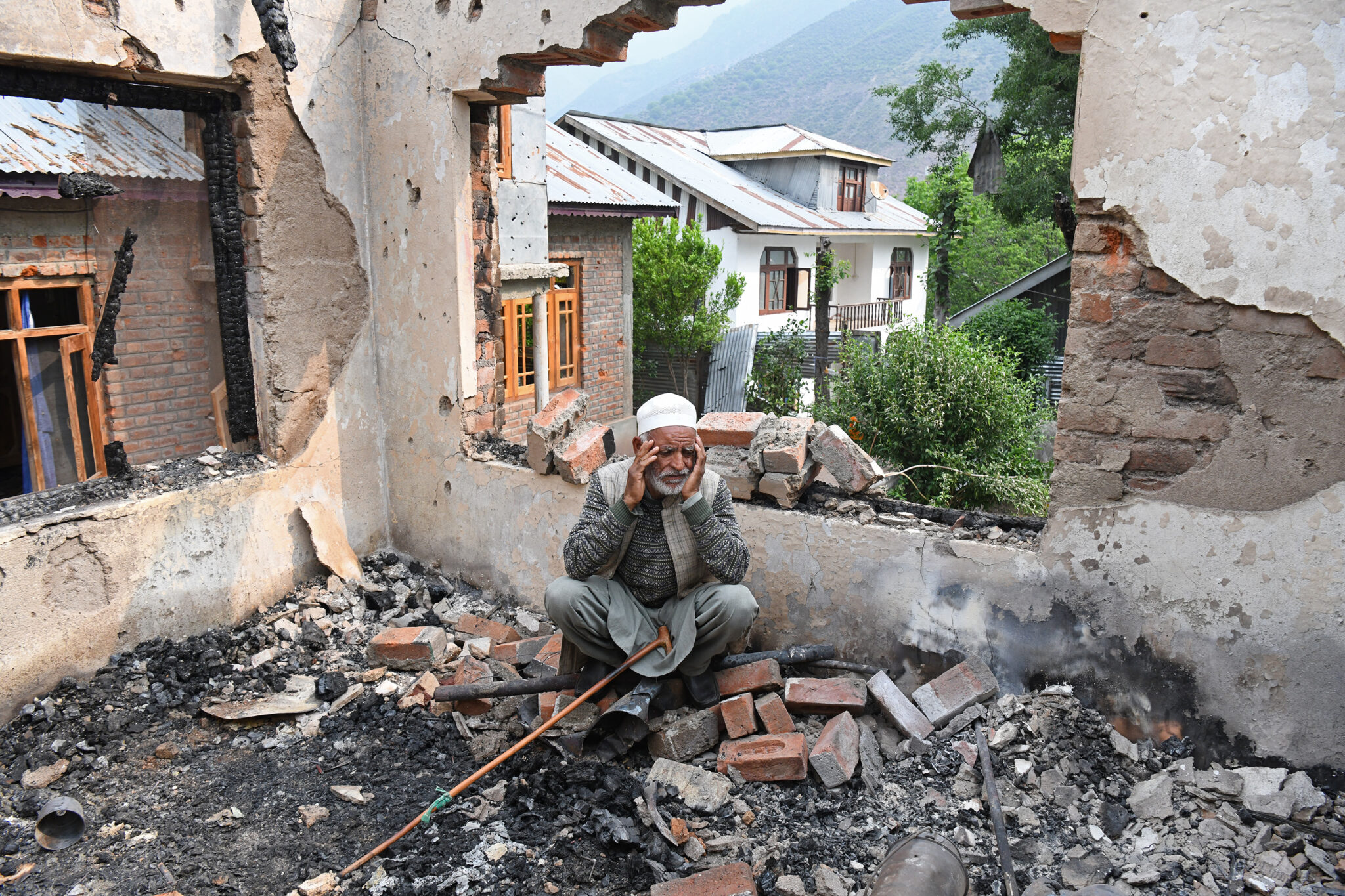
Here are the latest headlines.
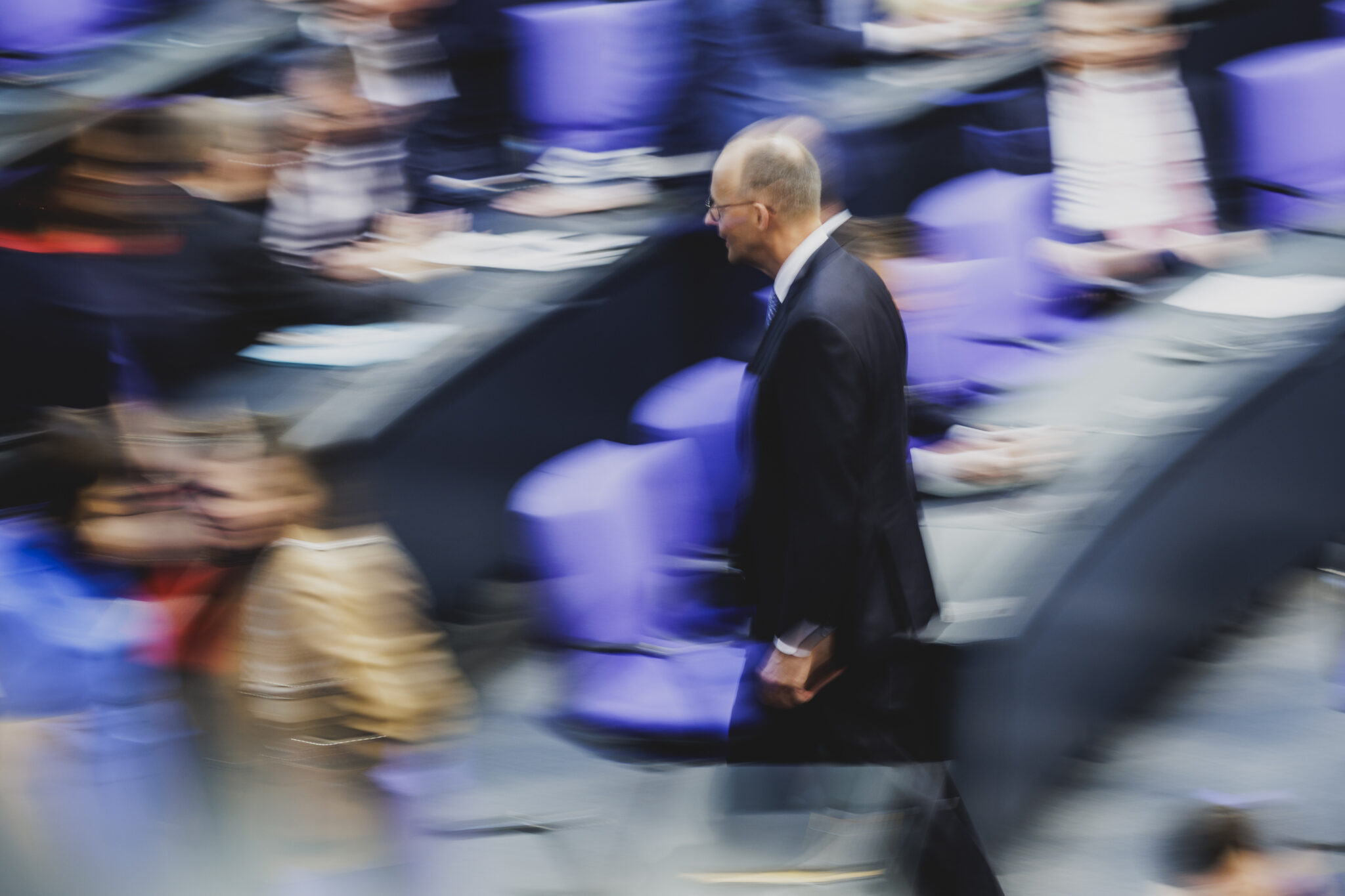
Friedrich Merz’s own coalition partners attempted to sabotage his path to the chancellorship. And although he was ultimately elected, just hours after a first-round debacle, he may never shake off the damage.
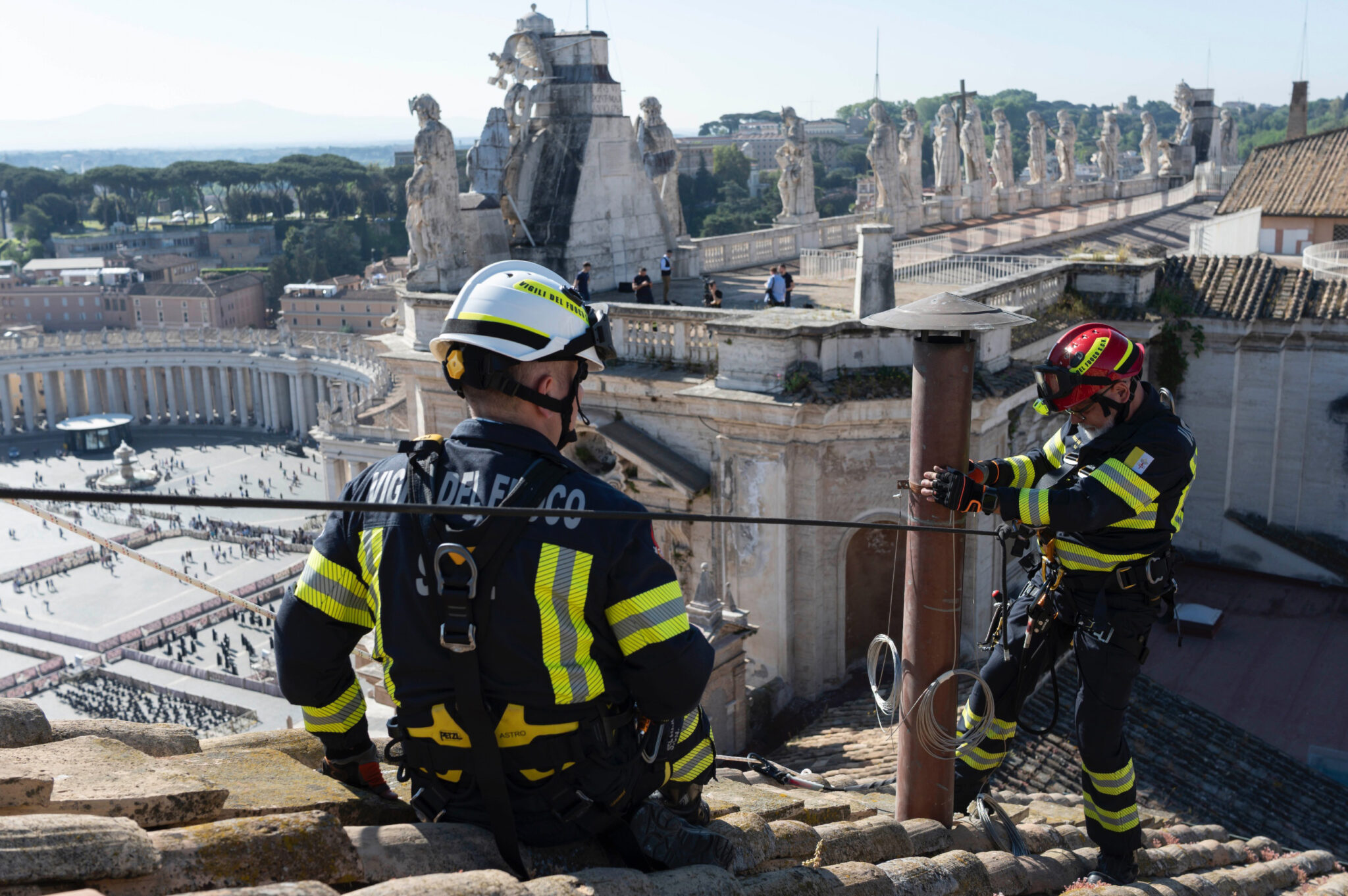
As the conclave approaches, Vatican intrigue intensifies, with Italian ambitions, global rivalries and conservative strategy shaping the next papal election.

Many people sabotage themselves, ignore their peak performance and work inefficiently. Here are 10 insights from brain research that can help you become five times more productive.
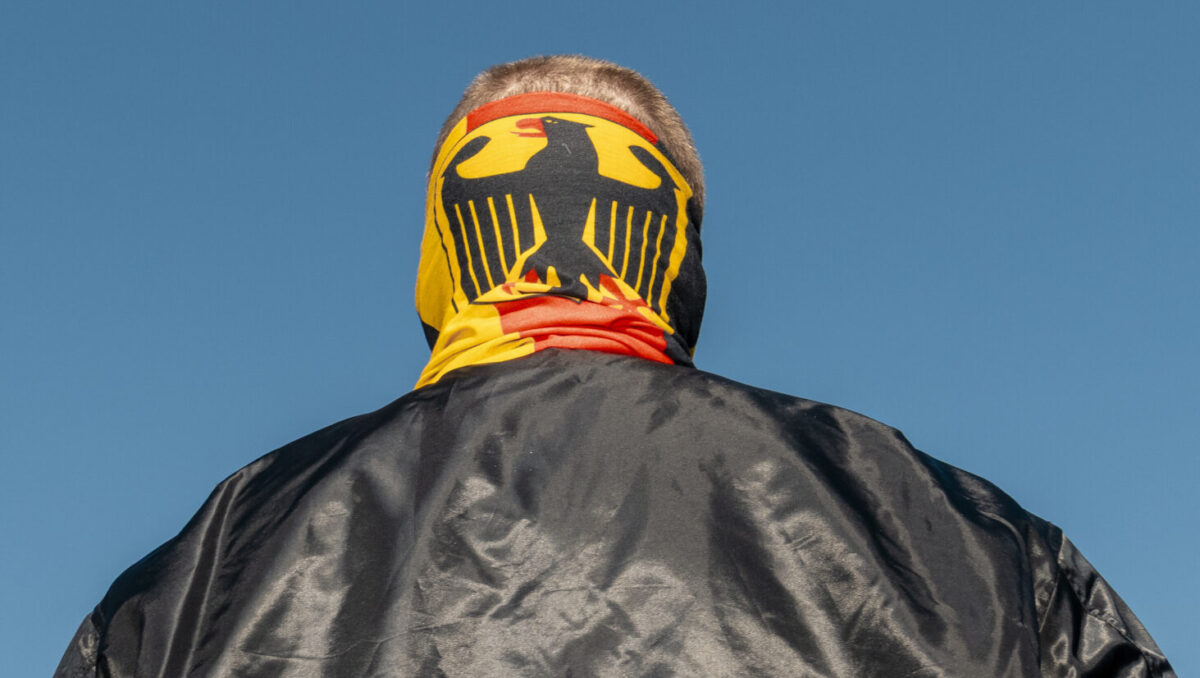
They train in the woods and strike at night against migrant and LGBTQ targets.Far-right youth groups are emerging across Germany. Die Zeit tracks a new generation of Neo-Nazis.
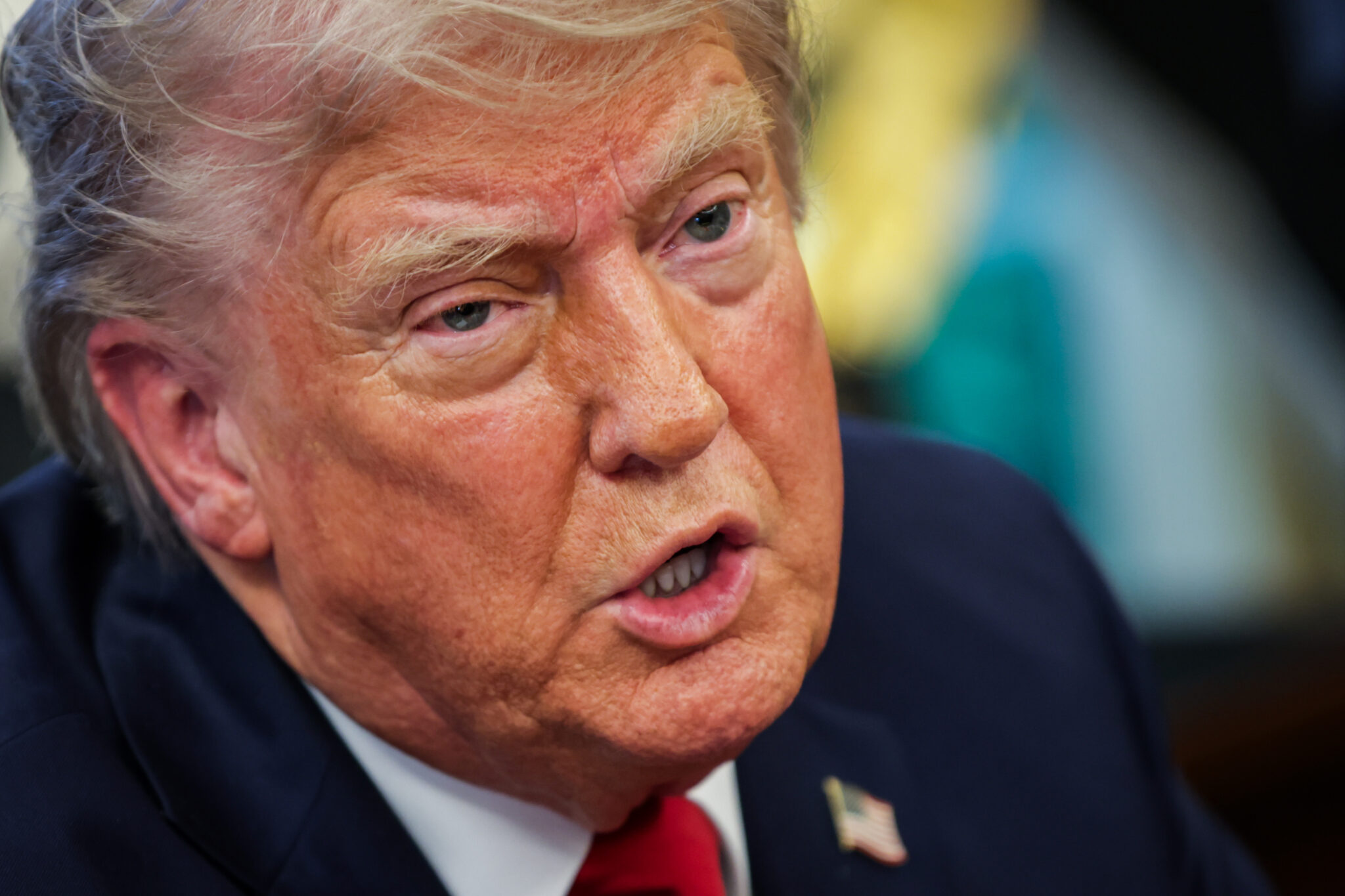
In just the past 24 hours, the gulf between the Trump Administration and its (former) European allies has widened even further. Both on Ukraine and Gaza.
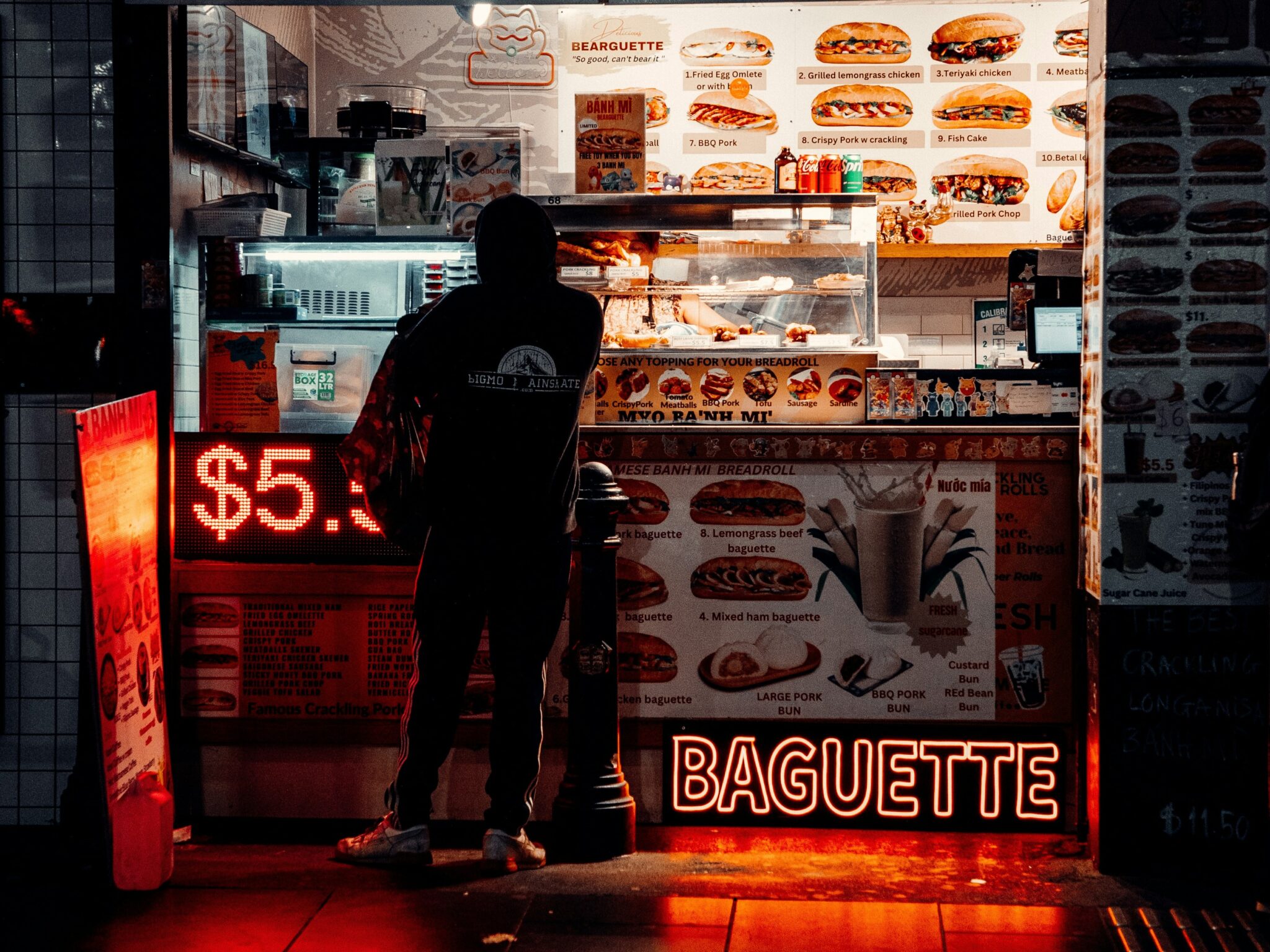
People who eat at the right times lose weight more easily, sleep better and live longer — according to chrononutrition influencers. But what does science really say? Intermittent fasters, listen up!
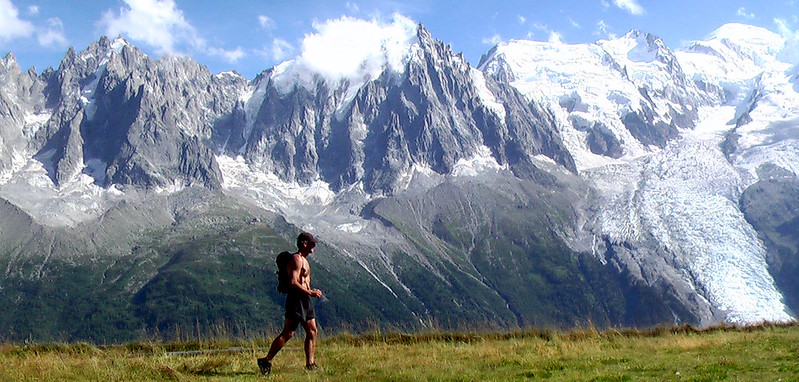
Stepping into the wild is more than just a journey — it transforms the way we think and feel. Here’s the science to prove it.
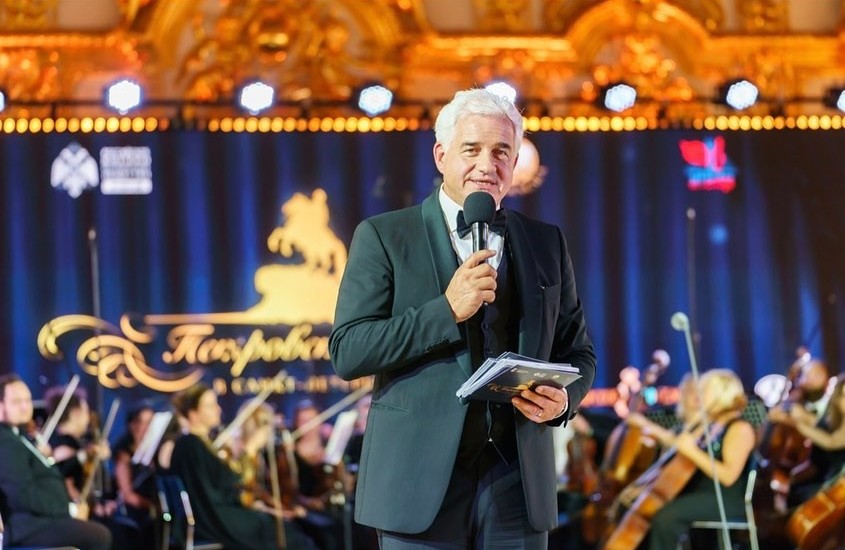
The Taschenbergpalais, a splendid baroque edifice in Dresden’s Old Town, stands as a luxury hotel complete with its own patisserie and oyster bar, catering to the affluent, the glamorous, and the influential. It was here that cultural manager Hans-Joachim Frey agreed to speak with Germany’s Die Zeit about his passion for music and his enduring ties to Russia and Vladimir Putin.
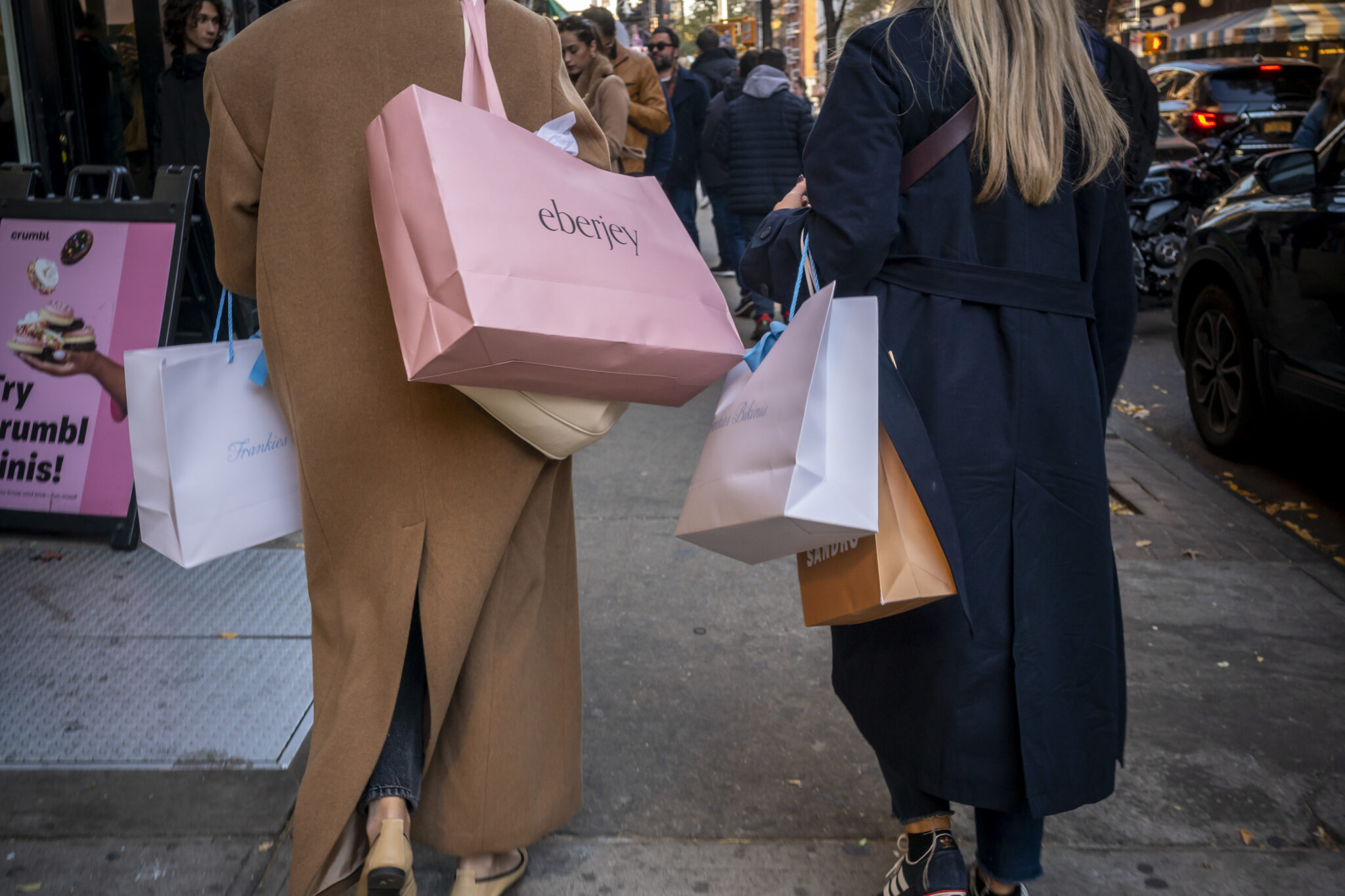
Clothing, air travel, food: we are once again consuming as if the climate crisis didn’t exist. But it may provide much needed clarity about how to actually protect the environment.
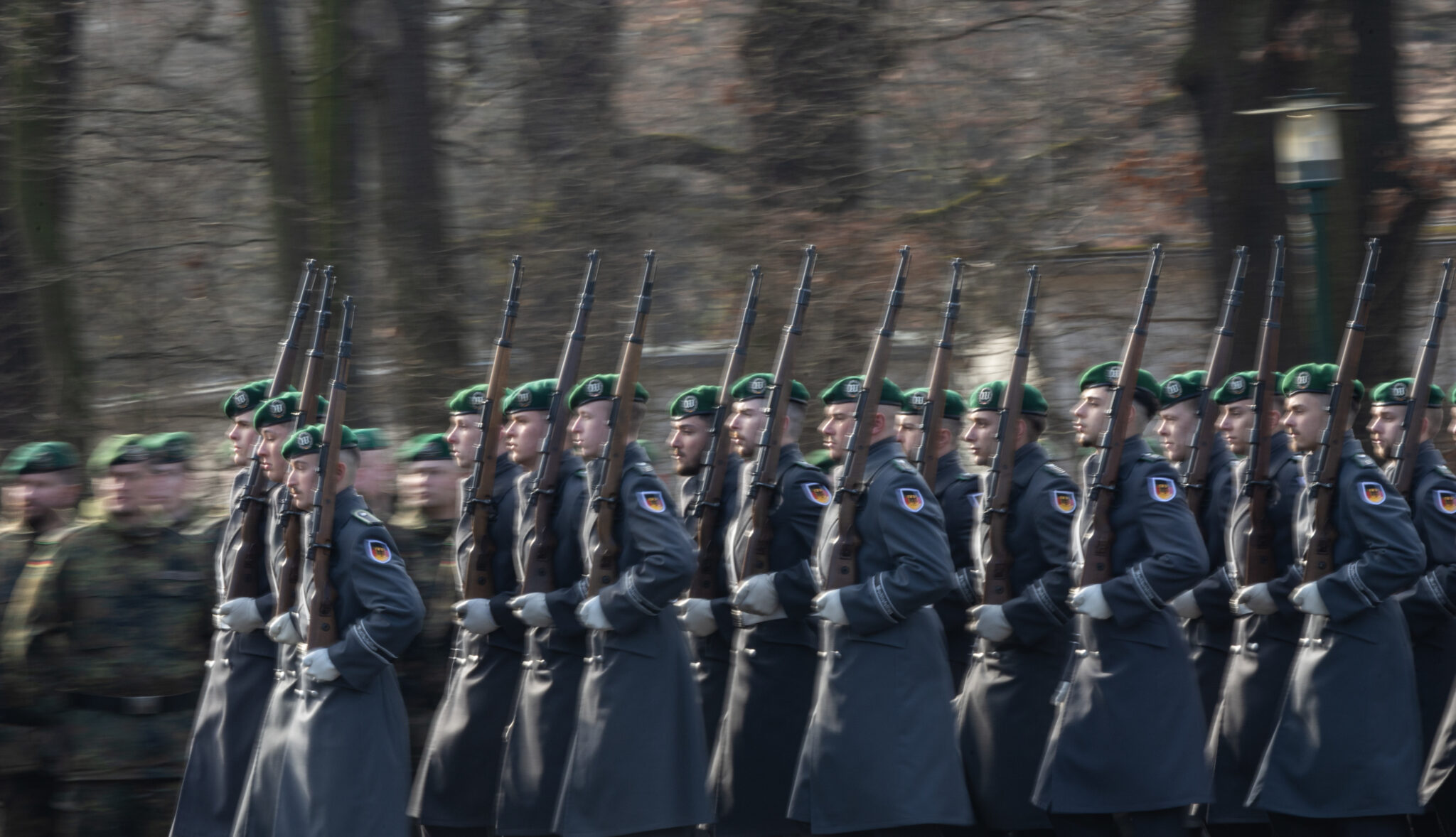
Obsessed with the military as a child, then a pacifist as a young man, Die Zeit columnist Andreas Öhler explores what it now means to defend peace in a world that may no longer allow it.
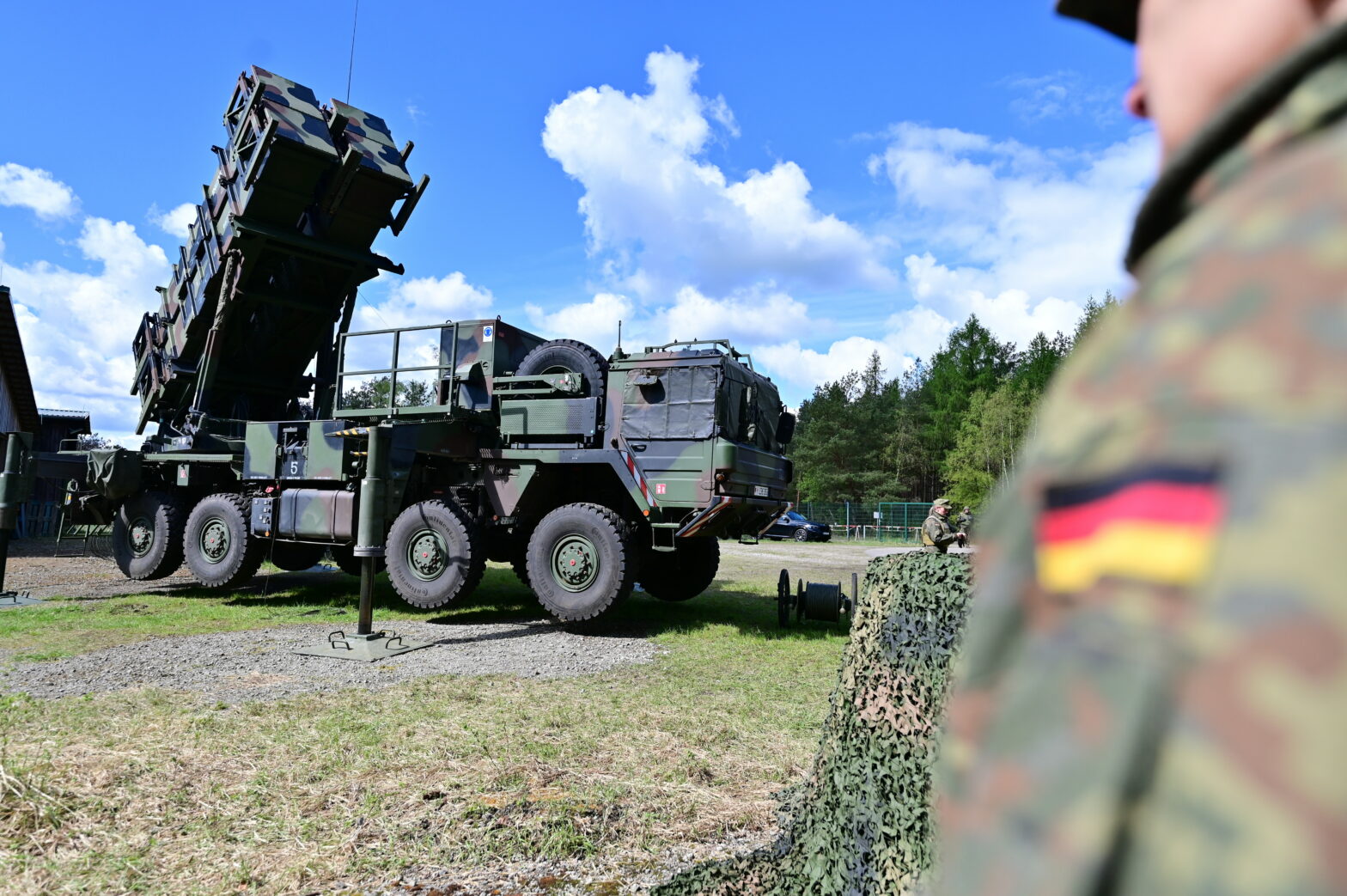
Metaphors like “nuclear shield” or “nuclear security guarantee” are being tossed around as if they meant something clear and specific. This shows a troubling lack of understanding of how nuclear strategy actually works, and how much power is in the hands of individual leaders.

The edict was both covert and surprising: On Jan. 3 1941, Nazi official Martin Bormann announced that Hitler no longer wanted to see Gothic typefaces, a.k.a. Fraktur typefaces, used in print. But the stated reason for this decision was pure invention.
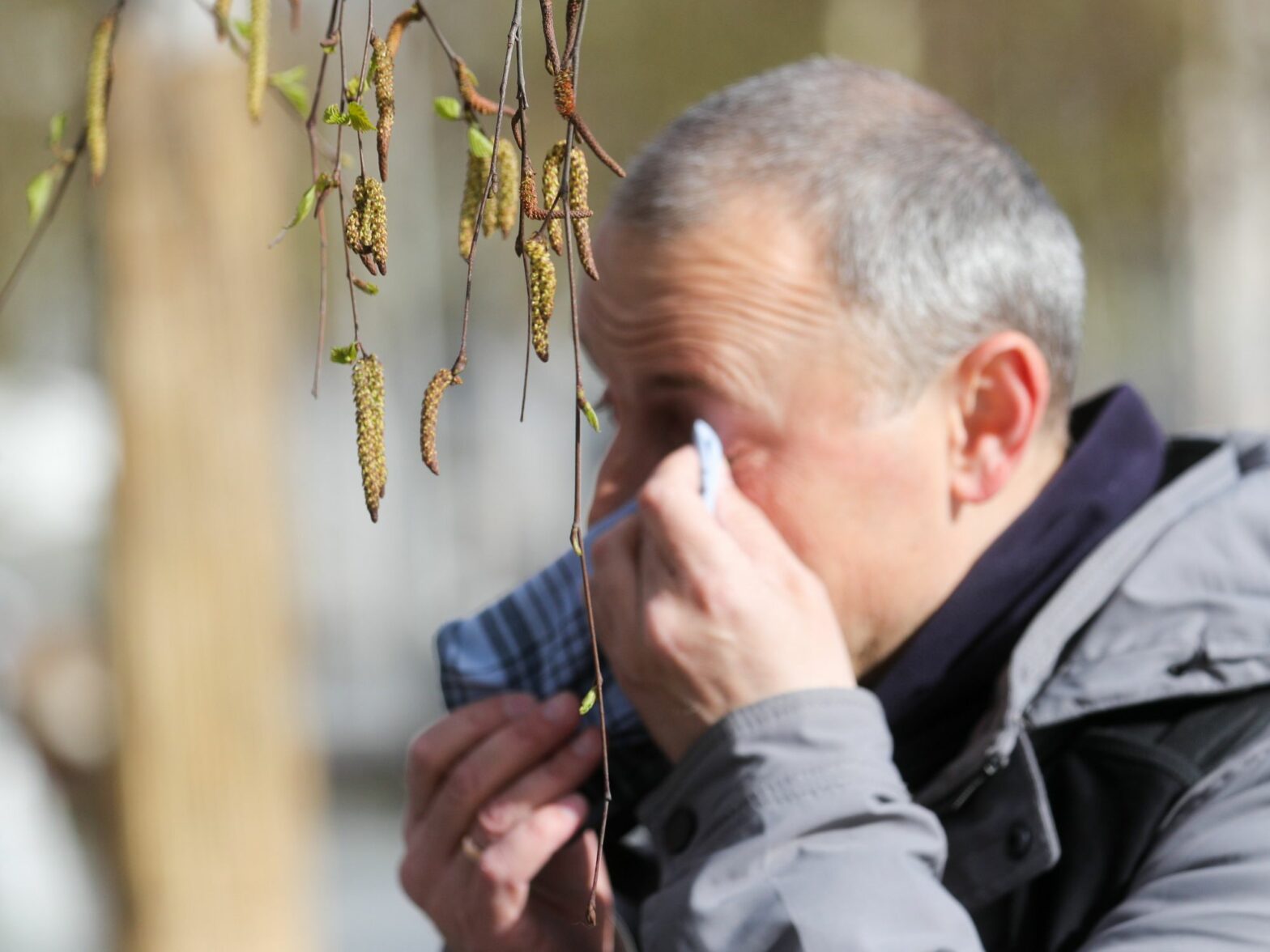
Have you suddenly developed hay fever? Have you had seasonal allergies, but it’s progressively worsened in recent years? You’re not alone. Why pollen is more aggressive in cities, why playing in the mud helps as a child, and what doctors recommend.
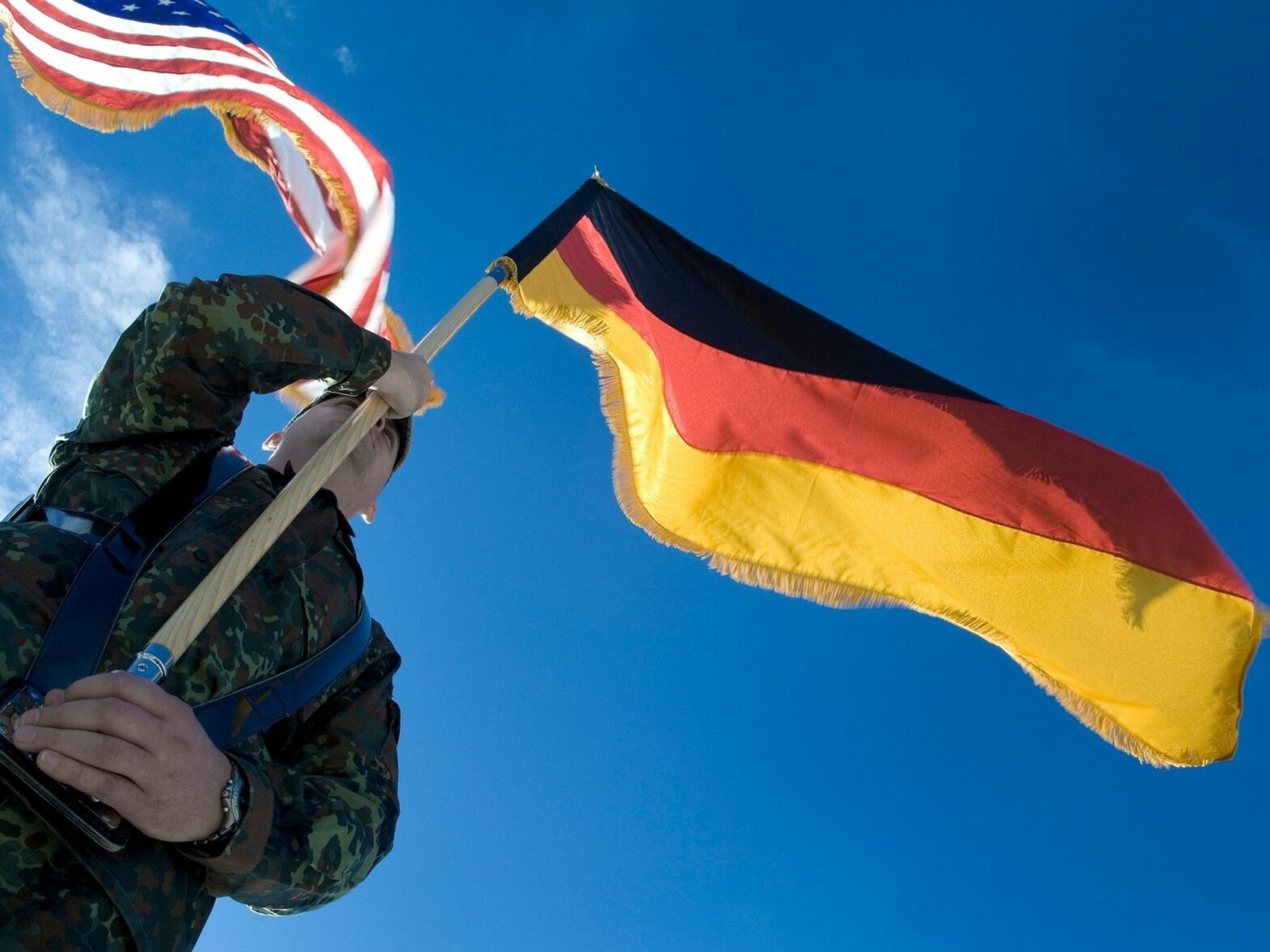
After decades of admiration, trust, and borrowed identity, Germans are waking up from their long love affair with the United States, and reckoning with what’s left.
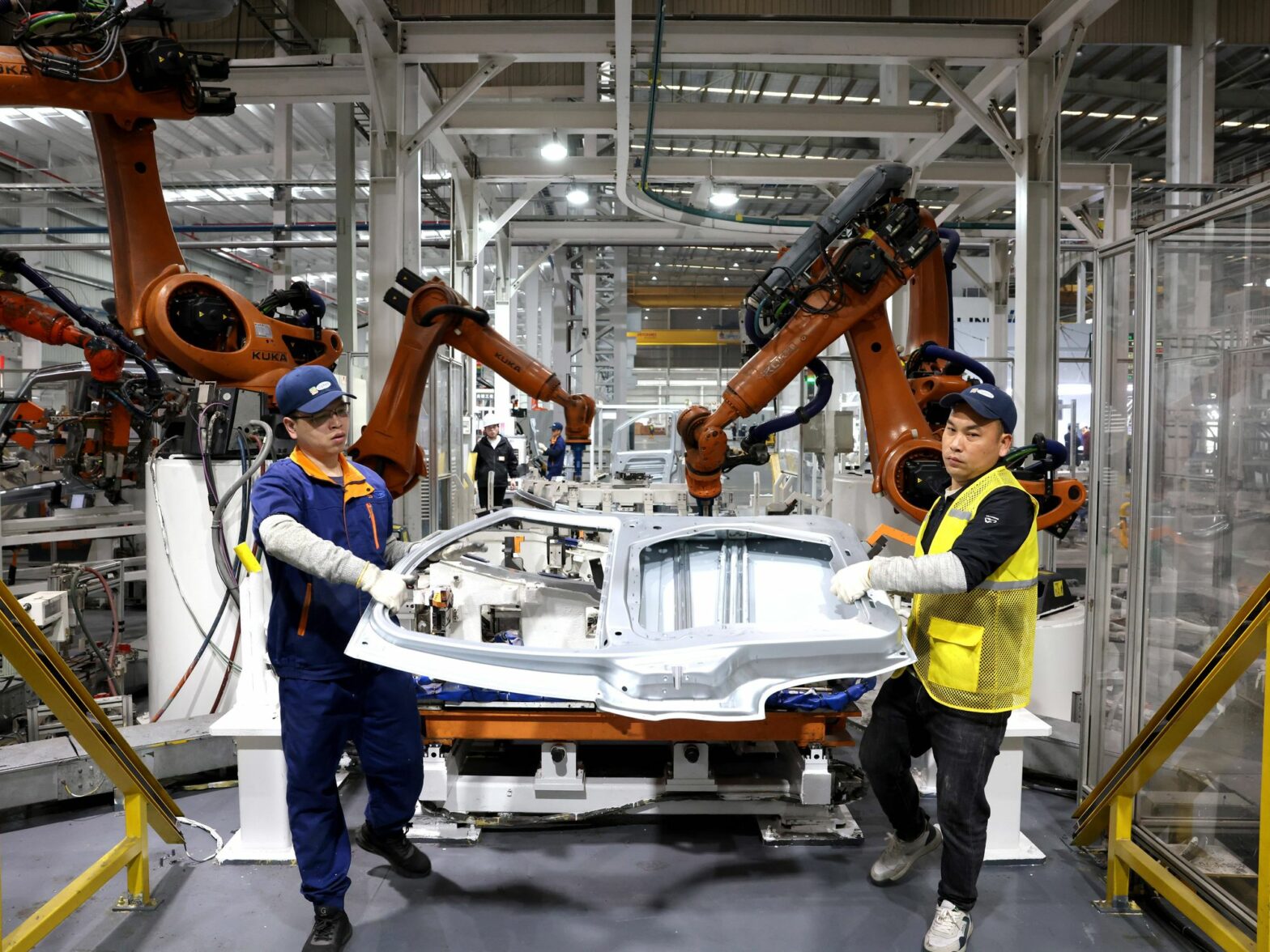
Trump’s tariffs are putting China’s shaky growth at serious risk. The standoff threatens to escalate across the globe, and the worst-case scenario would find the world’s two superpowers turning to other means.
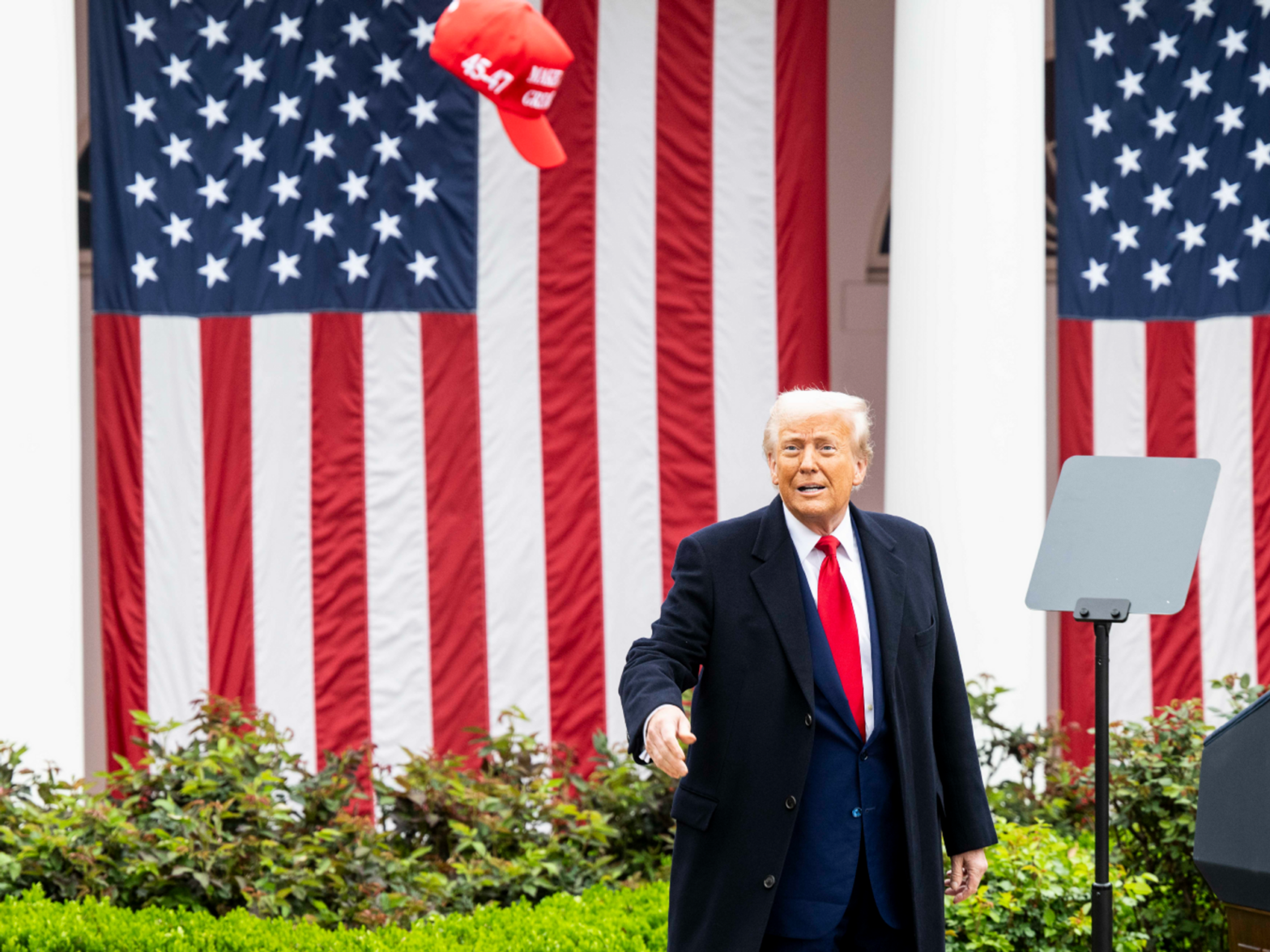
Donald Trump has cultivated his image as a “disruptor,” a term coined by tech startups. But by launching a global trade war, the U.S. president risks achieving the opposite of what he intends. What’s the opposite of “great again?”
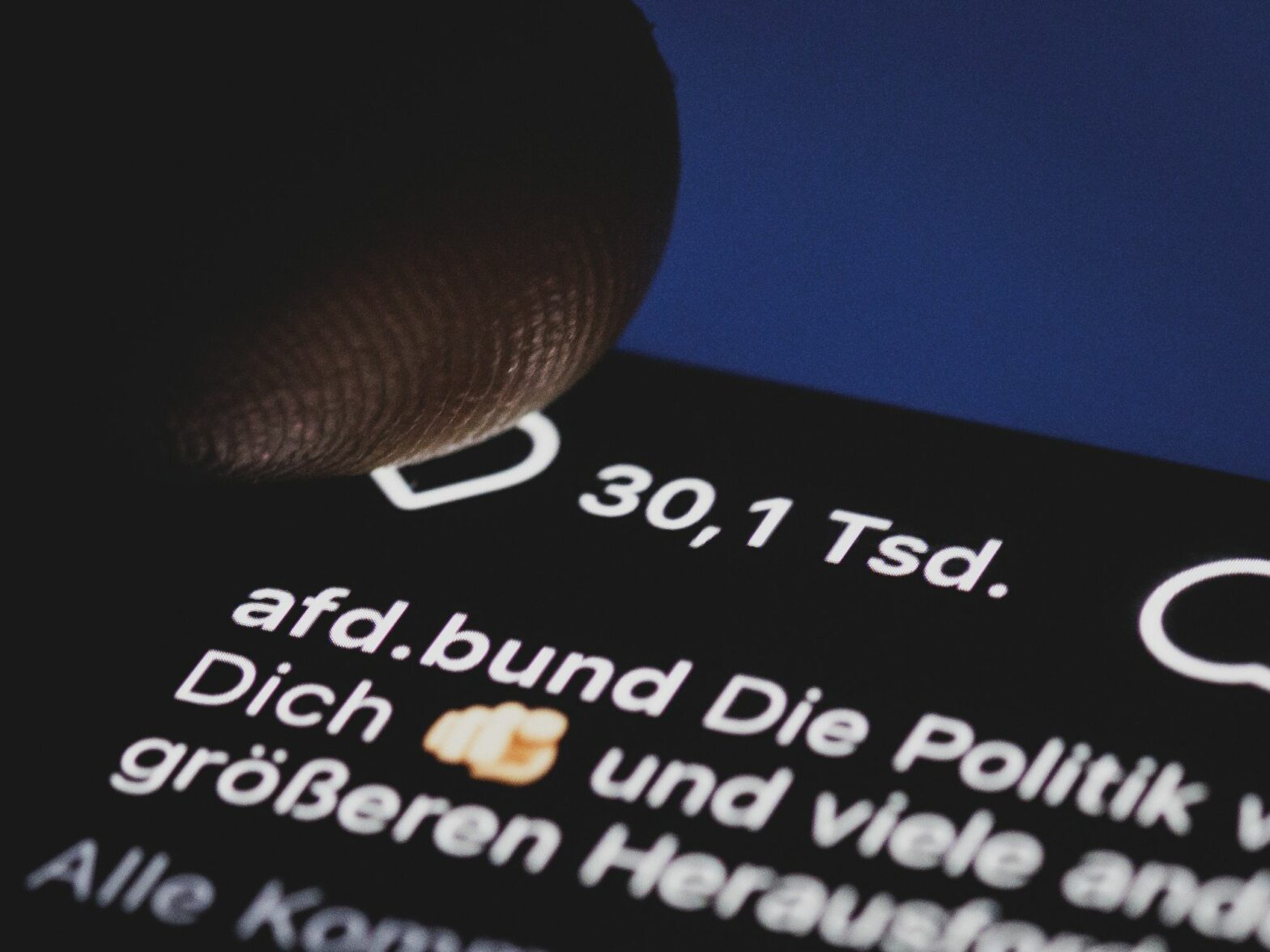
On social networks, people on the extreme right use emojis to encode their ideology. Over the past eight years, two Dutch researchers have become experts in this symbolic language that operates across borders — in the United States, the Netherlands and Germany alike.