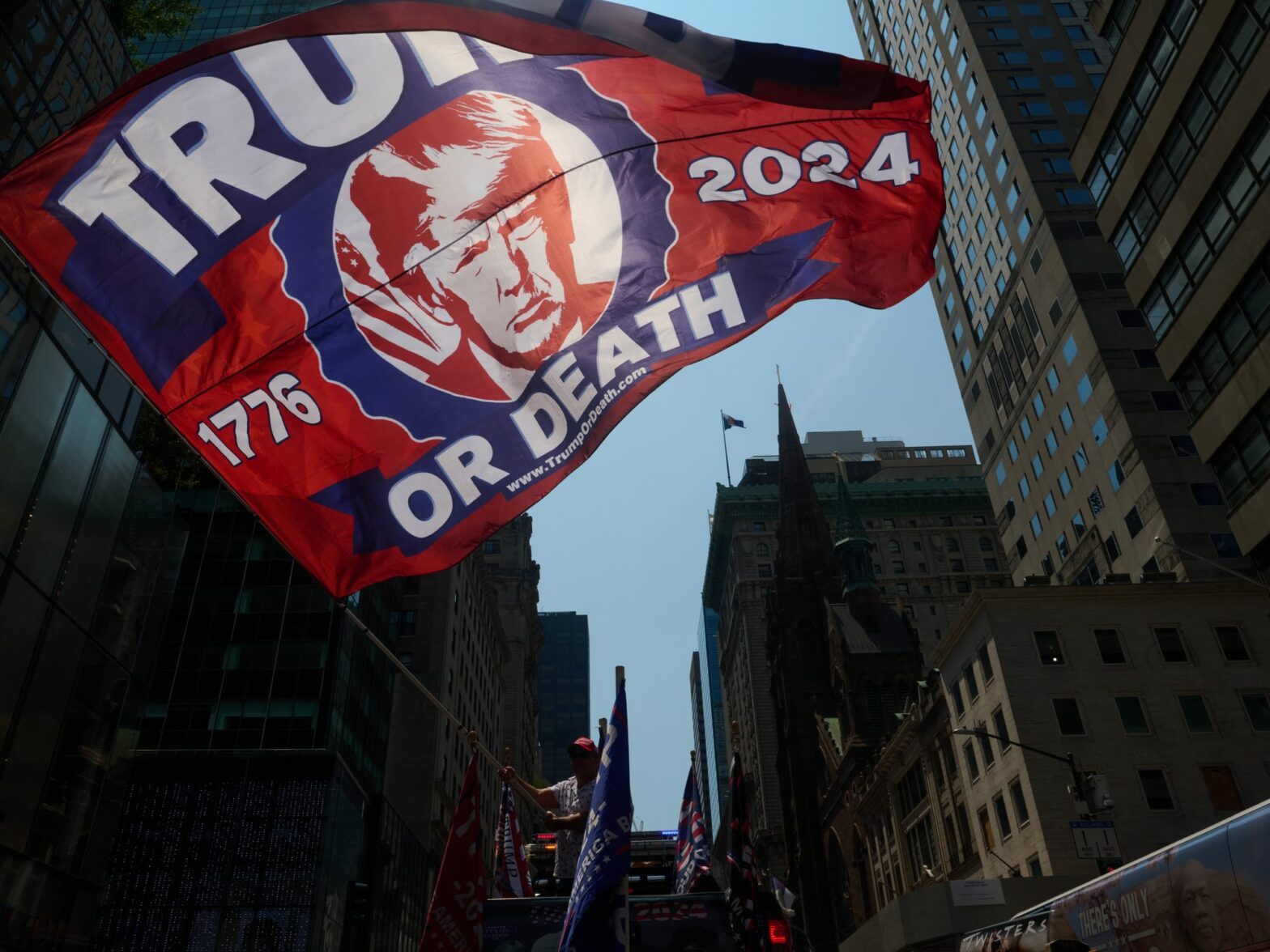
It is the right-wing movements internationally that have used hate speech as a political weapon, inciting political hatred as a form of fuel to create consensus. But that strategy can backfire, as the attack on Trump showed.
 Worldcrunch
It is the right-wing movements internationally that have used hate speech as a political weapon, inciting political hatred as a form of fuel to create consensus. But that strategy can backfire, as the attack on Trump showed.
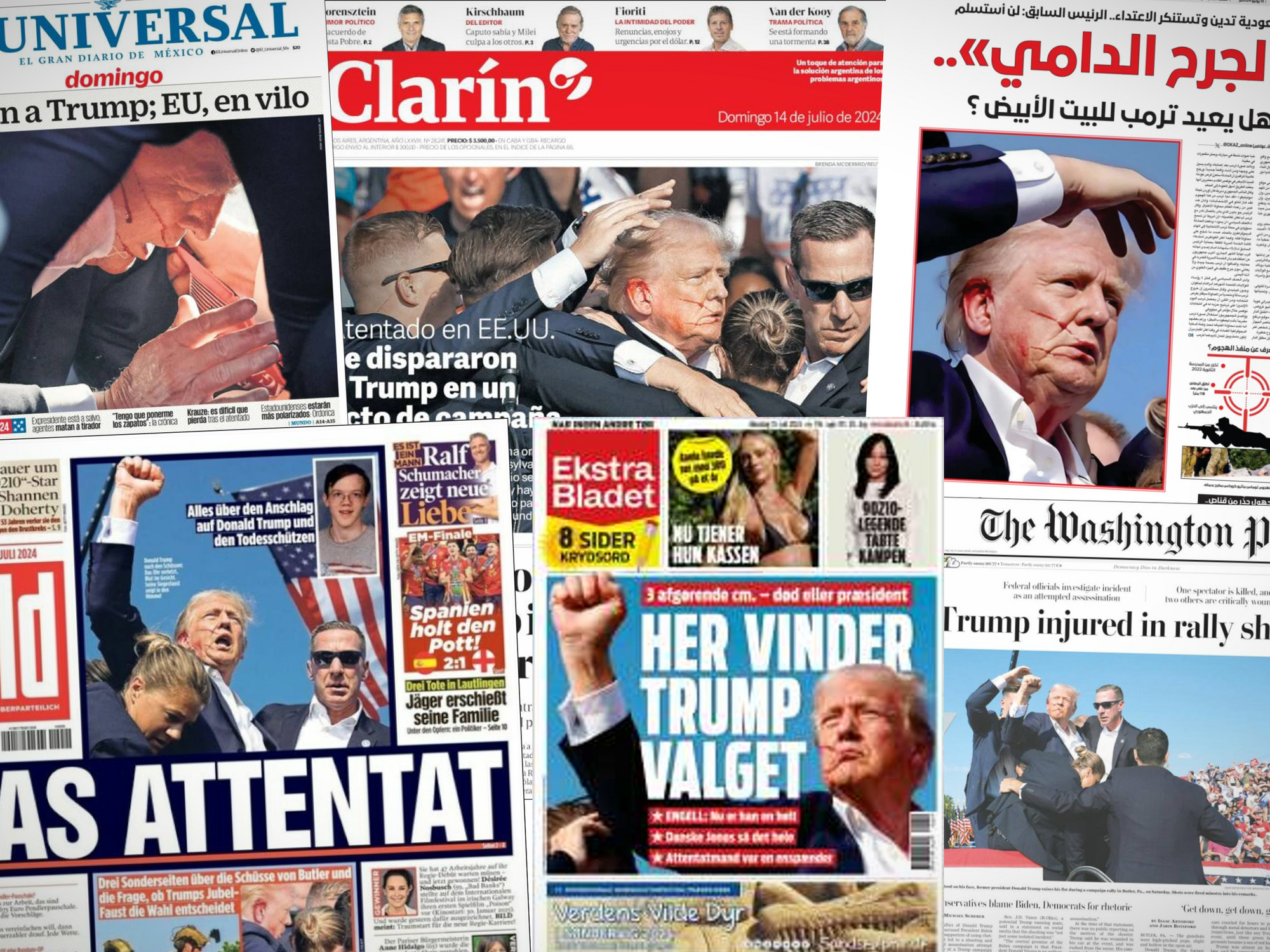
The assassination attempt on former U.S. President Donald Trump sent shockwaves through the American political landscape, and around the world. For the past two days, international newspapers have devoted their front pages to the dramatic attack at a campaign rally in Pennsylvania, the most serious attempt on a U.S. president since Ronald Reagan was shot in 1981.

A day after former U.S. President Donald Trump was shot in the ear at a political rally in Butler, Pennsylvania, Professor of Criminology and Justice Studies at the University of Massachusetts Arie Perliger says the attempt, however unsurprising, exposes the depth of America’s political fault lines.
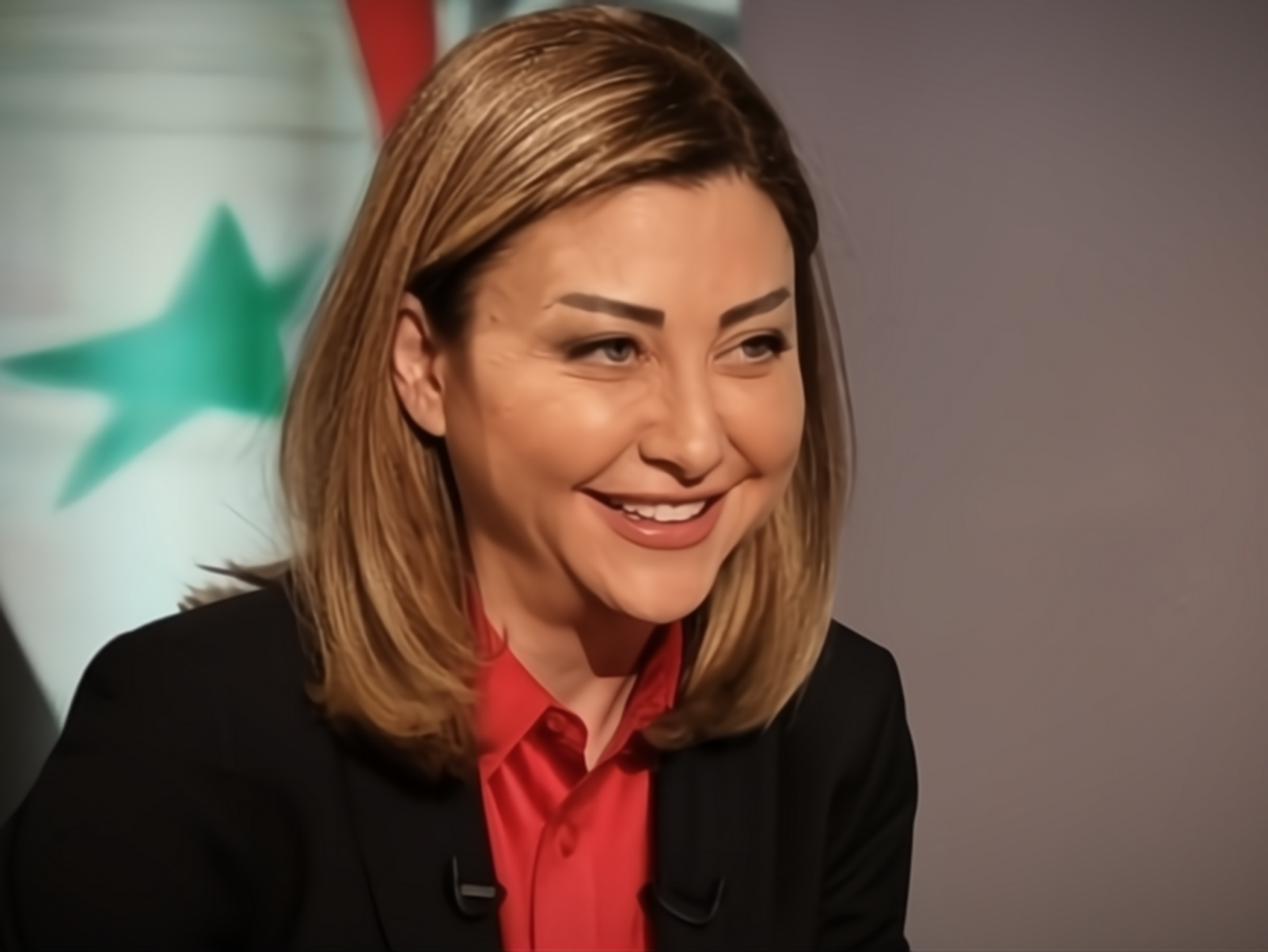
Luna al-Shibl, a media advisor to Syrian President Bashar al-Assad, was killed in a car crash in Damascus. But many didn’t believe the official account of her death given the Syrian regime’s long history of targeting opponents inside and outside Syria.
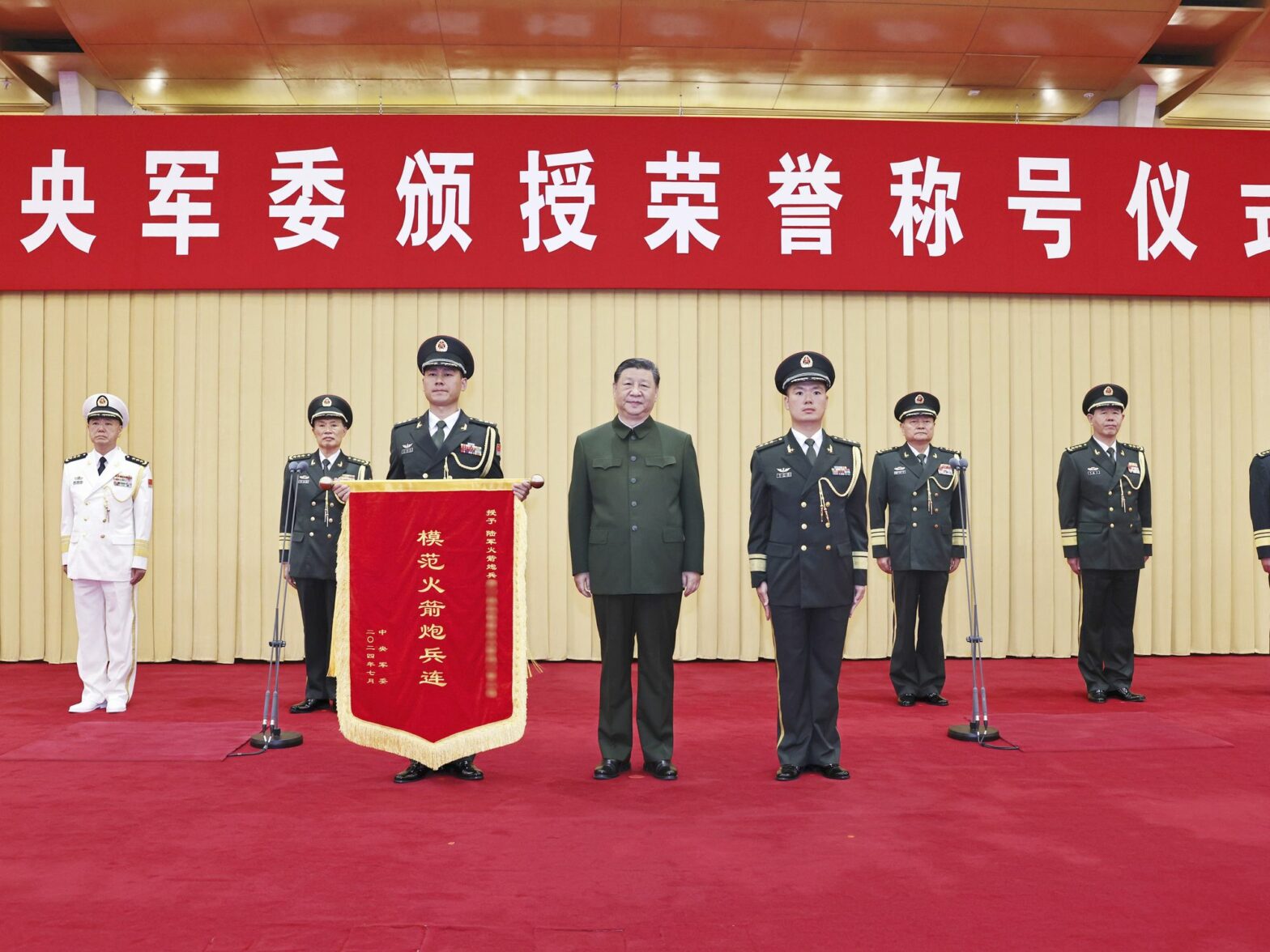
In its final communiqué of the Washington summit, NATO severely criticized Chinese support for Russia in Ukraine, drawing a strong reaction from Beijing. China fears that the Transatlantic military alliance is now a tool for the U.S. in its global showdown with China.

Those hoping that Labour unseating the Tories could change the diplomatic dynamic in the Middle East will be duly disappointed. Keir Starmer, the new British prime minister, appears as just an updated version of Tony Blair.
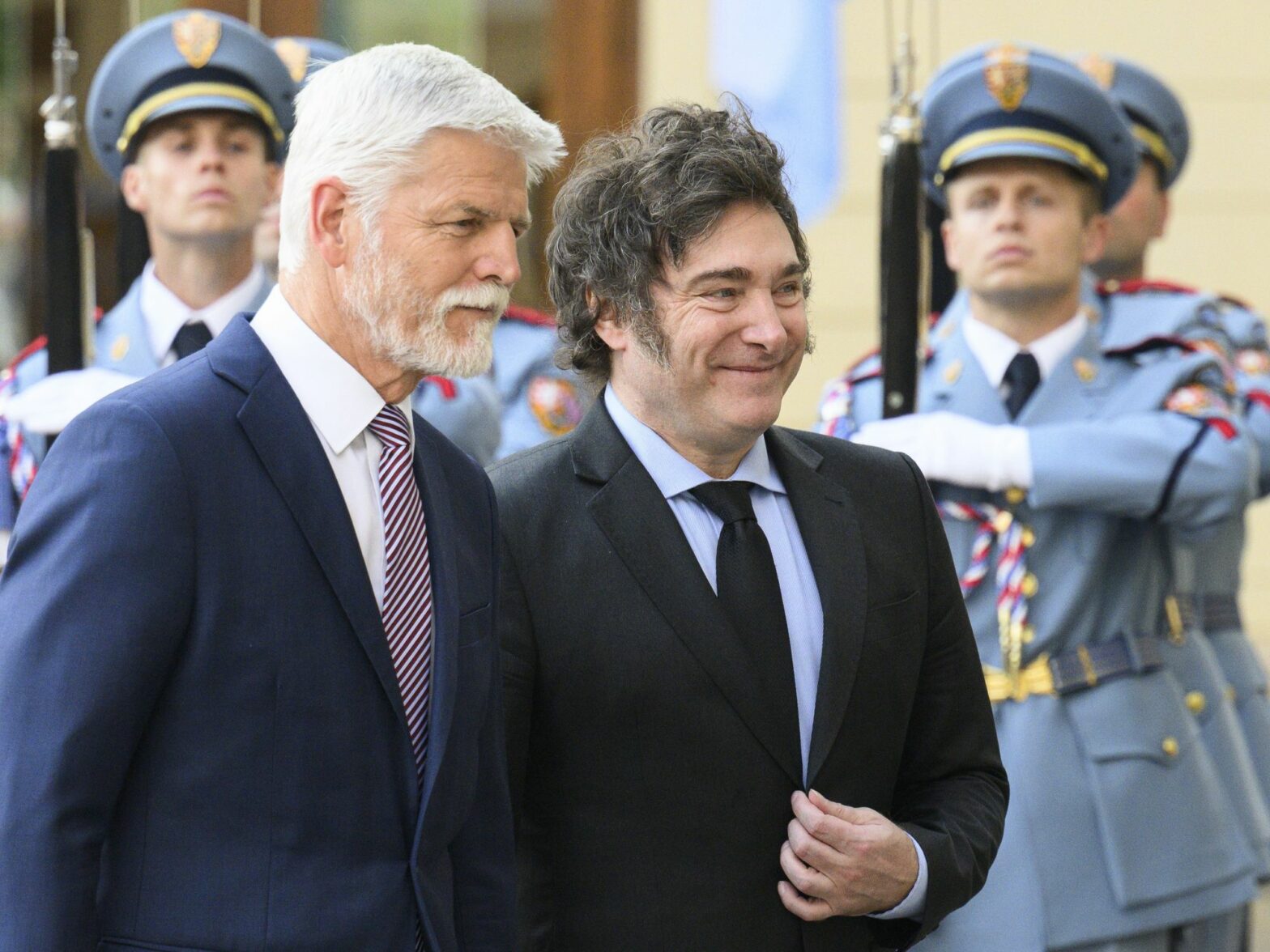
Argentina’s rabidly neo-liberal president, Javier Milei, is downsizing the state at home and curbing diplomacy to the bare minimum of promoting the free market, lambasting communism, and nurturing ties with just two, cherished states, Israel and the United States.
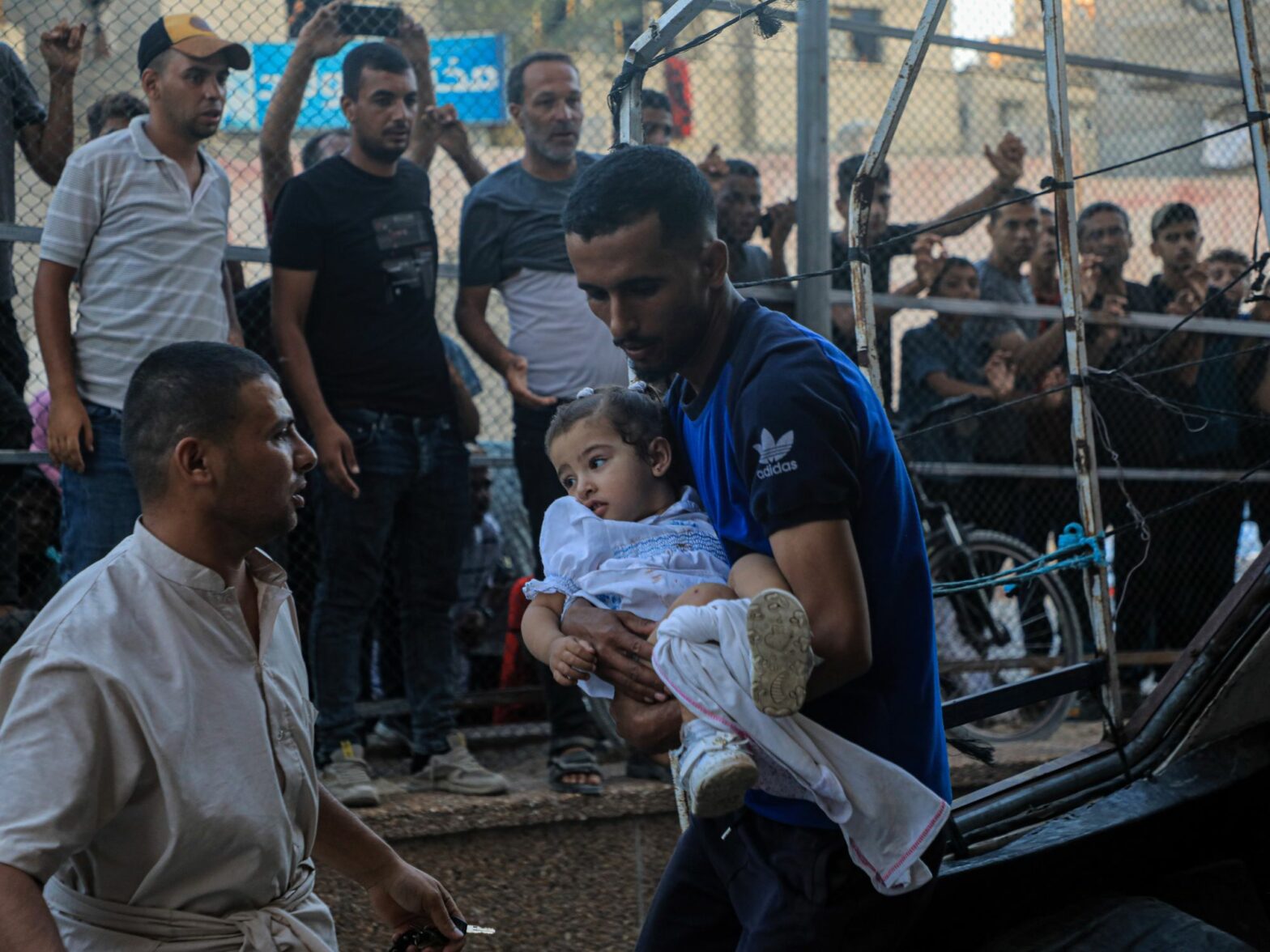
An Israeli missile struck children playing soccer in a schoolyard a day after international outrage at Russia’s bombing of Ukraine’s largest children’s hospital. As the Israel-Hamas war drags on, ceasefire negotiations get harder as the rest of the world looks away.
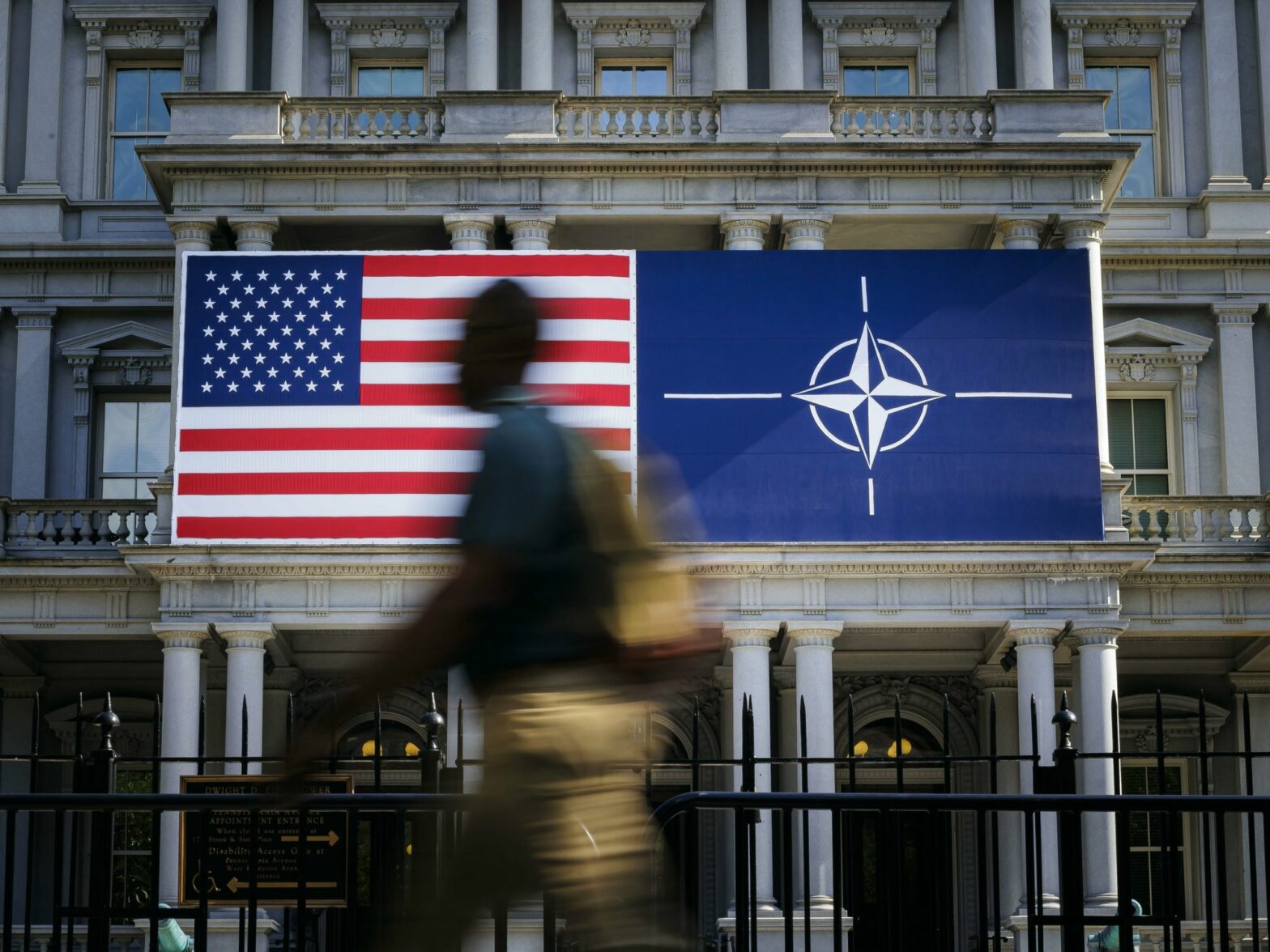
As the alliance’s 32 countries celebrate their 75th anniversary at a summit in Washington, uncertainties over the possible reelection of Donald Trump in November, and dark clouds over Europe and France are raising serious questions about NATO’s future.
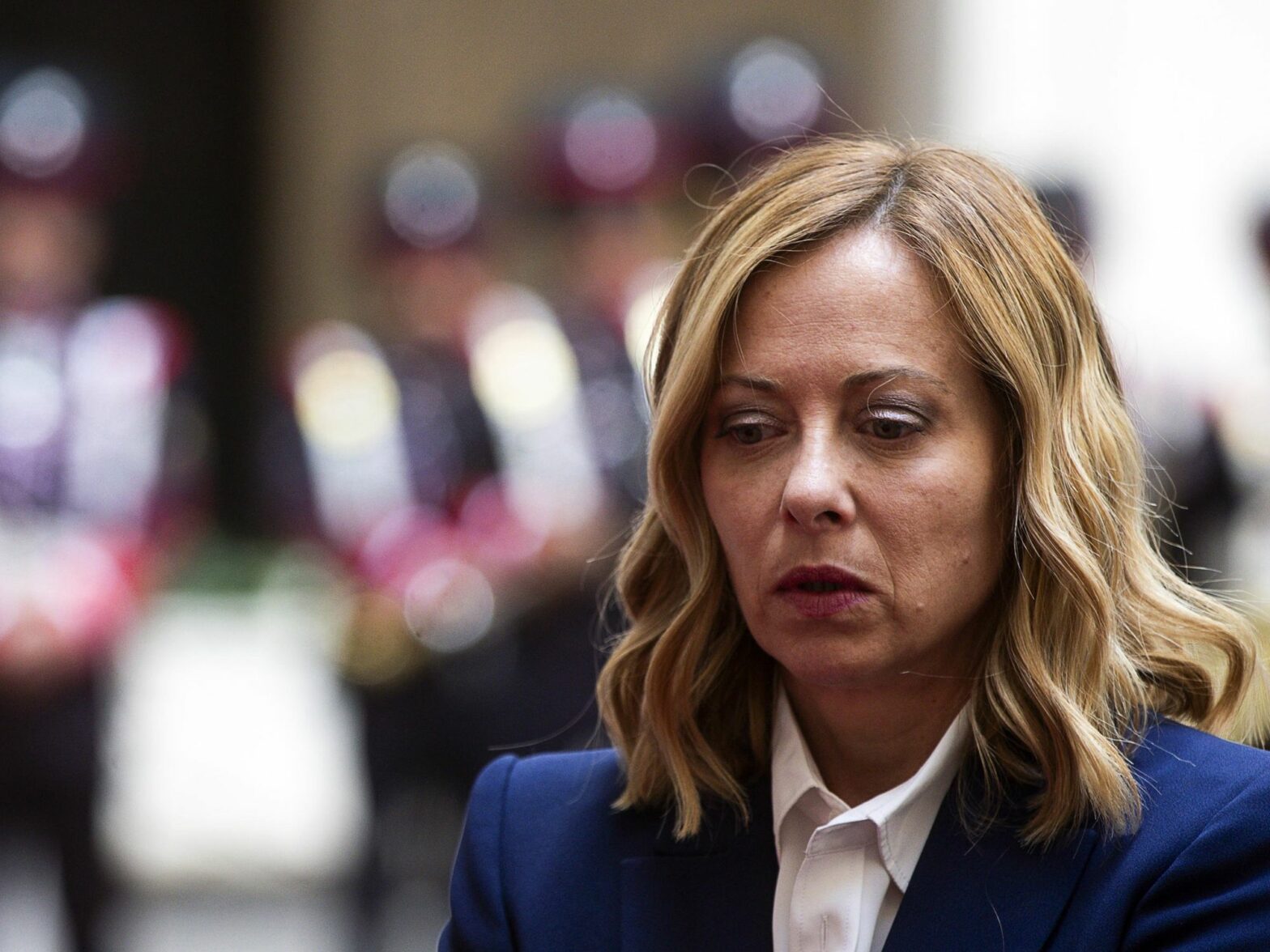
While the French left managed to unify and win parliamentary elections, Italy’s left appears stuck in a situation of constant conflict and uncertainty. And that leaves right-wing Prime Minister Giorgia Meloni firmly in control.

What’s the difference between a nation before a voting booth and a nation before a soccer match? How can we reconcile electoral systems that don’t seem to match the popular will? How do we remember that democracy is about more than just casting your vote?
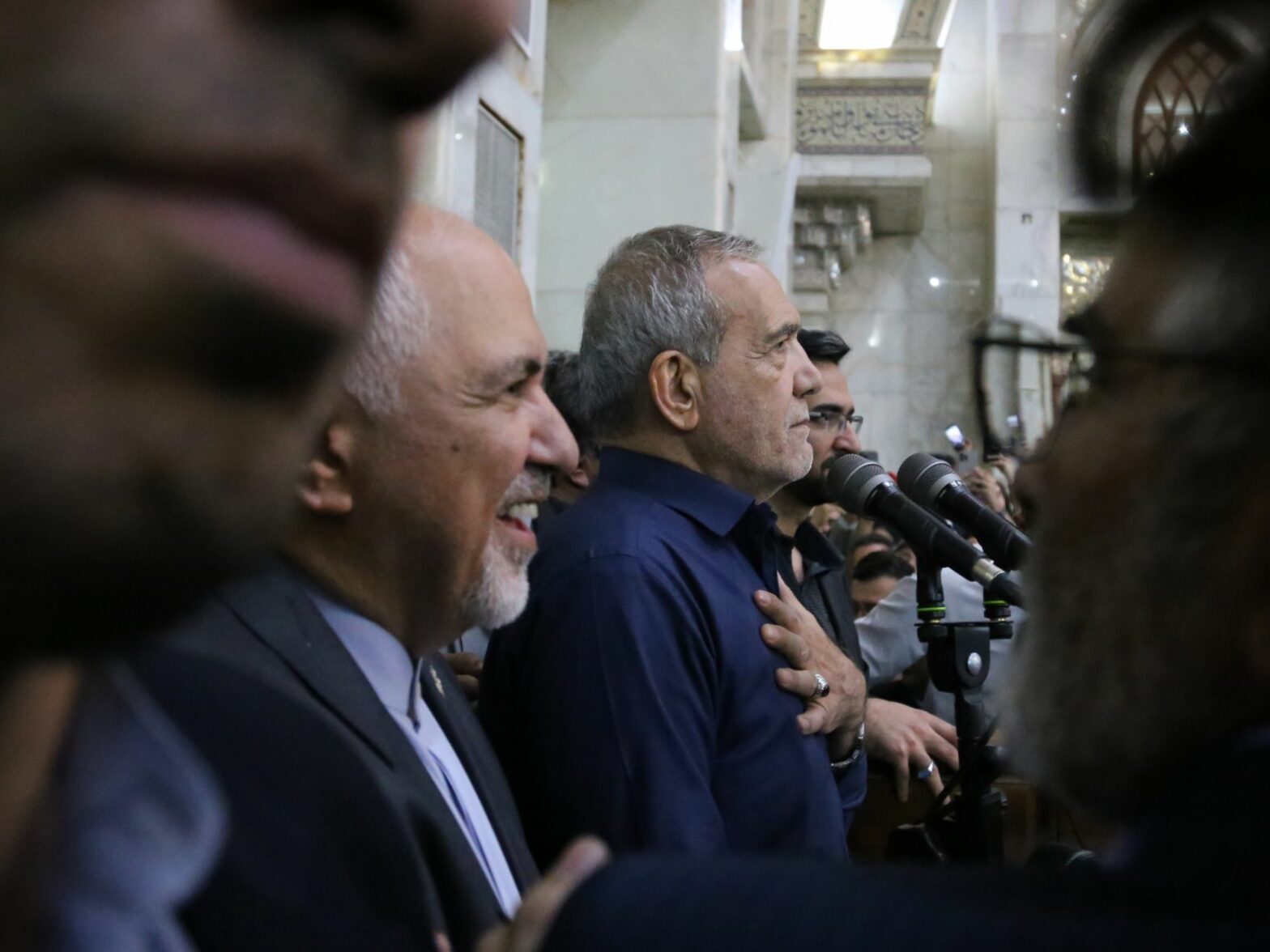
Fearing Europe’s shift to the right and a second Trump term, Tehran has dusted off its reformist credentials — with president-elect Masoud Pezeshkian and veteran diplomat Mohammed Javad Zarif — to show the West it is willing to talk. But this ploy will not work again.
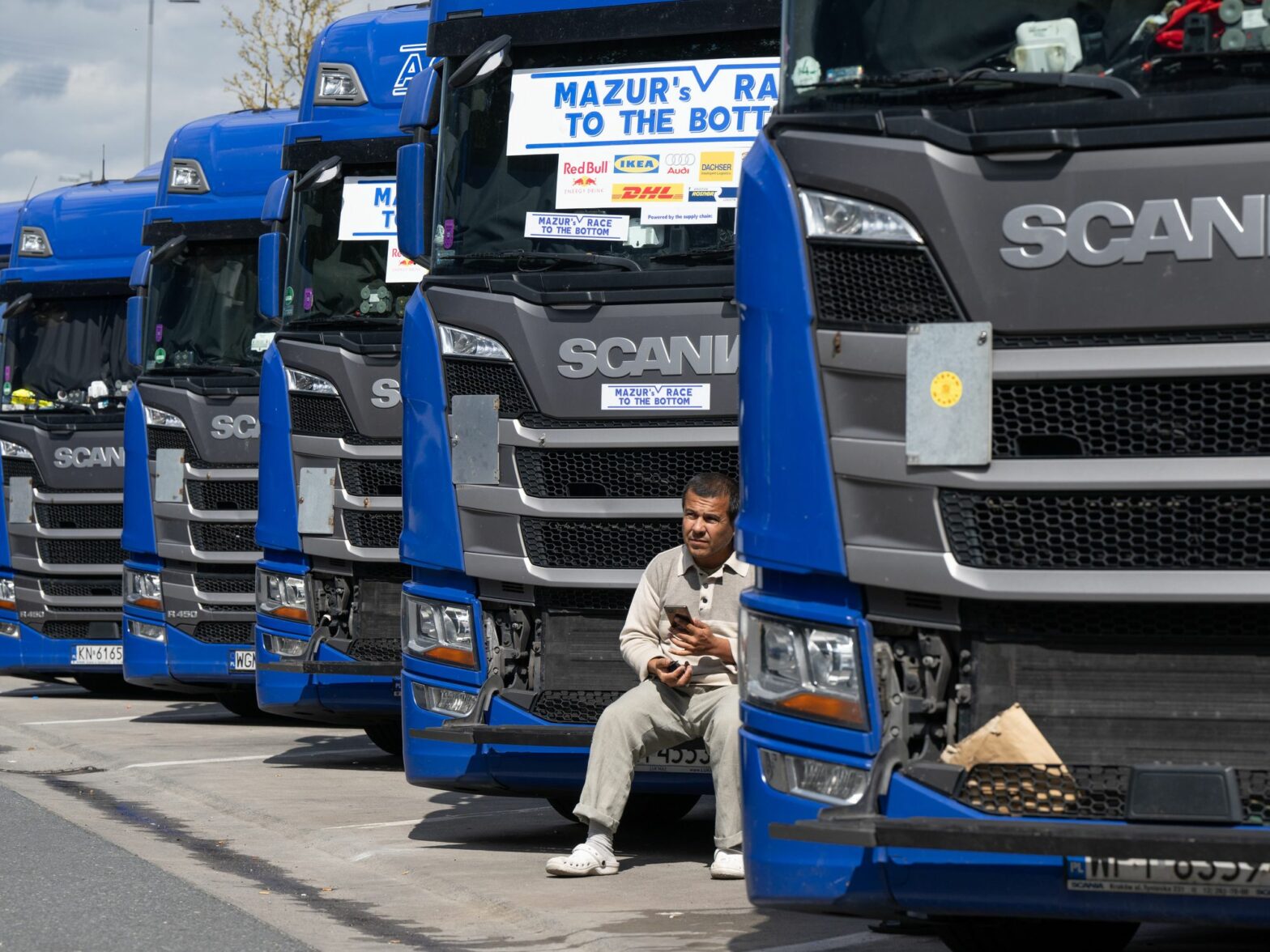
Struggling to find drivers in Germany, the Cologne-based trucking company Emons is now successfully recruiting apprentices in the crisis-hit central African countries of Congo and Burkina Faso. While recruiting skilled workers abroad is a slow process, it is always better than unregulated migration.

After more than two years of war, Russia’s bombing of a children’s hospital in Kyiv on Monday was among the most violent. What does Vladimir Putin aim to achieve with this escalation of horror — which came just 48 hours before the NATO Summit in Washington in the presence of Volodymyr Zelensky?
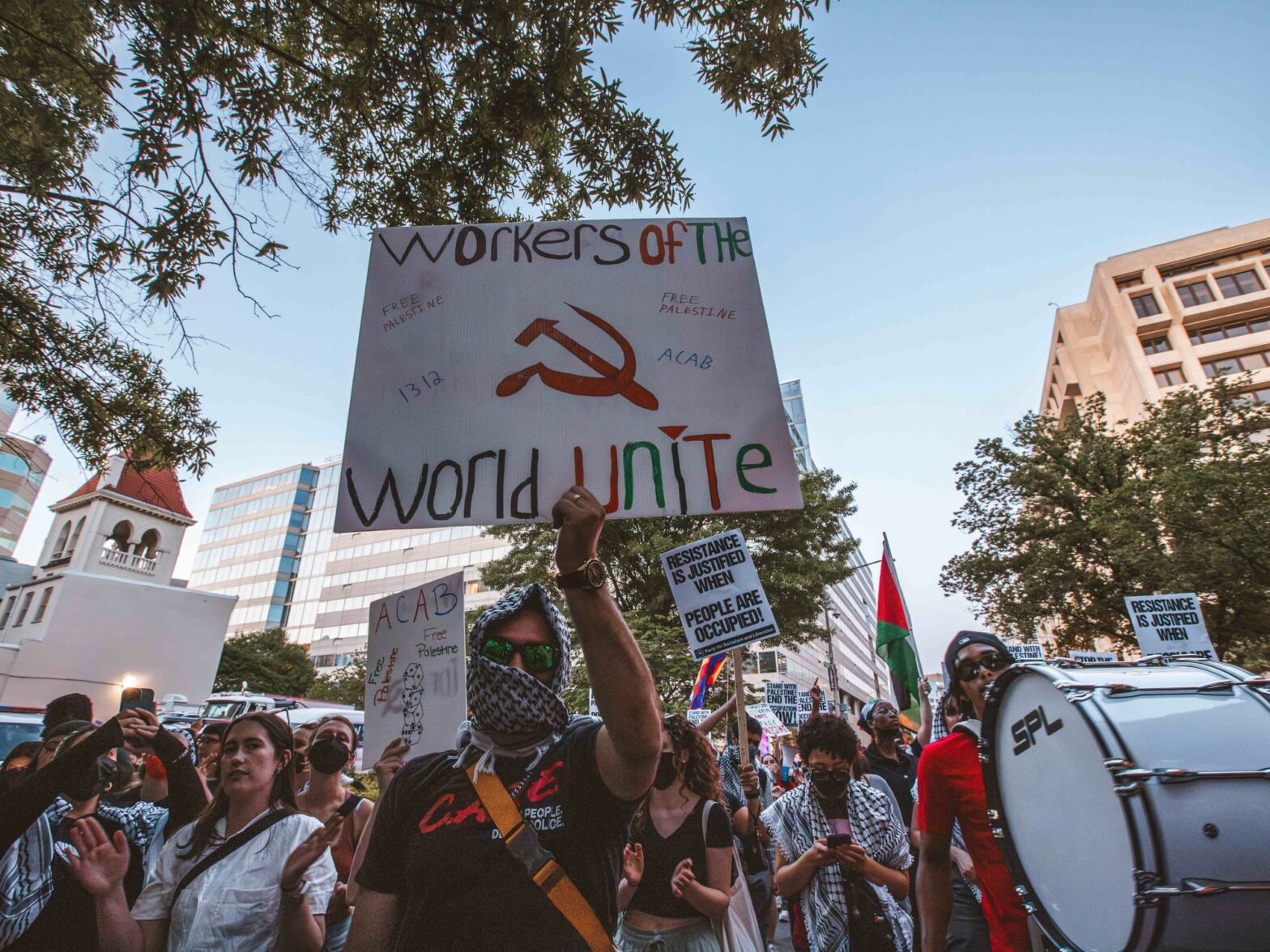
A confounding alliance between leftists, wokism and Islamic fanatics is the perfect smokescreen for an insidious enemy targeting the West’s liberal values. It’s happened before.
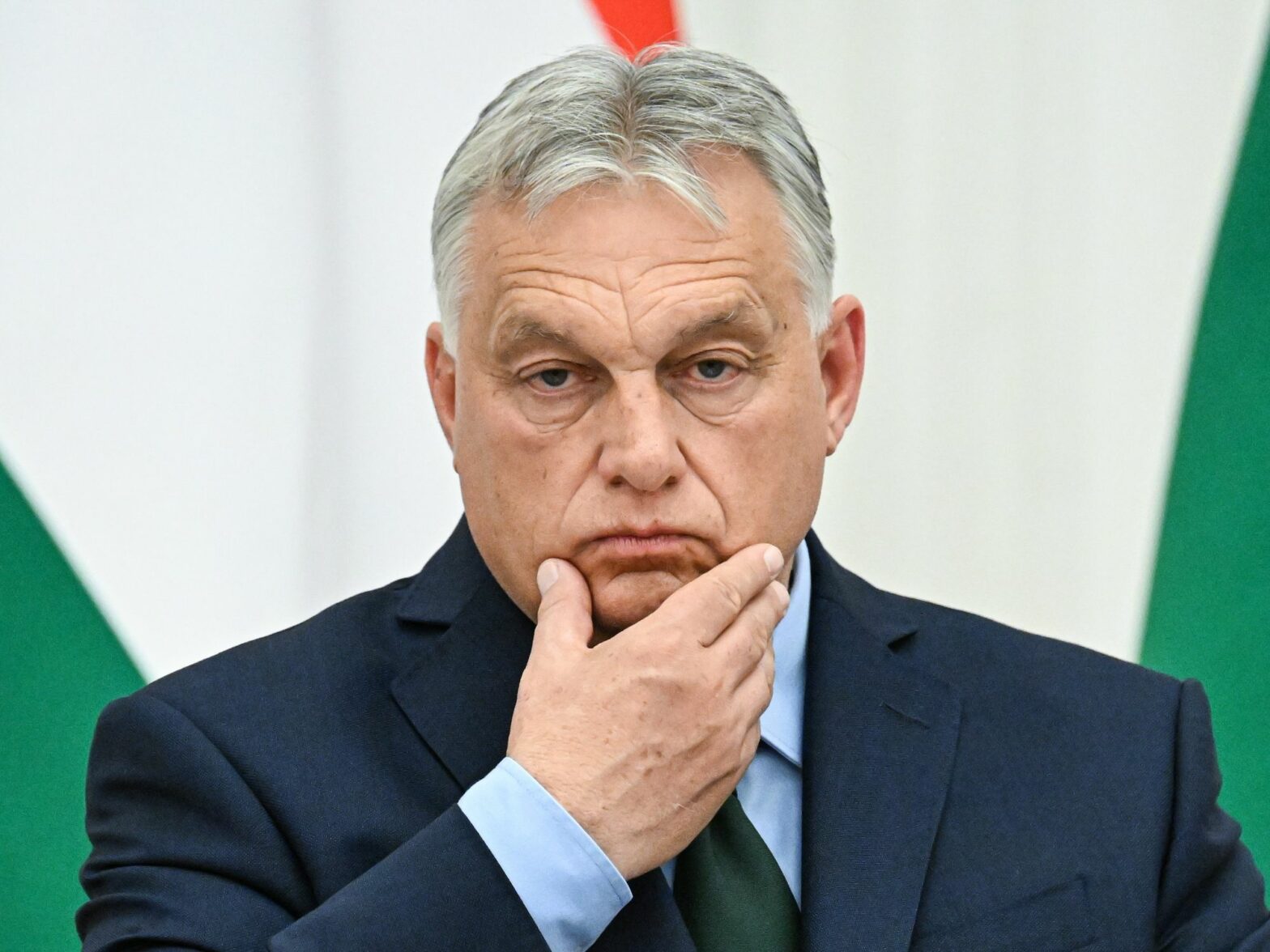
In the second round of elections, France’s far-right National Rally failed to secure a victory. But in a largely unnoticed revelation, the party announced that they are teaming up with the Hungarian Prime Minister Viktor Orban at the European level. Thus the French far-right joins a plan to weaken the European Union from within.
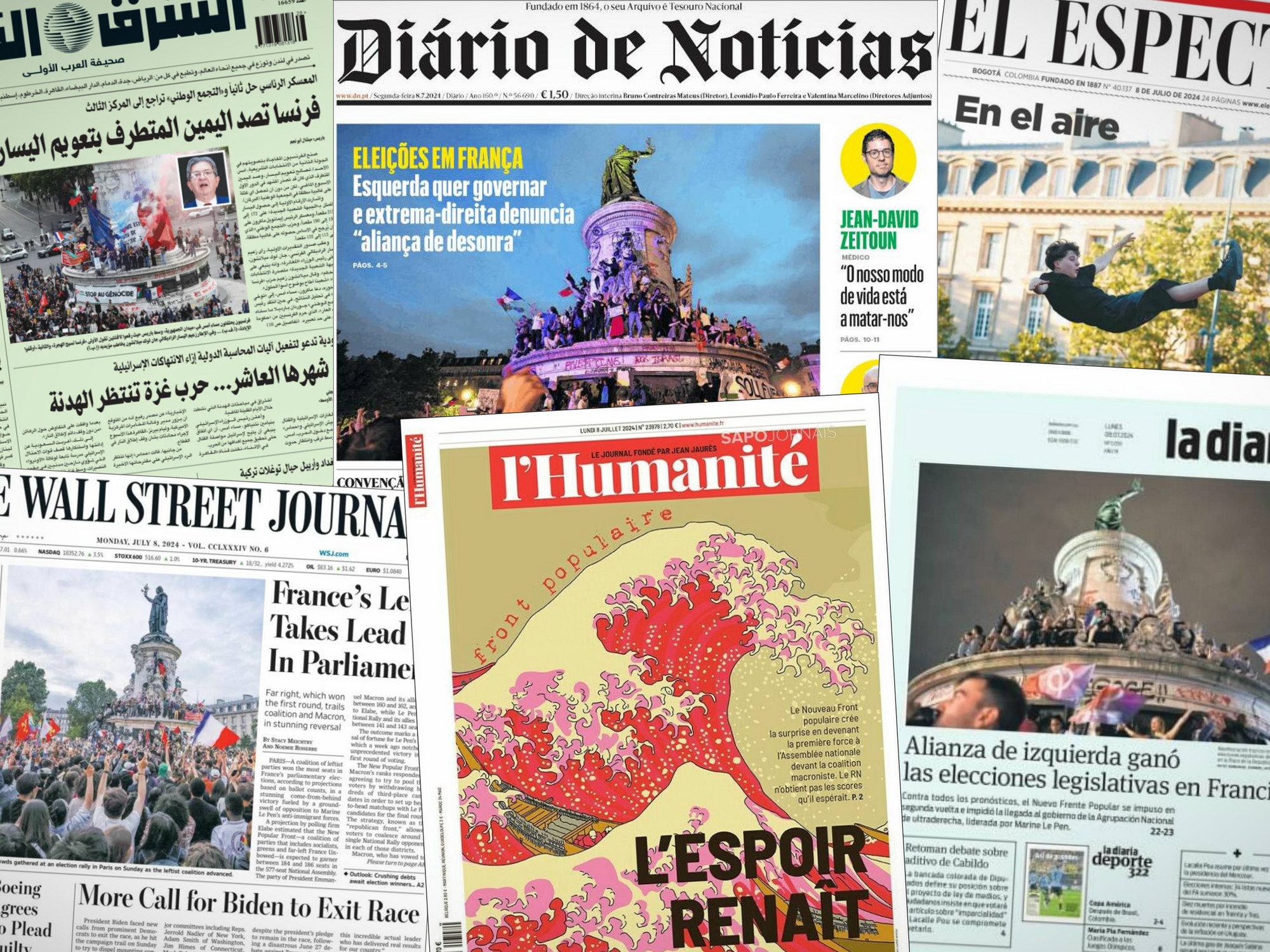
France’s parliamentary election results have caused quite the stir, both domestically and internationally, with many front pages highlighting the surprising outcome that saw the country’s left-wing coalition come on top, defying earlier predictions of a far-right Rassemblement National wave.
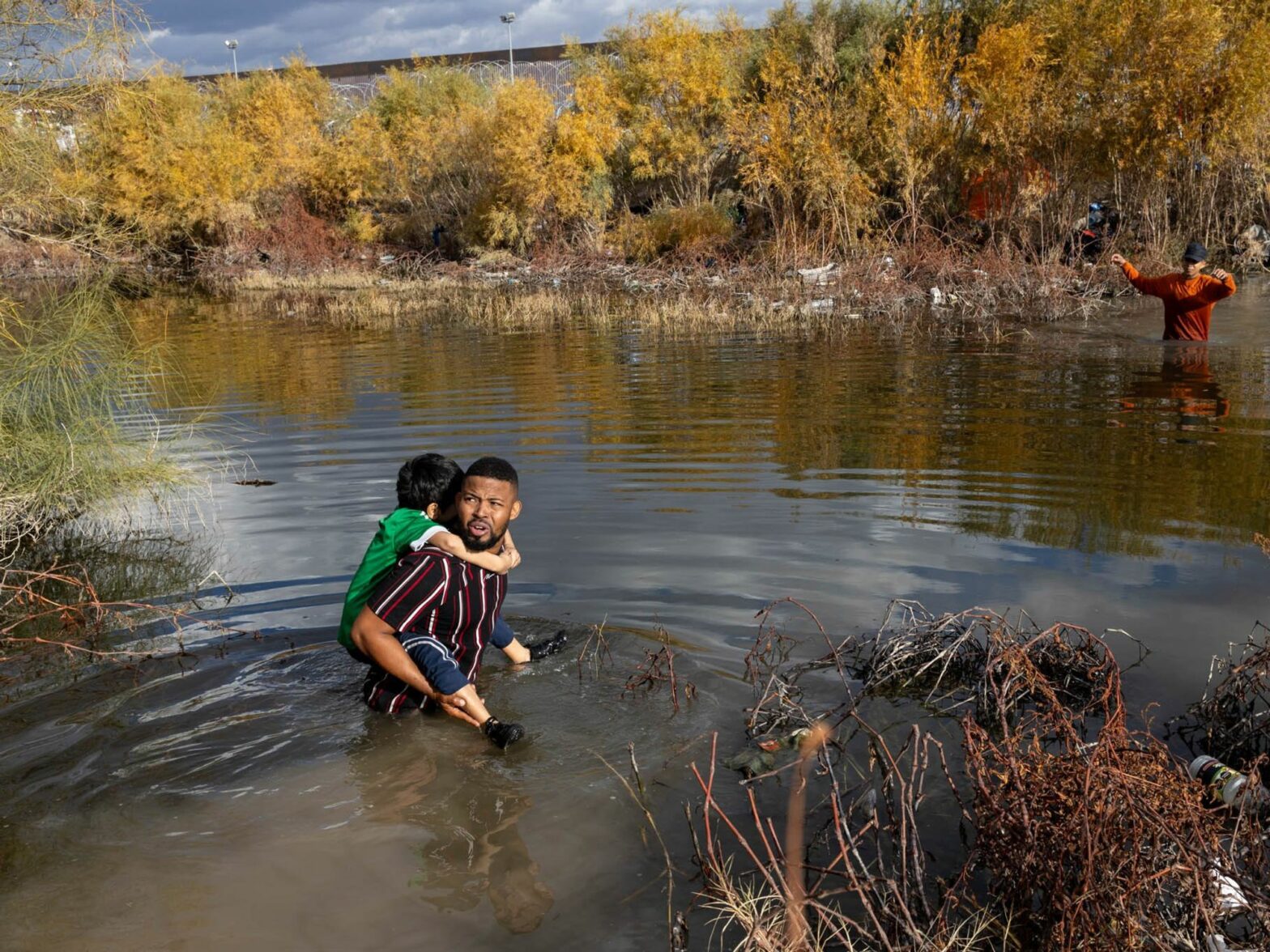
Since U.S. immigration laws were tightened in the 1990s, at least 8,000 people have died trying to cross from Mexico to the United States. Of those, more than 4,000 died in the Sonoran Desert in Arizona. While authorities call for migration through legal channels, NGOs argue that regulatory barriers are pushing people to make this dangerous journey.
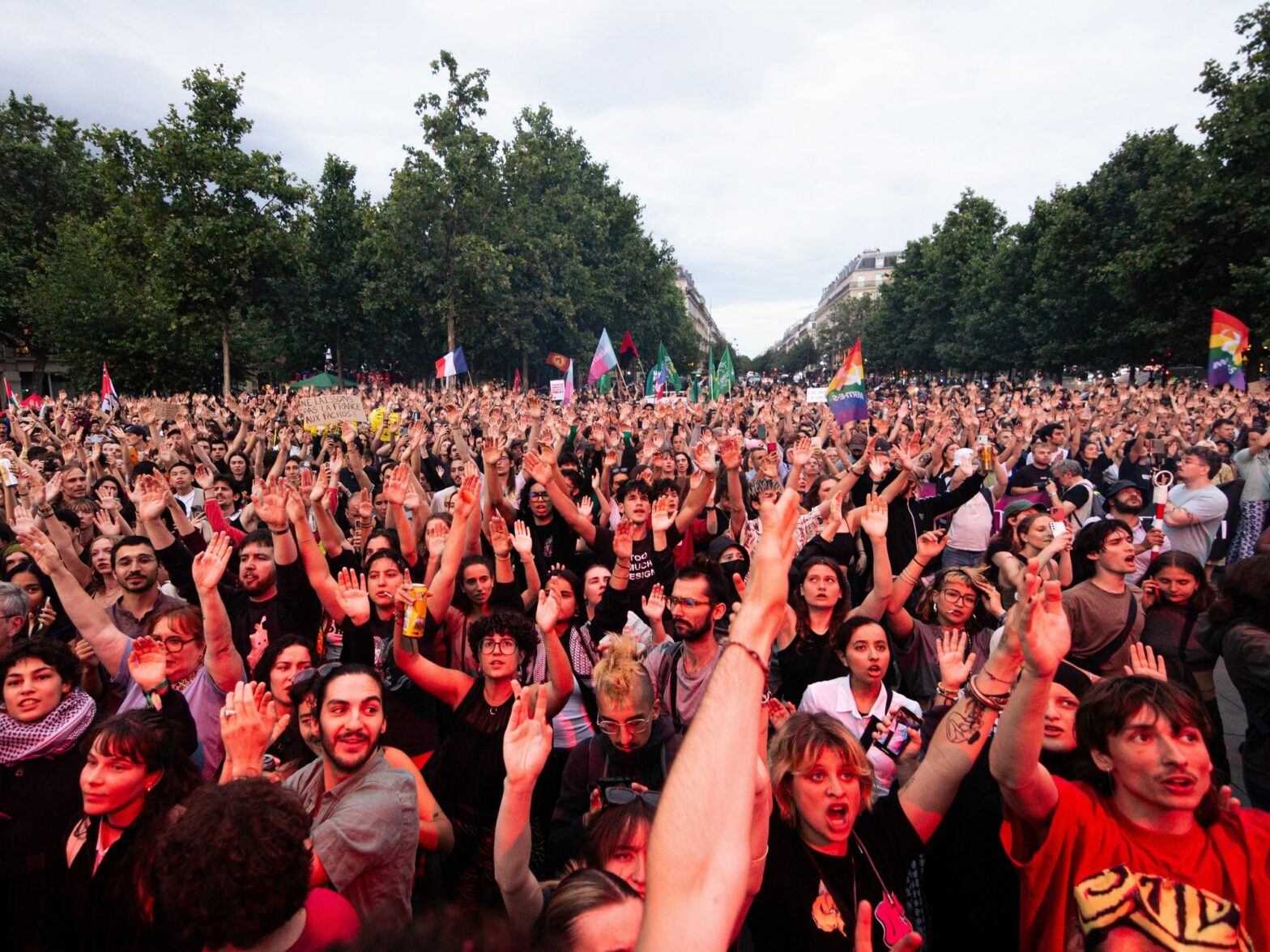
Ahead of the second round of French parliamentary elections, a possible far-right takeover forces the youth around the world to face a future that might be different from the one they were hoping for.
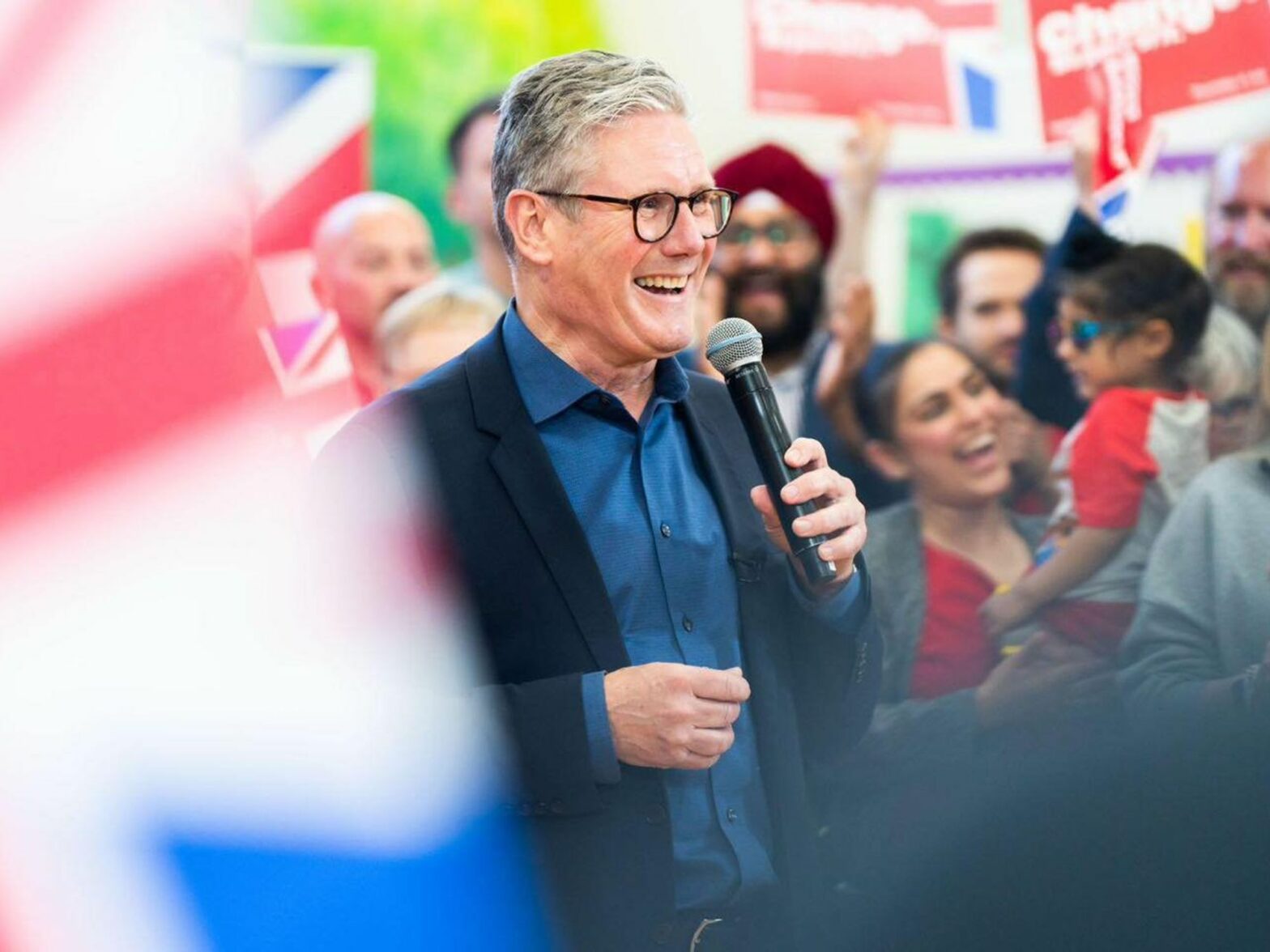
The landslide victory of the Labour Party in the United Kingdom is first and foremost a stinging defeat for the Conservatives, who are paying for their Brexit lies over the past eight years. An estimated 65% of Britons now believe that Brexit was a mistake. This offers lessons for other European countries.
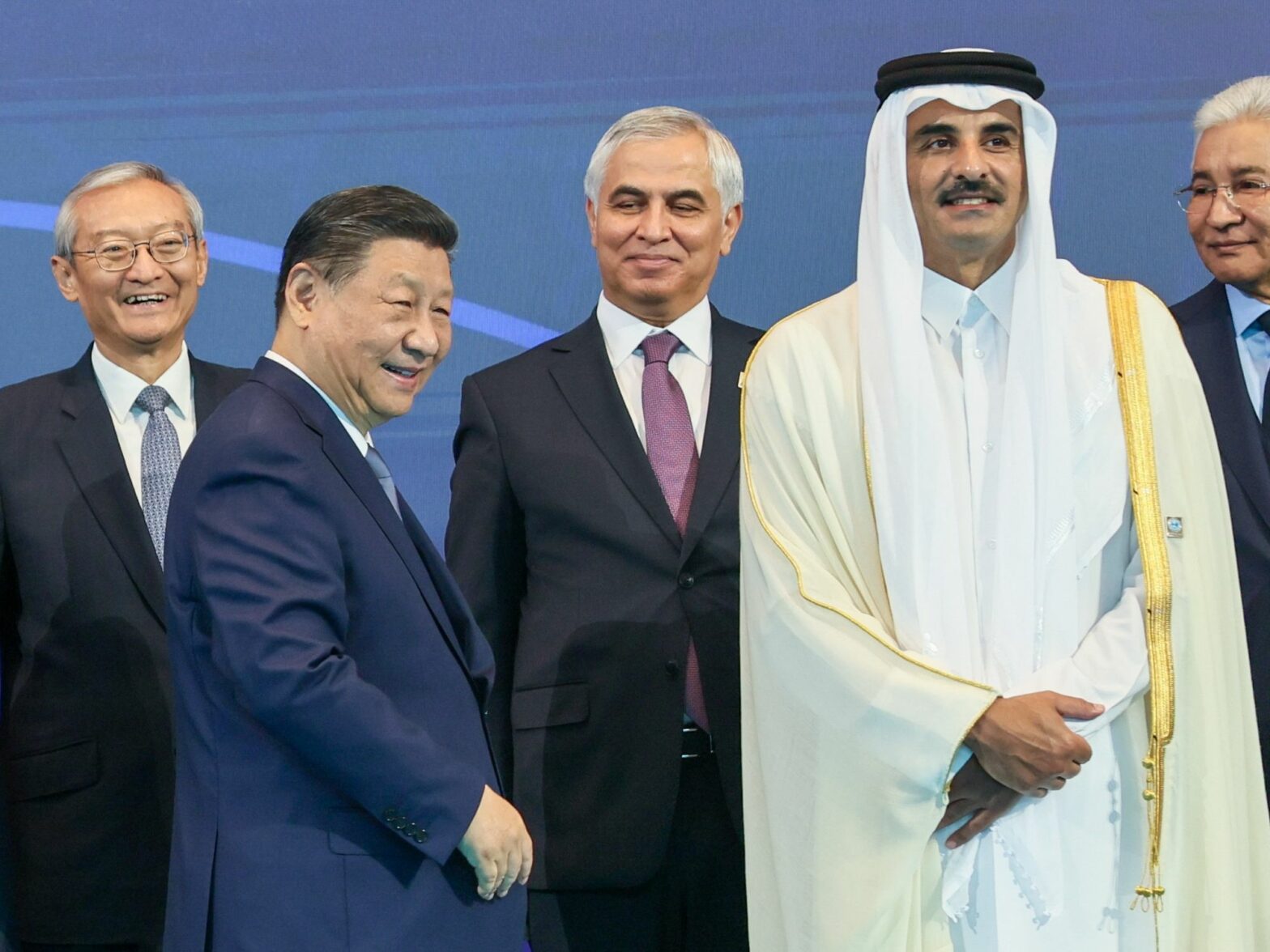
China appears well positioned to continue its rise amid the wars in Ukraine and Gaza, the rise of the far right, and the emergence of the Global South. The world order of 1945 has run its course, and it is through crises and tensions that the next one — still uncertain — is taking shape.
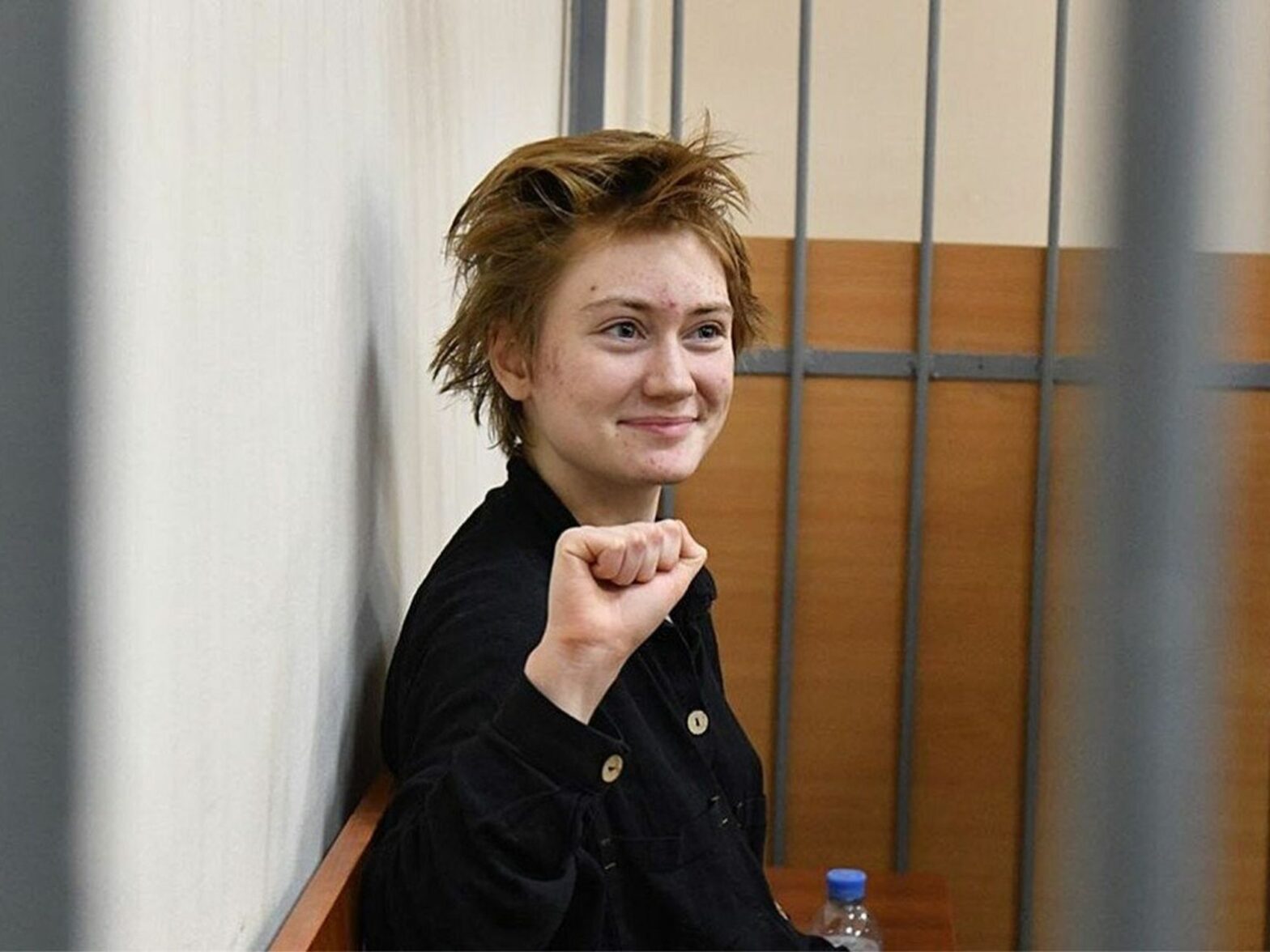
At just 18-years-old, Daria Kozyreva sits in a pre-trial detention center. She is facing five years for “repeatedly discrediting the Russian army.” Here is her letter to all Russians, trying to convince people of good will to denounce the Kremlin regime.
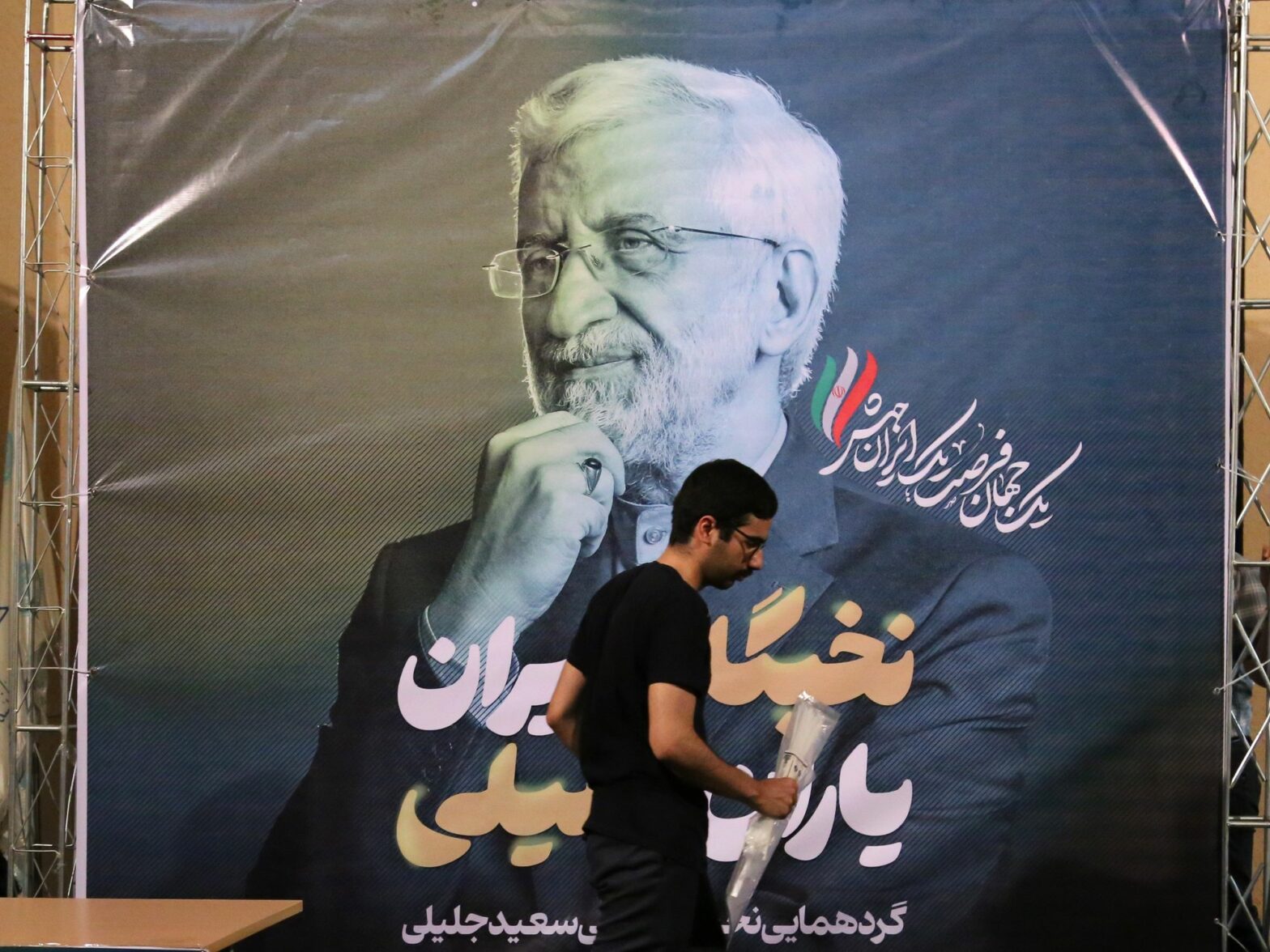
Tehran seems to be paving the way for a moderate to become the country’s next president. But the regime’s goal is not to make life better for Iranians, but to leave him with the daunting task of handling a second Trump administration.
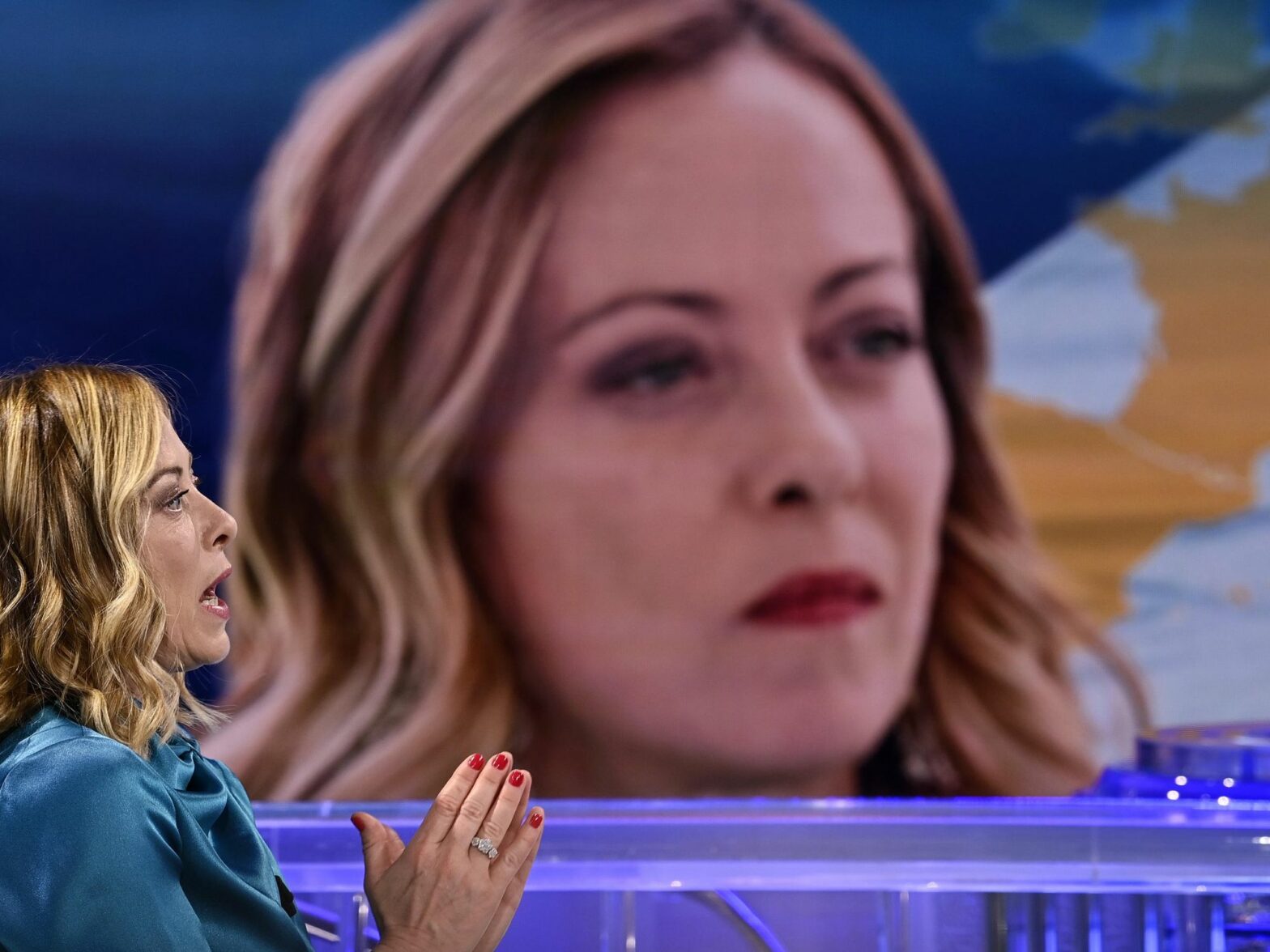
As Marine Le Pen’s party National Rally (RN) is on track to become the largest party in the French parliament, Giorgia Meloni will have to look out for a new leader that might threaten her undisputed leadership of the far right at the European level.

The canceled rapper who’s praised Hitler and Putin’s Russia are a perfect match, writes music critic Nikolay Ovchinnikov

Nothing can beautify life in Afghanistan under the Taliban. So how can we promote a country whose government practices terrorism against its people? That’s what Arab world influencers are doing.
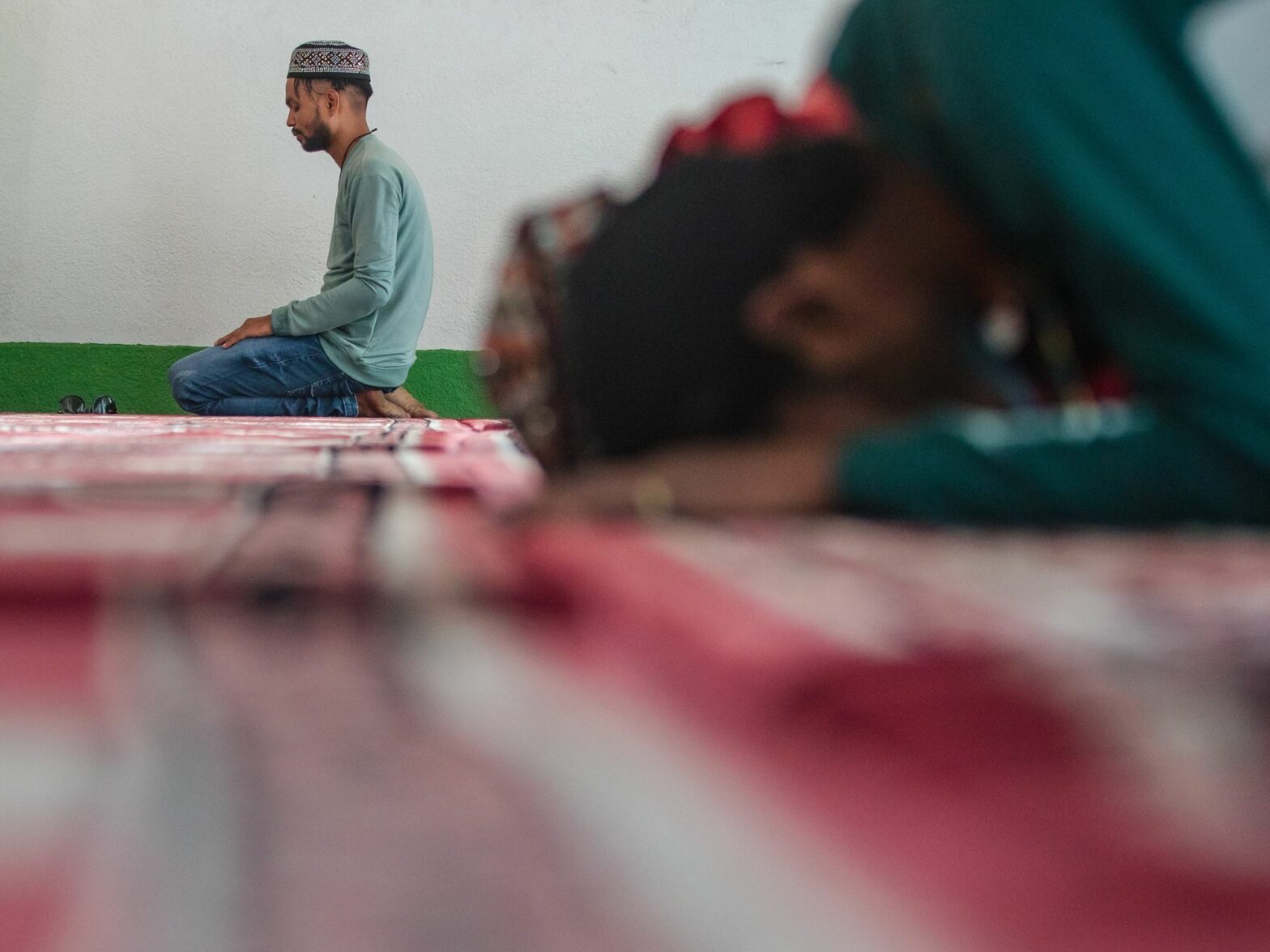
Violence and denunciation won’t beat political Islam. Its deconstruction must be through reasoned criticism, the methods of modern science and allowing space for religion to have its influence.

The same nostalgia and same fear of the future seem to animate the two countries that have made exceptionalism their trademark
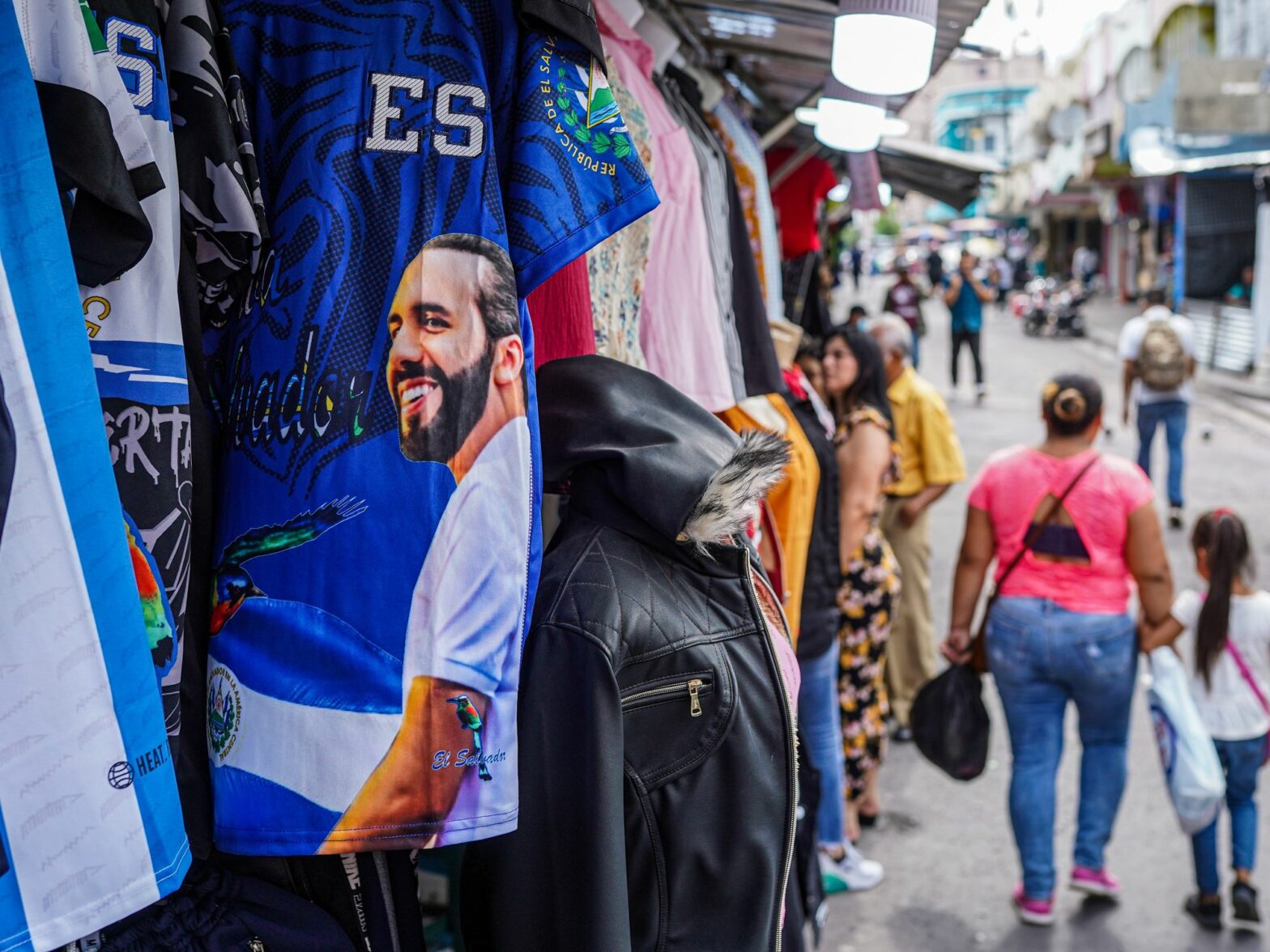
Through quiet diplomacy, Russia may be courting the rising star of Latin American populism, El Salvador’s President Nayib Bukele. In time, he must decide between international respectability and a bear hug from Vladimir Putin.
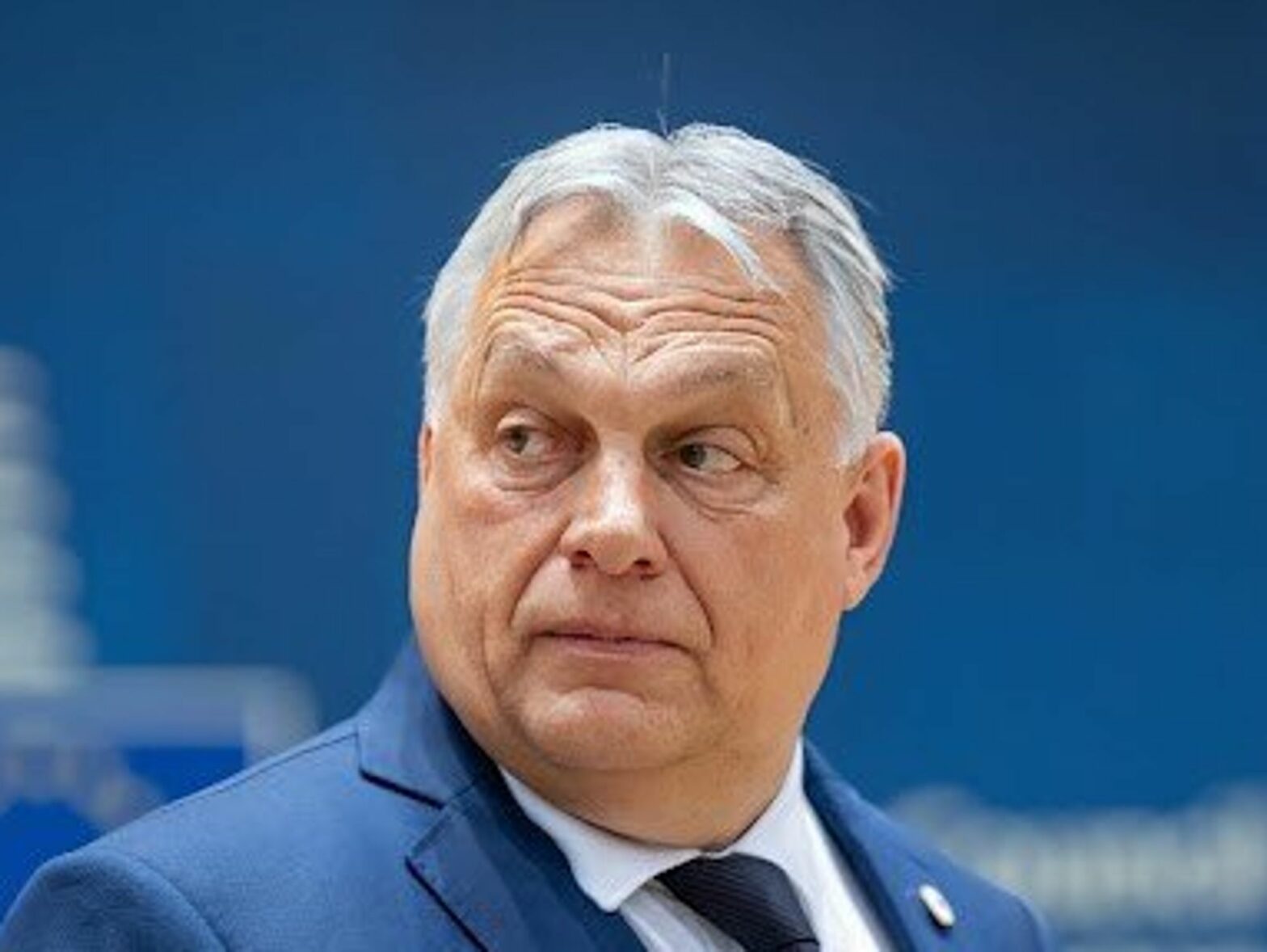
Hungarian Prime Minister Viktor Orban officially announced the creation of a new group in the European Parliament, the “Patriots for Europe” to gather extremist parties that have been sidelined by the establishment. It can also be a bridge to Trump and Putin.
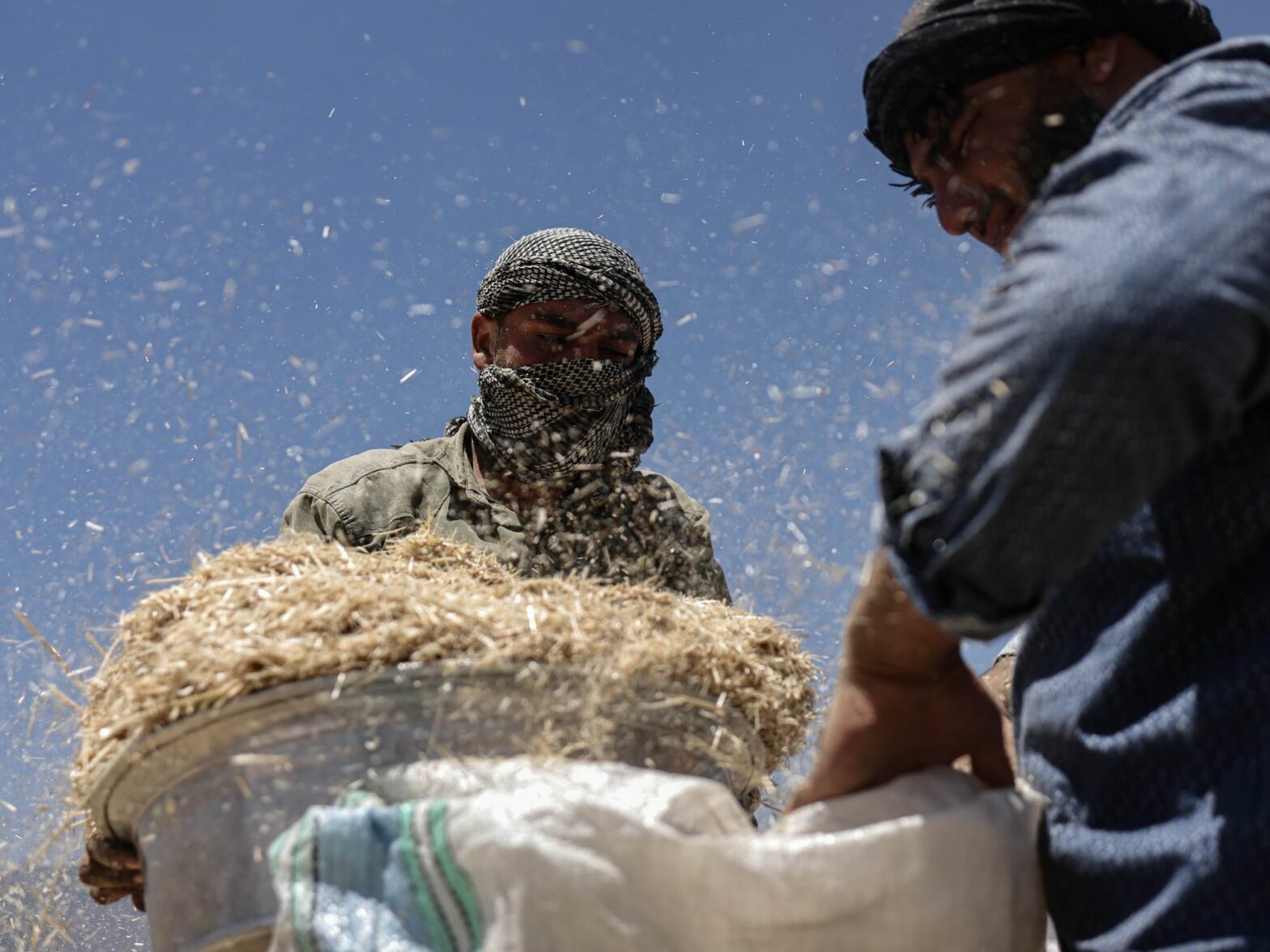
The production of wheat, a staple food in Syria, fell dramatically this year due to the effects of climate change. The poor harvest has left wheat farmers, already suffering from decades of conflict, struggling to rebuild their lives.

Unless there is a last-minute twist, the only real issue in the second round is whether the far-right party will have an absolute majority or not. The left seems unaware that its ideas are largely in the minority.
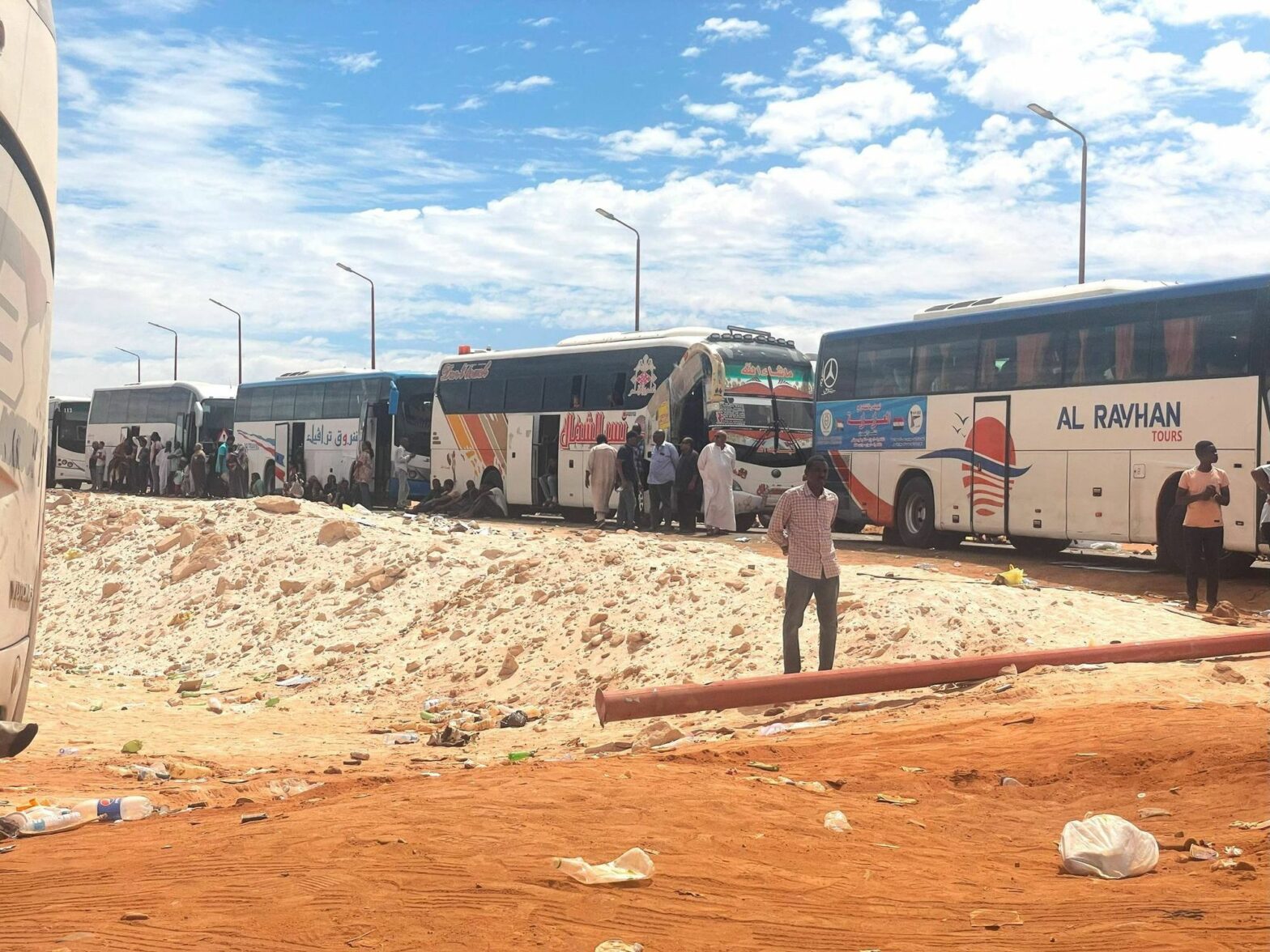
Hundreds of migrants and asylum seekers have been detained, many of them deported, in recent months in Egypt amid an orchestrated campaign that is targeting African refugees in the country.
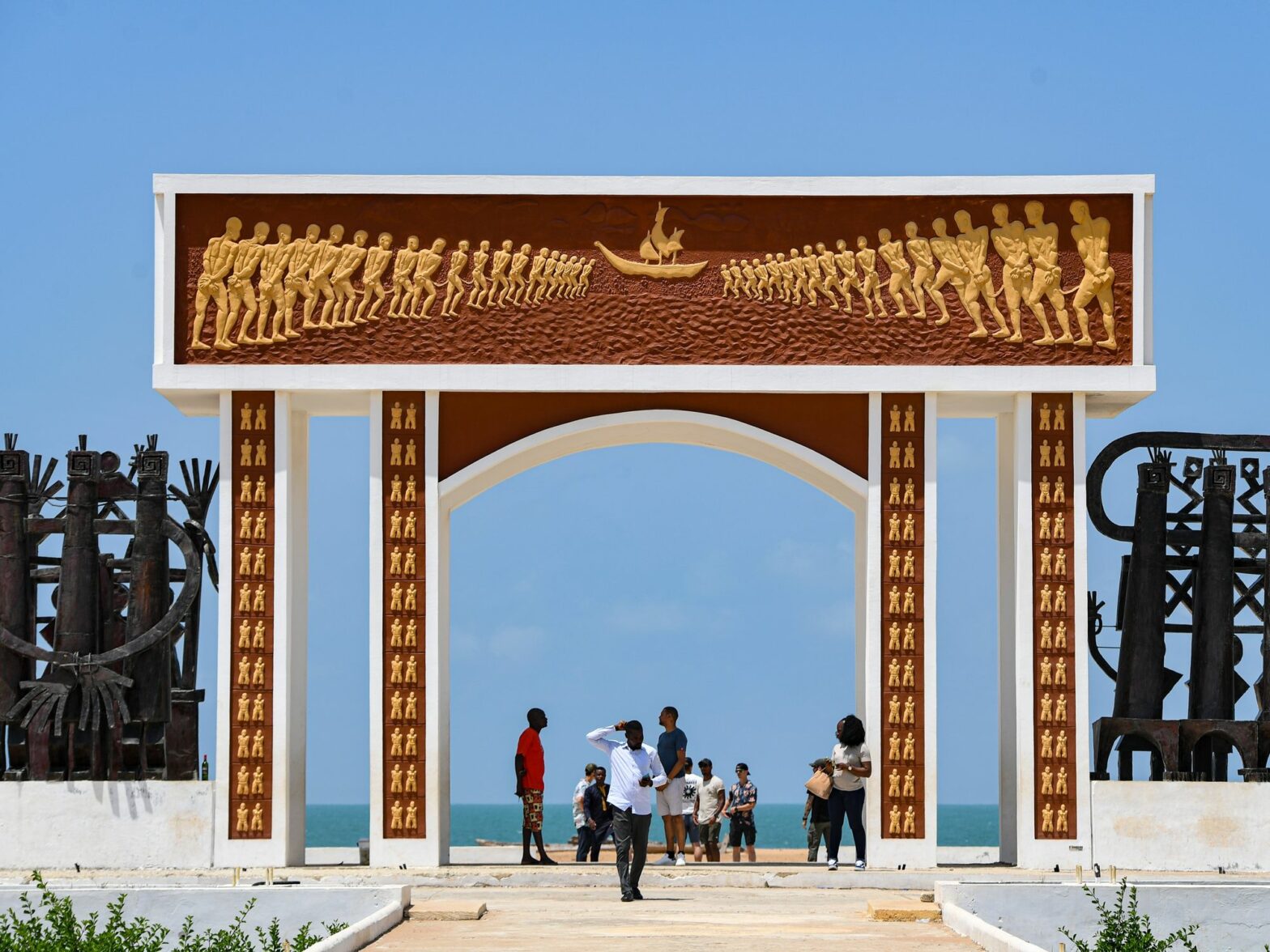
For centuries, European colonial powers and Arab traders kidnapped millions of Africans as slaves. Local tribes in Benin and other West African countries often helped and became rich themselves. Now the descendants of the slave traders are coming to terms with this troubling history.

France’s European partners fear the outcome of the upcoming snap legislative elections and its consequences for the EU. German Chancellor Olaf Scholz has called for the victory of a party “other than Marine Le Pen’s,” a sign of this growing concern.
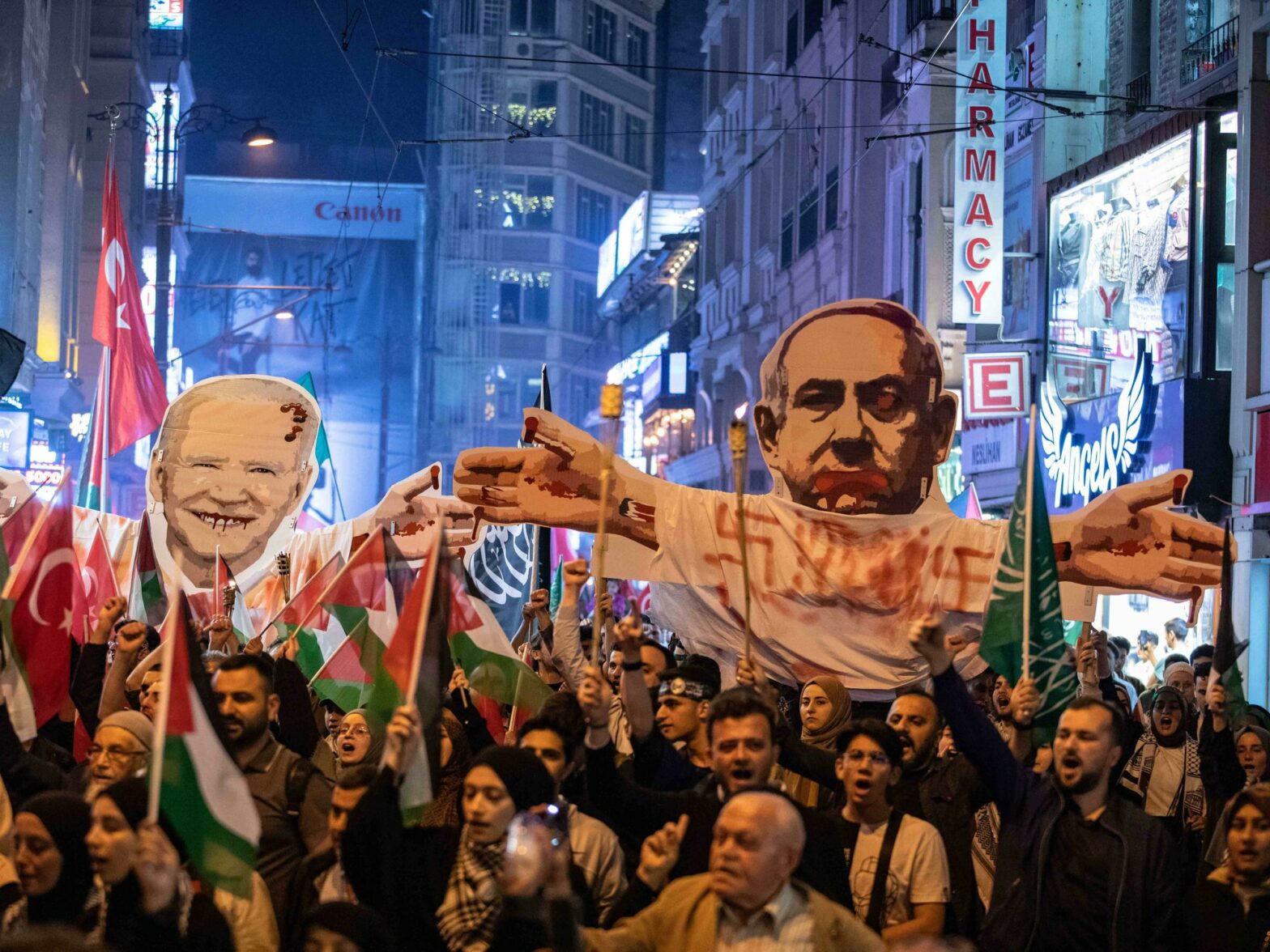
The October 7 attack and Israel’s brutal response have left a trail of devastation, which materializes in very different tragedies for Palestine and Israel, a story of missed opportunity for Turkey — and a tragicomedy of U.S. leadership.
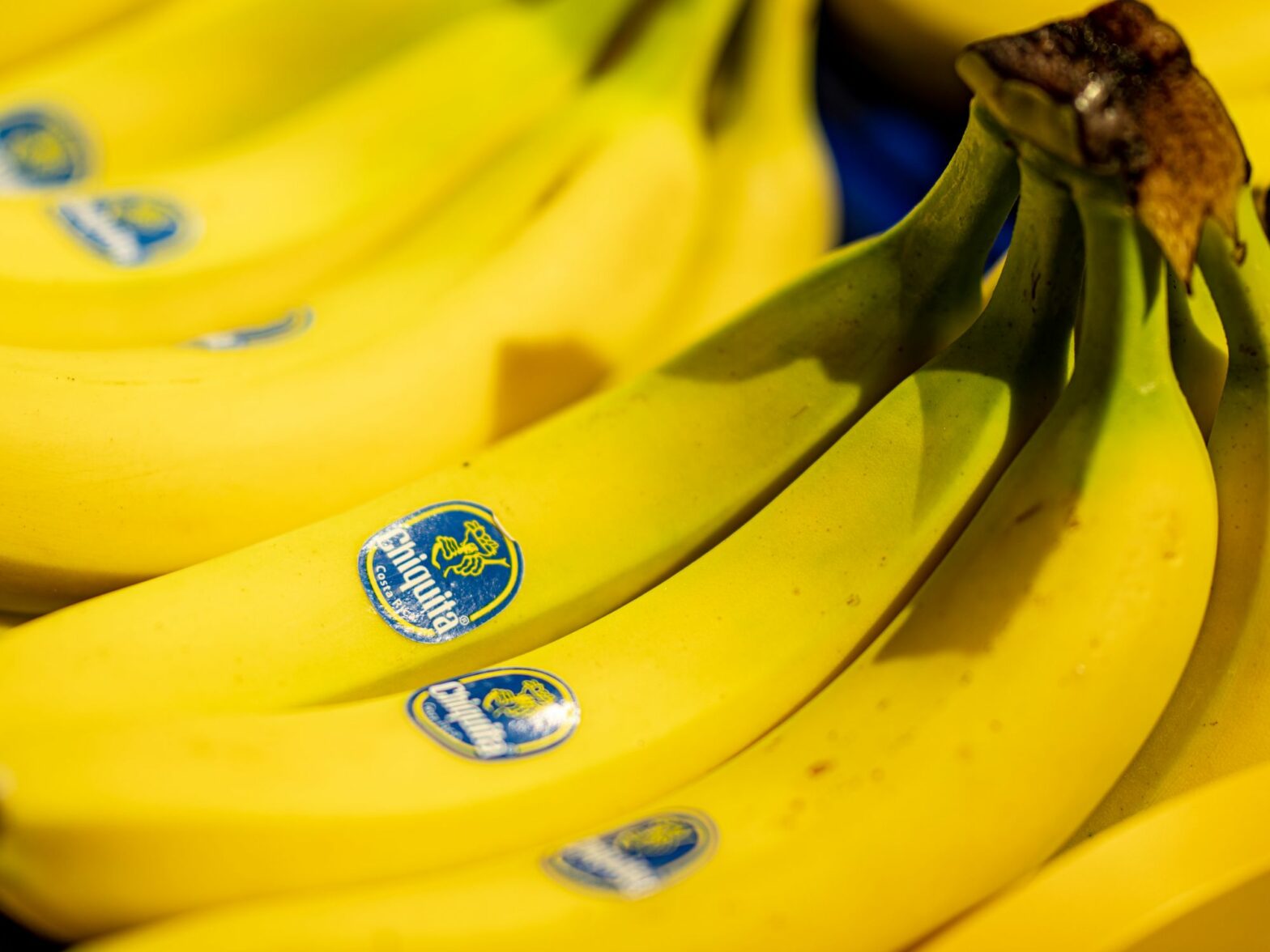
Chiquita — the former United Fruit Company — is being ordered to compensate victims of the paramilitaries it financed in Colombia in the late 20th century. Like Monsanto with pesticides, it might begin saving funds to pay more such fines.
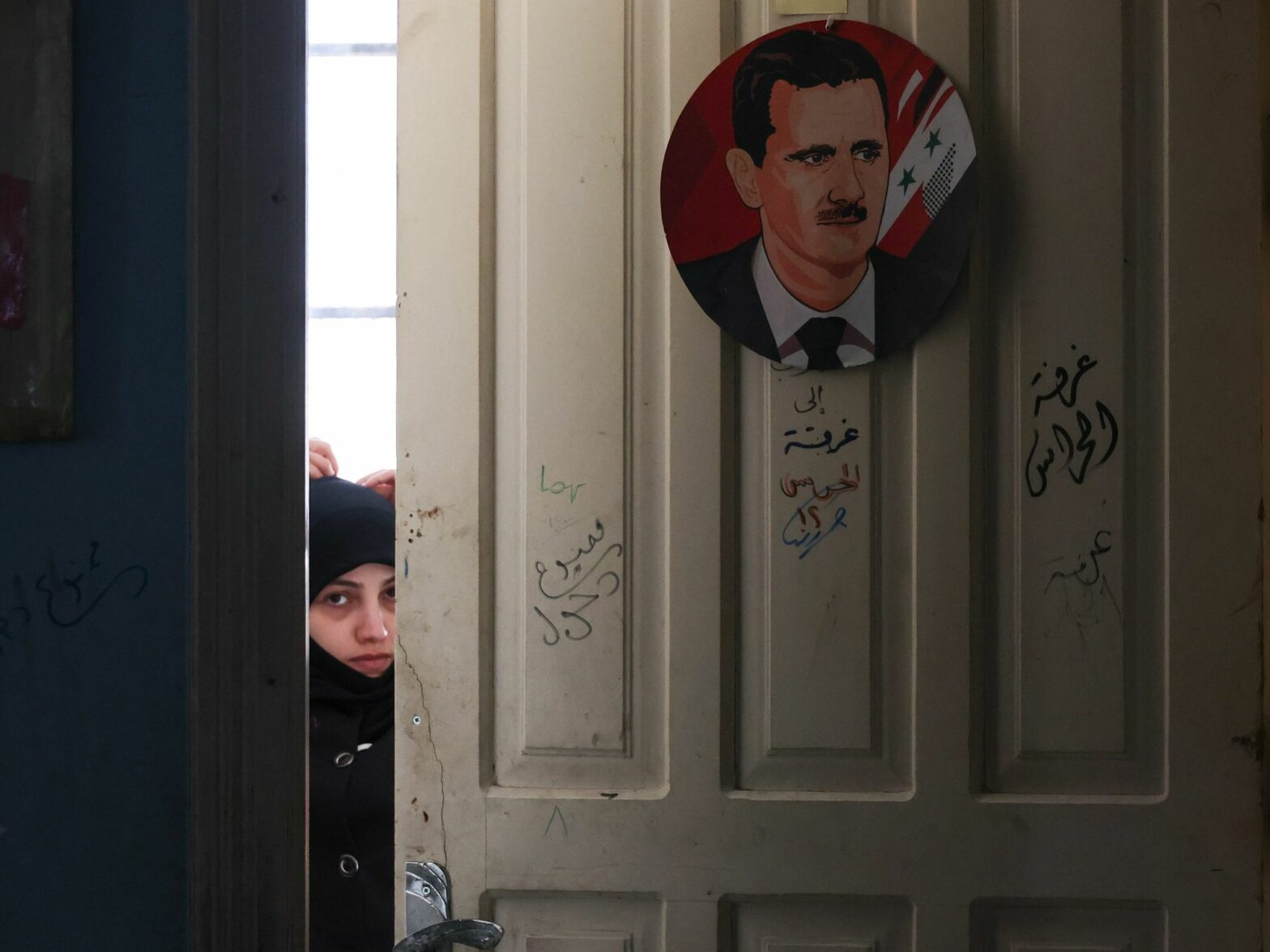
The author was from one of the rare families in Damascus who were not direct victims of Syria’s long civil war. But she hardly emerged unscathed.
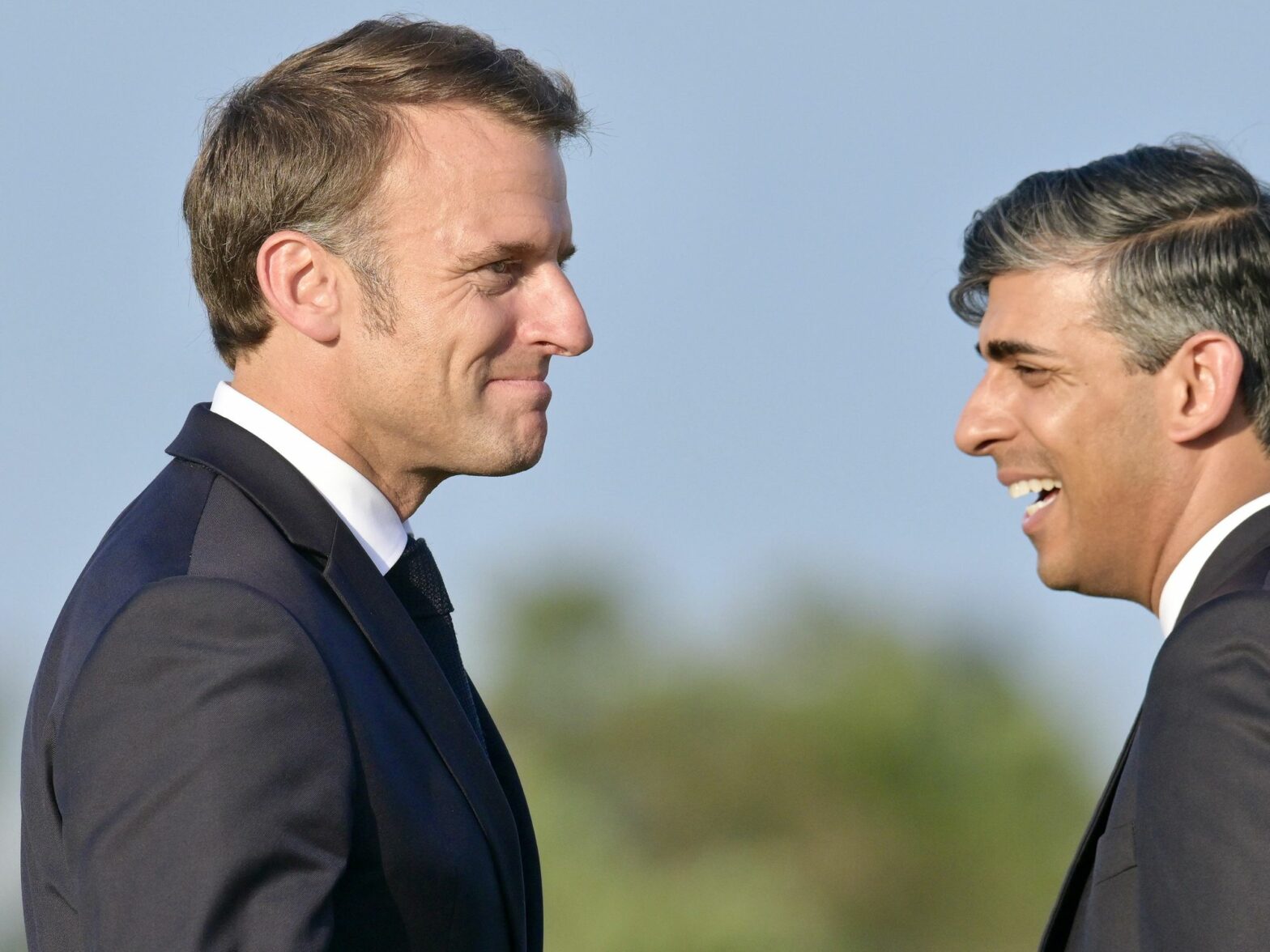
The left-leaning Labour party in the UK appears to be headed for a big win next week, while far-right forces may take control of the French Parliament in their coinciding national elections. But it may be that France is just eight years behind Britain, which voted for Brexit in 2015, and now regrets that populist choice.
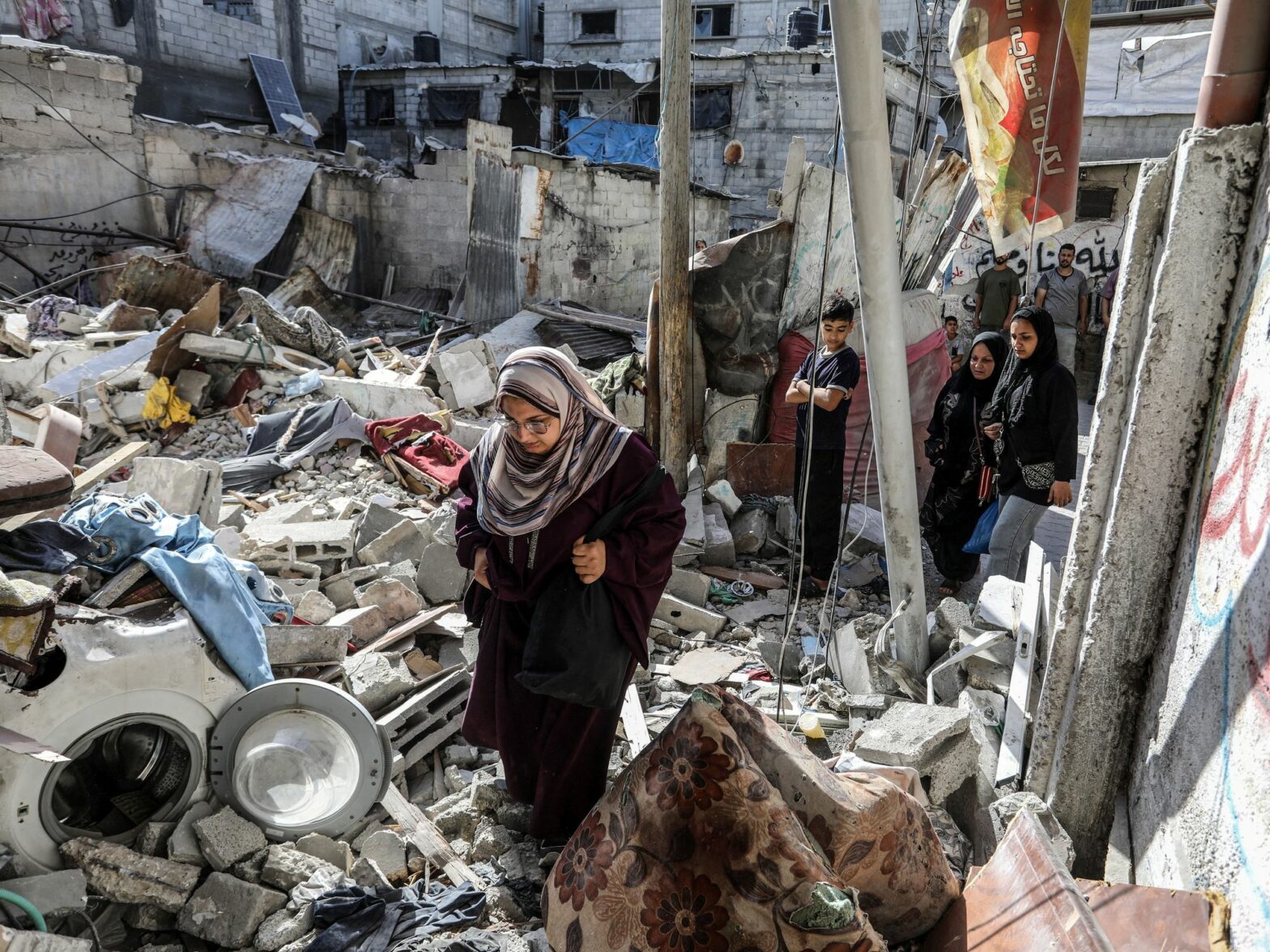
For three decades, negotiations to solve the Palestinian cause focused on giving Israel guarantees and reassurances out of fear for its security and continued existence, not to end the occupation and the suffering of the Palestinians.