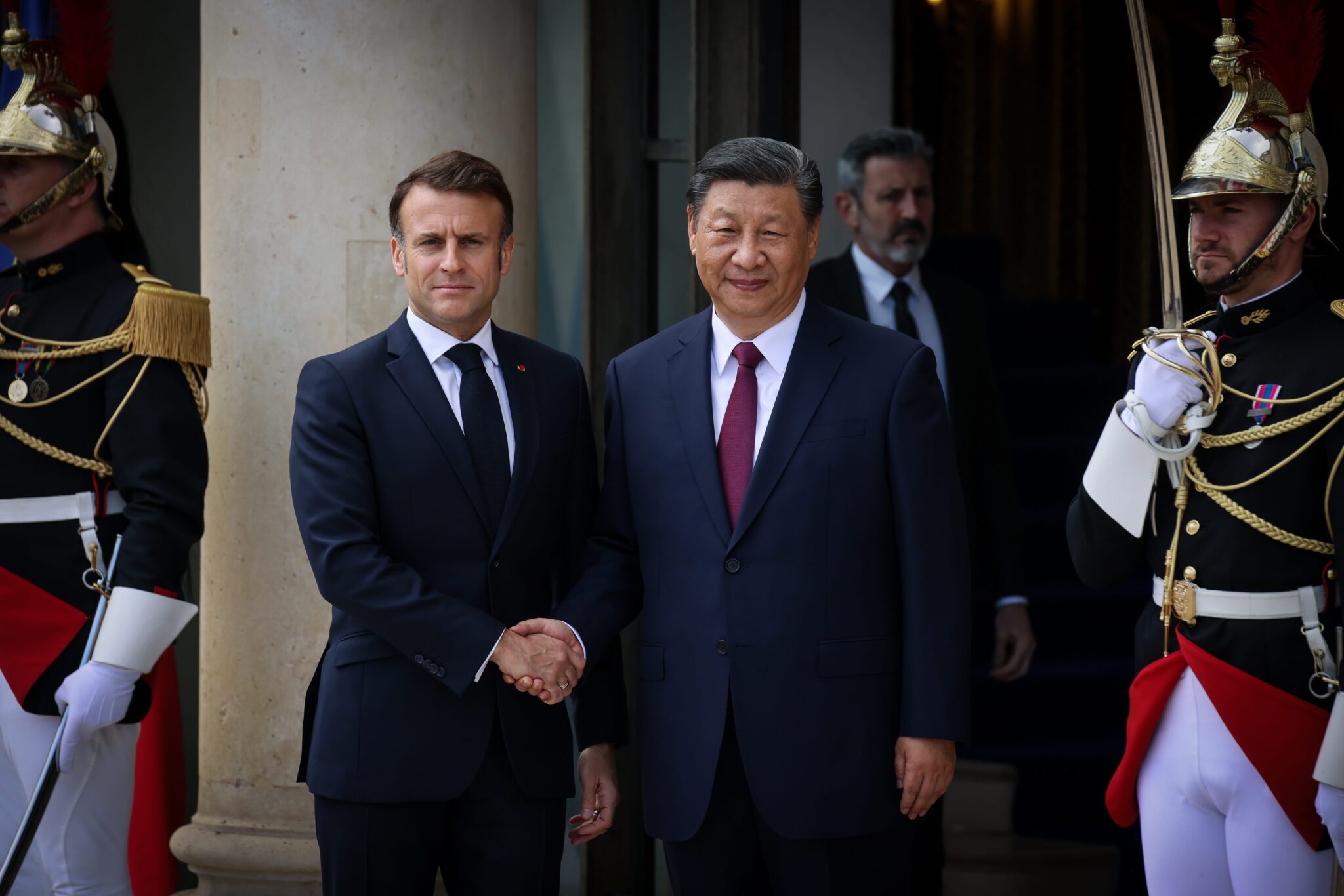
French President Emmanuel Macron has multiple and perhaps conflicting priorities as he lands in China to meet President Xi Jinping.
 Worldcrunch
French President Emmanuel Macron has multiple and perhaps conflicting priorities as he lands in China to meet President Xi Jinping.
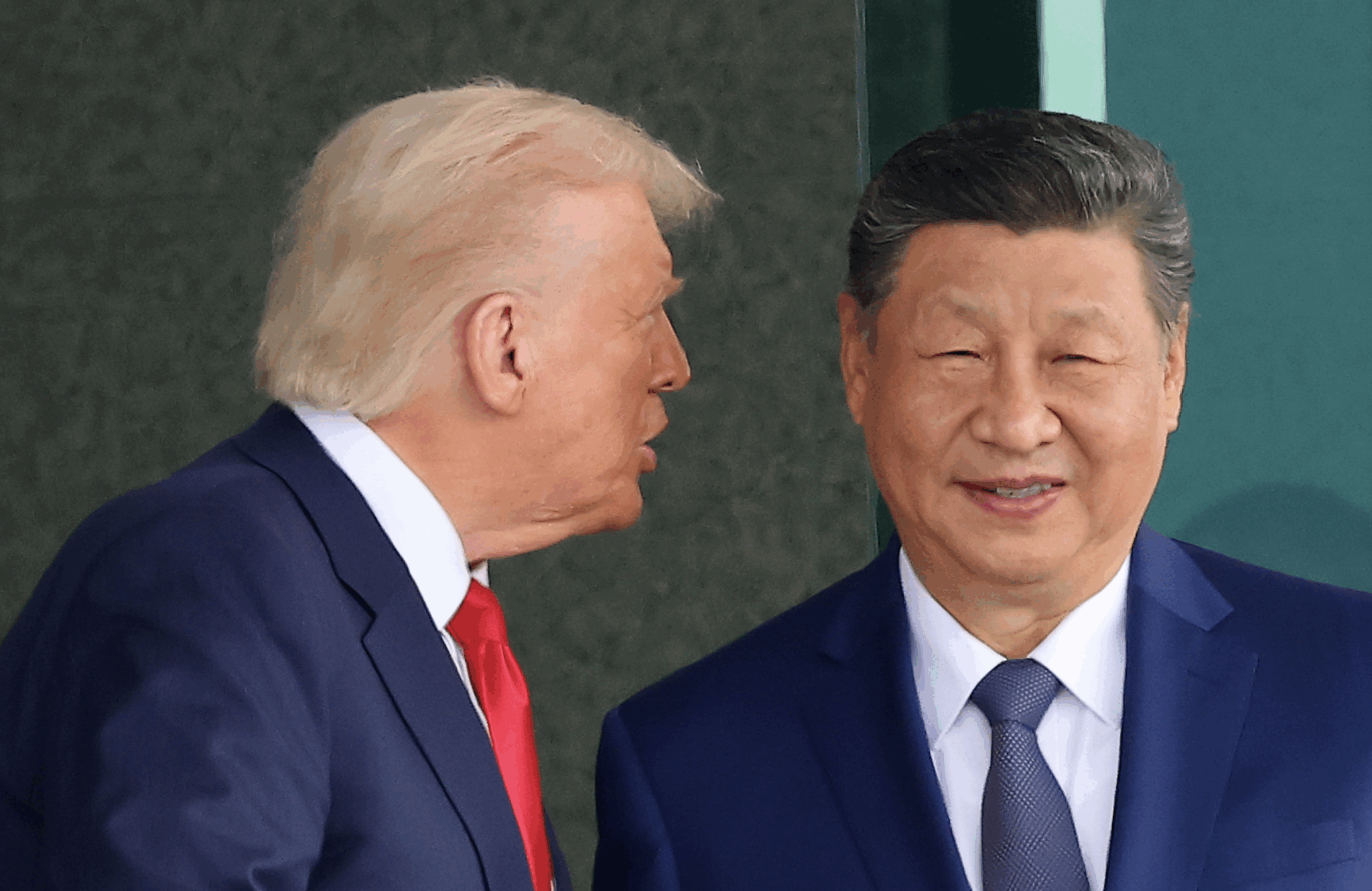
Donald Trump and Xi Jinping have negotiated a truce in their trade war, delaying China’s planned restrictions on rare earth exports. Yet Trump has been forced to back down in the face of a strong Chinese response, a miscalculation that could have long-term consequences, also for Taiwan.
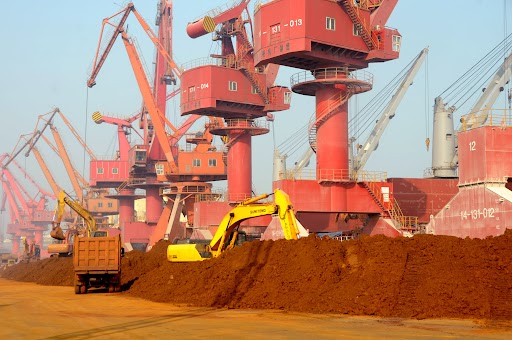
China is now wielding a U.S.-style extraterritorial law on rare-earth trade. It has tilted the balance of power in its favor, but rattled global markets and left the rest of the world caught in the crossfire.
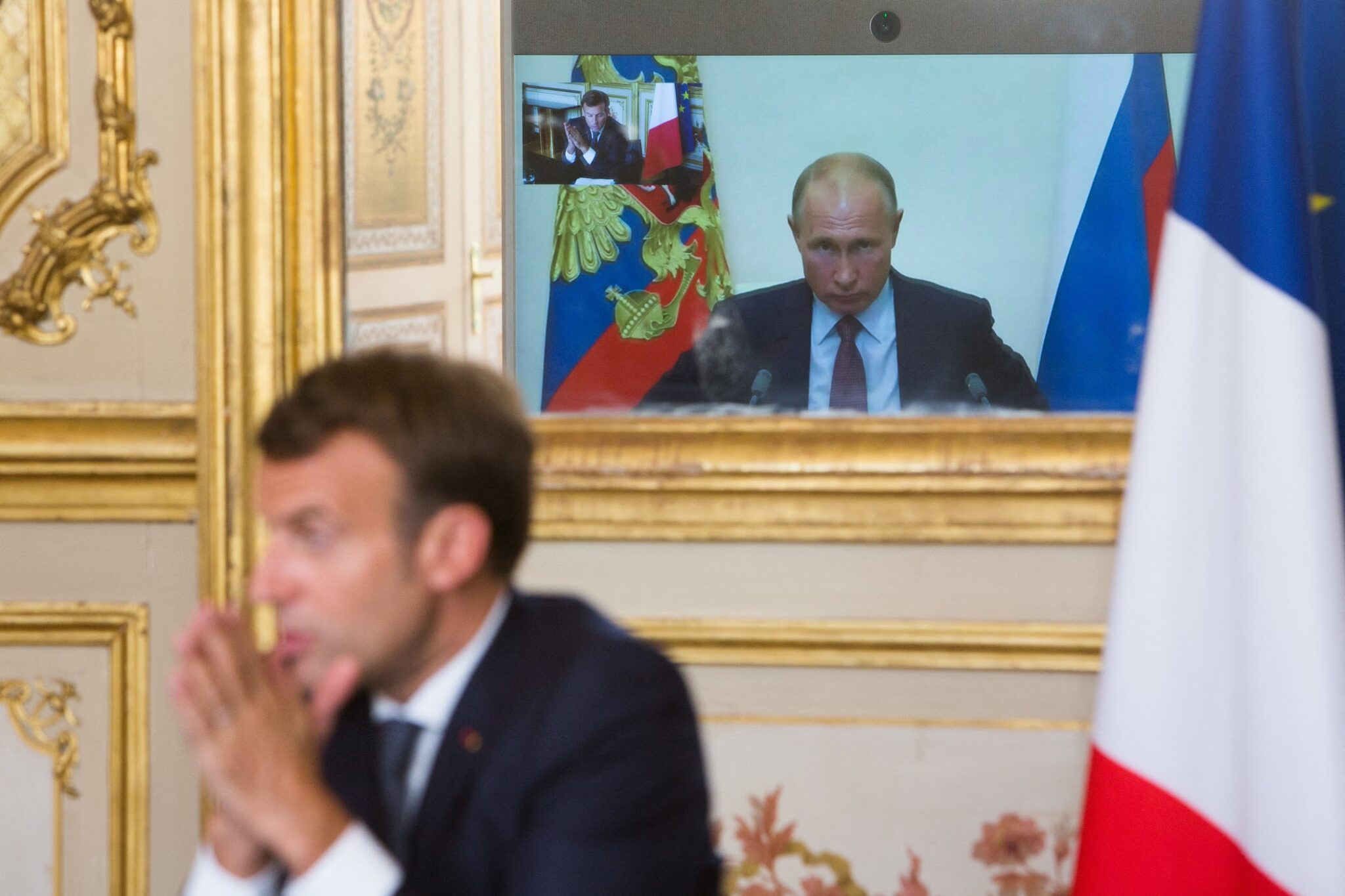
Put yourself in Vladimir Putin’s shoes for a moment: how satisfying must it be to see France and the United Kingdom, co-leaders of the “coalition of the willing” formed in support of Ukraine, sinking into political crisis.
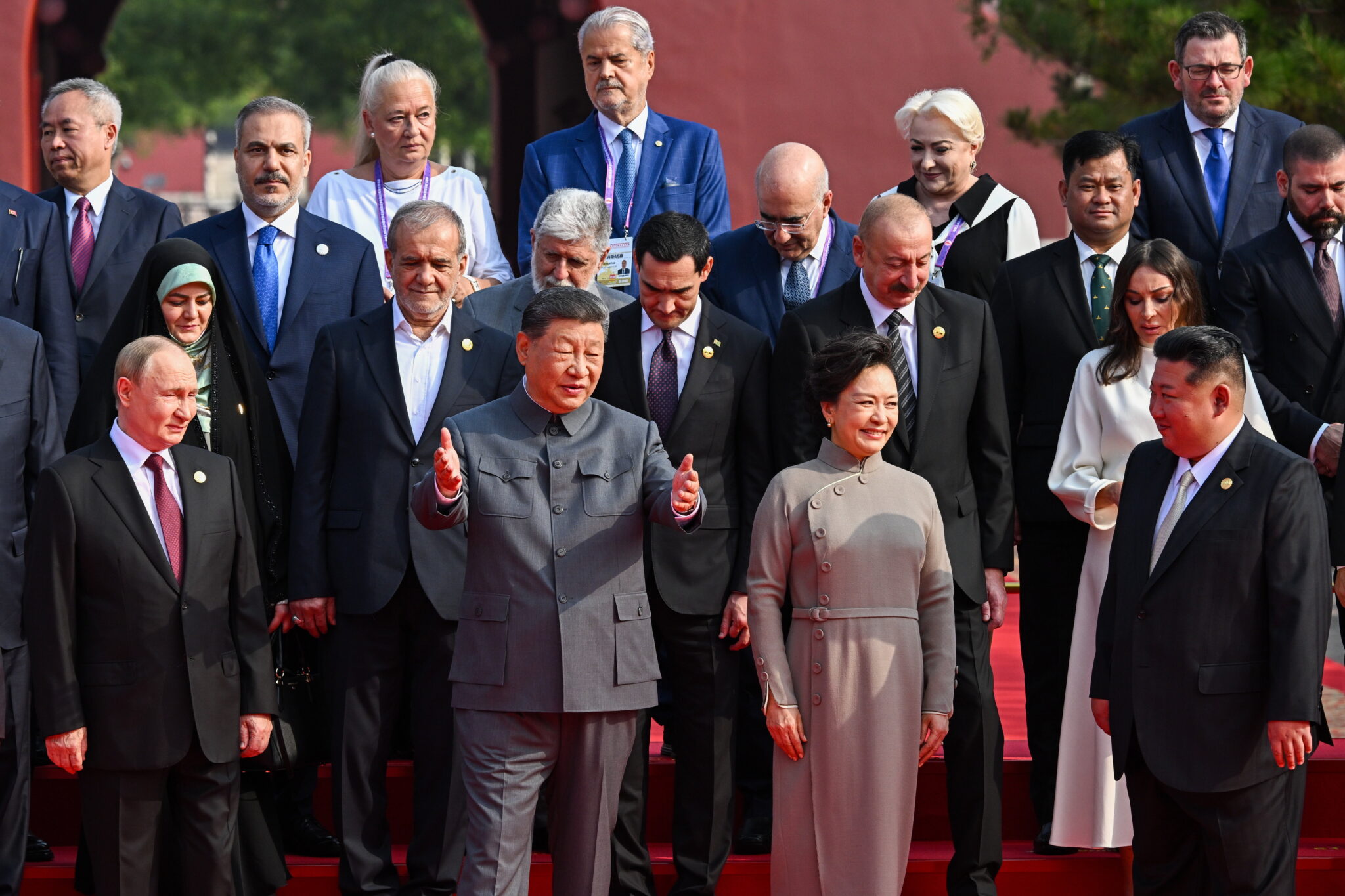
Xi Jinping’s military show in Beijing and his alliance of autocrats may look like the dawn of a new world order, yet the economic, scientific, and military balance still tilts toward the democracies of the West.

👋 Sannu!* Welcome to Thursday, where Kim Jong-un affirms his support for Vladimir Putin, the UAE denounces Israeli plans to annex the West Bank, and today’s quiz question is about a Nazi-looted Italian painting. Meanwhile, we offer a tour du monde of the state of the debate as to whether adults can physically discipline children. […]
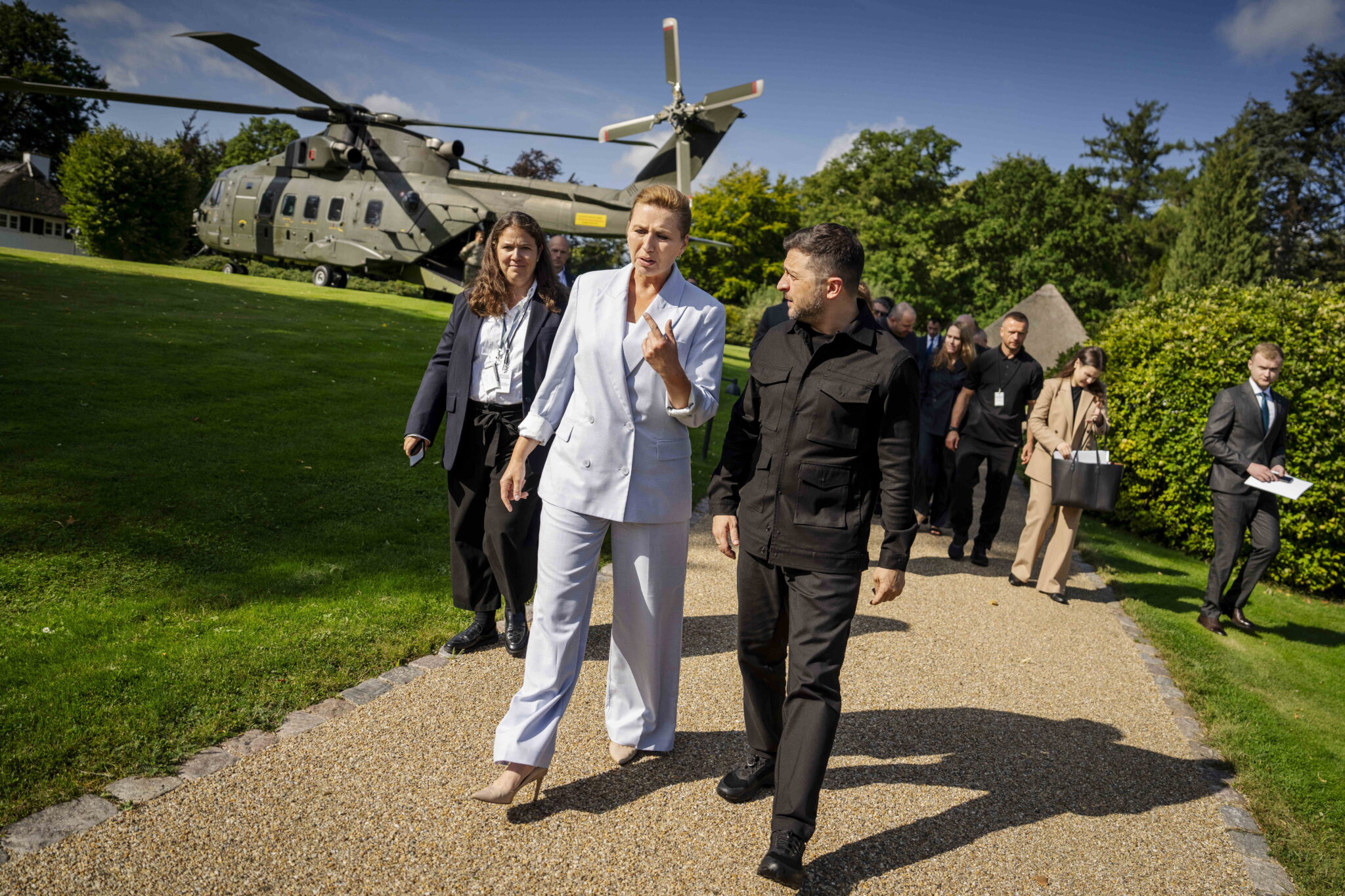
Europeans are preparing their plan to “reassure” Ukraine after a peace agreement that never materialized. Their goal is above all to convince Donald Trump to sanction Moscow, and to help Ukraine. But that will mean increasing the Continent’s dependence on the United States.
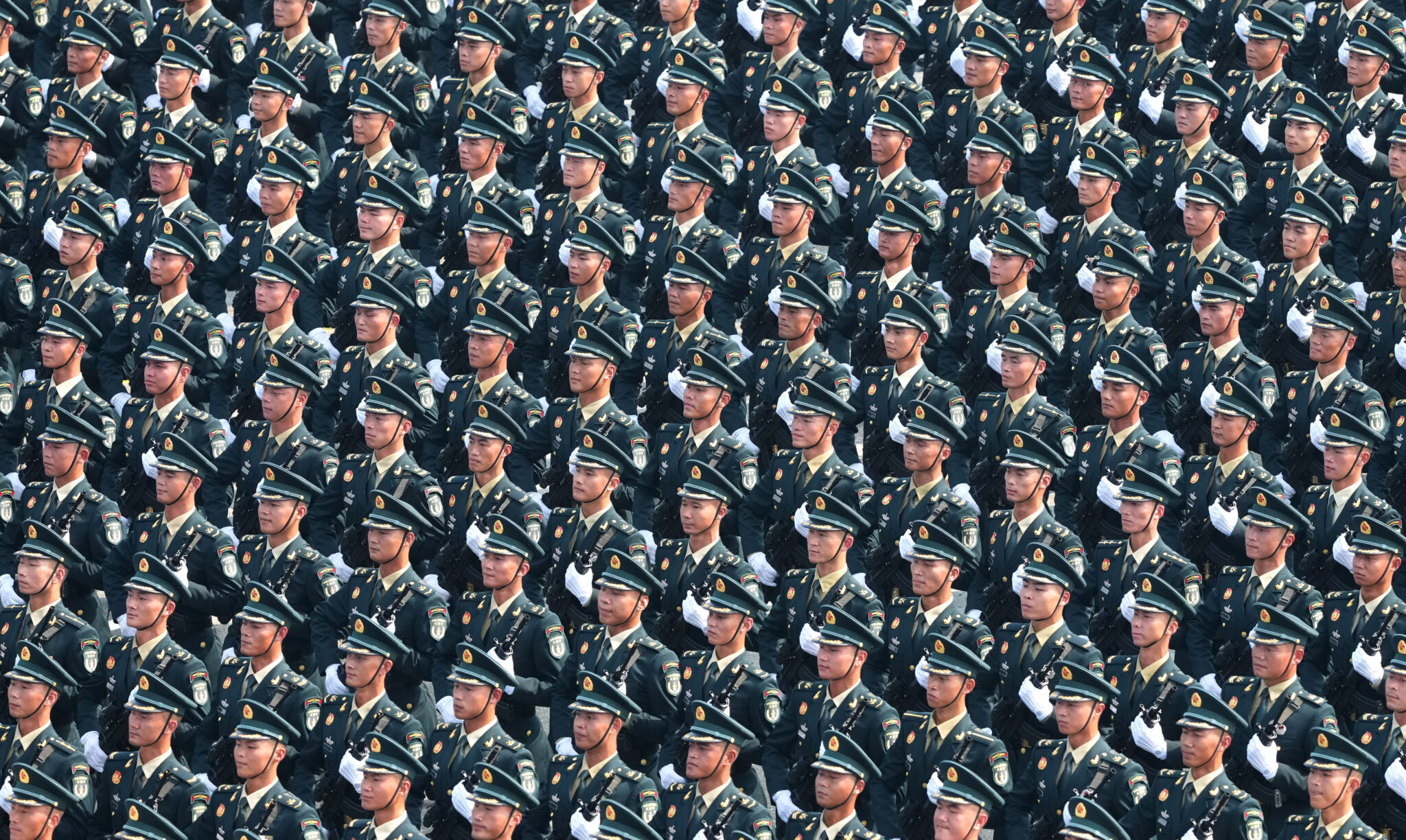
Beijing is using the anniversary of the end of World War II to project its new power in opposition to the United States. Donald Trump has accused Xi Jinping of downplaying American support for China in defeating Japan and of “plotting” against America.

👋 Allo!* Welcome to Tuesday, where North Korean leader Kim Jong-un has arrived for a historic visit in Beijing, a landslide kills more than 1,000 in Sudan’s Darfur region, and today’s quiz question features a surprising find by the French police. Meanwhile, Juanjo Ramón in Catalan-language digital media outlet Catalunya Plural looks at how Spain’s […]
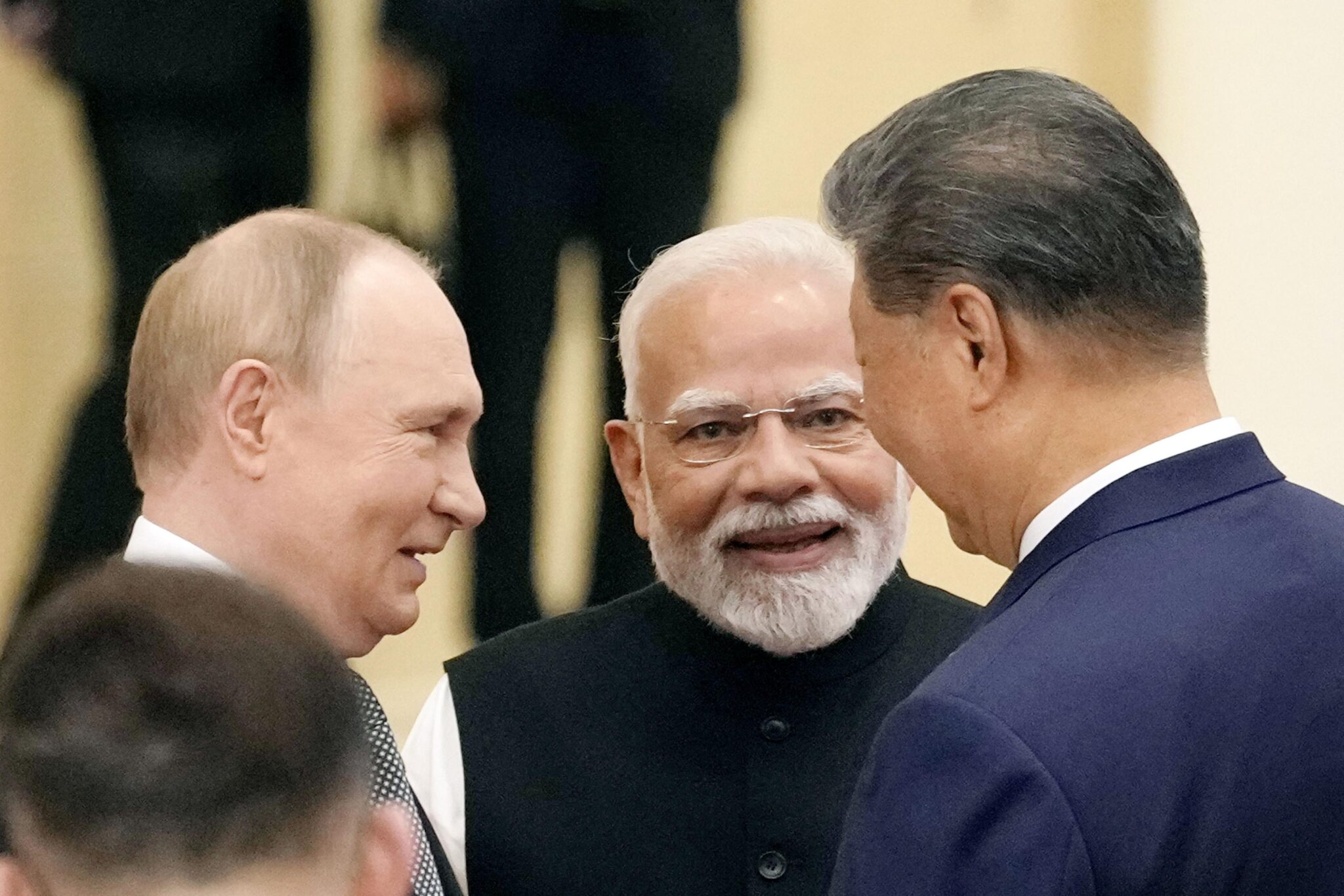
The leaders of Russia, India and China were all smiles as they posed for a photo on the sidelines of the Shanghai Cooperation Organization (SCO) summit, with their thoughts on the “absent” Donald Trump. The battle for world order in the 21st century captured in a single photo.
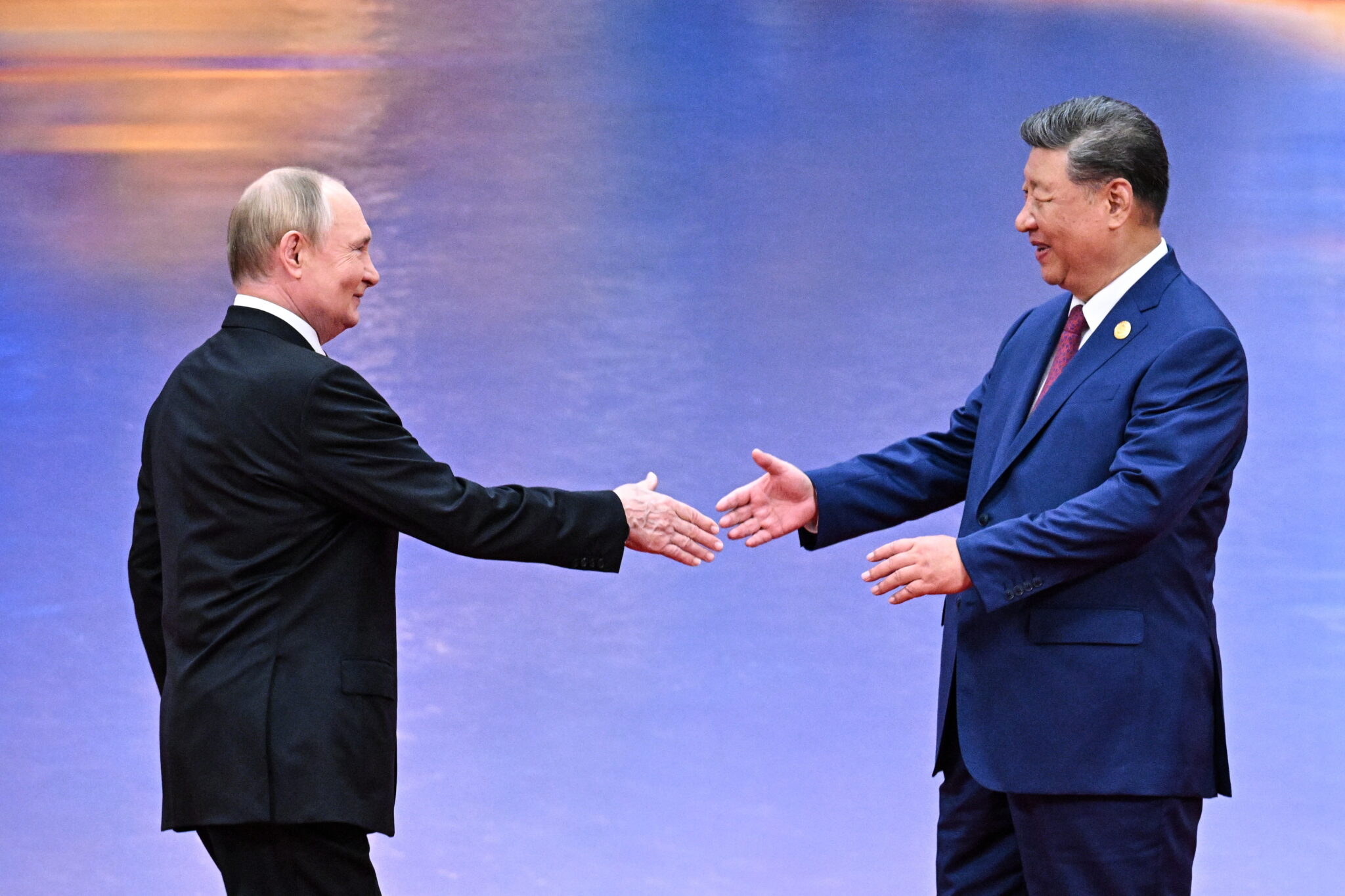
With the regional summit in Tianjin and the impressive military parade planned for Wednesday in Beijing, to be attended by Vladimir Putin and other non-Western leaders, Xi Jinping’s China is showing its ambition to position itself as the leader of a “front of opposition” to Trump’s America.
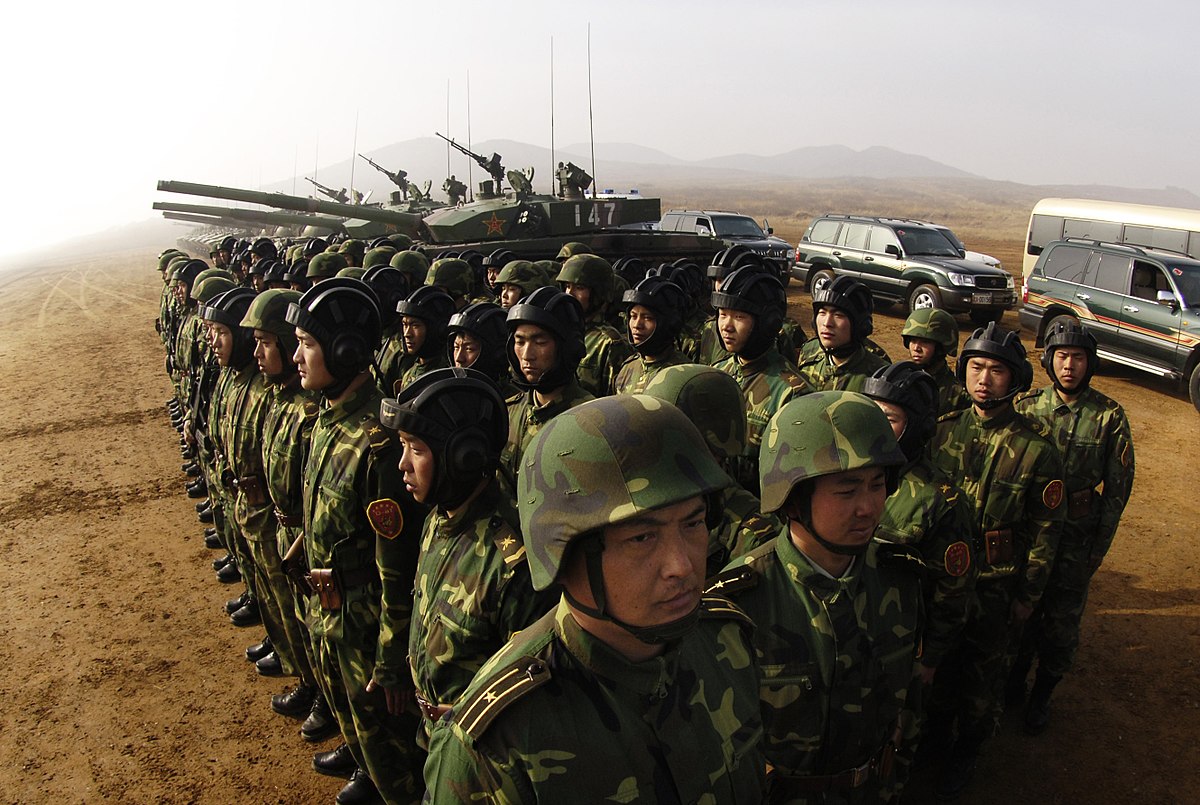
Once seen as a regional military power reliant on outdated Soviet tech, China is now emerging as a global force with cutting-edge weaponry. From stealth jets to next-gen drones, the country’s rapidly advancing arsenal is redefining the balance of power in global conflict zones.
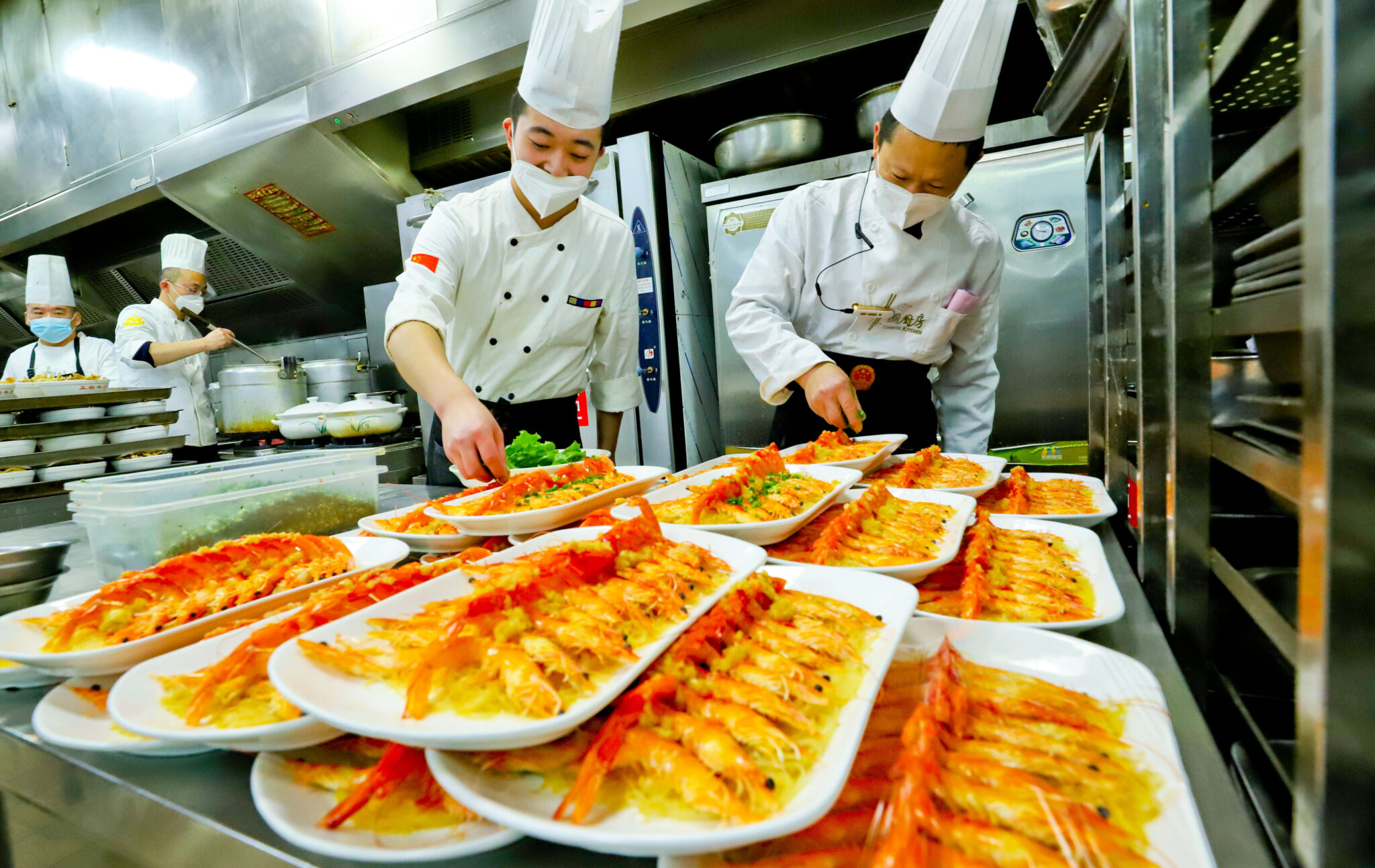
Lavish dinners and alcohol-fueled networking among China’s civil servants face strict new limits, as Beijing imposes austerity measures to curb rising public debt — leaving the catering sector reeling.
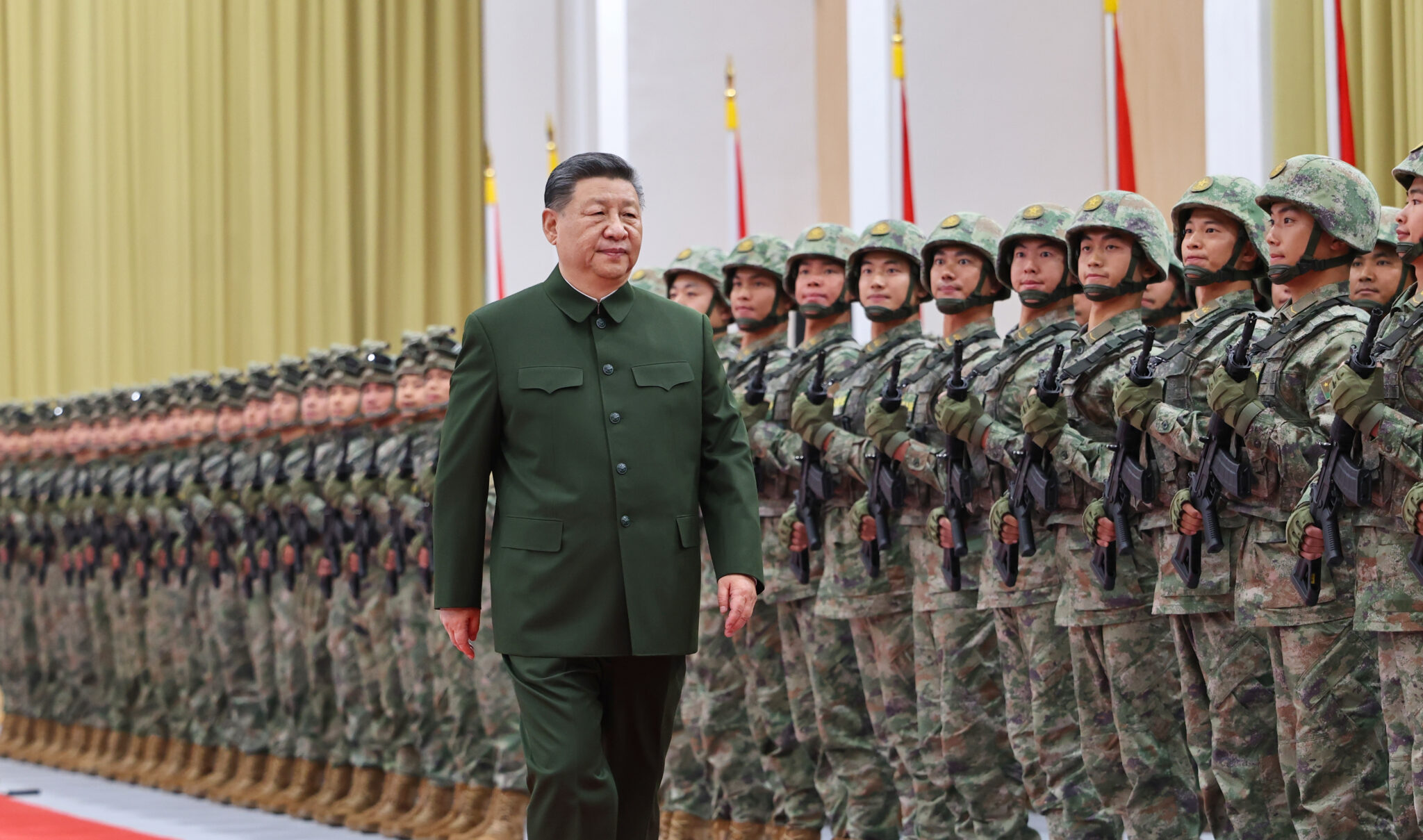
Eight decades after the UN Charter was signed, the so-called rules-based order is looking pretty battered. Still, the fact that someone breaks a rule doesn’t make it invalid. Law and reality never fully align. Otherwise, we wouldn’t need law.
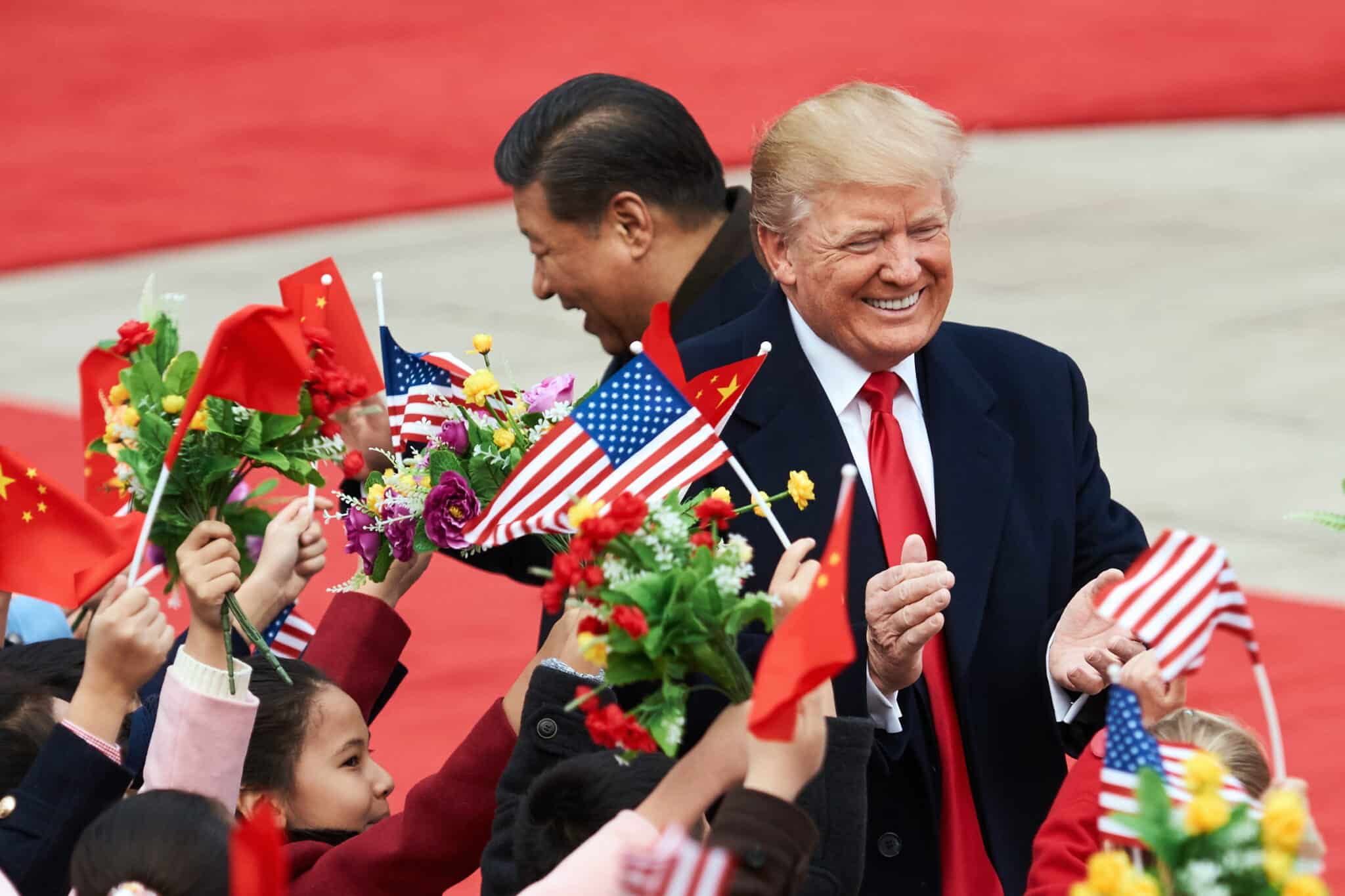
China is blocking exports of rare earth material in response to the U.S. trade war, which is now beginning to affect Western industries. Indeed, the American position is weakened just as negotiations are set to resume. Will Trump chicken out again?
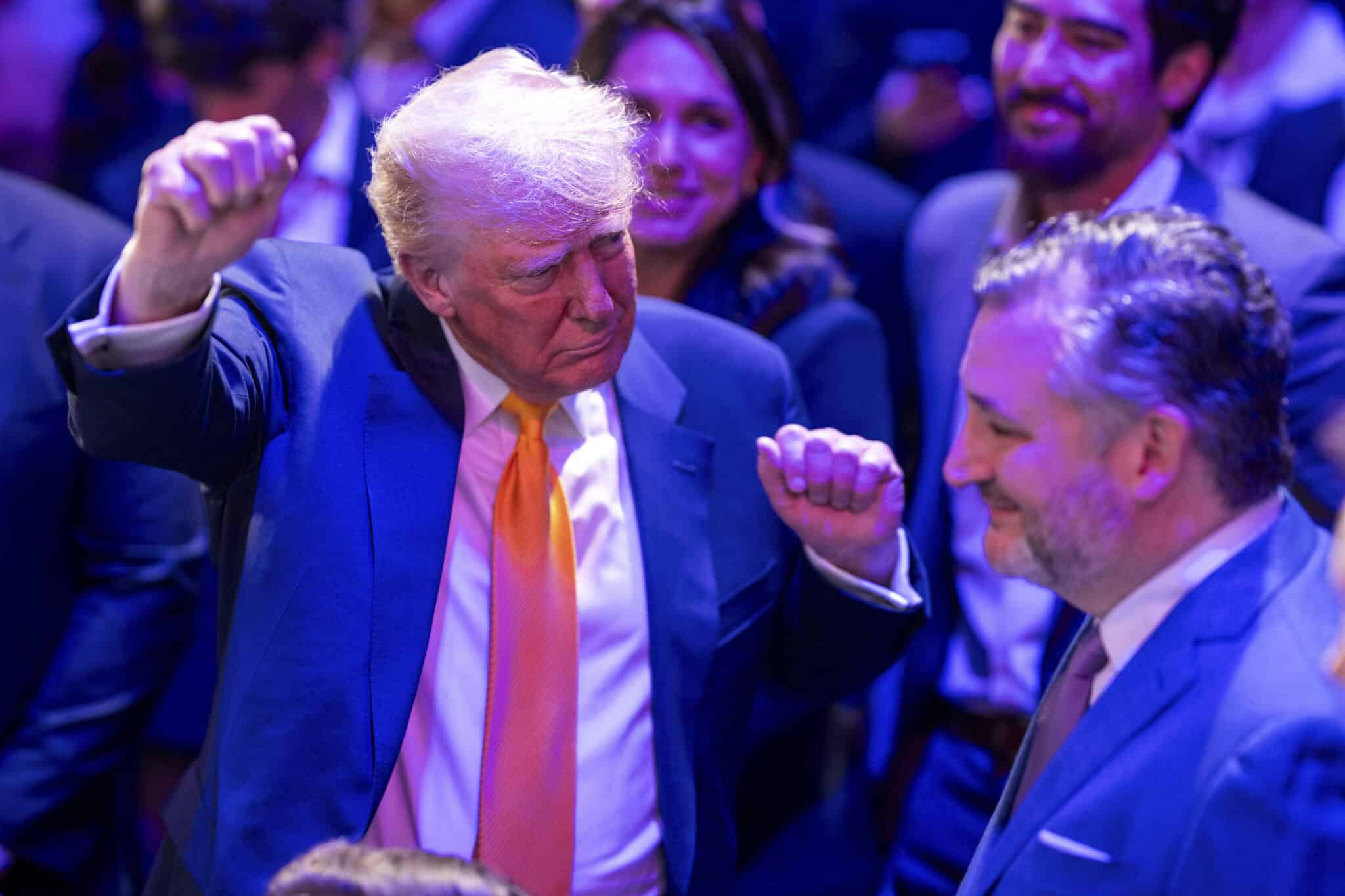
Having produced nothing but mirages, Donald Trump is now threatening to pack up and let everybody fend for themselves. That’s exactly what the strongman in Moscow wants.
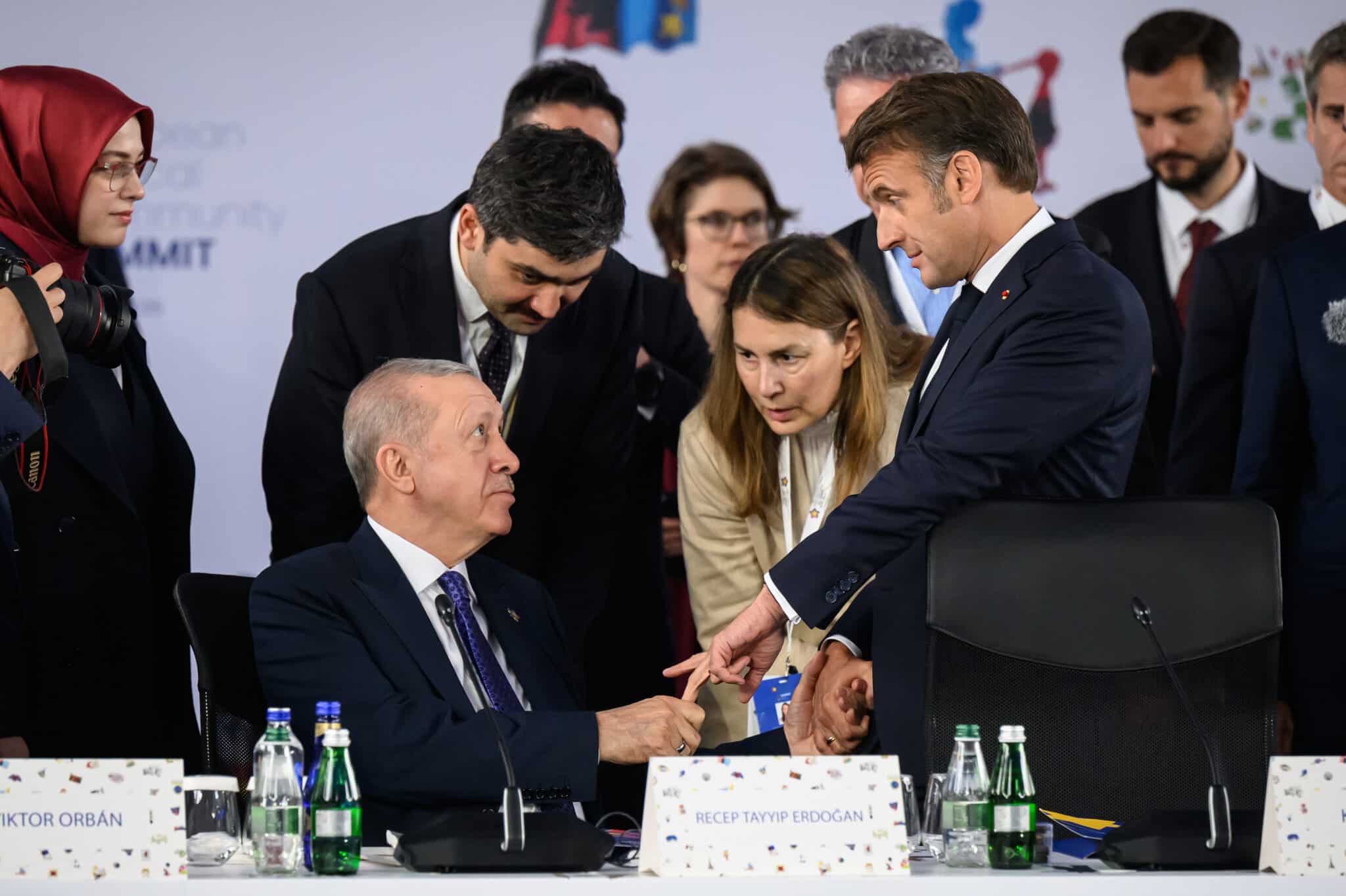
Erdogan and Macron’s strange interaction at a recent summit in Albania is a good opportunity to look back at some of the weirdest hand-to-hand encounters between world leaders.
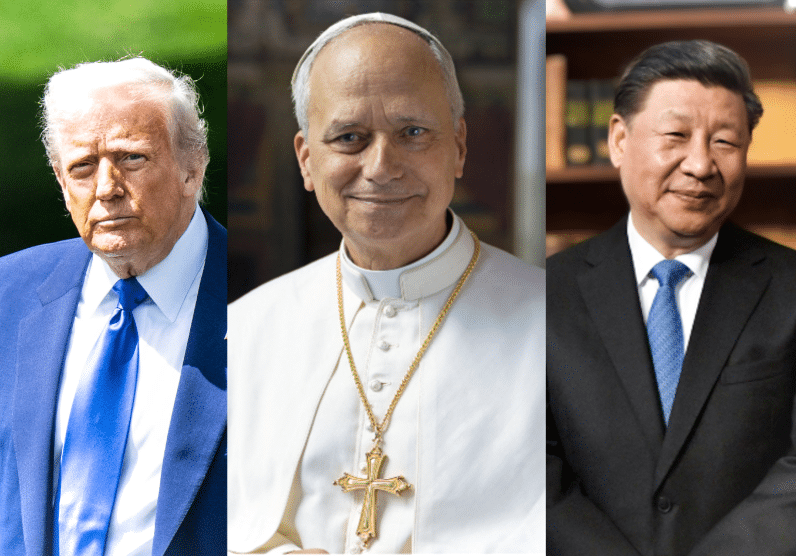
In the 1980s, a U.S. president, a Soviet reformer and a determined pope helped end the Cold War to change the world. It was a “coincidental” partnership, but could it be repeated today with Trump, China’s Xi and Pope Leo XIV?
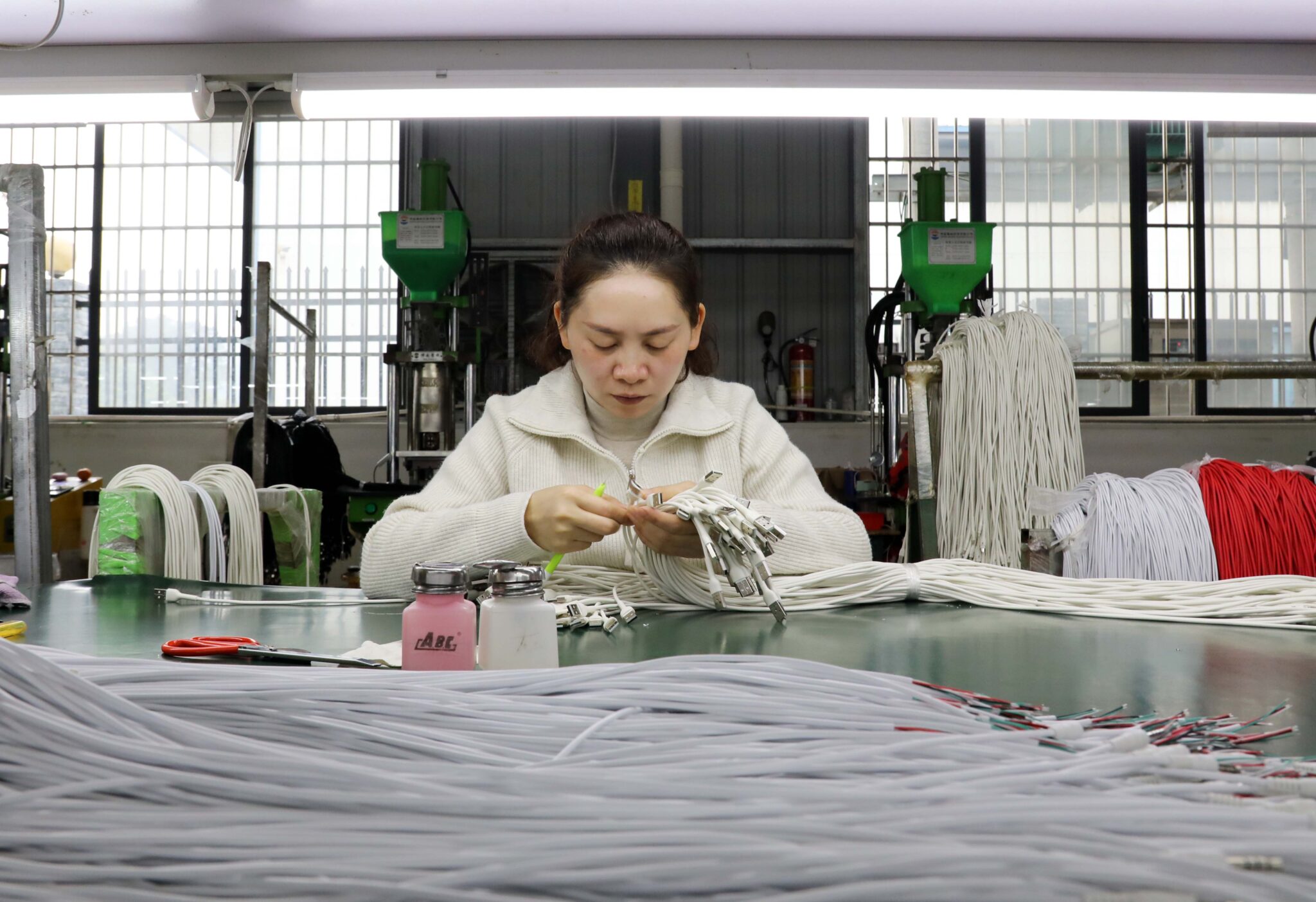
Xi Jinping and the rest of the Chinese leadership is defying Donald Trump in the tariff duel – and positioning itself as a more reliable superpower. The nation has been expecting this moment.
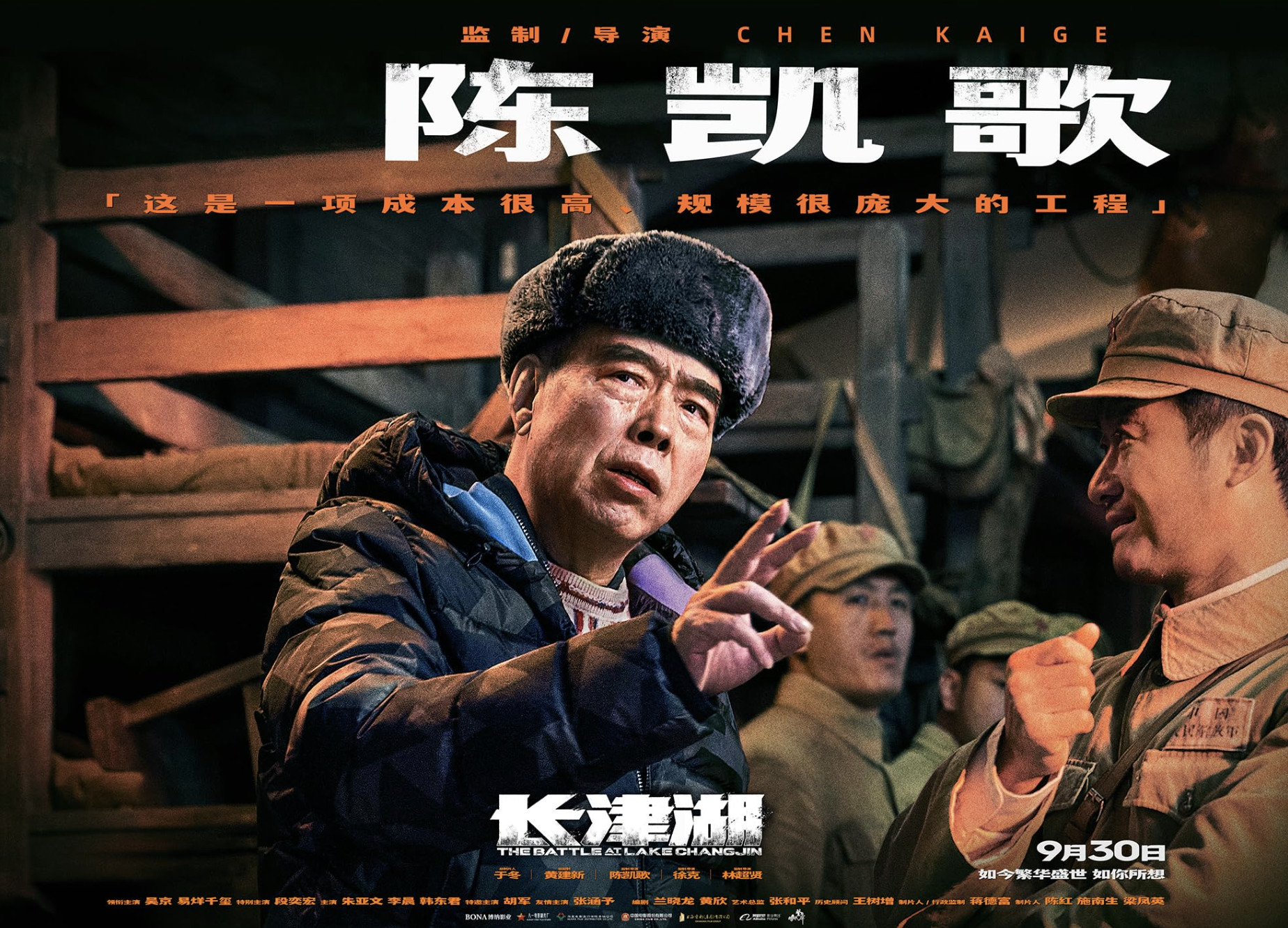
As trade tensions with the US escalate, Beijing retaliates with Hollywood bans and a high-stakes Southeast Asia tour.
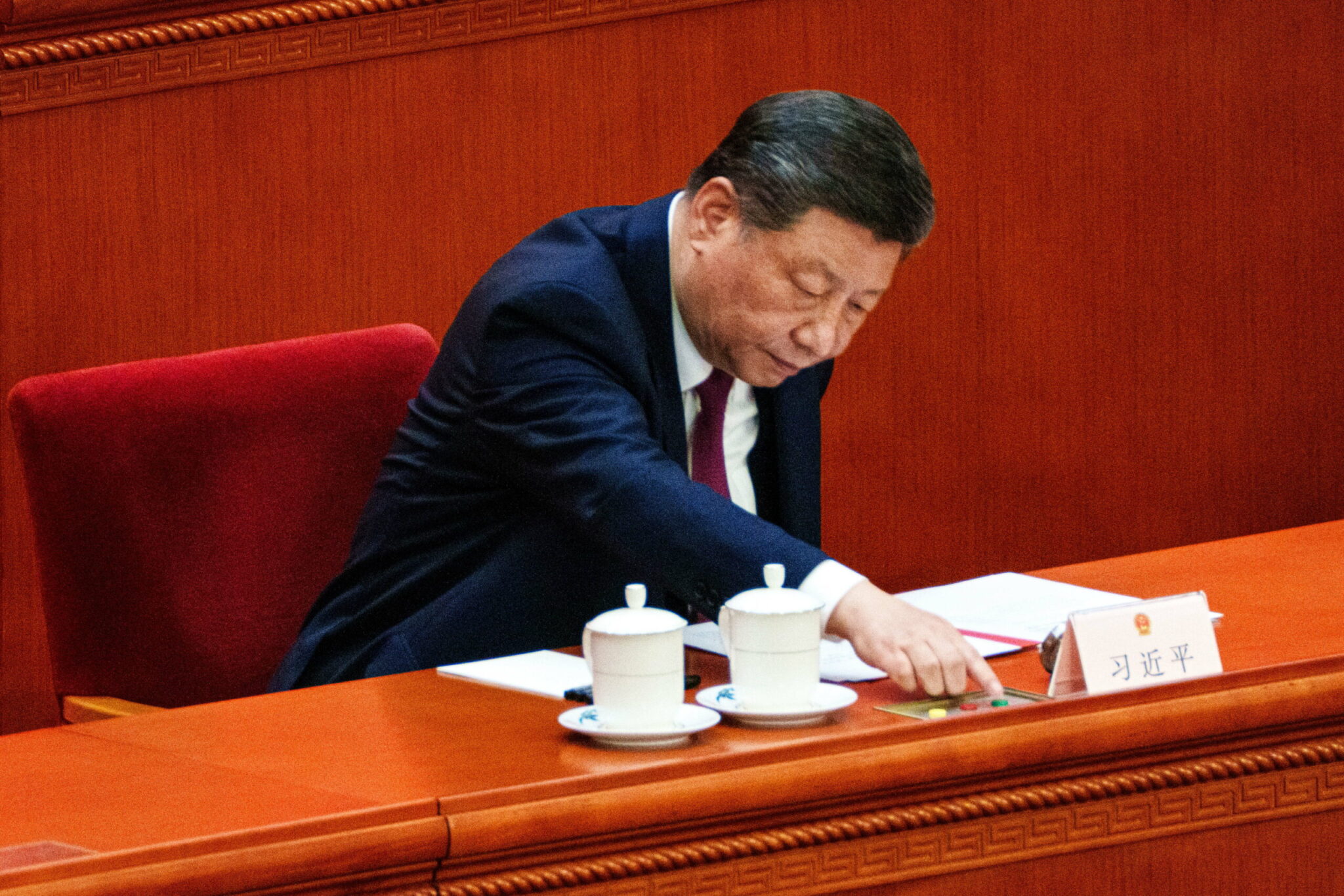
Donald Trump has threatened to slap an additional 50% in tariffs on China if Beijing doesn’t roll back its retaliatory measures by Tuesday. But with so much at stake, it’s unlikely China will yield to the U.S. president’s ultimatum — risking a steep and dangerous escalation that can bring the global economy down with it.
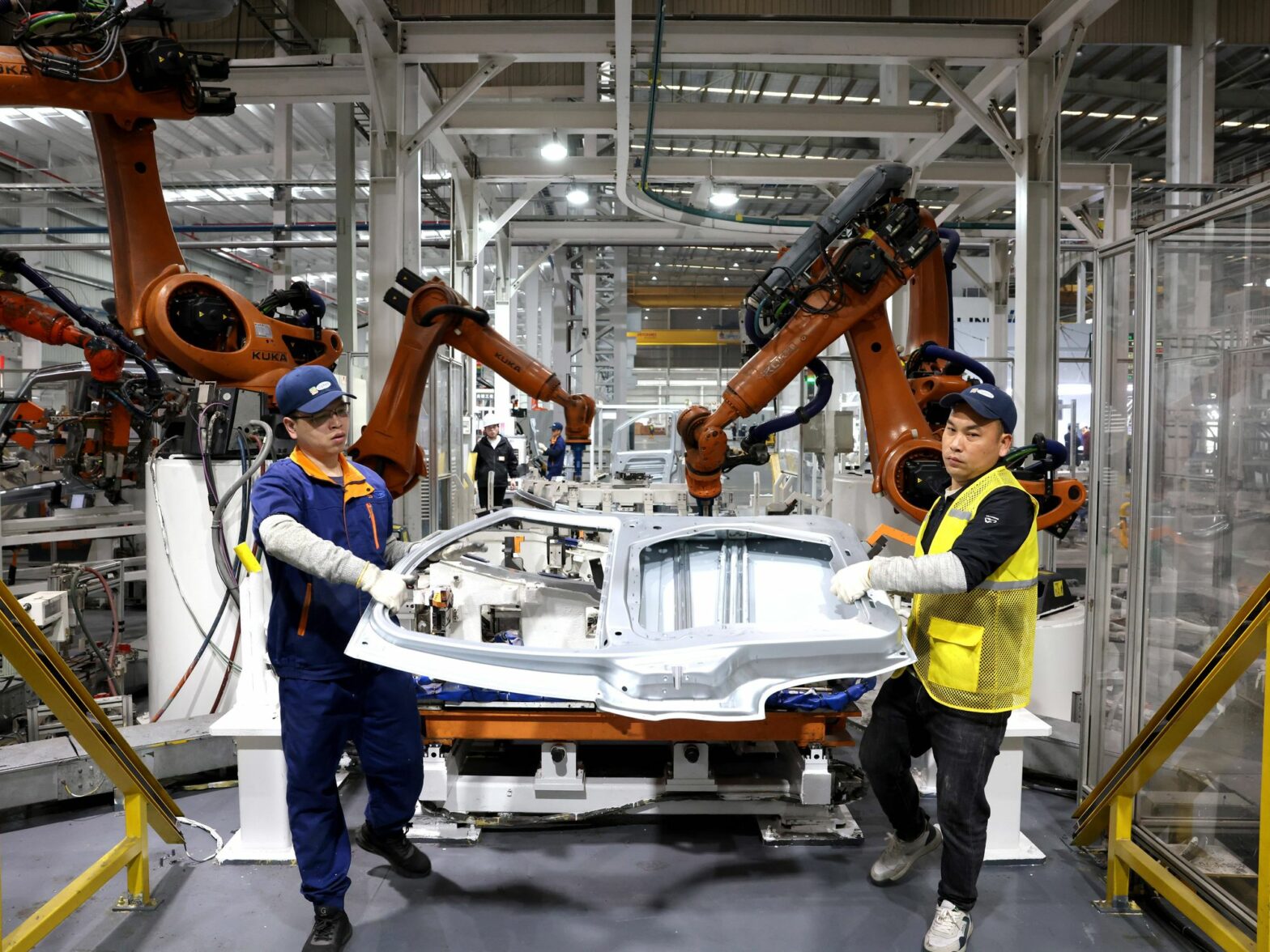
Trump’s tariffs are putting China’s shaky growth at serious risk. The standoff threatens to escalate across the globe, and the worst-case scenario would find the world’s two superpowers turning to other means.
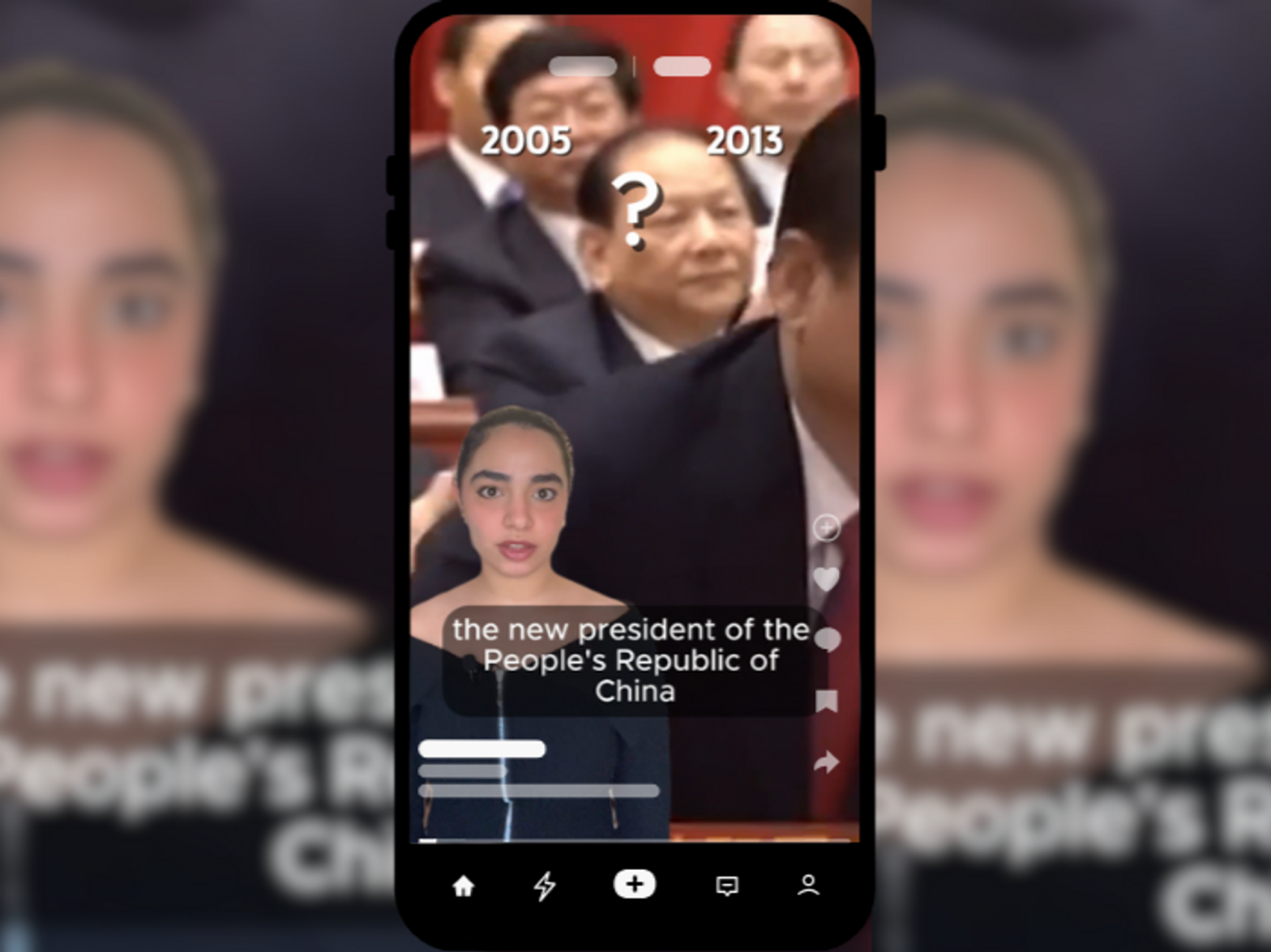
The birth of a royal heir, a political assassination attempt, and the birth of Bollywood cinema.
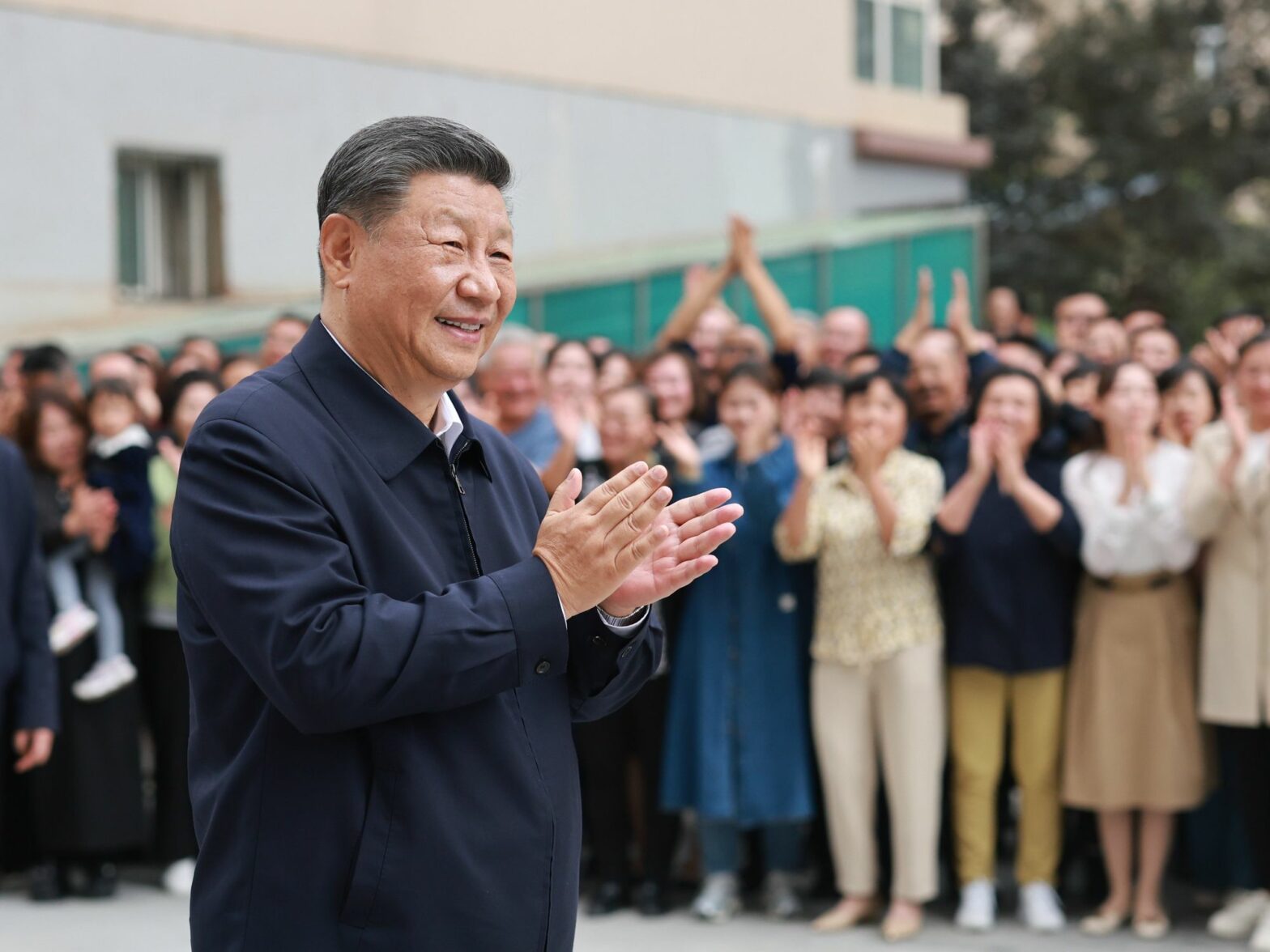
China continues to rack up diplomatic points for its largely hands-off approach to the war in Ukraine, but the “grotesque” spectacle of Trump publicly abandoning a U.S. ally in need is the ideal symbol for Beijing’s message for the rest of the world about America’s would-be leadership.
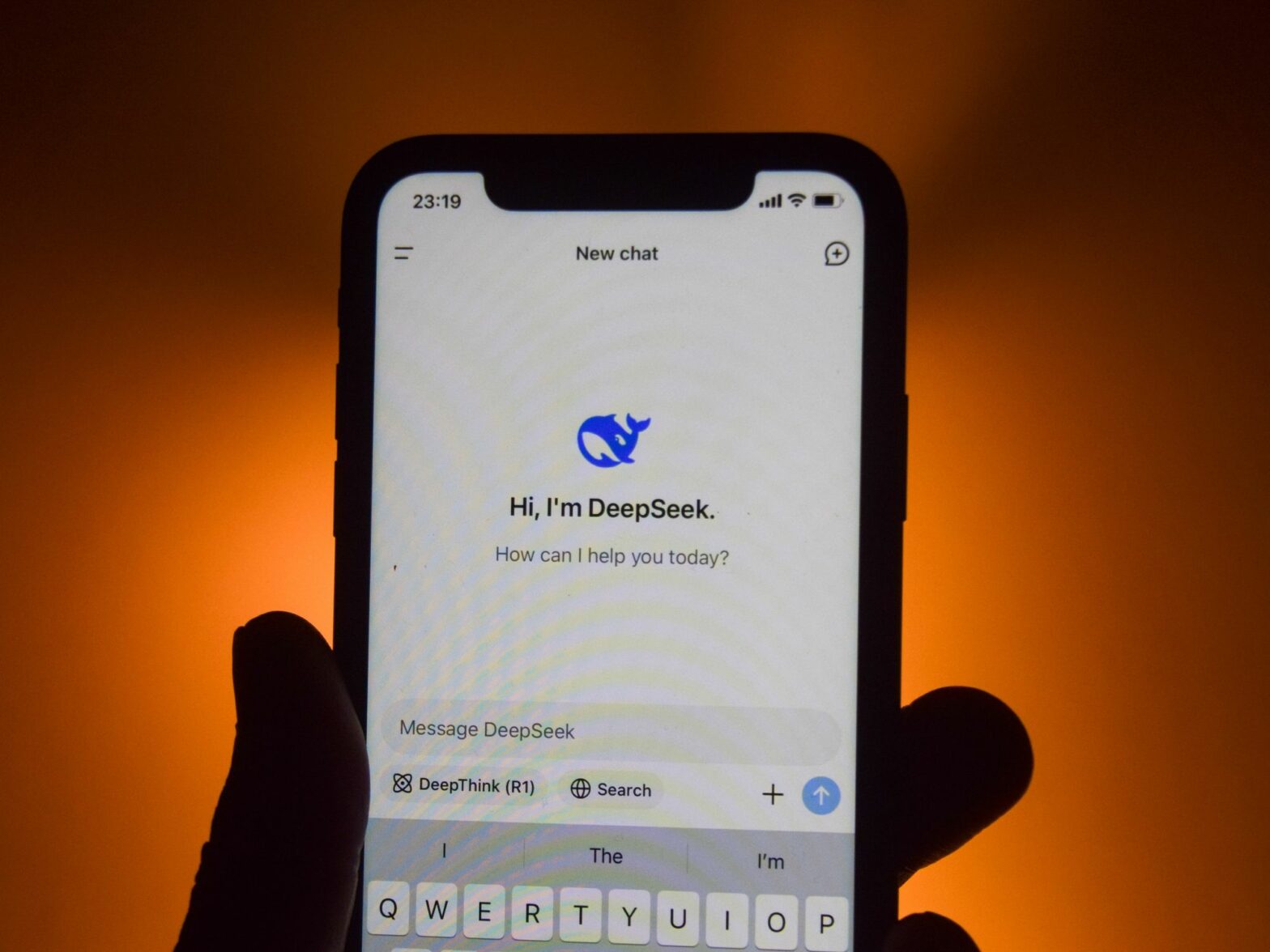
DeepSeek has become the most downloaded free app in the U.S. just a week after it was launched. Its sudden rise has triggered shockwaves on Wall Street, where U.S. stocks dropped sharply on Monday. With equivalent performances to rival ChatGPT but at the fraction of the cost, the startup is threatening the aura of invincibility surrounding the U.S. technology industry.
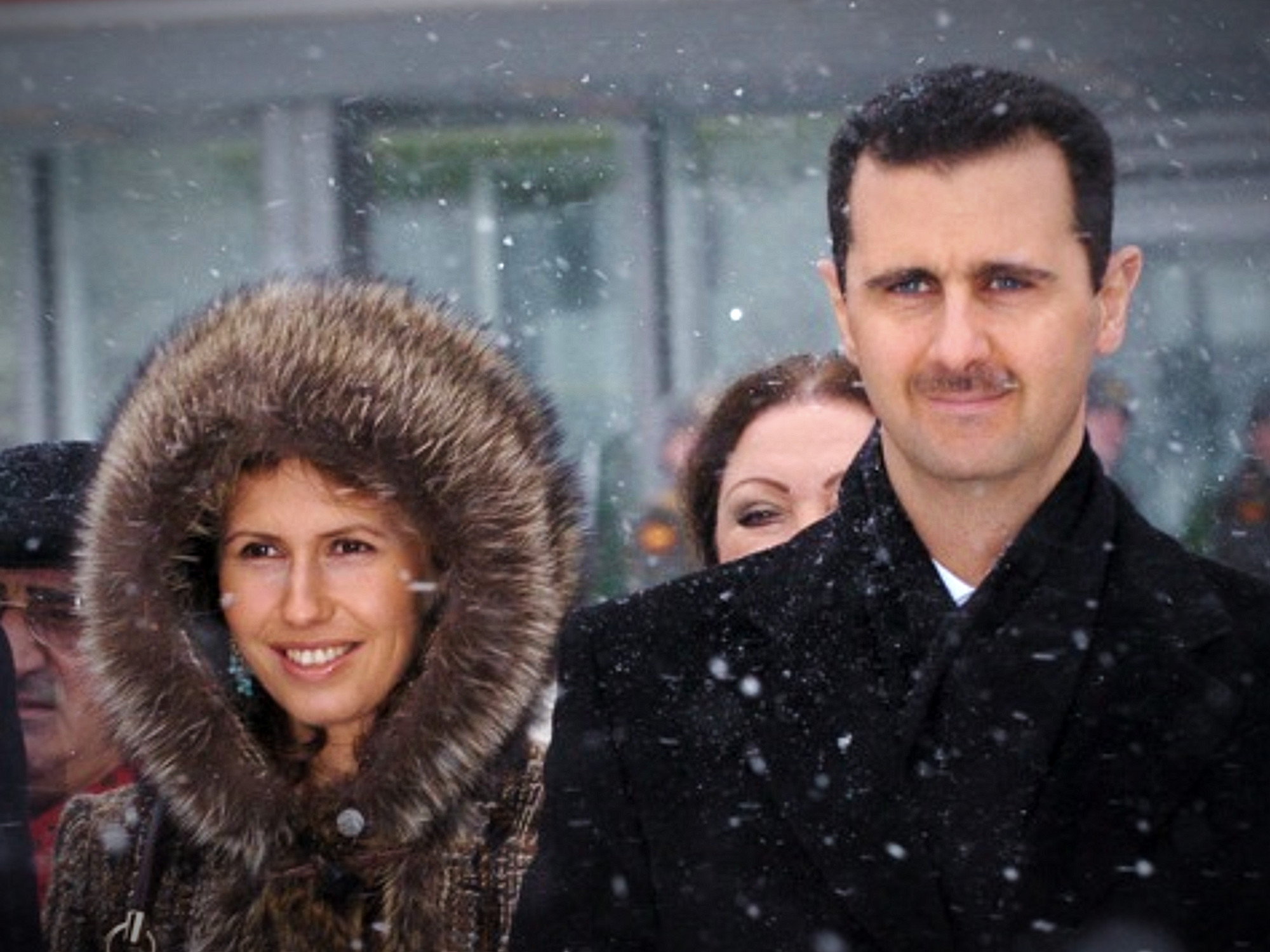
Despite her pleasant air and sense of fashion, the now former Syrian First Lady Asma al-Assad was bound to be tied to her husband’s fate. Born and raised in the UK, she was respected by some for openly battling cancer and later adored in China for her glamour. Still, she was largely despised at home for having helped cover her husband’s long list of alleged war crimes.
A terrorist attack, a very powerful man’s rise to power, and the birthday of a famous Italian stylist.
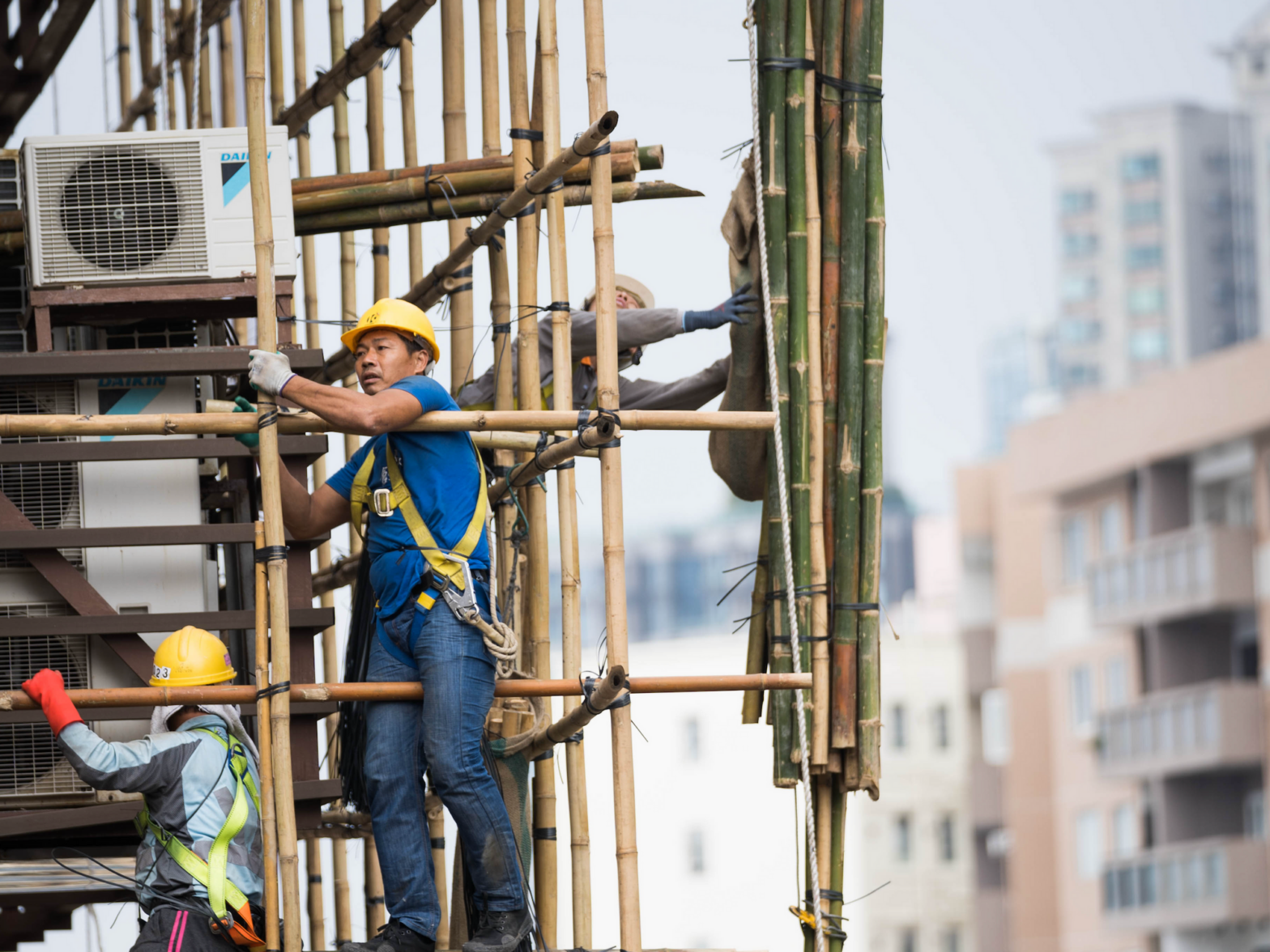
China’s economy is doing badly. The party leadership will not tolerate criticism of its course, but is looking for ways out of the crisis. These five problems could hinder China’s growth for a long time.
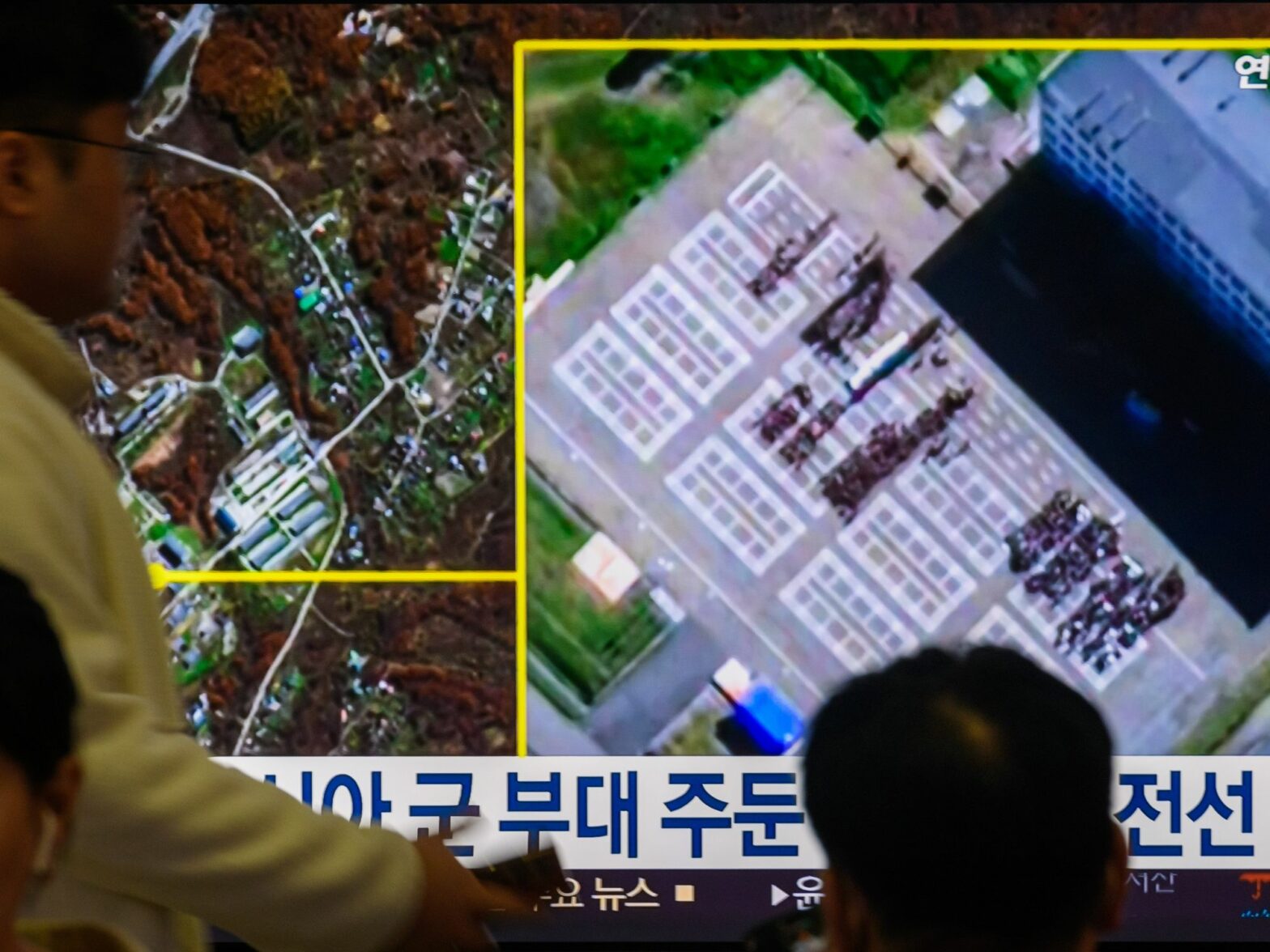
With tens of thousands North Korean troops confirmed to be moving toward the Russia-Ukraine front line, to fight on Moscow’s side in Ukraine, the two big questions are: What is Kim Jong-un trying to achieve? And more importantly, how does China fit into this picture?
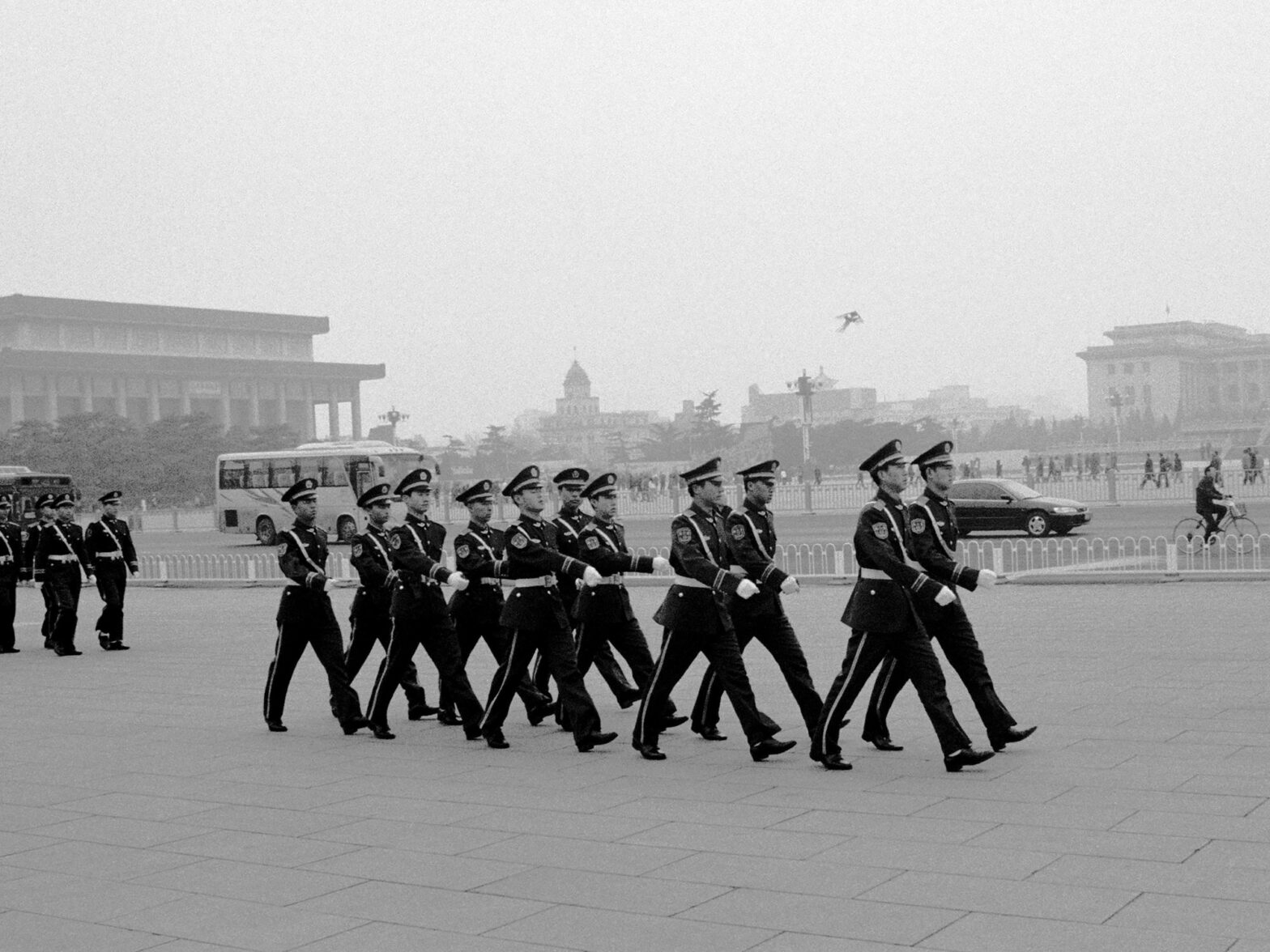
As the People’s Republic of China turns 75, journalist Jens Mühling attempts to visit Tiananmen Square, where the country’s great dramas have always taken place.
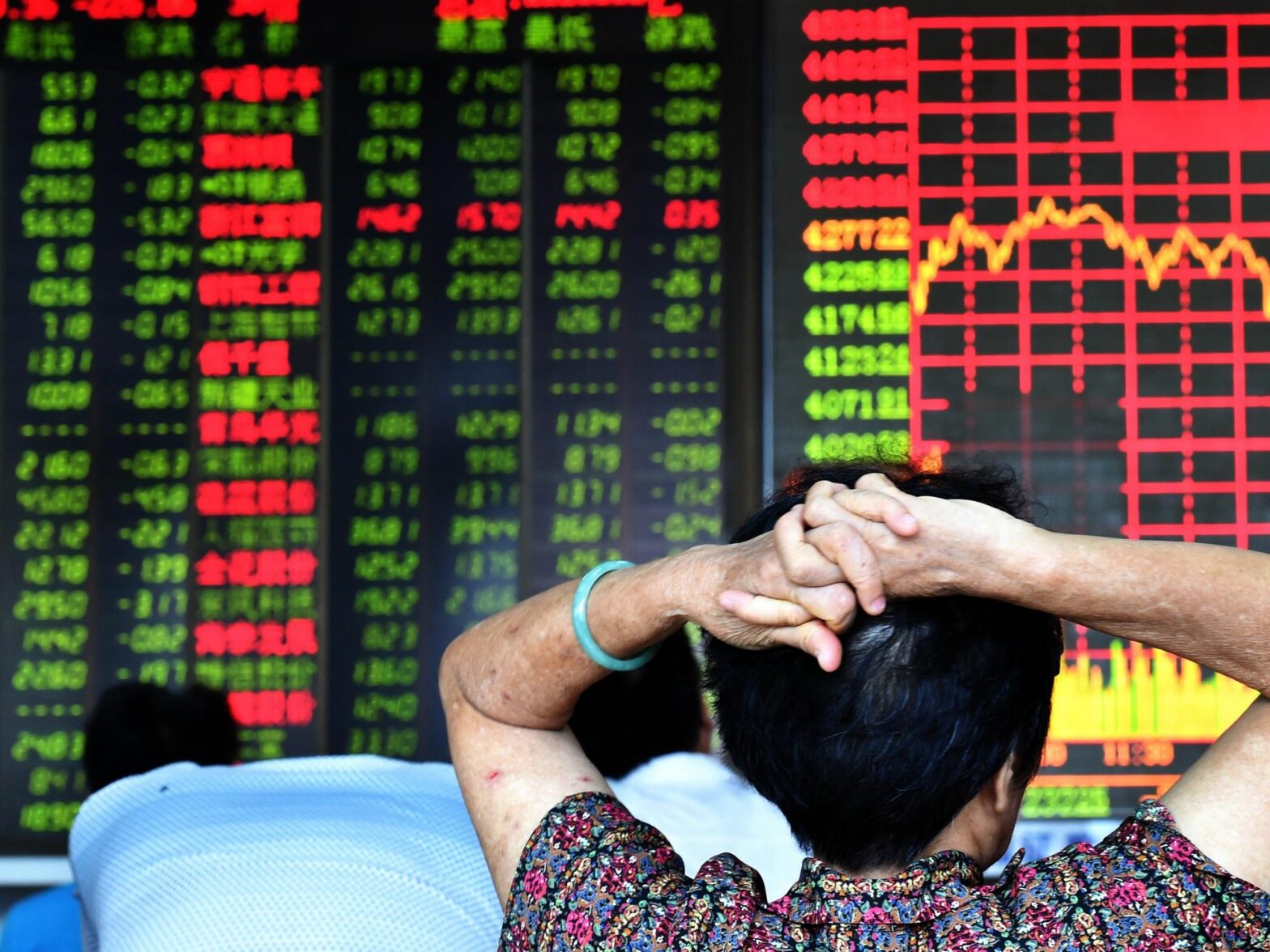
The Shanghai stock market soared following the announcement of an economic recovery plan, but then ran out of steam. It’s a symbol of the Chinese people’s wavering confidence amid mounting crises and Xi Jinping’s grab for absolute power.
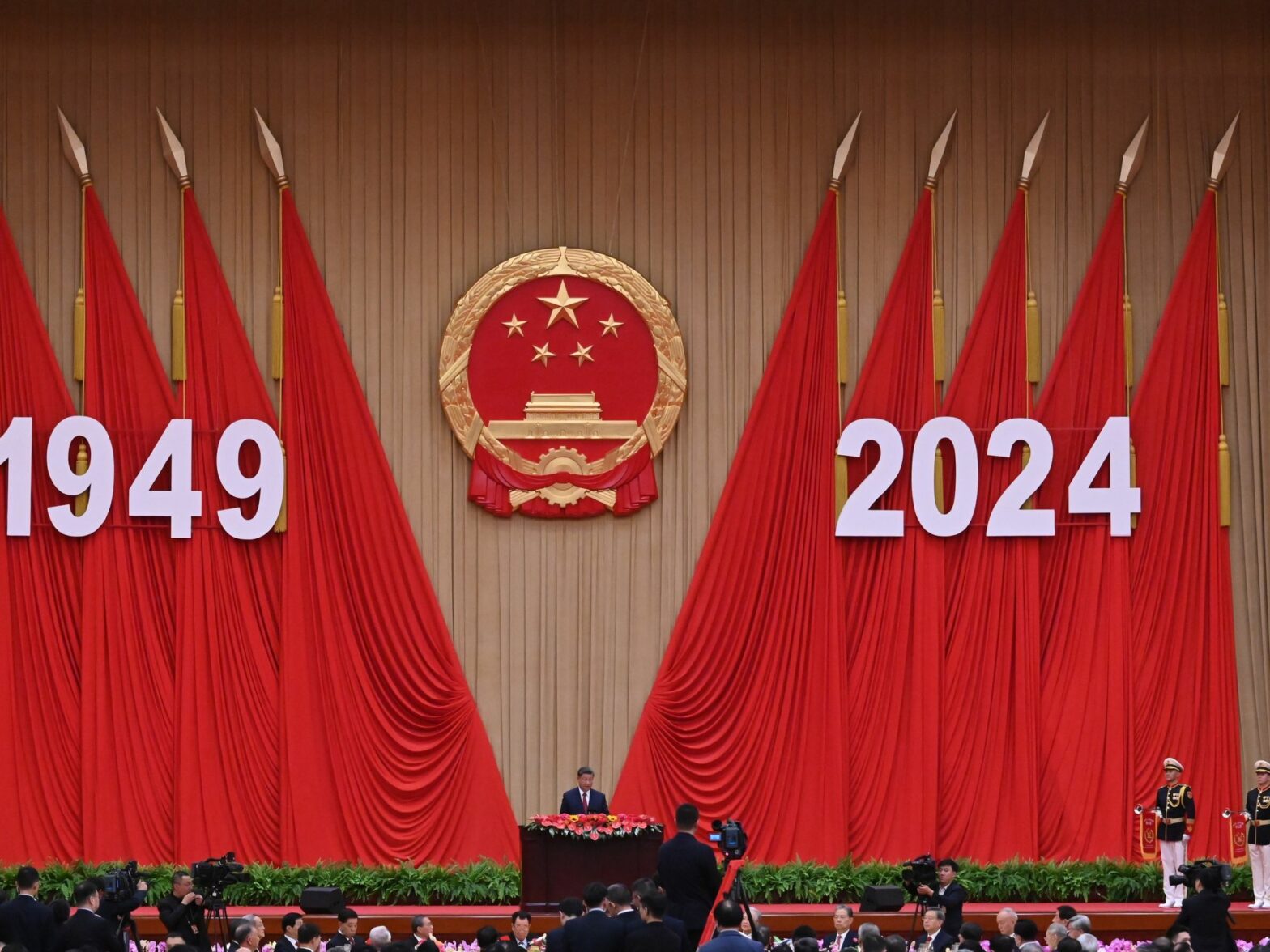
As October 1 marks the 75th anniversary of the founding of the People’s Republic of China, its leader Xi Jinping wields more power than any other past Chinese communist leader — including the country’s actual founder, Mao. Xi now wants to accelerate the rise of Chinese influence around the world.
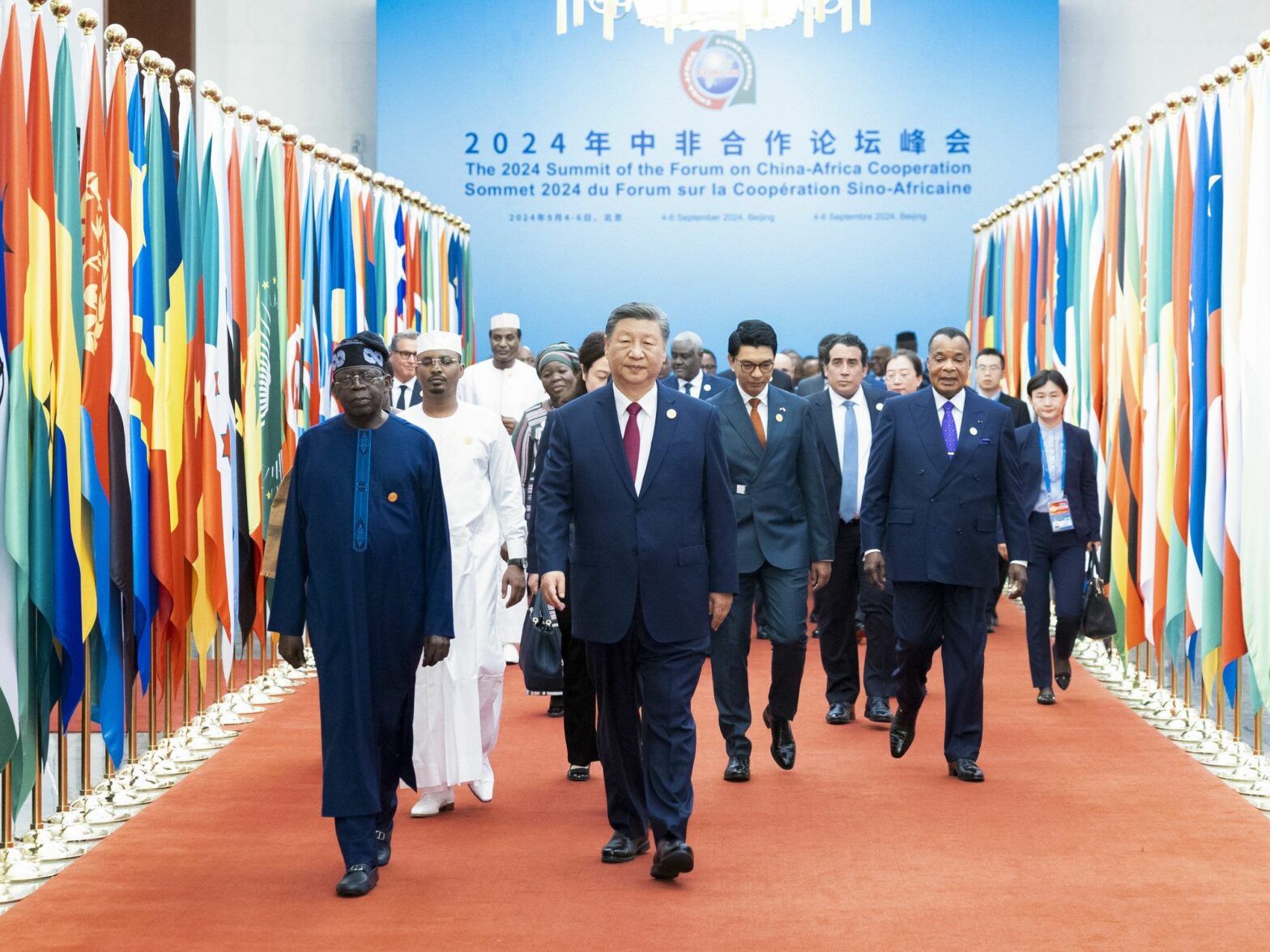
A spectacular summit is being held in Beijing, with almost all African leaders paying heed to President Xi Jinping, who has pledged another $50 billion to the Continent. The investment in Africa is a boost in Xi’s global influence and an insurance policy in China’s new Cold War with the U.S.
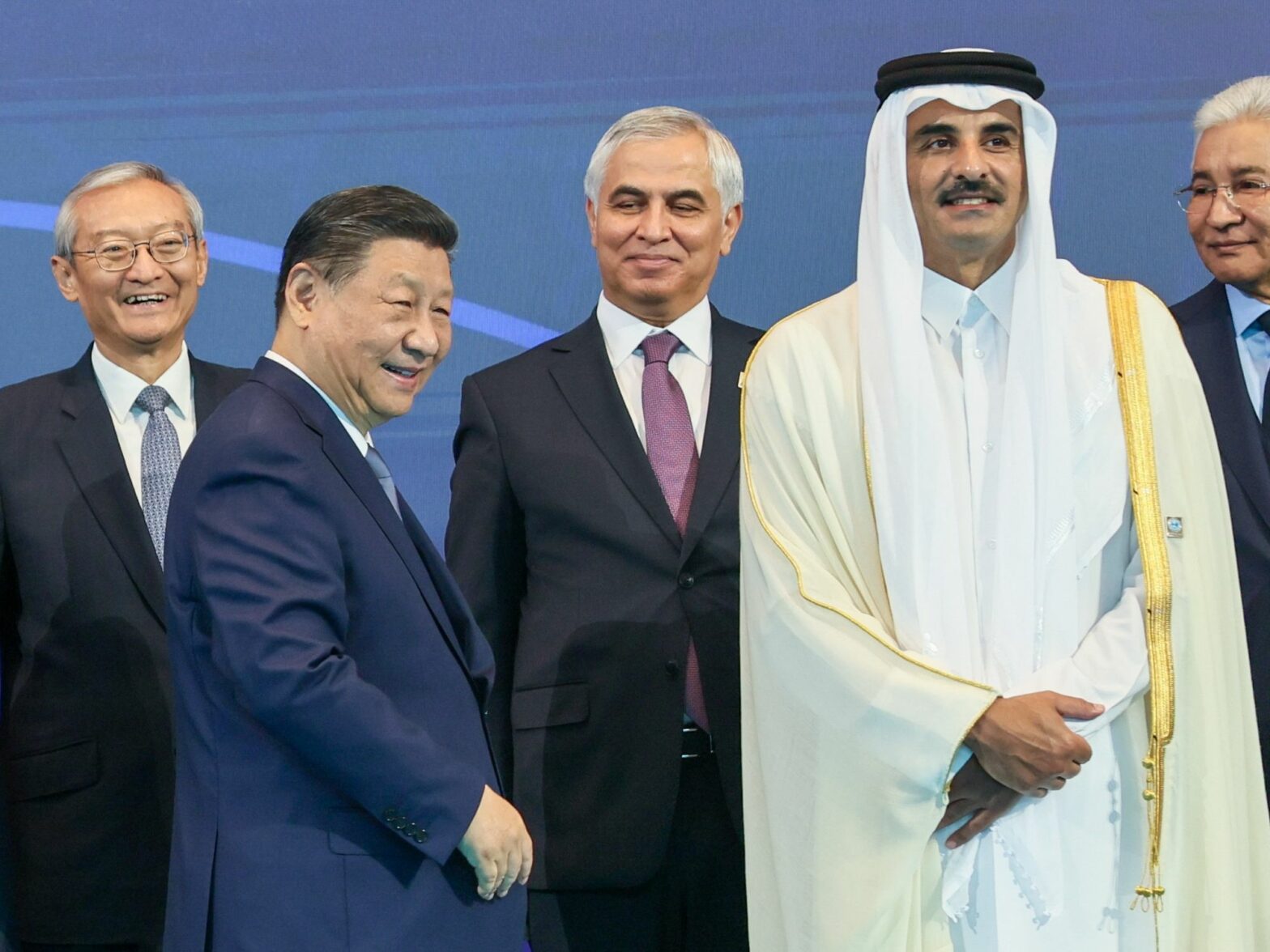
China appears well positioned to continue its rise amid the wars in Ukraine and Gaza, the rise of the far right, and the emergence of the Global South. The world order of 1945 has run its course, and it is through crises and tensions that the next one — still uncertain — is taking shape.
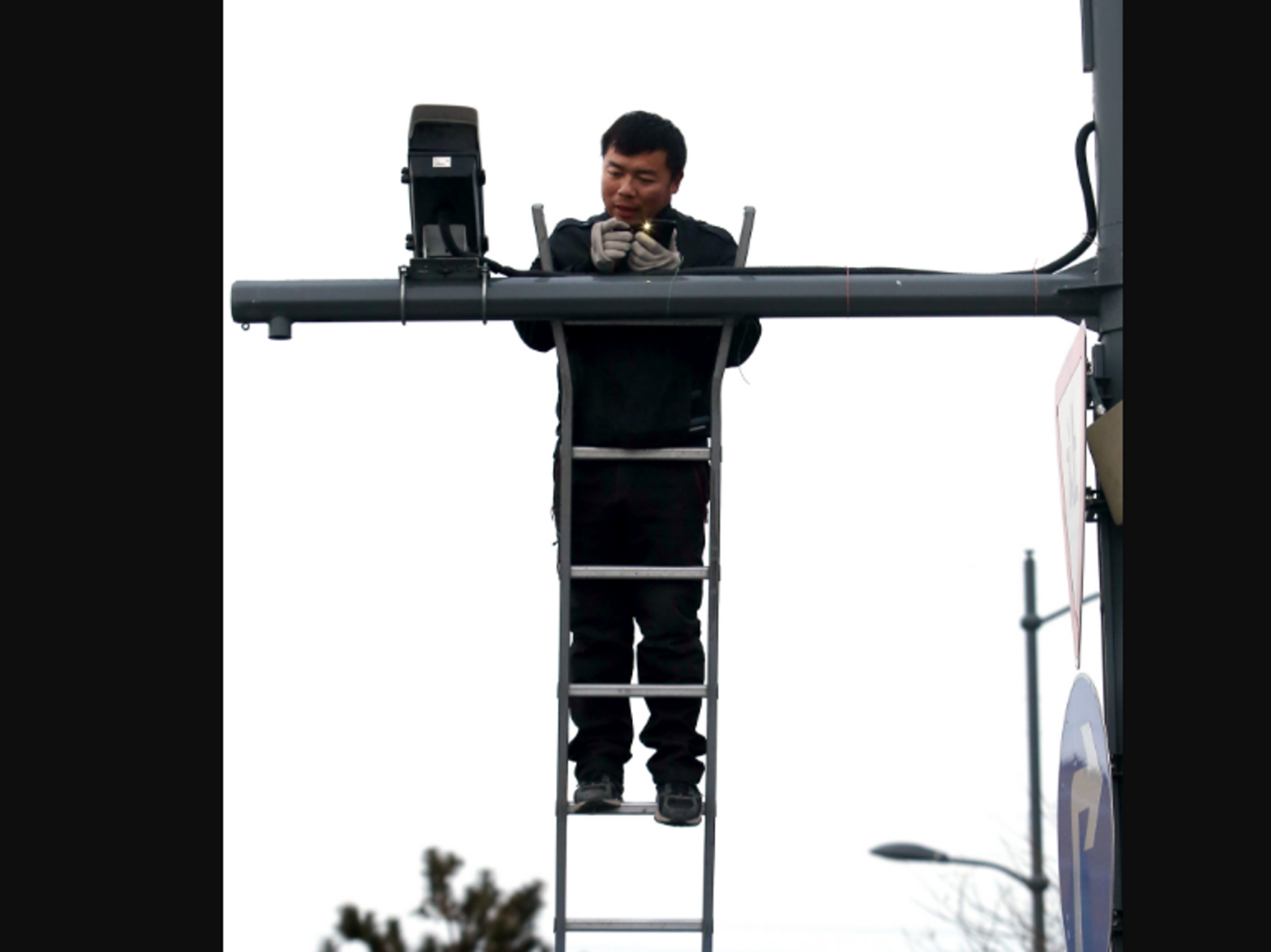
Twenty-five years in the making, China has developed a mass surveillance state, from Beijing alleyways to rural villages. And citizens don’t object because they’ve been co-opted into it.
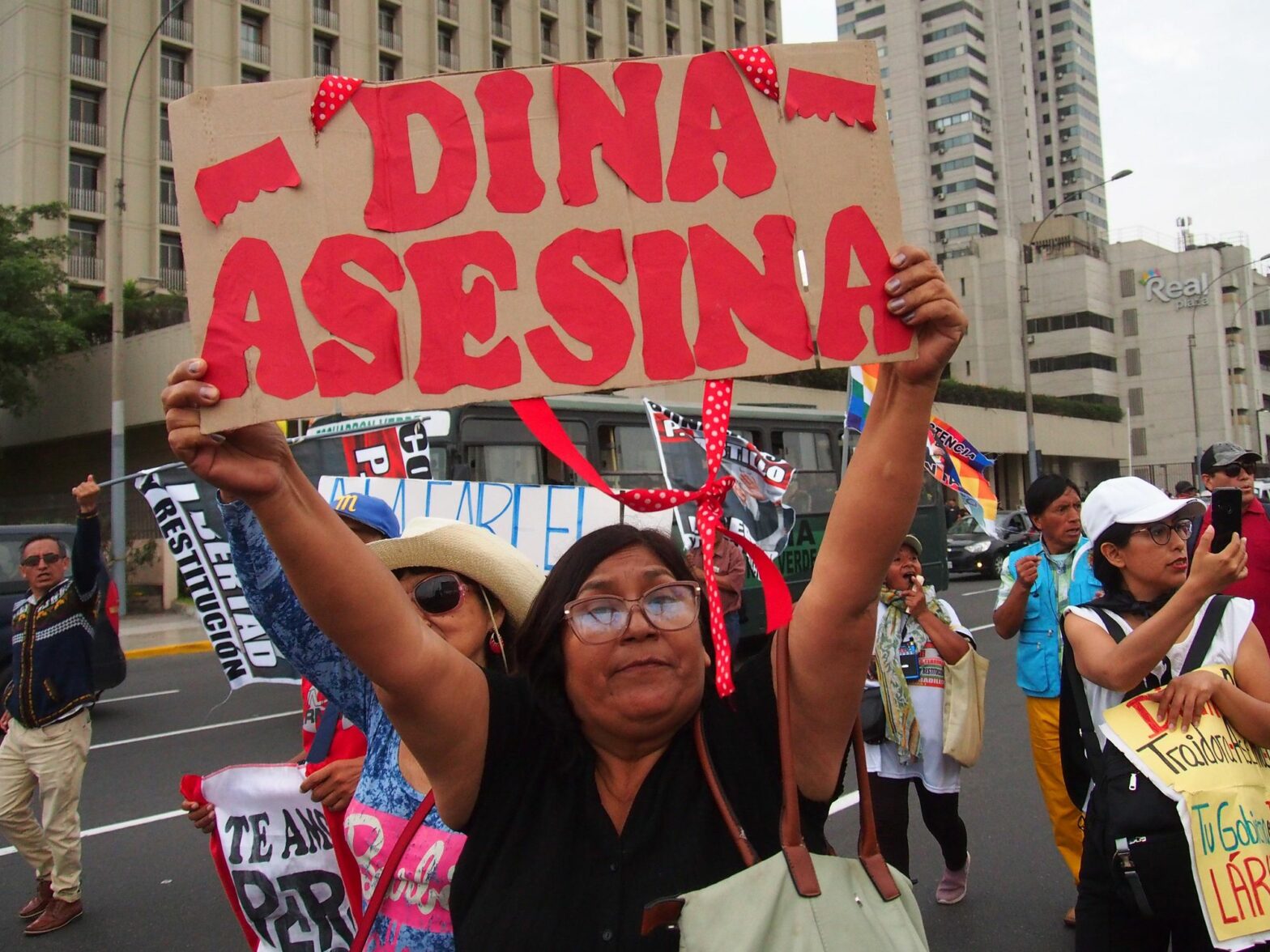
Peru’s President Dina Boluarte is traveling to China to fine tune free trade with this vital, if overbearing, business partner. It will also help her flee the deep and wide popularity among Peruvians.
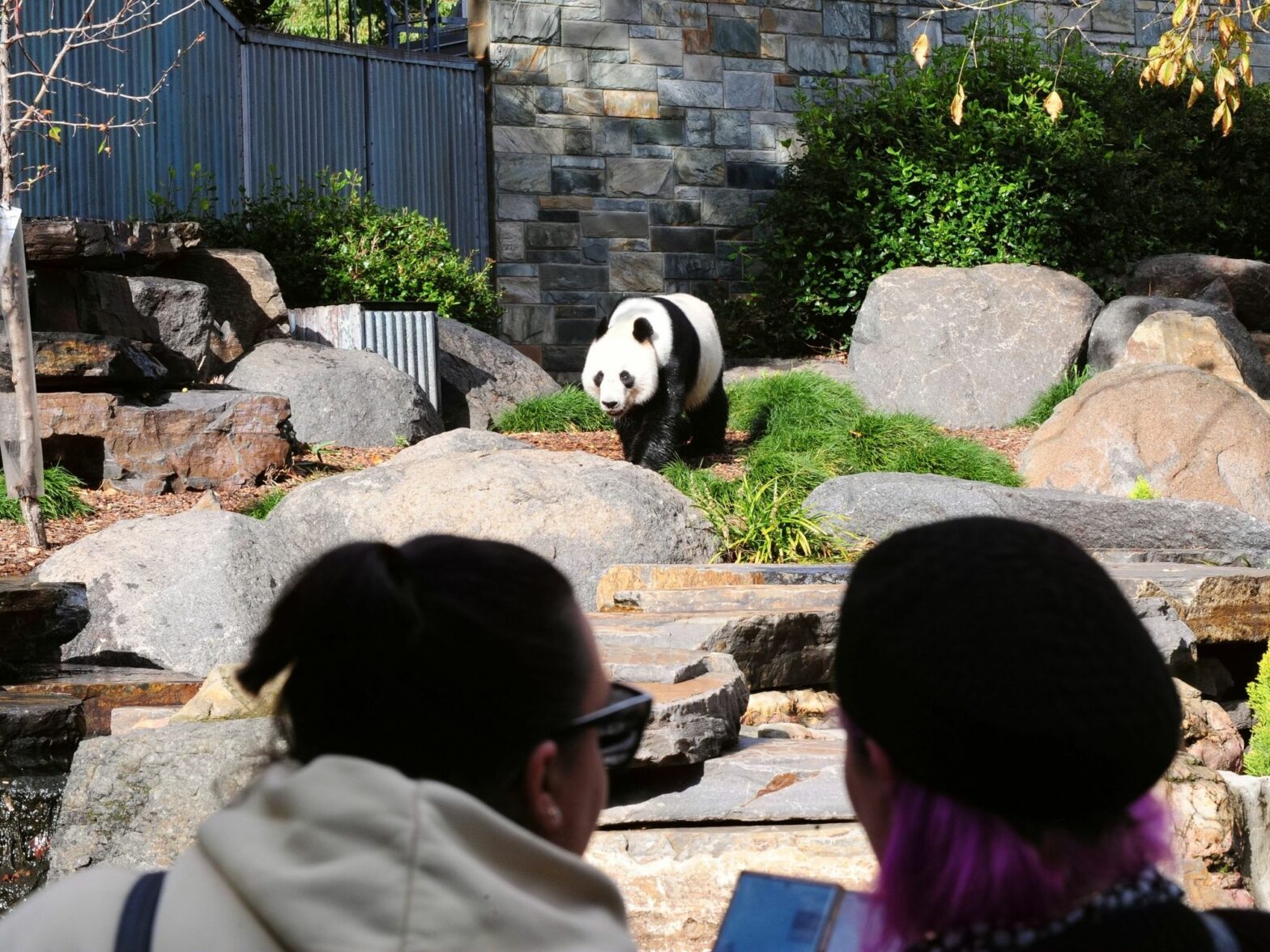
China’s Premier Li Qiang has offered to send Australia two new pandas during his visit to Adelaide Zoo, as “friendly messengers of China-Australia relations.” It’s the latest example of China’s enduring and unique “panda diplomacy.”
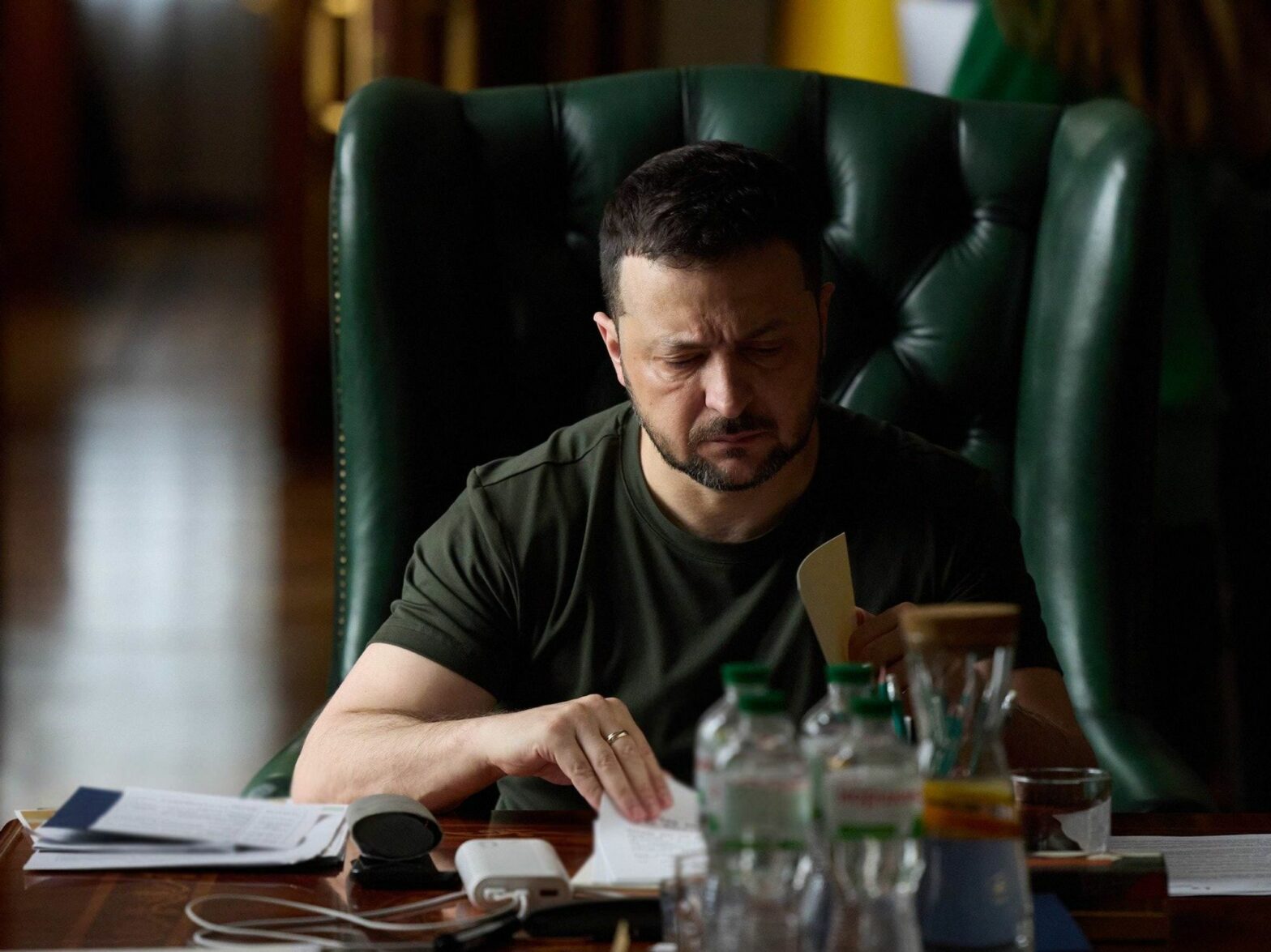
Two weeks ahead of the Ukraine conference in Switzerland, Volodymyr Zelensky blamed China for sabotaging the meeting at Russia’s behest. Urkaine’s president may use the upcoming D-Day memorial to raise the stakes with his own allies.
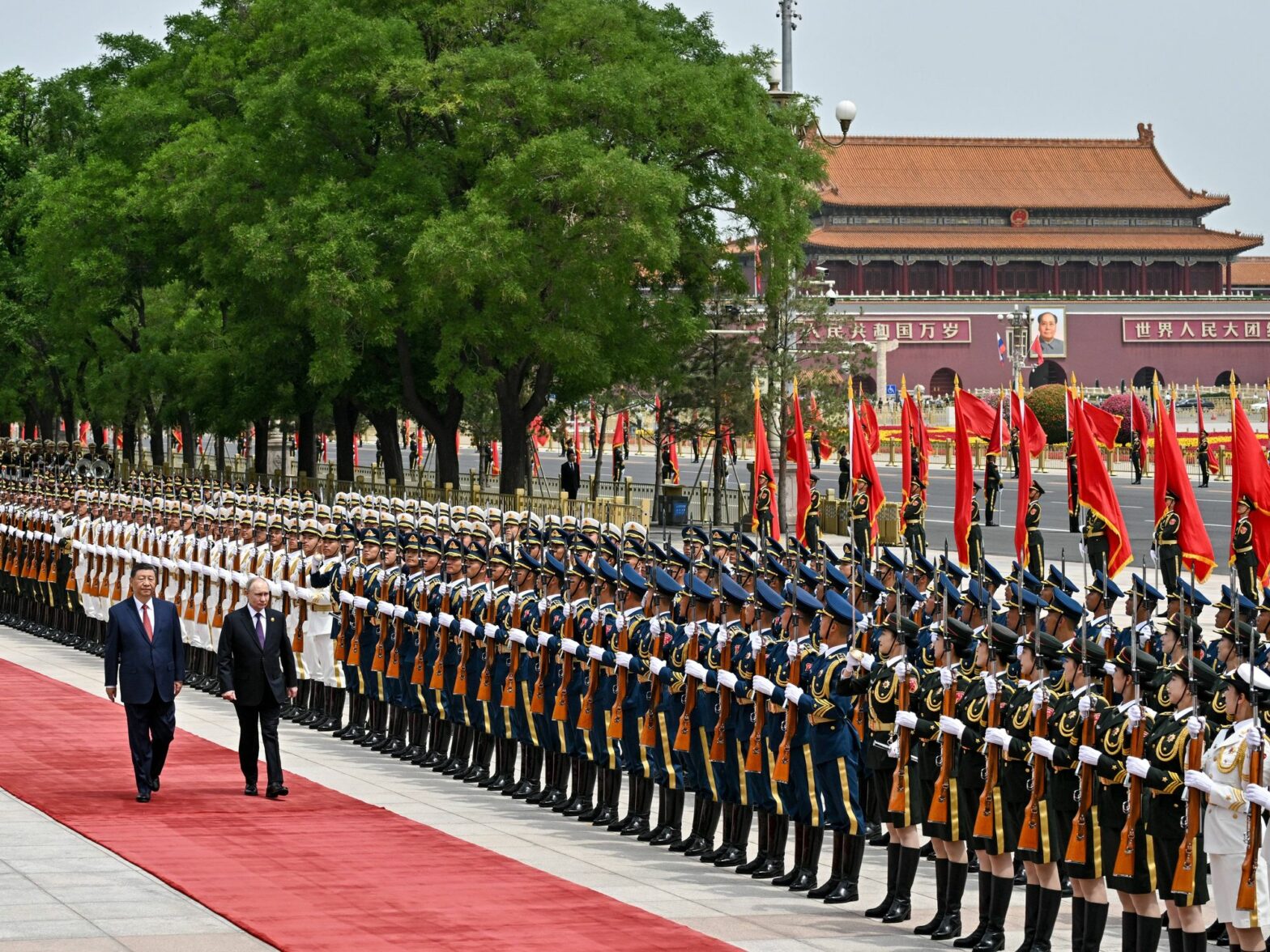
The Russian president is in Beijing on Thursday and Friday, his first foreign trip since his re-election. Beijing and Moscow have their differences, but share the same long-term objective of changing the international order.
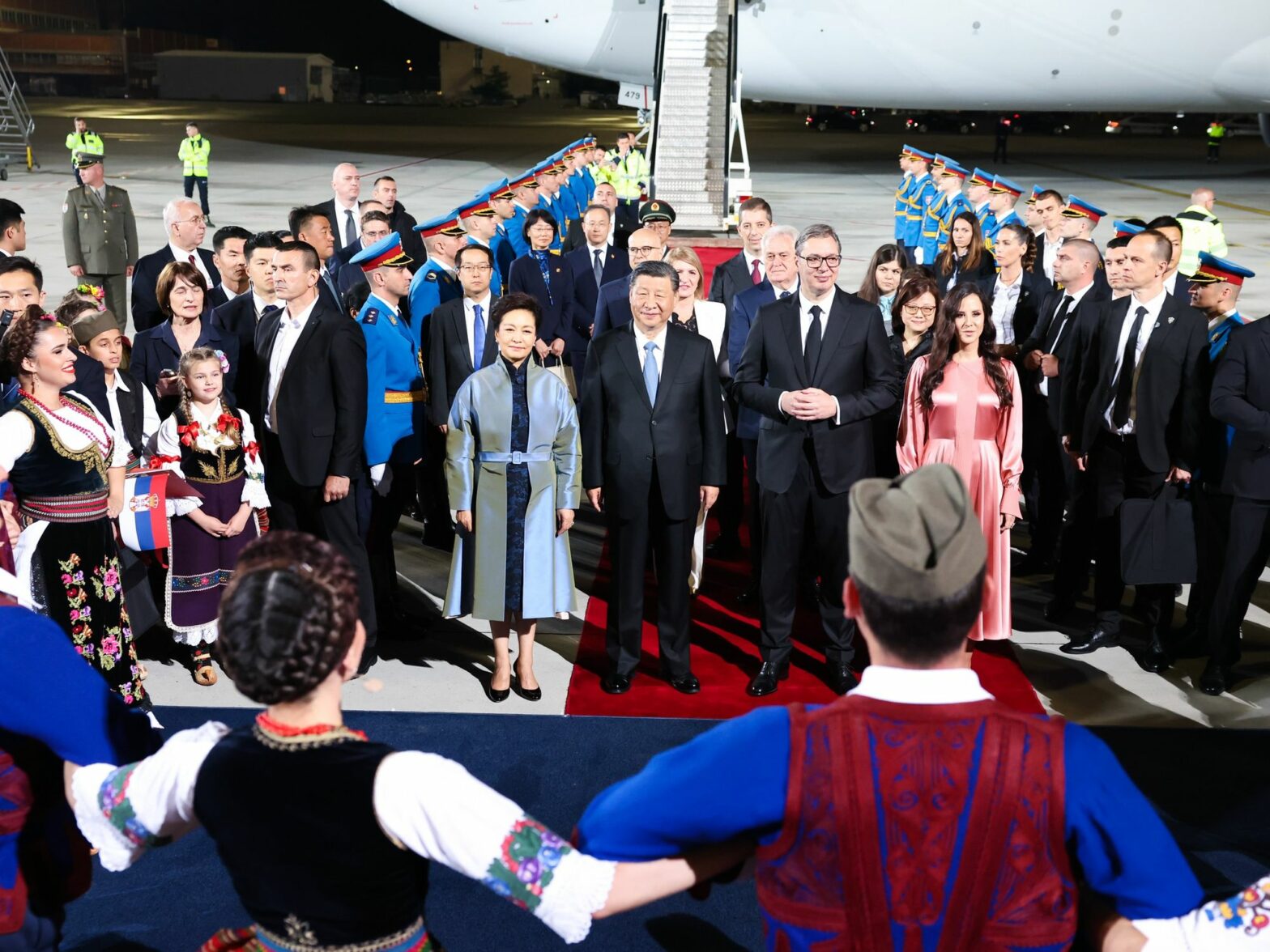
By visiting Serbia and Hungary, two countries that will soon be linked by a railroad built and financed by China, Xi Jinping is showing that he has not given up on cultivating special friendships on the continent, even if it undermines relations with Europe’s more influential leaders.