OpenAI, Nvidia, Microsoft… all caught inside the same investment circle. Here’s why the AI bubble is poised to pop.
 Worldcrunch
OpenAI, Nvidia, Microsoft… all caught inside the same investment circle. Here’s why the AI bubble is poised to pop.
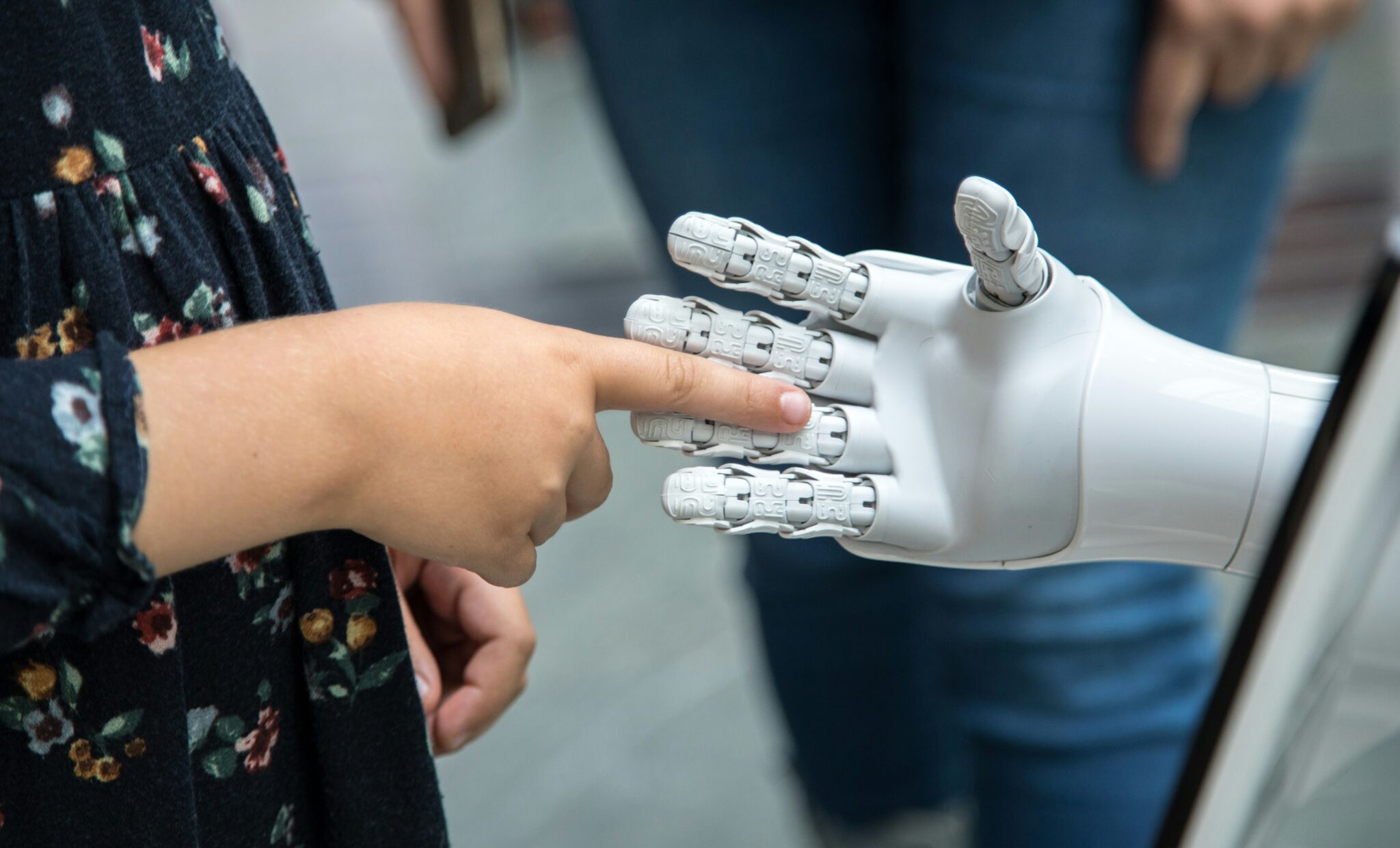
Why do some people love using artificial intelligence tools while others feel anxious or suspicious of them? The answer isn’t just about how AI works. It’s about how we work.
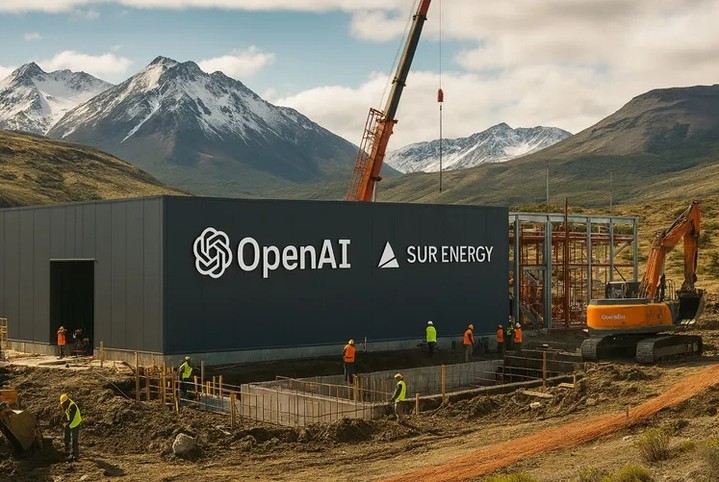
The arrival of OpenAI in Patagonia marks the beginning of a new hub: a southern location combining clean energy, scientific talent, and political stability.

Why are birth rates continuing to fall? Beyond old conservative-progressive social debates, we must look at the way screens have changed our daily lives — creating barriers to the most basic starting point for procreation: face-to-face human connection.
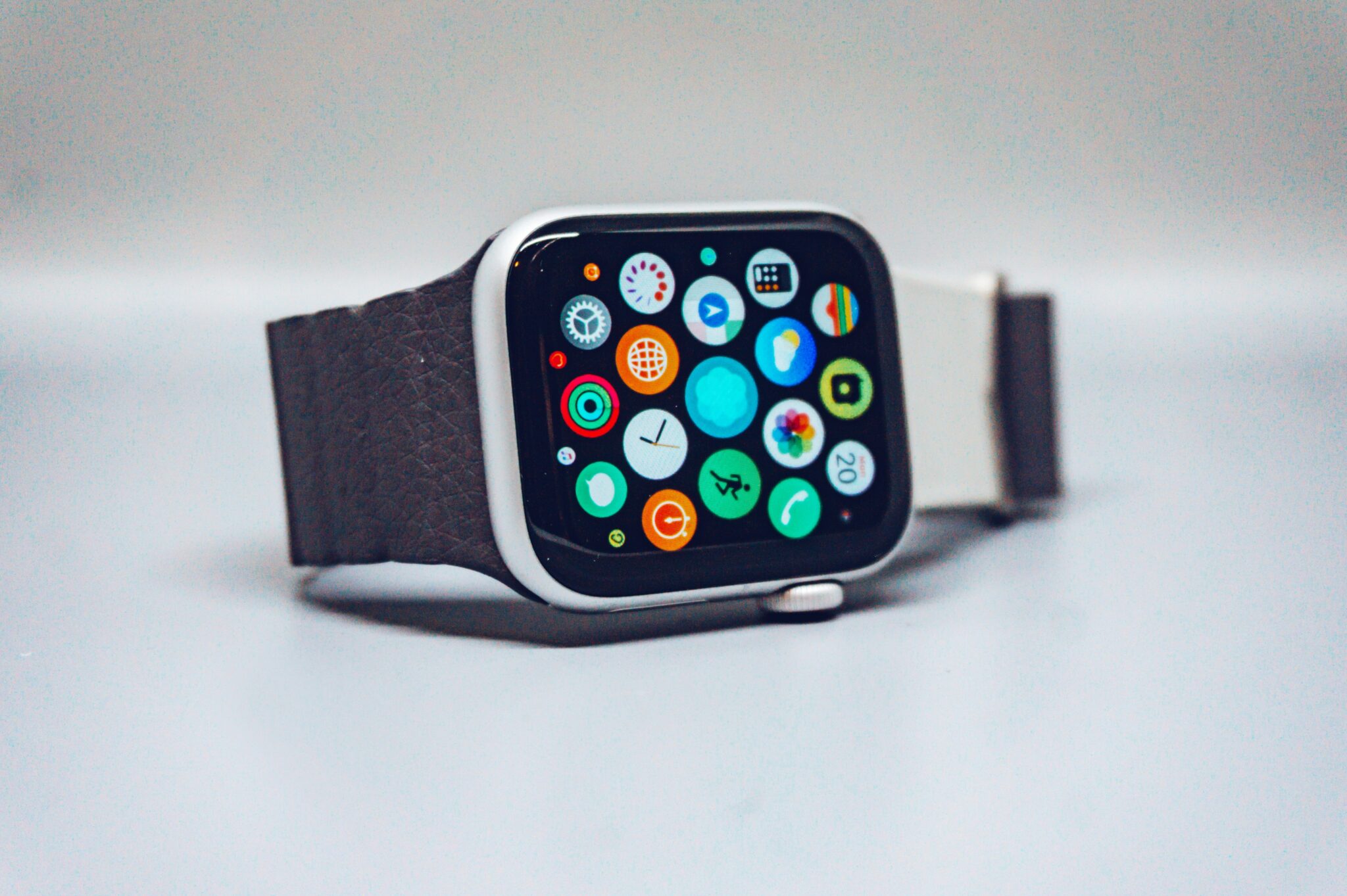
It tracked my every move and kept me disciplined, but also kept me chained. What began as motivation slowly turned into addiction and invasion.

On the Russian army’s channel Zvezda (“Star”), a program entirely generated by algorithms takes fierce aim at Western leaders.

The UK government will not meet its pledge to halve violence against women and girls unless it tackles tech companies.
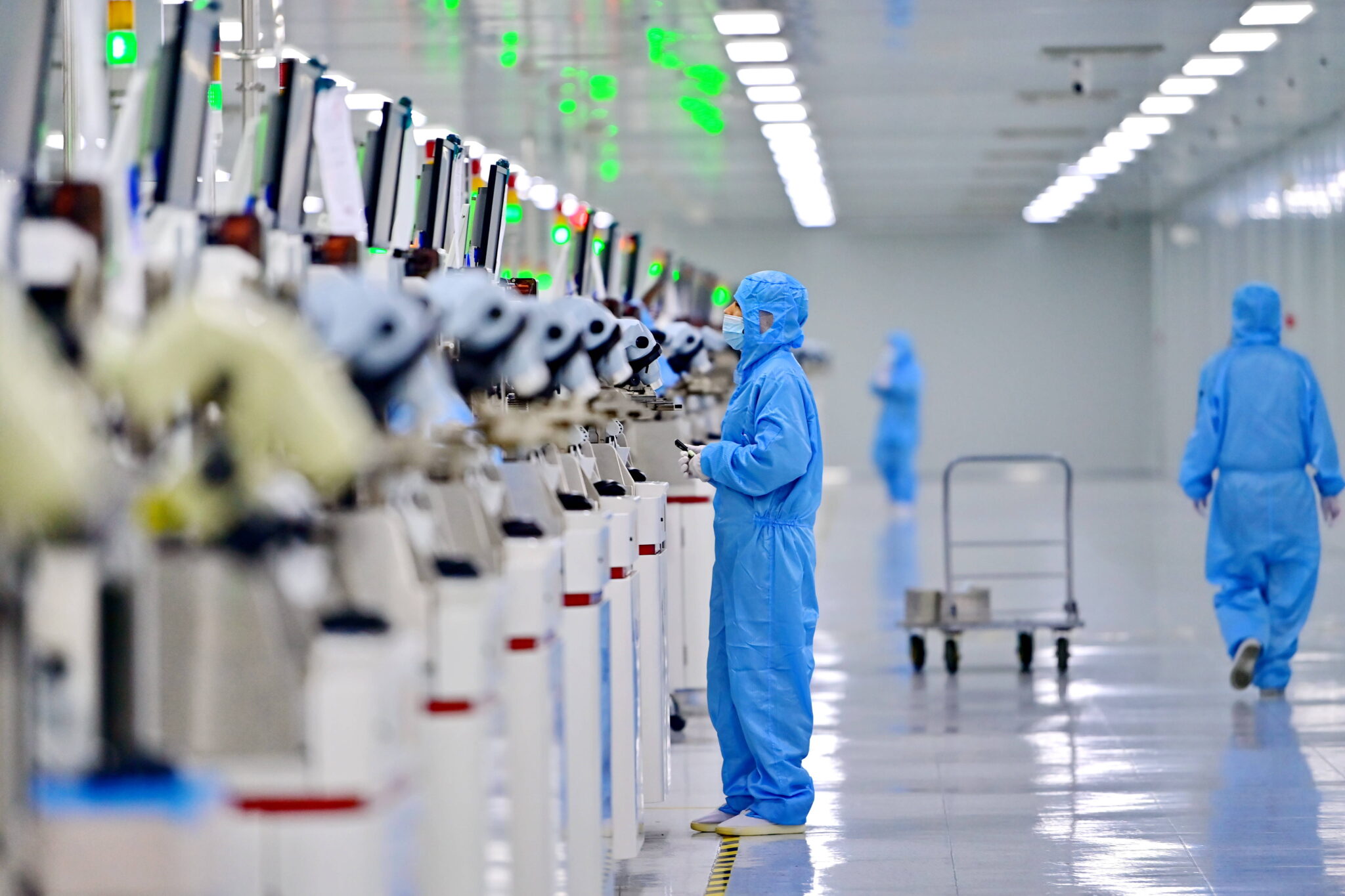
China has banned imports of semiconductors from the American company Nvidia, marking a new episode in their technological war with the United States. China is standing up to Donald Trump, bolstered by its technological capabilities that rival those of the Silicon Valley giants.
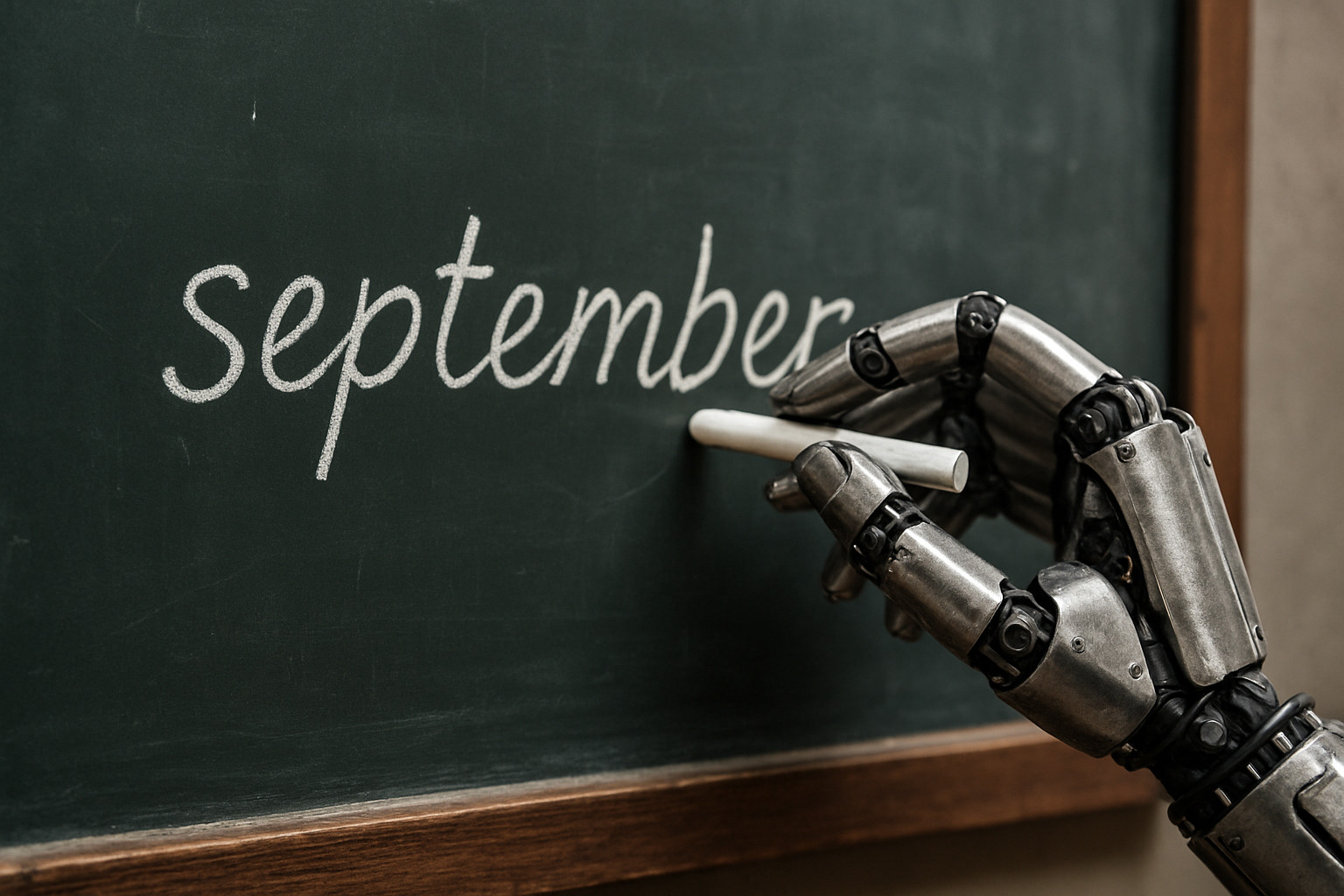
Competition from artificial intelligence is a technical challenge and an existential question for historians. But what if it is also an opportunity to reclaim the profession’s humanity?
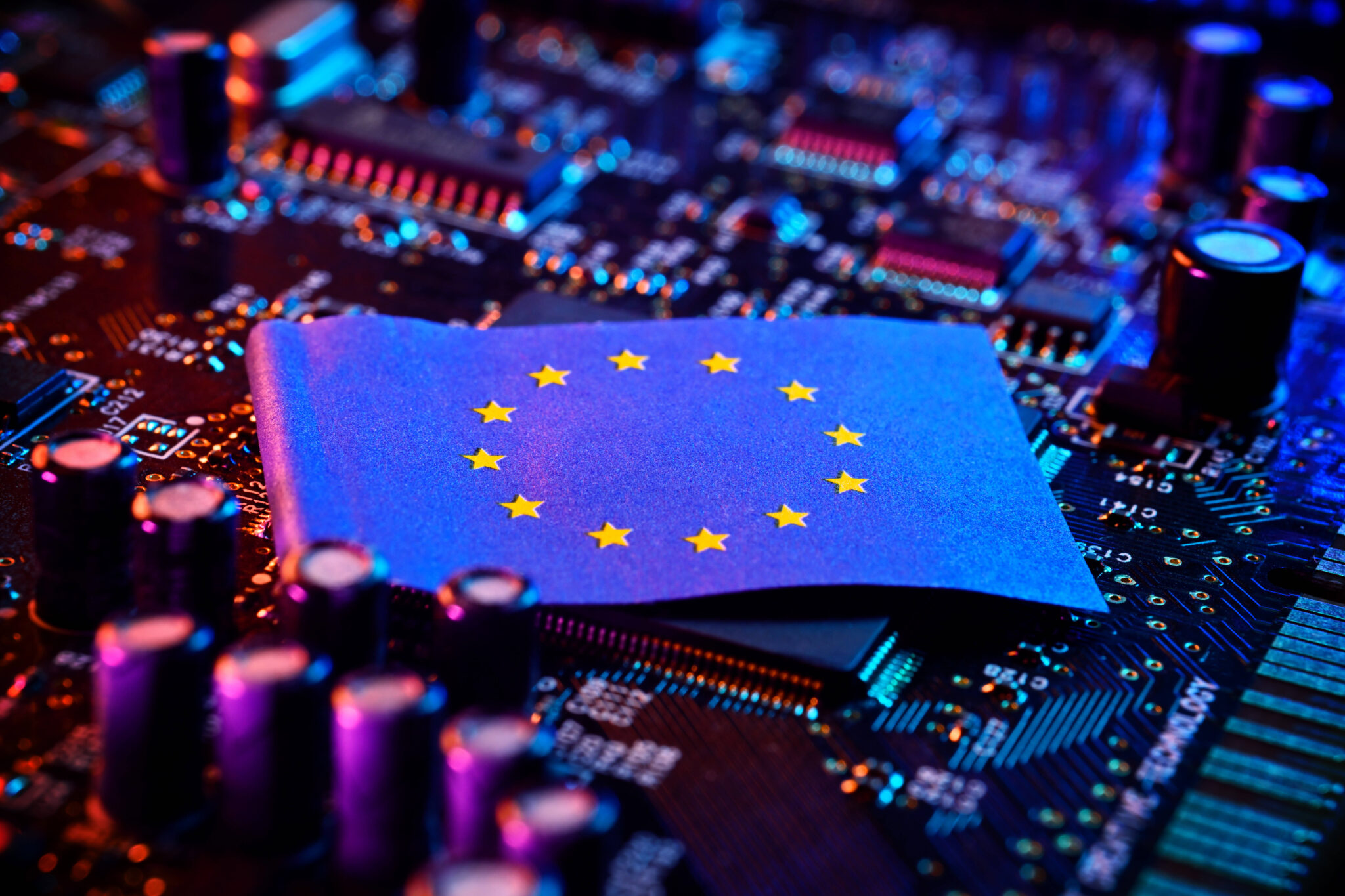
ASML, the Dutch heavyweight in European technology, is investing 1.3 billion euros in French artificial intelligence start-up Mistral, making it the continent’s leading AI company and saving it from being taken over by an American investor.
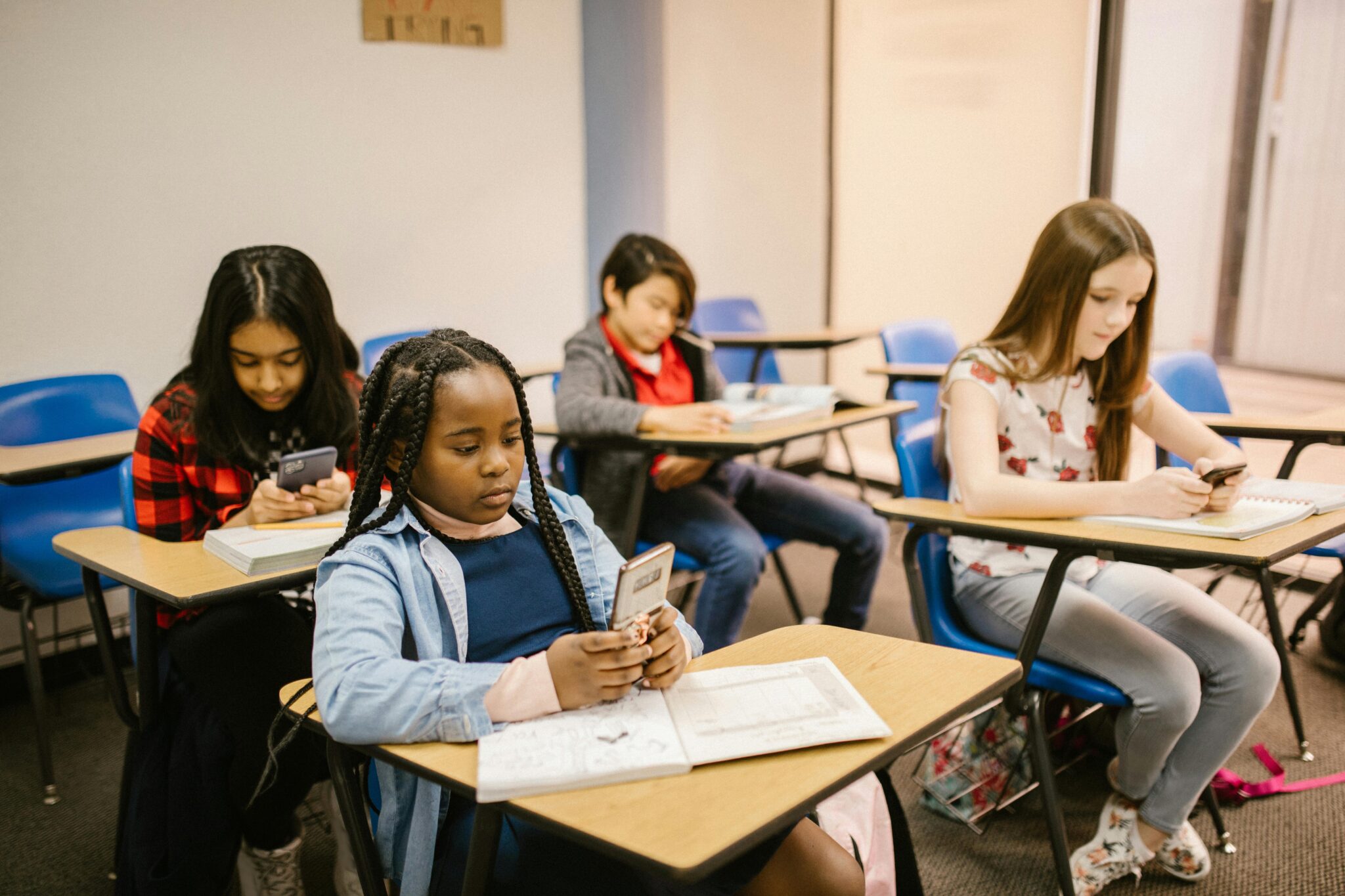
Sweden was early in shifting to digital, but also in reversing itself to limit technology from classrooms because of poor student performance. Some ask how useful is digital learning. But it also poses the question: is “digital de-escalation” even possible?

A study of hundreds of thousands of YouTube videos and podcasts reveals that AI isn’t just changing how we write, it’s subtly altering our spoken language too, raising new concerns about cultural homogenization and who controls the words we use.
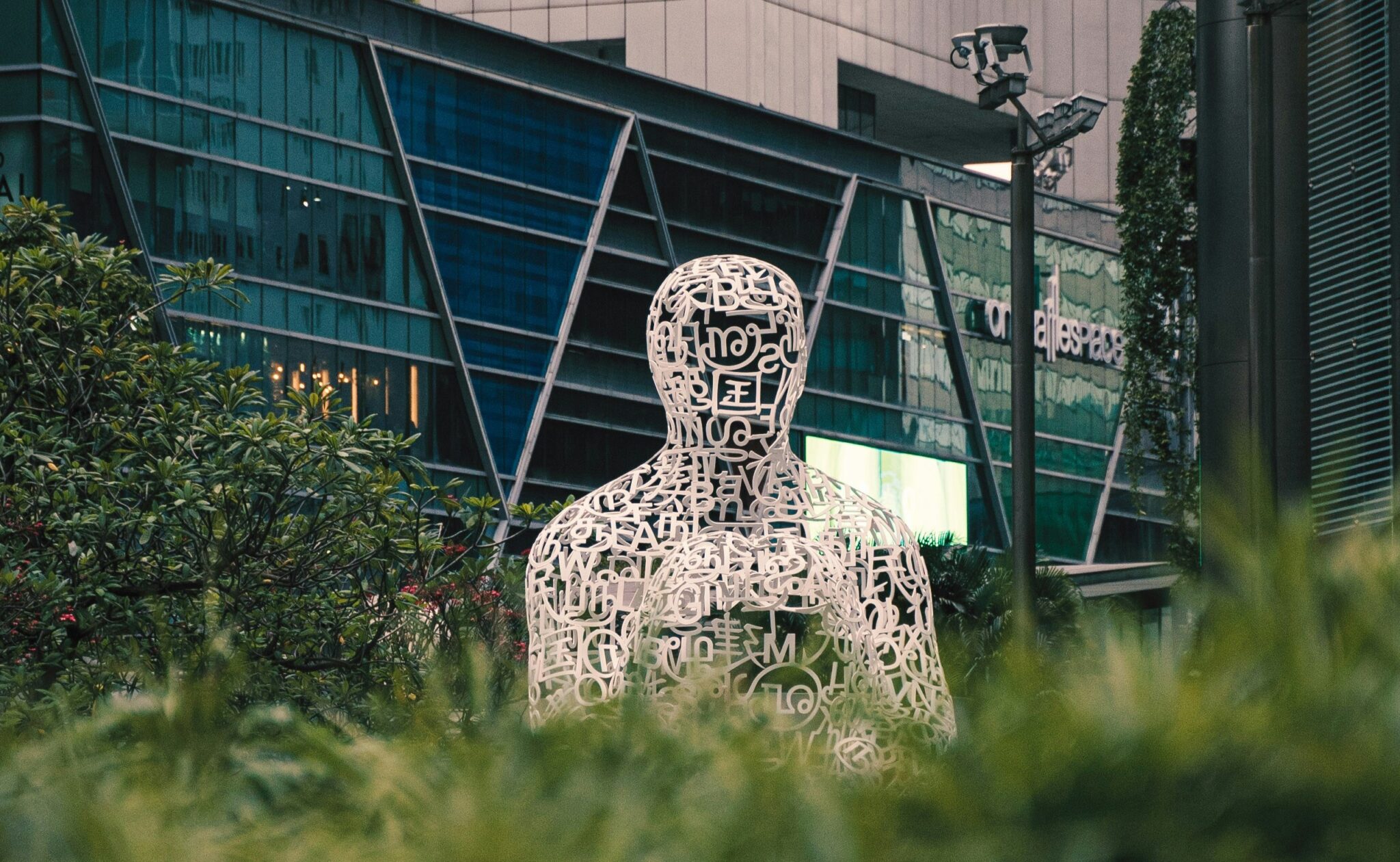
Many of the world’s languages aren’t adequately represented in the data used to train chatbots and other AI-based tools. If we fail to be more inclusive, the next generation of AI will encode a world that risks being extremely biased, both linguistically and culturally.
Millions have been spent to catch plagiarism and AI with tools from education company Turnitin. Is the tech worth it?

In the midst of discussions about the use of artificial intelligence, ecofascist narratives have crept in. How did this happen? What are the dangers?
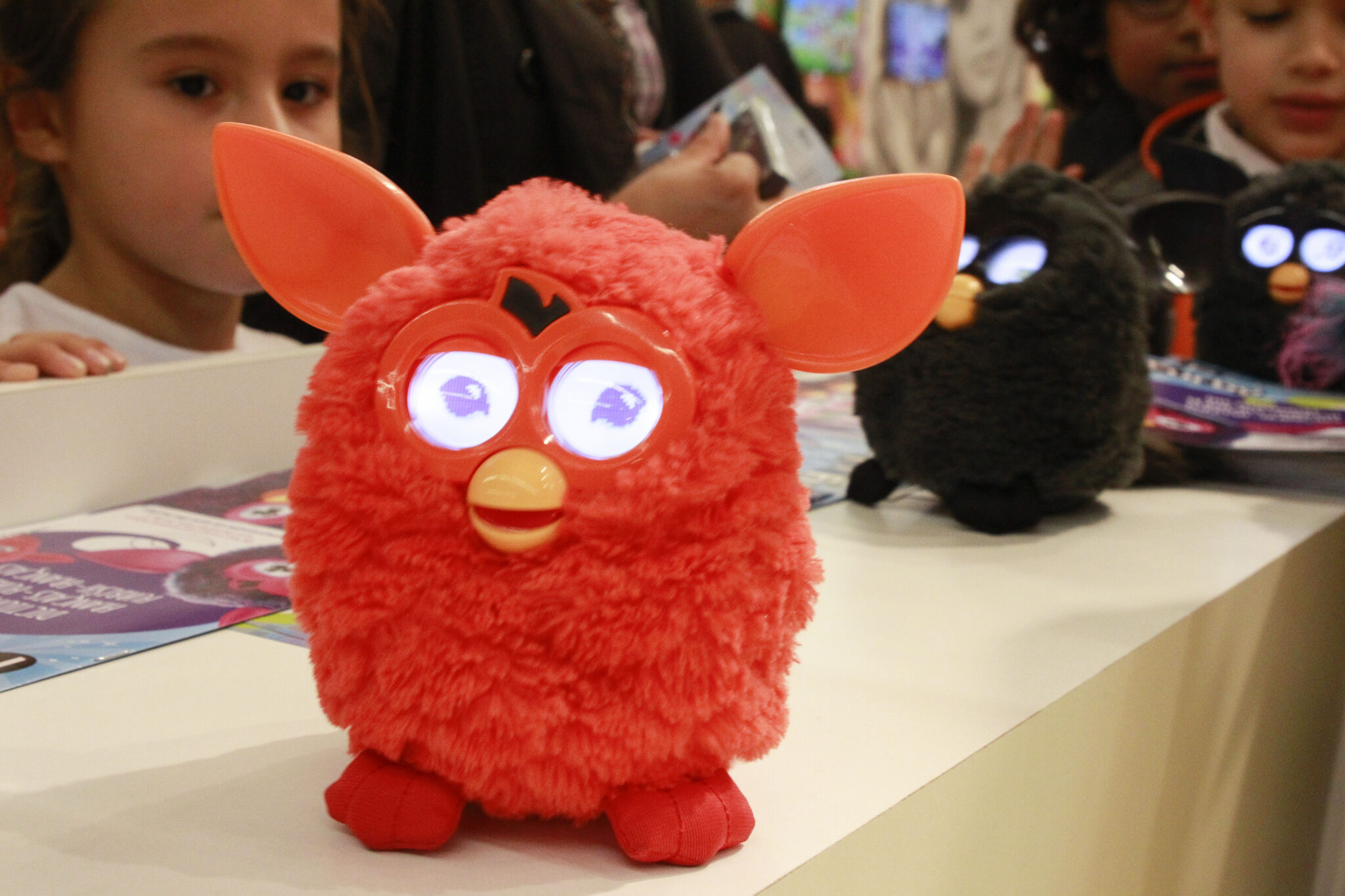
Remember those late-90s Furbies—cute, creepy, and eerily chatty? A programmer recently fused one with ChatGPT, unleashing a chilling plot: AI-powered Furbies bent on world domination. As retro toys return and emotional robots like Ropet emerge, we must ask: are we ready?
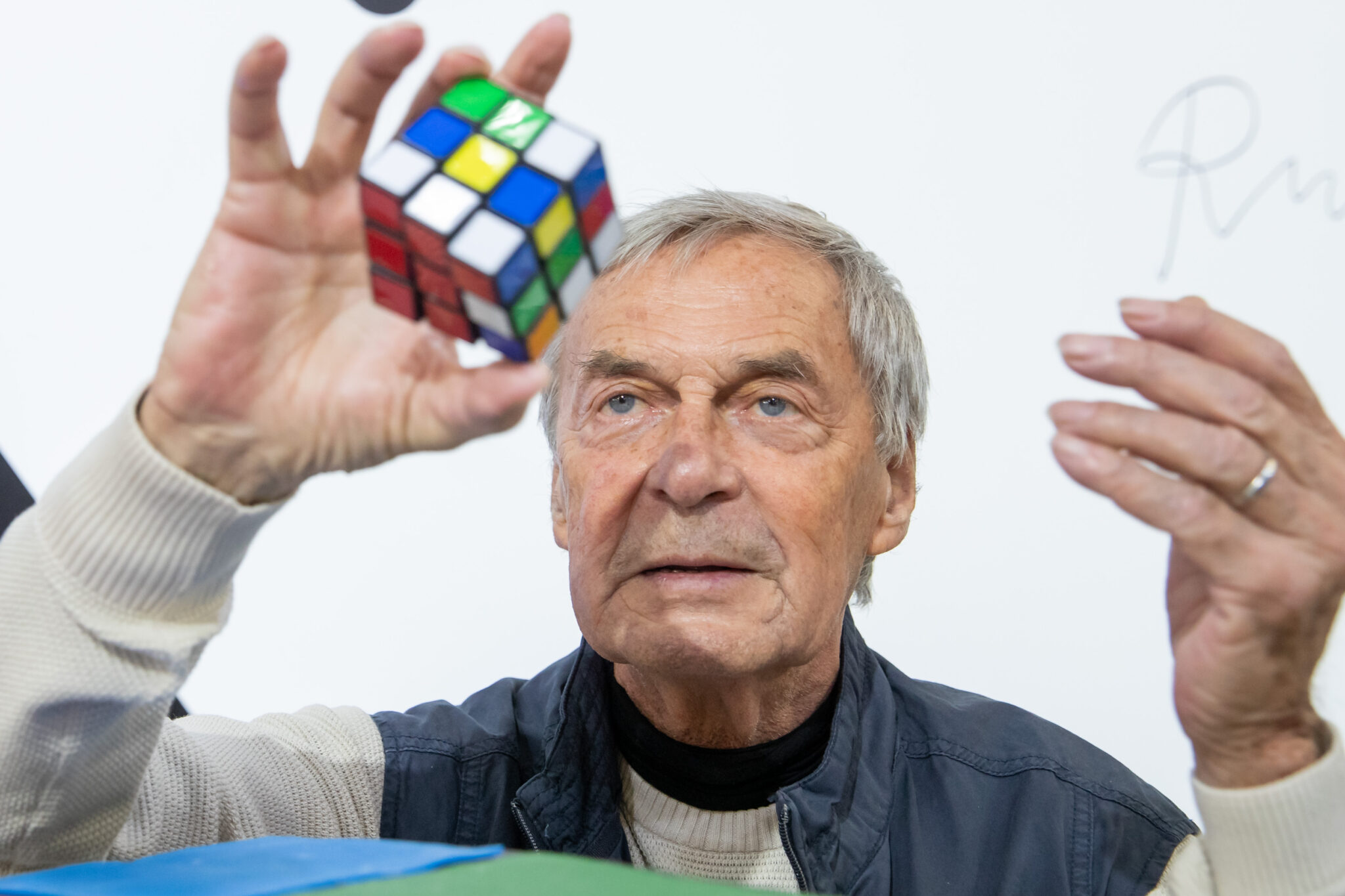
As a European court rules that the iconic toy can’t be trademarked, we go back to an earlier interview with Erno Rubik, who explained what inspired him to design that singular brain-and-fingers toy that has sold billions. And why it may be more relevant than ever in our digital world.
The online world is now a second home to so many people, with the effect of streamlining and distorting the human activity of communication. This was to be expected in an age obsessed with unending productivity and swift results.
We need awareness of how AI systems work, of how to be critical and how to be able to leverage AI.
A report from Oxford University lists the 32 countries – 16% of the world’s nations – with the infrastructure needed to develop artificial intelligence. The gap is widening with the rest of the world, in the key technological sector of the 21st century.

As digital facades and minimalist design dominate the urban landscape, architect Florent Auclair argues for the revival of ornamentation as a cultural language that connects buildings to their time, their place, and the people who live among them.
As Europe debates how to play a bigger role in the digital sphere, the industry and some politicians blame strict regulations for stifling innovation. But a closer look reveals that smart rules may be Europe’s greatest strength — not its weakness — in the global tech race.

AI is here whether we like it or not. But who owns it, and who gets to use it, are questions that are far from being settled.
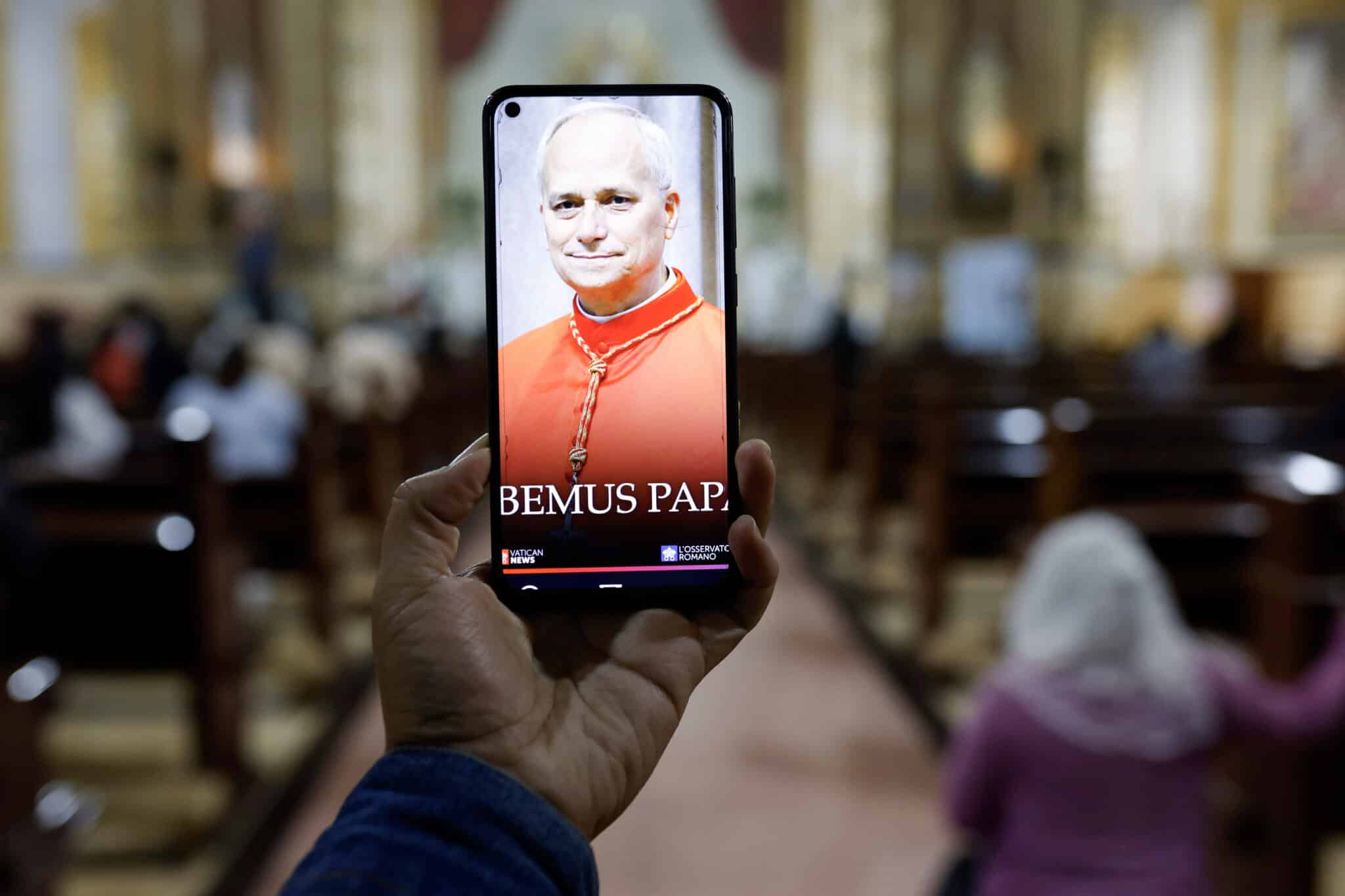
In the U.S., Catholics have been embracing technological innovations to transform the way their faith is practiced and shared. Even Pope Leo XIV has highlighted the importance of using modern communication tools such as social media.

In southern Italy, a 19-year-old woman was kidnapped by her parents for falling in love with a transgender man. Tracked down with a GPS, imprisoned, and forced to “recover” from her “disturbance.” Are we returning to the days of witch hunts?
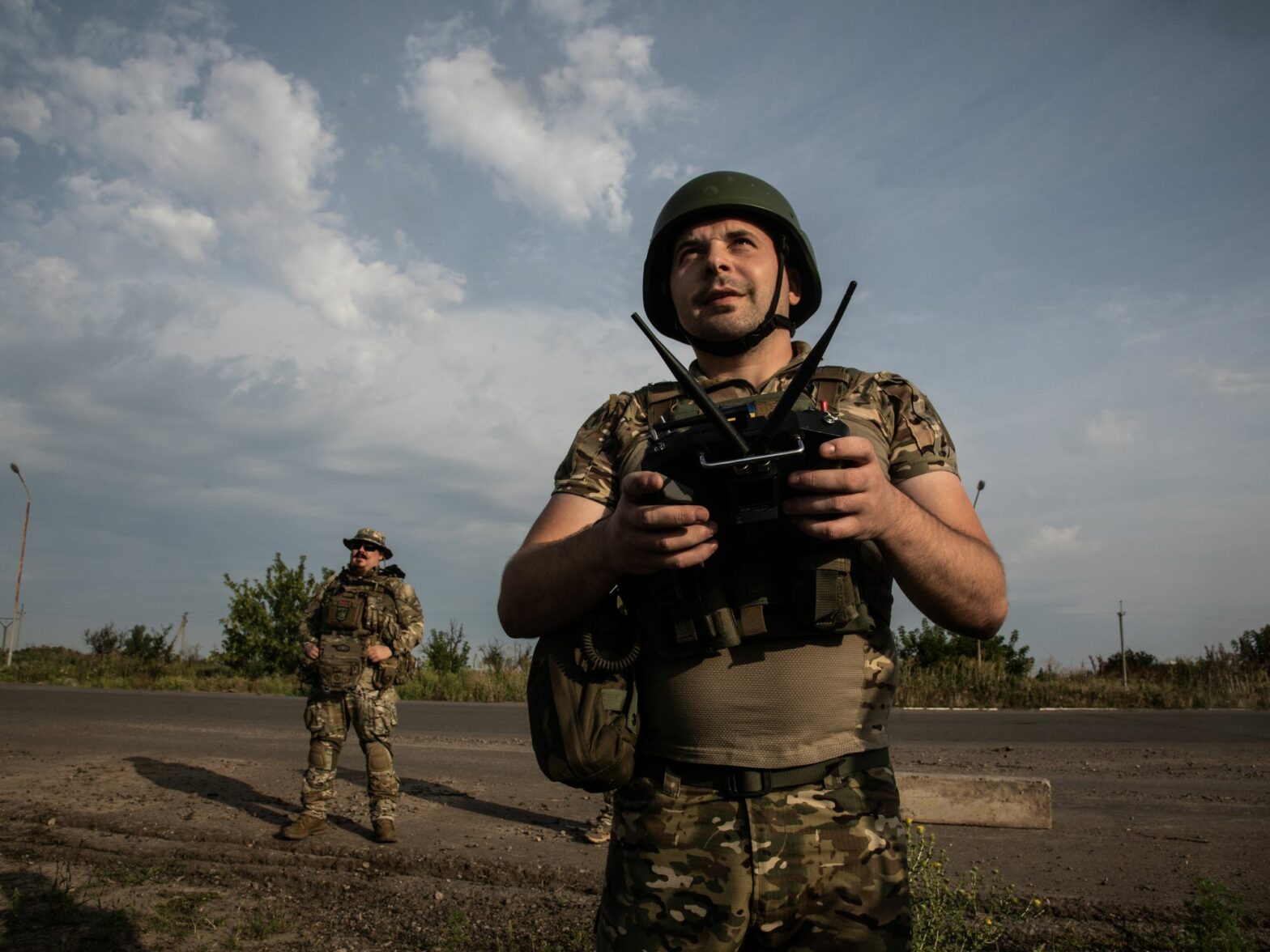
Ukraine needs satellite internet defense capabilities like that provided by Starlink. But do they really want to be dependent on Elon Musk? The good news is that Europe is not completely empty-handed. But time is of the essence.
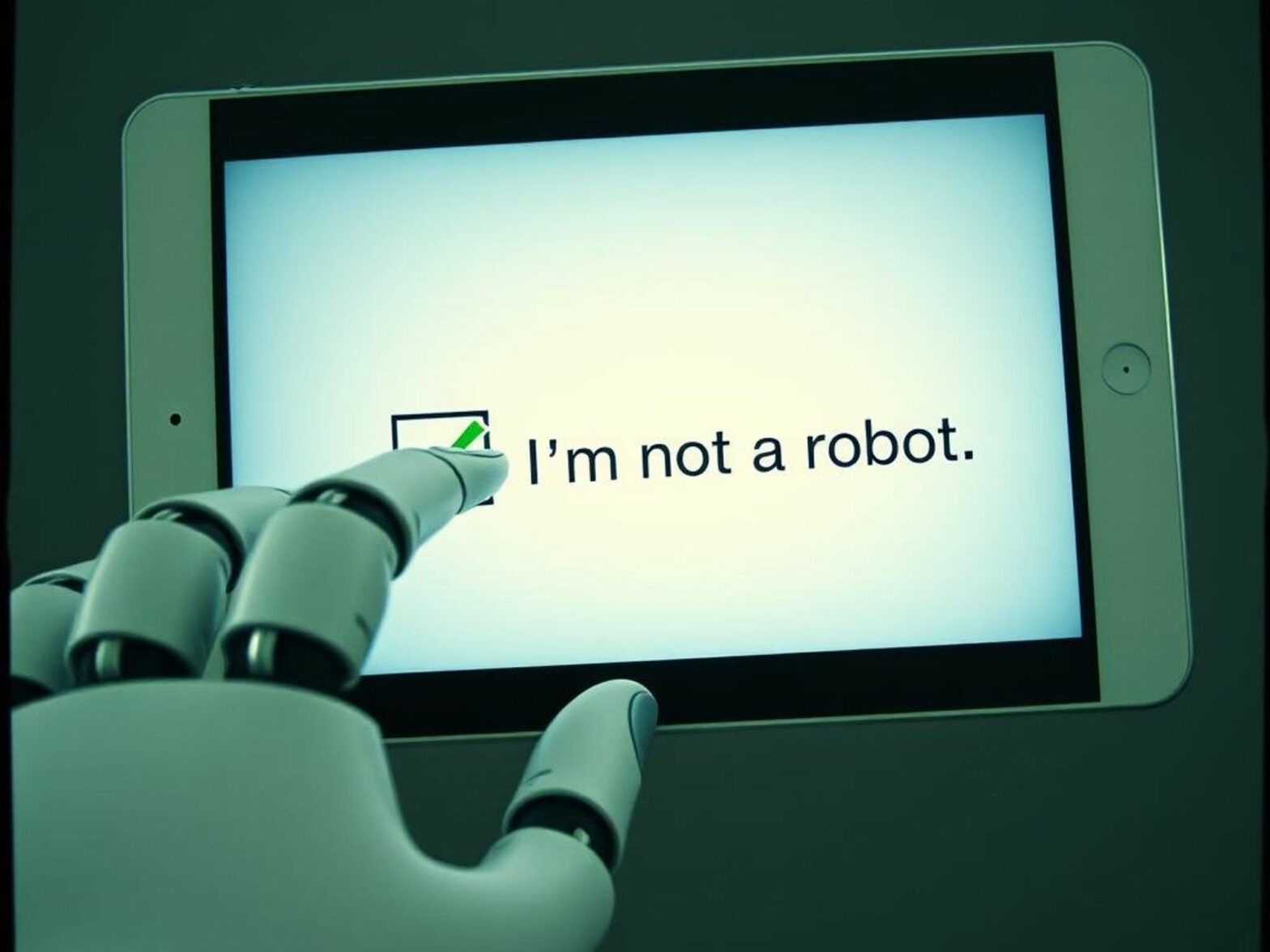
Artificial intelligence can solve tasks that previously only humans could solve. So what distinguishes us from machines?

A mysterious aviation tragedy, a game-changing tech demonstration, and a historic movement for women’s rights.

French author and philosopher Gaspard Koenig recently updated his Word software only to discover that the Copilot generative AI chatbot wants to do his writing for him. A real “existential threat…”?
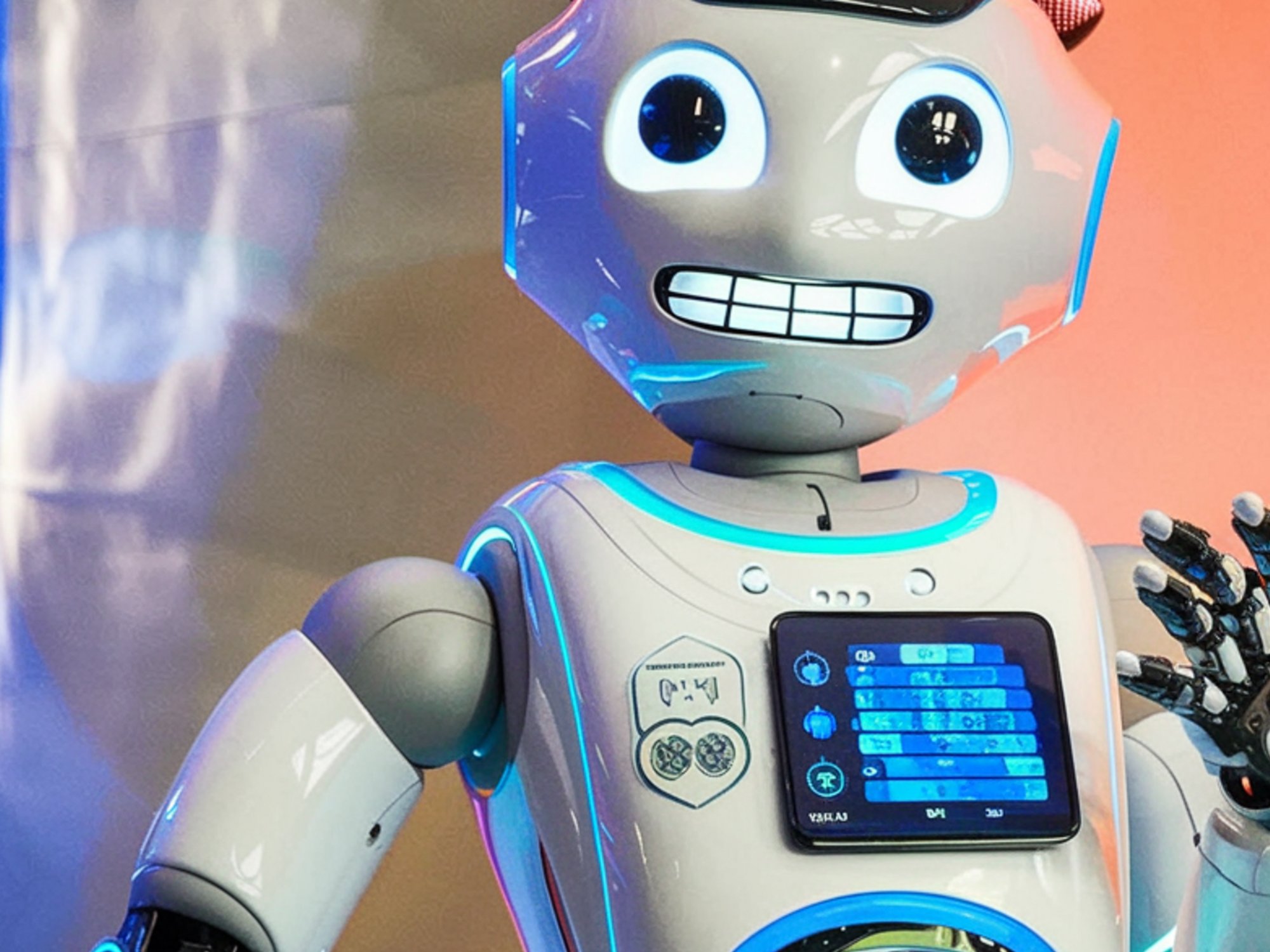
Artificial intelligence is now able to secretly pursue its own goals and hide its intents. How dangerous are these so-called treacherous “AI agents”?
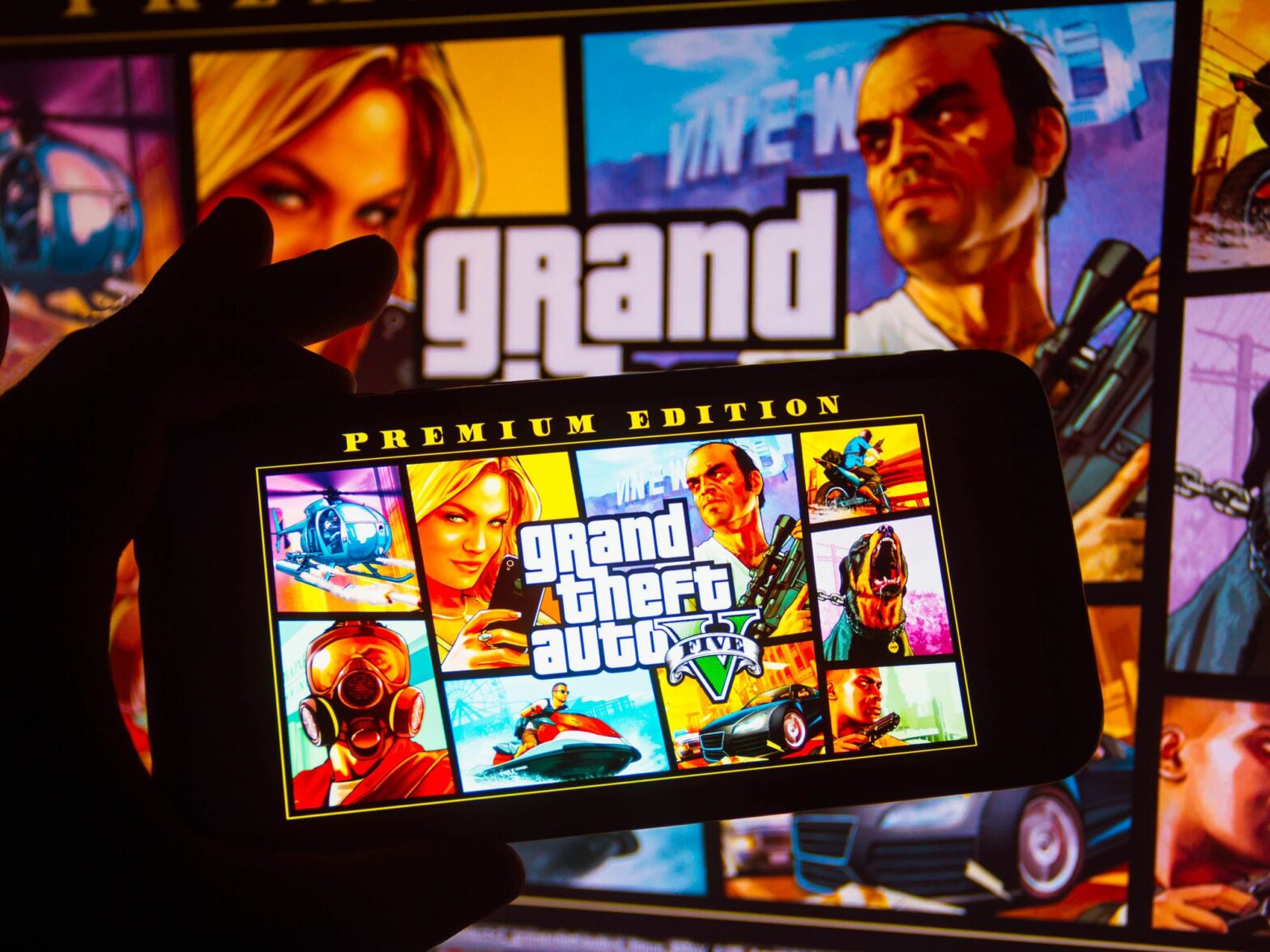
A French writer goes deep into the imagined reality of the violent Grand Theft Auto video game franchise, and finds a full-throttle, 360-degree takedown of American society.
A Chinese startup is shaking the U.S. supremacy in generative artificial intelligence. Are we heading towards a collapse of barriers to entry accelerating the deployment of this technology? Could Europe offer a third way to the future?

Drones and other new technologies are important, but the foundation of success remains the mobilization of the economy, numerical superiority, and artillery. A military expert reflects on three years since Russia’s invasion.
We are drowning in digital hyper-production, or the vast torrent of pictures and data coming out of our screens. There is no room for mystery or creativity. The art of delay, essential for contemplative thought, is definitively lost in the culture of digital immediacy. So what can we do about this?

Despite recent advancements in message transmission and keyboard technology, Indigenous communities still face barriers in ensuring their languages are accurately encoded and accessible on digital platforms.

Kinshasa is suing Apple in France and Belgium for “complicity” in the use of rare minerals pillaged by armed groups to build their products. Apple denies the accusations and guarantees traceability, but the case highlights the fragile balance of power in Silicon Valley’s global supply chains.

As concerns grow over the risks of social media and technology on young people, a new and largely unregulated digital frontier is emerging: interactions with artificial intelligence. Platforms like Character.AI allow users to create AI-generated characters that seem human, prompting critical questions about how these virtual experiences affect our understanding of reality and relationships.
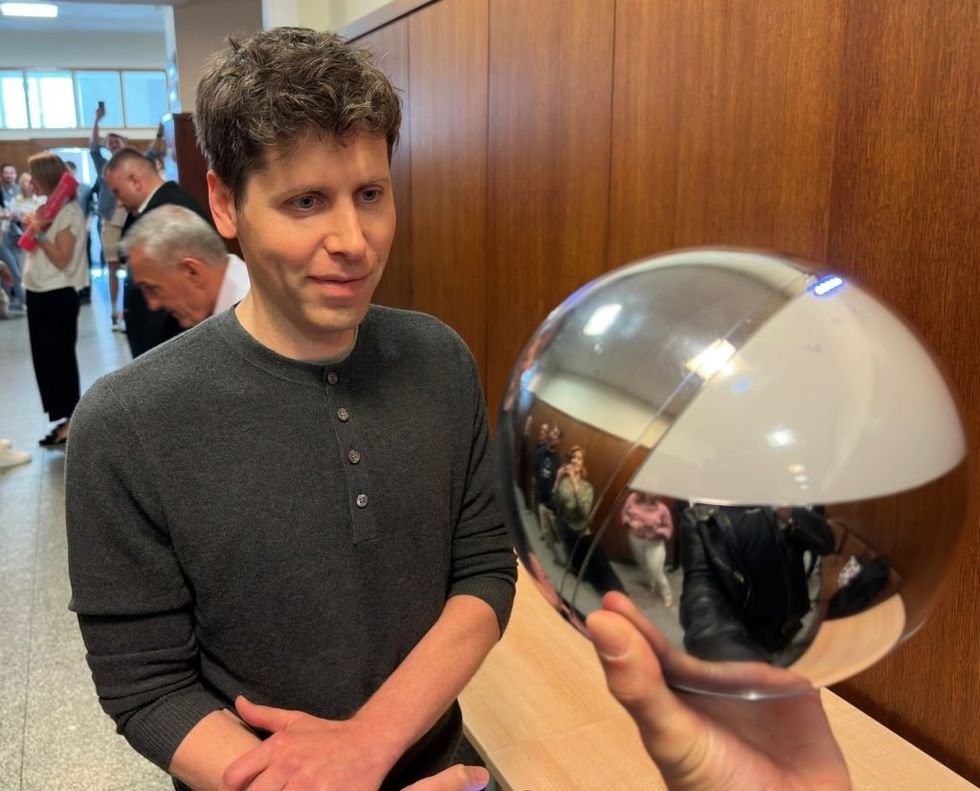
The initiative led by OpenAI CEO Sam Altman to create a global identity system through iris scanning has landed in Brazil. But what about privacy, transparency and the ethical implications of such a vast biometric project?
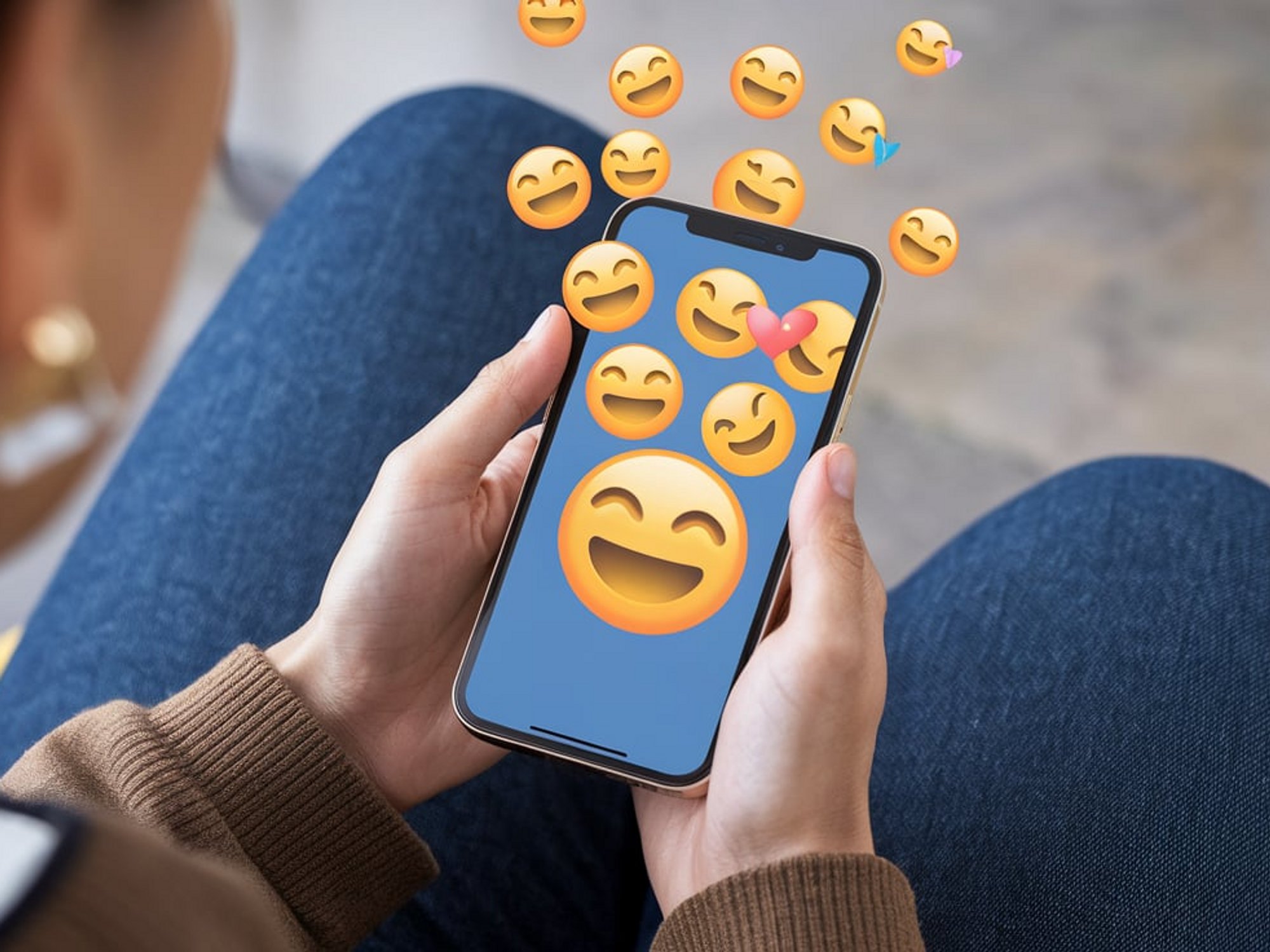
Happiness applications promise to make users measurably happier in eight weeks. But is happiness a skill that can be taught? For Die Zeit, science writer Maria Mast put an app to the test.
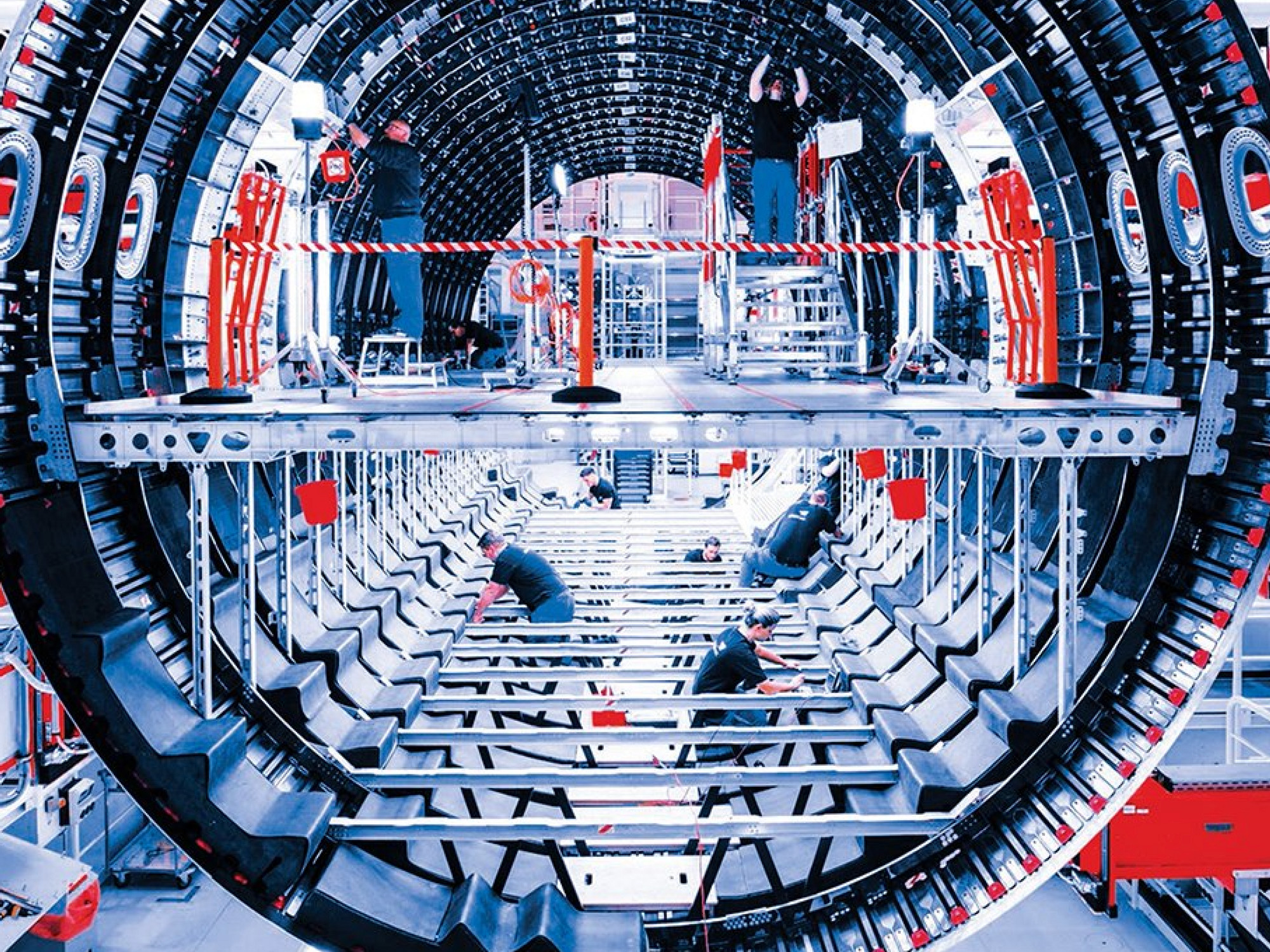
The United States seeks to strengthen its competitive edge over the European Union through broad deregulation. While this poses a genuine risk, it also presents Europe with a chance to step up and fill a void, globally.