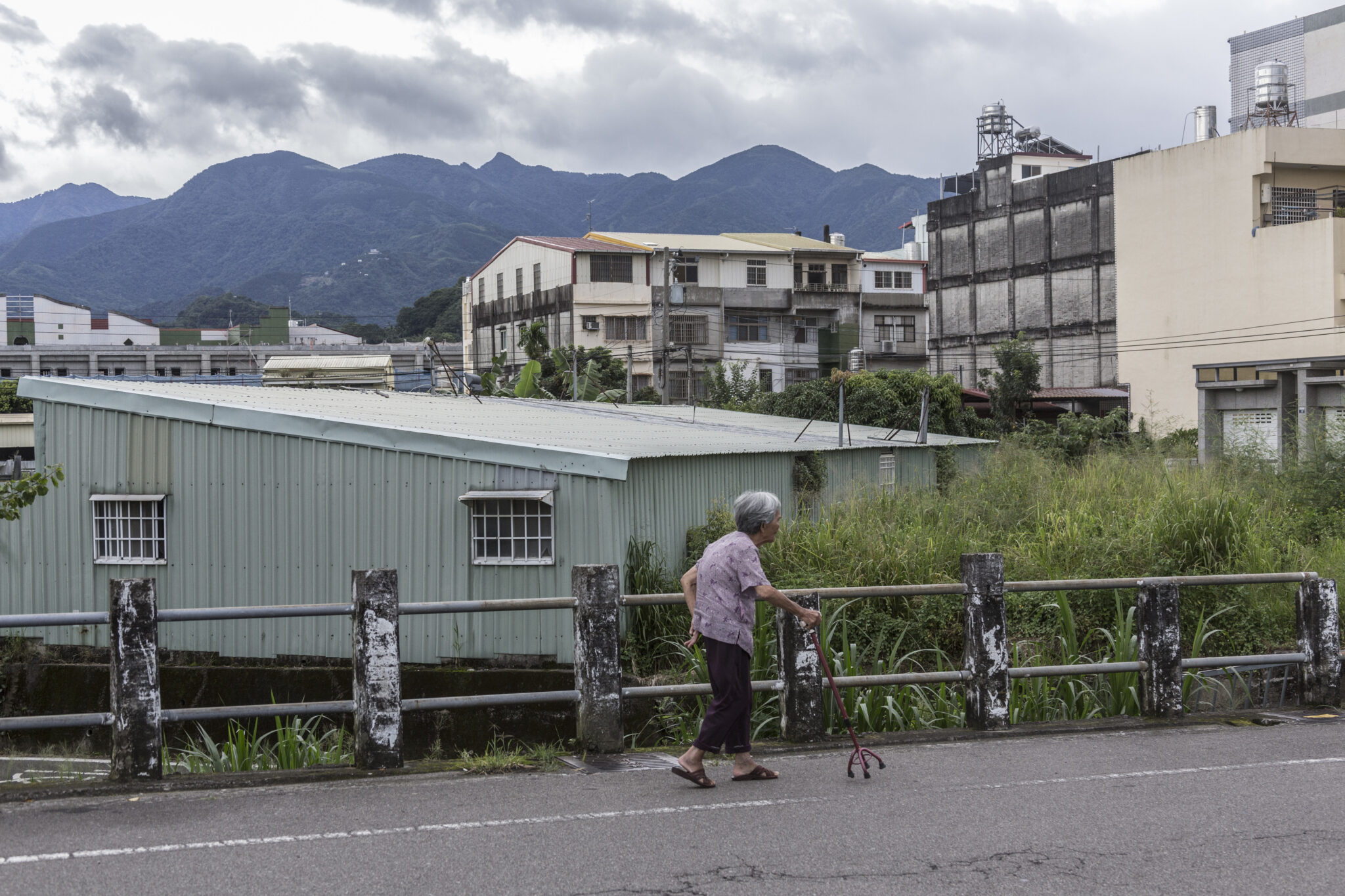
It used to be that Taiwan’s multi-generational family lived together and cared for each other. Low birthrates and rising economic pain are reformulating the equation for all.
 Worldcrunch
It used to be that Taiwan’s multi-generational family lived together and cared for each other. Low birthrates and rising economic pain are reformulating the equation for all.
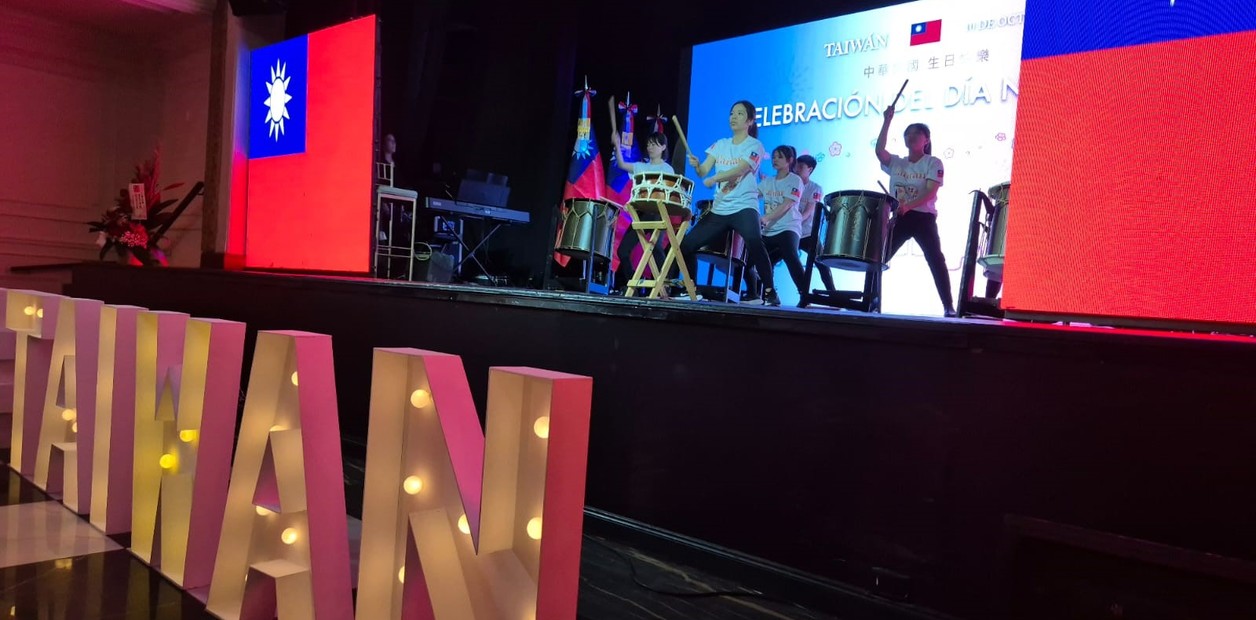
In several Latin American countries, there is renewed interest and advocacy to reactivate bilateral ties with Taiwan, after years of broken political promises and economic contracts.
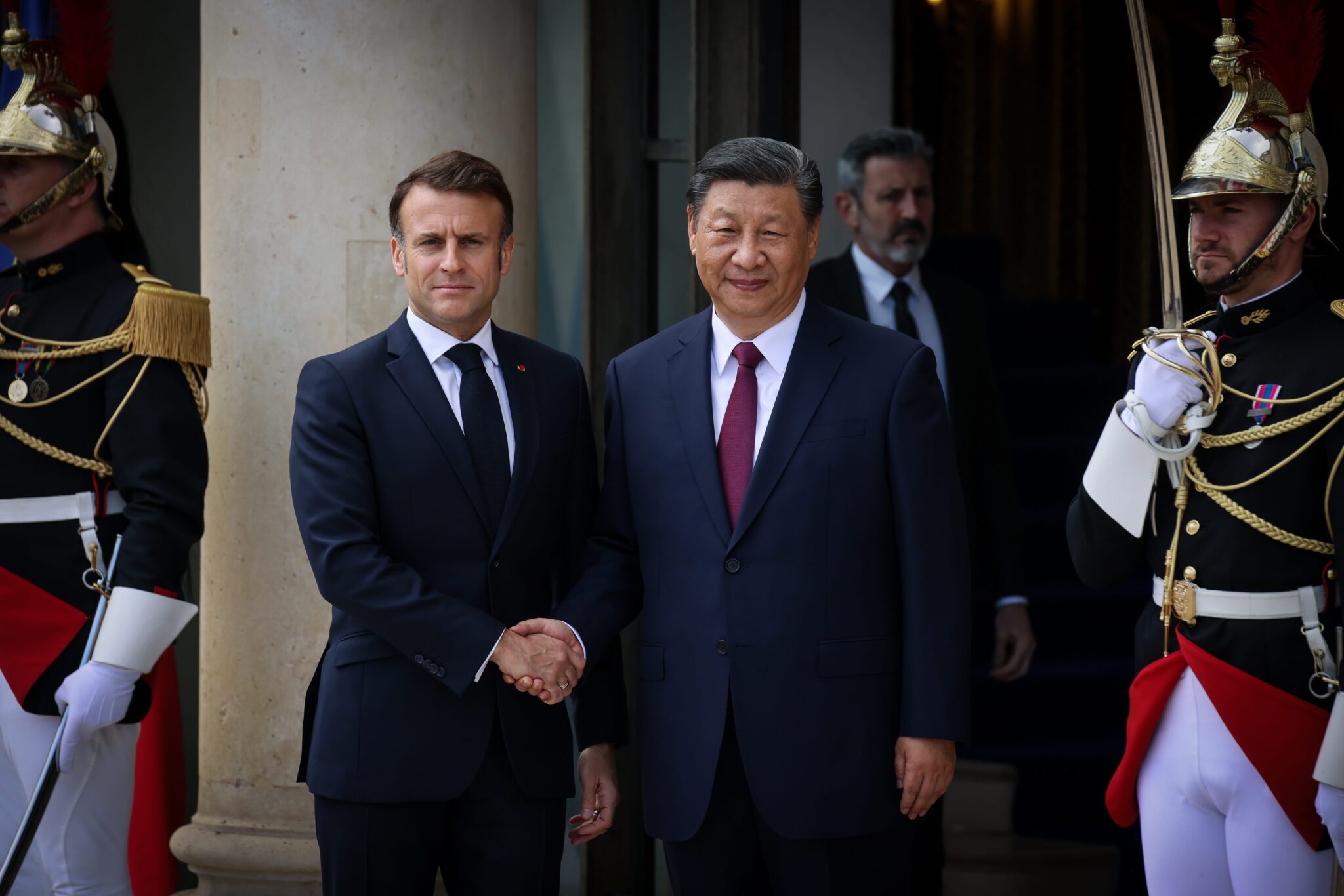
French President Emmanuel Macron has multiple and perhaps conflicting priorities as he lands in China to meet President Xi Jinping.
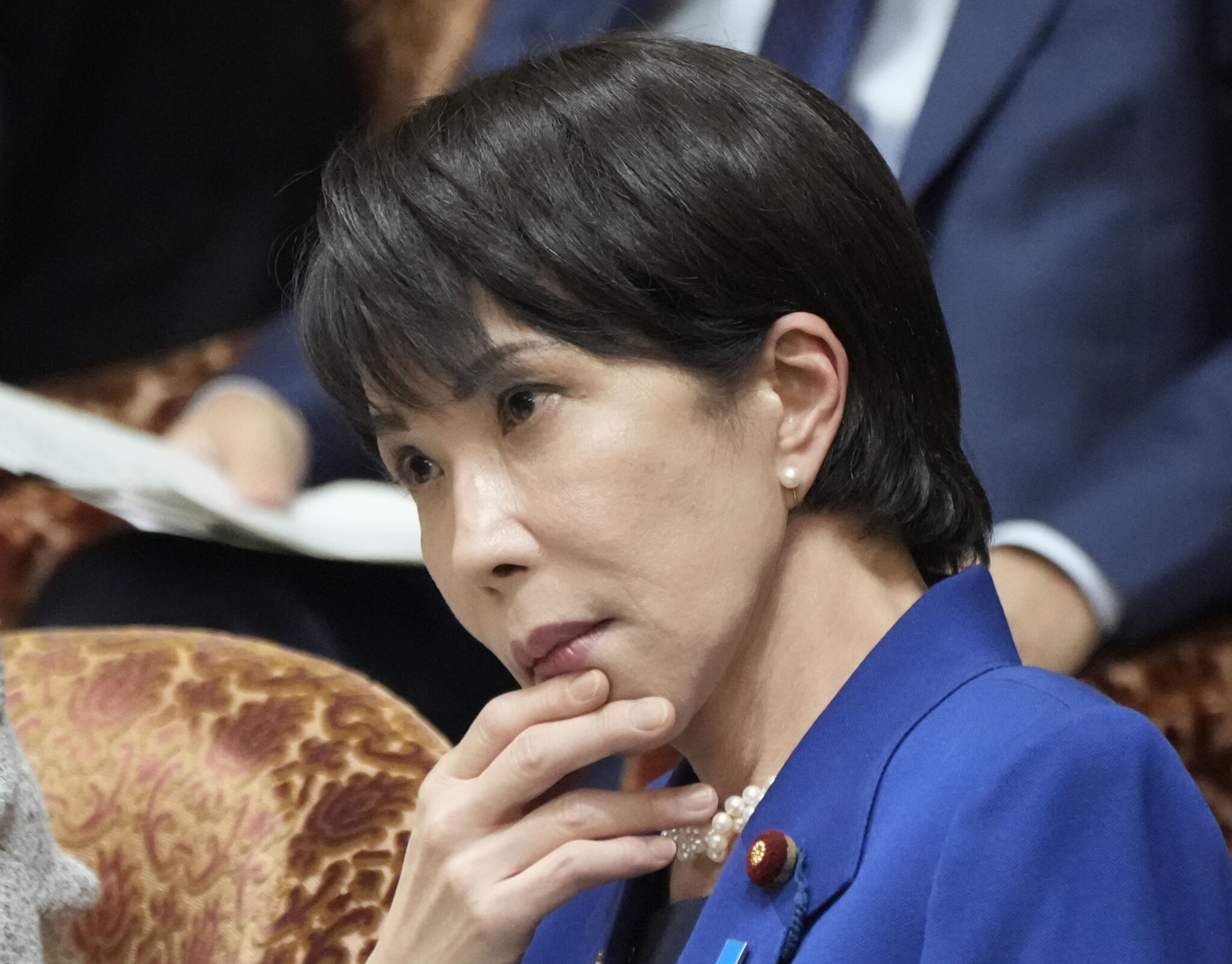
Because of her comments that a Chinese attack on Taiwan would constitute an “existential threat” to Japan, the Japanese prime minister has been facing Beijing’s wrath for three weeks. Taiwan is the central issue in East Asian tensions, and Donald Trump has stepped in with characteristic ambivalence.
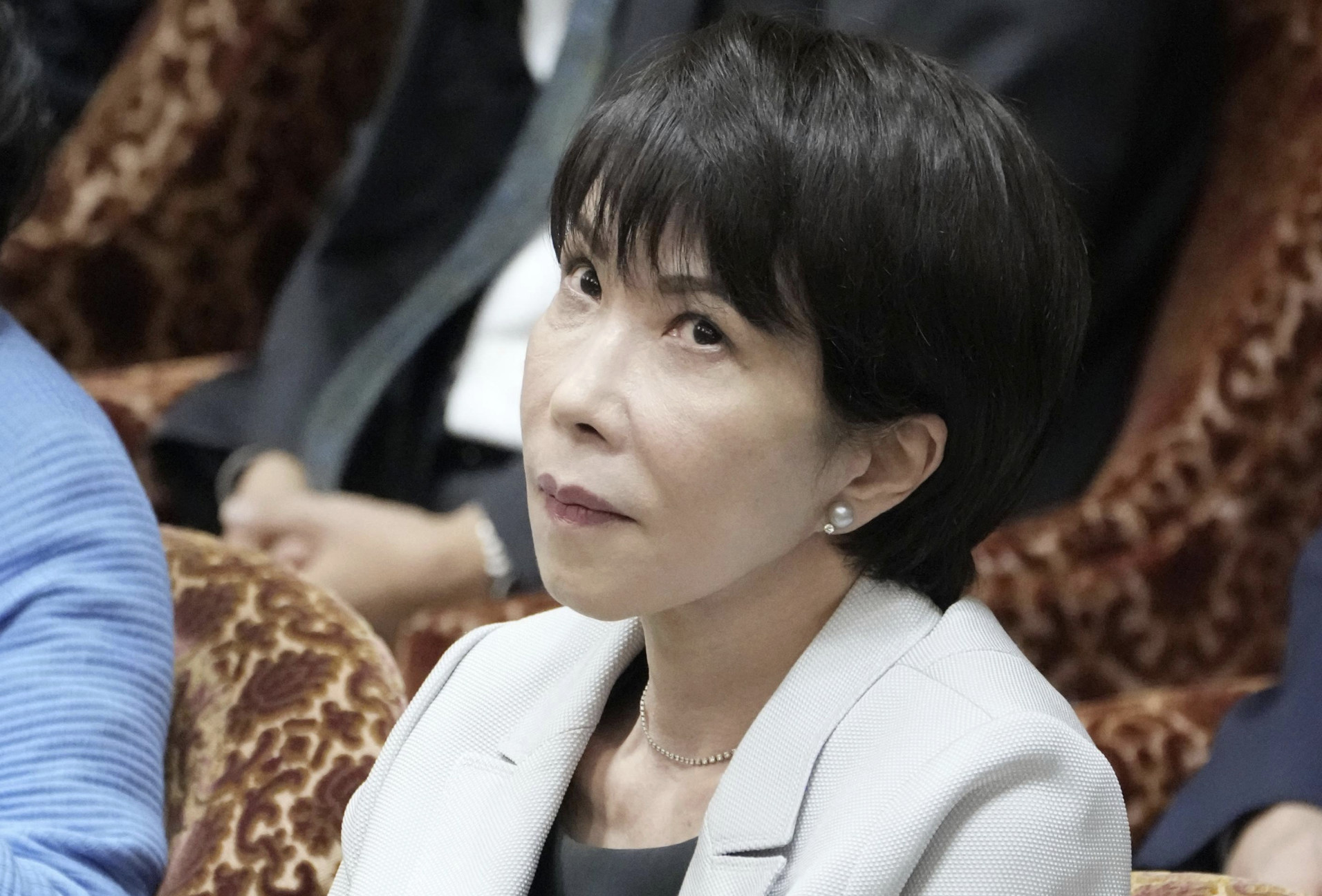
For declaring that a Chinese attack on Taiwan would be an “existential threat” to Tokyo, Japanese Prime Minister Sanae Takaichi has been the target of a hostile campaign in China. The Taiwan issue remains explosive, especially given Donald Trump’s ambiguous stance.
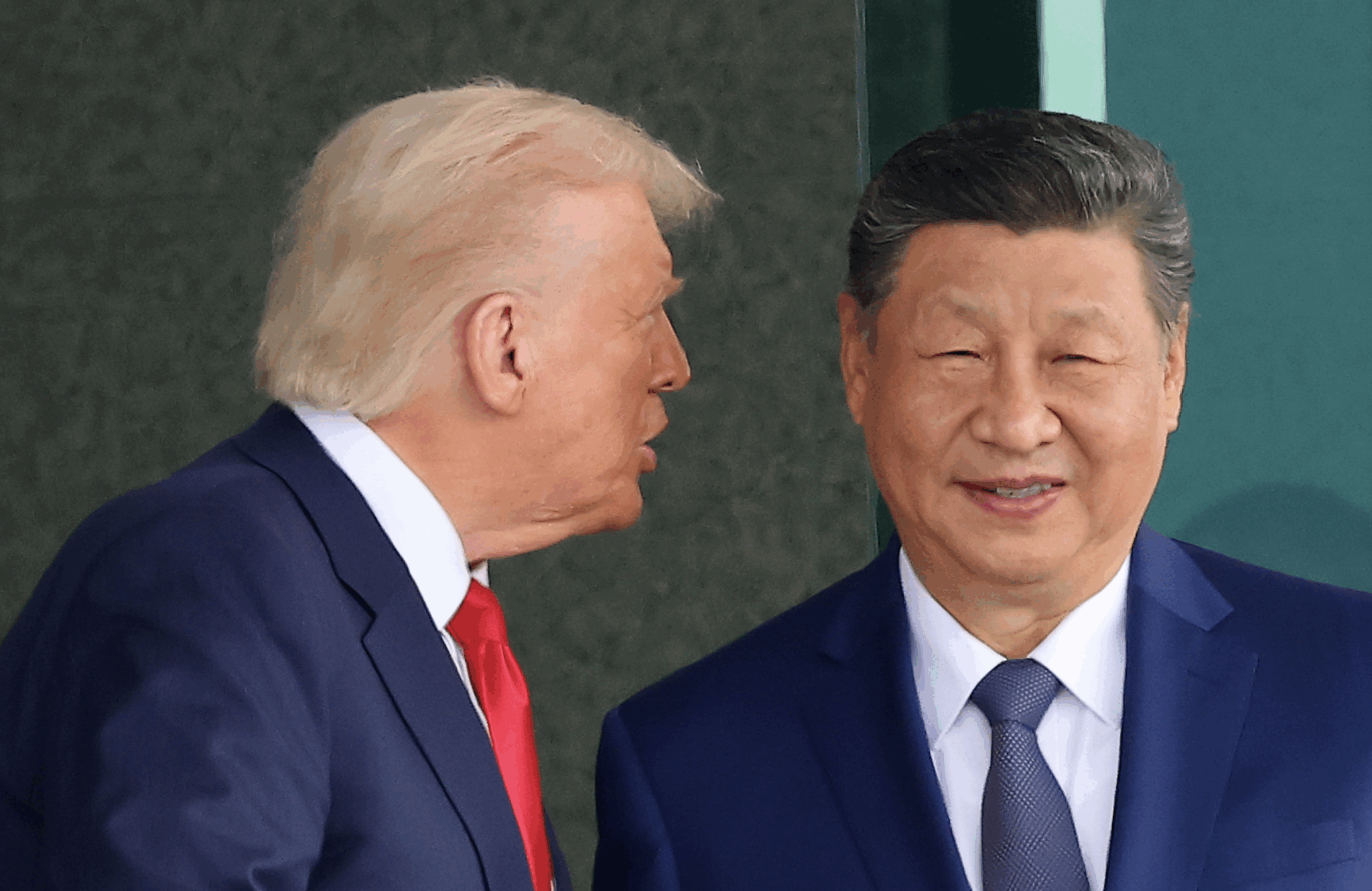
Donald Trump and Xi Jinping have negotiated a truce in their trade war, delaying China’s planned restrictions on rare earth exports. Yet Trump has been forced to back down in the face of a strong Chinese response, a miscalculation that could have long-term consequences, also for Taiwan.
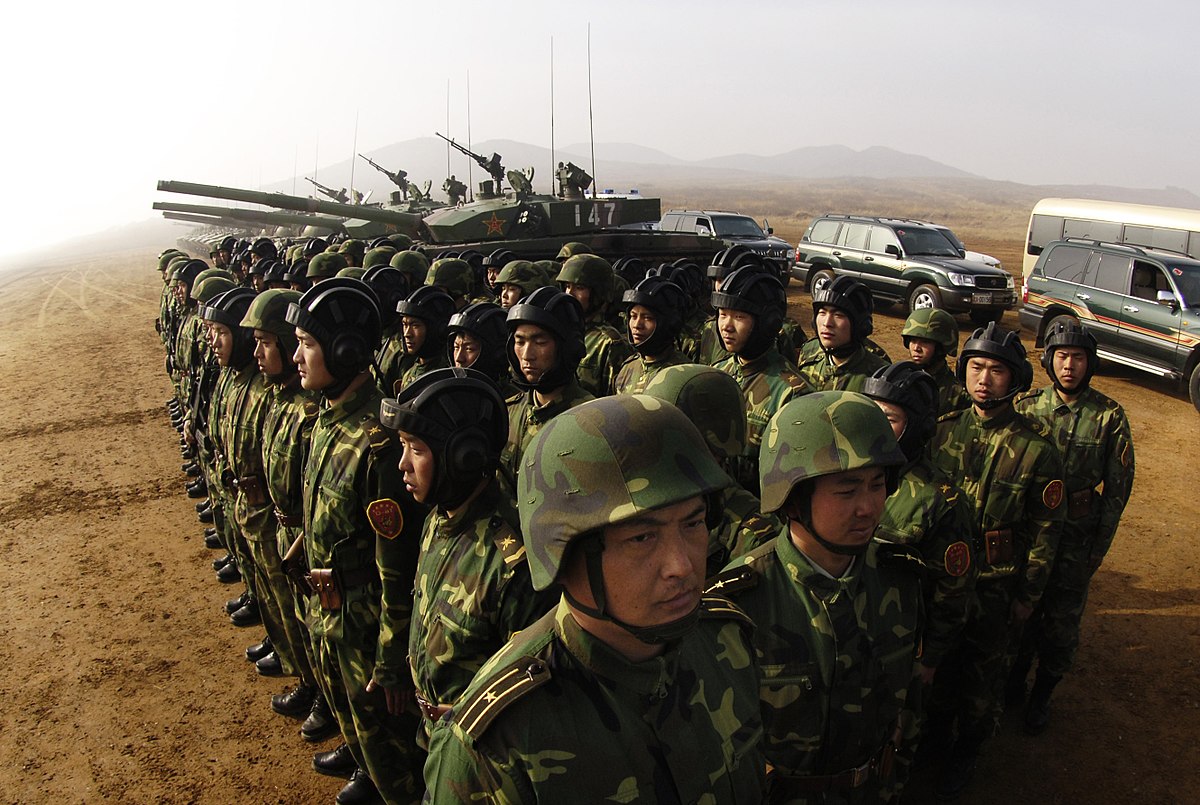
Once seen as a regional military power reliant on outdated Soviet tech, China is now emerging as a global force with cutting-edge weaponry. From stealth jets to next-gen drones, the country’s rapidly advancing arsenal is redefining the balance of power in global conflict zones.
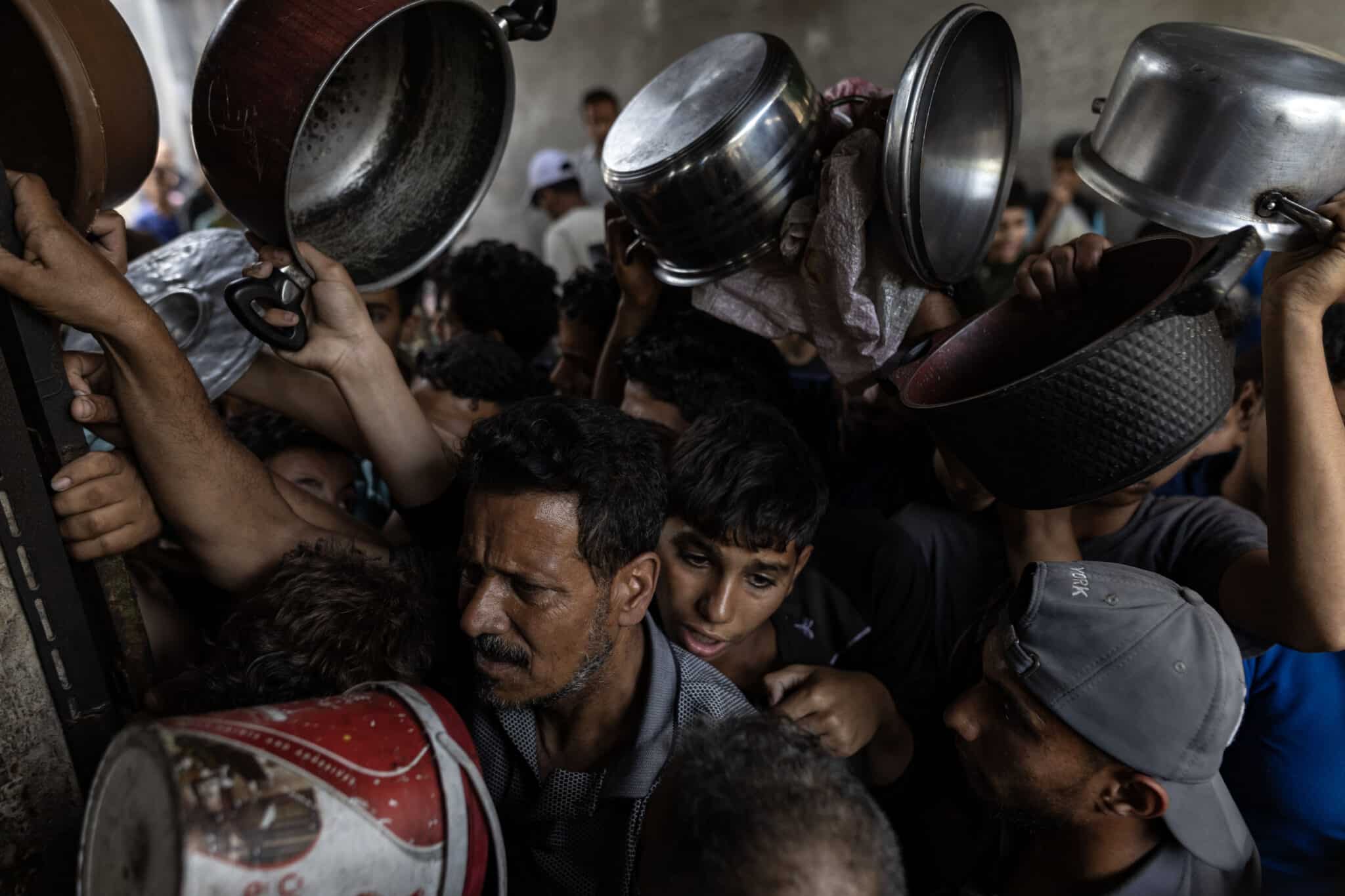
👋 A jaaraama!* Welcome to Tuesday, where the UK, France and Canada warn Israel over its Gaza offensive, the coup trial of former Brazilian President Jair Bolsonaro opens and our daily quiz question takes us to Paris’ most famous cemetery. Meanwhile, Jędrzej Słodkowski for Polish daily Gazeta Wyborcza shines a light on the lesser known […]
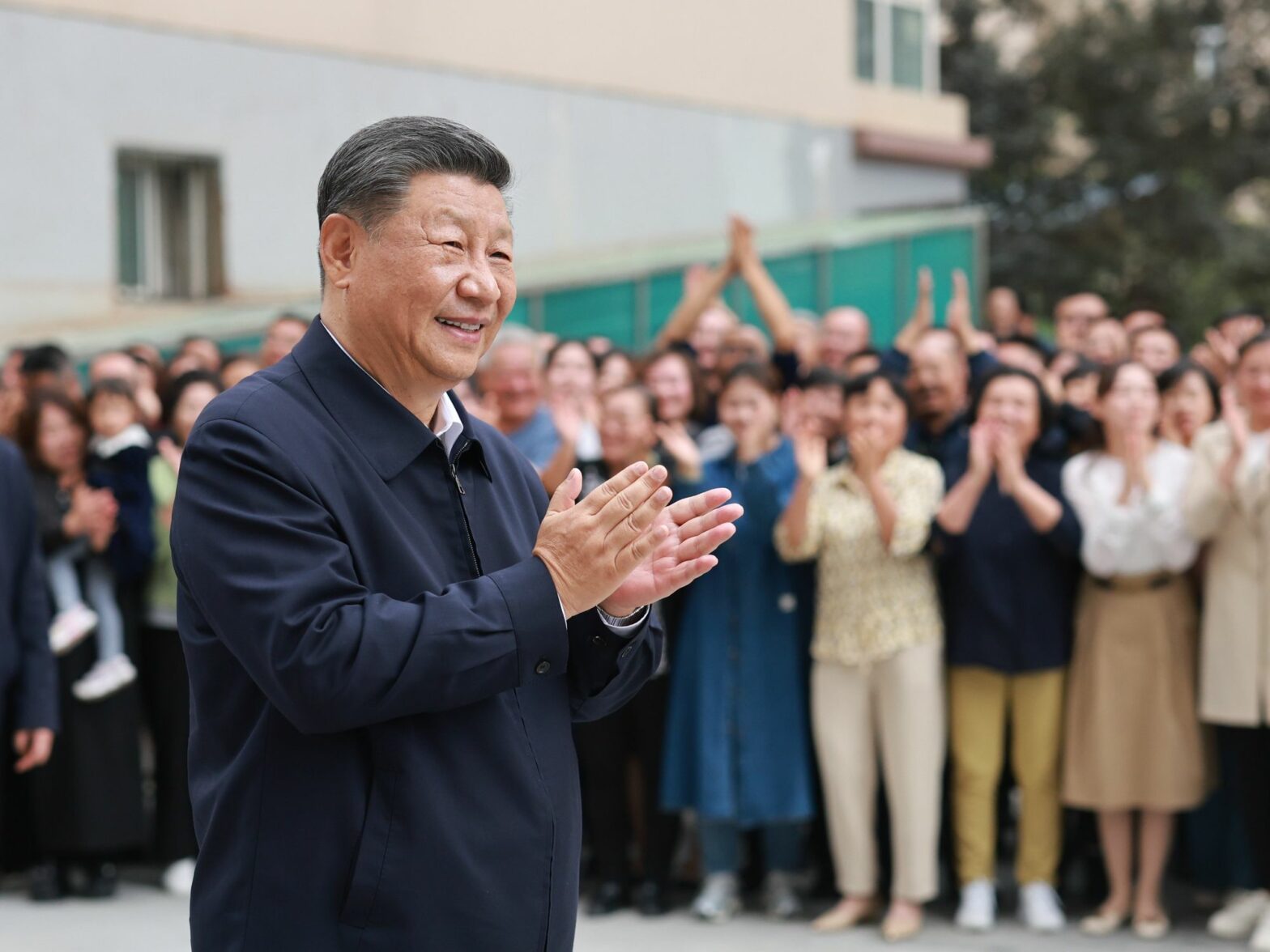
China continues to rack up diplomatic points for its largely hands-off approach to the war in Ukraine, but the “grotesque” spectacle of Trump publicly abandoning a U.S. ally in need is the ideal symbol for Beijing’s message for the rest of the world about America’s would-be leadership.
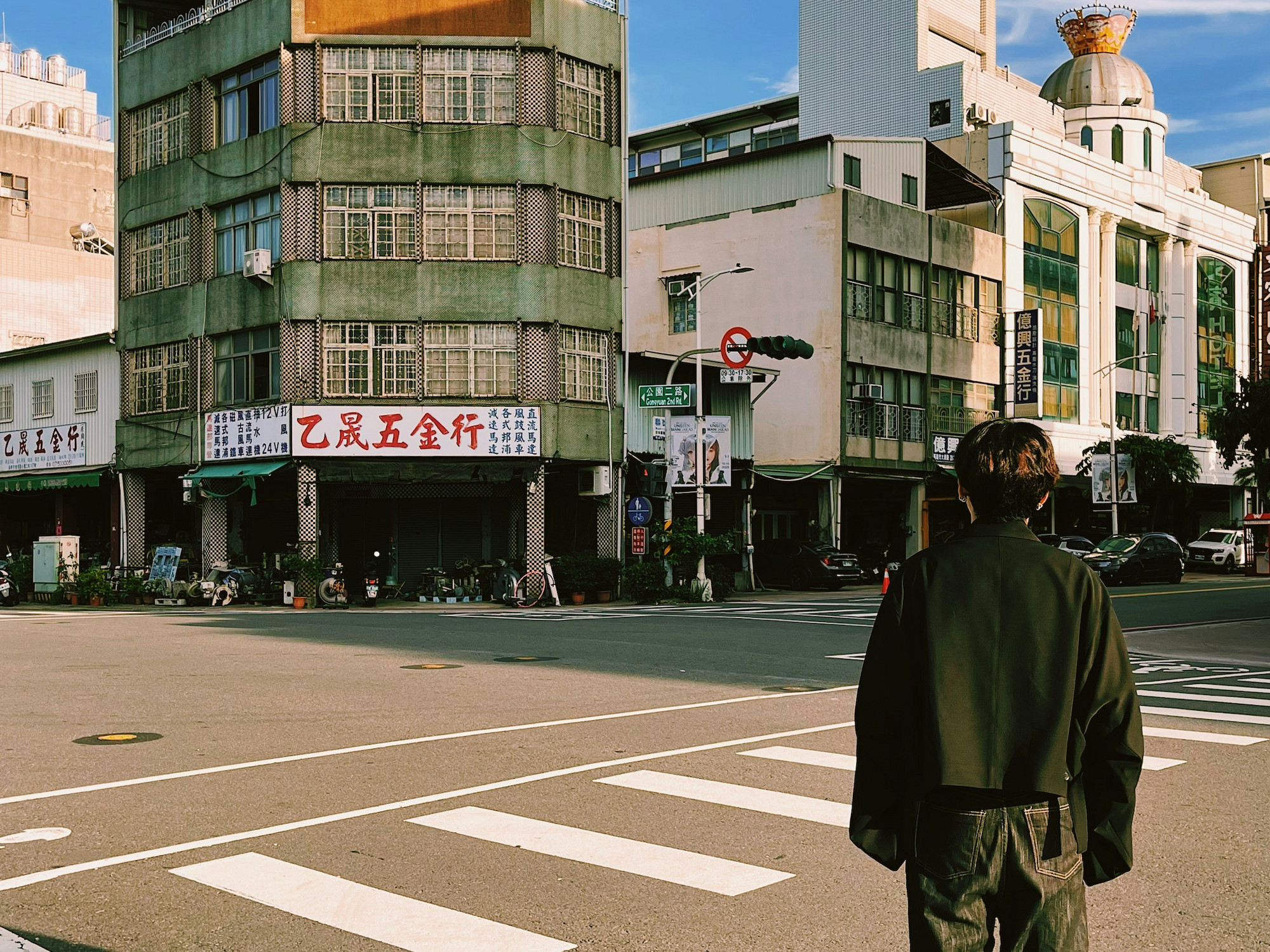
The country’s Constitutional Court ruled on Sept. 20 in favor of maintaining the death penalty, in line with the position expressed by an overwhelming majority of the population. Yet, capital punishment remains controversial for a country that sees itself as East Asia’s model democracy.
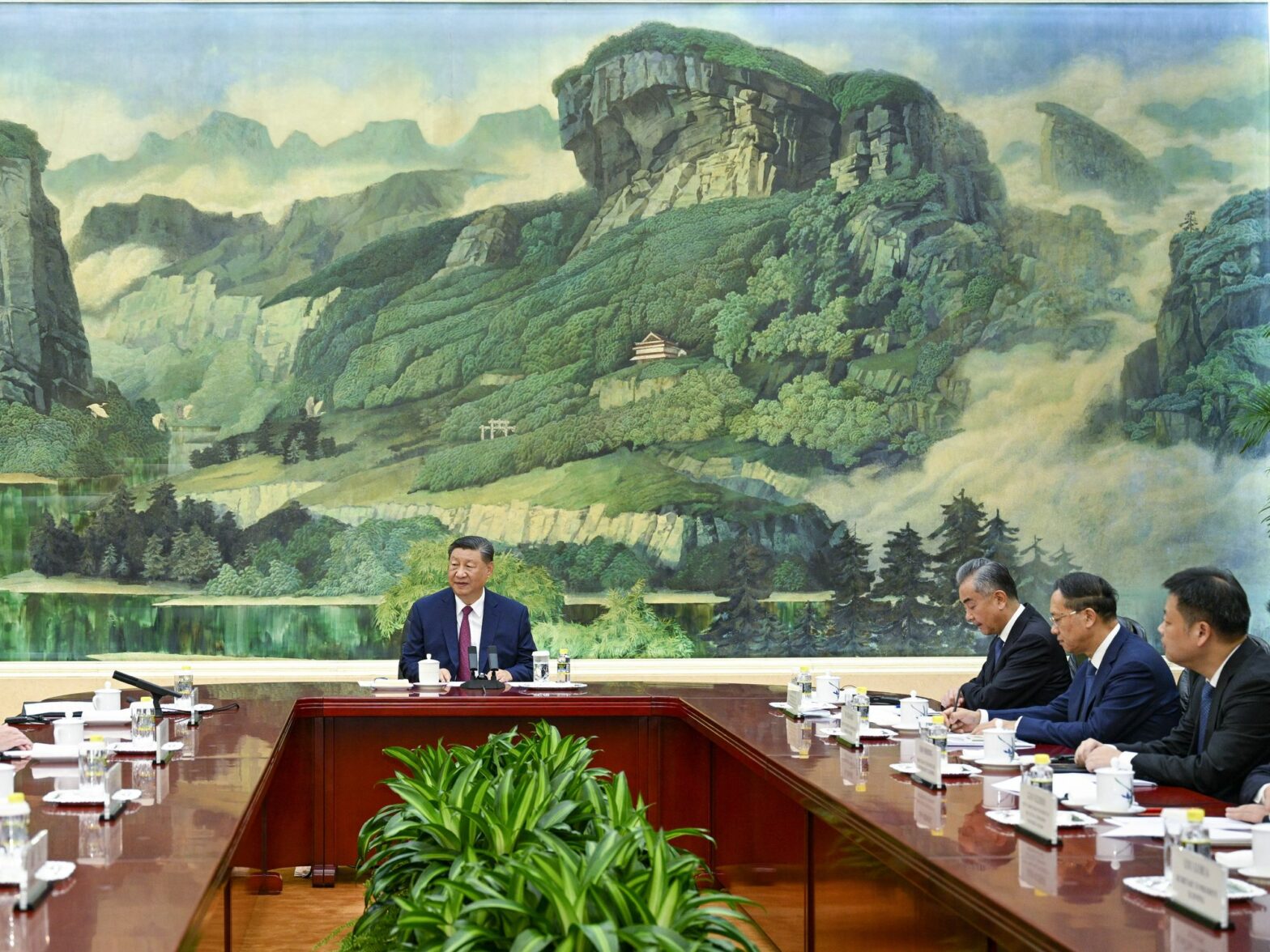
U.S. National Security Advisor Jake Sullivan has assured Xi Jinping that, if elected, Kamala Harris would handle ties between their countries “responsibly.” U.S.-China relations are the major issue of this century, as tensions rise over Taiwan, technology and the South China Sea. A Trump victory would make that prospect scary.
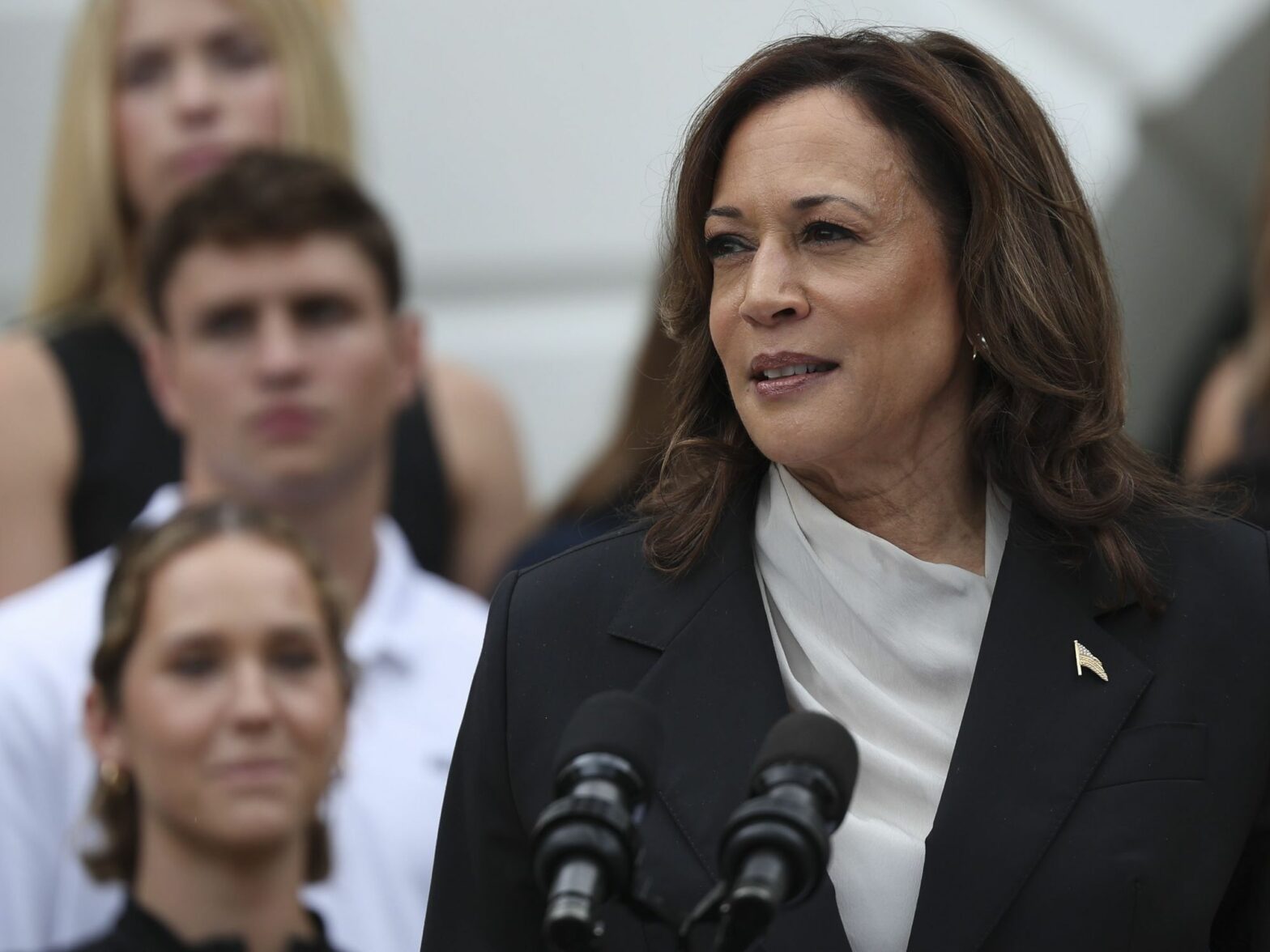
As the vice president is now virtually assured to face Donald Trump on November 5, questions arise on what her election to U.S. president would mean for the rest of the world.
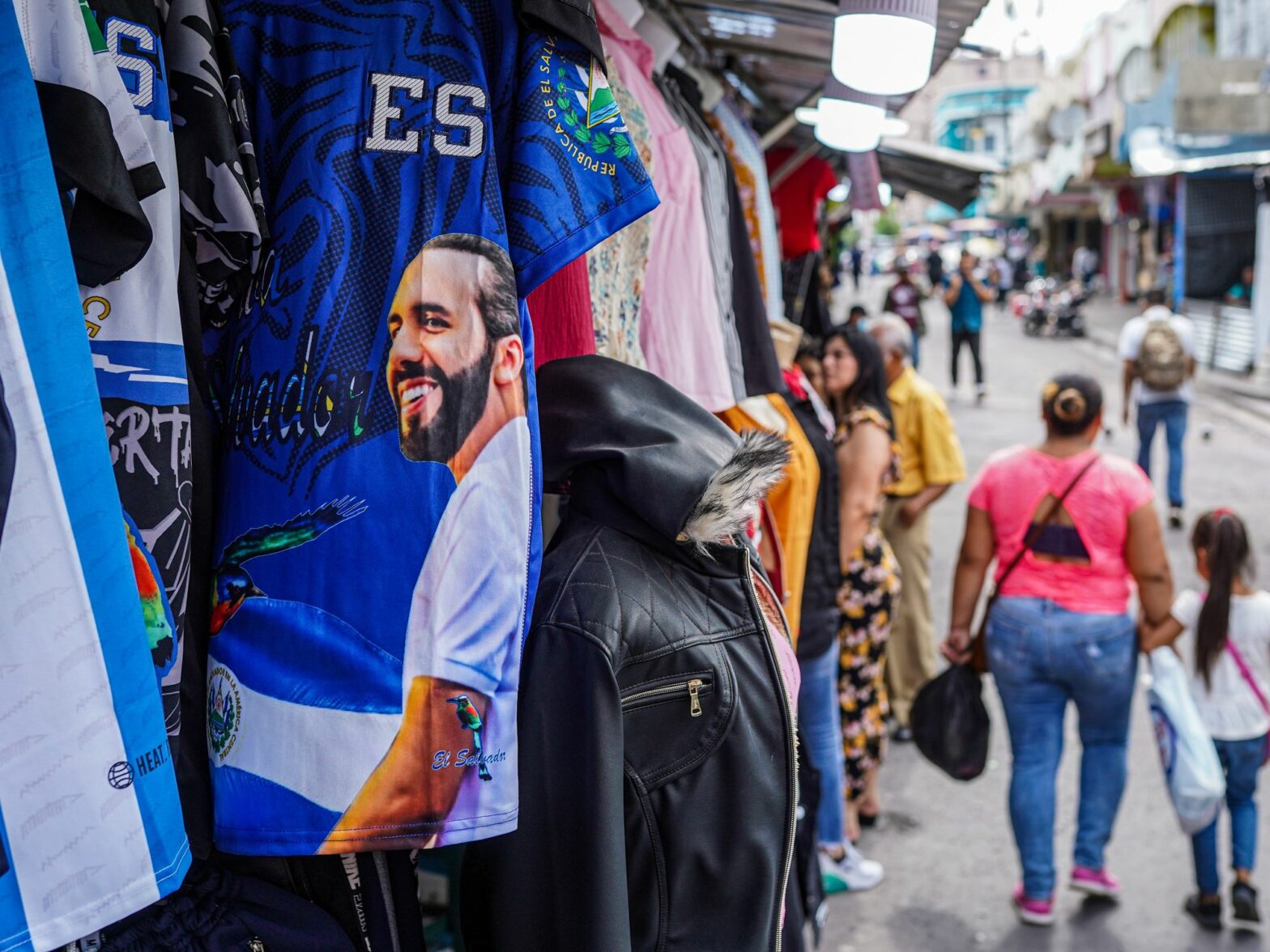
Through quiet diplomacy, Russia may be courting the rising star of Latin American populism, El Salvador’s President Nayib Bukele. In time, he must decide between international respectability and a bear hug from Vladimir Putin.

A document leak from a major hacking company opens the door to the Chinese system of digital espionage and influence, which is part of worldwide system that is changing the nature of geopolitics.
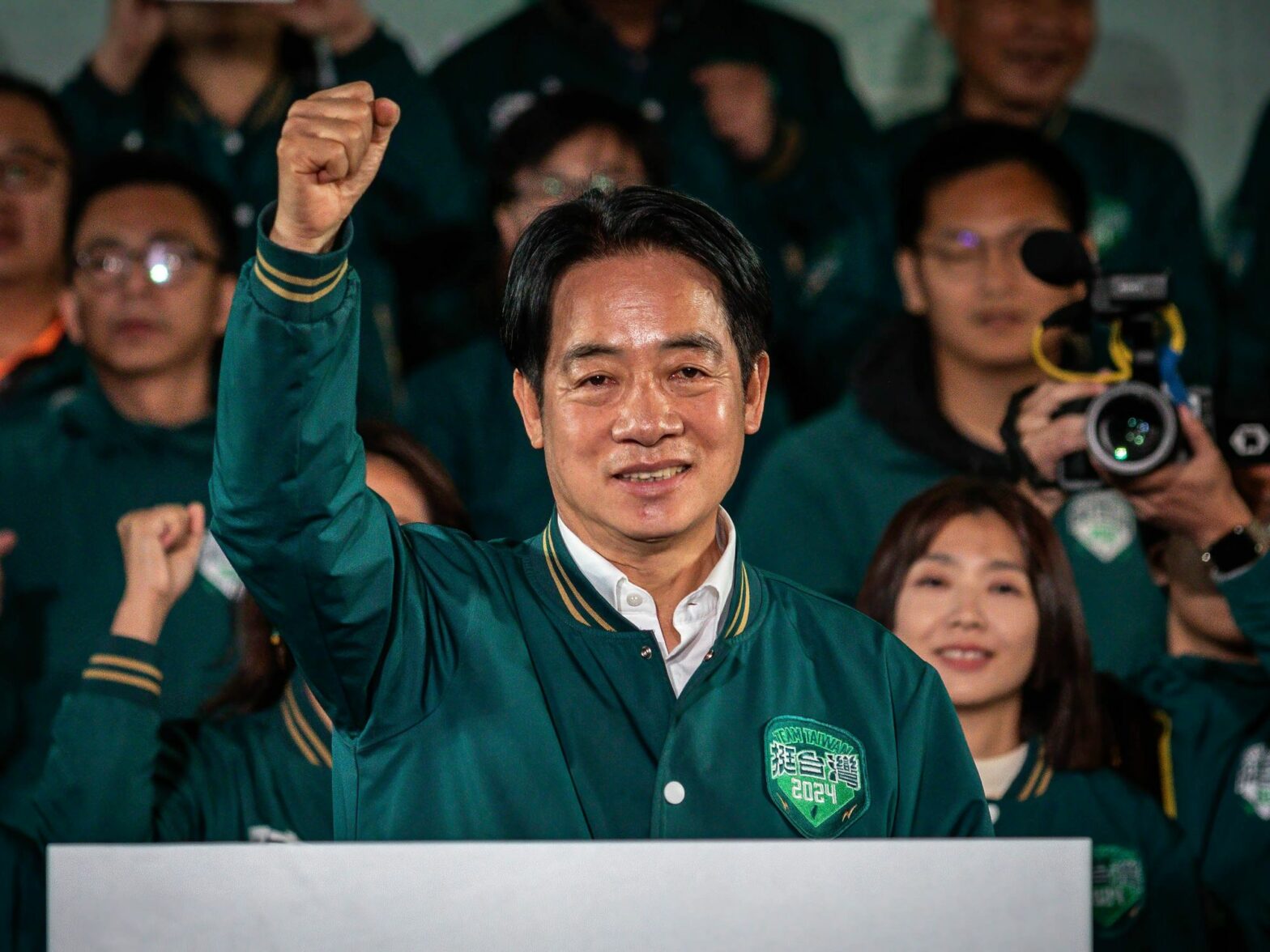
By electing William Lai, the Taiwanese people have reaffirmed their desire for sovereignty and independence from China in the face of Chinese threats. And meanwhile, Donald Trump’s comeback could reshuffle the cards again.
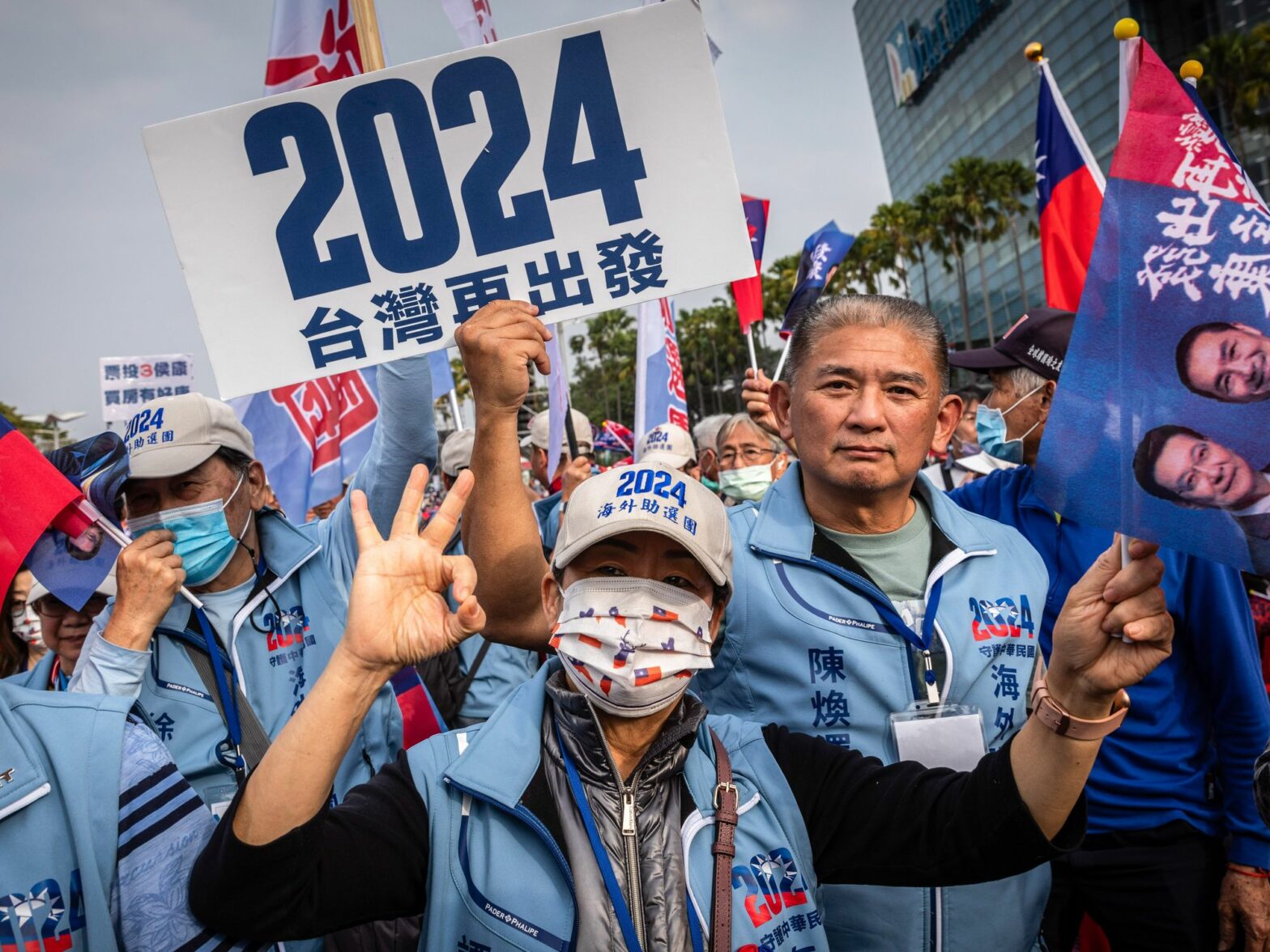
It’s the first big election of 2024, and it may well prove one of the most contested — and significant ones. As these vote on Saturday, Taiwanese citizens will be picking the fate of their identity and democracy.
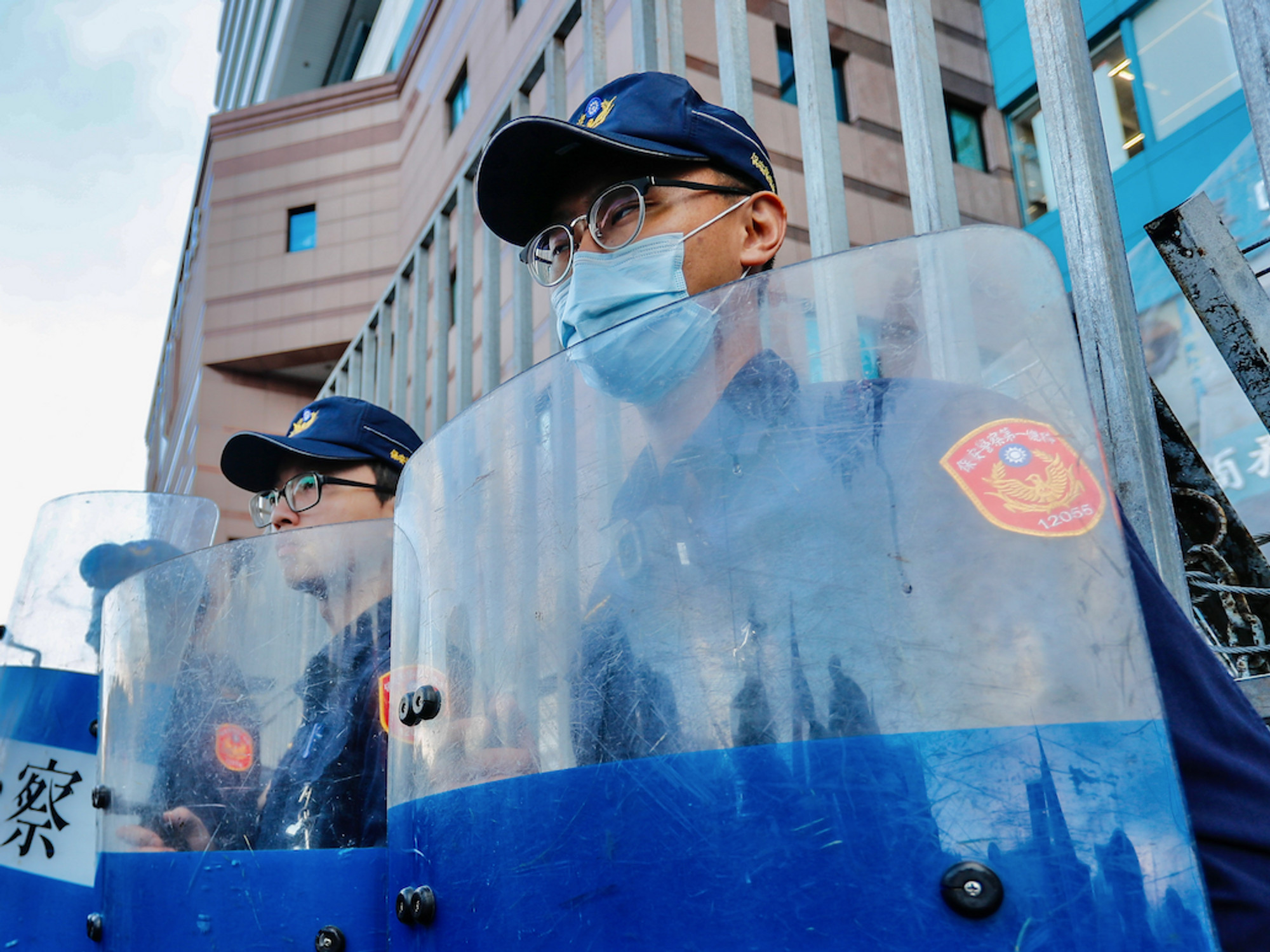
Taiwanese, though under the weight of a far more powerful neighbor, have the tendency to idealize Israel and fail to create a self-definition beyond the island nation’s anti-China image.
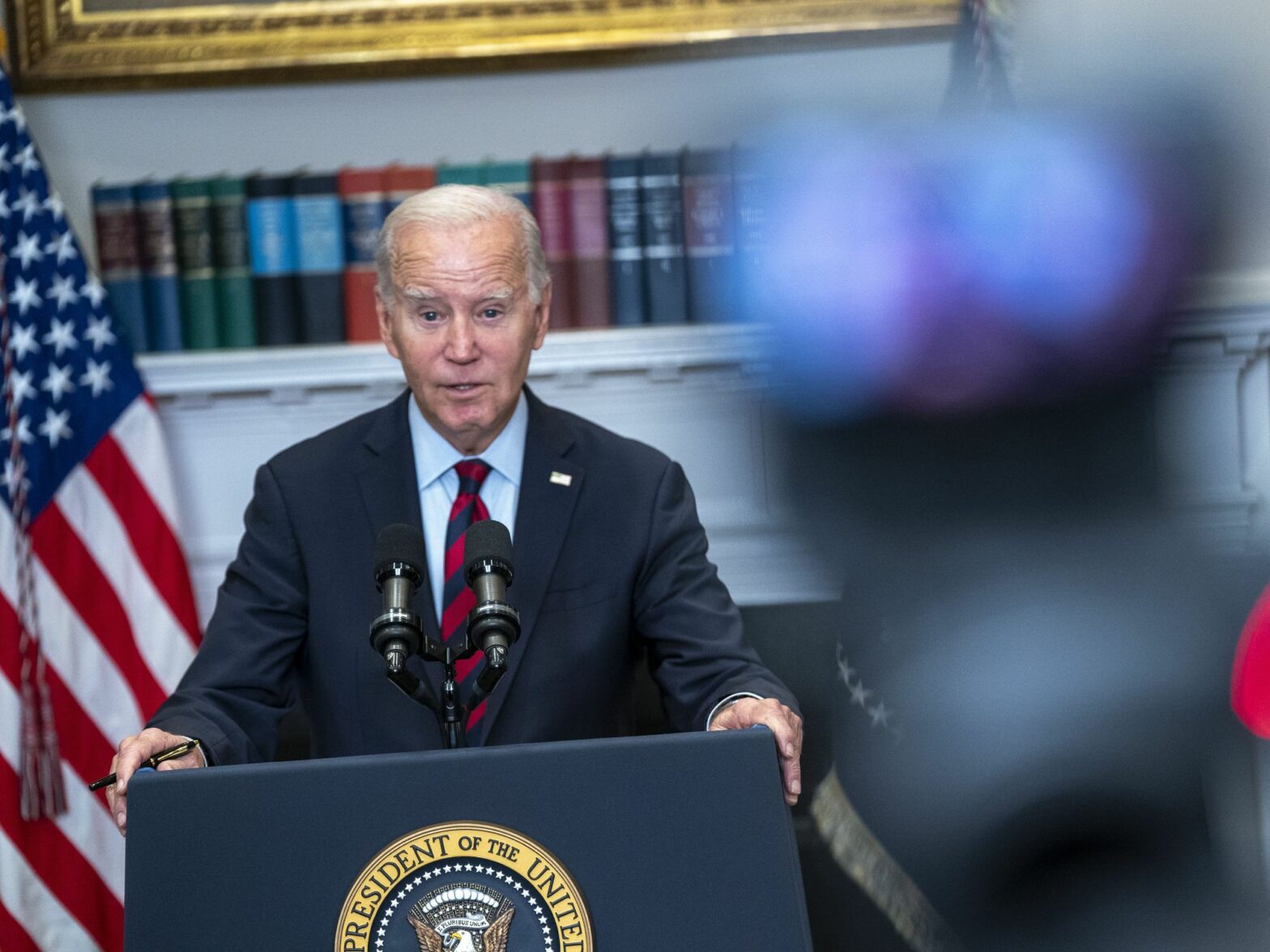
The deep dysfunction of American democracy is bringing smiles (and big ideas) to autocratic regimes around the world, convinced that it is a sign of the West in decline.
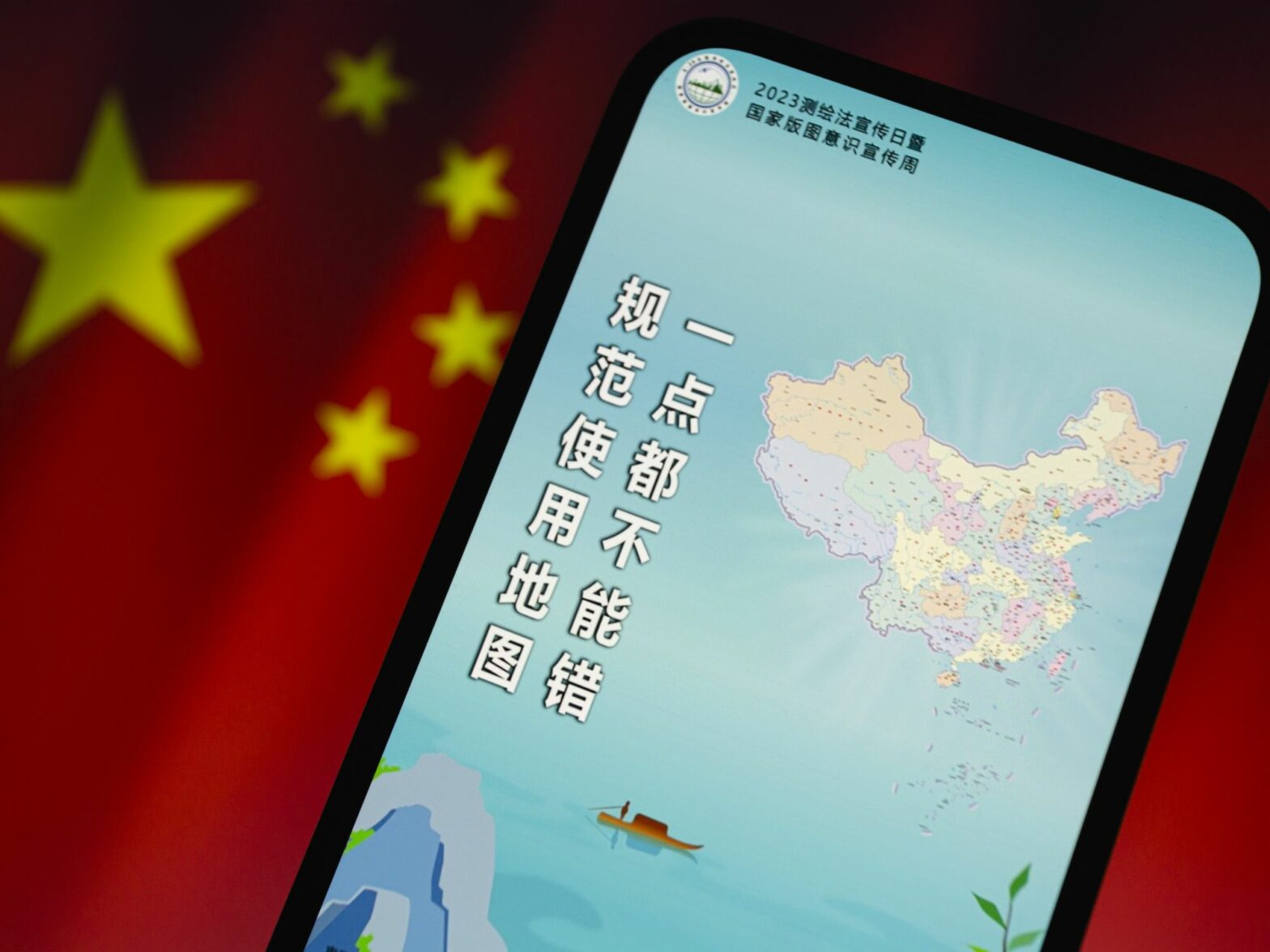
China released a new map where it borrows strips of lands from its neighbors. Although this is far from being the first time the country is involved in territorial disputes, Beijing’s growing military shows it has the power (and will?) to try to make it a reality.
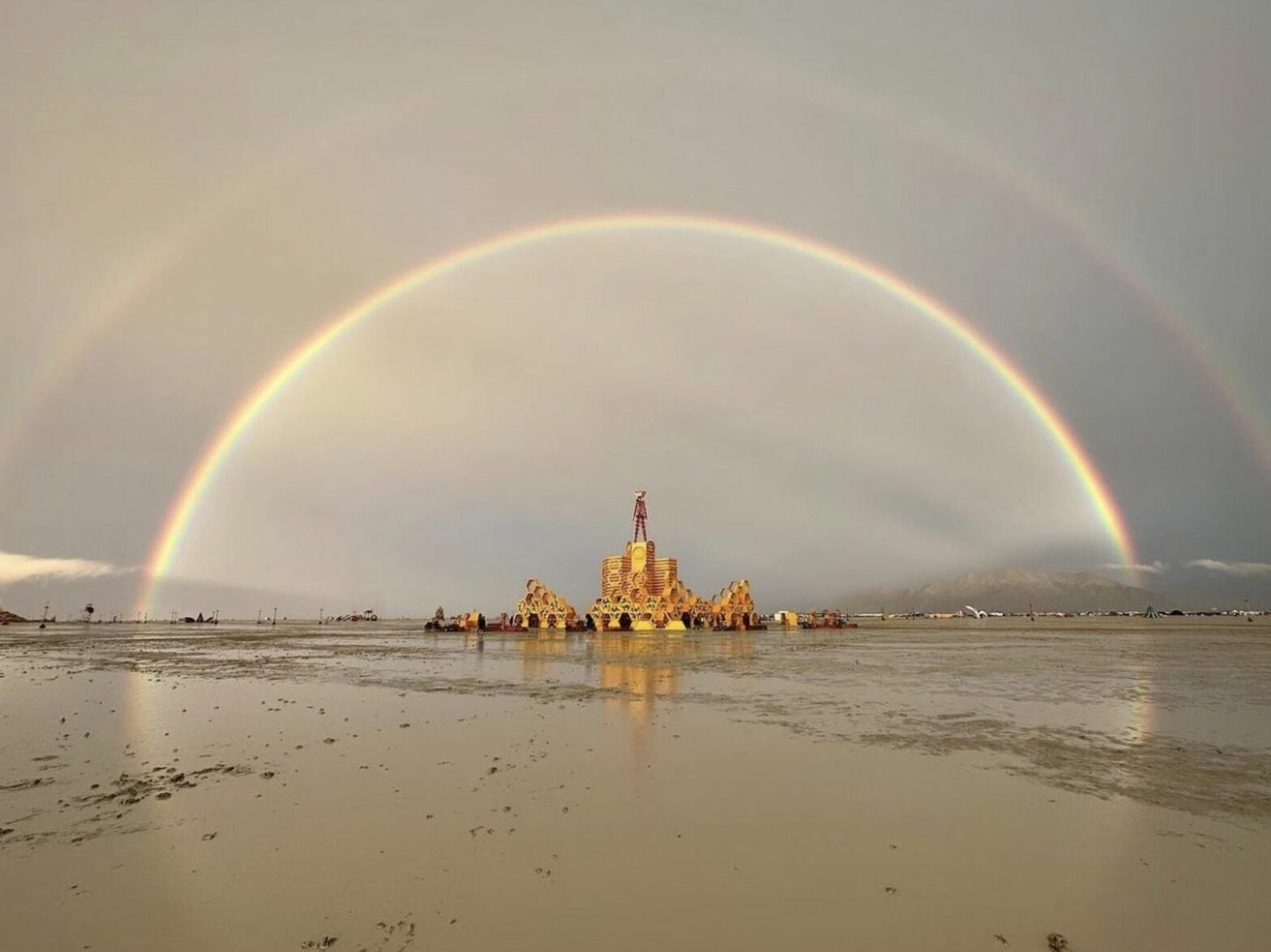
? Ǹdéèwō!* Welcome to Monday, where Gabon’s coup leader is sworn in as “transitional president” after President Ali Bongo was ousted last week, Russia launches an attack on one of Ukraine’s biggest grain ports and the most-used search engine celebrates its 25th birthday. Meanwhile, in Les Echos, Basile Dekonink reports from the small Balkan nation […]

Death metal is considered the most soulless music of all. But the Taipei-based Buddhist death metal band Dharma is proving otherwise. Their music may also even be a secret weapon in the island’s stand-off with China.
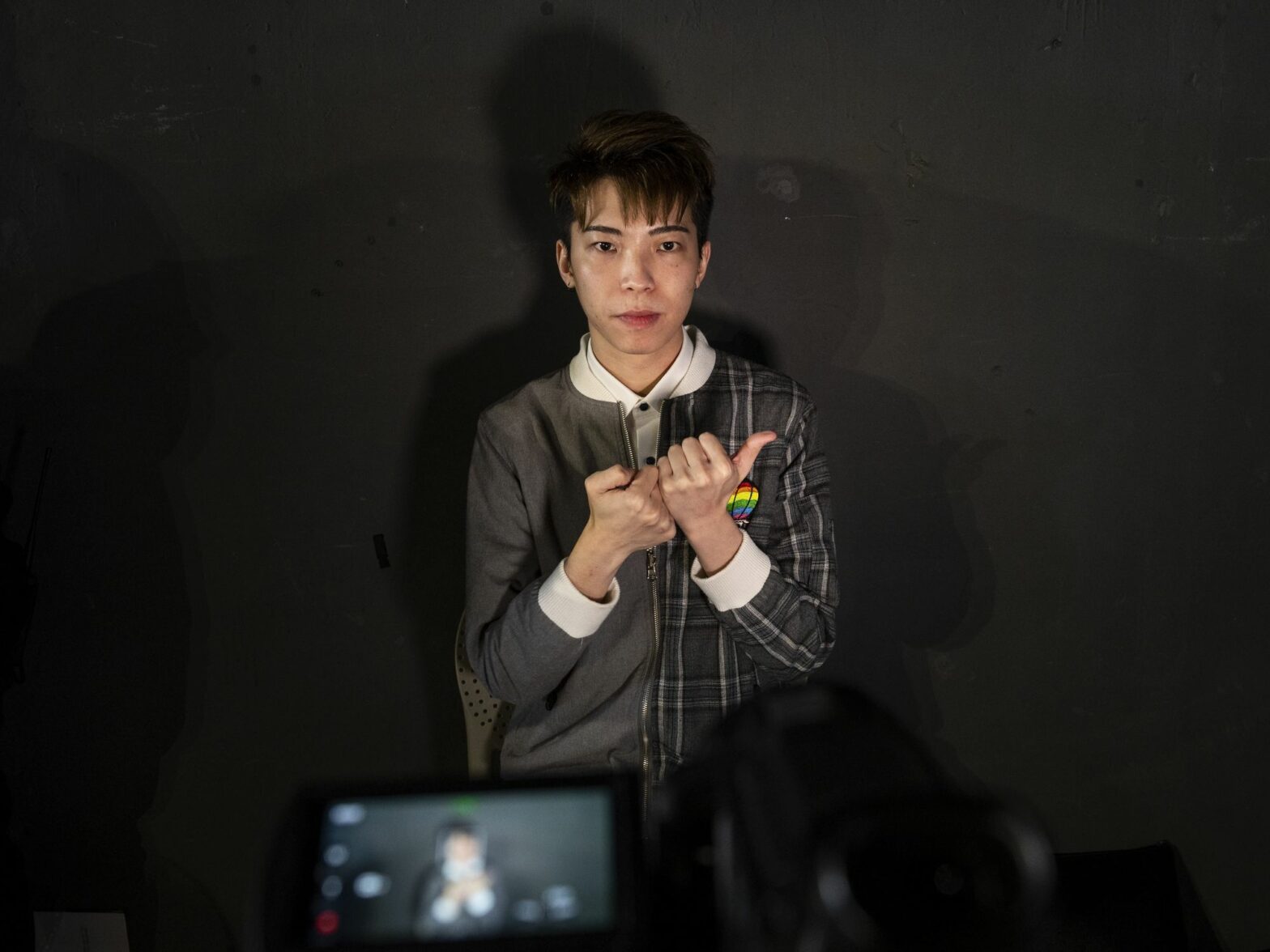
Sign language services are relatively good in such Asian countries as Japan, South Korea and Thailand. Why do they lag in Hong Kong? An exploration of the island’s particular circumstance
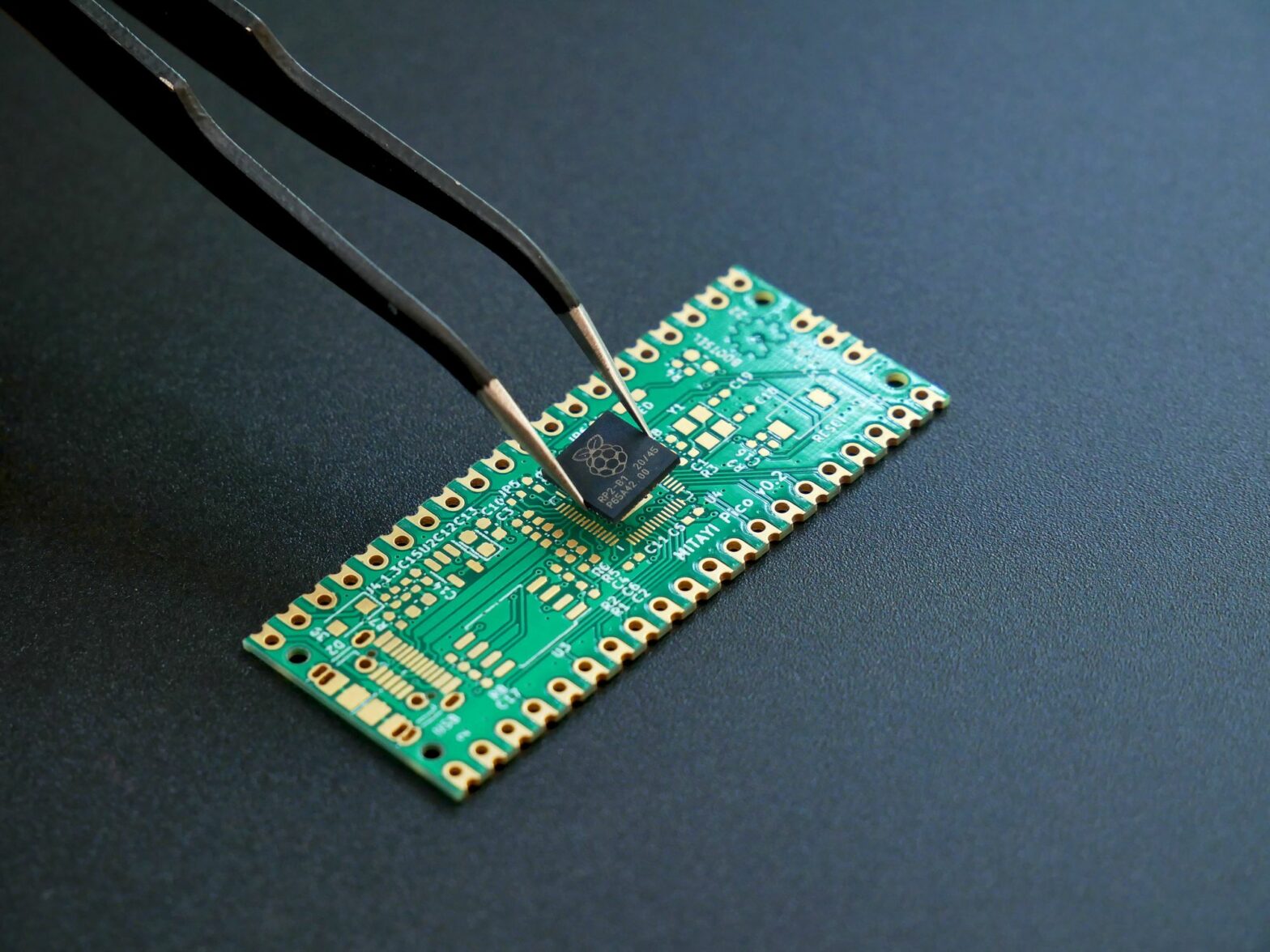
The manufacture of a chip requires 500 operations on three continents. Both the U.S. and China want to master this incredible logistics chain. And with Taiwan crucial to the supply chain, there is both a cause and effect to try to calculate.
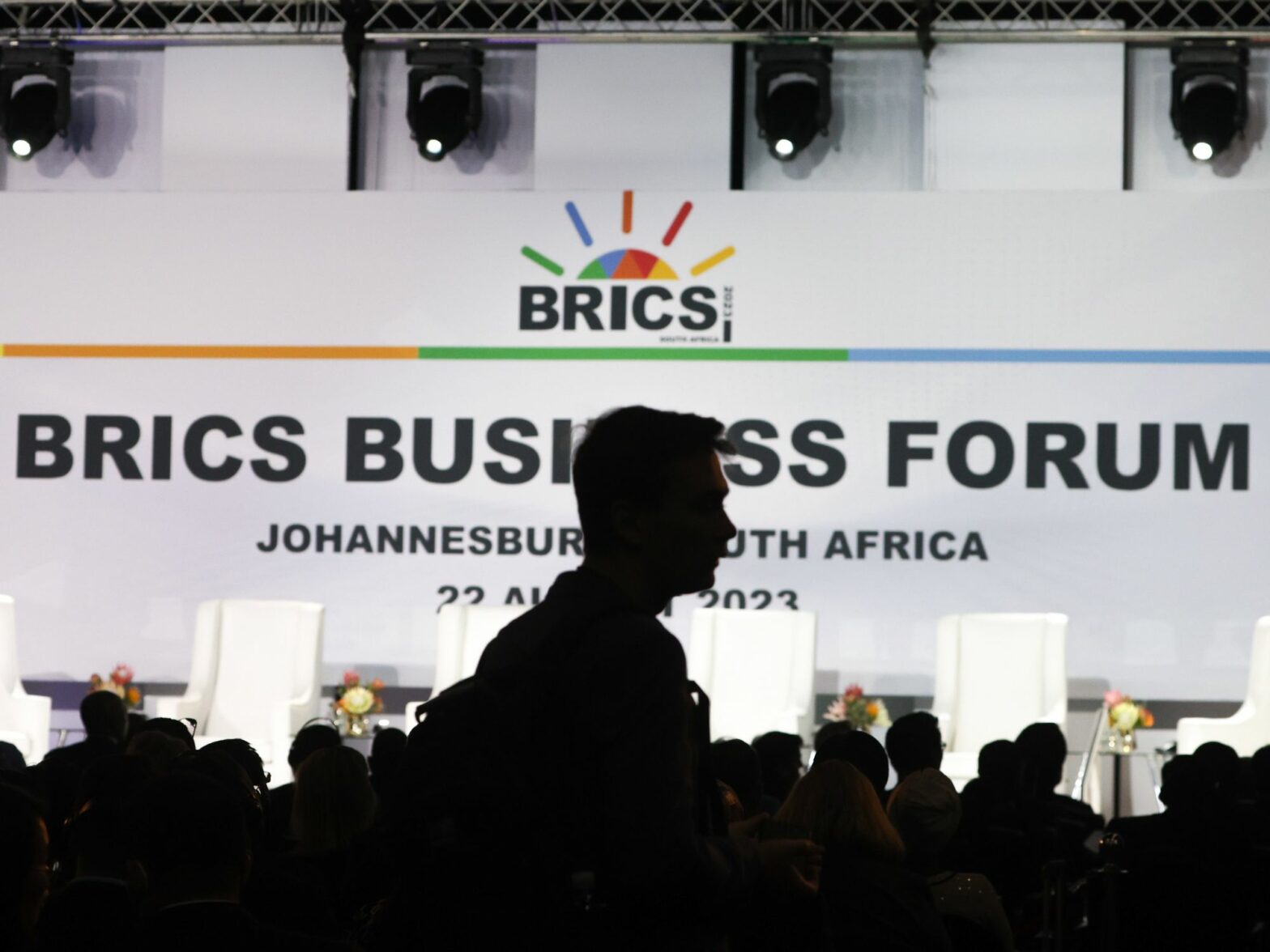
The war in Ukraine has become globalized, with its effects being felt from Africa to China. The only hope of de-escalation is in a potential diplomatic summit between the U.S. and China this autumn.
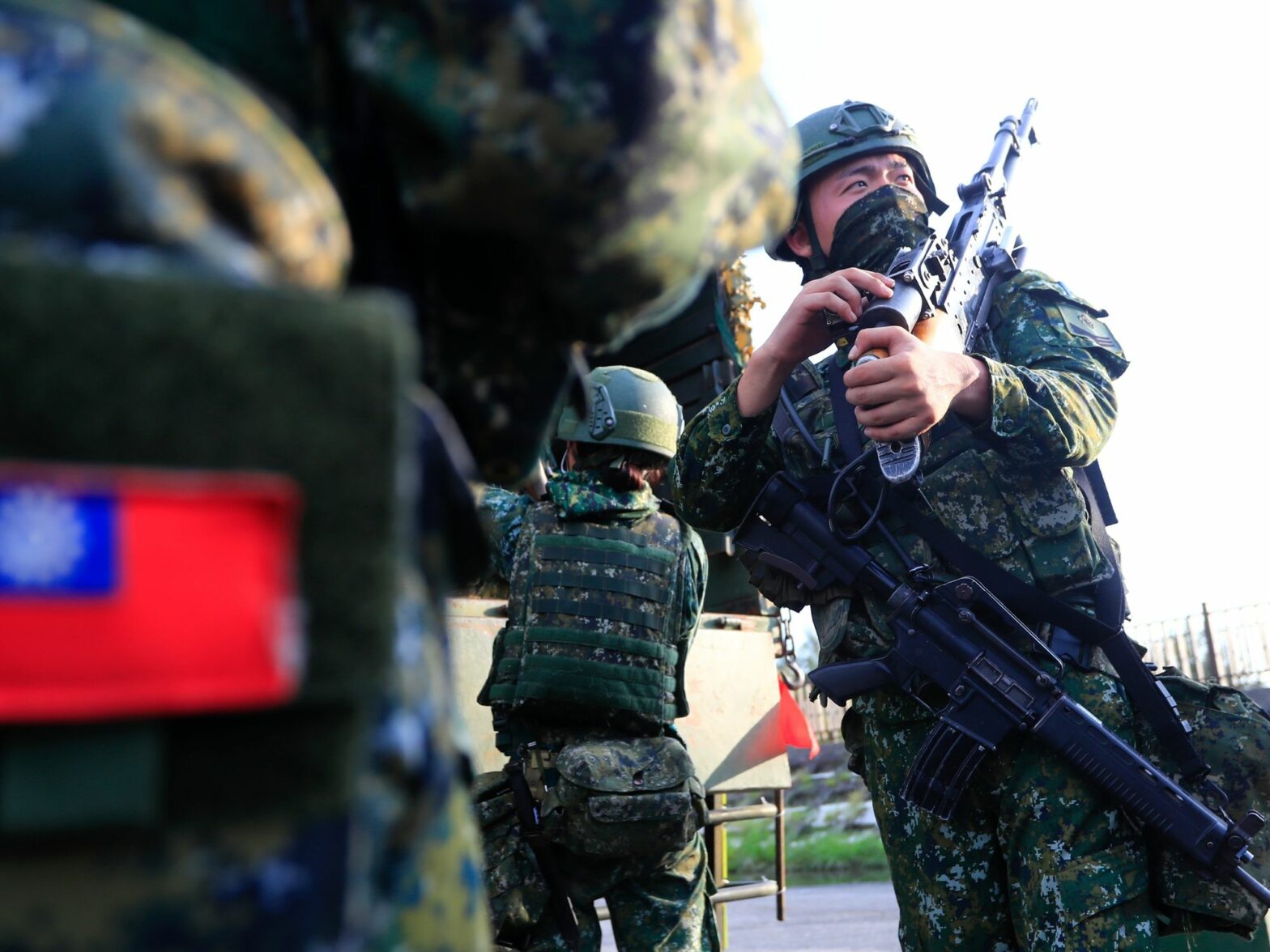
Beijing is obsessed with absorbing the “rebel island,” but a peaceful reintegration seems more and more unlikely. Despite the risk of an economic, and maybe military, confrontation with the U.S. and allies, an attempt by China to take Taiwan by force is probable, sometime between 2027 and 2049.
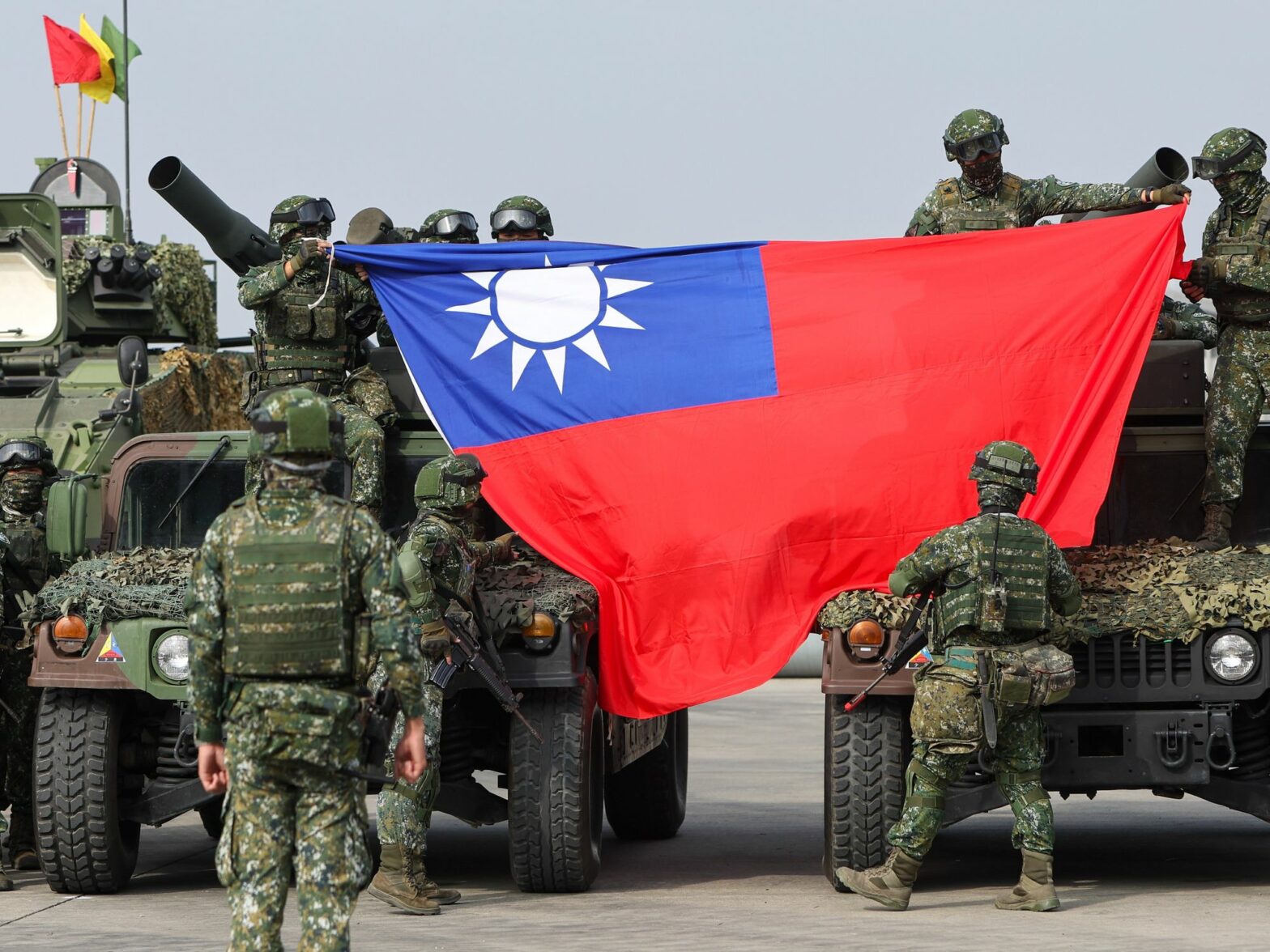
The Chinese military’s encirclement of Taiwan is above all a political move, not a tactical one. War is unlikely for now: Beijing still has other cards to play in the crisis. But if these fail, anything is possible.
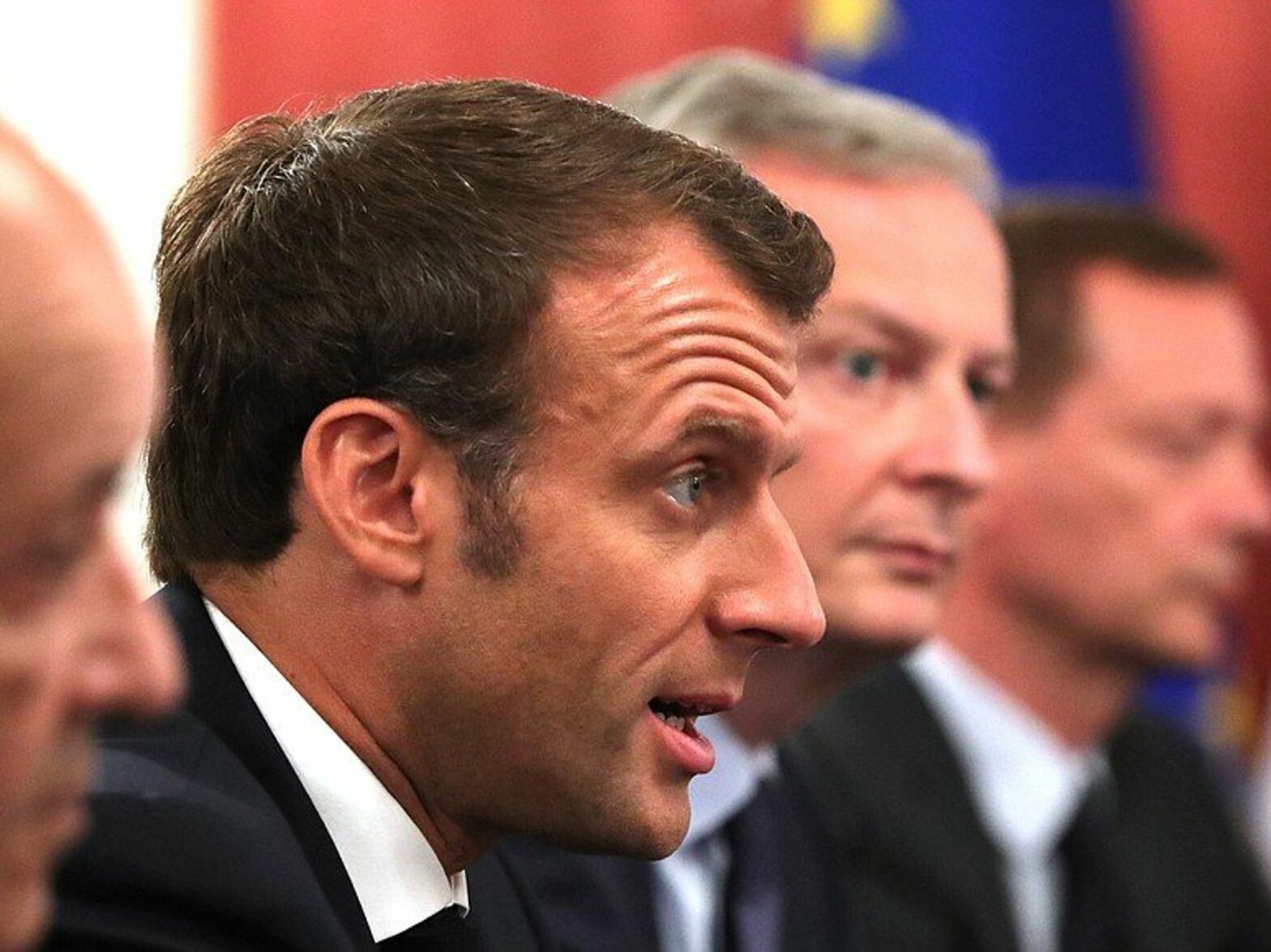
Translated in full from French, here is the exclusive interview French President Emmanuel Macron gave to three reporters on his way back from his trip to China, in which he insisted that Europe needed more autonomy from the United States.
The issue of Taiwan has come up during French President Emmanuel Macron’s visit to China. The unresolved question of the island’s independence shows Europe will find it hard to remain neutral as tensions between the U.S. and China reach a new peak.
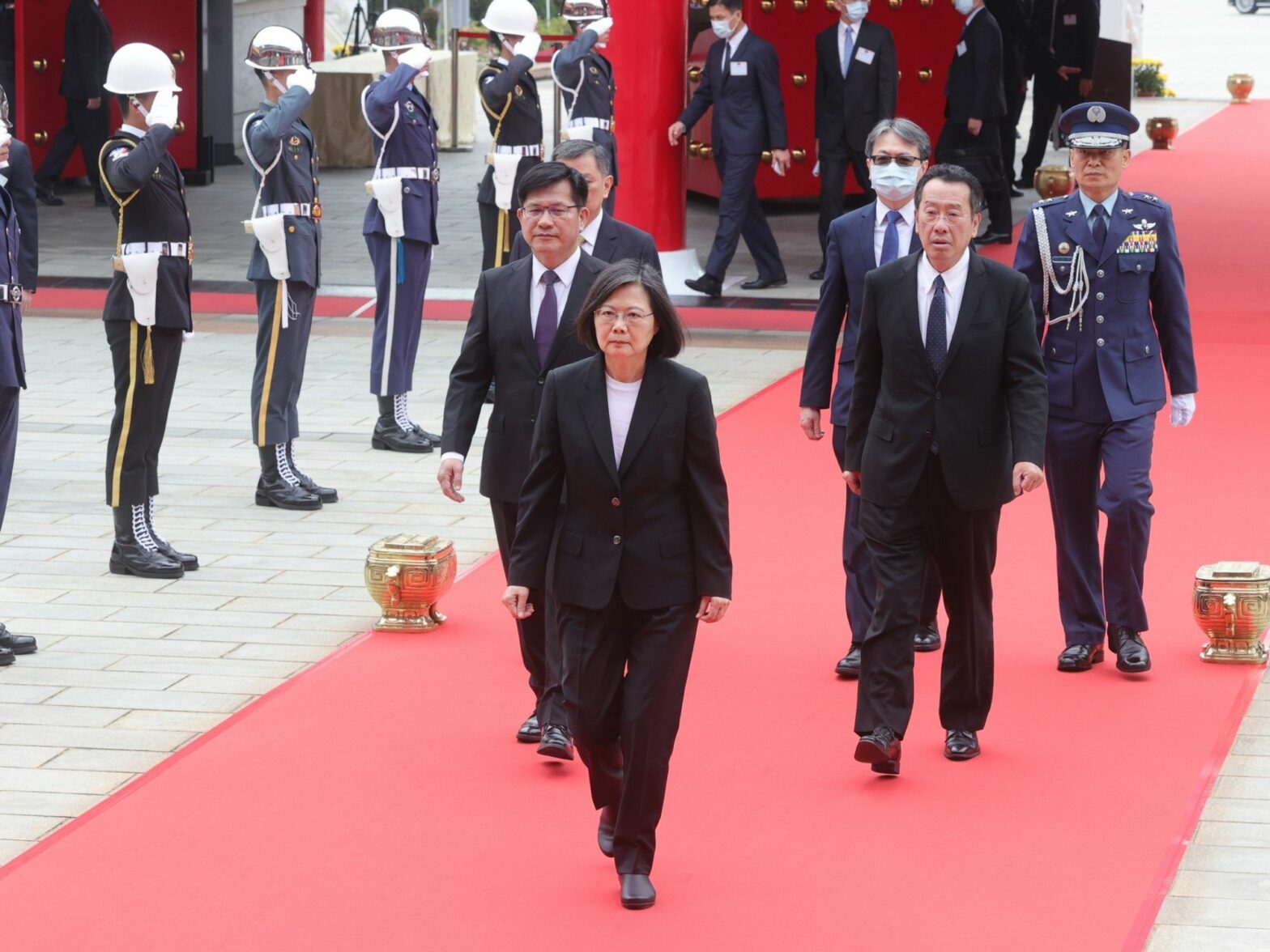
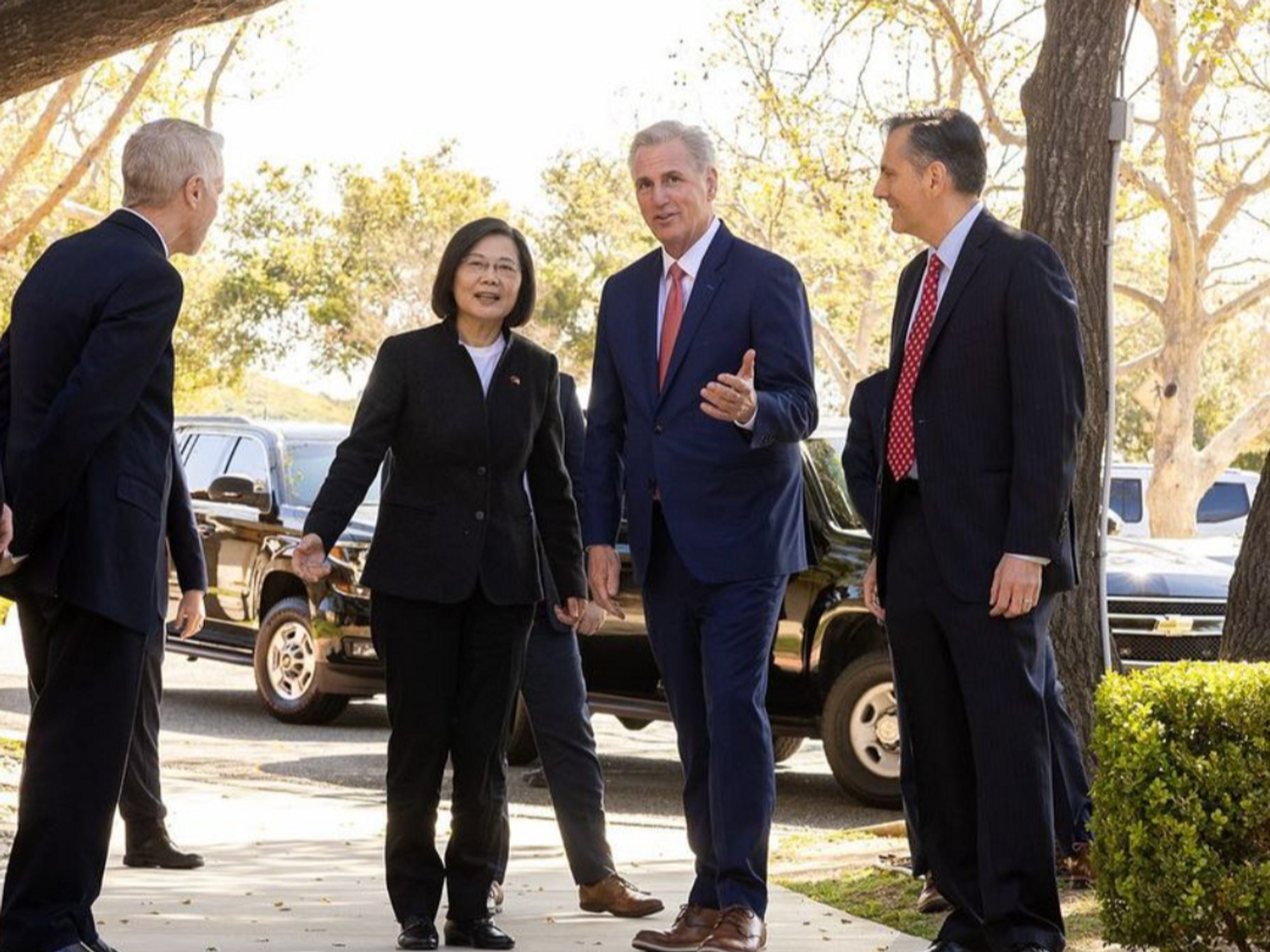
Two presidents of Taiwan, the current serving president, Tsai Ing-wen, and her predecessor, Ma Ying-jeou from the opposition Kuomintang party, are traveling in opposite directions these days. Taiwan must choose whom to follow.
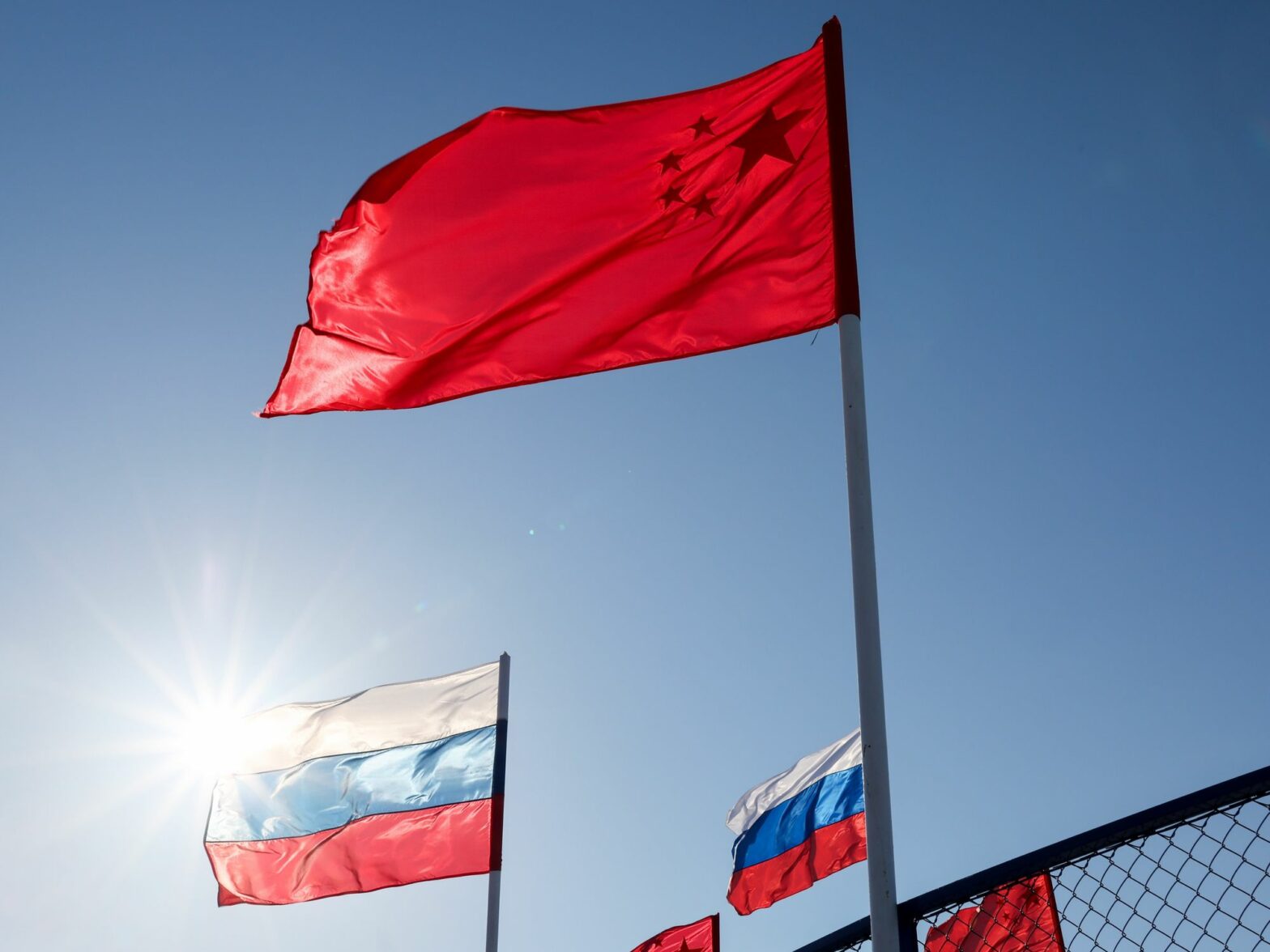
As the Chinese government puts together what it calls a peace plan for Ukraine, it’s also considering sending weapons to Russia. The Biden administration warns China will “pay a real price” if it helps Russia, but Beijing’s real goal is to weaken the United States.
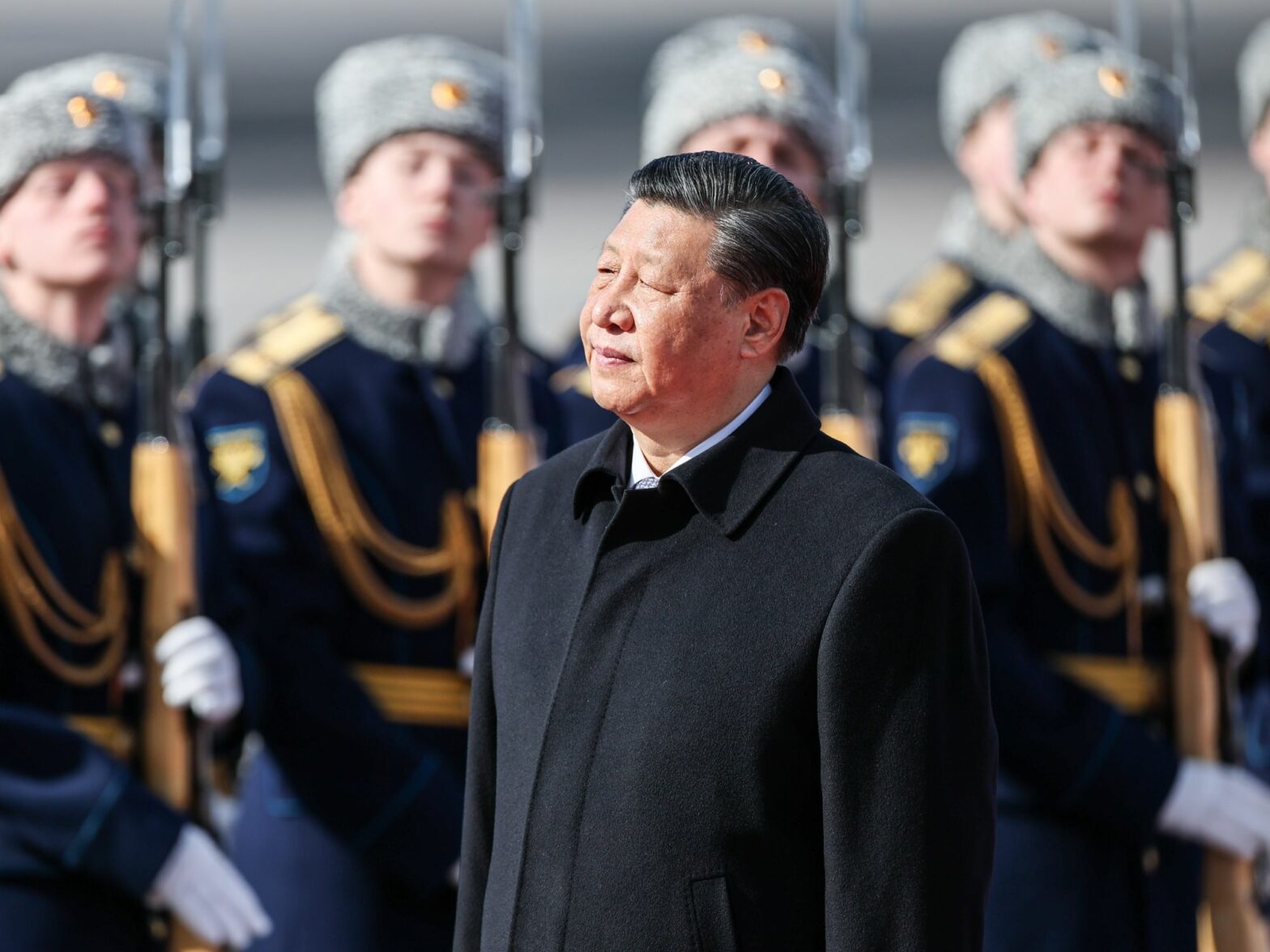
As Xi’s closely watched visit to Moscow begins, China and Russia may seem like strategic partners, but it has ultimately shown to be a marriage of convenience. And both countries are naturally competitors, wary if the other grows stronger.
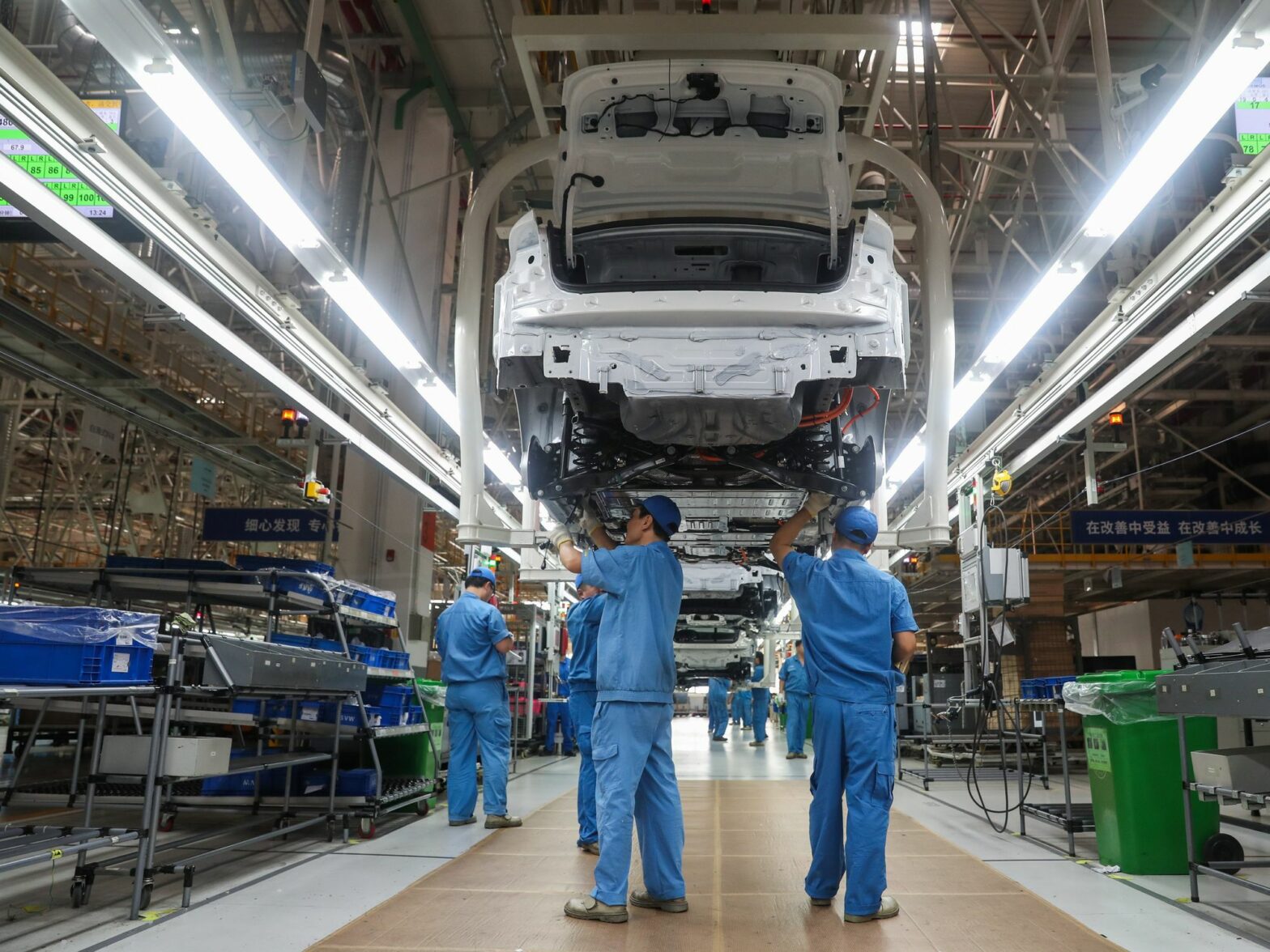
German automobile giant Volkswagen will invest billions in China to manufacture electric vehicles. It has deemed the risk of China invading Taiwan “unlikely,” a peek into the calculations that private-sector conglomerates make, just like state actors.
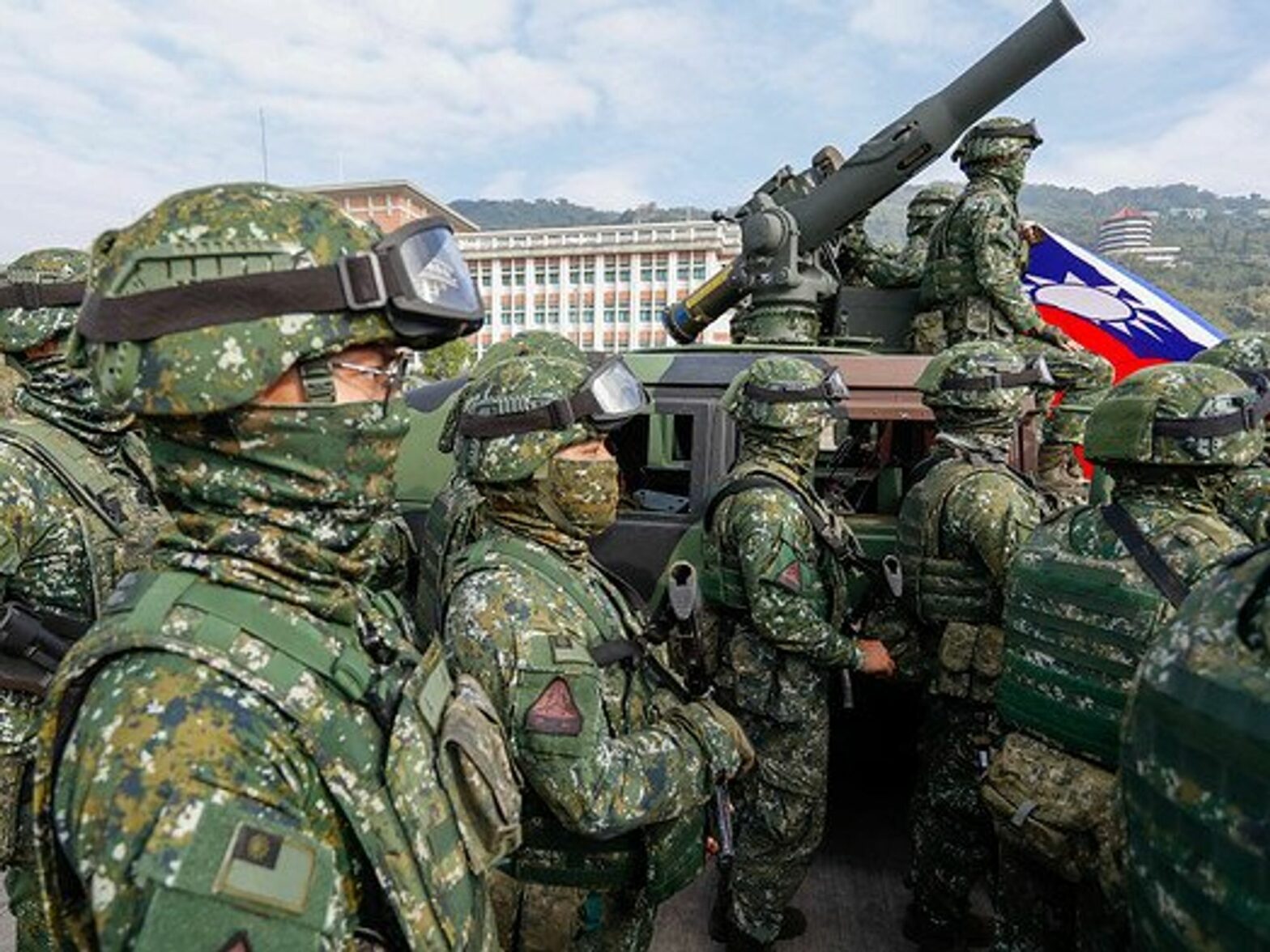
China is spending more money on weapons and defense than ever. The reason is evident: Xi Jinping wants to take Taiwan. Europe should follow the U.S. and support Taipei militarily as the only way to deter Beijing from war.
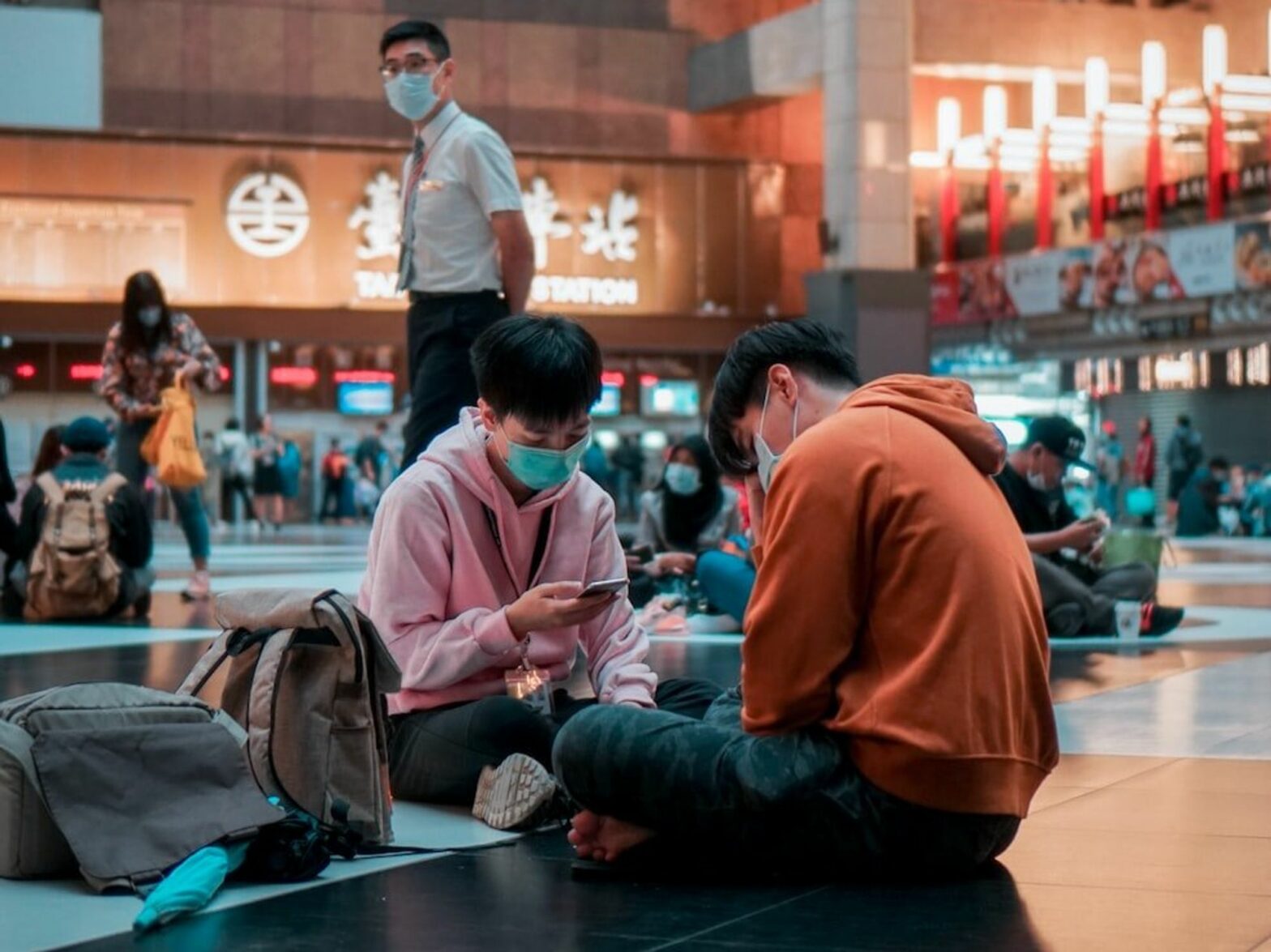
As more young people in Taiwan use Chinese social media, drawn to the fun and glitzy elements of life on mainland China, they need to learn to distinguish real life from propaganda.
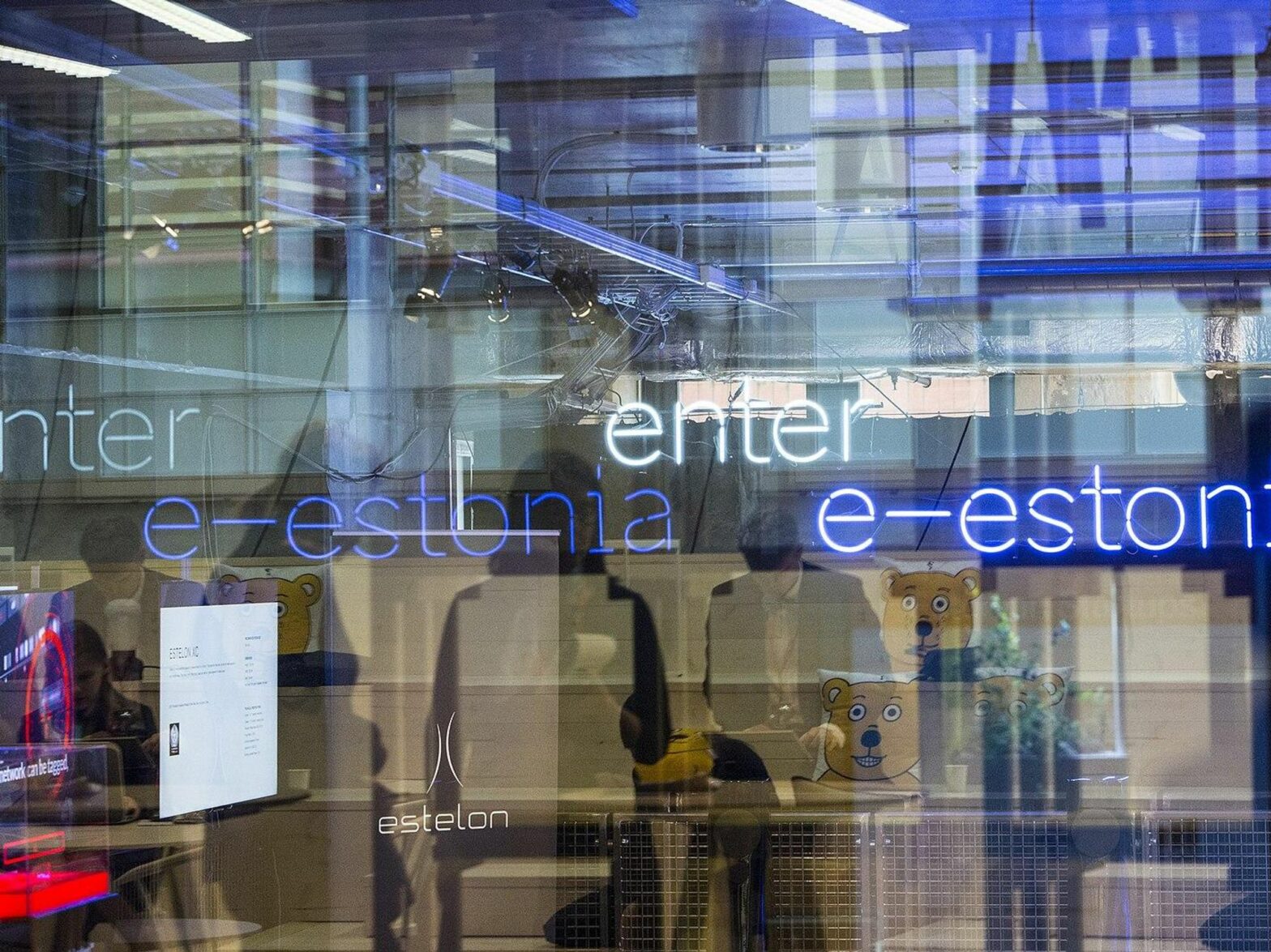
An Estonian e-residency that gives holders access to the country’s government services and business networks has growing takeup in both mainland China and Taiwan. For both business and political reasons.
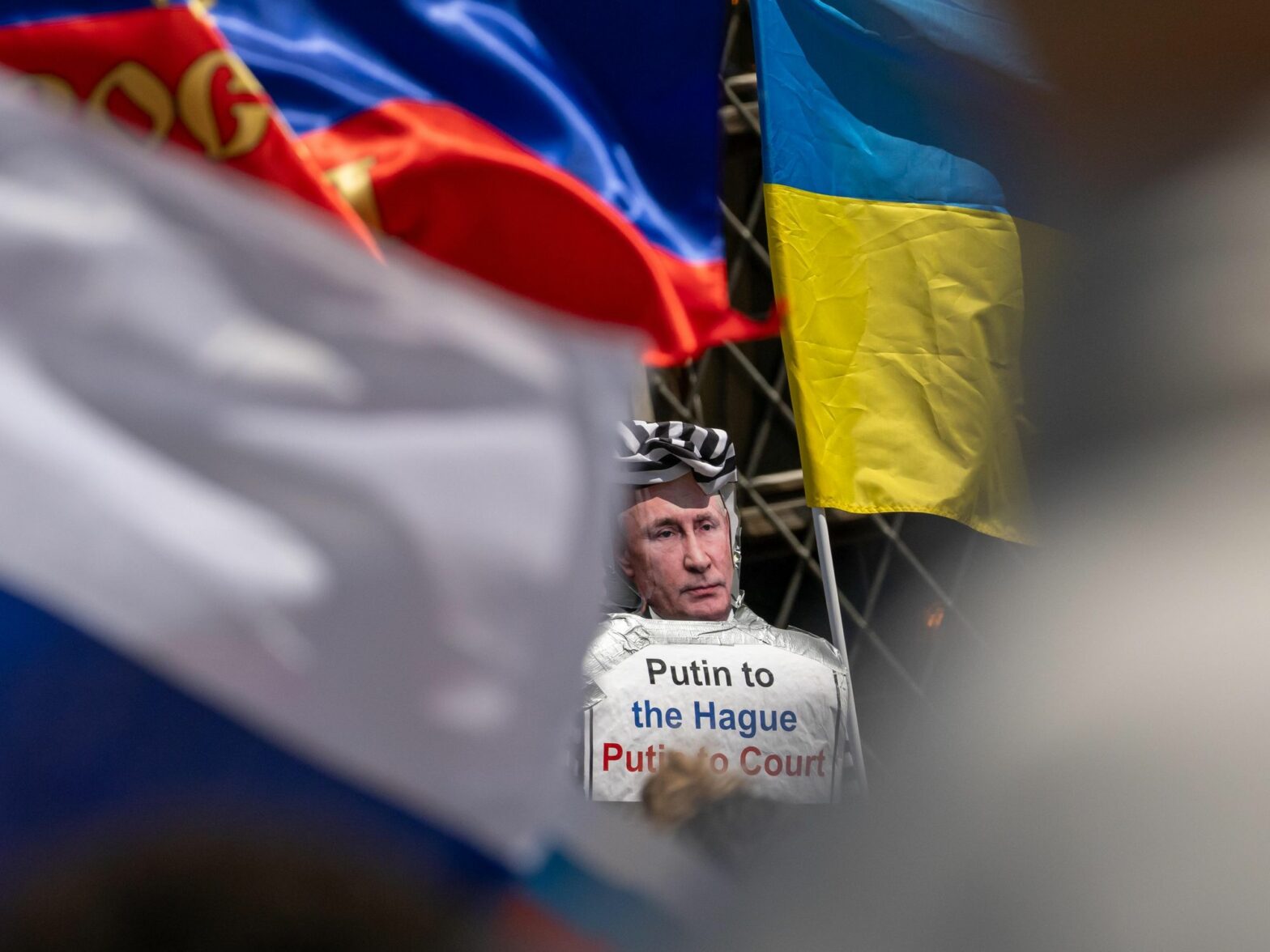
Consider the inverse of “collateral damage.” Envision Russia’s defeat and the triumph of a democratic coalition offers reflection on the most weighty sense of costs and benefits.
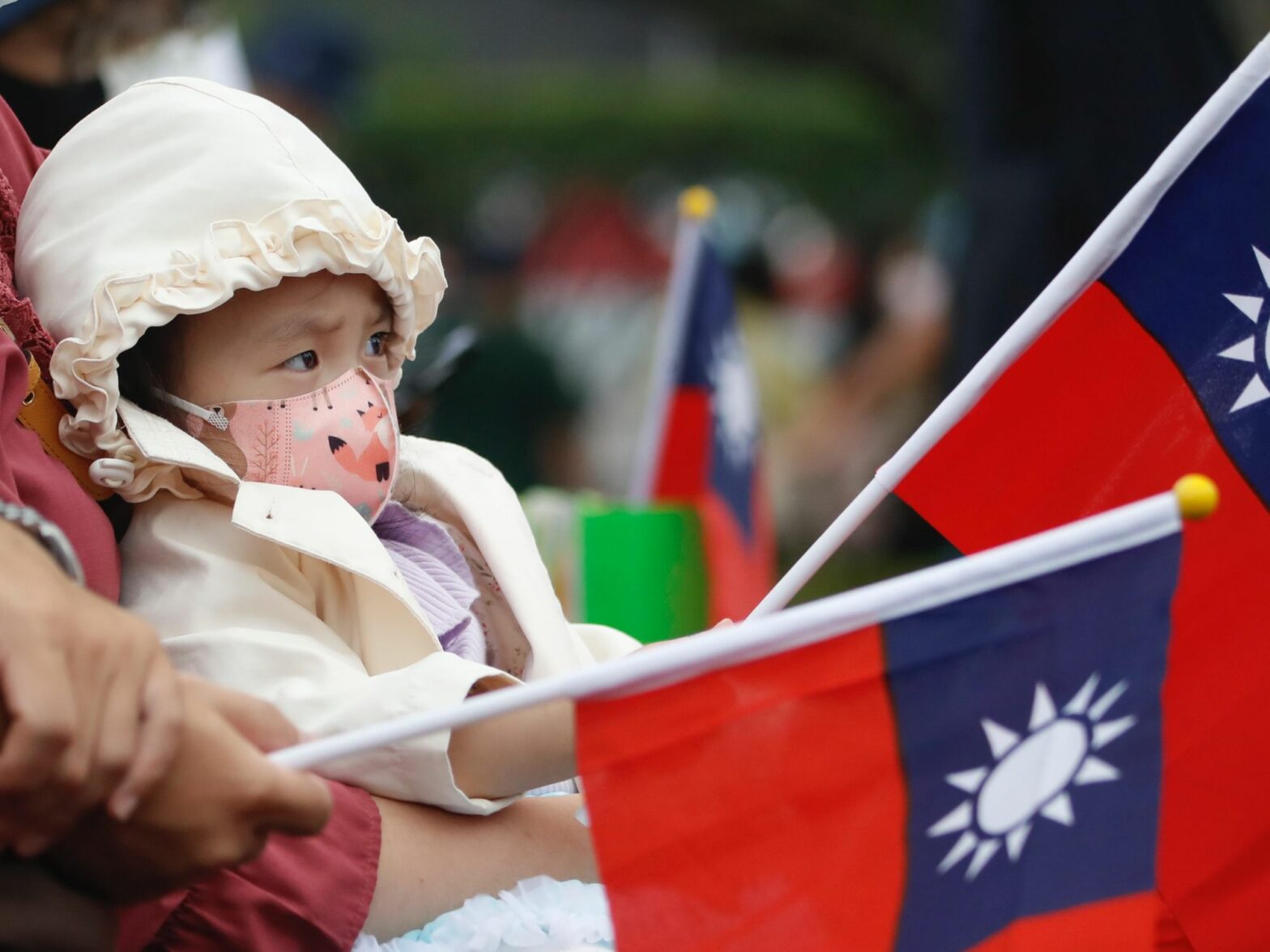
The past year has added new elements into the showdown across the Taiwan Strait, from Nancy Pelosi’s visit to the war in Ukraine to Xi jinping’s power grab. Now we may be reaching a tipping point that could lead to a military showdown, even if the question of when is still wide open.
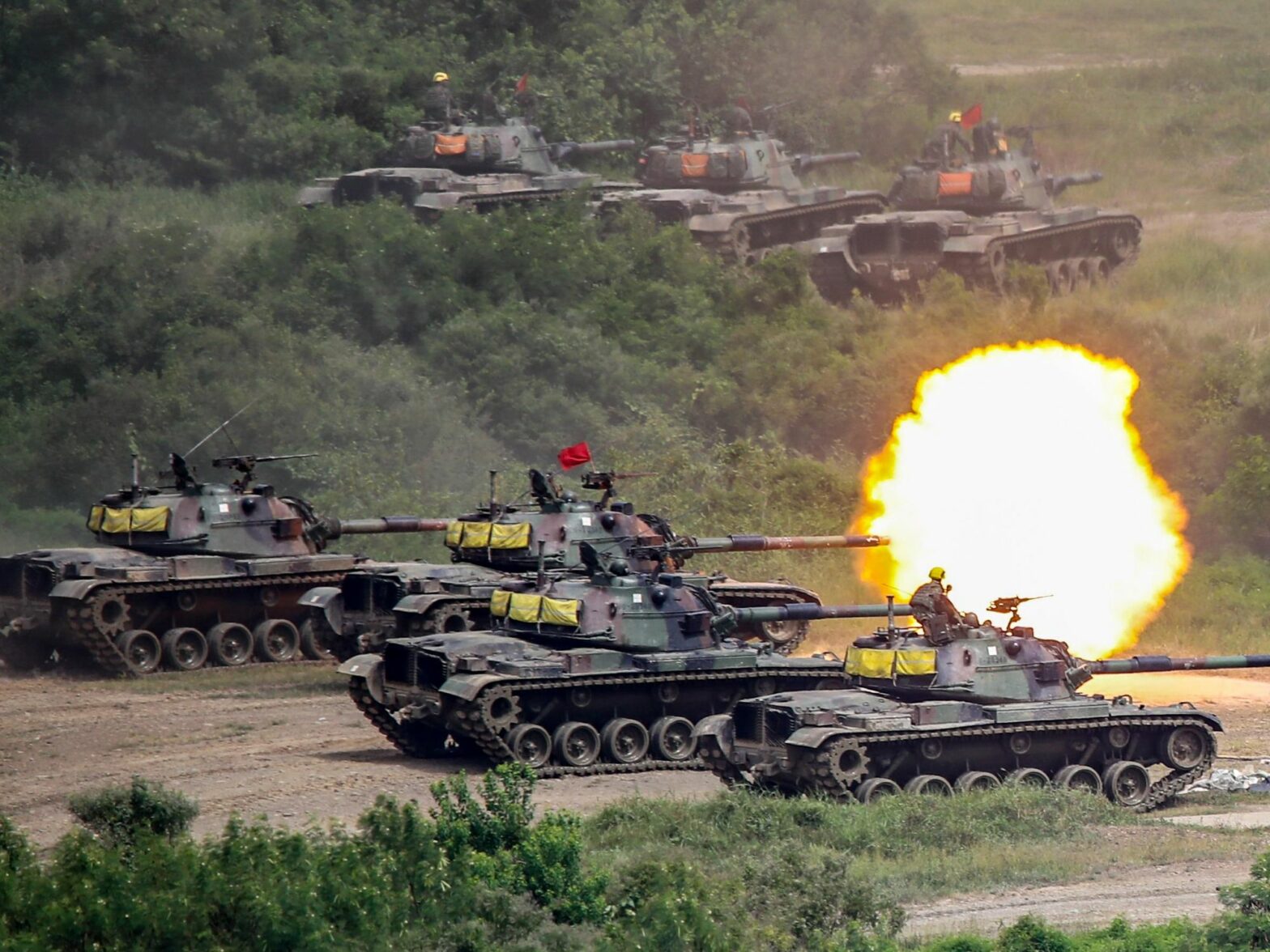
Large segments of Taiwan seem underprepared or indifferent when it comes to the possibility of Chinese invasion. But some are actively preparing, using Ukraine as a role model.
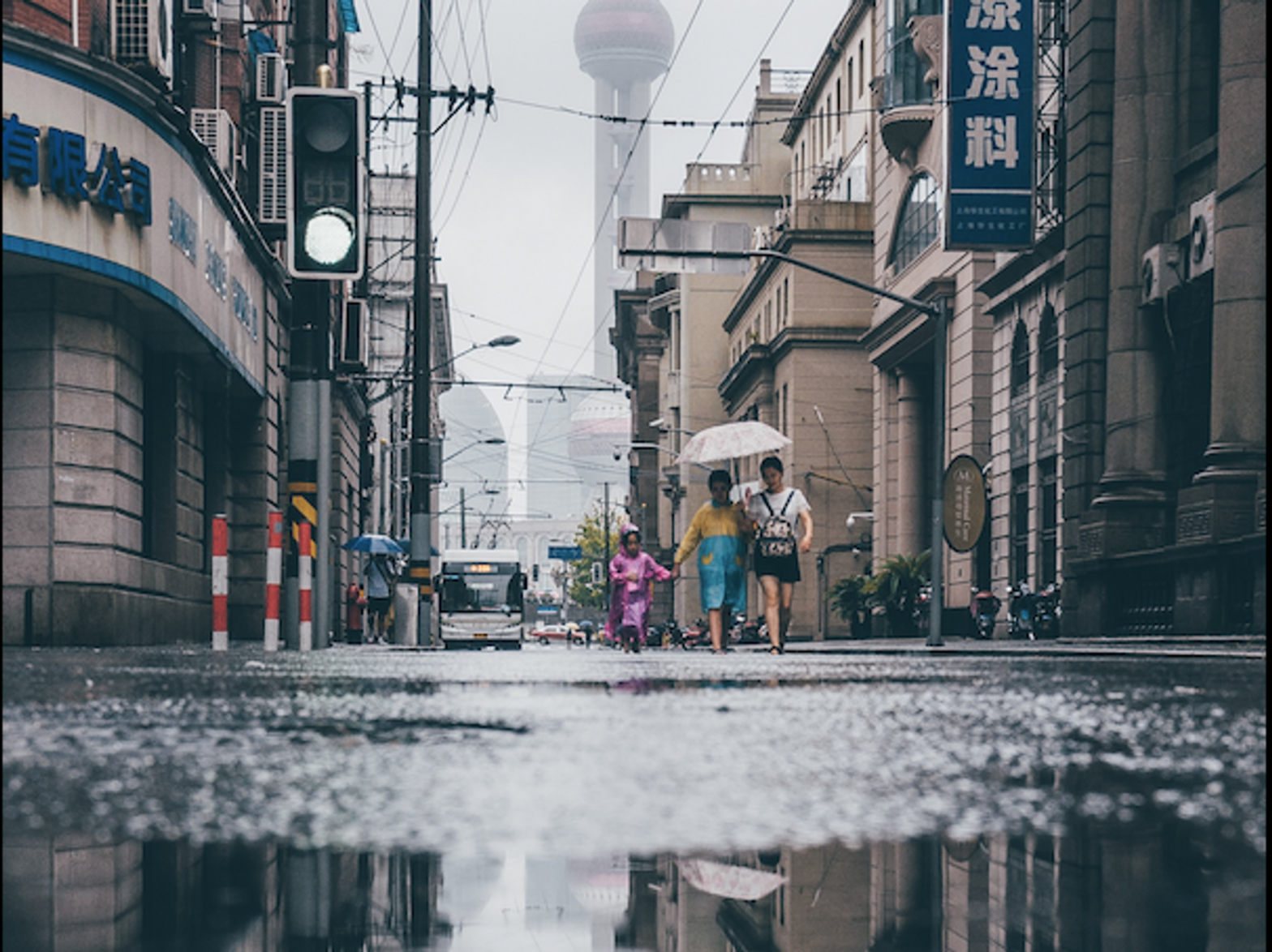
Tensions between Taiwan and China have ratcheted up over the last two years, peaking with Nancy Pelosi’s visit to Taiwan in August. The Taiwanese who have lived peacefully on the mainland for many years are now questioning their place in an increasingly hostile environment.
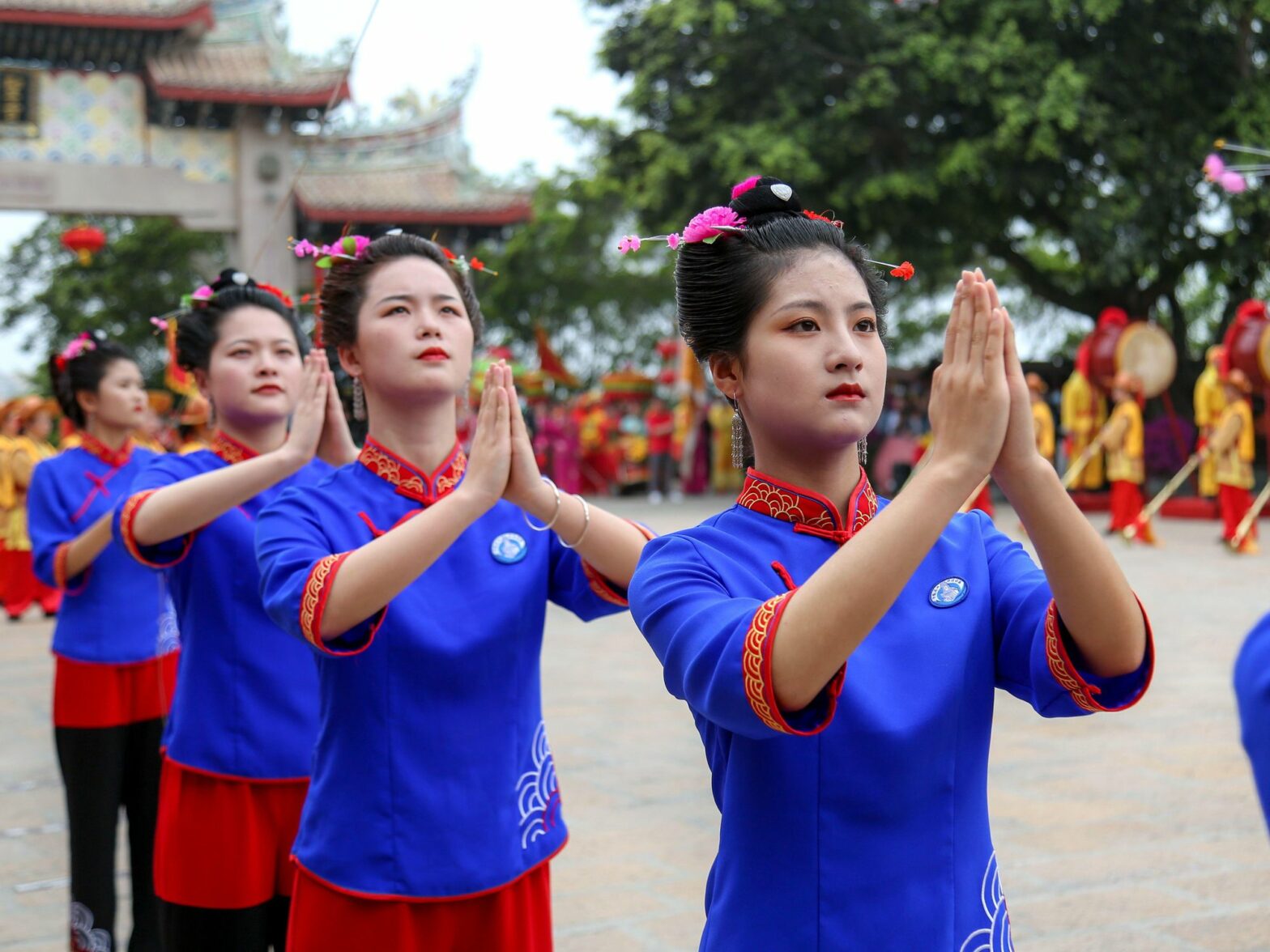
Emerging religions and cults in Asia are deeply intertwined with politics: in China, religions need political approval, while in Japan religious groups use political platforms to assert themselves. Not even the killing of former Japanese Prime Minister Shinzo Abe, carried out by a member of the Unification Church, has prompted a closer look at exactly what role religion plays in society.