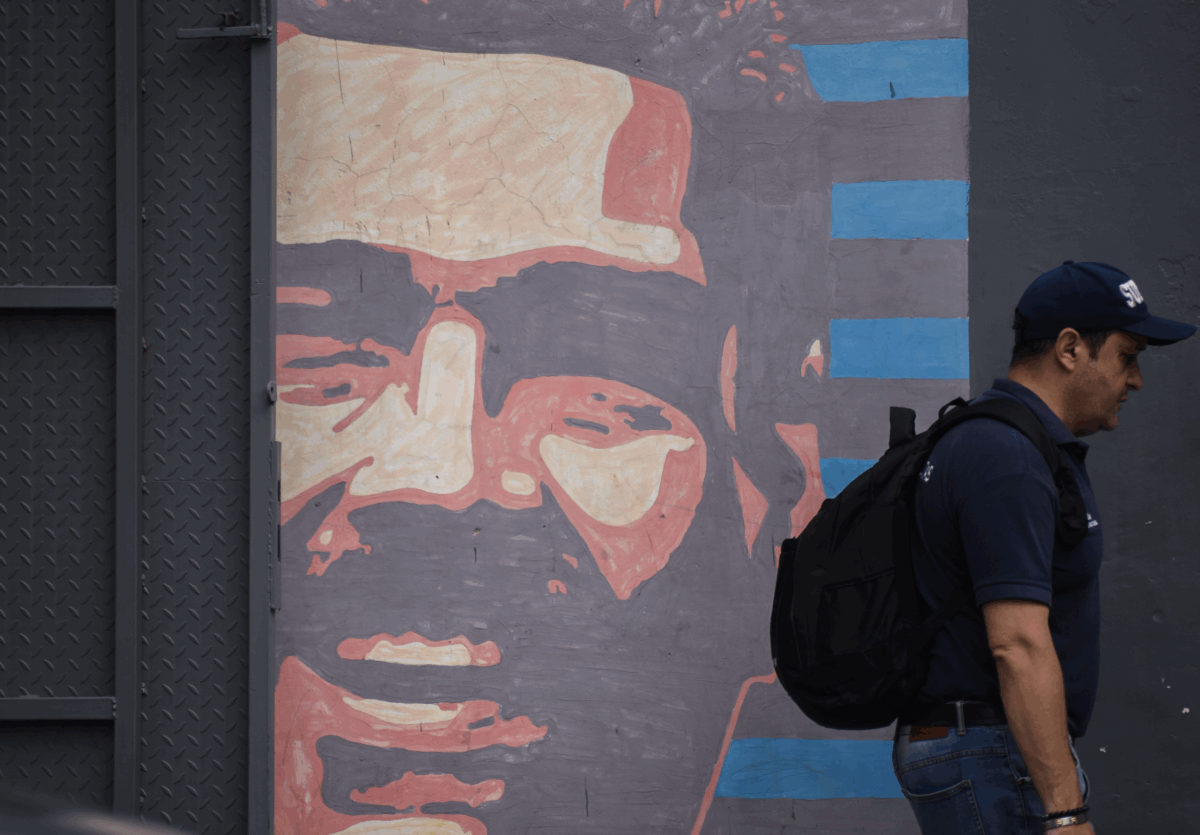
Venezuela is being held hostage. Rather than outrage, the appearance of a U.S. armada has produced an almost sacrilegious sigh of relief in many. But is even that enough?
 Worldcrunch
Venezuela is being held hostage. Rather than outrage, the appearance of a U.S. armada has produced an almost sacrilegious sigh of relief in many. But is even that enough?
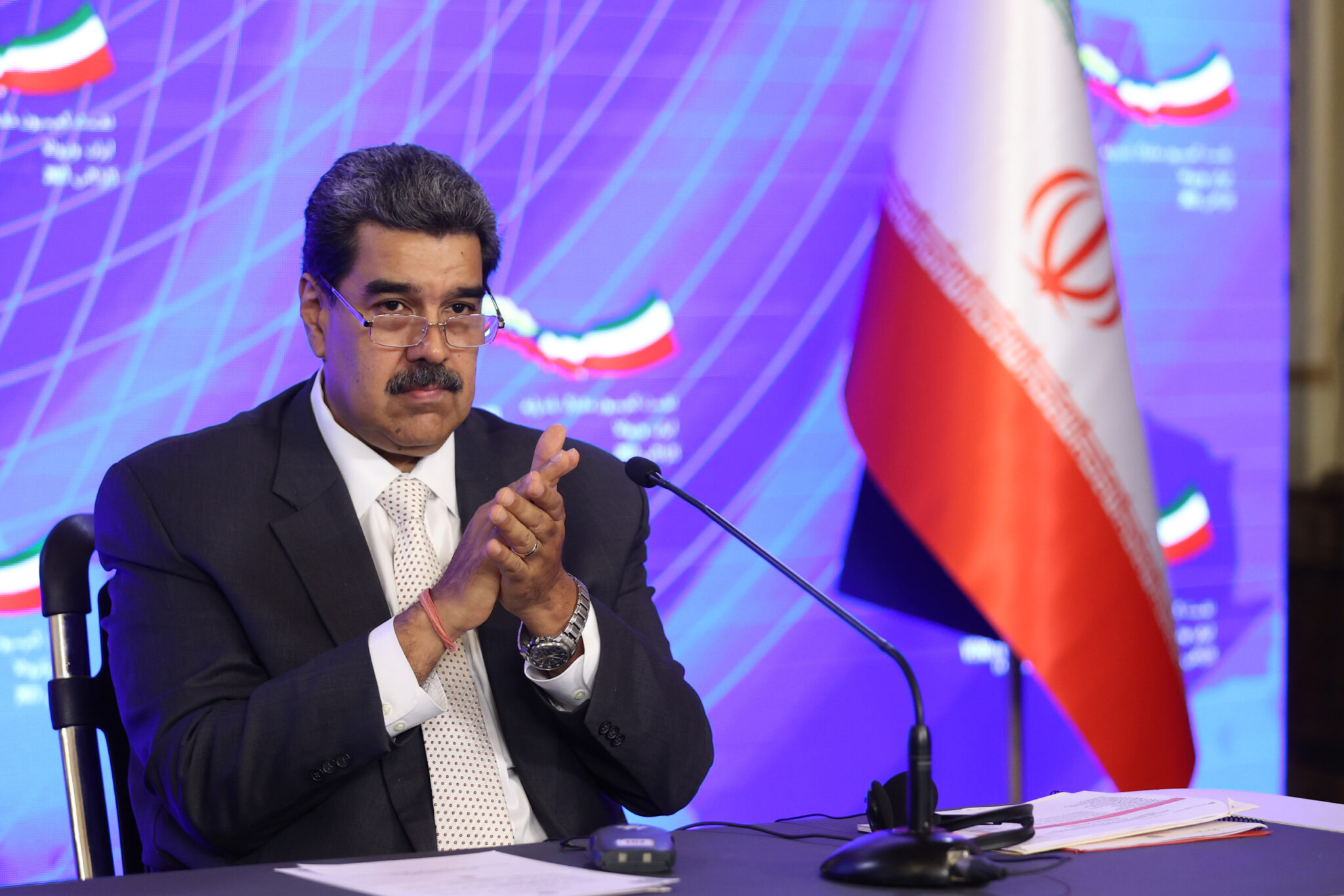
Venezuelan media lambasted Israel during its 12-day assault on the Islamic Republic of Iran, not for justice’s sake, but as an illustration of just how much clout the Tehran regime has bought itself in the Western Hemisphere.
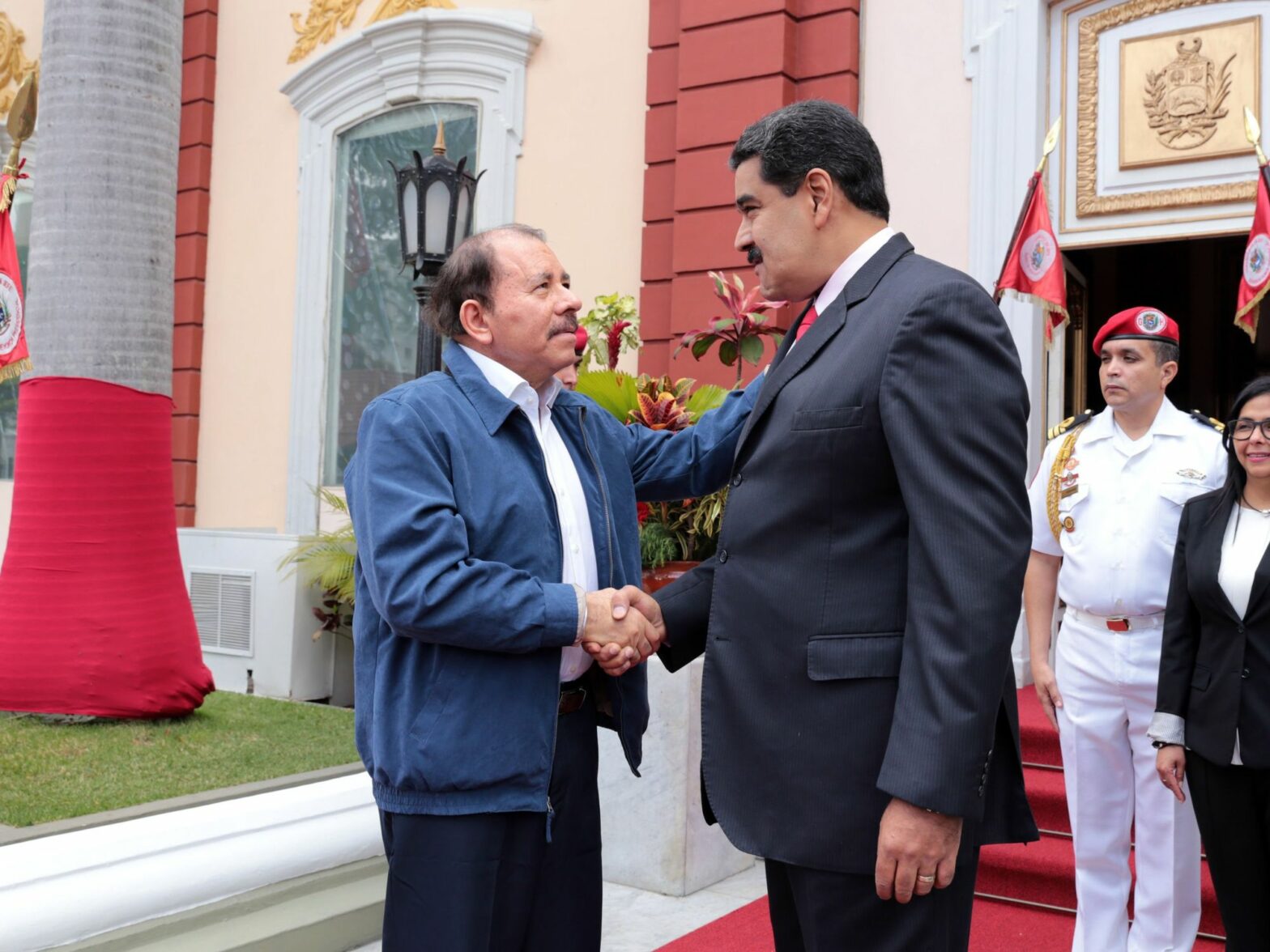
Venezuela’s elections this year took a very different course than Nicaragua’s in 2021. In both Latin American countries, an authoritarian leader wanted to stay in power and committed electoral fraud to do so. But in Venezuela, the opposition was able to create resistance to Nicolás Maduro.
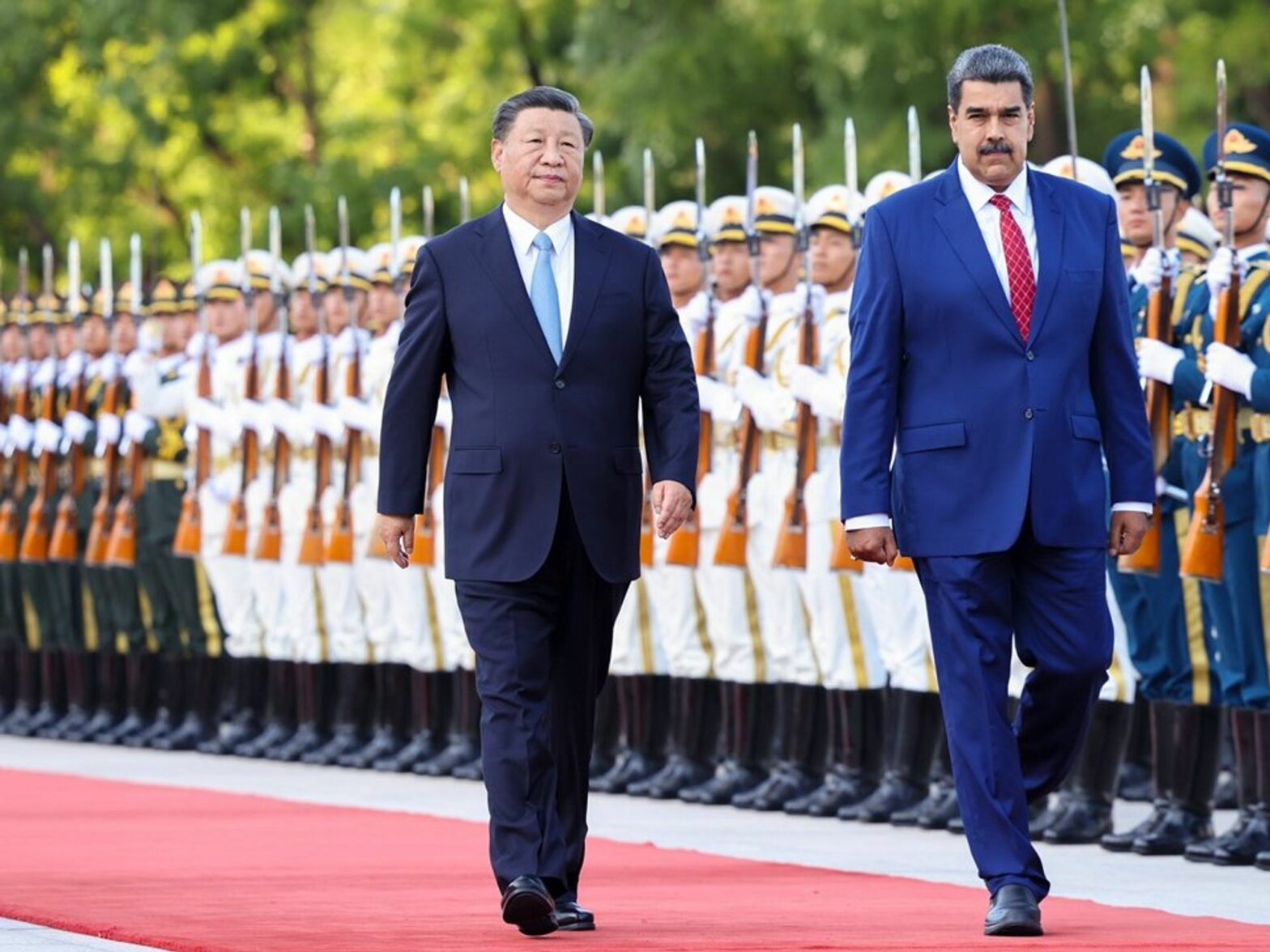
The crushing weight of Chinese loans to socialist Venezuela may yet become the biggest, if less publicized, obstacle to the restoration of liberal democracy there, if its power-drunk president were ever to abandon power as he once again appears unwilling to do after a highly contested election.
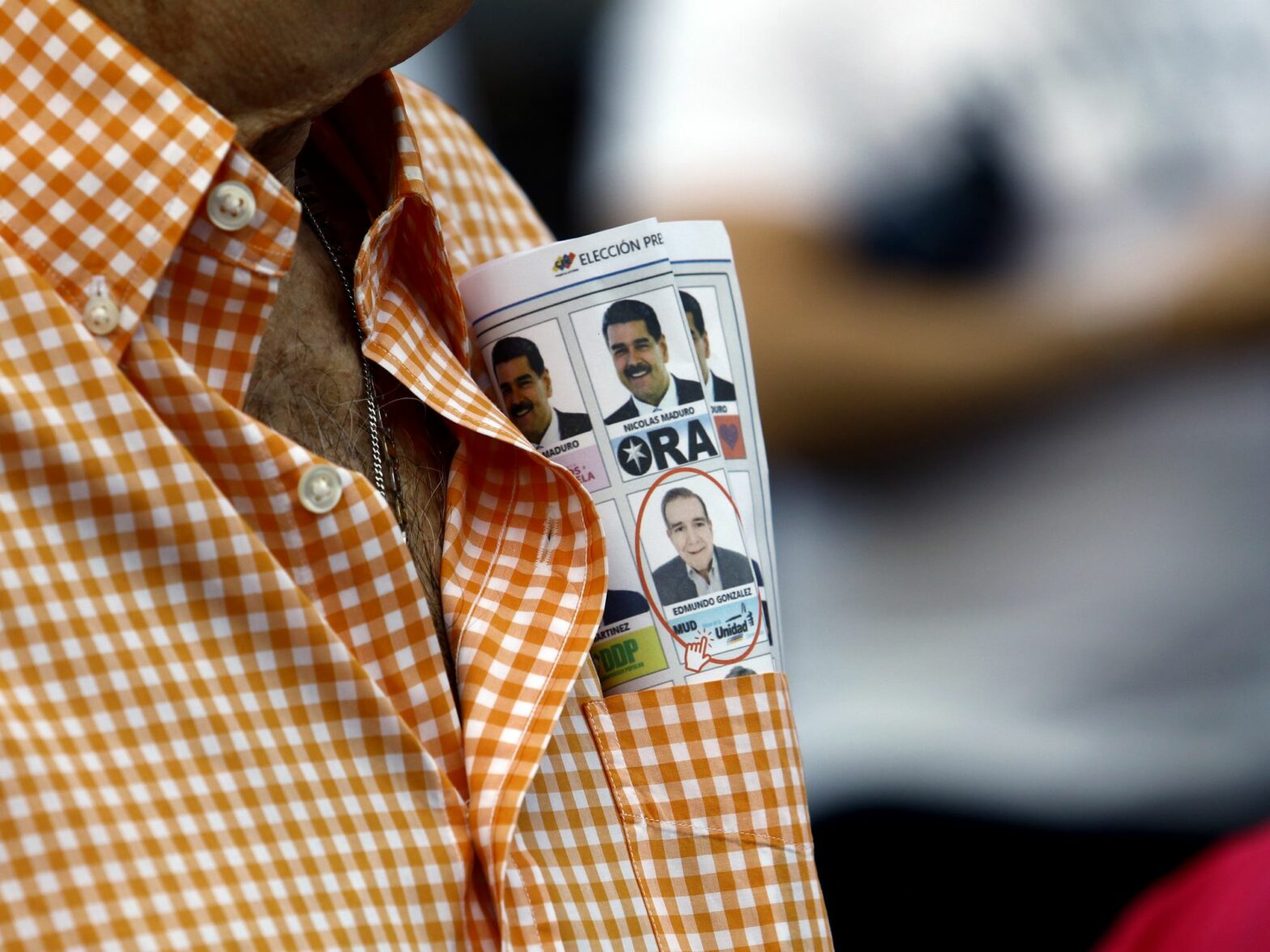
Corruption, human rights violations, and alliances with totalitarian regimes are all good reasons why the West should be paying attention to Venezuela ahead of the country’s presidential elections on July 28, writes Venezuelan journalist Miguel Henrique Otero in Nicaragua’s Confidencial newspaper.
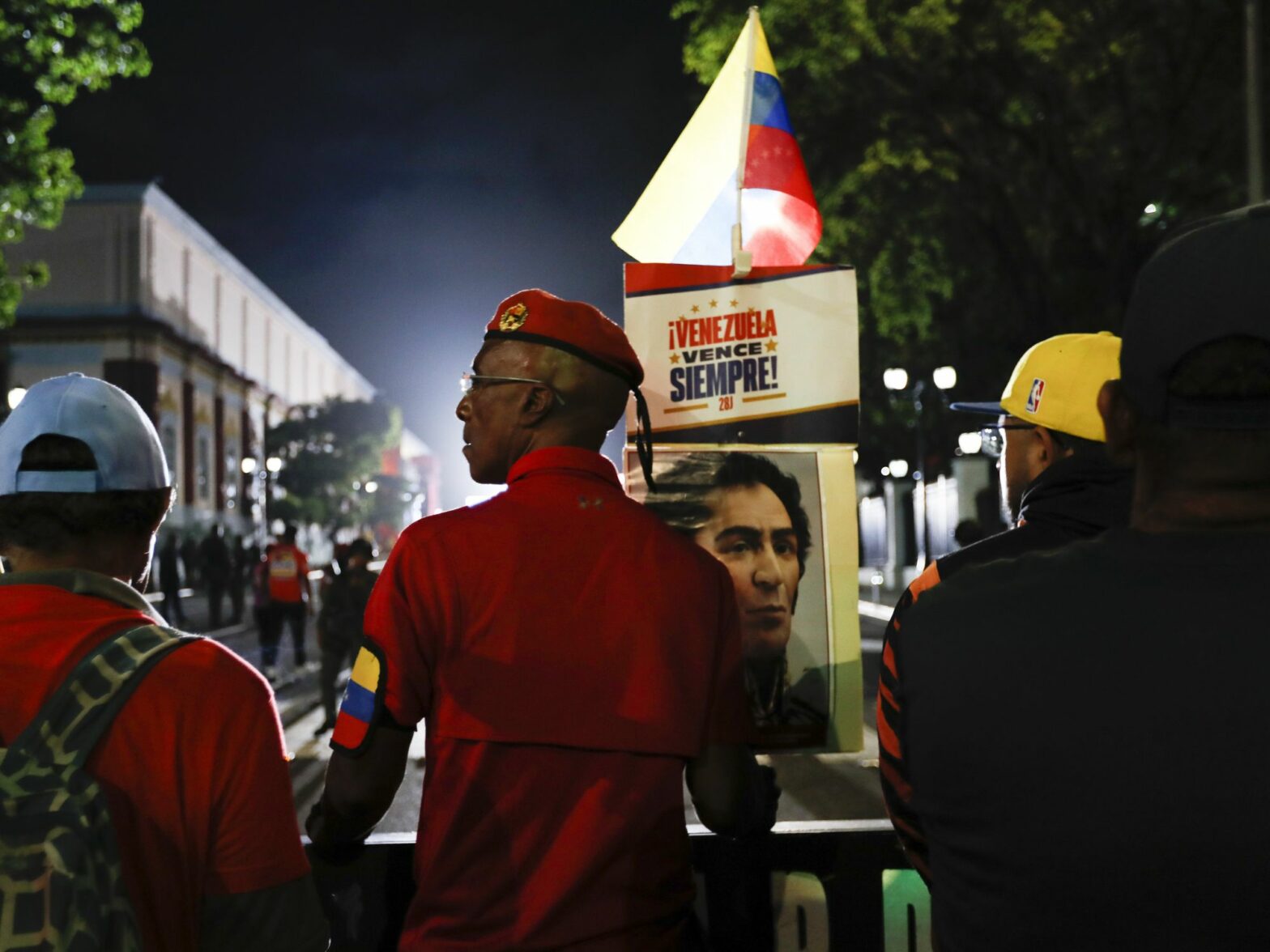
Venezuela’s Bolivarian regime has been trampling on democracy, by degree, for 25 years while deftly managing international opinion to avoid too much backlash. Now, with Maduro defying fair elections, there may be no turning back.
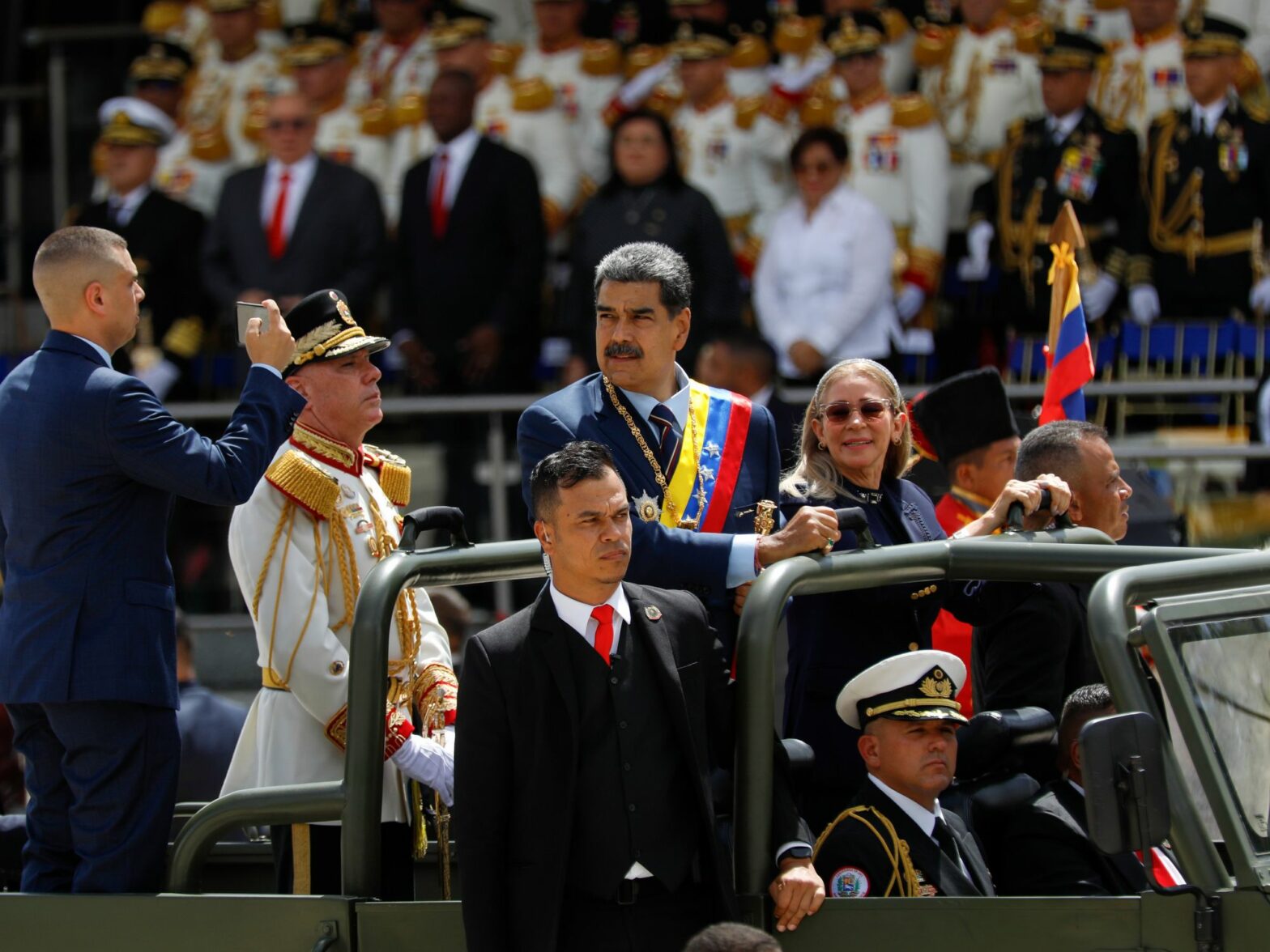
Venezuelan president Nicolás Maduro joins a long line of dictators whose fall from grace is marked by a period of incessant corruption, isolation, and a disconnection from reality.
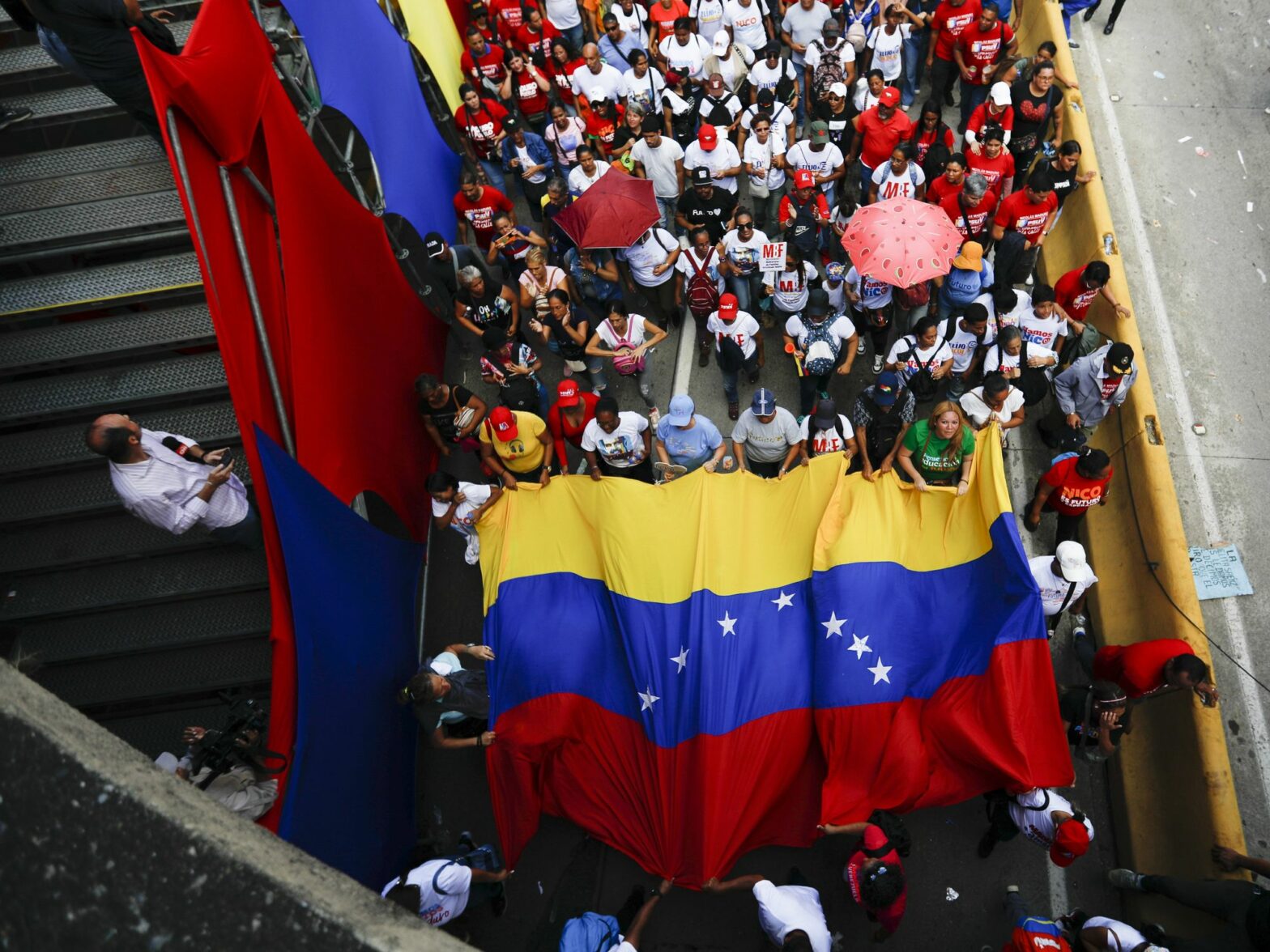
What we are witnessing is the struggle of a people against their oppressors. This electoral process, although flawed, could become a milestone for Venezuelans to regain their freedom — and it is one that should concern everyone who believes in democracy.
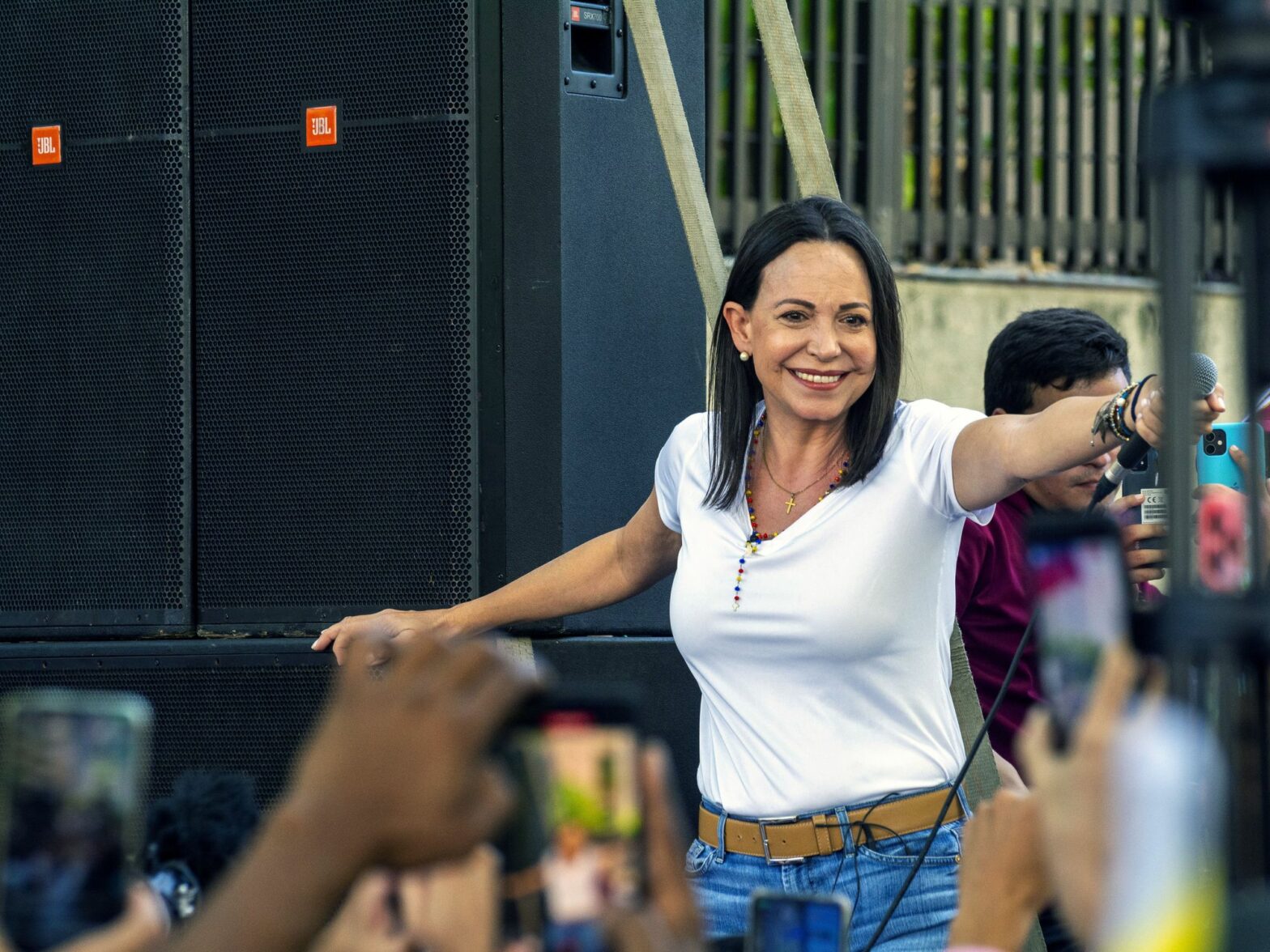
The Venezuelan opposition and its leader Corina Machado may yet end 25 years of socialist rule with an against-the-odds election win in July, which would bring to mind that of Corazon Aquino in 1986 that toppled the Marcos regime in the Philippines.
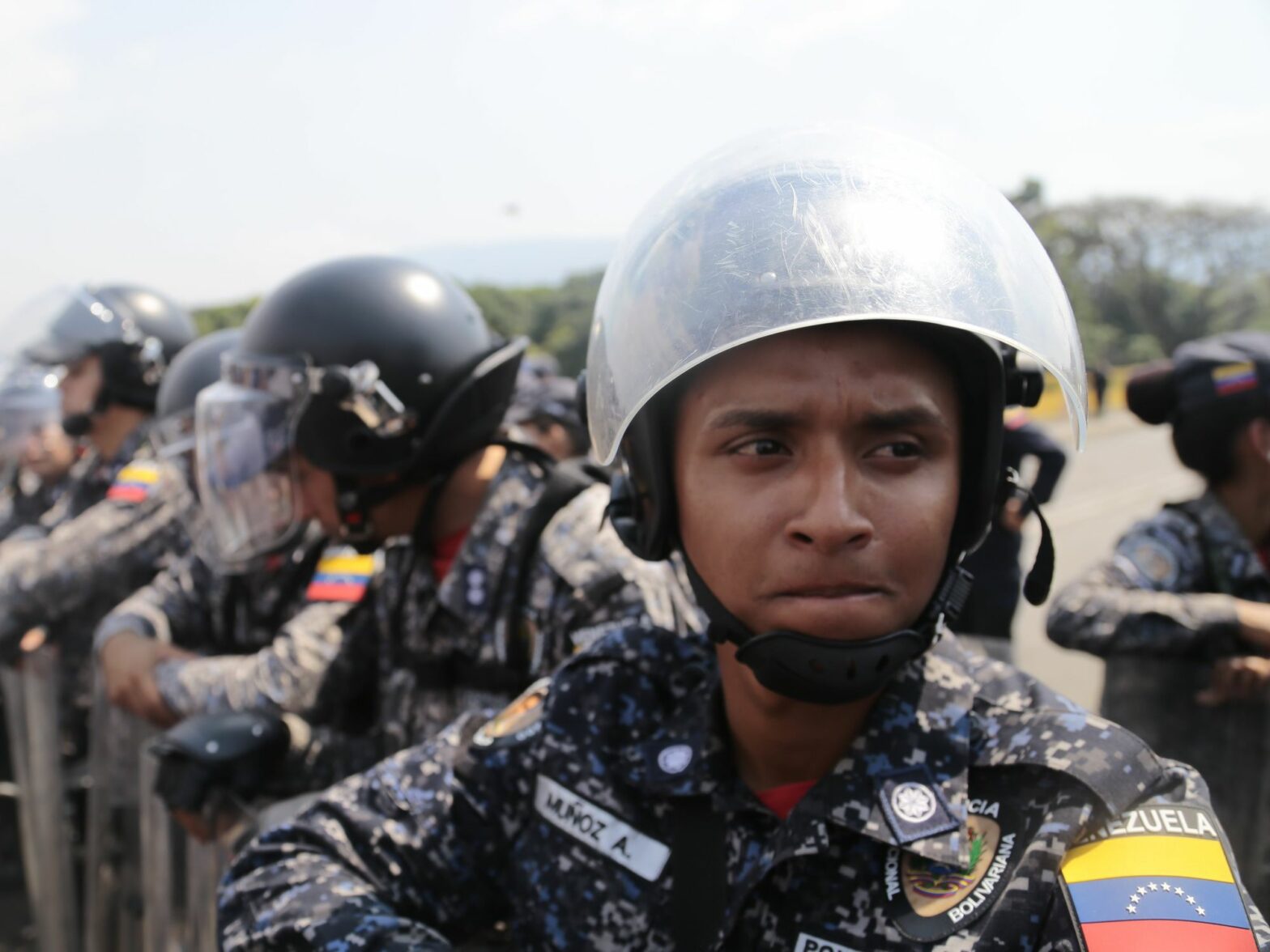
Latin America’s socialist regimes are following the “Putin model” of policing the population, inspired by Soviet practices, but in the case of oil-rich Venezuela, fortunately, the communist science of repression is not yet watertight.
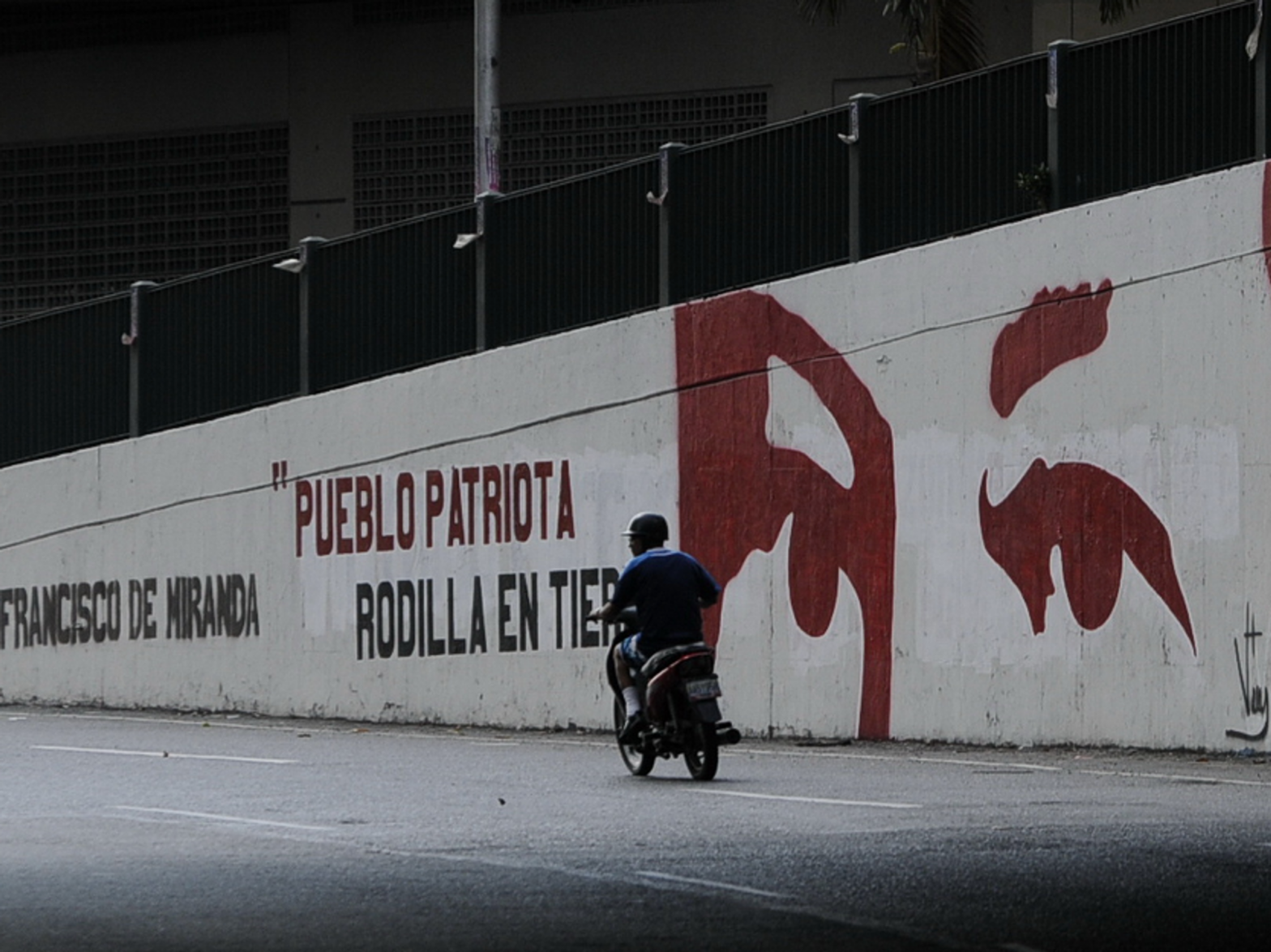
The Biden administration’s exploration to lift sanctions on Venezuela, hoping to gently push its regime back on the path of democracy, might have taken its cue from Brazilian President Lula’s calls to stop demonizing Venezuela.
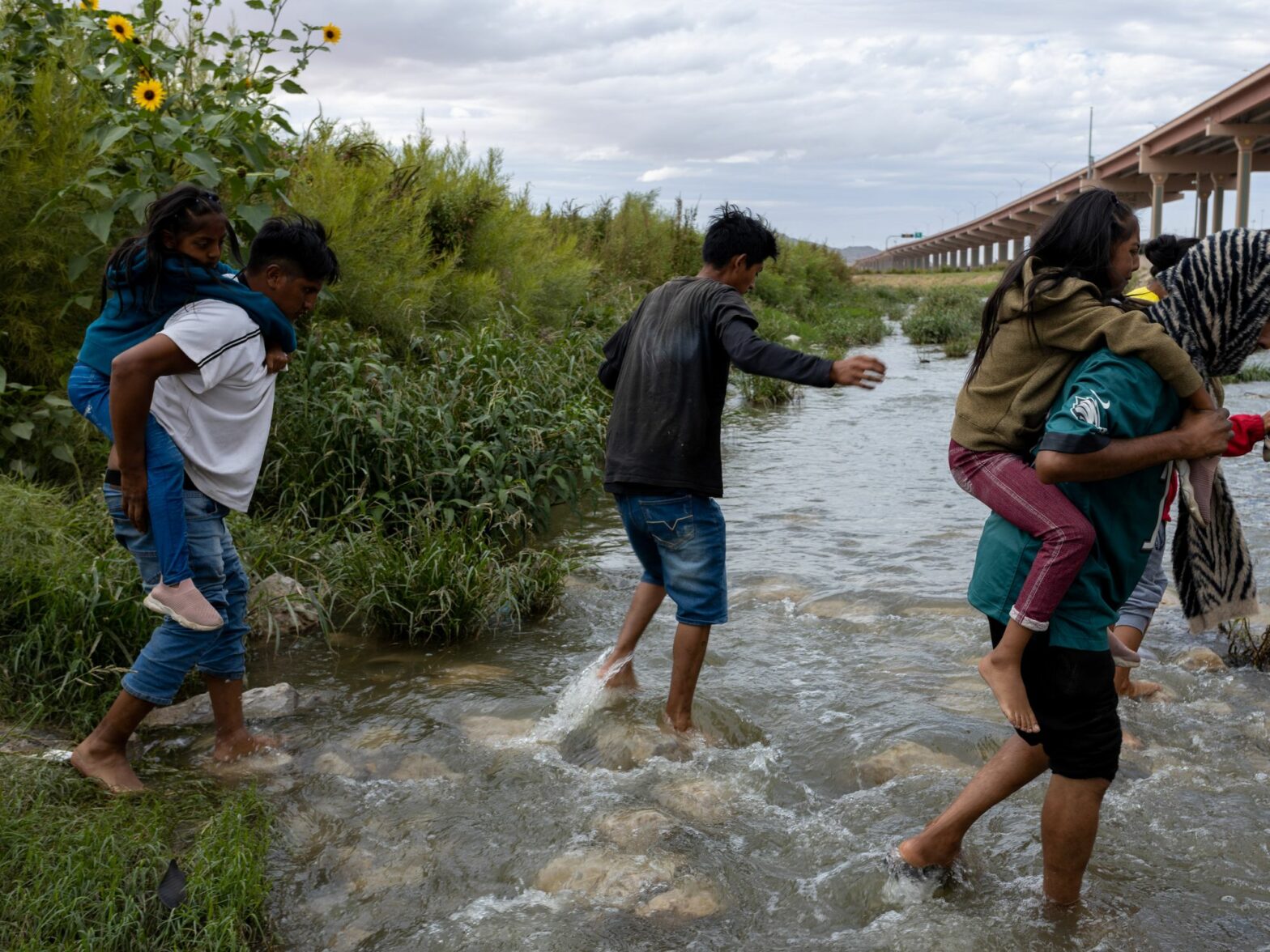
With dimmed hopes of a transition from the economic crisis and repressive regime of Nicolas Maduro, many Venezuelans increasingly see the United States, rather than Latin America, as the place to rebuild a life.
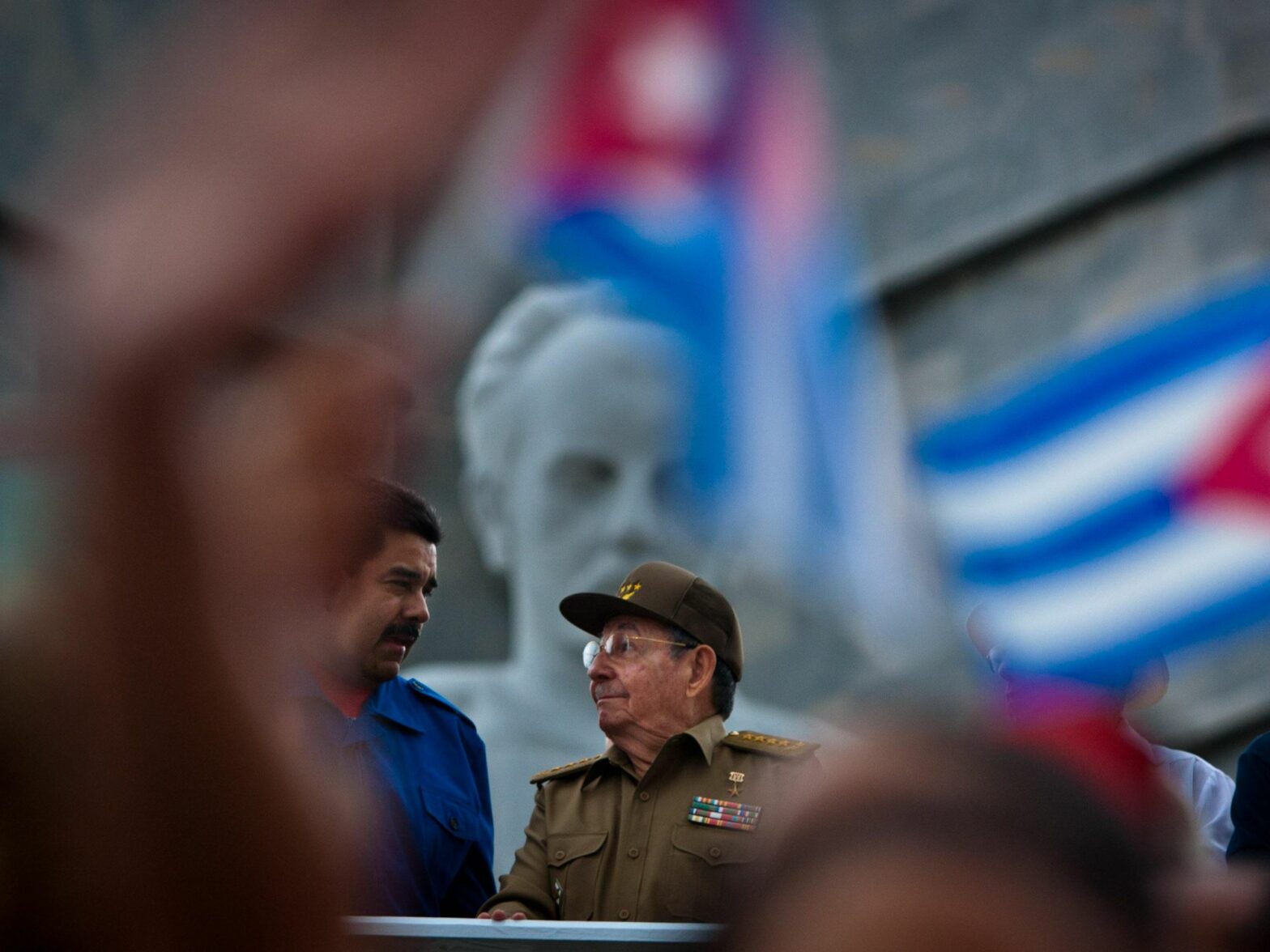
Venezuelan President Nicolás Maduro has managed to cling to power after an allegedly rigged 2018 presidential election. He did so with the help of Cuba, having enjoyed “working relations” with Cuban intelligence for decades.
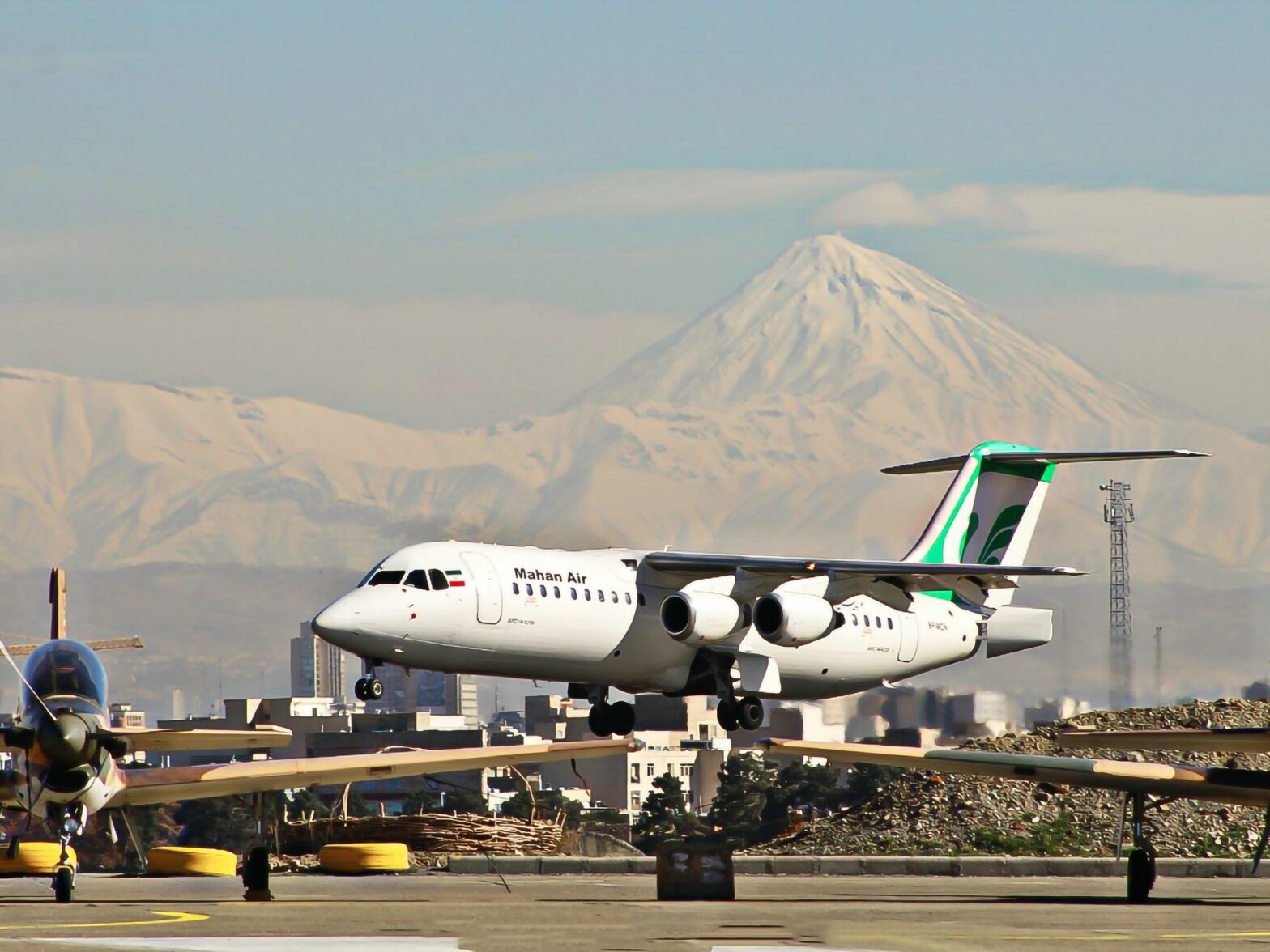
Reports from Tehran suggest that some senior officials may be “quietly” taking exile in the South American nation led by Nicolas Maduro, a trusted ally of the Iranian regime.
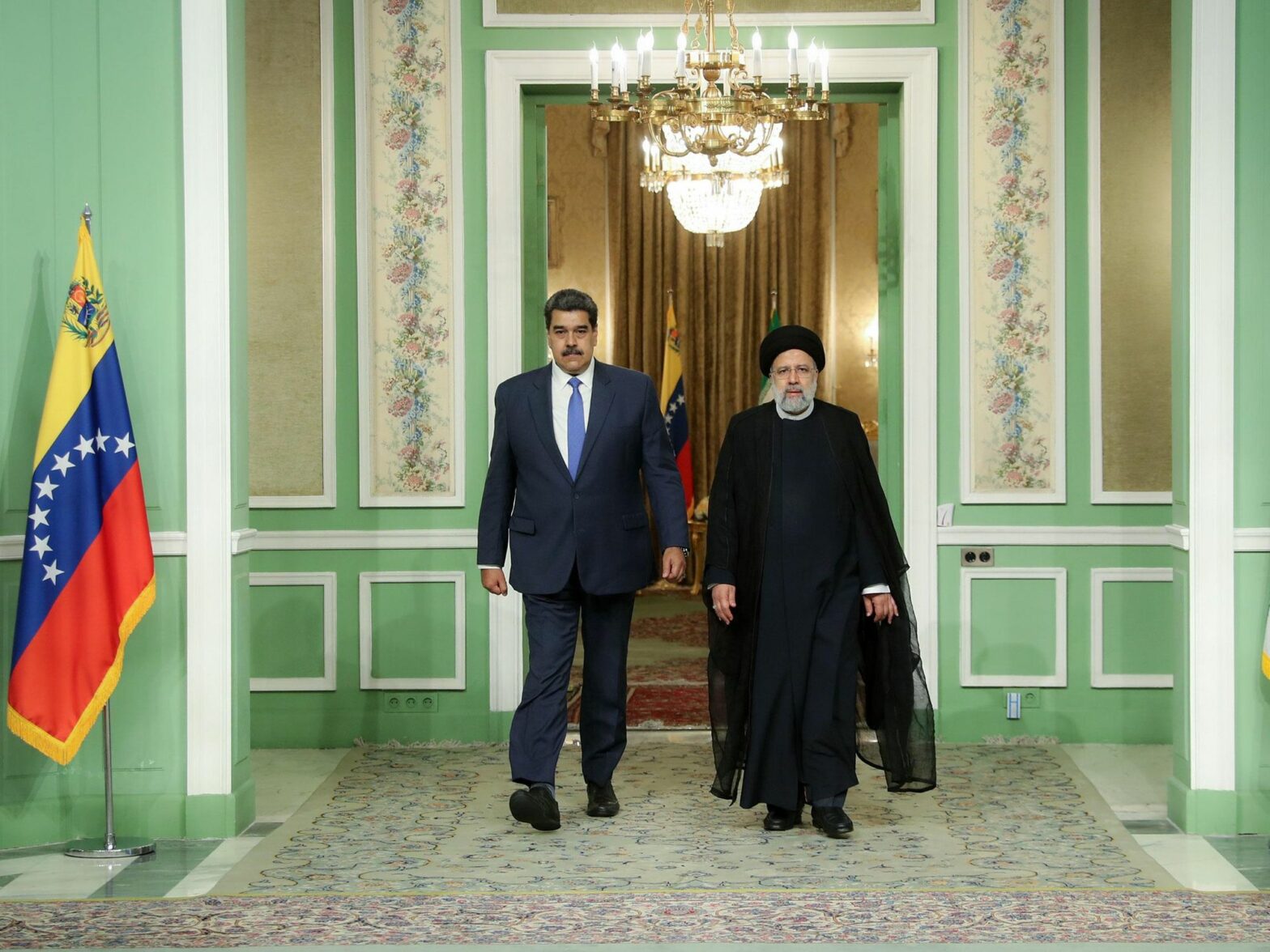
With the complicity of leftist rulers in Venezuela, Bolivia and even Argentina, Iran’s sanction-ridden regime is spreading its tentacles in South America, and could even undermine democracies.
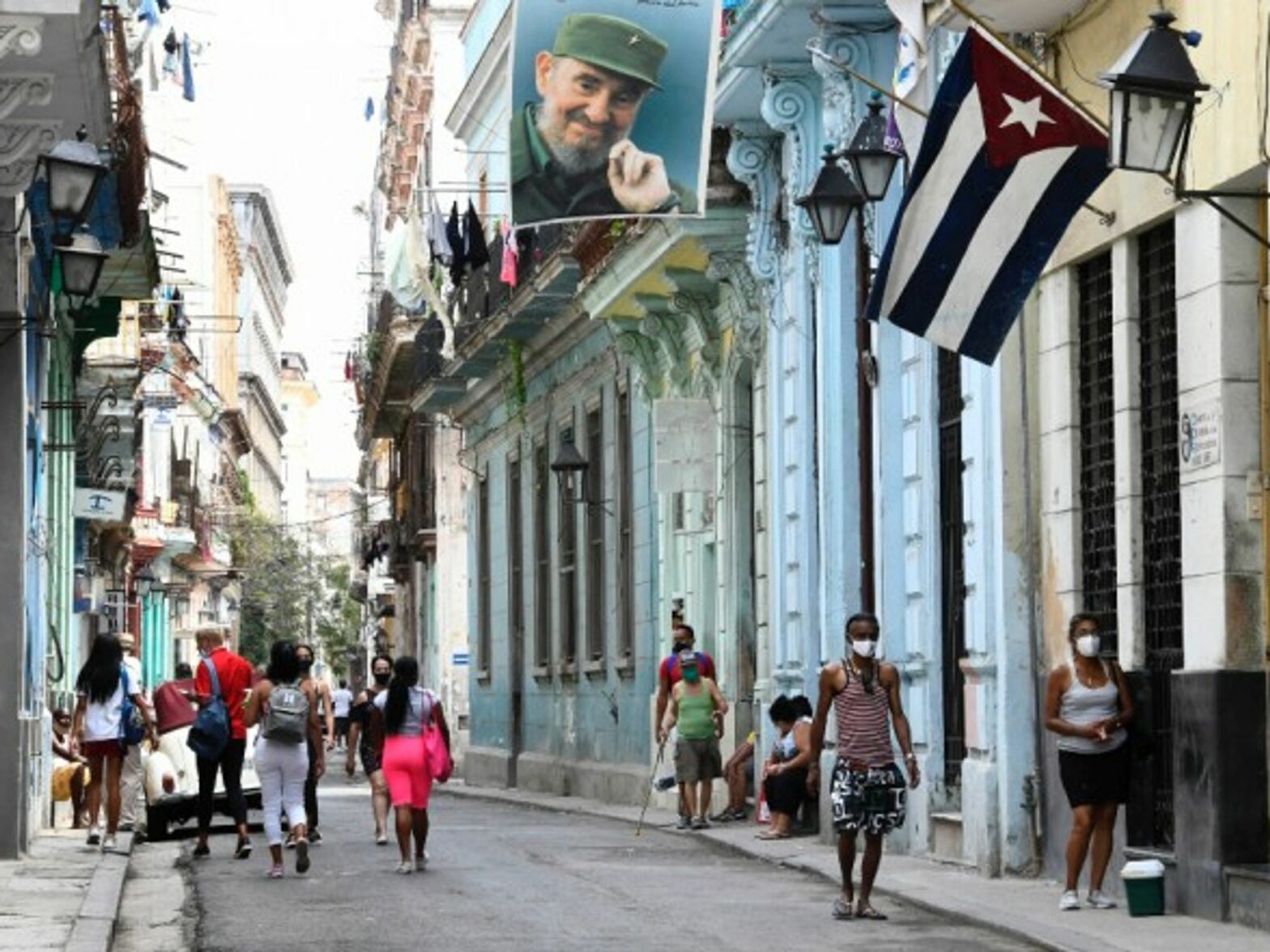
With Trump now out of the picture, Cuba and Venezuela — both in economic shambles — are once more toying with piecemeal liberalization, Clarín’s international affairs chief explains.
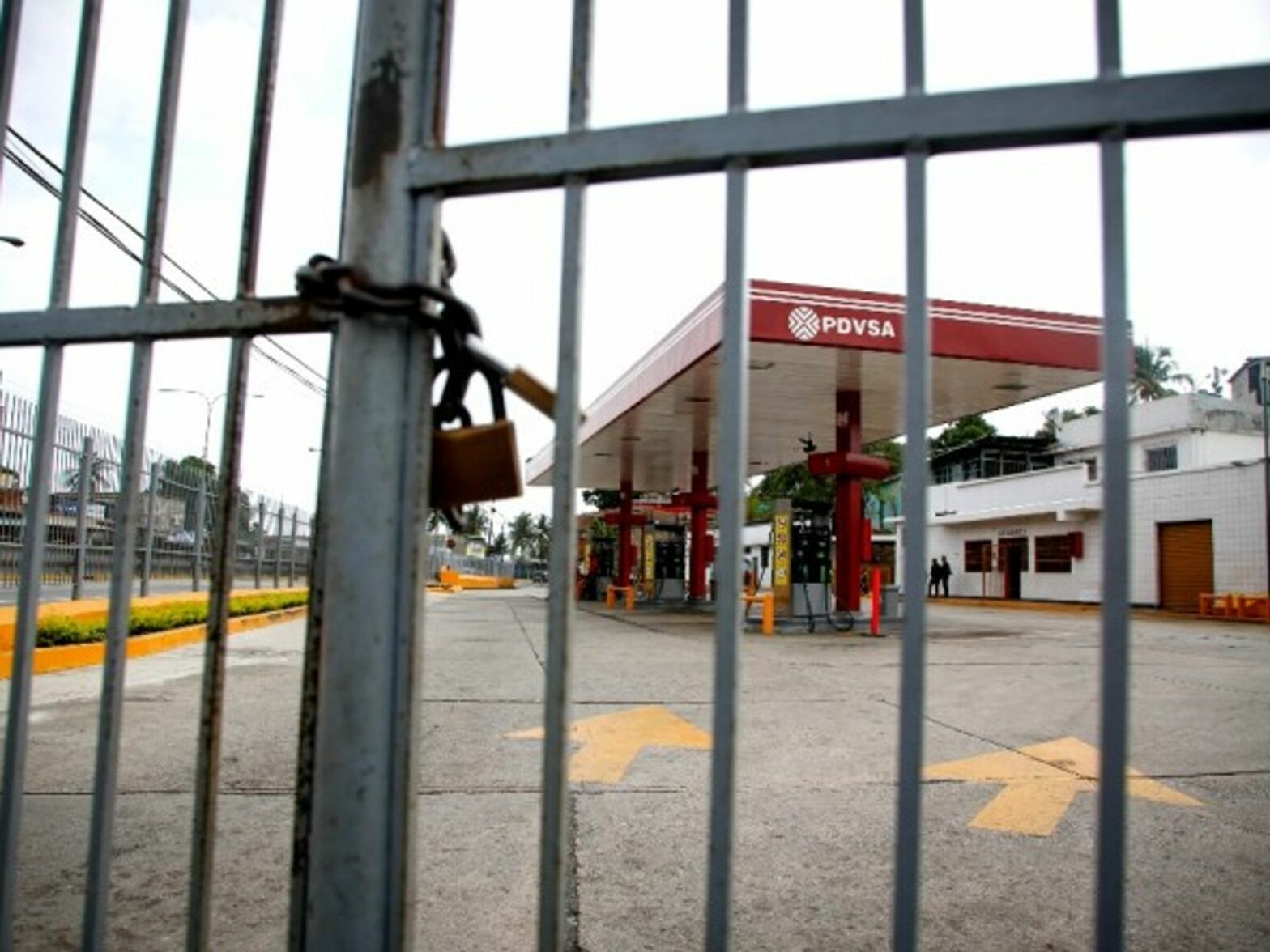
Venezuela’s PDVSA, once among the world’s most powerful oil firms, was transformed and largely gutted under Hugo Chavez and Nicolas Maduro. But the story is more complicated than it may seem.
Unlike his populist predecessor, the U.S. president-elect has an opportunity to engage with the leftist forces within Latin America that can then bring pressure to bear on the Maduro regime.
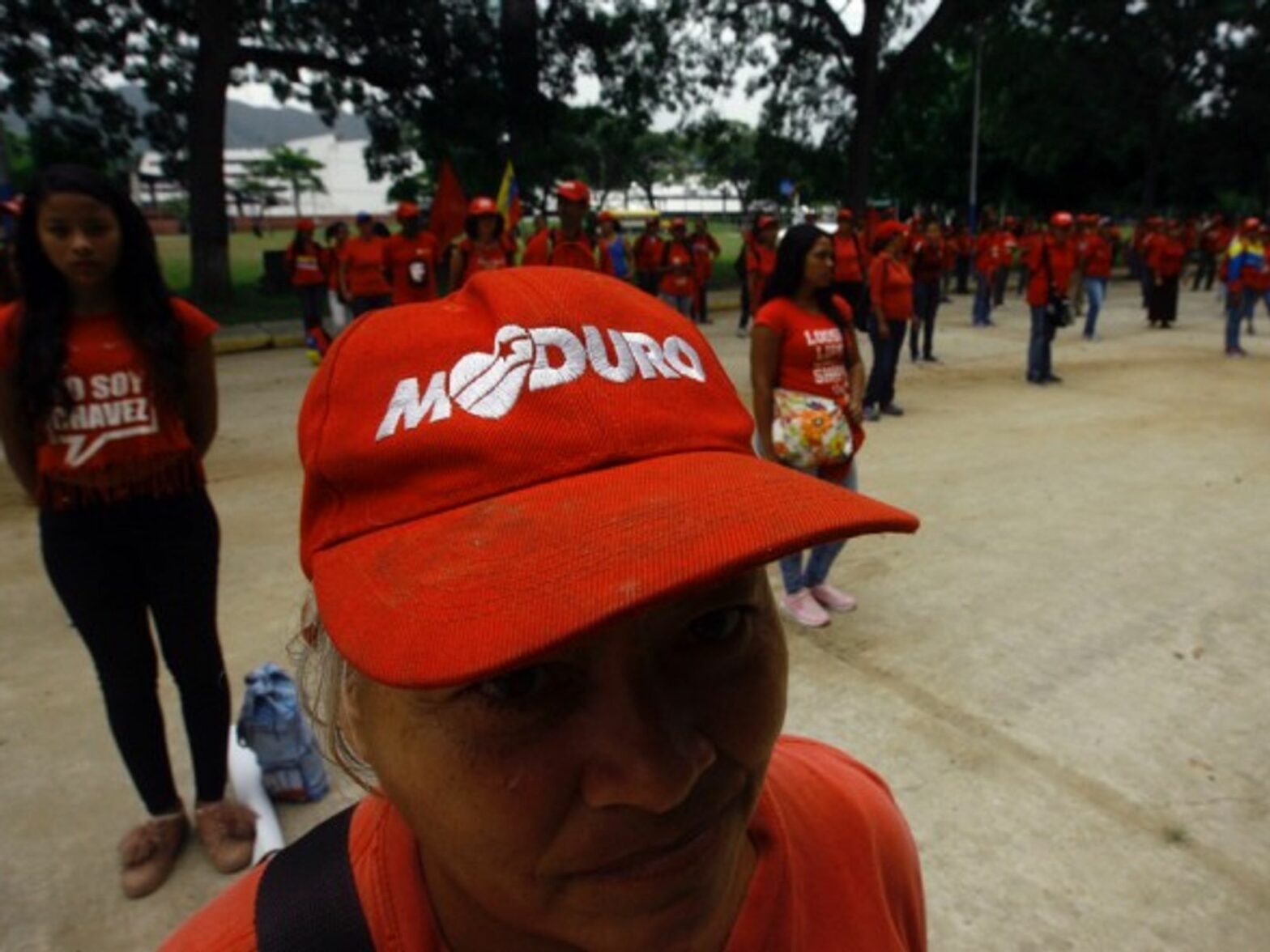
The socialist strongman has plenty of critics. But he also has a remarkable amount of staying power, in part because of the tacit support he receives from certain fellow presidents.
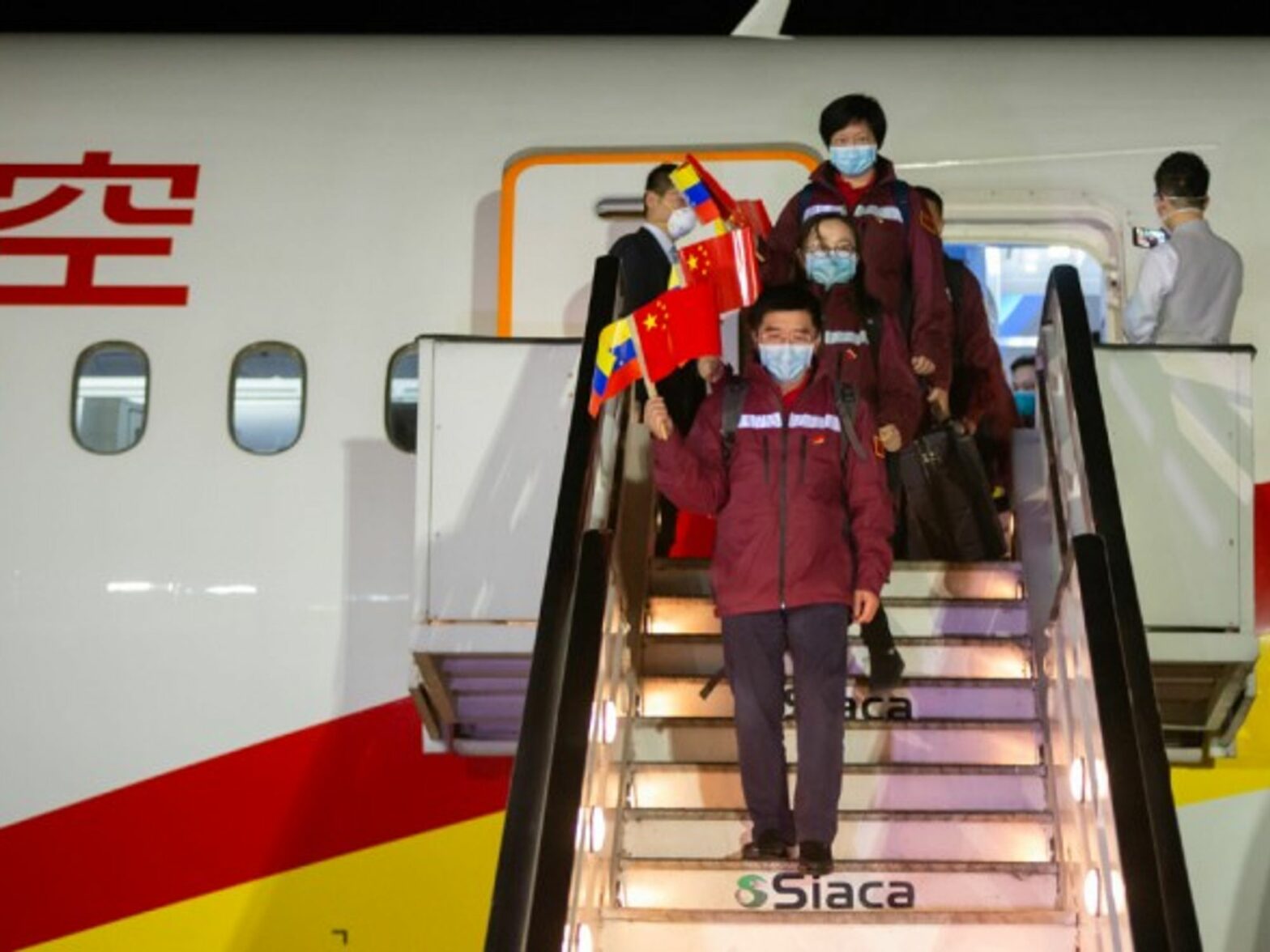
Latin American countries are, for the most part, appreciative of Beijing’s donations of much needed medical supplies. But the goodwill isn’t guaranteed to last forever.
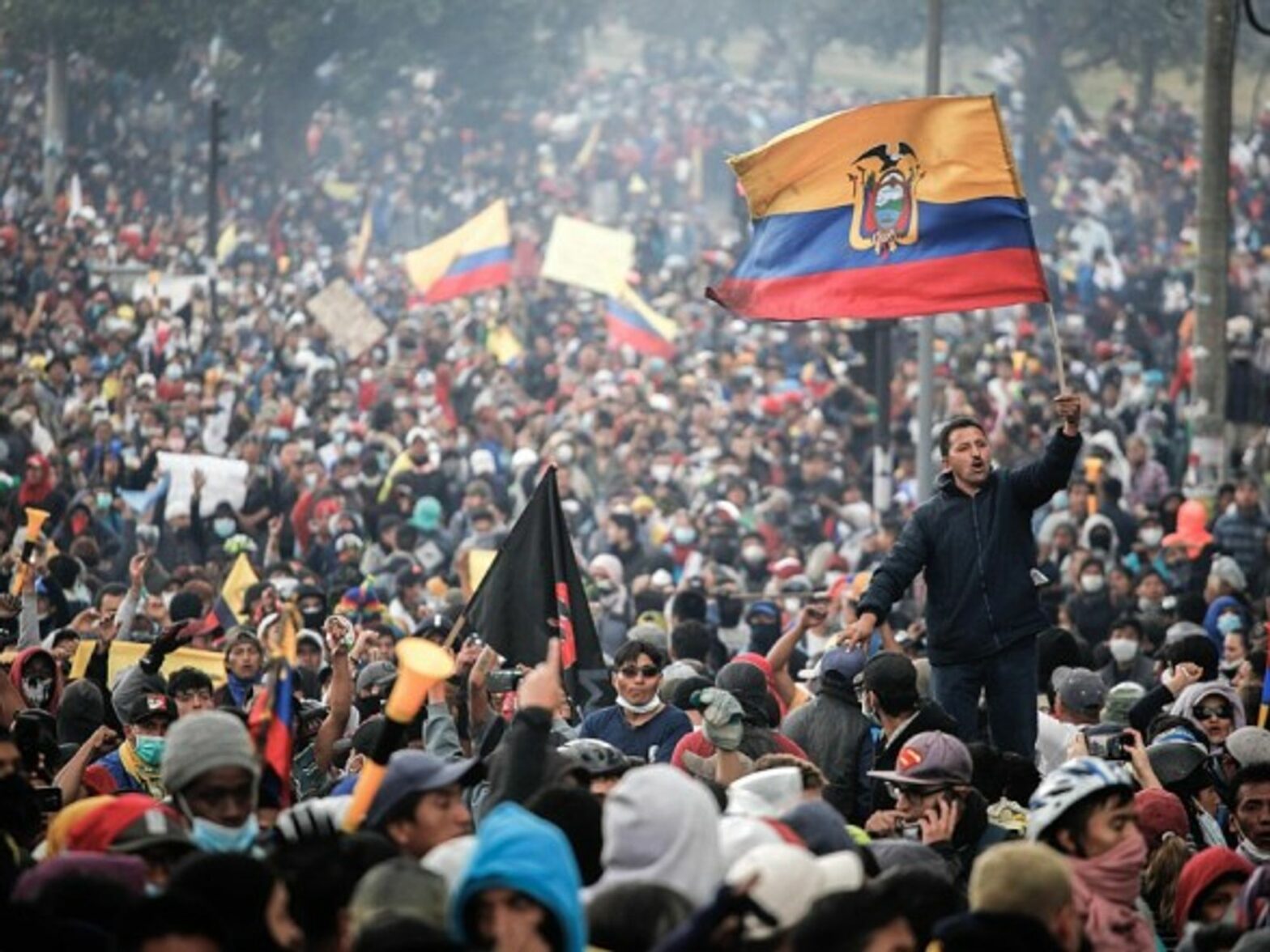
South American states like Chile and Ecuador suspect Venezuela’s socialist regime of fanning rioting in their countries.
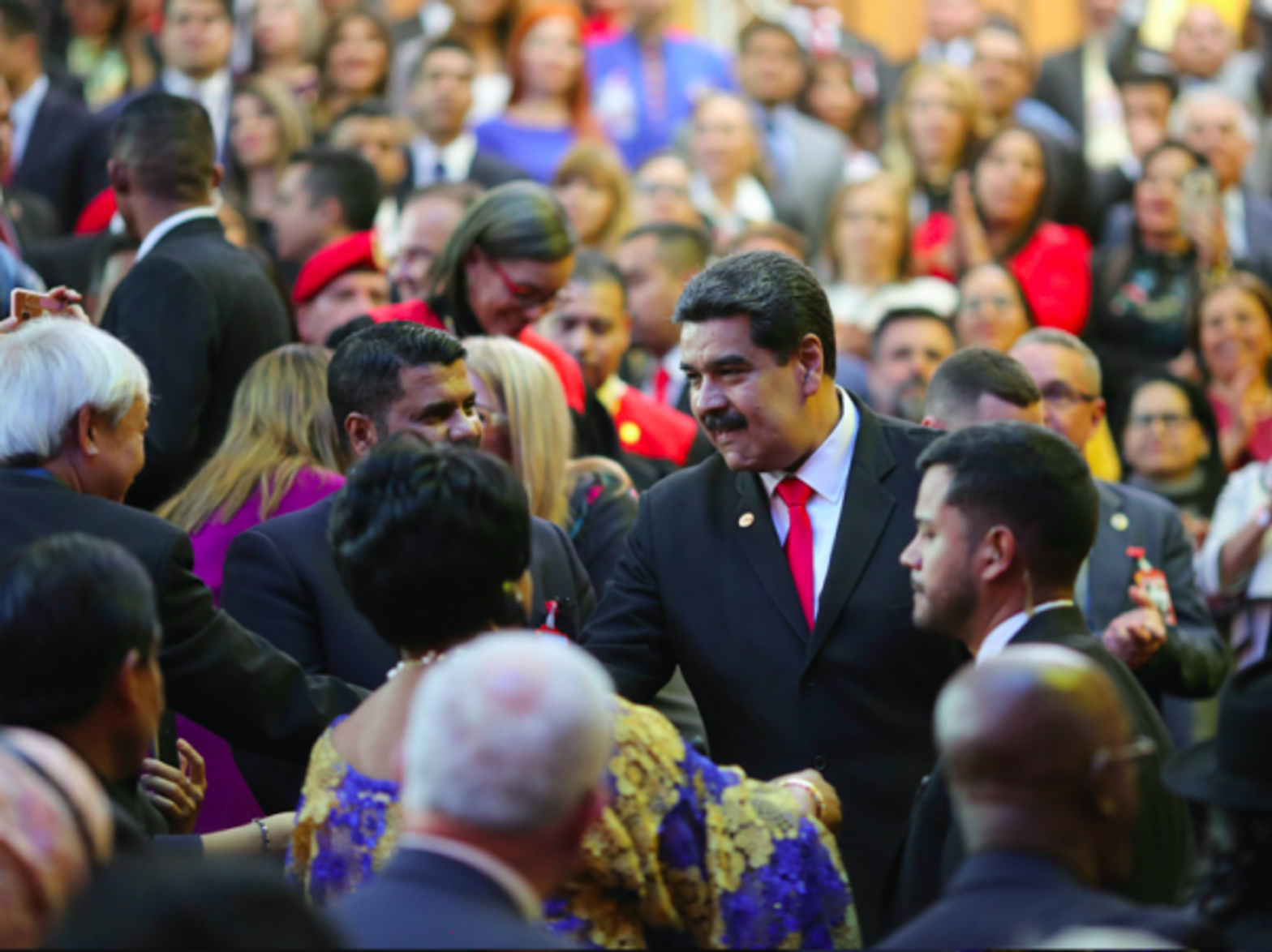
After Trump fired hawkish U.S. official John Bolton, who had repeatedly threatened Venezuela’s regime with military action, Maduro may have the opening he’s been waiting for.
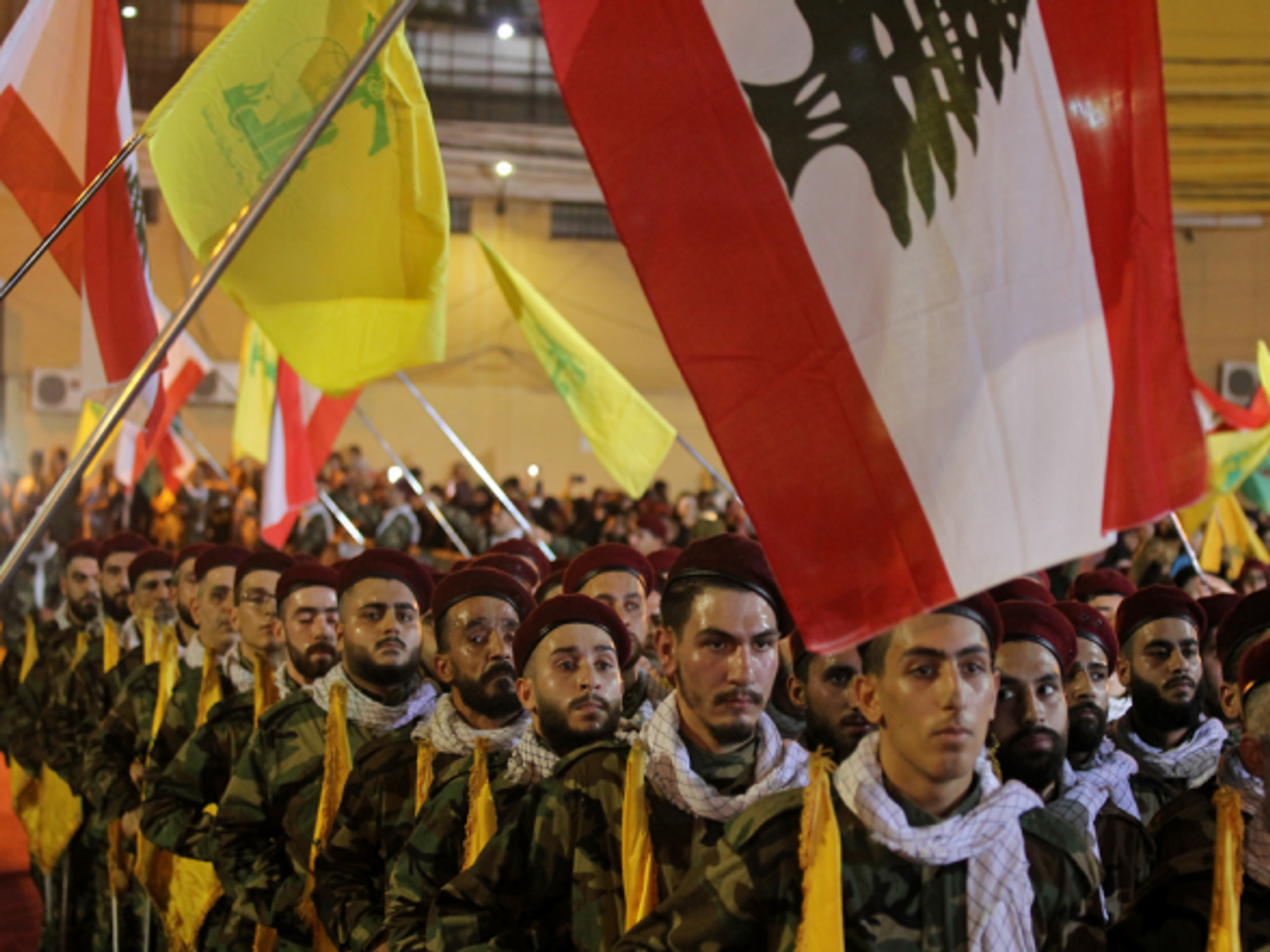
Hezbollah and its patrons have spread their tentacles to South America with help from local friends including Venezuela’s socialist regime. Argentina is belatedly backing the Western stance against the international Islamist group.
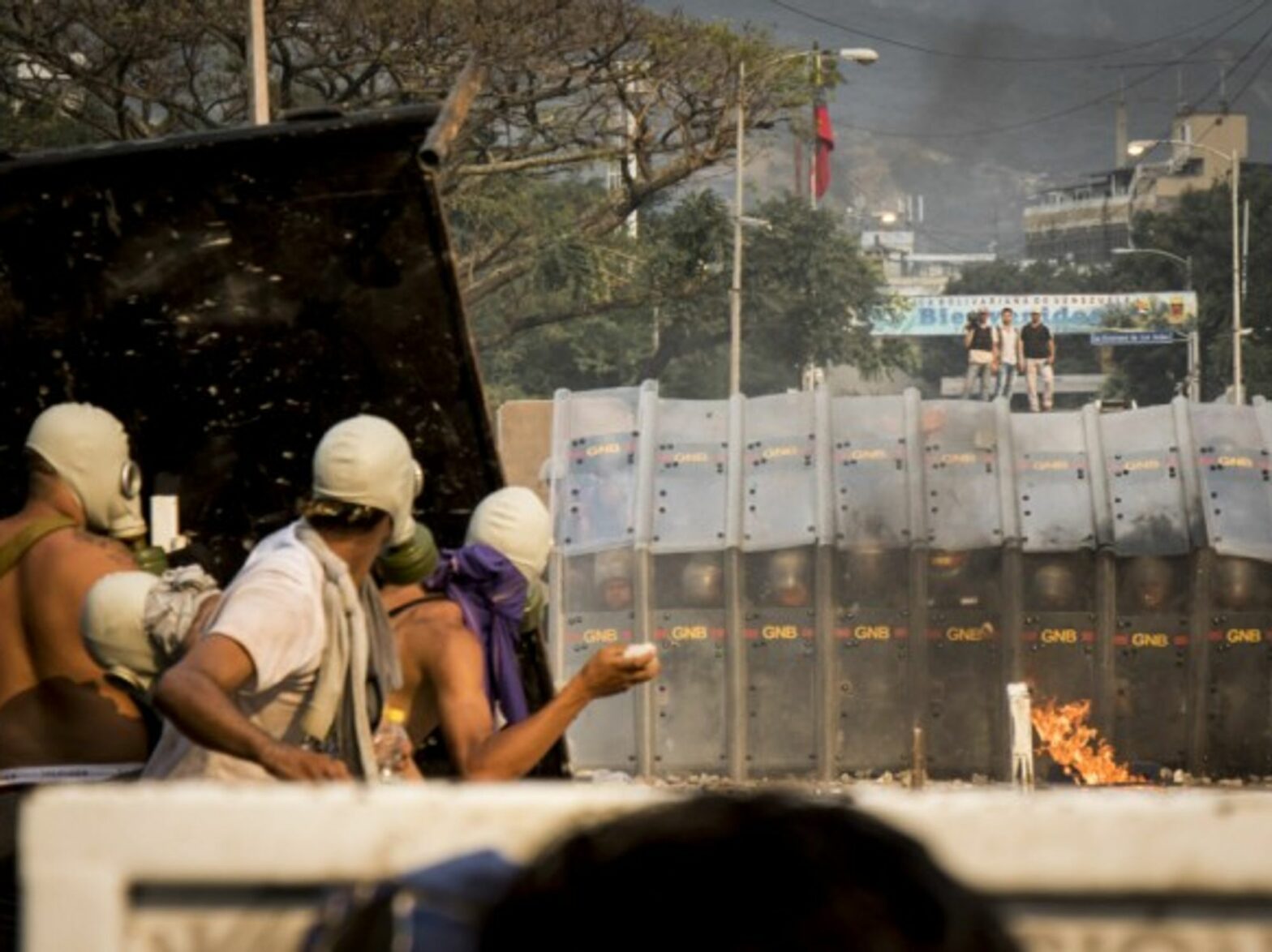
The crush of migrants trying to flee Venezuela is only part of what makes the border region so chaotic. There’s also a dangerous power struggle between guerillas and criminal gangs.
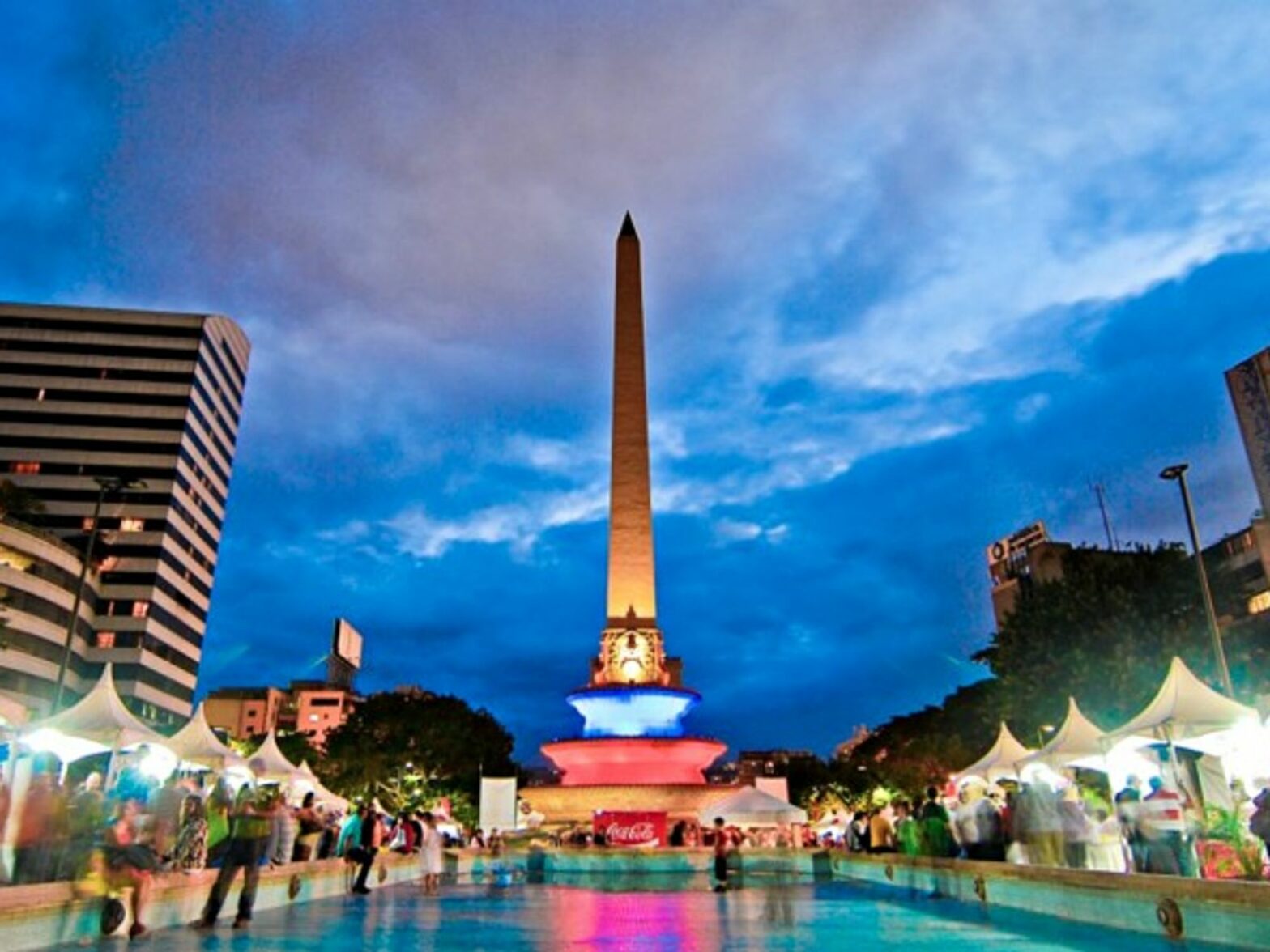
A recent trip to Caracas showed a city where many people continue to function for better or worse, and where the rich are still living large.
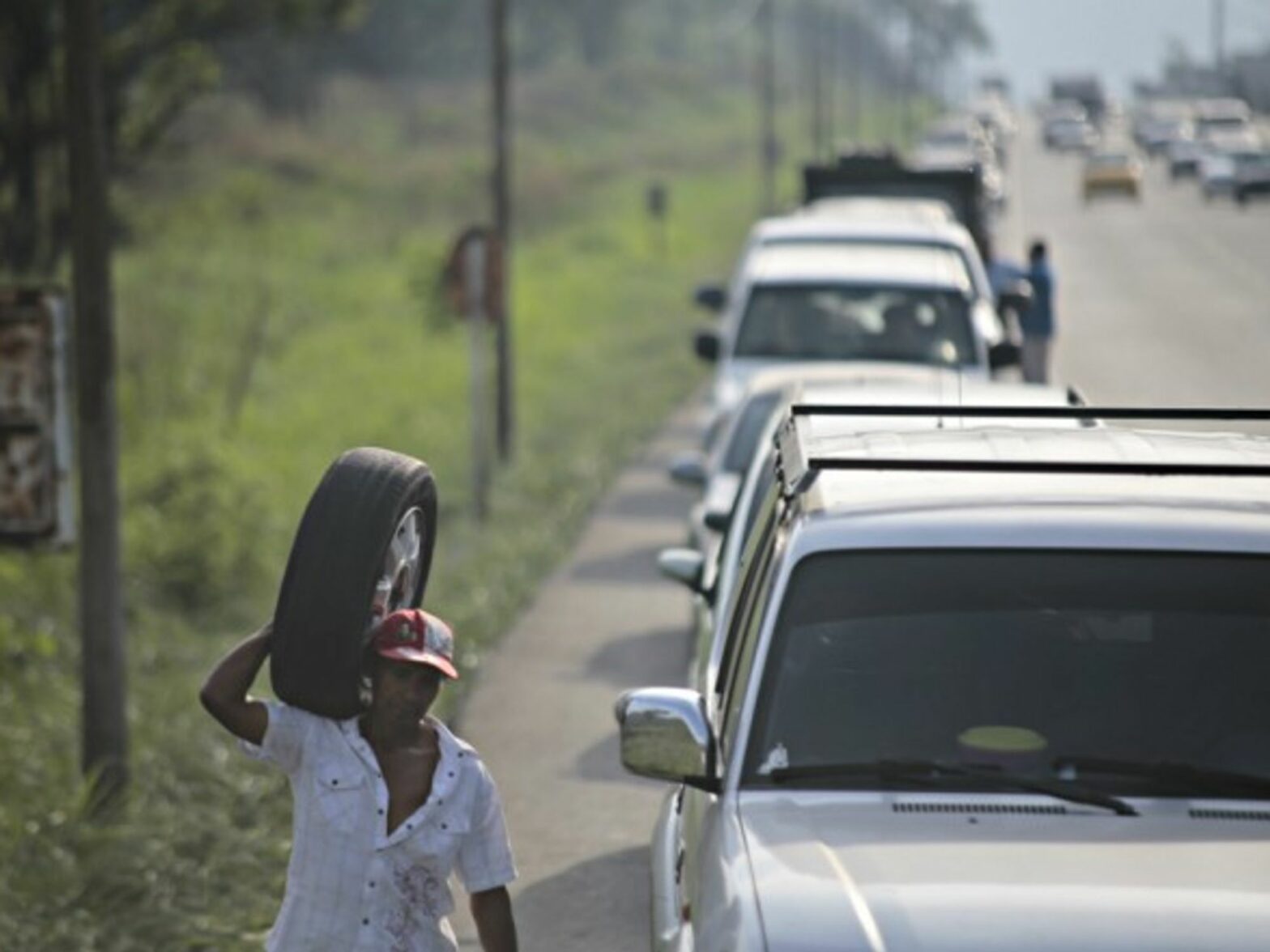
Economists say it’s worse than the Great Depression. Money is worthless in the ruined South American country, and too many are going hungry.
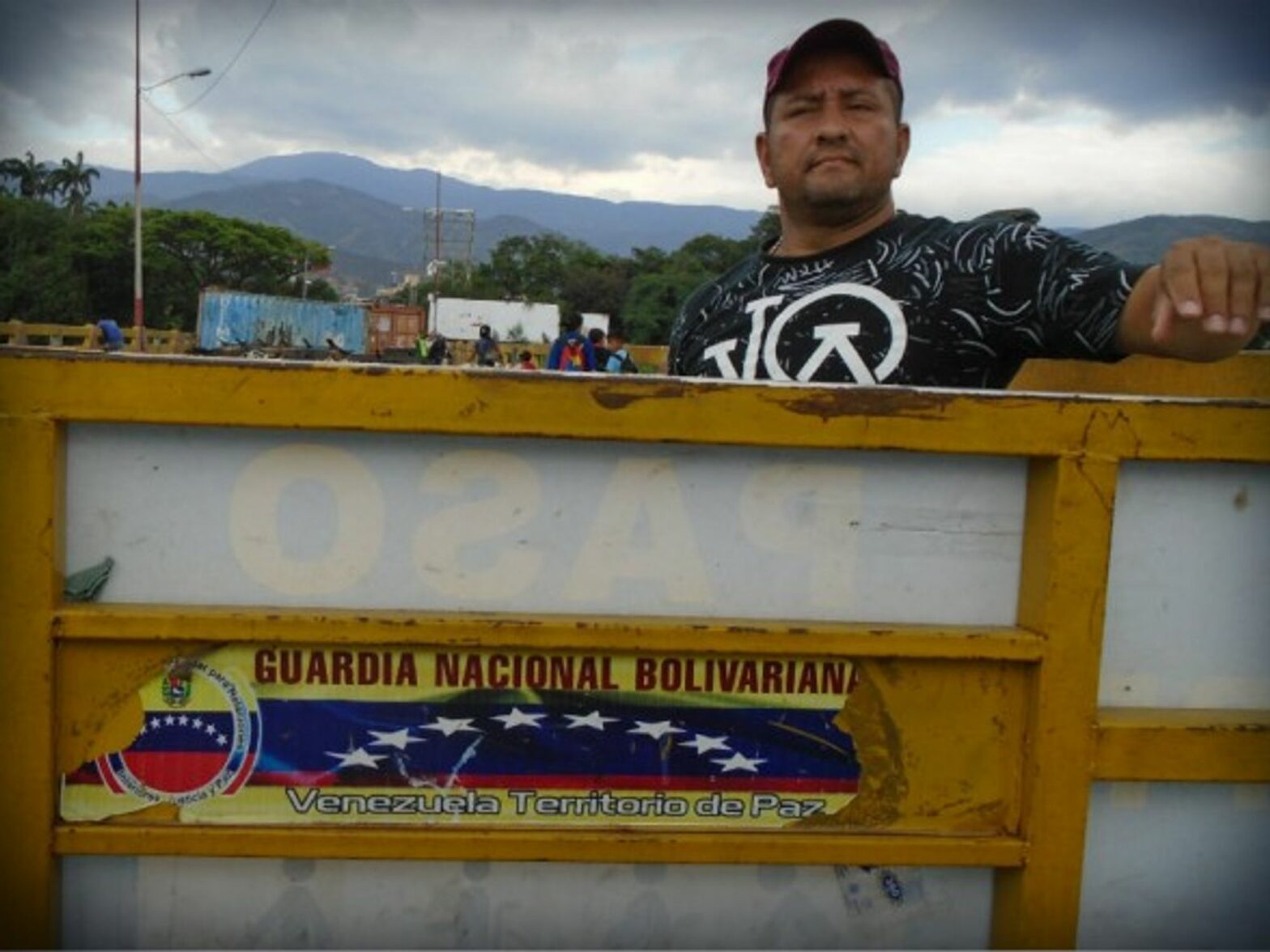
There are now 1.2 million Venezuelan migrants in Colombia. How they are treated may help determine a post-Maduro future.
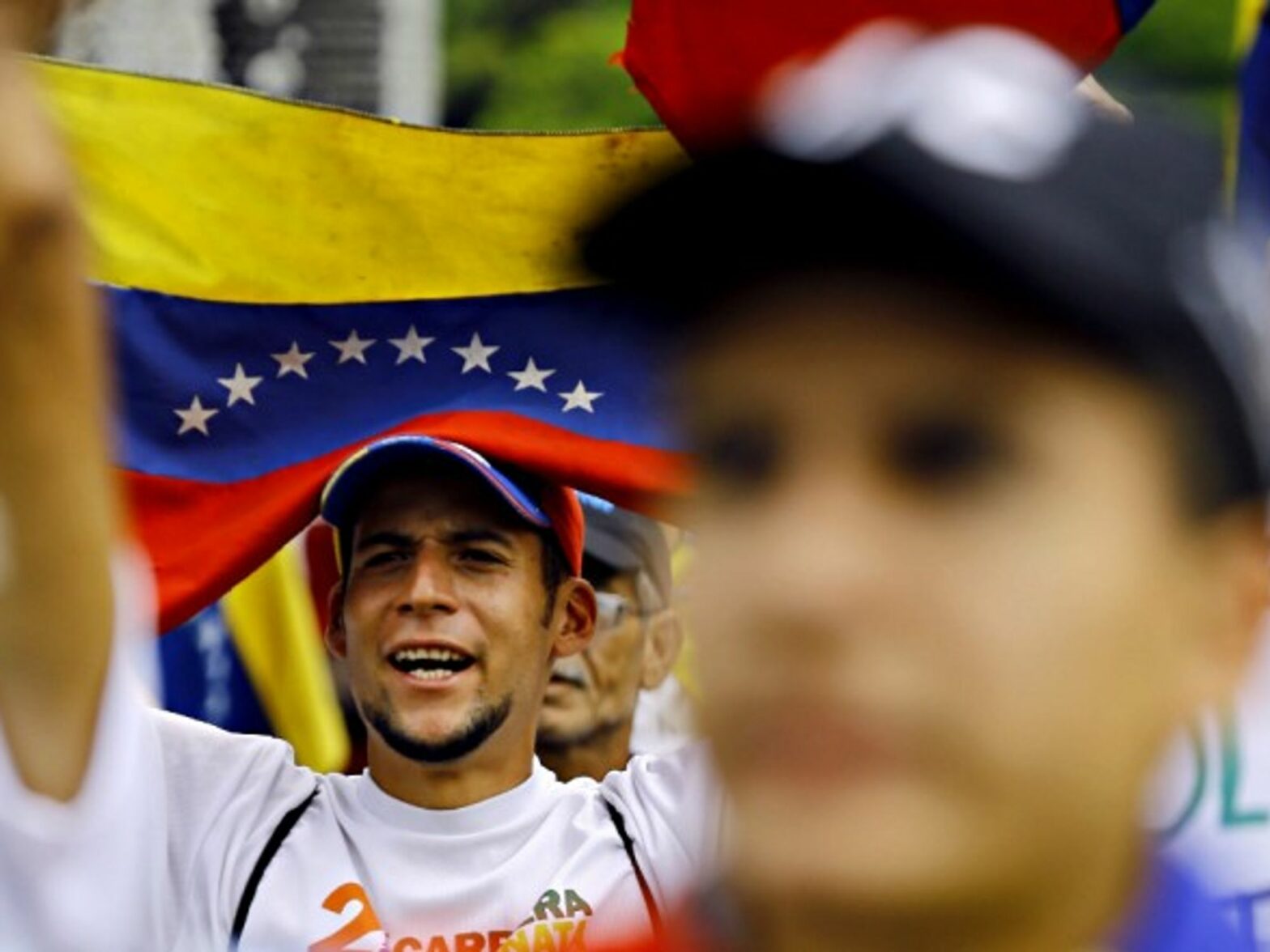
The Western-aligned Lima Group is now seeking help from the more neutral International Contact Group, and even Cuba, to resolve the political deadlock in Venezuela.
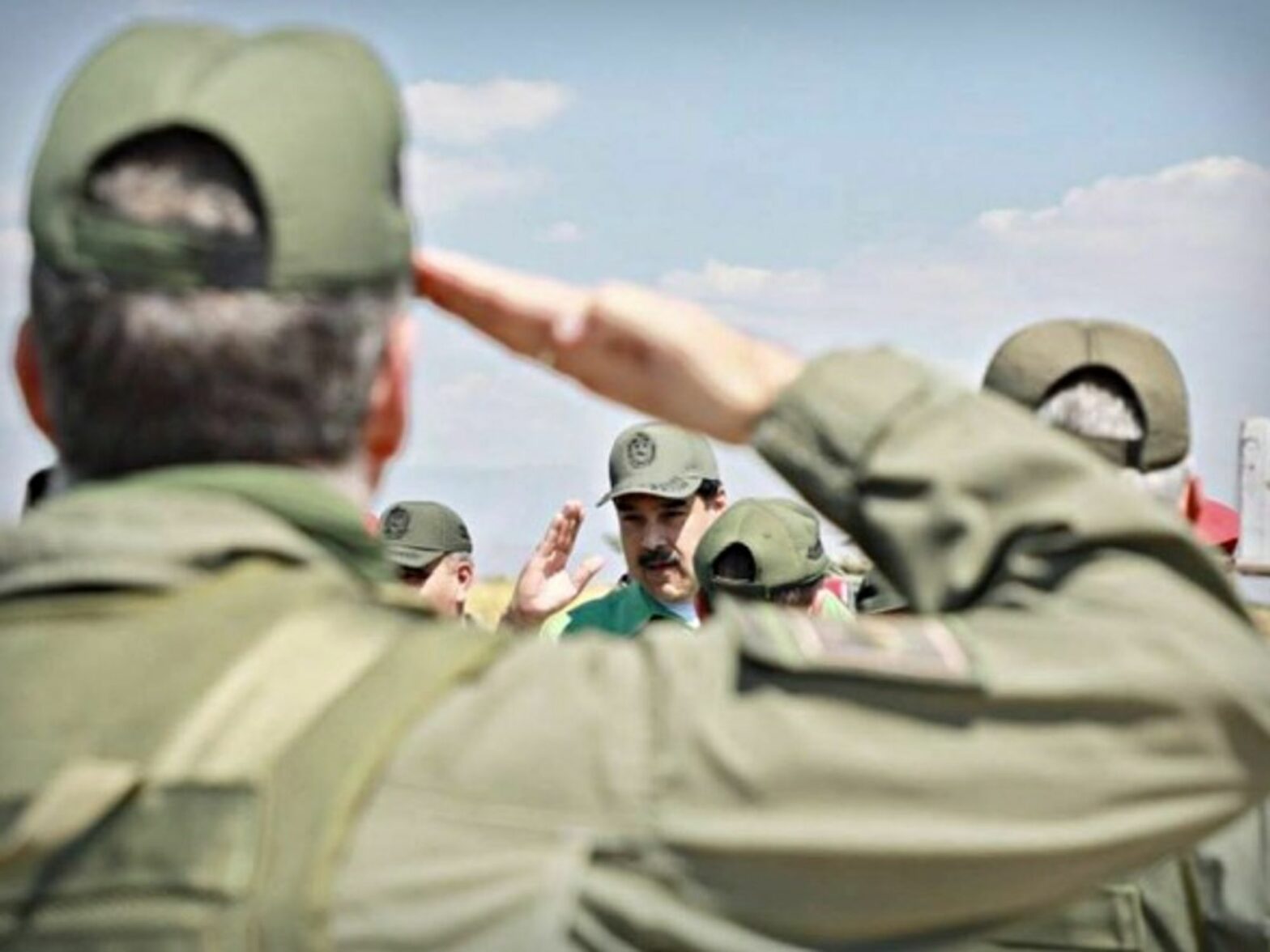
There is a concerted push underway to remove the Venezuelan leader from power. But there’s no guarantee it’ll work.
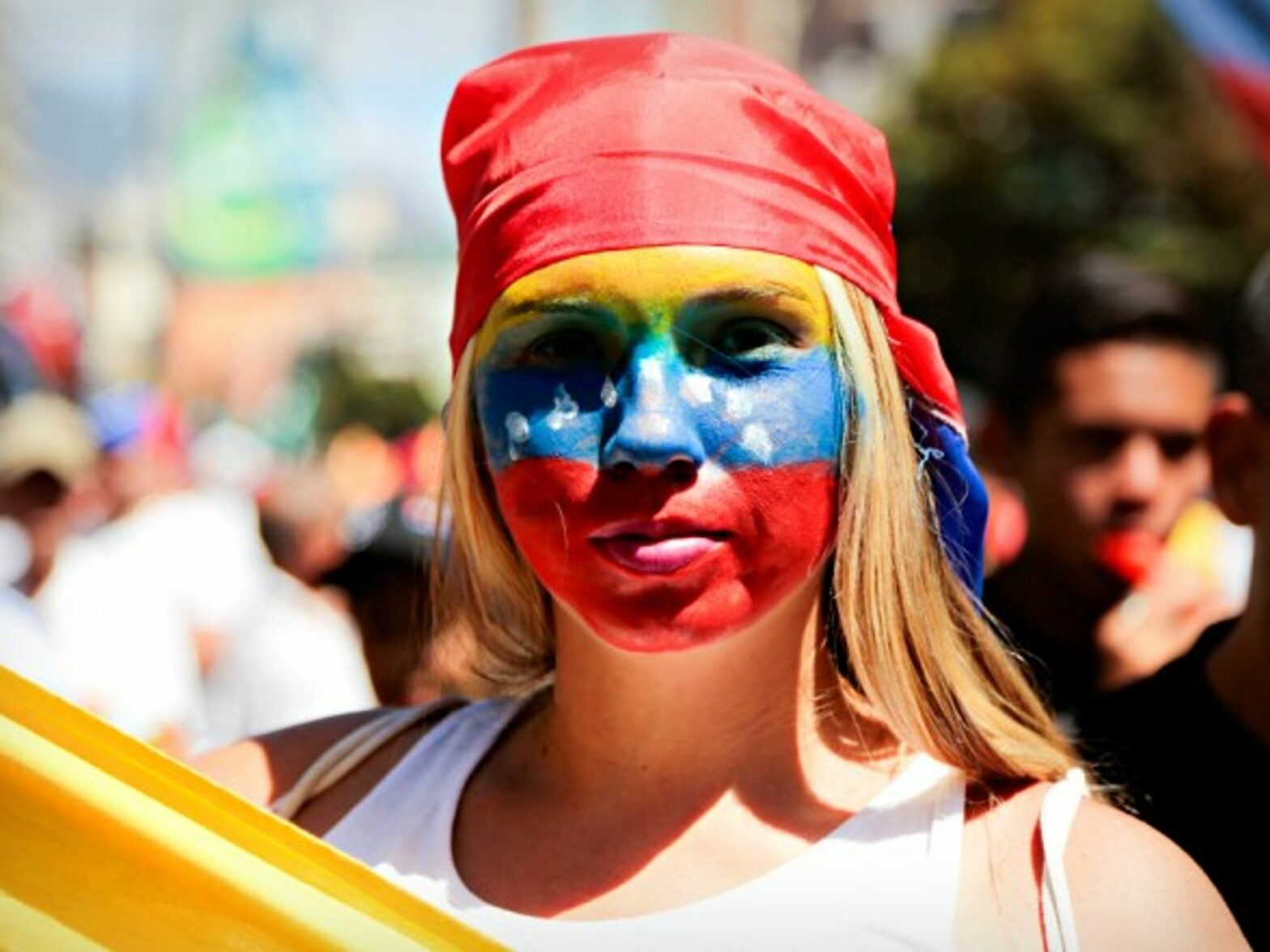
Maduro needs to go, and his left-wing defenders need to stop making excuses. But calls for his removal by military means are also misguided.
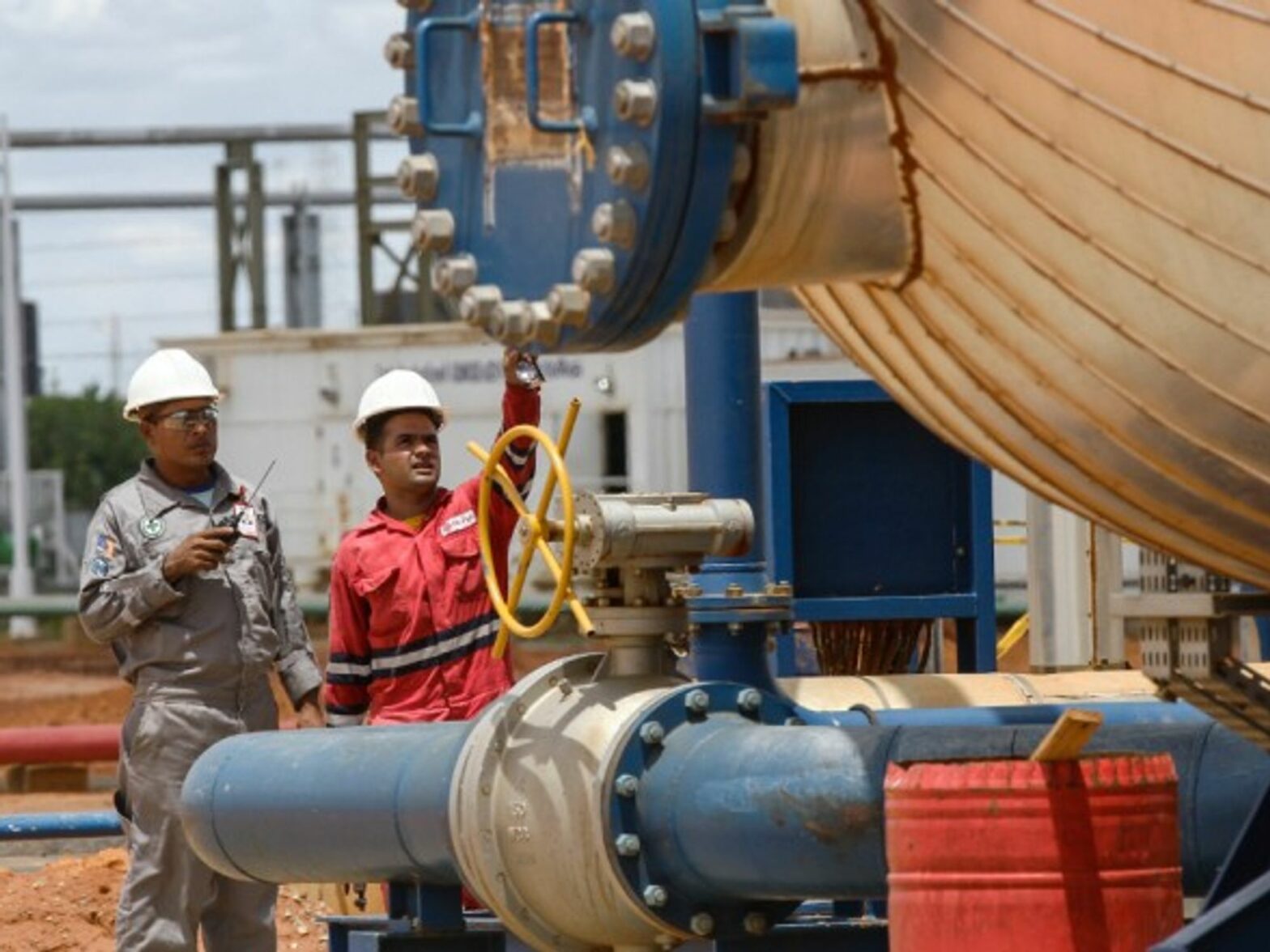
With business sense and political pragmatism, communist China probably sees more sense backing Venezuela’s liberal opposition, which could seal the fate of its longtime ally.
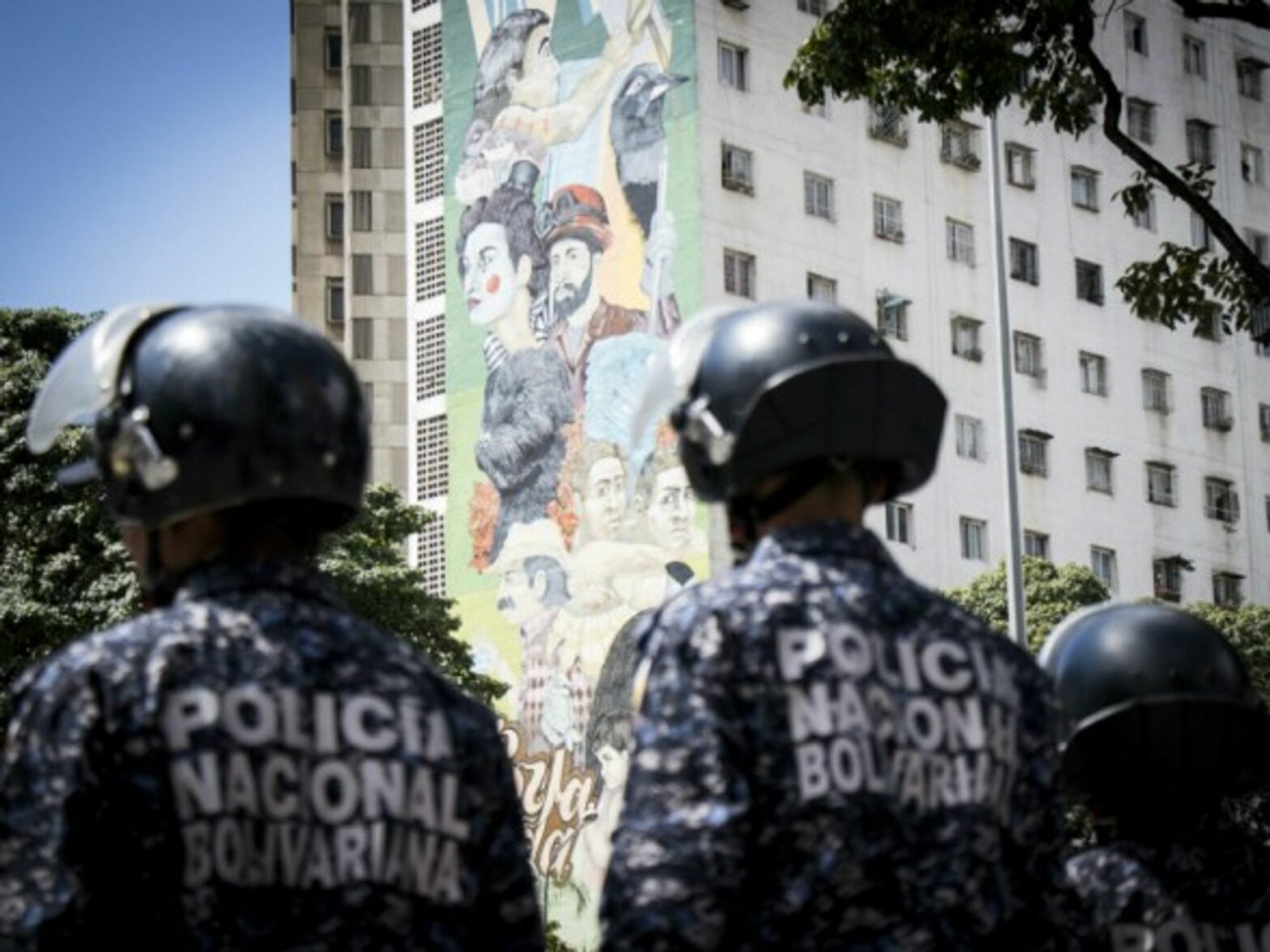
From Spain’s Podemos to Noam Chomsky, many left-wingers around the world are too blinded by ideology to see the Venezuelan crisis for what it really is.
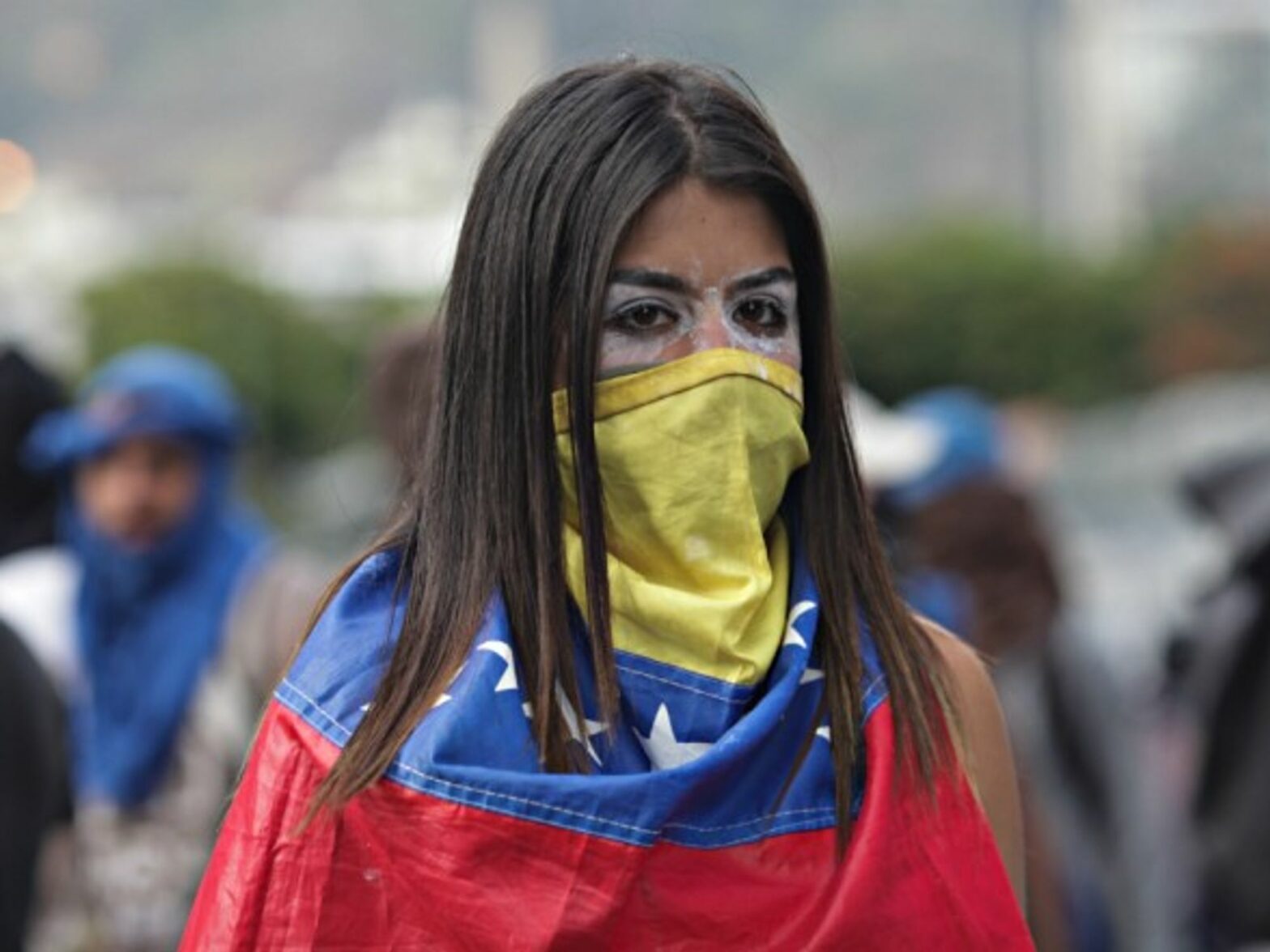
The United States is meddling in the region again in line with big-money interests and the imperialist tradition set off in the late 19th century.
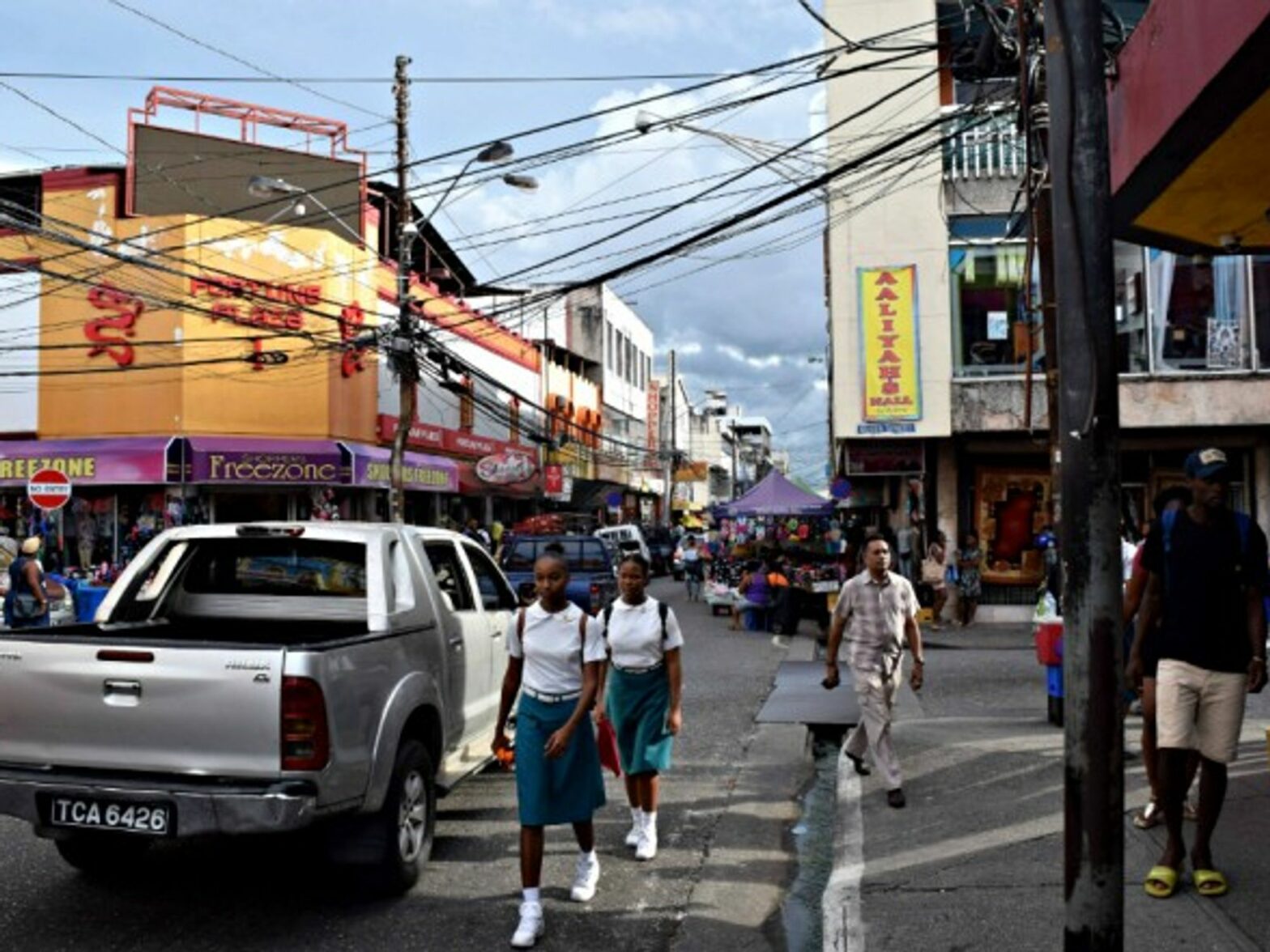
While many displaced Venezuelans are crossing over into Colombia or Brazil, others head offshore, to nearby Caribbean island nations, which have been less than welcoming.
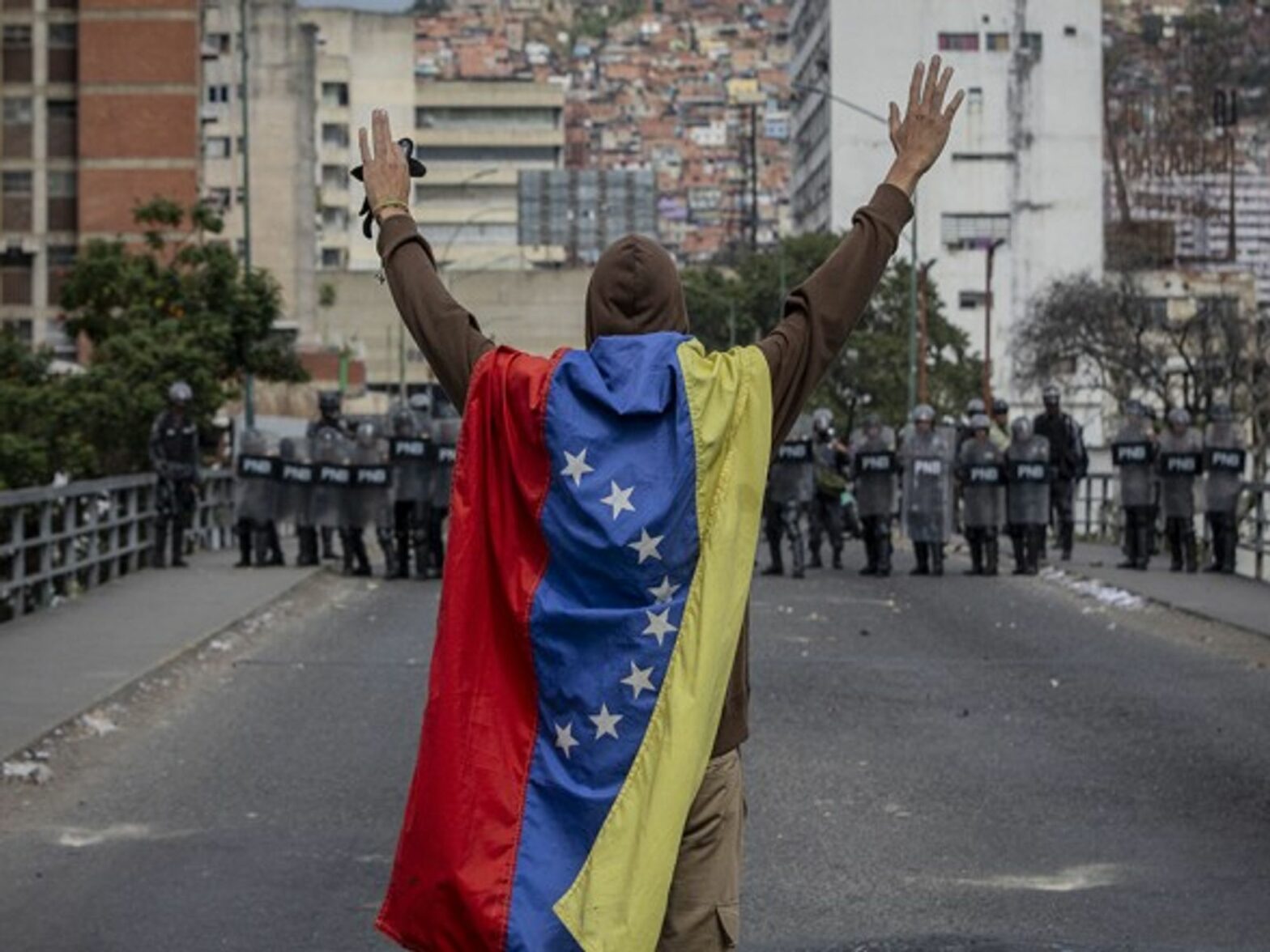
The sudden political crisis in Venezuela has major reverberations across Latin America and the world. Both old and new dividing lines in the region have emerged since Juan Guaidó, the leader of Venezuela’s National Assembly, declared himself the country’s acting president in defiance of Nicolás Maduro, who has been ruling the country since 2013. In […]
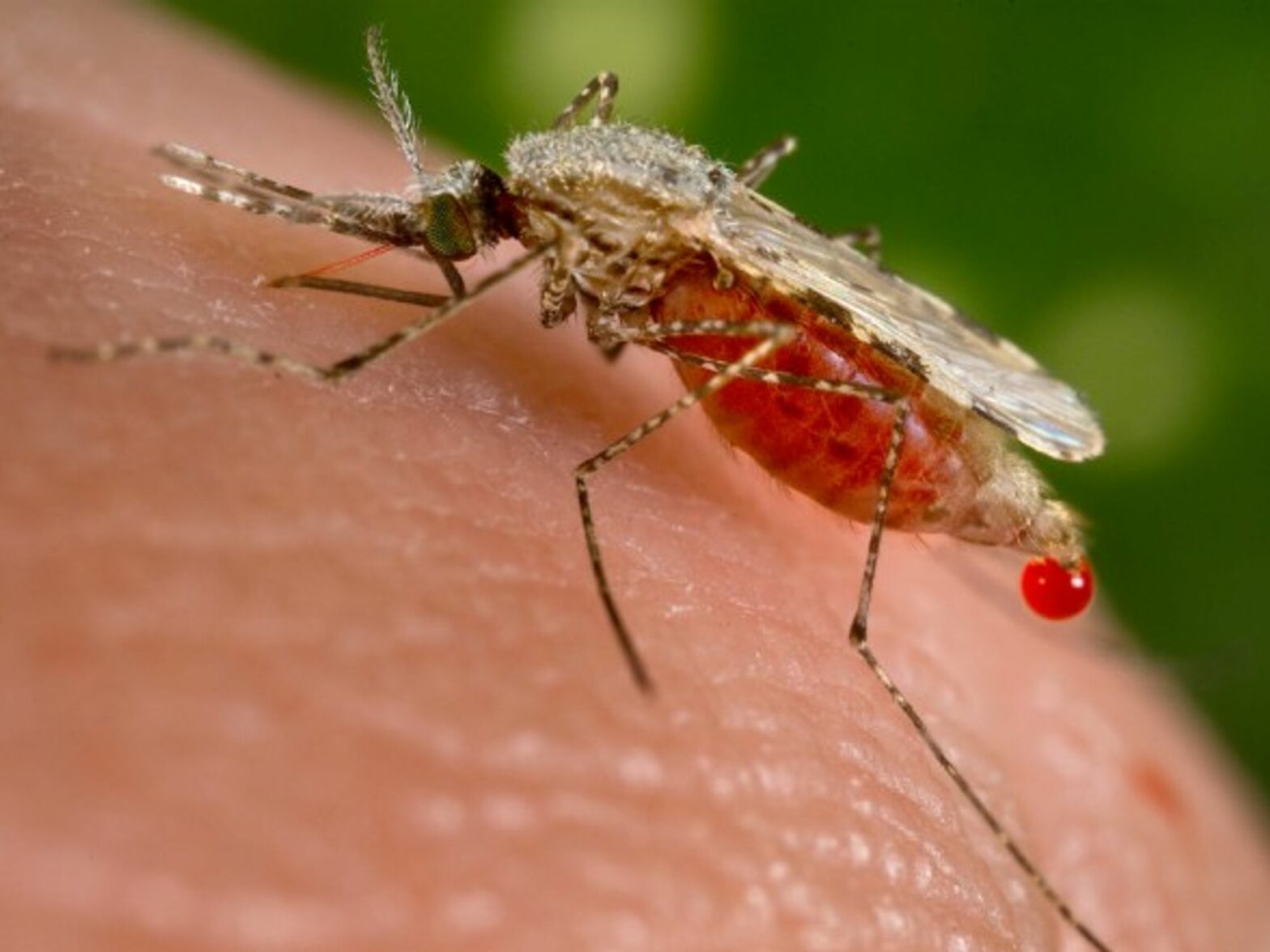
The South American country’s economic and political crises have helped usher in the return of a once eradicated illness, researchers report.
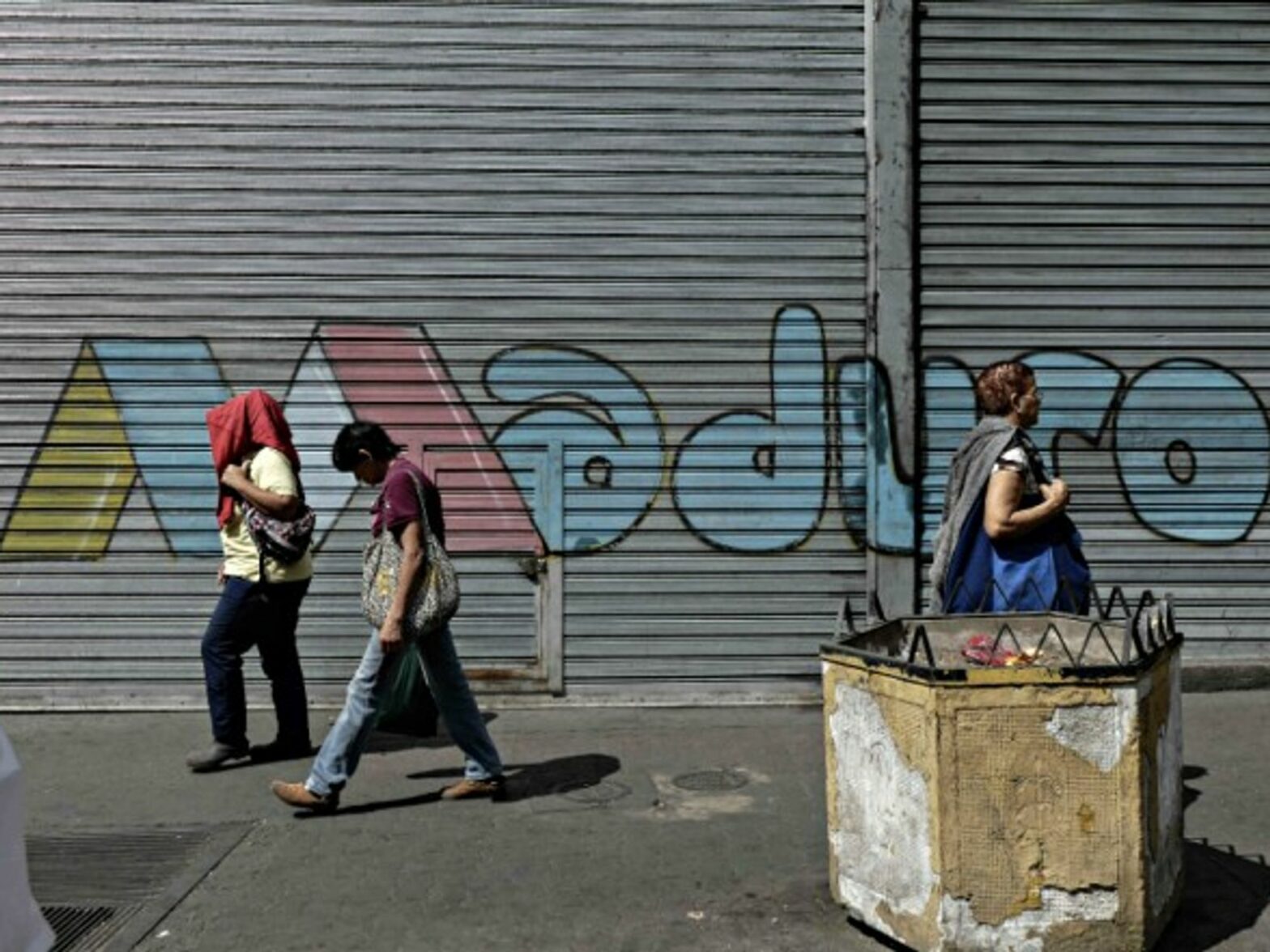
-Analysis- BOGOTÁ — The Lima Group, a multilateral body of 14 American countries focused on resolving the institutional and democratic standoff in Venezuela, has declared Venezuelan President Nicolás Maduro’s new term in office illegitimate, taking the firmest position so far on his conduct as ruler of Venezuela. But the group needs the support of more […]
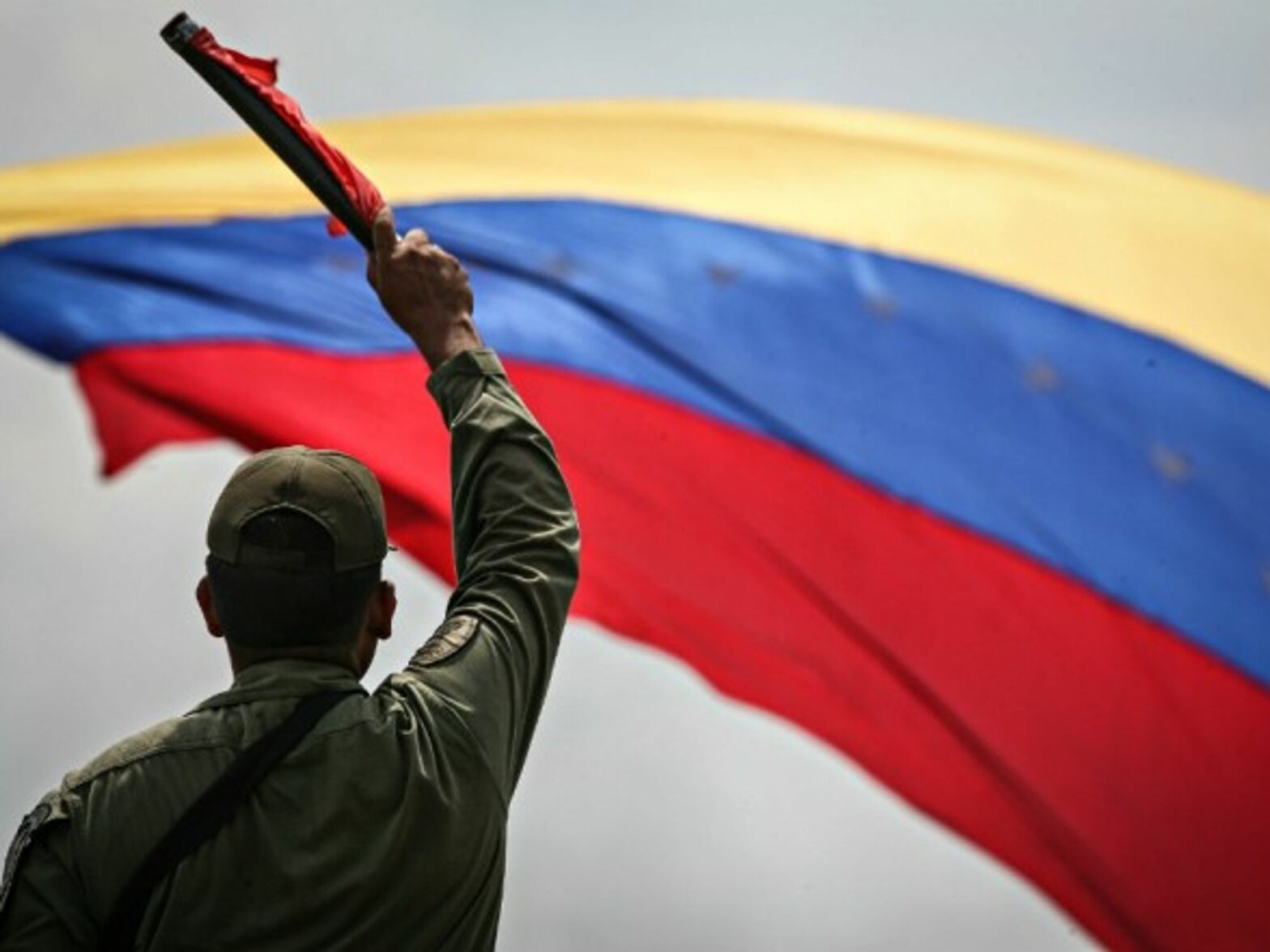
The Venezuelan crisis impacts Colombia directly. But military intervention, as hinted by Trump, could be disastrous.
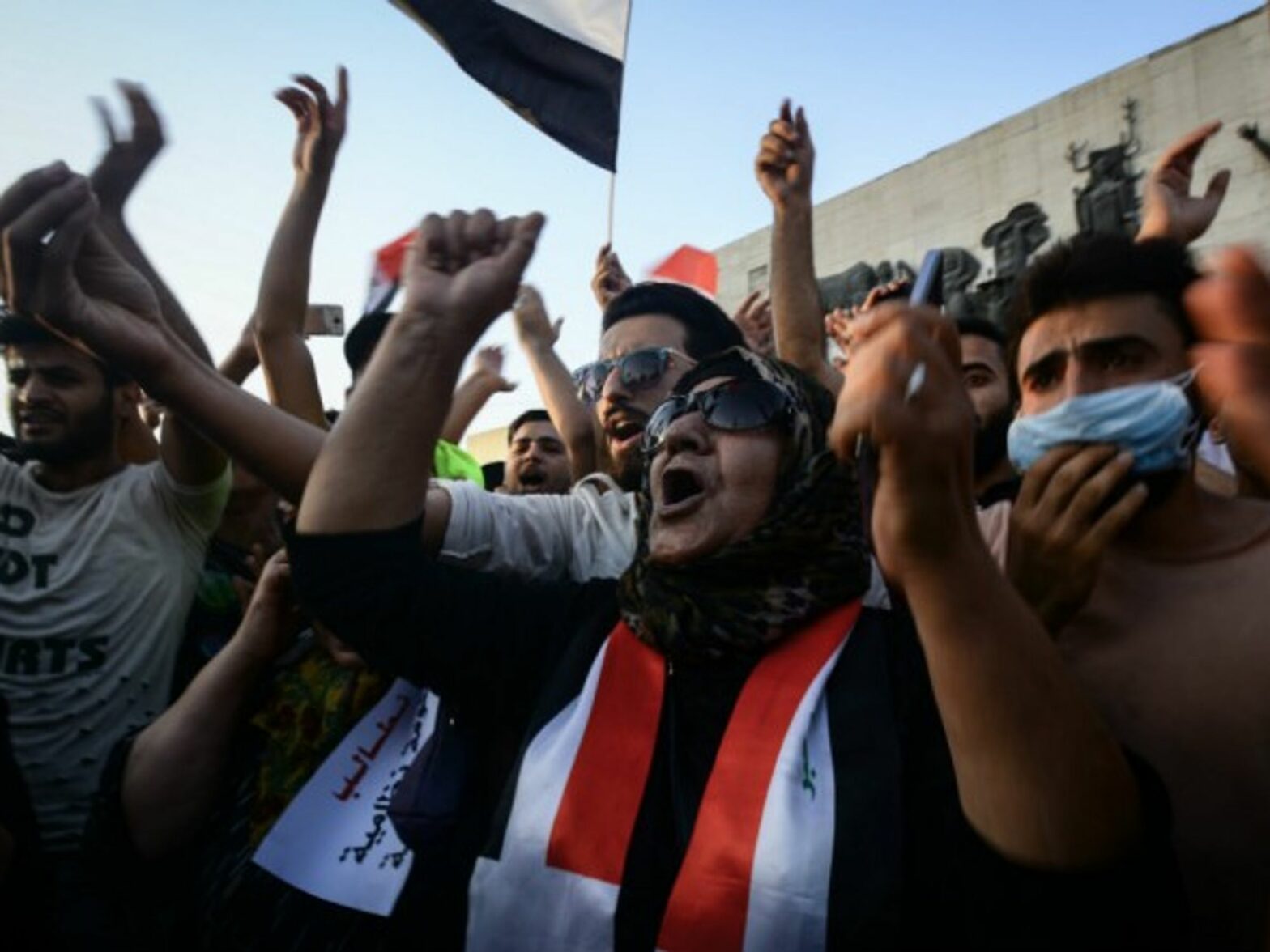
-Analysis- BERLIN — World politics is currently dominated by “strongmen,” those leaders who see themselves anointed to negotiate “deals’ among themselves to chart the world’s destiny. Vladimir Putin’s Russia, in alliance with the Islamic Republic of Iran, has stifled the Syrian people’s rebellion against Bashar al-Assad, allowing his Damascus regime to regain almost complete control […]
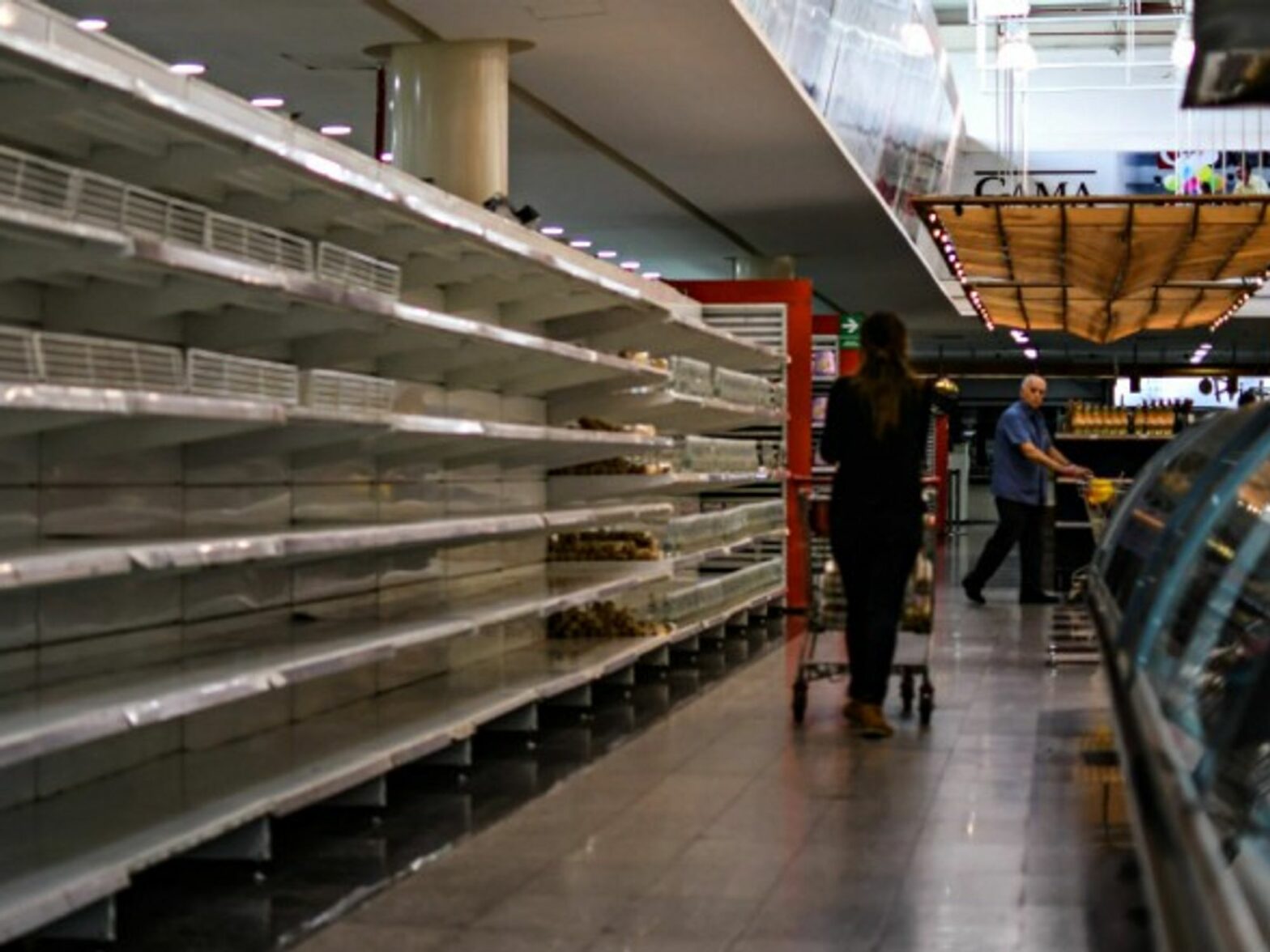
Hyperinflation comes from ignoring some basic economic rules. That is unlikely to change any time soon under the Maduro government.