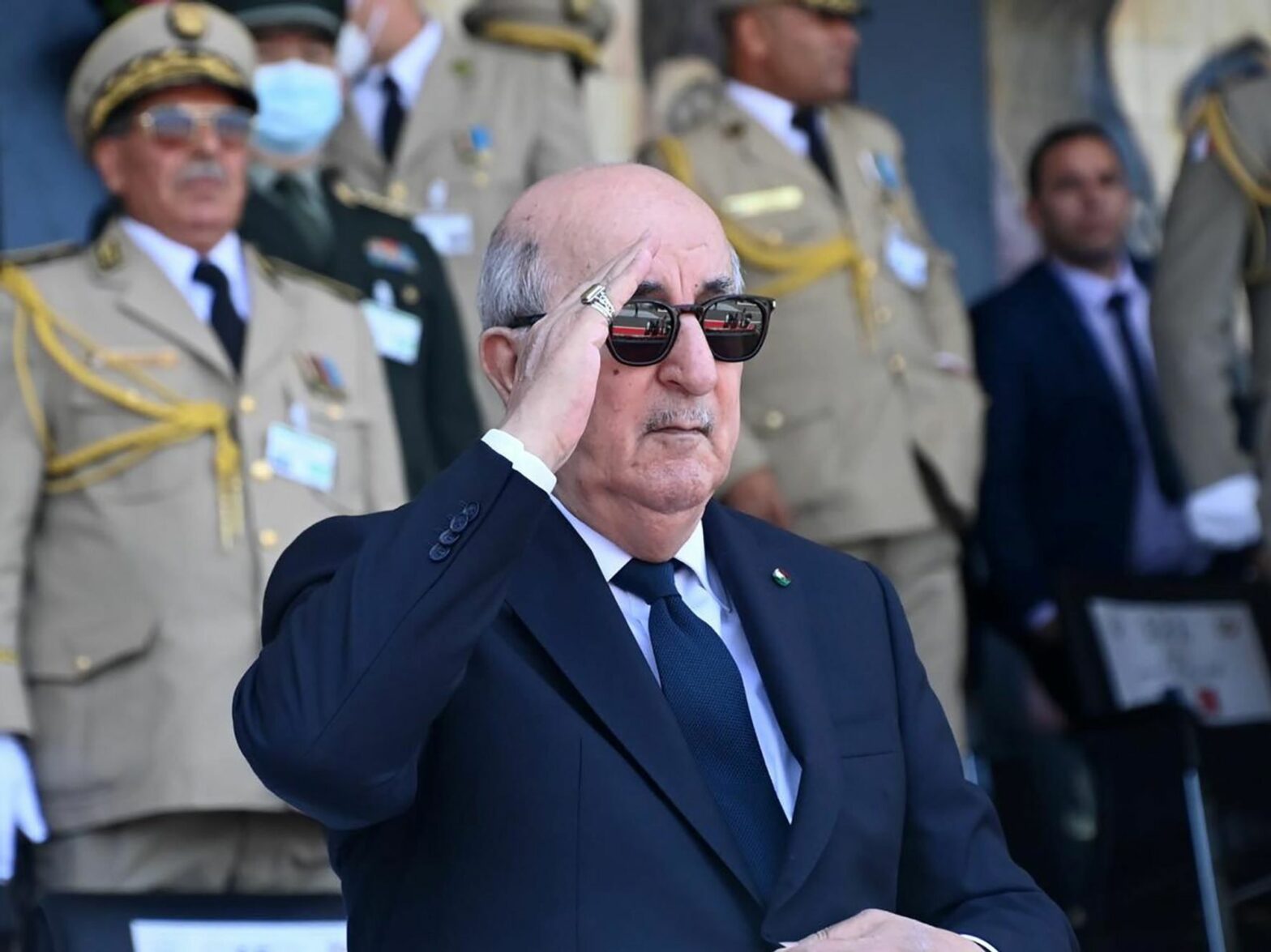
With the downfall of the Assad regime, Algeria lost a strong ally in the Arab region. Algiers is now seeking to establish relations with the new leadership in Damascus, hoping to maintain its old alliance despite the change of regime.
 Worldcrunch
With the downfall of the Assad regime, Algeria lost a strong ally in the Arab region. Algiers is now seeking to establish relations with the new leadership in Damascus, hoping to maintain its old alliance despite the change of regime.
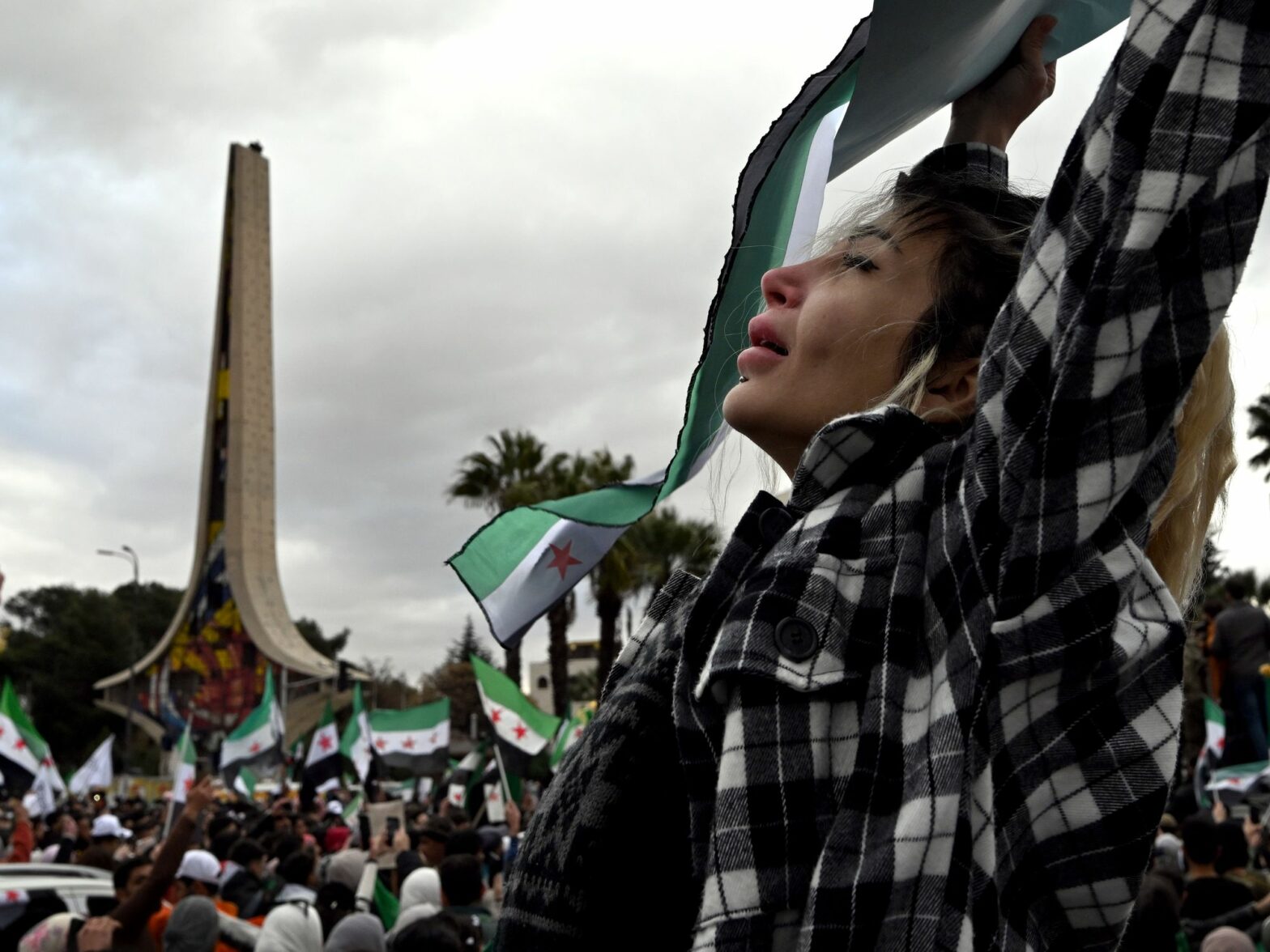
It appears that Syria’s new rulers, Hayat Tahrir al-Sham, are refusing to respond to the social and political demands of former President Bashar al-Assad’s Alawite minority, risking a sectarian conflict in the war-torn country.
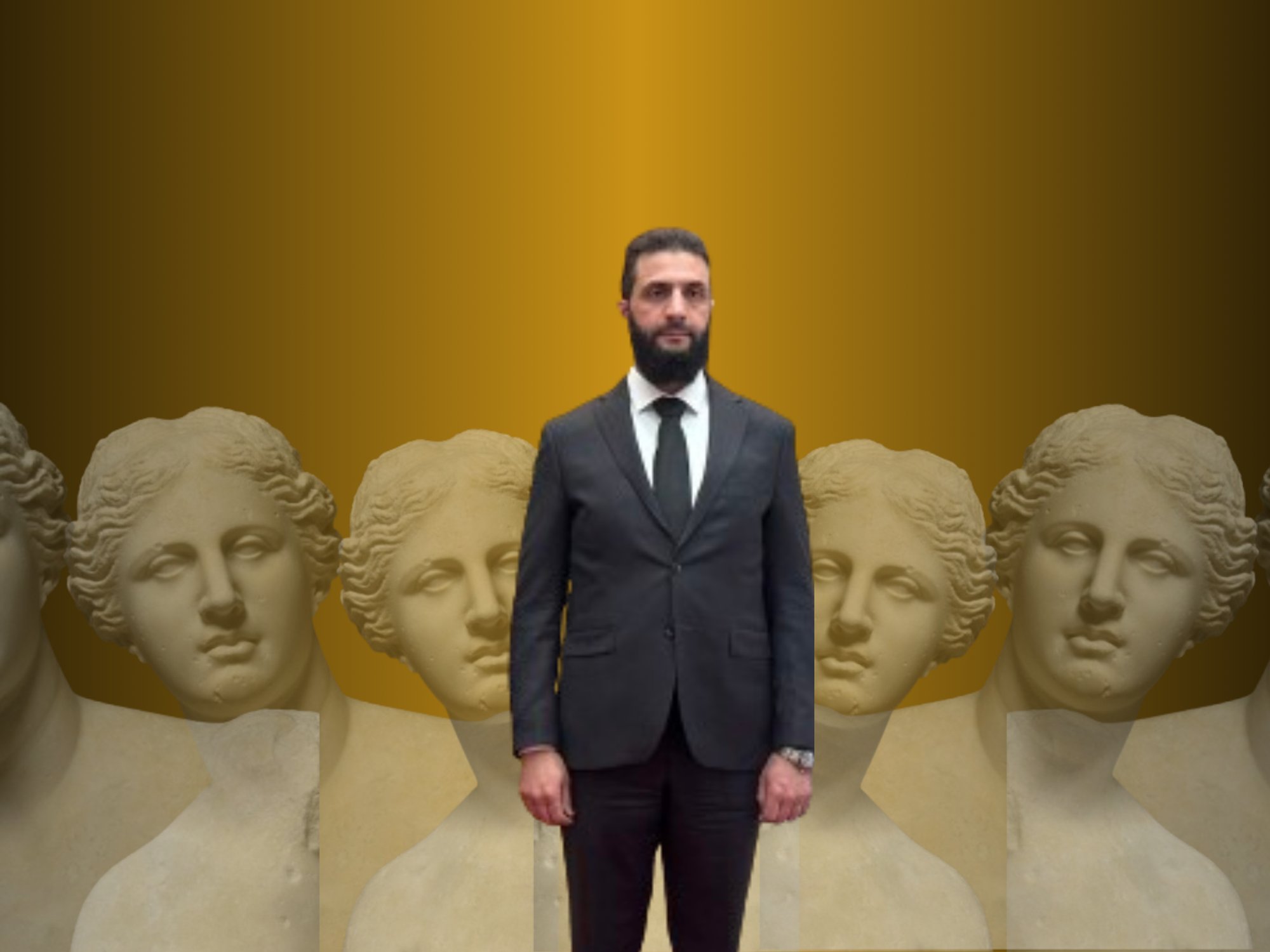
In Syria the provisional government led by Hay’at Tahrir al-Sham has removed the term “gods” and images of statues from the school curriculum. Men destroy statues so that the statues do not destroy them. Removing these images and their rightful place in history is a dangerous call to war against truth and equality.
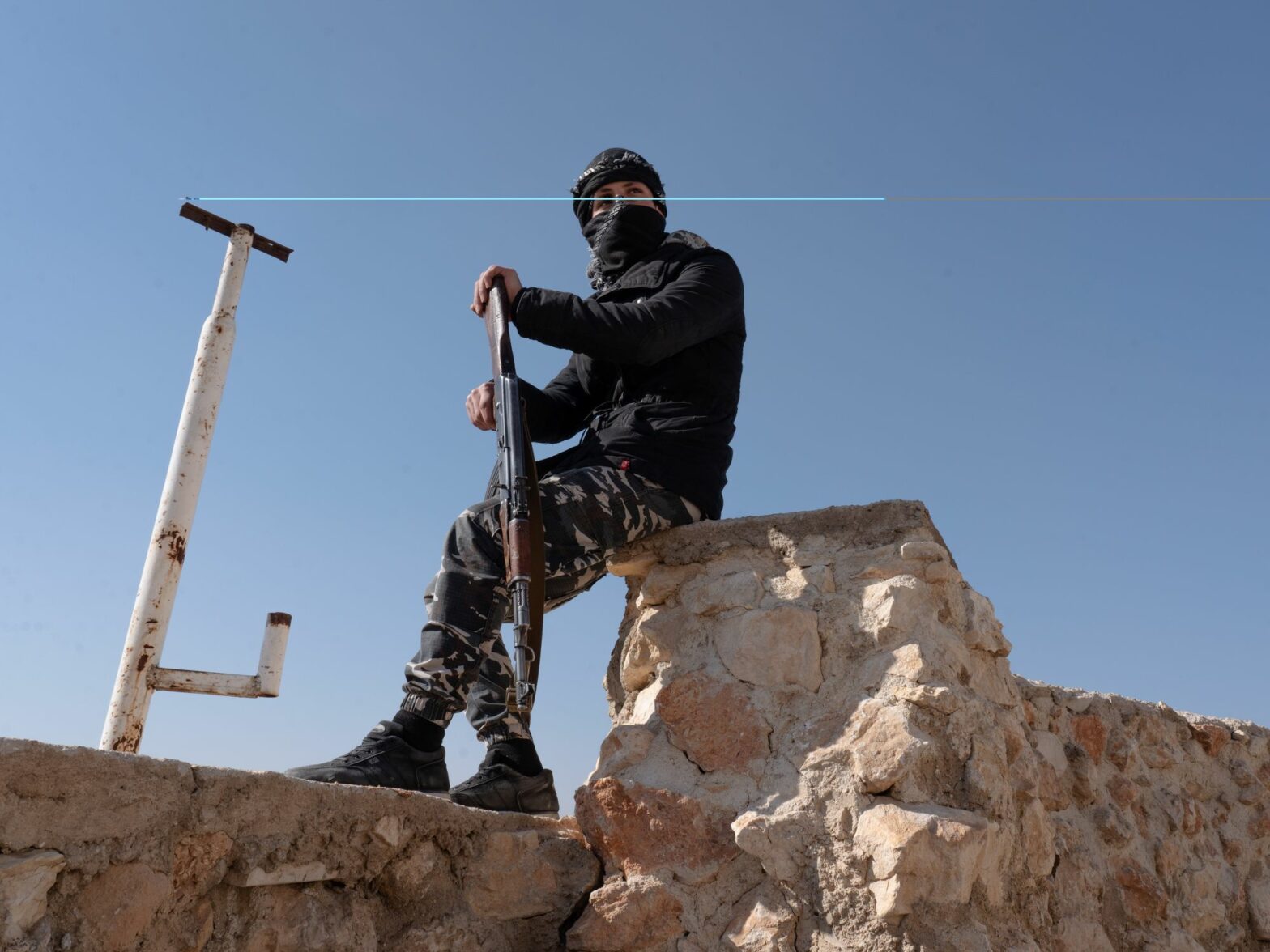
Palestinians must engage in deep domestic dialogue to end their division and agree on a set of principles to address the towering challenges they face, including their ties with Syria’s new rulers.
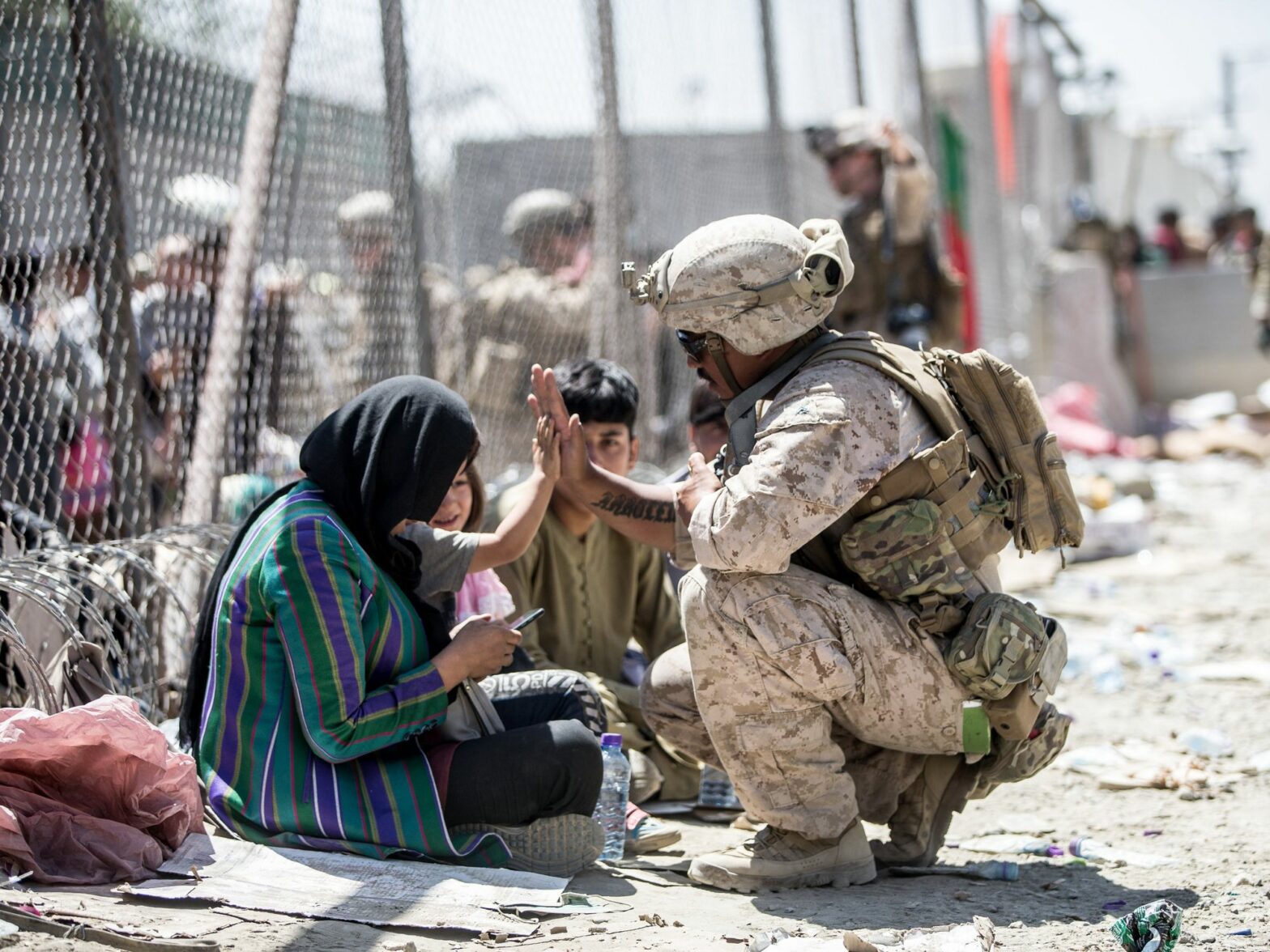
The United States, which was stung twice in Afghanistan, recently warned Syria’s new administration against adopting hardline policies like the Taliban. While HST leader Ahmed al-Sharaa has said that he did not want to turn Syria into a copy of Afghanistan, doubts remain over the former al-Qaeda member’s assurances and pledges.
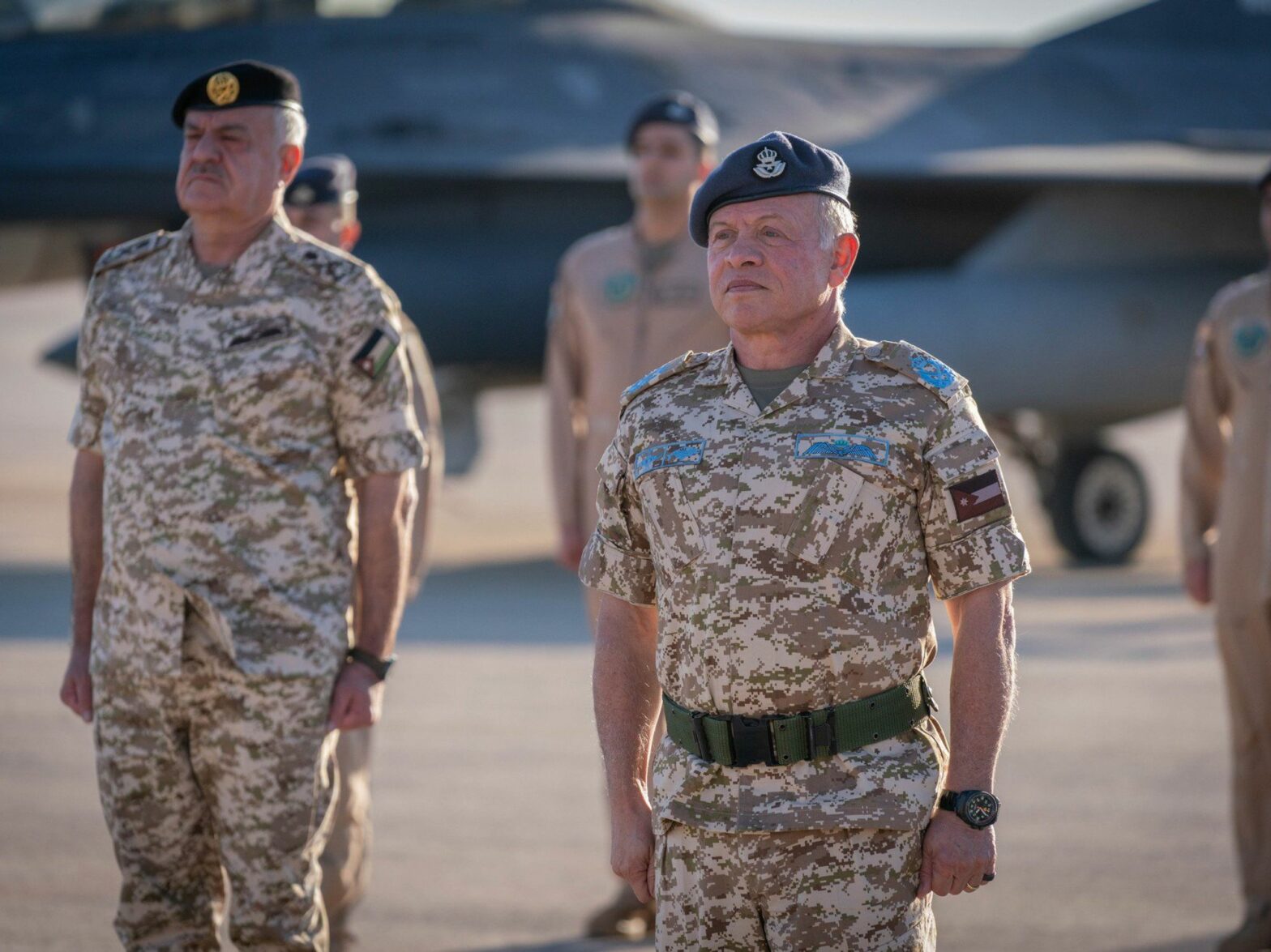
Jordan has cautiously followed the emergence of Syria’s de facto leader, Ahmed al-Sharaa, from the ranks of jihad fighters to a statesman. Amman is increasingly concerned that the Muslim Brotherhood could exploit the rise of Islamists in Syria to sow chaos in Jordan, or the return of extremist fighters to areas on its borders.
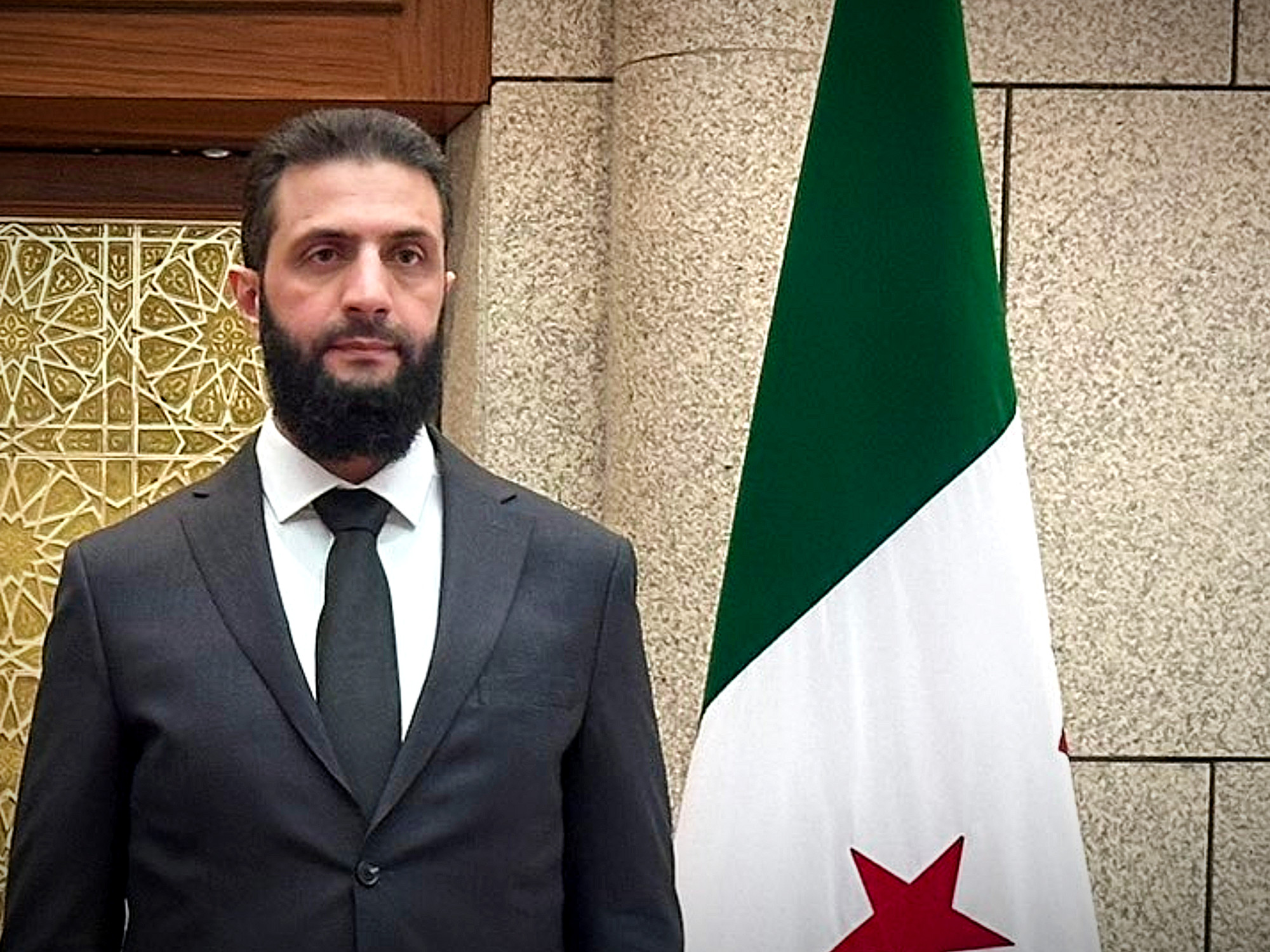
Al-Sharaa has surprised many with his openness to dialogue after a past linked to al-Qaeda. He represents a complex model that embodies the transformation of Syria since the beginning of the revolution in 2011.
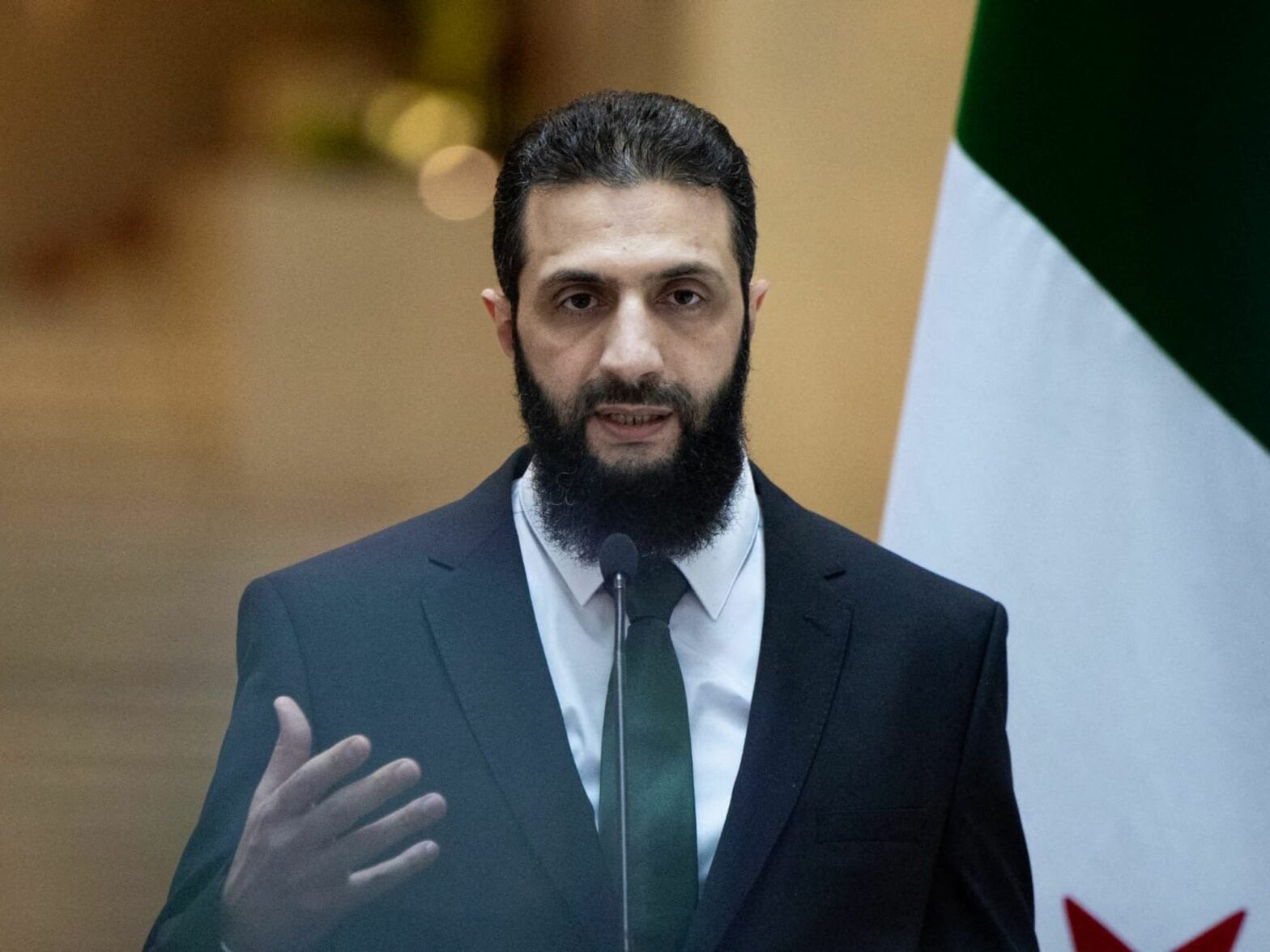
The new governor of the Damascus region has articulated a surprisingly soft stance on Israel’s aggressive action in both Syria and Gaza in hope that this would lead to U.S. recognition of the new regime.
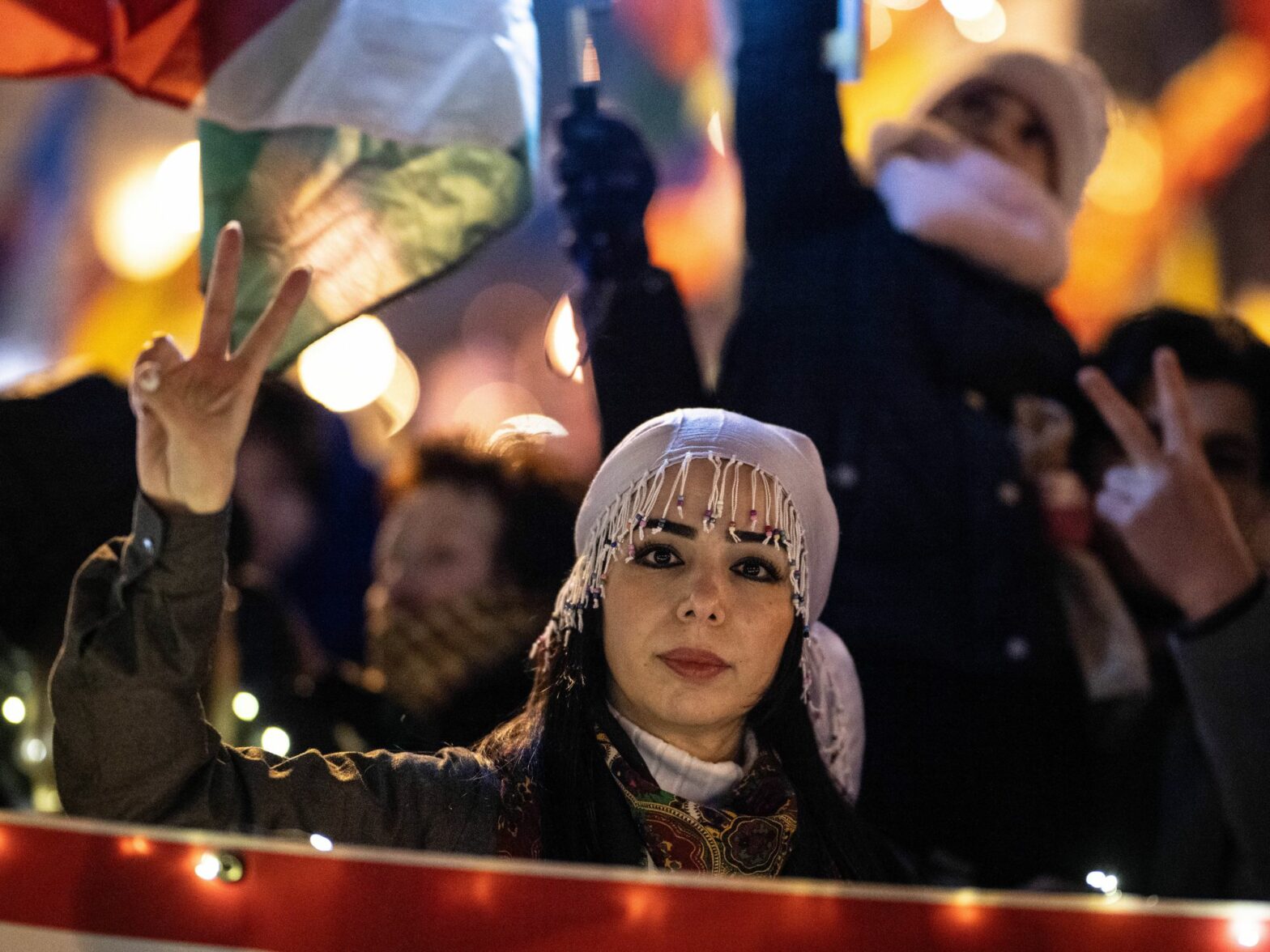
After the downfall of Bashar al-Assad, Kurdish citizens of Syria rejoiced, but deep concerns over the people’s fate have not gone away.
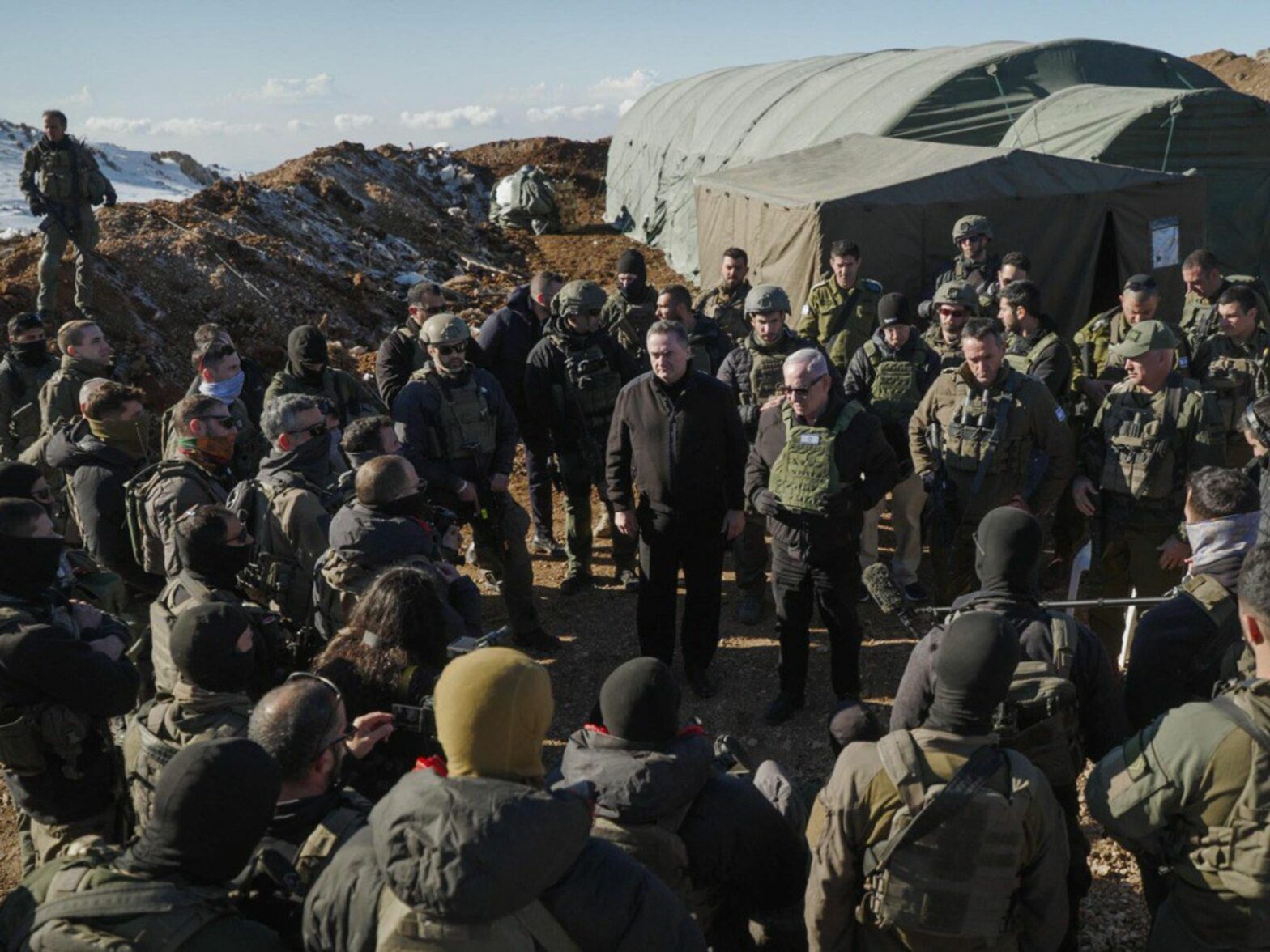
Replacing the dominant roles of Russia and Iran exerting influence over Syria, following the downfall of President Bashar al-Assad, Turkey and Israel are best positioned to divide up their respective roles on the territory of the shared neighbor.