From Aya Nakamura in France to Selena Gomez in the U.S., pop stars are collaborating more and more with Nigerian artists like Rema or Burna Boy. Les Echos looks into into how Afrobeats went global — and where it’s going.

 Worldcrunch
From Aya Nakamura in France to Selena Gomez in the U.S., pop stars are collaborating more and more with Nigerian artists like Rema or Burna Boy. Les Echos looks into into how Afrobeats went global — and where it’s going.

Updated May 3, 2024 at 9:15 a.m. Margaret Thatcher was elected prime minister of the United Kingdom on this day in 1979. She served as prime minister for 11 years, until her resignation in November 1990. What were Margaret Thatcher’s key policies as prime minister? As prime minister, Margaret Thatcher pursued a program of economic […]
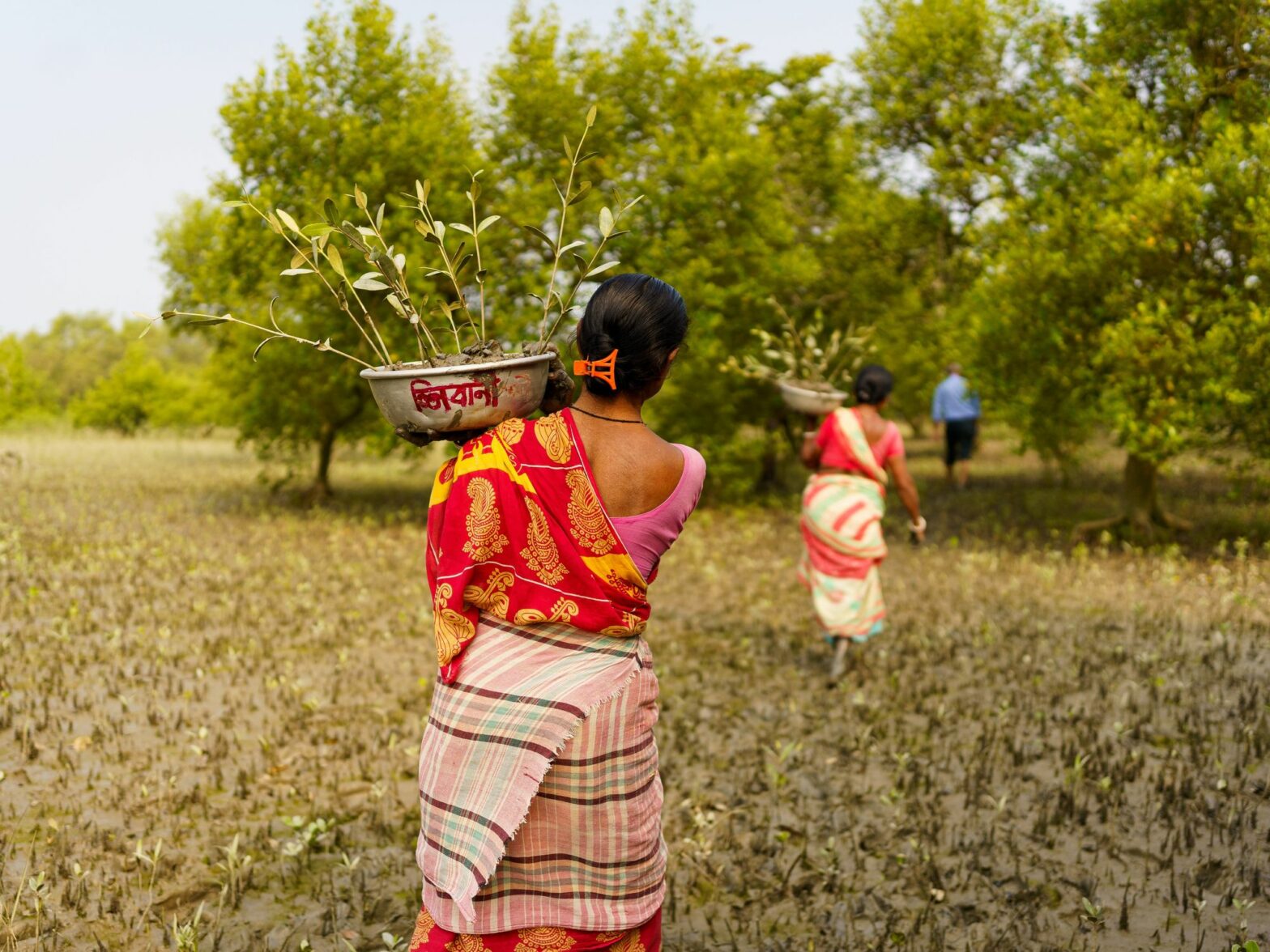
All informal workers face climate change and it impacts their livelihood — reduced income as well as reduced hours of work. Workers talk about fatigue and dehydration, excessive sweating, and general mental stress and anxiety.
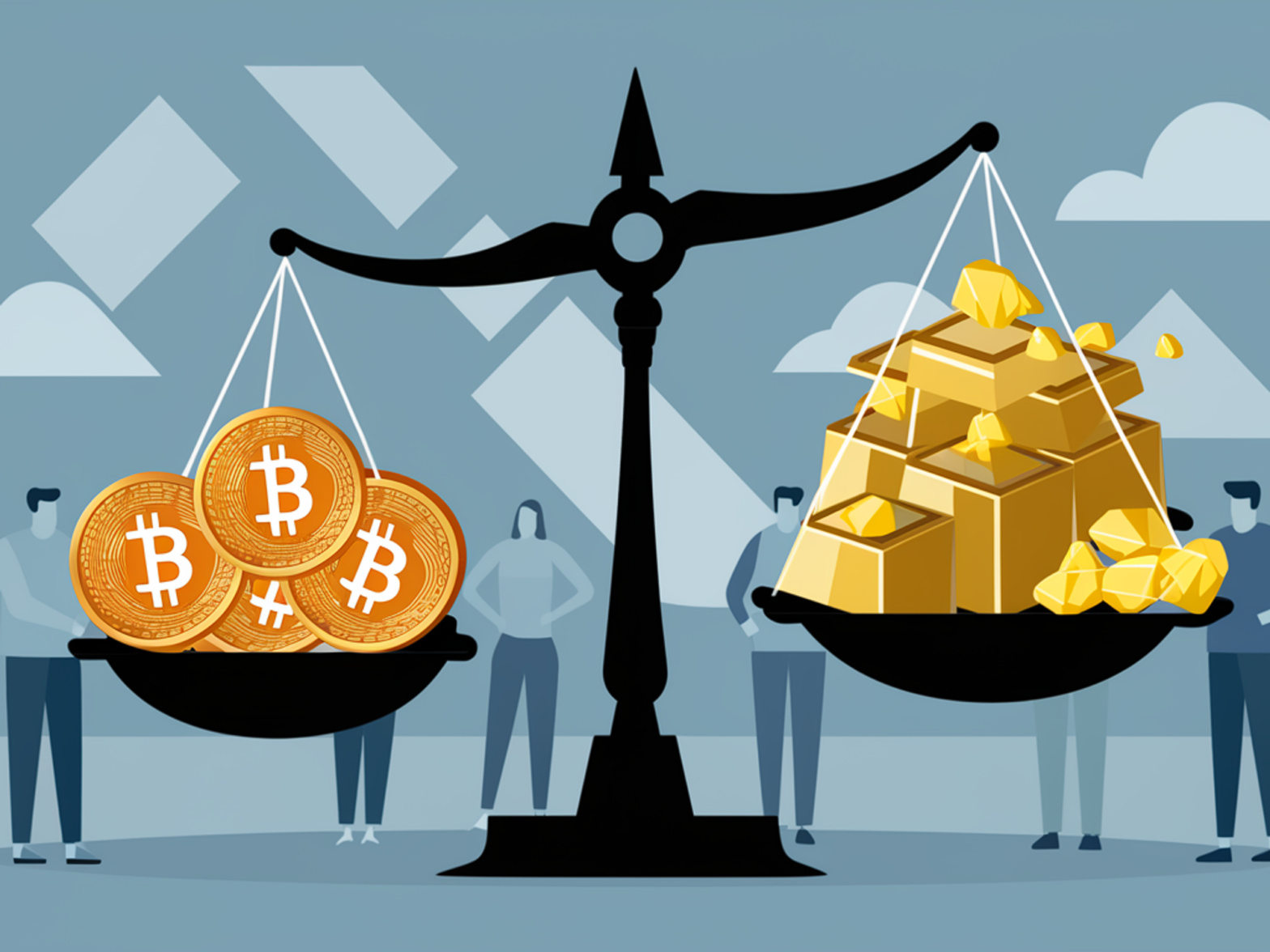
If you are not a billionaire or a fund, the investment rules of yesteryear apply: gold won’t make you rich overnight and volatile assets like the bitcoin may come crashing down for reasons far beyond your grasp.
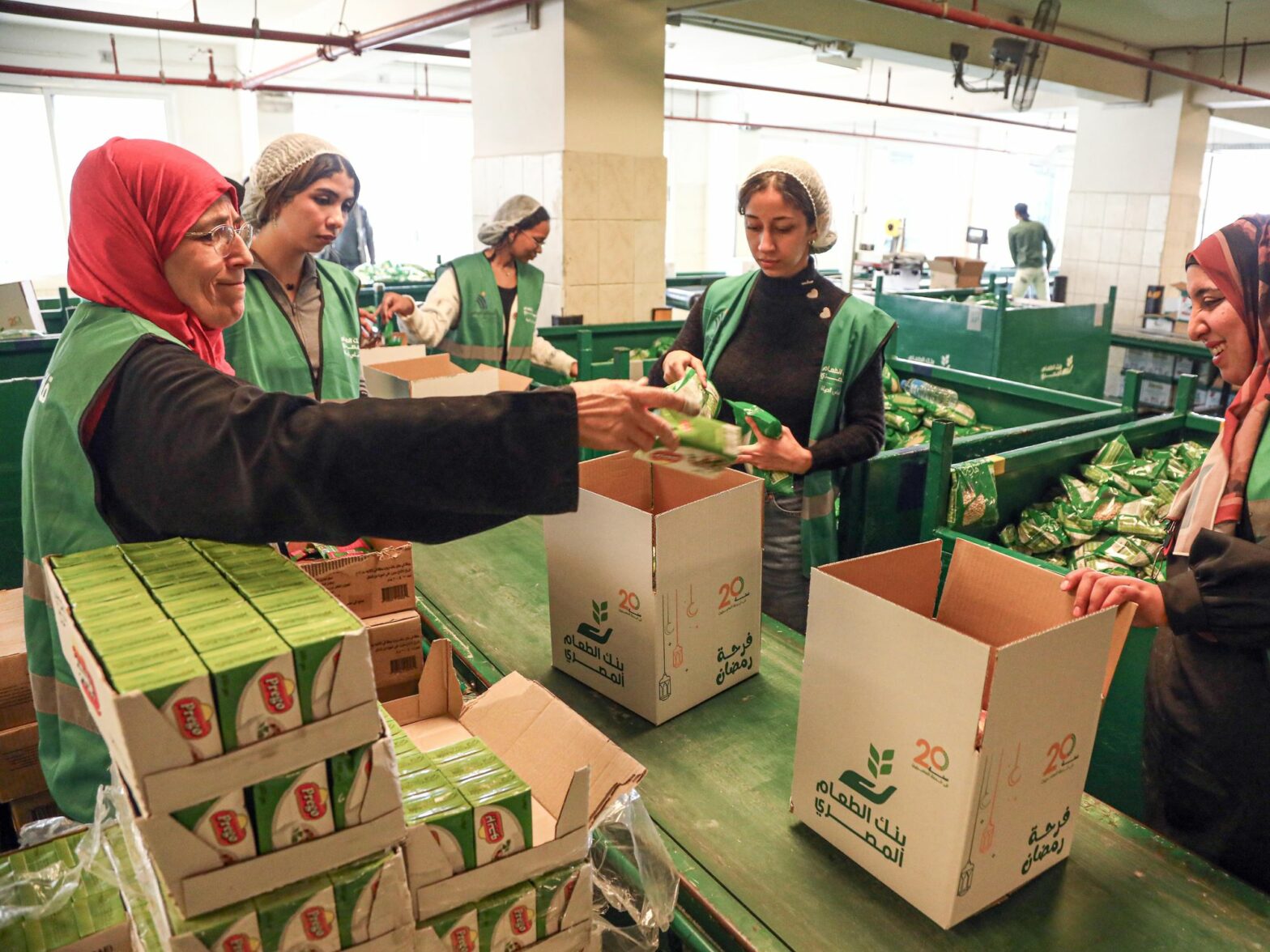
This year’s Ramadan has seen a significant decrease in food donations in Egypt, where more and more families depend on them amid exceptional inflation rates.
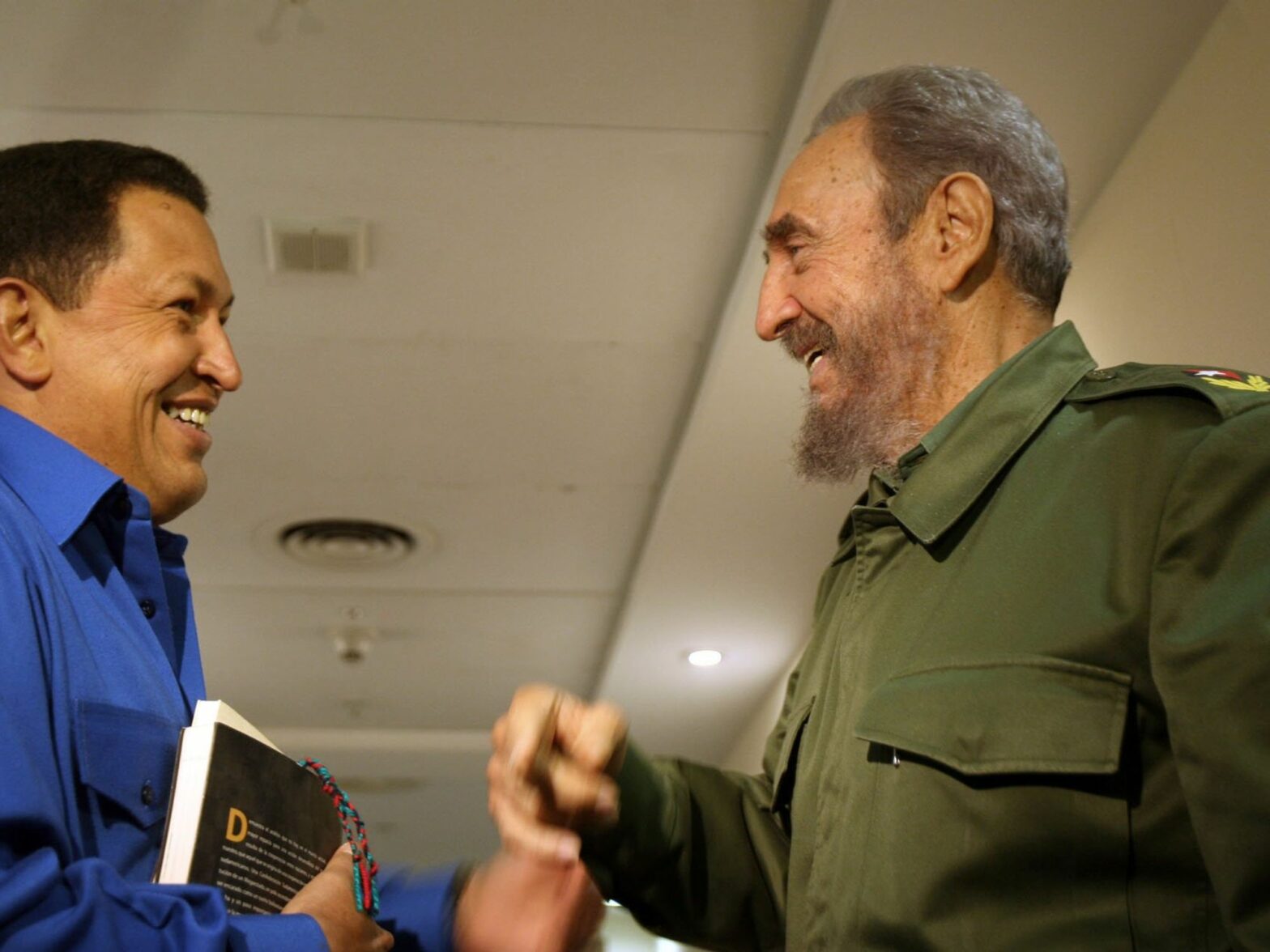
Recent Cuban protests over fuel and food swiftly turned against the communist system but unlike the past, the state, which is asking the UN for food aid, refrained from giving a crushing response. Venezuela is no better off, and the age of symbiosis for Latin America’s leftist regimes is long gone.

From Brad Pitt to Céline Dion and Michelin-starred chefs, the high-end cooking ranges manufactured by La Cornue have seduced celebrities around the world. Despite despite its extra high prices, the French company’s sales have jumped 125% in the past five years.
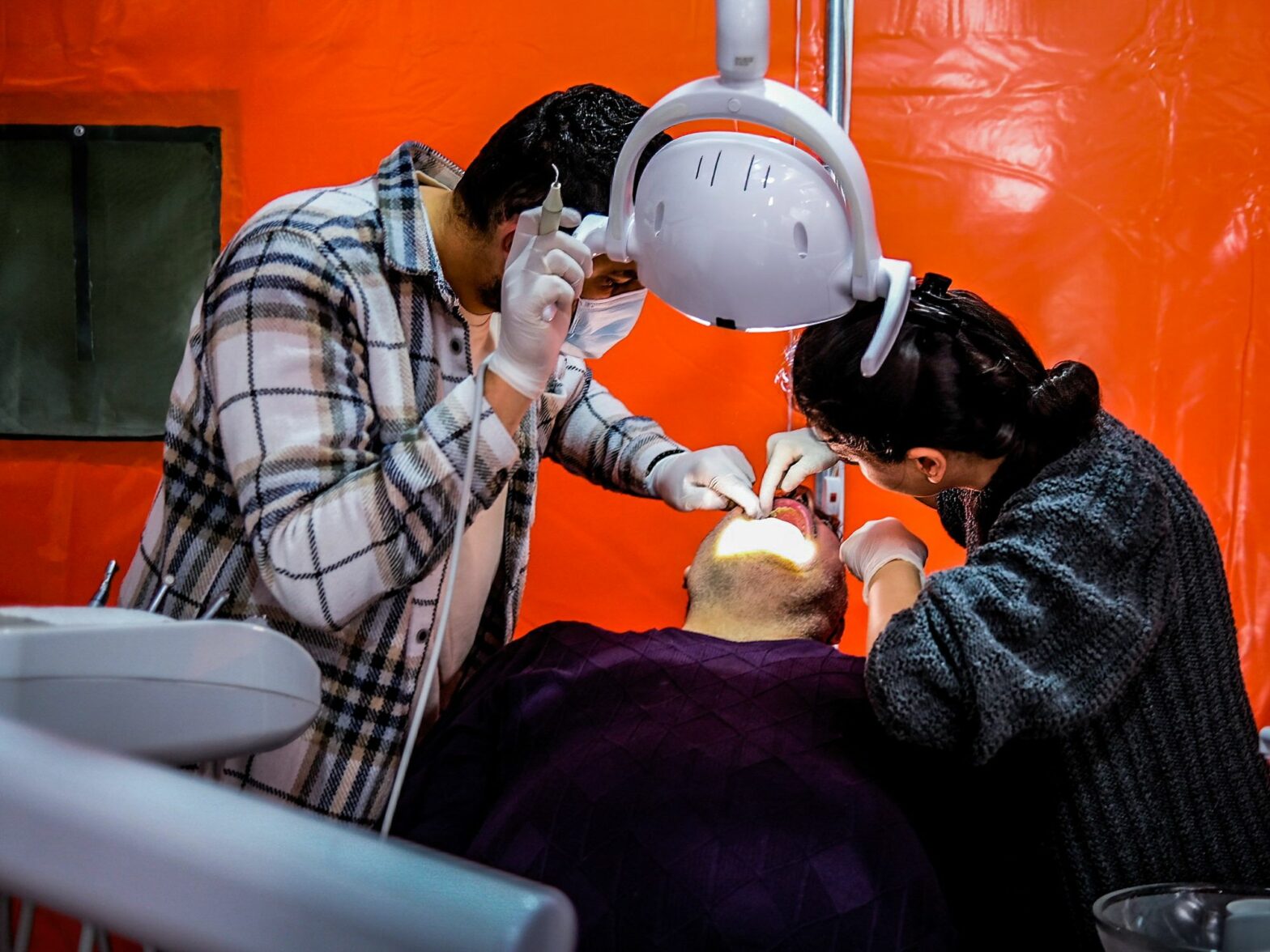
Costly treatments, no appointment available, “dental deserts,” minority discrimination, mass exodus from the workforce… While UK dentists warn that so-called dental tourism is dangerous, the crisis in NHS dentistry is forcing more and more British patients to travel to brand new clinics in Turkey — not for cosmetic procedures, but basic treatment. In Turkey, medical tourism is booming more than ever.
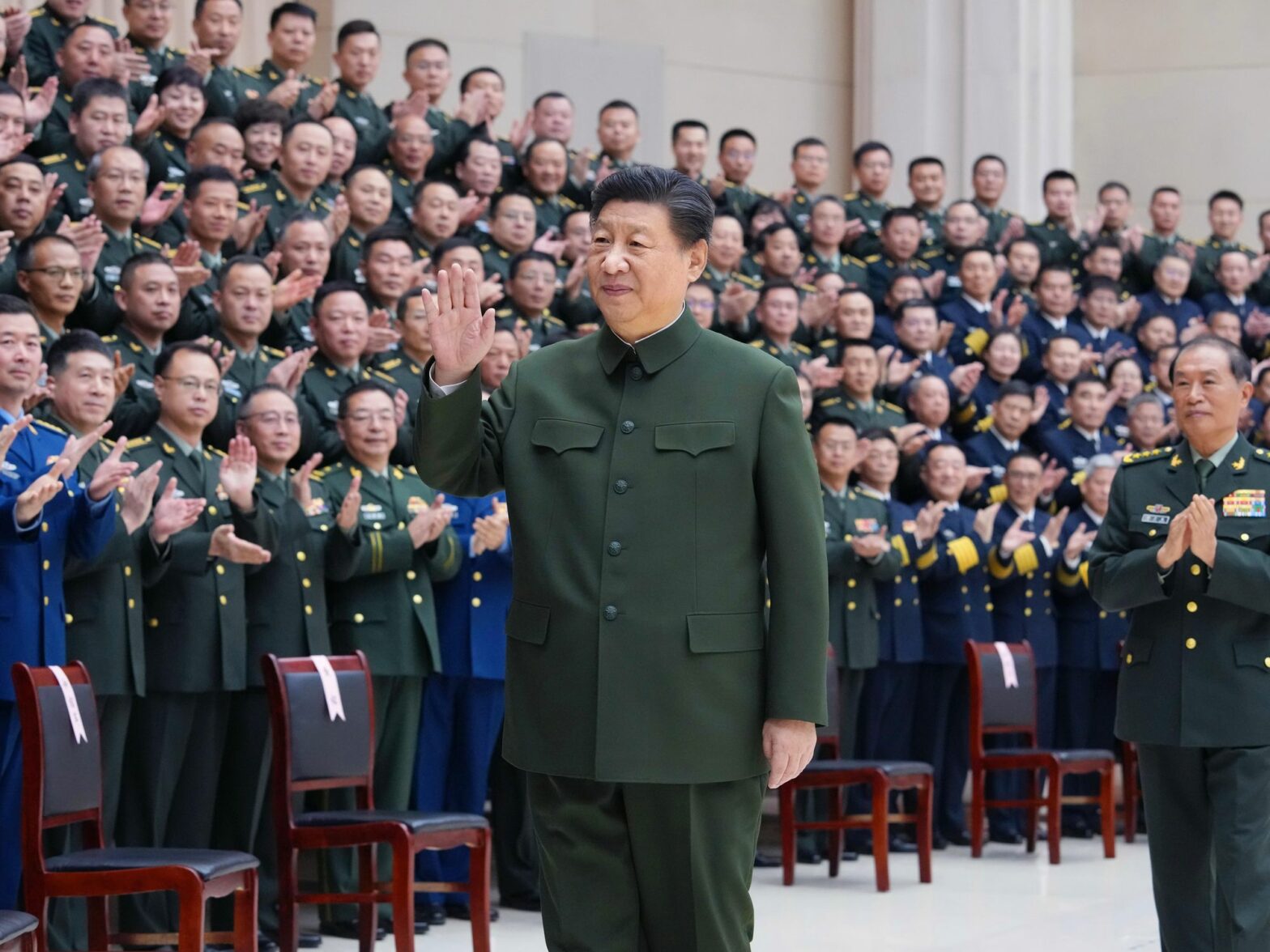
China has recently been discreet over major crises, such as Ukraine and Gaza, focusing its attention and energy on its domestic difficulties, particularly economic ones. Convinced that his country is entering a stormy period, President Xi Jinping is strengthening his hold over the nation, but may
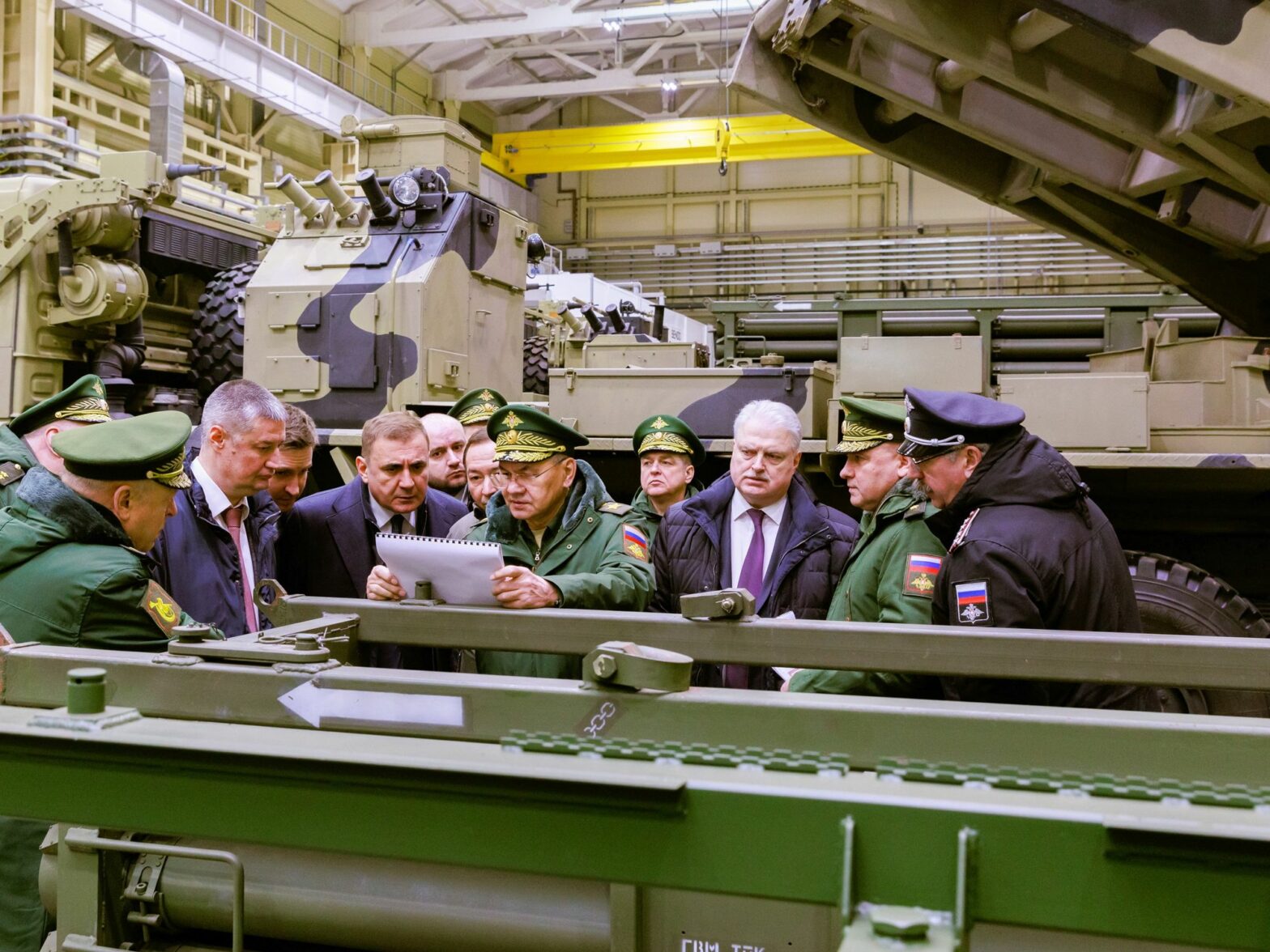
Despite Western sanctions against doing business in Russia, and Renishaw’s promises that it has closed its business there, Russian defense plants continue to receive both measuring equipment and software from the British engineering company.
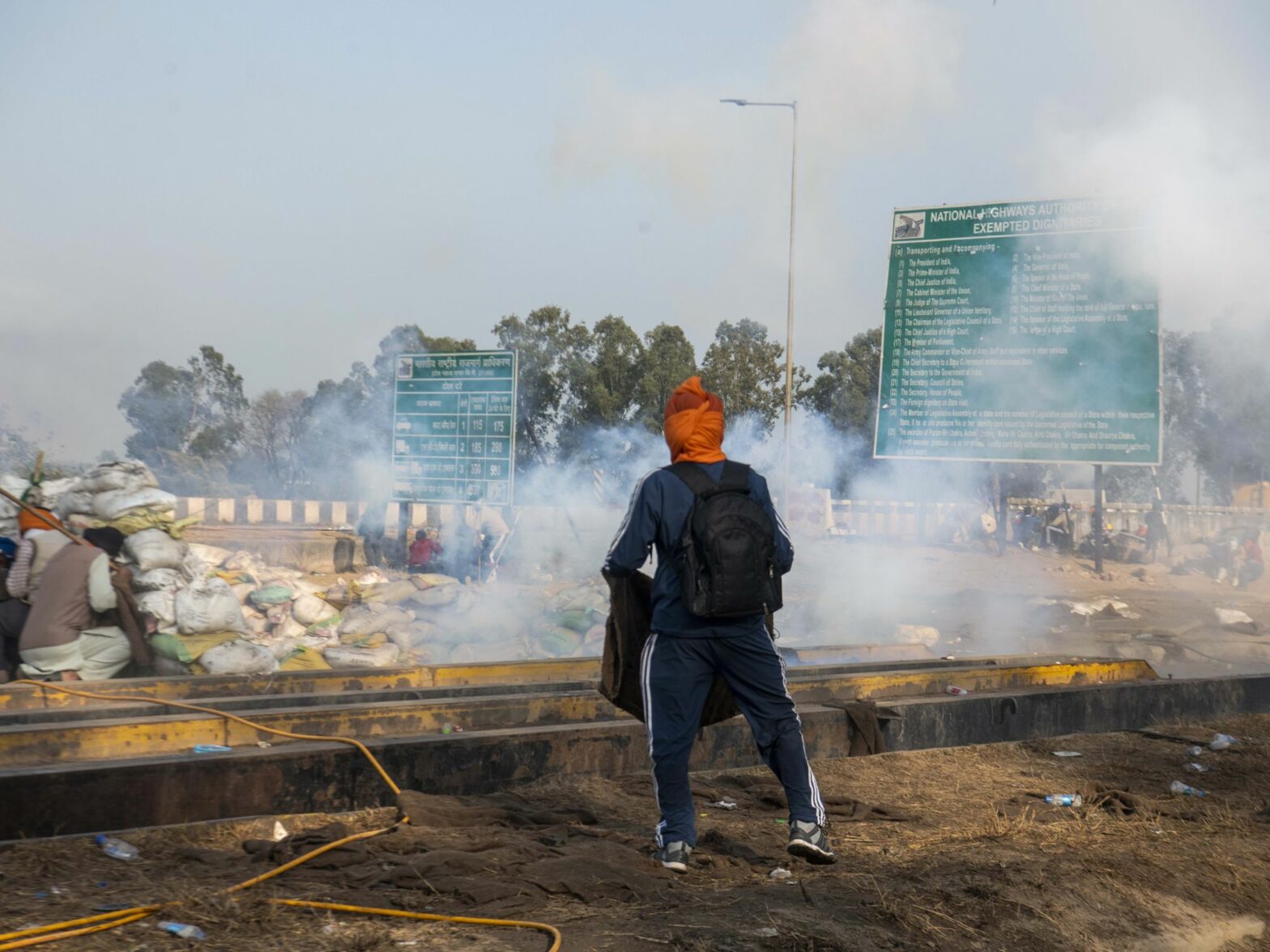
While men take center stage in the fresh round of Indian farmers’ protests, the difficulties experienced by female agriculture workers are still largely overlooked.
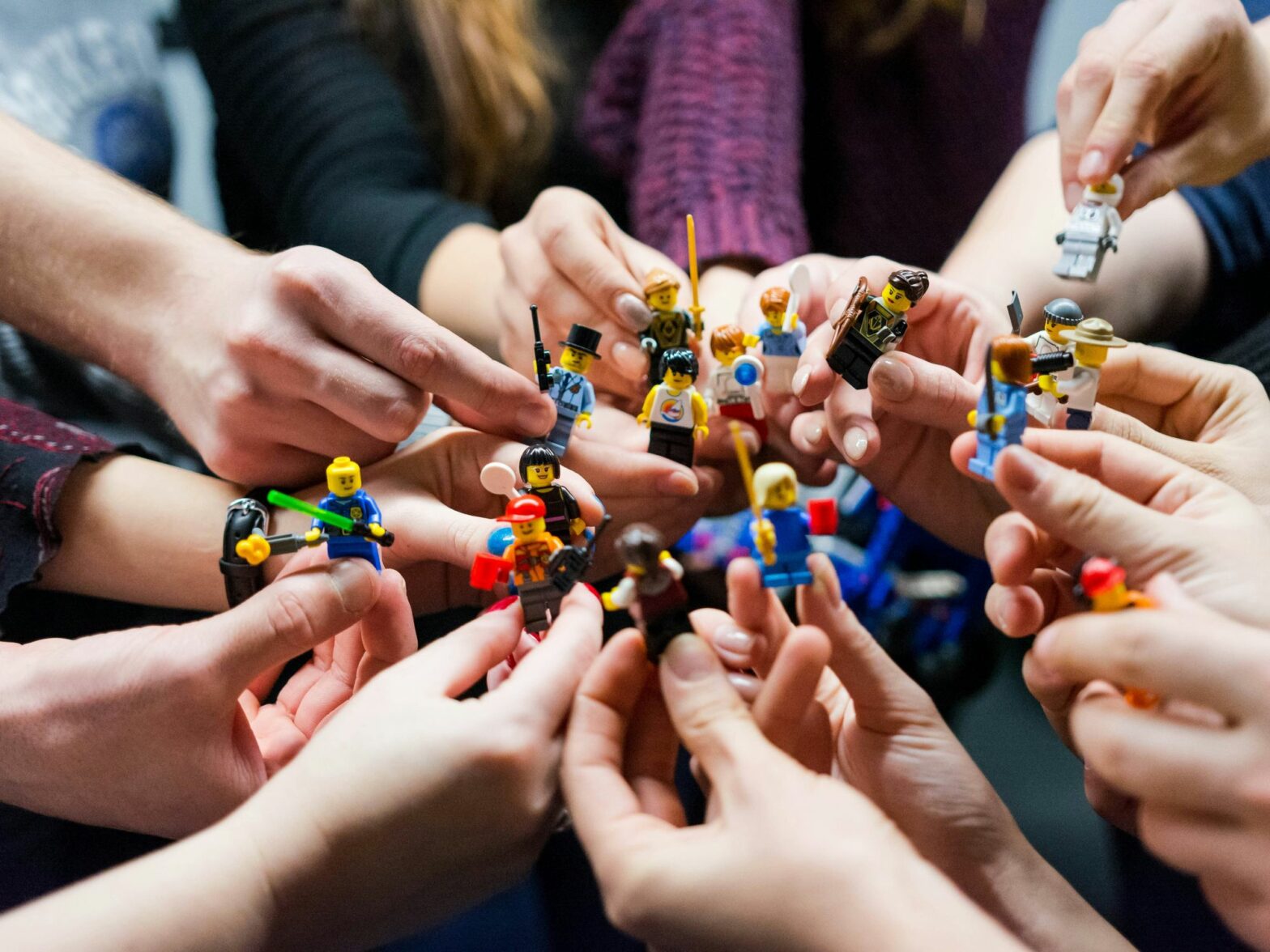
The surge in toy sales sparked by the COVID-19 pandemic has tailed off, and the industry is now in a serious crisis. LEGO, Mattel and others see a potential lifeline in a new target: adults who play. The “escape into the inner child” could become a market worth billions.
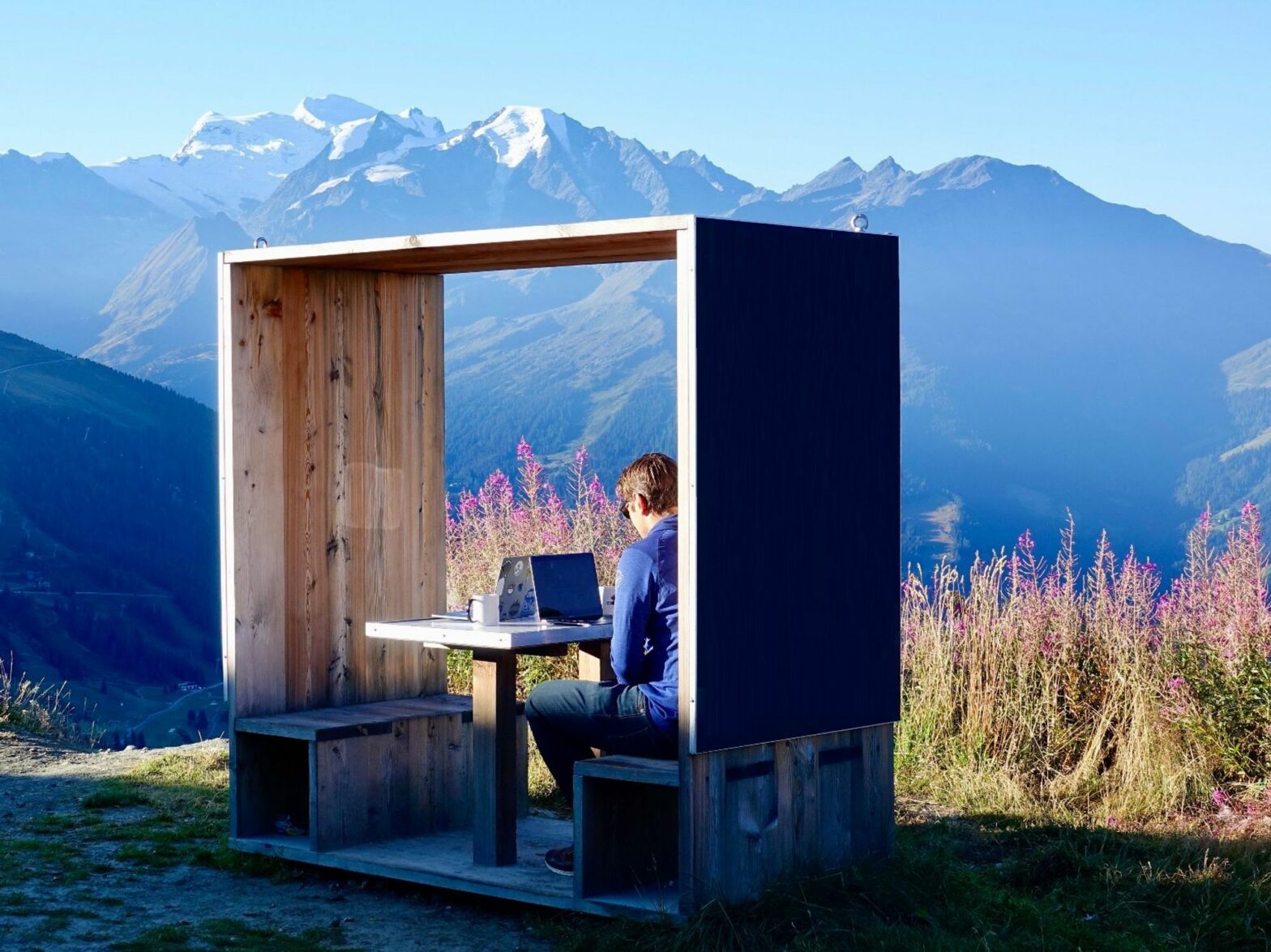
Working neither from the office nor from home: the flexible concept of “workation” is appealing not only to digital nomads but increasingly to regular employees who want to find new ways to for peak work-life balance.
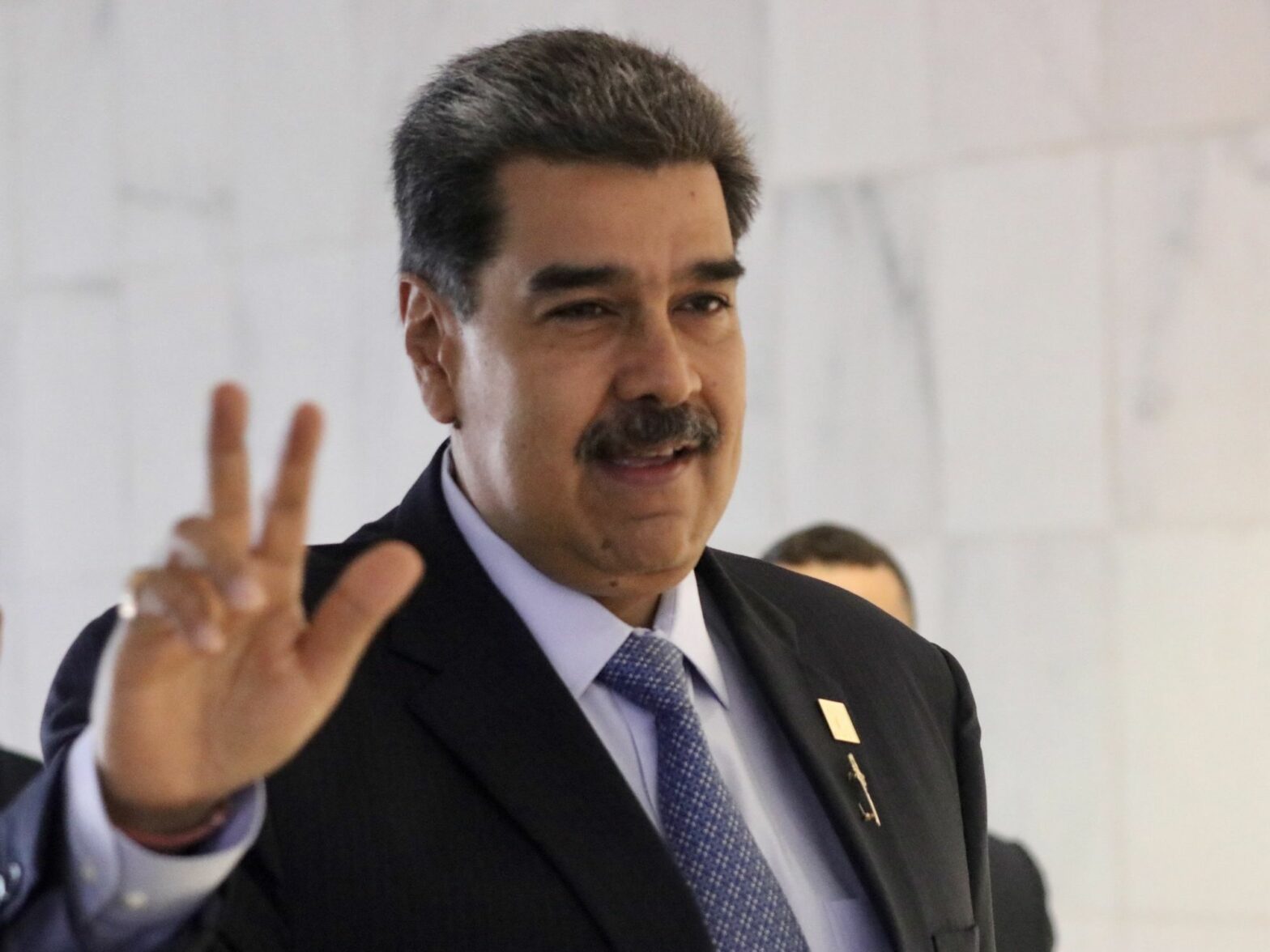
With a sham court ruling, Venezuela’s President Maduro has paved the way for his unchallenged reelection as president this year, regardless of U.S. sanctions. This is happening as Latin America’s leftist governments, notably Brazil, watch in silence.
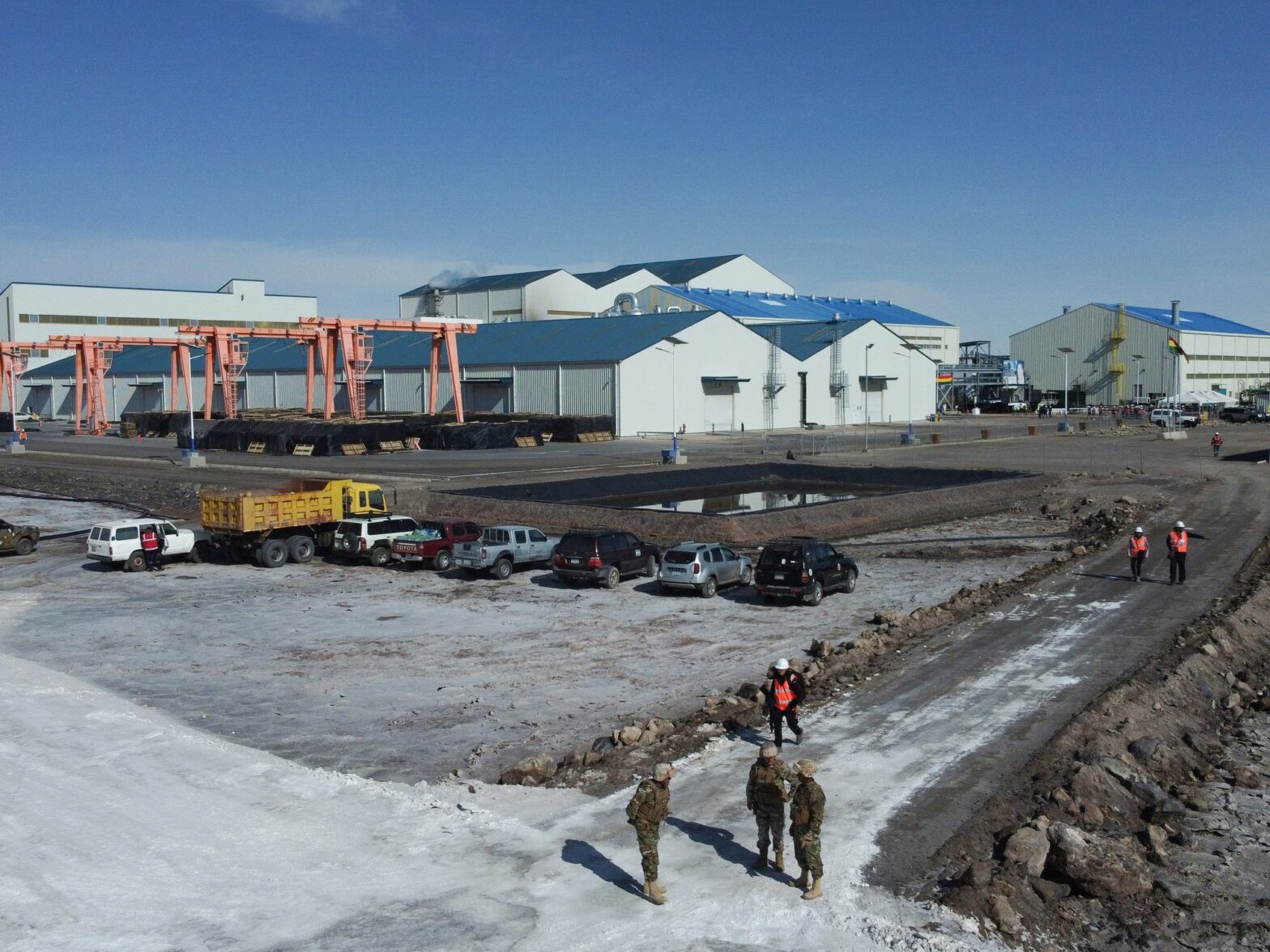
Bolivia believes lithium is the new “white gold,” for its role in fueling new technologies. Distrusting Western investments and technology, it’s counting on collaborations with Russia and China. But there will be problems at home that could block it all.
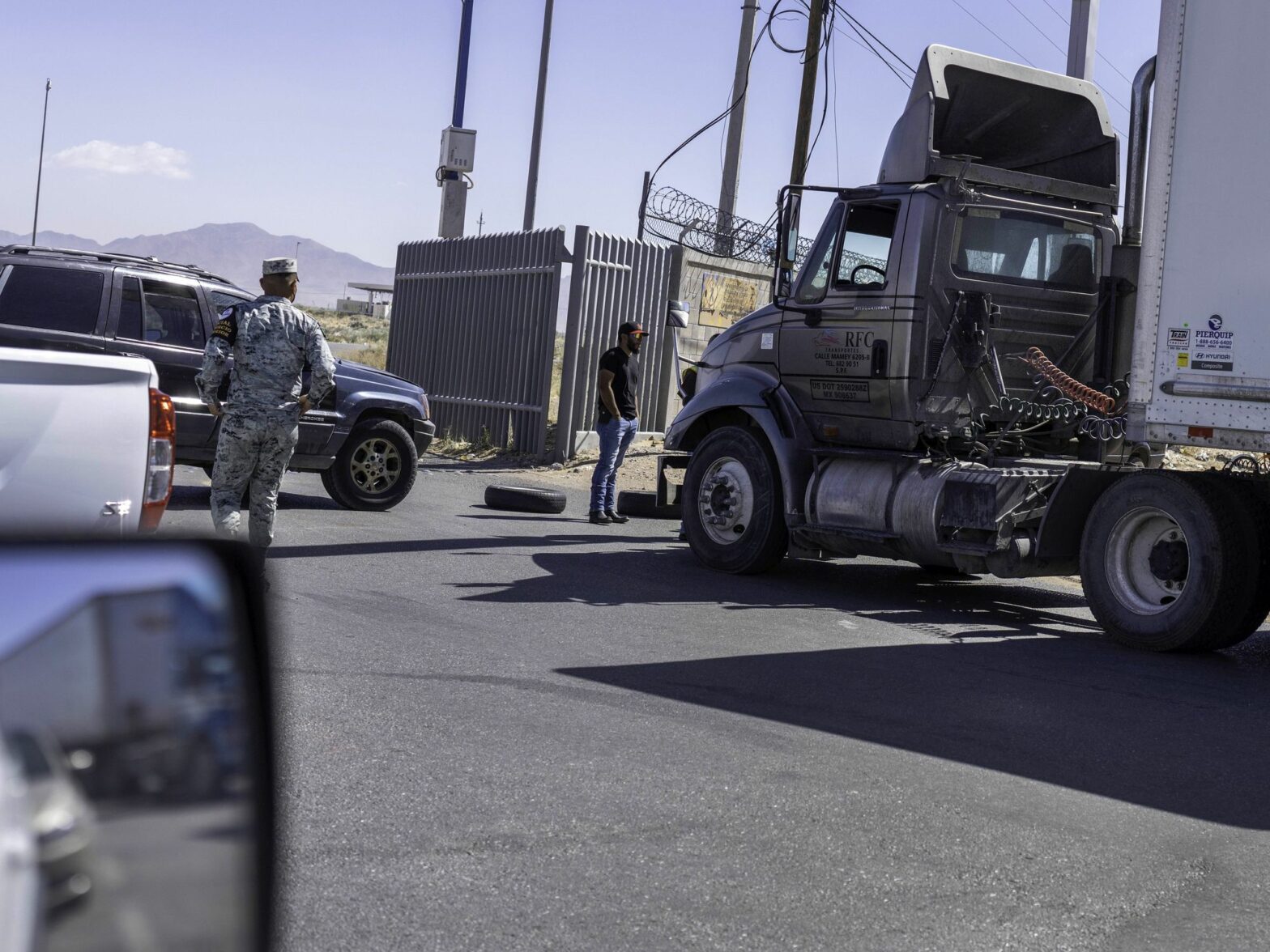
U.S. President Biden has quietly turned his Republican predecessor’s anti-foreign posturing into economic policies that strongly favor domestic manufacturing. Does Mexico, which depends on massive exports to the U.S., have anything to look forward to in the upcoming presidential elections?
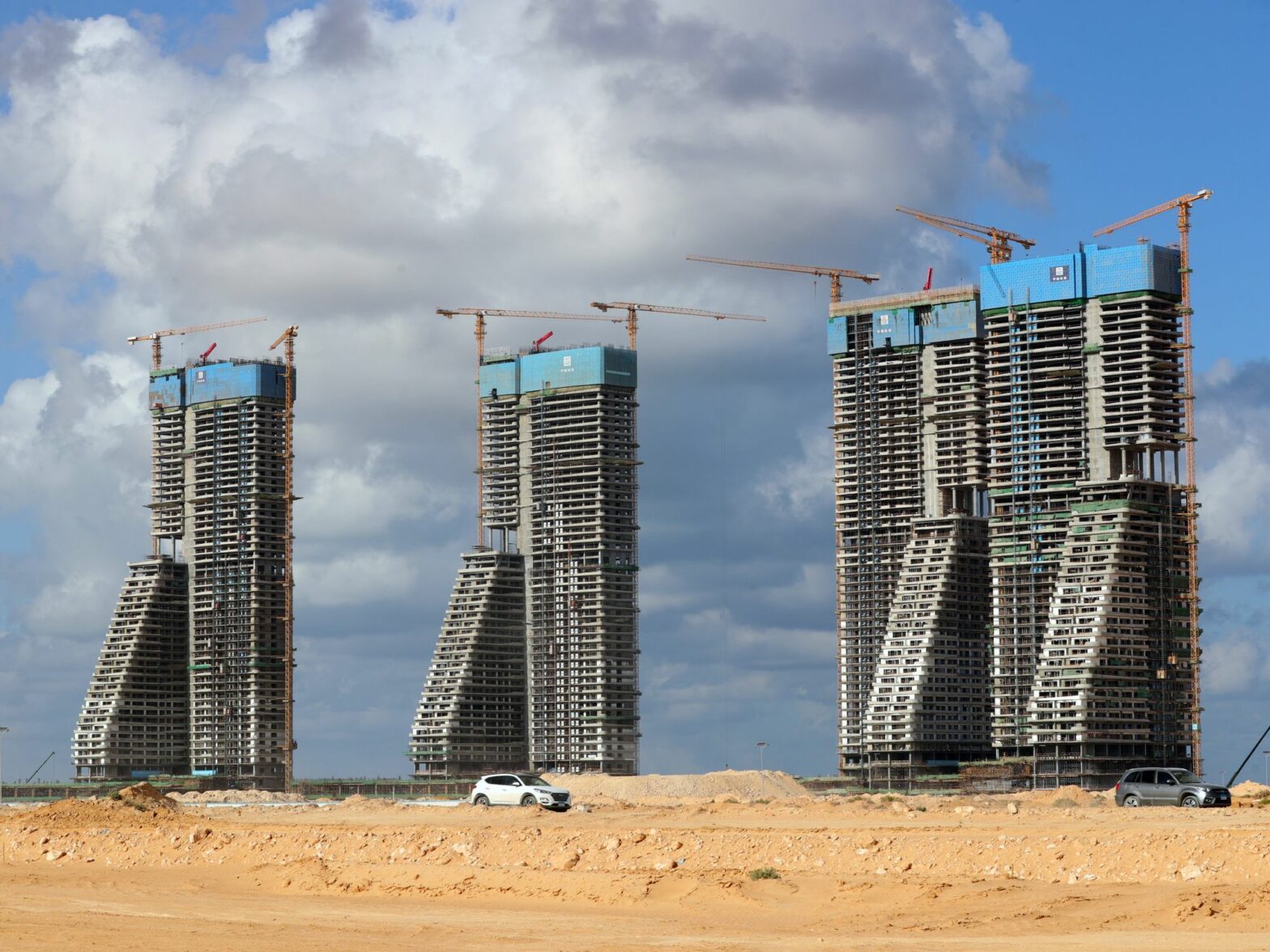
Ambition and ambiguity are the unspoken rules utilized by the participating parties in China’s much touted Belt and Road Initiative, launched 10 years ago, to expand its economic power across the world. But what has actually come of it is not so clear.
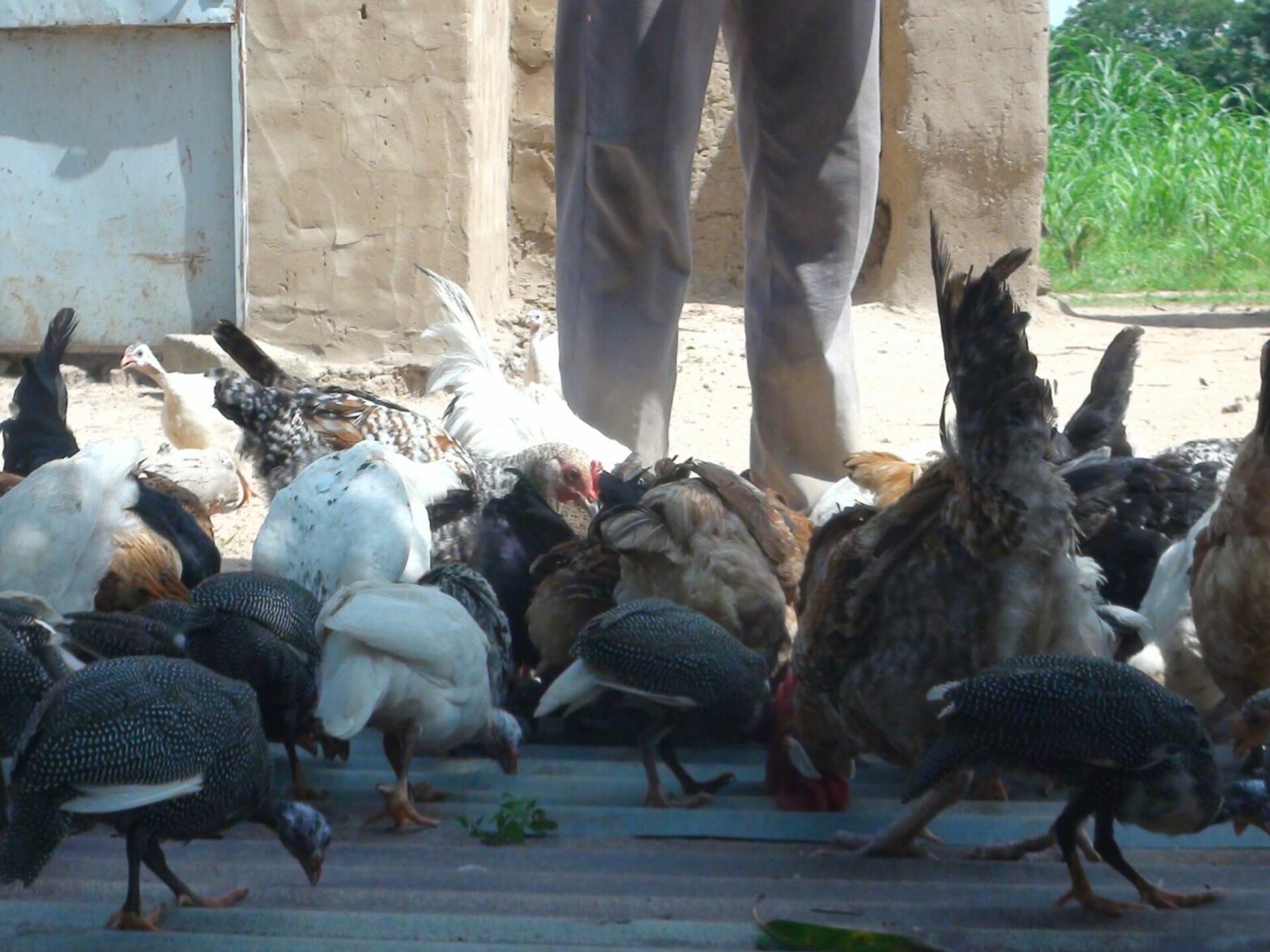
Burkina Faso’s production of local chicken, nicknamed “bicycle chicken,” has been declining in recent years, with the traditional delicacy being slowly replaced by a cheaper imported version.
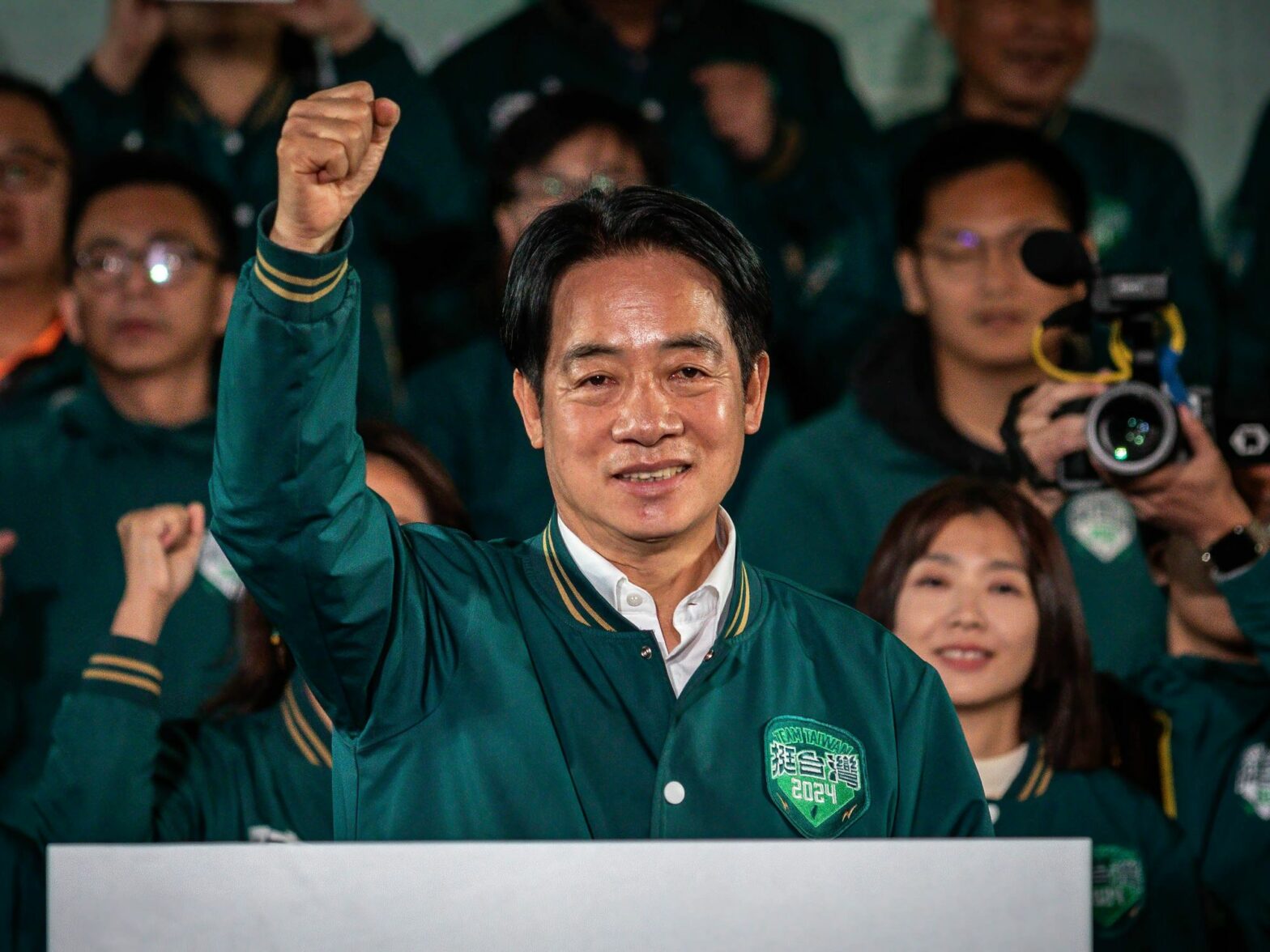
By electing William Lai, the Taiwanese people have reaffirmed their desire for sovereignty and independence from China in the face of Chinese threats. And meanwhile, Donald Trump’s comeback could reshuffle the cards again.
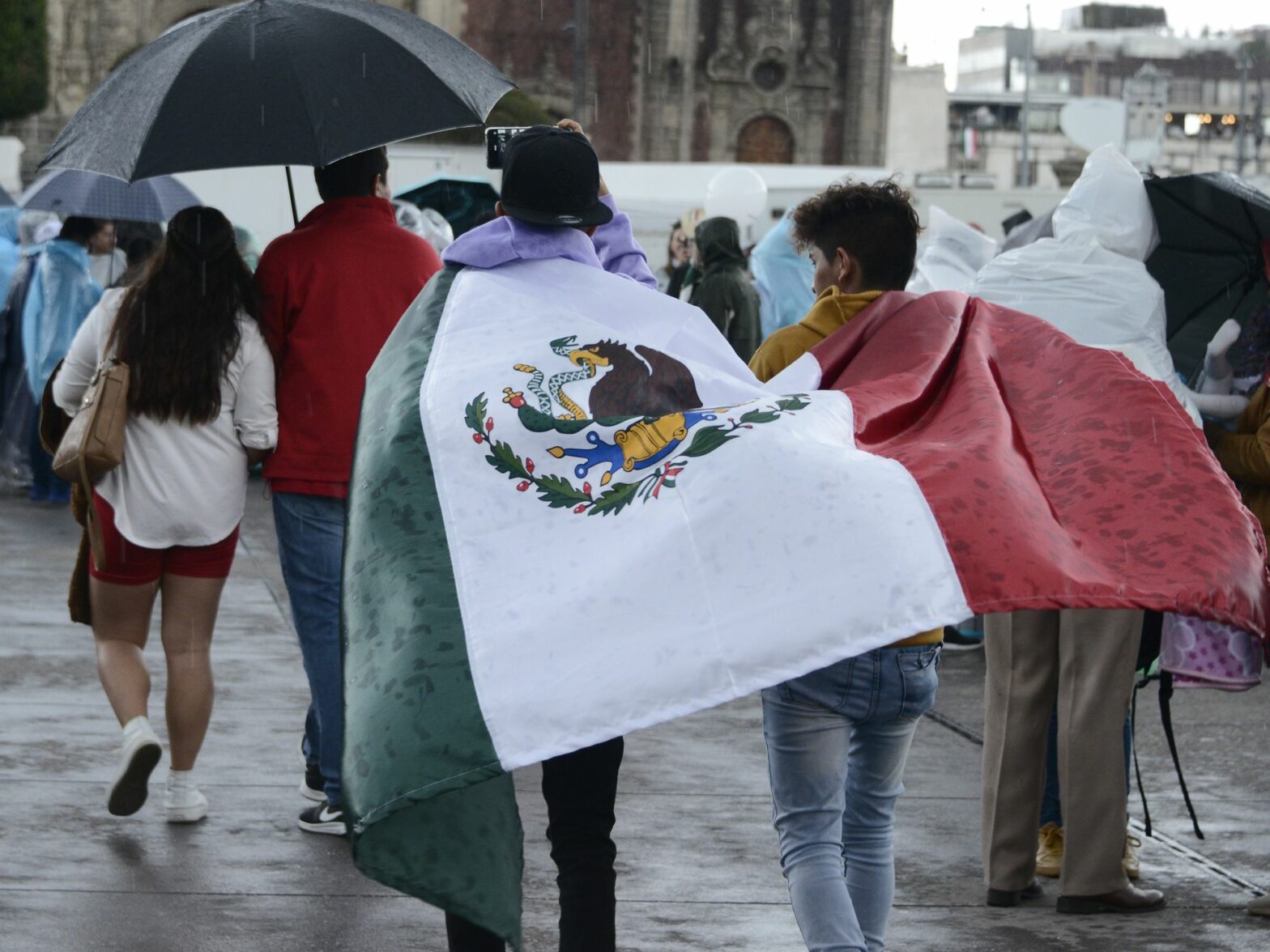
As Mexico’s president seeks to consolidate his power ahead of the 2024 general elections in the fall, will voters and institutions react to safeguard the country’s democracy or fall deeper into outgoing President López Obrador’s authoritarian impulses?
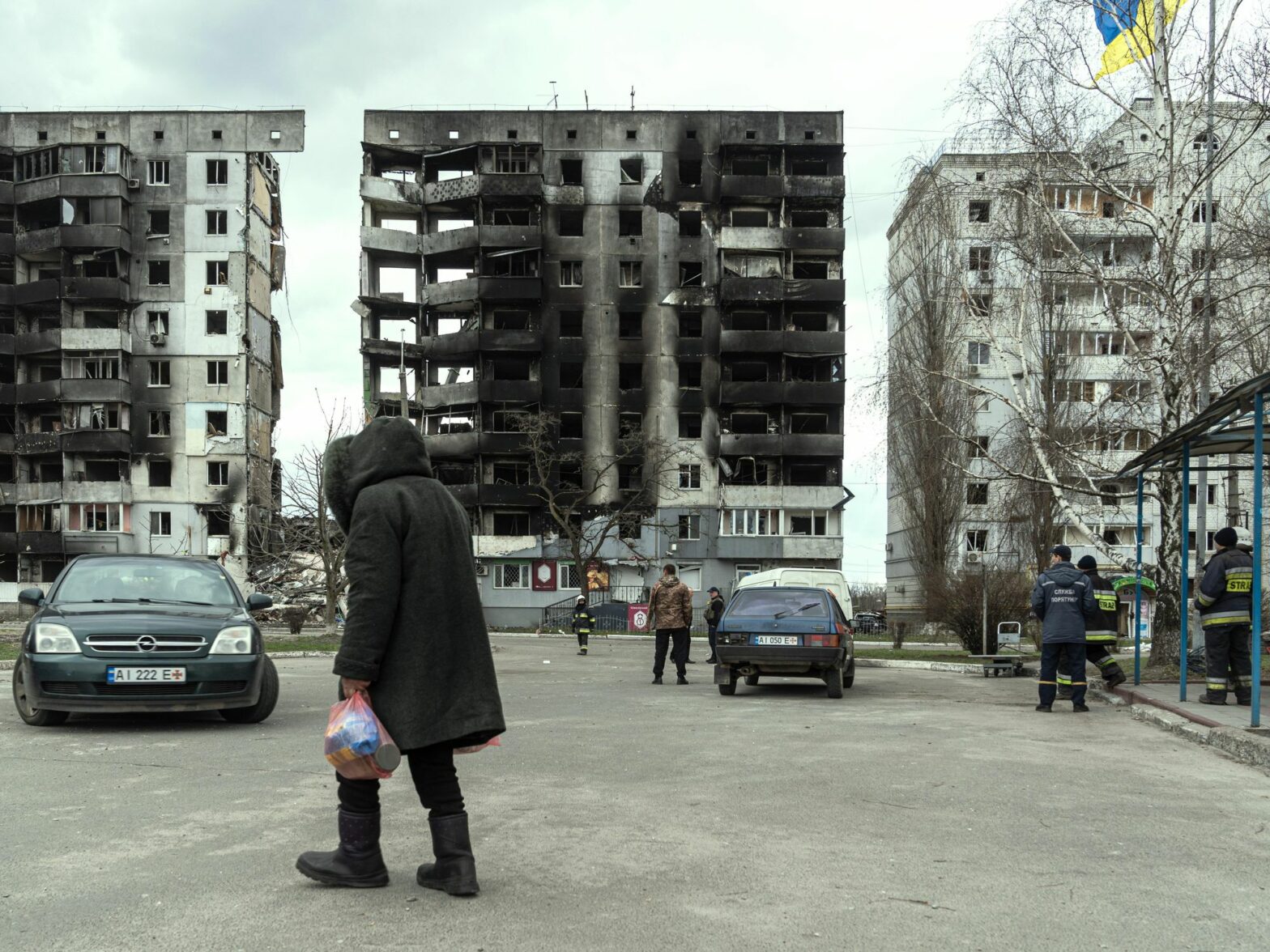
After two months of war, experts in Ukraine are starting to consider what plan could work to restore the local infrastructure and economy, looking at the experience of Germany, Japan and Italy — countries that went down in history for their economic miracles after being destroyed by war.
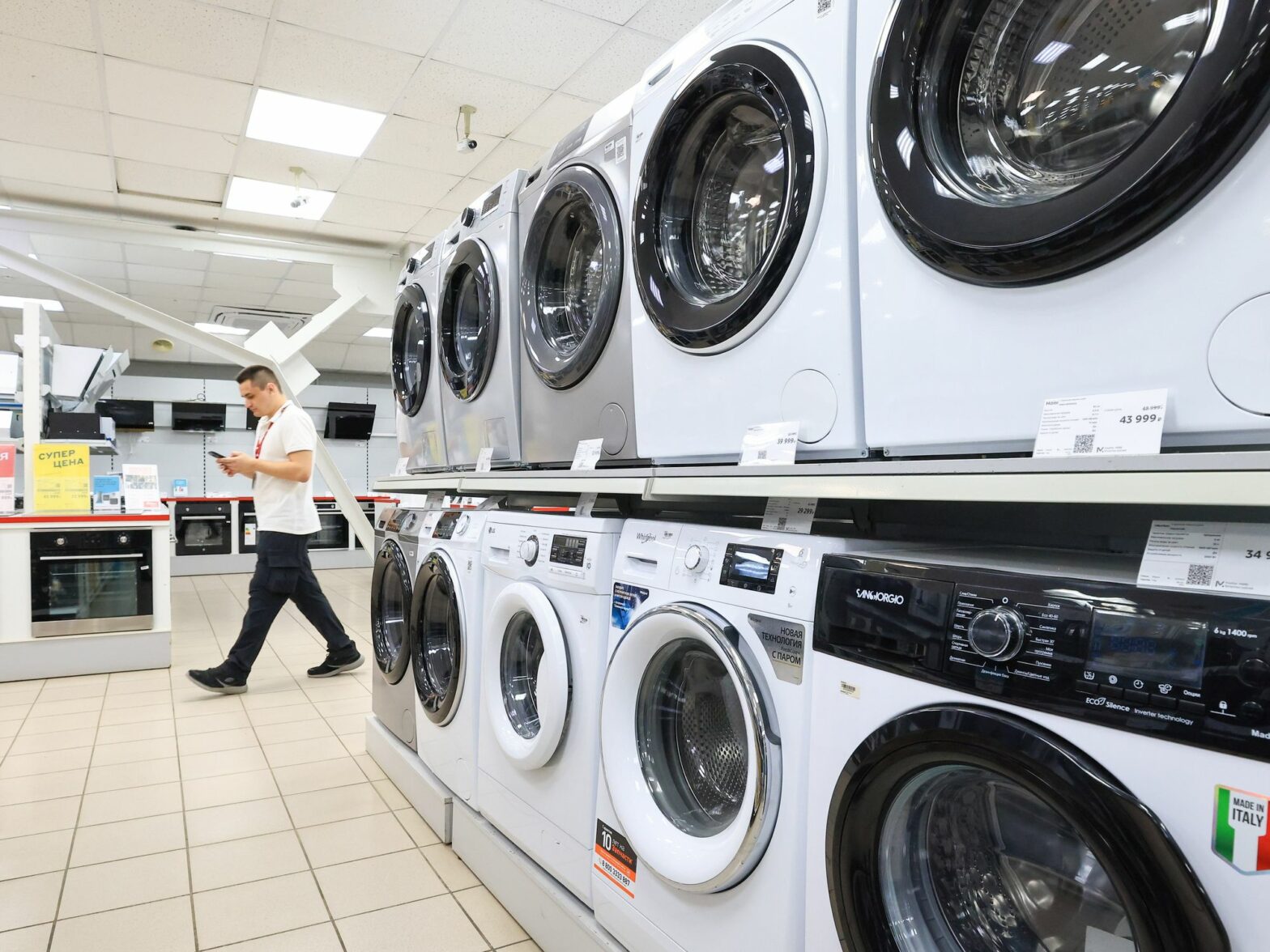
In the short term, a fall in consumption of material objects would be an economic and social catastrophe. In the long term, it is necessary.

As a measure to limit immigration, the British government announced that the minimum income required to bring a foreign spouse into the country on a family visa will rise sharply.
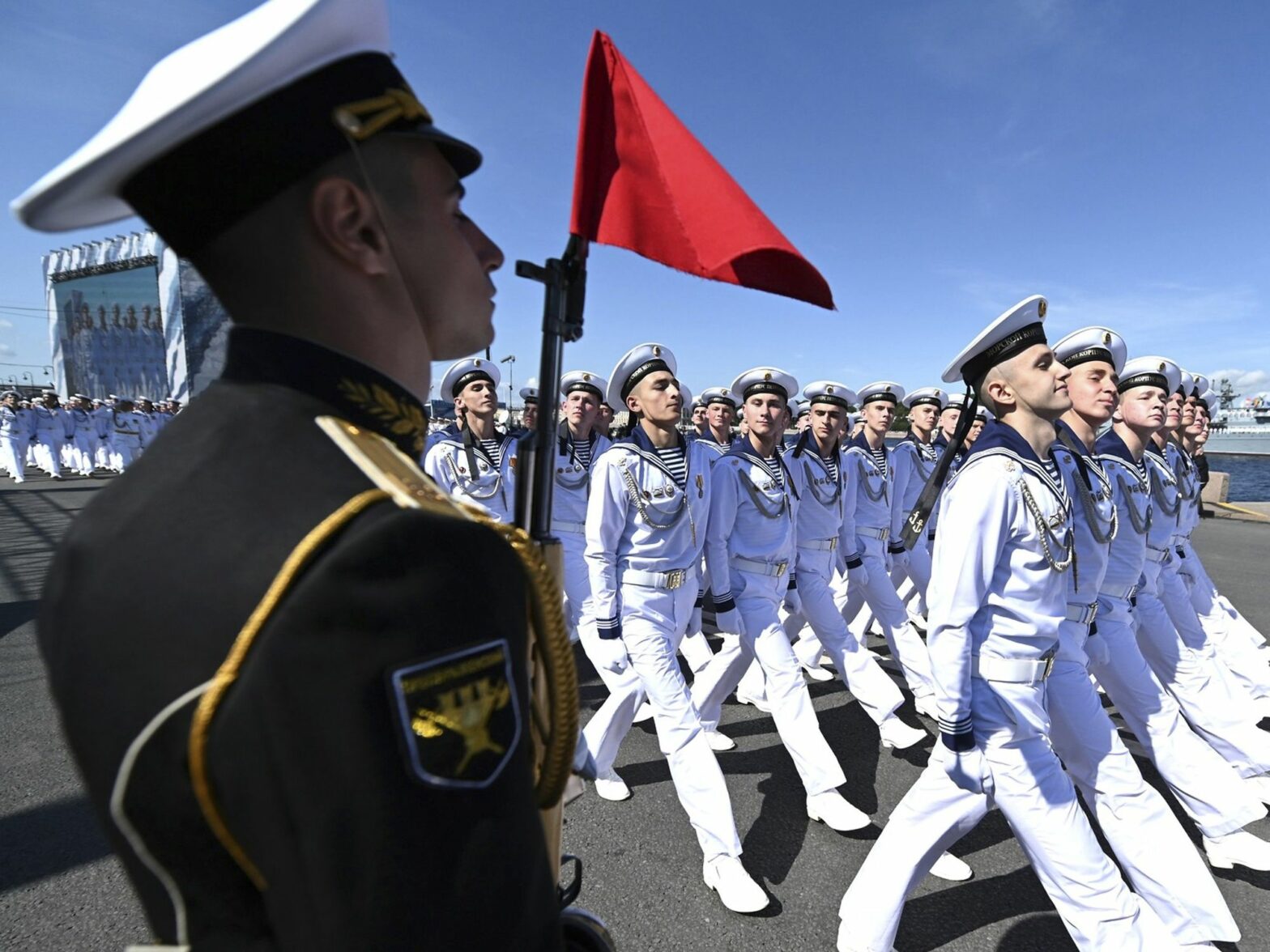
Now that the Ukrainian counter-offensive has ground to a halt, pressure is growing for Kyiv to negotiate with Moscow. But increasingly, despite his claims to the contrary, it looks like Putin is simply not interested in negotiating, whatever he may claim. In fact, the opposite appears to be the case: he’s betting his future on a long war.
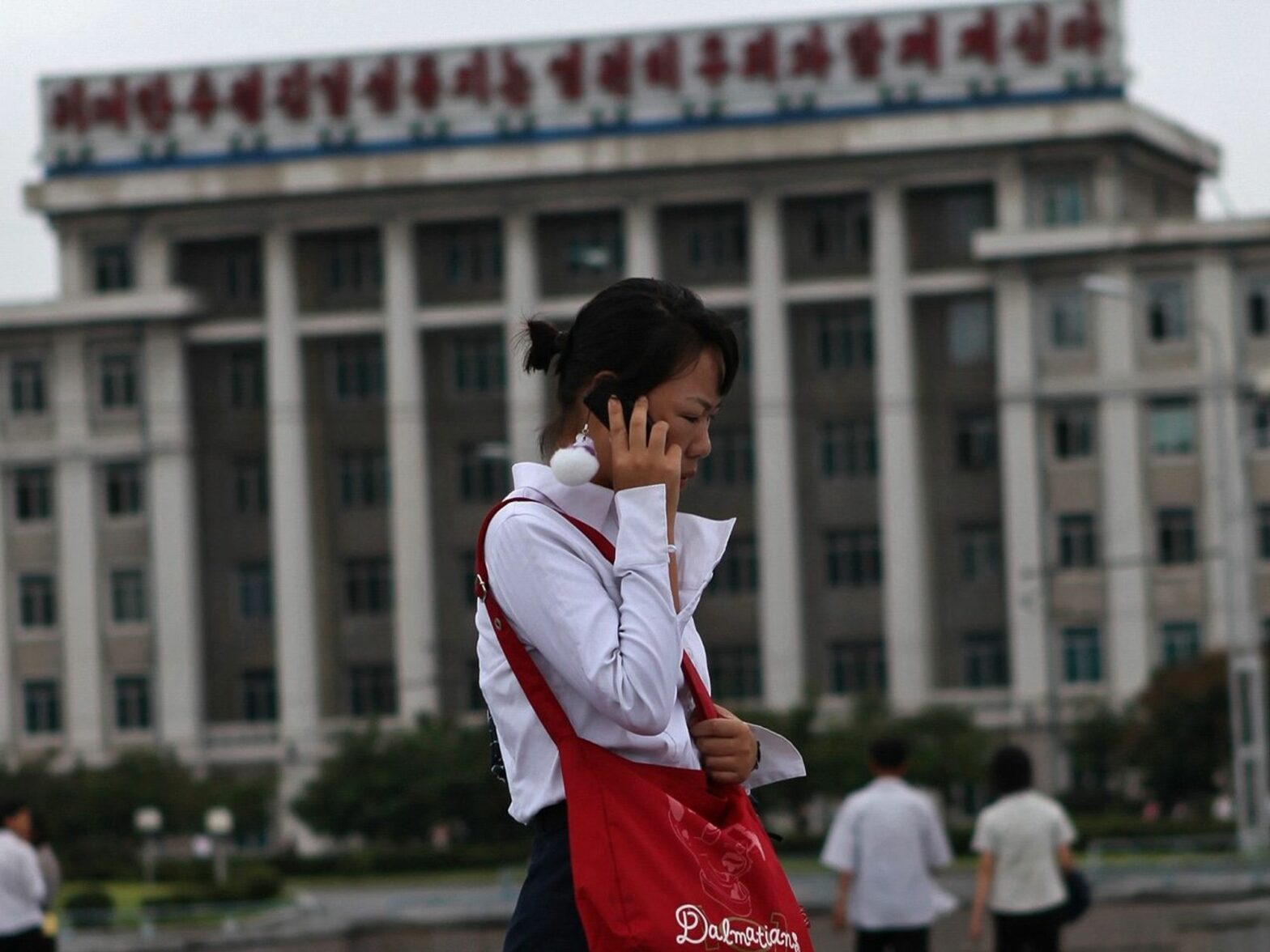
New research reveals the emergence of “grassroots capitalism” in North Korea, disproportionately through women. It provides a cautionary tale in the most unlikely of countries for patriarchal societies everywhere: underestimate women at your peril.
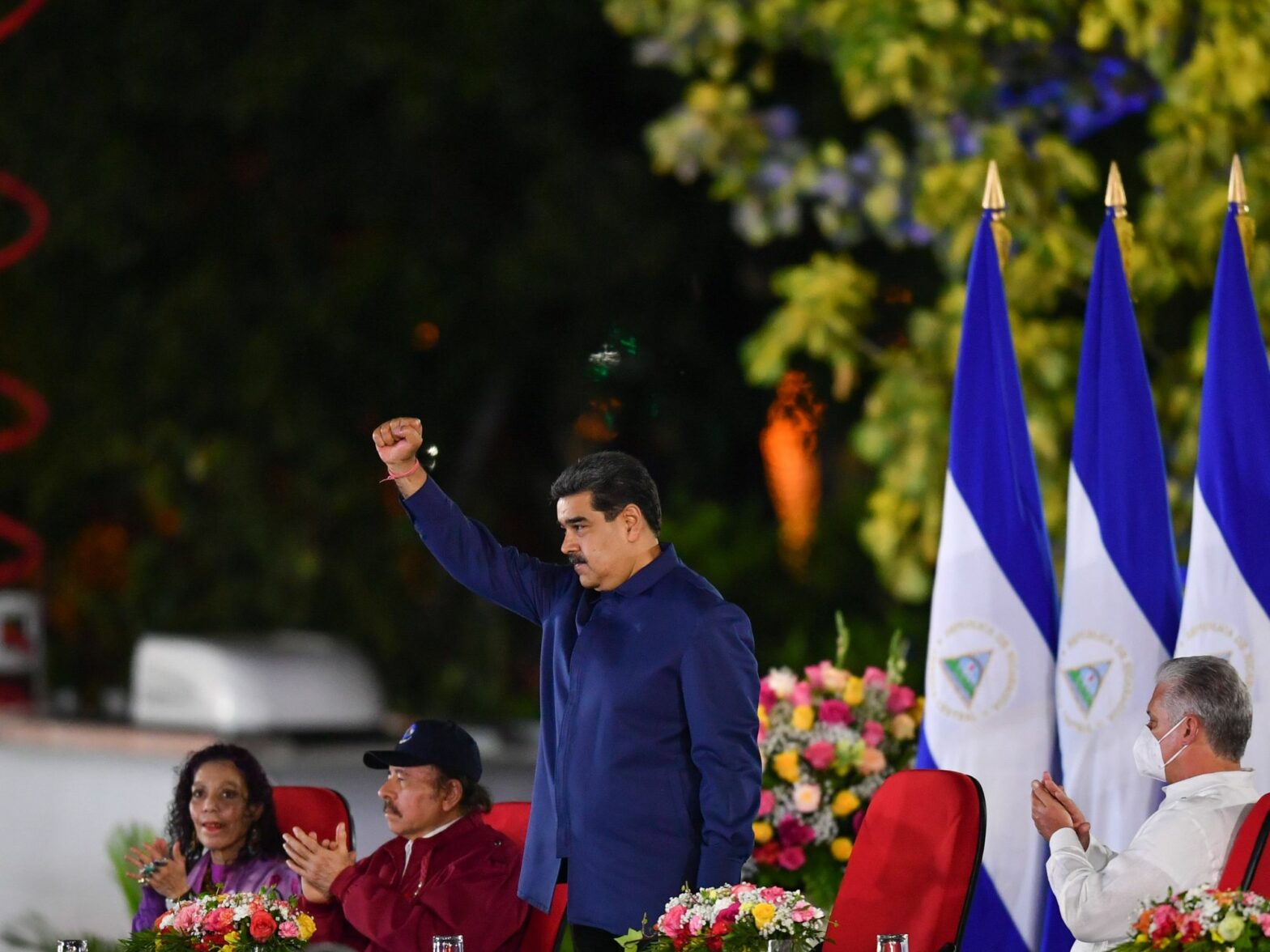
Is Venezuela’s President Maduro renewing the country’s long-standing claim to a big part of neighboring Guyana to distract from his unpopularity at home, to postpone next year’s general elections, or to nab some of Guyana’s rocketing oil wealth?

After the start of the war in Ukraine, Russian oligarchs and other rich individuals turned to the real estate markets in Dubai and Turkey. Now Russian buyers are back in Europe. Three EU countries in particular are attracting buyers for their controversial “golden visa” program.
The credit giant becomes only the second player after American Express to be allowed to set up a bank card-clearing RMB operation in mainland China.
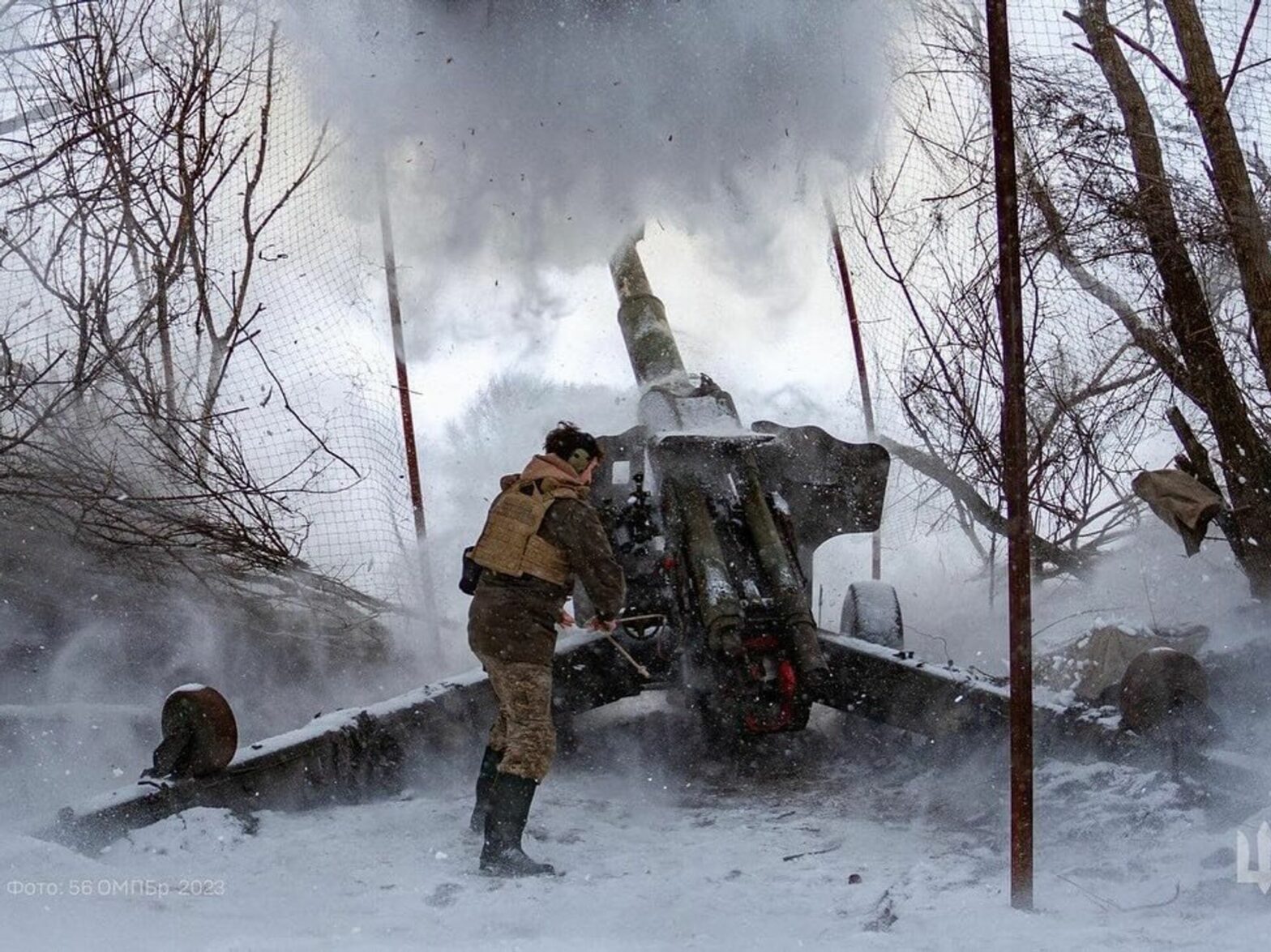
Kyiv’s troops are facing bitter cold and snow on the frontline, but the coming season also poses longer term political questions for Ukraine’s allies. It may be now or never.
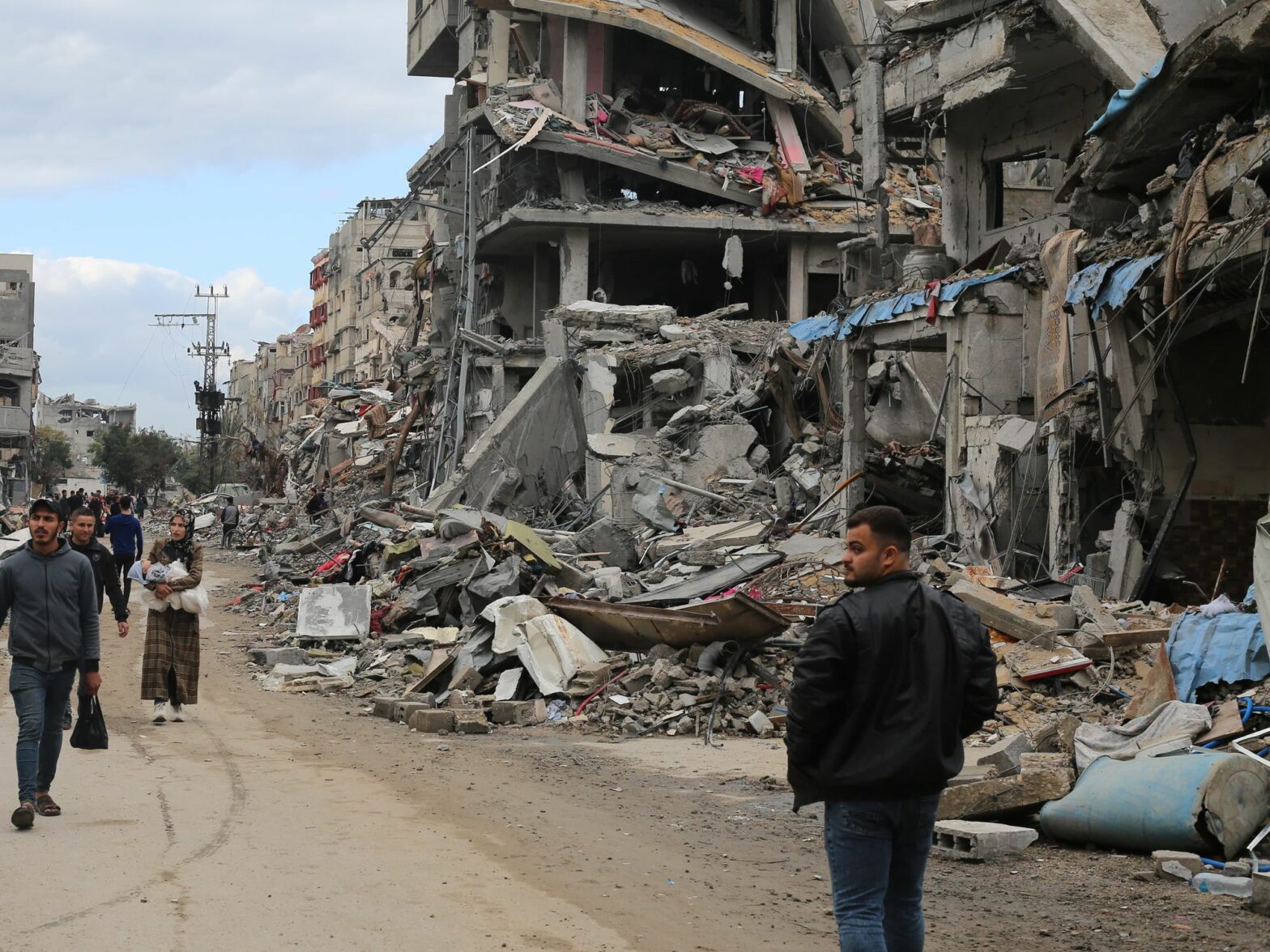
The information coming out of the Palestinian enclave is scarce but undoubtedly grim. An Italian reporter from across the border gathers information from inside Gaza amid a fragile and inevitably temporary ceasefire.
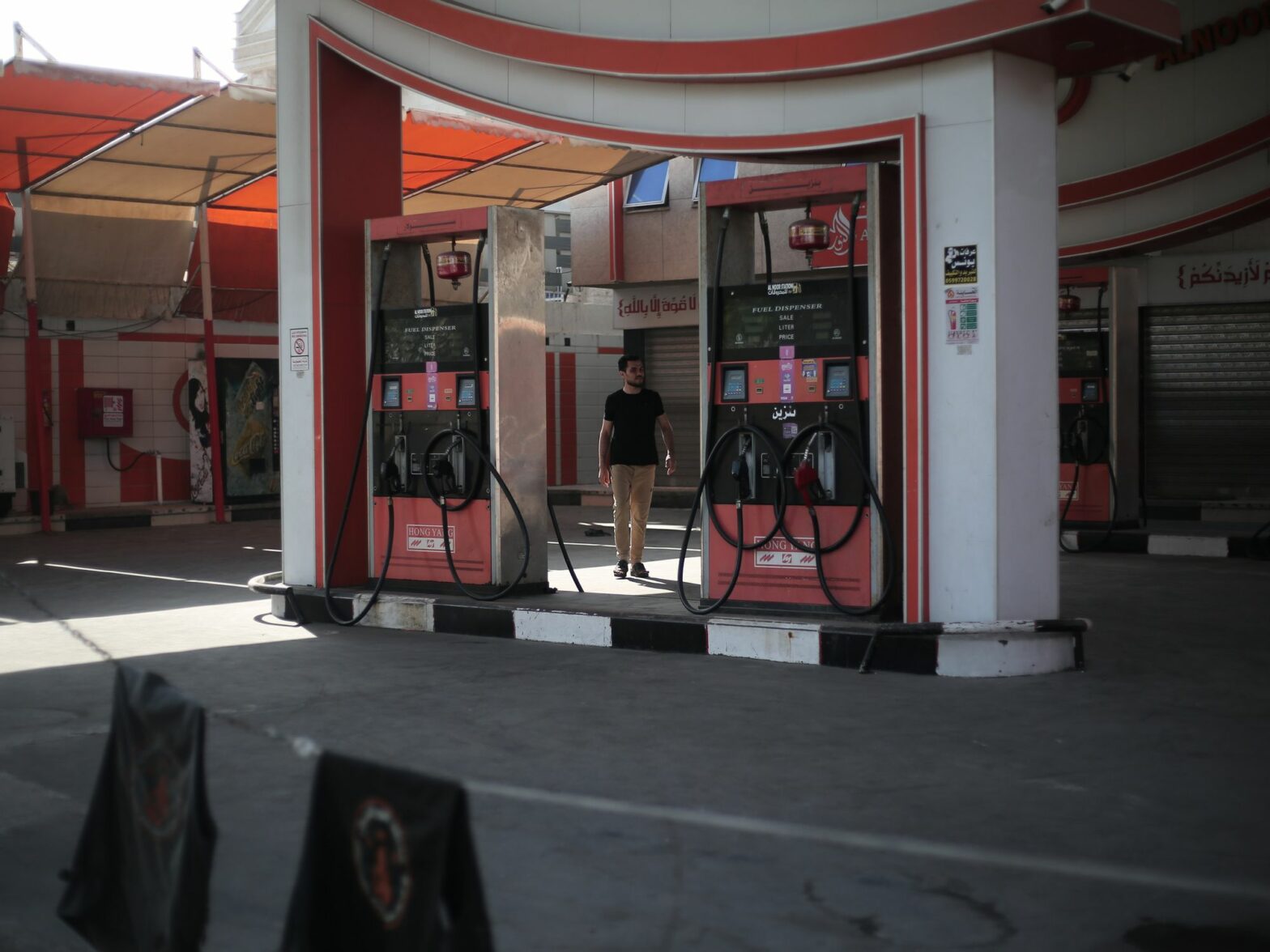
Hydrocarbons continue to drive nations’ economies and politics around the world, creating both corruption, stagnation and — sadly as we’ve seen again — all-out war.

The radical libertarian Javier Milei confounded the polls to decisively win the second round of Argentina’s presidential elections; now he must win over a nation that has voiced its disgust with the country’s brand of politics as usual.

Javier Milei has scored a stunning victory on a populist far-right platform promising maximum personal liberties and a shrunken state. But the deep rifts and economic hardship in Argentinian society present huge risks for the nation and its incoming president.
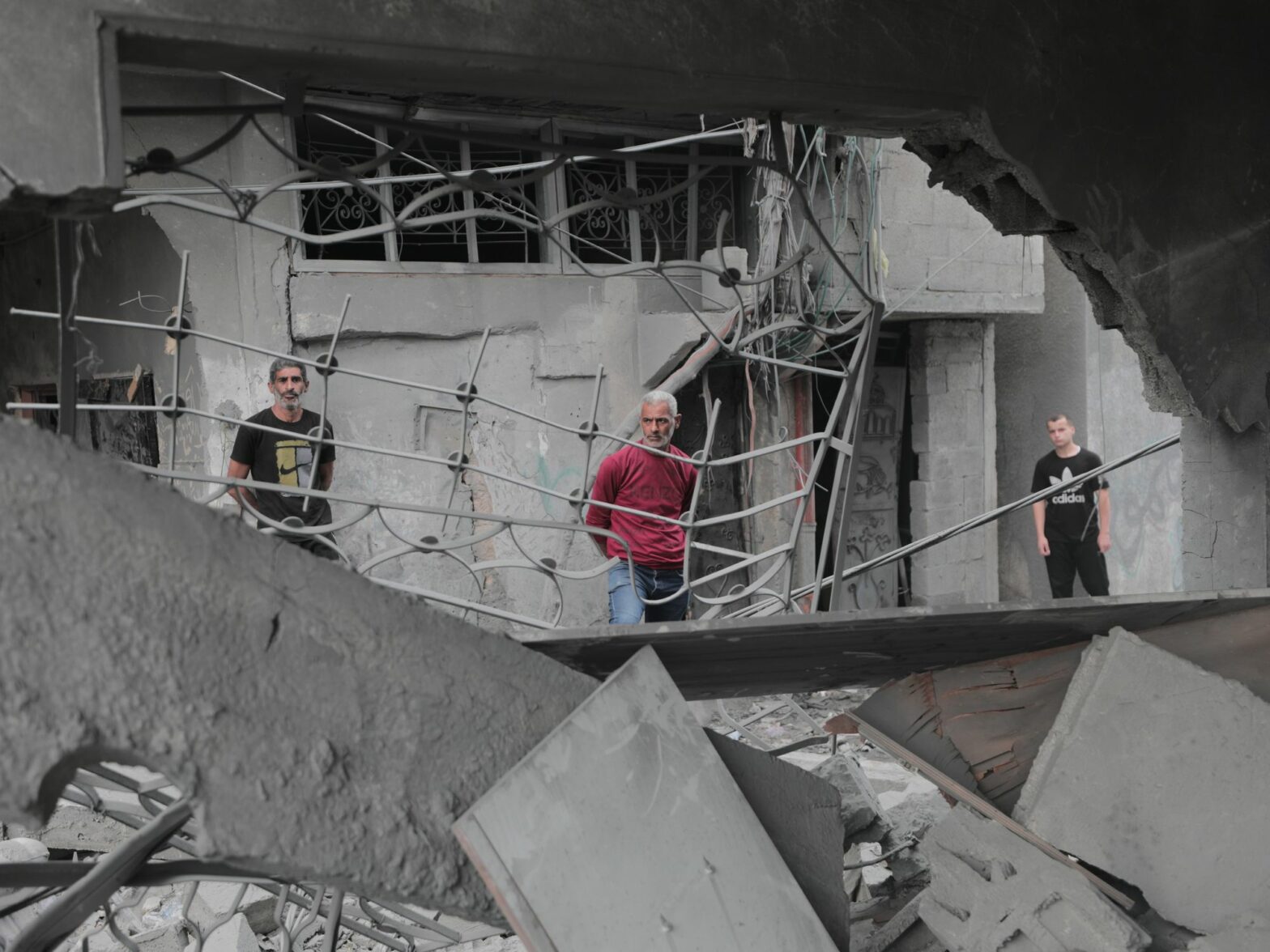
Washington, Moscow and Beijing can all, in different ways, emerge stronger from the war in Gaza war, says French geopolitical expert Dominique Moïsi. The U.S. has been more present in the Middle East since Oct. 7 — but so has Russia, while China is keeping relatively quiet.
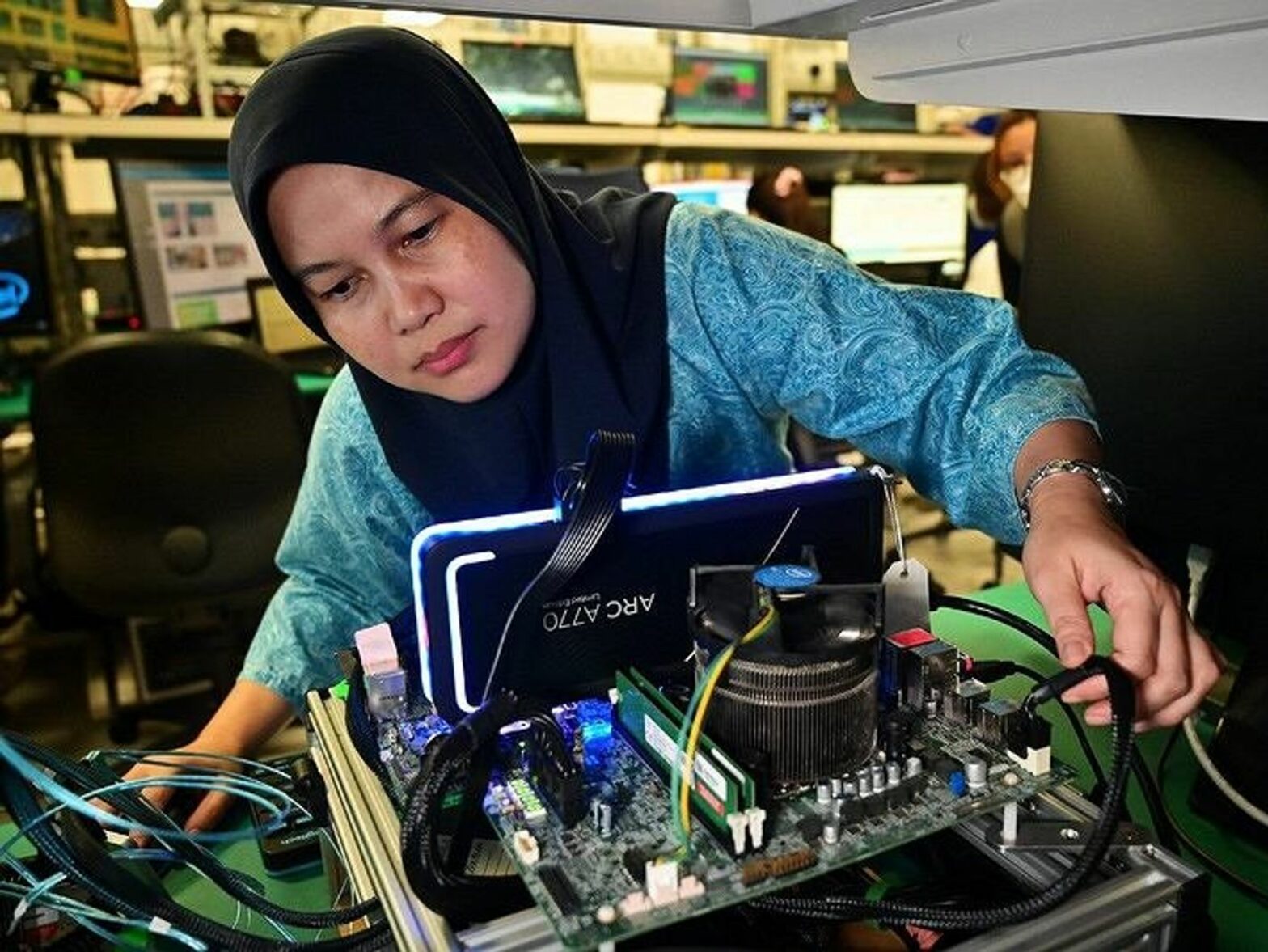
As the importance of the global microchip economy continues to grow, companies like Intel may one day reign supreme over today’s corporate giants: Meta, Apple and Google. And, in a measure some are calling “reverse globalization,” production is beginning to move back into the Global North, including Poland. In a rare visit to Intel’s factories in Malaysia, Polish daily Gazeta Wyborcza takes a look into what the future of its manufacturing will look like.
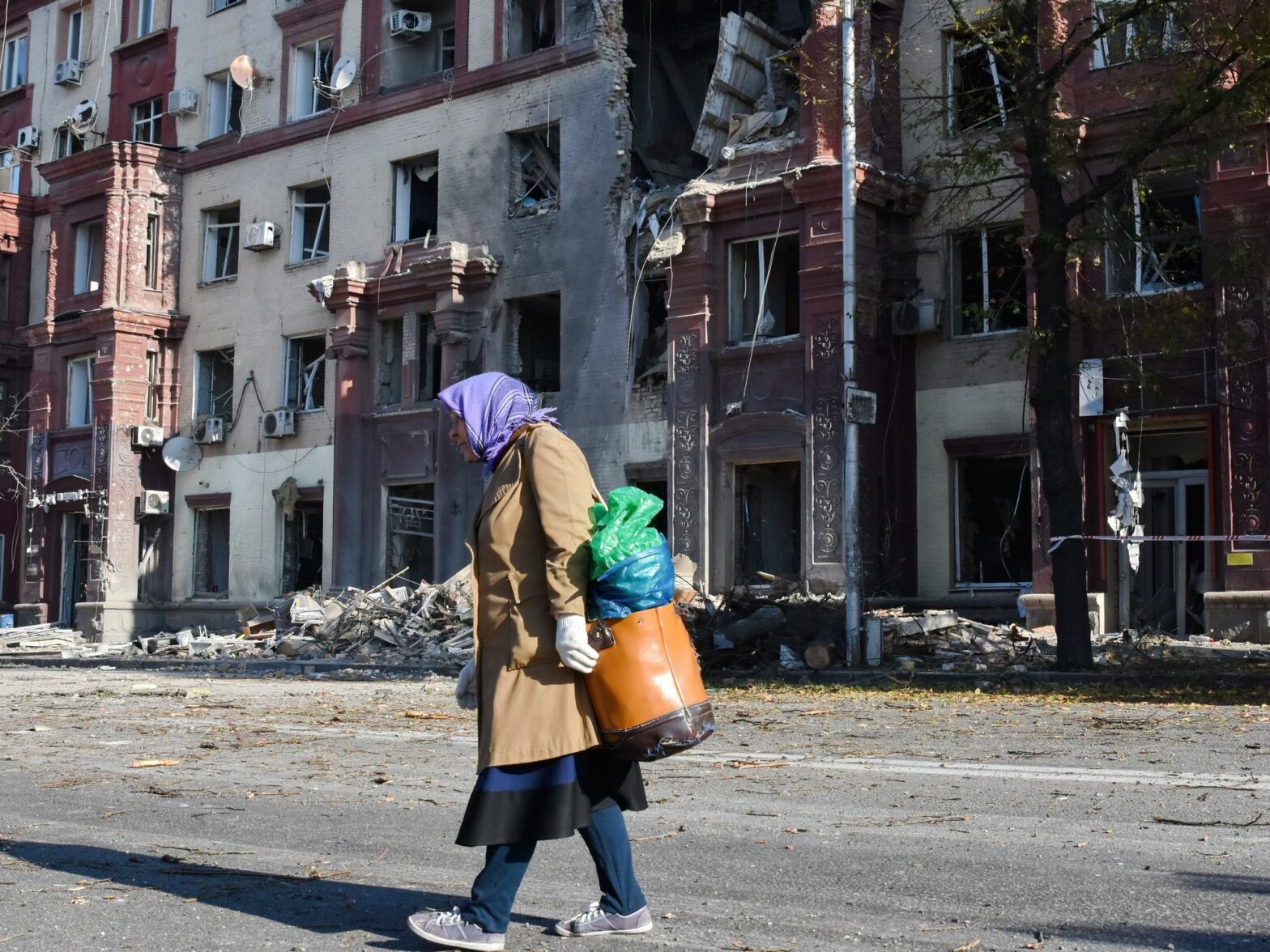
The country is scrambling to shore up production and distribution amid the inevitability of continued Russian attacks, questions around the pace of restoration of damaged facilities, and the possibility of a harsher winter than last year’s.
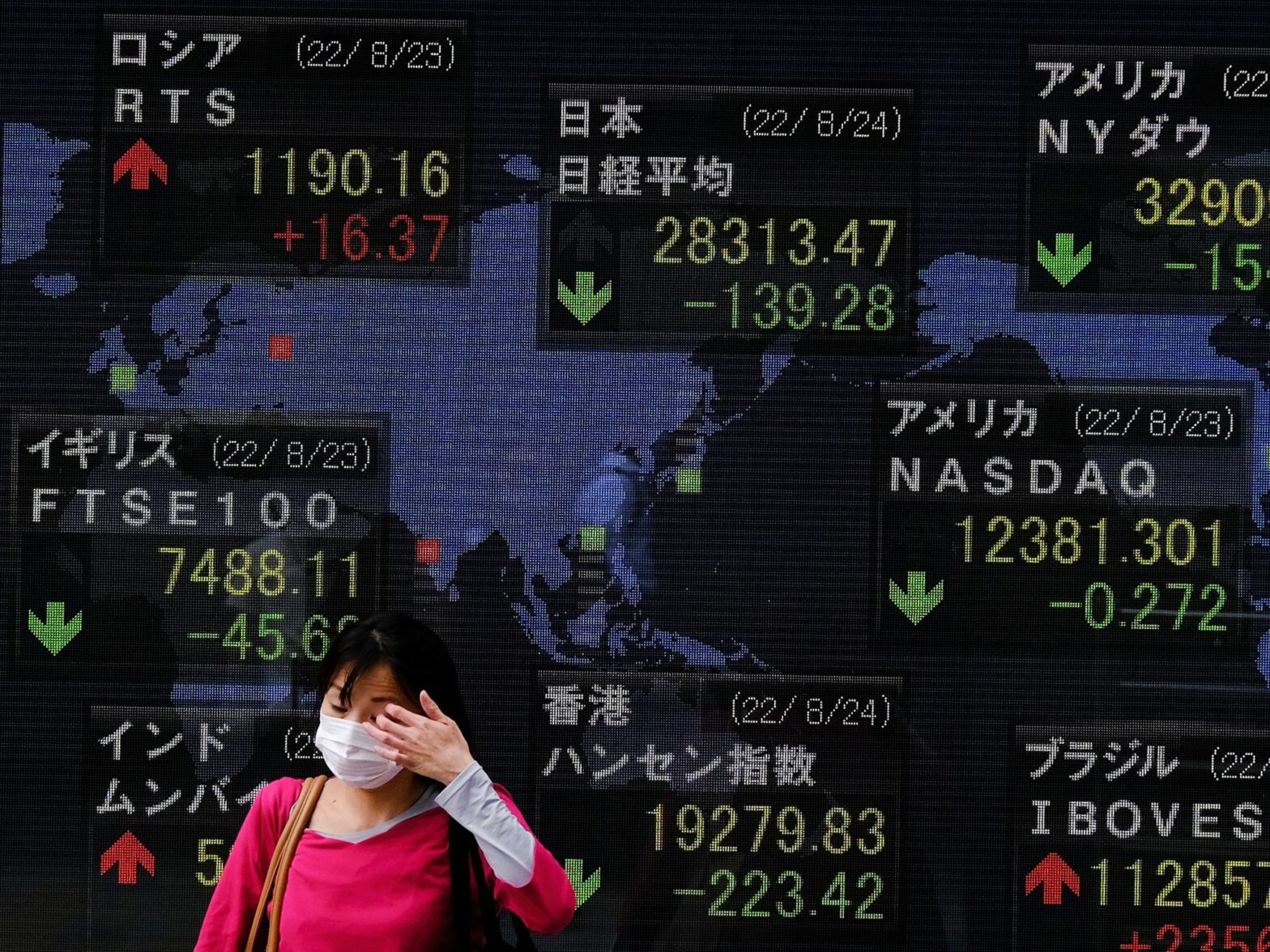
The destabilization of the Middle East could send prices soaring once more and trigger a new shock for the world economy, which has so far been resilient despite the COVID-19 pandemic and the war in Ukraine.
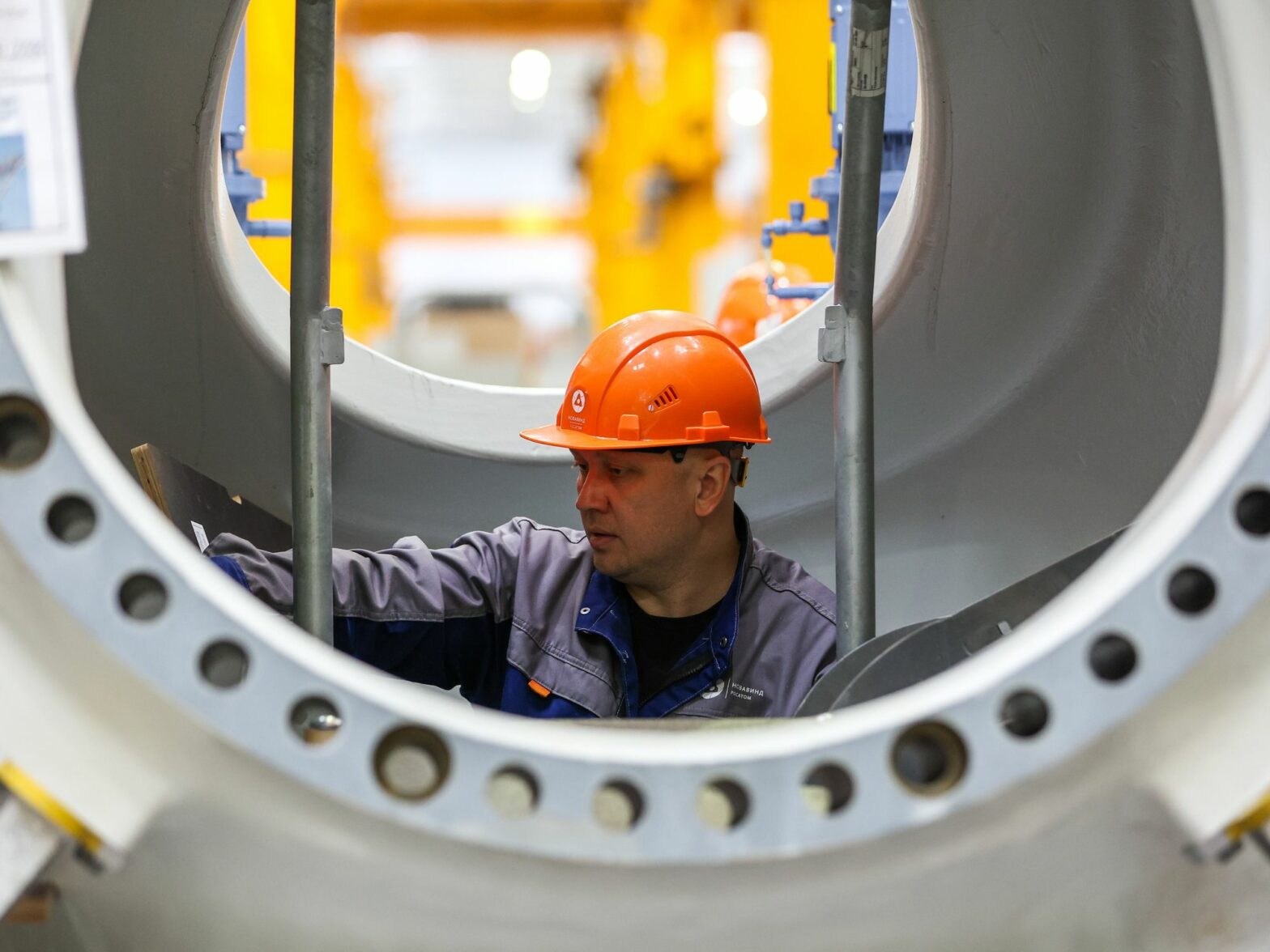
The Russian economy has proven remarkably resilient to Western sanctions, a phenomenon largely driven by Russia’s expanding military-industrial complex and increased trade with India and China. One challenge remains unsolved however: a lack of young working-aged men ready for hire in the country’s industrial and white collar sectors.
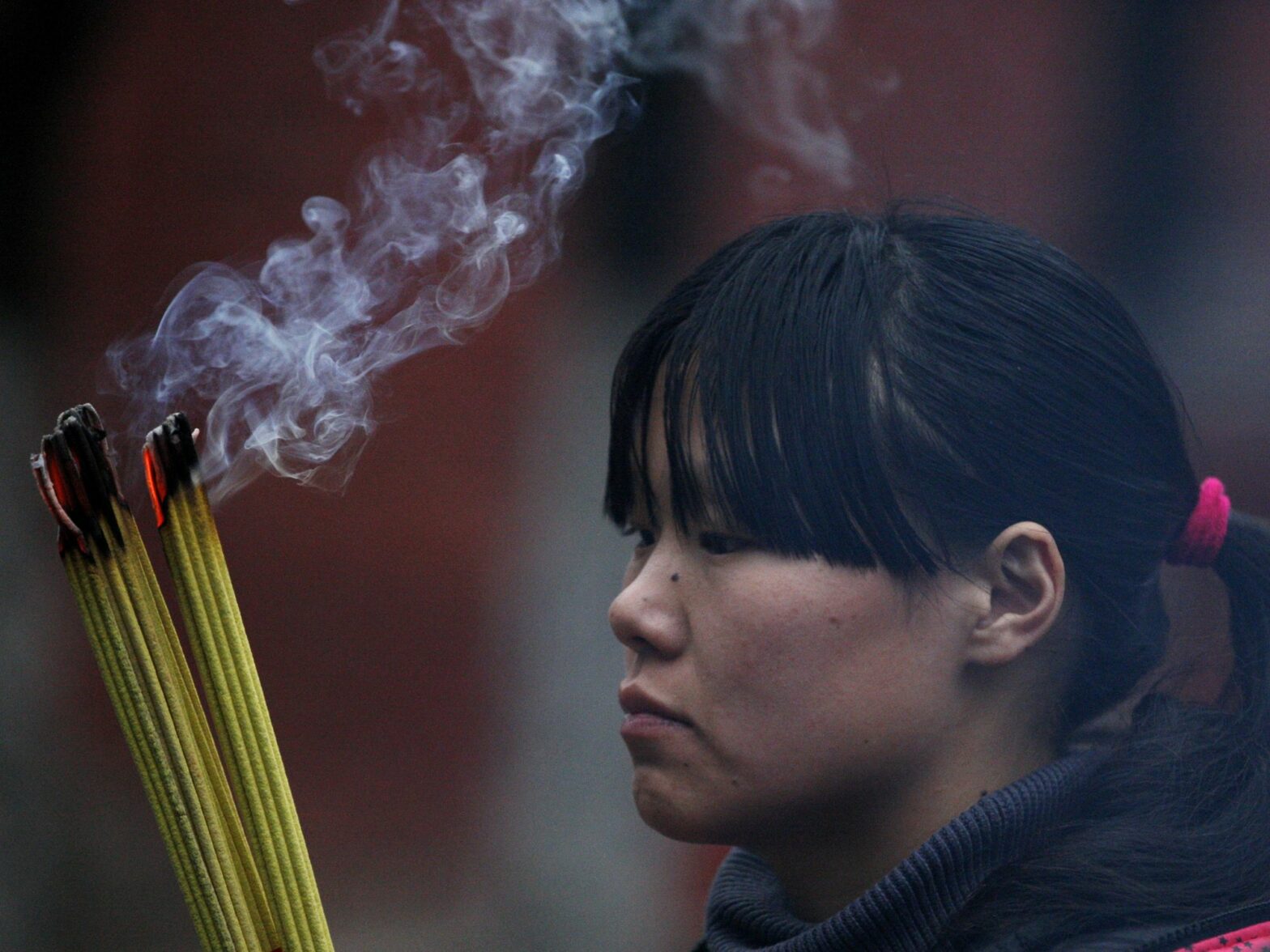
Unemployment, stress in the workplace, economic difficulties: more and more young Chinese graduates are flocking to monasteries to find “another school of life.”
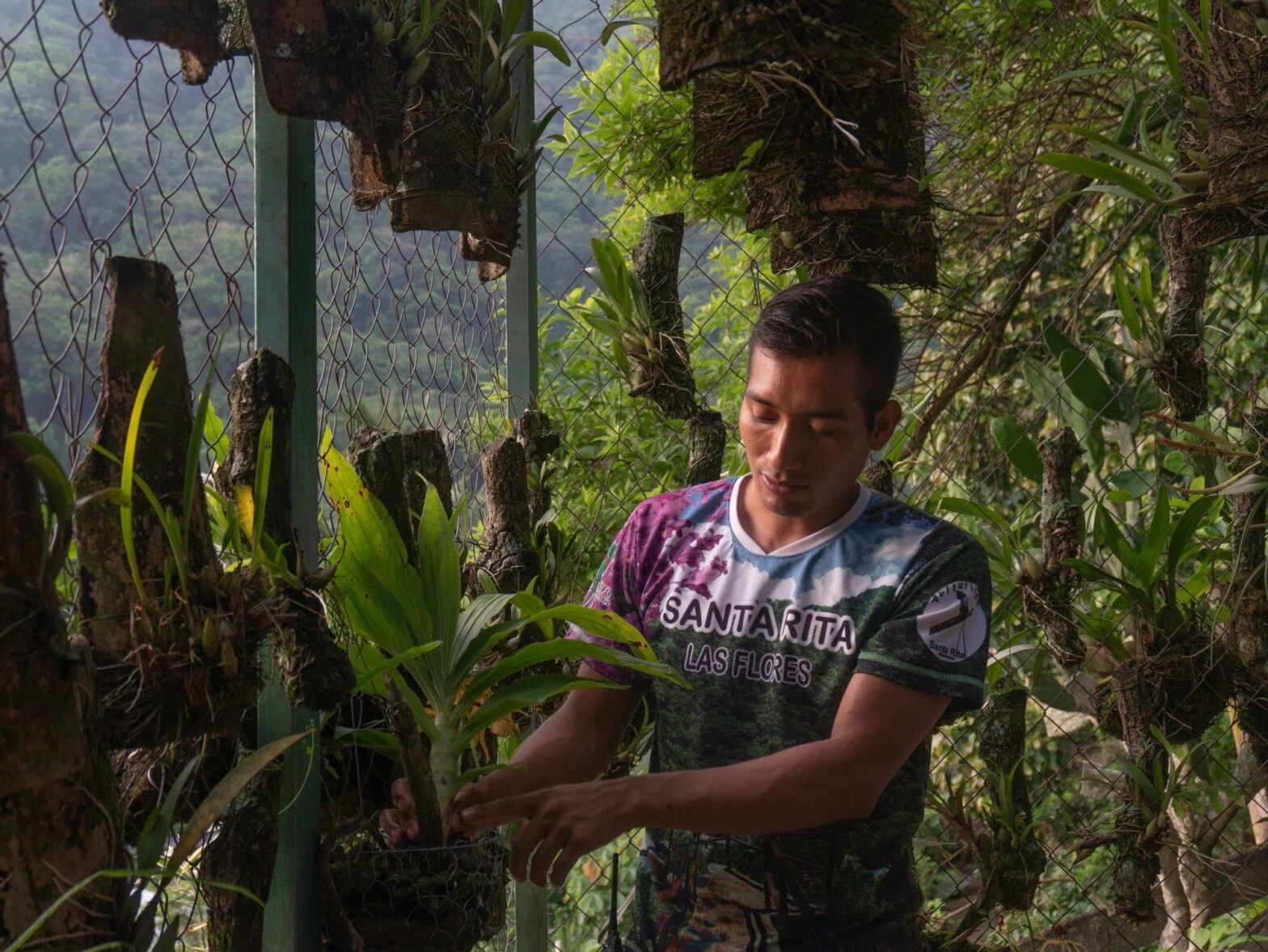
An orchid rehabilitation project is turning a small Mexican community into a tourist magnet — and attracting far-flung locals back to their hometown.