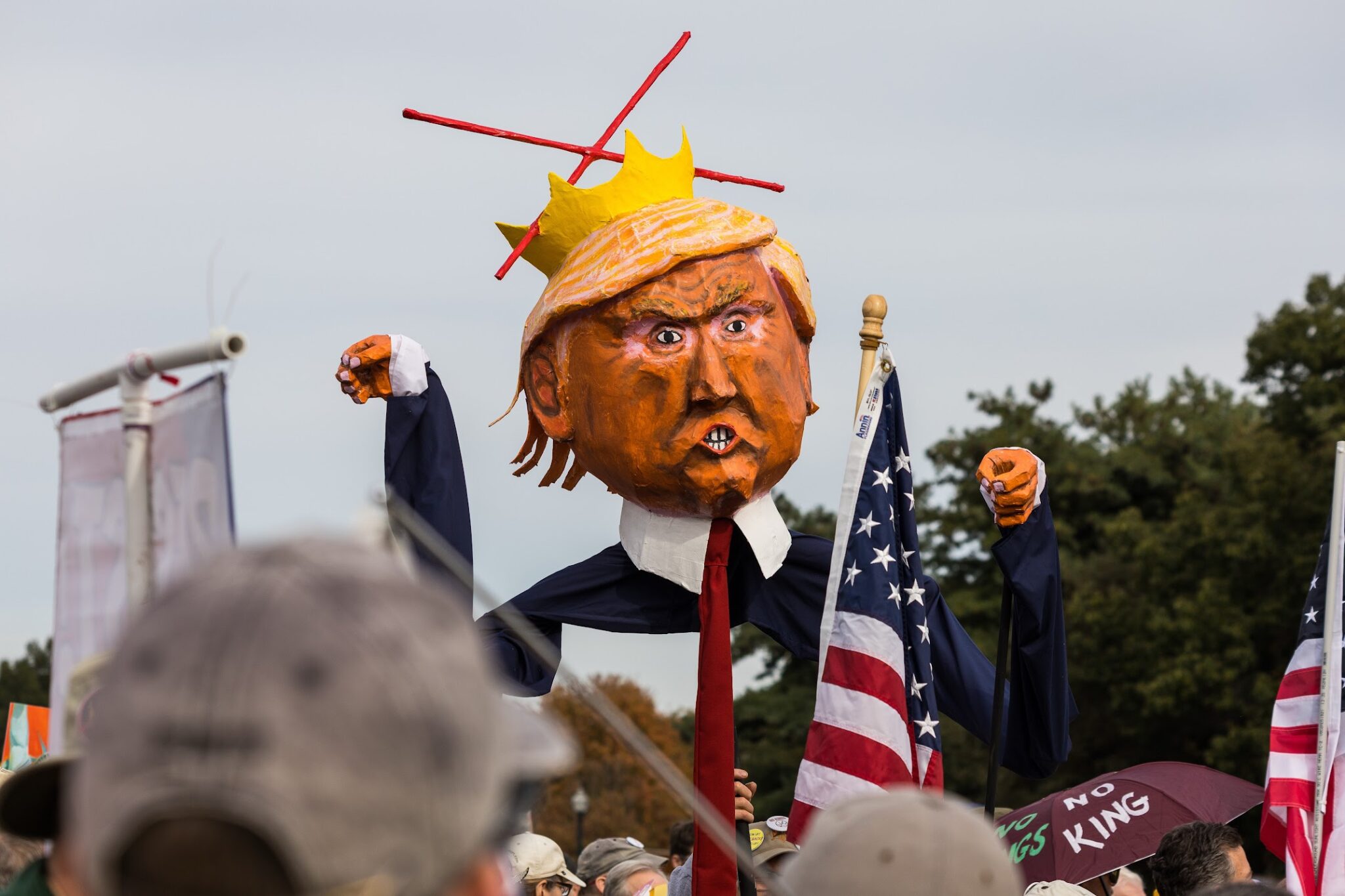
Donald Trump’s ultimate battle isn’t abroad — it’s at home. From campuses to city halls and the military, resistance is rising as America’s institutions push back against his power grab.
 Worldcrunch
Donald Trump’s ultimate battle isn’t abroad — it’s at home. From campuses to city halls and the military, resistance is rising as America’s institutions push back against his power grab.
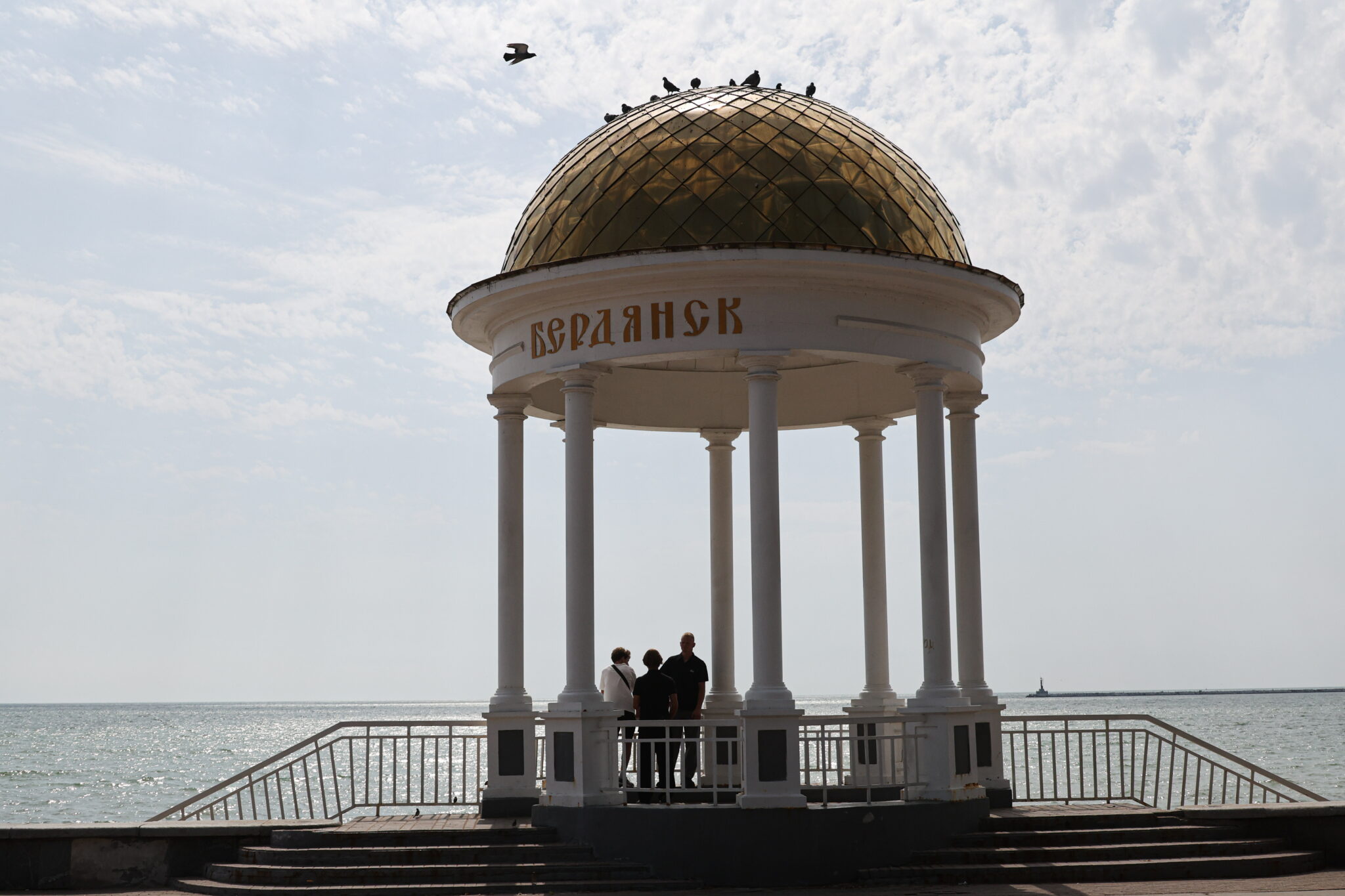
From language bans to property seizures, residents of the Ukrainian port city of Berdyansk live under constant surveillance, intimidation, and the threat of losing everything.
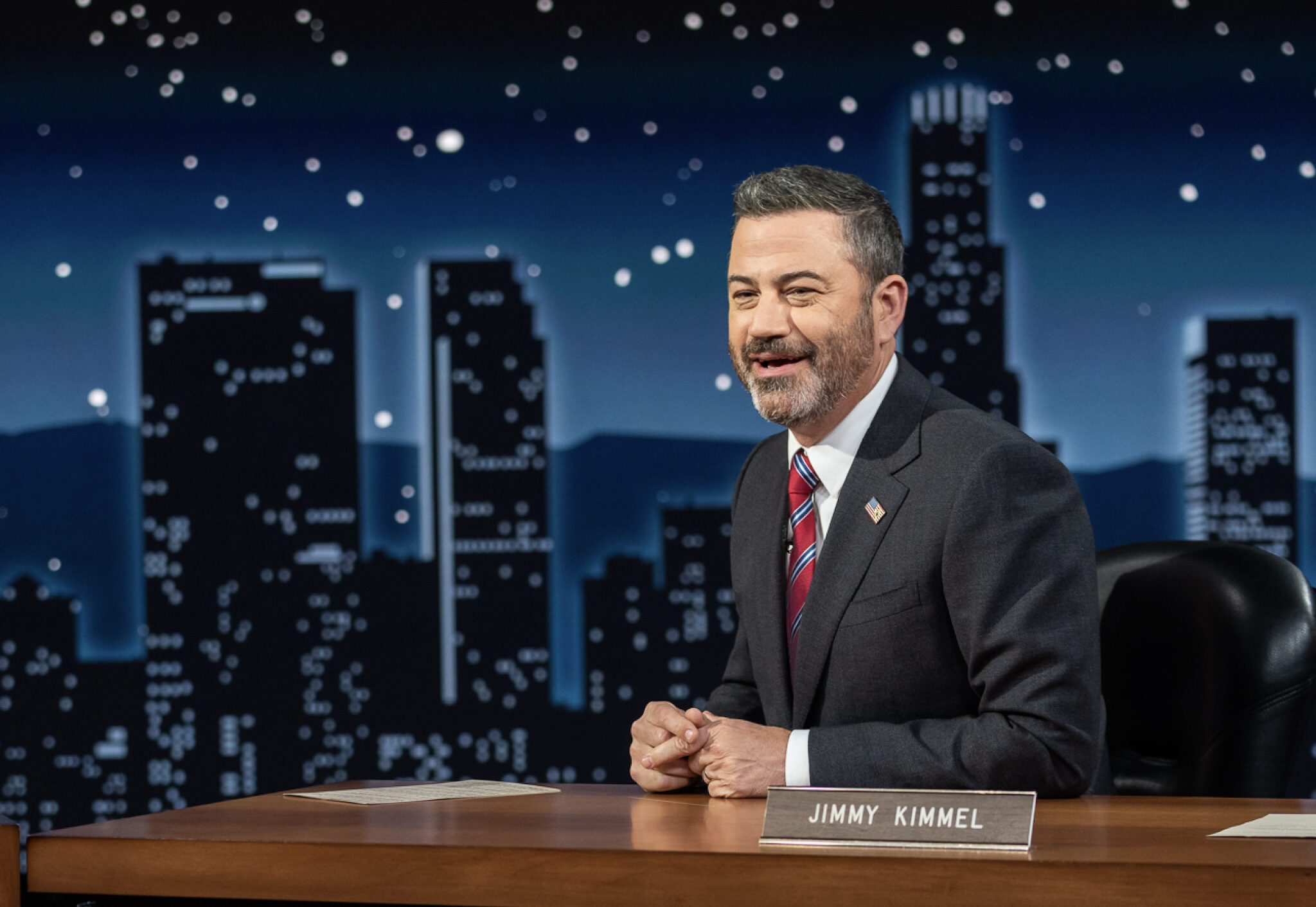
Jimmy Kimmel’s show on ABC has been suspended indefinitely because of his criticism of Donald Trump’s political exploitation of Charlie Kirk’s murder. Attacks on freedom of speech have been increasing at an alarming rate since Trump’s election.
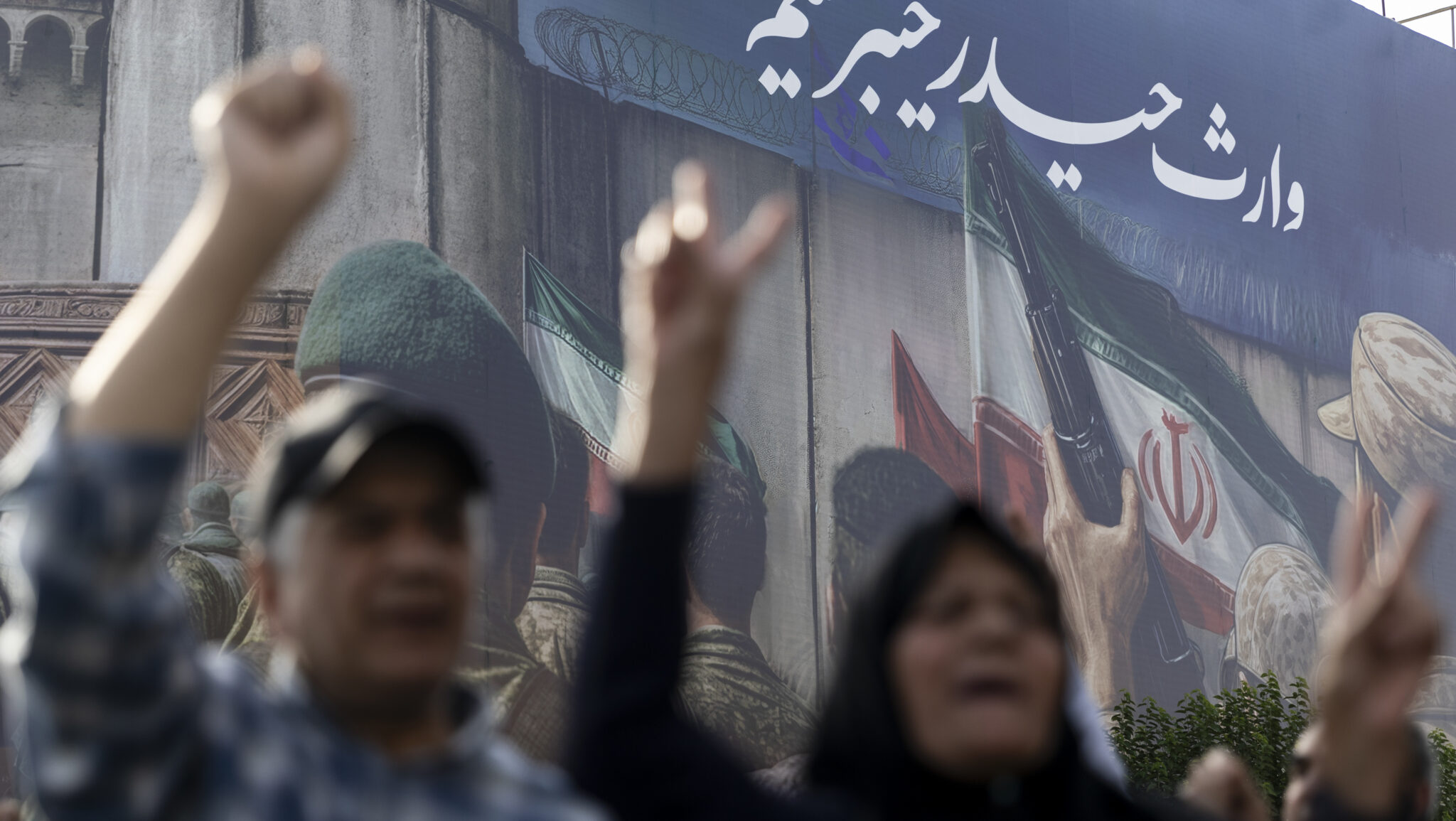
War with Israel and the United States may harm Iran and its infrastructures. But for the regime, it’s a chance to distract opinion from its economic failures and to quell dissent.
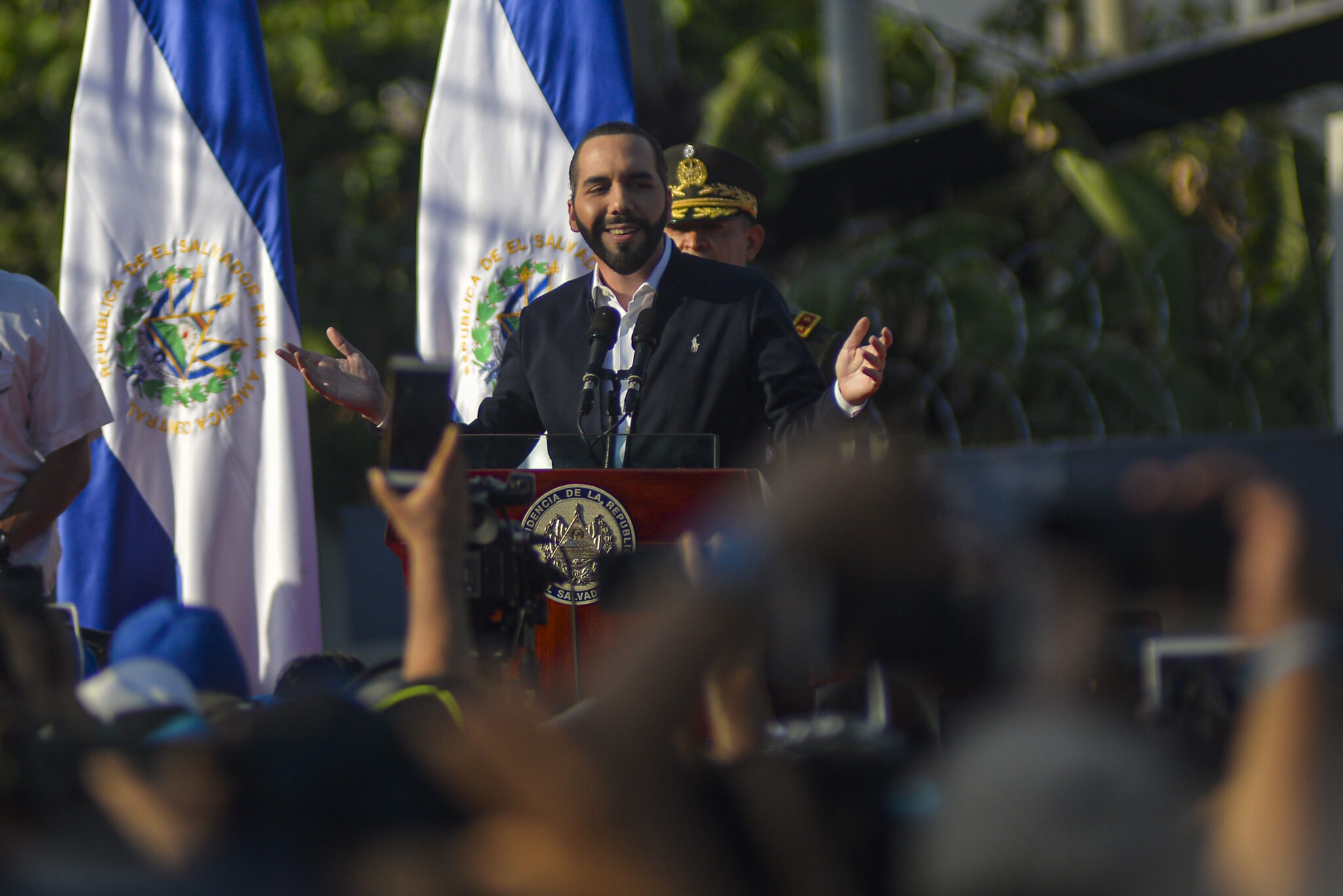
Getting El Salvador’s compliant parliament to legislate and scrap presidential term limits is the latest and sure-fire sign that President Nayib Bukele has no intention of ending his no-nonsense rule any time soon.
A new phone, a fancy car, a full fridge: for a long time, politicians assumed that prosperity was all it took to keep democracies running. But that view of human nature is now having serious consequences.
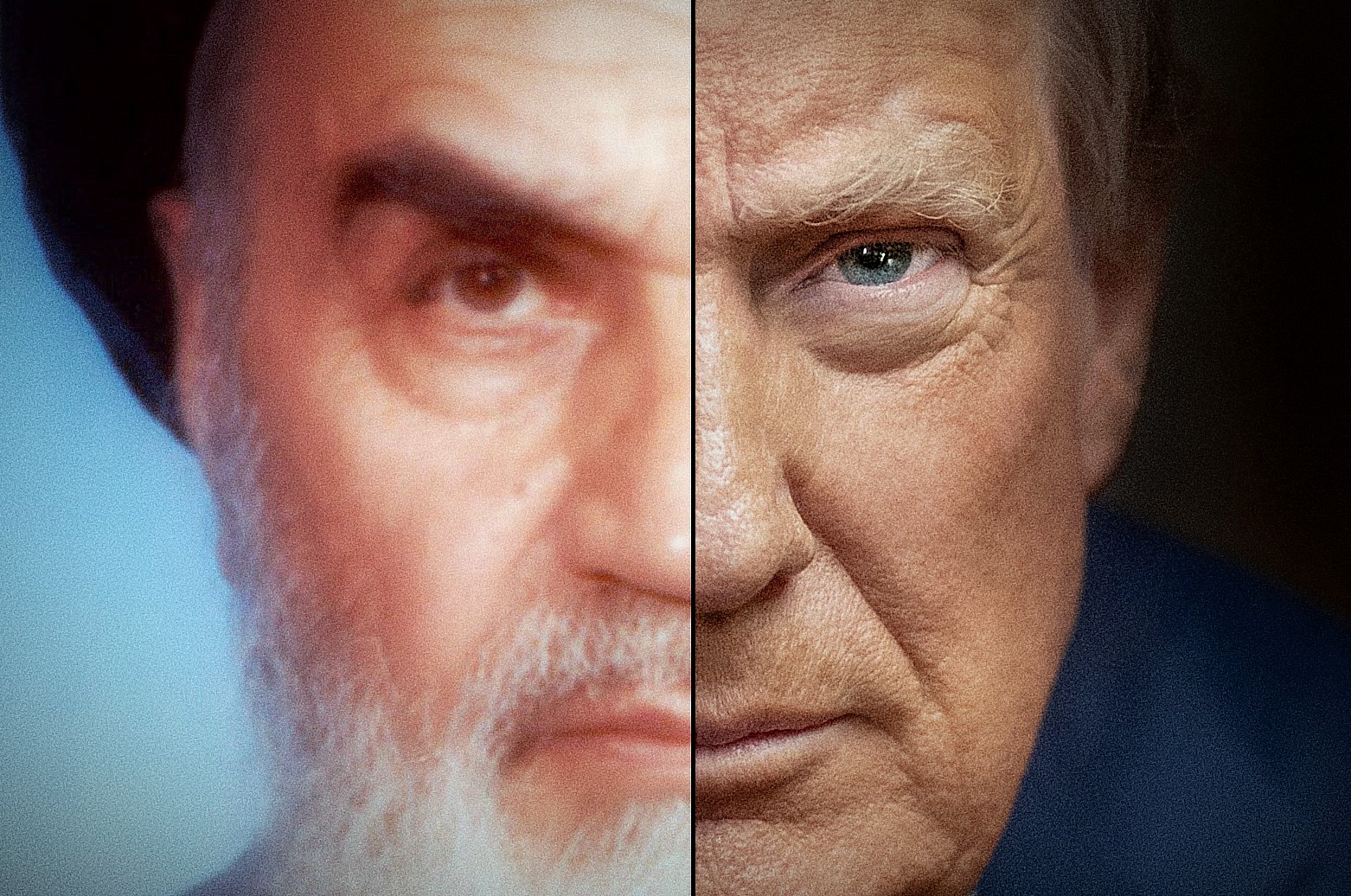
In 1979, Iran was seduced by a cleric who promised freedom and delivered tyranny. In 2025, a chaotic U.S. president may be using lies of his own to help dismantle that same regime.
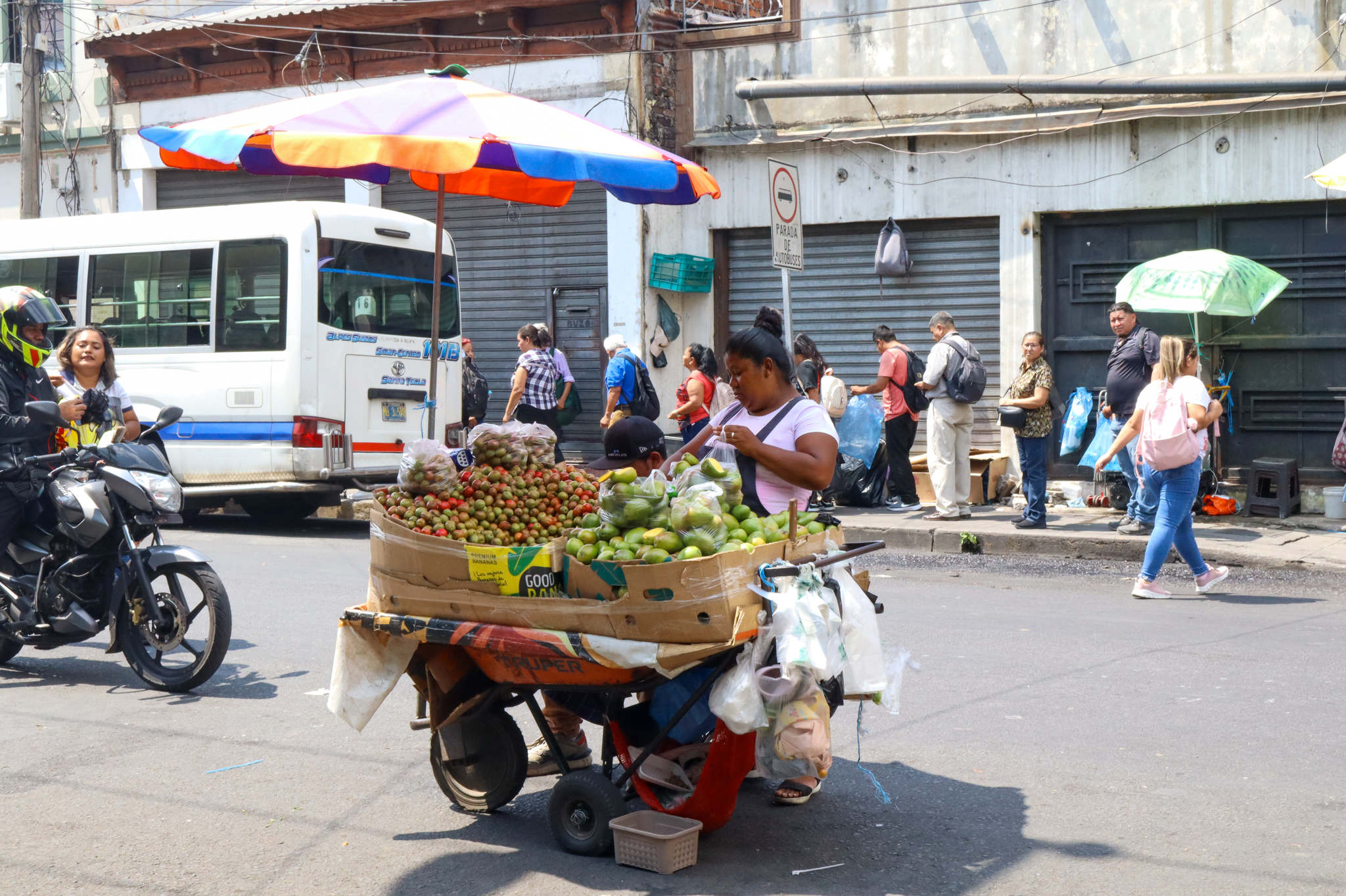
In downtown San Salvador, longtime vendors face abrupt evictions amid Bukele’s push for revitalization. For thousands of street vendors who risk centuries of history for security, the promise of safety now comes with the heavy cost of lost livelihoods.
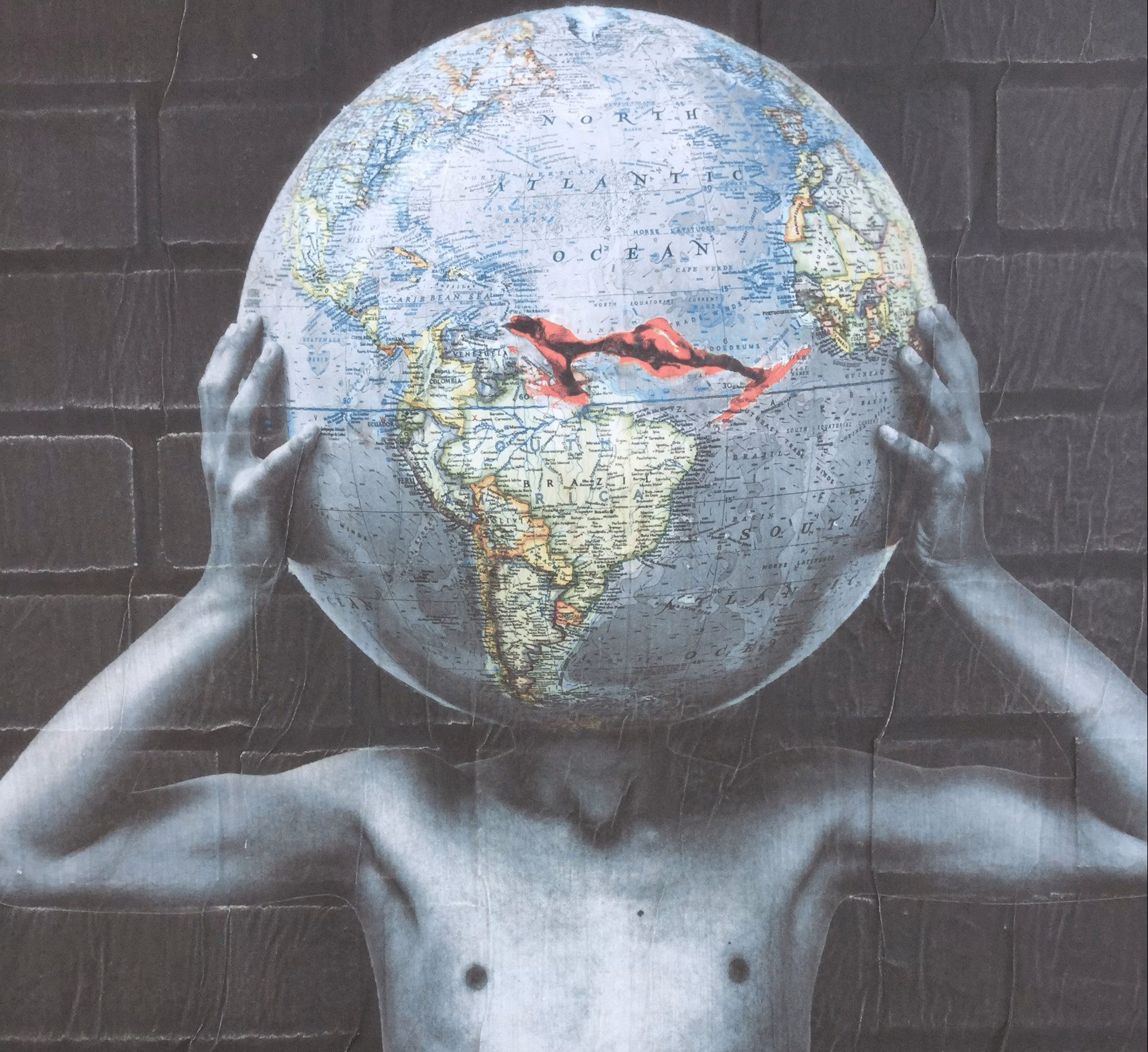
The West once promised freedom, justice and reason. But after centuries of global dominance, war crimes and broken ideals, its future hangs in the balance. As nationalism rises and China stakes its claim, is the West entering its final act — or just another turning point?
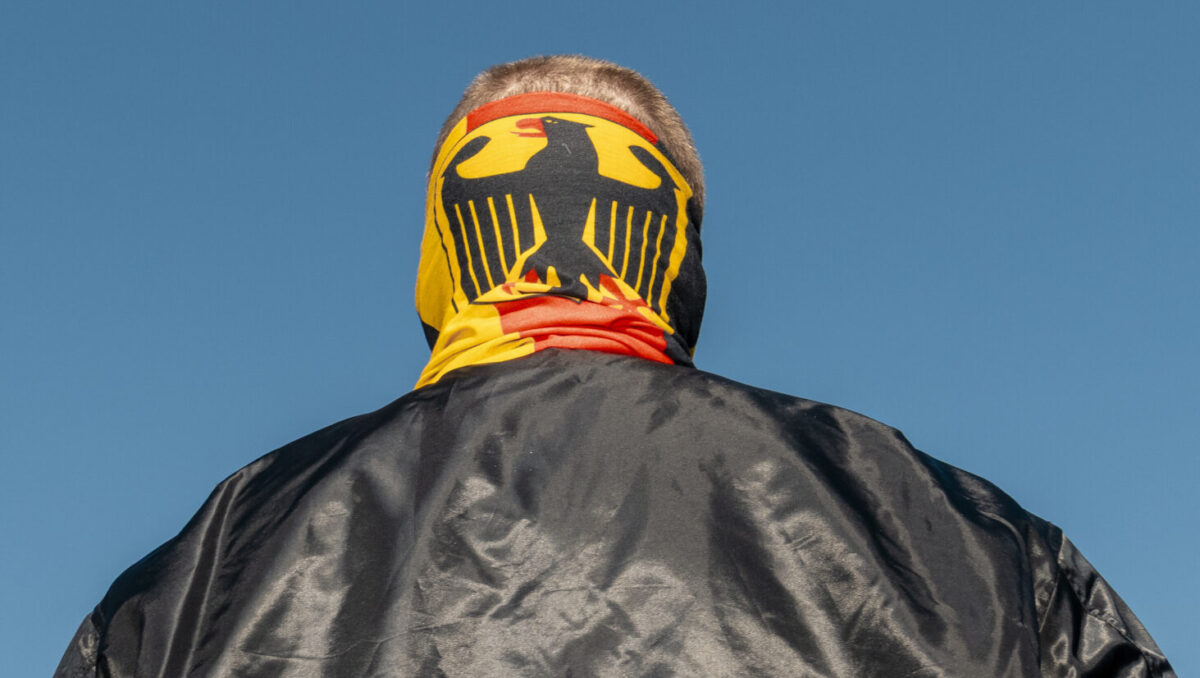
They train in the woods and strike at night against migrant and LGBTQ targets.Far-right youth groups are emerging across Germany. Die Zeit tracks a new generation of Neo-Nazis.
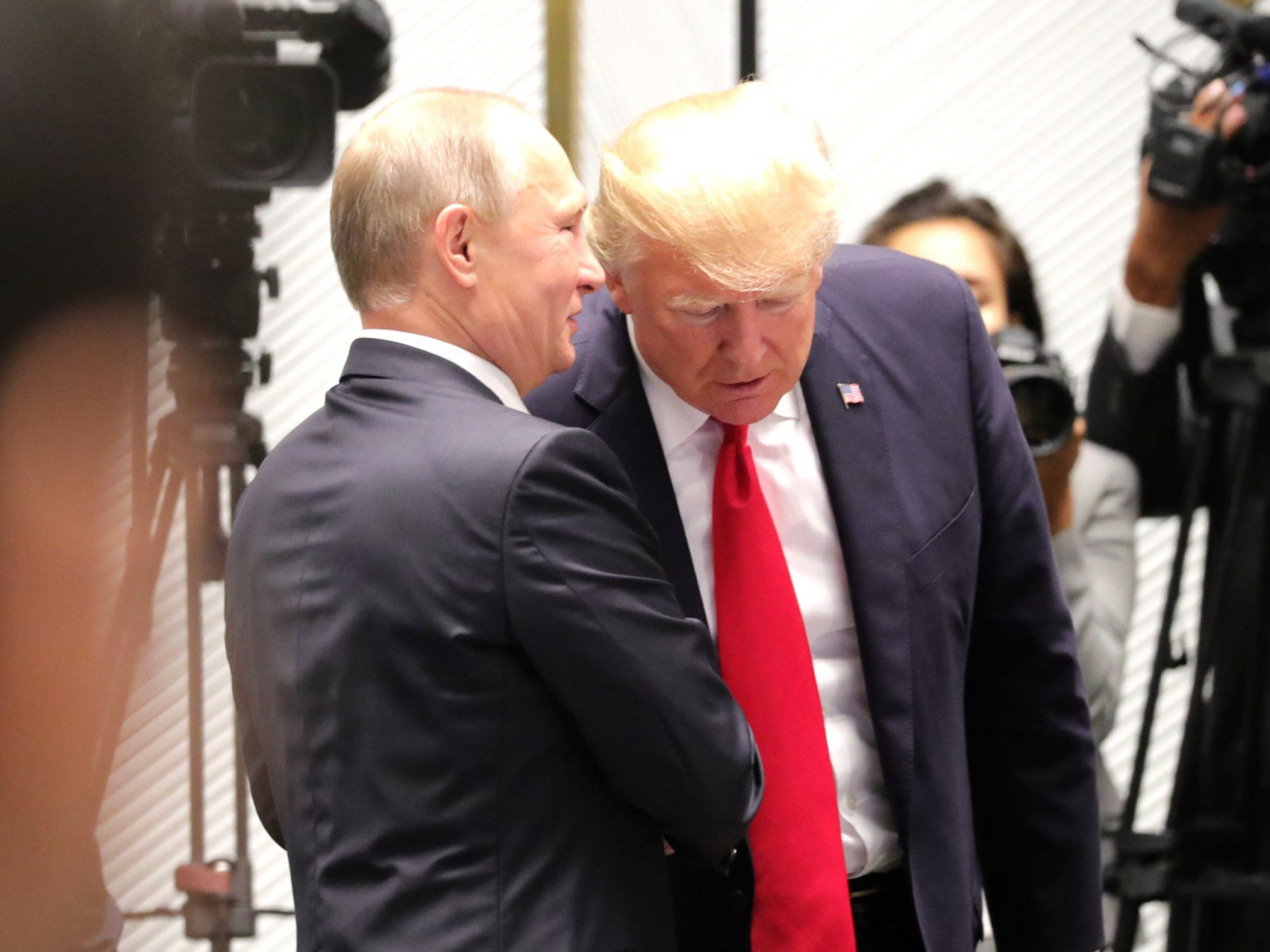
Donald Trump and Vladimir Putin discussed Ukraine and other international matters during a call on Tuesday. What do the two leaders have in common? A shared worldview alone no longer explains it.
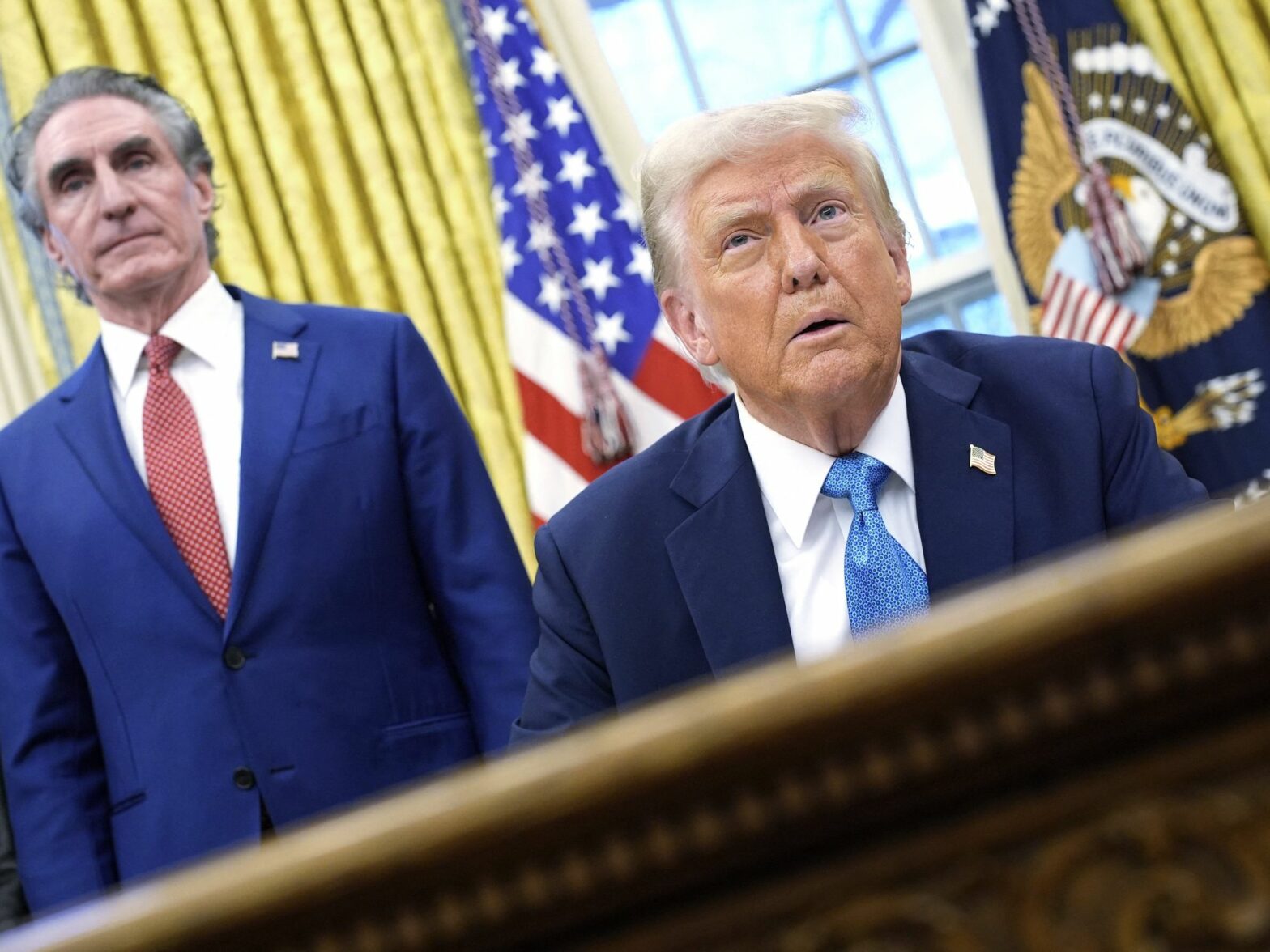
In economics, disruption describes an ordinary process: innovations replace outdated technologies. But in politics? It takes on a far darker meaning, writes German weekly Die Zeit.
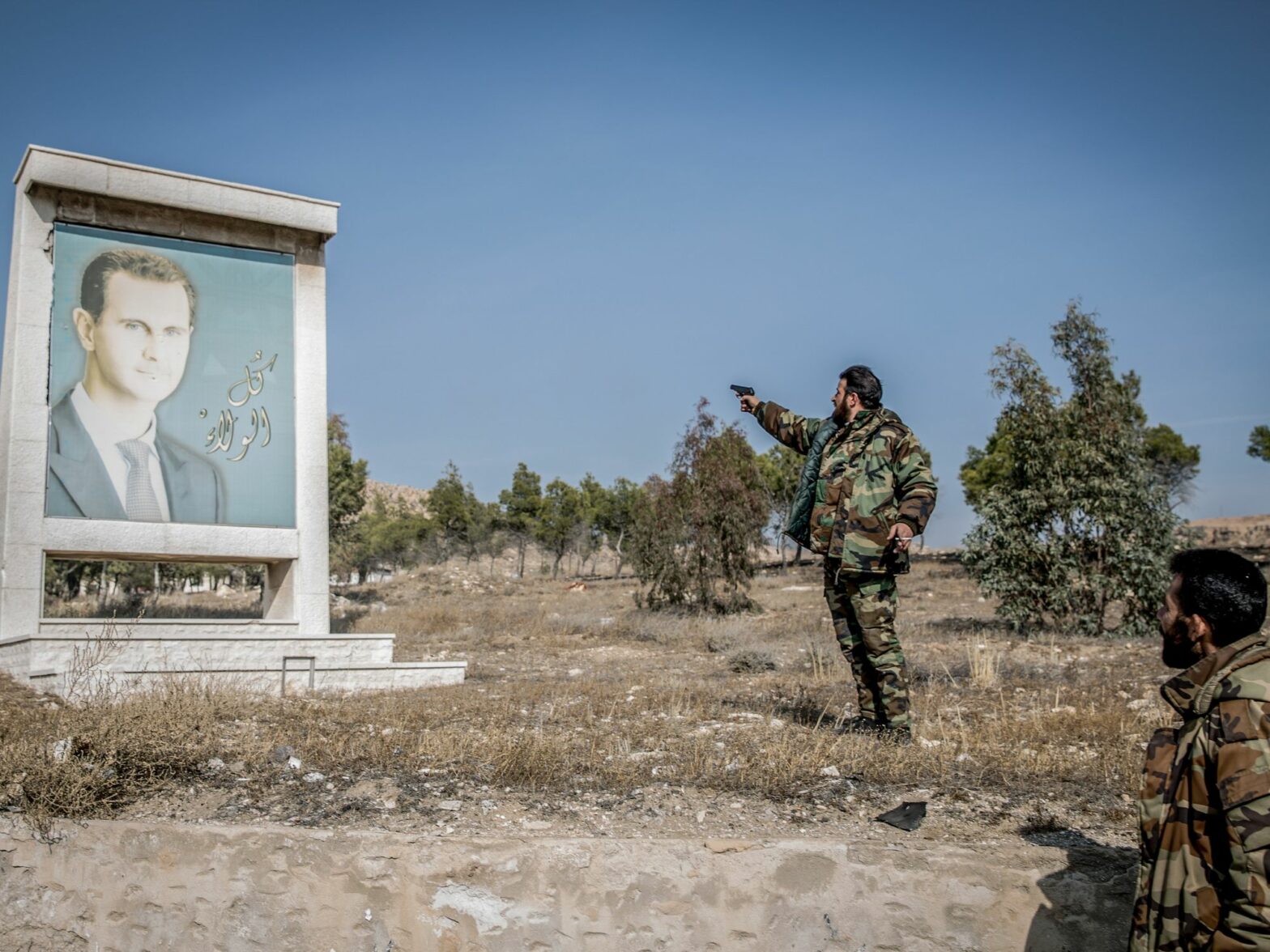
The direction of Syria’s new rulers remains uncertain, but examples of transitions in Iraq, Egypt, Libya or Tunisia after the fall of their dictators highlight the pitfalls to avoid. Will Syria be able to escape them?
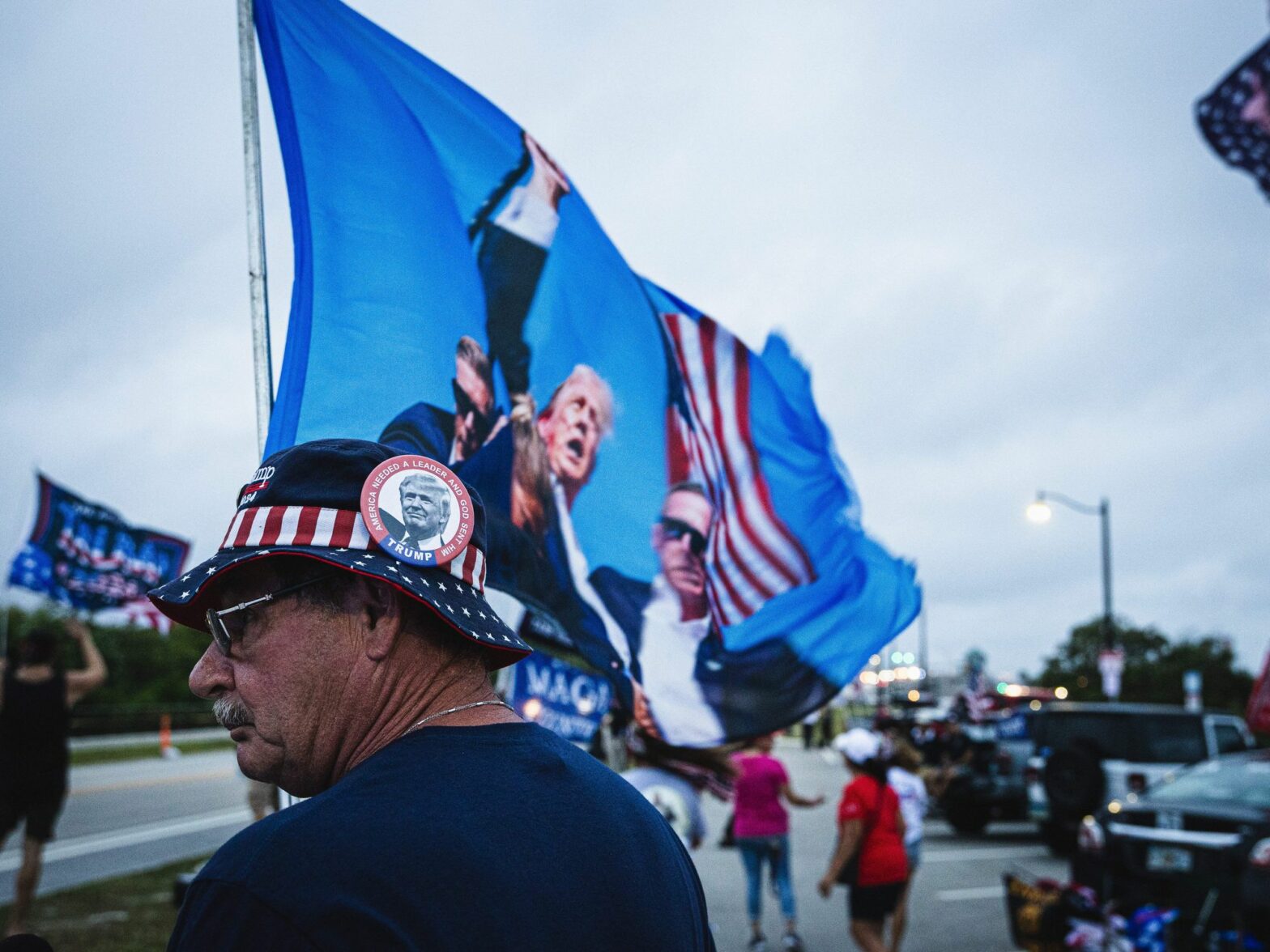
Americans have re-elected Donald Trump, choosing a convicted demagogue who champions power over principle. This historic turn raises a sobering question: Is the West’s beacon of democracy slipping toward the authoritarianism it opposed in its founding principles? A timely viewpoint from Germany’s Die Zeit.
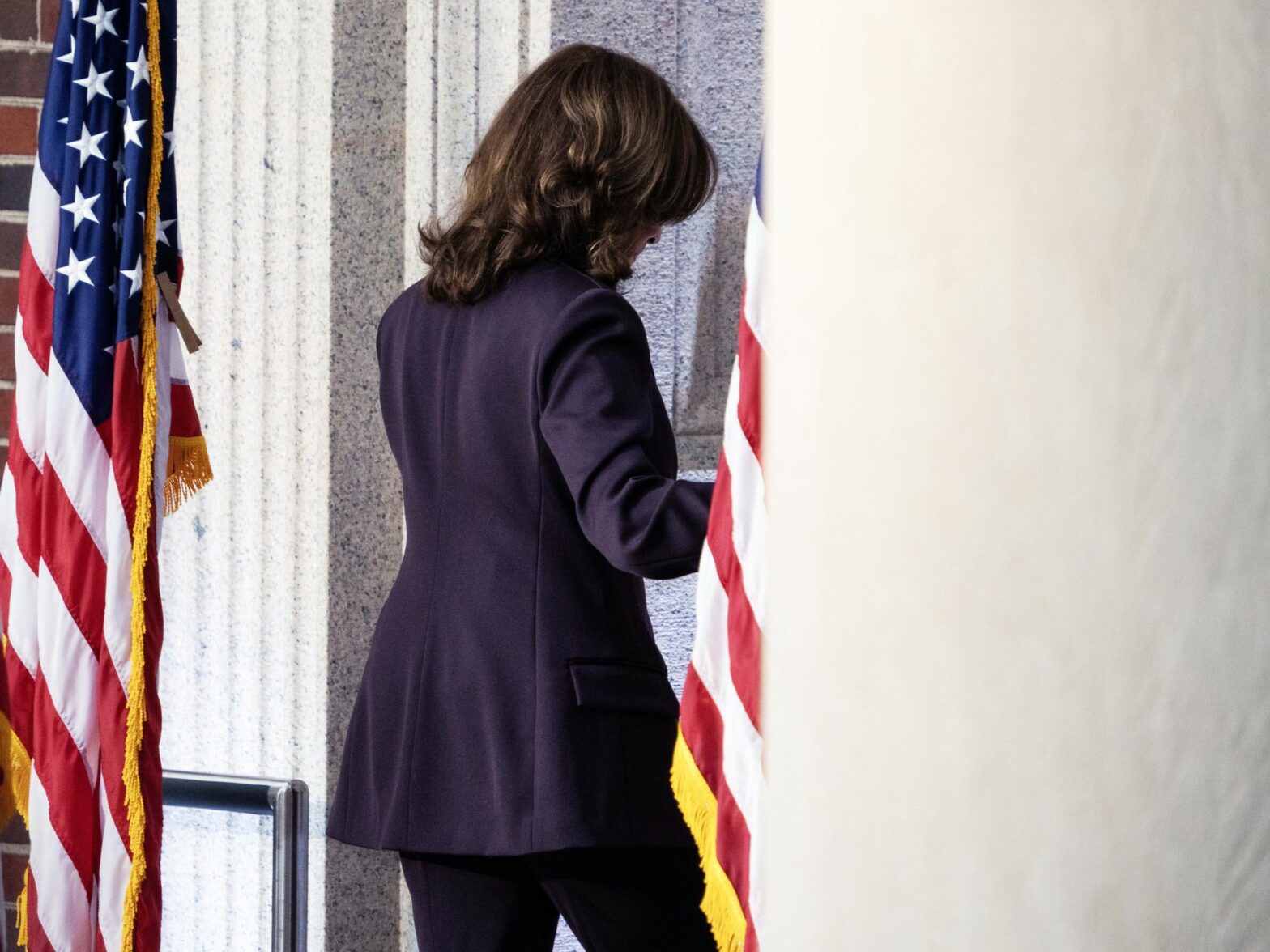
Donald Trump’s success is also a revelation of the weaknesses of the American left, which is plagued by self-righteousness and the belief that painting your opponent as a threat to democracy is a political agenda. But blackmail is not a strategy.
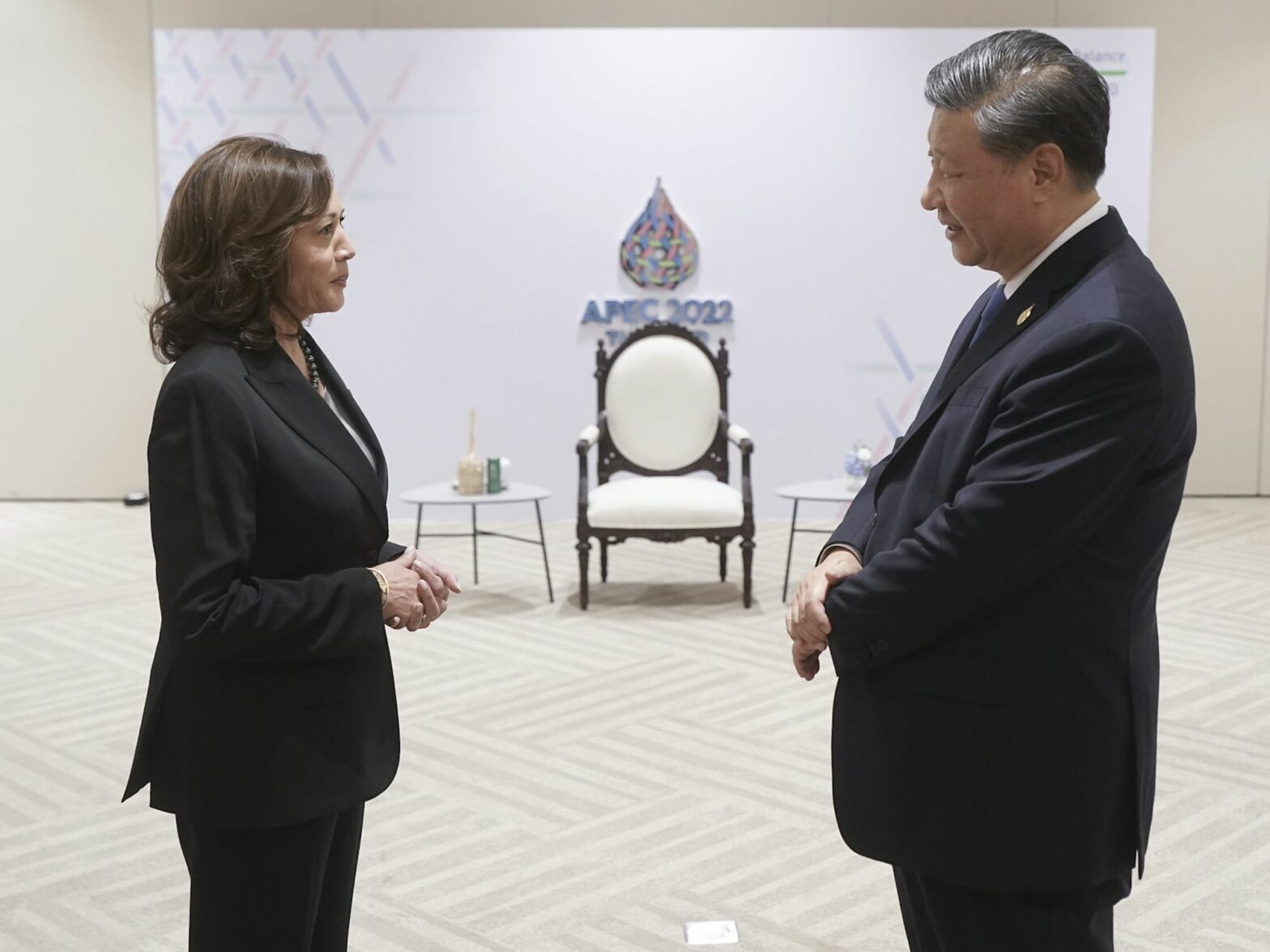
If there’s one thing Kamala Harris and Donald Trump can agree on its the demonization of China. After the fall of the Soviet Union, China has become the United States’ ideological adversary — a rival shaping America’s own identity, uniting both left and right. Why does American politics always seem to need an external enemy?
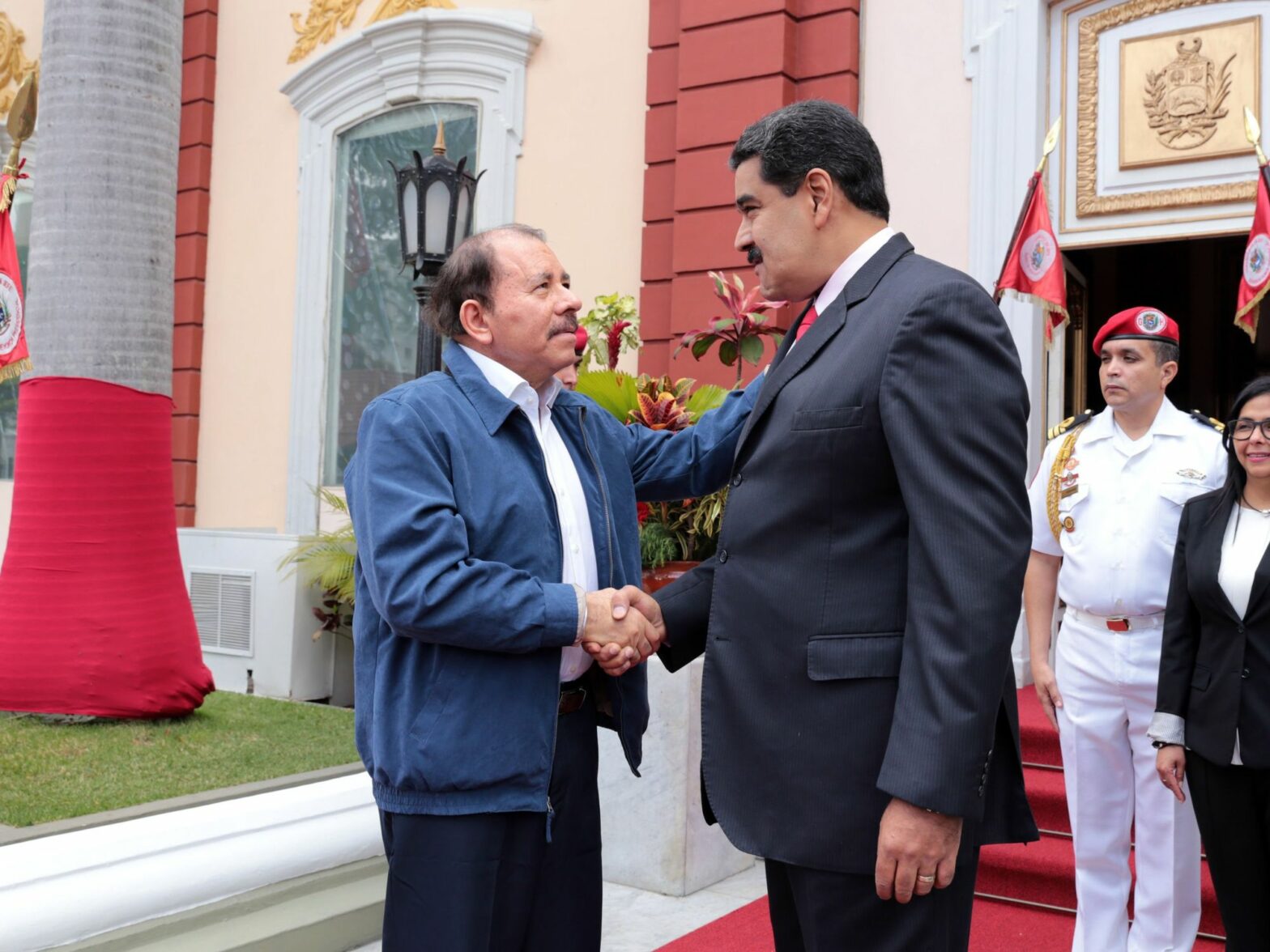
Venezuela’s elections this year took a very different course than Nicaragua’s in 2021. In both Latin American countries, an authoritarian leader wanted to stay in power and committed electoral fraud to do so. But in Venezuela, the opposition was able to create resistance to Nicolás Maduro.

Brazilian journalist Ludmila Pizarro grew up surrounded by idealists who were targeted and tortured during Brazil’s brutal dictatorship. But it wasn’t until she started researching a story to mark 60 years from the beginning of the dictatorship that she learned the details of her father’s own ordeal. For Agência Pública, she reconstructs the story of her family’s past.
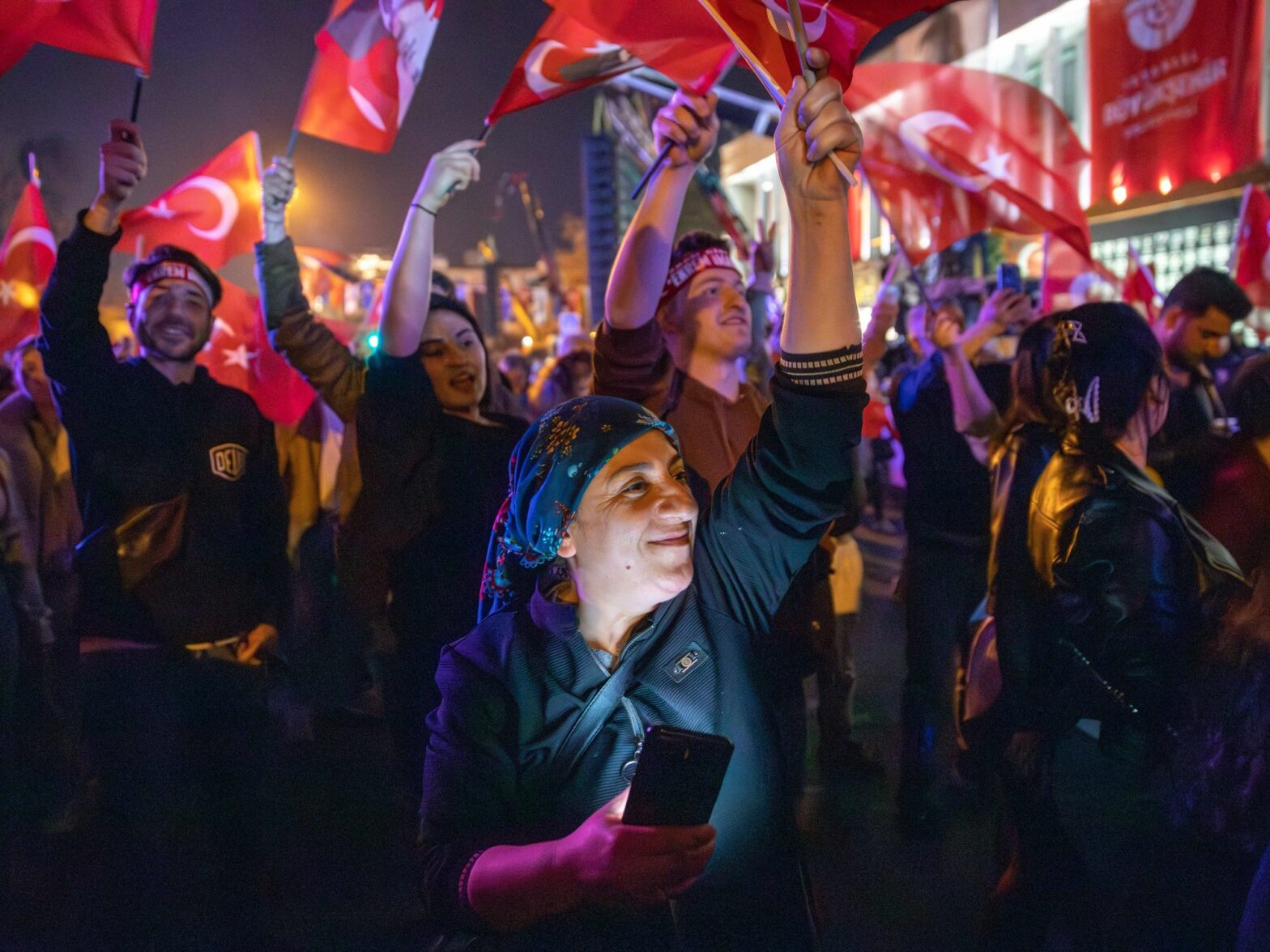
Turkey has more than a century of democracy and elections, and a bonafide opposition, which stands out from recent Russian and Iranian votes. We see it again in the victory in Sunday’s victory for Istanbul Mayor of the opposition party. Still, the increasingly authoritarian Turkish regime risks sliding toward a point of new return with its assault on rights and freedoms.
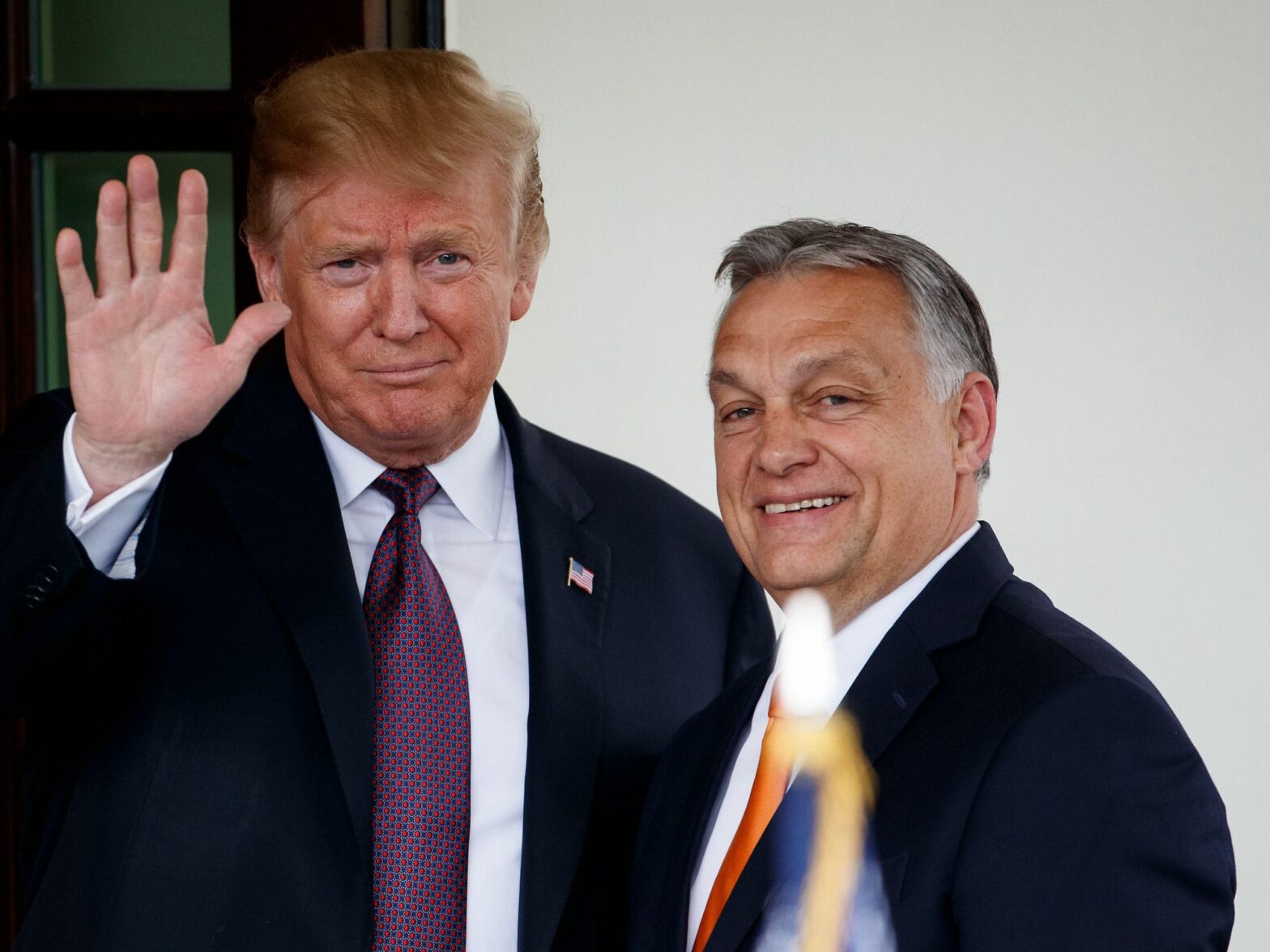
A former member of the Hungarian Parliament warns the U.S. about the potential re-election of Donald Trump, which could mirror Hungary’s slide toward authoritarianism under strongman Viktor Orbán, as the two meet in Florida.
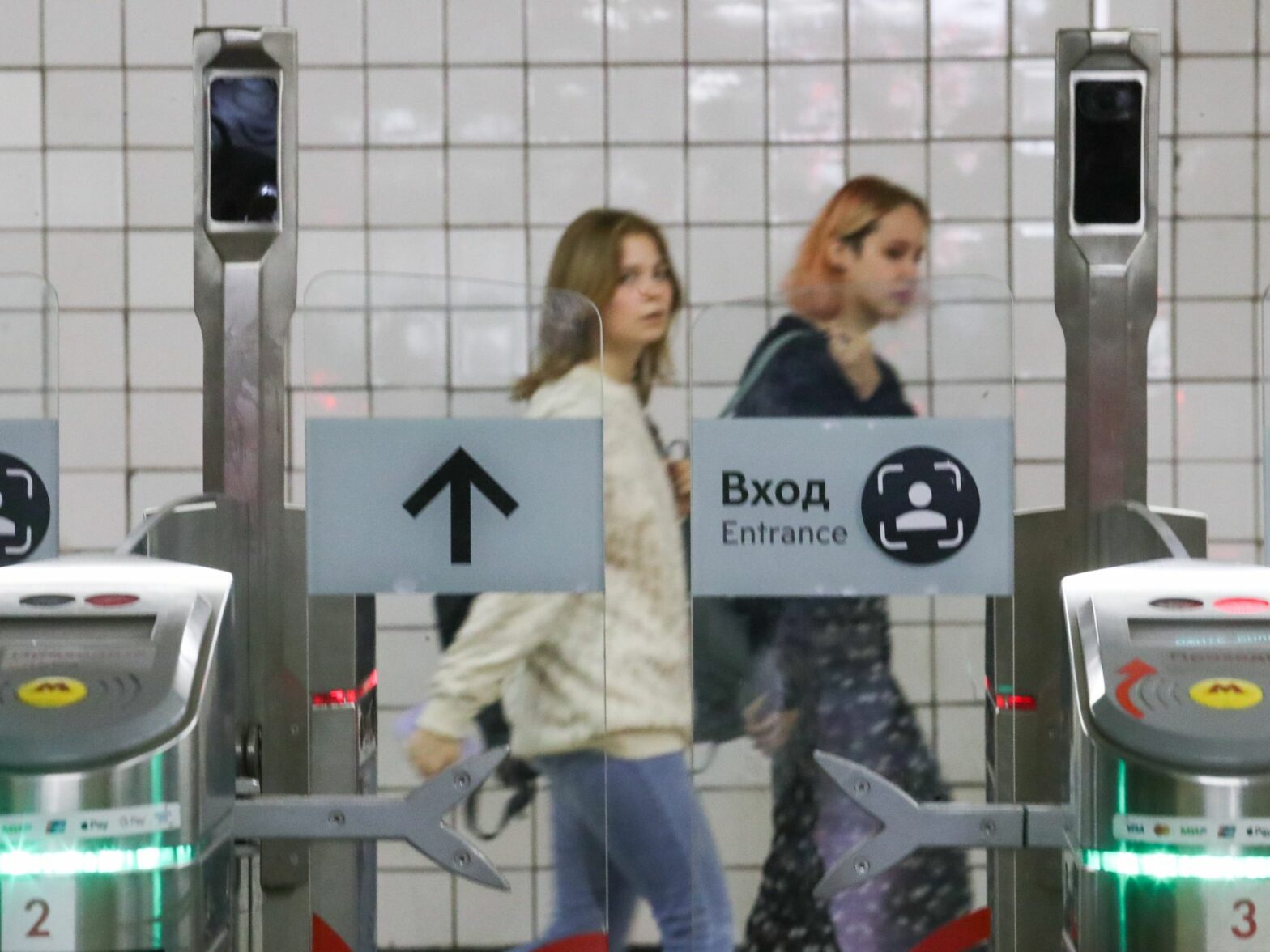
Trailing only China in the widespread use across the nation of security cameras equipped with facial recognition technology.
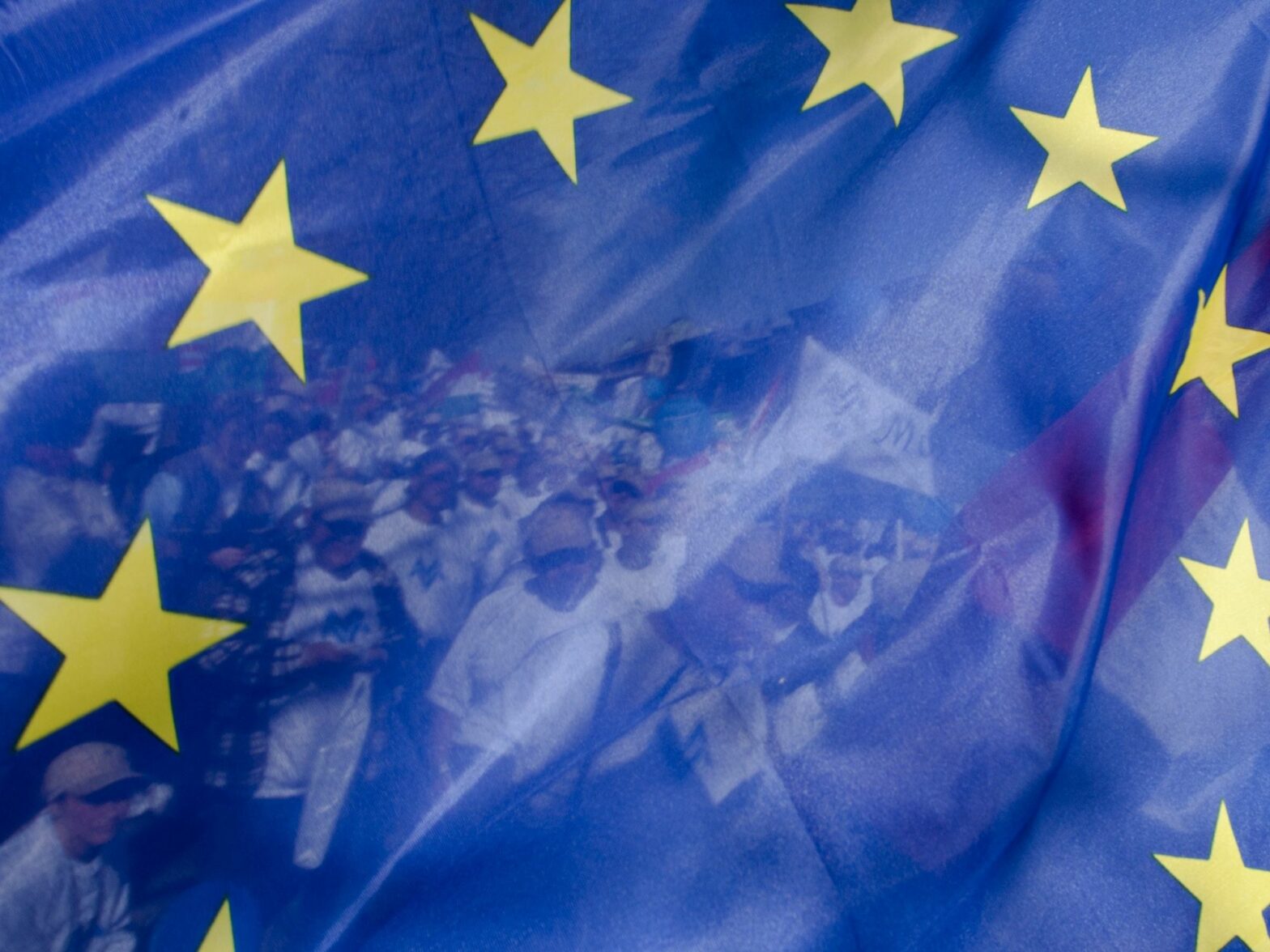
In its latest parliamentary elections, Poland opted to oust the ruling party, PiS, from power. Now will Viktor Orbán’s Hungary, a victim of democratic backsliding, be able to do the same. Political scientist and economist Bálint Madlovics and sociologist and former Hungarian Parliamentarian Bálint Magyar investigate.
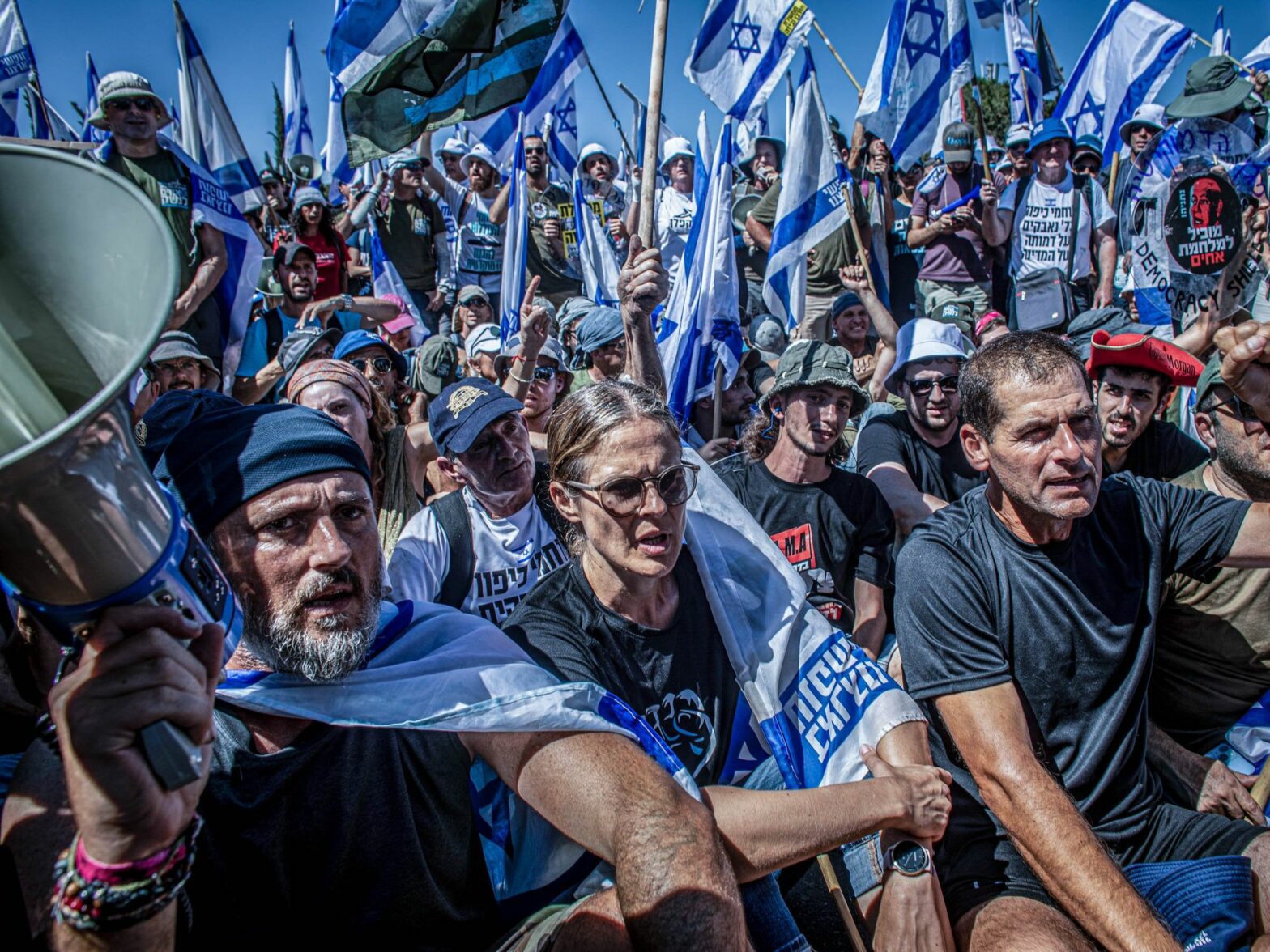
The Israeli government’s aggressive bid to curb judicial powers fits into a bigger picture of the degradation of liberal democracy worldwide.
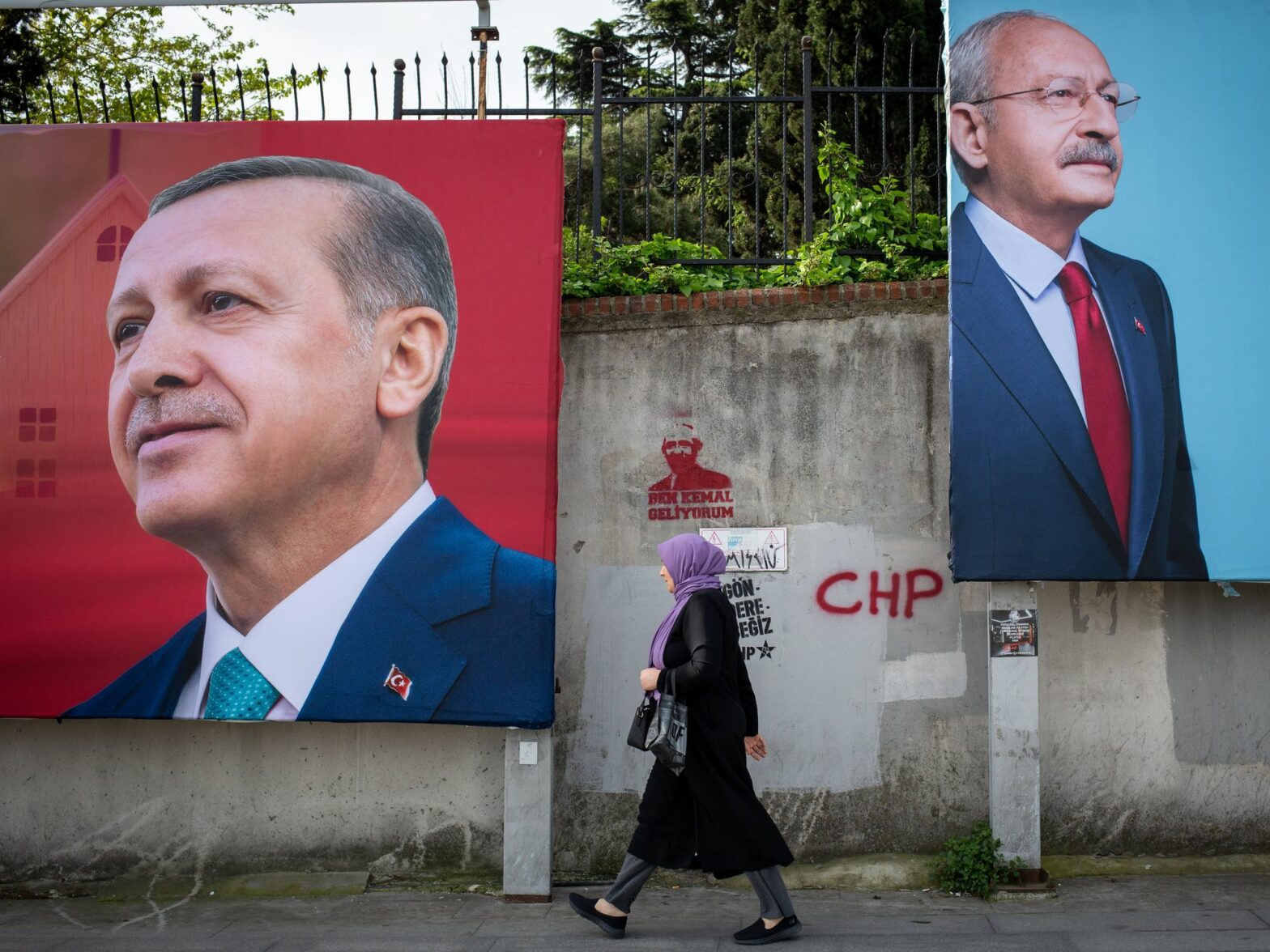
President Erdogan and his allies have spent the final weeks of the campaign questioning the political legitimacy of their opponents’ eventual victory ahead of the May 14 election. When the vote does come, the risk of setting off a veritable civil war is real.
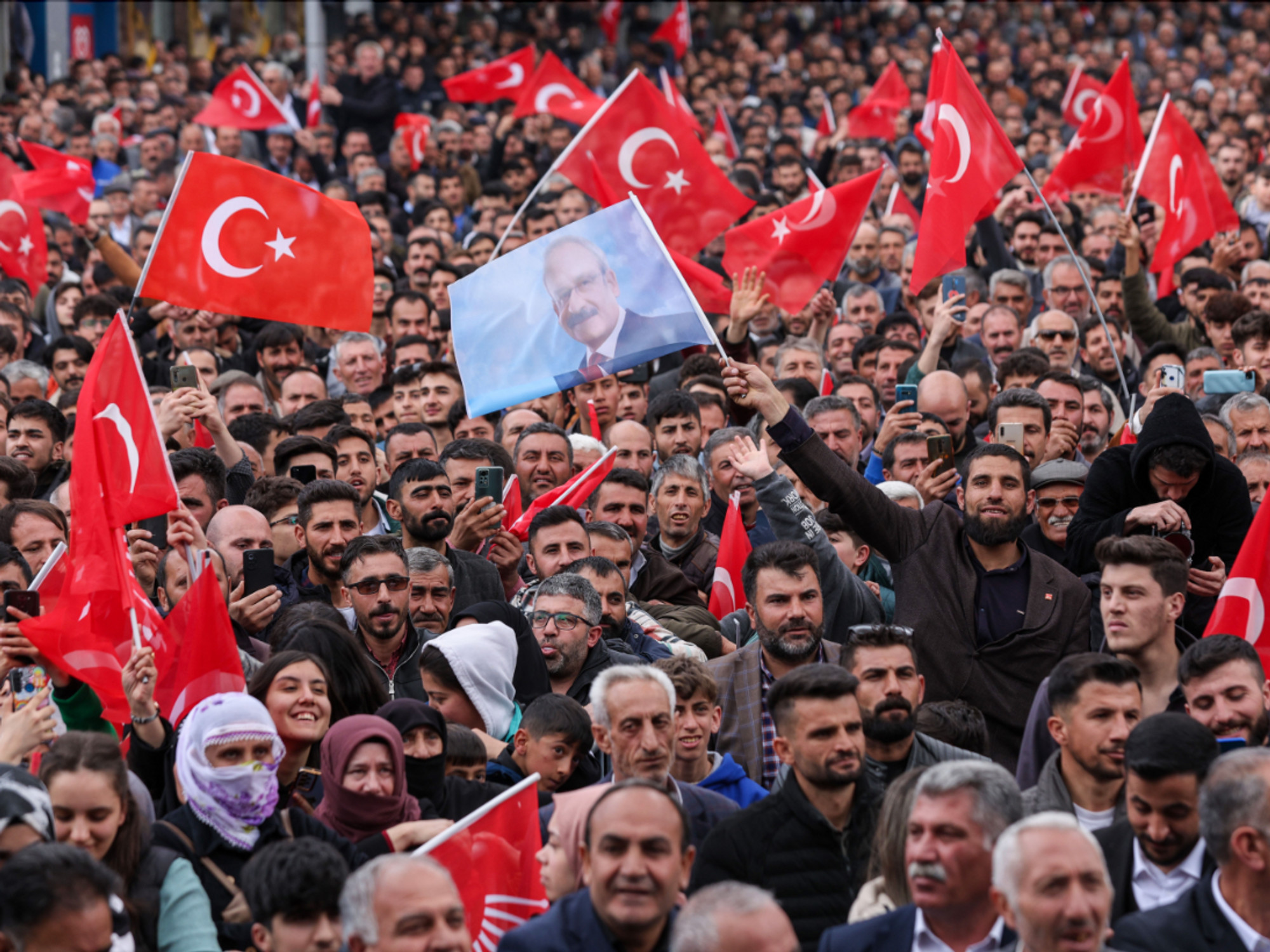
The result of Turkey’s May 14 election is still very uncertain, but President Recep Tayyip Erdogan’s significant failures put his leadership under threat for the first time in 20 years.
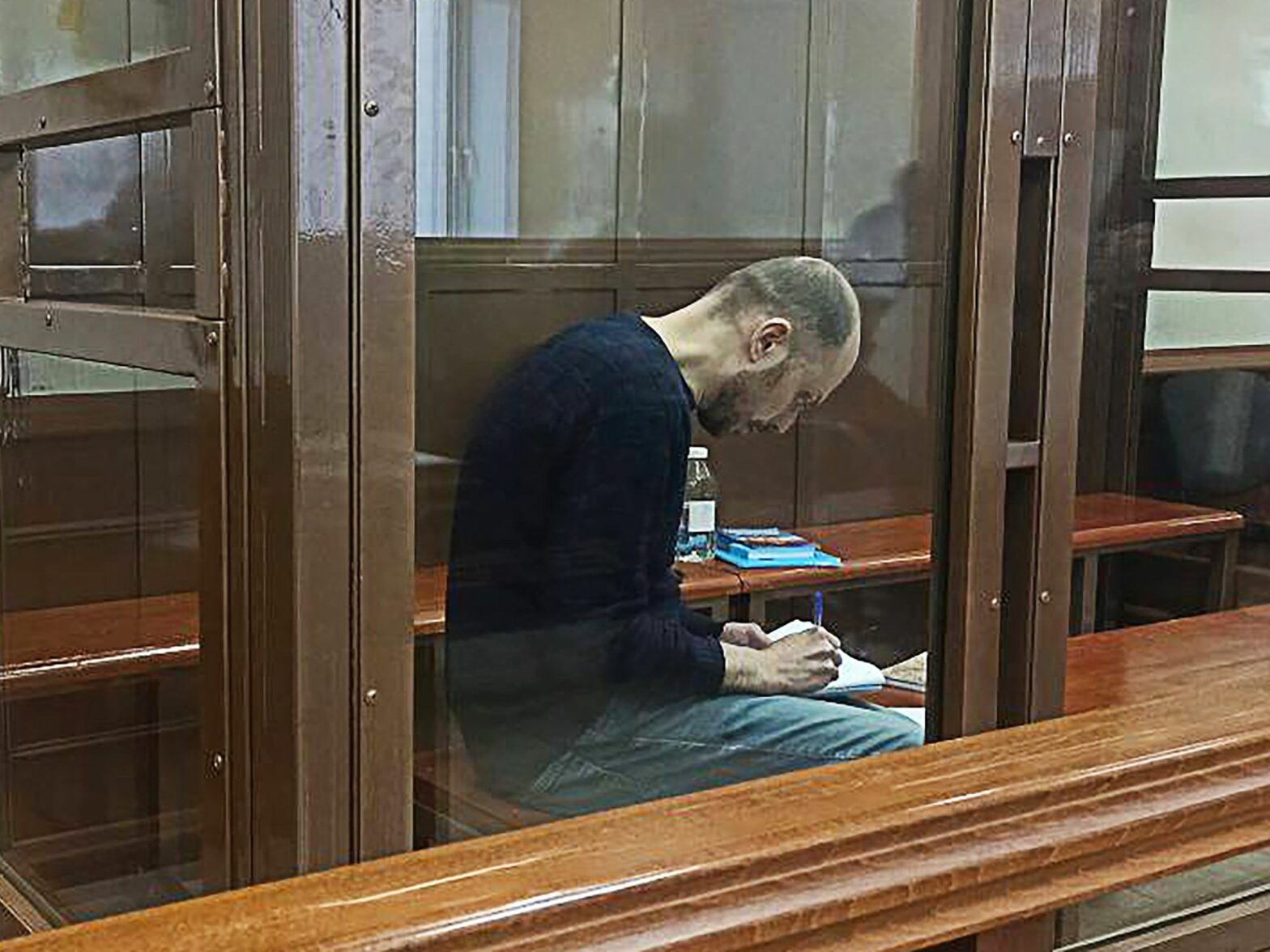
This week’s high-profile court cases, from the 25-year sentence of opposition leader Vladimir Kara-Murza to the prosecution of Wall Street Journal reporter Evan Gershkovic, look like a shift to totalitarianism. But they may also be a sign of a nation set to implode.
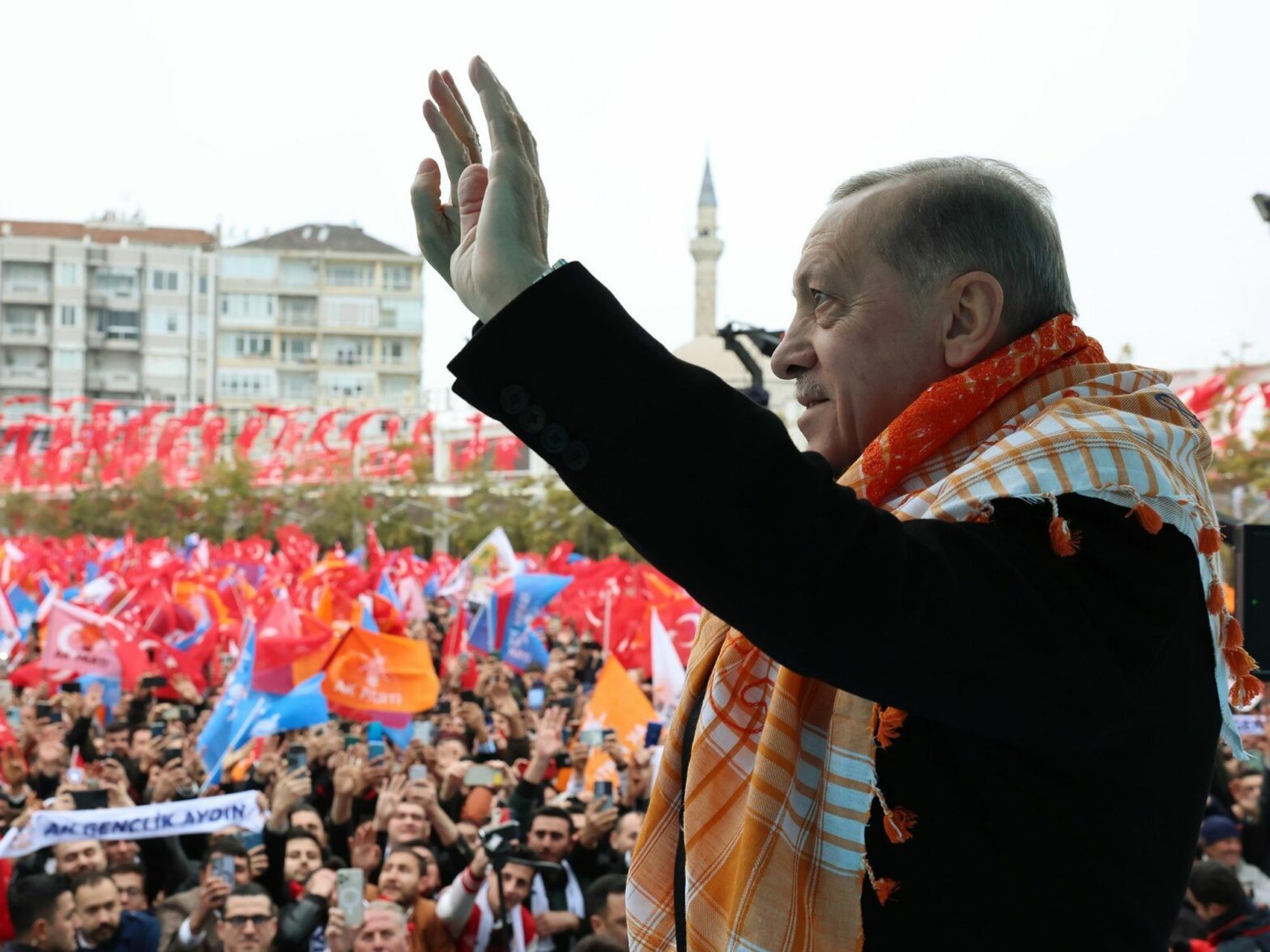
Turkey heads to the polls in May, with a newly formed opposition bloc hoping to dislodge President Tayyip Recep Erdogan. Despite some party infighting, many remain hopeful they can bring an end to Erdogan’s 20 years in power. But first, clarity from within a complicated coalition is needed.
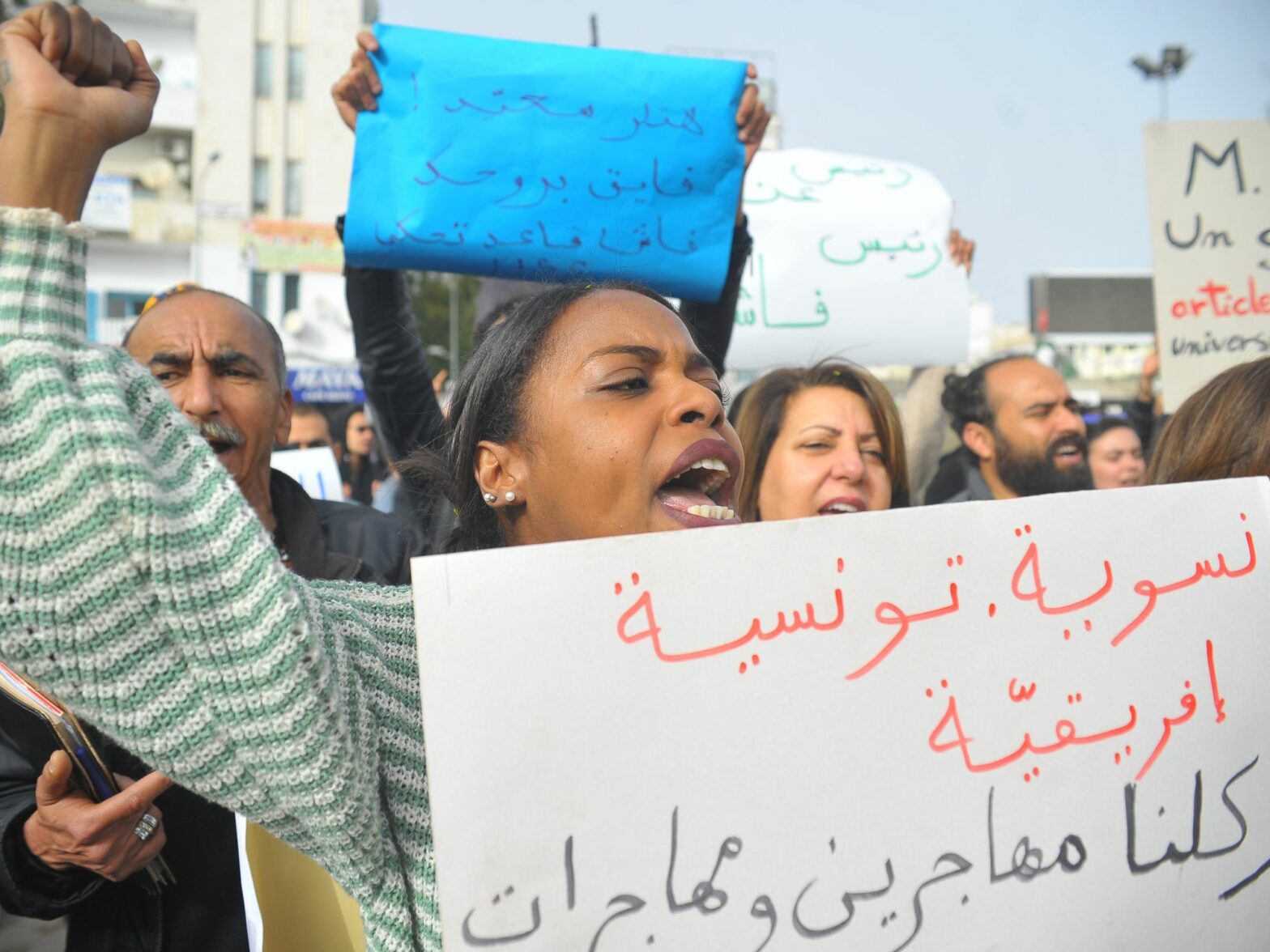
Tunisian President Kaïs Saïed’s xenophobic claims that a conspiracy aims to replace Tunisians with sub-Saharan migrants has unleashed racist violence in the country. It’s a sign of the growing authoritarianism of the popular but powerless president.
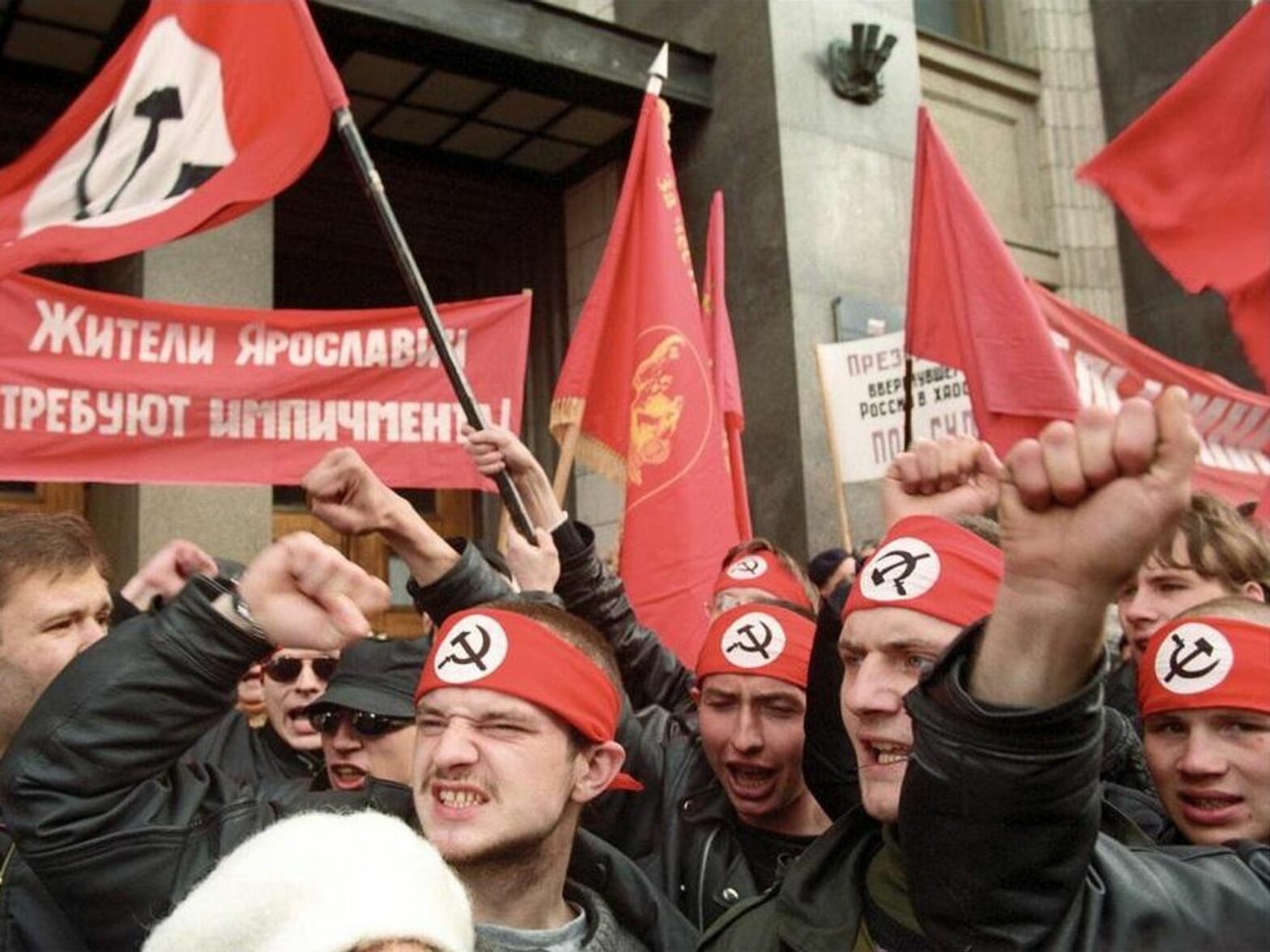
It is a mistake to attribute the construction of authoritarianism in modern Russia to Putin alone. Serhiy Gromenko, an expert at the Ukrainian Institute for the Future, explains the evolution for how Russia wound up an authoritarian state, and why Putin isn’t the only one to blame.
Daniel Ortega is inaugurated as president of Nicaragua for the first time on this day in 1985. What is Daniel Ortega known for? Daniel Ortega led the Nicaraguan Revolution, which overthrew the regime of Anastasio Somoza Debayle and was meant to liberate the small central American country from U.S. imperialism. Ortega’s first term of president […]
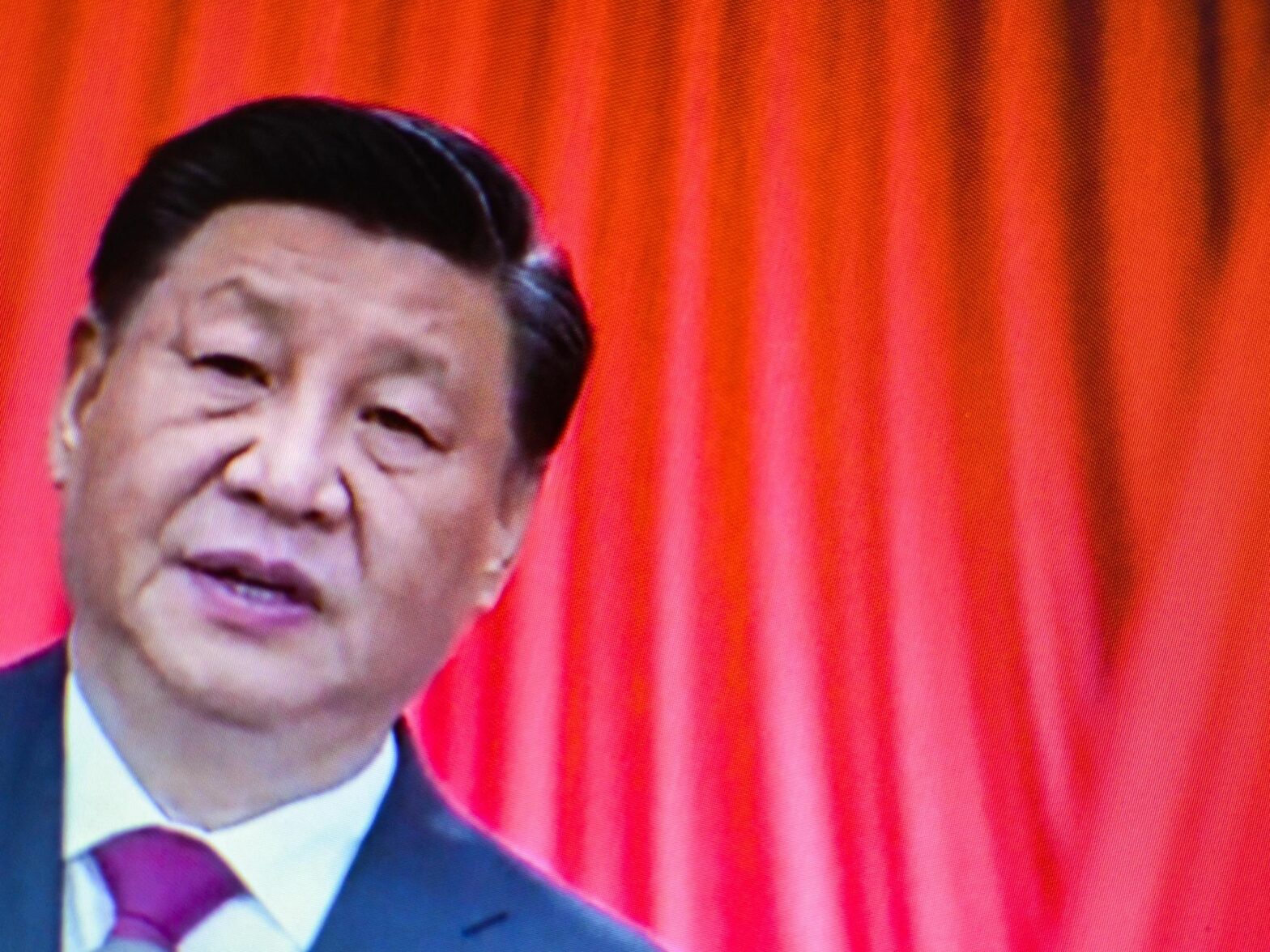
My fear for China’s future has never been greater…
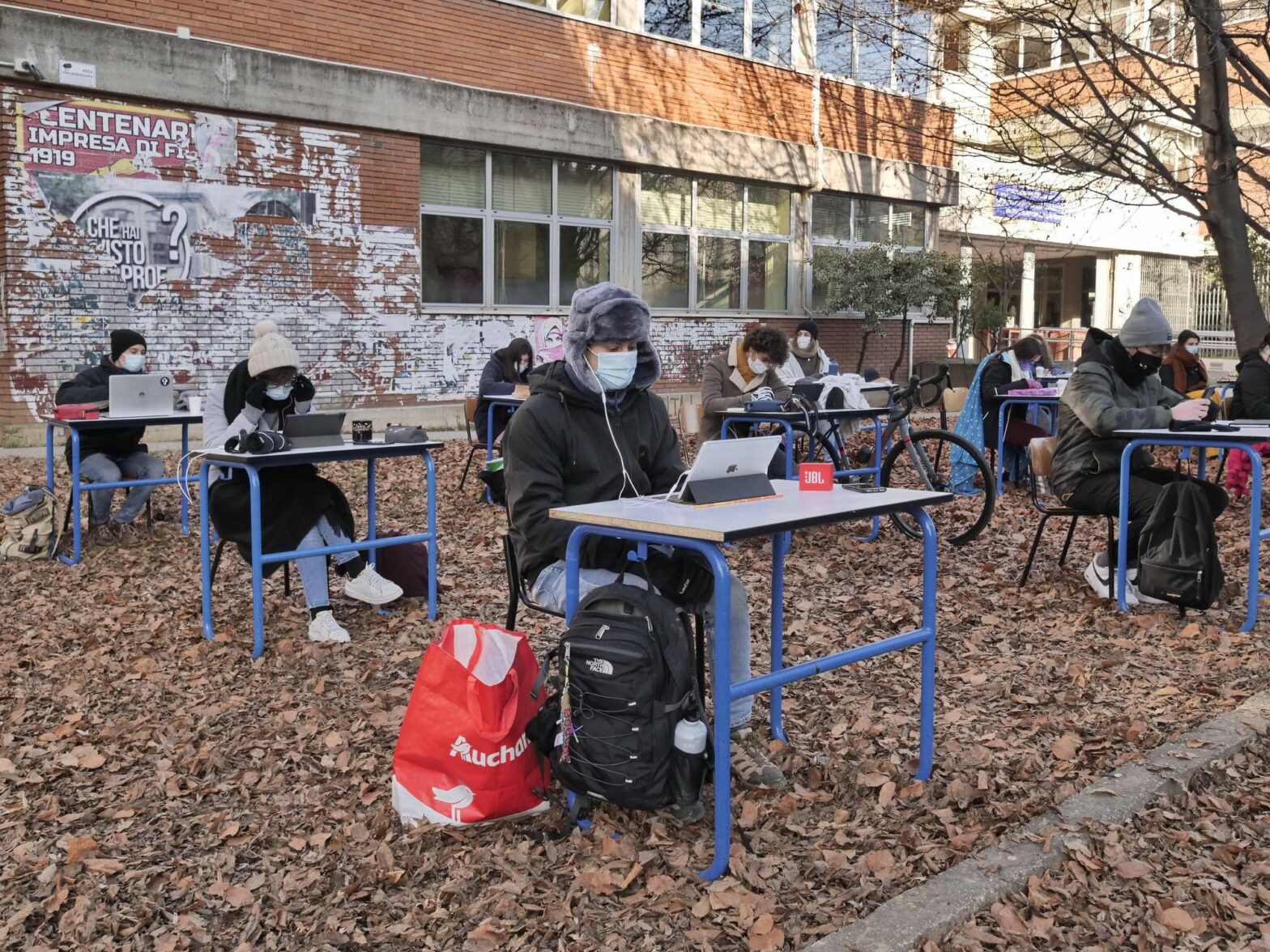
Authoritarianism and conflict are on the rise around the world. Yet democracy will not be saved on the battlefield but in the classroom. Schools, and more importantly, how teachers teach is crucial in showing the next generations that there is no single defining point of view.
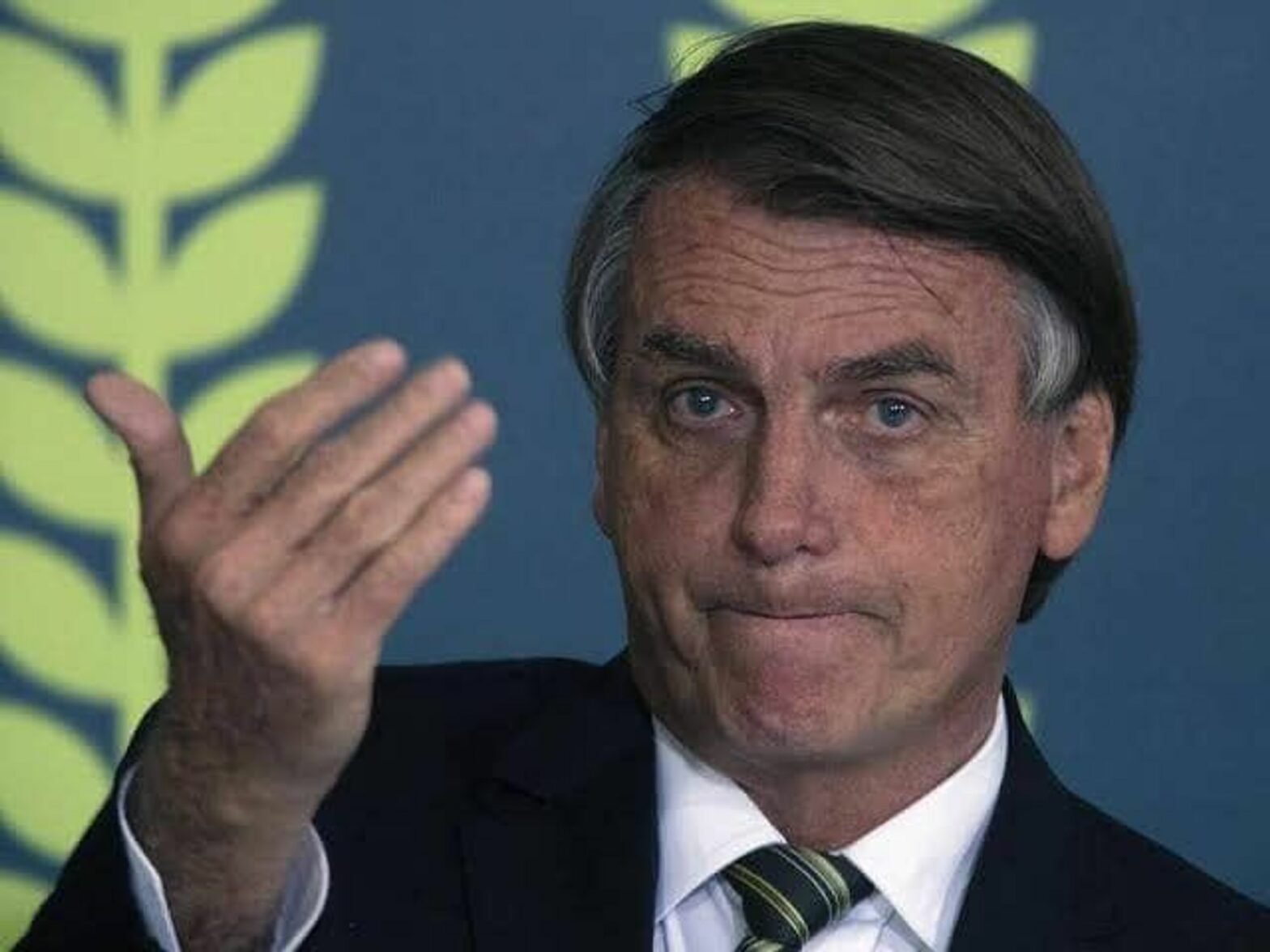
Vladimir Putin, Xi Jinping and Jair Bolsonaro all share what seems a natural antipathy toward women — yet it is ultimately because they fear them. And with good reason: When women participate in political movements, they are more likely to succeed — which is bad news for authoritarianism.
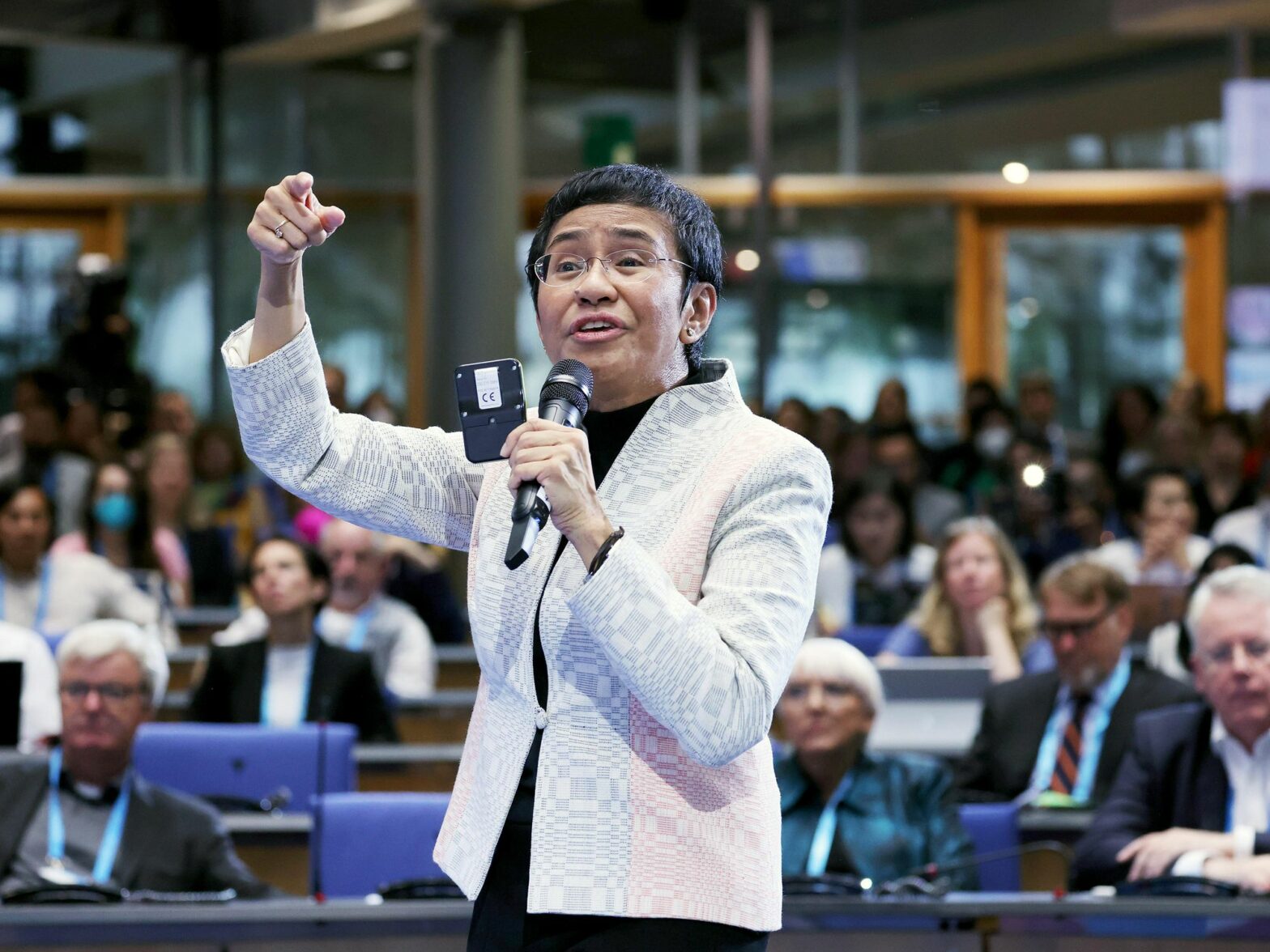
The Rappler CEO and Nobel Peace Prize winner spoke with The Wire‘s Arfa Khanum Sherwani about how journalists everywhere need to prepare themselves for the worst-case scenario of government-ordered closure and what they should do to face up to such a challenge.
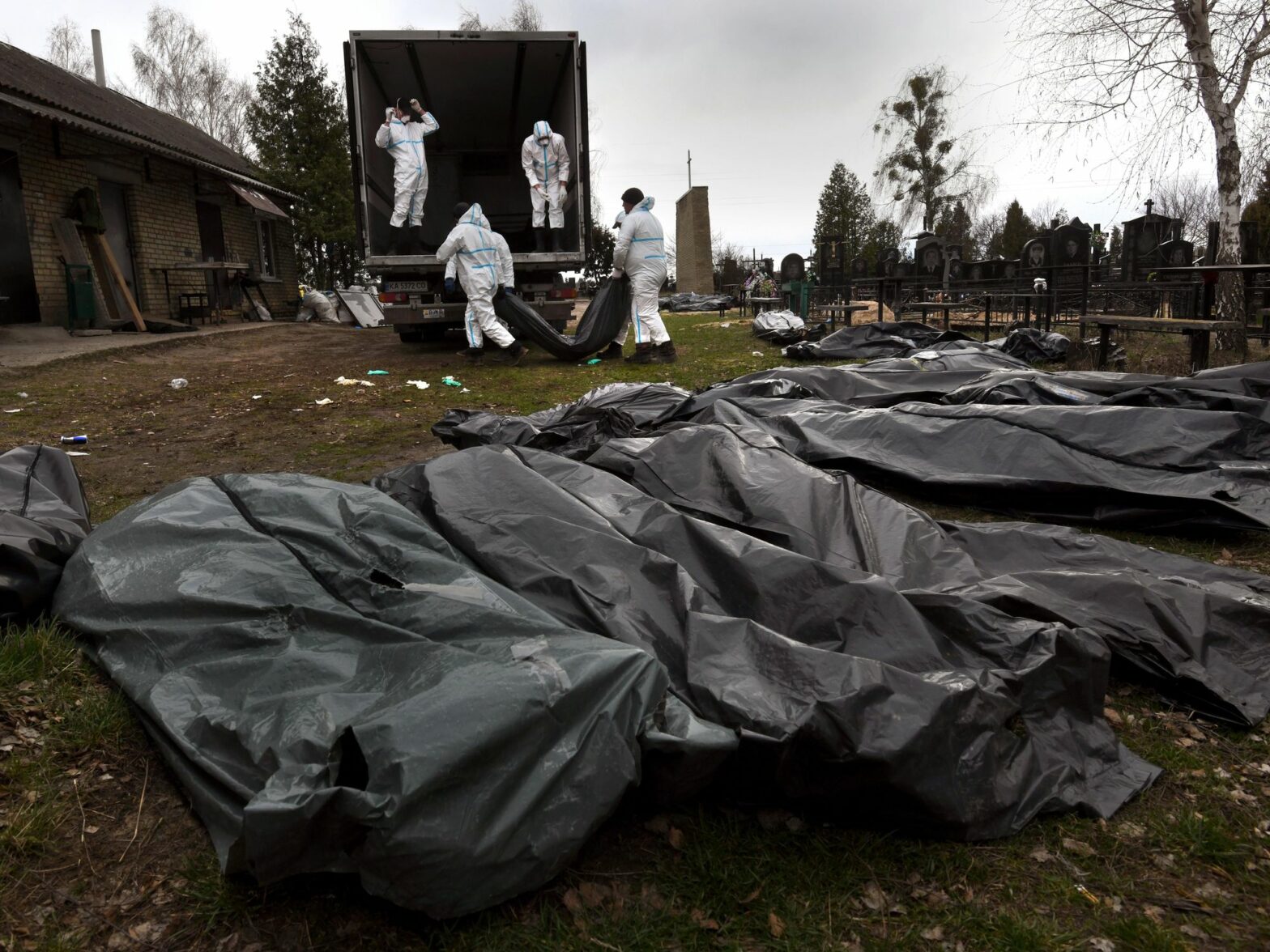
The revelations of the alleged war crimes in Bucha are making Russia’s war more complicated for the leaders of China, who could have supported a victorious Moscow without hesitation, but a humiliated Moscow is a different matter. Xi Jinping and Vladimir Putin’s shared ambitions of a new world order is at stake.
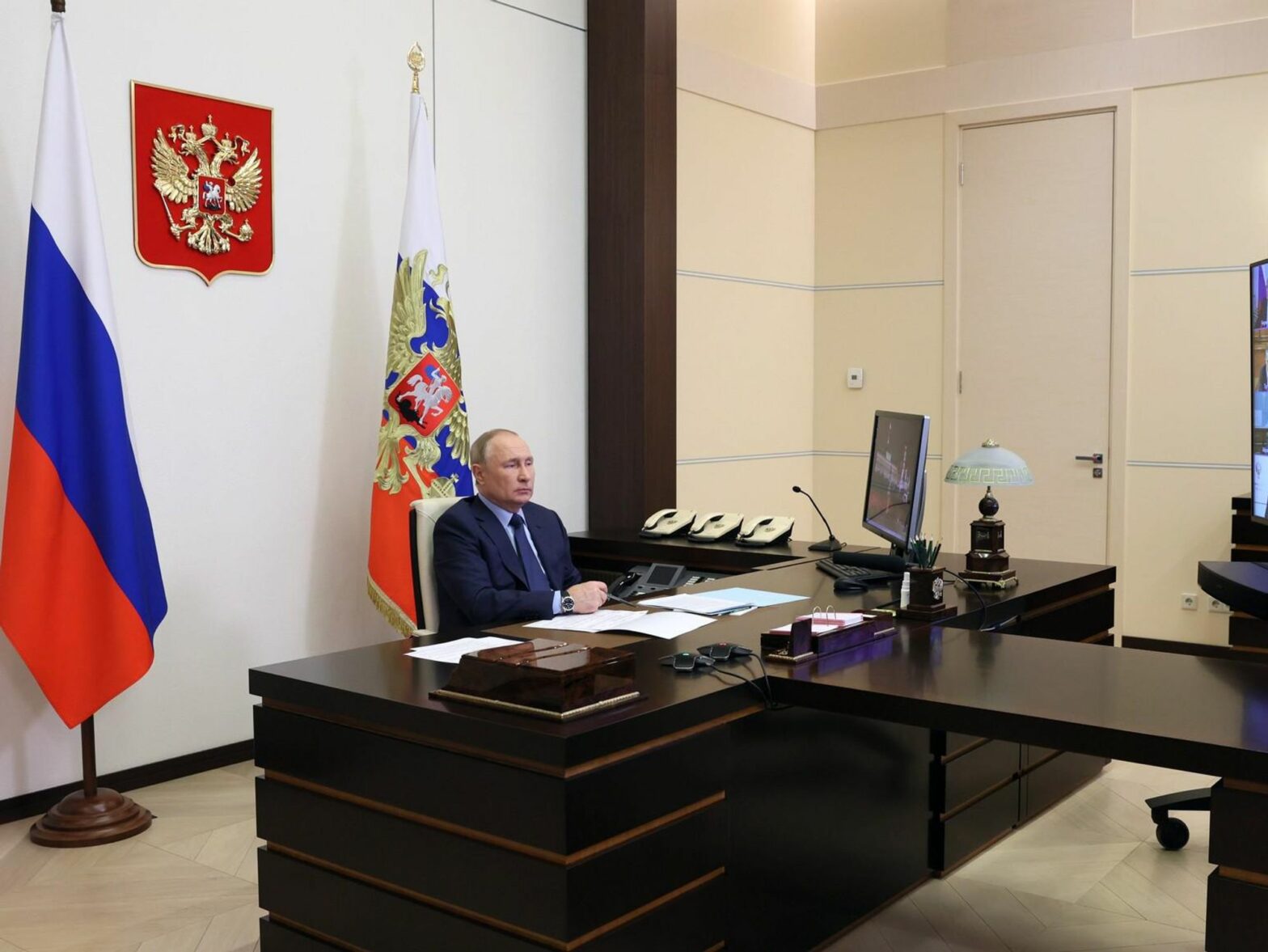
In the year since the arrest of Vladimir Putin’s last opponent a new Cold War has begun. In the absence of internal enemies, Russia’s increasingly powerful yet isolated ruler must turn to external targets.
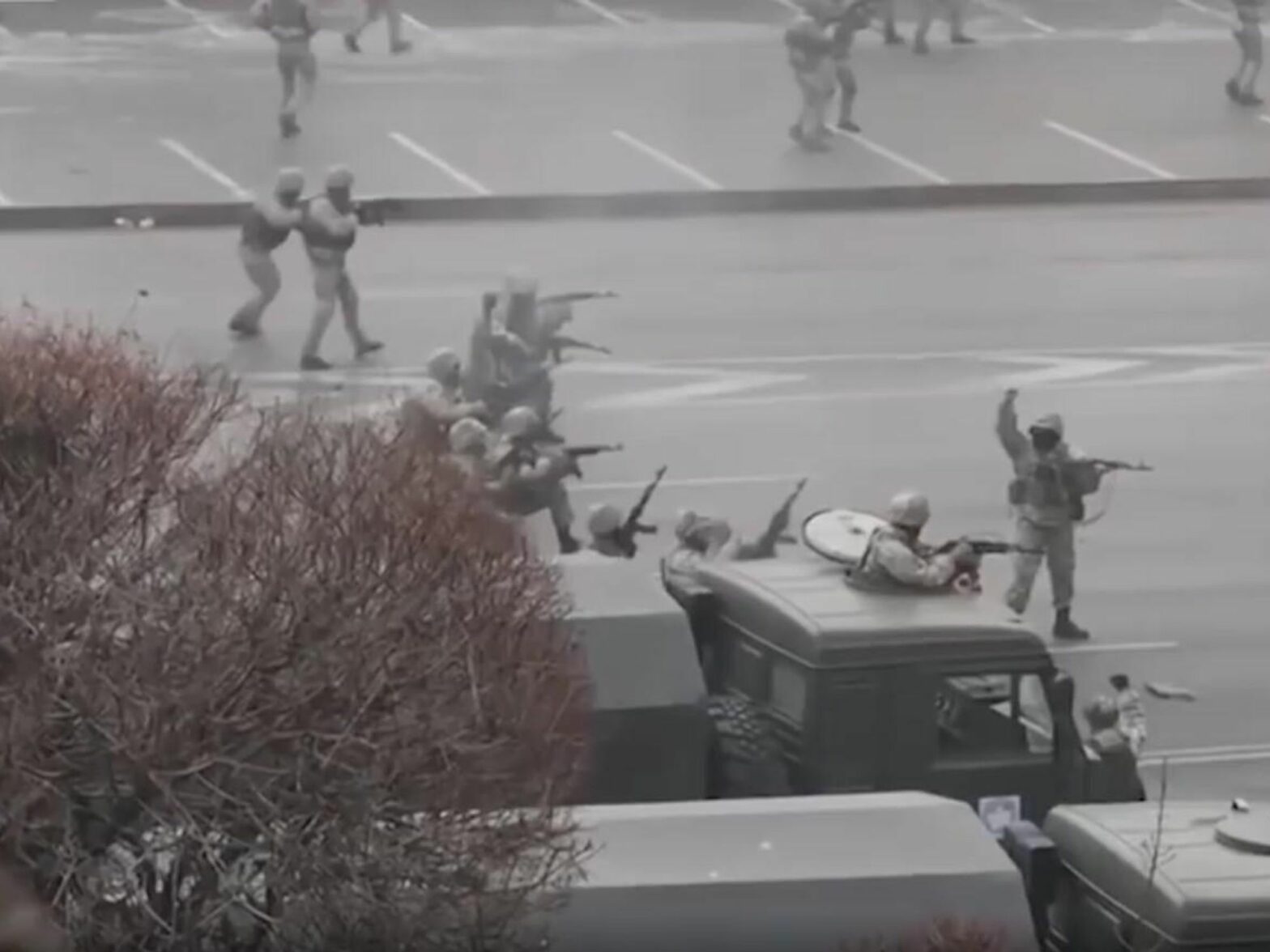
Rising fuel costs were the initial spark for rare public protests in Kazakhstan. But the violent unrest reveals widespread dissatisfaction with the authoritarian regime that has ruled the country since its independence.
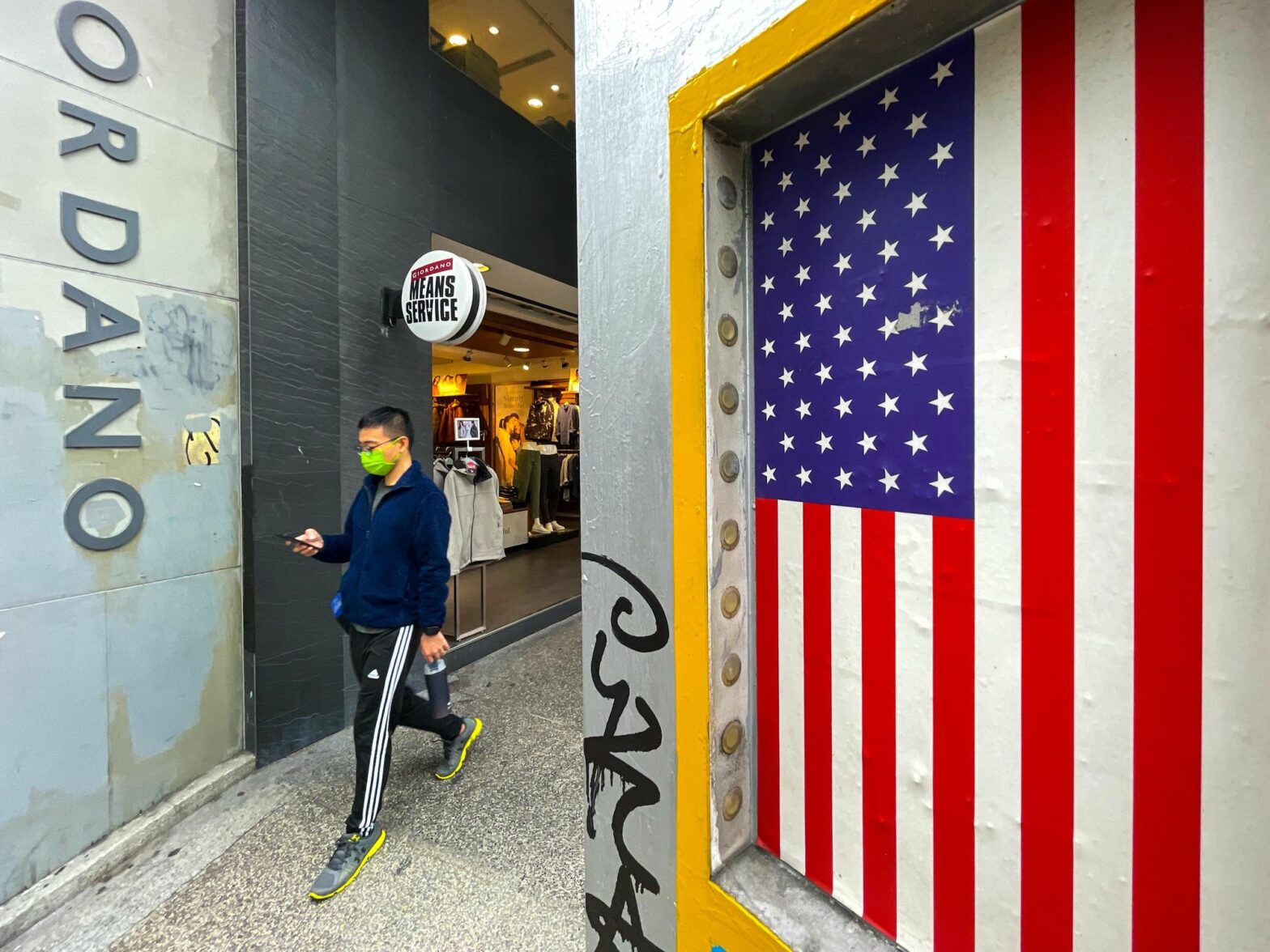
Can the countries the United States have invited to an exclusive summit on democracy safeguard and spread a system that is inherently flawed and fragile?
More than 20 people have been killed since demonstrations erupted against a government plan to raise taxes. Dozens more are missing, and yet some insist still on blaming the protestors.
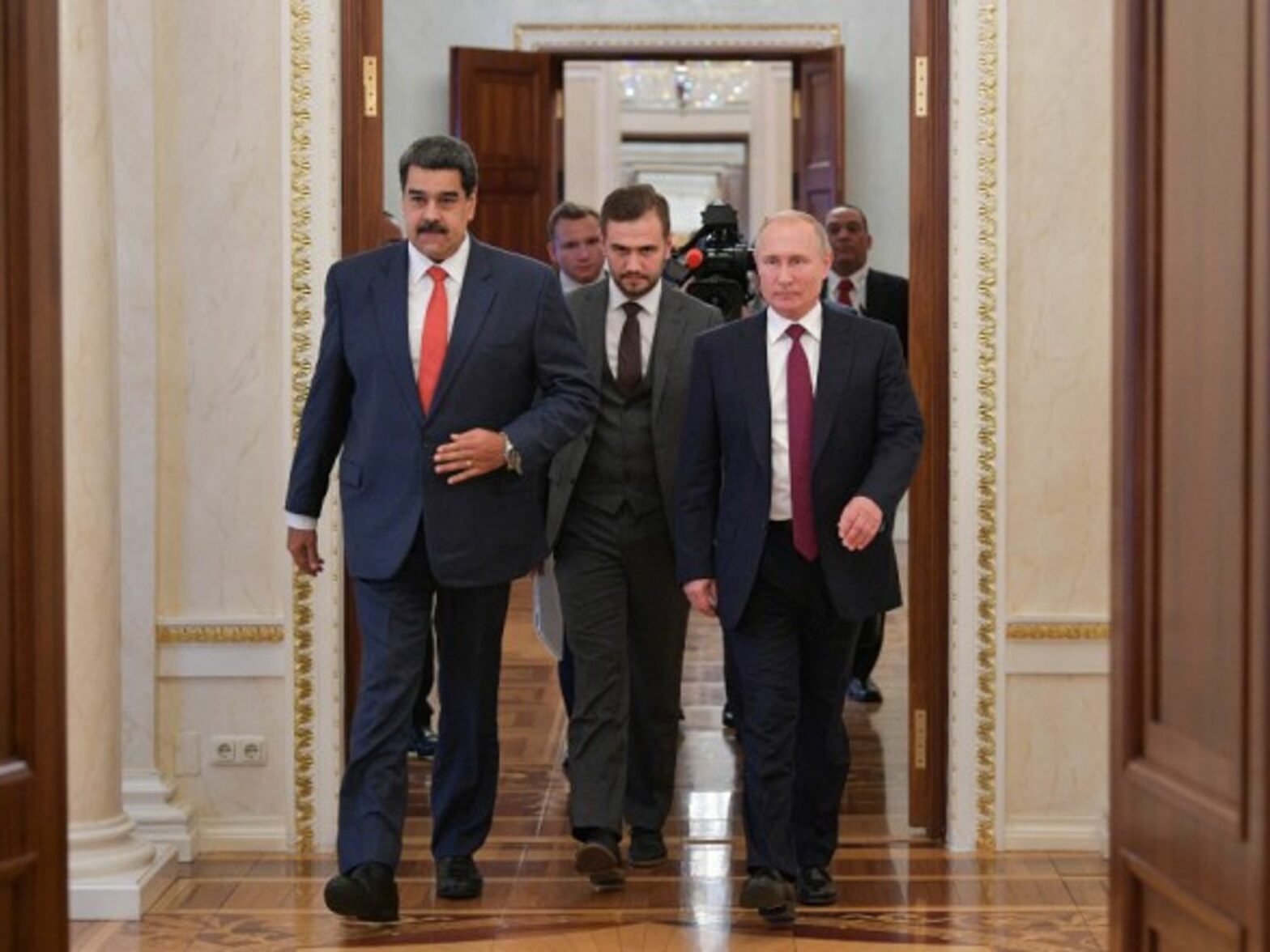
The region’s democratic states must close ranks and work with the United States to protect the rule of law at home and abroad against ‘an authoritarian onslaught,’ Rubén M. Perina* writes in Clarín.