The Kremlin is shutting off access to crucial data on its population and economy. What did those figures reveal — and why is the government afraid of them?
 Worldcrunch
Important Stories (Важные Истории) – is an association of independent Russian-language journalists created in 2020 focused on reportage, investigative reporting and data research.
The Kremlin is shutting off access to crucial data on its population and economy. What did those figures reveal — and why is the government afraid of them?
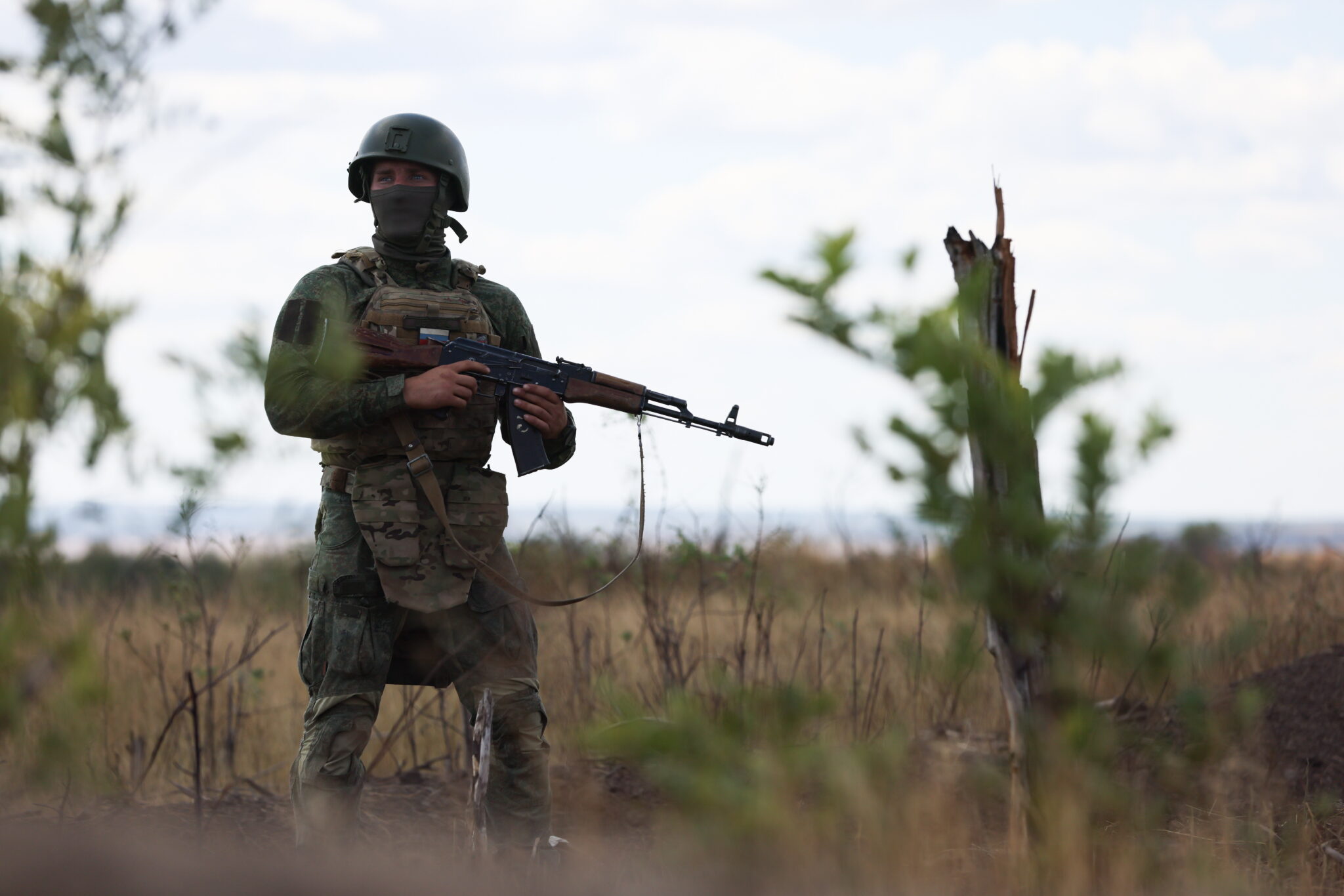
Some 49,000 soldiers have deserted from the Russian army. But to avoid the harshest charges or being sent forcibly back to the front, some are surrendering promptly in the hopes of being sent simply to prison.
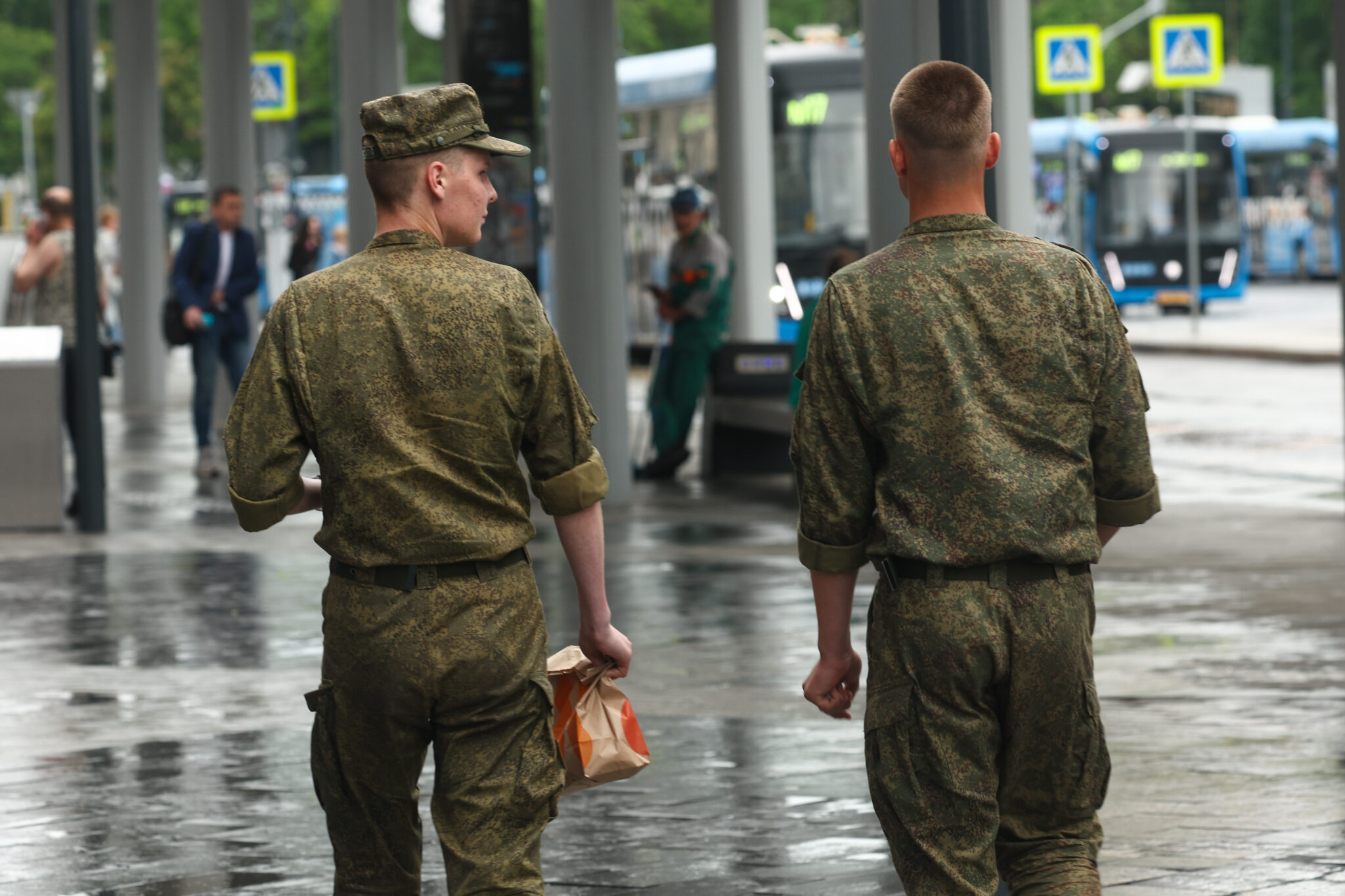
Some Russians who have gone to war are making big money: for signing a contract, monthly pay, injury insurance, and benefits in case of death. Unsurprisingly, many are eager to illegally get their hands on that money — from frontline commanders to women marrying the most vulnerable.
Journalist Katya Bonch-Osmolovskaya of “Important Stories” on how Ukrainian children taken to Russia led to an arrest warrant for Putin, but they were then forgotten.
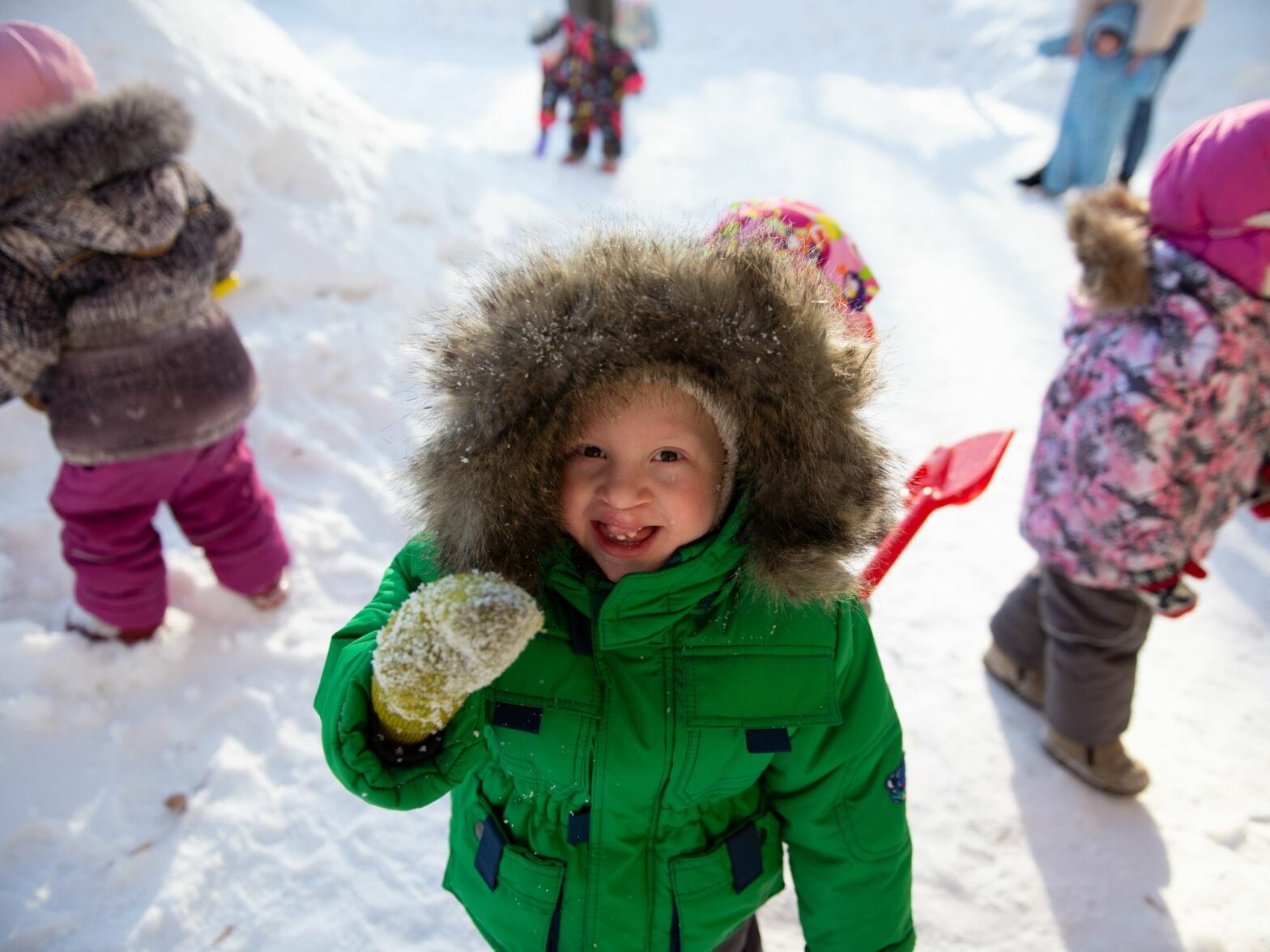
This past year, 2024, was the first where zero foreign adoptions from Russia were recorded, as Moscow has moved to clamp down on international placements.
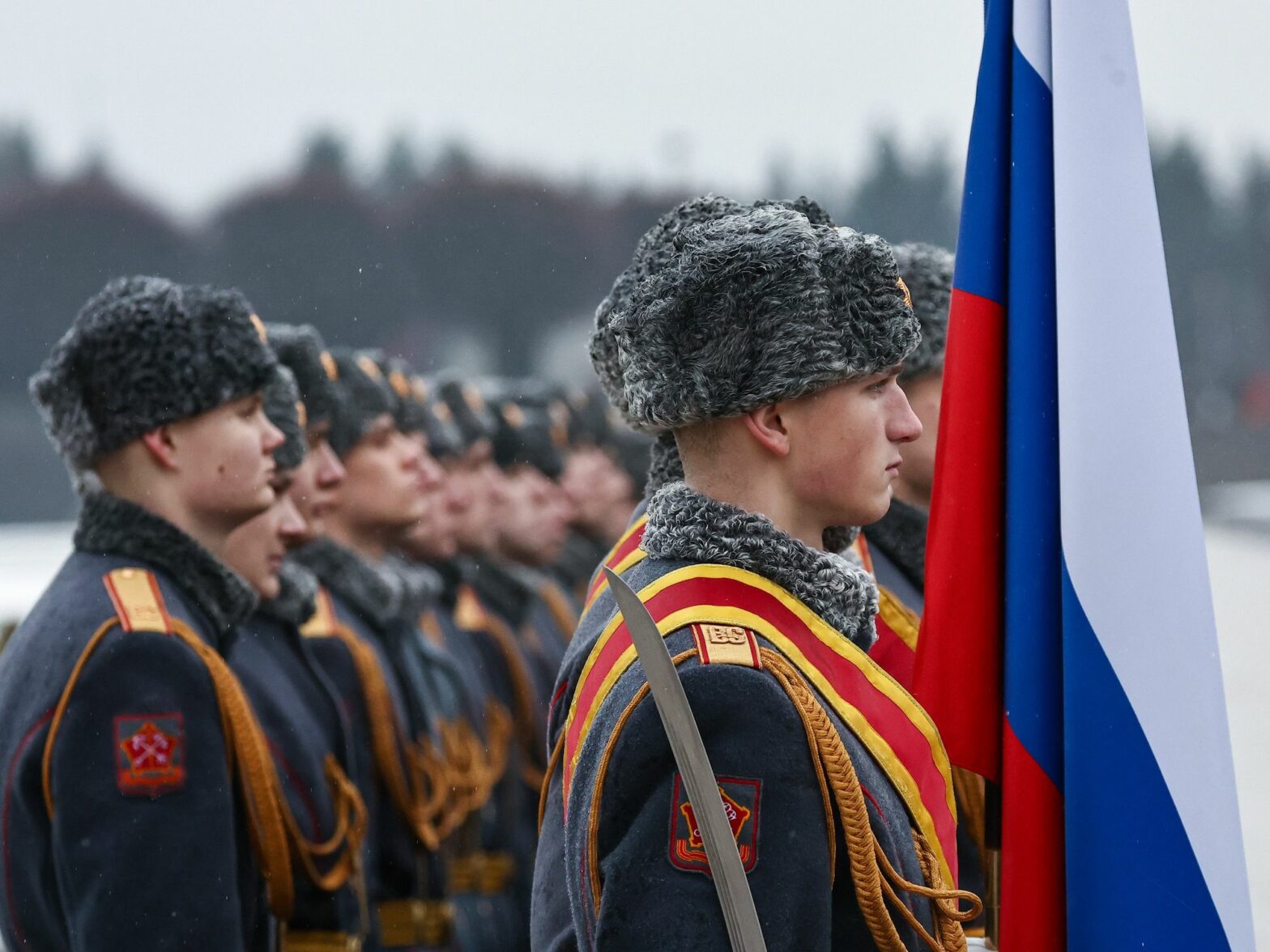
The war in Ukraine has reached a stalemate, and a ceasefire appears increasingly likely. Painful compromises with the aggressor may be inevitable. But what comes next?
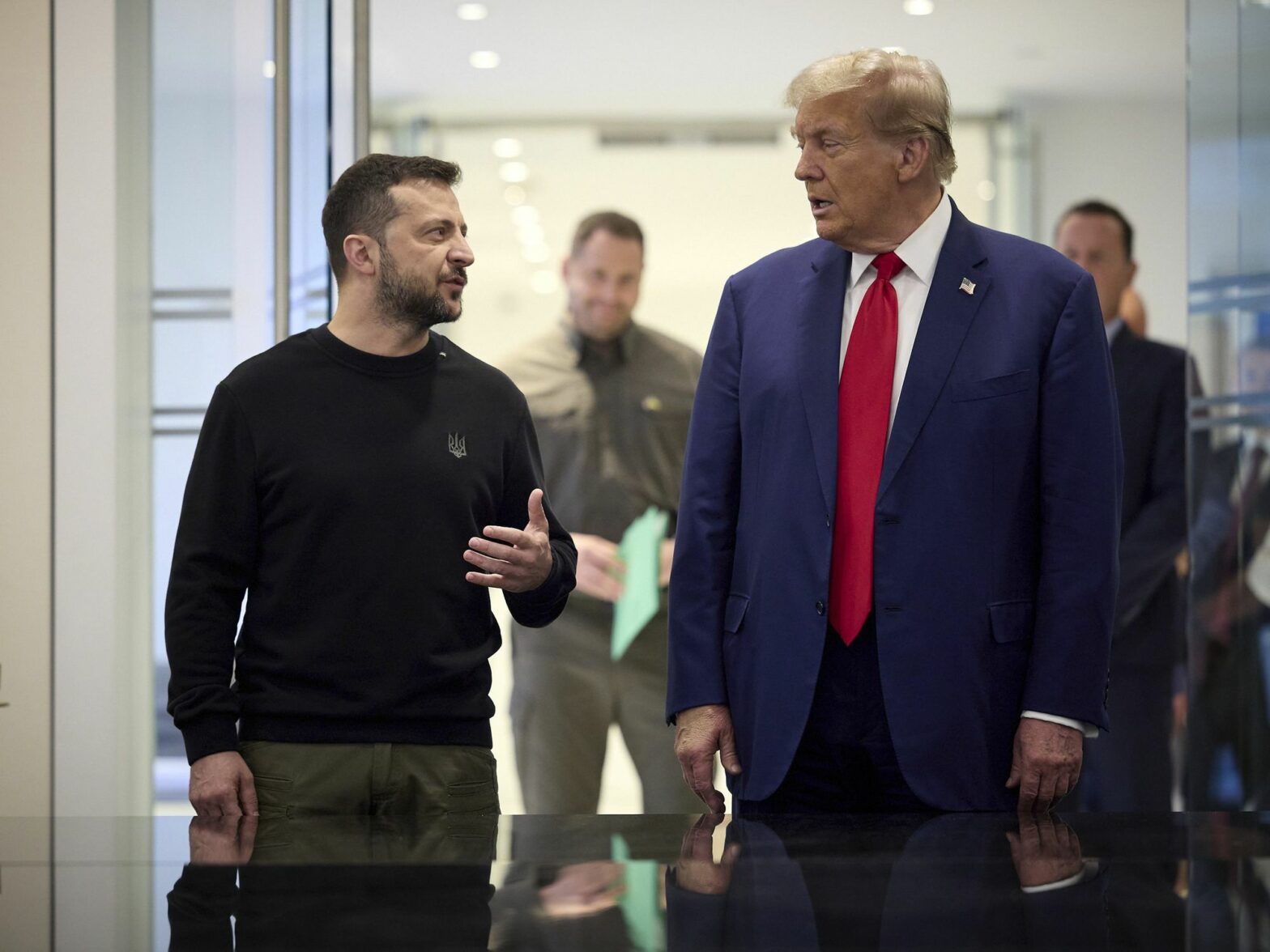
As a candidate, Donald Trump promised to end the war in Ukraine within his first 24 hours in office — a deadline the US president has now missed. Even so, negotiations to end the three-year conflict are expected to accelerate. What are Russia, Ukraine and the United States’ current positions? And what do experts think will happen?
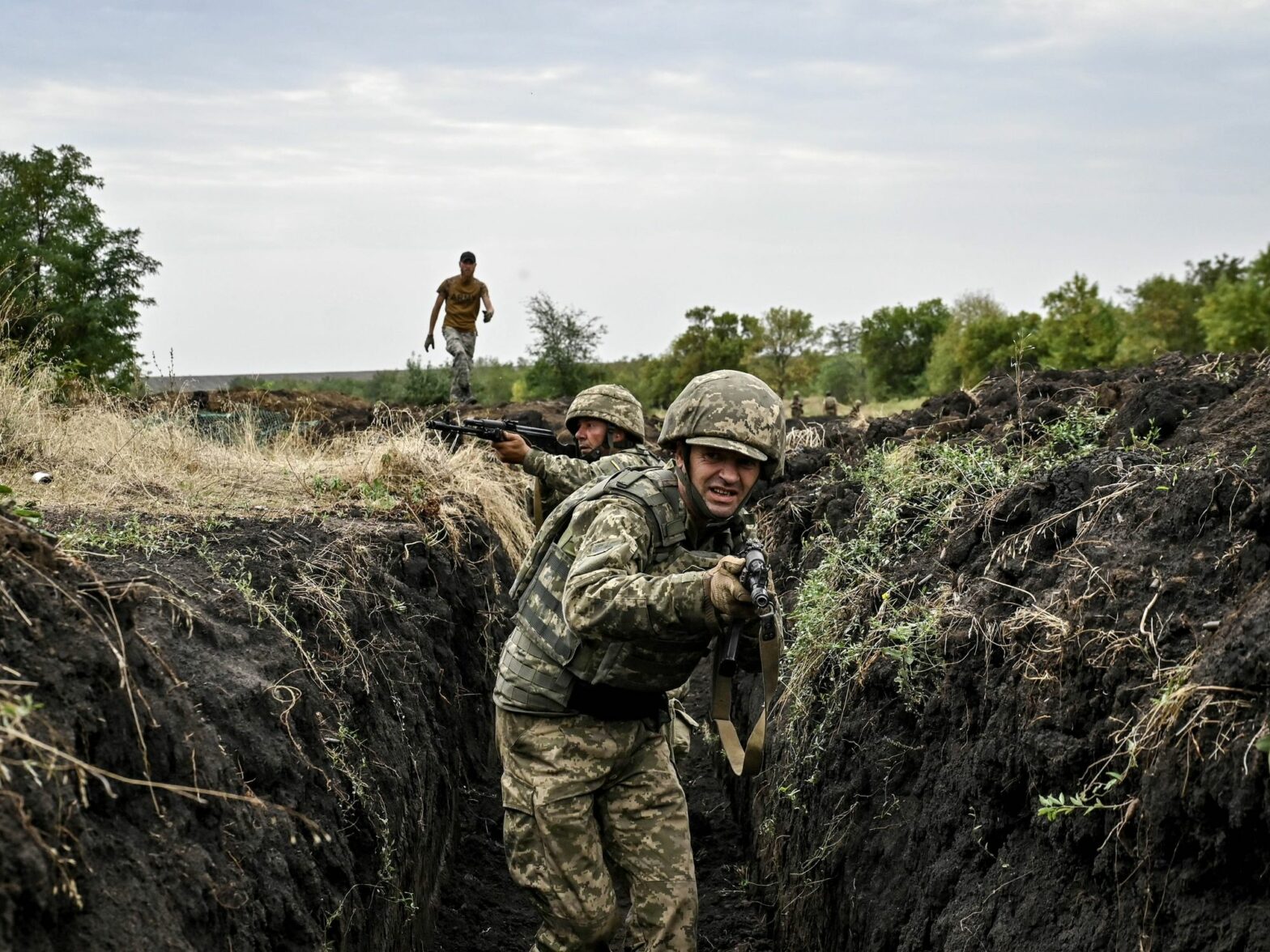
Drones and other new technologies are important, but the foundation of success remains the mobilization of the economy, numerical superiority, and artillery. A military expert reflects on three years since Russia’s invasion.
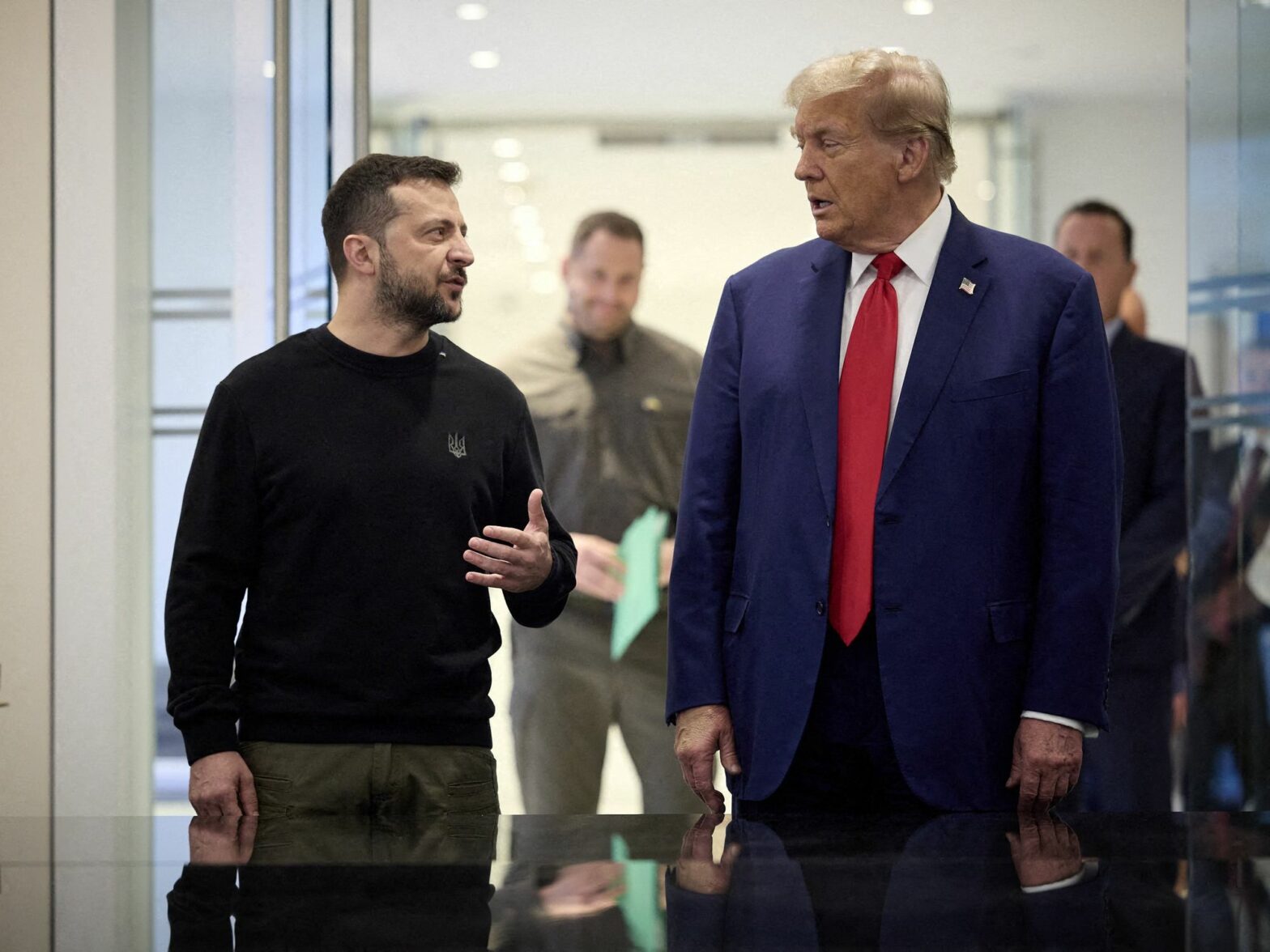
The key question is whether any peace agreement will satisfy the U.S. president, or if he will push for real security guarantees for Kyiv. The question is what Trump will do if Russia or Ukraine (or both) refuse to negotiate on U.S. terms and are not intimidated by the threats of the American leader.
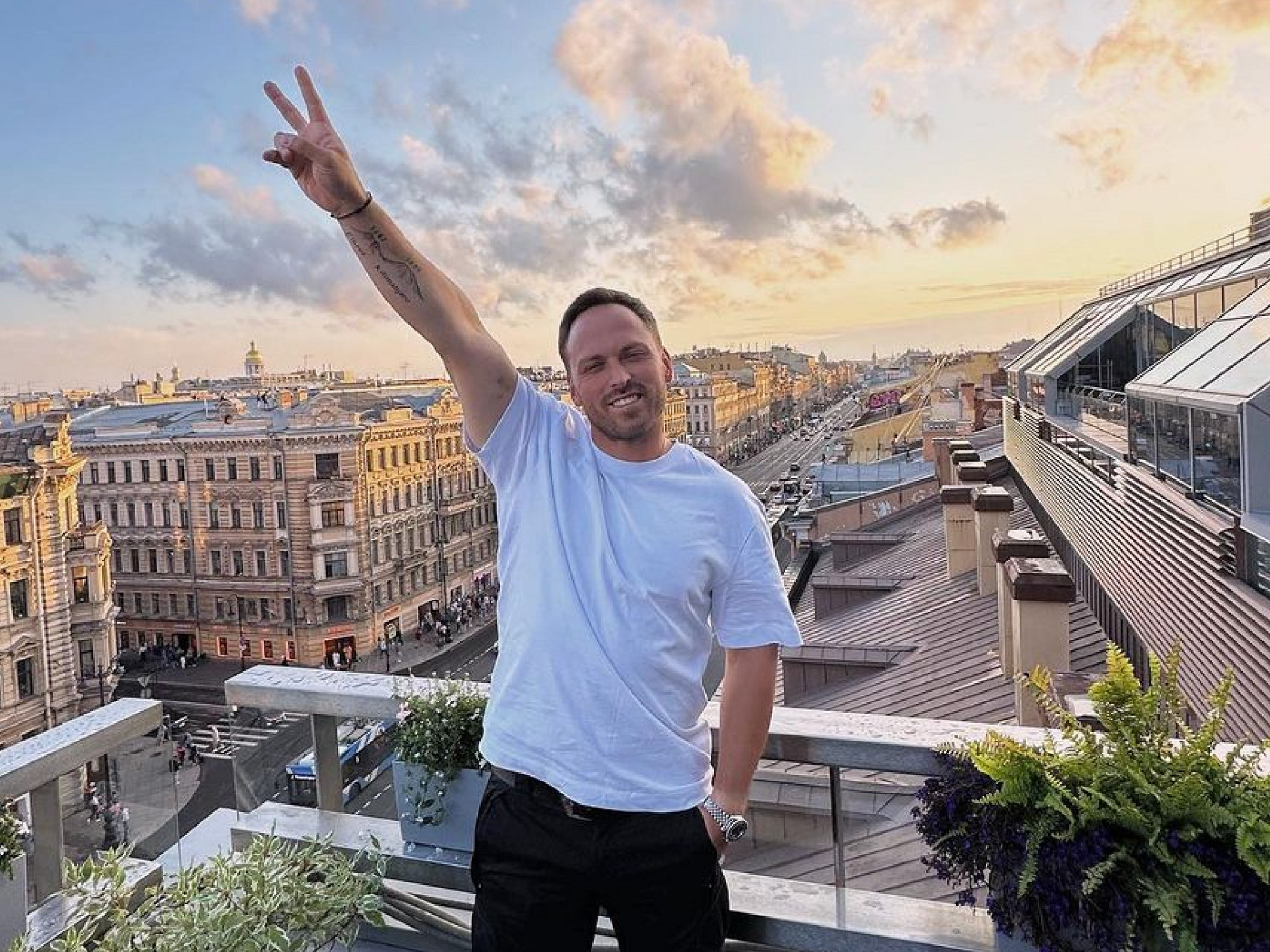
The offspring of Russia’s elite were used to luxury loft apartments, expensive cars and carefree living. So how did Putin’s successive drafts of new troops impact them? As independent Russian news platform Vazhnyye Istorii found out, life essentially continues as normal.
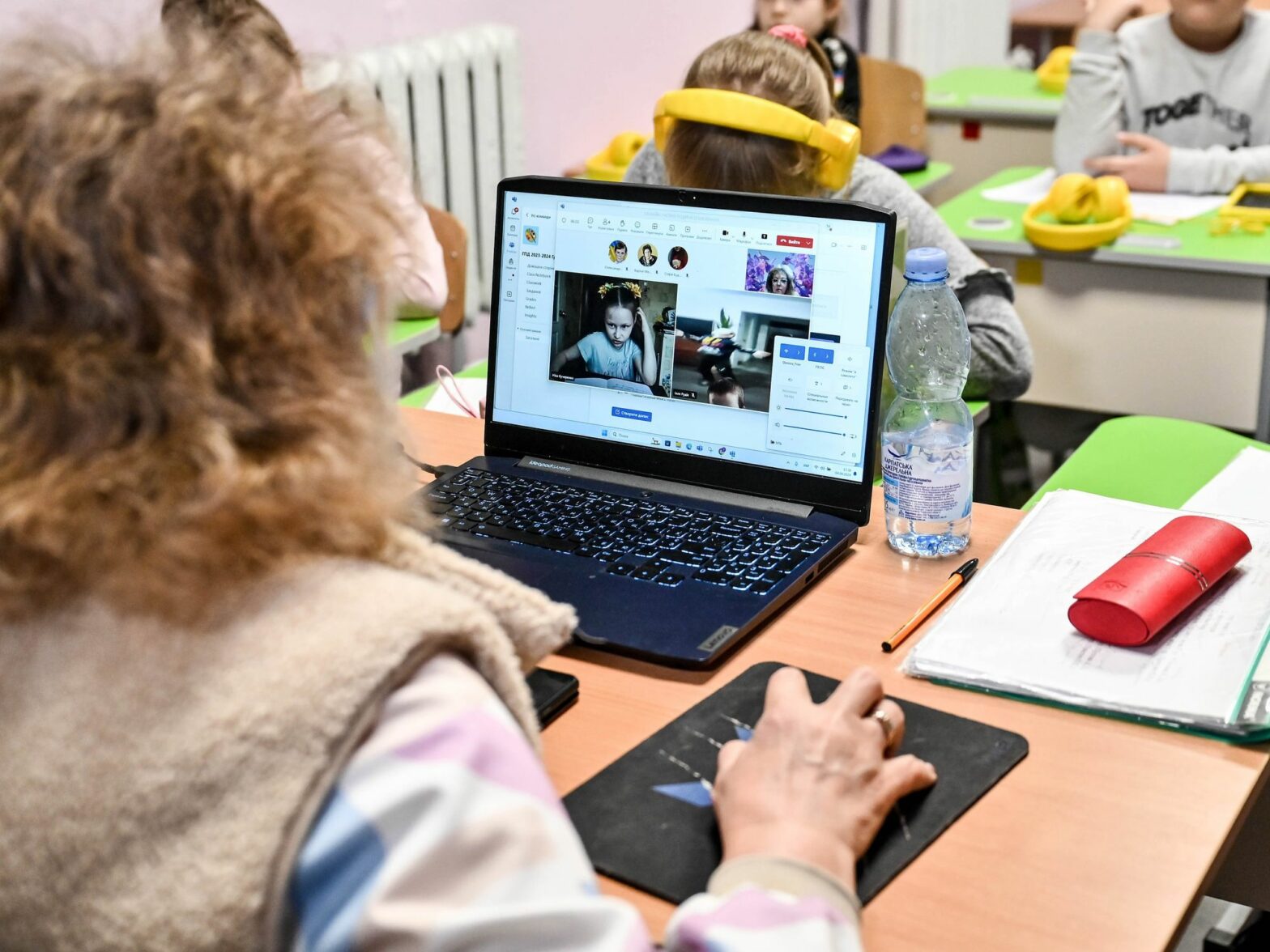
A network of Ukrainian teachers, parents and administrators teach online classes to families trapped in Russian-occupied territories. But it comes with serious consequences if they are discovered.
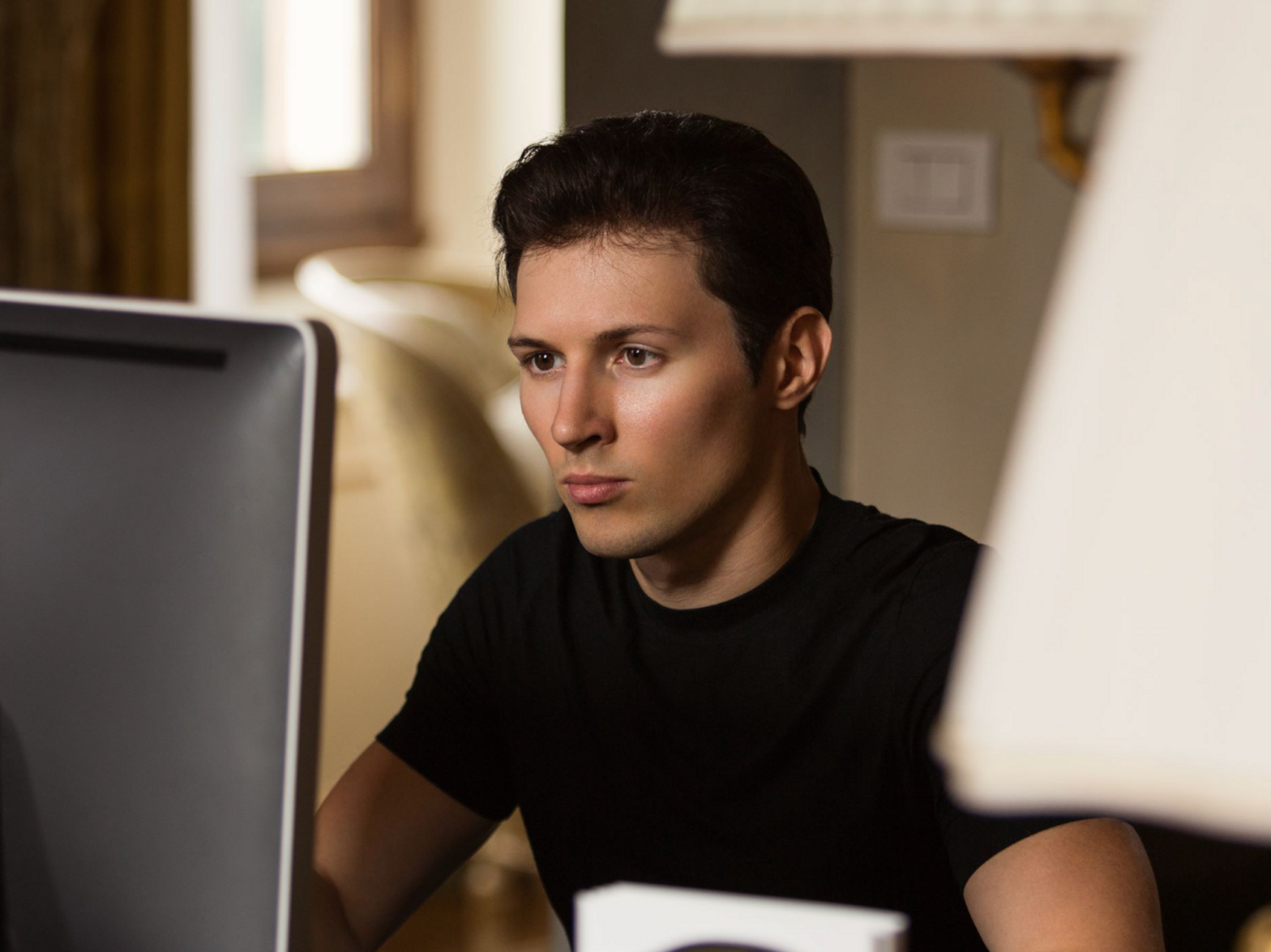
France has accused Telegram CEO Pavel Durov of complicity in managing an online platform to allow illicit transactions by an organized group. But should businesses be left responsible for making decisions about the costs of risks?
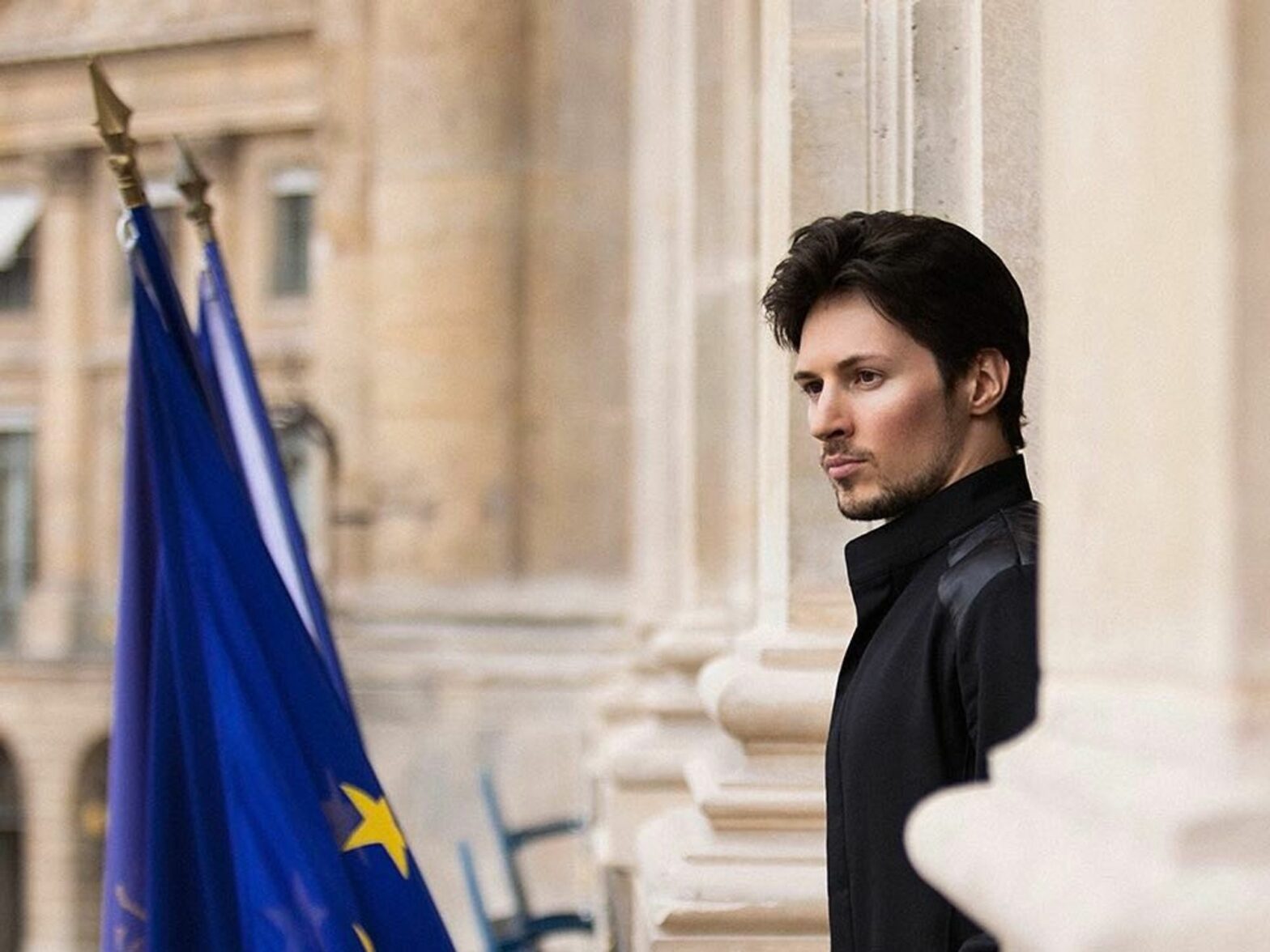
Following the arrest of Telegram founder Pavel Durov near Paris on Aug. 24, independent Russian-language media Important Stories looks into the claims Western authorities have made against Durov since the messaging application was launched in 2013, always keep its door open to the internet’s darkest corners.
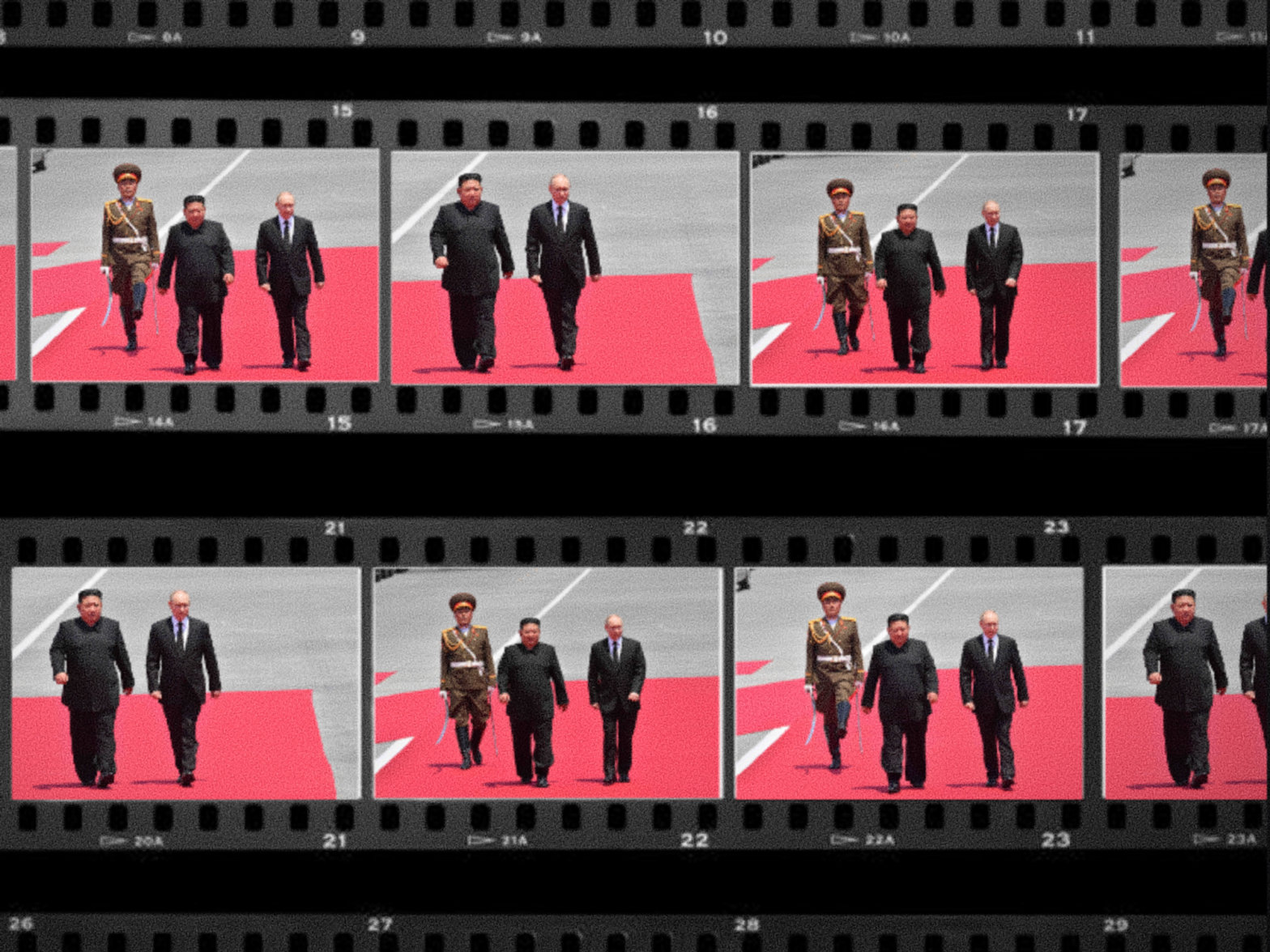
Vladimir Putin presents himself as the leading advocate for multipolarism, but continues to reveal his true world view, where we are divided among those that respect nothing but personal power — and fools.
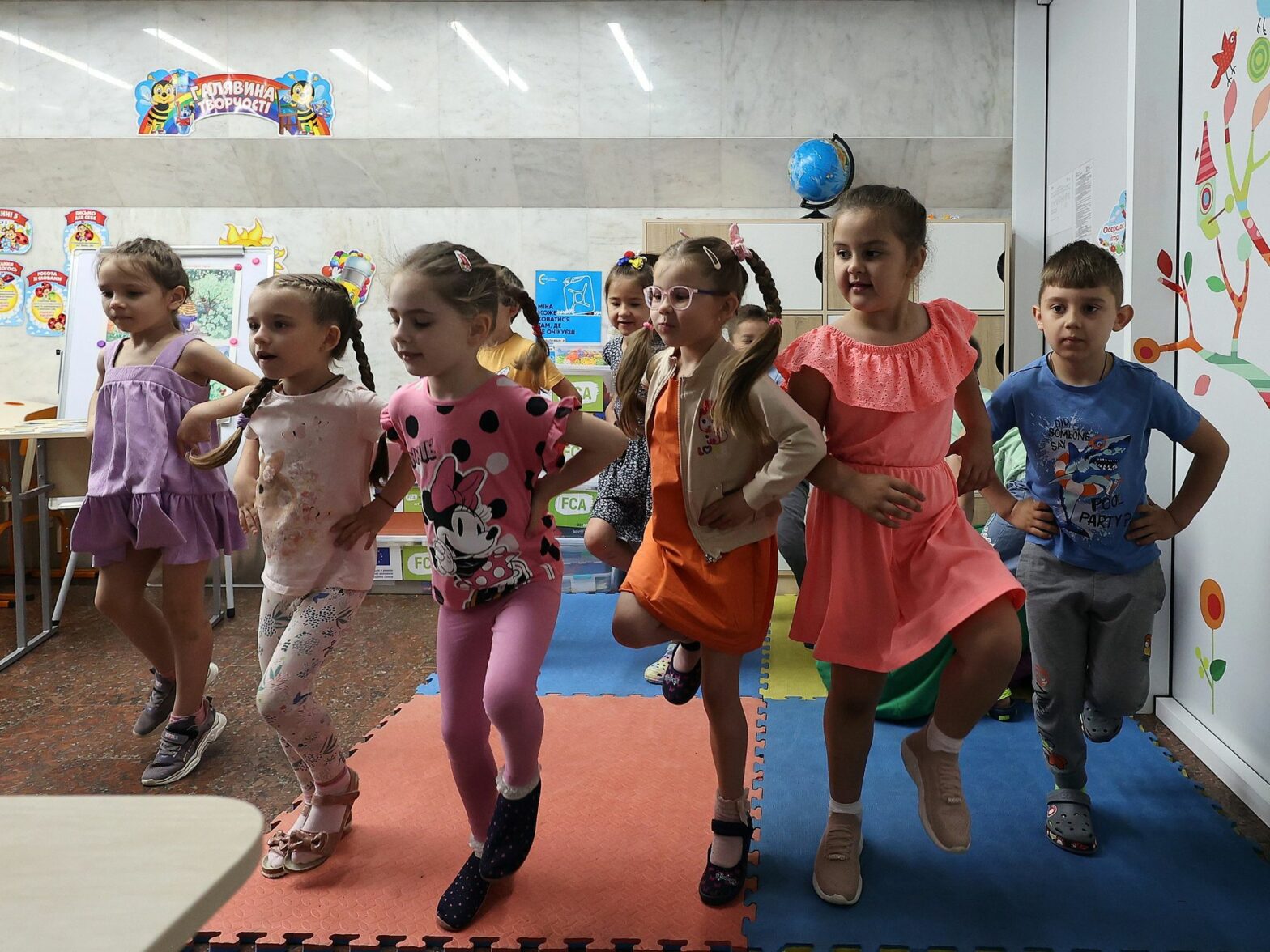
This spring, Kharkiv has been under almost daily shelling. Yet cafes, beauty salons, theaters and shops are still open in Ukraine’s second-largest city, and residents are spending time in parks, jogging and maintaining elements of a normal life.
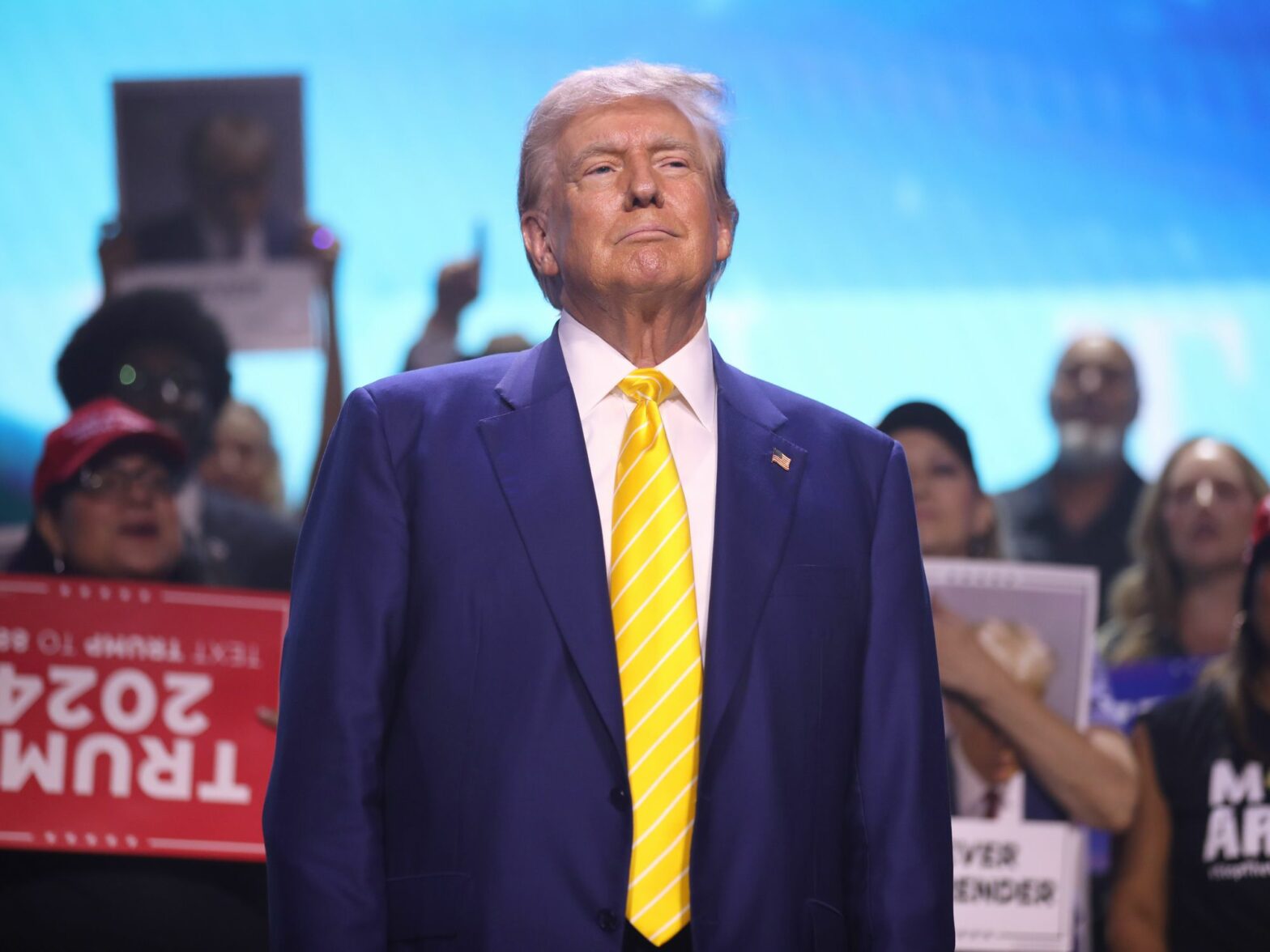
As the U.S. presidential election draws closer, independent Russian-language media Vazhnye Istorii spoke with American politics specialists about the possibility of a second Trump term and what it would mean for the Russia-Ukraine war, traditional U.S. allies and China.
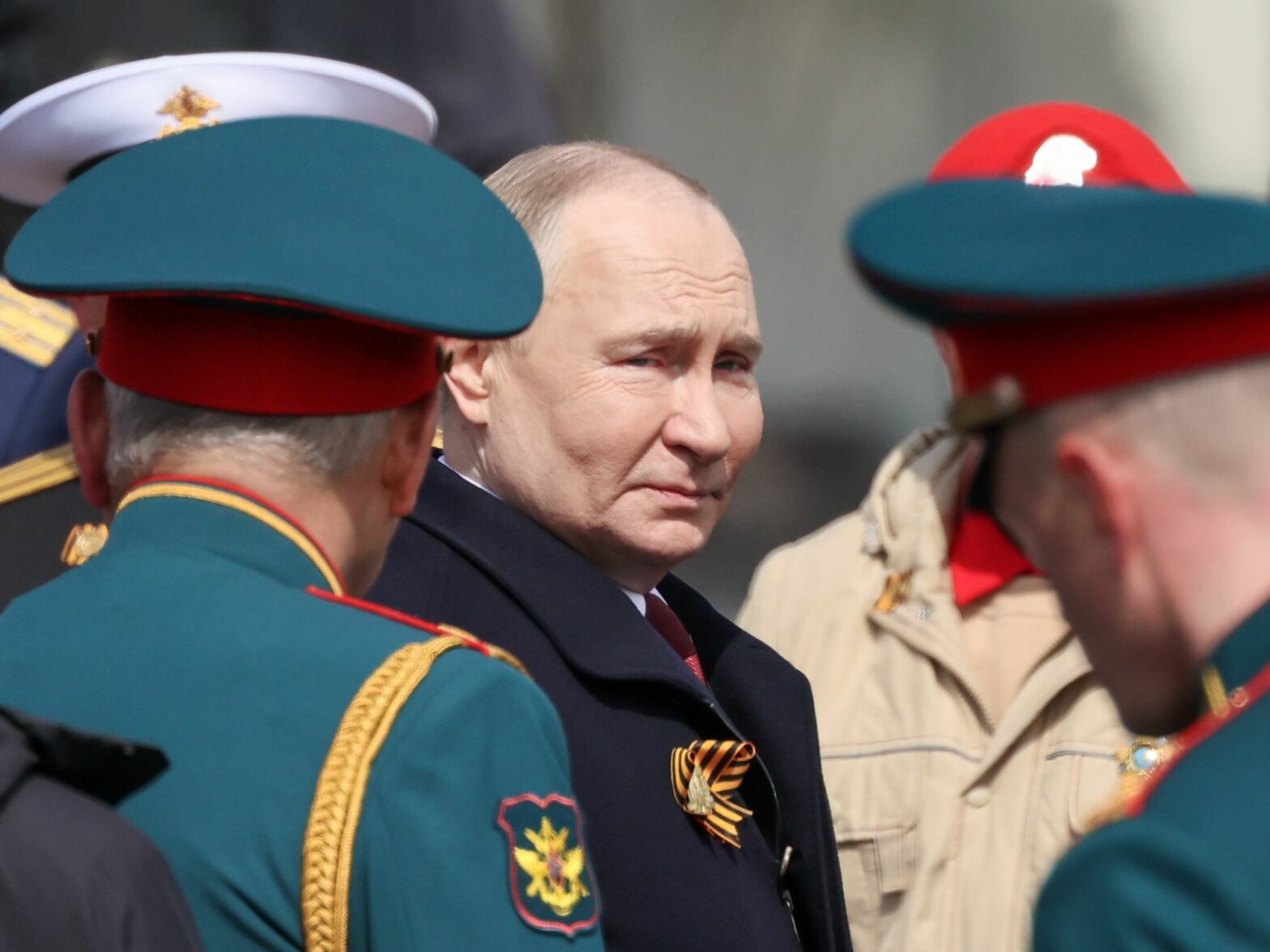
Over the past two weeks, Vladimir Putin has stated four times that Russia is ready for peace talks with Ukraine, but that those negotiations would be based on “current realities at the front,” by which he means maintaining occupied territories under his control.
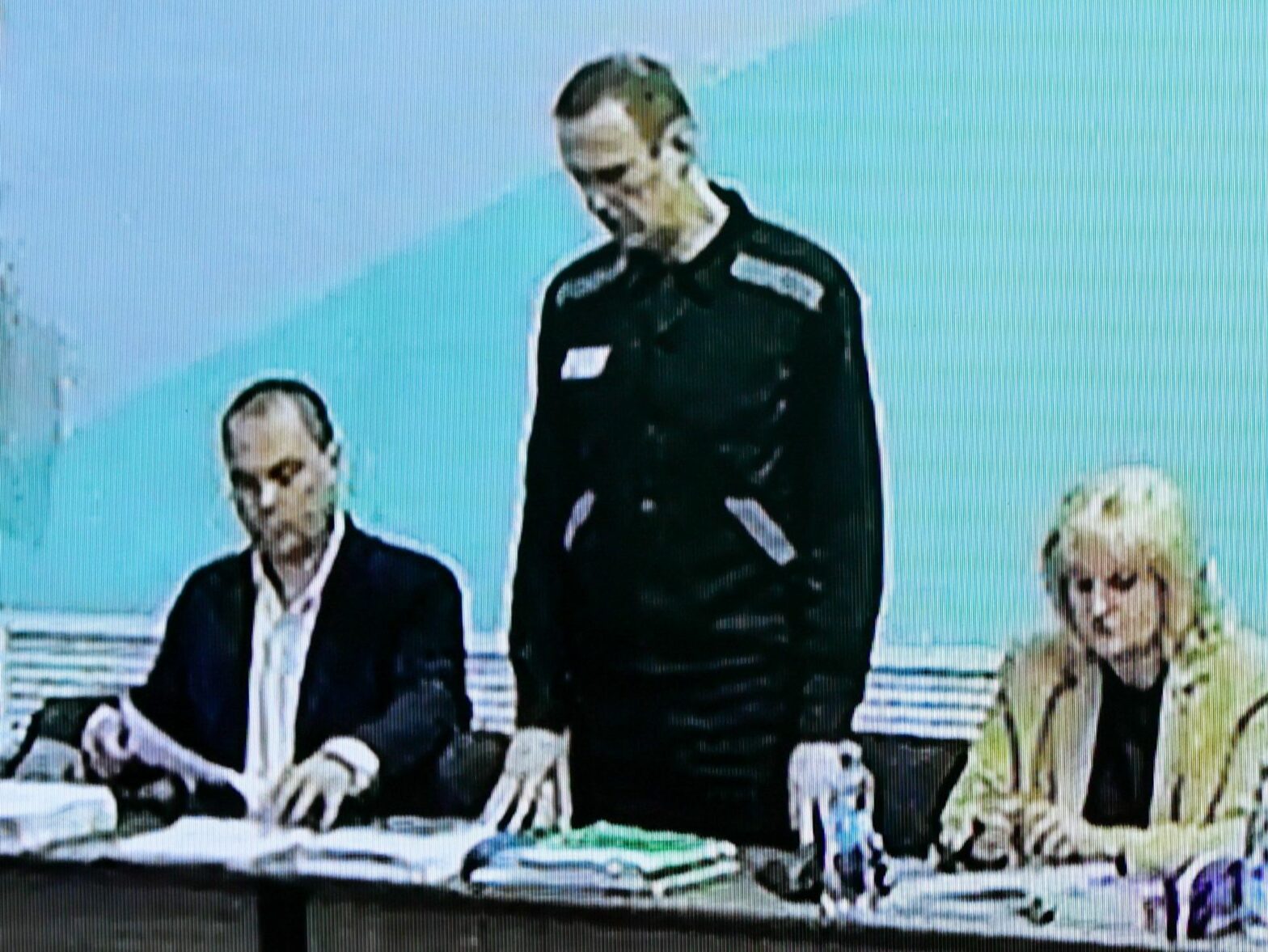
Boris Yeltsin had a technique for not stopping certain top Russian officials from eliminating their opponents. Vladimir Putin refined the practice. So ingrained in the country’s politics, it’s a formula for murder borrowed from mafia dons.
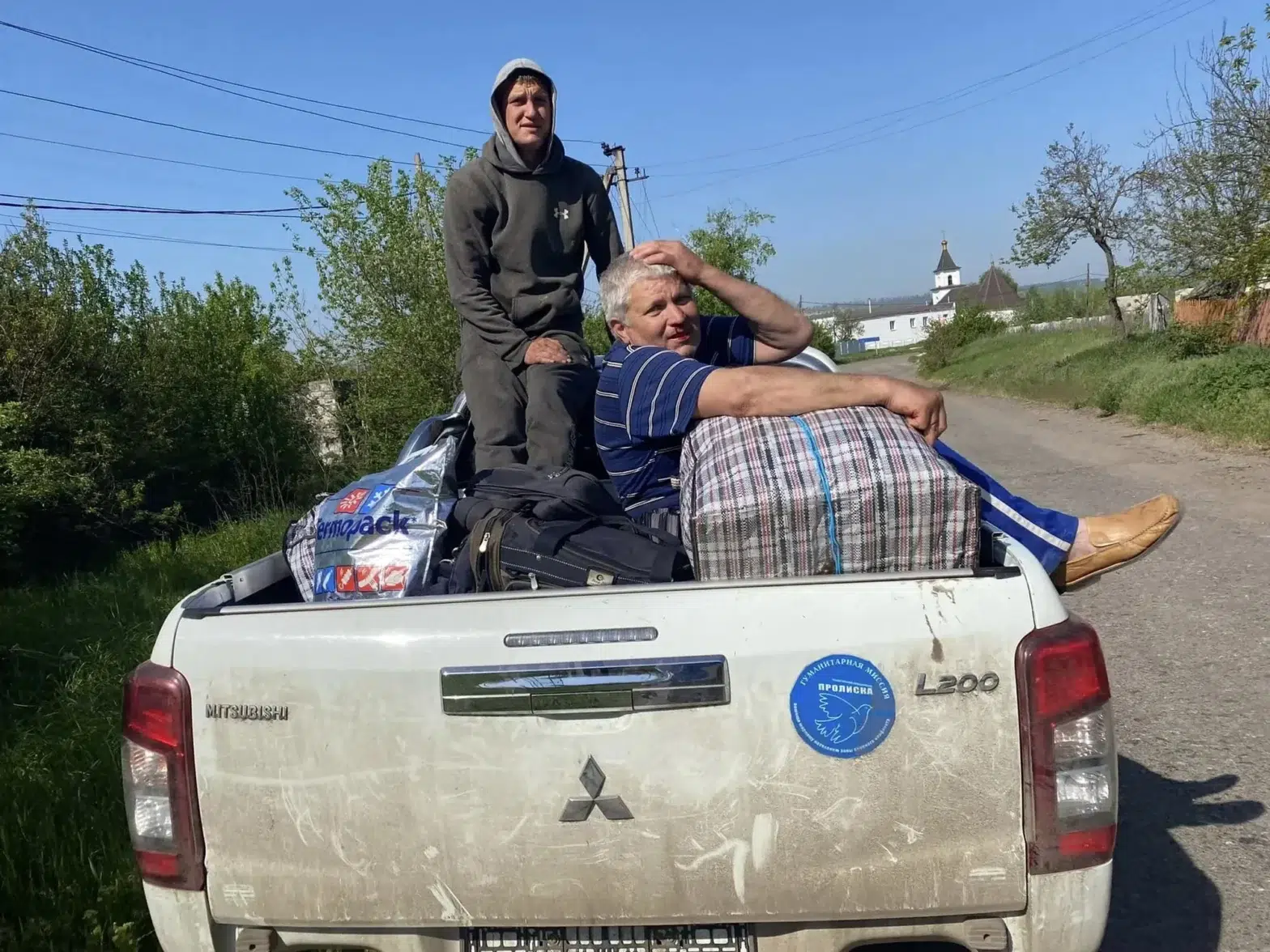
After going on humanitarian missions in Kenya and Rwanda, Ukrainian surgeon Evgeniy Tkachev returned home in 2014 when the Donbas war broke out. He recounts his experiences as a medical volunteer then and now, as his hometown of Chasiv Yar is being stormed by Russian troops.
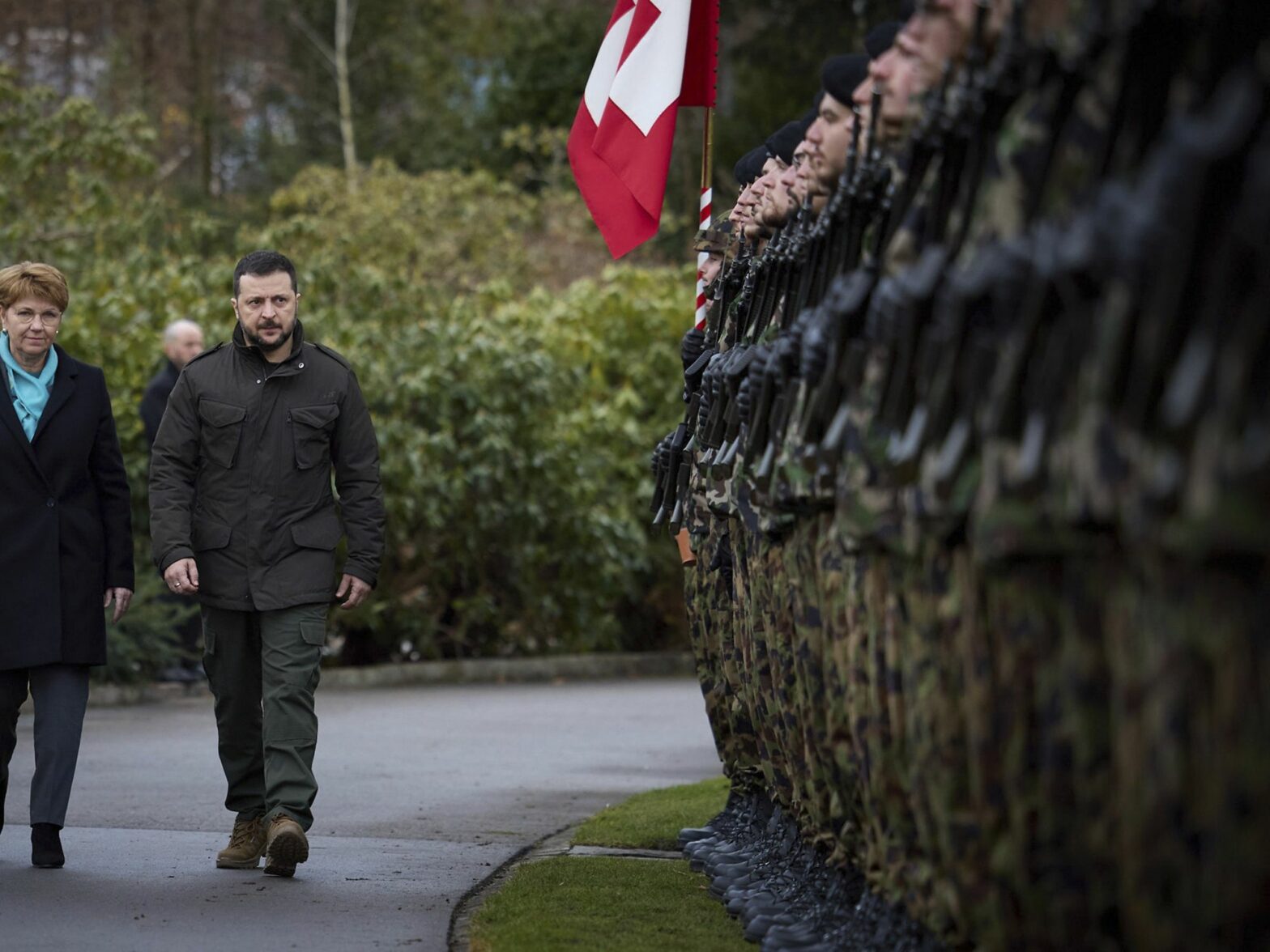
Switzerland announced, on April 10, that it would hold a peace conference on Ukraine in June. While some 100 countries are expected to attend, Russia will not. So what is behind these talks, and what can be expected from them?
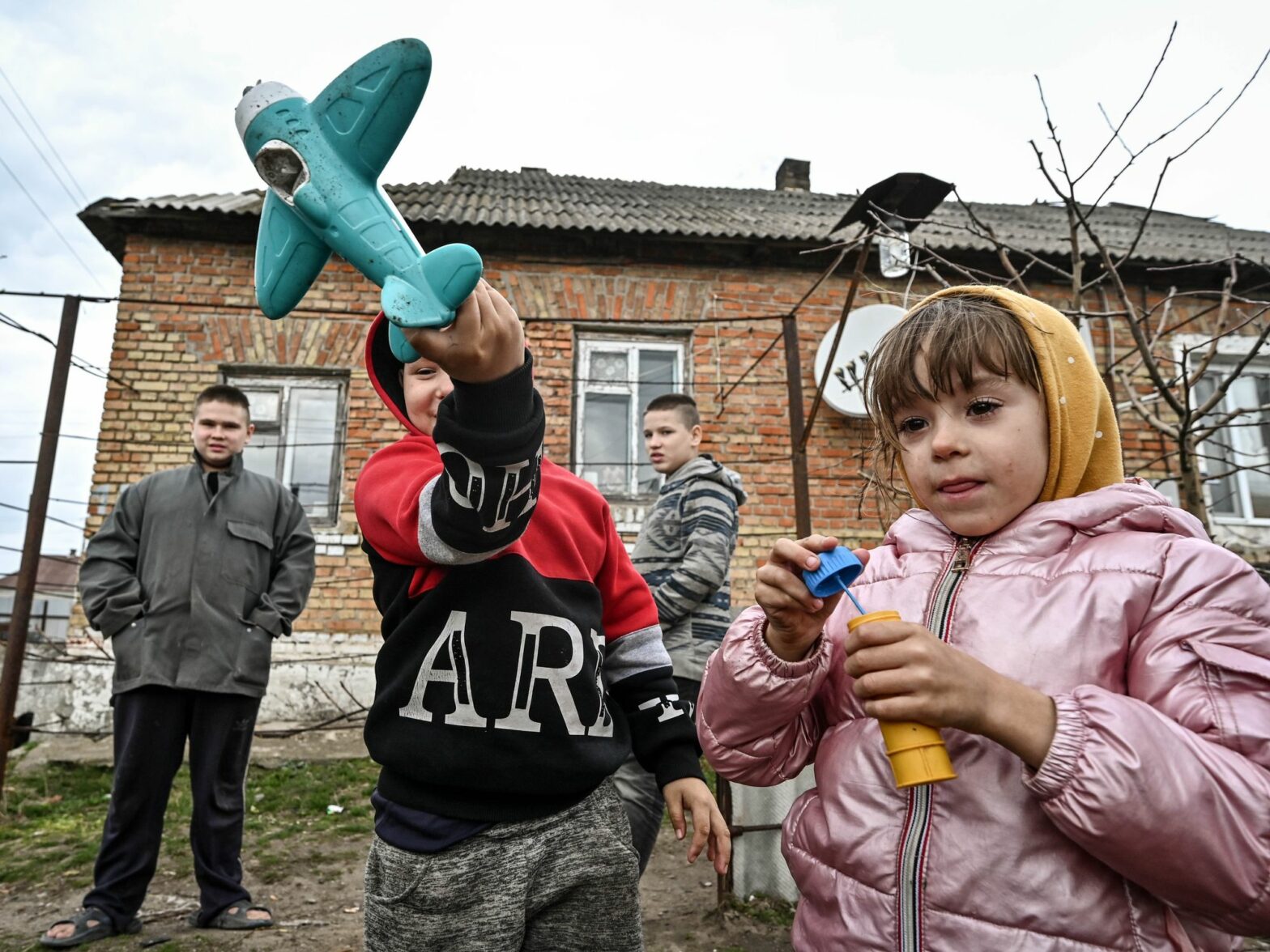
As Putin’s Russian propaganda aims at Islamist terrorists now, justifying the use of torture, Russian literary critic Ilya Kukulin takes a step back to understand how we can keep our humanity amidst such violence. Human rights are perceived as something natural, akin to a birth right. But this is not so in reality: these rights can only be established by human will.
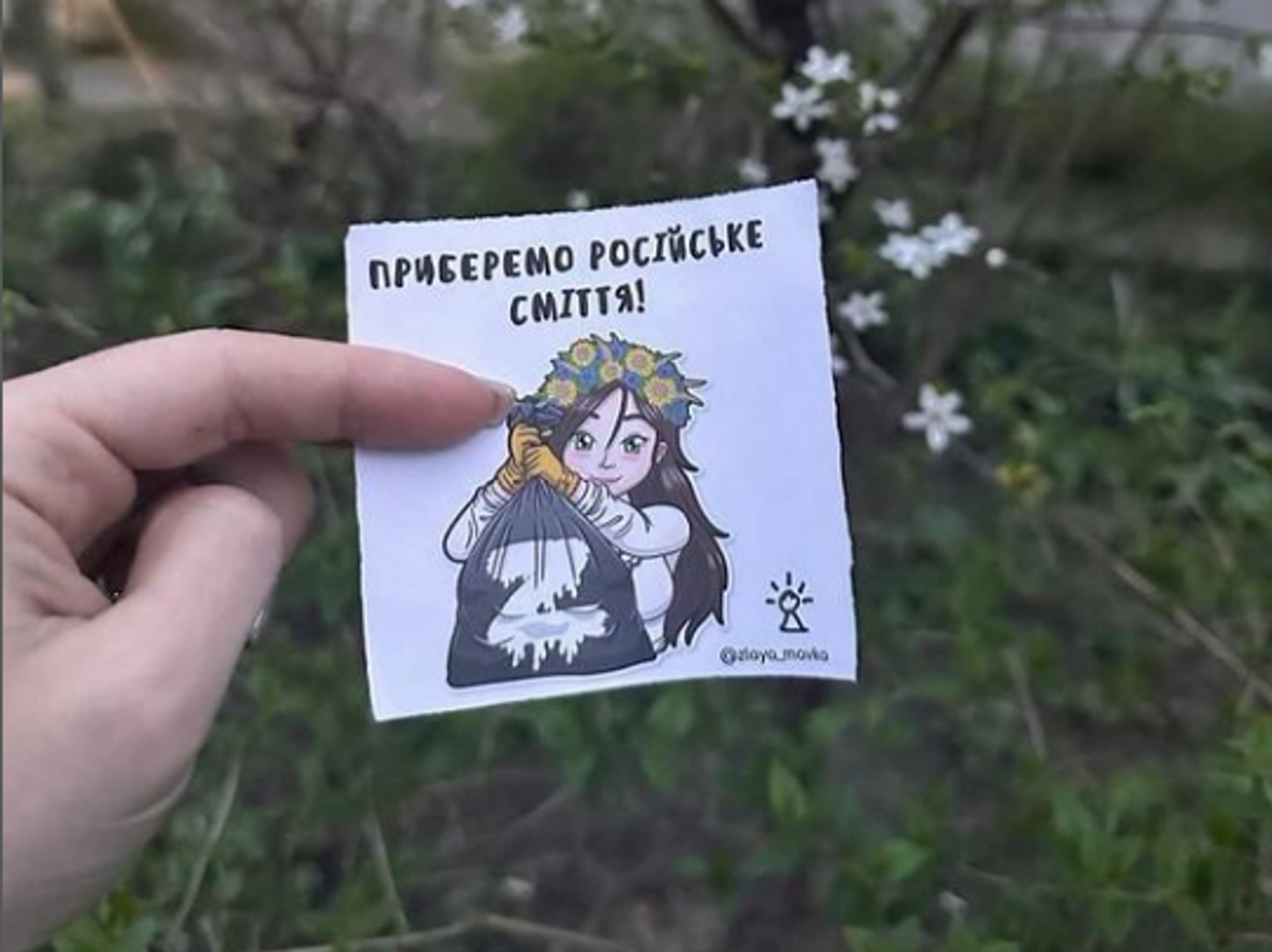
How the women’s partisan movement rose up from the southeastern city of Melitopol to carry out undercover operations in the occupied territories of Ukraine that undermine every step of the Russian troops.
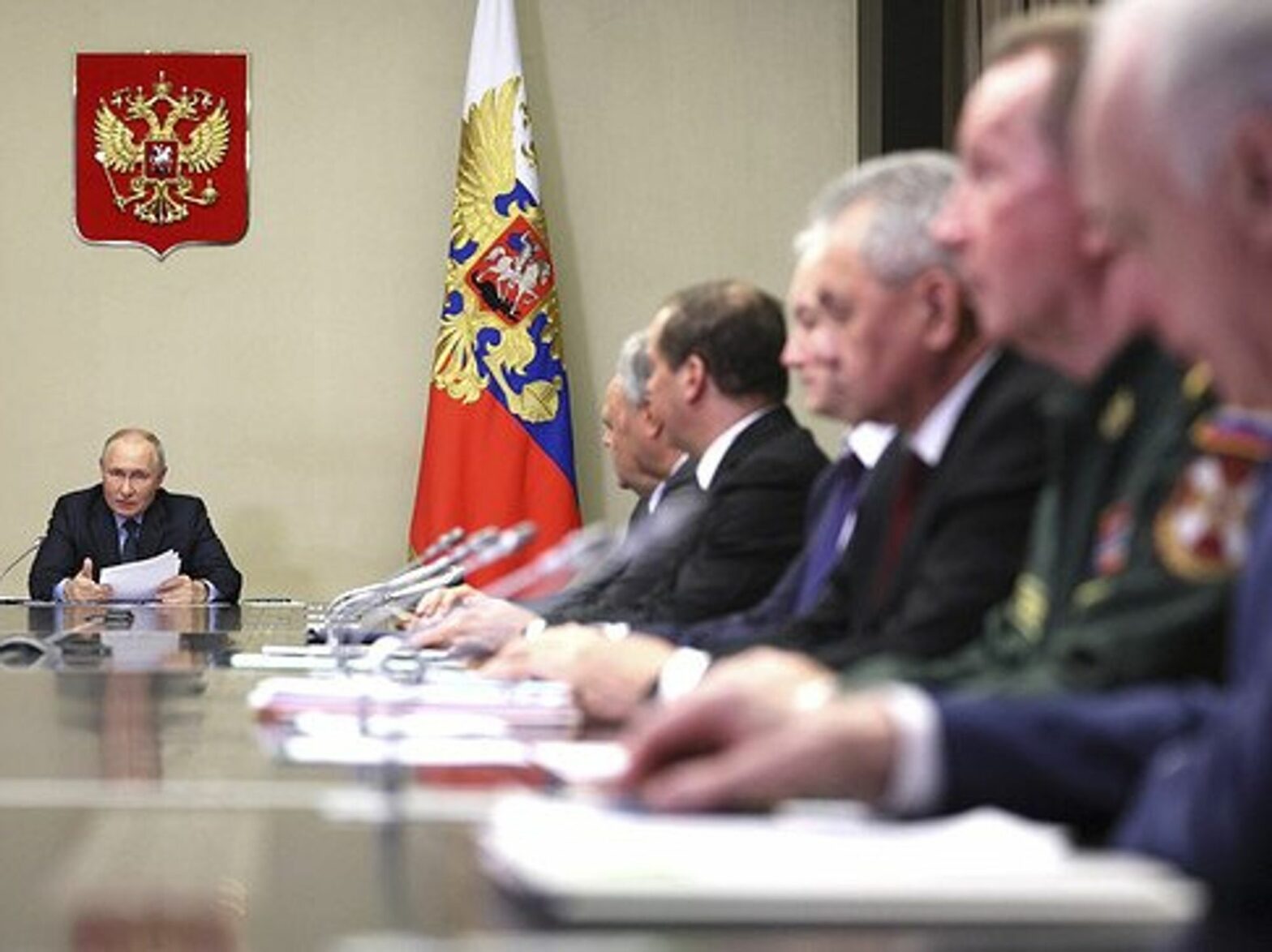
While Vladimir Putin wages his holy war against the West, Russian officials and their families are often seeking better lives there. Will these double lives be the downfall of the aging dictator’s fixation?
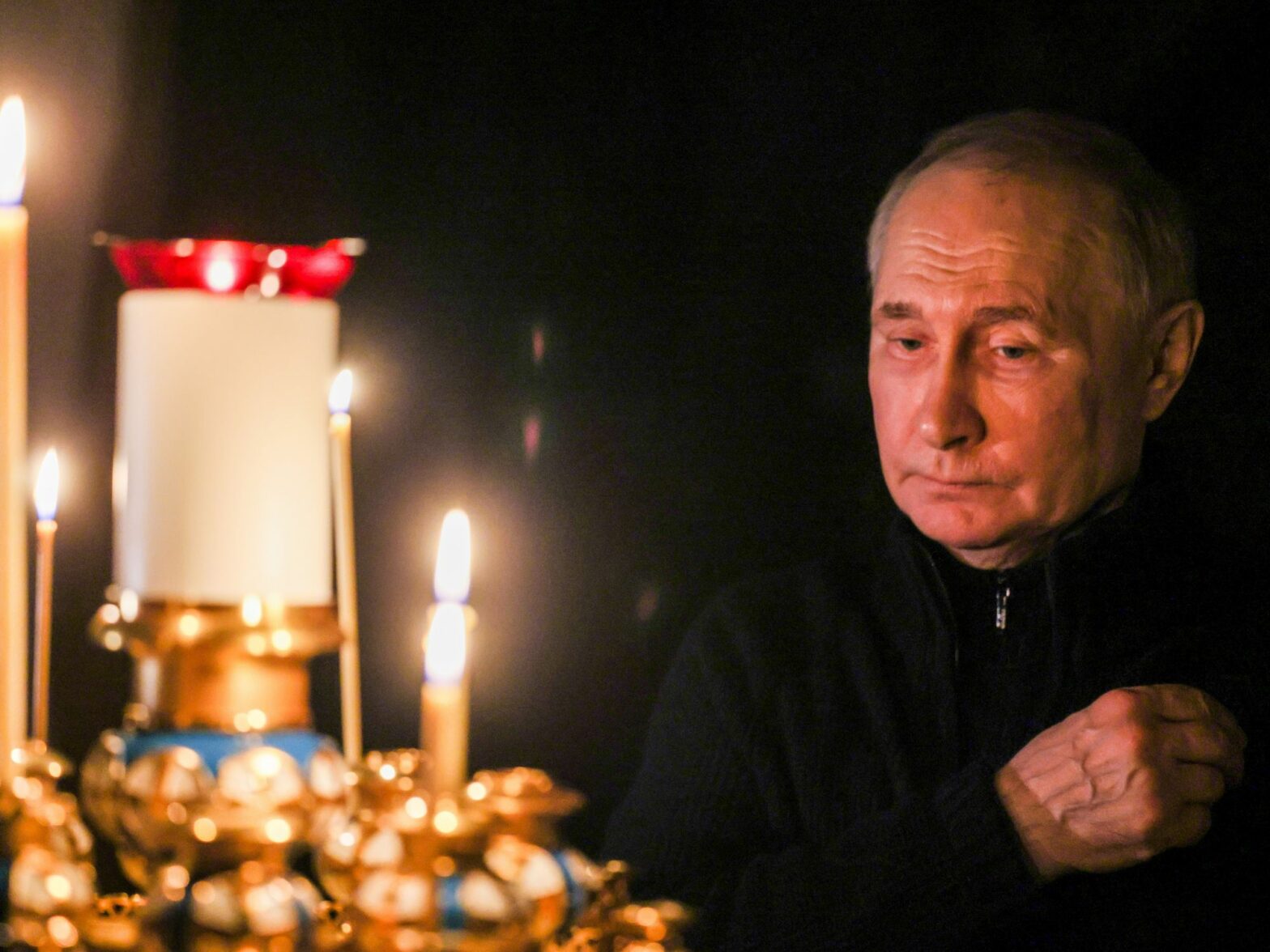
As Russia mourns the victims of the worst terrorist attack in the Moscow area in more than two decades, differing narratives about the attack are spreading, as well as questions about why Putin addressed citizens just once in three days and did not acknowledge ISIS as the perpetrators.
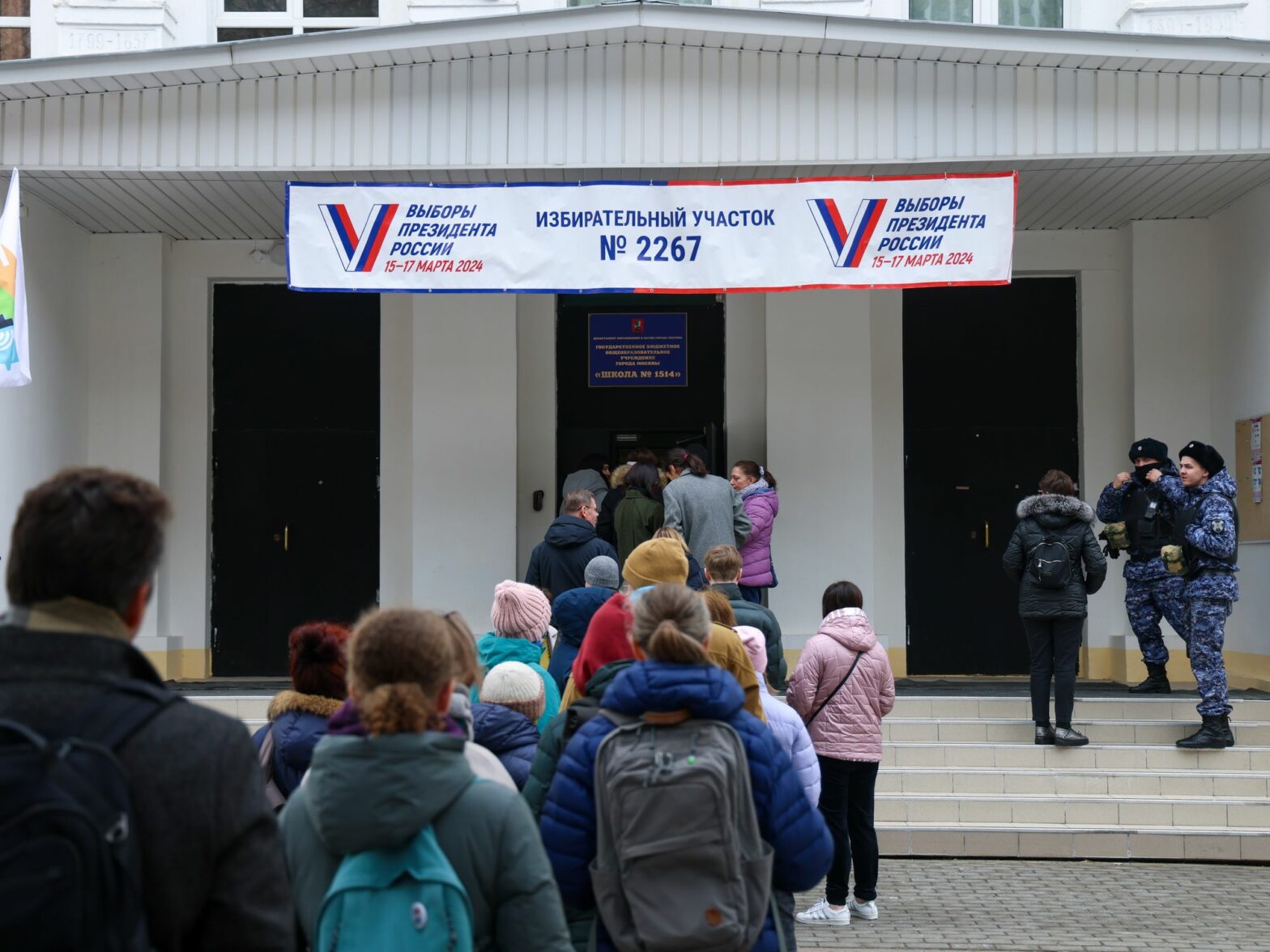
While three “challengers” are on the ballot in Russia’s presidential election which ends Sunday, none of the bonafide members of the opposition were approved for the vote. The only organized protest movement was launched from prison by Alexei Navalny, several weeks before he died, with crowds of opponents lining up to demonstrate against President Vladimir Putin
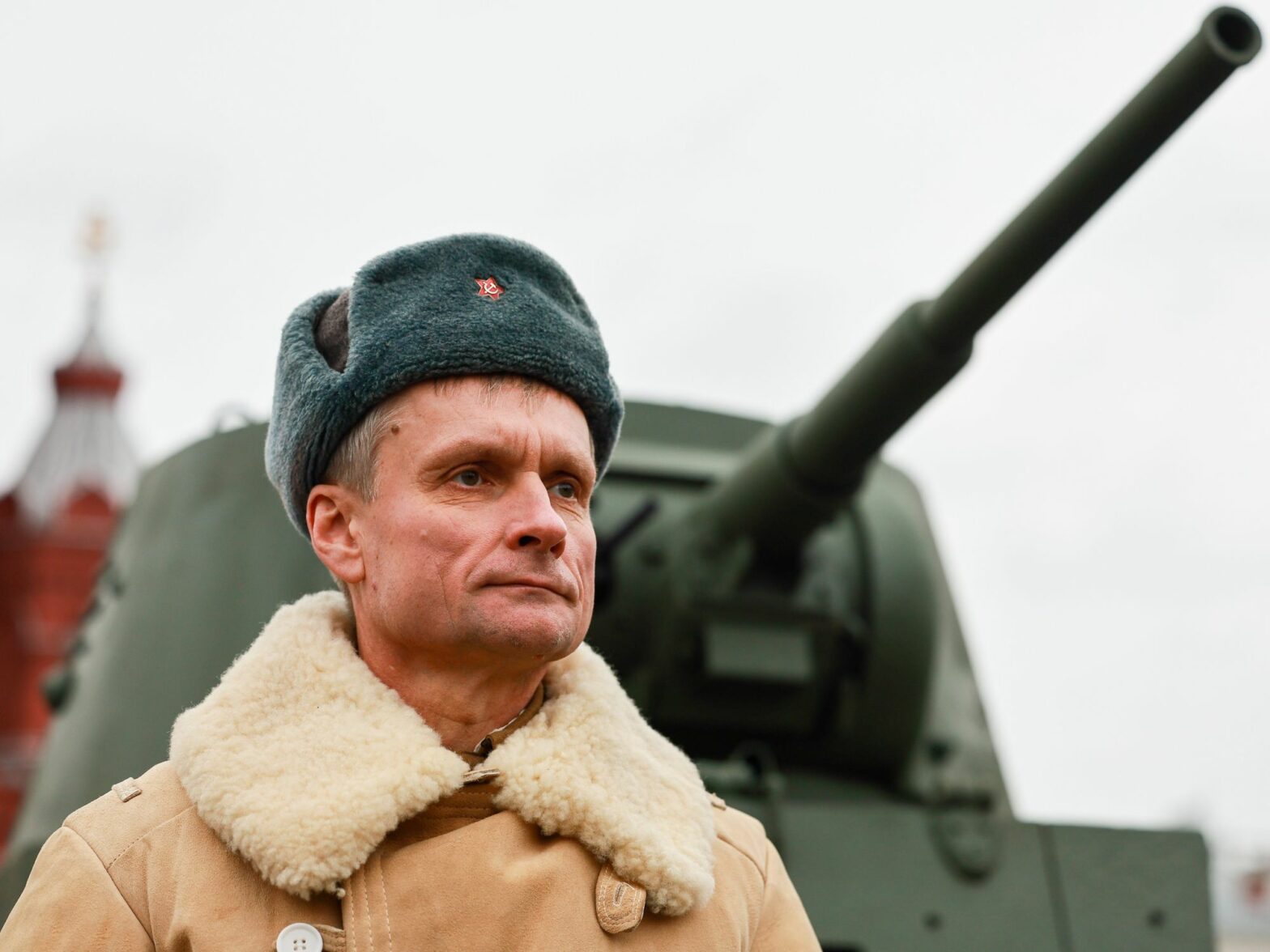
President Vladimir Putin is just a vessel for a longstanding Russian psychology that is simultaneously expansionist and worried about external threats on the Motherland.
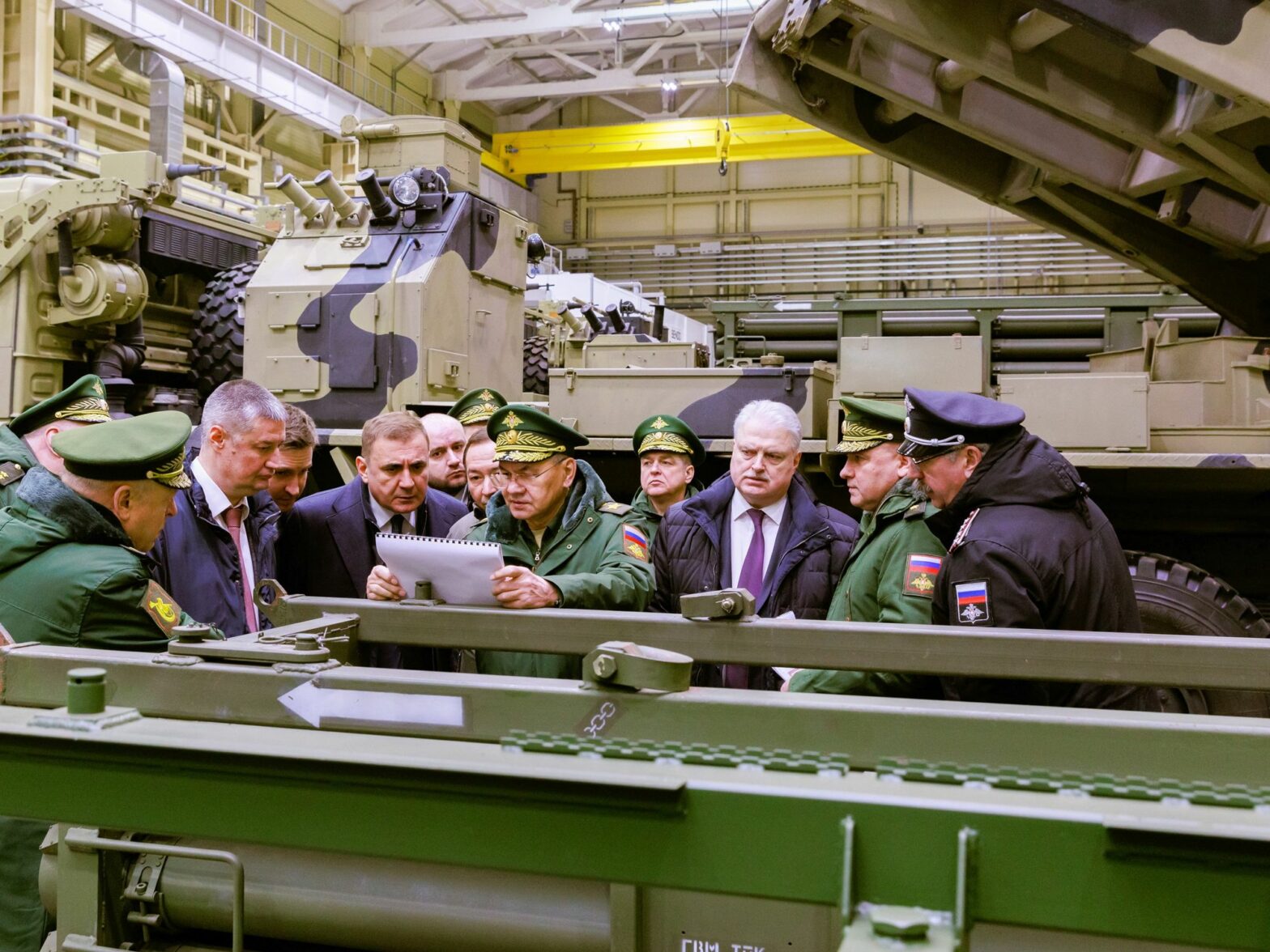
Despite Western sanctions against doing business in Russia, and Renishaw’s promises that it has closed its business there, Russian defense plants continue to receive both measuring equipment and software from the British engineering company.
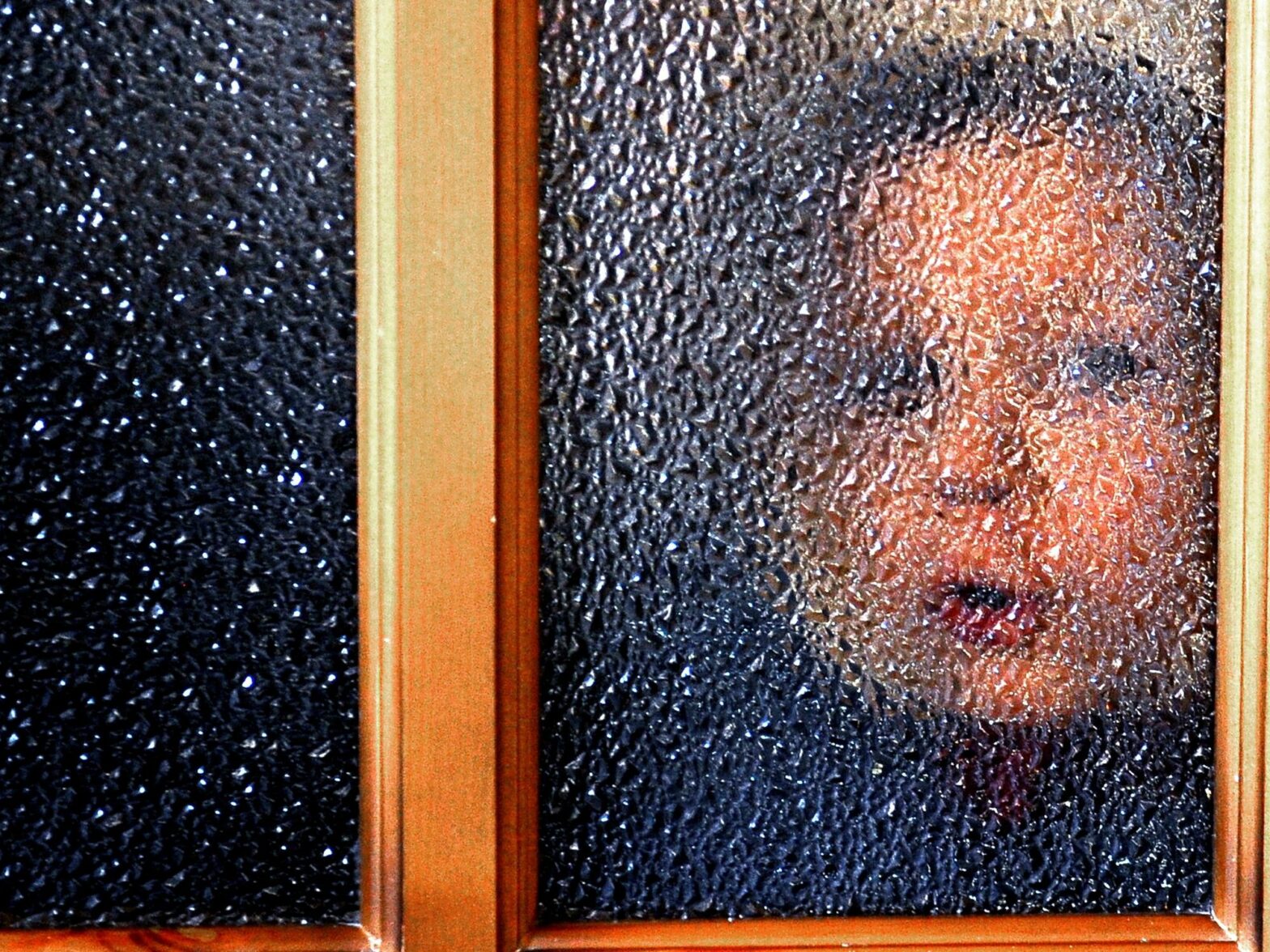
Since the war began, an estimated 2,500 children have been transferred from Ukraine to Russia, where local authorities are training potential foster parents on how to raise these “children from the combat zone” and “work with their national identity.”
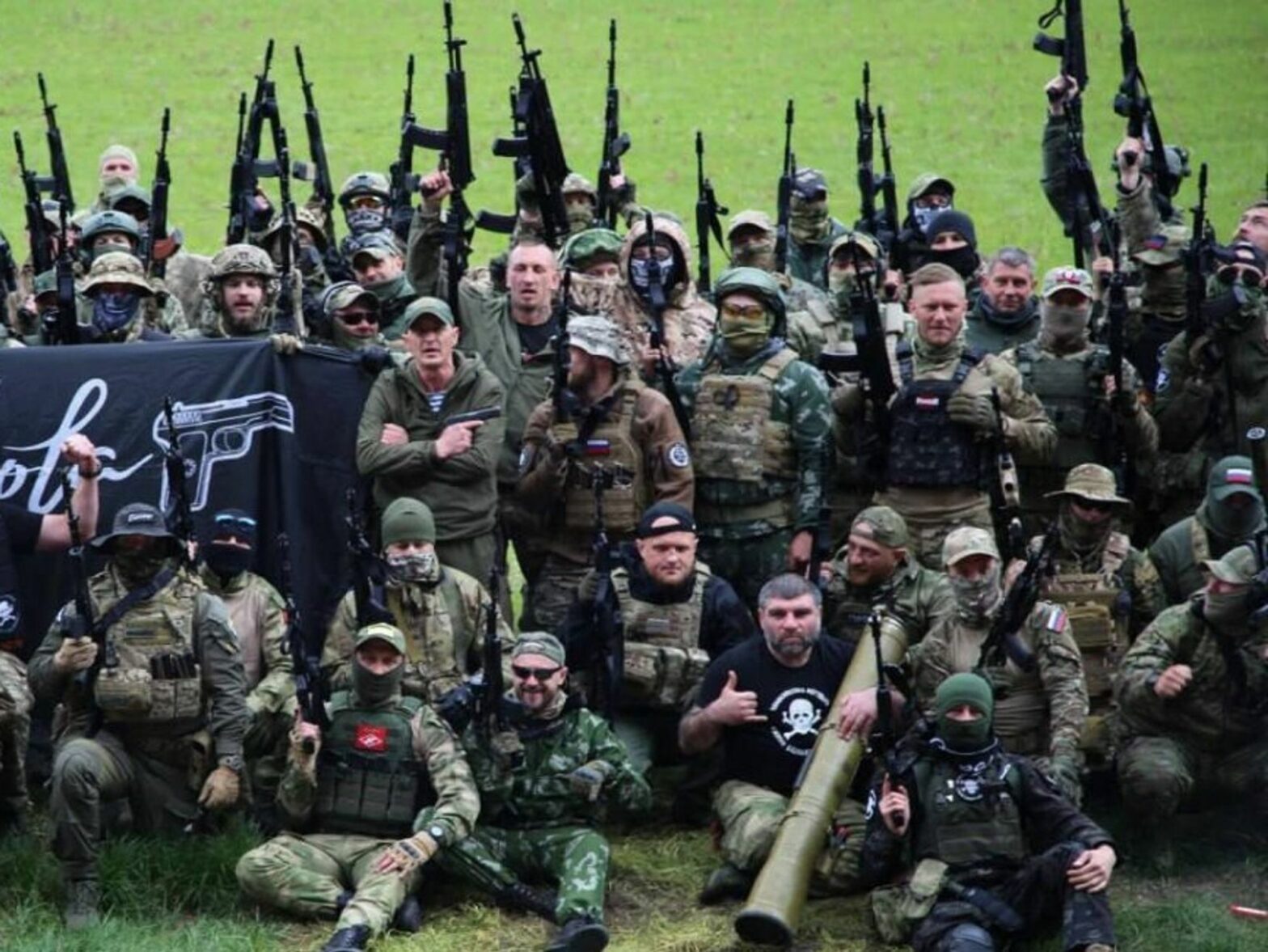
With private military companies (PMCs) multiplying in Russia, on the model of the Wagner Group, the billionaire Rotenberg brothers, friends of Putin, are creating their own private army of football fans.
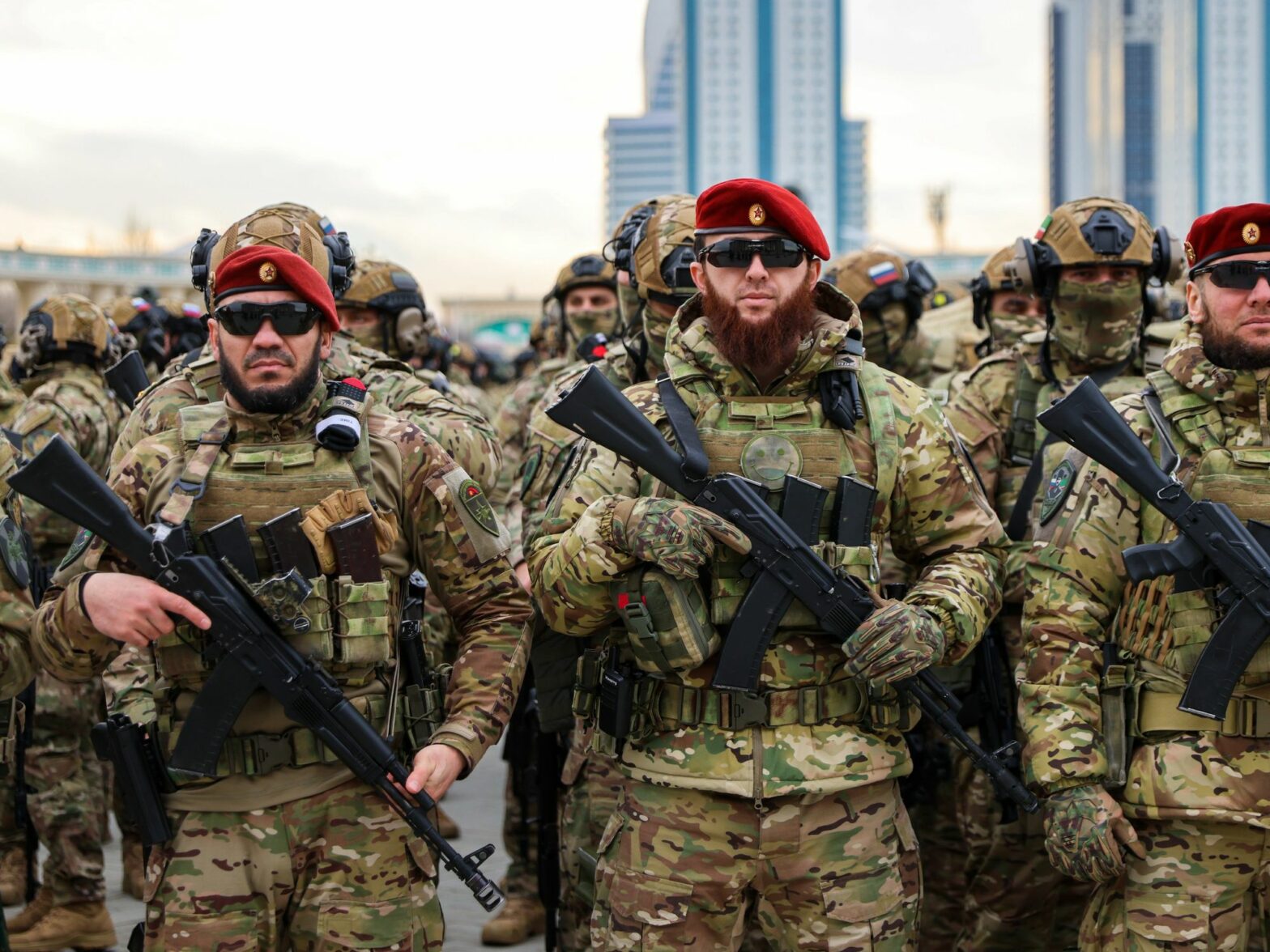
Reports abound of forced mobilization taking place in the Chechen Republic, where the regime of Ramzam Kadyrov, in an effort to gain Vladimir Putin’s favor, is using pressure and blackmail to force its men to join the Russian war effort.
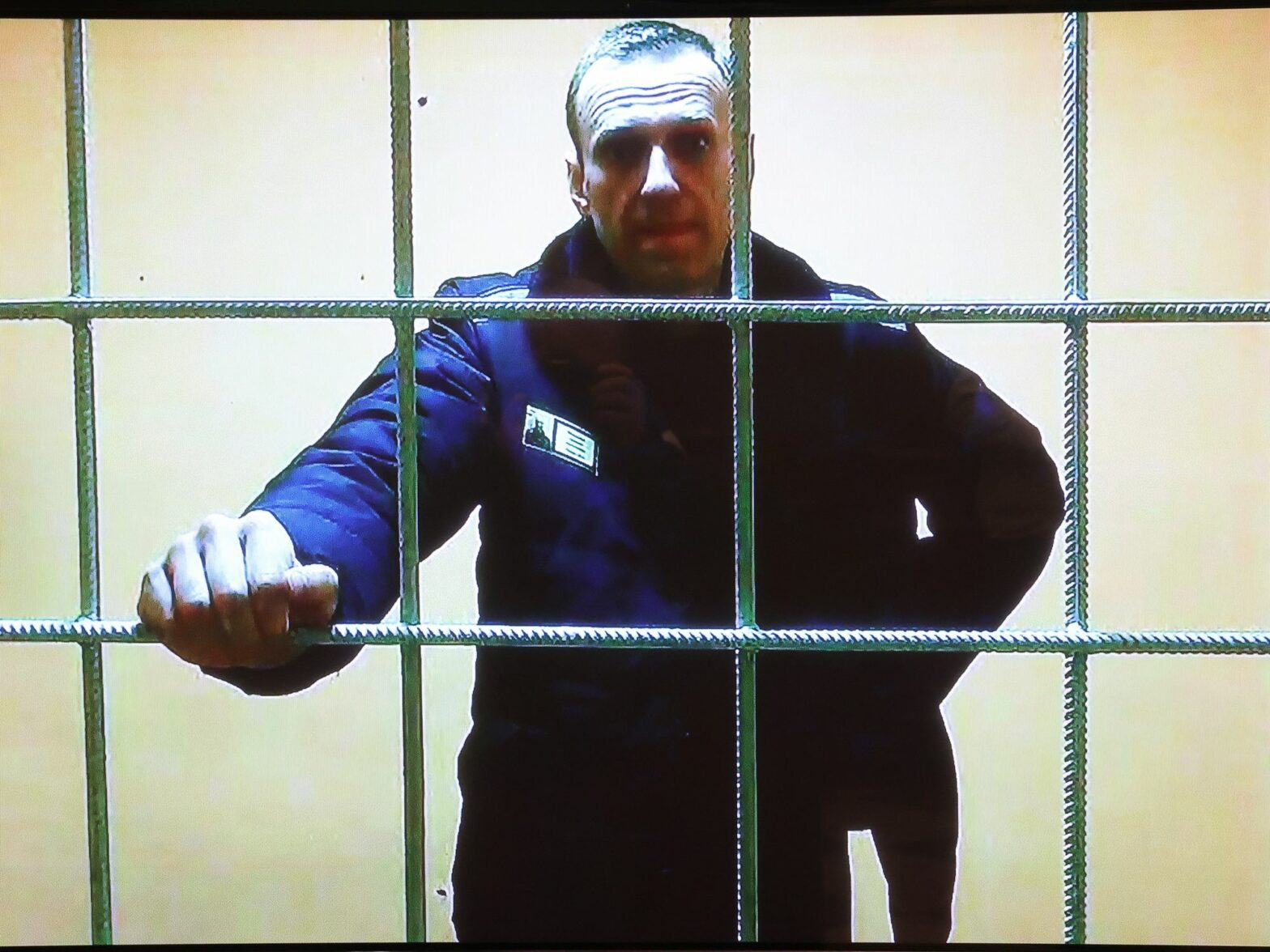
“If heroes were to ask themselves each time about the risks they face, then they would never accomplish their feats…”
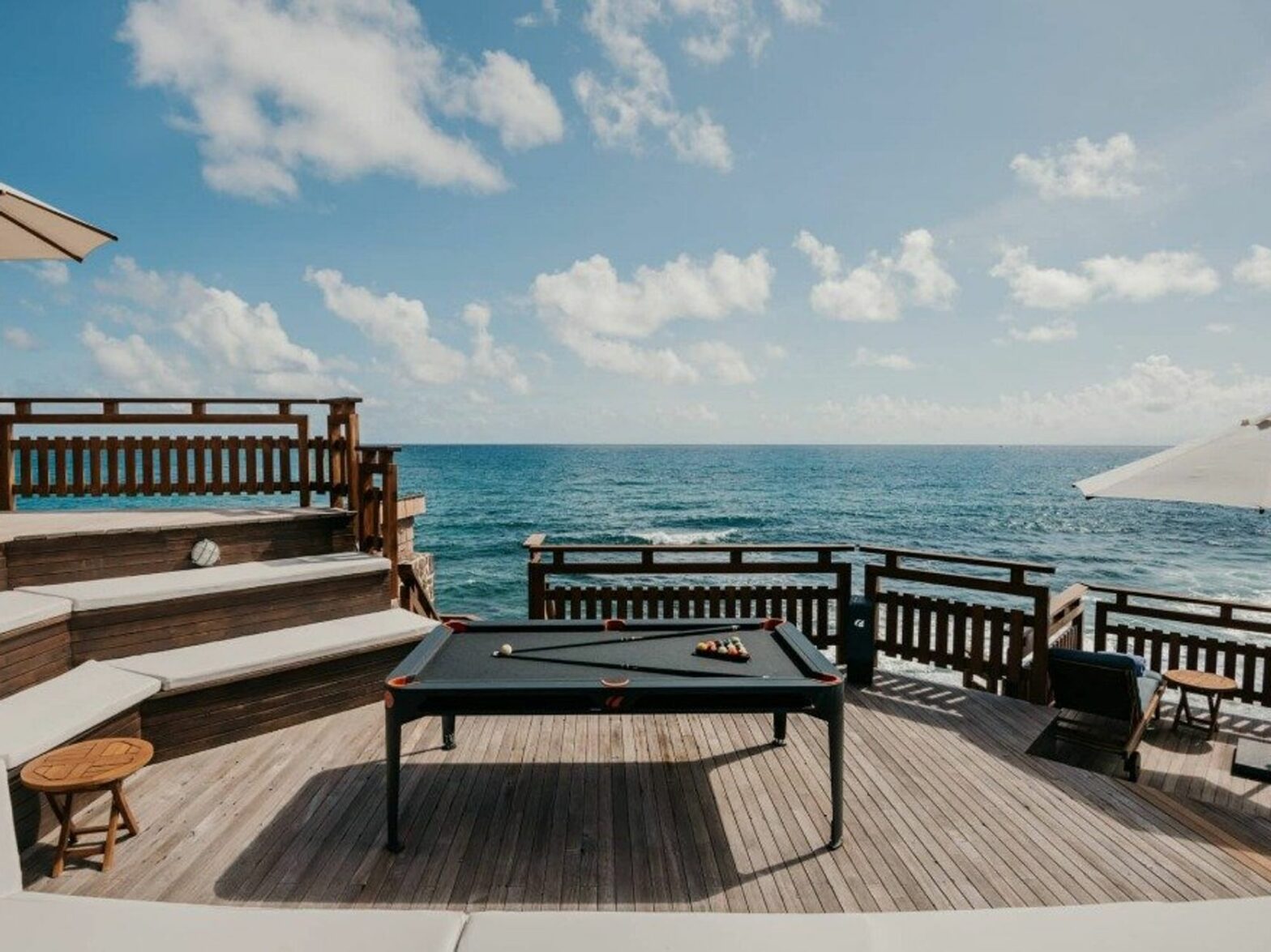
Andrei Akimov runs state-controlled Gazprombank and is part of the Russian leader’s inner circle, aligned with the condemnation of the “collective West” conflict. He also oversees a web of luxury holdings across the same West, thanks to schemes to hide behind the names of relatives.
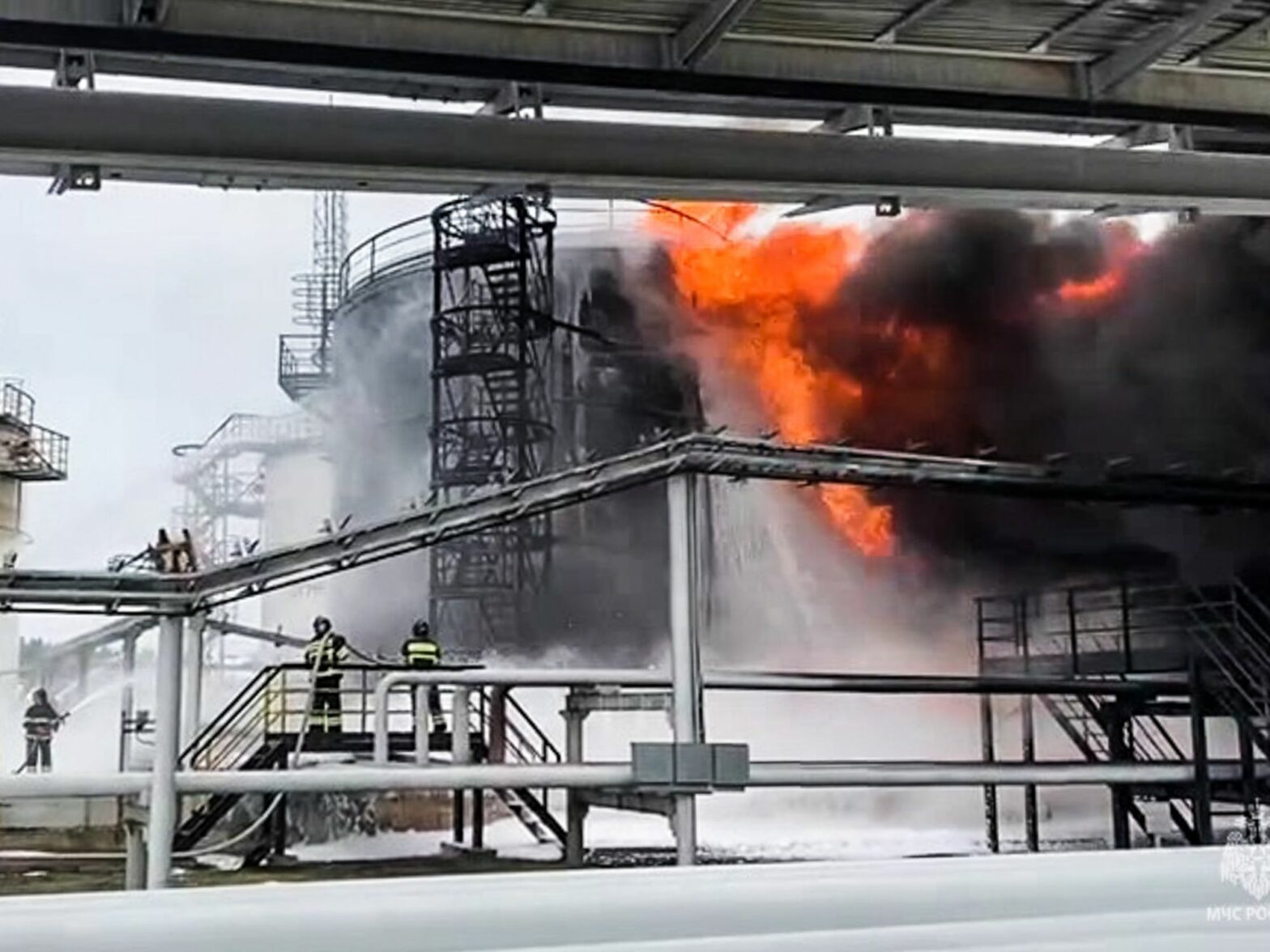
The targeting of oil industry sites in occupied or border regions has now been replaced by a series of drone strikes of energy-producing structures deep inside Russian territory. These attacks aim to cripple Russia’s economy, which could turn the tide on the war.
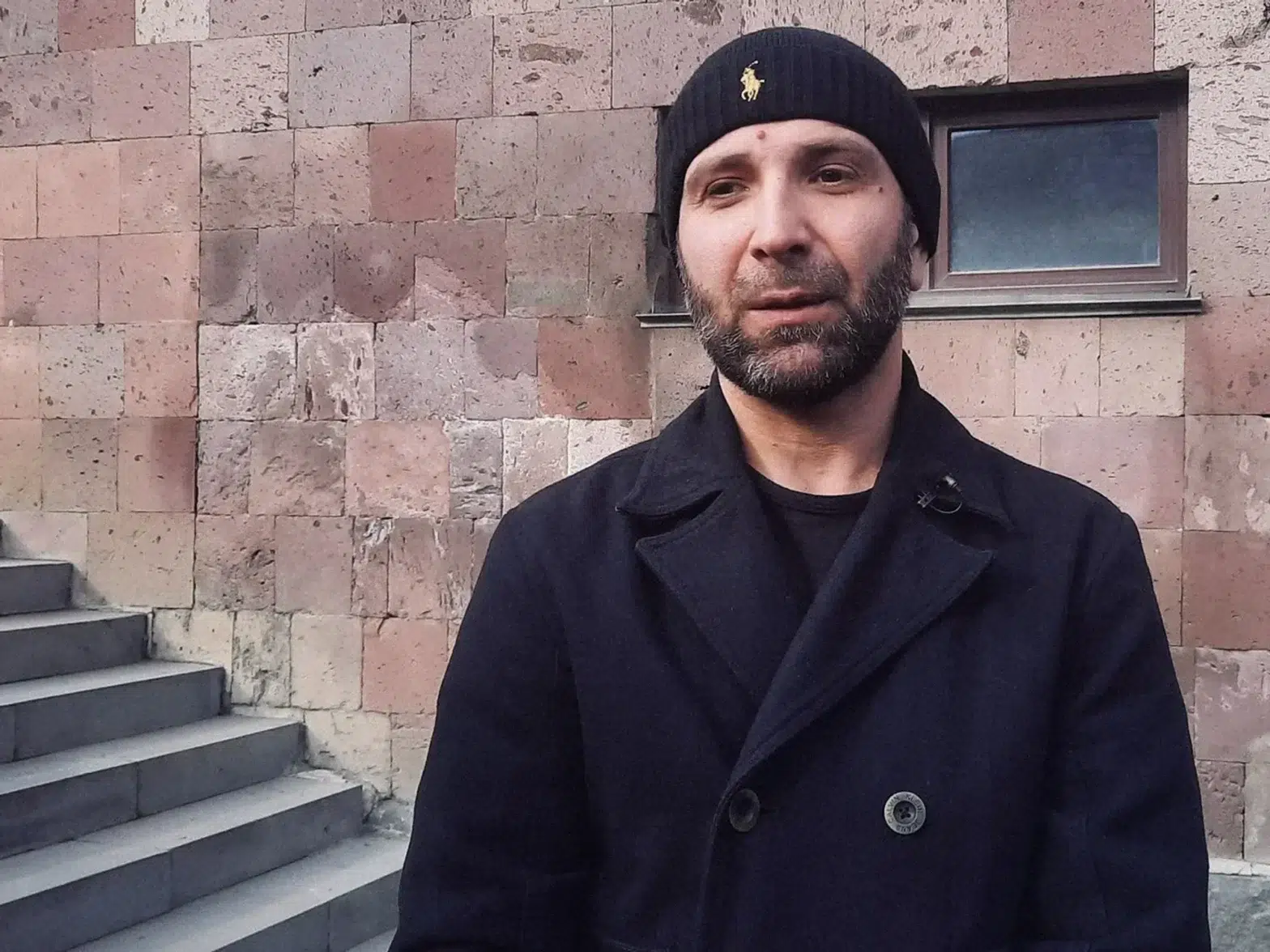
On Jan. 29, Armenia granted asylum to Salman Mukaev, a Chechen who was tortured in his homeland due to suspicions of being gay. In an interview inVazhnyye istorii, Mukaev recounts his four-year ordeal, and reveals the depth of anti-LGBTQ hatred in the Russian republic.
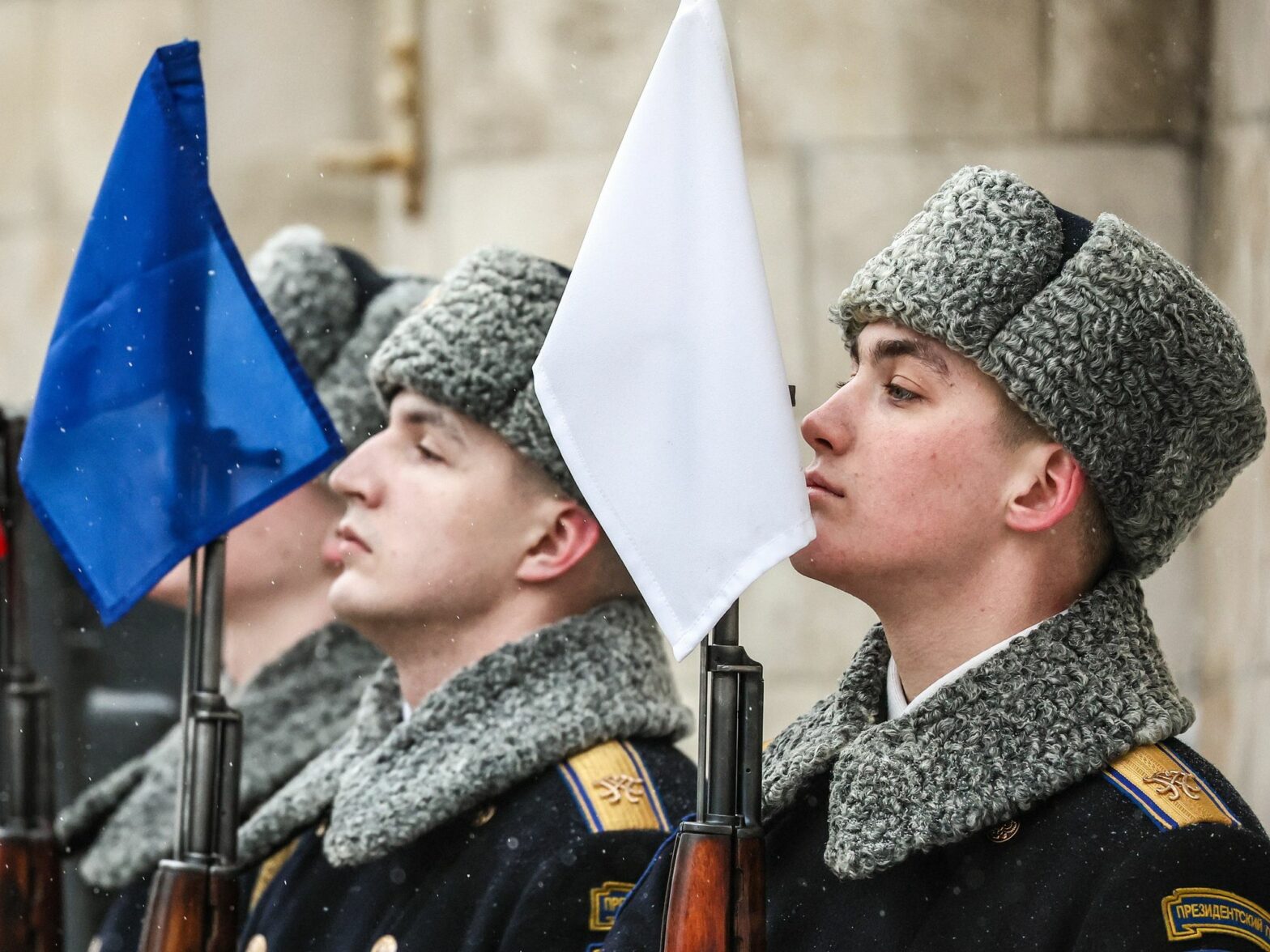
Wikipedia remains one of the few independent platforms accessible in Russia, but since the war in Ukraine started, the online encyclopedia has come under increasing pressure. Stanislav Kozlovsky, the director of Wikimedia.ru, the nonprofit organization supporting the Russian segment of Wikipedia, explains how he manages (barely) to keep the Kremlin censors at bay.
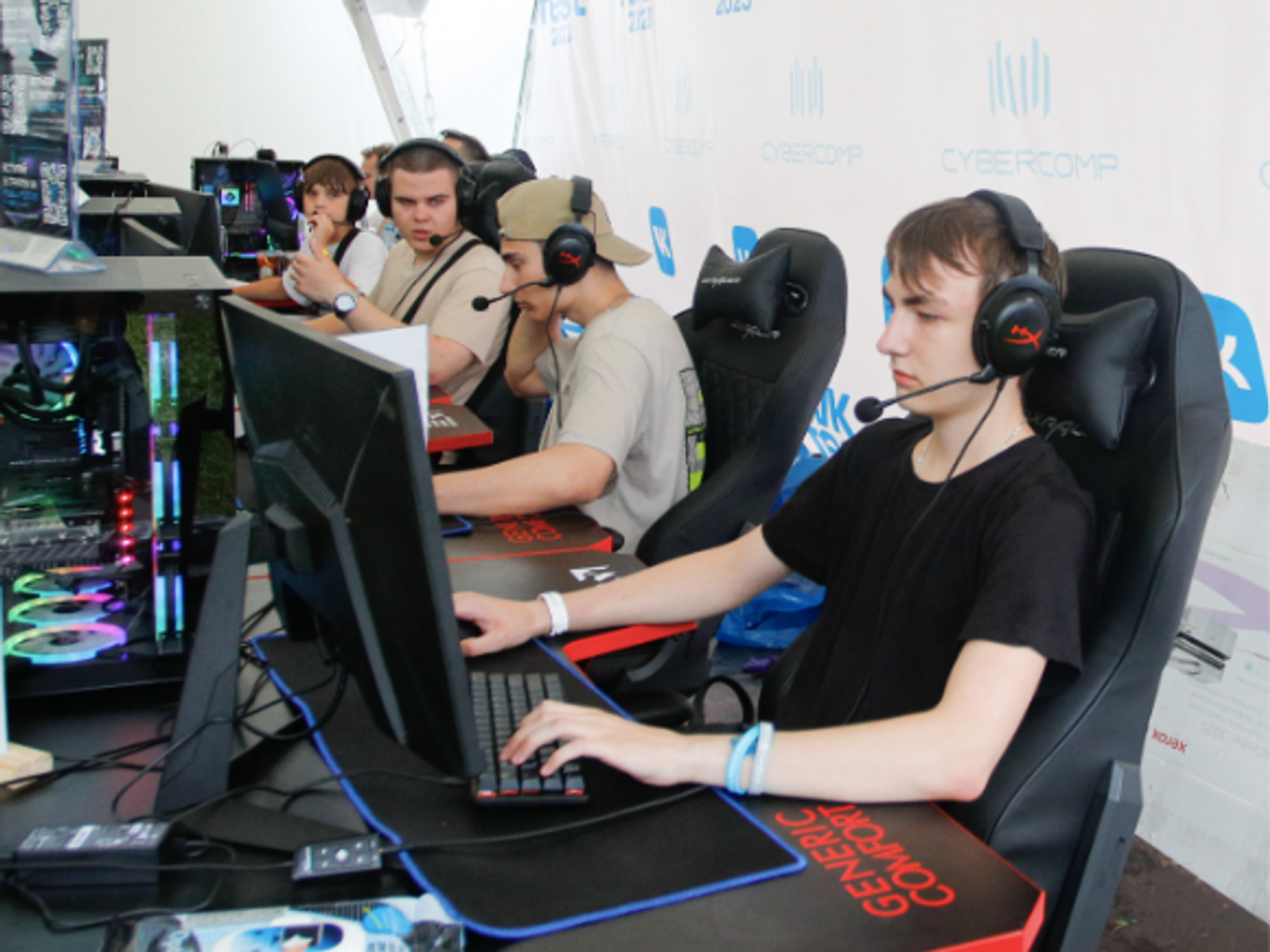
There have been increasing incidents at the regional level that indicate the Kremlin is developing a system, with elements from Chinese and Iranian censorship, to restrict internet access to build a new higher level of control over information.
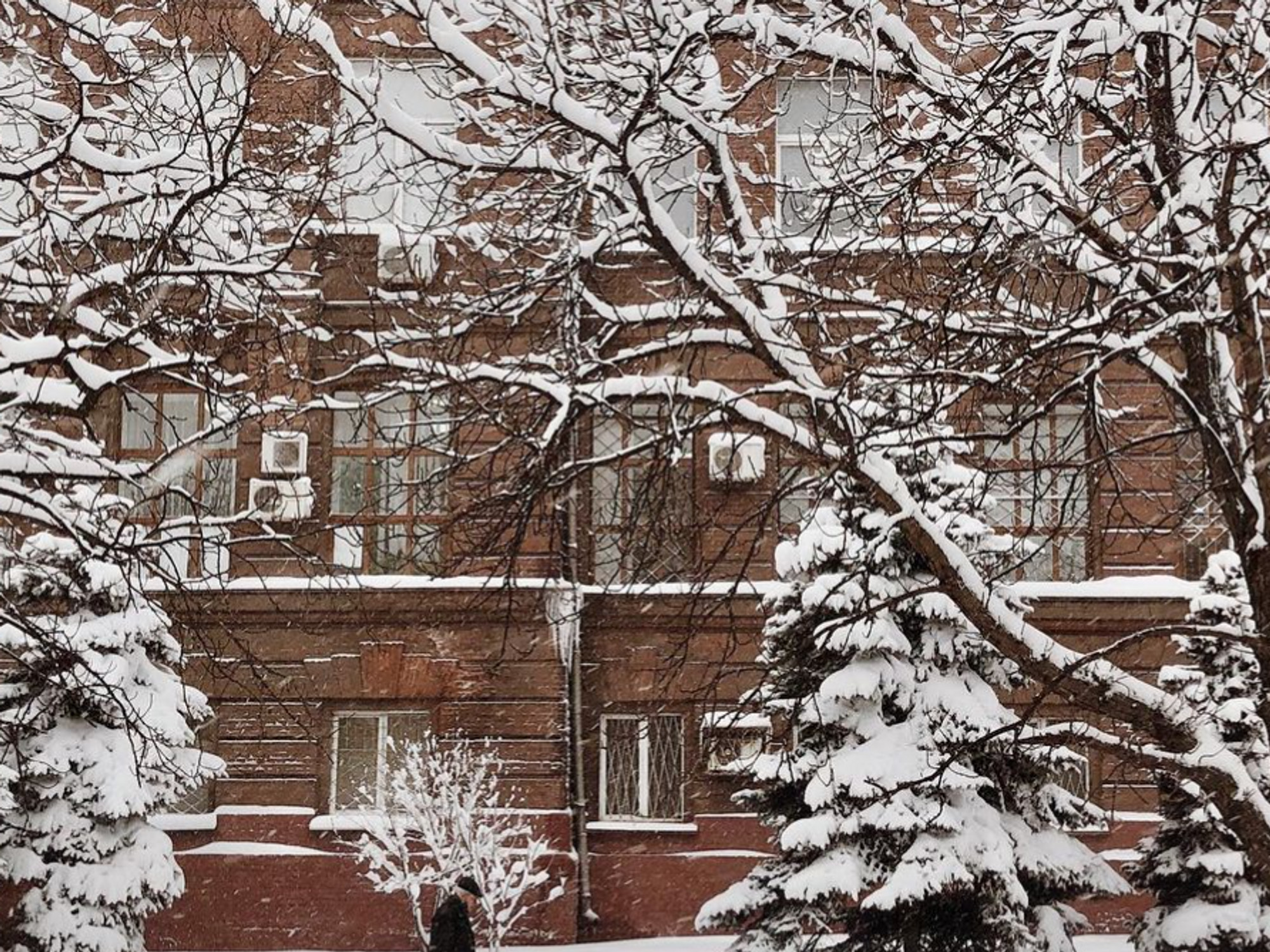
Two residents tell Vazhnye istorii about the Kremlin’s propaganda about rebuilding and the reality of their living conditions in Mariupol, and the pain of fellow Ukrainians judging them for staying after Russia took over.
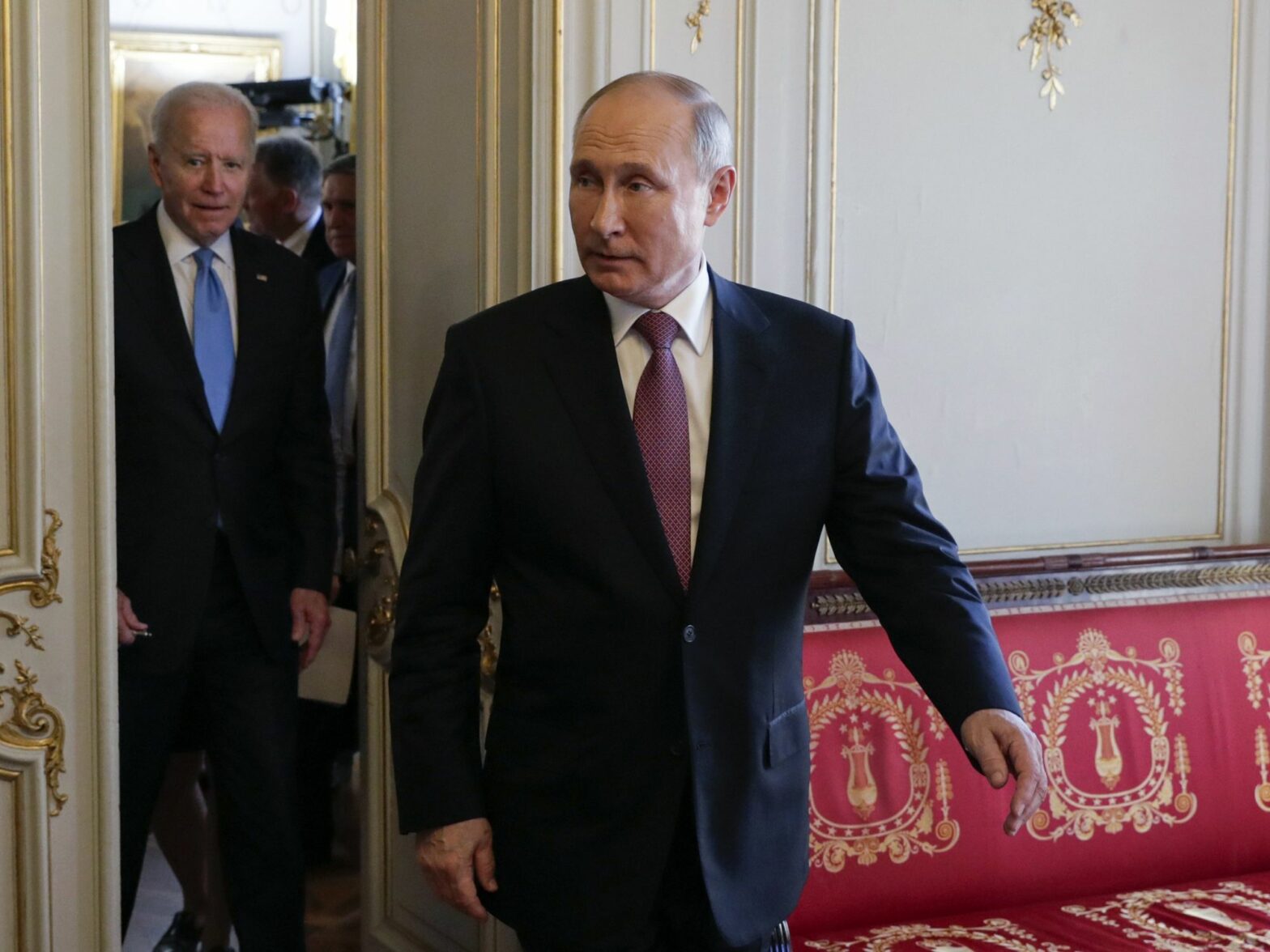
As Western sanctions have proven ineffective, Russian economy has been growing, along with defense and security expenditures. The world’s singular superpower in Washington has three cards it could pull to squeeze the invading country. Yet something is holding it back.
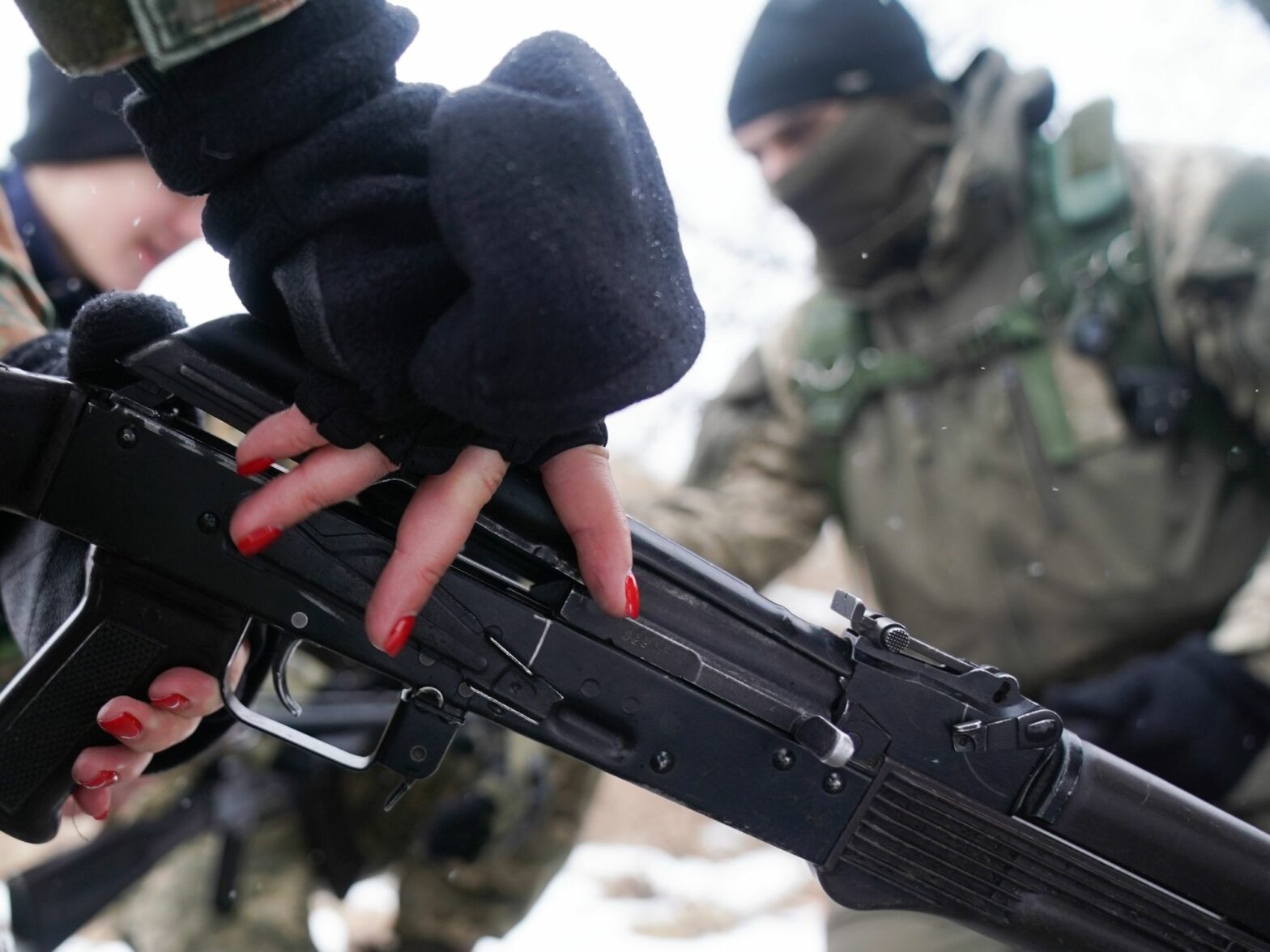
Following Russia and Ukraine’s prisoner exchange earlier this month, Vazhnyye Istorii/Important Stories shares the first-hand account of a Ukrainian prisoner of war, who spent nine months in captivity before she was released in February last year. Alla Senchenko, a sniper, recounts her harrowing nine months in captivity in Russian prisons and what helped her get through it.
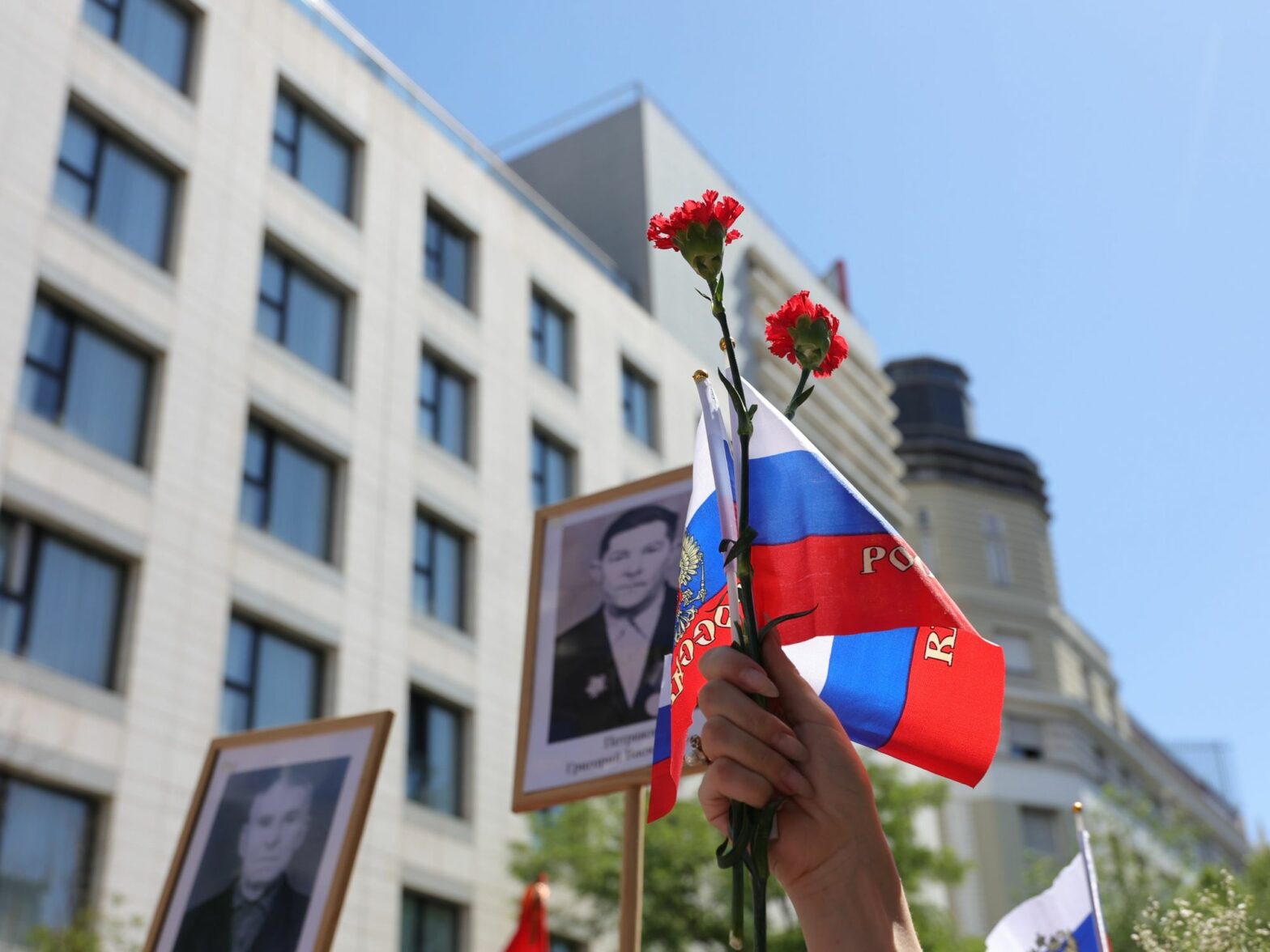
It goes far beyond Vladimir Putin: determinism, imperialism and other deeply ingrained ideas color the perceptions of many Russian citizens — even the would-be “liberal” sectors of society.