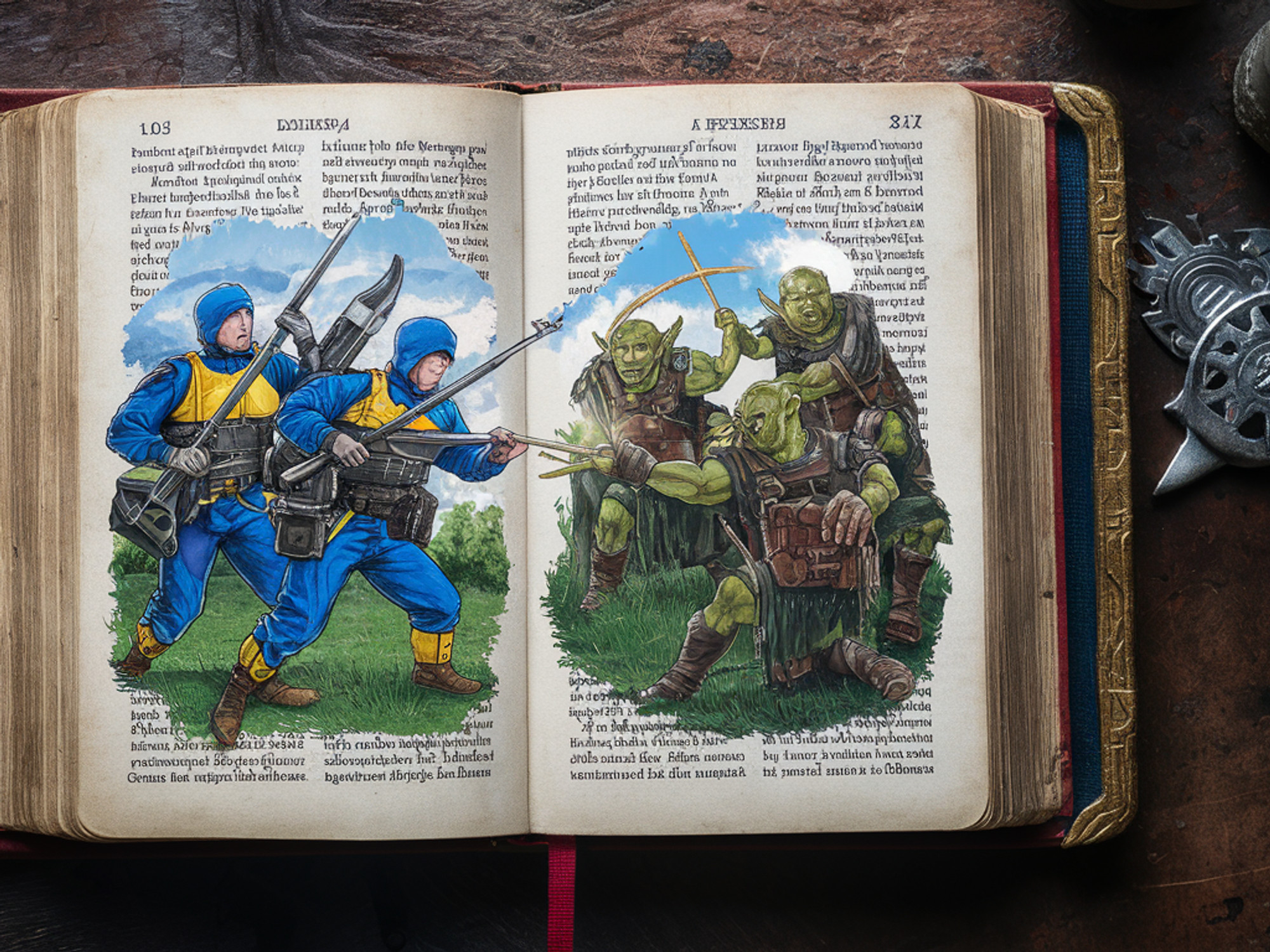
Literary scholar and fiction writer Mykhailo Nazarenko discusses the would-be cast of characters of fantasy writer JRR Tolkien in Ukraine’s war against the Russian invaders.
 Worldcrunch
Ukrainska Pravda is a Ukrainian online newspaper founded by Georgiy Gongadze on 16 April 2000. Published mainly in Ukrainian with selected articles published in or translated to Russian and English, the newspaper is tailored for a general readership with an emphasis on the politics of Ukraine
Literary scholar and fiction writer Mykhailo Nazarenko discusses the would-be cast of characters of fantasy writer JRR Tolkien in Ukraine’s war against the Russian invaders.
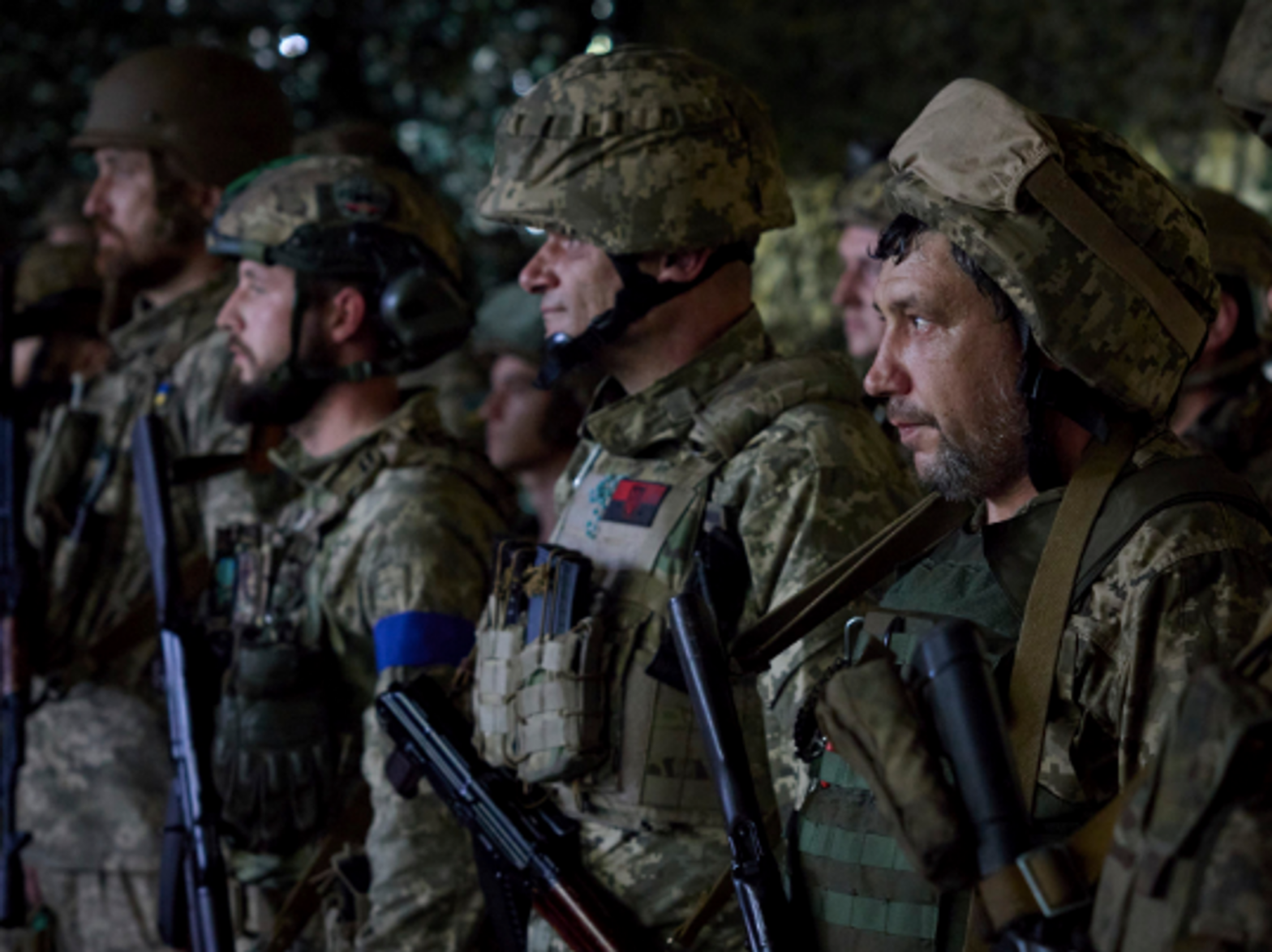
Ukrainian President Volodymyr Zelensky’s decision to lower conscription age from 27 to 25 may not be sufficient to replenish the army’s ranks, in a country where the age of the average soldier is far above other countries at war — now and historically. Here’s why.
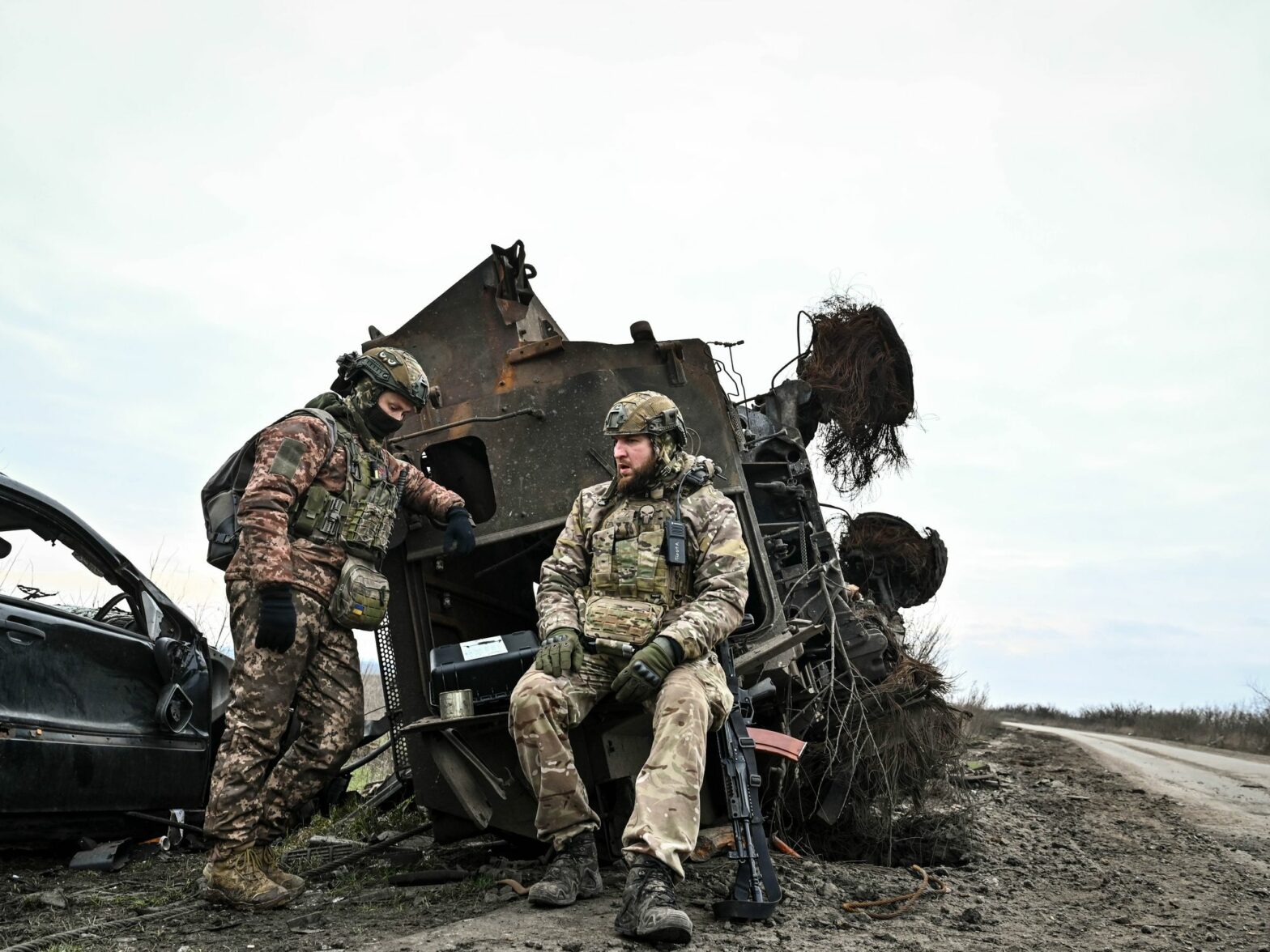
Ukrainian journalist and soldier Pavlo Kazarin reflects on what he has learned about dealing with time, taking control of circumstances, and living in this historic era since enlisting in the army.
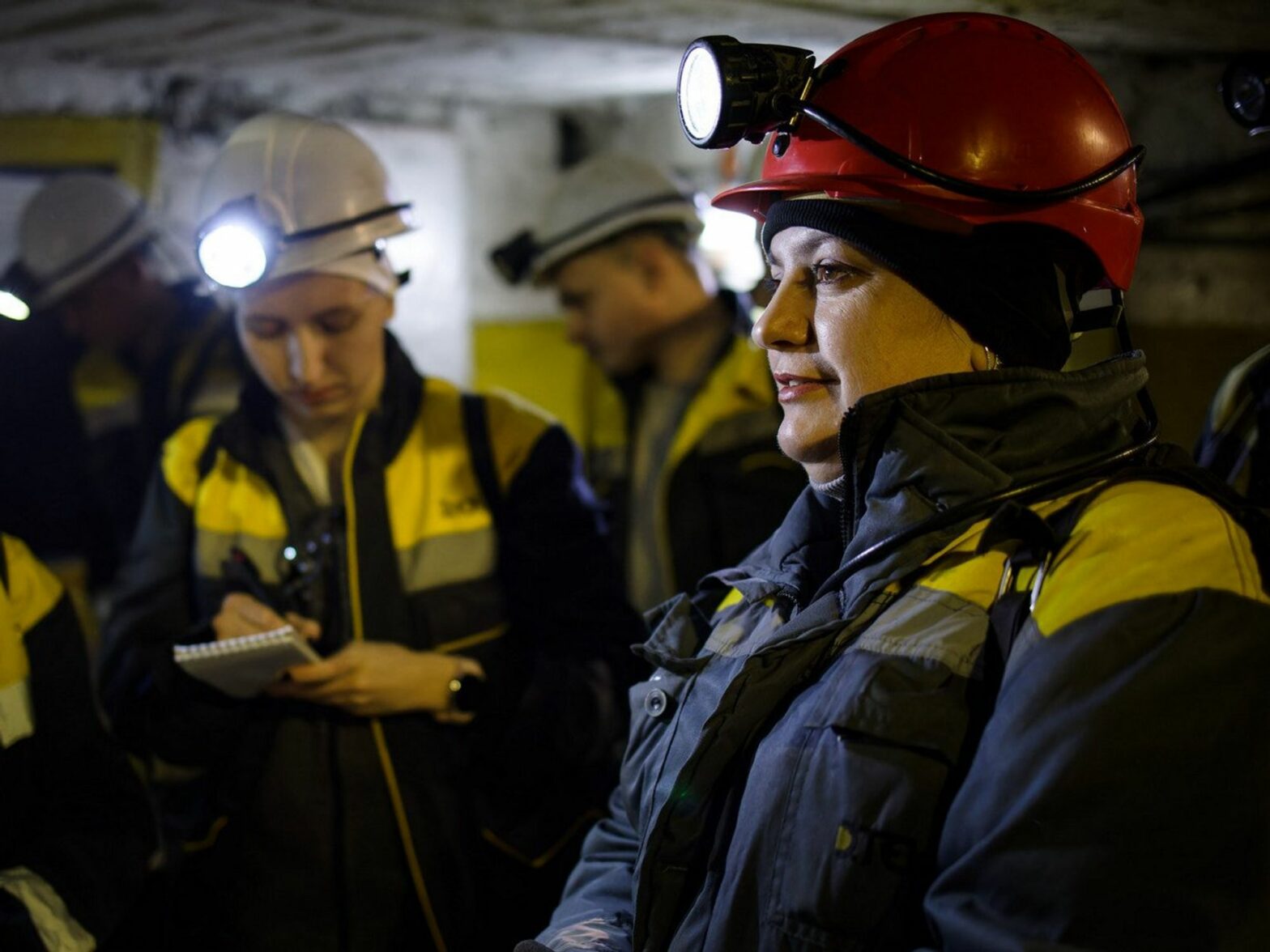
With men leaving for the front, Ukrainian women have stepped in to fill the void, notably in the coal industry. A reportage from the mines of the Dnipropetrovsk region to see how women are faring in this male-dominated field.
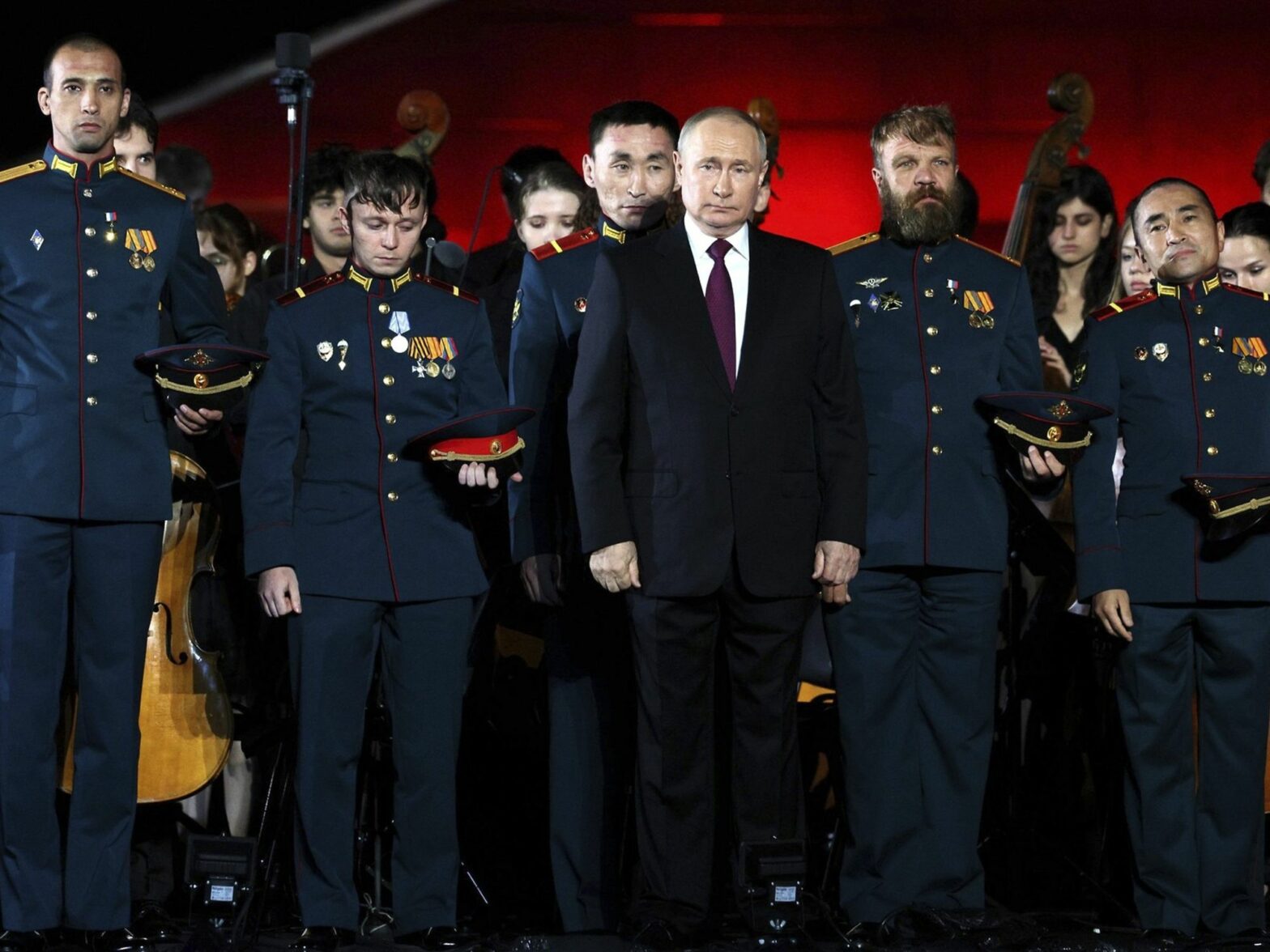
While Ukrainians may be hoping for Russia to disintegrate, history shows otherwise. Only when Putin’s authoritarian regime will come down, will it be possible for Chechens, Dagestanis, Buryats, Yakuts, or Bashkortostans to gain any kind of autonomy or democracy vis a vis Moscow.
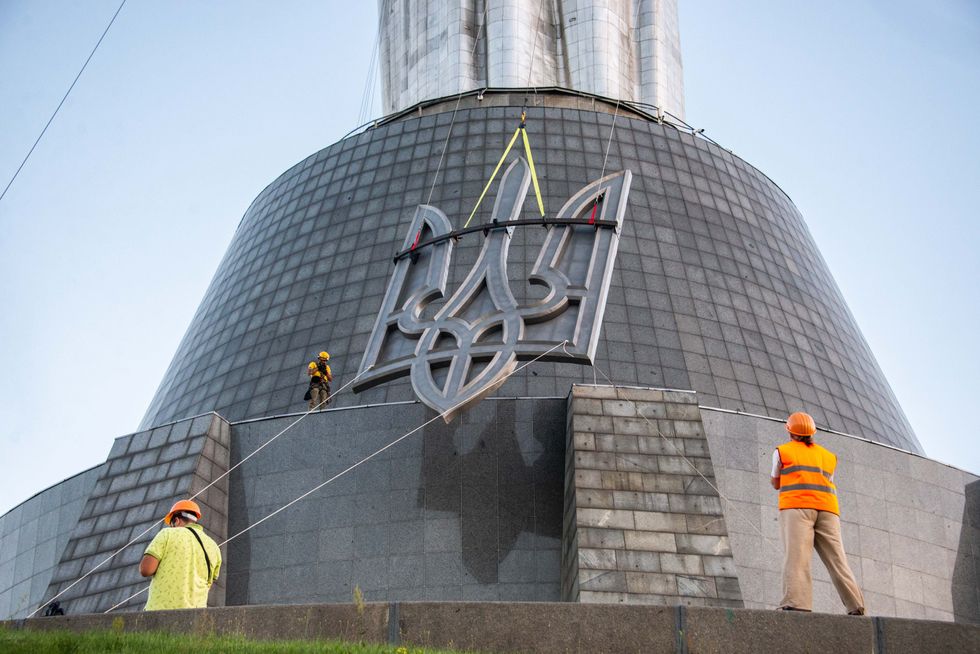
Vibrations originating at one point on the globe rapidly extend to its farthest corners due to the effects of globalization and information connectivity. Having repelled Moscow’s war, Ukraine symbolizes the significant shifts in the global balance of power and influence.
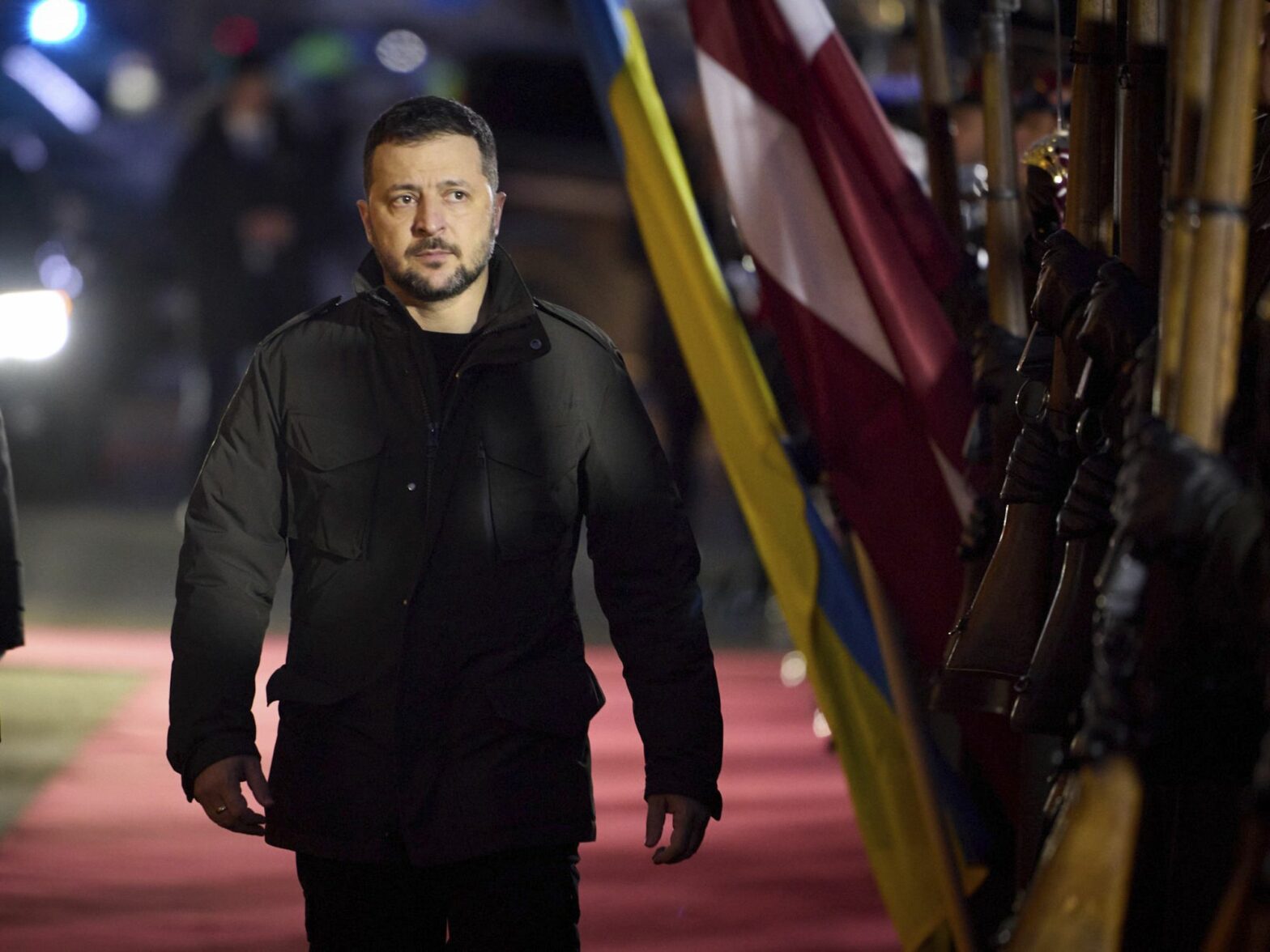
Both Russian online trolls and Ukrainians who never liked him will be calling into question Volodymyr Zelensky’s right to hold on to the presidency as his five-year term is set to end in May. But they’ll also be questioning the morality and strategy of his war aims. What should be his response?
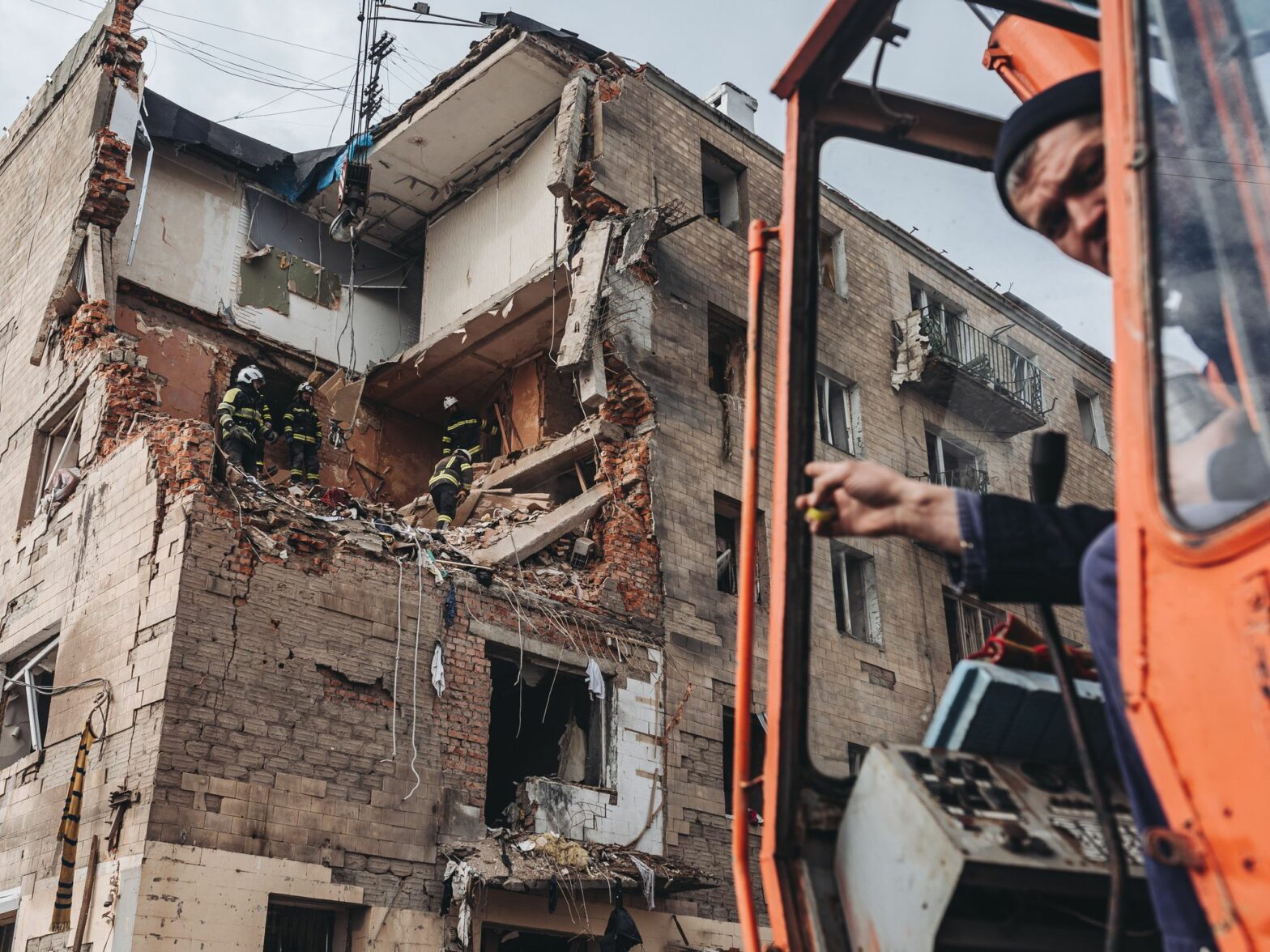
How daily life continues in this city in eastern Ukraine of 1.4 million, which has been shelled by Russia throughout the nearly two-year war.
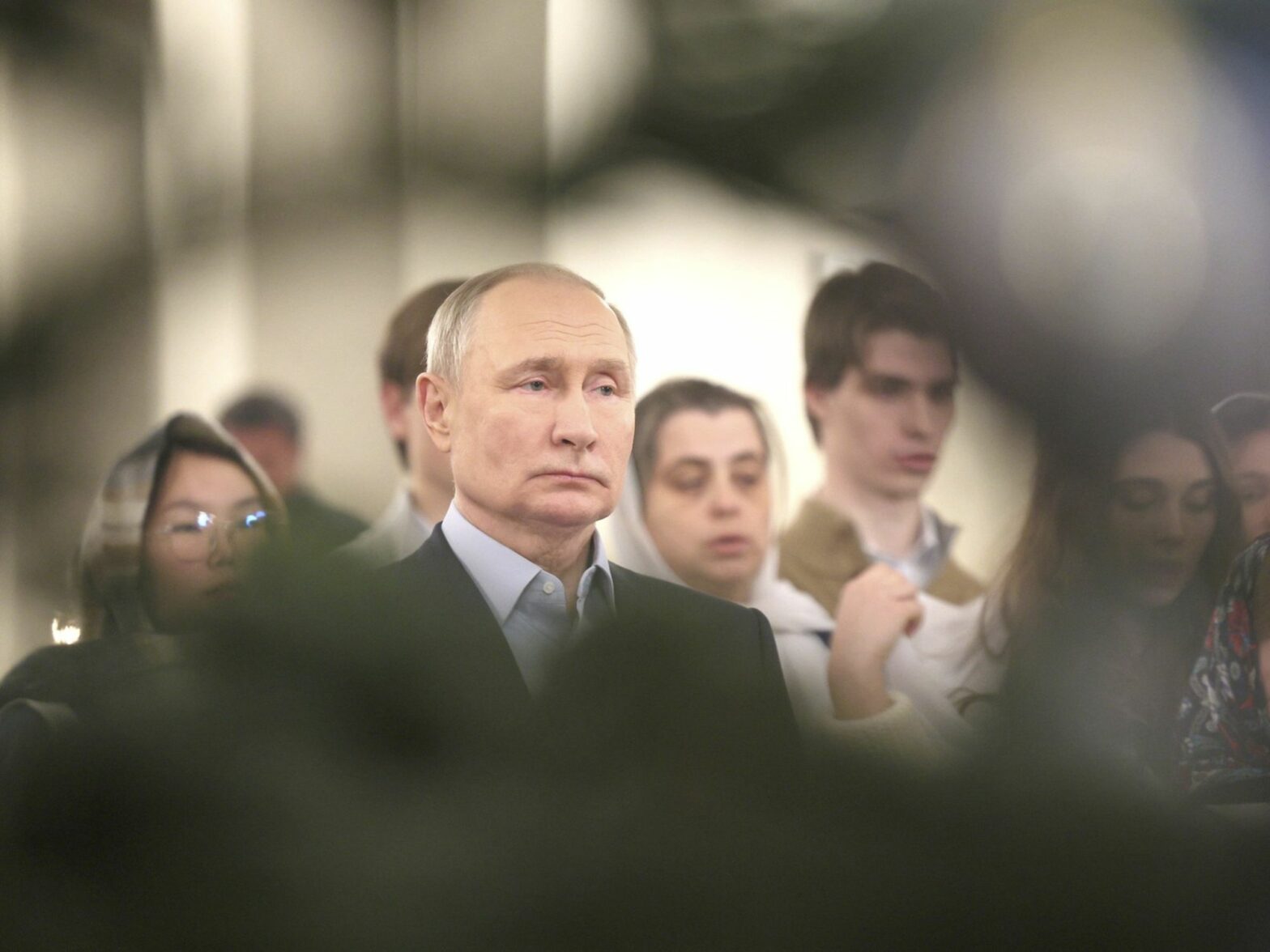
Beginning with Russia’s annexation of Crimea, Moscow’s actions against its supposed “brotherly” neighbors have yielded decidedly mixed results. Yet there are certain outcomes of Russian aggression against Ukraine that have weakened the West and the post-Cold War global order.
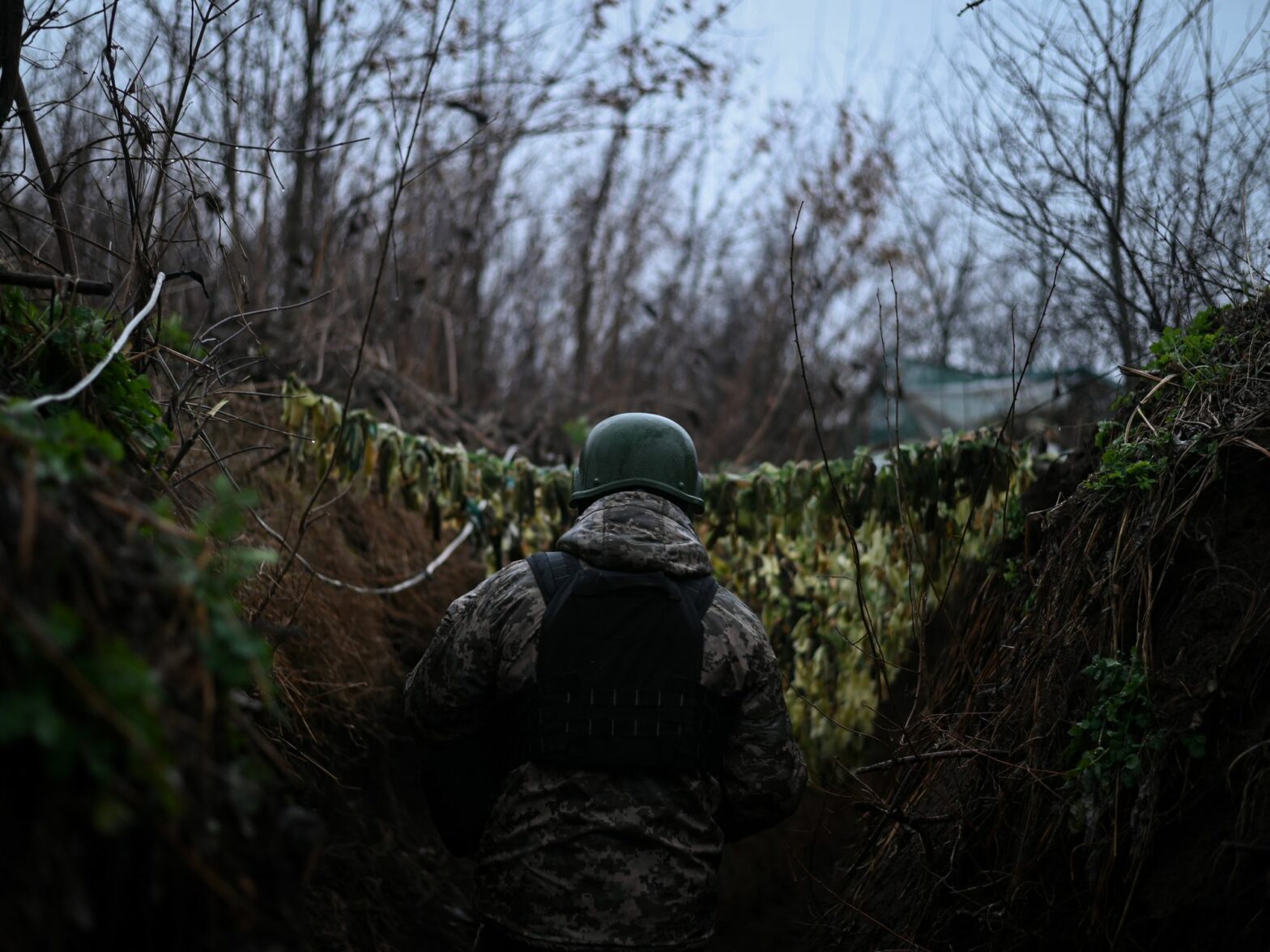
If we don’t compel those capable of bearing arms into the military, then we’ll soon cease to exist. And when we do, there will be nothing left. Artists in exile might write and read thoughtful articles about how we lost everything, but what good will that do?
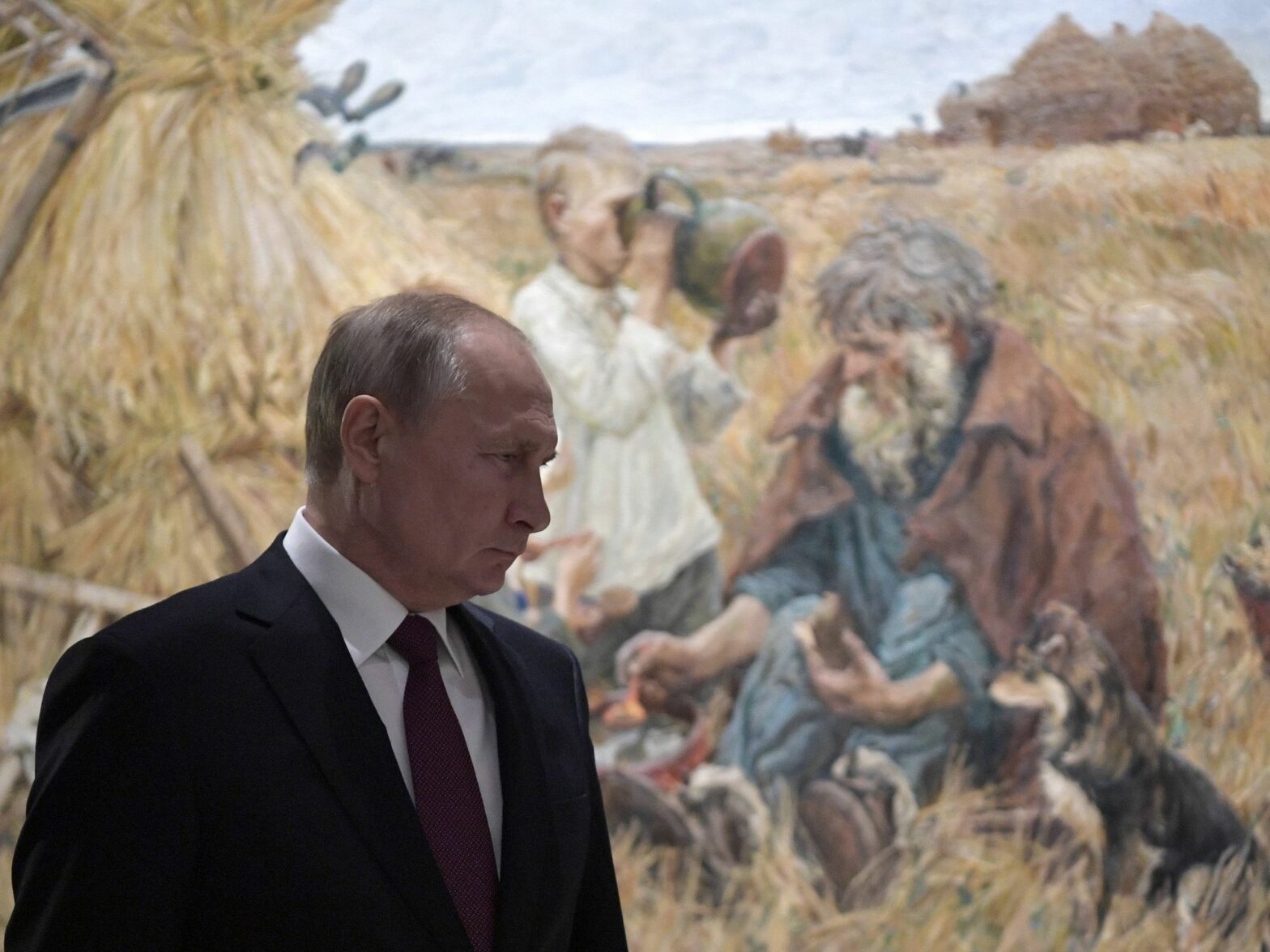
Vladimir Putin has tried to tie Russia’s cultural achievements to the nation’s past empire and his modern imperial ambitions — still, it’s a mistake to try to bury the nation’s great art, music and literature, argues Ukrainian publication Ukrainska Pravda.
An operation gone awry pushed him deep into enemy territory. His wife prepared for his funeral. Then, he came back.
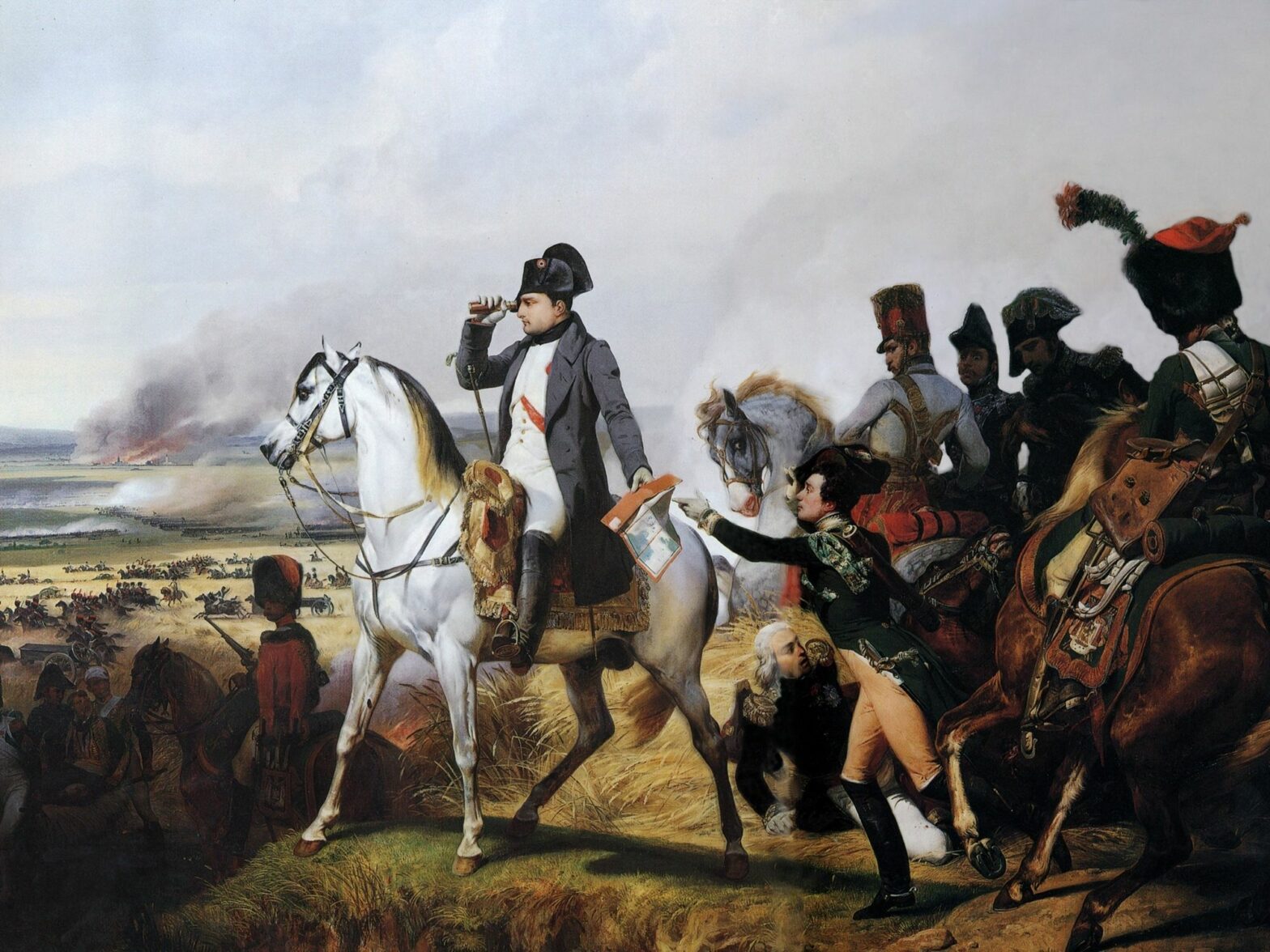
The feuding Ukrainian and Russian leaders both share the French emperor’s sense of mission and intransigence. The way these modern-day Bonapartes’ messianic ambitions translate into reality, however, differ greatly.
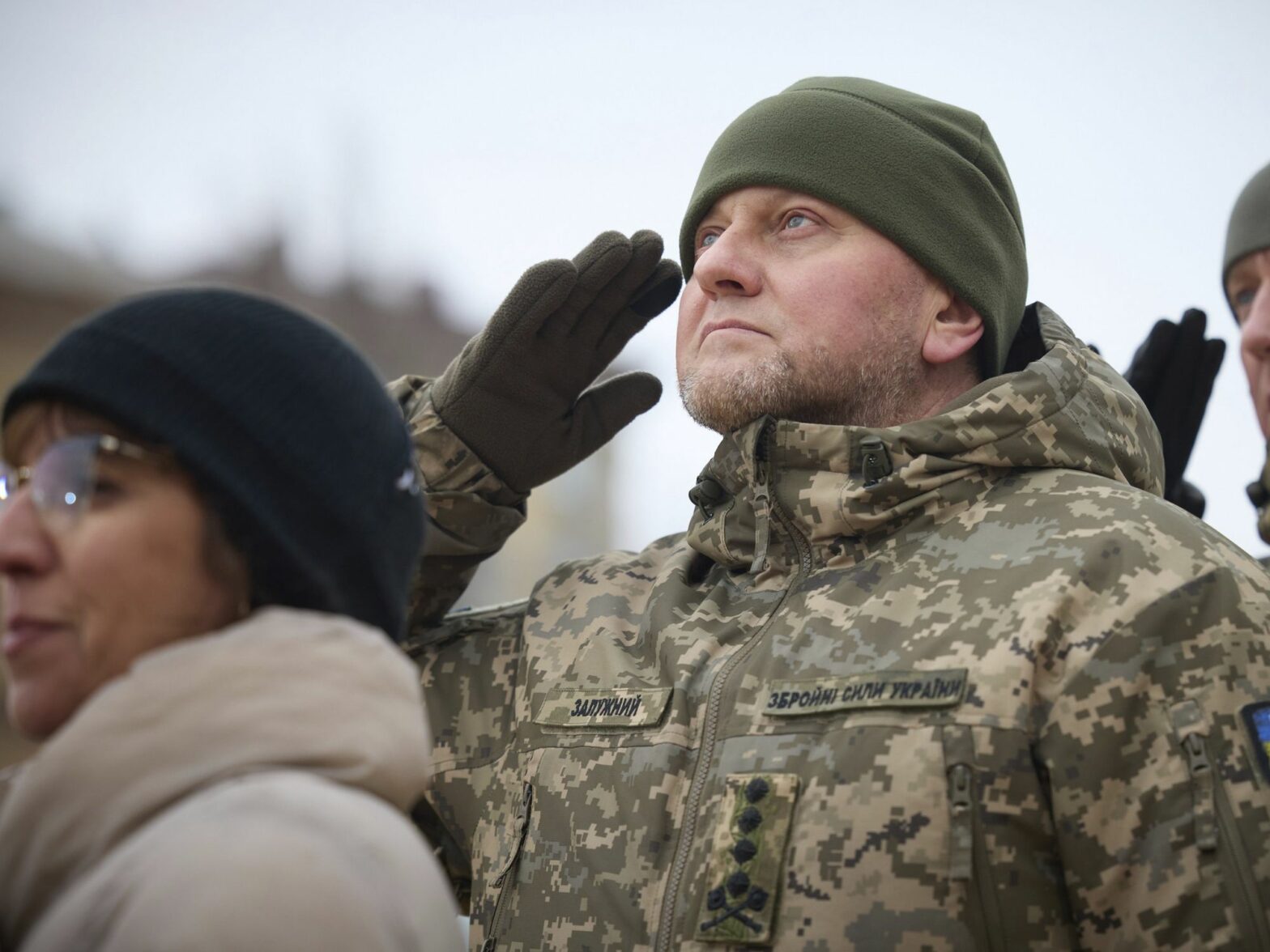
Tensions keep brewing between Ukrainian President, Volodymyr Zelensky, and his military chief, Valerii Zaluzhny. Coming at a critical point in the war’s deadlock, the disputes risk undermining Ukrainian unity and playing into Russia’s hands.
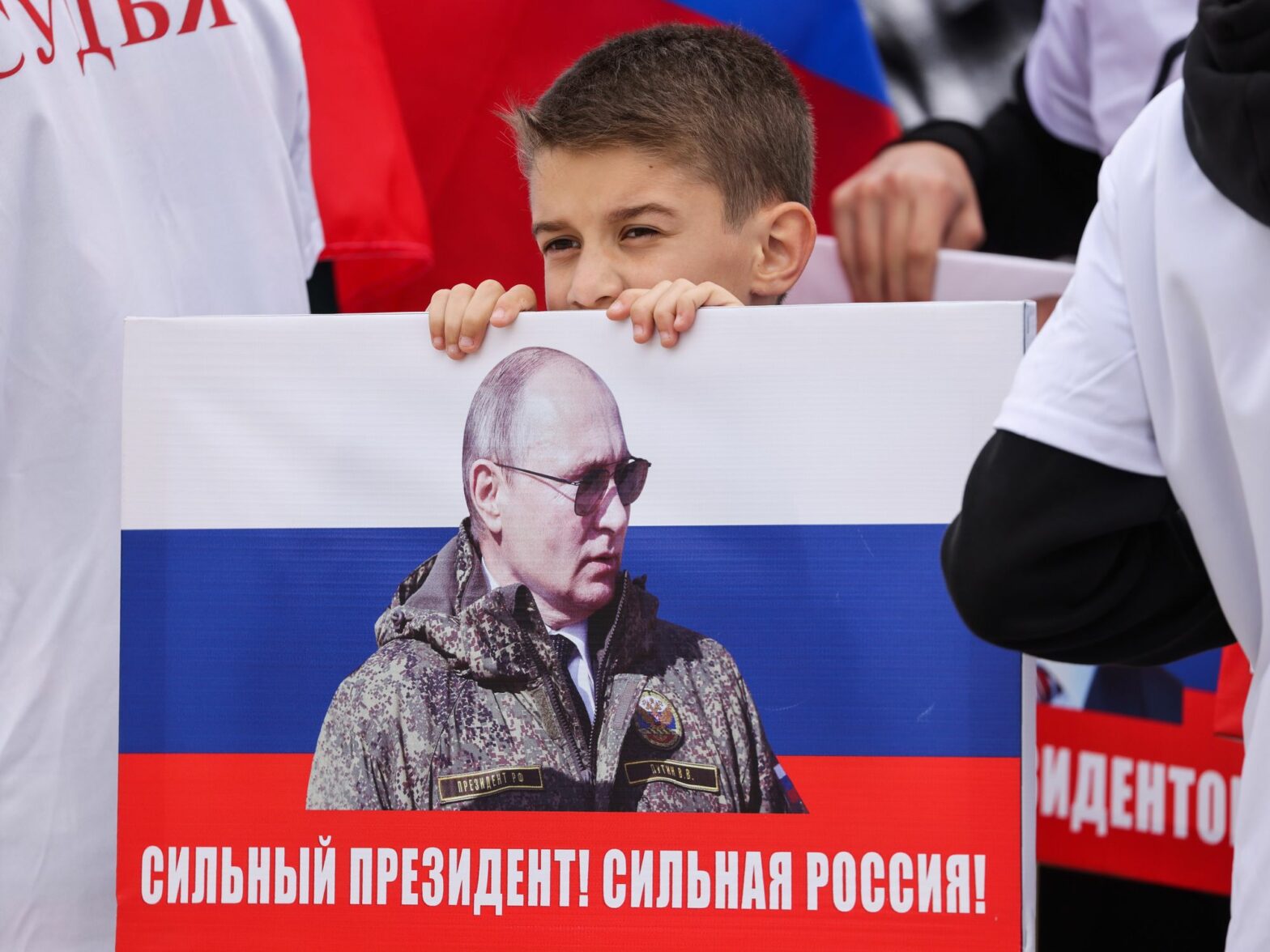
Since Russia’s invasion of Ukraine, political commentators have consistently returned to the question of Putin’s successor. Russia expert Andreas Umland foreshadows a potentially tumultuous transition, resulting in a new power regime. Whether this is more or less democratic than the current Putinist system, is difficult to predict.
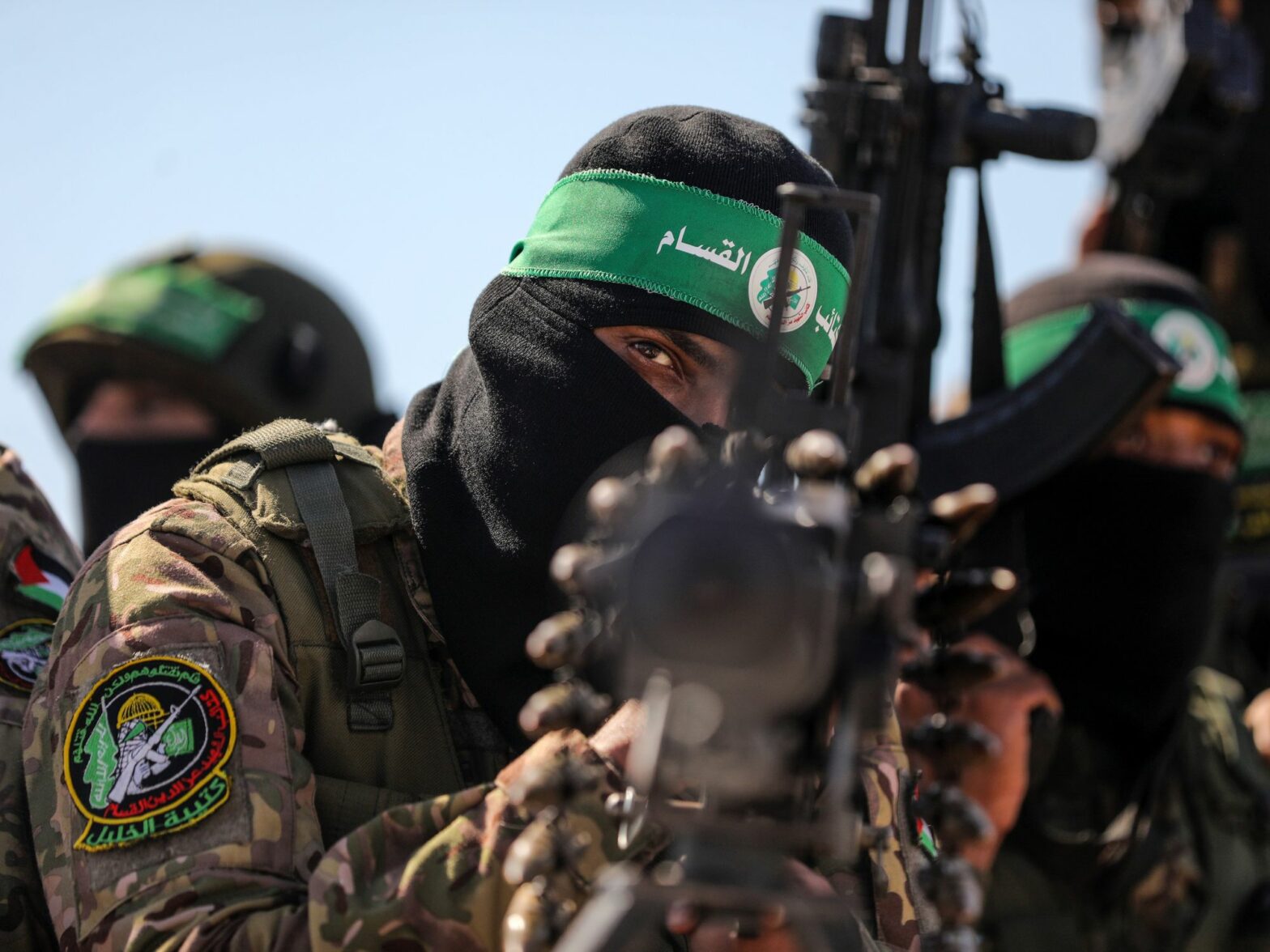
As long as there are criminal regimes with technological, military, and financial capabilities, defeating them militarily is the only route to lasting peace.
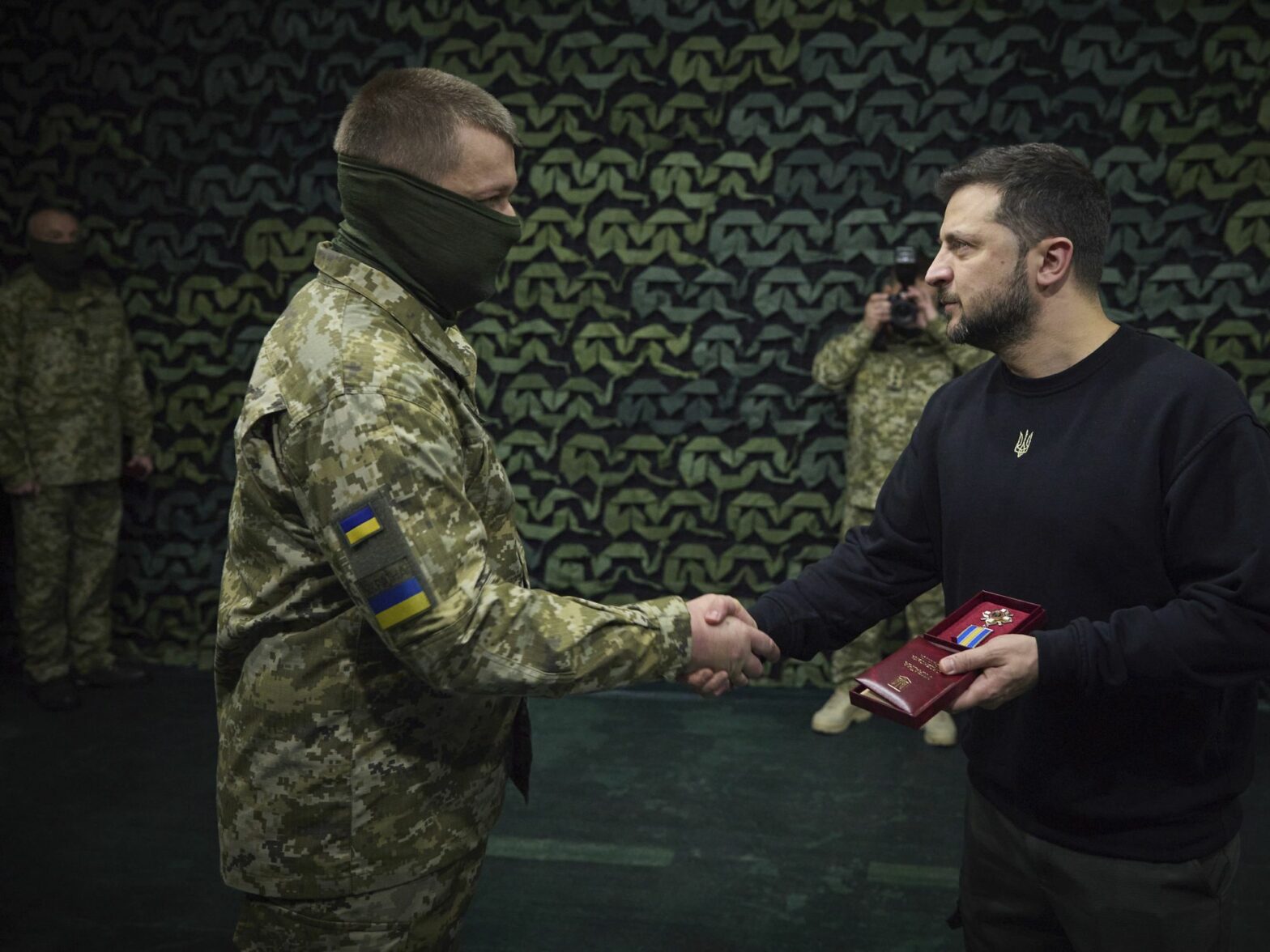
Some of the Ukrainian Armed Forces units are at only 70% of their intended strength. But President Zelensky is unwilling to raise the question of mass mobilization. The result is a parallel reality, with more recruitment coming from rural areas and lower classes, and some urbanites feeling victory is not too far, and their sacrifice is not needed.
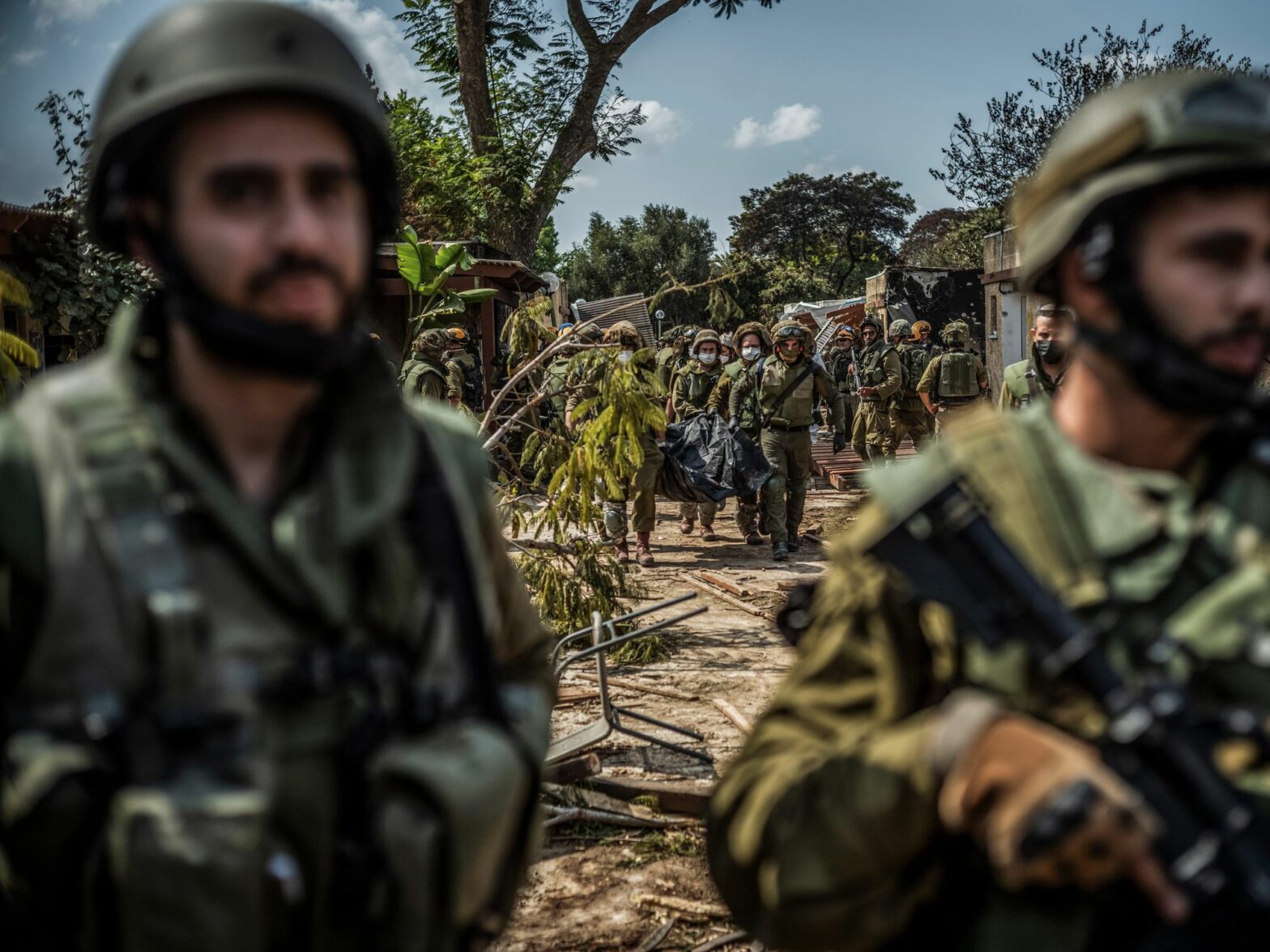
Public sympathy for Hamas terrorists has precedents. Algeria’s liberation in the 1960s from French colonial rule is viewed by history as a wholly just cause, despite horrific attacks against civilians. What does the analogy tell us about Israel’s current situation?
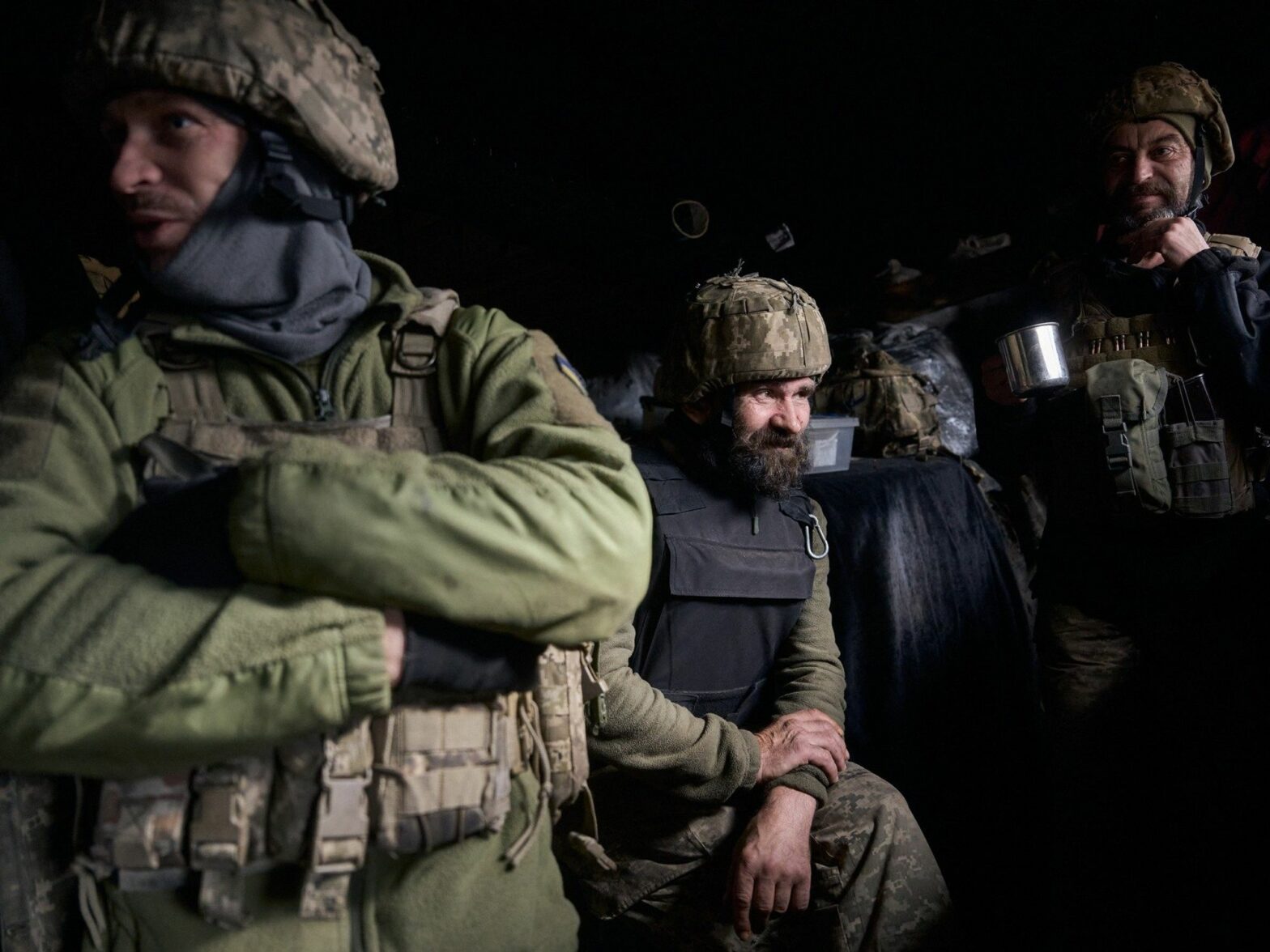
Last winter, many Ukrainians believed the only factor delaying the war’s end was the weather. A year later, the country faces a very different situation, with a stalled counteroffensive ahead of the coming cold days creating fertile ground to lose precious national unity.
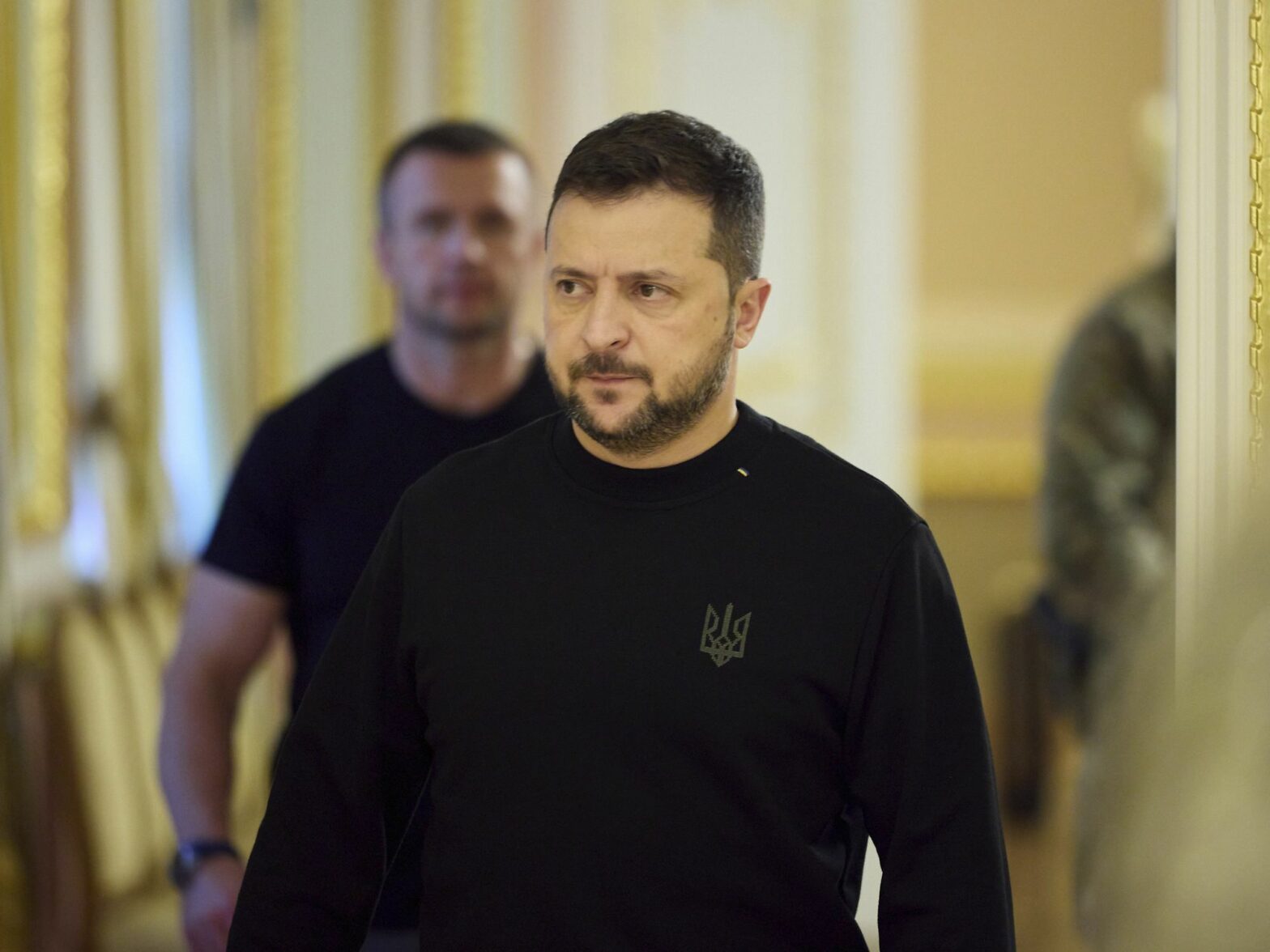
After the postponement of Ukrainian President Volodymyr Zelensky’s planned trip to Israel, there are voices now saying it should be cancelled outright. What’s the price of Ukraine publicly declaring its support for the current actions of the Israeli government and military?
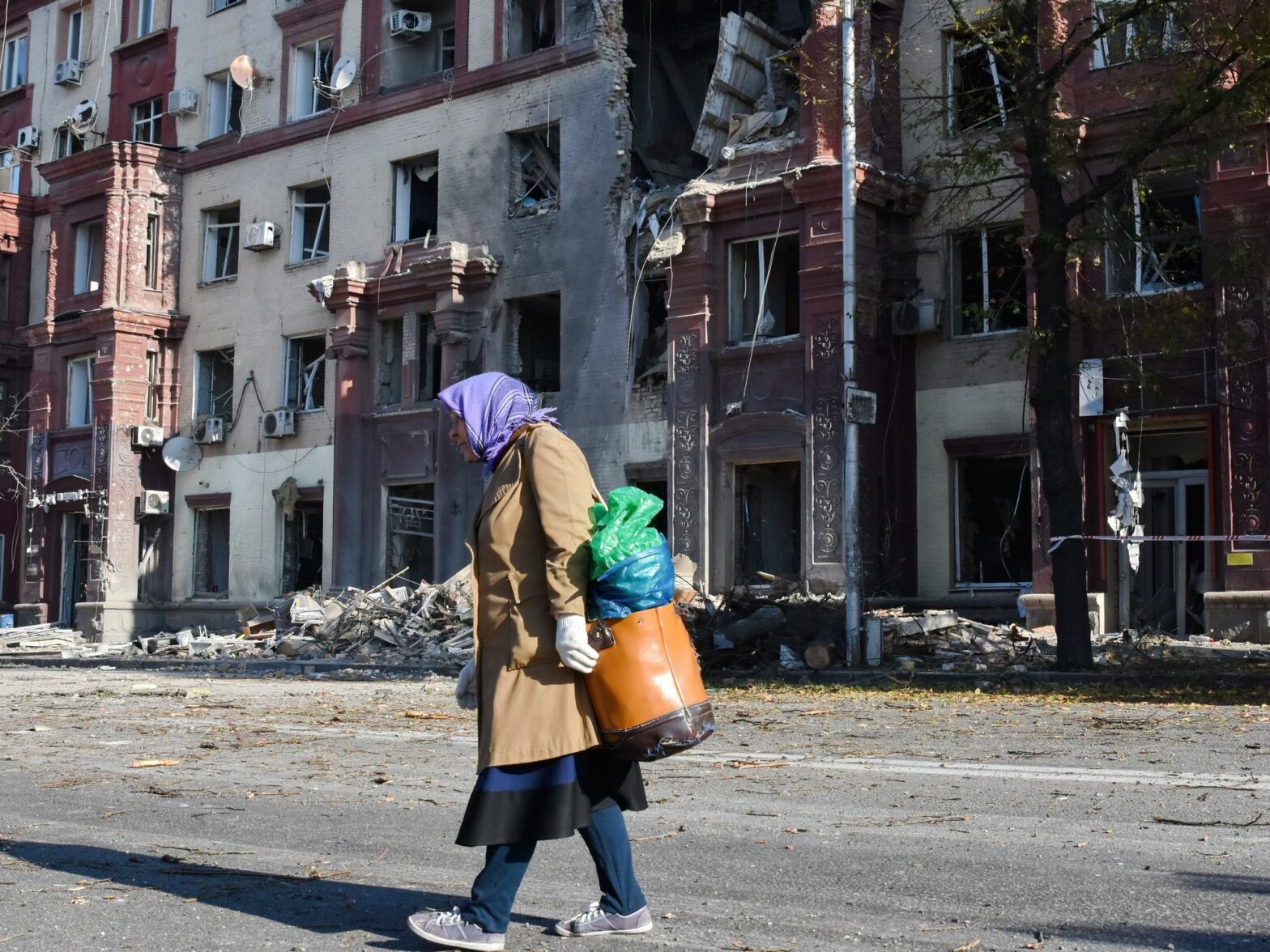
The country is scrambling to shore up production and distribution amid the inevitability of continued Russian attacks, questions around the pace of restoration of damaged facilities, and the possibility of a harsher winter than last year’s.
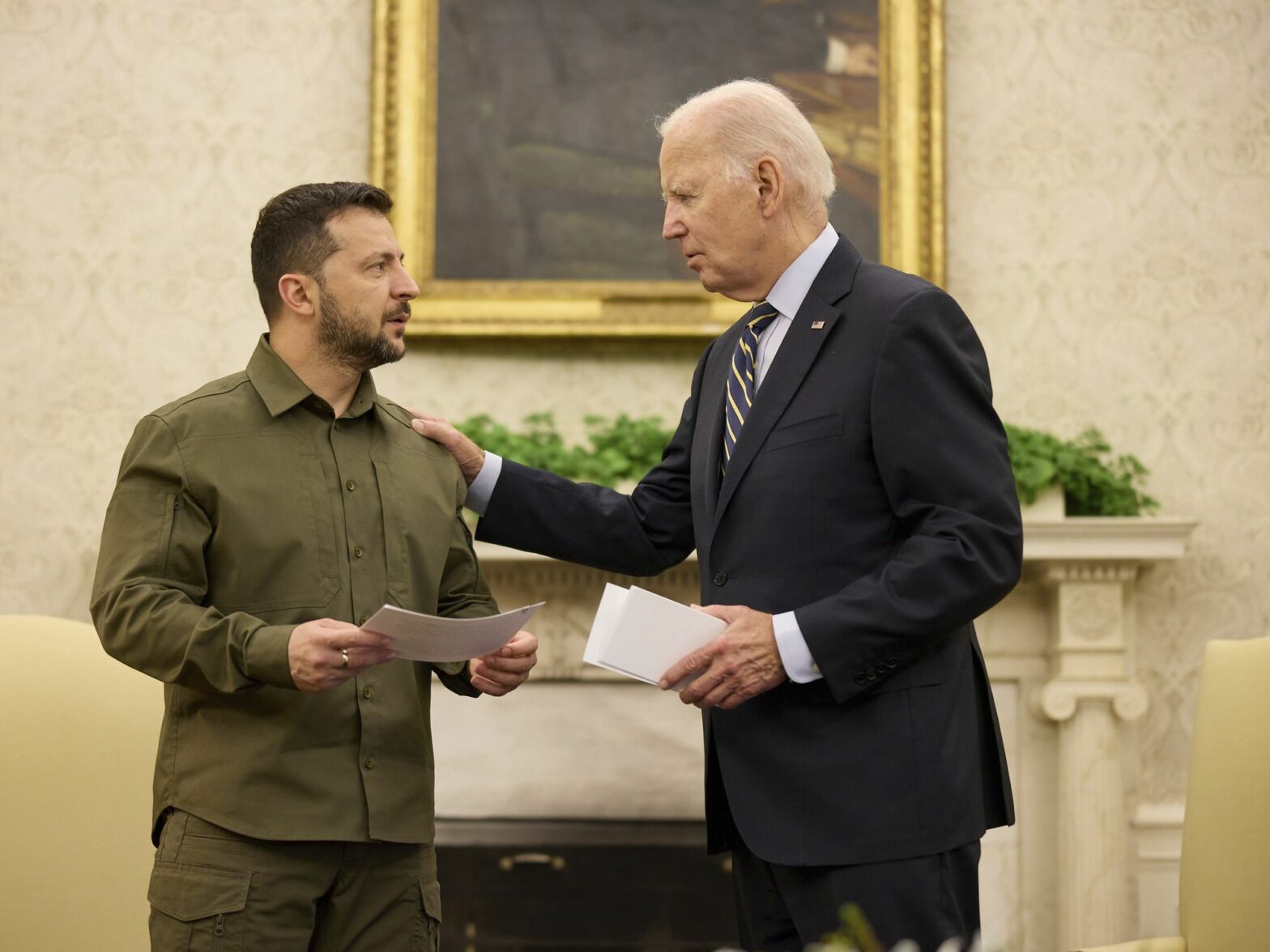
With the Middle East burning and domestic politics splintering, Ukraine is now just one of multiple priorities for the West. For President Zelensky, it’s time to move past the narrative of the past two years.
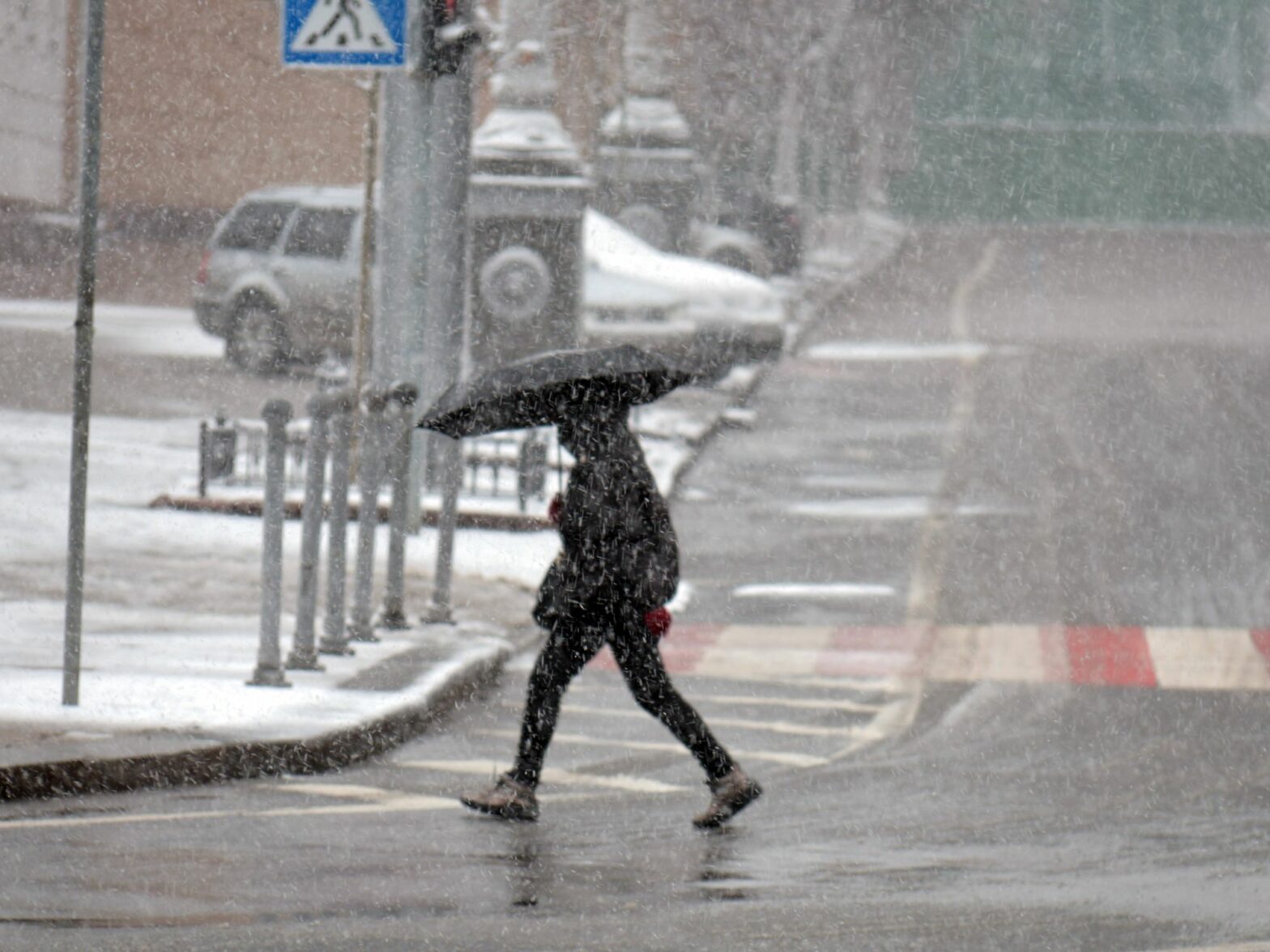
No significant breakthroughs, growing skepticism about optimistic claims, and a war with no end in sight add to the psychological struggles of Ukrainians already facing the prospect of energy and heat shortages.
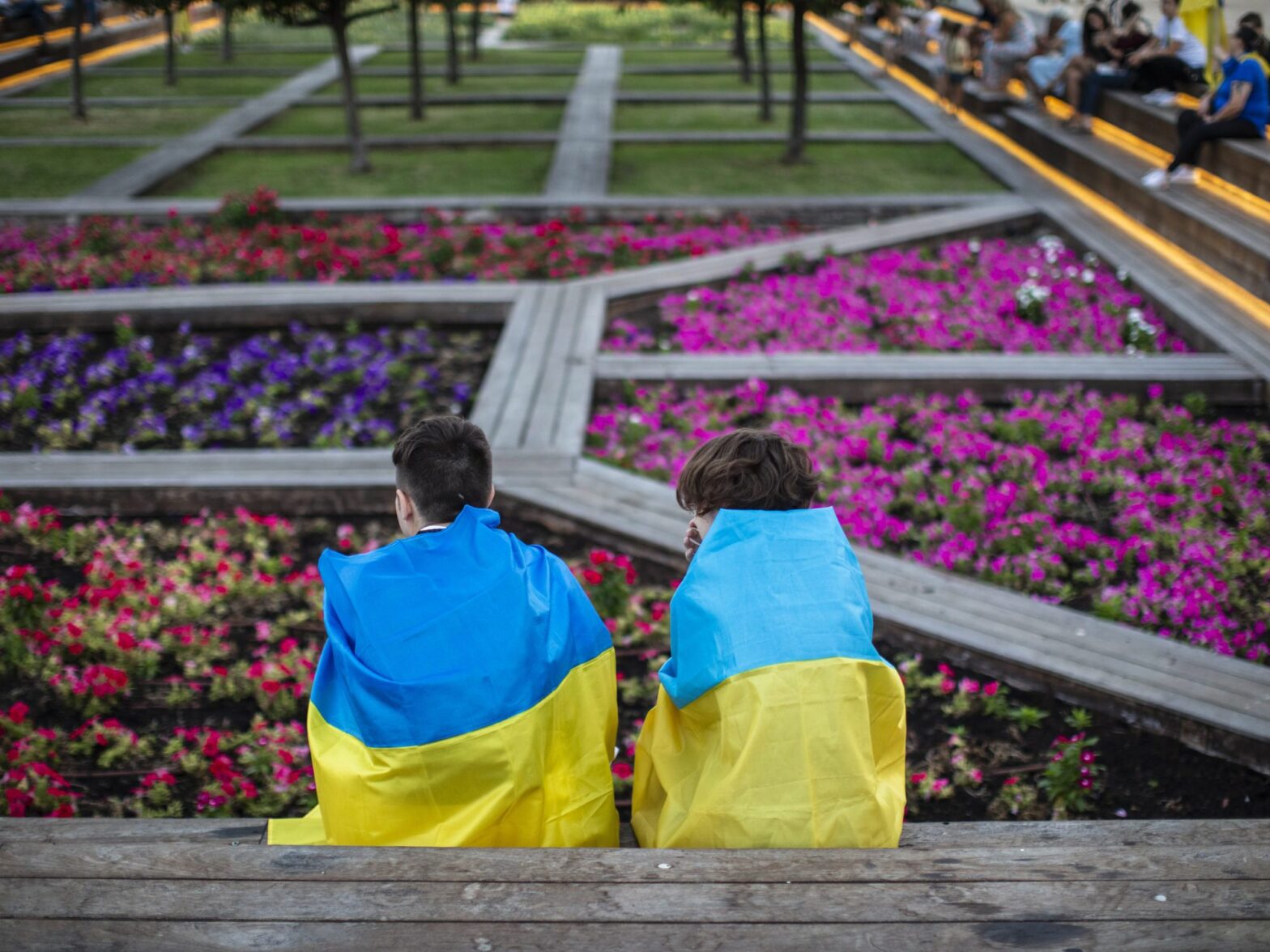
Among the victims of the recent conflict in Israel are many Ukrainian citizens who fled the Russian invasion and are now finding themselves at the center of another war.
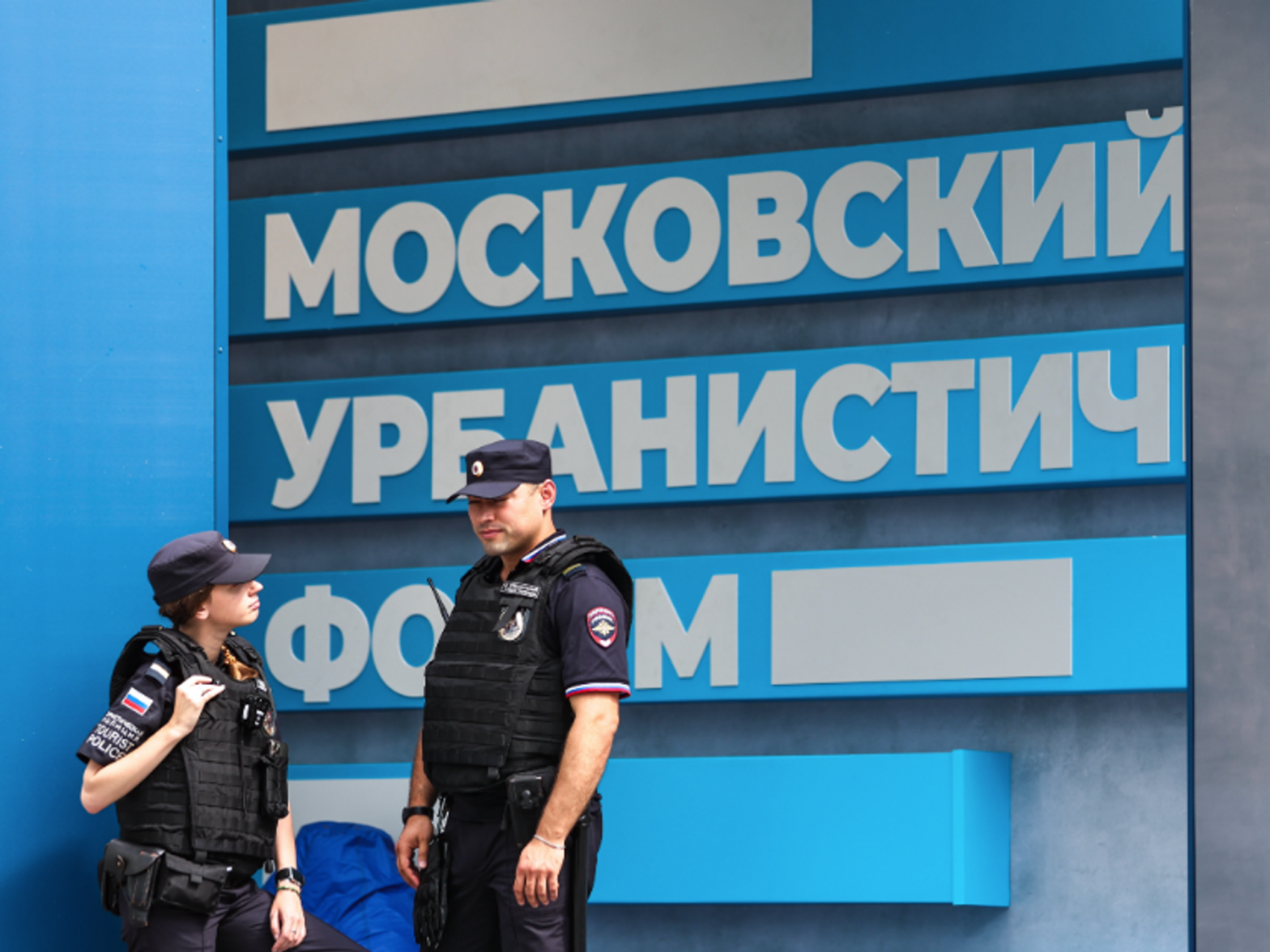
Western leaders must take a more resolute stance in addressing terrorism and its hybrid forms, and see the connection with the tactics and strategy of Putin’s Russia.
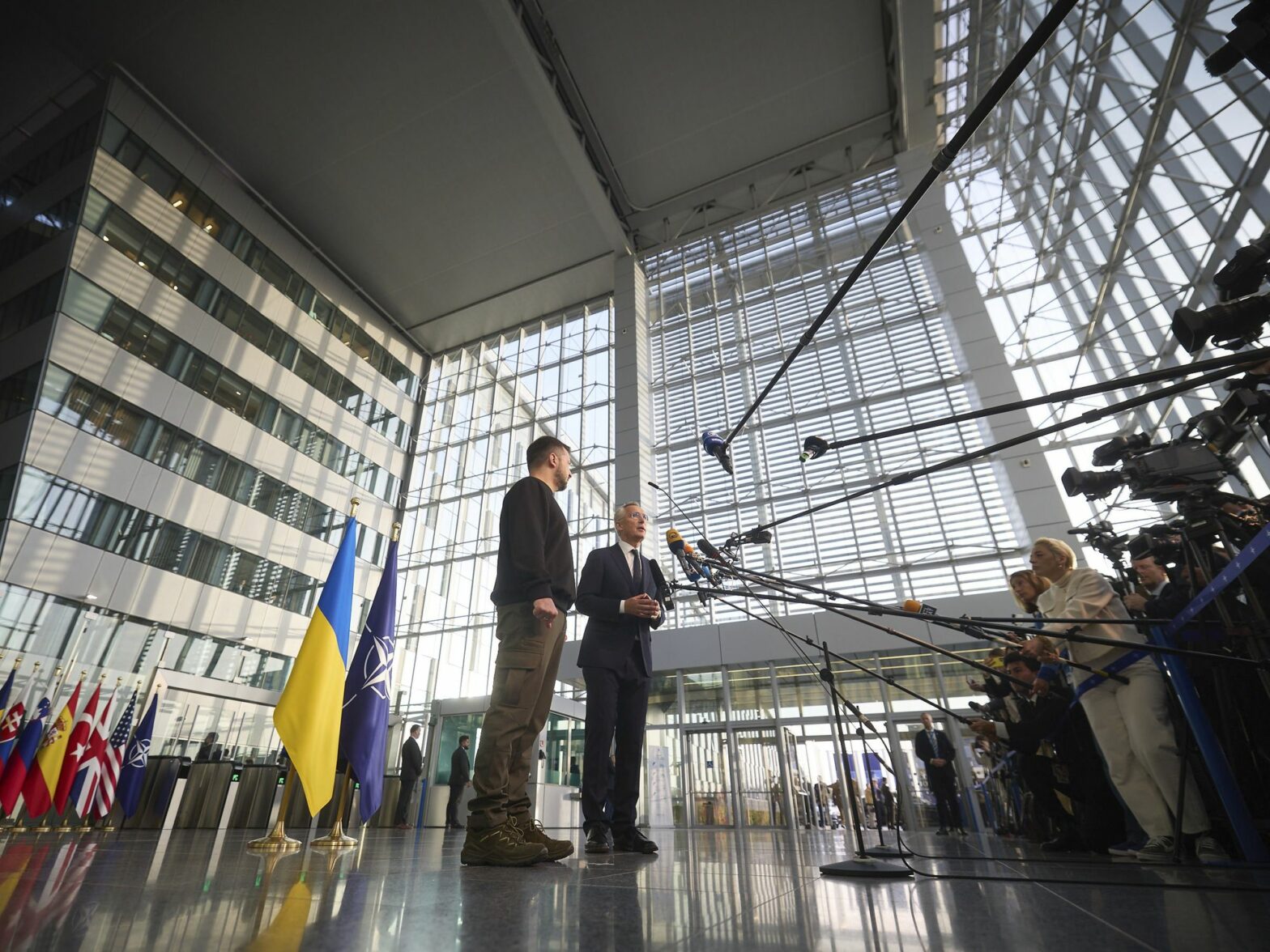
The EU must find a way to negotiate uncomfortable disagreements within its ranks. Ukraine can’t be seen as taking an unequivocal stand in support of any one side either.
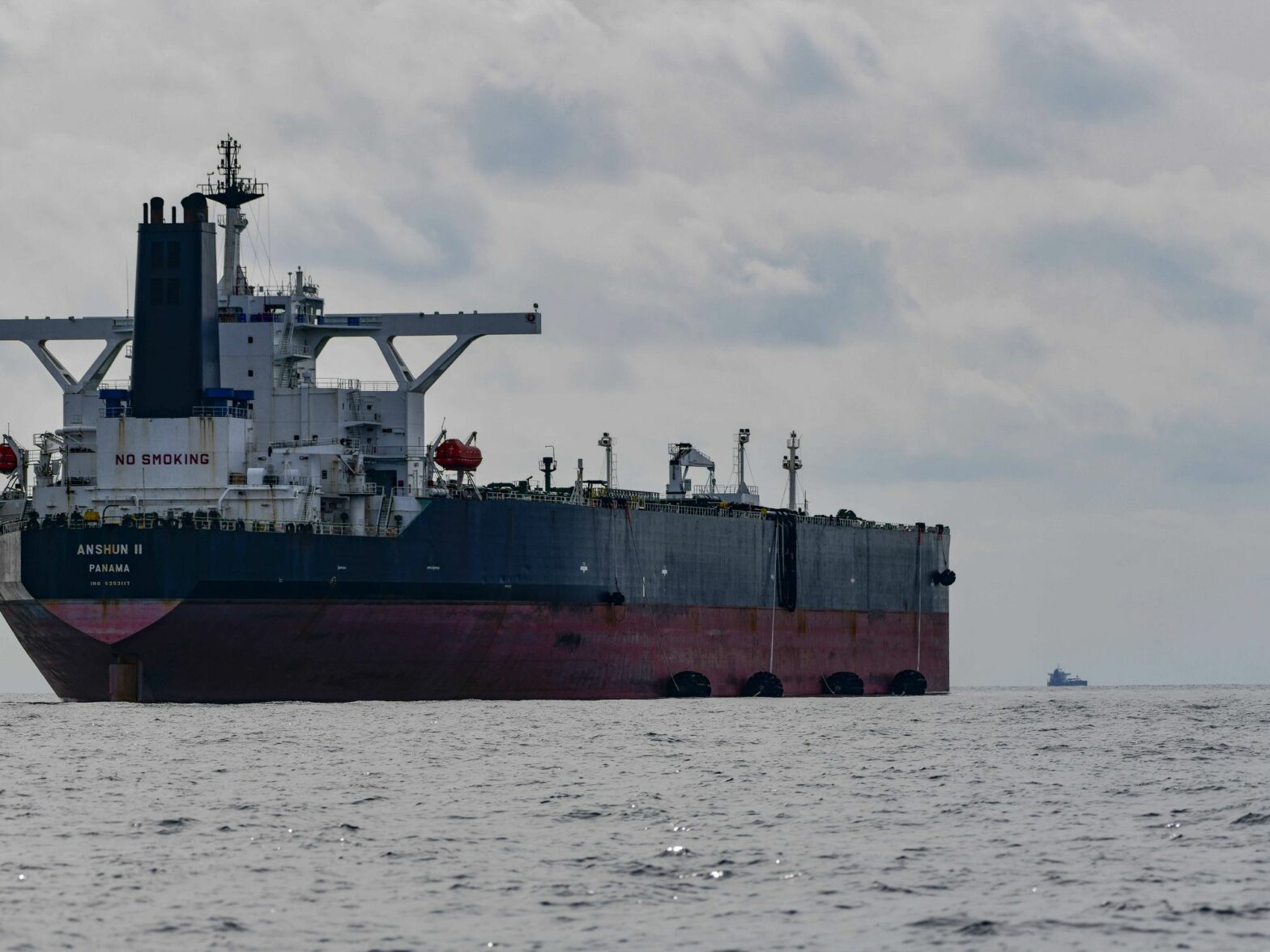
Russia has become the most sanctioned country in the world since its full-scale invasion of Ukraine began in 2022, but data show that the country has mobilized a fleet of off-the-books ships to continue selling oil around the world.
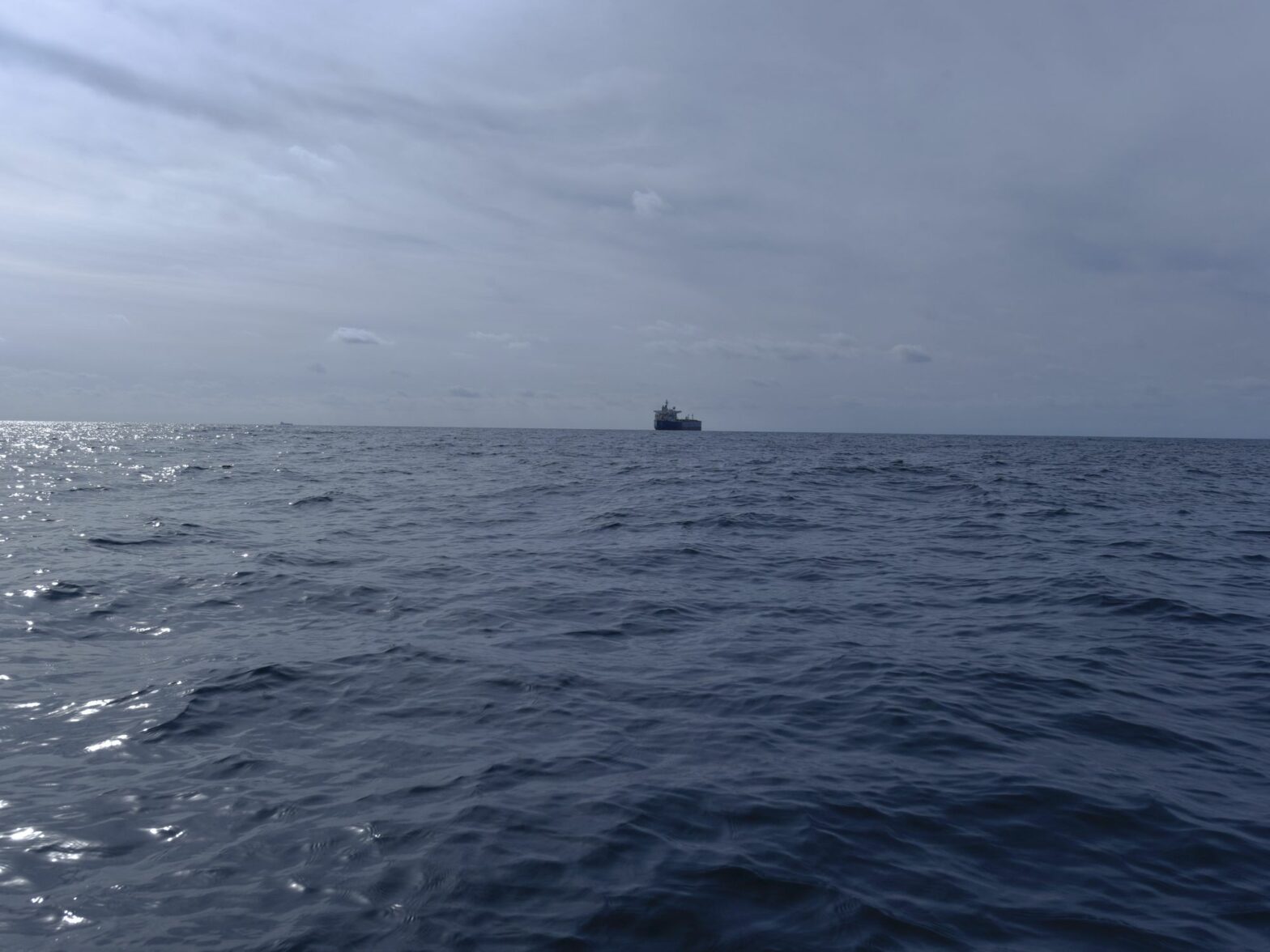
This is a tale of a Ukrainian special forces operator who wound up surviving 14 hours at sea, staying afloat and dodging Russian air and sea patrols.
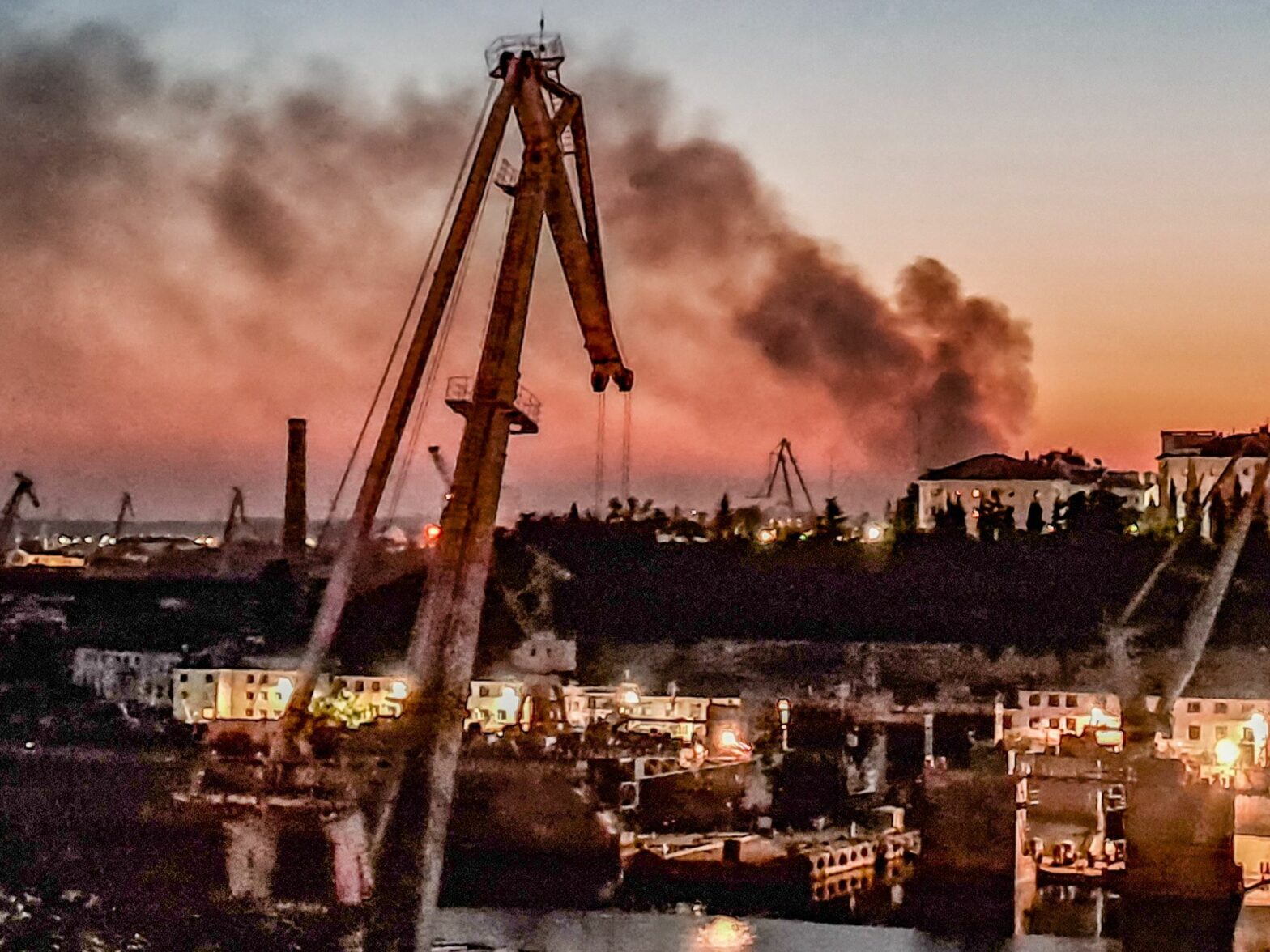
As Ukraine steps up its attacks on the Black Sea fleet and other targets in Crimea, here’s the inside story of Russia’s devastating naval defeat in April, 2022.
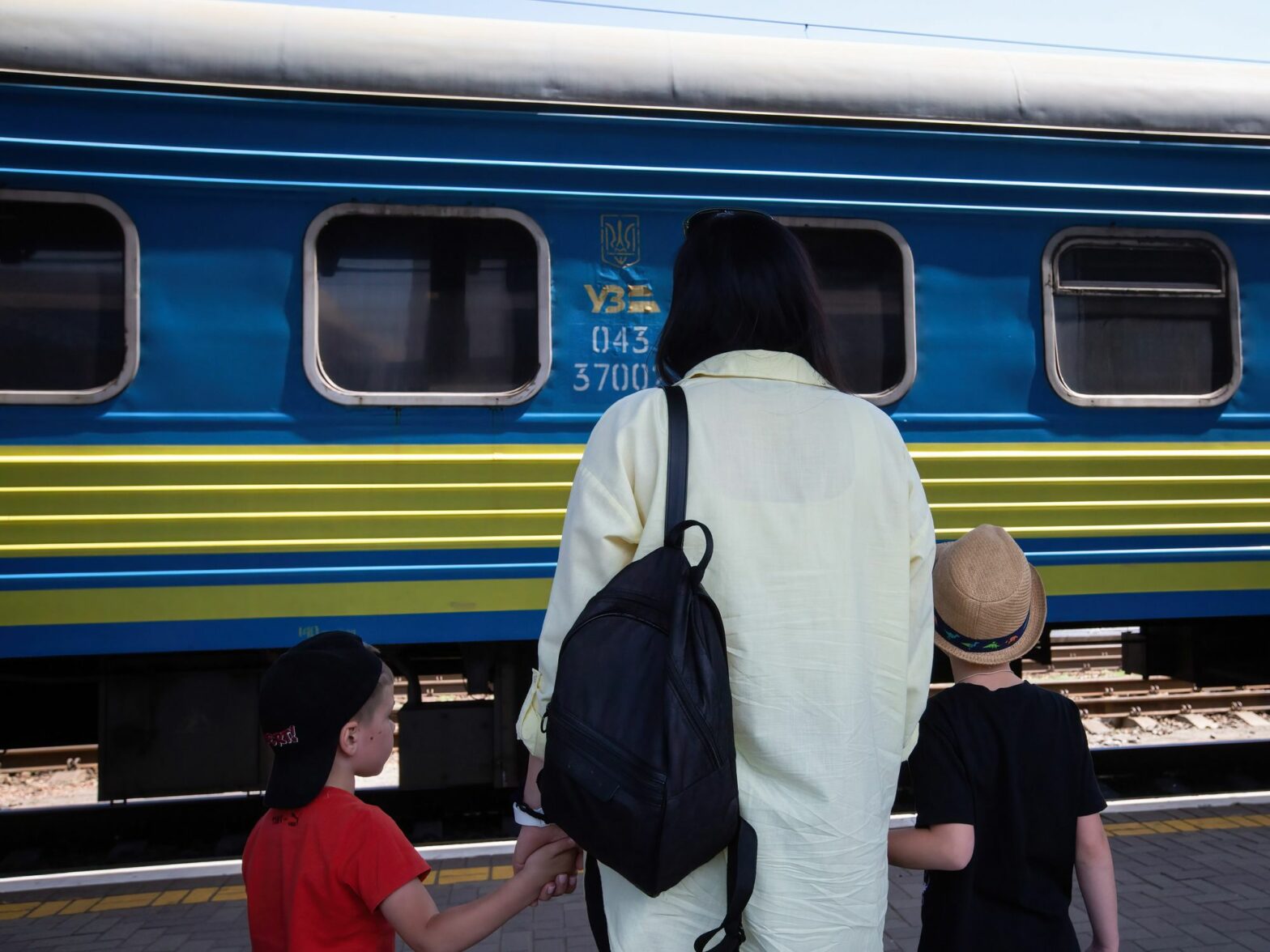
The war isn’t the only thing that stands in the way of the homecoming of Ukrainian refugees. A lot depends on the efficiency of post-war economic recovery. A new study warns that up to 3.3 million won’t be coming back after the fighting stops.
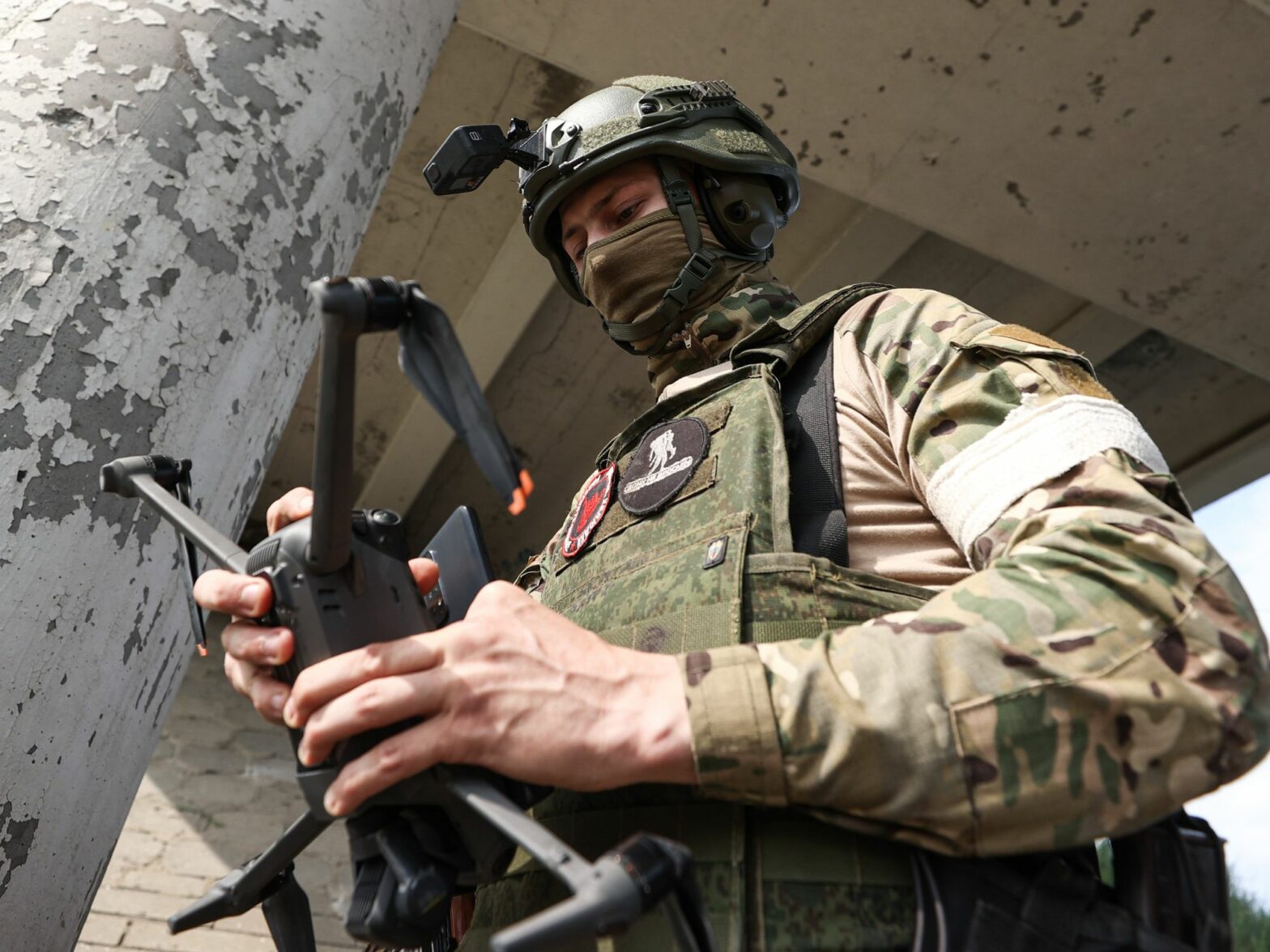
In spite of commonly-held beliefs that the Russian military is fighting with outdated weaponry and uncoordinated assaults, the truth is that complex weaponry is still making its war onto the Russian side on the front, even in spite of technology sanctions from the West.
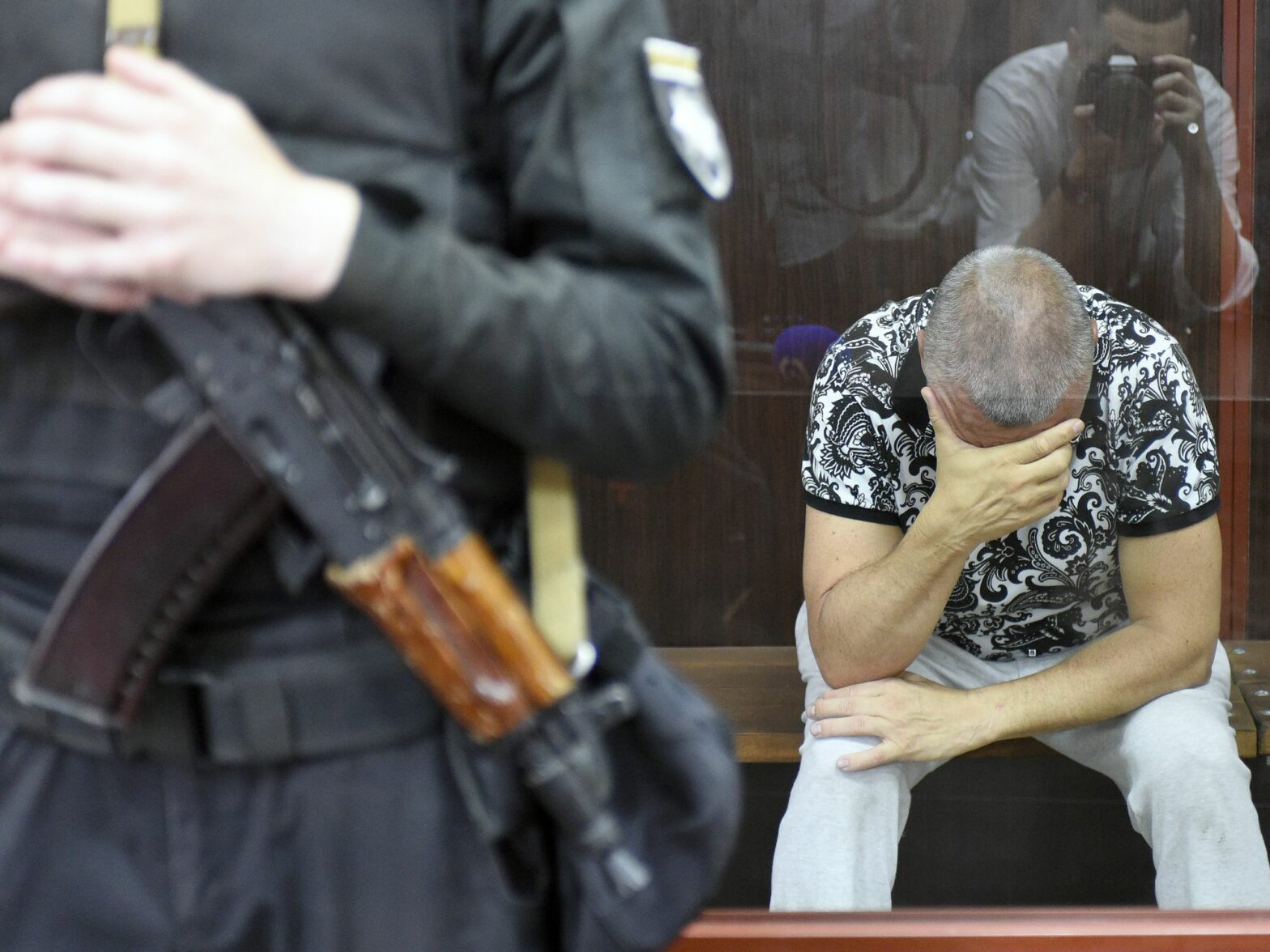
War can unify a nation, but it can also contribute to the deepening of social tensions — especially when times get tough on the front line. A reflection forward, and back, including the experience of George Orwell calling out the bad Brits during World War II.
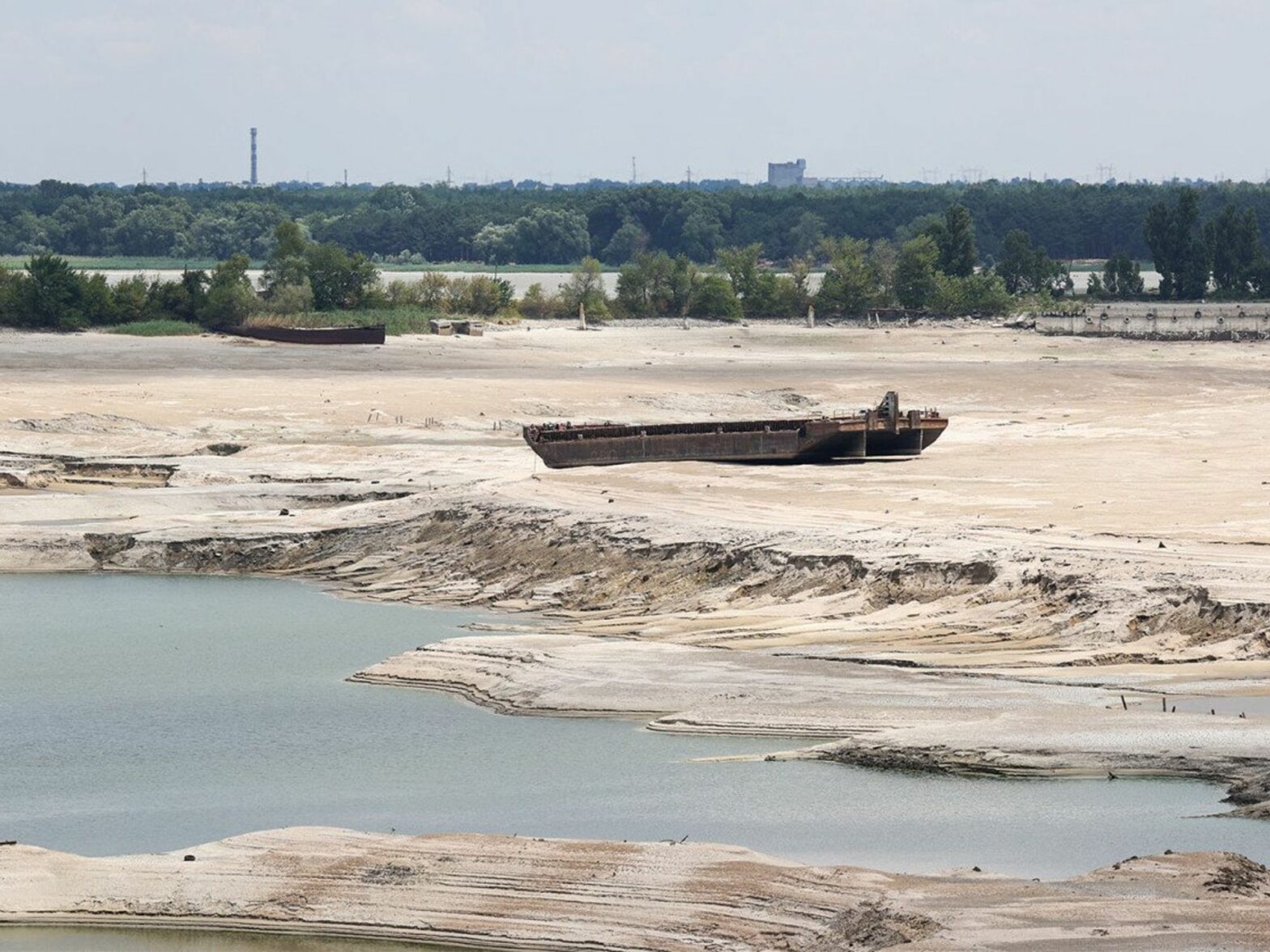
In the Kakhovka Reservoir region, life used to revolve around the community’s direct access to water – until the dam was attacked two months ago. Locals are now trying to build a new life, carrying with them hope for the end of the war and the return of their precious reserves.
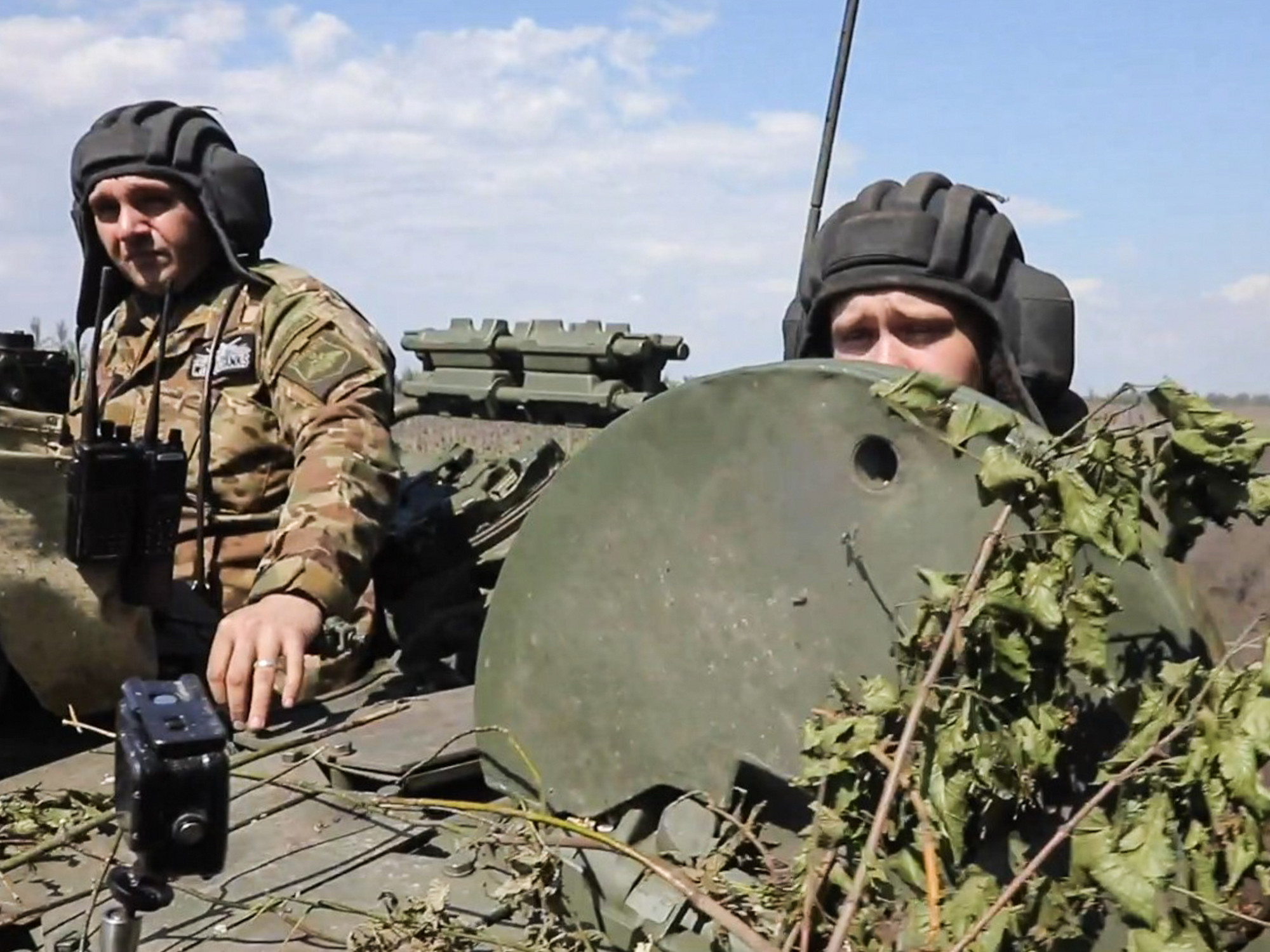
Russia has deployed more than 100,000 troops in the northeastern regions of Ukraine that were liberated by Kyiv late last year, which appears to come in response to the Ukrainian counteroffensive.
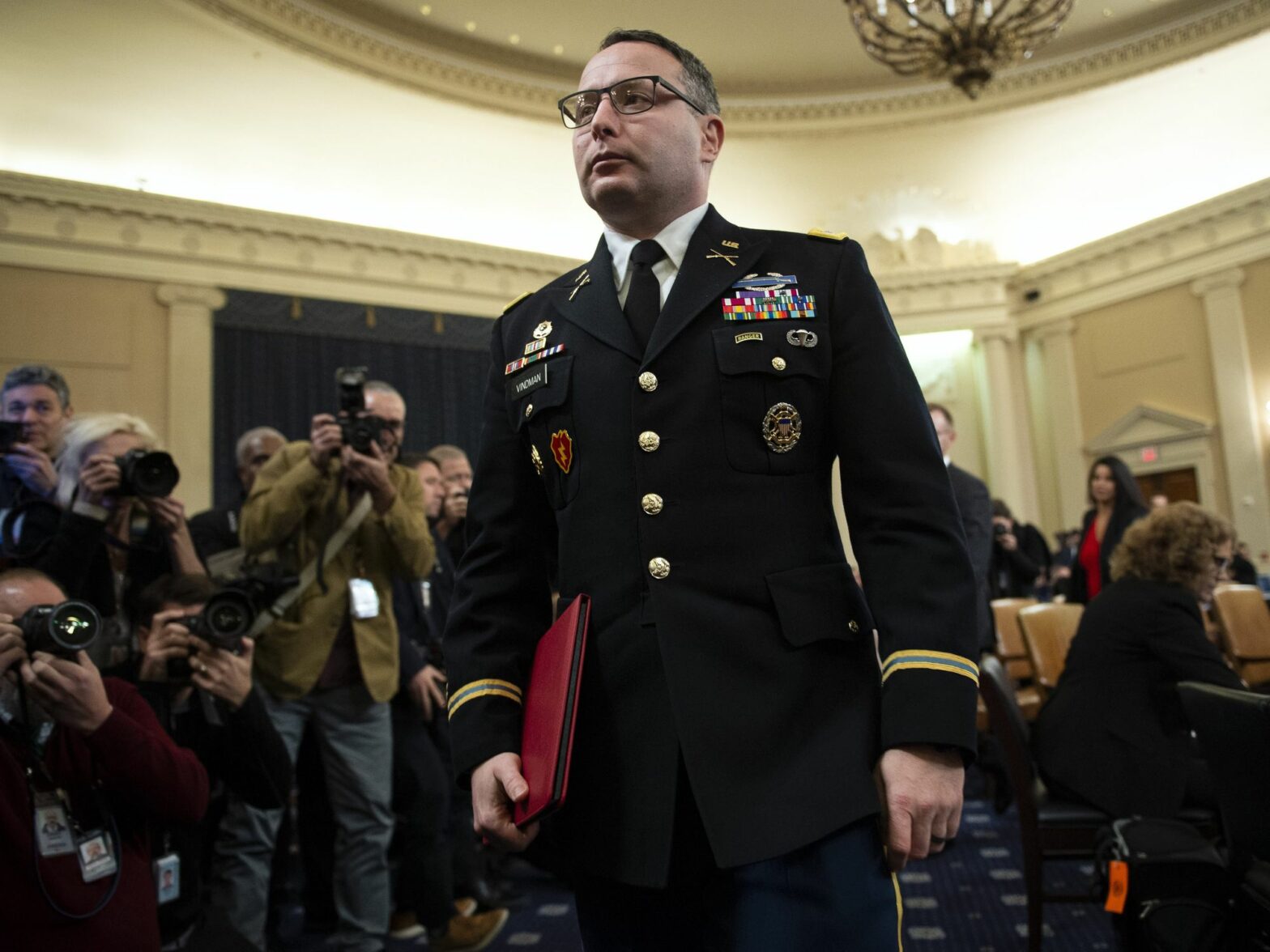
Former Director for European Affairs for the U.S. National Security Council, Alexander Vindman is the Ukrainian native who got ensnared in Donald Trump’s first impeachment investigation. Since the Russian invasion of his native Ukraine, he has been urging more Western support for Kyiv. The coming NATO summit is key, but so to are the 2024 U.S. elections.
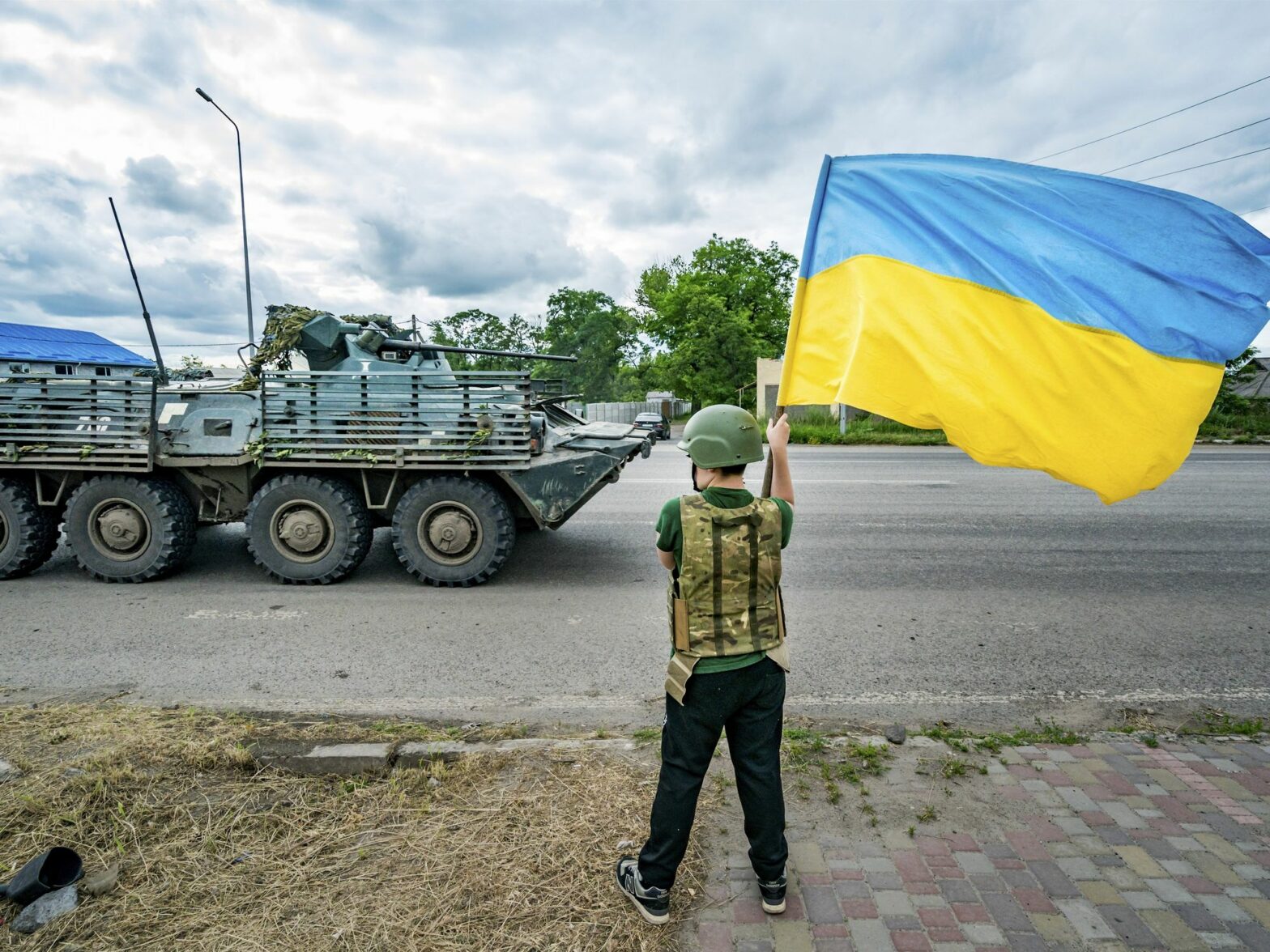
While the Ukrainian counteroffensive is mainly happening on the Southern and Eastern fronts, the struggle for Ukraine’s future is also being waged on the “Western front,” where more aid is desperately needed. Here, Kyiv needs to convince even the most resistant allies that a Ukrainian defeat would leave the European Union and the U.S. much weaker on the global stage.
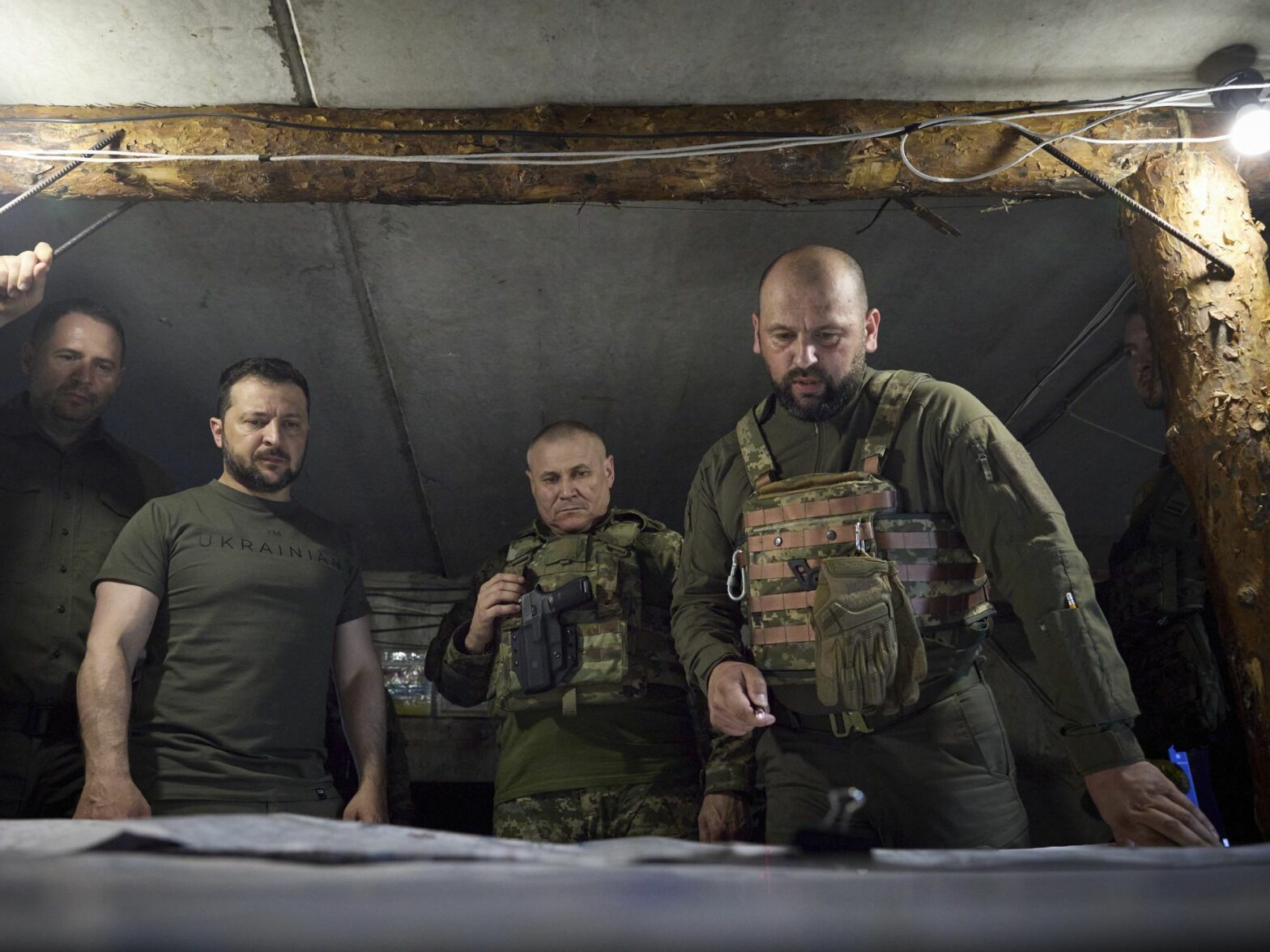
Yevhen Mezhevikin, a battle-hardened veteran with nine years of experience in the Ukraine war, sheds light on why the area around the war’s longest battle still matters in the ongoing counteroffensive.
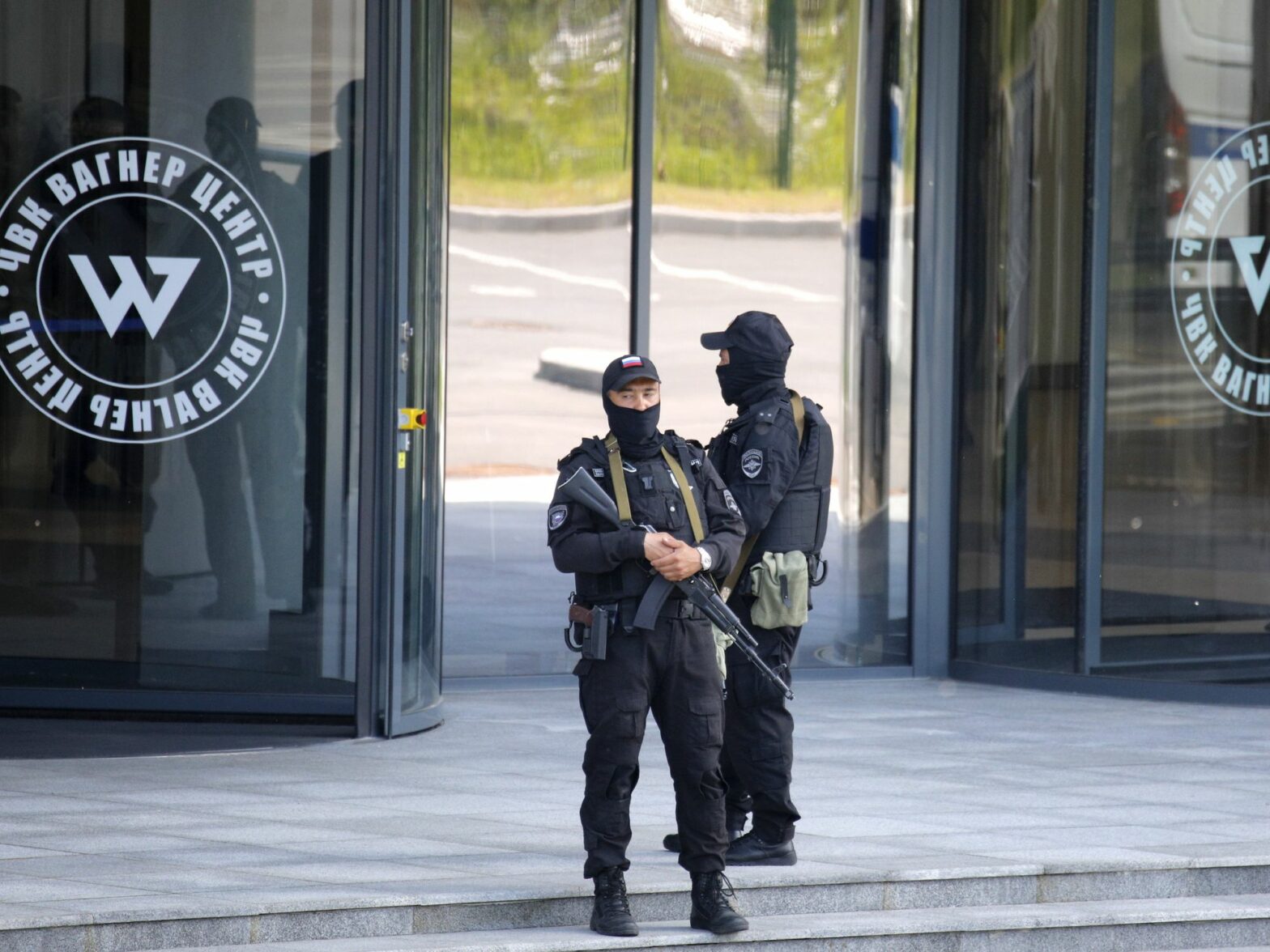
The aborted Wagner coup in Russia shows how a “war of all against all” might begin, and there are plenty of other militia factions opposed to the Kremlin, including separatist groups. Though it may appear to solve some big problems, including the war in Ukraine, history has shown that Russia exploding into civil war is unlikely to end well.
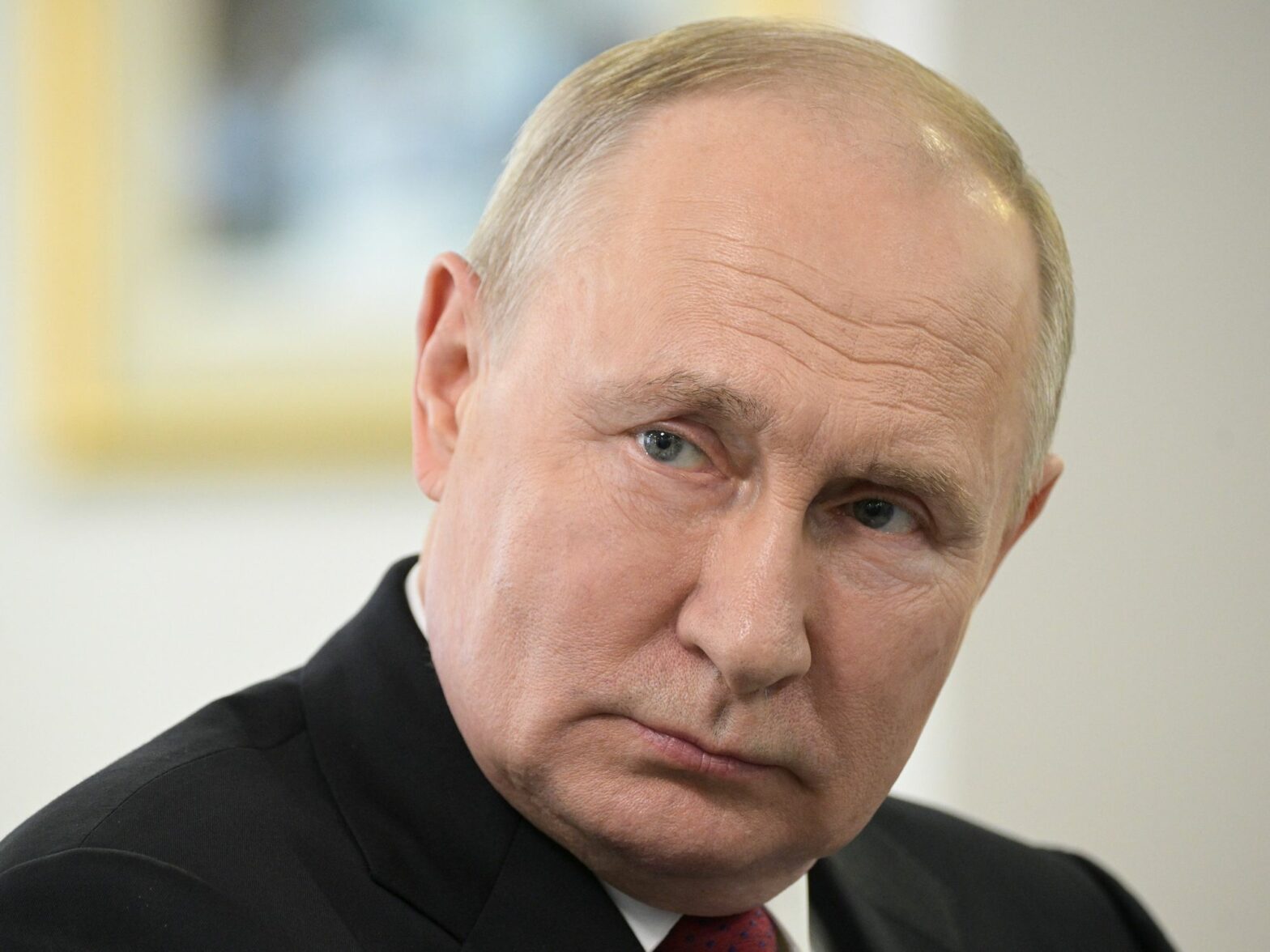
The idea of “peacemaking” with Russia has been creeping into Western media, bolstered by fears that Putin could ultimately resort to nuclear weapons. But Oleksiy Danilov, Secretary of the National Security Council of Ukraine, warns of the traps of this thinking.
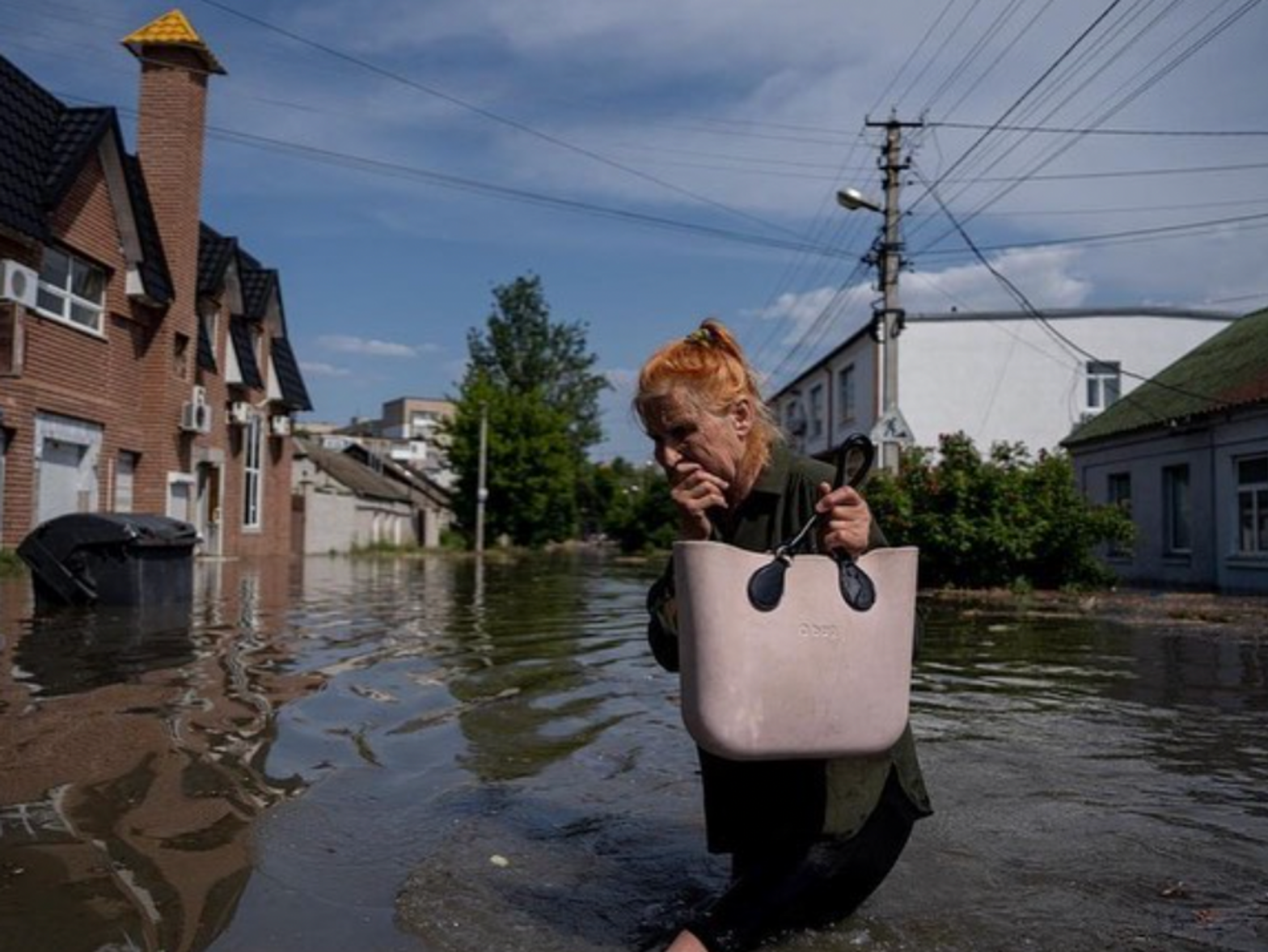
The evacuation of residents from flood-affected localities continues after the destruction of the Nova Kakhovka dam. Evacuees report that they have been bombarded by Russian missiles and fear the presence of mines in the water.