Knowledge is acquired when students grasp the essential characteristics of the subject being studied and are able to transfer them.
 Worldcrunch
Knowledge is acquired when students grasp the essential characteristics of the subject being studied and are able to transfer them.

The 21st century has made certain plots implausible. How can fiction manage to recapture suspense and longing?
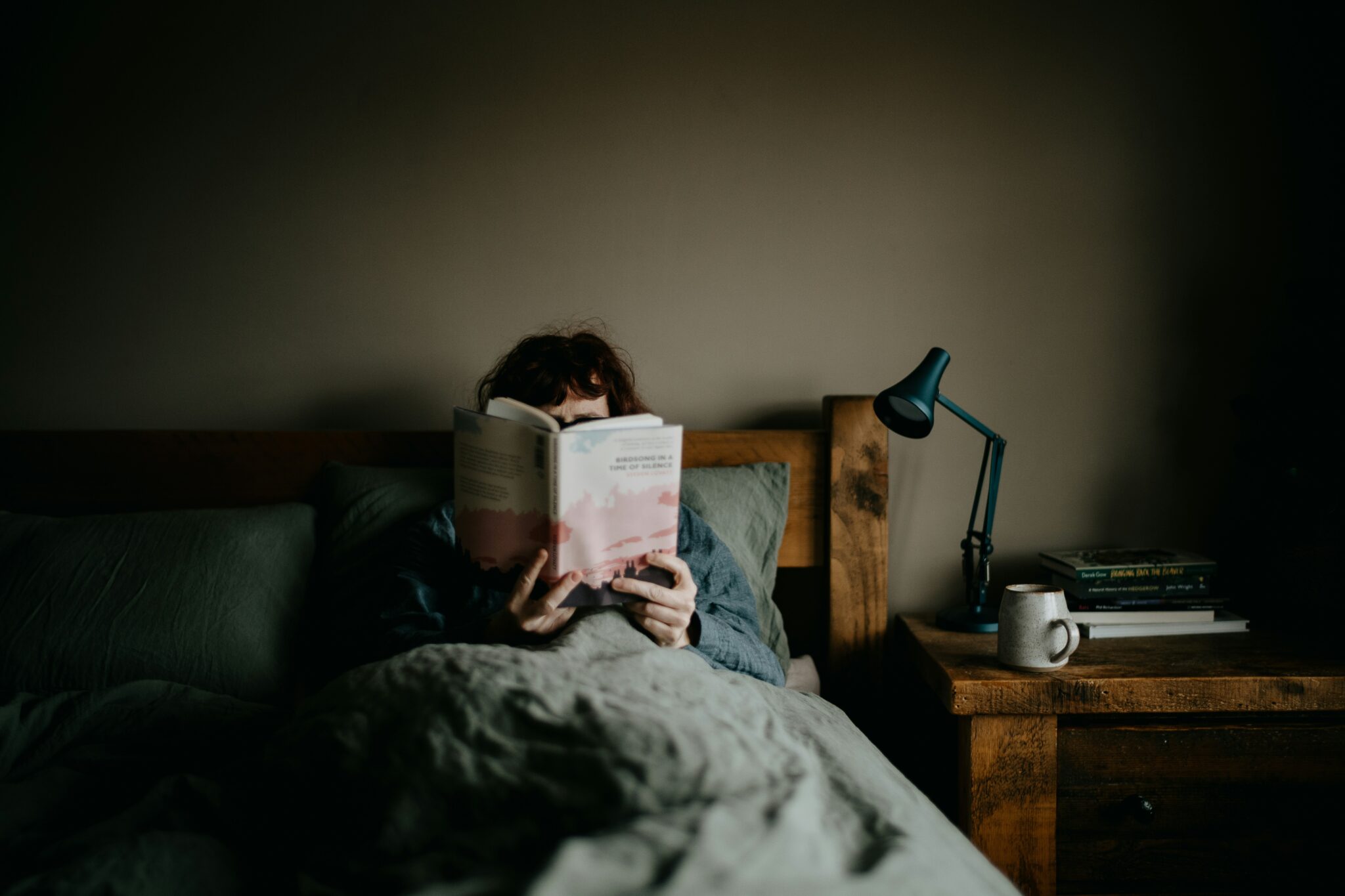
What if reading could help us heal? That’s the wager some doctors are taking these days — prescribing books alongside medication. Here’s a look at stories that might just do you good.
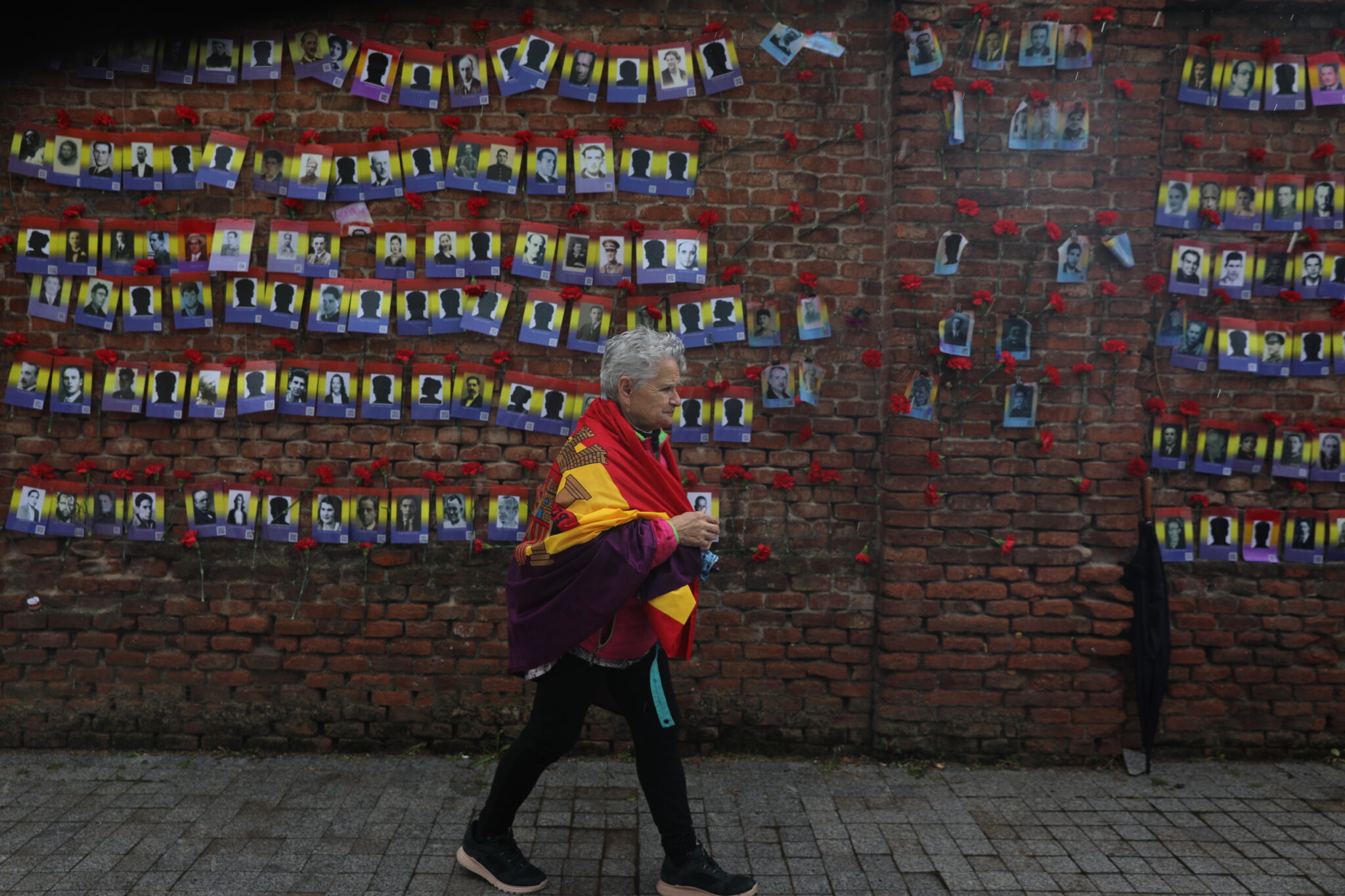
As we mark the 50th anniversary of Franco’s death, it is important to remember the private acts of memory and remembrance, especially as far right forces are rising again.
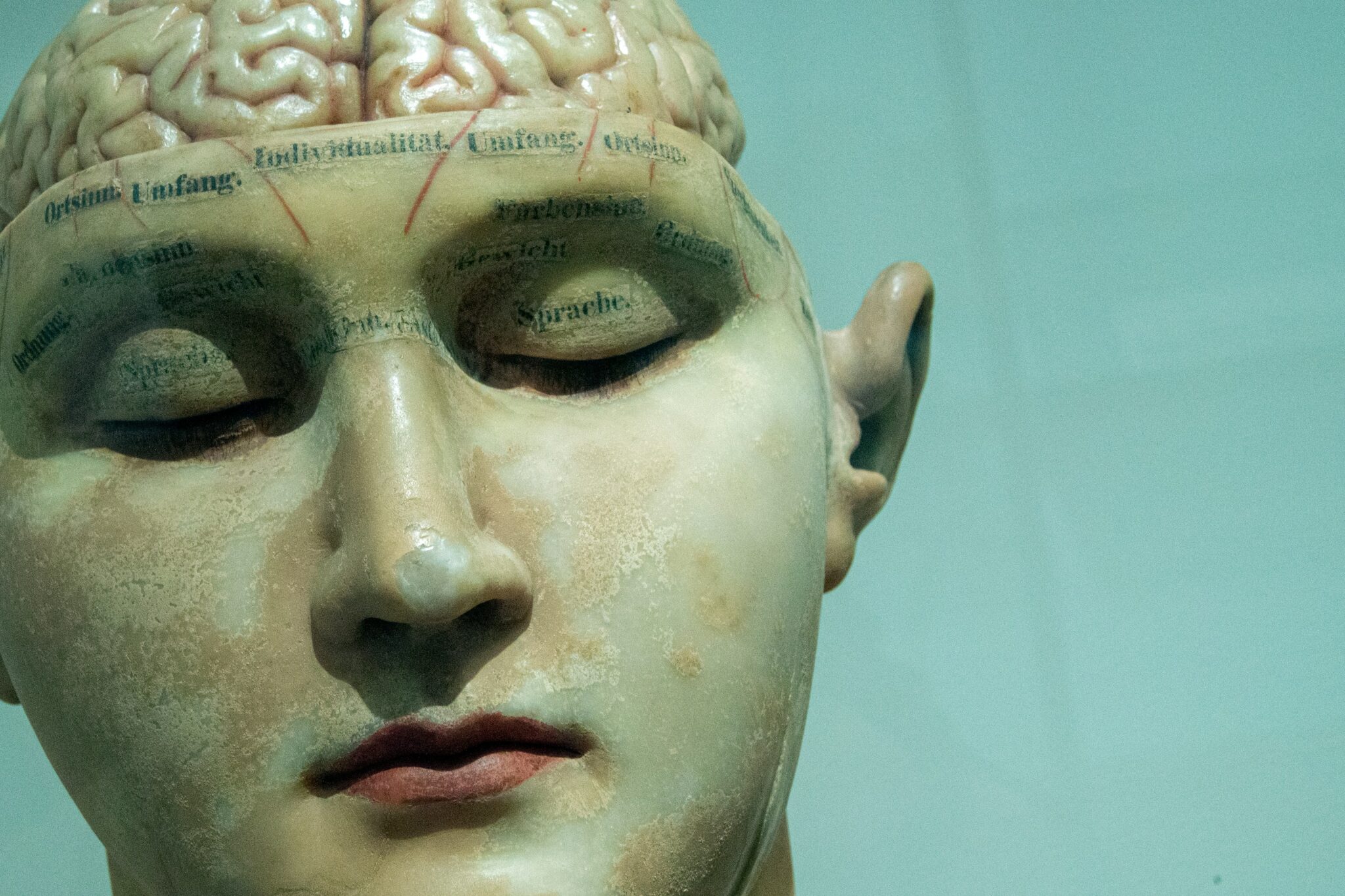
In a new book, Steve Ramirez explores the potential of memory manipulation to ease depression and other afflictions.
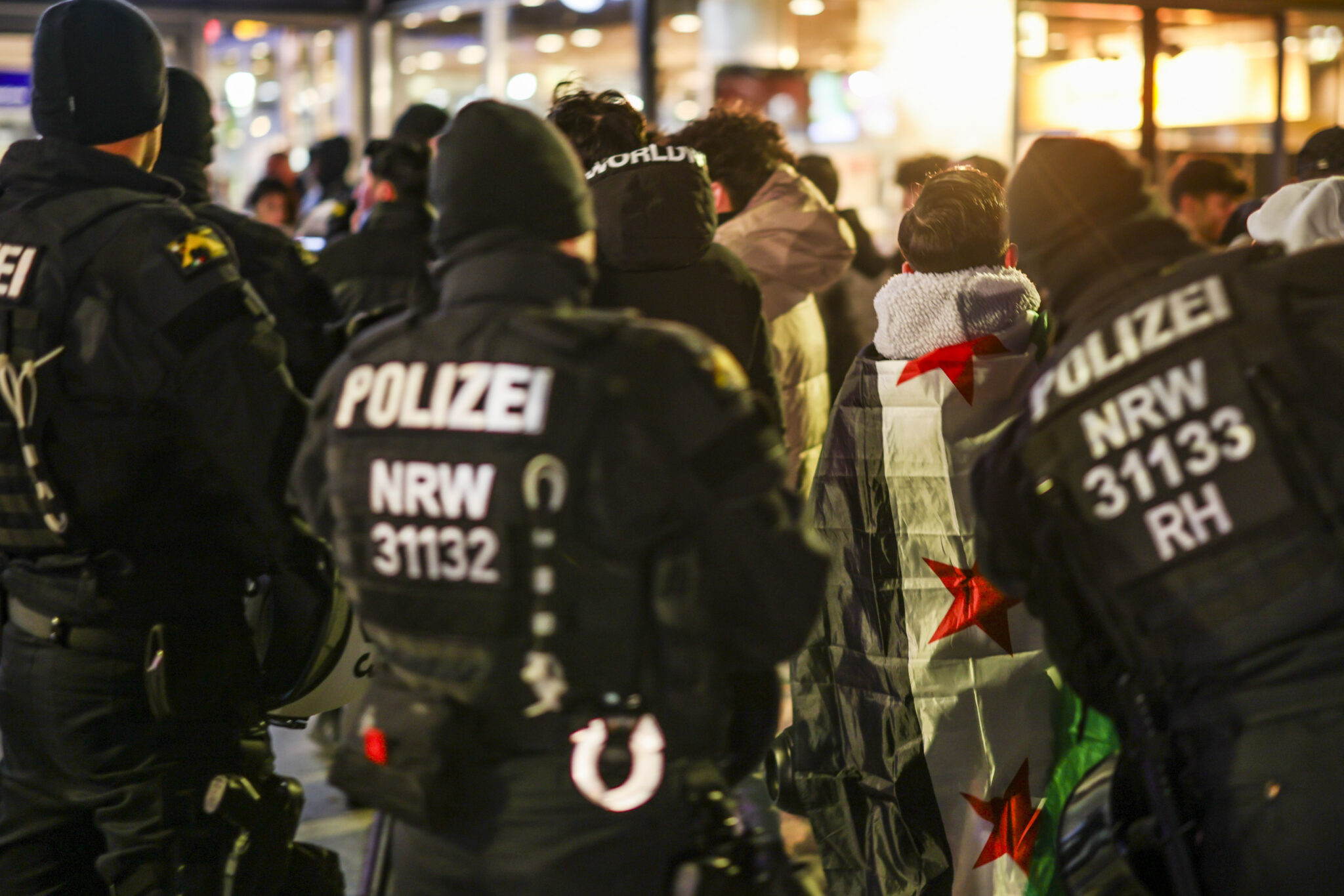
When conservative German politician Jens Spahn urges Syrian refugees to return home out of “patriotic duty,” his words reveal more about Germany’s politics than about the Syrians themselves.
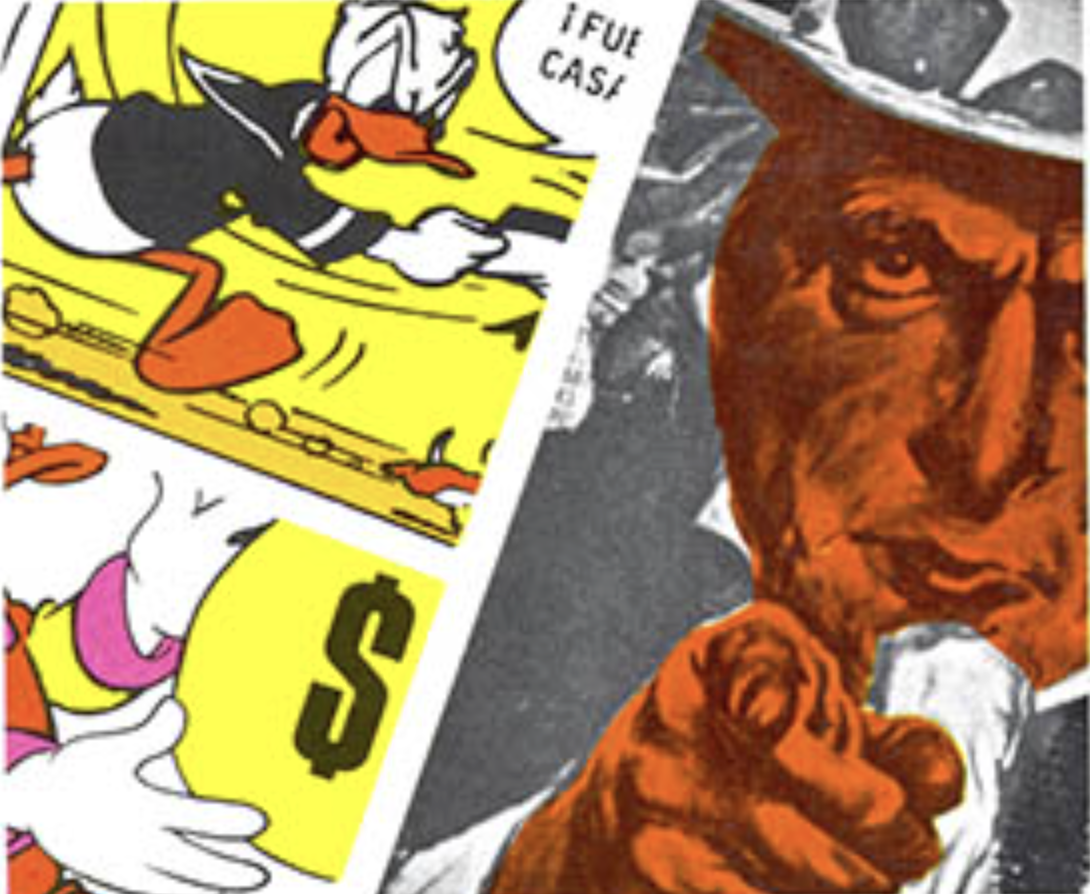
Ariel Dorfman and Armand Mattelart’s 1970s classic How To Read Donald Duck still offers a mirror to today’s politics and media circus — from Uncle Scrooge to Uncle Sam. Its thesis has been both reaffirmed and turned on its head in the Trump era.

Smartphones have transformed the way we go about our lives. Street names, squares — even the very sense of place itself — seem to have vanished.

At the Paris Brain Institute, a team of scientists is exploring the mental processes that occur during the transition from wakefulness to sleep, with potential clinical applications.
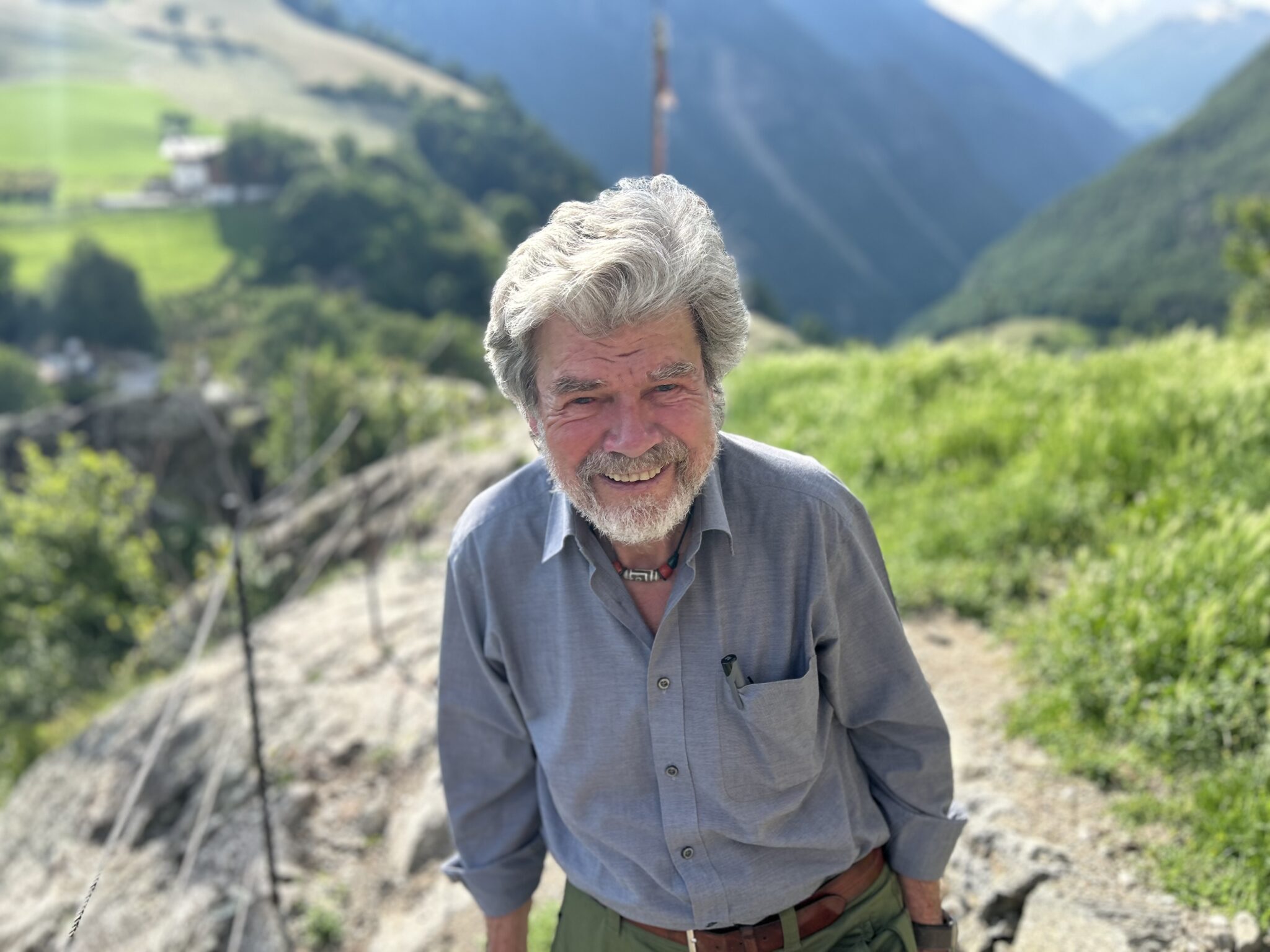
After the November 3 Yalung Ri avalanche that killed an Italian climber and at least six others, Reinhold Messner argues the Himalaya are inherently hostile, urges preparation over easy blame, and notes the Panbari missing are a separate case.

At a time when tragedy is broadcast in real time, we are experiencing collective trauma without even realizing it.
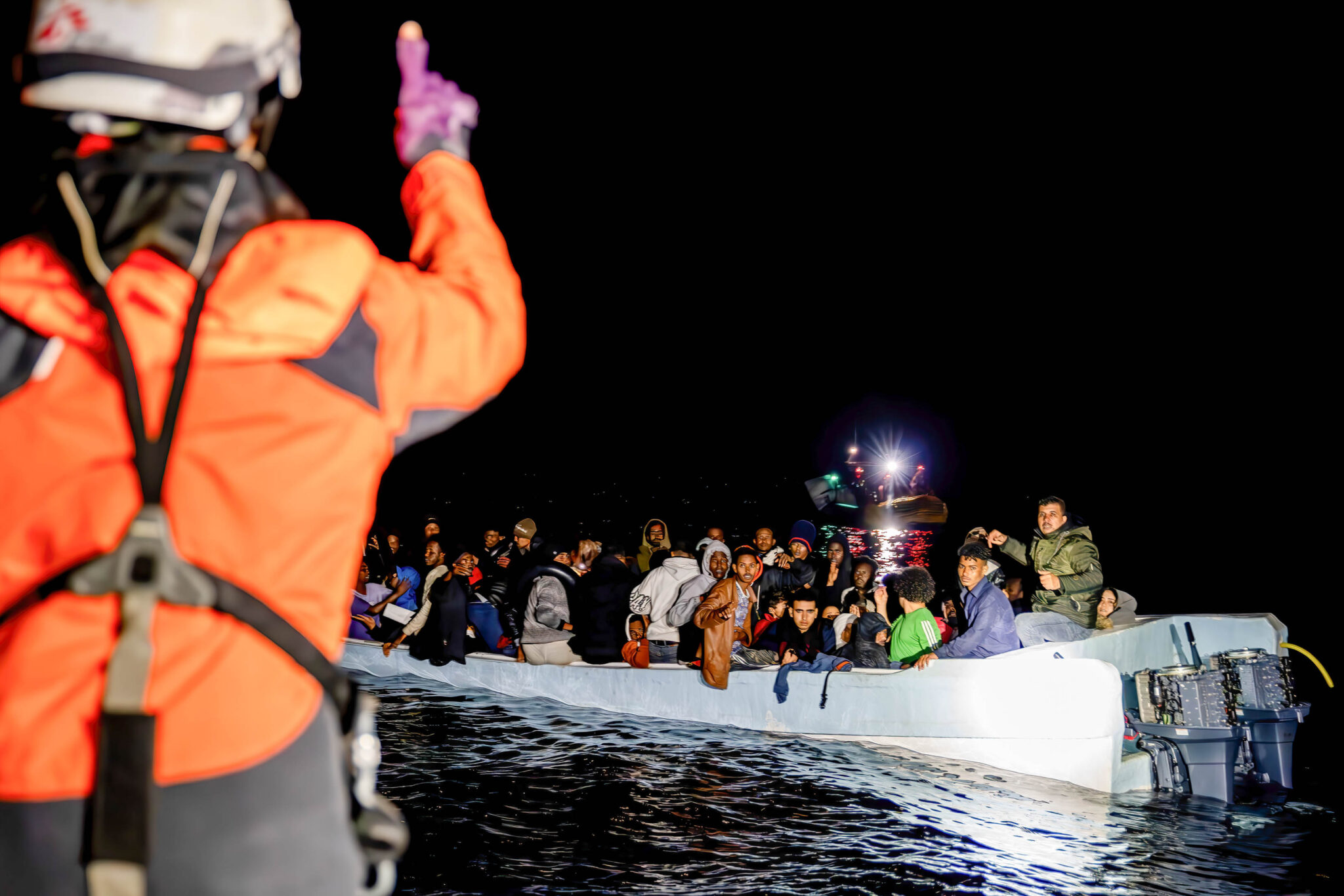
A warning from Monica Minardi, president of the Italian branch of Doctors Without Borders, on how EU and Italian policies dehumanize migrants, empower Libyan abuses, strip reception services, and dodge safe legal routes as the “Fortress Europe” deal is silently renewed.

Balancing family, work and self-expectations, our 40-something writer realized that forcing a fitness routine wasn’t the answer — for now.
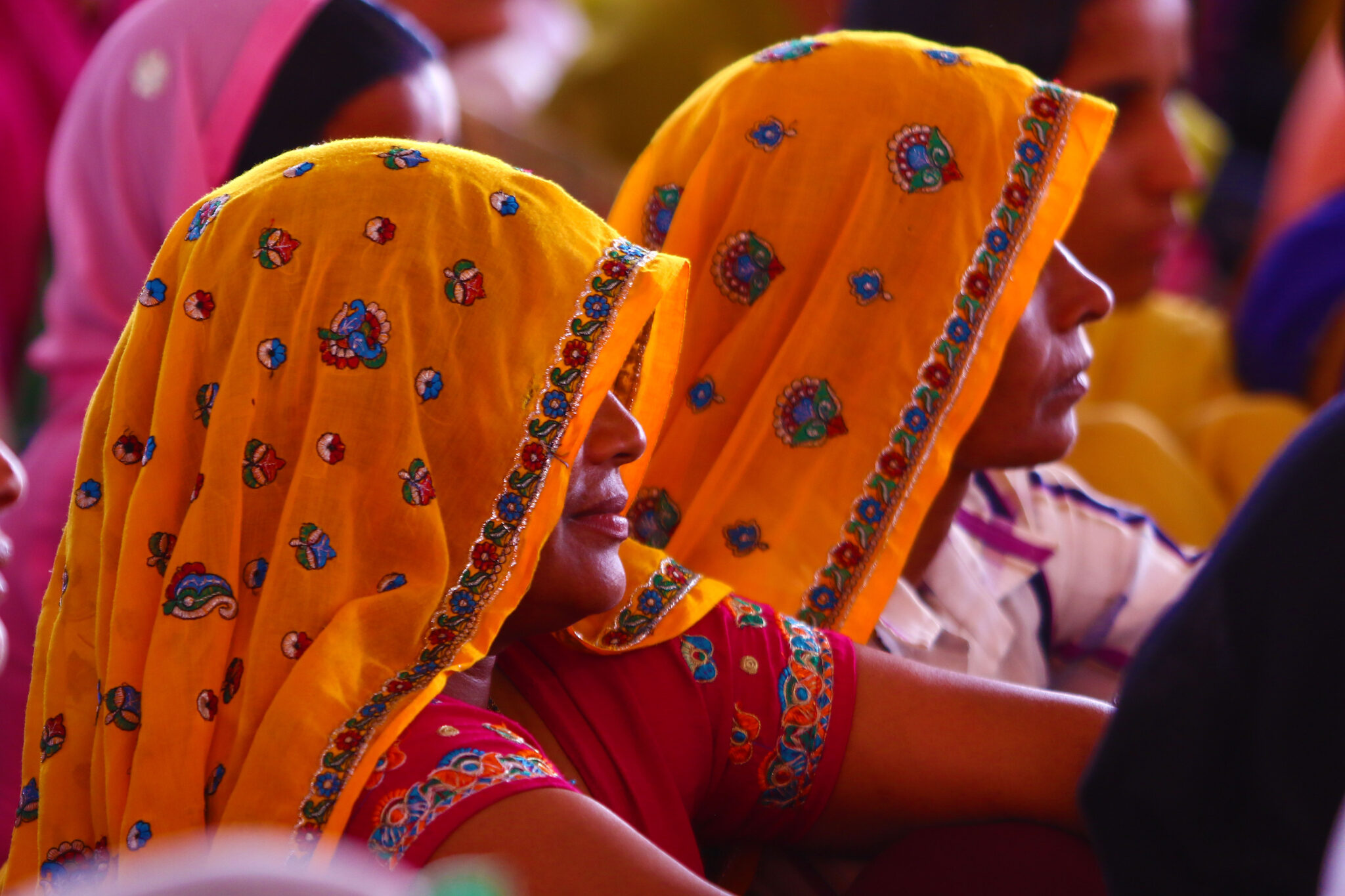
The burden of maintaining the “purity” of caste falls unequally on women.

A writer revisits his own machismo as the discourse between the genders evolves.
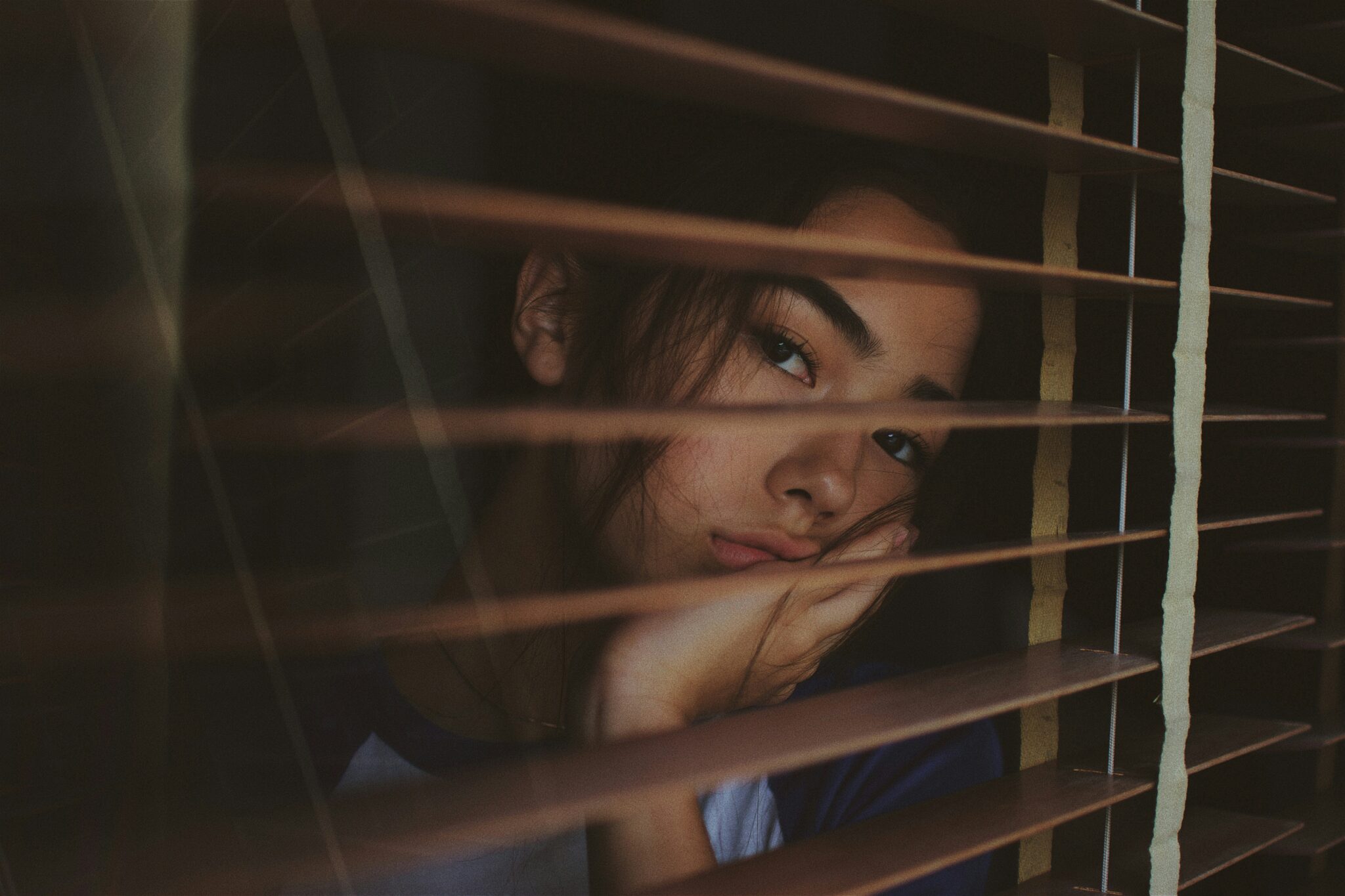
From TikTok’s glorified youth culture to academic pressure, debt, and social comparison, new research and personal stories suggest real happiness may come much later than expected.
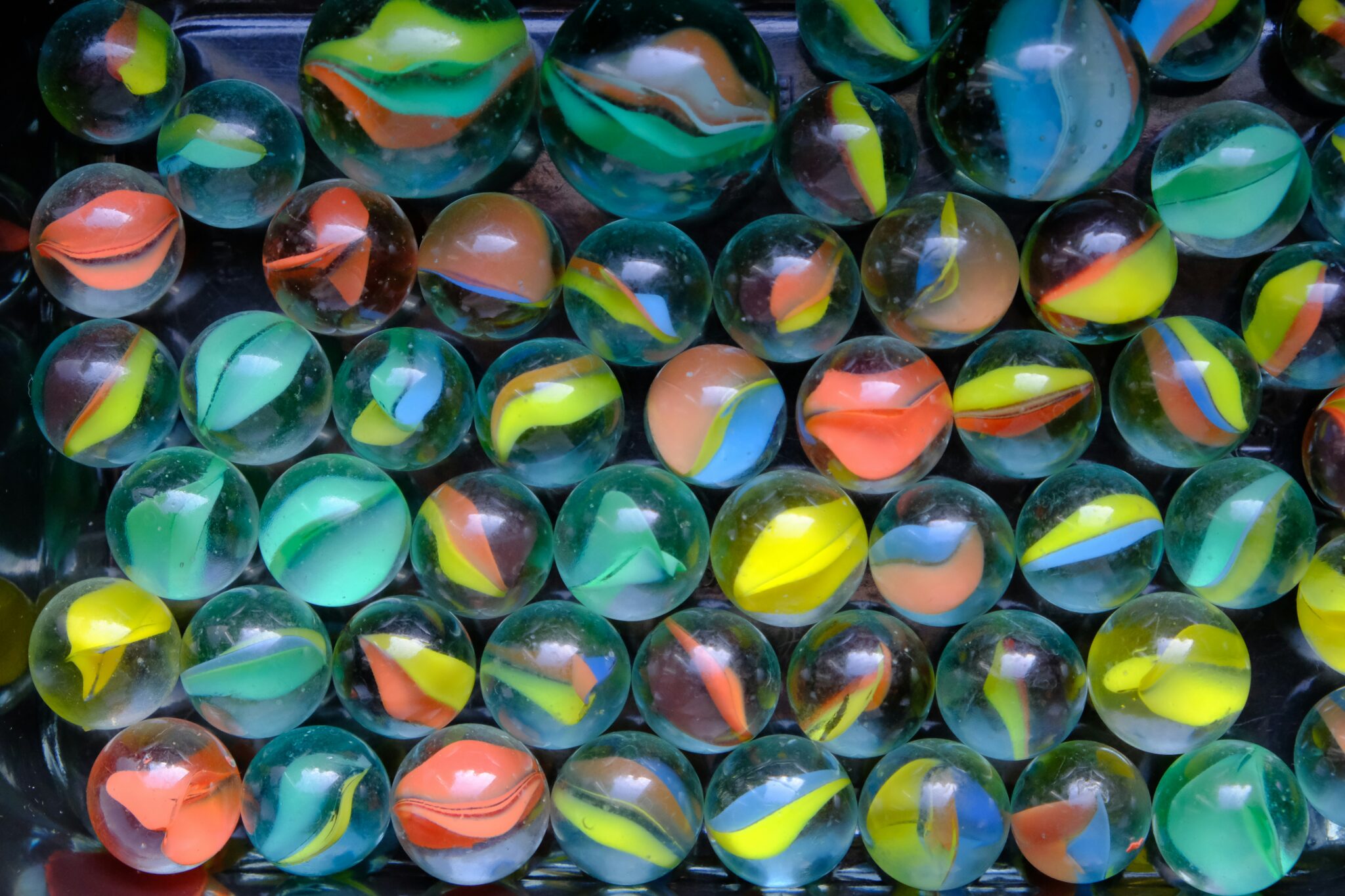
When a child’s blunt questions about death collide with the sudden loss of a neighbor, glass marbles in hand, lessons on fragility and presence take shape in unexpected ways.
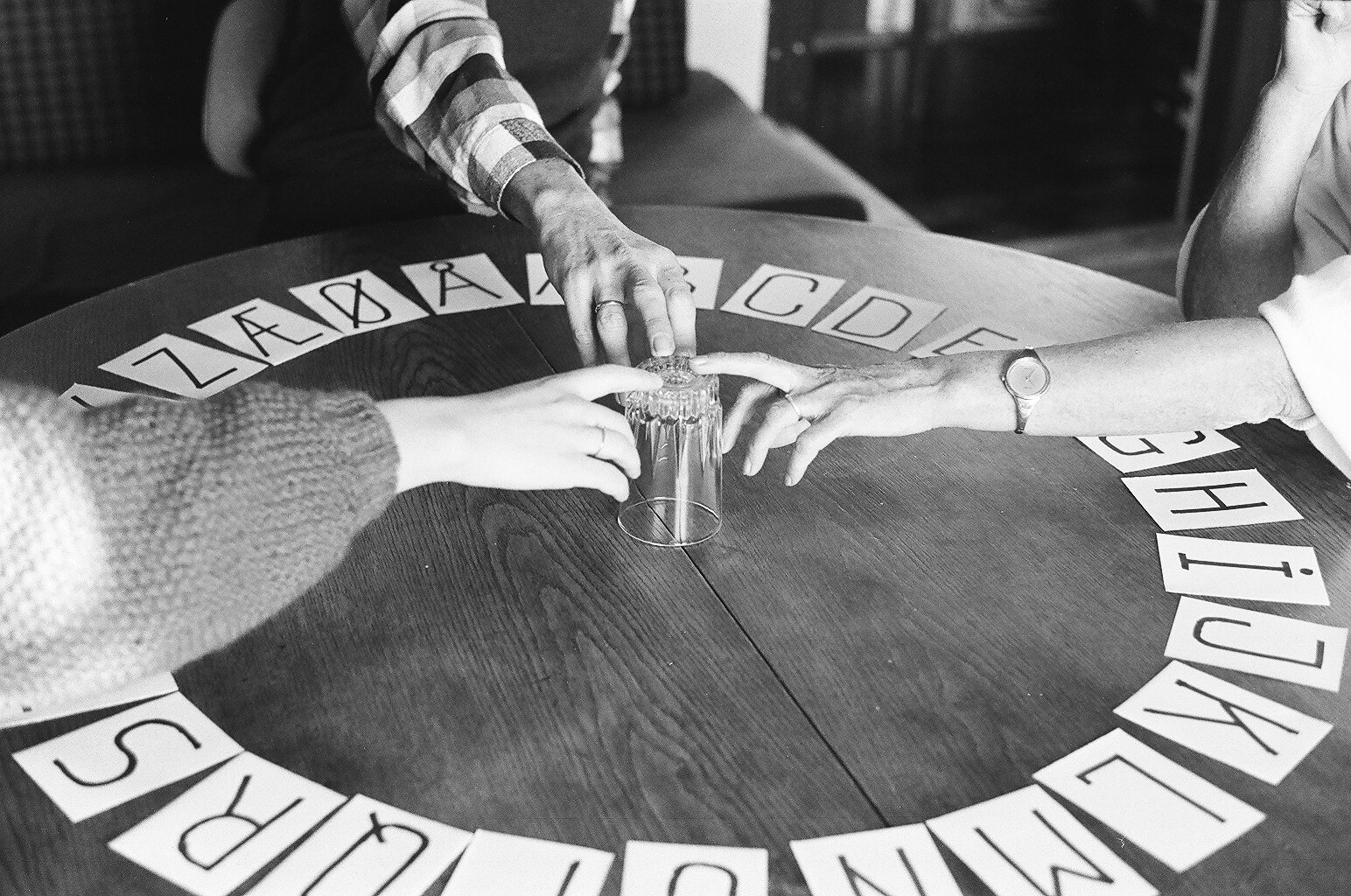
Ask your neighbor whether they have sought out a psychic for advice or a message from a dead loved one. You might be surprised by what you hear.
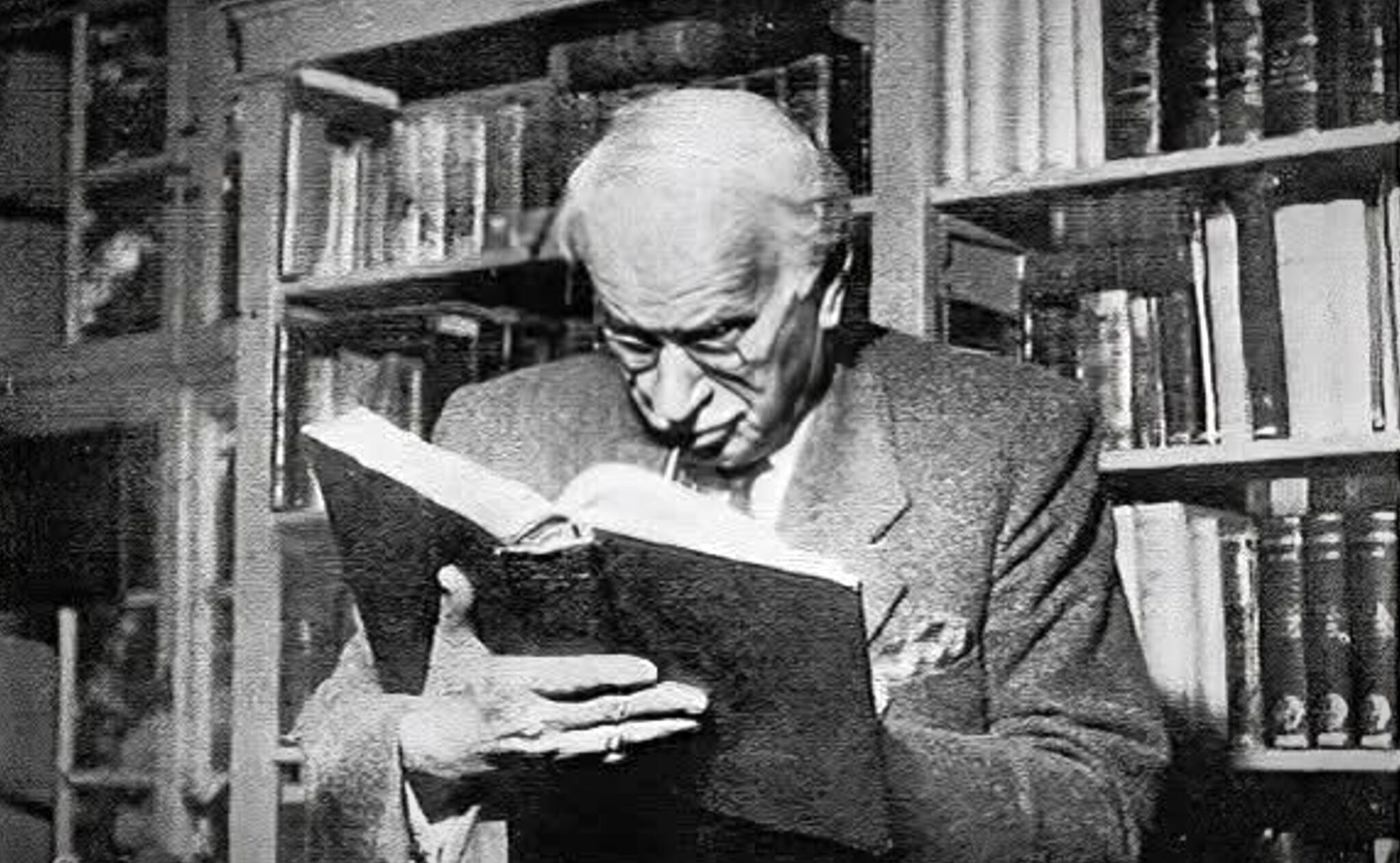
Democracies weaken not only for institutional reasons, but also because citizens stop thinking and surrender to impulse.
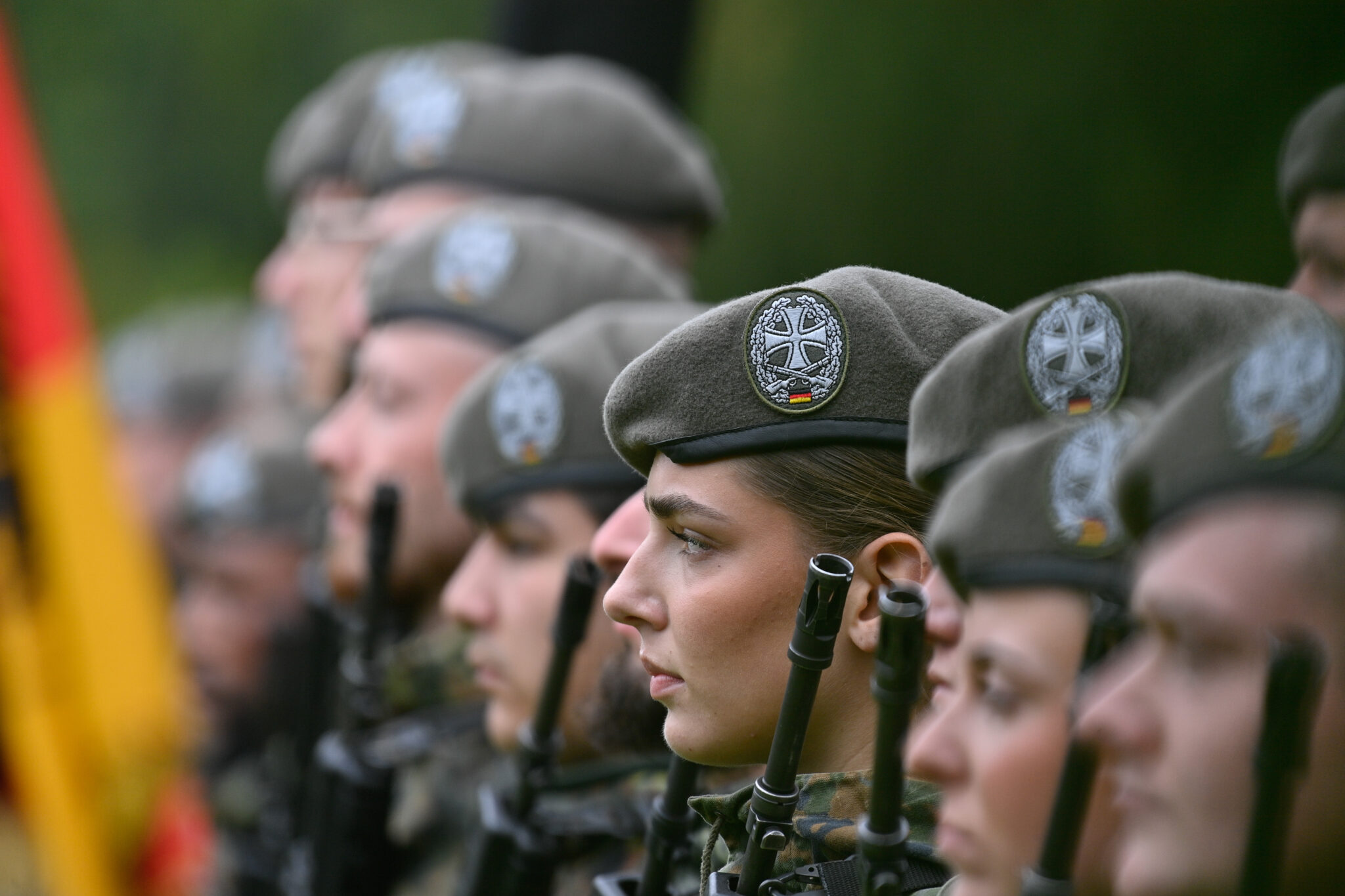
The return of war in Europe is not just a political or strategic challenge — it is changing how people live, relate to one another and imagine the future.
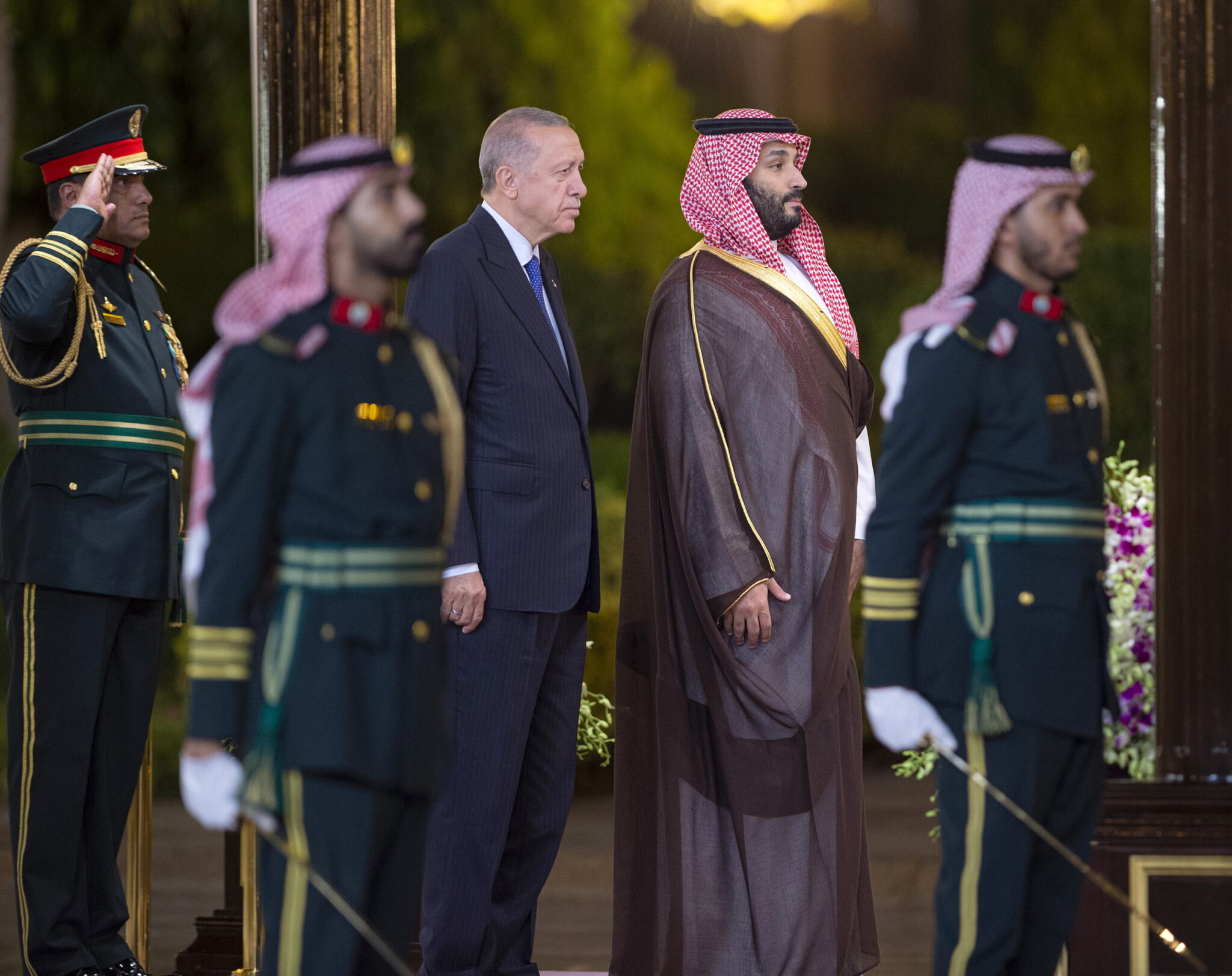
From Iran and Turkey, Egypt and Saudi Arabia, lasting peace can only arise from shared economic interests and the containment of regional power ambitions.
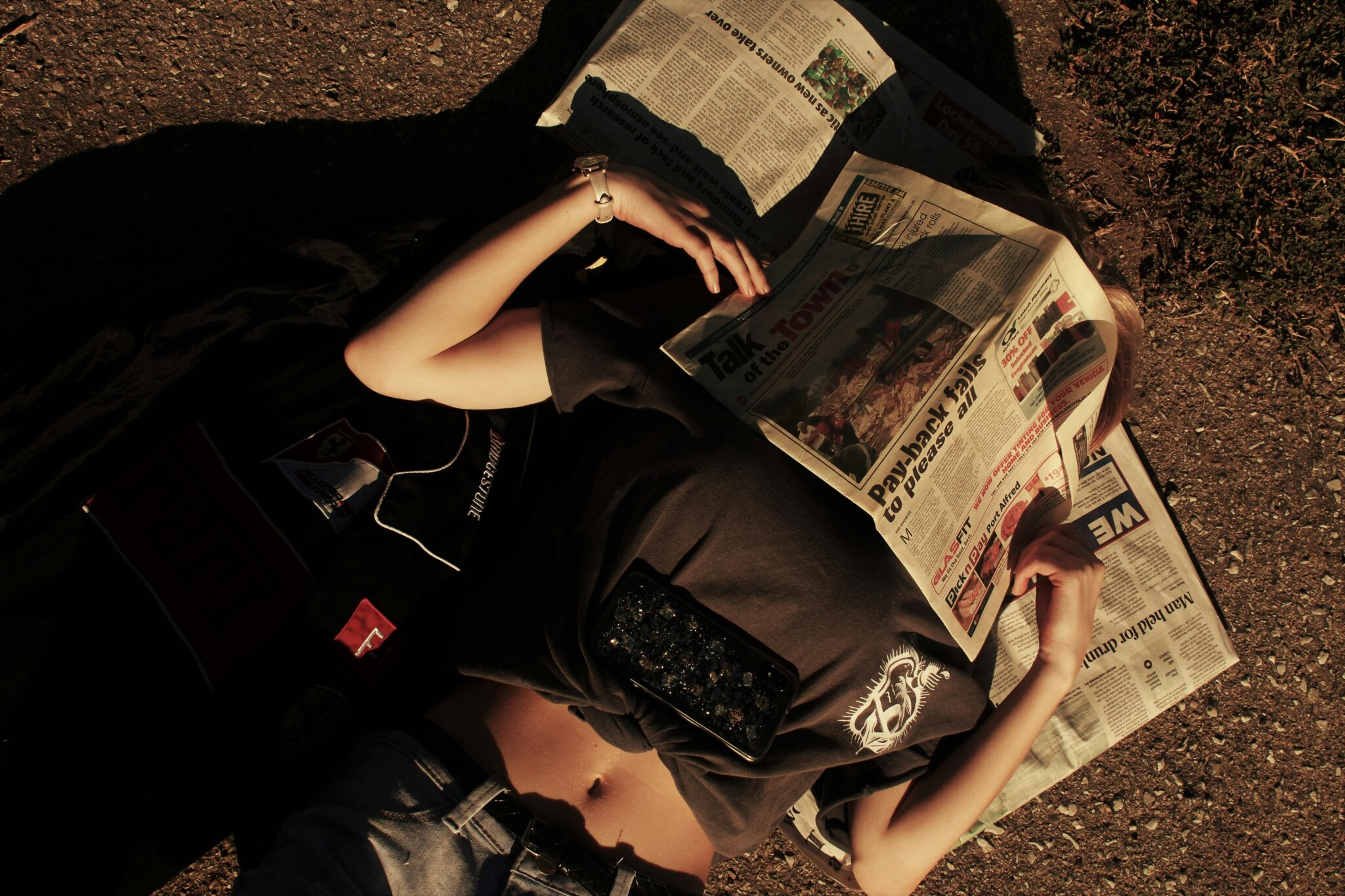
It is easy to feel buried by the avalanche of bad news from around the world. But we have a duty to gratefully enjoy the moments of our lives, come what may.

As AI begins to guide users through sensitive topics like suicide, the legal and ethical lines that once protected tech companies are being tested.
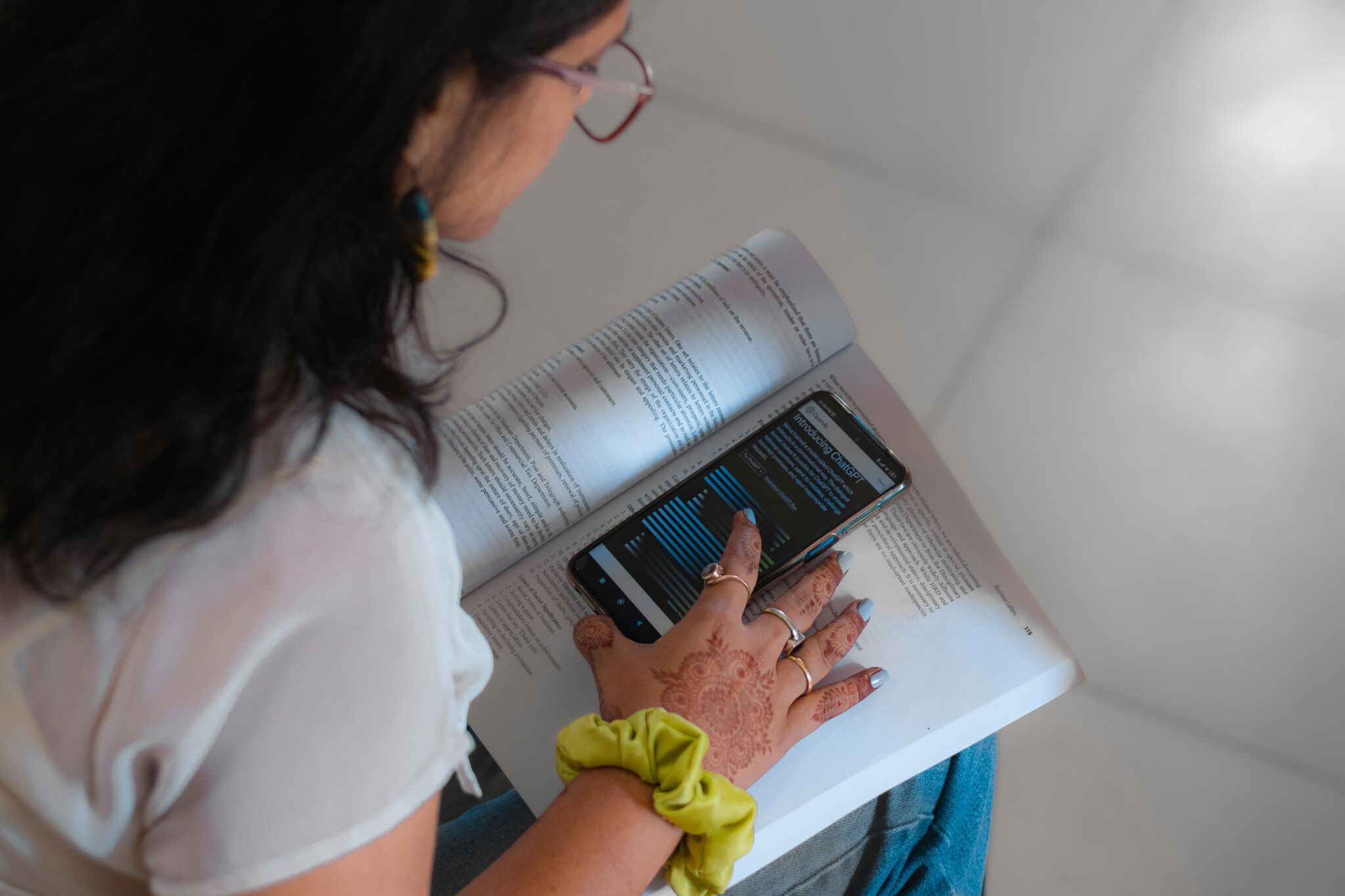
Research, much if it by companies with deep investment in AI, suggests that chatbot interactions alter how users think.
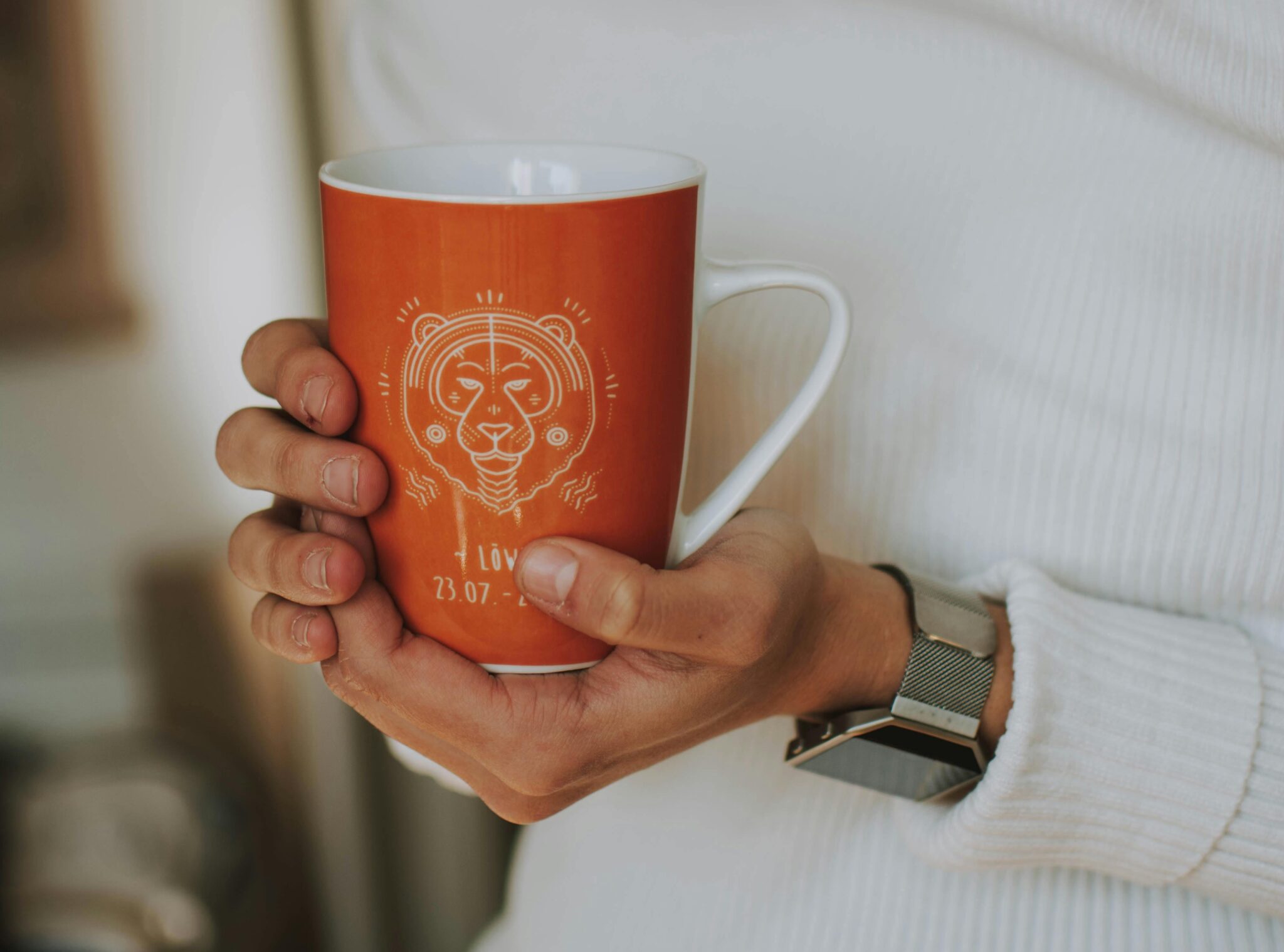
In an age of uncertainty and distrust in traditional institutions, astrology has reemerged as part therapy, part identity language, and part entertainment — a way for many, especially women, youth, and LGBTQ+ communities, to navigate modern life.
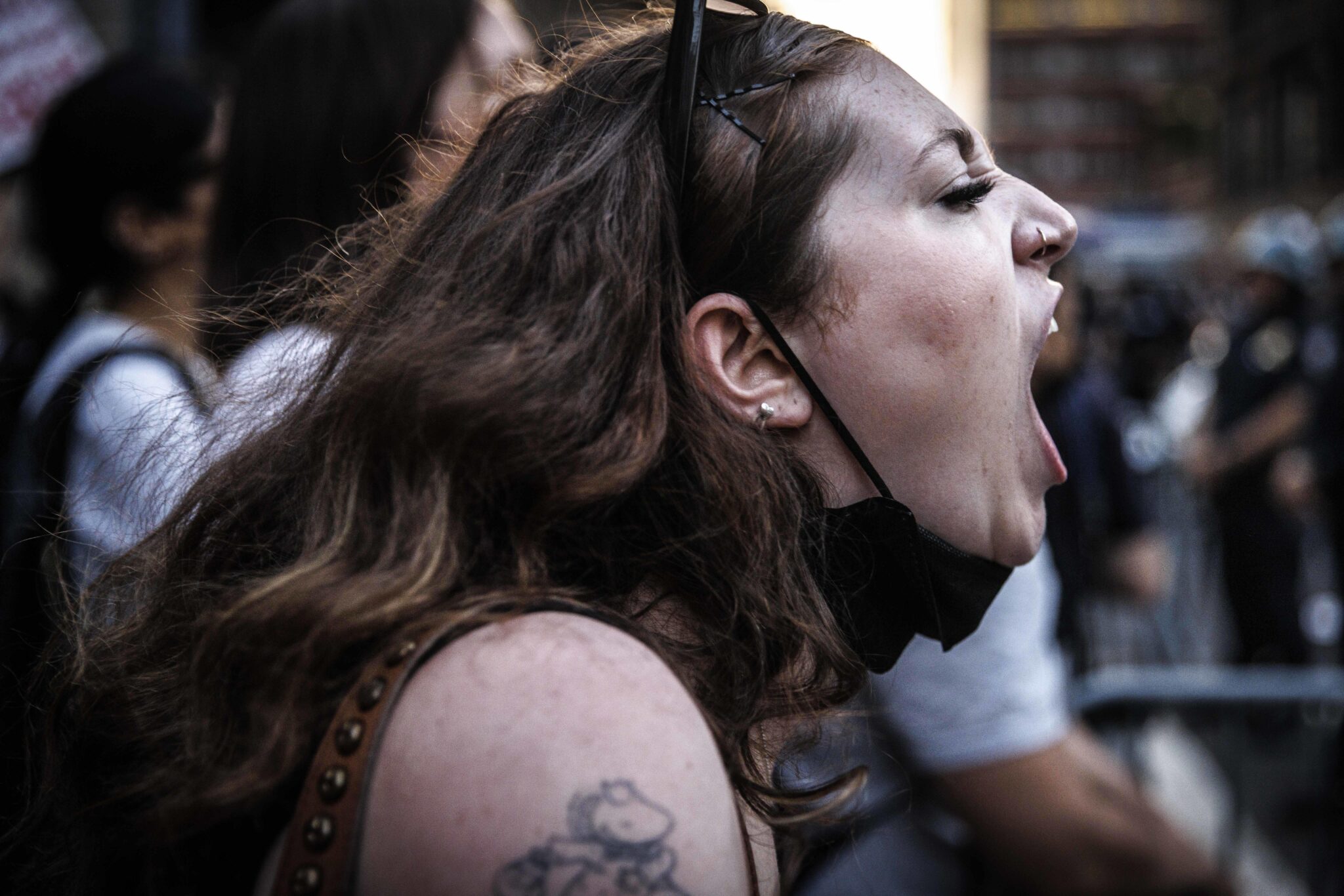
Is it possible to think about hatred in terms that do not reject it outright? Are there groups in society who are allowed to hate and others who are not? These are questions fundamental to today’s politics of resistance.
Some patients “come back to life” shortly before dying: they regain consciousness and control of their minds and interact with their families as they normally would. It is an illusion, but one with interesting scientific implications.
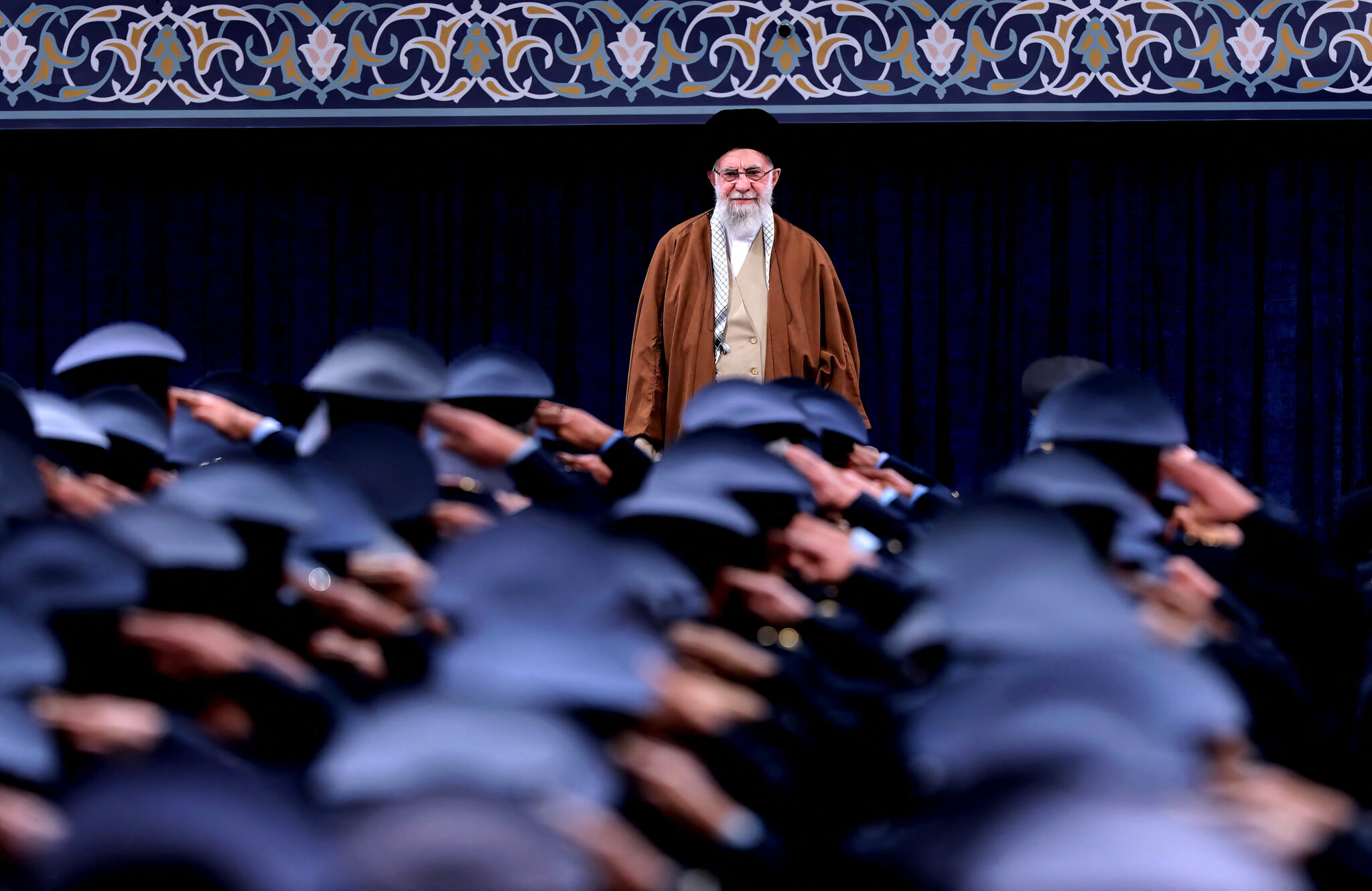
Iran’s post-revolutionary constitution concentrated all the power in the hands of the country’s supreme leader — a mistake that is still costing Iranians today.
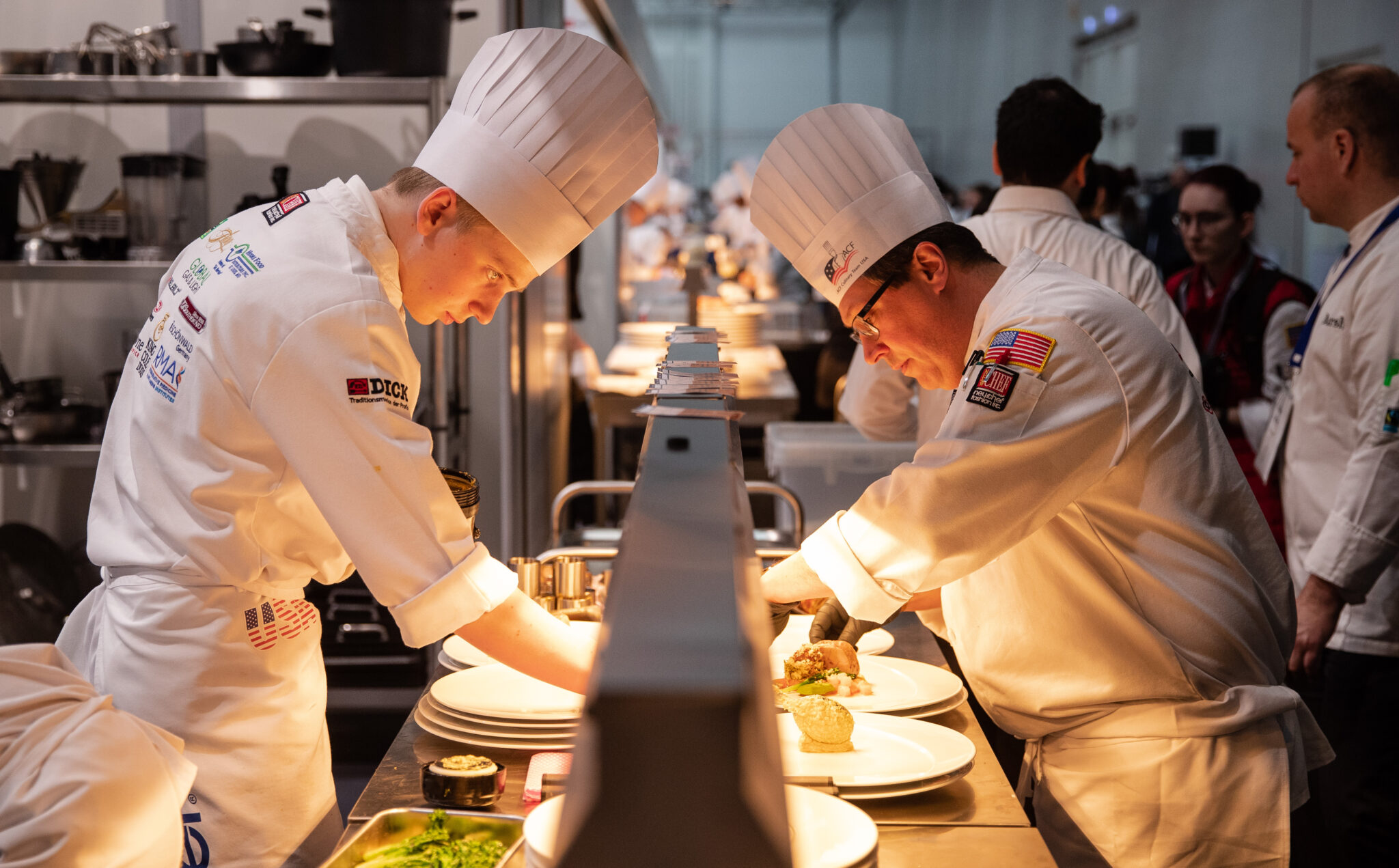
In Ratatouille, the food critic Anton Ego declares innovative a dish that is actually quite traditional. Today, many great chefs offer reinterpretations of homemade dishes from childhood. But what happens when even avant-garde cuisine becomes nostalgic, asks Italian chef and writer Tommaso Melilli.
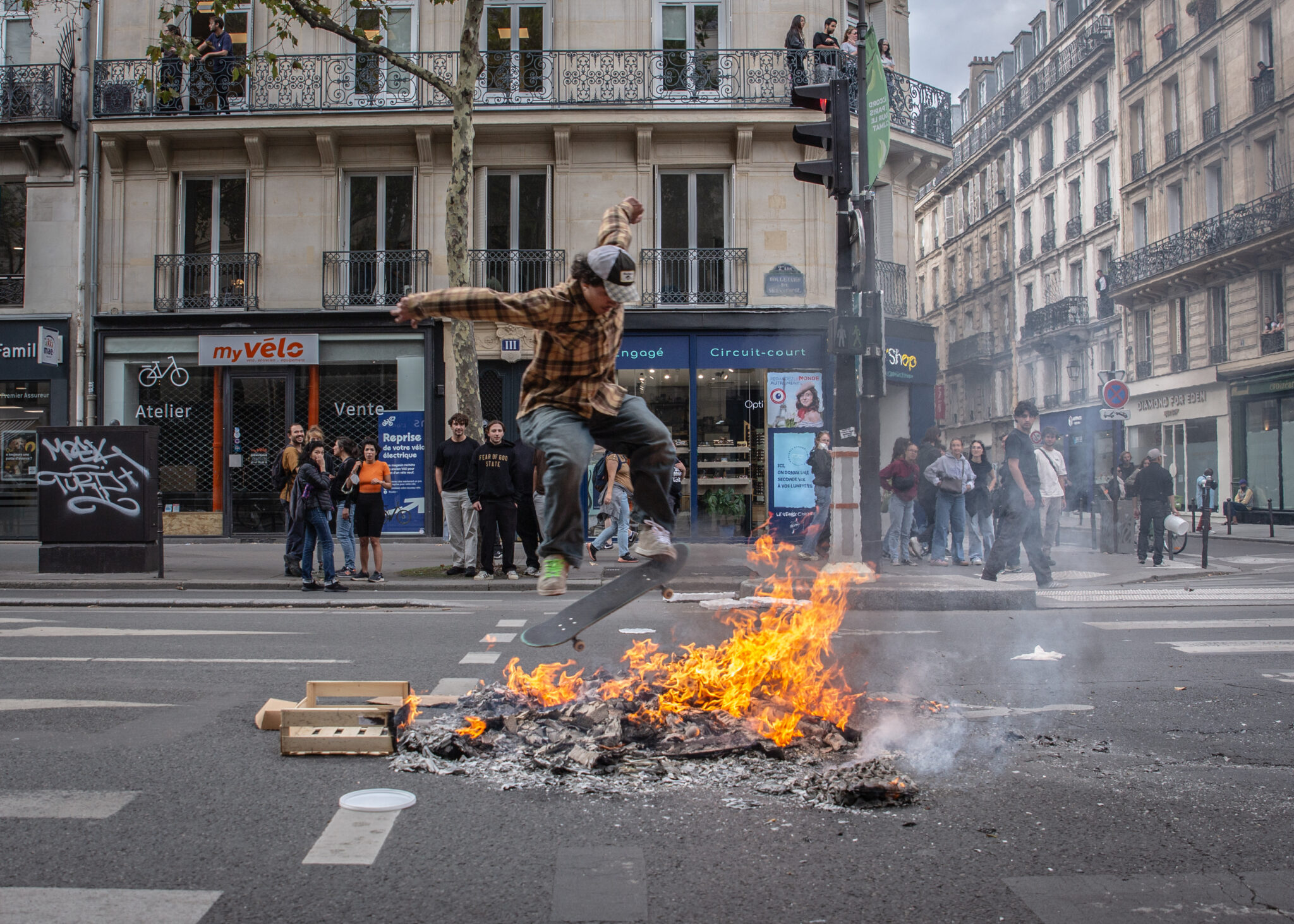
France may look like a paradise from the outside, with free education, early retirement, and working healthcare, yet its people protest as if trapped in hell. President Emmanuel Macron’s failed middle path and Europe’s fragile currency expose a deeper malaise shaking the continent.
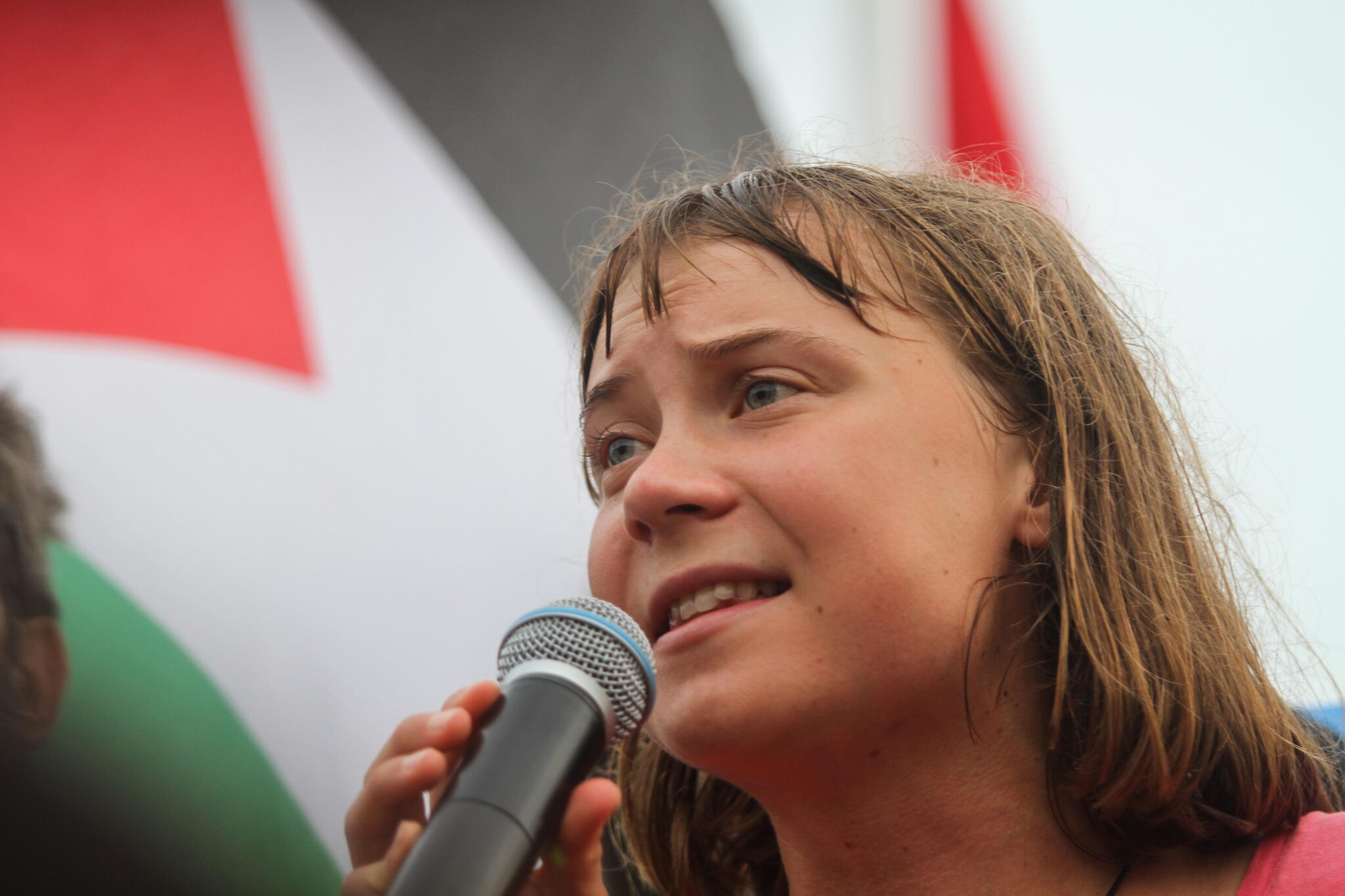
As Israel’s devastating war on Gaza continues, Swedish climate activist Greta Thunberg draws a clear link between environmental devastation and political violence. Her stance is based on a reality: in Gaza, like elsewhere, environmental destruction is yet another weapon of war.
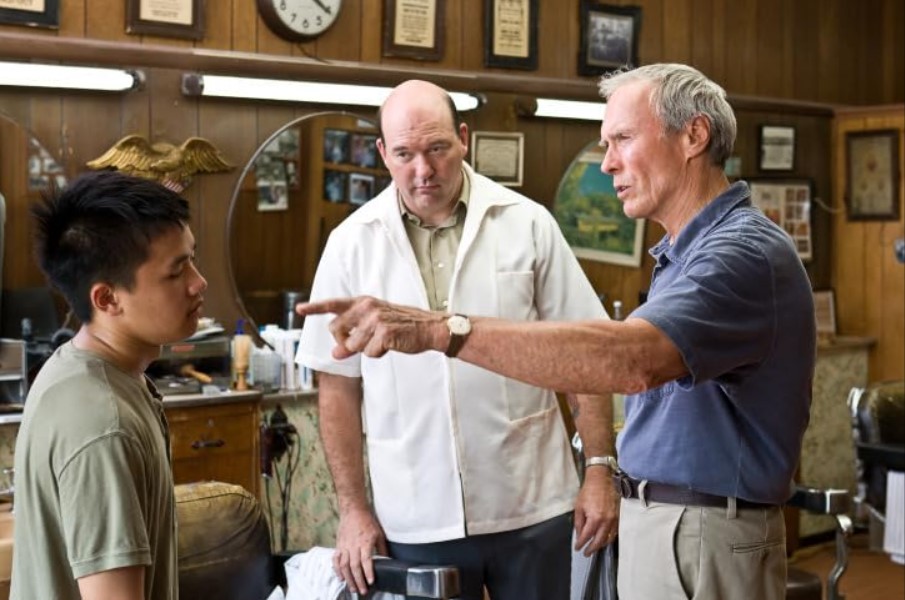
Action movies or comedies for very masculine men, which are far away from the “woke dictatorship,” actually show guys in crisis who are constantly getting corrected by their daughters or female equivalents and are always scared of being replaced by younger versions of themselves.
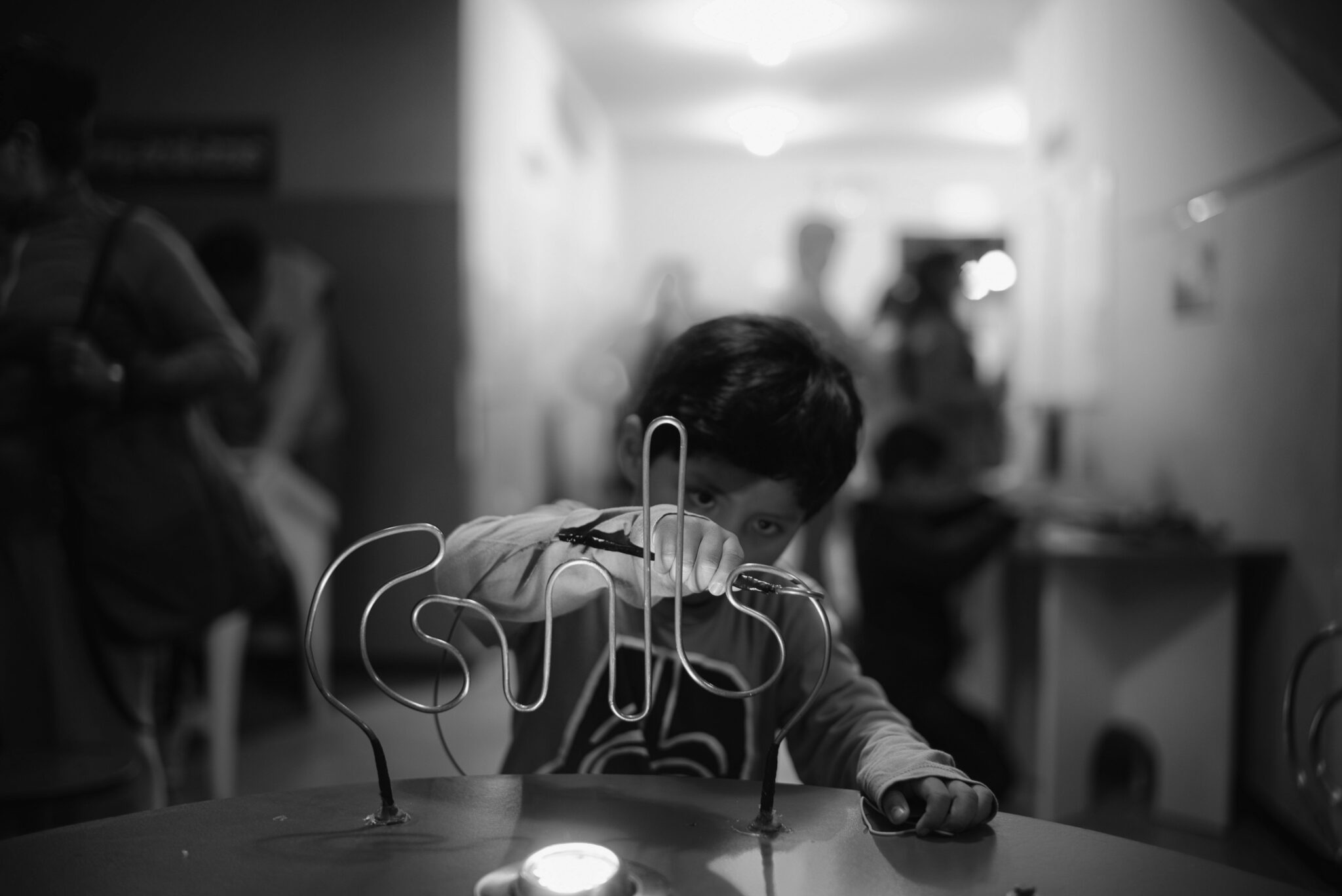
Parenting in a world in crisis. The dissonance between intimate and global. Daily resilience facing hyper-normalized chaos — and thinking that the idea of heroism as the horizon of fatherhood is unbearable.
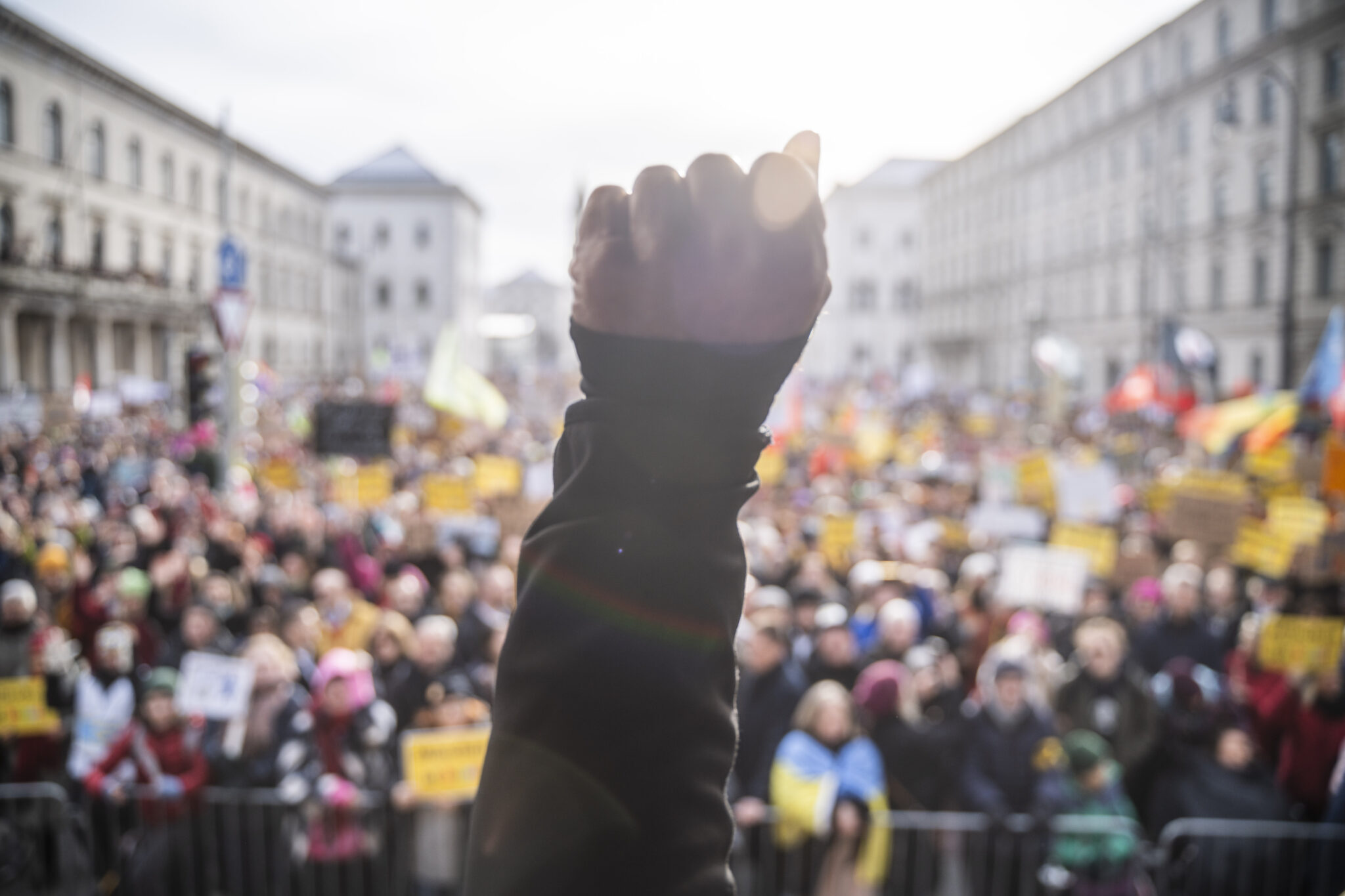
By trading class struggle for identity politics and lifestyle dogmas, Germany’s left has estranged ordinary citizens and handed the far right a chance to pose as their defenders.
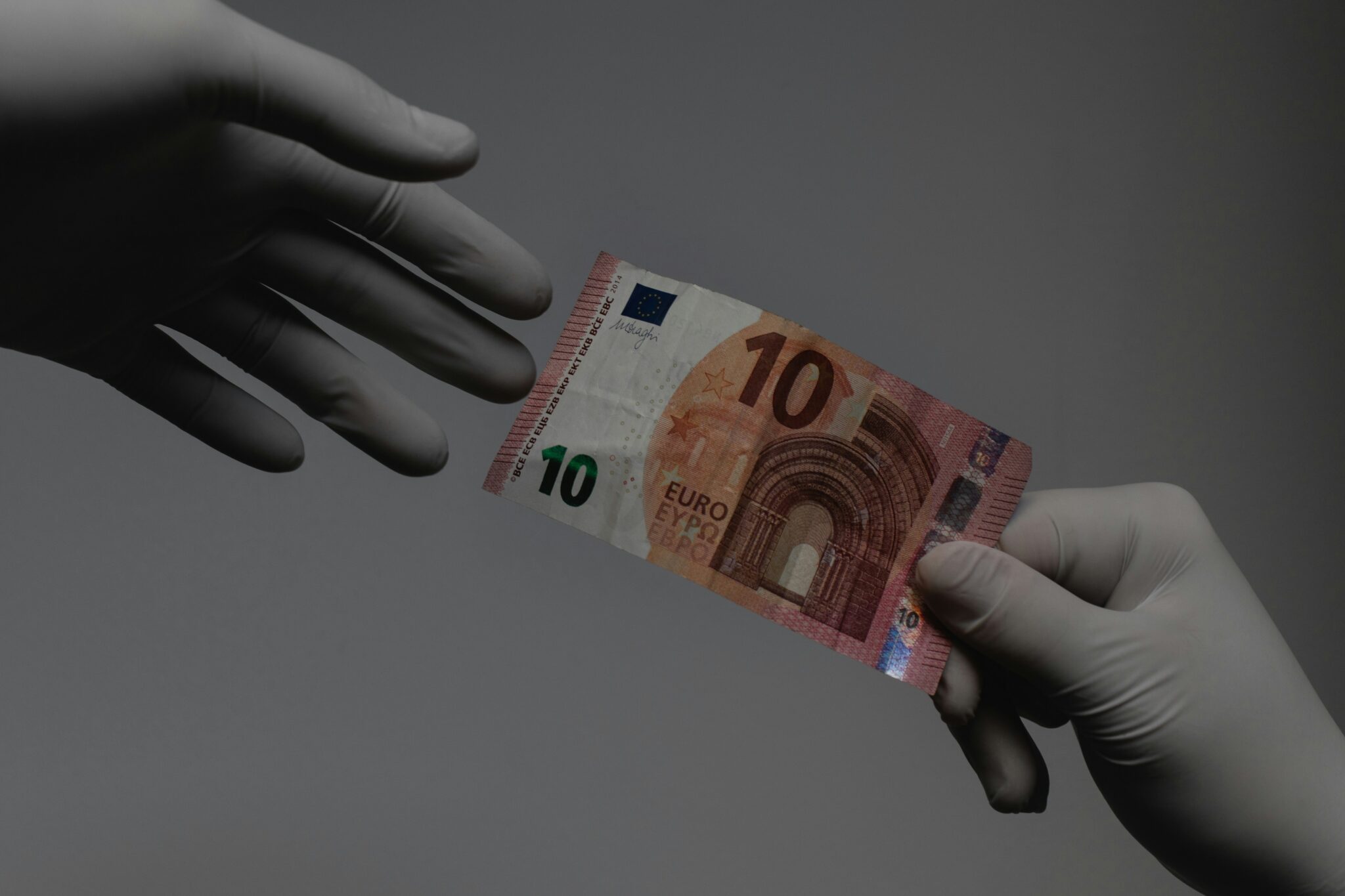
An instrument for exchanging goods and services, money often becomes a symbol loaded with meanings, emotions and values.
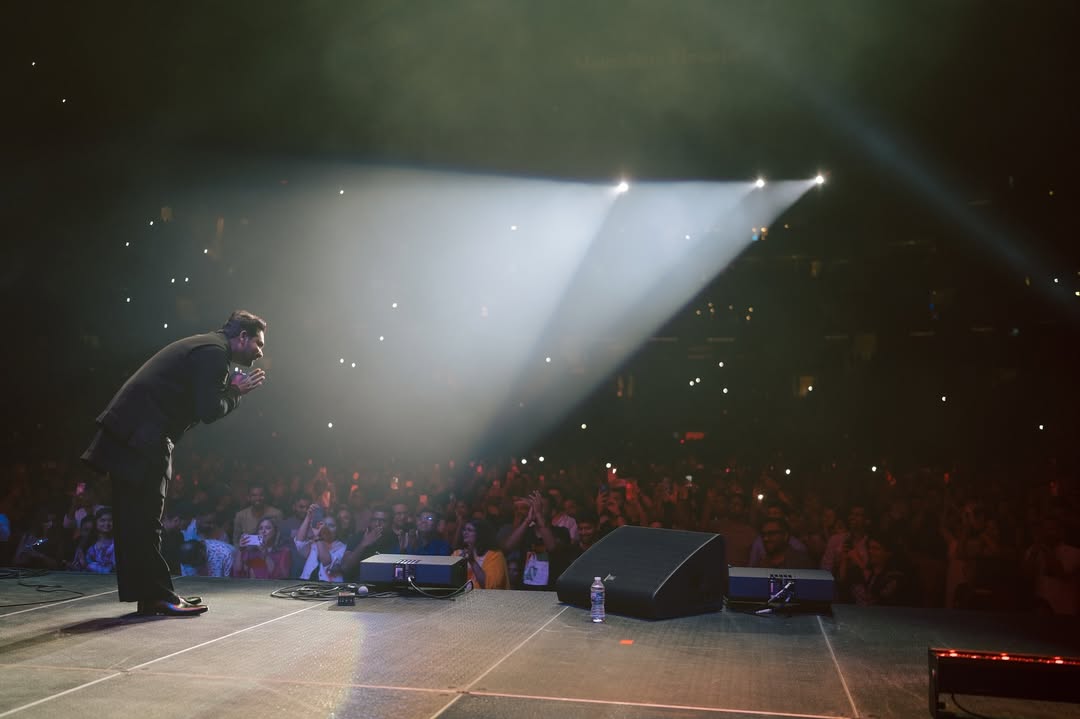
Zakir Khan’s rise is not just of a comedian who cracked the elite systems abroad, it is the triumph of India’s ordinary dream.
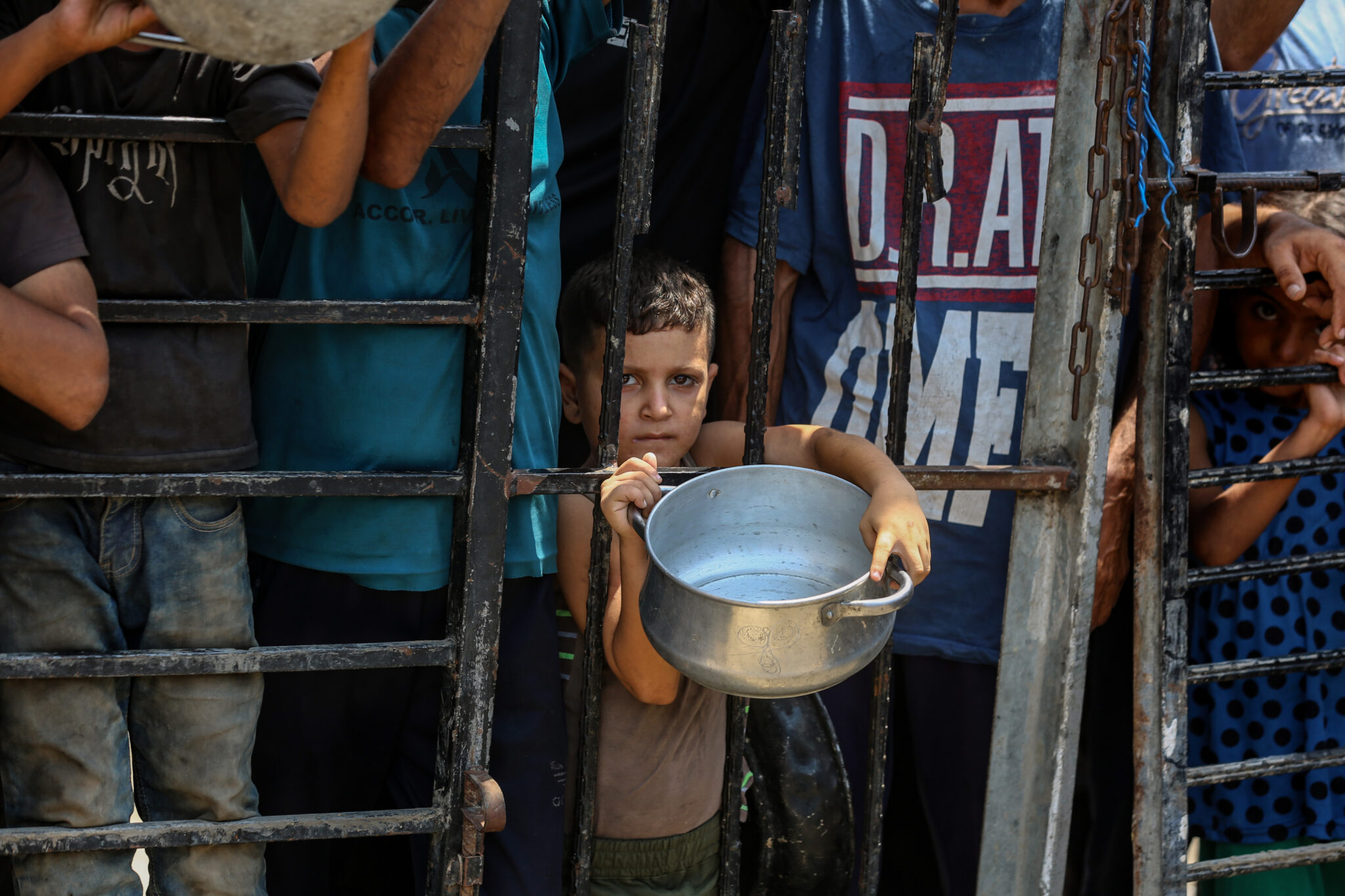
I can’t help but juxtapose lines from Primo Levi with the images the television brings, every evening, to the warmth of my own home. And I feel a desperate sense of disorientation. And shame.
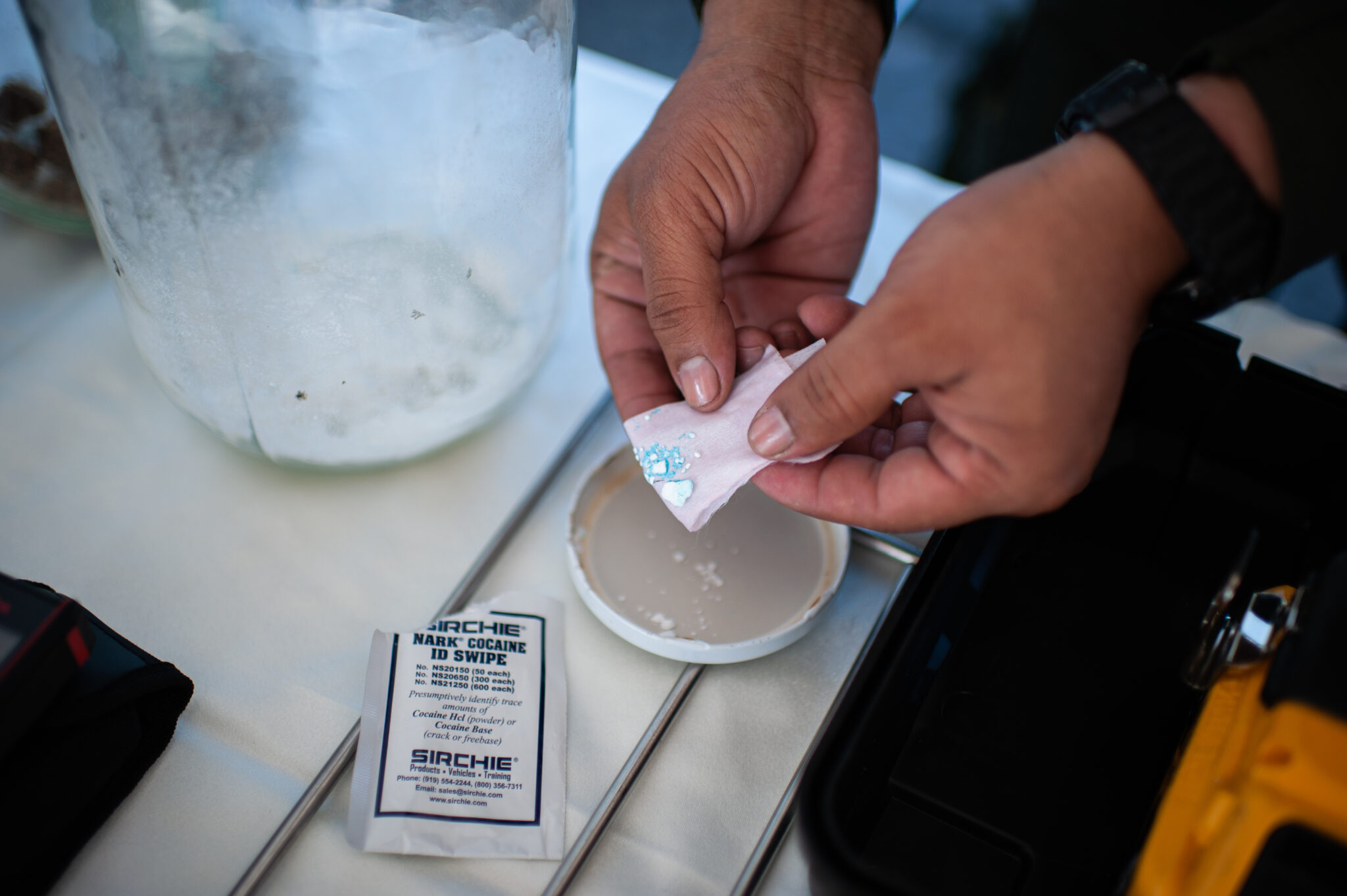
With synthetic drugs like pink cocaine on the rise, Colombia should not mimic its fight against the drugs like marijuana or cocaine in the 1990s; anti-drug policies must turn their focus from users to dealers.
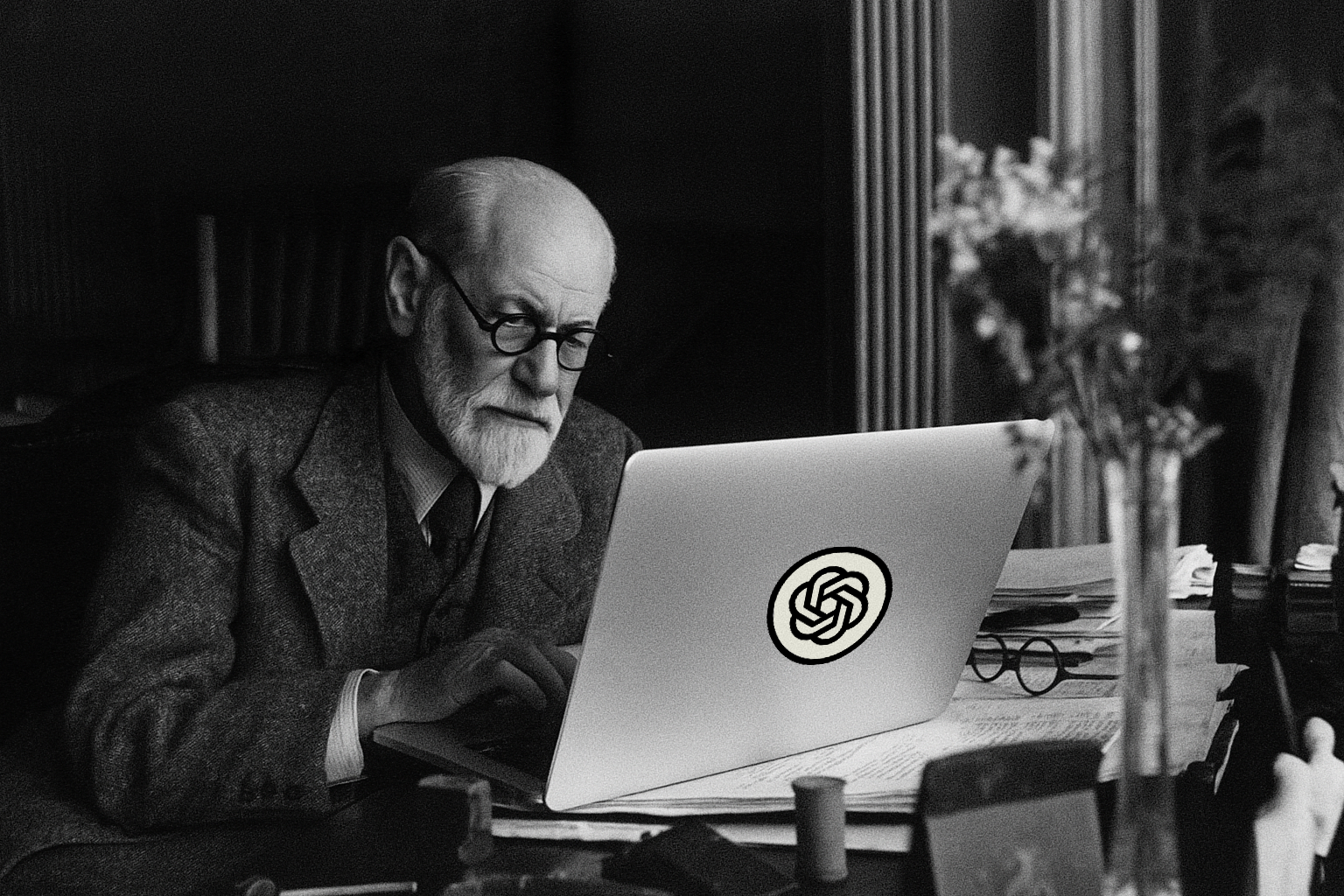
If Freud were alive for the dawn of artificial intelligence he would understand the insult this scientific development, like other’s before it, poses to human intelligence. Here’s how we can protect ourselves.
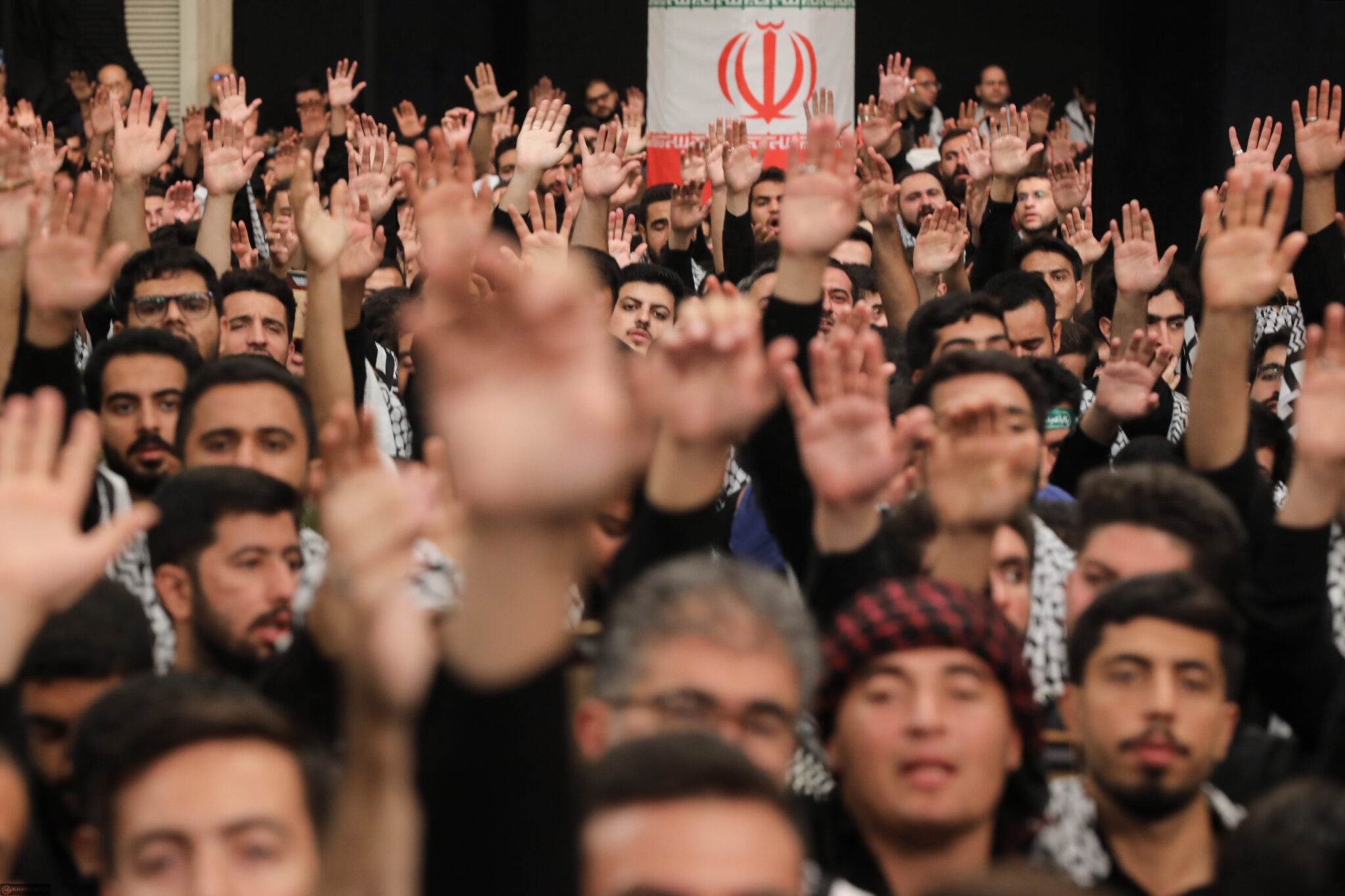
There is a pervasive fear among Iranians, which the Tehran regime does nothing to abate, that chaos could follow the fall of the Islamic Republic. But Iranians should know that opting for superficial reforms or a republic similar to this regime will simply perpetuate its oppression, corruption and ineptitude.