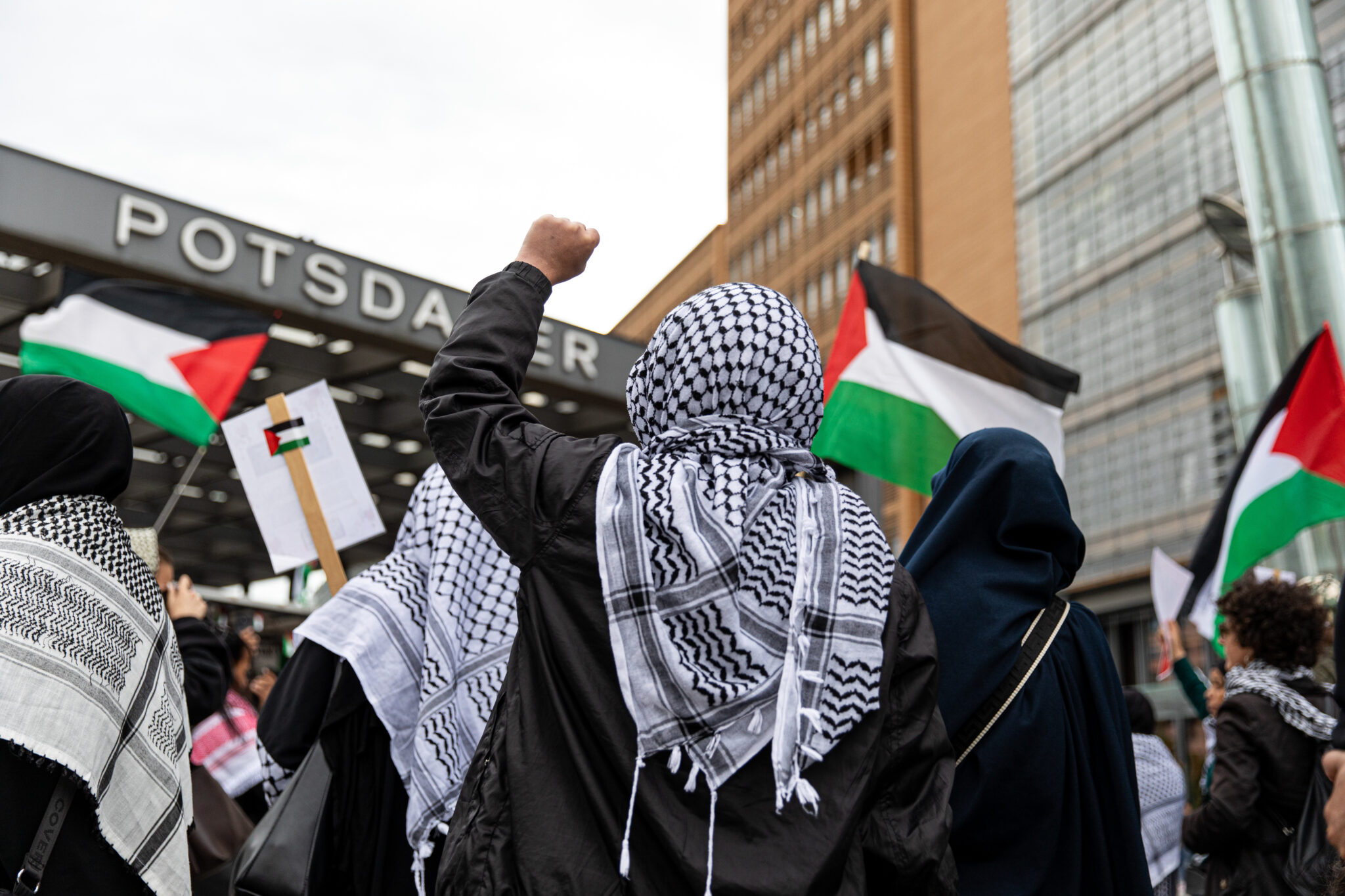
The debate too often strips Palestinians of their political agency, ignoring their own demands for equality, self-determination, and return.
 Worldcrunch
Gabriele Magro is a fiction writer, journalist and cultural project manager from Turin, Italy. He has worked on editorial projects, festivals and exhibitions in the fields of literature and contemporary art for Fondazione Arte CRT, OGR, Goethe-Institut and Fondazione Compagnia di San Paolo. As a journalist, he tackled urbanism, minority rights, the Balkans and Mitteleuropa for il Manifesto, il Post, Left, Valigia Blu, Il Tascabile, Lucy – Sulla Cultura. He is currently working as a correspondent, editor and proofreader for the Franco-German cultural channel Arte.tv, the cheFare Agency in Milan, and Worldcrunch.
The debate too often strips Palestinians of their political agency, ignoring their own demands for equality, self-determination, and return.
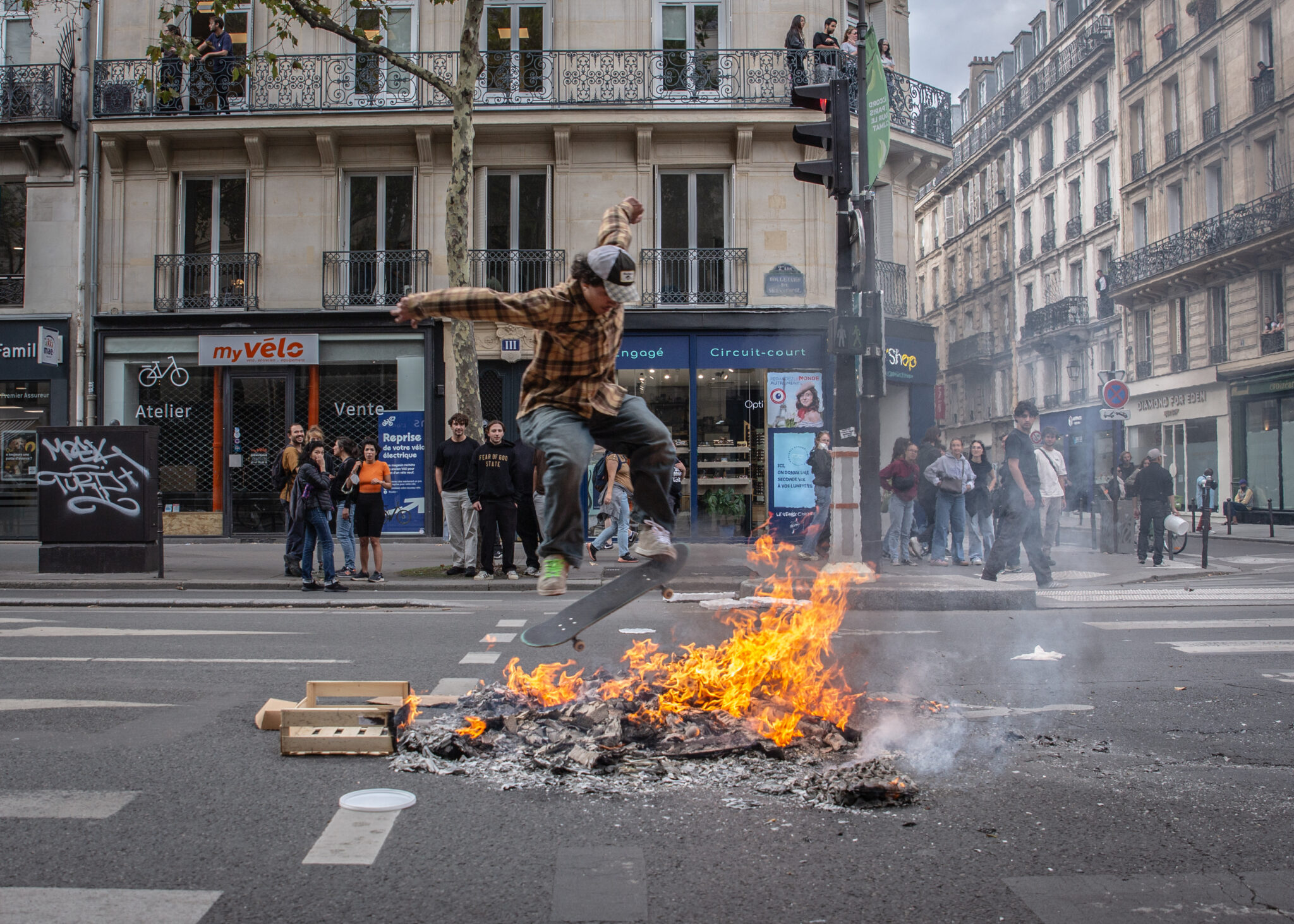
France may look like a paradise from the outside, with free education, early retirement, and working healthcare, yet its people protest as if trapped in hell. President Emmanuel Macron’s failed middle path and Europe’s fragile currency expose a deeper malaise shaking the continent.
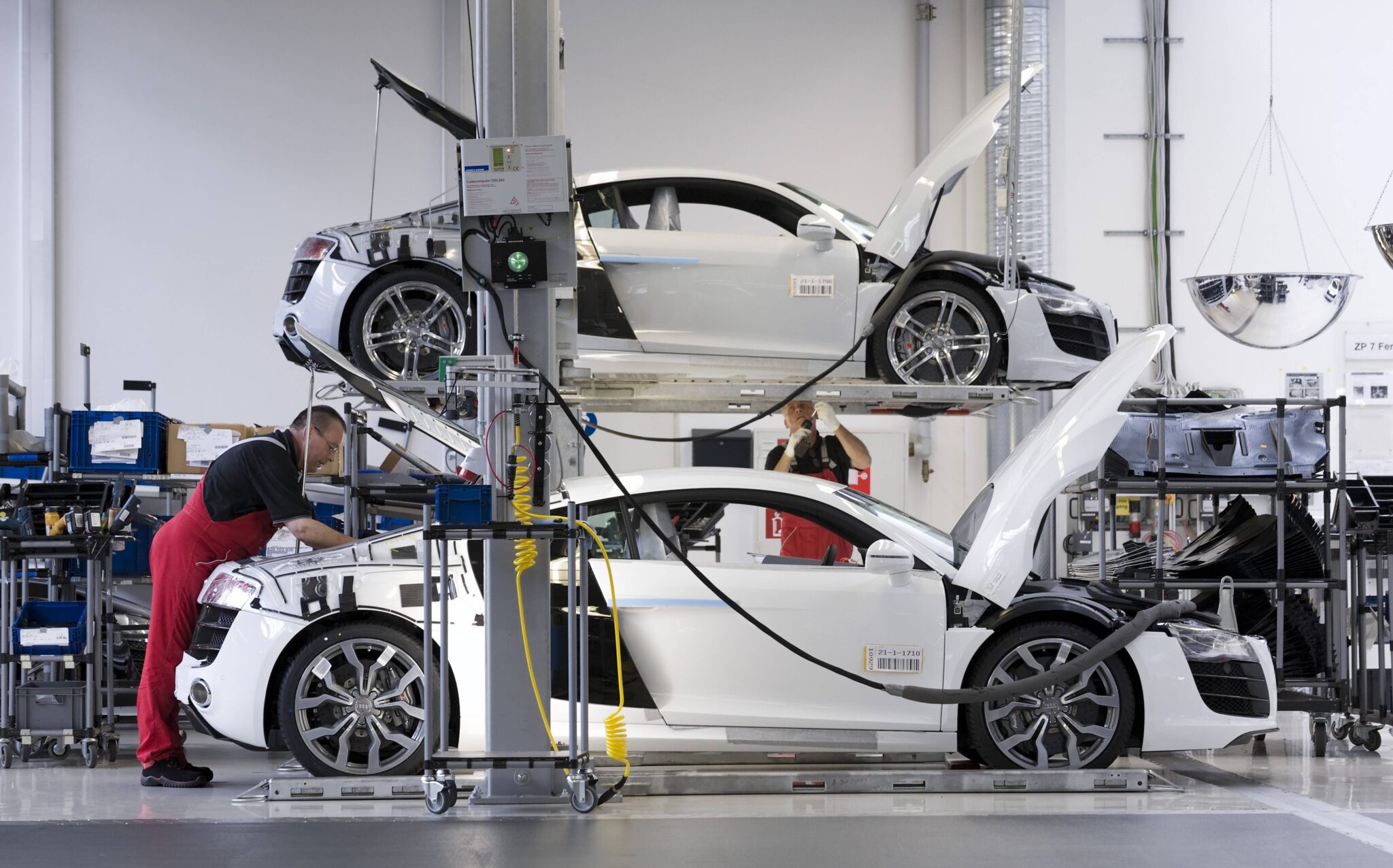
Sales are falling, rivals are surging, and China no longer craves the four rings. CEO Gernot Döllner is cutting bureaucracy, betting on speed, and trying to steer the brand through a maze of tariffs, scandals, and shifting markets.
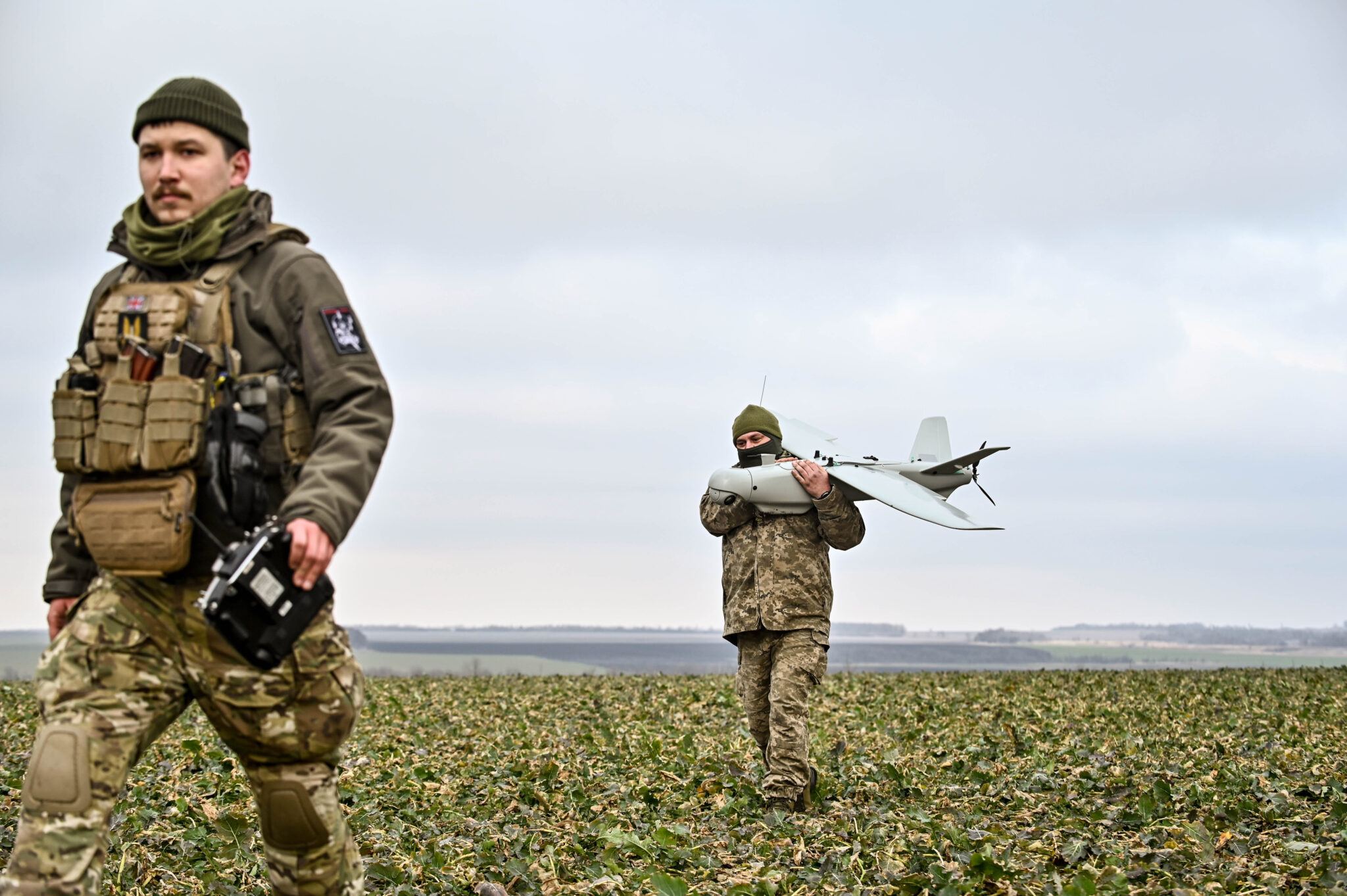
With strikes on Russia’s oil industry, Ukraine is showing just how effectively it can defend itself. A new missile could soon spell further trouble for Moscow.
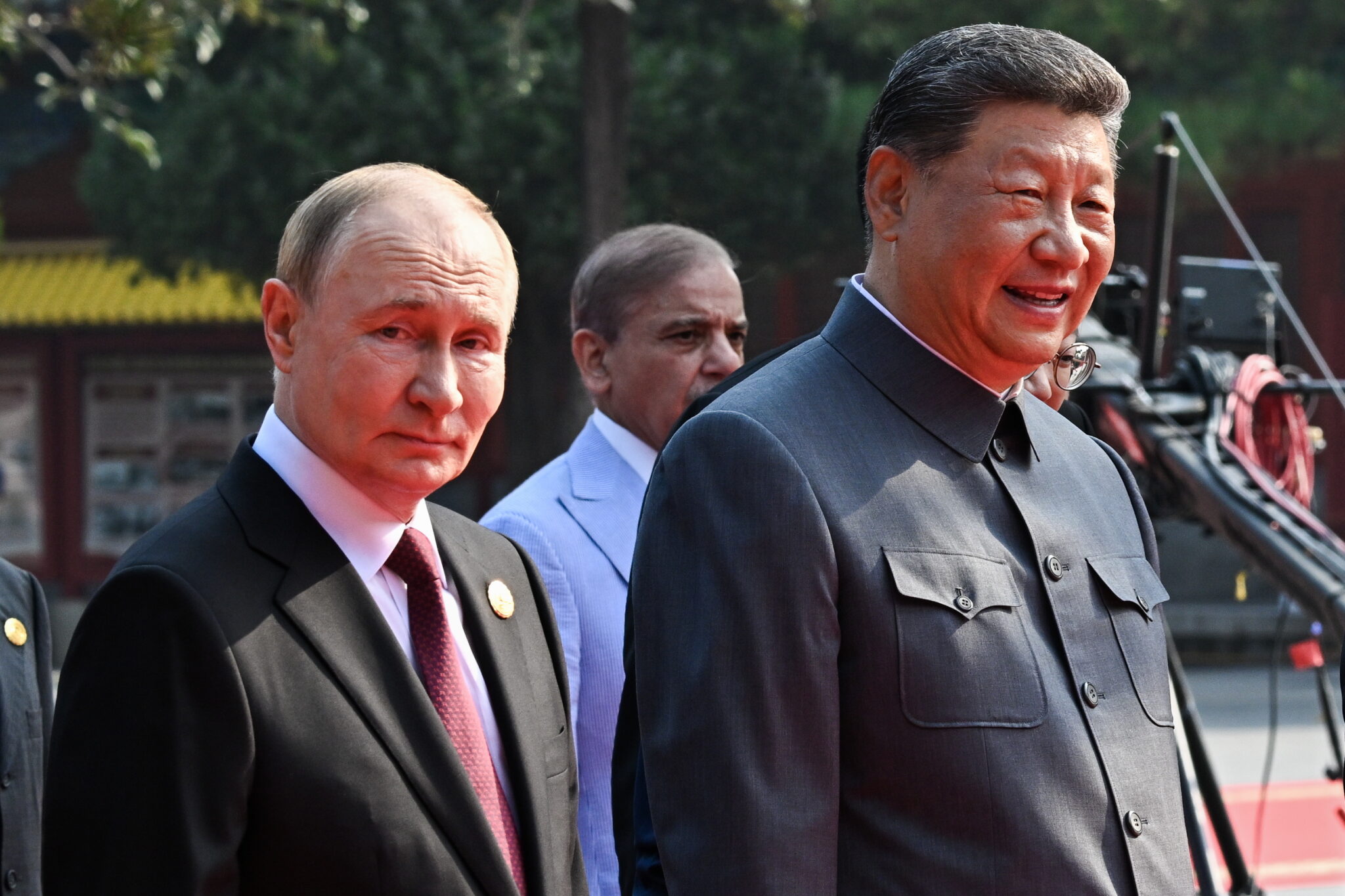
A hot-mic chat between the Russian and Chinese leaders echoes a century of utopian schemes to defeat mortality.
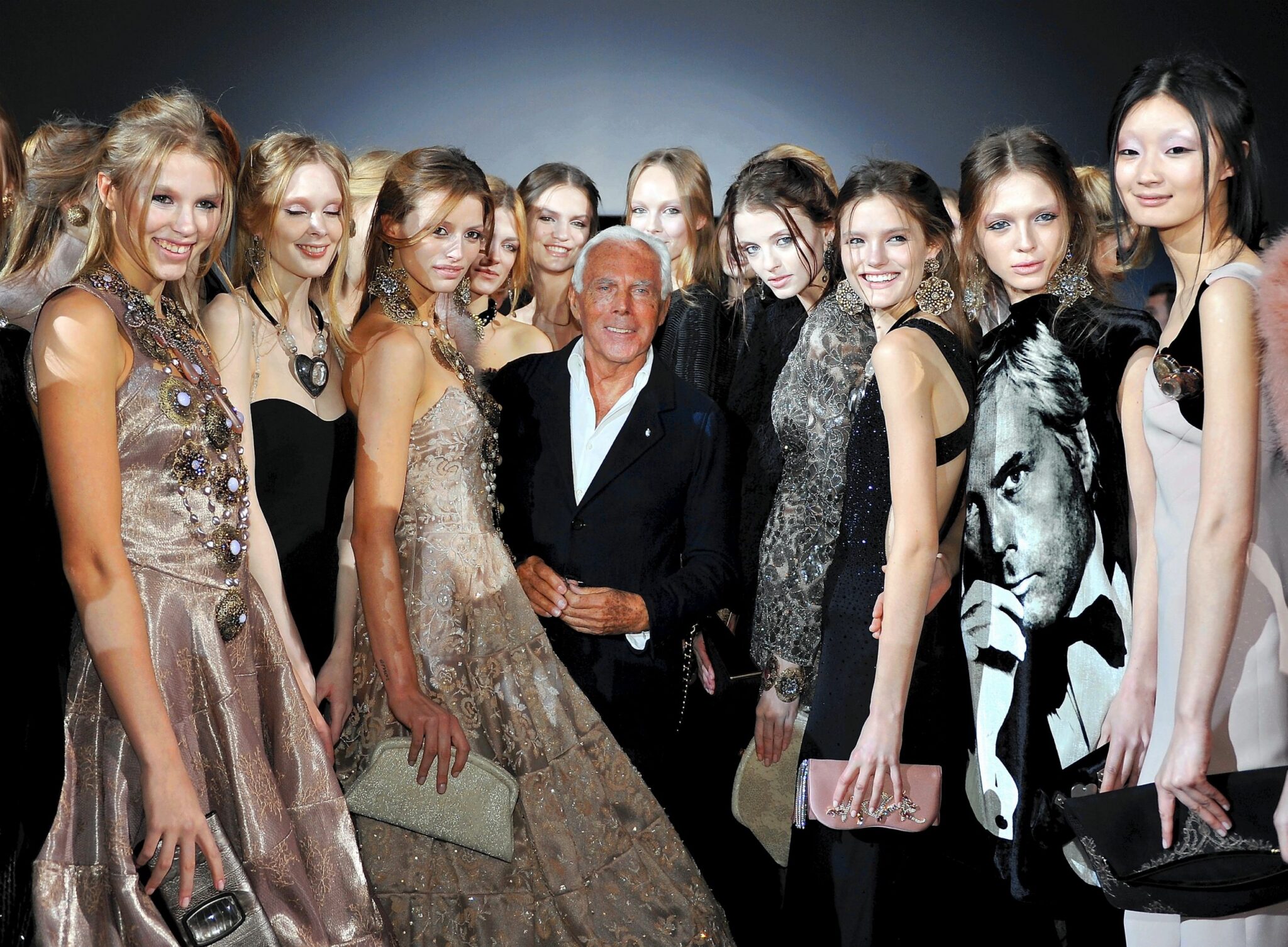
Giorgio Armani, who died Thursday at the age of 91, helped reshape Western social norms and cultural paradigms.
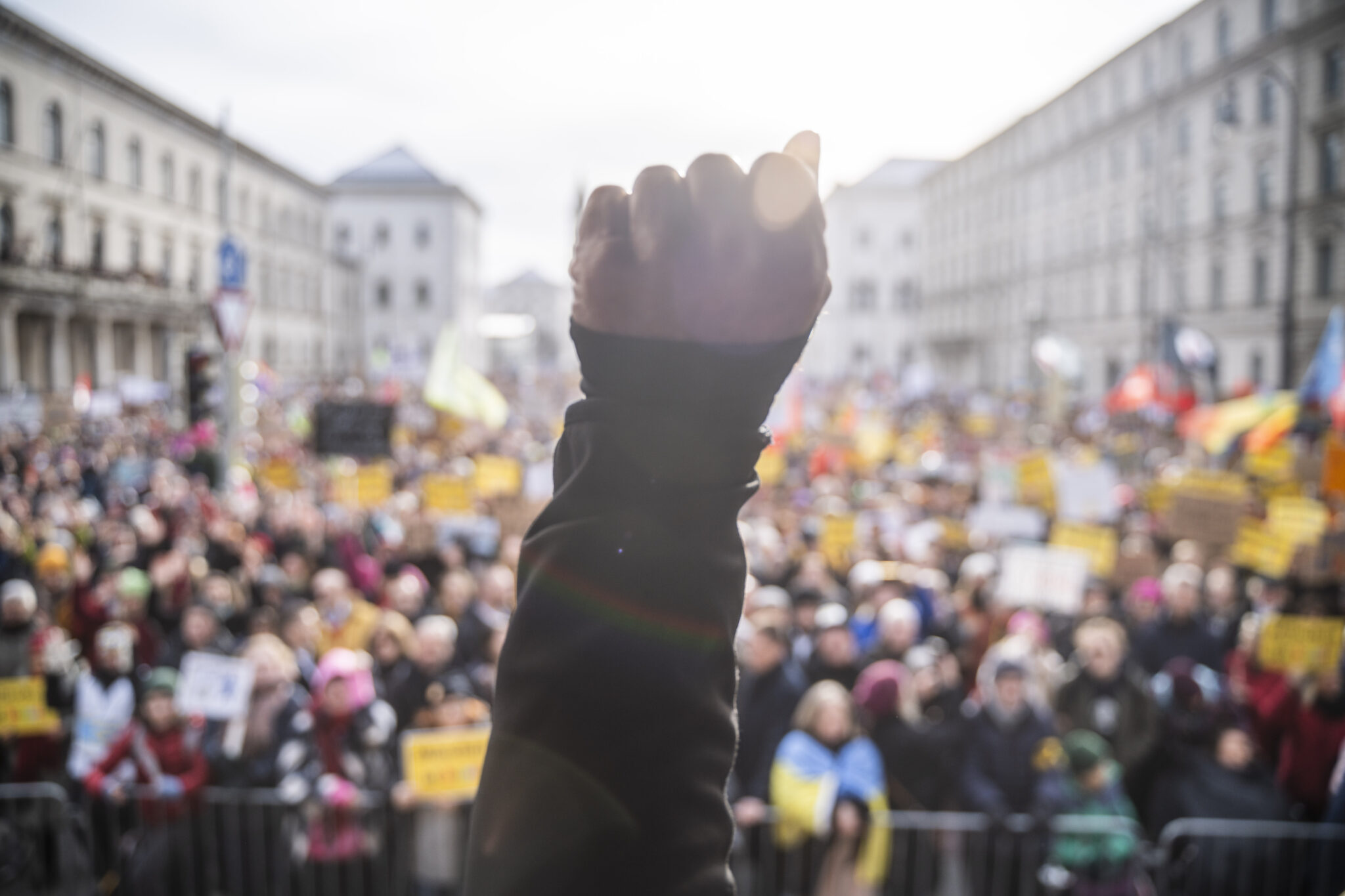
By trading class struggle for identity politics and lifestyle dogmas, Germany’s left has estranged ordinary citizens and handed the far right a chance to pose as their defenders.
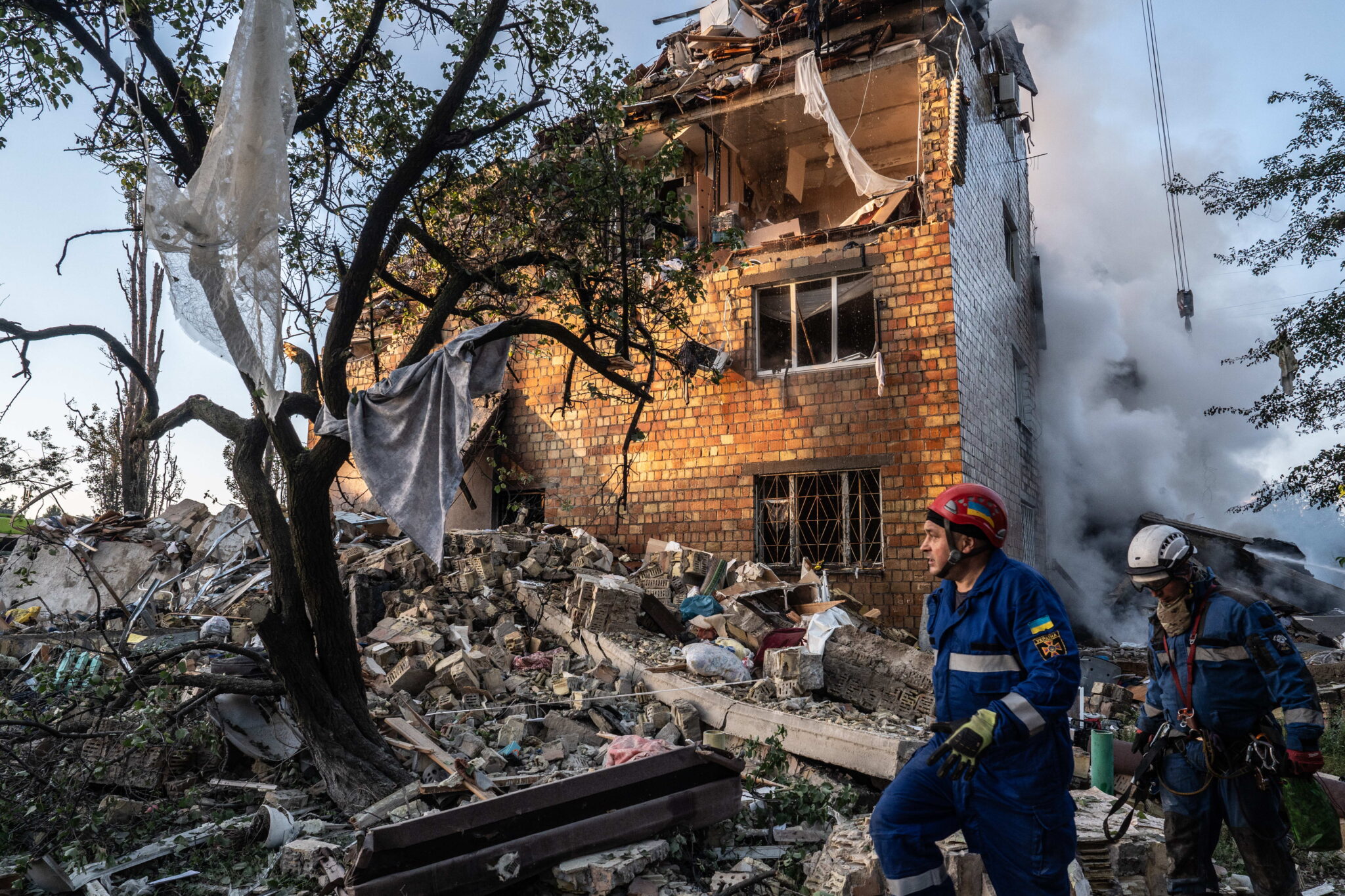
Even after diplomatic overtures and red-carpet treatment abroad, Moscow answers with one of its deadliest strikes since the invasion, showing the Kremlin has no intention of negotiating an end to the war.
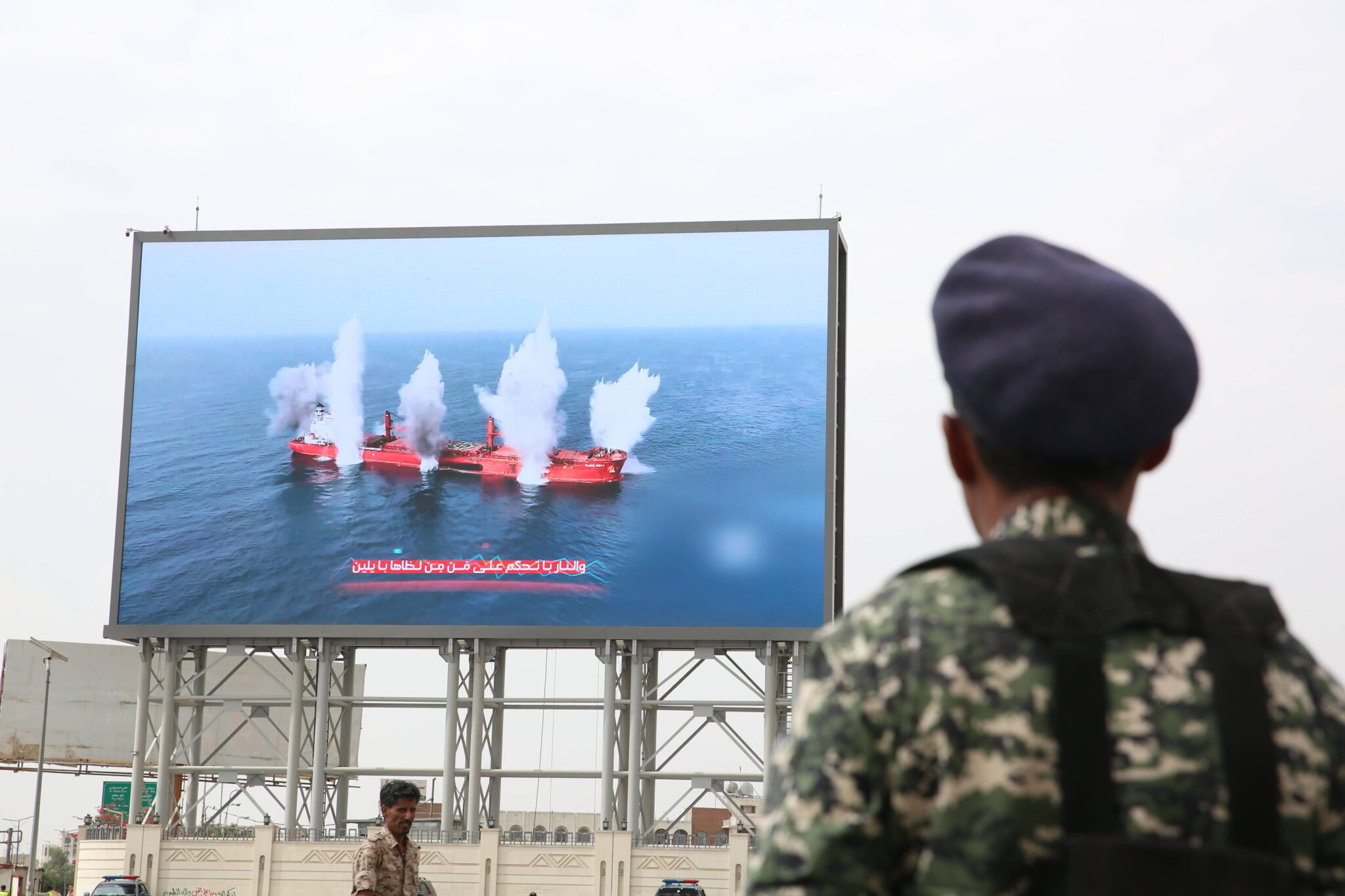
With more than 115 attacks since 2023, Yemen’s Houthis now offer ship operators a website to register vessels and avoid drone or missile strikes, a move that raises alarms among maritime security experts and highlights the rebels’ bid to control global shipping lanes.
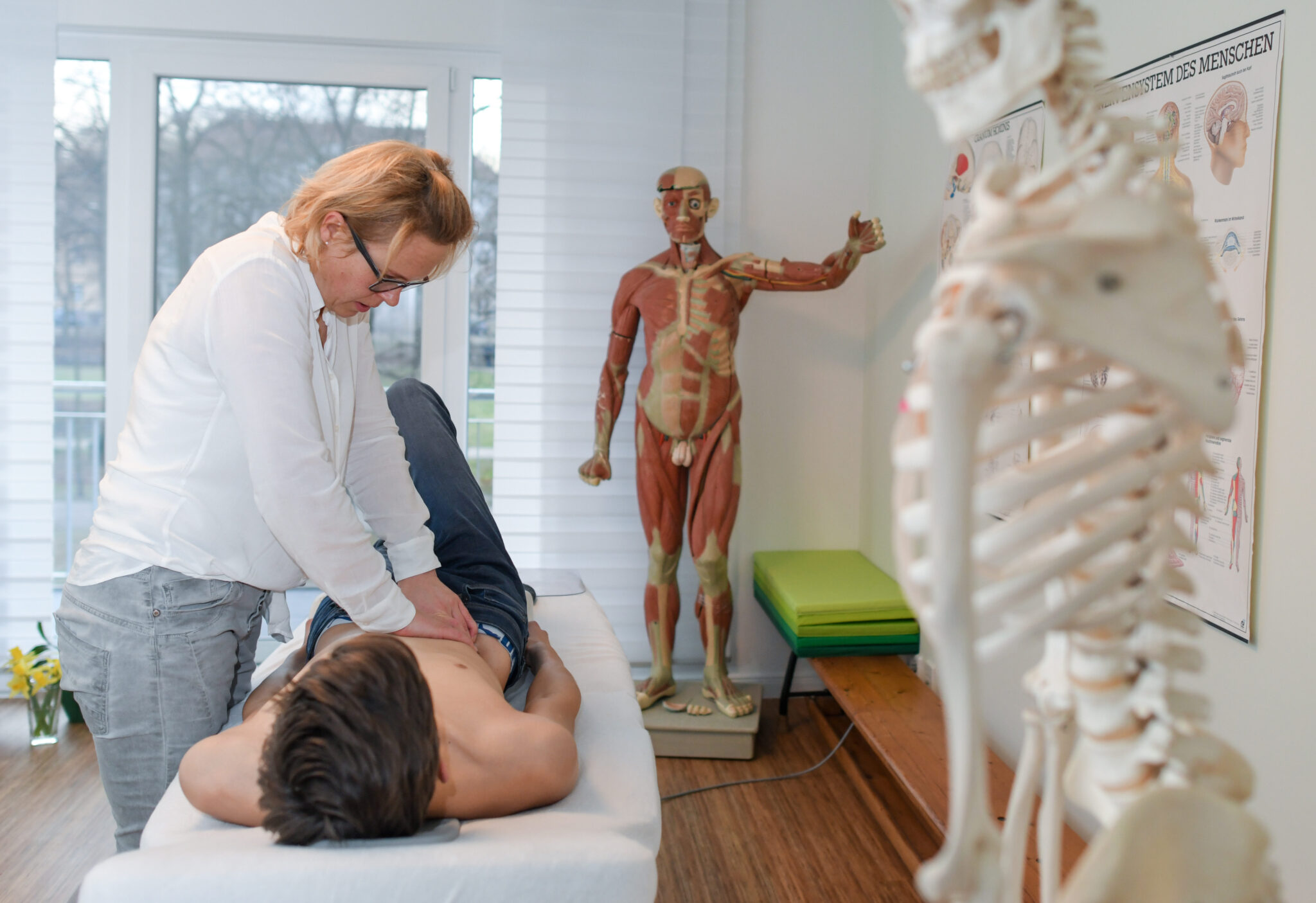
Practitioners want legal recognition, critics call it pseudoscience. Can osteopathy really heal? The problem is that evidence is not always consistent.
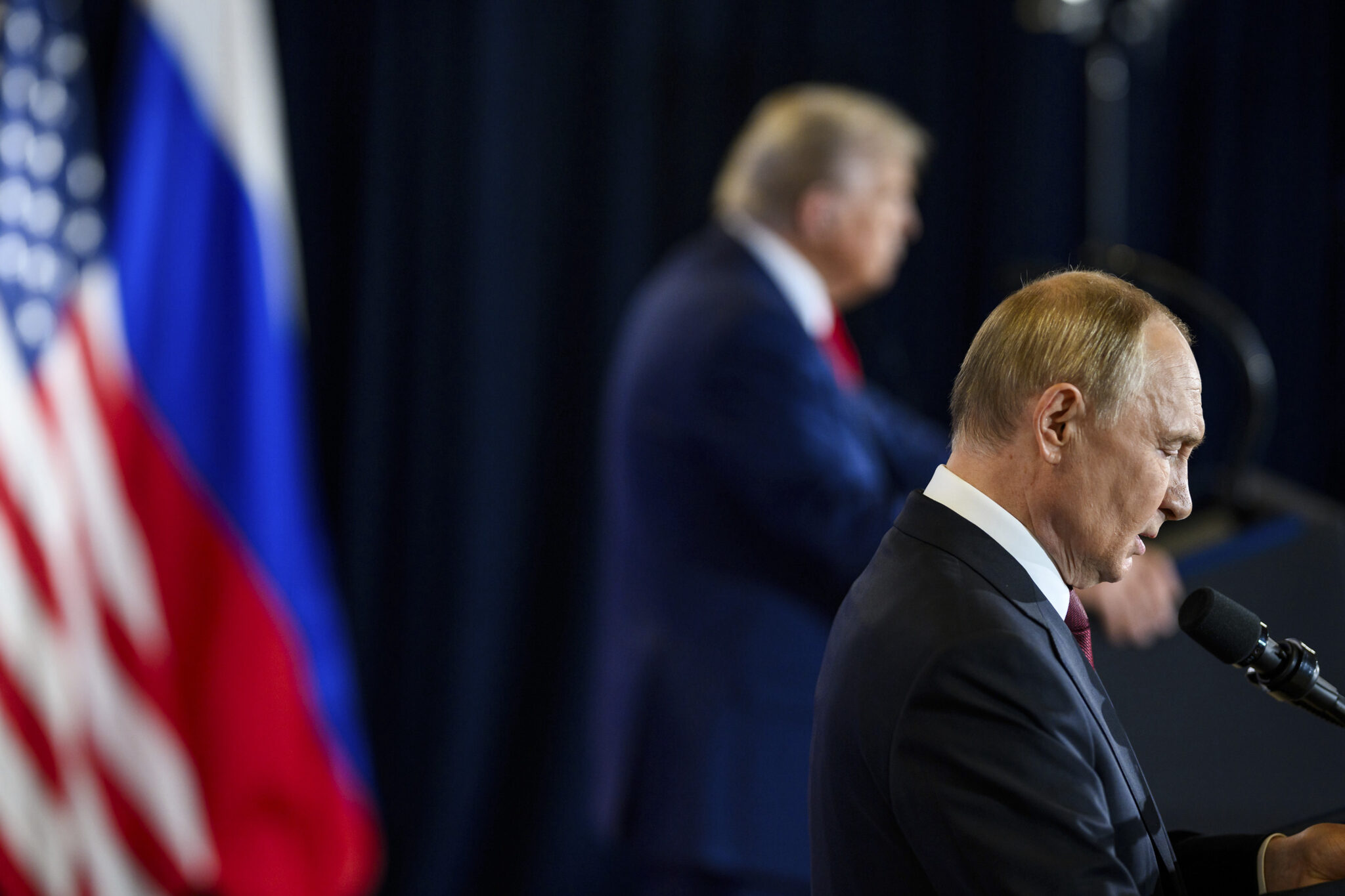
With resources poured into the fight, allies watching, and propaganda framing it as a struggle against the West, President Vladimir Putin has locked Russia’s foreign policy into a war Moscow cannot afford to lose.
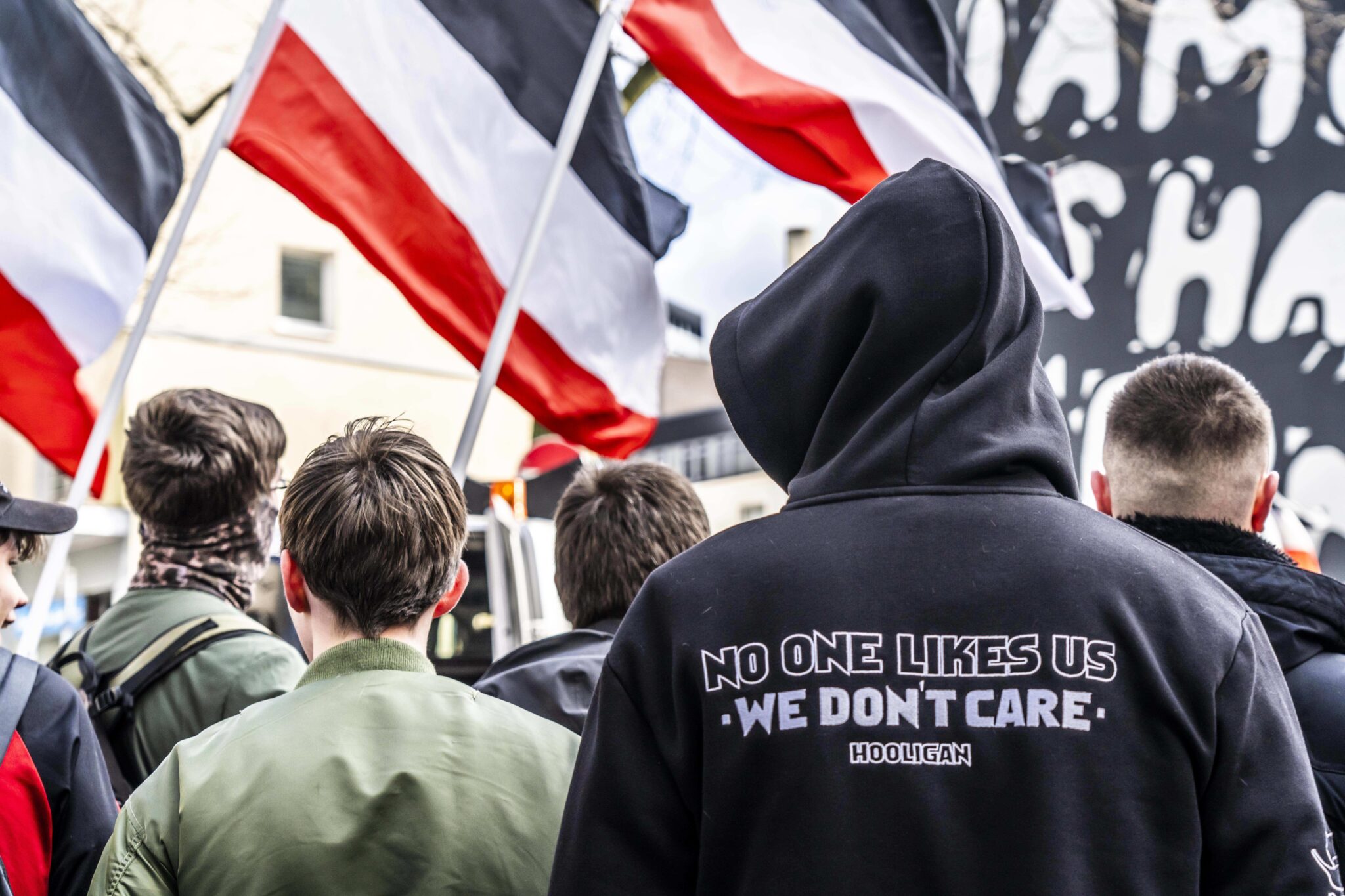
From the family home to online networks, the stories of Fabian K. and Hagen R. show how extremist ideas are passed down and reinforced.
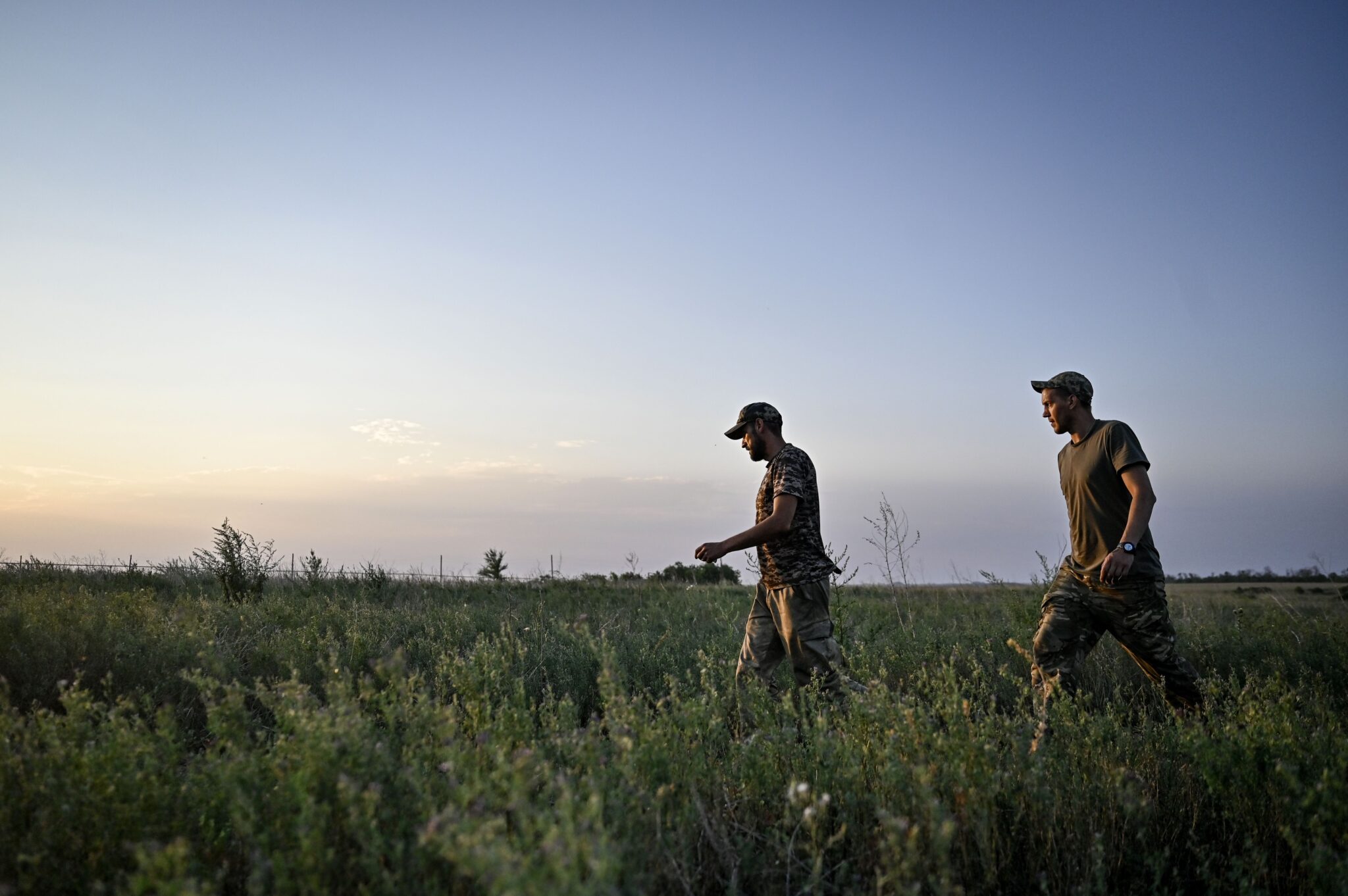
Washington is pushing for a security corridor protected by international and EU forces, with a certain degree of U.S. military, logistical and technological backing to deter Russia. It recalls the practical if imperfect decades-long status quo on the Korean Peninsula
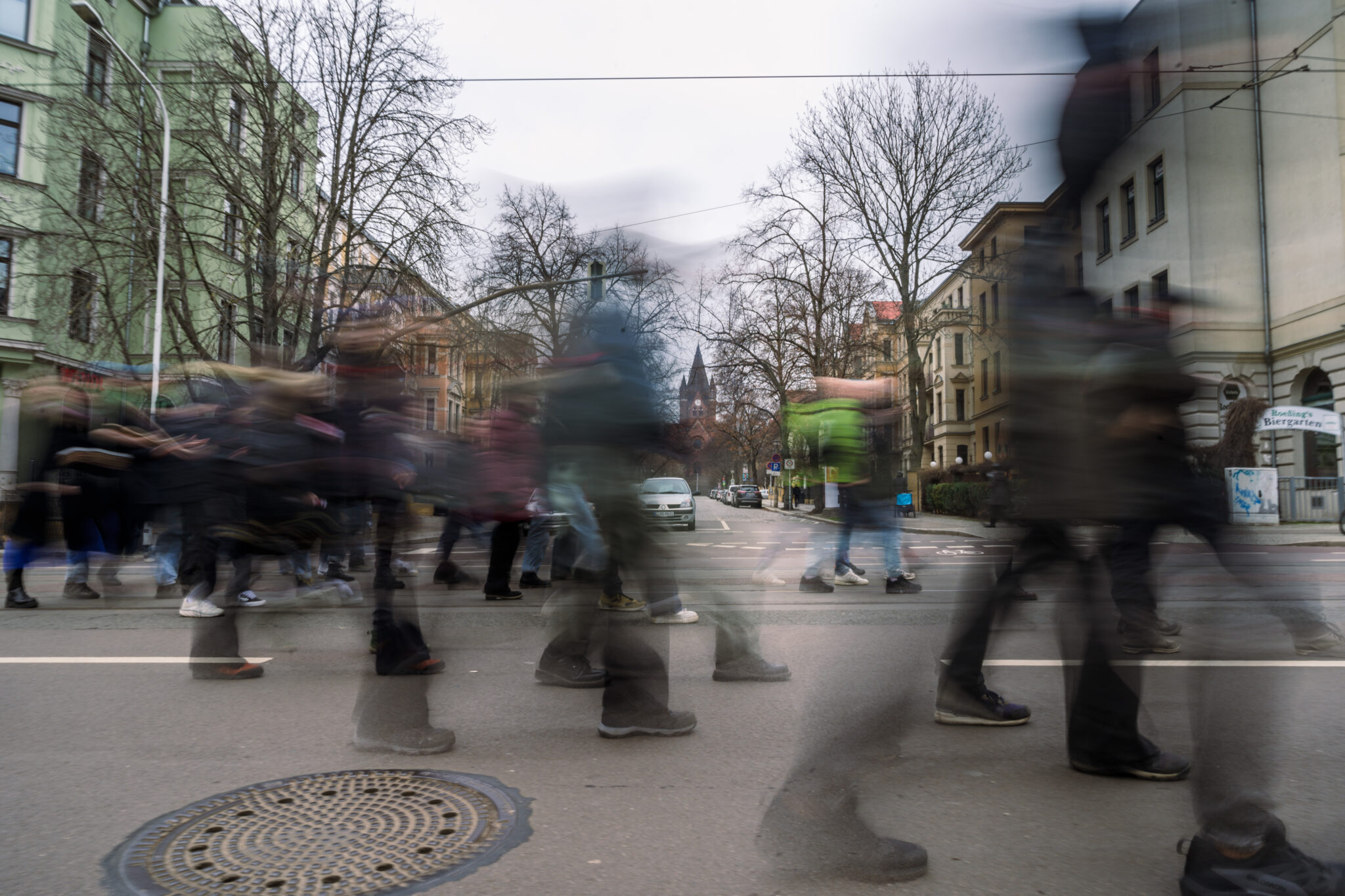
While the political debate and far right fixate on visible problems, new research shows that Germany’s everyday institutions quietly succeed in integrating refugees, often without anyone noticing.

With limited childcare and resources, parents are stretched thin during summer vacation months. If Germany wants more children, it needs to start giving parents more vacation days or more childcare options.
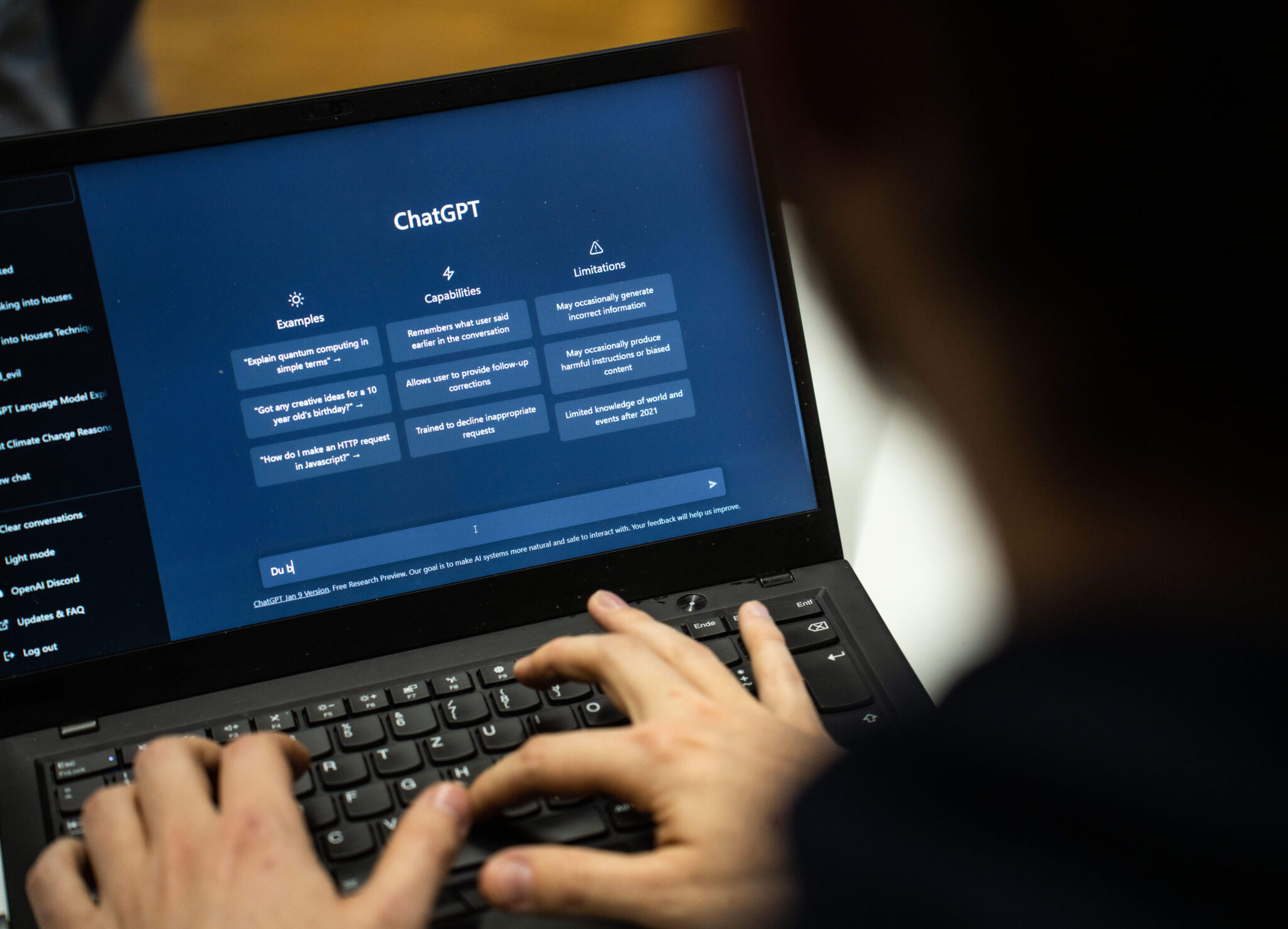
A study of hundreds of thousands of YouTube videos and podcasts reveals that AI isn’t just changing how we write, it’s subtly altering our spoken language too, raising new concerns about cultural homogenization and who controls the words we use.
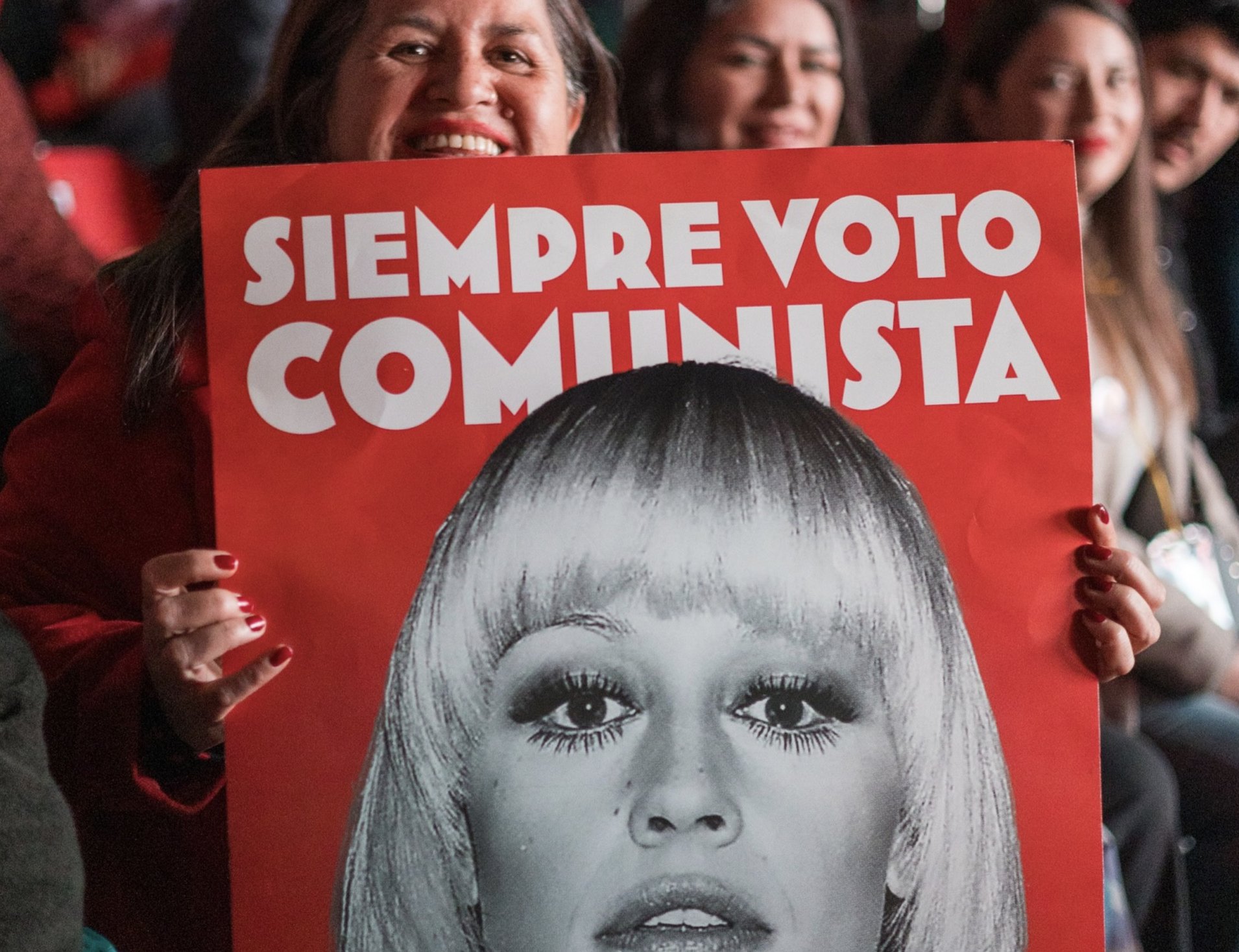
In Chile’s heated presidential race, Communist candidate Jeannette Jara has turned to an unlikely but beloved figure to rally support: Raffaella Carrà, an iconic Italian showgirl who once defied dictators and danced her way into leftist hearts.

As Spotify CEO Daniel Ek pours millions into an AI weapons company, bands like Deerhoof, Xiu Xiu, and King Gizzard & the Lizard Wizard are pulling their music from the streaming platform, challenging a model they say was never built for them.
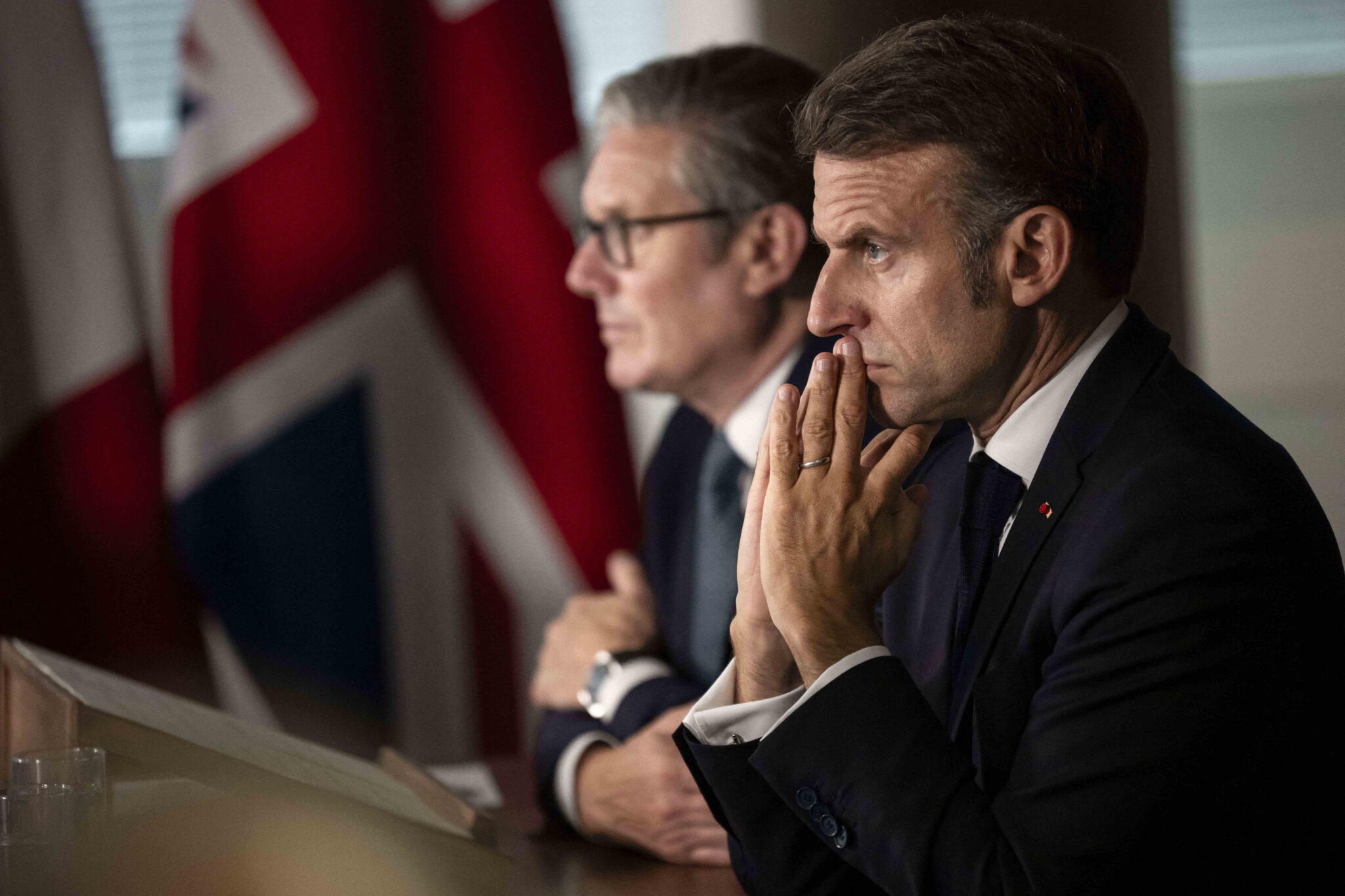
France, the UK and Canada are preparing to formally back Palestinian statehood at the UN this September. Behind the symbolic gesture lies a strategic power play aimed at Benjamin Netanyahu — and Donald Trump.
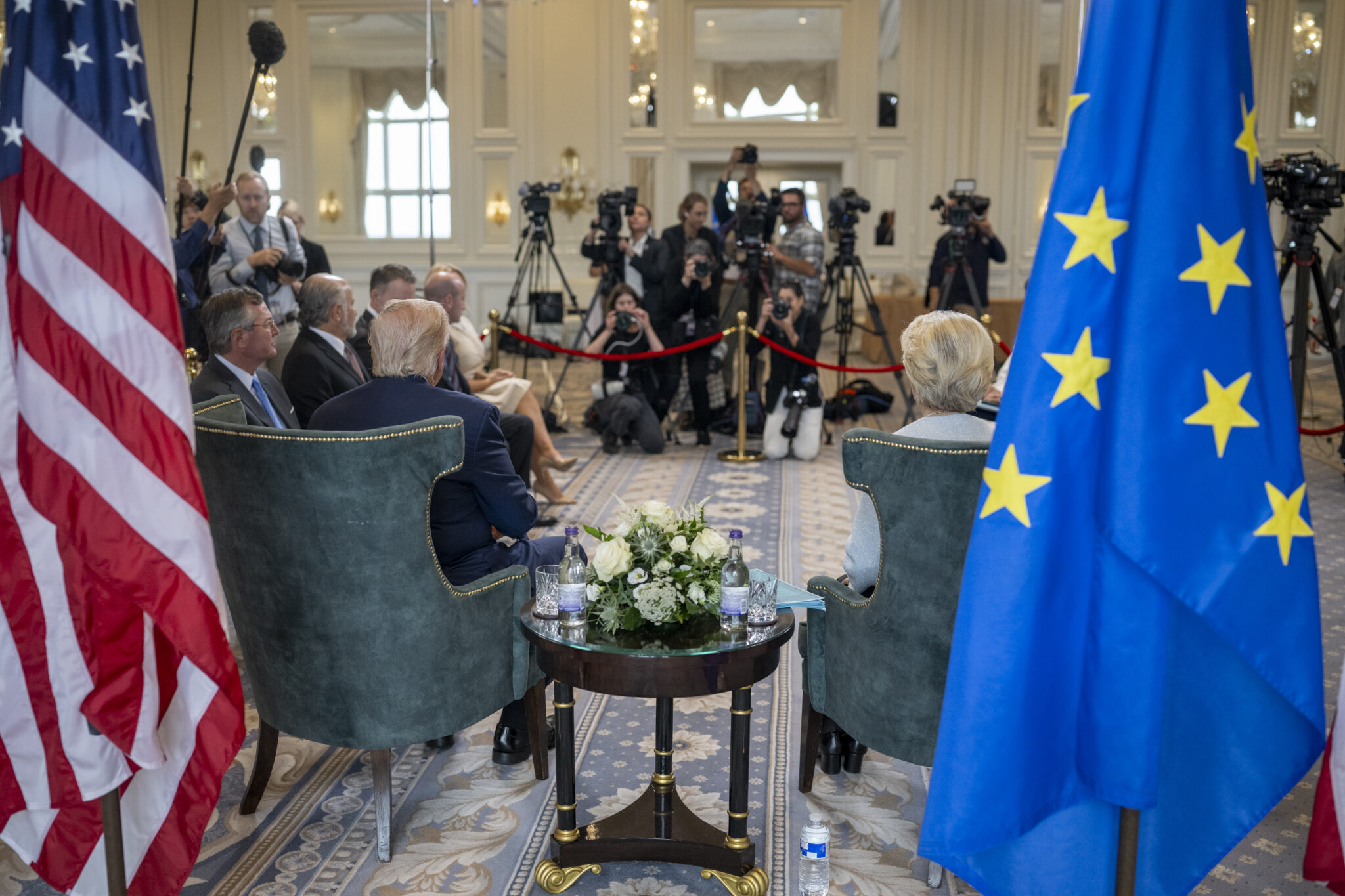
Trump’s approach to U.S.-EU trade relations prioritizes dominance and loyalty over partnership, leaving Europe with little choice but to comply to avoid severe economic fallout. Breaking free from U.S. leverage would require Europe to build a new global alliance, effectively acknowledging the end of the traditional transatlantic trade partnership.
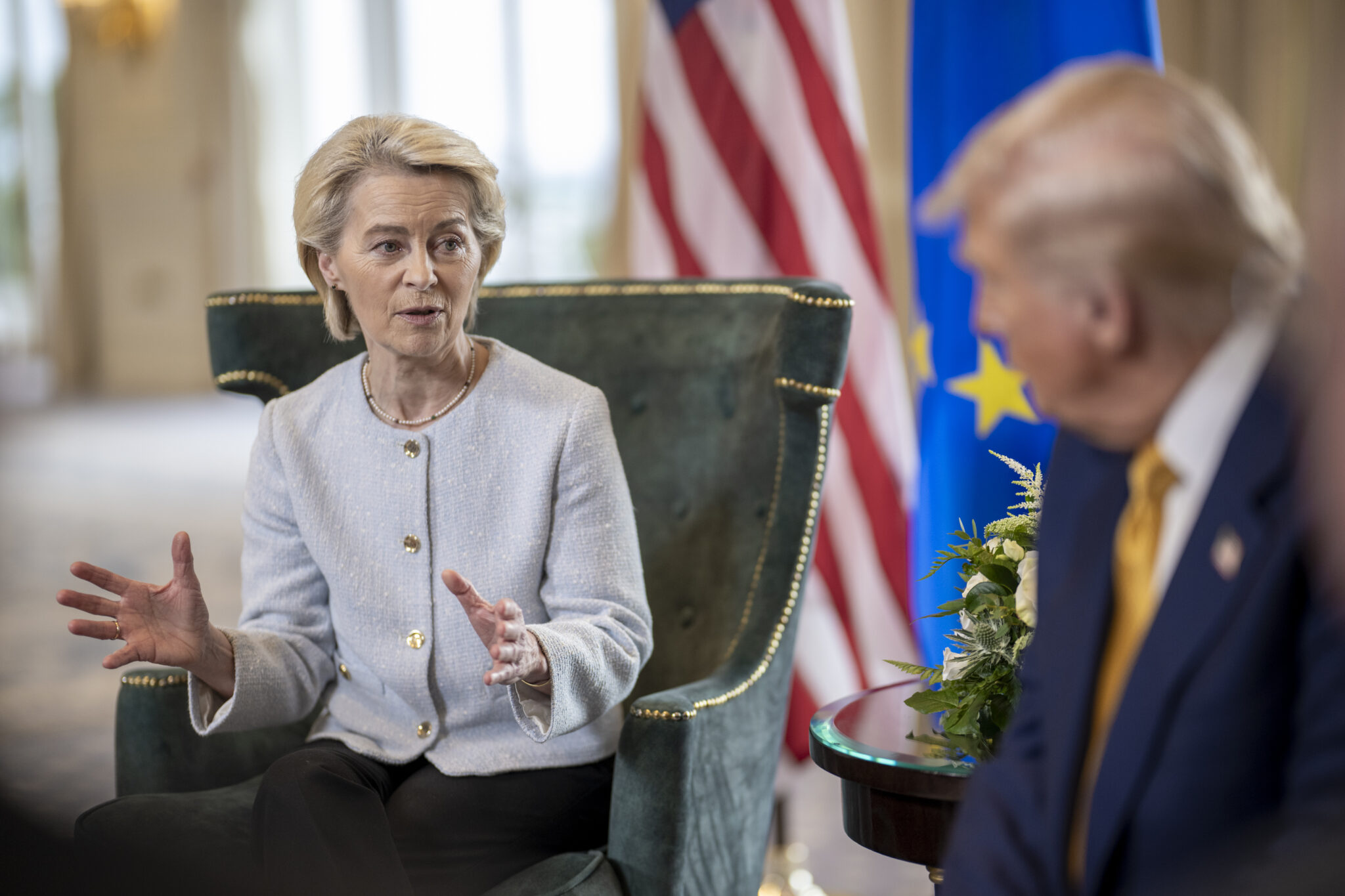
European Commission President Ursula von der Leyen’s controversial trade deal may look like a surrender to U.S. President Donald Trump, but it could be a calculated play in a surreal game of bluff, designed to keep Europe afloat — and Trump distracted.

Outdated labels are giving way to a new diagnostic model that sees personality traits on a spectrum. The newest revision of the International Classification of Diseases (ICD-11) introduces a shift in how we understand, treat and talk about personality disorders, focusing less on rigid categories and more on individual patterns and distress.
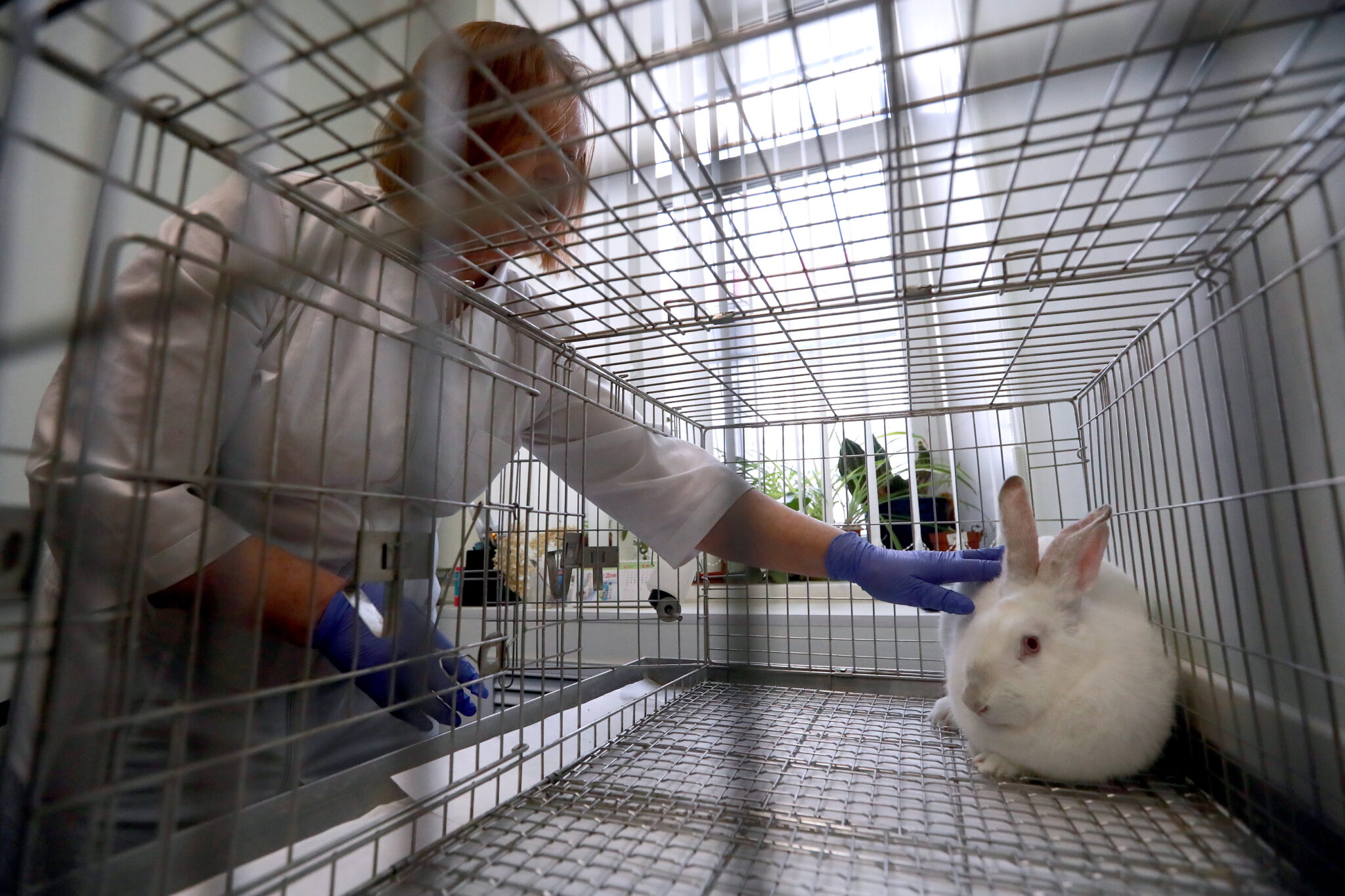
Most of us can accept that animal experiments are ok before allowing new drugs on the market. But allowing such animal testing is important even when no specific application is at stake. They are also crucial for understanding complex biological processes to help treat diseases like Alzheimer’s, Parkinson’s and depression.
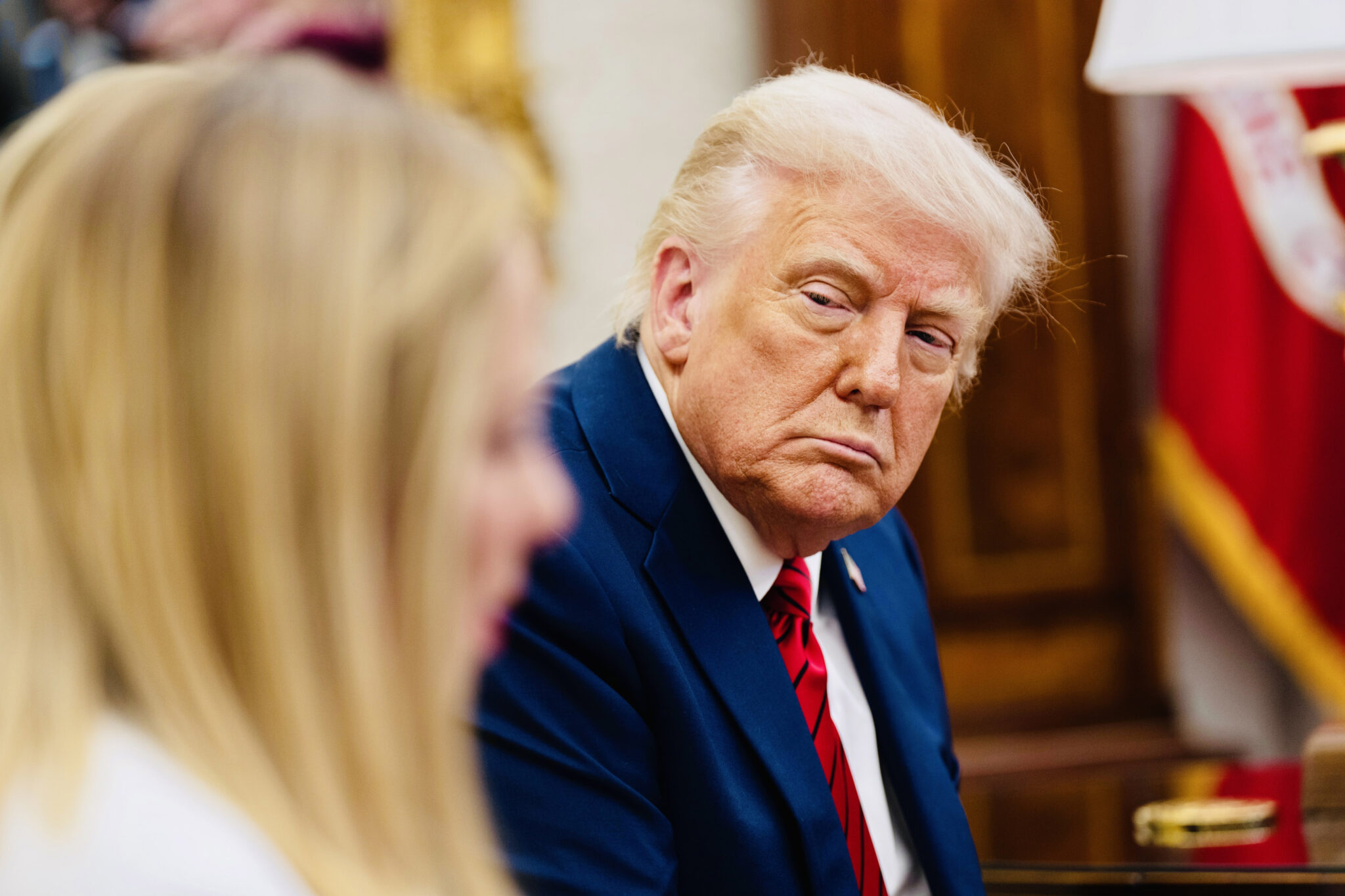
As others bristle at tariffs and concessions, Rome recasts humiliation as heroism, embracing a lopsided deal that feeds the myth of a benevolent Caesar-like Donald Trump while draining European coffers.
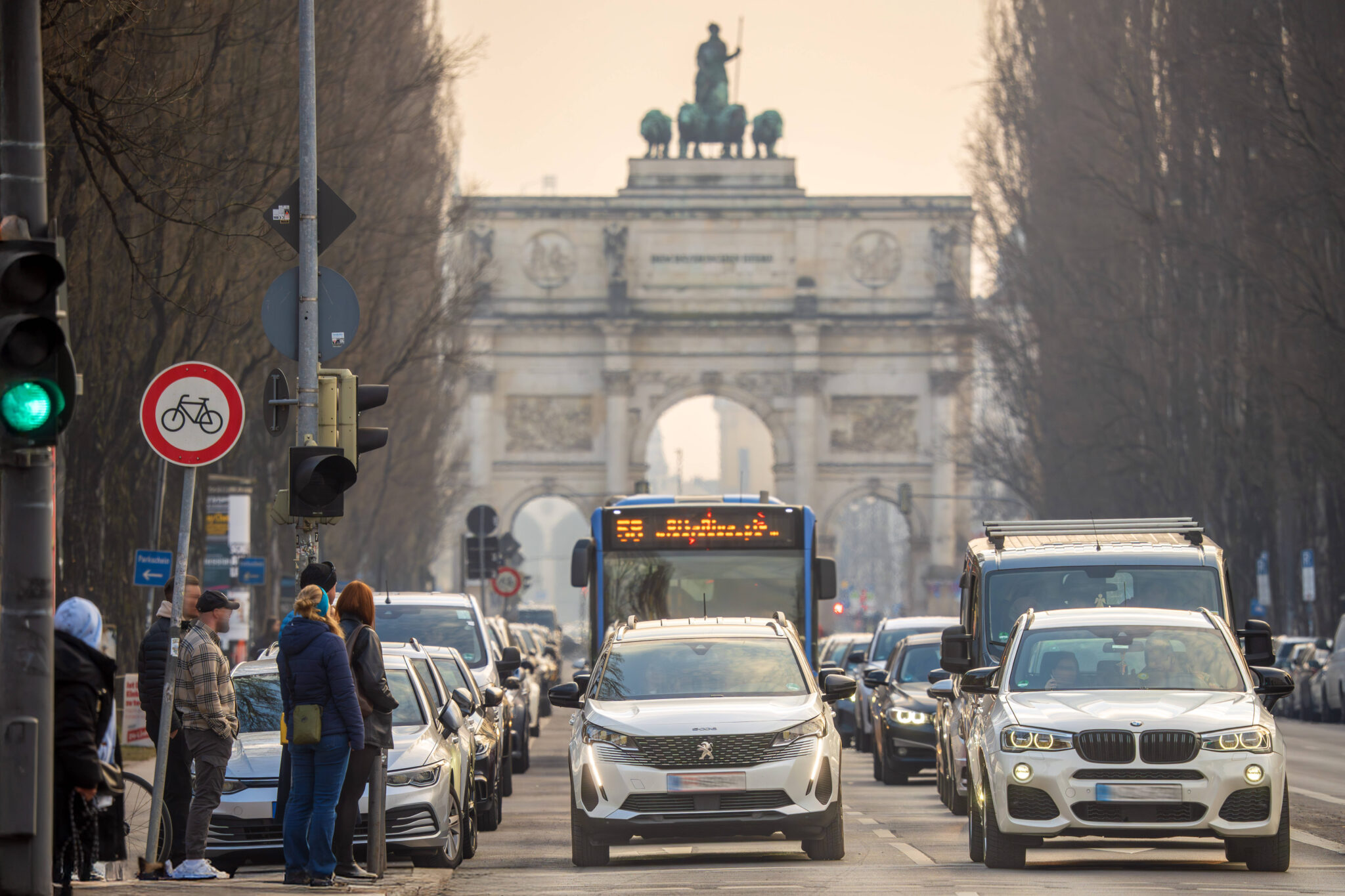
As Chancellor Friedrich Merz’s government doubles down on highways and combustion engines, critics warn that ignoring electric trends and digital innovation could cost Germany its place in the global auto industry.
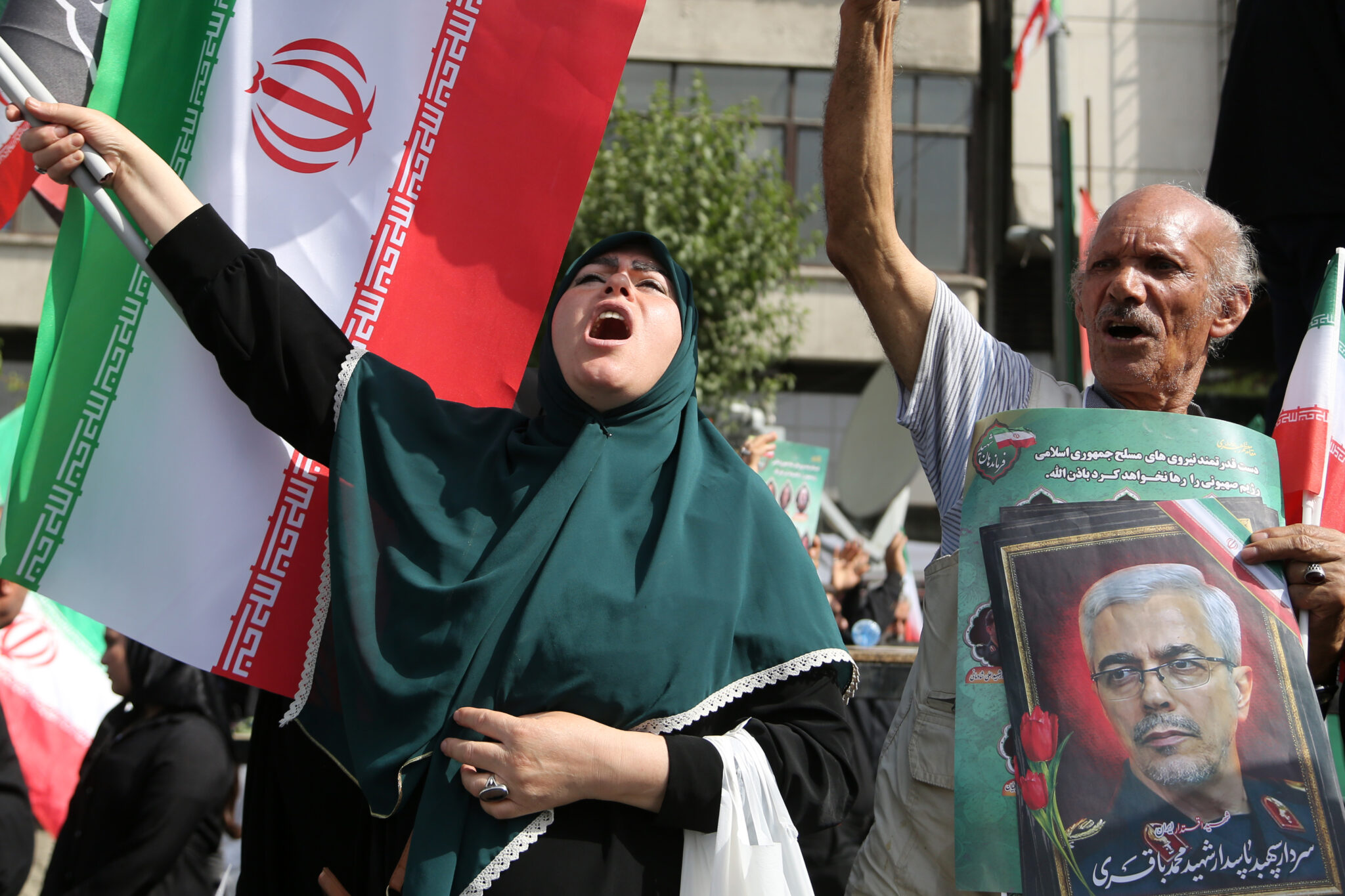
Negotiations over Iran’s nuclear program have resumed. While Europe demands guarantees that Tehran will not build a nuclear bomb, Trump is also pushing for a deal. Is the regime willing to give ground, or is it bluffing?

Getting along with your partner’s parents doesn’t mean becoming family. For writer Adam Fletcher and his partner, the secret to harmony lies (mostly) in boundaries.
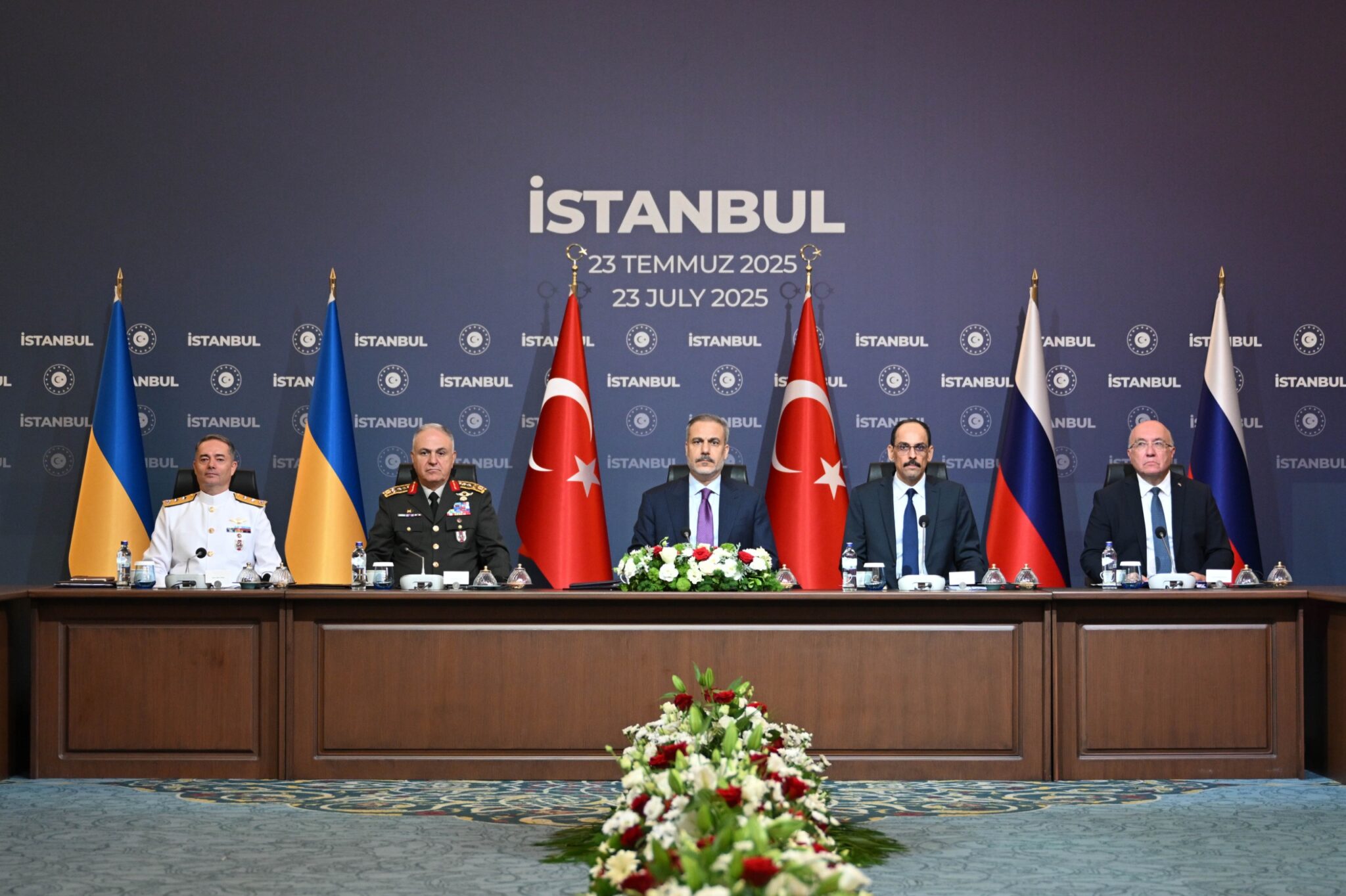
Europe, Iran and global powers are meeting in Istanbul on Friday to discuss Iran’s nuclear program. The talks may determine whether dialogue or confrontation will shape their future relations. It’s also a reminder that diplomacy is a better way than war to settle disputes.
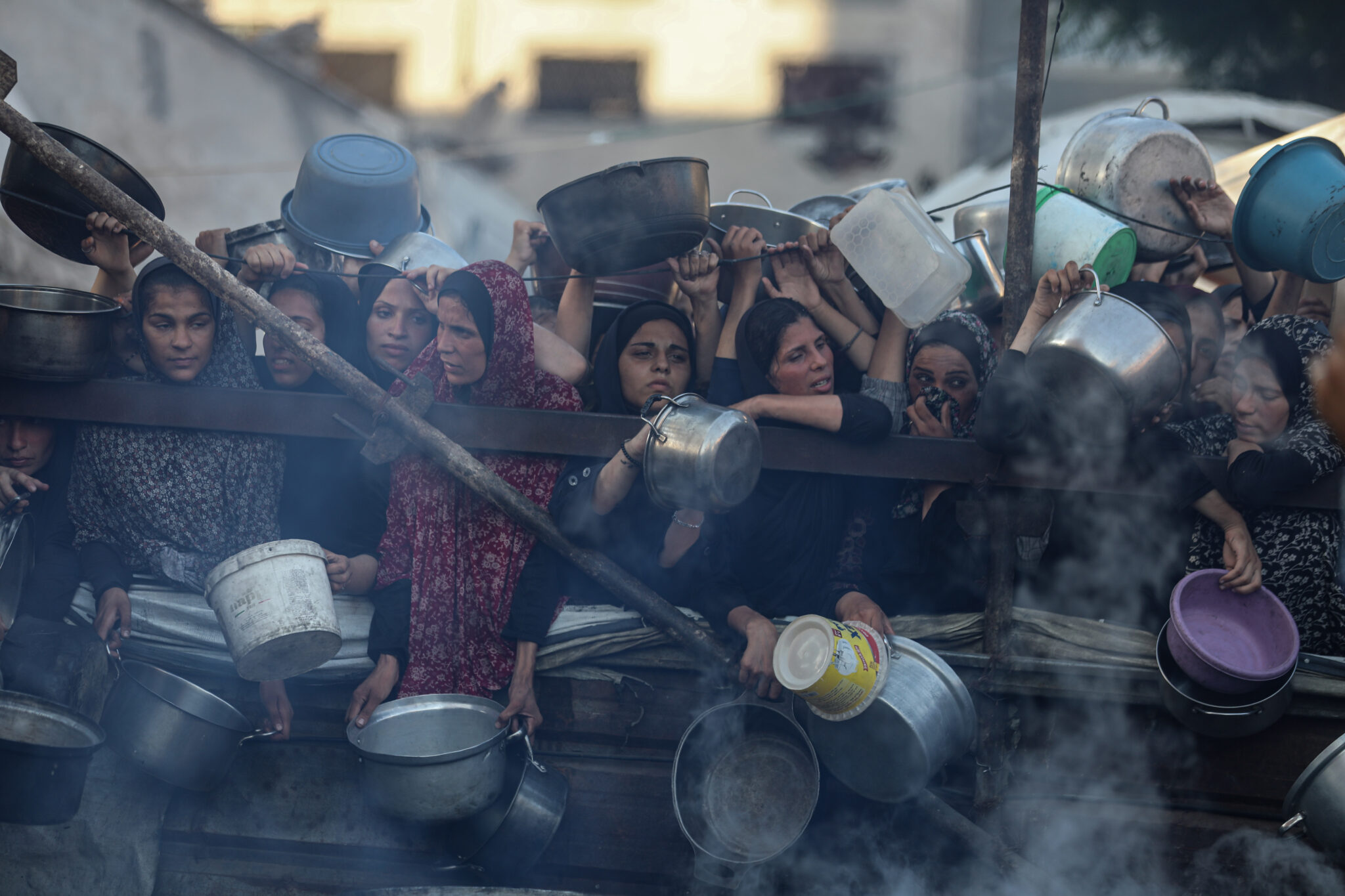
Israel is attacking an area that had been designated as a “humanitarian zone,” offering shelter to around 70,000 displaced people and humanitarian workers. This comes after scores of civilians had been killed by Israeli troops while attempting to get food and other basic supplies for their families.
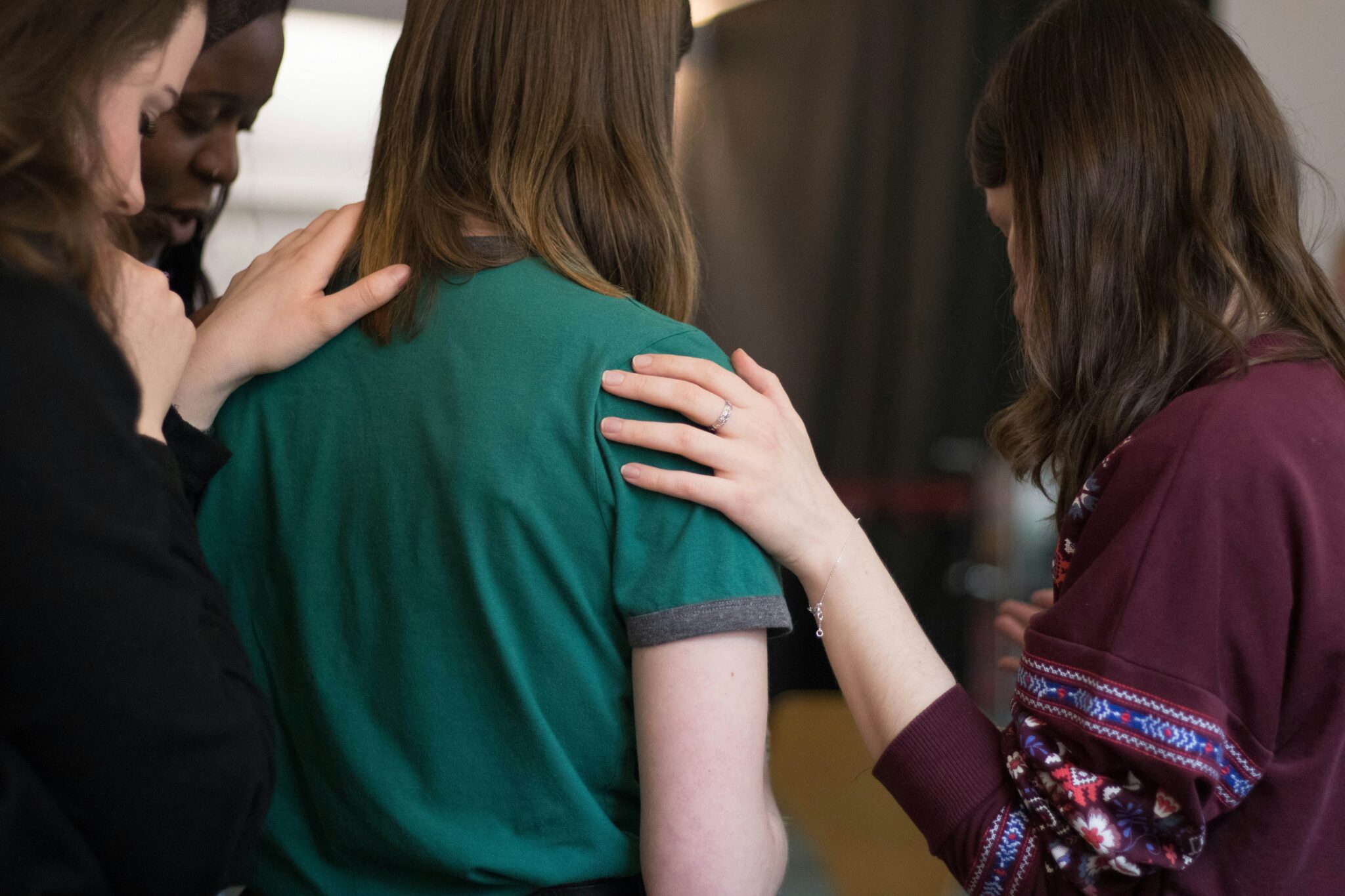
New studies from Finland, Denmark and Norway suggest that mental health disorders might spread through social contact. But how strong is the effect — and should we call it an epidemic?

Known in the past decade as a horse tranquilizer and surgical anesthetic, ketamine is now gaining popularity as a party drug and even a life-coping aid. But while it shows promise in treating depression, its misuse brings real risks and a growing blind spot.
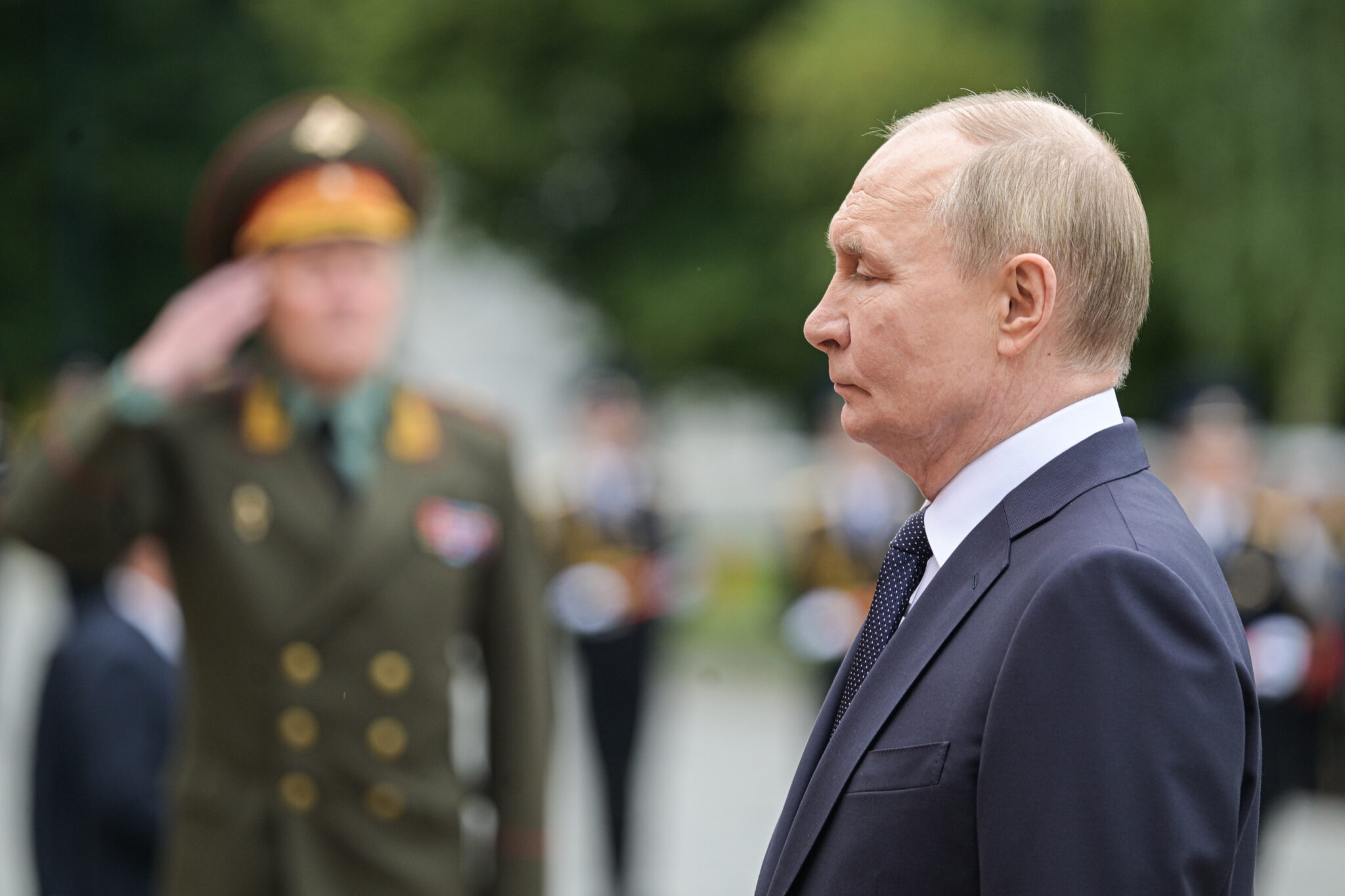
Despite promises of Patriot missiles and steep tariffs, Trump’s latest overtures give Russia time to press its offensive—and the Moscow stock market is celebrating.
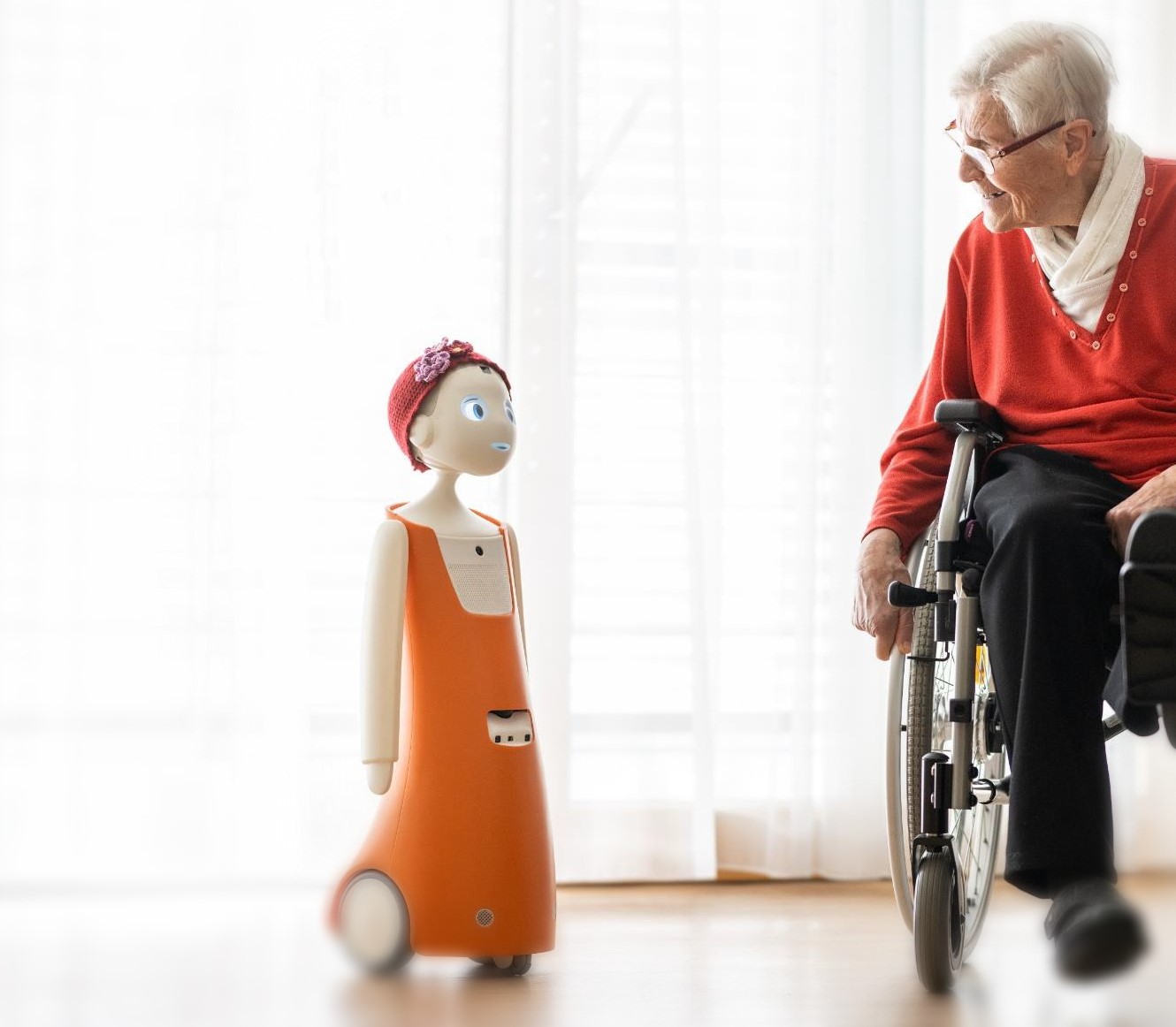
As staff shortages grow, a Munich startup is testing and training childlike AI companions designed to talk, remember and emotionally connect with the elderly — without ever losing patience.
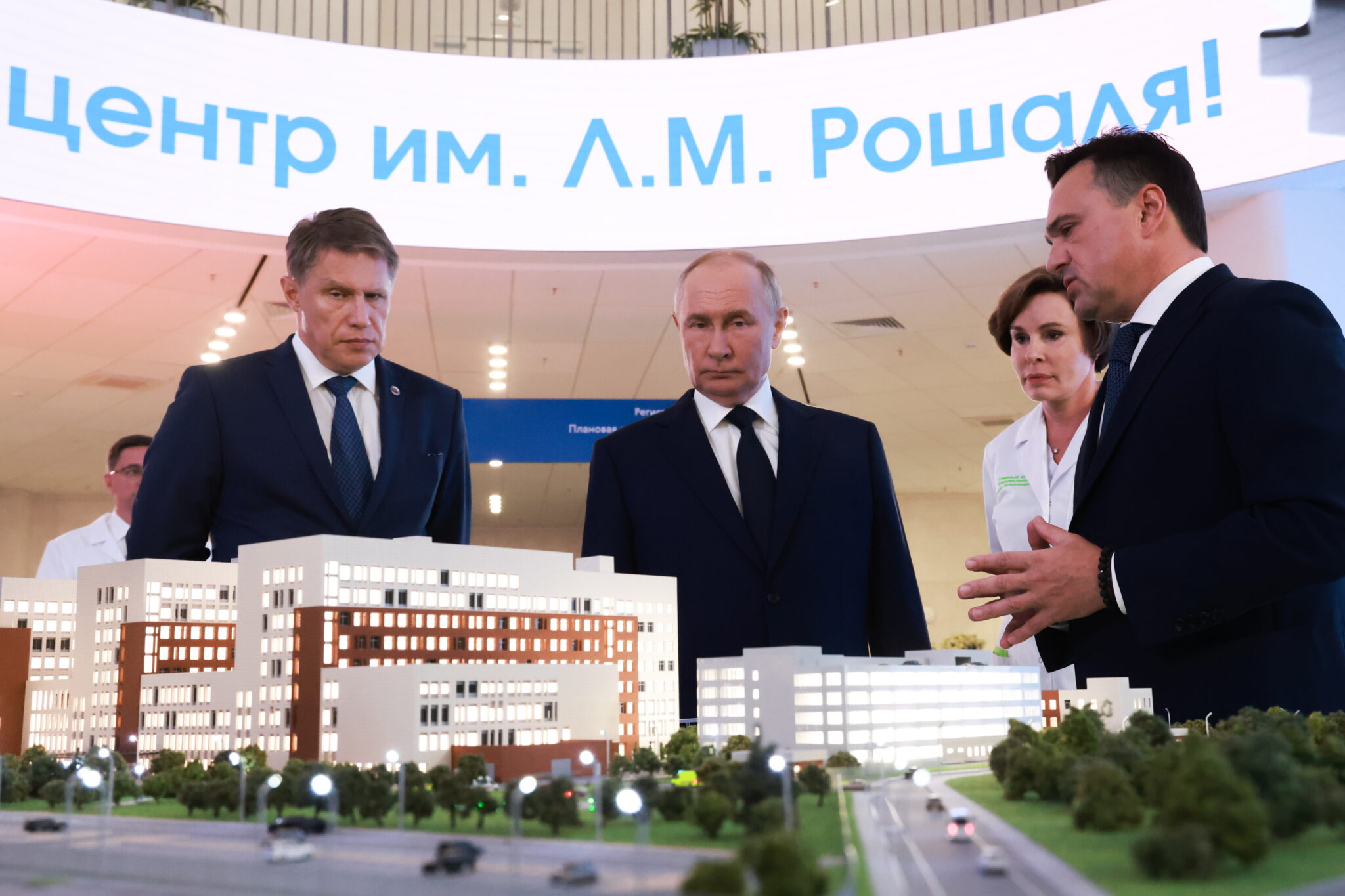
As official data vanishes from Russian state reports, independent experts warn that losses from Putin’s war in Ukraine are becoming too large to hide.
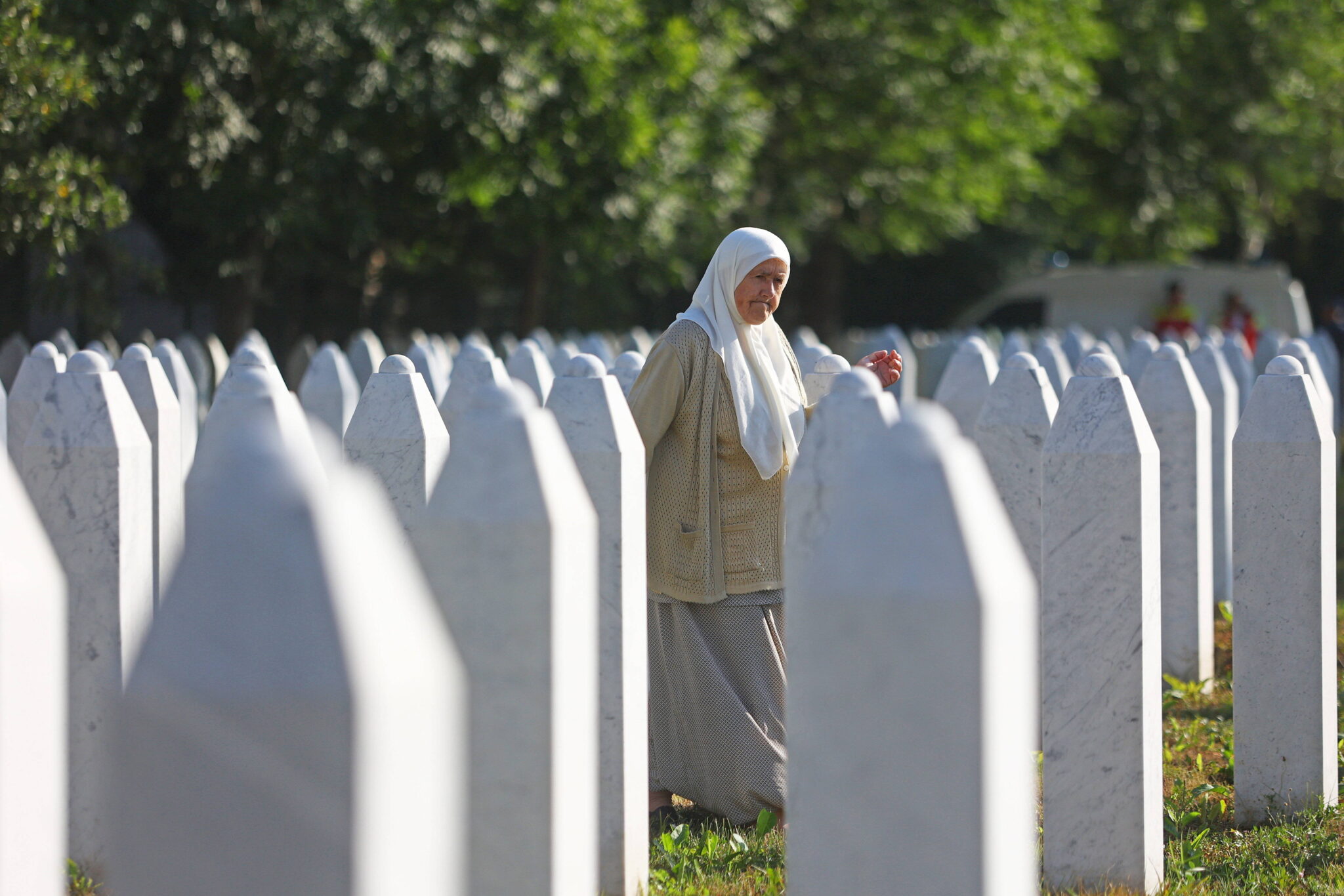
Once dismissed as a tragic anomaly of the post–Cold War era, the 1995 massacre of 8,000 Bosnian Muslims now echoes through today’s wars and ideologies. From Gaza to Ukraine, the logic of ethnic violence is back, and the world is once again looking away.

Very few people actually need two liters of water a day. But how much do they really need? What changes in the heat, whether coffee counts – and why many amateur athletes drink dangerously large amounts.
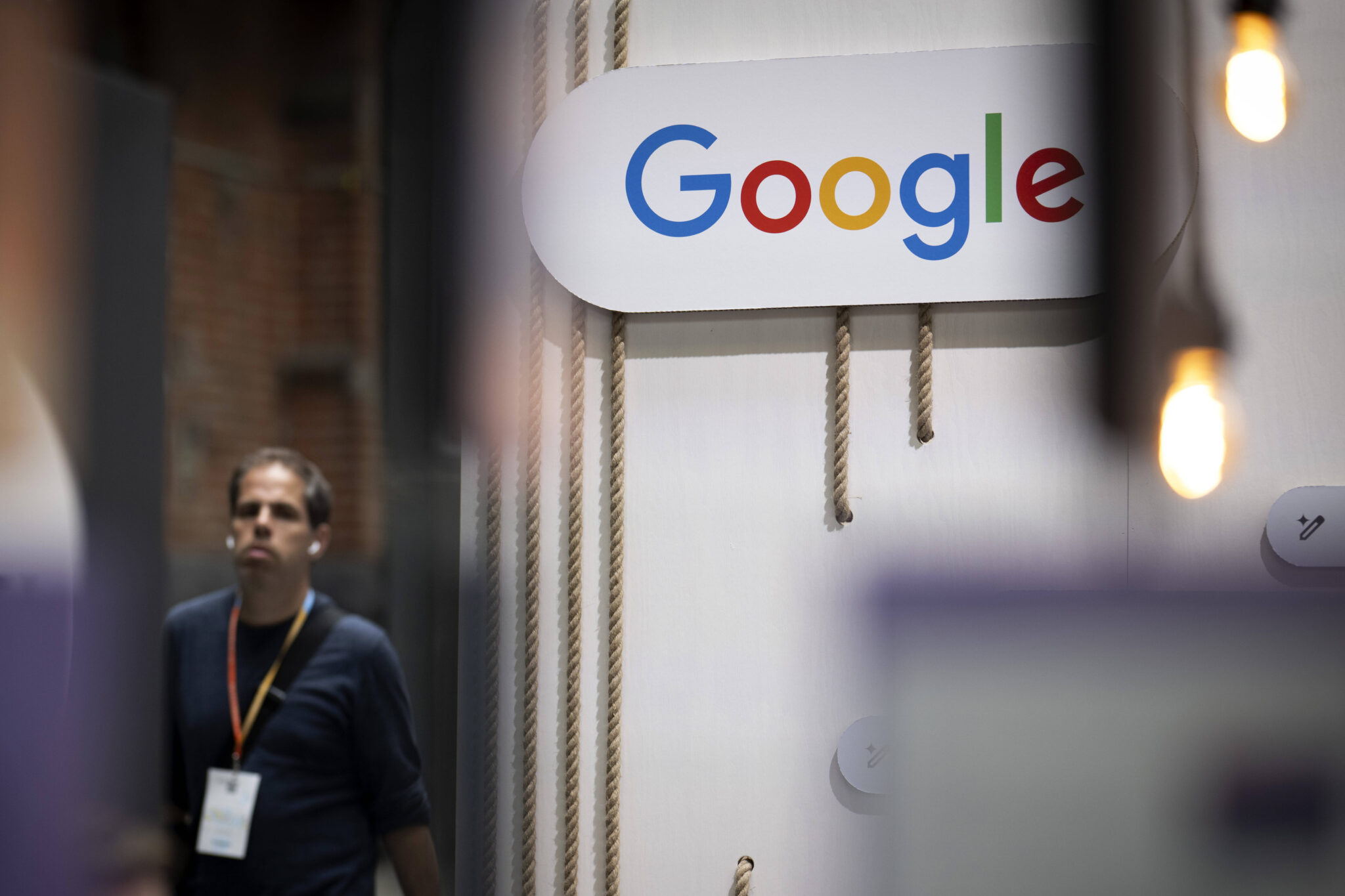
From cloud dependence to AI policy retreat, the European continent faces a stark choice: play by America’s rules or build a radically different model of technological sovereignty. How it plays out is likely to shape how the digital economy and society looks for the whole world.

From unpaid caregiving and beauty routines to the hidden burden of emotional support, some women are starting to demand compensation for the work they do in relationships — work that often benefits men for a lifetime.
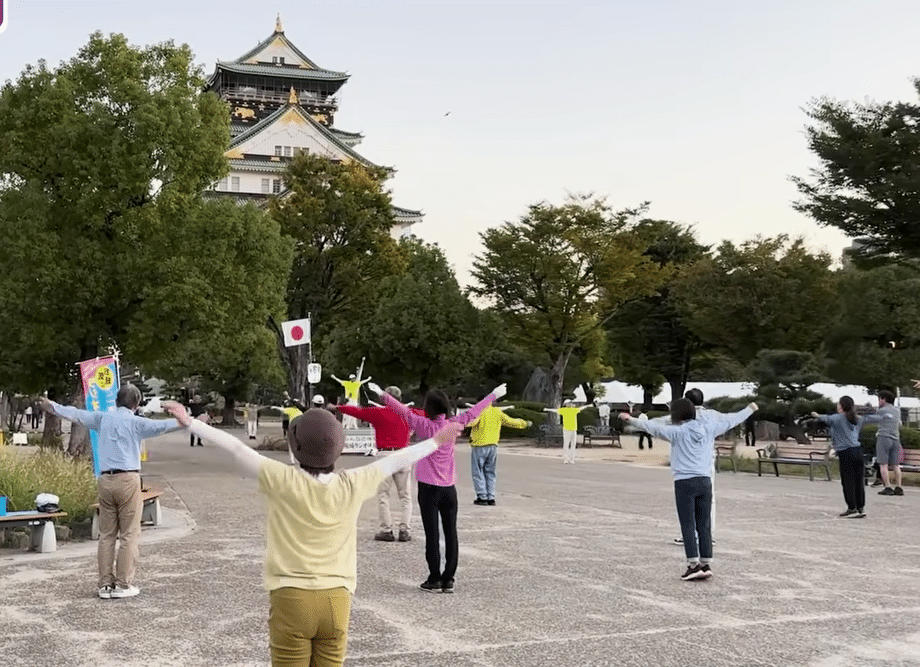
In Japan, people not only live long, they stay remarkably fit. The secret? Ten minutes of exercise every morning. A routine that’s been working for nearly a century.
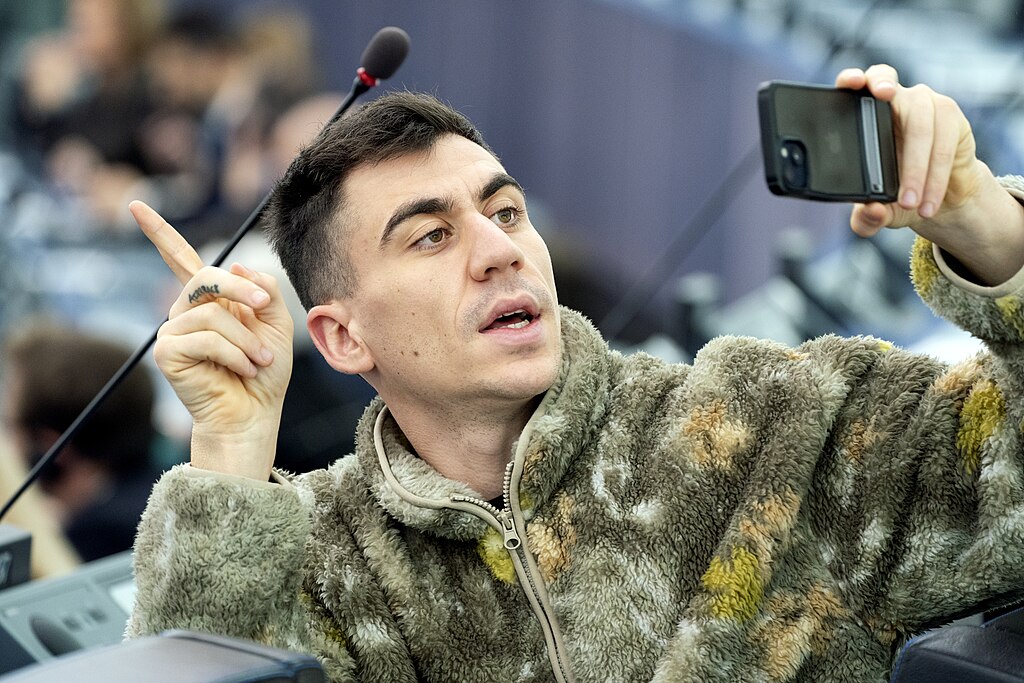
He ran “for fun,” filmed every step, and turned controversy into content. Now, from the back row of Brussels, Panayiotou is rewriting what it means to be an MEP in the age of the algorithm.