
-OpEd-
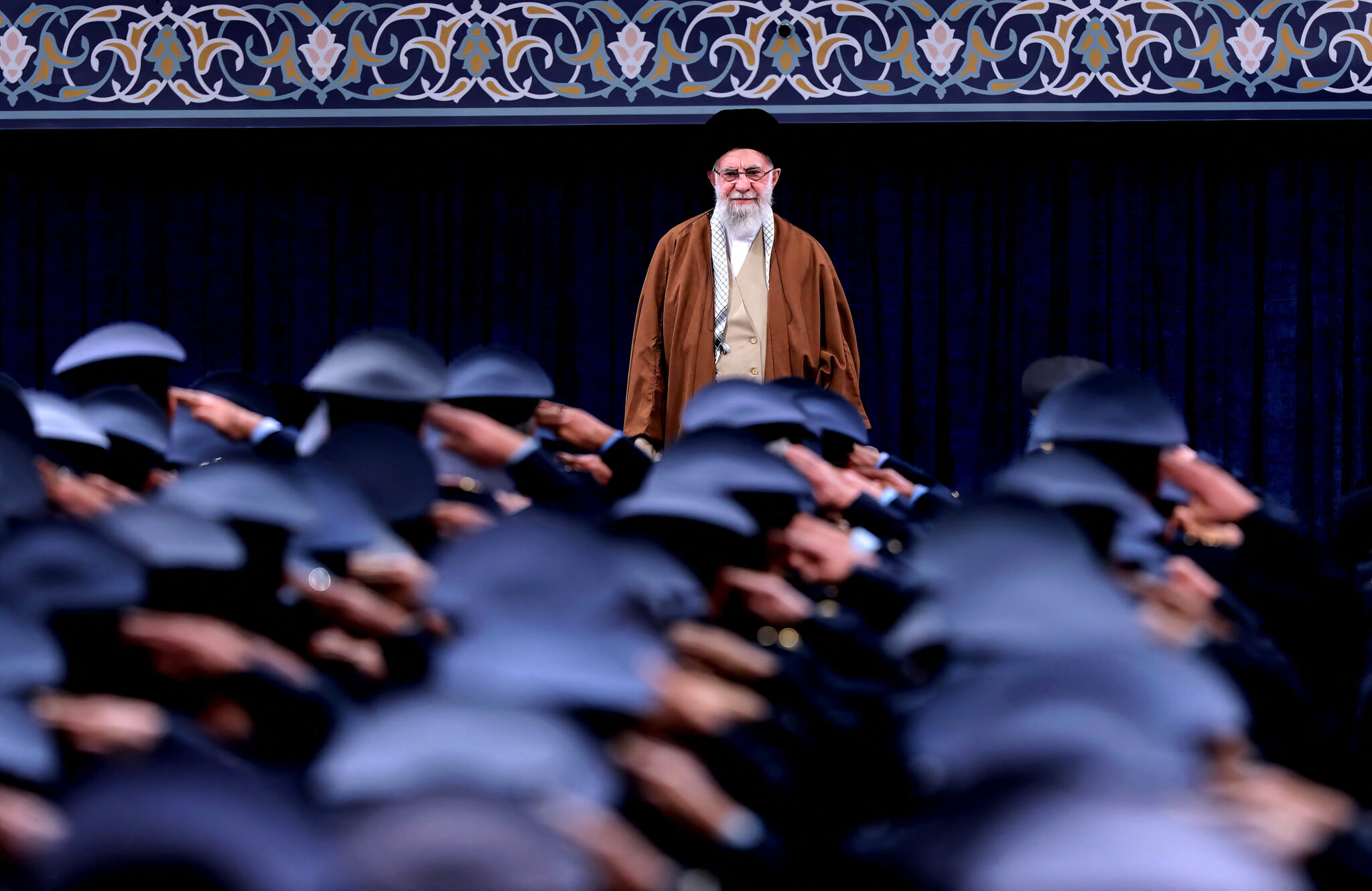
Iran is caught today in a maelstrom of unprecedented crises: inflation, water and electricity shortages, pressure from the “snapback” mechanism, and global isolation. But the key question is: Why should the fate of 90 million people be tied to the decisions of one person?
This is precisely the error of Iran’s 1979 constitution: Article 110 of the Constitution of the Islamic Republic placed the power to declare war and peace, and command of the armed forces, in the hands of the supreme leader, currently the Ayatollah Ali Khamenei.
At the time, this mistake provoked the protests of numerous politicians and lawyers. Many warned then that concentrating so much power in one person would lead to dictatorship. But the revolutionary atmosphere and charisma of the late revolutionary leader, Ruhollah Khomeini, blocked all criticism. After four decades, those fears have become a reality. And today, Iran is paying the price.
All the power
During his years as leader, Khamenei has placed all the key institutions of the country under his direct control: the Guardian Council (a constitutional council with vetting powers over elections and legislation), the state broadcasting body, the Expediency Discernment Council (an arbitration body), and all senior commanders of the Islamic Revolutionary Guard Corps and the regular army.
Khamenei’s advisory circles, instead of conveying the realities of society, place selective bulletins and reports at his feet. The leader has not been among the people for years; he has no direct connection with society and his intellectual food is provided by closed security and military channels. It is natural that decisions based on such filtered data will effectively, and inevitably, lead to the country’s destruction.
The unit charged with safeguarding Khamenei, and further security circles around him, have minimized access to him. This mechanism controls not only personal security but also the flow of information. The leader’s compound is a fortress in which Khamenei hears only the voices of loyalists and military commanders, while the voices of ordinary citizens and independent experts have been silenced.
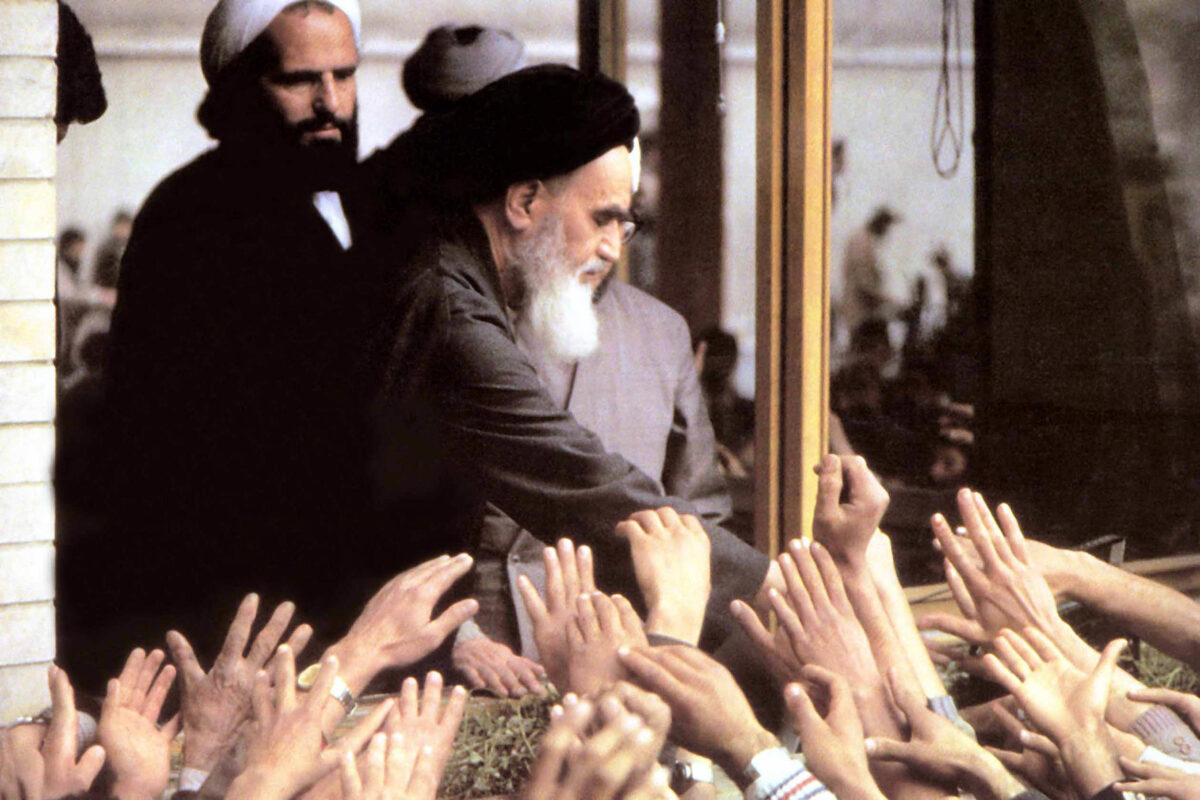
Ruhollah Khomeini and crowd. Credit: Unknown/Wikipedia

Crisis of incompetence
Today, the decisions that decide Iran’s fate are in the hands of an 86-year-old who is living with ailments and declining mental capacity. Doctors say it is natural for processing speed and judgment to decline at this age. Yet war, peace and the nation’s future depend on this person’s emotions and stubbornness. A clear example was the country’s disastrous response to the 2020 pandemic, when Khamenei, out of personal distrust of American and British vaccines, banned their import, and thousands of people died.
Iran is neither a republic nor Islamic but an absolute dictatorship.
Faced with new crises, Iran’s leader continues to rely on bulletins and advice from senior security operatives — instead of taking decisions based on precise data and the voices of independent experts. This is not just a sign of personal incompetence but also a reflection of the structural error of concentrating power.
Anyone who wrote in these past years a respectful letter urging reforms or offering sympathetic criticism faced arrest and imprisonment. As a result, the leader’s inner circle became filled with sycophants and minions, not free-thinking advisors. The silence imposed on society thus served to confine this “leader” to the echo chamber of power.
A look to the past
The experience of Nazi Germany shows that when power circles remain silent before a dictator, the country is doomed. Several German commanders lost their lives trying to stop Adolf Hitler, but history still records their names as those who “tried.” Today, the question is, who has the moral responsibility to prevent the leader’s individual decisions from taking Iran backward?
This is not about age or illness, but a question of a structure that has made everything dependent on decisions by one person. Despite its name, Iran is neither a republic nor Islamic but an absolute dictatorship. The pandemic showed that when a vaccine can be withheld due to personal stubbornness, there is scant hope of taking the right decisions in larger crises.
Our predecessors brought us to this dismal pass with their silence or inaction, and to continue today on the same path can only prompt regrets tomorrow. The harm can still be stopped, but tomorrow may be too late.