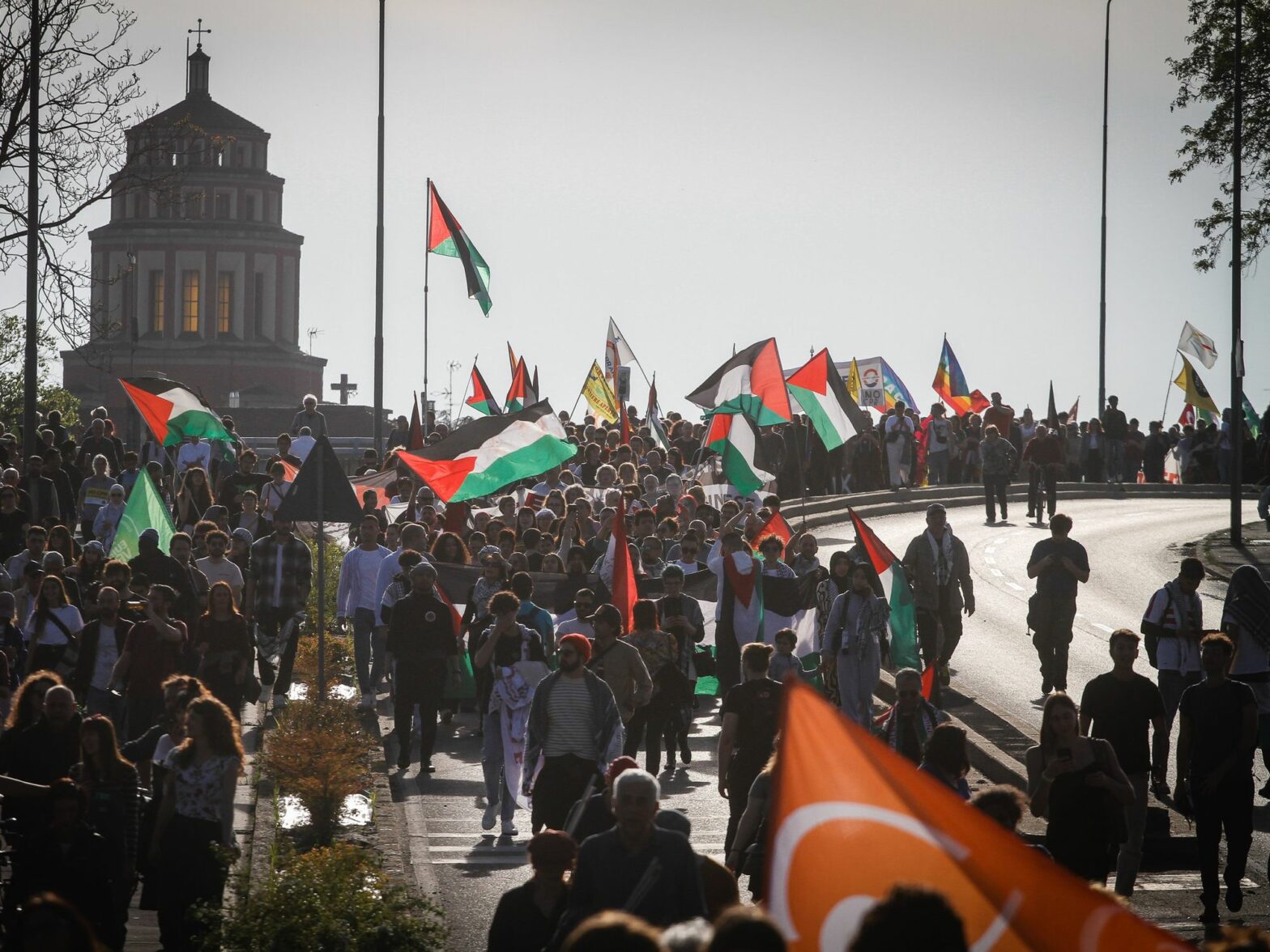
Spain is leading the way on European recognition of the state of Palestine. Ireland, Malta and Slovenia have also signed a joint statement asserting readiness to recognize the warring region. Will other European Union countries follow suit?
 Worldcrunch
Spain is leading the way on European recognition of the state of Palestine. Ireland, Malta and Slovenia have also signed a joint statement asserting readiness to recognize the warring region. Will other European Union countries follow suit?
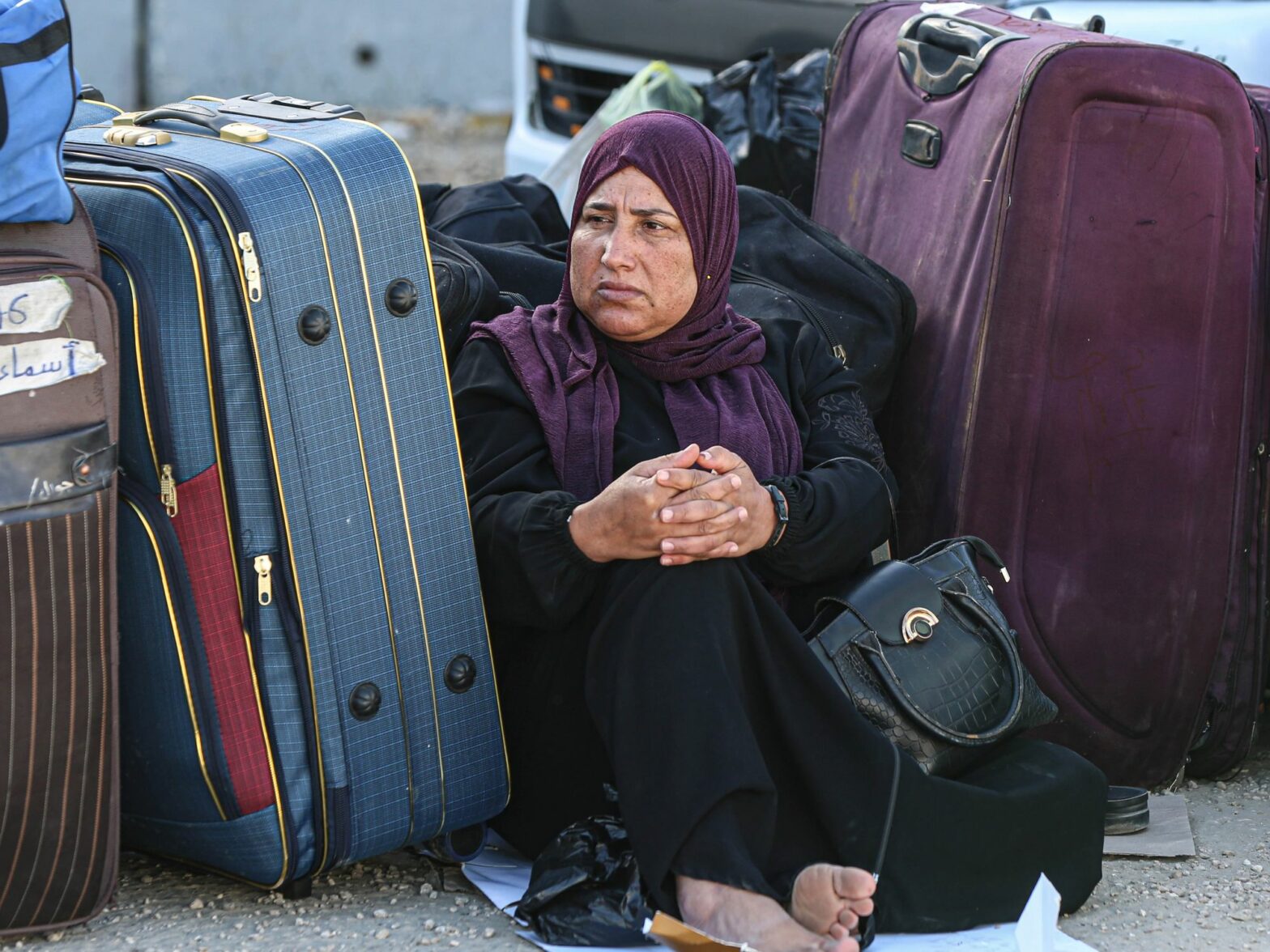
In late March, the Palestinian embassy in Cairo organized a crossing for Palestinians back into Gaza. Al Manassa talks with some of the Palestinians preparing to leave the safety of Egypt about their motivations for returning to the war-torn homeland.
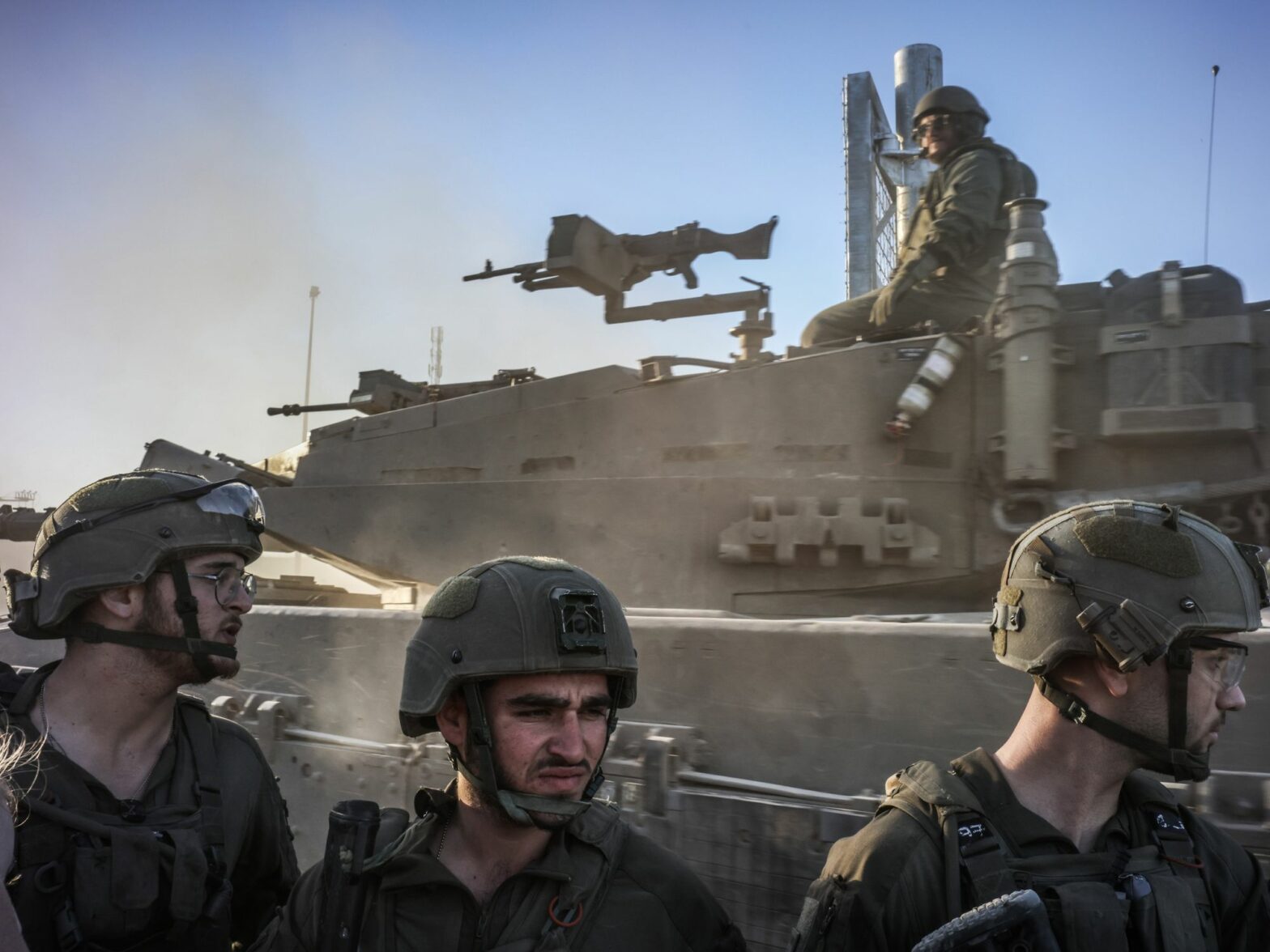
The eighth part of an anthology of poetry from the IDF’s front line soldiers prompted the withdrawal of its copies, with some poems articulating an Israeli “call for revenge.” Sometimes only poetry can truly expose the brutal truth.
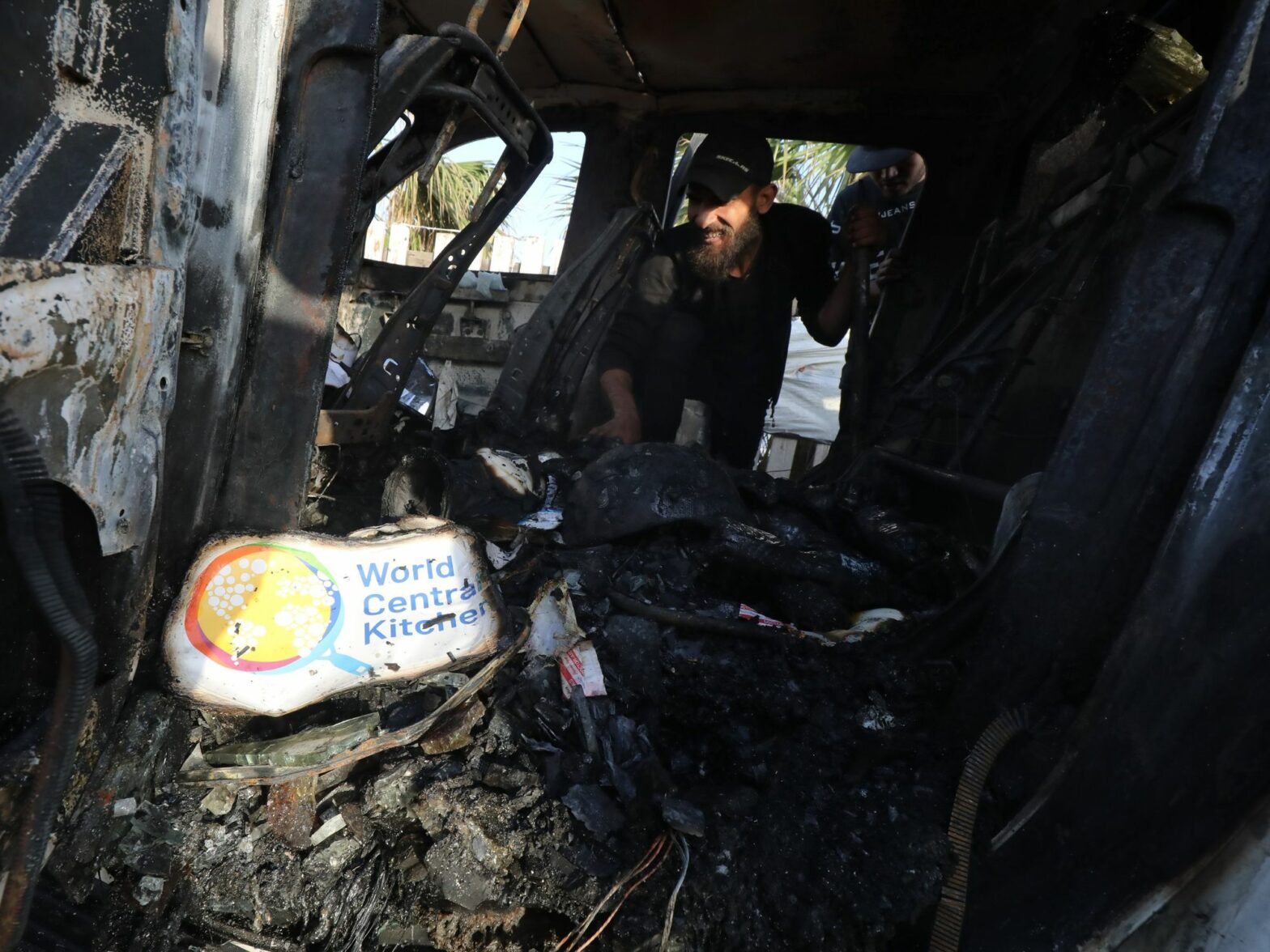
The Israeli drone strike that killed seven aid workers in Gaza has set off an international outcry. And Israeli Prime Minister Benjamin Netanyahu’s reaction was a reminder that cutting off humanitarian aid has been part of the strategy from the start of the war in Gaza.
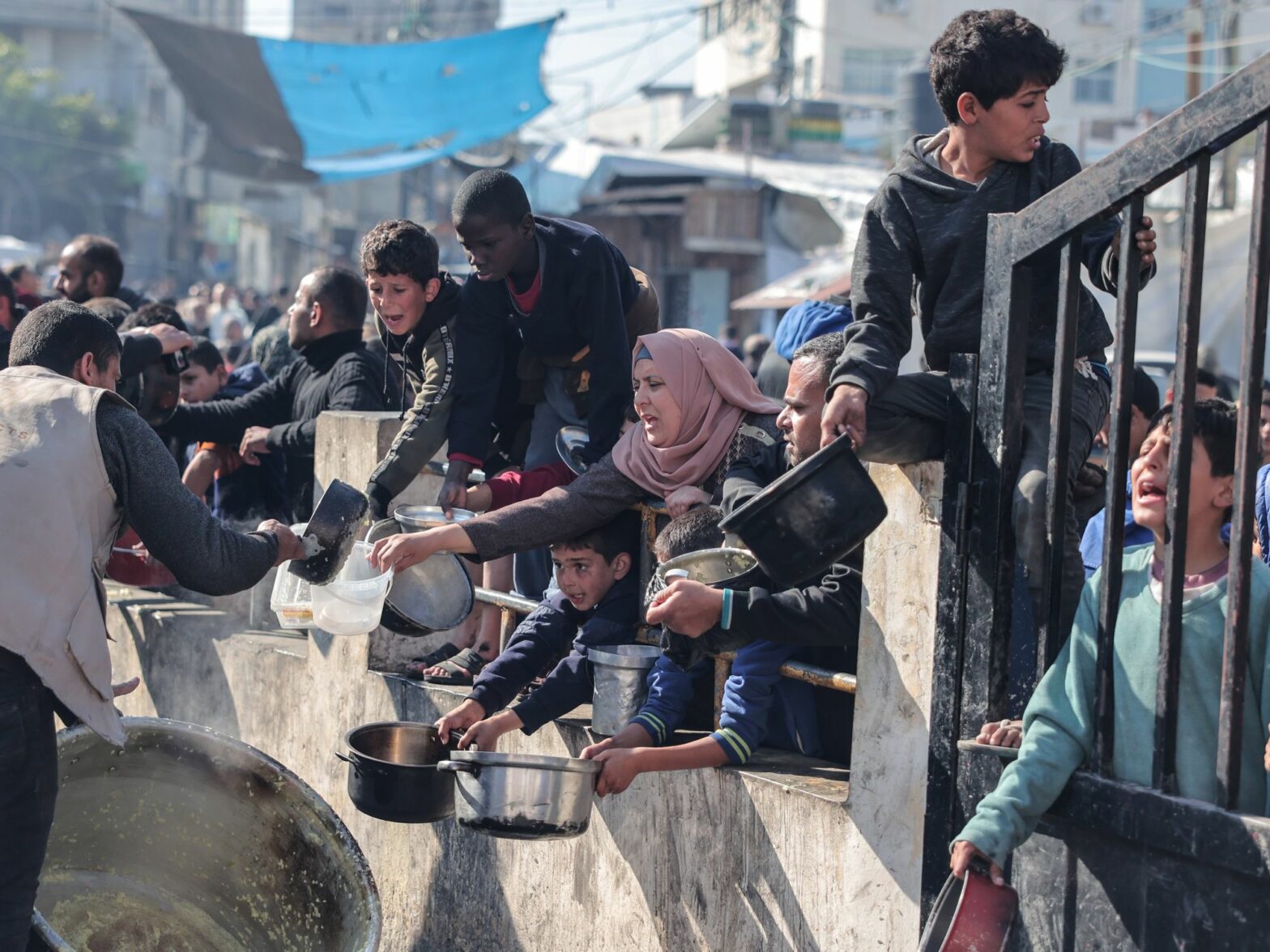
Displaced people in Gaza accuse aid groups’ representatives of “extortion and theft” in demanding money in exchange for aid packages that are meant to be free donations from governments or NGOs.
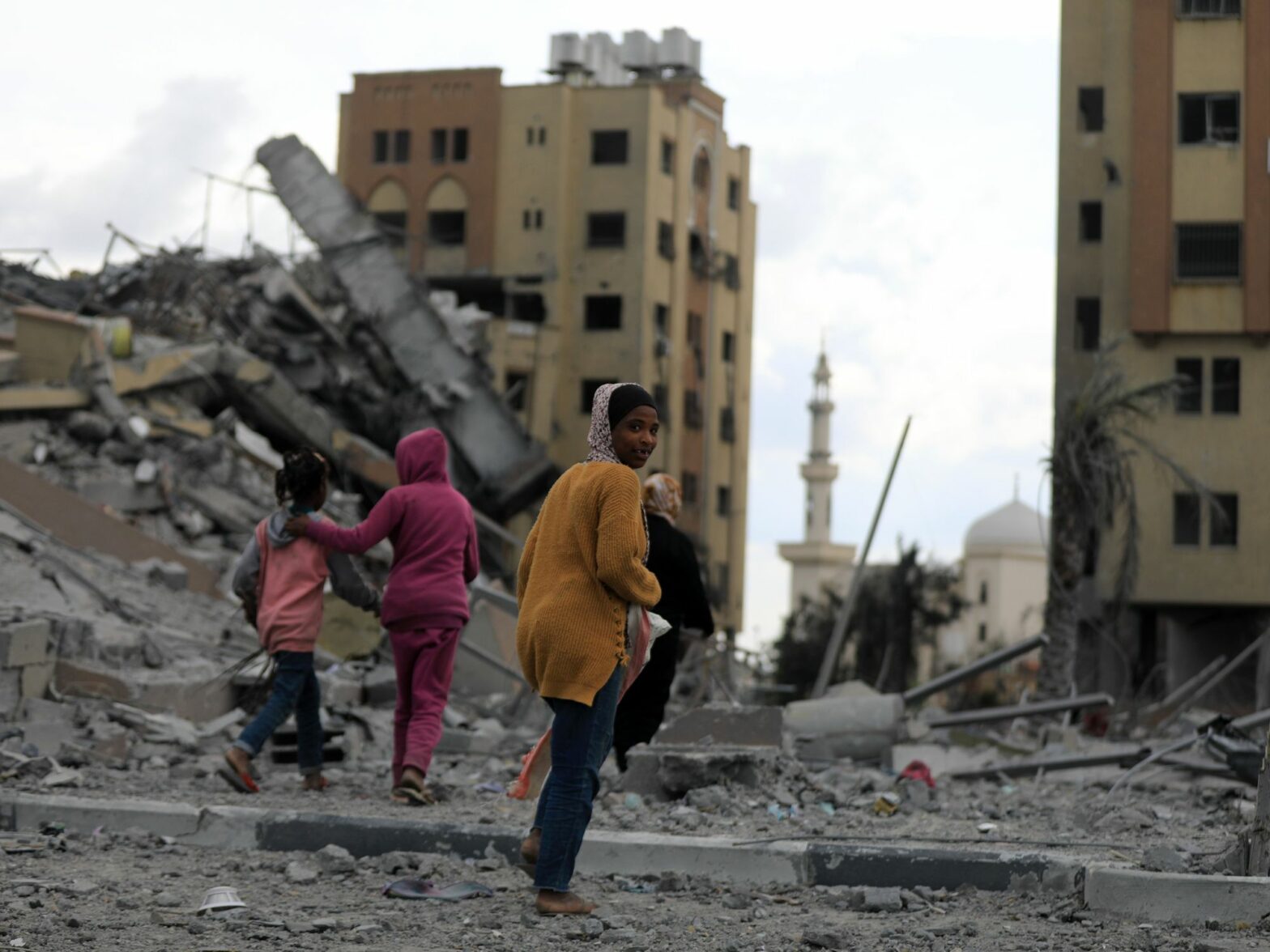
Israel’s colonial-settler project aims to kill this protective, familiar, and memory-preserving space called “home” in the Occupied Territories. This Palestinian heartbreak is documented for all to see, and ultimately, and paradoxically, squashes any attempt to dehumanize a people.
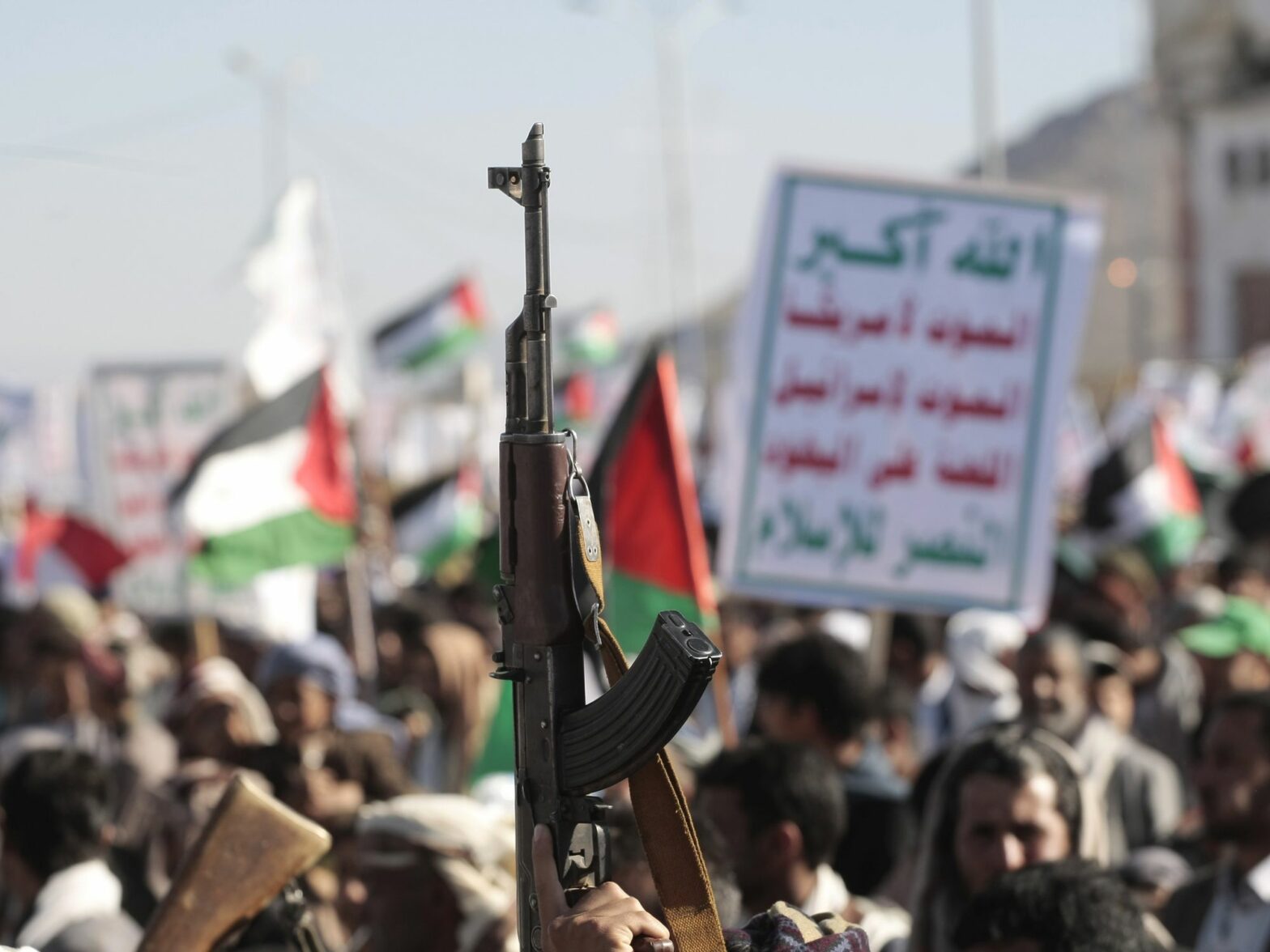
Hamas’s Oct. 7 attack and Israel’s subsequent war in Gaza have given Islamists new momentum and a new outlook on their recent political setbacks.
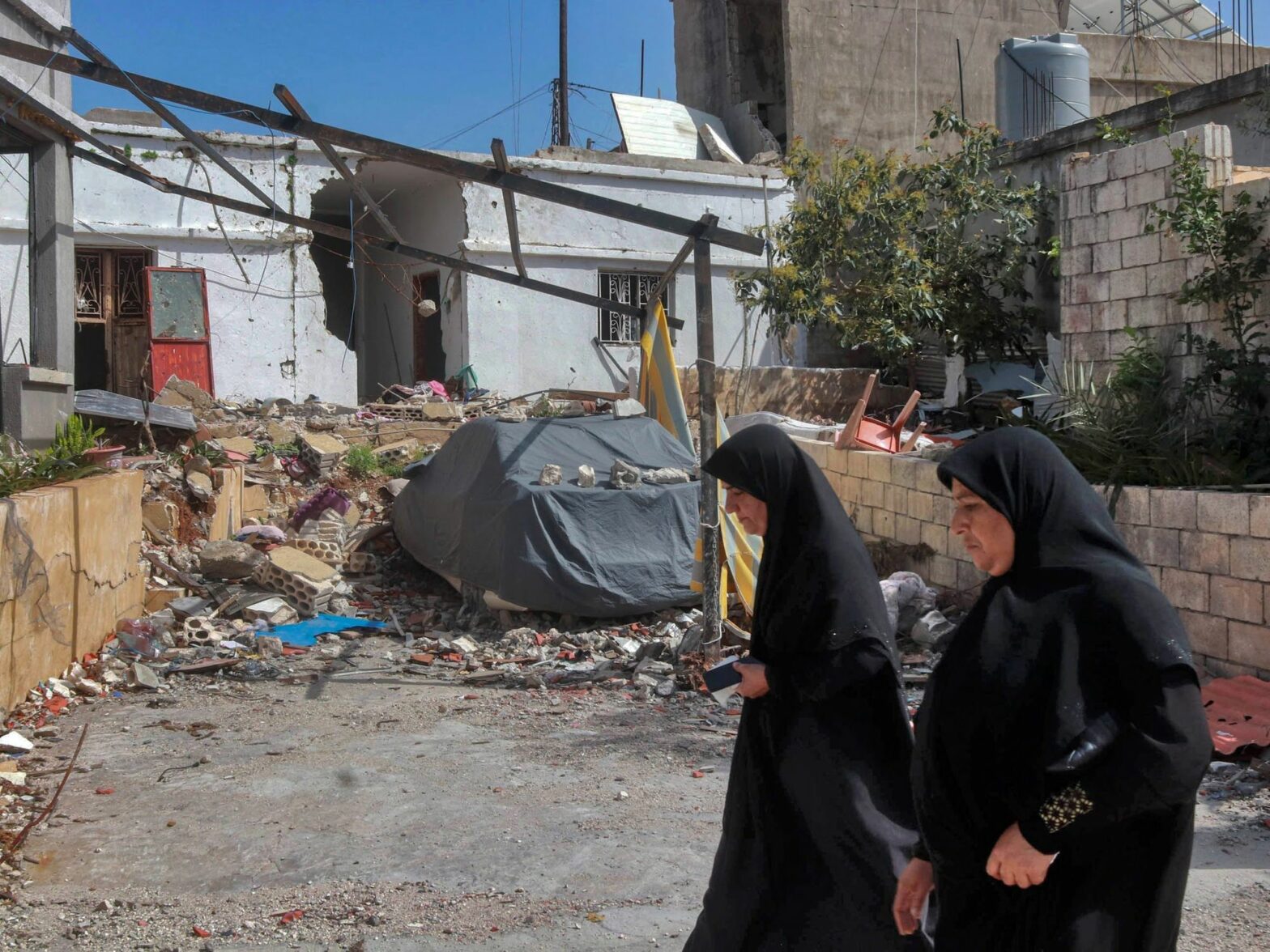
As Israel prosecutes its war on Gaza, Lebanon found itself caught in the daily attacks between Israel and Hezbollah. Lebanese know that Israel has made its position clear, which leaves the big question mark with the regime in Tehran, which largely guides Hezbollah in its response to Israel.
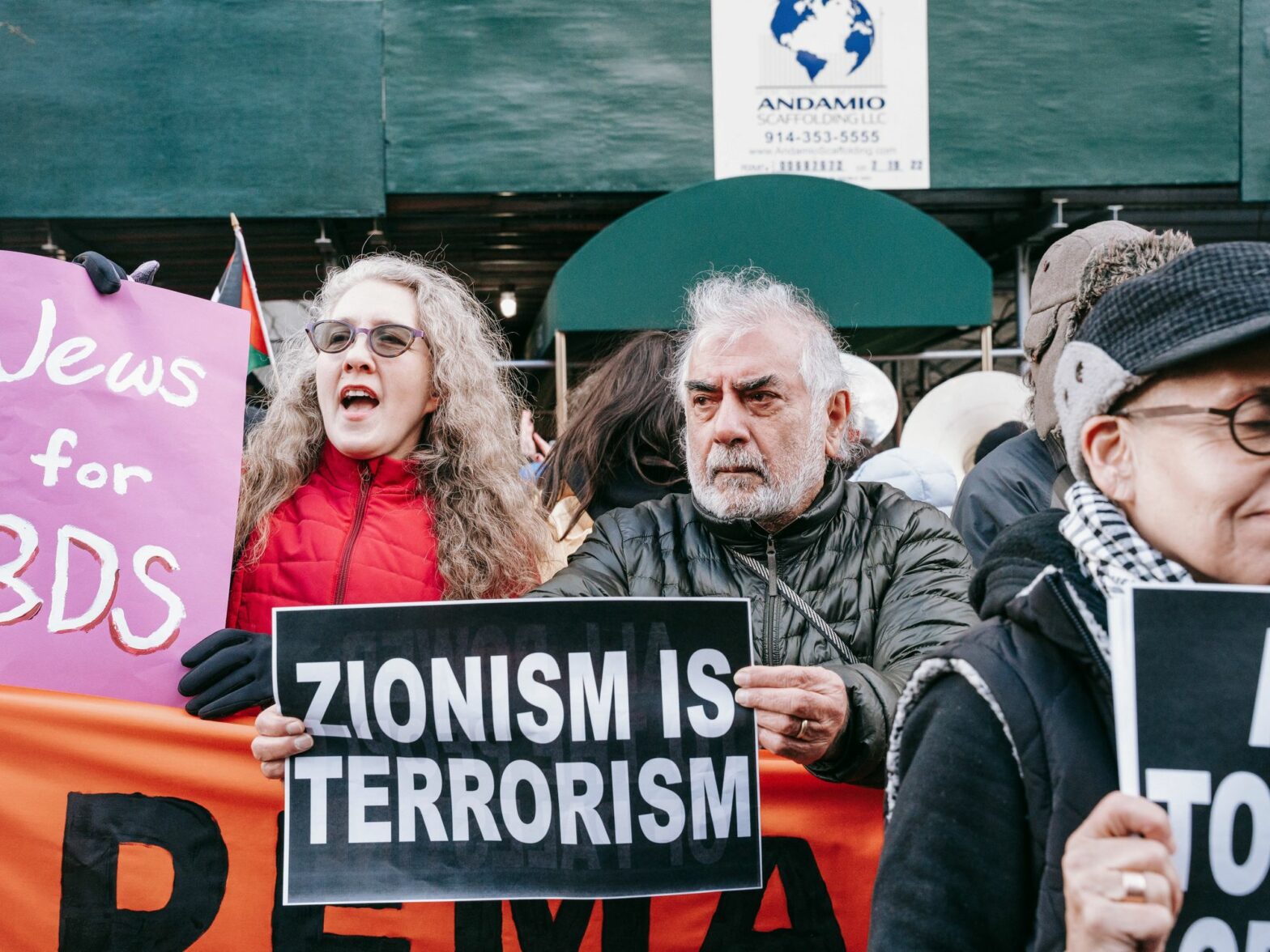
Criticism of Israel in the United States remained a taboo for many decades. But this has begun to change with new generations and Palestinians presenting their cause on a humanitarian basis. It may ultimately make it impossible to reconcile being both a progressive and a Zionist.
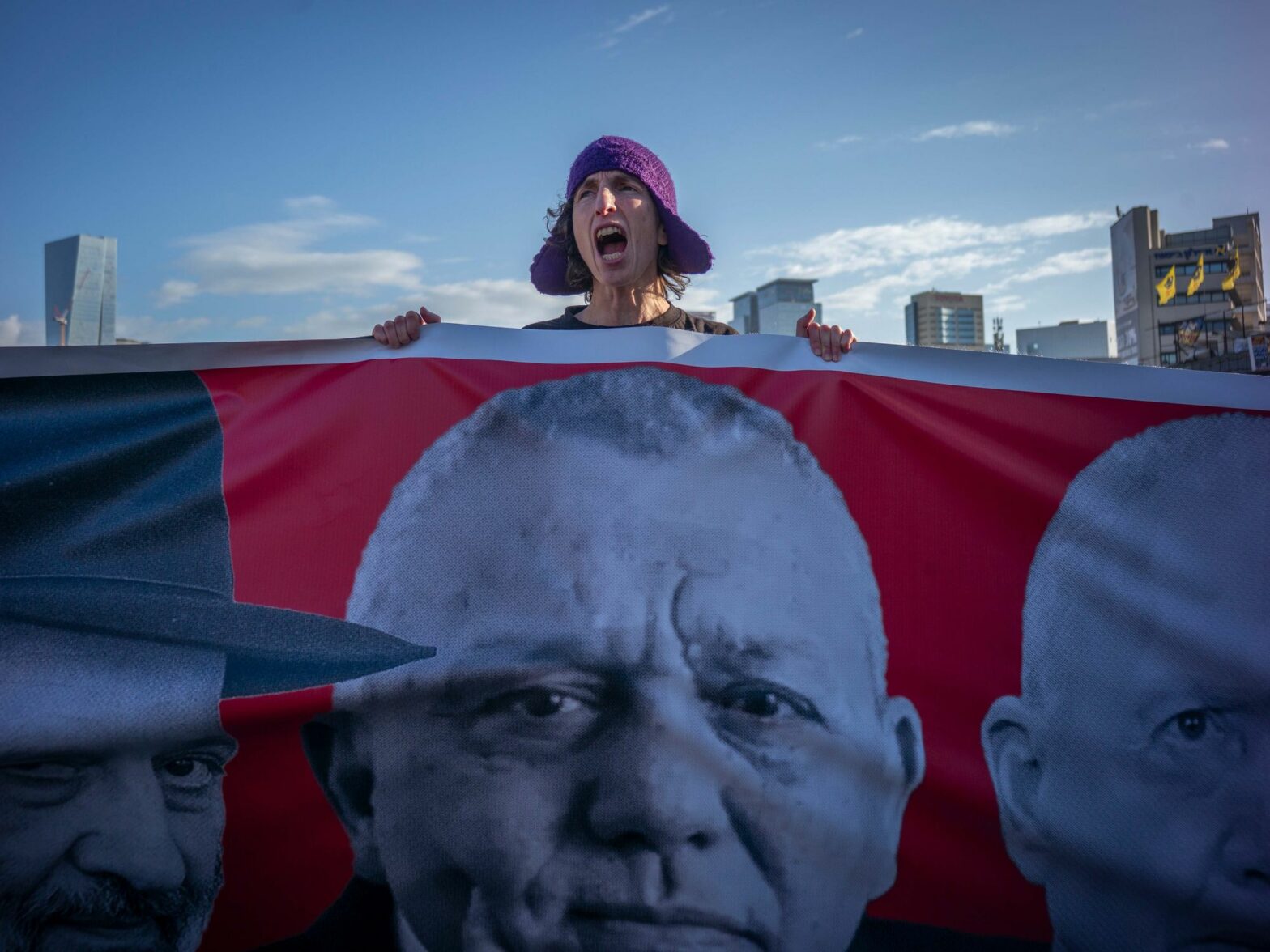
Another deal that would see Israeli hostages released has fallen through. Six months into the war in Gaza — and six months without their loved ones — where do the family members of the Oct. 7 hostages stand on the war and the negotiations?
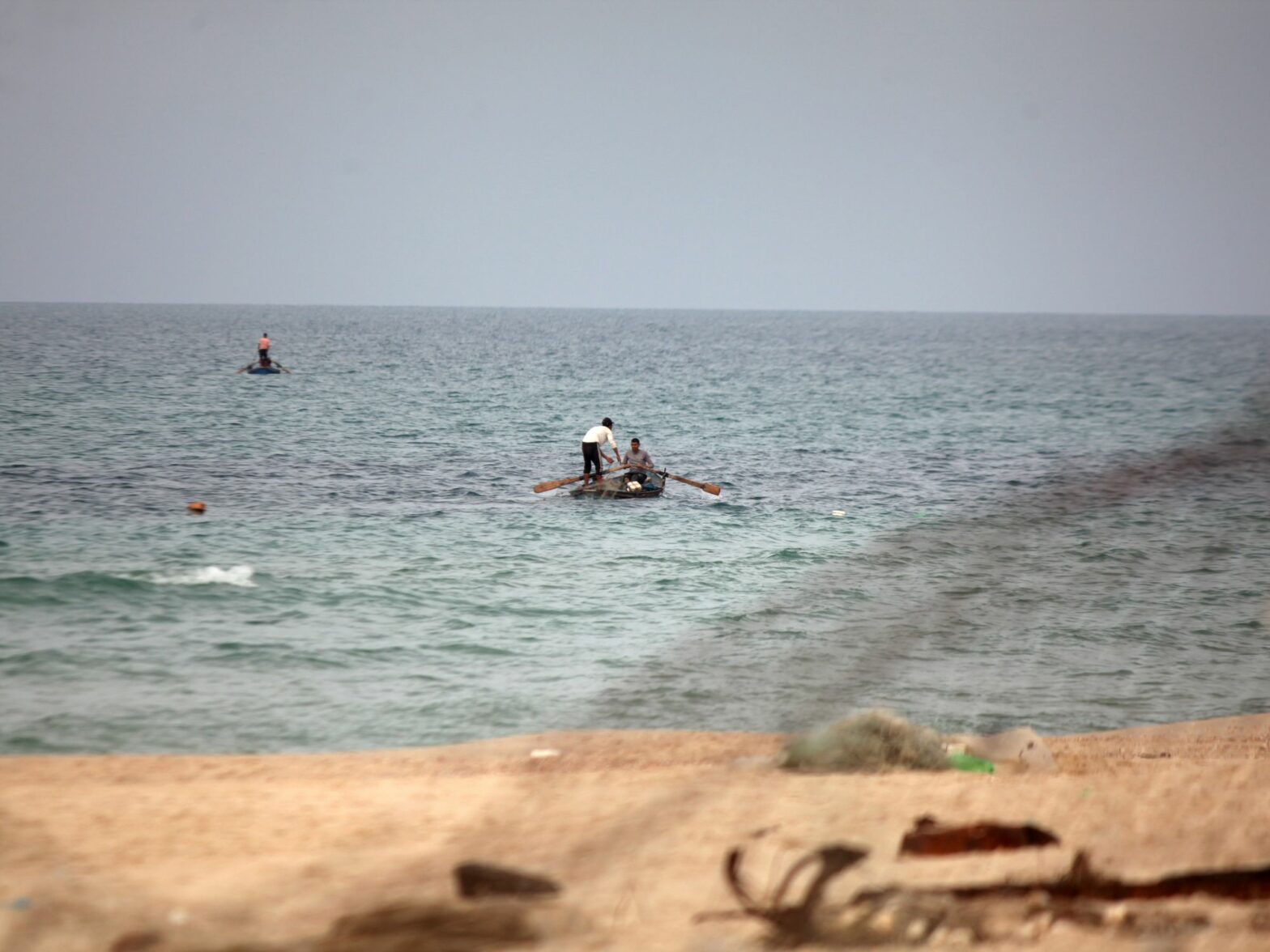
Fishermen in war-torn Gaza are risking their lives by entering the Mediterranean despite relentless Israeli naval bombing. They say they have no option to feed their children amid a looming famine in the strip.
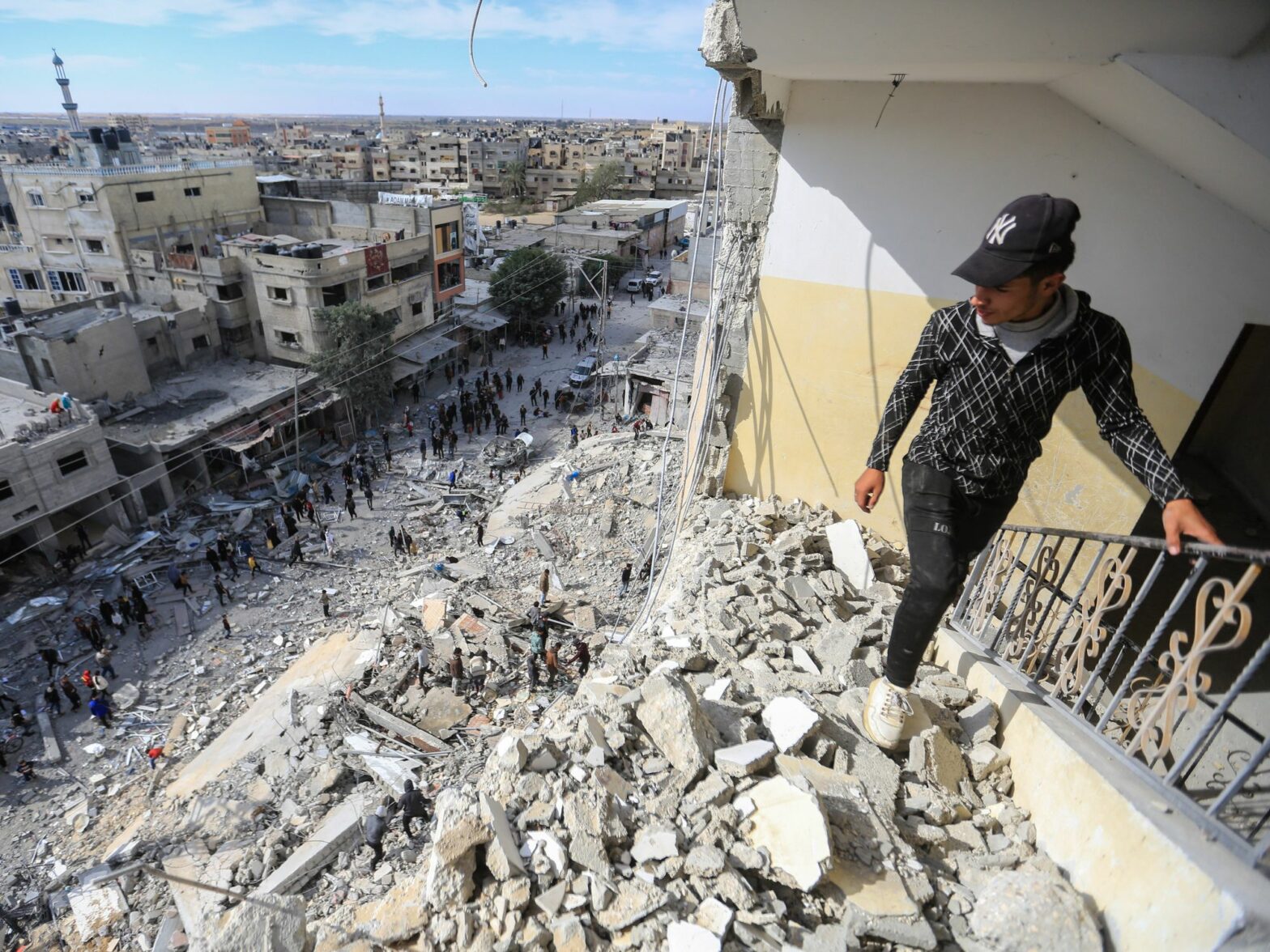
By abstaining from a UN resolution demanding an immediate ceasefire in Gaza, Washington has not only angered Benjamin Netanyahu — it has potentially altered the dynamics of the whole Israel-Hamas war.
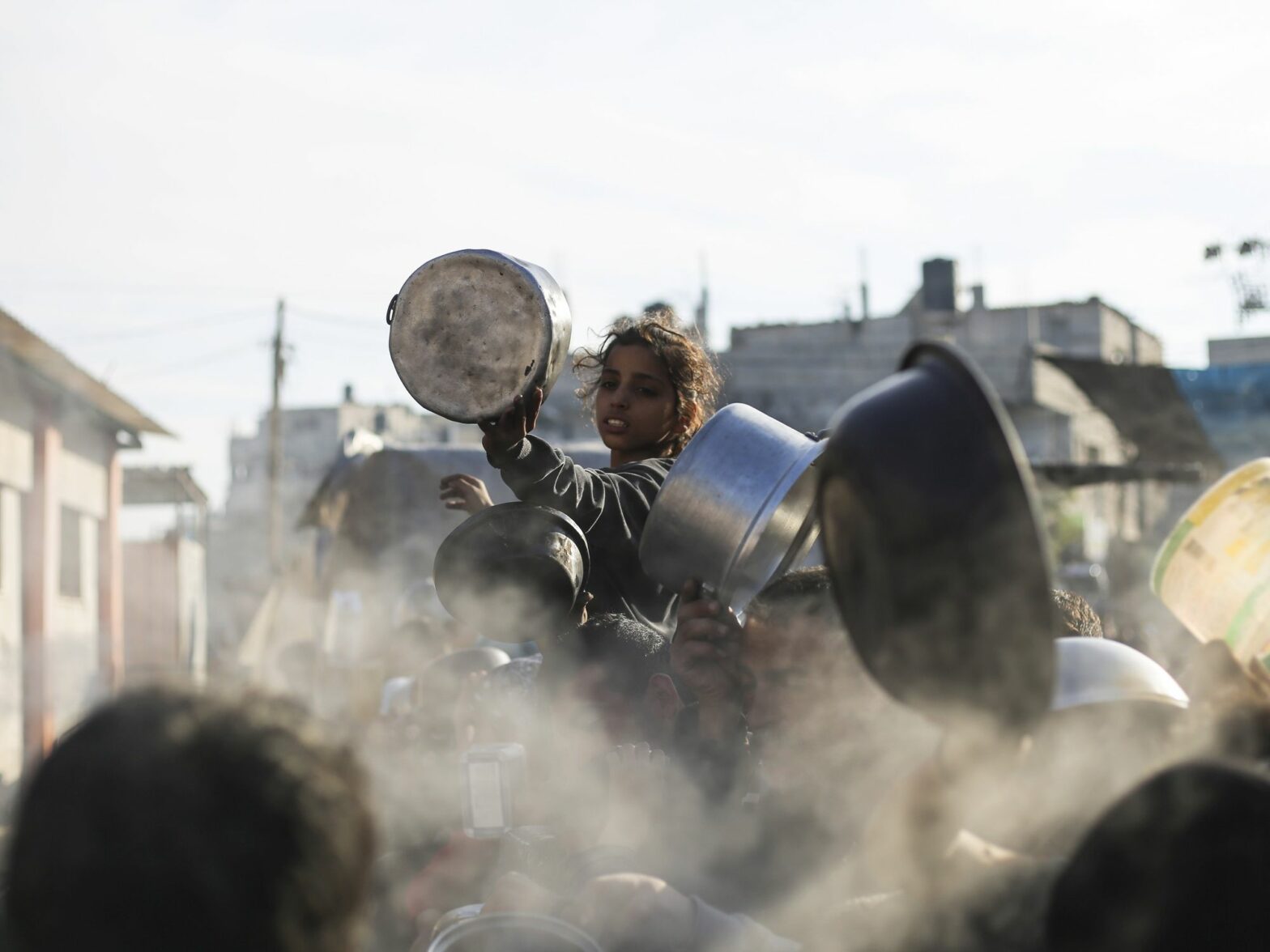
With Israel blocking aid from entering Gaza, some are either resorting to force to get aid to feed their children or turning to a new black market where merchants and war profiteers exploit people’s needs.
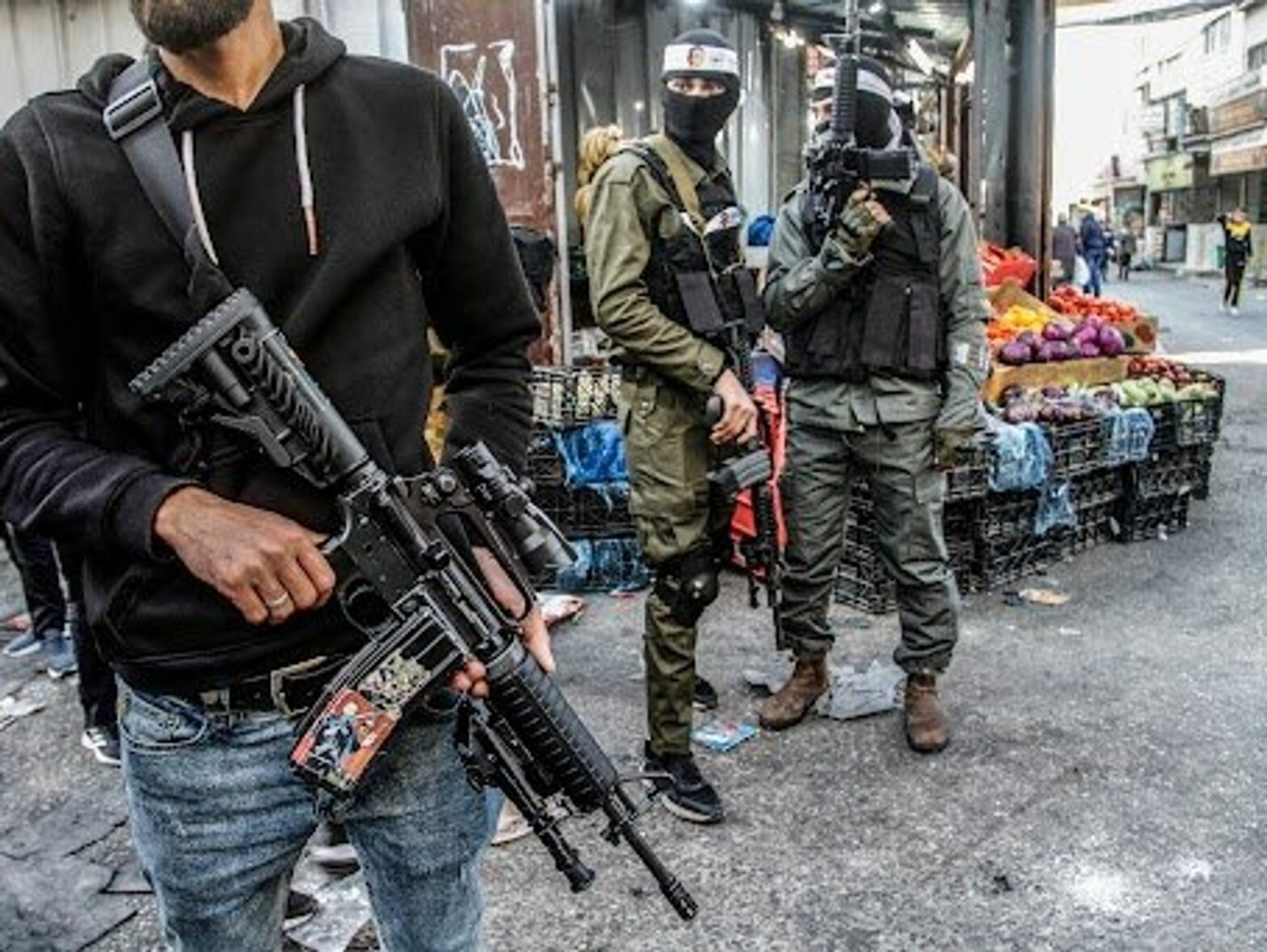
The military struggle of the Palestinians has become a holy matter that banned any discussion about it — including reviews, criticism and accountability. That has given the tyranny of militarism the upper hand at the expense of politics and popular movements.
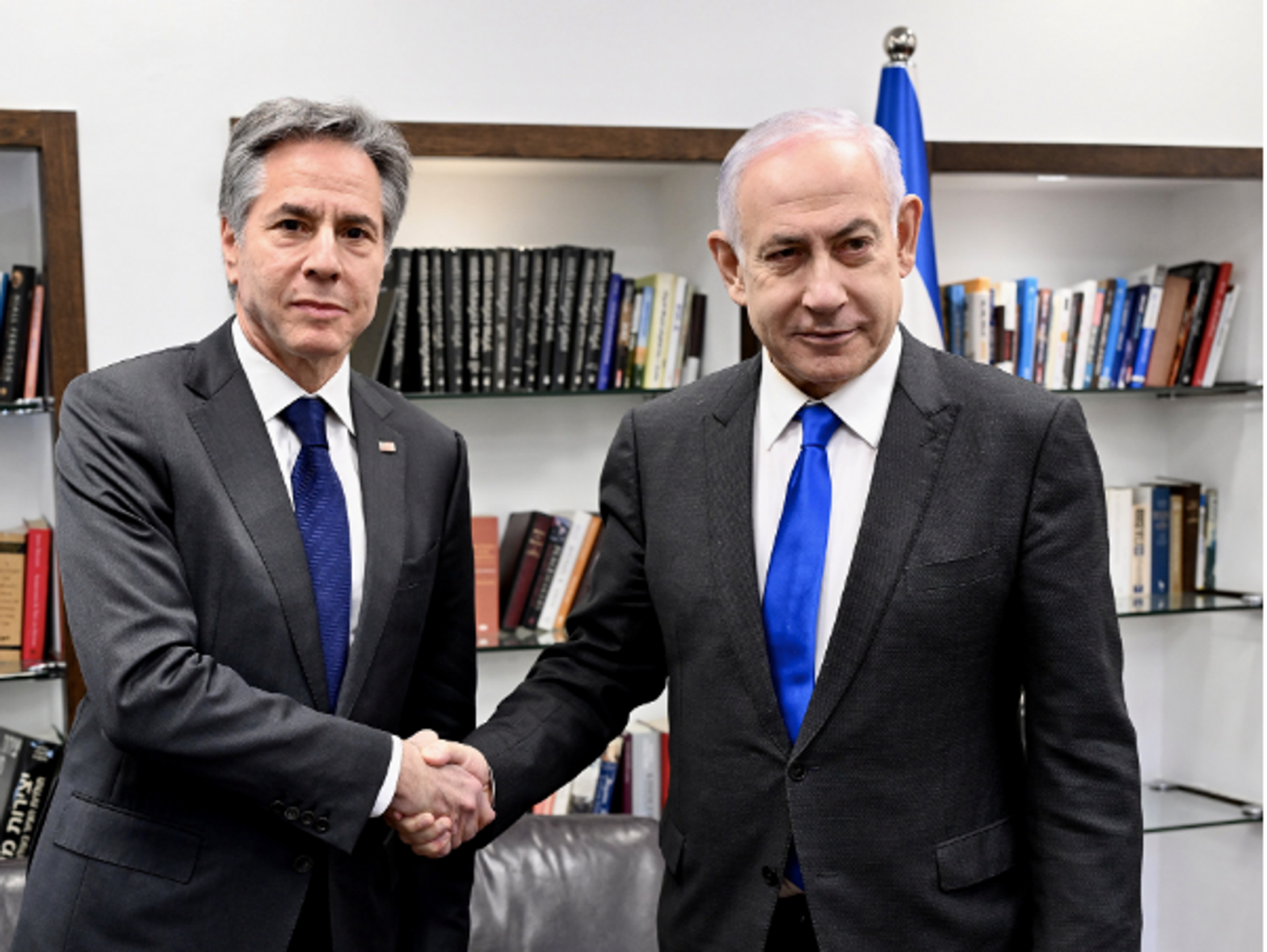
U.S. Secretary of State Antony Blinken meets with Israeli Prime Minister Benjamin Netanyahu, just as Washington has submitted a stunning resolution at the UN pressuring Israel into a ceasefire. But is there a way out?
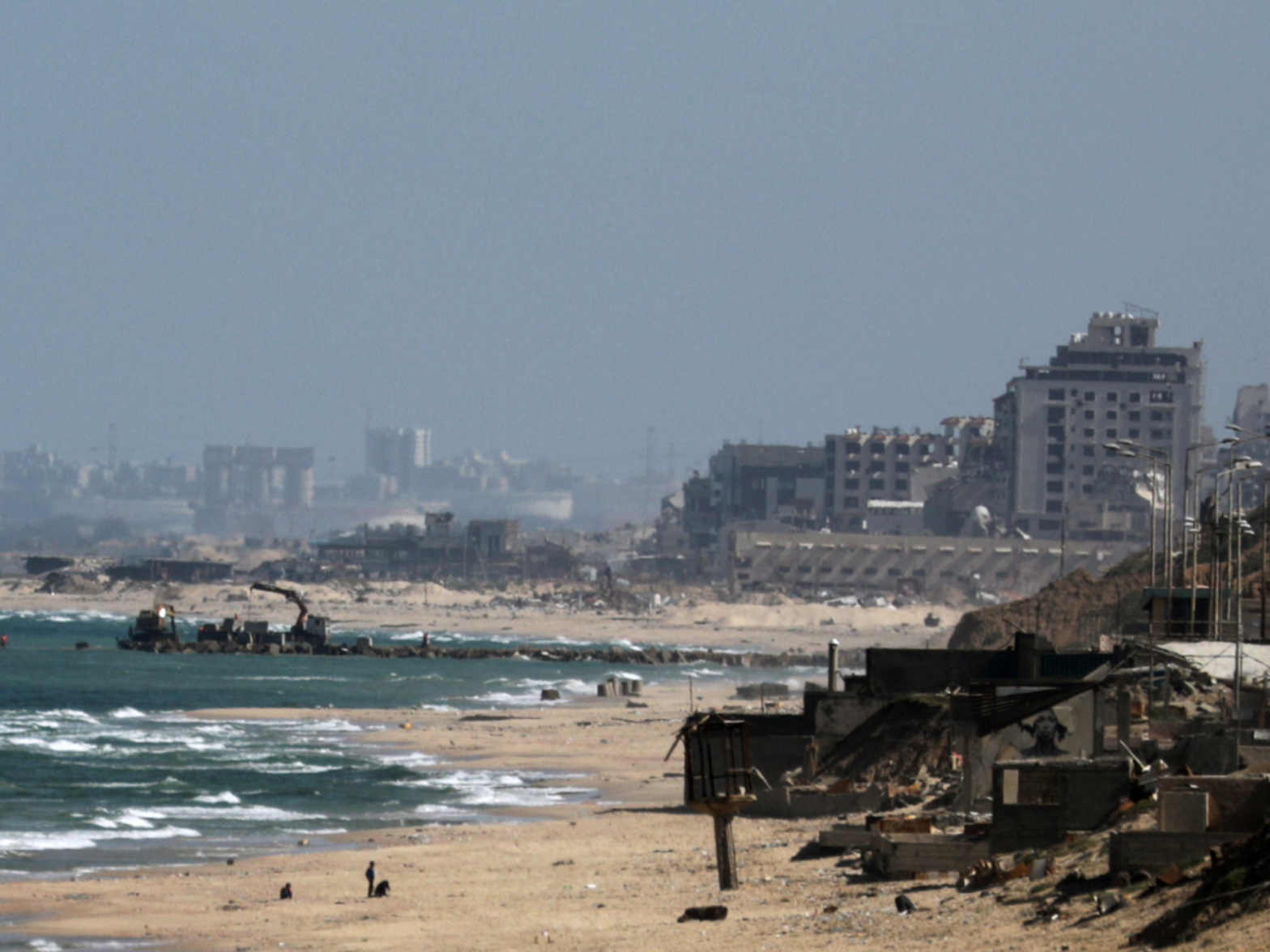
The U.S. pier and sea corridor aims at isolating Gaza from its Arab neighbors, paving the way for the incoming authority, and facilitating attacks on the resistance.
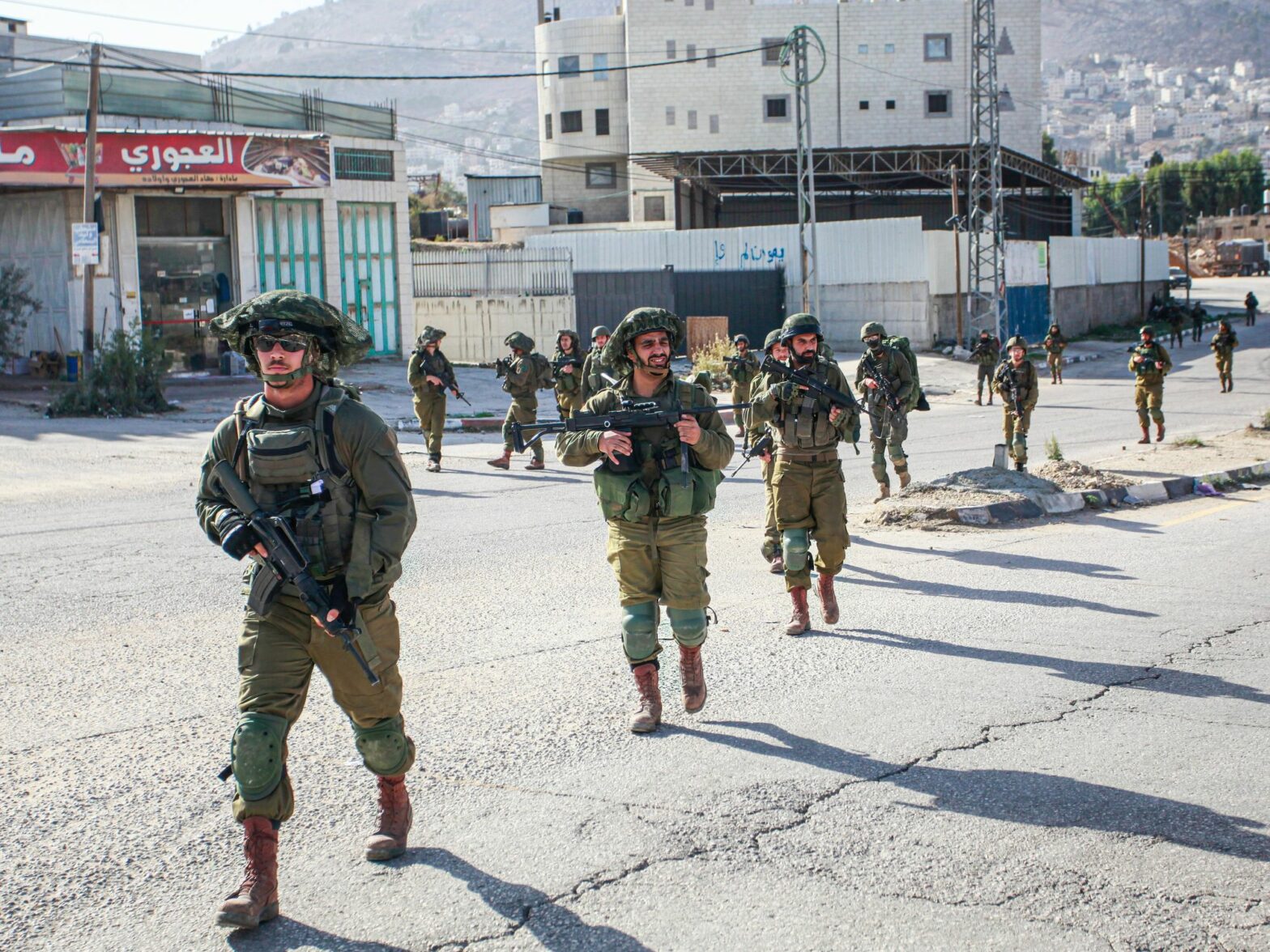
Released detainees detail how Israel’s military used them as human shields in its war against Hamas in Gaza. Soldiers would put civilian Palestinians in front of military targets, endangering their lives, according to accounts from recently-released detainees.
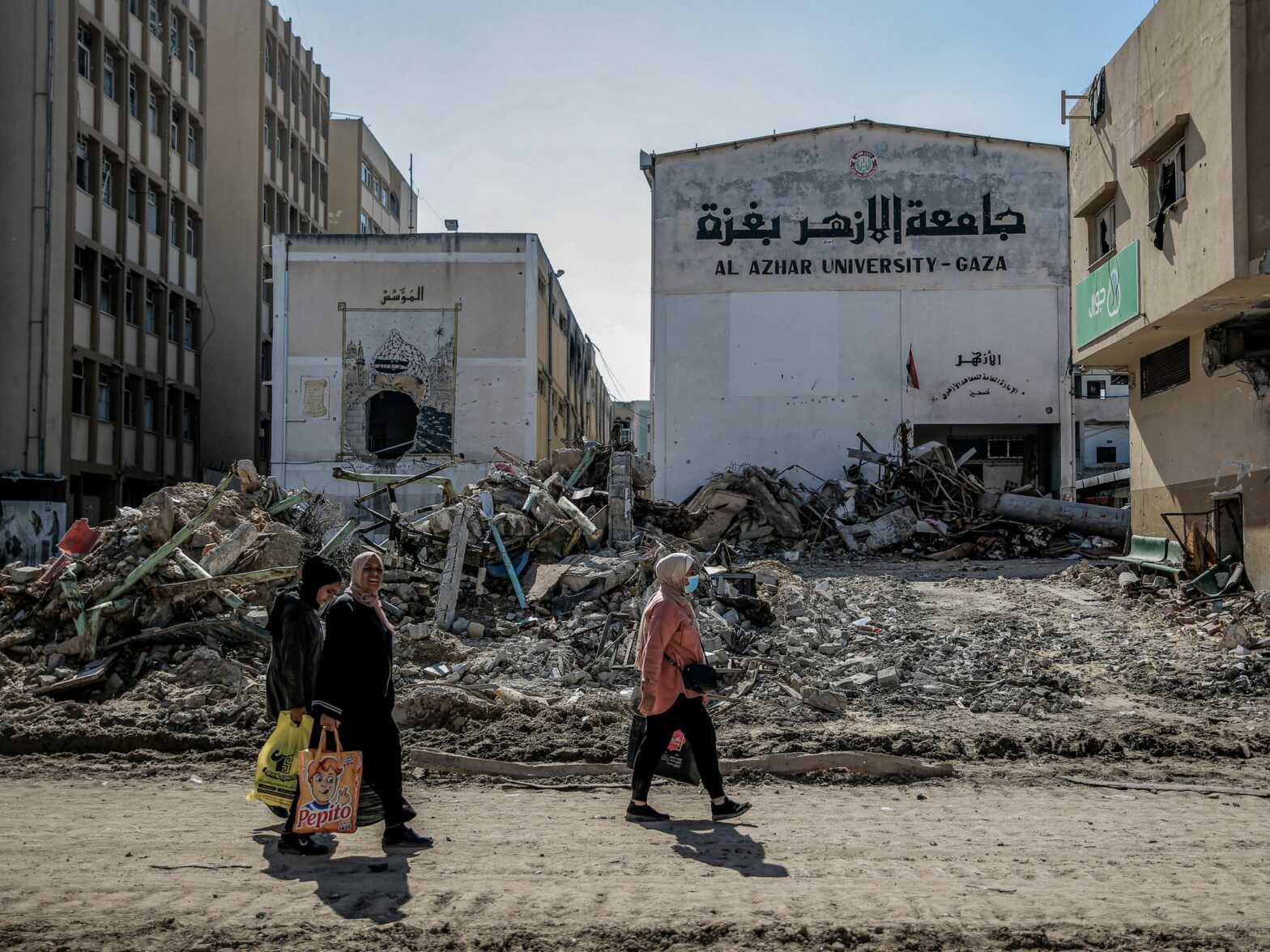
Israel’s war on Gaza could be seen as “a cultural genocide,” which targets Gaza’s history, the Palestinian cause and traces of those who lived in the strip. That will have consequences that would last for centuries.
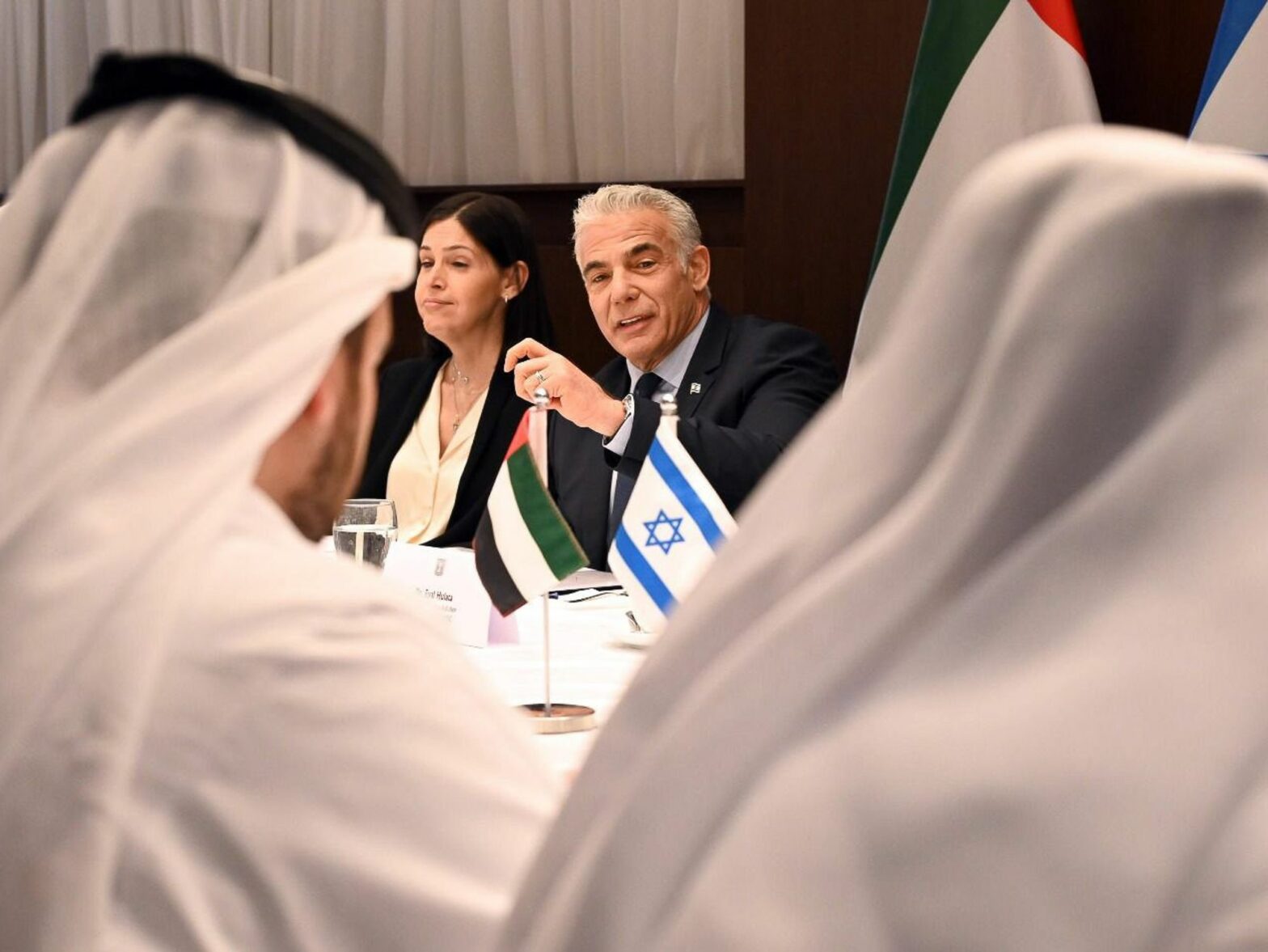
As the United Arab Emirates normalizes relations with Israel, an Emirati organization’s recent revival of a famous pan-Arab song is strangely devoid of all common Arab issues and subjects that would anger Israel, just as Palestinians are being massacred in Gaza.
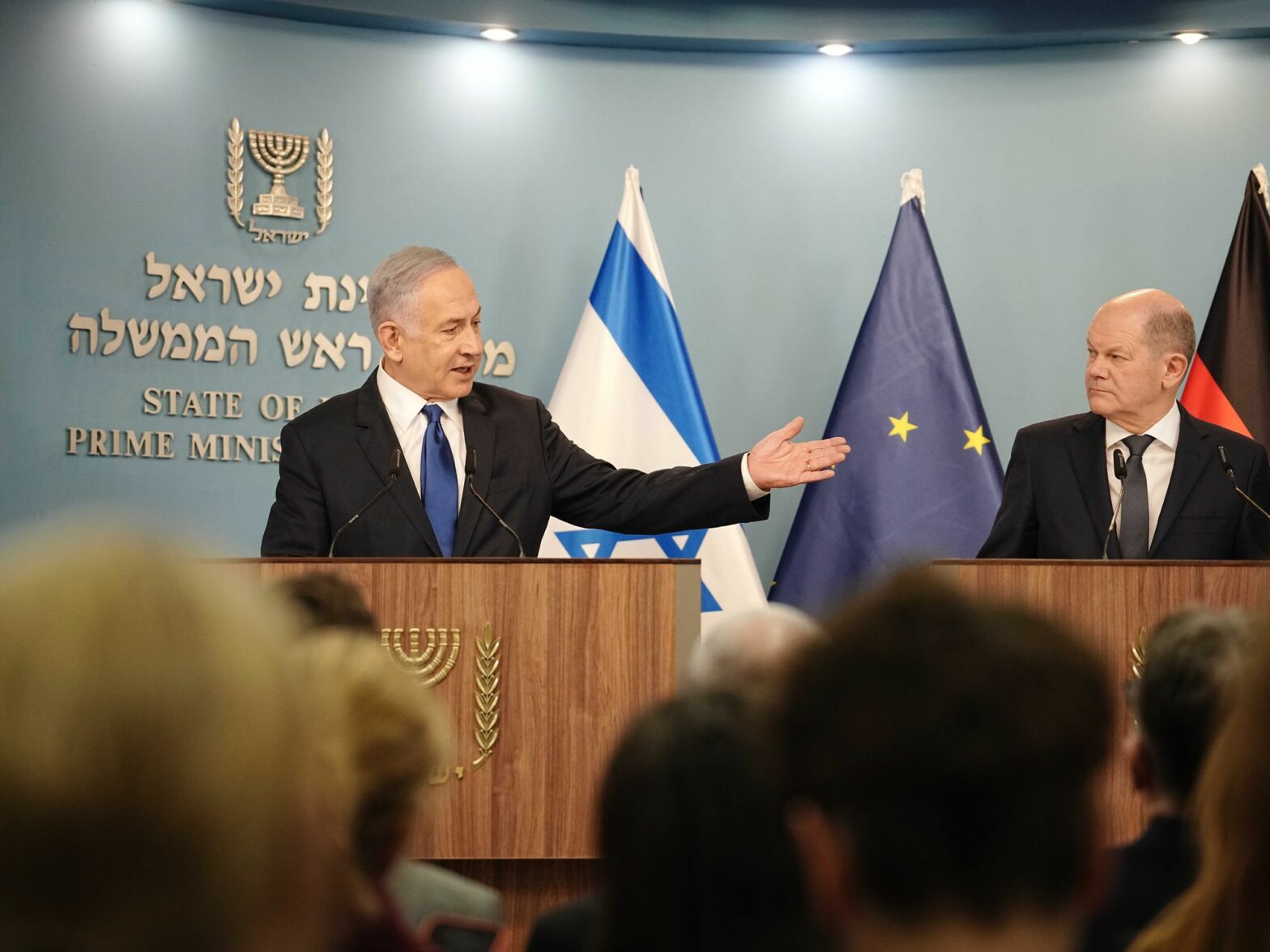
As Western leaders criticize Netanyahu and his war in Gaza, the Israeli Prime Minister apparently remains fully confident in forging ahead with a hardline that leaves a brutal human toll.
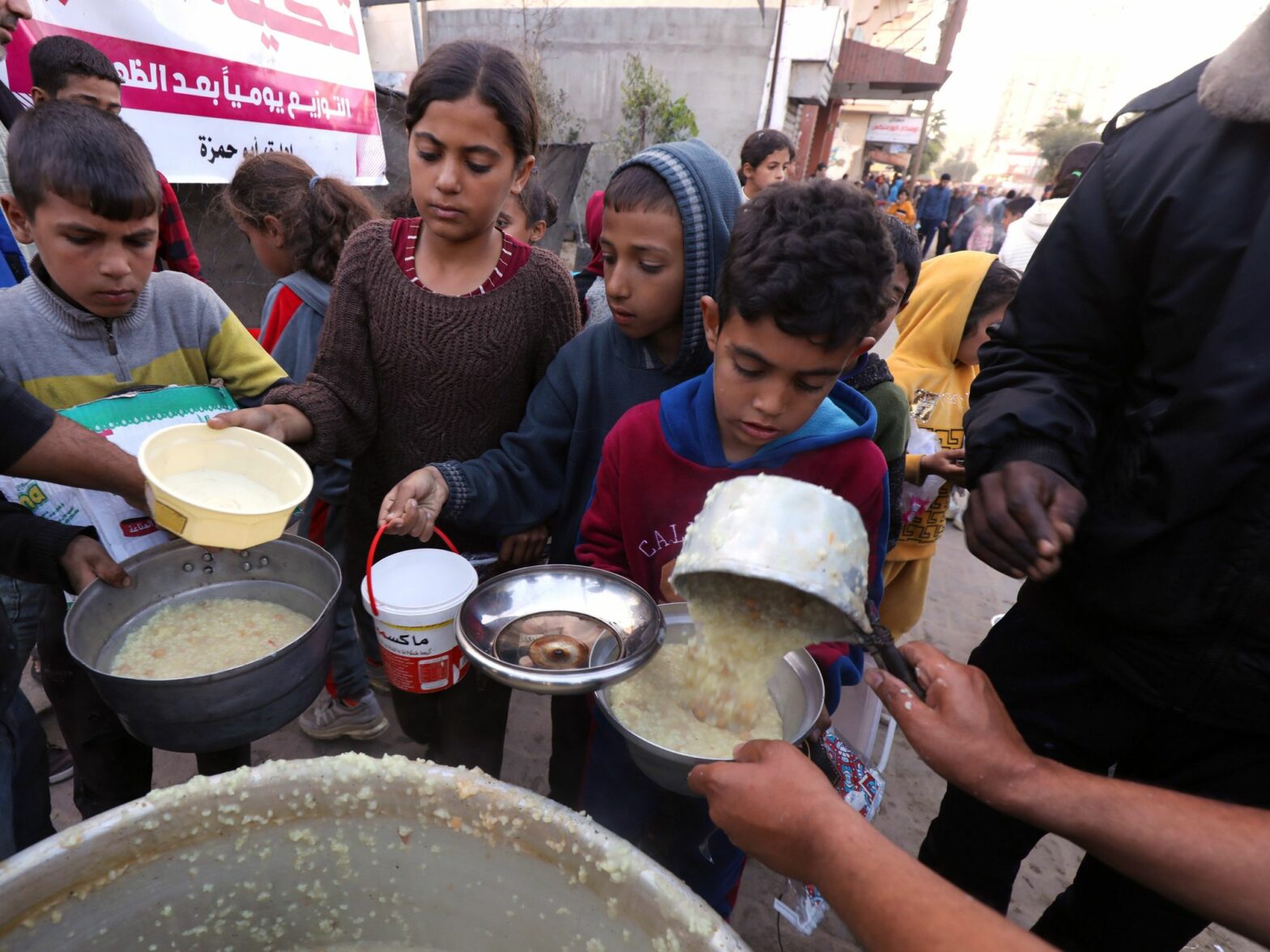
With the Israel-Hamas war now in its sixth month and hunger worsening in Gaza, Palestinian have begun fasting for Ramadan. Al Manassa spent the first day of the Muslim holy month with a displaced family in their tent in Mawasi.
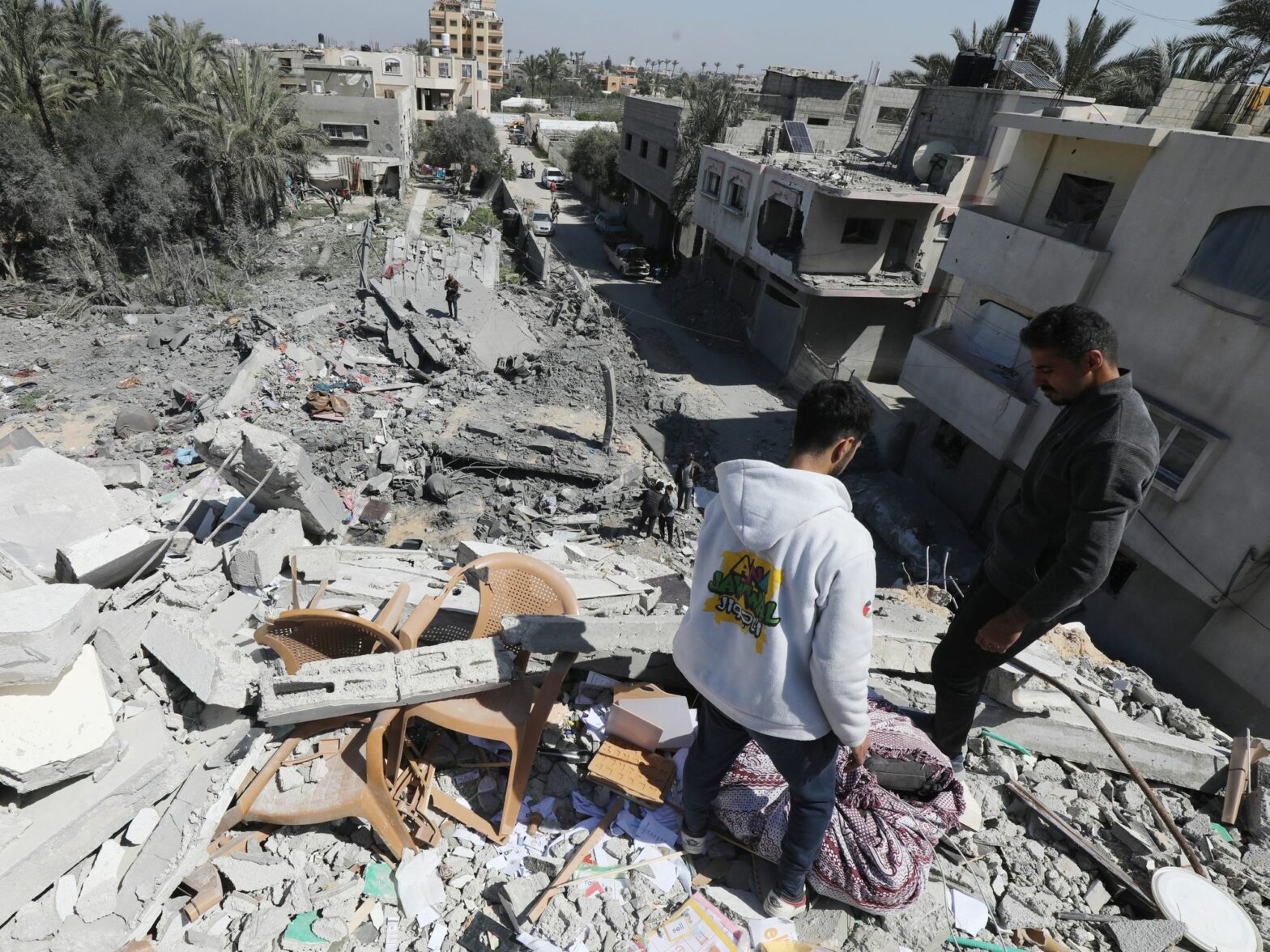
Famine creeps into Gaza, one could expect a certain pragmatism would push influential countries in the region to intervene. Yet each of these countries has its own political agenda.
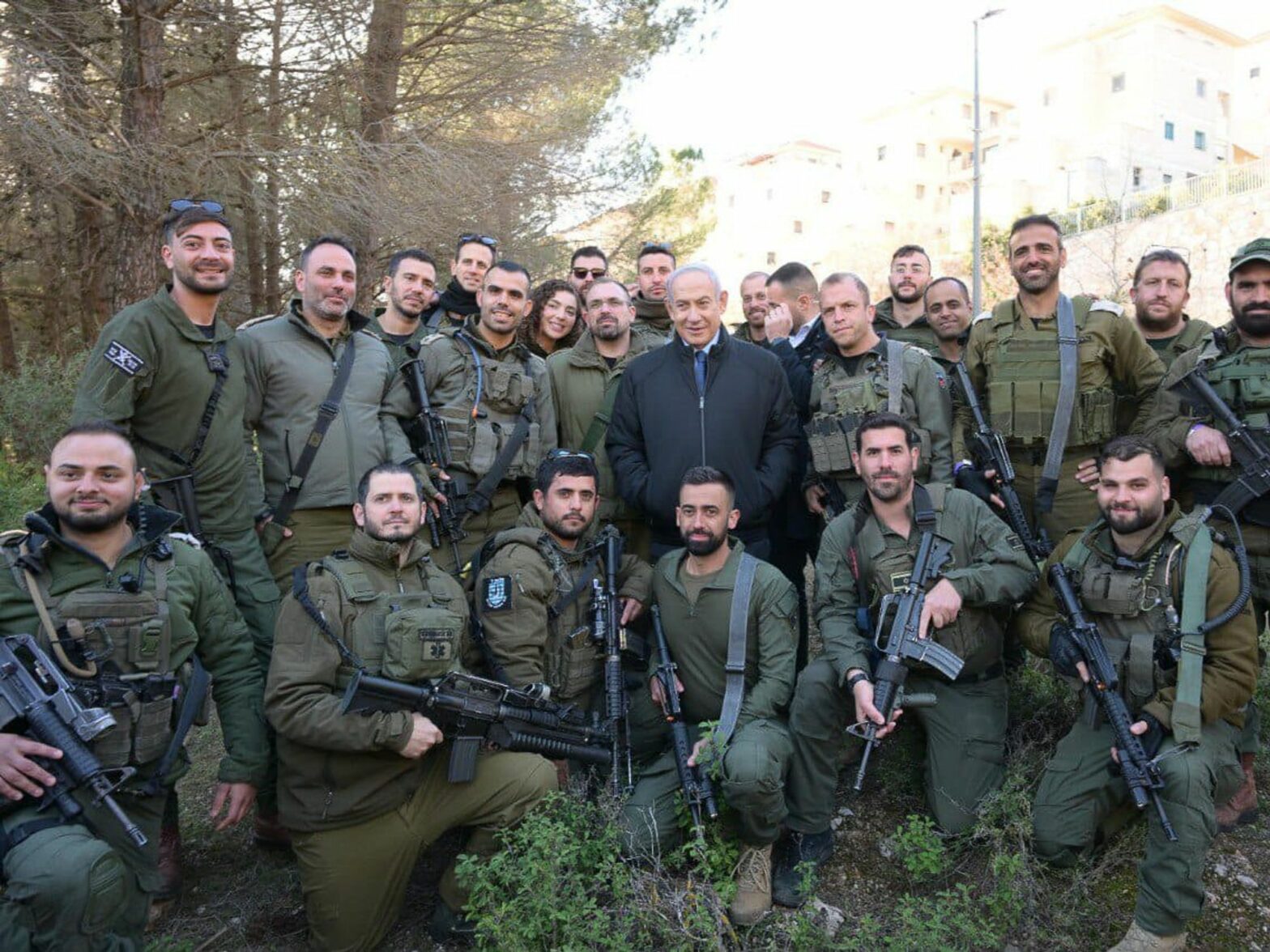
The Israeli prime minister appears dead set against a ceasefire, with the leak of a new 10-year plan for “occupation from afar” for Gaza. All of this to avoid the fate that awaits him if he leaves office.
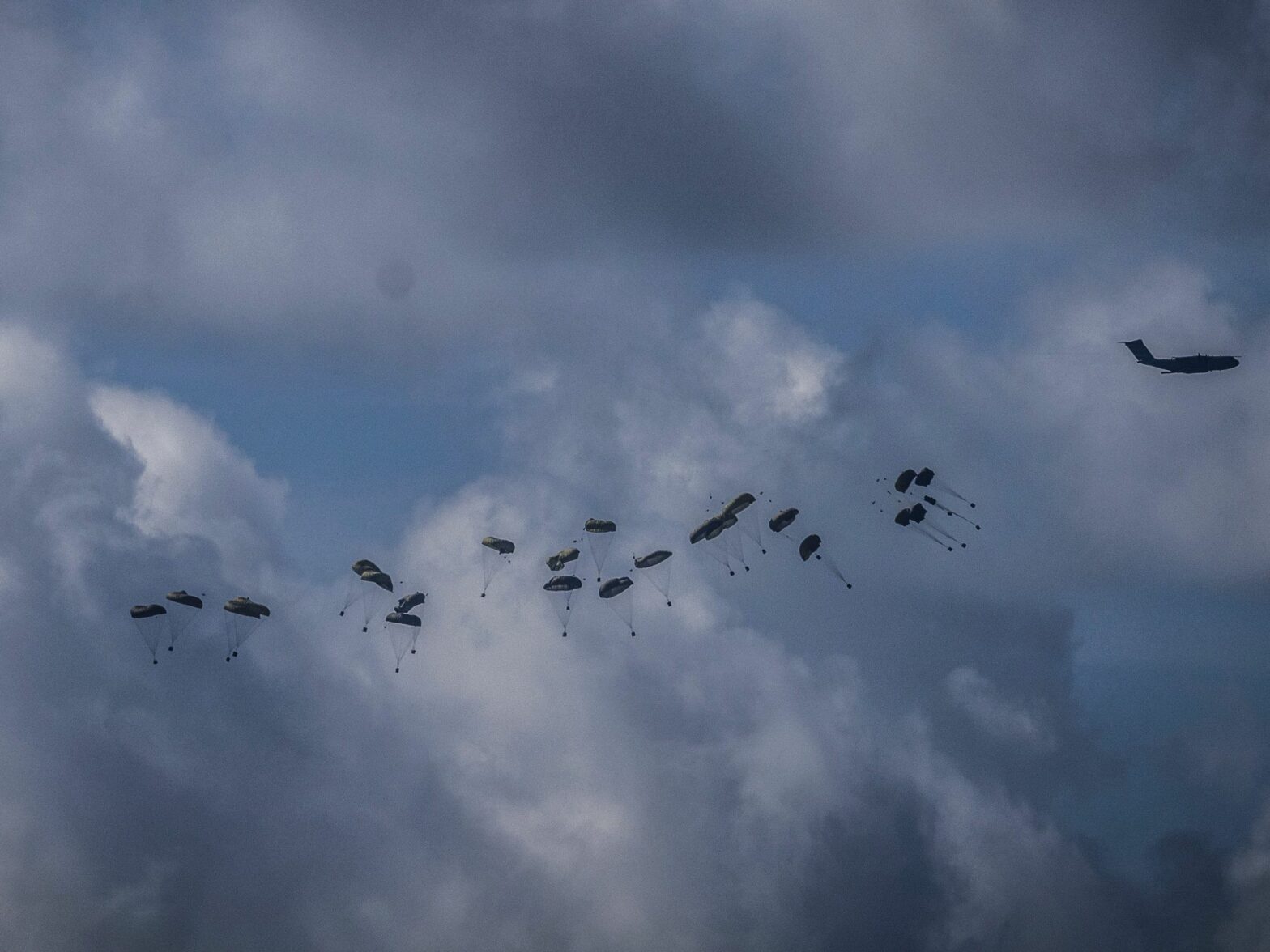
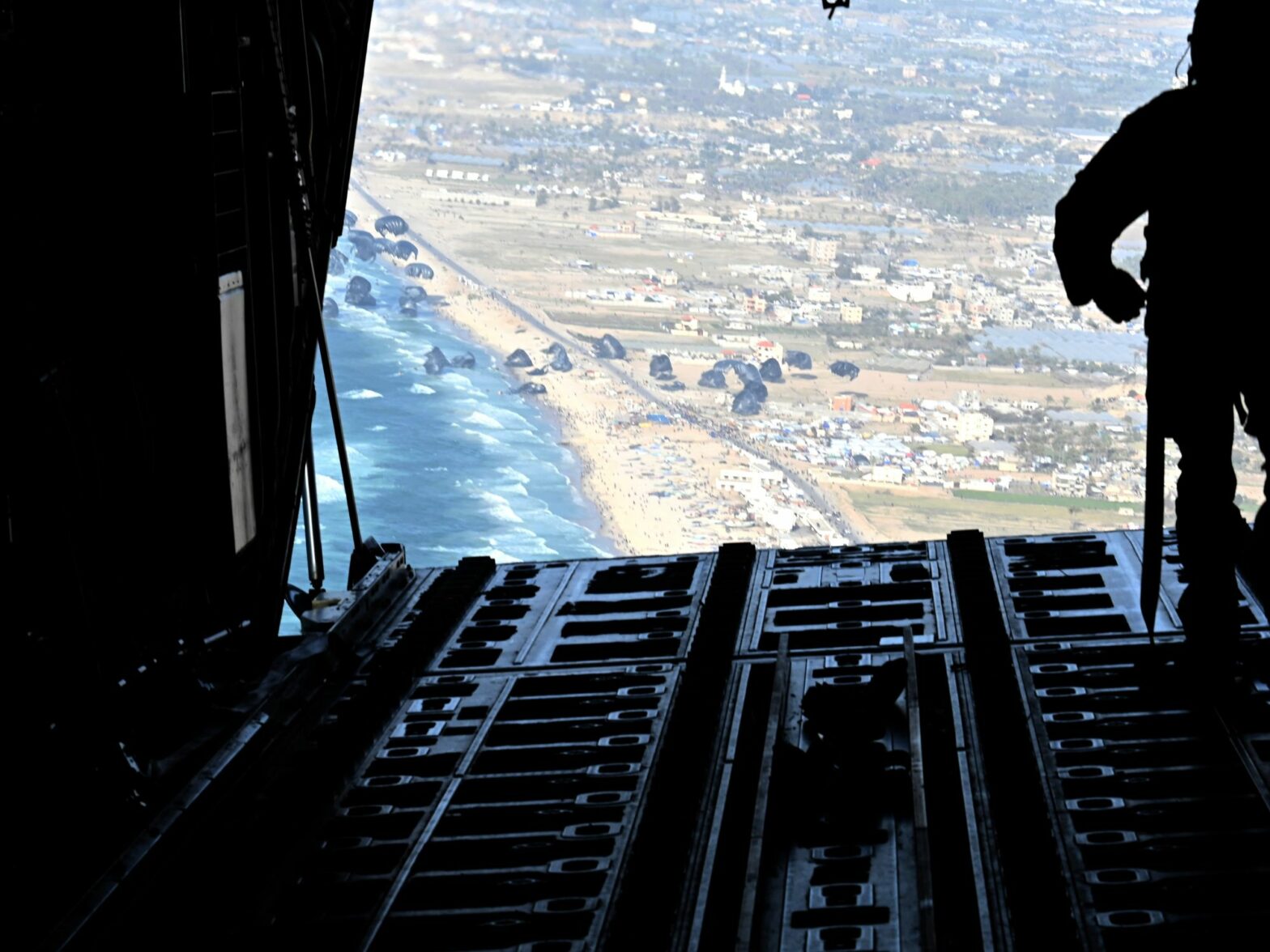
The U.S. has joined several other countries in airdropping aid to the Palestinians in Gaza, but this showy international response is ill conceived and unlikely to avert the looming famine in the coastal enclave.
U.S. President Joe Biden said this weekend that “Netanyahu is doing Israel more harm than good”: a phrase that speaks volumes about the lack of trust between the two men, especially still without a ceasefire, and humanitarian aid blocked from entering an increasingly desperate Gaza Strip.
Palestinian writer Sarah Abu Ghazal reflects on the recurring dreams and visions she has had since the Israel-Hamas war began, as well as on the past and present traumas experienced by her family and the people of Gaza.

A 31-year-old Gaza woman shares her firsthand account of being detained by Israeli soldiers for more than a month without any clear reason while fleeing Israel’s bombardment.
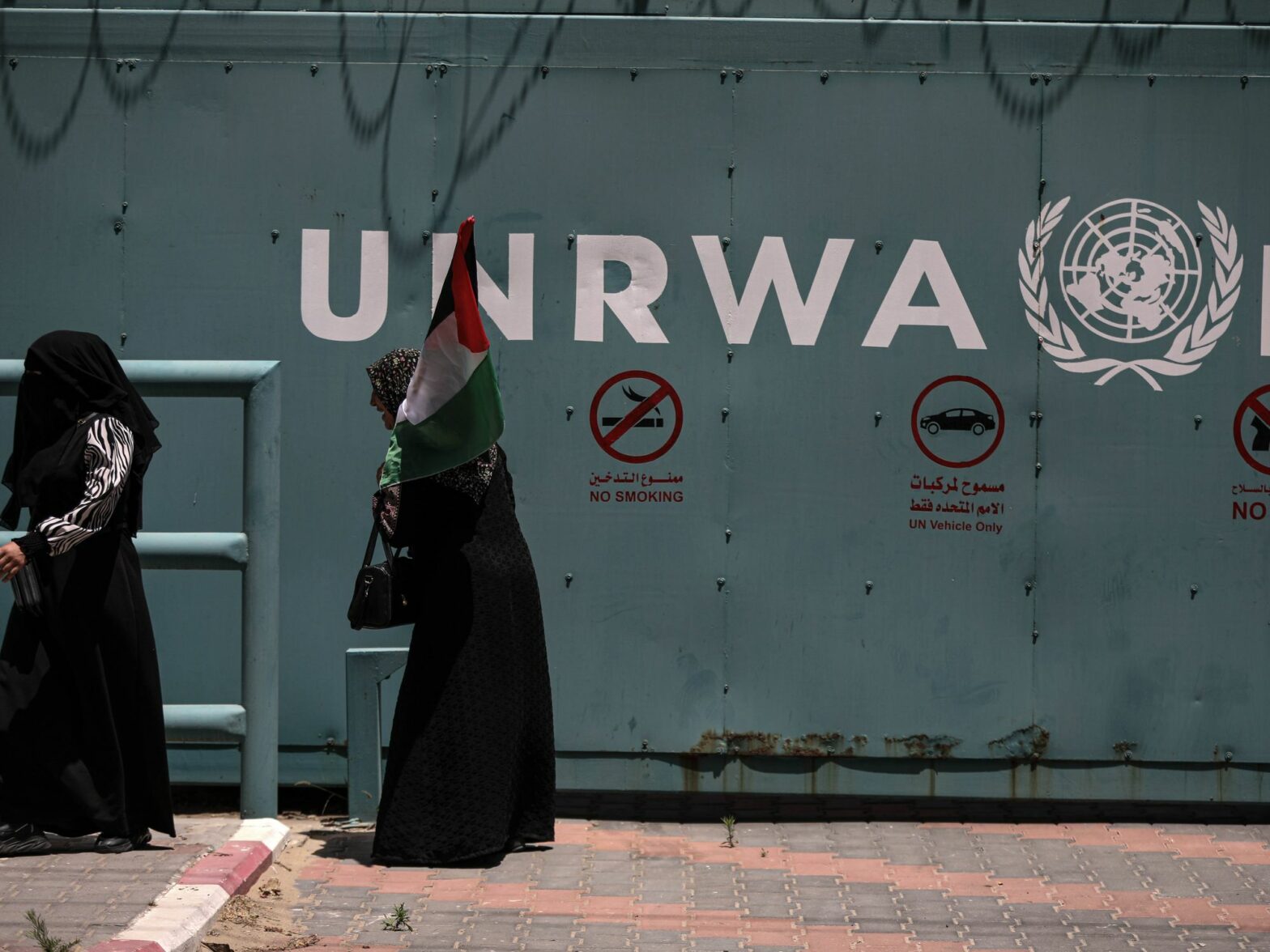
Tensions continue to rise between the UN and Israel, despite the publication of a UN report confirming Hamas’s accusations of sexual violence on October 7. It’s a long history of mistrust which has resurfaced in the current crisis.
What to make of the criticism of Hamas’ statements or slogans, which are similar to Fatah rhetoric in its early years? Does any debate of the merits of the two rival organizations matter in the face of Israel’s responsibility for the ongoing slaughter in Gaza?
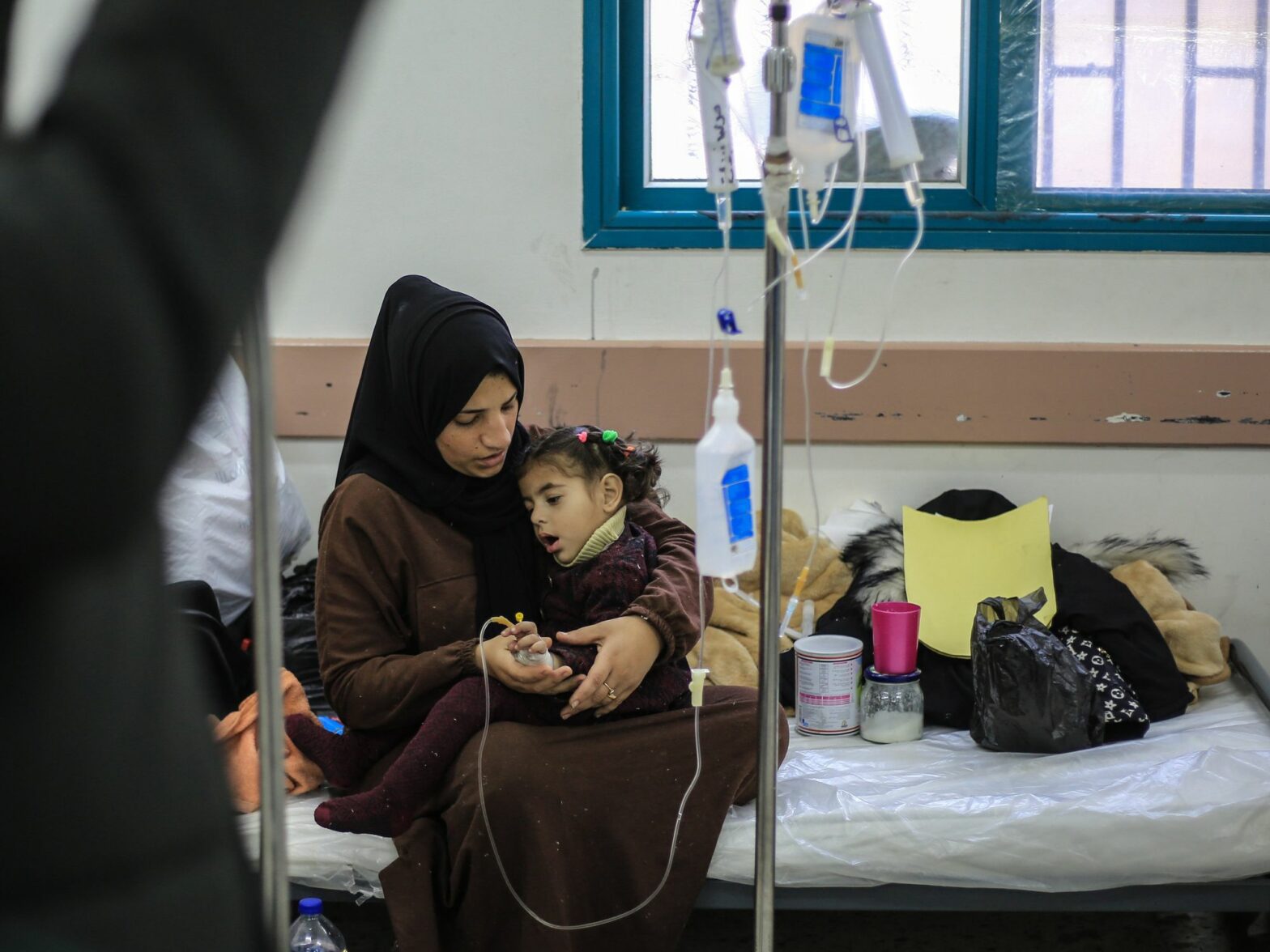
Israel no longer has any interest in prolonging the destruction — and spreading the condemnation around the world for its “collective punishment” of the people of Gaza.
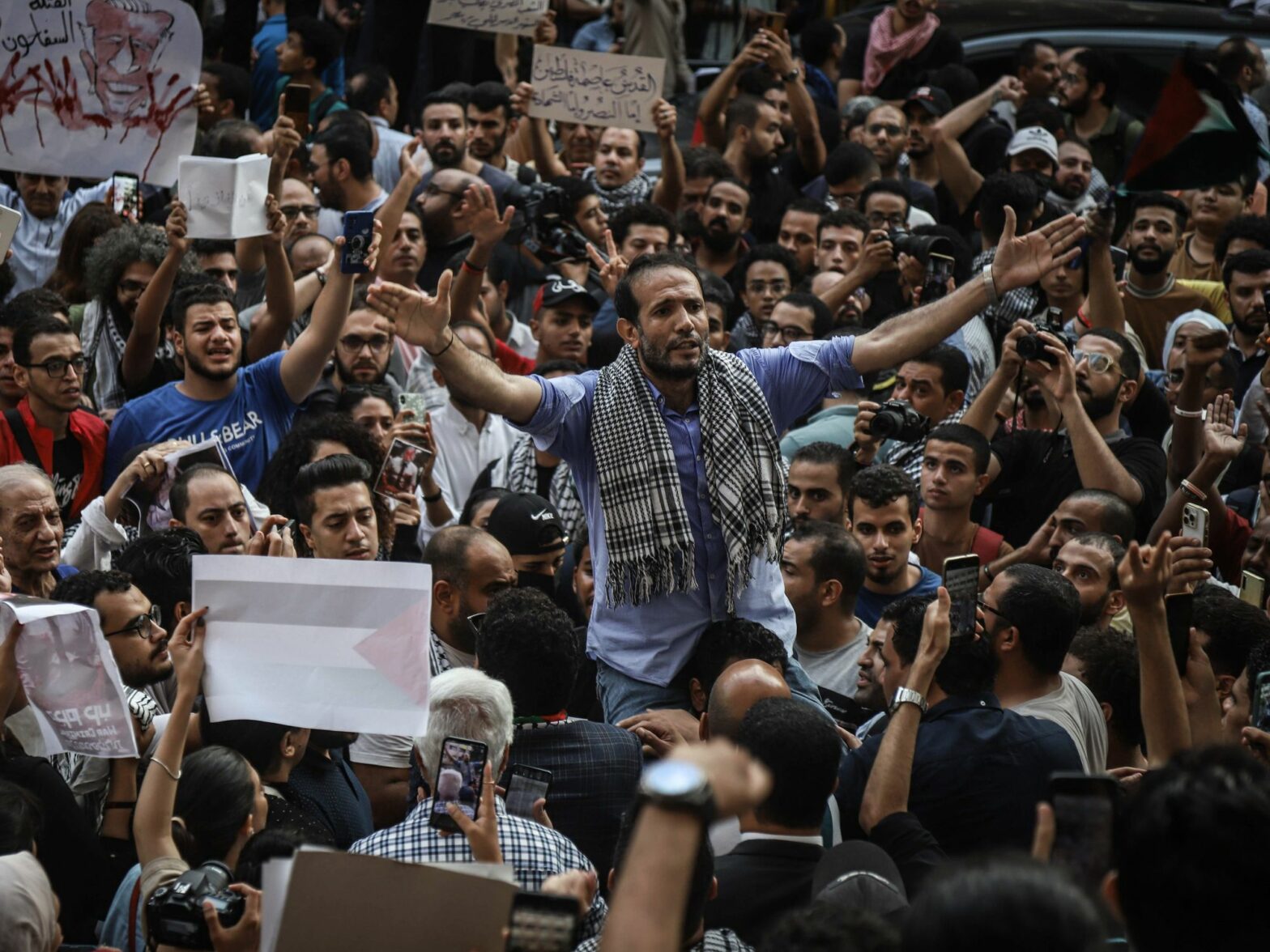
As Israel-Hamas war in Gaza drags on, the momentum for solidarity with the Palestinians , whether individual or collective, has declined. It’s a contrast with the continued anti-Israel demonstrations in Western capitals. The reasons are both external, and internal.
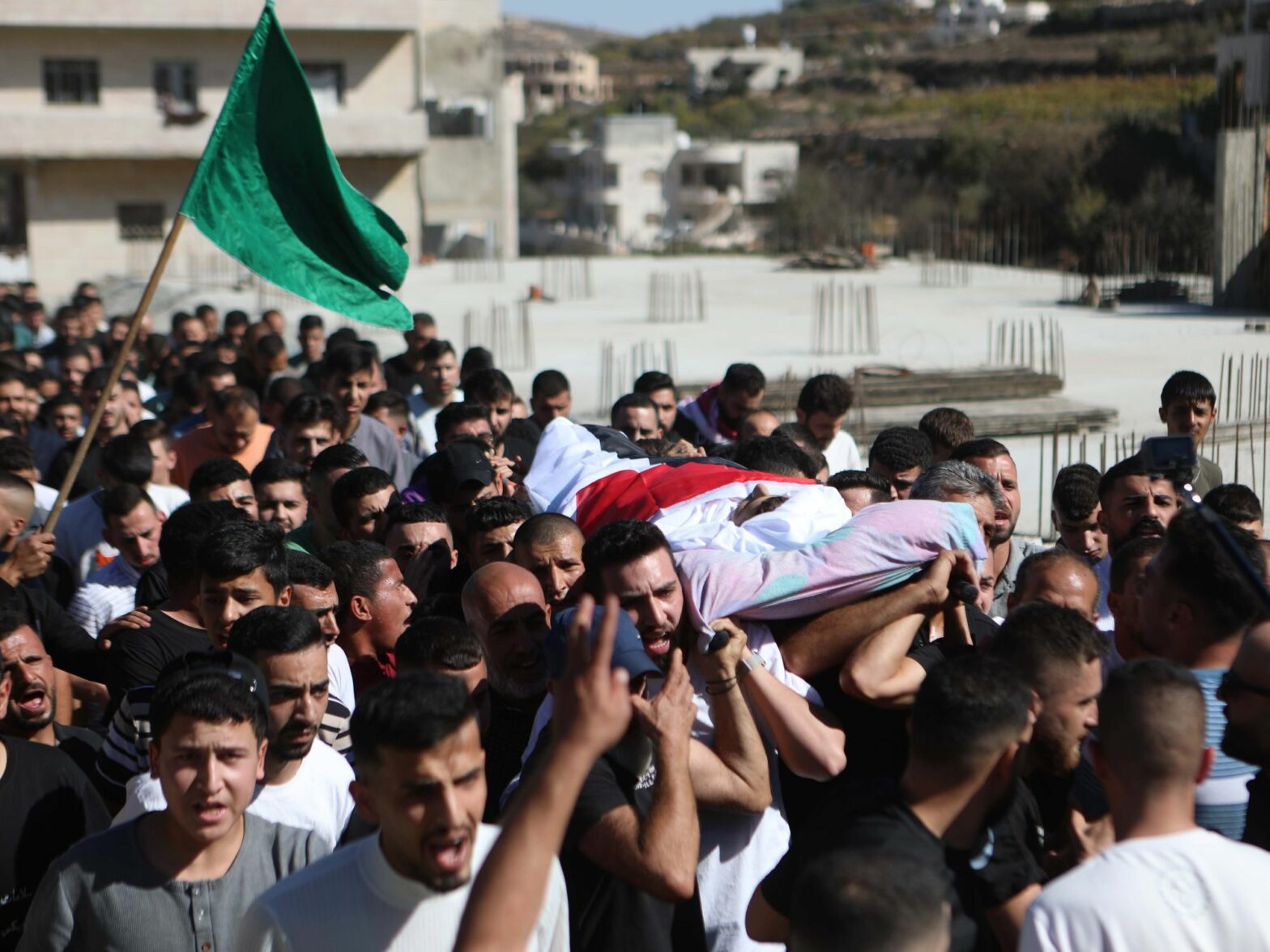
Israeli settlements in the occupied West Bank, which reached record levels in the first year of Netanyahu’s far-right government, have accelerated since Oct. 7 and are undermining a two-state solution to the Israel-Palestine conflict.
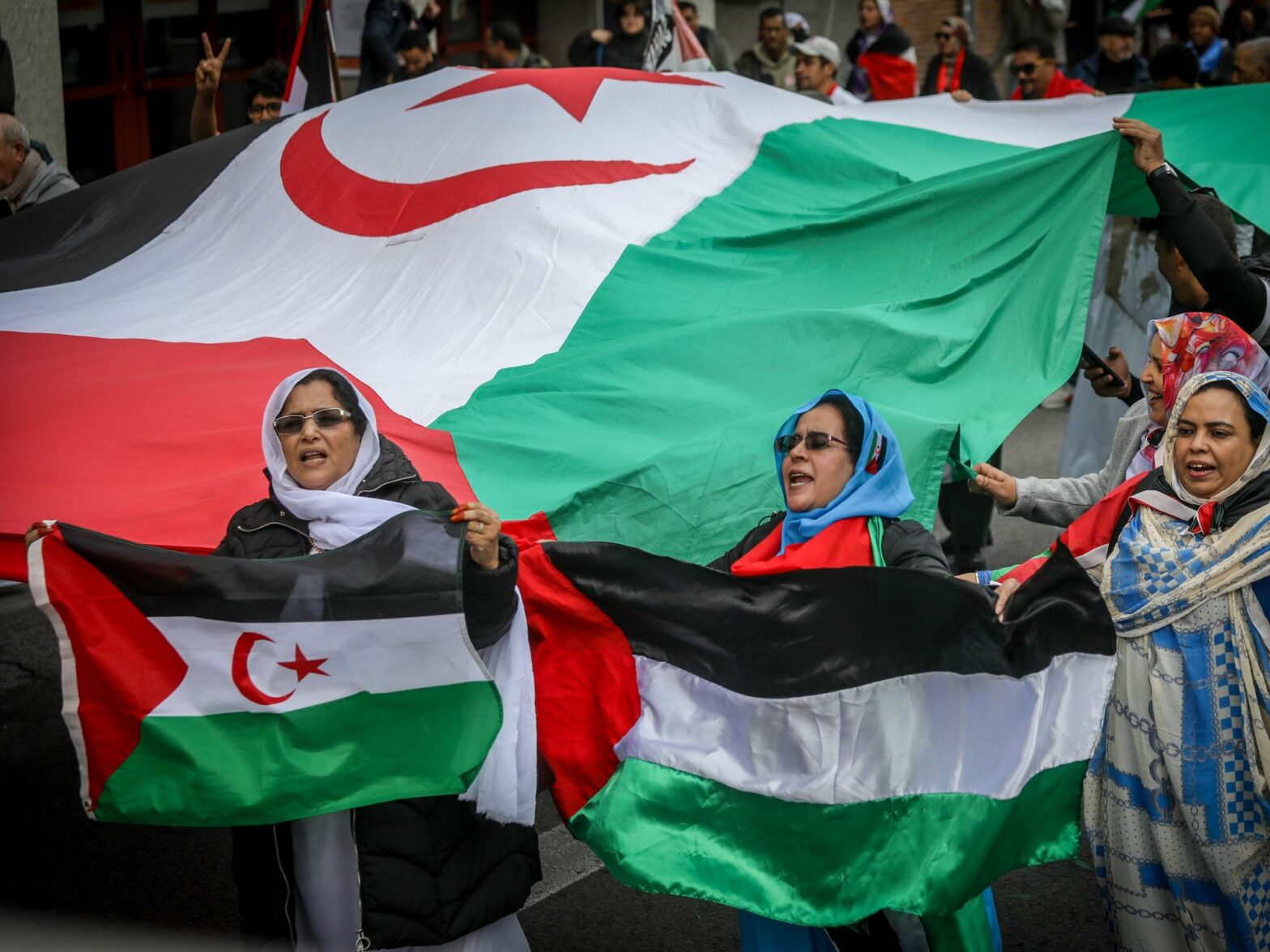
Even while Morocco has repeatedly called for a ceasefire in Gaza, it has been crafting one of the most careful diplomatic positions in the Arab World on the Israeli-Palestinian conflict, in part because of a significant Jewish-Moroccan population. But its stance puts the monarchy in conflict with most of Morocco’s population.
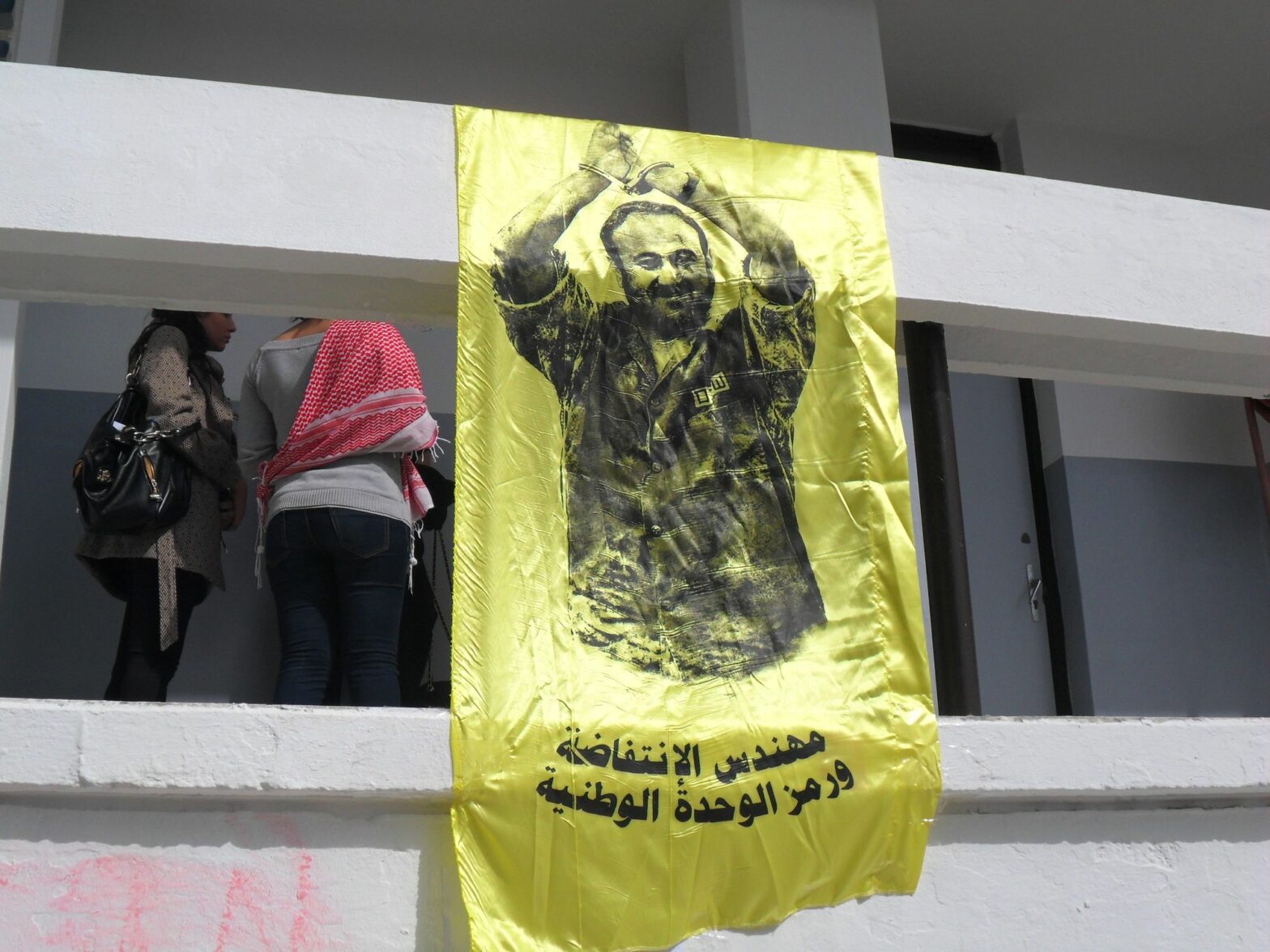
As negotiations intensify for an eventual ceasefire in Gaza, sources say the release of high-profile Palestinian prisoners may be part of the deal. If that includes Marwan Barghouti, the “Palestinian Mandela,” it could be a watershed moment in the region.
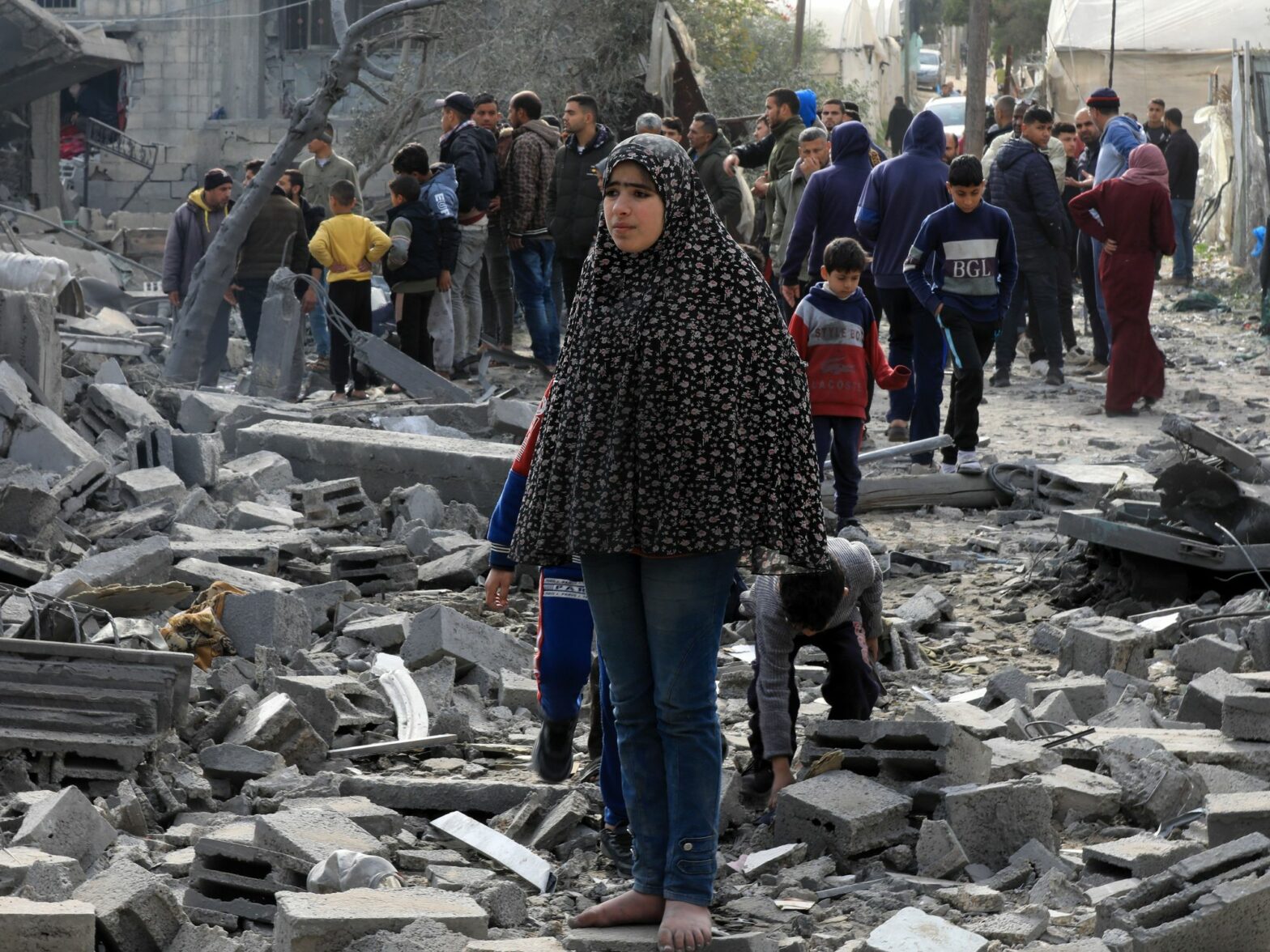
As the humanitarian situation worsens in Gaza, and the Israeli government still threatens to launch an offensive on the town of Rafah, there is one piece of positive news: negotiations on a possible ceasefire are not stalled. And in recent hours, there are some good reasons to believe that the ceasefire could become a reality.
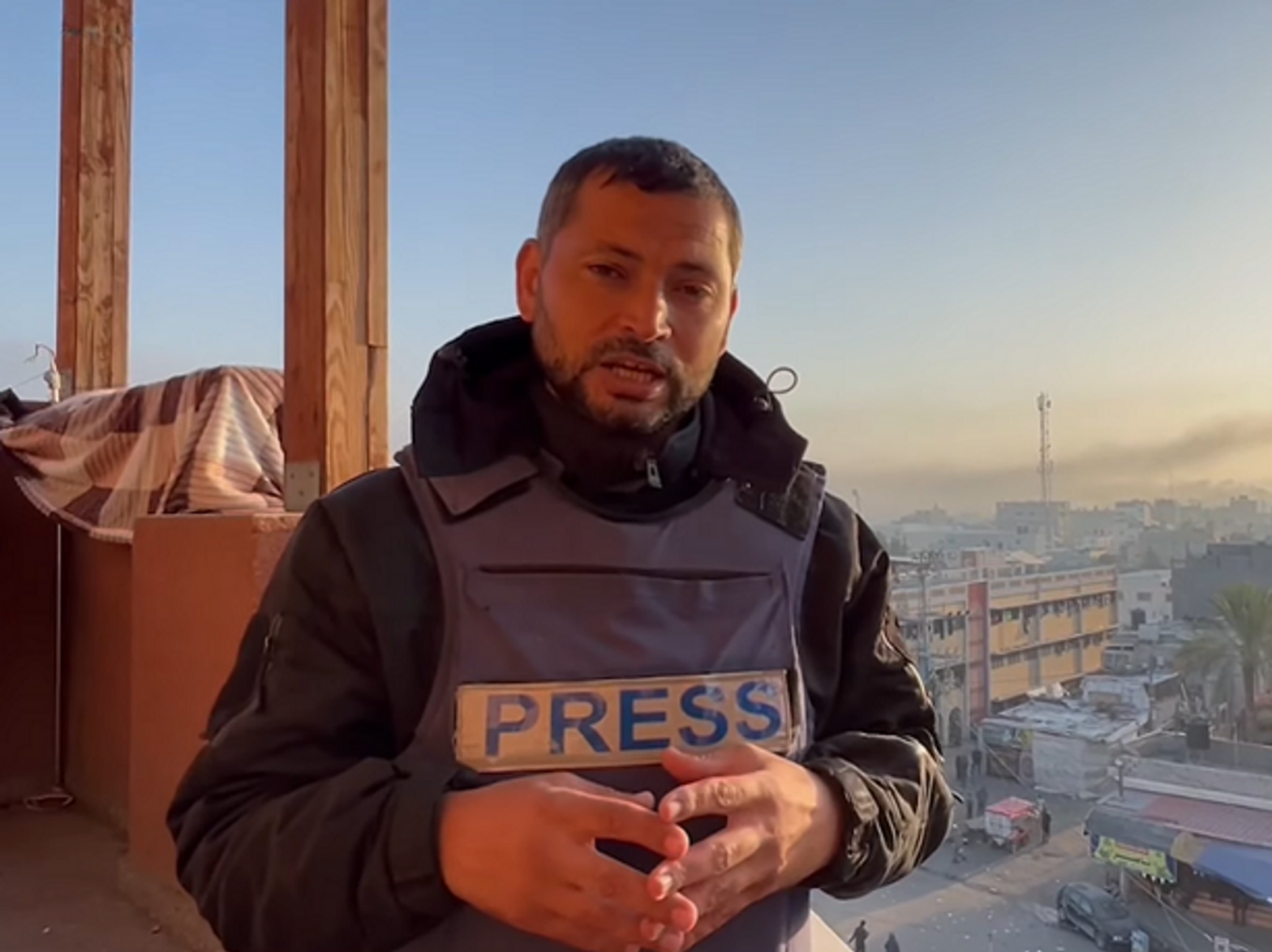
Following the strike that hit Al Jazeera journalists Ismail Abu Omar and Ahmed Matar, posts spread on social media platforms calling Abu Omar a “terrorist” affiliated with Hamas. At the same time, a campaign by Israel’s Foreign Ministry and military promoted the same allegations.
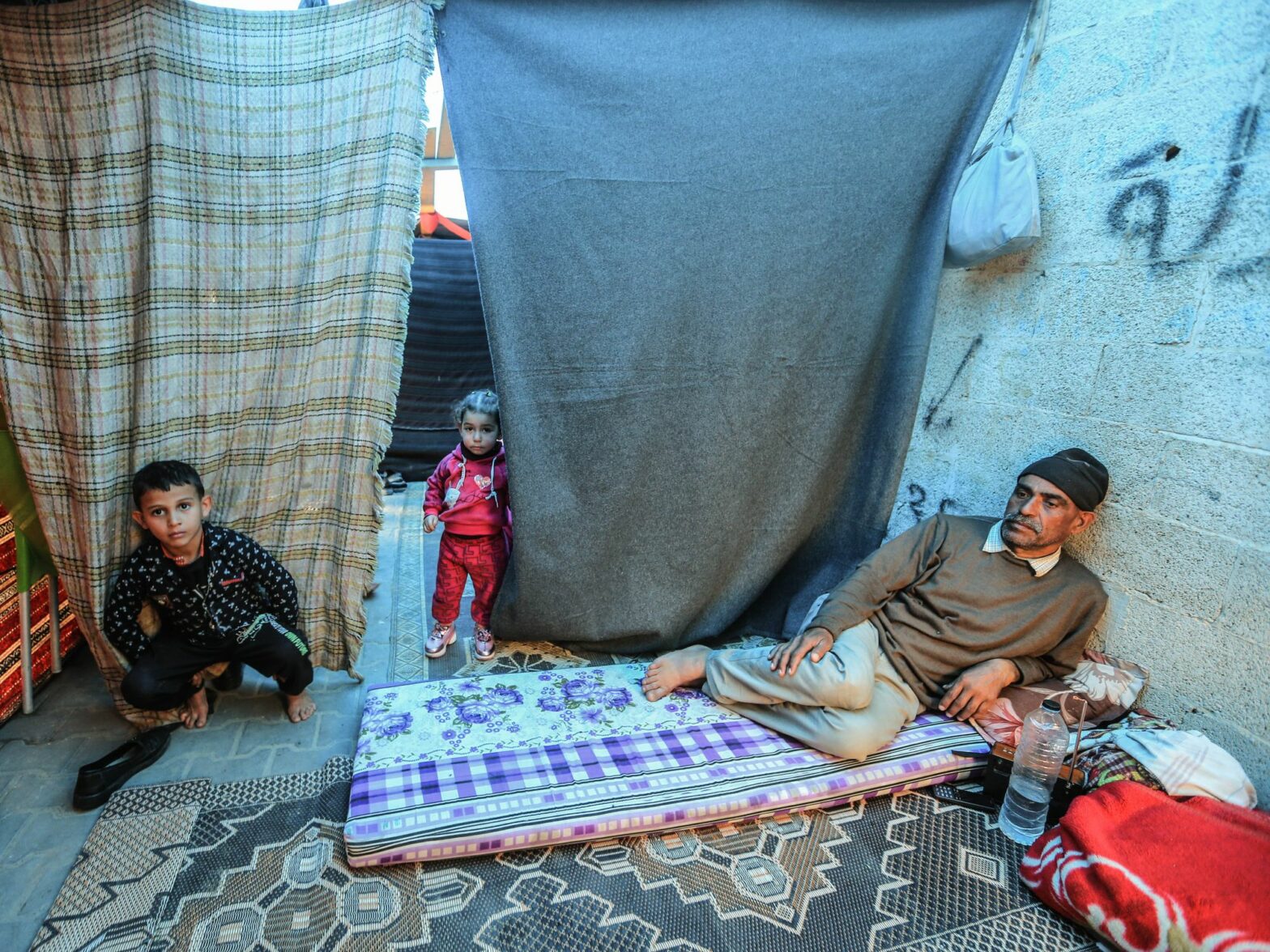
As Israel insists on launching a ground offensive on Gaza’s packed city of Rafah, many of the 1.4 million mostly temporary residents are consumed by plans for what their next move will be. If there is a next move.
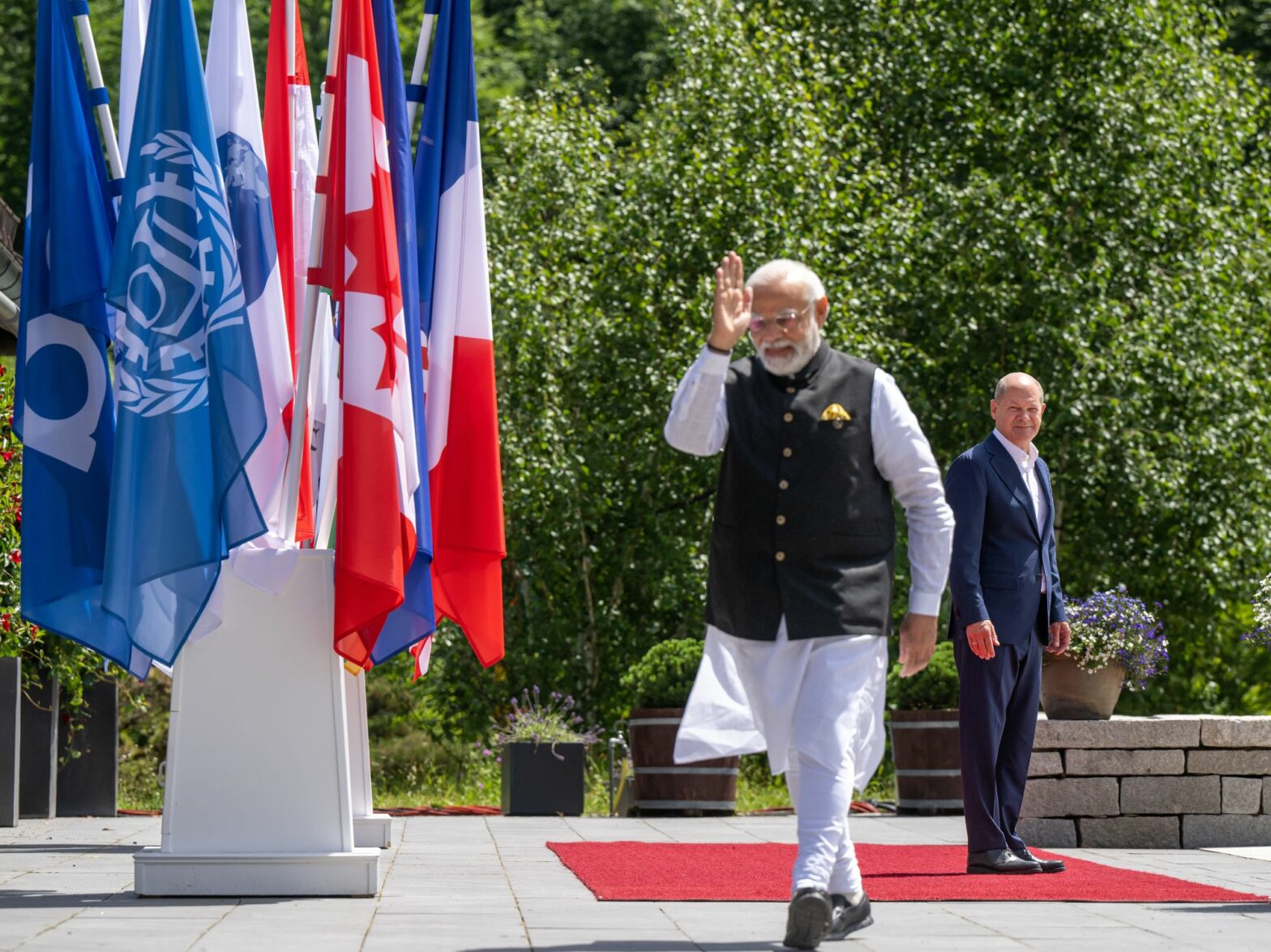
In not condemning Russia and openly siding with Israel, India’s foreign policy establishment is merely jettisoning the thin layer of politically-expedient, feel-good idealistic post-colonialism that veils an iron-fisted pragmatism.
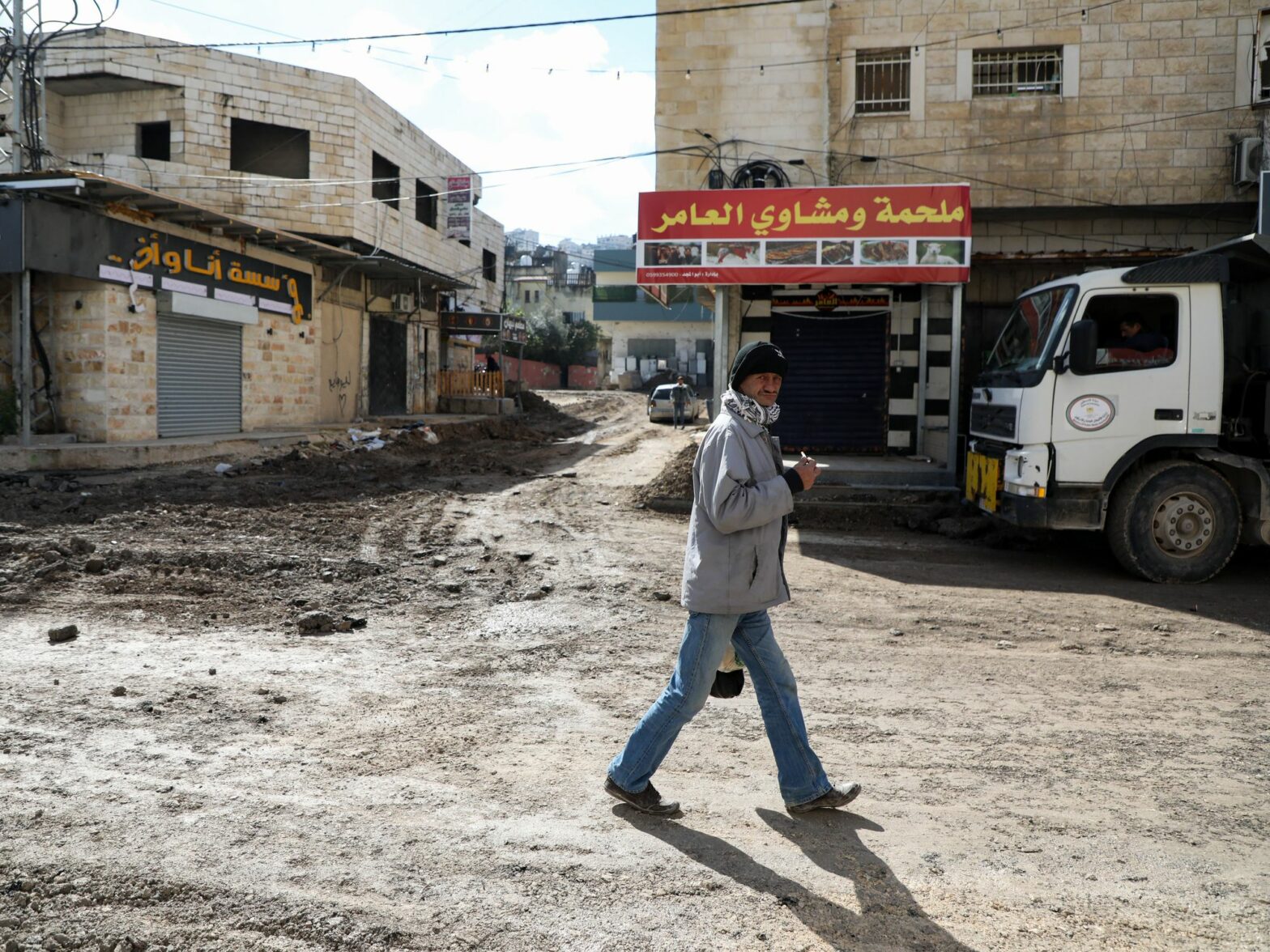
Since the Israel-Hamas war began in Gaza, Israel has imposed severe restrictions and economic sanctions on the Palestinians in the occupied West Bank, further exacerbating the already dire living conditions of Palestinians there.
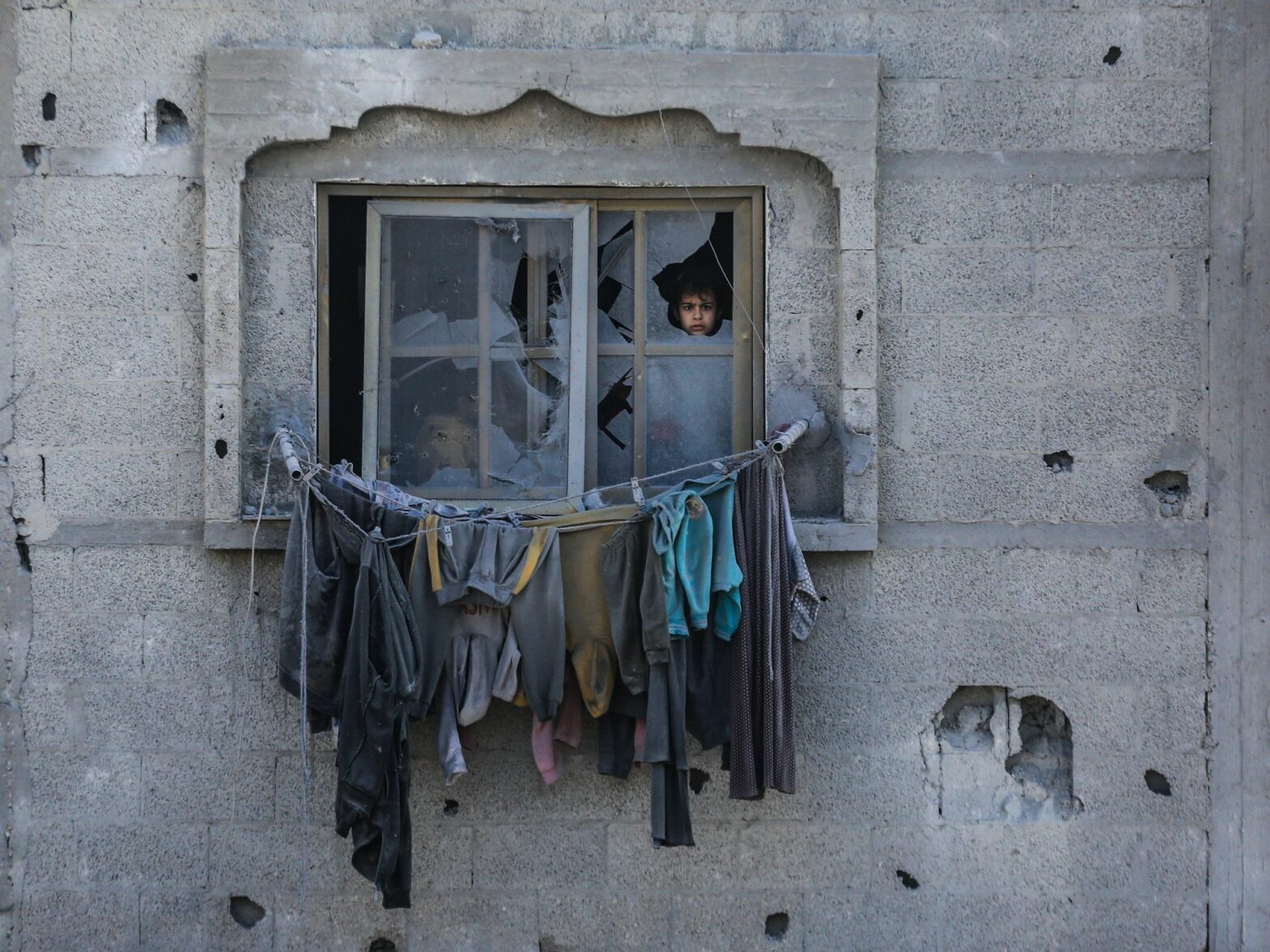
Rafah has become the new focus of Israel’s war. It is pressing to invade the city on the border with Egypt, where 1.4 million people — more than half of Gaza’s population — are now sheltering.