Here are the latest headlines.
 Worldcrunch
Embark on a journey through the vast and diverse landscapes of the United States with Worldcrunch, where a rich tapestry of cultures and histories unfolds. Our exclusive reports and in-depth analyses unveil the unique stories that define this nation. Explore the dynamic history, cultural vibrancy, and contemporary narratives shaping the United States with Worldcrunch, your window to the captivating tales of this influential and diverse country.
Here are the latest headlines.
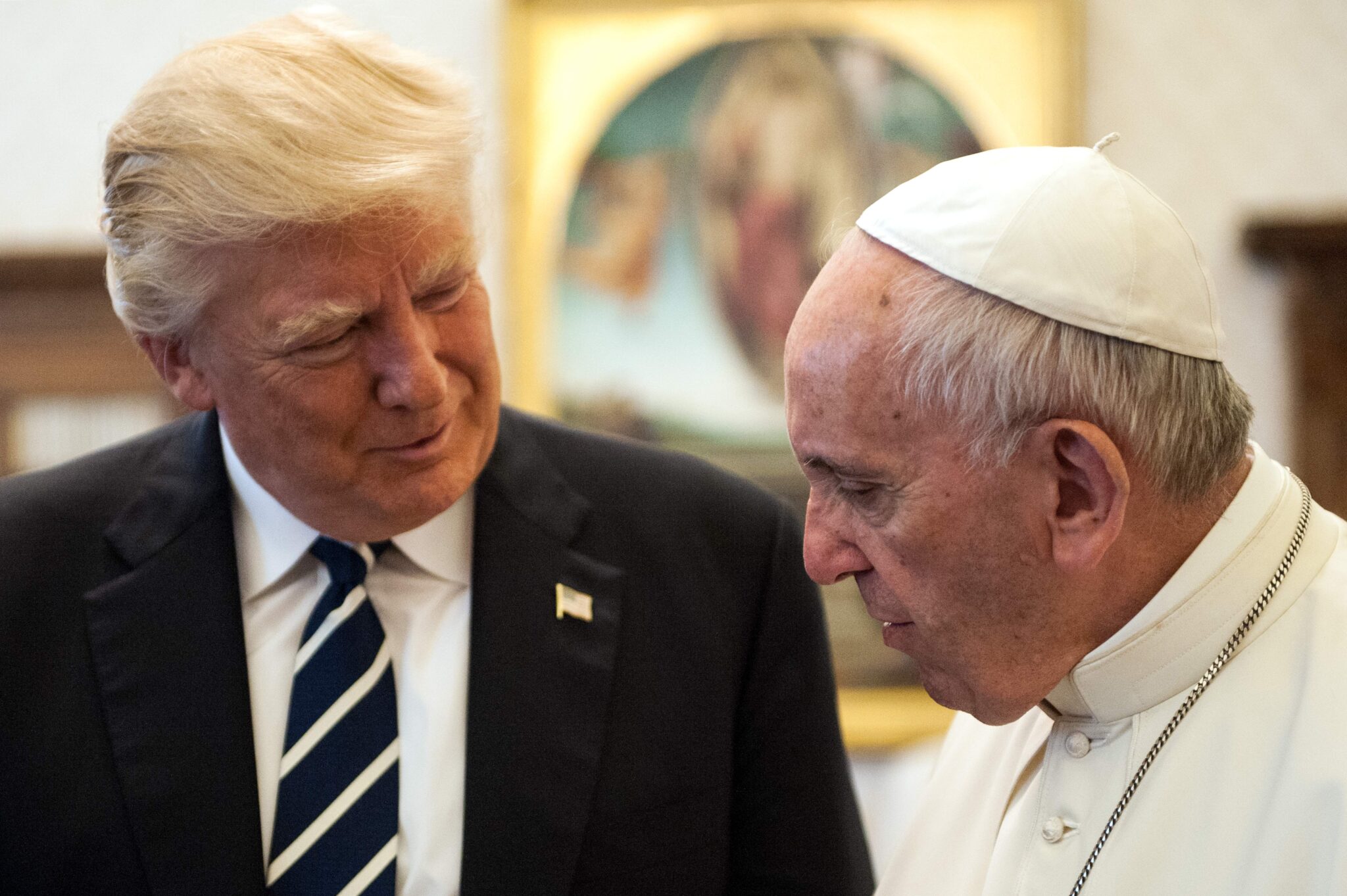
In the wake of Pope Francis’s death and Trump’s return to power, fears of civilizational decline abound. But Italian political analyst Gabriele Segre argues that apocalyptic narratives risk becoming self-fulfilling prophecies.
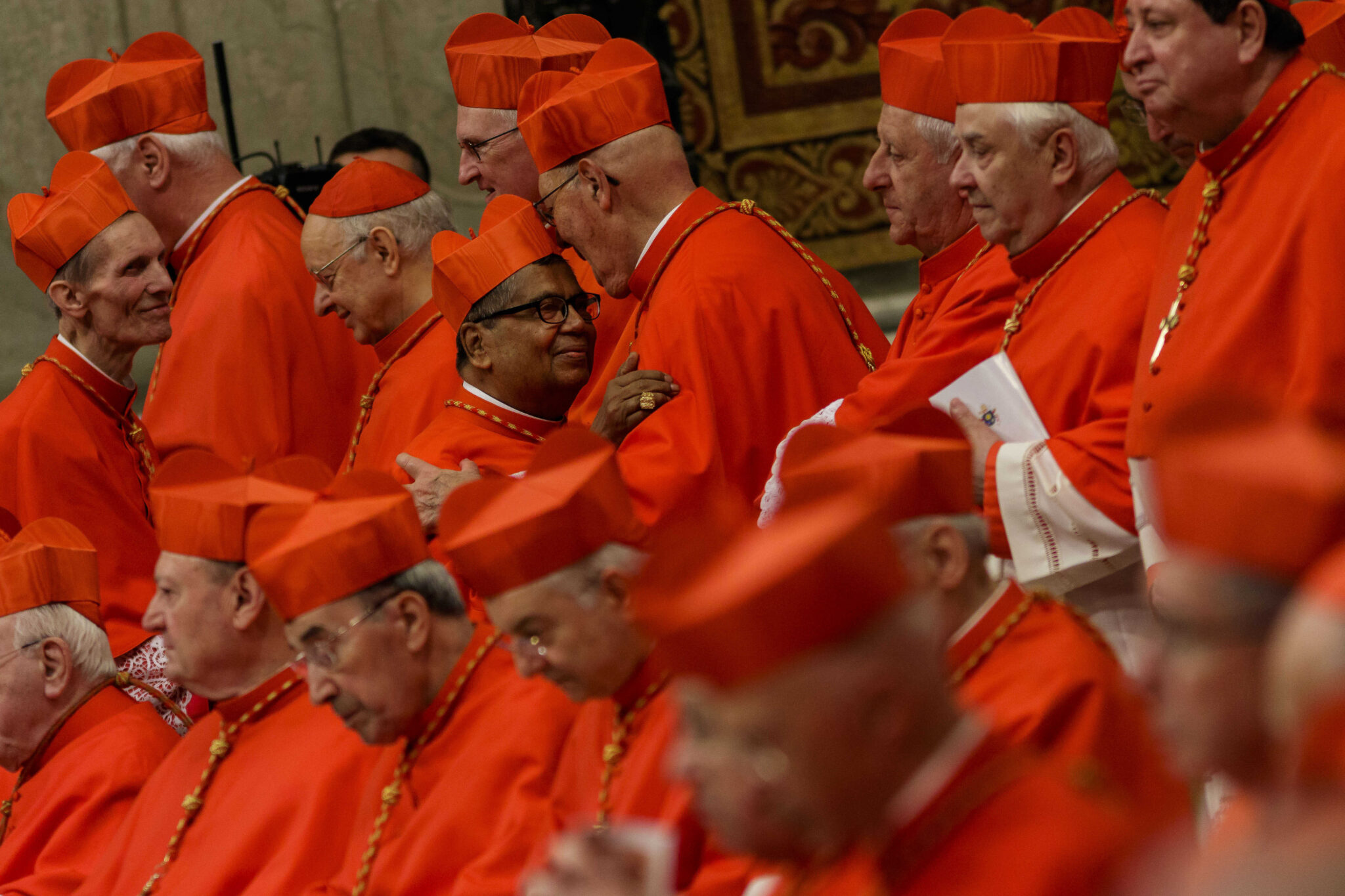
Right-wing authoritarians around the world are speculating on an opportunity: the next pope could be one of their own. It would provide much moral authority on a global stage.
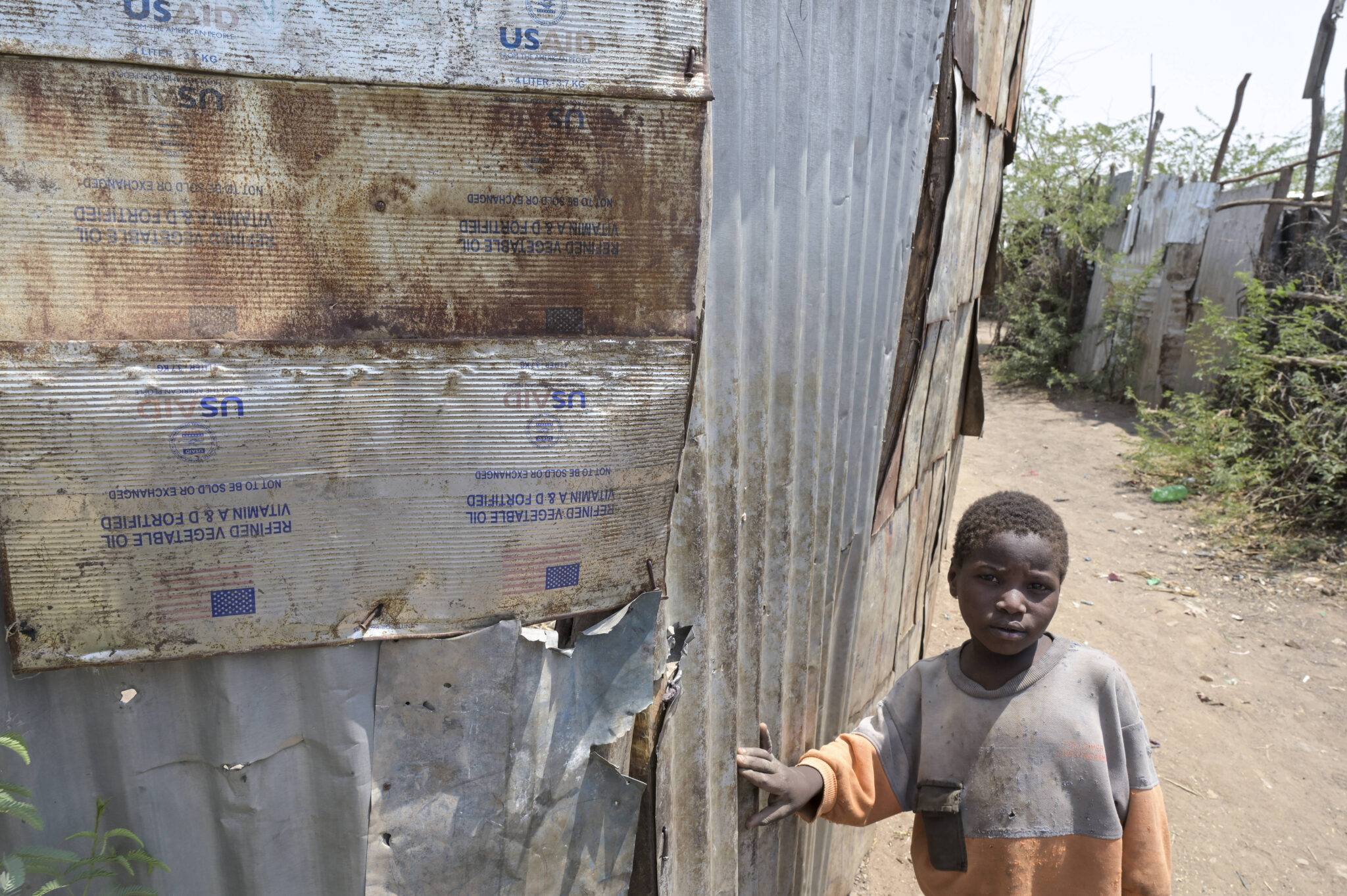
As Western nations pull back funding, a failing model of global aid is exposed — leaving the world’s most vulnerable to face growing crises alone.
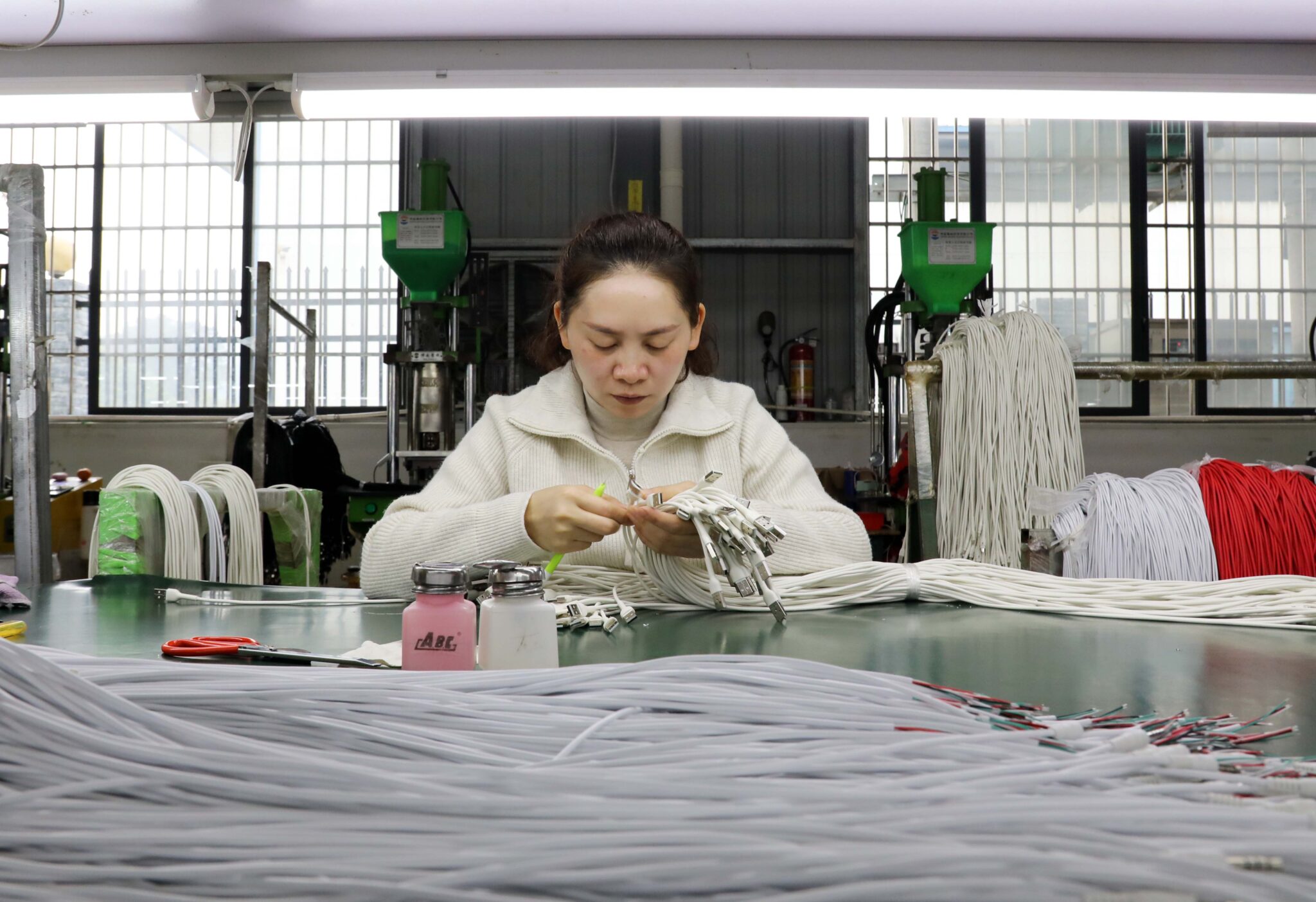
Xi Jinping and the rest of the Chinese leadership is defying Donald Trump in the tariff duel – and positioning itself as a more reliable superpower. The nation has been expecting this moment.
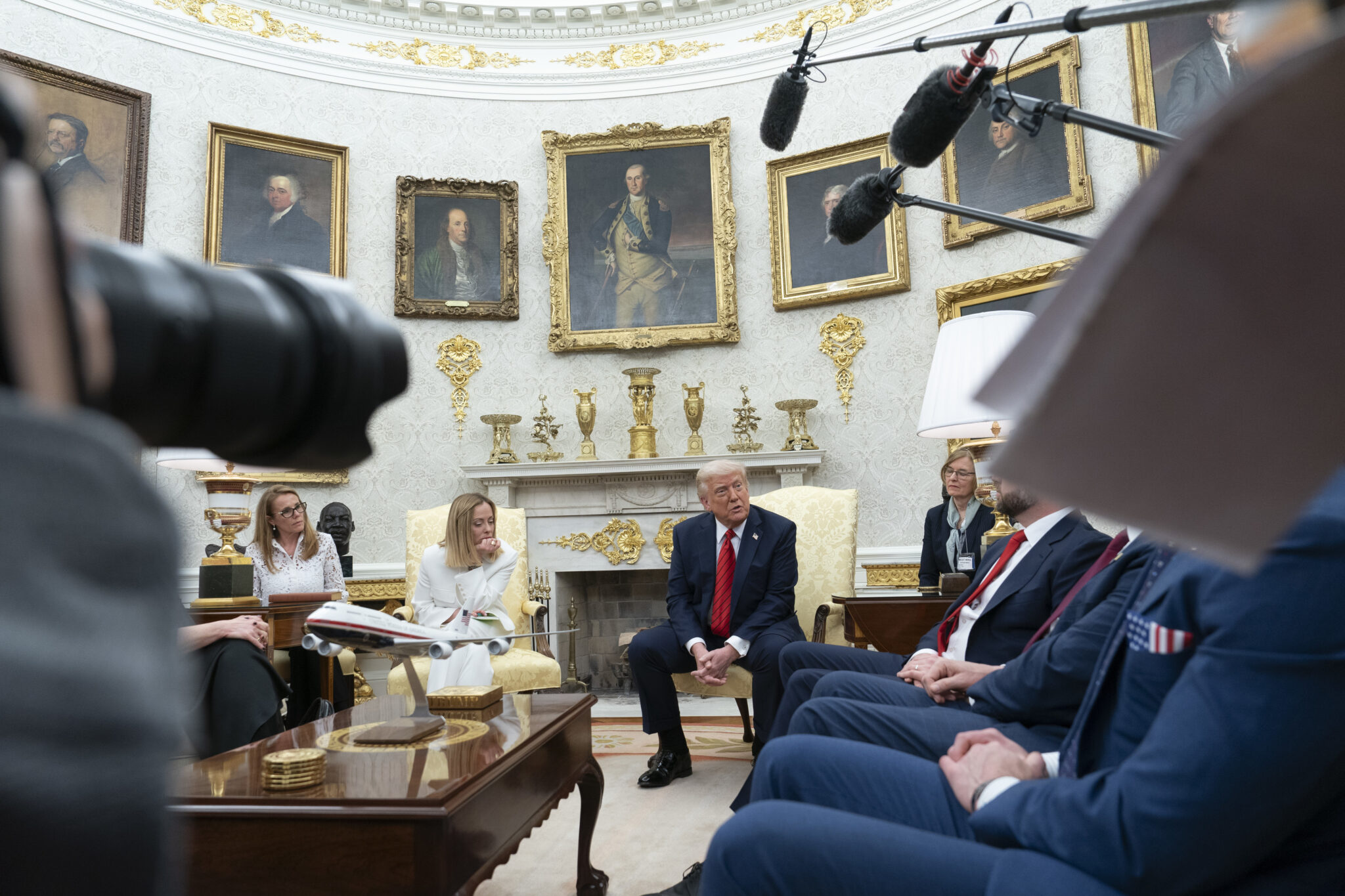
In her Oval Office debut with Trump, the Italian prime minister defends Ukraine, pushes for an EU-US summit, and dodges calls to raise defense spending.
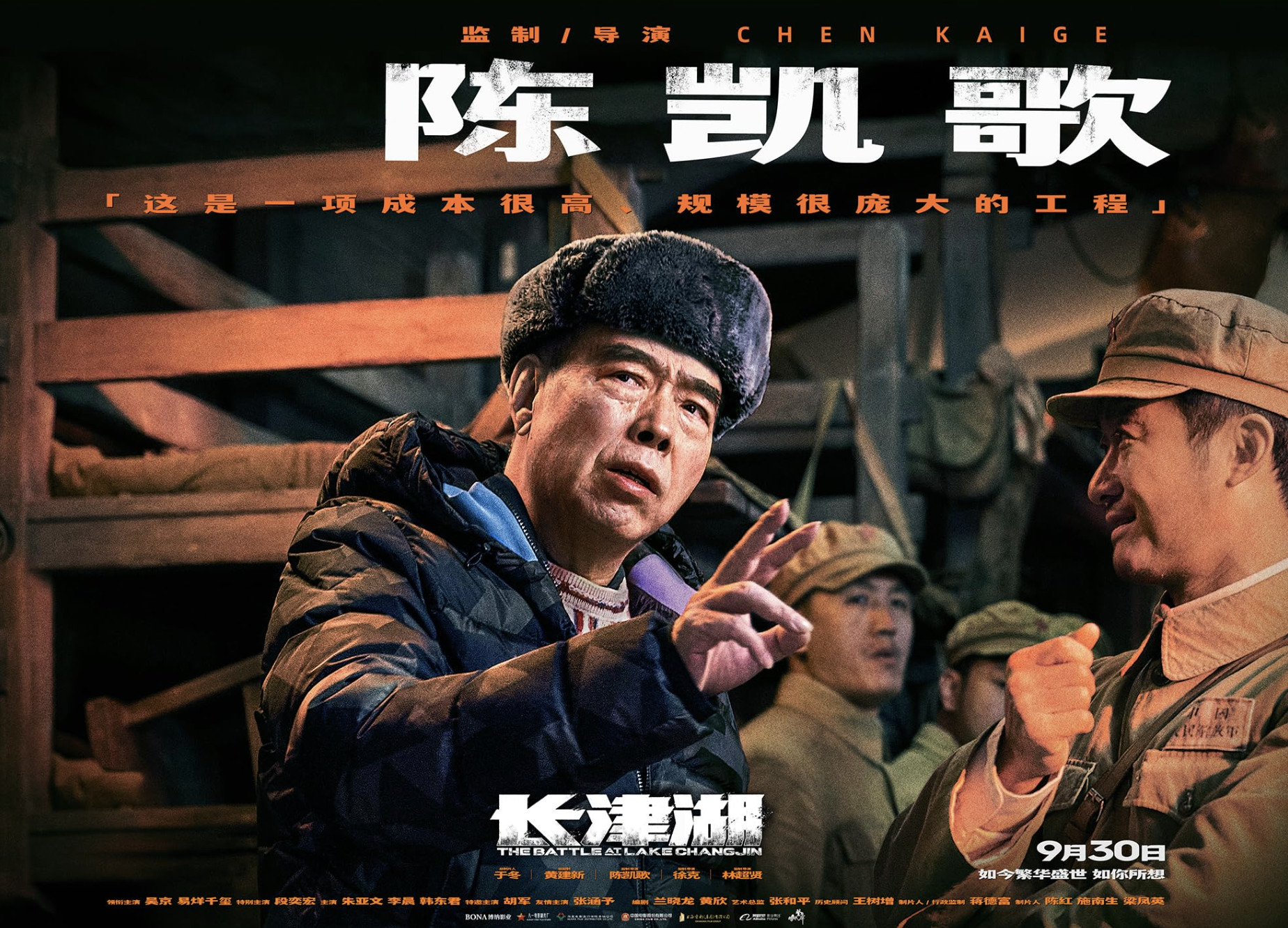
As trade tensions with the US escalate, Beijing retaliates with Hollywood bans and a high-stakes Southeast Asia tour.
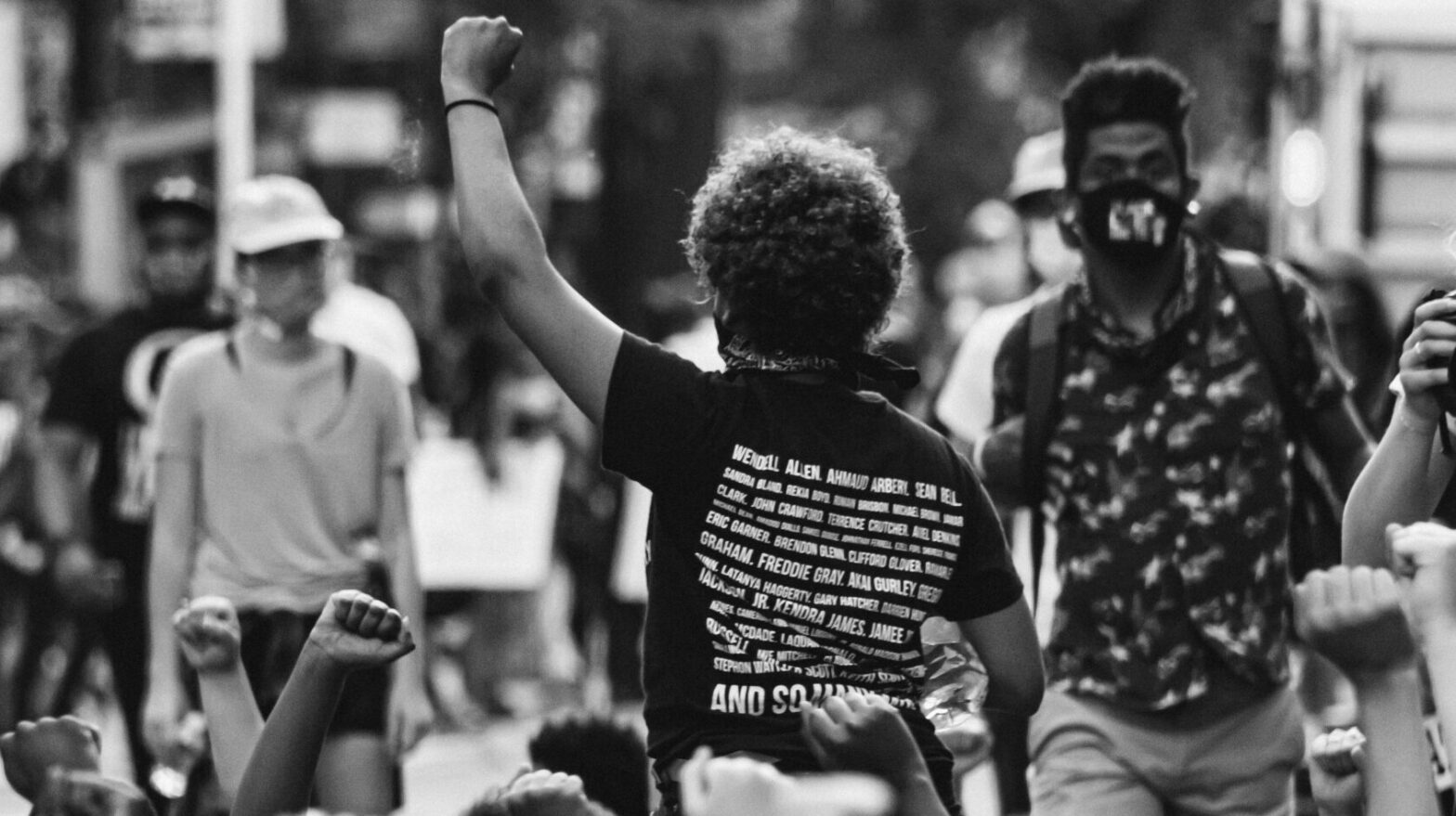
Political turbulence today may be sourced in a flawed consideration put centuries ago at the heart of modern democracy’s institutional mechanics: self-interest as the chief motivator of citizens and their representatives.
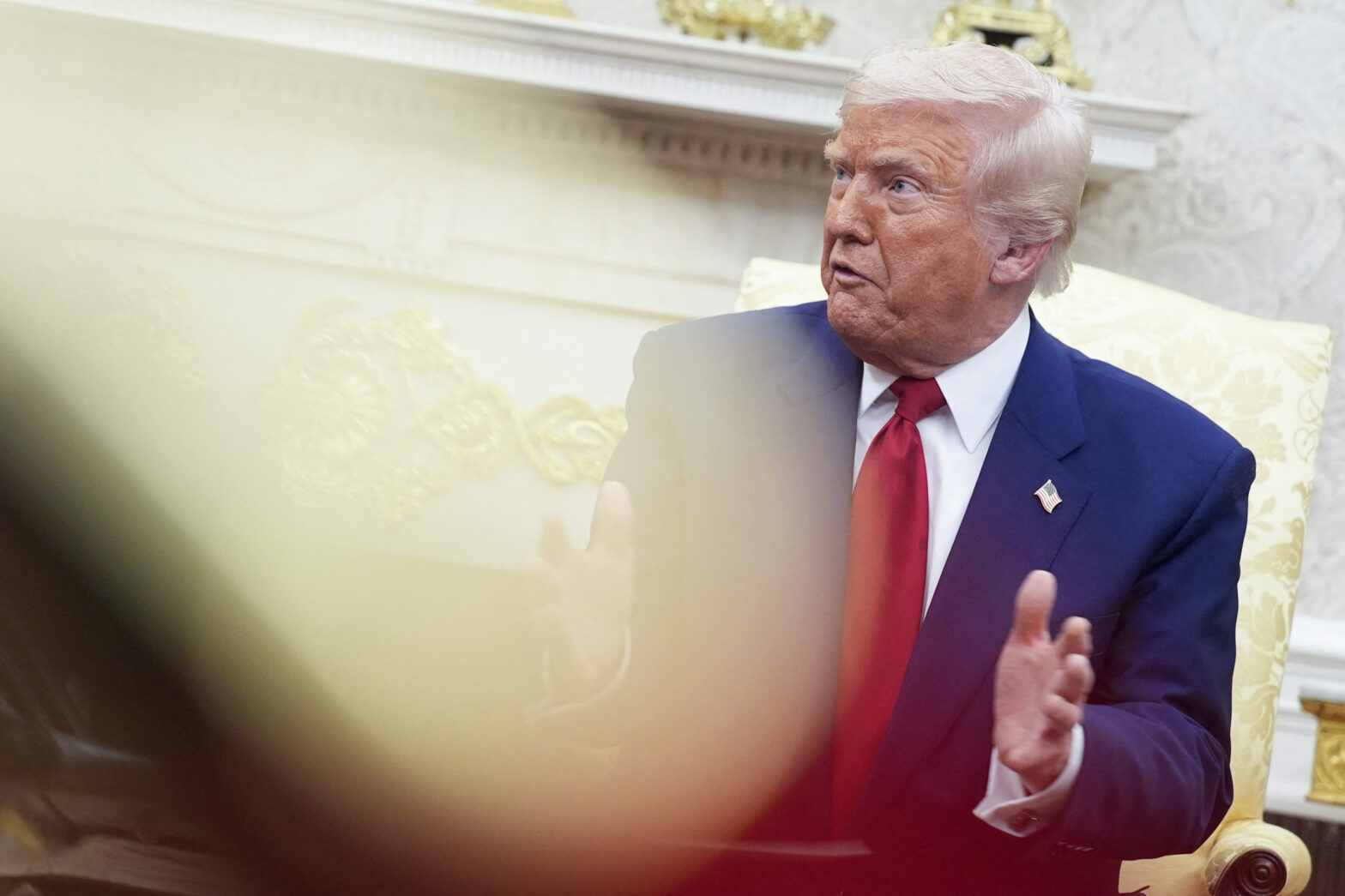
The United States will enter negotiations with Iran on Friday, yet Donald Trump warned that all options remain on the table to prevent Iran from acquiring the bomb.
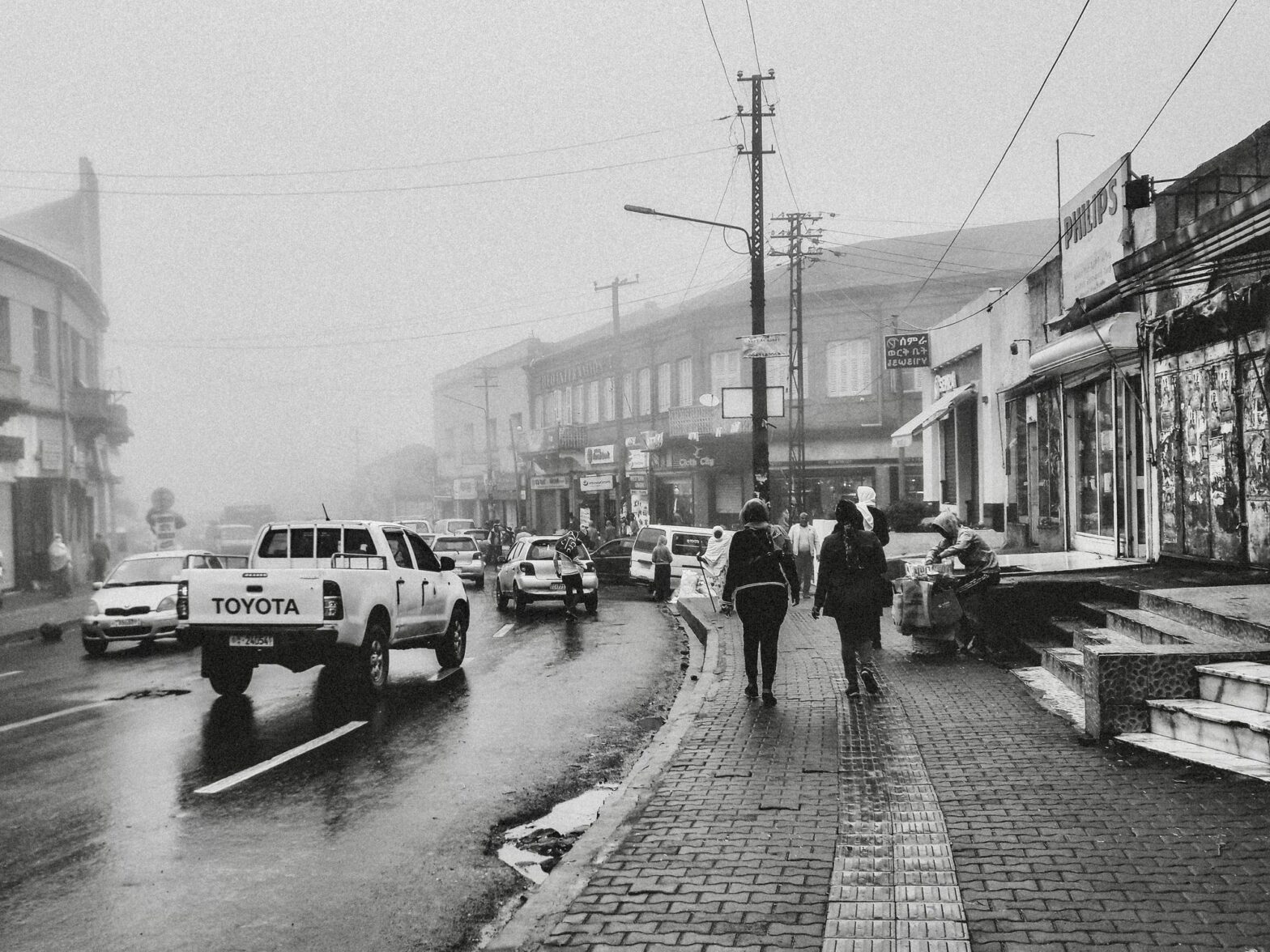
Trump’s “Liberation Day” tariffs may have sparked a new era of wealth for America’s economy, but at what cost? As trade wars escalate, vulnerable countries will bear the brunt of economic turmoil.
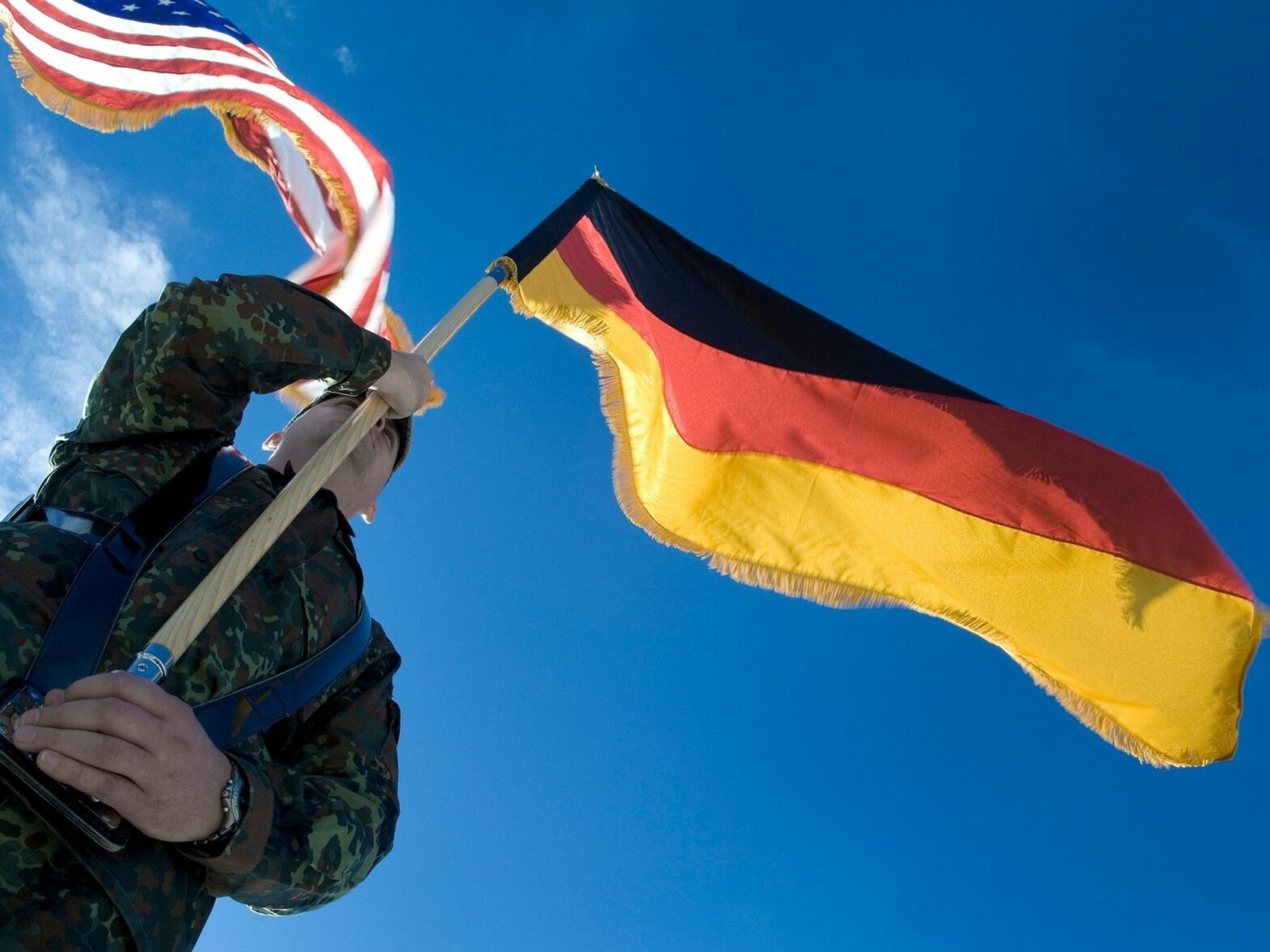
After decades of admiration, trust, and borrowed identity, Germans are waking up from their long love affair with the United States, and reckoning with what’s left.
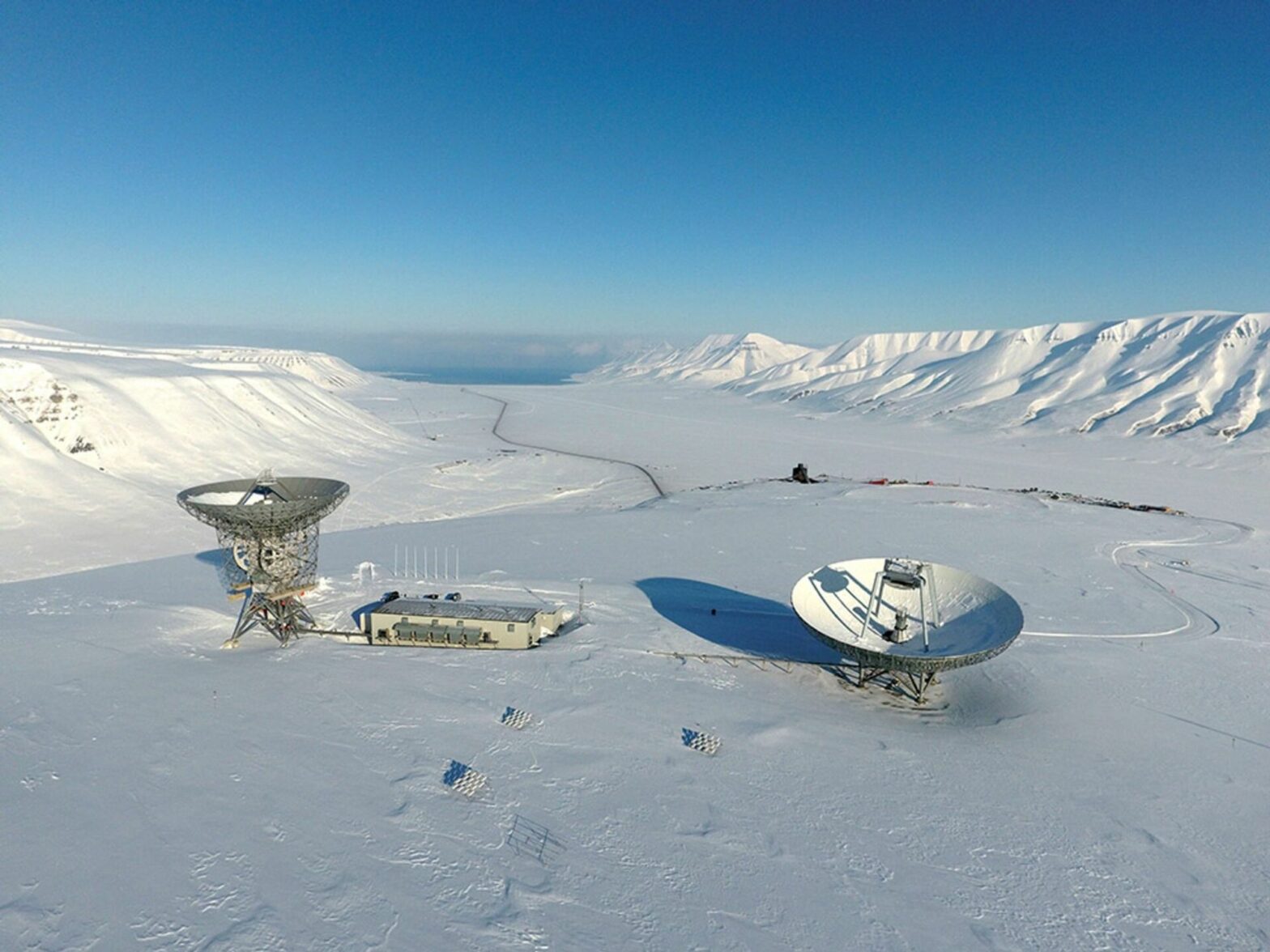
The country supports some of the world’s most important satellites. But experts worry about its proximity to Russia.
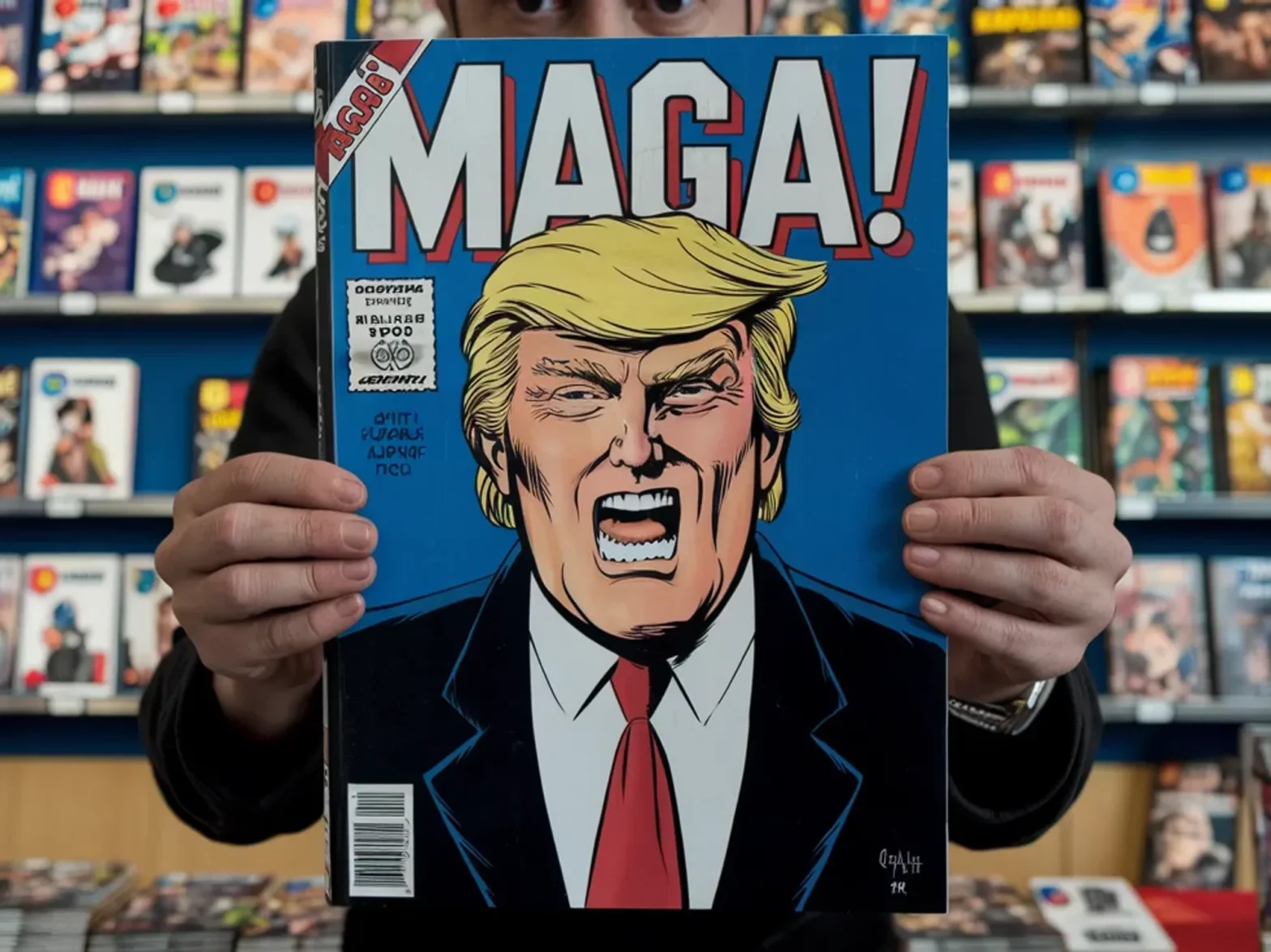
The U.S. president has unveiled a new round of tariffs against his trading partners. But Europeans have leverage against this policy, French essayist Édouard Tétreau writes.
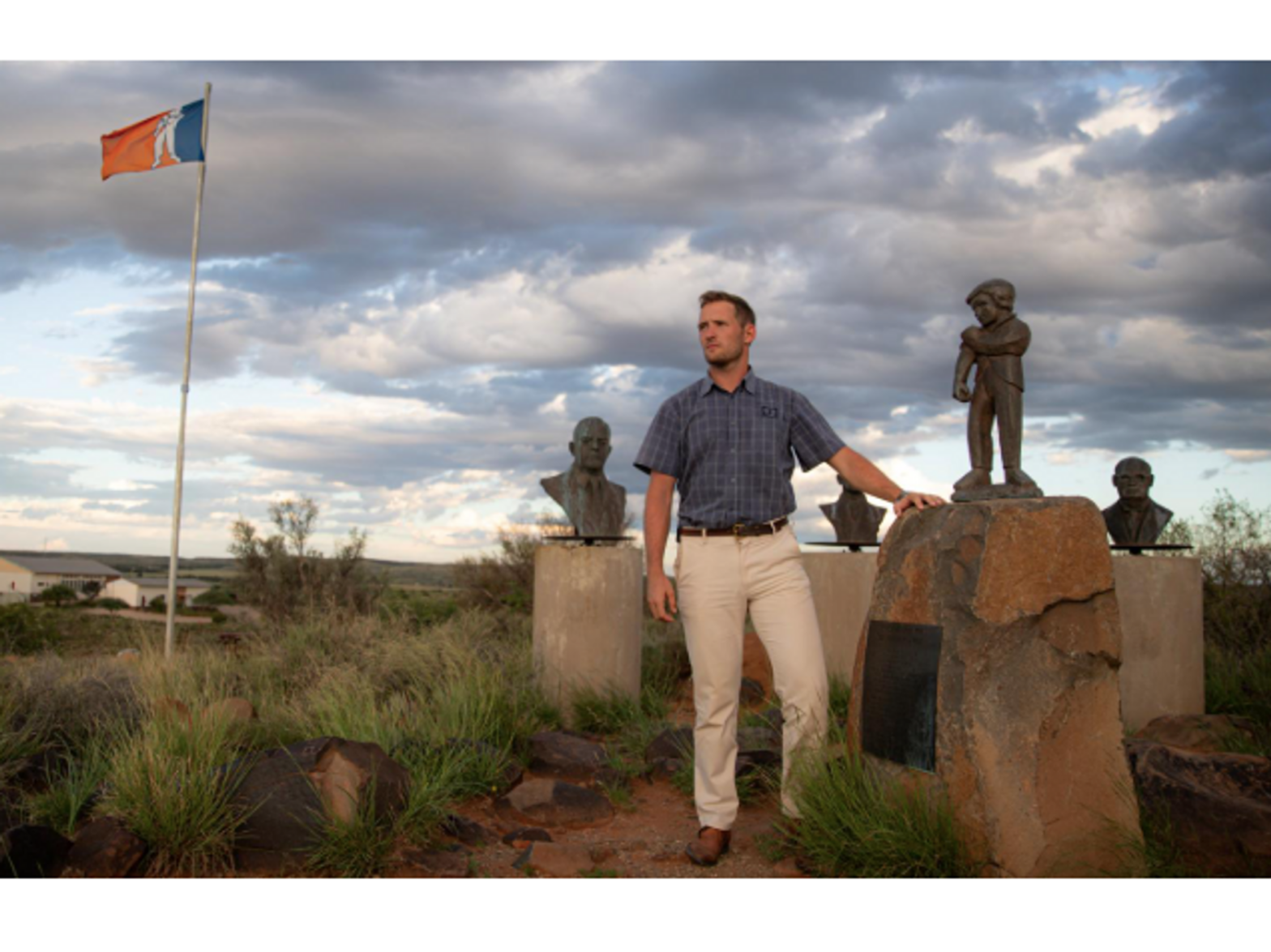
Donald Trump calls the white Boer minority in South Africa “disadvantaged” and offers them asylum in the U.S. But they want no part of it, as quickly becomes clear on a visit to Orania, the most controversial white settlement in the country.
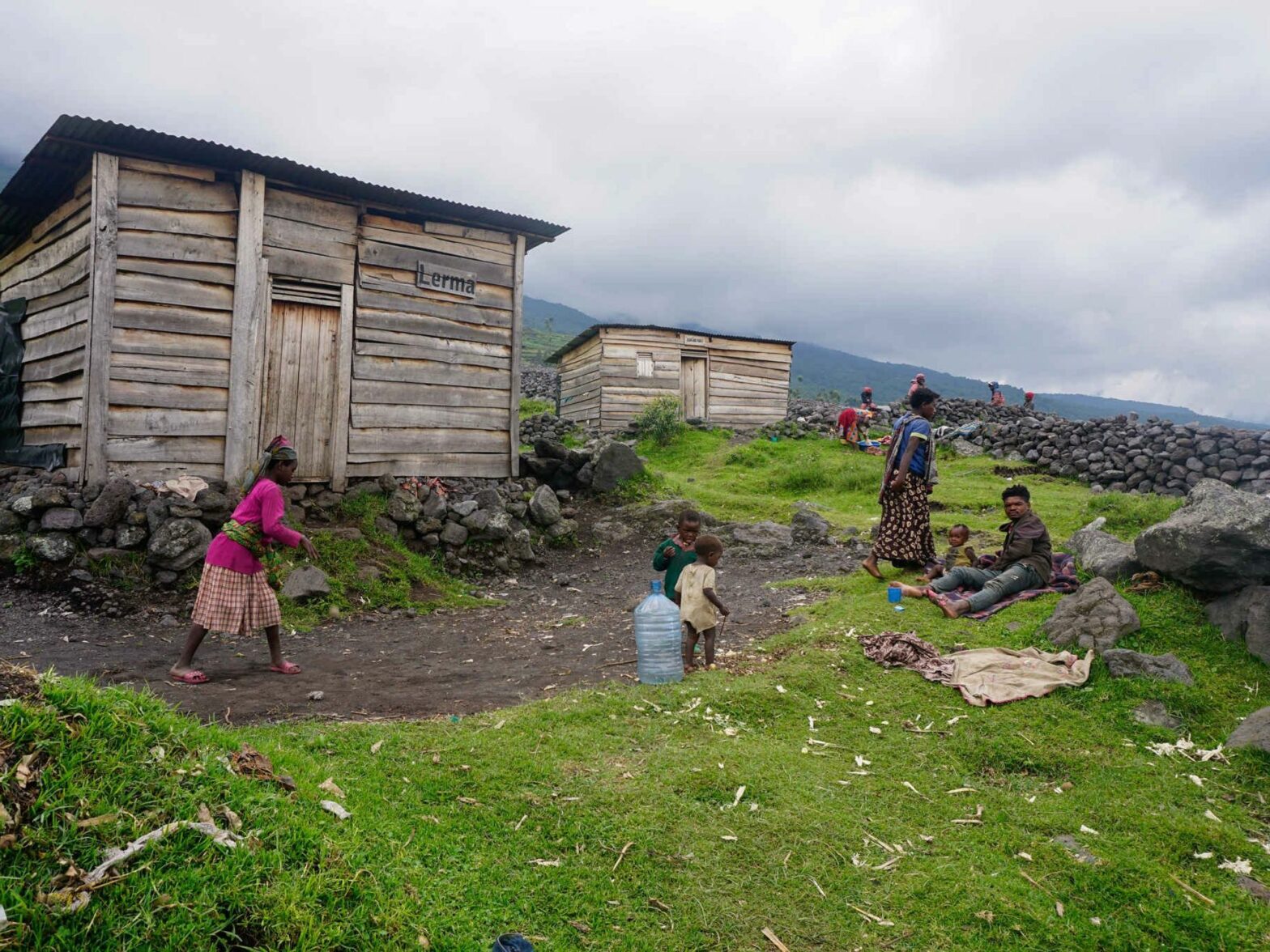
Elon Musk, an unelected US official leading budget cuts, claims funding to contain Uganda’s Ebola outbreak “accidentally” ended temporarily. Ugandan officials say the US still offers support, but health workers argue that US help is gone.
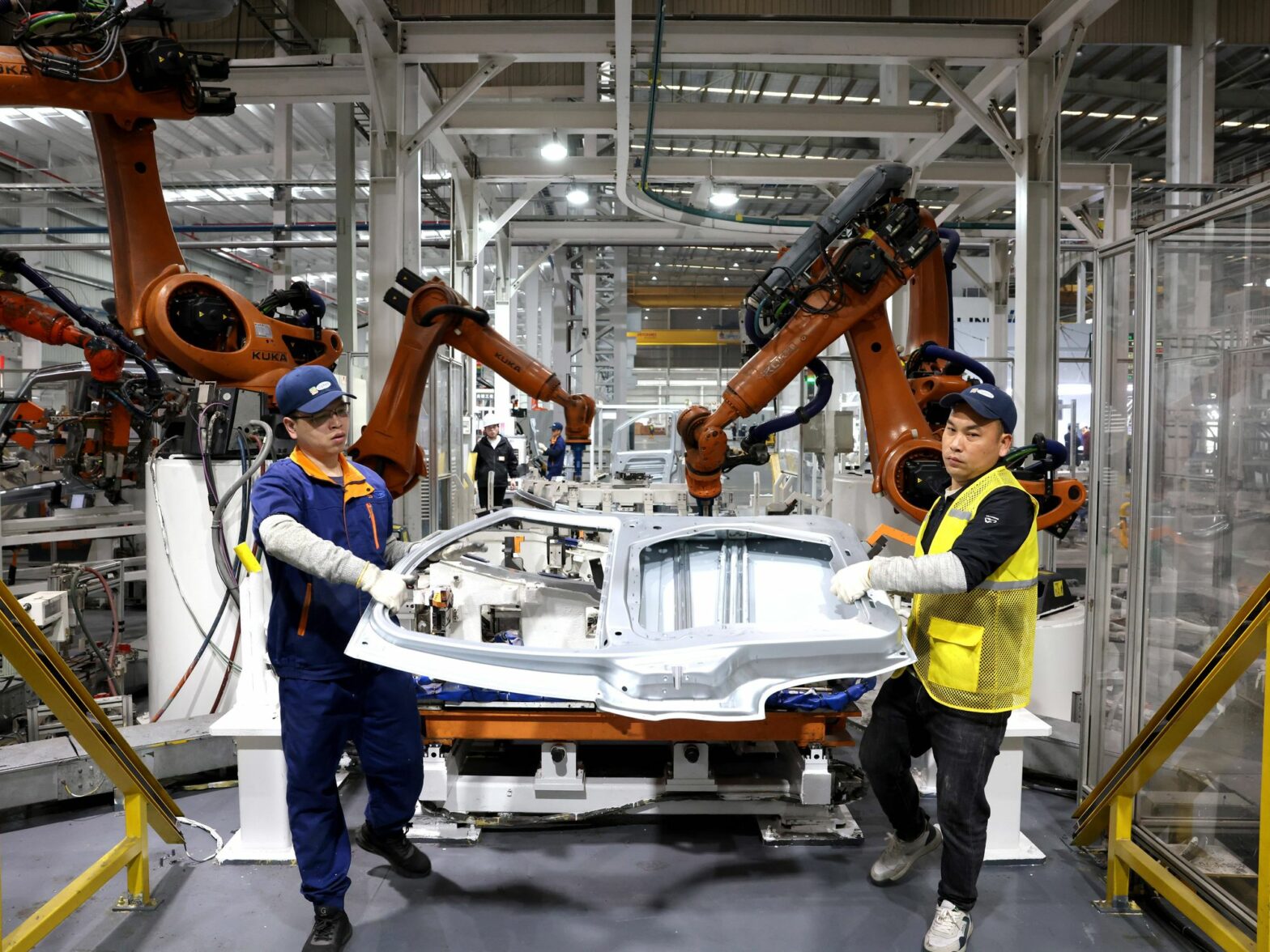
Trump’s tariffs are putting China’s shaky growth at serious risk. The standoff threatens to escalate across the globe, and the worst-case scenario would find the world’s two superpowers turning to other means.
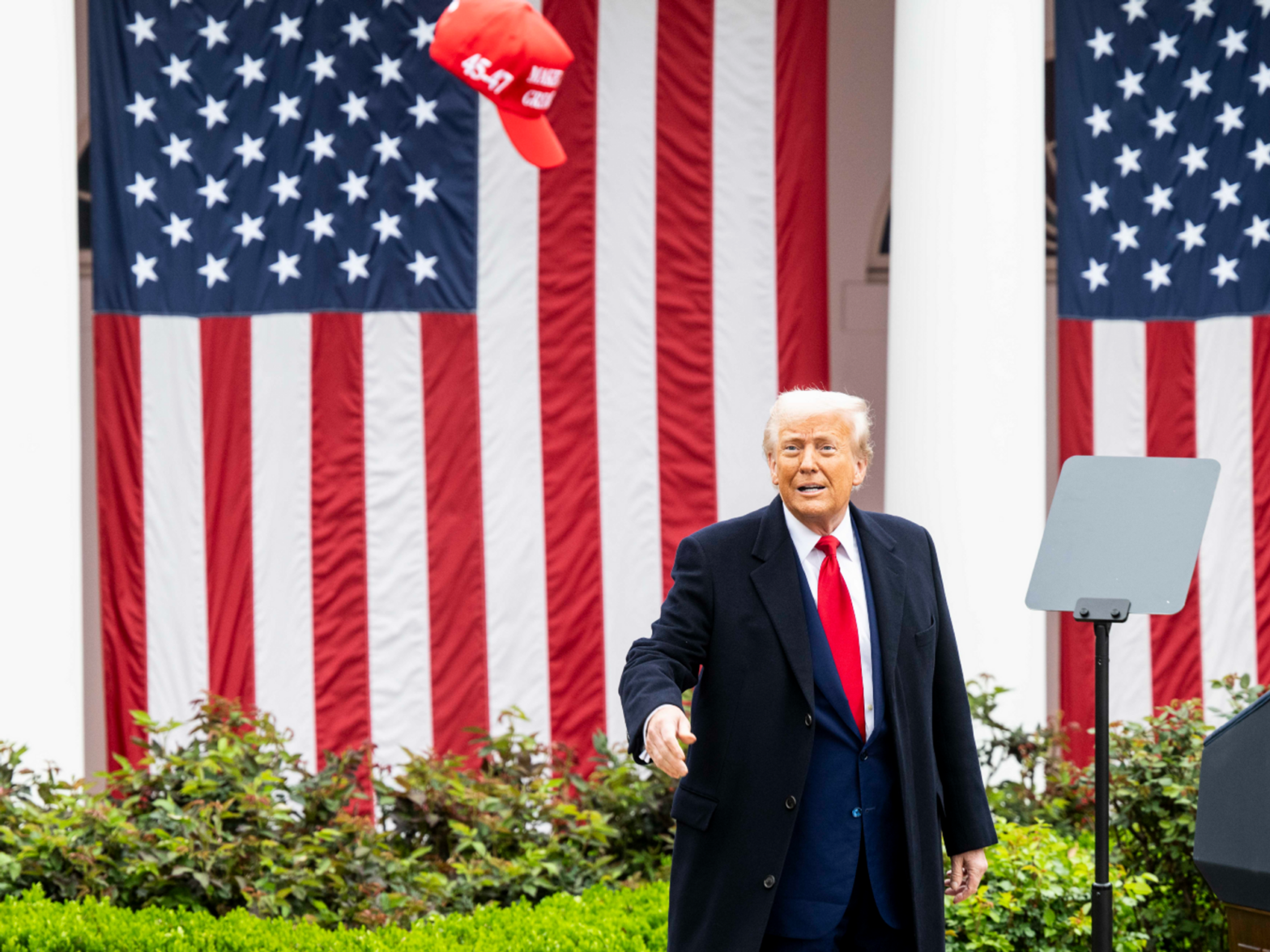
Donald Trump has cultivated his image as a “disruptor,” a term coined by tech startups. But by launching a global trade war, the U.S. president risks achieving the opposite of what he intends. What’s the opposite of “great again?”
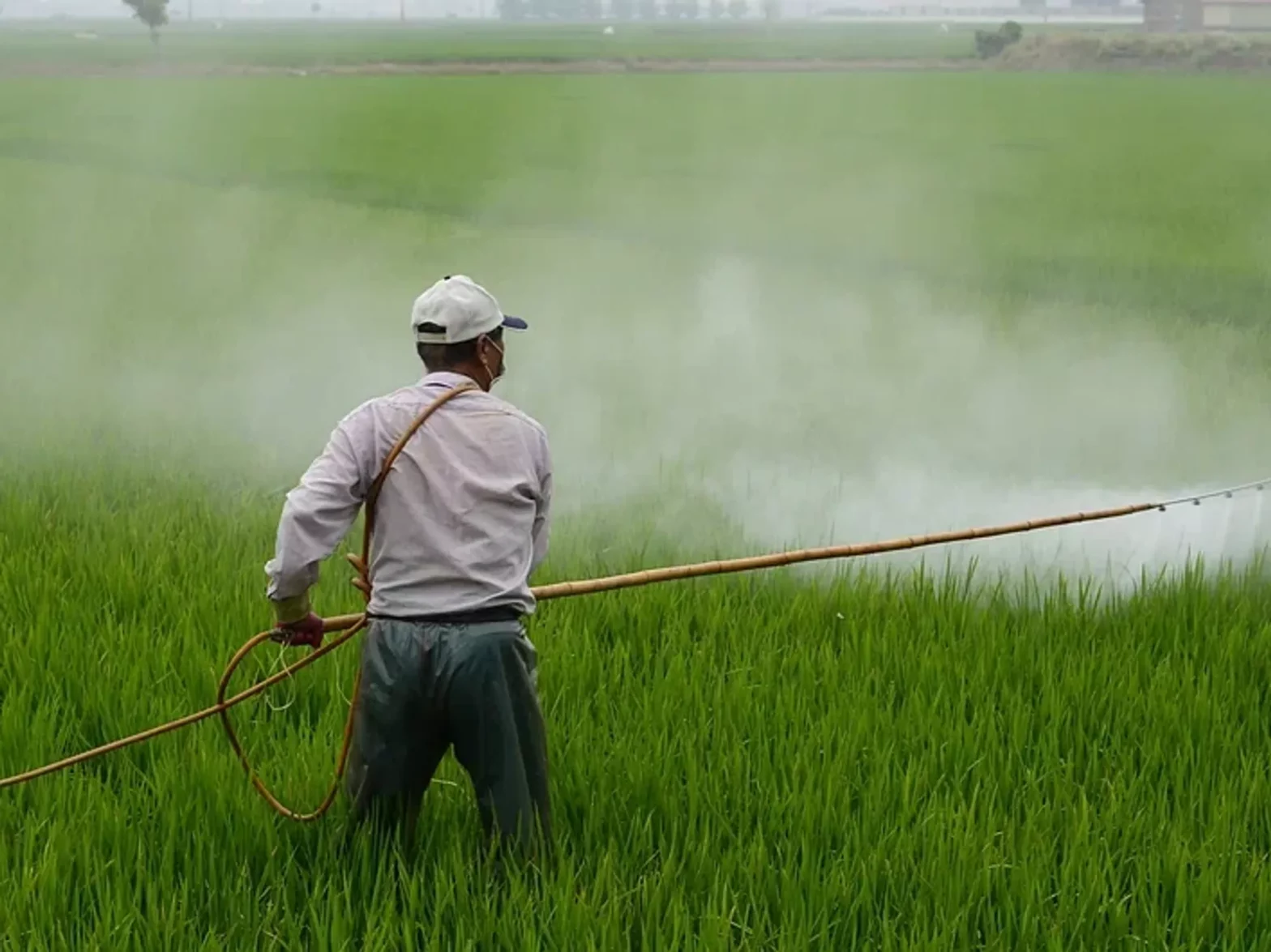
Herbicides pose environmental and human health risks but are also an essential tool for controlling invasive plants.
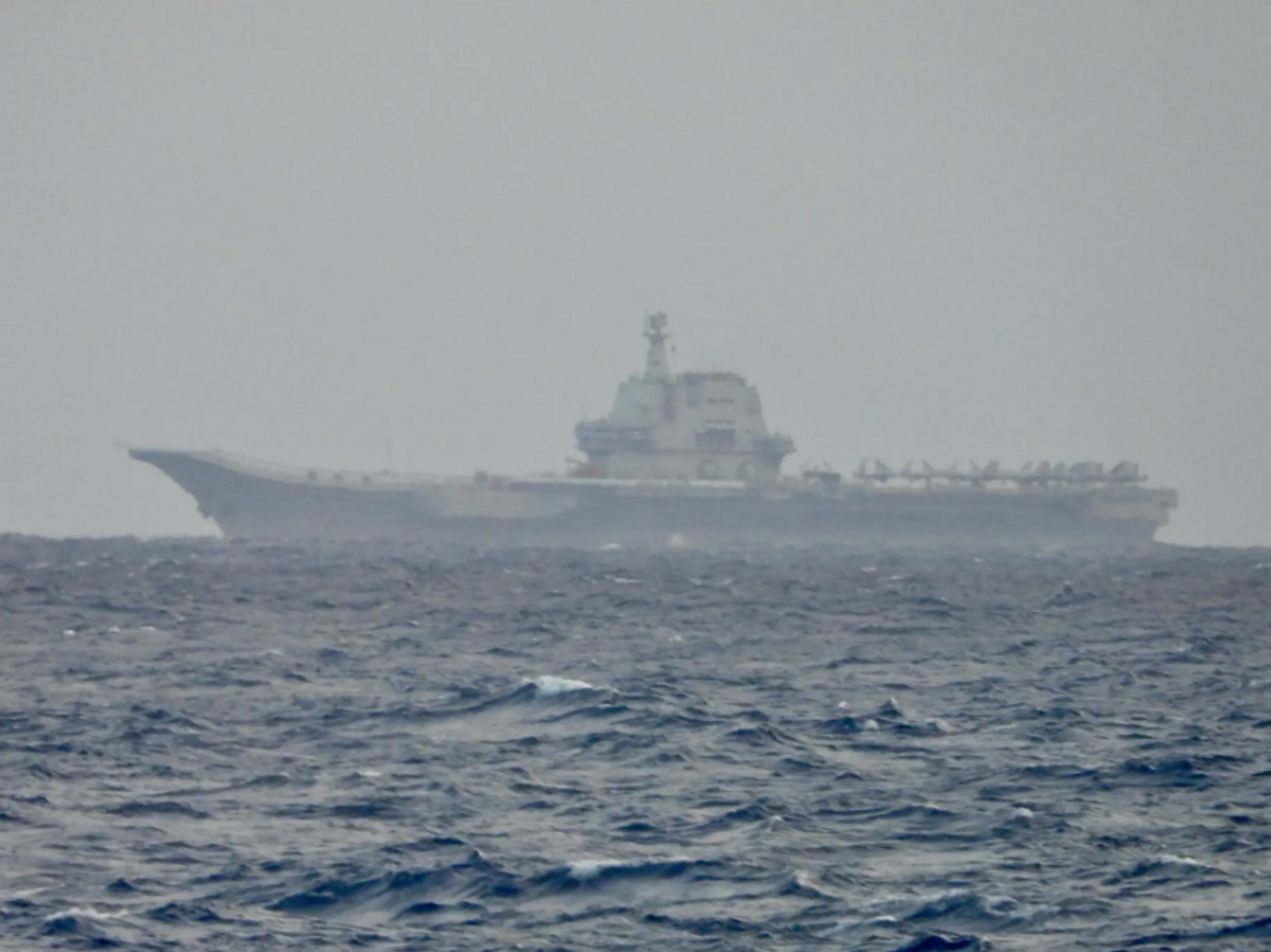
China has conducted military exercises around Taiwan, simulating a blockade of the island that Beijing seeks to take over — a test of the Trump administration’s resolve to defend the self-governing territory. So far, the U.S. president has kept his cards close to the chest in East Asia.
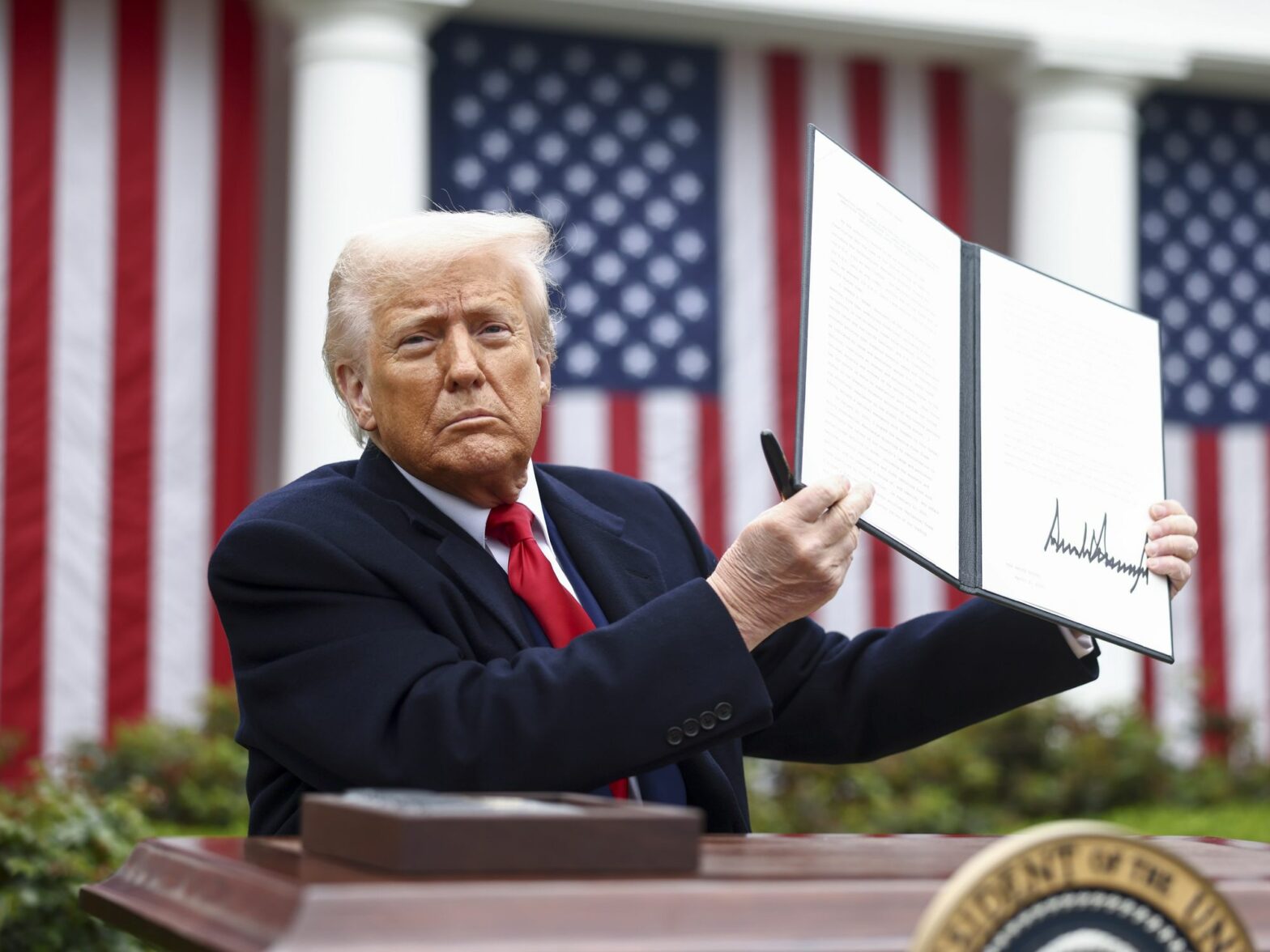
American protectionism has returned, with tariffs that vary by country, but are permanent. There will be exceptions and specific negotiations but, in Trump’s intentions, they become one of the foundations of the American economy. The world must respond with this reality in mind.
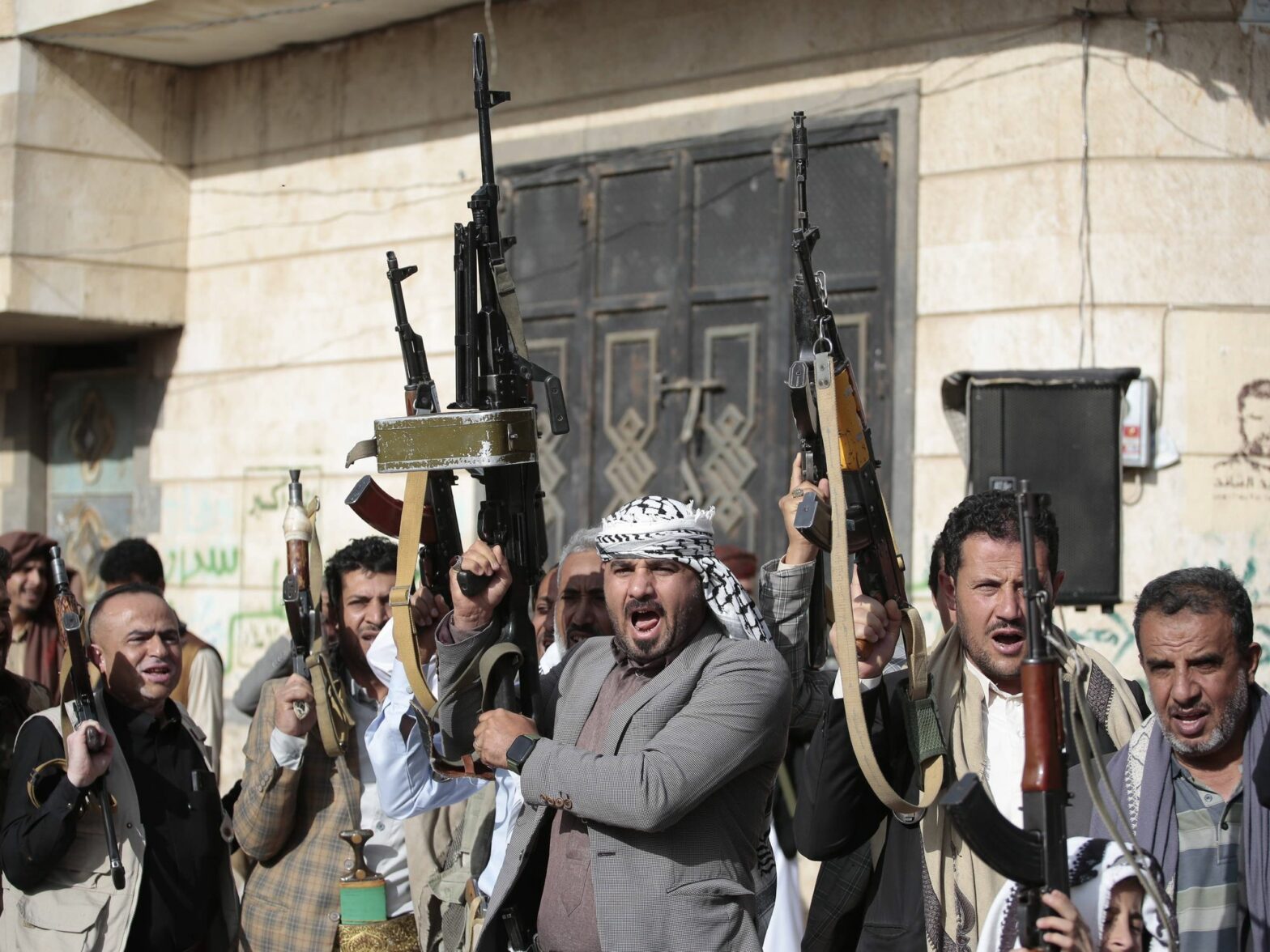
The United States has “quietly” kept bombing Yemen, more than 50 times in two weeks. But what if Donald Trump’s real target is Iran?
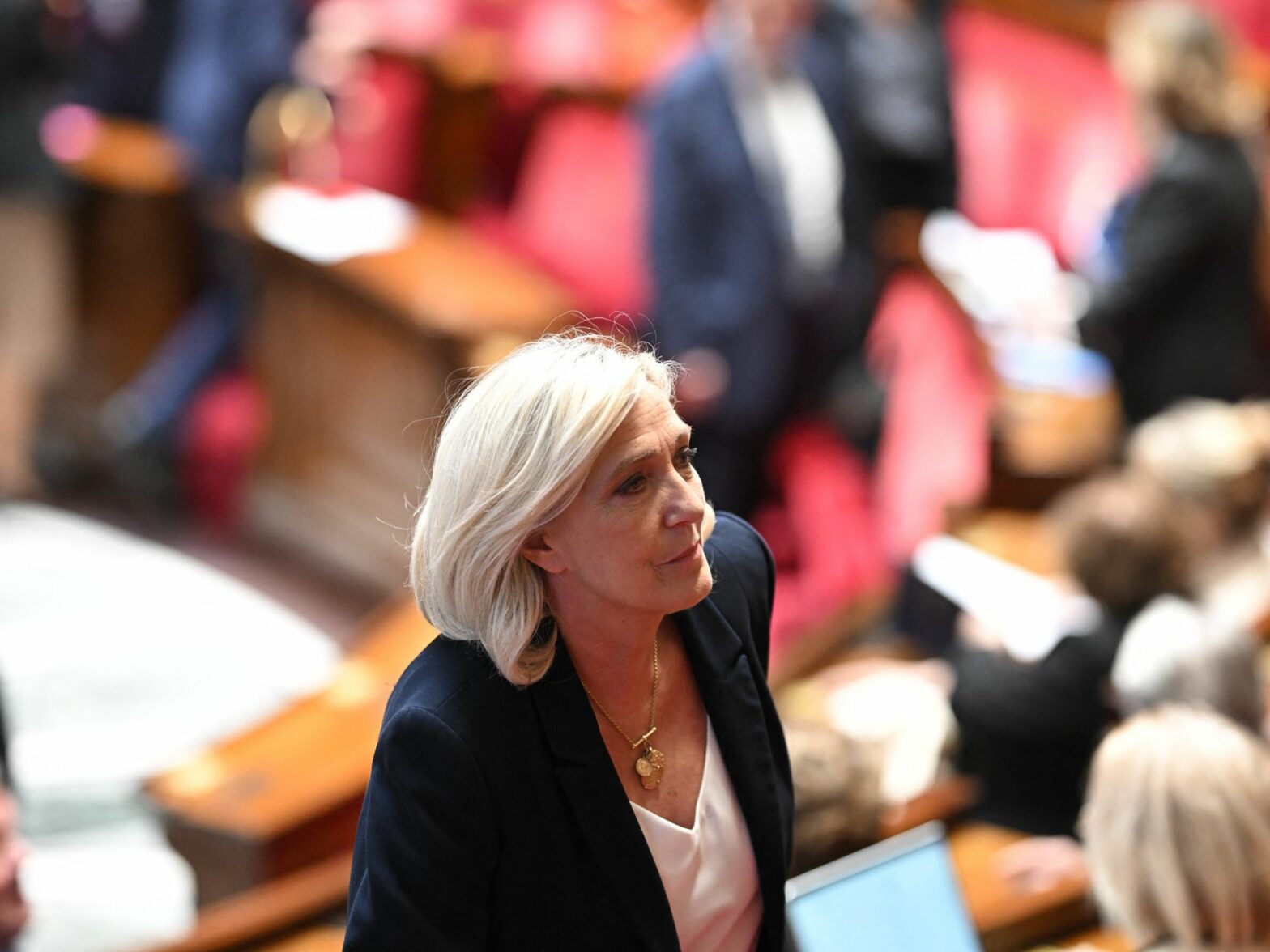
The apparent exclusion of Marine Le Pen, leader of the Rassemblement National, from the 2027 French presidential race is a deliberate choice, not a legal necessity, explains prominent French attorney Hervé Lehman.
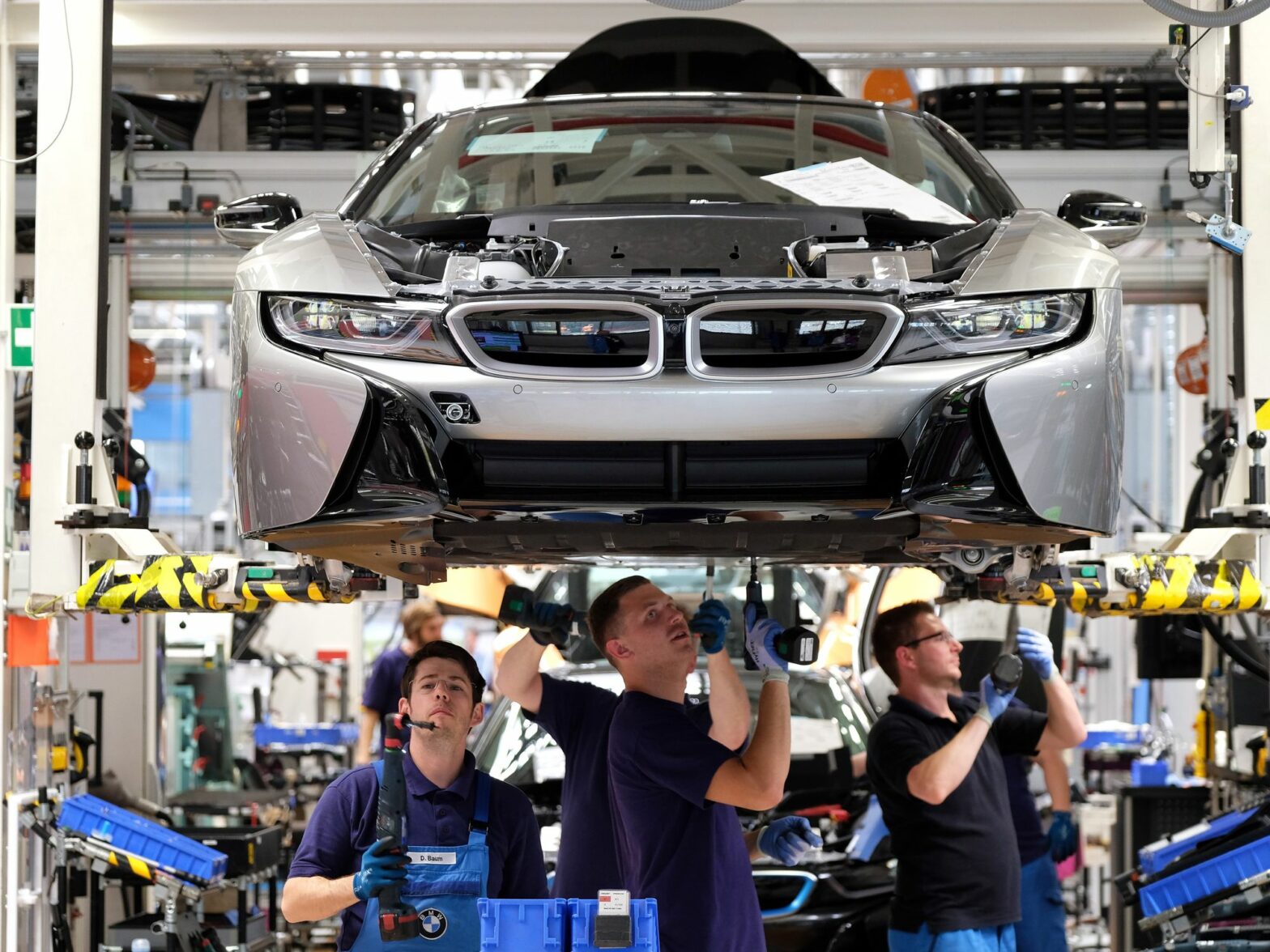
The EU should resist the temptation to retaliate against U.S tariffs on European cars. If we look closer at the recent past and the uncertain future, Trump’s bad intentions produce some good.

Why is the U.S. suddenly hostile towards the EU? It’s a question of models and ideology, but also a wake-up call for Europeans for what’s at stake.
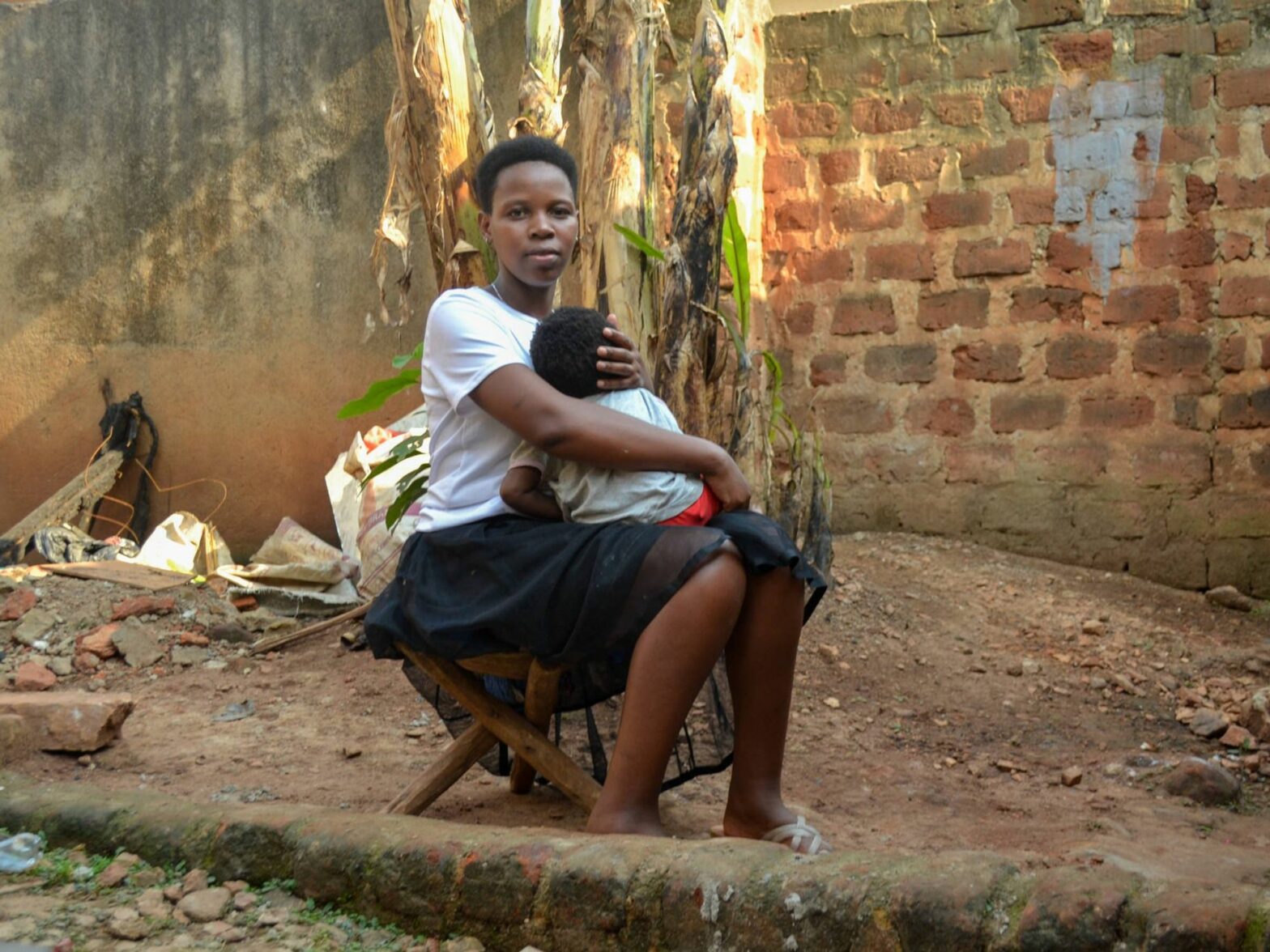
Rife with understaffed hospitals, corrupt licensing and people who claim to be doctors, the health system struggles to protect patients from deadly medical fraud.
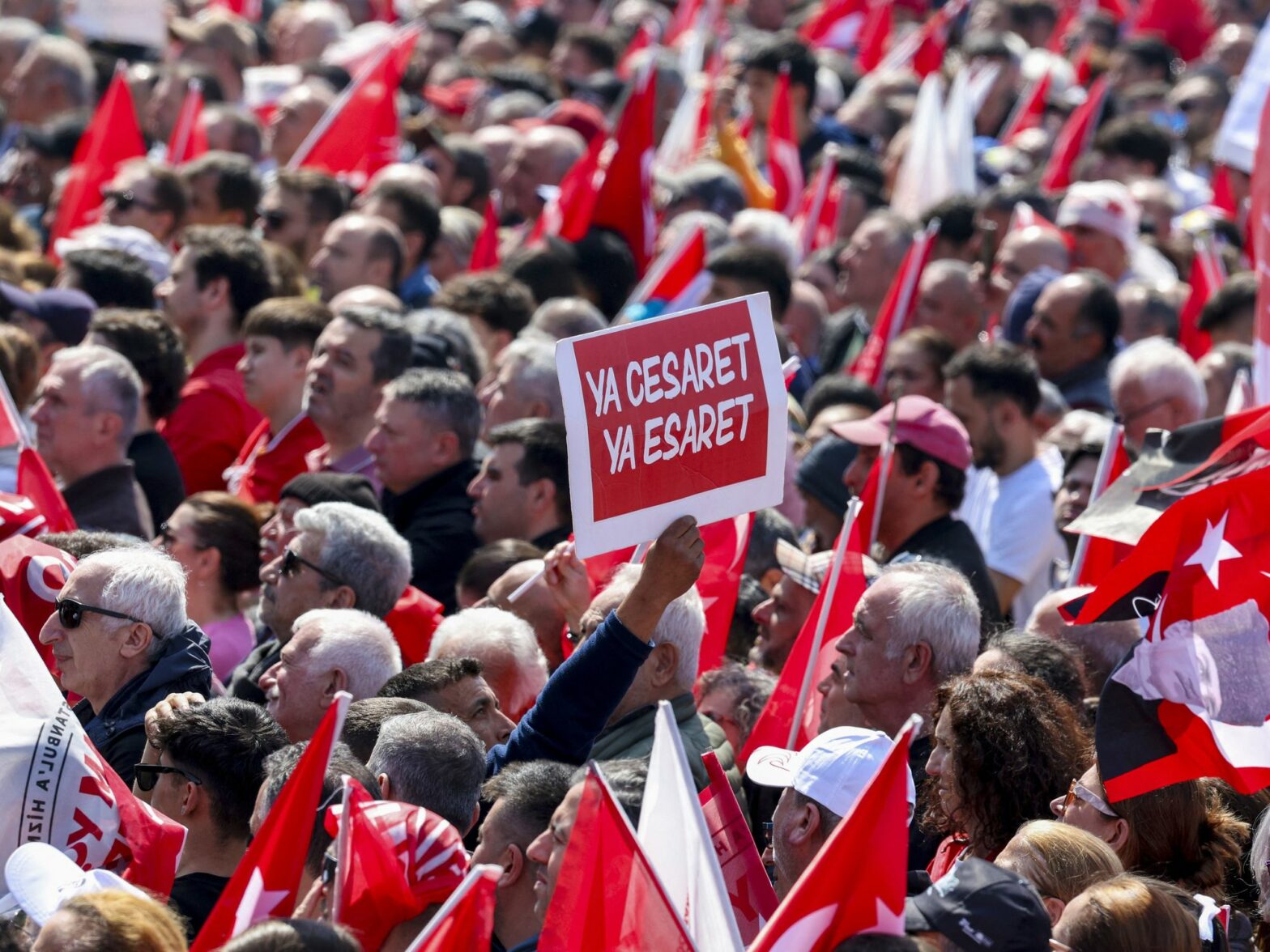
Massive crowds are not letting up in Turkey, in a standoff amid a climate of growing authoritarianism, fueled by Donald Trump’s victory.

Fertility clinics should provide easy access to mental health support for those undergoing IVF treatments. Some of them do, many do not.
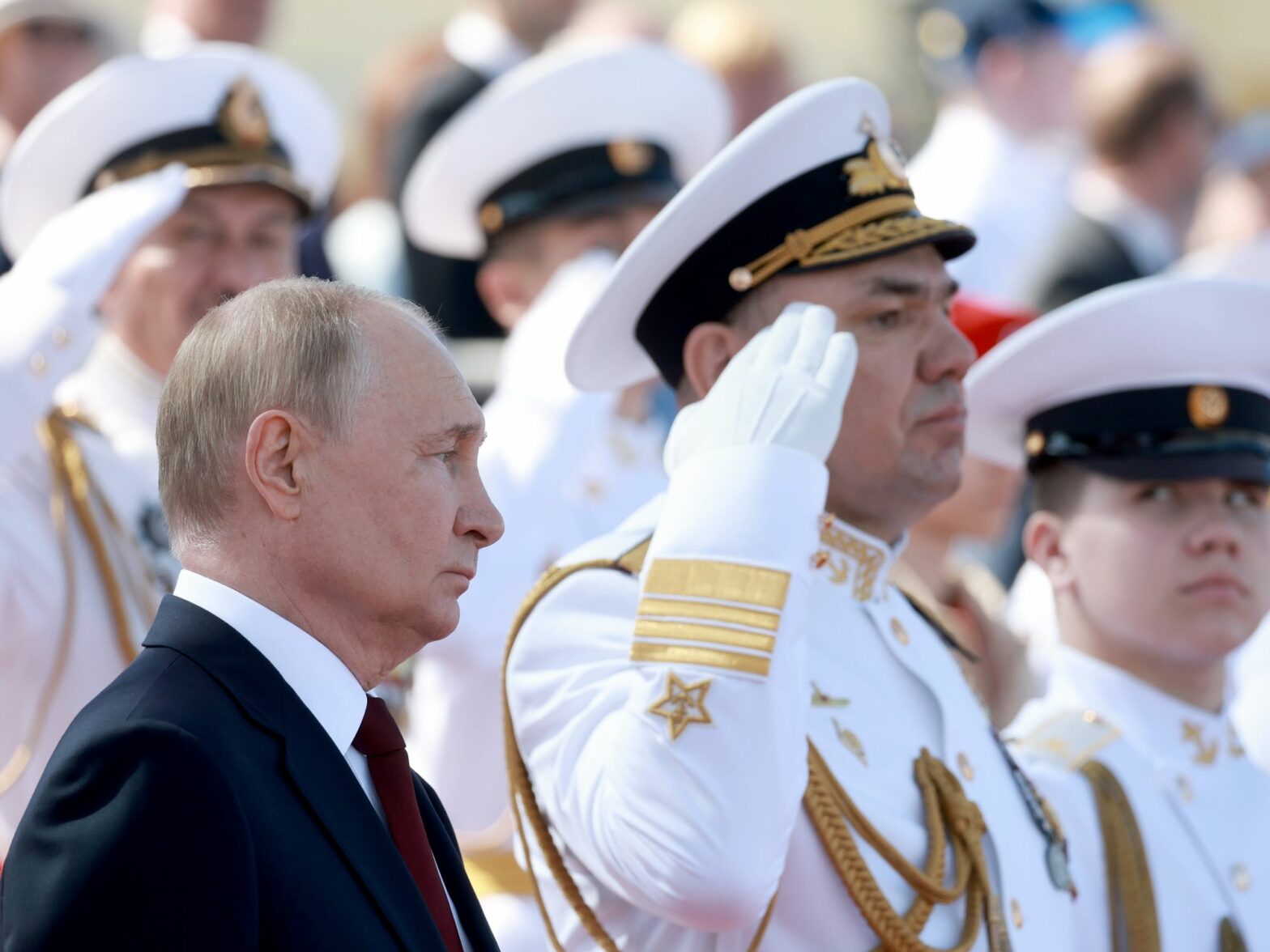
The Russian president has no problem talking about negotiations and peace treaties. But he’s a master decoy artist. Putin has built his power on conflict, and now he needs war to hold on to it.
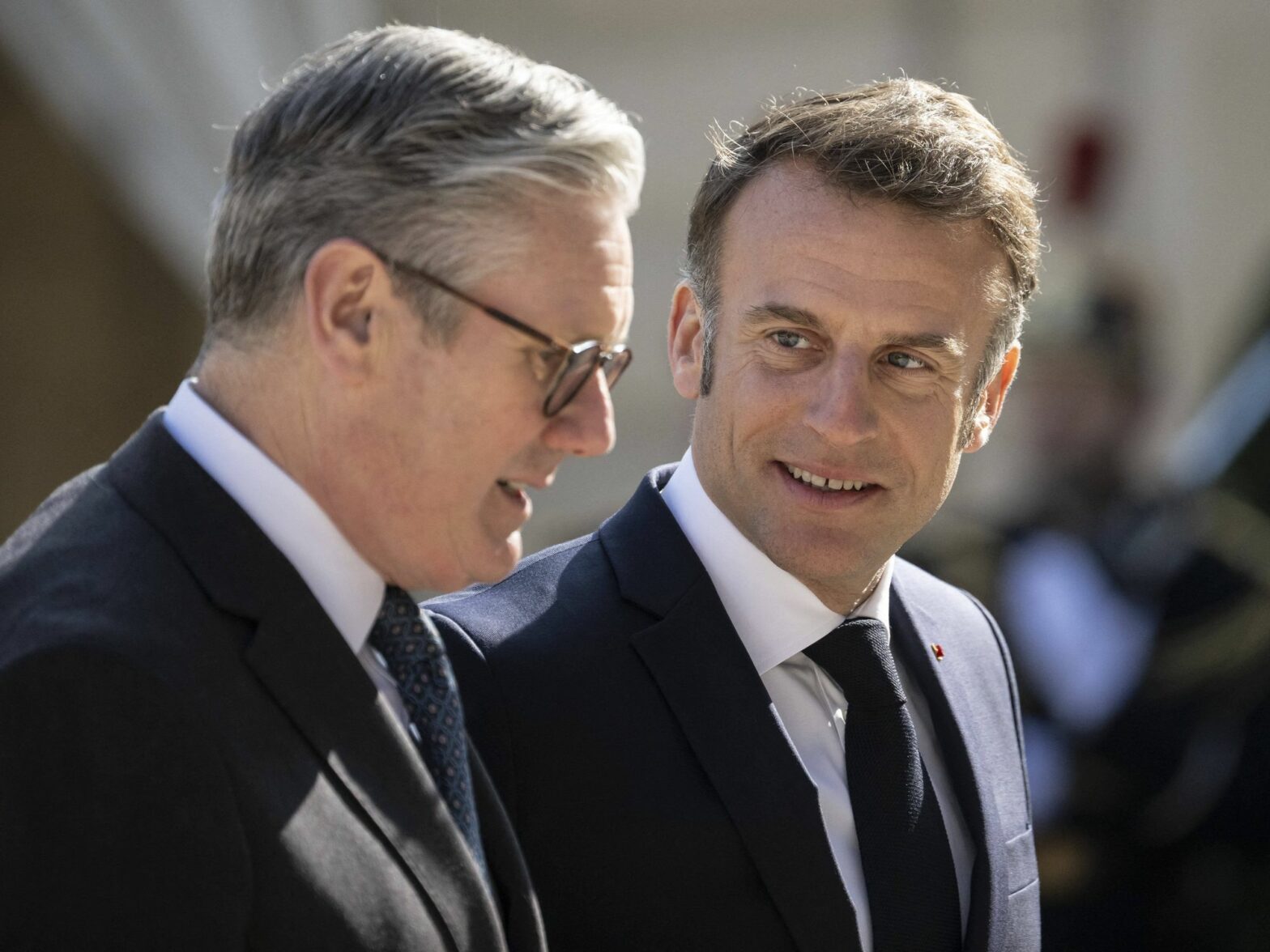
Thirty-one countries gathered in Paris — without the United States — to coordinate their support for Ukraine during this critical time. This unprecedented “soft NATO” initiative comes as Washington turns its back on its allies. And two main leaders emerge.

The car industry is in shock, with the announcement from Washington of 25% tariffs on auto imports to the United States. Here’s what every car owner and business needs to know about how this crucial industry will be affected around the world.
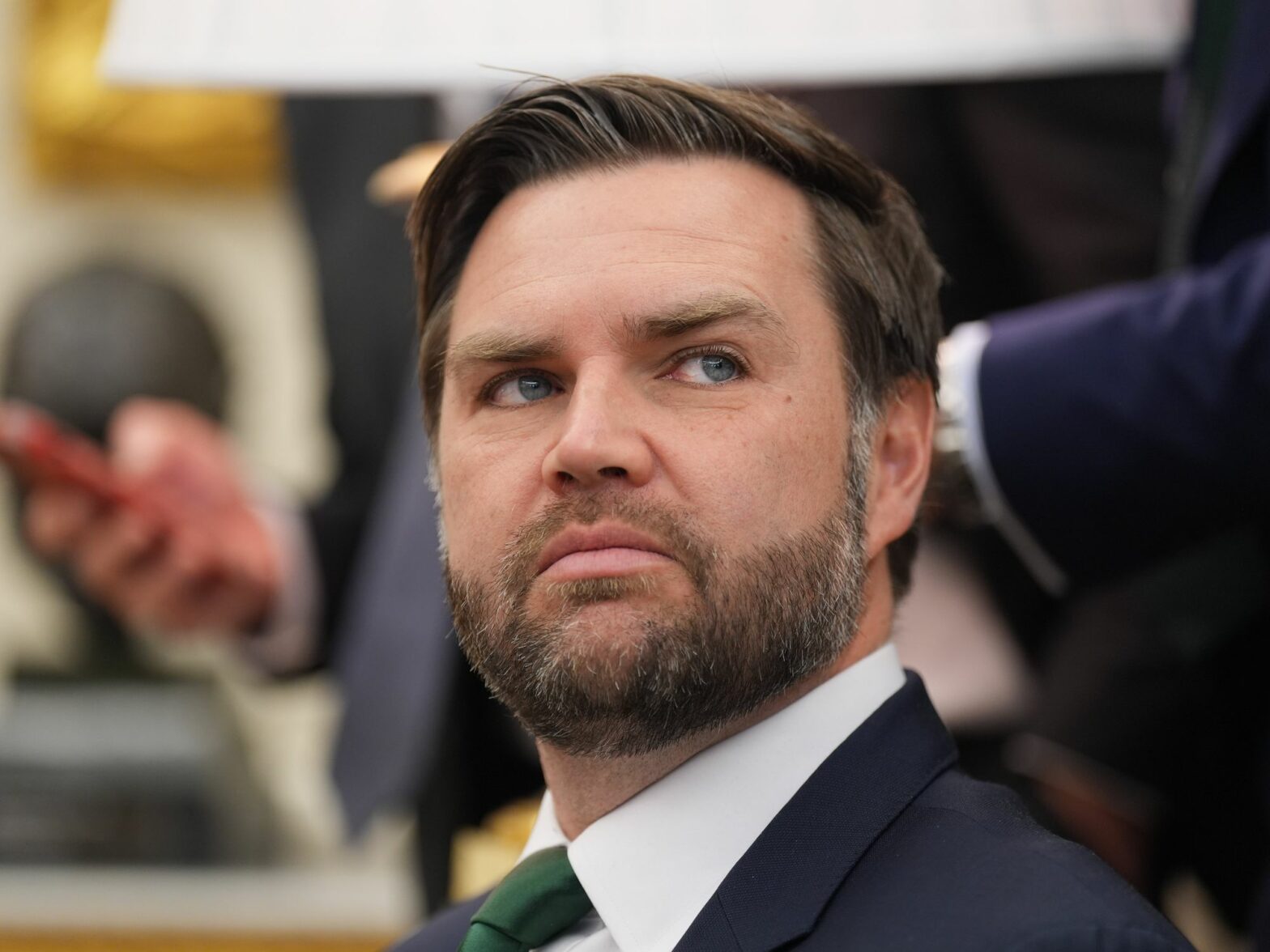
JD Vance finds himself in an unusually prominent role for a U.S. vice president, as evidenced by the leaked Signal messages that have sparked a scandal in Washington and his upcoming trip to Greenland, where he will carry Donald Trump’s “imperial” message. What exactly is going on in Vance’s mind?
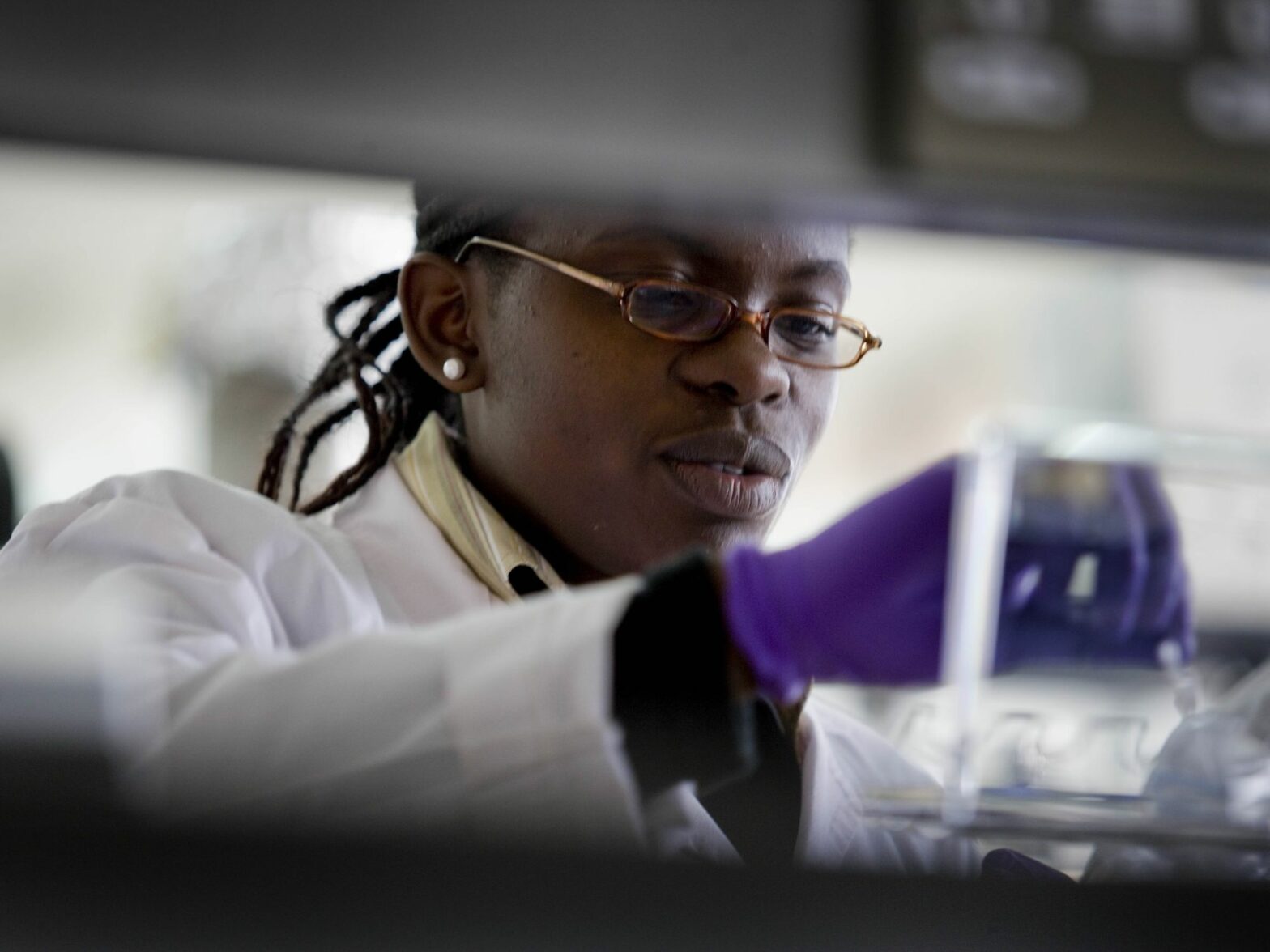
Organizations that advocate against DEI programs in education are suing universities and research facilities that seek diversity in their scholarship and research grant practices. The Supreme Court fired the starting gun.

Would you fight for your country? My generation hears this question a lot these days. But my generation was taught to fight for peace — so why aren’t we holding onto that aim, especially now?
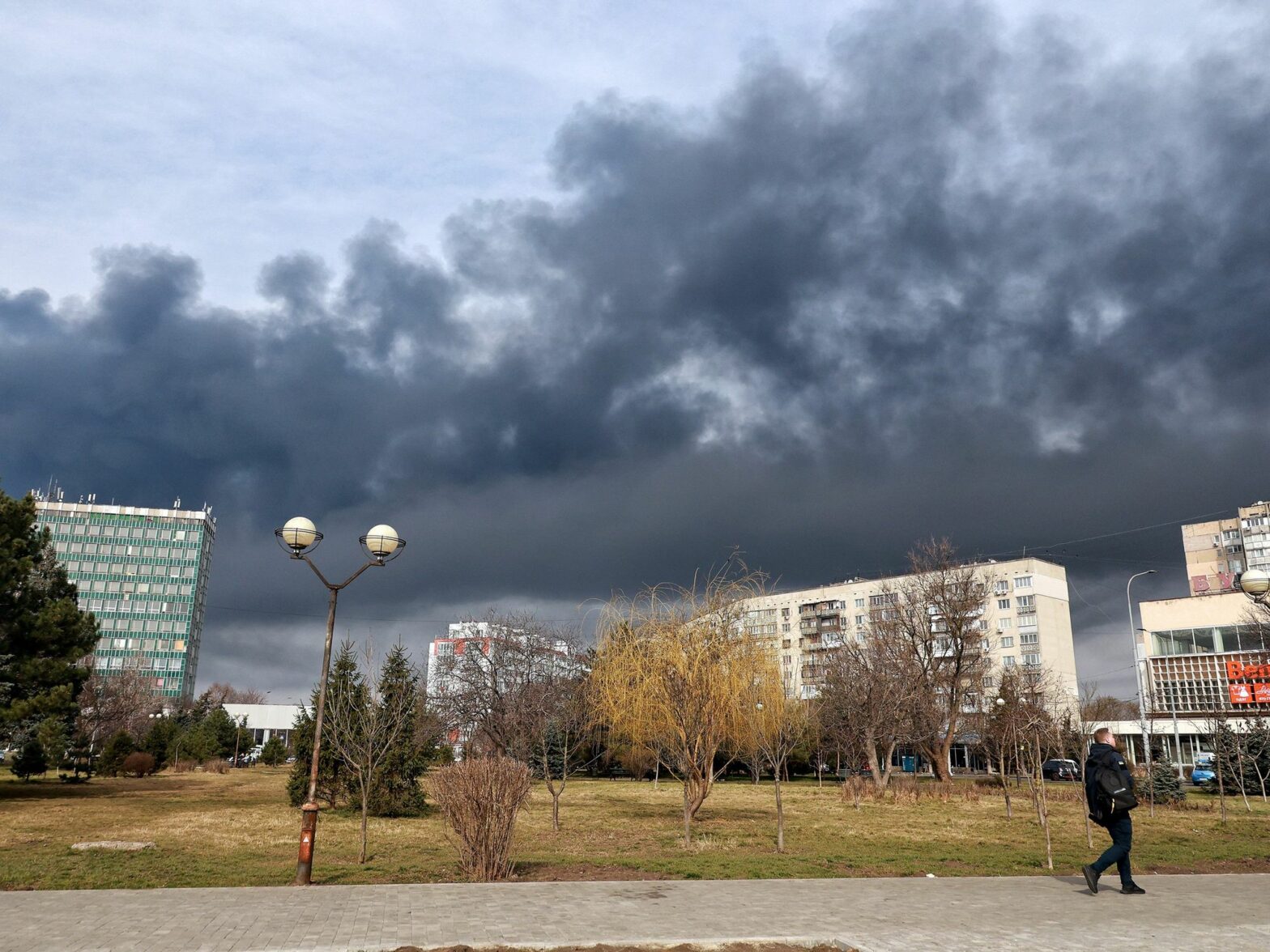
We’re still far from the 30-day ceasefire the Americans had hoped for. Even Tuesday’s announcement of a halt to hostilities in the Black Sea comes with Russian conditions. The negotiations are shaping up to be a long game — one that feels more like a high-stakes bluff than a real path to peace.
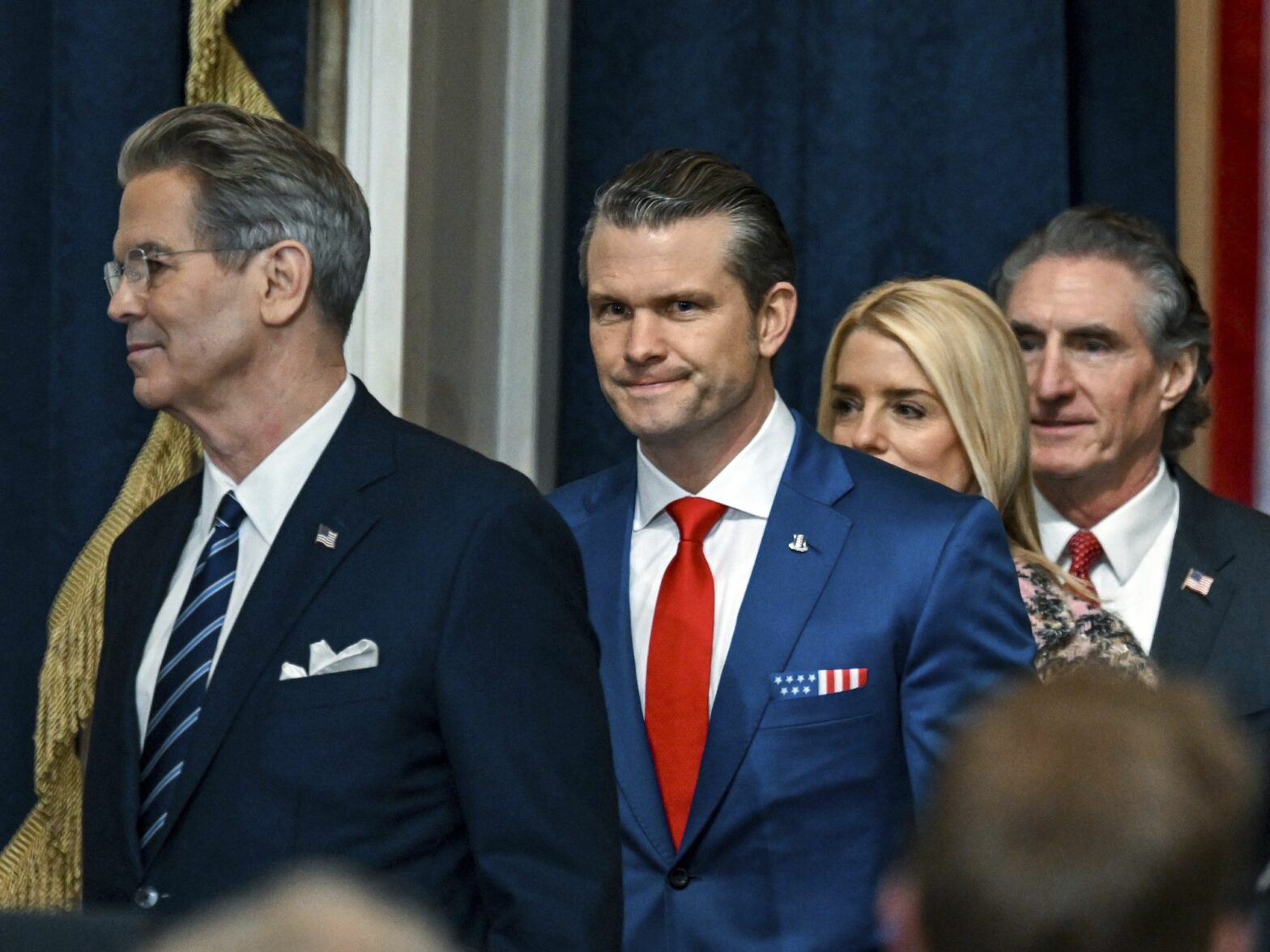
An exchange among U.S. leaders, witnessed online by a journalist, lays bare the level of disdain for Europe — just like Washington’s latest provocation toward Greenland. Europe has yet to come to terms with this de facto rupture in transatlantic relations.
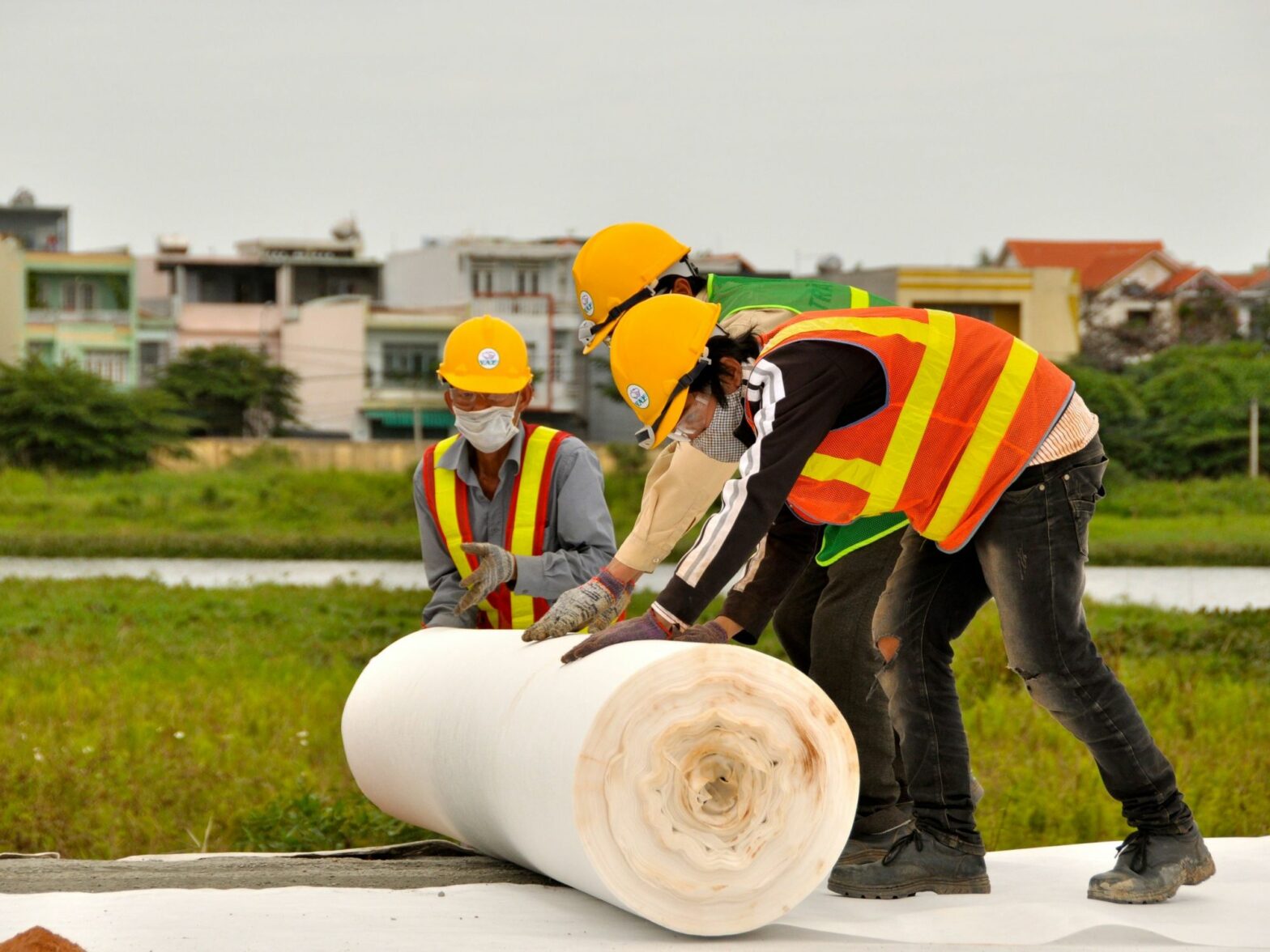
Diplomats in Vietnam warned Washington that halting USAID’s efforts to clean up the massive deposit of postwar pesticides would be a catastrophe for public health and relations with a key strategic partner in Asia.
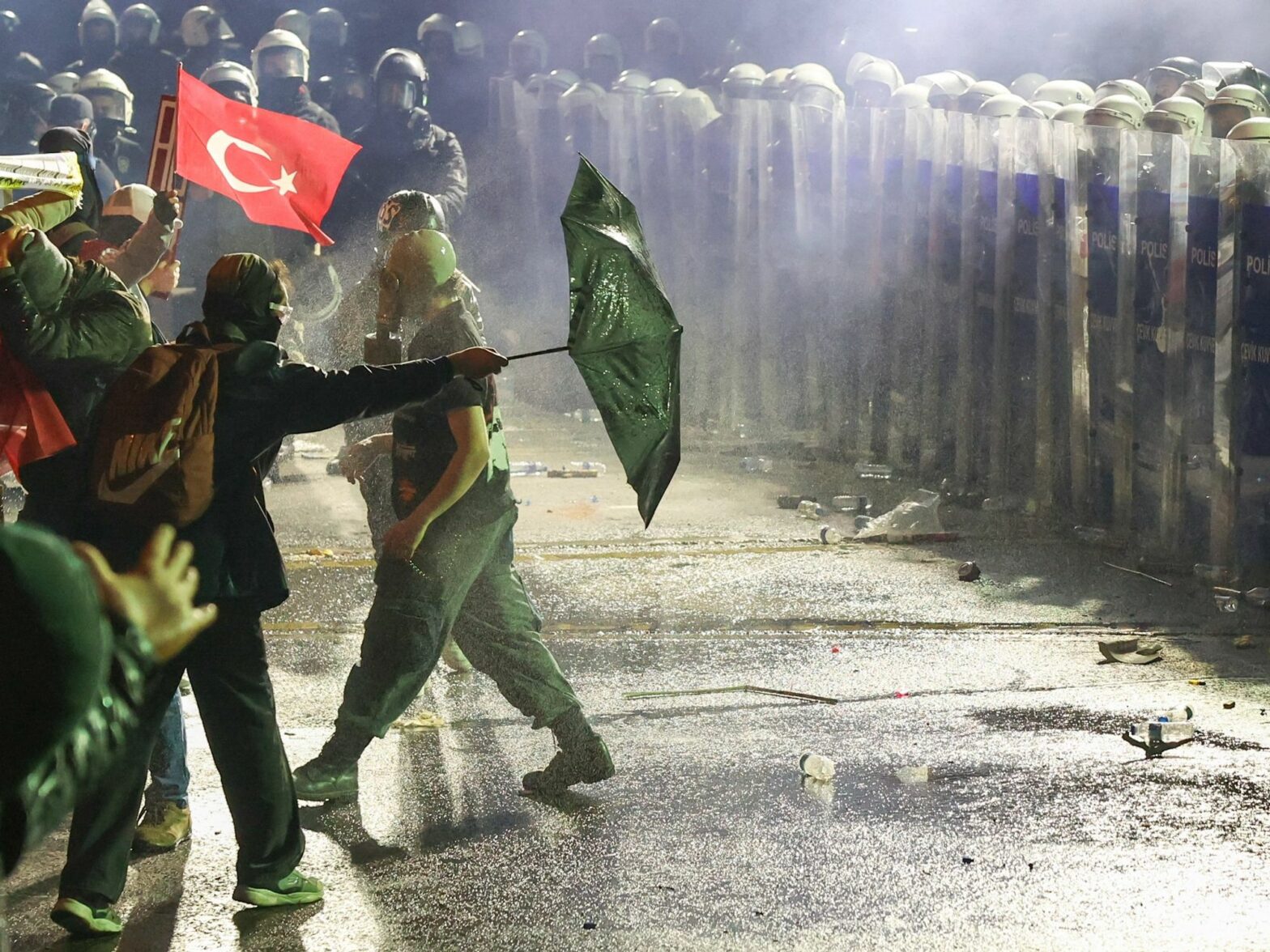
In both Israel and Turkey, the rulers’ shift toward “illiberal” policies has sparked a backlash from parts of society. In both cases, leaders are targeting checks and balances, feeling emboldened by a similar trend unfolding in the United States under Donald Trump.
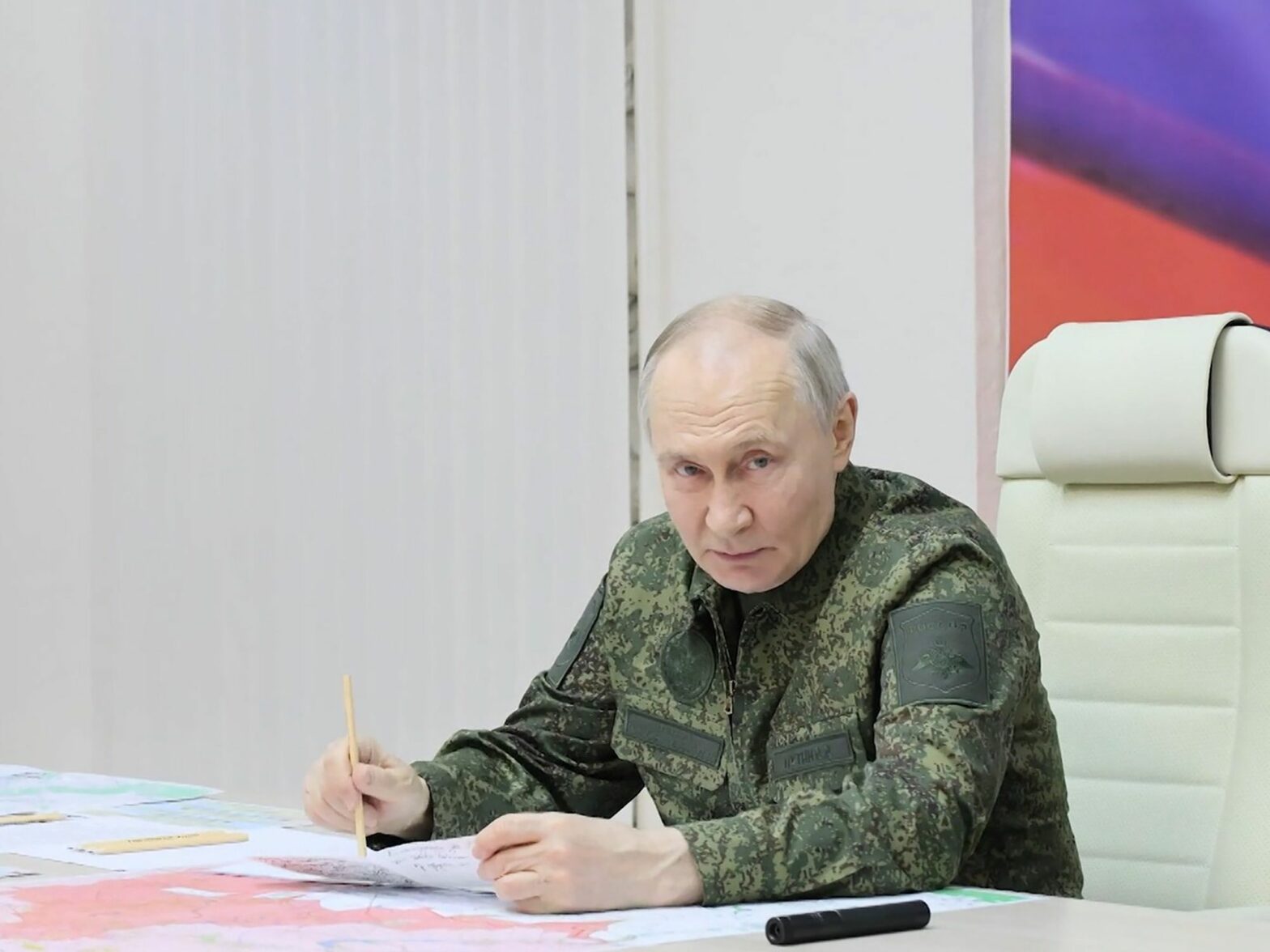
The Russian president has no problem talking about negotiations and peace treaties. But he’s a master decoy artist. Putin has built his power on conflict, and now he needs war to hold on to it.
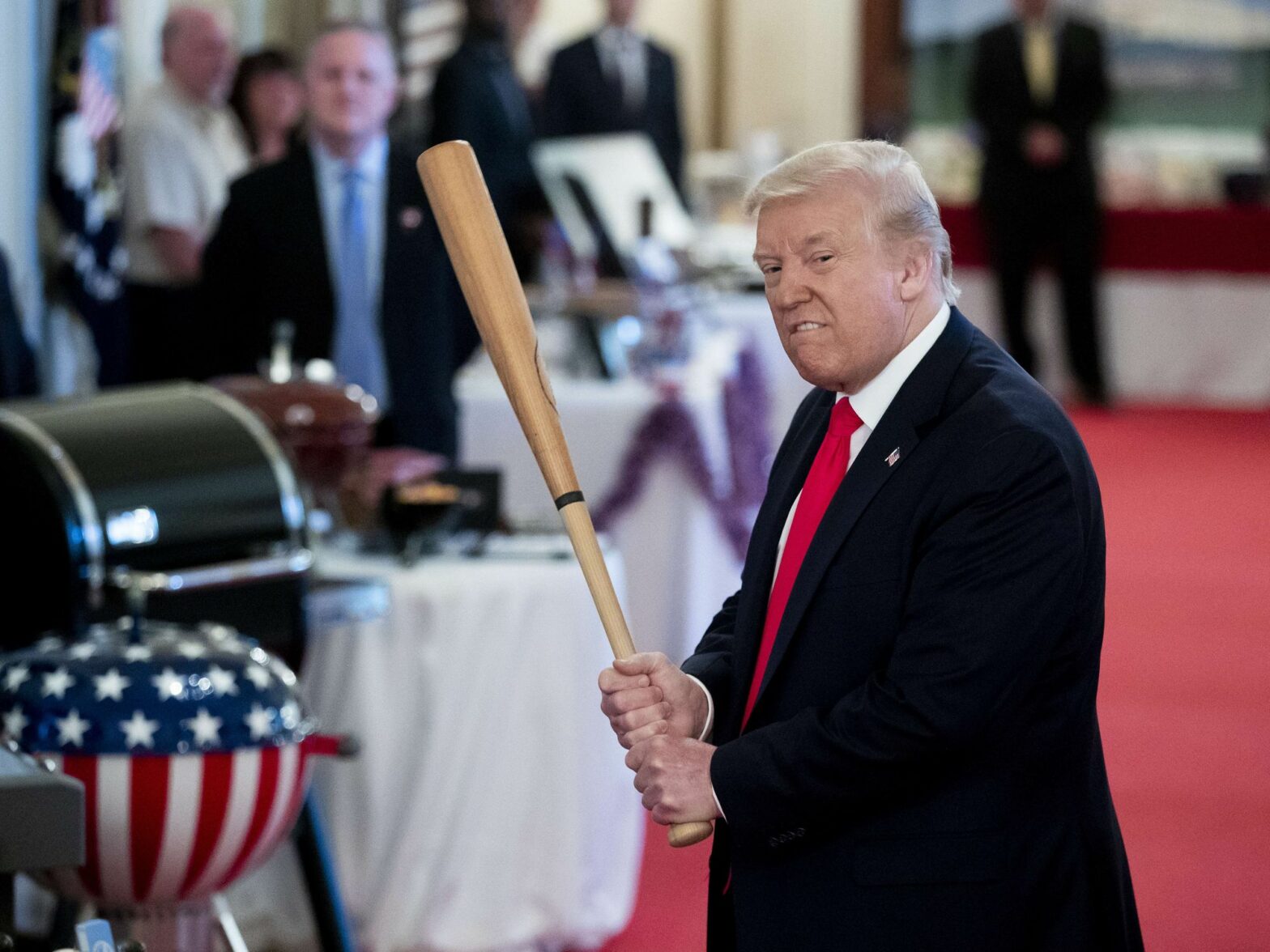
Driven by a relentless pursuit of spectacle, Donald Trump embodies the “destructive character” — a figure who reshapes history through chaos and upheaval. But is destruction itself enough to sustain power, or will it leave behind nothing but rubble? For Die Zeit, historian Susan Richter looks to destroyers of the past for an answer.

This past year, 2024, was the first where zero foreign adoptions from Russia were recorded, as Moscow has moved to clamp down on international placements.