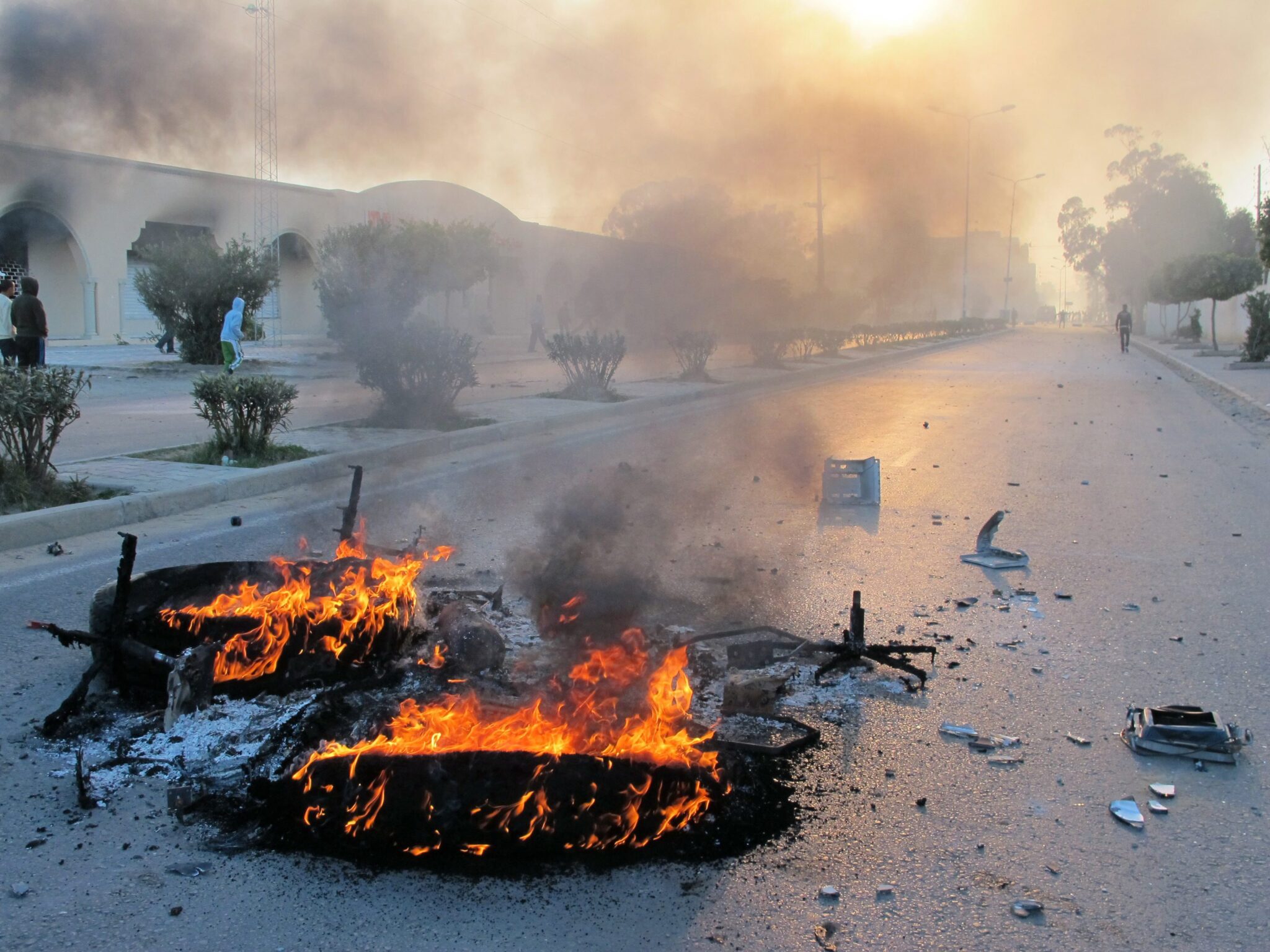
Since January, a wave of self-immolation in Tunisia has brought a phenomenon that’s existed since the revolution back into the spotlight, signaling both social and individual unrest.
 Worldcrunch
Stay updated with comprehensive news on Tunisia from Worldcrunch. Discover insights on Tunisian politics, economic strategies, societal issues, and cultural landmarks with translations from top international sources. Highlights include Tunis, Tunisian history, and cultural events.
Since January, a wave of self-immolation in Tunisia has brought a phenomenon that’s existed since the revolution back into the spotlight, signaling both social and individual unrest.
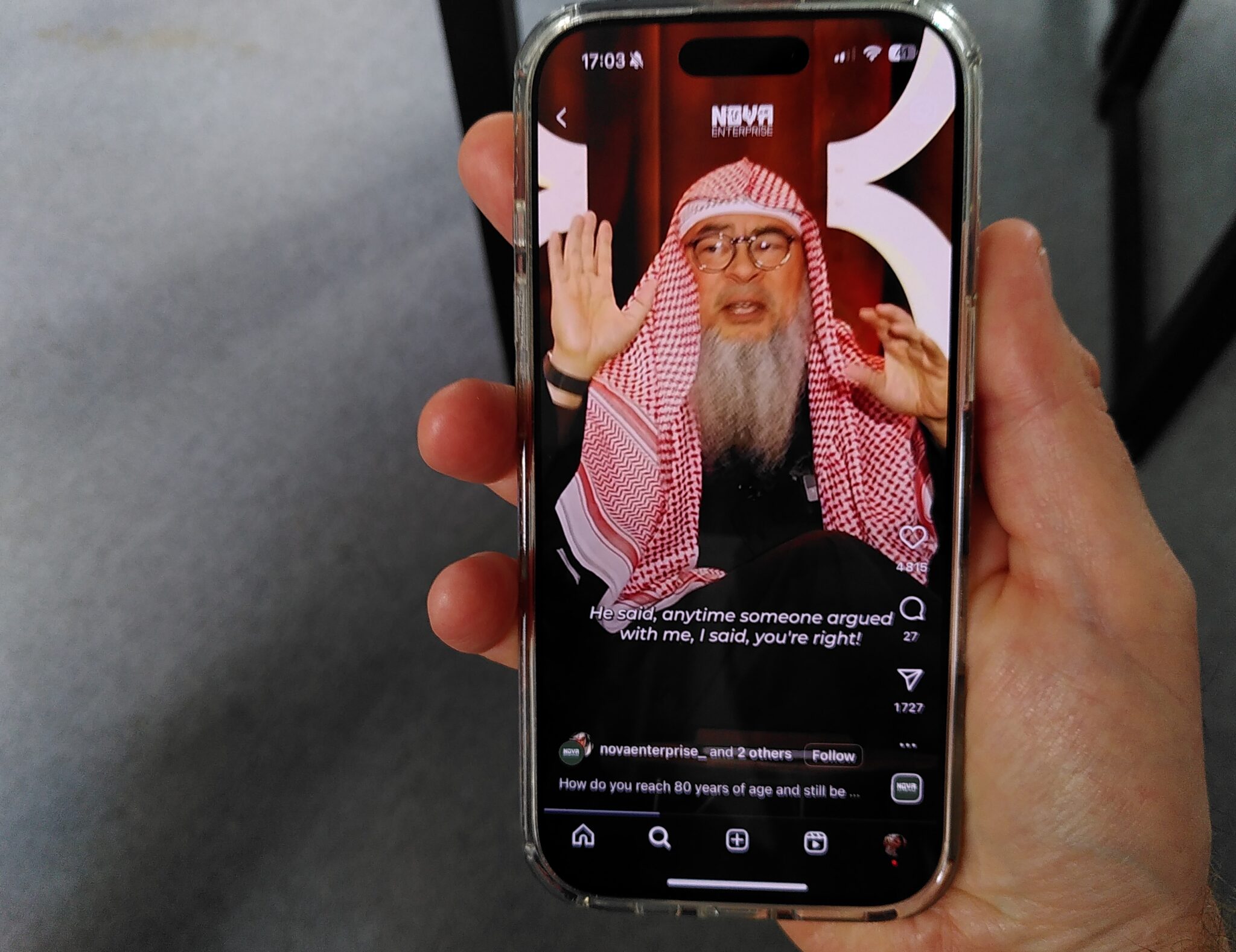
In the age of algorithms and 15-second reels, a new kind of religious voice is echoing across the Middle East and North Africa through smartphones and social media feeds. These are the “Instagram Sheikhs” — a diverse group of young, digital-savvy Muslims who fuse Islamic teachings with modern tools and aesthetics.
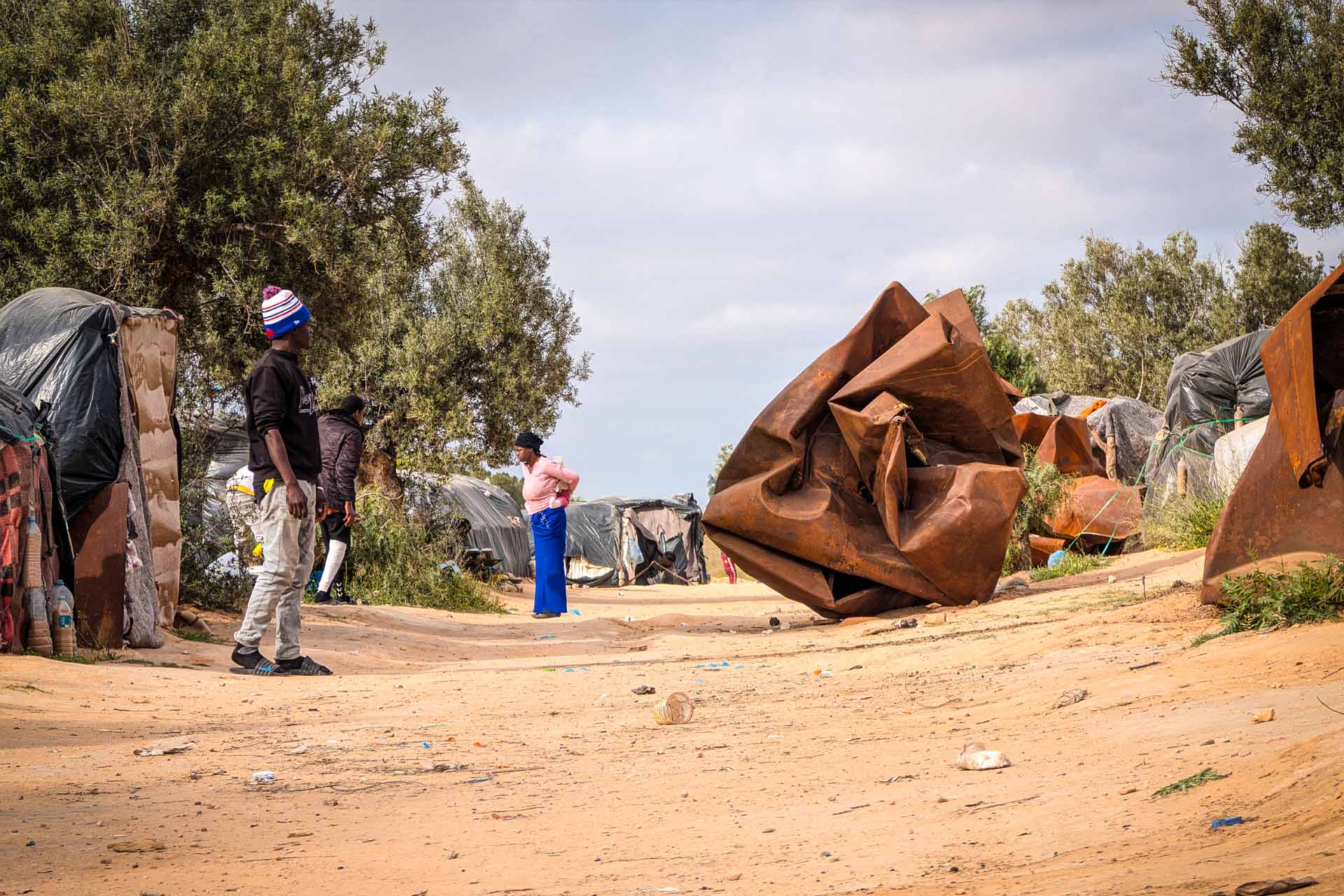
In the Sfax region, migrants are mostly using artisanal metal boats to cross the Mediterranean. Leaked European Union documents reveal the role these vessels play in the increase in migration flows from Tunisia and the dangers they pose for migrants.

For a dual-national soccer player, choosing a national team goes beyond the sporting sphere: It involves family, identity and geopolitical issues, pitting major European nations against Maghreb countries.
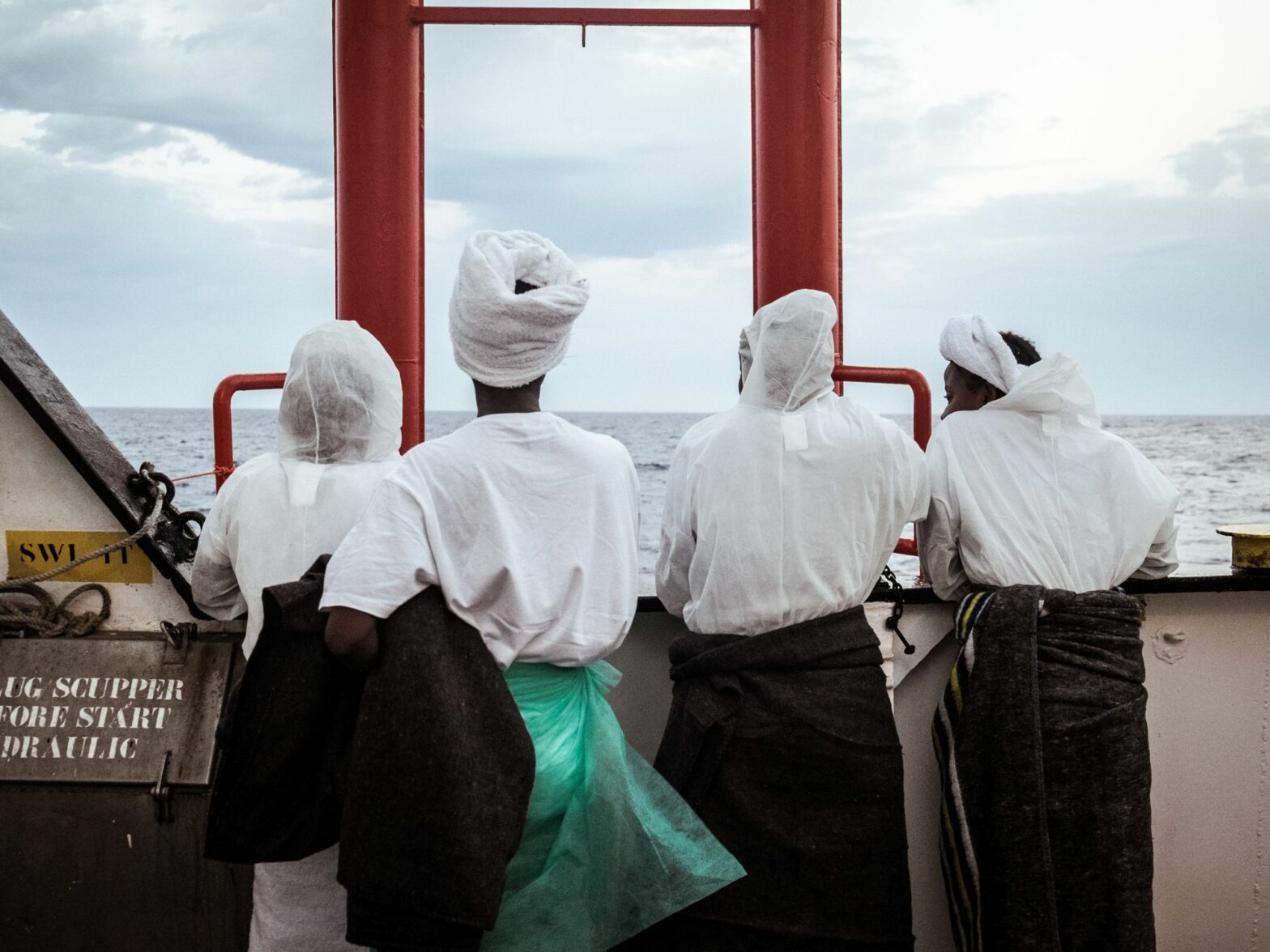
A recent video of a woman being tortured in Libyan refugee camps is further proof that agreements signed by the EU and Italy with Libyan and Tunisian authorities are doing more harm than good. But the work of associations like Refugees in Libya shows that there is still some hope for the future, writes Don Mattia Ferrari, a Catholic priest who works closely with these NGOs.
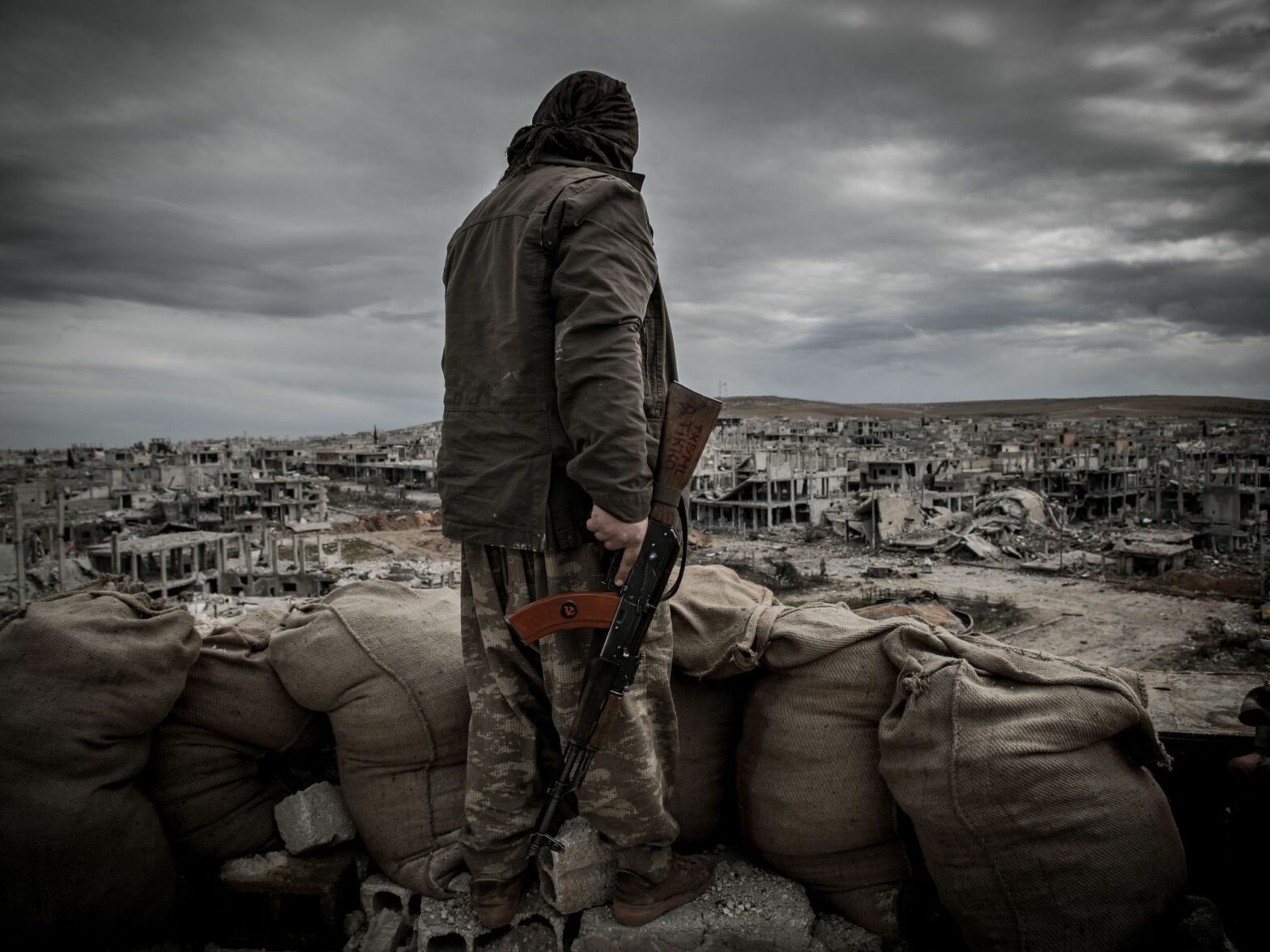
Following the collapse of the Assad regime, Tunisia and other countries are concerned about the return of thousands of jihadist nationals believed to have been held in Syria. Amid overcrowded prisons and fears of extremism, what are governments in Tunis and other Arab countries doing to prepare for their potential return?
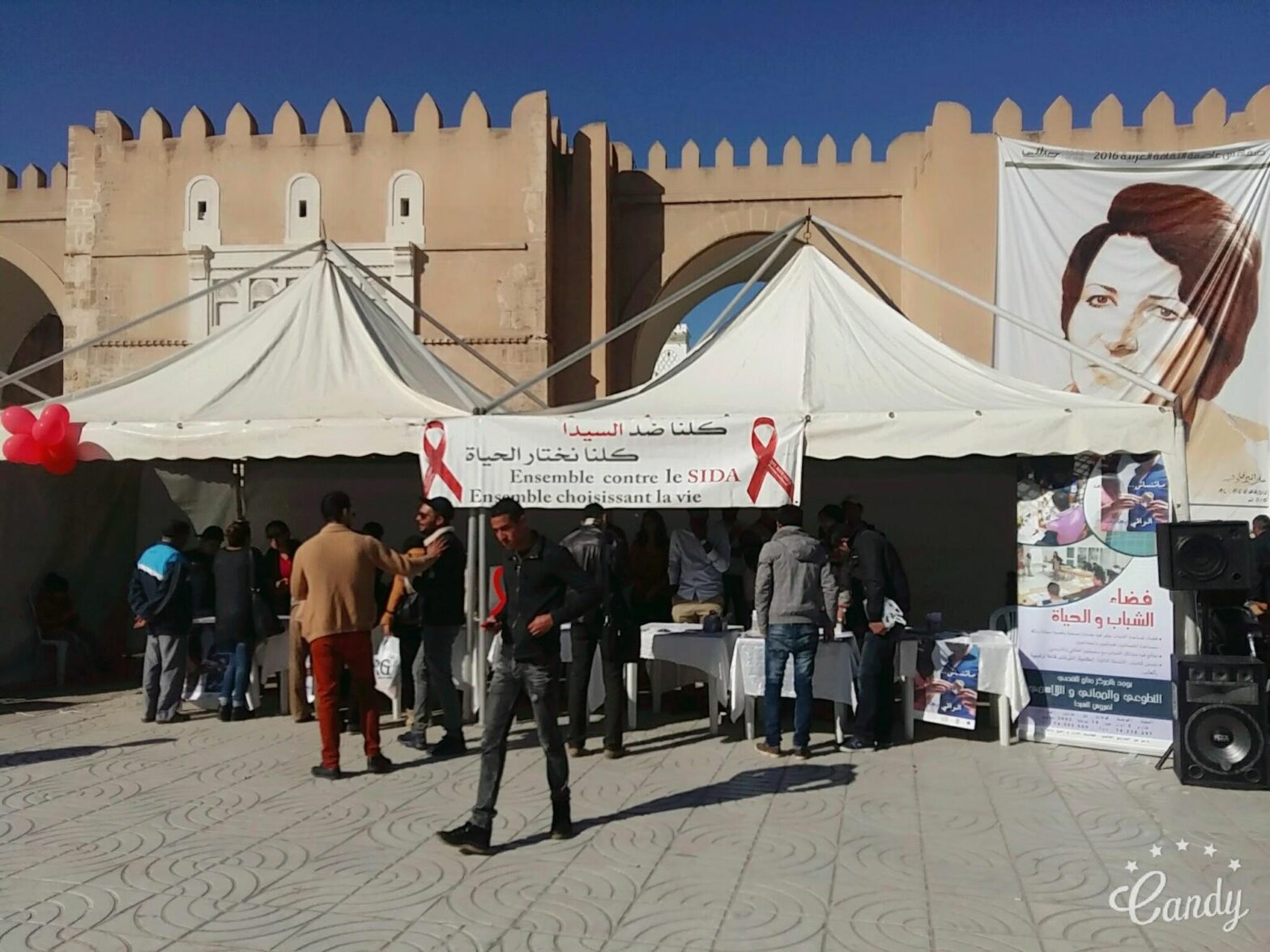
Although HIV infections are on the rise in Tunisia, only 25% of people living with the virus are receiving treatment. Access to care remains limited due to societal norms that stifle discussions around sexual health and structural deficiencies in the healthcare system, thereby fueling a preventable epidemic.
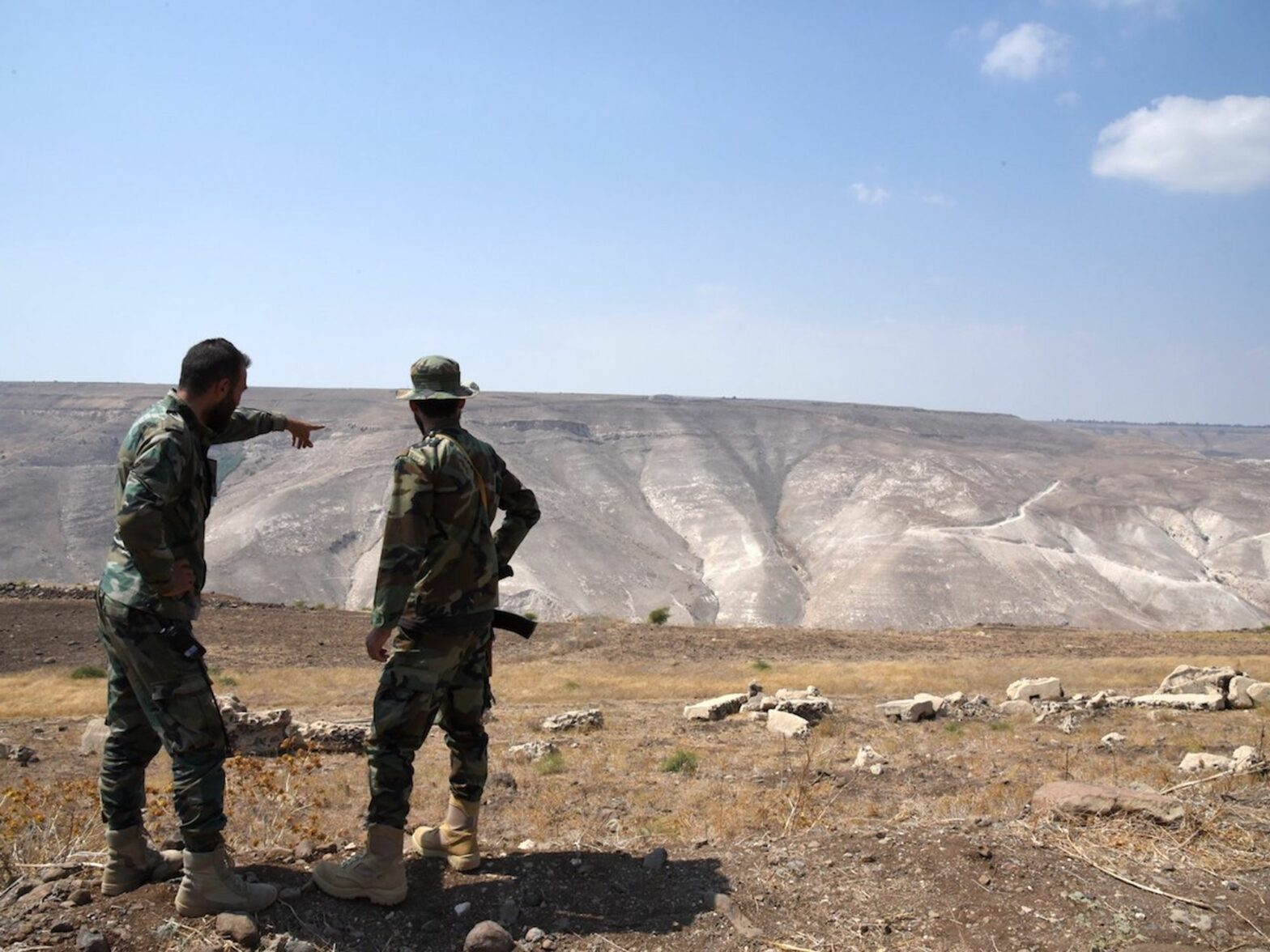
Amman and its allies, much like the skeptical secular Syrian opposition, await tangible actions on the ground to match the promises of pragmatist rhetoric from Abu Mohammed al-Jolani, who is marketing himself as a statesman committed to building an inclusive new Syria that’s a good neighbor after abandoning extremist ideologies.
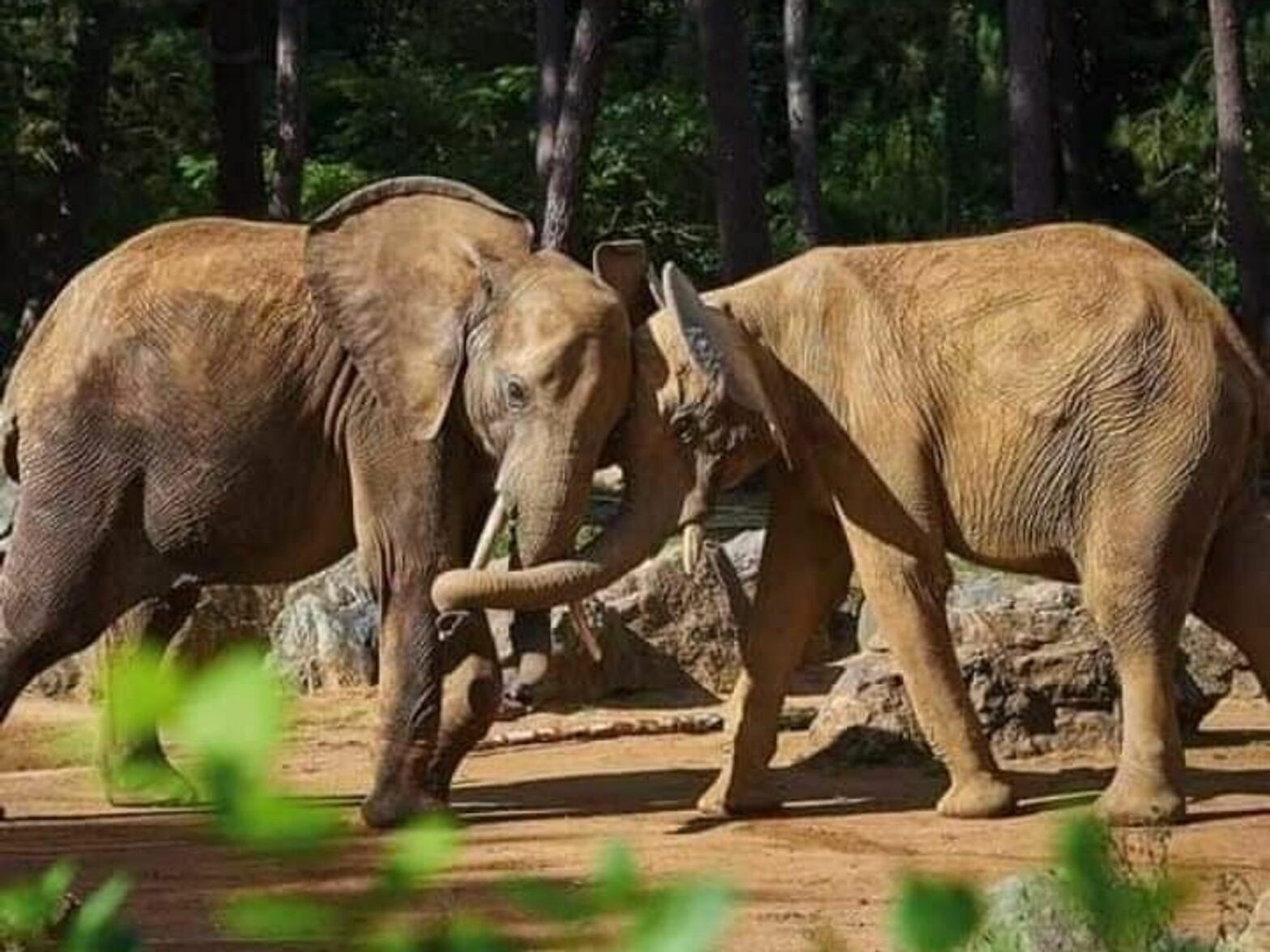
Tunisians are among the largest group of people migrating to Europe due to the lack of decent living conditions in the North African country. But now even animals are being pushed to the brink by the neglect and mismanagement of resources.
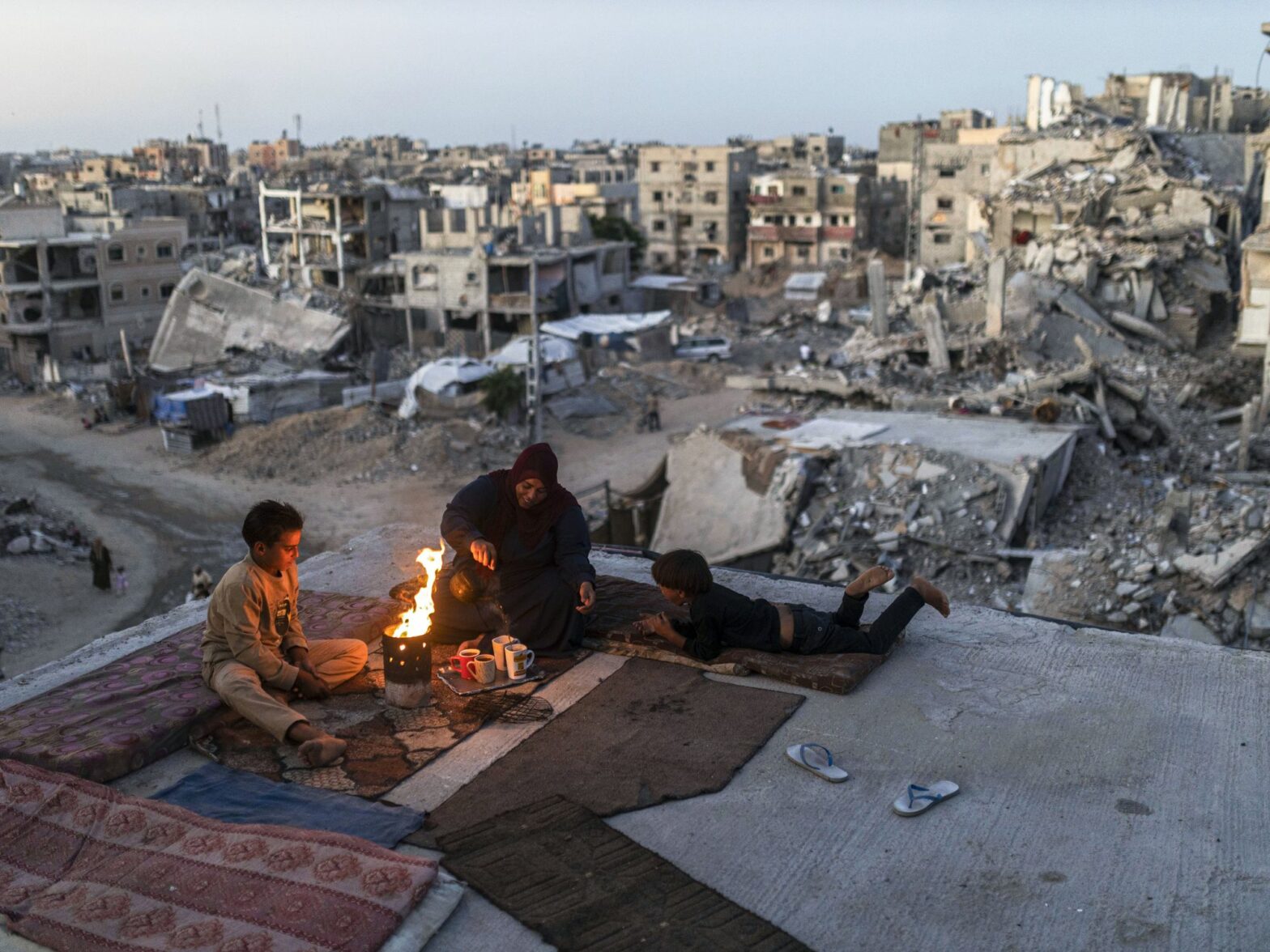
In the Middle East and North Africa, divisions are as stark as they can be. War-torn nations stand side-by-side with wealthy oil-rich countries where the elites feel disconnected from the rest of the region. But, as Yemeni freelance journalist and a human rights defender Afrah Nasser, warns, these inequalities breed monsters, and wealth will not prevent oil-rich countries from experiencing chaos and destruction.
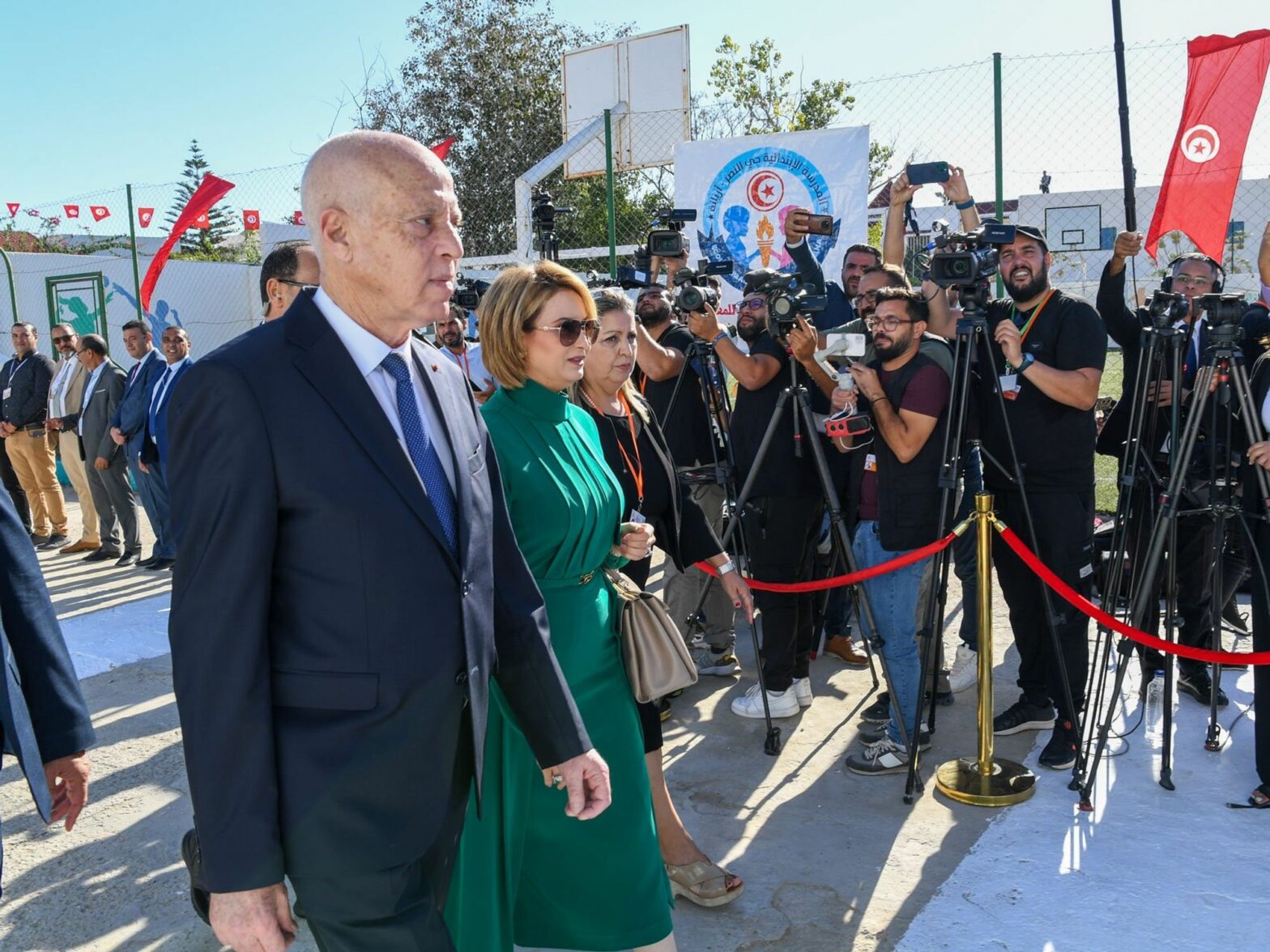
With results in Sunday’s election showed Kais Saied winning the election by a landslide, Tunisia may have definitively returned to dictatorship and closed a chapter on democracy in the Arab world that began a generation ago on the streets of Tunis. Daraj took a pre-election look at what it means for the people who live there.
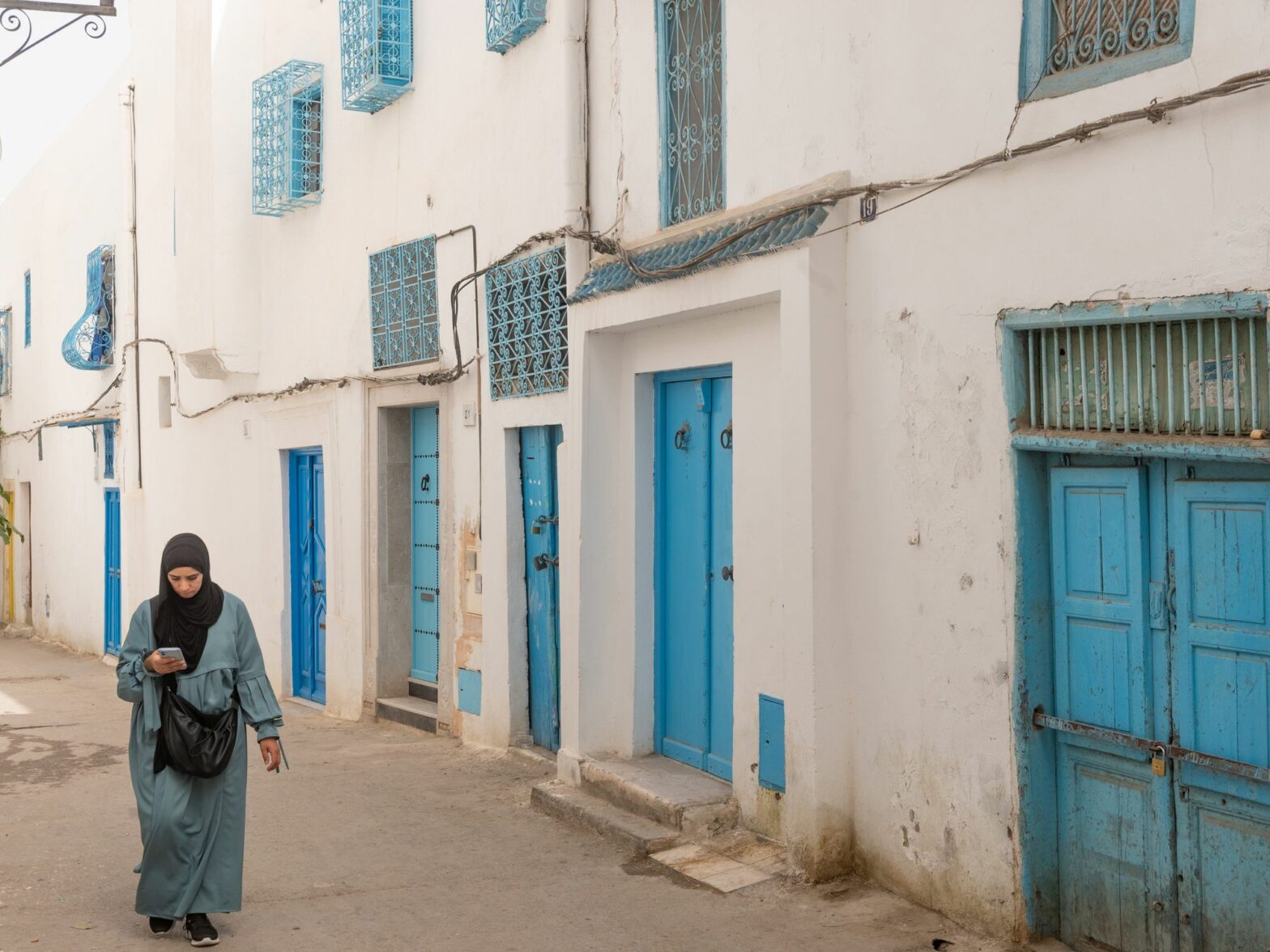
Associations and activists in Tunisia are taking to the streets to express their anger and condemn a surge in gender-motivated violence in the country, where one femicide occurs every two weeks.
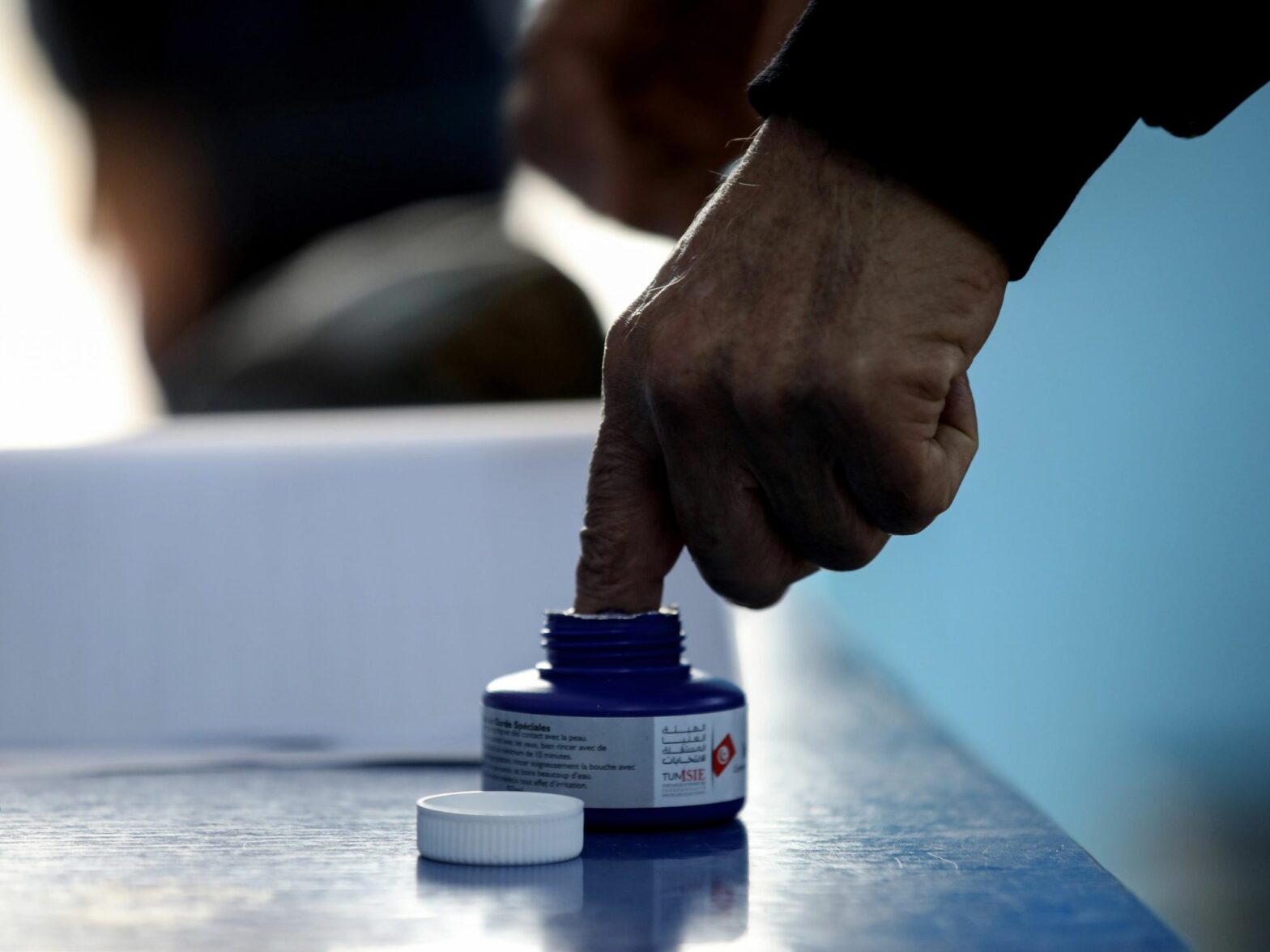
In both Algeria and Tunisia, societies were on the move to demand change. In two presidential elections scheduled so close together, on Saturday in Algeria and next month in Tunisia, the powers that be made sure that nothing would change.
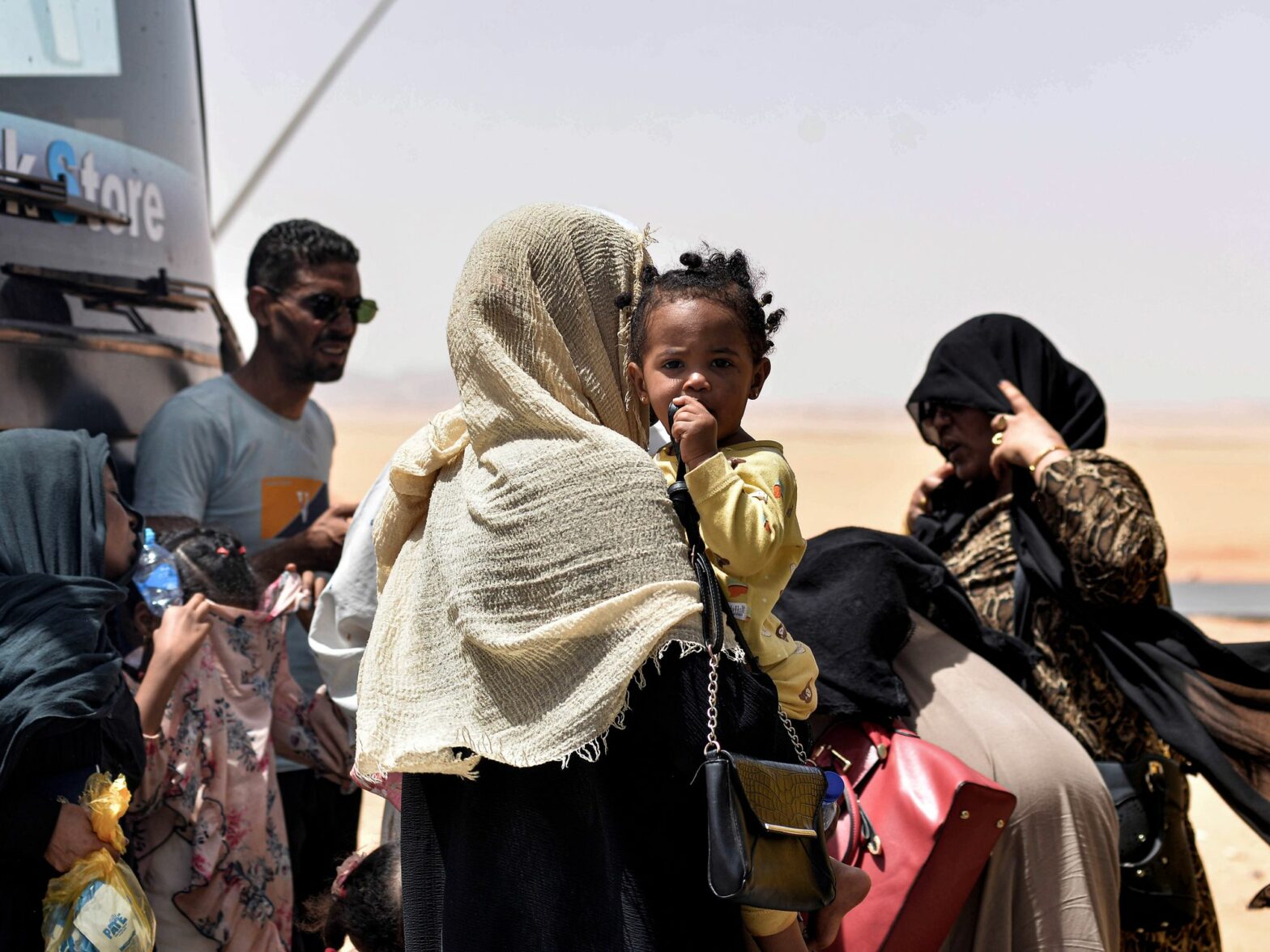
Hundreds of thousands of migrants are in limbo in Tunisia, which has in recent years become a major transit point for migrants fleeing conflicts and poverty in Africa and the Middle East for better lives in Europe. Women in particular lack basic rights, including sexual and reproductive health services.
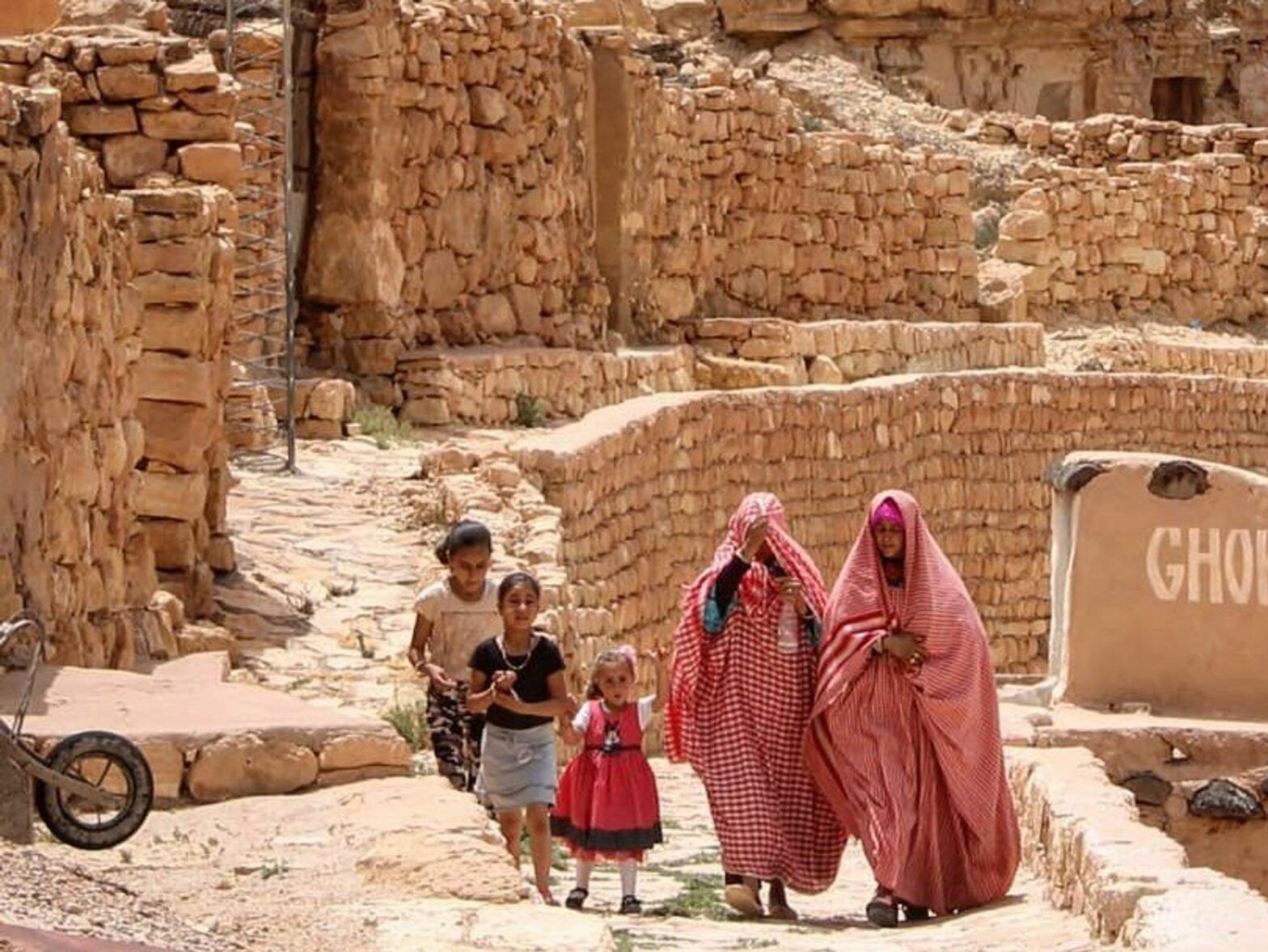
Tunisian troglodyte villages in the Dahar mountain range are mostly empty as a result of policies dating back several decades. But locals, concerned about losing part of their identity and history, are mobilizing to maintain a presence and to safeguard their heritage.
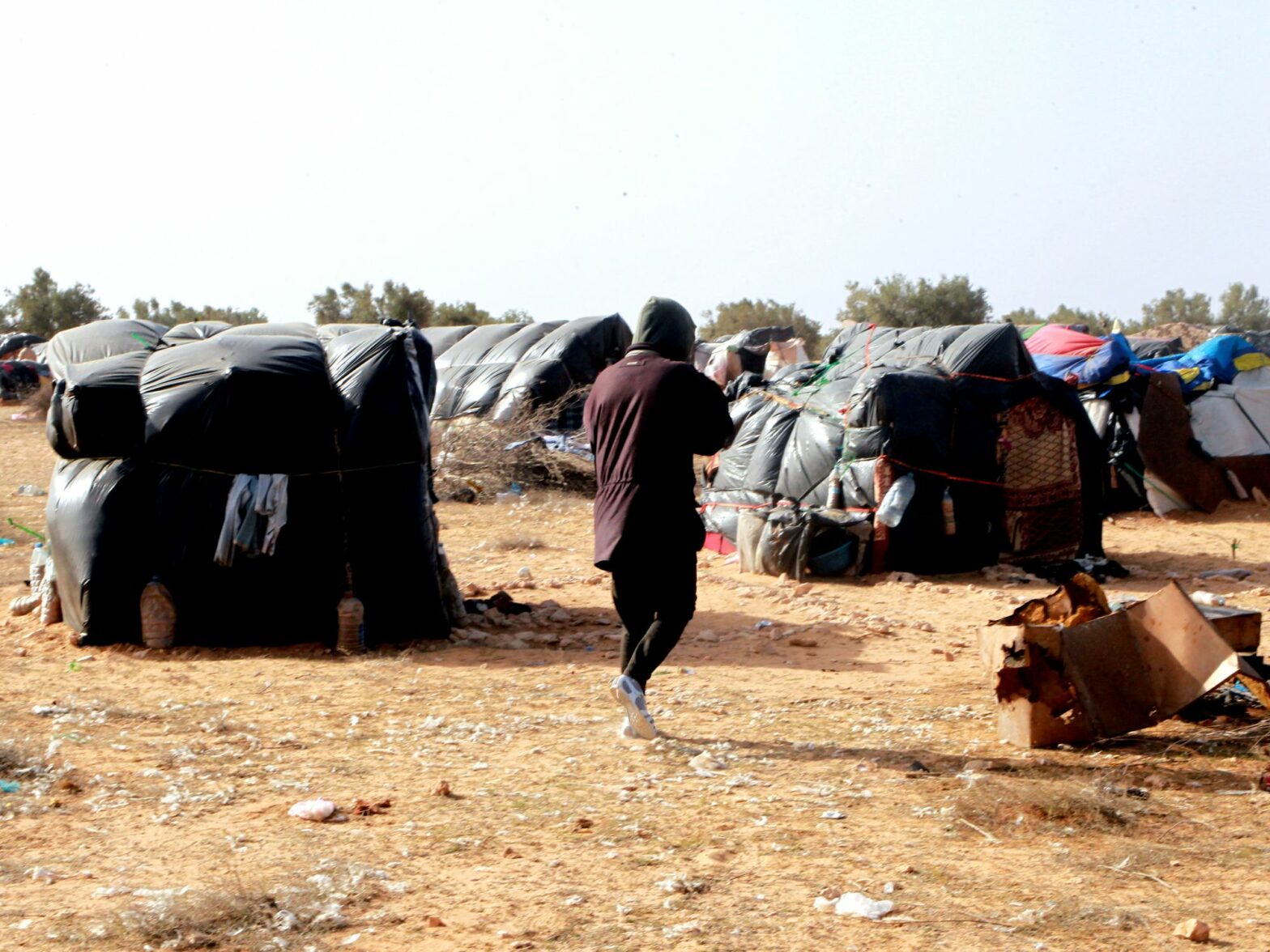
Arrests of migrants, camp destruction operations and searches of NGO premises: since the end of April, the anti-migrant policy has taken on an unprecedented scale.
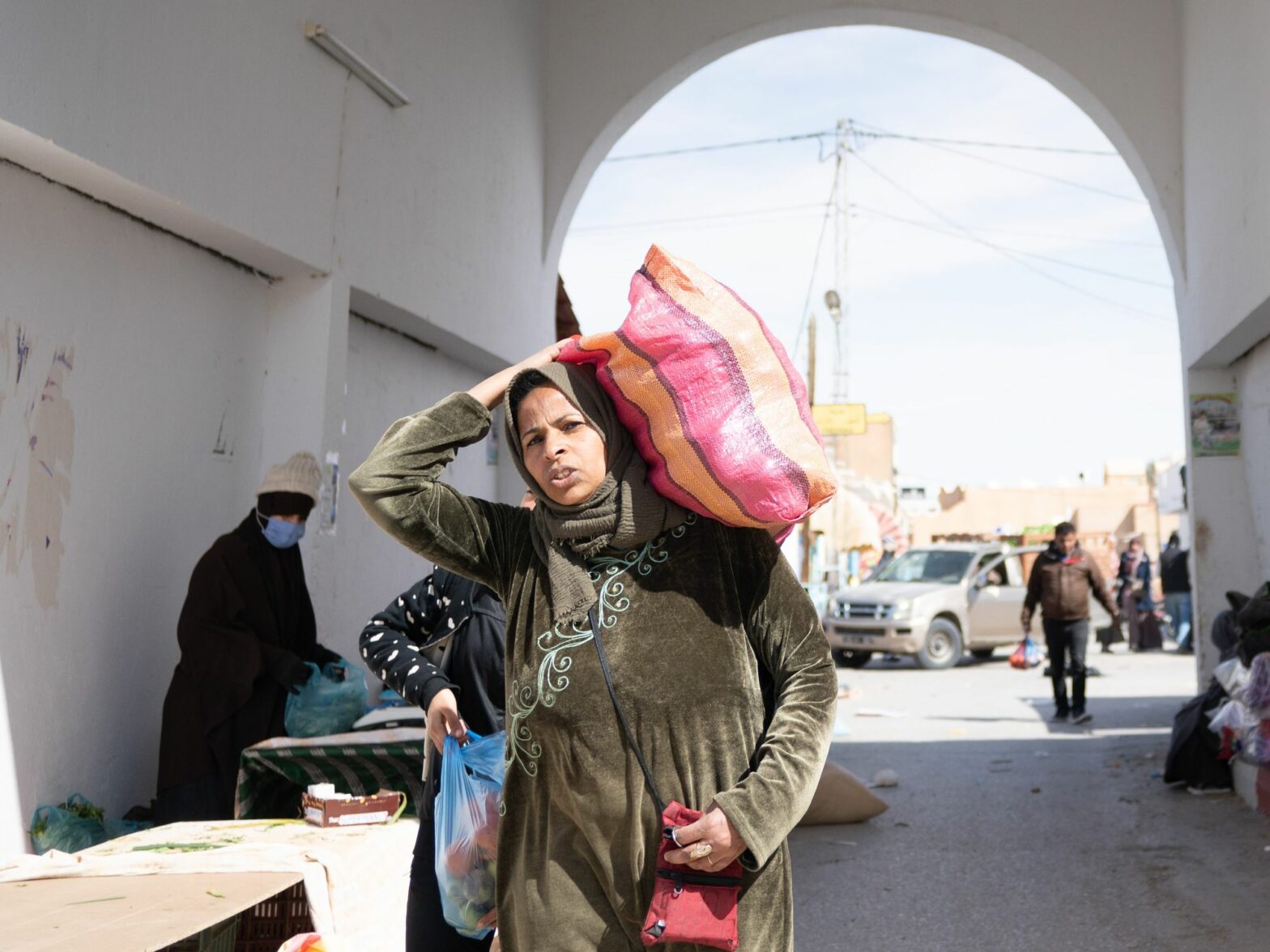
The European Commission has committed €100 million to support Tunisia in the effort against migration, with an affectional €900 million in funding for the country. But how does the agreement expect to find success with a formula that has long held a reputation of failure?
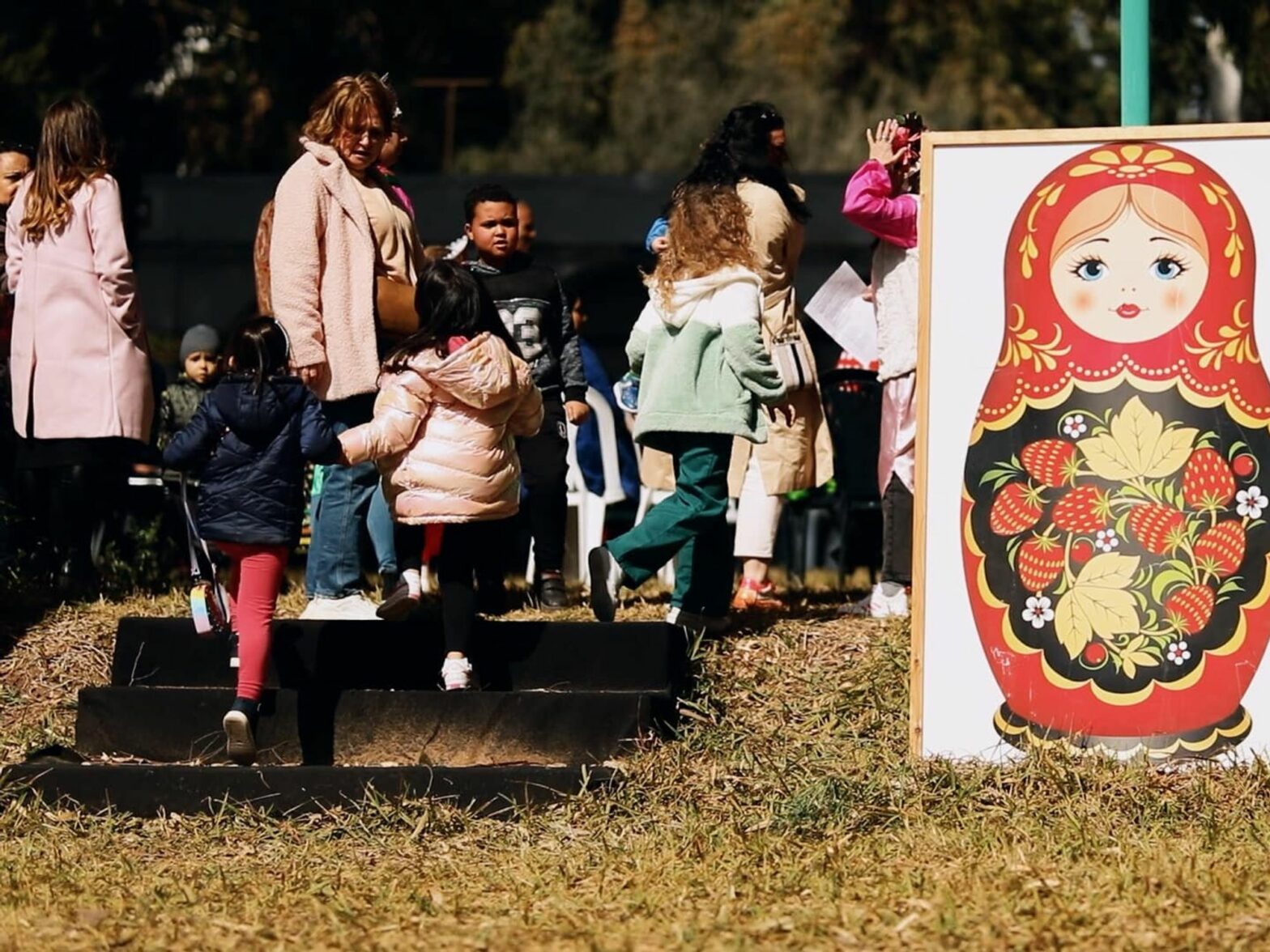
Tunis and Moscow have been increasingly close — at the cost of relations with the West, which had once looked to Tunisia as a model of democracy. The two countries are brought together by Kremlin’s efforts to woo African countries, but also a natural alliance of its strongman Presidents Putin and Saïed.
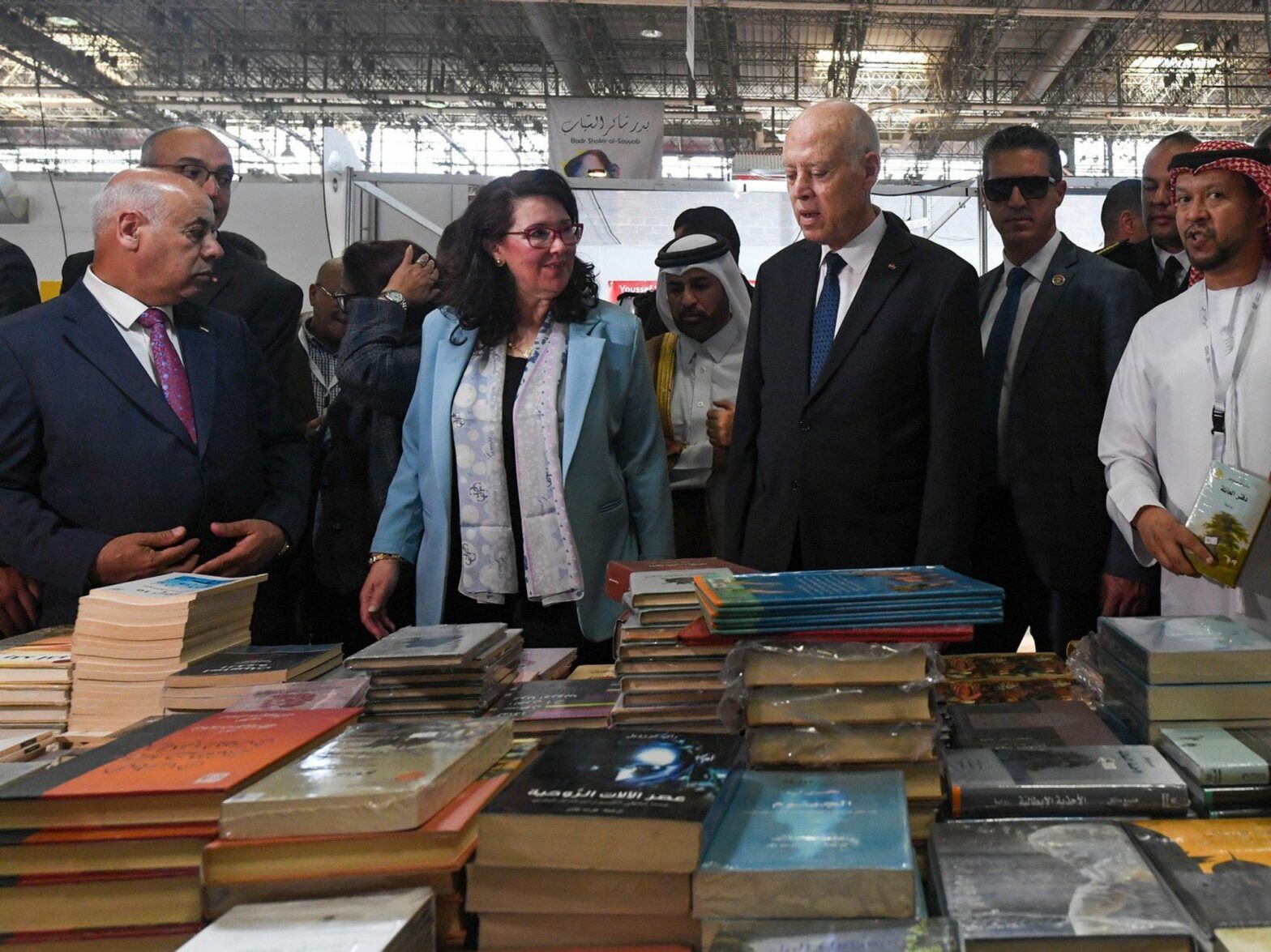
The recently completed 37th International Book Fair in Tunis became a flashpoint of growing concerns that Tunisian President Kaïs Saïed is cracking down on freedom of speech.
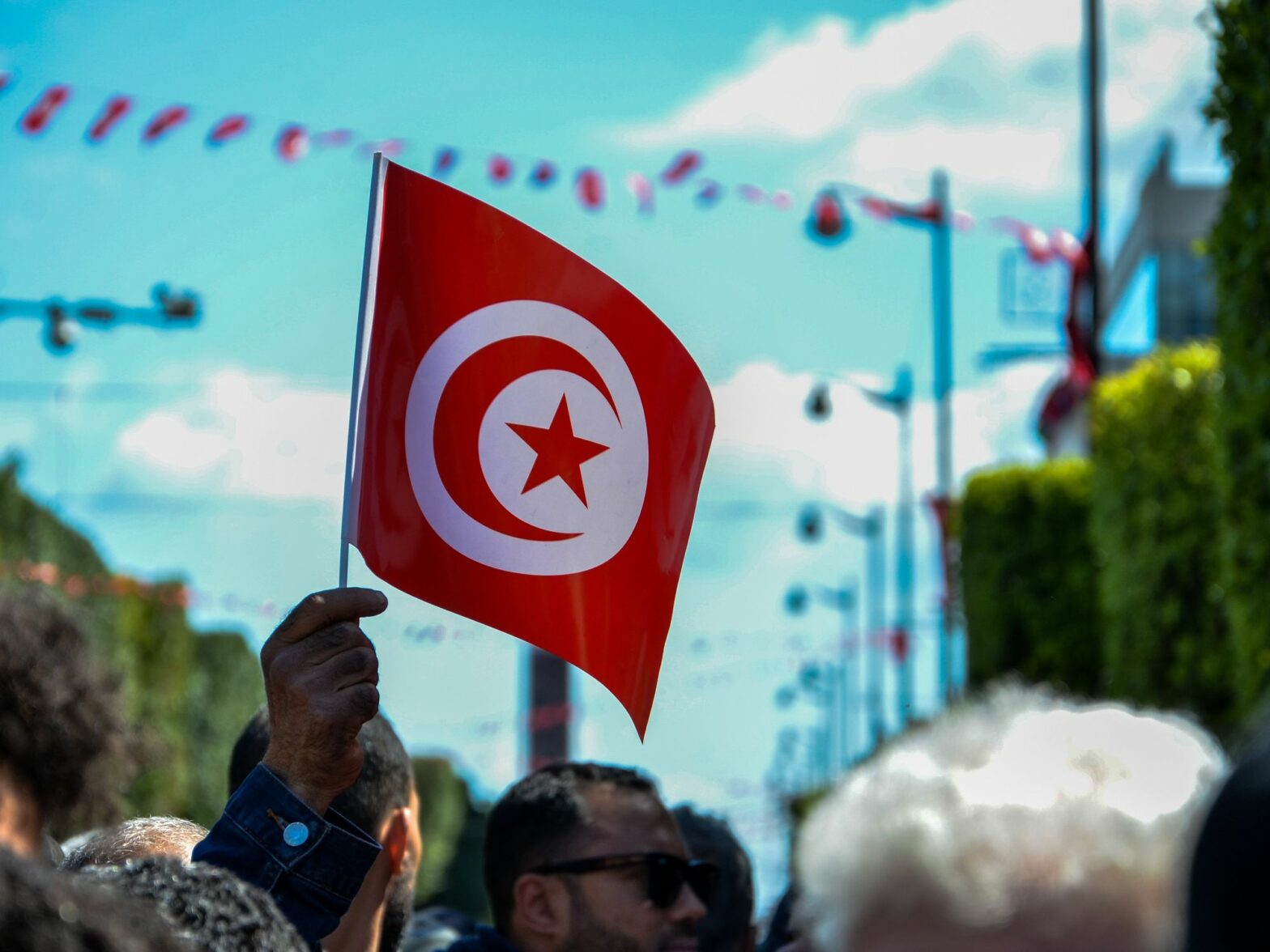
The arrest this week of top opposition leaders shows Tunisian President Kaïs Saïed is drifting ever farther away from basic democratic practices. Yet there’s no mass uprising, unlike in 2011, perhaps because economic factors are foremost on people’s minds.
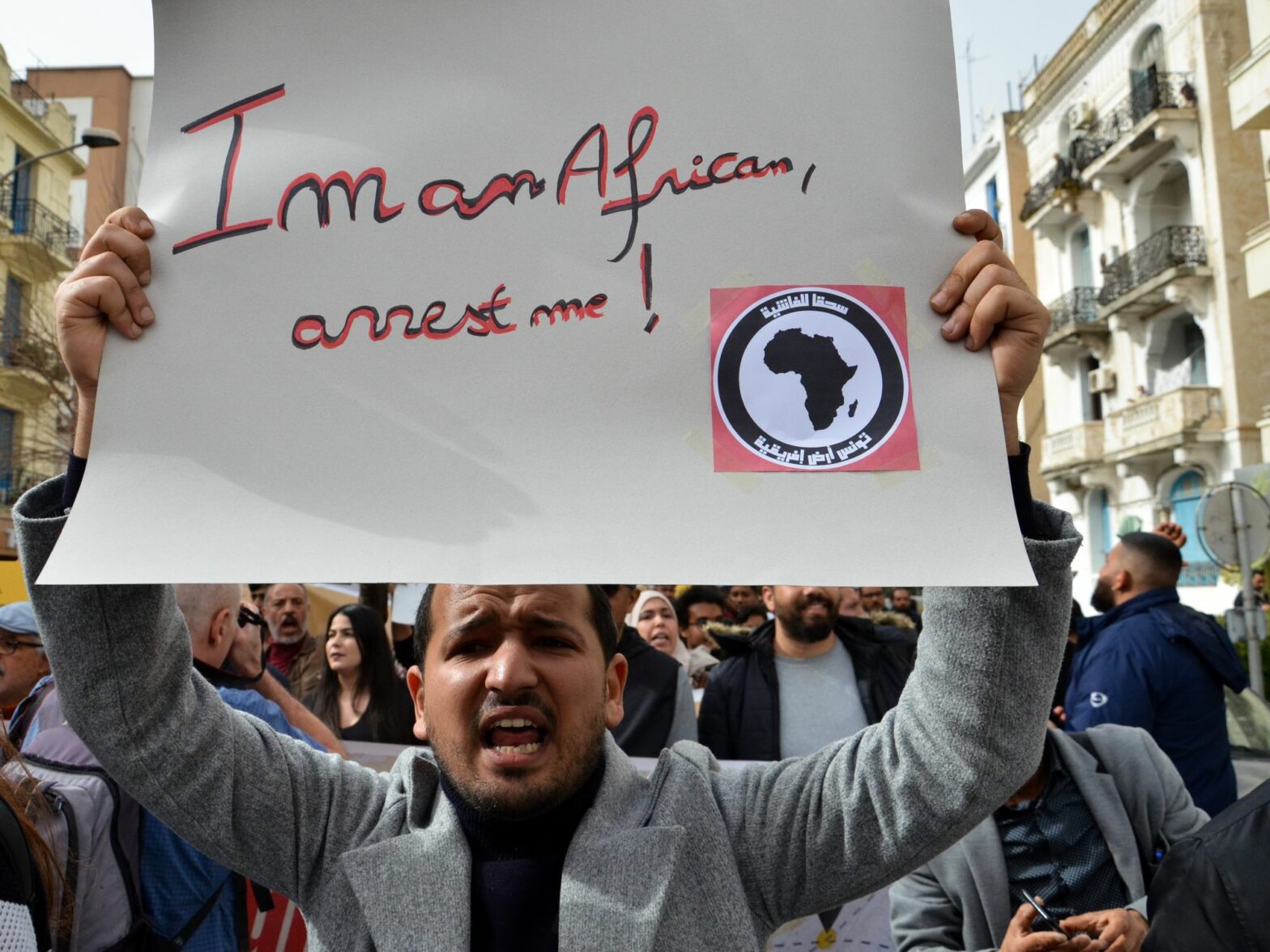
Tunisia’s president has risen to power on the back of populism that suggests black people are trying to replace Arabs. The African Union has not intervened, begging the question of what is its purpose.
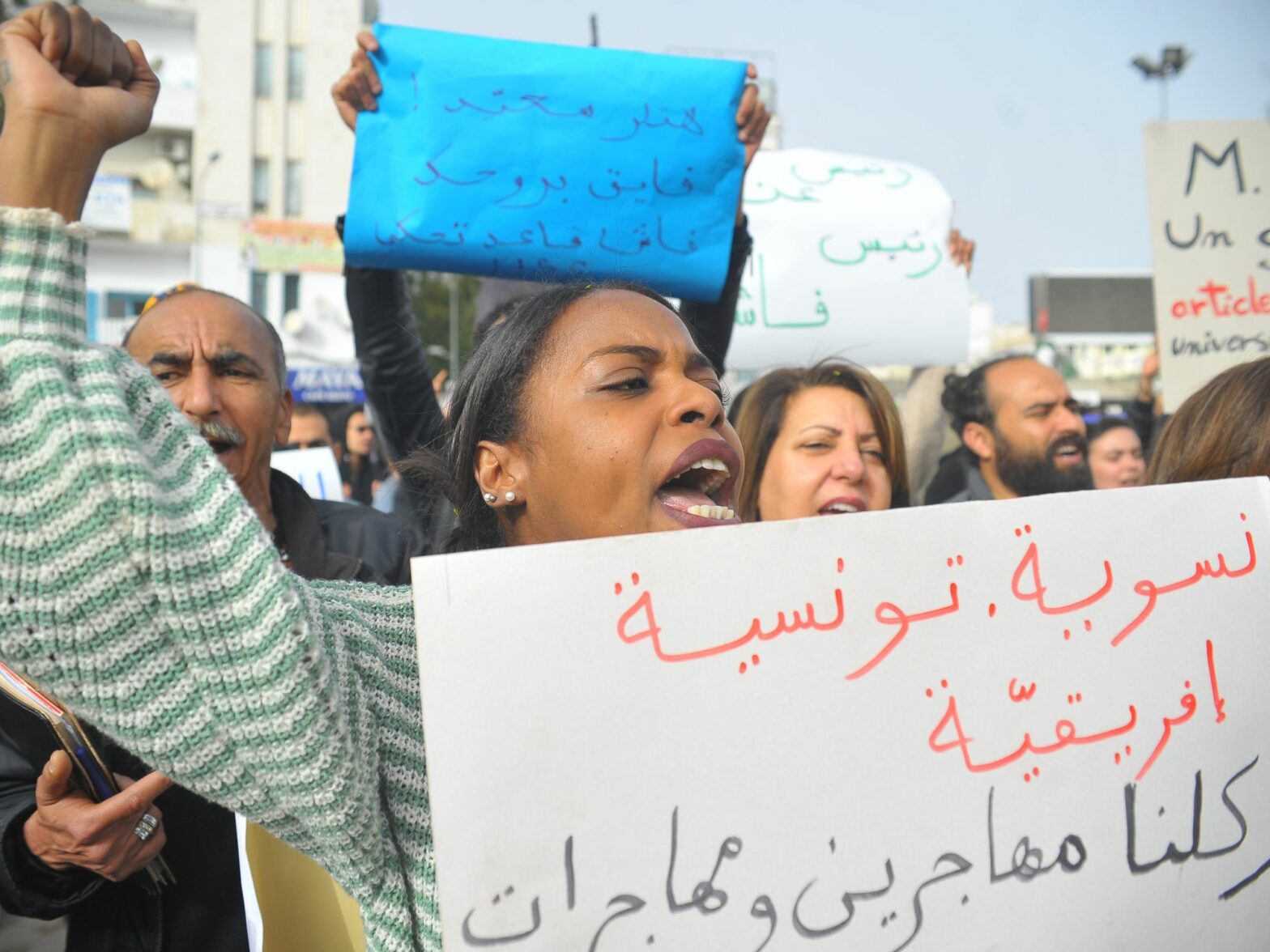
Tunisian President Kaïs Saïed’s xenophobic claims that a conspiracy aims to replace Tunisians with sub-Saharan migrants has unleashed racist violence in the country. It’s a sign of the growing authoritarianism of the popular but powerless president.
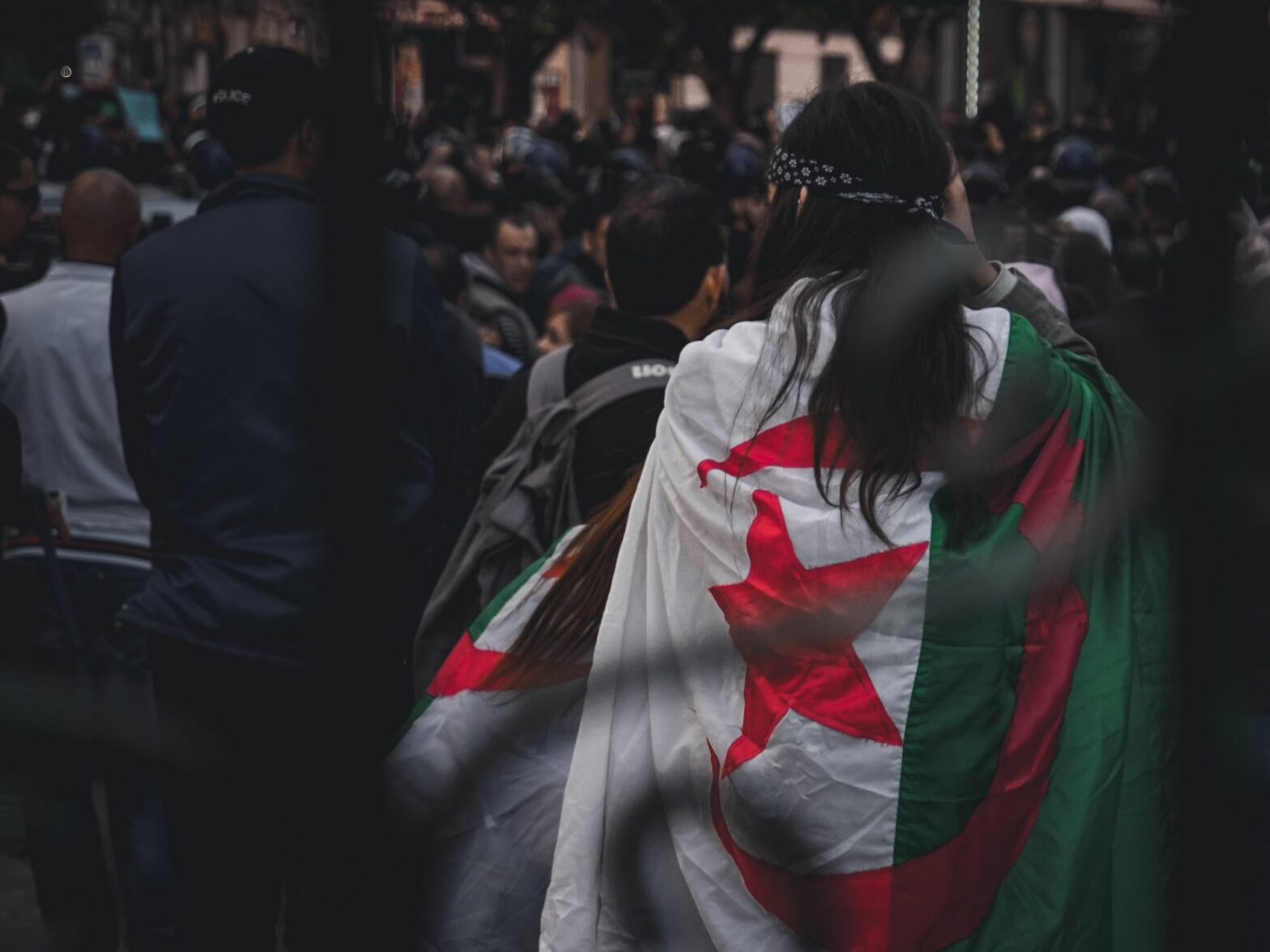
Whether it’s in Tunis, Algiers or Rabat, France is faced with the near-impossible task of finding its diplomatic footing in countries that were under its colonial rule last century.
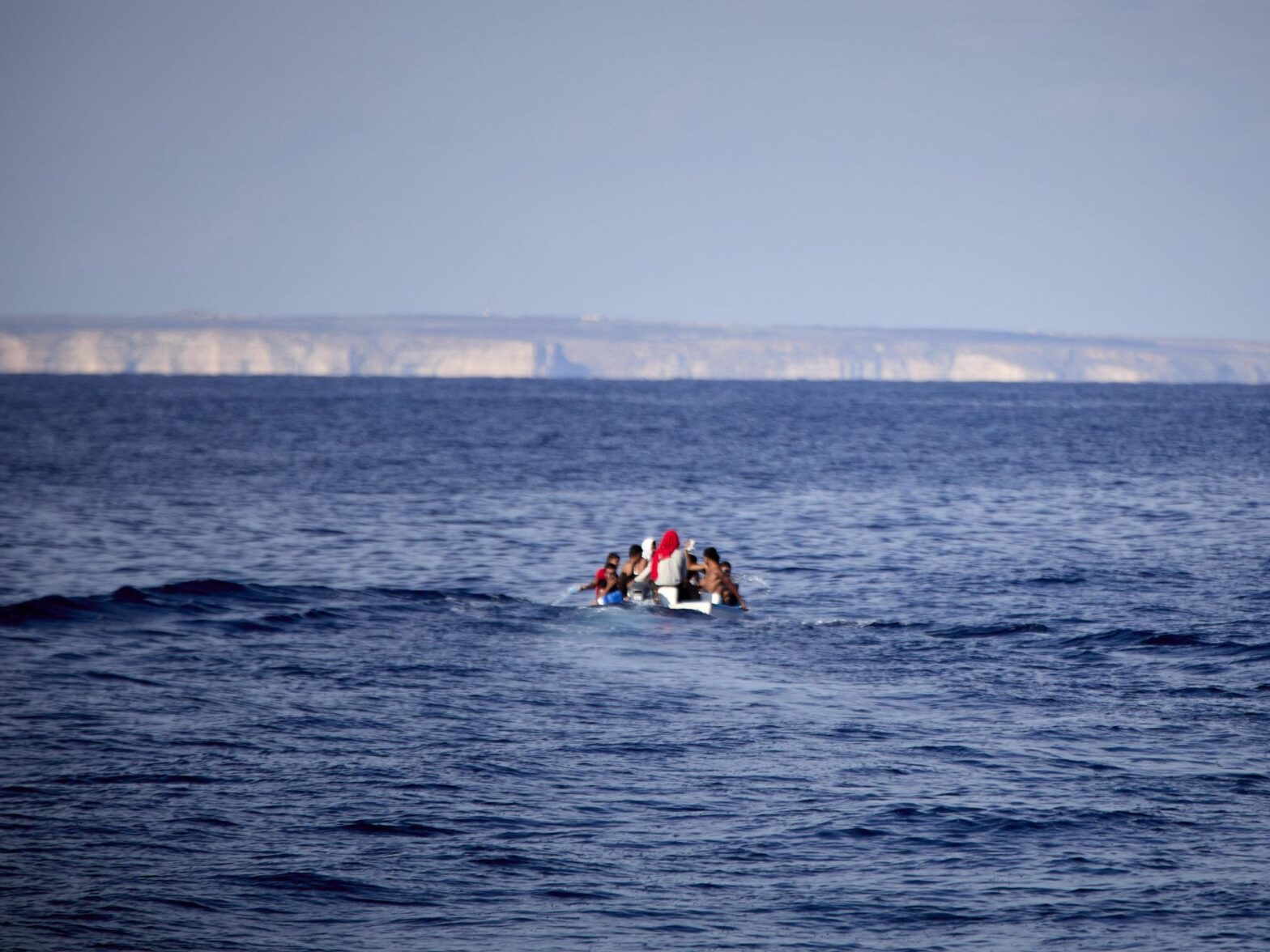
In West and North Africa, survivors of migrants who’ve vanished have come together to support each other and pay tribute to their family members. But above all, they’re trying any means possible to find out the truth and get justice after years of silence.
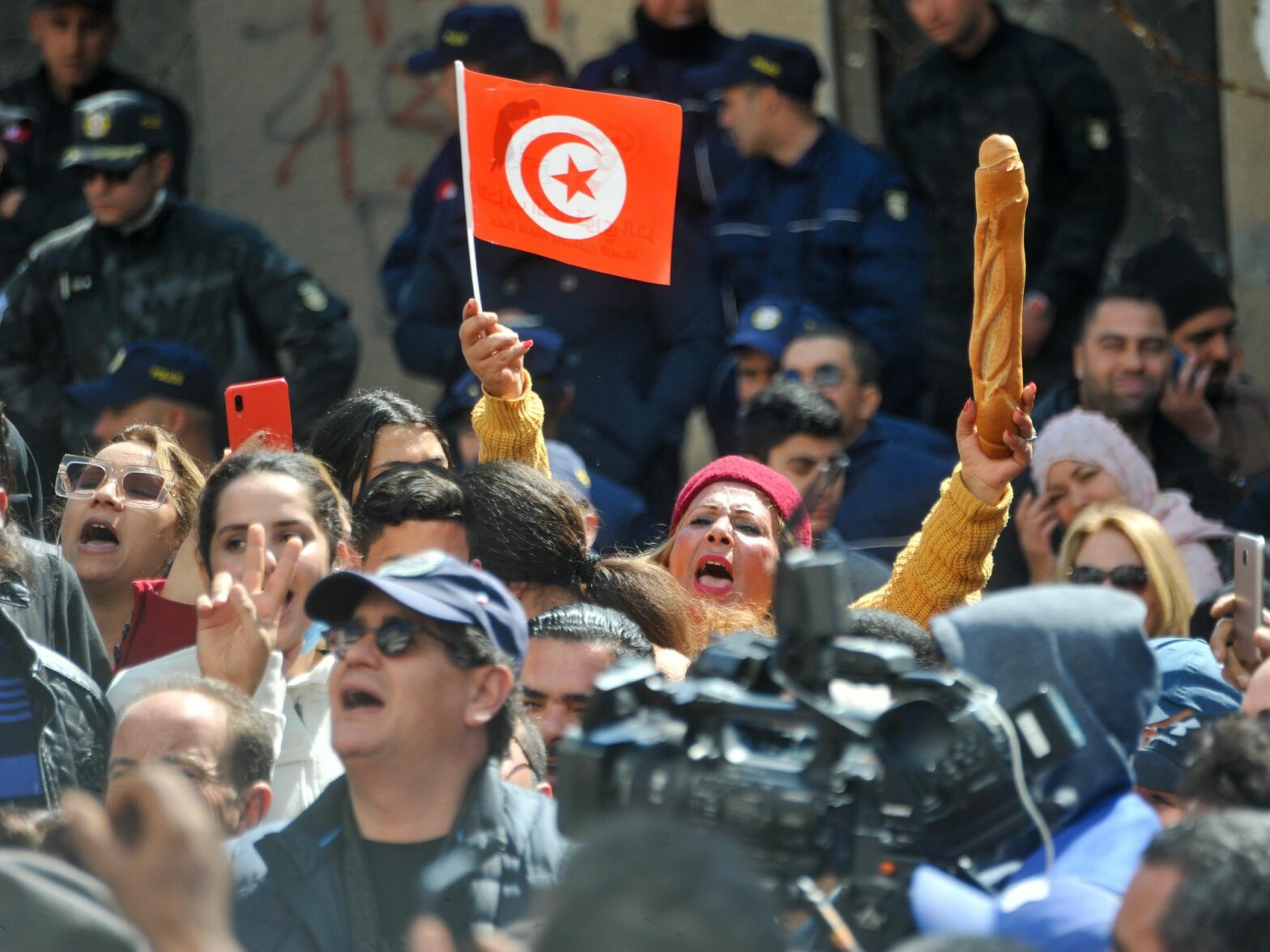
Rising tensions in wheat productions, explosion of oil prices, fear of the unknown, could the Ukraine war lead to a popular Arab uprising similar to the one in 2011?

Launched in 2017 to combat radicalization, the Moussalaha program is finding success by helping those incarcerated for terrorism by providing counseling, reducing their prison sentences and following up after release.
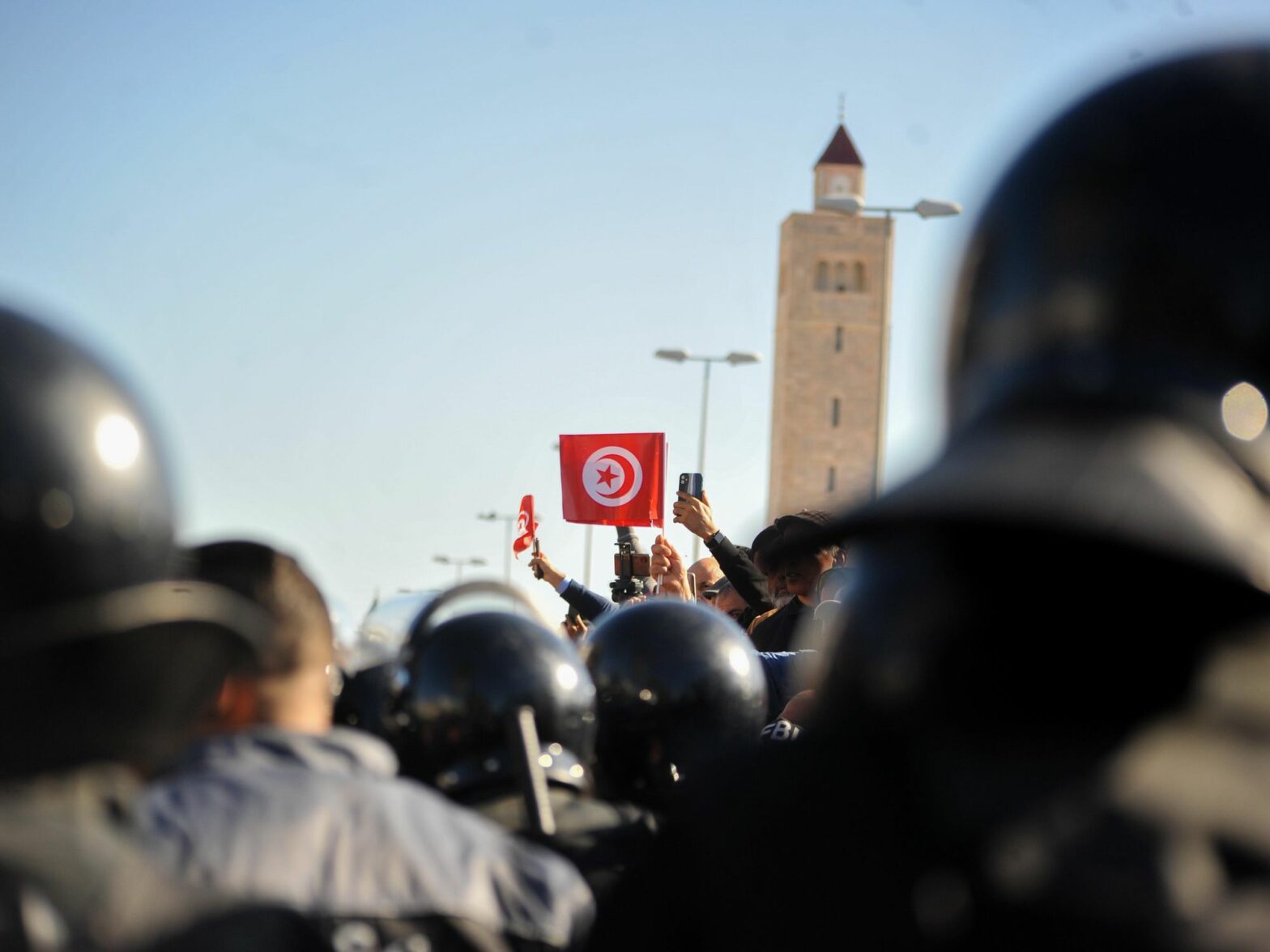
The Tunisian president is cultivating his ambiguities and pushing his constitutional reform, without proposing a roadmap to get the country out of the crisis. Refusing to speak to the media, he has an increasingly populist tone with messianic accents.
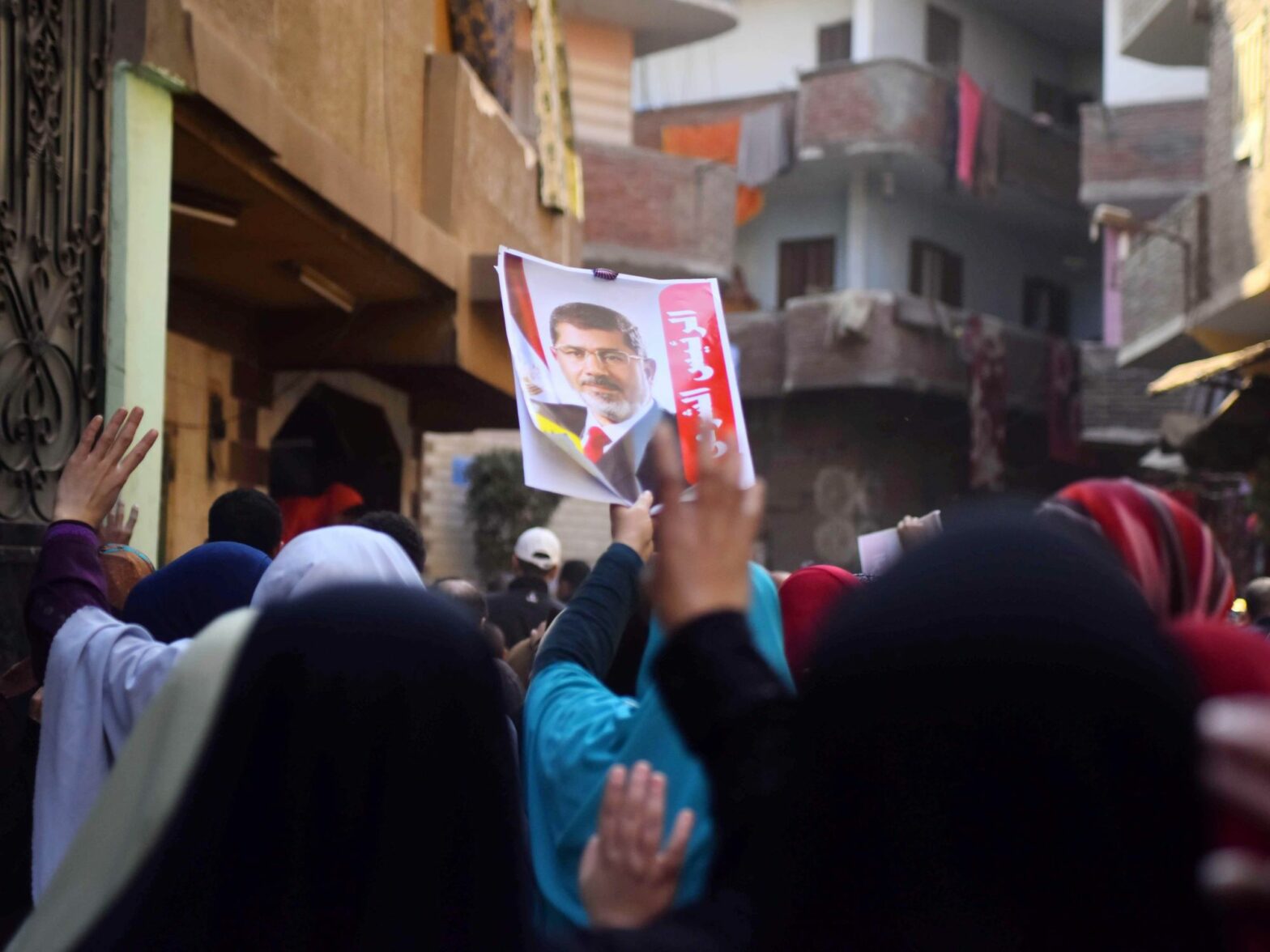
A decade after the Arab Spring, the Islamist political movement driven by the Muslim Brotherhood, from Egypt to Morocco and beyond, continues to flirt with more extreme Salafist elements to build popular support — and continues to show its utter incapacity to properly run a national government.
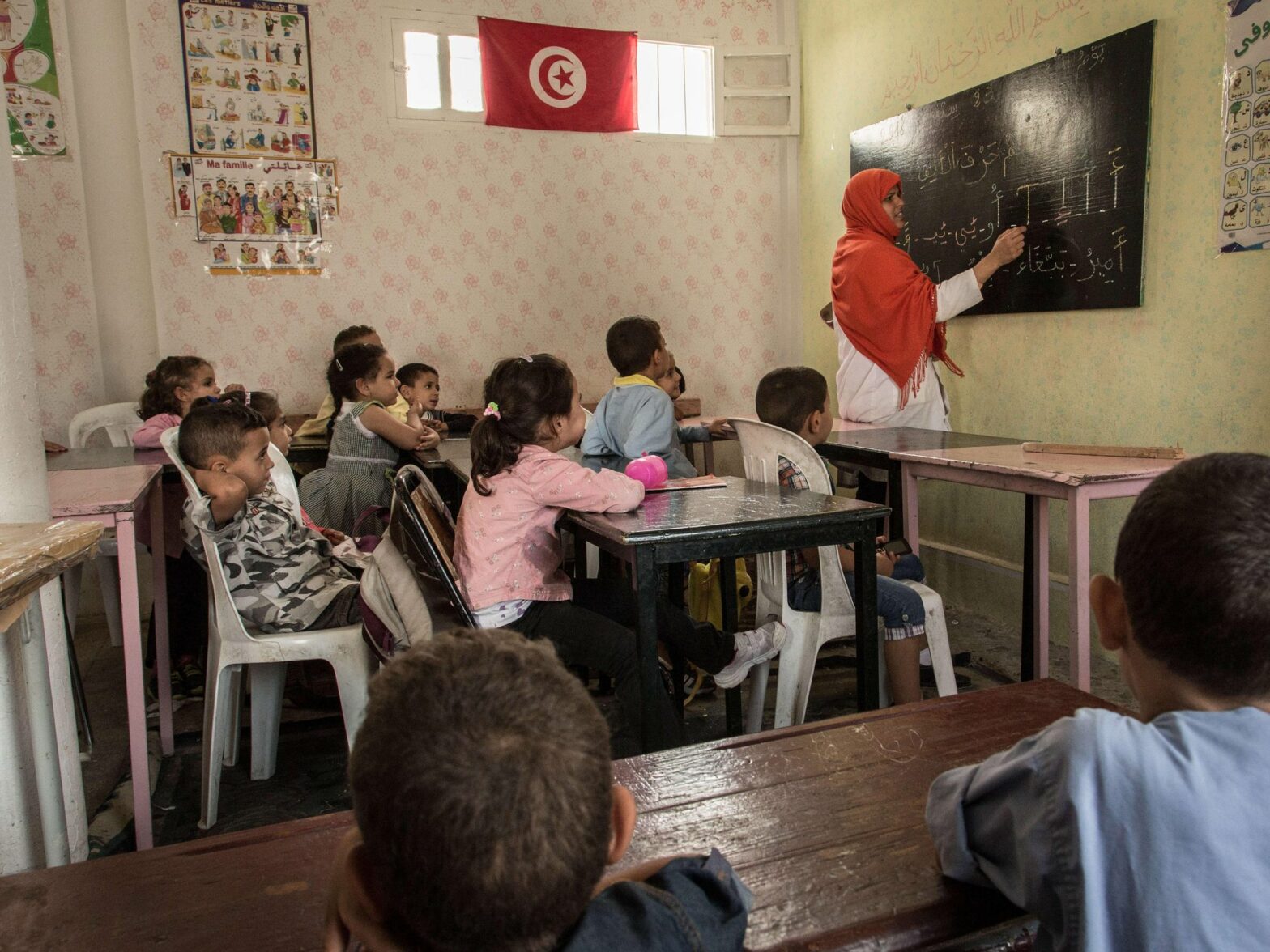
Violence against teachers, poorly received educational reforms, conflicts with parents: In Tunisia, the entire education sector is in crisis.
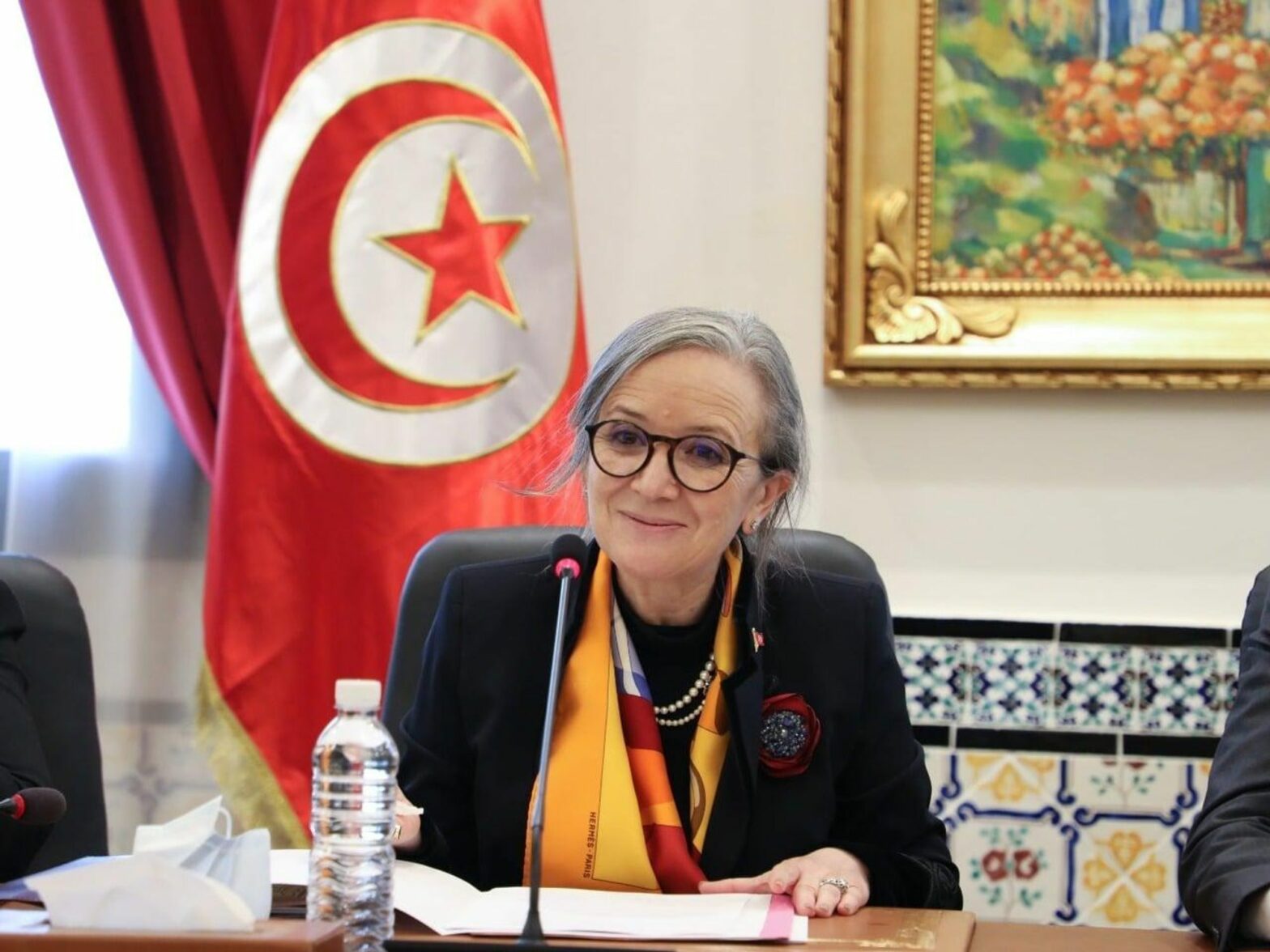
Tunisian President Kaïs Saïed caused a stir by appointing Najla Bouden, the first female head of government in the Arab world. But as the president has assumed full powers a decade after the launch of the Arab Spring, it is a choice with a mixed message.
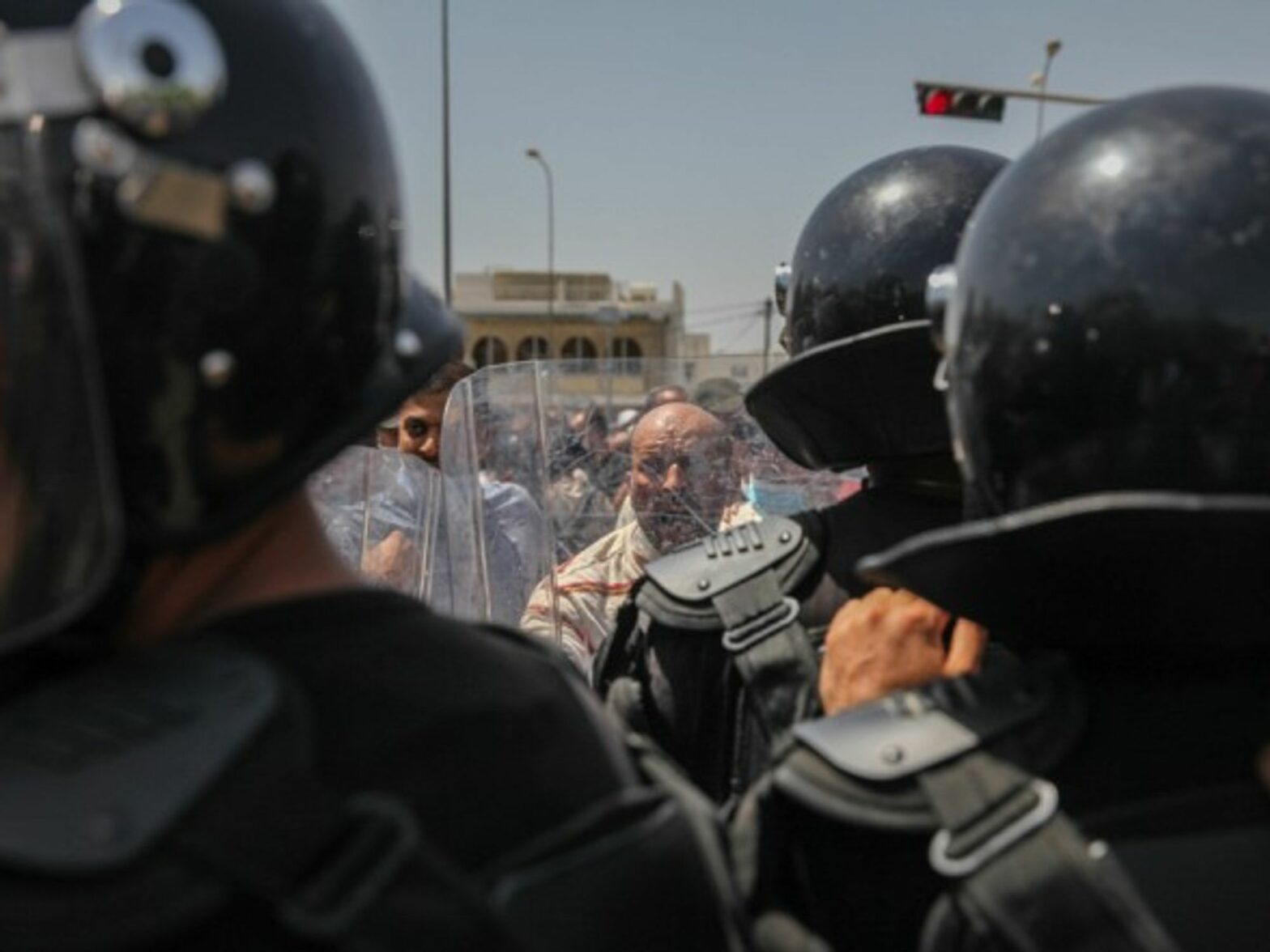
North Africa correspondent Frédéric Bobin analyzes Tunisian President Kais Saied’s recent decision to suspend parliament and sack Prime Minister Mechichi and what it means for the legacy of the Arab Spring — for Tunisia and for the region.
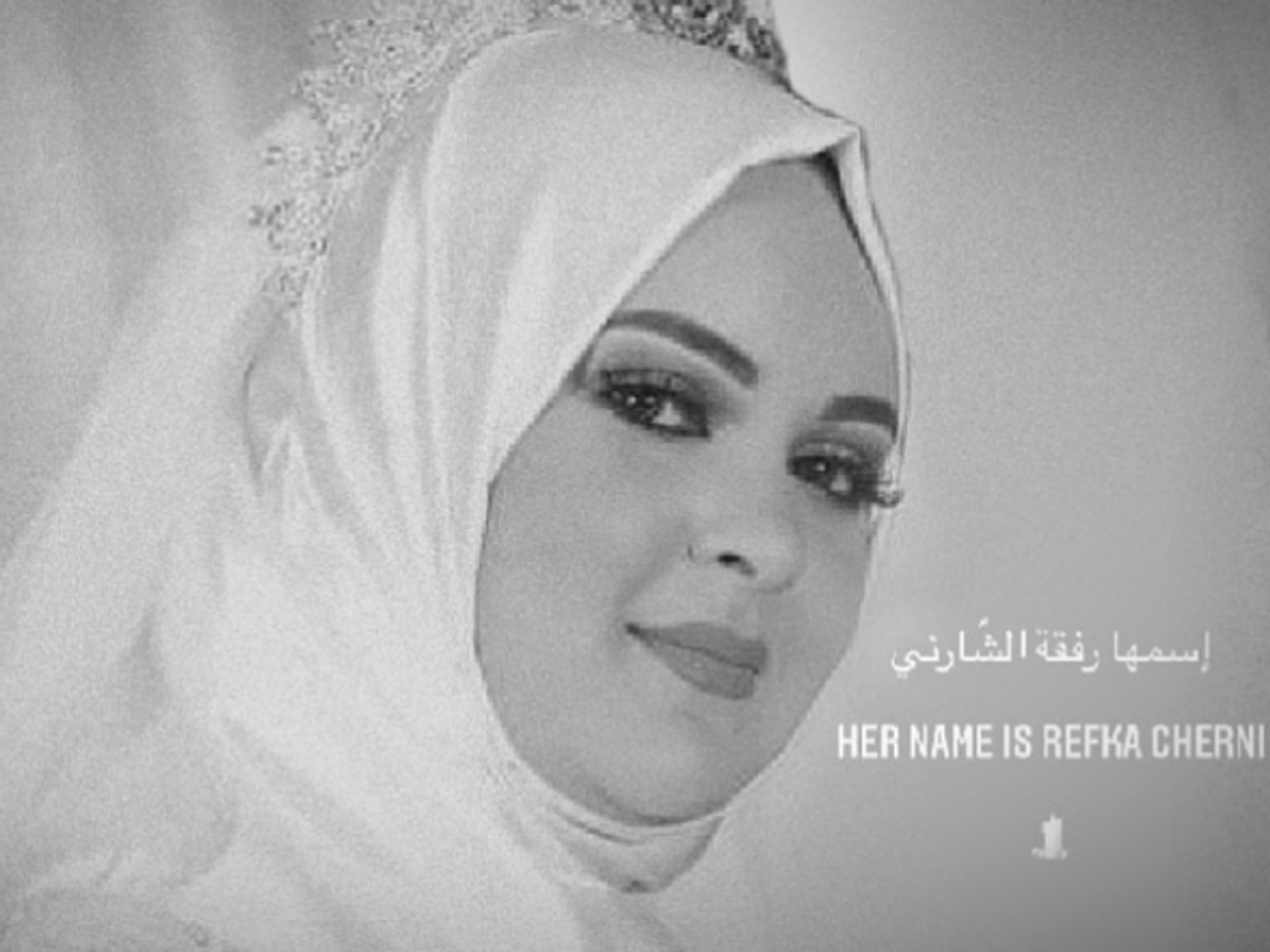
A recent spousal killing in El Kef demonstrates how vulnerable Tunisian women remain despite the introduction, four years ago, of a law specifically designed to protect them.
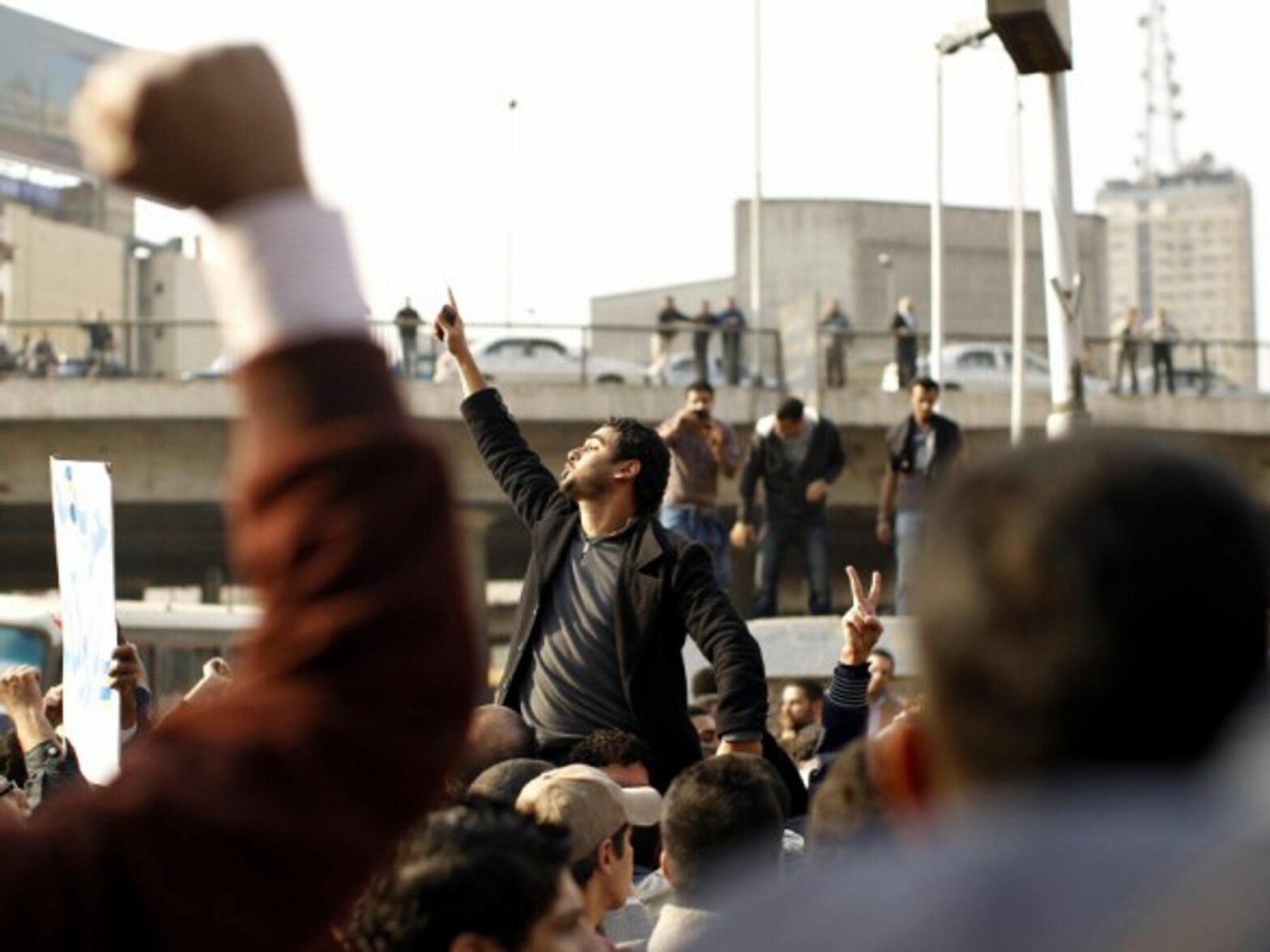
When Mohamed Bouazizi set himself on fire in December 2010, it first triggered a wave of revolts, then hopes of a historic liberalization in Arab countries. But the doors of democracy, barely half-opened, have been shut ever since.

A new crop of Tunisian engineers are coming up with clever ways to help farmers streamline their operations and adjust to a changing climate.
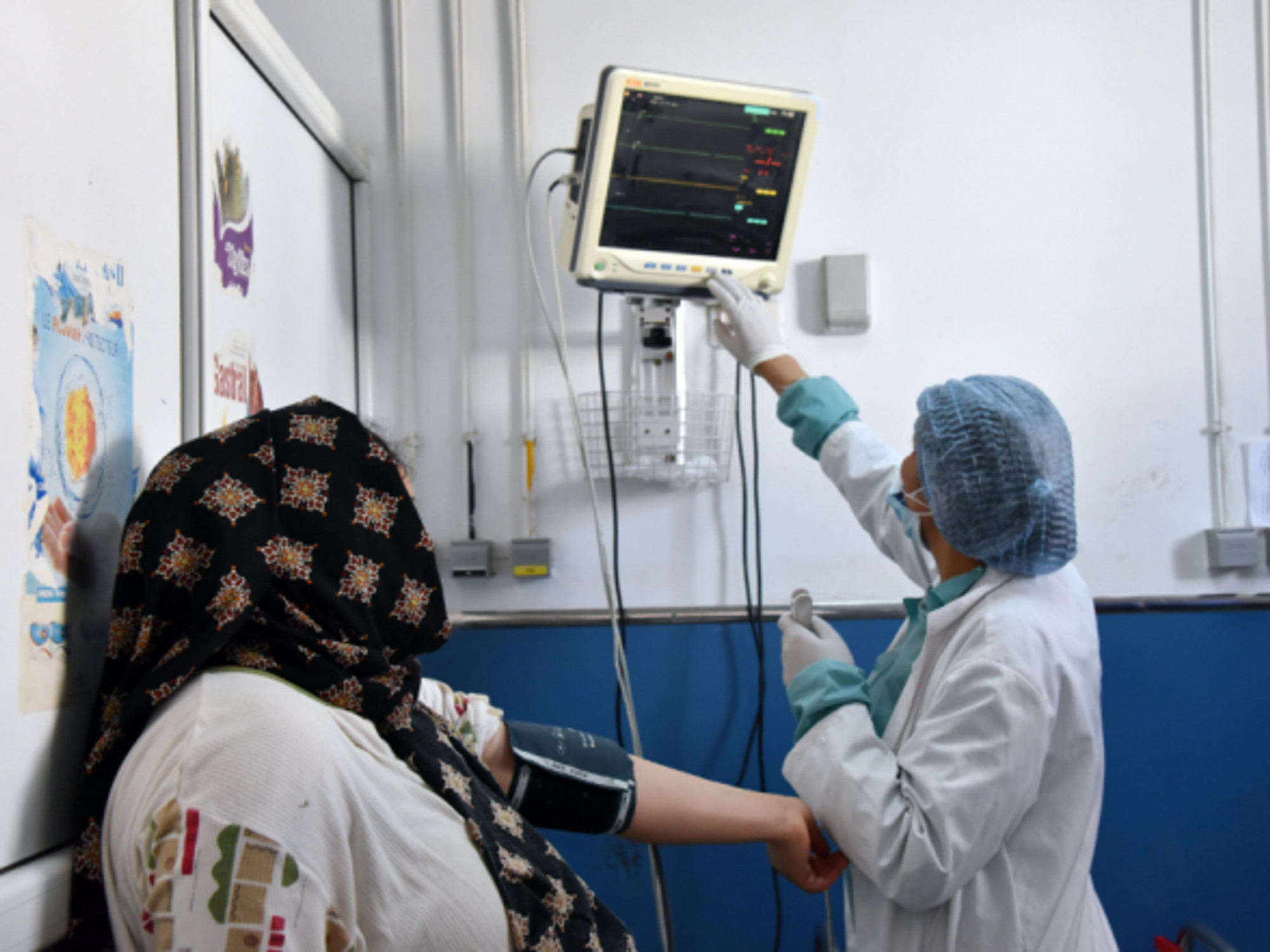
The pandemic added an extra layer of obstacles for patients with already limited access to quality attention for their sexual and reproductive health needs.

Since 2017, Tunisian women have had the right to marry non-Muslims. But reality is playing out in different ways down on the local level amid an Islamist resurgence.
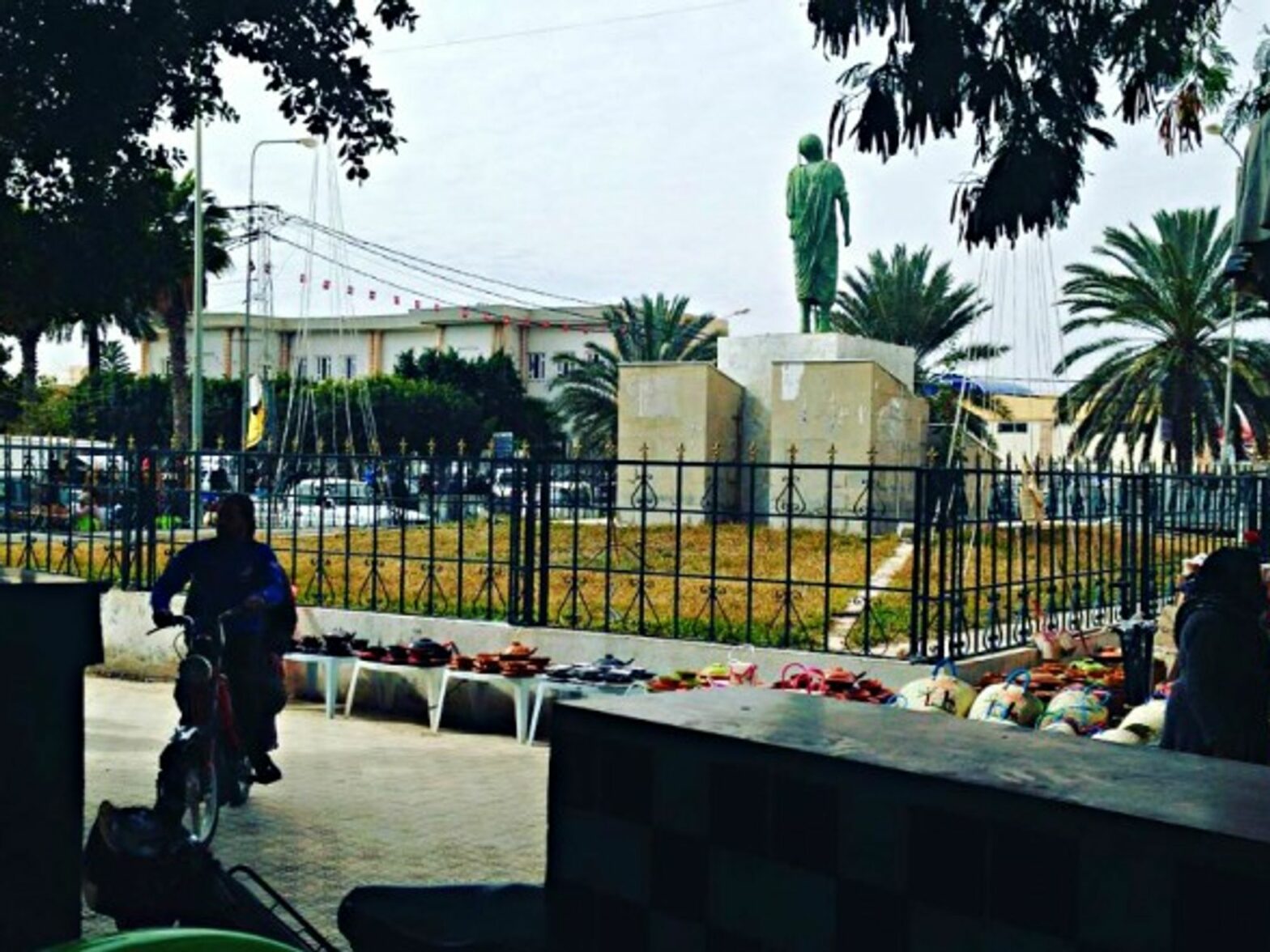
In the southern city of El Hamma, young Tunisians attempt to emigrate all the time for a dangerous journey across the Mediterranean. One recent tragedy left dozens dead.
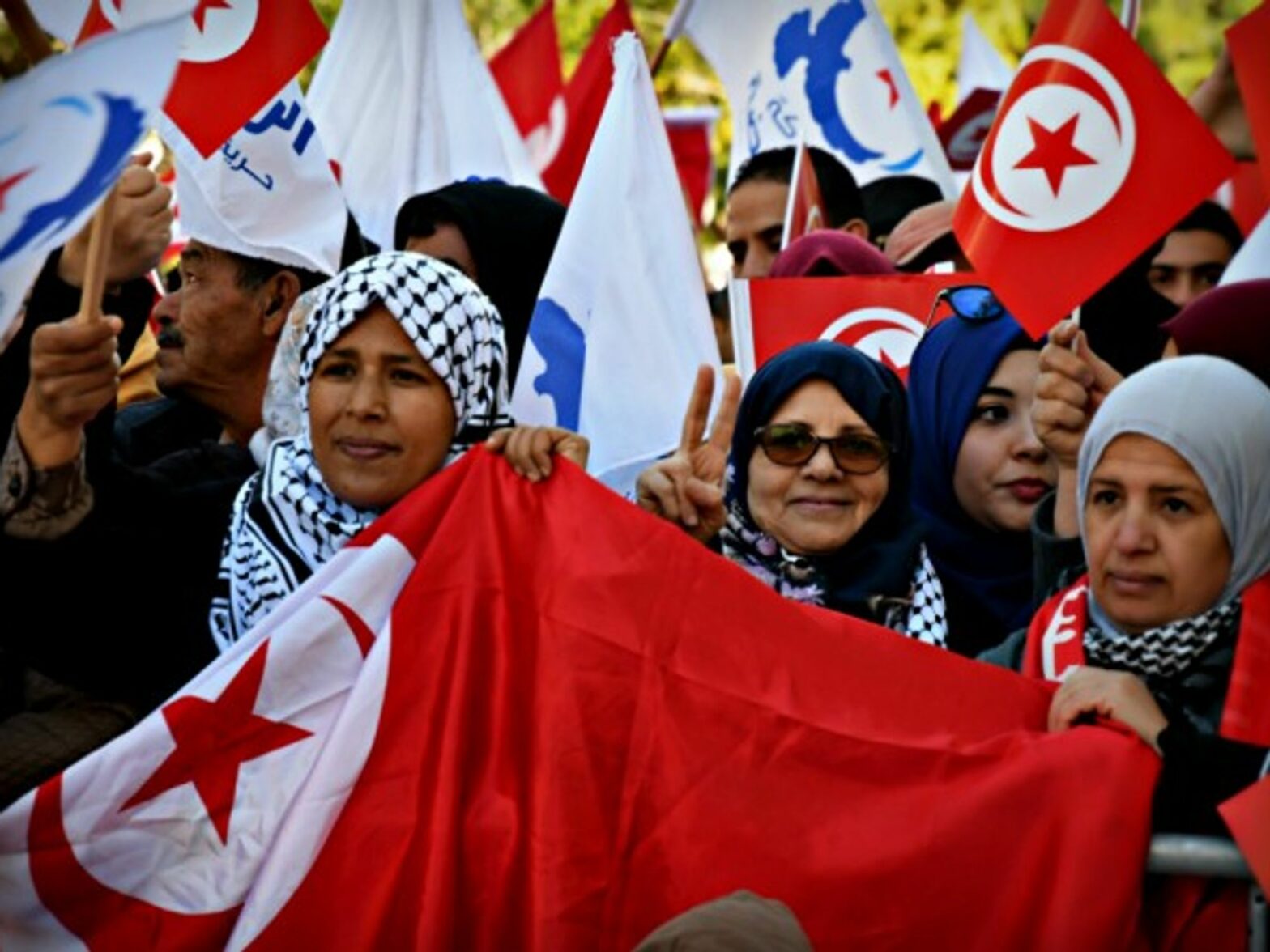
The attachment to autocracy prevails over the current appreciation of the state of democracy. Still tottering, to be sure.
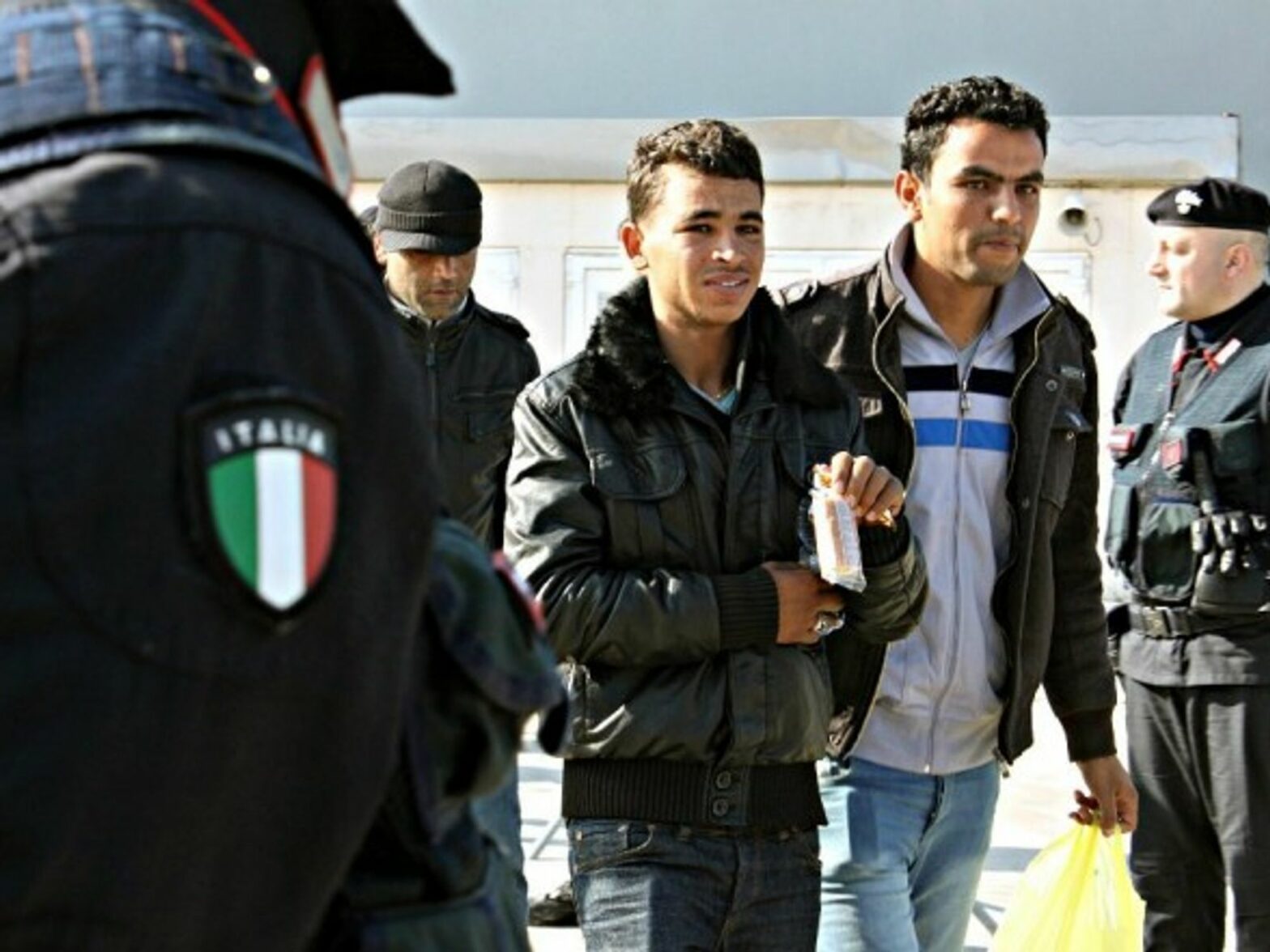
SFAX — Plastic bags litter the fields that separate the highway from the Mediterranean Sea. Tunisian fishermen sail their boats in the Gulf of Gabes, between the cities of Sfax and Zarzis — and just 120 kilometers from the Italian island of Lampedusa. Indeed, recently the fishermen’s haul has begun to include migrants picked up […]
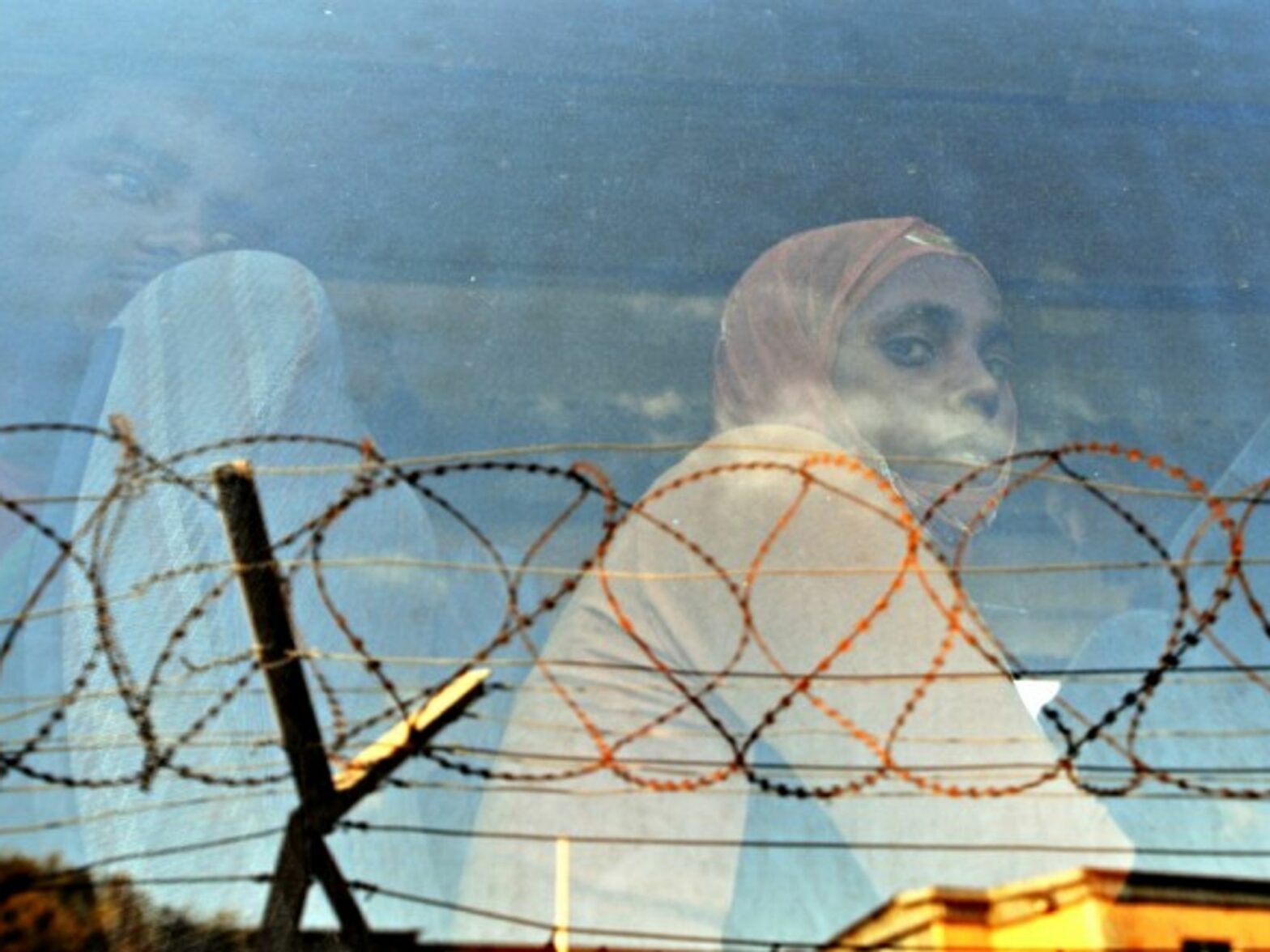
In the south of Tunisia, near the Libyan border, an ancient dump serves as a cemetery for immigrants attempting to cross the Mediterranean illegally. But the living remain undeterred.