At a time when tragedy is broadcast in real time, we are experiencing collective trauma without even realizing it.

 Worldcrunch
Stay updated with comprehensive news on Colombia from Worldcrunch. Discover insights on Colombian politics, economic strategies, societal issues, and cultural landmarks with translations from top international sources. Highlights include Bogotá, Colombian history, and cultural events.
At a time when tragedy is broadcast in real time, we are experiencing collective trauma without even realizing it.
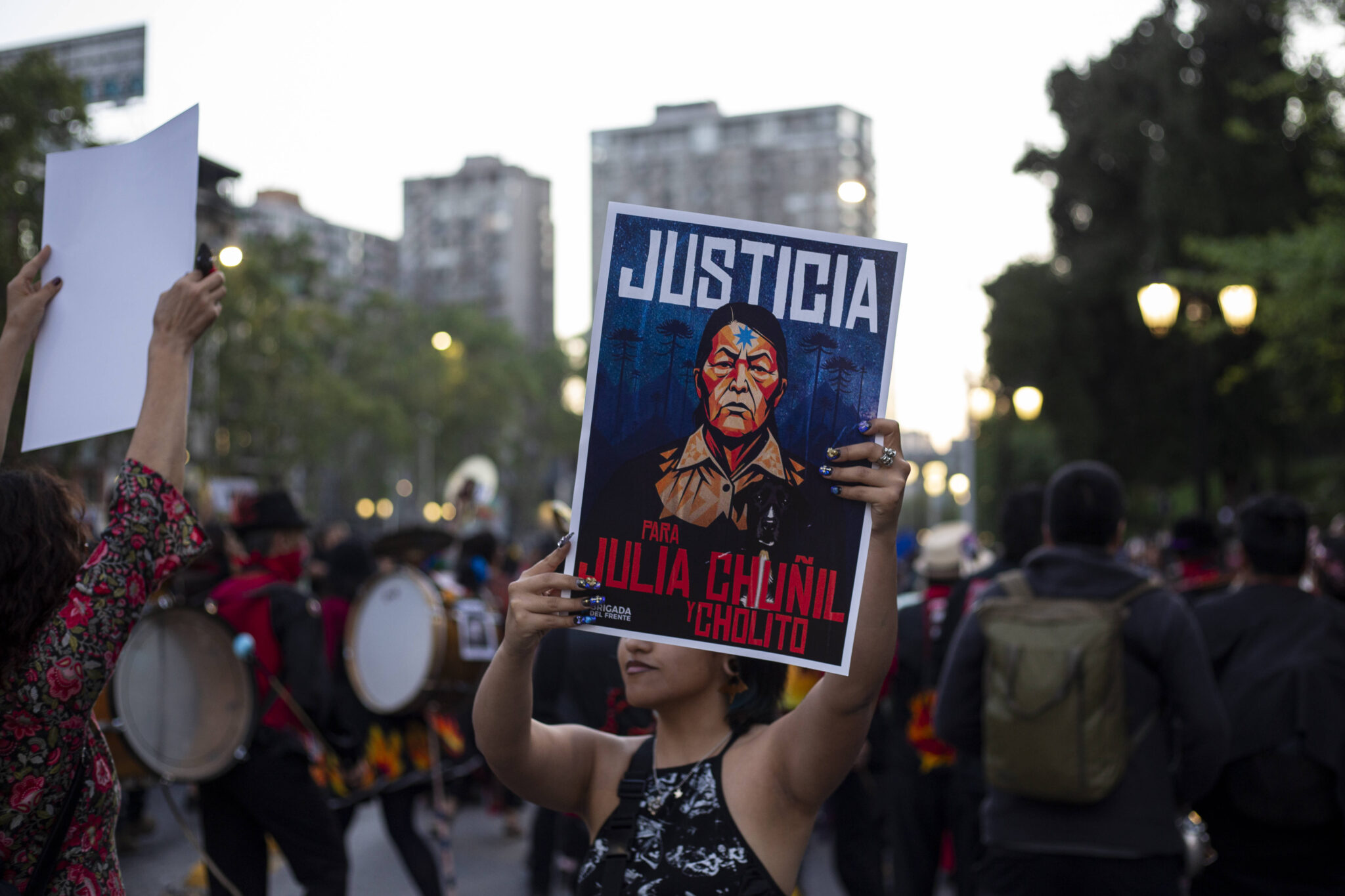
In 2024, there were 146 murders and long-term disappearances of environmental and land activists, according to a report by the NGO Global Witness.
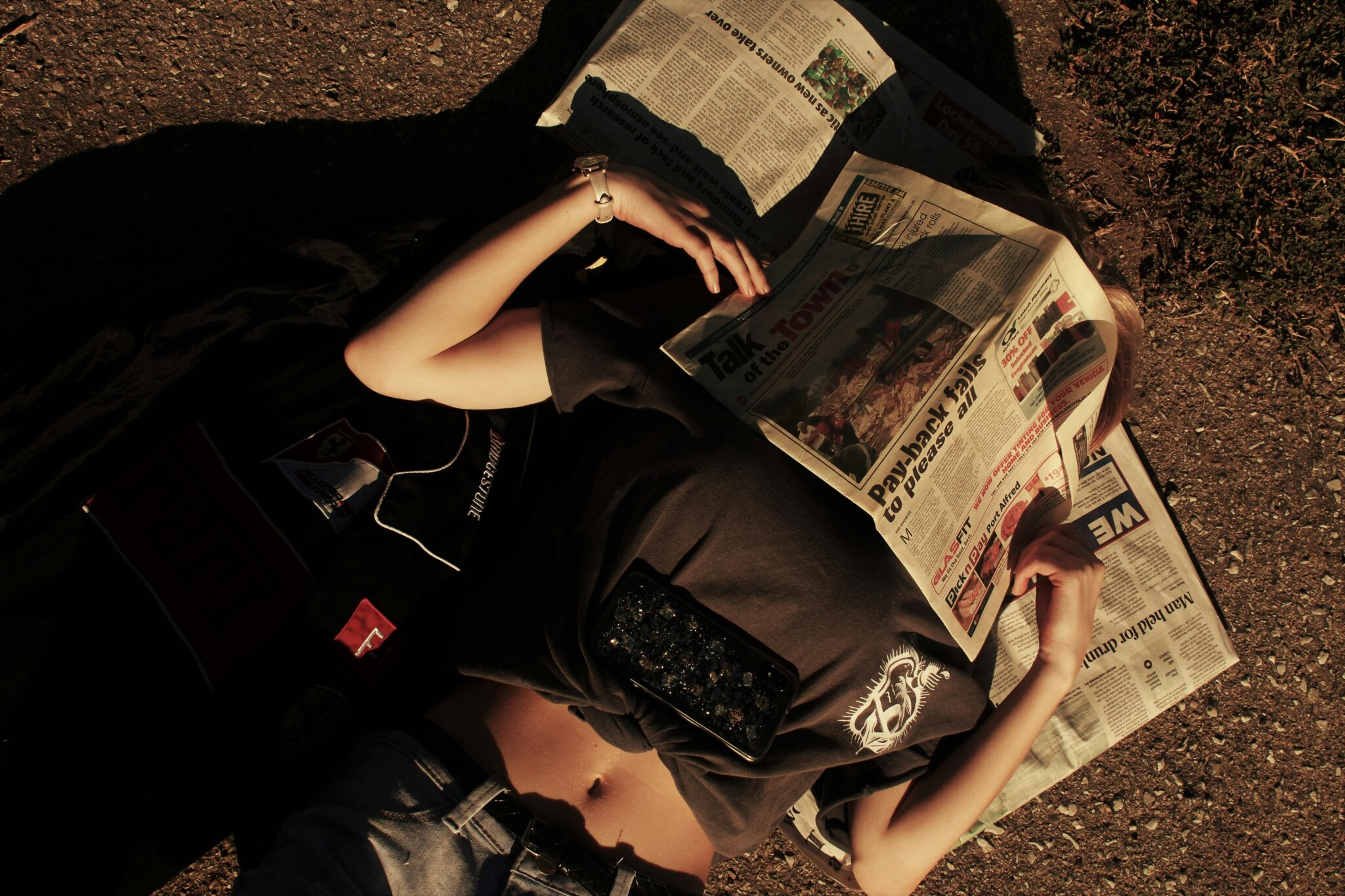
It is easy to feel buried by the avalanche of bad news from around the world. But we have a duty to gratefully enjoy the moments of our lives, come what may.
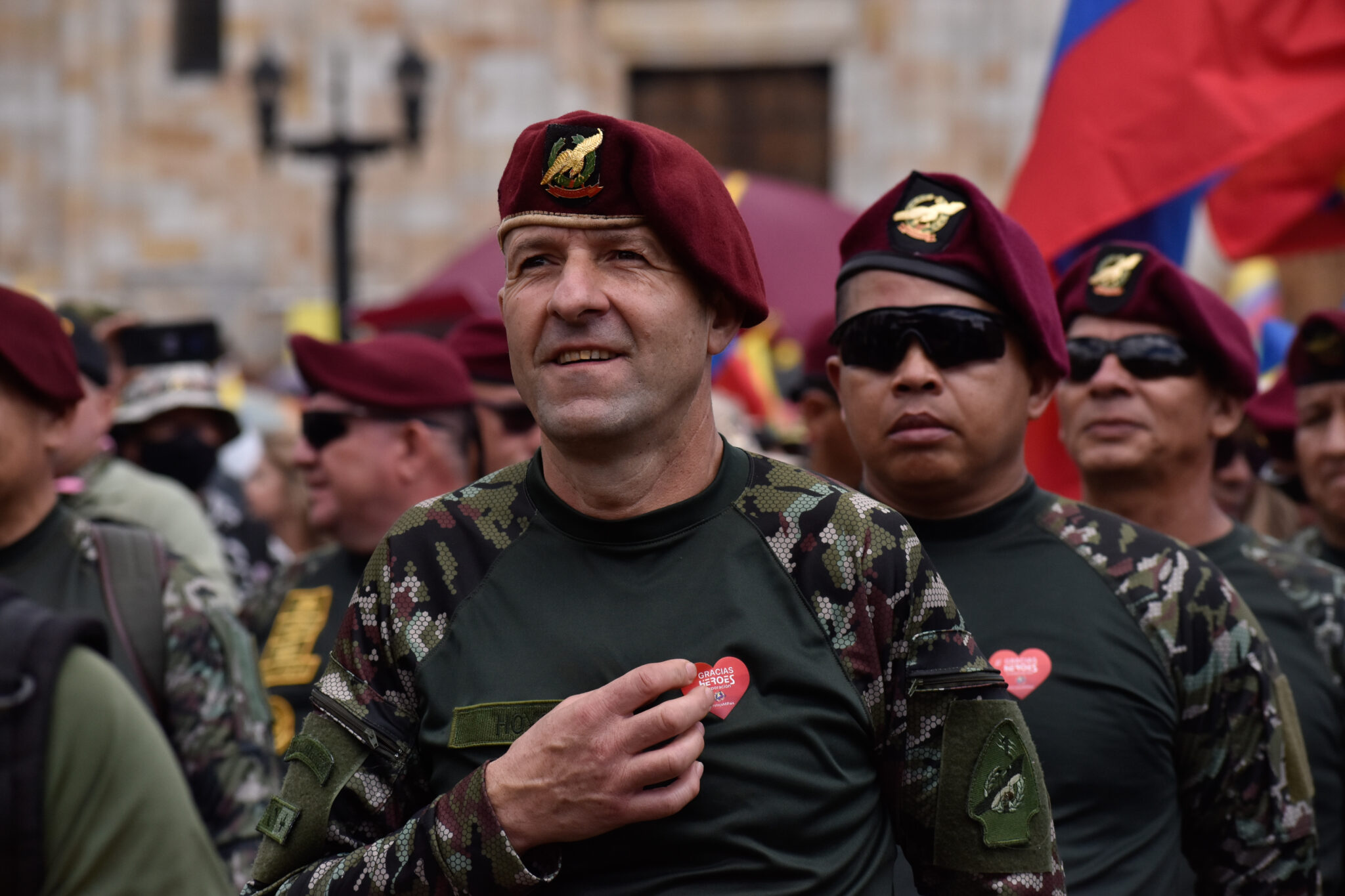
As Colombia considers banning former soldiers from fighting as mercenaries abroad — in places like Sudan — the government should first look into the economic conditions that push them into this ugly line of work.
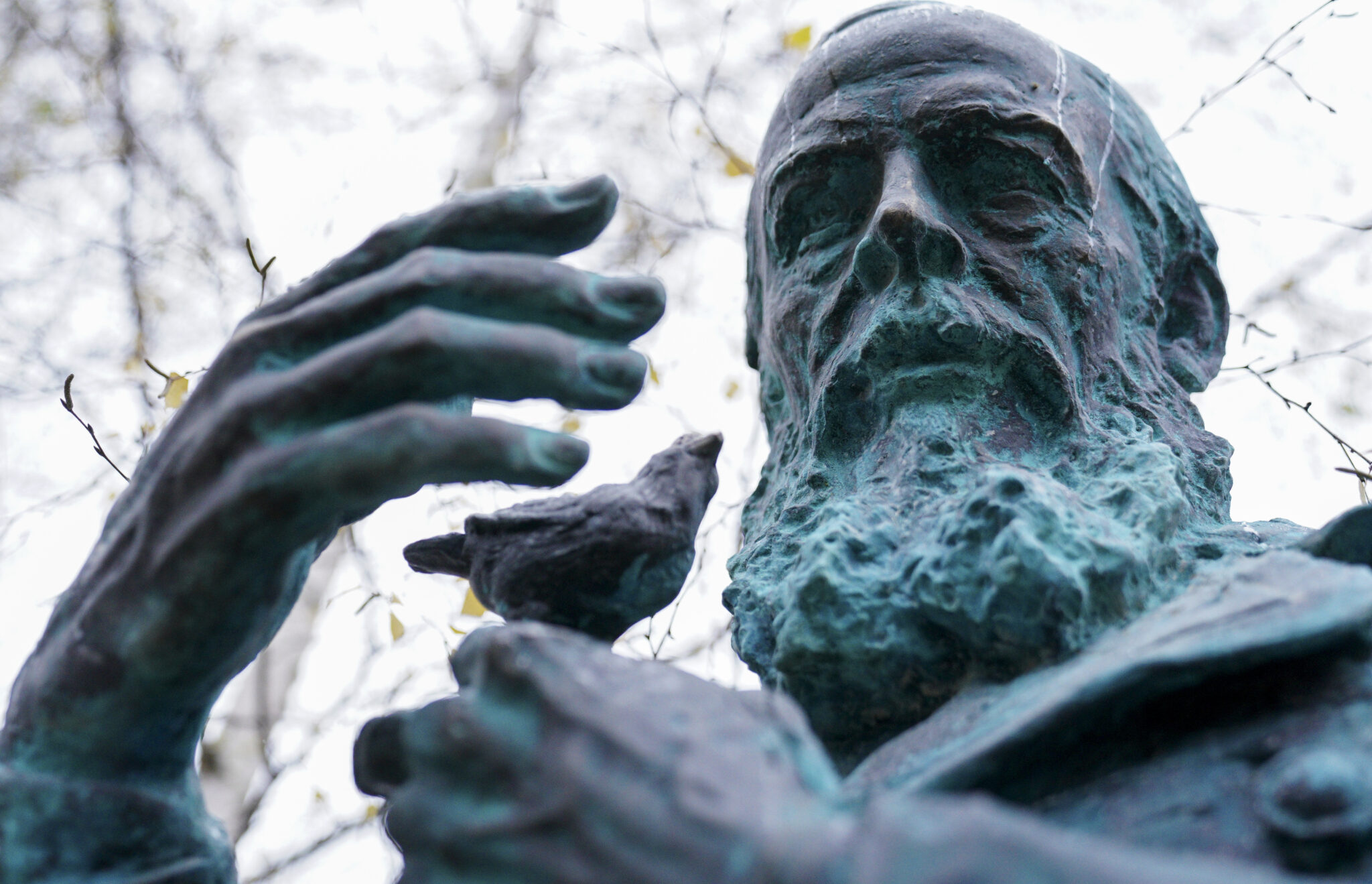
The Russian author of “Crime and Punishment” thought plain-old realism was not good enough in art. Realism, he believed, must be but a tool to reveal a bigger, “hidden” and even implausible realities of earthly existence. The notion was expanded on a century later far away in South America.
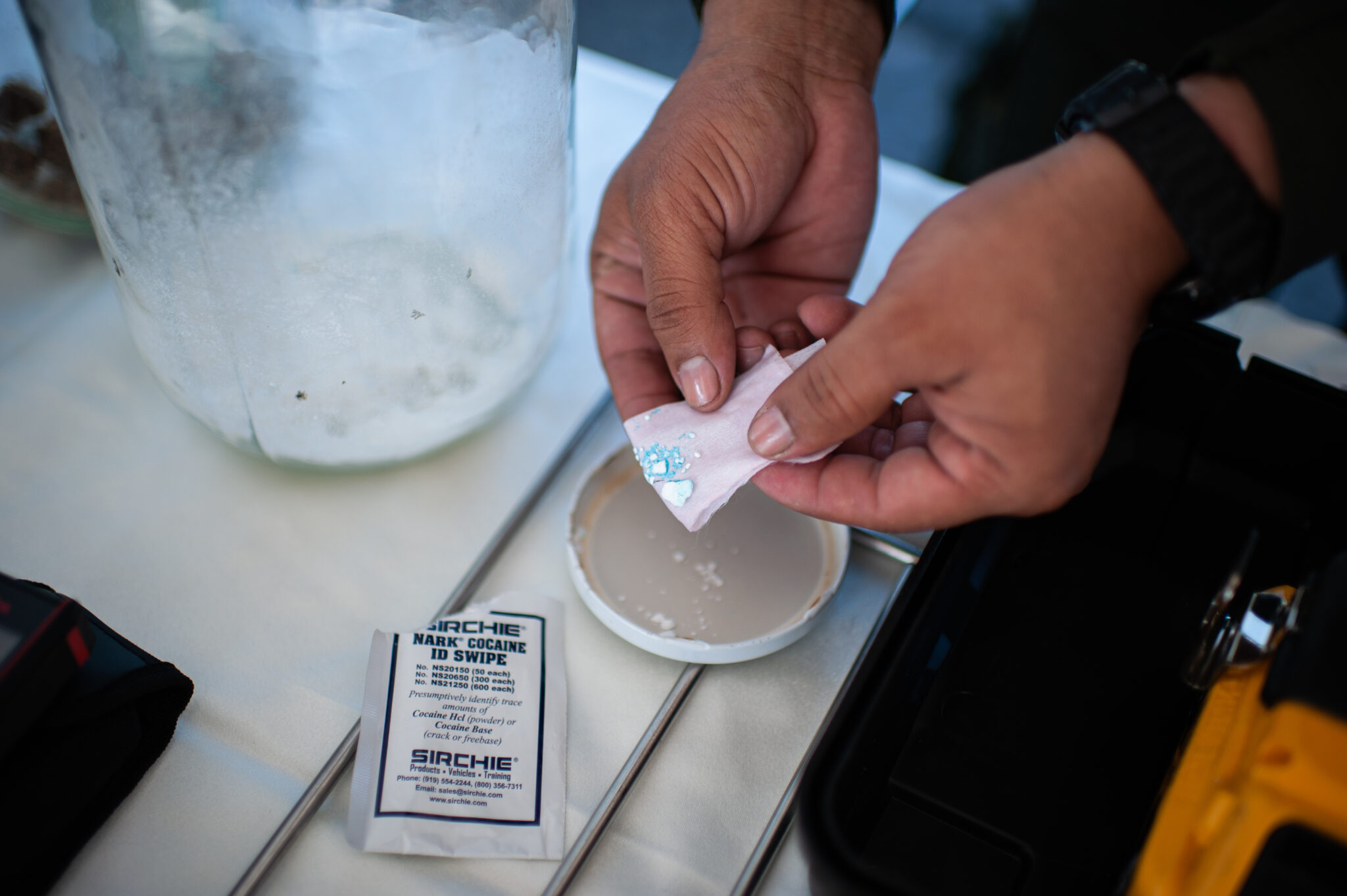
With synthetic drugs like pink cocaine on the rise, Colombia should not mimic its fight against the drugs like marijuana or cocaine in the 1990s; anti-drug policies must turn their focus from users to dealers.
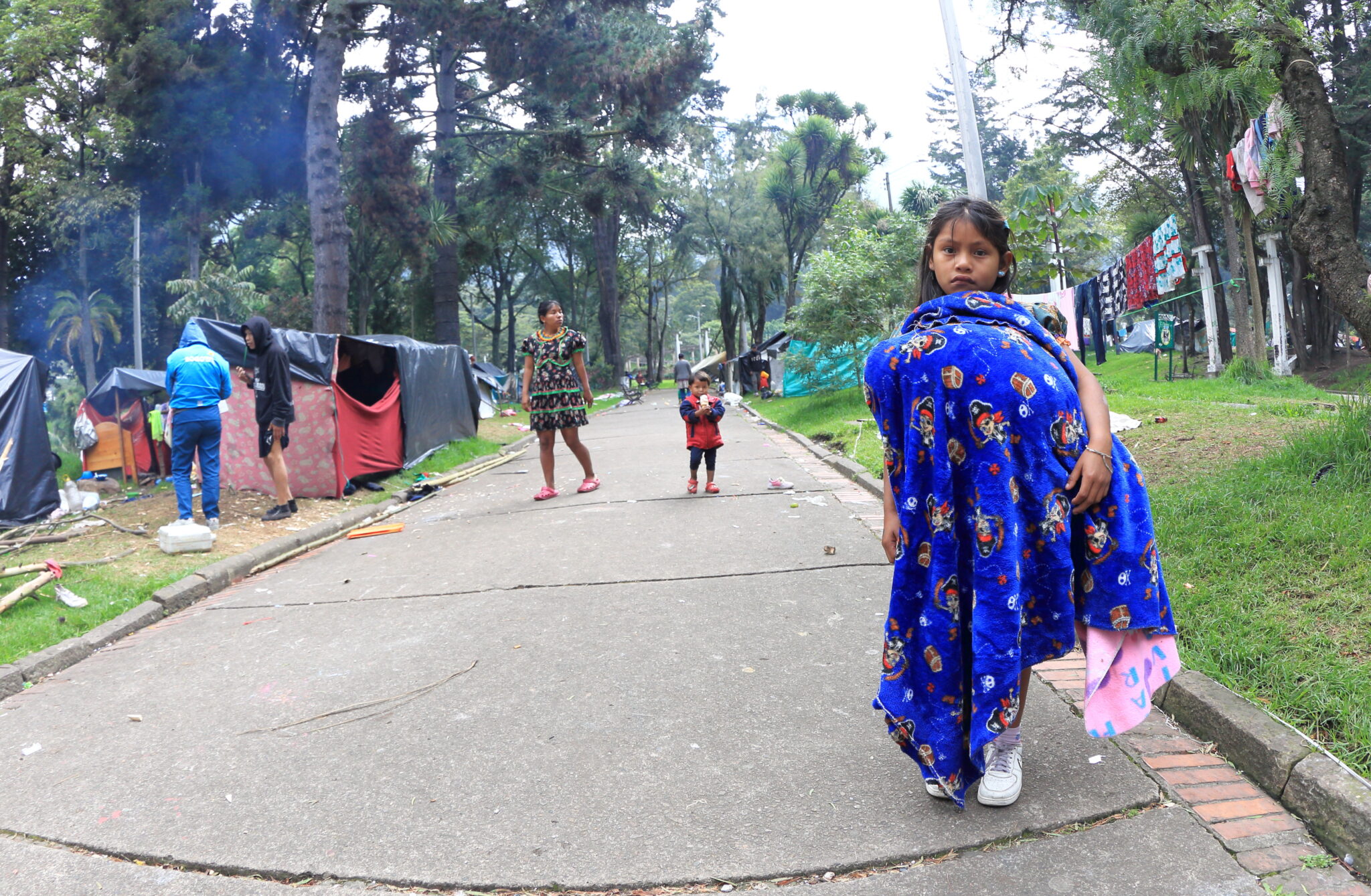
Armed groups are increasingly restricting movement in Colombia’s northwestern Chocó region — a growing problem across the country.

In Colombia, people with disabilities face multiple barriers to accessing comprehensive sexuality education, which limits their autonomy and increases the risk of sexual violence. Experts warn that the education and health systems still do not guarantee their right to receive adequate information and support.
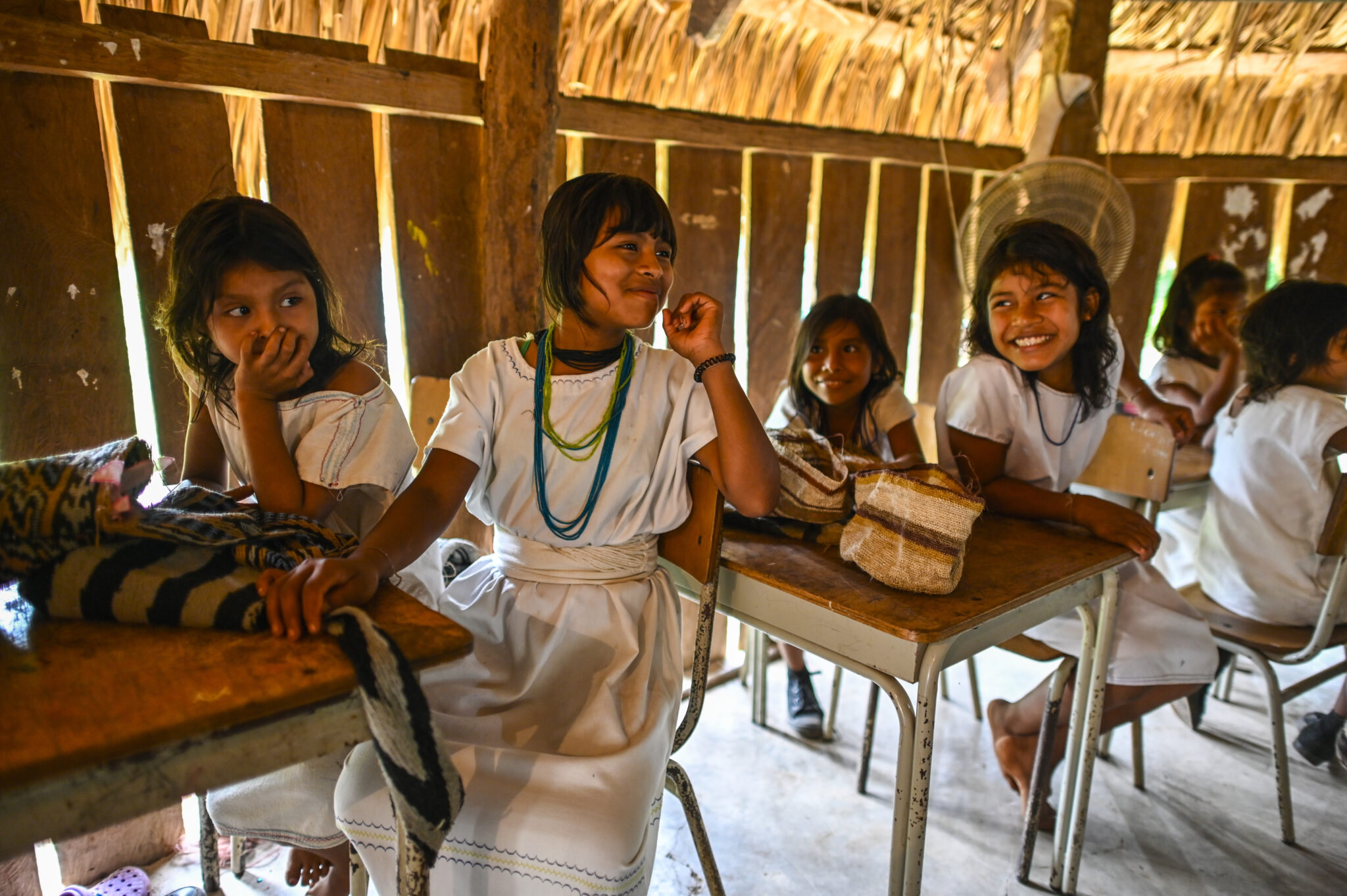
Miraña, spoken by just 170 people, is one of the indigenous languages that is in danger of disappearing in Colombia. Researchers and activists are working to save it from extinction.
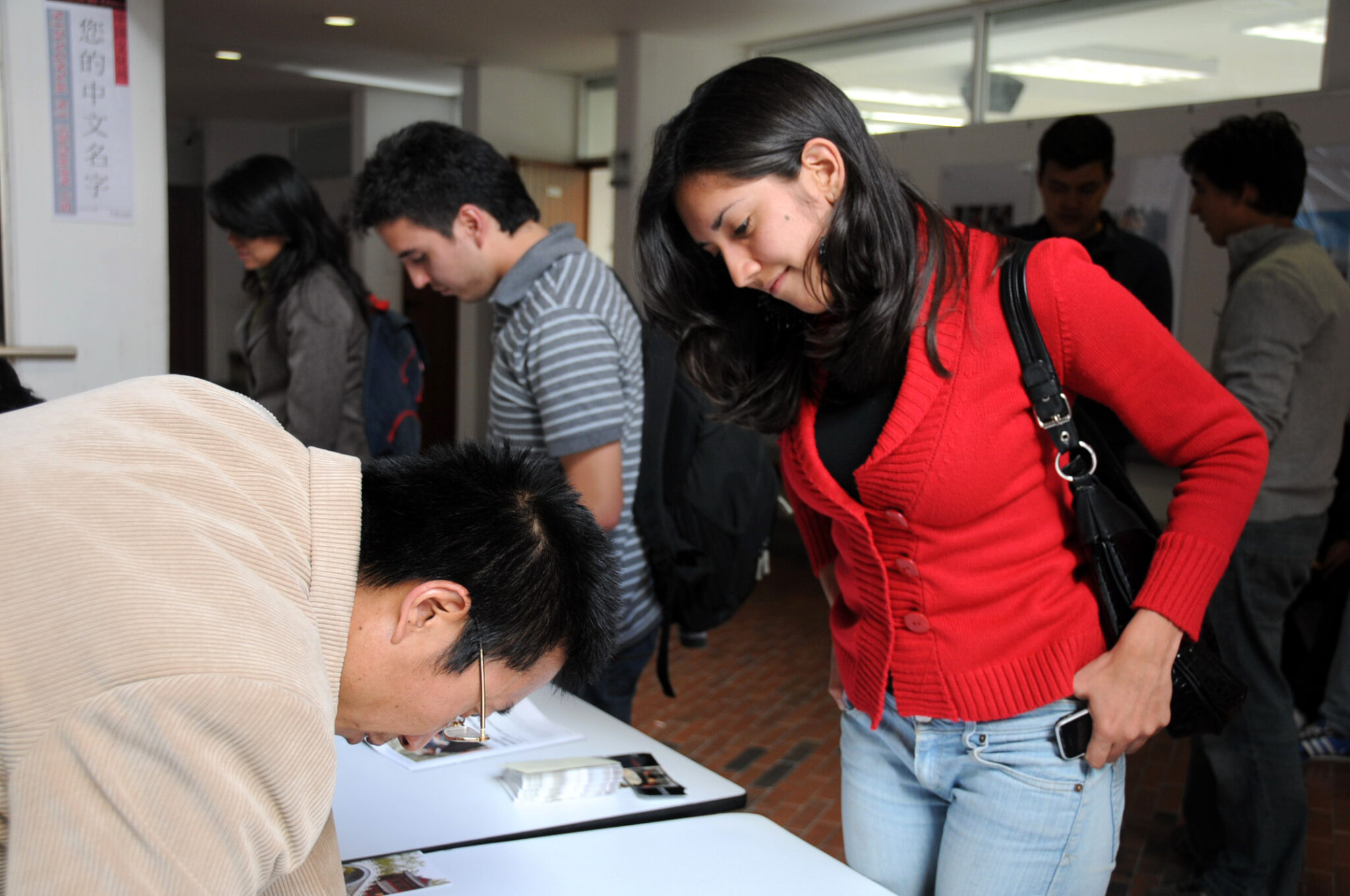
Maoism seduced universities worldwide in the 1960s and 70s, harming tolerance and academic excellence in the process. Today, that fascination has morphed in countries like Colombia into awe of China the superpower, which is equally unnerving.
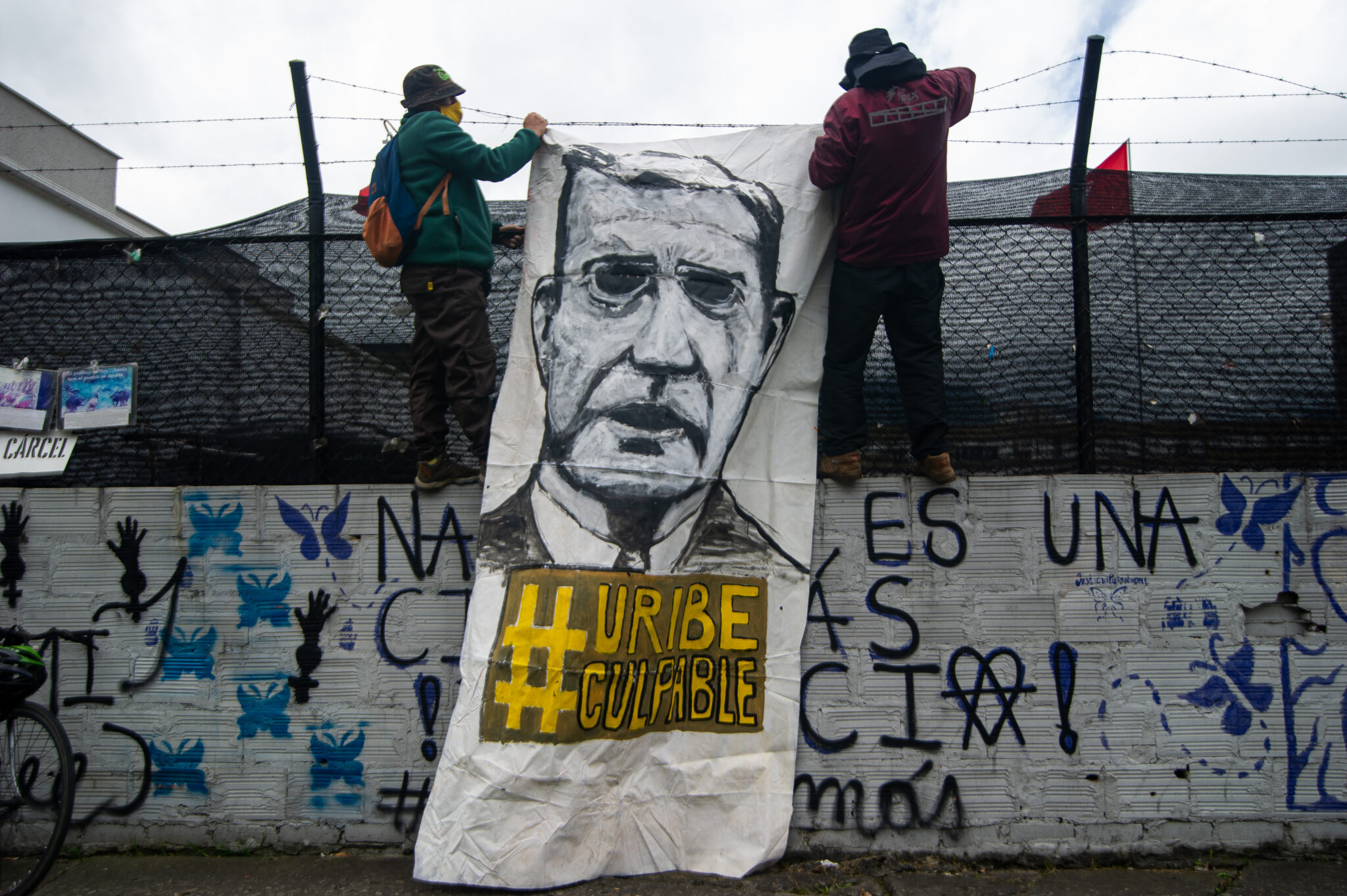
As it recently did with Brazil, the United States is now dissing a court ruling against another conservative politician, in Colombia, and showing the Trump administration’s reluctant respect not just for state sovereignty, but for the rule of law.
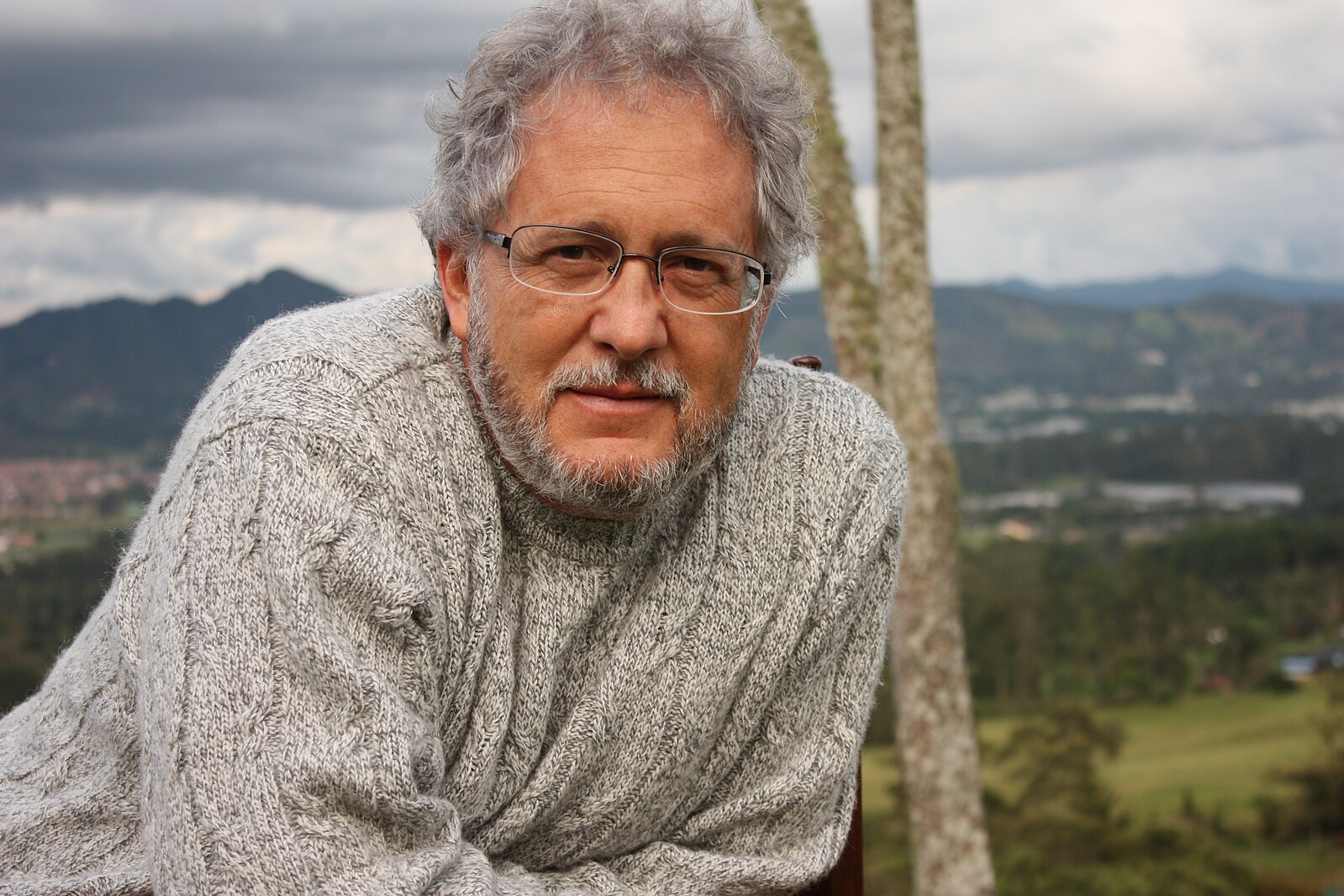
After a brush with death in Ukraine in 2023, Colombian writer Héctor Abad Faciolince discusses his experience, survivor’s guilt, his new book, Ahora y en la hora (“Now and in the Hour”), and the war in Ukraine.
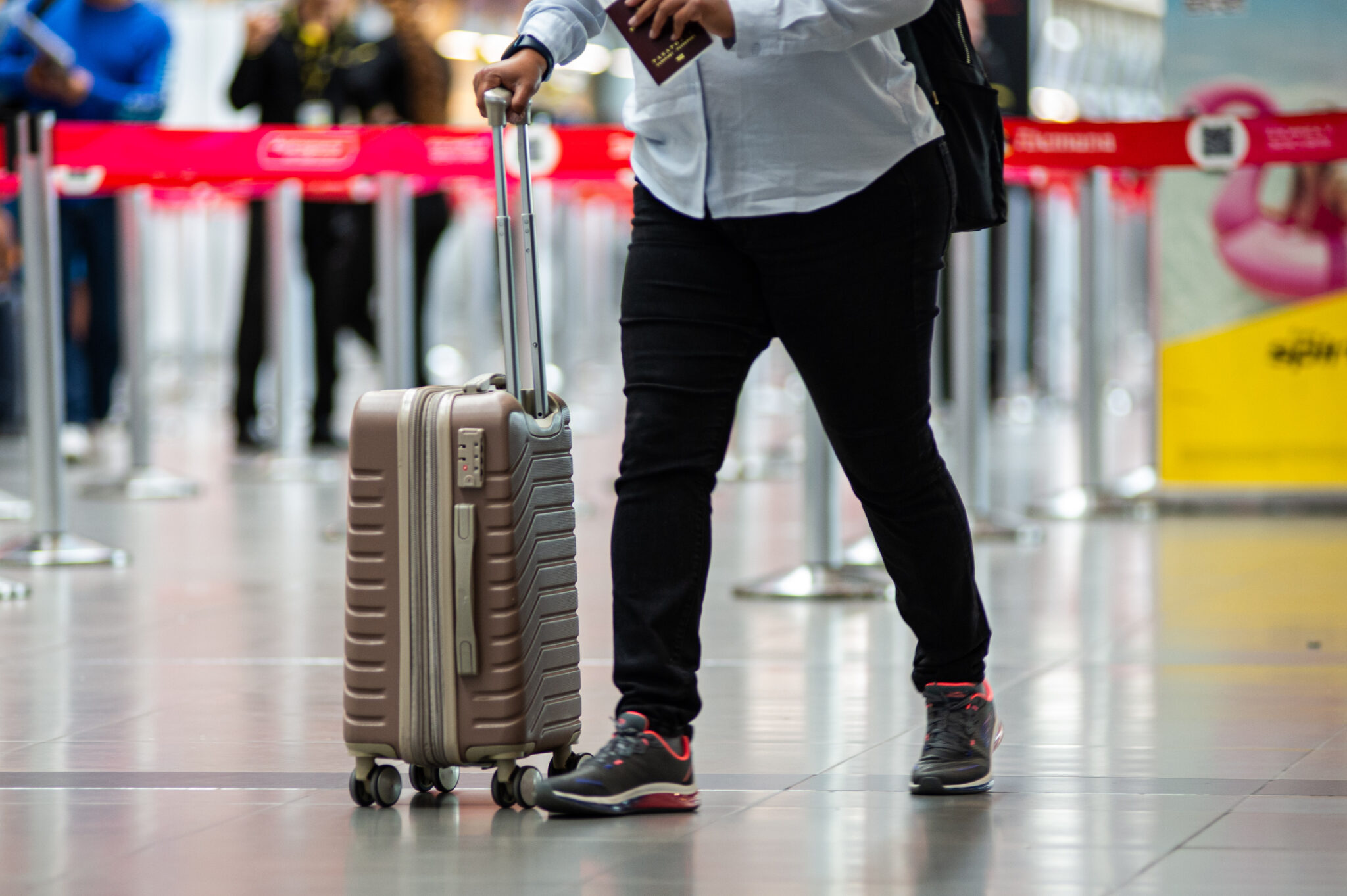
Some of Colombia’s wealthiest families prefer to move abroad, with their money, following a custom of the super-rich in many places. They should remember, the homeland they spurn gave them all the opportunities to become rich.

It is not the first time in history demagogues have spoken of mass movements led by a charismatic leader as “true” democracy, as is happening in several Western nations today. Even the ancients could see this for what it was: a mix of mob rule and political manipulation.
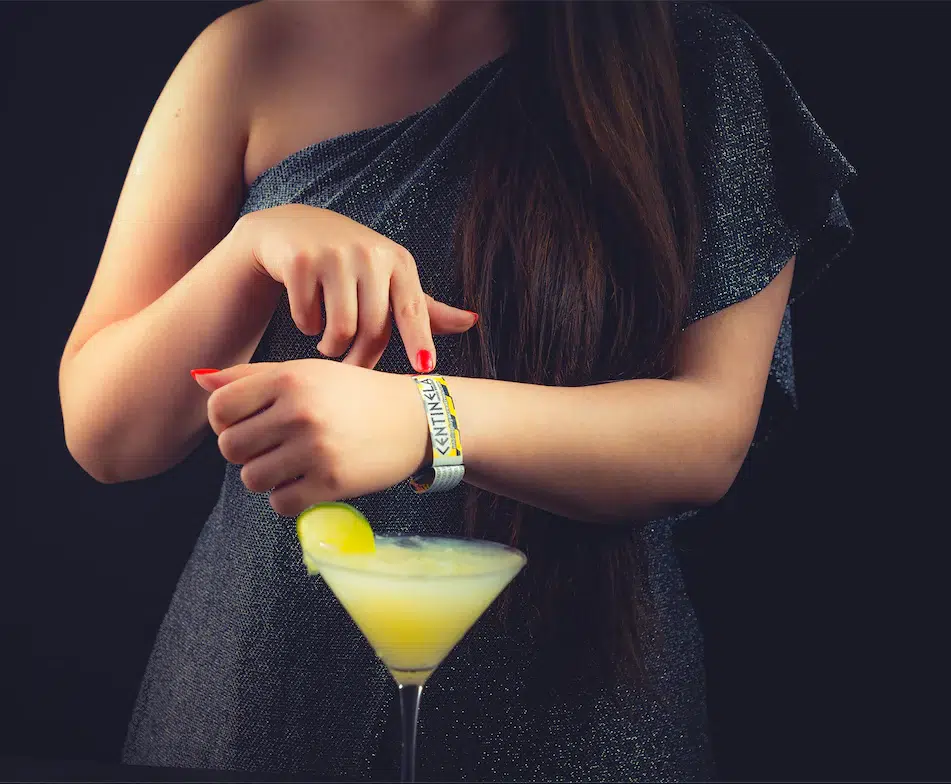
A bracelet from Spain is one of the products helping detect if your drink was ‘spiked’ at a nightclub to cause torpor and impede self-defense. But while such tools may prevent incidents like rape, activists say they’d prefer solutions to the plague of sexist violence, Luisa Lara reports in El Espectador.
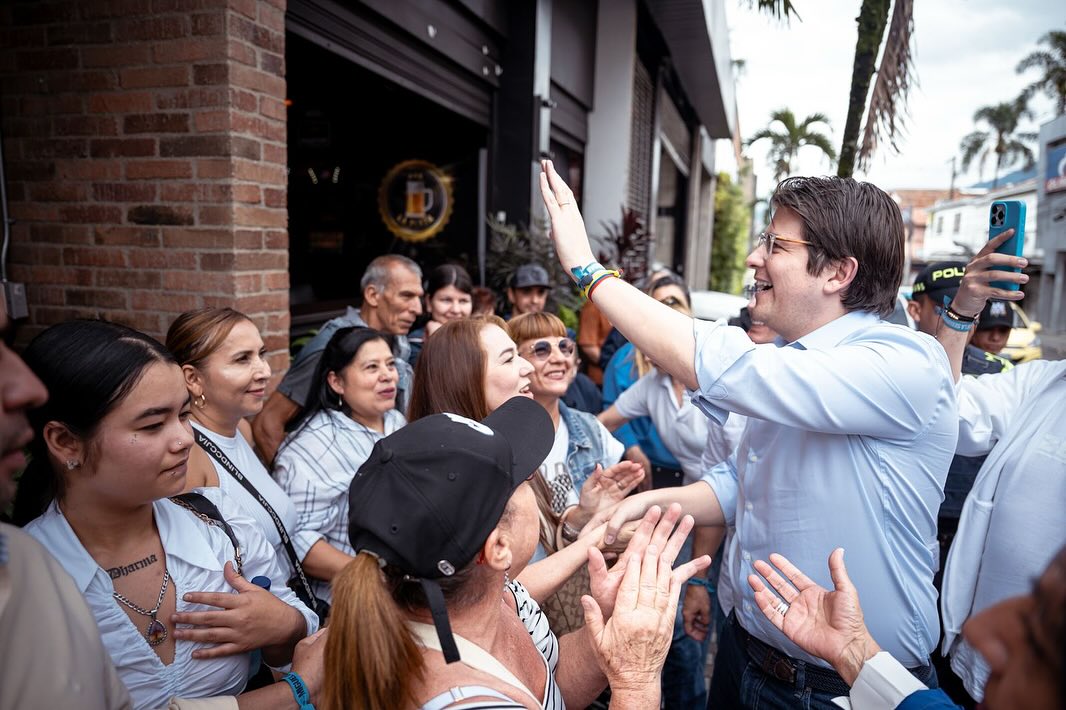
The brutal assassination attempt on Colombian presidential hopeful Miguel Uribe Turbay has reopened decades-old wounds in the country. Amid grief and urgent investigations, the nation is wondering how unchecked rhetoric of hate that only breeds violence can be replaced by the defense of democracy with genuine compassion.

Asexuality, the near or total absence of sexual desire, is another orientation fighting to be socially accepted. We find a deeper understanding in Latin America from conversations with asexual people and organizations defending their rights.
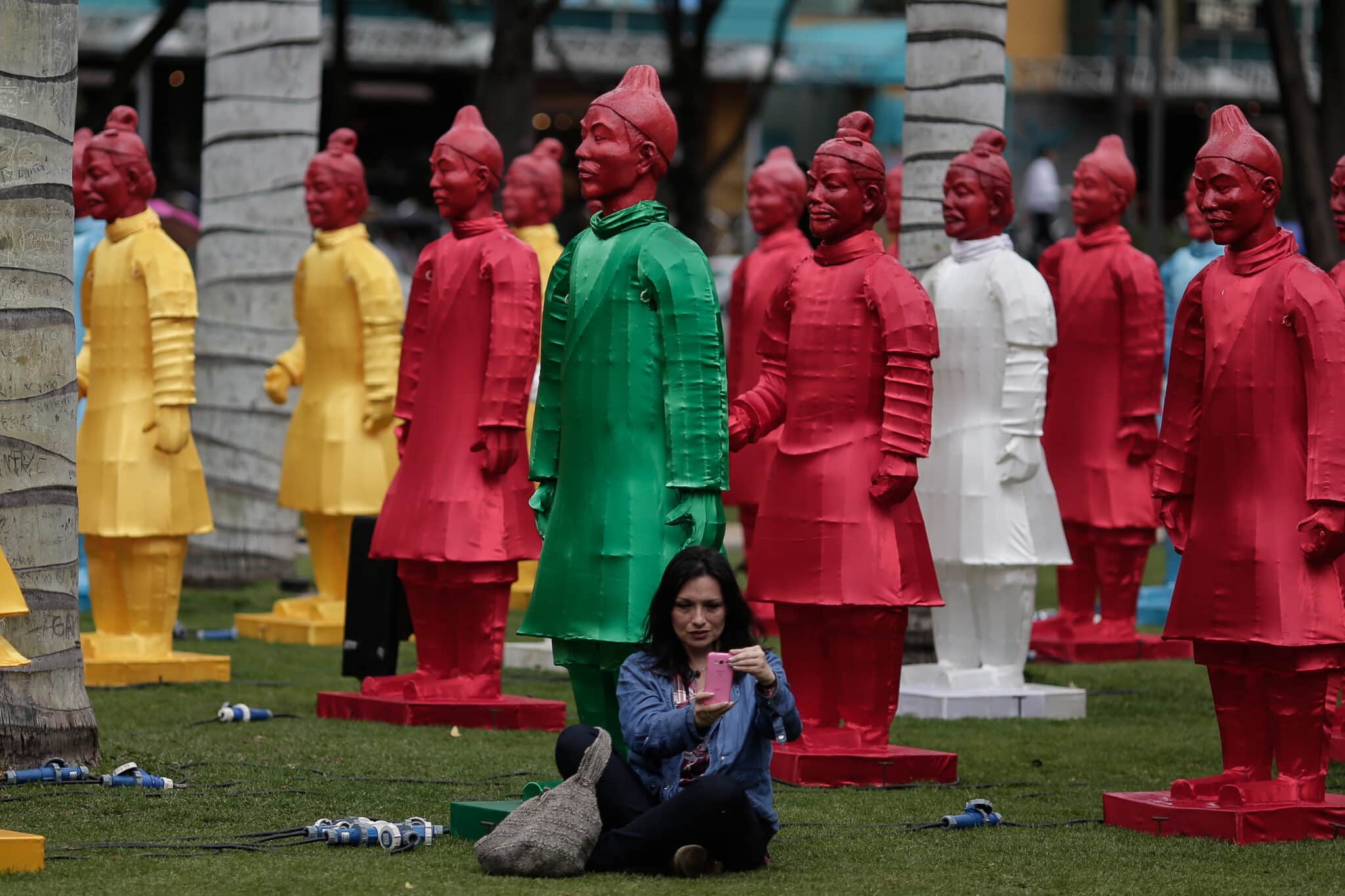
China is taking a growing interest in investing in Latin America — just as the Trump administration is making the United States less reliable. But what are Beijing’s real motivations.
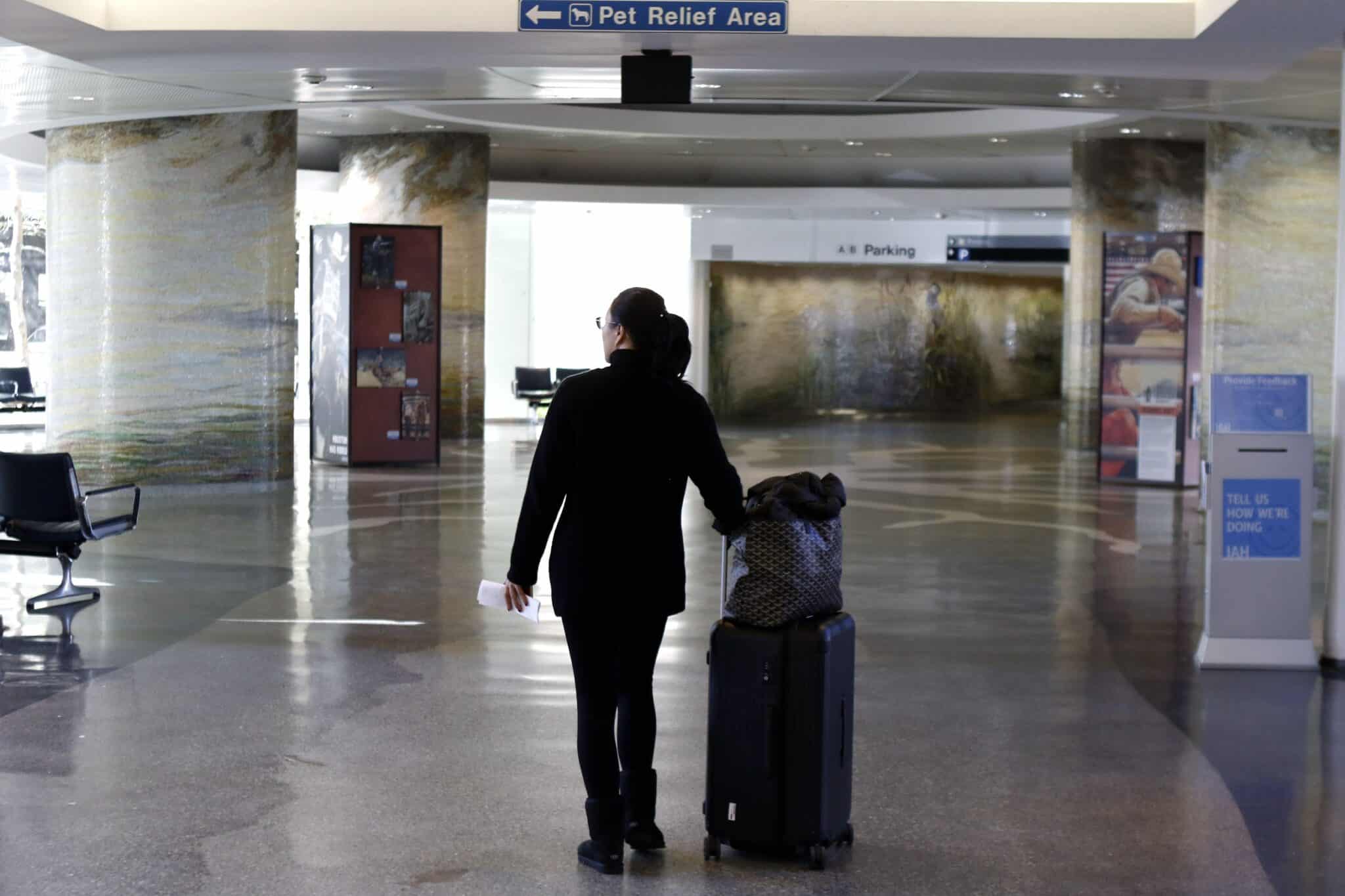
Brazilian journalist Maria Martha Bruno shares the intimidation she faced at the airport in Houston, Texas, where she writes that she was targeted as a non-white woman traveling alone from Colombia.
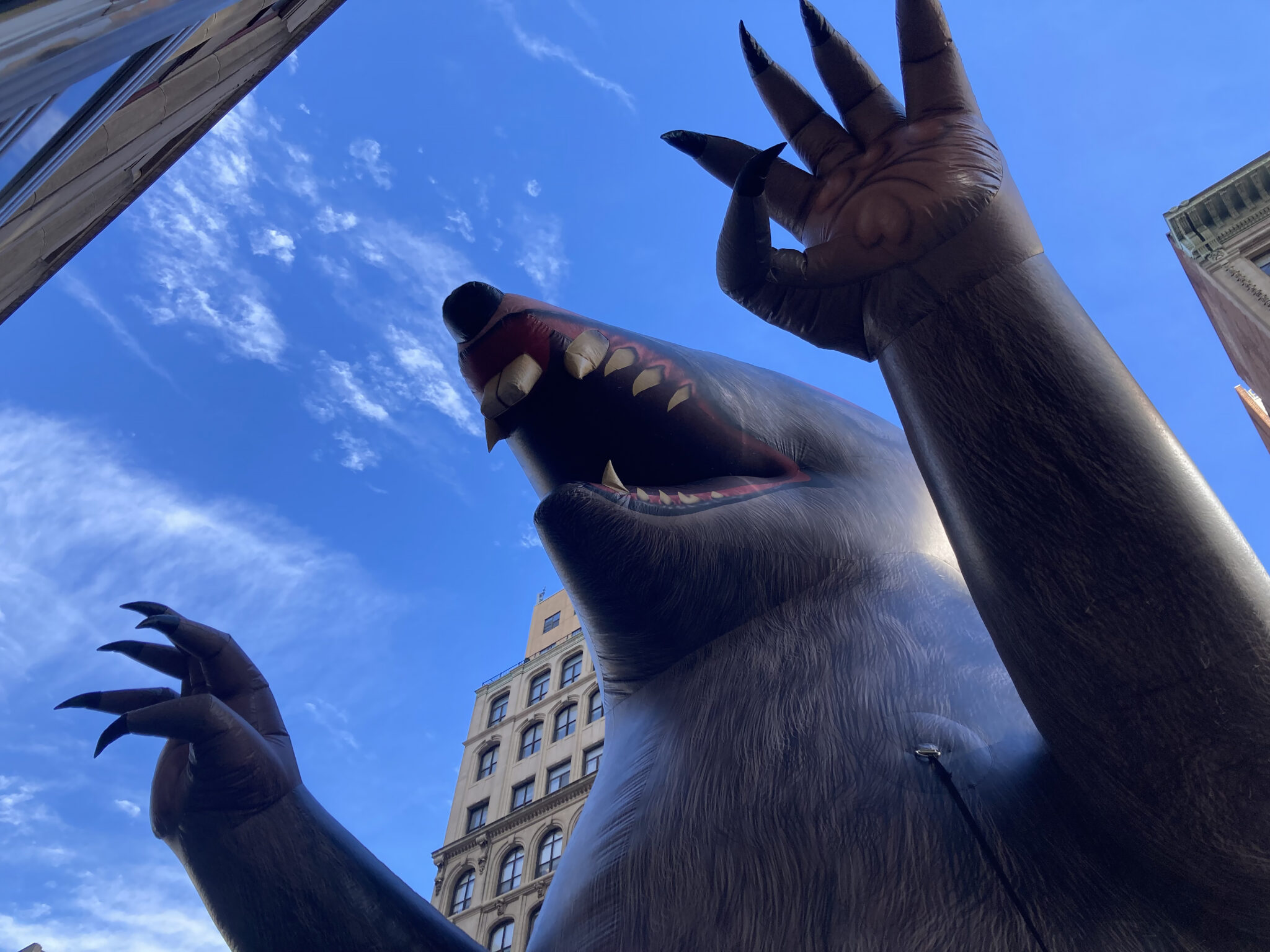
Rats, which can transmit deadly diseases, seem to have proliferated everywhere, unchecked. Is the anthropocene a mere prelude to a nightmarish, golden age of rats?
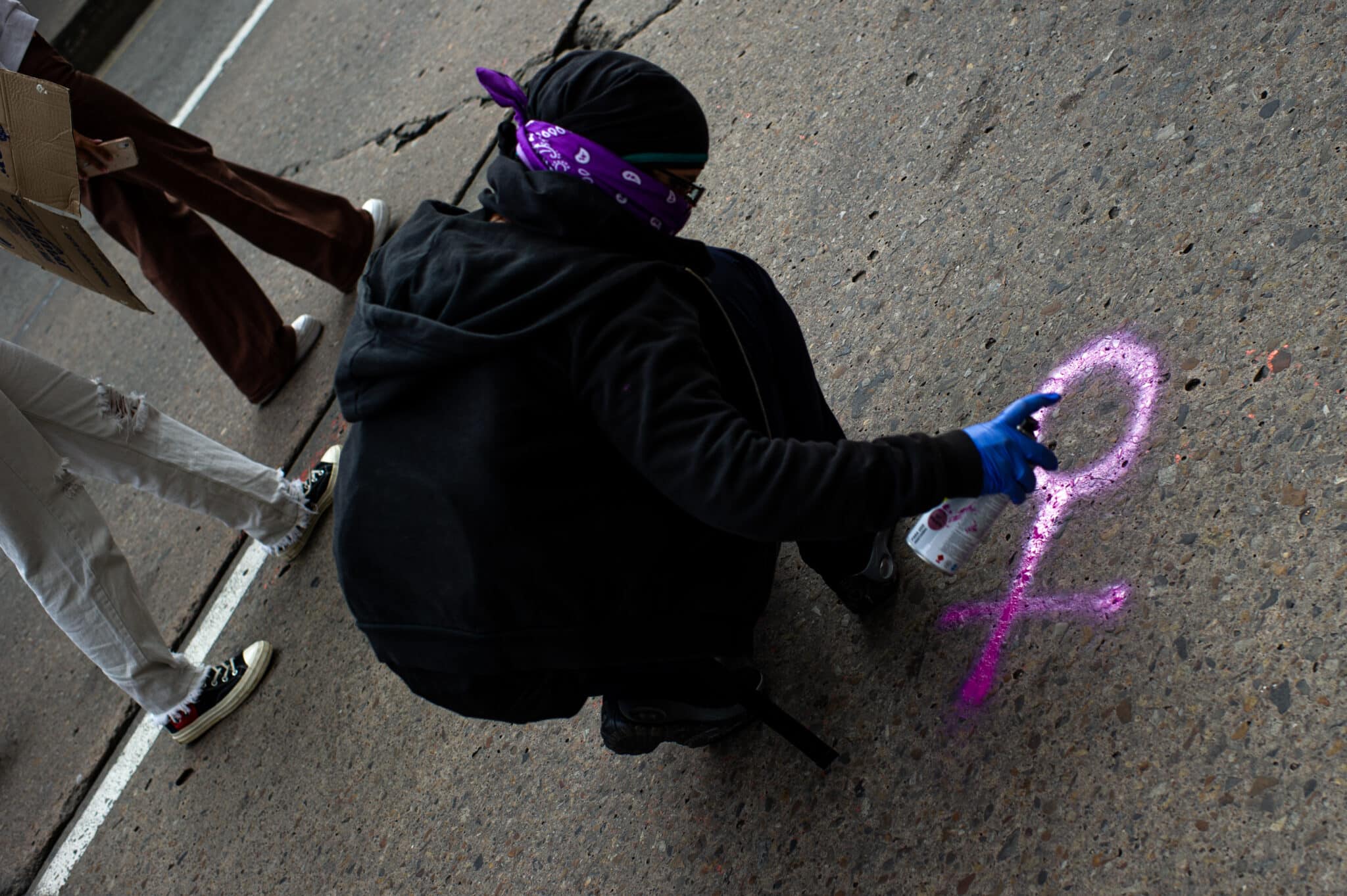
Nothing in cities and spaces is random. Bathroom lines, street names, and the maps we use every day also tell a story of inequality. Feminist geography seeks to make visible what is often overlooked and proposes a more equitable way of inhabiting space.
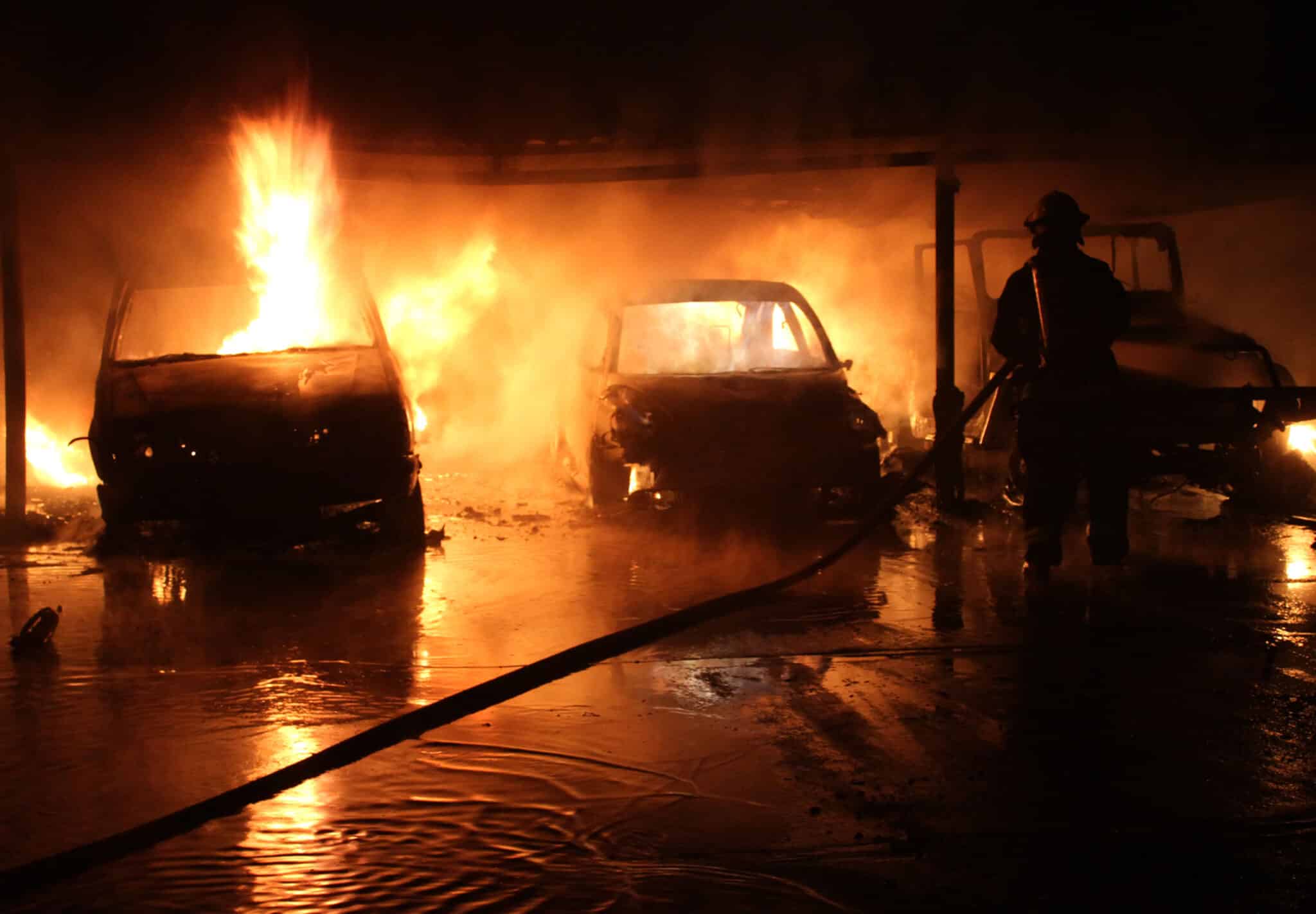
Gang crime, explosions and hitmen killings, linked to guerrillas or cross-border trafficking, are turning the Colombian frontier city of Cúcuta into a lawless free-for-all. The locals however, are not as shocked as they should be.

With the arrival of the new Pope, can we expect a new stance from the Catholic Church on the rights of women and LGBTQ+ people?
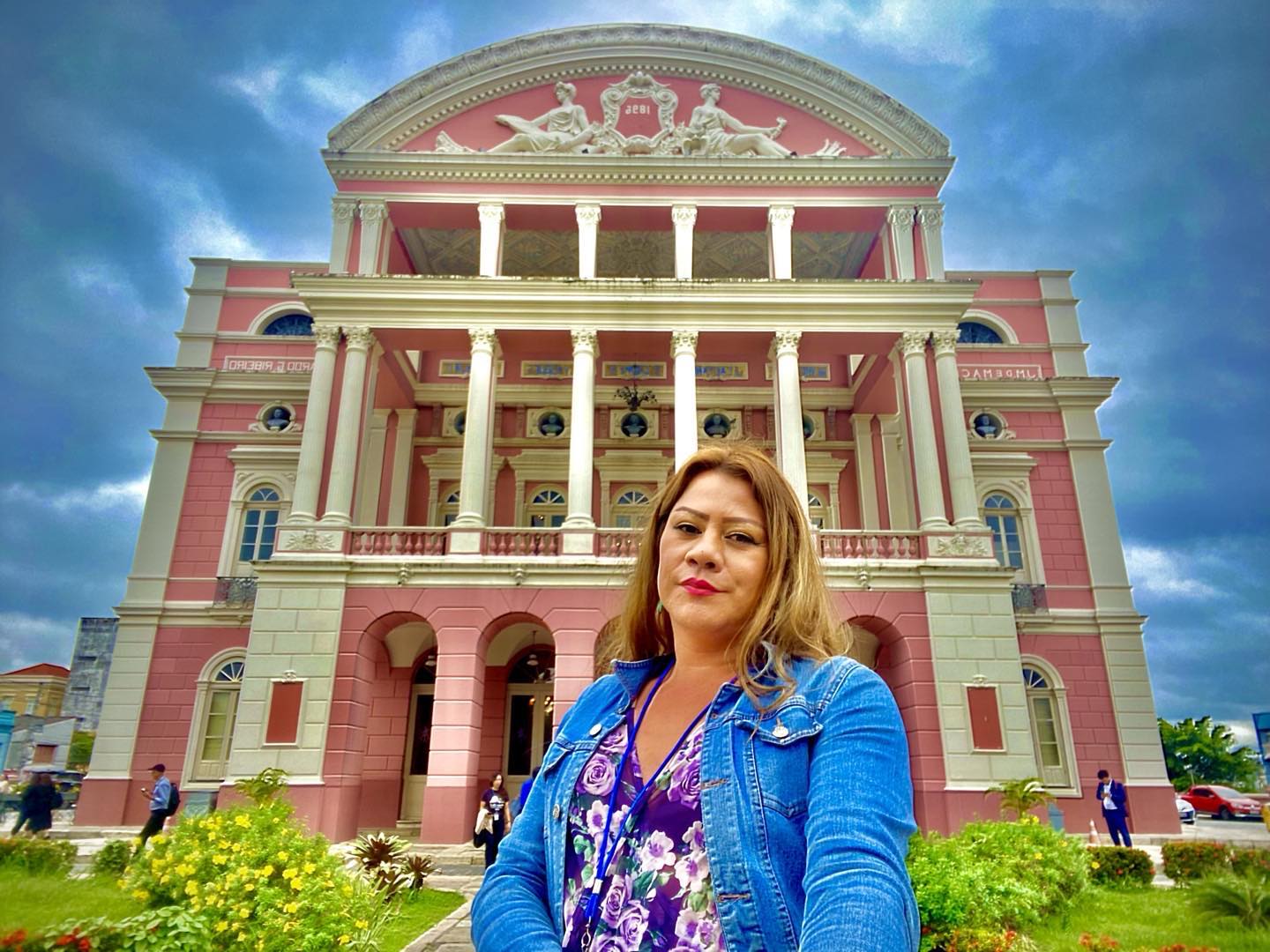
Mother figures don’t always look the same. In the lives of many trans people, that presence comes in the form of a trans mother — a role that is born out of love and chosen care.
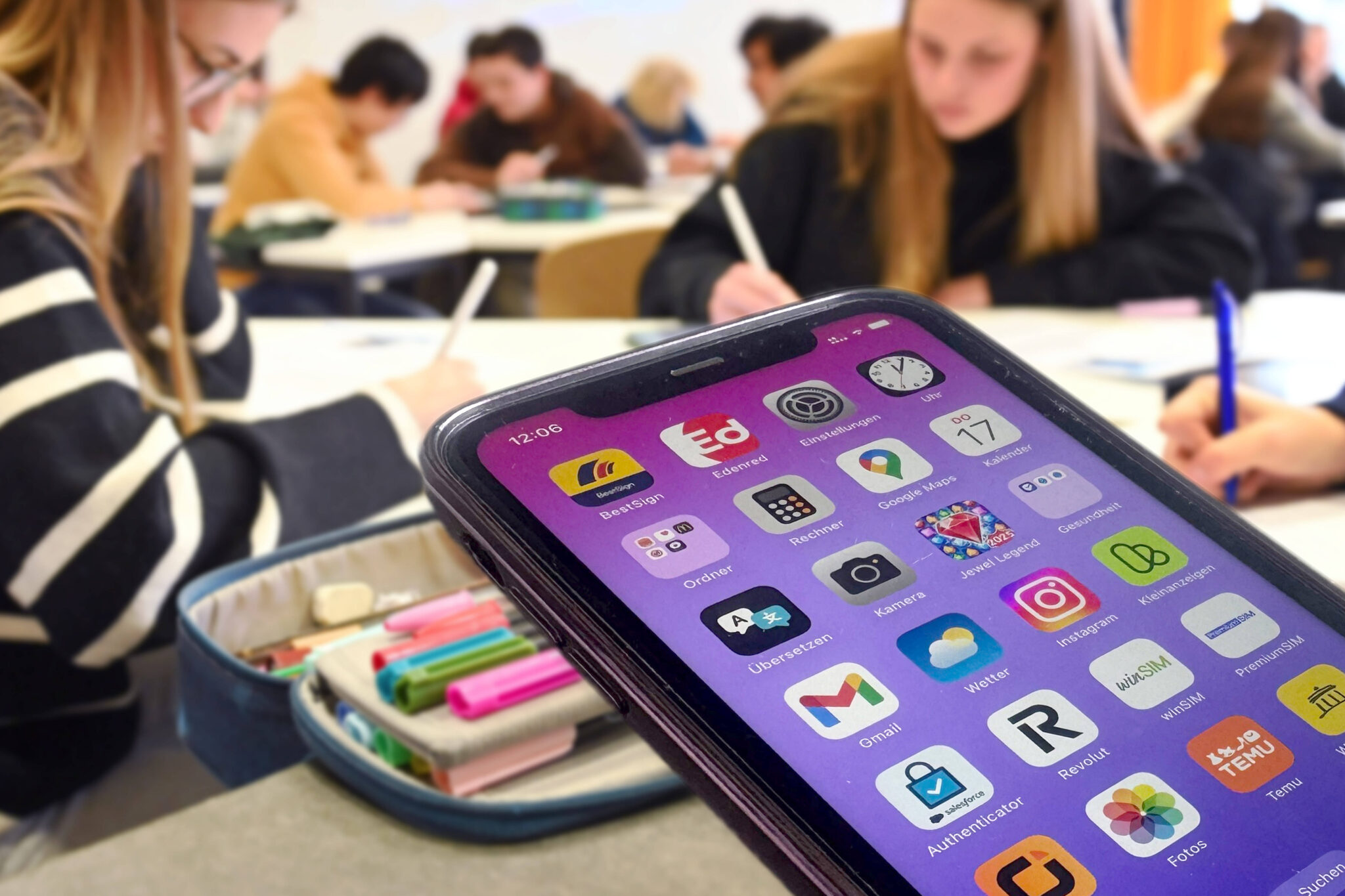
There is enough evidence already on the harm done by screen addiction among minors to justify banning smartphones for the entire school day, yet many schools and countries have yet to take strict action on this issue.

Courts in Colombia ruled against a company that had fired a worker for not joining its ‘”invigorating” dance therapy sessions. It’s about basic freedoms, religious and otherwise.
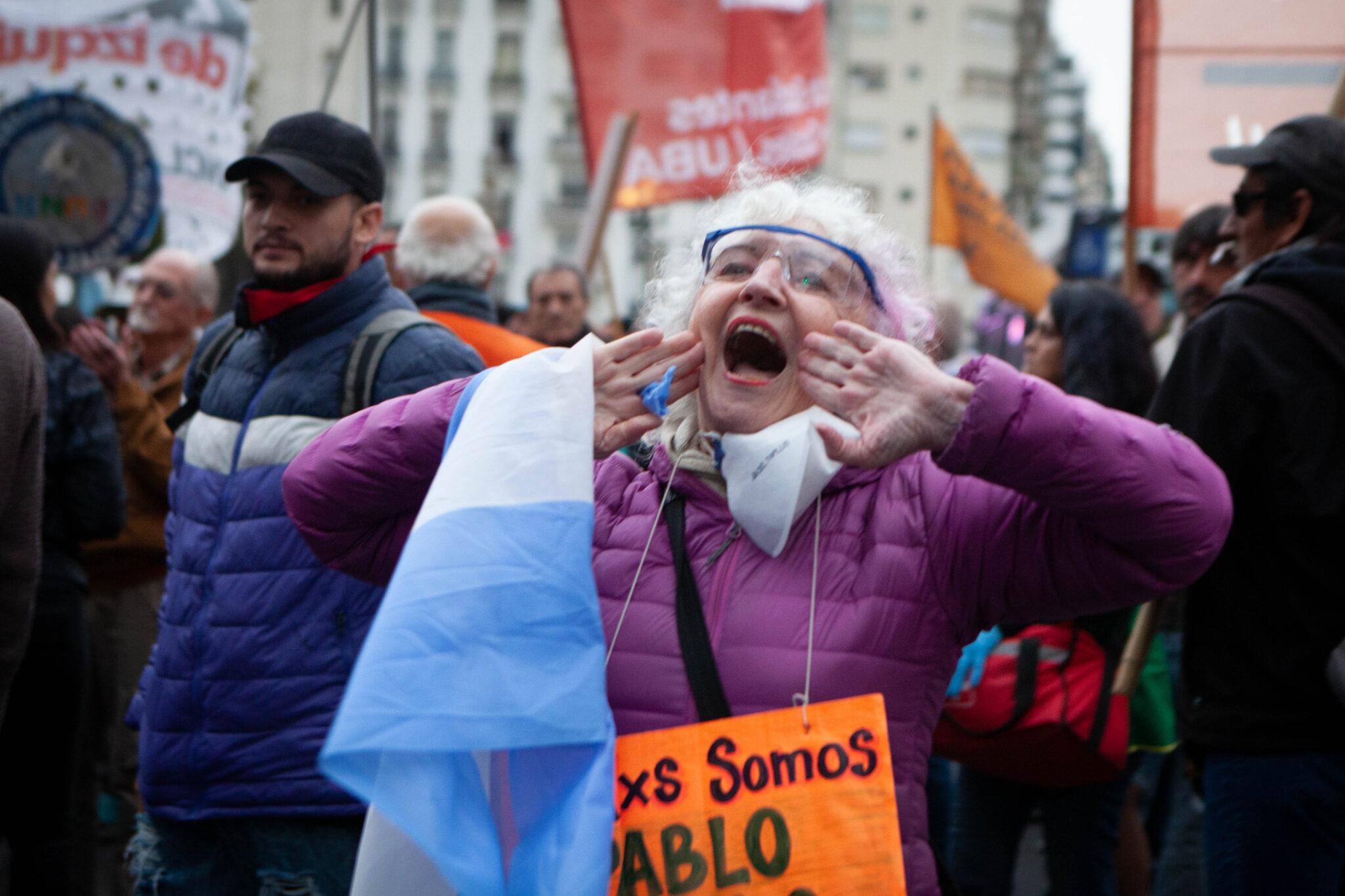
Latin Americans must do more than just keep afloat and survive the harsh times reflected in the Trump presidency. They can show the world a model of humane governance that shuns the economic, environmental and military violence of our time.
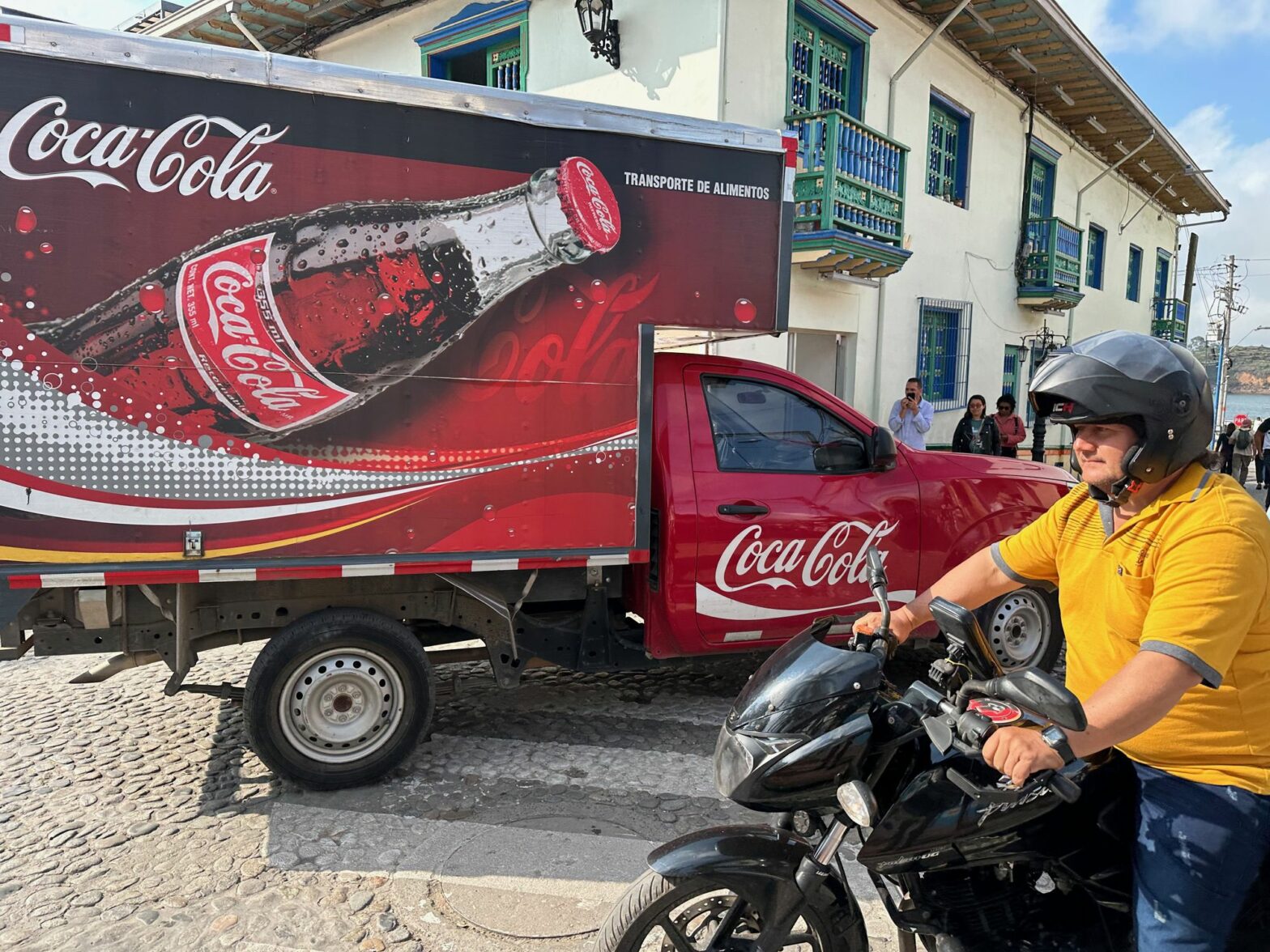
Colombian writer Mauricio Restrepo Posada says U.S. President Donald Trump is not only hostile to Latin America and the Third World, but also to the entire planet, including his fellow citizens. Faced with this monster who wants to own the planet, there is little ordinary global citizens can do — except for the firm decision not to buy U.S.-exported products.

Colombian superstar Shakira performed in a rare concert in her hometown, timed with its world-famous carnival. The connection with locals comes not just from her stardom but the singer’s humble way of enjoying the city like any local mom with her kids
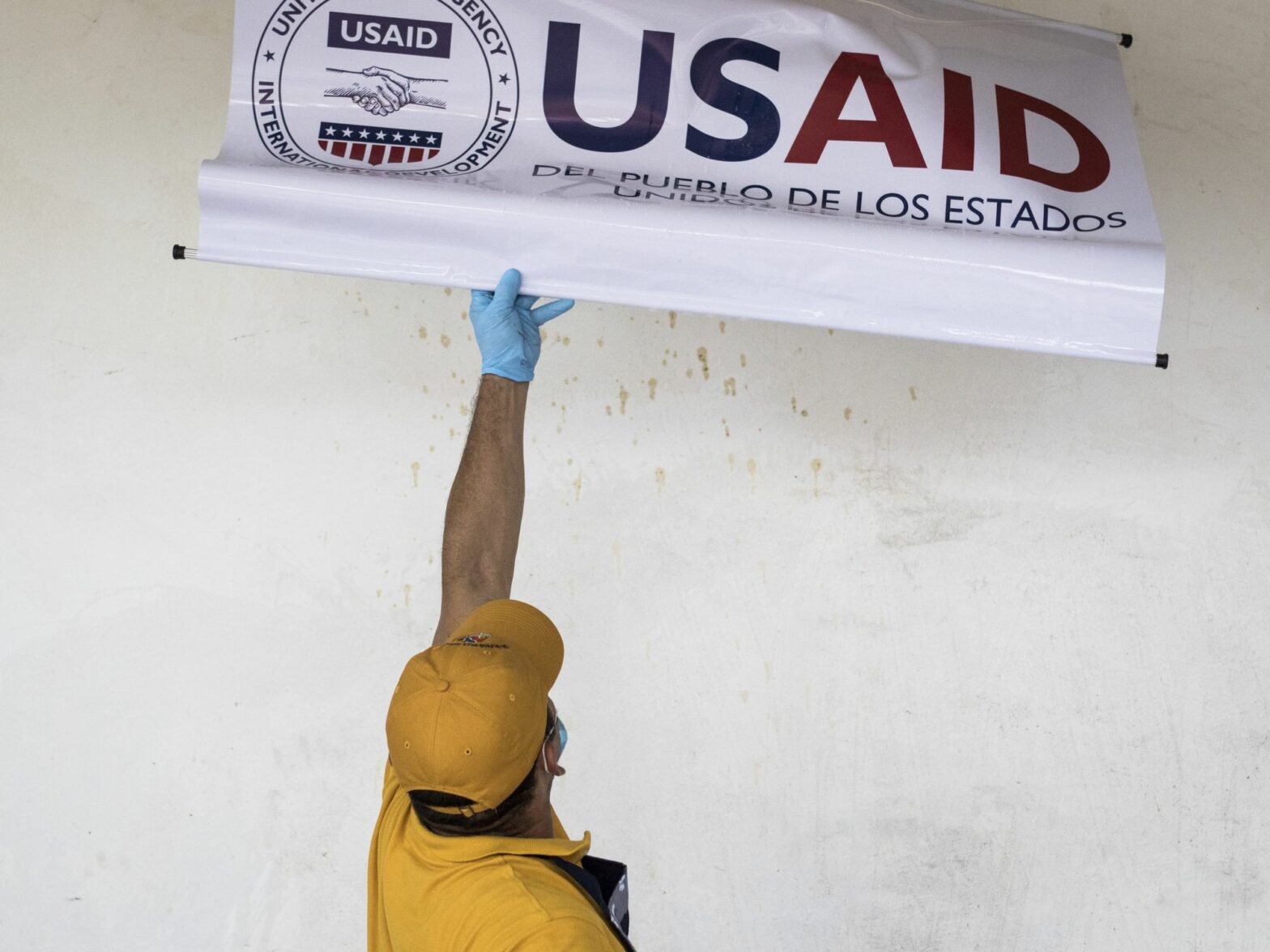
Launched in the 1960s, USAID was effectively about exercising political control in Latin America and other countries. So why the fuss now that U.S. President Donald Trump has done away with the agency? We should be more concerned about what’s coming next.
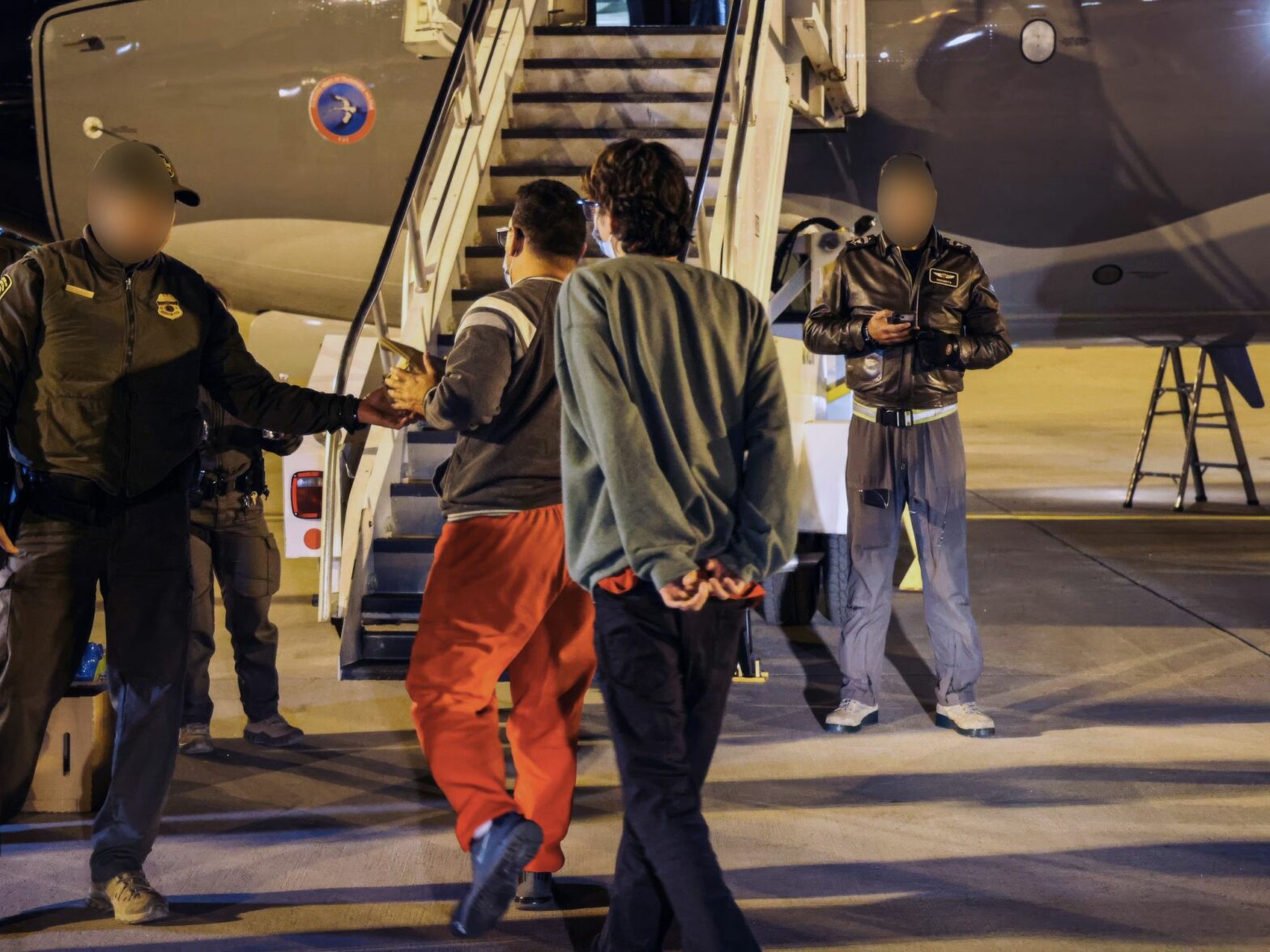
The U.S. is largely to blame for exploitative migration policy. But while Colombian President Gustavo Petro is upset that the United States is handcuffing the Colombians it deports, he and many other South American presidents are not as upset by the mistreatment that makes people leave their home countries in the first place.
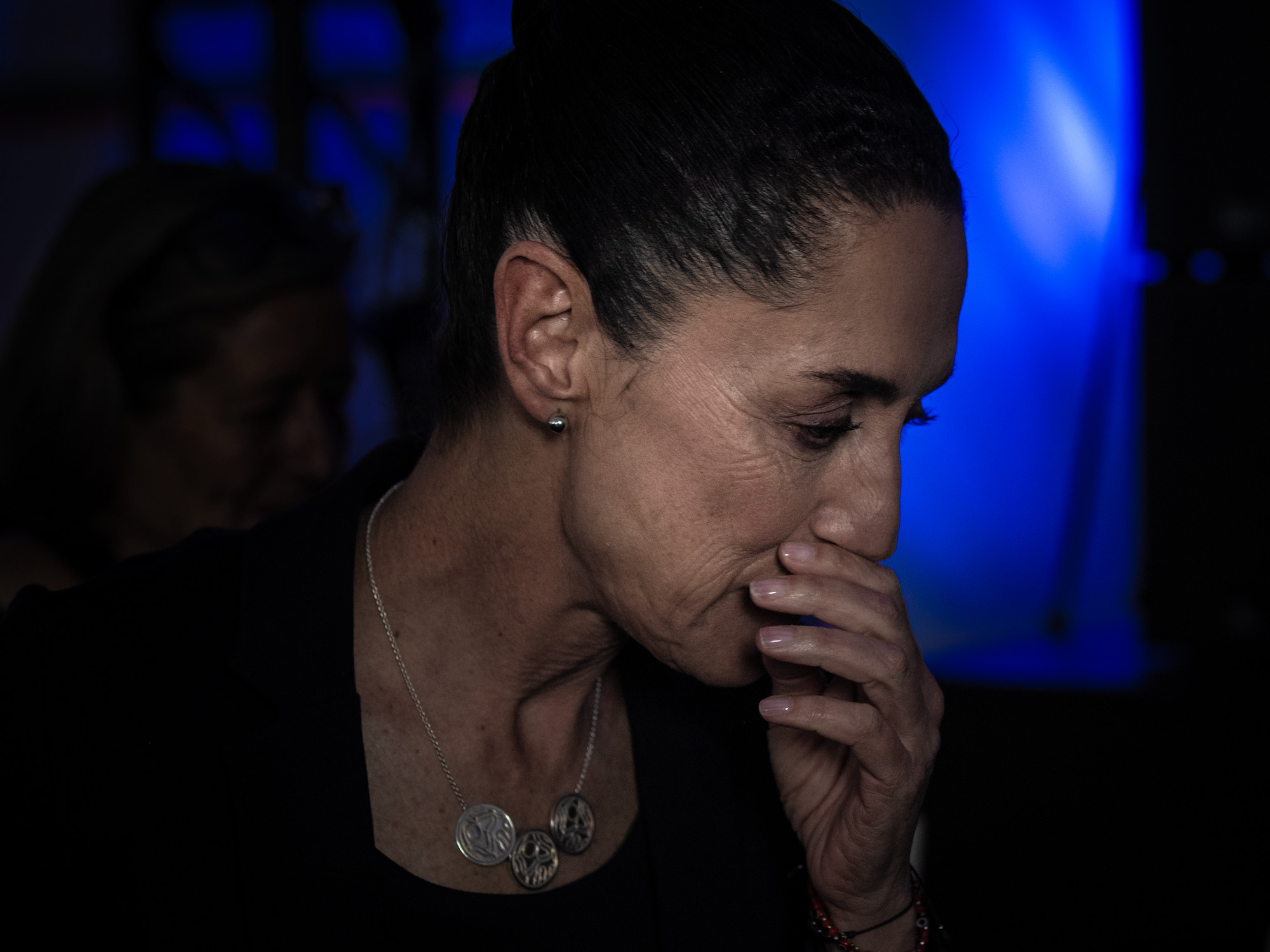
After Colombia’s president took on U.S. President Trump and lost, Mexican President Claudia Sheinbaum has managed this new complex relationship with remarkable deftness and clarity of purpose. But can this strategy be maintained with Trump’s mind set on tariffs everywhere?
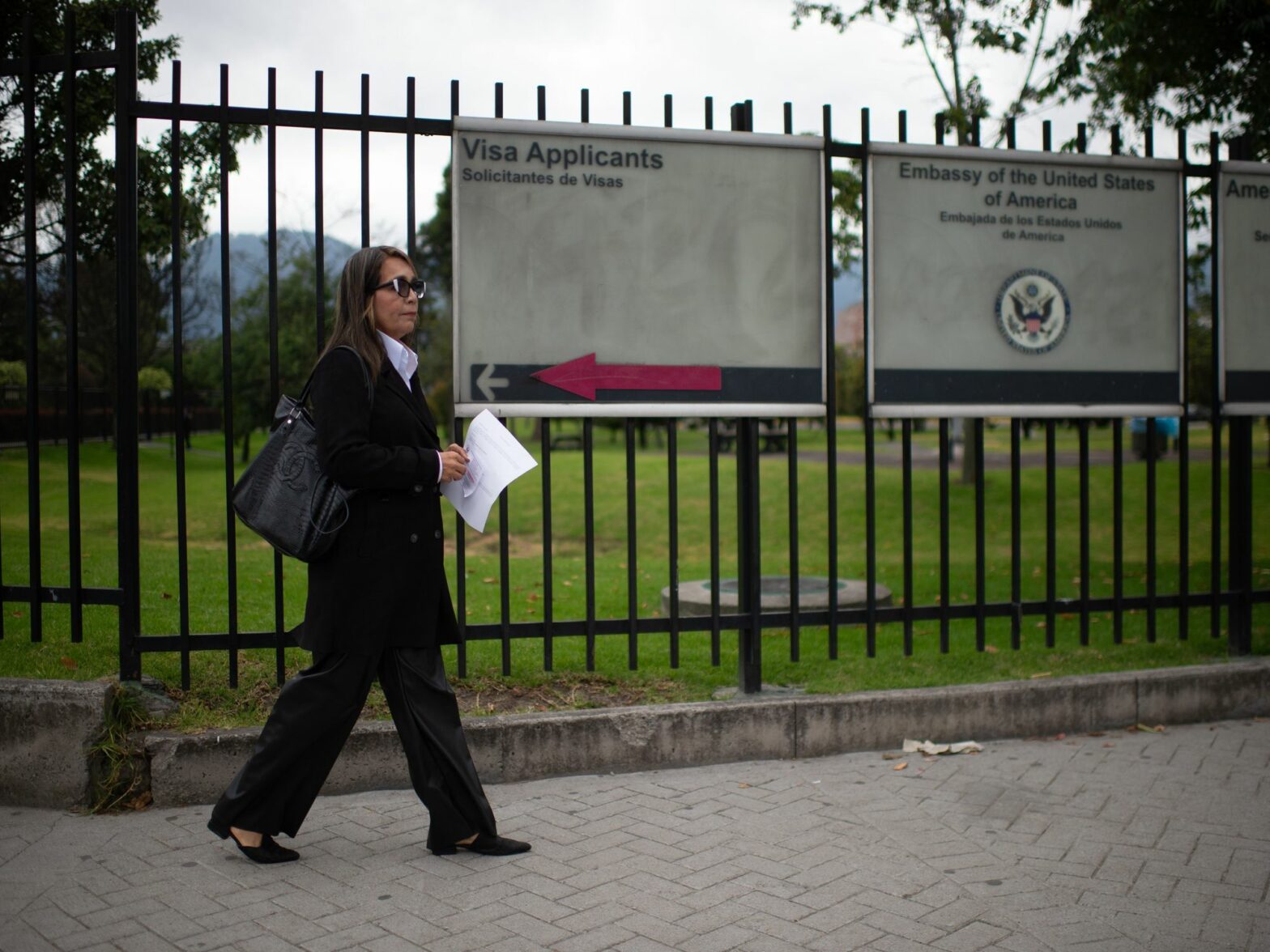
After waiting more than two years for a visa appointment at the U.S. embassy in Bogotá, Héctor Abad Faciolince’s meeting was cancelled following the Jan. 26 spat over migrants between Gustavo Petro and Donald Trump. Nevermind, the Colombian novelist and essayist writes; in a world clearly run by idiots, we’re better off staying at home.
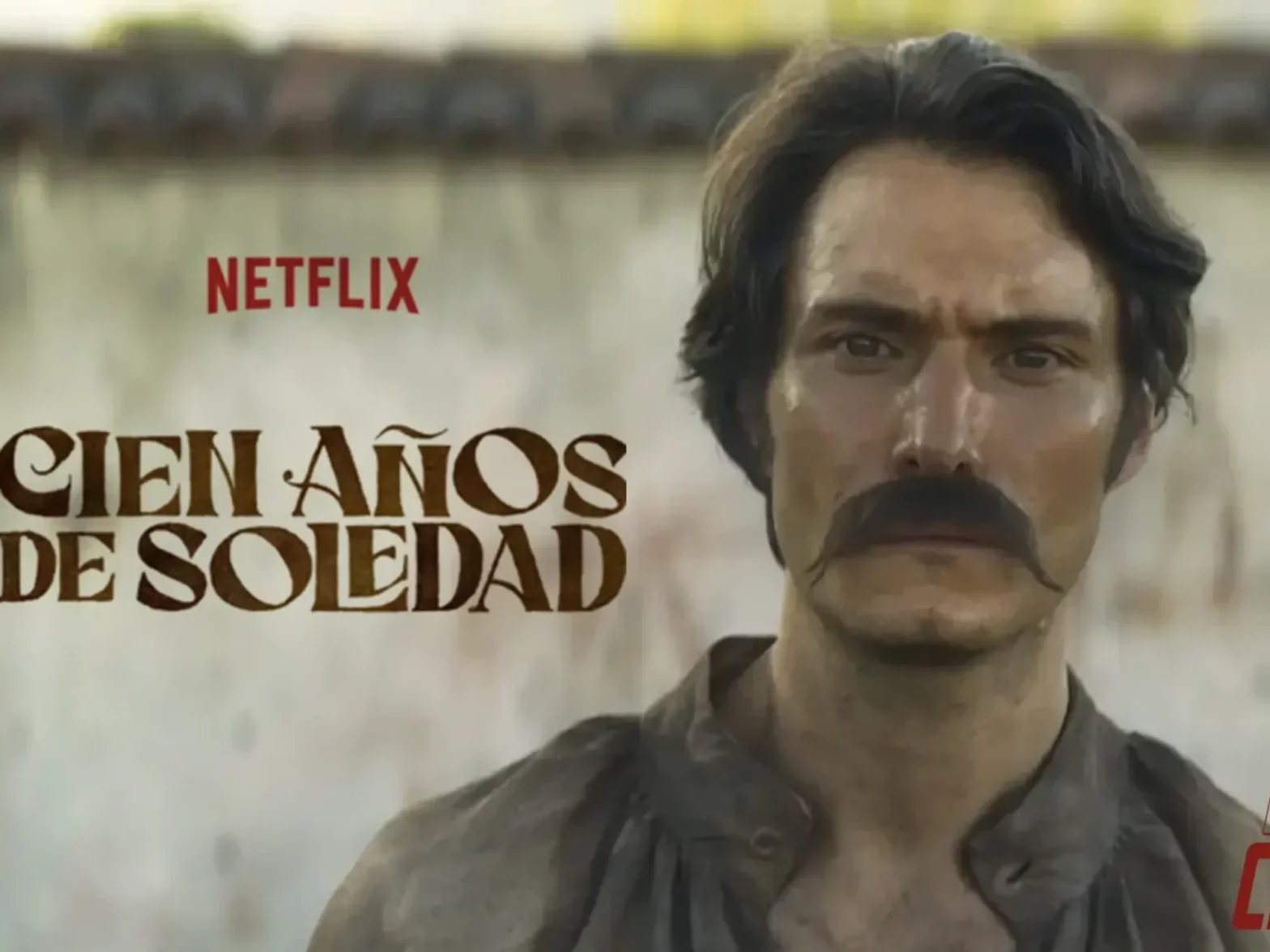
The series based on One Hundred Years Of Solitude, the iconic book by the late Colombian novelist and Nobel laureate Gabriel García Márquez, has surprised Gonzalo Mallarino Flórez, who reviews the Netflix adaptation for Bogotá-based daily El Espectador.
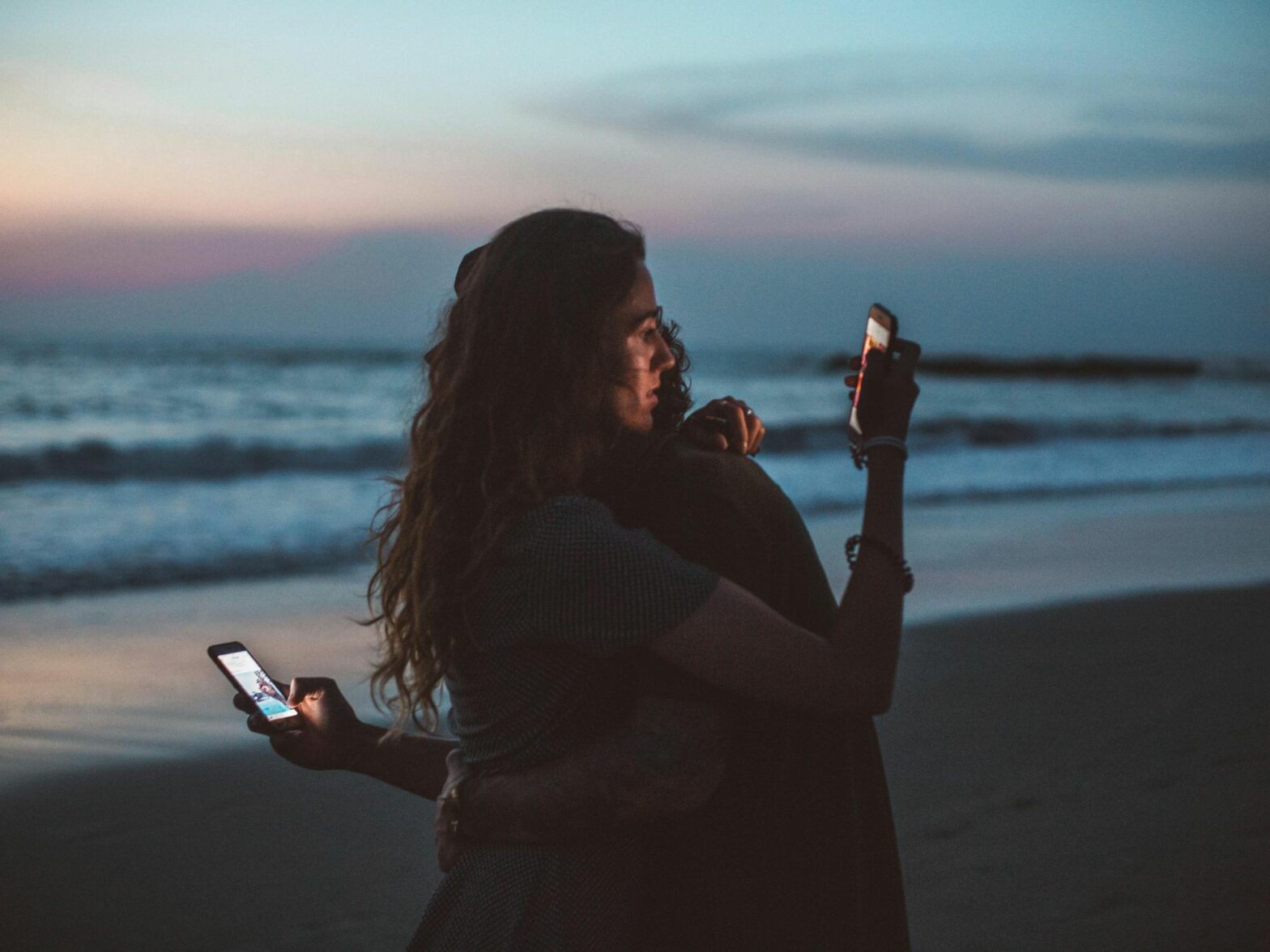
In Colombia and elsewhere in the Western world, parents worried about the horrors of the modern world hurting their children have turned to keeping their children on a leash and, worse, overexposing them to Internet garbage. They must let go, so their children can function as social beings, educator Julián de Zubiría Samper writes in El Espectador.
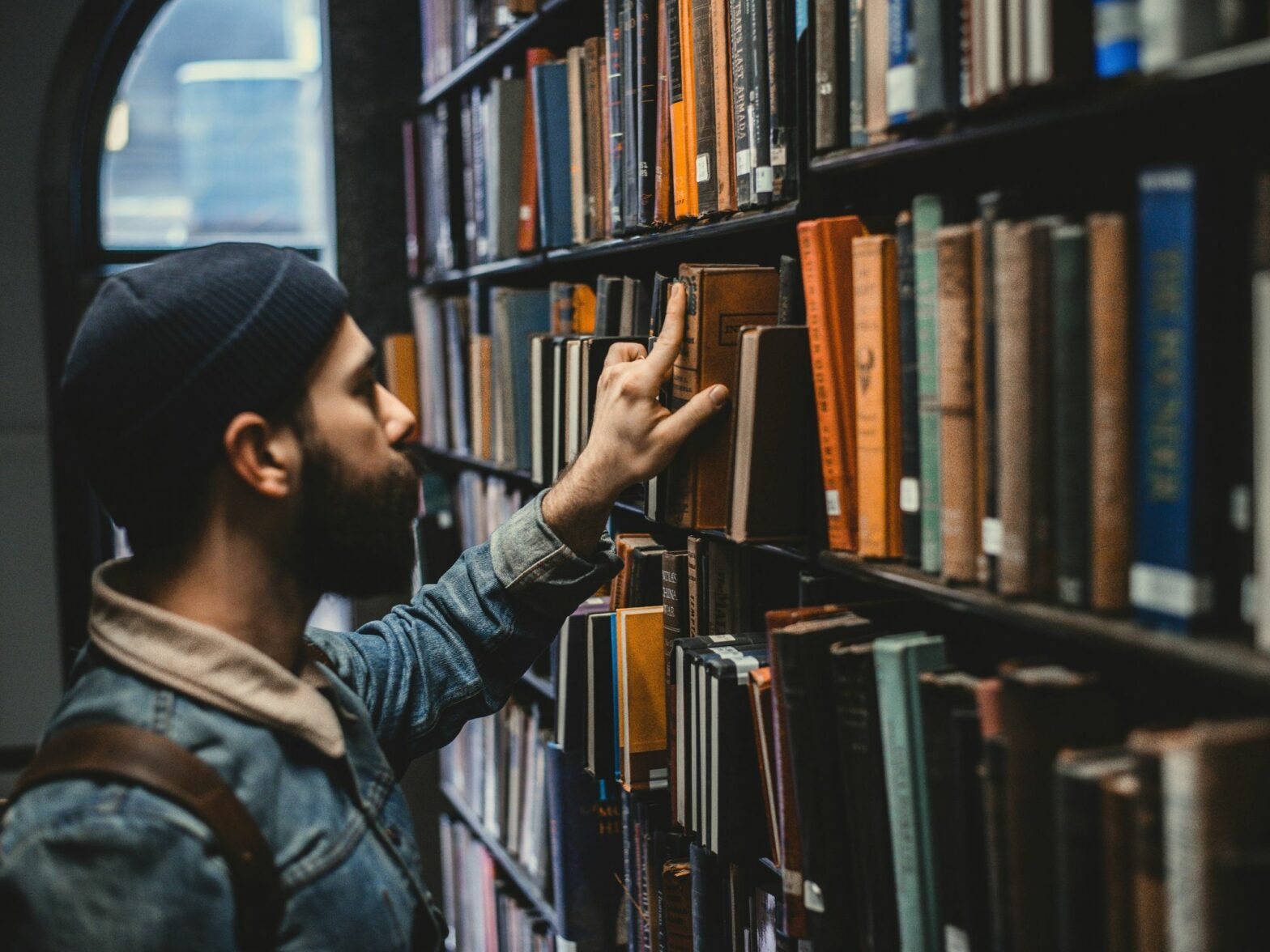
Putting authors and artists in categories may help pinpoint their work in socio-cultural and stylistic terms, but is inevitably restrictive of literature’s essential universality. In South America, there is one, tiresome if profitable label literature seemingly cannot shake off, namely Magic Realism.
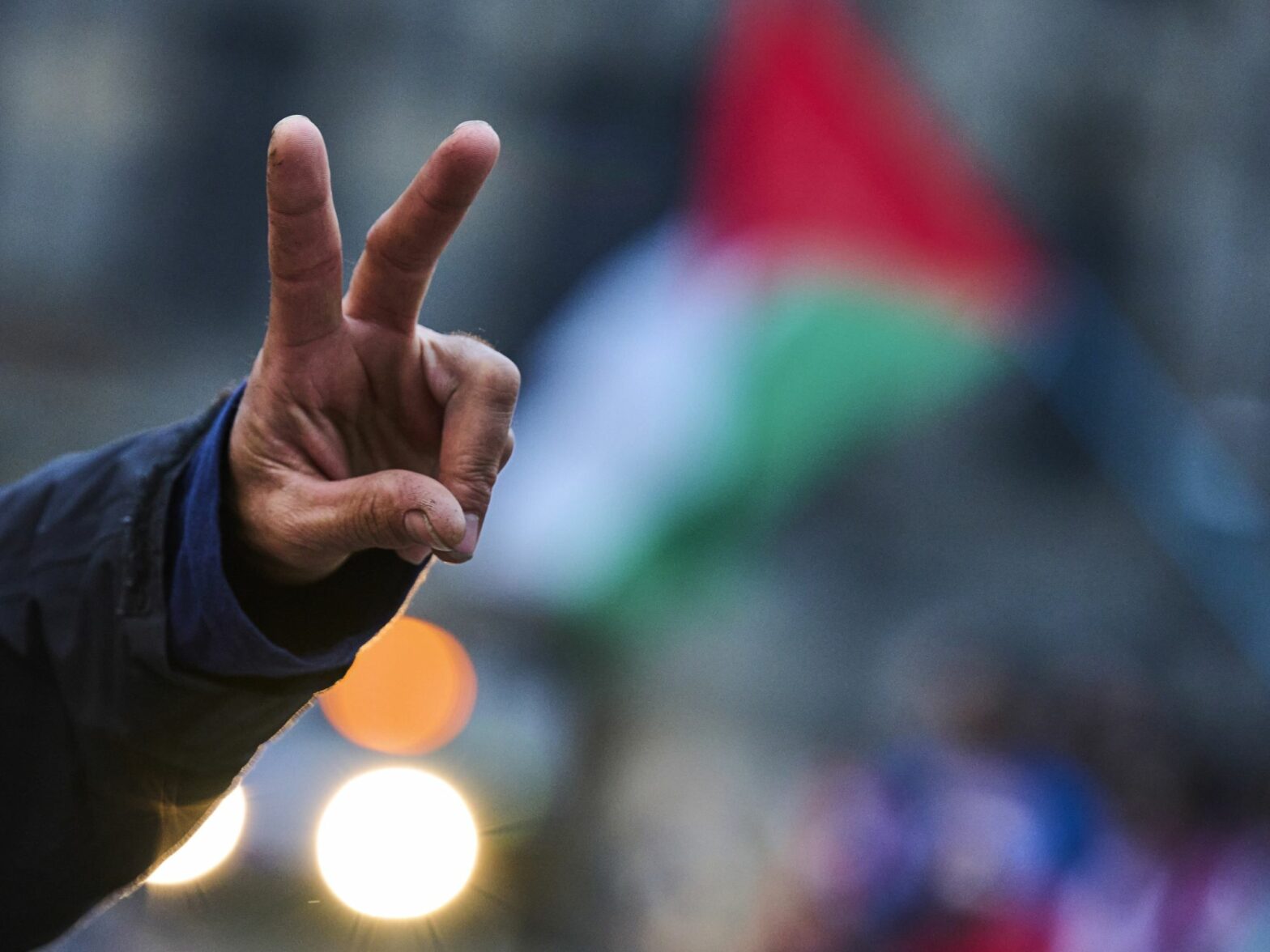
Multilateral diplomacy may seem to be exhausted today as wars and violence proliferate unchecked, but nobody should think its time is past and expect to see peace in the world.
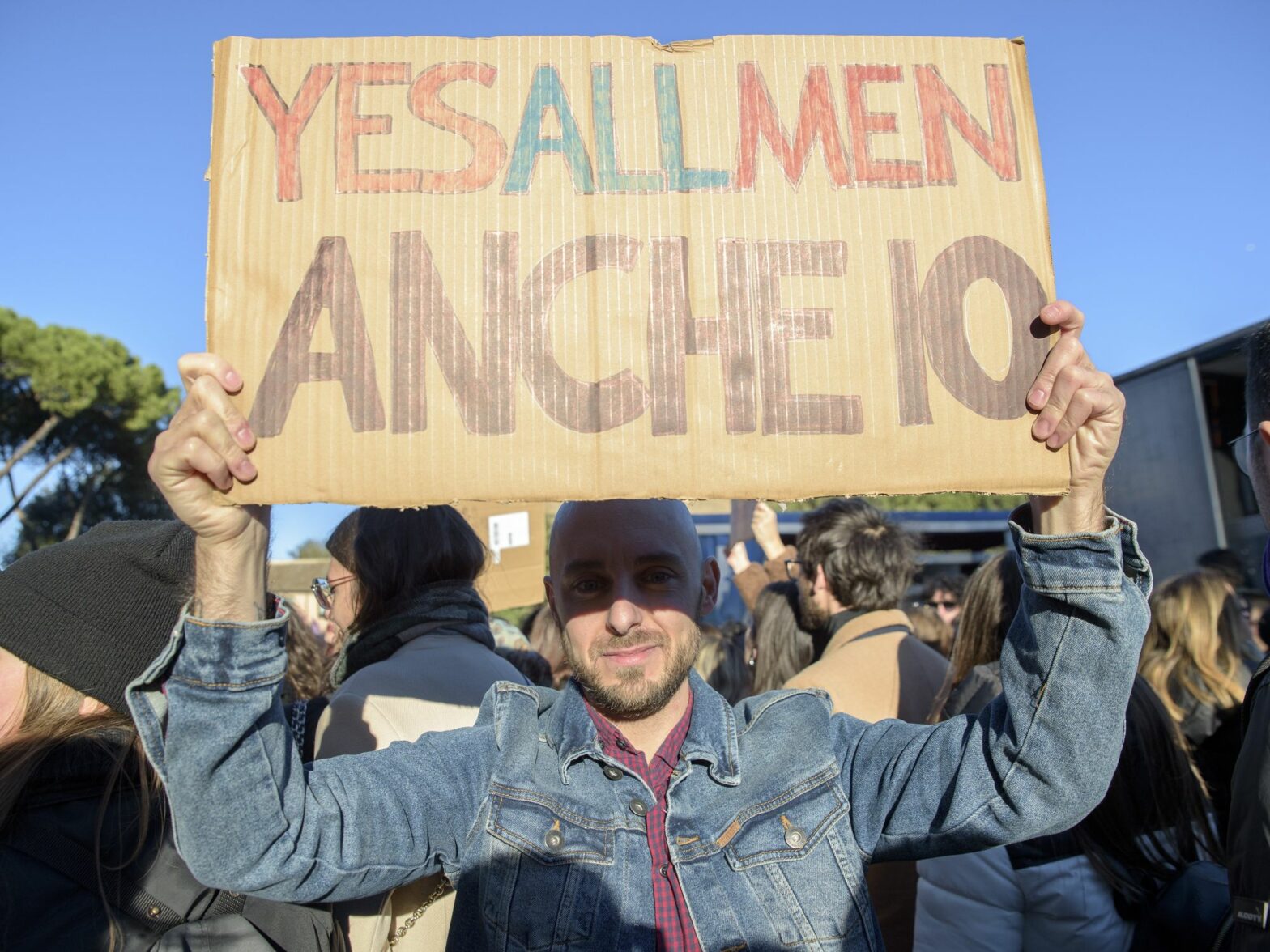
Feminists want male allies in the fight to advance women’s rights. Yet many men who claim to be allies have shown that they do it for the wrong reasons.
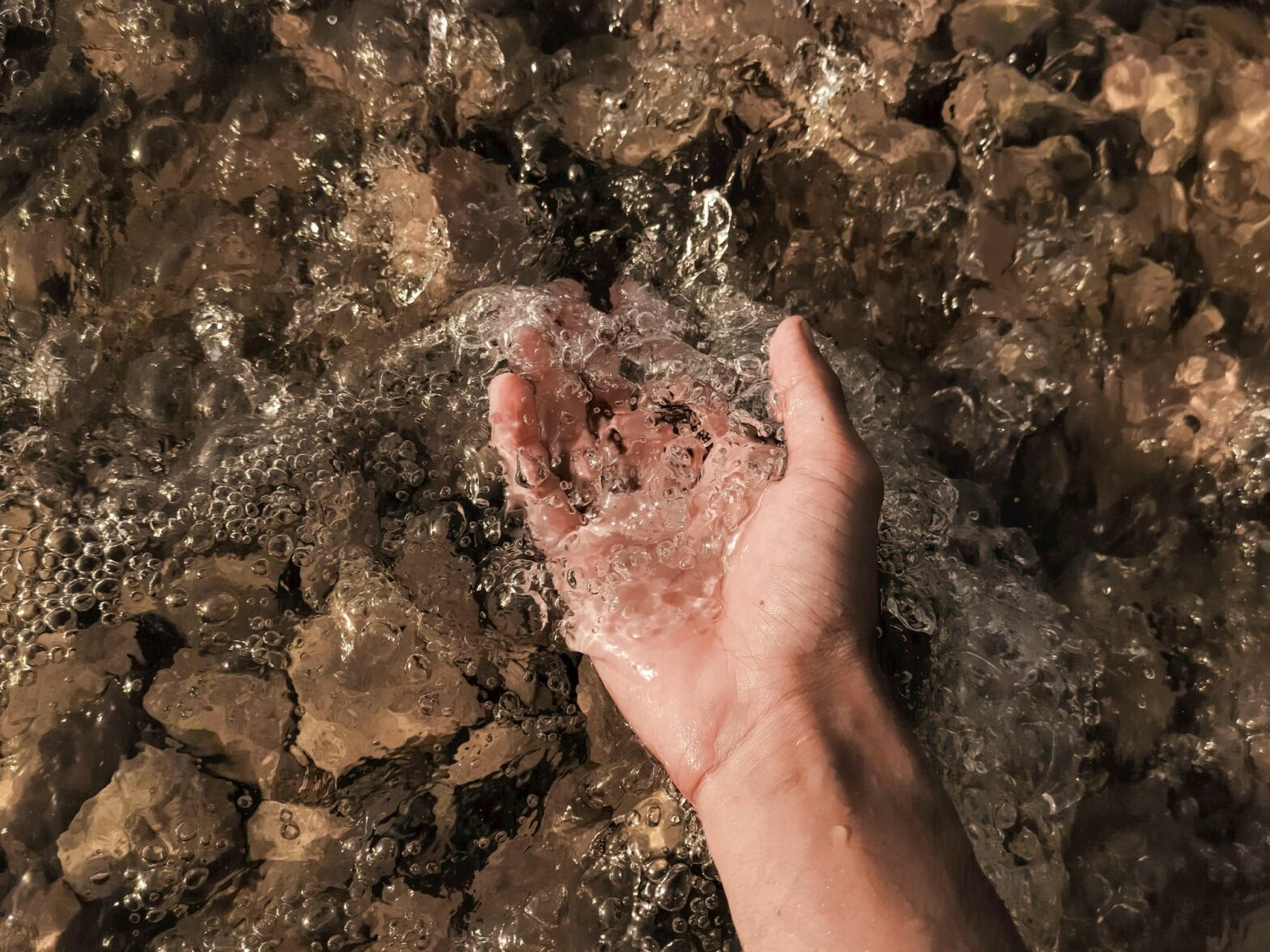
The Vilcabamba, the Atrato or the Whanganui have achieved recognition as living entities with rights. More and more rivers are achieving this type of legal protection (and respect). In Spain, the Tins was the first river to have its rights recognized.
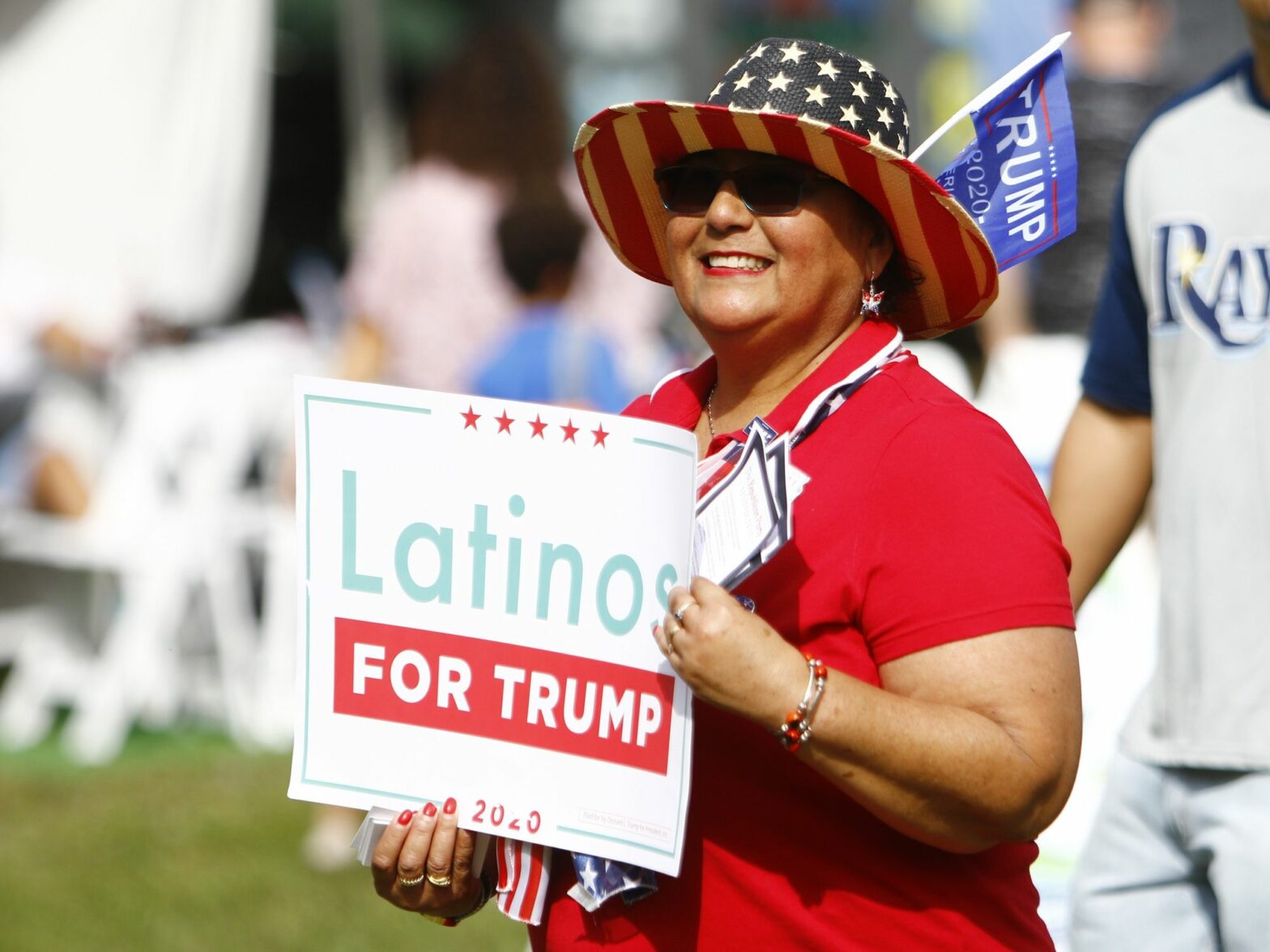
As Donald Trump makes his third bid for the White House, Catalina Uribe Rincón considers, in the Colombian daily El Espectador, why so many Hispanic-Americans back a racist and anti-immigrant candidate.