Why do the autocrats of this first quarter of the 21st century from Donald Trump to Jair Bolsonaro hate women so much? It may have something to do with the role of female activism in strengthening and expanding democracy.

 Worldcrunch
Stay updated with comprehensive news on Brazil from Worldcrunch. Discover insights on Brazilian politics, economic developments, societal issues, and cultural landmarks with translations from top international sources. Highlights include Rio de Janeiro, São Paulo, and events like the Rio Carnival.
Why do the autocrats of this first quarter of the 21st century from Donald Trump to Jair Bolsonaro hate women so much? It may have something to do with the role of female activism in strengthening and expanding democracy.
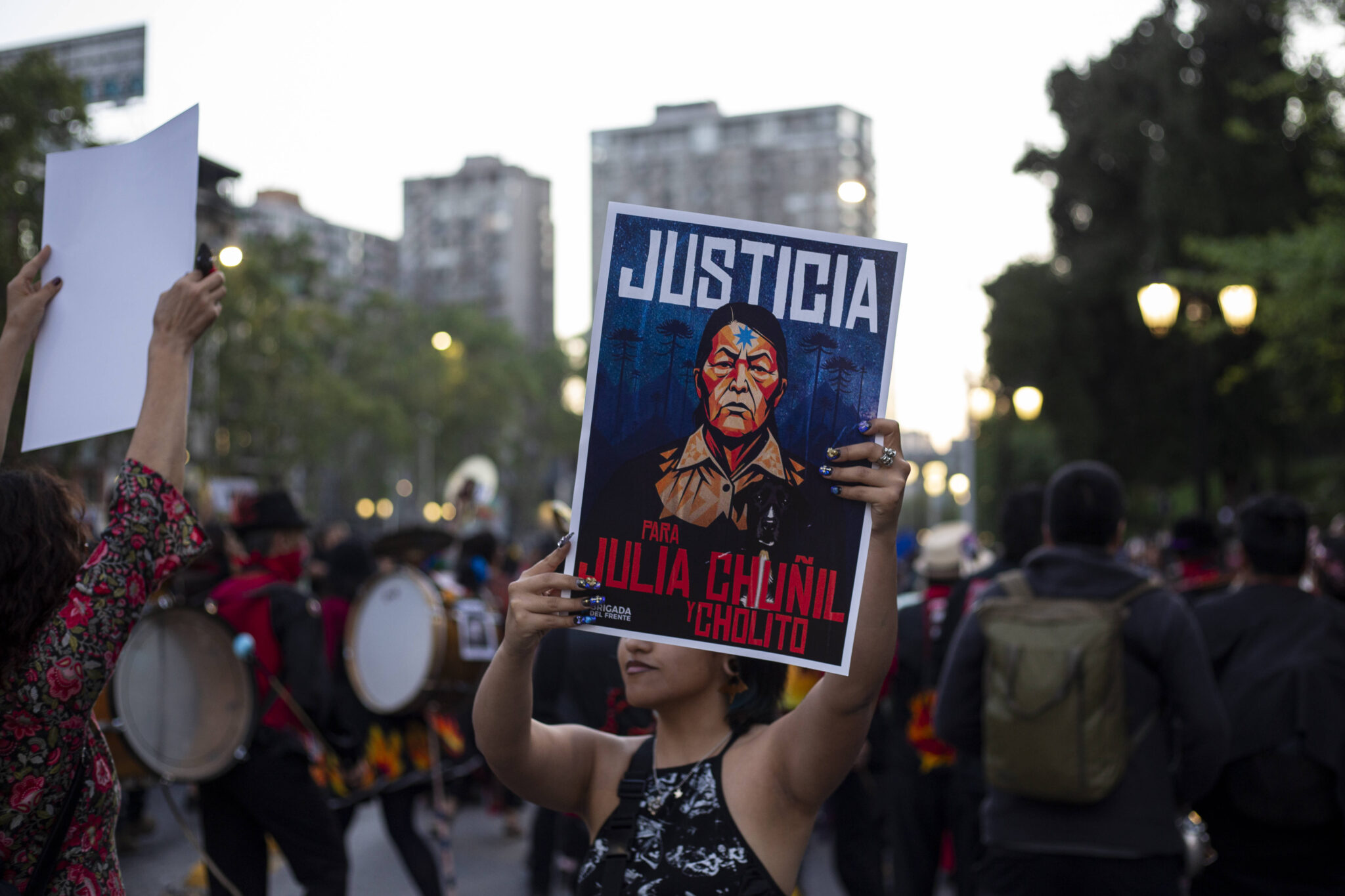
In 2024, there were 146 murders and long-term disappearances of environmental and land activists, according to a report by the NGO Global Witness.
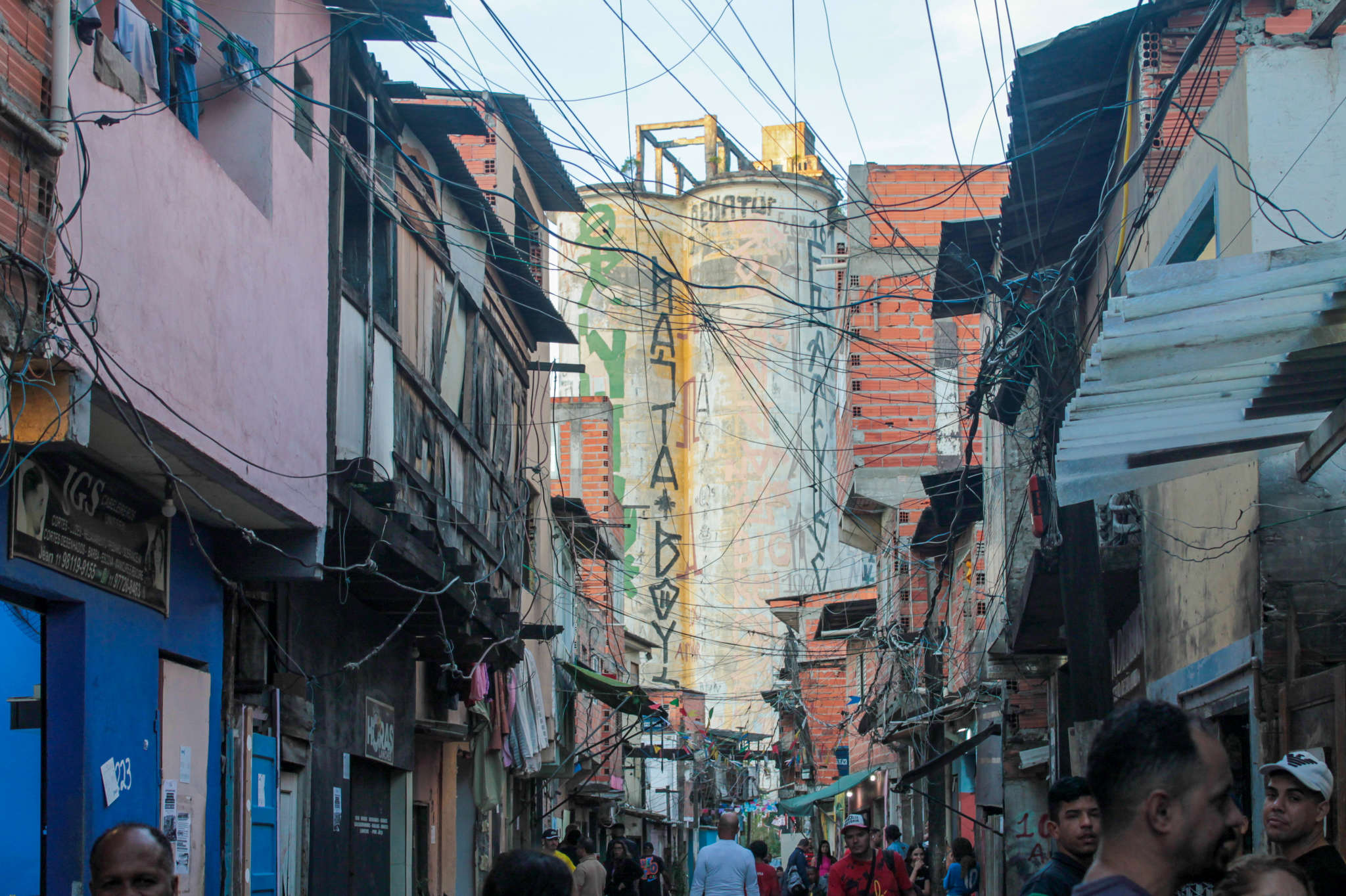
Efforts to evict a São Paulo community for a new headquarters gained the president’s attention.

Billions in investment, soaring room rates, and hasty construction mark Brazil’s bid to put the Amazon at the center of climate diplomacy.
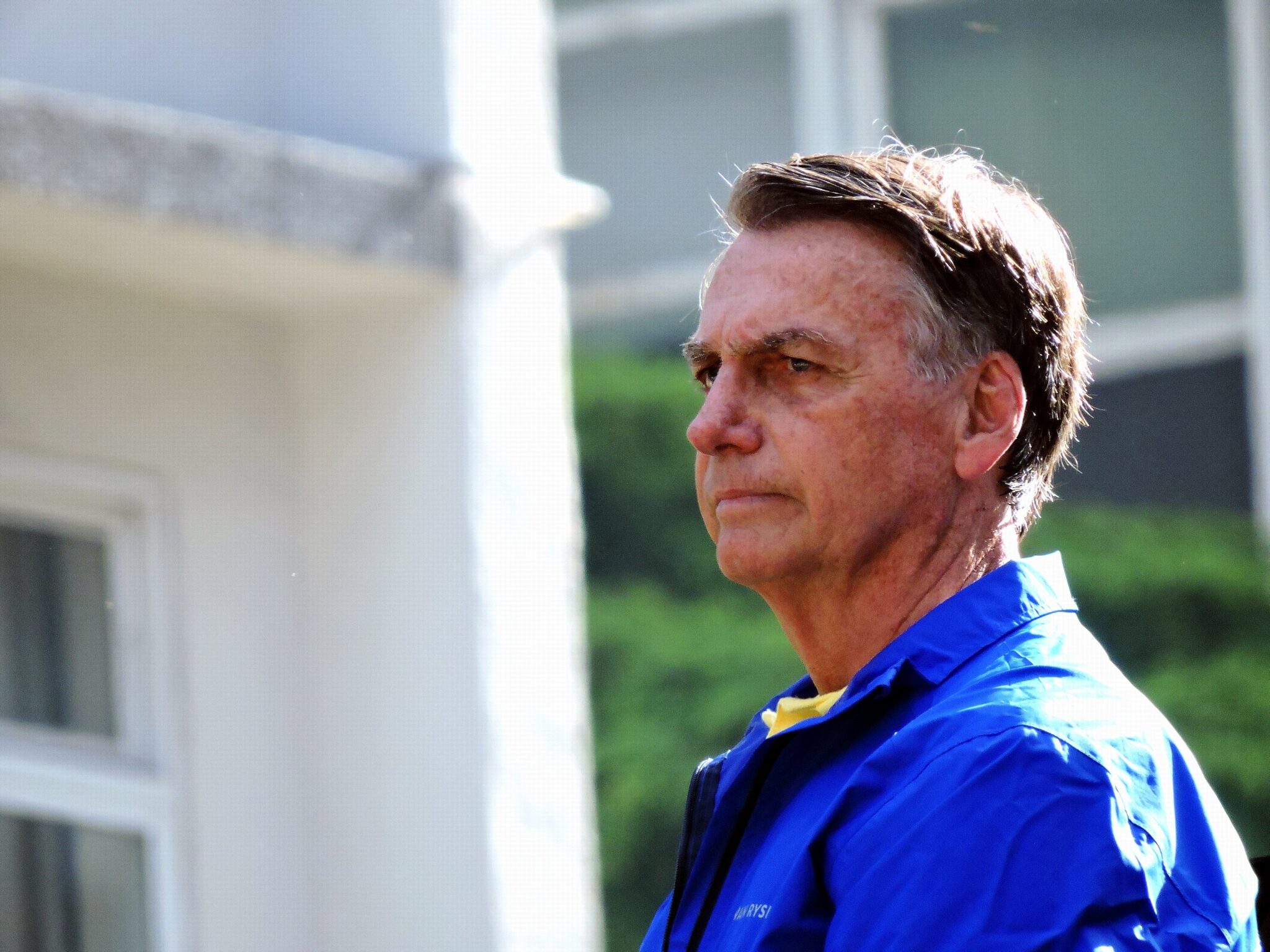
Convicted of leading a failed coup and facing decades in prison, Bolsonaro joins the ranks of ousted leaders held accountable for attempts to subvert democracy—highlighting the rare but critical role of legal consequences in deterring political power grabs.
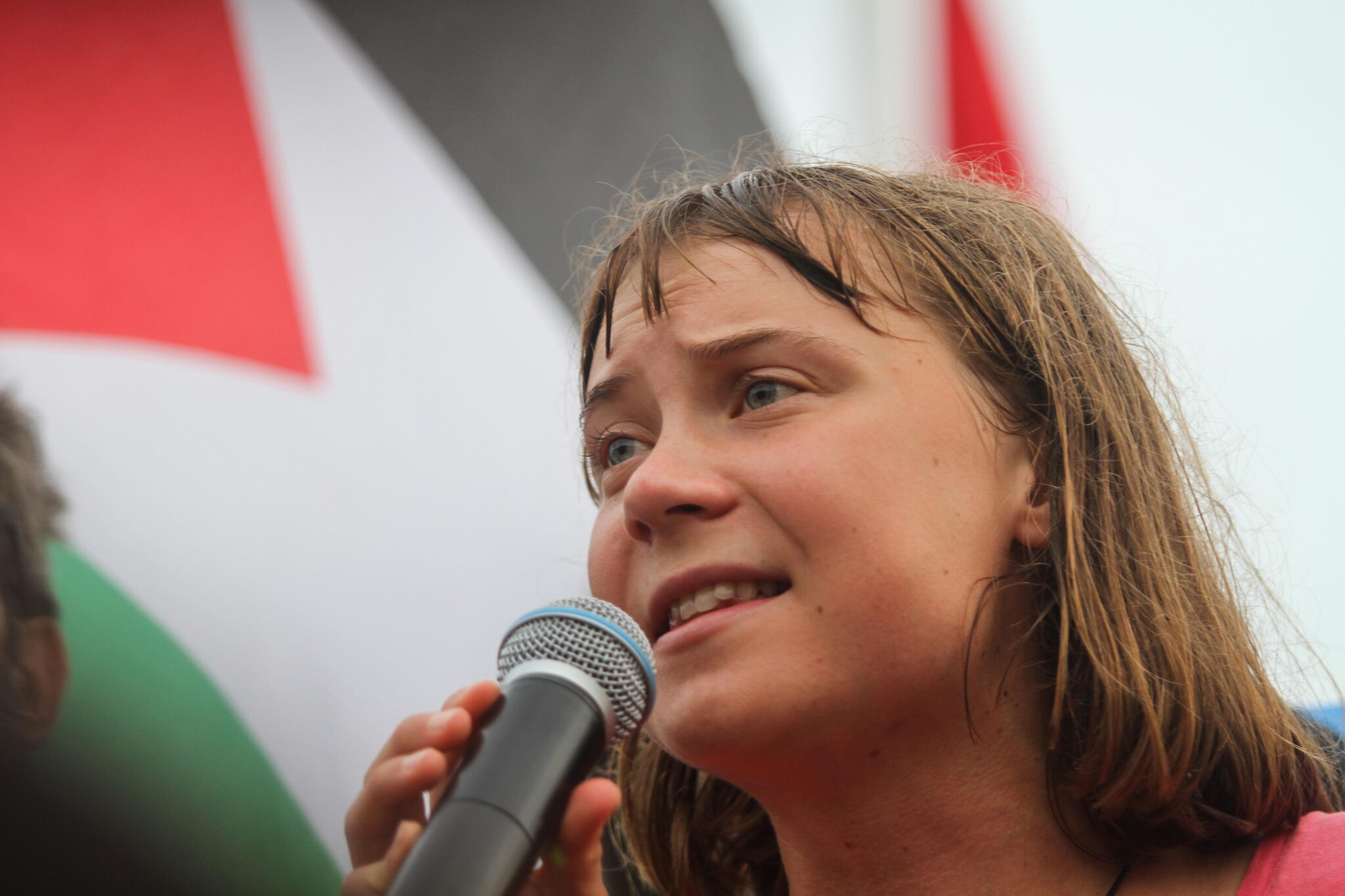
As Israel’s devastating war on Gaza continues, Swedish climate activist Greta Thunberg draws a clear link between environmental devastation and political violence. Her stance is based on a reality: in Gaza, like elsewhere, environmental destruction is yet another weapon of war.
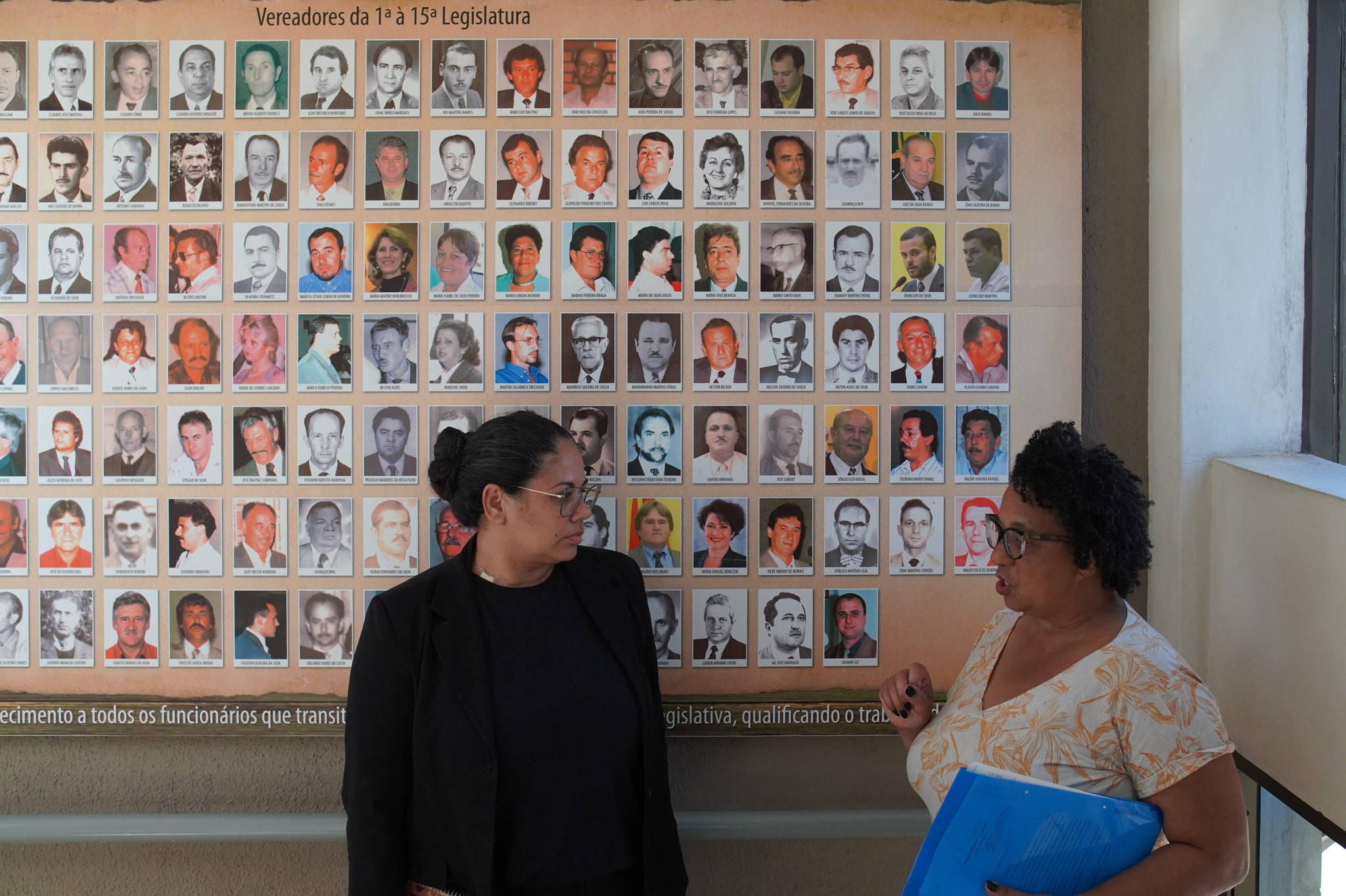
Decades after the country introduced quotas, phantom candidacies and political deals still stifle women’s representation.
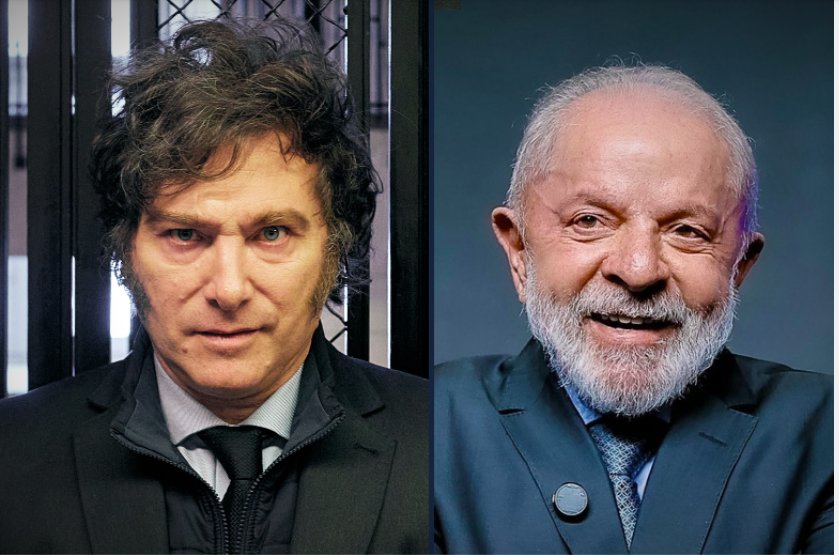
Despite their leaders’ opposing politics, Argentina and Brazil’s similarities outnumber their differences. These neighboring countries must work together, writes former Argentine ambassador to Brazil Juan Pablo Lohlé.

The tipping culture is a deep-rooted phenomenon in several societies, which raises the question about its pertinence and necessity. Should this practice disappear? What is its role in different parts of the world?
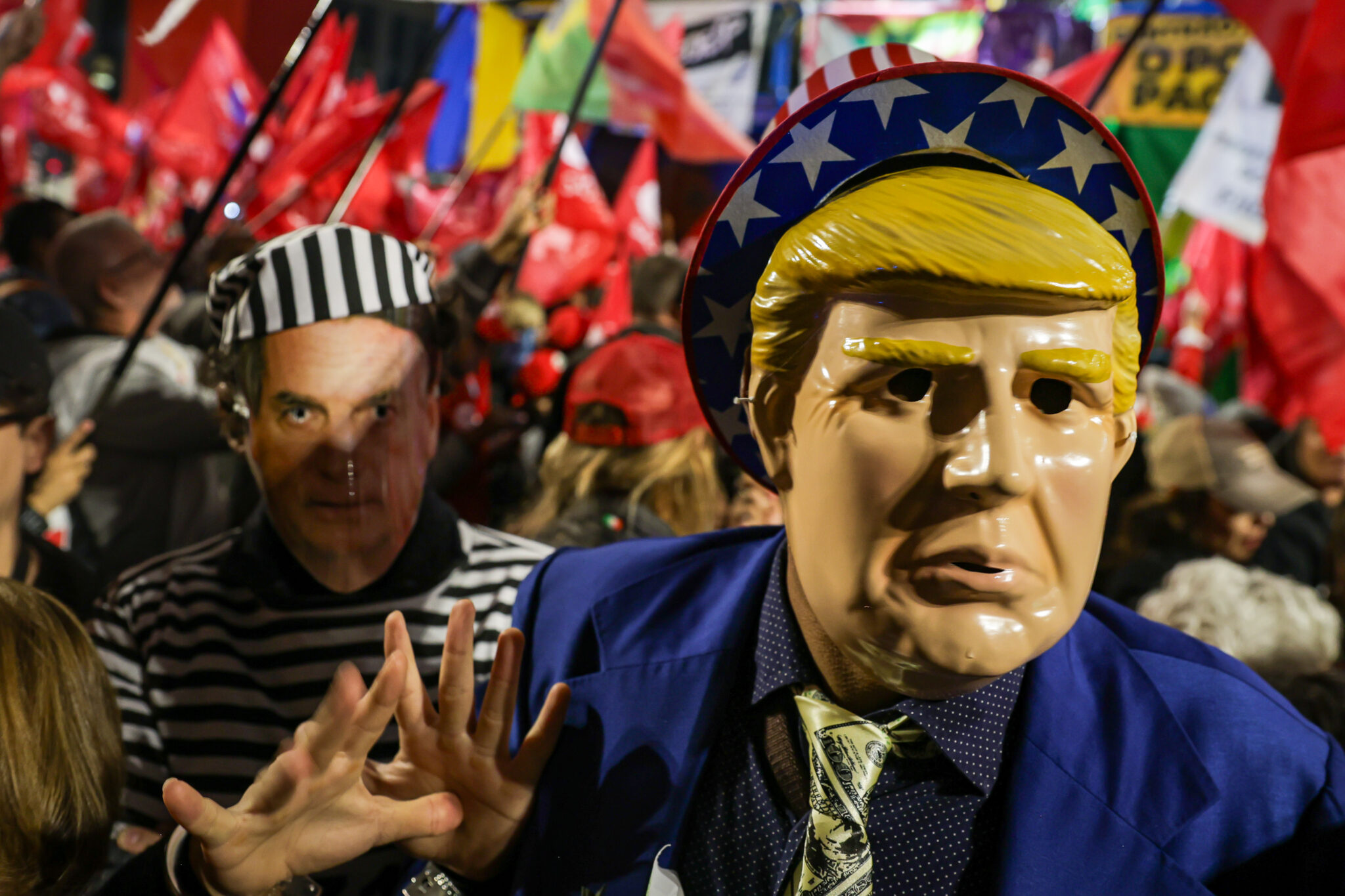
Donald Trump says he will hike tariffs on Brazil unless it halts prosecution of the country’s former right-wing leader Jair Bolsonaro. Only, Brazil exports relatively little to the U.S. and Trump’s meddling could be boosting his socialist nemesis, President Lula da Silva.
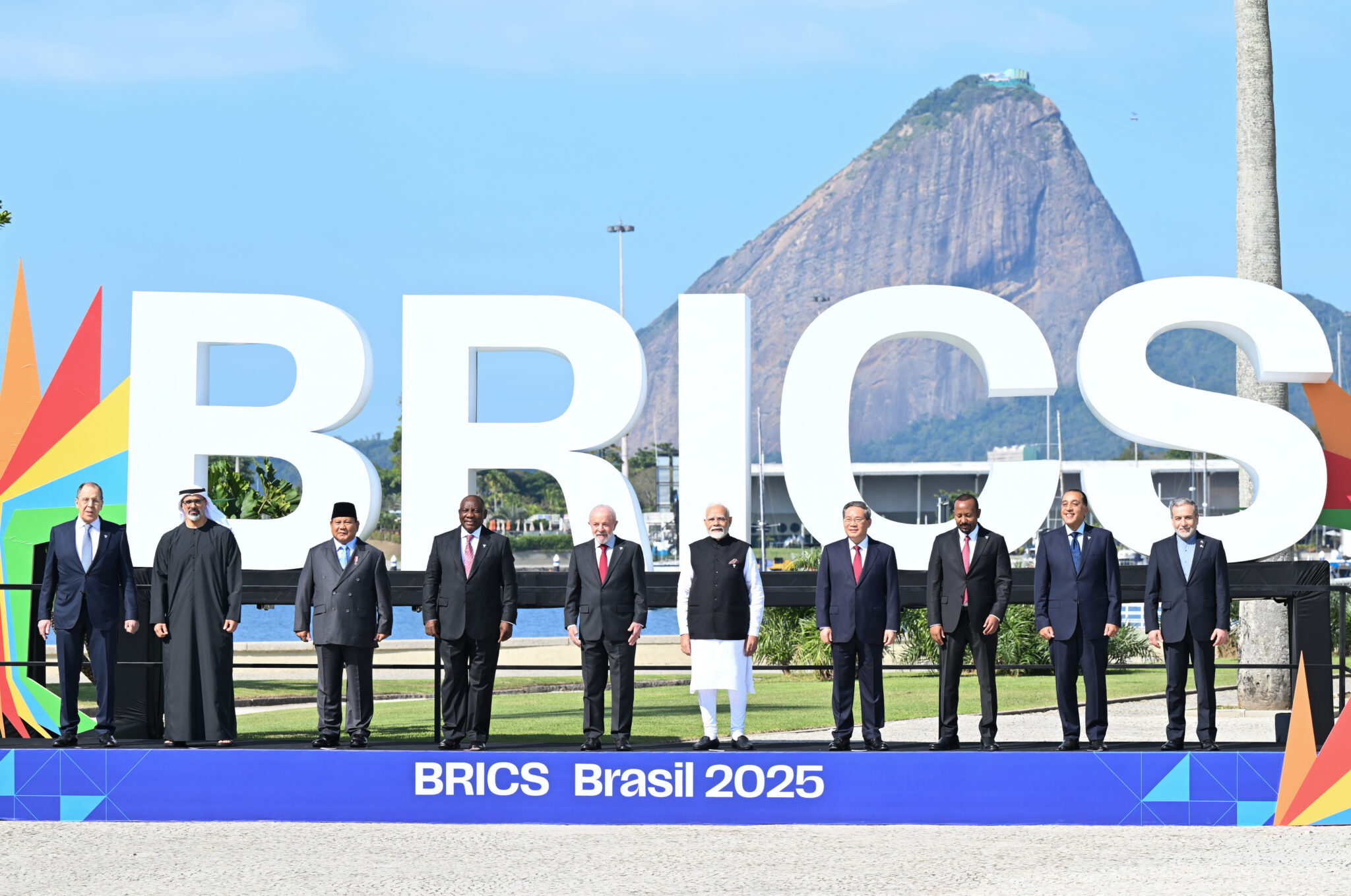
Some 17 years since its founding, BRICS+ (now including Egypt, Ethiopia, Iran, the UAE and Indonesia — beyond founding members Brazil, Russia, India, China and South Africa) continues to struggle with delivering on its promise to reform global governance and represent the Global South.
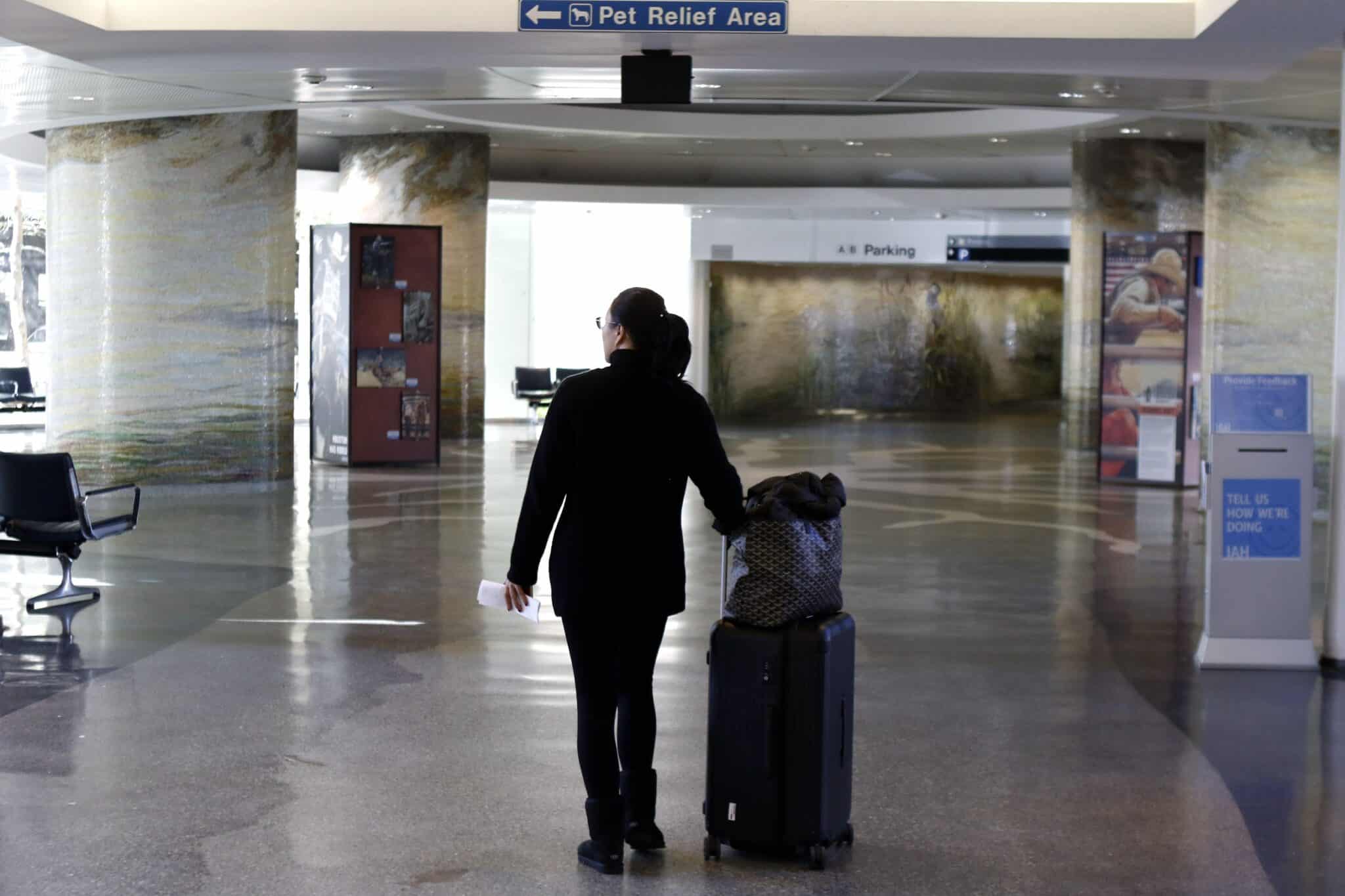
Brazilian journalist Maria Martha Bruno shares the intimidation she faced at the airport in Houston, Texas, where she writes that she was targeted as a non-white woman traveling alone from Colombia.
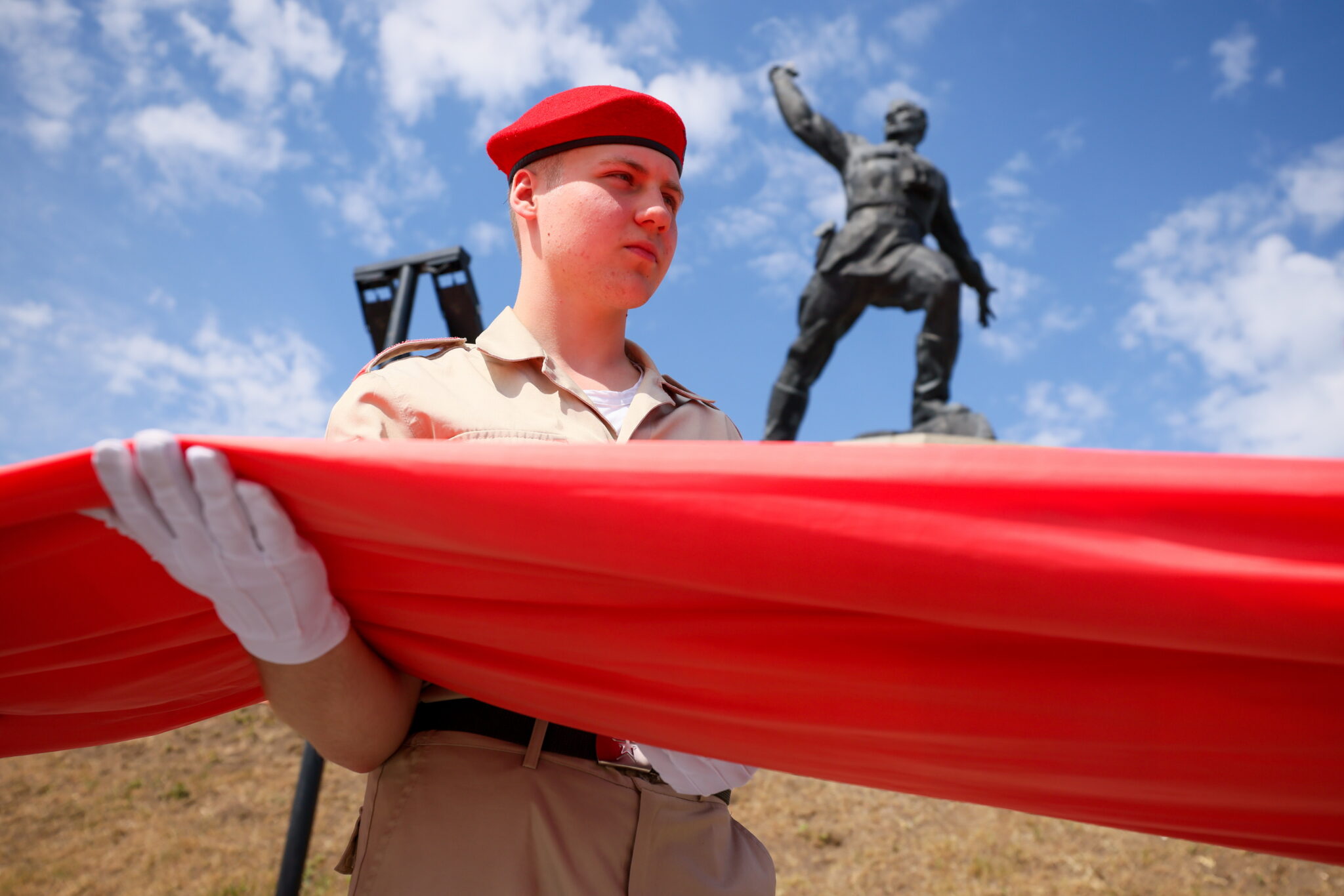
The 80th anniversary of victory in World War II shines a light on the world’s current fractures, because in addition to the war in Ukraine, which pits the allies of 1945 against each other, there’s Donald Trump wild card.
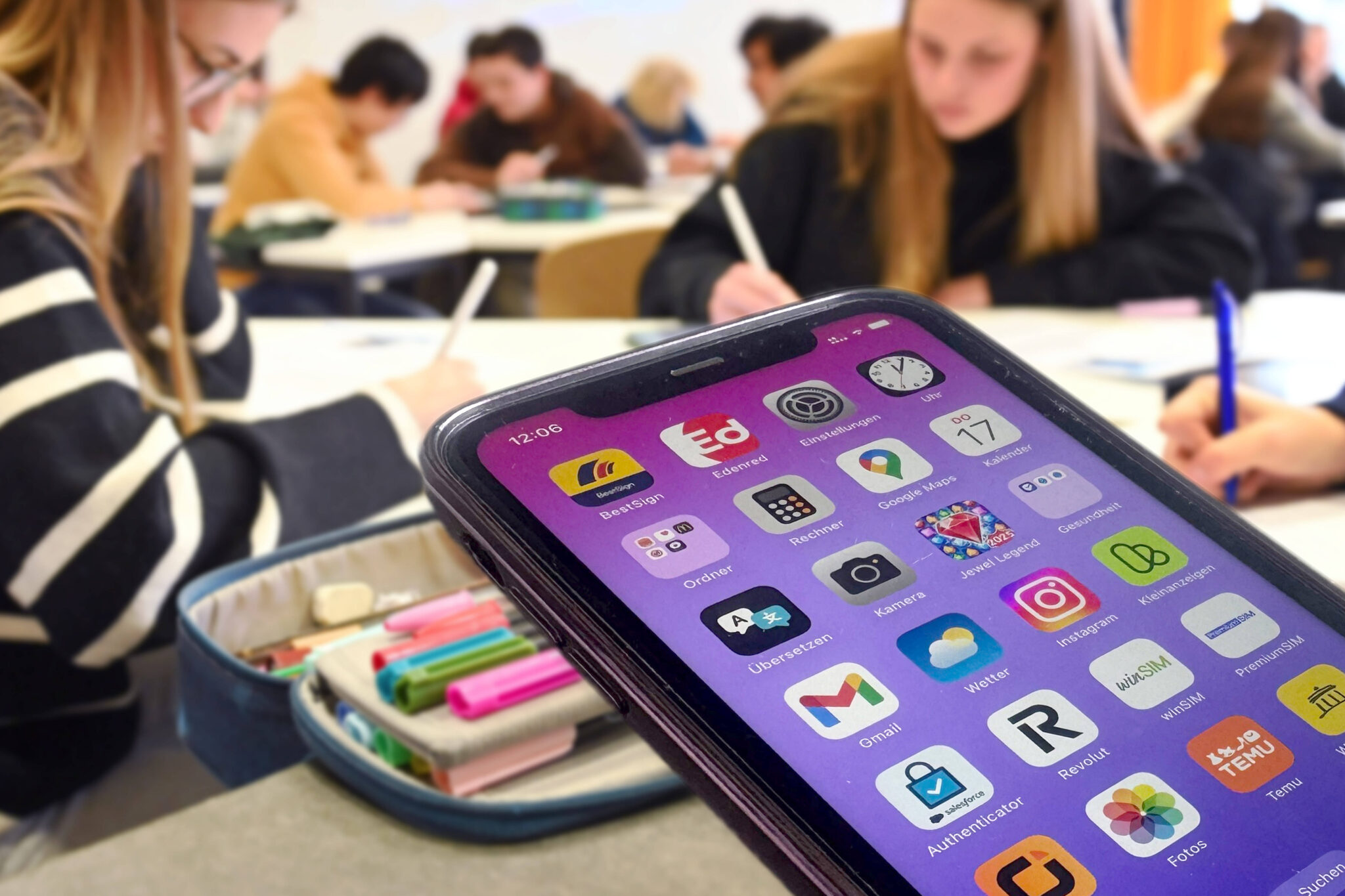
There is enough evidence already on the harm done by screen addiction among minors to justify banning smartphones for the entire school day, yet many schools and countries have yet to take strict action on this issue.

Extreme weather and climate events have severely affected the two largest coffee producers on the planet, Brazil and Vietnam. Here’s how climate change is fueling the surge in prices.
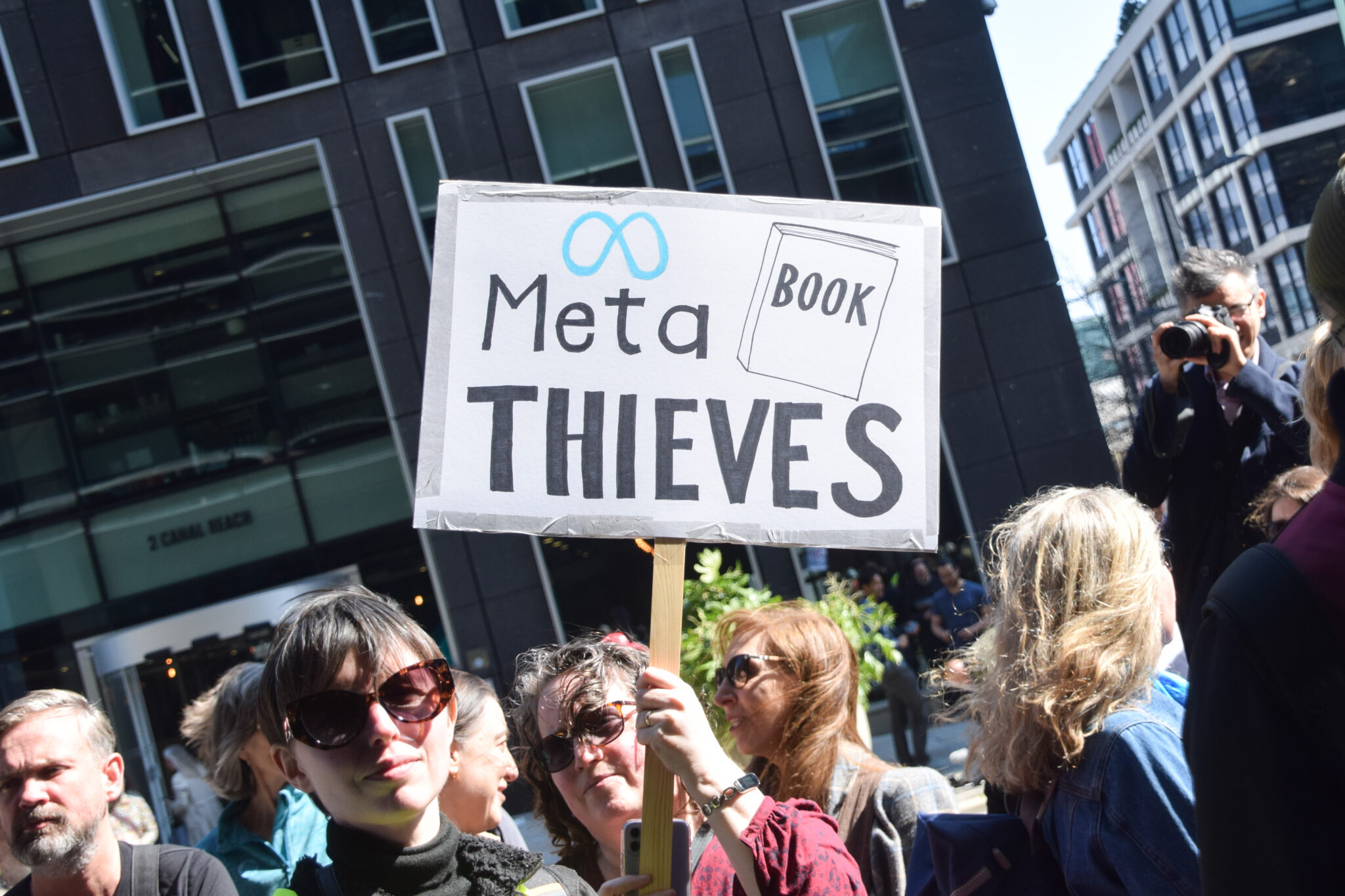
While disinformation and authoritarianism grow stronger in the U.S., countries across the Global South are leading the charge for regulation and resistance. It may be the beginning of a worldwide reckoning with Silicon Valley’s dominance.
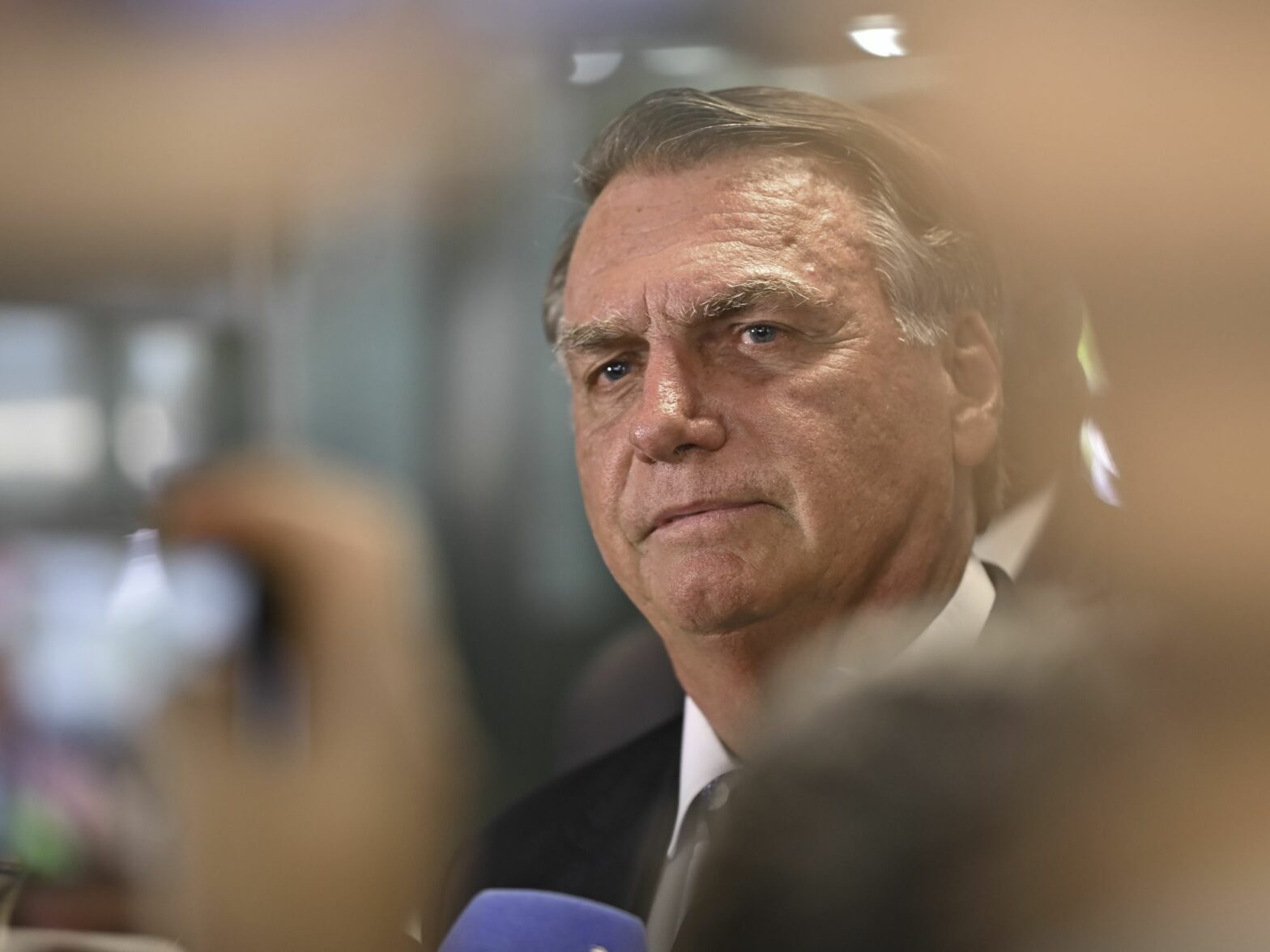
As Brazil’s Supreme Court prepares to rule on whether Jair Bolsonaro led a coup attempt, the battle is playing out on the internet, flooded with a counter-narrative of political persecution. It’s all very similar to what happened in the United States after the Capitol attack.
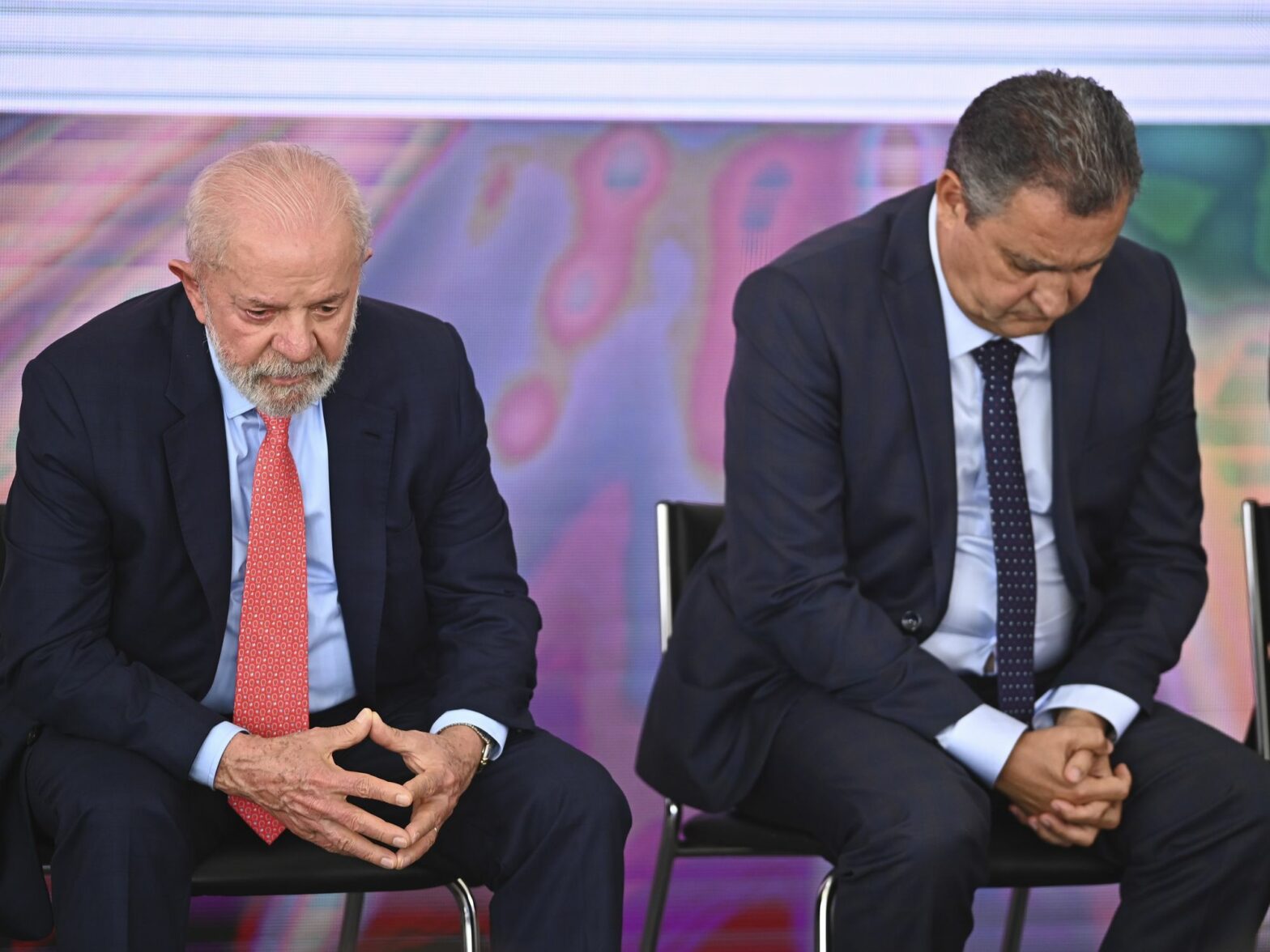
Voters used to reward good governance, but not anymore. From Brazil to the United States to the UK, a new political reality is unfolding, where incumbents struggle for reelection regardless of their performance. Our addiction to digital platforms may help explain this shift?
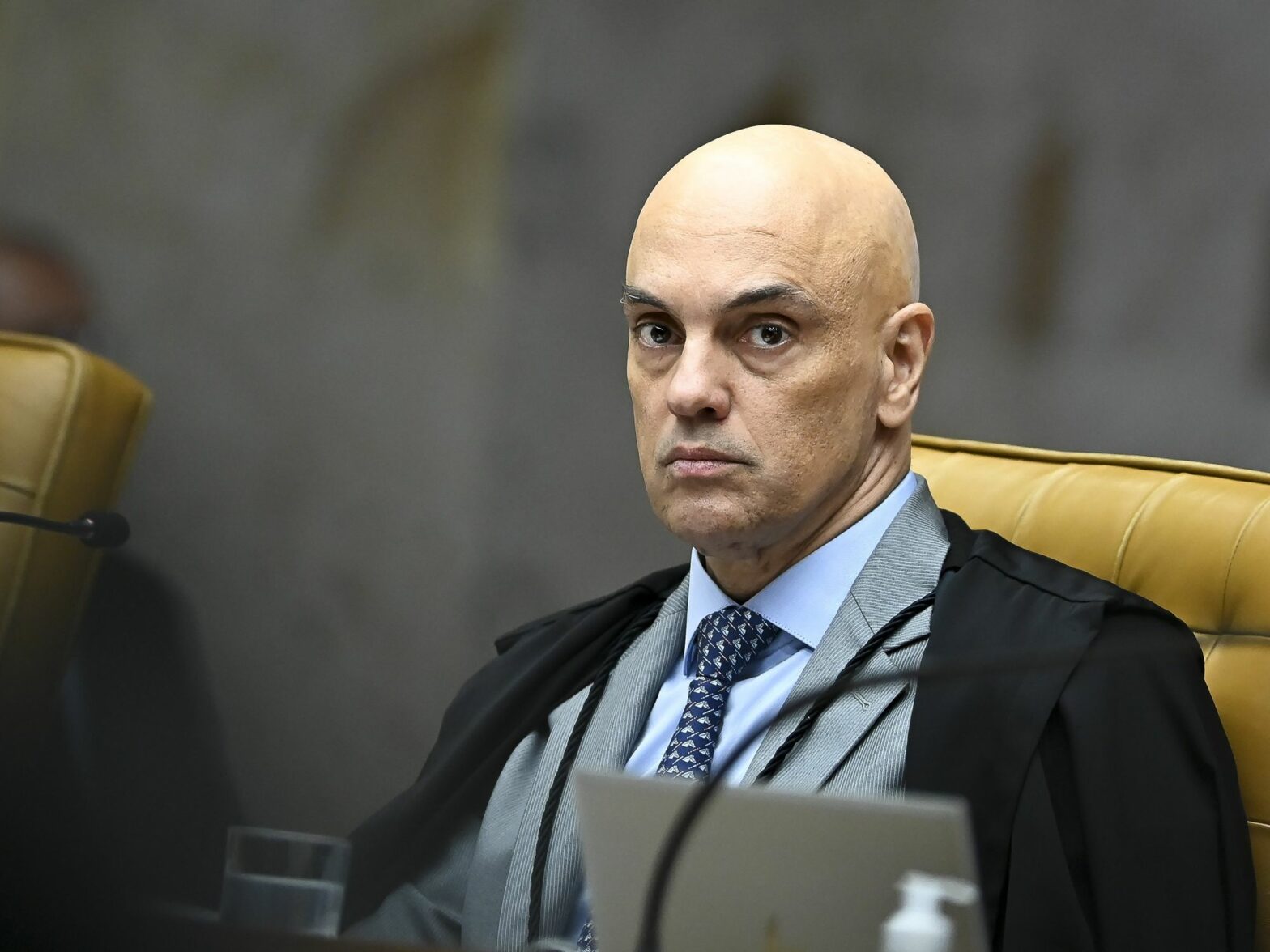
Trump’s media company Truth Social and the far-right video platform Rumble have joined forces in a U.S. lawsuit against a Brazilian judge. The case, packed with conspiracy theories and legal acrobatics, is less about law and more about politics, turning the American courts into a stage for Bolsonaro’s allies and Trump’s broader war on institutions.
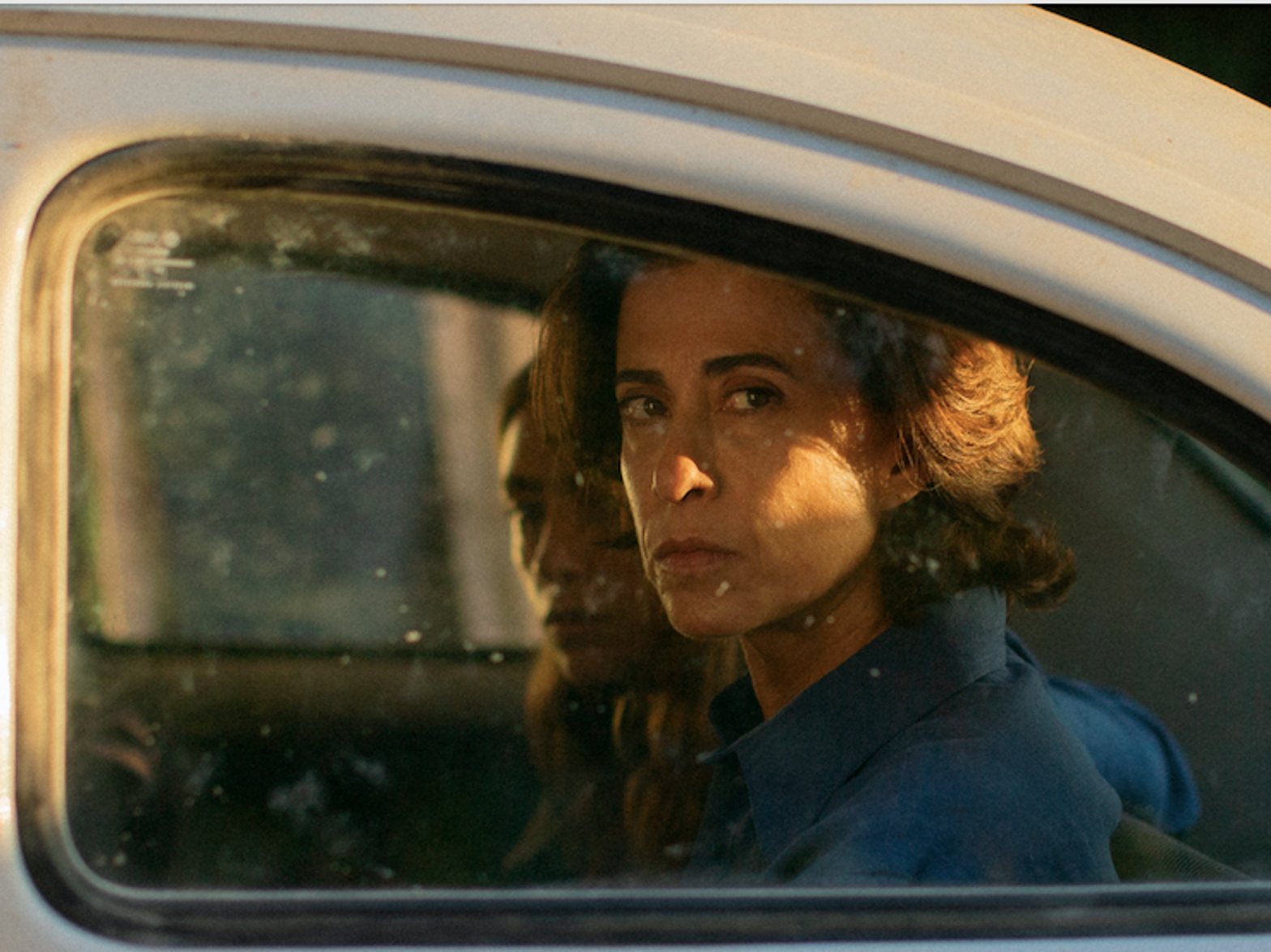
The Oscar-winning film has reignited national discussions on the dictatorship. With the debate over amnesty resurfacing, Brazil has a new opportunity to hold perpetrators accountable.
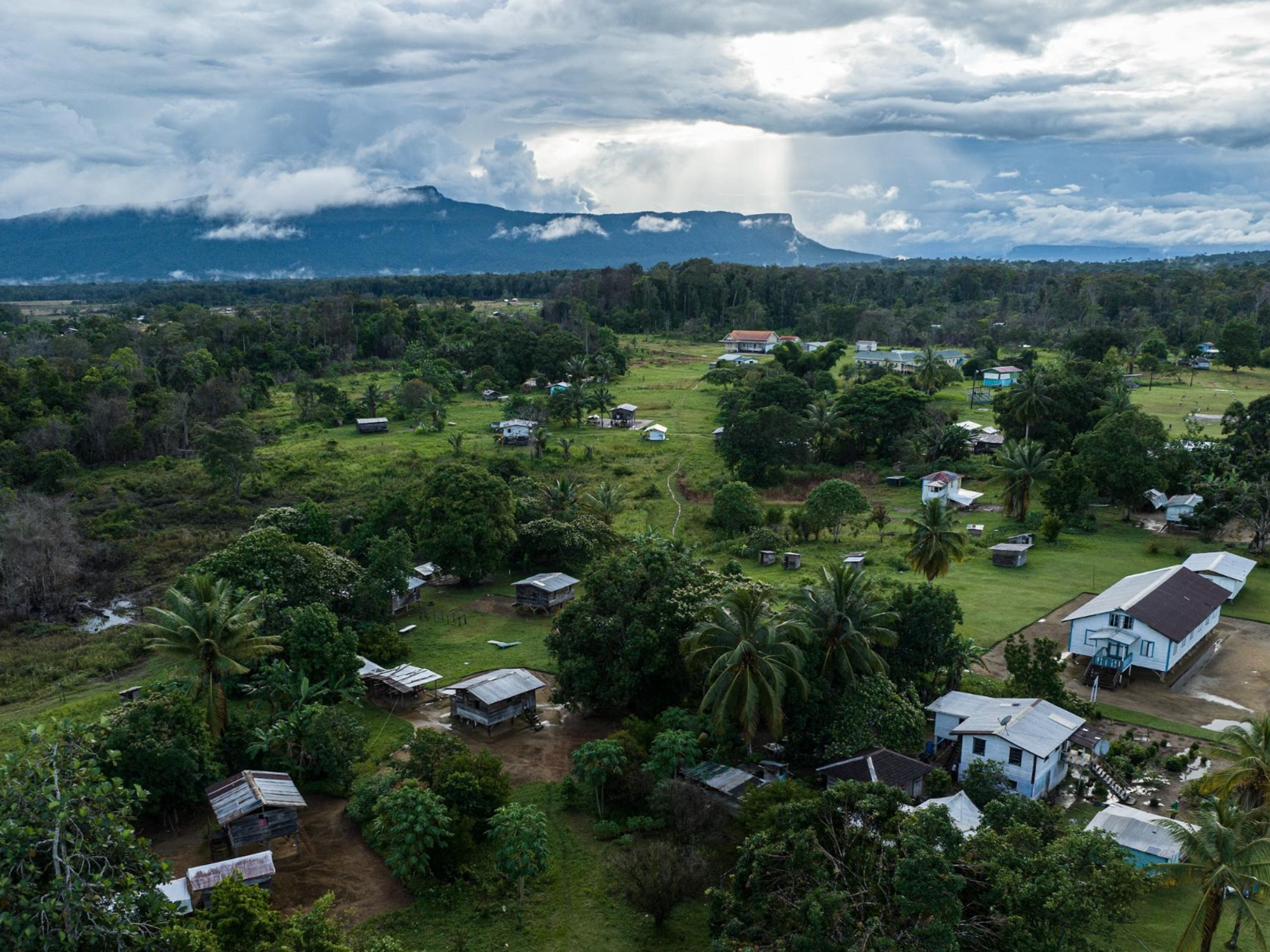
Andy’s Mall is the result of the first payment made by Guyana’s government to the Indigenous people of the Kako area, who are proud to say that they were the last to give in and sign the contract with the government that determined the conversion of their forests into carbon credits, sold to the Hess Corporation, an American oil company.
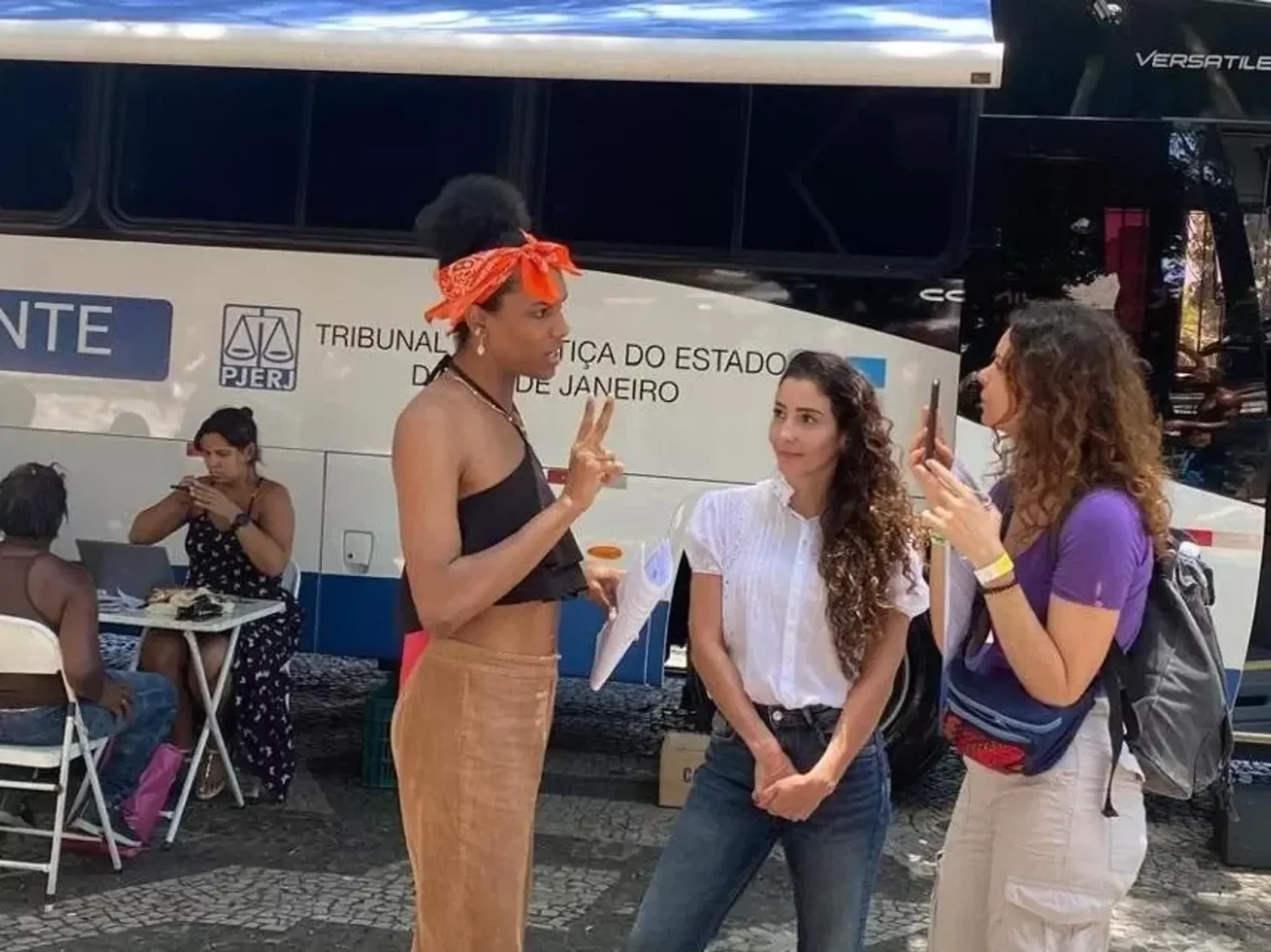
Rio de Janeiro’s state tribunal brings judges and prosecutors to 26 locations disseminated around the city inside buses, as part of a program started in 2004. The buses mostly go to the poorest areas of the city, in an effort to bring justice to those that are oftentimes most distant from the Brazilian state.
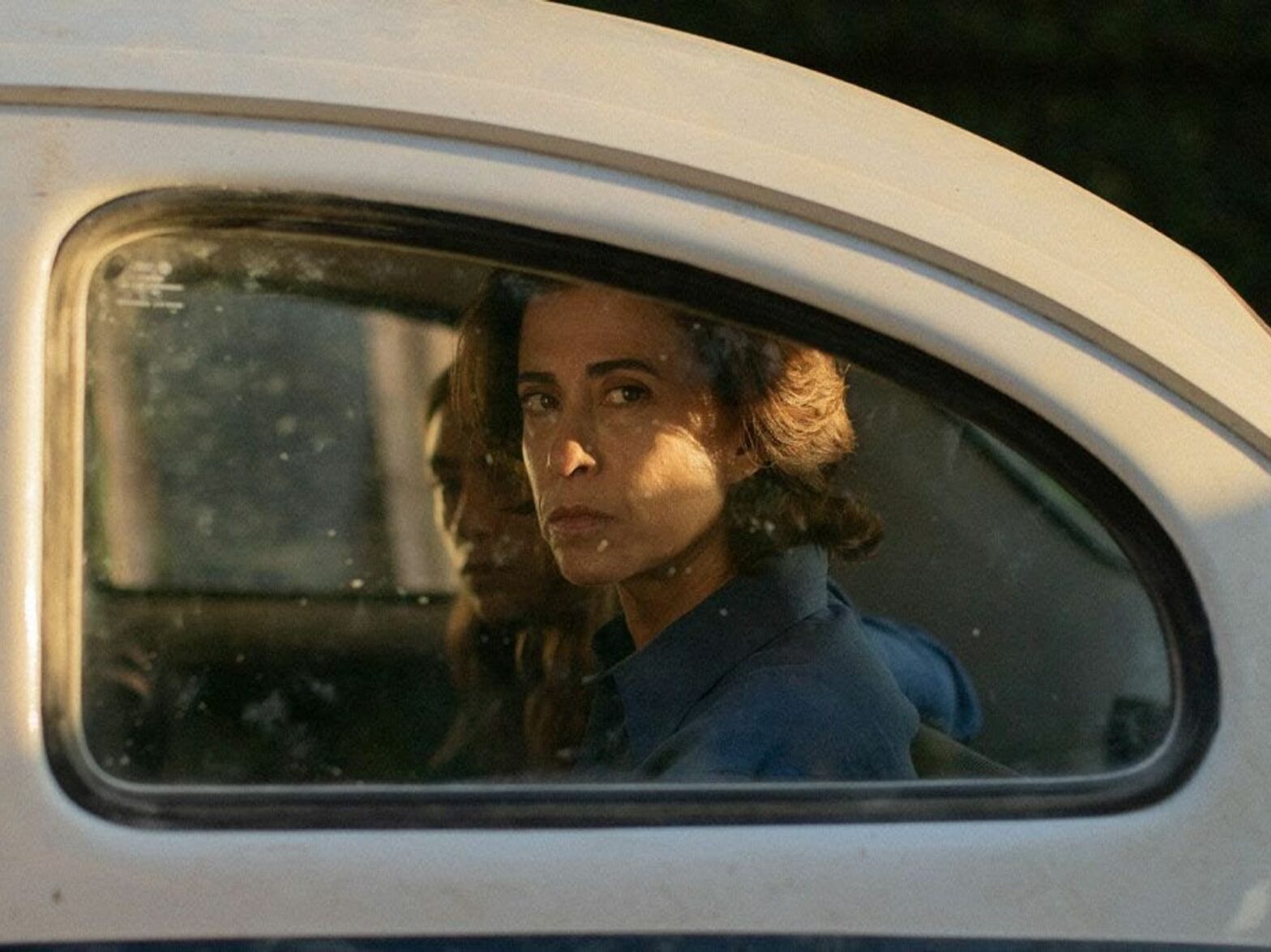
A personal journey through memory, loss, and resilience — reflecting on Eunice Facciolla Paiva’s quiet strength, Marcelo Paiva’s storytelling, and the haunting echoes of dictatorship in today’s world. It’s a rare Oscars Best Picture nominee from Brazil.
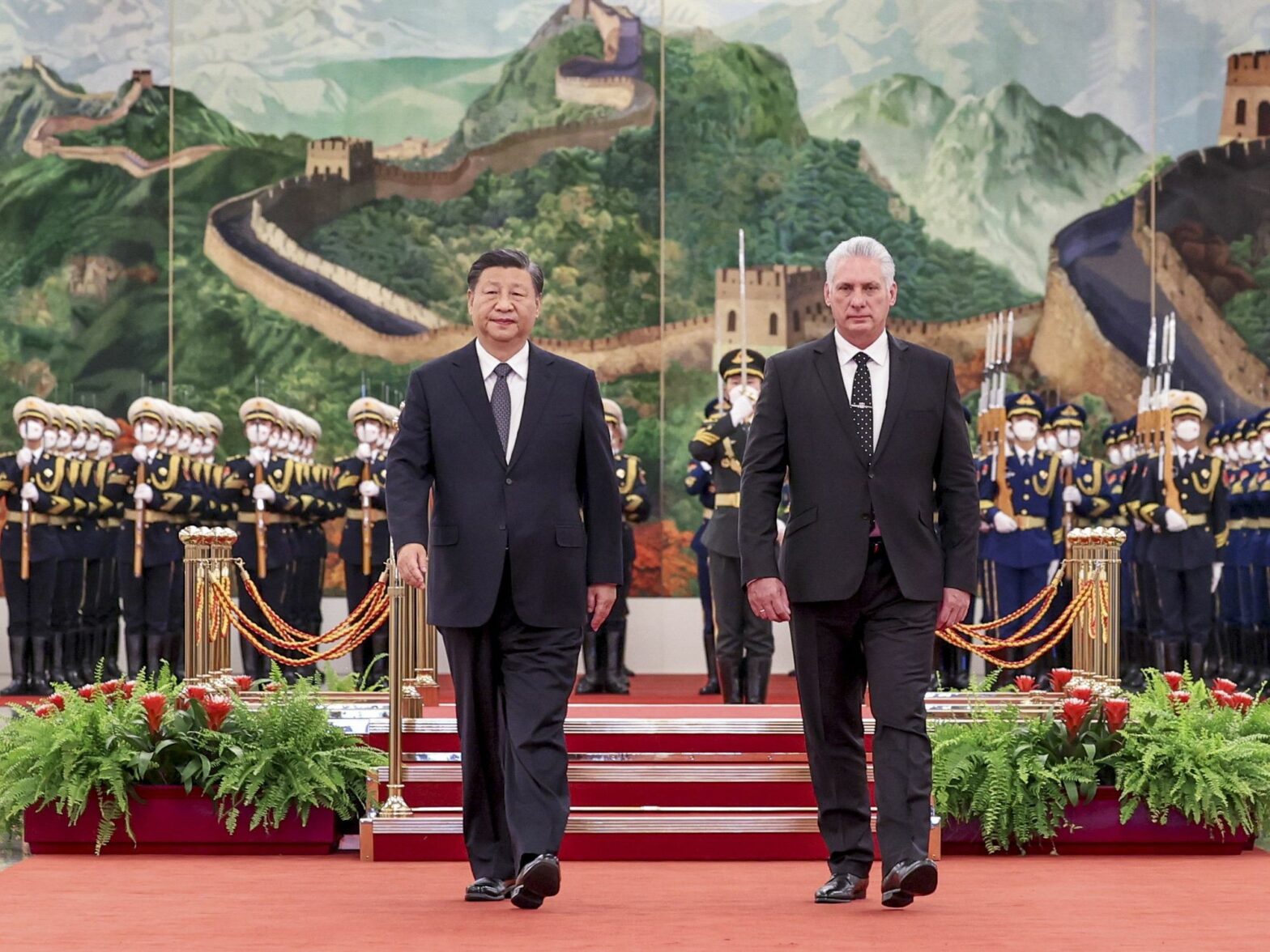
In another sign of changing power relations in the ‘post-Western’ world, the BRICS group of emerging economies could frustrate the United States’ bid to sink communism in Cuba by strangling its economy.

Natalia Viana, of Brazil’s leading investigative platform Agência Pública, writes that Zuckerberg’s attack on fact-checkers may be cynical and vile, but the practice is here to stay, and gets at the core of maintaining a healthy democracy.
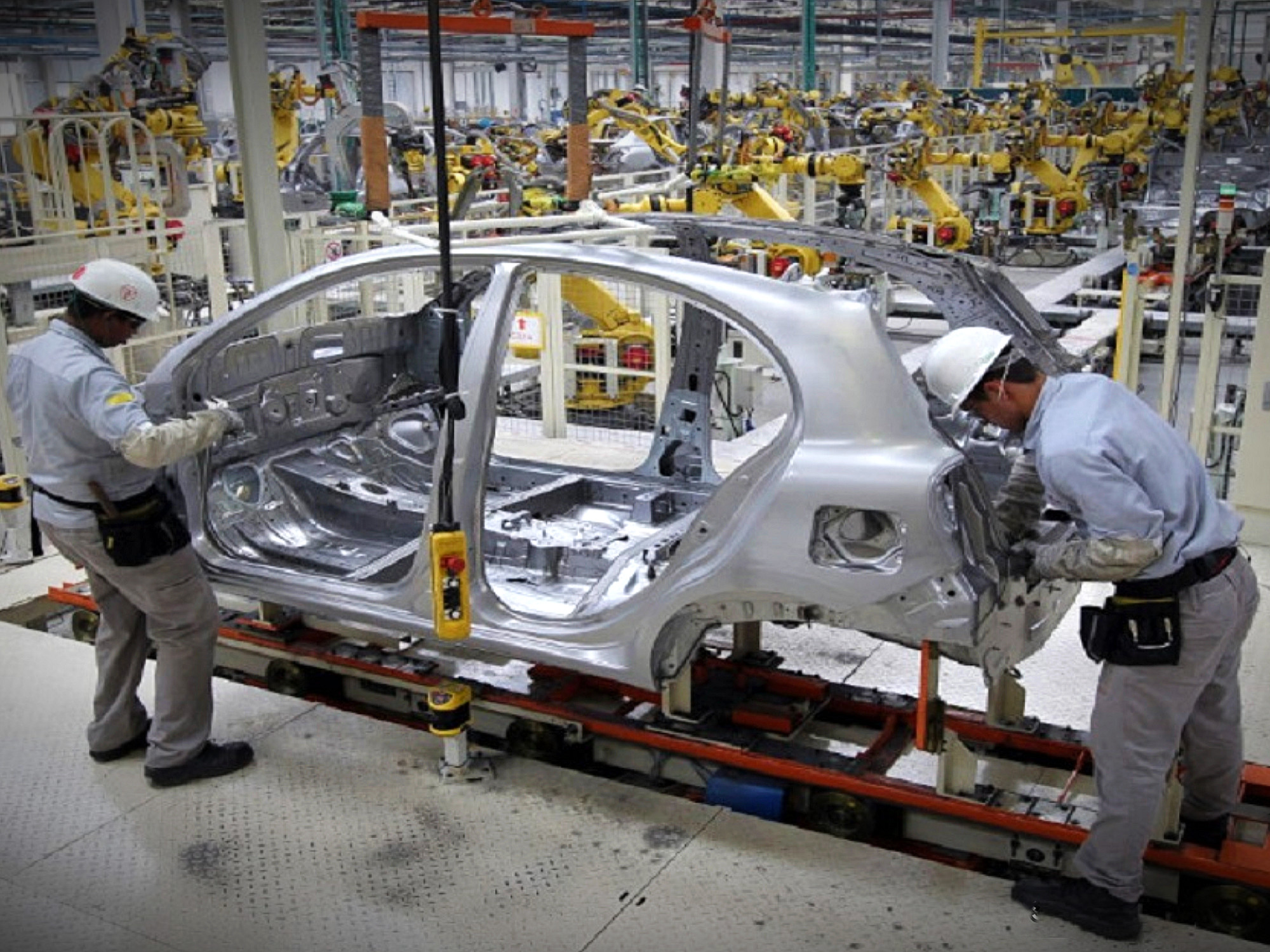
The rescue of 163 Chinese workers from a BYD plant in Brazil reveals the persistence of labor exploitation in the 21st century. This case, alongside reports of politicians with slave-owning ancestors facing similar accusations, underscores how Brazil’s colonial legacy continues to shape its present.

How can we transcend the anonymity of numbers? How can we preserve moments of love, resilience and defiance against oppression. Egyptian filmmaker and writer Basel Ramsis reflects on human connection, memory and the fight against dehumanization.
Brazil’s independent investigative outlet Agência Pública has published revelations that link the founder of one of the country’s largest retail chains to a decade-long sexual exploitation scheme. Why has the mainstream media stayed silent?
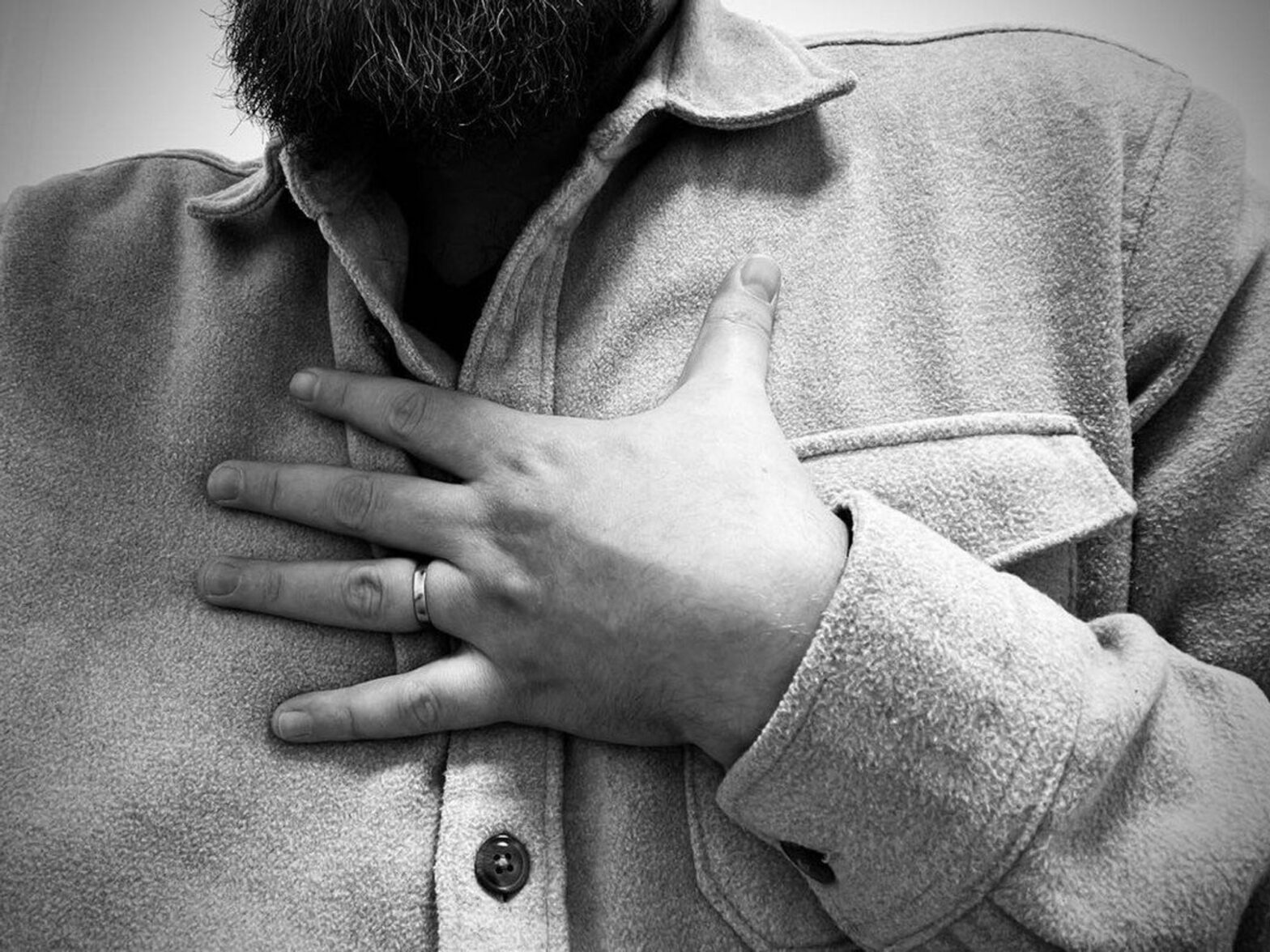
Is feminism wrong in its strategy? Are all male machistas? Some ideas on what we men could do better — as politicians like Trump seem to count on young, disgruntled men to push back against the victories of the feminist movement.

The initiative led by OpenAI CEO Sam Altman to create a global identity system through iris scanning has landed in Brazil. But what about privacy, transparency and the ethical implications of such a vast biometric project?
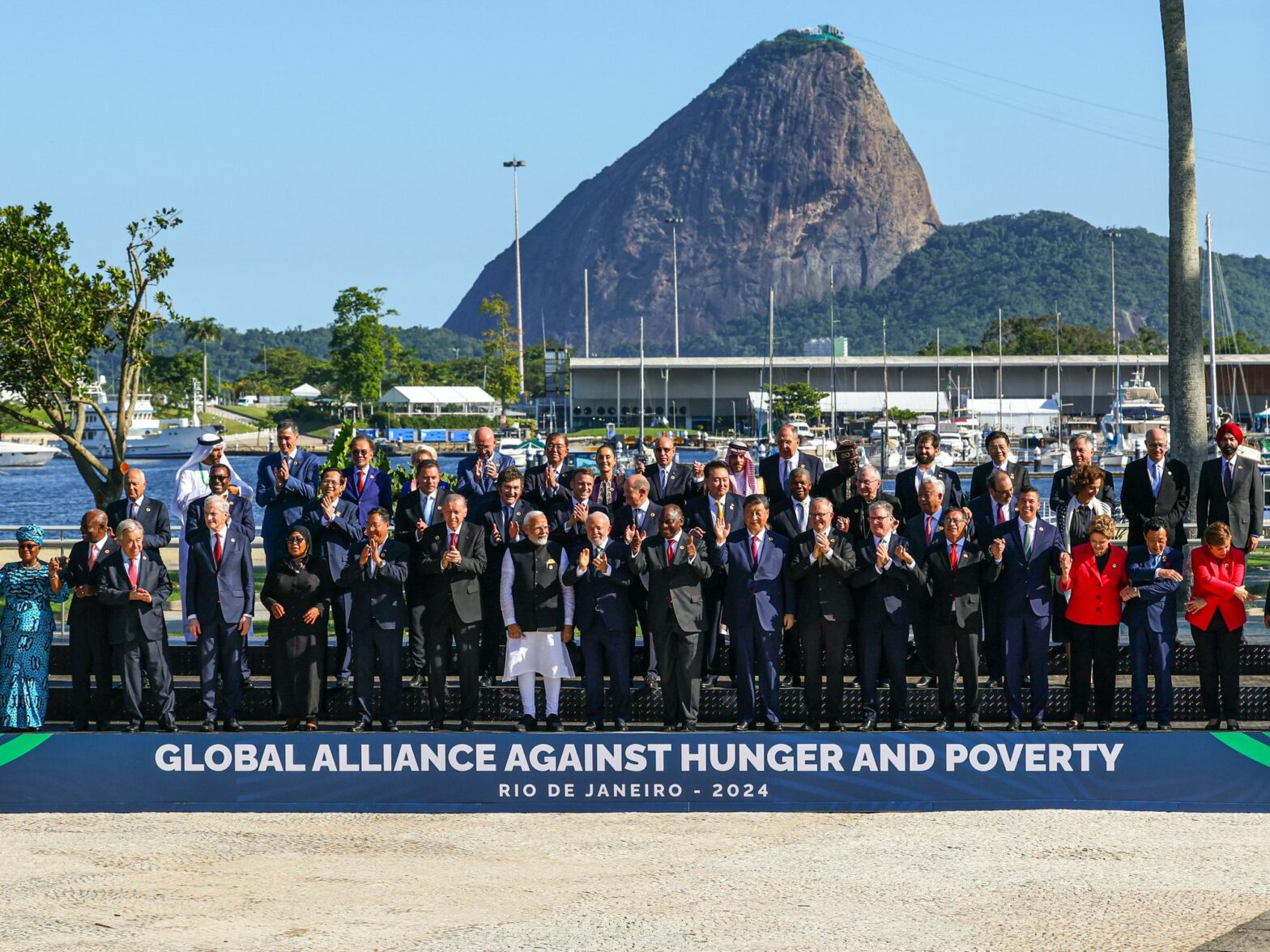
The United Nations suffers from a lack of effectiveness and declining legitimacy due to a failure to reform. The G20 remains the last forum where opposing powers can still talk to one another. But with the return of Donald Trump and his “America First” policy, what comes next is uncertain.
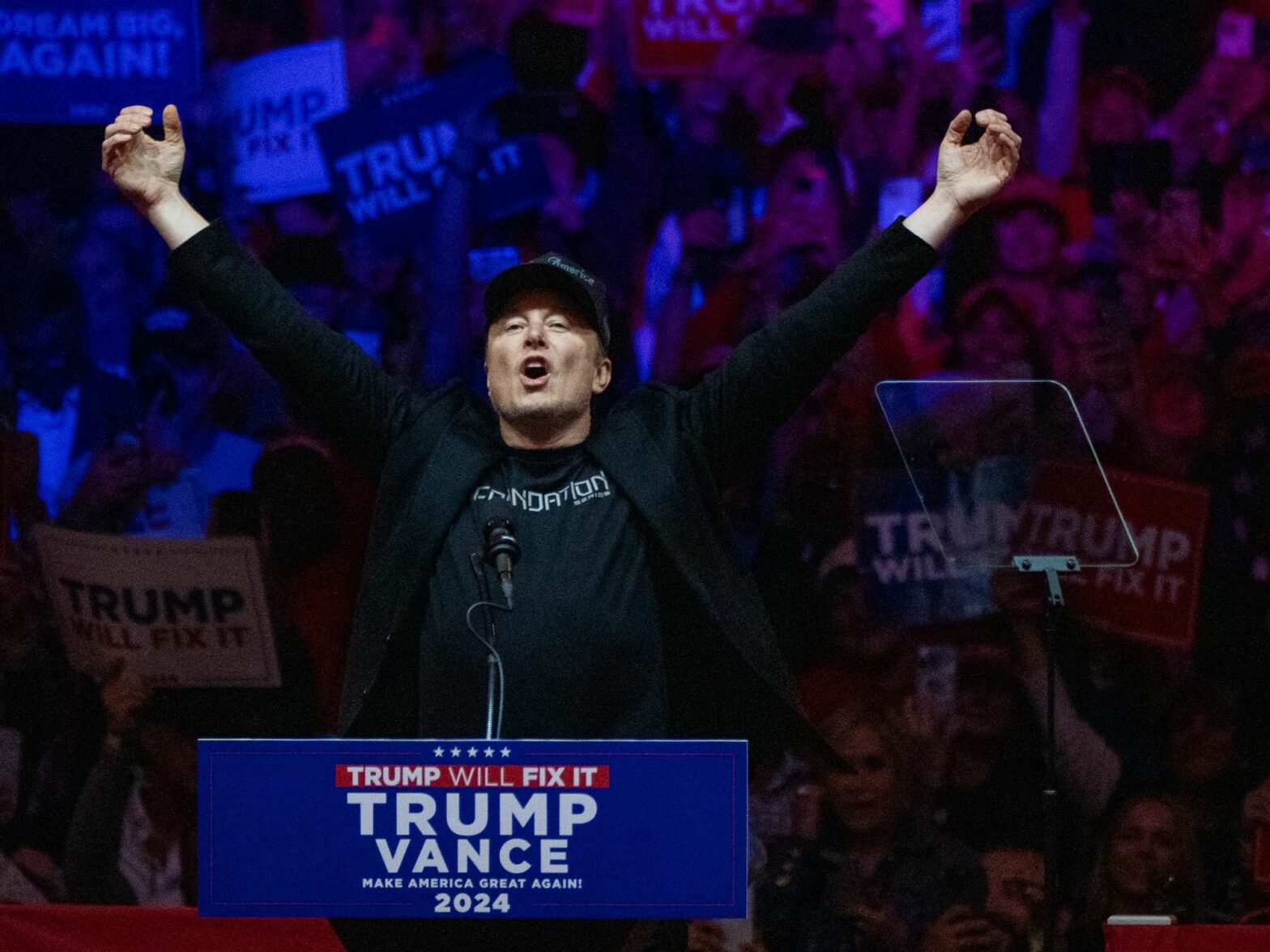
With the announcement that Elon Musk will become part of Donald Trump’s administration, the tech billionaire’s influence on the U.S. will keep on growing. From pouring hundreds of millions into Trump’s campaign to bending social media narratives, Musk’s actions underscore the ease with which the techno-oligarchy can buy political sway, writes Natalia Viana of Brazil’s leading investigative platform Agência Pública.
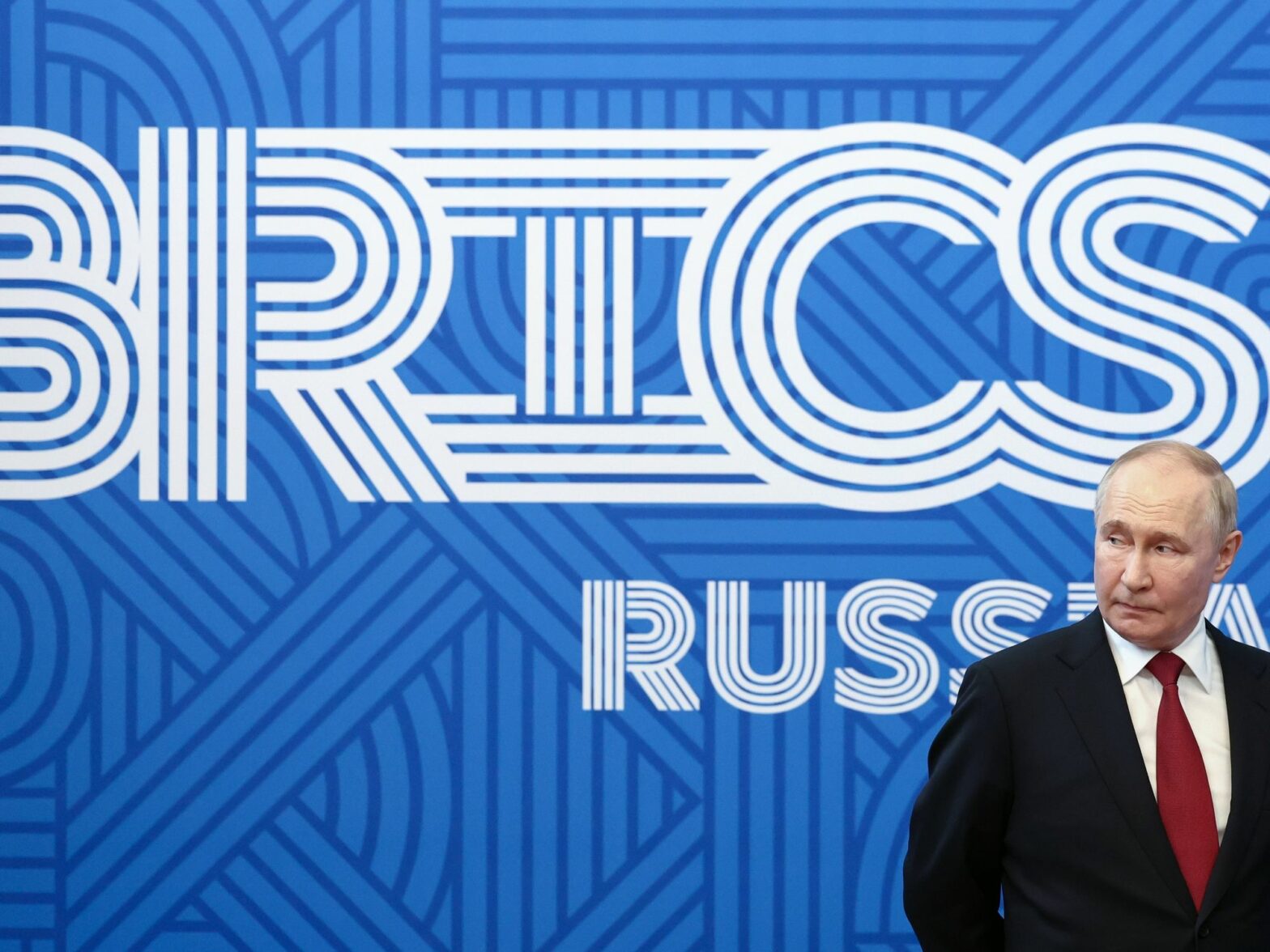
The BRICS Summit, which opens on Tuesday in Kazan, Russia, is an opportunity for Vladimir Putin to show that he is not isolated. But it is above all the power of attraction of this club of emerging countries that needs to be seen, in a world dominated by the West since 1945 and struggling to evolve.
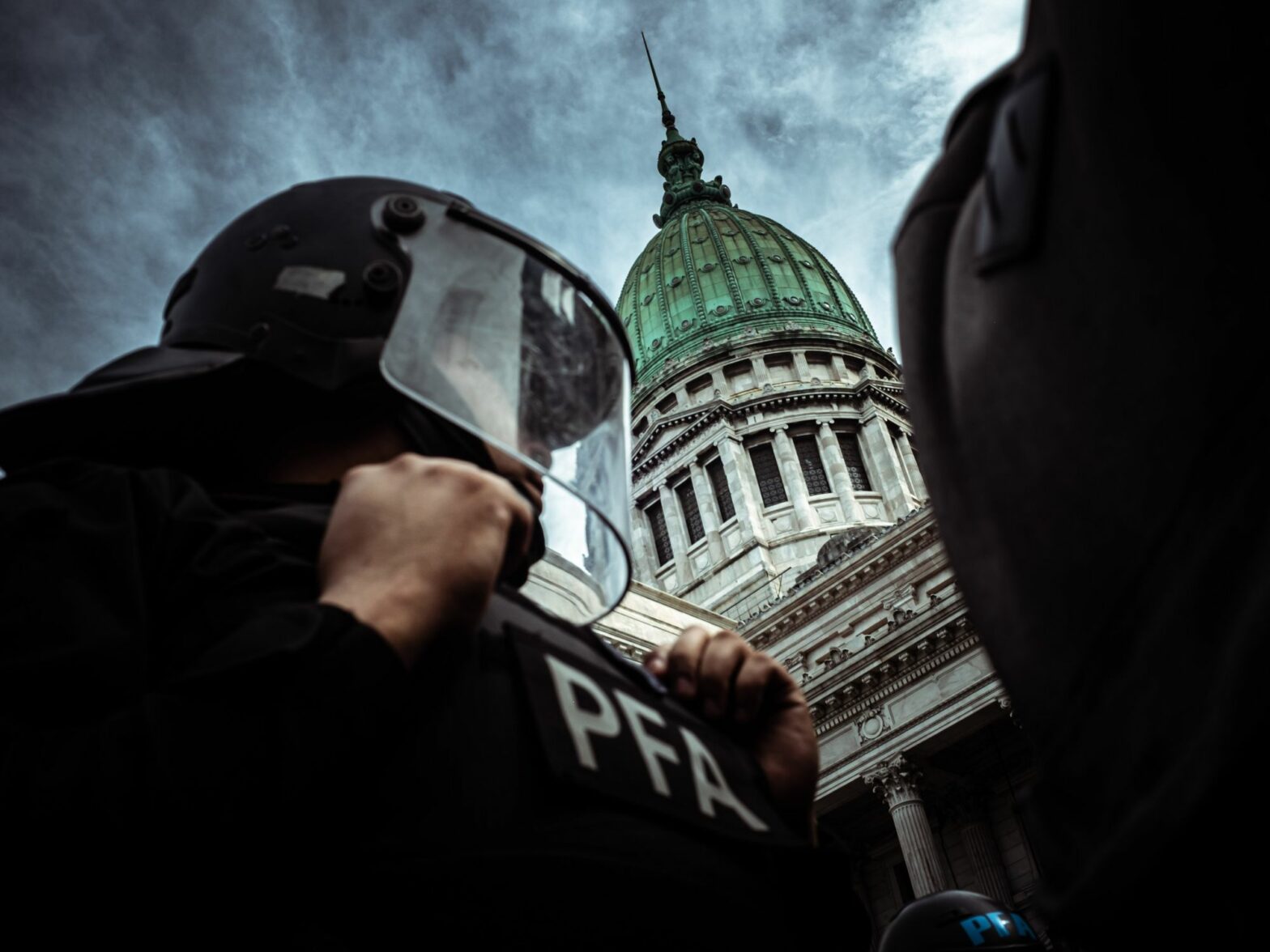
Critics are right to denounce crooked politicians or elected leaders for undermining the democratic system of checks and balances. But defending those checks and balances is not the key to restoring democracy — because people’s pervasive distrust and discontent with politics is a much deeper problem to address.
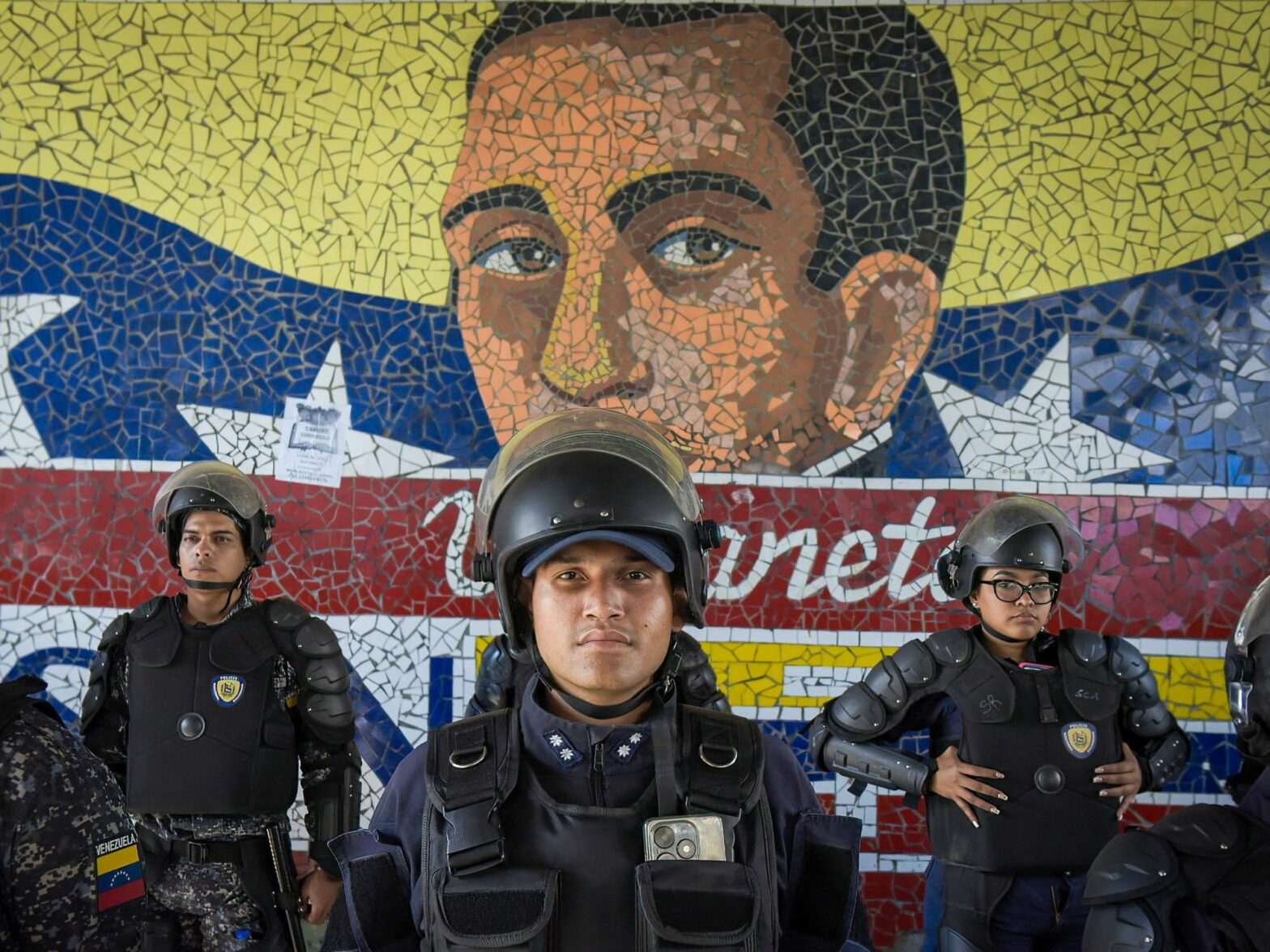
Edmundo Gonzales, the opposition candidate who should have been declared the winner of the July election in Venezuela, has gone into exile in Spain. For the time being, President Maduro has won the day, even if he is denounced by the Latin American democratic left, notably Lula in Brazil.
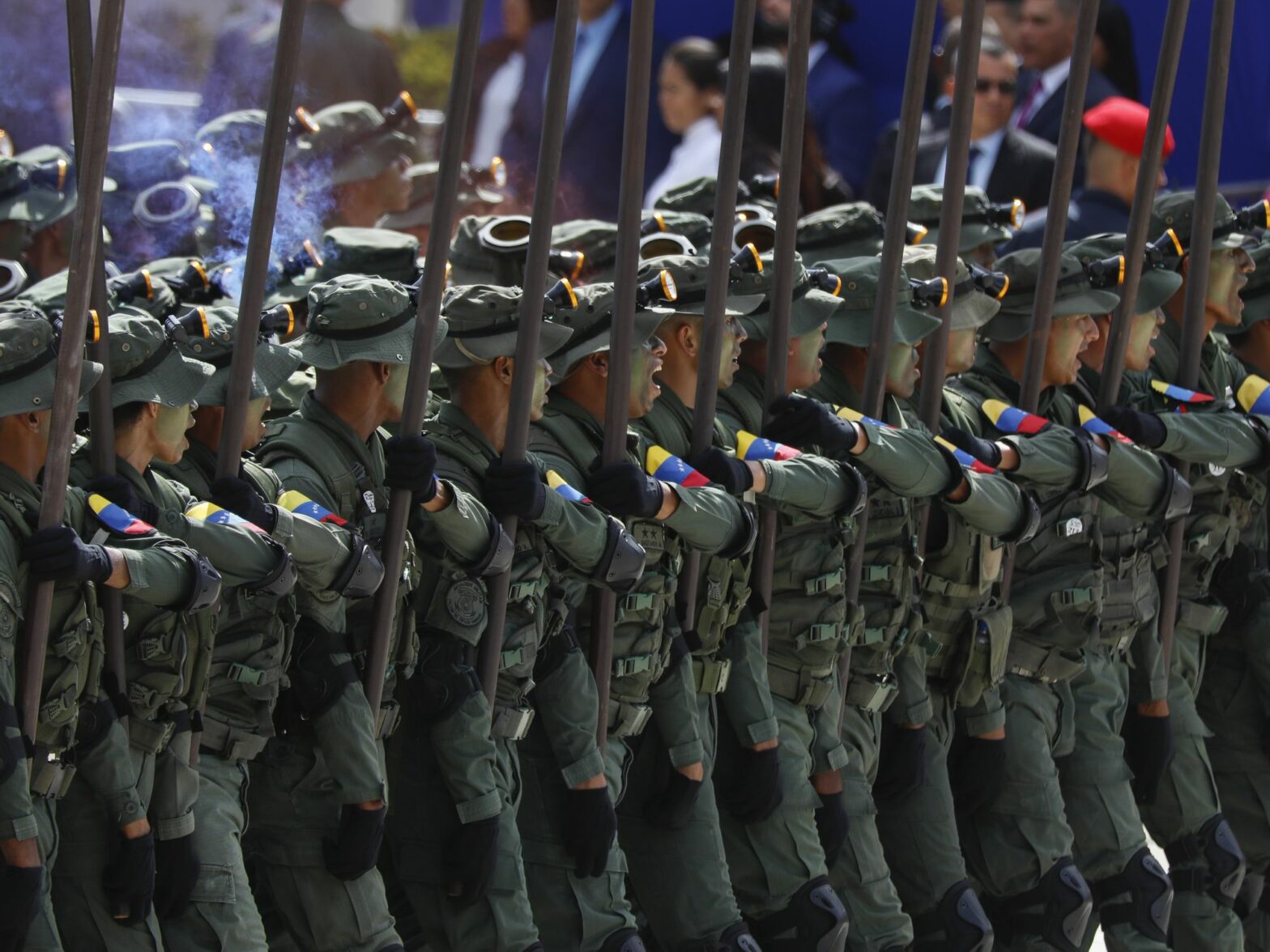
The armed forces have been dragged into political and electoral spats across the Americas, from the United States to Brazil to Venezuela. Is this another sign of liberal democracy’s decline in the West?

From The Amazon to The Alps, French photographer and street artist Philippe Echaroux has made a name for himself with his extraordinary light projections that aim to raise awareness about social and environmental issues.
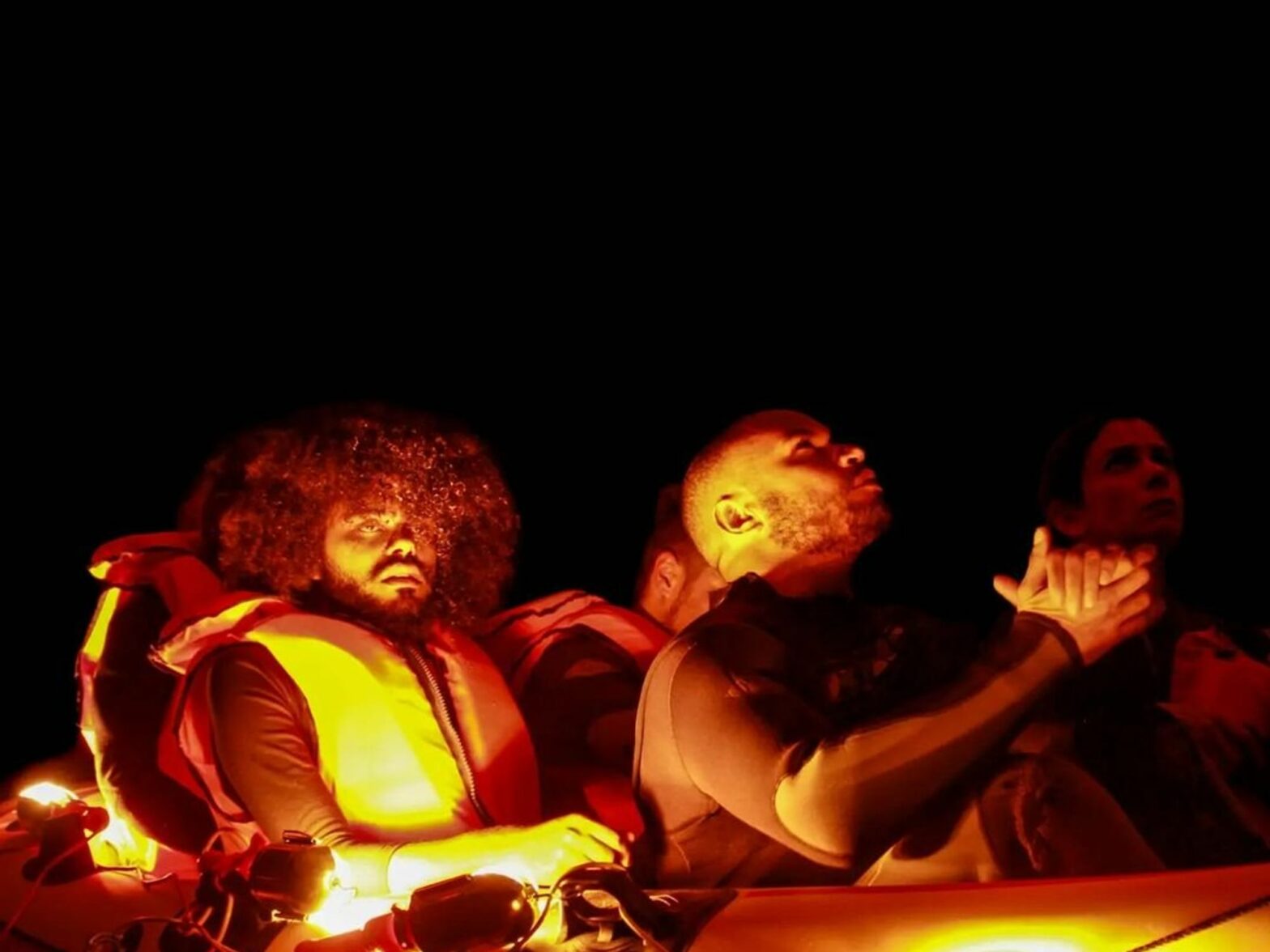
A new group theater in Lisbon — made up by a majority of Brazilian migrants — has set out to explore the idea of migration through plays. They started with putting in scene a story about the concept of nationhood — because every migration story looks different, but it also has some universal basis, the artists tell independent media Mensagem.
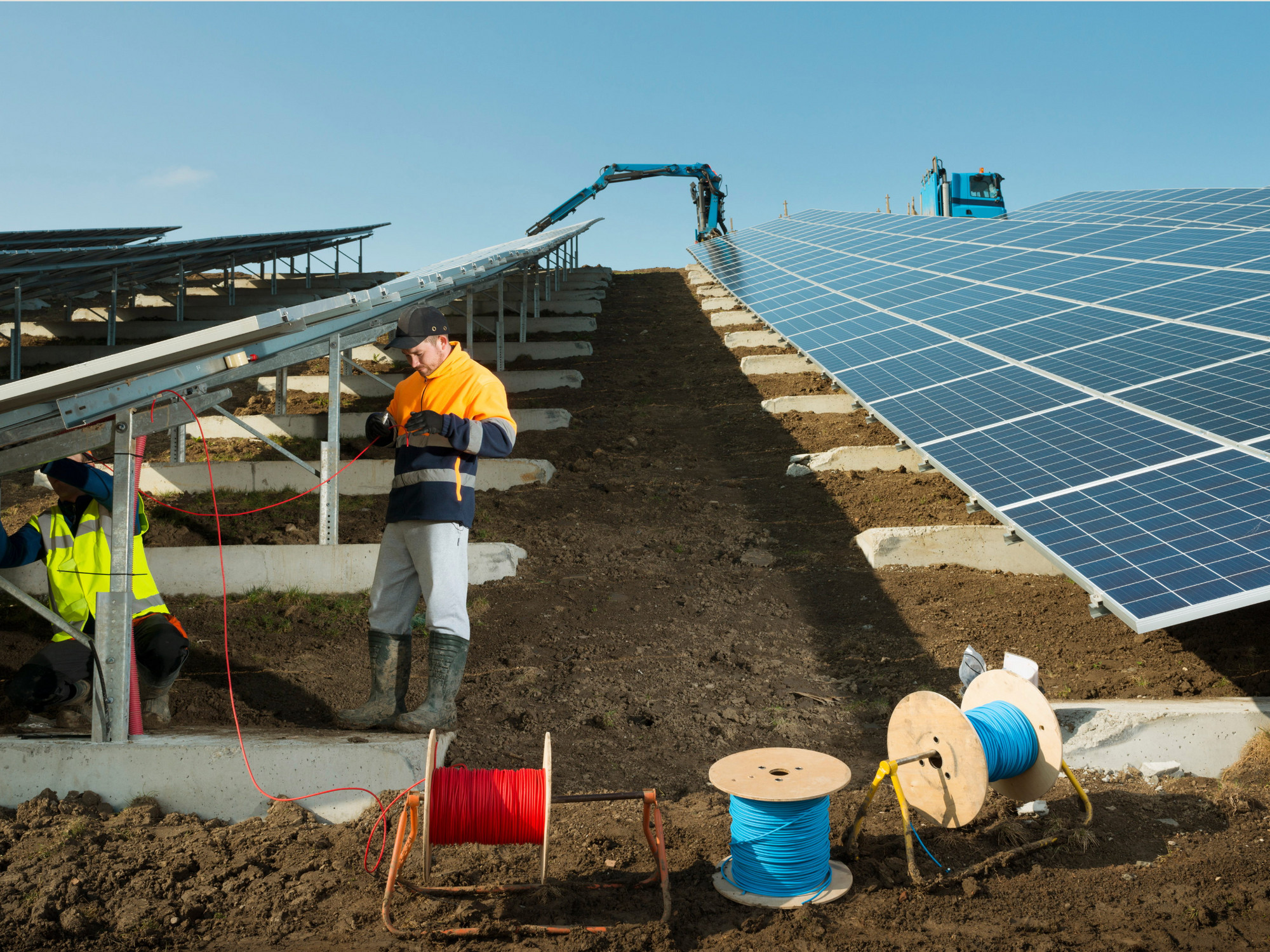
The global fight against climate change is essential, but the solutions are not universal. Measures must account for the local realities of the Global South, where economic development is equally important and where the imposition of strict environmental standards by the North has devastating social and economic consequences.
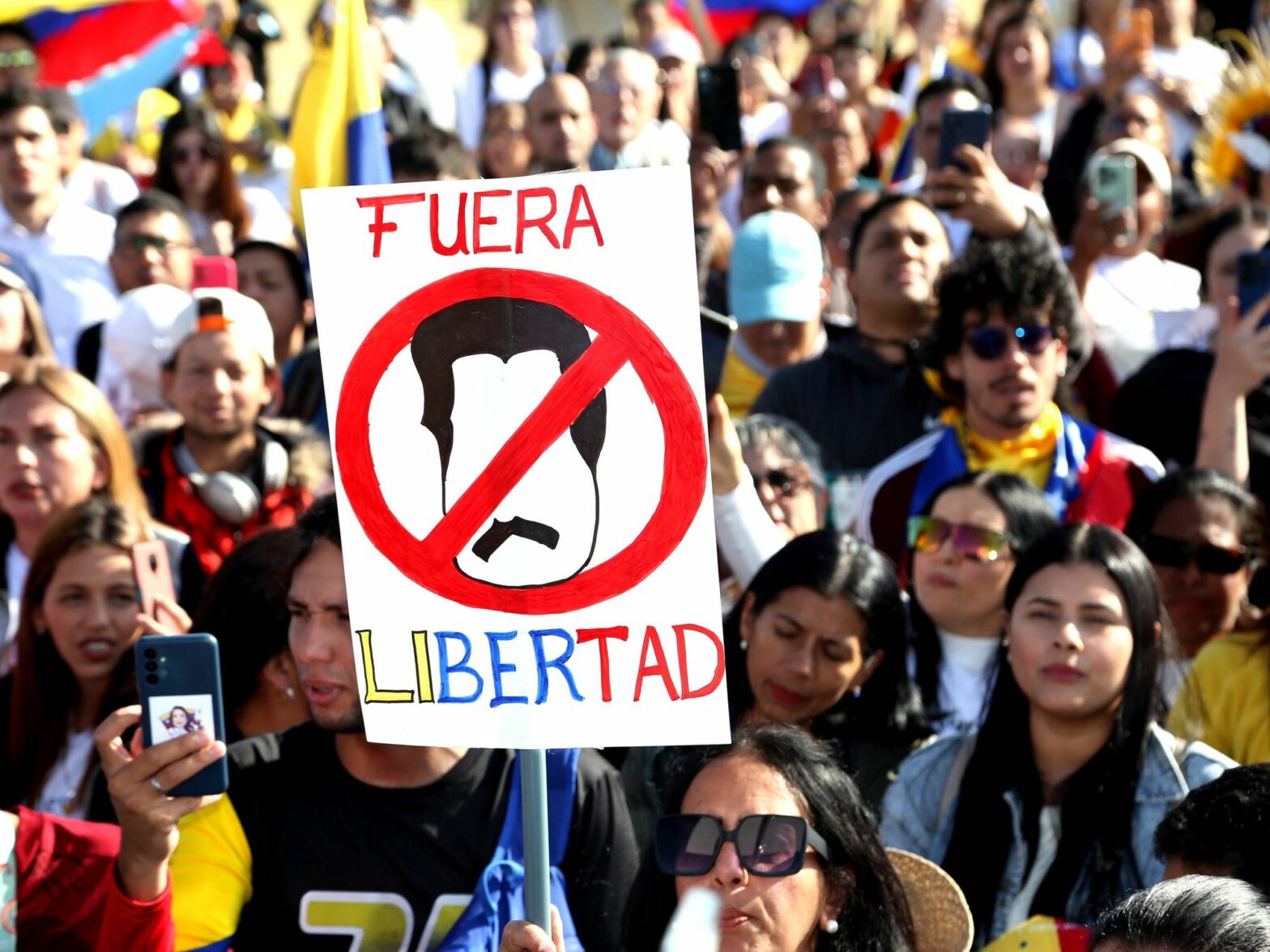
The leaders of three big Latin American powers, Colombia, Brazil and Mexico, have shown they believe keeping a fellow socialist in power is more important than respecting the votes of millions of ordinary Venezuelans who chose freedom over socialism.